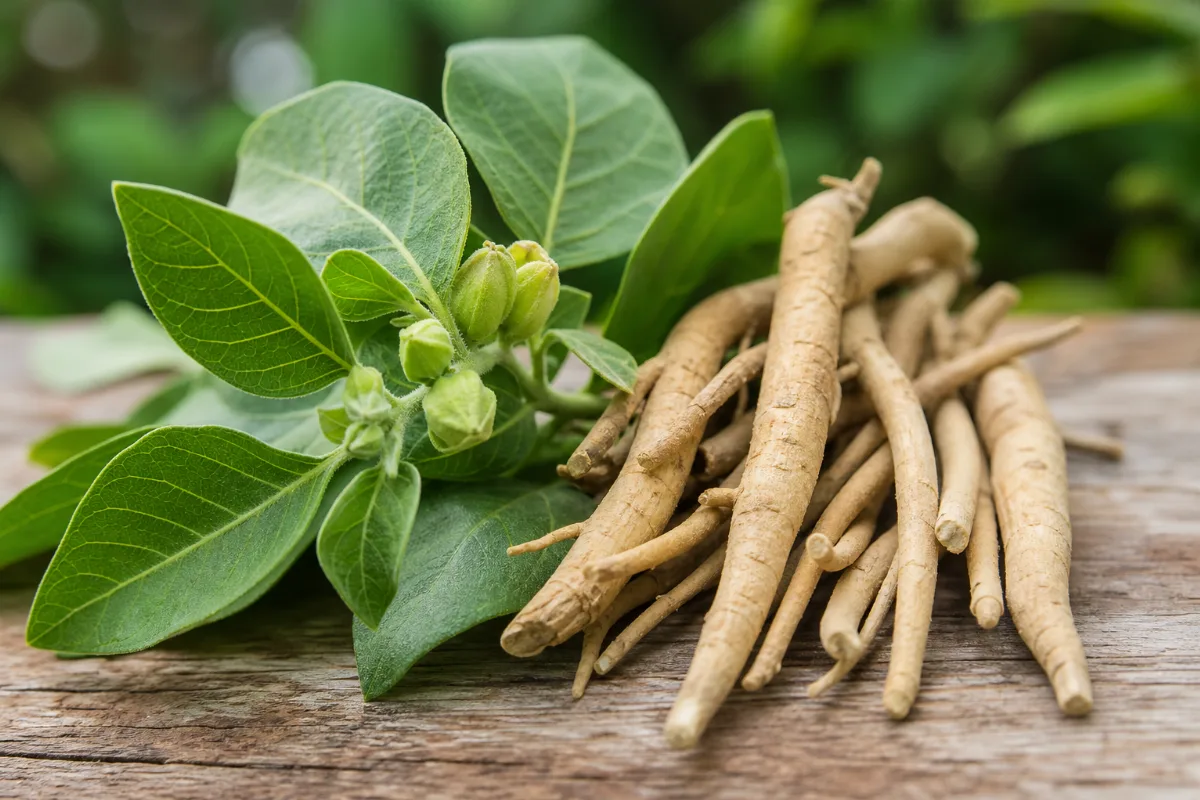
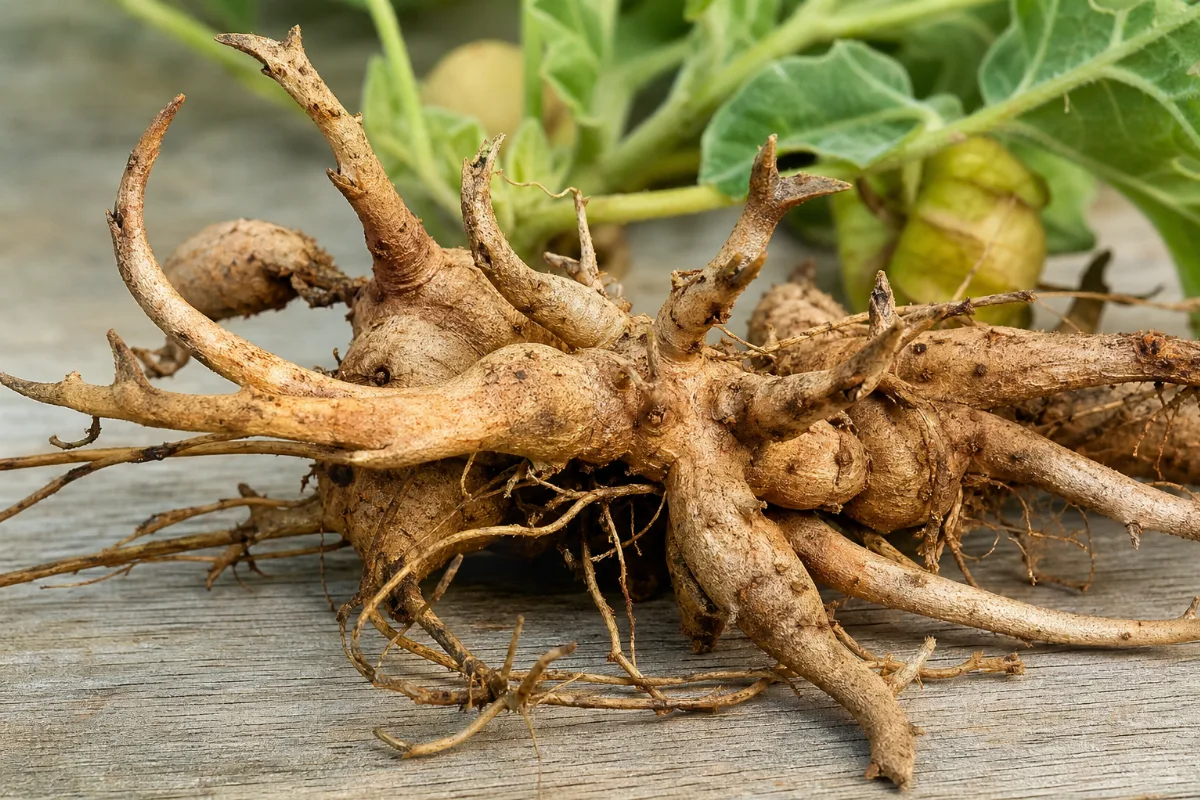
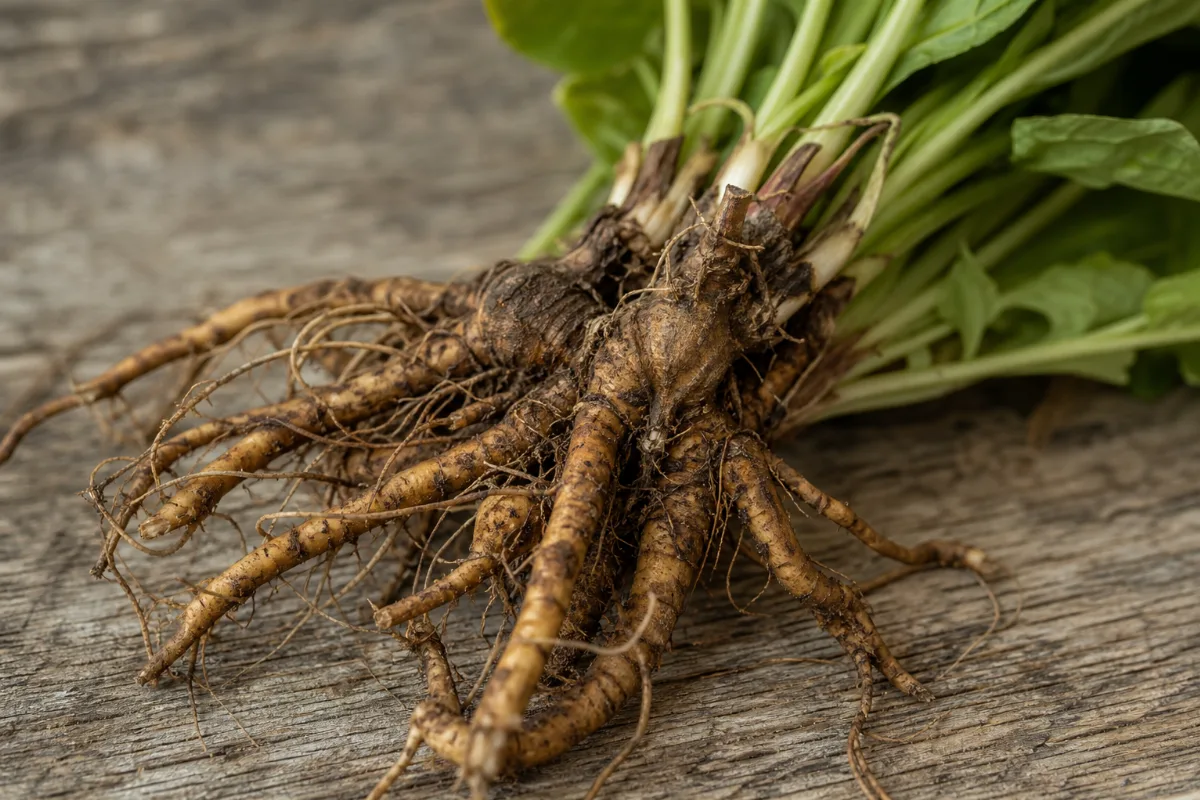
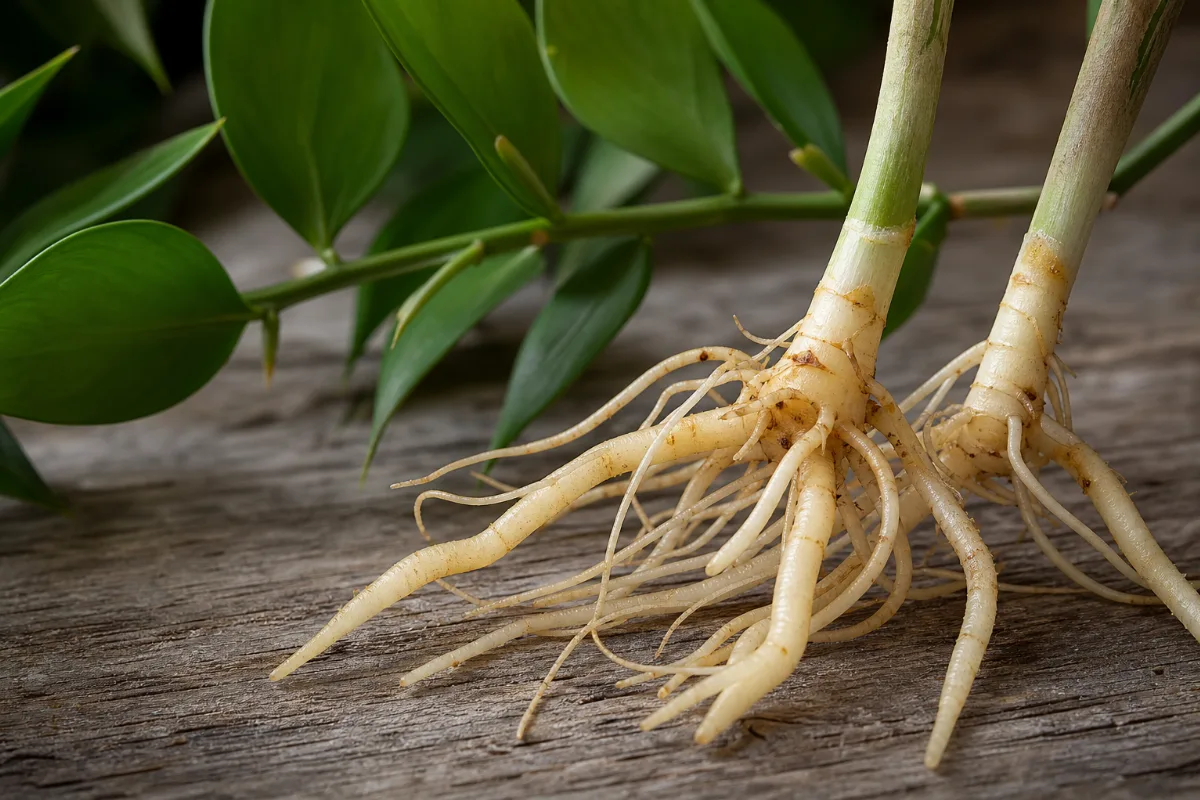
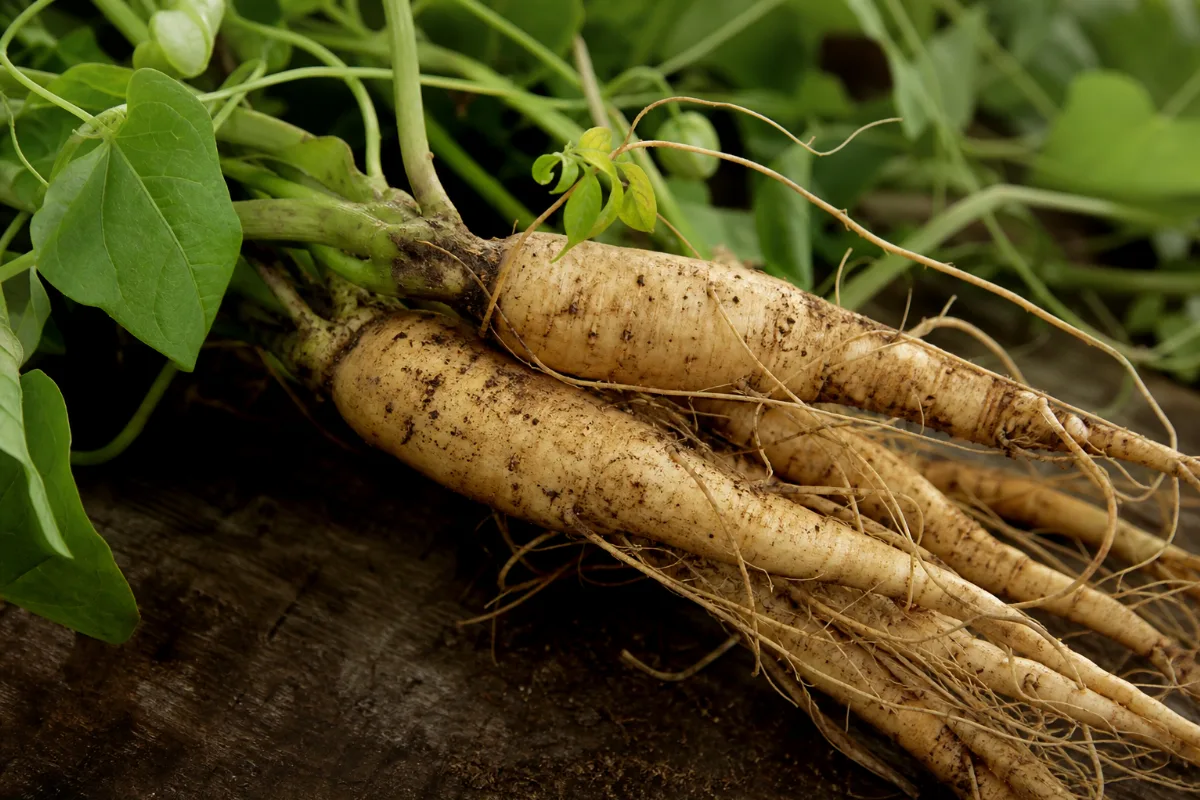
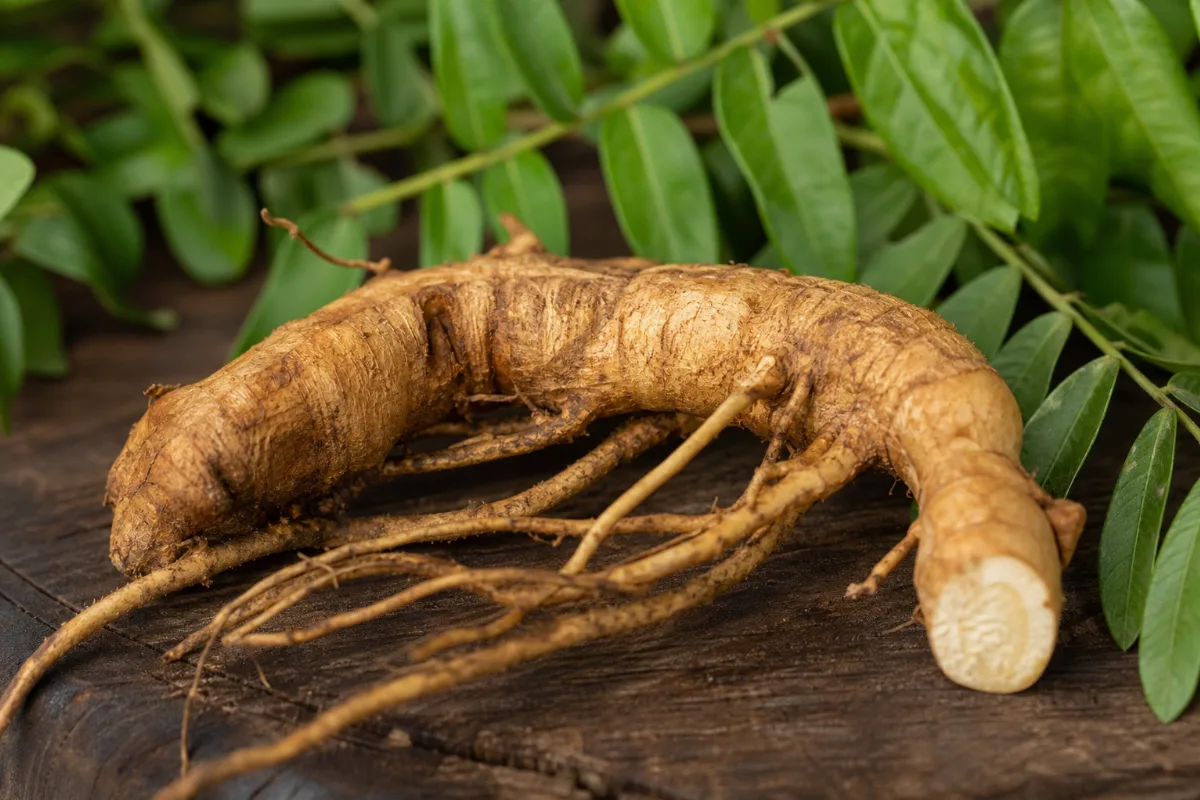
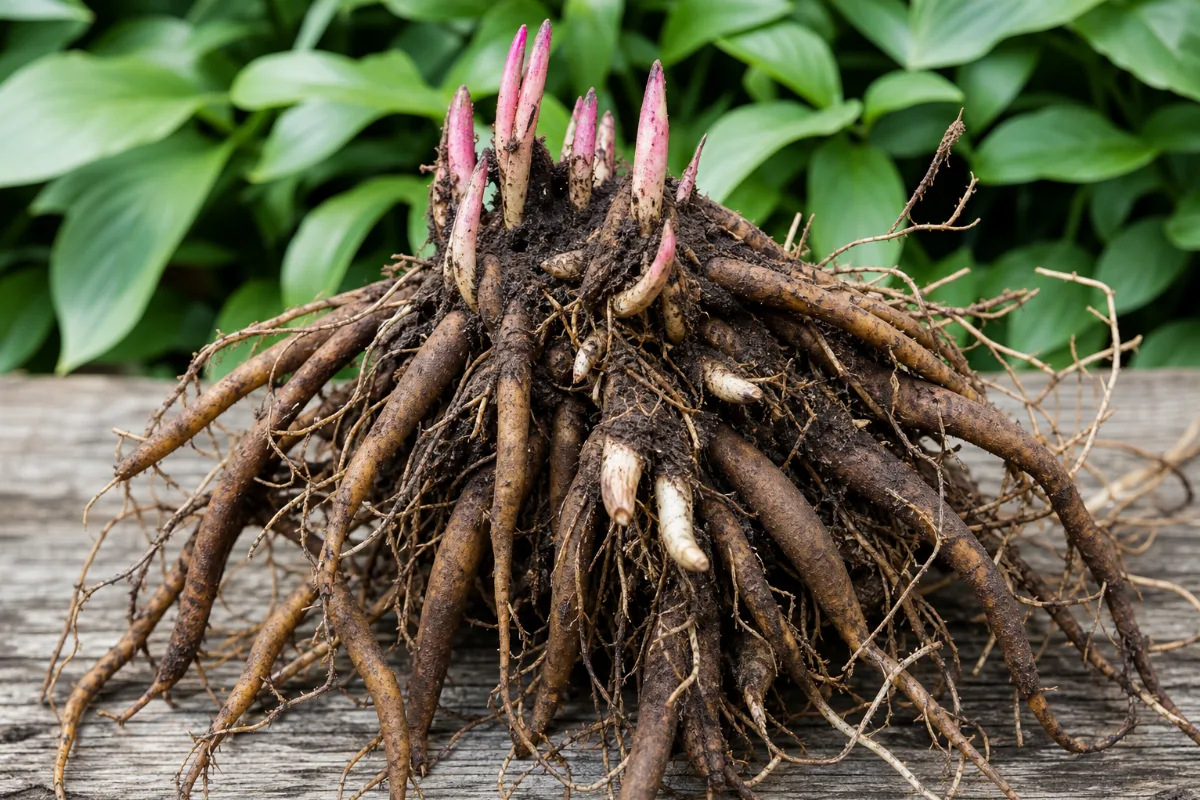
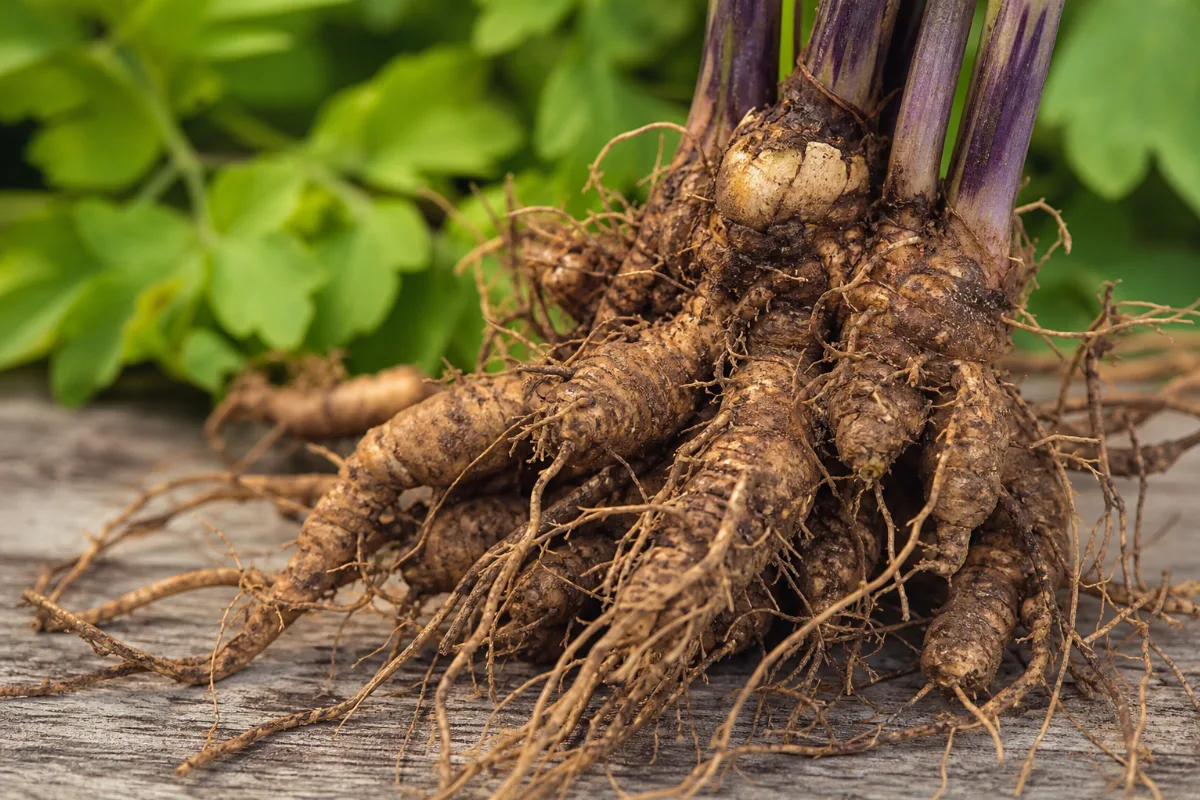
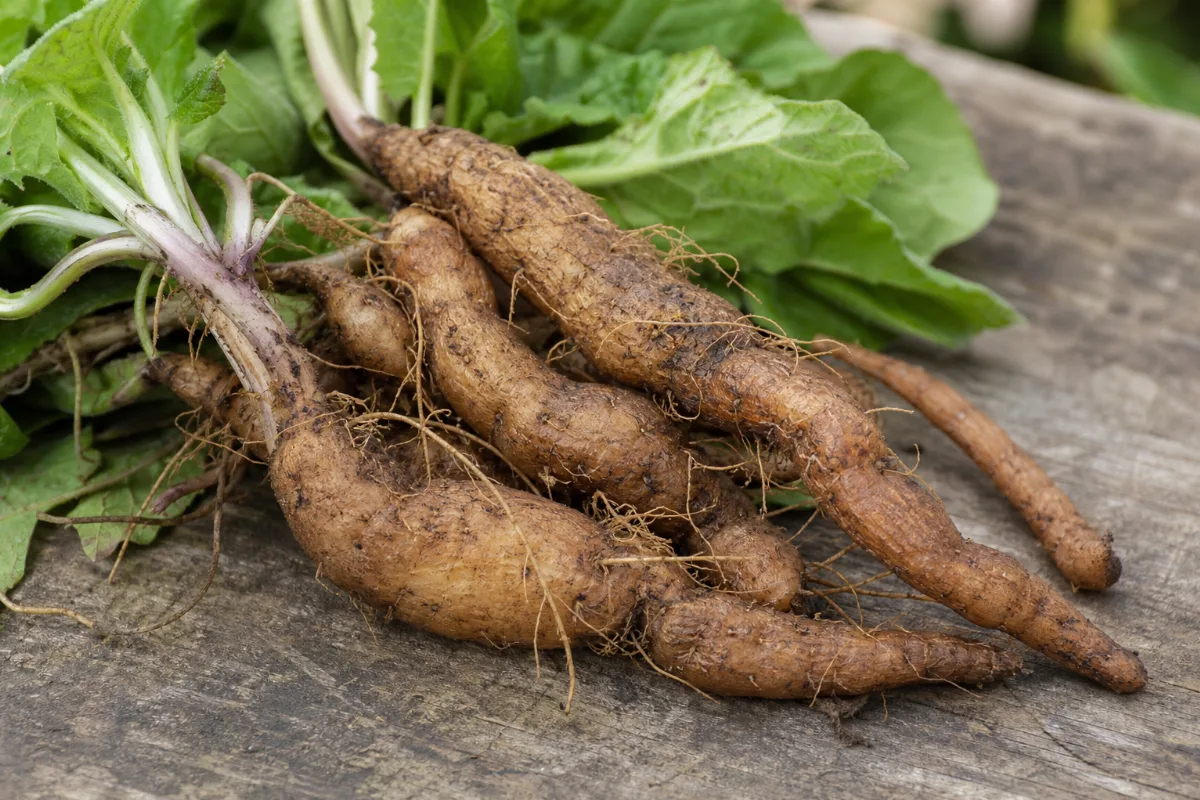
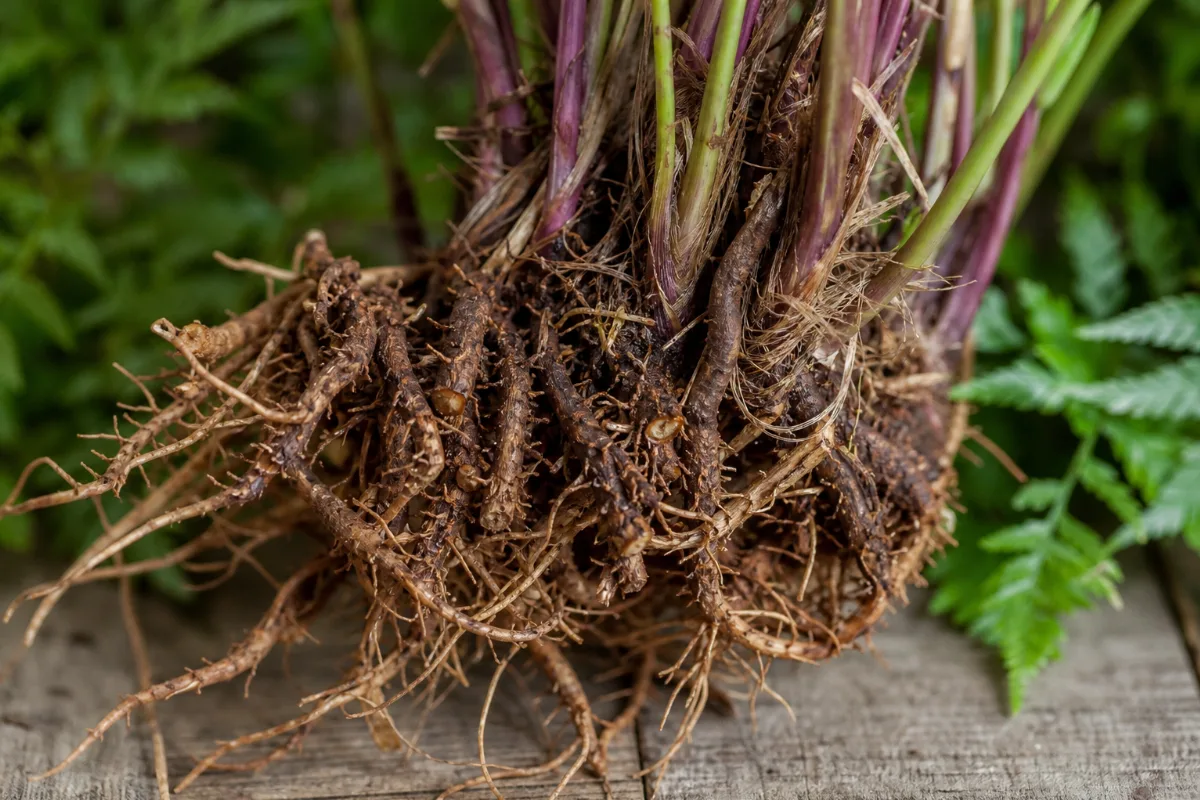
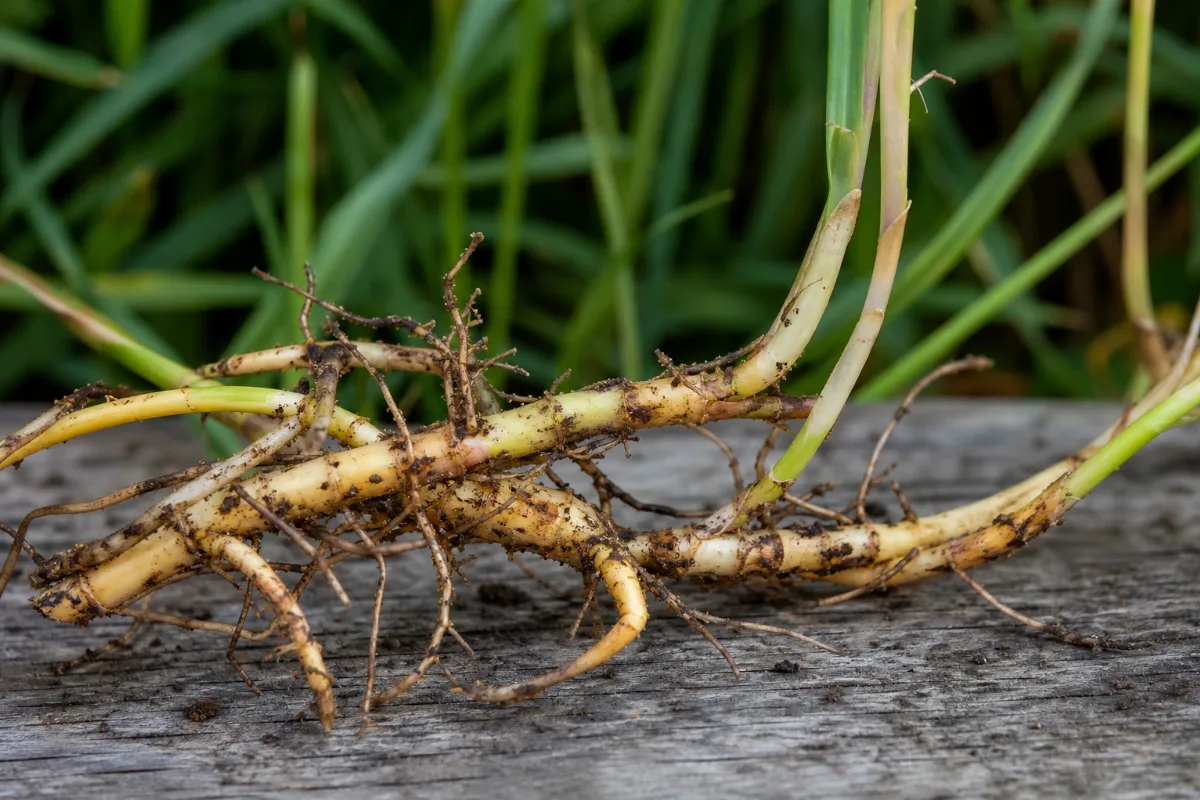
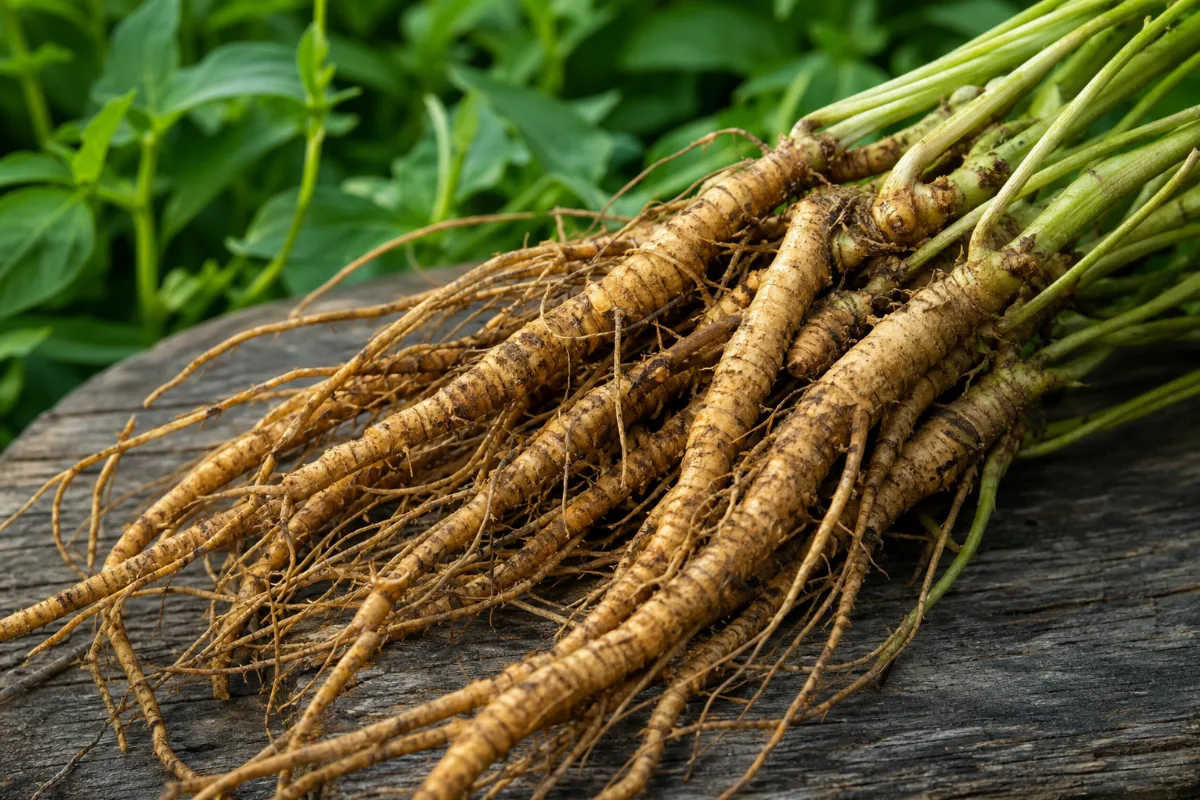
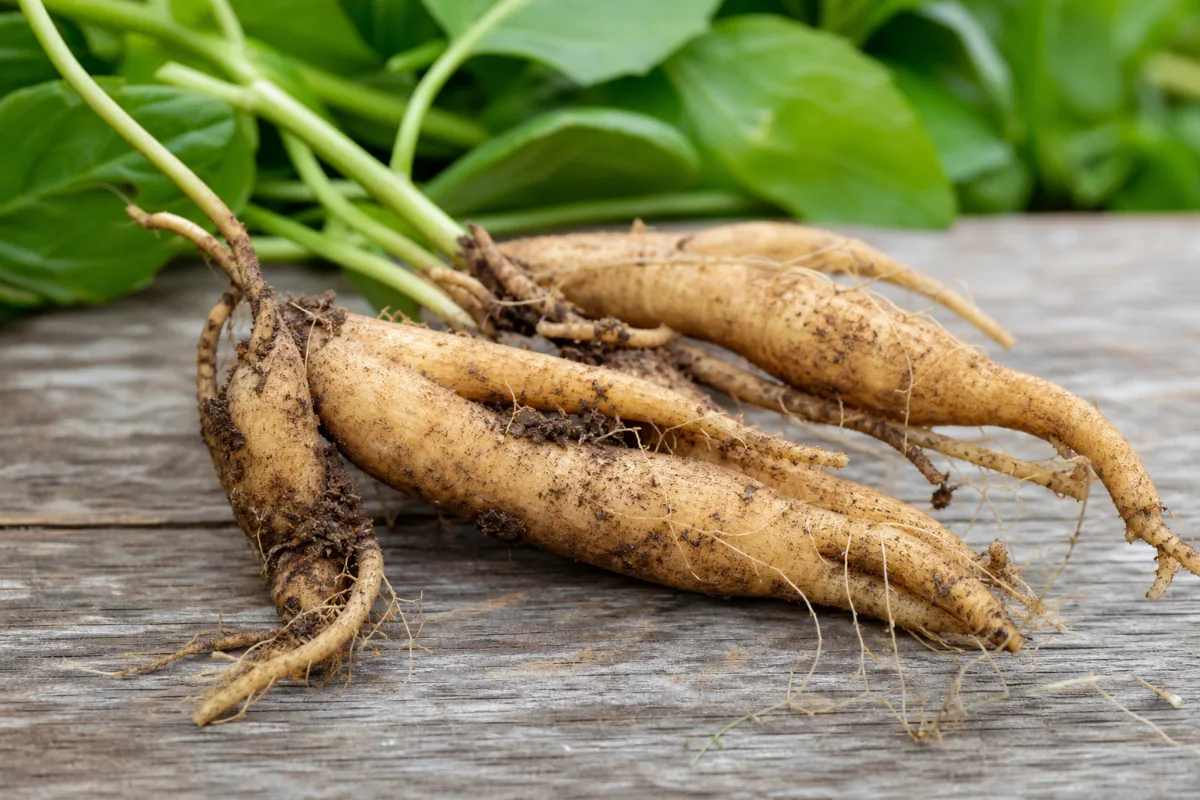
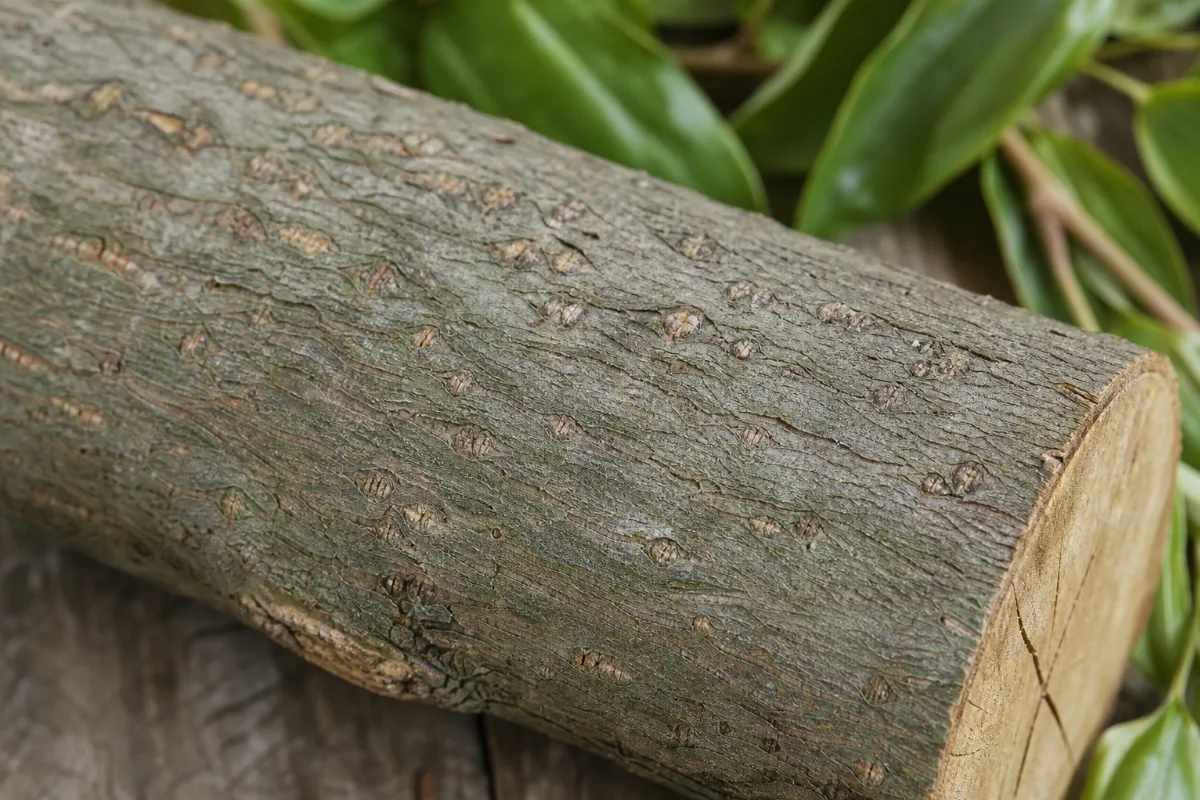
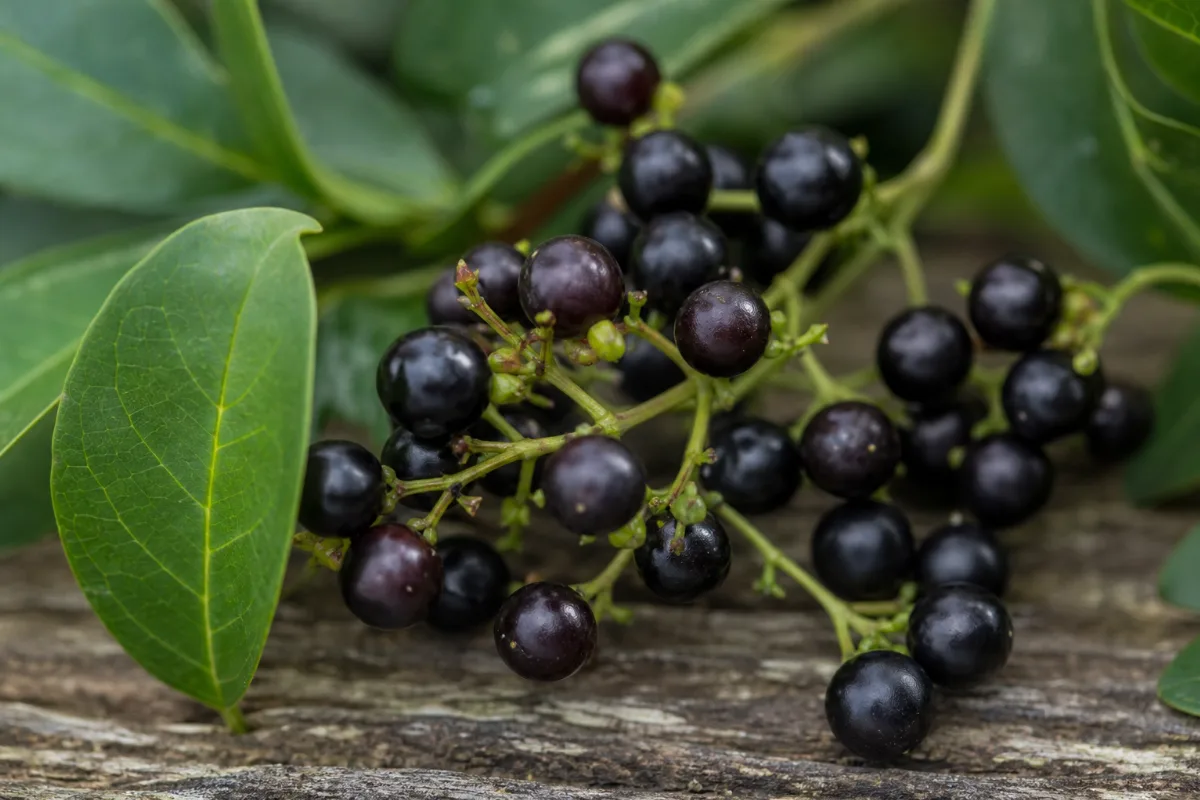
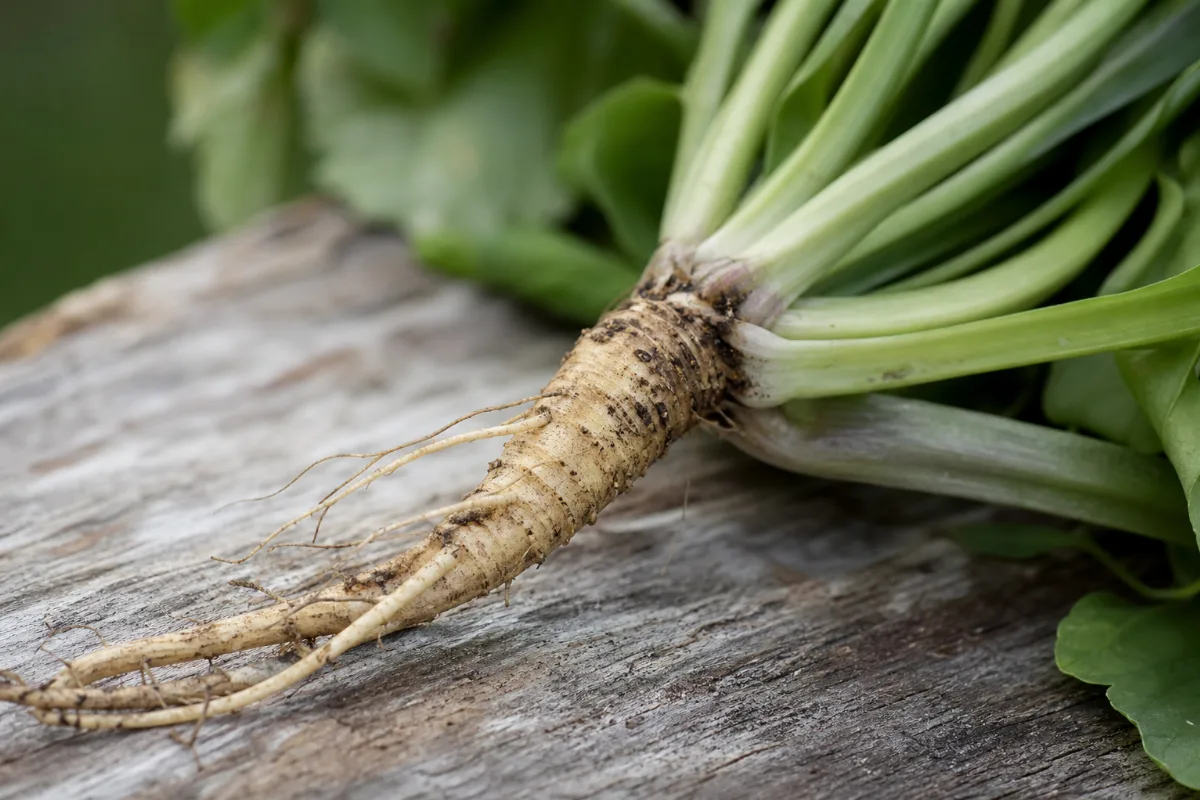
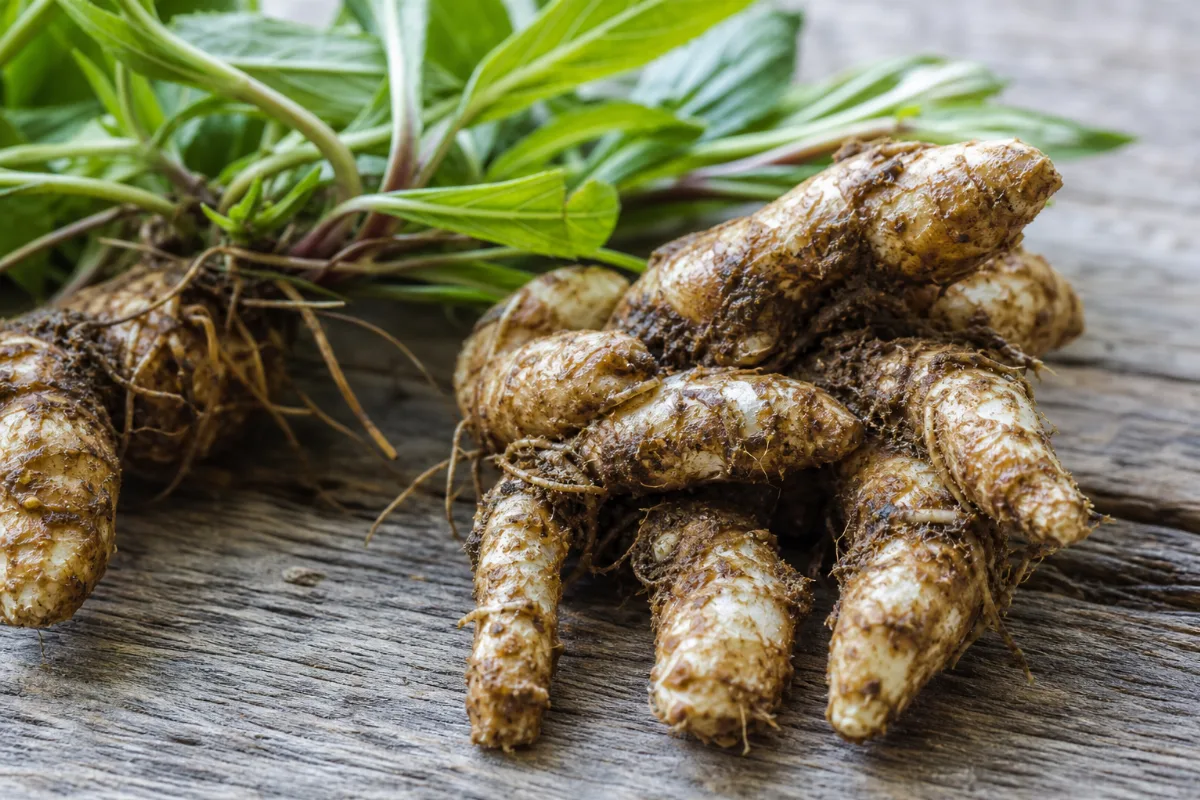
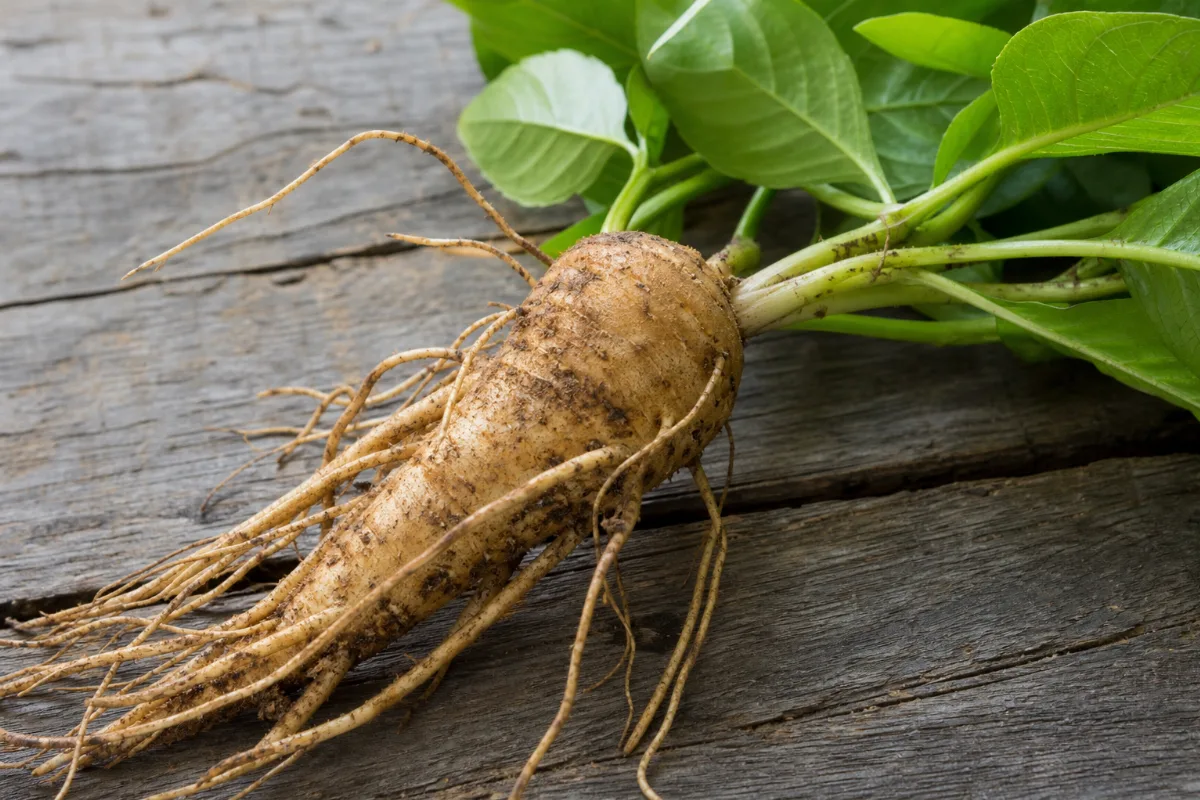
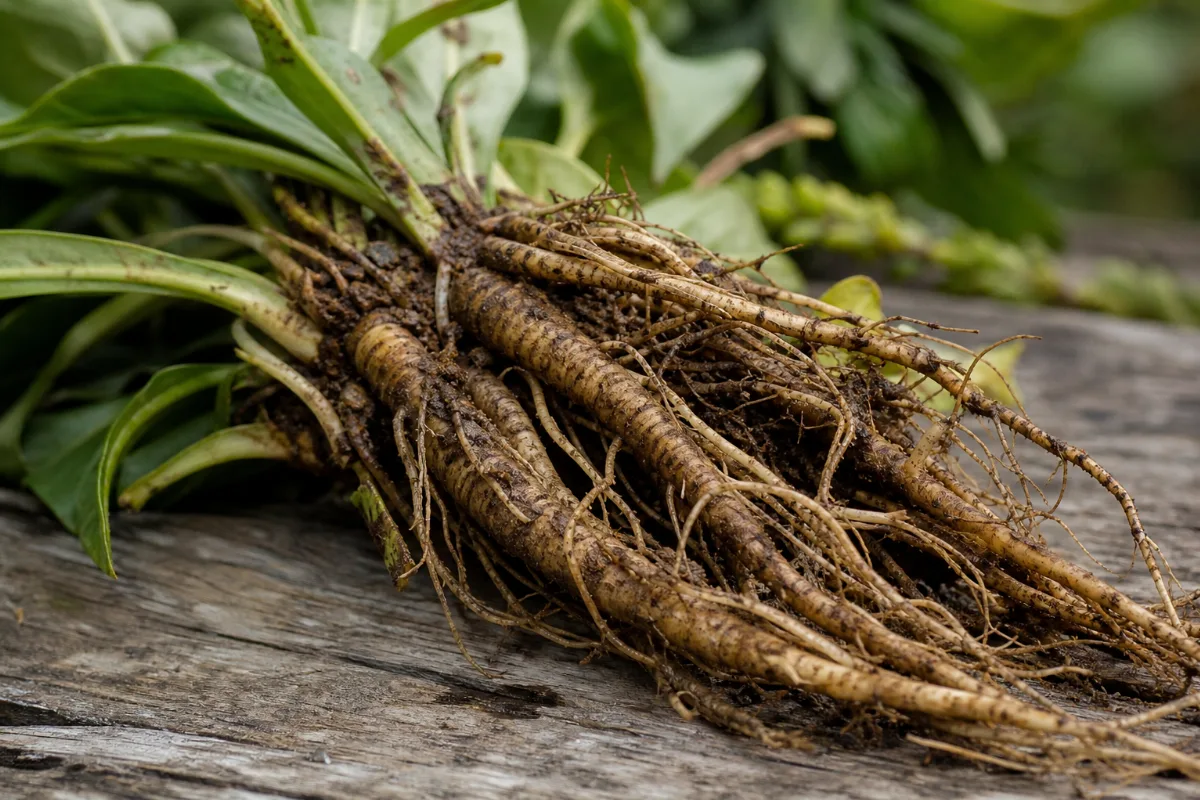
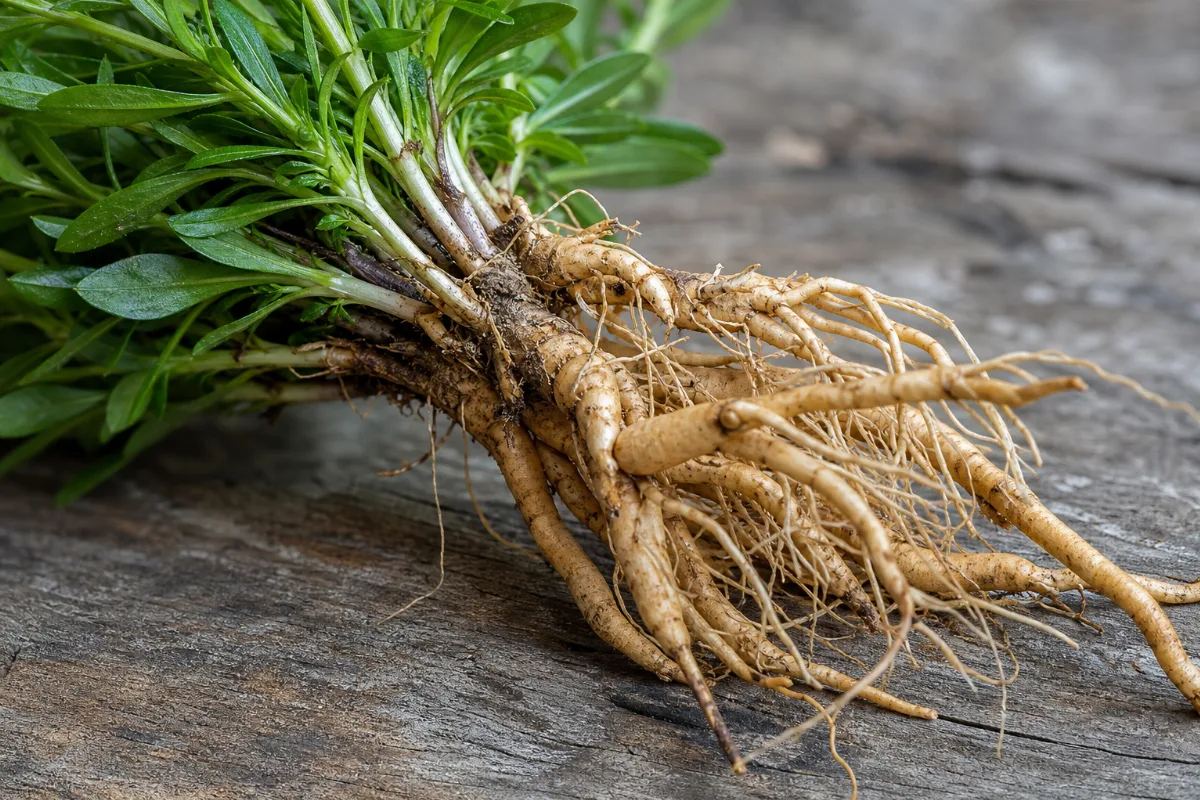
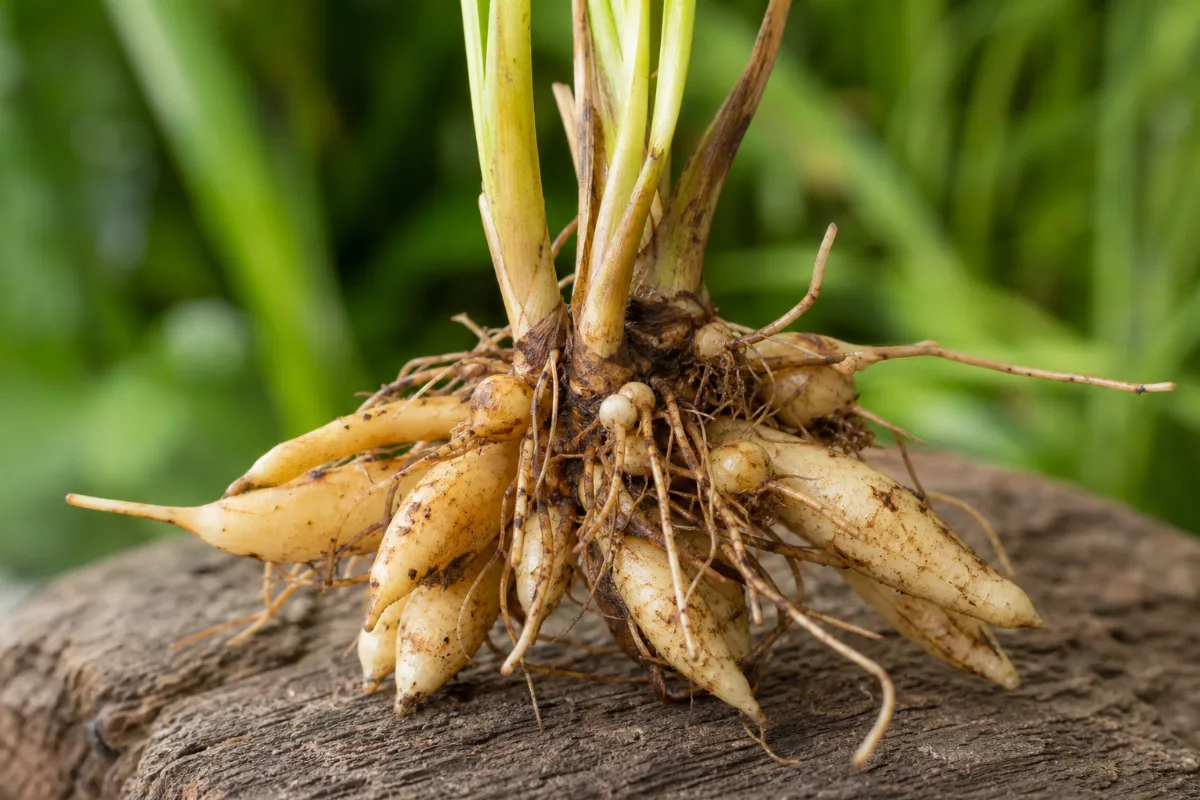
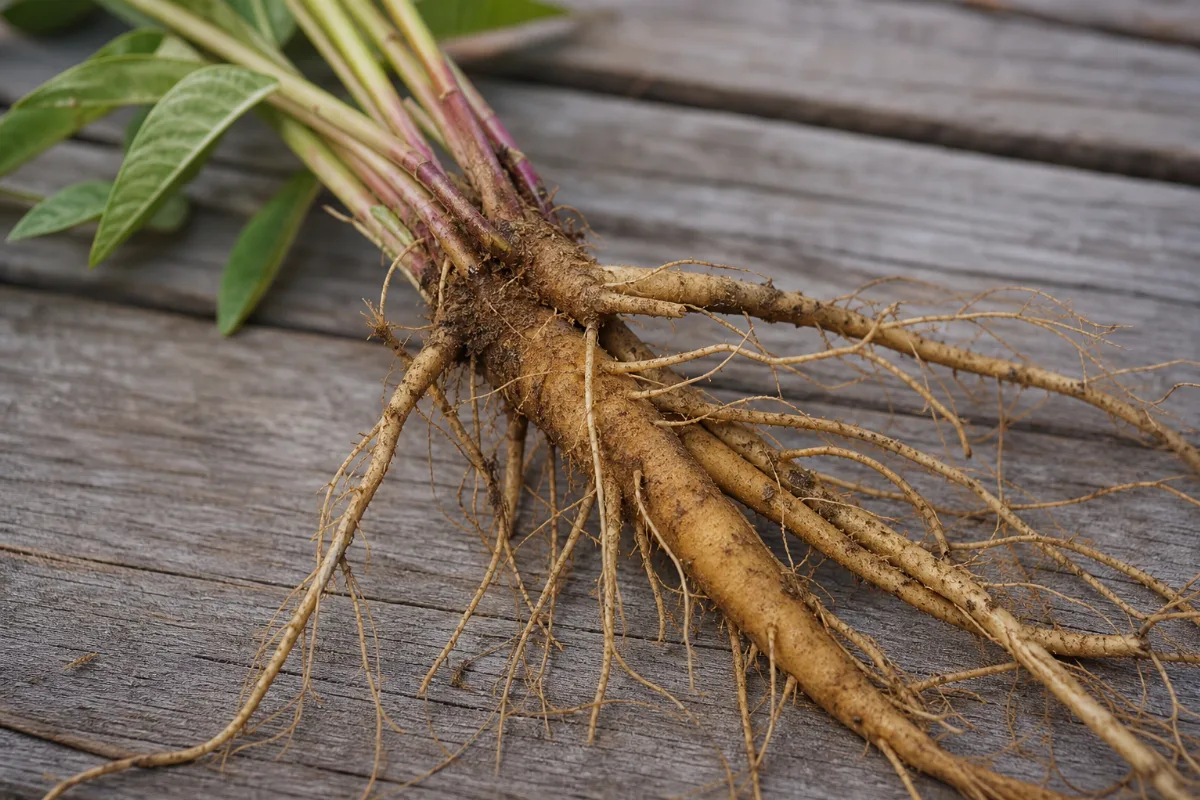
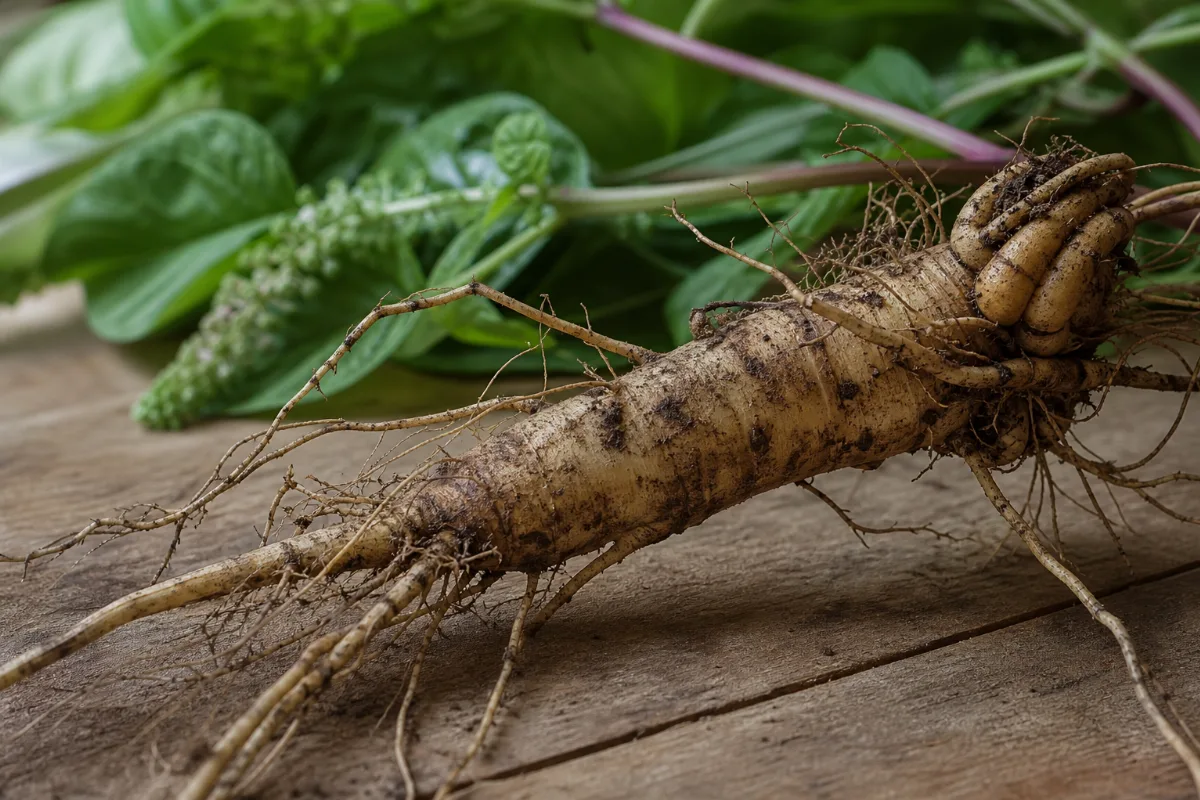
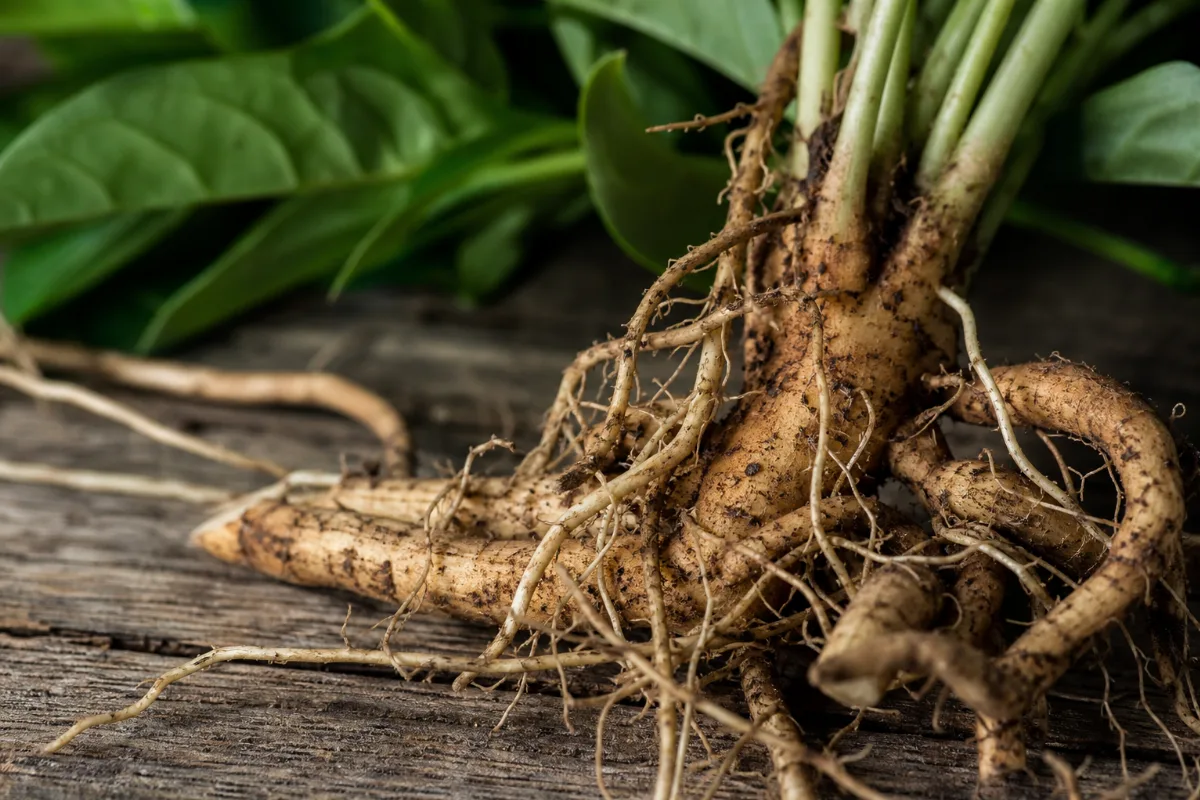
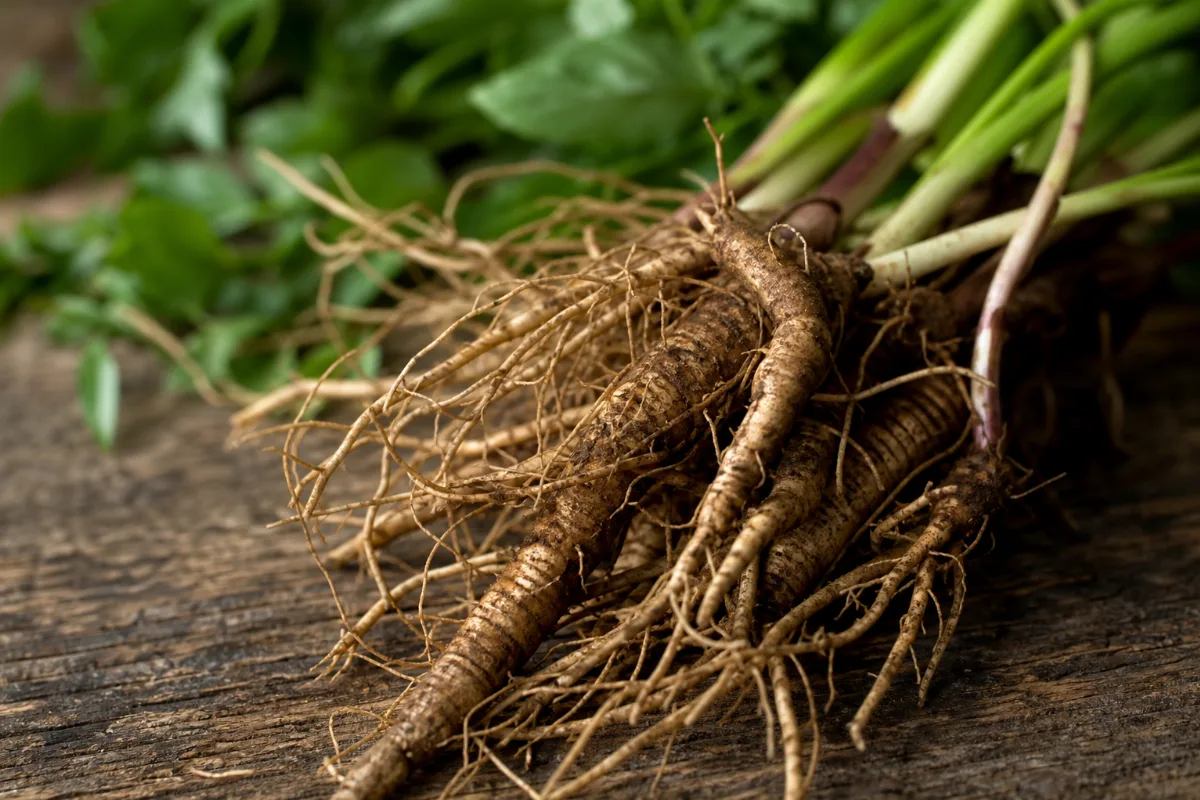
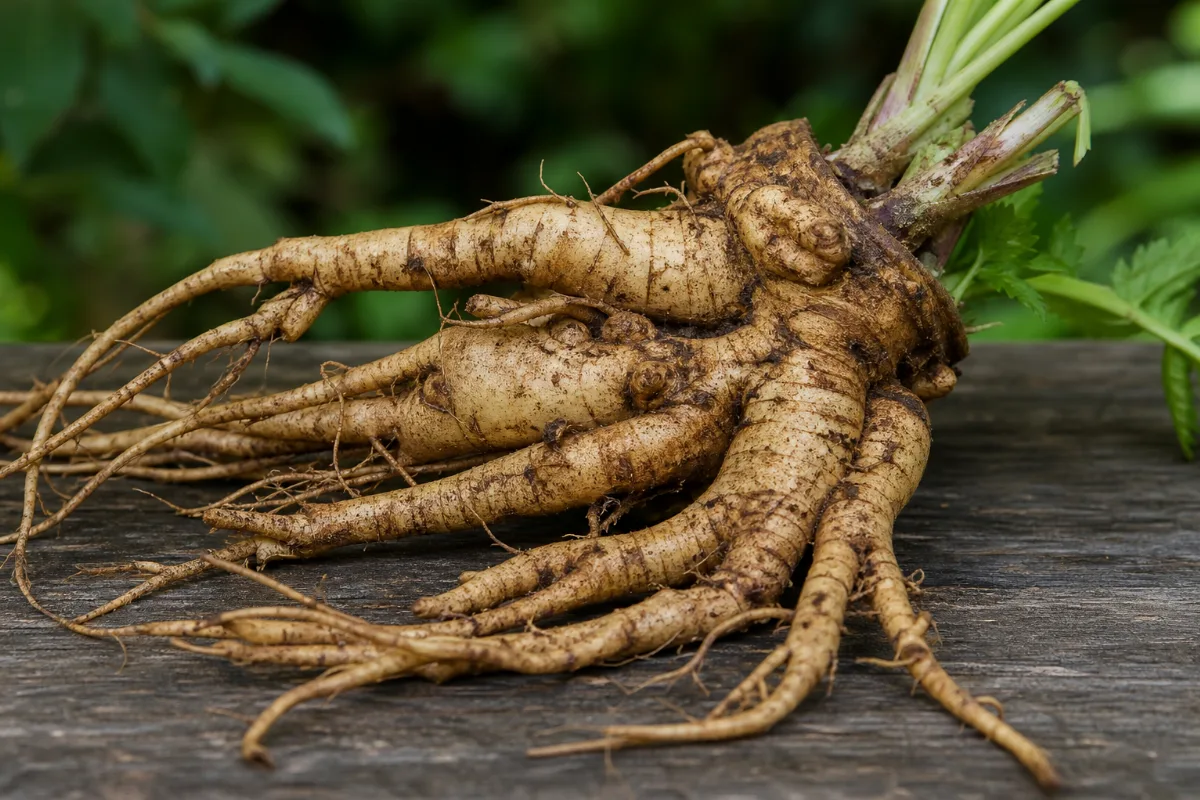
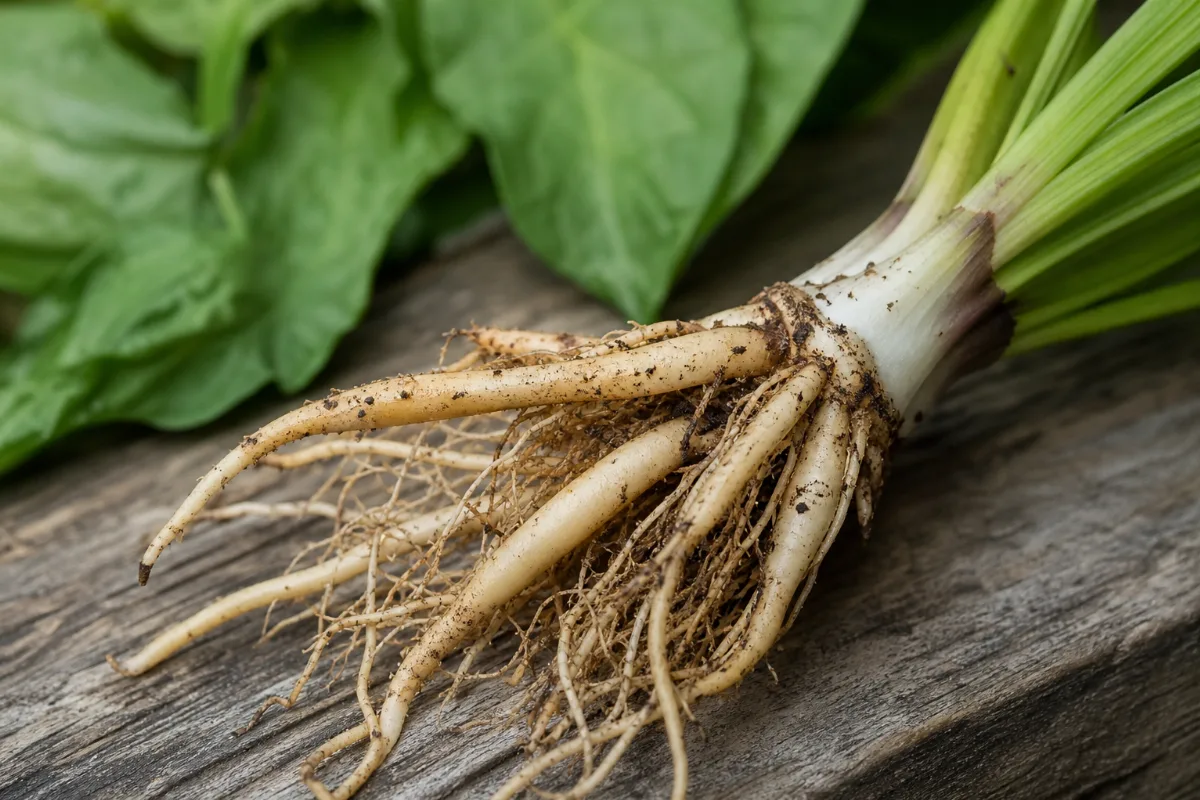
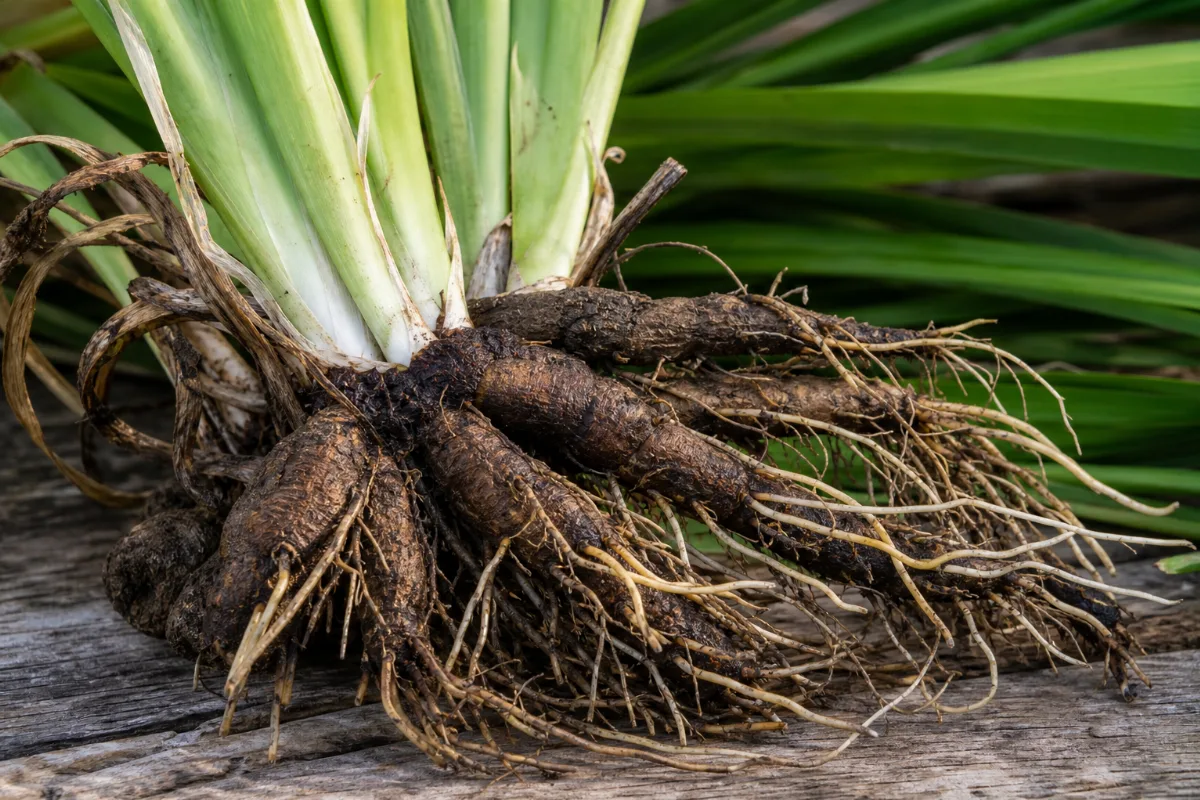
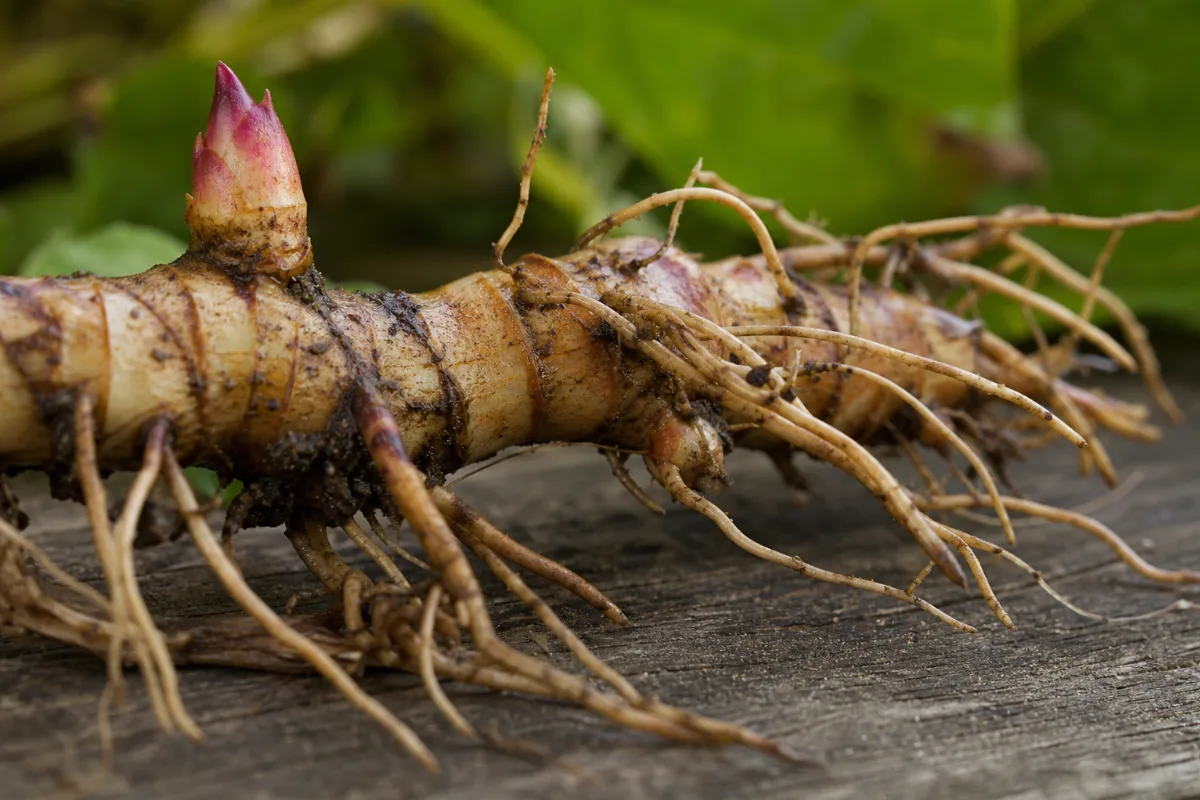
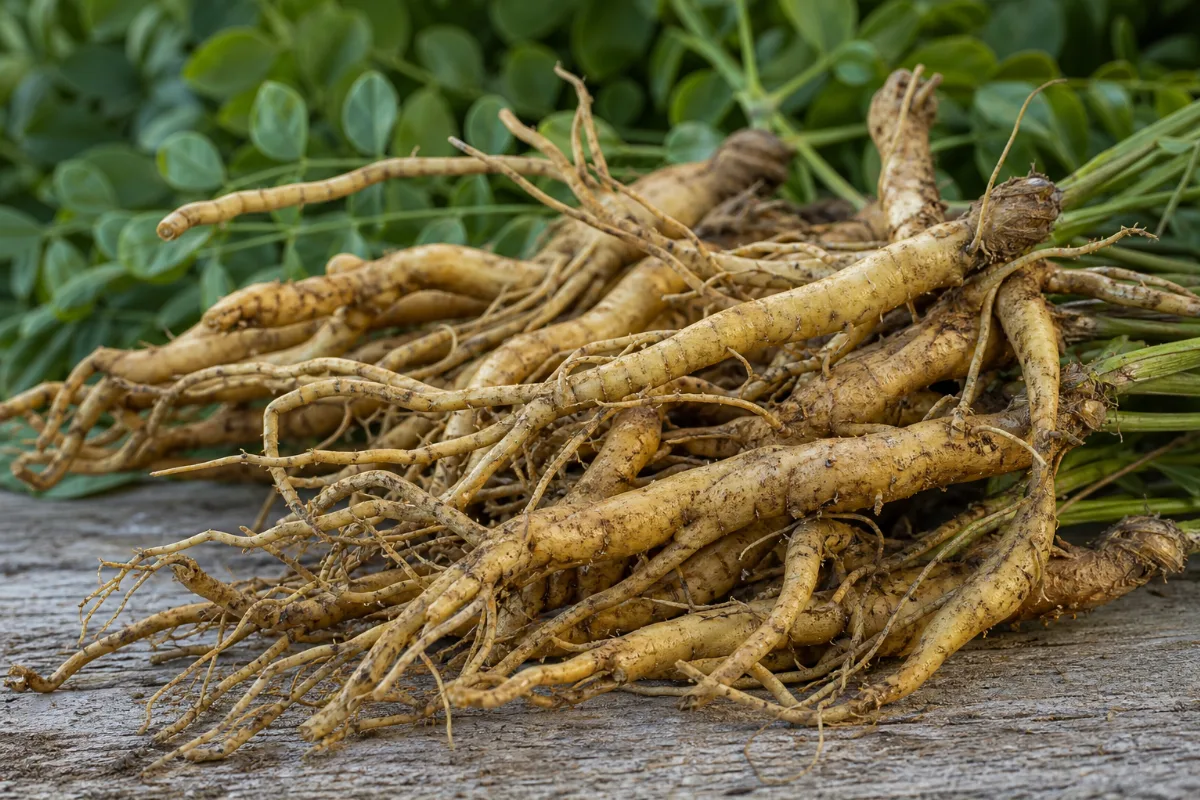
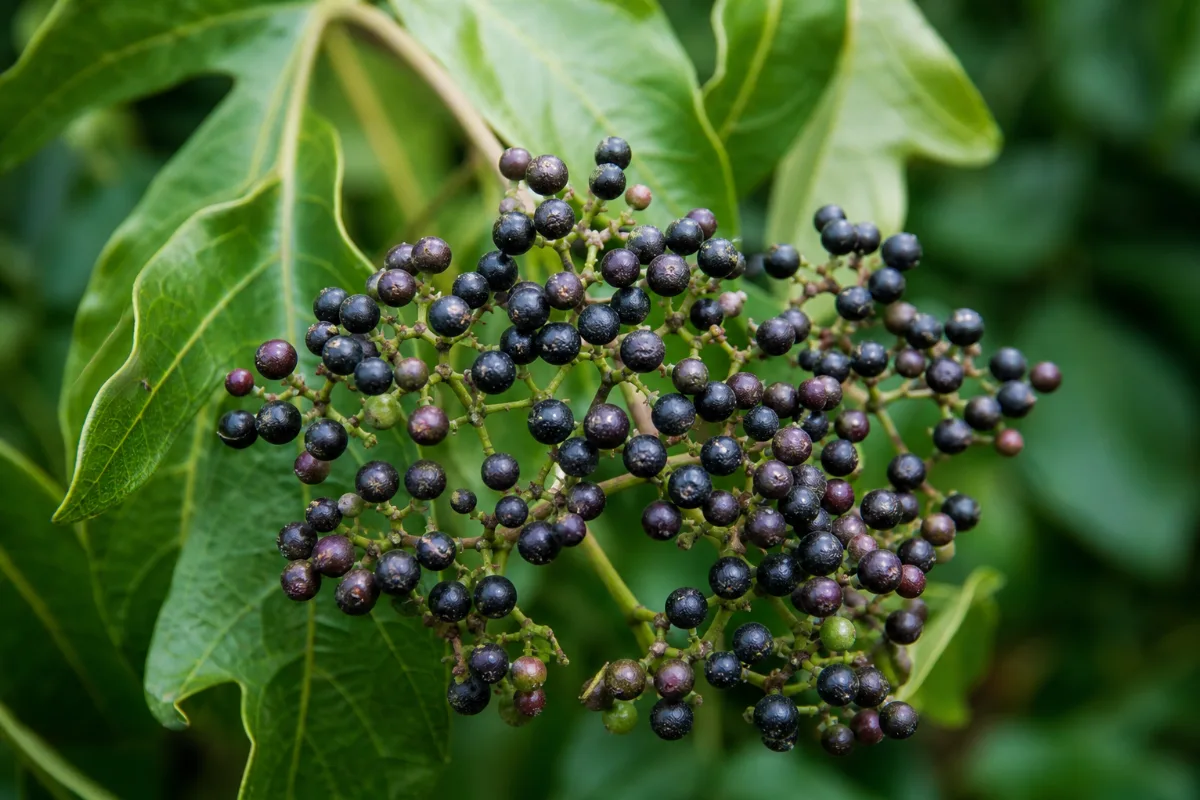
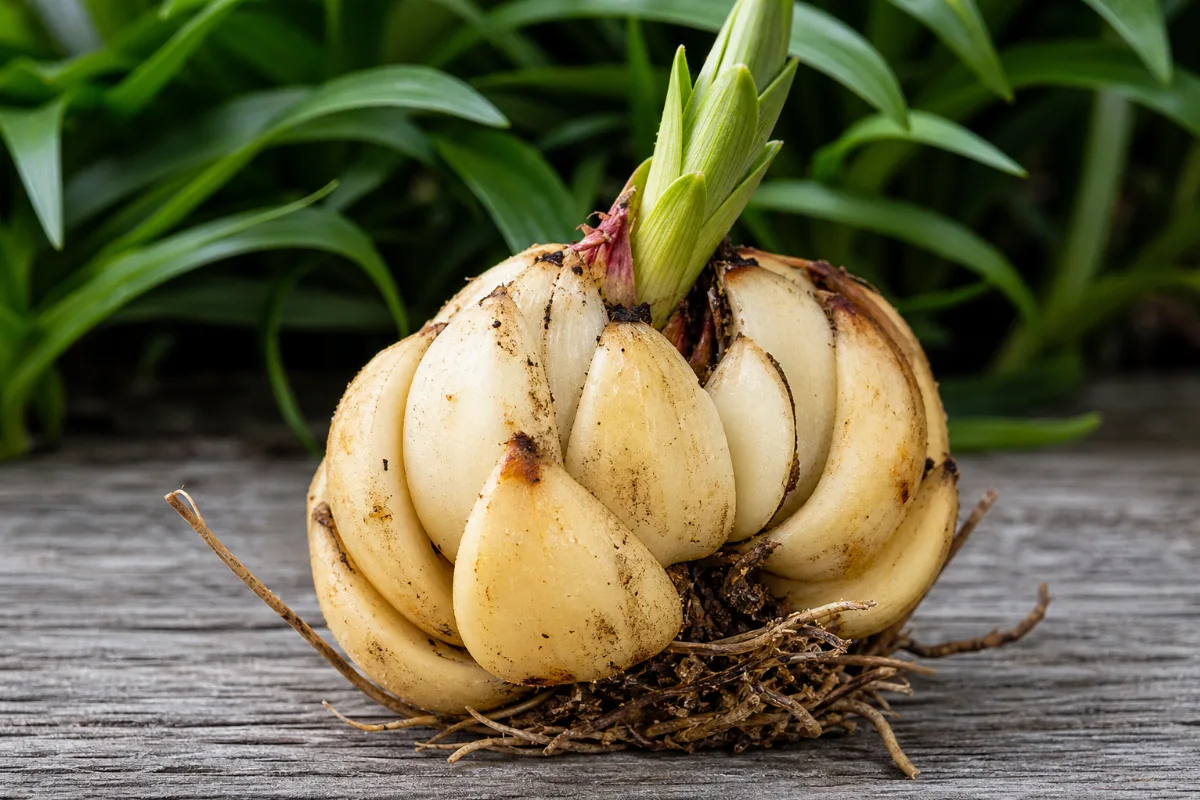
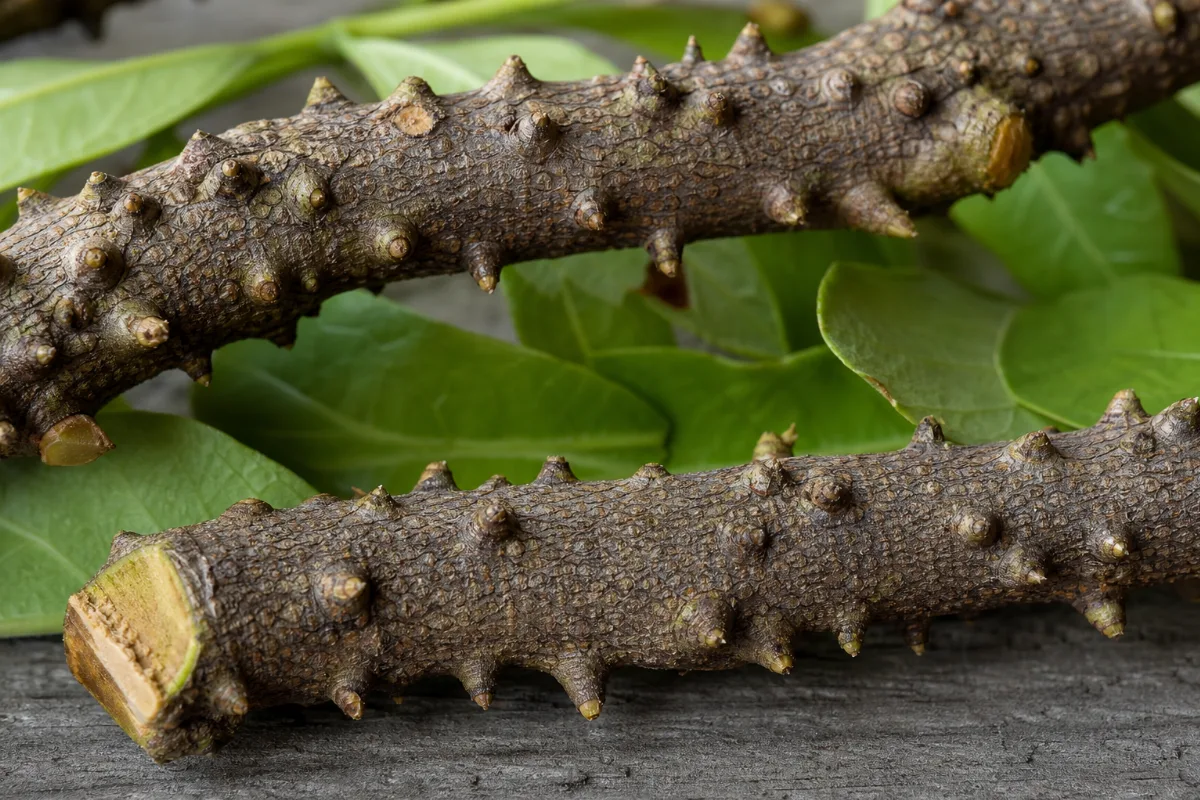
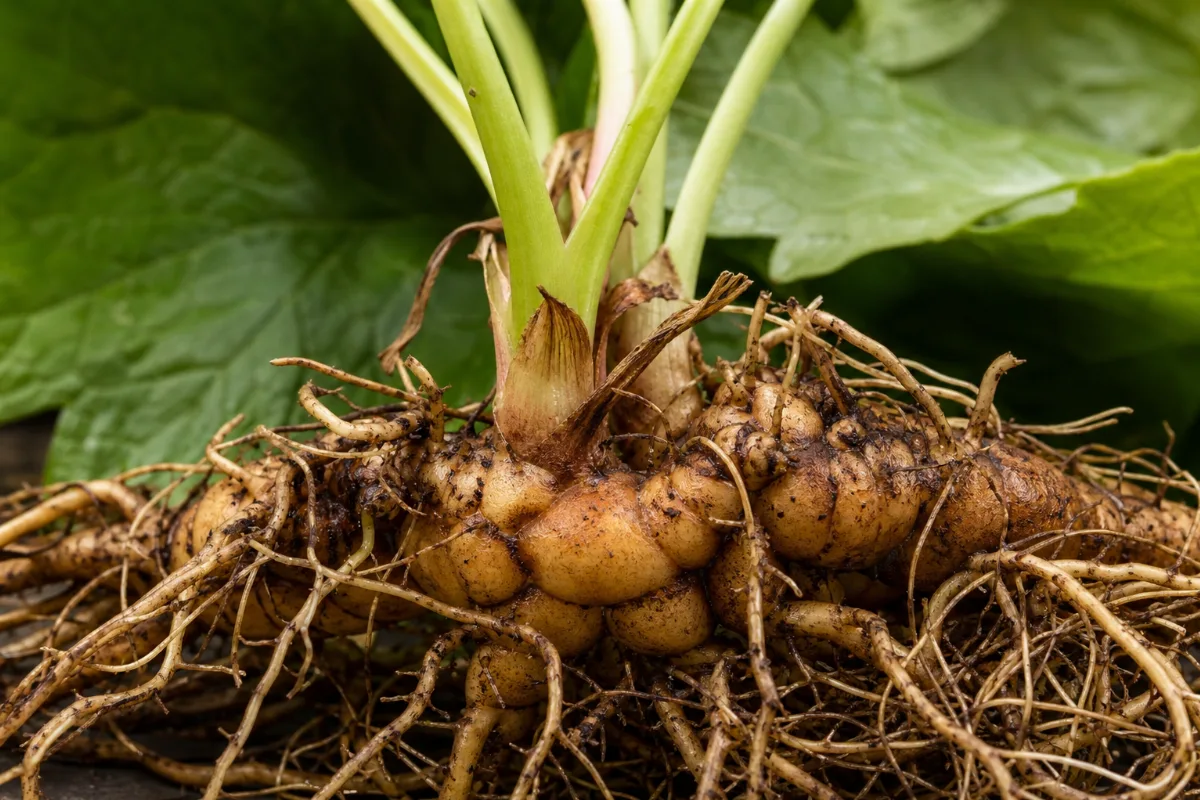
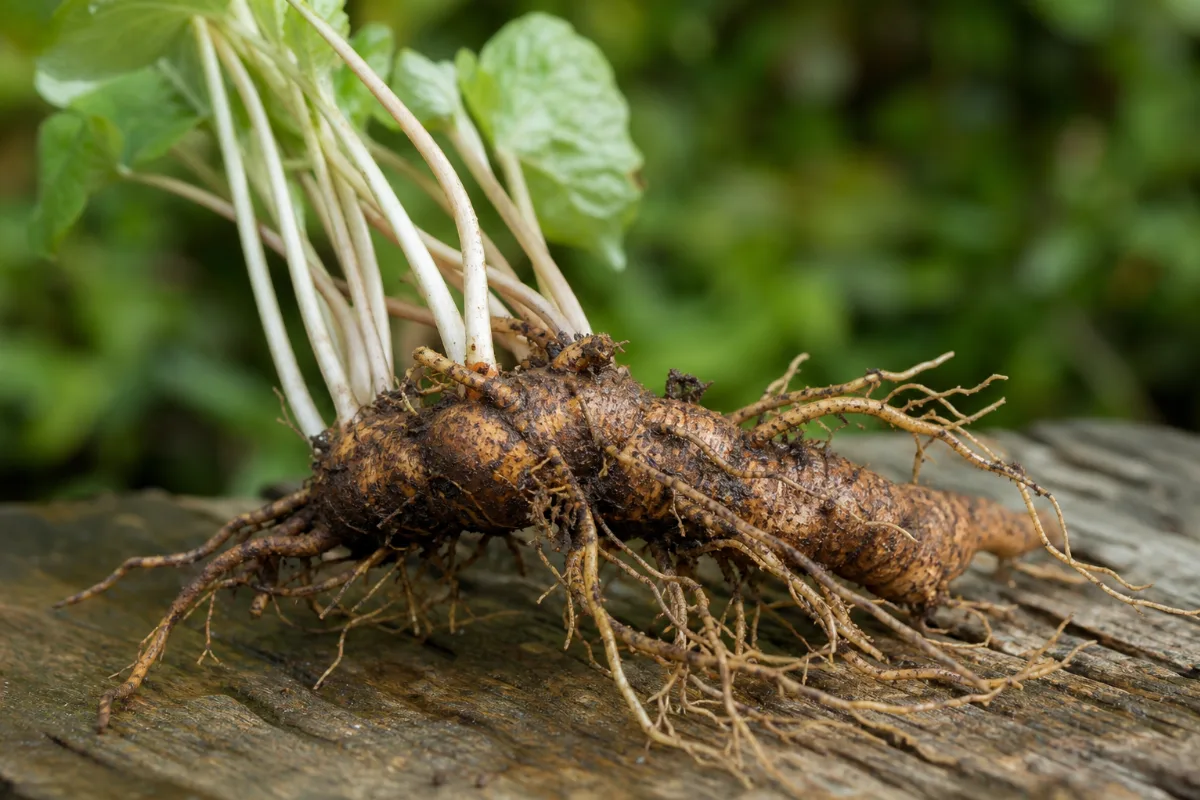
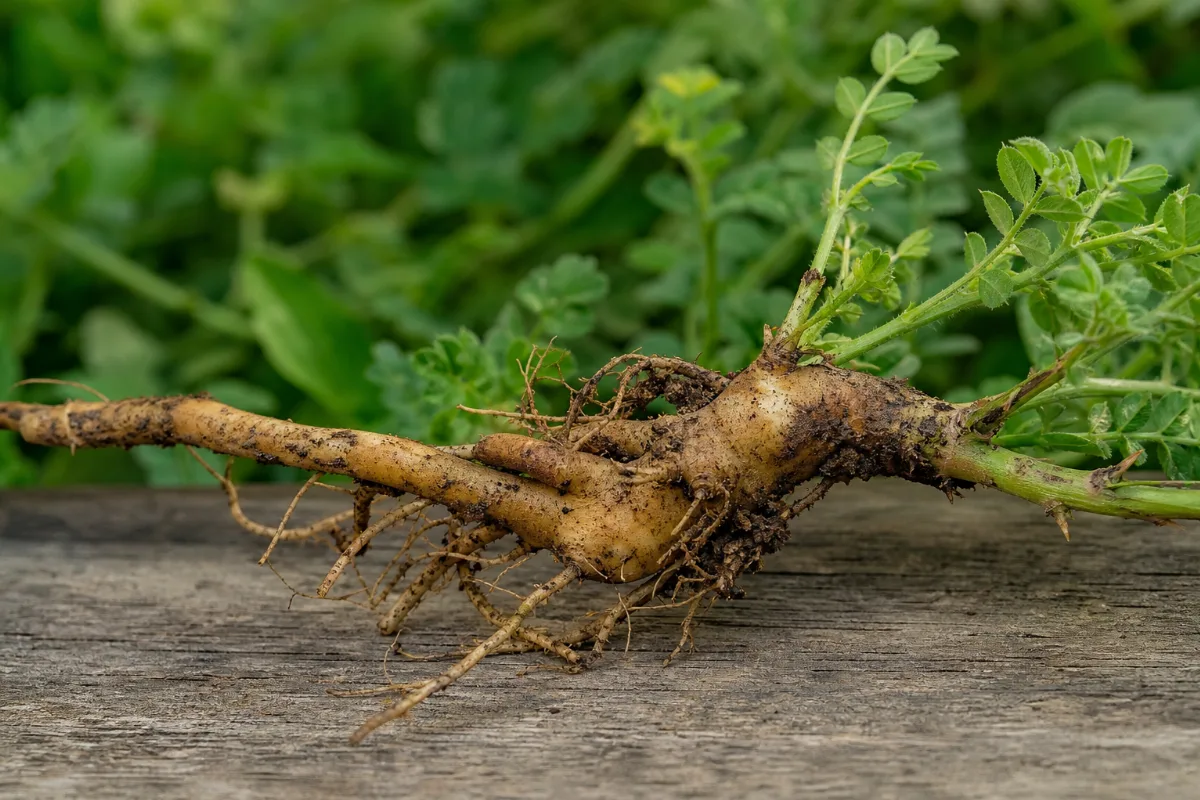
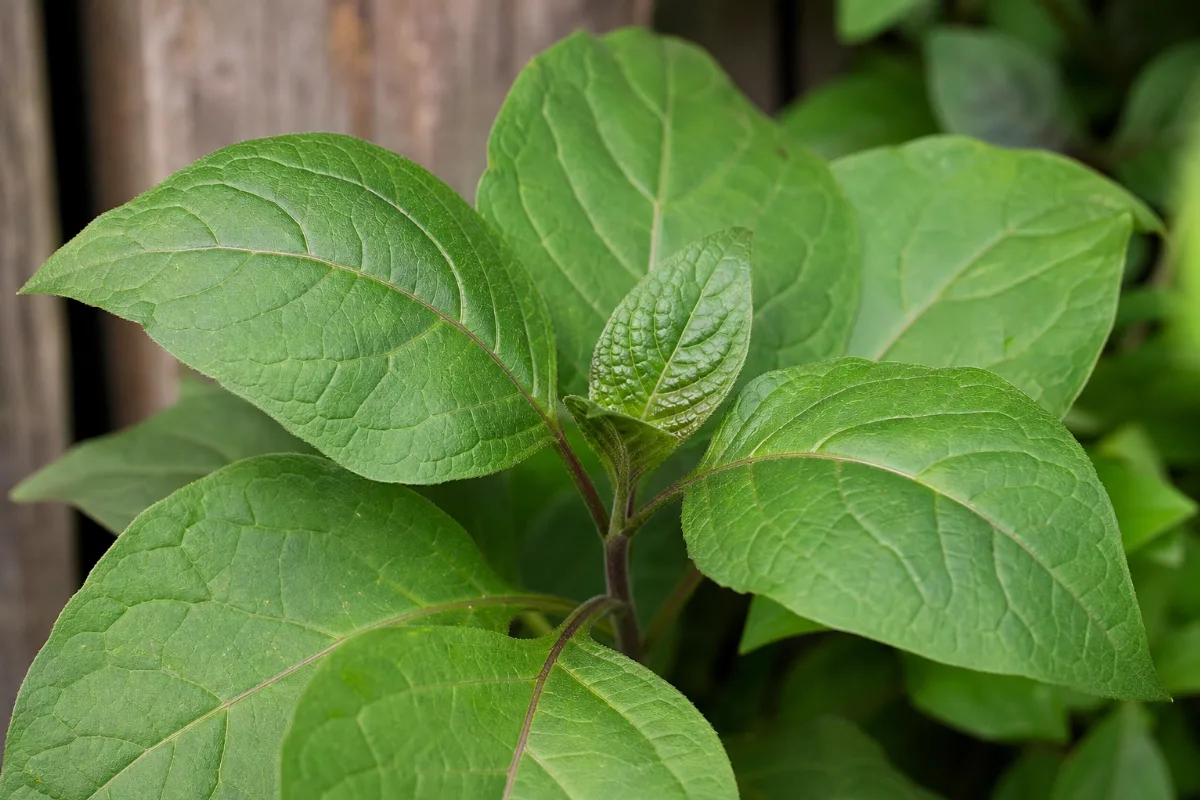
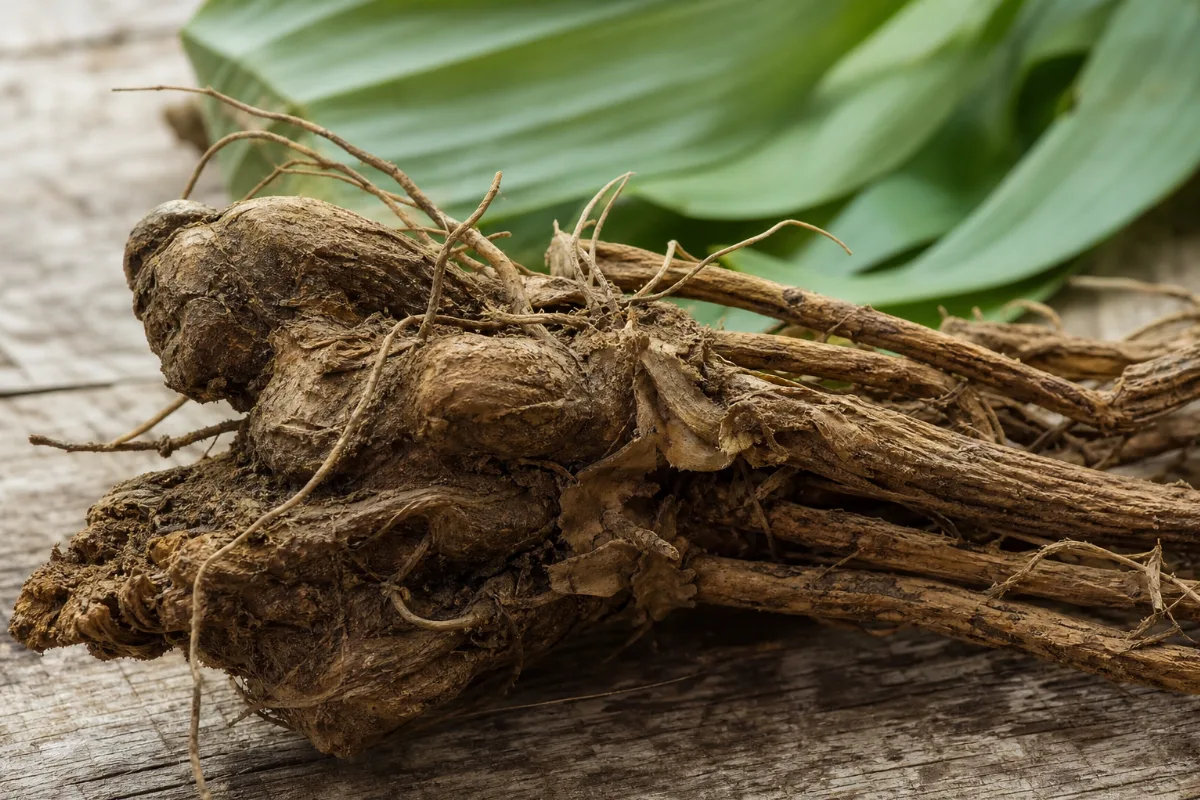
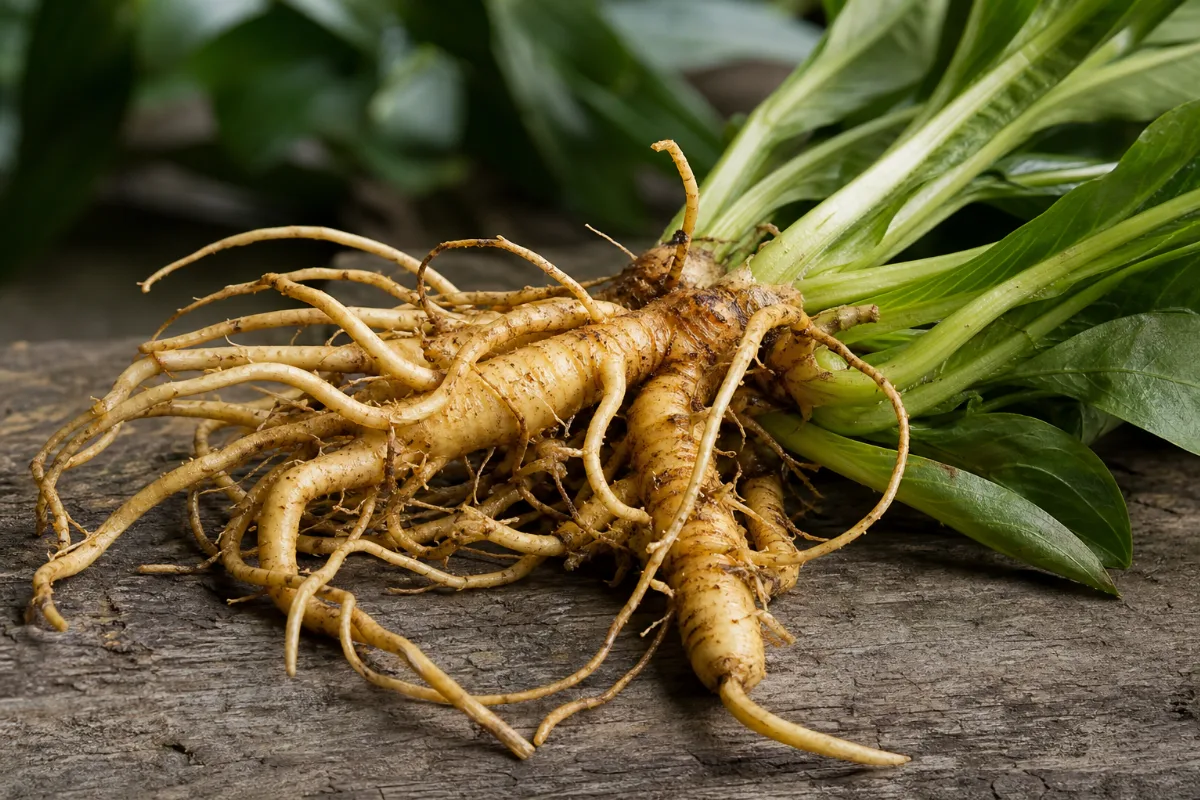
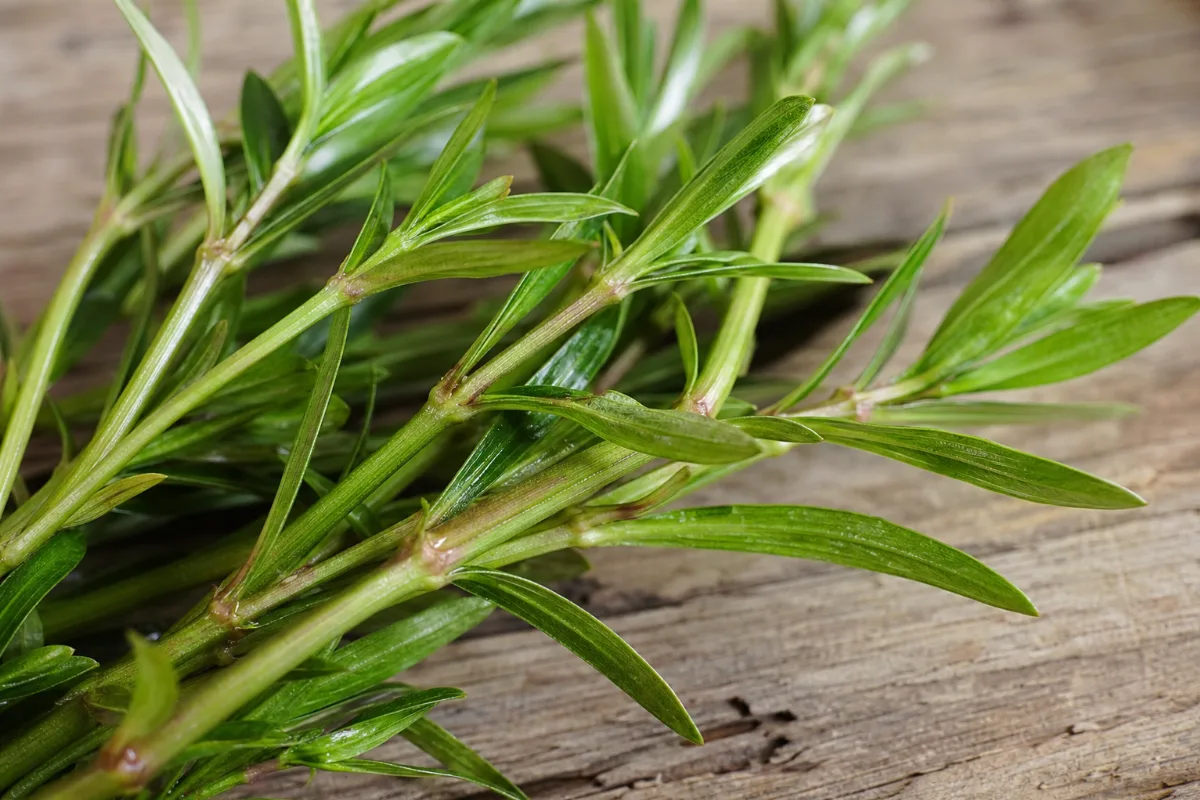
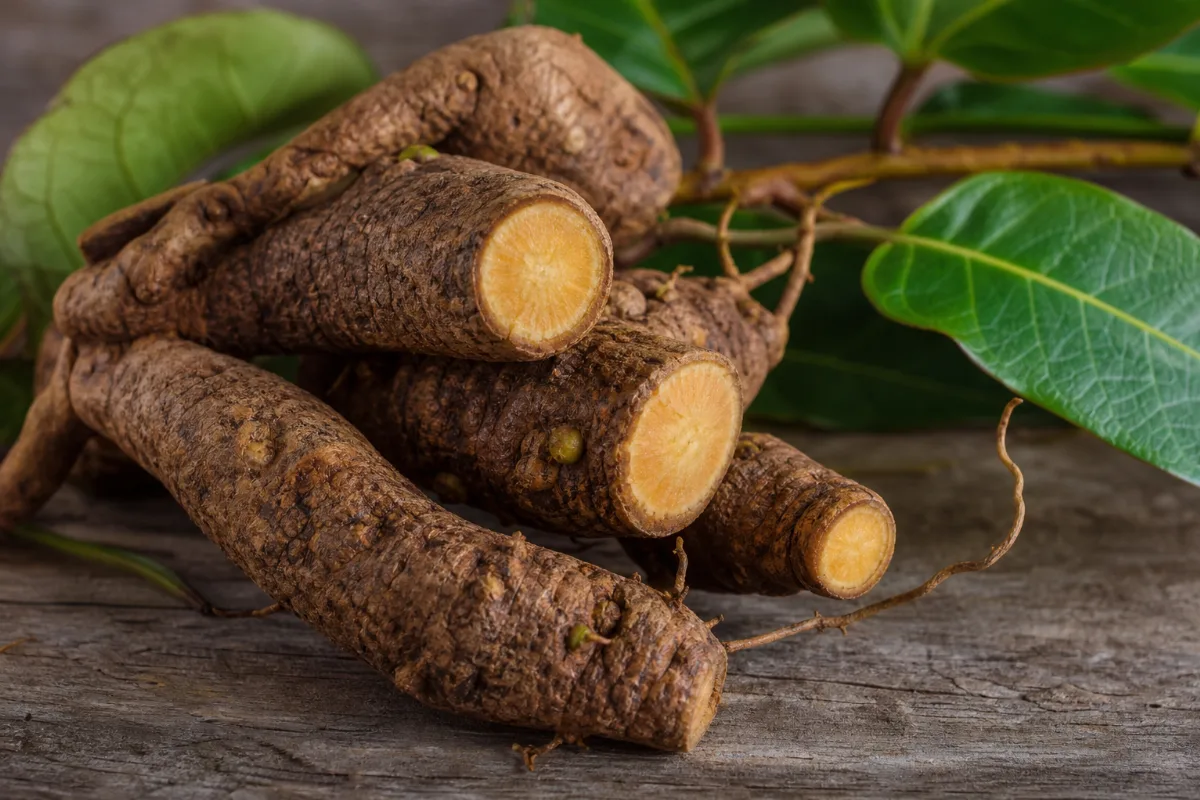
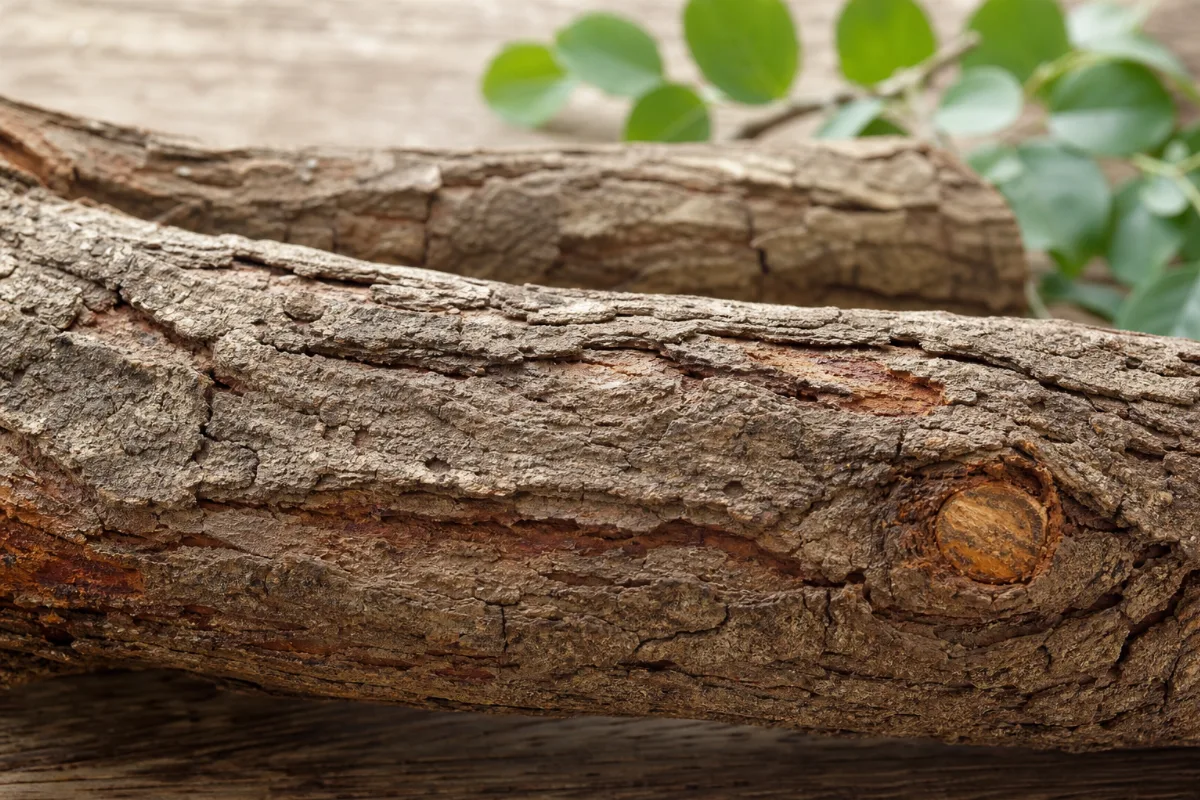
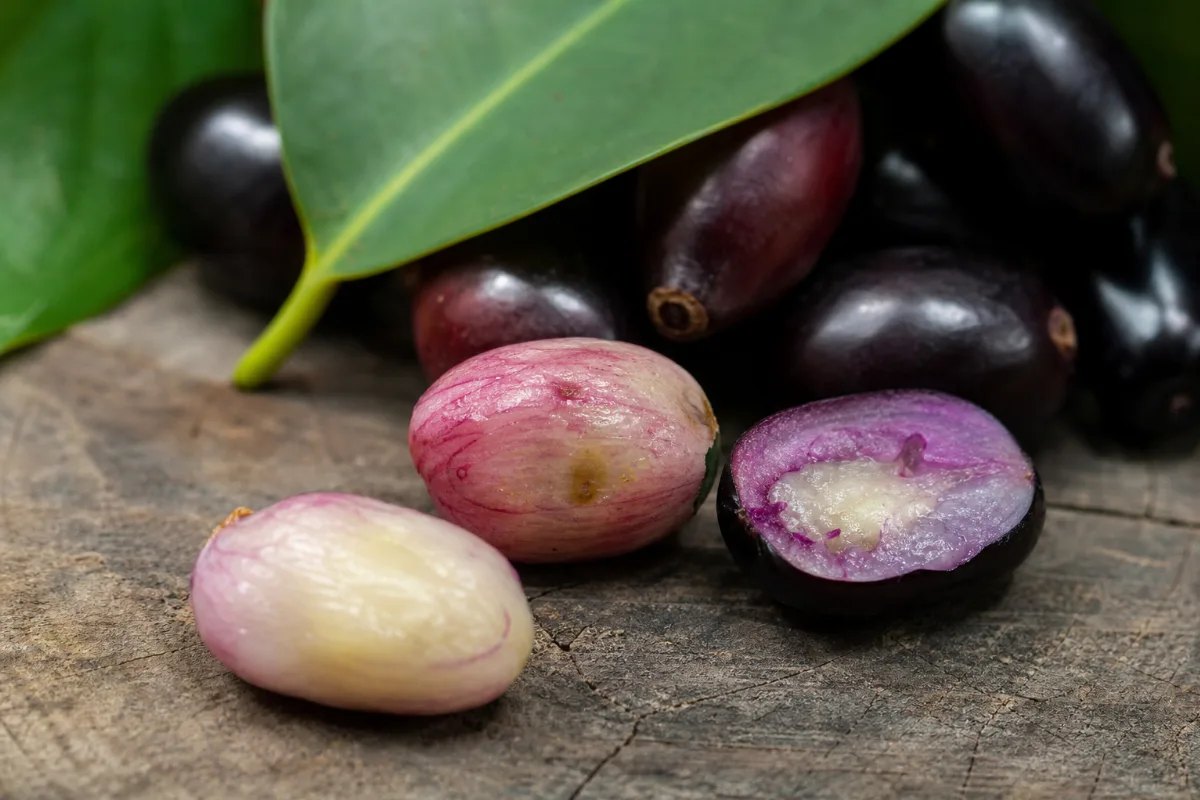
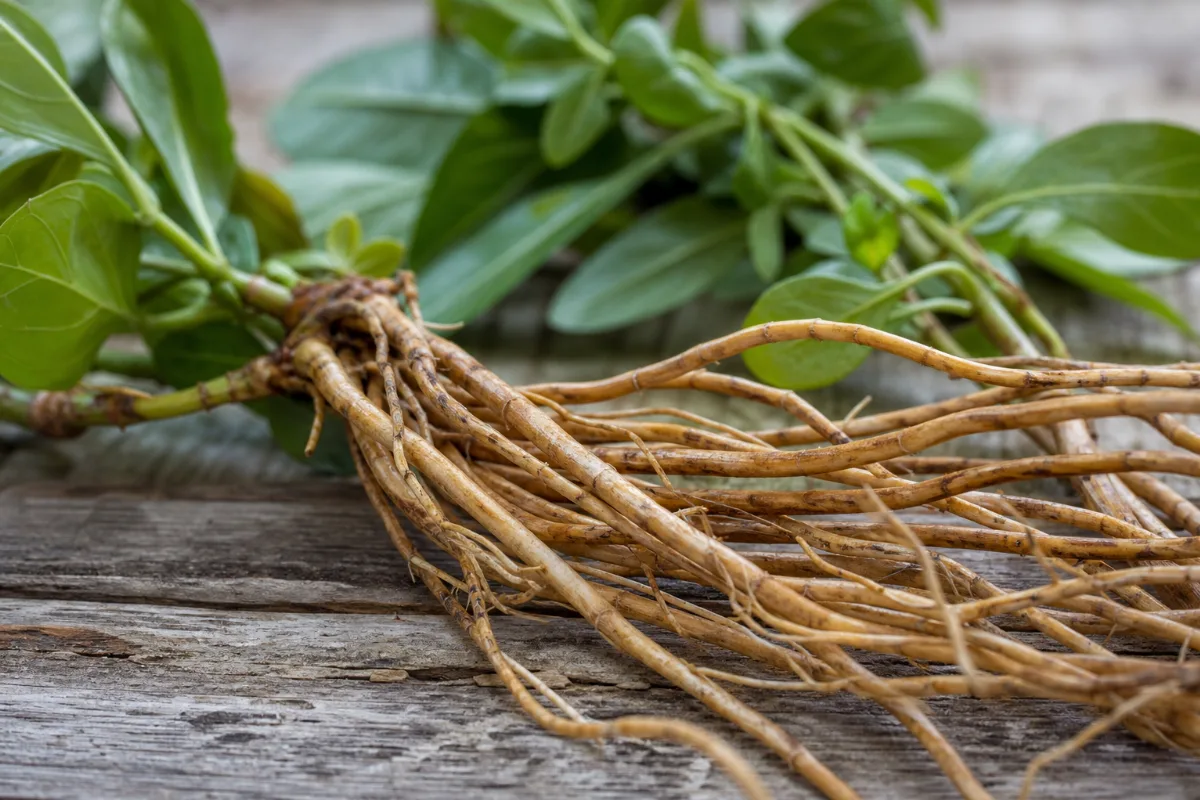
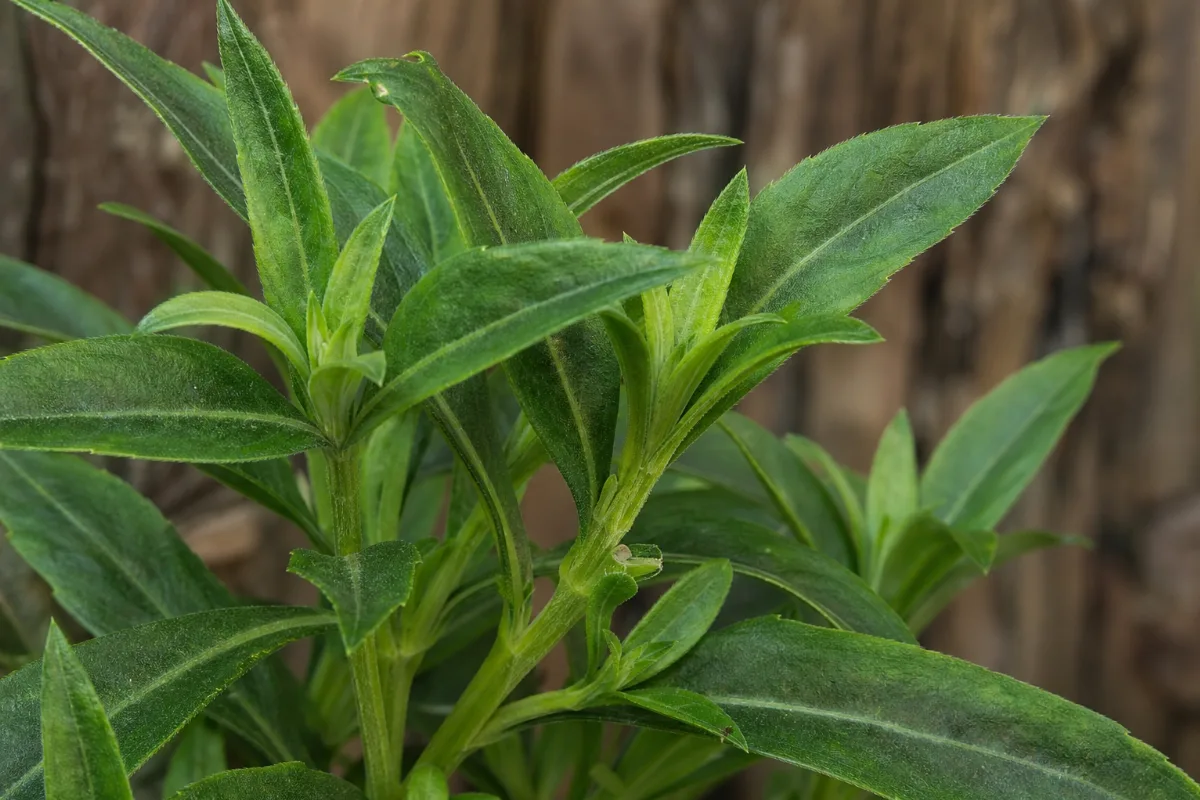
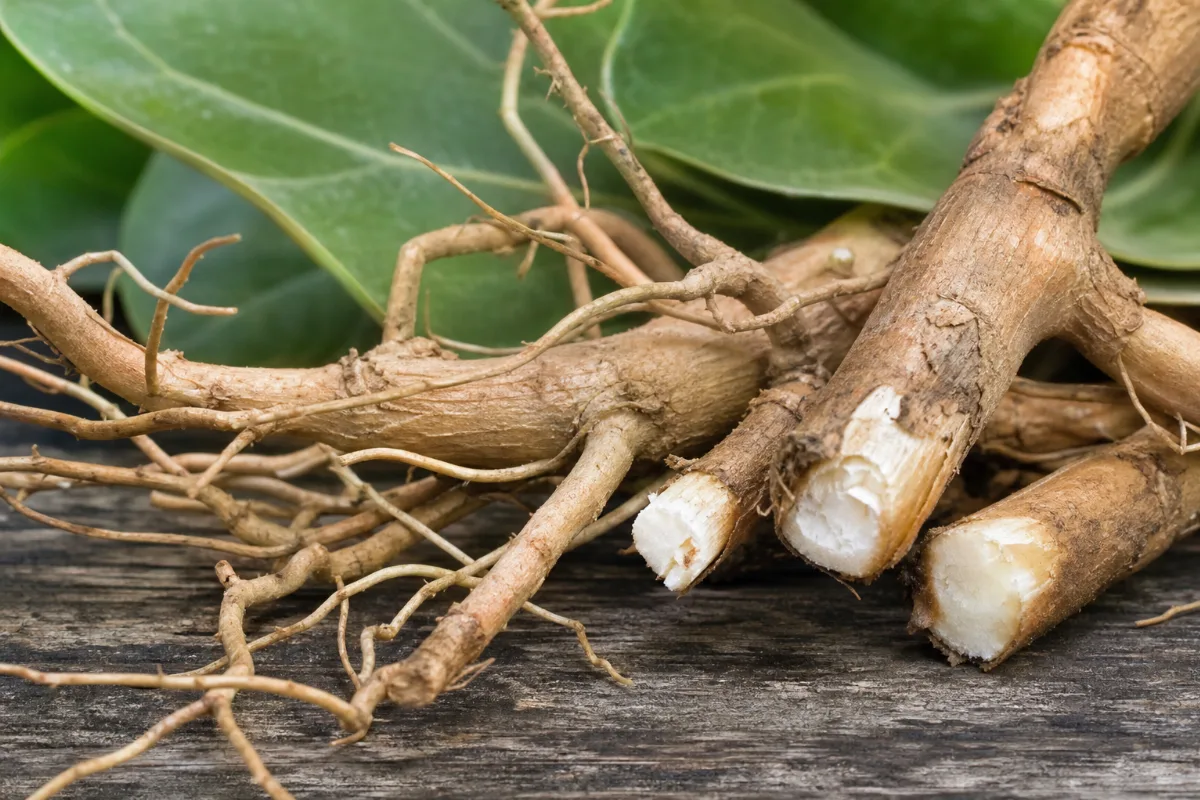
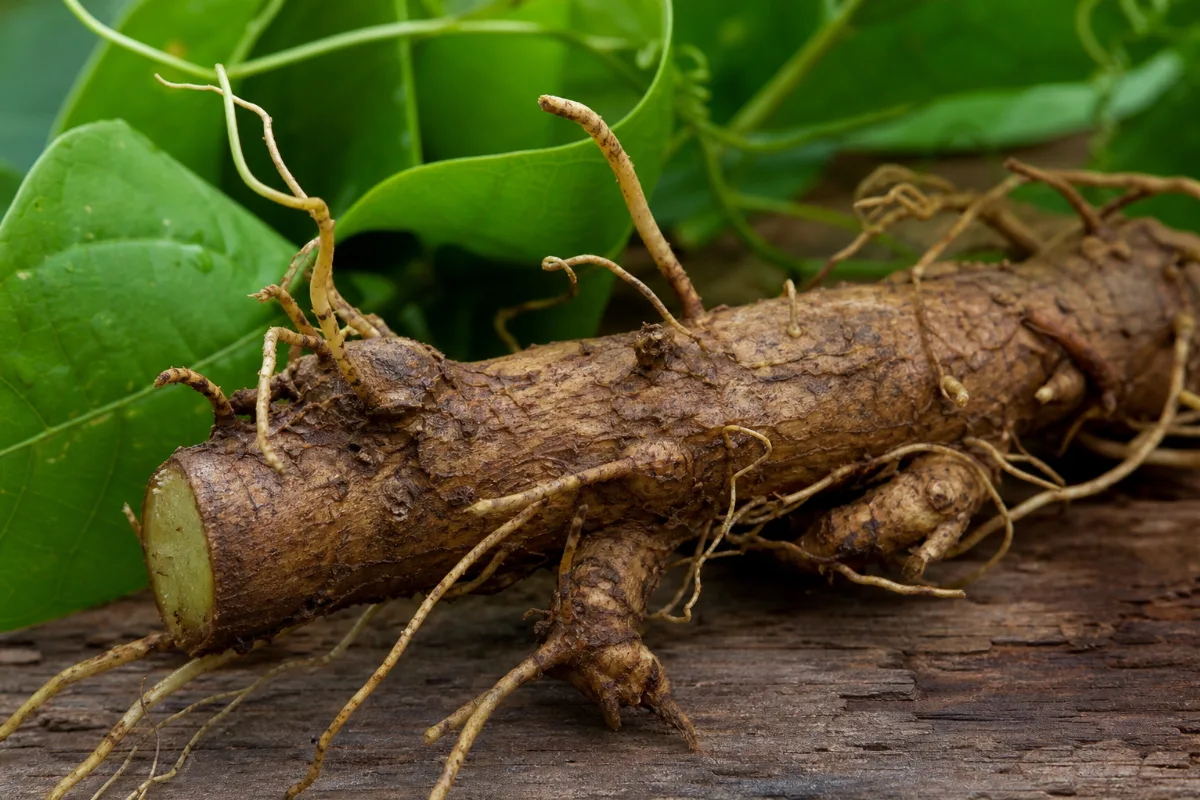
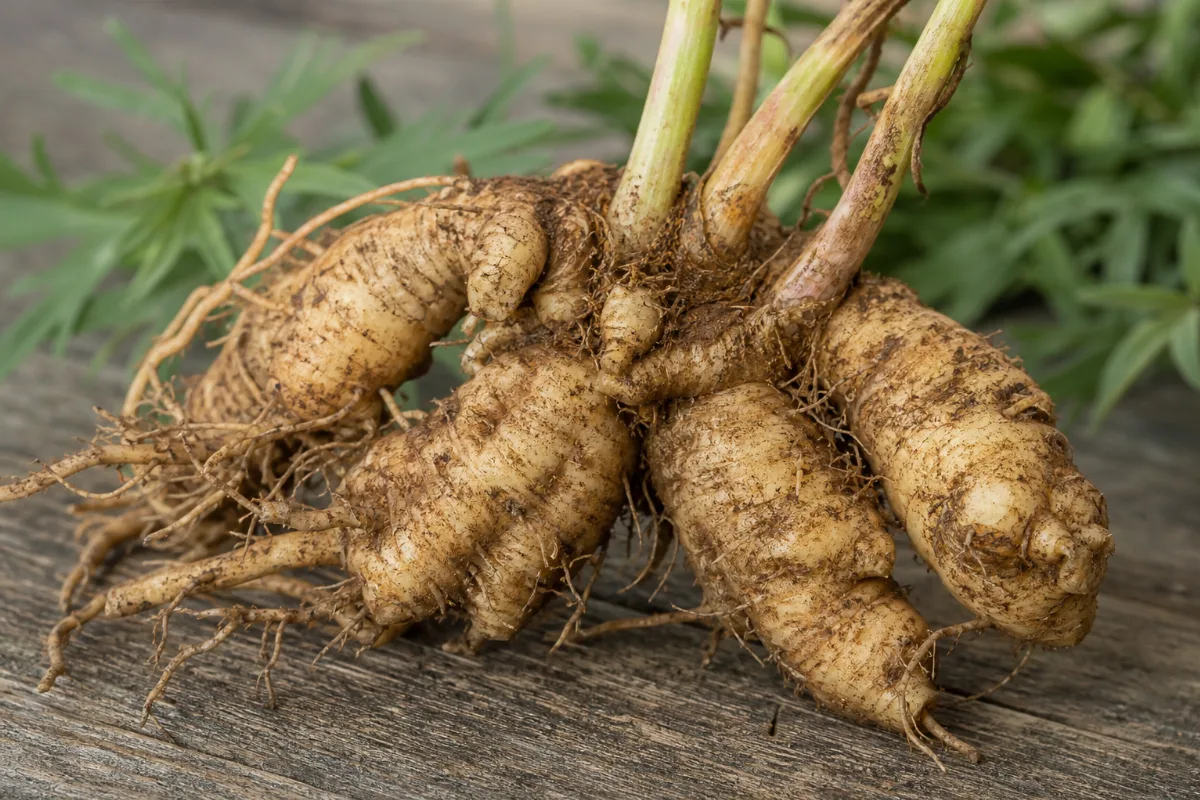
What ashwagandha (Withania somnifera) is, what trials found for stress and sleep, and the liver, thyroid, pregnancy and medicine cautions to know before using it.
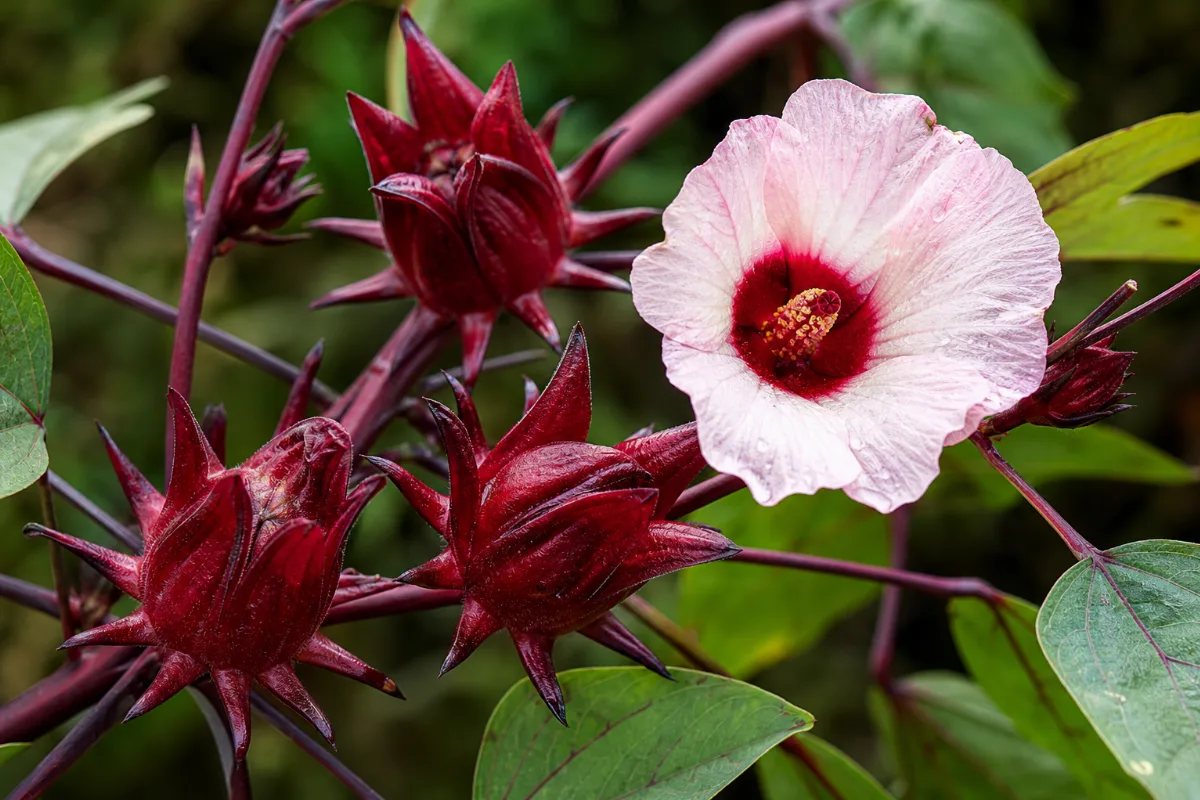
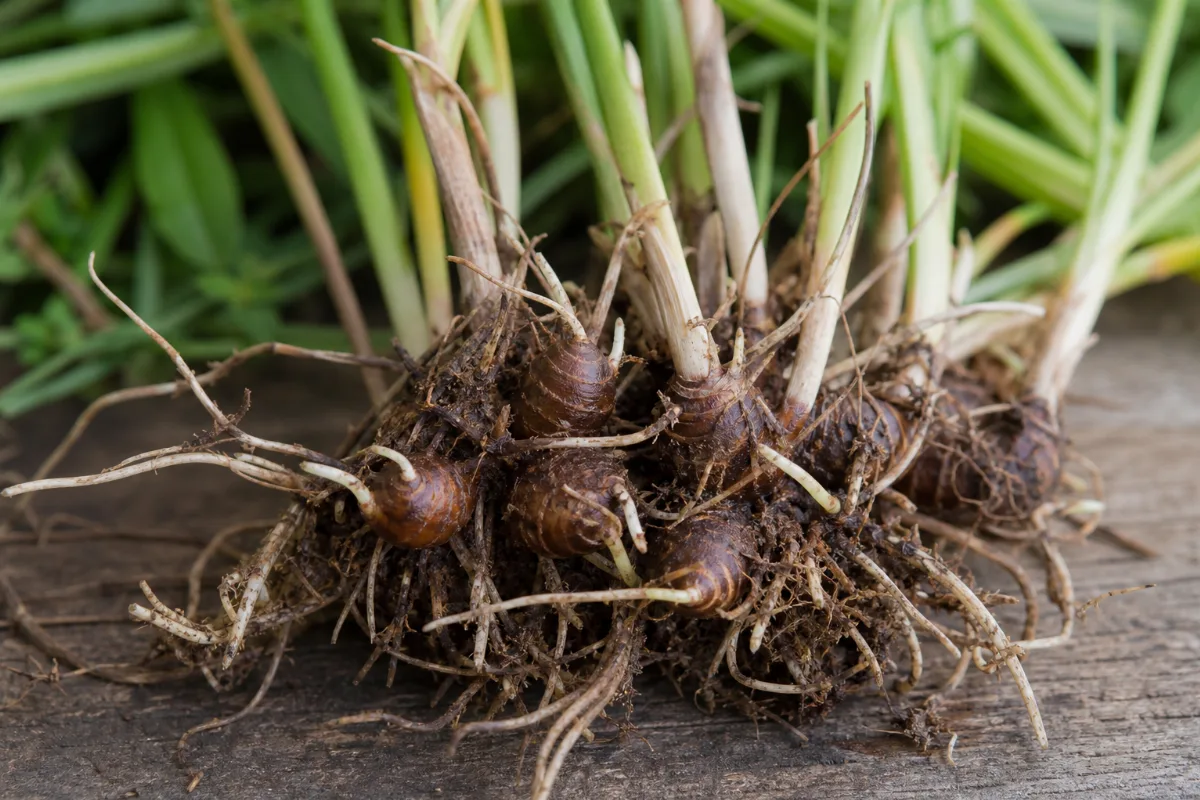
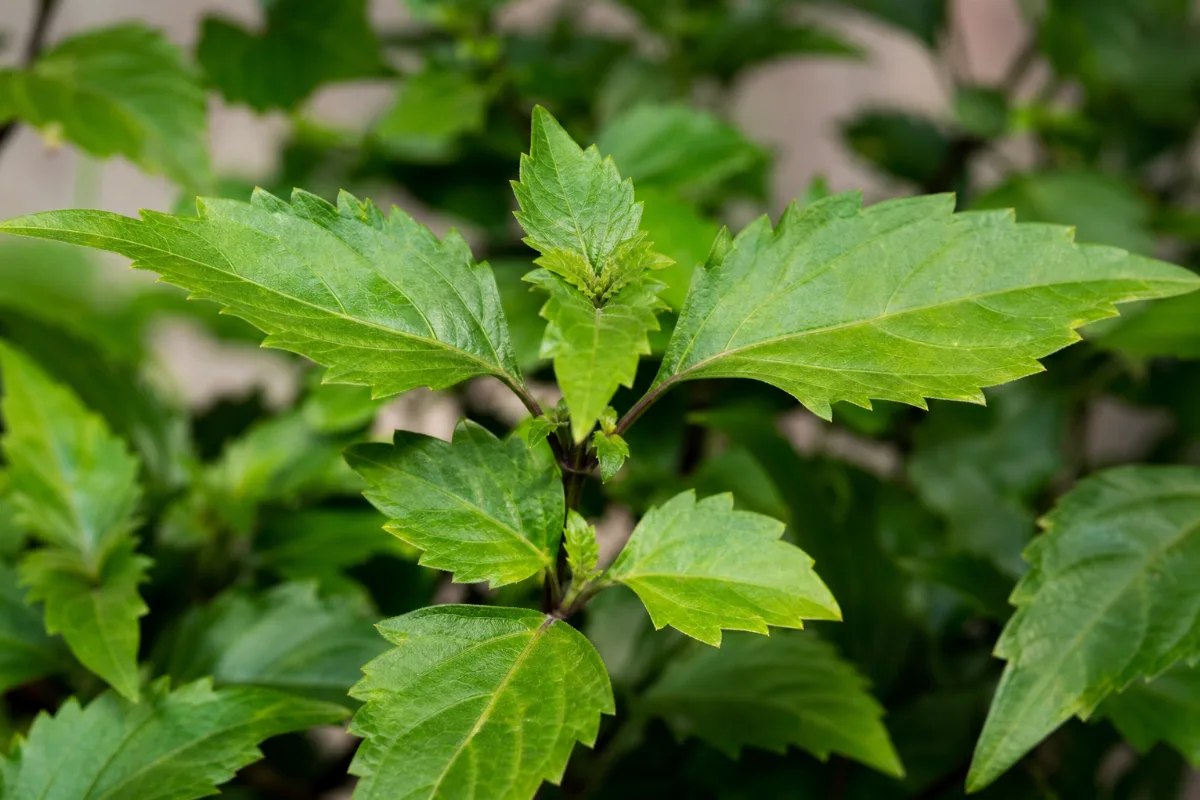
Hibiscus (roselle) calyces: what trials and reviews found for blood pressure and cholesterol, why medicine users and pregnant readers should ask first, and what is not known.
Blood pressure (small lowering effect in trials)
Compared with a blood pressure medicine (captopril)
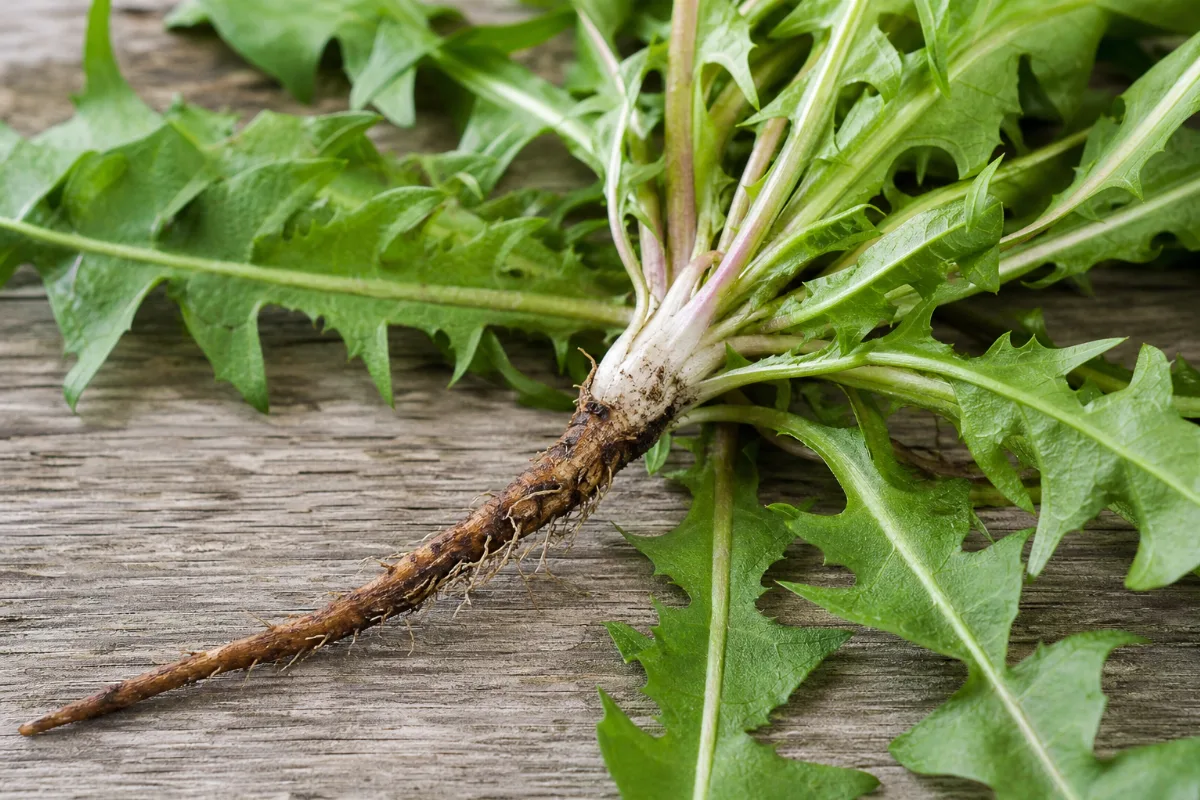
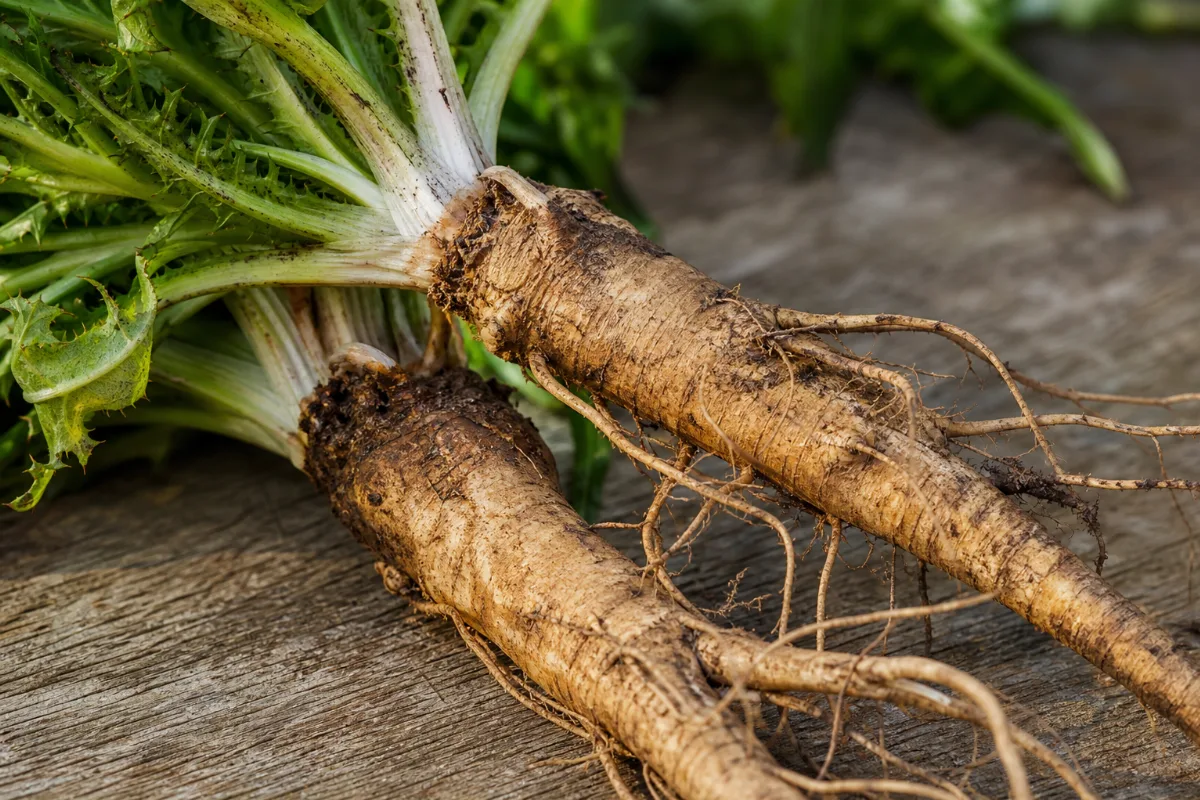
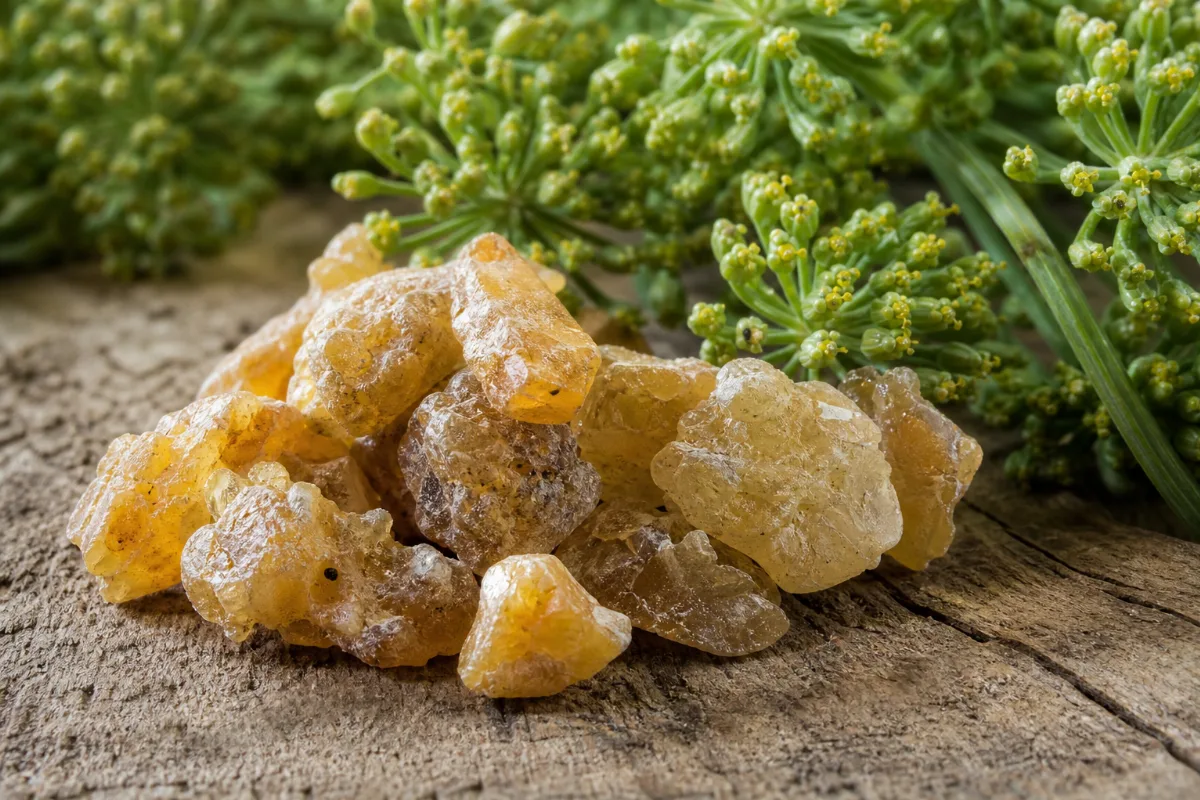
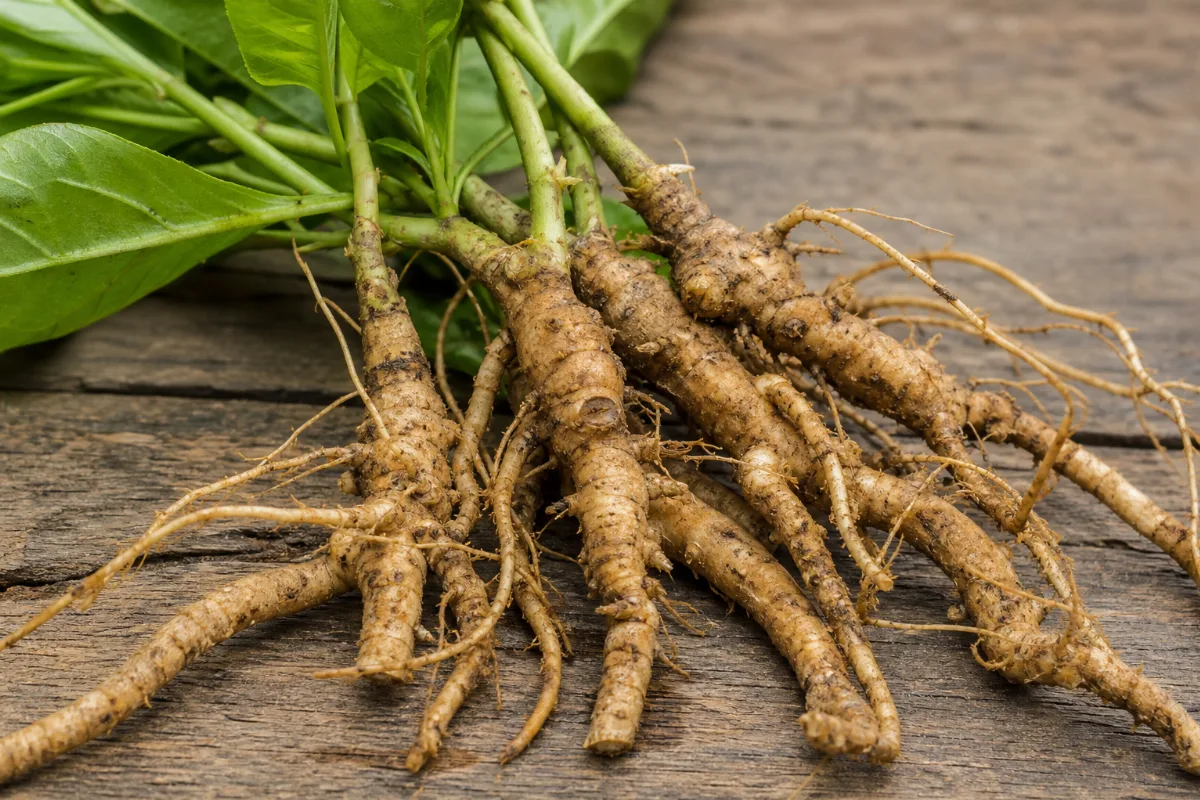
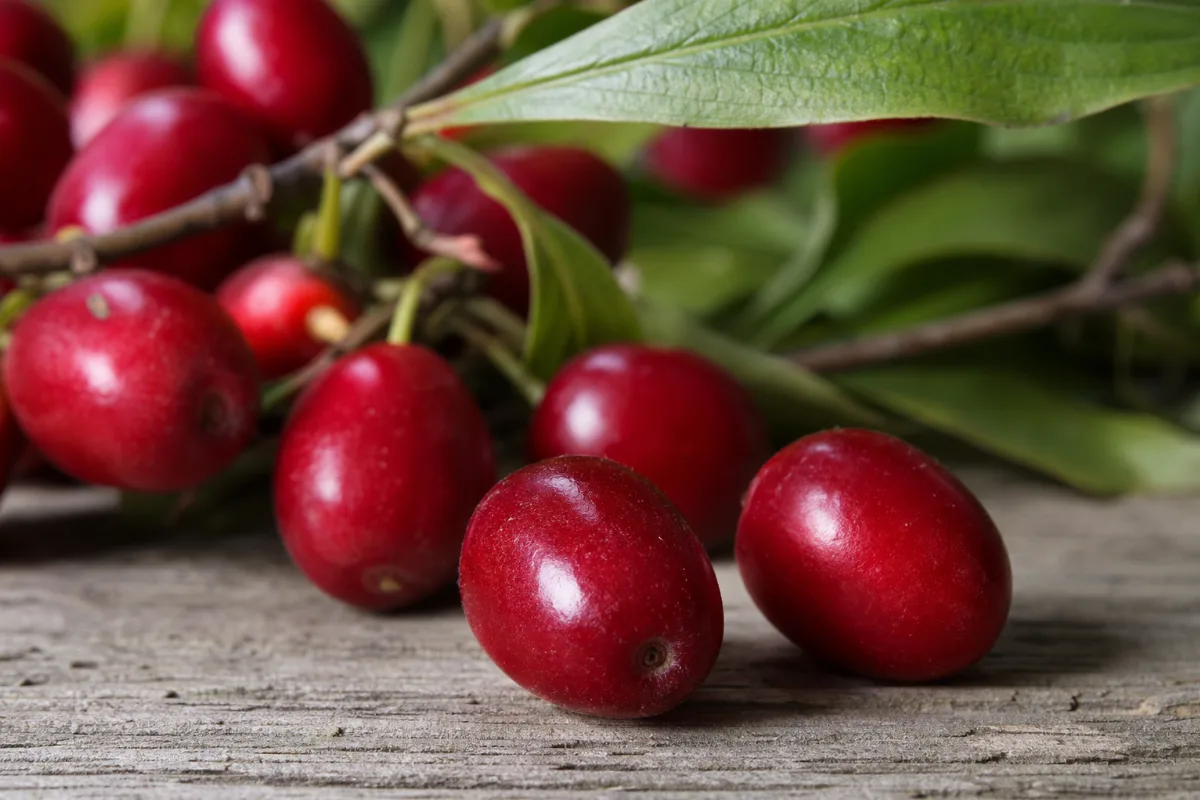
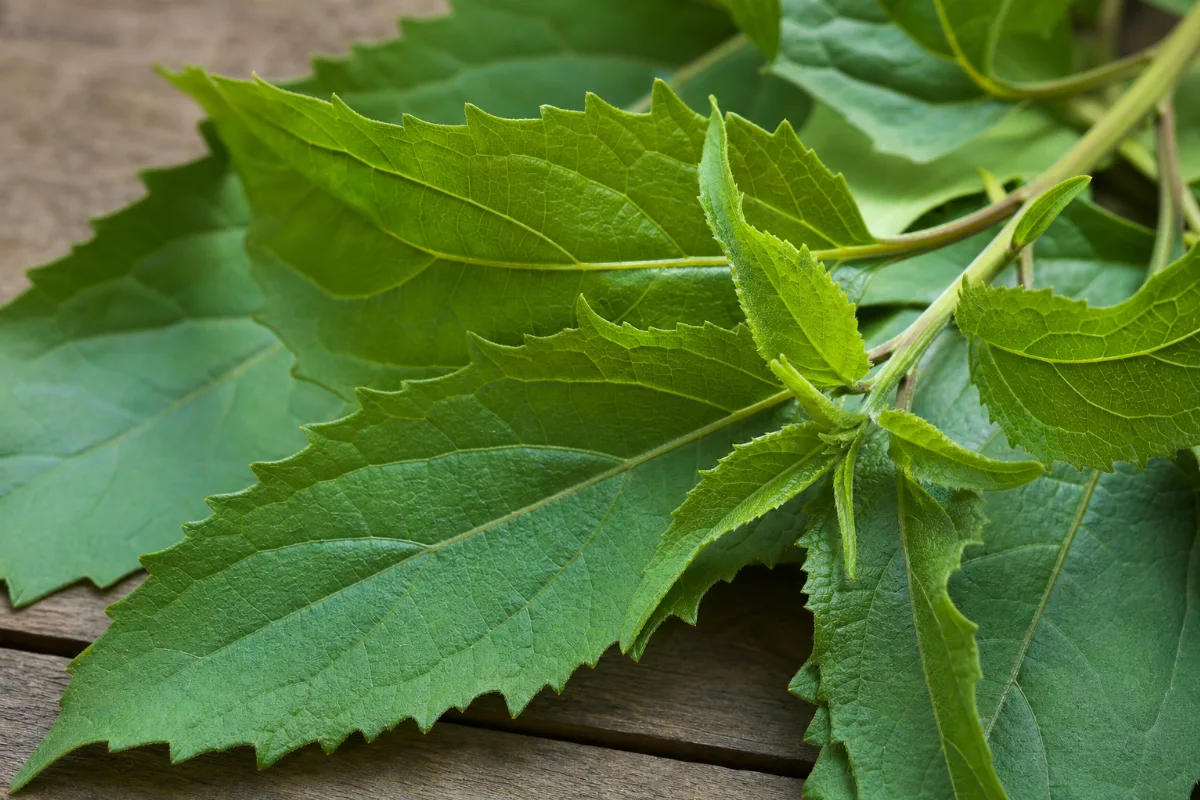
Dandelion (Taraxacum officinale): what the EU herbal committee and human studies say about digestion and urine output, and the allergy, gallstone, ulcer and potassium cautions.
Lavender (Lavandula angustifolia) as a herb: what trials of an oral standardized lavender oil preparation found for anxiety, what the EU says, and safety cautions.
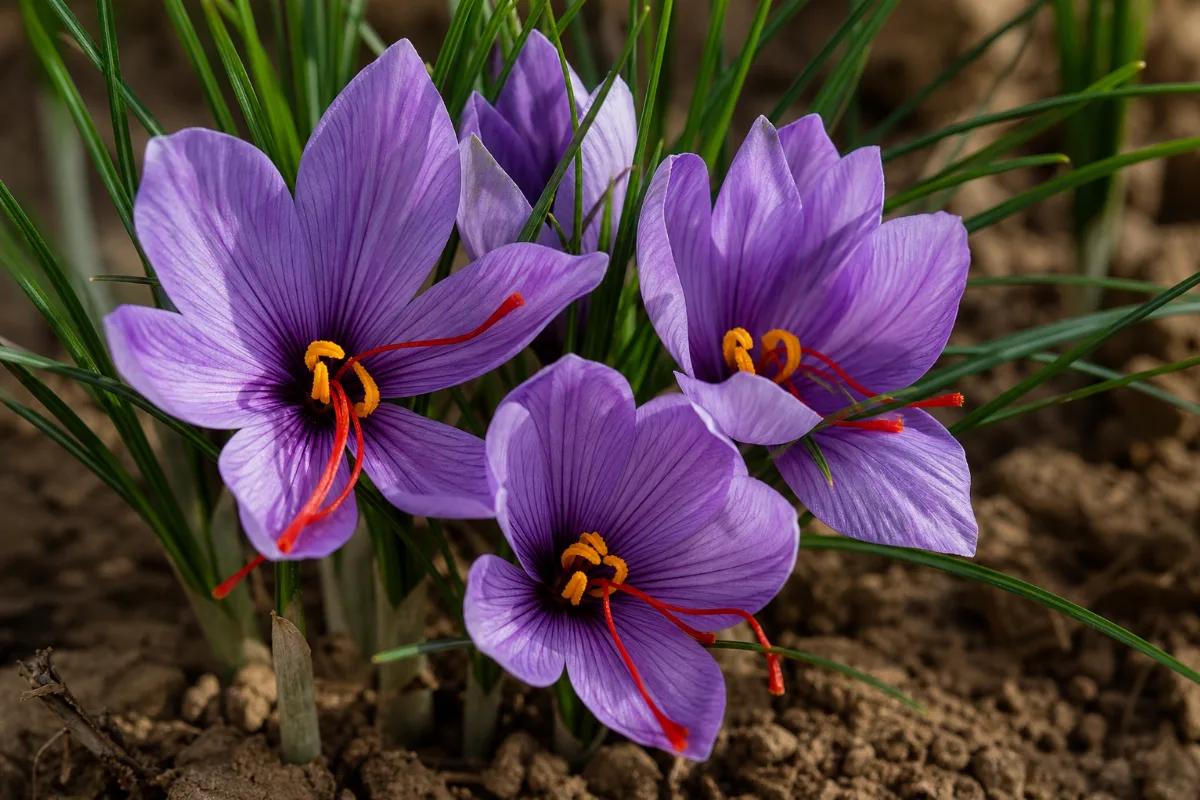
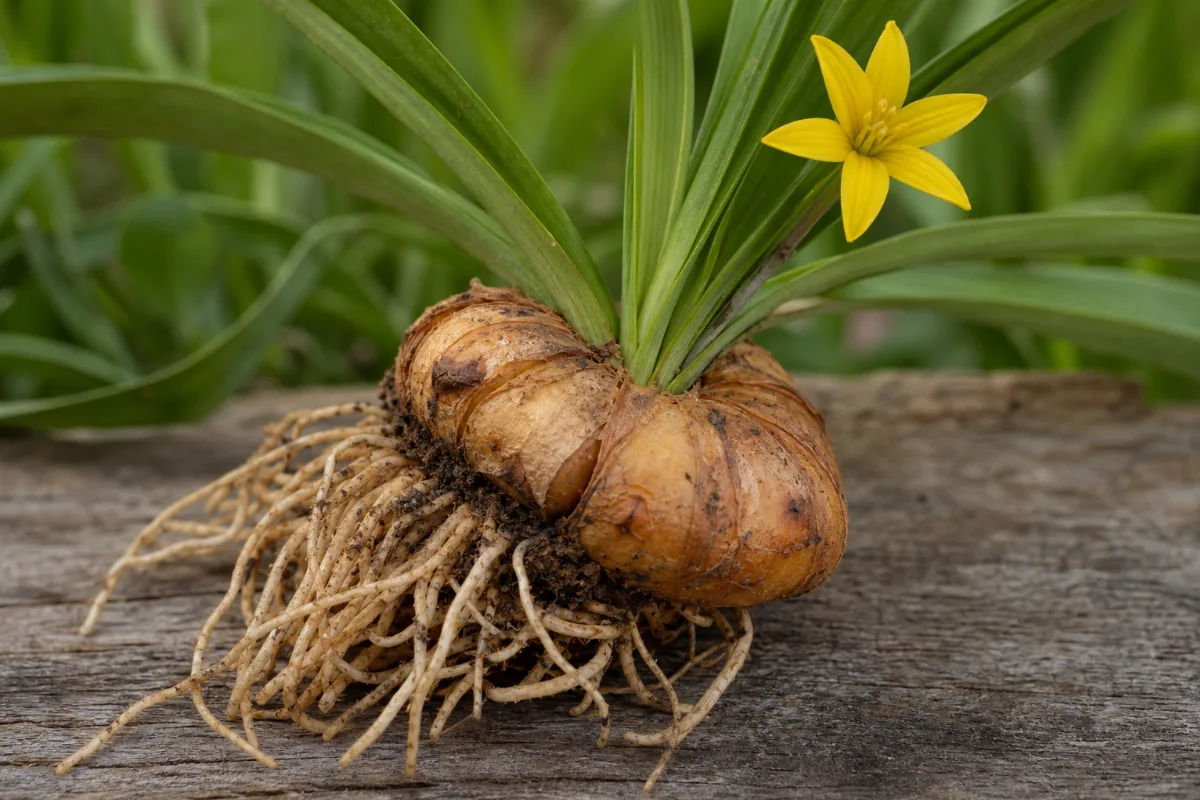
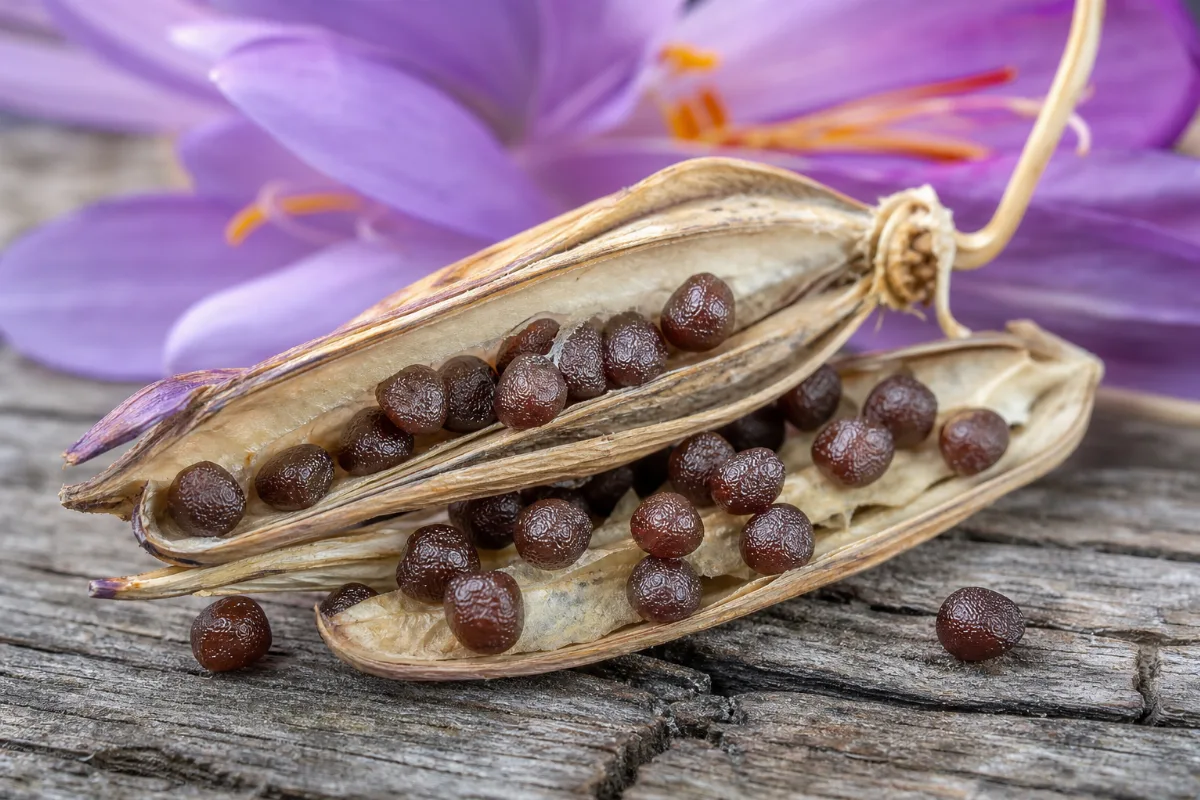
Saffron (Crocus sativus) as a spice and as a supplement: what meta-analyses say about mood and anxiety, how common side effects are, bleeding and mania cautions, and fakes.
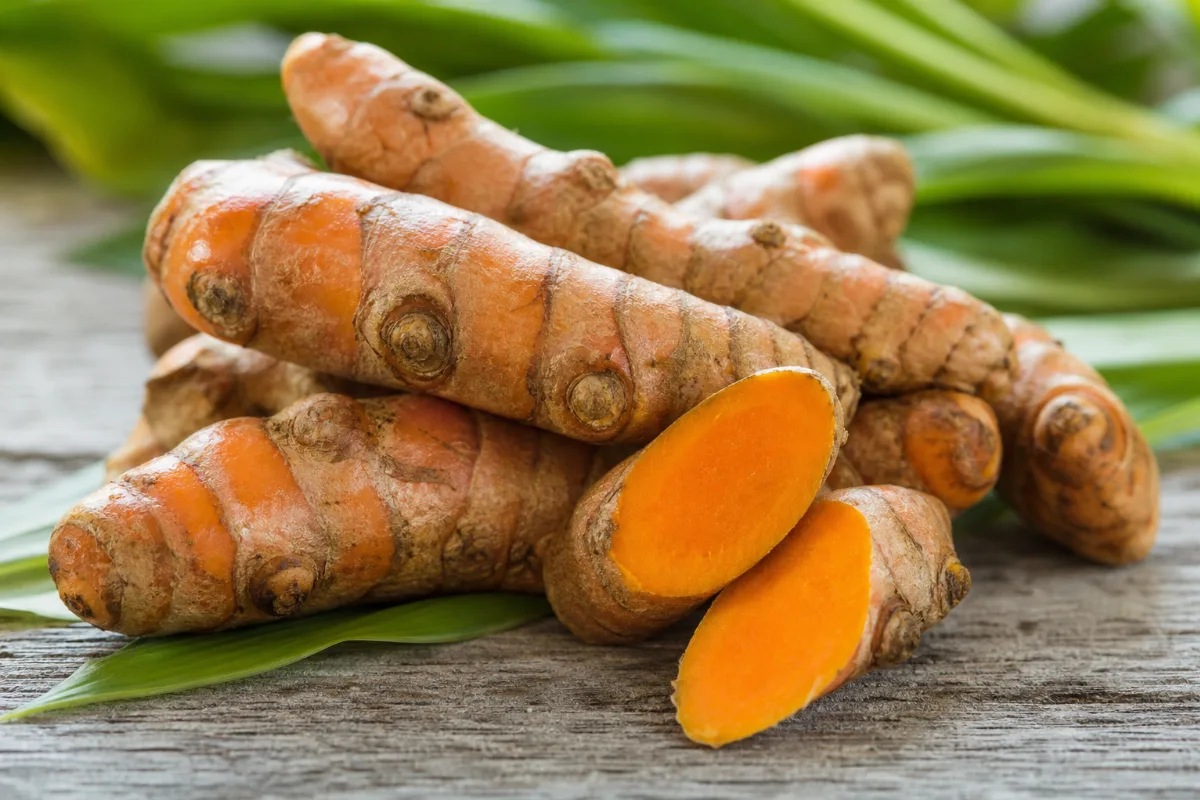
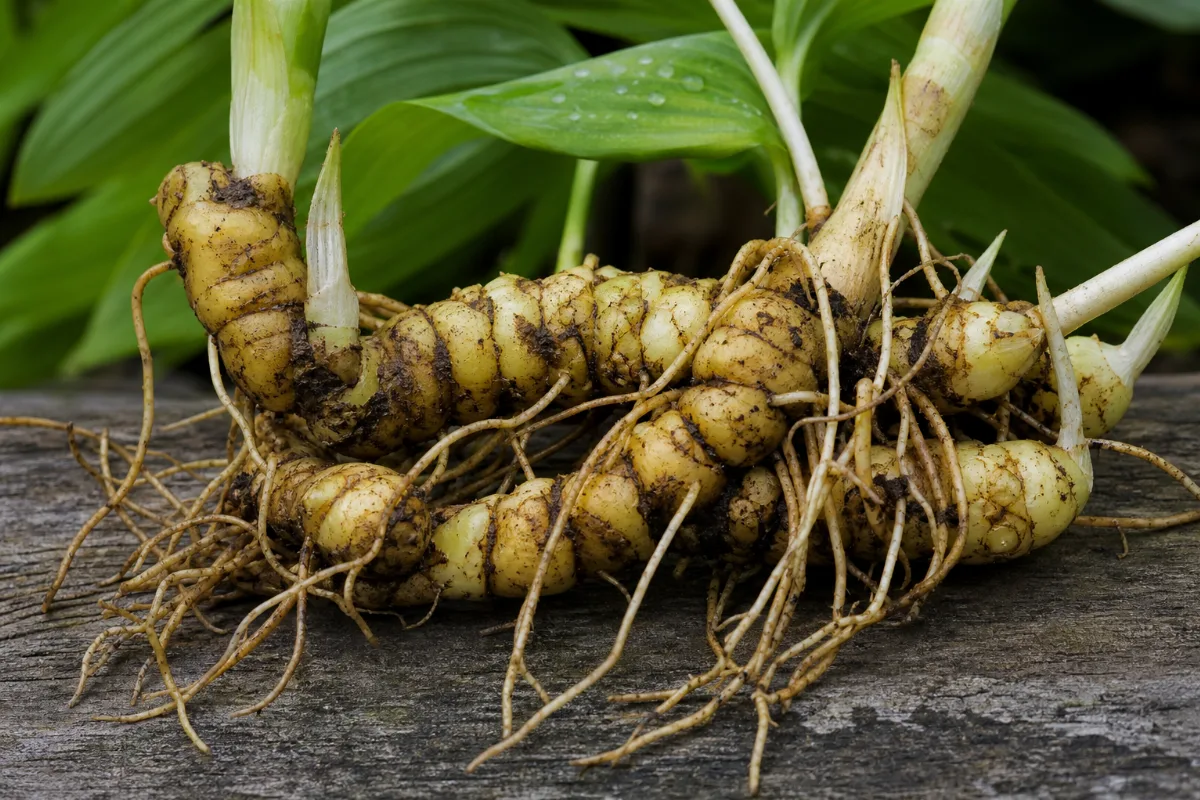
Turmeric (Curcuma longa) rhizome: what NIH and European regulators say, what joint and liver studies found, why some curcumin products are linked to liver injury, and who should ask first.
Knee osteoarthritis pain and stiffness (oral turmeric or curcumin)
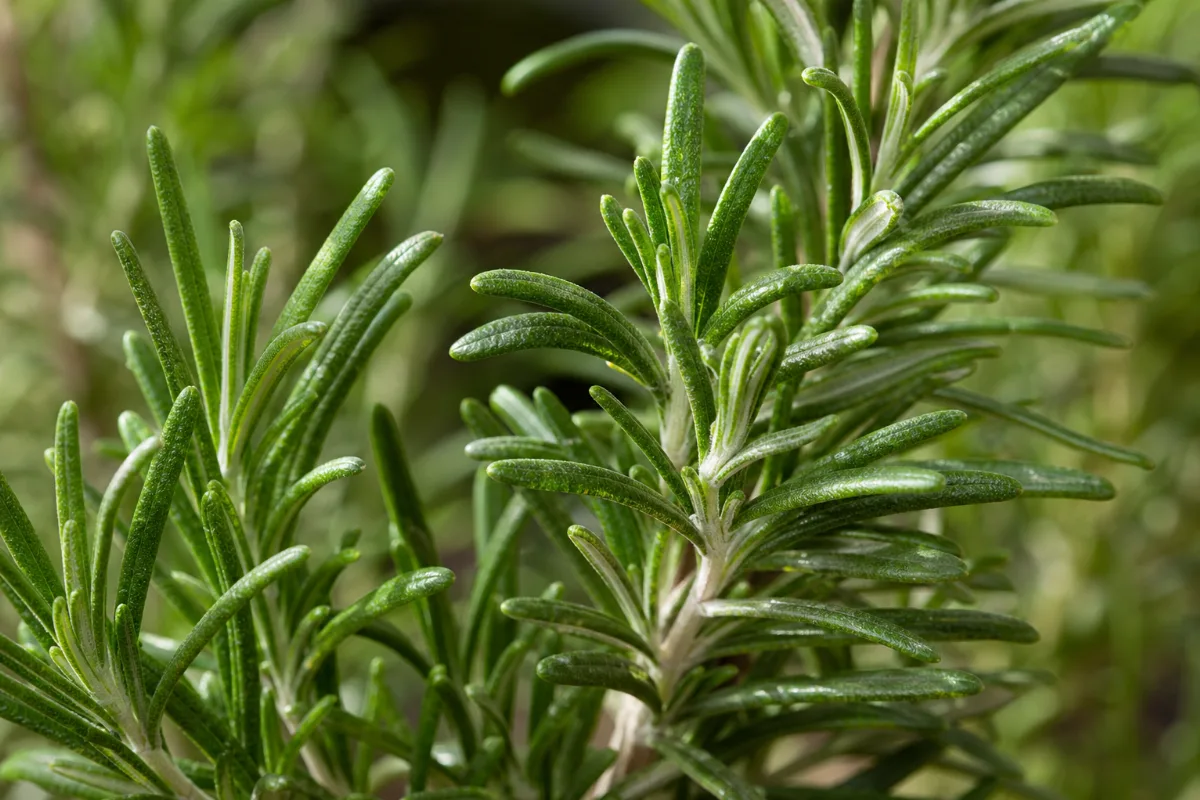
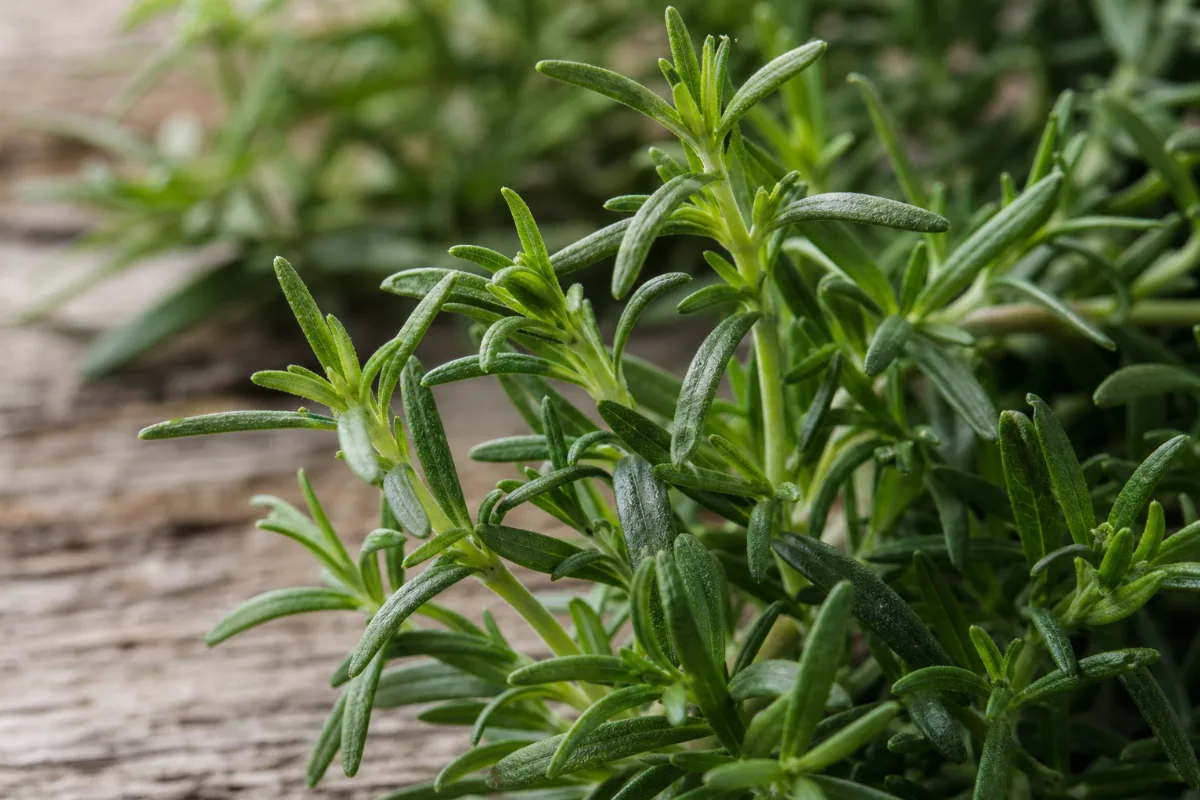
Rosemary (Salvia rosmarinus, also Rosmarinus officinalis): the EU leaf monograph and its cautions, two small oral trials on memory, and what is not known about supplement amounts.
Memory (small oral trials)
Traditional use for digestive complaints
Traditional bath use for minor muscle, joint and circulation problems
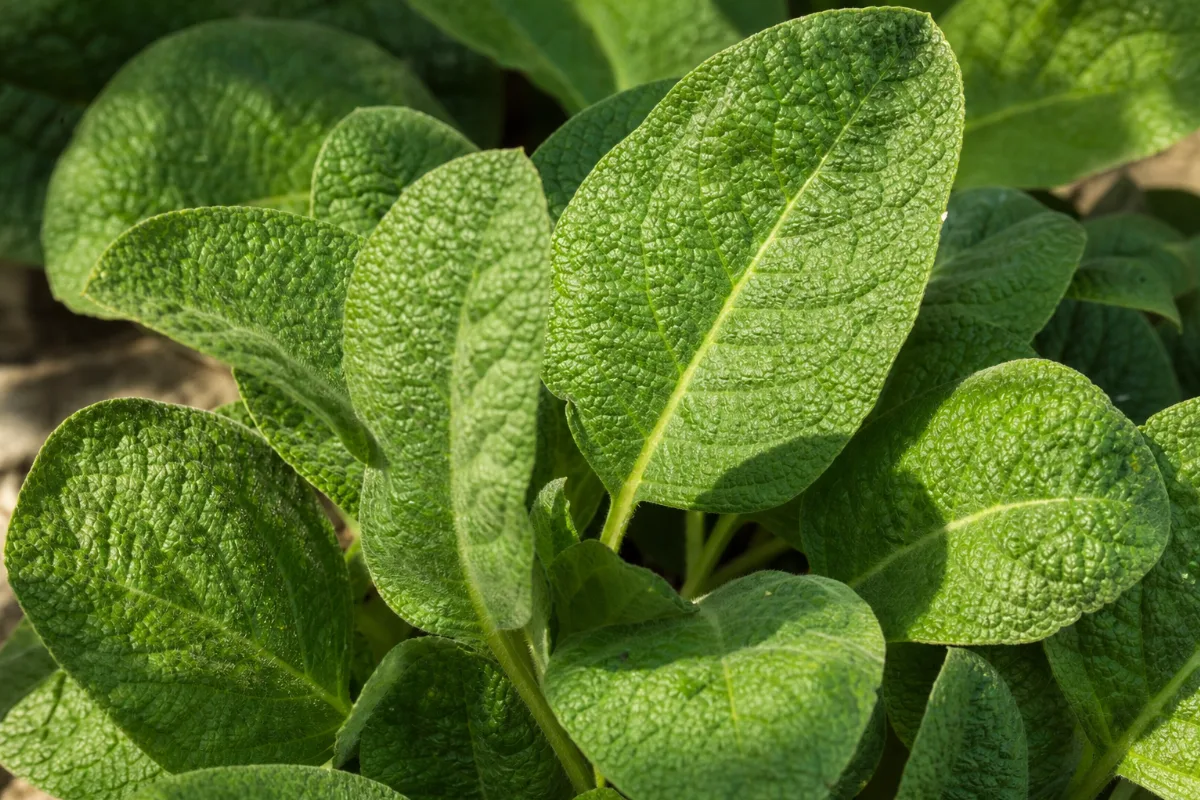
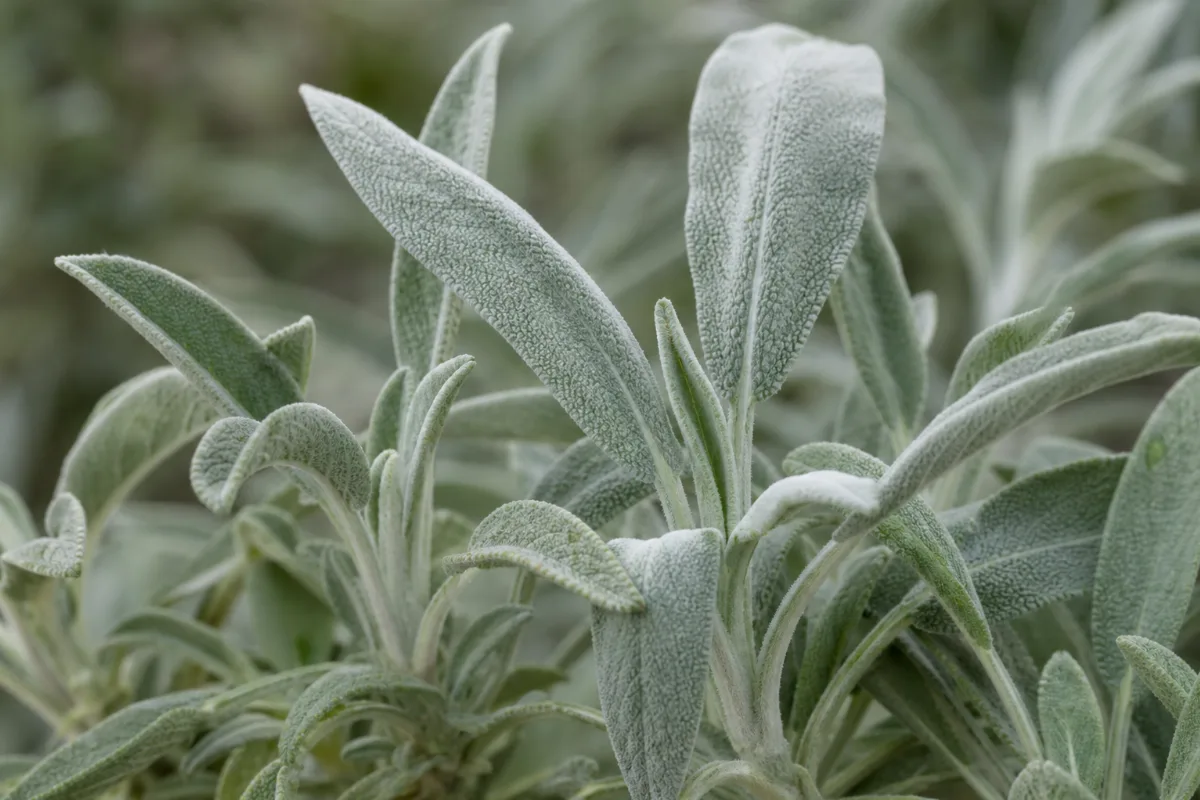
Common sage (Salvia officinalis): thujone and seizure risk at high amounts, small studies on hot flashes and memory, EU monograph limits, and pregnancy cautions.
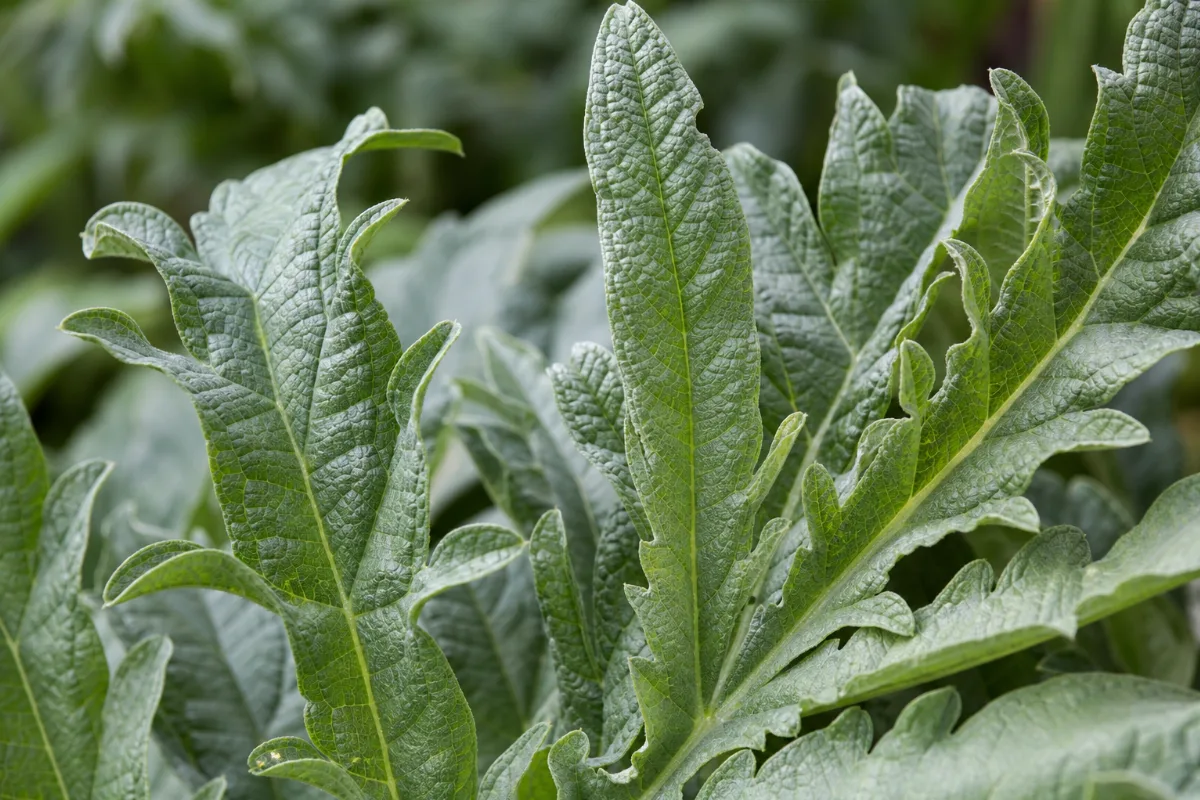
Artichoke leaf (Cynara cardunculus): what Cochrane and meta-analyses found for indigestion and cholesterol, and EU contraindications for bile-duct, gallstone and liver disease.
Cinnamomum verum, Cinnamomum aromaticum (also called Cinnamomum cassia)
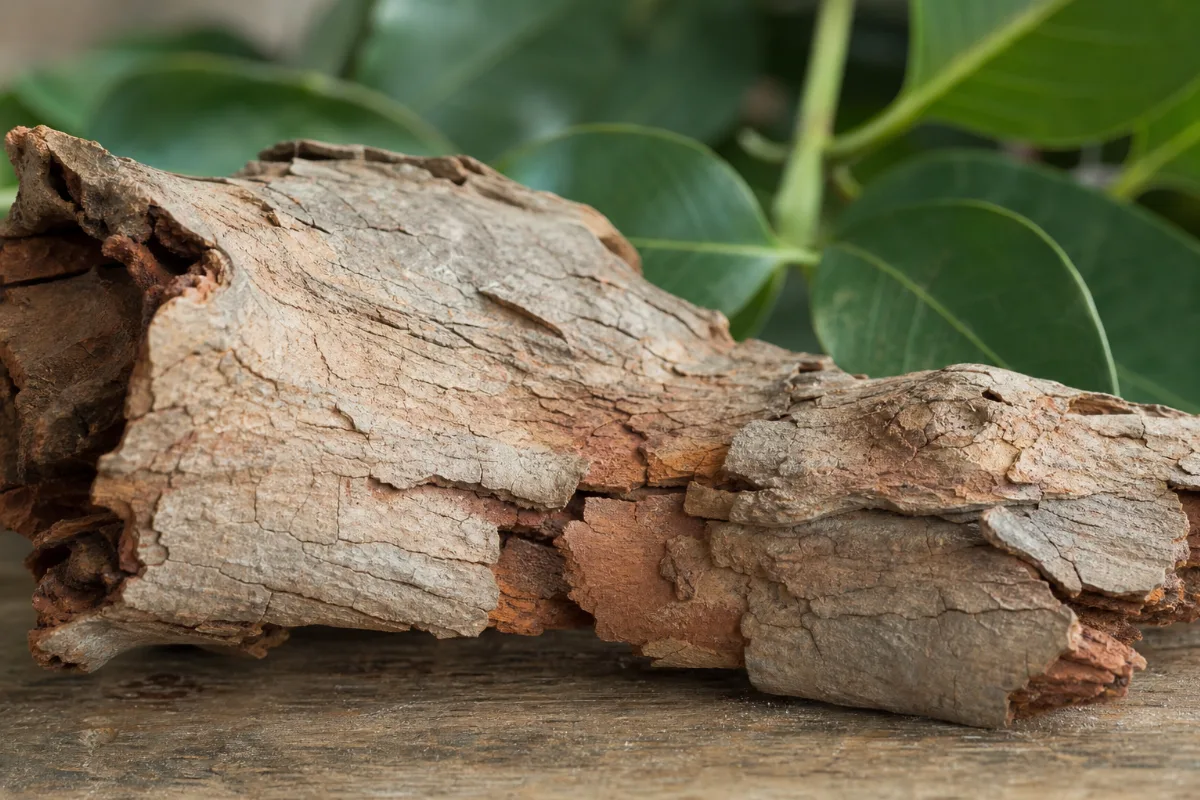
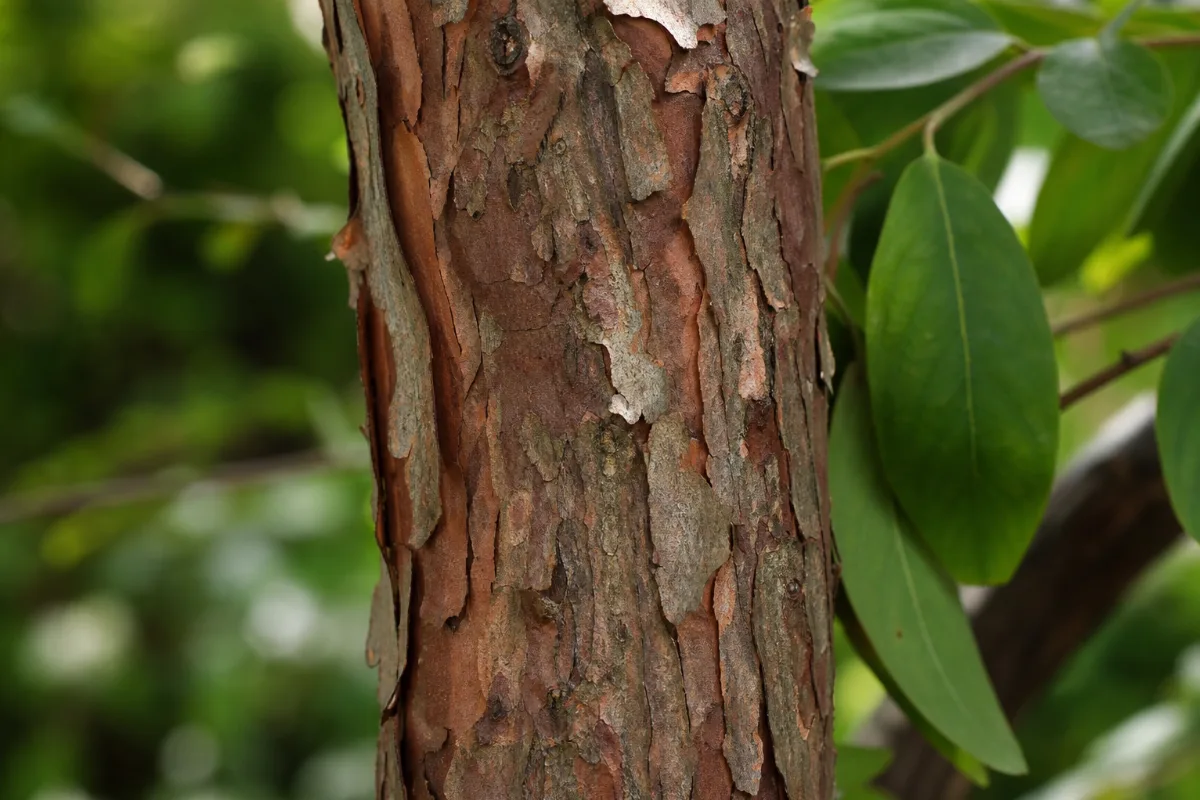
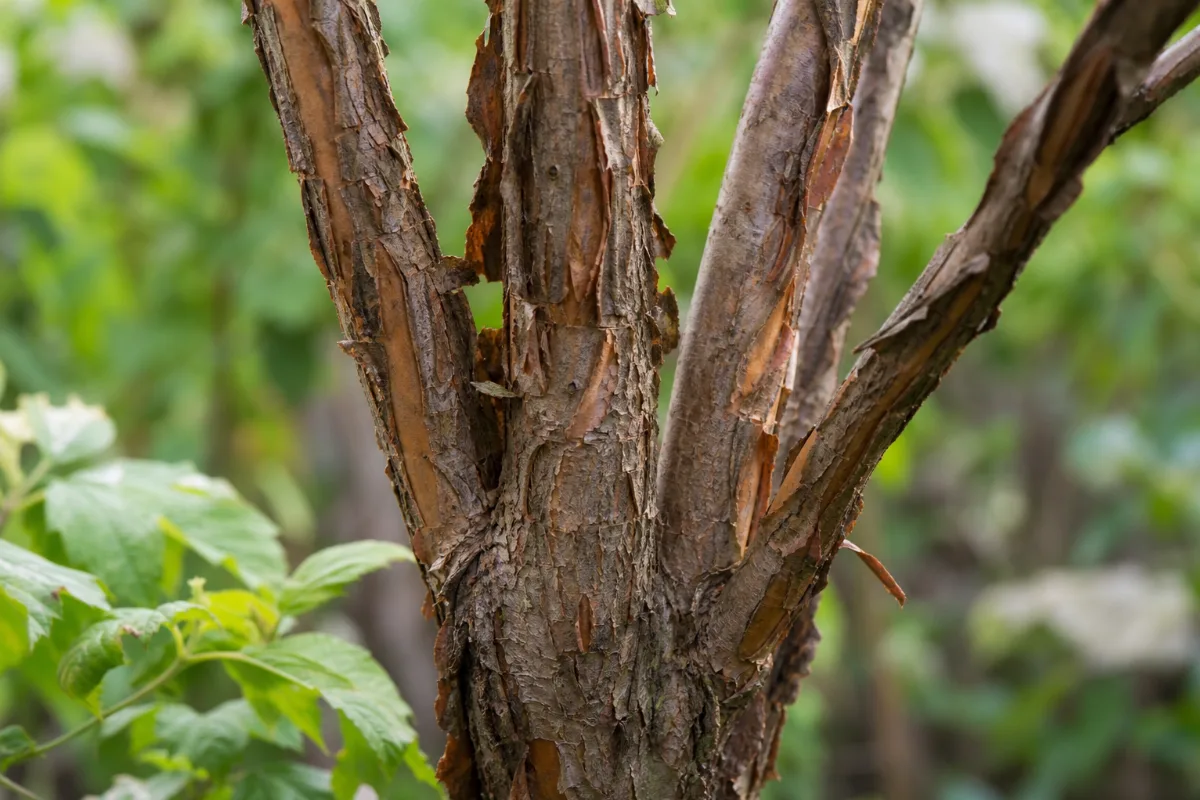
Bark
Cinnamon (Ceylon Cinnamomum verum and cassia): coumarin and liver caution, mixed blood sugar evidence, species confusion on labels, and food amounts versus supplements.
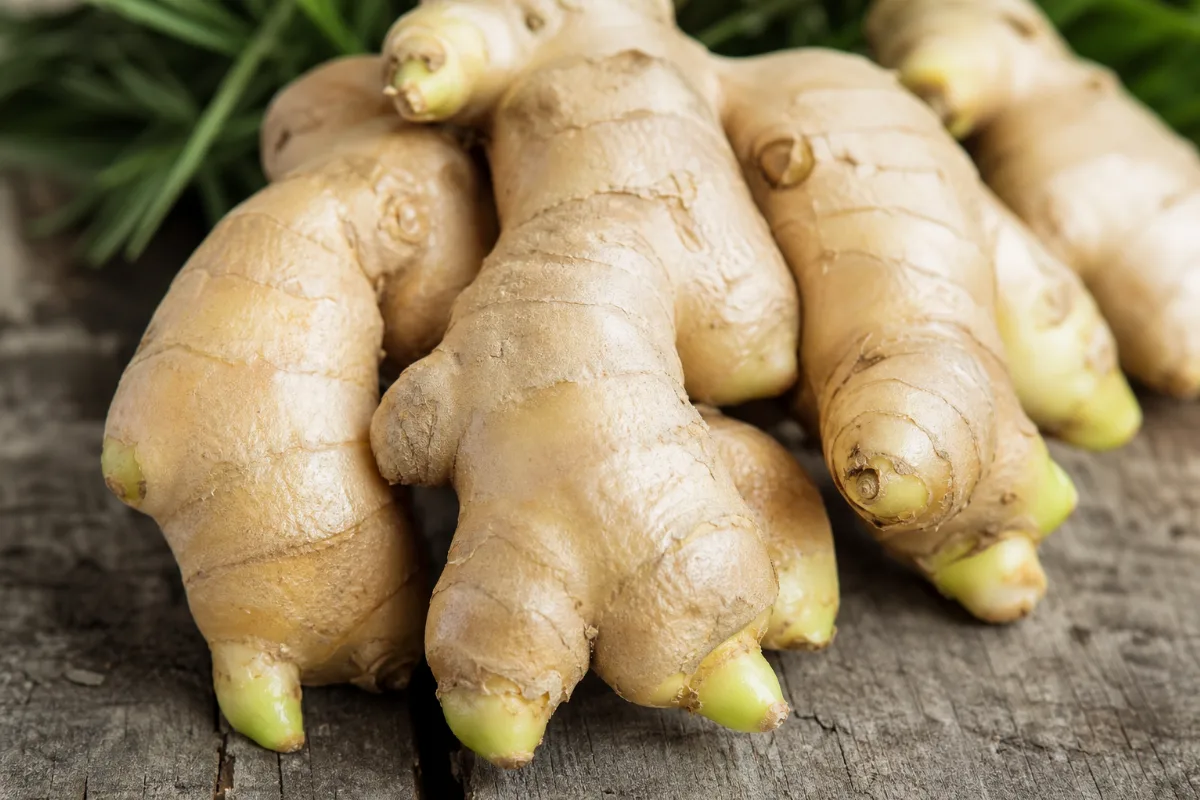
Ginger rhizome (Zingiber officinale): what research and EU regulators say about nausea and digestion, plus blood-thinner, surgery, pregnancy and side-effect cautions.
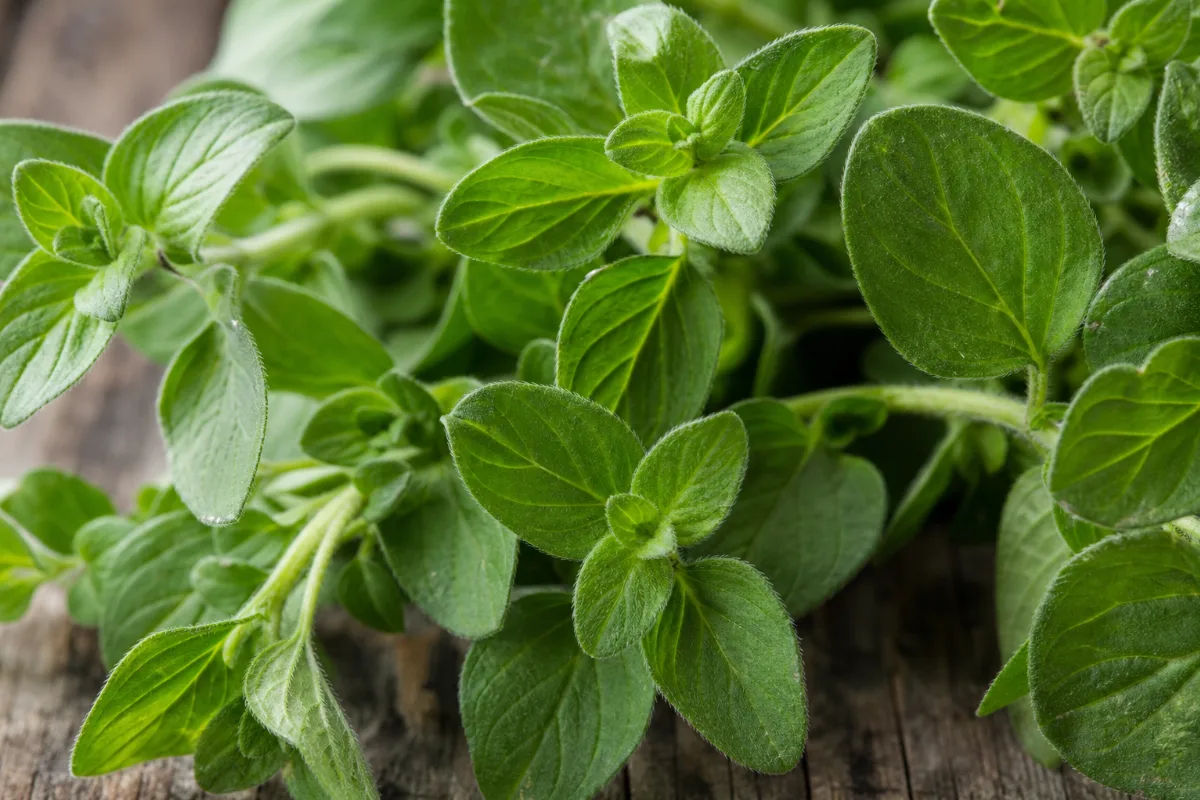
Oregano (Origanum vulgare): food versus supplement amounts, what small studies found, a reported blood-thinner interaction, pregnancy and allergy cautions, and oil of oregano.
Chronic sinus inflammation without polyps
Blood markers of muscle damage after hard exercise
Traditional use for breathing, digestion and as an antimicrobial
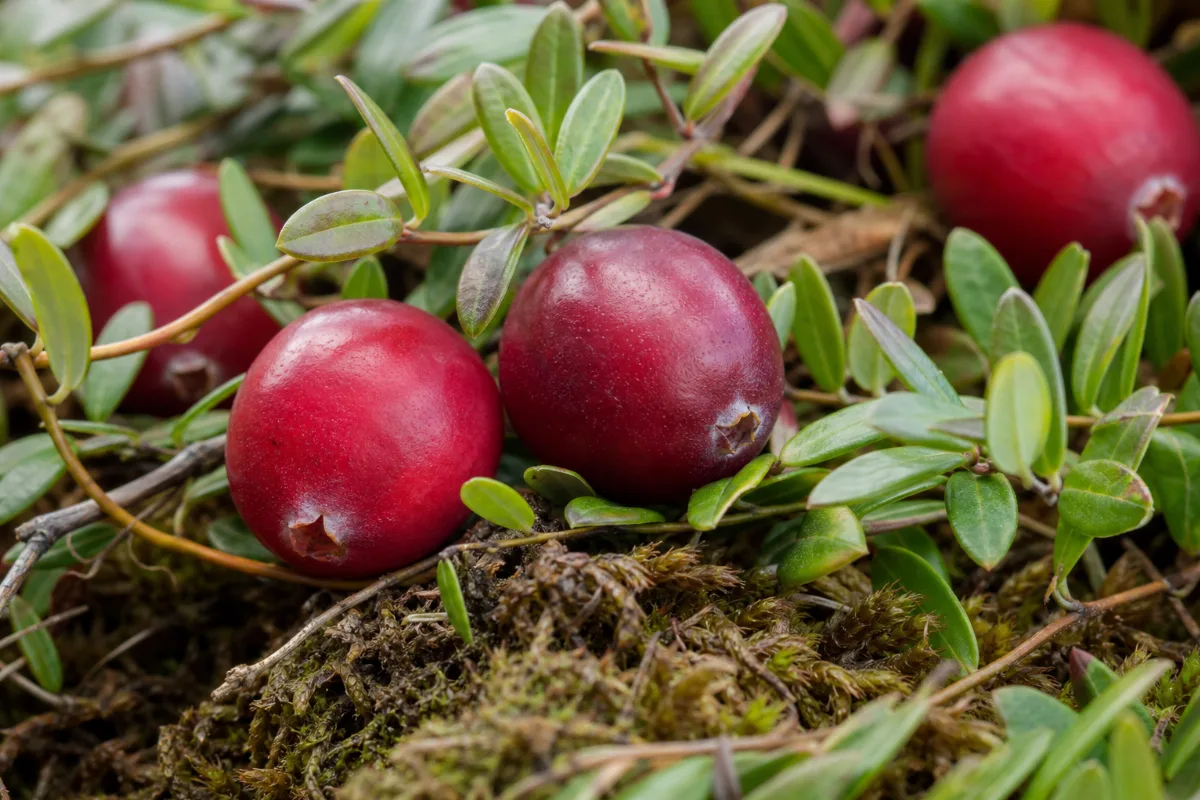
Cranberry (Vaccinium macrocarpon) and urinary tract infections: what Cochrane and NIH found for prevention, why it is not a treatment, and warfarin and kidney stone cautions.
Preventing recurrent urinary tract infections
Not a treatment for an existing UTI
Older people in care, pregnancy and poor bladder emptying
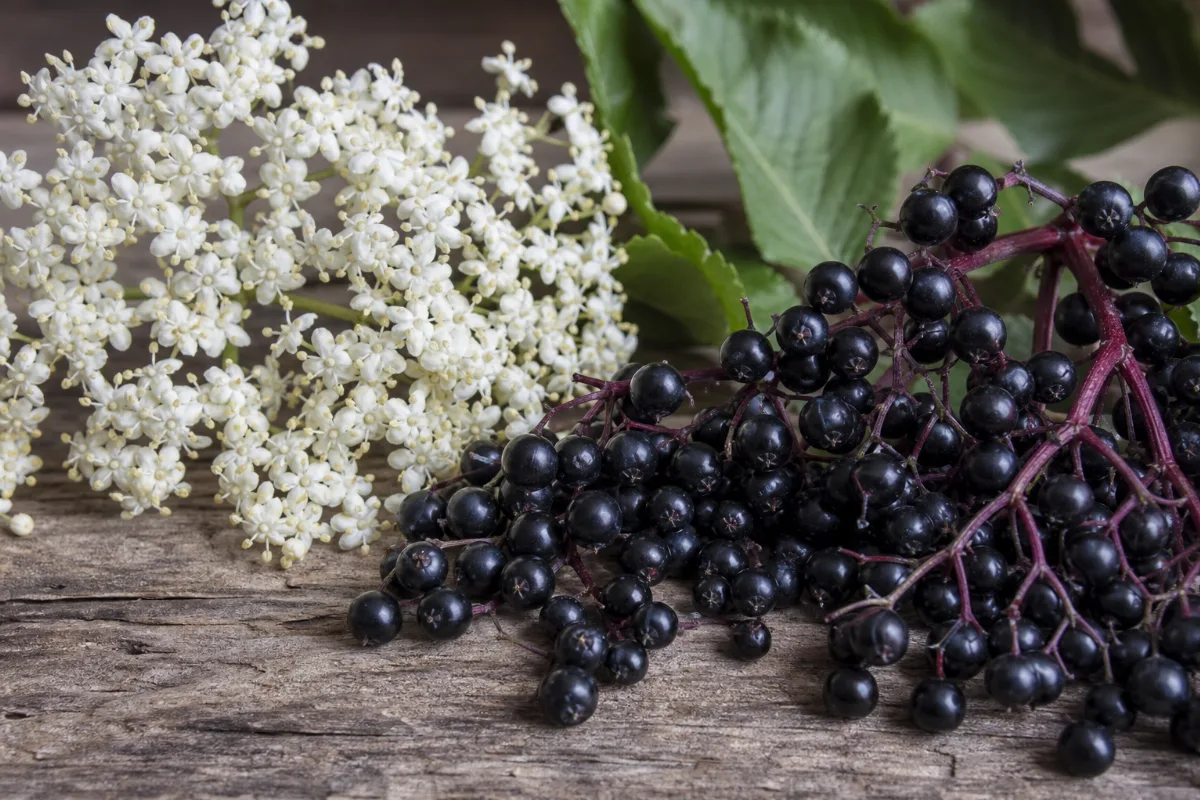
Elderberry (Sambucus nigra): why raw berries, leaves and stems are poisonous, what reviews found for colds and flu, what is unknown, and how elderflower differs.
Easing symptoms of colds, flu and other upper respiratory infections
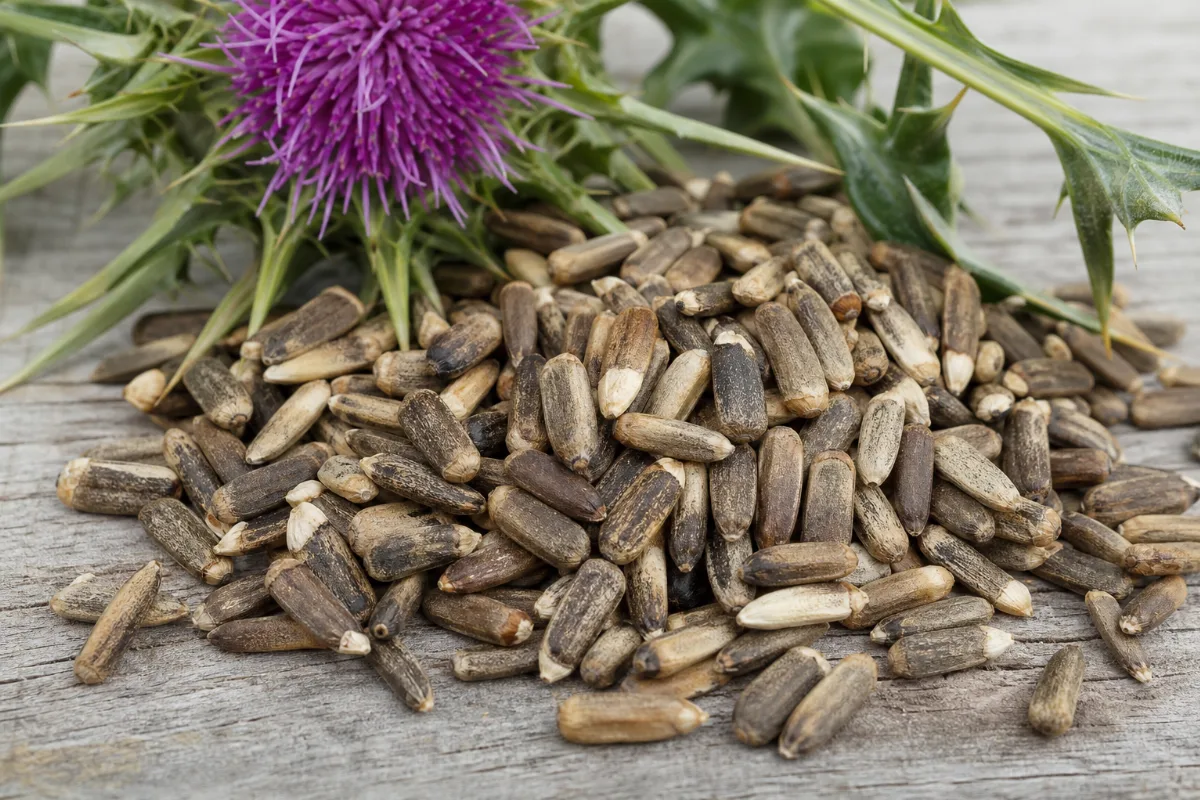
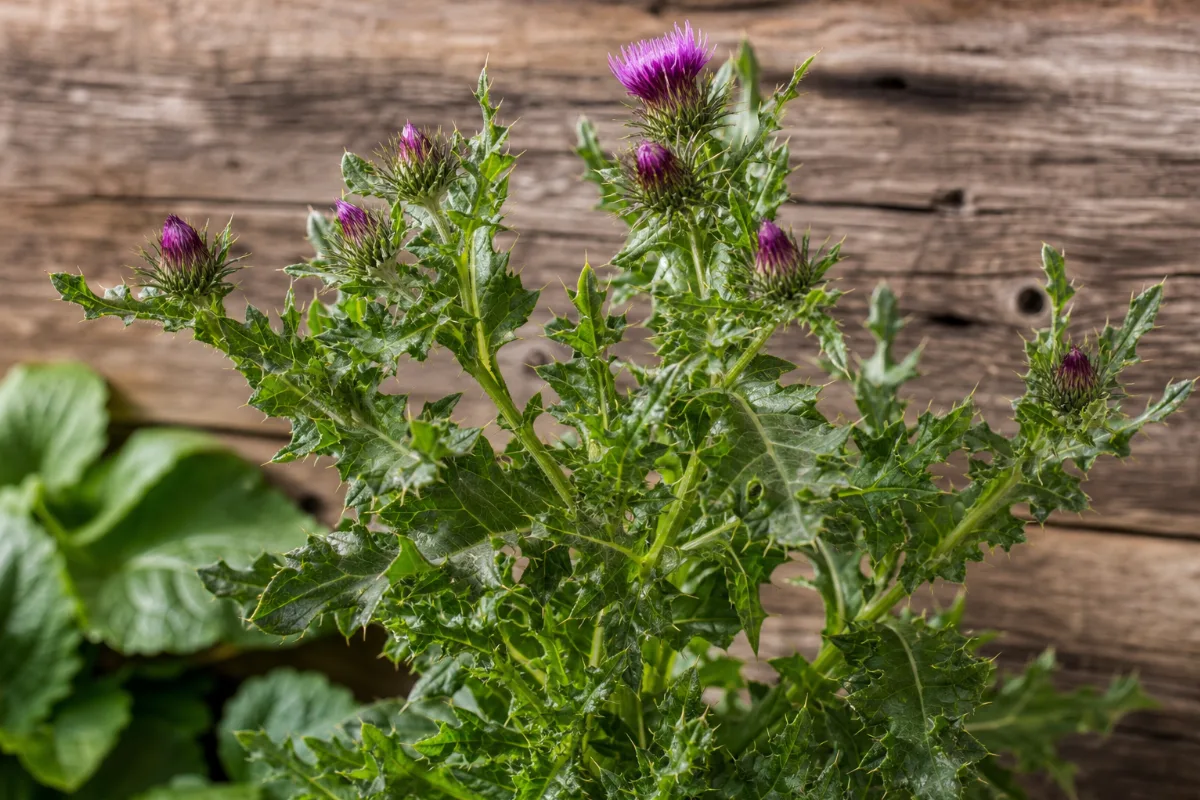
Milk thistle (Silybum marianum) and silymarin: what NIH and a large US trial found for liver disease and blood sugar, plus allergy, quality and pregnancy points.
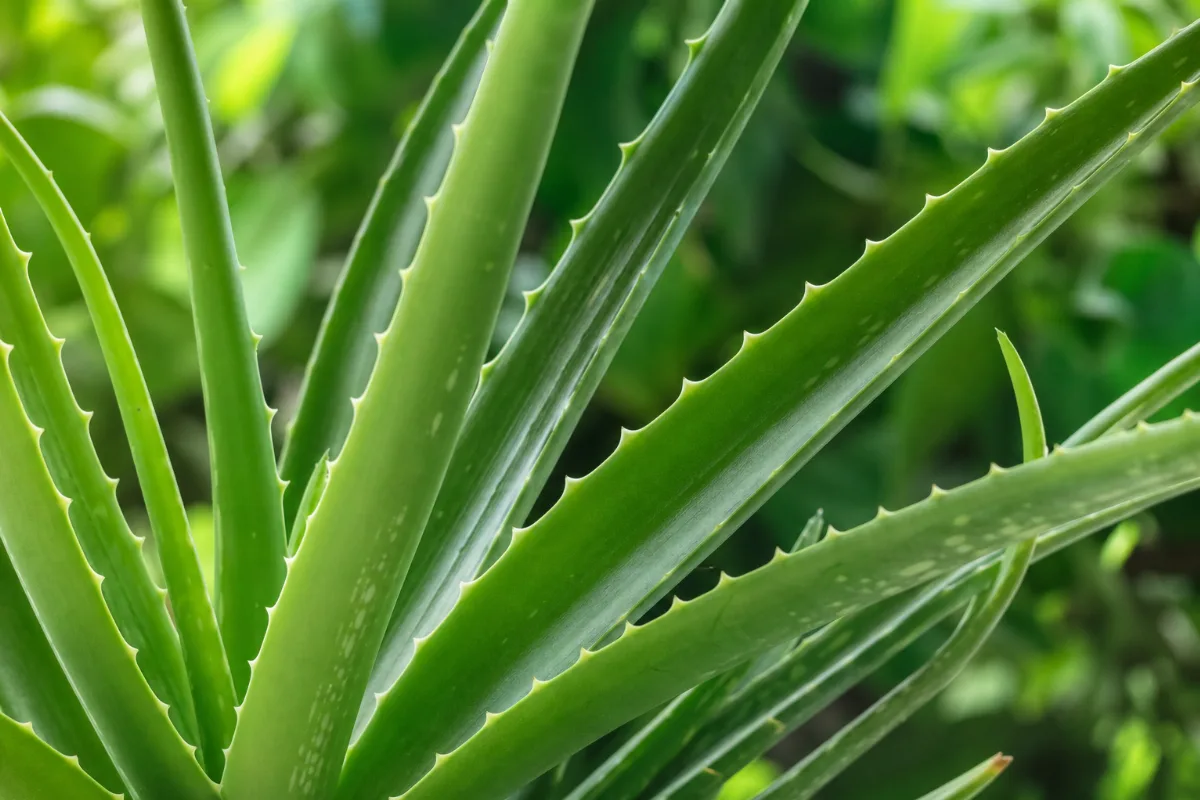
Aloe vera (L.) Burm.f., Aloe barbadensis, Aloe africana, Aloe arborescens
Leaf
Aloe vera gel, latex and whole-leaf extract are different products: what NCCIH and FDA say about burns, laxative use, liver reports, animal cancer findings and pregnancy.
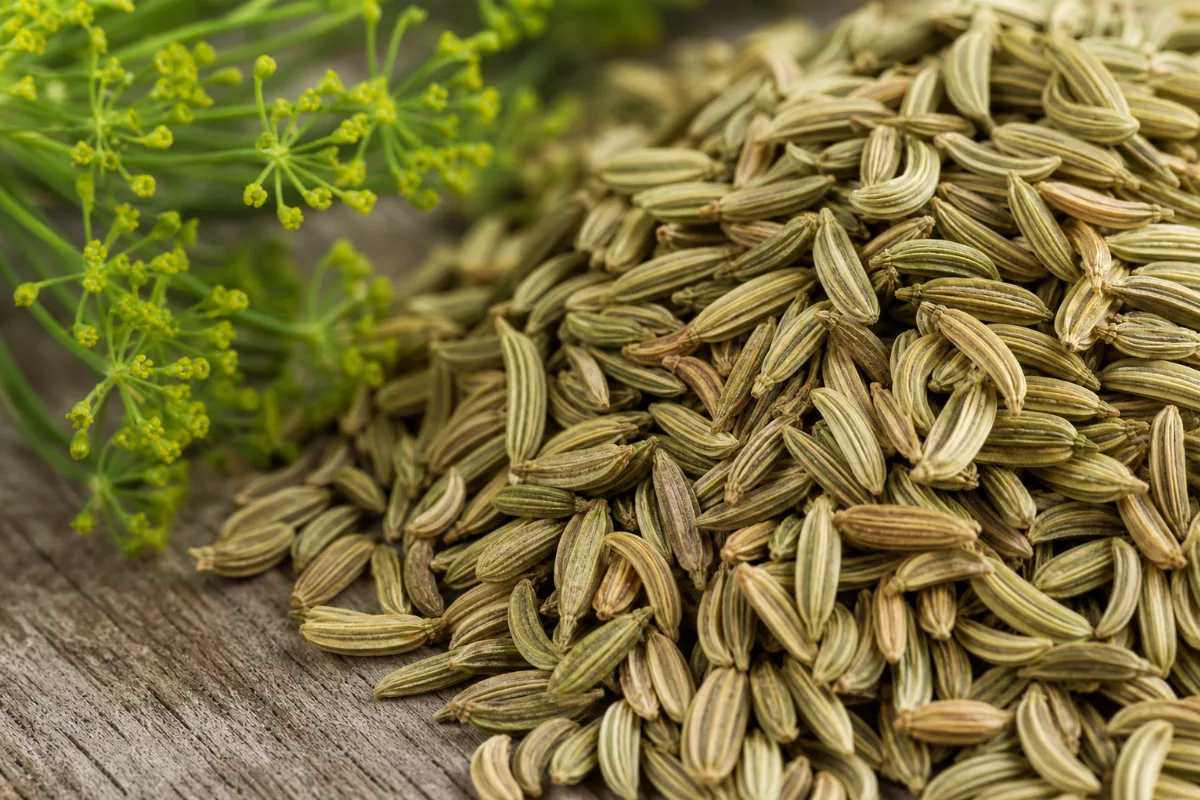
Foeniculum vulgare Mill., Foeniculum vulgare subsp. vulgare var. dulce (sweet fennel), Foeniculum vulgare subsp. vulgare var. vulgare (bitter fennel)
Seed
Fennel fruit or seed (Foeniculum vulgare): EU regulator limits, estragole limits for children and pregnancy, and what trials found for infant colic and digestion.
Infant colic
Mild digestive complaints (bloating, gas) in adults
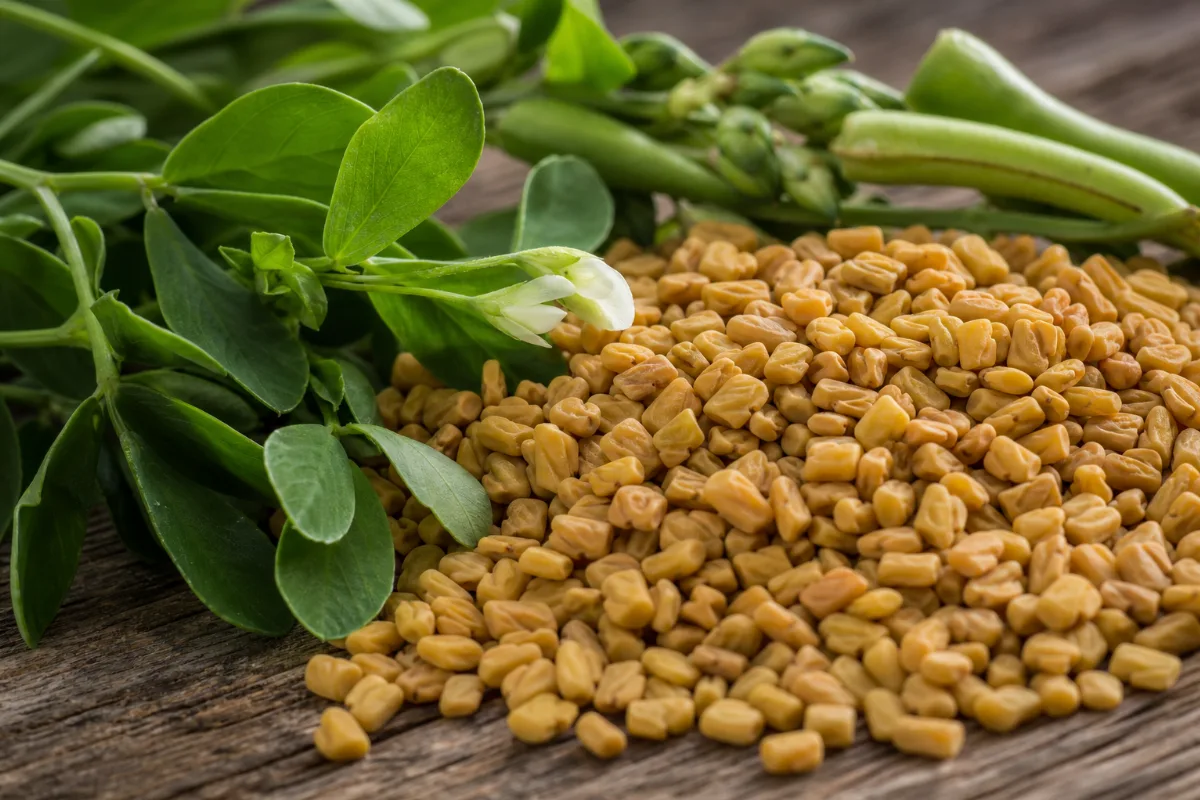
Fenugreek (Trigonella foenum-graecum): pregnancy warning, legume allergy, blood sugar medicine cautions, mixed evidence for diabetes and milk supply, and the maple-syrup body odor.
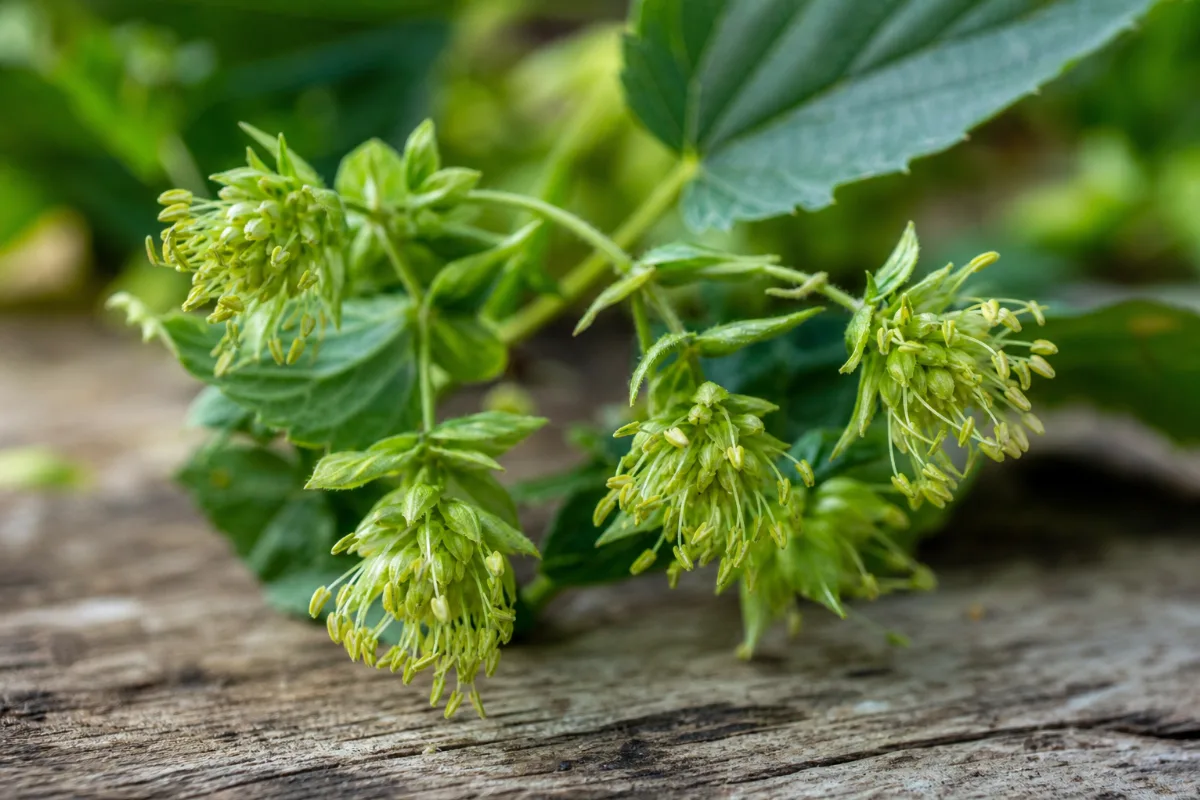
Hops (Humulus lupulus) beyond beer: what European regulators and trials say about sleep, stress and menopause, the estrogen-like compound, and who should ask first.
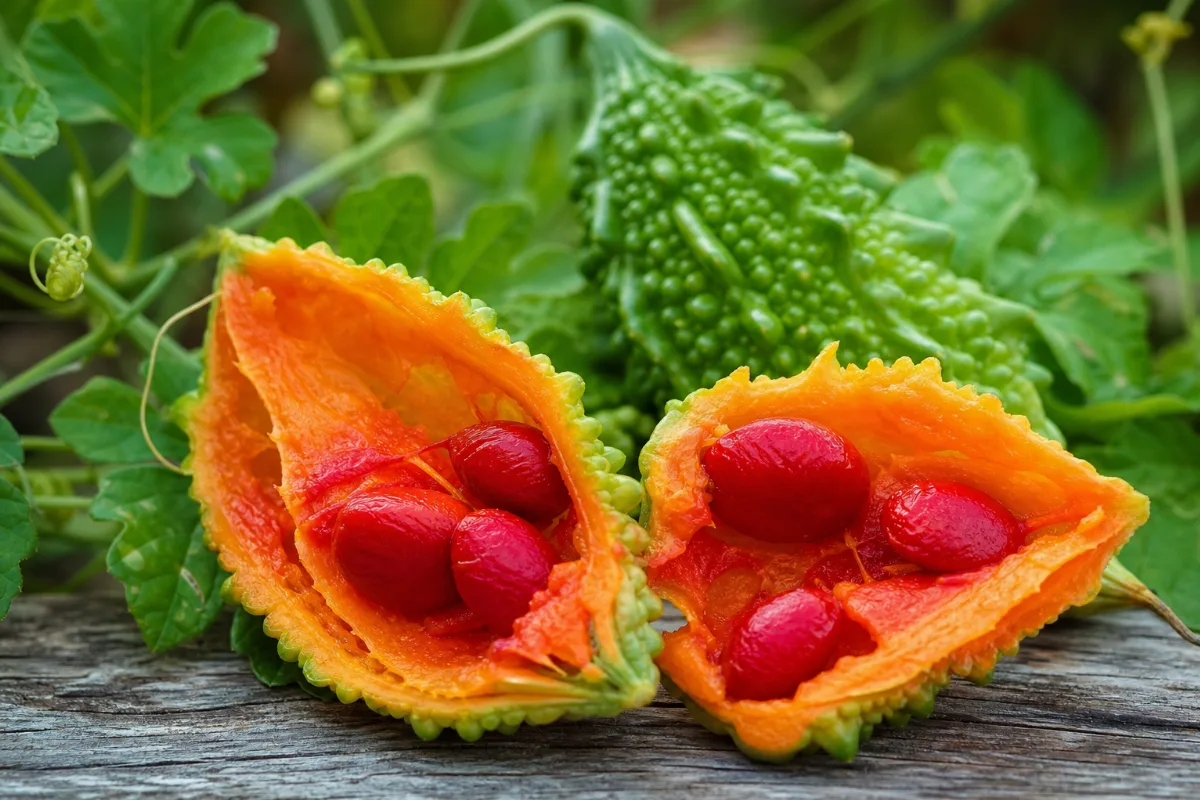
Bitter melon (Momordica charantia): a Cochrane review found insufficient evidence for blood sugar, newer reviews are more positive, and pregnancy and medicine safety data are thin.
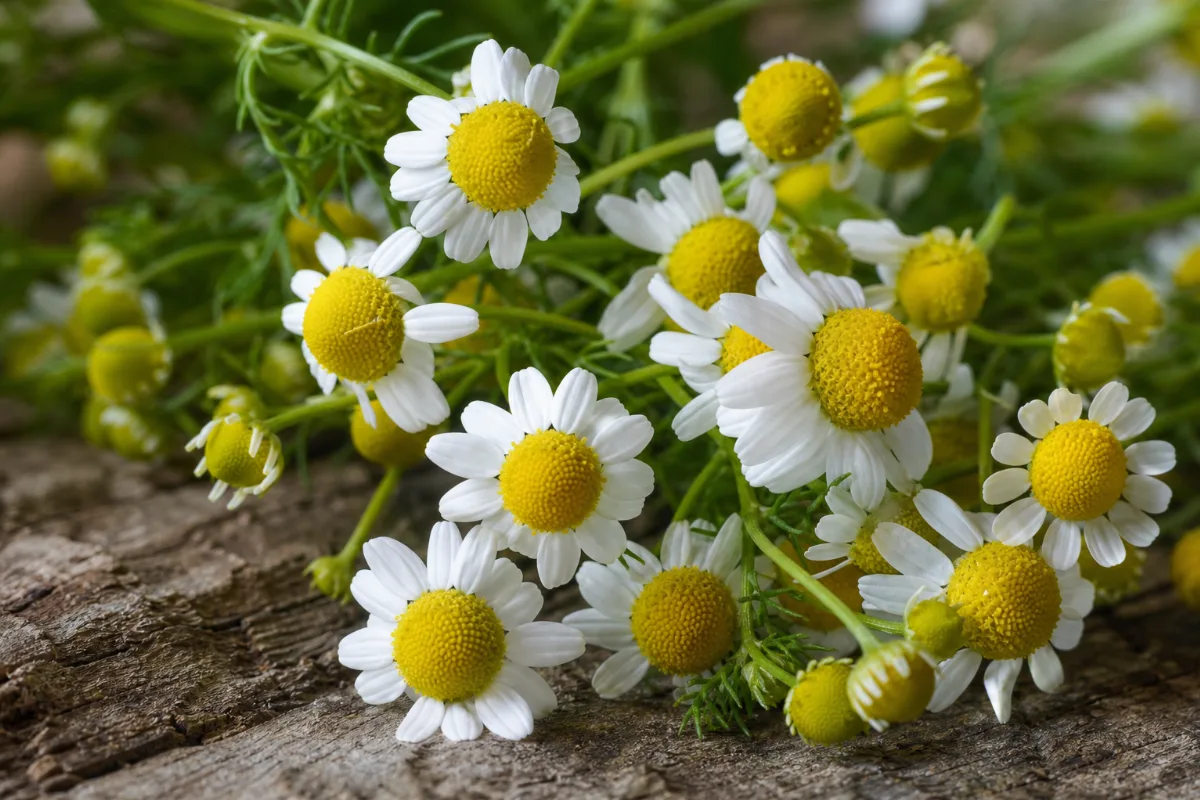
Chamomile (Matricaria chamomilla): what NIH and EU regulators say, what trials found for anxiety and sleep, allergy risks with daisy-family plants, and medicine interactions.
Generalized anxiety (oral extract)
Depression alongside anxiety
Sleep and insomnia
Mouth irritation from cancer treatment (mouthwash)
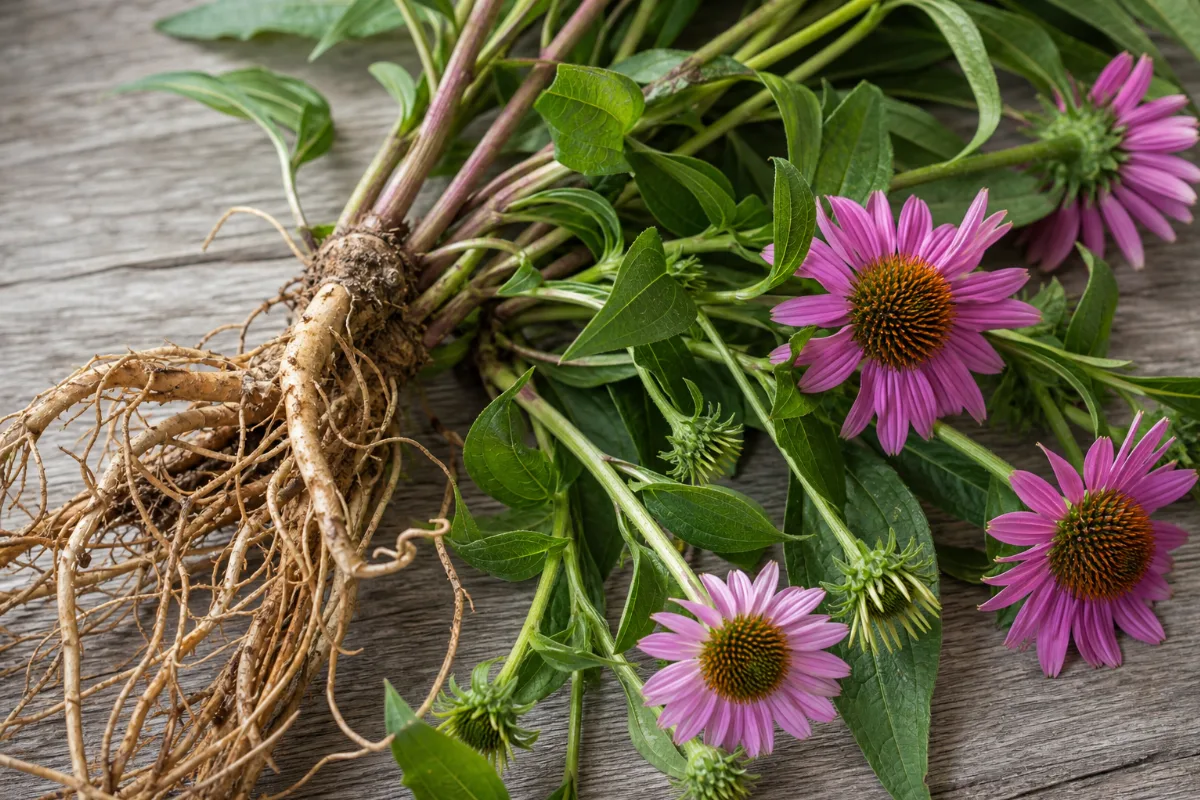
Echinacea (Echinacea purpurea and related species): what Cochrane, NCCIH and the EU herbal committee found for colds, and the allergy, medicine and pregnancy cautions.
Possible small reduction in the chance of catching a cold
Treating a cold once it has started
Short-term use for colds in EU herbal medicine (fresh purple coneflower herb, by mouth)
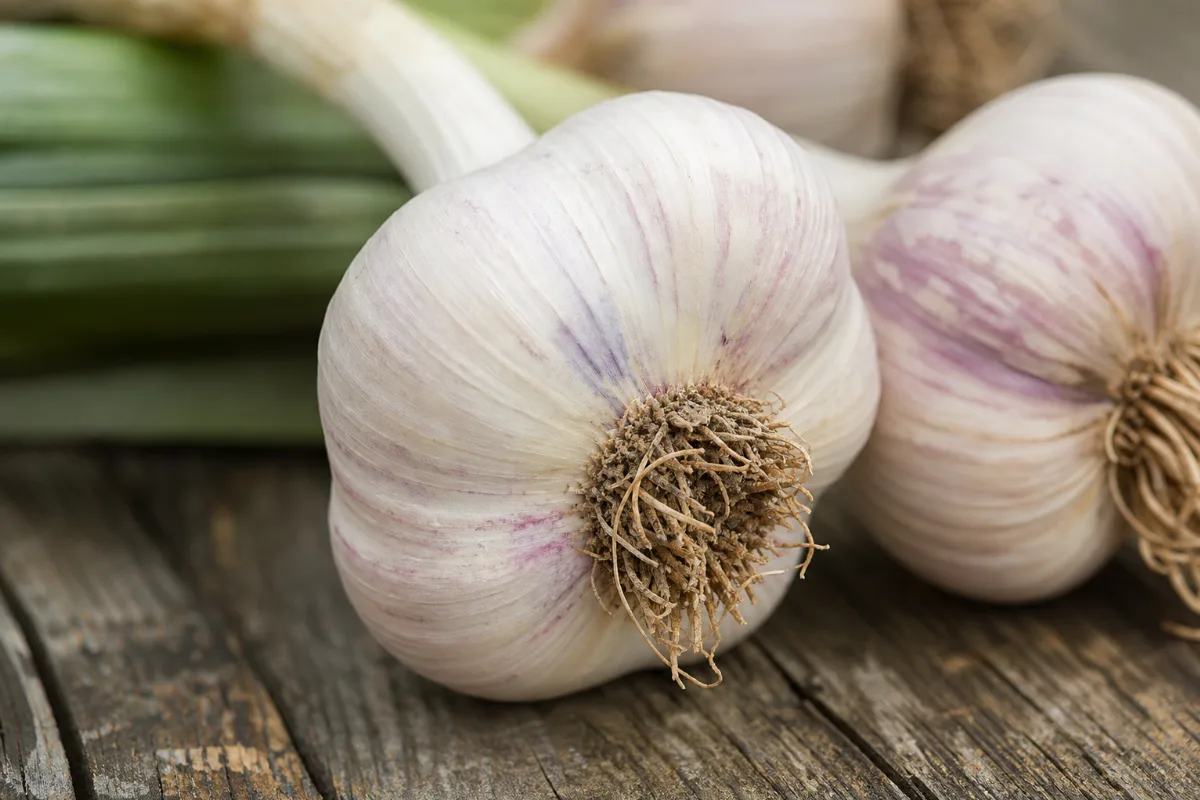
Garlic (Allium sativum): bleeding risk and surgery, burns from raw garlic on skin, what reviews found for cholesterol, blood pressure and blood sugar, and safety in pregnancy.
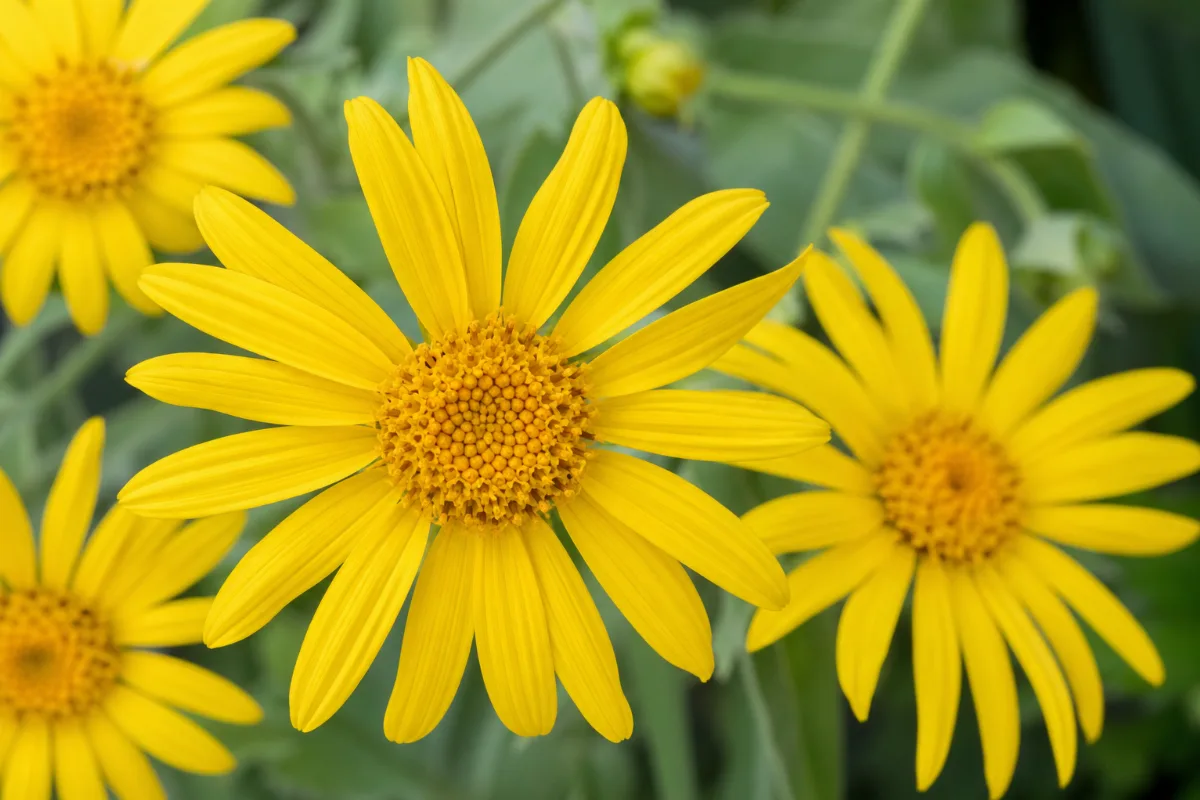
Arnica (Arnica montana) flower: skin use for bruises and sore joints, what trials found, why swallowing it is unsafe, and the daisy-family allergy, blood thinner and homeopathic cautions.
Skin use for bruises, sprains and localized muscle pain (traditional use)
Calendula (Calendula officinalis), pot marigold flowers: traditional skin use, what wound and radiation-skin trials found, and the daisy-family allergy and pregnancy cautions.
Traditional use on minor skin irritation and small wounds
Wound healing
Preventing skin reactions during breast radiotherapy
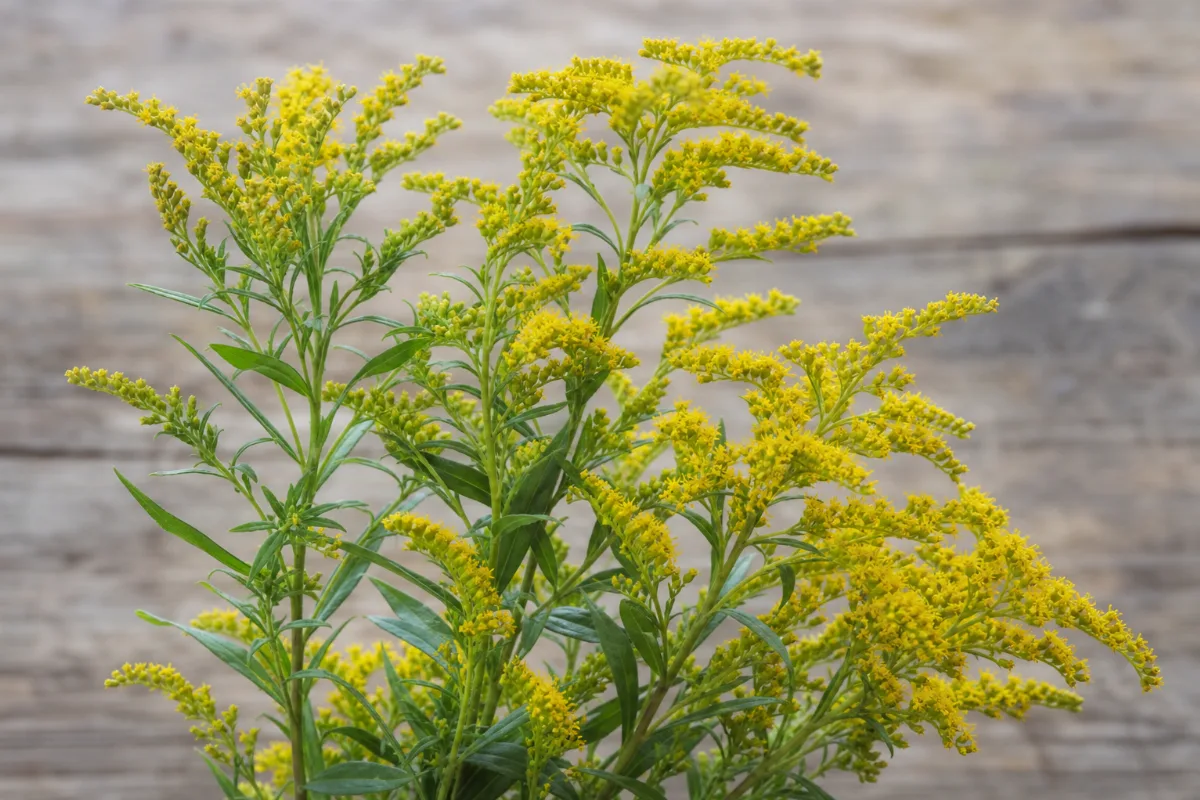
Goldenrod (Solidago virgaurea): the EU traditional-use monograph for minor urinary complaints, why it is not trial-proven, and heart, kidney, diuretic and daisy-family cautions.
Traditional use to increase urine (minor urinary complaints)
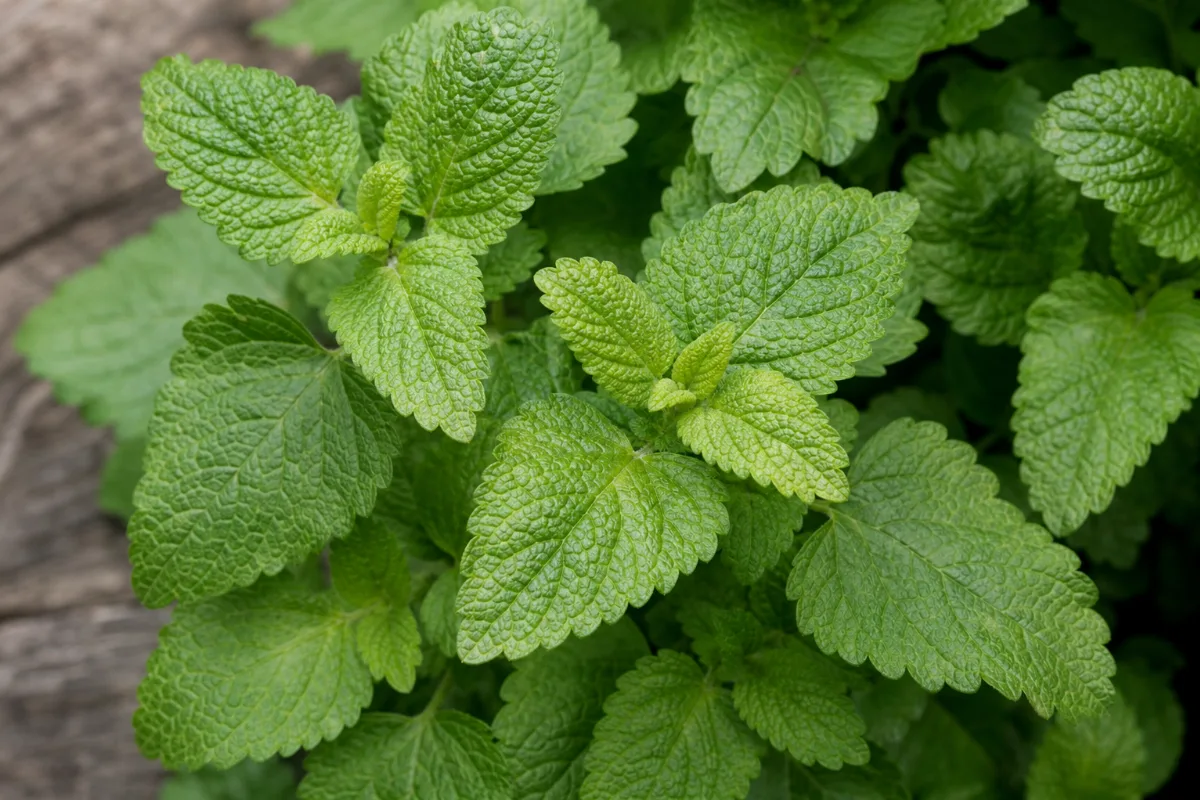
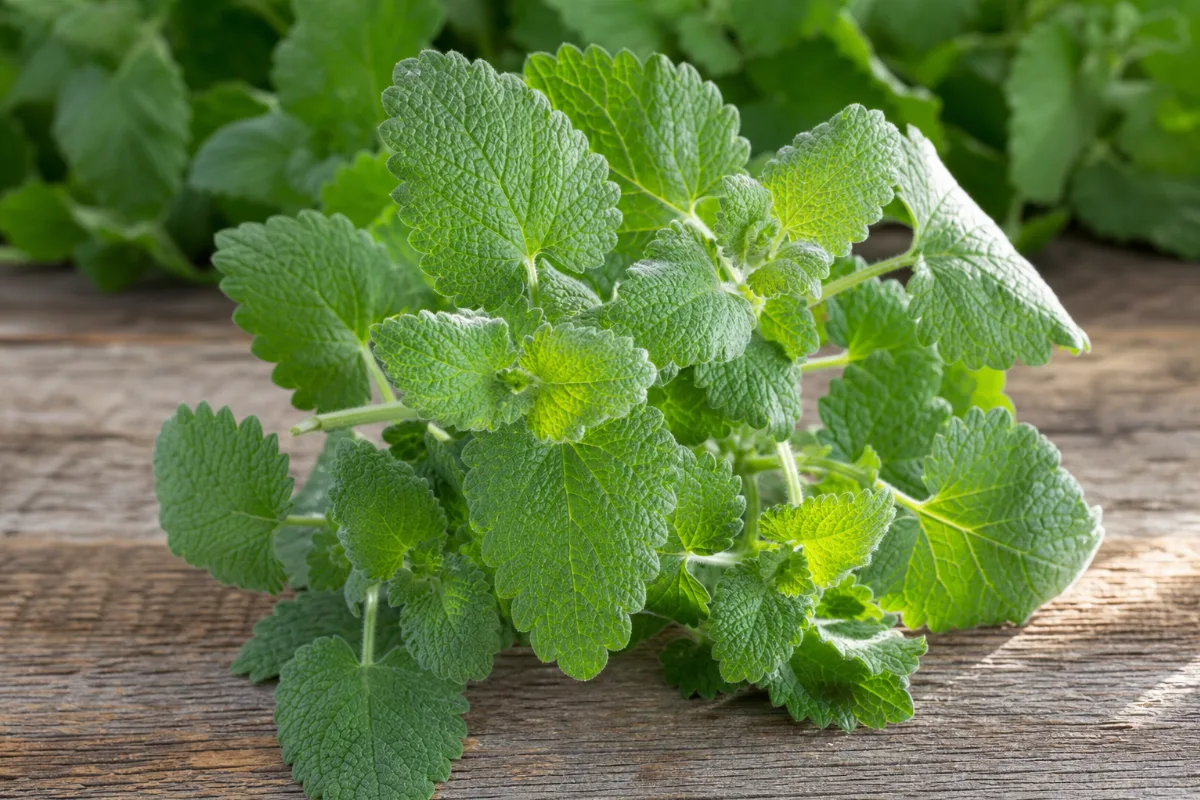
Lemon balm (Melissa officinalis): what an EU regulator, systematic reviews and liver-safety records say about stress, anxiety and sleep, and what safety questions remain open.
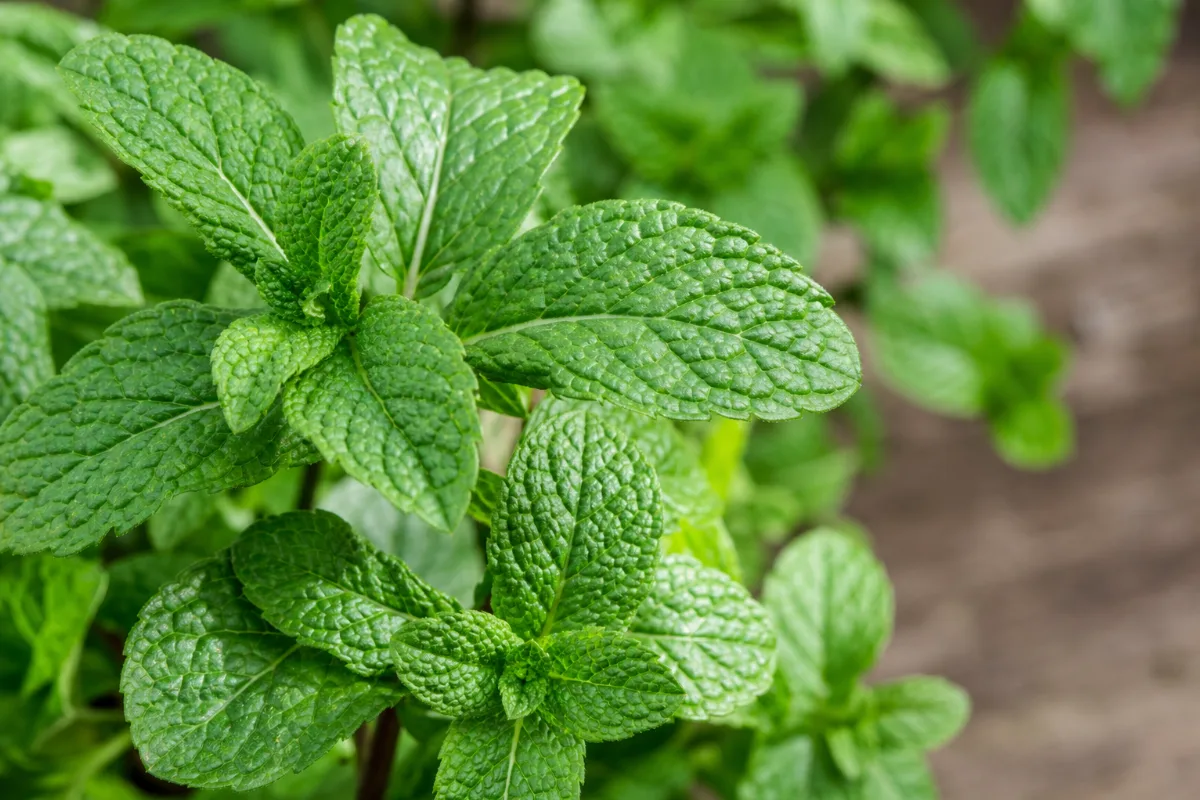
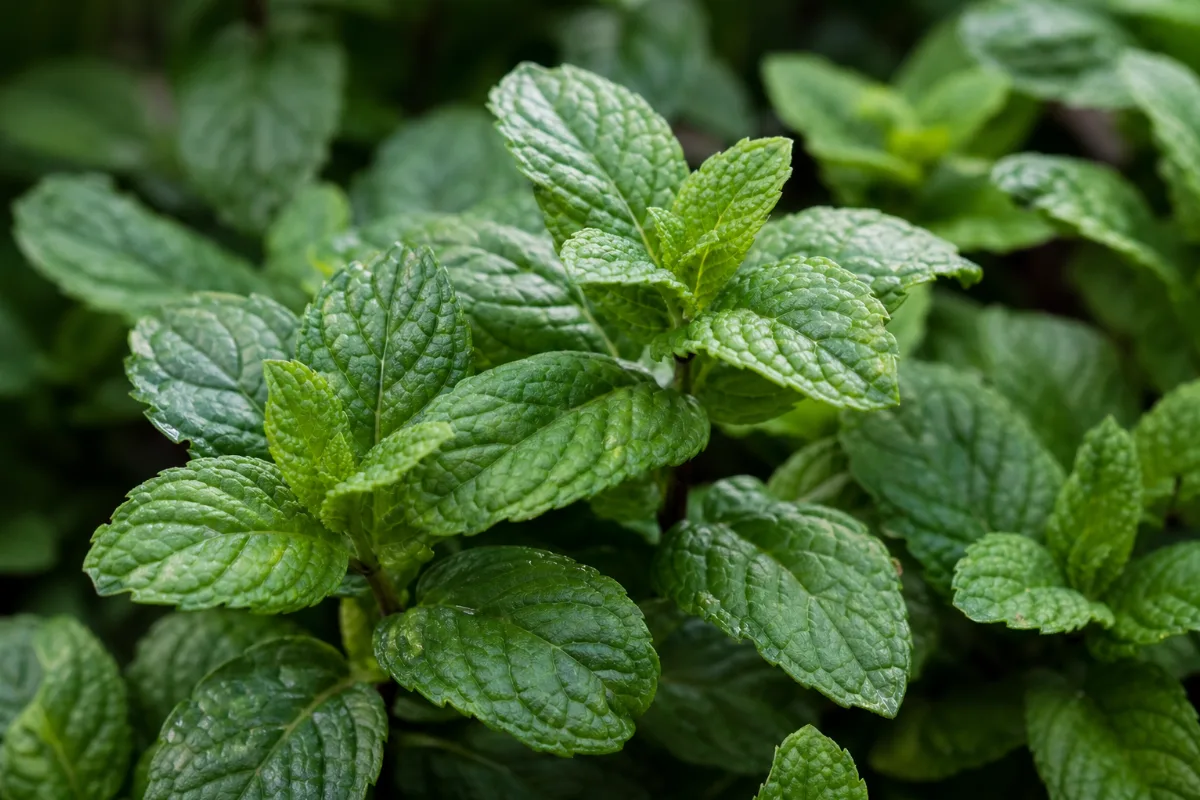
Peppermint (Mentha x piperita): what research shows for IBS and indigestion, how leaf and oil differ, and heartburn, gallstone, liver and child cautions from EU and NIH sources.
Relief of IBS symptoms (enteric-coated oil capsules)
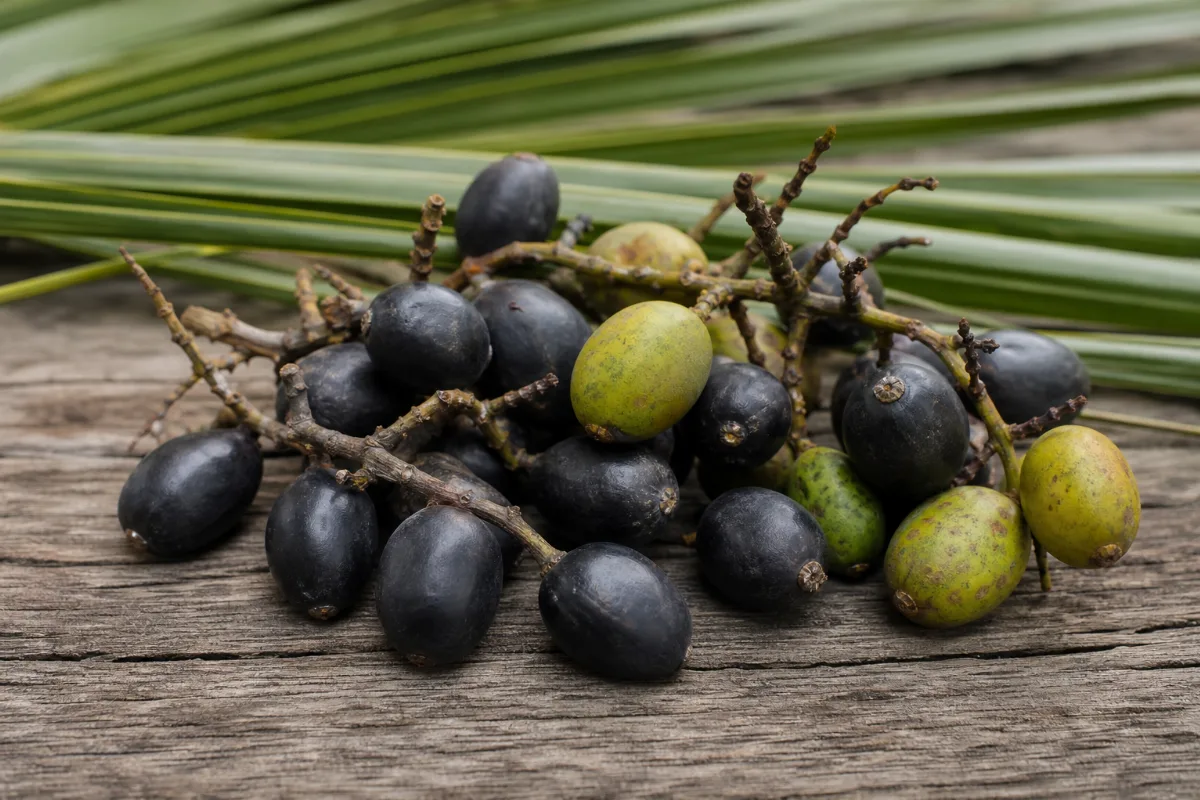
Saw palmetto (Serenoa repens) berry extract: what NIH, the Cochrane Library and EU regulators say about prostate symptoms and hair loss, plus the safety points to know.
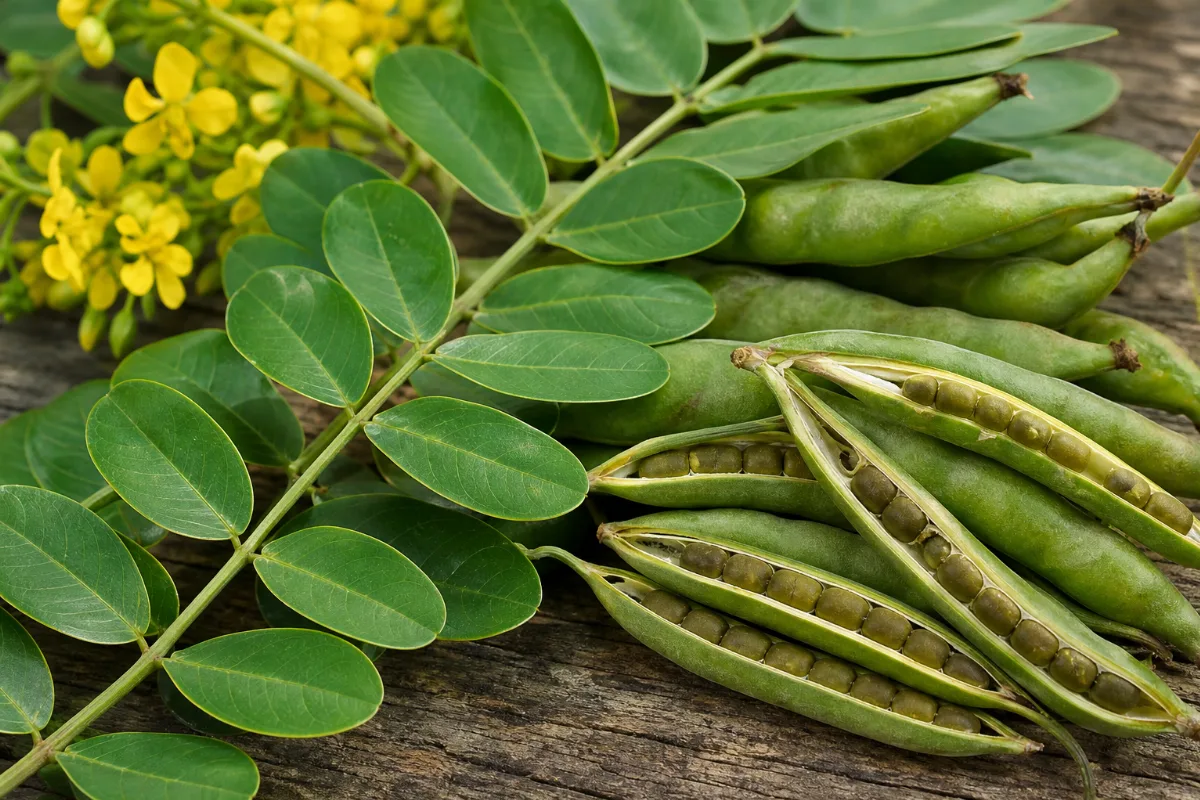
Senna (Senna alexandrina) is a stimulant laxative for short-term constipation: what EU, UK and US guideline sources say, plus limits on use, potassium, pregnancy and laxative misuse.
Short-term relief of occasional constipation
Constipation in older adults and people with long-term constipation
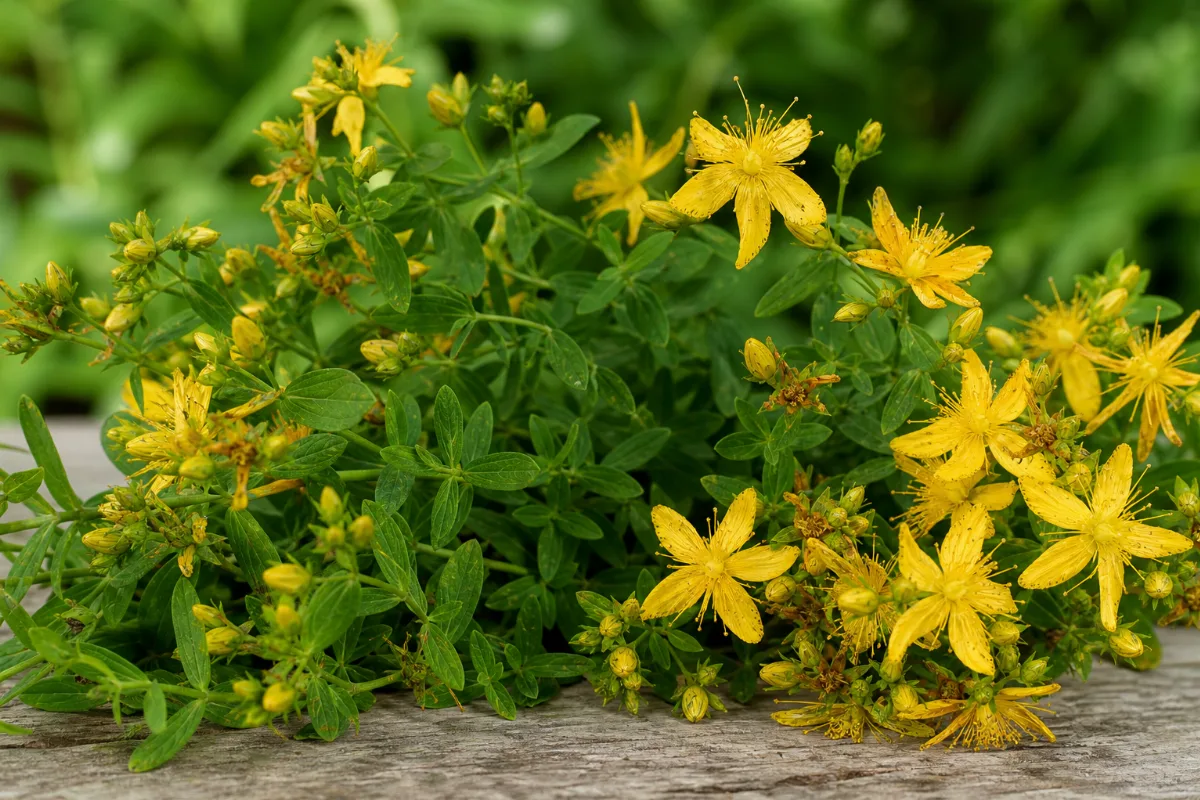
St. John's wort (Hypericum perforatum): trial evidence for mild to moderate depression, and well-documented interactions with antidepressants, birth control, transplant and other medicines.
Amla, or Indian gooseberry (Phyllanthus emblica), is an Ayurvedic fruit; this guide separates tradition from trial findings and covers blood-thinner and diabetes cautions.
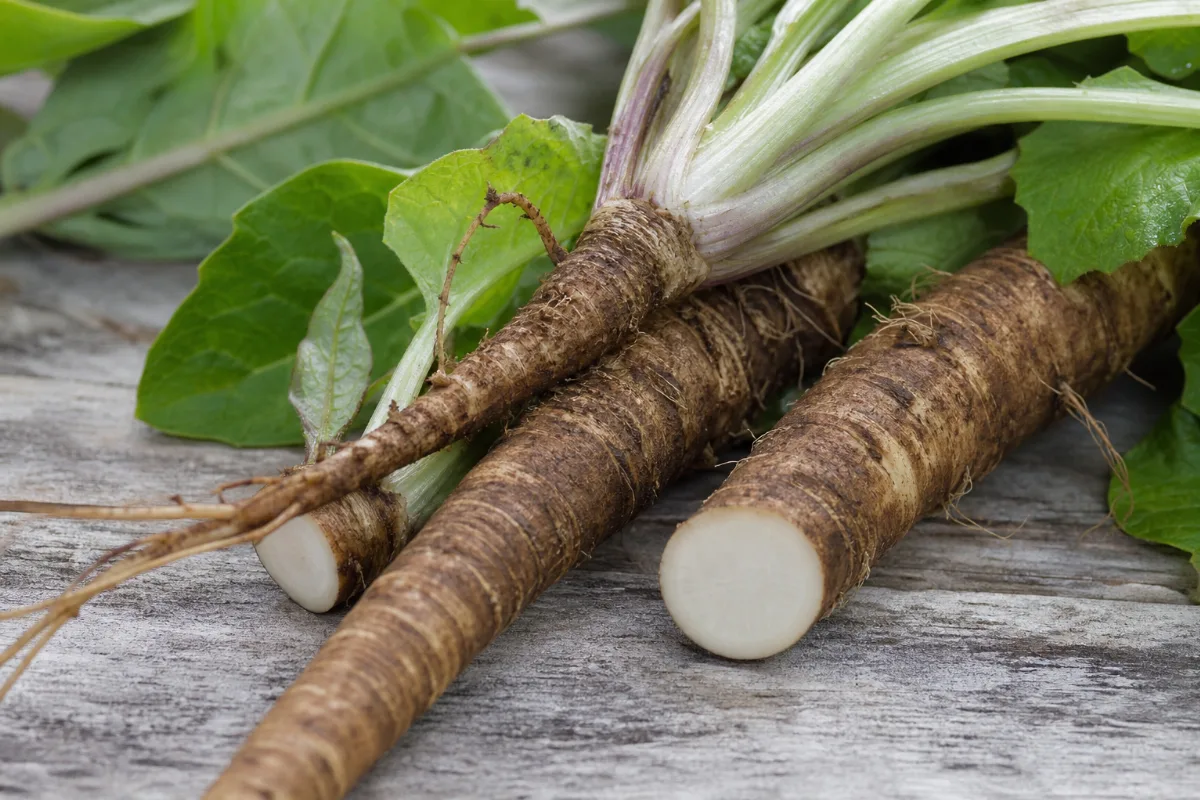
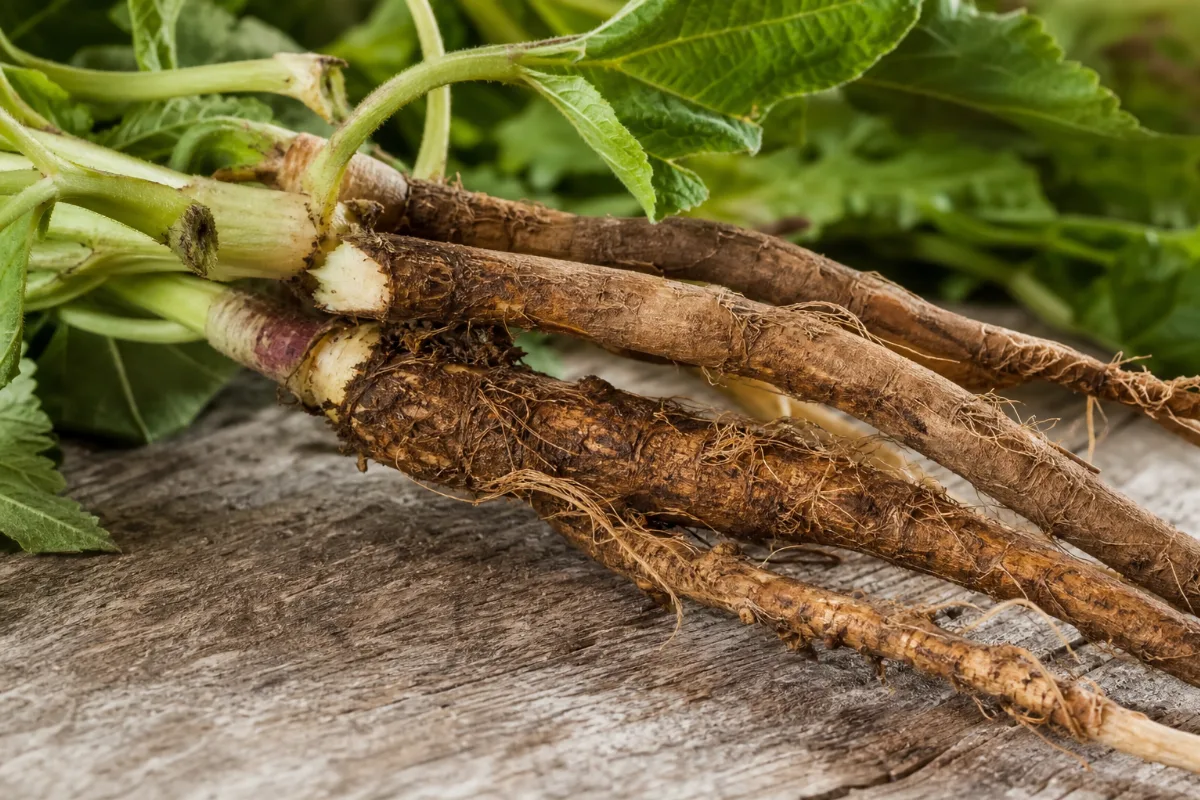
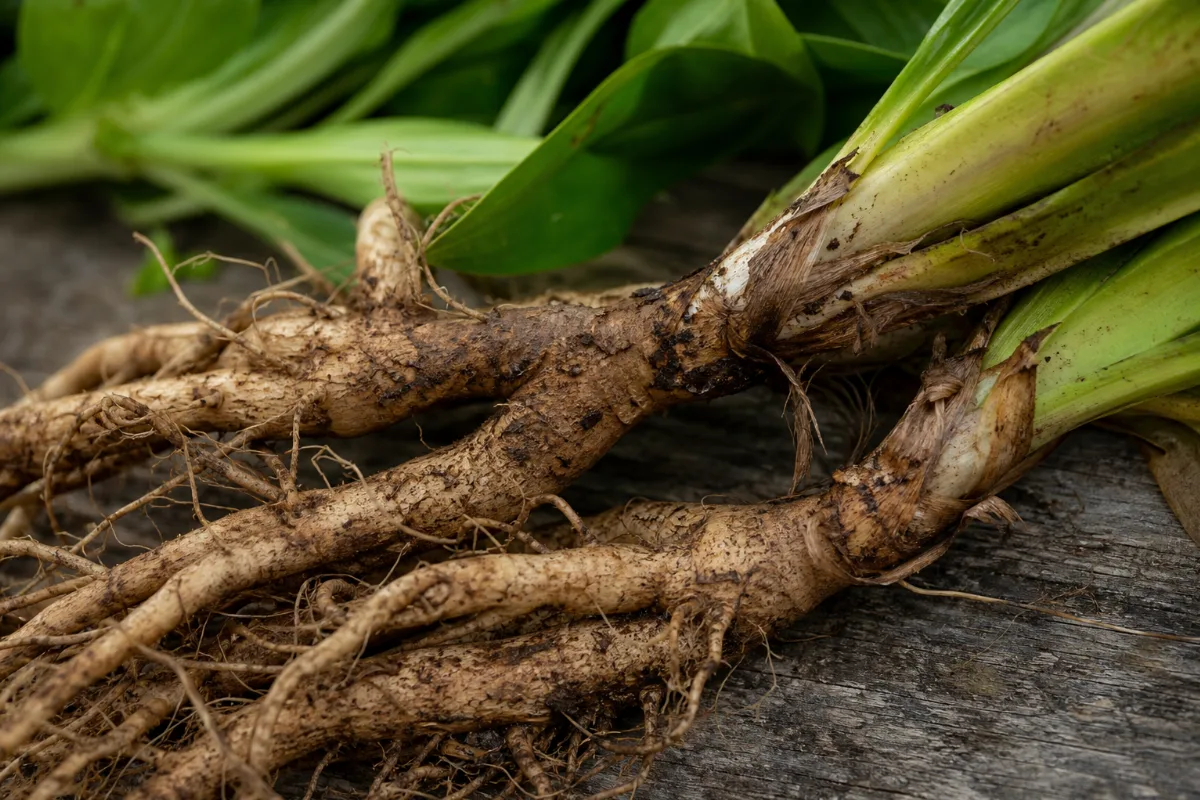
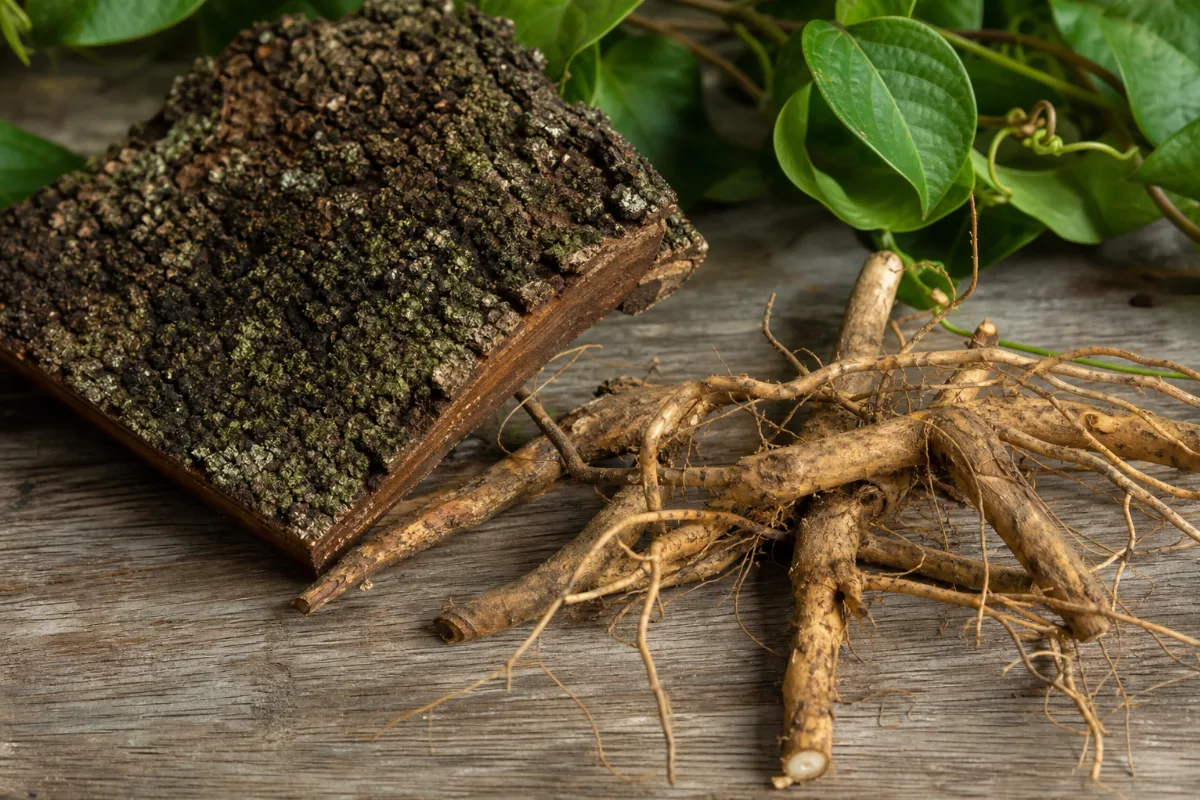
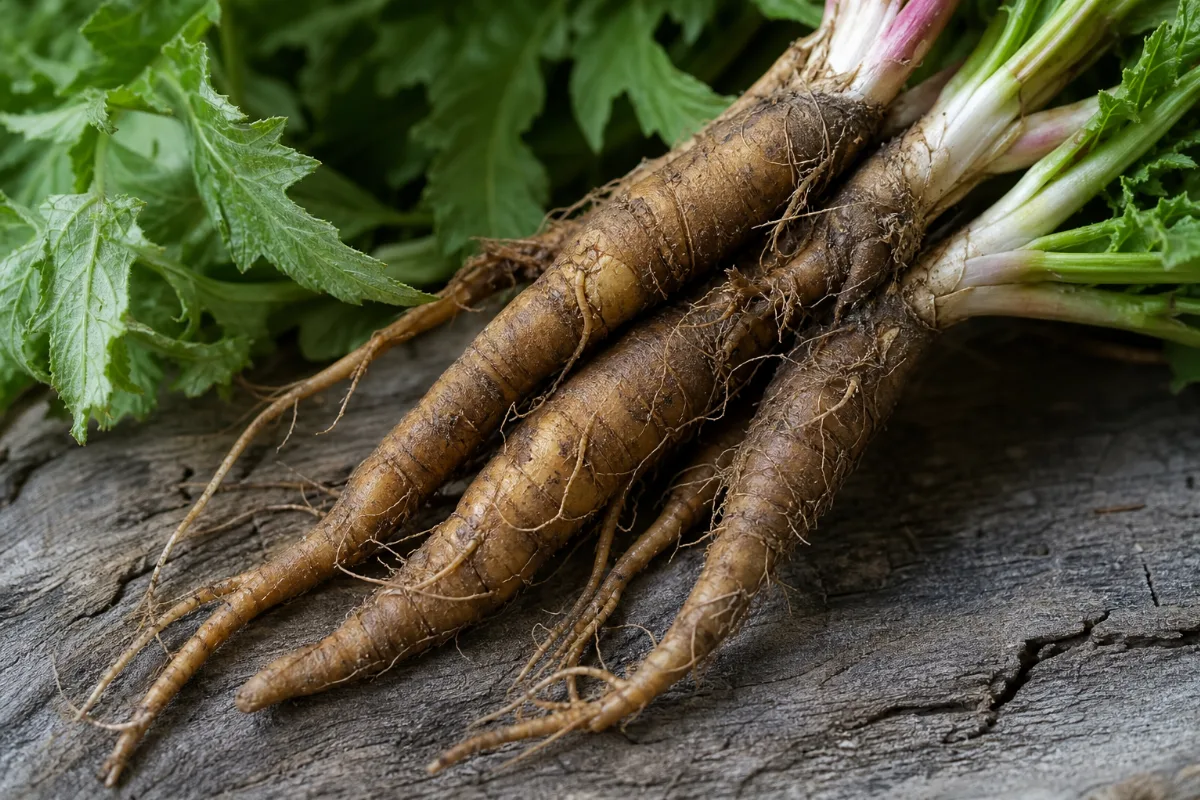
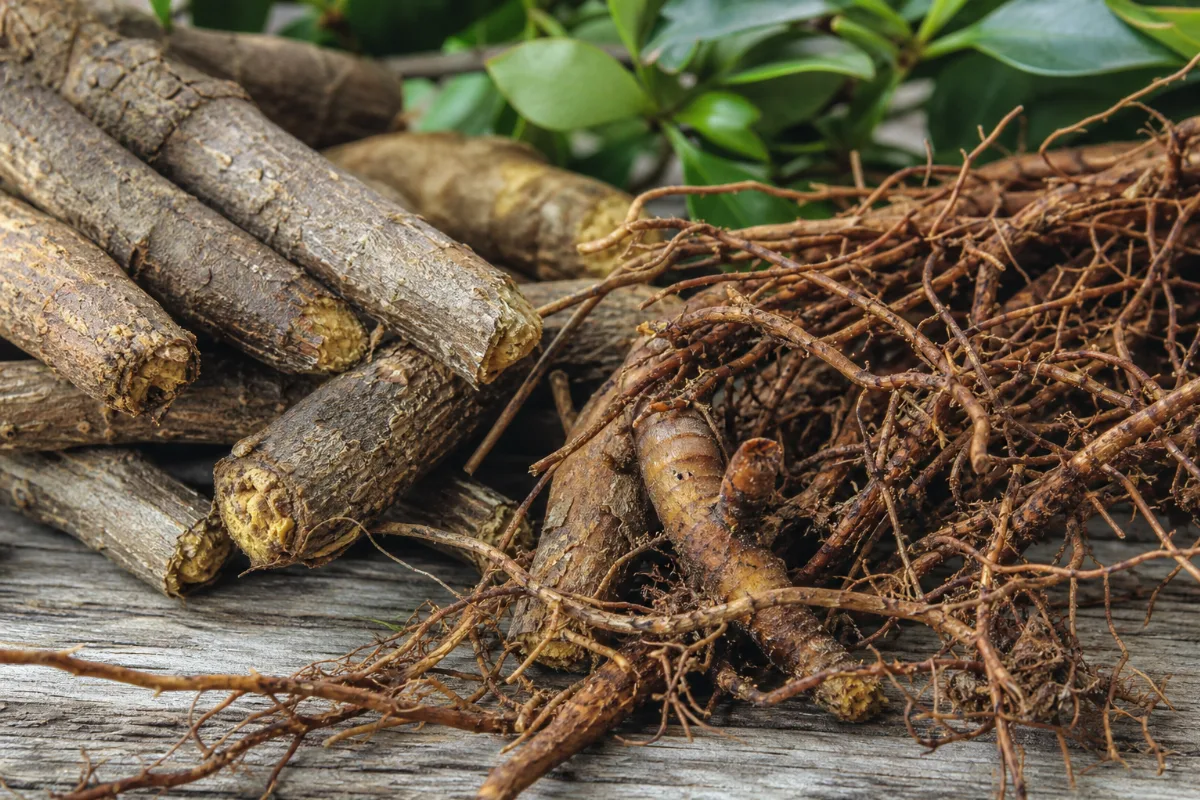
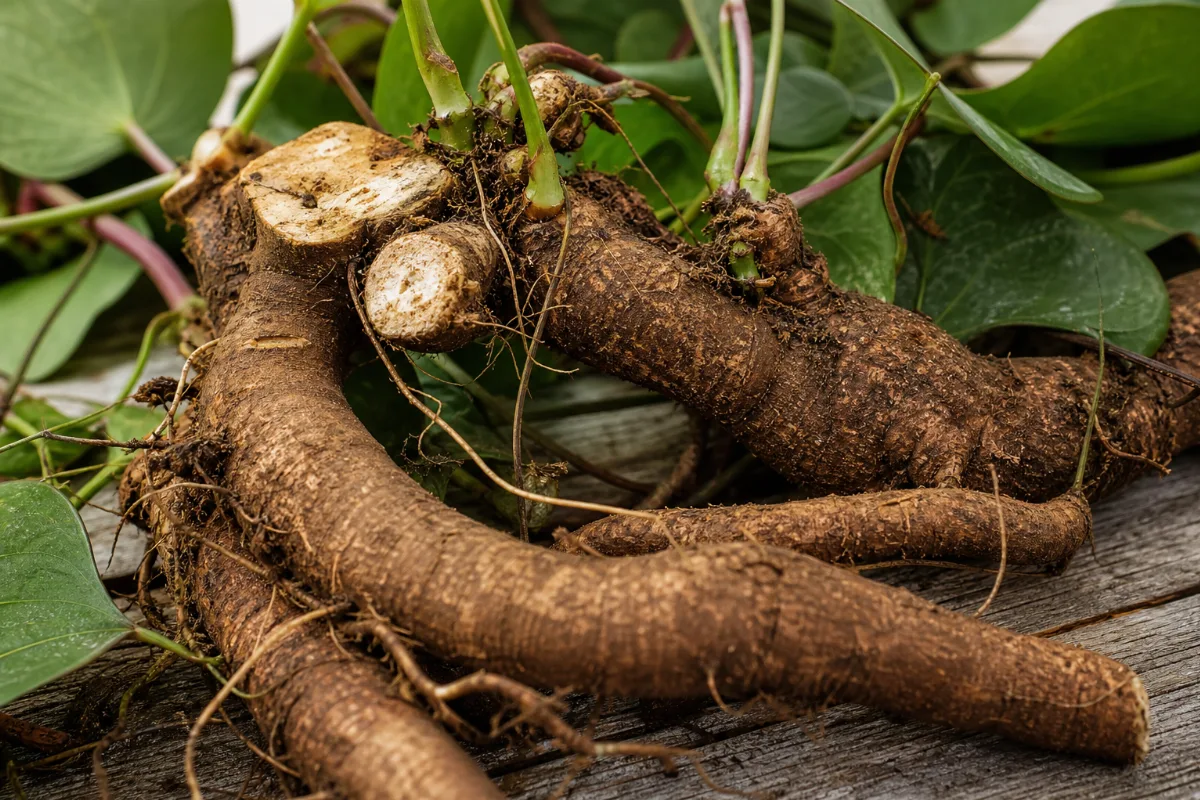
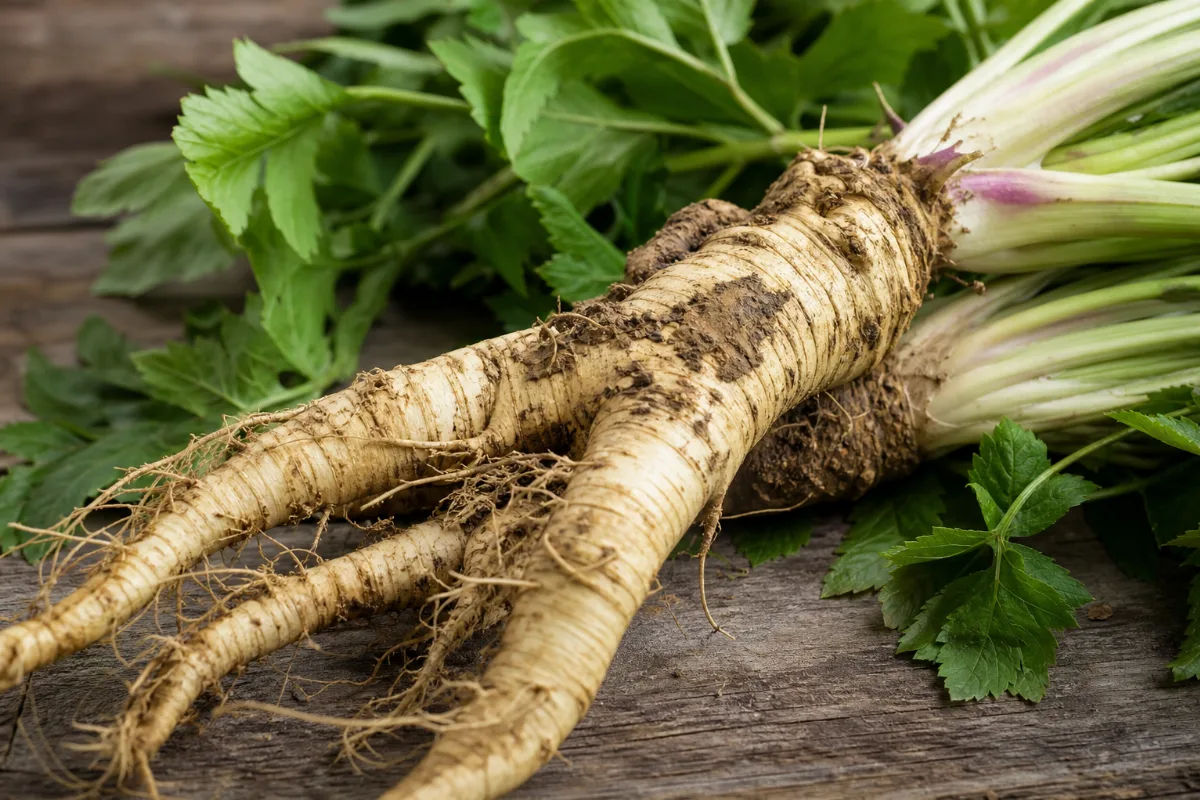
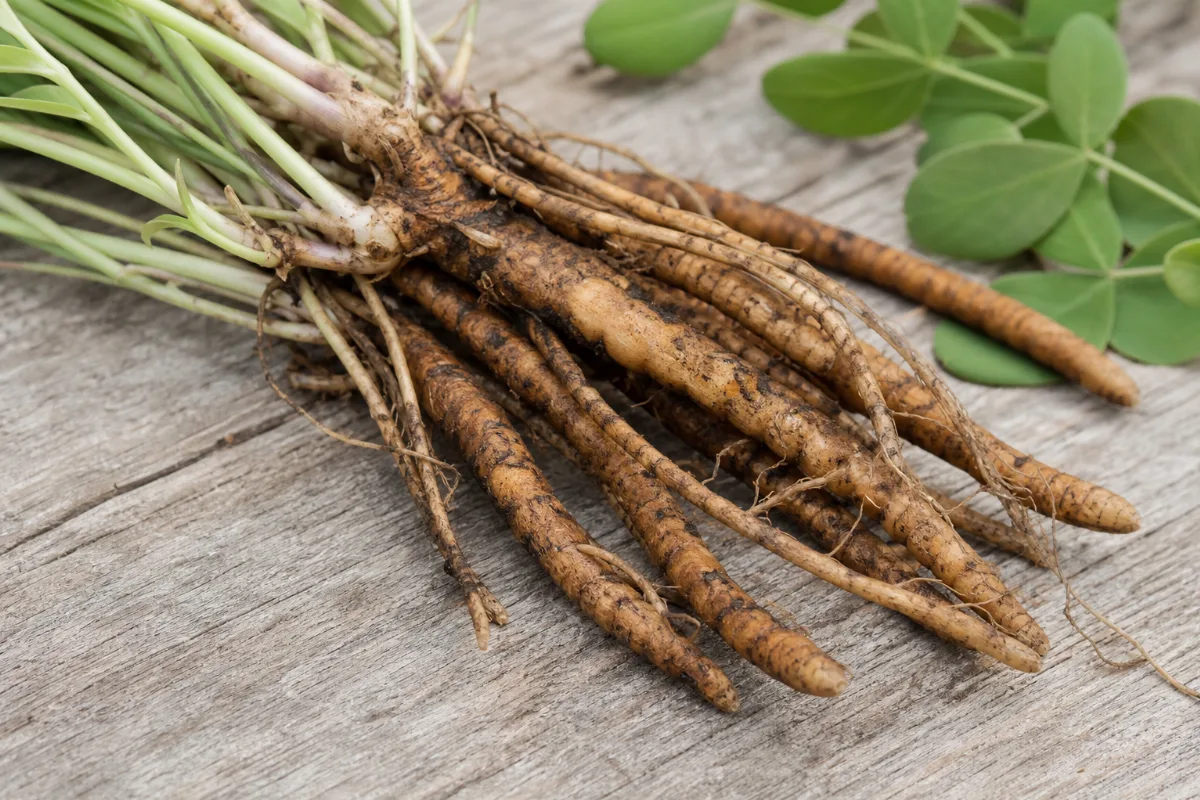
Burdock root (Arctium lappa): EU traditional-use findings, the lack of controlled human trials, belladonna contamination reports, and daisy-family allergy cautions.
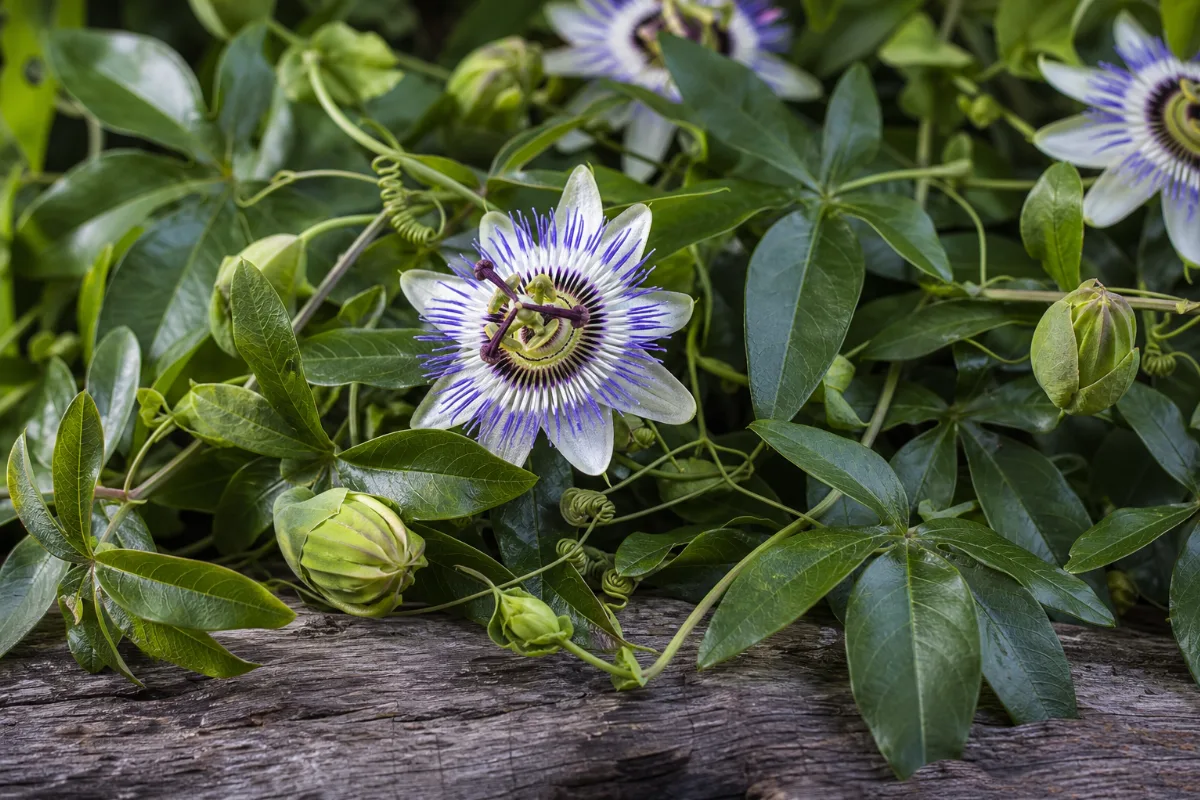
Passionflower (Passiflora incarnata): what NIH, EU regulators and trials say about anxiety and sleep, and the cautions for pregnancy, surgery and sedating medicines.
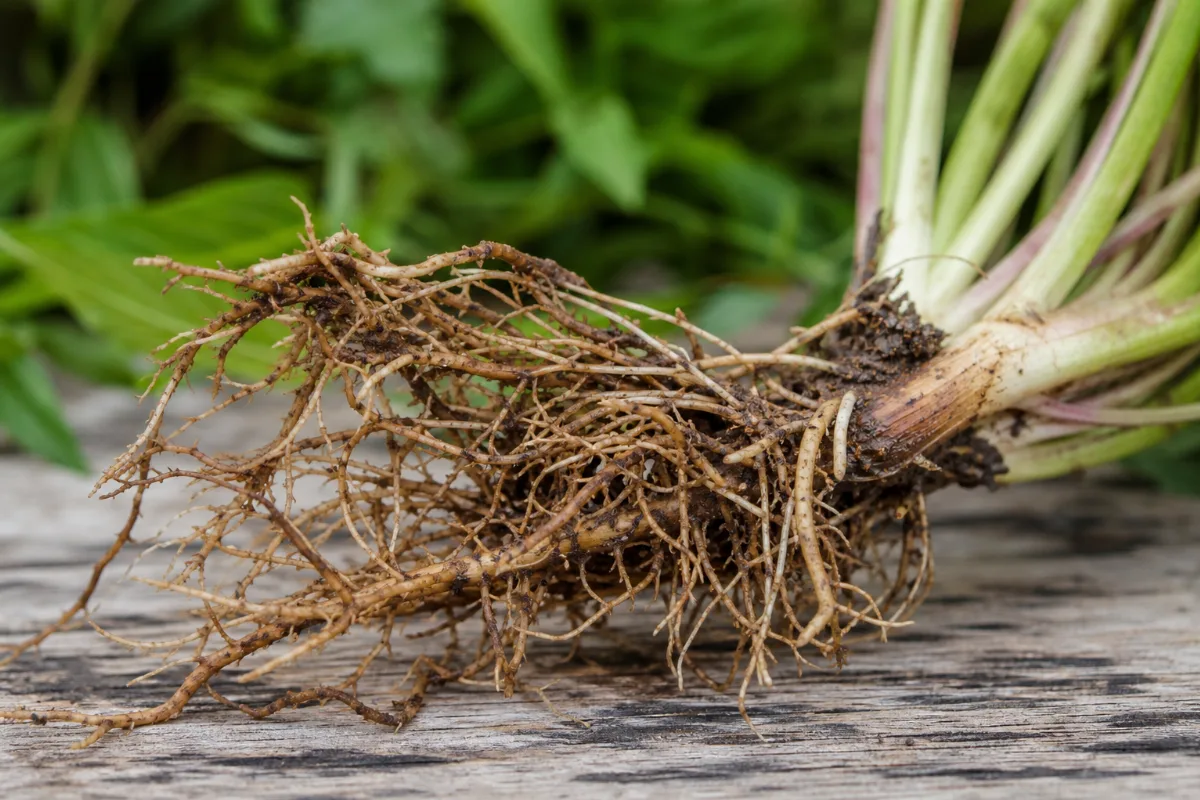
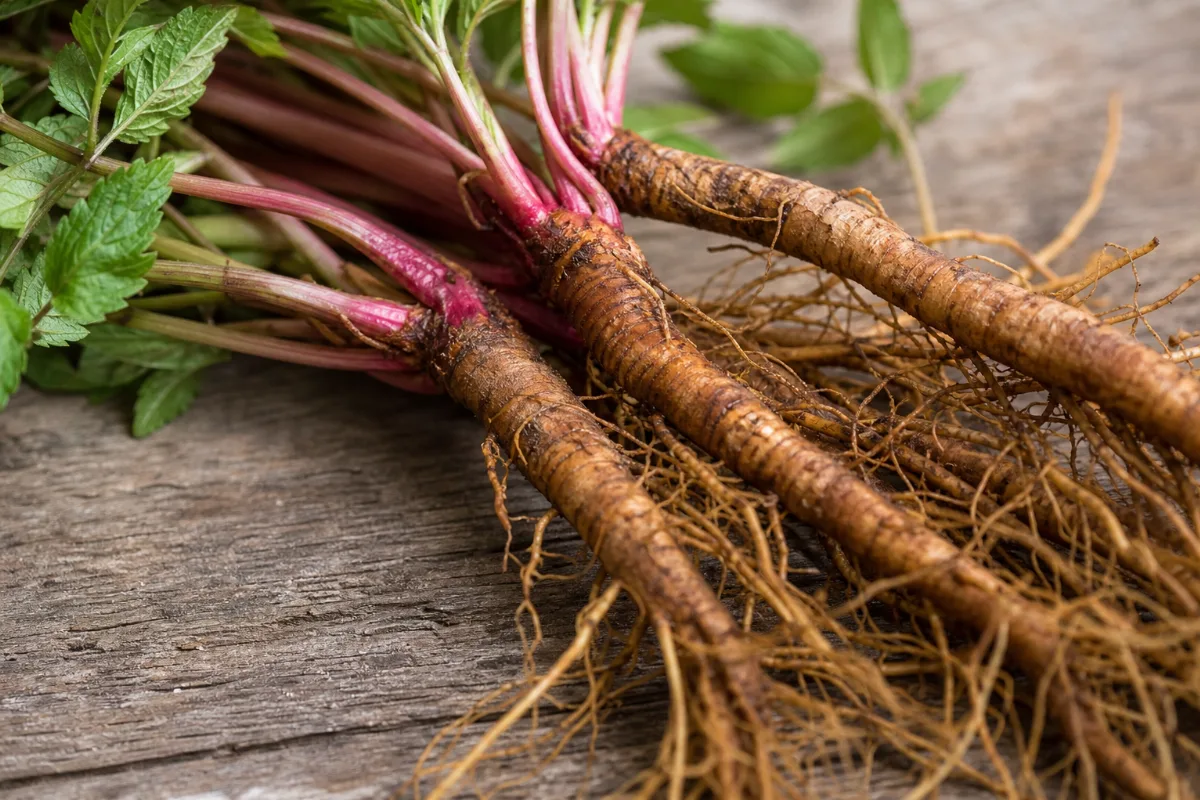
Valerian (Valeriana officinalis): what NIH, a sleep medicine guideline and EU regulators say about sleep, plus alcohol and sedative cautions, withdrawal effects and rare liver reports.
Traditional use for mild nervous tension and sleep
One dry ethanolic root extract: well-established use in the EU
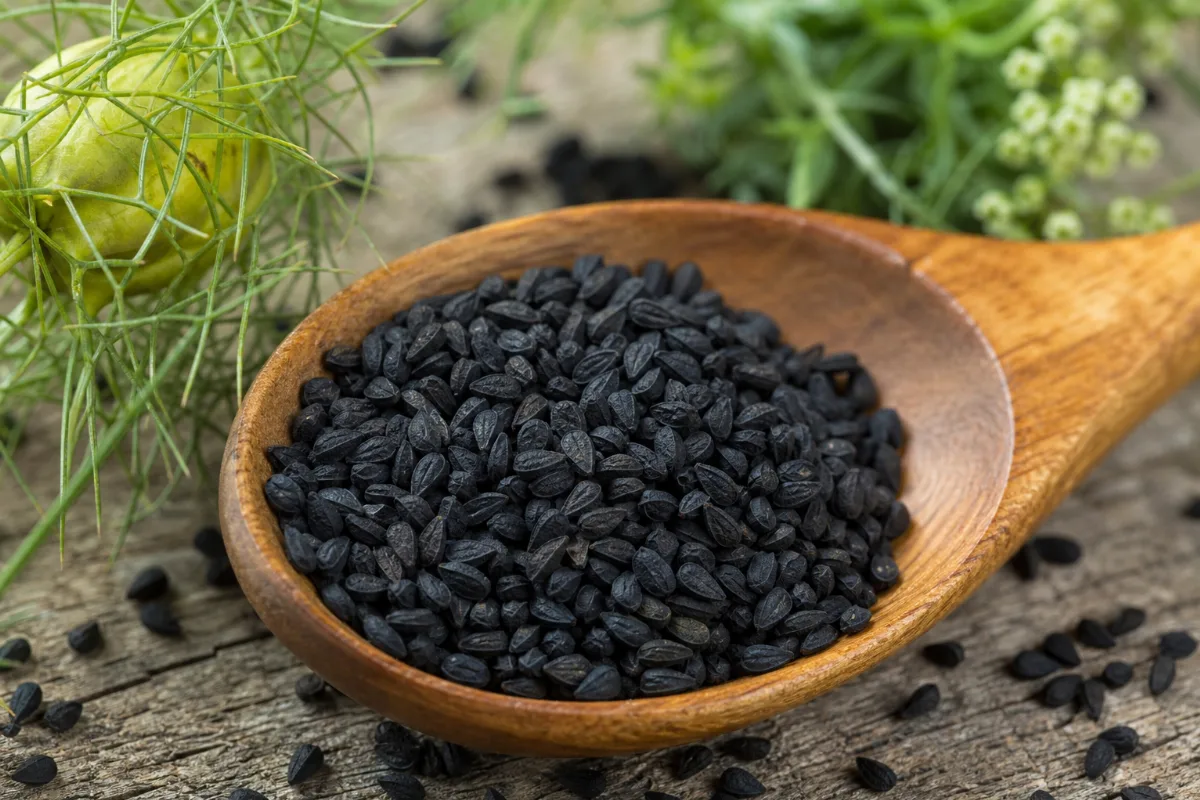
Black seed (Nigella sativa): what the seed is, how it has been used traditionally, what blood pressure and blood sugar trials found, and the medicine, skin and pregnancy cautions.
California poppy (Eschscholzia californica) is used for nervousness and sleep. What the few human trials and lab studies show, and what the sources do not say about safety.
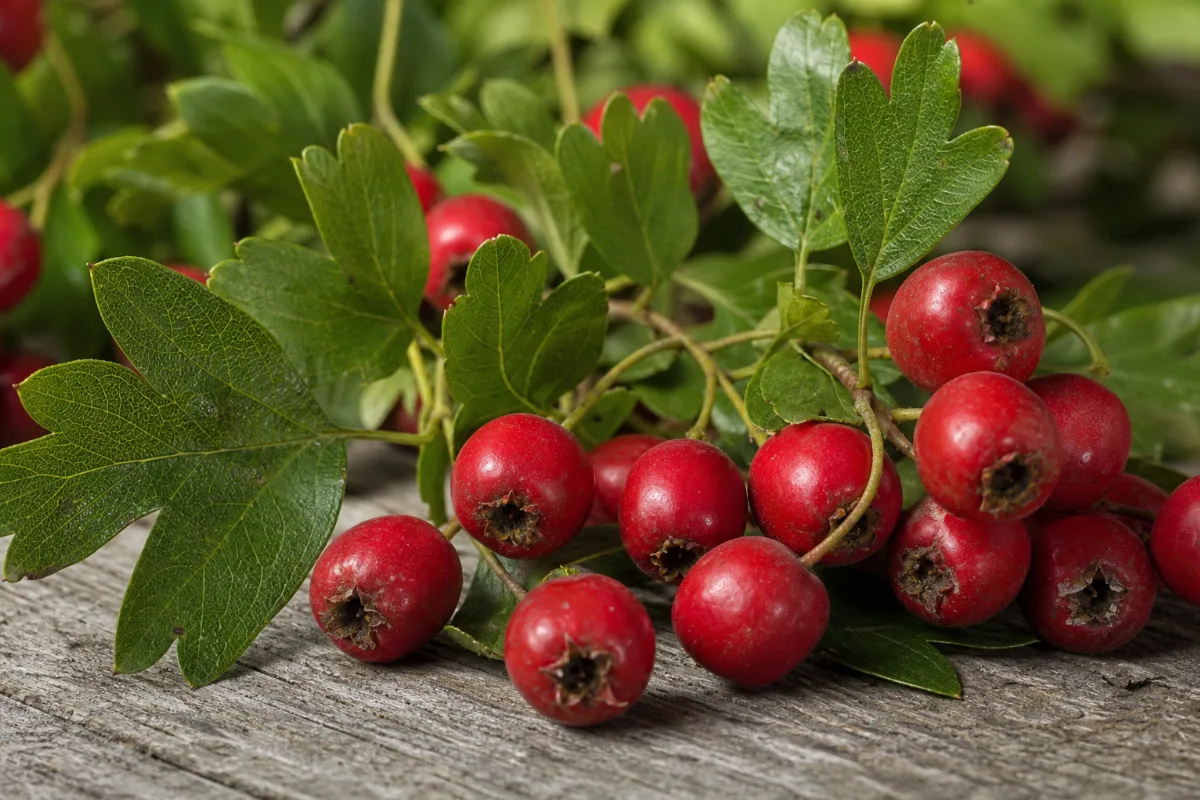
Hawthorn (Crataegus): what a Cochrane review and EMA say about heart failure and "nervous" heart complaints, digoxin and blood pressure medicine cautions, and a toxic look-alike product warning.
Added to usual care in chronic heart failure
Traditional use for nervous heart complaints (palpitations)
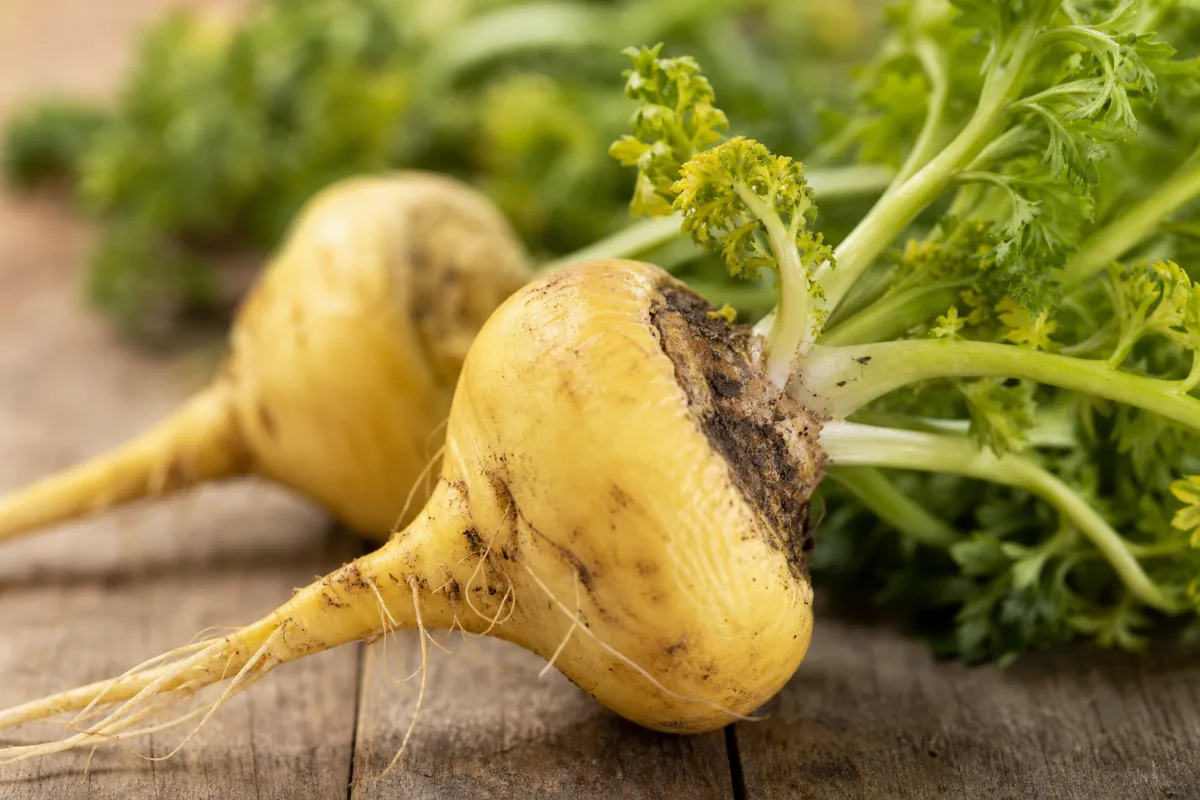
Maca (Lepidium meyenii) is an Andean root eaten as food and sold as a supplement; this guide separates traditional use from trial results and covers safety questions.
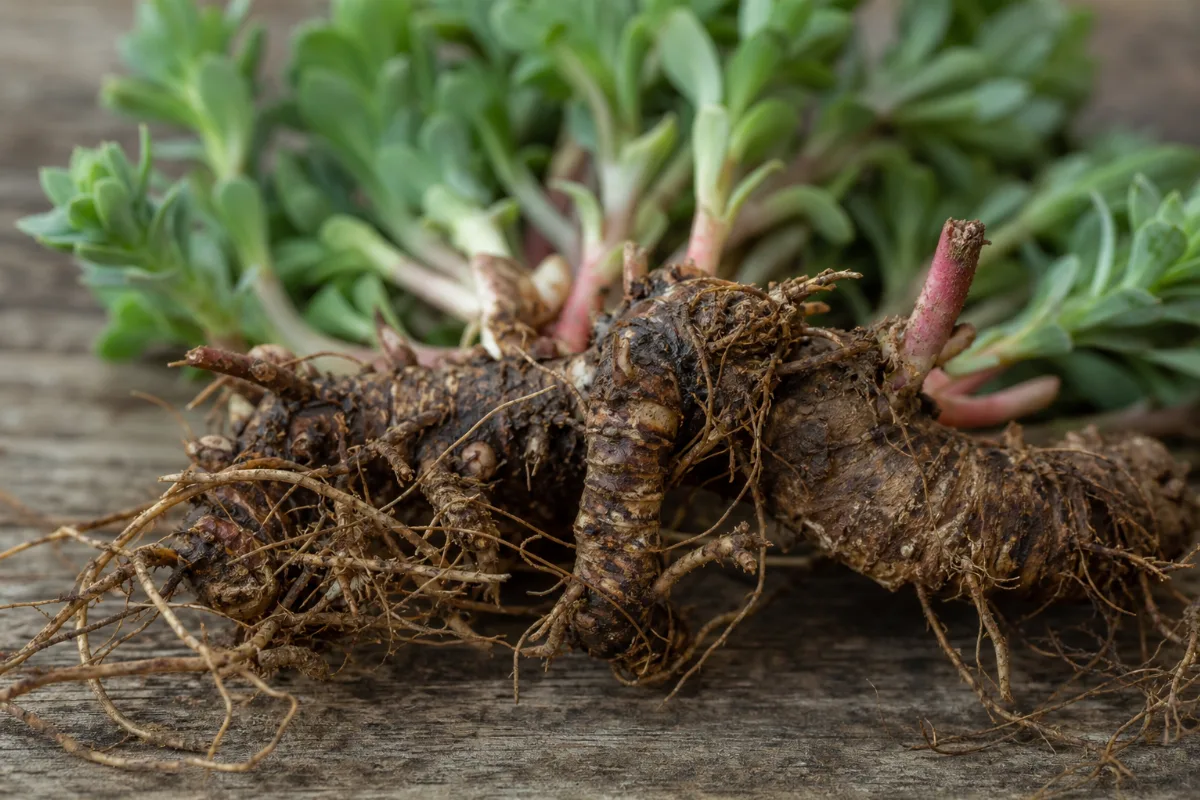
What rhodiola (Rhodiola rosea) is, what trials found for fatigue, stress and mood, and cautions about antidepressants, other medicines, pregnancy and look-alike products.
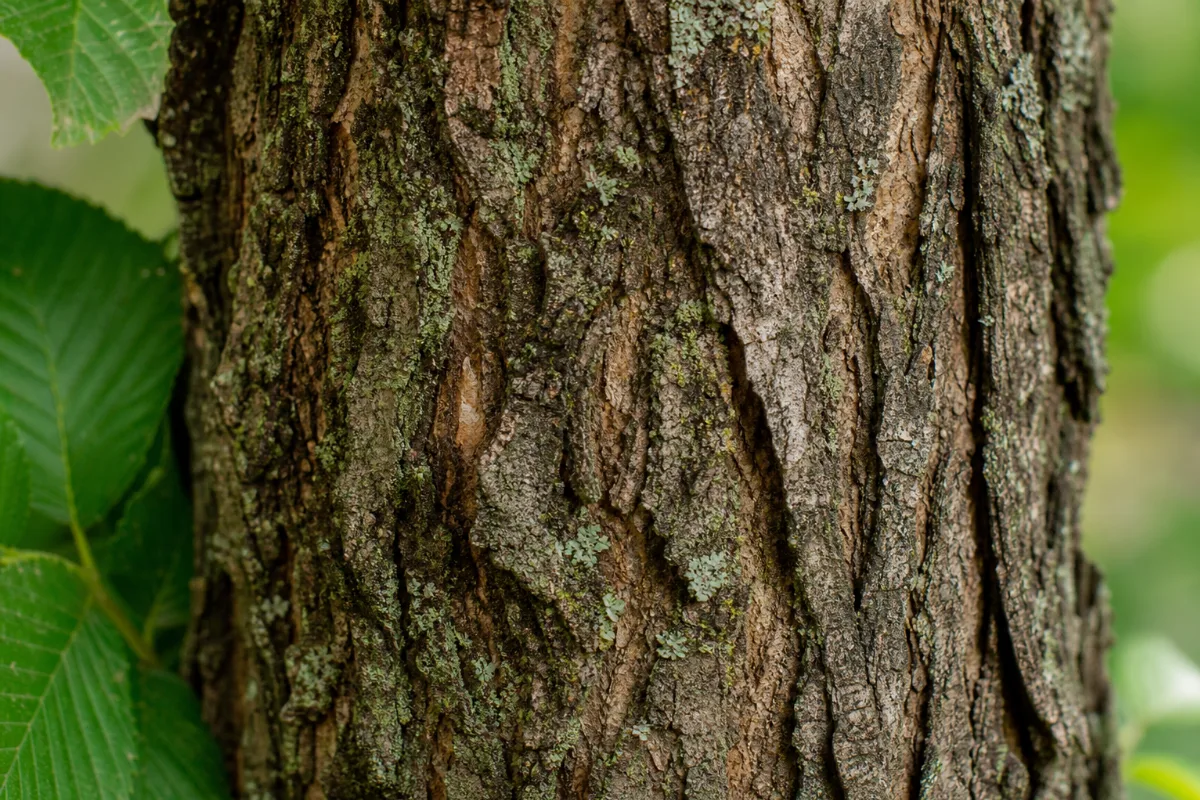
Slippery elm (Ulmus rubra) inner bark: traditional use for sore throat and gut upset, what little human evidence exists, safety notes, and why the tree is a conservation concern.
Marshmallow root (Althaea officinalis): the EU traditional-use assessment for throat irritation and dry cough, the limited trials, and the advice to space it from other medicines.
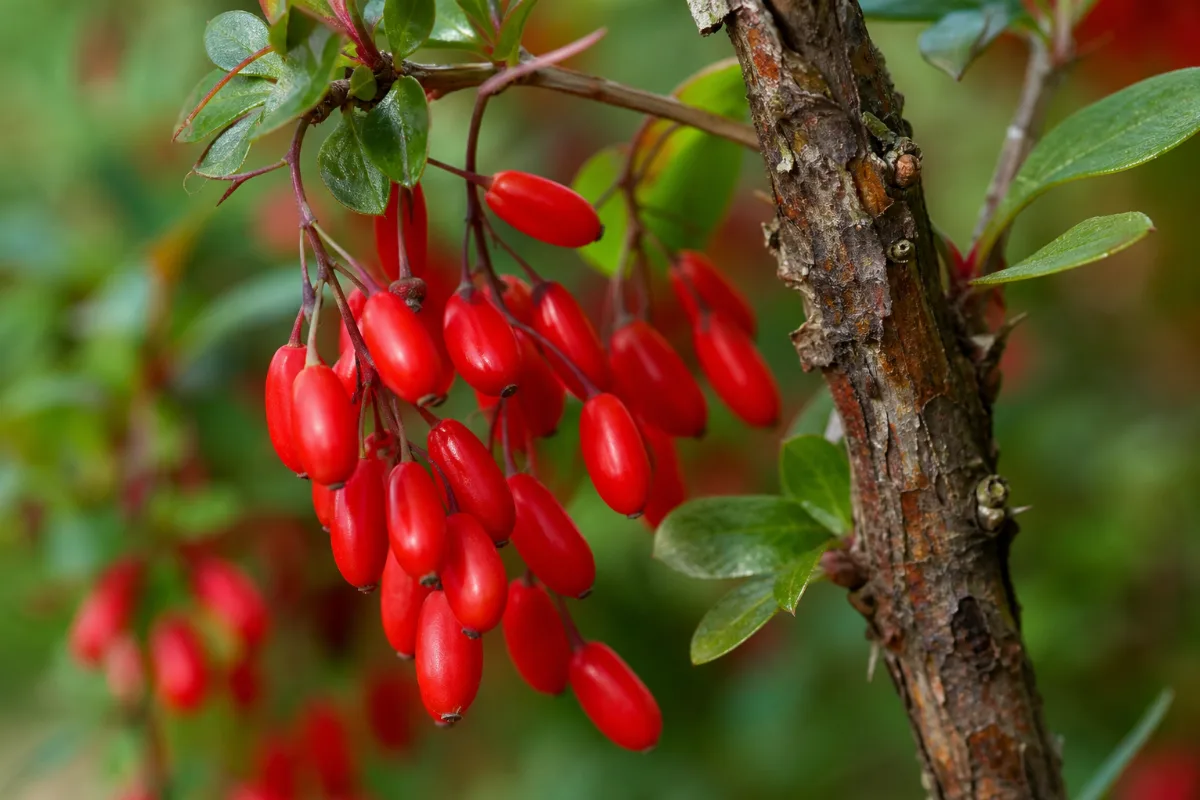
Barberry (Berberis vulgaris): what meta-analyses found for blood sugar, cholesterol and blood pressure, the berberine link, and cautions for medicines, pregnancy and newborns.
Lower blood sugar markers in type 2 diabetes (small trials)
Lower cholesterol and triglycerides (small trials)
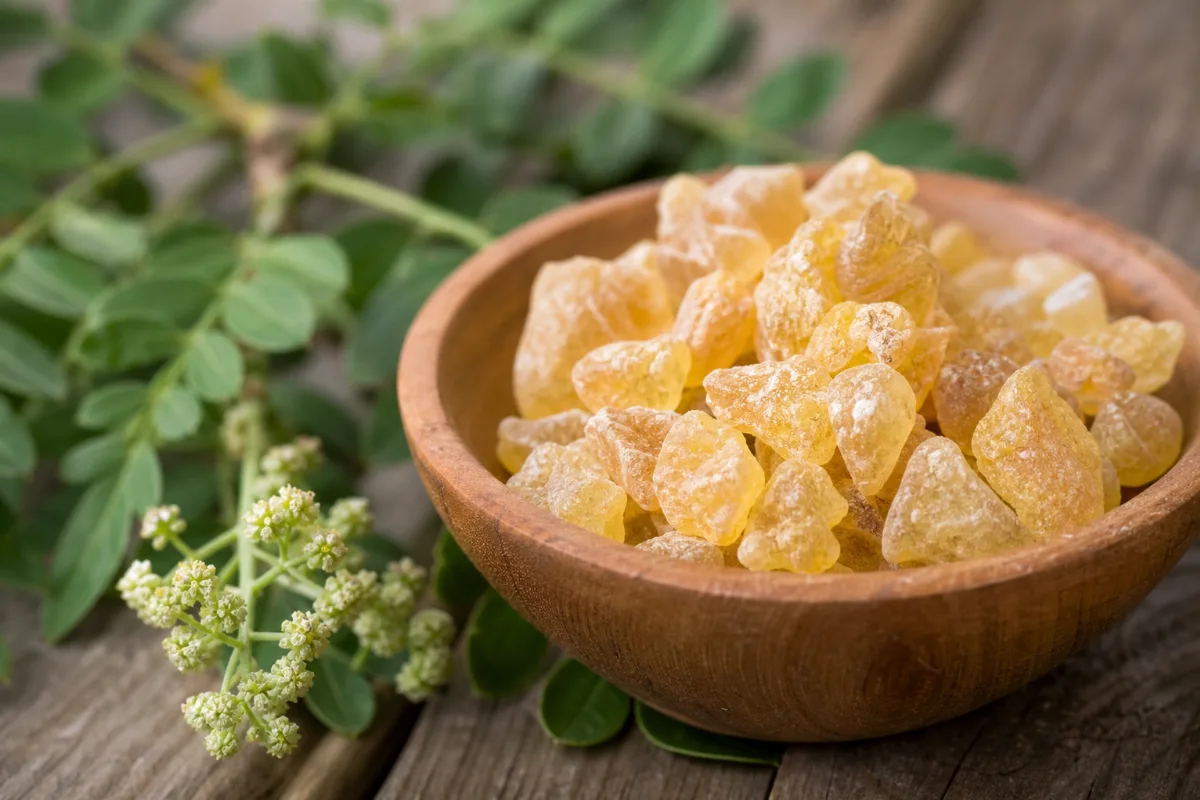
Boswellia serrata gum-resin extract (frankincense family): what research on knee osteoarthritis found, what NIH says about safety, and the bleeding and medicine cautions from the sources.
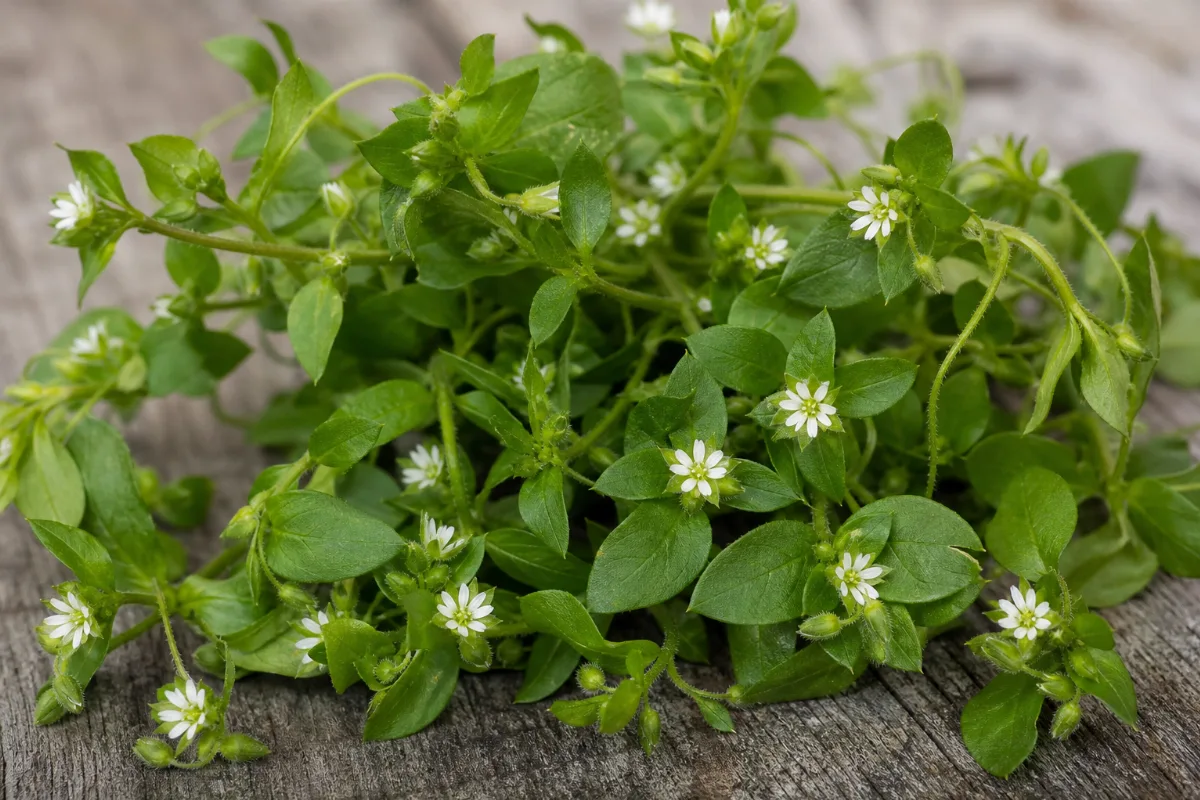
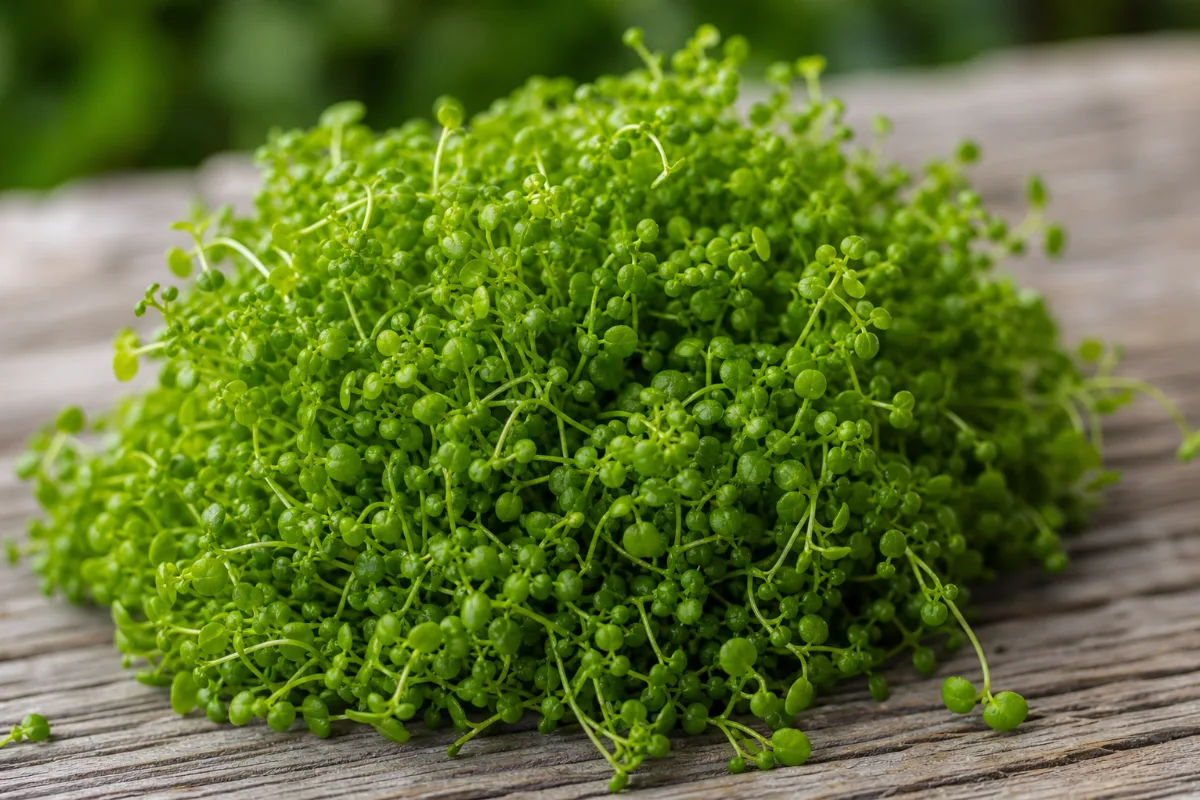
Chickweed (Stellaria media): a common garden plant with traditional uses but, in the sources we read, only lab and animal research and no human trials or safety data.
Traditional use for metabolic conditions such as diabetes
Heart function in diabetic rats (animal study)
Reported anti-inflammatory and pain-relieving activity (lab and animal)
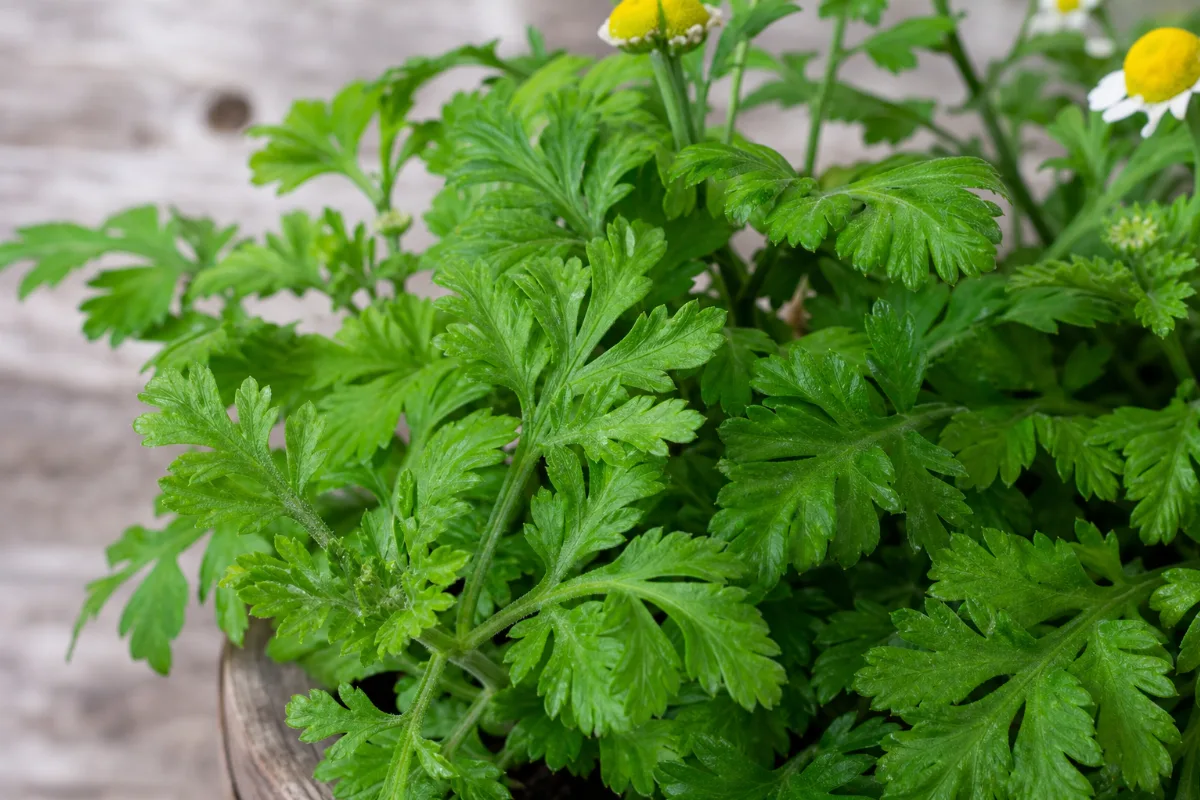
Feverfew (Tanacetum parthenium) is used to try to prevent migraine: what Cochrane and EU reviews found, post-feverfew symptoms, pregnancy, bleeding and daisy-family allergy cautions.
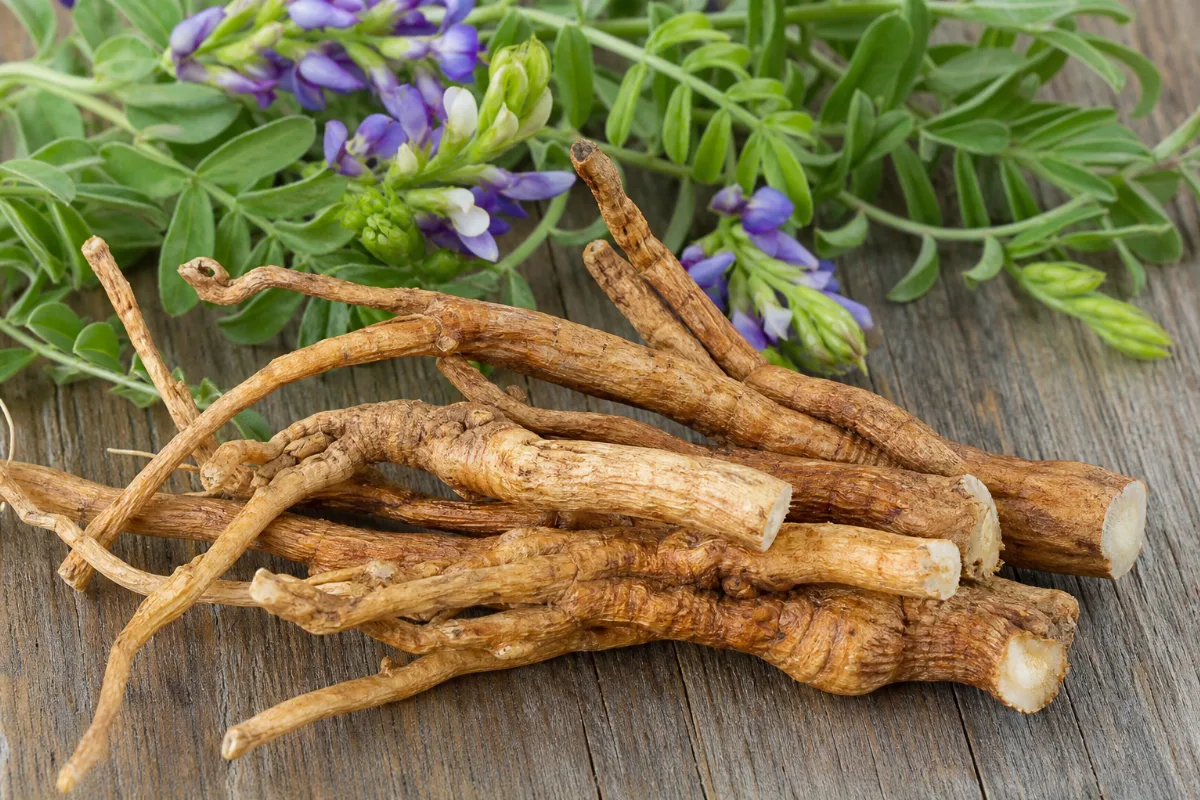
Astragalus (Astragalus mongholicus, also sold as A. membranaceus) is a root used in Chinese medicine; this guide covers NIH's evidence summary and the immune-medicine caution.
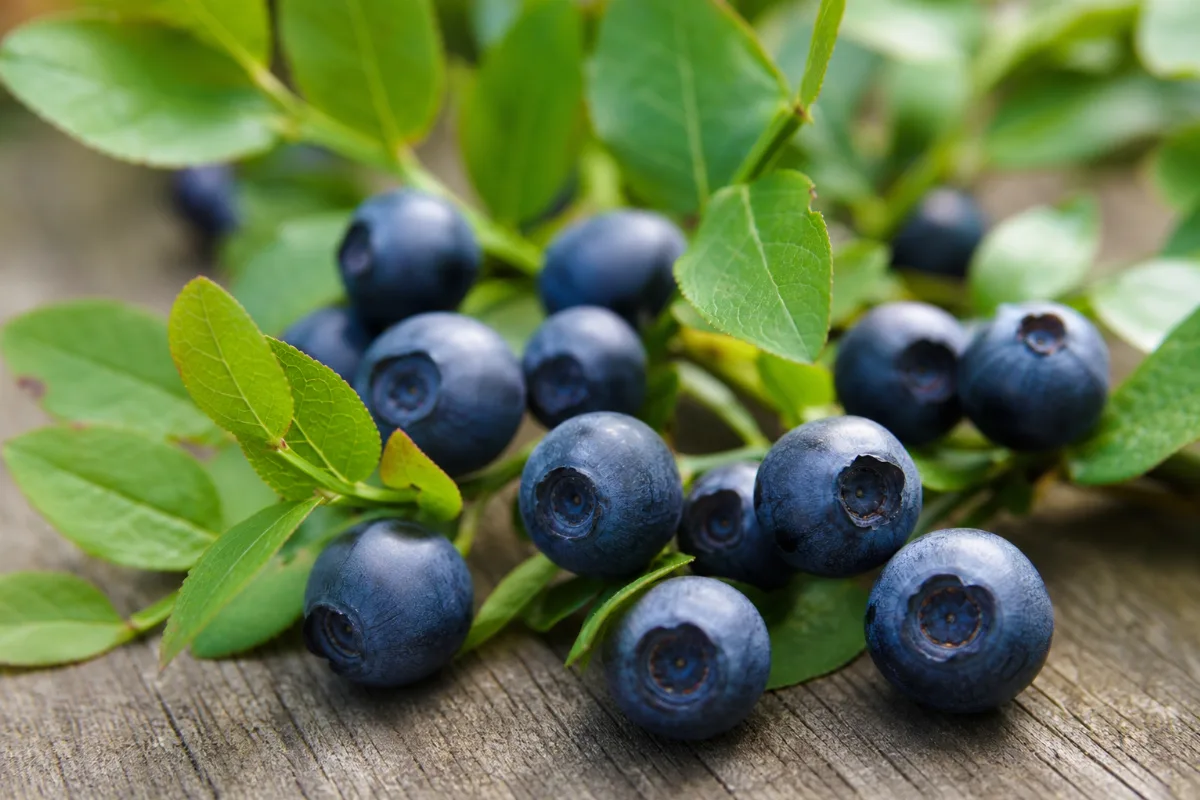
Bilberry (Vaccinium myrtillus): what reviews found for night vision, eye strain and blood sugar, what EU regulators accept for the fruit, and what safety information we could not find.
Eye strain from screen work
Night vision in healthy people
Blood sugar (HbA1c)
Blood fats, blood pressure and inflammation markers
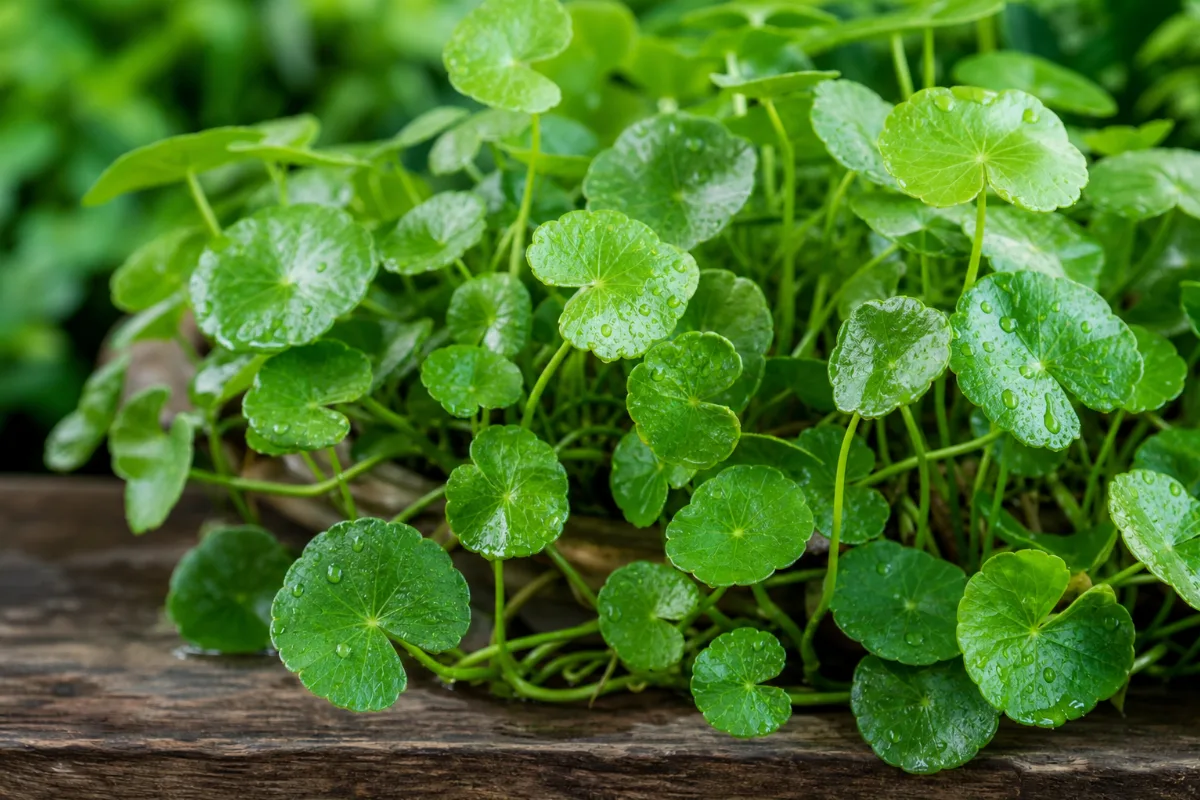
Gotu kola (Centella asiatica): reports of liver injury, the EU skin-use monograph for minor wounds, small studies on memory and anxiety, and why "brahmi" can mean two plants.
Horse chestnut (Aesculus hippocastanum): why raw seeds, bark and leaves are toxic, what standardized seed extract showed for leg vein problems, and the EU and NIH cautions.
Leg vein symptoms in chronic venous insufficiency
Comparison with compression stockings
Pregnancy and breastfeeding
Hemorrhoids, arthritis, pain and menstrual cramps (traditional use)
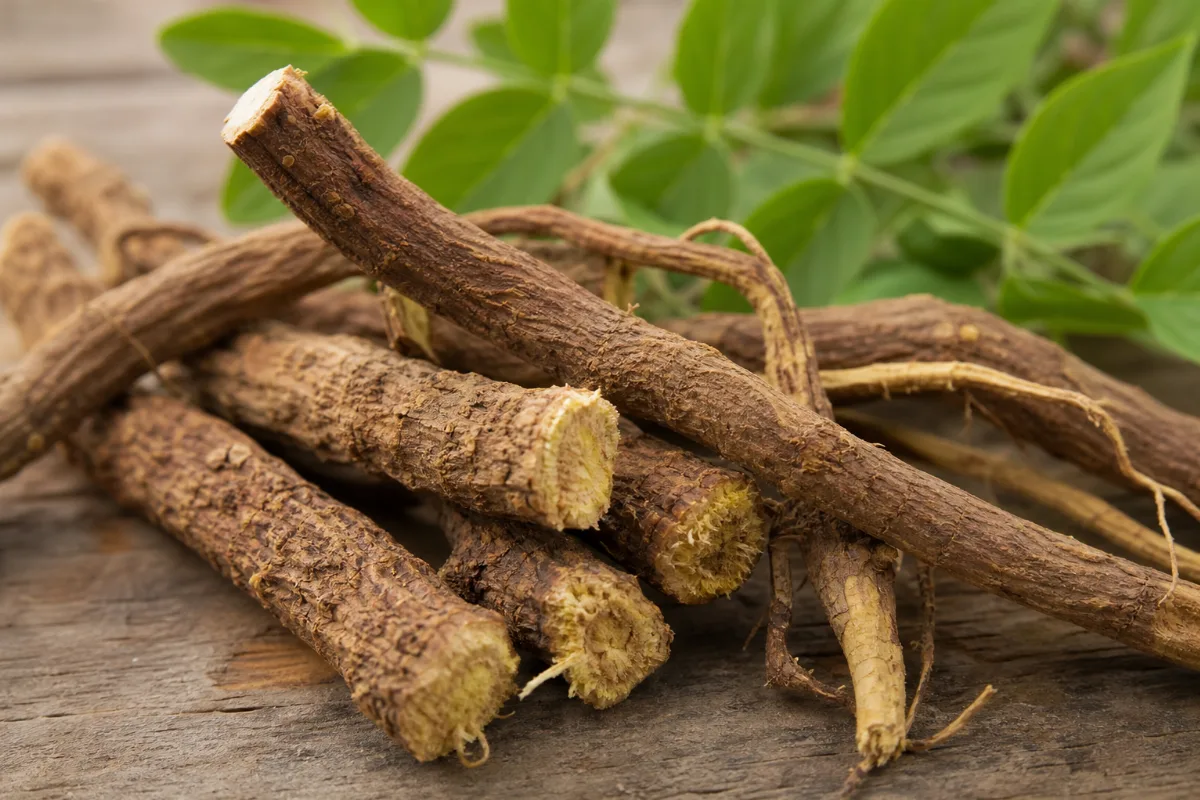
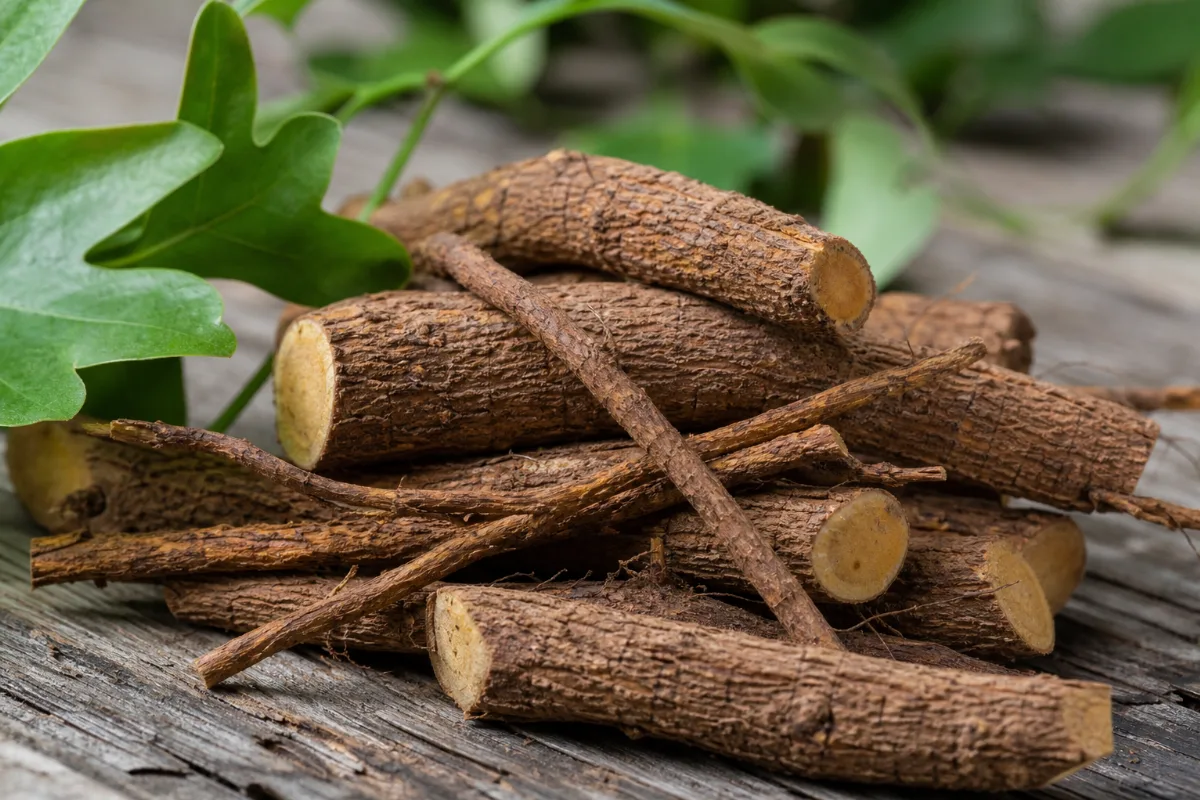
Licorice root (Glycyrrhiza glabra): what research and EU and NIH sources say, why glycyrrhizin can raise blood pressure and lower potassium, medicine interactions, and how DGL differs.
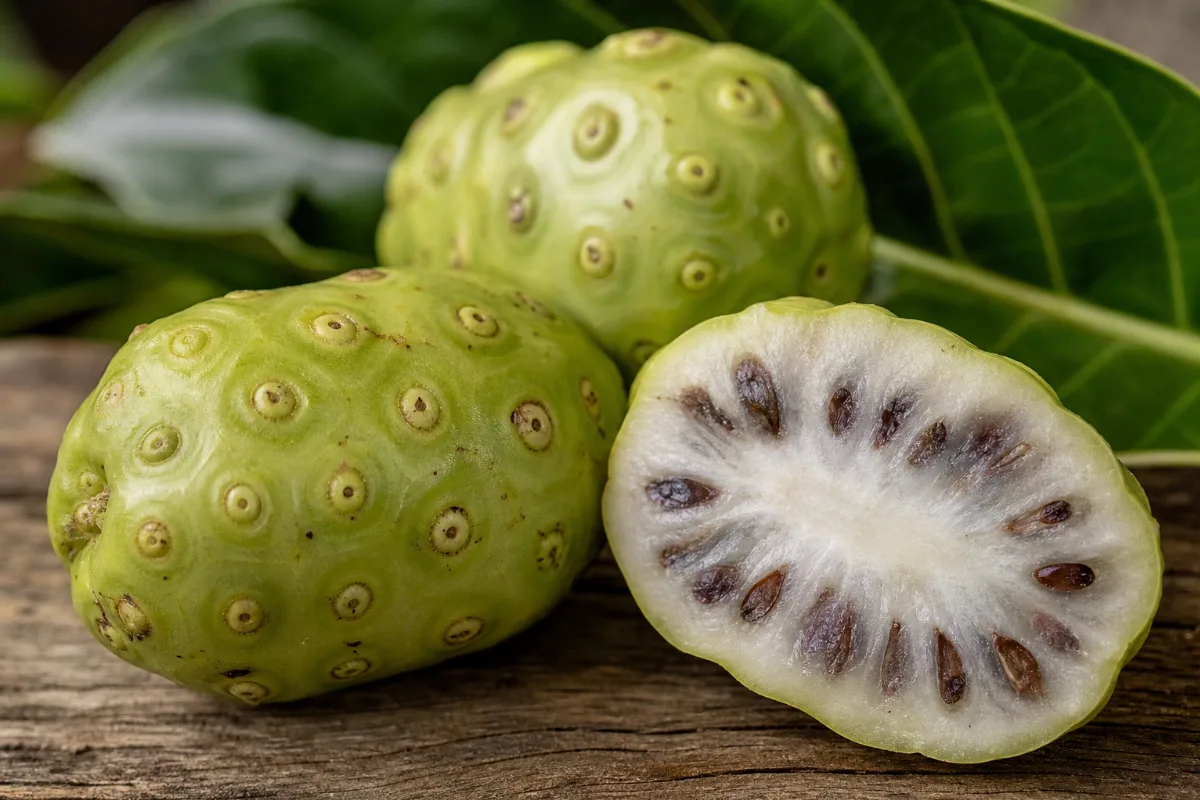
Noni (Morinda citrifolia) juice and fruit: traditional use, why human evidence is thin, liver injury reports, potassium cautions for kidney disease and medicine interactions.
Cascara sagrada (Frangula purshiana, also named Rhamnus purshiana) is a bark used as a stimulant laxative: what the EU committee and US FDA say, and limits on use, potassium and pregnancy.
Gentian root (Gentiana lutea) is a bitter herb used traditionally for appetite and mild indigestion: what the EU herbal committee concluded, the limited evidence and the cautions.
Temporary loss of appetite (traditional use)
Mild indigestion and stomach or gut complaints (traditional use)
Devil's claw root (Harpagophytum procumbens): Southern African traditional use, what trials and the EU herbal committee found for joint and back pain, stomach and gallstone cautions, and harvest concerns.
Low back pain (short-term)
Osteoarthritis pain
Traditional use for minor joint pain
Traditional use for mild digestive upset and appetite
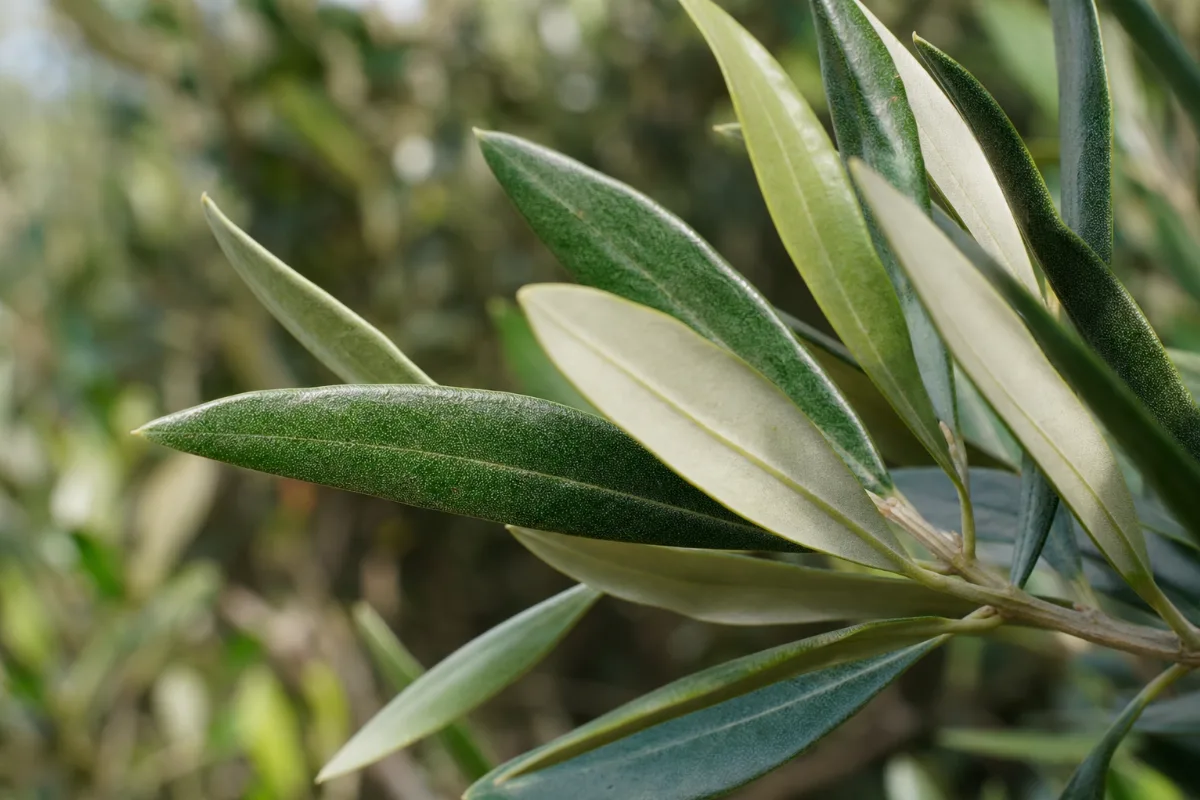
Olive leaf (Olea europaea): what EU regulators and trials say about blood pressure, blood sugar and water retention, who should ask first, and what is not known.
Blood pressure (small to moderate drops in trials)
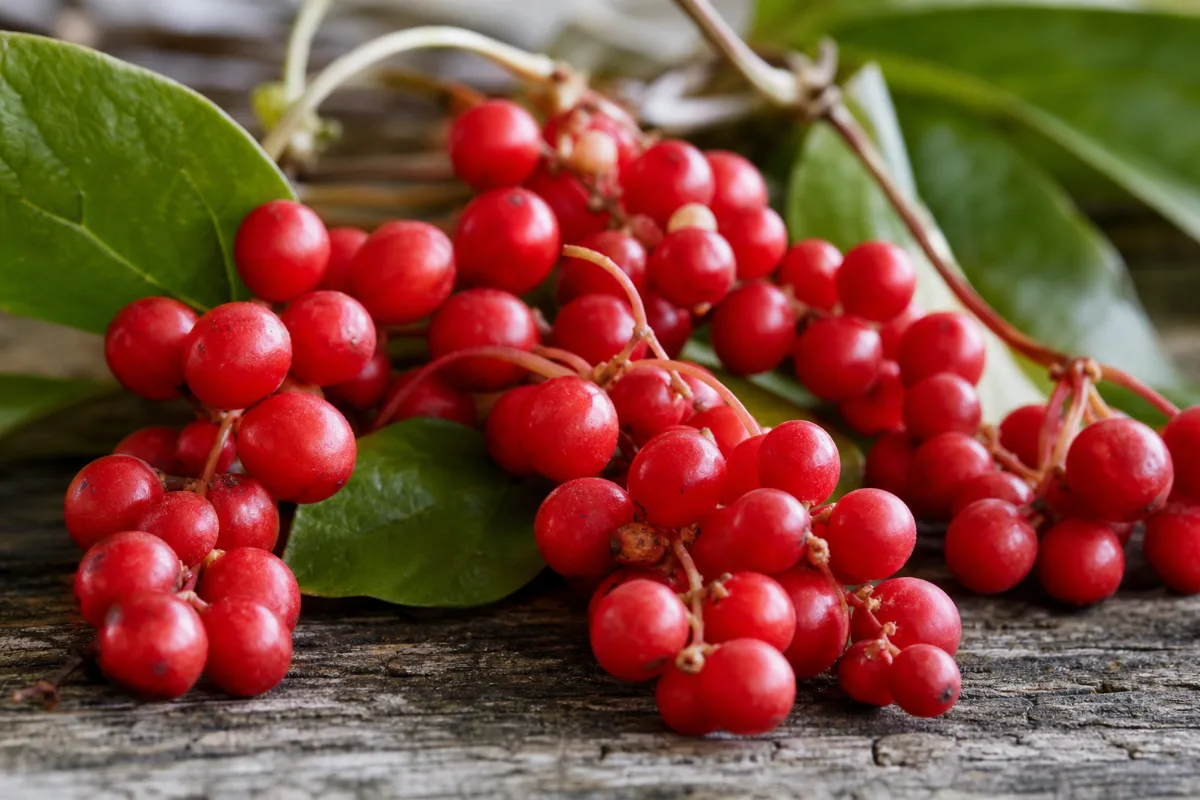
What schisandra (Schisandra chinensis) is, where the adaptogen idea began, what little human research exists, and cautions about enzyme interactions and the tacrolimus findings.
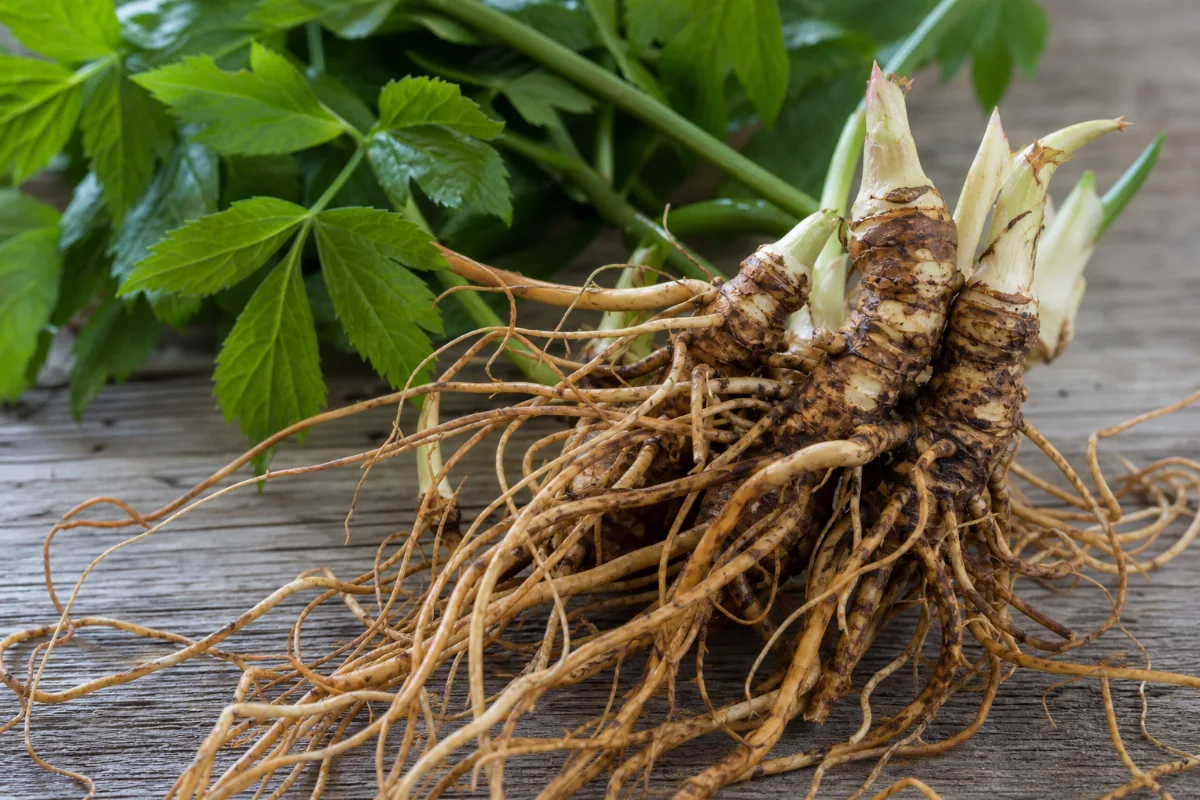
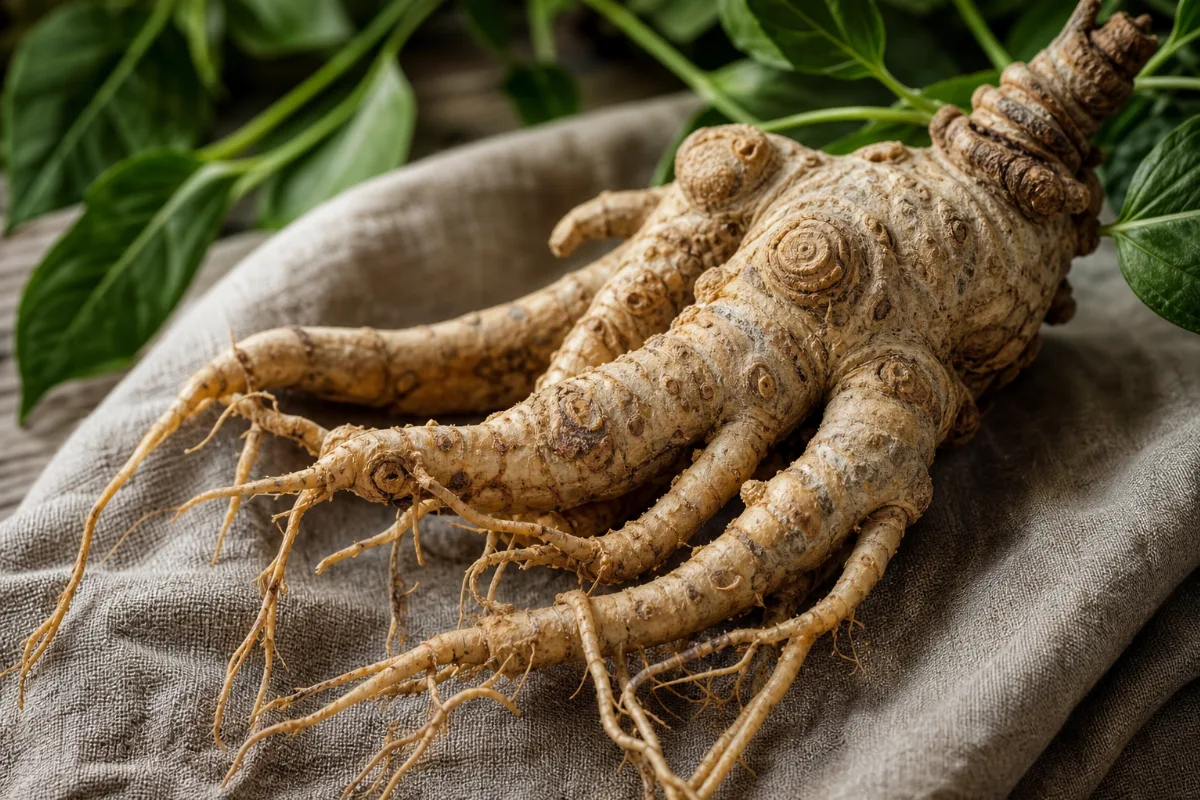
What American ginseng (Panax quinquefolius) is, how it differs from Asian ginseng, what trials found for colds and blood sugar, the warfarin finding, and wild-harvest concerns.
Possible shorter or fewer colds
Possible modest blood sugar lowering in type 2 diabetes
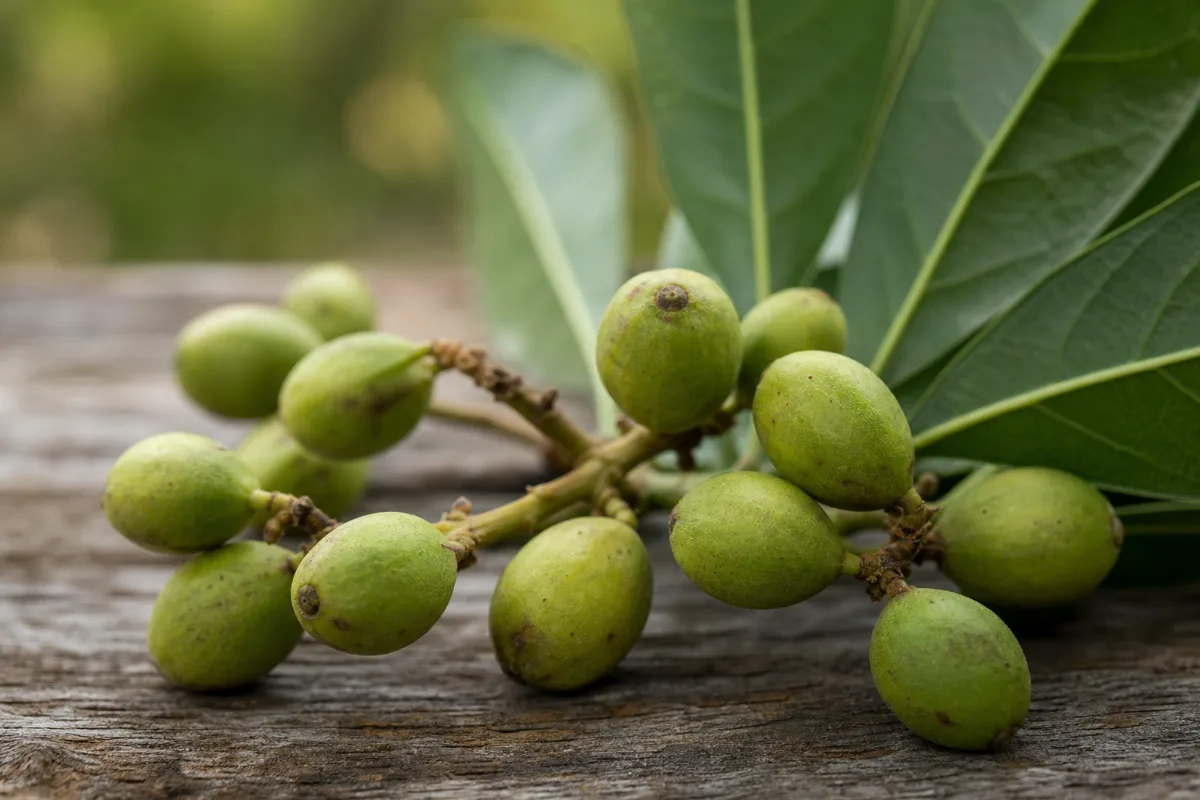
Prunus africana (Hook.fil.) Kalkman, Pygeum africanum Hook f. (older name)
Bark
Pygeum (Prunus africana) bark extract is used for prostate urinary symptoms. What a Cochrane review and EU and NIH sources say, the conservation status of the tree, and safety points.
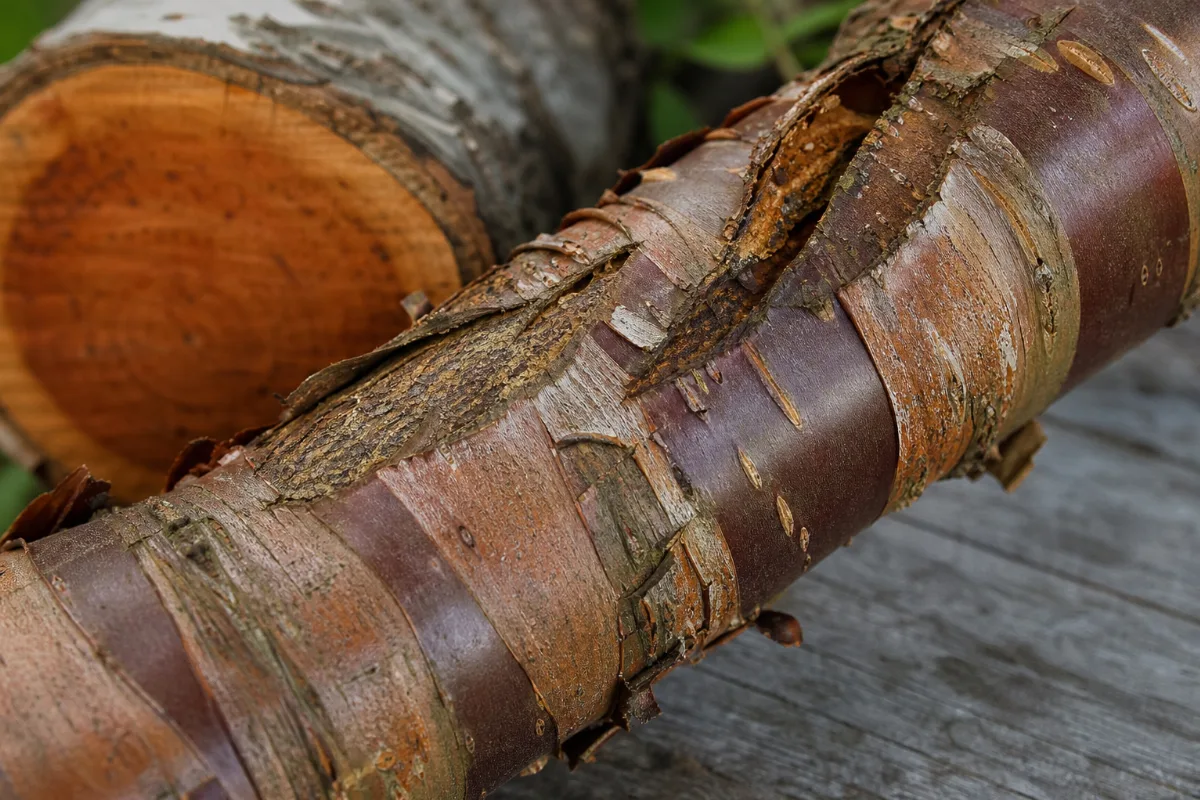
White willow bark (Salix alba): the salicin and aspirin link, what trials found for back pain and osteoarthritis, and the aspirin allergy, children, blood-thinner and ulcer cautions regulators and sources list.
Short-term low back pain
Osteoarthritis pain
Rheumatoid arthritis pain
Traditional use for minor joint pain, headache and fever with colds
Elecampane (Inula helenium) root: traditional use for chest and skin complaints, why human evidence is not found, and the daisy-family allergy point to know.
Traditional use for chest (respiratory) complaints
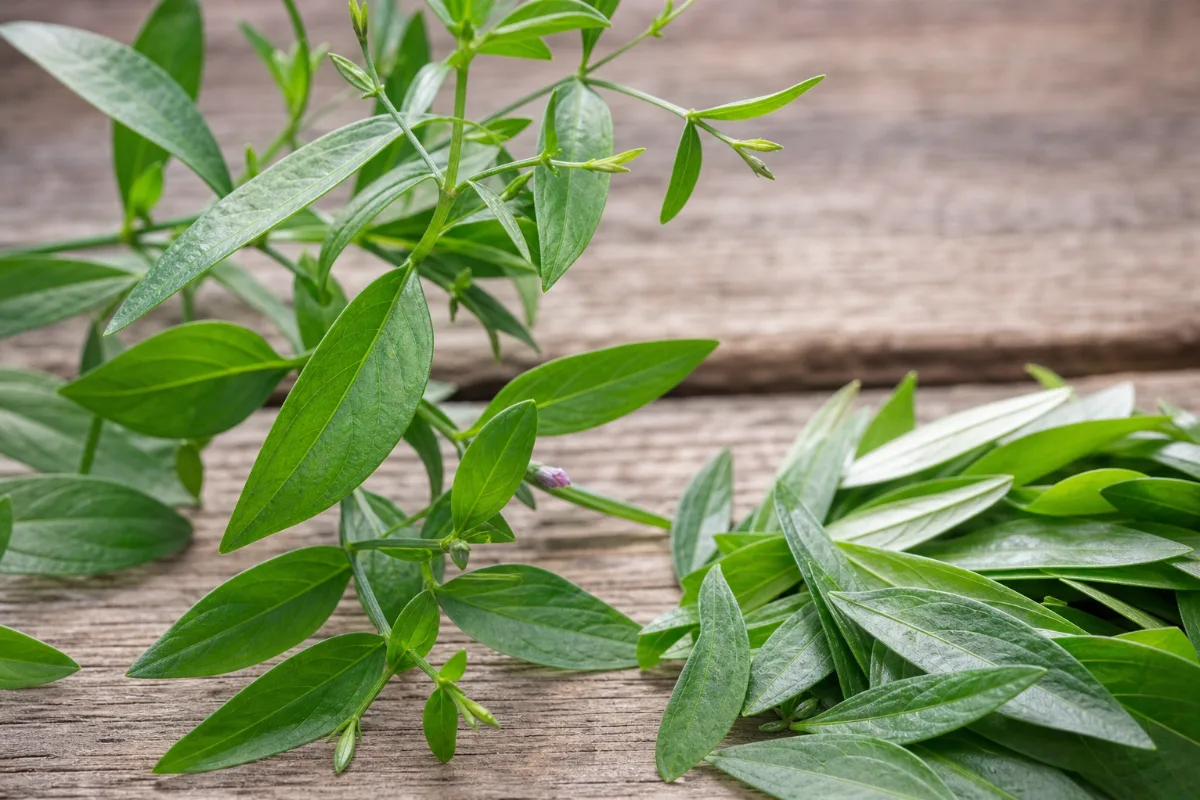
Andrographis (Andrographis paniculata): what systematic reviews found for cough and sore throat, reports of allergic reactions, and what the sources we read do not say.
Short-term relief of cough and sore throat (acute respiratory infections)
What eleuthero (Siberian ginseng, Eleutherococcus senticosus) is, why it is not true ginseng, what trials and the EMA found, and cautions on adulteration, pregnancy and medicines.
Traditional use for loss of strength and energy (asthenia)
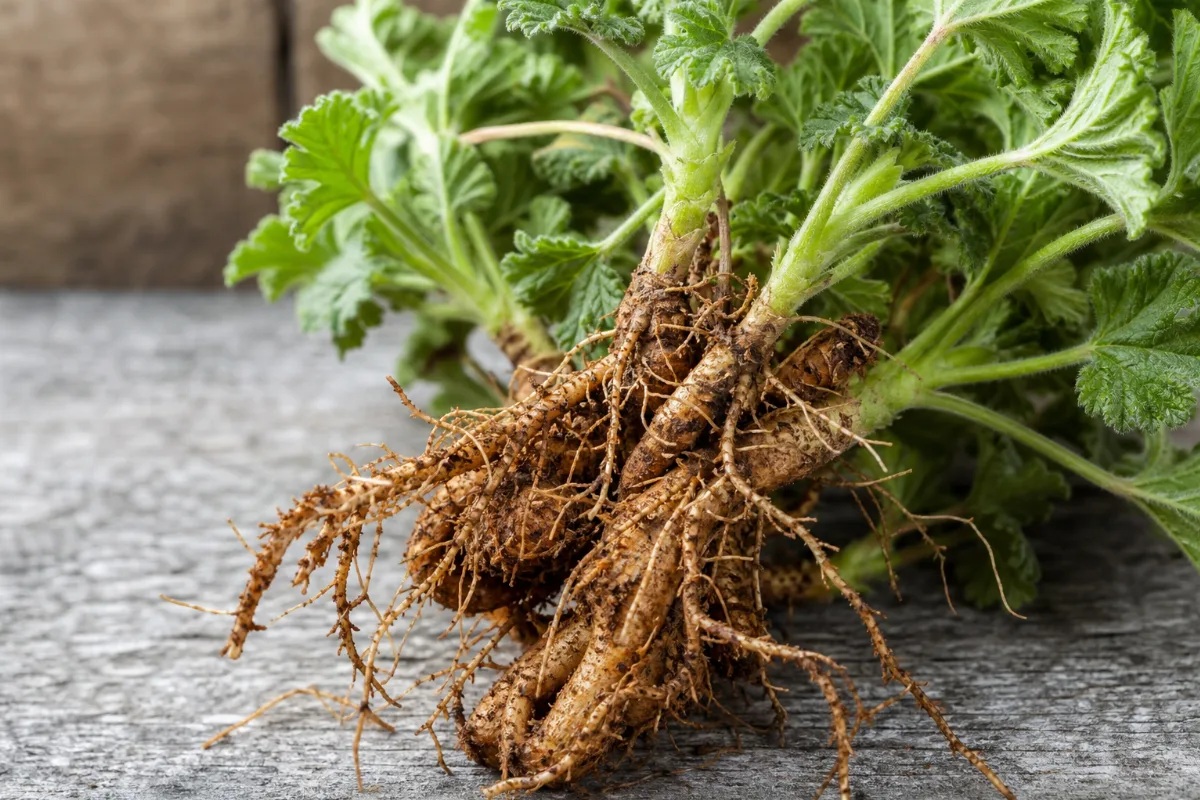
Pelargonium (Umckaloabo, Pelargonium sidoides): Southern African traditional use, Cochrane and EU findings on colds and bronchitis, and the disputed liver reports.
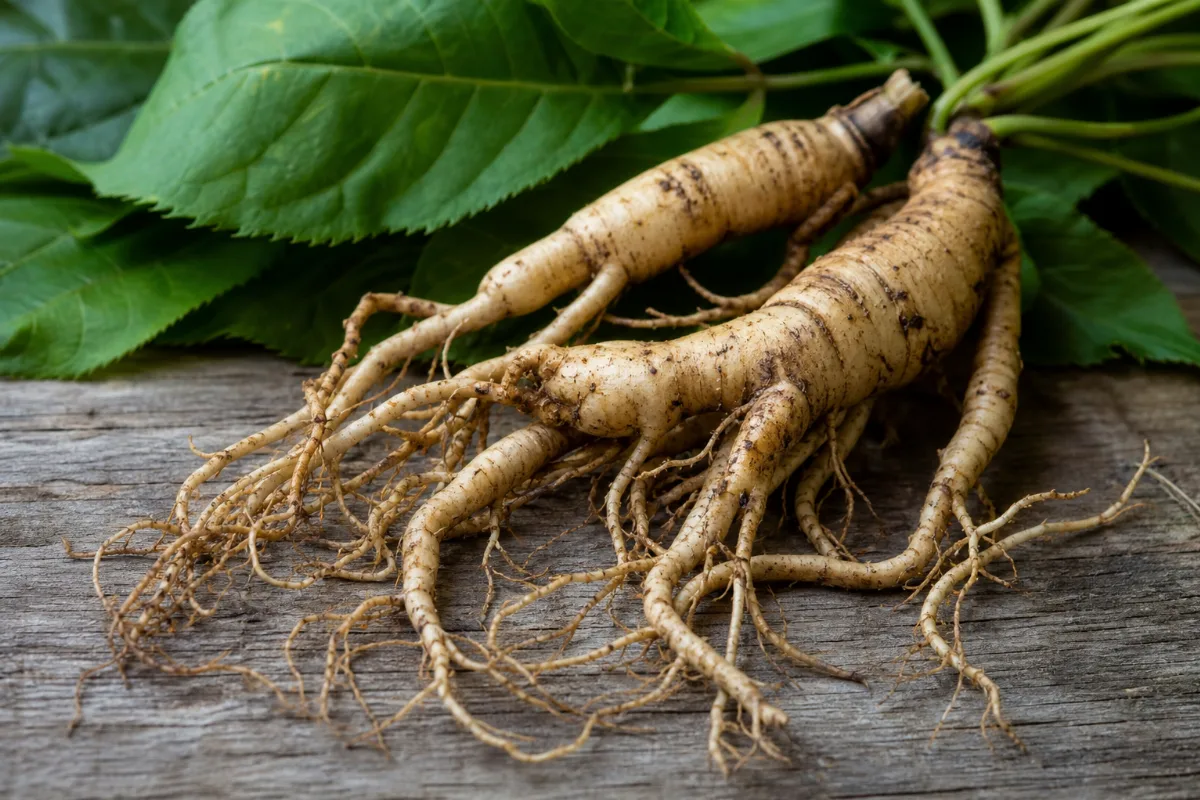
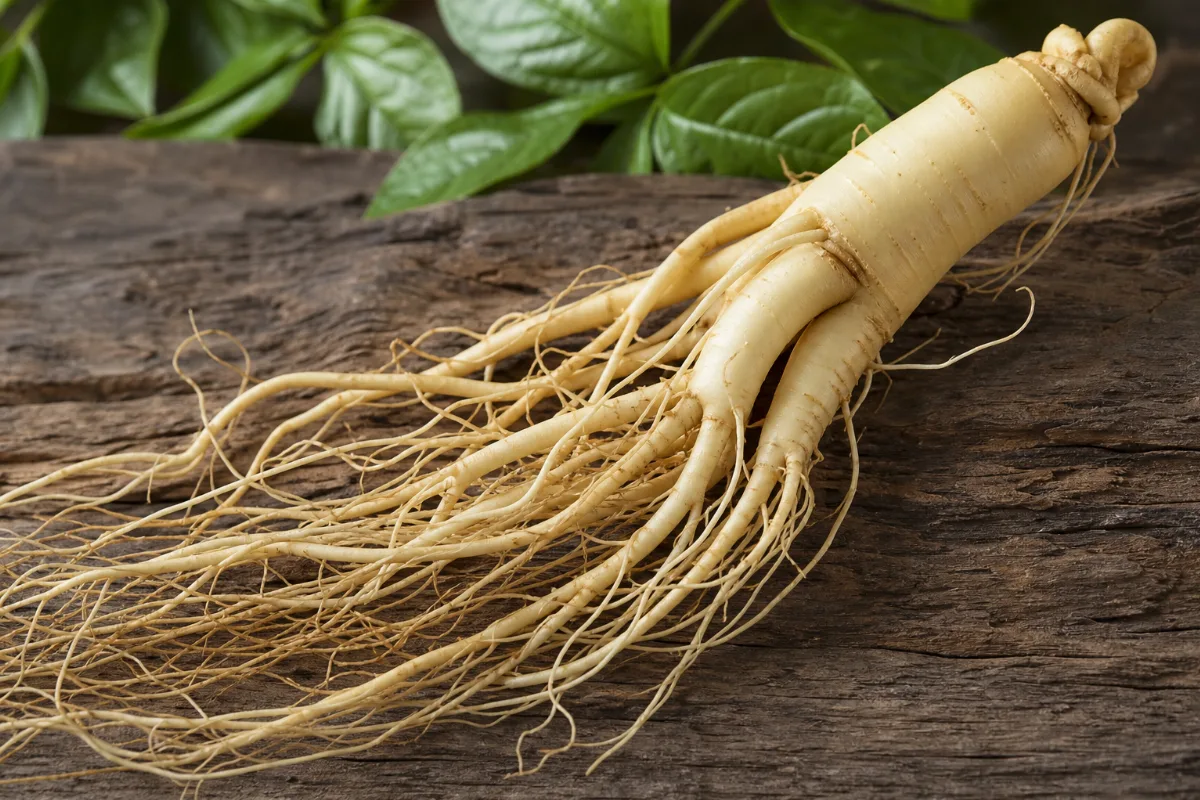
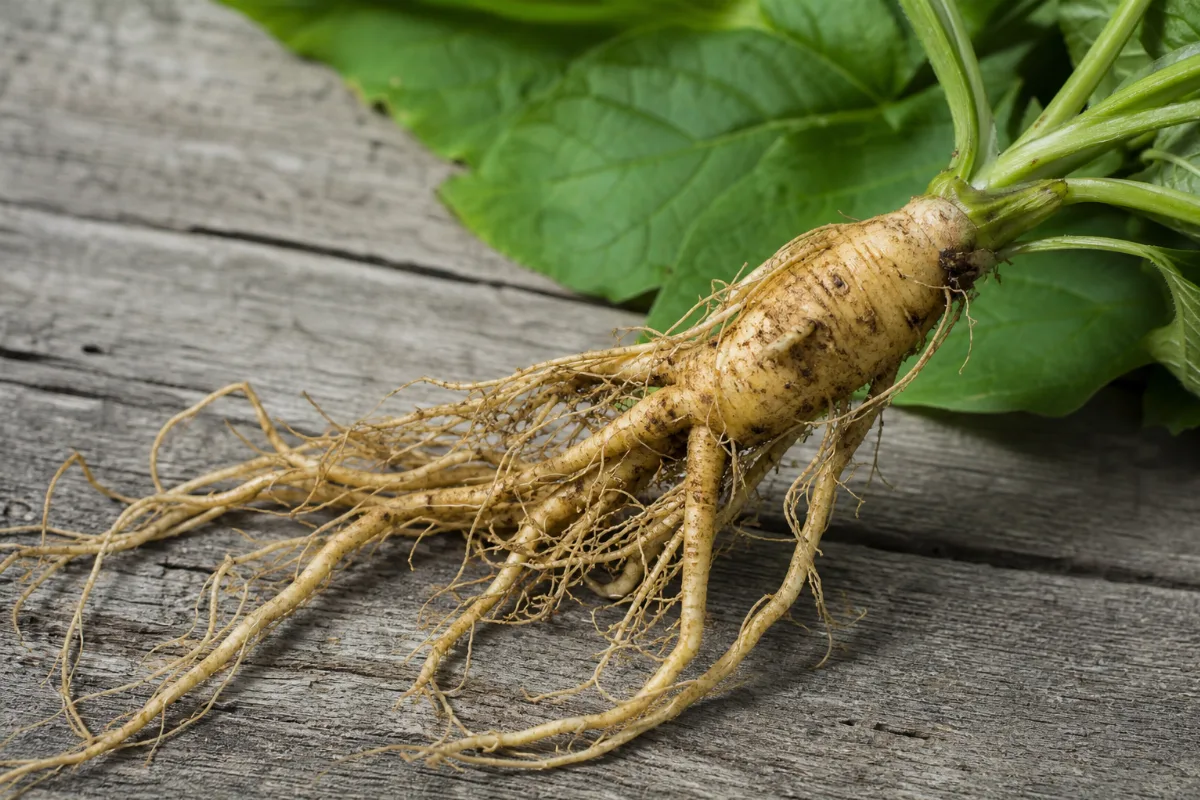
What Asian ginseng (Panax ginseng) is, what research found for fatigue, thinking, blood sugar and more, and cautions about warfarin, diabetes medicines, insomnia and pregnancy.
Black cohosh (Actaea racemosa) root extract for menopause symptoms: what NIH and EU regulators found, the rare liver injury reports, adulteration and who should be careful.
Butcher's broom (Ruscus aculeatus): EU traditional-use status for heavy legs and hemorrhoid itching, what trials found, why combination-product results do not transfer, and cautions.
Heavy, uncomfortable legs from minor circulation problems
Leg swelling in chronic venous insufficiency
Venous symptoms in Ruscus-containing combination products
Butterbur (Petasites hybridus) was studied for migraine, but pyrrolizidine alkaloids and rare liver injury led guidelines to stop recommending it. What the sources say.
Migraine prevention in adults (special root extract)
Catnip (Nepeta cataria) is a mint-family herb used as a tea for people. We looked for human trials on calm and sleep and report what we found and did not find.
Cat's claw (Uncaria tomentosa), also called una de gato: Amazonian traditional use, why human evidence is inconclusive, and cautions for autoimmune disease, bleeding and pregnancy.
Chasteberry (Vitex agnus-castus) fruit extract for PMS and breast pain: what NIH, EU regulators and a meta-analysis found, with cautions on hormone medicines and pregnancy.
Chicory root (Cichorium intybus) and its inulin fiber: what trials and meta-analyses found for constipation, how gas and bloating can limit use, and reported allergy to chicory.
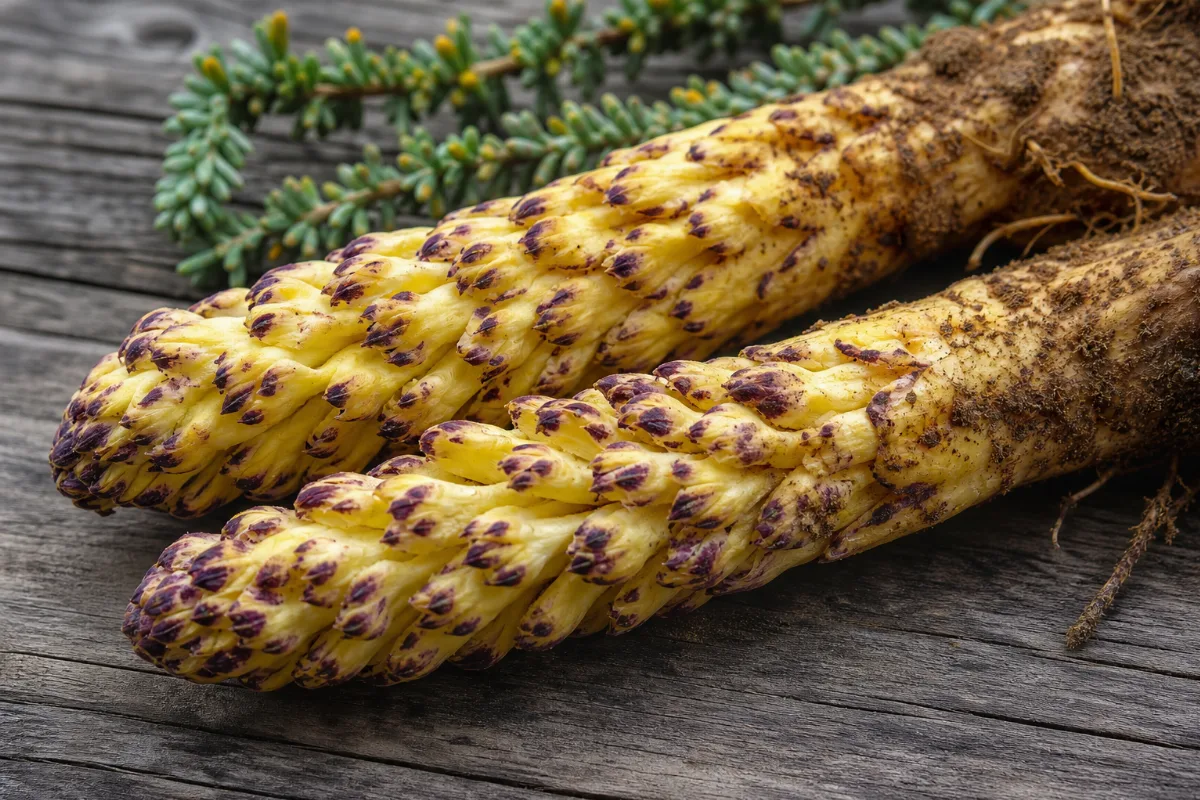
Cistanche (rou cong rong) is a parasitic plant used in Chinese medicine. What small trials found, why wild plants were protected, and what is not known about safety.
Overall evidence for any health use
Traditional use as a tonic
Muscle strength and exercise recovery
Walking ability in early age-related mobility decline
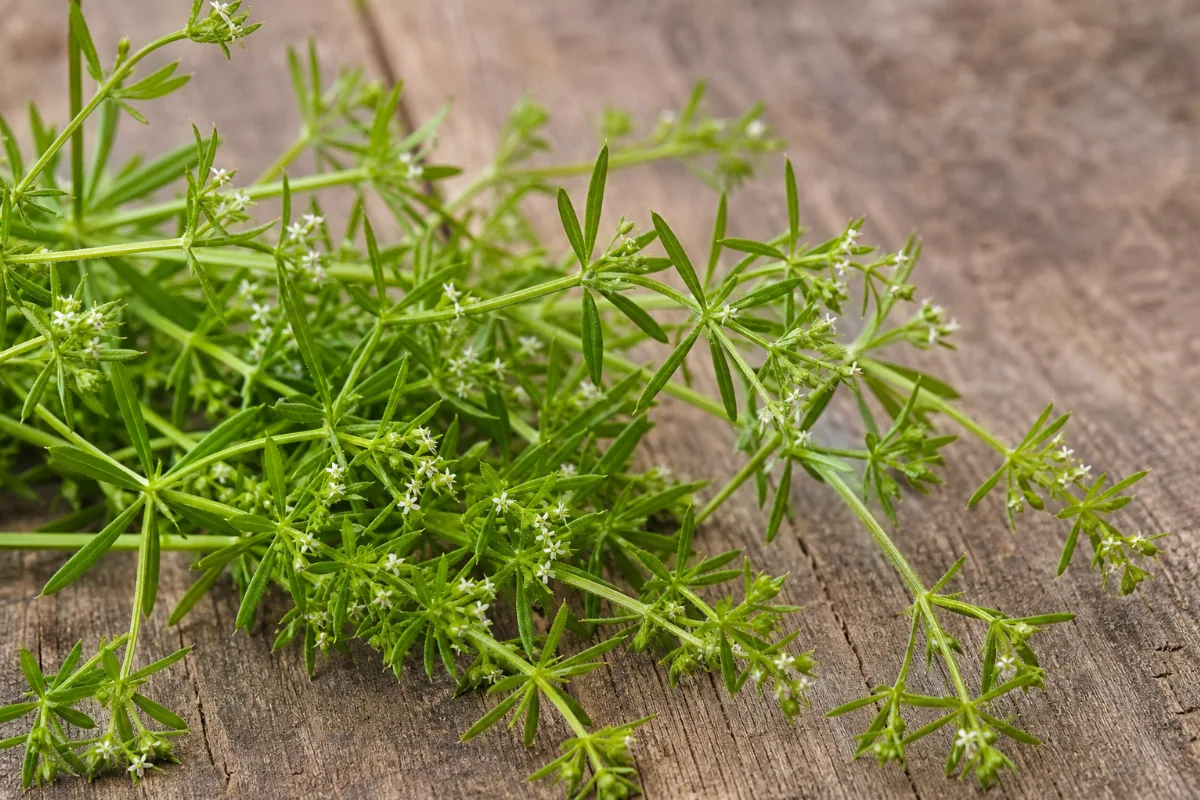
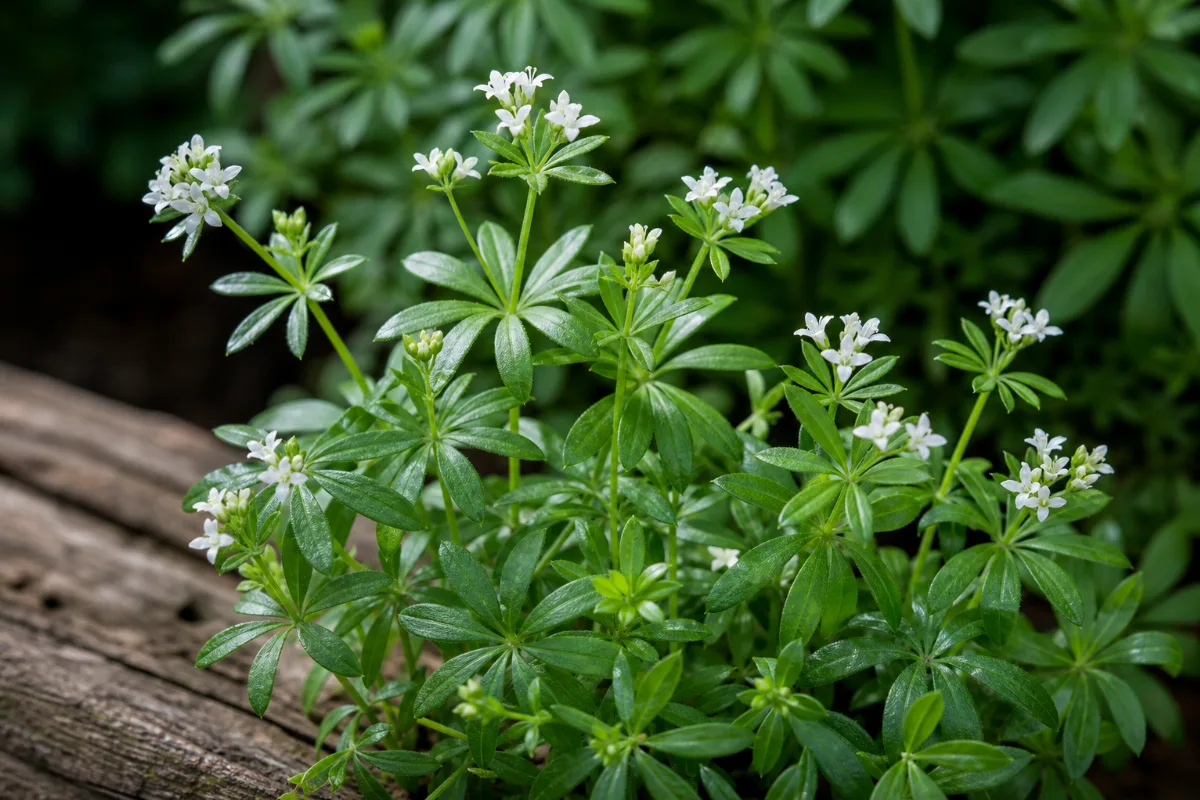
Cleavers (Galium aparine): what the plant is, its traditional skin and wound use, why human evidence is not found, and what safety information we could not locate.
Codonopsis pilosula, Codonopsis pilosula var. modesta, Codonopsis tangshen
Root
Codonopsis (dang shen, Codonopsis pilosula) is a Chinese herbal root sometimes called an adaptogen; this guide shows what human evidence exists, which is limited, and the safety gaps.
Traditional qi tonic (Chinese medicine)
Dang shen formulae in COPD (lung function, quality of life)
Immune activity (laboratory findings)
Stomach and intestine protection (laboratory findings)
Coleus forskohlii and forskolin: which plant name is used, what small trials found for body fat and weight loss claims, and cautions for blood pressure and blood-thinning medicines.
Body fat and weight management (research)
Insulin measures
Testosterone levels
Asthma and airway widening (laboratory and intravenous work)
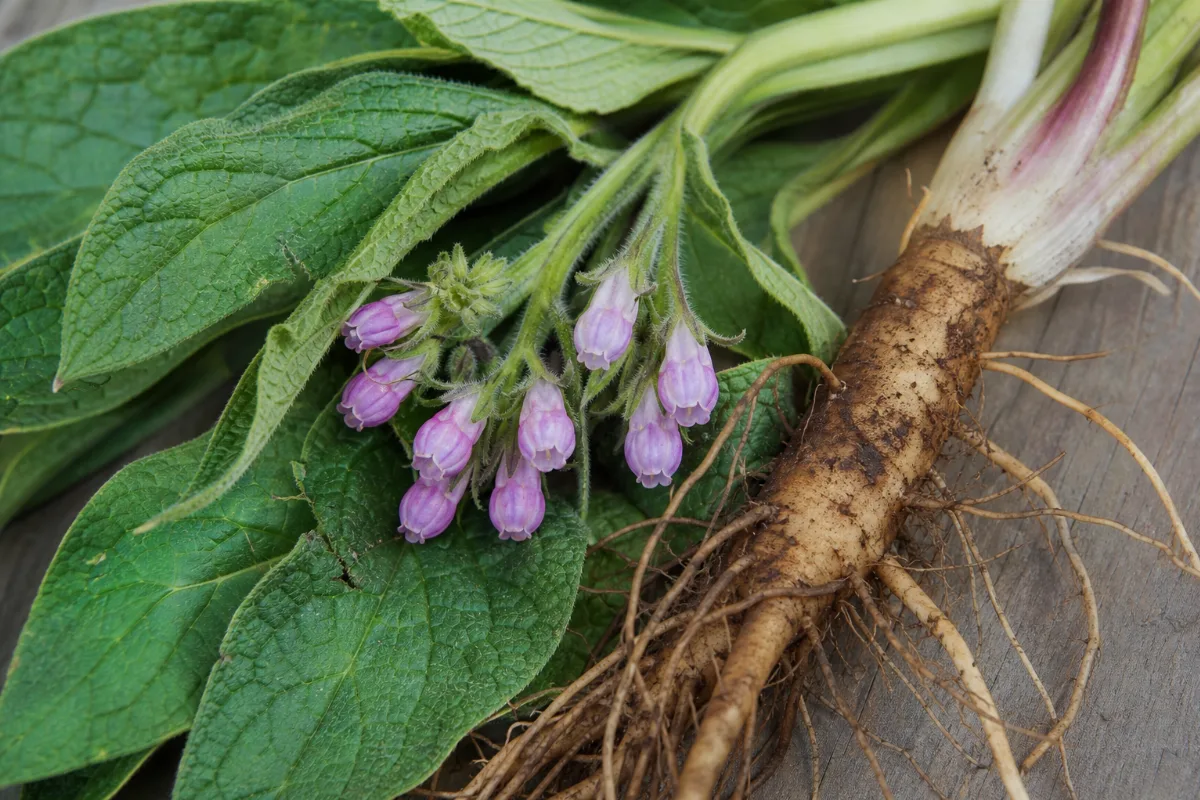
Symphytum officinale, Symphytum asperum, Symphytum x uplandicum
LeafRoot
Comfrey (Symphytum officinale): why swallowing it is linked to liver injury, what the FDA, Health Canada guidance and EU regulators say, and what is known about creams and gels for the skin.
Dong quai (Angelica sinensis) root as a single herb: one placebo-controlled trial, an EU regulator statement, and cautions on warfarin, sun sensitivity, hormones and pregnancy.
Menopause symptoms (hot flashes)
Estrogen-like activity
Period cramps and premenstrual symptoms
Hot flashes in men on androgen deprivation therapy
Goldenseal (Hydrastis canadensis): no rigorous human studies for colds, why pregnancy, breastfeeding and newborns are flagged, medicine interactions, and wild-harvest concerns.
Common cold and upper respiratory infections (promoted use)
Digestive complaints, diarrhea and constipation (traditional and promoted use)
Anti-infective use (traditional)
Blood sugar, cholesterol and weight (berberine results)
Guduchi, or giloy (Tinospora cordifolia), is an Ayurvedic climber linked to liver injury reports; this guide covers the debate over causes, look-alike species and autoimmune cautions.
Guggul (Commiphora wightii): Ayurvedic tradition, why Western cholesterol trials found no benefit, rash and medicine-interaction reports, and why the wild tree is endangered.
Gymnema sylvestre leaf: its traditional use for sugar, what trials and reviews found for blood glucose and sweet cravings, and the low blood sugar caution with diabetes medicines.
He shou wu (fo-ti, Reynoutria multiflora) is a Chinese root linked to documented liver injury. What the sources found, why processing is discussed, and who should be most careful.
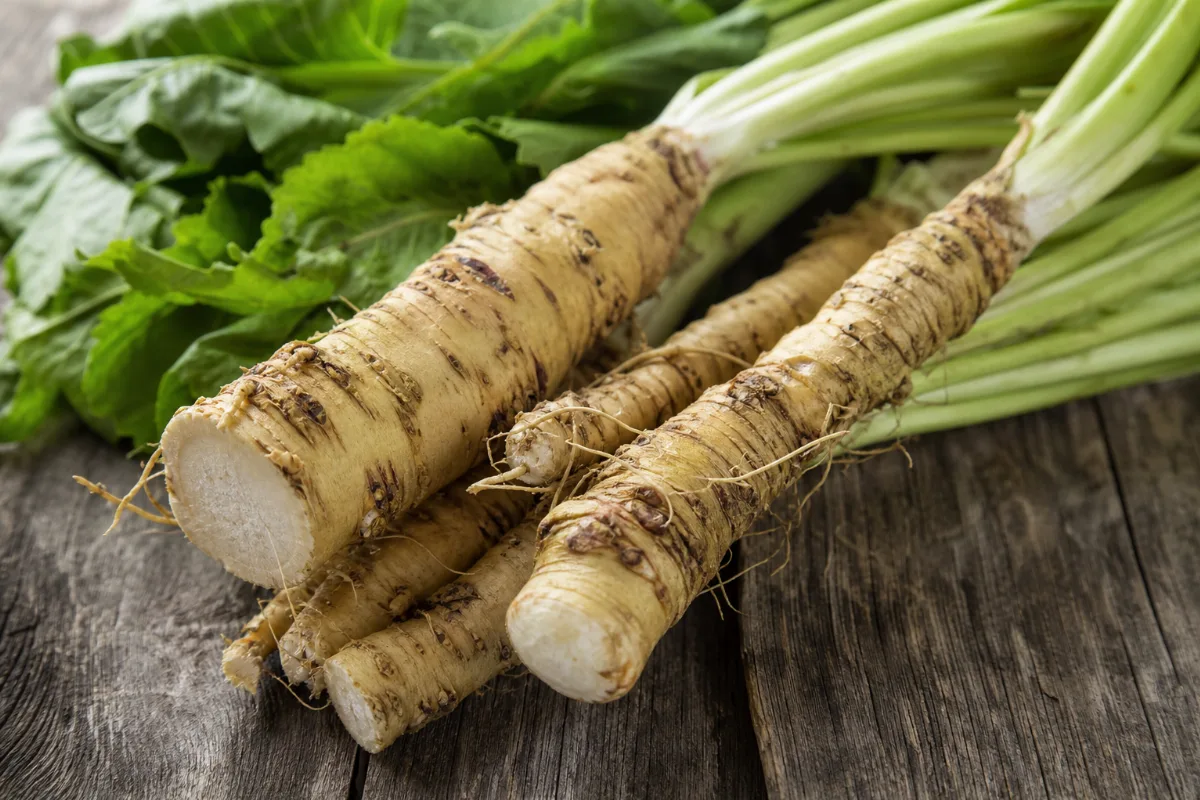
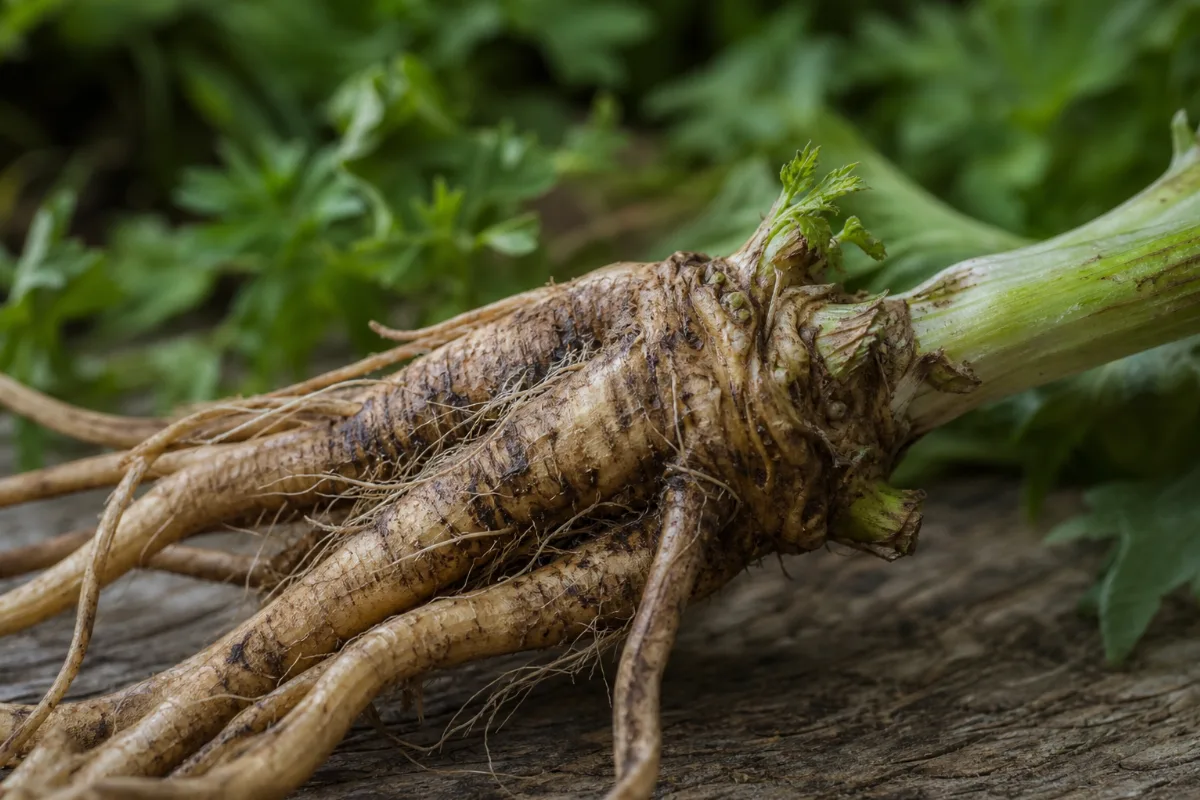
Horseradish (Armoracia rusticana) is a pungent root condiment. Human trials test it only inside a nasturtium combination for bronchitis and cystitis, and other safety data are thin.
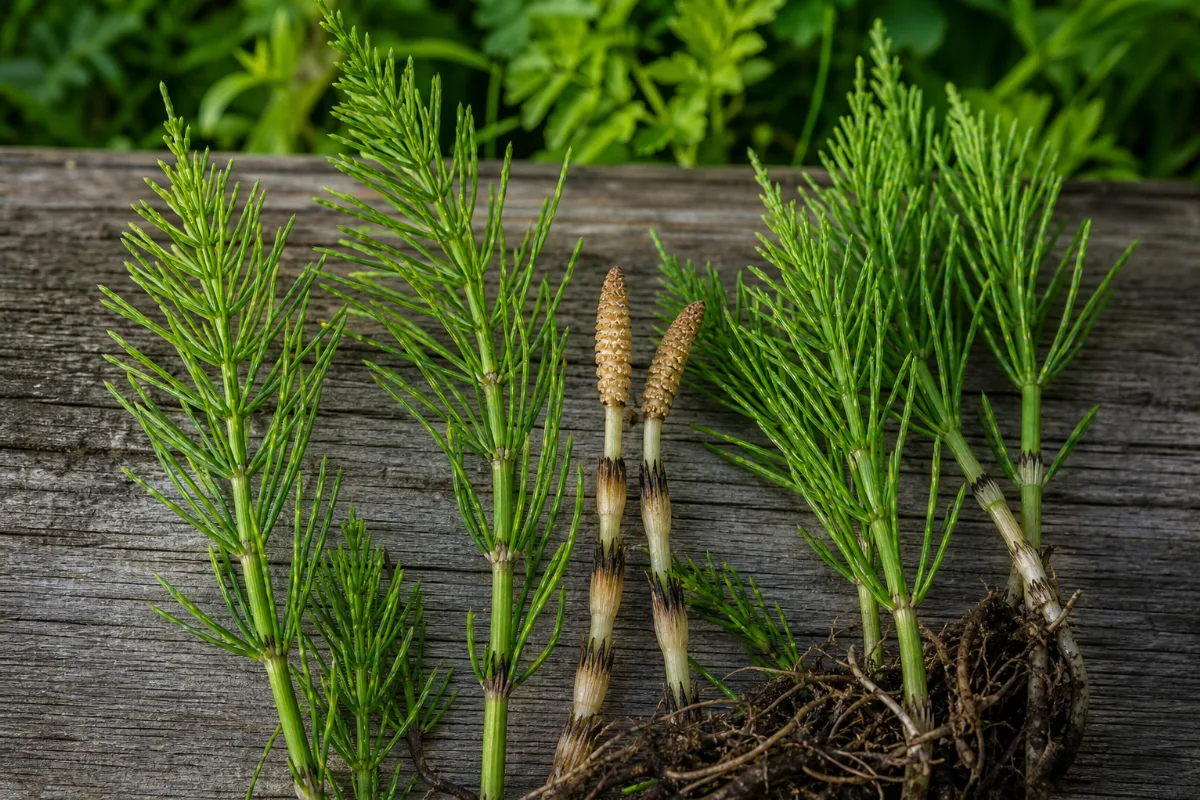
Horsetail (Equisetum arvense) is used for urine flow, wounds and hair or nail claims. What EU assessments and trials show, plus thiaminase, nicotine, look-alike species and medicine cautions.
Traditional use to increase urine flow
Diuretic effect in healthy men (one small trial)
Skin use for superficial wounds and pain after childbirth
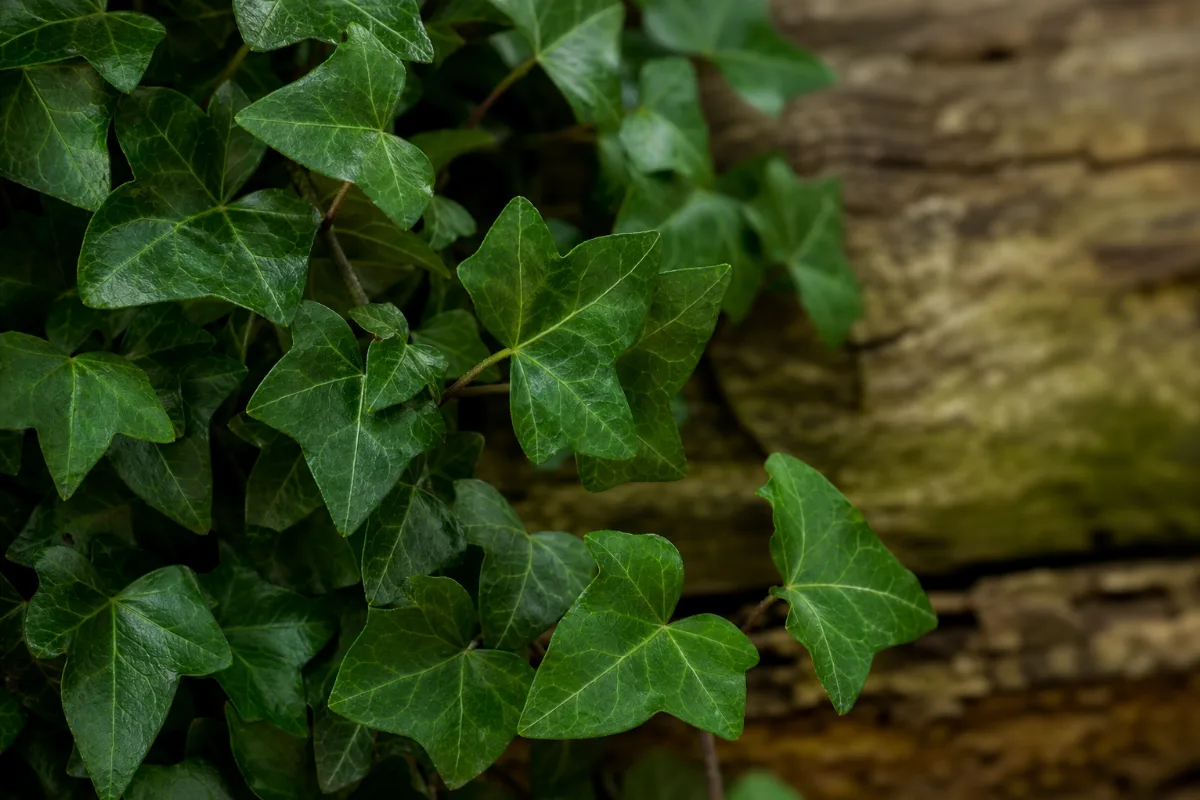
Ivy leaf (Hedera helix) extract for chesty cough: the EU well-established use, systematic reviews that call the benefit minimal, and allergy, age and stomach cautions.
Expectorant for productive (chesty) cough
Acute cough in upper respiratory infection or bronchitis
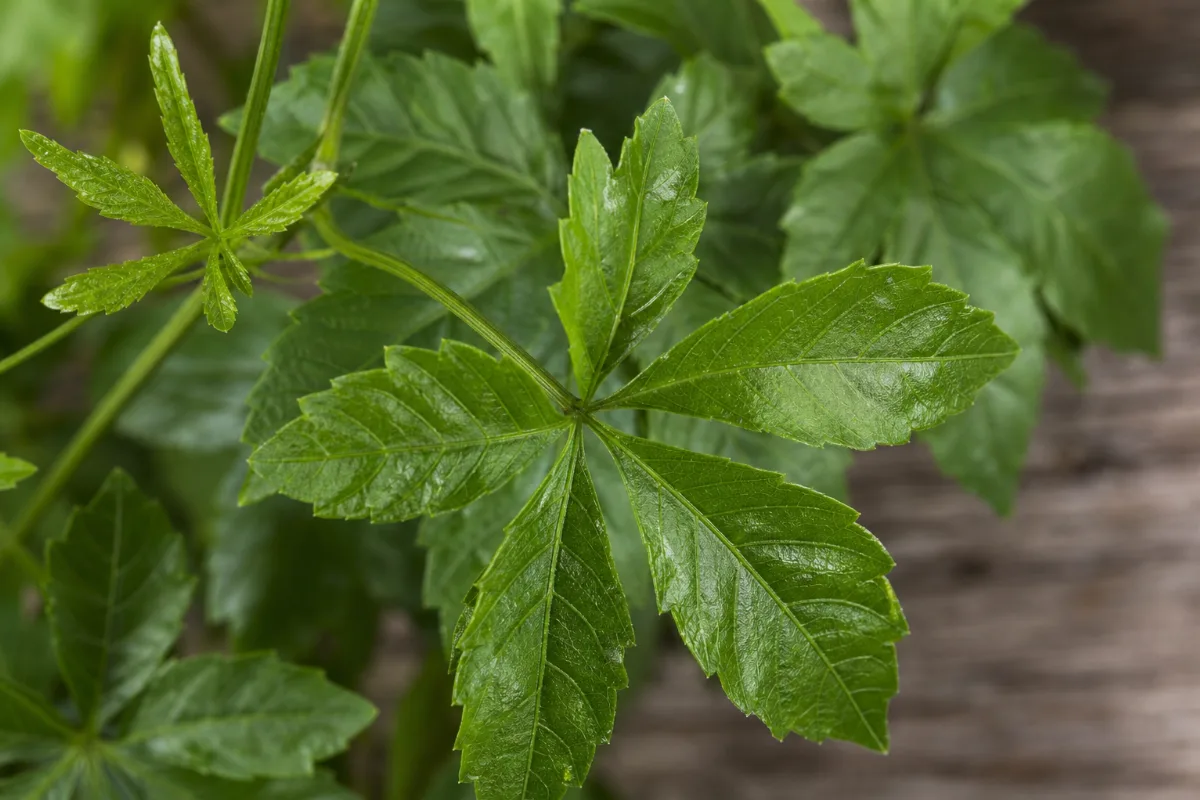
Jiaogulan (Gynostemma pentaphyllum) is a Chinese vine used as tea and extract; this guide covers small human trials, a platelet case report, and unanswered safety questions.
Stress-related anxiety
Fatigue and exercise performance
Blood lipids
Traditional use (diabetes, liver fibrosis, high blood pressure, high lipids)
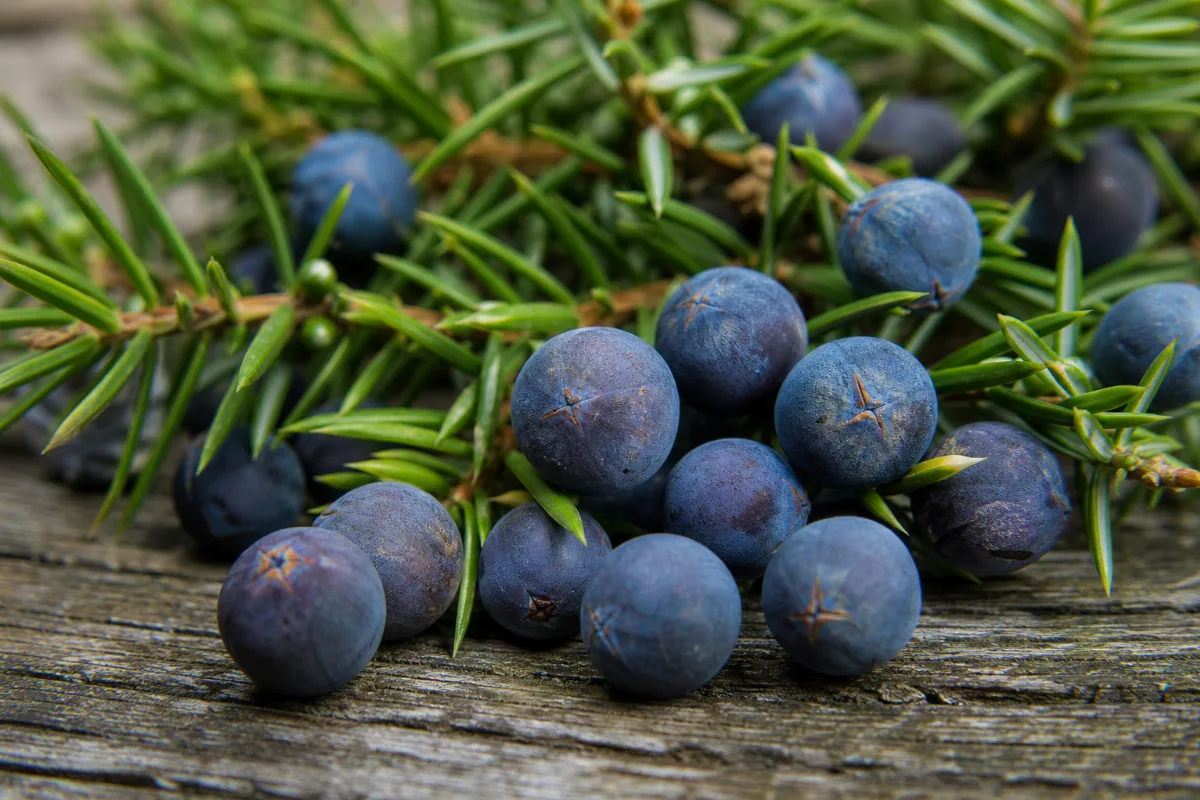
Juniper berry (Juniperus communis): the 2023 EU traditional-use monograph for urinary flushing and digestion, with kidney, fluid, pregnancy and children cautions.
Traditional use to increase urine (urinary flushing)
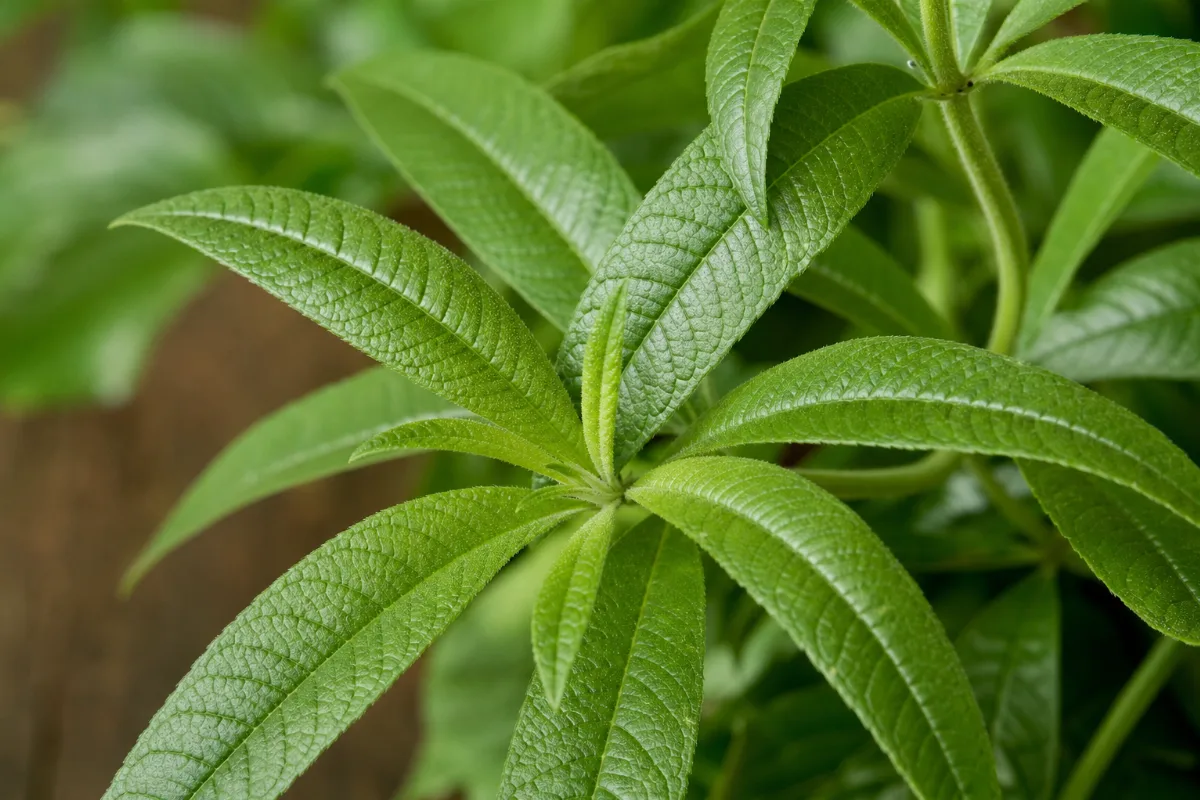
Lemon verbena (Aloysia citrodora) as a tea and extract: small trials on stress, sleep, muscle recovery and blood pressure, their company links, and what is not known about safety.
Stress and sleep quality (one trial)
Blood pressure, weight and cholesterol (pooled small trials)
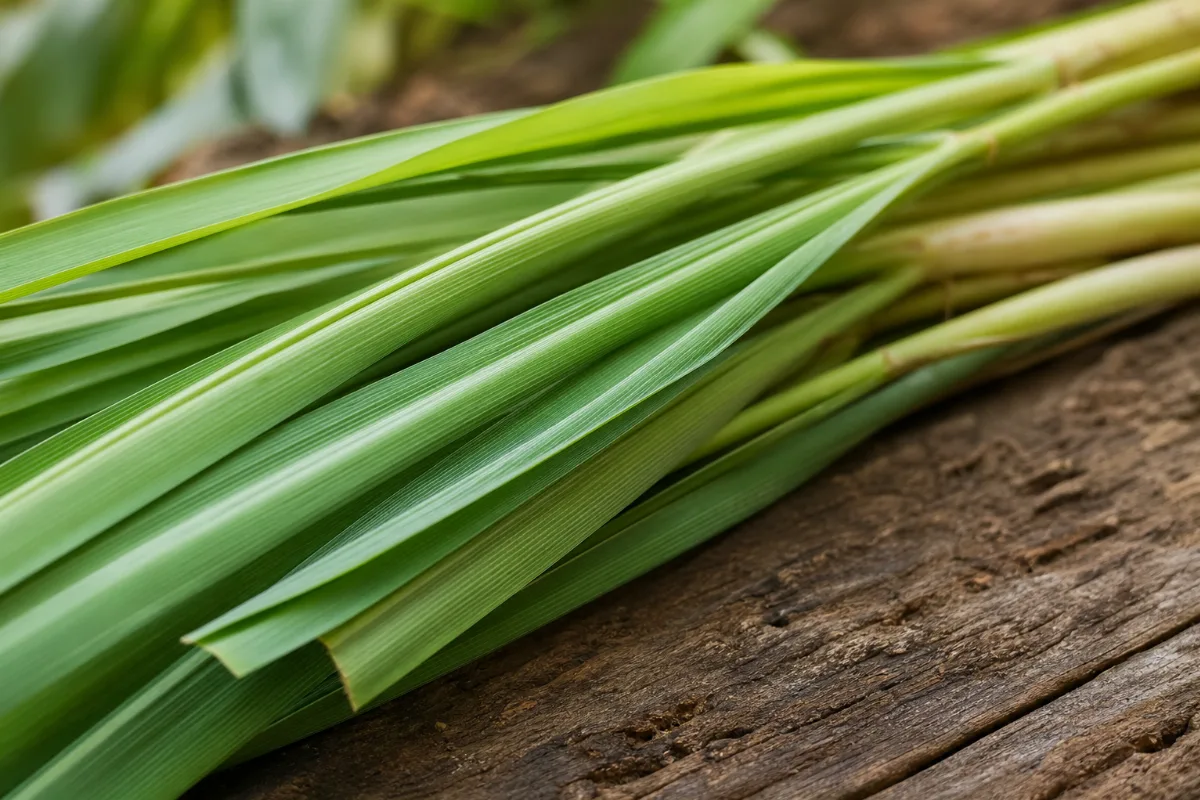
Lemongrass (Cymbopogon citratus) in cooking, tea and aromatherapy: what small trials show, one trial of tea and kidney function, and cautions for pregnancy, kidney disease and allergy.
Aroma and short-lived anxiety
Oral thrush
Gum disease, oral malodour and skin fungal conditions (essential oil)
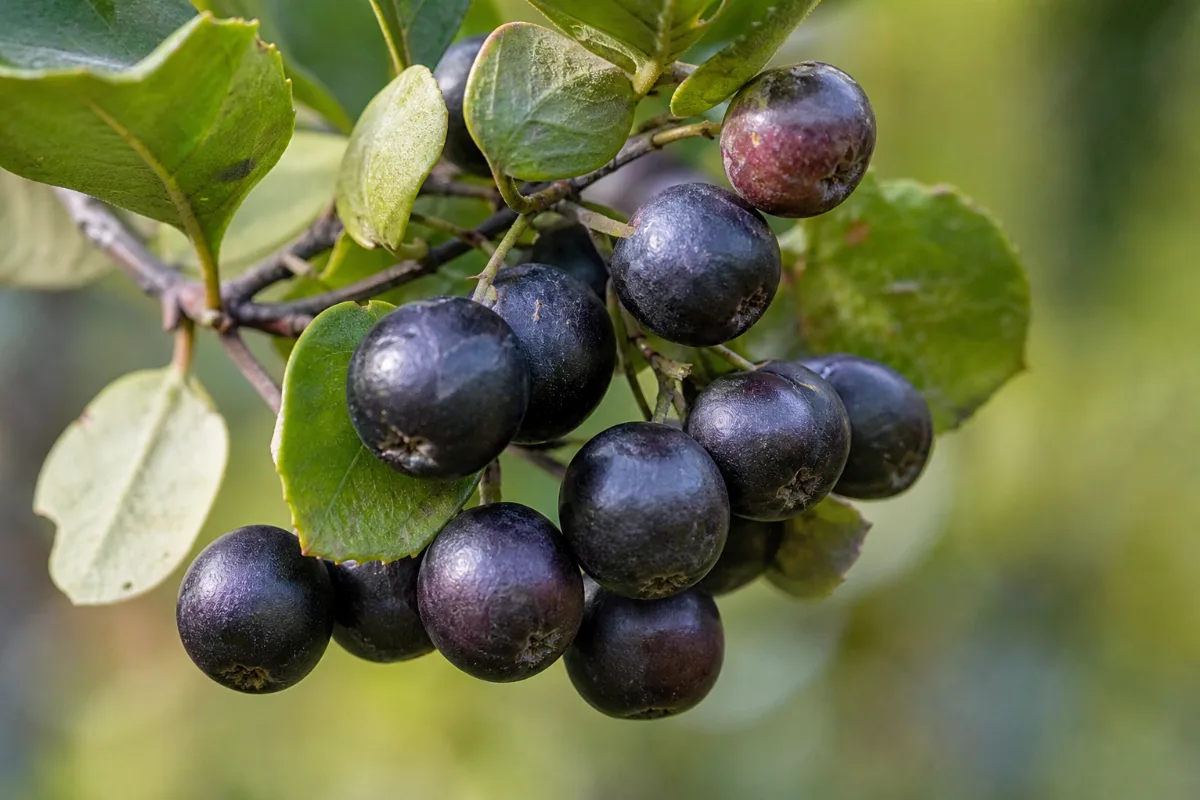
Maqui berry (Aristotelia chilensis): what the fruit is, what a 2026 review of 12 human trials found for blood sugar, dry eye and other uses, and what is unknown about safety.
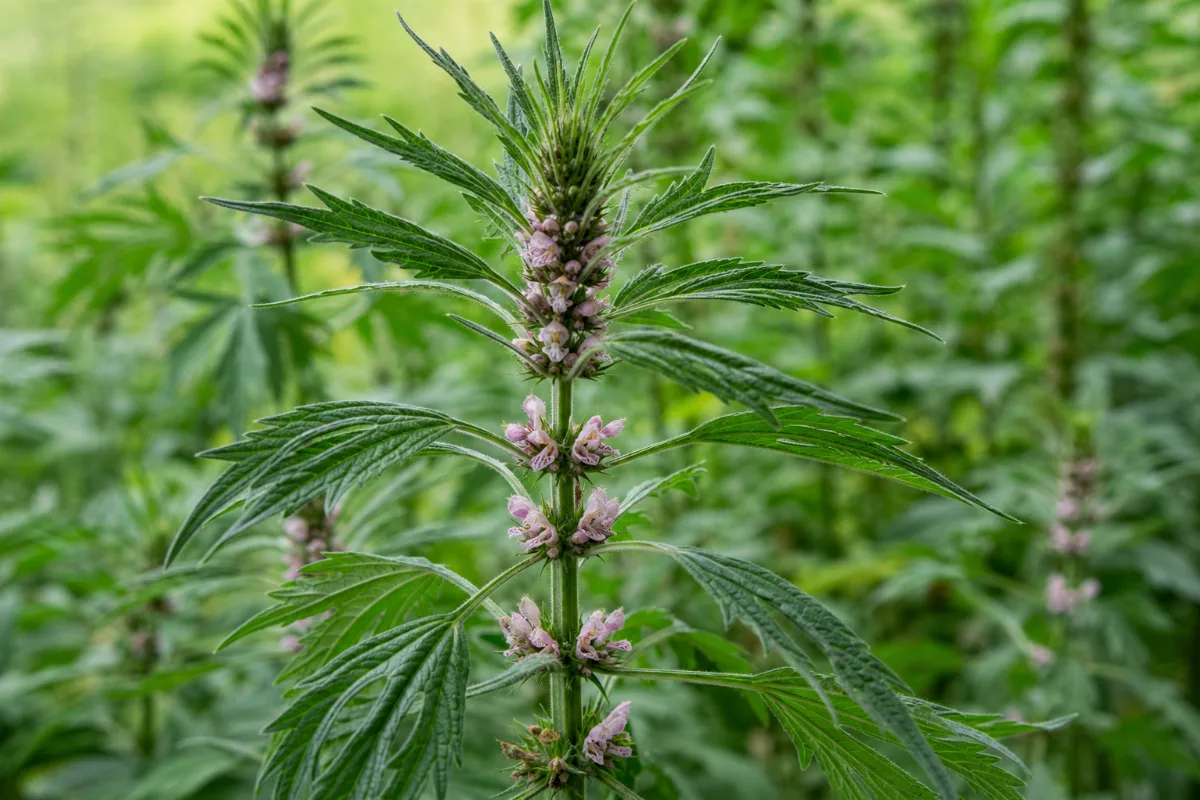
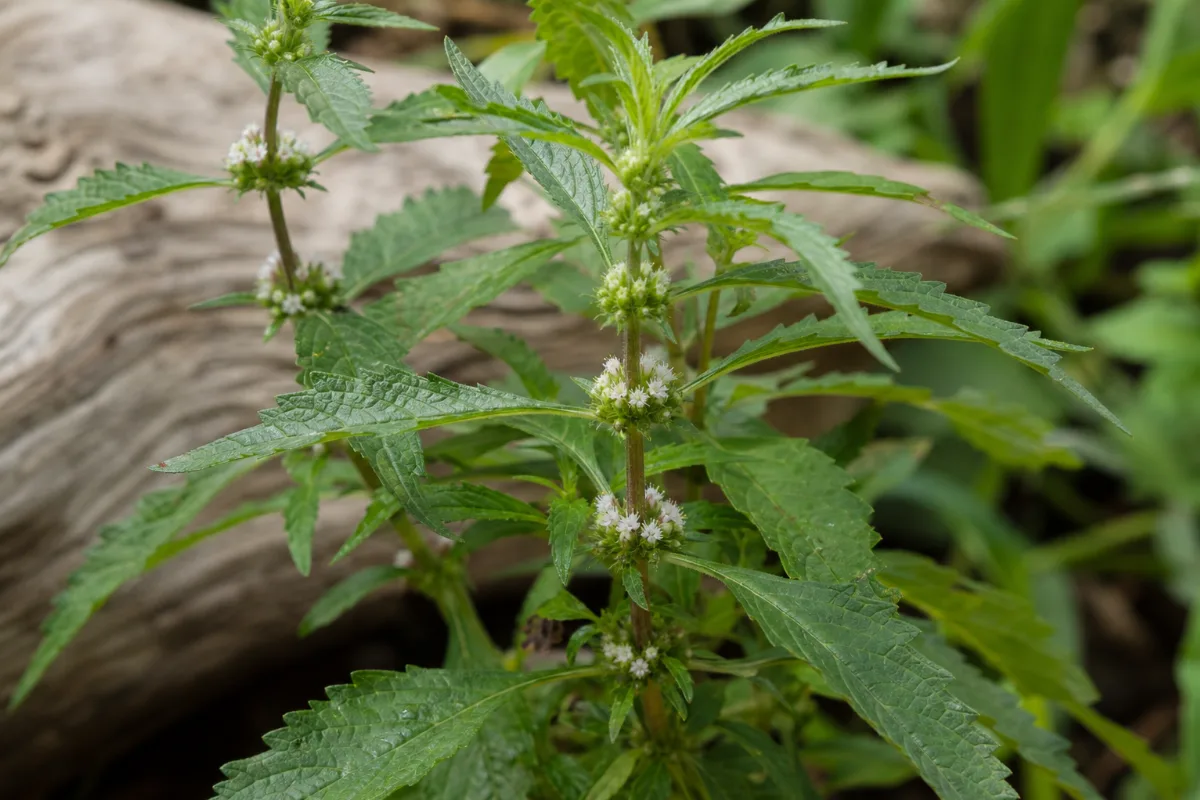
Motherwort (Leonurus cardiaca) for nervous tension and heart-related nervousness: the European traditional-use statement, one small trial, and the pregnancy contraindication.
Traditional use for nervous tension
Traditional use for nervous heart complaints (palpitations)
Small uncontrolled study: anxiety, sleep and blood pressure
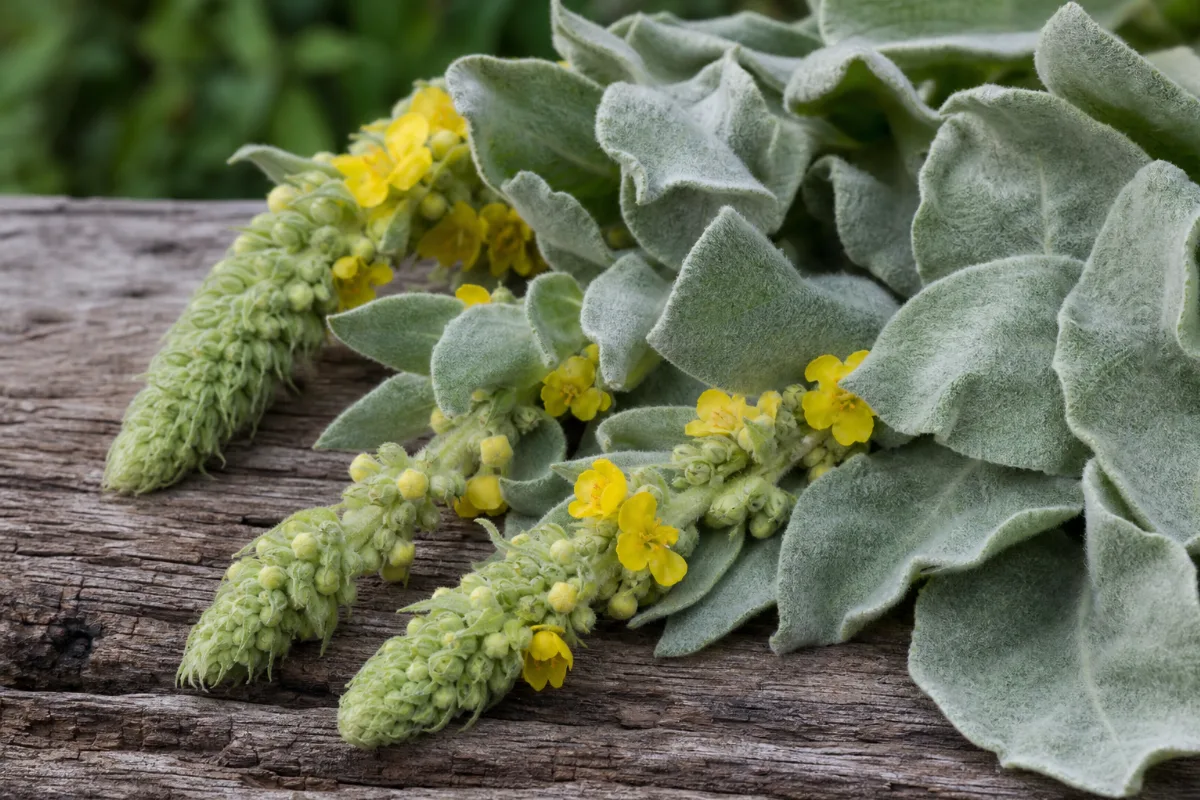
Mullein (Verbascum thapsus): what traditional use and EU herbal assessments say, why human evidence for coughs is thin, and the safety points for pregnancy, children and medicines.
Traditional use for sore throat with dry cough and cold
Traditional use for lung, skin and throat complaints
Ear pain (multi-herb ear drops in children)
Wound healing after childbirth (episiotomy), topical cream
Neem (Azadirachta indica): why swallowing neem oil has caused severe poisoning in children and adults, what research shows for mouth rinses and skin, and Ayurvedic background.
Oregon grape (Mahonia aquifolium): what reviews and trials found for psoriasis creams, its berberine content, and cautions for medicines, pregnancy and newborns.
Notoginseng (sanqi, Panax notoginseng) is a Chinese root used for bruising and bleeding. What trials of hospital preparations show, and why blood thinner cautions matter.
Traditional use for swelling, pain and bleeding
Added to standard care after a heart attack (injection)
Added to standard care for bleeding in the brain (injection)
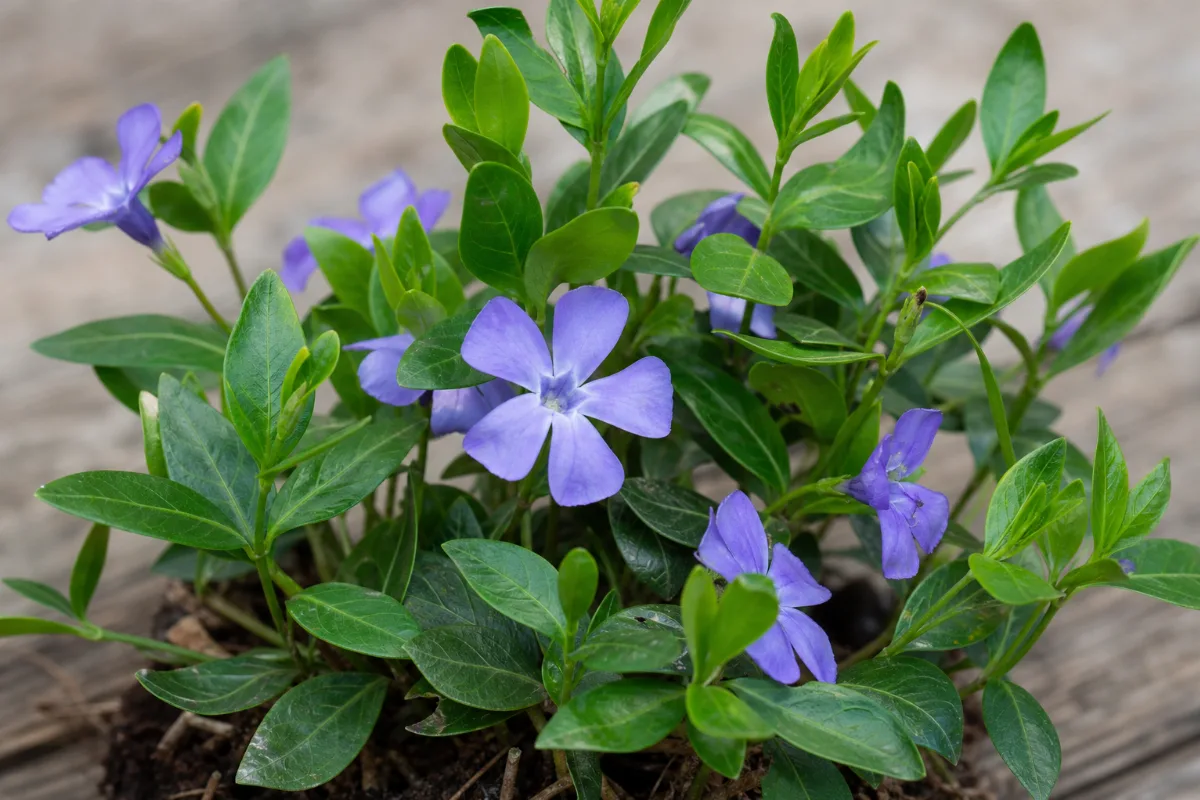
Lesser periwinkle (Vinca minor) and vinpocetine, the lab-made compound sold as a memory supplement: what FDA, Cochrane and other sources say about evidence and pregnancy.
Memory and thinking in dementia
Recovery after acute ischemic stroke
Blood flow and blood thickness
Anti-inflammatory and antioxidant effects in animals
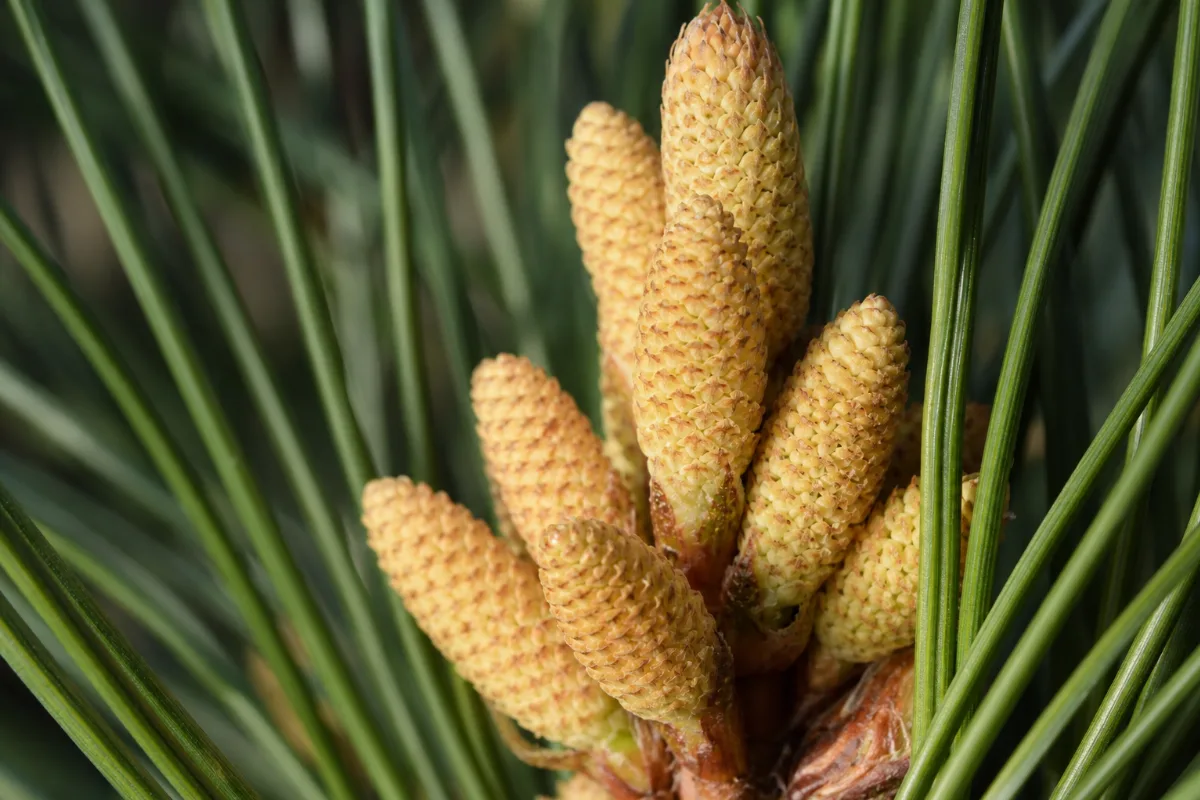
Pine pollen, collected from Pinus trees, is sold for energy and testosterone. We found no human trials, only animal and cell studies, plus allergy reports to check.
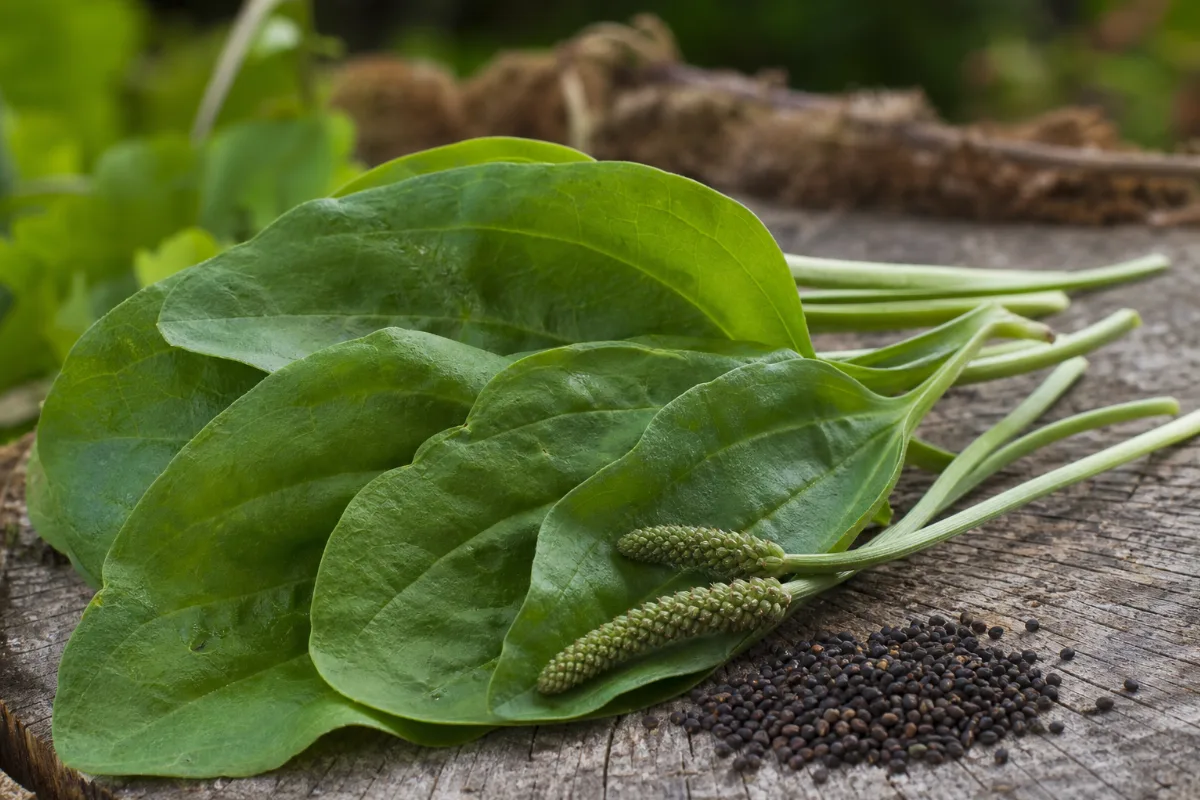
Plantain leaf (Plantago major): what this common leaf is, how it differs from psyllium and the cooking fruit, and what trials, animal studies and EU monographs say about wounds and cough.
Topical gel in diabetic foot and pressure ulcers
Aloe and plantain combination gel for diabetic foot ulcer
Wound healing in animal studies
Cough, asthma and bronchitis (traditional and experimental)
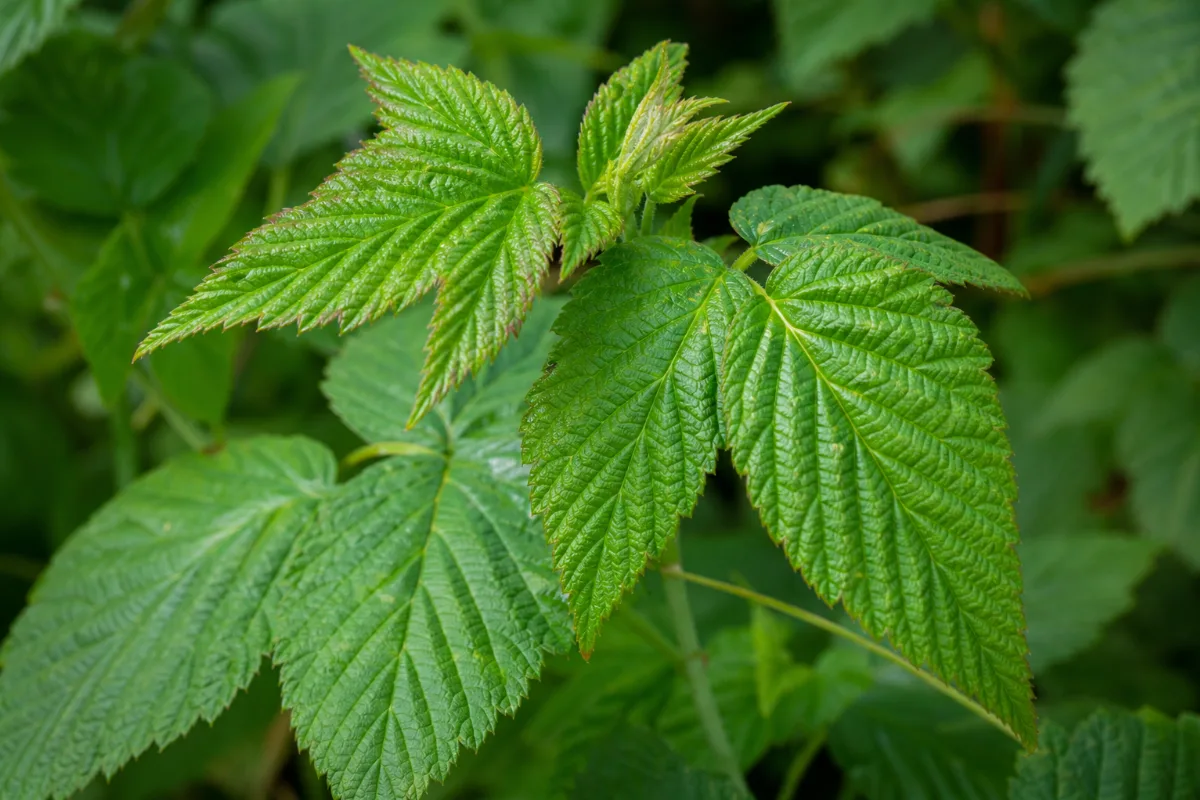
Red raspberry leaf (Rubus idaeus) is widely used in pregnancy. What the labor trials and reviews found, what is not known about safety, and why to tell your midwife.
Red clover (Trifolium pratense) isoflavone extracts for menopause symptoms: what NIH and a meta-analysis found, plus cautions on blood thinners, hormone-sensitive cancers and pregnancy.
Rhaponticum (maral root, Russian leuzea) is a Soviet-era adaptogen herb; this guide covers its ecdysteroids, the very limited human evidence and sports-supplement label problems.
Traditional adaptogen use
Ecdysteroids and muscle gain (ecdysterone products)
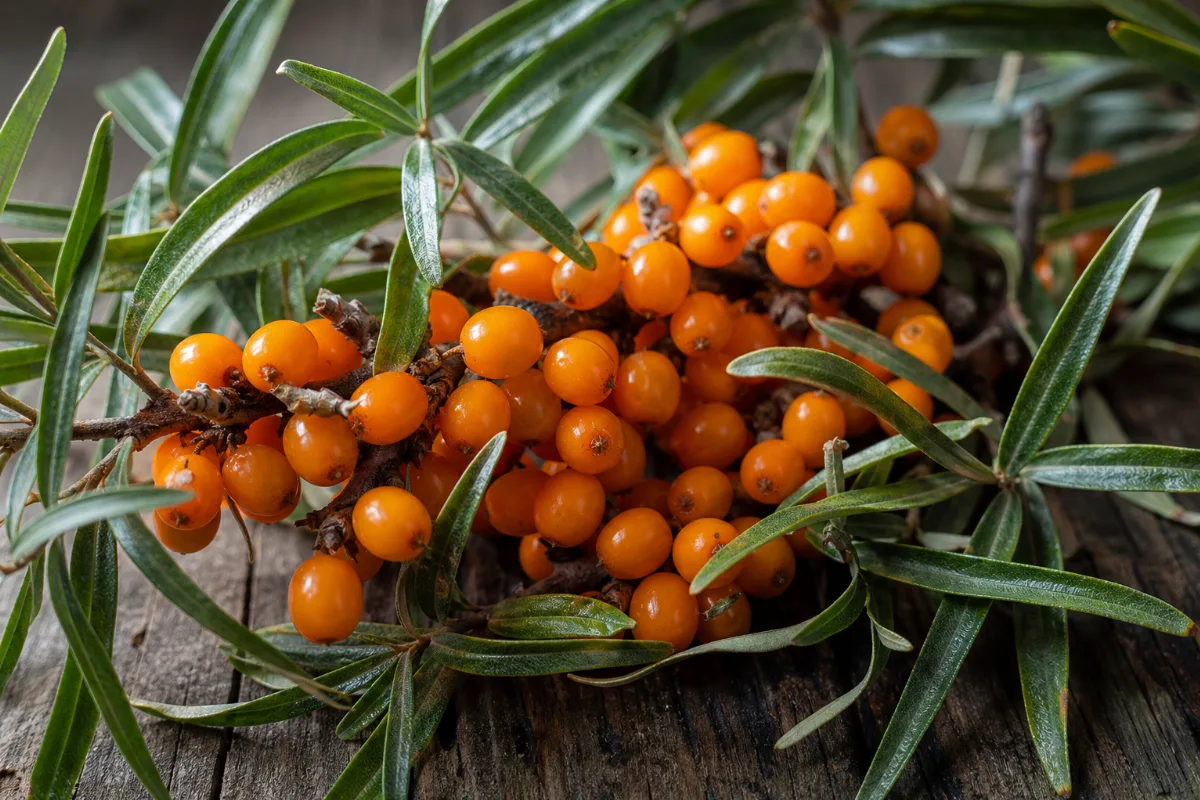
Sea buckthorn (Hippophae rhamnoides): what small trials found for cholesterol, vaginal dryness, dry eye and burns, how oil and cream studies differ, and what safety data we could not find.
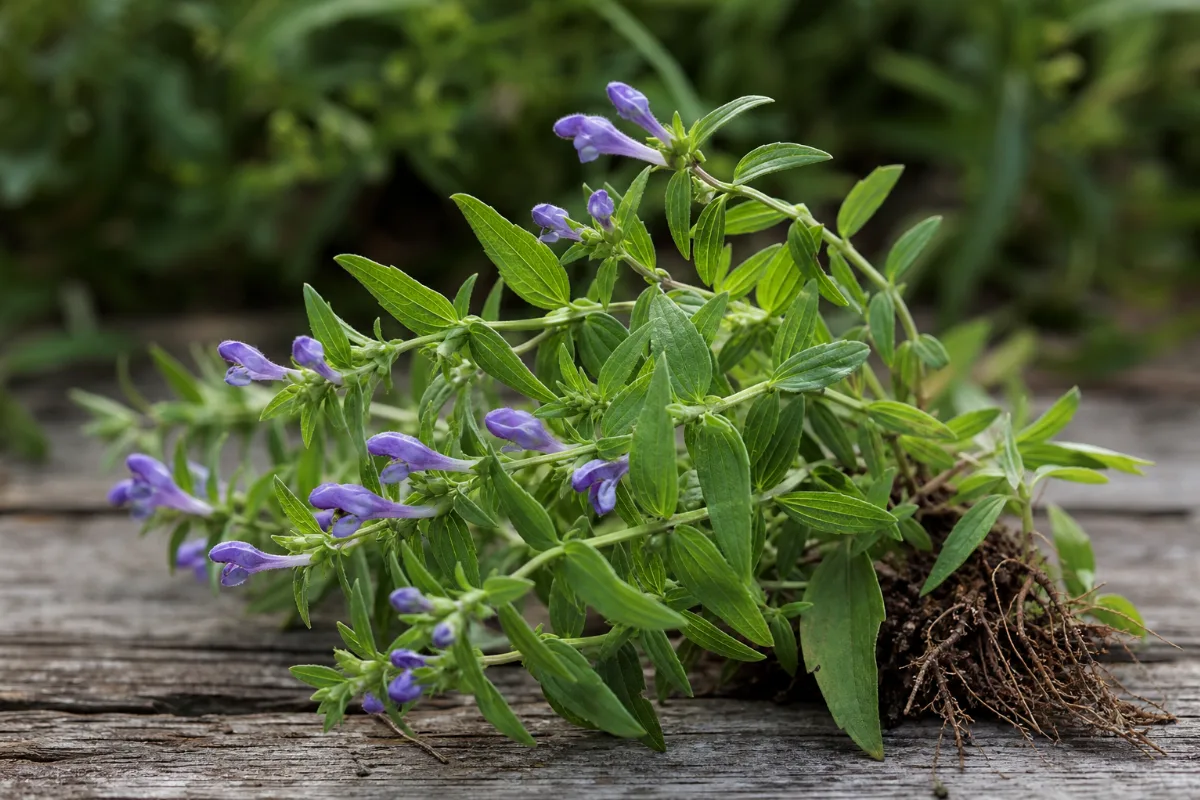
Skullcap (Scutellaria lateriflora): small studies on mood and sleep, documented liver injury cases and germander adulteration, and why Chinese skullcap is a different plant.
Traditional use for stress, anxiety and sleep
Mood in healthy adults (small crossover trial)
Sleep in mild to moderate primary insomnia (one trial)
Spearmint (Mentha spicata): what two small tea trials found for hormone levels in women with excess hair growth, what is unknown, and how it differs from peppermint.
Androgen (male-type hormone) levels in women with hirsutism
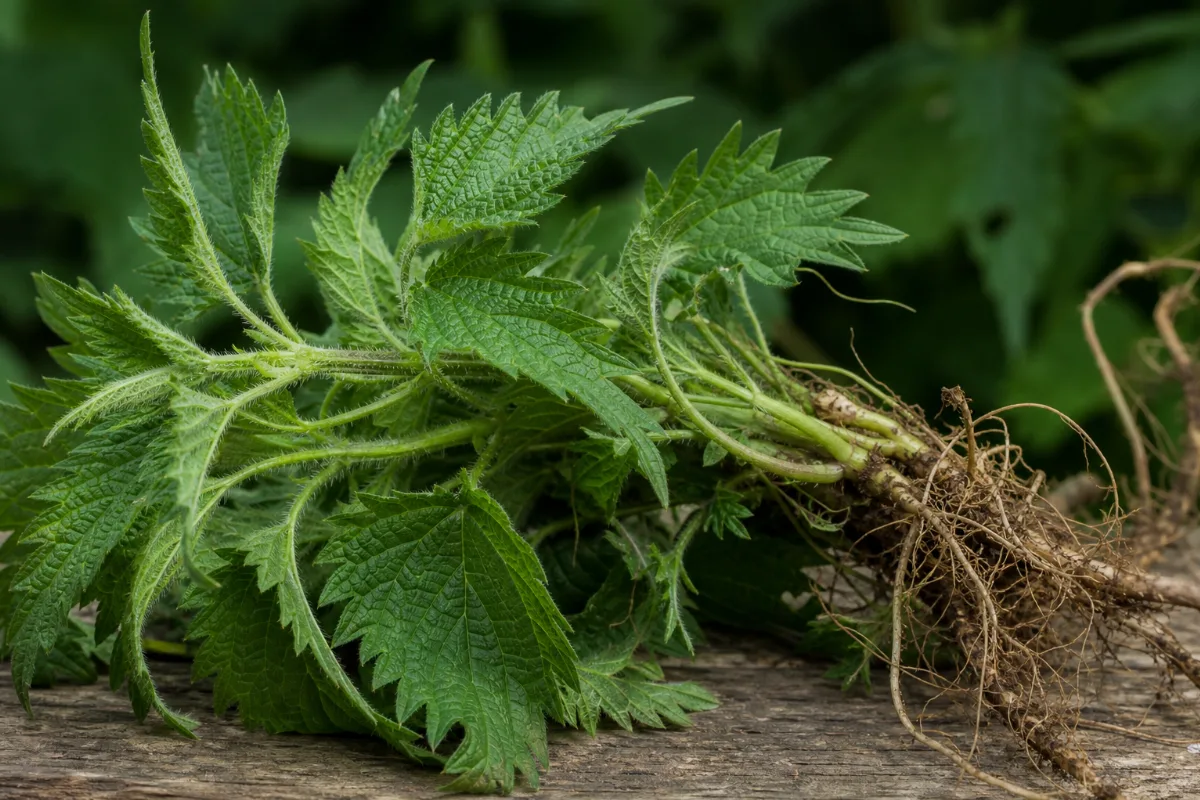
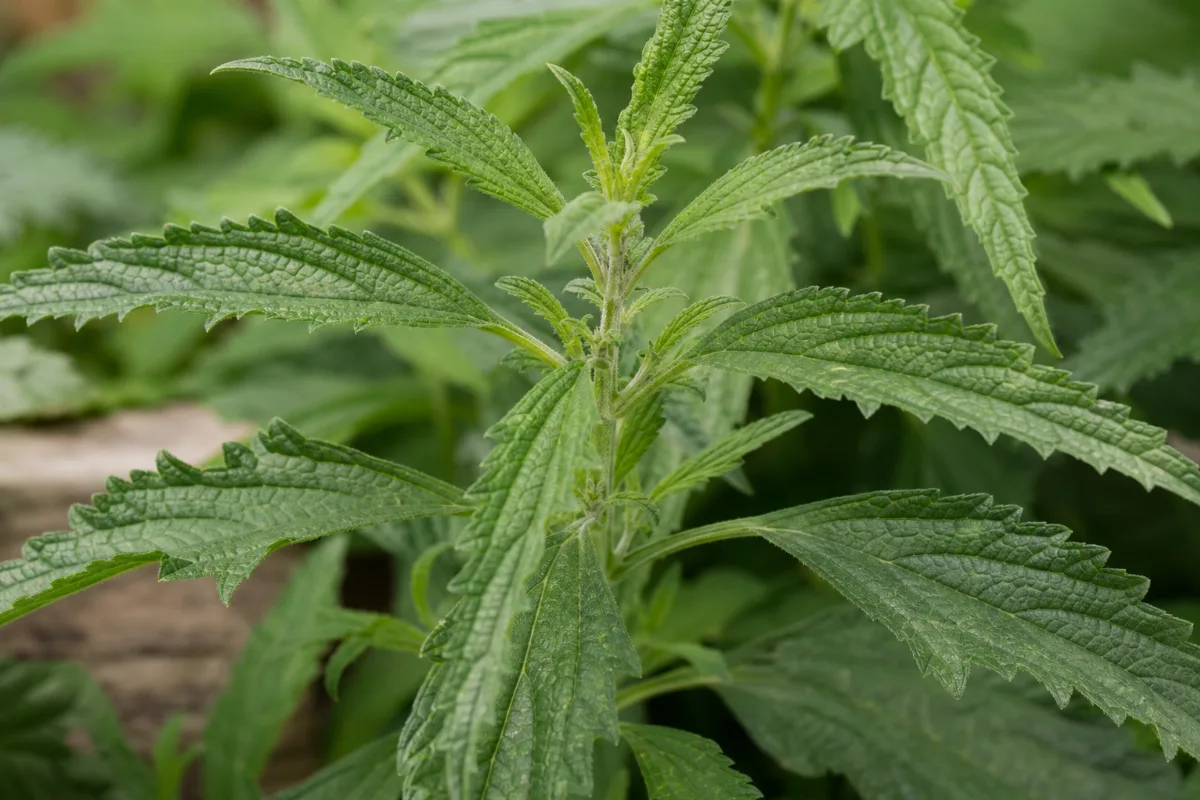
Stinging nettle (Urtica dioica) leaf and root: what research and EU and NIH sources say about prostate symptoms, allergies and blood sugar, and the cautions for medicines and pregnancy.
Tongkat ali (Eurycoma longifolia) is a Southeast Asian root sold for testosterone and vitality. What small trials found, what is unproven, and old reports of metal contamination.
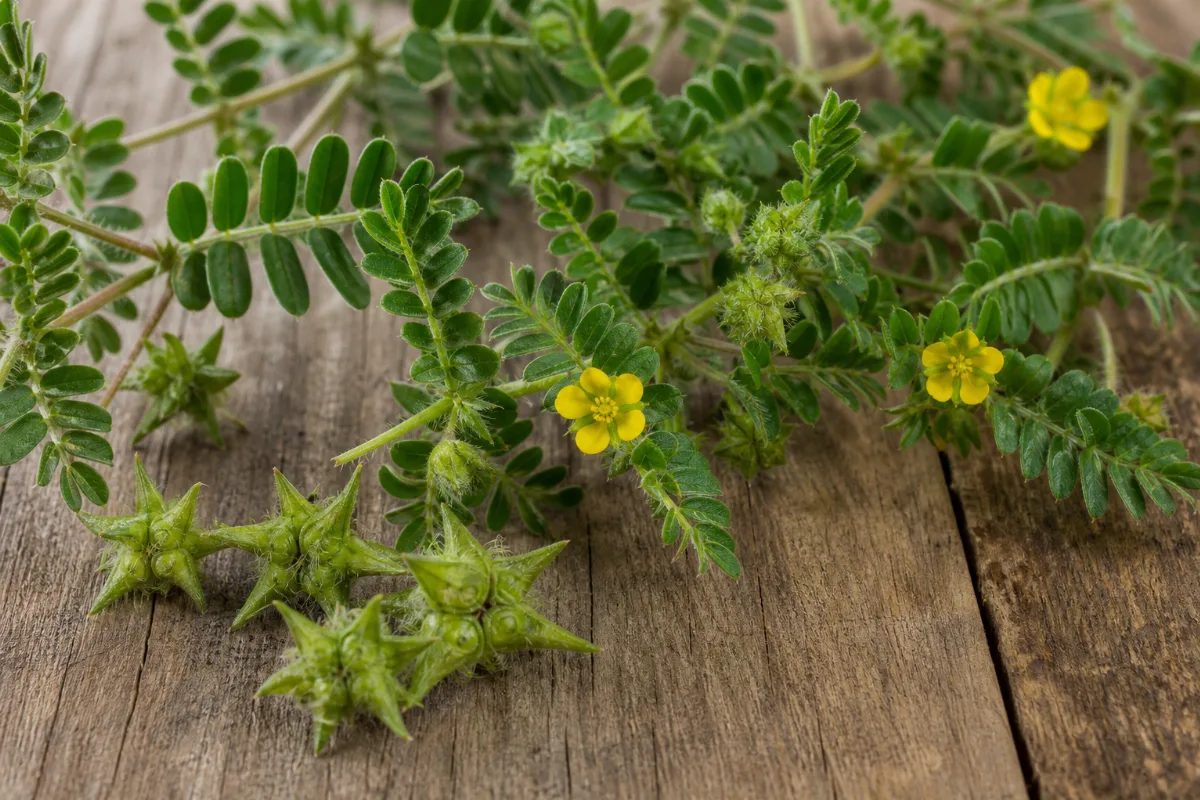
Tribulus (Tribulus terrestris) is marketed to raise testosterone. What systematic reviews found for testosterone and erectile function, a kidney and liver case report, and doping-test studies.
Uva ursi (bearberry leaf, Arctostaphylos uva-ursi): the EU traditional-use monograph, its limits on kidney disease, men, children and pregnancy, and the lack of trials we could read.
Traditional use for mild recurrent lower urinary symptoms in women
Preparations standardised to arbutin-type compounds
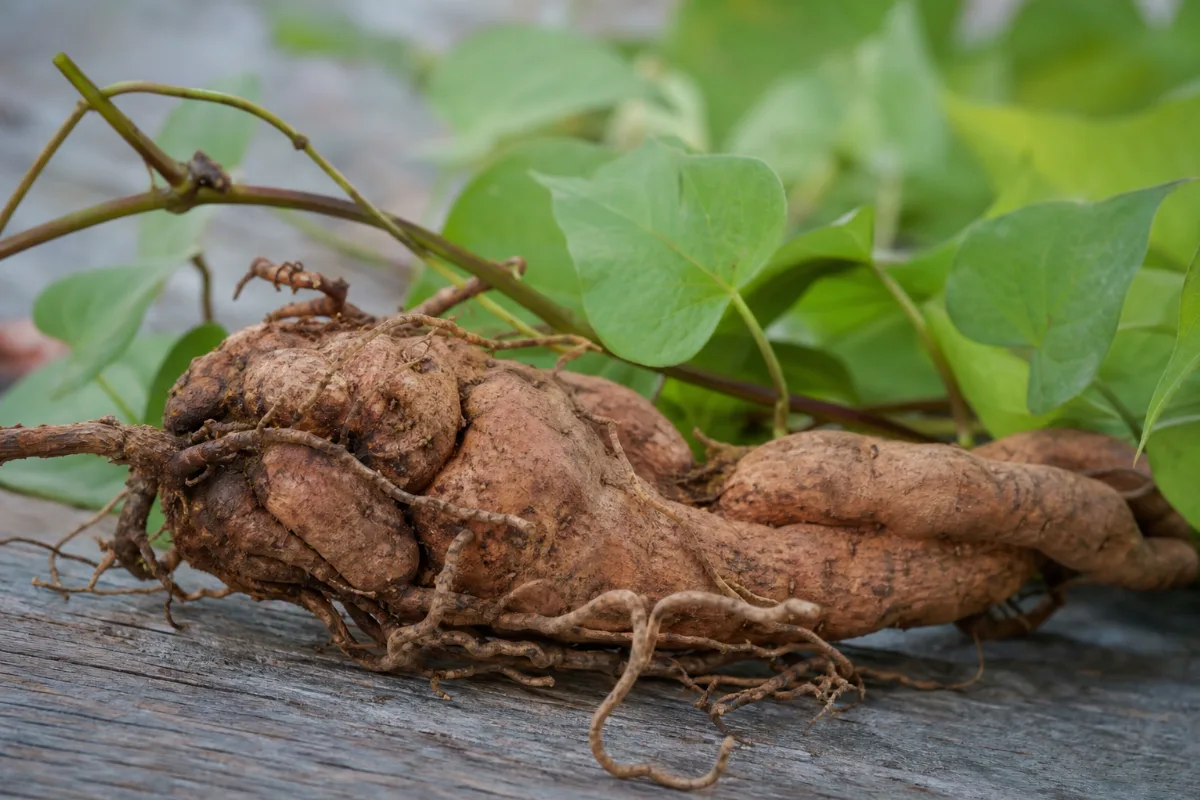
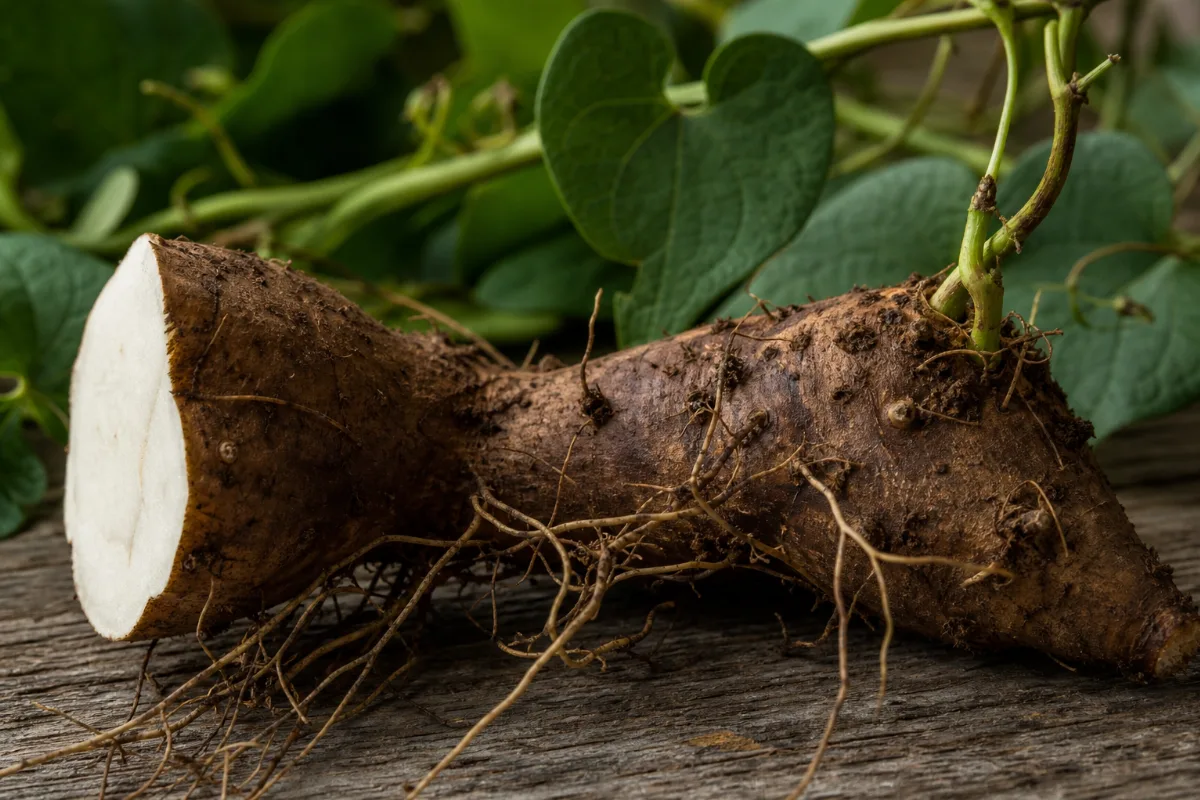
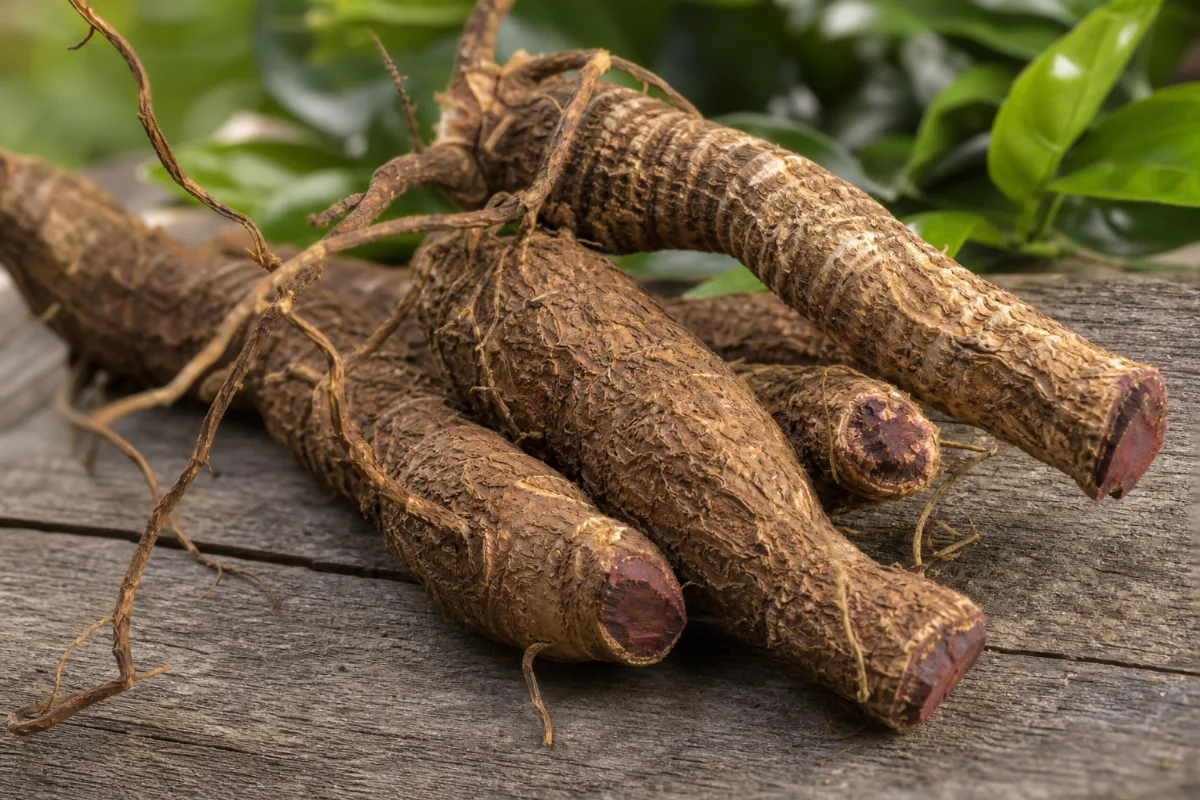
Wild yam (Dioscorea villosa) is sold as a "natural progesterone" cream or supplement. What the sources say about hormones, menopause trials and safety, and what they do not.
Traditional use for menopausal symptoms
Hormone levels (progesterone claim)
Weak plant-estrogen activity (lab)
Traditional use for spasm, stomach and joint complaints
Witch hazel (Hamamelis virginiana): how the distilled water differs from bark and leaf products, what EU and US rules say about skin and hemorrhoid use, and the allergy and oral cautions.
Minor skin inflammation and dry skin (traditional use)
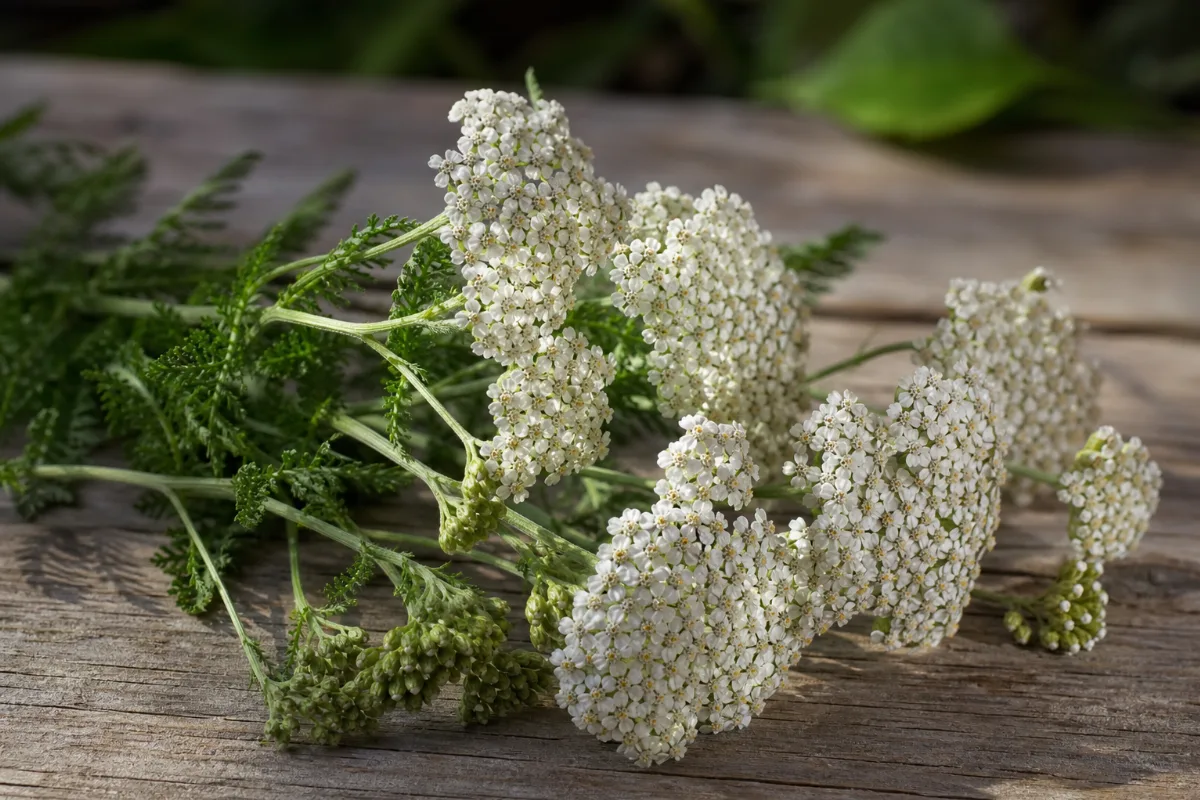
Yarrow (Achillea millefolium): what the EU says about its traditional uses for appetite, cramps and small wounds, why daisy-family allergy matters, and cautions for pregnancy and children.
Traditional use for loss of appetite
Traditional use for mild digestive cramps and bloating
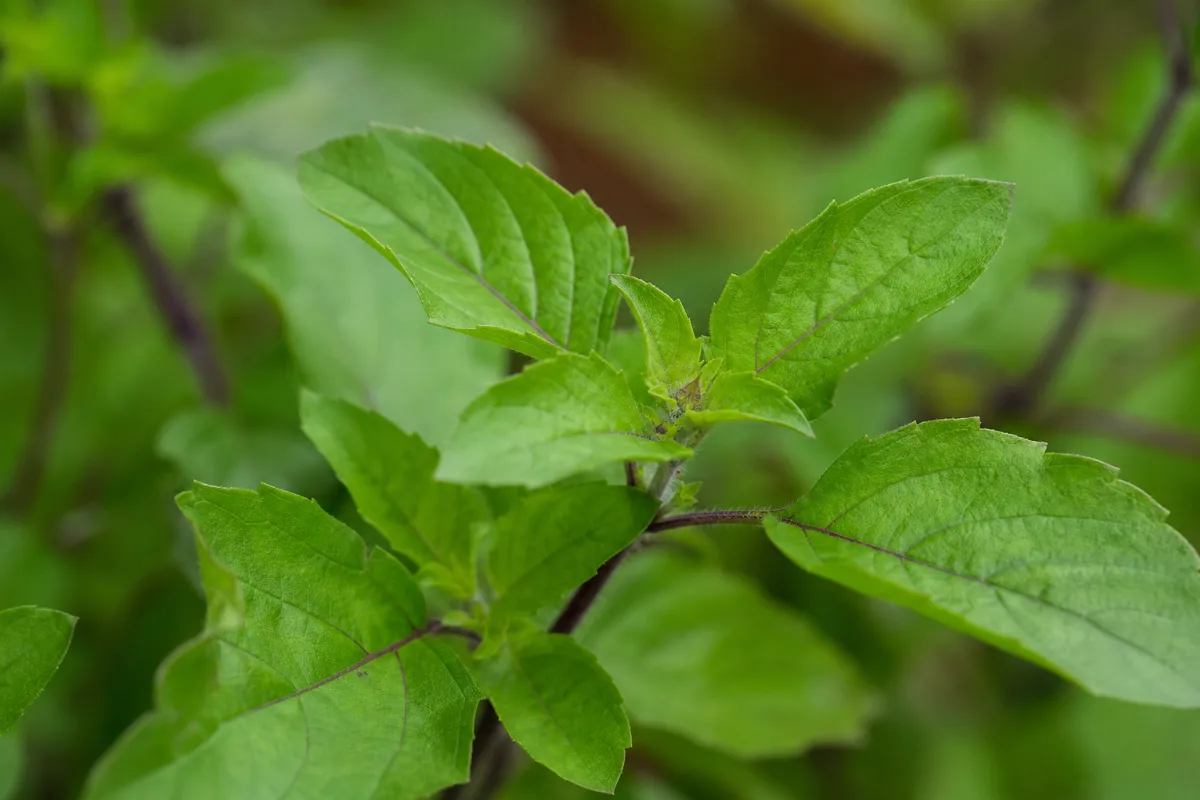
What holy basil or tulsi (Ocimum tenuiflorum) is, how it differs from sweet basil, what small trials found for stress and blood sugar, and the safety gaps that remain.
Berberine from Berberis, Coptis and goldenseal plants: what trials found for blood sugar and cholesterol, why newborns and many medicines are a concern, and what is unproven.
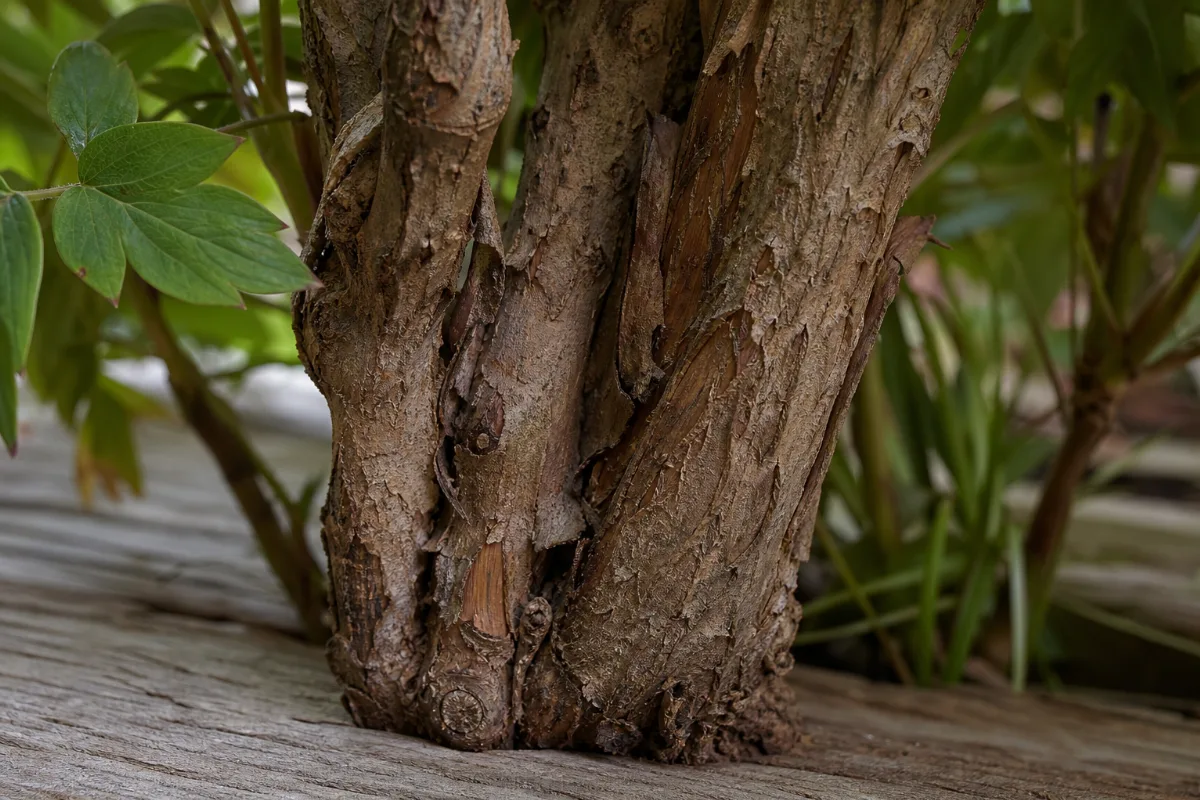
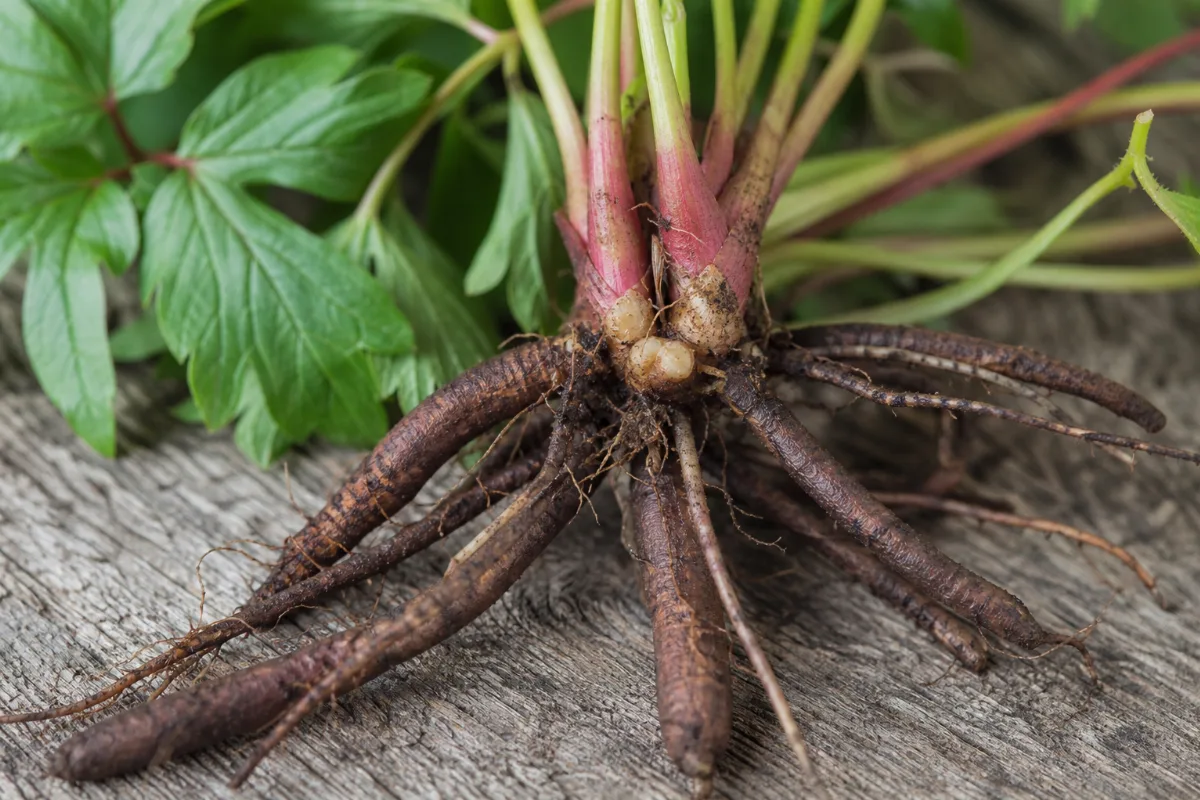
White peony root (Paeonia lactiflora, Bai shao): what European regulators and trial reviews found, why there is no EU monograph, and pregnancy and medicine cautions.
Add-on treatment in lupus (SLE)
Fewer side effects of rheumatoid arthritis drugs
No recognised medical use of the root in Europe
Traditional use for periods, pain, spasm and sweating
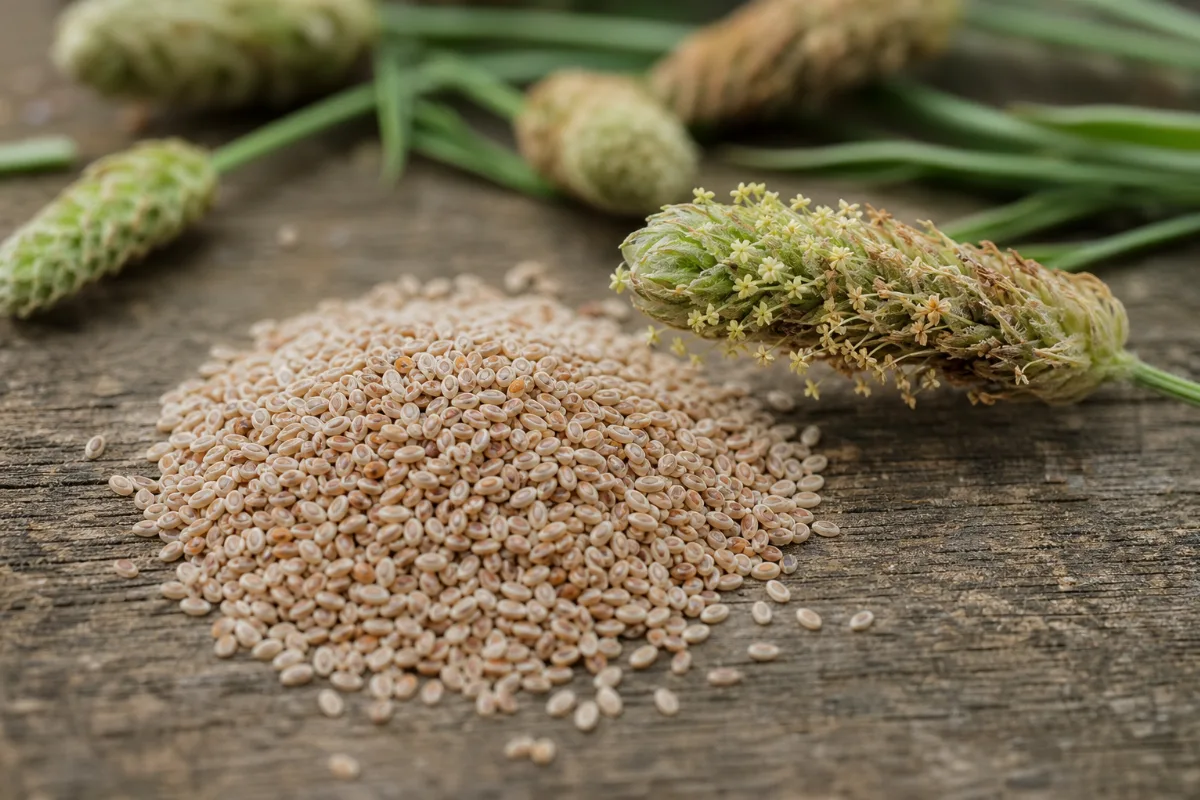
Psyllium seed husk (Plantago ovata): what trials and EU regulators say about constipation, IBS and cholesterol, plus choking, allergy, medicine-timing and pregnancy cautions.
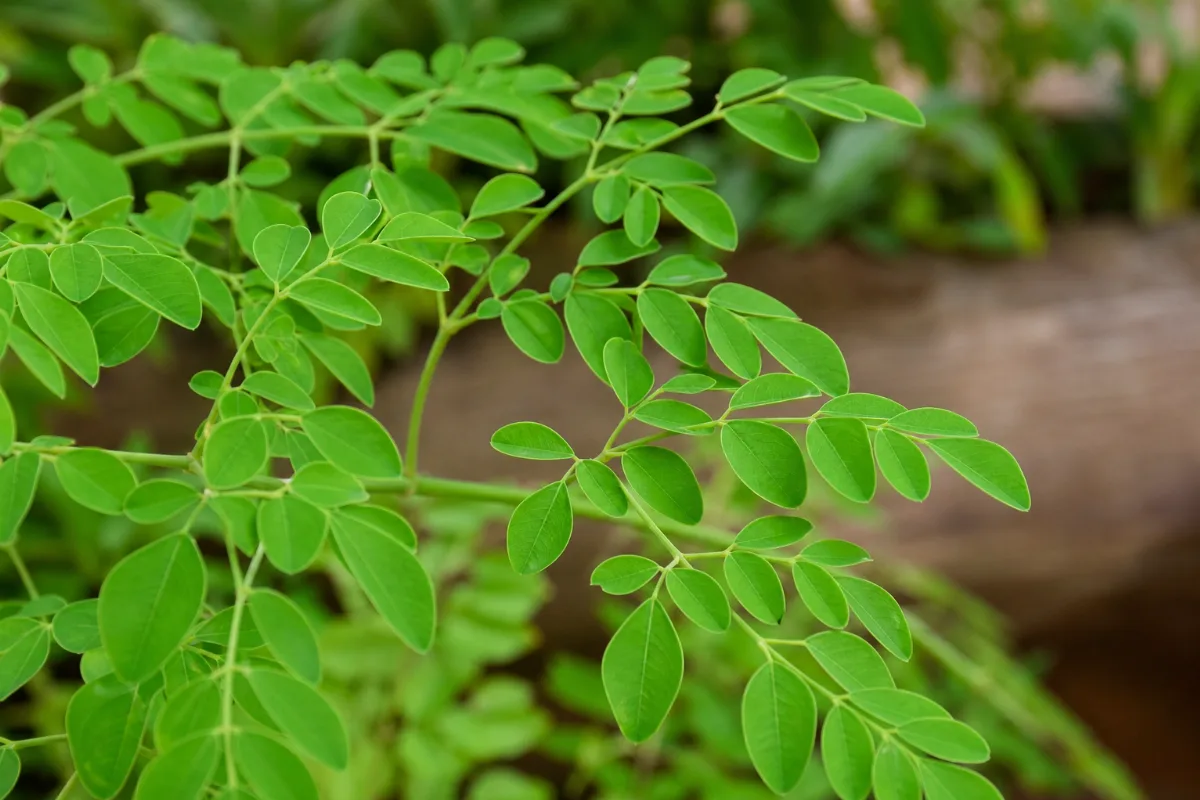
Moringa leaf (Moringa oleifera): what small human trials and reviews found on blood sugar, blood pressure and breast milk, plus pregnancy, medicine and allergy cautions.
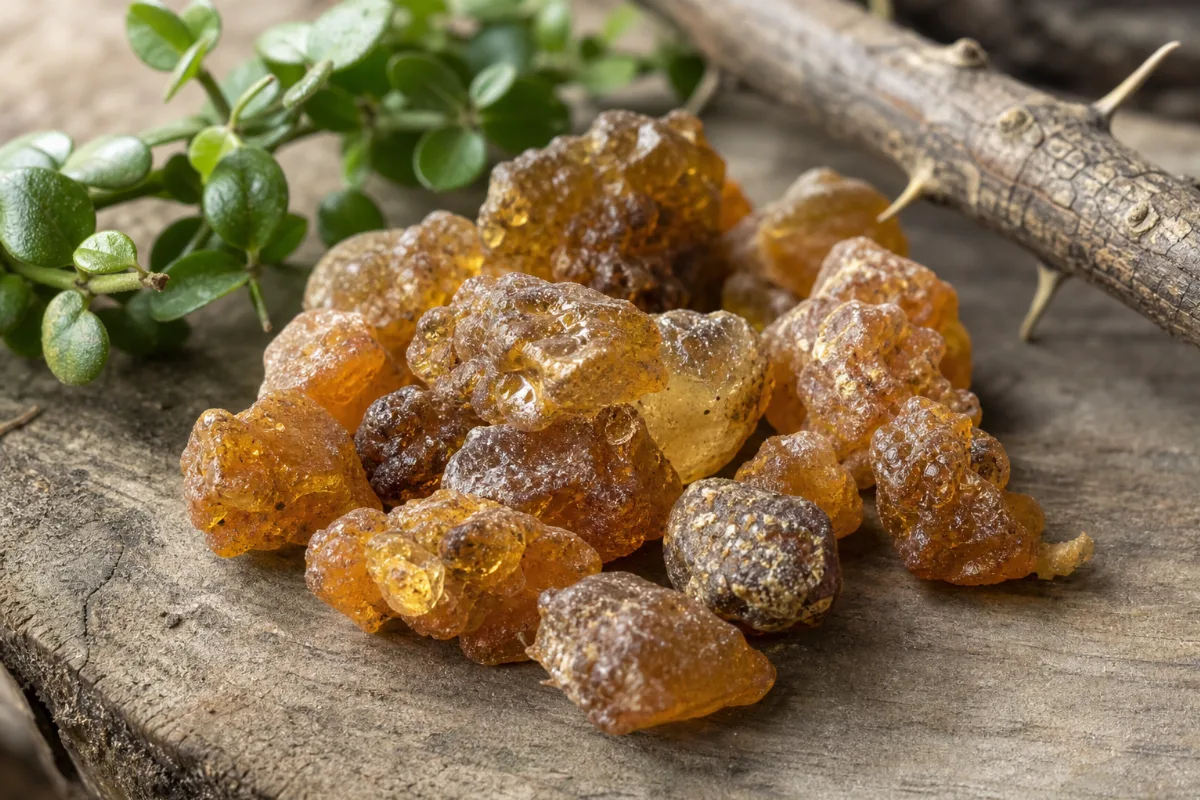
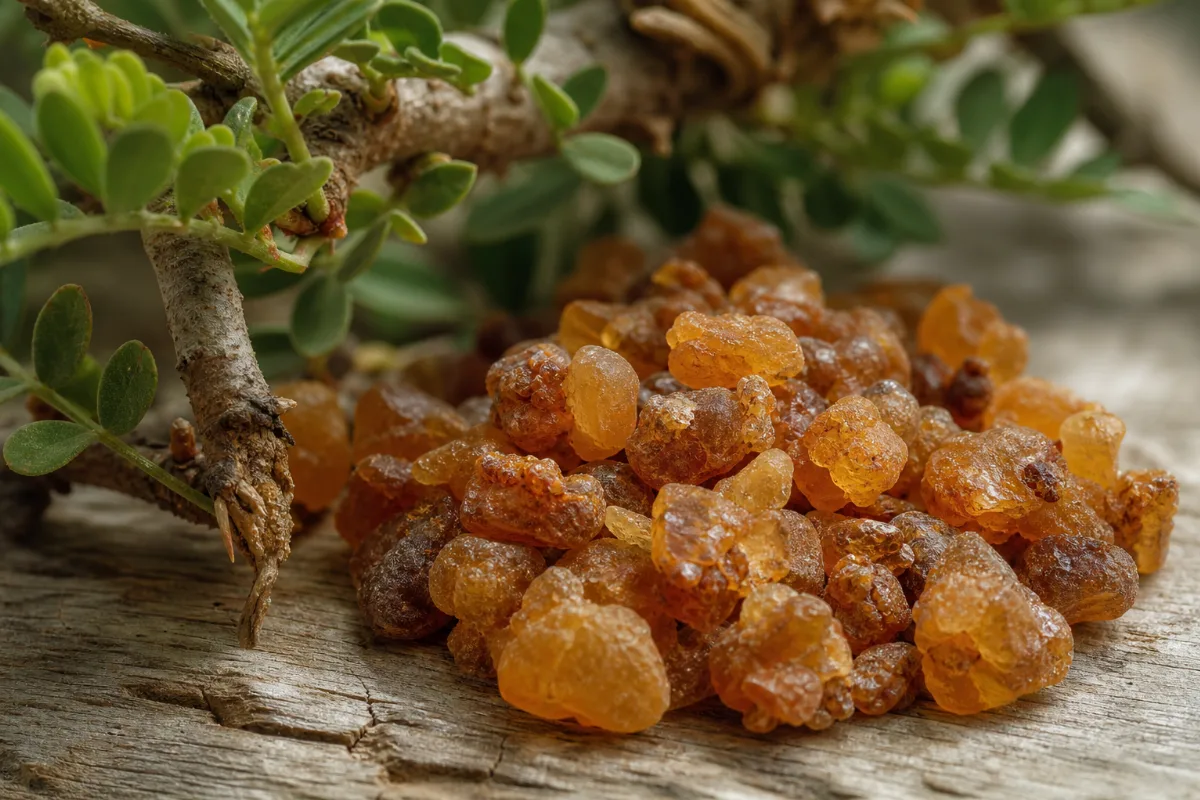
Myrrh resin (Commiphora myrrha): what the EU says about mouth and skin use, what small trials found, and warfarin, pregnancy, allergy and quality cautions.
Minor mouth ulcers and gum inflammation (tincture)
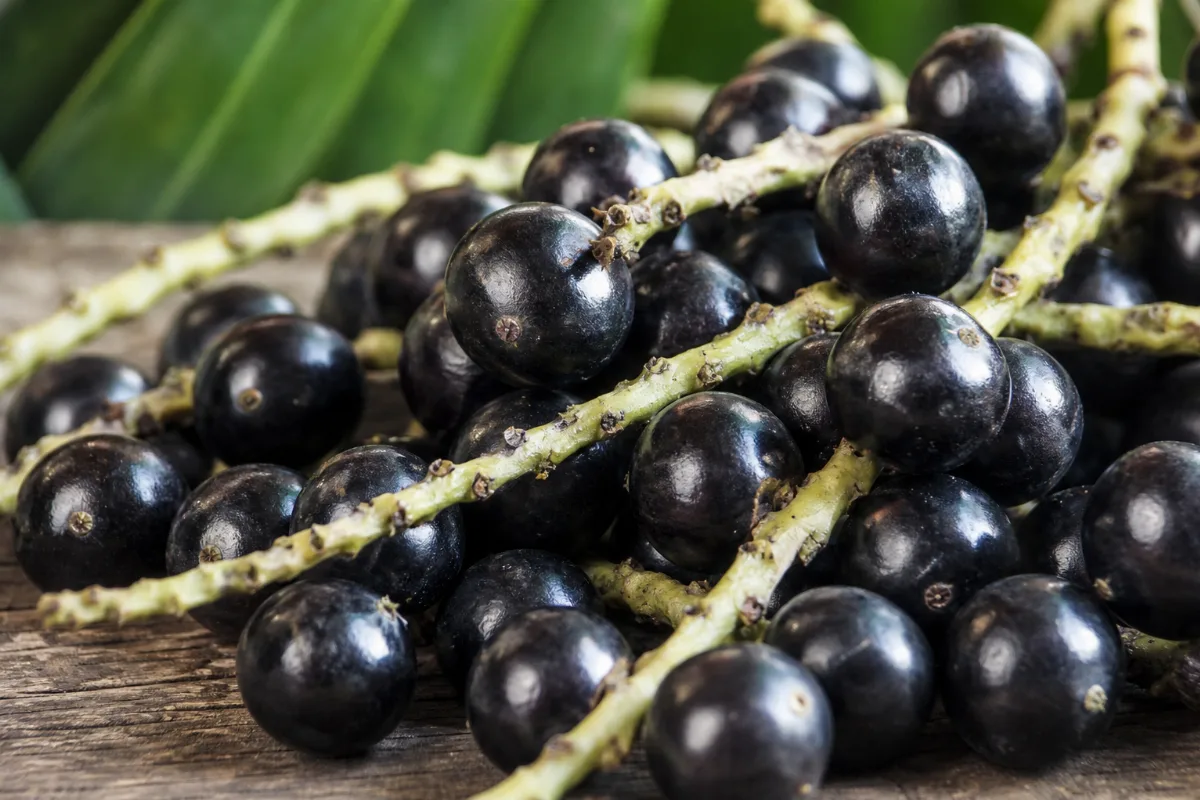
Acai fruit (Euterpe oleracea): what NIH says about the very limited human research, weight-loss marketing, raw-juice Chagas risk, blood sugar and MRI cautions.
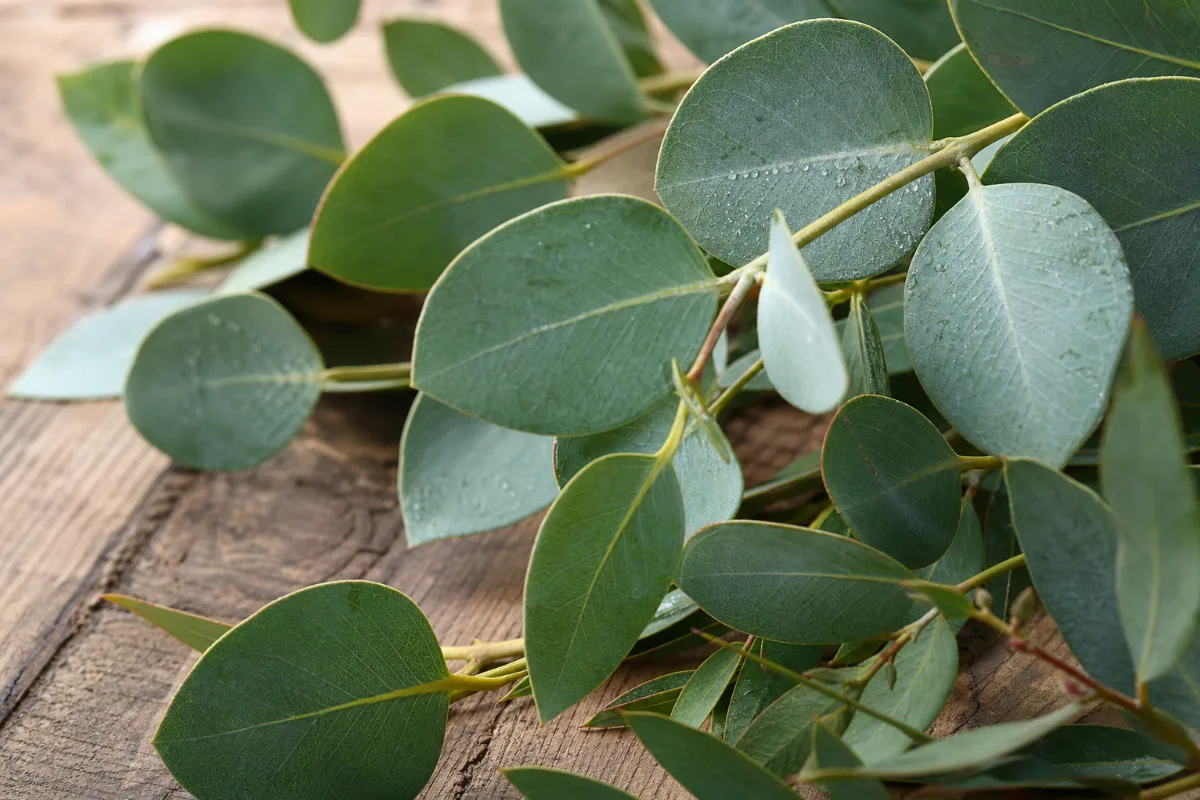
Eucalyptus leaf and leaf oil (Eucalyptus globulus): why swallowing the oil is dangerous, what EU regulators and trials say about cough and colds, and cautions for children and pregnancy.
Cough with a common cold (traditional use)
Acute bronchitis and sinus symptoms (cineole capsules)
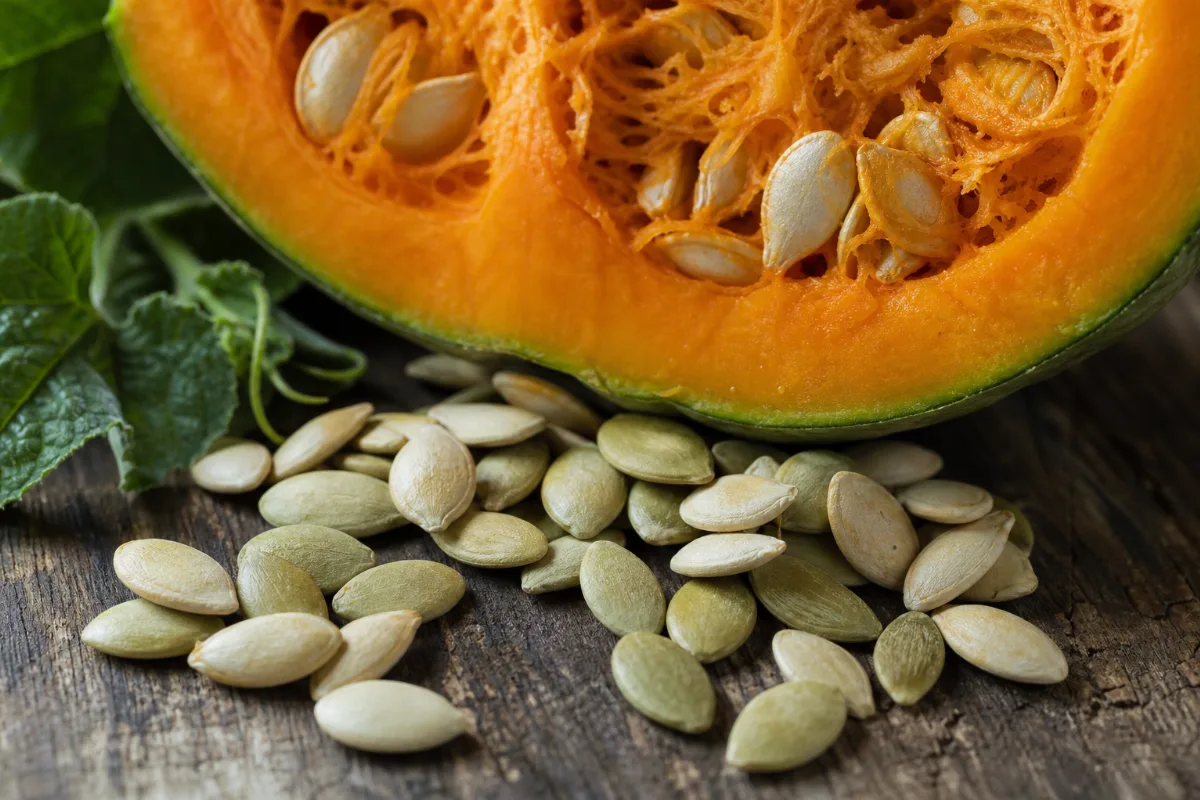
Pumpkin seed and seed oil (Cucurbita pepo): the EU traditional-use status for urinary symptoms, what prostate and other trials found, and allergy and pregnancy cautions.
Traditional use for urinary symptoms (BPH and overactive bladder)
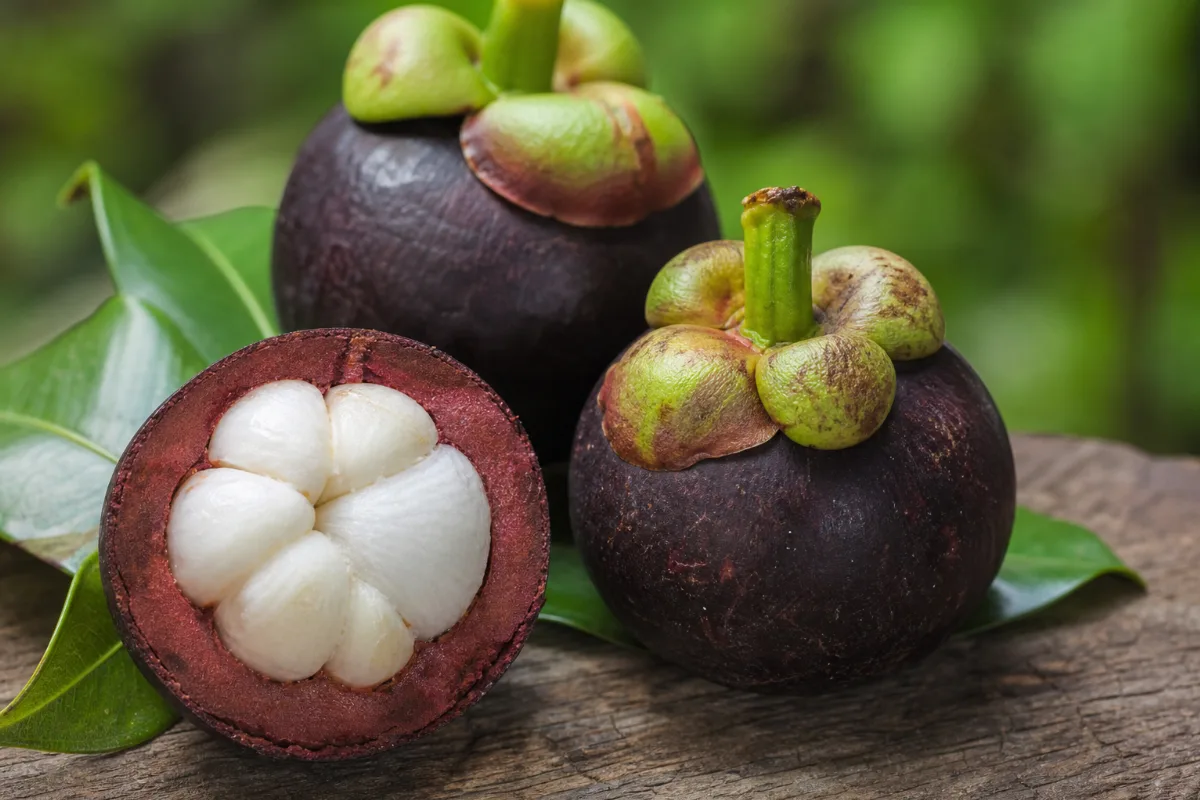
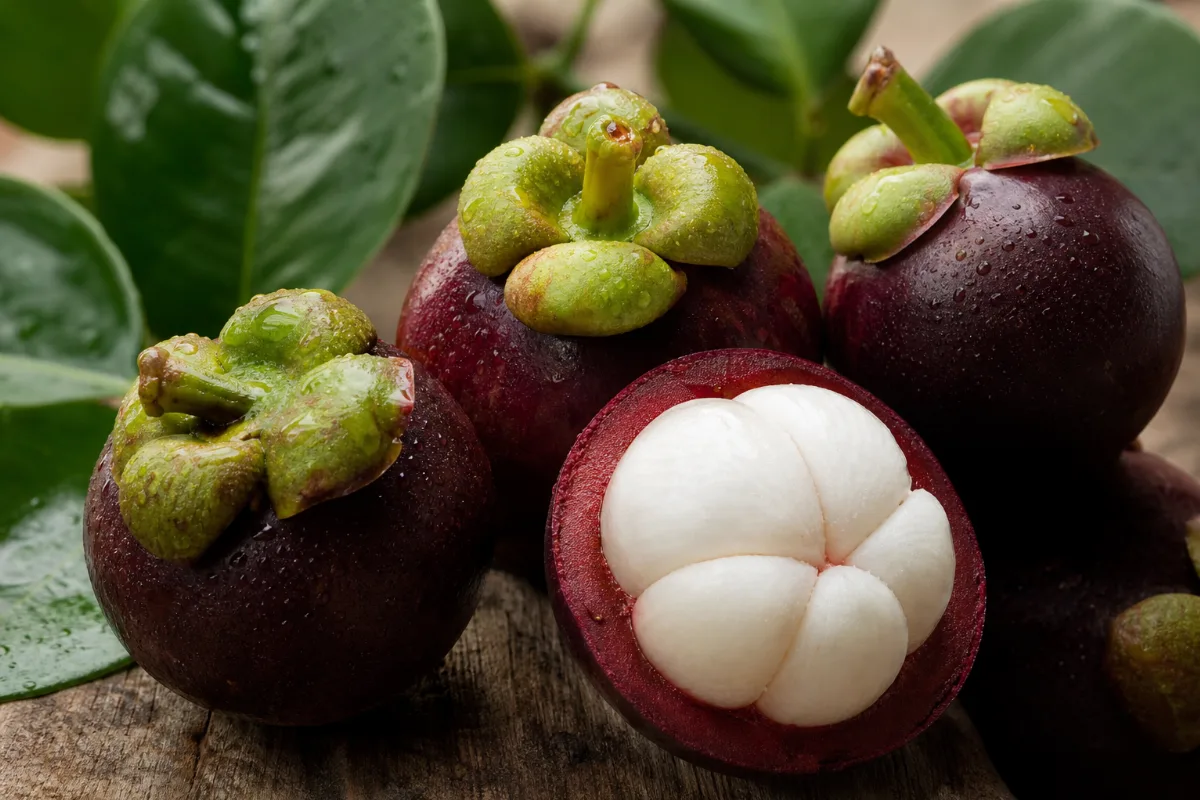
Mangosteen fruit rind (Garcinia mangostana): what the sources say about gum, blood sugar and other uses, plus cautions on medicines, cancer treatment, kidney disease and diabetes.
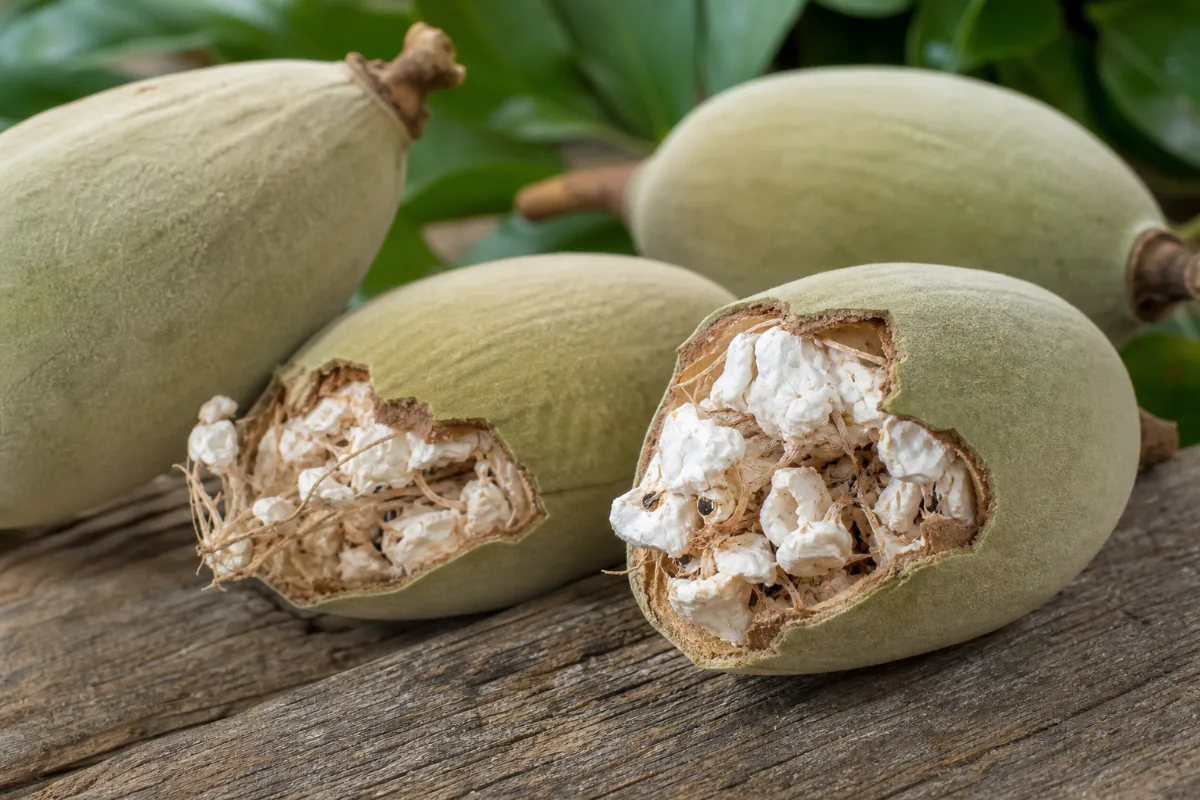
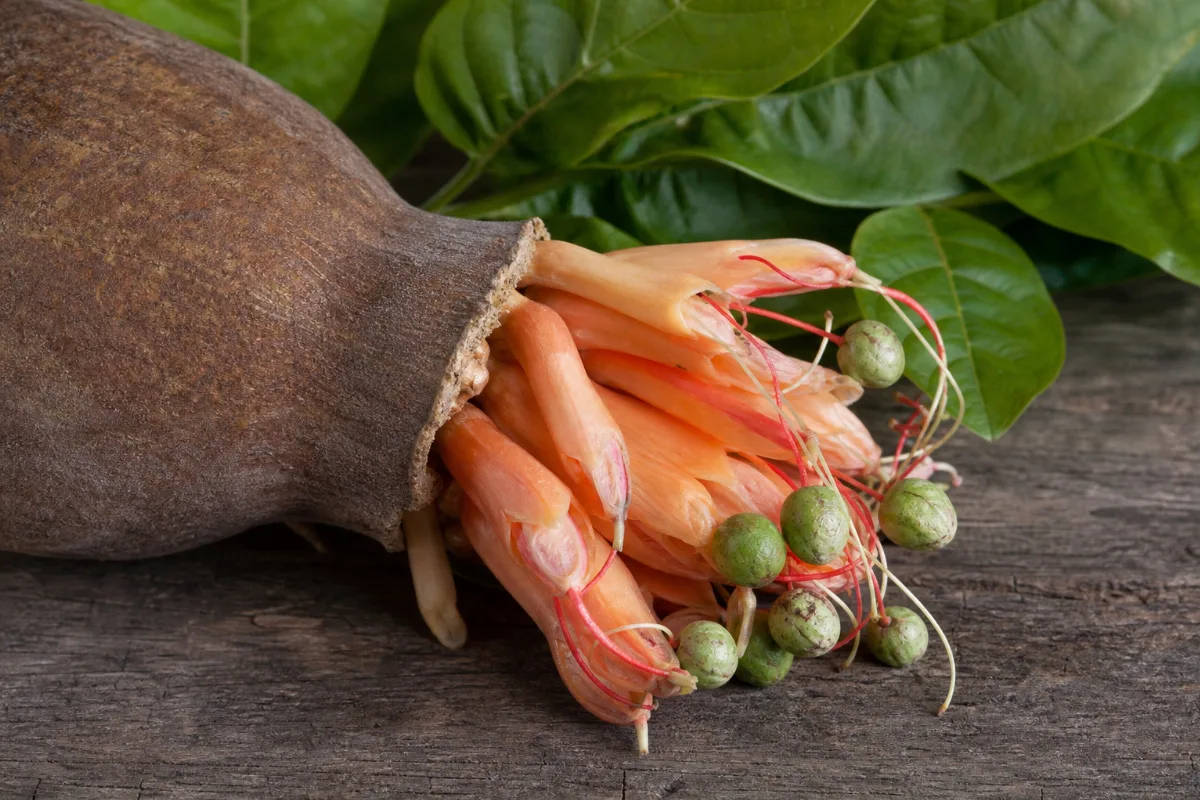
Baobab fruit pulp powder (Adansonia digitata): what the few human trials found on blood sugar and iron, what regulators allow as a food ingredient, and what is unknown about safety.
Kava root (Piper methysticum): rare but serious liver injury, bans in several countries, mixed trial results for anxiety, and sedative, alcohol and pregnancy cautions.
Mugwort (Artemisia vulgaris) herb: traditional uses, what little human research exists, the Cochrane review of mugwort moxibustion for breech babies, and pregnancy and allergy cautions.
Moxibustion for breech presentation
Traditional use for women's and digestive complaints
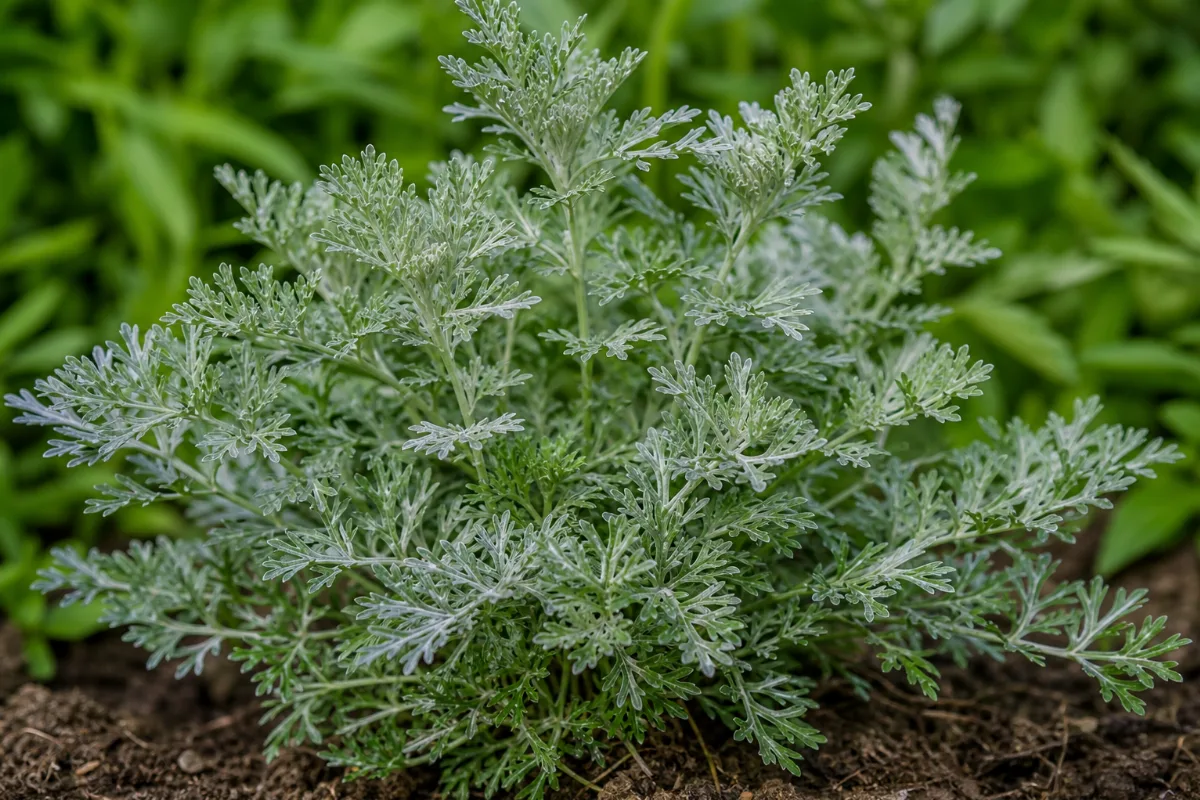
Wormwood (Artemisia absinthium), the bitter herb behind absinthe: what EU regulators and small trials say, plus thujone, seizure, liver, pregnancy and sweet wormwood cautions.
Traditional use for appetite and mild indigestion
Crohn's disease (small trials)
Laboratory and animal findings (anticancer, antimicrobial, antidepressant)
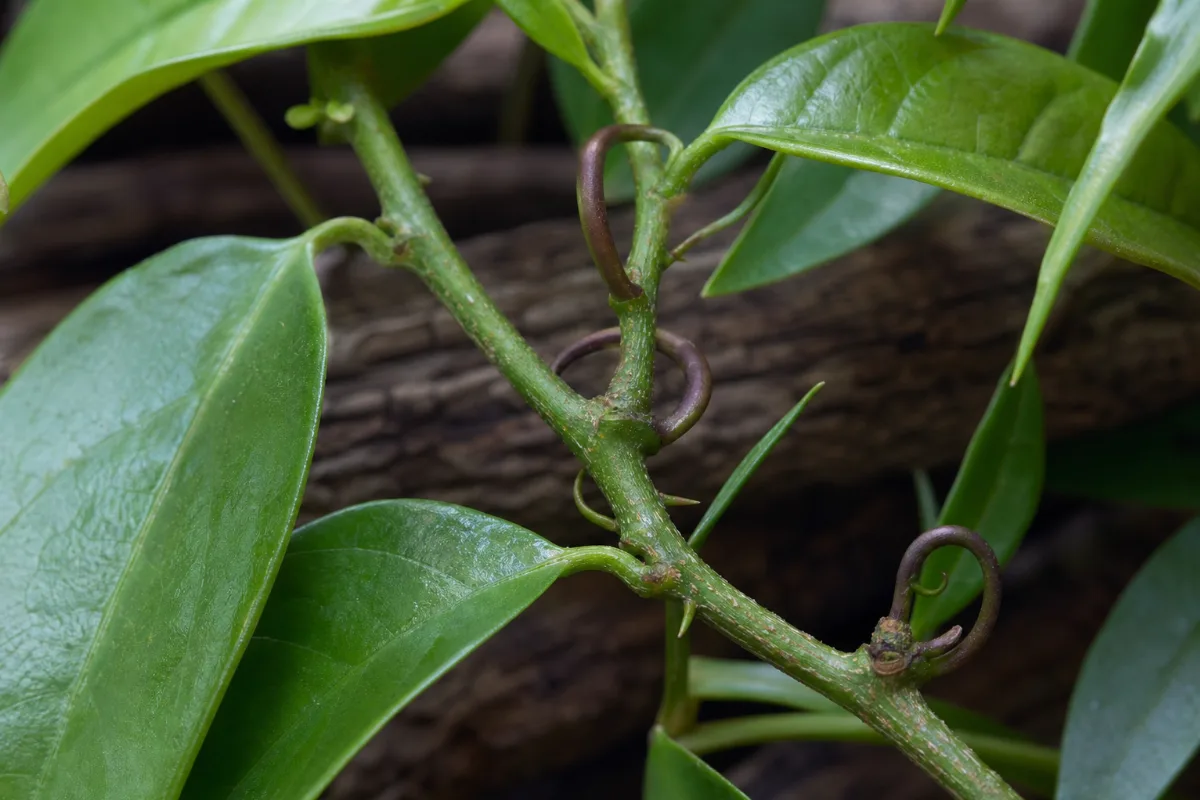
Smilax ornata, Smilax regelii (synonym of S. ornata per GBIF), Smilax aristolochiifolia, Smilax glabra (tu fu ling)
Root
Sarsaparilla root (Smilax species): what we could and could not verify about psoriasis and gout claims, plus kidney, pregnancy, digoxin and lithium cautions.
Psoriasis and other skin conditions
Gout (Chinese formulas containing tu fu ling)
Lowering uric acid (laboratory and animal findings)
European angelica root (Angelica archangelica): what the sources say about digestive use, the sun-sensitivity risk from furanocoumarins, and why it is not the same as dong quai.
Functional dyspepsia (as part of a 9-herb product)
Traditional digestive use (indigestion, bloating, appetite)
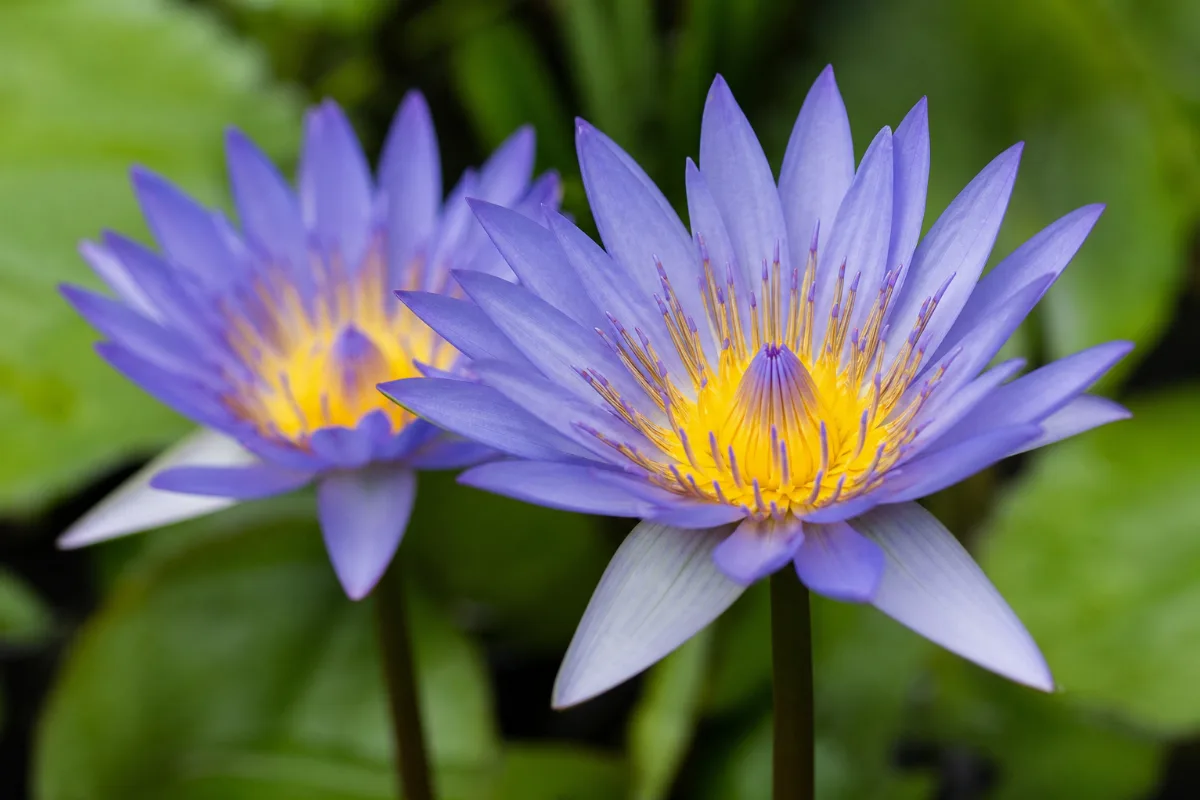
Blue lotus flower (Nymphaea caerulea): no good human trials, psychoactive alkaloids that vary by product, reports of confusion after vaping, and unclear legal status.
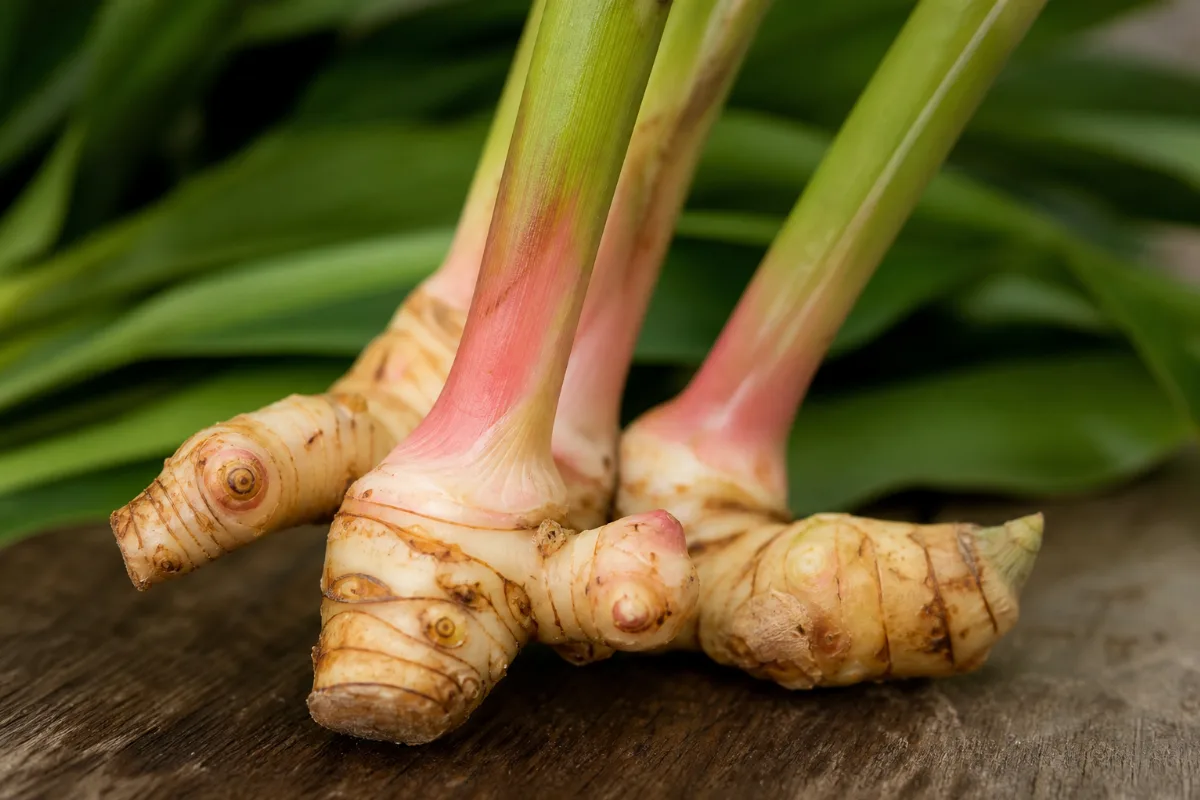
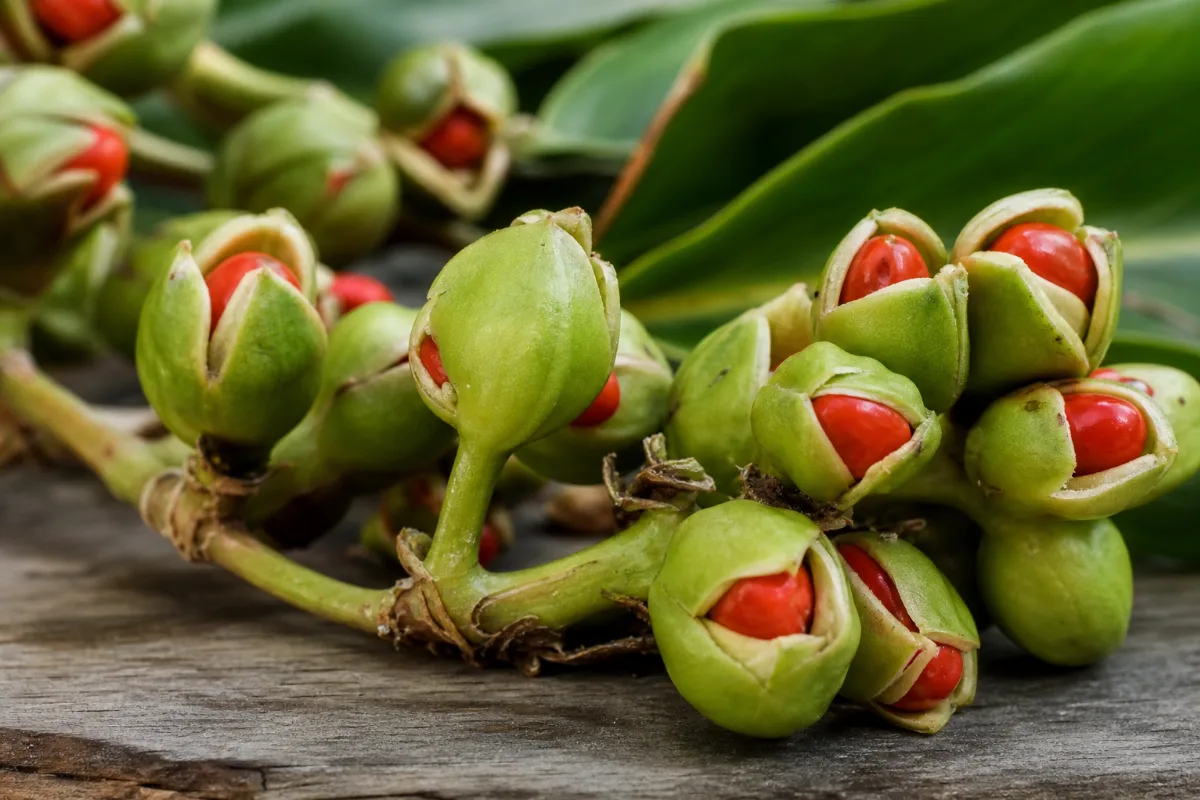
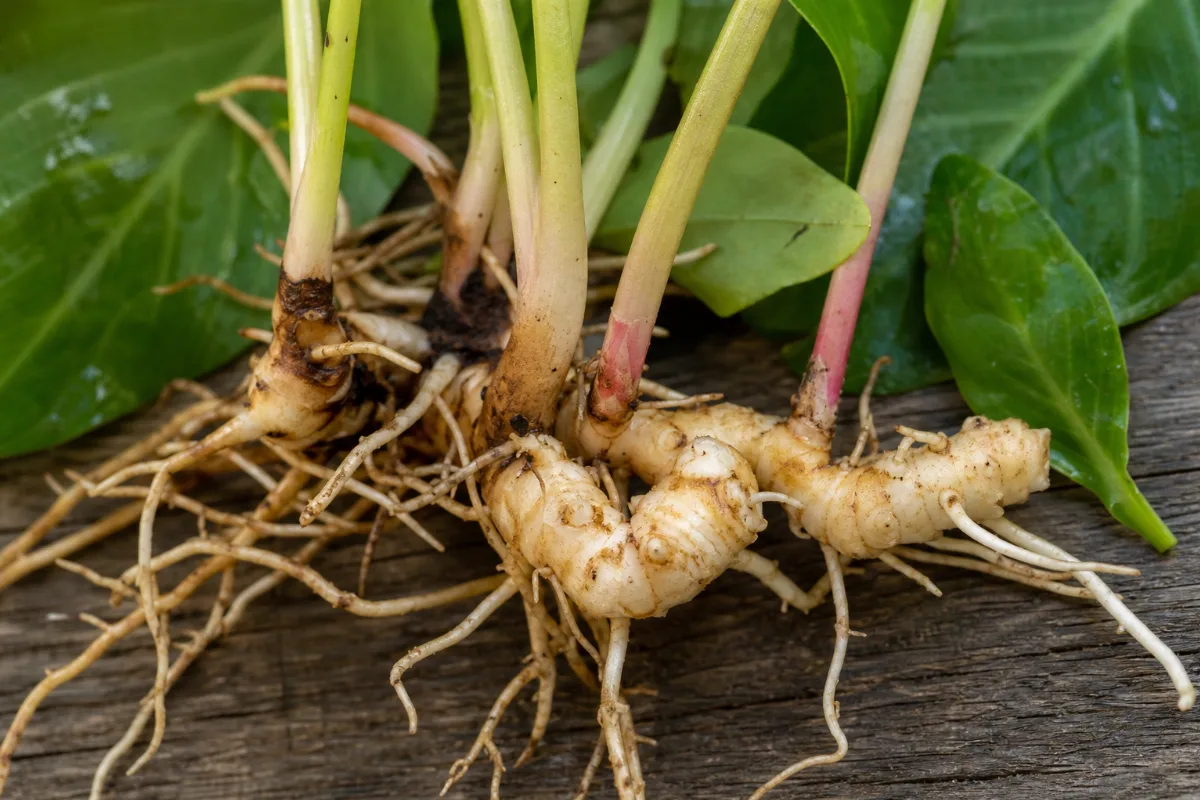
Galangal rhizome (Alpinia galanga): a Southeast Asian spice with little human research, a few small trials, and unanswered questions on medicines, pregnancy and safety.
Mental alertness and attention
Sexual function in men taking SSRI antidepressants
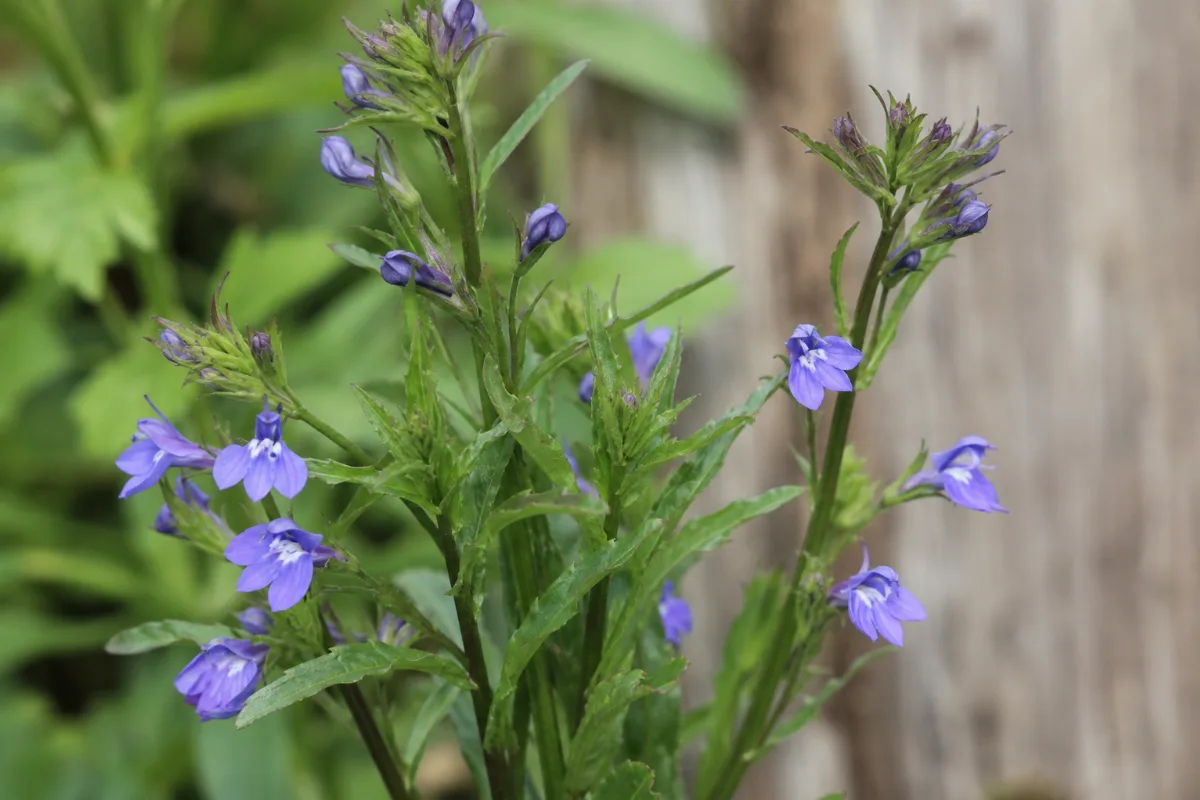
Lobelia (Lobelia inflata, "Indian tobacco"): why it carries a poisoning risk from lobeline, what the Cochrane review found on quitting smoking, and what is not proven.
Damiana leaf (Turnera diffusa): traditional use as an aphrodisiac and tonic, the small human studies we could read, and cautions on medicines, pregnancy and blood sugar.
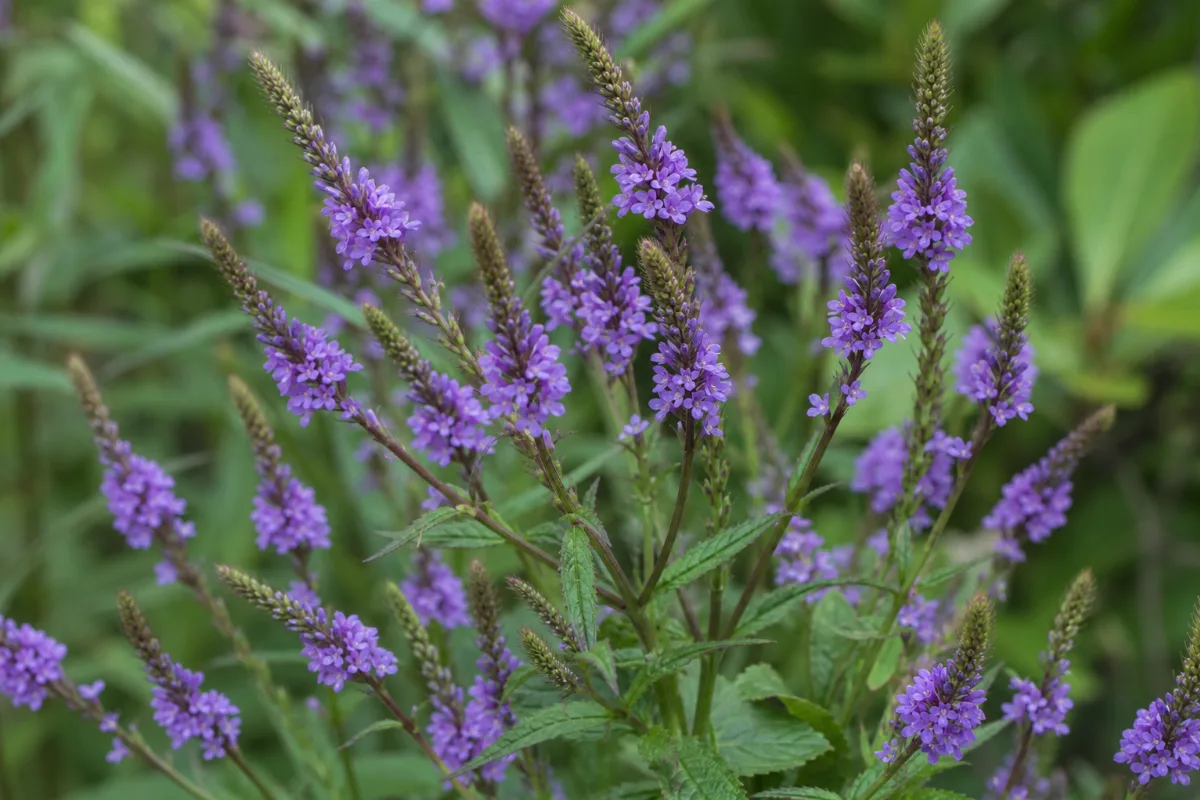
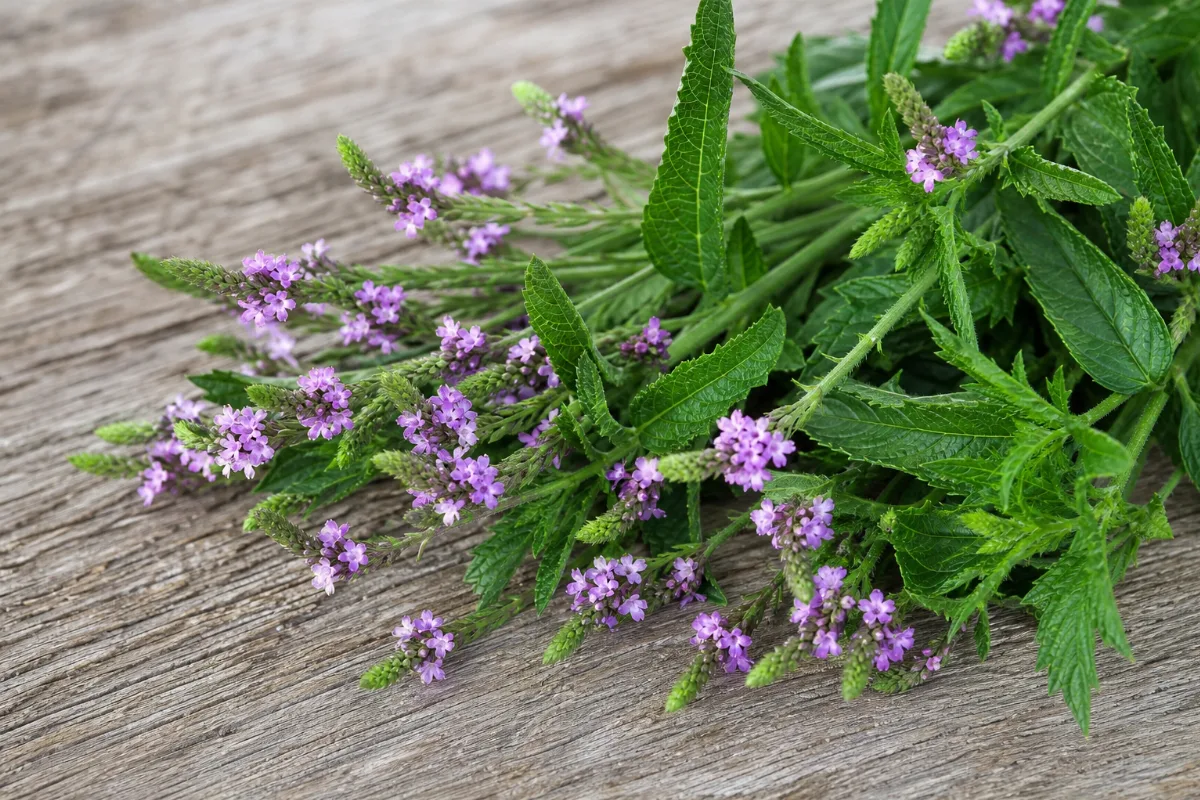
Blue vervain (Verbena hastata): a North American plant used in folk medicine for nerves and sleep, with no human trials found and little modern safety testing.
Traditional use for nerves, tension and sleeplessness
Anxiety, low mood and seizures (animal studies on vervain)
Arjuna bark (Terminalia arjuna): what small heart-health trials found, what is unclear, and cautions on heart medicines, pregnancy, allergy and heavy-metal contamination.
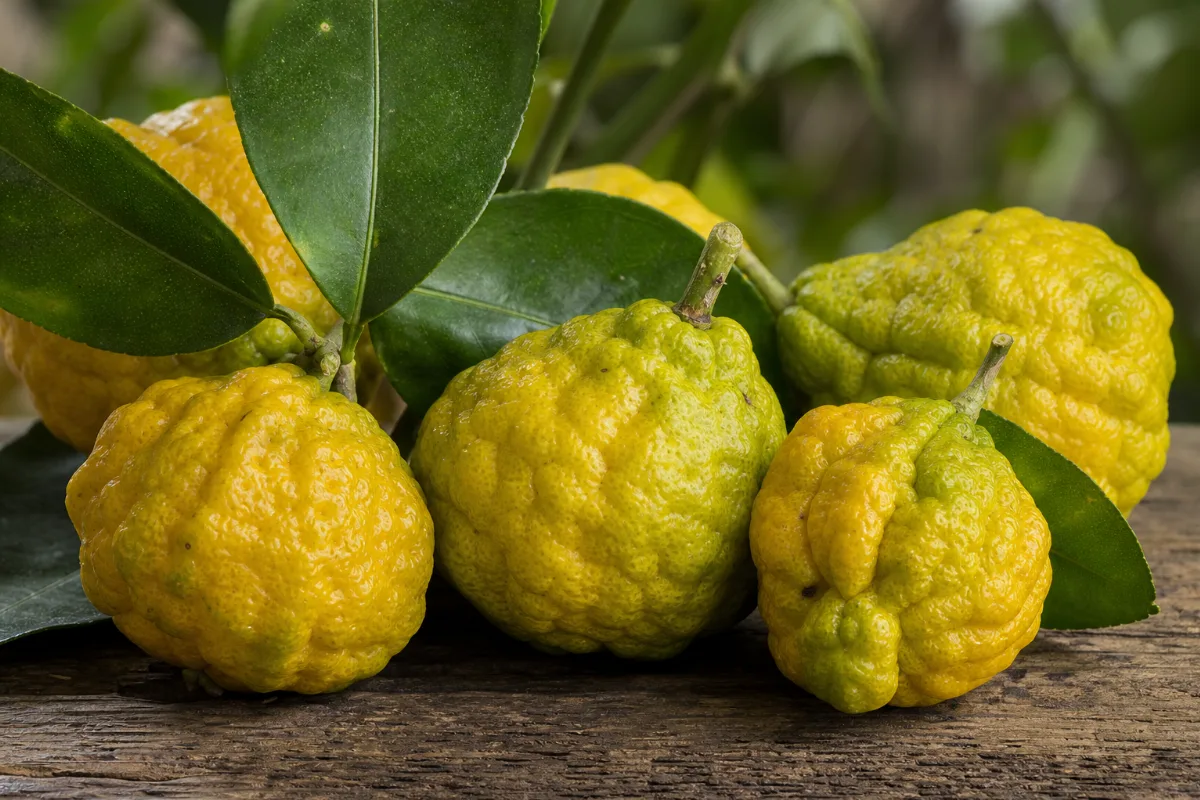
Bitter orange (Citrus aurantium) peel and synephrine supplements: heart rhythm and blood pressure warnings, what weight-loss trials found, label problems, and who should ask first.
Black haw bark (Viburnum prunifolium): a traditional uterine herb with almost no modern human research, plus pregnancy, aspirin-allergy, kidney-stone and blood-thinner cautions.
Cramp bark (Viburnum opulus) is used traditionally for period and muscle cramps, but the sources we read found no human trials and too little safety data to judge it.
Traditional use for period pain and uterine cramps
Bhringraj (Eclipta prostrata), an Ayurvedic leaf herb used in hair oils: what the sources say about hair and liver claims, and why human evidence is still very thin.
Blue cohosh root (Caulophyllum thalictroides): why it is linked to heart and stroke harms in newborns when used for labor, what research exists, and how it differs from black cohosh.
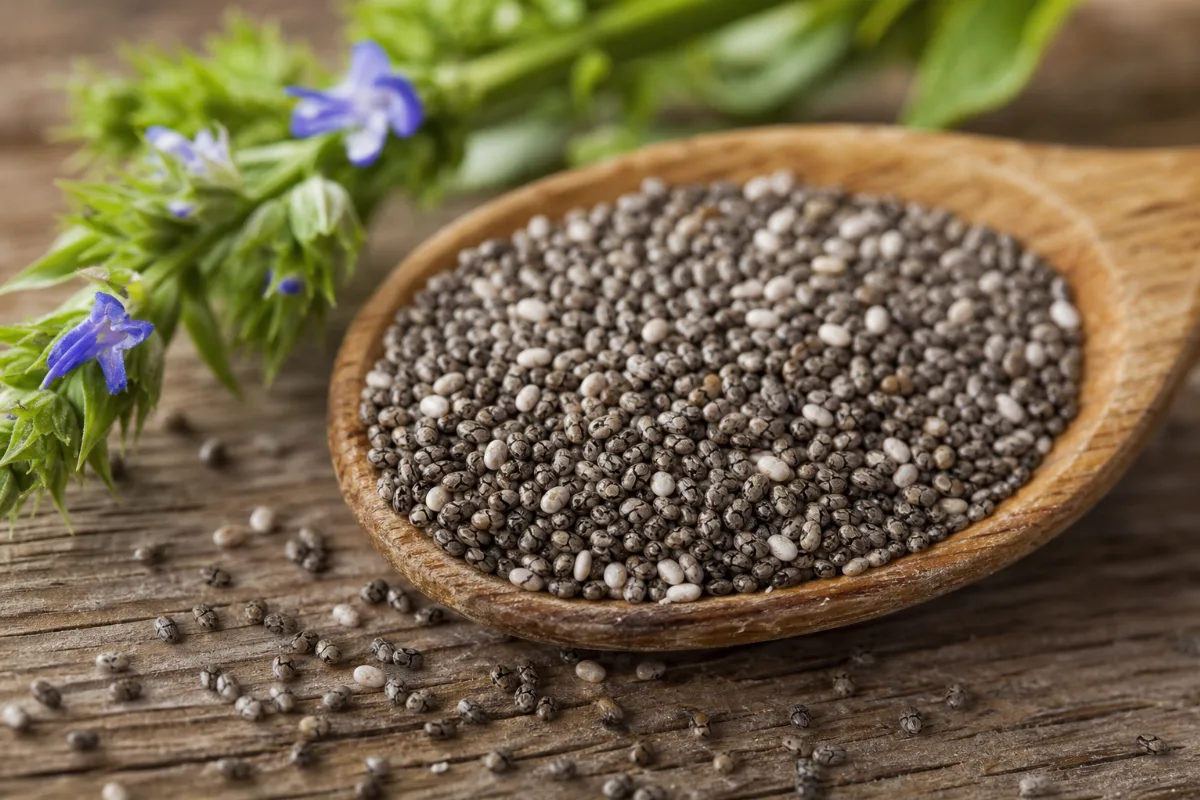
Chia seed (Salvia hispanica): what trials found on blood pressure, cholesterol and weight, and why dry seeds can block the throat, plus allergy and medicine cautions.
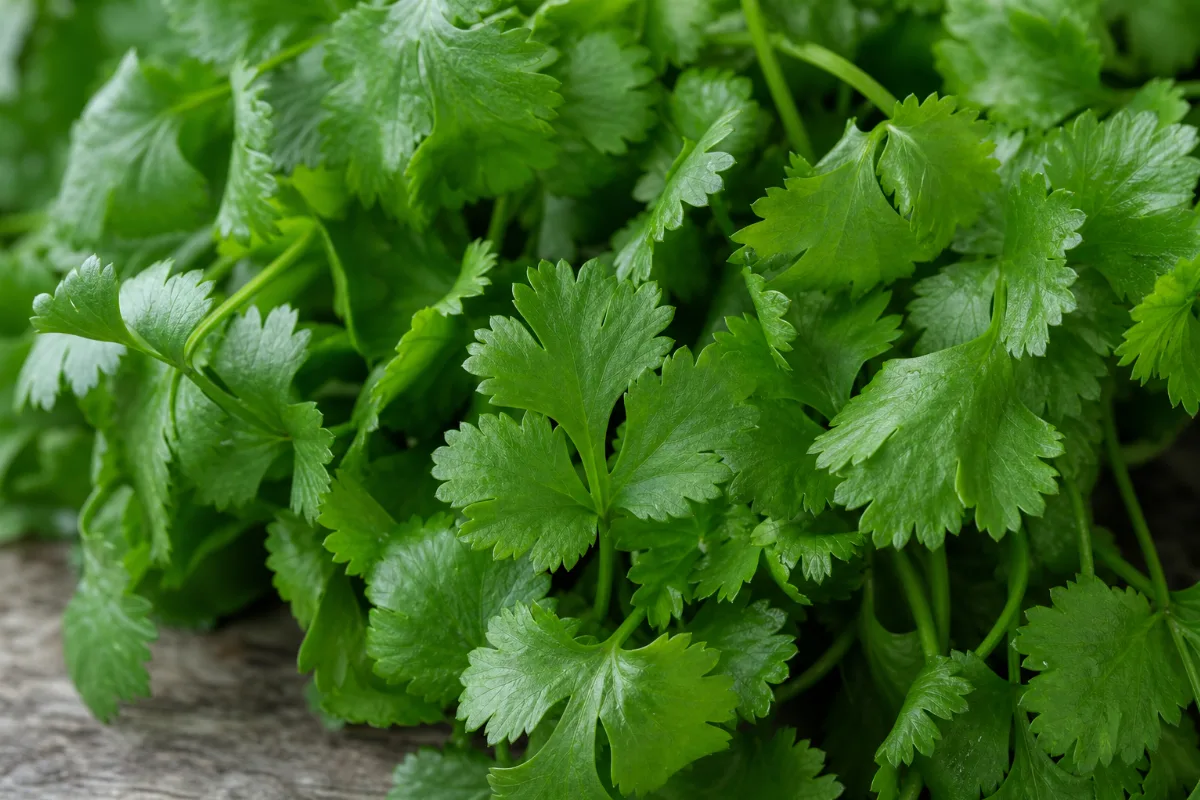
Cilantro (Coriandrum sativum leaf): why the heavy-metal "detox" claim lacks human proof, real food-safety risks such as Cyclospora and lead, allergy, and the thin research.
Shatavari root (Asparagus racemosus): what small trials and reviews show for lactation, menopause and women's health, and what is not yet known about safety.
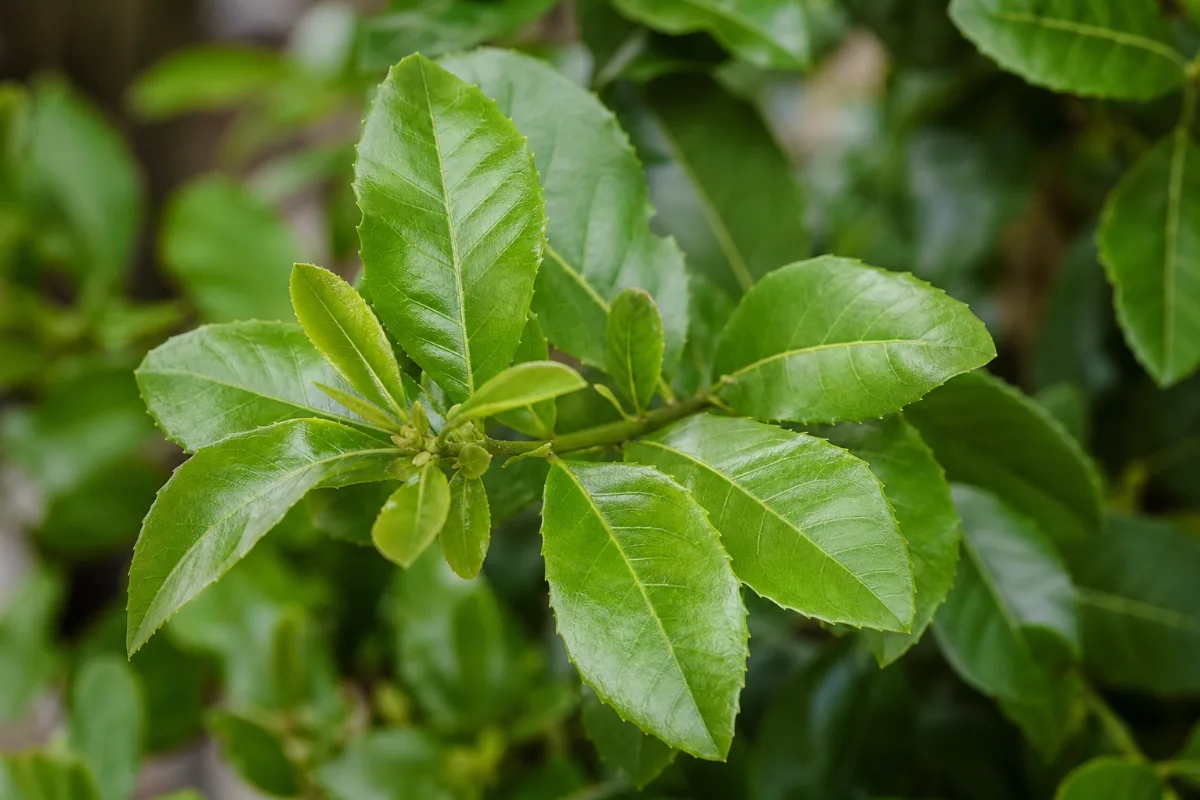
Yerba mate leaf (Ilex paraguariensis): caffeine content, what IARC says about very hot drinks and esophageal cancer, what trials found, and EU cautions on pregnancy and heart conditions.
Traditional use for tiredness and urinary flushing
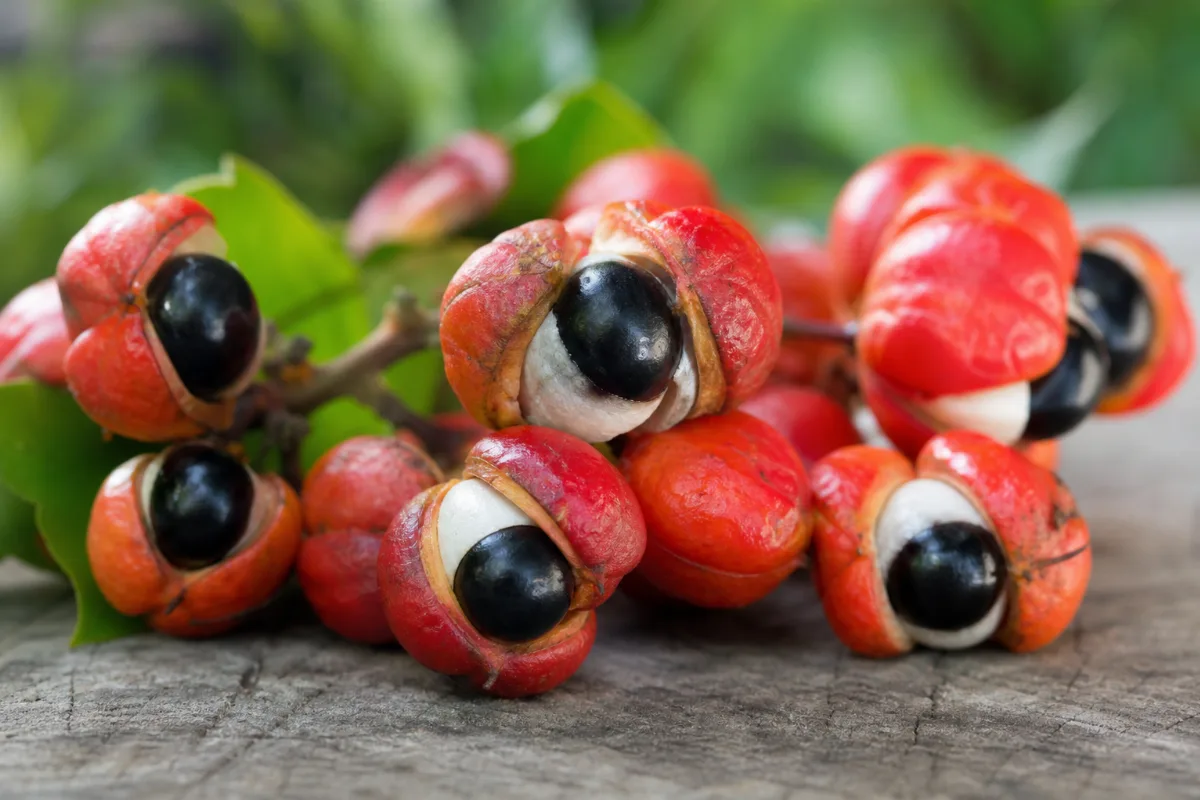
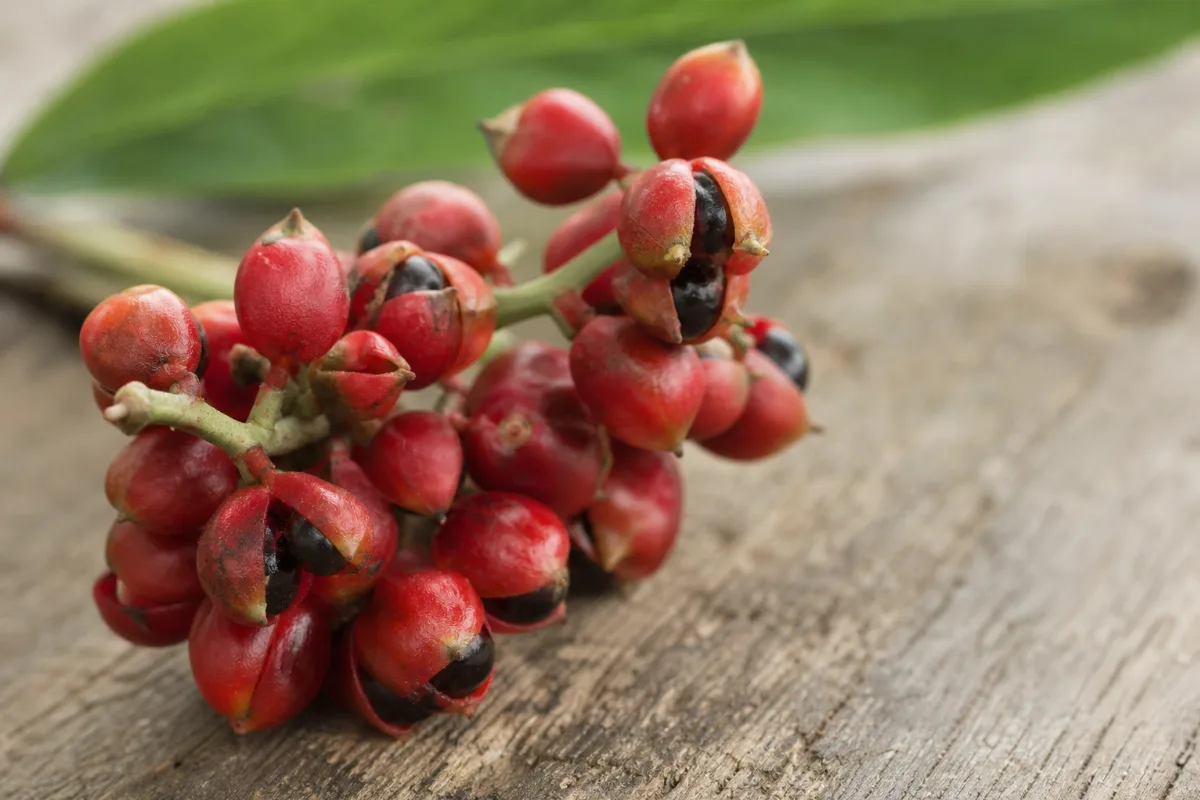
Guarana seed (Paullinia cupana): a caffeine-rich herb. What research shows on focus and fatigue, and cautions for the heart, blood pressure, pregnancy, children and surgery.
Thinking speed in healthy adults
Mental fatigue in healthy adults
Cancer-related fatigue
Appetite, weight and sexual performance (promoted uses)
Rooibos leaf (Aspalathus linearis), red and green: what small human studies show, plus liver-case, transplant-drug, chemotherapy and hormone-sensitive-cancer cautions.
Blood fats, blood sugar and antioxidant markers
Heart structure in people at cardiovascular risk
Blood sugar in diabetes (animal studies)
Antioxidant and anti-inflammatory activity (lab and animal)
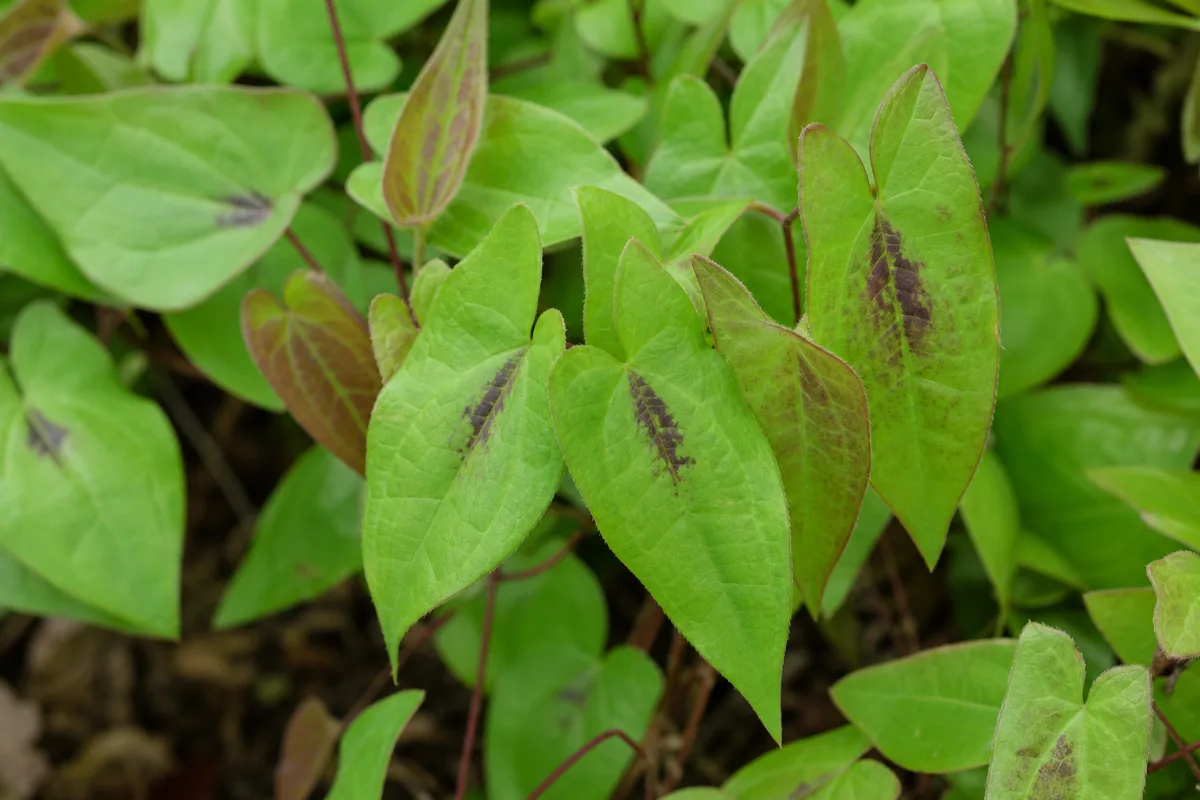
Horny goat weed (Epimedium, yin yang huo): what sources say about bone loss and sexual health claims, plus heart, hormone-sensitive cancer, liver and medicine cautions.
Wild lettuce (Lactuca virosa), sometimes sold as "lettuce opium": what the sources say about sleep and pain claims, the poisoning case reports, and why human evidence is missing.
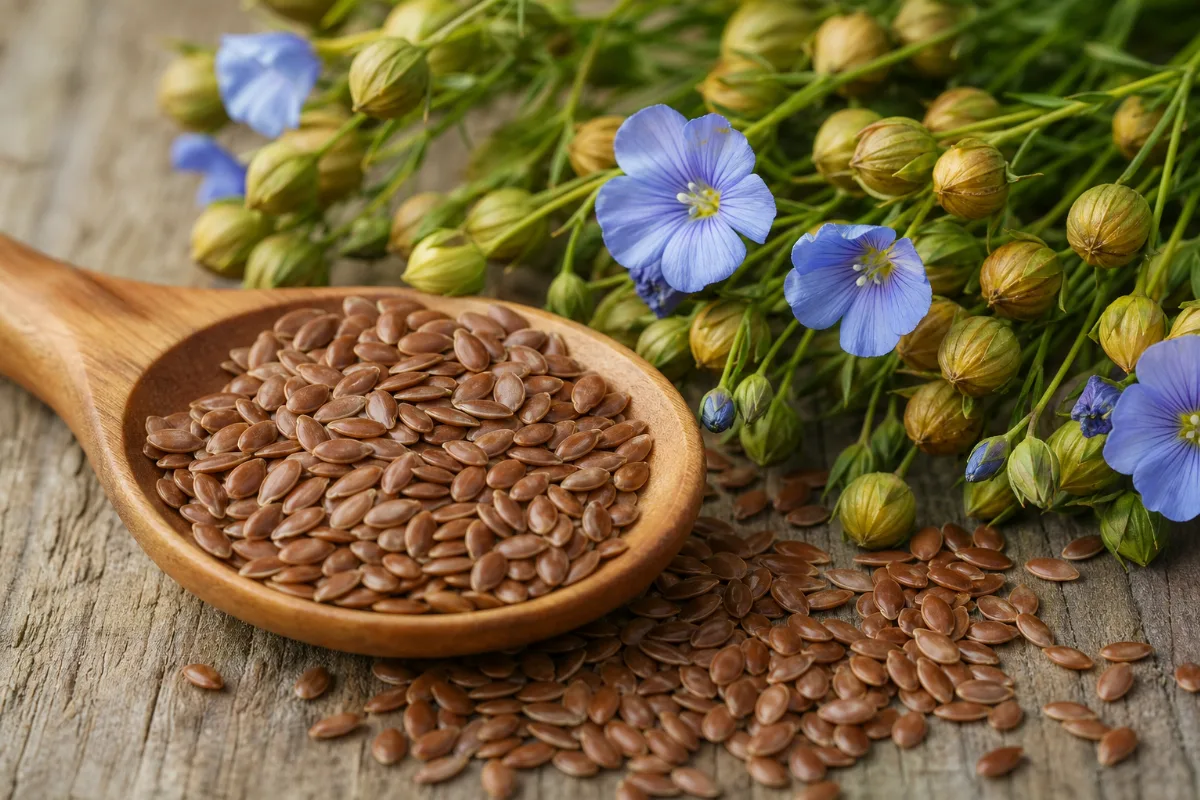
Flaxseed (Linum usitatissimum): what regulators and trials say about constipation, cholesterol and hot flashes, plus choking, hormone, pregnancy and medicine cautions.
Triphala is an Ayurvedic blend of three fruits (haritaki, bibhitaki, amla); what trials found on mouthwash, cholesterol and bowels, plus medicine, pregnancy and metal-quality cautions.
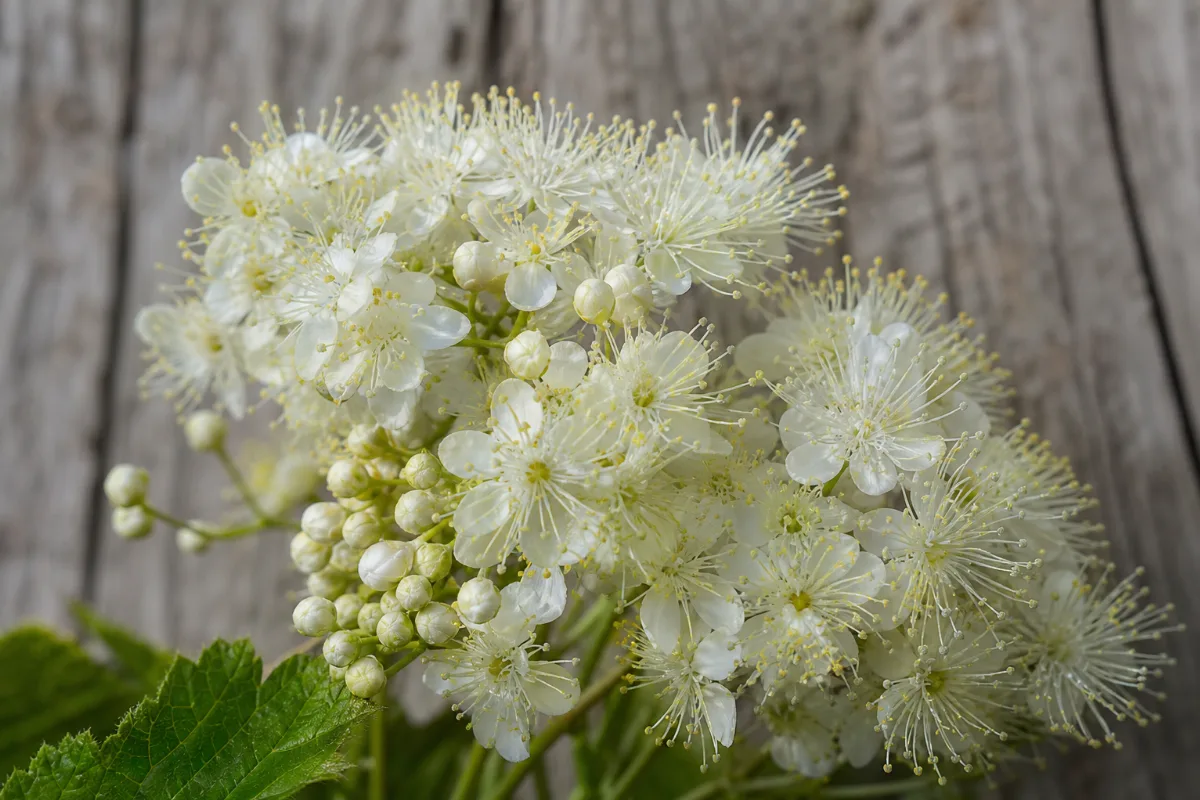
Meadowsweet (Filipendula ulmaria): a salicylate-containing flowering herb used in tea for colds and aching joints. Read what EU regulators say, what trials are missing, and the salicylate cautions.
Traditional use for the common cold
Traditional use for minor joint pain
Anti-inflammatory activity in the laboratory
Immune, antibacterial and other effects in lab and animal studies
Pau d'arco inner bark (Handroanthus impetiginosus): what the few human studies and many lab studies show, plus bleeding, blood-thinner, pregnancy and quality cautions.
Muira puama (Ptychopetalum olacoides) bark and root: what the sources say about libido and nerve-tonic claims, how little human safety data exists, and what to ask before using it.
Libido and erectile function (claimed use)
Erectile function in a four-ingredient mix
Urinary symptoms of enlarged prostate (multi-ingredient product)
Lady's mantle (Alchemilla vulgaris): a tannin-rich herb used for diarrhea and women's complaints; what the limited research shows and the cautions to know about.
Mild non-specific diarrhea (traditional and reference use)
Sore throat after surgery (breathing tube)
Minor mouth ulcers
Period, vulvar and menopausal complaints (traditional use)
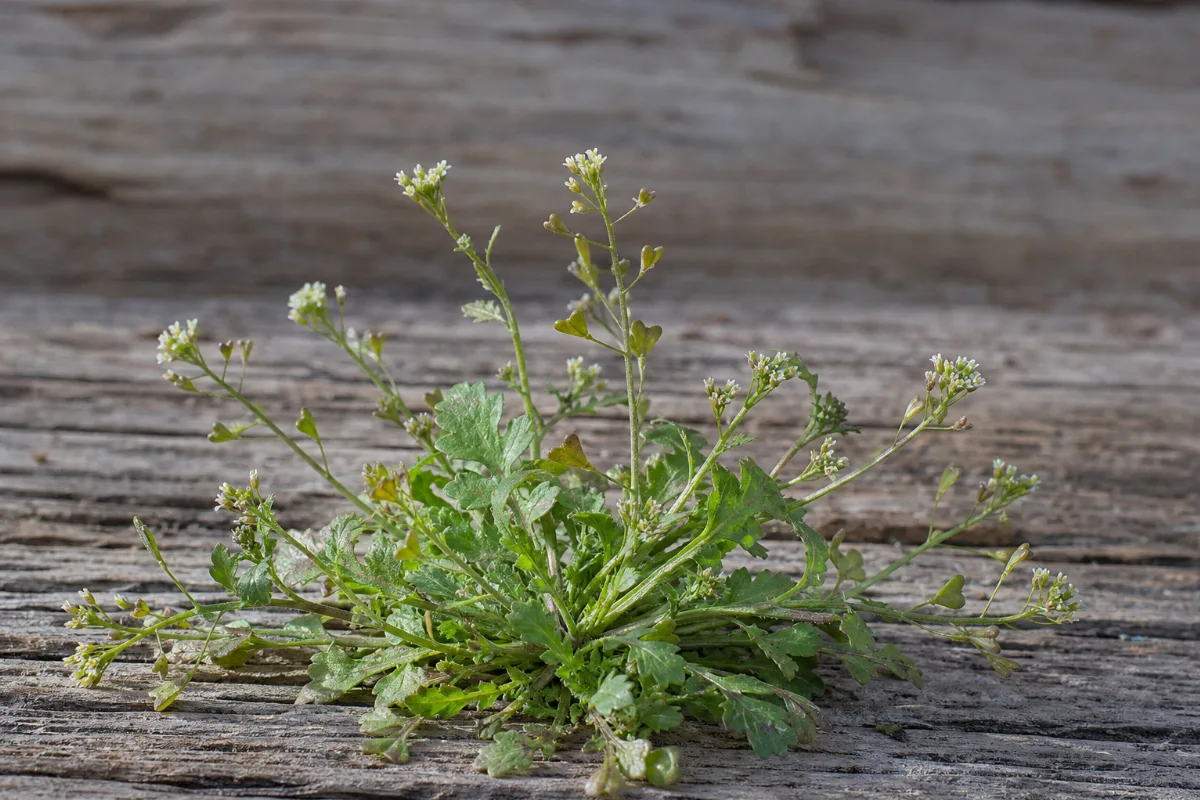
Shepherd's purse (Capsella bursa-pastoris): what EU regulators and one small trial say about heavy periods, why heavy bleeding needs a doctor, and pregnancy cautions.
Rehmannia root (Rehmannia glutinosa, di huang): raw versus prepared forms, what small and mixed-quality trials show, and honest safety gaps on medicines, pregnancy and digestion.
Menopause-like symptoms after breast cancer treatment
Diabetic eye disease (retinopathy), as part of a formula
Early diabetic kidney disease, as part of Liuwei Dihuang
Memory and thinking problems, as part of Liuwei Dihuang
Bupleurum root (Bupleurum chinense, chai hu): what research shows, why liver-injury and lung reports matter, and what to know about the Xiao Chai Hu Tang formula.
Peptic ulcer (formula)
Hepatitis B and C and liver cancer prevention (formula)
Danshen (red sage root, Salvia miltiorrhiza): warfarin and blood-thinner bleeding warnings first, then what trials of danshen pills found for angina and what is unproven.
Forsythia fruit (Forsythia suspensa, lian qiao): what human trials, lab studies and traditional use show for colds and inflammation, plus pregnancy, bleeding and surgery cautions.
Early cold symptoms (as part of the Yin Qiao San formula)
COVID-19 (as part of the Lianhua Qingwen formula)
Laboratory antiviral activity
Anti-inflammatory, antioxidant and antibacterial effects
Honeysuckle flower (Lonicera japonica, jin yin hua): what the research shows on COVID-19 add-on use and skin rash, why the berries are not safe, and why species and form matter.
Add-on use in COVID-19
Skin rash from EGFR-inhibitor cancer drugs
Traditional use for heat, sore throat and skin infections
Anti-inflammatory and antiviral effects in the lab
Kanna (Sceletium tortuosum) is a psychoactive southern African plant sold for mood and stress. Small trials, an antidepressant (SSRI) interaction concern, and legal and quality cautions.
Jatamansi (Nardostachys jatamansi), an Ayurvedic root also called spikenard: little human research, a critically endangered wild plant, and why safety data are thin.
Anxiety and distress (medicated oil therapy)
Traditional use for nerves, heart and skin
Liver protection in rats
Lab activity (enzyme blocking, antioxidant and others)
Hyssop leaf (Hyssopus officinalis): what research shows, why the essential oil is linked to seizures, and cautions for pregnancy, children and epilepsy.
Mild to moderate asthma (syrup)
Traditional use for colds, cough, appetite and spasms
Seizure effects of an extract in rats
Antiviral and antifungal activity in the laboratory
Corydalis yanhusuo tuber (yan hu suo): what is known about pain and sleep claims, plus the liver-injury reports, drowsiness, heart-rhythm and pregnancy cautions to know first.
Experimental pain relief
Menstrual and other pain (traditional use)
Sleep and calming claims
Animal and laboratory pain, nerve and inflammation findings
Blessed thistle (Cnicus benedictus): what EU regulators say about its traditional use for poor appetite and indigestion, why no trials exist, and daisy-family allergy and lactation cautions.
Temporary loss of appetite (traditional use)
Indigestion and mild gut cramps (traditional use)
Bitter-tonic action (lab reasoning)
Antibacterial and anti-inflammatory activity (lab and animal)
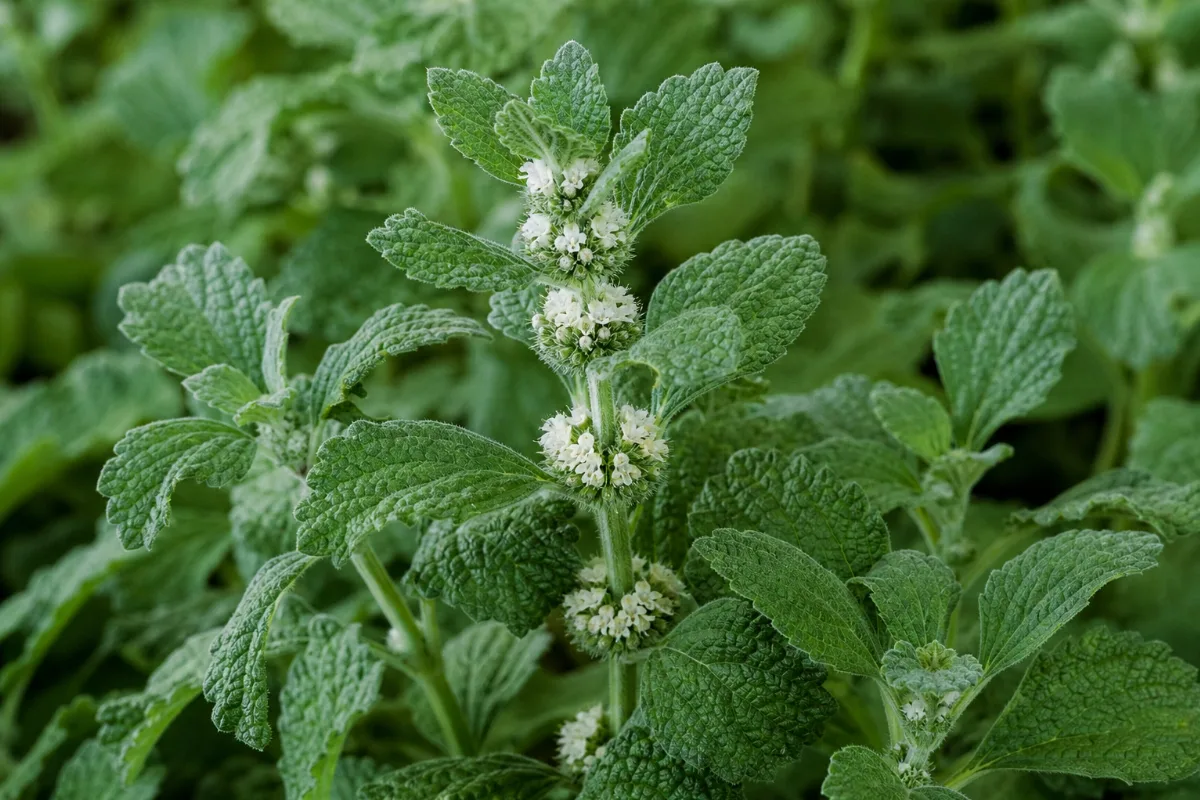
White horehound (Marrubium vulgare): what the EU says about traditional use for cough and indigestion, how little human research exists, and pregnancy, diabetes and kidney cautions.
Cough with a cold (loosening phlegm)
Mild indigestion, bloating and poor appetite
Blood sugar in type 2 diabetes
Laboratory antioxidant and anti-inflammatory activity
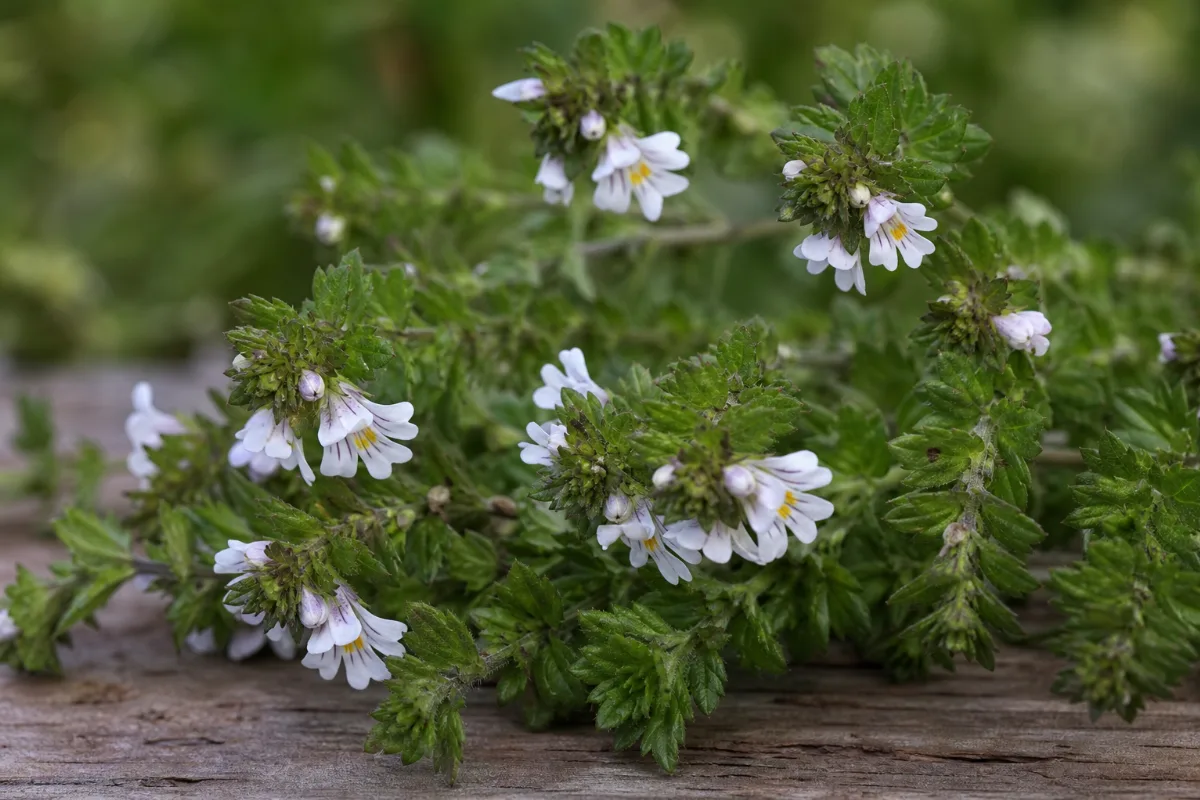
Eyebright (Euphrasia officinalis): why EU regulators advise against homemade eye washes, what small trials found for conjunctivitis, and what is unknown about other uses.
Traditional use for eye complaints
Conjunctivitis (pink eye) with manufactured drops
Eye discharge in premature babies
Anti-inflammatory signals in eye-cell laboratory studies
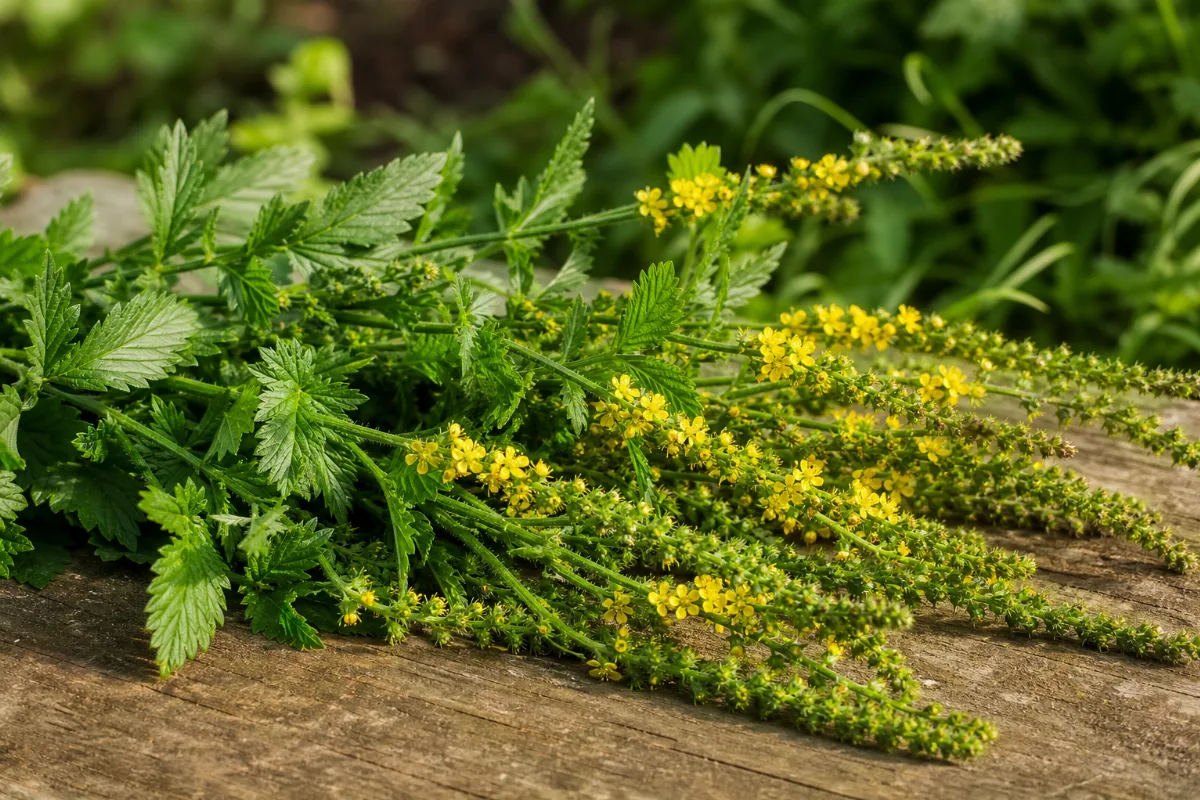
Agrimony (Agrimonia eupatoria) above-ground parts: EU traditional use for mild diarrhoea, mouth and skin, with no human trials found and pregnancy and children cautions.
Mild diarrhoea (traditional use)
Mouth and throat gargle (traditional use)
Minor skin inflammation and small wounds (traditional use)
Laboratory findings on extracts (antimicrobial, antioxidant, stomach models)
Wood betony (Stachys officinalis): a traditional European herb for nerves and headaches. We found no human trials, so here is what is known and not known about safety.
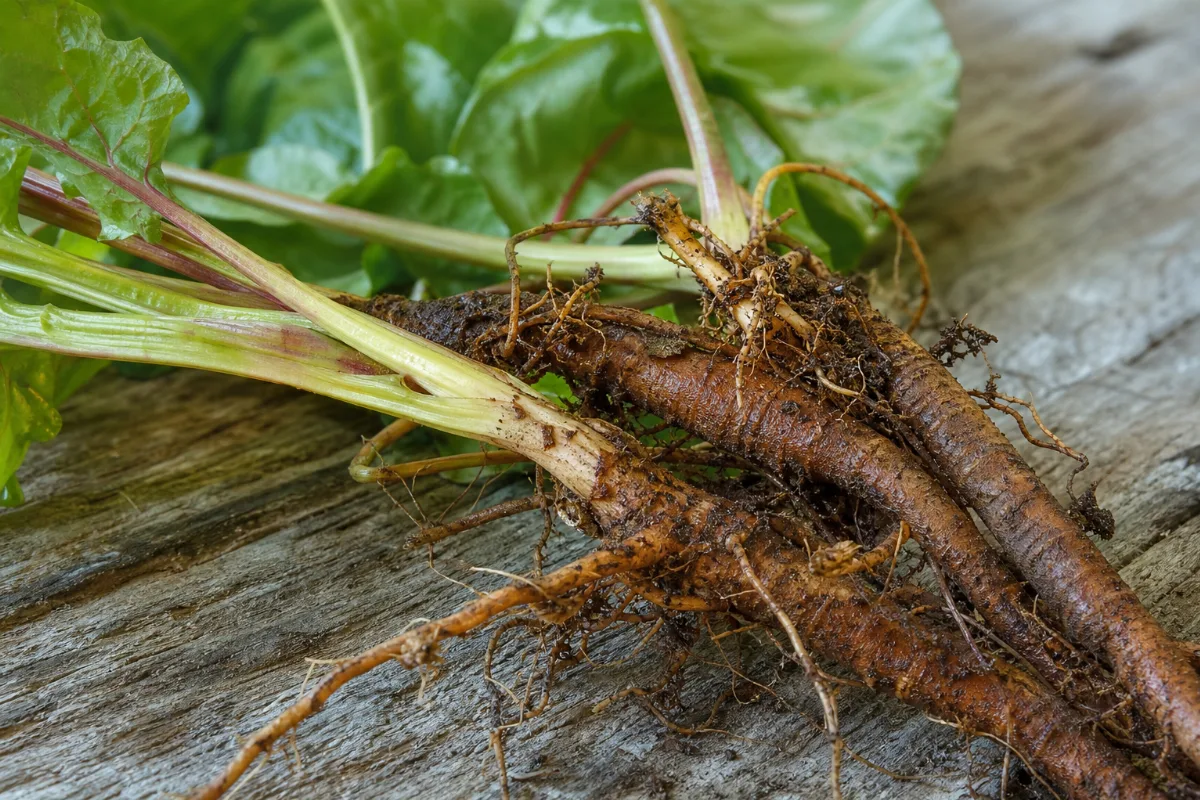
Yellow dock root (Rumex crispus): a traditional laxative and "blood cleanser" with no human trials found, plus oxalate and kidney stone cautions and a thrombocytopenia case report.
Traditional laxative use
Traditional 'blood cleanser' and skin remedy
Lab and animal findings (blood sugar, inflammation, microbes)
Couch grass rhizome (Elymus repens, also Agropyron repens): what EU regulators say about its traditional use for flushing the urinary tract, the thin evidence, and the cautions.
Flushing the urinary tract (traditional use)
Symptoms of irritable bladder, cystitis and prostatitis
Corn silk (Zea mays styles and stigmas): traditional urinary and diuretic use, thin trial evidence on blood pressure and blood sugar, and cautions for kidney disease, water pills and pregnancy.
Buchu leaf (Agathosma betulina): a South African herb long used for urinary complaints, why a German expert panel did not recommend it, and the liver, pregnancy and quality cautions.
Urinary tract and bladder complaints (traditional use)
Diuretic (water pill) effect
Muscle soreness after exercise (topical gel)
Muscle relaxing and antimicrobial activity of the oil in the laboratory
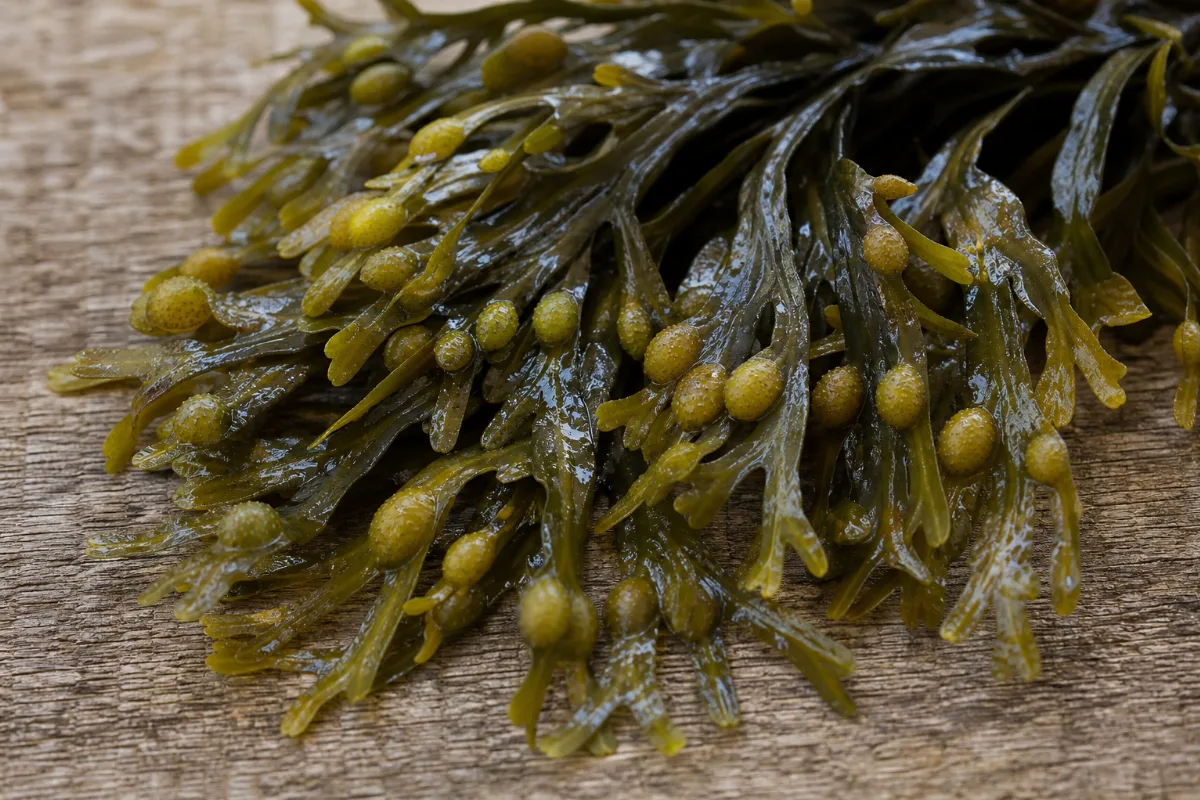
Bladderwrack (Fucus vesiculosus), a brown seaweed: why its iodine can disturb the thyroid, the arsenic and heavy-metal concern, and what EU regulators and trials say about weight-loss claims.
Weight loss as an add-on to a reduced-calorie diet
Underactive thyroid and goitre (traditional claim)
Kudzu root (ge gen, Pueraria montana var. lobata): small trials on alcohol drinking and menopause, plus estrogen-like activity, tamoxifen, methotrexate and liver or kidney cautions.
Drinking less alcohol in heavy drinkers not in treatment
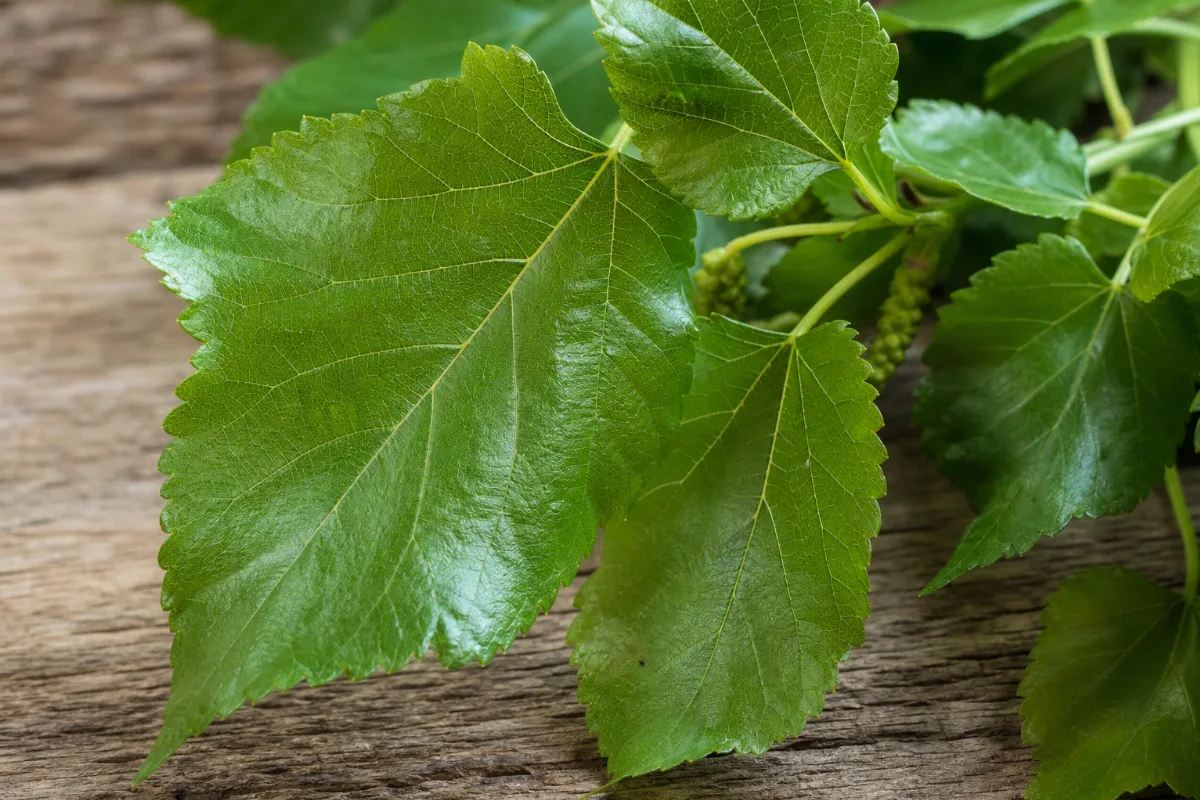
White mulberry leaf (Morus alba): what research says about blood sugar after meals, why it can add to diabetes medicines, and what is unknown for pregnancy and surgery.
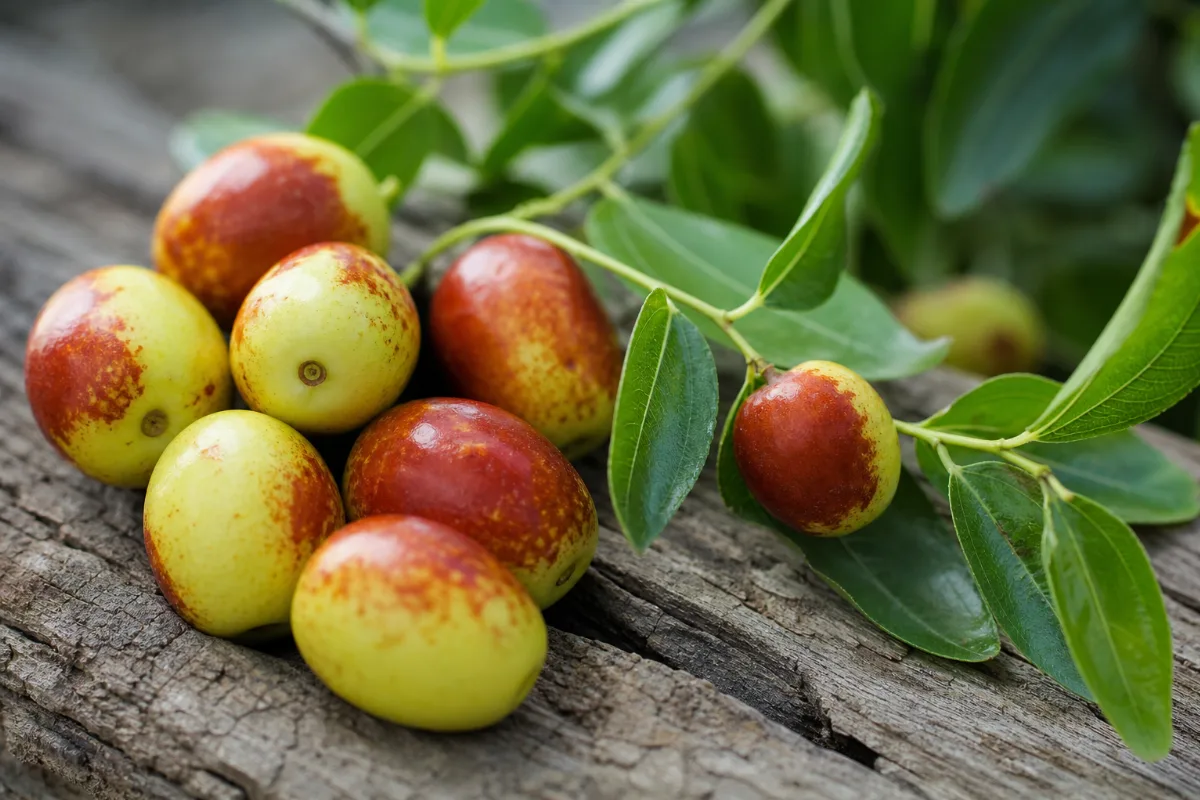
Jujube fruit (Ziziphus jujuba, da zao) and the sleep seed suan zao ren: what small trials and reviews found, and the sedative, blood-sugar, surgery and pregnancy cautions.
Baikal skullcap (Scutellaria baicalensis, huang qin) root: liver injury reports, what small human trials and lab studies show, and why it is not American skullcap.
Mood and stress (small trials)
Gum and mouth health (one trial)
Anti-inflammatory and antioxidant activity (lab and animal)
Magnolia bark (Magnolia officinalis, hou po): honokiol and magnolol, what small trials of blends found for stress and sleep, and sedative, pregnancy and kidney-case cautions.
Short-term anxiety and stress (blend trials)
Calming action on brain cells (lab)
Sleep (mouse and combination-product findings)
Menopausal hot flashes and sleep (combination product)
Phellodendron bark (Phellodendron amurense, huang bai): what small trials of branded blends found, why its berberine matters for newborns, pregnancy and medicines, and what is unproven.
Stress and mood (branded magnolia plus phellodendron blend)
Coptis (goldthread, huang lian), a berberine-rich root: what trials found for blood sugar, and why newborn jaundice, pregnancy and many medicines call for caution.
Platycodon (balloon flower, jie geng), the root of Platycodon grandiflorus: its use for cough and sore throat, the few small human trials, and the safety gaps to know.
Immune activity (natural killer cells)
Body fat in overweight adults
Heart protection during anthracycline chemotherapy
Eucommia bark (Eucommia ulmoides, du zhong): what small blood pressure and bone trials show, what is only lab or animal work, and why safety data in people are thin.
Blood pressure (bark extracts)
Blood pressure (leaf extract)
Bone density and osteoporosis
Lab and animal findings on diabetes, obesity, cholesterol and ageing
Ligustrum (glossy privet fruit, nu zhen zi): a Chinese-medicine tonic with very little human research. What sources say about use, safety, pregnancy and plant look-alikes.
Traditional liver and kidney tonic
Quality of life during chemotherapy (combination product)
Isatis (ban lan gen, woad root, Isatis tinctoria): what the sources say about colds and flu, the thin human evidence, and medicine, pregnancy and Qing Dai cautions.
Mild influenza and colds (granules)
Antiviral and immune effects in the lab
Mouth and throat soreness after head and neck radiotherapy
Hepatitis and mumps (traditional and small reports)
Atractylodes macrocephala rhizome (bai zhu): how it is used in Chinese formulas for digestion, what the few human studies show, and cautions on pregnancy and daisy-family allergy.
Traditional use for digestive weakness, bloating and loose stools
Digestive complaints in small clinical reports
Added to chemotherapy for advanced stomach cancer (multi-herb formulas)
Blood pressure, sleep, dementia and pelvic inflammation studies
Prickly pear (nopal), Opuntia ficus-indica: what small human studies found for blood sugar, cholesterol and bowel symptoms, plus diabetes-medicine, skin and home-canning cautions.
Camu camu fruit (Myrciaria dubia): how much vitamin C it holds, what the few small human studies found, and the vitamin C safety points that still apply to powders and capsules.
Very high vitamin C content of the fresh fruit
Antioxidant and inflammation markers (one small trial)
Graviola or soursop (Annona muricata): why cancer claims are unproven in people, and the nerve-toxicity and parkinsonism concerns linked to regular fruit, juice and leaf-tea use.
Cancer treatment or prevention (claim)
Tau protein build-up in animals
Anti-inflammatory and pain-relieving effects (animals)
Antimicrobial and antiviral activity (lab and animals)
Chanca piedra (Phyllanthus niruri): what reviews show for kidney stones and chronic hepatitis B, plus pregnancy, medicine and kidney or liver cautions.
Hoodia (Hoodia gordonii) is sold for appetite and weight loss, but the one small human trial found no effect, some worrying changes in blood pressure and tests, and copies are common.
Appetite suppression and weight loss (human trial)
Dragon's blood (sangre de grado) is the red latex of Croton lechleri. See what the prescription drug crofelemer proves, what the raw sap lacks, and key safety cautions.
HIV-associated non-infectious diarrhea (purified drug crofelemer)
Traveler's and watery diarrhea (sap-derived products)
Wound healing (cream)
Diarrhea-predominant IBS and cancer-treatment diarrhea
Guayusa leaf (Ilex guayusa): a caffeine-containing Amazonian tea. What traditional use, small trials and lab work show, and the caffeine, pregnancy and blood pressure cautions.
Pfaffia paniculata, Hebanthe erianthos (accepted name per GBIF match)
Root
Suma, or Brazilian ginseng (Pfaffia paniculata): what we found on traditional use, the thin human evidence, the ecdysterone sports claims, and safety unknowns.
Energy, stress and general tonic claims
Muscle building and sports performance (ecdysterone)
Punarnava (Boerhavia diffusa), an Ayurvedic root herb used for kidney and water-retention claims: what the sources say, why human evidence is thin, and kidney, pregnancy and quality cautions.
Kidney protection in animal studies
Kidney disease in people (diabetic nephropathy)
Diuretic (water pill) action
Early urine-protein leak in diabetes (combination enema)
Manjistha root (Rubia cordifolia, Indian madder): traditional blood and skin herb with almost no human trials, and a safety warning about related madder (Rubia tinctorum) compounds.
Uterine bleeding (traditional and two small studies)
Traditional use for menstrual pain, joints, jaundice and wounds
Kidney protection in animals
Laboratory pharmacology (many extracts and compounds)
Bael fruit (Aegle marmelos): traditional Ayurvedic digestive and blood-sugar use, what little human research exists, and cautions with diabetes medicines and supplements.
Kutki root (Picrorhiza kurroa), a bitter Ayurvedic herb sold for the liver: what the few small trials show, pregnancy caution, endangered wild stocks and quality concerns.
Acute viral hepatitis (liver infection)
Other liver and stomach conditions (fatty liver, hepatitis B carriers, dyspepsia)
Ashoka bark (Saraca asoca): an Ayurvedic tree bark used for menstrual problems, with very little human research, a threatened wild supply, and a known look-alike bark sold in its place.
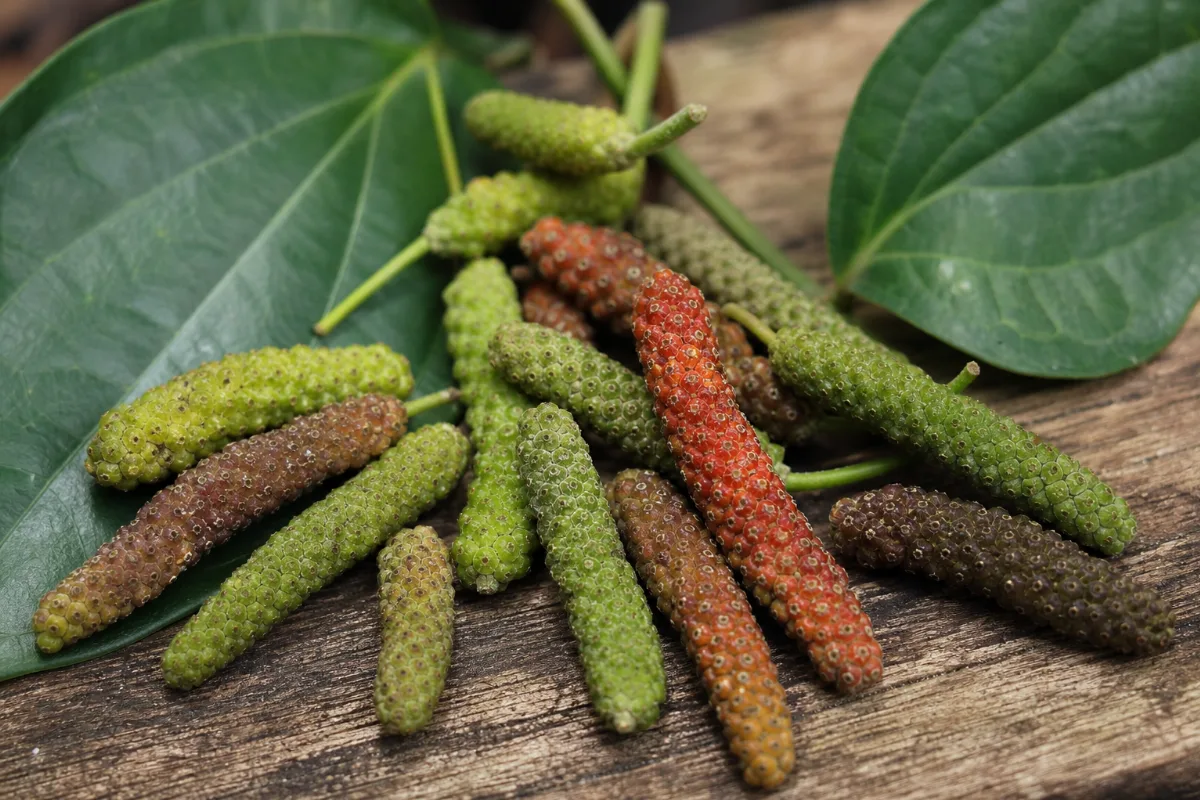
Long pepper, or pippali (Piper longum): its piperine content, why it may change how medicines are absorbed, and the near-absence of human trials on the fruit itself.
Trikatu mix lowering a painkiller in animals
Liver-cell injury markers in a cell study
Traditional digestive and bioenhancer use (trikatu)
Antimicrobial, antioxidant, anti-inflammatory and other lab activities
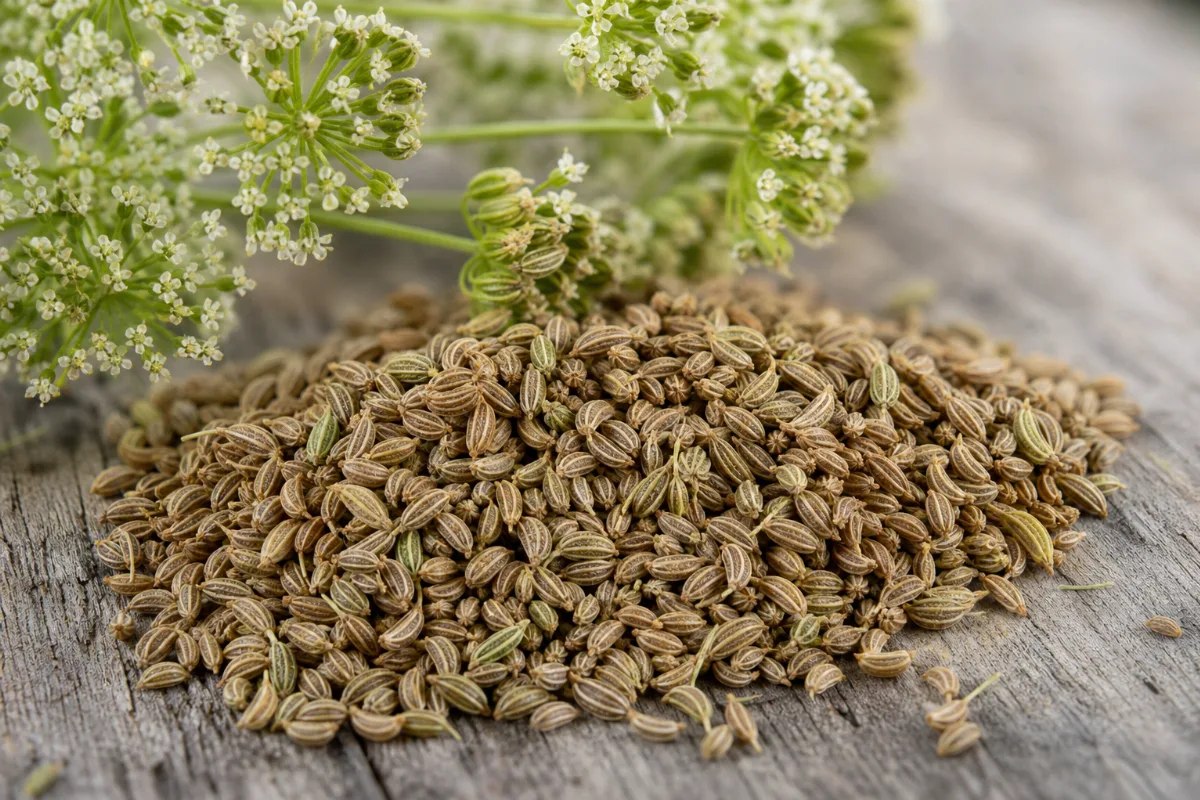
Ajwain, or carom seed (Trachyspermum ammi): what small trials and lab studies show, why its thymol-rich oil needs care, and what we could not verify on pregnancy and medicines.
Burning-foot neuropathic pain (10% cream)
Nerve symptoms from taxane chemotherapy (cream)
Pain from injection in children (oil on the gums)
Anti-inflammatory effect of a fruit extract in rats
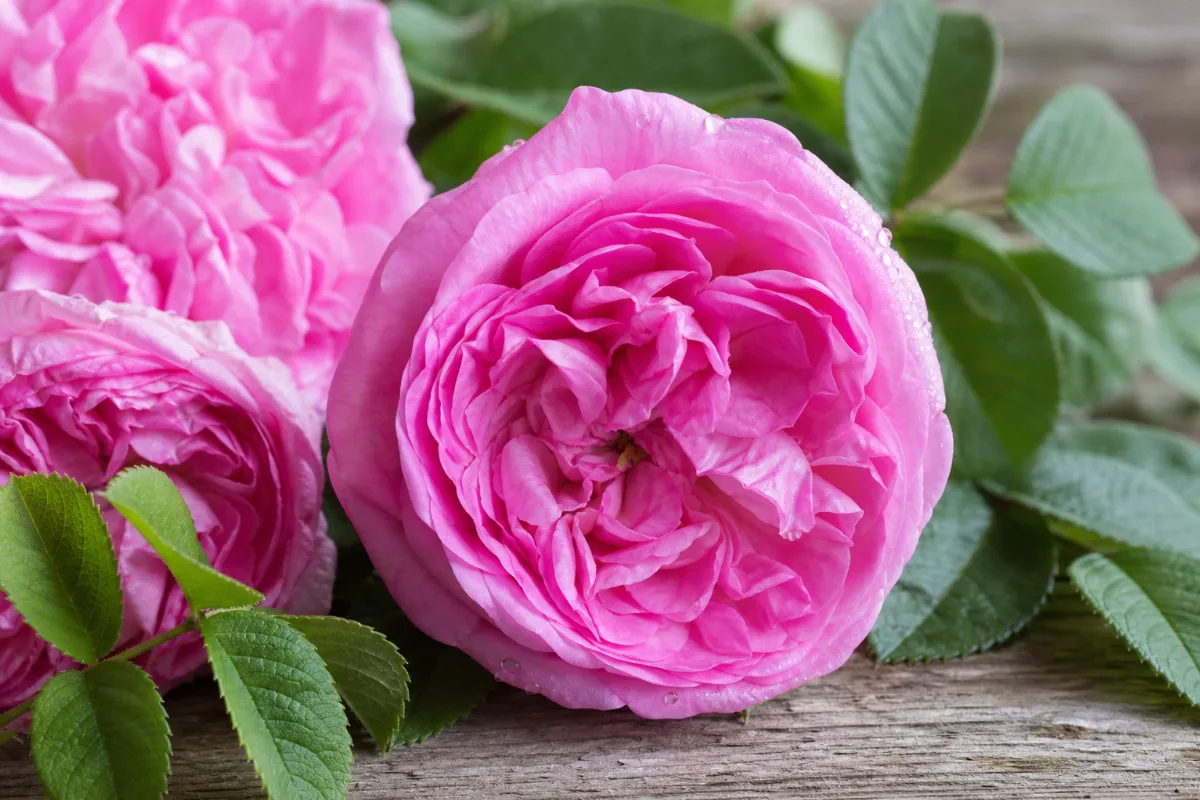
Rose petals (Rosa damascena): what the EU says about the traditional mouth and skin use, what small trials found for constipation and calming scent, and the pregnancy and allergy cautions.
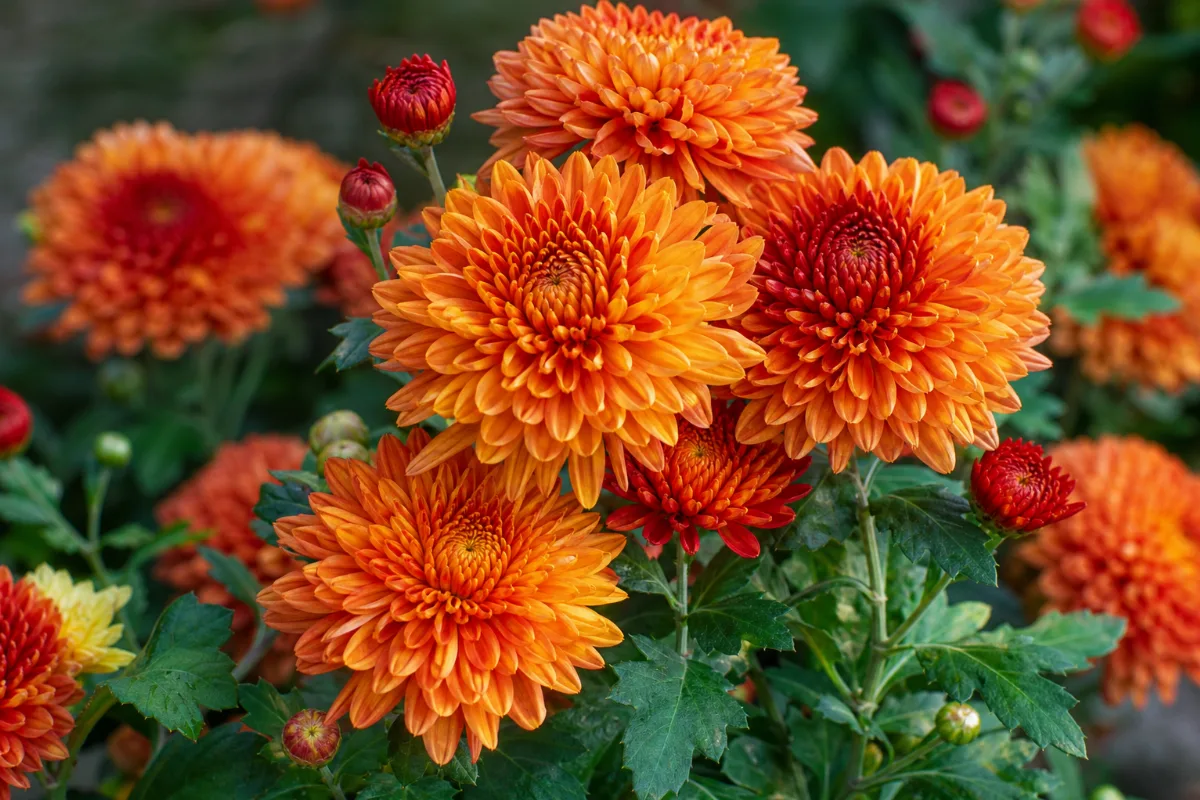
Chrysanthemum flower (Chrysanthemum morifolium, ju hua tea): traditional use in Chinese dietary medicine, the very thin human research, and the daisy-family allergy caution.
Traditional use in Chinese dietary medicine
Blood sugar and blood fats after a fatty meal
Lung function during air pollution (as one ingredient of a formula)
Antioxidant and anti-inflammatory activity in the lab
Osha root (Ligusticum porteri), also called bear root: what is known about colds and coughs, why no human trials exist, the deadly hemlock look-alike, and wild-harvest concerns.
Boneset (Eupatorium perfoliatum): a fever and cold herb of North American tradition. Lab tests found liver-toxic pyrrolizidine alkaloids in it, and human trials are missing or weak.
Coltsfoot leaf (Tussilago farfara) has been used for coughs, but it can contain liver-toxic pyrrolizidine alkaloids. What EU, EFSA and research sources say, and why the evidence for benefit is thin.
Cough and respiratory complaints
Anti-inflammatory and antioxidant effects in the lab
Pennyroyal (Mentha pulegium and American pennyroyal): why swallowing the oil or herb has caused liver failure and deaths, including infants and abortion attempts, and what research shows.
Menstrual symptoms and bringing on a period
Colds, lung conditions, inflammation and insect repellent
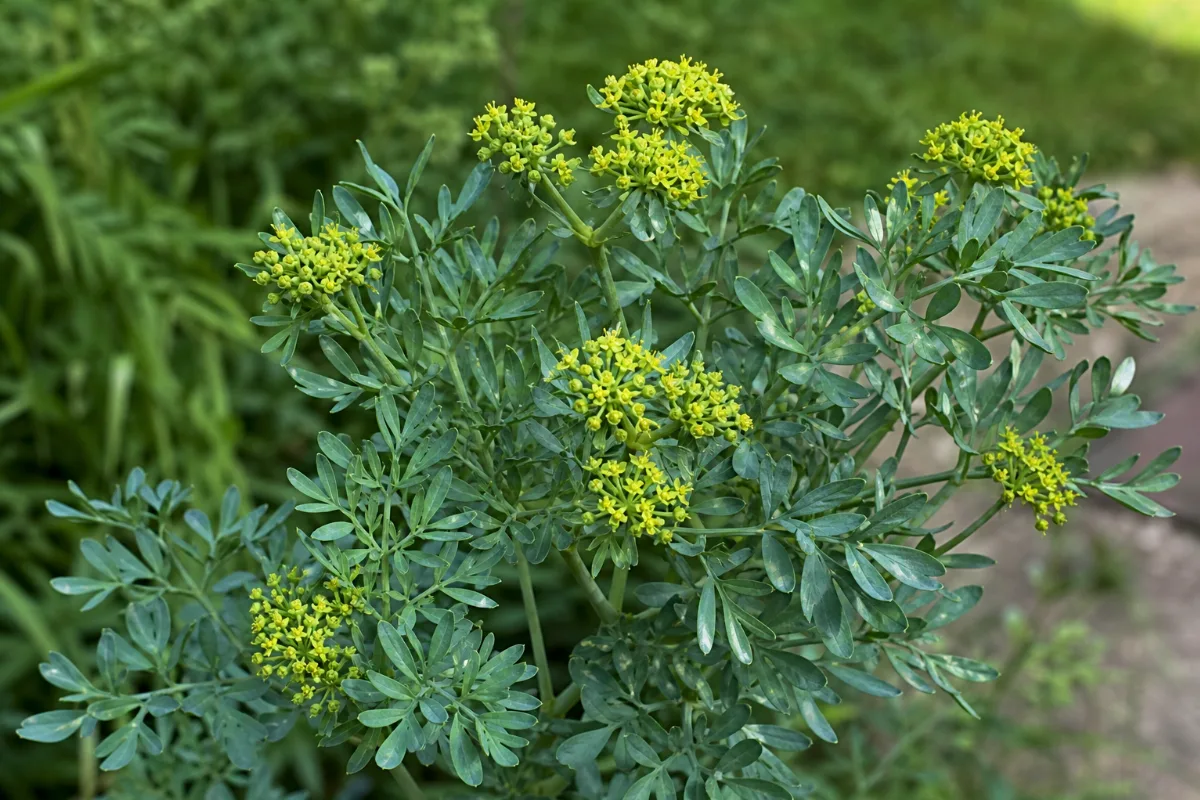
Rue (Ruta graveolens): why this garden herb can burn skin in sunlight and has caused severe poisoning and deaths when swallowed to end a pregnancy, and what little research exists.
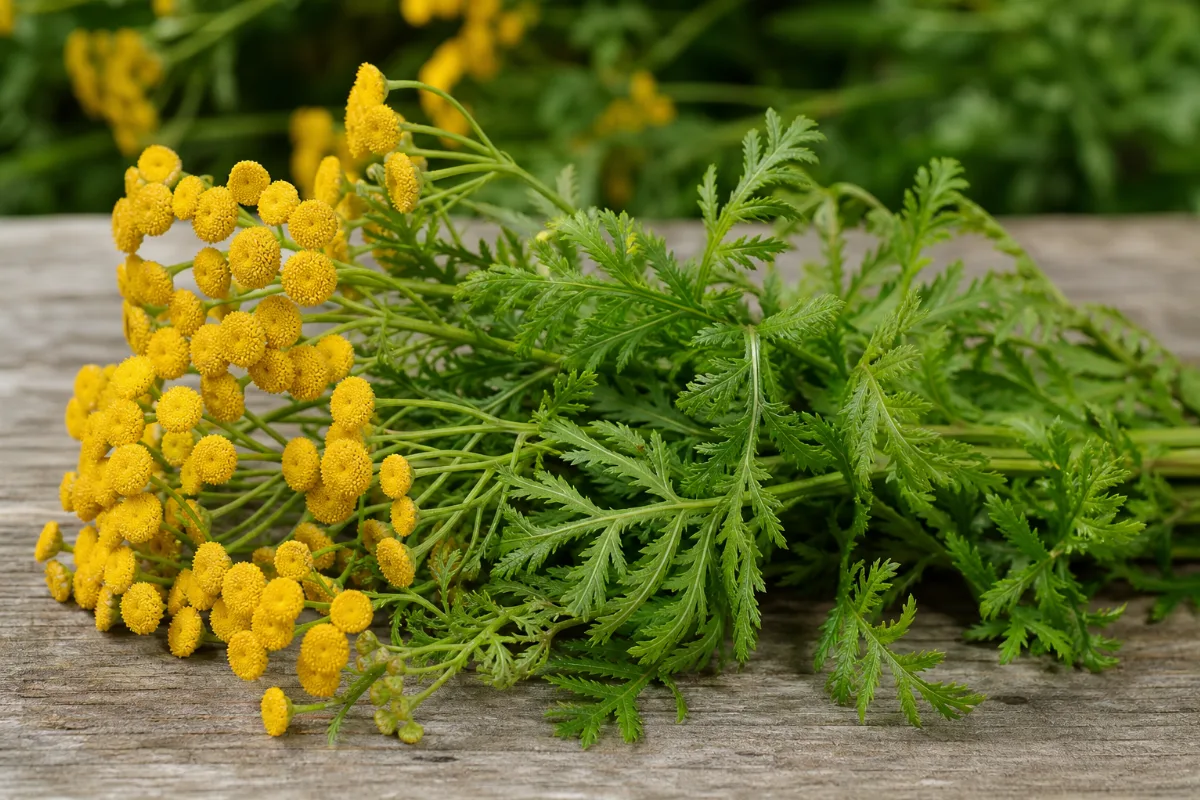
Tansy (Tanacetum vulgare): a thujone-containing plant that sources call unsafe to swallow, with no proven medical benefit, plus pregnancy, seizure and allergy cautions.
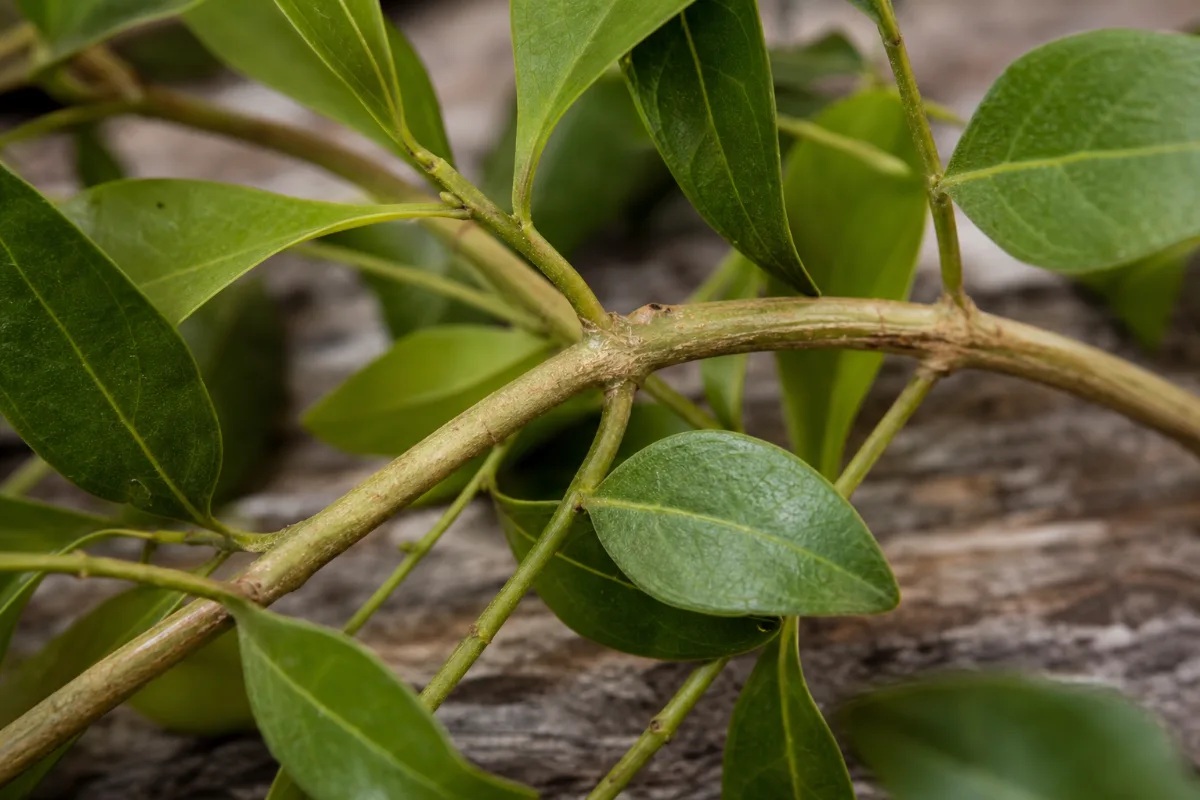
Sandalwood heartwood and oil (Santalum album): what small studies found for calm, skin and warts, why the oil is not for swallowing, skin allergy, fake oils and overharvesting.
Yohimbe bark (Pausinystalia johimbe): what research and health agencies say about sexual-health and weight-loss claims, plus heart, blood pressure, anxiety and label-accuracy warnings.
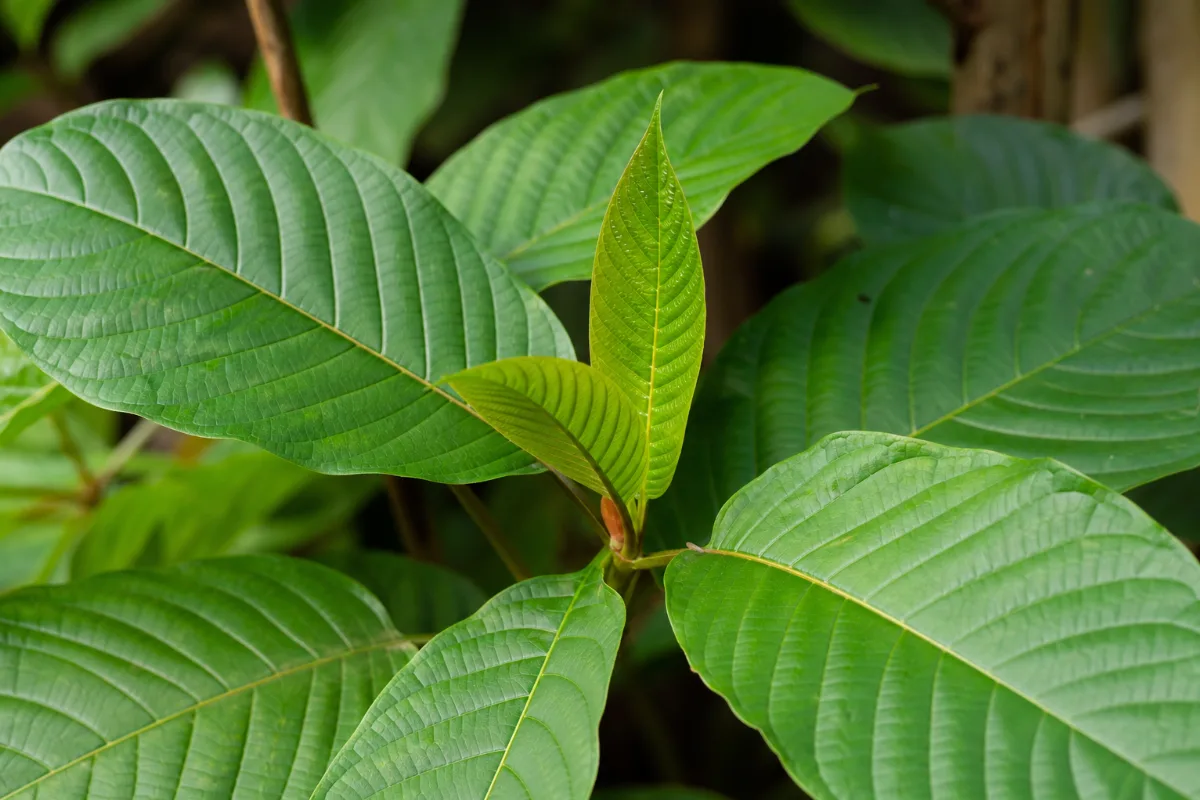
Kratom leaf (Mitragyna speciosa) acts on opioid receptors. What FDA, NIH, WHO and poison-center data say about dependence, deaths, liver injury, 7-OH products and legal status.
Opioid-receptor activity (how it works)
Pain relief (self-reported use)
Opioid withdrawal and cravings (self-treatment)
Energy, alertness and relaxation (reported effects)
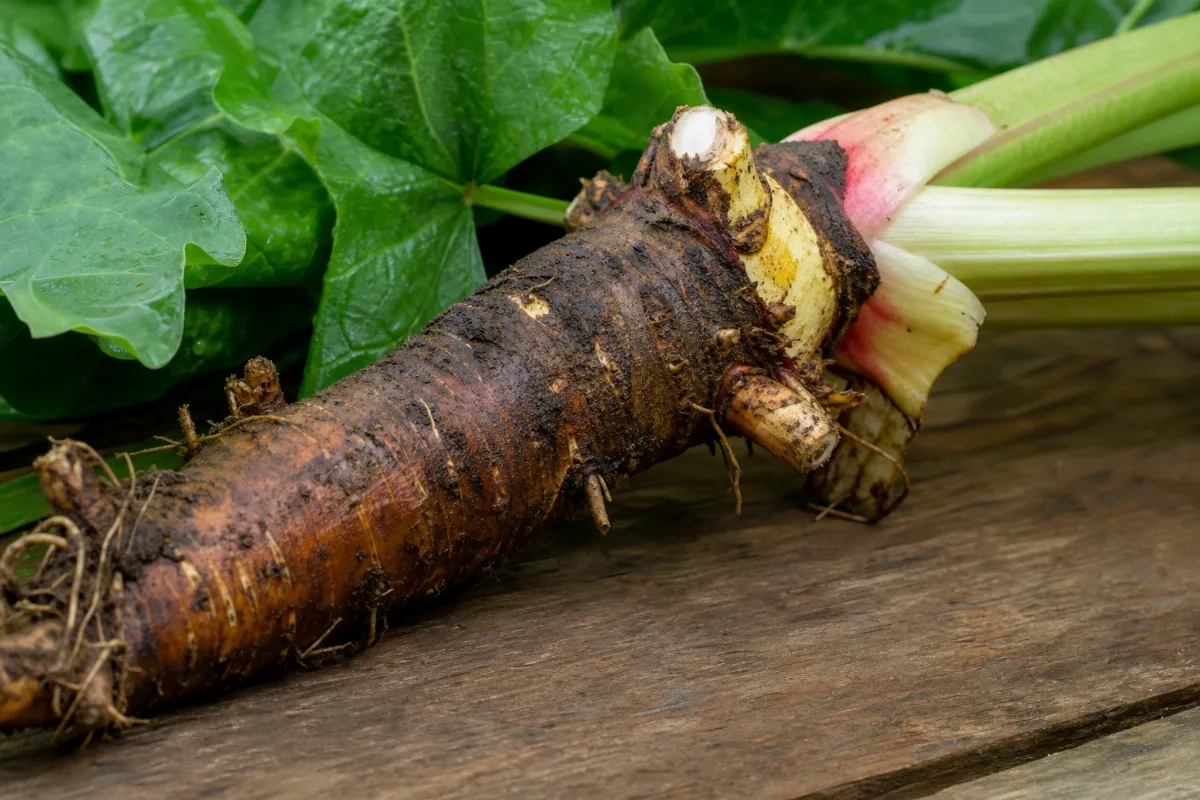
Rhubarb root (Rheum palmatum, da huang) is a stimulant laxative: what EU and US sources say, why the leaves of garden rhubarb are poisonous, and kidney and pregnancy cautions.
Short-term relief of occasional constipation
Stimulant laxative action (anthraquinones)
Possible help in severe acute pancreatitis (hospital use)
Monk fruit (Siraitia grosvenorii, luo han guo): what the FDA and EFSA say about its sweet extract, what little human research exists on blood sugar, and who should ask first.
Zero-calorie sweetener that does not raise blood sugar like sugar
US regulatory status (GRAS no-questions letters)
Blood sugar control in diabetes
Traditional Chinese medicine uses (cough, sore throat, constipation)
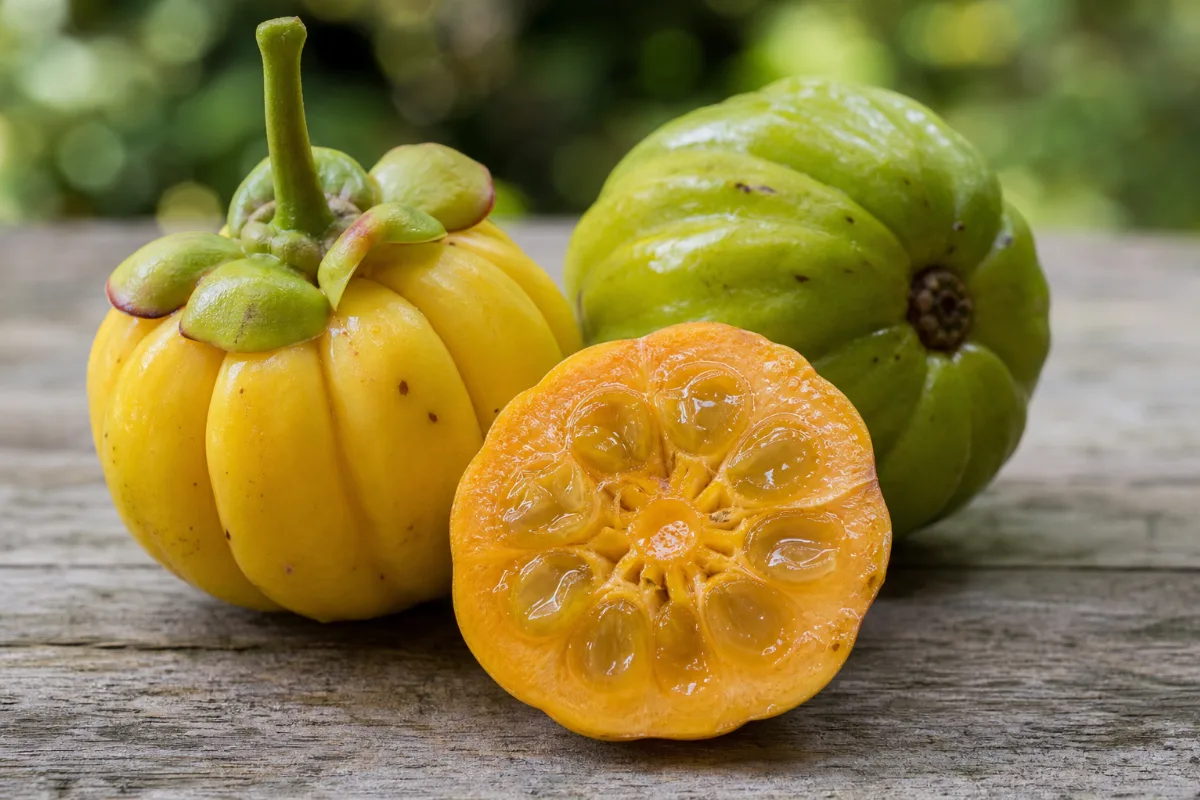
Garcinia cambogia fruit rind (Garcinia gummi-gutta): what weight-loss trials found, and why liver-injury reports, a USP caution and NCCIH safety warnings matter before use.
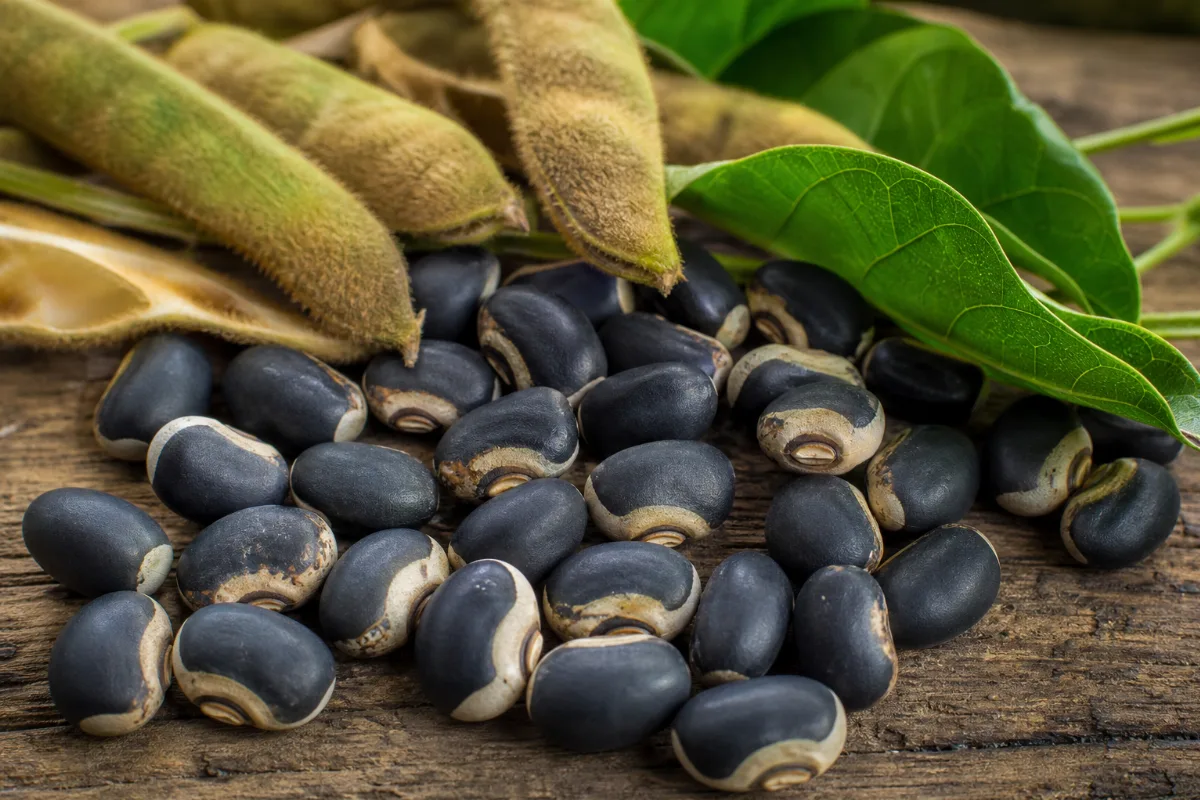
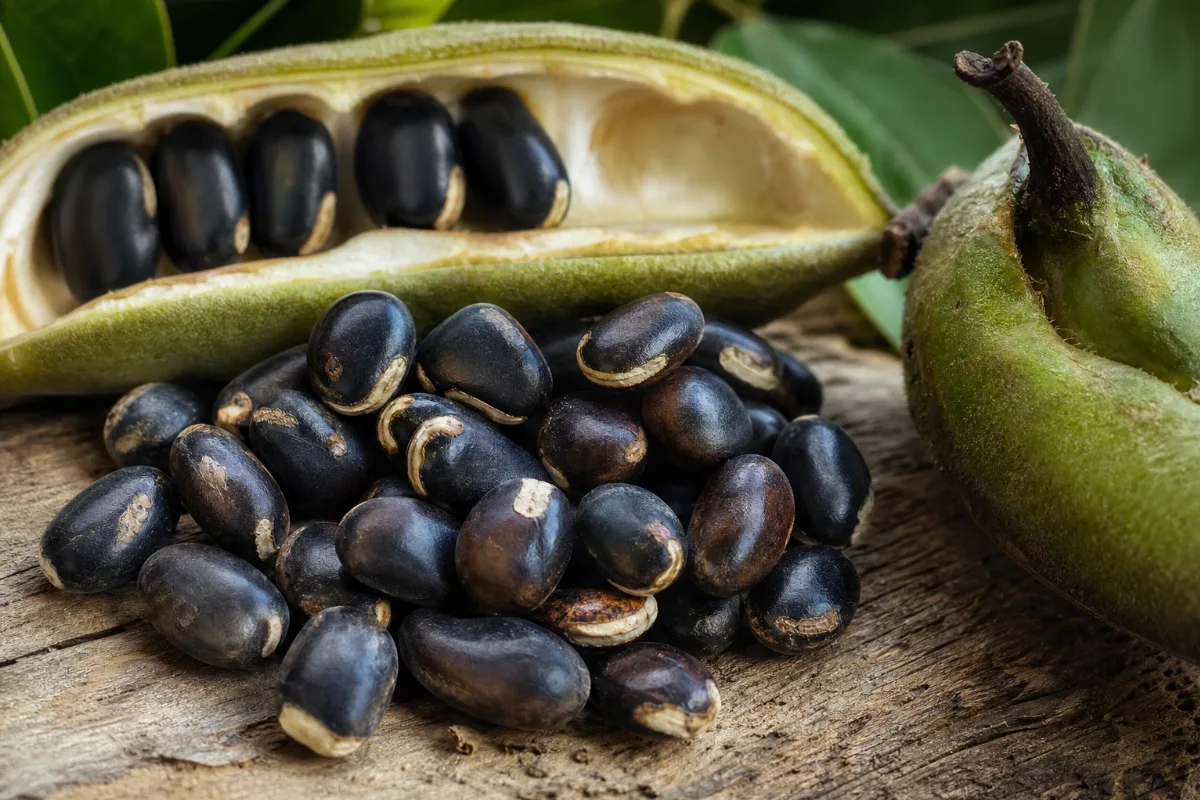
Mucuna pruriens (velvet bean) seed is a natural source of levodopa. What Parkinson's trials show, and the medicine, psychiatric, seed-hair and fertility-claim cautions.
Green (unroasted) coffee bean extract: the retracted weight-loss study behind the hype, what later trials found, and caffeine, medicine, pregnancy and heart cautions.
Body weight and body fat
The retracted weight-loss study and the FTC action
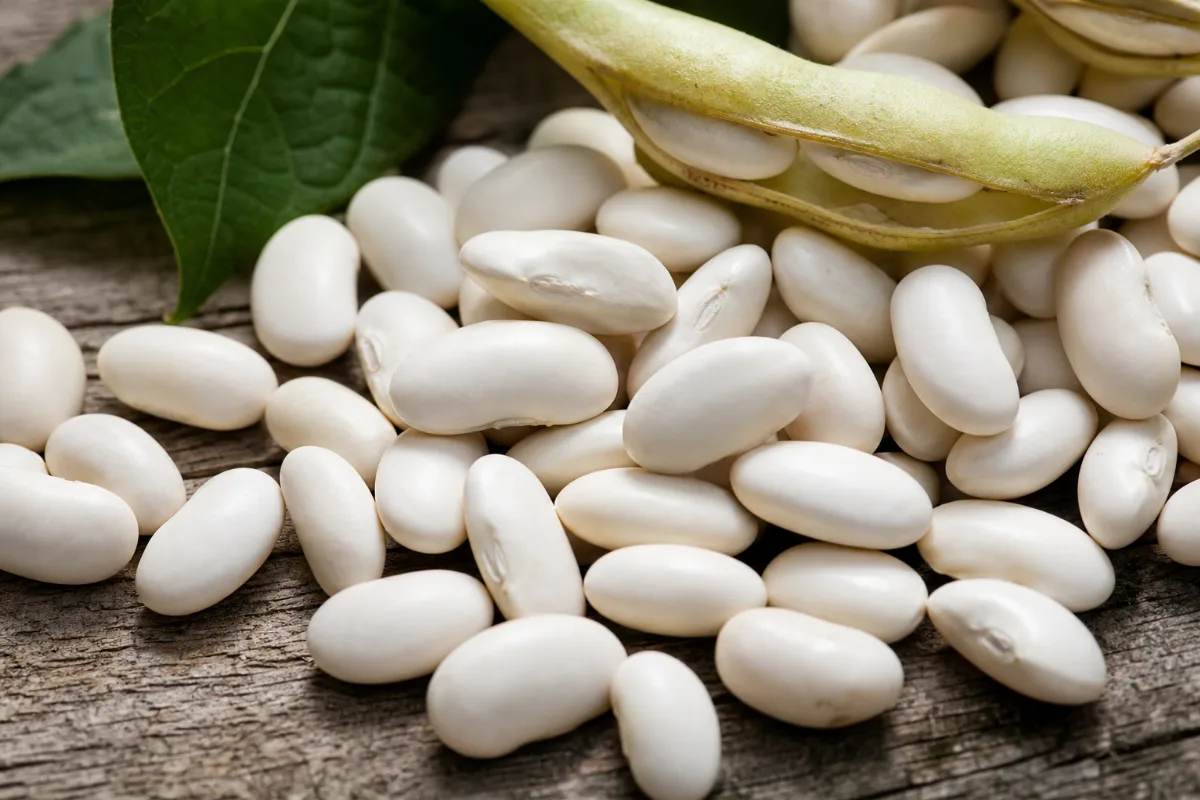
White kidney bean extract (Phaseolus vulgaris), sold as a "starch blocker": what trials show about small weight changes, and why raw or undercooked kidney beans are poisonous.
Small reduction in body weight and fat
Slowing starch digestion (how it is meant to work)
Irvingia (African mango seed, Irvingia gabonensis): what weight-loss and cholesterol trials show, why their quality is questioned, and blood sugar, kidney and pregnancy cautions.
Body weight and body fat
Blood cholesterol and blood fats
Blood sugar and metabolic syndrome markers
Adiponectin and vitamin C levels (independent trial)
Bergamot fruit (Citrus bergamia): what trials of bergamot extract found for cholesterol, why the oil makes skin sun-sensitive, and the medicine, pregnancy and Earl Grey cautions.
Griffonia seed (Griffonia simplicifolia) is the commercial source of 5-HTP. What research shows for low mood, and why antidepressant, surgery and contamination cautions come first.
Fadogia agrestis, Vangueria agrestis (accepted name per GBIF)
Stem
Fadogia agrestis stem: popular online as a testosterone booster, yet the sources we read show only rat studies, signs of organ stress in those animals, and no human trials.
Catuaba bark (Trichilia catigua and look-alike plants sold under the same name): what the lab research shows, why products are often mixed up, and safety cautions.
Traditional use as an aphrodisiac
Fatigue (animal findings)
Antioxidant and enzyme-blocking activity in the lab
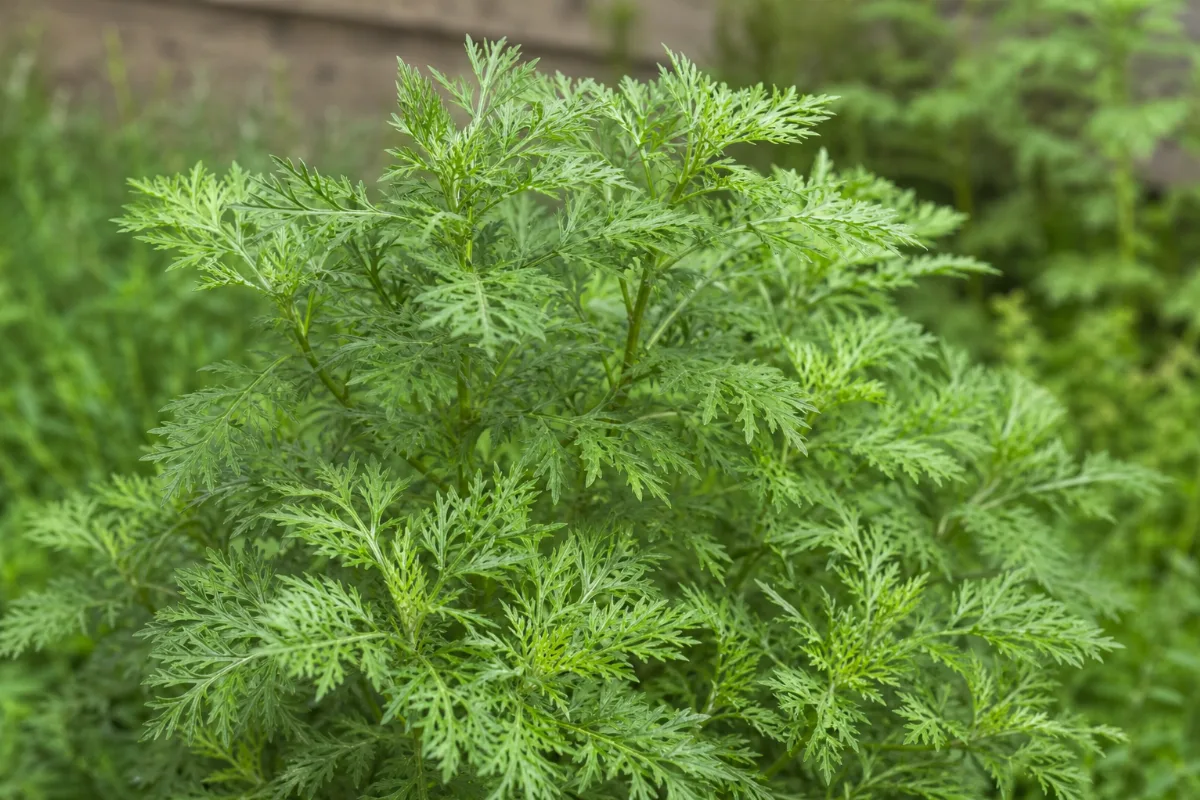
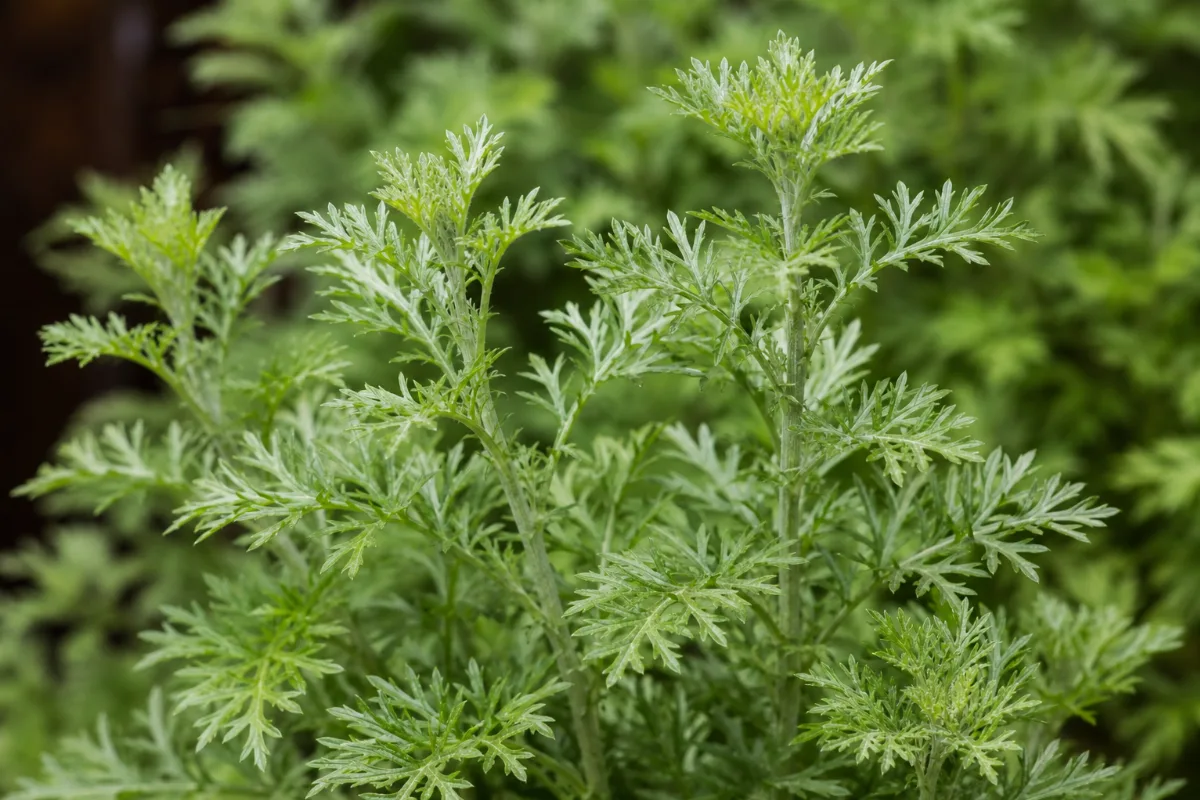
Sweet wormwood (Artemisia annua), the plant behind artemisinin: why WHO does not support the plant or its tea for malaria, plus liver, resistance, pregnancy and look-alike cautions.
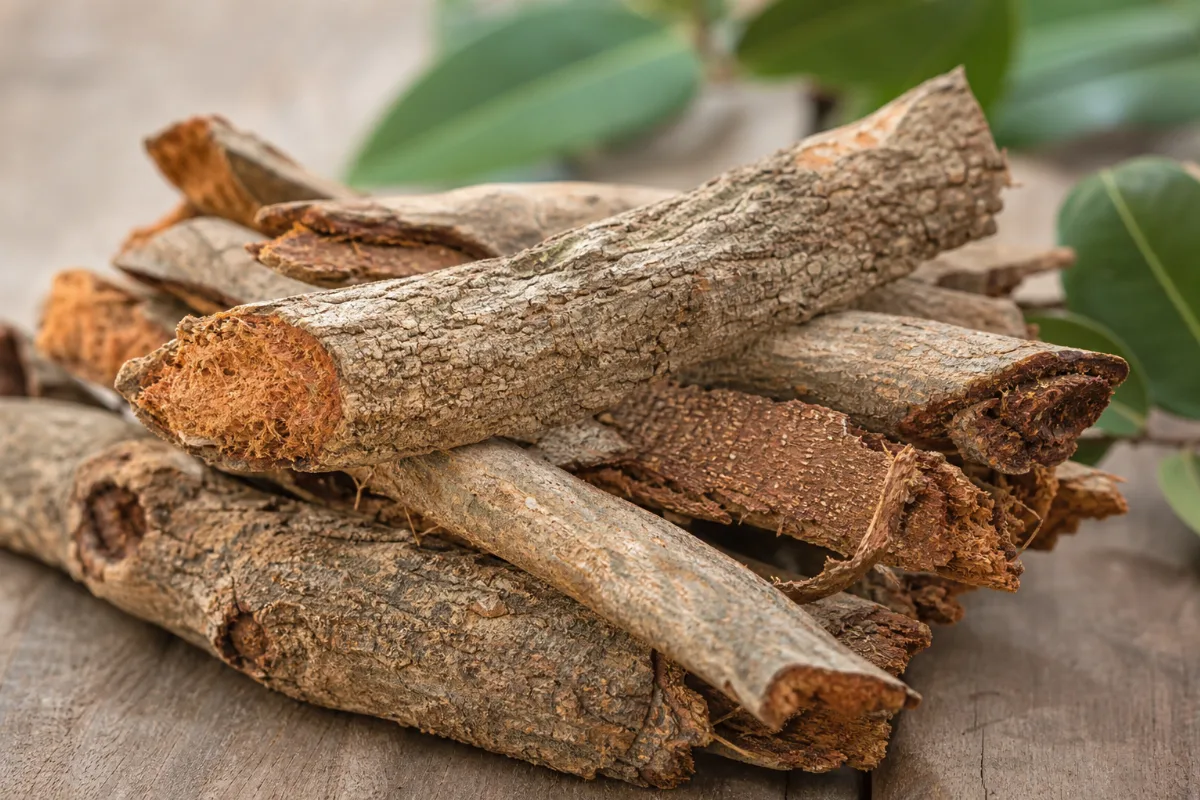
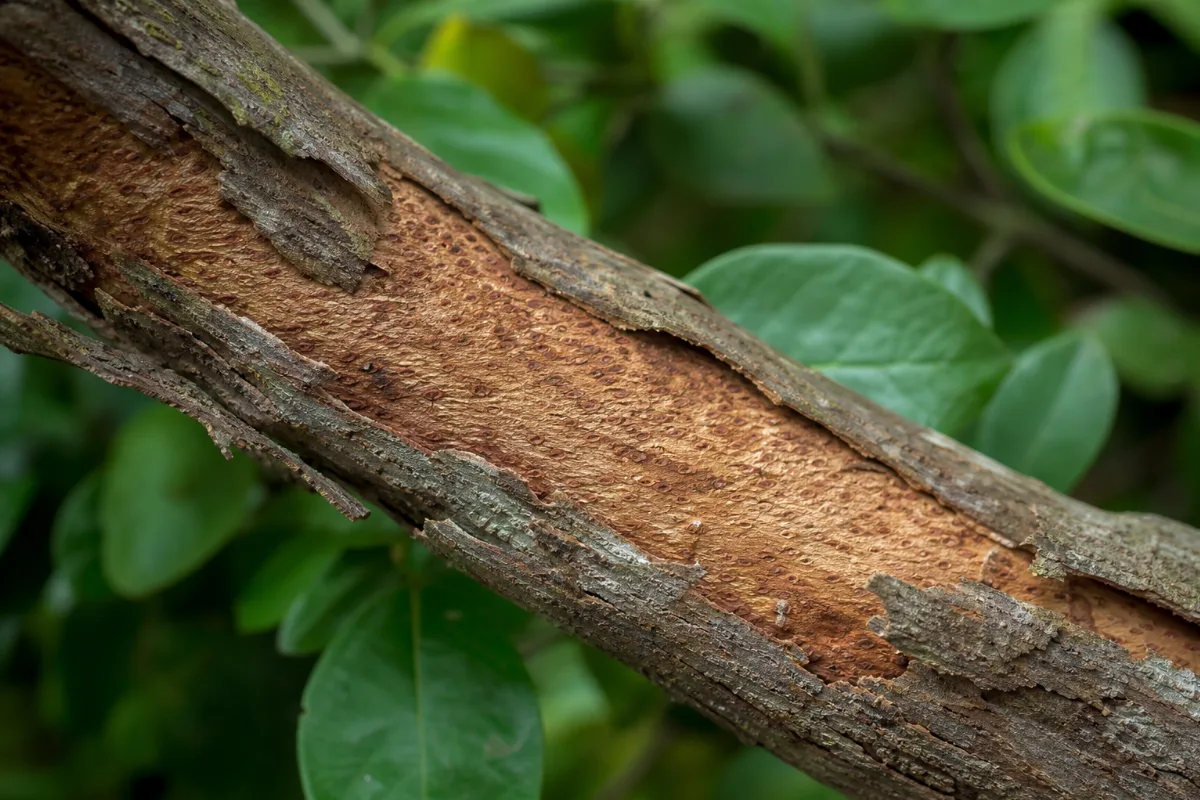
Cinchona bark (Cinchona officinalis and relatives), the source of quinine: why it is a risky herb, what quinine warnings say, and what research shows about malaria and leg cramps.
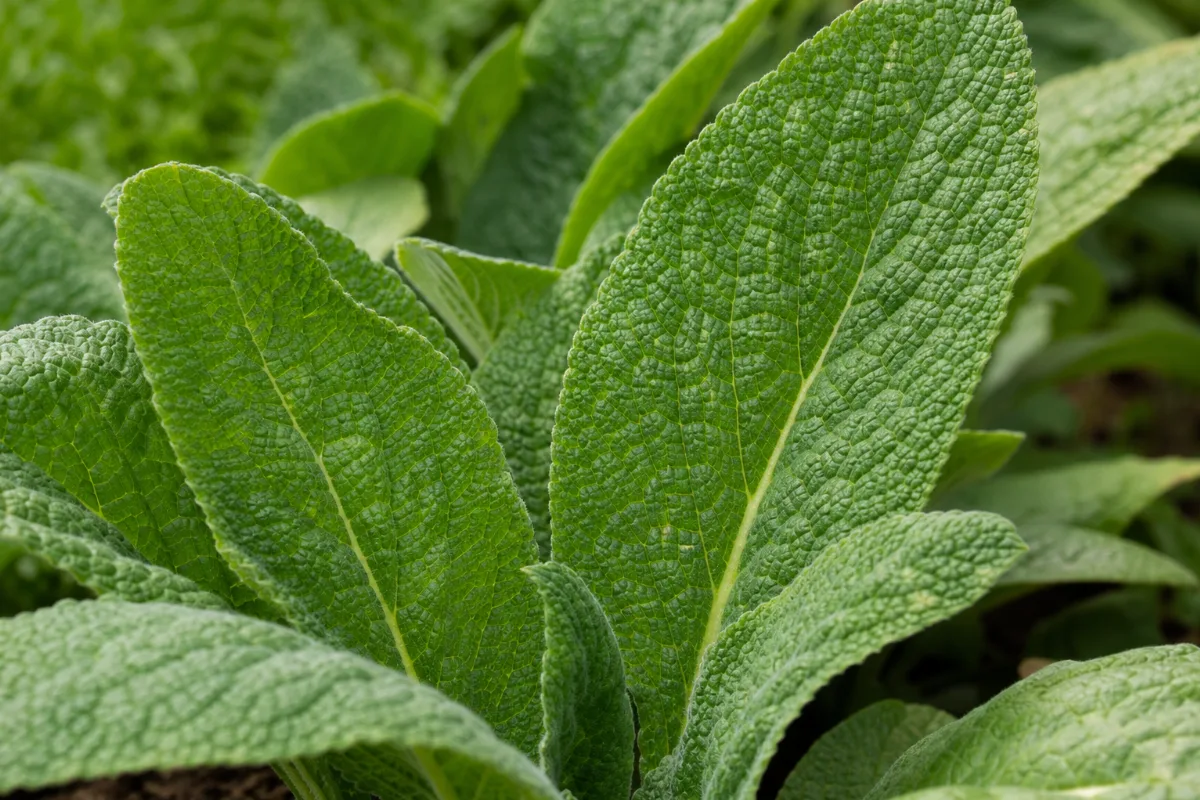
Foxglove (Digitalis purpurea) is a poisonous garden plant, not a herbal remedy. Why every part can harm the heart, how it gets mistaken for comfrey, and who to call.
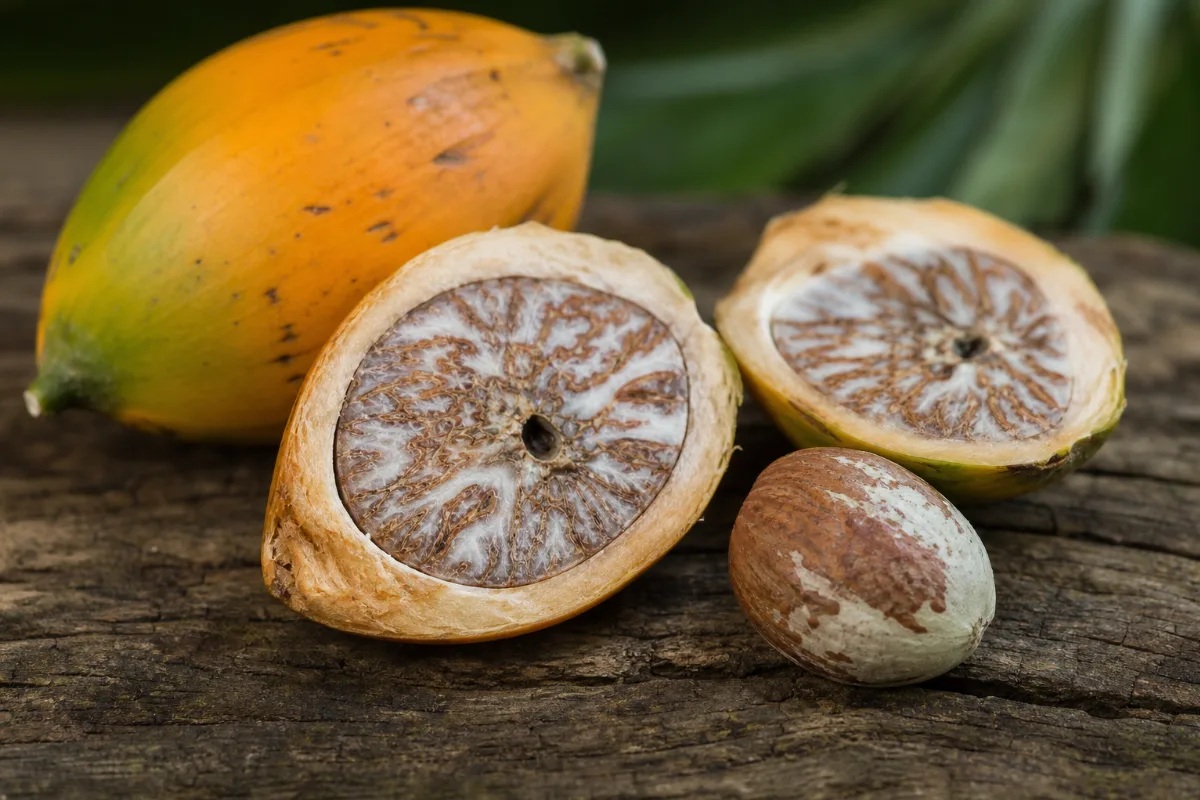
Betel nut (areca nut, Areca catechu): why health agencies link chewing it to oral cancer, mouth scarring and dependence, with pregnancy and medicine cautions. Information only.
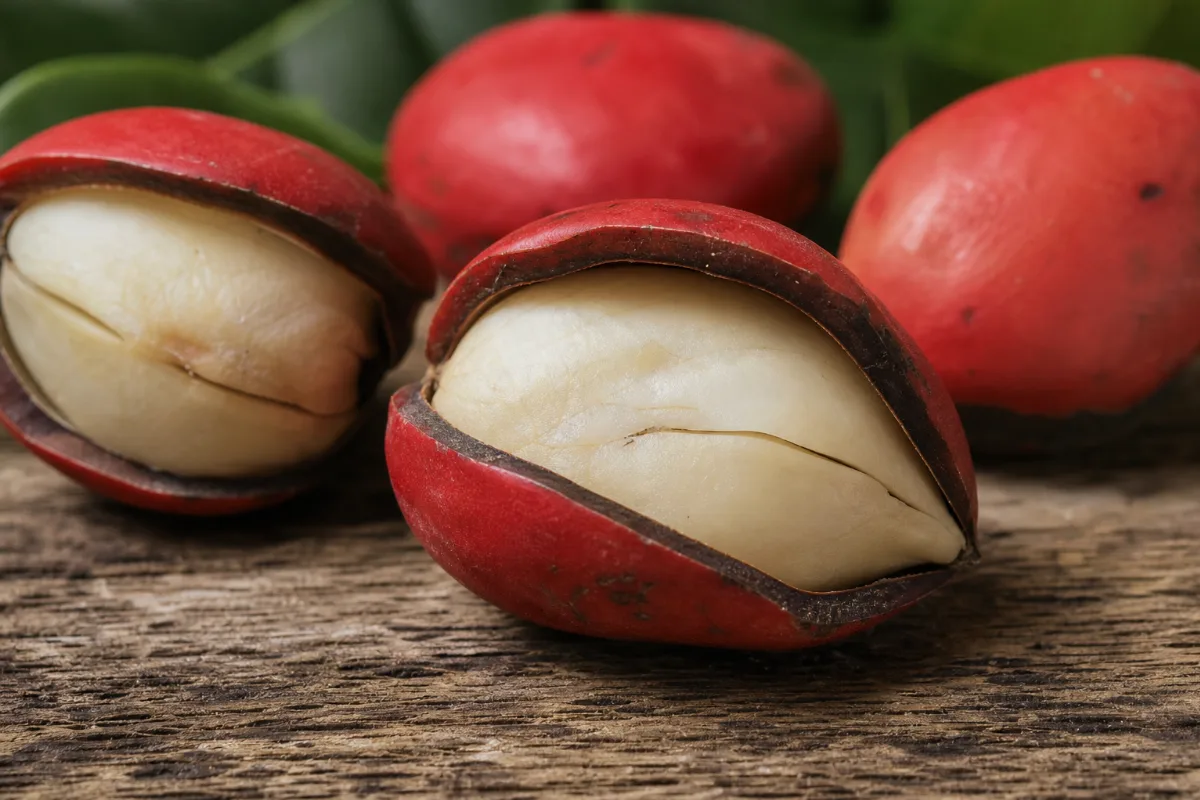
Kola nut seed (Cola nitida): a caffeine-containing West African chewing seed. What the EU assessment found, why trials are missing, and cautions for pregnancy, children, ulcers and the heart.
Short-term tiredness and weakness (traditional use)
Safflower flower (Carthamus tinctorius, hong hua): what is known about its use in Chinese medicine, the thin human evidence, and bleeding, pregnancy and allergy cautions.
Unstable angina (two-herb hospital injection)
Traditional use to move blood and relieve pain
Heart-injury protection in animals (HSYA)
Antioxidant, anti-inflammatory and liver-protective findings
Polygala root (yuan zhi, Polygala tenuifolia): what reviews say about memory and sleep claims, saponin stomach and throat irritation, pregnancy cautions and look-alike species.
Memory in healthy adults (BT-11 extract)
Memory and thinking in Alzheimer's disease (as part of formulas)
Sleep and insomnia
Traditional use: calming the mind and supporting memory
Gastrodia (tian ma, Gastrodia elata) is an orchid tuber used in Chinese medicine for headache and dizziness; the human trials we found tested the isolated compound gastrodin, and safety data are thin.
Uncaria (gou teng, Uncaria rhynchophylla): a Chinese medicine hooked stem tied to blood pressure formulas. What trials show, why it is not cat's claw, and medicine cautions.
High blood pressure (formulas added to blood pressure drugs)
High blood pressure (formula on its own, Cochrane)
Chuanxiong rhizome (Ligusticum chuanxiong), a Chinese herb used for headache and circulation: what trials show, blood-thinner and pregnancy cautions, and what is not proven.
Acute ischemic stroke
Stroke or heart failure with danshen-ligustrazine injection
Houttuynia (Houttuynia cordata, fish mint, yu xing cao): a leafy herb eaten in parts of Asia, with serious allergic reactions reported to its injection and little human research on teas or capsules.
Liver and kidney changes in high-extract rat studies
Cold, cough and lung infection use
Antiviral activity in the lab
Anti-inflammatory and antibacterial activity in the lab
Imperata (bai mao gen, cogongrass rhizome): traditional use for bleeding and urination, a small human diuretic trial that found no effect, and cautions on potassium, kidneys and quality.
Traditional use for bleeding (charred rhizome)
Traditional use to increase urine and ease swelling
Ophiopogon (mai dong, Ophiopogon japonicus): traditional Chinese use for dry cough and the heart, what trials of Shenmai products really show, and cautions about injections and look-alike roots.
Heart failure after a heart attack (Shenmai injection)
Angina (oral Dengzhan Shengmai capsule)
Thinking problems after surgery (Shenmai injection)
Polygonatum rhizome (huang jing, Solomon's seal; Polygonatum sibiricum): used in Chinese medicine for centuries, with one small sleep trial and mostly lab research behind it.
Sleep in mild insomnia
Blood sugar (diabetes)
Antioxidant, immune, anti-fatigue and other lab findings
Traditional tonic use (fatigue, cough, appetite, joints)
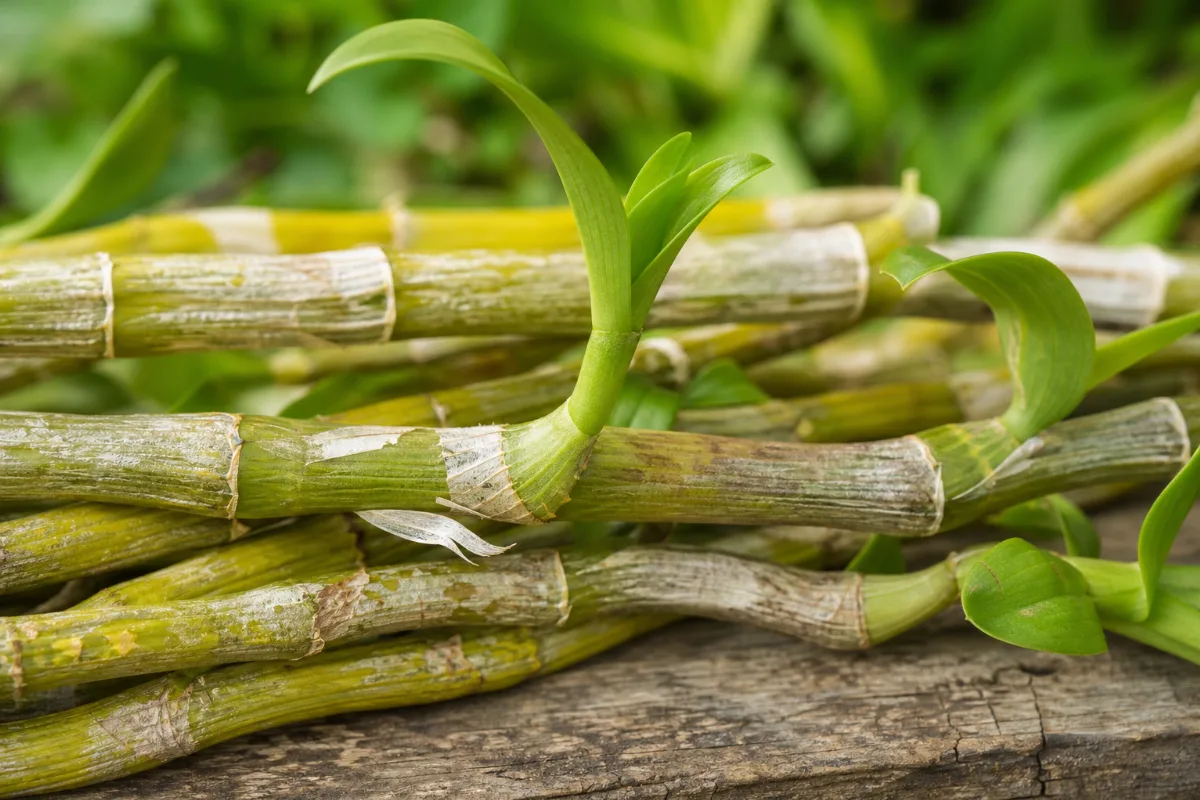
Dendrobium (shi hu, Dendrobium officinale) is an orchid stem used in Chinese medicine; human evidence is small, products are often mixed with other species, and wild plants are threatened.
Alisma (ze xie, water plantain rhizome): a Chinese medicine herb used as a diuretic and for blood fats. See what research shows, kidney cautions and quality issues.
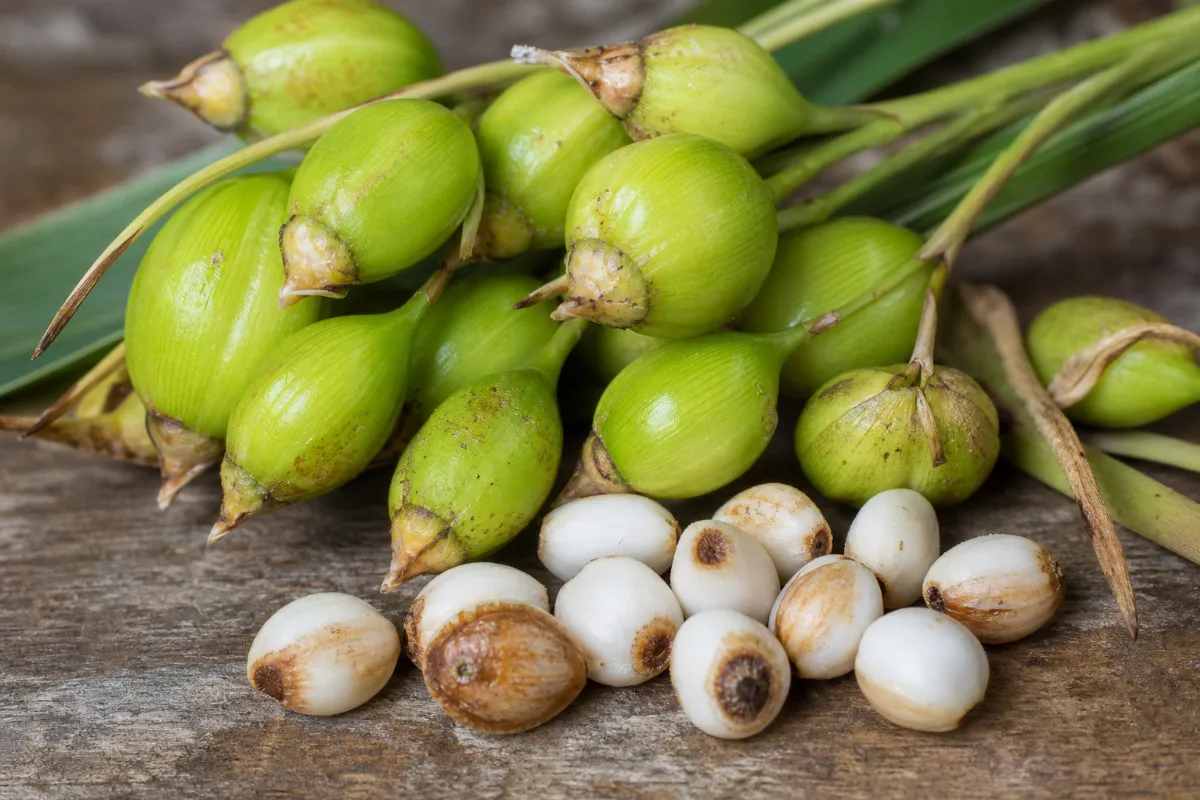
Job's tears or coix seed (Coix lacryma-jobi, yi yi ren): what trials and reviews found, why kanglaite injection is a different product, and pregnancy, blood sugar and mold cautions.
Added to chemotherapy for advanced digestive cancers (kanglaite injection)
Kanglaite with immunotherapy in lung cancer
Period pain (adlay-based formula)
Type 2 diabetes and cholesterol (Job's tears in yogurt)
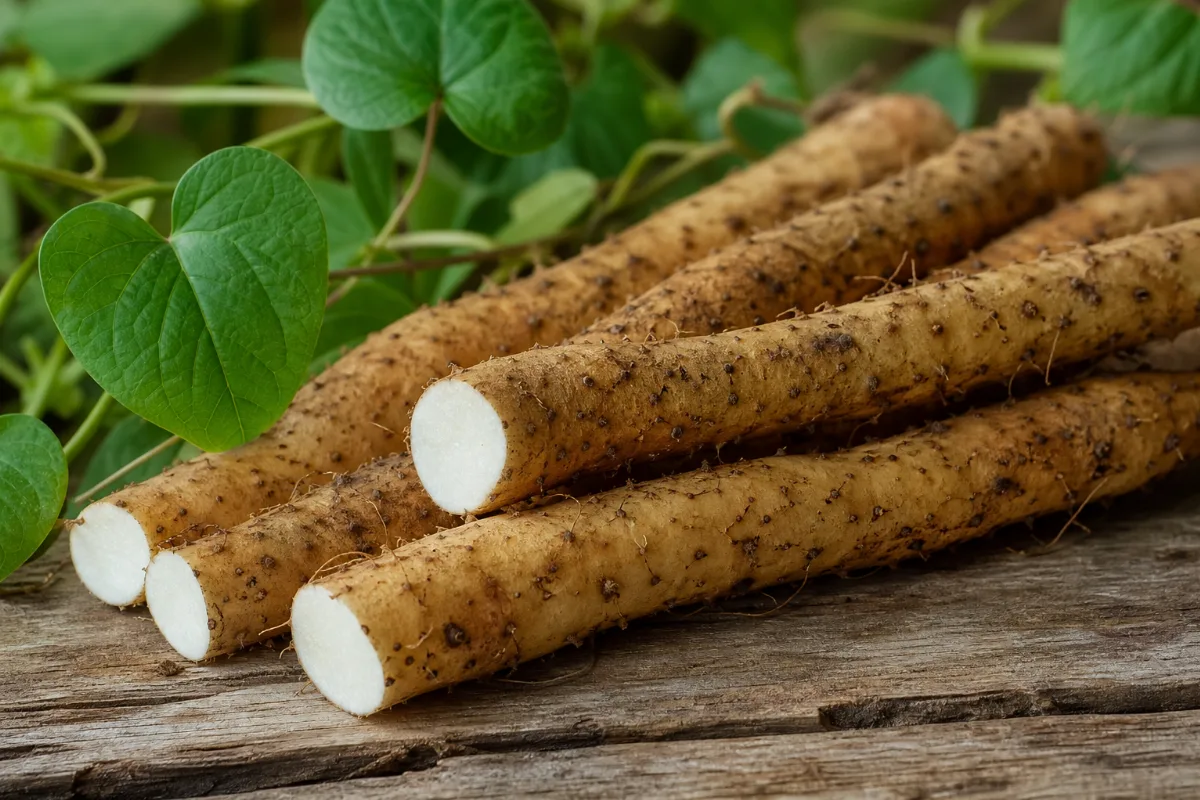
Chinese yam (shan yao, Dioscorea polystachya): a food and traditional East Asian tonic. What the sources say about digestion and blood sugar (mostly animal work), and what is not known about safety.
Gut function and digestive comfort
Blood sugar in animal studies
Inflammation and metabolic markers (lab and animal)
Immune-cell effects of yam polysaccharides (lab and animal)
Saposhnikovia root (fang feng, Saposhnikovia divaricata): a Chinese-medicine root known from Yu Ping Feng San, with sun-sensitivity chemistry, look-alike roots and thin human evidence.
Part of the Yu Ping Feng San formula for allergic rhinitis
Part of the Yu Ping Feng San formula for adult asthma
Anti-inflammatory activity in cells and mice
Other reported lab activities (immune, antioxidant, anti-tumour)
Calamus or sweet flag (Acorus calamus) rhizome: animal studies link its asarone to liver cancer, US law bars it from food, and human evidence of benefit is missing.
Vasaka leaf (Justicia adhatoda, also called Adhatoda vasica): traditional cough remedy and source plant of bromhexine, with pregnancy and uterine-stimulant cautions and little human evidence.
Safed musli root (Chlorophytum borivilianum): Ayurvedic use for stamina and libido, the few small human trials, wild-stock decline, look-alike roots and what is not known about safety.
Sperm quality and testosterone
Physical performance and endurance
Sperm density in low sperm count (three-herb mix)
Growth hormone after exercise (two-ingredient blend)
Nirgundi (Vitex negundo), the Chinese chaste tree leaf used in Ayurveda for joint pain: what the few human trials found, skin-reaction and pregnancy cautions, and how it differs from chasteberry.
Bala (country mallow, Sida cordifolia): a plant the FDA names as a source of ephedrine, the stimulant banned in US supplements. What the sources say about heart risk, quality and evidence.
Arthritis (traditional and clinical-trial mentions)
Anti-inflammatory and pain effects in lab and animal studies
Shankhpushpi (Convolvulus prostratus, also called C. pluricaulis) in Ayurveda: one small human trial, mostly lab and animal findings, and why products may hold other plants.
Calming and anti-anxiety effects (animal findings)
Vidari kanda (Indian kudzu, Pueraria tuberosa) tuber: what Ayurveda uses it for, what little human research exists, and cautions on hormones, pregnancy and look-alikes.
Kokum (Garcinia indica), the sour Indian fruit rind and seed butter: what is known about garcinol and HCA, why human evidence is thin, and the liver caution borrowed from Garcinia cambogia.
Sour kitchen ingredient and traditional digestive use
Yerba santa leaf (Eriodictyon californicum): a California plant used traditionally for coughs and colds and as a flavoring, with almost no human research and unclear safety data.
Traditional respiratory use (coughs, colds, chest congestion)
Self-heal (Prunella vulgaris, xia ku cao): traditional use for thyroid swelling and cold sores, what trials and lab studies show, and the cautions that apply.
Hyperthyroidism, added to antithyroid drugs
Thyroid nodules, added to thyroid hormone drugs
Anti-herpes activity in the lab
Traditional use for lumps, swellings, sore throat and fever
Bugleweed (Lycopus virginicus, also L. europaeus) is promoted for an overactive thyroid. Read what little human research exists and why thyroid medicines and scans matter.
Wild cherry bark (Prunus serotina) in cough syrups: why the plant contains cyanide-releasing compounds, how thin the human evidence is, and cautions for pregnancy, children and medicines.
Traditional use for cough and irritated airways
Traditional use for diarrhea and digestive upset
Antioxidant and anti-cancer-cell effects in the lab
Pleurisy root (Asclepias tuberosa, butterfly weed): a traditional chest herb with no human trials, cardiac glycoside and heart-medicine cautions, pregnancy warnings and milkweed look-alikes.
Traditional chest and lung use
Promoting sweating, phlegm loosening and pain relief
Bayberry or wax myrtle (Myrica cerifera) root bark: no good evidence it works, and consumer references warn about liver, cancer-risk and blood pressure concerns.
Traditional use for colds, diarrhea, nausea and wounds
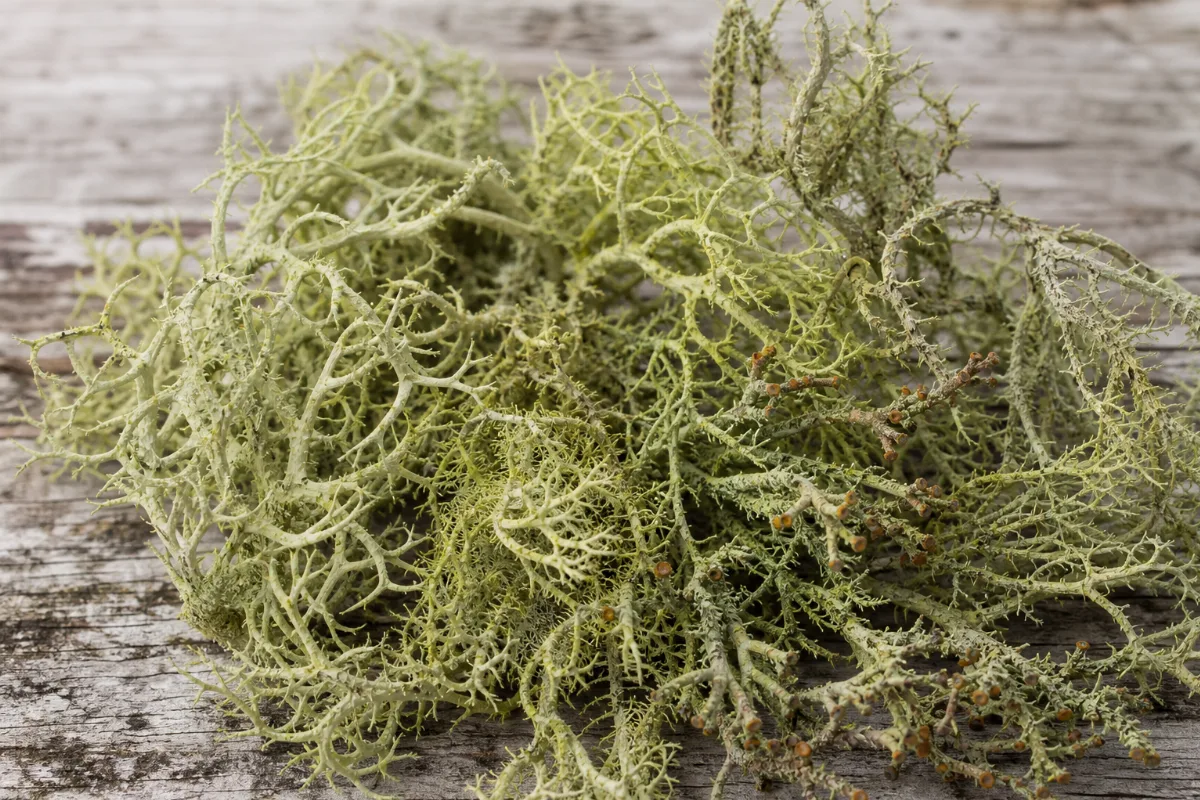
Usnea (old man's beard lichen, Usnea barbata) contains usnic acid, linked to serious liver injury and liver failure in weight-loss products; what the sources say and why caution matters.
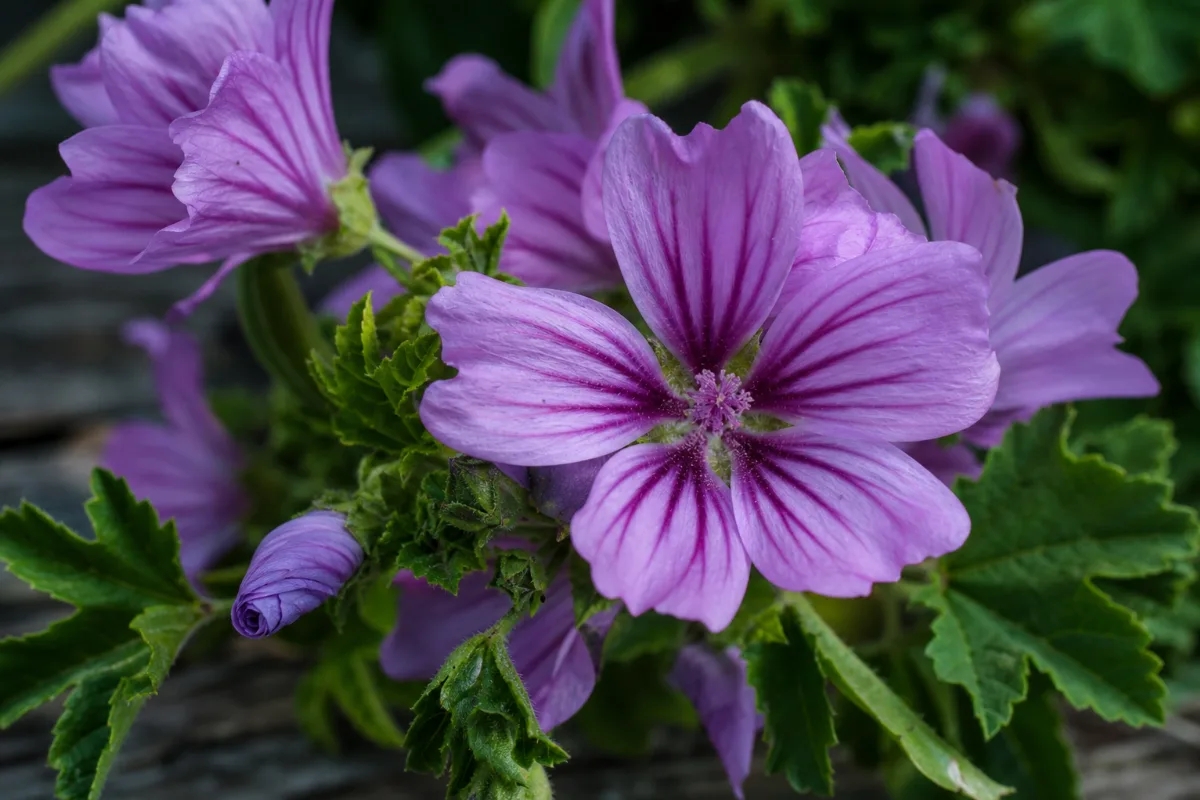
Common mallow (Malva sylvestris): what the EU herbal committee says about flower and leaf teas for throat irritation, the single small constipation trial, and cautions for pregnancy and children.
Soothing mouth and throat irritation with dry cough (traditional use)
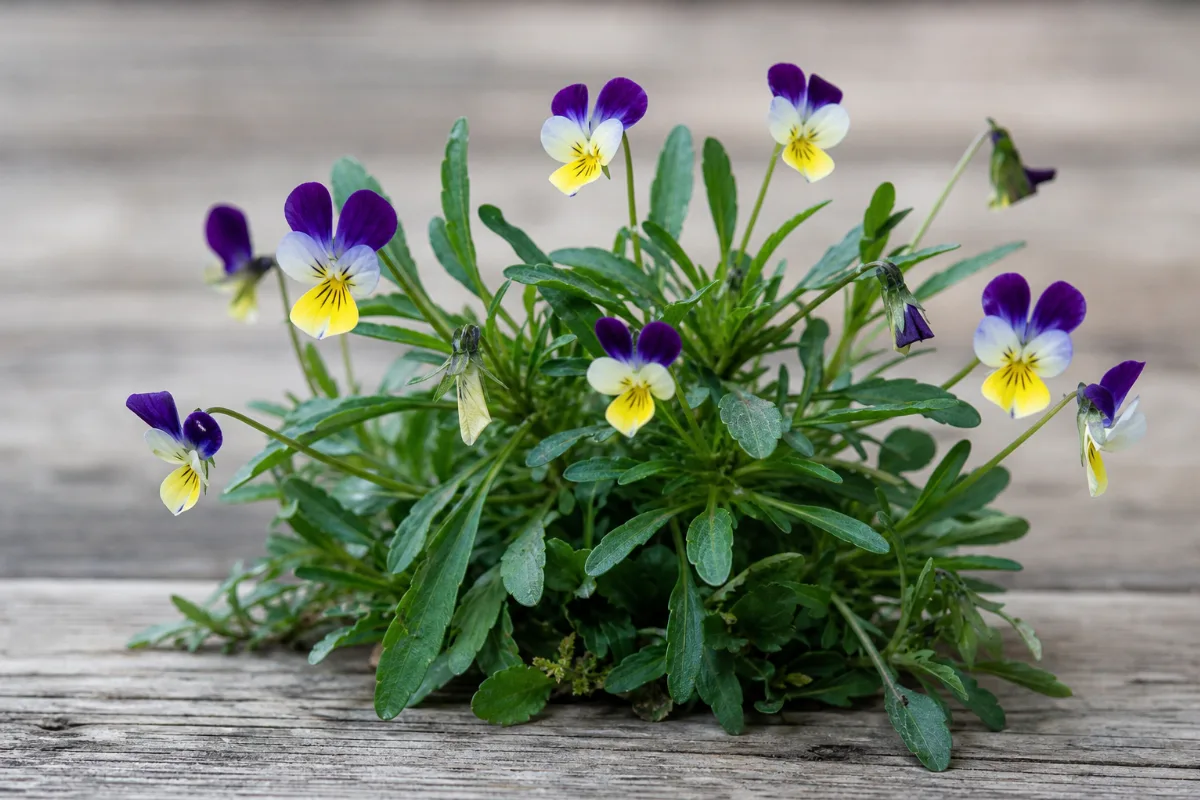
Heartsease or wild pansy (Viola tricolor): an EU traditional herbal tea and skin wash for mild seborrhoeic skin conditions, with no human trials found and clear cautions.
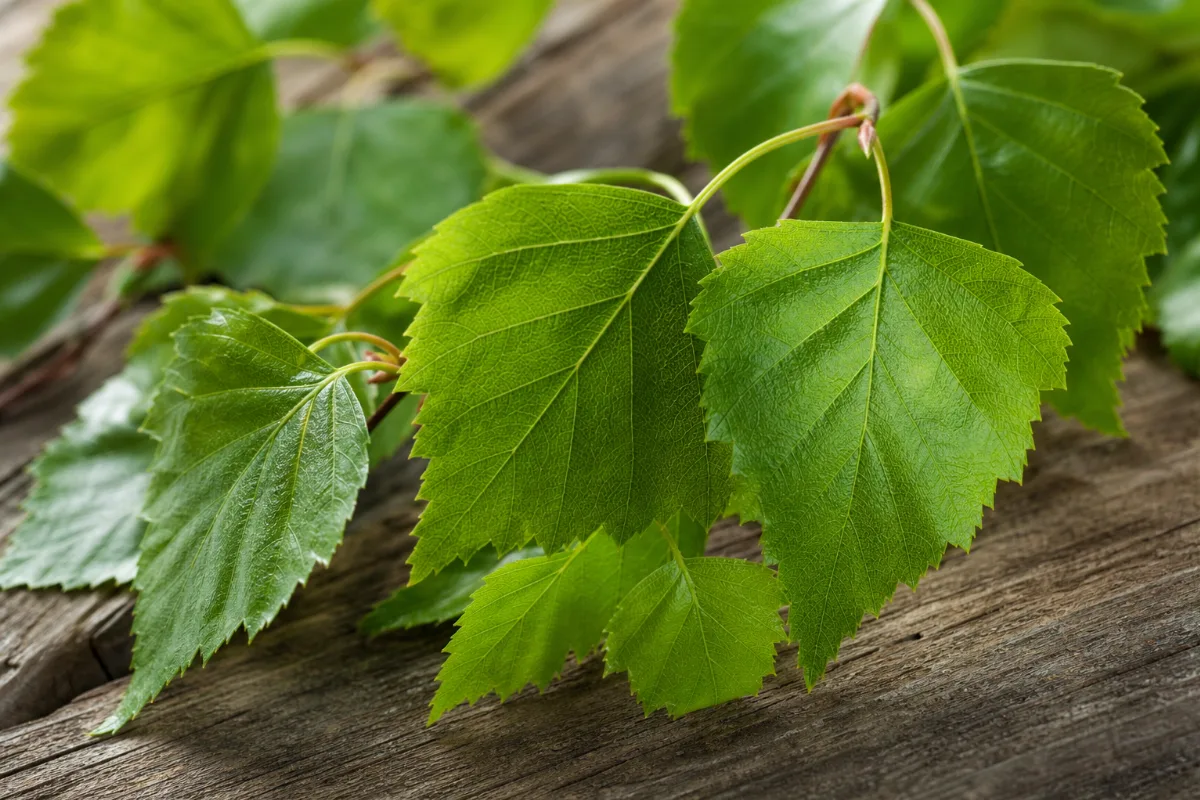
Birch leaf (Betula pendula, B. pubescens): what EU regulators say about its traditional use for urinary flushing, plus pollen-allergy, fluid, heart, kidney and pregnancy cautions.
Flushing the urinary tract (traditional use)
Diuretic effect in animals
Urinary infection and inflammation (lab and early human work)
Goat's rue (Galega officinalis): the plant that led to metformin, why it can lower blood sugar and poison livestock, and what is known about its use for milk supply.
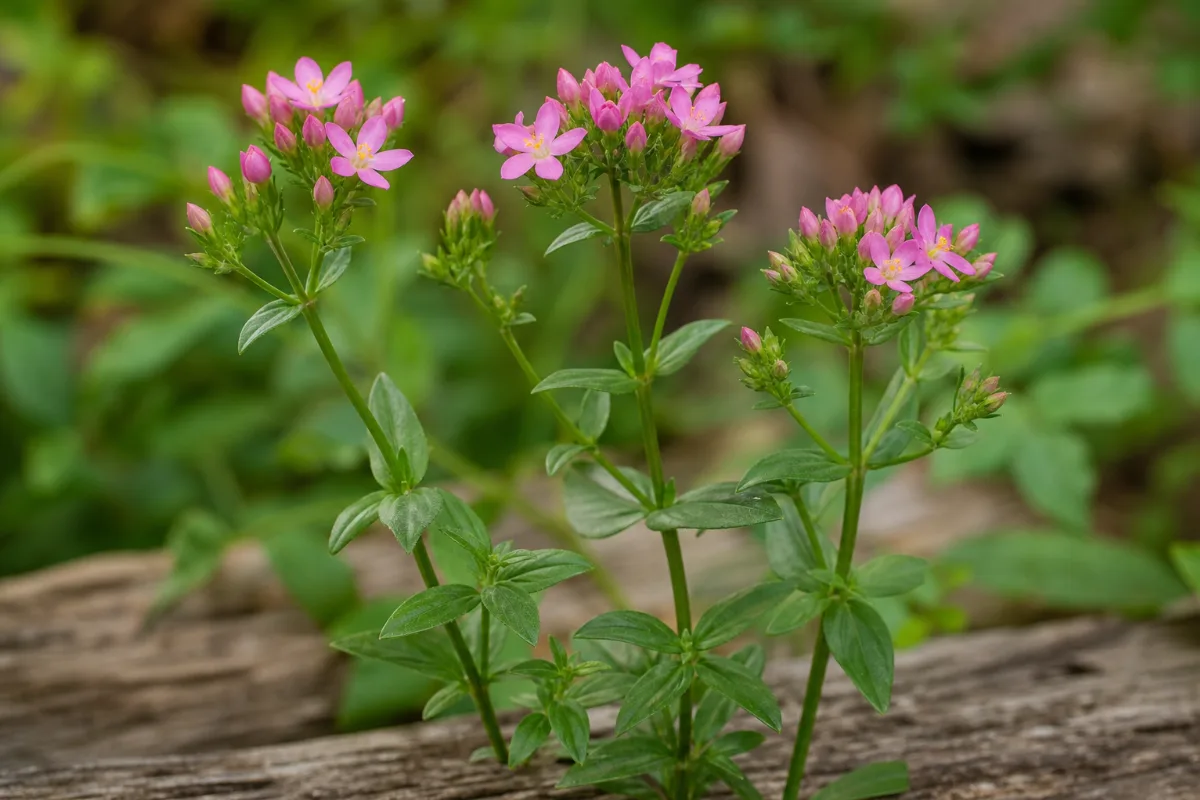
Centaury (Centaurium erythraea), a bitter flowering herb: the EU accepts it only as a traditional medicine for mild indigestion and loss of appetite, with no trials, and warns about ulcers.
Mild indigestion and temporary loss of appetite (traditional use)
Stomach muscle relaxation (laboratory only)
Blood sugar (gentian-family laboratory and animal research)
Poke root (pokeweed, Phytolacca americana) is a poisonous plant, not a safe herbal remedy. What the sources say about root, berry and leaf poisoning, and who to call.
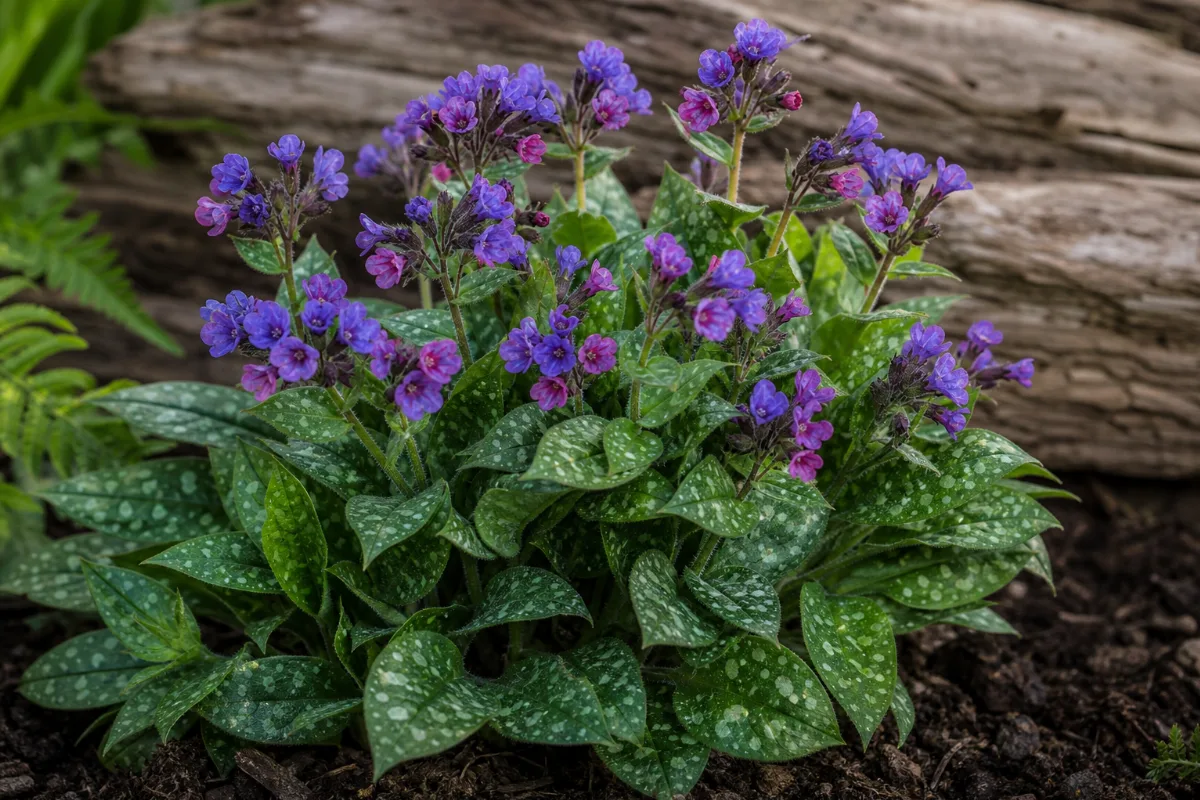
Lungwort (Pulmonaria officinalis) is an old cough herb named for its lung-shaped leaves. See what the sources say, why human evidence is missing, and the open liver-alkaloid question.
Traditional use for cough and chest complaints
Commission E assessment: proof of effect missing
Antioxidant activity in the laboratory
COX-2 (inflammation enzyme) blocking in a test tube
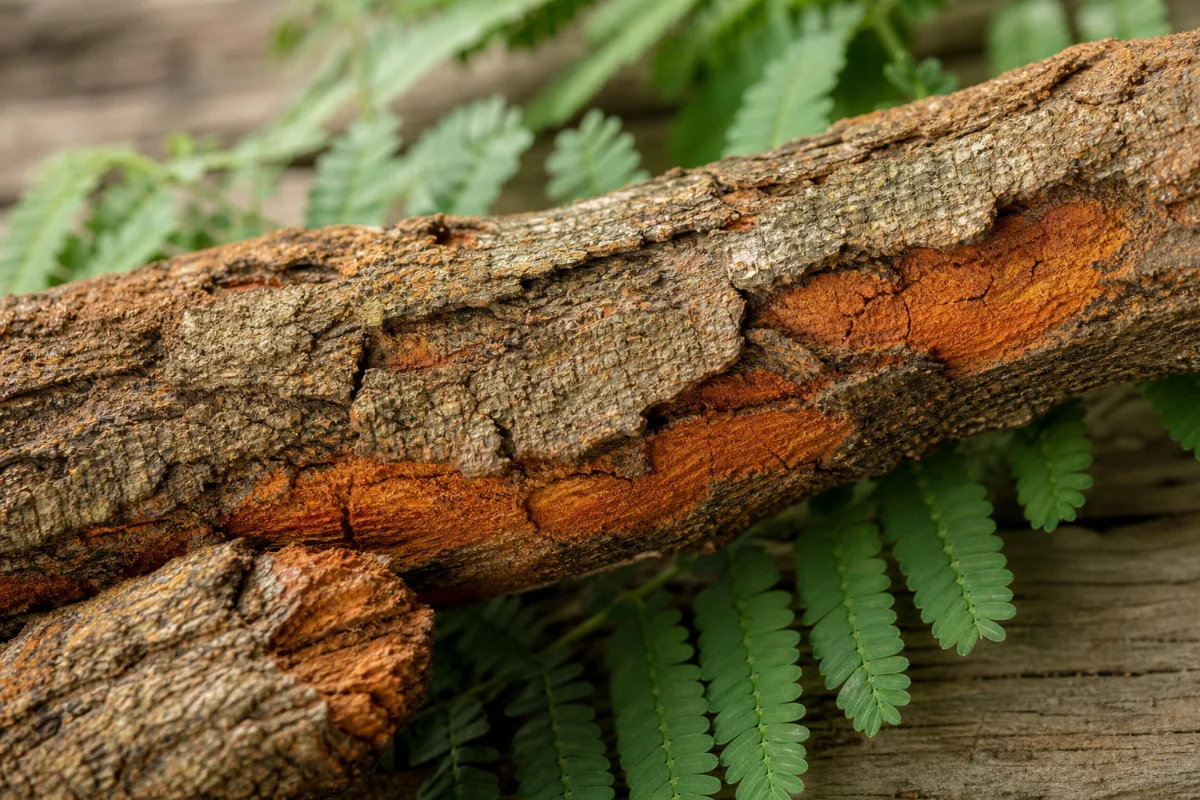
Albizia (mimosa tree bark, he huan pi): a Chinese calming herb with no human trials in the sources we read, plus sedative, pregnancy and surgery cautions.
Haritaki (Terminalia chebula fruit), one of the three fruits of triphala: what the few small human trials found, plus medicine, diabetes, pregnancy and product-quality cautions.
Bibhitaki (Terminalia bellirica, bahera) is one of the three fruits of triphala; what the sources say about evidence, blood sugar, pregnancy, surgery and product quality.
Laboratory and animal findings (blood sugar, cholesterol, antioxidant, liver, kidney)
Traditional Ayurvedic use as one of the three triphala fruits
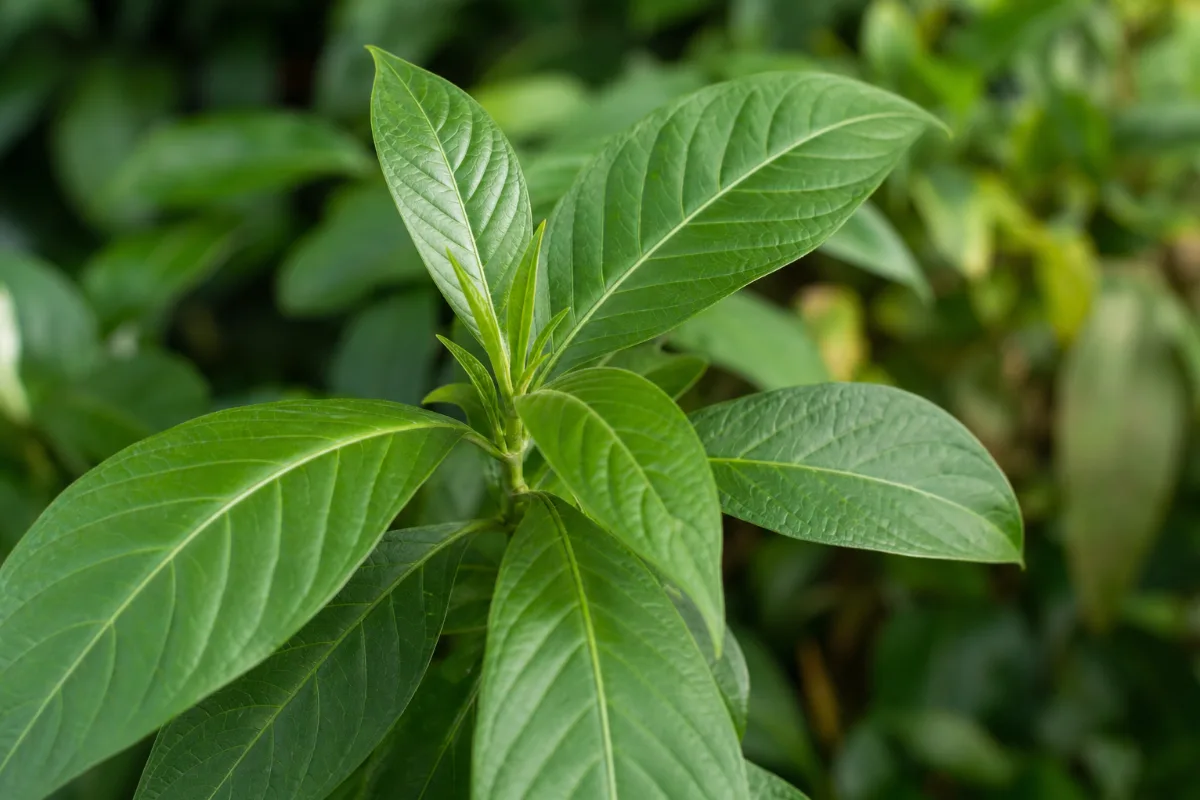
Sarpagandha (Indian snakeroot, Rauvolfia serpentina) is the plant source of reserpine: what sources say about blood pressure, depression, cancer worries, pregnancy and a threatened wild plant.
Malkangani or intellect tree (Celastrus paniculatus, jyotishmati): memory claims rest on animal studies, no human trial results found, and human safety data are missing.
Tagara (Indian valerian, Valeriana wallichii): an Ayurvedic calming root. What small trials and reviews show, why sedation and sourcing matter, and what is known about its safety.
Nut grass rhizome (Cyperus rotundus; mustaka, xiang fu): traditional menstrual and digestive use, one small weight trial, what is unknown about safety, and a garden weed.
Menstrual and gynecological complaints (traditional)
Digestive complaints (traditional)
Weight management in obesity (standardized extract)
Asafoetida (hing), the resin of Ferula assa-foetida: a serious infant blood-oxygen warning, what small trials show for indigestion and IBS, and what we could not verify.
Kantakari, the yellow-berried nightshade (Solanum virginianum): its Ayurvedic cough and asthma use, the one small human trial found, and why a nightshade with glycoalkaloids needs care.
Asthma symptoms (Ayurvedic formulation)
Traditional Ayurvedic use for breathing problems
Antioxidant and anti-inflammatory effects in the lab
Chitrak (Plumbago zeylanica), an Ayurvedic root: what the sources say about its toxic plumbagin, skin irritation, pregnancy, liver and kidney cautions, and the lack of human trials.
Kutaja or kurchi bark (Holarrhena antidysenterica, accepted name H. pubescens): Ayurvedic use for dysentery and diarrhoea, thin human evidence, animal toxicity signals and look-alike bark.
Lodhra bark (Symplocos racemosa): an Ayurvedic bark used for periods, PCOS and uterine complaints, with almost no human research, mixed-formula trials only, and look-alike barks sold as substitutes.
Heavy menstrual bleeding (as one herb in a formula)
Bakuchi or babchi seed (Psoralea corylifolia, bu gu zhi): skin-sensitising psoralens, vitiligo use with little proof, and published liver injury case reports.
Cuscuta seed (tu si zi, Chinese dodder seed, Cuscuta chinensis): traditional kidney and fertility use, what a 2025 review found, and why pregnancy and medicine cautions matter.
Male fertility (sperm count and movement)
Female fertility and ovarian function
Traditional kidney and essence tonic
Hormone-related effects in animal and cell studies
Morinda root (ba ji tian, Morinda officinalis): what research says about bone and mood use, why it is not noni, and what is unknown about liver, laxative and drug-interaction risks.
Mild to moderate depression (oligosaccharide capsules)
Osteoporosis (bone thinning)
Traditional kidney tonic and bone strengthening
Lab and animal findings (antioxidant, anti-inflammatory, anti-fatigue, fertility-related)
Achyranthes root (niu xi, Achyranthes bidentata): what the sources say about joints and bones, why pregnancy caution matters, and how it differs from Cyathula.
Bone density in animal osteoporosis models
Traditional use for joints, bones and back pain
Laboratory anti-inflammatory and cartilage effects
Traditional use to promote menstruation and move blood
Dipsacus root (Dipsacus asper, xu duan, Japanese teasel): traditional bone and tendon use, why human fracture and osteoporosis evidence is missing, and how it differs from Lyme teasel.
Traditional bone, tendon and joint use
Fracture patients: observational link with Chinese herbal prescriptions
Paeonia suffruticosa, Paeonia x suffruticosa Andrews
Bark
Moutan, the root bark of tree peony (Paeonia suffruticosa, mu dan pi): what reviews say about its evidence, why it is not white peony, and pregnancy and heavy-period cautions.
Painful periods (as part of Guizhi Fuling)
Uterine fibroids (Guizhi Fuling plus mifepristone)
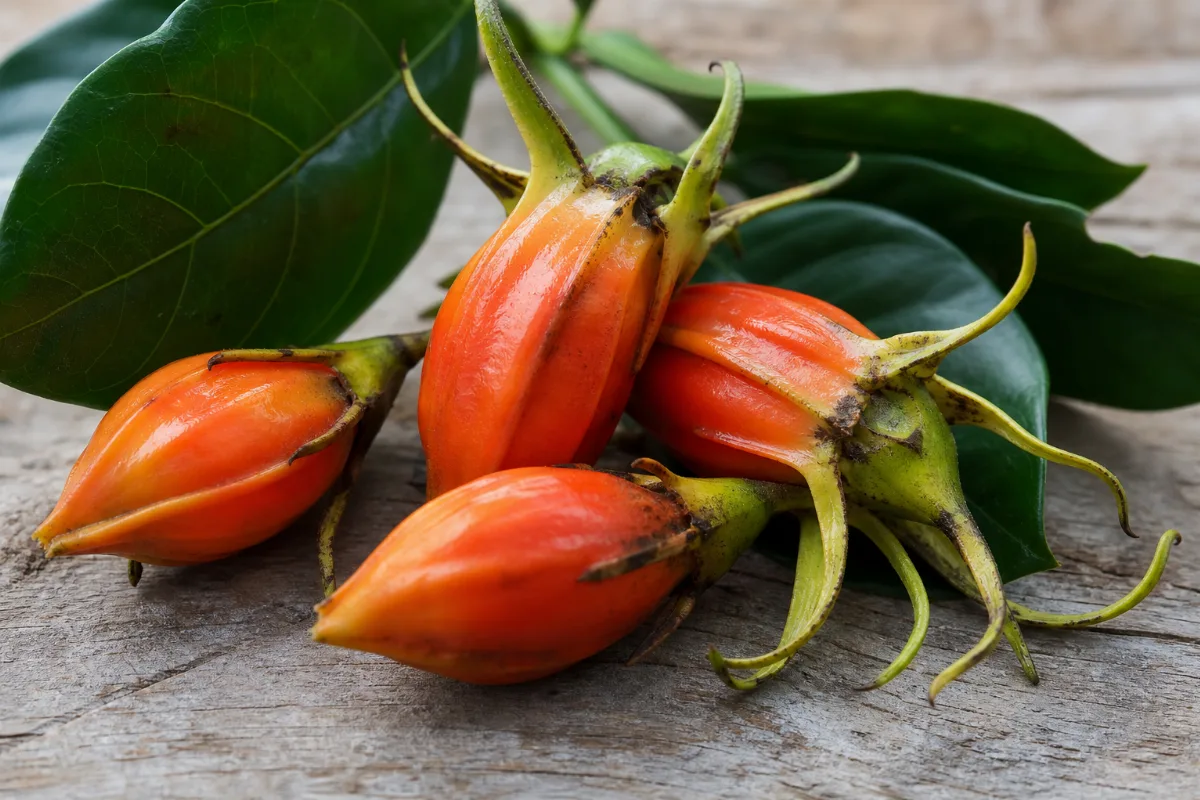
Gardenia fruit (zhi zi, Gardenia jasminoides): what is known about traditional use, the thin human evidence, liver cautions from animal studies, and its use as a natural food colour.
Angelica dahurica (bai zhi) root: traditional use for headache and stuffy nose, what research does and does not show, and sun-sensitivity, pregnancy and medicine cautions.
Traditional use for headache and sinus complaints
Migraine-like behaviour in rats
Lab and animal anti-inflammatory and pain-relief findings
Angelica pubescens root (du huo): its traditional use for joint pain, the thin human evidence, and the sun-sensitivity, poisoning and pregnancy cautions to know first.
Traditional use for joint and back pain
Formula Duhuo Jisheng with standard medicine in ankylosing spondylitis
Formula with warming acupuncture in lumbar disc herniation
Notopterygium incisum, Notopterygium franchetii, Hansenia weberbaueriana (GBIF accepted name for N. incisum)
Root
Notopterygium (qiang huo) root: its traditional use for upper-body joint pain and colds, the lack of human trials, a possible drug-interaction signal, and concerns about endangered wild stock.
Xanthium fruit (cang er zi, cocklebur, Xanthium sibiricum) is used in Chinese medicine for nasal complaints, but it contains liver-toxic compounds and has been linked to organ failure and death.
Raw versus processed fruit
Allergic rhinitis in children (multi-herb formula)
Pinellia (ban xia, Pinellia ternata): a Chinese-medicine tuber used for nausea and phlegm, toxic when raw, with processing, pregnancy and quality cautions and little human trial data.
Nausea and vomiting after chemotherapy (formulas)
Traditional use for nausea, vomiting, cough and phlegm
Tangerine peel (chen pi, Citrus reticulata): what we found on digestion and flavonoid research, mold in aged peel, and why strong claims are not yet backed by good human trials.
Indigestion (functional dyspepsia)
Acid reflux (GERD), as part of multi-herb formulas
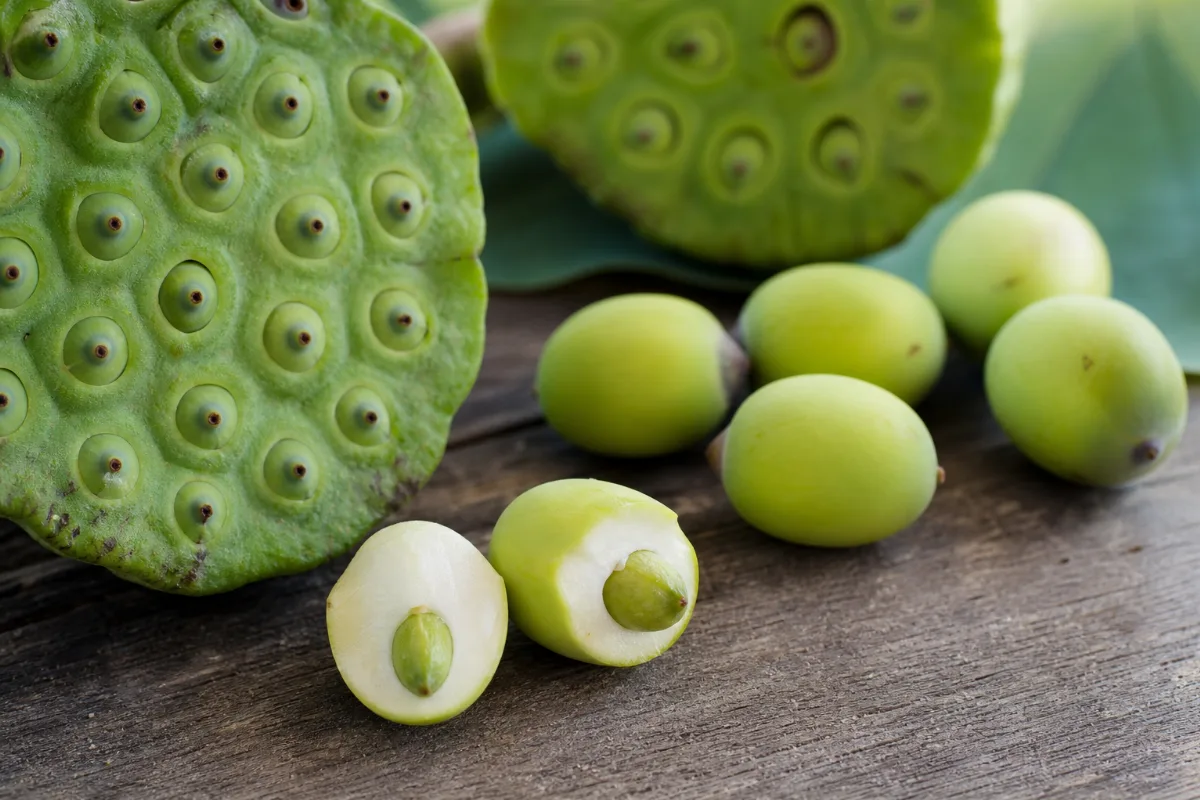
Lotus seed (lian zi, Nelumbo nucifera) and its green core: traditional use for sleep and loose stools, one small unblinded sleep pilot, mostly lab research, and constipation and mold cautions.
Sleep and insomnia (traditional use; one small pilot)
Calming the mind (traditional use)
Loose stools and long-lasting diarrhea (traditional use; mouse study)
Heart rhythm and blood pressure (traditional use; lab work)
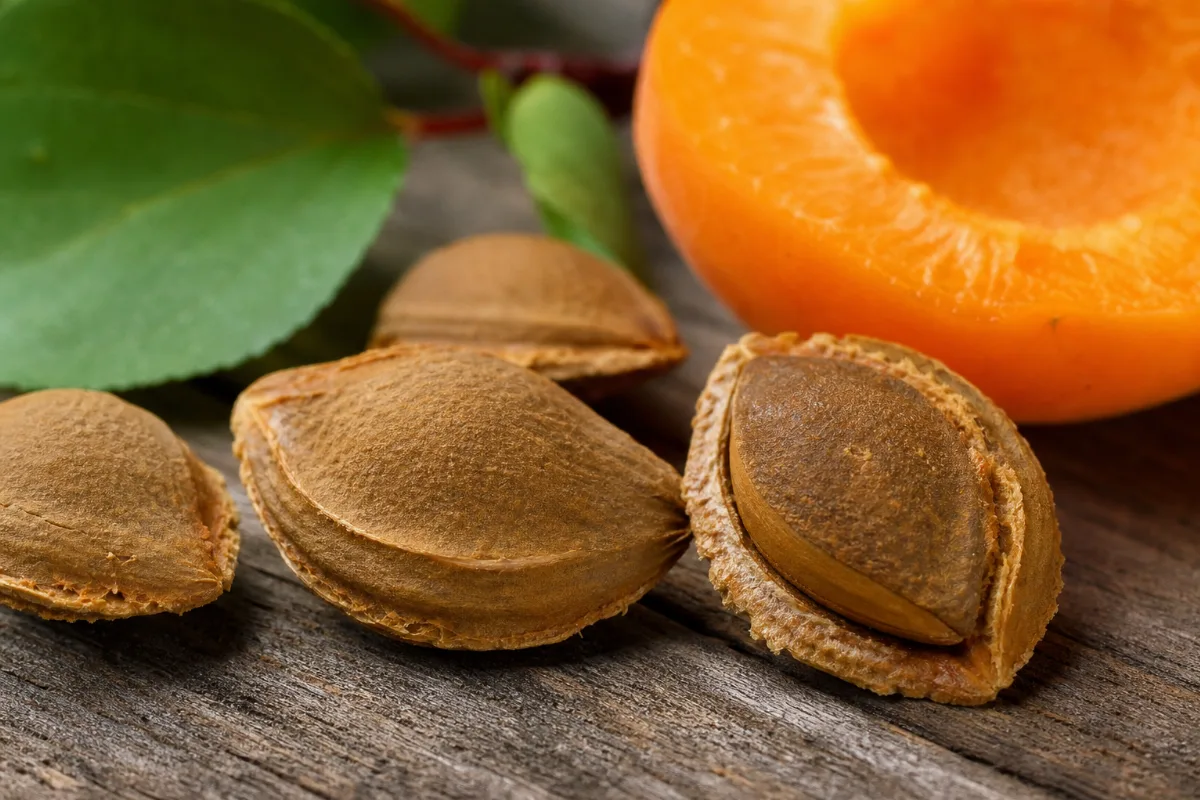
Apricot kernel (Prunus armeniaca): why raw kernels can cause cyanide poisoning, what "vitamin B17" and laetrile really are, and what EFSA, the FDA and Cochrane found.
Cough and asthma (xing ren, traditional Chinese medicine)
Constipation (xing ren, traditional Chinese medicine)
Alpinia oxyphylla fruit (yi zhi ren, bitter cardamom): used in Chinese medicine for urinary frequency and diarrhoea, with lab studies on the brain but no human trials found.
Chinese asparagus root (tian men dong, Asparagus cochinchinensis): its traditional use for dry cough, why human evidence is missing, and cautions on drug enzymes and look-alike roots.
Traditional use for cough and airway complaints
Anti-asthma and airway anti-inflammatory effects in animals
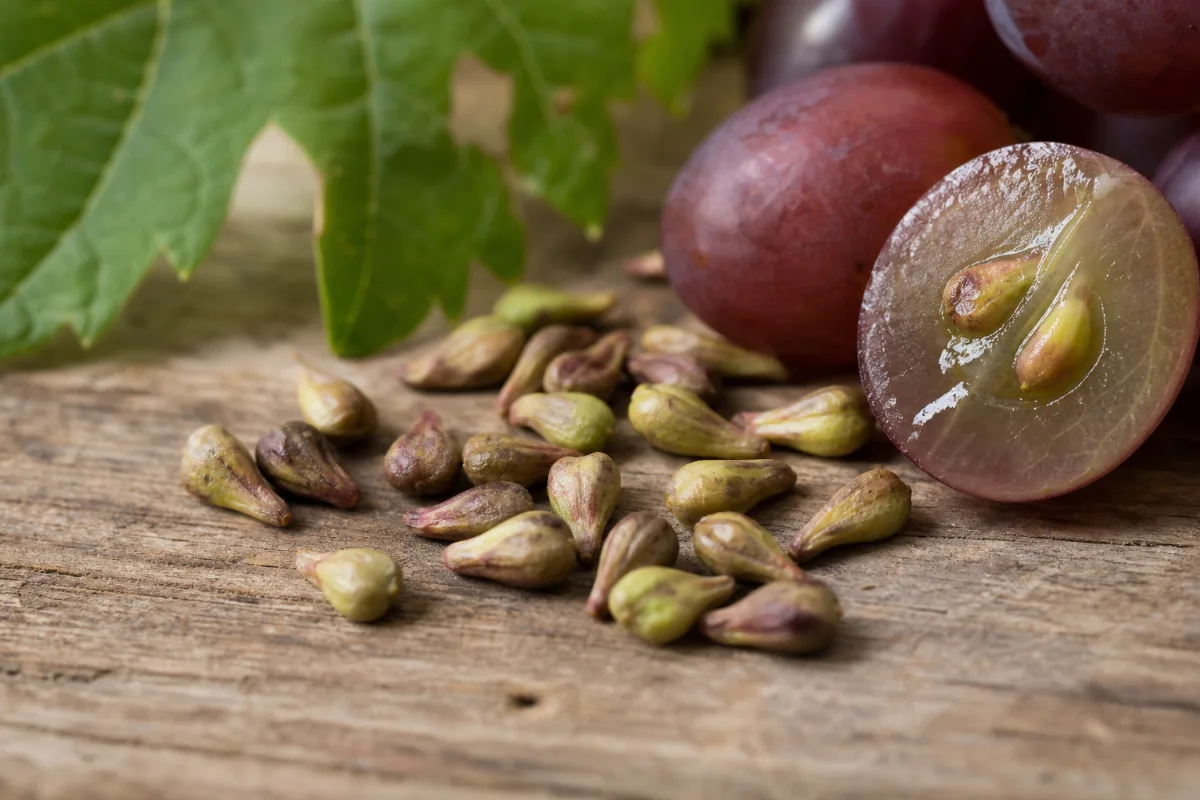
Grape seed extract (Vitis vinifera): what reviews found for blood pressure and cholesterol, what is only lab work, and the blood-thinner, medicine and pregnancy cautions.
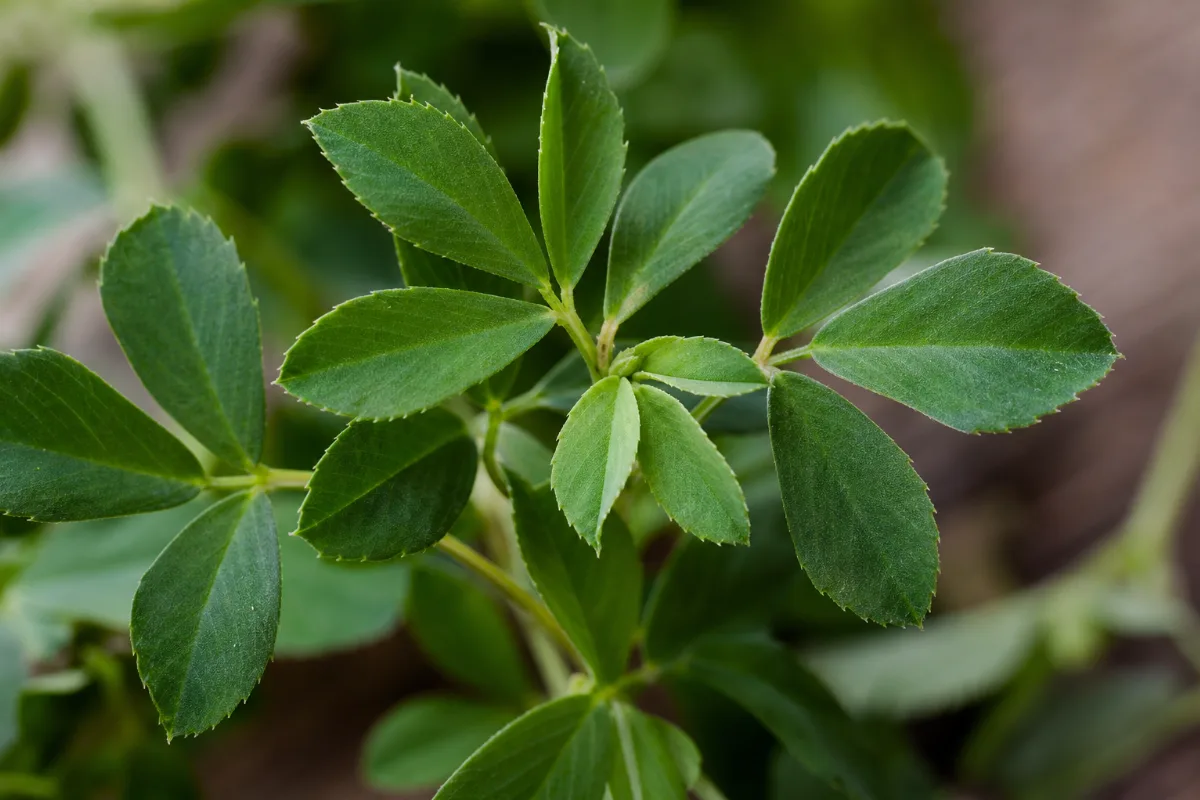
Alfalfa (Medicago sativa) leaf, sprouts and seeds: what sources say about cholesterol, plus lupus flare, sprout food-poisoning, warfarin, estrogen-like and pregnancy cautions.
Estrogen-like effects and hormone-sensitive conditions
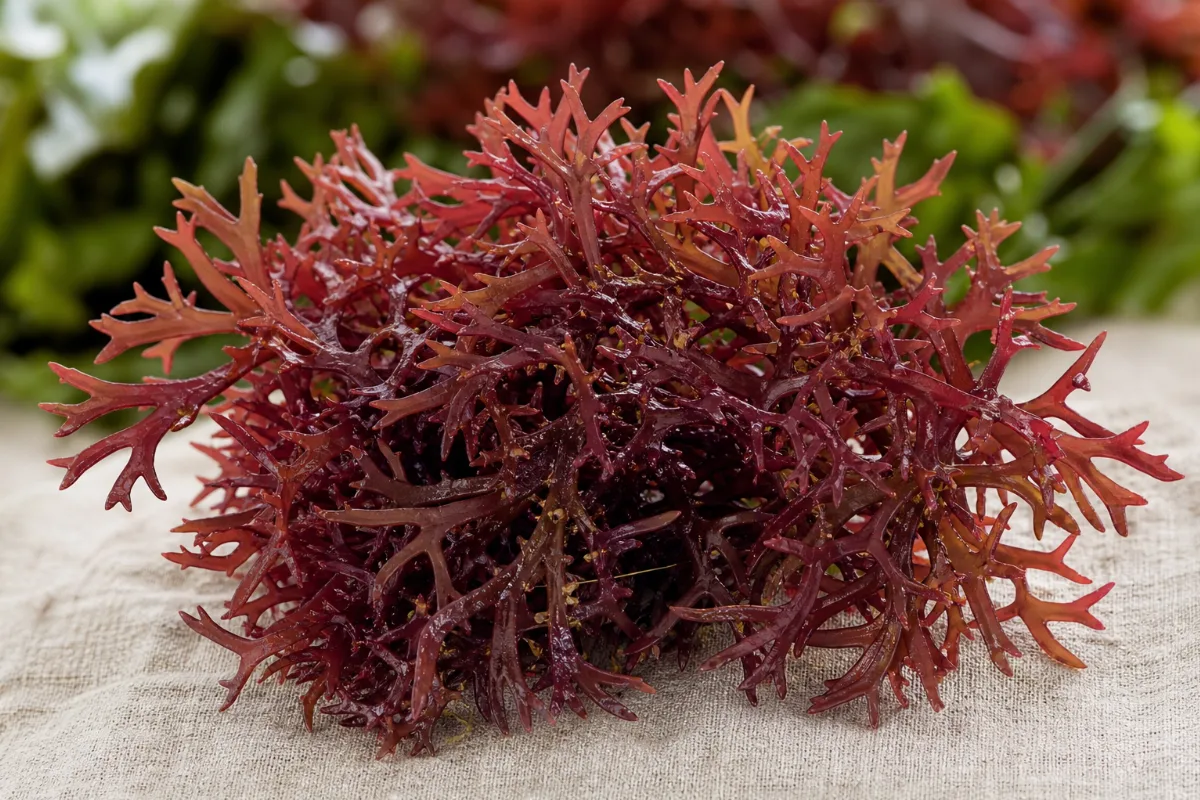
Irish moss or sea moss (Chondrus crispus): what we found on iodine, heavy metals, carrageenan and thyroid cautions, and why the popular sea moss gel claims are not backed by human trials.
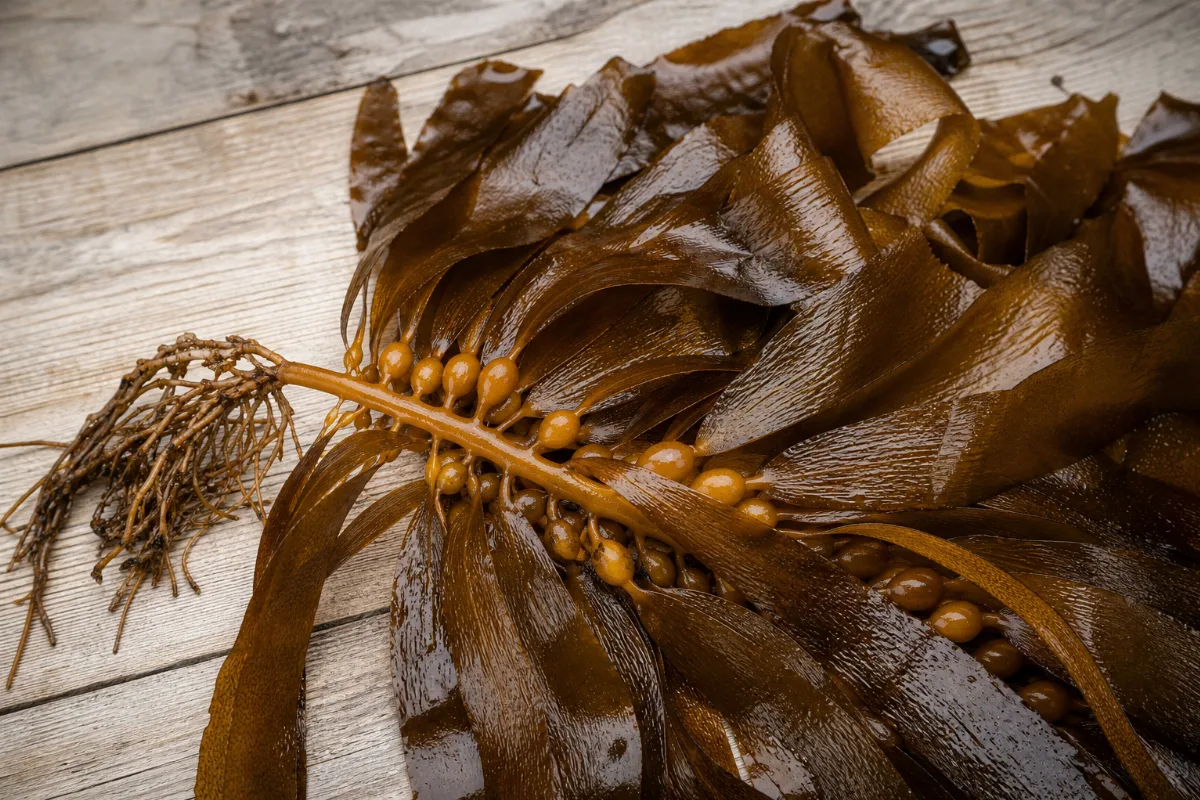
Kelp (Saccharina japonica, also Ascophyllum nodosum), a brown seaweed: why its iodine can upset the thyroid, the arsenic concern, and how little human evidence supports health claims.
Source of dietary iodine
General health benefits in people
Antioxidant and anti-inflammatory compounds (lab findings)
Spirulina (Arthrospira platensis), a blue-green alga sold as powder and tablets: what trials show for cholesterol and blood pressure, plus contamination, allergy and B12 cautions.
Chlorella (Chlorella vulgaris), a green microalga sold as tablets and powder: what trials found, plus vitamin K and warfarin, allergy, contamination and immune-condition cautions.
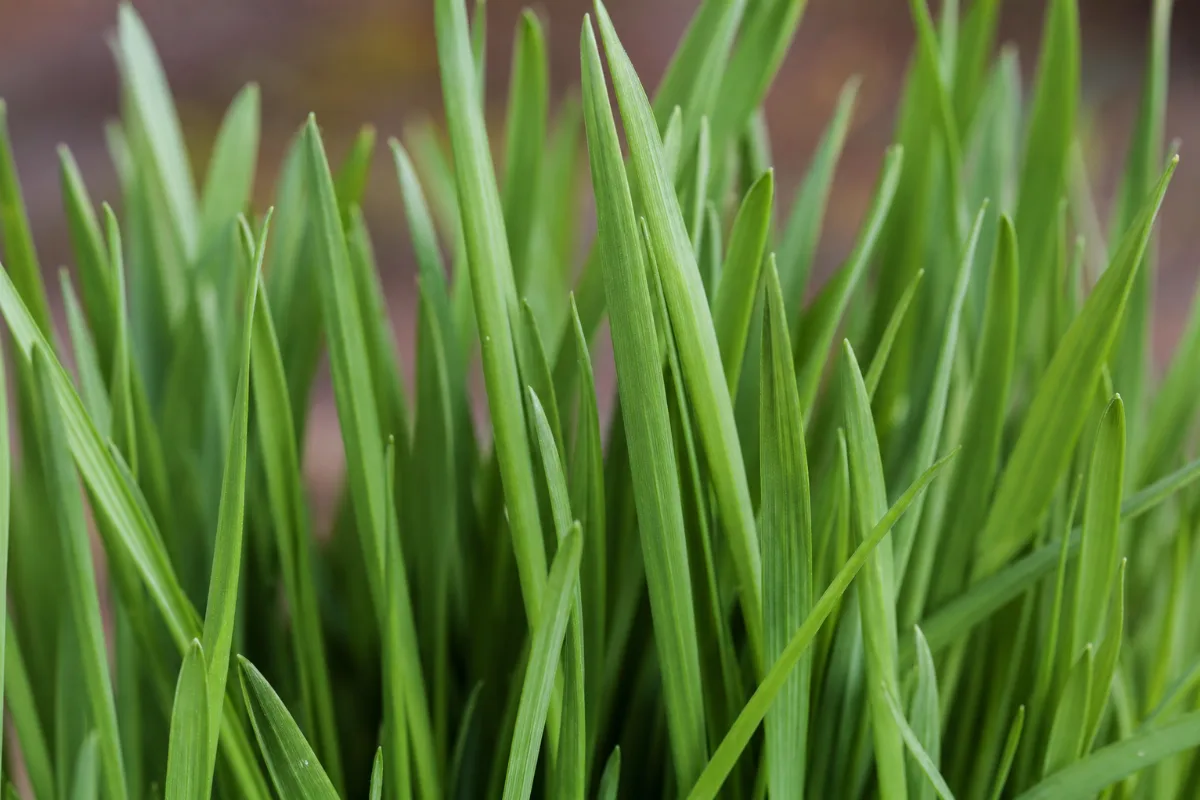
Wheatgrass (Triticum aestivum) young-leaf juice and powder: what small trials in ulcerative colitis show, plus gluten, raw-juice contamination and nausea cautions.
Active distal ulcerative colitis symptoms
Blood-count side effects of chemotherapy (breast cancer)
False unicorn root (Chamaelirium luteum): a threatened North American plant used traditionally for menstrual and fertility concerns, with almost no human research and real pregnancy and sourcing cautions.
Traditional use for menstrual and women's reproductive complaints
Traditional use for fertility and preventing miscarriage
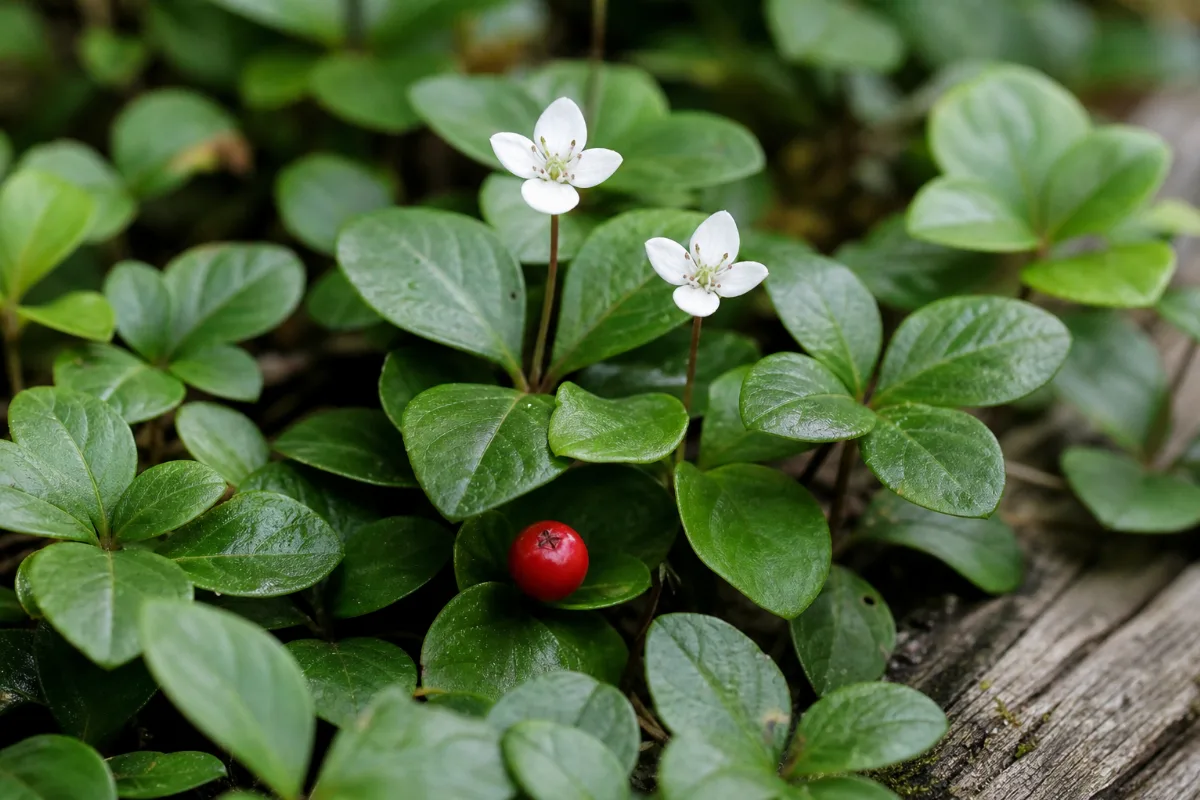
Partridgeberry (Mitchella repens) is a traditional late-pregnancy and labor herb. The only study we found was in mouse tissue; there are no human trials, and pregnancy safety is unproven.
Contracting uterine muscle (lab study)
Late-pregnancy and labor preparation (traditional)
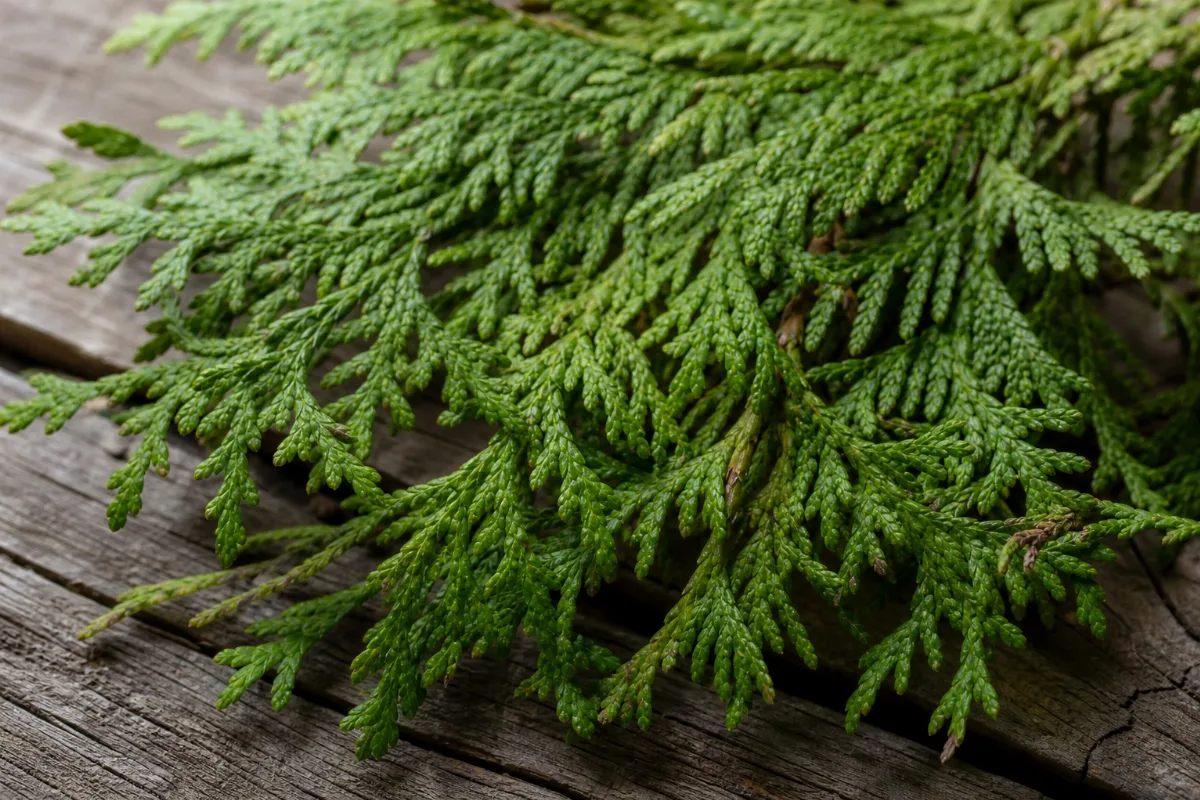
Thuja (northern white cedar, Thuja occidentalis): thujone toxicity, why it is avoided in pregnancy, what is known about warts and coughs, and Echinacea-thuja products.
Stone root (Collinsonia canadensis): old uses for hemorrhoids, varicose veins and kidney stones, why no human trials were found, and the thin safety information.
Hemorrhoids (traditional use)
Varicose veins and venous problems (traditional use)
Kidney stones and urinary complaints (traditional use)
Hydrangea root (Hydrangea arborescens): traditionally used for kidney and bladder stones, with no human trials found, plus a cyanide-type compound, lithium and pregnancy cautions.
Gravel root (Joe-Pye weed, Eutrochium purpureum): an old urinary-stone remedy from North America. Liver-toxic alkaloid risk is likely, and proper human evidence was not found.
Traditional use for urinary and kidney stones, bladder and prostate infections
Blue flag rhizome (Iris versicolor): a wetland iris whose root is irritating and can cause vomiting, with no good human trials behind its traditional skin and lymph uses.
Orthosiphon aristatus, Orthosiphon stamineus (older name used in earlier EU monograph and ESCOP)
Leaf
Java tea (cat's whiskers, Orthosiphon aristatus): what EU regulators and trials say about urinary flushing, plus the heart and kidney fluid warning, pregnancy and potassium notes.
Lion's tail or wild dagga (Leonotis leonurus), a South African plant smoked or brewed as tea: traditional use, no human trials found, rat toxicity findings, and look-alike warnings.
Traditional smoking for epilepsy and mild euphoria
Seizure-like and anxiety-like behaviour in zebrafish
Bitter kola seed (Garcinia kola): a West African chewed seed used for cough and liver complaints. What the few human trials and many animal studies show, and the safety gaps.
Knee osteoarthritis pain
Eye pressure (eye drops, not the chewed seed)
Airflow after eating the seed
Traditional use for cough, stomach upset and general well-being
African potato corm (Hypoxis hemerocallidea): traditional immune tonic with no proven benefit for HIV or prostate; what reviews show, plus antiretroviral interaction and safety cautions.
Traditional immune tonic
HIV/AIDS claims
Enlarged prostate (beta-sitosterol, not the whole corm)
Honeybush (Cyclopia species) is a South African tea. See what reviews and lab work report on mangiferin and plant oestrogens, and why human evidence is thin.
Yacon (Smallanthus sonchifolius): what trials of the root syrup and flour show for blood sugar, weight and bowels, what is unproven for the leaf tea, and cautions.
Ashitaba (Angelica keiskei): what EFSA and human trials say about the leaf, stem sap and chalcones, plus cautions on blood clotting, pregnancy, allergy and look-alike Angelica herbs.
Sutherlandia (cancer bush, Lessertia frutescens): what small human trials and lab studies show, and why antiretroviral and tuberculosis-prevention medicine interactions matter.
Guava leaf (Psidium guajava) as tea or extract: what small trials and reviews say about diarrhoea and blood sugar, and what is still unknown about safety and medicine interactions.
Papaya leaf (Carica papaya): small dengue trials report higher platelet counts, but reviews say proof is weak; pregnancy, liver, diabetes-medicine and latex-allergy cautions.
Oat straw and milky oats (Avena sativa): what the EU says about traditional use for stress and sleep, small trials of green oat extract on thinking, and gluten questions for celiac disease.
Traditional use for mild stress and sleep
Thinking tests after a single dose of green oat extract
European mistletoe (Viscum album): why the leaves, berries and teas can poison, what research says about injected extracts such as Iscador in cancer care, and who needs medical advice.
Add-on in cancer care (survival)
Quality of life during chemotherapy
Immune stimulation (laboratory)
Traditional uses (epilepsy, asthma, high blood pressure, arthritis)
Greater celandine (Chelidonium majus): why EU regulators call oral use a negative benefit-risk, the liver injury reports, the wart latex tradition, and a not-lesser-celandine warning.
Digestive and upper-abdominal complaints
Warts, corns and skin use
Antiviral, antimicrobial and anti-inflammatory lab activity
Chaparral (creosote bush, Larrea tridentata): reports of serious liver injury, no proven benefit, and what the sources say about tea, capsules, tinctures and skin products.
Cancer treatment claims
Antioxidant and anti-inflammatory activity in the lab
Traditional use for colds, arthritis and skin problems
Antimicrobial and antiparasitic activity in the lab
Sassafras (Sassafras albidum): why root bark and oil carry a cancer warning because of safrole, the US food ban, safrole-free extract, and how filé powder from leaves differs.
Anti-diabetic and anti-cancer effects in cells and mice
Boldo leaf (Peumus boldus): what EU regulators say about its traditional use for indigestion, plus liver, gallstone, pregnancy and ascaridole safety cautions.
Indigestion and mild gut spasms (traditional use)
Bile flow and liver protection (lab and animal findings)
Epazote (Dysphania ambrosioides): the Mexican cooking herb versus wormseed oil and strong infusions, which have caused child deaths. Evidence, pregnancy and safety cautions.
Intestinal worms (traditional anthelmintic)
Anti-parasite activity of ascaridole and extracts (lab)
Antimicrobial and antioxidant activity (lab)
Other lab claims (anticancer, antimalarial, antidiabetic)
Perilla (shiso, su ye) leaf, Perilla frutescens: what small trials and reviews show for hay fever and digestion, plus perilla ketone, allergy and pregnancy cautions.
Seasonal hay fever symptoms
Mild stomach and bowel discomfort
Cognitive scores in cognitive impairment
Traditional use for intestinal complaints and allergies
Japanese knotweed root (Reynoutria japonica, hu zhang): the main commercial source of resveratrol, also rich in laxative emodin compounds; what the research shows, cautions, and why it is an invasive plant.
Source of resveratrol and polydatin
Resveratrol for diabetes and heart risk factors
Traditional laxative / constipation use
Traditional use for heat, jaundice, burns and boils
Sophora flavescens (ku shen) root contains matrine and oxymatrine; what research says on hepatitis B and skin uses, plus liver and nerve-toxicity cautions.
Evodia fruit (wu zhu yu, Tetradium ruticarpum): its traditional use for headache and cold stomach pain, what human evidence exists, and the liver, heart and medicine-interaction cautions.
Traditional use for cold-type stomach pain, vomiting and acid regurgitation
Traditional use for headache
Sleep and quality of life after heart stent surgery (acupoint use)
Korean mint (Agastache rugosa, called huo xiang) explained: how it differs from patchouli, what trials of the huo xiang zheng qi formula found, and its estragole and quality cautions.
Diarrhea-type irritable bowel syndrome (formula)
Chemotherapy-related nausea and vomiting (formula, added to standard drugs)
Fritillaria bulb (chuan bei mu, Fritillaria cirrhosa and relatives): its traditional use for cough, why human trial evidence is missing, and aconite, adulteration and wild-harvest cautions.
Cough and phlegm (traditional use)
Cough-easing effects in animal models
Anti-inflammatory and lung-protective effects in the lab
Lilium brownii, Lilium brownii var. viridulum, Lilium lancifolium, Lilium pumilum
Bulb
Lily bulb (bai he, Lilium brownii and related species): a food-and-medicine bulb in Chinese tradition, what trials and reviews show for sleep and mood, and the cat-toxicity and quality cautions.
Insomnia and sleep (as part of Baihe Dihuang Tang)
Cornelian cherry fruit (shan zhu yu, Cornus officinalis): a Chinese-medicine fruit in Liu Wei Di Huang Wan. What human and lab research shows, and which cautions apply.
Blood sugar (lab and animal findings)
Kidney markers in early diabetic kidney disease (formula)
Amomum fruit (sha ren, Amomum villosum, now Wurfbainia villosa): a Chinese digestive herb; what animal studies show, why pregnancy use rests on tradition only, and cautions.
Traditional use for digestive complaints and vomiting
Clinical use in digestive disorders (reported)
Nausea and restless pregnancy (traditional use only)
Sausage tree (Kigelia africana): an African fruit used in skin creams. What the sources say, why the raw fruit is toxic, and why human trials are missing.
Traditional skin care and cosmetic use
Wound healing (cell-culture study)
Anti-inflammatory, antioxidant and antibacterial activity in the lab
Vernonia amygdalina, Gymnanthemum amygdalinum (accepted name per GBIF)
Leaf
Bitter leaf (Vernonia amygdalina): a West African food and folk remedy. What small human studies and animal work show for malaria and blood sugar, and a serious Ugandan case report.
Cryptolepis (Cryptolepis sanguinolenta), a West African root tea used for malaria: small open studies, lab signs of DNA and cell toxicity, and why it is not a safe replacement for malaria medicine.
Malaria treatment (traditional West African use)
Activity against malaria parasites in lab dishes
Antimalarial drug combinations (lab)
Other claimed uses (antimicrobial, blood sugar, inflammation)
African wormwood (Artemisia afra): a southern African herbal tea plant with no proven use against malaria or COVID-19, what WHO and lab studies say, and the safety questions still open.
Khat leaf (Catha edulis) is an amphetamine-like stimulant chewed in East Africa and Yemen. What the DEA and medical reviews say about dependence, heart, liver and mental-health risks, and legal status.
Chuchuhuasi bark (Maytenus macrocarpa and look-alike Amazon trees): traditional use for rheumatism and colds, why no human trials exist, and the safety unknowns.
Tepezcohuite bark (Mimosa tenuiflora): a Mexican skin-healing bark with mixed trial results for leg ulcers, birth-defect warnings in animals, and a DMT-containing, controlled-substance side.
Yerba mansa root (Anemopsis californica): a wetland plant of the American Southwest used in folk medicine, with only lab research behind it, plus habitat-conservation and safety notes.
White sage (Salvia apiana), a California native: its sacred place for many Native peoples, poaching and habitat loss, smoke and air quality, and what lab studies do and do not show.
Sacred and ceremonial plant for many Native peoples
Traditional calming, cold and sore-throat remedy
Germ-slowing activity in lab dishes
Antioxidant and anti-inflammatory activity in lab tests
Northern prickly ash bark (Zanthoxylum americanum), the "toothache tree": traditional uses, what lab studies and the few reviews found, and stomach, pregnancy and medicine cautions.
Wild indigo root (Baptisia tinctoria): its cytisine-type alkaloids, vomiting at large amounts, pregnancy cautions, and what trials of Echinacea-Baptisia-Thuja cold products show.
Common cold symptoms (as part of a combination extract)
Add-on in chronic bronchitis flare-ups
Immune response to a vaccine (combination product)
Red root (Ceanothus americanus, New Jersey tea): traditional uses for bleeding, lymph and spleen, what little research exists, and why a possible clotting effect needs care.
Jewelweed (Impatiens capensis), a North American wildflower used as a folk poison-ivy remedy: what the small controlled trials found, and cautions about eating it.
Wild ginger (Asarum canadense) is not true ginger. Its rhizome can contain aristolochic acid, which the FDA treats as a kidney toxin and carcinogen. See the evidence and cautions.
Mayapple (Podophyllum peltatum) is a poisonous woodland plant, not a herbal remedy: its root resin is the source of wart drugs, and poisoning can be severe. Information only.
Source of wart medicines (purified podophyllotoxin, podophyllin resin)
Bloodroot (Sanguinaria canadensis): why black salve cancer products cause tissue destruction, the FDA warnings, the old mouthwash link to white mouth patches, and what research shows.
Pipsissewa (prince's pine, Chimaphila umbellata): what we could and could not verify about its folk uses, the lack of human trials, the threatened status of wild plants, and safety cautions.
Cranesbill or wild geranium root (Geranium maculatum): an old tannin-rich astringent for diarrhoea and mouth problems with no good human evidence, and unknown safety.
European vervain (Verbena officinalis): the thin human evidence, its role in the five-herb Sinupret sinus product, and the pregnancy, children and alcohol-drops cautions.
Acute viral sinus infection (as one of five herbs)
Sinus infection in children (five-herb syrup or drops)
Post-viral and chronic sinus disease (five-herb extract)
Borage (Borago officinalis): why its leaf and flower carry liver-toxic pyrrolizidine alkaloids, what research says about the seed oil, and the foxglove look-alike and pregnancy cautions.
Rheumatoid arthritis symptoms (seed oil)
Atopic dermatitis (eczema) - no benefit shown
Cough and asthma (extract)
Gamma-linolenic acid and anti-inflammatory mechanism
Lovage root (Levisticum officinale): the 2012 EU traditional-use monograph for urinary flushing, plus sun-sensitivity, kidney, fluid, pregnancy and children cautions, and no trials found.
Garden nasturtium (Tropaeolum majus): a mustard-oil herb tested only in a fixed horseradish combination for bronchitis and cystitis, with stomach, kidney and pregnancy cautions.
Watercress (Nasturtium officinale) as an herb: what small trials of watercress and its compound PEITC found, plus warfarin, liver-fluke, drug-processing and quality cautions.
Changing how smokers' bodies activate a tobacco carcinogen
Breaking down other smoke toxins (butadiene, benzene, acrolein)
Iceland moss (Cetraria islandica) is a lichen, not a moss, used as a soothing tea or lozenge for dry cough and sore mouth and throat; what EU regulators say, and the lead and radioactivity cautions.
Soothing mouth and throat irritation with dry cough
Dry, inflamed mouth after nasal surgery
Temporary loss of appetite
Immune-modulating and antiviral effects in the lab
Cowslip (Primula veris) flower and root: why EU regulators allow it only as a traditional cough remedy, what thyme-primula trials show, and pregnancy, stomach and allergy cautions.
Traditional expectorant for cough with a cold (flower or root alone)
Productive cough: thyme plus primula root combination
Sundew (Drosera rotundifolia), a carnivorous bog plant traditionally used for cough and whooping cough: what little research exists, safety cautions, and why wild picking is discouraged.
Traditional use for cough and whooping cough
Relaxing airway muscle and raising cilia beat (mouse tissue)
Effects on human airway cells in the lab
Homeopathic combination (including Drosera) for dry cough in children
Sweet clover or melilot (Melilotus officinalis): EU traditional use for heavy legs, thin evidence, and the coumarin issues behind liver and blood-thinner cautions, plus the spoiled-clover story.
Fumitory (Fumaria officinalis): what the EU regulator says about digestive complaints and bile, the one negative IBS trial, and cautions for liver and gallbladder problems.
Traditional relief of digestive discomfort (fullness, slow digestion, gas)
Possible bile-flow stimulation
Irritable bowel syndrome: no benefit over placebo
Possible kidney marker change in animals at high doses
Restharrow root (Ononis spinosa): the EU traditional use for flushing the urinary tract, why it is not for people told to limit fluids, and what research does and does not show.
Flushing the urinary tract in minor complaints
Diuretic effect in animal studies
Anti-inflammatory, antibacterial and wound-healing findings
Devil's club bark (Oplopanax horridus): its place in Pacific Northwest and Alaska Indigenous medicine, why blood-sugar claims are not backed by trials, and diabetes-medicine cautions.
Traditional medicine of Pacific Northwest and Alaska peoples
Blood sugar and diabetes claims
Cancer cell and mouse studies
Antibacterial and anti-tuberculosis activity in the lab
Bee balm or Oswego tea (Monarda didyma, also Monarda fistulosa): thin evidence, one small human trial, no agency review, and pregnancy and safety-data gaps explained.
Healthy ageing markers (one small trial)
Quality of life and sleep questionnaires (same trial)
Traditional use for colds, coughs, wounds (Monarda species)
Thymol and carvacrol in the plant's oil (lab findings)
Cornflower (Centaurea cyanus), the blue petals in teas and cosmetics: old eye-wash use and why it is a sterility risk, daisy-family allergy, and the thin lab-only evidence.
Traditional eye washes and poultices
Ingredient in skin creams (flower water)
Antioxidant activity in the laboratory
Skin inflammation signals (cell and enzyme studies)
Aconite (monkshood, Aconitum carmichaelii) is a highly poisonous root: how it harms the heart and nerves, what processing (fuzi) changes, and what research does and does not show.
Heart failure (multi-herb products)
Traditional uses (cold limbs, joint pain, circulation, spasms)
Other small trials (sepsis gut problems, bowel cancer)
Oleander (Nerium oleander) is a poisonous garden shrub, not a herbal remedy. Heart danger from every part, leaf-tea mix-ups, burning smoke, supplement look-alikes, and who to call.
Lily of the valley (Convallaria majalis) is a poisonous garden plant with heart-active compounds, not a safe herbal remedy. Symptoms, wild garlic mix-ups and who to call.
Belladonna or deadly nightshade (Atropa belladonna) is a poisonous plant, not a safe home remedy. Its dangers, why berries tempt children, and what sources say.
Spasms of the stomach, gut and bile ducts (older German approval)
Thunder god vine root (Tripterygium wilfordii): NCCIH and published reviews on rheumatoid arthritis, plus the serious kidney, liver, fertility, immune and birth-defect risks.
Rheumatoid arthritis symptoms
Kidney disorders (nephrotic syndrome, IgA nephropathy)
Stephania (fang ji, Stephania tetrandra) root: the mix-up with Aristolochia that caused kidney failure and cancer, what tetrandrine research shows, and what to check before any product.
Costus root (mu xiang, Saussurea costus): an endangered Himalayan root, a skin allergen, and a name confused with a kidney-toxic plant. What the sources say, and how little human research exists.
Agarwood, oud or chen xiang (Aquilaria malaccensis): why there are no human trials, what lab and animal studies suggest, smoke and fake-product cautions, and its protected, overharvested status.
Anemarrhena (zhi mu, Anemarrhena asphodeloides): a Chinese medicine rhizome whose research is almost all in mice and cells, with no good human safety data.
Cassia seed (jue ming zi, Senna obtusifolia): a traditional Chinese seed with laxative-type anthraquinones; what human evidence exists, and liver, kidney and pregnancy cautions.
Capillary wormwood (Artemisia capillaris, yin chen hao): its Chinese medicine use for jaundice, what the evidence is, and the liver-injury case reports and allergy cautions to know.
Cholestasis and jaundice (as part of Yin Chen Hao Tang)
Trichosanthes root (tian hua fen, Trichosanthes kirilowii): a Chinese medicine root whose protein, trichosanthin, was used to end pregnancies and can cause severe allergic reactions.
Add-on to early medical abortion in Chinese trials
HIV research
Cancer (laboratory and animal work)
Traditional uses (diabetes, inflammation, heart and lung conditions)
Qin jiao (large-leaf gentian root, Gentiana macrophylla) is used in Chinese medicine for joint pain; the research we read is animal and lab work, with no human trials found.
Traditional use for joint pain and stiffness
Anti-inflammatory effect in arthritic rats
Cartilage-cell protection in the lab
Liver, bile and immune effects reported in pharmacology studies
Figwort (Scrophularia nodosa): a traditional skin herb with iridoid compounds, no human trials found, thin safety data and a heart caution from practitioner and older reference sources.
Traditional use for skin complaints
Wound healing (lab and horse pilot)
Anti-inflammatory activity of iridoid compounds
Traditional use as a mild laxative and for swelling
Taxillus (sang ji sheng, Taxillus chinensis): a parasitic Chinese mistletoe whose chemistry depends on its host tree. What reviews say, why the host matters for safety, and why human evidence is missing.
Salacia reticulata root and stem: small trials on after-meal blood sugar and HbA1c, the low blood sugar caution with diabetes medicines, stomach effects, and pregnancy warnings.
Vijaysar (Indian kino, Pterocarpus marsupium) heartwood: its Ayurvedic use for diabetes, the small human studies behind it, and the low blood sugar caution with diabetes medicines.
Jamun (Java plum) seed, Syzygium cumini: traditional use for diabetes, what small trials found, and why people on diabetes medicines or pregnant should check first.
Fasting blood glucose in type 2 diabetes or prediabetes
Sariva or Indian sarsaparilla root (Hemidesmus indicus): a traditional Ayurvedic blood and skin herb with lab and animal findings but no human trials found, and unanswered safety questions.
Chirata (Swertia chirayita), an intensely bitter Himalayan herb: what is known about its traditional use, why human evidence is thin, and blood-sugar, supply and quality cautions.
Blood sugar lowering (animal studies)
Digestive and appetite use (traditional)
Liver protection (animal and lab studies)
Anti-inflammatory and pain-relief findings (animal and lab)
Rasna (Pluchea lanceolata) is an Ayurvedic leaf herb used for joint pain; the human research is small or unfinished, and daisy-family allergy is a reason for care.
Saptaparna or devil's tree bark (Alstonia scholaris): its traditional use for malaria and fever, how thin the human evidence is, and cautions for pregnancy, liver and blood.
Traditional use for malaria and fever
Activity against malaria parasites in the lab
Wide range of lab and animal activities (antimicrobial, anti-inflammatory, anticancer and others)
Cough and acute bronchitis (leaf alkaloid capsule, not bark)
Calotropis (arka, Calotropis gigantea) is a toxic plant, not a safe herbal remedy. Heart-poison compounds in all parts, caustic latex that injures the eye, and what research does and does not show.
Patha (velvetleaf, Cissampelos pareira) root: what the sources say about its alkaloids, traditional uses and very thin human evidence, plus anesthesia and pregnancy cautions.
Dhataki (fire-flame bush, Woodfordia fruticosa) flowers: Ayurvedic use for menstrual and uterine problems, lab findings on tannins, and why human safety data are missing.
Cissus quadrangularis stem: what small trials show for bone, joints and weight, and the cautions on blood sugar, pregnancy, surgery and unproven hormone claims.
Tormentil rhizome (Potentilla erecta): an EU traditional herbal medicine for mild diarrhoea and mouth inflammation, based on long use and lab work, with no good human trials found.
Mild diarrhoea (traditional use)
Minor mouth and throat lining inflammation (traditional use)
Silverweed (Potentilla anserina, now Argentina anserina): a tannin-rich traditional herb for cramps and diarrhea, with thin human evidence and pregnancy and medicine-timing cautions.
Diarrhea (traditional use)
Cramps and spasm (traditional use)
Bleeding piles, gargle and wound use (traditional)
Common sorrel (Rumex acetosa): oxalic acid cautions for kidney stones and kidney disease, what trials of the five-herb Sinupret mix show for sinus infection, and why the herb alone is unproven.
Acute viral sinus infection (as part of the five-herb extract BNO 1016)
Acute sinus infection in children (five-herb extract BNO 1012)
Scotch broom (Cytisus scoparius): why this alkaloid-containing shrub is listed as likely unsafe by mouth, with pregnancy, heart, blood pressure and MAOI antidepressant cautions.
Traditional use for heart problems, fluid retention and bleeding
Heather or ling (Calluna vulgaris) is a traditional urinary tea herb that contains arbutin. We found no human trials, no EU herbal monograph, and only lab studies.
Urinary tract (traditional antiseptic use)
Diuretic use
Arbutin content
Antioxidant and anti-inflammatory laboratory findings
Ground ivy (Glechoma hederacea) is an old European cough and catarrh herb with no human trials; what the sources say about horse toxicity, pregnancy and kidney or liver cautions.
Cough, catarrh and bronchitis (traditional use)
Antioxidant activity in laboratory tests
Antifungal and anti-inflammatory activity (lab and animal)
Digestive, urinary and diabetes uses (traditional)
Black horehound (Ballota nigra): what ESCOP and consumer references say about nervous tension and sleep, how little human research exists, and pregnancy and Parkinson's drug cautions.
Tenseness, restlessness and sleep difficulty
Mild sedative and calming effects in animals
Antidepressant-like effect in animals
Multi-herb product including ballota and stress response
Sweet violet (Viola odorata): a fragrant flower used as a cough syrup in folk medicine, with a few small trials, no EU monograph found, and cautions about roots and seeds.
Speedwell (Veronica officinalis): a traditional cough, skin and tonic tea with thin human evidence, a German negative monograph, and a real risk of getting a look-alike plant.
Cough and respiratory complaints (traditional)
Skin problems and wound healing (traditional)
Anti-wrinkle cosmetic cream
Anti-inflammatory and antioxidant effects in the laboratory
Sweet woodruff (Galium odoratum): why its natural coumarin matters for headache and liver safety, Europe's coumarin limits for foods, and how little proper evidence exists for health uses.
Cancer findings in animals
Digestive, liver, gallbladder and urinary complaints (traditional)
Sleeplessness, migraine and nerve pain (traditional)
Skin use for wounds, haemorrhoids and swelling (traditional)
Great burnet root (Sanguisorba officinalis, di yu): used in Chinese medicine for bleeding and scalds, with thin human evidence and little published safety data.
Bistort root (Persicaria bistorta): a very tannin-rich astringent used for diarrhoea and mouth problems, with no human trials found and no official safety assessment read.
Hollyhock flower (Alcea rosea): a mucilage and anthocyanin-rich garden plant used in traditional throat and cough teas, with no human trials found and little safety data.
Ground elder or goutweed (Aegopodium podagraria): a traditional gout and arthritis plant with no human trials, plus the real danger of confusing it with poisonous look-alikes.
Traditional use for gout and joint pain
COX-1 enzyme inhibition (falcarindiol)
Anti-inflammatory and pain-relieving effects in animals
Poison hemlock (Conium maculatum) is a deadly plant, not a remedy. Why it is easily mistaken for wild carrot or parsley, what poisoning looks like, and who to call.
Autumn crocus (Colchicum autumnale) is a poisonous plant that contains colchicine, the gout drug. Why the margin is narrow, how it gets mistaken for wild garlic, and who to call.
Gout and familial Mediterranean fever (purified colchicine drug)
Cinnamon twig (gui zhi, Cinnamomi ramulus) from the cassia tree: how it differs from the bark, what we could and could not verify about coumarin, and liver and pregnancy cautions.
Traditional Chinese medicine use as gui zhi
Part of a five-herb formula studied for gynecologic and vascular conditions
Magnolia flower bud (xin yi, Magnolia biondii): a Chinese medicine herb for stuffy nose and allergic rhinitis, with little direct human evidence and thin safety data.
Traditional use for stuffy nose, hay fever symptoms and sinusitis
Chinese herbal medicine for allergic rhinitis (general, not magnolia-specific)
Magnolia-containing formula in the international TCM allergic rhinitis guideline
Mast cell and T cell effects in cells (fargesin and other lignans)
Atractylodes lancea rhizome (cang zhu): its place in Chinese medicine for dampness, digestion and eyes, the very thin human evidence, and why it is not bai zhu.
Digestive complaints and 'dampness' (traditional use)
Night blindness and eye complaints (traditional use)
Gut movement and stomach emptying (animal and lab)
Lycium root bark (di gu pi, Lycii Cortex): a Chinese medicine herb, not goji berries. What lab and animal studies show on blood sugar and pressure, and why human evidence is thin.
Blood sugar (animal findings)
Traditional use for diabetes, cough and high blood pressure
Chinese arborvitae seed (bai zi ren, Platycladus orientalis): a Chinese-medicine seed used for sleep and constipation. Research is mostly mouse studies; mould toxins are a quality concern.
Curculigo (Curculigo orchioides, black or kali musli, xian mao): a rhizome used as a tonic in Ayurveda and Chinese medicine, with animal research only and no human safety data found.
Pueraria mirifica, Pueraria candollei var. mirifica
Root
Pueraria mirifica (kwao krua) root: a strongly estrogen-like Thai herb. What small menopause studies show, plus hormone-sensitive condition, bleeding and product-quality cautions.
Clubmoss (Lycopodium clavatum): why the spore powder should not be inhaled, how it differs from Huperzia and huperzine A, and why proper evidence of benefit is thin.
No herb matches all of these filters. Try removing one. Some topics (for example most herbs) are not herbs and live elsewhere on the site.
A link between a herb and a topic means the body needs the herb for that job, or that low intake is linked to it. It does not mean extra supplements help if your intake is already adequate. See each page’s evidence label.
Browse by herb use
Calming and sleep
Herbs traditionally used for relaxation, mood and sleep.
Understanding Herbs & Botanicals(12)What herbs and botanicals are, plant names and parts, traditional use versus research, and how herbs differ from foods, drugs and supplements.
What herbs and botanicals are as health products, how traditional use differs from research, why scientific names matter, and where to start in this library.
An A to Z directory of the herb and botanical guides on AlternativeMed, with scientific names, the collection each guide belongs to, and cautions sources state.
How herbal products and conventional medicines differ in testing, regulation and labeling, what they share, and why telling your pharmacist about both matters.
How the terms herb, spice, tea, dietary supplement, natural health product and drug are defined, and why the same plant can fall into different categories.
Why the scientific name of an herb matters, how plant names work and change, and which common names cause mix-ups, with checked examples such as ginseng, chamomile and s…
Which part of a plant is in an herbal product, such as root, leaf, bark, flower or seed, and why the part named on a label changes what a study or a warning means.
Plain definitions of alkaloids, flavonoids, terpenes, glycosides and tannins in plants, with the point that a compound class is not a health claim and some compounds are…
What the title herbalist does and does not mean in the United States and the UK, how credentials and licenses differ, and what to ask before seeing a herbal practitioner.
Why picking wild or home-grown plants for health use carries poisoning and conservation risks, what the official sources advise, and where to get help.
How the United States, European Union, United Kingdom and Canada regulate herbal products, what claims are allowed on labels, and which herbal ingredients have been bann…
A short, respectful history of herbal medicine, from early written plant records in Egypt, China and Greece to monastery gardens and the isolation of plant compounds in …
Immune & Respiratory Herbs(66)Elderberry, echinacea, andrographis, goldenseal, mullein, marshmallow and other herbs used for colds, coughs and throat comfort.
Elderberry (Sambucus nigra): why raw berries, leaves and stems are poisonous, what reviews found for colds and flu, what is unknown, and how elderflower differs.
Echinacea (Echinacea purpurea and related species): what Cochrane, NCCIH and the EU herbal committee found for colds, and the allergy, medicine and pregnancy cautions.
Andrographis (Andrographis paniculata): what systematic reviews found for cough and sore throat, reports of allergic reactions, and what the sources we read do not say.
Goldenseal (Hydrastis canadensis): no rigorous human studies for colds, why pregnancy, breastfeeding and newborns are flagged, medicine interactions, and wild-harvest co…
Cat's claw (Uncaria tomentosa), also called una de gato: Amazonian traditional use, why human evidence is inconclusive, and cautions for autoimmune disease, bleeding and…
Pelargonium (Umckaloabo, Pelargonium sidoides): Southern African traditional use, Cochrane and EU findings on colds and bronchitis, and the disputed liver reports.
Mullein (Verbascum thapsus): what traditional use and EU herbal assessments say, why human evidence for coughs is thin, and the safety points for pregnancy, children and…
Marshmallow root (Althaea officinalis): the EU traditional-use assessment for throat irritation and dry cough, the limited trials, and the advice to space it from other …
Slippery elm (Ulmus rubra) inner bark: traditional use for sore throat and gut upset, what little human evidence exists, safety notes, and why the tree is a conservation…
Licorice root (Glycyrrhiza glabra): what research and EU and NIH sources say, why glycyrrhizin can raise blood pressure and lower potassium, medicine interactions, and h…
Ivy leaf (Hedera helix) extract for chesty cough: the EU well-established use, systematic reviews that call the benefit minimal, and allergy, age and stomach cautions.
Elecampane (Inula helenium) root: traditional use for chest and skin complaints, why human evidence is not found, and the daisy-family allergy point to know.
Eucalyptus leaf and leaf oil (Eucalyptus globulus): why swallowing the oil is dangerous, what EU regulators and trials say about cough and colds, and cautions for childr…
Lobelia (Lobelia inflata, "Indian tobacco"): why it carries a poisoning risk from lobeline, what the Cochrane review found on quitting smoking, and what is not proven.
Pau d'arco inner bark (Handroanthus impetiginosus): what the few human studies and many lab studies show, plus bleeding, blood-thinner, pregnancy and quality cautions.
Forsythia fruit (Forsythia suspensa, lian qiao): what human trials, lab studies and traditional use show for colds and inflammation, plus pregnancy, bleeding and surgery…
Honeysuckle flower (Lonicera japonica, jin yin hua): what the research shows on COVID-19 add-on use and skin rash, why the berries are not safe, and why species and form…
Hyssop leaf (Hyssopus officinalis): what research shows, why the essential oil is linked to seizures, and cautions for pregnancy, children and epilepsy.
White horehound (Marrubium vulgare): what the EU says about traditional use for cough and indigestion, how little human research exists, and pregnancy, diabetes and kidn…
Baikal skullcap (Scutellaria baicalensis, huang qin) root: liver injury reports, what small human trials and lab studies show, and why it is not American skullcap.
Platycodon (balloon flower, jie geng), the root of Platycodon grandiflorus: its use for cough and sore throat, the few small human trials, and the safety gaps to know.
Isatis (ban lan gen, woad root, Isatis tinctoria): what the sources say about colds and flu, the thin human evidence, and medicine, pregnancy and Qing Dai cautions.
Osha root (Ligusticum porteri), also called bear root: what is known about colds and coughs, why no human trials exist, the deadly hemlock look-alike, and wild-harvest c…
Boneset (Eupatorium perfoliatum): a fever and cold herb of North American tradition. Lab tests found liver-toxic pyrrolizidine alkaloids in it, and human trials are miss…
Coltsfoot leaf (Tussilago farfara) has been used for coughs, but it can contain liver-toxic pyrrolizidine alkaloids. What EU, EFSA and research sources say, and why the …
Sweet wormwood (Artemisia annua), the plant behind artemisinin: why WHO does not support the plant or its tea for malaria, plus liver, resistance, pregnancy and look-ali…
Cinchona bark (Cinchona officinalis and relatives), the source of quinine: why it is a risky herb, what quinine warnings say, and what research shows about malaria and l…
Houttuynia (Houttuynia cordata, fish mint, yu xing cao): a leafy herb eaten in parts of Asia, with serious allergic reactions reported to its injection and little human …
Saposhnikovia root (fang feng, Saposhnikovia divaricata): a Chinese-medicine root known from Yu Ping Feng San, with sun-sensitivity chemistry, look-alike roots and thin …
Vasaka leaf (Justicia adhatoda, also called Adhatoda vasica): traditional cough remedy and source plant of bromhexine, with pregnancy and uterine-stimulant cautions and …
Yerba santa leaf (Eriodictyon californicum): a California plant used traditionally for coughs and colds and as a flavoring, with almost no human research and unclear saf…
Self-heal (Prunella vulgaris, xia ku cao): traditional use for thyroid swelling and cold sores, what trials and lab studies show, and the cautions that apply.
Wild cherry bark (Prunus serotina) in cough syrups: why the plant contains cyanide-releasing compounds, how thin the human evidence is, and cautions for pregnancy, child…
Pleurisy root (Asclepias tuberosa, butterfly weed): a traditional chest herb with no human trials, cardiac glycoside and heart-medicine cautions, pregnancy warnings and …
Usnea (old man's beard lichen, Usnea barbata) contains usnic acid, linked to serious liver injury and liver failure in weight-loss products; what the sources say and why…
Common mallow (Malva sylvestris): what the EU herbal committee says about flower and leaf teas for throat irritation, the single small constipation trial, and cautions f…
Lungwort (Pulmonaria officinalis) is an old cough herb named for its lung-shaped leaves. See what the sources say, why human evidence is missing, and the open liver-alka…
Kantakari, the yellow-berried nightshade (Solanum virginianum): its Ayurvedic cough and asthma use, the one small human trial found, and why a nightshade with glycoalkal…
Angelica dahurica (bai zhi) root: traditional use for headache and stuffy nose, what research does and does not show, and sun-sensitivity, pregnancy and medicine caution…
Xanthium fruit (cang er zi, cocklebur, Xanthium sibiricum) is used in Chinese medicine for nasal complaints, but it contains liver-toxic compounds and has been linked to…
Pinellia (ban xia, Pinellia ternata): a Chinese-medicine tuber used for nausea and phlegm, toxic when raw, with processing, pregnancy and quality cautions and little hum…
Thuja (northern white cedar, Thuja occidentalis): thujone toxicity, why it is avoided in pregnancy, what is known about warts and coughs, and Echinacea-thuja products.
Sutherlandia (cancer bush, Lessertia frutescens): what small human trials and lab studies show, and why antiretroviral and tuberculosis-prevention medicine interactions …
Papaya leaf (Carica papaya): small dengue trials report higher platelet counts, but reviews say proof is weak; pregnancy, liver, diabetes-medicine and latex-allergy caut…
European mistletoe (Viscum album): why the leaves, berries and teas can poison, what research says about injected extracts such as Iscador in cancer care, and who needs …
Perilla (shiso, su ye) leaf, Perilla frutescens: what small trials and reviews show for hay fever and digestion, plus perilla ketone, allergy and pregnancy cautions.
Sophora flavescens (ku shen) root contains matrine and oxymatrine; what research says on hepatitis B and skin uses, plus liver and nerve-toxicity cautions.
Fritillaria bulb (chuan bei mu, Fritillaria cirrhosa and relatives): its traditional use for cough, why human trial evidence is missing, and aconite, adulteration and wi…
Cryptolepis (Cryptolepis sanguinolenta), a West African root tea used for malaria: small open studies, lab signs of DNA and cell toxicity, and why it is not a safe repla…
African wormwood (Artemisia afra): a southern African herbal tea plant with no proven use against malaria or COVID-19, what WHO and lab studies say, and the safety quest…
Yerba mansa root (Anemopsis californica): a wetland plant of the American Southwest used in folk medicine, with only lab research behind it, plus habitat-conservation an…
White sage (Salvia apiana), a California native: its sacred place for many Native peoples, poaching and habitat loss, smoke and air quality, and what lab studies do and …
Wild indigo root (Baptisia tinctoria): its cytisine-type alkaloids, vomiting at large amounts, pregnancy cautions, and what trials of Echinacea-Baptisia-Thuja cold produ…
Red root (Ceanothus americanus, New Jersey tea): traditional uses for bleeding, lymph and spleen, what little research exists, and why a possible clotting effect needs c…
Garden nasturtium (Tropaeolum majus): a mustard-oil herb tested only in a fixed horseradish combination for bronchitis and cystitis, with stomach, kidney and pregnancy c…
Watercress (Nasturtium officinale) as an herb: what small trials of watercress and its compound PEITC found, plus warfarin, liver-fluke, drug-processing and quality caut…
Iceland moss (Cetraria islandica) is a lichen, not a moss, used as a soothing tea or lozenge for dry cough and sore mouth and throat; what EU regulators say, and the lea…
Cowslip (Primula veris) flower and root: why EU regulators allow it only as a traditional cough remedy, what thyme-primula trials show, and pregnancy, stomach and allerg…
Sundew (Drosera rotundifolia), a carnivorous bog plant traditionally used for cough and whooping cough: what little research exists, safety cautions, and why wild pickin…
Bee balm or Oswego tea (Monarda didyma, also Monarda fistulosa): thin evidence, one small human trial, no agency review, and pregnancy and safety-data gaps explained.
Common sorrel (Rumex acetosa): oxalic acid cautions for kidney stones and kidney disease, what trials of the five-herb Sinupret mix show for sinus infection, and why the…
Ground ivy (Glechoma hederacea) is an old European cough and catarrh herb with no human trials; what the sources say about horse toxicity, pregnancy and kidney or liver …
Sweet violet (Viola odorata): a fragrant flower used as a cough syrup in folk medicine, with a few small trials, no EU monograph found, and cautions about roots and seed…
Speedwell (Veronica officinalis): a traditional cough, skin and tonic tea with thin human evidence, a German negative monograph, and a real risk of getting a look-alike …
Hollyhock flower (Alcea rosea): a mucilage and anthocyanin-rich garden plant used in traditional throat and cough teas, with no human trials found and little safety data.
Magnolia flower bud (xin yi, Magnolia biondii): a Chinese medicine herb for stuffy nose and allergic rhinitis, with little direct human evidence and thin safety data.
Calming, Sleep & Mood Herbs(33)Chamomile, valerian, passionflower, lemon balm, hops, St. John's wort and others: what research shows and where the cautions are.
Chamomile (Matricaria chamomilla): what NIH and EU regulators say, what trials found for anxiety and sleep, allergy risks with daisy-family plants, and medicine interact…
Valerian (Valeriana officinalis): what NIH, a sleep medicine guideline and EU regulators say about sleep, plus alcohol and sedative cautions, withdrawal effects and rare…
St. John's wort (Hypericum perforatum): trial evidence for mild to moderate depression, and well-documented interactions with antidepressants, birth control, transplant …
Passionflower (Passiflora incarnata): what NIH, EU regulators and trials say about anxiety and sleep, and the cautions for pregnancy, surgery and sedating medicines.
Lemon balm (Melissa officinalis): what an EU regulator, systematic reviews and liver-safety records say about stress, anxiety and sleep, and what safety questions remain…
Lavender (Lavandula angustifolia) as a herb: what trials of an oral standardized lavender oil preparation found for anxiety, what the EU says, and safety cautions.
Skullcap (Scutellaria lateriflora): small studies on mood and sleep, documented liver injury cases and germander adulteration, and why Chinese skullcap is a different pl…
Hops (Humulus lupulus) beyond beer: what European regulators and trials say about sleep, stress and menopause, the estrogen-like compound, and who should ask first.
California poppy (Eschscholzia californica) is used for nervousness and sleep. What the few human trials and lab studies show, and what the sources do not say about safe…
Catnip (Nepeta cataria) is a mint-family herb used as a tea for people. We looked for human trials on calm and sleep and report what we found and did not find.
Linden flower (Tilia cordata and Tilia platyphyllos), also called lime flower: the European traditional-use statement, the missing human trials, and cautions for infants…
Motherwort (Leonurus cardiaca) for nervous tension and heart-related nervousness: the European traditional-use statement, one small trial, and the pregnancy contraindica…
Lemon verbena (Aloysia citrodora) as a tea and extract: small trials on stress, sleep, muscle recovery and blood pressure, their company links, and what is not known abo…
Saffron (Crocus sativus) as a spice and as a supplement: what meta-analyses say about mood and anxiety, how common side effects are, bleeding and mania cautions, and fak…
Kava root (Piper methysticum): rare but serious liver injury, bans in several countries, mixed trial results for anxiety, and sedative, alcohol and pregnancy cautions.
Blue lotus flower (Nymphaea caerulea): no good human trials, psychoactive alkaloids that vary by product, reports of confusion after vaping, and unclear legal status.
Blue vervain (Verbena hastata): a North American plant used in folk medicine for nerves and sleep, with no human trials found and little modern safety testing.
Wild lettuce (Lactuca virosa), sometimes sold as "lettuce opium": what the sources say about sleep and pain claims, the poisoning case reports, and why human evidence is…
Kanna (Sceletium tortuosum) is a psychoactive southern African plant sold for mood and stress. Small trials, an antidepressant (SSRI) interaction concern, and legal and …
Jatamansi (Nardostachys jatamansi), an Ayurvedic root also called spikenard: little human research, a critically endangered wild plant, and why safety data are thin.
Wood betony (Stachys officinalis): a traditional European herb for nerves and headaches. We found no human trials, so here is what is known and not known about safety.
Jujube fruit (Ziziphus jujuba, da zao) and the sleep seed suan zao ren: what small trials and reviews found, and the sedative, blood-sugar, surgery and pregnancy caution…
Magnolia bark (Magnolia officinalis, hou po): honokiol and magnolol, what small trials of blends found for stress and sleep, and sedative, pregnancy and kidney-case caut…
Griffonia seed (Griffonia simplicifolia) is the commercial source of 5-HTP. What research shows for low mood, and why antidepressant, surgery and contamination cautions …
Albizia (mimosa tree bark, he huan pi): a Chinese calming herb with no human trials in the sources we read, plus sedative, pregnancy and surgery cautions.
Tagara (Indian valerian, Valeriana wallichii): an Ayurvedic calming root. What small trials and reviews show, why sedation and sourcing matter, and what is known about i…
Lotus seed (lian zi, Nelumbo nucifera) and its green core: traditional use for sleep and loose stools, one small unblinded sleep pilot, mostly lab research, and constipa…
Lion's tail or wild dagga (Leonotis leonurus), a South African plant smoked or brewed as tea: traditional use, no human trials found, rat toxicity findings, and look-ali…
Oat straw and milky oats (Avena sativa): what the EU says about traditional use for stress and sleep, small trials of green oat extract on thinking, and gluten questions…
Lily bulb (bai he, Lilium brownii and related species): a food-and-medicine bulb in Chinese tradition, what trials and reviews show for sleep and mood, and the cat-toxic…
European vervain (Verbena officinalis): the thin human evidence, its role in the five-herb Sinupret sinus product, and the pregnancy, children and alcohol-drops cautions.
Sweet woodruff (Galium odoratum): why its natural coumarin matters for headache and liver safety, Europe's coumarin limits for foods, and how little proper evidence exis…
Chinese arborvitae seed (bai zi ren, Platycladus orientalis): a Chinese-medicine seed used for sleep and constipation. Research is mostly mouse studies; mould toxins are…
Digestive Herbs(49)Ginger, peppermint, fennel, artichoke, senna, aloe and other herbs used for the stomach and bowel.
Ginger rhizome (Zingiber officinale): what research and EU regulators say about nausea and digestion, plus blood-thinner, surgery, pregnancy and side-effect cautions.
Peppermint (Mentha x piperita): what research shows for IBS and indigestion, how leaf and oil differ, and heartburn, gallstone, liver and child cautions from EU and NIH …
Fennel fruit or seed (Foeniculum vulgare): EU regulator limits, estragole limits for children and pregnancy, and what trials found for infant colic and digestion.
Caraway fruit (Carum carvi): traditional use for bloating, what trials found for peppermint-and-caraway oil combinations, and EU cautions on liver, gallbladder and aller…
Anise or aniseed (Pimpinella anisum): traditional digestive use, thin trial evidence, EU cautions for allergy, pregnancy and children, and how it differs from toxic-risk…
Cardamom seed (Elettaria cardamomum): mostly a food spice; what meta-analyses of small trials found for blood fats and inflammation markers, and gallstone and pregnancy …
Artichoke leaf (Cynara cardunculus): what Cochrane and meta-analyses found for indigestion and cholesterol, and EU contraindications for bile-duct, gallstone and liver d…
Dandelion (Taraxacum officinale): what the EU herbal committee and human studies say about digestion and urine output, and the allergy, gallstone, ulcer and potassium ca…
Aloe vera gel, latex and whole-leaf extract are different products: what NCCIH and FDA say about burns, laxative use, liver reports, animal cancer findings and pregnancy.
Senna (Senna alexandrina) is a stimulant laxative for short-term constipation: what EU, UK and US guideline sources say, plus limits on use, potassium, pregnancy and lax…
Gentian root (Gentiana lutea) is a bitter herb used traditionally for appetite and mild indigestion: what the EU herbal committee concluded, the limited evidence and the…
Chicory root (Cichorium intybus) and its inulin fiber: what trials and meta-analyses found for constipation, how gas and bloating can limit use, and reported allergy to …
Spearmint (Mentha spicata): what two small tea trials found for hormone levels in women with excess hair growth, what is unknown, and how it differs from peppermint.
Cascara sagrada (Frangula purshiana, also named Rhamnus purshiana) is a bark used as a stimulant laxative: what the EU committee and US FDA say, and limits on use, potas…
Psyllium seed husk (Plantago ovata): what trials and EU regulators say about constipation, IBS and cholesterol, plus choking, allergy, medicine-timing and pregnancy caut…
Wormwood (Artemisia absinthium), the bitter herb behind absinthe: what EU regulators and small trials say, plus thujone, seizure, liver, pregnancy and sweet wormwood cau…
European angelica root (Angelica archangelica): what the sources say about digestive use, the sun-sensitivity risk from furanocoumarins, and why it is not the same as do…
Triphala is an Ayurvedic blend of three fruits (haritaki, bibhitaki, amla); what trials found on mouthwash, cholesterol and bowels, plus medicine, pregnancy and metal-qu…
Blessed thistle (Cnicus benedictus): what EU regulators say about its traditional use for poor appetite and indigestion, why no trials exist, and daisy-family allergy an…
Agrimony (Agrimonia eupatoria) above-ground parts: EU traditional use for mild diarrhoea, mouth and skin, with no human trials found and pregnancy and children cautions.
Yellow dock root (Rumex crispus): a traditional laxative and "blood cleanser" with no human trials found, plus oxalate and kidney stone cautions and a thrombocytopenia c…
Coptis (goldthread, huang lian), a berberine-rich root: what trials found for blood sugar, and why newborn jaundice, pregnancy and many medicines call for caution.
Atractylodes macrocephala rhizome (bai zhu): how it is used in Chinese formulas for digestion, what the few human studies show, and cautions on pregnancy and daisy-famil…
Bael fruit (Aegle marmelos): traditional Ayurvedic digestive and blood-sugar use, what little human research exists, and cautions with diabetes medicines and supplements.
Rhubarb root (Rheum palmatum, da huang) is a stimulant laxative: what EU and US sources say, why the leaves of garden rhubarb are poisonous, and kidney and pregnancy cau…
Job's tears or coix seed (Coix lacryma-jobi, yi yi ren): what trials and reviews found, why kanglaite injection is a different product, and pregnancy, blood sugar and mo…
Chinese yam (shan yao, Dioscorea polystachya): a food and traditional East Asian tonic. What the sources say about digestion and blood sugar (mostly animal work), and wh…
Centaury (Centaurium erythraea), a bitter flowering herb: the EU accepts it only as a traditional medicine for mild indigestion and loss of appetite, with no trials, and…
Haritaki (Terminalia chebula fruit), one of the three fruits of triphala: what the few small human trials found, plus medicine, diabetes, pregnancy and product-quality c…
Bibhitaki (Terminalia bellirica, bahera) is one of the three fruits of triphala; what the sources say about evidence, blood sugar, pregnancy, surgery and product quality.
Chitrak (Plumbago zeylanica), an Ayurvedic root: what the sources say about its toxic plumbagin, skin irritation, pregnancy, liver and kidney cautions, and the lack of h…
Kutaja or kurchi bark (Holarrhena antidysenterica, accepted name H. pubescens): Ayurvedic use for dysentery and diarrhoea, thin human evidence, animal toxicity signals a…
Tangerine peel (chen pi, Citrus reticulata): what we found on digestion and flavonoid research, mold in aged peel, and why strong claims are not yet backed by good human…
Alpinia oxyphylla fruit (yi zhi ren, bitter cardamom): used in Chinese medicine for urinary frequency and diarrhoea, with lab studies on the brain but no human trials fo…
Guava leaf (Psidium guajava) as tea or extract: what small trials and reviews say about diarrhoea and blood sugar, and what is still unknown about safety and medicine in…
Greater celandine (Chelidonium majus): why EU regulators call oral use a negative benefit-risk, the liver injury reports, the wart latex tradition, and a not-lesser-cela…
Epazote (Dysphania ambrosioides): the Mexican cooking herb versus wormseed oil and strong infusions, which have caused child deaths. Evidence, pregnancy and safety cauti…
Evodia fruit (wu zhu yu, Tetradium ruticarpum): its traditional use for headache and cold stomach pain, what human evidence exists, and the liver, heart and medicine-int…
Korean mint (Agastache rugosa, called huo xiang) explained: how it differs from patchouli, what trials of the huo xiang zheng qi formula found, and its estragole and qua…
Amomum fruit (sha ren, Amomum villosum, now Wurfbainia villosa): a Chinese digestive herb; what animal studies show, why pregnancy use rests on tradition only, and cauti…
Cranesbill or wild geranium root (Geranium maculatum): an old tannin-rich astringent for diarrhoea and mouth problems with no good human evidence, and unknown safety.
Fumitory (Fumaria officinalis): what the EU regulator says about digestive complaints and bile, the one negative IBS trial, and cautions for liver and gallbladder proble…
Costus root (mu xiang, Saussurea costus): an endangered Himalayan root, a skin allergen, and a name confused with a kidney-toxic plant. What the sources say, and how lit…
Chirata (Swertia chirayita), an intensely bitter Himalayan herb: what is known about its traditional use, why human evidence is thin, and blood-sugar, supply and quality…
Tormentil rhizome (Potentilla erecta): an EU traditional herbal medicine for mild diarrhoea and mouth inflammation, based on long use and lab work, with no good human tr…
Silverweed (Potentilla anserina, now Argentina anserina): a tannin-rich traditional herb for cramps and diarrhea, with thin human evidence and pregnancy and medicine-tim…
Black horehound (Ballota nigra): what ESCOP and consumer references say about nervous tension and sleep, how little human research exists, and pregnancy and Parkinson's …
Bistort root (Persicaria bistorta): a very tannin-rich astringent used for diarrhoea and mouth problems, with no human trials found and no official safety assessment rea…
Atractylodes lancea rhizome (cang zhu): its place in Chinese medicine for dampness, digestion and eyes, the very thin human evidence, and why it is not bai zhu.
Heart, Blood Sugar & Metabolism Herbs(48)Garlic, hawthorn, cinnamon, fenugreek, bitter melon, hibiscus and other herbs studied for blood pressure, cholesterol and blood sugar.
Garlic (Allium sativum): bleeding risk and surgery, burns from raw garlic on skin, what reviews found for cholesterol, blood pressure and blood sugar, and safety in preg…
Hawthorn (Crataegus): what a Cochrane review and EMA say about heart failure and "nervous" heart complaints, digoxin and blood pressure medicine cautions, and a toxic lo…
Cinnamon (Ceylon Cinnamomum verum and cassia): coumarin and liver caution, mixed blood sugar evidence, species confusion on labels, and food amounts versus supplements.
Fenugreek (Trigonella foenum-graecum): pregnancy warning, legume allergy, blood sugar medicine cautions, mixed evidence for diabetes and milk supply, and the maple-syrup…
Bitter melon (Momordica charantia): a Cochrane review found insufficient evidence for blood sugar, newer reviews are more positive, and pregnancy and medicine safety dat…
Gymnema sylvestre leaf: its traditional use for sugar, what trials and reviews found for blood glucose and sweet cravings, and the low blood sugar caution with diabetes …
Barberry (Berberis vulgaris): what meta-analyses found for blood sugar, cholesterol and blood pressure, the berberine link, and cautions for medicines, pregnancy and new…
Oregon grape (Mahonia aquifolium): what reviews and trials found for psoriasis creams, its berberine content, and cautions for medicines, pregnancy and newborns.
Coleus forskohlii and forskolin: which plant name is used, what small trials found for body fat and weight loss claims, and cautions for blood pressure and blood-thinnin…
Hibiscus (roselle) calyces: what trials and reviews found for blood pressure and cholesterol, why medicine users and pregnant readers should ask first, and what is not k…
Olive leaf (Olea europaea): what EU regulators and trials say about blood pressure, blood sugar and water retention, who should ask first, and what is not known.
Guggul (Commiphora wightii): Ayurvedic tradition, why Western cholesterol trials found no benefit, rash and medicine-interaction reports, and why the wild tree is endang…
Stevia (Stevia rebaudiana): what the FDA and EFSA say about purified sweeteners versus whole leaf, what trials found for blood pressure and blood sugar, and who should a…
Horse chestnut (Aesculus hippocastanum): why raw seeds, bark and leaves are toxic, what standardized seed extract showed for leg vein problems, and the EU and NIH cautio…
Butcher's broom (Ruscus aculeatus): EU traditional-use status for heavy legs and hemorrhoid itching, what trials found, why combination-product results do not transfer, …
Berberine from Berberis, Coptis and goldenseal plants: what trials found for blood sugar and cholesterol, why newborns and many medicines are a concern, and what is unpr…
Arjuna bark (Terminalia arjuna): what small heart-health trials found, what is unclear, and cautions on heart medicines, pregnancy, allergy and heavy-metal contamination.
Bitter orange (Citrus aurantium) peel and synephrine supplements: heart rhythm and blood pressure warnings, what weight-loss trials found, label problems, and who should…
Flaxseed (Linum usitatissimum): what regulators and trials say about constipation, cholesterol and hot flashes, plus choking, hormone, pregnancy and medicine cautions.
Danshen (red sage root, Salvia miltiorrhiza): warfarin and blood-thinner bleeding warnings first, then what trials of danshen pills found for angina and what is unproven.
White mulberry leaf (Morus alba): what research says about blood sugar after meals, why it can add to diabetes medicines, and what is unknown for pregnancy and surgery.
Eucommia bark (Eucommia ulmoides, du zhong): what small blood pressure and bone trials show, what is only lab or animal work, and why safety data in people are thin.
Prickly pear (nopal), Opuntia ficus-indica: what small human studies found for blood sugar, cholesterol and bowel symptoms, plus diabetes-medicine, skin and home-canning…
Hoodia (Hoodia gordonii) is sold for appetite and weight loss, but the one small human trial found no effect, some worrying changes in blood pressure and tests, and copi…
Garcinia cambogia fruit rind (Garcinia gummi-gutta): what weight-loss trials found, and why liver-injury reports, a USP caution and NCCIH safety warnings matter before u…
Green (unroasted) coffee bean extract: the retracted weight-loss study behind the hype, what later trials found, and caffeine, medicine, pregnancy and heart cautions.
White kidney bean extract (Phaseolus vulgaris), sold as a "starch blocker": what trials show about small weight changes, and why raw or undercooked kidney beans are pois…
Irvingia (African mango seed, Irvingia gabonensis): what weight-loss and cholesterol trials show, why their quality is questioned, and blood sugar, kidney and pregnancy …
Bergamot fruit (Citrus bergamia): what trials of bergamot extract found for cholesterol, why the oil makes skin sun-sensitive, and the medicine, pregnancy and Earl Grey …
Foxglove (Digitalis purpurea) is a poisonous garden plant, not a herbal remedy. Why every part can harm the heart, how it gets mistaken for comfrey, and who to call.
Safflower flower (Carthamus tinctorius, hong hua): what is known about its use in Chinese medicine, the thin human evidence, and bleeding, pregnancy and allergy cautions.
Uncaria (gou teng, Uncaria rhynchophylla): a Chinese medicine hooked stem tied to blood pressure formulas. What trials show, why it is not cat's claw, and medicine cauti…
Goat's rue (Galega officinalis): the plant that led to metformin, why it can lower blood sugar and poison livestock, and what is known about its use for milk supply.
Sarpagandha (Indian snakeroot, Rauvolfia serpentina) is the plant source of reserpine: what sources say about blood pressure, depression, cancer worries, pregnancy and a…
Grape seed extract (Vitis vinifera): what reviews found for blood pressure and cholesterol, what is only lab work, and the blood-thinner, medicine and pregnancy cautions.
Stone root (Collinsonia canadensis): old uses for hemorrhoids, varicose veins and kidney stones, why no human trials were found, and the thin safety information.
Yacon (Smallanthus sonchifolius): what trials of the root syrup and flour show for blood sugar, weight and bowels, what is unproven for the leaf tea, and cautions.
Japanese knotweed root (Reynoutria japonica, hu zhang): the main commercial source of resveratrol, also rich in laxative emodin compounds; what the research shows, cauti…
Bitter leaf (Vernonia amygdalina): a West African food and folk remedy. What small human studies and animal work show for malaria and blood sugar, and a serious Ugandan …
Northern prickly ash bark (Zanthoxylum americanum), the "toothache tree": traditional uses, what lab studies and the few reviews found, and stomach, pregnancy and medici…
Sweet clover or melilot (Melilotus officinalis): EU traditional use for heavy legs, thin evidence, and the coumarin issues behind liver and blood-thinner cautions, plus …
Oleander (Nerium oleander) is a poisonous garden shrub, not a herbal remedy. Heart danger from every part, leaf-tea mix-ups, burning smoke, supplement look-alikes, and w…
Lily of the valley (Convallaria majalis) is a poisonous garden plant with heart-active compounds, not a safe herbal remedy. Symptoms, wild garlic mix-ups and who to call.
Salacia reticulata root and stem: small trials on after-meal blood sugar and HbA1c, the low blood sugar caution with diabetes medicines, stomach effects, and pregnancy w…
Vijaysar (Indian kino, Pterocarpus marsupium) heartwood: its Ayurvedic use for diabetes, the small human studies behind it, and the low blood sugar caution with diabetes…
Jamun (Java plum) seed, Syzygium cumini: traditional use for diabetes, what small trials found, and why people on diabetes medicines or pregnant should check first.
Scotch broom (Cytisus scoparius): why this alkaloid-containing shrub is listed as likely unsafe by mouth, with pregnancy, heart, blood pressure and MAOI antidepressant c…
Cinnamon twig (gui zhi, Cinnamomi ramulus) from the cassia tree: how it differs from the bark, what we could and could not verify about coumarin, and liver and pregnancy…
Brain, Memory & Circulation Herbs(16)Ginkgo, bacopa, gotu kola, rosemary, sage, butterbur and others studied for thinking, headaches and circulation.
Ginkgo (Ginkgo biloba): toxic seeds, bleeding questions with blood thinners, what NIH and European regulators say, and what large trials found for dementia and tinnitus.
Bacopa (Bacopa monnieri, also called brahmi): its use in Ayurveda, what reviews of trials found for memory and attention, common stomach side effects, and gaps in safety…
Gotu kola (Centella asiatica): reports of liver injury, the EU skin-use monograph for minor wounds, small studies on memory and anxiety, and why "brahmi" can mean two pl…
Rosemary (Salvia rosmarinus, also Rosmarinus officinalis): the EU leaf monograph and its cautions, two small oral trials on memory, and what is not known about supplemen…
Common sage (Salvia officinalis): thujone and seizure risk at high amounts, small studies on hot flashes and memory, EU monograph limits, and pregnancy cautions.
Lesser periwinkle (Vinca minor) and vinpocetine, the lab-made compound sold as a memory supplement: what FDA, Cochrane and other sources say about evidence and pregnancy.
Huperzia serrata and huperzine A, a supplement that works like Alzheimer's medicines: what trials and reviews found, and the medicine and heart-rate cautions.
Butterbur (Petasites hybridus) was studied for migraine, but pyrrolizidine alkaloids and rare liver injury led guidelines to stop recommending it. What the sources say.
Feverfew (Tanacetum parthenium) is used to try to prevent migraine: what Cochrane and EU reviews found, post-feverfew symptoms, pregnancy, bleeding and daisy-family alle…
Guarana seed (Paullinia cupana): a caffeine-rich herb. What research shows on focus and fatigue, and cautions for the heart, blood pressure, pregnancy, children and surg…
Mucuna pruriens (velvet bean) seed is a natural source of levodopa. What Parkinson's trials show, and the medicine, psychiatric, seed-hair and fertility-claim cautions.
Kola nut seed (Cola nitida): a caffeine-containing West African chewing seed. What the EU assessment found, why trials are missing, and cautions for pregnancy, children,…
Polygala root (yuan zhi, Polygala tenuifolia): what reviews say about memory and sleep claims, saponin stomach and throat irritation, pregnancy cautions and look-alike s…
Gastrodia (tian ma, Gastrodia elata) is an orchid tuber used in Chinese medicine for headache and dizziness; the human trials we found tested the isolated compound gastr…
Shankhpushpi (Convolvulus prostratus, also called C. pluricaulis) in Ayurveda: one small human trial, mostly lab and animal findings, and why products may hold other pla…
Malkangani or intellect tree (Celastrus paniculatus, jyotishmati): memory claims rest on animal studies, no human trial results found, and human safety data are missing.
Women's & Men's Health Herbs(42)Black cohosh, red clover, chasteberry, saw palmetto, raspberry leaf, nettle root and others: hormones, menopause, periods and prostate.
Saw palmetto (Serenoa repens) berry extract: what NIH, the Cochrane Library and EU regulators say about prostate symptoms and hair loss, plus the safety points to know.
Black cohosh (Actaea racemosa) root extract for menopause symptoms: what NIH and EU regulators found, the rare liver injury reports, adulteration and who should be caref…
Red clover (Trifolium pratense) isoflavone extracts for menopause symptoms: what NIH and a meta-analysis found, plus cautions on blood thinners, hormone-sensitive cancer…
Chasteberry (Vitex agnus-castus) fruit extract for PMS and breast pain: what NIH, EU regulators and a meta-analysis found, with cautions on hormone medicines and pregnan…
Dong quai (Angelica sinensis) root as a single herb: one placebo-controlled trial, an EU regulator statement, and cautions on warfarin, sun sensitivity, hormones and pre…
Evening primrose oil (Oenothera biennis seed oil): what NIH and EU regulators say about PMS, breast pain and skin, plus blood thinner, blood pressure and pregnancy cauti…
Red raspberry leaf (Rubus idaeus) is widely used in pregnancy. What the labor trials and reviews found, what is not known about safety, and why to tell your midwife.
Wild yam (Dioscorea villosa) is sold as a "natural progesterone" cream or supplement. What the sources say about hormones, menopause trials and safety, and what they do …
Stinging nettle (Urtica dioica) leaf and root: what research and EU and NIH sources say about prostate symptoms, allergies and blood sugar, and the cautions for medicine…
Pygeum (Prunus africana) bark extract is used for prostate urinary symptoms. What a Cochrane review and EU and NIH sources say, the conservation status of the tree, and …
Tribulus (Tribulus terrestris) is marketed to raise testosterone. What systematic reviews found for testosterone and erectile function, a kidney and liver case report, a…
Horsetail (Equisetum arvense) is used for urine flow, wounds and hair or nail claims. What EU assessments and trials show, plus thiaminase, nicotine, look-alike species …
White peony root (Paeonia lactiflora, Bai shao): what European regulators and trial reviews found, why there is no EU monograph, and pregnancy and medicine cautions.
Damiana leaf (Turnera diffusa): traditional use as an aphrodisiac and tonic, the small human studies we could read, and cautions on medicines, pregnancy and blood sugar.
Black haw bark (Viburnum prunifolium): a traditional uterine herb with almost no modern human research, plus pregnancy, aspirin-allergy, kidney-stone and blood-thinner c…
Cramp bark (Viburnum opulus) is used traditionally for period and muscle cramps, but the sources we read found no human trials and too little safety data to judge it.
Blue cohosh root (Caulophyllum thalictroides): why it is linked to heart and stroke harms in newborns when used for labor, what research exists, and how it differs from …
Shatavari root (Asparagus racemosus): what small trials and reviews show for lactation, menopause and women's health, and what is not yet known about safety.
Horny goat weed (Epimedium, yin yang huo): what sources say about bone loss and sexual health claims, plus heart, hormone-sensitive cancer, liver and medicine cautions.
Muira puama (Ptychopetalum olacoides) bark and root: what the sources say about libido and nerve-tonic claims, how little human safety data exists, and what to ask befor…
Lady's mantle (Alchemilla vulgaris): a tannin-rich herb used for diarrhea and women's complaints; what the limited research shows and the cautions to know about.
Shepherd's purse (Capsella bursa-pastoris): what EU regulators and one small trial say about heavy periods, why heavy bleeding needs a doctor, and pregnancy cautions.
Kudzu root (ge gen, Pueraria montana var. lobata): small trials on alcohol drinking and menopause, plus estrogen-like activity, tamoxifen, methotrexate and liver or kidn…
Ashoka bark (Saraca asoca): an Ayurvedic tree bark used for menstrual problems, with very little human research, a threatened wild supply, and a known look-alike bark so…
Pennyroyal (Mentha pulegium and American pennyroyal): why swallowing the oil or herb has caused liver failure and deaths, including infants and abortion attempts, and wh…
Yohimbe bark (Pausinystalia johimbe): what research and health agencies say about sexual-health and weight-loss claims, plus heart, blood pressure, anxiety and label-acc…
Fadogia agrestis stem: popular online as a testosterone booster, yet the sources we read show only rat studies, signs of organ stress in those animals, and no human tria…
Catuaba bark (Trichilia catigua and look-alike plants sold under the same name): what the lab research shows, why products are often mixed up, and safety cautions.
Safed musli root (Chlorophytum borivilianum): Ayurvedic use for stamina and libido, the few small human trials, wild-stock decline, look-alike roots and what is not know…
Vidari kanda (Indian kudzu, Pueraria tuberosa) tuber: what Ayurveda uses it for, what little human research exists, and cautions on hormones, pregnancy and look-alikes.
Bugleweed (Lycopus virginicus, also L. europaeus) is promoted for an overactive thyroid. Read what little human research exists and why thyroid medicines and scans matte…
Nut grass rhizome (Cyperus rotundus; mustaka, xiang fu): traditional menstrual and digestive use, one small weight trial, what is unknown about safety, and a garden weed.
Lodhra bark (Symplocos racemosa): an Ayurvedic bark used for periods, PCOS and uterine complaints, with almost no human research, mixed-formula trials only, and look-ali…
Cuscuta seed (tu si zi, Chinese dodder seed, Cuscuta chinensis): traditional kidney and fertility use, what a 2025 review found, and why pregnancy and medicine cautions …
Morinda root (ba ji tian, Morinda officinalis): what research says about bone and mood use, why it is not noni, and what is unknown about liver, laxative and drug-intera…
Moutan, the root bark of tree peony (Paeonia suffruticosa, mu dan pi): what reviews say about its evidence, why it is not white peony, and pregnancy and heavy-period cau…
False unicorn root (Chamaelirium luteum): a threatened North American plant used traditionally for menstrual and fertility concerns, with almost no human research and re…
Partridgeberry (Mitchella repens) is a traditional late-pregnancy and labor herb. The only study we found was in mouse tissue; there are no human trials, and pregnancy s…
African potato corm (Hypoxis hemerocallidea): traditional immune tonic with no proven benefit for HIV or prostate; what reviews show, plus antiretroviral interaction and…
Dhataki (fire-flame bush, Woodfordia fruticosa) flowers: Ayurvedic use for menstrual and uterine problems, lab findings on tannins, and why human safety data are missing.
Curculigo (Curculigo orchioides, black or kali musli, xian mao): a rhizome used as a tonic in Ayurveda and Chinese medicine, with animal research only and no human safet…
Pueraria mirifica (kwao krua) root: a strongly estrogen-like Thai herb. What small menopause studies show, plus hormone-sensitive condition, bleeding and product-quality…
Liver, Kidney & Urinary Herbs(29)Milk thistle, cranberry, uva ursi, burdock, horsetail and others, with strong liver and kidney cautions.
Milk thistle (Silybum marianum) and silymarin: what NIH and a large US trial found for liver disease and blood sugar, plus allergy, quality and pregnancy points.
Cranberry (Vaccinium macrocarpon) and urinary tract infections: what Cochrane and NIH found for prevention, why it is not a treatment, and warfarin and kidney stone caut…
Uva ursi (bearberry leaf, Arctostaphylos uva-ursi): the EU traditional-use monograph, its limits on kidney disease, men, children and pregnancy, and the lack of trials w…
Burdock root (Arctium lappa): EU traditional-use findings, the lack of controlled human trials, belladonna contamination reports, and daisy-family allergy cautions.
Juniper berry (Juniperus communis): the 2023 EU traditional-use monograph for urinary flushing and digestion, with kidney, fluid, pregnancy and children cautions.
Goldenrod (Solidago virgaurea): the EU traditional-use monograph for minor urinary complaints, why it is not trial-proven, and heart, kidney, diuretic and daisy-family c…
Cleavers (Galium aparine): what the plant is, its traditional skin and wound use, why human evidence is not found, and what safety information we could not locate.
Pumpkin seed and seed oil (Cucurbita pepo): the EU traditional-use status for urinary symptoms, what prostate and other trials found, and allergy and pregnancy cautions.
Bupleurum root (Bupleurum chinense, chai hu): what research shows, why liver-injury and lung reports matter, and what to know about the Xiao Chai Hu Tang formula.
Couch grass rhizome (Elymus repens, also Agropyron repens): what EU regulators say about its traditional use for flushing the urinary tract, the thin evidence, and the c…
Corn silk (Zea mays styles and stigmas): traditional urinary and diuretic use, thin trial evidence on blood pressure and blood sugar, and cautions for kidney disease, wa…
Buchu leaf (Agathosma betulina): a South African herb long used for urinary complaints, why a German expert panel did not recommend it, and the liver, pregnancy and qual…
Chanca piedra (Phyllanthus niruri): what reviews show for kidney stones and chronic hepatitis B, plus pregnancy, medicine and kidney or liver cautions.
Punarnava (Boerhavia diffusa), an Ayurvedic root herb used for kidney and water-retention claims: what the sources say, why human evidence is thin, and kidney, pregnancy…
Kutki root (Picrorhiza kurroa), a bitter Ayurvedic herb sold for the liver: what the few small trials show, pregnancy caution, endangered wild stocks and quality concern…
Imperata (bai mao gen, cogongrass rhizome): traditional use for bleeding and urination, a small human diuretic trial that found no effect, and cautions on potassium, kid…
Alisma (ze xie, water plantain rhizome): a Chinese medicine herb used as a diuretic and for blood fats. See what research shows, kidney cautions and quality issues.
Birch leaf (Betula pendula, B. pubescens): what EU regulators say about its traditional use for urinary flushing, plus pollen-allergy, fluid, heart, kidney and pregnancy…
Gardenia fruit (zhi zi, Gardenia jasminoides): what is known about traditional use, the thin human evidence, liver cautions from animal studies, and its use as a natural…
Hydrangea root (Hydrangea arborescens): traditionally used for kidney and bladder stones, with no human trials found, plus a cyanide-type compound, lithium and pregnancy…
Gravel root (Joe-Pye weed, Eutrochium purpureum): an old urinary-stone remedy from North America. Liver-toxic alkaloid risk is likely, and proper human evidence was not …
Java tea (cat's whiskers, Orthosiphon aristatus): what EU regulators and trials say about urinary flushing, plus the heart and kidney fluid warning, pregnancy and potass…
Boldo leaf (Peumus boldus): what EU regulators say about its traditional use for indigestion, plus liver, gallstone, pregnancy and ascaridole safety cautions.
Pipsissewa (prince's pine, Chimaphila umbellata): what we could and could not verify about its folk uses, the lack of human trials, the threatened status of wild plants,…
Lovage root (Levisticum officinale): the 2012 EU traditional-use monograph for urinary flushing, plus sun-sensitivity, kidney, fluid, pregnancy and children cautions, an…
Restharrow root (Ononis spinosa): the EU traditional use for flushing the urinary tract, why it is not for people told to limit fluids, and what research does and does n…
Cassia seed (jue ming zi, Senna obtusifolia): a traditional Chinese seed with laxative-type anthraquinones; what human evidence exists, and liver, kidney and pregnancy c…
Capillary wormwood (Artemisia capillaris, yin chen hao): its Chinese medicine use for jaundice, what the evidence is, and the liver-injury case reports and allergy cauti…
Heather or ling (Calluna vulgaris) is a traditional urinary tea herb that contains arbutin. We found no human trials, no EU herbal monograph, and only lab studies.
Pain, Inflammation, Joints & Skin Herbs(43)Turmeric, boswellia, devil's claw, willow bark, arnica, comfrey, calendula and other herbs for aches and skin.
Turmeric (Curcuma longa) rhizome: what NIH and European regulators say, what joint and liver studies found, why some curcumin products are linked to liver injury, and wh…
Boswellia serrata gum-resin extract (frankincense family): what research on knee osteoarthritis found, what NIH says about safety, and the bleeding and medicine cautions…
Devil's claw root (Harpagophytum procumbens): Southern African traditional use, what trials and the EU herbal committee found for joint and back pain, stomach and gallst…
White willow bark (Salix alba): the salicin and aspirin link, what trials found for back pain and osteoarthritis, and the aspirin allergy, children, blood-thinner and ul…
Arnica (Arnica montana) flower: skin use for bruises and sore joints, what trials found, why swallowing it is unsafe, and the daisy-family allergy, blood thinner and hom…
Comfrey (Symphytum officinale): why swallowing it is linked to liver injury, what the FDA, Health Canada guidance and EU regulators say, and what is known about creams a…
Calendula (Calendula officinalis), pot marigold flowers: traditional skin use, what wound and radiation-skin trials found, and the daisy-family allergy and pregnancy cau…
Witch hazel (Hamamelis virginiana): how the distilled water differs from bark and leaf products, what EU and US rules say about skin and hemorrhoid use, and the allergy …
Neem (Azadirachta indica): why swallowing neem oil has caused severe poisoning in children and adults, what research shows for mouth rinses and skin, and Ayurvedic backg…
Cayenne pepper and capsaicin: what reviews found for skin patches and creams, what the EU says about muscle-pain products, and cautions for eyes, broken skin, medicines …
Plantain leaf (Plantago major): what this common leaf is, how it differs from psyllium and the cooking fruit, and what trials, animal studies and EU monographs say about…
Yarrow (Achillea millefolium): what the EU says about its traditional uses for appetite, cramps and small wounds, why daisy-family allergy matters, and cautions for preg…
Chickweed (Stellaria media): a common garden plant with traditional uses but, in the sources we read, only lab and animal research and no human trials or safety data.
Myrrh resin (Commiphora myrrha): what the EU says about mouth and skin use, what small trials found, and warfarin, pregnancy, allergy and quality cautions.
Sarsaparilla root (Smilax species): what we could and could not verify about psoriasis and gout claims, plus kidney, pregnancy, digoxin and lithium cautions.
Bhringraj (Eclipta prostrata), an Ayurvedic leaf herb used in hair oils: what the sources say about hair and liver claims, and why human evidence is still very thin.
Meadowsweet (Filipendula ulmaria): a salicylate-containing flowering herb used in tea for colds and aching joints. Read what EU regulators say, what trials are missing, …
Corydalis yanhusuo tuber (yan hu suo): what is known about pain and sleep claims, plus the liver-injury reports, drowsiness, heart-rhythm and pregnancy cautions to know …
Dragon's blood (sangre de grado) is the red latex of Croton lechleri. See what the prescription drug crofelemer proves, what the raw sap lacks, and key safety cautions.
Chuanxiong rhizome (Ligusticum chuanxiong), a Chinese herb used for headache and circulation: what trials show, blood-thinner and pregnancy cautions, and what is not pro…
Nirgundi (Vitex negundo), the Chinese chaste tree leaf used in Ayurveda for joint pain: what the few human trials found, skin-reaction and pregnancy cautions, and how it…
Heartsease or wild pansy (Viola tricolor): an EU traditional herbal tea and skin wash for mild seborrhoeic skin conditions, with no human trials found and clear cautions.
Bakuchi or babchi seed (Psoralea corylifolia, bu gu zhi): skin-sensitising psoralens, vitiligo use with little proof, and published liver injury case reports.
Achyranthes root (niu xi, Achyranthes bidentata): what the sources say about joints and bones, why pregnancy caution matters, and how it differs from Cyathula.
Dipsacus root (Dipsacus asper, xu duan, Japanese teasel): traditional bone and tendon use, why human fracture and osteoporosis evidence is missing, and how it differs fr…
Angelica pubescens root (du huo): its traditional use for joint pain, the thin human evidence, and the sun-sensitivity, poisoning and pregnancy cautions to know first.
Notopterygium (qiang huo) root: its traditional use for upper-body joint pain and colds, the lack of human trials, a possible drug-interaction signal, and concerns about…
Blue flag rhizome (Iris versicolor): a wetland iris whose root is irritating and can cause vomiting, with no good human trials behind its traditional skin and lymph uses.
Chaparral (creosote bush, Larrea tridentata): reports of serious liver injury, no proven benefit, and what the sources say about tea, capsules, tinctures and skin produc…
Sausage tree (Kigelia africana): an African fruit used in skin creams. What the sources say, why the raw fruit is toxic, and why human trials are missing.
Chuchuhuasi bark (Maytenus macrocarpa and look-alike Amazon trees): traditional use for rheumatism and colds, why no human trials exist, and the safety unknowns.
Tepezcohuite bark (Mimosa tenuiflora): a Mexican skin-healing bark with mixed trial results for leg ulcers, birth-defect warnings in animals, and a DMT-containing, contr…
Jewelweed (Impatiens capensis), a North American wildflower used as a folk poison-ivy remedy: what the small controlled trials found, and cautions about eating it.
Thunder god vine root (Tripterygium wilfordii): NCCIH and published reviews on rheumatoid arthritis, plus the serious kidney, liver, fertility, immune and birth-defect r…
Stephania (fang ji, Stephania tetrandra) root: the mix-up with Aristolochia that caused kidney failure and cancer, what tetrandrine research shows, and what to check bef…
Qin jiao (large-leaf gentian root, Gentiana macrophylla) is used in Chinese medicine for joint pain; the research we read is animal and lab work, with no human trials fo…
Figwort (Scrophularia nodosa): a traditional skin herb with iridoid compounds, no human trials found, thin safety data and a heart caution from practitioner and older re…
Taxillus (sang ji sheng, Taxillus chinensis): a parasitic Chinese mistletoe whose chemistry depends on its host tree. What reviews say, why the host matters for safety, …
Sariva or Indian sarsaparilla root (Hemidesmus indicus): a traditional Ayurvedic blood and skin herb with lab and animal findings but no human trials found, and unanswer…
Rasna (Pluchea lanceolata) is an Ayurvedic leaf herb used for joint pain; the human research is small or unfinished, and daisy-family allergy is a reason for care.
Cissus quadrangularis stem: what small trials show for bone, joints and weight, and the cautions on blood sugar, pregnancy, surgery and unproven hormone claims.
Ground elder or goutweed (Aegopodium podagraria): a traditional gout and arthritis plant with no human trials, plus the real danger of confusing it with poisonous look-a…
Autumn crocus (Colchicum autumnale) is a poisonous plant that contains colchicine, the gout drug. Why the margin is narrow, how it gets mistaken for wild garlic, and who…
Teas, Berries & Nutrient-Rich Botanicals(27)Green tea, rose hips, sea buckthorn, bilberry, black seed, goji and similar botanicals.
Green tea (Camellia sinensis): what NIH and Cochrane found for weight, cholesterol and heart health, and why extract capsules have been linked to liver injury and drug i…
Rose hips (Rosa canina): what trials of rose hip powder found for osteoarthritis pain, how much vitamin C the fruit contains, and what safety information we could and co…
Sea buckthorn (Hippophae rhamnoides): what small trials found for cholesterol, vaginal dryness, dry eye and burns, how oil and cream studies differ, and what safety data…
Bilberry (Vaccinium myrtillus): what reviews found for night vision, eye strain and blood sugar, what EU regulators accept for the fruit, and what safety information we …
Black seed (Nigella sativa): what the seed is, how it has been used traditionally, what blood pressure and blood sugar trials found, and the medicine, skin and pregnancy…
Goji (wolfberry, Lycium barbarum and Lycium chinense): traditional use, the limited human research, warfarin bleeding reports and food-allergy cautions, with sources.
Noni (Morinda citrifolia) juice and fruit: traditional use, why human evidence is thin, liver injury reports, potassium cautions for kidney disease and medicine interact…
Maqui berry (Aristotelia chilensis): what the fruit is, what a 2026 review of 12 human trials found for blood sugar, dry eye and other uses, and what is unknown about sa…
Moringa leaf (Moringa oleifera): what small human trials and reviews found on blood sugar, blood pressure and breast milk, plus pregnancy, medicine and allergy cautions.
Acai fruit (Euterpe oleracea): what NIH says about the very limited human research, weight-loss marketing, raw-juice Chagas risk, blood sugar and MRI cautions.
Mangosteen fruit rind (Garcinia mangostana): what the sources say about gum, blood sugar and other uses, plus cautions on medicines, cancer treatment, kidney disease and…
Baobab fruit pulp powder (Adansonia digitata): what the few human trials found on blood sugar and iron, what regulators allow as a food ingredient, and what is unknown a…
Chia seed (Salvia hispanica): what trials found on blood pressure, cholesterol and weight, and why dry seeds can block the throat, plus allergy and medicine cautions.
Yerba mate leaf (Ilex paraguariensis): caffeine content, what IARC says about very hot drinks and esophageal cancer, what trials found, and EU cautions on pregnancy and …
Rooibos leaf (Aspalathus linearis), red and green: what small human studies show, plus liver-case, transplant-drug, chemotherapy and hormone-sensitive-cancer cautions.
Camu camu fruit (Myrciaria dubia): how much vitamin C it holds, what the few small human studies found, and the vitamin C safety points that still apply to powders and c…
Guayusa leaf (Ilex guayusa): a caffeine-containing Amazonian tea. What traditional use, small trials and lab work show, and the caffeine, pregnancy and blood pressure ca…
Rose petals (Rosa damascena): what the EU says about the traditional mouth and skin use, what small trials found for constipation and calming scent, and the pregnancy an…
Chrysanthemum flower (Chrysanthemum morifolium, ju hua tea): traditional use in Chinese dietary medicine, the very thin human research, and the daisy-family allergy caut…
Monk fruit (Siraitia grosvenorii, luo han guo): what the FDA and EFSA say about its sweet extract, what little human research exists on blood sugar, and who should ask f…
Kokum (Garcinia indica), the sour Indian fruit rind and seed butter: what is known about garcinol and HCA, why human evidence is thin, and the liver caution borrowed fro…
Alfalfa (Medicago sativa) leaf, sprouts and seeds: what sources say about cholesterol, plus lupus flare, sprout food-poisoning, warfarin, estrogen-like and pregnancy cau…
Irish moss or sea moss (Chondrus crispus): what we found on iodine, heavy metals, carrageenan and thyroid cautions, and why the popular sea moss gel claims are not backe…
Spirulina (Arthrospira platensis), a blue-green alga sold as powder and tablets: what trials show for cholesterol and blood pressure, plus contamination, allergy and B12…
Chlorella (Chlorella vulgaris), a green microalga sold as tablets and powder: what trials found, plus vitamin K and warfarin, allergy, contamination and immune-condition…
Wheatgrass (Triticum aestivum) young-leaf juice and powder: what small trials in ulcerative colitis show, plus gluten, raw-juice contamination and nausea cautions.
Honeybush (Cyclopia species) is a South African tea. See what reviews and lab work report on mangiferin and plant oestrogens, and why human evidence is thin.
Culinary Herbs & Spices Used as Remedies(21)Oregano, thyme, basil, cloves, black pepper, cayenne, horseradish and others: food amounts versus supplement amounts.
Oregano (Origanum vulgare): food versus supplement amounts, what small studies found, a reported blood-thinner interaction, pregnancy and allergy cautions, and oil of or…
Thyme (Thymus vulgaris): what EU regulators and trials say about thyme for chesty coughs, why thyme-ivy syrups are product-specific, and pregnancy, children and mint-fam…
Sweet basil (Ocimum basilicum): food use versus extracts, three small trials, the estragole question raised by EU regulators, pregnancy cautions, and holy basil compared.
Parsley (Petroselinum crispum): a food herb with mostly lab and animal research, plus cautions on the essential oil, warfarin and vitamin K, oxalate, pregnancy and aller…
Cumin (Cuminum cyminum): a food spice with mixed trial results for blood sugar and cholesterol, allergy and skin cautions, and pregnancy advice to stay at food amounts.
Coriander and cilantro (Coriandrum sativum): one small diabetes trial, no human evidence for the heavy-metal detox claim, allergy and skin cautions, and the soap-taste g…
Cloves (Syzygium aromaticum) as a spice and a traditional toothache remedy: what the EU assessment found, how thin the trial evidence is, and why clove oil can poison yo…
Black pepper (Piper nigrum) and its main compound piperine: how it can raise blood levels of other substances and medicines, what trials show, and the gap between season…
Star anise (Illicium verum) as a spice and traditional herb: one small mouthwash trial, and why star anise tea has caused seizures in infants, partly through toxic look-…
Culinary sumac (Rhus coriaria) is a tangy spice, not poison sumac. Trials and meta-analyses on blood sugar, blood pressure and cholesterol are mixed, and safety data are…
Celery seed (Apium graveolens) is studied for blood pressure and uric acid, but trials are small and gout evidence is animal-only. Celery allergy can be severe.
Horseradish (Armoracia rusticana) is a pungent root condiment. Human trials test it only inside a nasturtium combination for bronchitis and cystitis, and other safety da…
Mustard seed (Brassica juncea and Sinapis alba) in food and folk medicine: reports of skin burns from mustard plasters, food allergy, and the limited research on pain an…
Lemongrass (Cymbopogon citratus) in cooking, tea and aromatherapy: what small trials show, one trial of tea and kidney function, and cautions for pregnancy, kidney disea…
Dill (Anethum graveolens) is a kitchen herb and seed. What small trials found for cholesterol, insulin resistance, period pain and labor, plus allergy and safety limits.
Nutmeg (Myristica fragrans) is a kitchen spice that can poison people in large amounts. What poison-center reports show, what research exists, and when to call Poison He…
Galangal rhizome (Alpinia galanga): a Southeast Asian spice with little human research, a few small trials, and unanswered questions on medicines, pregnancy and safety.
Cilantro (Coriandrum sativum leaf): why the heavy-metal "detox" claim lacks human proof, real food-safety risks such as Cyclospora and lead, allergy, and the thin resear…
Long pepper, or pippali (Piper longum): its piperine content, why it may change how medicines are absorbed, and the near-absence of human trials on the fruit itself.
Ajwain, or carom seed (Trachyspermum ammi): what small trials and lab studies show, why its thymol-rich oil needs care, and what we could not verify on pregnancy and med…
Asafoetida (hing), the resin of Ferula assa-foetida: a serious infant blood-oxygen warning, what small trials show for indigestion and IBS, and what we could not verify.
Herbs Across Traditions(52)North American, European, African and Latin American herbal traditions, with respect for the knowledge keepers, and links to Ayurveda and TCM.
Plants of North America with documented Native American medicinal use, what health agencies say about them today, and how to treat Indigenous plant knowledge with care.
How European herbal medicine is organized today: EU herbal monographs, traditional-use registration, pharmacopoeias and phytotherapy, with devil's claw and pelargonium a…
A careful overview of African herbal medicine: what WHO says about traditional medicine in Africa, devil's claw as a case study in research, regulation and sustainable h…
Latin American and Caribbean herbs in context: cat's claw and pau d'arco from the Amazon, survey records of Caribbean bush remedies, and the cautions that go with them.
A short guide to where Ayurvedic, Chinese, Unani, Kampo, Siddha and Tibetan herbs are covered on this site, plus the shared safety points health agencies raise about the…
Mugwort (Artemisia vulgaris) herb: traditional uses, what little human research exists, the Cochrane review of mugwort moxibustion for breech babies, and pregnancy and a…
Rehmannia root (Rehmannia glutinosa, di huang): raw versus prepared forms, what small and mixed-quality trials show, and honest safety gaps on medicines, pregnancy and d…
Eyebright (Euphrasia officinalis): why EU regulators advise against homemade eye washes, what small trials found for conjunctivitis, and what is unknown about other uses.
Bladderwrack (Fucus vesiculosus), a brown seaweed: why its iodine can disturb the thyroid, the arsenic and heavy-metal concern, and what EU regulators and trials say abo…
Phellodendron bark (Phellodendron amurense, huang bai): what small trials of branded blends found, why its berberine matters for newborns, pregnancy and medicines, and w…
Ligustrum (glossy privet fruit, nu zhen zi): a Chinese-medicine tonic with very little human research. What sources say about use, safety, pregnancy and plant look-alike…
Graviola or soursop (Annona muricata): why cancer claims are unproven in people, and the nerve-toxicity and parkinsonism concerns linked to regular fruit, juice and leaf…
Suma, or Brazilian ginseng (Pfaffia paniculata): what we found on traditional use, the thin human evidence, the ecdysterone sports claims, and safety unknowns.
Manjistha root (Rubia cordifolia, Indian madder): traditional blood and skin herb with almost no human trials, and a safety warning about related madder (Rubia tinctorum…
Rue (Ruta graveolens): why this garden herb can burn skin in sunlight and has caused severe poisoning and deaths when swallowed to end a pregnancy, and what little resea…
Tansy (Tanacetum vulgare): a thujone-containing plant that sources call unsafe to swallow, with no proven medical benefit, plus pregnancy, seizure and allergy cautions.
Sandalwood heartwood and oil (Santalum album): what small studies found for calm, skin and warts, why the oil is not for swallowing, skin allergy, fake oils and overharv…
Kratom leaf (Mitragyna speciosa) acts on opioid receptors. What FDA, NIH, WHO and poison-center data say about dependence, deaths, liver injury, 7-OH products and legal …
Betel nut (areca nut, Areca catechu): why health agencies link chewing it to oral cancer, mouth scarring and dependence, with pregnancy and medicine cautions. Informatio…
Ophiopogon (mai dong, Ophiopogon japonicus): traditional Chinese use for dry cough and the heart, what trials of Shenmai products really show, and cautions about injecti…
Polygonatum rhizome (huang jing, Solomon's seal; Polygonatum sibiricum): used in Chinese medicine for centuries, with one small sleep trial and mostly lab research behin…
Dendrobium (shi hu, Dendrobium officinale) is an orchid stem used in Chinese medicine; human evidence is small, products are often mixed with other species, and wild pla…
Calamus or sweet flag (Acorus calamus) rhizome: animal studies link its asarone to liver cancer, US law bars it from food, and human evidence of benefit is missing.
Bala (country mallow, Sida cordifolia): a plant the FDA names as a source of ephedrine, the stimulant banned in US supplements. What the sources say about heart risk, qu…
Bayberry or wax myrtle (Myrica cerifera) root bark: no good evidence it works, and consumer references warn about liver, cancer-risk and blood pressure concerns.
Poke root (pokeweed, Phytolacca americana) is a poisonous plant, not a safe herbal remedy. What the sources say about root, berry and leaf poisoning, and who to call.
Apricot kernel (Prunus armeniaca): why raw kernels can cause cyanide poisoning, what "vitamin B17" and laetrile really are, and what EFSA, the FDA and Cochrane found.
Chinese asparagus root (tian men dong, Asparagus cochinchinensis): its traditional use for dry cough, why human evidence is missing, and cautions on drug enzymes and loo…
Kelp (Saccharina japonica, also Ascophyllum nodosum), a brown seaweed: why its iodine can upset the thyroid, the arsenic concern, and how little human evidence supports …
Bitter kola seed (Garcinia kola): a West African chewed seed used for cough and liver complaints. What the few human trials and many animal studies show, and the safety …
Ashitaba (Angelica keiskei): what EFSA and human trials say about the leaf, stem sap and chalcones, plus cautions on blood clotting, pregnancy, allergy and look-alike An…
Sassafras (Sassafras albidum): why root bark and oil carry a cancer warning because of safrole, the US food ban, safrole-free extract, and how filé powder from leaves di…
Cornelian cherry fruit (shan zhu yu, Cornus officinalis): a Chinese-medicine fruit in Liu Wei Di Huang Wan. What human and lab research shows, and which cautions apply.
Khat leaf (Catha edulis) is an amphetamine-like stimulant chewed in East Africa and Yemen. What the DEA and medical reviews say about dependence, heart, liver and mental…
Wild ginger (Asarum canadense) is not true ginger. Its rhizome can contain aristolochic acid, which the FDA treats as a kidney toxin and carcinogen. See the evidence and…
Mayapple (Podophyllum peltatum) is a poisonous woodland plant, not a herbal remedy: its root resin is the source of wart drugs, and poisoning can be severe. Information …
Bloodroot (Sanguinaria canadensis): why black salve cancer products cause tissue destruction, the FDA warnings, the old mouthwash link to white mouth patches, and what r…
Borage (Borago officinalis): why its leaf and flower carry liver-toxic pyrrolizidine alkaloids, what research says about the seed oil, and the foxglove look-alike and pr…
Devil's club bark (Oplopanax horridus): its place in Pacific Northwest and Alaska Indigenous medicine, why blood-sugar claims are not backed by trials, and diabetes-medi…
Cornflower (Centaurea cyanus), the blue petals in teas and cosmetics: old eye-wash use and why it is a sterility risk, daisy-family allergy, and the thin lab-only eviden…
Aconite (monkshood, Aconitum carmichaelii) is a highly poisonous root: how it harms the heart and nerves, what processing (fuzi) changes, and what research does and does…
Belladonna or deadly nightshade (Atropa belladonna) is a poisonous plant, not a safe home remedy. Its dangers, why berries tempt children, and what sources say.
Agarwood, oud or chen xiang (Aquilaria malaccensis): why there are no human trials, what lab and animal studies suggest, smoke and fake-product cautions, and its protect…
Anemarrhena (zhi mu, Anemarrhena asphodeloides): a Chinese medicine rhizome whose research is almost all in mice and cells, with no good human safety data.
Trichosanthes root (tian hua fen, Trichosanthes kirilowii): a Chinese medicine root whose protein, trichosanthin, was used to end pregnancies and can cause severe allerg…
Saptaparna or devil's tree bark (Alstonia scholaris): its traditional use for malaria and fever, how thin the human evidence is, and cautions for pregnancy, liver and bl…
Calotropis (arka, Calotropis gigantea) is a toxic plant, not a safe herbal remedy. Heart-poison compounds in all parts, caustic latex that injures the eye, and what rese…
Patha (velvetleaf, Cissampelos pareira) root: what the sources say about its alkaloids, traditional uses and very thin human evidence, plus anesthesia and pregnancy caut…
Great burnet root (Sanguisorba officinalis, di yu): used in Chinese medicine for bleeding and scalds, with thin human evidence and little published safety data.
Poison hemlock (Conium maculatum) is a deadly plant, not a remedy. Why it is easily mistaken for wild carrot or parsley, what poisoning looks like, and who to call.
Lycium root bark (di gu pi, Lycii Cortex): a Chinese medicine herb, not goji berries. What lab and animal studies show on blood sugar and pressure, and why human evidenc…
Clubmoss (Lycopodium clavatum): why the spore powder should not be inhaled, how it differs from Huperzia and huperzine A, and why proper evidence of benefit is thin.
Forms & Preparations(10)Teas, tinctures, capsules, extracts, powders and topical products: why the form changes what a study means.
Teas, tinctures, extracts, capsules and powders are different products. See why a study of one form does not carry over to another, with examples from NCCIH and EMA.
What infusion, decoction, maceration and herbal tea mean, why the method changes what is in the cup, and what the sources say about safety. Definitions only, no recipes.
What tincture, fluid extract and glycerite mean on a label, what the EU valerian monograph shows about solvents and ratios, and why alcohol content matters. No making in…
What herbal capsules, tablets and powders are, what a 2025 lab study found about their contents and breakdown, and why a tea study does not apply to a capsule.
What standardized herbal extract, marker compound and extract ratio mean, what testing of real products found, and why an extract study does not apply to a tea.
What herbal salves, oils, creams and poultices are, what research found for topical aloe, arnica, comfrey and others, and the skin-allergy and broken-skin cautions to kn…
Does it matter whether a herb is fresh, dried or freeze-dried? What a drying review, EU guidance and NCCIH say, where evidence is missing, and why raw plant parts can be…
Herbal syrups, lozenges and gummies: what the sources say about sugar, honey and infants, children and candy-like products, and why evidence for these forms is thin.
What a proprietary herbal blend hides, why many ingredients make interactions harder to judge, and a plain checklist for reading a multi-herb product label with a pharma…
Why a herb eaten as food is not the same as a herb supplement: worked comparisons for turmeric, garlic, chamomile and ginger from NCCIH, FDA and a liver-injury case seri…
Herb Safety & Interactions(18)Medicine interactions, pregnancy, children, liver and kidney, surgery, allergy, contamination and herbs linked to serious harm.
Herb safety and medicine interactions in plain language: urgent warning signs first, then NIH-sourced cautions for twelve herbs and links to guides on blood thinners, an…
How herbs can change the way medicines work, in plain language: liver enzymes, transporters, additive effects, and why St. John's wort is the best-documented example.
Which herbs have been linked to bleeding or changed warfarin effects, what NCCIH, MedlinePlus, the NHS and a systematic review say, and who to call: your anticoagulation…
Why St. John's wort should not be combined with antidepressants without a clinician: serotonin syndrome signs first, what NCCIH, MedlinePlus and the NHS say, and where t…
Why people on transplant or other immune-suppressing medicines should ask their transplant team before any herb: St. John's wort and cyclosporine, echinacea, tacrolimus …
What sources say about licorice, hawthorn, fenugreek, garlic, green tea and St. John's wort alongside diabetes, blood pressure, cholesterol and heart medicines, with lim…
What cancer centers and NIH say about herbs and antioxidant supplements during chemotherapy and other cancer treatment, which interactions are documented, and why the on…
Which botanicals have been linked to liver injury, what NCCIH and NIH LiverTox say about each, the warning signs to act on, and why adulteration and product form matter.
What the National Kidney Foundation, NCI and NIH say about herbs and kidney disease: aristolochic acid, potassium, interactions, and why a nephrologist should review eve…
Which herbs sources link to bleeding or anesthesia effects, the stop-before-surgery timing that NCCIH and Memorial Sloan Kettering state, and why the surgical team must …
How allergic reactions to herbs happen, why people allergic to ragweed or daisies may react to chamomile or echinacea, what is known about mint-family herbs, and when to…
Whom to call first for plant or herb poisoning, which plants and herbal products sources describe as toxic (awareness only), and how toxic herbs differ from products tha…
Ephedra (ma huang) was banned from US dietary supplements in 2004 over serious heart and brain harms. See what the FDA found, what trials showed, and other restricted he…
Bitter orange (synephrine) and yohimbe supplements are sold for weight loss and energy. See what trials found, the heart and blood pressure reports, label problems and w…
Pyrrolizidine alkaloids in comfrey, coltsfoot, borage and butterbur can injure the liver. See what the EU committee and other sources say, what PA-free means and who is …
Aristolochic acid in some Aristolochia herbs has caused kidney failure and urinary tract cancers. See where it was found, how substitution happened and what to ask a cli…
Chaparral and germander have well-documented reports of liver injury, and other herbs have been linked too. See the case evidence, skullcap mix-ups, warning signs and wh…
A quick reference of herbs and the medicines and conditions they are reported to affect, from blood thinners to pregnancy, with what each source says and links to full p…
Evidence by Health Concern(23)What research shows for sleep, anxiety, colds, digestion, menopause, blood pressure, blood sugar, joints, skin and more.
A goal-by-goal index of what research says about herbs for sleep, mood, colds, digestion, heart, hormones, joints and more, with links to each page and the serious cauti…
What NIH, a 2015 review, a 2024 valerian review and EU regulators say about valerian, chamomile, hops, passionflower and lavender for sleep, with cautions on sedatives, …
What NIH says about chamomile, lavender, passionflower, valerian and kava for anxiety and stress, how strong the evidence is, and where the liver, sedative and pregnancy…
What NIH and systematic reviews say about St. John's wort and saffron for low mood and depression, the limits of the evidence, and the serious medicine interactions to k…
What NIH, Cochrane and other reviews say about echinacea, elderberry, pelargonium, andrographis and honey for colds, flu and cough, plus when a clinician should see you …
What NIH and a 2024 review say about butterbur, stinging nettle and other herbs for hay fever, why plant allergy and liver cautions come first, and the signs of a severe…
What research and official bodies say about ginger, peppermint and other herbs for nausea, irritable bowel syndrome, indigestion, heartburn and bloating, with warning si…
What EU, US and UK health sources say about senna, cascara and psyllium (ispaghula) for constipation, why stimulant herbs are for short use only, and who should not take…
What trials and official bodies say about feverfew, butterbur and peppermint for headache and migraine, including why butterbur is no longer recommended and when a heada…
What the North American Menopause Society, Cochrane, NIH and EU regulators say about black cohosh, red clover, sage and chasteberry for hot flashes, with liver and hormo…
What Cochrane, NIH and EU regulators found for ginger, fennel, chasteberry and other herbs for period pain and PMS, with warning signs and hormone-medicine cautions firs…
A claim check of herbs marketed for PCOS and hormone balance, covering spearmint tea, chasteberry and herbal formulas, what trials show, what health agencies list as tre…
What research and European regulators say about saw palmetto, nettle root, pygeum, cranberry and uva ursi for prostate and urinary symptoms, and when to see a clinician …
What reviews and health agencies found for hibiscus, garlic, hawthorn, green tea and sage on blood pressure and cholesterol, plus the licorice and red yeast rice warning…
What NCCIH, Cochrane and other reviews found for cinnamon, bitter melon, fenugreek, gymnema, milk thistle and garlic in type 2 diabetes, and why herbs never replace diab…
What NCCIH, EU regulators and reviews found for turmeric, boswellia, devil's claw and willow bark in joint pain and osteoarthritis, with liver, bleeding and tainted-prod…
Claim check on herbs marketed for liver health, detox or cleansing: what milk thistle and artichoke trials found, and which herbs have documented liver injury reports.
What Cochrane, NCCIH and meta-analyses found for ginkgo, bacopa and sage on memory, focus and dementia, with bleeding, thujone and ginkgo-seed warnings up front.
What research shows for aloe, tea tree oil, calendula, witch hazel and Chinese herbal formulas on acne, eczema, burns and wounds, with the signs of infection that need a…
Do herbs and botanical fat burners help with weight loss? What reviews of green tea and other supplements found, plus hidden-drug, stimulant and liver risks.
What research shows for Asian ginseng, rhodiola, ashwagandha and caffeine-containing herbs on energy and fatigue, with cautions and when ongoing tiredness needs a clinic…
Can herbs help asthma, bronchitis or "lung health"? What NCCIH and reviews found, why herbs never replace inhalers, and when breathing trouble is an emergency.
Do echinacea, elderberry, garlic, andrographis and other herbs "boost" the immune system? What reviews of colds and flu found, what they did not measure, and safety poin…
Life Stages & Special Situations(9)Pregnancy, breastfeeding, children, older adults, athletes, cancer treatment, surgery, organ transplant and many medicines.
What NIH, the NHS and other official sources say about herbs and herbal teas in pregnancy, which herbs they flag, and why talking to your obstetric team comes first.
What NIH and the NHS say about herbs while breastfeeding, including fenugreek for milk supply, herbs with infant warnings, and what is simply not known.
What the NHS, NIH and European regulators say about herbal products for children and teens, including chamomile, echinacea, elderberry and peppermint, and when to call P…
What WADA, USADA and NIH say about herbal supplements for athletes, which plants contain prohibited substances, contamination risk and what we could not verify about tri…
What the sources say about plant estrogens, black cohosh, red clover, hops and soy for people with breast, uterine or prostate cancer or endometriosis, and why to ask th…
Why some regulators advise caution with echinacea and other immune-stimulating herbs in autoimmune disease, what a 2025 review found, and what to ask your specialist bef…
What case reports and reviews say about St. John's wort, ginseng, ephedra and other herbs in mania, psychosis and seizure conditions, and when to get urgent help.
How to use a pharmacist and one complete medicine list when you take several medicines, with the herb-medicine pairs official sources document and what is only theoretic…
Quality, Labels & Sourcing(11)Botanical names, plant parts, standardization, testing, adulteration, heavy metals and sustainable sourcing.
How to judge herbal product quality and labels: plant name and part, extracts, testing, contamination and what a quality claim can and cannot tell you.
A plain walk through an herbal supplement label: species, plant part, extract details, amount per serving, other ingredients and claims, and what each part can and canno…
Why the scientific plant name and the plant part on a herbal label matter, with documented examples from chamomile, echinacea, ginkgo, black cohosh and goldenseal.
What "standardized to" means on a herbal label, what a marker compound is and is not, and what studies found when they compared labels with measured contents.
What testing and certificates of analysis for herbal products can show, what they cannot, and what rules and studies say, described generally without naming programs.
What surveys and reviews found about lead and other metals, pesticide residues, molds and microbes in herbal products, with the limits of each study and where evidence i…
Studies and regulators describe herbal products that hold other plants, fillers, dyes or hidden drugs. See what was found, why the numbers differ and what the tests cann…
Organic, wildcrafted and sustainably harvested mean three different things on an herb label. See how US rules and one wild-harvest standard define them, and what they do…
Some plants sold as herbs come from shrinking wild populations. See what the sources say about goldenseal, American ginseng, rhodiola and others, and the part Indigenous…
How storage, humidity and mold relate to dried herbs and herbal products, what mold toxins are, and why the sources we read give no safe way to rescue spoiled herbs or a…
Learn the warning signs FDA and NCCIH describe for herbal products, from miracle-cure claims to hidden drugs, and how to check a product without relying on rankings or r…
Science, History & Policy(11)Pharmacognosy, plant-derived medicines, how herb trials are designed, monographs, regulation and conservation.
Where research on medicinal herbs is thin: short trials, unclear products, safety questions in pregnancy and with medicines, and what to do as a reader.
How much research exists on herbs, what a PubMed count does and does not show, how to read herb studies, and where the gaps are. Includes an evidence snapshot for 26 her…
How some medicines began as plants, from willow bark and aspirin to artemisinin, what pharmacognosy is, and why a medicine made from a plant is not the same as the plant.
How controlled herb trials are built, why herbs are harder to test than a single-compound drug, and why two trials of the same herb can reach different results.
Why studies of the same herb can disagree, from plant species, parts and growing conditions to extraction and the amounts of marker compounds found in products.
What an herbal monograph is, how EU (EMA/HMPC), WHO, German Commission E and pharmacopoeia monographs differ, and why a monograph is not a recommendation for a person.
How the EU and UK let some herbal medicines be registered on the basis of long-standing use, what that does and does not prove, and what the label mark means.
How US law treats herbal supplements: what DSHEA changed, what FDA does and does not review, who polices advertising, and what the label disclaimer means.
What biopiracy and benefit sharing mean in herbal medicine, what the Nagoya Protocol and the 2024 WIPO treaty say, and why respect for knowledge keepers matters.
What ethnobotany and ethnopharmacology are, how traditional plant uses are recorded in surveys, how they are later tested in labs and trials, and why a record is not adv…
A PubMed snapshot of how many studies mention 26 popular herbs, what the counts can and cannot tell you, and why a bigger number does not mean a herb works.
Practical Tools & Questions(6)Studied amounts, how to check interactions, questions for a pharmacist and how to read a herb study.
What official sources say about how long herbs have been studied, why one number cannot fit every product, and the questions to take to a pharmacist before using one.
Free official resources for looking up a herb (NCCIH, MedlinePlus, LiverTox, LactMed, FDA), what each can and cannot tell you, and why a pharmacist is the last step.
A checklist of questions to take to a pharmacist or clinician before using a herb, grouped by medicines, health conditions, surgery, pregnancy and children, with the rea…
A plain guide to reading a herb study or news headline, using NCCIH guidance: animal versus human studies, study size, blinding, small effects, funding and what one stud…
A plain table to copy or print that lists medicines, herbs and supplements, health conditions and upcoming procedures, so a pharmacist or clinician can check them togeth…
A quick-reference table matching common herb names to scientific names and plant families for every herb profile in this library, checked against the GBIF plant name dat…
Herb Comparisons(16)Side-by-side comparisons that answer one question each. No rankings and no universal winners.
Index of side-by-side herb guides, plus an at-a-glance table of what NIH and the EU herbal committee say. Each guide answers one question, with no rankings and no winner…
Turmeric is the plant, curcumin is one component. How kitchen turmeric, root powder and curcumin extracts differ, what NIH says about evidence, and the liver warning.
Ginger and turmeric are both rhizomes in the ginger family. What NIH says each is studied for, one head-to-head trial, and the different cautions, including the turmeric…
Echinacea and elderberry are both used for colds, but they are different plants with different evidence and different cautions. What NIH says about each, and no winner.
Chamomile, valerian and lemon balm are used for relaxation and sleep. What NIH and the EU herbal committee say about each, the cautions that differ, and why there is no …
Peppermint is a natural cross of water mint and spearmint. What NIH and the EU herbal committee say about peppermint, the thin human research on spearmint, and safety po…
Ginkgo, Asian ginseng and bacopa are all sold for memory. Here is what trials and reviews found for each, where they differ, and the safety points to know.
What trials and health bodies say about St. John's wort compared with prescription antidepressants, and why combining them can be dangerous. Information only.
Ceylon and cassia cinnamon come from different trees. How they differ in coumarin, liver cautions and labeling, and what the research does and does not show.
Milk thistle and N-acetylcysteine (NAC) are both sold for liver health. What reviews found for each, how they differ, and why neither replaces medical care.
Does an herb work the same as a tea, a capsule or a tincture? What the sources say about why form matters, with green tea, ginkgo and milk thistle as examples.
Brewed green tea, matcha powder and green tea extract capsules differ in concentration and in liver safety. What NCCIH, LiverTox and reviews say about each.
When a study says a herb helped, which form did it test: fresh plant, dried herb, tea or extract? How regulators define each, examples from sage, black cohosh and passio…
Black cohosh, red clover and sage are studied for menopause hot flashes. Compare what reviews and regulators found, the liver warning for black cohosh, and who should as…
Compare lavender, lemon balm and passionflower for anxiety and sleep: what reviews and EU monographs say, how the forms differ, and safety with sedatives, surgery and pr…
How a plant, a herbal supplement and a prescription drug made from a plant differ in the sources: definitions, who checks safety and proof, examples such as willow and q…
Glossary & Quick Reference(4)Terms, scientific-name tables, frequently asked questions and a safety quick reference.
Plain-language glossary of herbal medicine terms: plant names, teas, tinctures and extracts, regulator labels, research words and safety words, each tied to a source we …
One table of every single-herb profile in this library: scientific name, the first use studied and its evidence label, and the main caution, with a link to each full pro…
Answers to common questions about herbs and botanicals: whether they work, whether supplements are safe, natural versus synthetic, regulation, medicines, pregnancy and l…
Quick reference for herb emergencies: when to call 911, the US Poison Help number, warning signs for allergy, poisoning, liver and serotonin problems, and who to tell.
Psychoactive Plants (Specialty Topics profiles)(9)Plant profiles from the Psychedelics & Psychoactive Research library, kept in this hub. Information only.
A plain-language profile of the peyote cactus (Lophophora williamsii): its name, mescaline content, Native American Church context, conservation concerns, risks and US l…
A plain-language profile of the San Pedro cactus (Echinopsis pachanoi, Trichocereus pachanoi): naming confusion, mescaline content, Andean traditions, risks and what we …
Which other cacti sources report as containing mescaline, why their names are confusing, how false peyote differs, and what is and is not known about risks and law.
A plain-language profile of chacruna (Psychotria viridis): its role as the DMT-containing leaf in ayahuasca, why the brew differs from DMT alone, risks and legal context.
Chaliponga (Diplopterys cabrerana) is a South American plant used as a DMT source in some ayahuasca preparations. This profile covers naming, safety, legal context and e…
Banisteriopsis caapi, the Amazonian vine called the ayahuasca vine: harmala alkaloids, MAO inhibition, variability, early research, and serious medicine-interaction risk…
Iboga (Tabernanthe iboga), a Central African shrub central to Bwiti tradition: botany, ibogaine relationship, conservation concerns, research limits and the serious card…
Salvia divinorum, a sage from a small region of Mexico traditionally used by the Mazatec people: salvinorin A, what research shows, documented risks, and legal context.
Yopo, ololiuqui, morning glory and Hawaiian baby woodrose seeds, and Mimosa tenuiflora: accepted names, what the sources show, documented harms and where evidence is thi…
Related sections of AlternativeMed
Each of these has its own departments. Herbs that belong there are not duplicated here: this page links to them instead.
Search herbs: popular herbs, A to Z, search with filters, more ways
Well-studied medicinal herbs to start with
These herbs have the most human research summarized in our guides (counted from the evidence ratings on each profile). More research does not mean the herb works or is safe for you: open the guide to see what was found, including negative and mixed results.
Every published herb guide (414), with its scientific name, other common names and the plant part used. Each name opens one guide that brings together identity, traditional use, research, safety, forms and sources.
A (34)
AcaiEuterpe oleraceaAlso: açaí, acai berry, acai palm fruit · Part used: berry / fruit
Achyranthes (niu xi)Achyranthes bidentataAlso: niu xi, Chinese cow-knee, ox knee · Part used: root
BaelAegle marmelosAlso: bael fruit, bel, stone apple · Part used: berry / fruit
Baikal skullcapScutellaria baicalensisAlso: Chinese skullcap, huang qin, Scutellariae radix · Part used: root
Bakuchi (babchi)Psoralea corylifolia, Cullen corylifoliumAlso: bakuchi, babchi, bu gu zhi · Part used: seed
Bala (country mallow)Sida cordifoliaAlso: bala, country mallow, heart-leaf sida · Part used: root
BaobabAdansonia digitataAlso: baobab fruit, monkey bread, African baobab · Part used: berry / fruit
BarberryBerberis vulgarisAlso: European barberry, Berberis integerrima (related species used in some trials), zereshk (Persian name) · Part used: berry / fruit, bark, root
BistortPersicaria bistorta, Bistorta officinalisAlso: bistort root, Bistorta officinalis (name used in recent research), Polygonum bistorta (older name) · Part used: root
Bitter kolaGarcinia kolaAlso: Garcinia kola Heckel, kolaviron (seed biflavonoid extract) · Part used: seed
Bitter leafVernonia amygdalina, Gymnanthemum amygdalinum (accepted name per GBIF)Also: bitterleaf, girawa (name seen in one source title), Vernonia amygdalina Delile · Part used: leaf
Bitter MelonMomordica charantiaAlso: bitter gourd, karela, balsam pear · Part used: berry / fruit
Bitter orangeCitrus aurantiumAlso: Seville orange, sour orange, zhi shi · Part used: berry / fruit
Black cohoshActaea racemosa, Cimicifuga racemosaAlso: black snakeroot, bugbane, rattleroot · Part used: root, rhizome
Black hawViburnum prunifoliumAlso: blackhaw, blackhaw viburnum, nannyberry · Part used: bark
Black horehoundBallota nigraAlso: stinking horehound, Ballotae nigrae herba · Part used: whole plant / above-ground
Black seedNigella sativaAlso: black cumin, Nigella, kalonji · Part used: seed
BladderwrackFucus vesiculosusAlso: bladder wrack, brown kelp (often used loosely), Fucus · Part used: whole plant / above-ground
Blessed thistleCnicus benedictusAlso: holy thistle, St. Benedict's thistle, spotted thistle · Part used: whole plant / above-ground
BloodrootSanguinaria canadensisAlso: Sanguinarine (main alkaloid), Black salve (product, not the plant) · Part used: root
Blue cohoshCaulophyllum thalictroidesAlso: papoose root, squawroot, Caulophyllum · Part used: root
Blue flagIris versicolorAlso: northern blue flag, harlequin blueflag, large blue iris · Part used: root
Blue lotusNymphaea caeruleaAlso: blue water lily, Egyptian blue lotus, blue Nile lily · Part used: flower
Blue vervainVerbena hastataAlso: swamp verbena, American blue vervain · Part used: whole plant / above-ground
Cowslip (primula)Primula verisAlso: cowslip, primula, primrose (in some EU product names) · Part used: flower
Cramp barkViburnum opulusAlso: guelder-rose, European cranberry-bush, Viburnum opulus L. · Part used: bark
CranberryVaccinium macrocarpon, Vaccinium oxycoccosAlso: American cranberry, Oxycoccus macrocarpos, bearberry (also the name of a different plant, see Uva Ursi) · Part used: berry / fruit
GuggulCommiphora wightii, Commiphora mukul (older synonym)Also: guggulu, gugulipid, mukul myrrh tree resin · Part used: resin
GymnemaGymnema sylvestreAlso: gurmar, Gymnema leaf, Gymnema sylvestre (Retz.) R.Br. ex Sm. · Part used: leaf
H (20)
HaritakiTerminalia chebulaAlso: chebulic myrobalan, black myrobalan, harad · Part used: berry / fruit
HawthornCrataegus monogyna, Crataegus laevigataAlso: English hawthorn, tejocote (Mexican hawthorn), Crataegus oxycantha (older name used by NCCIH) · Part used: berry / fruit, leaf, flower
He shou wuReynoutria multiflora, Polygonum multiflorumAlso: fo-ti, Polygoni Multiflori Radix, Chinese knotweed root · Part used: root
Heartsease (wild pansy)Viola tricolorAlso: heartsease, wild pansy, field pansy · Part used: whole plant / above-ground
Isatis (ban lan gen)Isatis tinctoria, Isatis indigoticaAlso: isatis, woad, ban lan gen · Part used: root
Ivy leafHedera helixAlso: English ivy, common ivy, Hedera helix folium · Part used: leaf
J (9)
Jamun (Java plum seed)Syzygium cuminiAlso: jamun, Java plum, black plum · Part used: seed
Japanese knotweed (hu zhang)Reynoutria japonica, Polygonum cuspidatumAlso: Japanese knotweed, hu zhang, Huzhang · Part used: root
JatamansiNardostachys jatamansiAlso: Indian spikenard, spikenard, Nardostachys grandiflora (name used by some sources) · Part used: root
Java tea (cat's whiskers)Orthosiphon aristatus, Orthosiphon stamineus (older name used in earlier EU monograph and ESCOP)Also: Java tea, cat's whiskers, Orthosiphonis folium · Part used: leaf
KavaPiper methysticumAlso: kava kava, awa, ava pepper · Part used: root
KelpSaccharina japonica, Ascophyllum nodosumAlso: brown seaweed, kombu, kunbu · Part used: whole plant / above-ground
KhatCatha edulisAlso: qat, kat, chat · Part used: leaf
KokumGarcinia indicaAlso: wild mangosteen, goa butter tree, kodampuli (rind) · Part used: berry / fruit
Kola nutCola nitidaAlso: cola nut, kola seed, Colae semen · Part used: seed
Korean mint (huo xiang)Agastache rugosaAlso: Korean mint, huo xiang, Kwakhyang (Korean name used in a 2022 report) · Part used: whole plant / above-ground
Pelargonium (Umckaloabo)Pelargonium sidoides, Pelargonium reniformeAlso: Umckaloabo, pelargonium root, South African geranium · Part used: root
PennyroyalMentha pulegium, Hedeoma pulegioides (American pennyroyal)Also: European pennyroyal, American pennyroyal, squaw mint · Part used: whole plant / above-ground
Peony (white peony root)Paeonia lactifloraAlso: white peony root, peony root, white peony · Part used: root
PeppermintMentha x piperita, Mentha × piperita L.Also: mint, Piperitae folium (leaf), Menthae piperitae aetheroleum (oil) · Part used: leaf
Perilla (shiso)Perilla frutescensAlso: perilla, shiso, purple mint · Part used: leaf
PeriwinkleVinca minorAlso: lesser periwinkle, vinca minor, vinpocetine (lab-made derivative sold as periwinkle or vinca minor extract) · Part used: whole plant / above-ground, leaf
PhellodendronPhellodendron amurense, Phellodendron chinenseAlso: Amur cork tree bark, cork tree bark, huang bai · Part used: bark
Pine pollenPinus massoniana Lamb., Pinus radiata D.DonAlso: Pinus pollen, pine tree pollen · Part used: pollen
Pinellia (ban xia)Pinellia ternataAlso: pinellia, ban xia, banxia · Part used: rhizome
SarsaparillaSmilax ornata, Smilax regelii (synonym of S. ornata per GBIF)Also: Honduran sarsaparilla, Smilacis radix, Tu fu ling (S. glabra) · Part used: root
SassafrasSassafras albidumAlso: ague tree, cinnamonwood, saloop · Part used: bark
Sausage tree (kigelia)Kigelia africanaAlso: sausage tree, kigelia, Kigelia pinnata (name seen in search results; synonymy not checked) · Part used: berry / fruit
Saw palmettoSerenoa repens, Serenoa serrulata (synonym)Also: American dwarf palm, Sabalis serrulatae fructus, sabal · Part used: berry / fruit
SchisandraSchisandra chinensis, Schisandra sphenantheraAlso: wu wei zi, five-flavor berry, magnolia vine fruit · Part used: berry / fruit
Scotch broomCytisus scopariusAlso: common broom, English broom, Sarothamnus scoparius (older name; synonymy not verified) · Part used: whole plant / above-ground
Published guides and research database records are different things
Published herb guides
414 herbs
Written and sourced one herb at a time. Each guide separates traditional use from research, rates the evidence for each outcome, lists documented risks and medicine interactions, and describes the forms that are sold. Start here.
A reference database of traditional and botanical herb records with linked studies, many of them from Chinese-medicine and plant databases. A record gives names, properties and links. It is not a reviewed guide and does not rate evidence or safety. 48 records share a name with a published guide.
Search by herb, benefit, body system, goal, symptom or lab test. Each result explains why it matches and how strong the evidence is.
Filters: use, evidence, body system, body part, goal, root cause, habit, biomarker, condition
More ways to find a herb
Pick a way to look, then pick a choice. Every list links to the full guide.
Pick the part of the plant that is used. Roots, leaves, flowers, seeds and bark are often used differently and carry different cautions. A herb can appear under more than one part.
Herbs whose guide documents a point to check for this concern. Being listed does not mean the herb is unsafe for everyone. Open the guide to read the details.
Herbs have been used for health in many cultures for centuries. A traditional use tells you what people have done, not that it works. Here every herb is listed under the goals, body systems and actions its guide connects it to, and each link carries the strength of the evidence behind it.
Strongest
32 herbs
Clinical trials support a benefit
Promising
282 herbs
Early or mixed human evidence
Early science
89 herbs
Lab or animal research only
Unknown
11 herbs
Too little evidence to say
Each herb is counted once, at the strongest level its guide documents for any use. A strong label for one use says nothing about its other uses or its safety. "Traditional use" alone is not one of these labels: where a guide only reports history, the link is rated "Too little evidence to say". Read Traditional use vs research evidence.
Herbs by wellness goal
Each card shows how many herbs are linked to a goal and how strong the evidence is. Green means clinical trials support a benefit; grey means too little evidence. These are links the guides document, not recommendations. For the wider picture, see the Wellness Goals section.
The same links, organized the way anatomy and physiology textbooks do. "Action" describes what a herb is said to do (for example calming or digestive support); it names the claim, not the proof.
Each guide below looks at one concern, from sleep to skin, and separates herbs that were tested in people from herbs that are only traditional or lab-tested.
People have used herbs for health for many centuries. A traditional use tells you what people have done, not that it works. For what research found, see the Health Benefits and Scientific Evidence tabs.
Traditional herbal medicine
Ayurveda, Traditional Chinese Medicine and other traditions each use plants in their own systems. The herbs below are the ones whose guide mentions the tradition in its own text. That a tradition uses a herb is history, not clinical evidence. Each guide says separately what trials found.
Herbs are active substances. Some interact with prescription medicines, some are unsafe in pregnancy or with certain conditions, and some have been linked to serious harm. This tab brings together what the individual herb guides document, plus the general rules. Medicine interactions have their own tab.
If someone may have been poisoned or is seriously unwell
▸Collapse, seizure, trouble breathing, swelling of the face or throat, chest pain or a fast irregular heartbeat: call your local emergency number now (911 in the United States and Canada, 999 in the UK, 112 in the European Union).
▸Swallowed too much of an herb, or a child or pet got into a product, and the person seems well: in the United States call Poison Help, 1-800-222-1222 (free, 24 hours). Elsewhere, call your national poison centre or local emergency number.
▸Yellow skin or eyes, dark urine, severe belly pain, or a new rash after starting an herb: stop it and contact a clinician the same day.
Herbs can interact with prescription medicines. St. John's wort, for example, can weaken many important medicines, and garlic, ginkgo and others can add to bleeding risk.
Tell your pharmacist or clinician about every herbal product, especially before surgery or if you are pregnant, breastfeeding or giving something to a child.
"Natural" does not mean safe: some green tea extracts, turmeric products, black cohosh and kava have been linked to liver injury.
Stop and call a clinician or pharmacist about yellow skin or eyes, dark urine, a rash or any new reaction. In the US, Poison Help is 1-800-222-1222; call 911 for collapse, seizure, trouble breathing or swelling of the face or throat.
Be extra careful with narrow-margin medicines such as warfarin, antidepressants, immunosuppressants, diabetes and blood pressure medicines. Herb-Drug Interactions: How They Happen
Pregnancy, breastfeeding, children and older adults are groups where good safety data are often missing, so official sources usually advise asking first. Herbs During Pregnancy: What Official Sources Say
Start one product at a time, at the label amount, so a reaction can be traced. Stop and get advice if you feel unwell.
Each line comes from a herb's own guide, where it is backed by cited sources: 1,710 documented risks across 406 of the 414 herbs. A herb missing from a list is not proven safe: it may simply not have been studied. Open the herb's guide for the full wording and sources.
Possible liver effects at high amounts. Cell studies showed harm to liver cells at high concentrations; older records mention liver function impairment with large or lon…
Liver injury (oral leaf extracts). Oral aloe leaf extracts have been linked to cases of acute hepatitis, after as little as 3 weeks to as long as 5 years of use.
Liver changes in animals. In animals, a 90-day study in rats and dogs found reversible liver changes at higher amounts, and isolated xanthotoxin caused liv…
Nerve and liver harm. NCI lists liver damage and nerve damage affecting walking among effects of laetrile. The FDA says long-term intake may damage ner…
Bile duct, gallstone and liver disease contraindication. The EU monograph lists bile-duct obstruction, cholangitis, liver disease, gallstones and other biliary disorders as contraindicat…
Lack of safety data (pregnancy, medicines, liver, kidney). We found no source we could read that covers pregnancy, breastfeeding, medicine interactions or liver and kidney safety. Absence …
Liver and blood-fat changes at high doses. In rats, higher doses raised cholesterol, triglycerides and the liver enzyme ALP, and liver cell vacuolation appeared from 100 mg…
Liver injury (documented risk). Rare cases of liver injury are reported, with jaundice, itching and nausea after 2 to 12 weeks. Most recovered after stopping; pe…
Liver damage, allergy and autoimmune conditions. NCCIH lists severe rash, liver damage and severe allergic reactions as uncommon, and says it may worsen autoimmune disorders. MSK…
Higher risk with kidney or liver impairment and age. Older adults and people with kidney or liver impairment are at higher risk of colchicine toxicity.
Supplement liver-injury cluster (ingredient not named). In 2013 a multi-ingredient weight-loss supplement was tied to serious hepatitis in Hawaii (29 confirmed cases, one death, two tra…
Liver injury reports. Baikal skullcap root has been linked to drug-induced liver injury in case reports and in one large hospital study, where about 1 …
Higher liver risk at larger amounts and with a gene variant. In a Shanghai hospital study, the risk of liver injury was higher when the daily amount was above the pharmacopoeia range, and a …
Liver injury case reports. Doctors have published case reports of liver injury, including acute-on-chronic liver failure, bile-duct loss and cirrhosis, afte…
Medicine interactions through liver enzymes. Barberry and its berberine affect several enzymes that process medicines, especially CYP2D6 and CYP3A4, so some medicines could a…
Nausea, vomiting and liver damage when swallowed. Two consumer drug references rate bayberry by mouth as possibly unsafe, with nausea, vomiting and liver damage listed as possible…
Liver and kidney toxicity at some doses. A 2026 toxicology review of Berberis plants and their alkaloids reports multi-system toxicity (liver, kidney, heart, immune syste…
Medicine interactions through liver enzymes (as part of triphala). MSK says triphala blocks the liver enzymes CYP3A4 and CYP2D6 and may raise levels of medicines those enzymes clear.
Fatal liver and kidney failure case after use to end a pregnancy. A case series from northern Uganda describes a woman who used bitter leaf to induce an abortion and died of liver and kidney fail…
Liver injury (rare reports). Serious liver damage has been reported in some people taking black cohosh products. It is rare and it is unclear whether the herb…
Medicine interactions (liver enzymes, warfarin). Black seed may inhibit the liver enzymes CYP2D6 and CYP3A4 and change levels of medicines cleared by them. Thymoquinone inhibited…
Liver and kidney effects at high doses. High doses caused liver and kidney damage in rats. Human data are lacking; a 12-week animal study of the oil showed no liver enzy…
Unknown safety in children and in liver or kidney disease. The reference article says safety in young children and in people with severe liver or kidney disease is unknown.
Liver injury case reports. Two published case reports describe jaundice and raised liver tests in older people after repeated boldo leaf tea; both recovered…
Bile duct, gallstone and liver disease contraindication. The EU says boldo leaf must not be used with bile-duct obstruction, cholangitis, liver disease, gallstones or other bile-duct dis…
Pyrrolizidine alkaloids and possible liver harm. All 49 boneset samples tested contained dehydropyrrolizidine alkaloids, a compound family linked to human liver disease. Tincture…
Liver damage from pyrrolizidine alkaloids. Borage leaf and flower contain small amounts of pyrrolizidine alkaloids (PAs) that can injure the liver. The EU herbal committee …
Liver toxicity of pulegone. High doses of buchu essential oil harmed the liver in rats, which the review ties to pulegone. EBSCO calls pulegone a known liver…
Pregnancy, breastfeeding, children, liver and kidney disease. EBSCO says young children, pregnant or nursing women, and people with liver or kidney disease should not use buchu.
Liver injury (hepatotoxicity). MSK says case reports link bupleurum to liver damage, with saikosaponins suspected of dose-related injury. A 2017 review describe…
Medicine interactions (liver enzymes). Lab tests suggest bupleurum may affect drugs cleared by CYP2C9, and animal studies suggest it may switch on CYP2E1, 2D6 and 3A4. …
Safety: rare liver injury even with PA-free products. Rare cases of liver injury have been reported with products claimed to be PA-free, so PA-free labelling does not remove all risk.
Liver injury case reports. A compilation of Chinese-herb liver-injury cases lists Yin Chen Hao among 28 of 57 herbs or mixtures with established causality: …
Liver injury concern. Rat studies reported liver injury from cassia seed extracts and from its anthraquinone aurantio-obtusin, and a published case ana…
Interactions with warfarin and liver-processed medicines. Interactions have been reported with warfarin and some medicines processed by the liver; an interaction with sedatives is theoret…
Liver injury (hepatotoxicity). Reviews of reported cases link chaparral products to serious liver injury, including cirrhosis and liver failure needing a transp…
Possible interaction with medicines (liver enzymes). In animal studies the herb switched on the liver enzymes CYP2E1 and CYP1A2, which clear many medicines. Memorial Sloan Kettering …
Liver and kidney effects in animals. In repeated-dose rat studies the liver and kidney were the main organs affected; a petroleum-ether root extract was about ten tim…
Coumarin and the liver (cassia). Cassia cinnamon contains coumarin, and effects on the liver have been reported. Usual food amounts rarely contain enough to matte…
Liver and coumarin caution. Cassia cinnamon contains coumarin; liver interactions have been reported, and some cassia products have high levels. Twig-specifi…
Cinnamon with statins and liver-enzyme medicines. MSK reports hepatitis when cinnamon was taken with statins, and lab findings that cinnamon may raise side effects of some medicin…
Liver injury from pyrrolizidine alkaloids. Coltsfoot can contain pyrrolizidine alkaloids. The EU herbal committee describes toxic PAs as damaging the liver, causing blocked…
Liver cancer in animals. Rats fed young coltsfoot flowers for up to 600 days developed liver tumors at the higher diets (8 of 12 on the highest diet, none…
Infant liver vein disease after a herbal tea. An 18-month-old developed veno-occlusive disease after a tea thought to contain coltsfoot; analysis suggested a look-alike plant …
Liver toxicity when taken by mouth. Comfrey contains pyrrolizidine alkaloids that are toxic to the liver. Case reports describe liver veno-occlusive disease after or…
Pregnancy, breastfeeding and newborn jaundice. Memorial Sloan Kettering advises avoiding berberine in pregnancy and breastfeeding because it may worsen jaundice in infants or c…
Documented risk: unconfirmed liver reports in mixtures. Two old French reports to the WHO database described severe liver problems (one fatal) in women taking mixtures containing couch …
Immune-suppressing and liver-enzyme-processed medicines (possible). The review says a seed compound (kaempferol) may counteract immunosuppressants and that flavonoids may alter cytochrome P450 or c…
Possible medicine interactions (liver enzymes). A damiana leaf extract strongly blocked the liver enzymes CYP3A4 and CYP1A2 in laboratory tests, which hints at possible medicine…
Safety data gaps (pregnancy, children, surgery, liver). The sources read give no information on pregnancy, breastfeeding, children, surgery or liver effects in people. Animal toxicity s…
Liver, bile duct and gallbladder disease. Bile duct blockage, cholangitis, liver disease, gallstones and other biliary disease are listed reasons not to use dandelion root…
Side effects and liver enzyme changes seen with the drug. In three placebo-controlled trials (696 people), reactions included respiratory infections, cough, gas, nausea, raised bilirubin …
Common side effects and rare liver reports. NCCIH lists digestive symptoms such as abdominal pain and nausea. The site page, citing NIH LiverTox, reports isolated cases of l…
Liver and kidney harm. TRAMIL contraindicates oral use in liver disease and kidney failure and lists liver and kidney damage among toxic effects of the …
Effects on drug-processing liver enzymes. Lab and animal studies, and a small 1970 human study of 5 volunteers, suggest cineole can speed up liver enzymes that break down …
Digestive upset, liver and gall bladder cautions. Cineole capsules caused heartburn, nausea or diarrhea in a few trial participants. The German Commission E, cited by the EMA, lis…
Liver toxicity risk. A 2025 review calls the fruit mildly toxic and says it has obvious toxic effects on the human liver; animal and cell studies show…
Possible effect on drug-processing liver enzymes (laboratory). In a 2011 test-tube study, four commercial women's herbal products including false unicorn each slowed some drug-processing enzym…
Caution with bile-duct and liver disease. The EU monograph advises against fumitory with bile duct obstruction, cholangitis, liver disease or gallstones, because the herb …
Case report of acute hepatitis with a fumitory-containing combination. One published case of acute hepatitis was judged probably caused by a multi-herb product that included fumitory; the herb cannot …
Liver injury reports. NCCIH says there are numerous reports of liver toxicity, some severe, though it appears uncommon. A 2025 review counted more than…
Liver injury risk (documented in animals). High doses of geniposide, the main compound in gardenia fruit, injured the liver in rats, with raised liver enzymes and changed b…
Possible effect on liver enzymes (CYP450). A review proposes that genipin, formed from geniposide, can bind proteins and inactivate liver CYP450 enzymes in animals, which c…
Liver enzyme changes in case reports. LactMed describes mildly raised liver enzymes that eased after goat's rue and torbangun were stopped, and an enlarged liver with …
Liver injury (documented risk). Case reports describe jaundice and hepatitis in three adult women after 20 to 60 days of gotu kola, and a separate letter reports…
Possible liver injury from pyrrolizidine alkaloids. Gravel root belongs to a plant group whose members contain liver-toxic pyrrolizidine alkaloids. A consumer drug reference warns o…
Interaction with liver-enzyme inducing medicines. RxList rates a moderate interaction with carbamazepine, phenobarbital, phenytoin, rifampin and rifabutin, which may speed breakdo…
Liver and kidney toxicity (animal reports). Cancer Research UK says frequent use may damage the kidneys and liver, and a graviola acetogenin caused liver and kidney toxicity…
Medicines that can harm the liver. German rules, described by EMA, say products containing greater celandine are contraindicated with other liver-damaging medicines…
Kidney and liver cautions. A consumer drug reference advises against use with kidney or liver disease because the plant may irritate the kidneys and harm th…
Liver injury reports (herb-induced liver injury). Several reports describe liver injury with guduchi, from acute hepatitis to liver failure. A study of 43 patients in India judged…
Can unmask autoimmune hepatitis. The Indian study found guduchi linked to hepatitis with autoimmune features, and it could bring out autoimmune hepatitis in peopl…
Liver injury (case report). A case of toxic hepatitis was reported with a gymnema tea. EFSA said causality is unclear and contamination or adulteration could…
Possible effects on liver enzymes and medicine levels. In rats a fruit compound switched on several liver enzymes that break down medicines; MSK advises against triphala with medicines…
Liver injury (documented risk). Reports and case series link he shou wu to liver-cell damage, with tiredness, poor appetite and yellowing of the skin or eyes. In…
Liver enzyme (AST) and long-term safety. The 2025 review saw a small, clinically insignificant rise in one liver enzyme (AST) with no higher risk of adverse events, but s…
Reports of liver injury. The EMA report describes a man with chronic hepatitis B who developed severe hepatitis after two weeks of drinking horsetail juic…
Pregnancy, children, liver, kidney, medicines and surgery. The sources read give no information on these; the 1999 report included a child who had seizures after essential oils and recover…
Liver changes with a long-term methanol extract (rats). In rats a water extract was safe for 90 days at the doses tested, while a methanol extract at a high dose caused mild liver chang…
Risk: emodin and the liver, kidney and reproduction. Emodin, an anthraquinone in the root, could harm the liver, kidney and reproduction at high doses and with long-term use.
Liver injury (one doubtful case report). One 2004 case report described hepatitis in a woman who took green tea capsules and Orthosiphon capsules together; she recovered …
Chronic liver disease. An Ethiopian hospital study found a dose-related link between khat chewing and chronic liver disease in men after adjusting for a…
Liver injury caution (HCA shared with Garcinia cambogia). NCCIH reports numerous cases of liver toxicity, some severe though uncommon, with Garcinia cambogia products. The kokum review sa…
Interaction with diabetes medicines and liver enzymes. MSK says animal data suggest kudzu may increase the effect of antidiabetic drugs and lab data show puerarin affects CYP2D6 and CY…
Liver and kidney case reports. MSK describes short-term liver and blood test changes in a small study of postmenopausal women, one case of kidney inflammation a…
Liver and animal toxicity signals. The 2020 review describes liver damage in rats given an ethanol extract for three months at 10 to 20 times the human dose, and 30…
Liver safety record. NIH LiverTox says lemon balm extracts are generally recognized as safe and have not been linked to liver enzyme rises or clinical…
Possible liver and kidney effects (animal data). A 21-day rat study found changes in liver, kidney, blood and fat measures, and concluded the extract may not be safe as an oral r…
Possible liver-toxic pyrrolizidine alkaloids. Lungwort is in the borage family, where PAs occur. A study of the related P. obscura found lycopsamine-type PAs mostly in roots a…
Reports of liver and kidney injury after eating mallow. The EU assessment cites two published cases of acute liver and kidney damage after eating mallow as a meal or juice; liver tests …
Liver effects in animals (fruit extract). A crude alcohol extract of the fruit caused harmful liver effects in animals. The review says the studies were short.
Side effects at high amounts and unknown liver or laxative effects. The 2018 review reports no significant adverse effects at normal clinical doses, but large lab amounts may cause irritability and…
Possible medicine interactions (liver enzymes). In laboratory work, a neem extract inhibited the liver enzymes CYP3A4/5, CYP2C8 and CYP2C9. MSK says the clinical relevance is un…
Liver injury reports. Cases of liver damage have been reported in people who drank noni juice or tea for several weeks. Whether noni caused them is unc…
Liver enzymes and liver impairment. Animal studies showed raised liver enzymes with repeated dosing; two unpublished human reports described raised transaminases rat…
Liver failure report. PeaceHealth describes a death from liver failure in a man who took pau d'arco with skullcap and zinc; skullcap contaminated with …
Possible liver problems. Liver problems have been reported with pelargonium root medicines. How often is not known, and whether the plant caused them is d…
Liver injury and liver failure. Swallowed pennyroyal oil or tea has caused severe liver injury, liver failure and death. LiverTox calls the oil highly toxic when…
Gallbladder, bile-duct and liver cautions for the oil (documented risk). The EU oil monograph lists liver disease, inflamed bile ducts, gallstones and other bile-duct disorders as reasons not to use pep…
Newborn jaundice and kernicterus concern (berberine). A review names neonatal jaundice and kernicterus as the main safety concern of the bark's berberine. Regulators and Memorial Sloa…
Medicine interactions (transplant drugs, liver enzymes, diabetes drugs). For berberine, Memorial Sloan Kettering reports raised cyclosporine levels in kidney-transplant adults, a tacrolimus case in a ch…
Rat toxicity: estrogen-like effects and mild liver change. In rats, 28-day oral exposure caused estrogen-like effects on ovary, uterus and breast tissue and mild fat change in liver cells …
Effects on drug-clearing liver enzymes and methotrexate. Preclinical studies suggest inhibition of several CYP450 enzymes (clinical relevance not determined). One case report links use w…
Liver injury case reports. MSK describes case reports of raised liver enzymes, liver injury with jaundice and, with very large daily intake, liver toxicity …
Possible reproductive, liver and kidney effects (rat studies). MSK cites rat studies suggesting long-term exposure may affect reproduction, fertility, and liver and kidney function. No human s…
Liver and bile duct conditions need supervision. Bile duct obstruction, cholangitis, liver disease, gallstones and other biliary disorders need medical supervision before oral us…
Poisoning when swallowed (liver, kidney, brain, blood). The Hong Kong poisonous plant atlas lists vomiting, abdominal pain, dizziness, convulsions, liver and kidney impairment, and in s…
Internal use: pregnancy, children, kidney and liver disease. Consumer references advise against internal use in pregnancy, breastfeeding, infants and children, and in people with kidney dise…
Liver and blood changes in animals given bark extract. In a 28-day rat study, higher doses of a methanolic bark extract caused liver damage signs, raised liver enzymes, lower blood cou…
Animal toxicity and liver changes. A root extract study reported nonspecific liver changes in animals; the abstract gives no detail. A mouse study reported low toxi…
Liver cancer risk from safrole. Safrole, the main oil of sassafras, caused liver tumors in rats and mice. The US National Toxicology Program lists it as reasonab…
Possible interference with liver enzymes. In laboratory tests safrole blocked the liver enzymes CYP1A2, CYP2A6 and CYP2E1. MSK does not describe an effect in people.
Medicine interactions via liver enzymes and P-glycoprotein. Lab and animal studies suggest schisandra can affect medicines broken down by CYP1A2, CYP3A4 or CYP3A5 and may raise side effects…
Effect on liver blood tests. MSK says schisandra can lower the liver enzymes ALT and AST on lab tests, which could change how liver tests are read. It did not…
Liver injury at high doses over long periods. NIH LiverTox (as reported on the site page) says senna is usually well tolerated but can cause clinically apparent liver injury a…
Liver injury reports. Skullcap has been linked to several cases of clinically apparent liver injury, usually when taken with other herbs. This is the m…
Possible liver harm from matrine. Matrine harmed the liver in mice and in human liver cells in the laboratory. Whether this happens with normal human use is unclea…
Possible interaction with diuretics, blood pressure medicines and liver-processed drugs. Based on animal studies, nettle may add to diuretics and blood pressure medicines and may inhibit CYP450 enzymes. Clinical releva…
Safety not established (pregnancy, breastfeeding, children, severe liver or kidney disease). EBSCO says safety has not been established in pregnant or nursing women, young children, or people with severe liver or kidney di…
Liver injury linked to coumarin. Melilot contains coumarin, which damages the liver of rats and mice at high doses. In people, cases are mostly at higher daily am…
Coumarin and the liver. AGES says large amounts of coumarin over a long period can affect the liver, and in sensitive people raise blood liver values up …
Liver injury (hepatitis). A 2019 case report links Artemisia annua tea used for malaria prevention to cholestatic hepatitis. Medsafe received 25 liver-harm…
Liver, kidney and bleeding harm. The thujone monograph lists liver inflammation and intestinal bleeding; the consumer reference adds kidney or liver damage.
Liver and embryo toxicity, and liver or heart disease. A 2022 review says the plant shows liver toxicity and embryo toxicity and may cause complications in some people with liver or he…
Possible liver and organ toxicity (animals). A 1991 rabbit study raised possible liver toxicity, and a 2024 mouse study of a root bark extract saw blood and organ tissue chan…
Serious kidney and liver toxicity. NCCIH lists kidney damage and liver problems as serious risks and says rare deaths have been reported, possibly linked to certain…
Liver, kidney and nerve toxicity (case reports). Case reports describe severe liver and kidney injury and a seizure after tribulus products or herbal water. Case reports cannot s…
Possible liver-enzyme drug interactions. A 2026 review says gou teng alkaloids may inhibit CYP3A4 and CYP2D6 and activate PXR, which could in theory alter levels of drugs…
Liver safety questions. The review flags possible liver injury at high doses or long use through CYP3A4 activation of hirsutine, and a computer-based stu…
Severe liver injury with usnic acid weight-loss products. Usnic acid weight-loss supplements have been linked to acute hepatitis, liver failure, liver transplants and at least one death. …
Liver enzyme rise at higher amounts (animal). In a mouse study described in the review, higher amounts of tuber powder temporarily raised liver enzymes (AST, ALT), and the aut…
Pregnancy, breastfeeding, children, liver and kidney: not established. No human study in pregnancy, breastfeeding or children was found. A rat study of one related compound (3'-hydroxypterostilbene) f…
Liver fluke infection from wild watercress. CDC names watercress as an example of an aquatic plant that can carry Fasciola larvae. Infection reaches the liver and bile ducts…
Risk: liver and kidney disease. EMA lists severe liver or kidney dysfunction, clotting disorders and G6PD deficiency as reasons not to use willow bark. Memorial …
Swallowing: stomach upset and rare liver damage. The EMA advises caution with long-term oral use because of tannins: stomach irritation can occur and, in rare cases, liver damage.
Liver injury from the fruit. The fruit contains carboxyatractyloside and atractyloside. In mice these caused extensive liver injury with raised liver enzymes,…
Kidney caution with long-term high amounts. A 2025 review says Alisma is generally safe at conventional amounts but advises that people with impaired kidney function be care…
Lack of safety data (pregnancy, medicines, liver, kidney). We found no source we could read that covers pregnancy, breastfeeding, medicine interactions or liver and kidney safety. Absence …
Higher risk with kidney or liver impairment and age. Older adults and people with kidney or liver impairment are at higher risk of colchicine toxicity.
Liver and kidney toxicity at some doses. A 2026 toxicology review of Berberis plants and their alkaloids reports multi-system toxicity (liver, kidney, heart, immune syste…
Heart or kidney disease and fluid restriction. The EU monograph says birch leaf should not be used where less fluid intake is advised, for example severe heart or kidney diseas…
Fatal liver and kidney failure case after use to end a pregnancy. A case series from northern Uganda describes a woman who used bitter leaf to induce an abortion and died of liver and kidney fail…
Liver and kidney effects at high doses. High doses caused liver and kidney damage in rats. Human data are lacking; a 12-week animal study of the oil showed no liver enzy…
Unknown safety in children and in liver or kidney disease. The reference article says safety in young children and in people with severe liver or kidney disease is unknown.
Pregnancy, breastfeeding, children, liver and kidney disease. EBSCO says young children, pregnant or nursing women, and people with liver or kidney disease should not use buchu.
Kidney injury in a case report of a herb mixture. A 2024 case report describes severe kidney injury (interstitial nephritis) in a teenager who long took a mixture of centaury, wor…
Kidney harm (reported). Memorial Sloan Kettering lists kidney failure and reports kidney cysts and kidney cancer in regular tea drinkers; a 1994 case rep…
Liver and kidney effects in animals. In repeated-dose rat studies the liver and kidney were the main organs affected; a petroleum-ether root extract was about ten tim…
Polycystic kidney disease (documented caution). People with polycystic kidney disease are advised to avoid forskolin because it may contribute to cyst enlargement.
High oxalate content: kidney stone and kidney disease caution. Sorrel-type plants are high in oxalate, which is the main material in most kidney stones. The NIDDK advises people who have had c…
Oxalate kidney injury from leafy vegetables. A 2026 case report describes acute kidney failure with calcium oxalate crystals after one meal of fresh Swiss chard (not sorrel) …
Potassium loss and kidney filtering (rat findings). In rats, a water extract increased potassium excretion and lowered a measure of kidney filtering at a high dose.
Documented risk: people who must limit fluids, severe heart or kidney disease. Because the herb is meant to raise urine flow, the tea is not recommended where a doctor advises limiting fluids, and the EU safe…
Possible high potassium in kidney failure, diabetes or heart failure. The EU committee says people with kidney failure, diabetes or heart failure should avoid it because of possible high potassium (h…
Liver and kidney harm. TRAMIL contraindicates oral use in liver disease and kidney failure and lists liver and kidney damage among toxic effects of the …
Possible kidney effects at high doses (animals). A 2025 review says high doses or long dosing may affect liver and kidney function in rodents; the safety profile is described as …
Fluid intake and heart or kidney disease. Not suitable where less fluid is advised, such as severe heart or kidney disease. Preparations need enough fluid intake.
Liver and kidney toxicity (animal reports). Cancer Research UK says frequent use may damage the kidneys and liver, and a graviola acetogenin caused liver and kidney toxicity…
Kidney and liver cautions. A consumer drug reference advises against use with kidney or liver disease because the plant may irritate the kidneys and harm th…
Adrenal hormone enzyme inhibition (lab). MSK says lab studies found a hoodia compound inhibits several adrenal steroid-making enzymes; clinical meaning is not stated.
Kidney injury (single case report). A 2024 case report attributed severe acute kidney injury in a 17-year-old to a mixture of three plants including white horehound.…
Fluid intake, heart and kidney disease. The EU monograph says horsetail for urinary use should not be used where reduced fluid intake is recommended, for example severe …
Aristolactam alkaloids and kidney concern. The plant contains aristolactams, which are chemically related to kidney-damaging aristolochic acids. Two Chinese lab studies did…
Pregnancy, children, liver, kidney, medicines and surgery. The sources read give no information on these; the 1999 report included a child who had seizures after essential oils and recover…
Potassium content and kidney or medicine caution. The review says high potassium content may contribute to the diuretic effect but gives no values. No source we read describes pot…
Risk: emodin and the liver, kidney and reproduction. Emodin, an anthraquinone in the root, could harm the liver, kidney and reproduction at high doses and with long-term use.
Limit fluids: heart and kidney disease. The EU says not to use Java tea where reduced fluid intake is recommended, such as severe heart or kidney disease. Older German a…
Not recommended in severe kidney disease. Juniper berry is not recommended in severe kidney disease, including infectious interstitial nephritis, pyelitis and pyelonephrit…
Liver and kidney case reports. MSK describes short-term liver and blood test changes in a small study of postmenopausal women, one case of kidney inflammation a…
Kidney function with daily tea (documented risk). In a 105-person trial, 30 days of daily lemongrass infusions was linked to lower creatinine clearance and eGFR, measures of kidne…
Possible liver and kidney effects (animal data). A 21-day rat study found changes in liver, kidney, blood and fat measures, and concluded the extract may not be safe as an oral r…
Kidney inflammation and heart- or kidney-related swelling. An encyclopedia says lovage root flushing should not be used in acute inflammatory kidney disease or in heart- or kidney-related …
Kidney injury story: Aristolochia mix-up. Kidney failure cases in Belgium followed slimming capsules that contained magnolia bark and a kidney-toxic Aristolochia plant, an…
Reports of liver and kidney injury after eating mallow. The EU assessment cites two published cases of acute liver and kidney damage after eating mallow as a meal or juice; liver tests …
Kidney and cancer-related findings for rubiadin and madder compounds. Rubiadin, an anthraquinone that the review lists for R. cordifolia, caused kidney tumours in rats; alizarin did so less strongly.…
Kidney, brain and other organ effects. MSK lists liver and kidney toxicity, seizures, brain swelling, clotting problems and low blood sugar among published cases (at le…
Fluid-restriction conditions (heart or kidney disease, oedema). The EMA says restharrow root must not be used where reduced fluid intake is recommended, e.g. severe heart or kidney disease, and…
Risk: oxalate and kidney harm. Rhubarb is high in oxalates and may cause kidney problems; MSK cites case reports of kidney damage or failure after heavy intake …
Possible reproductive, liver and kidney effects (rat studies). MSK cites rat studies suggesting long-term exposure may affect reproduction, fertility, and liver and kidney function. No human s…
Poisoning when swallowed (liver, kidney, brain, blood). The Hong Kong poisonous plant atlas lists vomiting, abdominal pain, dizziness, convulsions, liver and kidney impairment, and in s…
Internal use: pregnancy, children, kidney and liver disease. Consumer references advise against internal use in pregnancy, breastfeeding, infants and children, and in people with kidney dise…
Kidney disease and breastfeeding cautions. The reference says some chemicals in the plant might worsen kidney disease and rates oral use likely unsafe during breastfeeding.
Mix-up with Aristolochia (aristolochic acid) causing kidney failure and urinary cancer. In Belgian slimming pills, Stephania tetrandra was inadvertently replaced by Aristolochia fangchi. Patients developed fast kidney…
Aristolochic acid nephropathy has no effective treatment. A 2023 review says the kidney decline from aristolochic acid cannot be stopped or reversed by an effective treatment, and cases s…
Safety not established (pregnancy, breastfeeding, children, severe liver or kidney disease). EBSCO says safety has not been established in pregnant or nursing women, young children, or people with severe liver or kidney di…
Liver, kidney and bleeding harm. The thujone monograph lists liver inflammation and intestinal bleeding; the consumer reference adds kidney or liver damage.
Serious kidney and liver toxicity. NCCIH lists kidney damage and liver problems as serious risks and says rare deaths have been reported, possibly linked to certain…
Liver, kidney and nerve toxicity (case reports). Case reports describe severe liver and kidney injury and a seizure after tribulus products or herbal water. Case reports cannot s…
Kidney stones and oxalate. People prone to kidney stones are advised to check with a doctor first. One case describes kidney damage from oxalate with long-t…
Pregnancy, breastfeeding, children, liver and kidney: not established. No human study in pregnancy, breastfeeding or children was found. A rat study of one related compound (3'-hydroxypterostilbene) f…
Poisoning from raw or undercooked kidney beans. Raw or insufficiently cooked kidney beans contain the lectin phytohaemagglutinin; nausea, vomiting and diarrhea usually start 1 t…
Kidney damage and cancer risk from aristolochic acid. The FDA names Asarum canadense in an import alert for plants that can contain aristolochic acid, which it calls a potent carcinog…
No treatment for aristolochic acid nephropathy. A 2023 review says aristolochic acid nephropathy has no effective treatment to delay or reverse the kidney damage, and that expos…
Kidney scarring in rats. Rats fed a wild yam extract for 28 days developed more kidney fibrosis and liver inflammation markers. The authors suggest long-t…
Risk: liver and kidney disease. EMA lists severe liver or kidney dysfunction, clotting disorders and G6PD deficiency as reasons not to use willow bark. Memorial …
Kidney injury from wormwood oil. A 1997 New England Journal of Medicine case report describes acute kidney failure after oil of wormwood bought online.
Oxalate load and kidney stones. The plant contains 7 to 11 percent oxalic acid. A 2025 review links high Rumex intake to extra oxalate in urine and calcium oxala…
Oxalate poisoning after eating large amounts. Fatal oxalate poisoning has been reported in people and sheep after eating large amounts of yellow dock leaves, with low calcium,…
Heart rhythm and nerve poisoning (aconitine). Aconitine and related alkaloids can cause dangerous heart rhythm problems and numbness or tingling. Deaths mostly occur within 24…
Possible interactions with heart, blood pressure and blood-thinning medicines. WebMD says arjuna may add to or change the effects of heart, blood pressure, cholesterol, blood-thinning, heart-rhythm and chest-…
Contains ephedrine-type stimulants. The FDA names Sida cordifolia (country mallow) as a plant source of ephedrine alkaloids, the stimulants banned in US supplements …
Heart rhythm and blood pressure risk. A case report linked a multi-ingredient supplement containing heart-leaf sida to a fast heart rhythm that stopped within 24 hours…
Sodium retention and higher blood pressure (tannins). A consumer reference says tannins in bayberry may increase sodium retention and fluid, which can raise blood pressure, and advise…
Heart or kidney disease and fluid restriction. The EU monograph says birch leaf should not be used where less fluid intake is advised, for example severe heart or kidney diseas…
Heart rhythm problems (palpitations, arrhythmia, heart attack, stroke). NCCIH says abnormal heart rhythms, heart attacks and strokes have been reported with bitter orange supplements, though most produ…
Blood pressure and heart rate increases. A 2022 meta-analysis of 18 placebo-controlled trials found blood pressure rose after prolonged synephrine use and heart rate tend…
Label accuracy and hidden synthetic stimulants. FDA researchers tested 59 bitter orange supplements. Only 5 of 23 products with a labeled synephrine amount were within 80 to 120…
Medicine interactions and combined stimulants. NCCIH advises anyone taking medicines to talk to a health professional first. Products often add caffeine and other stimulants. A…
Glaucoma, platelets and heart rhythm cautions. MSK advises avoiding bloodroot with glaucoma. In lab studies sanguinarine had antiplatelet effects and affected a sodium-potassiu…
Newborn stroke, heart attack and organ injury after use in labor. A 2008 systematic review found three case reports linking blue cohosh taken near delivery to a newborn stroke, a newborn heart at…
Heart toxicity case reports (supplement table). A published table of heart-related supplement case reports lists blue cohosh among a small group of herbs linked to heart problem…
Heart poisoning (cardiac glycosides). A case report says all parts of the plant are toxic and contain cardiac glycosides (cardenolides) with digoxin-like effects. A pa…
Blood pressure and blood sugar medicines. MSK says chia may add to the effect of blood pressure medicines and may lower blood sugar so could interact with diabetes treatme…
Heart rhythm problems. MedlinePlus lists fast or irregular heartbeat and asks about prolonged QT. A case report describes a dangerous rhythm in an older…
Blood pressure medicines (documented caution). Forskolin may add to the effect of blood pressure medicines; low blood pressure and fast heart rate are listed adverse reactions.
Potassium loss and kidney filtering (rat findings). In rats, a water extract increased potassium excretion and lowered a measure of kidney filtering at a high dose.
Interaction with diuretics, heart and diabetes medicines (theoretical). No human interaction study was found; the diuretic, potassium and blood sugar findings are a reason to ask a pharmacist.
Heart-rhythm changes. WebMD lists palpitations, chest pain or fainting and advises caution with heart-rhythm problems; a review advises caution in hear…
Documented risk: people who must limit fluids, severe heart or kidney disease. Because the herb is meant to raise urine flow, the tea is not recommended where a doctor advises limiting fluids, and the EU safe…
Possible high potassium in kidney failure, diabetes or heart failure. The EU committee says people with kidney failure, diabetes or heart failure should avoid it because of possible high potassium (h…
Side effects: sleeplessness, irritability, fast heartbeat, headache. The EMA lists insomnia, irritability, rapid heartbeat and headache, frequency not known.
Heart rhythm (QT) concern. In guinea pigs, rutaecarpine prolonged the QT interval and raised the chance of ventricular fibrillation; it blocks the hERG pota…
Possible heart-rhythm caution. A practitioner reference lists ventricular tachycardia as a contraindication. We could not verify a cardiac-glycoside-like action…
Poisoning of the heart (slow or irregular heartbeat). Every part of foxglove is poisonous and can slow the heart or make it beat irregularly. In one case the heart briefly stopped.
Link to the heart medicine digoxin. Foxglove contains digitalis, the same family of compounds as the prescription medicine digoxin. Digoxin itself is a purified drug…
Possible heart-rhythm and organ concerns (flagged, unproven). A review flags that peimine may block a heart-rhythm channel (hERG); a computer study predicted possible liver and kidney toxicit…
Fluid intake and heart or kidney disease. Not suitable where less fluid is advised, such as severe heart or kidney disease. Preparations need enough fluid intake.
Blood pressure lowering (animals) and blood-pressure-medicine interaction. In animals graviola lowered blood pressure. MSK says it may add to the effect of blood-pressure medicines; clinical relevance has…
Caffeine effects on heart and blood pressure. Caffeine stimulates the heart and central nervous system and can raise blood pressure. Case reports describe fast heartbeat and e…
Interactions with stimulants, blood thinners and amiodarone. Combining with other stimulants may not be safe. Lab studies show antiplatelet activity, so bleeding risk with warfarin is possib…
Blood pressure rise and jitteriness. In two small trials blood pressure rose a few mmHg after an extract dose; jitteriness (women, higher dose), tremor and dry mouth …
Stimulant interaction (ephedrine). A consumer drug reference lists a major interaction with ephedrine and other stimulants, raising the risk of serious heart and bl…
Possible interaction with digoxin and heart or blood-pressure medicines. Ask a pharmacist or prescriber before combining hawthorn with digoxin or other heart medicines. A small trial in 8 healthy people…
Risk: additive blood-pressure lowering with blood pressure medicines (reasoned caution). Because hibiscus can lower blood pressure, taking it with blood pressure medicines could lower pressure further. This combination…
Blood pressure, heart rate and blood test changes. The trial found significant increases in blood pressure, pulse, heart rate, bilirubin and alkaline phosphatase on the extract. NC…
Possible effects on blood sugar and blood pressure (medicine interactions). RxList, a consumer reference, says horehound may lower blood sugar and blood pressure and so may add to diabetes and blood-pressu…
Heart rhythm and surgery cautions. RxList says horehound may cause irregular heartbeat in people with heart problems and advises stopping it at least 2 weeks before…
Heart rhythm and mood effects. MSK describes a case of fast irregular heartbeat and hypomania in a man with heart failure after 2 weeks of daily use, and advise…
Fluid intake, heart and kidney disease. The EU monograph says horsetail for urinary use should not be used where reduced fluid intake is recommended, for example severe …
Lithium and diuretic-herb case; low-potassium case. The monograph lists no interactions, but the EMA report describes lithium toxicity in a woman using a mixed herbal diuretic that …
Potassium content and kidney or medicine caution. The review says high potassium content may contribute to the diuretic effect but gives no values. No source we read describes pot…
Pulmonary arterial hypertension with Qing Dai. Case reports link Qing Dai (indigo naturalis) use in ulcerative colitis to pulmonary arterial hypertension; rat tissue work sugge…
Limit fluids: heart and kidney disease. The EU says not to use Java tea where reduced fluid intake is recommended, such as severe heart or kidney disease. Older German a…
High blood pressure, heart rhythm and heart muscle. A 2025 review links chewing with high blood pressure, acute coronary syndrome, cardiomyopathy and abnormal heart rhythms, but cal…
Heart, blood pressure and thyroid cautions. The EMA names heart rhythm problems, high blood pressure and an overactive thyroid among the conditions behind its cautions, beca…
Possible additive effect with blood pressure medicines. Because pooled trials found lower blood pressure on average, anyone taking blood pressure (or diabetes) medicines should ask a ph…
Raises blood pressure and lowers potassium. In pooled studies, regular intake of real licorice raised systolic blood pressure by about 5 mm Hg and lowered blood potassium. G…
Heart-active poisoning (digitalis-like). All parts contain cardiac glycosides such as convallatoxin. Swallowing them can slow or disturb the heartbeat, in the same way as…
Kidney inflammation and heart- or kidney-related swelling. An encyclopedia says lovage root flushing should not be used in acute inflammatory kidney disease or in heart- or kidney-related …
Possible added effect with diabetes and blood pressure medicines. Because animal studies point to lower blood sugar and pressure, ask a prescriber or pharmacist before combining the bark with suc…
High potassium content. Noni contains a lot of potassium. People with kidney disease or on a potassium-restricted diet should talk to a health care provi…
Poisoning of the heart (slow or irregular heartbeat). All parts of oleander contain cardiac glycosides that can cause a slow or irregular heartbeat and low blood pressure; deaths are …
Possible added effect with blood pressure or diabetes medicines. Because trials show blood pressure and blood sugar effects, a prescriber should know about olive leaf use. No specific interactio…
Heartburn and reflux can get worse (documented risk). Peppermint oil by mouth can cause heartburn, and the EU monographs advise people with reflux or hiatal hernia to avoid peppermint…
Possible added effect with blood pressure medicines. The same reference says vinpocetine may increase the blood-pressure-lowering effect of medicines for high blood pressure, and low…
Licorice pairing raises platycodin D levels. One study found that pairing the root with licorice (Glycyrrhiza uralensis) raised blood levels of platycodin D. Licorice has its…
Cardiac glycosides and the heart. Milkweeds contain cardiac glycosides, which are poisonous to people and livestock. A consumer drug reference says pleurisy root h…
Digoxin and other heart medicines. A consumer drug reference lists digoxin as a major interaction and advises against the combination. PeaceHealth lists beta-blocke…
Heart rhythm and circulation effects. Reports describe a slowed or faster heart rate, abnormal rhythm and in some cases cardiac arrest or circulatory collapse.
Fluid-restriction conditions (heart or kidney disease, oedema). The EMA says restharrow root must not be used where reduced fluid intake is recommended, e.g. severe heart or kidney disease, and…
Children under 12 and hot baths with high blood pressure. Oral and bath use is not recommended under 12 because of lack of data, and people with high blood pressure should be careful with…
Interactions with heart, Parkinson and mood medicines. The label advises caution with digoxin or quinidine, avoiding levodopa and MAO inhibitors, and notes added sedation with alcohol …
Heart rhythm and heart disease. The reference advises people with heart disease not to use it because it might affect heartbeat. EFSA names changes in heart elec…
Low blood potassium and fluid or salt imbalance. Frequent diarrhoea after long use can lower potassium (muscle weakness, tiredness, heart rhythm problems). Long-term use may also…
Possible interaction with diuretics, blood pressure medicines and liver-processed drugs. Based on animal studies, nettle may add to diuretics and blood pressure medicines and may inhibit CYP450 enzymes. Clinical releva…
Possible interactions with blood thinners, blood pressure medicines and diuretics. Hobbs says it may interact with anticoagulants and blood pressure medicines; Healthline raises dehydration and interactions from …
Synephrine content (mild stimulant compound). One review describes synephrine in citrus peel as sympathomimetic (acting like a mild stimulant) and linked with minimal adverse …
Liver and embryo toxicity, and liver or heart disease. A 2022 review says the plant shows liver toxicity and embryo toxicity and may cause complications in some people with liver or he…
Possible extra blood pressure fall with blood pressure medicine. Because blood pressure lowering is seen in animals, an added effect with antihypertensive drugs is a theoretical concern; no huma…
Gut irritation, diarrhea and low potassium. Fresh rhizome can irritate the mouth and gut and cause vomiting. Reviews list nausea, vomiting, diarrhea and low potassium; anthr…
Caffeine content and stimulant effects. Mate leaf contains caffeine, so the drink can be stimulating. Reported side effects in trials included trouble sleeping, fast hea…
Hormone-sensitive cancers and cancer medicines. Safety is uncertain for women with breast or uterine cancer. It may interfere with tamoxifen or add toxicity with some chemothera…
Estrogen-like effects and birth control. Chamomile might have estrogen-like effects, may reduce the effect of birth control pills (preliminary), and could worsen estrogen…
Hormone-sensitive conditions caution. Chasteberry may not be safe for women with hormone-sensitive conditions such as breast, uterine or ovarian cancer; ask a clinicia…
Hormone medicines and contraceptives. Laboratory studies suggest chasteberry may reduce the effect of birth control pills and other hormone medicines. The clinical mea…
Hormone-sensitive conditions: laboratory caution. In laboratory work an aqueous C. deserticola extract increased the viability of breast cancer cells in a dish, yet did not increa…
Possible hormone effects: caution. Because animal work shows effects on sex hormones, people with hormone-sensitive conditions or on hormone medicines should ask a …
Hormone-sensitive cancers caution. Lab extracts stimulated breast cancer cells and promoted growth of estrogen receptor-positive tumors in a mouse model, so people …
Oestrogen-like effects and hormone-sensitive tumours. The EMA says long-term use may have an oestrogen-like effect and is not recommended for women with hormone-dependent tumours. MSK…
Adrenal hormone enzyme inhibition (lab). MSK says lab studies found a hoodia compound inhibits several adrenal steroid-making enzymes; clinical meaning is not stated.
Plant estrogen (8-prenylnaringenin). Hops contain 8-prenylnaringenin, described as a potent plant estrogen. Long-term safety of using it as a treatment still needs st…
Estrogen-like activity and hormone-sensitive cancers. Laboratory work suggests icariin may increase estrogen production and aromatase, and derivatives show estrogen-like activity. MSK…
Estrogen-like activity and hormone-sensitive cancers. MSK says kudzu has estrogen-like activity, so people with hormone-sensitive cancers such as ER-positive breast cancer should avoi…
Possible weak estrogen-like effect. The consumer reference says the root may act weakly like estrogen and could lessen the effect of estrogen medicines.
Strong estrogen-like activity and hormone-sensitive conditions. The root contains potent plant estrogens (miroestrol, deoxymiroestrol). No human safety data were found for people with hormone-s…
Rat toxicity: estrogen-like effects and mild liver change. In rats, 28-day oral exposure caused estrogen-like effects on ovary, uterus and breast tissue and mild fat change in liver cells …
Estrogen-like activity and hormone-sensitive cancers. Lab studies suggest the extract may stimulate ER-positive breast cancer cells, so people with hormone-sensitive cancers are advis…
Estrogen-like compounds and hormone-sensitive cancers. MSK says rooibos contains compounds with estrogenic activity, so people with hormone-sensitive cancers should be cautious.
Pregnancy: uterine stimulation and miscarriage risk. A consumer drug reference rates Scotch broom likely unsafe by mouth in pregnancy and says it might cause miscarriage. Its alkaloi…
Estradiol (estrogen) levels. Several trials of extracts reported higher blood estradiol. Plant compounds in the root can act weakly like estrogen. What this m…
Possible hormone effects: caution with hormone-related conditions. Because spearmint tea changed sex-hormone and gonadotropin levels in trials, people with hormone-related conditions or on hormone…
Pregnancy, breastfeeding and prostate cancer cautions. No source we read shows safety in pregnancy, breastfeeding or children. MSK advises people with prostate cancer to check with the…
Plant estrogen-like compounds (isoflavones). The tuber contains daidzein, genistein, biochanin A and puerarin. In the lab these can act like weak estrogens. Effects in people…
Estrogen-like effects and hormone-sensitive cancers. Because wild yam has estrogenic effects, people with hormone-sensitive cancers should talk to a physician before using it.
Raw juice and Chagas disease. Raw or unpasteurized acai fruit and juice can carry parasites; outbreaks of acute Chagas disease have been linked to raw juice in…
Raw versus processed root (fuzi). Long boiling or steaming turns the most toxic alkaloids into less toxic ones, but processing lowers the risk without removing it,…
Medicinal liquors and absorption. Alcohol-based medicinal liquors were the most common route of poisoning in one Chinese analysis, because alcohol increases absorp…
Bone marrow suppression in an HIV trial. A trial of the extract in people with HIV/AIDS was stopped by its safety monitoring committee because of apparent bone marrow sup…
Safety evidence is thin. A 2025 study cited case reports of harm linked to Artemisia teas and called for monitoring of African wormwood use. Safety in pre…
Unproven COVID-19 remedies and misinformation. WHO Africa and the French Academy of Medicine said Artemisia products for COVID-19 need proper testing and advised against Artemi…
Incense smoke and indoor air. A 2016 review says the safety of agarwood incense smoke needs more study; a 2026 lab study found incense particles damaged human …
Overharvesting and protected status. A. malaccensis is Vulnerable on the IUCN Red List and in CITES Appendix II; wild trees are cut in search of resin and illegal tra…
Lupus and autoimmune flares (tablets and seeds). MSK says people with systemic lupus should avoid alfalfa tablets because they may cause a relapse. Seeds contain L-canavanine, li…
Electrolyte and fluid disturbance with large or long-term use. Historical adverse-reaction records link large or long-term amounts to electrolyte imbalance, blood in urine, acidosis and stomac…
Laxative action of aloe latex. Aloe latex acts as a laxative but causes cramps and diarrhea. FDA found inadequate data on its safety and effectiveness as an ove…
Possible cancer concern (whole-leaf extract). IARC classifies non-decolorized whole-leaf extract as a possible human carcinogen, based on animal studies of the gut in rats and…
Wild harvest and conservation. Wild American ginseng is listed on CITES Appendix II after long-term harvesting. This concerns the plant, not human health.
Sun sensitivity from furanocoumarins. Angelica archangelica preparations contain furanocoumarins; related linear furanocoumarins cause skin reactions with UVA light. T…
Possible long-term cancer risk from furocoumarins. The EU committee noted that a related medicine (oral 8-MOP plus UVA, PUVA) raises skin cancer risk, and that herbal exposure is a…
Sun-sensitivity risk from furanocoumarins (possible). The root contains furanocoumarins, a group that can cause skin reactions with sunlight in other carrot-family plants. A reaction …
Warning on bitter apricot seed products. In May 2024 the FDA told people to stop using three bitter apricot seed products found to contain high amygdalin levels, and advi…
Cancer treatment claims (laetrile, amygdalin, 'vitamin B17'). No good evidence supports laetrile or amygdalin for cancer. Cochrane found no qualifying controlled trials and judged risk agains…
Higher cyanide risk with some foods, vitamin C and B12 deficiency. NCI says raw almonds, crushed fruit pits, foods with beta-glucosidase (such as celery, peaches, bean sprouts, carrots) and high o…
Unreliable products bought online. Cochrane warns that products bought online may come from questionable sources and may be contaminated, because these markets lack…
Serious harm if swallowed. Case reports describe stomach and bowel distress, internal bleeding, fast heartbeat, breathing difficulty and coma after eating t…
Sun sensitivity (furanocoumarins). Ashitaba sap contains very little furanocoumarin (under 0.01%); EFSA judged skin exposure unlikely and a 2013 animal skin test fo…
Vulnerable wild supply. The tree is described as vulnerable, with very small wild populations in the Western Ghats, driven by harvesting for the herbal m…
Thyroid effects (documented risk). Case reports describe thyrotoxicosis after use. NCCIH advises people with thyroid disorders to avoid it or use it only with medic…
Safety when taken by mouth. NCCIH says oral use up to 60 grams a day for as long as 4 months did not seem to cause adverse effects, but a thorough safety eva…
Mix-up with cang zhu (Atractylodes lancea). Bai zhu is often confused with cang zhu, a different species with different traditional uses, so the Latin name on the label matt…
Narrow margin and no antidote. The gap between a helpful and a harmful amount of colchicine is small, and there is no specific antidote; treatment is supportive.
Bone marrow suppression and blood counts. Low blood cell counts, including low white cells and platelets, have been reported even at medicine doses, and bone marrow depres…
Animals, hay and milk. Cattle were poisoned by autumn crocus in mown meadow forage; colchicine was expected in milk and the milk was withheld under EU r…
Withdrawn baicalin product (Limbrel). A US medical food for osteoarthritis made from a baicalin and catechin extract was withdrawn in 2018 at the FDA's request over ra…
Metformin level lowered by a related berberine herb. NCCIH reports a goldenseal extract lowered metformin levels by about 25 percent in healthy adults. That was goldenseal, not barbe…
Unpredictable amounts in homeopathic teething tablets. FDA lab tests found belladonna amounts that were inconsistent and sometimes far above the label in certain teething tablets; pare…
Contraindicated conditions. The German reference lists narrow-angle glaucoma, enlarged prostate with urine left in the bladder, fast irregular heartbeat, bow…
Hospital treatment is supportive. Care is mostly supportive with benzodiazepines for agitation; physostigmine may be used for severe cases, and diphenhydramine and…
Very heavy Earl Grey tea drinking. A 2002 Lancet letter linked very heavy Earl Grey tea drinking to muscle cramps, twitching and vision problems in one man.
Safety information that is missing. The EU summaries report no side effects at the time of assessment and limit use to adults (fresh fruit, up to four weeks) or adul…
Long-term and dose safety not established. Reviews and the survey authors say doses are not standardised and that toxicology across age groups, chronic use and plant-drug i…
Product and preparation variability. Trials used different preparations (parts of the plant, capsules, powders, juice), so results for one product cannot be assumed f…
Do not confuse with blue cohosh. Blue cohosh is a different herb; it may raise blood pressure and blood sugar and cause chest pain, and use to induce labor has be…
Iodine content and thyroid effects. Bladderwrack is rich in iodine. The EU herbal committee concluded that iodine-containing bladderwrack products can influence thyr…
Missing safety testing. EMA says tests on reproductive toxicity, genotoxicity and carcinogenicity have not been performed, so long-term safety data are s…
Black salve and tissue destruction. Bloodroot is the main ingredient in black salve. Used on skin lesions it has caused disfigurement, scarring, worsening lesions an…
Cancer persisting after black salve. In Australian pathology records, 409 people had used black salve on 475 lesions; 18% of lesions were benign and cancer persisted …
Oral leukoplakia from old mouth products. A 2001 study linked a sanguinarine toothpaste and rinse to white mouth patches (leukoplakia), which can sometimes lead to oral ca…
Irritation and vomiting from the root. The rhizome irritates the mouth, throat and stomach, and eating plant parts can cause nausea, drooling, vomiting, stomach pain, d…
Altered mental status after vaping or infusion. Five hospital patients had confusion, sedation and changed perception after vaping blue lotus products (four) or an infusion (one…
Psychiatric symptoms reported. A 2026 short review reports agitation, derealisation and anxiety, and two vignettes with hypomanic and psychotic features, after …
No safety data for safe amounts. Safety data on the plant and its extracts are limited; safe amounts, long-term effects and drug interactions are not known.
Vaping or smoking resin (untested way of use). Resin was shown to turn into aerosol in a rebuildable dripping atomizer e-cigarette; this way of use has not been tested for safe…
Little modern safety testing. Vervain is thought to be fairly safe but has not had meaningful modern safety testing. AHPA added a blue vervain entry to its Bot…
Seizure case report. Memorial Sloan Kettering reports one case of continuous seizure activity in a healthy 41-year-old woman after a week of borage oi…
Lithium and dehydration. EBSCO says people taking lithium should use buchu only under a doctor's supervision, because a diuretic effect could cause dehydr…
Lowered thyroid function in people who do not need it. Drugs.com warns that heavy use by people with thyroid disease, or use by healthy people, may cause a potentially harmful drop in …
Interference with radioisotope thyroid tests. EBSCO says bugleweed may interfere with diagnostic tests that use radioactive isotopes to evaluate the thyroid. Tell the testing …
Underactive or enlarged thyroid. Both consumer references say people with an underactive thyroid should not use bugleweed, and EBSCO adds people with an already e…
Lung inflammation with the formula Xiao Chai Hu Tang. MSK reports interstitial pneumonitis, which can be fatal, with Sho-saiko-to: about 74 cases, roughly 1 in 20,000 users. It is a f…
Use with water tablets (diuretics). The EU monograph does not recommend using burdock root together with synthetic diuretics, and says it should not replace them.
Safety: see a doctor for warning signs. Sudden leg swelling, leg ulcers, skin inflammation or hardening, heart or kidney insufficiency, or rectal bleeding need a doctor,…
Safety: pyrrolizidine alkaloids in the raw plant. The raw butterbur plant contains pyrrolizidine alkaloids, which can damage the liver and lungs and may cause cancer. Only product…
Guideline recommendation withdrawn. The American Academy of Neurology recommended butterbur for migraine prevention in 2012 but stopped recommending it in 2015 becau…
Skin use of PA-containing products. NCCIH says products containing PAs may not be safe on the skin because PAs could be absorbed through cuts or scrapes.
Variety differences in asarone content. Asarone ranges from none detected in a diploid variety to very high levels in a tetraploid one, so the label rarely tells the ris…
Age limits for use (documented caution). The EU summary says skin use is for people over 6 and mouth or throat use for people over 12, and to see a doctor if symptoms wor…
Eye injury from the milky latex. Latex in the eye caused corneal swelling, light sensitivity and blurred vision in hospital series. Most eyes recovered in days to…
Loss of vitamin C when the fruit is dried. Spouted-bed drying of camu camu pulp lost 45 to 64% of ascorbic acid in one lab study, so powders may hold less vitamin C than th…
Long-term safety not established. A 2026 review says systematic long-term safety data for the formula are lacking and that claims of high safety and low toxicity n…
Dependence and bowel function with long-term use. Using stimulant laxatives for a long time may lead to the bowel not working properly and reliance on laxatives. Use no longer tha…
Darkened bowel lining and urine changes. Long-term use may darken the lining of the bowel, and cause protein or blood in the urine and yellow or red-brown urine.
Bowel conditions and dehydration where it should not be used. Not for bowel blockage or narrowing, appendicitis, inflammatory bowel disease, unexplained belly pain or severe dehydration.
Reported harm in seed adverse-event reports. A 2026 review of adverse events from medicinal and edible seeds listed Cassiae semen among seeds with reports, mostly linked to e…
May make the immune system more active (risk in autoimmune disease). NCCIH says cat's claw might stimulate the immune system, which could increase symptoms of autoimmune diseases. People with these …
Shorter sleep after a sedative (mice). In mice, catnip shortened sleeping time after a sedative drug and raised seizure susceptibility. This is a possible interaction s…
Tropane alkaloids in some products. About half of tested samples contained tropane alkaloids, which come from Erythroxylum vacciniifolium bark, not Trichilia catigua.
Form matters: tea versus capsules and tinctures. In a National Academies review only 1 of 15 liver cases involved tea; NDGA dissolves poorly in water. The authors treat this as a…
Choking and food-pipe blockage from dry seeds. Dry seeds swell with liquid (MSK: up to 27 times their weight) and can lodge in the throat or esophagus; a case report describes …
Gas, bloating and rumbling (tolerance). A review of 103 trials counted bloating, flatulence and rumbling as tolerance effects of nondigestible carbohydrates, including i…
Look-alike confusion with Thuja occidentalis. Thuja (eastern arborvitae) leaf contains thujone, a nerve toxin per EU regulators. Platycladus seed is a different plant part and…
Safety data are thin. No adverse events are documented, but there are no human studies. A 14-day mouse study of one saponin extract found no liver or k…
Look-alike with wild yam. Chinese yam is a different plant from wild yam (Dioscorea villosa), which is sold for hormone claims. Evidence for one species sh…
Human safety data are thin. The sources read give no drug-interaction, pregnancy, liver or allergy information for Chinese yam supplements, so none can be cl…
Threatened wild plant. A 2016 review says over-collection and habitat loss have pushed wild chirata toward extinction and calls it critically endangered.
Skin irritation and blistering allegations. A rabbit study found a moderate skin irritant effect from a root extract. A review mentions allegations of blistering (vesicant) …
Immune stimulation and autoimmune conditions. A 2025 scoping review listed chlorella among 15 herbal supplements with the most robust evidence of immune-stimulating properties…
Pesticide residues in products. A study of 111 chrysanthemum products from China found pesticide residues; brewing moved part of them into the infusion, and the …
Authenticity and cultivar identification. A 2020 review says methods to tell cultivars apart and confirm authenticity are lacking, and that more safety evaluation of ju hu…
Reactions to injections. A review says Chinese medicine injections can cause pseudo-allergic reactions on the first dose; its summary does not name chuanx…
Alcohol-based traditional preparations. Traditional preparations are usually macerations in rum or other alcohol, which matters for people who avoid alcohol or take inte…
Species and label confusion. Labels may not say which cinnamon species or plant part was used, and these differ in chemistry (notably coumarin), so products a…
Lung harm when spores are inhaled. A case report describes lung inflammation with granulomas after a man inhaled Lycopodium spores while fire-breathing. The cause w…
Look-alike with Huperzia serrata (huperzine A). Huperzine A comes from a different club moss, Huperzia serrata. Its medicine-interaction cautions should not be assumed for or di…
Teas and herbal infusions as an exposure route. EFSA found a possible concern for frequent, high consumers of tea and herbal infusions, and said supplements from PA-producing pl…
Possible cancer risk (animal data). Memorial Sloan Kettering says the alkaloids are mutagenic and carcinogenic and animal experiments suggest liver cancer. Human can…
Regulatory action on oral products. In 2001 the US FDA advised supplement makers to remove comfrey products from the market; comfrey is reported prohibited in Austra…
Species and product variability. Comfrey species differ and products vary; EU regulators require the alkaloid content to be specified for each product.
Anthraquinone-related adverse effects (Rumex genus). A review of Rumex species discusses anthraquinone-related side effects as a toxicological concern. The abstract gives no detail s…
G6PD deficiency and the Singapore ban. Coptis and berberine were banned in Singapore from 1978 after being linked to neonatal jaundice and kernicterus in G6PD-deficient…
Eye products must be sterile. Anything used in the eyes should be sterile; homemade flower waters or teas are not. Contaminated eye products have caused infect…
Endangered plant and legal status. A 2019 study describes costus as on CITES Appendix I and Critically Endangered (IUCN), with wild collection banned in India.
Confusion with Aristolochia ('qing mu xiang'). The name mu xiang covers several roots including Aristolochia debilis, whose aristolochic acids are kidney-toxic and carcinogenic…
Adverse reactions and thin safety data. A 2025 review says several studies found extracts may cause adverse reactions; a 2020 review says very little safety and toxicity…
Malaria is an emergency; herbal-only treatment risk. WHO says untreated falciparum malaria can become severe and fatal within 24 hours and recommends artemisinin-based combinations. …
Raised alkaline phosphatase and uric acid in treated patients. In the human studies, alkaline phosphatase stayed raised and uric acid rose during treatment (uric acid normalised by day 28). An…
Immune response and vaccination. In healthy volunteers, a dendrobium water extract changed immune markers, but neutralizing antibody levels after COVID-19 vaccina…
Wild plant conservation. A 2026 study calls wild D. officinale critically endangered from overharvesting and habitat loss; cultivation is the alternative.
Misleading 'Alaskan ginseng' labelling. The 2018 review says selling the plant as 'Alaskan ginseng' was banned in the US because the claim was misleading. It is in the g…
Look-alike root confusion (Muxiang names). Three different roots are sold as Muxiang in Chinese medicine, and elecampane is one. Check the botanical name and plant part on …
Possible beta-receptor blocking (lab finding). In a fat-cell assay reported with the 2011 trials, the bark extract reduced isoproterenol-stimulated fat breakdown, consistent wi…
Skin sensitisation and cosmetic use. A 2026 assessment of aqueous bark extract in cosmetics found no skin or eye toxicity concern or genotoxicity in lab tests on the …
Safety of homemade eye washes and teas applied to the eye. The EU herbal committee said that applying homemade eyebright tea or compresses to the eye is not hygienic and not safe, and that…
Eye infection or irritation from non-sterile products. Eye products can cause infection if contaminated; FDA says stop use and get care for discharge, pain, vision change or discomfort.
Delay in treating a serious eye problem. Eye pain, light sensitivity, vision changes, very red eyes, or red sticky eyes in a baby under 30 days need prompt medical care a…
Vomiting with large amounts (historical report). A 19th-century dispensatory says large amounts of the root cause vomiting and that it was reported to poison cattle.
Threatened species, wild harvest and product mix-ups. The plant is on United Plant Savers' Critical list because harvesting the root kills it. Products are mostly wild-collected and h…
Estragole content and cancer-risk limits. Fennel contains estragole, which the EU committee describes as a genotoxic carcinogen in rodents (liver tumors in mice). The EU s…
Choking and bowel blockage without enough fluid. The EMA says linseed taken without enough fluid can swell and block the throat, gullet or bowel. It is not for people with swallo…
Product and fruit-stage variation. Harvest time, origin, processing and storage change marker compounds, and unripe and ripe fruit differ. Formulas such as Lianhua …
Mistaken for comfrey or borage. Foxglove leaves have been mistaken for comfrey and borage, and people were poisoned after drinking tea or eating a pie made from …
Incompatibility with processed aconite (fuzi). Traditional Chinese medicine lists Fritillaria bulb and processed aconite as an incompatible pair. A rat and cell study found Fri…
Wild harvest and conservation. Chuan bei mu is described as rare and endangered and as a Grade III protected wild medicinal species in China; over-harvesting is…
Laboratory signal for some plant compounds (xanthones). Some xanthones in the plant gave positive results in a bacterial test (AMES test). This is a laboratory finding and was not teste…
Use under 18 not established. Use in children and adolescents under 18 is not recommended because adequate data are lacking. The EU summary says gentian root m…
Duration and alcohol-based products. The committee advises seeing a doctor or practitioner if symptoms last longer than 2 weeks or get worse. Tinctures and liquid ext…
See a doctor for fever, painful urination, blood in urine. Fever, painful urination, spasms or blood in the urine need medical assessment rather than self-treatment.
Conservation: wild plants overharvested. Wild goldenseal has been overharvested and is available only in limited amounts; growing it commercially is possible but expensiv…
Skin application risk. RxList rates use on broken skin as likely unsafe because toxins can be absorbed quickly; for unbroken skin it says information is…
Reduced uptake of imaging tracers. In animals graviola decreased uptake of radiopharmaceuticals used in imaging; MSK advises avoiding it before scans such as PET.
Regulatory status of cancer claims. In 2017 the US FDA told a soursop seller its capsules, tea bags and leaves were unapproved new drugs because of cancer and other …
Skin and latex irritation. The fresh plant can cause acute toxicity because of the latex, and one woman developed severe itching, redness and bumps after us…
Conditions needing caution. The same reference advises caution with high homocysteine, anxiety, bleeding disorders, diabetes, diarrhea or IBS, glaucoma, high…
Possible skin and sun sensitivity (not established). Furanocoumarins (angelicin, apterin) are listed in the plant; furanocoumarins in some related plants affect skin. The review does…
Single case in a person with Hashimoto thyroiditis. A woman with Hashimoto thyroiditis developed liver injury after starting a supplement containing guduchi. Liver enzymes fell afte…
Lowers blood levels of propranolol and diltiazem. In a small single-dose study in healthy men, gugulipid significantly lowered blood levels of the heart medicines propranolol and …
Onset and pattern of the injury. In the case series, symptoms began a median of 27 days after starting (range 1 to 120 days), mostly as hepatocellular injury with…
Genetic susceptibility (HLA-B*35:01). In Han Chinese patients, carrying the HLA-B*35:01 gene variant was strongly linked to liver injury from this root. Most people ar…
Red blood cell breakdown in G6PD deficiency. The EU monograph reports one case of haemolysis (red blood cell breakdown) in a child with G6PD deficiency after taking the herb …
Skin-use limits and missing safety tests. The skin forms should not be used on open wounds or large areas of damaged skin, and hot baths are not advised during fever or in…
Documented risk: none reported for tea, but little studied. A 2007 review found no adverse effects reported for honeybush tea, and the 12-week skin trial reported none. Human safety researc…
Berries and leaves are irritating if eaten. An Australian government fact sheet says the berries and leaves of Japanese honeysuckle can cause stomach irritation and the plan…
Trade controls and misleading-claims warning. MSK says the FDA warned a hoodia maker and sellers about unsubstantiated weight-loss claims. Environment Canada (2008, trade pres…
Age limit and when to see a doctor. The EMA summary says hop products are for adults and adolescents over 12, and to consult a doctor or qualified practitioner if sy…
Skin vasculitis case report. A vasculitic rash occurred in a 77-year-old cancer survivor taking ginkgo and/or horny goat weed; it resolved after stopping.
Short-term safety of standardized extract. Standardized seed extracts are likely safe for short-term use and were used safely in studies of up to 12 weeks.
Safety data are thin. The sources we read do not describe thyroid, stomach, pregnancy, breastfeeding, child, liver, kidney, allergy, surgery or drug-in…
Thiaminase: destroys thiamine (vitamin B1). Raw and dried horsetail contains thiaminase, an enzyme that breaks down thiamine. Health Canada requires makers to show their pro…
Hospital use of the injection halted in China (2006). Severe reactions in four children, two fatal, led China's drug regulator to halt hospital use in 2006. Some hospitals later banne…
Large-amount oral safety. A consumer drug reference rates large oral amounts as possibly unsafe, with dizziness, chest tightness and stomach or gut irritat…
Essential oil and seizure risk. e-lactancia describes hyssop essential oil as toxic to the nervous system and linked to seizures, and advises avoiding it. A 1999…
Plant chemistry varies between products. The genus review says the chemical make-up of extracts varies with growing place, weather, chemical type and extraction method, s…
Radioactive caesium and other radionuclides. Iceland moss has been found to accumulate radioactive substances from nuclear tests and from Chernobyl fallout, and Scandinavian …
Iodine excess and the thyroid. Irish moss is a seaweed and contains iodine. Too much iodine from seaweed-type supplements can cause thyroid problems, and the am…
Bacteria in sea moss products. In 66 sea moss products bought online, bacteria such as presumptive Bacillus and Staphylococcus were found in dried products and …
Risk: invasive plant and wild harvesting. Japanese knotweed is considered invasive in the US and many European countries and appears on the EU list of invasive alien speci…
Critically endangered wild plant; trade controls. The species is listed as Critically Endangered (IUCN, as cited in 2025) and is in CITES Appendix II because its rhizome is heavil…
Low platelet count (thrombocytopenia): one case report. A 2025 case report describes a patient whose platelet count fell to 6.0 x 10^9/L after more than three months of use and rose to …
Mold toxins in the seed. A 2026 study found the mold toxin zearalenone in every coix sample tested, higher in husk-and-bran mixes than polished seeds, and…
Mercury accumulation. A 2026 study found methylmercury built up in coix grain, with about half of samples above a concentration factor of 1; calculated…
Not for people told to limit fluids. Because adequate fluid intake is required with this use, it is not recommended where a doctor has advised reduced fluid intake.
Sedation and combining with alcohol or sedatives. Kava can make you drowsy and slow reactions. NCCIH and MSK advise against combining it with alcohol, benzodiazepines or other sed…
Thyroid disturbance from excess iodine. Too much iodine from kelp can cause an underactive or an overactive thyroid. A case report describes a temporary overactive thyro…
Iodine limits and who is more vulnerable. The American Thyroid Association advises against kelp or iodine supplements above 500 micrograms of iodine a day, and names infan…
Mental-health harm (mania, psychosis, depression). The DEA lists manic behaviour, delusions, violence, suicidal depression and paranoid psychosis with chronic use. A critical revie…
Cancer-related concerns with heavy chewing. The EMA report notes more mouth and digestive-tract tumours in Northern Nigeria where kola chewing is common, and lab concerns ab…
Safe long-term intake not defined. A 2009 food-safety review found kola extract probably acts like a similar amount of caffeine and that a no-effect level for repea…
Estragole content and cancer-risk concern. One study found a Korean mint oil was about 89% estragole. A draft EU statement calls estragole a genotoxic carcinogen in animal …
Dependence and withdrawal. Regular use can lead to tolerance, cravings and withdrawal. NIDA describes mild to moderate withdrawal after stopping regular use…
Breathing and lung effects. NIDA says kratom leaf and mitragynine generally do not seem to cause the breathing suppression typical of opioid overdose, but 7-…
Pain and harm reported in an early alkaloid trial. An early trial of the plant's total alkaloids in amoebic hepatitis reported severe pain and no improvement.
Endangered plant and wild-harvest pressure. Reviews describe kutki as endangered through over-harvesting, habitat loss and slow growth. A general encyclopedia entry reports …
Who is more sensitive. Larger effects are reported in people who eat a lot of salt and in people with high blood pressure, heart or kidney conditions or…
Sulfur fumigation of dried bulbs. Sulfur smoke is used to preserve lily bulbs; heavy fumigation raised sulfur-containing derivatives and lowered antioxidant activi…
Look-alike: peace lily is a different plant. Peace lily (Spathiphyllum, Araceae) is a houseplant toxic to cats and dogs through calcium oxalates; it is not the medicinal lily…
Mix-up with wild garlic and autumn crocus. Leaves can look like wild garlic (ramsons) before and after flowering, and mix-ups have caused poisonings. Autumn crocus is a dif…
Blood-count and blood-chemistry changes in rats. Water extracts changed blood cell counts and blood-test markers in rats; at the highest acute dose in one study some rats died.
Look-alike barks sold as lodhra. A plant database says the bark of Symplocos crataegoides and of Symplocos cochinchinensis subspecies laurina is used in place of …
Monitoring with phenytoin. A 2025 systematic review suggests that piperine used with the seizure medicine phenytoin should be monitored because absorption a…
Reproductive and embryo effects of isolated piperine (animals). In animal studies using higher daily piperine bolus doses than in human interaction studies, German risk assessors saw signs of d…
DNA damage in human lung cells at higher extract levels. In a 2025 cell study, higher concentrations of an alcohol extract caused DNA damage in human lung fibroblasts, while very low lev…
Safety not yet proven in menopause trials. The menopause systematic review said safety has not been proved and called for larger studies. Pregnancy, breastfeeding, children…
Variation between the three official source species. The Chinese Pharmacopoeia lists three source species. In one study of buds from one province, bud-oil 1,8-cineole met the standar…
Wild harvest and conservation. Seeds are collected from wild plants. One regional page lists Vulnerable in two central Indian states with declining trade; anoth…
Possible interference with chemotherapy and radiation. MSK says antioxidant effects may interfere with cancer treatment, naming anthracyclines, platinum compounds and alkylating agents.
Madder (Rubia tinctorum) regulatory warning and name confusion. The review reports that the European Commission considers Rubia tinctorum a plant with serious risks (genotoxic and cancer potent…
Absorption through skin and eyes. The resin is absorbed through skin, especially broken skin, and can cause serious whole-body poisoning after skin use, with sympt…
Salicylate hypersensitivity (contraindication). The EU monograph lists hypersensitivity to salicylates as a reason not to use meadowsweet, because the plant contains salicylate-…
Possible interference with cancer treatment. NCI advises talking to your doctor first because mistletoe may interfere with standard treatment or be harmful alongside it.
Incomplete safety data: EFSA 2019 opinion. EFSA said the toxicity data were not enough to conclude a monk fruit extract is safe as a food additive. It cited testis changes …
Possible male reproductive effects (animal). In rats, a 90-day study of a 52% mogroside V extract showed lower testis weight and tubule degeneration at the highest dose. A re…
Regulators disagree across countries. FDA and Health Canada accept purified extracts under set conditions; EFSA could not conclude safety. Health Canada proposed limit…
Product standardization. A 2015 review says moringa products are not standardized and calls for studies using standardized extracts, so results for one pr…
Risk: may affect driving and machines. The European monograph, as summarised on our page, says motherwort may impair the ability to drive and use machines.
G6PD deficiency (laboratory finding). A laboratory (in vitro) study cited by the Hong Kong database found a pro-oxidative effect on red blood cells from people with G6…
Psychiatric effects, dopamine dysregulation and overuse. Hallucinations, paranoia, psychosis and compulsive overuse have been reported with Mucuna levodopa supplements in a person with P…
Product variability, wrong species and legal status. Levodopa content in supplements ranged from a fraction of the label to many times more. Other Mucuna species also contain levodop…
Celery-mugwort-spice cross-reactions. People allergic to mugwort pollen may react to celery and some spices, and a severe reaction was reported in a case report.
Possible DNA damage in laboratory tests. A 2020 laboratory study reported that mugwort extracts raised signs of chromosome damage in human blood cells at higher concentra…
Persistent or worsening symptoms need a clinician. The EU monograph advises seeing a doctor if symptoms last over a week, worsen, or come with breathlessness, fever or pus-coloured…
Sun sensitivity not studied. The root contains furanocoumarins, a compound family that includes sun-sensitising members in other plants. The qiang huo sources…
Endangered wild plants. Researchers describe Notopterygium incisum as endangered and both medicinal species as protected in China; wild collection faces …
Gluten cross-contact in oat products. Oats have no gluten of their own but are often exposed to wheat, barley and rye. A few people with coeliac disease react even to …
Leaf tea mistaken for a safe plant. An 84-year-old man drank an oleander leaf infusion believing it was bay laurel and developed third-degree heart block.
Plant mix-ups with food plants. In a 22-year French poison-center review, oleander was the plant most often involved in food-confusion cases (289 of 2,197).
Smoke from burning clippings (animal report). 76 of 205 beef cattle died after oleander clippings were burned near their housing; oleandrin was found in tissues.
Yellow oleander in supplements. A different plant, yellow oleander, has been found in weight-loss and other supplements, including a product labelled tejocote ro…
Tolerability in trials. The 621-person trial reported no significant adverse events and the ESOLED pilot reported none serious. The EU regulator had rece…
Look-alike root (Liriope) in the supply chain. A 2025 DNA study found about 88% of 162 samples were genuine ophiopogon; 16 were Liriope and 2 another Liriope species. The two r…
Skin irritation from creams. In the placebo-controlled trial, side effects were infrequent and minor: rash, burning on application and clothing stains.
Deadly look-alike plants (hemlock). Osha is easily confused with poison hemlock and other toxic carrot-family plants; less than 0.1 g of poison hemlock can be deadly…
Wild-harvest and conservation concern. United Plant Savers gives osha an at-risk score of 48; it is hard to grow so most supply is wild, and informal reports say small …
Safety not established in several groups. An encyclopedia article says safety has not been established for young children, nursing women, or people with severe liver or ki…
Dengue needs medical care (official guidance). CDC and WHO say there is no specific antiviral treatment, advise supportive care, avoiding aspirin and ibuprofen, and getting urg…
Anemia and reproductive effects in animals. Large long-term lapachol doses caused anemia in animals and short-term lapachol reduced seminal vesicle weight in mice. Human rel…
G6PD deficiency and haemolytic disease. Singapore's regulator advises avoiding berberine at any age in G6PD deficiency, and a review advises bilirubin and haemoglobin mo…
Cross-reactivity with pine nuts (documented risk). A case report found antibodies that react with both pine nut and pine pollen proteins, so sensitisation to both is possible.
Cautions known for the related plant uva ursi. For uva ursi, EU sources advise against use with kidney disorders, in pregnancy and breastfeeding, and under 18. Whether this app…
Threatened conservation status of wild plants. The 2023 review describes the species as having a threatened conservation status, so wild picking can harm populations.
Safety record is thin. For broadleaf plantain we found no regulator monograph and no source on medicine interactions, pregnancy, children, liver or kidn…
Wounds need proper care. The trials used lab-made products alongside routine wound care. Deep, dirty, infected or slow-healing wounds, and any wound in a …
Hemolysis (red blood cell damage) from saponins. A 2023 review says platycodin D can cause hemolysis and calls this a safety concern that limits clinical use; oleanane-type sapon…
Eye injury from handling the plant. A 2026 case report describes a gardener who lost vision and had clouded corneas after handling Asclepias tuberosa with contact le…
Mistaken for wild carrot, parsnip and other plants. The poison center lists Queen Anne's lace (wild carrot), wild parsnip, elderberry and water hemlock as look-alikes; severe poison…
Severity depends on amount eaten. Two people who shared a meal had very different outcomes, from intensive care to mild symptoms; the authors suggest the amount ea…
Skin irritation and smoke. Skin contact can irritate. The poison center advises rinsing with lukewarm water and, if smoke from burning the plant is breathed…
Mitogen and saponin toxins. Memorial Sloan Kettering names mitogens (substances that push certain white blood cells to multiply) and saponins as known toxins…
Look-alike names (Polygonum multiflorum / he shou wu). Polygonatum is a different genus from Polygonum multiflorum (he shou wu, fo-ti), which is known for liver-injury reports. Liver i…
Safety not established by modern testing. Reviews say it has had no modern safety evaluation and contains alkaloids that may be toxic; harm is unknown.
Botulism from home-canned nopales. A 2024 California outbreak affected 8 of 31 guests who ate a salad of home-canned nopales; 6 went to intensive care and all survi…
Transient lab abnormalities in small human studies. Some women in the small Thai studies had short-lived abnormal liver, blood-count or kidney results.
Delay in seeing a doctor for urinary symptoms. The monograph says to see a doctor if symptoms worsen or if fever, spasms, blood in the urine, painful urination or being unable …
See a doctor first; symptoms can have serious causes. Fever, spasms, blood in the urine, painful urination or urinary retention, or worsening symptoms, need a doctor. The EU monograph…
Possible effect on blood clotting (caution). Animal research suggests root fractions may shorten clotting time. One consumer reference says the effect may reverse at higher c…
Tannins, digestion and iron absorption. The root is rich in tannins (about 8 percent per a plant database). A consumer reference says high intake may upset the stomach o…
Incomplete safety testing. The EMA says adequate genotoxicity tests were not done; one test-tube study of an unnamed Ononis species showed chromosome-damage…
Sport anti-doping question. The authors of the 2019 trial argued ecdysterone should be on the prohibited list in sport. Athletes should check current anti-do…
Risk: long-term laxative use, dependence and colon lining changes. Long-term use may cause dependence, salt and water imbalance, protein or blood in the urine and discolouration of the colon linin…
Gaps in safety testing. The EU monograph states that tests of genotoxicity, reproductive toxicity and cancer risk have not been done. It reports no inter…
Organ injury from coumarin compounds (mechanism unclear). A 2023 emergency-medicine review says organ injury from rue is suspected to come from coumarin compounds such as chalepesin, but …
Skin irritation from volatile oils. The Hong Kong atlas says skin contact with rue can cause irritant contact dermatitis, and lists volatile oils among its constitue…
Not used as an insect repellent. A dermatology case report concluded that rue should not be used as an insect repellent because of its photoirritant reaction.
Over-collection and endangered wild stock. The review calls the plant endangered because of commercial exploitation and low productivity and recommends cultivation.
Thujone: seizure risk at high amounts. Common sage contains thujone, which can be toxic in large amounts. Sage oil equal to more than 15 g of leaf has been reported to …
Fake and mixed sandalwood oils. In a 2021 test of six commercial oils sold as sandalwood, none met the international standard; one matched Santalum album, three …
Sun sensitivity risk (furanocoumarins in the plant family). Many plants in the carrot family (Apiaceae) contain furanocoumarins that react with UVA light on skin. A 2025 study identified im…
Counterfeit and look-alike roots. A 2025 paper describes Libanotis laticalycina root as the more common counterfeit of fang feng and says it is thought to be more …
Thin side-effect data in formula trials. In the asthma review only 2 of 20 trials reported side effects (mild stomach upset, dry mouth); in the rhinitis review 15 of 39 t…
Birth abnormalities in mice given bark extract (secondhand). A paper on leaf alkaloids cites earlier mouse studies in which a bark extract caused congenital abnormalities. Original studies w…
Mood effects: depression warning and unsettled evidence. The US label warns that reserpine can cause depression and lists a history of depression as a contraindication. A 2023 review of …
Hidden reserpine in herbal products. A case report describes parkinsonism and depression from a herbal medicine containing reserpine, recognized late. Another report …
Look-alike snakeroot plants. Virginia snakeroot (Aristolochia serpentaria) and Canada snakeroot (Asarum canadense) are on an FDA import alert for aristolochic…
Root dust and mix-ups with look-alike plants. Root dust can cause a runny nose and asthma-like symptoms; false sarsaparilla (Hemidesmus indicus) may appear in products.
US food ban on safrole and oil of sassafras. Since 1960 the US has banned adding safrole or oil of sassafras to food; food made from sassafras bark mainly to flavor other foo…
Risk rises with amount and duration of use. MSK says the cancer risk goes up with the amount of sassafras used and for how long, and advises against using it or its oil to t…
Safrole content varies hugely between sassafras products. In a 1997 lab test of 26 products, most leaf samples had safrole below detection, one oil had up to 92.4 percent, and brewed root…
Safrole-free extract allowed as food flavoring. US rules allow a water-based extract of sassafras root bark as a flavoring only if the final extract is free of safrole after a s…
Fall in white blood cells in a rat study of a mixture. A 30-day rat study of a herbal mixture containing Kigelia showed dose-related lower white blood cell counts.
Radiation therapy caution. A lab study found an extract slowed normal prostate cells and made them more sensitive to radiation; MSK advises talking to a phy…
Tacrolimus blood levels. A meta-analysis of 11 studies found a capsule made from the related species Schisandra sphenanthera (Wuzhi) raised blood tacrolim…
Safety: changes in blood phosphate, sodium and iron in dialysis patients. In the dialysis trial, plasma phosphate and sodium rose and iron fell with oil capsules. People with kidney disease should ask th…
Dependence and poor bowel function with long use. The EU committee warns that longer use may lead to the bowels not working properly and to laxative dependence.
Not suitable with some bowel conditions. Senna should not be used with intestinal blockage, appendicitis, inflammatory bowel disease, unexplained belly pain or severe deh…
Identity confusion: several plants sold as shankhpushpi. At least four different plants (Convolvulus pluricaulis, Evolvulus alsinoides, Clitoria ternatea, Canscora decussata) are used or…
Possible nervous-system effects of matrine. In mice, matrine caused brain changes and poorer balance and coordination; it also harmed nerve-like cells in the laboratory. No …
Possible reduction of iron effect (tannins). NCCIH notes a 2015 review saying nettle contains tannins that can interact with iron and may reduce its effect in people needing …
Product content and labeling varies. A 2025 trial found a commercial ecdysterone product held under 1% of the labeled amount. A sports-nutrition article warns content…
Wild harvest and conservation of bog populations. Sundew grows in peat bogs. United Plant Savers lists it as Critical and advises against wild harvest; a 2024 study says its medic…
Vomiting and purging from roots and seeds. A plant database says the roots contain violine, strongly emetic and purgative at higher amounts, and the seeds are purgative.
Salicylic acid content. Salicylic acid is reported in all parts except the rhizome, so people who must avoid aspirin-type substances should ask a pharmac…
Look-alike: wild pansy is a different plant. Sweet violet (Viola odorata) is not wild pansy or heartsease (Viola tricolor), which has an EU traditional-use monograph for skin…
Daily coumarin limit and home-made syrups. BfR and AGES use a tolerable daily intake of 0.1 mg per kg body weight. AGES warns that strong home-made woodruff syrup can excee…
Accelerating artemisinin resistance. WHO says widespread use of Artemisia herbal remedies could speed up the development and spread of artemisinin resistance.
Wrong plant sold as tagara. In a 2023 study of five tagara samples bought in Kerala markets, none matched the official Valeriana jatamansi rhizome; they rese…
Birth defects and miscarriage risk (animals). The plant is a proven cause of abortion and malformations in sheep, goats and cattle in Brazil, and of cleft palate and bone defe…
Doping-test concerns for athletes. In two small studies, short-term tribulus did not push urinary steroid markers over anti-doping cut-offs. Products may contain ot…
Brain, nerve and muscle effects of injected trichosanthin. In early HIV trials of purified injected trichosanthin, some people had confusion, dementia or coma (described as reversible), mu…
Reactions to the raw prescription. The raw Tian Hua Fen prescription caused fever, skin eruptions and abdominal pain, which led to a purified form being developed. …
Look-alike species and plant part. Other Gua Lou species cause more nausea and vomiting than the species that makes trichosanthin. The root and the fruit are differ…
Look-alike species: cat's claw. Gou teng is often confused with Uncaria tomentosa (cat's claw). A 2026 case report of a woman who used and then stopped a high-do…
Not recommended for men or for under-18s. The monograph does not recommend use in men or in children and adolescents under 18, citing concerns that need medical advice or …
Short-term use only; see a doctor if symptoms worsen. The traditional-use monograph says the product should not be used for more than one week, and a doctor should be consulted if sym…
Withdrawal after long use. After chronic use, stopping valerian suddenly may cause anxiety, irritability, heart disturbances and insomnia, and rarely halluc…
Womb stimulation and abortifacient effect. Reviews report that vasicine stimulates womb muscle and can end pregnancy in animals, and the plant is used traditionally to end …
Safety of the extract in trials. The 2026 meta-analysis reported no serious adverse events related to the extract and one 45-day trial reported none; reviewers no…
Smoke particles and breathing. Burning plant material releases fine particles. Health Canada lists candle and incense smoke as indoor sources and says fine part…
Reported lung disease after regular burning of sage and oils. A 2025 case report describes a never-smoker with a type of interstitial lung disease who made fires burning sage and oils; she im…
Wild-harvest, poaching and conservation concern. Reports describe large-scale poaching of wild white sage in Southern California and habitat loss. It is on United Plant Savers' t…
Aromatic oil with 1,8-cineole and some camphor. The leaf's essential oil includes 1,8-cineole and some camphor, and no thujone was detected in the samples tested. These come fro…
Cyanide release from the plant (documented risk). Wild cherry contains prunasin, which releases hydrogen cyanide when the plant is crushed, chewed or digested. Too much can cause …
Wilted leaves, twigs and seeds are especially hazardous. A university page names wilting leaves as the most dangerous part, with green leaves, twigs, bark and seeds also toxic; livestock…
Aristolochic acid content varies between samples. Levels in A. canadense rhizome varied widely, reaching about 0.037 percent of dry weight in one survey. A 2017 study found high a…
US import alert covers Asarum canadense. FDA Import Alert 54-10 (December 2020) allows detention of supplements, drugs and other products made wholly or partly from liste…
Essential oil rich in methyleugenol. Reviews report the rhizome oil is largely methyleugenol (about 36 to 54 percent in some samples). A 2023 review says some alkenyl…
Anticholinergic-type effects (hyoscyamine traces). The case-report authors say traces of hyoscyamine are probably responsible for sedative effects; patients had dry mouth, dilated …
Eye irritation and conjunctivitis. Cases of conjunctivitis have been reported with eye drops containing witch hazel distillate. The EU monograph says to stop and as…
Tannins may reduce absorption of minerals and B vitamins. The EMA report states that tannins inhibit absorption of minerals and B vitamins, which matters mainly for oral tannin-rich produ…
Lab DNA-damage tests of extracts. In a 2019 cell study, extracts of Betonica officinalis were not mutagenic in the Ames test or chromosome-damaging, but showed DNA…
Absinthe, alcohol and legal limits. Drinks made from Artemisia species may contain up to 35 mg thujone per kg in the EU. In the US, spirits may be labelled absinthe …
Not the same as sweet wormwood (Artemisia annua). Sweet wormwood is a different species, source of the malaria medicine artemisinin. MSK warns not to confuse it with absinthe worm…
Low platelets (thrombocytopenia) case report. One case report describes a woman whose platelet count fell to 5 K/ul a week after drinking a tea containing yellow dock and burd…
Wild-plant and wetland-habitat conservation. The plant needs wet ground that has shrunk; United Plant Savers rates it At-Risk and recommends cultivated sources.
Very hot drinking and esophageal cancer. IARC found that very hot drinks (above 65 C), including traditionally hot mate, probably cause esophageal cancer; mate drunk warm…
Safety of medicinal amounts is not established. A consumer drug reference says there is not enough reliable information to know whether larger, medicinal amounts are safe by mou…
Anxiety, nervousness and mood effects. MSK lists anxiety, nervousness, insomnia and manic symptoms; Health Canada lists anxiety as one of the most consistently reported…
Unreliable content and label accuracy. In a 2016 test of 49 US products, yohimbine ranged from none detected to 12.1 mg per serving; only 11 listed an amount and most w…
Herb and medicine interactions
Some herbs change how a medicine works, or add to its effect. This matters most for narrow-margin medicines such as blood thinners, antidepressants, immunosuppressants, and diabetes and blood pressure medicines. Always tell your pharmacist and clinician about every herb you take. Ask before starting, stopping or combining anything.
Each line comes from a herb's own guide and its cited sources. A herb missing from a list is not proven free of interactions: it may simply not have been studied. Open the herb's guide for the full wording.
Medicine interactions (prescription and over the counter) · 233 herbs
Blood sugar and diabetes medicines. Early research suggests acai may raise or lower fasting blood sugar, so it could interfere with diabetes medicines.
Possible interaction with HIV medicines. In lab tests extracts inhibited drug-processing enzymes (CYP3A4 among them) and affected the P-glycoprotein transporter. Two smal…
Antibiotic interactions in test tubes. In a 2025 lab study an extract weakened the effect of several antibiotics, and one pairing was toxic to brine shrimp.
Limited safety data (side effects, interactions, toxicity tests). The monograph lists no known side effects and no reported interactions, but says tests on genotoxicity, carcinogenicity and repro…
Added sedation with sleep medicines. A consumer drug reference lists a moderate interaction with sedating medicines (benzodiazepines, zolpidem, barbiturates).
Warfarin and vitamin K. LactMed says alfalfa contains vitamin K and should be avoided with warfarin. MSK did not list a warfarin interaction, so sources …
Possible effect on warfarin (reduces its action). In a small trial in healthy volunteers, American ginseng lowered warfarin levels and its effect on INR. Anyone on warfarin should…
Possible effect on other medicines (CYP3A4). Lab work suggests certain ginsenosides may induce the CYP3A4 enzyme and affect medicines cleared by it. Clinical relevance is not…
Possible blood-sugar-lowering with diabetes medicines. The trial authors suggested the extract may lower blood sugar. This is a reason to tell your prescriber, not a proven interaction.
Injectable andrographolide medicines carry a serious anaphylaxis risk. A review of 262 studies found life-threatening anaphylactic shock, including deaths, with injectable andrographolide derivative m…
Slowing of medicine clearance (rat data). In rats a water extract raised blood levels of tolbutamide (about 2.5 times exposure) and diazepam (about 4-fold peak), attribute…
Possible interactions with heart, blood pressure and blood-thinning medicines. WebMD says arjuna may add to or change the effects of heart, blood pressure, cholesterol, blood-thinning, heart-rhythm and chest-…
Platelet inhibition and blood-thinner interaction. Arnica inhibited platelet clumping in the laboratory, and MSK warns it may increase the effect of warfarin and other blood thinne…
Children and drug interactions. Use under 12 years is not recommended for lack of data. The monograph lists no reported interactions, which does not prove there …
Lack of safety data (pregnancy, medicines, liver, kidney). We found no source we could read that covers pregnancy, breastfeeding, medicine interactions or liver and kidney safety. Absence …
Bleeding risk, blood thinners and surgery. In rats, high doses lowered platelets and lengthened clotting times (prothrombin and APTT). EFSA did not assess medicine interact…
Medicine interactions and surgery (documented risk). NCCIH says it might interact with diabetes, blood pressure, immunosuppressant, sedative, anti-seizure and thyroid hormone medicin…
Blood sugar lowering: risk with diabetes medicines. Ginseng may lower blood sugar, so people with diabetes should talk with a provider first. MSK says it may increase low blood suga…
Blood thinners, clotting and surgery. Ginseng may interfere with blood clotting. Results with warfarin are mixed, and MSK suggests it may raise aspirin levels. MSK adv…
Interaction with immune-suppressing medicines. Astragalus may interact with medicines that suppress the immune system. Ask the prescriber; never stop a prescribed medicine on y…
Interactions with medicines. Colchicine toxicity can rise with some antibiotics (clarithromycin, erythromycin), antifungals, cyclosporine, protease inhibitors…
Possible low blood sugar with diabetes medicines (reasoned caution). Because bael is claimed to lower glucose, a diabetes patient should tell the prescriber. No source we read documents an actual in…
Medicine interactions through liver enzymes. Barberry and its berberine affect several enzymes that process medicines, especially CYP2D6 and CYP3A4, so some medicines could a…
Limited safety information and unknown medicine interactions. The same consumer reference says reliable safety and side-effect information for oral use is lacking and it is unknown whether be…
Interaction with other anticholinergic medicines. A German reference says tricyclic antidepressants, amantadine and quinidine may increase belladonna's anticholinergic effect.
Interactions with other medicines. Berberine can raise cyclosporine levels in kidney-transplant recipients, and may affect tacrolimus, liver-processed medicines and…
Cholesterol medicines and other interactions. Some trials combined bergamot with statins; a 2025 review says data on interactions are still lacking and suggests monitoring. A …
Medicine interactions. A consumer drug reference lists moderate interactions with anticholinergic medicines, cholinergic and Alzheimer's medicines, and …
Low blood sugar with diabetes medicines. Bibhitaki might lower blood sugar, so combining it with diabetes medicines or other blood-sugar-lowering herbs could push blood s…
Medicine interactions through liver enzymes (as part of triphala). MSK says triphala blocks the liver enzymes CYP3A4 and CYP2D6 and may raise levels of medicines those enzymes clear.
Possible blood-sugar lowering with diabetes medicines. Bilberry has been reported to lower blood glucose, so people who take diabetes medicines should ask a pharmacist or doctor first.
Interaction with medicines (quinine reported, unverified). The 2026 survey notes earlier reports of an interaction with quinine sulfate, with the mechanism unverified, and lists antimalari…
Possible herb-drug interaction with diabetes medicines. In diabetic rats, a leaf extract changed how metformin was absorbed and cleared, and it blocked two liver enzymes in a lab test. …
Effect on blood sugar medicines. Because bitter melon can lower blood sugar, it may add to diabetes medicines; the sources we read did not describe specific inter…
Medicine interactions and combined stimulants. NCCIH advises anyone taking medicines to talk to a health professional first. Products often add caffeine and other stimulants. A…
Hormone-sensitive cancers and cancer medicines. Safety is uncertain for women with breast or uterine cancer. It may interfere with tamoxifen or add toxicity with some chemothera…
Aspirin-allergy and asthma caution (salicylates). The bark contains salicylates, which might trigger reactions in people with asthma or aspirin allergy.
Interaction with dopamine-type Parkinson's medicines. RxList rates a moderate interaction: the herb may increase the effects and side effects of drugs such as levodopa, bromocriptine,…
Medicine interactions (liver enzymes, warfarin). Black seed may inhibit the liver enzymes CYP2D6 and CYP3A4 and change levels of medicines cleared by them. Thymoquinone inhibited…
Interaction with lithium and thyroid medicines. The EU says bladderwrack should not be taken with iodine products or thyroid medicines, and lists lithium among possible interact…
Other medicine interactions (blood thinners, blood-pressure drugs, enzyme-handled drugs). The EU lists blood thinners and blood-pressure medicines as possible interactions (other literature considers an effect on vitami…
Possible interactions (stomach-acid medicines, bleeding). No interactions have been reported. EMA notes in theory it might weaken antacids and acid-reducing medicines, and that a lab plat…
Laxative-type medicine interactions (digoxin, warfarin, water pills). A consumer drug reference lists a major interaction with digoxin and moderate ones with warfarin and diuretics, because of laxati…
Warfarin and tacrolimus case reports. The EMA found one case report of raised INR in a person taking warfarin with a boldo liquid plus fenugreek capsules, and one of l…
Medicine interactions (CYP3A4 inducers). A consumer drug reference gives a moderate interaction rating with drugs that speed up the CYP3A4 liver enzyme, such as carbamaze…
Medicine interactions. Memorial Sloan Kettering advises against borage oil with liver-toxic medicines such as anabolic steroids and ketoconazole, and ca…
Bleeding risk with blood thinners. Boswellia extracts can inhibit platelet clumping and may raise bleeding risk with anticoagulant or antiplatelet drugs such as war…
Drug-transporter effects. In laboratory studies boswellic acids affect drug transporters such as P-glycoprotein and OATP1B3. Whether this matters in people…
Interference with thyroid medicines. Consumer reference sources say bugleweed (and lemon balm) may interfere with thyroid hormone medicines such as levothyroxine, and…
Medicine interactions (liver enzymes). Lab tests suggest bupleurum may affect drugs cleared by CYP2C9, and animal studies suggest it may switch on CYP2E1, 2D6 and 3A4. …
Safety: side effects, interactions and gaps. No side effects had been reported at the time of the EU assessment, and the one trial reported good tolerability with one possibl…
Medicine interactions. NCCIH advises talking with a health care provider before use if you take any medicine, because some herbs and medicines interact …
Possible interaction with sedating medicines. Because the extract seems to act on benzodiazepine receptors in mice, combining it with sedating medicines is a question for a ph…
Possible interactions with medicines. NCCIH notes theoretical reasons to suspect interactions with blood thinners, antiplatelet drugs, blood pressure drugs and other s…
Safety in pregnancy, children and with medicines not described. The sources we read did not describe safety in pregnancy, breastfeeding, children or with medicines in people. Absence of informa…
Possible interaction with antidepressants. A consumer drug reference advises checking with a provider if taking SSRIs, SNRIs or MAOIs; research is incomplete.
Interactions with warfarin and liver-processed medicines. Interactions have been reported with warfarin and some medicines processed by the liver; an interaction with sedatives is theoret…
Medicines and supplements to discuss with a provider. A consumer drug reference lists diuretics and magnesium or potassium supplements for discussion with a provider and says interact…
Medicine interactions and people at higher risk. Memorial Sloan Kettering describes no specific drug interactions. The National Academies monograph advises most concern for peopl…
Hormone medicines and contraceptives. Laboratory studies suggest chasteberry may reduce the effect of birth control pills and other hormone medicines. The clinical mea…
Antipsychotic and Parkinson's disease medicines. Laboratory studies suggest it may change how antipsychotic and Parkinson's disease medicines work. The clinical meaning is not kn…
Blood pressure and blood sugar medicines. MSK says chia may add to the effect of blood pressure medicines and may lower blood sugar so could interact with diabetes treatme…
Possible interaction with medicines (liver enzymes). In animal studies the herb switched on the liver enzymes CYP2E1 and CYP1A2, which clear many medicines. Memorial Sloan Kettering …
Possible low blood sugar with diabetes medicines. Because extracts lowered glucose in animals, a drop in blood sugar with diabetes medicines is a theoretical concern. No confirmed…
Possible bleeding and warfarin interaction. In rats, chuanxiong given with warfarin raised warfarin levels by roughly two thirds to nearly three quarters. No human study was…
Possible medicine interactions. NCCIH says, for theoretical reasons, some cinnamon components may interact with an anticancer medicine or nicotine. Anyone on med…
Cinnamon with statins and liver-enzyme medicines. MSK reports hepatitis when cinnamon was taken with statins, and lab findings that cinnamon may raise side effects of some medicin…
Low blood sugar with diabetes medicines. A consumer reference says Cissus may lower blood sugar, so combining it with diabetes medicines could cause blood sugar to fall t…
Blood pressure medicines (documented caution). Forskolin may add to the effect of blood pressure medicines; low blood pressure and fast heart rate are listed adverse reactions.
Platelets and blood thinners (documented caution). Forskolin may inhibit platelet aggregation, which could raise bleeding or bruising risk with anticoagulants or antiplatelet medic…
Interactions with other medicines. Berberine raised cyclosporine blood levels in kidney-transplant recipients, and may affect tacrolimus, sulfonylurea diabetes medi…
Interaction with diuretics, heart and diabetes medicines (theoretical). No human interaction study was found; the diuretic, potassium and blood sugar findings are a reason to ask a pharmacist.
Medicine interactions (dopamine medicines, others). WebMD says corydalis may reduce the effect of dopamine-type medicines for Parkinson's disease or restless legs and may slow the l…
Possible interaction with warfarin. Evidence is conflicting on whether cranberry affects warfarin. Anyone on warfarin should ask the prescriber or pharmacist first.
Unknown safety and drug interactions. Reliable safety information for swallowing or skin use is lacking, and drug interactions are unknown. Unknown does not mean safe.
Pregnancy, breastfeeding, children, medicines and surgery. No human safety or interaction data were found in the sources read, so use in these situations is unstudied.
Immune-suppressing and liver-enzyme-processed medicines (possible). The review says a seed compound (kaempferol) may counteract immunosuppressants and that flavonoids may alter cytochrome P450 or c…
Possible medicine interactions (liver enzymes). A damiana leaf extract strongly blocked the liver enzymes CYP3A4 and CYP1A2 in laboratory tests, which hints at possible medicine…
Blood sugar and diabetes medicines. Because animal studies suggest damiana may lower blood sugar, MSK notes its effects could matter for people on diabetes medicines…
Medicine interactions not studied. The EU monograph lists no interactions, but that means none were reported, not that none exist. Dandelion is promoted as a diuret…
Bleeding risk with warfarin. Case reports describe dangerous over-thinning of the blood and bleeding in people on long-term warfarin who also took danshen, an…
Bleeding with oral anticoagulants (hospital database). In 525 patients prescribed danshen with oral anticoagulants, 146 had bleeding; risk of any bleeding was about four times higher i…
Aspirin and clopidogrel interactions. A small trial in 14 healthy volunteers found a danshen-kudzu product changed how aspirin and warfarin were handled. A review repo…
No human safety data (pregnancy, medicines, long-term use). No human safety study, pregnancy data or herb-medicine interaction study was found in the sources read. Animal safety numbers exi…
Raises bleeding risk with blood thinners (warfarin). A case report described a woman stable on warfarin whose clotting time (PT/INR) more than doubled after 4 weeks of dong quai. The…
Changes how some medicines are processed. Long use may speed up a liver enzyme (CYP3A4) and could lower levels of some medicines; two case reports found it increased cloza…
Dacomitinib interaction. Memorial Sloan Kettering advises against taking crofelemer with dacomitinib because animal studies suggest it may worsen that dru…
Side effects and liver enzyme changes seen with the drug. In three placebo-controlled trials (696 people), reactions included respiratory infections, cough, gas, nausea, raised bilirubin …
Possible interaction with medicines. NCCIH says evidence is conflicting for interaction with some drugs processed by the liver, with theoretical concern for immunosup…
Digoxin: raised levels and false lab readings. A case report found raised digoxin levels, and the herb may cause falsely high digoxin test results. The EMA report questions tha…
Bleeding reports with antidepressants. A review of adverse-event reports listed eleuthero with bleeding events in people also taking some antidepressants. These are rep…
Effects on drug-processing liver enzymes. Lab and animal studies, and a small 1970 human study of 5 volunteers, suggest cineole can speed up liver enzymes that break down …
Medicine interactions (CYP enzymes). Laboratory studies say rutaecarpine and evodiamine affect liver enzymes including CYP1A2, 2C9, 2C19, 2E1 and 3A4; in mice rutaeca…
Possible effect on drug-processing liver enzymes (laboratory). In a 2011 test-tube study, four commercial women's herbal products including false unicorn each slowed some drug-processing enzym…
Duration of use and medicine interactions. The EU says adults should not use fennel tea for more than 2 weeks and should see a doctor if symptoms persist. The monograph rep…
Low blood sugar with diabetes medicines. Large amounts may cause a harmful drop in blood sugar (NCCIH). EMA says blood glucose should be monitored closely in people with …
Possible medicine interactions. NCCIH says feverfew may interact with some medicines, including some migraine drugs. Ask a pharmacist or prescriber before combin…
Slower absorption of other medicines; blood thinners. The EMA says fiber such as linseed can delay absorption of other medicines and should be used under medical supervision with medi…
Possible bleeding risk and blood-thinner interaction. A clinical monograph says forsythia might slow blood clotting, lists a moderate interaction with anticoagulant and antiplatelet m…
Link to the heart medicine digoxin. Foxglove contains digitalis, the same family of compounds as the prescription medicine digoxin. Digoxin itself is a purified drug…
Possible medicine interactions. NCCIH says Garcinia may interact with medicines that affect the liver or serotonin. In the lab it blocked the enzyme CYP2B6, whic…
Serotonin-related problems and mania (case reports). A 2021 review describes reports of serotonin toxicity and mania with Garcinia products. The Australian and WHO adverse-event data…
Bowel vein changes after long-term patent medicines (single case). One case report: an older woman who took Chinese patent medicines containing gardenia fruit for over 15 years developed mesenteri…
Possible effect on liver enzymes (CYP450). A review proposes that genipin, formed from geniposide, can bind proteins and inactivate liver CYP450 enzymes in animals, which c…
Medicine interactions: none reported. The EU monograph states no interactions have been reported. That is an absence of reports, not proof of safety, so ask a pharmaci…
Bleeding risk with blood thinners and NSAIDs. Memorial Sloan Kettering advises against ginger supplements with warfarin, other blood thinners, NSAIDs, or bleeding disorders, c…
Other medicine interactions (diabetes drugs, tacrolimus, cyclosporine). Memorial Sloan Kettering notes ginger may deepen the glucose drop from diabetes medicines, may raise tacrolimus levels, and may l…
Low blood sugar with diabetes medicines. LactMed says the leaves contain guanidine compounds such as galegine that may cause low blood sugar, and advises caution with ant…
Possible effect on medicines (metformin and others). Goldenseal changed how the body handled some medicines in studies. Metformin levels fell by about a quarter in healthy adults, an…
Metformin interaction in type 2 diabetes. In adults with type 2 diabetes, overall metformin exposure did not change in a clinically meaningful way, but it dropped about 20…
Bleeding risk with blood thinners. In lab tests the extract showed antiplatelet activity. MSK advises people on warfarin and similar drugs to talk with their provid…
Changes in how some medicines are processed. In lab tests the extract inhibited the CYP3A4 enzyme and affected UGT enzymes, which could change levels or side effects of medic…
Interaction with lithium. RxList rates a moderate interaction: gravel root may act as a diuretic and slow lithium clearance, which could raise lithium leve…
Interaction with liver-enzyme inducing medicines. RxList rates a moderate interaction with carbamazepine, phenobarbital, phenytoin, rifampin and rifabutin, which may speed breakdo…
Blood sugar lowering (animals) and diabetes-medicine interaction. In animals graviola lowered blood sugar. MSK says it may add to the effect of diabetes medicines; clinical relevance is unknown.
Blood pressure lowering (animals) and blood-pressure-medicine interaction. In animals graviola lowered blood pressure. MSK says it may add to the effect of blood-pressure medicines; clinical relevance has…
Possible herb-drug interactions (unstudied). No interaction study was found. Because the root is used for bleeding and blood sugar, ask a pharmacist if you take blood thinner…
Medicines that can harm the liver. German rules, described by EMA, say products containing greater celandine are contraindicated with other liver-damaging medicines…
Medicine interactions. A consumer drug reference lists 27 interactions, mostly caffeine-related, including blood thinners, stimulants, theophylline, lit…
Serotonin syndrome with antidepressants and other serotonin medicines. MedlinePlus rates 5-HTP with antidepressants (SSRIs, tricyclics, MAO inhibitors) as a major interaction; it also lists cautions w…
Interactions with stimulants, blood thinners and amiodarone. Combining with other stimulants may not be safe. Lab studies show antiplatelet activity, so bleeding risk with warfarin is possib…
Blood-sugar medicines and low blood sugar. Trials reported no low blood sugar in people taking diabetes medicines, but the authors say interactions with common medicines ar…
Stimulant interaction (ephedrine). A consumer drug reference lists a major interaction with ephedrine and other stimulants, raising the risk of serious heart and bl…
Interaction with diabetes medicines (low blood sugar). In studies of people already taking diabetes drugs, low blood sugar episodes occurred and doses had to be adjusted. EFSA warned t…
Possible effect on medicine-processing enzymes. A rat study of an ethanol extract suggested possible interactions with the CYP2C9, CYP3A4 and CYP1A2 enzymes that process many dr…
Possible effects on liver enzymes and medicine levels. In rats a fruit compound switched on several liver enzymes that break down medicines; MSK advises against triphala with medicines…
Possible interaction with digoxin and heart or blood-pressure medicines. Ask a pharmacist or prescriber before combining hawthorn with digoxin or other heart medicines. A small trial in 8 healthy people…
Medicine interactions unknown. It is not known whether heather interacts with medicines; ask a pharmacist, especially with diuretic or kidney-affecting medicine…
Risk: may lower simvastatin levels. In six healthy volunteers, a hibiscus drink lowered the body's exposure to a single dose of simvastatin. The authors advised caut…
Risk: additive blood-pressure lowering with blood pressure medicines (reasoned caution). Because hibiscus can lower blood pressure, taking it with blood pressure medicines could lower pressure further. This combination…
Medicine and surgery interactions not established. We did not read a reliable source describing honeysuckle interactions with named medicines or bleeding risk. Some websites mentio…
Possible medicine interactions (CYP3A4). MSK says people taking medicines that are substrates of the enzyme CYP3A4 should not take hoodia; clinical relevance is not yet d…
Possible effects on blood sugar and blood pressure (medicine interactions). RxList, a consumer reference, says horehound may lower blood sugar and blood pressure and so may add to diabetes and blood-pressu…
Medicine interactions (CYP3A4 drugs, aromatase inhibitors). Prolonged use may induce the CYP3A4 enzyme, and icariin may raise aromatase, which could weaken aromatase inhibitor breast cancer…
Lithium interaction. A consumer drug reference rates a moderate interaction: a diuretic-like effect might reduce lithium clearance and raise its level.
Pregnancy, children, liver, kidney, medicines and surgery. The sources read give no information on these; the 1999 report included a child who had seizures after essential oils and recover…
Possible delay in absorption of other medicines. The EU advises taking it at least half an hour to an hour away from other medicines as a precaution because the gel-like fibre mi…
Potassium content and kidney or medicine caution. The review says high potassium content may contribute to the diuretic effect but gives no values. No source we read describes pot…
Added blood-sugar lowering with diabetes medicines. MSK advises against use with diabetes medicines; a consumer drug reference rates the interaction as moderate and advises close bl…
Possible testosterone-raising effect and testosterone interaction (consumer reference only). A consumer drug reference says Irvingia might raise testosterone and rates a testosterone interaction as moderate.
Interaction with CYP3A4 medicines. Indirubin activates CYP3A4 gene transcription through the pregnane X receptor and may change levels of medicines the enzyme handl…
Possible extra blood-sugar lowering with diabetes medicines. Because jamun may lower glucose, it could add to the effect of insulin or diabetes tablets.
Risk: changes how medicines are processed. Resveratrol (1 g a day for 4 weeks) slowed CYP3A4, CYP2D6 and CYP2C9 and sped CYP1A2 in healthy volunteers, so some medicine leve…
Risk: bleeding with blood thinners. Resveratrol inhibits platelet clumping in lab tests, so it may add to bleeding risk with blood thinners such as warfarin.
Possible interaction with antidepressants. A review of adverse-event reports listed one report of back pain when Gynostemma was combined with duloxetine, and advises monito…
May lower blood sugar; diabetes medicines and surgery. A consumer reference lists a moderate interaction with diabetes medicines through possible blood sugar lowering and suggests stop…
Added drowsiness and medicine interactions (seed). MSK says the seed formula may increase drowsiness from some prescription medicines and names possible interactions with SRIs and …
Medicine interactions and side effects. The monograph reports no known interactions and no known side effects, and no overdose cases have been reported.
Serotonin and medicine interaction (psychoactive). Kanna extract blocks the serotonin transporter in lab tests, like SSRI antidepressants. A medicine-information page lists SSRIs, …
Medicine interactions. MSK lists benzodiazepines and other sedatives, acetaminophen (more liver toxicity in lab studies) and medicines handled by CYP1A2…
Pregnancy, breastfeeding and medicine interactions unknown. NCCIH says little is known about Garcinia cambogia products in pregnancy and breastfeeding and mentions possible interactions wit…
Interactions with medicines. The EMA report notes caffeine interactions with MAO-inhibitor drugs and says kola was noted to interact potentially with several …
Overdose and deaths (mostly with other drugs). Fatal overdose from kratom alone appears extremely rare, but US poison-center data record hundreds of kratom-associated deaths, m…
Interactions with medicines and other substances. NCCIH links combining kratom with other drugs to deaths and severe effects. Poison-center reports with several substances had mor…
Interaction with tamoxifen and methotrexate. MSK lists tamoxifen (kudzu may counteract it) and methotrexate (higher drug levels in an animal study) as medicines not to combin…
Interaction with diabetes medicines and liver enzymes. MSK says animal data suggest kudzu may increase the effect of antidiabetic drugs and lab data show puerarin affects CYP2D6 and CY…
Limited safety data and unknown interactions. Long-term and high-dose safety is under-studied, and the review lists no specific drug interactions. A pharmacist should be told …
Unknown pregnancy, breastfeeding and medicine-interaction safety. We found no statement on pregnancy, breastfeeding or medicine interactions in the sources we read, so safety there is not establi…
Limits of safety data: age, pregnancy, interactions. The EU conclusions cover adults and children over 12 only. The sources read say nothing about pregnancy, breastfeeding or medicin…
Possible additive effect with blood pressure medicines. Because pooled trials found lower blood pressure on average, anyone taking blood pressure (or diabetes) medicines should ask a ph…
Medicine interactions (research gap). The scoping review called for more research on interactions with medicines. No specific interactions are described in the sources…
Medicine interactions. Licorice may work against blood pressure medicines. The EU monograph advises against using it with water pills, heart glycosides,…
Possible change in how medicines are absorbed. Piperine, the main pungent compound of long pepper and black pepper, blocks a medicine transporter (P-glycoprotein) and a liver e…
Missing safety data (pregnancy, children, interactions, toxicology). The sources read give no pregnancy, breastfeeding, children or herb-drug interaction data for lotus seed, and the plumule review …
Possible added effect with diabetes and blood pressure medicines. Because animal studies point to lower blood sugar and pressure, ask a prescriber or pharmacist before combining the bark with suc…
Goji fruit warfarin and allergy reports (fruit, not bark). The MSK page on goji fruit describes raised INR with warfarin and allergy in people with lipid transfer protein allergy. It does …
Possible interaction with antidepressants. A review of adverse-event reports listed one report of restless legs syndrome with maca and the antidepressant mianserin. These a…
Sedative and medicine interactions. A consumer drug reference warns magnolia may add to drowsiness from sedatives, sleep medicines and barbiturates. The lab authors …
Possible interaction with medicines processed by P450 enzymes. MSK says lab work shows mangosteen compounds inhibit several P450 enzymes, which may raise side-effect risk of drugs processed th…
Use with salicylates, NSAIDs or blood thinners. The EU monograph says use with salicylates or other NSAIDs is not recommended without medical advice. EU reviewers judged interac…
Medicine interactions. NIH advises talking to a health professional before using any herb with medicines. The page we read lists no specific milk thistl…
Medicine interactions (CYP3A4, sitagliptin, diabetes medicines). Memorial Sloan Kettering reports lab data that moringa may inhibit CYP3A4 and raised rifampin levels, and an animal study in whic…
Interactions and side effects not well described. No side effects had been reported when the committee assessed it, and the public summary does not address drug interactions. That…
Interaction with levodopa and other Parkinson's medicines. Mucuna is a dopamine-raising drug source; interactions with other Parkinson's medicines are described as poorly studied, and self…
MAO-inhibitor and other medicine cautions (inferred from levodopa). Levodopa medicine information tells patients to report MAO-inhibitor use, iron products and all other medicines. The same caution…
Side effects and interactions: none reported, not proven absent. No side effects or interactions were reported at the time of the EU assessment. Long-term safety is not described.
Pregnancy, breastfeeding, children and medicines. The sources we read do not describe pregnancy, breastfeeding, children or medicine interactions for nasturtium. Trials enrolled a…
Possible medicine interactions (liver enzymes). In laboratory work, a neem extract inhibited the liver enzymes CYP3A4/5, CYP2C8 and CYP2C9. MSK says the clinical relevance is un…
Possible medicine interactions. Noni may be unsafe with medicines that raise potassium, lower blood pressure or harm the liver. Case reports describe weaker effe…
Possible interaction with medicines cleared by CYP2D6. In a test-tube study with human enzymes, notopterol irreversibly blocked CYP2D6, an enzyme that clears many medicines, and the au…
Extract plus piperine; interactions not studied. The 2025 trial gave the extract with piperine. Medicine interactions were not studied in the sources we read.
Medicine interactions and safety in pregnancy. No interaction or pregnancy statement was found in the sources we read. EMA says its monograph holds precautions, which we could …
Possible added effect with blood pressure or diabetes medicines. Because trials show blood pressure and blood sugar effects, a prescriber should know about olive leaf use. No specific interactio…
Possible interaction with chemotherapy is untested. A computer-based study suggested a Shengmai formula might enhance chemotherapy effect; it is a hypothesis only, not tested in peo…
Interaction with vitamin K blood thinners. A case report describes a 77-year-old woman on acenocoumarol whose INR reached 6.42 after about a week of daily oregano tea (some…
Possible effect on how medicines are absorbed. In cell experiments, root extracts changed a drug transporter (P-glycoprotein) that moves medicines such as cyclosporine and digo…
Possible interaction with warfarin. In rats, giving notoginseng saponins with warfarin raised clotting-time measures (PT and INR) compared with warfarin alone and sl…
Added antiplatelet effect with clopidogrel. A review reports that notoginseng increased antiplatelet activity compared with clopidogrel alone. A separate review of trials fo…
Effects on drug-handling enzymes and transporters. A review of herb-medicine interactions found notoginseng and its compounds alter how the body handles other drugs, mainly through…
Possible medicine interactions (lab and animal data). Lab and animal studies suggest effects with metformin and glimepiride (stronger blood-sugar lowering), digoxin (less absorption),…
Surgery and anesthesia interaction. Passionflower might interact with some anesthesia drugs and slow the nervous system too much. NIH advises avoiding it before surg…
Bleeding risk with blood thinners. Lapachol is thought to block vitamin K-related enzymes in a way similar to warfarin, so pau d'arco may add to the effect of antic…
Medicine interactions. MSK describes a case of acute liver failure possibly caused by an interaction with pennyroyal tea, notes CYP2E1 is the main enzym…
Medicine interactions (limited data). EMA found no specific interaction data for the root. A peony extract delayed phenytoin absorption in rats but did not change valp…
Capsule coating and acid-reducing medicines (documented interaction). Acid-reducing medicines (H2 blockers, proton pump inhibitors) may make enteric coatings dissolve too early, and capsules should b…
Possible added effect with blood thinners. Memorial Sloan Kettering lists possible additive effects with anticoagulant and antiplatelet medicines and a higher bleeding risk.
Possible added effect with blood pressure medicines. The same reference says vinpocetine may increase the blood-pressure-lowering effect of medicines for high blood pressure, and low…
Possible effect on how other medicines are handled. In laboratory studies vinpocetine strongly inhibited P-glycoprotein, a protein that moves drugs around the body; MSK says the cli…
Medicine interactions (transplant drugs, liver enzymes, diabetes drugs). For berberine, Memorial Sloan Kettering reports raised cyclosporine levels in kidney-transplant adults, a tacrolimus case in a ch…
Possible interactions (aconite, cancer drugs). A search summary says the Chinese Pharmacopoeia forbids combining ban xia with processed aconite (disputed). One laboratory study…
Safety with chemotherapy and other medicines is not established. The 2023 review reports no adverse interactions but describes combinations with cancer drugs only in cells and animals and does n…
Digoxin and other heart medicines. A consumer drug reference lists digoxin as a major interaction and advises against the combination. PeaceHealth lists beta-blocke…
Interaction and pregnancy data gaps. No human herb-drug interaction study, pregnancy or breastfeeding safety data, or children's data were found in the sources read. …
Minor interactions with acid-reducing medicines. The consumer drug reference lists minor interactions with antacids, H2 blockers and proton pump inhibitors because more stomach a…
Low blood sugar with diabetes medicines. A consumer drug reference reports case reports of low blood sugar when prickly pear is combined with diabetes drugs; another list…
Risk: slows absorption of other medicines. The EU monograph says absorption of minerals, vitamin B12, heart glycosides, coumarin blood thinners, carbamazepine and lithium m…
Risk: diabetes and thyroid medicines may need adjusting. The EU monograph says people with diabetes should use psyllium under medical supervision, and thyroid hormone doses may need adju…
Drug interactions and long-term safety. The EU monograph and assessment report report no known drug interactions, but this is an absence of reports, not proof of safety.…
Possible interactions with medicines. A 2025 review warns of possible interactions with medicines handled by the liver and with blood-sugar control, without naming spe…
No human safety data for interactions, pregnancy or children. The sources we read give no interaction, pregnancy, breastfeeding, child, liver or kidney safety data for Rasna.
Possible bleeding with blood thinners. May add to the effect of anticoagulant and antiplatelet drugs. The evidence is preclinical studies and case reports; clinical rel…
Effects on drug-clearing liver enzymes and methotrexate. Preclinical studies suggest inhibition of several CYP450 enzymes (clinical relevance not determined). One case report links use w…
Possible medicine interactions (unproven). One herbal database says rehmannia may interact with immunosuppressants, diuretics and corticosteroids but gives no mechanism or …
Interaction with antidepressants. A case report described a fast, irregular heartbeat in a woman who took rhodiola with an antidepressant for three days. Lab work …
Interaction with other medicines. NCCIH reports interactions with losartan. MSK lists possible effects on drugs cleared by CYP2C9 (warfarin, phenytoin), CYP3A4 and…
Risk: interactions with medicines. MSK lists digoxin (potassium loss), CYP450 medicines, melatonin, cyclosporine and methotrexate; the clinical importance of the la…
Lower tacrolimus levels (transplant drug interaction). MSK describes a patient who drank over 2 liters daily after a bone marrow transplant and had reduced tacrolimus levels with graft…
Bleeding risk and blood thinners. A consumer drug reference lists blood thinners and antiplatelet drugs as medicines to check with safflower flower. A 2025 review …
Bleeding risk with blood thinners. A case report described acute bleeding in a man taking rivaroxaban with a saffron supplement. Lab tests suggested saffron affecte…
Long-term use, children and interactions. NCCIH says sage may be unsafe at high doses or for long periods; amounts above food levels were used safely for up to 8 weeks in …
Low blood sugar with diabetes medicines. A consumer drug reference rates the combination with diabetes drugs, including insulin, as a moderate interaction because blood s…
No human safety or interaction data. We found no human trial, case report, interaction study or regulator statement. Pregnancy, breastfeeding, children and medicine u…
Interactions with heart, Parkinson and mood medicines. The label advises caution with digoxin or quinidine, avoiding levodopa and MAO inhibitors, and notes added sedation with alcohol …
Interactions with digoxin and lithium. Sarsaparilla might raise absorption of digoxin and, through a water-pill-like effect, might raise lithium levels. RxList rates bo…
Medicine interactions. Possible increased side effects with NSAIDs. In the lab it inhibits liver enzymes (CYP3A4, 2D6, 2C9, UGT) that clear some medicin…
Medicine interactions via liver enzymes and P-glycoprotein. Lab and animal studies suggest schisandra can affect medicines broken down by CYP1A2, CYP3A4 or CYP3A5 and may raise side effects…
MAOI antidepressant interaction (tyramine). The reference lists a major interaction with MAOI antidepressants because it says the plant contains tyramine, which can lead to …
Other medicine interactions (haloperidol, quinidine, lithium). The reference lists major interactions with haloperidol and quinidine (slower breakdown of the plant's compounds) and a moderate …
Limited safety data and medicine interactions. Toxicity and side effects are little studied and interactions with medicines are not well characterized.
Medicine interactions. The NHS says senna may not mix well with some heart medicines, water tablets (diuretics), steroids and products containing liquor…
Unconfirmed medicine and thyroid warnings. A consumer health article warns about blood thinners, sedatives and thyroid problems, but says human safety studies are lacking. …
Possible delayed absorption of other medicines (from related tormentil). For tormentil, the HMPC says absorption of other medicines may be delayed and advises taking it an hour or more apart. Not tested…
Interactions with many medicines. It can weaken or change many medicines, including some antidepressants, birth control pills, cyclosporine, anti-seizure drugs, he…
Serotonin-related side effects with antidepressants. Taken with certain antidepressants or other drugs that affect serotonin, it may increase serotonin-related side effects, which ca…
Possible interaction with blood sugar medicines. A case report describes low blood sugar in a 78-year-old man taking a nettle-containing BPH remedy; the product was a mixture, so…
Possible interaction with diuretics, blood pressure medicines and liver-processed drugs. Based on animal studies, nettle may add to diuretics and blood pressure medicines and may inhibit CYP450 enzymes. Clinical releva…
Possible interactions with blood thinners, blood pressure medicines and diuretics. Hobbs says it may interact with anticoagulants and blood pressure medicines; Healthline raises dehydration and interactions from …
Interaction with HIV (antiretroviral) medicines. In a small study of 12 healthy men, sutherlandia lowered the amount of the HIV medicine atazanavir reaching the blood. Lab tests …
Possible interaction with tuberculosis-prevention medicine. Two people taking isoniazid with sutherlandia in a 24-week trial developed tuberculosis. The authors called for further study of …
Effects on medicine-processing enzymes and transporters. Lab tests showed sutherlandia extracts can inhibit the CYP3A4 enzyme and P-glycoprotein transporter. Whether this matters in peop…
Blood thinners (acenocoumarol, warfarin-type medicines). A case report links a cream with melilot and Ruscus extract to a rise in INR in a woman taking acenocoumarol. Spoiled sweet clove…
Possible bleeding and blood-thinner interaction. A consumer drug reference says woodruff may slow clotting and rates its interaction with anticoagulant and antiplatelet drugs as …
Added drowsiness with alcohol and sedative medicines (extrapolated from common valerian). NIH says common valerian should not be combined with alcohol or sedatives, and Memorial Sloan Kettering lists prolonged effects w…
Possible grapefruit-type medicine interactions (unresolved). Grapefruit is well documented to change how some medicines are processed. We did not find a source showing the same for tangerine…
Interactions with medicines. Possible added effects with diuretics, blood pressure medicines and diabetes medicines; one report of stent thrombosis with clopi…
Possible interactions with medicines cleared by CYP enzymes. MSK says triphala blocks the liver enzymes CYP3A4 and CYP2D6 and may raise levels of medicines they clear. Monographs for Termina…
Blood-sugar lowering and diabetes medicines. Reviews and monographs report triphala or Terminalia chebula may lower blood sugar, so combining with diabetes medicines could ca…
Bleeding and medicine interactions. Lab, animal and single-case data suggest higher bleeding risk with warfarin and other blood thinners. Turmeric may lessen the eff…
Possible extra blood pressure fall with blood pressure medicine. Because blood pressure lowering is seen in animals, an added effect with antihypertensive drugs is a theoretical concern; no huma…
Possible liver-enzyme drug interactions. A 2026 review says gou teng alkaloids may inhibit CYP3A4 and CYP2D6 and activate PXR, which could in theory alter levels of drugs…
Blood-thinner and CYP3A4 medicine interactions. Memorial Sloan Kettering notes theoretical additive effects with anticoagulants and animal findings that usnic acid induces CYP3A…
Medicine interactions: none reported, which is not proof of safety. The monograph says no interactions have been reported. A missing report is different from proof there are none; ask a pharmacist.
Possible interactions with medicines. A 2026 review covers interactions between asthma medicines and eight herbs, including Adhatoda vasica, through liver enzymes and …
Low blood sugar with diabetes medicines (precaution). No human study of vijaysar with diabetes drugs was found. An animal study showed the extract plus glibenclamide lowered glucose m…
Warfarin and vitamin K. Watercress is a strong source of vitamin K (USDA figure quoted on the site food page). The NHS advises people on warfarin to avoi…
Slower clearance of chlorzoxazone (CYP2E1 medicines). In 10 healthy volunteers, one watercress meal raised chlorzoxazone exposure by about 56% and lengthened its half-life by about 53…
Possible slowing of CYP3A4 drug breakdown (documented risk). A consumer drug reference rates a moderate interaction with medicines cleared by the liver enzyme CYP3A4.
Medicine interactions. A consumer article says wild lettuce may interact with medicines but names none. Combining with sedatives or alcohol is a general…
Drug interactions, pregnancy and breastfeeding. MSKCC does not describe drug interactions or pregnancy safety. Absence of information is not proof of safety; ask a pharmacist, e…
Risk: aspirin and salicylate allergy. EU regulators list salicylate or NSAID allergy and salicylate-sensitive asthma as reasons not to use willow bark. Case reports de…
Risk: bleeding, blood thinners and NSAIDs. Memorial Sloan Kettering says willow bark may add to the bleeding risk of warfarin and other anticoagulants, and the stomach and …
Medicine and condition cautions. The EU monograph says to use caution with MAO-inhibitor drugs, notes that caffeine can weaken sedatives and increase side effects…
Medicine interactions unknown. The consumer drug reference says it is not known whether yerba santa interacts with medicines and suggests talking to a health pr…
Anaesthesia and surgery. The consumer reference says albizia may add to the effects of anaesthesia; its stop-before-surgery timing appears copied from ano…
Effect on platelets and bleeding time. In a small open-label crossover study of 10 people with type 2 diabetes, amla extract reduced platelet aggregation and lengthened…
Possible interactions with heart, blood pressure and blood-thinning medicines. WebMD says arjuna may add to or change the effects of heart, blood pressure, cholesterol, blood-thinning, heart-rhythm and chest-…
Platelet inhibition and blood-thinner interaction. Arnica inhibited platelet clumping in the laboratory, and MSK warns it may increase the effect of warfarin and other blood thinne…
Bleeding risk, blood thinners and surgery. In rats, high doses lowered platelets and lengthened clotting times (prothrombin and APTT). EFSA did not assess medicine interact…
Medicine interactions and surgery (documented risk). NCCIH says it might interact with diabetes, blood pressure, immunosuppressant, sedative, anti-seizure and thyroid hormone medicin…
Blood thinners, clotting and surgery. Ginseng may interfere with blood clotting. Results with warfarin are mixed, and MSK suggests it may raise aspirin levels. MSK adv…
Pregnancy, children and surgery cautions. A consumer drug reference advises against bergamot oil on skin in pregnancy and breastfeeding, calls large oral amounts possibly …
Other medicine interactions (blood thinners, blood-pressure drugs, enzyme-handled drugs). The EU lists blood thinners and blood-pressure medicines as possible interactions (other literature considers an effect on vitami…
Possible interactions (stomach-acid medicines, bleeding). No interactions have been reported. EMA notes in theory it might weaken antacids and acid-reducing medicines, and that a lab plat…
Bleeding risk with blood thinners. Boswellia extracts can inhibit platelet clumping and may raise bleeding risk with anticoagulant or antiplatelet drugs such as war…
May slow blood clotting (bleeding risk). NCCIH says cat's claw may slow blood clotting, which might raise bleeding risk during surgery. People having surgery should tell …
Possible bleeding and clotting effects. A plumbagin review says long-term use may cause bleeding by interfering with vitamin K and mentions possible effects on clotting.
Possible bleeding and warfarin interaction. In rats, chuanxiong given with warfarin raised warfarin levels by roughly two thirds to nearly three quarters. No human study was…
Blood and bleeding disorders. MedlinePlus warns of severe bleeding and bruising and G-6-PD deficiency. Case reports describe DIC after quinine for cramps and a…
Platelets and blood thinners (documented caution). Forskolin may inhibit platelet aggregation, which could raise bleeding or bruising risk with anticoagulants or antiplatelet medic…
Pregnancy, breastfeeding, children, medicines and surgery. No human safety or interaction data were found in the sources read, so use in these situations is unstudied.
Safety data gaps (pregnancy, children, surgery, liver). The sources read give no information on pregnancy, breastfeeding, children, surgery or liver effects in people. Animal toxicity s…
Bleeding risk with warfarin. Case reports describe dangerous over-thinning of the blood and bleeding in people on long-term warfarin who also took danshen, an…
Bleeding with oral anticoagulants (hospital database). In 525 patients prescribed danshen with oral anticoagulants, 146 had bleeding; risk of any bleeding was about four times higher i…
Raises bleeding risk with blood thinners (warfarin). A case report described a woman stable on warfarin whose clotting time (PT/INR) more than doubled after 4 weeks of dong quai. The…
Bleeding reports with antidepressants. A review of adverse-event reports listed eleuthero with bleeding events in people also taking some antidepressants. These are rep…
May slow blood clotting; stop before surgery. NCCIH says feverfew may slow blood clotting and advises stopping at least 2 weeks before scheduled surgery.
Slower absorption of other medicines; blood thinners. The EMA says fiber such as linseed can delay absorption of other medicines and should be used under medical supervision with medi…
Possible bleeding risk and blood-thinner interaction. A clinical monograph says forsythia might slow blood clotting, lists a moderate interaction with anticoagulant and antiplatelet m…
Bleeding risk and surgery. Garlic supplements may increase the risk of bleeding, so tell your providers, especially before surgery or if you take anticoagul…
Bleeding risk with blood thinners and NSAIDs. Memorial Sloan Kettering advises against ginger supplements with warfarin, other blood thinners, NSAIDs, or bleeding disorders, c…
Bleeding risk with blood thinners. In lab tests the extract showed antiplatelet activity. MSK advises people on warfarin and similar drugs to talk with their provid…
Interactions with stimulants, blood thinners and amiodarone. Combining with other stimulants may not be safe. Lab studies show antiplatelet activity, so bleeding risk with warfarin is possib…
Medicine and surgery interactions not established. We did not read a reliable source describing honeysuckle interactions with named medicines or bleeding risk. Some websites mentio…
Heart rhythm and surgery cautions. RxList says horehound may cause irregular heartbeat in people with heart problems and advises stopping it at least 2 weeks before…
Pregnancy, children, liver, kidney, medicines and surgery. The sources read give no information on these; the 1999 report included a child who had seizures after essential oils and recover…
Pregnancy, breastfeeding and surgery cautions (consumer reference). A consumer drug reference advises avoiding use in pregnancy and breastfeeding for lack of reliable data and stopping 2 weeks befo…
Risk: bleeding with blood thinners. Resveratrol inhibits platelet clumping in lab tests, so it may add to bleeding risk with blood thinners such as warfarin.
May lower blood sugar; diabetes medicines and surgery. A consumer reference lists a moderate interaction with diabetes medicines through possible blood sugar lowering and suggests stop…
Low blood sugar and surgery. A consumer drug reference says jujube may lower blood sugar, advises care with diabetes medicines, and advises stopping at least …
Use with salicylates, NSAIDs or blood thinners. The EU monograph says use with salicylates or other NSAIDs is not recommended without medical advice. EU reviewers judged interac…
Interaction with vitamin K blood thinners. A case report describes a 77-year-old woman on acenocoumarol whose INR reached 6.42 after about a week of daily oregano tea (some…
Added antiplatelet effect with clopidogrel. A review reports that notoginseng increased antiplatelet activity compared with clopidogrel alone. A separate review of trials fo…
Bleeding disorders and surgery caution. Because the herb is traditionally used to stop bleeding and shows effects on clotting markers, people with bleeding problems or p…
Surgery and anesthesia interaction. Passionflower might interact with some anesthesia drugs and slow the nervous system too much. NIH advises avoiding it before surg…
Muscle-relaxant and anesthesia caution. Patha alkaloids are isoquinolines; historic curare drug tubocurarine is a surgical muscle relaxant. Sources read do not link path…
Bleeding risk with blood thinners. Lapachol is thought to block vitamin K-related enzymes in a way similar to warfarin, so pau d'arco may add to the effect of antic…
High-amount lapachol bleeding and vomiting. PeaceHealth reports that several grams of isolated lapachol a day for several days caused uncontrolled bleeding, nausea and vomit…
Possible added effect with blood thinners. Memorial Sloan Kettering lists possible additive effects with anticoagulant and antiplatelet medicines and a higher bleeding risk.
Irregular bleeding, menstrual disorders and breast symptoms. Japanese reports describe irregular vaginal bleeding, menstrual disorders, breast swelling and pain and heavy periods with supple…
Possible bleeding with blood thinners. May add to the effect of anticoagulant and antiplatelet drugs. The evidence is preclinical studies and case reports; clinical rel…
Bleeding risk and blood thinners. A consumer drug reference lists blood thinners and antiplatelet drugs as medicines to check with safflower flower. A 2025 review …
Bleeding risk with blood thinners. A case report described acute bleeding in a man taking rivaroxaban with a saffron supplement. Lab tests suggested saffron affecte…
Surgery and anesthesia. The label advises stopping reserpine one to two weeks before elective surgery because anesthesia can cause unexpectedly low blood…
Bleeding and surgery risk. Case reports describe extra bleeding, including during surgery and in people on blood thinners such as rivaroxaban. Tell the surg…
Pregnancy, breastfeeding and surgery: no safety data found. The sources read give no safety statement for pregnancy, breastfeeding, children or surgery. Animal studies describe effects on u…
Safety: possible effect on platelet aggregation and bleeding. A systematic review of herbs tested in healthy people listed sea buckthorn berry among plants that inhibited platelet aggregation…
Delay in diagnosing the cause of heavy bleeding. The EU use is only after a doctor has ruled out serious conditions, and symptoms that persist or worsen need medical review.
Possible interactions with blood thinners, blood pressure medicines and diuretics. Hobbs says it may interact with anticoagulants and blood pressure medicines; Healthline raises dehydration and interactions from …
Blood thinners (acenocoumarol, warfarin-type medicines). A case report links a cream with melilot and Ruscus extract to a rise in INR in a woman taking acenocoumarol. Spoiled sweet clove…
Spoiled sweet clover and bleeding disease. Moldy sweet clover hay caused fatal bleeding in cattle because molds change coumarin into dicoumarol, which led to the developmen…
Possible bleeding and blood-thinner interaction. A consumer drug reference says woodruff may slow clotting and rates its interaction with anticoagulant and antiplatelet drugs as …
Stop before surgery (common valerian). Memorial Sloan Kettering advises stopping common valerian at least 1 week before surgery because it may interfere with anaesthesi…
Liver, kidney and bleeding harm. The thujone monograph lists liver inflammation and intestinal bleeding; the consumer reference adds kidney or liver damage.
Pregnancy, breastfeeding and surgery cautions. Monographs say safety in pregnancy is unknown or possibly unsafe, advise avoiding it while breastfeeding, and advise stopping at …
Bleeding and medicine interactions. Lab, animal and single-case data suggest higher bleeding risk with warfarin and other blood thinners. Turmeric may lessen the eff…
Blood-thinner and CYP3A4 medicine interactions. Memorial Sloan Kettering notes theoretical additive effects with anticoagulants and animal findings that usnic acid induces CYP3A…
Risk: bleeding, blood thinners and NSAIDs. Memorial Sloan Kettering says willow bark may add to the bleeding risk of warfarin and other anticoagulants, and the stomach and …
Blood sugar and diabetes medicines. Early research suggests acai may raise or lower fasting blood sugar, so it could interfere with diabetes medicines.
Possible blood-sugar-lowering with diabetes medicines. The trial authors suggested the extract may lower blood sugar. This is a reason to tell your prescriber, not a proven interaction.
Blood sugar lowering: risk with diabetes medicines. Ginseng may lower blood sugar, so people with diabetes should talk with a provider first. MSK says it may increase low blood suga…
Possible low blood sugar with diabetes medicines (reasoned caution). Because bael is claimed to lower glucose, a diabetes patient should tell the prescriber. No source we read documents an actual in…
Low blood sugar with diabetes medicines. Bibhitaki might lower blood sugar, so combining it with diabetes medicines or other blood-sugar-lowering herbs could push blood s…
Possible blood-sugar lowering with diabetes medicines. Bilberry has been reported to lower blood glucose, so people who take diabetes medicines should ask a pharmacist or doctor first.
Possible herb-drug interaction with diabetes medicines. In diabetic rats, a leaf extract changed how metformin was absorbed and cleared, and it blocked two liver enzymes in a lab test. …
Effect on blood sugar medicines. Because bitter melon can lower blood sugar, it may add to diabetes medicines; the sources we read did not describe specific inter…
Blood pressure and blood sugar medicines. MSK says chia may add to the effect of blood pressure medicines and may lower blood sugar so could interact with diabetes treatme…
Possible low blood sugar with diabetes medicines. Because extracts lowered glucose in animals, a drop in blood sugar with diabetes medicines is a theoretical concern. No confirmed…
Low blood sugar with diabetes medicines. A consumer reference says Cissus may lower blood sugar, so combining it with diabetes medicines could cause blood sugar to fall t…
Interaction with diuretics, heart and diabetes medicines (theoretical). No human interaction study was found; the diuretic, potassium and blood sugar findings are a reason to ask a pharmacist.
Blood sugar and diabetes medicines. Because animal studies suggest damiana may lower blood sugar, MSK notes its effects could matter for people on diabetes medicines…
Possible high potassium in kidney failure, diabetes or heart failure. The EU committee says people with kidney failure, diabetes or heart failure should avoid it because of possible high potassium (h…
Low blood sugar with diabetes medicines. Large amounts may cause a harmful drop in blood sugar (NCCIH). EMA says blood glucose should be monitored closely in people with …
Other medicine interactions (diabetes drugs, tacrolimus, cyclosporine). Memorial Sloan Kettering notes ginger may deepen the glucose drop from diabetes medicines, may raise tacrolimus levels, and may l…
Low blood sugar with diabetes medicines. LactMed says the leaves contain guanidine compounds such as galegine that may cause low blood sugar, and advises caution with ant…
Metformin interaction in type 2 diabetes. In adults with type 2 diabetes, overall metformin exposure did not change in a clinically meaningful way, but it dropped about 20…
Blood sugar lowering (animals) and diabetes-medicine interaction. In animals graviola lowered blood sugar. MSK says it may add to the effect of diabetes medicines; clinical relevance is unknown.
Blood-sugar medicines and low blood sugar. Trials reported no low blood sugar in people taking diabetes medicines, but the authors say interactions with common medicines ar…
Interaction with diabetes medicines (low blood sugar). In studies of people already taking diabetes drugs, low blood sugar episodes occurred and doses had to be adjusted. EFSA warned t…
Possible effects on blood sugar and blood pressure (medicine interactions). RxList, a consumer reference, says horehound may lower blood sugar and blood pressure and so may add to diabetes and blood-pressu…
Added blood-sugar lowering with diabetes medicines. MSK advises against use with diabetes medicines; a consumer drug reference rates the interaction as moderate and advises close bl…
Possible extra blood-sugar lowering with diabetes medicines. Because jamun may lower glucose, it could add to the effect of insulin or diabetes tablets.
May lower blood sugar; diabetes medicines and surgery. A consumer reference lists a moderate interaction with diabetes medicines through possible blood sugar lowering and suggests stop…
Low blood sugar and surgery. A consumer drug reference says jujube may lower blood sugar, advises care with diabetes medicines, and advises stopping at least …
Interaction with diabetes medicines and liver enzymes. MSK says animal data suggest kudzu may increase the effect of antidiabetic drugs and lab data show puerarin affects CYP2D6 and CY…
Possible added effect with diabetes and blood pressure medicines. Because animal studies point to lower blood sugar and pressure, ask a prescriber or pharmacist before combining the bark with suc…
Medicine interactions (CYP3A4, sitagliptin, diabetes medicines). Memorial Sloan Kettering reports lab data that moringa may inhibit CYP3A4 and raised rifampin levels, and an animal study in whic…
Possible added effect with blood pressure or diabetes medicines. Because trials show blood pressure and blood sugar effects, a prescriber should know about olive leaf use. No specific interactio…
Medicine interactions (transplant drugs, liver enzymes, diabetes drugs). For berberine, Memorial Sloan Kettering reports raised cyclosporine levels in kidney-transplant adults, a tacrolimus case in a ch…
Low blood sugar with diabetes medicines. A consumer drug reference reports case reports of low blood sugar when prickly pear is combined with diabetes drugs; another list…
Risk: diabetes and thyroid medicines may need adjusting. The EU monograph says people with diabetes should use psyllium under medical supervision, and thyroid hormone doses may need adju…
Low blood sugar with diabetes medicines. A consumer drug reference rates the combination with diabetes drugs, including insulin, as a moderate interaction because blood s…
Safety: higher blood glucose in a rat study. In a 90-day rat study of a fruit extract, plasma glucose rose at the higher amounts and returned to normal after stopping. Animal…
Possible interaction with blood sugar medicines. A case report describes low blood sugar in a 78-year-old man taking a nettle-containing BPH remedy; the product was a mixture, so…
Blood-sugar lowering and diabetes medicines. Reviews and monographs report triphala or Terminalia chebula may lower blood sugar, so combining with diabetes medicines could ca…
Low blood sugar with diabetes medicines (precaution). No human study of vijaysar with diabetes drugs was found. An animal study showed the extract plus glibenclamide lowered glucose m…
Scientific evidence and research on medicinal herbs
For most herbs, good human evidence is limited. Every outcome in our herb guides is rated for how strong the evidence is, and the rating is shown next to it. Across the 414 guides, 382 herbs have no outcome rated "clinical trials support a benefit".
What the evidence ratings add up to
40Clinical trials support a benefitTrials in people support a defined effect, usually a narrow one.
753Early or mixed human evidenceSmall, short or disagreeing studies. Positive and negative findings both count here.
771Lab or animal research onlySeen in cells or animals. This does not show a benefit in people.
762Too little evidence to sayPopular claims for which we found no usable human trials.
1,710Documented risksSafety findings, shown in the Safety tab.
How to read herb research
Lab, animal and human studies answer different questions. A chemical that kills cells in a dish, or helps mice, may do nothing in people.
A mechanism is not proof of benefit. Knowing which compounds a herb contains, or which pathway they touch, explains how an effect might happen, not that it does.
A study that mentions a herb does not show the herb works. Many records only name the herb, test it in animals, or find no effect.
Product and form matter. A result for one extract, dose or tea does not carry over to another product.
Look at size, length and who paid. Small, short or industry-funded trials are more likely to overstate effects; a single trial is rarely enough.
These are the outcomes our guides rate "clinical trials support a benefit", each with the sources the guide cites. Even here, the effect is usually for one preparation, one group of people and one outcome.
Gout and familial Mediterranean fever (purified colchicine drug)
The purified drug colchicine is used to prevent gout flares and familial Mediterranean fever attacks, under a prescriber. This is not evidence for the plant.
Some studies suggest fruit extract may ease premenstrual symptoms such as breast tenderness, irritability and mood change, but the studies are of mixed quality.
Cinchona bark is the natural source of quinine. MedlinePlus says prescription quinine is used to treat malaria under a doctor's care; it is not used to prevent it.
Acute viral sinus infection (as part of the five-herb extract BNO 1016)
Two pooled placebo-controlled trials in 589 adults found faster symptom improvement with a five-herb extract that includes sorrel herb. The manufacturer funded them.
Productive cough: thyme plus primula root combination
For certain thyme plus primula root products, the EU accepts a well-established use as an expectorant for productive cough in adults. One placebo-controlled trial of a thyme-primrose root tablet in 361 adults with acute bronchiti…
Cranberry products probably lower the chance of symptomatic, lab-confirmed urinary tract infections (UTIs), mainly in women who get them repeatedly and in children.
HIV-associated non-infectious diarrhea (purified drug crofelemer)
Crofelemer, purified from Croton lechleri latex, is FDA-approved for relief of non-infectious diarrhea in adults with HIV/AIDS on antiretroviral therapy. In a trial of 374 adults, 18% responded versus 8% on placebo.
Short-term use for colds in EU herbal medicine (fresh purple coneflower herb, by mouth)
The EU herbal committee lists short-term prevention and treatment of common colds as a use for medicines from Echinacea purpurea herb taken by mouth, for adults and adolescents over 12. This is a statement about those particular …
The EU recognises linseed as a herbal medicine for habitual constipation, and small trials found better bowel habits. It must be taken with plenty of fluid.
In the EU, powdered ginger root is a registered herbal medicine for preventing nausea and vomiting in motion sickness. US NCCIH says most studies have not shown it to be helpful.
NCCIH says research shows ginger supplements may help nausea in pregnancy. The EU summary and Memorial Sloan Kettering advise against use in pregnancy, so sources differ.
A Cochrane review of placebo-controlled trials found that hawthorn leaf-and-flower extract, added to usual treatment, improved exercise tolerance and symptoms such as breathlessness and tiredness in adults with chronic heart fail…
The EU herbal medicines committee accepts ivy leaf extracts as an expectorant, a medicine that helps bring up phlegm, for chesty coughs in adults and children from 2 years.
A 2026 abstract describes etoposide as a semisynthetic derivative of podophyllotoxin originally isolated from mayapple rhizomes. NCI lists etoposide as an approved cancer drug used with other medicines.
For certain highly purified monk fruit extracts and a juice concentrate, FDA has not questioned the companies' conclusions that they are generally recognised as safe under stated uses. FDA did not make its own finding.
Burning dried mugwort near an acupuncture point on the little toe probably lowers the chance of a baby being breech at birth, according to a 2023 Cochrane review. Caesarean rates probably changed little.
In two placebo-controlled trials of a nasturtium-horseradish combination, fewer recurrences of bladder infection occurred than with placebo. The newer trial's effect faded by one year, and the makers were involved.
Relief of IBS symptoms (enteric-coated oil capsules)
In adults with irritable bowel syndrome, enteric-coated peppermint oil capsules did better than placebo for overall symptoms and belly pain, but caused more side effects. The certainty of the evidence is very low.
A Cochrane review found fixed peppermint and caraway oil combinations probably gave a large improvement in indigestion symptoms at four weeks (moderate certainty). Peppermint oil alone has not been shown to help.
The EU herbal committee lists a specific bark extract as a traditional herbal medicine for relief of lower urinary tract symptoms related to BPH, after a doctor has excluded serious conditions. It is based only on long-standing u…
In the EU, rhubarb root is a recognised medicine for short-term relief of occasional constipation, for no more than one week. It works as a stimulant laxative.
A Cochrane review of 4 trials (237 people) found the drug reserpine lowered the upper blood-pressure number by about 8 mmHg compared with placebo. This is the purified drug, not the whole root.
Constipation in older adults and people with long-term constipation
In studies reviewed by the EU committee, mostly in older adults with chronic or severe constipation, senna taken with fibre worked at least as well as comparators such as lactulose.
A 2023 US guideline panel made only a conditional recommendation for senna in chronic idiopathic constipation, with stronger recommendations for other medicines.
Trials of particular St. John's wort extracts found them better than placebo and similar to standard antidepressants for mild to moderate depression. Results do not carry over to every product.
In two trials, willow bark extract standardized to 120 mg or 240 mg salicin a day was probably better than placebo for short-term pain. The EU herbal committee rates the dry extract as well-established use for short-term low back…
In the United States, yerba santa is on the FDA list of permitted natural flavoring substances, with no limitation listed. This is a food-additive rule, not approval as a medicine.
How many outcomes each guide rates in each evidence group. Open a guide for the individual outcomes, what was found (including negative results) and the sources.
The same plant can be a tea, a tincture, a capsule of powder or a concentrated extract, and these are not interchangeable. A study of one preparation does not tell you what another does. This tab shows which forms each guide describes, and how to judge product quality.
Teas, tinctures, capsules, powders and topical products
For each kind of preparation, the herbs whose guides describe it. The guides say which form was actually studied. Detailed preparation instructions are in Herbal Teas & Extracts, so they are not repeated here.
Teas, infusions and decoctions · 292 guides describe it
Whole herb, standardized extract, and what the numbers mean
A whole herb (fresh, dried or powdered) contains everything in the plant part, in amounts that vary. A standardized extract is made to contain a stated amount of one or more marker compounds, which makes batches more consistent but is not the same as the whole herb.
An extraction ratio such as 4:1 says how much plant material was used per unit of extract. It does not by itself say how much active compound a capsule holds or whether the product works. A marker compound is something measured for quality control; it is not always the compound that causes any effect.
Amounts and duration. We do not give universal dose recommendations. Where a source reports the amount and length of use tested for a named preparation, the herb's guide gives it in that context; an amount studied in one product does not carry over to another, or to food-level use.
Absorption. Some active constituents are poorly absorbed, which is why concentrated or specially formulated products exist (curcumin is the best-known case). Better absorption can also raise the risk of side effects.
Botanical identification, labels and product quality
A good label names the plant by its scientific name, says which part is used, and states the amount and form. Third-party testing can check identity, strength and contamination, but a seal is not a guarantee of safety or benefit.
A dietary supplement containing one or more herbs, sold as teas, extracts, tablets, capsules, powders or other forms. [1]
Are herbal supplements safe?
Not automatically. Some interact with prescription medicines, and some have been linked to liver injury. See Safety. [1]
Do herbs work?
It depends on the herb and the goal, and for many the evidence is limited or mixed. See by wellness goal.
What counts as a medicinal herb or botanical?
Any plant or plant part used for health rather than as food: leaves, roots, flowers, seeds, bark or berries, sold as teas, extracts, capsules, powders or topical products. Each herb here has one guide with its scientific name, traditional uses, research, safety and forms. [2]
Can herbs interact with my medicines?
Yes. St. John's wort, for example, can weaken many prescription medicines, and some herbs add to the effect of blood thinners or diabetes medicines. Tell your pharmacist and clinician about every herb you take. See herb-drug interactions and the Safety tab. [3]
Should I tell my surgeon about herbs?
Yes. Some herbs can affect bleeding or interact with anesthesia, and many surgical teams ask people to stop herbal products beforehand. Ask your team how long. See herbs before and after surgery.
Are herbs safe in pregnancy, breastfeeding or for children?
What is the difference between a whole herb and a standardized extract?
A whole herb is the plant part itself. A standardized extract is made to contain a stated amount of one or more marker compounds. A study of one does not carry over to the other. See the Forms & Quality tab and standardized extracts explained.
How strong is the evidence for herbal remedies?
It varies by herb and by outcome, and for many herbs it is early, mixed or limited to lab and animal studies. Each guide rates every outcome. See the Evidence tab. [1]
What is the difference between a herb guide and a Herbs Database record?
A guide is written and sourced one herb at a time and covers evidence, safety and forms. A record in the Herbs Database in the Research Library is reference data with linked studies and is not a reviewed guide.
What should I do if someone swallows too much of an herb?
In the United States call Poison Help at 1-800-222-1222. For collapse, seizure or trouble breathing, call your local emergency number. See the Safety tab.
Is this section about cooking herbs?
No. It covers herbs used for health. Culinary herb pages are not part of this section.
References
National Center for Complementary and Integrative Health (NIH). Using Dietary Supplements Wisely. Page last updated January 2019.
National Center for Complementary and Integrative Health (NIH). Herbs at a Glance.
National Center for Complementary and Integrative Health (NIH). St. John's Wort.
Content last updated . The tabs from Health Benefits onward are compiled automatically from the evidence ratings and sources in each herb's guide (last data update October 26, 2026). This section has not been medically reviewed.
Education, not medical advice. This section is for general information. It does not diagnose or treat any condition and is not a substitute for care from a qualified health professional. Natural does not automatically mean safe.