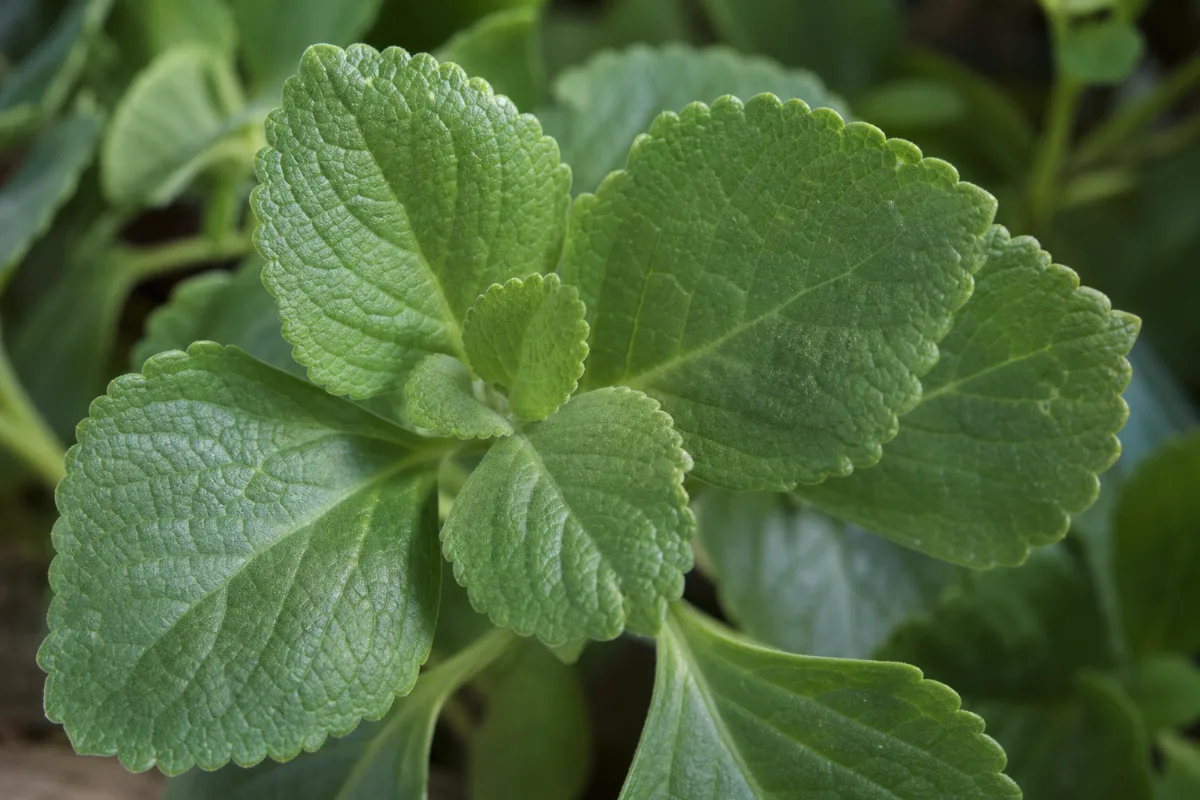
Herbs & Botanicals · Chilean digestive leaf tea
Boldo
Peumus boldus · also called Boldo leaf, boldo tea, Boldi folium
Boldo is the leaf of a Chilean tree, used as a tea for indigestion and mild stomach cramps and long said to help the liver and bile. In the EU it is registered for traditional use only, and no clinical trial of boldo leaf for indigestion was found. The key caution: it should not be used with gallstones, bile-duct problems or liver disease, and a few older people had liver injury after boldo tea.
General information, not medical advice. Last substantive update · Not medically reviewed. A named clinician has not signed off on this page. How this page is made
About Boldo
Boldo (Peumus boldus) is a Chilean tree whose leaf is brewed as a tea for indigestion. The EU accepts it for traditional use only, there are no clinical trials of the leaf, and the safety questions (liver, bile ducts, drug interactions, the toxic oil) matter more than the benefits.
What it is
Boldo is the dried leaf of Peumus boldus, an evergreen tree from Chile. The leaf is sold as a tea, a dry extract and in capsules. In pharmacy books it is called boldi folium.
It was used in Chile against liver and gallstone complaints in the 19th century and was introduced to Europe in 1870.
What makes it distinctive
The leaf holds the alkaloid boldine, a lab antioxidant, and 2 to 4 percent volatile oil. Ascaridole makes up 16 to 38 percent of that oil. Ascaridole is toxic, so boldo essential oil should not be used by mouth or on the skin.
Because ascaridole dissolves poorly in water, the EU accepts only tea and water extracts, not powdered leaf or alcohol extracts.
What people use it for
Today the main use is indigestion and mild stomach cramps. Older books also list it as a bile stimulant, mild diuretic and sedative, and for liver and gallstone complaints.
The EU registration is for adults, for up to 2 weeks, and is based on tradition.
What the research shows
No clinical trial of boldo leaf for indigestion was found by the EMA in 2016 or in its 2024 review. The only human trials we found tested multi-herb products that include boldo, with very low certainty. Most other work is on the isolated alkaloid boldine in cells and rodents.
At a glance
Traditional uses history, not proof
- Indigestion and stomach complaints
- Liver and gallstone complaints (traditional, not proven)
- Mild diuretic and urinary use
- Mild sedative and worm treatment in older herbals
Studied for research
- Indigestion and mild gut spasms: traditional use only, insufficient trial evidence
- Bile flow and liver protection: lab and animal findings only
- Stomach bacteria (H. pylori): lab only
- Urinary stones and stent symptoms: very low certainty, combination products
- Blood platelets, skin and other uses: lab only
Main compounds
- Boldine, an alkaloid with antioxidant activity in the lab
- Ascaridole, a toxic compound in the leaf oil
- 1,8-cineole and p-cymene (oil components)
- Procyanidins (plant tannins)
Common forms
- Leaf tea (infusion)
- Dry water extract
- Powdered leaf and alcohol extracts (not accepted by the EU monograph)
- Essential oil (should not be used)
Research links: EMA assessment report on boldo leaf (2016) · EMA addendum and review (2024) · Boldo-induced liver injury, case report (2017) · Warfarin and boldo-fenugreek case report (2001) · Pharmacology of boldine, review (2024) · Research Library · Genes & Biomarkers Library
The plant and its history
- Accepted scientific name
- Peumus boldus Molina
- Naming authority
- Molina
- Common names
- Boldo (English); Boldo (Spanish); Boldi folium (boldo leaf) (Latin pharmacopoeia); Boldo tea (English)
- Botanical family
- Monimiaceae
- Classification
- Plantae > Laurales > Monimiaceae > Peumus > Peumus boldus
- Native range
- Chile (and Peru per the EMA report); also grown elsewhere.
- Habitat
- Evergreen tree of central Chile; not described further in the sources read.
- What the plant looks like
- Roots: Not described in sources read.; Stems: Not described; the bark also contains alkaloids.; Leaves: The leaf is the medicinal part; it holds isoquinoline alkaloids (0.25-0.7%) and 2-4% volatile oil.; Flowers: Not described in sources read.; Fruit: Not described in sources read; a paper on the fruit exists but was not read.
- Cultivation
- Not verified.
- Harvest and processing
- Dried whole or fragmented leaf (European Pharmacopoeia: not less than 0.1% total alkaloids as boldine).
- Look-alikes and adulterants
- Name: Other plants sold as 'boldo'; Note: Some other plants are sold under the name boldo in some countries. The EU monograph covers only Peumus boldus leaf. This was not looked up further.
- Sustainability and conservation
- Not assessed here.
Traditional use and history history, not clinical proof
| Tradition or era | Documented use | Source |
|---|---|---|
| 19th-century Chile and Europe | Dried leaves used against liver diseases and gallstones in South America; introduced to Europe in 1870. | s-ema-ar |
| European pharmacopoeias and reference books | Listed as cholagogue, choleretic, digestive aid, diuretic, hepatic stimulant, stomachic, sedative and anthelmintic; also headache, earache, toothache and rheumatism (Speisky and Cassels 1994 via EMA). | s-ema-ar |
| EU herbal monograph | Registered in the EU for traditional use for dyspepsia and mild gut spasms (teas and water extracts); 2024 review kept the monograph unchanged. | s-ema-addendum |
Traditional use shows how a plant was used. It does not show that a supplement works or is safe today.
What is inside, and how it may work
What the plant contains and how those compounds act in cells and animals. Laboratory and animal mechanisms are not proven effects in people.
Main compounds
| Compound | Family | Where it is concentrated | Activity studied | Level of evidence |
|---|---|---|---|---|
| Boldine PubChem 10154 | aporphine alkaloid | leaf (and bark) Usually the main alkaloid, 14-36% of total alkaloids (EMA). | Antioxidant; blocks connexin hemichannels in rodent models; in vitro inhibits platelet clumping and CYP1A/CYP3A activity. 19 23 25 10 | In vitro / animal |
| Ascaridole PubChem 10545 | bicyclic monoterpene peroxide | leaf volatile oil 16-38% of the volatile oil (EMA). | Toxic; main reason boldo oil is considered unsafe. Inhibits the mitochondrial electron transport chain. 18 5 26 | Animal / regulator report |
| 1,8-Cineole PubChem 2758 | monoterpene | leaf volatile oil 11-39% of the volatile oil (EMA). | Aromatic oil component. 20 5 | Descriptive |
| p-Cymene PubChem 7463 | monoterpene | leaf volatile oil 9-29% of the volatile oil (EMA). | Aromatic oil component. 21 5 | Descriptive |
| Procyanidins (catechin-based) | polyphenols | leaf not reported | Blocked H. pylori urease and adherence in the lab. 15 | In vitro |
Mechanisms, receptors and pathways
| Target or pathway | Gene or receptor | What was found | Level |
|---|---|---|---|
| Bile production | Farnesoid X receptor; osmotic effect | A recent rat study indicated boldine raises bile production this way; earlier choleretic effects were not confirmed (EMA). 5 | Animal research |
| Antioxidant defence | Free-radical scavenging | Boldine is an effective antioxidant in biological and non-biological systems. 24 | In vitro |
| Connexin hemichannels | Connexin channels | Many effects of boldine in rodent models are attributed to blocking connexin hemichannels. 23 | Animal research |
| Platelet aggregation | Thromboxane A2 formation | Reduced in rabbit platelets in the lab. 25 4 | In vitro |
| Drug-metabolising enzymes | CYP1A, CYP3A | Inhibited by boldine in mouse liver microsomes. 10 | In vitro |
Absorption, metabolism and elimination
- Absorption
- In rats, boldine was absorbed rapidly after oral dosing, peaking in 15-30 minutes. No human data.
- Distribution
- In rats boldine concentrated in the liver.
- Metabolism
- Not described for people. Boldine was taken up by rat liver cells.
- Elimination
- Boldine was found in rat urine after a boldo extract. Human elimination unknown.
- Bioavailability
- Not established.
Isolated compounds versus whole extracts
Most research is on isolated boldine, not leaf tea. The leaf also carries ascaridole and other oil components, so findings with boldine cannot be applied to the leaf and vice versa. The EMA says no active constituent of the preparations could be defined.
Nutritional composition
Boldo is a medicinal herb, not a nutrient.
1 very low certainty8 not enough evidence
What is Boldo good for?
What boldo has been studied for and how strong the evidence is. Most entries rest on tradition, lab work or combination products.
Benefits, one by one
Each card is a research question, not a promise. Tap a goal to filter. Open a card to see the studies, doses and limits.
Indigestion and mild gut spasms (traditional use)
Not enough evidenceBoldo leaf tea or water extract is registered in the EU as a traditional herbal medicine for indigestion and mild gut cramps in adults. This rests on long use. No clinical trial of boldo leaf for indigestion was found.
4 studiesEU-accepted forms are leaf tea and dry water extract. Powdered leaf a…
Studies, doses and limits
What the trials found
The EMA 2016 assessment report and its 2024 review found no clinical studies of boldo leaf. The only human study of boldo tea we found tested swallowing speed in 43 healthy adults and showed no difference from a sweet drink; it did not measure indigestion.
Results
No trial showing relief of indigestion or gut cramps.
Effect sizes as reported
None available.
Why this rating
Acceptance by the EMA is for traditional use only; the EMA says efficacy is plausible from long-standing use, not shown by trials.
Form and dose studied
EU-accepted forms are leaf tea and dry water extract. Powdered leaf and alcohol extracts are not accepted because of possible higher ascaridole. Ask a doctor or pharmacist about amounts.
Who was studied
Traditional use is for adults and older adults. Not recommended under 18.
Limits
No clinical data; regulatory conclusion is based on documented tradition.
Why researchers looked
Boldo leaf has been used for stomach and liver complaints in Chile since the 19th century and in Europe since about 1870.
Traditional use
Reference books list it as a stomach tonic, bile stimulant (cholagogue and choleretic), diuretic and mild sedative. The EMA found 30 years of medicinal use, including 15 in the EU, and accepted only teas and water extracts.
Proposed mechanism Pharmacological theory
Not established. The EMA says no constituent with known therapeutic activity could be defined; boldine may contribute.
A proposed mechanism does not show that the effect happens in people.
Use is limited to 2 weeks in the EU monograph. Not for people with bile-duct, gallstone or liver disease. See the Safety tab.
Bile flow
Not enough evidenceBoldo is known as a bile-stimulating herb. In animals the evidence is mixed, and no human bile-flow study was found.
2 studiesNot applicable.
Studies, doses and limits
What the trials found
None found.
Results
Animal only; not confirmed in the studies the EMA reviewed.
Effect sizes as reported
None in people.
Why this rating
Animal data are mixed and mostly use isolated boldine, not leaf tea.
Form and dose studied
Not applicable.
Who was studied
Rats.
Limits
Details of the extracts used are usually missing (EMA).
Why researchers looked
Traditional books call boldo a cholagogue and choleretic, meaning it is said to move bile along and raise bile production.
Traditional use
Used for 'hepatic torpor', jaundice-like complaints and gallstones in older herbals.
Proposed mechanism Animal research
Early rat studies reported more bile, but the EMA says the effect was not confirmed. A recent rat study indicated that boldine raises bile production through osmotic and farnesoid X receptor routes.
A proposed mechanism does not show that the effect happens in people.
More bile flow is the reason the EU lists bile-duct blockage, gallstones and liver disease as reasons not to use boldo. A herb that moves bile could be harmful if the duct is blocked.
Liver protection (lab and animal only)
Not enough evidenceBoldine and boldo extracts protected liver cells and rodent livers from chemical damage in experiments. In people there are only case reports of liver injury linked to boldo.
7 studiesMostly isolated boldine in experiments.
Studies, doses and limits
What the trials found
No human trial. Three published case reports link boldo preparations with liver injury (see Safety).
Results
Protective in cells and rodents; harmful in some case reports.
Effect sizes as reported
None in people.
Why this rating
Lab and animal findings only; the human reports point the other way.
Form and dose studied
Mostly isolated boldine in experiments.
Who was studied
Cells, rats, mice.
Limits
Isolated alkaloid is not the same as tea; findings in rodents often do not carry over.
Why researchers looked
Boldine is an antioxidant and was tested against several chemicals that injure the liver.
Traditional use
Chilean and European traditional medicine used boldo for liver complaints.
Proposed mechanism Animal research
Antioxidant and anti-inflammatory actions of boldine; blocking of connexin channels in rodent models.
A proposed mechanism does not show that the effect happens in people.
Do not treat boldo as a liver remedy. People with liver disease are told not to use it in the EU.
Stomach bacteria (lab only)
Not enough evidenceIn a dish, boldo leaf water extract blocked an enzyme of the stomach bacterium Helicobacter pylori and kept it from sticking to stomach cells. No human study exists.
1 studiesAqueous leaf extract in the lab.
Studies, doses and limits
What the trials found
None.
Results
Lab inhibition only (89.3% less adherence at 2.0 mg GAE/mL in one assay).
Effect sizes as reported
Lab only.
Why this rating
Cell and enzyme work only.
Form and dose studied
Aqueous leaf extract in the lab.
Who was studied
None.
Limits
No animal or human infection tests.
Why researchers looked
Boldo is used for stomach complaints and its tannin-like procyanidins were tested against H. pylori.
Traditional use
Not a documented traditional use.
Proposed mechanism Laboratory research
Catechin-based procyanidins in the leaf block H. pylori urease and adherence.
A proposed mechanism does not show that the effect happens in people.
Do not use boldo to treat an infection; H. pylori needs medical care.
Antioxidant action (lab only)
Not enough evidenceBoldine is a strong antioxidant in the lab, and boldo teas show antioxidant power in tests. This has not been turned into a proven health benefit.
3 studiesIsolated boldine or tea in lab tests.
Studies, doses and limits
What the trials found
None showing a health benefit.
Results
Laboratory antioxidant activity.
Effect sizes as reported
Not applicable.
Why this rating
Antioxidant power in a test tube does not show benefit in the body.
Form and dose studied
Isolated boldine or tea in lab tests.
Who was studied
None.
Limits
No human outcome studies.
Why researchers looked
Early reviews saw boldine's antioxidant ability as the main reason to study it for oxidative injury.
Traditional use
Not part of traditional use.
Proposed mechanism Laboratory research
Boldine scavenges free radicals; teas in a Brazilian analysis had better antioxidant capacity than the essential oils.
A proposed mechanism does not show that the effect happens in people.
None specific.
Urinary stone and stent symptoms (combination products only)
Very low certaintyBoldo is an ingredient in some multi-herb urinary products. Two small trials tested such mixes, but boldo cannot be separated from the other herbs.
2 studiesCombination capsules; not the tea.
Studies, doses and limits
What the trials found
In 60 adults with a ureteral stent, a five-herb capsule that included boldo improved symptoms but tamsulosin did slightly better on urinary symptoms (open label, no placebo). In 34 children and teens after stone surgery, a 3-component herbal product with boldo and Herniaria led to fewer remaining stone fragments than no add-on treatment (15.4% vs 36.8% at follow-up; very small, unblinded).
Results
Combination products only; boldo's own effect is unknown.
Effect sizes as reported
Stent trial: urinary-symptom change -4.6 (herbs) vs -6.1 (tamsulosin) at day 7. Children: fragments 15.4% vs 36.8% at the last visit.
Why this rating
Small, open-label, no placebo, mixtures of herbs.
Form and dose studied
Combination capsules; not the tea.
Who was studied
Adults with stents; children after stone surgery.
Limits
Cannot tell whether boldo does anything; one mix is not another.
Why researchers looked
Boldo has a minor traditional use as a mild diuretic and for urinary inflammation.
Traditional use
Historic herbals list boldo tincture as a diuretic and the oil for urinary inflammation (the oil is now considered unsafe, see Safety).
Proposed mechanism Pharmacological theory
Unknown. Not shown for boldo alone.
A proposed mechanism does not show that the effect happens in people.
Do not give children herbal products without medical advice (the EU does not recommend boldo under 18).
Blood platelets and clotting (lab only)
Not enough evidenceIn the lab, boldine reduced platelet clumping. This is a possible reason for caution with blood thinners, not a benefit.
2 studiesIsolated boldine.
Studies, doses and limits
What the trials found
No human data on boldine. In the human plasma tests of the 1997 paper, other alkaloids were used, not boldine.
Results
Lab inhibition only.
Effect sizes as reported
Not applicable.
Why this rating
Rabbit and rat tissue; isolated alkaloid.
Form and dose studied
Isolated boldine.
Who was studied
None.
Limits
Unknown whether tea gives enough boldine to matter.
Why researchers looked
Aporphine alkaloids were tested for effects on platelet clumping and blood-vessel relaxation.
Traditional use
Not a traditional use.
Proposed mechanism Laboratory research
Boldine reduced arachidonic-acid-triggered platelet clumping in rabbit platelets, mainly through less thromboxane A2; it also relaxed rat aorta.
A proposed mechanism does not show that the effect happens in people.
Anticoagulants: one case of raised INR with boldo plus fenugreek (see Safety).
Skin lightening (boldine derivative, not boldo tea)
Not enough evidenceA boldine derivative is an ingredient in skin-brightening products. A review mentions clinical reports; lab work shows it blocks the pigment enzyme tyrosinase.
1 studiesApplied to skin as a cosmetic ingredient; not drinking boldo.
Studies, doses and limits
What the trials found
The 2024 narrative review mentions randomised trials for facial melasma using a boldine derivative product. We did not open those trials.
Results
Not assessed.
Effect sizes as reported
Not read.
Why this rating
Trials not read; derivative skin product, not a leaf preparation.
Form and dose studied
Applied to skin as a cosmetic ingredient; not drinking boldo.
Who was studied
Not read.
Limits
Source is a narrative review's abstract.
Why researchers looked
Boldine derivatives are used in cosmetic creams.
Traditional use
Not a traditional use of boldo.
Proposed mechanism Laboratory research
Tyrosinase inhibition and antioxidant action in lab models.
A proposed mechanism does not show that the effect happens in people.
Not relevant to drinking boldo tea.
Anti-inflammatory, nerve, cancer-cell and other lab findings
Not enough evidenceReviews list many effects of boldine in cells and rodents. None has been shown in people.
2 studiesIsolated boldine.
Studies, doses and limits
What the trials found
None.
Results
Animal and cell studies only.
Effect sizes as reported
Not applicable.
Why this rating
No human studies; the reviews are mostly of rodents.
Form and dose studied
Isolated boldine.
Who was studied
Rodents, cells.
Limits
Findings in rodents often fail in people.
Why researchers looked
Boldine is a research compound with many actions in the lab.
Traditional use
Not part of traditional use.
Proposed mechanism Animal research
Blocking of connexin hemichannels and antioxidant effects in rodent models.
A proposed mechanism does not show that the effect happens in people.
None specific.
Connections to the rest of health
How Boldo connects to the rest of our health knowledge graph. Every link says what kind of connection it is. A safety link (for example to the liver) is a warning, not a benefit. A study that merely mentions a topic never creates a benefit link.
Explore every connection: goals, body systems, organs, symptoms, genes
A. Wellness goals
| Connected to | Kind of connection | Evidence status | Context | Studies |
|---|---|---|---|---|
| Digestive Support | Traditional use | Not enough evidence | Indigestion and mild gut spasms (traditional use): Boldo leaf tea or water extract is registered in the EU as a traditional herbal medicine for indigestion and mild gut cramps in adults. This rests on long use. No clinical trial of boldo leaf for indigestion was found. | 5 6 7 1 |
| Digestive Support | Preliminary mechanism | Not enough evidence | Bile flow: Boldo is known as a bile-stimulating herb. In animals the evidence is mixed, and no human bile-flow study was found. Stomach bacteria (lab only): In a dish, boldo leaf water extract blocked an enzyme of the stomach bacterium Helicobacter pylori and kept it from sticking to stomach cells. No human study exists. | 5 23 15 |
| Liver Support | Preliminary mechanism | Not enough evidence | Bile flow: Boldo is known as a bile-stimulating herb. In animals the evidence is mixed, and no human bile-flow study was found. Liver protection (lab and animal only): Boldine and boldo extracts protected liver cells and rodent livers from chemical damage in experiments. In people there are only case reports of liver injury linked to boldo. | 5 23 11 24 22 14 16 |
| Gut Health | Preliminary mechanism | Not enough evidence | Stomach bacteria (lab only): In a dish, boldo leaf water extract blocked an enzyme of the stomach bacterium Helicobacter pylori and kept it from sticking to stomach cells. No human study exists. | 15 |
| Healthy Aging | Preliminary mechanism | Not enough evidence | Antioxidant action (lab only): Boldine is a strong antioxidant in the lab, and boldo teas show antioxidant power in tests. This has not been turned into a proven health benefit. | 24 26 23 |
| Heart Health | Preliminary mechanism | Not enough evidence | Blood platelets and clotting (lab only): In the lab, boldine reduced platelet clumping. This is a possible reason for caution with blood thinners, not a benefit. | 25 4 |
| Healthy Skin | Preliminary mechanism | Not enough evidence | Skin lightening (boldine derivative, not boldo tea): A boldine derivative is an ingredient in skin-brightening products. A review mentions clinical reports; lab work shows it blocks the pigment enzyme tyrosinase. | 11 |
B. Body systems
| Connected to | Kind of connection | Evidence status | Context | Studies |
|---|---|---|---|---|
| Digestive System | Biological association | Not enough evidence | Studied for: Indigestion and mild gut spasms (traditional use) Studied for: Bile flow | 5 6 7 1 23 15 |
| Hepatic System | Biological association | Not enough evidence | Studied for: Bile flow Studied for: Liver protection (lab and animal only) | 5 23 11 24 22 14 16 26 |
| Urinary System | Biological association | Very low certainty | Studied for: Urinary stone and stent symptoms (combination products only) | 9 2 |
| Cardiovascular System | Biological association | Not enough evidence | Studied for: Blood platelets and clotting (lab only) | 25 4 |
| Integumentary System | Biological association | Not enough evidence | Studied for: Skin lightening (boldine derivative, not boldo tea) | 11 |
| Nervous System | Biological association | Not enough evidence | Studied for: Anti-inflammatory, nerve, cancer-cell and other lab findings | 23 11 |
E. Health conditions
| Connected to | Kind of connection | Evidence status | Context | Studies |
|---|---|---|---|---|
| Gallstones | Contraindication | Authoritative guidance | EU monograph lists gallstones and bile-duct disorders as reasons not to use boldo without medical advice. Preparation or compound: boldo leaf |
5 |
| Liver disease | Contraindication | Authoritative guidance | Contraindicated in the EU monograph; three case reports of liver injury. Preparation or compound: boldo leaf |
5 22 14 |
I. Biomarkers
| Connected to | Kind of connection | Evidence status | Context | Studies |
|---|---|---|---|---|
| Bile flow | Biological association | Not enough evidence | Measured in trials: mixed. A lab change is not the same as a health benefit. | 5 23 |
| H. pylori urease activity | Biological association | Not enough evidence | Measured in trials: lowered. A lab change is not the same as a health benefit. | 15 |
| Platelet aggregation | Biological association | Not enough evidence | Measured in trials: lowered. A lab change is not the same as a health benefit. | 25 4 |
| Residual stone fragments | Biological association | Very low certainty | Measured in trials: lowered. A lab change is not the same as a health benefit. | 2 |
J. Genes, receptors and enzymes
| Connected to | Kind of connection | Evidence status | Context | Studies |
|---|---|---|---|---|
| CYP1A and CYP3A enzymes | Preliminary mechanism | In vitro | Inhibited by boldine in mouse liver microsomes in the lab. | 10 |
| Farnesoid X receptor (FXR) | Preliminary mechanism | Animal | Linked to boldine's bile-promoting effect in a rat study cited by the EMA. | 5 |
| Connexin hemichannels | Preliminary mechanism | Animal | Blocked by boldine in rodent injury models. | 23 |
L. Active compounds
| Connected to | Kind of connection | Evidence status | Context | Studies |
|---|---|---|---|---|
| Boldine | Biological association | In vitro / animal | Antioxidant; blocks connexin hemichannels in rodent models; in vitro inhibits platelet clumping and CYP1A/CYP3A activity. Preparation or compound: leaf (and bark) |
19 23 25 10 |
| Ascaridole | Biological association | Animal / regulator report | Toxic; main reason boldo oil is considered unsafe. Inhibits the mitochondrial electron transport chain. Preparation or compound: leaf volatile oil |
18 5 26 |
| 1,8-Cineole | Biological association | Descriptive | Aromatic oil component. Preparation or compound: leaf volatile oil |
20 5 |
| p-Cymene | Biological association | Descriptive | Aromatic oil component. Preparation or compound: leaf volatile oil |
21 5 |
| Procyanidins (catechin-based) | Biological association | In vitro | Blocked H. pylori urease and adherence in the lab. Preparation or compound: leaf |
15 |
Each connection is stored with the ingredient, the connected record, the kind of connection, the evidence status, the supporting studies, the preparation or compound involved, and a review date (last reviewed October 25, 2026).
Evidence at a glance: what changed in 4 lab markers
Tap a number to show only those markers. Counts are markers, not people.
The evidence
The research centre for Boldo. Every record here was checked against PubMed or the publisher's page; we never list a study we have not verified.
Evidence by outcome
Bars show how many studies we found for each outcome, not how well it works. People are added up across trials only (reviews are not added, to avoid double counting).
How we rate evidence
High certainty
Several well-run trials or reviews agree; further research is unlikely to change the picture much.
Moderate certainty
Good trials point the same way, but some doubt remains.
Low certainty
Small, short or inconsistent trials. The finding could change with better research.
Very low certainty
Very little or very weak human data. Treat as a possibility only.
Mixed findings
Trials or reviews disagree with each other.
Not enough evidence
Not enough human research to say either way.
Evidence against
Good research found no benefit, or found harm.
We take the reviewers' own risk-of-bias and GRADE statements where they exist, and otherwise judge from study size, design, consistency, directness and whether a product matches what is sold. Many publications do not make evidence high. Method note: We read the EMA assessment report and its 2024 review, searched PubMed, and checked GBIF and PubChem. Most studies were read as abstracts only. No study is cited that we could not verify.
Study library: every study we checked 26
| Study | Design | People | Product, dose, length | Result |
|---|---|---|---|---|
| Alves 2013 Effect of a bitter bolus on oral, pharyngeal and esophageal transit of healthy subjects. Arq Gastroenterol · PMID 23657304 · DOI |
Crossover trial |
43 43 healthy adults |
boldo leaf tea (as a bitter test liquid) leaf not given here not given here · vs none |
Bitter boldo tea made no difference to mouth, throat or gullet transit compared with a sweet liquid. No difference Methods, limits and fundingOutcomes: Swallowing transit (scintigraphy) Limitations: Tests swallowing, not digestion or indigestion; one small swallow of tea in healthy people. Funding and conflicts: Not stated Read: abstract |
| Caione 2022 Phytotherapy as ancillary treatment after urinary stone lithotripsy in pediatric age. Ann Ital Chir · PMID 36052473 |
Controlled trial |
34 34 children and teens aged 6-18 after stone surgery |
3-component product with Herniaria hirsuta and Peumus boldus versus no add-on treatment combination extract not given here not given here · vs none |
Stone fragments fell from 53.8% to 15.4% in the herb group and from 57.9% to 36.8% in the no-treatment group over the study (p=0.006 and 0.009). No adverse effects reported. Between-group difference significant at both checks Methods, limits and fundingOutcomes: Residual stone fragments Limitations: Very small, not blinded, no placebo; combination so boldo alone cannot be judged; abstract calls the product 3-component. Funding and conflicts: Not stated in abstract Read: abstract |
| Carbajal 2014 Case report: boldo (Peumus boldus) and tacrolimus interaction in a renal transplant patient. Transplant Proc · PMID 24981811 · DOI |
Case report |
1 78-year-old kidney-transplant recipient |
boldo capsules (extract or powder not clear) leaf (presumed) not given here not given here · vs none |
Tacrolimus level was below 3 ng/mL while taking boldo and 6.1 ng/mL one week after stopping it, on the same tacrolimus dose. Authors suggest a possible herb-drug interaction. Single case Methods, limits and fundingOutcomes: Tacrolimus blood level Limitations: One patient; product poorly described; adherence and other causes only partly excluded. Funding and conflicts: Not stated in abstract Read: abstract |
| Chen 1996 Antiplatelet and vasorelaxing actions of some aporphinoids. Planta Med · PMID 8657745 · DOI |
Laboratory research in-vitro |
Platelets; rat thoracic aorta | boldine and other aporphines (isolated) not applicable not given here not given here · vs none |
Boldine strongly inhibited arachidonic-acid-induced platelet aggregation and relaxed rat aorta in the lab. It was not among the compounds with strong effects against ADP or collagen. Lab effect only Methods, limits and fundingOutcomes: Platelet aggregation, blood-vessel relaxation Limitations: Isolated alkaloid; no human data. Funding and conflicts: Not stated Read: abstract |
| European Medicines Agency (HMPC) 2016 Assessment report on Peumus boldus Molina, folium (EMA/HMPC/453726/2016) European Medicines Agency (HMPC) · Source |
Authoritative guidance mixed |
not applicable | boldo leaf (Peumus boldus) leaf not given here not given here · vs none |
No clinical studies. Traditional use accepted for dyspepsia and mild gut spasms (aqueous preparations only). Contraindicated with bile-duct obstruction, cholangitis, liver disease, gallstones and other biliary disorders. Avoid in pregnancy and breastfeeding; not recommended under 18. Boldo oil (ascaridole) should not be used by mouth or on skin. Two case reports of interactions (warfarin with boldo plus fenugreek; tacrolimus) and one of anaphylaxis. Rat studies at very high doses of extract or boldine showed fetal harm. not applicable Methods, limits and fundingOutcomes: see results Limitations: Regulator or database record, not a trial. Funding and conflicts: not applicable Read: full-text |
| European Medicines Agency (HMPC) 2024 Addendum to assessment report on Peumus boldus Molina, folium (EMA/HMPC/329351/2024) European Medicines Agency (HMPC) · Source |
Authoritative guidance mixed |
not applicable | boldo leaf (Peumus boldus) leaf not given here not given here · vs none |
2024 review: no clinical studies or new safety concerns found; monograph not revised. Nine EudraVigilance reports, none directly attributed to boldo leaf. Two published liver-injury case reports flagged for follow-up because causality was not formally scored. not applicable Methods, limits and fundingOutcomes: see results Limitations: Regulator or database record, not a trial. Funding and conflicts: not applicable Read: full-text |
| European Medicines Agency 2025 Boldi folium - herbal medicinal product (EMA public page) European Medicines Agency · Source |
Authoritative guidance mixed |
not applicable | boldo leaf (Peumus boldus) leaf not given here not given here · vs none |
Public summary page for the EU herbal monograph on boldo leaf. Details here come from the assessment report and addendum, which were read in full. not applicable Methods, limits and fundingOutcomes: see results Limitations: Regulator or database record, not a trial. Funding and conflicts: not applicable Read: summary-only |
| GBIF 2026 Peumus boldus Molina - GBIF species match GBIF · Source |
Database record mixed |
not applicable | boldo leaf (Peumus boldus) leaf not given here not given here · vs none |
Accepted species, family Monimiaceae, order Laurales, usageKey 3034108 (API call 2026-10-25, exact match, confidence 99). not applicable Methods, limits and fundingOutcomes: see results Limitations: Regulator or database record, not a trial. Funding and conflicts: not applicable Read: full-text |
| Gallo 2026 A randomized controlled trial comparing alpha-blocker (tamsulosin) and a phyto-complex (Solidago, Phyllanthus, Epilobium, Peumus boldus and Ononis) in the treatment of ureteral stent-related symptoms. Urologia · PMID 42244389 · DOI |
Controlled trial |
60 60 adults with a ureteral (double J) stent |
five-herb combination capsule including boldo versus tamsulosin combination extract not given here not given here · vs none |
Both groups improved. Tamsulosin did better on the urinary-symptom domain at days 7 and 21; other domains did not differ. Authors say the herb mix may be as effective as tamsulosin. Urinary symptom change at day 7: -6.1 (tamsulosin) vs -4.6 (herbs) Methods, limits and fundingOutcomes: Ureteral Symptom Score Questionnaire Limitations: Open label; five herbs mixed so boldo cannot be singled out; no placebo; small. Funding and conflicts: No conflicts declared Read: abstract |
| Kubinova 2001 Chemoprotective activity of boldine: modulation of drug-metabolizing enzymes. Pharmazie · PMID 11265593 |
Laboratory research in-vitro |
Mouse hepatoma cells and mouse liver microsomes | boldine (isolated) not applicable not given here not given here · vs none |
Boldine inhibited CYP1A-dependent and CYP3A-dependent enzyme activity in mouse liver microsomes and raised glutathione S-transferase activity in cells. Enzyme inhibition in the lab Methods, limits and fundingOutcomes: CYP enzyme activity Limitations: Mouse material, isolated alkaloid; not shown in people. Funding and conflicts: Not stated Read: abstract |
| Lamba 2024 Boldine: a narrative review of the bioactive compound with versatile biological and pharmacological potential. J Complement Integr Med · PMID 38234264 · DOI |
Narrative review mixed (animal and lab, some human) |
Mostly animal and lab studies | boldine (isolated) not applicable not given here not given here · vs none |
Reports antioxidant, anti-inflammatory, liver-protective and many other effects in animals and cells, plus small clinical reports for facial melasma (a boldine derivative in a skin product) and for children after kidney-stone lithotripsy (a combination product). Narrative; no pooled numbers Methods, limits and fundingOutcomes: Pharmacology, toxicology Limitations: Mostly preclinical; clinical items are combination or derivative products; abstract read only. Funding and conflicts: Not read Read: abstract |
| Lambert 2001 Potential interaction between warfarin and boldo-fenugreek. Pharmacotherapy · PMID 11310527 · DOI |
Case report |
1 Patient on warfarin for atrial fibrillation |
boldo plus fenugreek (taken together) unspecified not given here not given here · vs none |
INR rose while she took boldo and fenugreek, returned to normal about 1 week after stopping, and rose again when both were restarted. Authors rated the link probable (Naranjo scale) for the pair. Single case Methods, limits and fundingOutcomes: INR (blood-clotting test) Limitations: Two herbs together, so boldo alone cannot be blamed; products not described; one patient. Funding and conflicts: Not stated in abstract Read: abstract |
| Monzon 2004 Anaphylaxis to boldo infusion, a herbal remedy. Allergy · PMID 15291920 · DOI |
Case report |
1 Patient with grass-pollen allergy |
boldo leaf infusion leaf not given here not given here · vs none |
The PubMed record has no abstract. The EMA report describes it as a patient with grass-pollen rhinoconjunctivitis who developed generalised hives, facial swelling, trouble swallowing, hoarseness and breathlessness, confirmed by oral challenge. Single case Methods, limits and fundingOutcomes: Allergic reaction Limitations: Abstract not available; details taken from the EMA report. Funding and conflicts: Not stated Read: citation record only; details from EMA report |
| Oliveira Sa 2020 Boldo-Induced Hepatotoxicity: A Case of Unexplained Jaundice. Eur J Case Rep Intern Med · PMID 33457373 · DOI |
Case report |
1 87-year-old man |
boldo leaf infusions leaf not given here not given here · vs none |
Two weeks of weakness, poor appetite and jaundice with raised liver enzymes after repeated boldo leaf infusions during the previous month. Authors judged boldo-induced liver injury probable. Complete recovery within a week of stopping. Single case Methods, limits and fundingOutcomes: Jaundice and liver enzymes Limitations: One case; no formal causality score (per EMA 2024). Funding and conflicts: No competing interests declared Read: abstract |
| Pastene 2014 Catechin-based procyanidins from Peumus boldus Mol. aqueous extract inhibit Helicobacter pylori urease and adherence to adenocarcinoma gastric cells. Phytother Res · PMID 24853276 · DOI |
Laboratory research in-vitro |
Helicobacter pylori and gastric cell cultures | boldo leaf aqueous extract leaf not given here not given here · vs none |
The aqueous leaf extract strongly blocked H. pylori urease and stopped bacteria sticking to gastric cells in a dish (89.3% less adherence at 2.0 mg GAE/mL). Linked to catechin-based procyanidins. Lab inhibition Methods, limits and fundingOutcomes: H. pylori urease and adherence Limitations: Cell and enzyme work only; no human infection data. Funding and conflicts: Not stated Read: abstract |
| Piscaglia 2005 Caution in the use of boldo in herbal laxatives: a case of hepatotoxicity. Scand J Gastroenterol · PMID 15764158 · DOI |
Case report |
1 Elderly man with fatty liver |
herbal laxative mixture with added boldo leaf extract leaf (in a mixture) not given here not given here · vs none |
Several-fold rise in transaminases and gamma-GT in a man who had taken a laxative mixture for years without problems until boldo leaf extract was added to it; normal again promptly after stopping. Authors suggest boldo might be hepatotoxic, at least in elderly people with fatty liver. Single case Methods, limits and fundingOutcomes: Transaminases and gamma-GT Limitations: Mixture of herbs, so boldo cannot be singled out; one case. Funding and conflicts: Not stated in abstract Read: abstract |
| Portugal 2022 Concentrations of arsenic, cadmium, and lead in herbal infusion tea bags marketed in Tacna, Peru. Environ Monit Assess · PMID 35764709 · DOI |
Laboratory analysis not applicable |
Four brands each of five herbal tea-bag types in Tacna, Peru | tea bags including boldo leaf not given here not given here · vs none |
Boldo arsenic averaged 0.220 mg/kg, above the Codex and MERCOSUR limits in one brand. Hazard index for all teas was below 1 (negligible non-cancer risk). The authors still asked for more studies. Measured concentrations Methods, limits and fundingOutcomes: Arsenic, cadmium, lead Limitations: One city, four brands; may not match products elsewhere. Funding and conflicts: Not stated Read: abstract |
| PubChem 2026 Ascaridole - PubChem CID 10545 PubChem · Source |
Database record mixed |
not applicable | boldo leaf (Peumus boldus) leaf not given here not given here · vs none |
PubChem CID 10545, formula C10H16O2 (API call 2026-10-25). not applicable Methods, limits and fundingOutcomes: see results Limitations: Regulator or database record, not a trial. Funding and conflicts: not applicable Read: full-text |
| PubChem 2026 Boldine - PubChem CID 10154 PubChem · Source |
Database record mixed |
not applicable | boldo leaf (Peumus boldus) leaf not given here not given here · vs none |
PubChem CID 10154, formula C19H21NO4 (API call 2026-10-25). not applicable Methods, limits and fundingOutcomes: see results Limitations: Regulator or database record, not a trial. Funding and conflicts: not applicable Read: full-text |
| PubChem 2026 1,8-Cineole (eucalyptol) - PubChem CID 2758 PubChem · Source |
Database record mixed |
not applicable | boldo leaf (Peumus boldus) leaf not given here not given here · vs none |
PubChem CID 2758, formula C10H18O (API call 2026-10-25). not applicable Methods, limits and fundingOutcomes: see results Limitations: Regulator or database record, not a trial. Funding and conflicts: not applicable Read: full-text |
| PubChem 2026 p-Cymene - PubChem CID 7463 PubChem · Source |
Database record mixed |
not applicable | boldo leaf (Peumus boldus) leaf not given here not given here · vs none |
PubChem CID 7463, formula C10H14 (API call 2026-10-25). not applicable Methods, limits and fundingOutcomes: see results Limitations: Regulator or database record, not a trial. Funding and conflicts: not applicable Read: full-text |
| Ribeiro 2017 Hidden Risks of Alternative Medicines: A Case of Boldo-Induced Hepatotoxicity. J Diet Suppl · PMID 27576017 · DOI |
Case report |
1 72-year-old woman |
boldo leaf infusion leaf not given here not given here · vs none |
Jaundice and raised liver enzymes after repeated boldo leaf infusion over 2 weeks. Common causes excluded; authors judged boldo-induced liver injury probable. Full recovery after stopping. Single case Methods, limits and fundingOutcomes: Jaundice and liver enzymes Limitations: One case; no formal causality score (per EMA 2024); other factors cannot be fully excluded. Funding and conflicts: Not stated in abstract Read: abstract |
| Saez 2024 Pharmacology of boldine: summary of the field and update on recent advances. Front Pharmacol · PMID 39346563 · DOI |
Narrative review animal |
Rodent models mainly | boldine (isolated) not applicable not given here not given here · vs none |
Boldine is antioxidant and blocks connexin hemichannels; benefits are shown in rodent models of injury and disease. The review also covers absorption, distribution and metabolism. Narrative; no pooled numbers Methods, limits and fundingOutcomes: Pharmacology, absorption, metabolism Limitations: Mostly rodent work with the isolated alkaloid; abstract read only. Funding and conflicts: Authors declare no commercial relationships Read: abstract |
| Speisky 1994 Boldo and boldine: an emerging case of natural drug development. Pharmacol Res · PMID 8202440 · DOI |
Narrative review mixed (animal and lab) |
Review of four decades of lab work | boldo and boldine leaf; isolated alkaloid not given here not given here · vs none |
Describes boldine as the most interesting active compound of boldo and an effective antioxidant in biological and non-biological systems. Narrative Methods, limits and fundingOutcomes: Pharmacology Limitations: Old review; antioxidant findings are lab findings, not proof of benefit in people. Funding and conflicts: Not stated Read: abstract |
| Teng 1997 Antiplatelet effects of some aporphine and phenanthrene alkaloids in rabbits and man. J Pharm Pharmacol · PMID 9255715 · DOI |
Laboratory research in-vitro |
Rabbit platelets; human platelet-rich plasma (only for two other alkaloids) | boldine and related alkaloids (isolated) not applicable not given here not given here · vs none |
Boldine and laurolitsine inhibited rabbit platelet aggregation caused by arachidonic acid and collagen; the effect is mainly through less thromboxane A2 formation. The human-plasma tests used other alkaloids (litebamine, N-methylsecoglaucine), not boldine. Inhibition shown in the lab only Methods, limits and fundingOutcomes: Platelet aggregation Limitations: Isolated alkaloid, not boldo tea; rabbit cells; no human boldine data in the abstract. Funding and conflicts: Not stated Read: abstract |
| de Souza 2019 Evaluation of the volatile composition, toxicological and antioxidant potentials of the essential oils and teas of commercial Chilean boldo samples. Food Res Int · PMID 31466647 · DOI |
Laboratory analysis in-vitro |
10 10 commercial Brazilian boldo products (5 sachets, 5 bags) |
boldo essential oils and teas leaf not given here not given here · vs none |
Ascaridole, boldine, 1,8-cineole and p-cymene were present in all samples. Only 12 volatile compounds were found in the teas against 53 in the oils. Teas had better antioxidant capacity than oils. All oils were highly cytotoxic in the lab (estimated LD50 below 200 ppm). Lab measurements Methods, limits and fundingOutcomes: Volatile compounds, cytotoxicity, antioxidant capacity Limitations: Small sample from one country; ascaridole amounts in tea not reported in the abstract. Funding and conflicts: Not stated Read: abstract |
What we do not know yet
- No randomised trial of boldo leaf for indigestion or gut cramps.
- No human study of bile flow after boldo.
- No safety data for pregnancy, breastfeeding or children.
- Ascaridole levels in teas and extracts are not well known.
- No LiverTox, NCCIH or LactMed record for boldo was read.
How new research is added
New studies are found by a saved PubMed search and are placed in a review queue. A person reads each one before it changes any evidence rating or safety wording.
Lab markers
What changed in blood or saliva tests during trials. A changed number is not the same as feeling or being healthier, and we give no "normal ranges".
Other 4
Bile flow
Mixed results in trials
The amount of bile the liver produces and moves into the gut.
Not enough evidenceResults and what it means
Why it was measured
Bile helps digest fat; boldo is traditionally said to raise it.
Statistical vs. clinical meaning
Animal findings only; no human bile measurements found.
Safety implication
More bile movement is a concern if the bile duct is blocked or gallstones are present.
| Study | Result | People | Product |
|---|---|---|---|
| 5 | Early rat studies reported more bile flow; the EMA says it was not confirmed. A more recent rat study indicated boldine raises bile production. | Rats | Boldo extract or boldine |
H. pylori urease activity
Lowered in trials
An enzyme that lets Helicobacter pylori survive in stomach acid.
Not enough evidenceResults and what it means
Why it was measured
Blocking it could weaken the bacterium.
Statistical vs. clinical meaning
Lab assay only; not a clinical result.
Safety implication
None.
| Study | Result | People | Product |
|---|---|---|---|
| 15 | High inhibition of H. pylori urease by the aqueous leaf extract; procyanidin fraction F5 had an IC50 of 15.9 micrograms GAE/mL. | Lab assay | Boldo leaf aqueous extract |
Platelet aggregation
Lowered in trials
How strongly blood platelets clump together, a step in clotting.
Not enough evidenceResults and what it means
Why it was measured
Used to judge whether a substance may thin the blood.
Statistical vs. clinical meaning
Lab-only; does not show a clinical effect of boldo tea.
Safety implication
A reason to ask a pharmacist if you take blood thinners.
Residual stone fragments
Lowered in trials
Small pieces of kidney stone left after stone surgery.
Very low certaintyResults and what it means
Why it was measured
Left-over fragments can grow into new stones.
Statistical vs. clinical meaning
Small, unblinded, combination product.
Safety implication
No adverse effects reported in the abstract.
| Study | Result | People | Product |
|---|---|---|---|
| 2 | 53.8% to 15.4% with the herb product vs 57.9% to 36.8% with no add-on. | 34 children and teens | 3-component product with Herniaria hirsuta and boldo |
Safety
What studies and official sources say about side effects, medicines and who should check first. Each point shows what kind of evidence it comes from.
Main points to know 5
- Not for bile-duct blockage, gallstones or liver disease. The EU monograph says boldo leaf must not be used with bile-duct obstruction, cholangitis, liver disease, gallstones or other bile-duct problems that need medical supervision. If you have these, ask a doctor first. Authoritative guidance 5 7
- Liver injury has been reported. Three published case reports (two with boldo tea alone, one with a laxative mix) describe liver injury in older people. All improved after stopping. The EMA flagged these for follow-up but did not formally rate them. Case report 22 14 16 6
- Boldo oil is toxic. Boldo essential oil is rich in ascaridole. The EMA says the oil should not be used by mouth or on the skin. Only teas and water extracts are accepted in EU monograph products. Authoritative guidance 5 26
- Blood thinners and transplant medicines: ask first. Single case reports describe a rise in INR in a person on warfarin taking boldo with fenugreek, and low tacrolimus levels in a transplant patient taking boldo. These cannot prove cause. Case report 12 3 5
- Pregnancy, breastfeeding and under 18. The EMA advises avoiding boldo in pregnancy and breastfeeding and does not recommend it under 18. Authoritative guidance 5
Side effects 4
| Effect | How often | Severity and recovery | Evidence |
|---|---|---|---|
| Liver injury with jaundice and raised liver enzymes Ages 72, 87 and elderly; two used boldo leaf infusion, one a herbal laxative mixture with boldo extract. Authors judged boldo probable (two reports); the EMA says causality was not formally scored. | Not established | moderate to serious (hospital care in the case reports) Recovered after stopping in all three reports | Case report 22 14 16 |
| Allergic reaction including anaphylaxis One case with boldo infusion, confirmed by oral challenge, in a person with grass-pollen allergy (details from the EMA report). | Not established | serious Not stated in the records read | Case report 13 5 |
| Vomiting and spasms at very high intake One source cited by the EMA; not included in the EU monograph because details were missing. | Not established | unclear Unknown | Traditional use 5 |
| Muscle pain and vomiting in pharmacovigilance reports Nine EudraVigilance reports up to June 2024; none were directly attributed to boldo leaf (mixtures or other medicines involved). | Not established | unclear Unknown | Authoritative guidance 6 |
Liver
Three case reports link boldo preparations with liver injury. Two involve boldo leaf infusion alone (a 72-year-old woman after about 2 weeks and an 87-year-old man over about a month), the third an elderly man with fatty liver whose laxative mix had boldo extract added. All recovered after stopping. The EMA 2024 review notes the authors rated boldo a probable cause but no formal causality score was used, and it asked that future cases be watched. The NCBI Bookshelf search found no LiverTox entry for boldo. In animals, boldine and boldo extracts mostly protect liver cells, but a 90-day rat study at 200 mg/kg/day of an ethanolic extract changed AST and cholesterol, and some fatty liver appeared in two animals at 800 mg/kg. 22 14 16 5 6
How often. Unknown. Three reports in the literature we read; real frequency not established.
Monitoring. No official monitoring advice found. The EU monograph contraindicates boldo in liver disease.
This is a safety connection. It is not evidence that Boldo supports liver health.
Medicines and supplements 4
| With | Why it matters | Importance | Evidence | What to do |
|---|---|---|---|---|
| Warfarin (and possibly other blood thinners) prescription | Unknown. Boldine reduced platelet clumping in the lab, but the case involved boldo plus fenugreek so either could be responsible. | One patient: INR rose twice, once after each restart of boldo and fenugreek, and fell after stopping. | Case report Very low certainty 12 25 4 5 | Tell your anticoagulant clinic or pharmacist before using boldo. Do not change blood-thinner treatment yourself. |
| Tacrolimus (transplant medicine) prescription | Unknown. Possibly increased drug processing; not shown. | One kidney-transplant patient had very low tacrolimus levels while taking boldo capsules, which rose to 6.1 ng/mL a week after stopping. A low level can risk organ rejection. | Case report Very low certainty 3 5 | Transplant patients should check with their transplant team before any herbal product. |
| Medicines processed by CYP1A and CYP3A enzymes prescription | In mouse liver microsomes boldine inhibited CYP1A and CYP3A activity. | Not shown in people. Unknown whether tea or extracts reach levels that matter. The tacrolimus case went the other way (lower drug levels). | Laboratory research Very low certainty 10 | If you take medicines with narrow safety margins, ask a pharmacist. |
| Liver-affecting herbs, alcohol and medicines herb | Added liver stress is possible; no direct study found. | Unknown. The liver-injury cases involved older people, one with fatty liver and a mixed herbal product. | Pharmacological theory Not enough evidence 16 6 | Ask a doctor if you have liver disease or take other medicines that can affect the liver. |
Who should check first 5
| Situation | Advice | Evidence |
|---|---|---|
| Bile-duct obstruction, cholangitis, liver disease, gallstones or other bile-duct disorders | Do not use unless a doctor agrees (EU monograph). | Authoritative guidance 5 |
| Known allergy to boldo | Do not use. One anaphylaxis case reported. | Case report 13 5 |
| Pregnancy and breastfeeding | Avoid. Safety not established; fetal harm seen in rats at very high doses. | Animal research 5 |
| Children and teens under 18 | Not recommended (not enough data). | Authoritative guidance 5 |
| Taking warfarin or tacrolimus | Ask a pharmacist or specialist first. | Case report 12 3 |
Overdose, product quality and regulators
Summary. The leaf contains 2-4% volatile oil, of which ascaridole is 16-38%. Ascaridole is a toxic peroxide also found in wormseed (Chenopodium) oil, which caused fatal poisonings in children in the past. The EMA says boldo oil should not be used by mouth or on skin.
Animal. Oral LD50 of boldo oil in rats 0.13 g/kg; 0.07 g/kg caused convulsions. A boldo ethanolic extract caused no deaths at up to 3 g/kg orally in rats. Pregnant rats given a dry ethanolic extract or boldine at 800 mg/kg had fetal changes and a few abortions; 500 mg/kg cut fetal weight by 28-40%.
Human doses studied. Not given here.
High dose or long term signals. EU use is limited to 2 weeks. Long-term safety is unknown.
Overdose response. One source cited by the EMA reports vomiting and spasms with very high doses.
Genotoxicity. Boldine was negative in most genotoxicity tests but induced some recombination changes in yeast. No genotoxicity data exist for boldo leaf preparations. The EMA says Ames test data are missing, so the herb was not recommended for the EU list.
Toxic plant parts. The leaf and especially its volatile oil (ascaridole) are the concern. The oil should not be used.
Ascaridole levels in teas and extracts are not well known, and one Peruvian analysis found arsenic above limits in one boldo tea-bag brand.
Ascaridole content. The EMA says no data compare ascaridole in different boldo products and asks that levels be measured. It accepted only teas and water extracts because ascaridole dissolves poorly in water. A Brazilian study found ascaridole in all 10 commercial products but reported only 12 volatile compounds in the teas against 53 in the oils. 5 26
Heavy metals. In tea bags sold in Tacna, Peru, boldo arsenic averaged 0.220 mg/kg and exceeded the Codex and MERCOSUR limits in one brand. The hazard index was below 1 for all teas. 17
Mixtures. The laxative case and the warfarin case involved mixtures, and in Europe boldo appears in many combination products, so single-herb effects are hard to tell apart. 16 12
| Body | Action | Date |
|---|---|---|
| EMA / HMPC (EU herbal monograph) (European Union) | Traditional herbal medicine for dyspepsia and mild gut spasms in adults, teas and water extracts only, limited to 2 weeks. Contraindicated with bile-duct obstruction, cholangitis, liver disease, gallstones; avoid in pregnancy and breastfeeding; not recommended under 18. Reviewed in 2024 with no revision. source | 2016 (assessment); 2024 (review) |
When to get medical help
- Yellow skin or eyes, dark urine, pale stools, strong tiredness or belly pain: stop the product and seek medical care.
- Hives, swelling of the face or throat, trouble breathing or swallowing after boldo tea: this is an emergency.
- If you take warfarin, unusual bruising or bleeding: contact your clinic at once.
Stop the supplement and contact a clinician or emergency service. In the US, Poison Control is 1-800-222-1222.
General information only, not medical advice. Ask a clinician or pharmacist before use, especially with medicines, in pregnancy or with a health condition. See the Natural Remedy Safety guide.
Frequently asked questions
What is boldo?
Does boldo tea help indigestion?
Is boldo good for the liver?
Can boldo harm the liver?
Who should not use boldo?
People with bile-duct blockage, cholangitis, liver disease or gallstones, those allergic to boldo, pregnant or breastfeeding women, and anyone under 18. Ask a doctor first if you have any biliary problem.
Does boldo interact with warfarin?
Does boldo affect transplant medicines?
Is boldo essential oil safe?
Is boldo safe in pregnancy or for children?
Avoid it in pregnancy and breastfeeding, and do not use it under 18. Safety has not been established, and very high doses of an extract and of boldine harmed rat fetuses.
What is boldine?
How long can boldo be used?
The EU monograph limits use to 2 weeks and says to see a doctor if symptoms persist. Ask a doctor or pharmacist about amounts.
Explore by health goal
Digestive SupportLiver SupportGut HealthHealthy AgingHeart HealthHealthy Skin
Editorial transparency
- Written by
- AlternativeMed editorial team. Research compiled with AI assistance, then checked against PubMed records.
- Medical review
- None. This page has not been reviewed by a physician or pharmacist.
- First published
- 2026-10-25
- Last substantive update
- 2026-10-25
- How we research
- We read the EMA assessment report and its 2024 review, searched PubMed, and checked GBIF and PubChem. Most studies were read as abstracts only. No study is cited that we could not verify.
- How we rate evidence
- See "How we rate evidence" in the Evidence tab.
- Independence
- No product is promoted on this page. No affiliate links are shown. If one is added later it will be labelled and kept apart from the evidence.
Sources 26
Each source was opened and checked. Where we read only the abstract, it says so. The small numbers in the text point here.
- Alves LM, Secaf M, Dantas RO. Effect of a bitter bolus on oral, pharyngeal and esophageal transit of healthy subjects.. Arq Gastroenterol. 2013. PMID 23657304. DOI 10.1590/s0004-28032013000100007. (abstract)
- Caione P, Salerno A, Collura G, et al.. Phytotherapy as ancillary treatment after urinary stone lithotripsy in pediatric age.. Ann Ital Chir. 2022. PMID 36052473. (abstract)
- Carbajal R, Yisfalem A, Pradhan N, et al.. Case report: boldo (Peumus boldus) and tacrolimus interaction in a renal transplant patient.. Transplant Proc. 2014. PMID 24981811. DOI 10.1016/j.transproceed.2014.01.021. (abstract)
- Chen KS, Ko FN, Teng CM, Wu YC. Antiplatelet and vasorelaxing actions of some aporphinoids.. Planta Med. 1996. PMID 8657745. DOI 10.1055/s-2006-957835. (abstract)
- European Medicines Agency (HMPC). Assessment report on Peumus boldus Molina, folium (EMA/HMPC/453726/2016). European Medicines Agency (HMPC). 2016. (full-text)
- European Medicines Agency (HMPC). Addendum to assessment report on Peumus boldus Molina, folium (EMA/HMPC/329351/2024). European Medicines Agency (HMPC). 2024. (full-text)
- European Medicines Agency. Boldi folium - herbal medicinal product (EMA public page). European Medicines Agency. 2025. (summary-only)
- GBIF. Peumus boldus Molina - GBIF species match. GBIF. 2026. (full-text)
- Gallo G, Cicione A, Nacchia A, et al.. A randomized controlled trial comparing alpha-blocker (tamsulosin) and a phyto-complex (Solidago, Phyllanthus, Epilobium, Peumus boldus and Ononis) in the treatment of ureteral stent-related symptoms.. Urologia. 2026. PMID 42244389. DOI 10.1177/03915603261454171. (abstract)
- Kubinova R, Machala M, Minksova K, et al.. Chemoprotective activity of boldine: modulation of drug-metabolizing enzymes.. Pharmazie. 2001. PMID 11265593. (abstract)
- Lamba D, Dwivedi DK, Yadav M, Kumar Yr S. Boldine: a narrative review of the bioactive compound with versatile biological and pharmacological potential.. J Complement Integr Med. 2024. PMID 38234264. DOI 10.1515/jcim-2023-0224. (abstract)
- Lambert JP, Cormier J. Potential interaction between warfarin and boldo-fenugreek.. Pharmacotherapy. 2001. PMID 11310527. DOI 10.1592/phco.21.5.509.34492. (abstract)
- Monzon S, Lezaun A, Saenz D, et al.. Anaphylaxis to boldo infusion, a herbal remedy.. Allergy. 2004. PMID 15291920. DOI 10.1111/j.1398-9995.2004.00535.x. (citation record only; details from EMA report)
- Oliveira Sa A, Pimentel T, Oliveira N. Boldo-Induced Hepatotoxicity: A Case of Unexplained Jaundice.. Eur J Case Rep Intern Med. 2020. PMID 33457373. DOI 10.12890/2020_002116. (abstract)
- Pastene E, Parada V, Avello M, et al.. Catechin-based procyanidins from Peumus boldus Mol. aqueous extract inhibit Helicobacter pylori urease and adherence to adenocarcinoma gastric cells.. Phytother Res. 2014. PMID 24853276. DOI 10.1002/ptr.5176. (abstract)
- Piscaglia F, Leoni S, Venturi A, et al.. Caution in the use of boldo in herbal laxatives: a case of hepatotoxicity.. Scand J Gastroenterol. 2005. PMID 15764158. DOI 10.1080/00365520410009537. (abstract)
- Portugal OB, Flores-Quispe M. Concentrations of arsenic, cadmium, and lead in herbal infusion tea bags marketed in Tacna, Peru.. Environ Monit Assess. 2022. PMID 35764709. DOI 10.1007/s10661-022-10232-3. (abstract)
- PubChem. Ascaridole - PubChem CID 10545. PubChem. 2026. (full-text)
- PubChem. Boldine - PubChem CID 10154. PubChem. 2026. (full-text)
- PubChem. 1,8-Cineole (eucalyptol) - PubChem CID 2758. PubChem. 2026. (full-text)
- PubChem. p-Cymene - PubChem CID 7463. PubChem. 2026. (full-text)
- Ribeiro RJ, Silvestre C, Duarte C. Hidden Risks of Alternative Medicines: A Case of Boldo-Induced Hepatotoxicity.. J Diet Suppl. 2017. PMID 27576017. DOI 10.1080/19390211.2016.1207123. (abstract)
- Saez JC, Burrell JC, Cahill CM, et al.. Pharmacology of boldine: summary of the field and update on recent advances.. Front Pharmacol. 2024. PMID 39346563. DOI 10.3389/fphar.2024.1427147. (abstract)
- Speisky H, Cassels BK. Boldo and boldine: an emerging case of natural drug development.. Pharmacol Res. 1994. PMID 8202440. DOI 10.1016/1043-6618(94)80093-6. (abstract)
- Teng CM, Hsueh CM, Chang YL, et al.. Antiplatelet effects of some aporphine and phenanthrene alkaloids in rabbits and man.. J Pharm Pharmacol. 1997. PMID 9255715. DOI 10.1111/j.2042-7158.1997.tb06096.x. (abstract)
- de Souza WFM, Mariano XM, Isnard JL, et al.. Evaluation of the volatile composition, toxicological and antioxidant potentials of the essential oils and teas of commercial Chilean boldo samples.. Food Res Int. 2019. PMID 31466647. DOI 10.1016/j.foodres.2018.12.059. (abstract)