Herbs & Botanicals · Traditional urinary flushing herb
Lovage
Levisticum officinale · also called Lovage, lovage root, Liebstockel
Lovage is a tall European kitchen and medicine herb. Its root, brewed as a tea, is accepted in the EU as a traditional help for flushing the urinary tract in minor complaints. That status rests on long use, not on trials of lovage itself. The most important caution is that the root can make skin sensitive to sunlight, and it is not recommended in pregnancy or breastfeeding.
General information, not medical advice. Last substantive update · Not medically reviewed. A named clinician has not signed off on this page. How this page is made
About Lovage
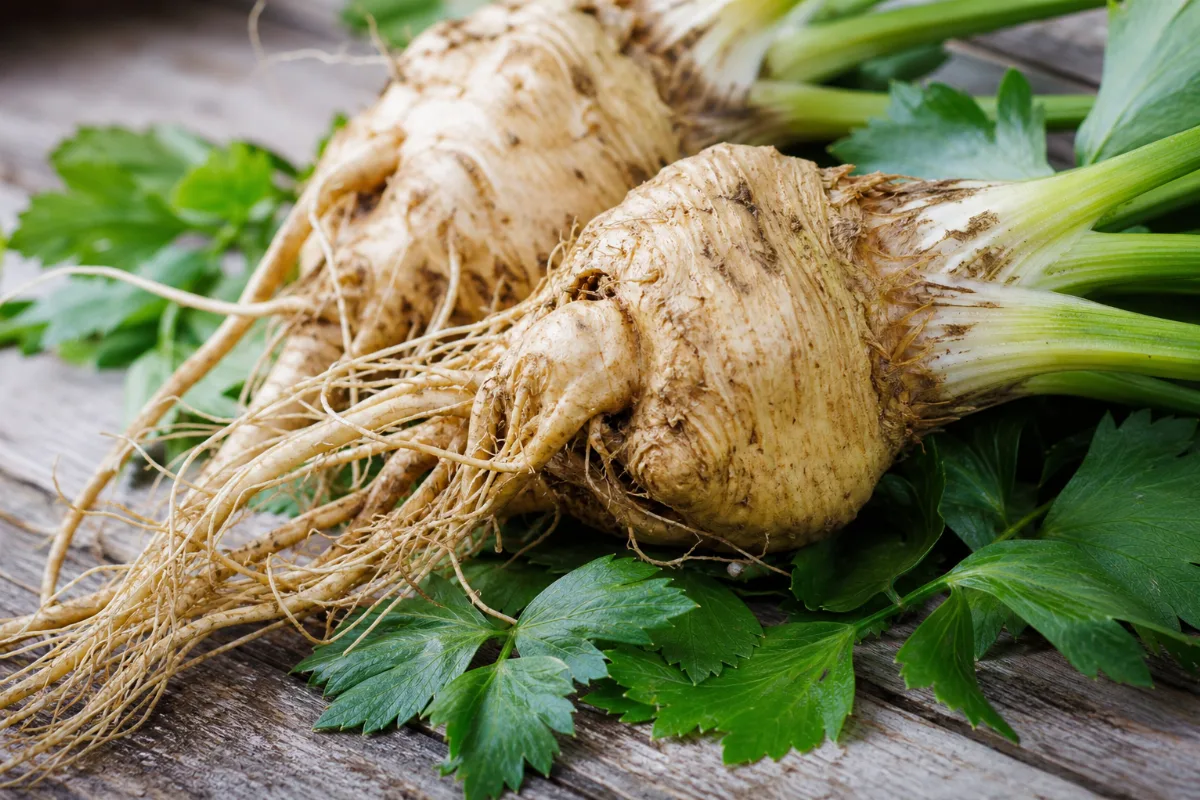
Lovage (Levisticum officinale) is a tall carrot-family herb. The leaf is a kitchen herb, the seed a spice, and the root a traditional tea in Europe for flushing the urinary tract. The root holds furanocoumarins that can make skin sensitive to sunlight.
Safety first
The root holds furanocoumarins, chemicals that with sunlight can cause skin redness and blisters. A 1992 case report describes this in people harvesting lovage. The EU monograph does not list it, so take care yourself: cover skin when handling the plant and avoid strong sun.
The EU monograph says use in pregnancy and breastfeeding is not recommended because safety is not established, and it advises against use under 18. It also lists allergy to carrot-family plants as a reason not to use it. Ask a doctor or pharmacist first if you have kidney or heart disease, swelling in the legs, or take lithium, water pills or blood thinners.
What it is
Lovage looks a little like celery and belongs to the same family, Apiaceae. The root is the part in the EU monograph, taken as a tea. Leaf and seed are used as food flavourings, and the essential oil is used in small ways, but those forms are not covered by the monograph.
What the research shows
The EU accepts the root tea as a traditional help for minor urinary complaints. That is based on long use, not clinical trials, and it limits use to 2 to 4 weeks.
Most of the human studies you may see are on Canephron N, a fixed mix of centaury, lovage root and rosemary. A 2026 review of 12 studies and 3821 patients found it comparable to antibiotics for preventing repeat bladder infections, with moderate to high variation between studies. A urine-marker analysis from an industry-sponsored trial found lower IL-8. Because the product has three herbs, you cannot credit the result to lovage.
Lab and animal work on bacteria, cancer cells and memory is early and says nothing yet about people.
At a glance
Traditional uses history, not proof
- Root tea to increase urine and flush the urinary tract
- Leaf as a culinary herb and seed as a spice
- Traditional use for cramps and digestion (not tested)
Studied for research
- Urinary flushing: traditional use accepted by the EMA; no trial of lovage alone
- Bladder infections: studied in a three-herb product containing lovage root; low-certainty evidence
- Kidney stones: add-on product studied; very low certainty
- Antibacterial, cancer-cell and memory effects: lab and animal only
Main compounds
- Furanocoumarins such as xanthotoxin (cause of sun-sensitivity)
- Phthalides such as ligustilide (essential oil)
Common forms
- Dried-root tea (the EU traditional product)
- Leaf and seed as food
- Essential oil (skin rash reported)
- Three-herb product with centaury and rosemary
Research links: EMA/HMPC lovage root monograph (2012) · Coumarins of lovage roots (2022) · Photosensitivity from harvesting lovage (1992) · Canephron N urinary infection meta-analysis (2026) · Canephron N clinical experience review (2013) · Phytophotodermatitis review (2024) · Research Library · Genes & Biomarkers Library
The plant and its history
- Accepted scientific name
- Levisticum officinale W.D.J.Koch
- Naming authority
- W.D.J.Koch
- Common names
- Lovage (English); Liebstockel (German); Levistico (Spanish); Liveche (French)
- Botanical family
- Apiaceae (carrot or parsley family)
- Classification
- Plantae > Apiales > Apiaceae > Levisticum > Levisticum officinale
- Native range
- Not confirmed in the sources read here.
- Habitat
- Not described in the sources read.
- What the plant looks like
- Roots: Thick root used as the traditional medicine (the EMA monograph's herbal substance).; Stems: Not described.; Leaves: Leaves used as a culinary herb.; Flowers: Not described.; Fruit: Seed is used as a spice.
- Cultivation
- Not verified.
- Harvest and processing
- Dry root held about ten times more coumarins than fresh root in one analysis (Olennikov 2022).
- Look-alikes and adulterants
- Name: Other carrot-family plants; Note: Celery, angelica and parsley are relatives; hypersensitivity to the family is an EMA contraindication. Some wild look-alikes in the family are poisonous; identification was not verified in the sources read.; Name: Chuanxiong (Ligusticum chuanxiong); Note: A different Chinese root with similar phthalide chemistry. Not interchangeable.
- Sustainability and conservation
- Not assessed.
Traditional use and history history, not clinical proof
| Tradition or era | Documented use | Source |
|---|---|---|
| European traditional medicine | Root tea to increase urine and flush the urinary tract; the EMA accepts this as a traditional use (2012). | s-ema-lovage-root |
| Culinary use | Leaf as a culinary herb and seed as a spice; root also eaten or used as flavouring. | s-altmeyers-lovage |
| Spasm-relieving use | Described in a 2020 lab paper as known in traditional medicine for spasmolytic and diuretic effects; Wikipedia-style historical claims were NOT verified. | p33224223 |
Traditional use shows how a plant was used. It does not show that a supplement works or is safe today.
What is inside, and how it may work
What the plant contains and how those compounds act in cells and animals. Laboratory and animal mechanisms are not proven effects in people.
Main compounds
| Compound | Family | Where it is concentrated | Activity studied | Level of evidence |
|---|---|---|---|---|
| Ligustilide PubChem 5319022 | phthalide (essential oil) | root (essential oil) Not stated here. | A characteristic phthalide of carrot-family roots. Not measured in the sources read for lovage; PubChem confirms the identifier only. 16 13 | Unclear |
| 3-Butylphthalide PubChem 61361 | phthalide | root Not stated here. | A related phthalide; presence in lovage is not confirmed by the abstracts read. 16 | Unclear |
| Xanthotoxin (methoxsalen) PubChem 4114 | furanocoumarin | root Total coumarins 15 to 24 mg/g in dry root, 1.7 to 2.9 mg/g in fresh root (all four major coumarins combined). | Furanocoumarins plus UV light cause sun-sensitive skin reactions. 16 15 10 | Human data |
| Isopimpinellin | furanocoumarin | root See total above. | A major coumarin of lovage root (Olennikov). PubChem CID not looked up. 15 | Unclear |
Mechanisms, receptors and pathways
| Target or pathway | Gene or receptor | What was found | Level |
|---|---|---|---|
| Skin sun-sensitivity | none (photochemical) | Furanocoumarins plus UVA light damage skin cells and cause redness, blisters and dark patches. 10 7 | Human data |
| PDE5 and cGMP in breast cancer cells | PDE5 | A lovage extract lowered PDE5 gene activity and raised cGMP in two cell lines (lab only). 12 | Laboratory research |
| Bacterial growth | none | An isolated phthalide slowed several bacteria in test tubes (lab only). 13 | Laboratory research |
| Neuroinflammation (IL-6) and oxidative stress | IL-6 | Reported lowered in rats given lovage extract with exercise (animal only). 3 | Animal research |
Absorption, metabolism and elimination
- Absorption
- Not covered in the sources read.
- Distribution
- Not covered.
- Metabolism
- Not covered.
- Elimination
- Not covered.
- Bioavailability
- Not established. The EMA monograph does not require pharmacokinetic data for traditional-use products.
Isolated compounds versus whole extracts
The urinary-infection and kidney-stone data come from a fixed three-herb product (centaury, lovage root, rosemary), not from lovage alone. Lab results on isolated phthalides or extracts must not be carried over to tea, leaf or seed.
Nutritional composition
Lovage leaf and seed are used as flavourings. No nutrient content was checked here; see the site's lovage seed page for the spice.
1 low certainty1 very low certainty5 not enough evidence
What is Lovage good for?
What lovage has been studied for and how strong the evidence is. Most urinary research used a three-herb product, not lovage alone.
Benefits, one by one
Each card is a research question, not a promise. Tap a goal to filter. Open a card to see the studies, doses and limits.
Urinary flushing in minor urinary complaints (traditional use)
Not enough evidenceIn the EU, lovage root tea is accepted as a traditional herbal medicine to increase the amount of urine and flush the urinary tract as a helper in minor urinary complaints. This status rests on long use, not on clinical trials. We found no trial of lovage root on its own.
2 studiesThe monograph covers a dried-root tea only. Amounts are not given her…
Studies, doses and limits
What the trials found
No clinical trial of lovage alone was found. The EMA monograph states traditional use only.
Results
No measured effect on urine volume in people was found.
Effect sizes as reported
None available.
Why this rating
Accepted by regulators as traditional use based on long use; no trial of lovage alone was found.
Form and dose studied
The monograph covers a dried-root tea only. Amounts are not given here; ask a doctor or pharmacist.
Who was studied
Adults and elderly; not recommended under 18.
Limits
A traditional-use listing is not proof that it works. Treatment is limited to 2 to 4 weeks in the monograph.
Why researchers looked
Lovage root has long been used in Europe to make people pass more urine.
Traditional use
The EMA/HMPC monograph (2012) accepts it as a traditional herbal medicine for the root tea only.
Proposed mechanism Traditional use
The EMA monograph does not describe how it works and does not require pharmacology data for traditional-use products.
A proposed mechanism does not show that the effect happens in people.
See a doctor if fever, painful urination, spasms or blood in the urine occur. See the Safety tab.
Urinary infections (three-herb product containing lovage root, not lovage alone)
Low certaintySeveral trials and reviews test Canephron N (also called BNO 1045), a fixed mix of centaury, lovage root and rosemary. Reviews report it helped prevent and ease bladder infections about as well as standard treatment in the studies pooled, but the studies vary in quality and the benefit cannot be credited to lovage alone.
3 studiesApplies only to the branded combination product, not to lovage tea, l…
Studies, doses and limits
What the trials found
A 2026 systematic review of 12 studies (8 randomised, 3821 patients) reported fewer infection recurrences than with antibiotics (6-month rates 8.9% vs 17.8%) and a bacteriuria clearance relative risk of 1.34 (95% CI 1.20 to 1.48), with high heterogeneity (I2 72%). A 2013 review of 17 studies (3115 patients) reported similar findings but noted that some studies were poorly designed. A randomised trial sub-analysis (127 women) found urine IL-8 fell with the combination, similar to fosfomycin.
Results
Non-inferior to antibiotics for preventing recurrence in pooled studies; urine IL-8 lowered.
Effect sizes as reported
RR 1.34 (95% CI 1.20 to 1.48) for bacteriuria clearance; adverse events RR 0.90 (0.69 to 1.18).
Why this rating
Mixed study designs and comparators, moderate-to-high heterogeneity, some poorly designed studies, a three-herb product, and industry links in the trial work.
Form and dose studied
Applies only to the branded combination product, not to lovage tea, leaf, seed or oil.
Who was studied
Adults and some children with uncomplicated urinary infection or prevention.
Limits
Cannot be credited to lovage. Industry sponsorship for the product maker. A bladder infection needs medical assessment.
Why researchers looked
The three herbs are used together as a non-antibiotic option for bladder complaints.
Traditional use
Used in Europe and Central Asia as an add-on to standard care.
Proposed mechanism Human biomarker
The urine marker study found a fall in urine IL-8, a sign of local inflammation, with the combination; how each herb contributes is not known.
A proposed mechanism does not show that the effect happens in people.
One skin rash was reported among 3115 patients in the 2013 review. A bladder infection with fever or blood in urine needs a doctor.
Kidney stones (add-on, three-herb product; traditional)
Very low certaintyA 2013 review reported that a ten-day add-on of the three-herb product helped more people pass kidney stones than standard treatment alone. An encyclopedia also lists stone prevention as a traditional use of lovage root. No trial of lovage alone exists.
2 studiesApplies only to the combination product.
Studies, doses and limits
What the trials found
The 2013 review (3115 patients across all uses) reported that a ten-day add-on increased spontaneous stone passage compared with standard therapy alone, and 'may also have had a positive effect on stone prevention'. The authors noted some studies were poorly designed.
Results
Higher stone passage with add-on in the reviewed studies; numbers not in the abstract.
Effect sizes as reported
Not given in the abstract.
Why this rating
Poorly designed studies of a combination product; no trial of lovage alone.
Form and dose studied
Applies only to the combination product.
Who was studied
Adults with kidney stones under medical care.
Limits
Numbers not read beyond the abstract; cannot be credited to lovage.
Why researchers looked
Flushing the urinary tract is used with the hope of helping small stones pass.
Traditional use
Listed as a traditional use in a naturopathy encyclopedia (secondary reference, summary-only).
Proposed mechanism Pharmacological theory
Not established.
A proposed mechanism does not show that the effect happens in people.
Kidney pain, fever or blood in urine needs urgent medical care.
Antibacterial action (lab)
Not enough evidencePhthalides from lovage root slowed the growth of some bacteria in test tubes. This is a laboratory result about isolated chemicals, not a treatment.
1 studiesLaboratory extracts and isolated compounds only; not a tested product.
Studies, doses and limits
What the trials found
No human study.
Results
Active at 16 to 128 micrograms per mL in the test tube.
Effect sizes as reported
None available.
Why this rating
Test-tube study of isolated compounds only.
Form and dose studied
Laboratory extracts and isolated compounds only; not a tested product.
Who was studied
None.
Limits
Does not show that tea or the herb treats any infection.
Why researchers looked
Chemists tested root compounds because lovage is used for urinary complaints.
Traditional use
Not a tested traditional claim.
Proposed mechanism Laboratory research
One isolated compound was active against Staphylococcus aureus, E. coli and a resistant Enterococcus in a dish.
A proposed mechanism does not show that the effect happens in people.
Lab results do not show safety or benefit in people.
Cancer cells in a dish (lab)
Not enough evidenceA lovage root-type extract reduced survival of two breast cancer cell lines in a dish. This says nothing about treating cancer in people.
1 studiesLaboratory extracts and isolated compounds only; not a tested product.
Studies, doses and limits
What the trials found
No human study.
Results
Cell survival fell at IC50 values of 150 and 200 micrograms per mL.
Effect sizes as reported
None available.
Why this rating
Cell-line work only; plant part not stated in the abstract.
Form and dose studied
Laboratory extracts and isolated compounds only; not a tested product.
Who was studied
None.
Limits
Not a cancer treatment; the cells were grown in a dish.
Why researchers looked
Researchers screen plant extracts for effects on cancer cells.
Traditional use
Not a tested traditional claim.
Proposed mechanism Laboratory research
The extract lowered PDE5 gene activity and raised cGMP in the cells (cell study).
A proposed mechanism does not show that the effect happens in people.
Lab results do not show safety or benefit in people.
Memory and brain inflammation (rat study)
Not enough evidenceIn rats given a bacterial toxin, treadmill running clearly protected memory. A lovage extract was given with or without running, but the abstract does not separate the extract's own effect.
1 studiesLaboratory extracts and isolated compounds only; not a tested product.
Studies, doses and limits
What the trials found
No human study.
Results
Running improved memory markers in rats; extract effect unclear.
Effect sizes as reported
None available.
Why this rating
One rat study, extract's own contribution not clear.
Form and dose studied
Laboratory extracts and isolated compounds only; not a tested product.
Who was studied
None.
Limits
Animal results often do not carry over to people.
Why researchers looked
Lovage extract was tested for antioxidant and anti-inflammatory effects.
Traditional use
Not a tested traditional claim.
Proposed mechanism Animal research
Lower brain inflammation (IL-6) and oxidative stress markers were reported in the animals.
A proposed mechanism does not show that the effect happens in people.
Lab results do not show safety or benefit in people.
Cramps and digestion (traditional only)
Not enough evidenceA 2020 lab paper describes lovage as known in traditional medicine for spasm-relieving and diuretic effects, and an encyclopedia mentions traditional digestive use. No trial tests this. The EMA monograph lists only the urinary use.
3 studiesNot applicable.
Studies, doses and limits
What the trials found
No human study found.
Results
No evidence.
Effect sizes as reported
None.
Why this rating
Traditional description only; no study.
Form and dose studied
Not applicable.
Who was studied
None.
Limits
Not covered by the EMA monograph.
Why researchers looked
Carrot-family roots have long been used as digestive herbs.
Traditional use
Traditional descriptions only (a lab paper's introduction and a secondary encyclopedia).
Proposed mechanism Traditional use
Not established.
A proposed mechanism does not show that the effect happens in people.
See the Safety tab.
Connections to the rest of health
How Lovage connects to the rest of our health knowledge graph. Every link says what kind of connection it is. A safety link (for example to the liver) is a warning, not a benefit. A study that merely mentions a topic never creates a benefit link.
Explore every connection: goals, body systems, organs, symptoms, genes
A. Wellness goals
| Connected to | Kind of connection | Evidence status | Context | Studies |
|---|---|---|---|---|
| Detoxification Support | Traditional use | Not enough evidence | Urinary flushing in minor urinary complaints (traditional use): In the EU, lovage root tea is accepted as a traditional herbal medicine to increase the amount of urine and flush the urinary tract as a helper in minor urinary complaints. This status rests on long use, not on clinical trials. We found no trial of lovage root on its own. | 6 8 |
| Womens Wellness | Low certainty | Urinary infections (three-herb product containing lovage root, not lovage alone): Several trials and reviews test Canephron N (also called BNO 1045), a fixed mix of centaury, lovage root and rosemary. Reviews report it helped prevent and ease bladder infections about as well as standard treatment in the studies pooled, but the studies vary in quality and the benefit cannot be credited to lovage alone. | 1 14 5 | |
| Detoxification Support | Very low certainty | Kidney stones (add-on, three-herb product; traditional): A 2013 review reported that a ten-day add-on of the three-herb product helped more people pass kidney stones than standard treatment alone. An encyclopedia also lists stone prevention as a traditional use of lovage root. No trial of lovage alone exists. | 14 2 | |
| Immune Support | Not enough evidence | Antibacterial action (lab): Phthalides from lovage root slowed the growth of some bacteria in test tubes. This is a laboratory result about isolated chemicals, not a treatment. | 13 | |
| Cellular Protection | Not enough evidence | Cancer cells in a dish (lab): A lovage root-type extract reduced survival of two breast cancer cell lines in a dish. This says nothing about treating cancer in people. | 12 | |
| Memory Support | Not enough evidence | Memory and brain inflammation (rat study): In rats given a bacterial toxin, treadmill running clearly protected memory. A lovage extract was given with or without running, but the abstract does not separate the extract's own effect. | 3 | |
| Digestive Support | Traditional use | Not enough evidence | Cramps and digestion (traditional only): A 2020 lab paper describes lovage as known in traditional medicine for spasm-relieving and diuretic effects, and an encyclopedia mentions traditional digestive use. No trial tests this. The EMA monograph lists only the urinary use. | 13 2 6 |
B. Body systems
| Connected to | Kind of connection | Evidence status | Context | Studies |
|---|---|---|---|---|
| Kidney Urinary | Biological association | Not enough evidence | Studied for: Urinary flushing in minor urinary complaints (traditional use) Studied for: Urinary infections (three-herb product containing lovage root, not lovage alone) | 6 8 1 14 5 2 |
| Urinary System | Biological association | Not enough evidence | Studied for: Urinary flushing in minor urinary complaints (traditional use) Studied for: Urinary infections (three-herb product containing lovage root, not lovage alone) | 6 8 1 14 5 |
| Immune System | Biological association | Not enough evidence | Studied for: Antibacterial action (lab) Studied for: Cancer cells in a dish (lab) | 13 12 |
| Brain Focus | Biological association | Not enough evidence | Studied for: Memory and brain inflammation (rat study) | 3 |
| Digestive System | Biological association | Not enough evidence | Studied for: Cramps and digestion (traditional only) | 13 2 6 |
I. Biomarkers
| Connected to | Kind of connection | Evidence status | Context | Studies |
|---|---|---|---|---|
| Bacteria in urine (bacteriuria) | Biological association | Low certainty | Measured in trials: improved. A lab change is not the same as a health benefit. | 1 |
| Urine IL-8 (inflammation marker) | Biological association | Low certainty | Measured in trials: decreased. A lab change is not the same as a health benefit. | 5 |
J. Genes, receptors and enzymes
| Connected to | Kind of connection | Evidence status | Context | Studies |
|---|---|---|---|---|
| PDE5 | Preliminary mechanism | In vitro | Gene activity lowered by a lovage extract in breast cancer cell lines (lab only). | 12 |
L. Active compounds
| Connected to | Kind of connection | Evidence status | Context | Studies |
|---|---|---|---|---|
| Xanthotoxin (methoxsalen) | Mechanism | Furanocoumarins plus UV light cause the sun-sensitive skin reaction. Furanocoumarins plus UV light cause sun-sensitive skin reactions. Preparation or compound: furanocoumarins in the root |
15 10 | |
| Ligustilide | Biological association | Unclear | A characteristic phthalide of carrot-family roots. Not measured in the sources read for lovage; PubChem confirms the identifier only. Preparation or compound: root (essential oil) |
16 13 |
| 3-Butylphthalide | Biological association | Unclear | A related phthalide; presence in lovage is not confirmed by the abstracts read. Preparation or compound: root |
16 |
| Xanthotoxin (methoxsalen) | Biological association | Human | Furanocoumarins plus UV light cause sun-sensitive skin reactions. Preparation or compound: root |
16 15 10 |
| Isopimpinellin | Biological association | Unclear | A major coumarin of lovage root (Olennikov). PubChem CID not looked up. Preparation or compound: root |
15 |
Each connection is stored with the ingredient, the connected record, the kind of connection, the evidence status, the supporting studies, the preparation or compound involved, and a review date (last reviewed October 25, 2026).
The evidence
The research centre for Lovage. Every record here was checked against PubMed or the publisher's page; we never list a study we have not verified.
Evidence by outcome
Bars show how many studies we found for each outcome, not how well it works. People are added up across trials only (reviews are not added, to avoid double counting).
How we rate evidence
High certainty
Several well-run trials or reviews agree; further research is unlikely to change the picture much.
Moderate certainty
Good trials point the same way, but some doubt remains.
Low certainty
Small, short or inconsistent trials. The finding could change with better research.
Very low certainty
Very little or very weak human data. Treat as a possibility only.
Mixed findings
Trials or reviews disagree with each other.
Not enough evidence
Not enough human research to say either way.
Evidence against
Good research found no benefit, or found harm.
We take the reviewers' own risk-of-bias and GRADE statements where they exist, and otherwise judge from study size, design, consistency, directness and whether a product matches what is sold. Many publications do not make evidence high. Method note: We built on our existing summary, read the full EU monograph text and PubMed abstracts, and checked GBIF and PubChem. Two skin case reports were read as titles only. Most studies were read as abstracts.
Study library: every study we checked 16
| Study | Design | People | Product, dose, length | Result |
|---|---|---|---|---|
| Ak 2026 The Effect of Canephron N in Preventing Urinary Tract Infection: A Systematic Review and Meta-Analysis Neurourol Urodyn · PMID 42781758 · DOI |
Systematic review |
3821 12 studies (8 randomised, 3 observational, 1 retrospective), 3821 patients |
Canephron N: a fixed combination of centaury, lovage root and rosemary (NOT lovage alone) root (in a 3-herb combination) not given here not given here · vs none |
In 12 studies (3821 patients) the combination was reported as non-inferior to antibiotics for reducing urinary infection recurrence (6-month rates 8.9% vs 17.8%) and symptom scores. Pooled bacteriuria clearance differed (relative risk 1.34, 95% CI 1.20 to 1.48), with moderate heterogeneity (I2 72%). No significant difference in adverse events (RR 0.90, 95% CI 0.69 to 1.18); gut side effects were 4.8% vs 7.1%. The authors concluded it is an effective and safe alternative for preventing uncomplicated infections. RR 1.34 for bacteriuria clearance; fewer recurrences Methods, limits and fundingOutcomes: see results Limitations: Mixed study types and comparators, moderate-to-high heterogeneity, three-herb combination; a 2026 paper not yet widely checked. Funding and conflicts: Not stated in abstract Read: abstract |
| Altmeyers Encyclopedia (secondary reference) 2025 Lovage root (naturopathy encyclopedia entry) Altmeyers · Source |
Regulator |
not applicable | Lovage root root not given here not given here · vs none |
Summary-only (from our existing summary, not re-opened). As summarised: lists kidney-stone prevention and flushing as traditional uses; advises against flushing therapy in acute inflammatory kidney disease and in heart- or kidney-related oedema; advises avoiding intense UV during treatment; says contact allergy is rare. It cites the German Commission E, which we did not read. This is a secondary source, not a regulator. not applicable Methods, limits and fundingOutcomes: see results Limitations: Secondary reference; not re-opened; its cautions go beyond the EMA monograph. Funding and conflicts: not applicable Read: summary-only |
| Amraie 2023 Treadmill running and Levisticum Officinale extract protect against LPS-induced memory deficits by modulating neurogenesis, neuroinflammation and oxidative stress Metab Brain Dis · PMID 36478529 · DOI |
Animal research rat |
Male Wistar rats given a bacterial toxin (LPS) to impair memory | Levisticum officinale extract, 100 mg/kg for 4 weeks, with or without treadmill running not stated in abstract not given here not given here · vs none |
In rats, treadmill running alone and with the extract reduced the memory problems and brain inflammation markers caused by the toxin. The abstract credits running clearly; the extract's own effect is not separated in the summary given. Animal study; running clearly helped Methods, limits and fundingOutcomes: see results Limitations: Rats only; extract's separate effect unclear from the abstract. Funding and conflicts: Not stated in abstract Read: abstract |
| Ashwood-Smith 1992 Photosensitivity from harvesting lovage (Levisticum officinale) Contact Dermatitis · PMID 1395606 · DOI |
Case report |
People harvesting lovage | Lovage plant material (harvest contact) plant (harvest contact) not given here not given here · vs none |
PubMed lists this as a case report on photosensitivity (sun-sensitive skin reactions) from harvesting lovage. No abstract is available, so only the title and article type were read. Case report of sun-sensitivity after harvesting Methods, limits and fundingOutcomes: see results Limitations: No abstract read; number of people and details unknown. Funding and conflicts: Not stated Read: title-only |
| Butler 2023 Phytotherapy (BNO 1045) of Acute Lower Uncomplicated Urinary Tract Infection in Women Normalizes Local Host Responses Urol Int · PMID 37544300 · DOI |
Controlled trial |
127 Women aged 18 to 70 with uncomplicated bladder infection (urine sub-set: 58 on herbal, 69 on fosfomycin) |
BNO 1045 (Canephron N: centaury, lovage root, rosemary) versus fosfomycin root (in a 3-herb combination) not given here not given here · vs none |
In this sub-analysis of a randomised, double-blind phase III non-inferiority trial, urine IL-8 fell significantly with the herbal combination (p = 0.0142) and IL-6 showed a trend (p = 0.0551); fosfomycin lowered both significantly. The authors concluded that the herbal combination was comparable to fosfomycin in reducing the local inflammation. Urine IL-8 lowered with the herbal combination Methods, limits and fundingOutcomes: see results Limitations: Sub-analysis of a larger trial; combination product; the test was of urine markers, not of cure. Funding and conflicts: Industry-linked: sponsored by Bionorica SE, the maker of the product; several authors are company employees or consultants Read: abstract |
| EMA Committee on Herbal Medicinal Products (HMPC) 2012 Community herbal monograph on Levisticum officinale Koch, radix (EMA/HMPC/524621/2011) EMA/HMPC · Source |
Regulator |
not applicable | Lovage root as a comminuted herbal tea root not given here not given here · vs none |
Read in full on 2026-10-25 (adopted 20 November 2012). Traditional-use status only: a traditional herbal medicine used to increase the amount of urine, to flush the urinary tract, as a helper in minor urinary complaints. It is based on long use, not on clinical trials. Contraindication: allergy to the herbal substance, to other plants of the carrot family (Apiaceae/Umbelliferae) or to anethole. Warnings: not recommended under 18; see a doctor or qualified health professional if fever, painful urination, spasms or blood in the urine occur; not for more than 2 to 4 weeks. Interactions: none reported. Pregnancy and breastfeeding: safety not established, use not recommended; no fertility data. Side effects: none known. Overdose: no case reported. Tests for reproductive toxicity, genotoxicity and cancer risk have not been performed. The monograph does NOT list heart- or kidney-related swelling (oedema) or acute kidney inflammation as contraindications, and does not mention photosensitivity. Traditional use only; no trial evidence Methods, limits and fundingOutcomes: see results Limitations: Covers the root tea only, not leaf, seed, oil or extracts. Dated 2012. Funding and conflicts: not applicable Read: full-text |
| Ellis 2021 Psoralen-Induced Phytophotodermatitis Dermatitis · PMID 33273237 · DOI |
Review |
Review | Plants with psoralen-type furocoumarins various not given here not given here · vs none |
A short review. It states that phytophotodermatitis follows exposure to plant furocoumarins plus ultraviolet A light, and that psoralen is the most common phototoxic furocoumarin. It covers diagnosis and management. Furocoumarin plus UVA light causes the reaction Methods, limits and fundingOutcomes: see results Limitations: Abstract is brief; lovage not named. Funding and conflicts: No conflicts declared Read: abstract |
| European Medicines Agency 2026 Levistici radix - herbal medicinal product (EMA page) EMA · Source |
Regulator |
not applicable | Lovage root root not given here not given here · vs none |
Summary-only (from our existing summary): EMA lists lovage root as a herbal medicinal product with a community monograph. The page was not re-opened. not applicable Methods, limits and fundingOutcomes: see results Limitations: Not re-opened. Funding and conflicts: not applicable Read: summary-only |
| GBIF 2026 GBIF species match: Levisticum officinale W.D.J.Koch (key 5371772) GBIF · Source |
Registry or database plant |
not applicable | Lovage root, leaf, seed not given here not given here · vs none |
GBIF API on 2026-10-25: Levisticum officinale W.D.J.Koch is ACCEPTED (exact match), family Apiaceae, order Apiales, kingdom Plantae. not applicable Methods, limits and fundingOutcomes: see results Limitations: Taxonomy database record. NCBI Taxonomy not checked. Funding and conflicts: not applicable Read: full-text |
| Grosu Dumitrescu 2024 New Insights Concerning Phytophotodermatitis Induced by Phototoxic Plants Life (Basel) · PMID 39202761 · DOI |
Review review-of-lab-and-clinical |
Review | Plants with furanocoumarins (not lovage specifically) various not given here not given here · vs none |
The review explains that phytophotodermatitis is a skin reaction that is not an allergy: plant chemicals called furanocoumarins and psoralens meet ultraviolet light from sunlight and cause redness, fluid blisters, swelling and dark patches. It names the carrot family (Apiaceae) among the most common phototoxic plant families, and lists covering the skin with long sleeves and gloves as a preventive measure. Carrot-family plants are a recognised cause of sun-triggered skin reactions Methods, limits and fundingOutcomes: see results Limitations: General review; lovage is not named in the abstract. Lovage's own furanocoumarin level was not measured here. Funding and conflicts: No conflicts declared Read: abstract |
| Lapeere 2013 Contact dermatitis caused by lovage (Levisticum officinalis) essential oil Contact Dermatitis · PMID 23948036 · DOI |
Case report |
1 Case report, Ghent University Hospital |
Lovage essential oil essential oil not given here not given here · vs none |
PubMed lists this as a case report of contact dermatitis (an itchy skin rash from touching it) caused by lovage essential oil. No abstract is available, so only the title and article type were read. Case report of skin reaction to the essential oil Methods, limits and fundingOutcomes: see results Limitations: No abstract read; severity and number of cases unknown. Funding and conflicts: Not stated Read: title-only |
| Lotfian Sargazi 2019 Hydroalcoholic Extract of Levisticum officinale Increases cGMP Signaling Pathway by Down-Regulating PDE5 Expression and Induction of Apoptosis in MCF-7 and MDA-MB-468 Breast Cancer Cell Lines Iran Biomed J · PMID 30388886 · DOI |
Lab human cells (in vitro) |
Two human breast cancer cell lines in a dish | Hydroalcoholic extract of lovage (plant part not stated in abstract) not stated not given here not given here · vs none |
The extract reduced cell survival in two breast cancer cell lines (IC50 150 and 200 micrograms per mL), lowered PDE5 gene activity and raised cGMP inside the cells at 12 hours. Cancer cells in a dish were affected Methods, limits and fundingOutcomes: see results Limitations: Cell-line study only; says nothing about treating cancer in people. Funding and conflicts: None declared Read: abstract |
| Miran 2020 Characterization and Antibacterial Activity of Phthalides from the Roots of the Medicinal Herb Levisticum officinale W.D.J. Koch Iran J Pharm Res · PMID 33224223 · DOI |
Lab bacteria (in vitro) |
Bacteria in the laboratory | Three phthalides isolated from lovage root root not given here not given here · vs none |
Researchers isolated three phthalides from lovage root, one of them new. One compound was active against Staphylococcus aureus, E. coli and vancomycin-resistant Enterococcus faecium in the test tube, with minimum inhibitory concentrations of 16, 64 and 128 micrograms per mL. The abstract describes lovage as known in traditional medicine for spasm-relieving and diuretic effects. Lab antibacterial action of an isolated compound Methods, limits and fundingOutcomes: see results Limitations: Laboratory only; isolated compounds, not tea. Funding and conflicts: Not stated in abstract Read: abstract |
| Naber 2013 Efficacy and safety of the phytotherapeutic drug Canephron N in prevention and treatment of urogenital and gestational disease: review of clinical experience in Eastern Europe and Central Asia Res Rep Urol · PMID 24400233 · DOI |
Review |
3115 17 clinical studies from 18 publications (3115 patients) |
Canephron N: a fixed combination of centaury, lovage root and rosemary leaf (NOT lovage alone) root (in a 3-herb combination) not given here not given here · vs none |
The review found Canephron N effective for preventing and treating urinary tract infections compared with standard therapy in adults and children, with fewer relapses. A ten-day add-on increased the rate of spontaneous kidney-stone passage compared with standard therapy alone. Pregnant women showed earlier symptom relief. One side effect (skin rash) was reported in 3115 patients. The author notes that some studies were not well designed, so the statistical significance remains unclear. Combination product helpful in mostly low-quality studies Methods, limits and fundingOutcomes: see results Limitations: Three-herb combination, so effects cannot be credited to lovage; studies were of mixed design; many Eastern European studies. Funding and conflicts: Not stated in abstract (the product maker is a commercial company; check) Read: abstract |
| Olennikov 2022 Coumarins of Lovage Roots (Levisticum officinale W.D.J.Koch): LC-MS Profile, Quantification, and Stability during Postharvest Storage Metabolites · PMID 36676932 · DOI |
Lab plant |
Fresh roots of seven lovage cultivars and commercial dry root | Lovage root (chemical analysis) root not given here not given here · vs none |
The author identified 25 compounds in fresh lovage root, mostly coumarins. Four major coumarins were measured: apterin, xanthotoxin, isopimpinellin and pimpinellin. Coumarin content was 1.7 to 2.9 mg/g in fresh roots and 15 to 24 mg/g in dry roots. Dried root stored at room temperature lost the least. The paper describes the root as a source of dietary coumarins. Dry root held about ten times more coumarins than fresh root Methods, limits and fundingOutcomes: see results Limitations: Chemistry only; no measure of effects in people or of skin sensitivity. Funding and conflicts: No conflict of interest declared Read: abstract |
| PubChem 2026 PubChem name lookups: ligustilide, 3-butylphthalide, xanthotoxin, bergapten PubChem · Source |
Registry or database plant |
not applicable | Lovage compounds root not given here not given here · vs none |
PubChem API on 2026-10-25: ligustilide CID 5319022; 3-butylphthalide CID 61361; xanthotoxin (methoxsalen) CID 4114; bergapten CID 2355. not applicable Methods, limits and fundingOutcomes: see results Limitations: Name lookup only. Presence of each compound in lovage is not confirmed by this record. Funding and conflicts: not applicable Read: full-text |
What we do not know yet
- No clinical trial of lovage root, leaf or seed on their own.
- Urinary evidence comes from a three-herb product, partly industry-sponsored.
- Kidney and oedema cautions come from a secondary source, not the EU monograph.
- No tested herb-drug interactions; no liver data.
- Leaf, seed and essential oil safety are not covered by the monograph.
How new research is added
New studies are found by a saved PubMed search and are placed in a review queue. A person reads each one before it changes any evidence rating or safety wording.
Lab markers
What changed in blood or saliva tests during trials. A changed number is not the same as feeling or being healthier, and we give no "normal ranges".
Other 2
Bacteria in urine (bacteriuria)
Improved in trials
Whether bacteria are still found in a urine test.
Low certaintyResults and what it means
Why it was measured
A lab sign of whether a bladder infection has cleared.
Statistical vs. clinical meaning
Suggests a benefit from the combination; cannot be credited to lovage.
Safety implication
No significant excess of adverse events in the pooled data.
| Study | Result | People | Product |
|---|---|---|---|
| 1 | Pooled relative risk for clearance 1.34 (95% CI 1.20 to 1.48); heterogeneity I2 72%. | 12 studies, 3821 patients | Canephron N (centaury, lovage root, rosemary) |
Urine IL-8 (inflammation marker)
Decreased in trials
A chemical signal of inflammation that rises in the urine during a bladder infection.
Low certaintyResults and what it means
Why it was measured
Shows whether local inflammation settles.
Statistical vs. clinical meaning
Supports a local anti-inflammatory effect of the combination; the sponsor makes the product.
Safety implication
None reported in the abstract.
| Study | Result | People | Product |
|---|---|---|---|
| 5 | IL-8 fell significantly with the herbal combination (p = 0.0142); IL-6 showed a trend (p = 0.0551). | 58 women on the herbal combination, 69 on fosfomycin | BNO 1045 (Canephron N) |
Safety
What studies and official sources say about side effects, medicines and who should check first. Each point shows what kind of evidence it comes from.
Main points to know 4
- Lovage root can make skin sensitive to sunlight. The root holds furanocoumarins such as xanthotoxin, and dry root held about ten times more coumarins than fresh root in one analysis. Plants of the carrot family with these chemicals can cause sun-triggered skin reactions (redness, blisters, dark patches) after touching and sun. A 1992 case report describes photosensitivity in people harvesting lovage (title only was read). The EMA monograph does not mention this risk. Cover skin and avoid strong sun after handling the plant, and ask a doctor or pharmacist about medicinal use. Case report 15 4 10 7 2
- Pregnancy and breastfeeding: not recommended. The EMA/HMPC monograph says safety during pregnancy and breastfeeding has not been established and use is not recommended; there are no fertility data. Its safety tests for reproductive harm, gene damage and cancer have not been done. A review of a three-herb product containing lovage root reported no harm to pregnancies in the studies it covered, but that is a different product and some studies were poorly designed. Lovage in normal food amounts is a separate question that these sources do not answer. Regulator 6 14
- Kidney and heart conditions: see a doctor first. The EMA monograph advises seeing a doctor if fever, painful urination, spasms or blood in the urine occur. A naturopathy encyclopedia (a secondary source we only have in summary) also advises against flushing therapy in acute kidney inflammation and in swelling (oedema) from heart or kidney disease. The EMA monograph itself does NOT list these as contraindications, so this is a precaution, not a regulator rule. It is sensible because a herb that increases urine is not suited to people who must limit fluid or have kidney disease. Regulator 6 2
- Allergy to carrot-family plants. The EMA monograph lists allergy to other plants of the carrot family (Apiaceae, which includes celery, carrot, parsley, angelica and fennel) or to anethole as a contraindication. The essential oil has caused contact dermatitis in a case report (title only read). Regulator 6 11
Side effects 4
| Effect | How often | Severity and recovery | Evidence |
|---|---|---|---|
| Sun-sensitive skin reaction (phytophotodermatitis) Reported in lovage harvesters; frequency unknown. The reaction needs both plant chemicals on the skin and sunlight. | Not established | moderate Usually settles; dark patches can linger | Case report 4 10 7 |
| Contact skin rash from the essential oil Case report of contact dermatitis from lovage essential oil; details not available. | Not established | mild to moderate Expected to settle | Case report 11 |
| Skin rash with a three-herb product containing lovage root Applies to the combination, not to lovage alone. | 1 case in 3115 patients | mild Not stated | Systematic review 14 |
| Side effects of lovage root tea The monograph reports no known side effects and no overdose case, but also says safety testing is incomplete. | None known per the monograph | unknown unknown | Regulator 6 |
Liver
No liver injury from lovage was found in the sources read. LiverTox and other liver databases were not found or not read for lovage, so no liver claim is made. 6
How often. Unknown.
Monitoring. No official advice found. Yellow skin or eyes, dark urine or severe tiredness need medical care.
This is a safety connection. It is not evidence that Lovage supports liver health.
Medicines and supplements 4
| With | Why it matters | Importance | Evidence | What to do |
|---|---|---|---|---|
| Lithium prescription | Herbs and medicines that increase urine can change how the body handles salt and fluid, which can in principle change lithium levels. This is reasoning, not a tested lovage interaction. | Unknown. No report was found. The EMA monograph says no interactions have been reported. | Theoretical Very low certainty 6 | If you take lithium, ask your prescriber before using any herb that increases urine. |
| Water pills (diuretics) and other blood-pressure medicines prescription | An added urine-increasing herb could in theory add to the fluid and salt loss from a prescribed diuretic. Not tested. | Unknown; no report found. | Theoretical Very low certainty 6 | Ask your doctor or pharmacist before combining. |
| Blood thinners (anticoagulants such as warfarin) prescription | Lovage root contains coumarin-type compounds. Coumarin-type plant chemicals are not the same as the warfarin-type drugs, and no study shows lovage changes bleeding. An unconfirmed website snippet suggested a link; it was not read and is not used here. | Unknown; no evidence either way. | Theoretical Very low certainty 15 6 | If you take a blood thinner, ask your prescriber before using lovage as a medicine. |
| Medicines or herbs that increase sun sensitivity (for example some antibiotics, St John's wort) and light therapy prescription | Furanocoumarins plus UV light cause skin reactions, so another light-sensitising agent could add to the risk. Not tested for lovage. | Unknown. | Theoretical Very low certainty 10 7 | Avoid strong sun and ask your doctor or pharmacist. |
Who should check first 6
| Situation | Advice | Evidence |
|---|---|---|
| Allergy to carrot-family plants (celery, carrot, parsley, angelica, fennel) or to anethole | Do not use. Listed by EMA/HMPC. | Regulator 6 |
| Pregnancy and breastfeeding | Not recommended: safety not established (EMA/HMPC). | Regulator 6 |
| Children and teenagers under 18 | Not recommended (EMA/HMPC). | Regulator 6 |
| Acute kidney inflammation, or swelling from heart or kidney disease | Avoid flushing therapy unless a doctor agrees. This comes from a secondary encyclopedia, not from the EMA monograph. | Other 2 6 |
| Fever, painful urination, spasms or blood in the urine | See a doctor; do not self-treat (EMA/HMPC). | Regulator 6 |
| Planned strong sun or tanning-bed exposure | Avoid while handling the fresh plant or using root products, because of furanocoumarins. | Case report 4 10 |
Overdose, product quality and regulators
Summary. The EMA monograph reports no known side effects and no overdose case but says tests for reproductive toxicity, gene damage and cancer have not been done. The main documented harm is skin sensitivity to sunlight.
Animal. Not read in this build.
Human doses studied. Not given here.
High dose or long term signals. The monograph limits use to 2 to 4 weeks without medical advice; long-term safety is unknown.
Overdose response. No case reported (EMA/HMPC). If unwell after a large amount, seek medical care.
Genotoxicity. Not tested, per EMA/HMPC.
Toxic plant parts. Furanocoumarins were measured in the root (xanthotoxin, isopimpinellin). Leaf and seed furanocoumarins were not read in the sources; no part is stated to be poisonous.
No adulteration or contamination report for lovage was found in the sources read.
Look-alike plants. Lovage is easy to confuse with other carrot-family plants, some of which are poisonous (for example hemlock water dropwort). This is general plant-identification knowledge and was not verified in the sources read; do not forage it without expert identification.
| Body | Action | Date |
|---|---|---|
| EMA/HMPC (EU) | Community herbal monograph (2012): traditional herbal medicine to increase urine as a helper in minor urinary complaints; not for under 18, pregnancy or breastfeeding; limit 2 to 4 weeks. source | 2012-11-20 |
When to get medical help
- Blistering, burning or swollen skin after sun on skin that touched the plant
- Fever, painful urination or blood in the urine
- Little or no urine, or sudden swelling of legs or face
- Itching, swelling of lips or tongue, wheeze or trouble breathing after contact or eating (allergy)
Stop the supplement and contact a clinician or emergency service. In the US, Poison Control is 1-800-222-1222.
General information only, not medical advice. Ask a clinician or pharmacist before use, especially with medicines, in pregnancy or with a health condition. See the Natural Remedy Safety guide.
Frequently asked questions
What is lovage?
What is lovage root used for?
In the EU it is accepted as a traditional herbal medicine to increase urine and flush the urinary tract in minor complaints. This rests on long use, not trials.
Does it work for urinary infections?
Can lovage make skin sensitive to the sun?
Is it safe in pregnancy or breastfeeding?
The EU monograph says safety has not been established and it is not recommended. Ask a doctor or pharmacist.
Is it safe with kidney or heart disease?
Does it interact with lithium or water pills?
No interaction has been reported, and none has been tested. In theory, a herb that increases urine could change fluid and salt balance, so ask your prescriber if you take lithium or diuretics.
Does it interact with blood thinners?
Is it safe for children?
The EU monograph does not recommend it under 18.
Can I be allergic to it?
How long can the tea be used?
The EU monograph limits it to 2 to 4 weeks and says to see a doctor if symptoms persist. Ask a doctor or pharmacist about amounts.
Is lovage the same as chuanxiong or angelica?
No. They are related carrot-family roots with similar scented chemistry, but different plants.
Explore by health goal
Detoxification SupportWomens WellnessImmune SupportCellular ProtectionMemory SupportDigestive Support
Editorial transparency
- Written by
- AlternativeMed editorial team. Research compiled with AI assistance, then checked against PubMed records.
- Medical review
- None. This page has not been reviewed by a physician or pharmacist.
- First published
- 2026-10-25
- Last substantive update
- 2026-10-25
- How we research
- We built on our existing summary, read the full EU monograph text and PubMed abstracts, and checked GBIF and PubChem. Two skin case reports were read as titles only. Most studies were read as abstracts.
- How we rate evidence
- See "How we rate evidence" in the Evidence tab.
- Independence
- No product is promoted on this page. No affiliate links are shown. If one is added later it will be labelled and kept apart from the evidence.
Sources 16
Each source was opened and checked. Where we read only the abstract, it says so. The small numbers in the text point here.
- Ak ES, Culha Y, Culha MG. The Effect of Canephron N in Preventing Urinary Tract Infection: A Systematic Review and Meta-Analysis. Neurourol Urodyn. 2026. PMID 42781758. DOI 10.1002/nau.70449. (abstract)
- Altmeyers Encyclopedia (secondary reference). Lovage root (naturopathy encyclopedia entry). Altmeyers. 2025. (summary-only)
- Amraie E, Pouraboli I, Salehi H, Rajaei Z. Treadmill running and Levisticum Officinale extract protect against LPS-induced memory deficits by modulating neurogenesis, neuroinflammation and oxidative stress. Metab Brain Dis. 2023. PMID 36478529. DOI 10.1007/s11011-022-01140-z. (abstract)
- Ashwood-Smith MJ, Ceska O, Yeoman A, Kenny PG. Photosensitivity from harvesting lovage (Levisticum officinale). Contact Dermatitis. 1992. PMID 1395606. DOI 10.1111/j.1600-0536.1992.tb00138.x. (title-only)
- Butler DSC, Wagenlehner F, Holler M, et al.. Phytotherapy (BNO 1045) of Acute Lower Uncomplicated Urinary Tract Infection in Women Normalizes Local Host Responses. Urol Int. 2023. PMID 37544300. DOI 10.1159/000531206. (abstract)
- EMA Committee on Herbal Medicinal Products (HMPC). Community herbal monograph on Levisticum officinale Koch, radix (EMA/HMPC/524621/2011). EMA/HMPC. 2012. (full-text)
- Ellis CR, Elston DM. Psoralen-Induced Phytophotodermatitis. Dermatitis. 2021. PMID 33273237. DOI 10.1097/DER.0000000000000691. (abstract)
- European Medicines Agency. Levistici radix - herbal medicinal product (EMA page). EMA. 2026. (summary-only)
- GBIF. GBIF species match: Levisticum officinale W.D.J.Koch (key 5371772). GBIF. 2026. (full-text)
- Grosu Dumitrescu C, Jijie AR, Manea HC, et al.. New Insights Concerning Phytophotodermatitis Induced by Phototoxic Plants. Life (Basel). 2024. PMID 39202761. DOI 10.3390/life14081019. (abstract)
- Lapeere H, Boone B, Verhaeghe E, Ongenae K, Lambert J. Contact dermatitis caused by lovage (Levisticum officinalis) essential oil. Contact Dermatitis. 2013. PMID 23948036. DOI 10.1111/cod.12082. (title-only)
- Lotfian Sargazi M, Saravani R, Shahraki A. Hydroalcoholic Extract of Levisticum officinale Increases cGMP Signaling Pathway by Down-Regulating PDE5 Expression and Induction of Apoptosis in MCF-7 and MDA-MB-468 Breast Cancer Cell Lines. Iran Biomed J. 2019. PMID 30388886. DOI 10.29252/.23.4.280. (abstract)
- Miran M, Monsef Esfahani H, Jung JH, et al.. Characterization and Antibacterial Activity of Phthalides from the Roots of the Medicinal Herb Levisticum officinale W.D.J. Koch. Iran J Pharm Res. 2020. PMID 33224223. DOI 10.22037/ijpr.2020.112583.13839. (abstract)
- Naber KG. Efficacy and safety of the phytotherapeutic drug Canephron N in prevention and treatment of urogenital and gestational disease: review of clinical experience in Eastern Europe and Central Asia. Res Rep Urol. 2013. PMID 24400233. DOI 10.2147/RRU.S39288. (abstract)
- Olennikov DN. Coumarins of Lovage Roots (Levisticum officinale W.D.J.Koch): LC-MS Profile, Quantification, and Stability during Postharvest Storage. Metabolites. 2022. PMID 36676932. DOI 10.3390/metabo13010003. (abstract)
- PubChem. PubChem name lookups: ligustilide, 3-butylphthalide, xanthotoxin, bergapten. PubChem. 2026. (full-text)