Start in the kitchen: what each spice tastes and smells like, how it is used in cooking and how much is normal in food. Then see what research says about health, and where concentrated supplements are different from the spice on your shelf.
Aroma: Fresh, citrusy and spicy when raw; warmer and sweeter when dried.
In the kitchen: curries, baking, tea and drinks, soups and stews, vegetables
Ginger is hot, sweet-spicy and fresh-smelling and used in curries, baking and drinks; research on nausea is promising in pregnancy but mixed elsewhere, and supplements have blood-thinner cautions.
Aroma: Earthy and a little like mustard, with a peppery warmth.
In the kitchen: curries, rice and grains, soups and stews, tea and drinks, vegetables
Turmeric is earthy, warm and slightly bitter and gives curries their yellow color; research on health uses is early, and concentrated curcumin products have been linked to liver injury.
Aframomum melegueta, Amomum melegueta (older name used in US regulations)
Seed
Hot / pungentCitrusyWarm / woody
Aroma: Peppery and warm, with a hint of citrus and cardamom.
In the kitchen: soups and stews, grilling and rubs, vegetables, tea and drinks, curries
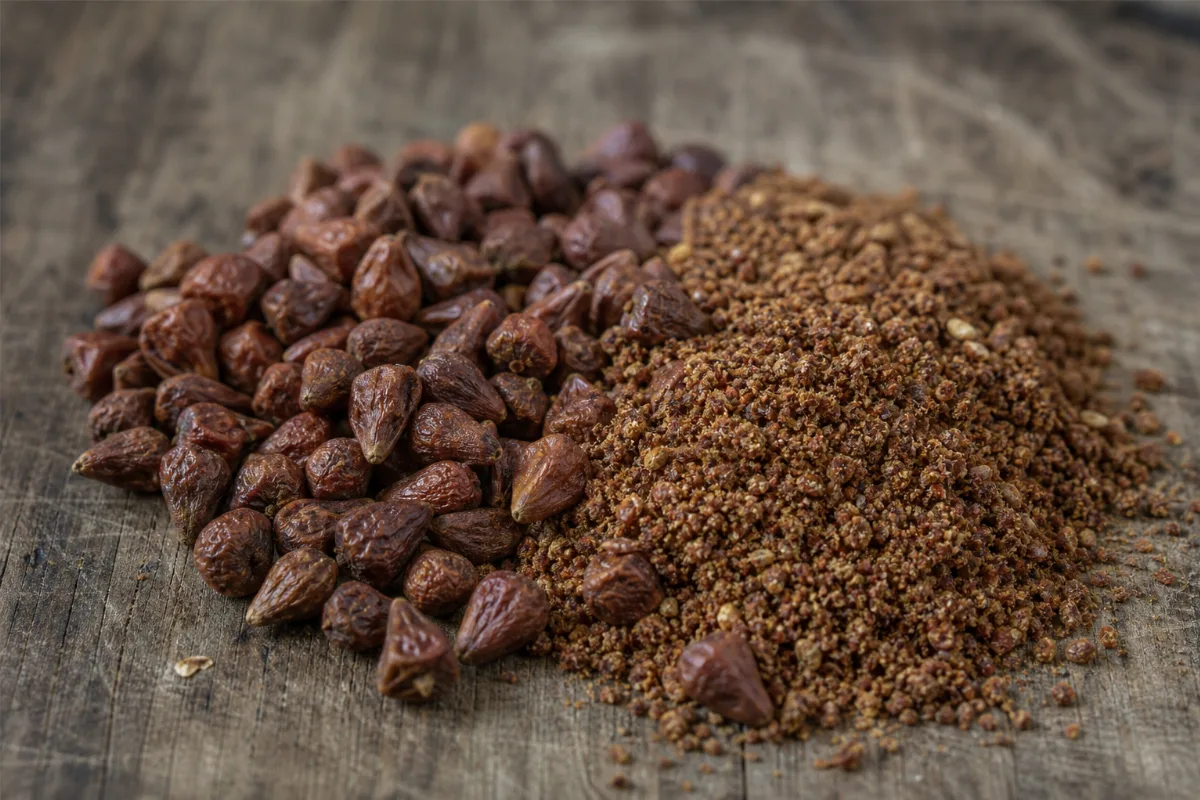
Grains of paradise taste peppery with citrus and a touch of cardamom and are used in stews, rubs and drinks; trials of extracts are small and mostly company-linked, and we found no food-amount studies.
Aroma: Almost none whole; a sharp, nose-tingling pungency once crushed and wetted.
In the kitchen: curries, pickling, grilling and rubs
Mustard seed is mild whole and sharply hot once crushed with liquid, used in curries, pickles and condiments; it is a strong allergen, and human research on health uses is very small.
Early cell-damage markers and cholesterol
Blood pressure, blood fats and blood sugar (glucosinolate foods)
Gum health (white mustard toothpaste)
Antimicrobial and anti-inflammatory activity in the lab
Aroma: Almost no smell until cut, then a sharp, sinus-clearing sting.
In the kitchen: rice and grains, soups and stews, tea and drinks
Horseradish and wasabi are sharp, nose-clearing roots eaten fresh or as a paste; the heat fades fast, and the health research is thin, with one small memory trial on a wasabi extract.
Aroma: Sharp, woody and a little citrusy, with floral notes.
In the kitchen: grilling and rubs, soups and stews, vegetables
Black pepper is hot, warm and citrusy and goes in almost any savory dish; pepper on food is not a concern in the sources we read, but isolated piperine in supplements can change how medicines are absorbed.
Raises blood levels of curcumin
Cholesterol with curcumin (curcumin plus piperine)
Blood sugar, inflammation, nerves and cancer cells (lab work)
Aroma: Earthy and a little musty, with less of the citrus and pine of black pepper.
In the kitchen: soups and stews, vegetables, rice and grains, grilling and rubs
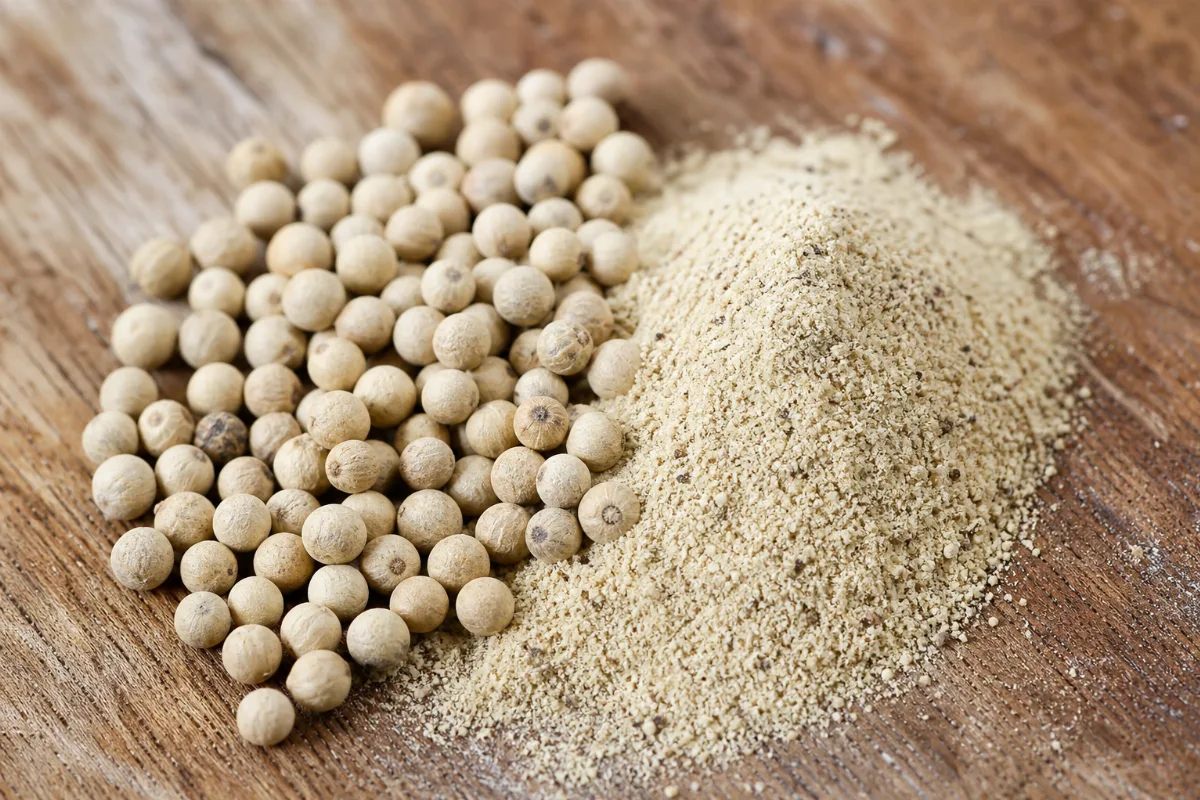
White pepper is hot, earthy and a little musty, used where black specks would show; no good human trials exist for food amounts, and isolated piperine supplements can change how medicines work.
Aroma: Slightly resinous, somewhere between black pepper and juniper, with no real heat.
In the kitchen: desserts, tea and drinks, pickling
Pink peppercorn is mild, nearly sweet and resinous and used in sauces, desserts and drinks; it comes from the cashew family, so people with cashew or pistachio allergy should check first, and no human trials of its health effects were found.
Blood sugar enzymes (lab and animal work)
Antioxidant activity of leaf extracts (lab only)
Antimicrobial and antiparasite activity of oils and extracts (lab only)
Aroma: Peppery and a little sweet, with hints of clove, nutmeg and pine, and a musky note when heated.
In the kitchen: curries, pickling, soups and stews
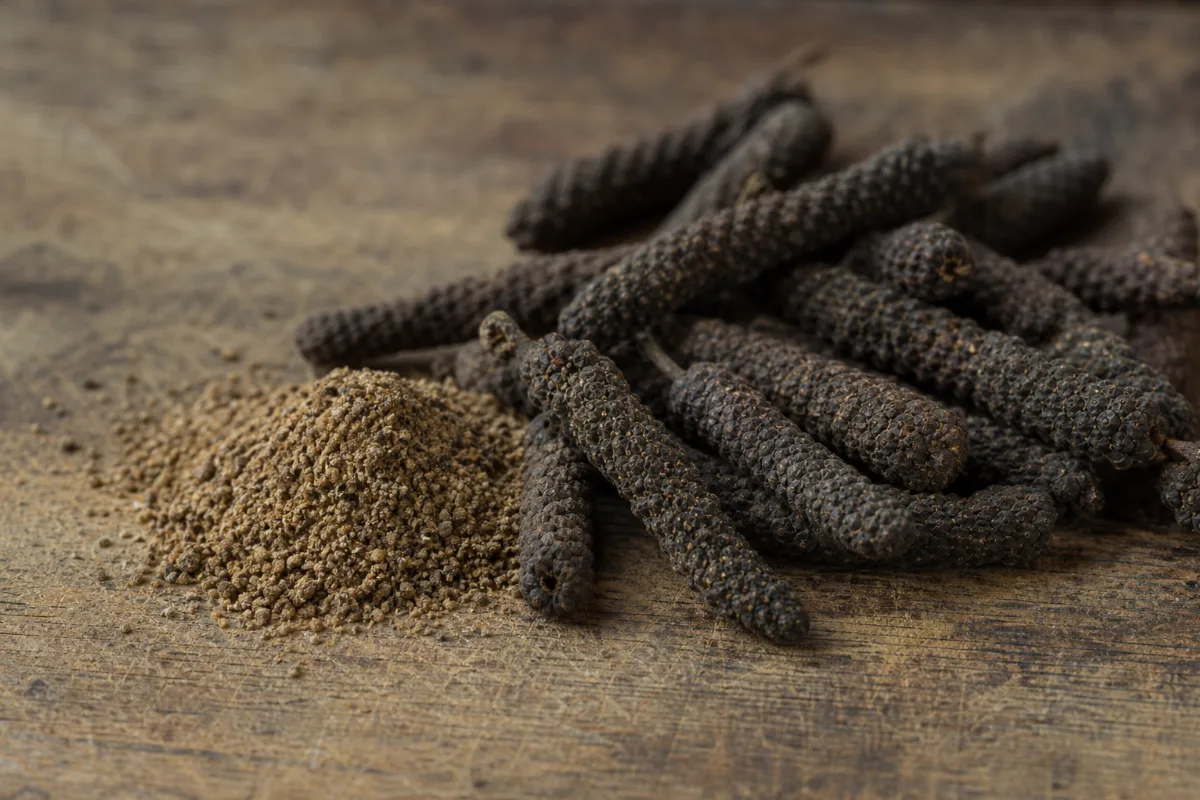
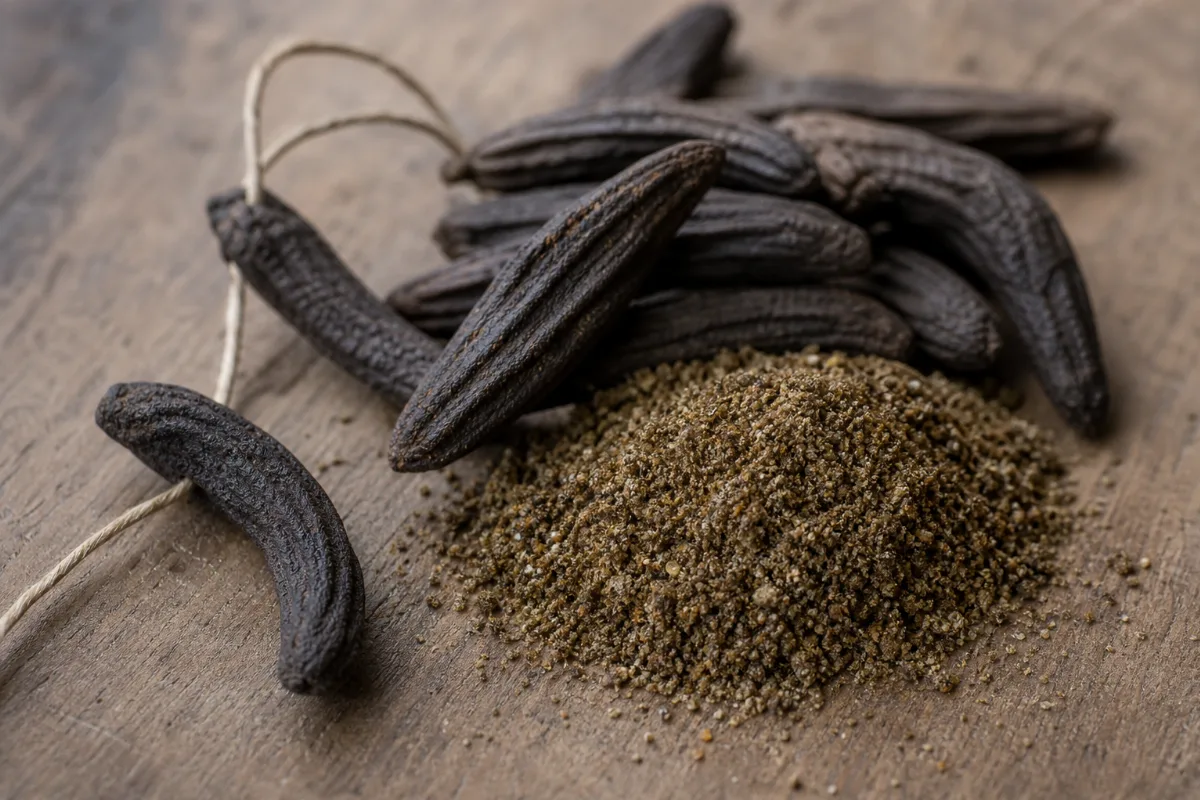
Long pepper is a peppery, slightly sweet spice used in pickles, lentil dishes and stews; its piperine can change how some medicines act, and there are no human trials of the spice itself.
Trikatu mix lowering a painkiller in animals
Liver-cell injury markers in a cell study
Traditional use in the Ayurvedic mix trikatu
Antimicrobial, antioxidant, anti-inflammatory and other lab activities
Aroma: Bright and floral, with citrus peel and a hint of pine.
In the kitchen: grilling and rubs, curries, soups and stews, vegetables
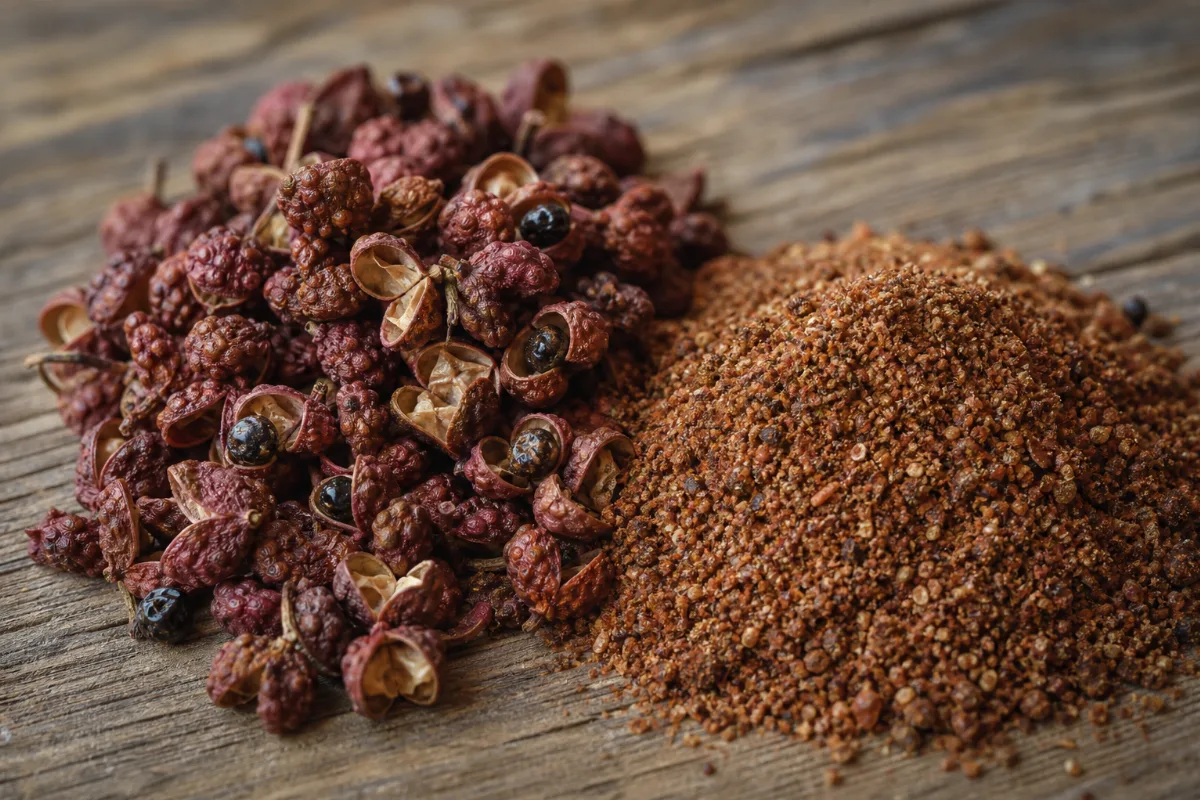
Sichuan pepper is citrusy and floral with a tingling, numbing feel and is used in Chinese cooking; human research on health is almost absent, and a few people are allergic.
Numbing and local pain relief (lab findings)
Cancer-related cell effects (lab and animal)
Anti-inflammatory, blood sugar and blood fat activity (genus review)
Aroma: Sharp and peppery, with a mild fruity or earthy note that changes by variety.
In the kitchen: curries, soups and stews, grilling and rubs, vegetables
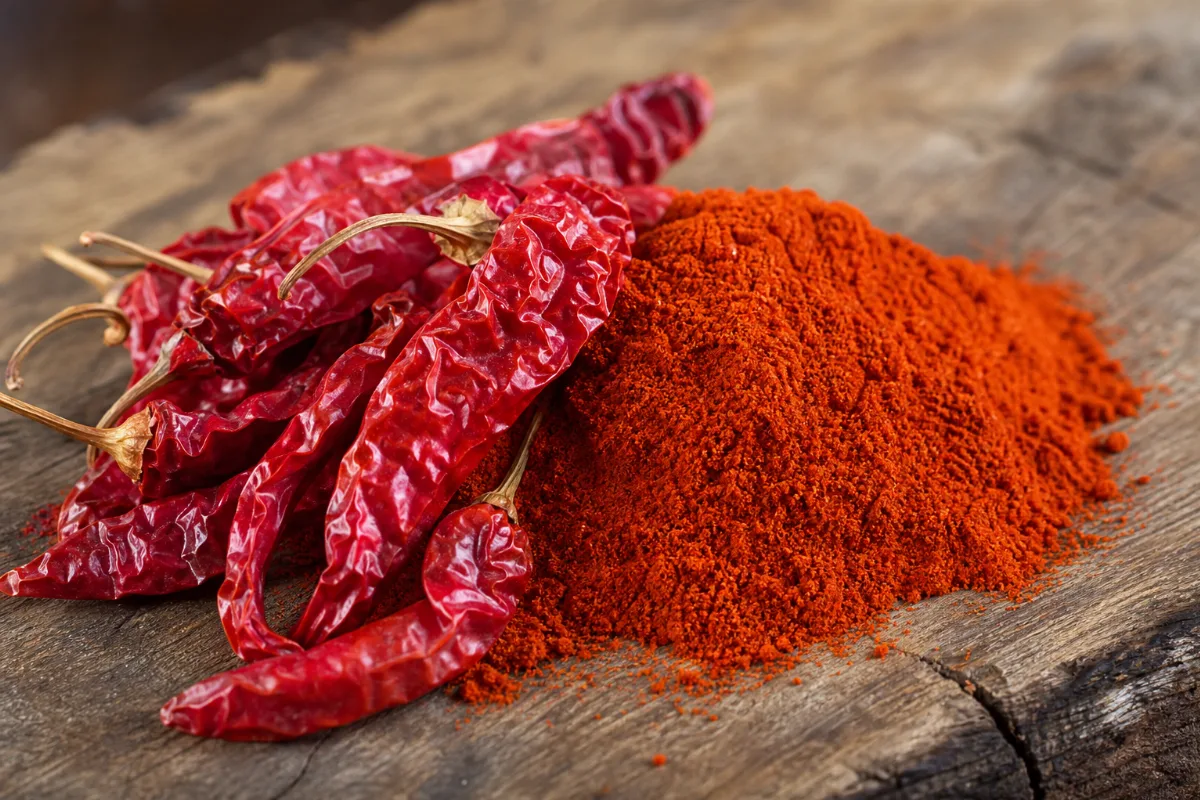
Cayenne and chili pepper are hot and used in sauces, stews and curries; big studies of people who eat spicy food are observational, and chili can burn the gut, skin and eyes.
Aroma: Warm, strong and spicy-sweet, with a medicinal edge.
In the kitchen: baking, curries, rice and grains, tea and drinks, pickling
Cloves are warm, pungent and a little sweet and are used whole in rice, braises and drinks and ground in baking; research is mostly on clove oil, and the oil can poison young children.
Toothache and dental pain
Surface numbing before a needle in the mouth
Dry socket after tooth removal
Effects in cells and animals (infection, inflammation, cancer, others)
Aroma: Warm, sweet and woody, with a pungent edge.
In the kitchen: baking, desserts, soups and stews, tea and drinks, vegetables
Nutmeg is warm, slightly sweet and used in baking, sauces and drinks; large amounts can poison people, and no trial supports a health benefit when eaten.
Painful diabetic nerve symptoms (skin product)
Antioxidant, antidiabetic and anticancer effects in cells and animals
Aroma: Warm, sweet and lightly peppery, like nutmeg but sharper and more delicate.
In the kitchen: baking, desserts, curries, soups and stews
Mace is warm, sweet and a little peppery, used in baking, curries and pâtés; a pinch in food is normal, but large amounts of mace or nutmeg can poison.
Aroma: Warm and sweet, a bit like clove, cinnamon and nutmeg together.
In the kitchen: baking, desserts, soups and stews, grilling and rubs, pickling
Allspice is warm and sweet, like cinnamon, clove and nutmeg in one berry, and is used in jerk, pickling and baking; human research on health is lacking, and the main caution is bleeding with large medicinal amounts.
Aroma: Sweet, creamy and warm, with floral, rum-like and slightly woody notes.
In the kitchen: baking, desserts, tea and drinks
Vanilla is sweet, creamy and floral and is used in baking, desserts and drinks; research on health benefits is thin and mostly from labs, and some cheap "vanilla" has been found to contain coumarin.
Aroma: Strong licorice scent, warm and a little sweet, like anise with a touch of clove.
In the kitchen: soups and stews, curries, baking, tea and drinks
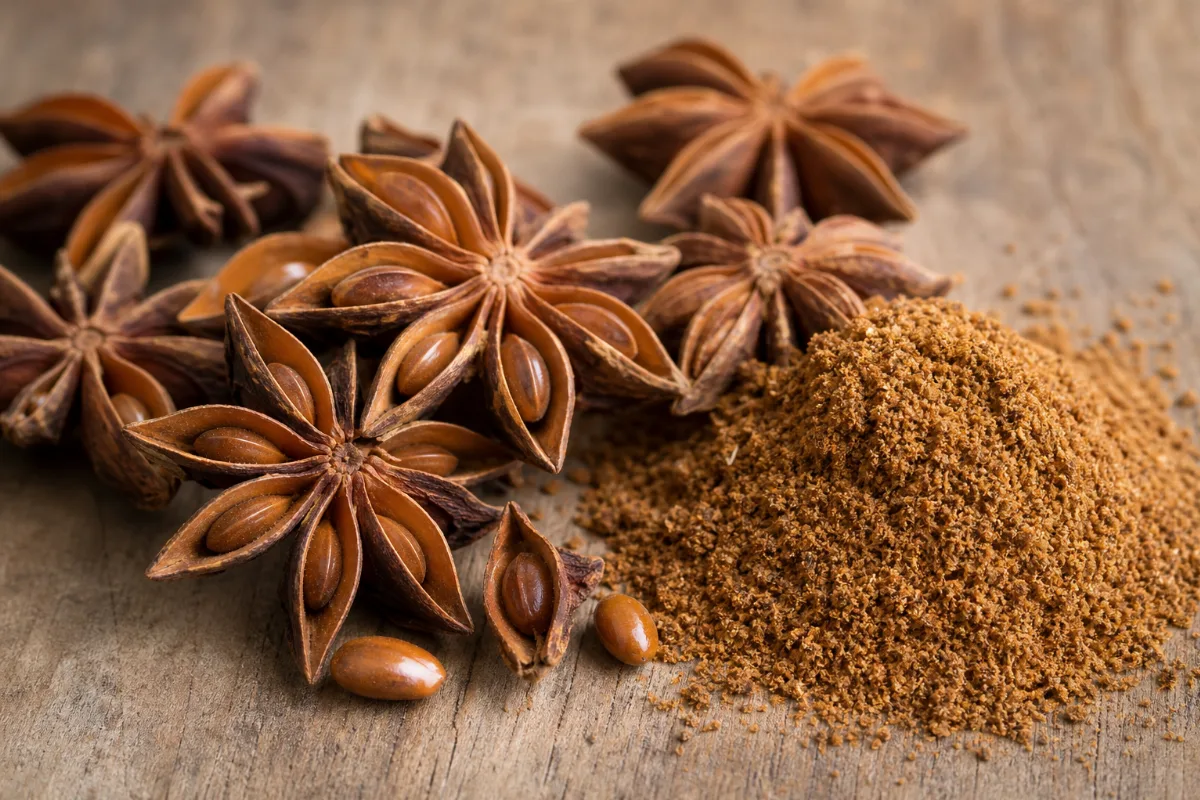
Star anise tastes of licorice, warm and slightly sweet, and flavors soups, braises and baking; it must never be given to babies as tea, and one toxic look-alike has contaminated supplies.
Gum inflammation and mouth bacteria (mouthwash)
Source of shikimic acid for an antiviral flu medicine
Infant colic (traditional tea use)
Antimicrobial, antioxidant, pain-relief and sedative effects
Aroma: Warm, earthy and slightly musky, and stronger after toasting.
In the kitchen: curries, soups and stews, pickling
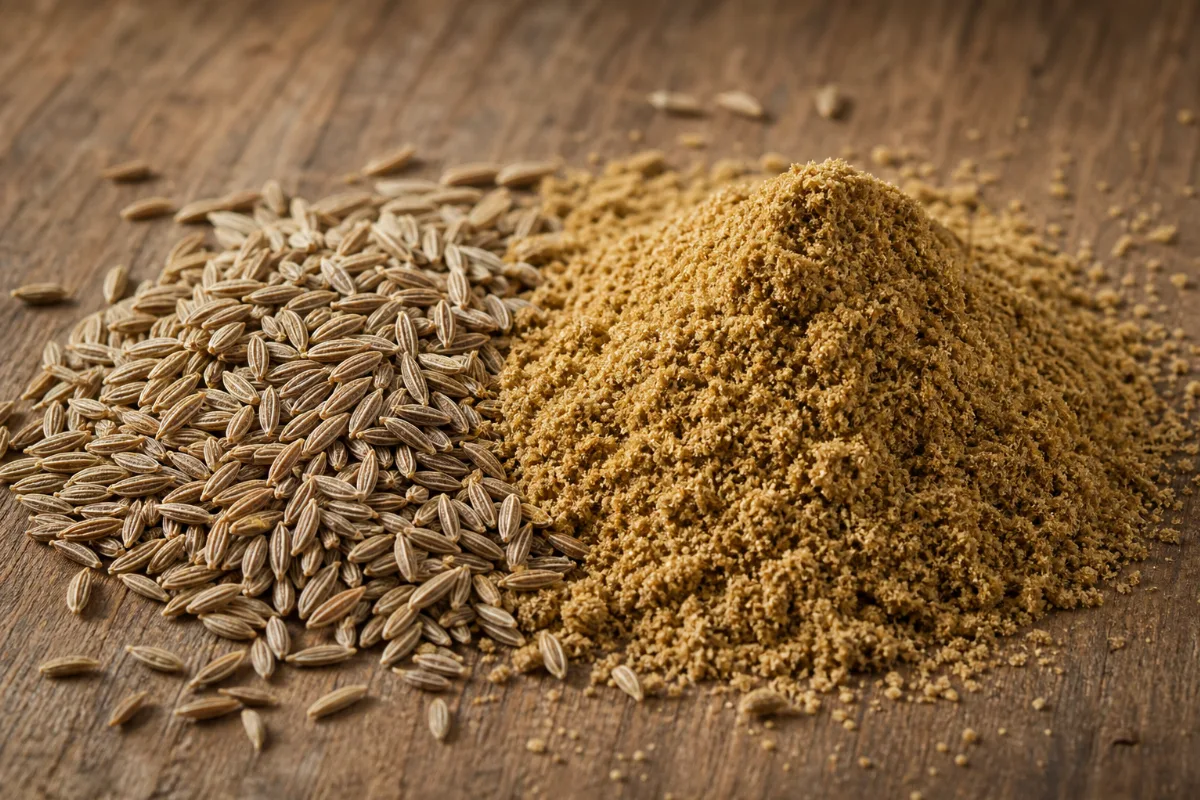
Cumin is earthy and warm and a base of curries, chili and stews; trials of cumin supplements on blood sugar are mixed, and some people are allergic to it.
Aroma: Warm and sweet like maple syrup or caramel, with a curry-like note when strong.
In the kitchen: curries, pickling, vegetables, soups and stews, rice and grains
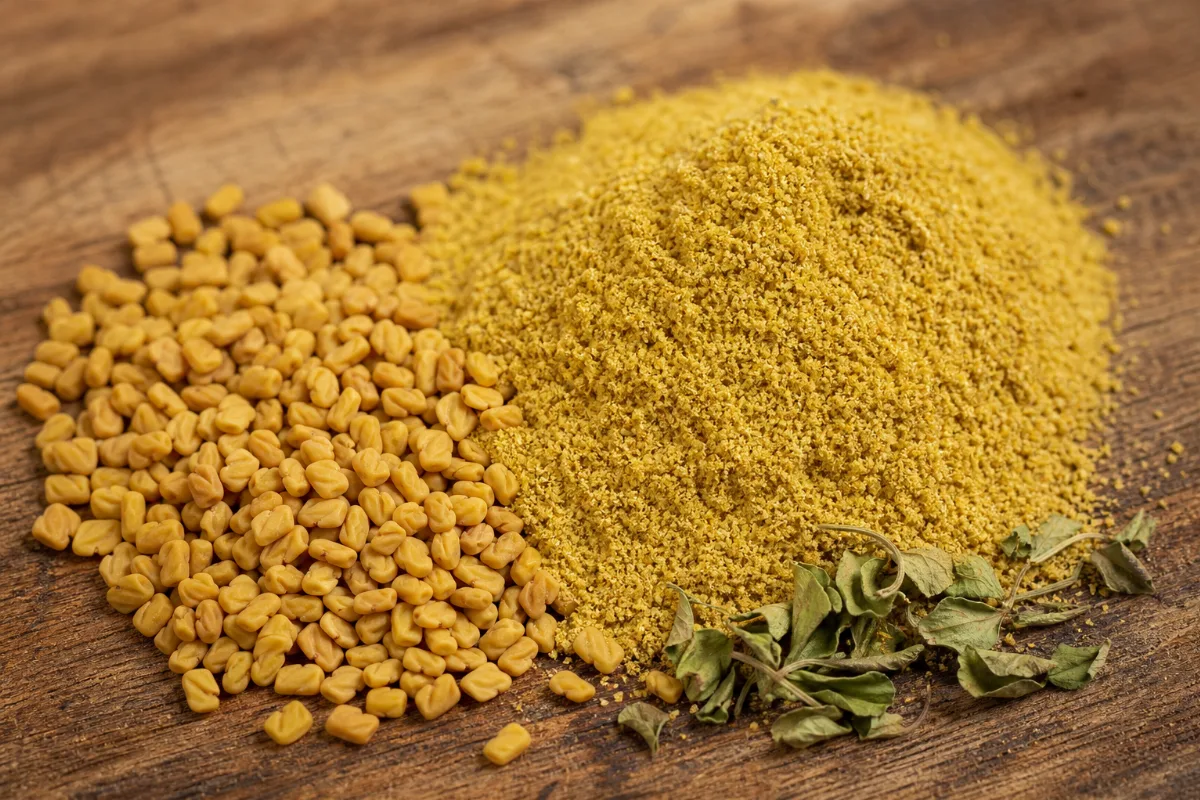
Fenugreek seed tastes bitter, earthy and a little like maple syrup and is used in curries, pickles and spice blends; it is not safe in pregnancy above food amounts, and blood sugar research is limited.
Aroma: Harsh and sulfurous in the jar, like onion and garlic; it turns mellow once cooked in hot oil.
In the kitchen: curries, soups and stews, rice and grains, pickling, vegetables
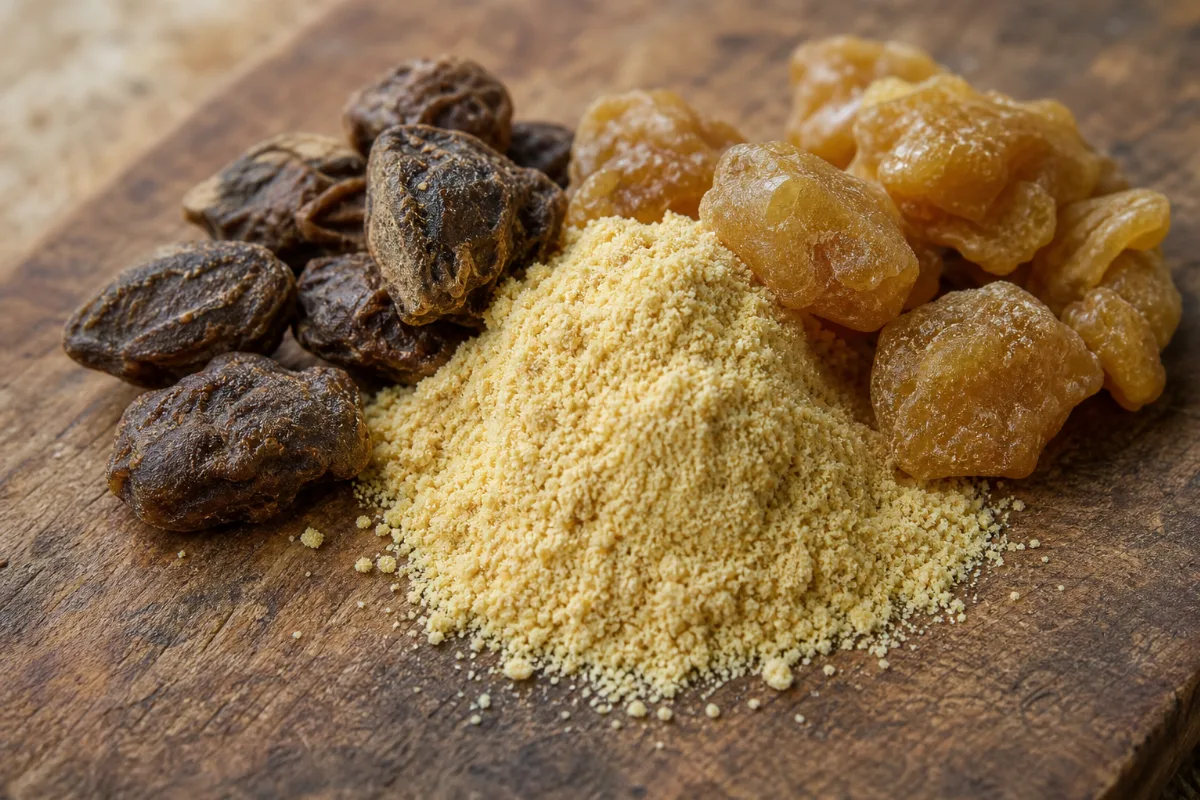
Asafoetida (hing) smells strong and sulfurous in the jar but cooks into a mellow onion-and-garlic flavor; it is unsafe for infants and discouraged in pregnancy, and human evidence for health uses is thin.
Irritable bowel symptoms
Irritable colon (1979 trial)
Gas, colic, blood pressure and other traditional uses
Aroma: Faint and earthy, with a light peppery note.
In the kitchen: grilling and rubs, soups and stews
Annatto is mild, earthy and a little peppery and is used mostly to turn food orange-red; allergy to it is rare but documented, and there is no good evidence of a health benefit from eating it.
Murraya koenigii, Bergera koenigii (current name in some sources)
Leaf
CitrusyEarthyBitter
Aroma: Bright and citrusy with a savory, slightly sulfury note when fried in oil.
In the kitchen: curries, soups and stews, rice and grains, vegetables
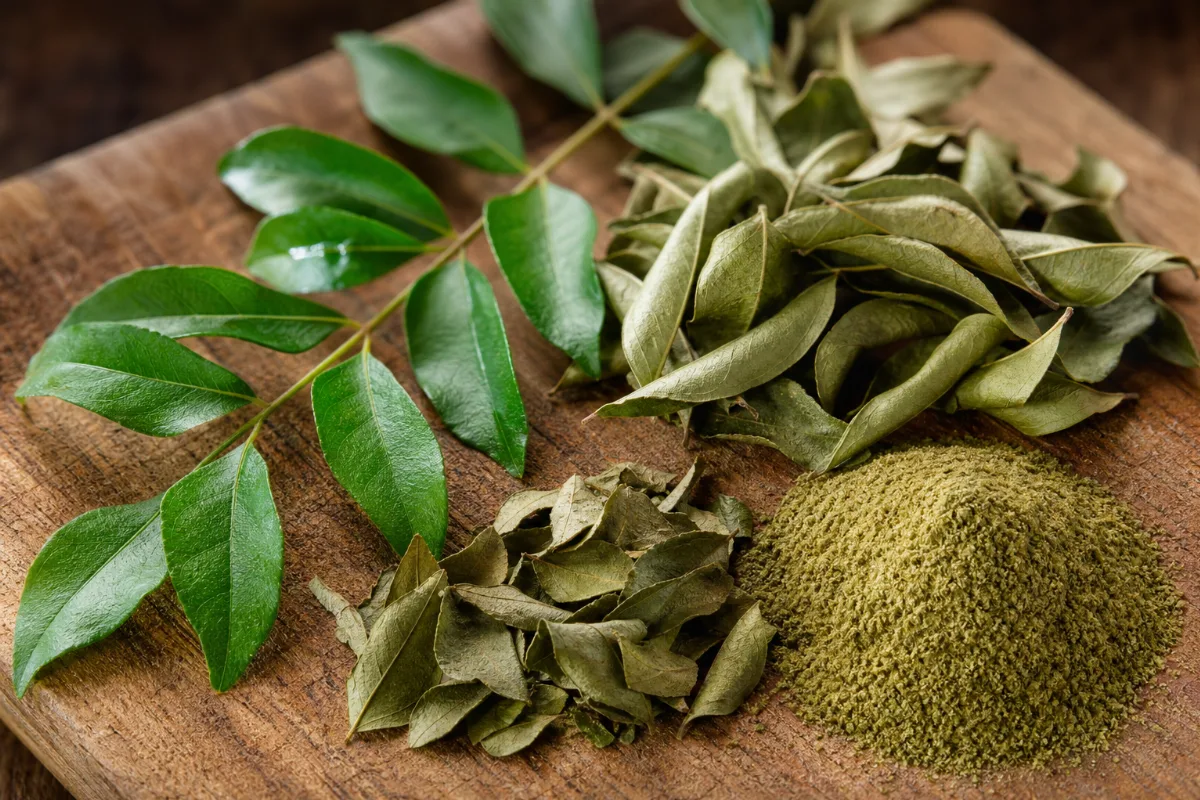
Curry leaf is citrusy, slightly bitter and savory and is fried in oil at the start of South Indian dishes; human research on blood sugar is one small 1990 study, and the rest is lab and animal work.
Blood sugar in type 2 diabetes
Blood sugar and blood fats in animals
Antioxidant and anti-inflammatory activity in the lab
Aroma: Herbal and slightly floral, a little like oregano and thyme.
In the kitchen: soups and stews, curries, rice and grains, desserts, tea and drinks
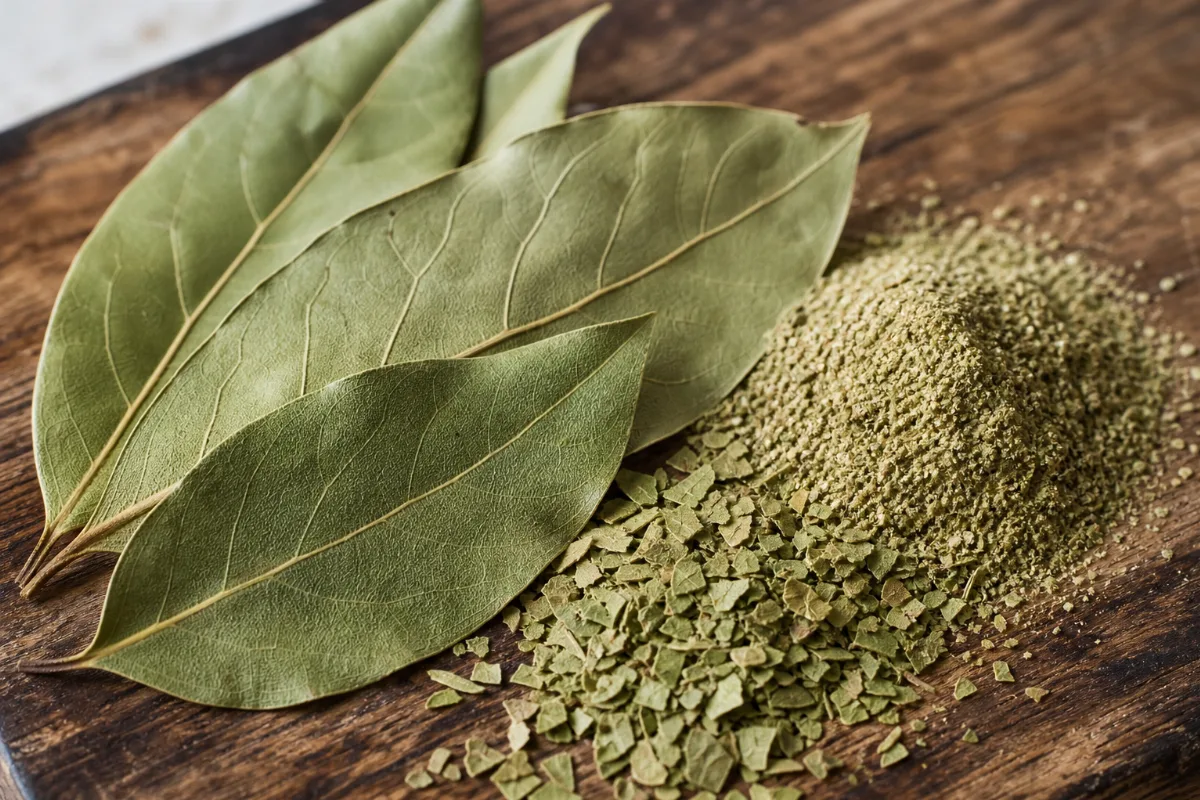
Bay leaf is herbal and slightly floral and simmered whole in soups, stews and curries, then removed; one small trial of capsules and one liver case report exist, so supplement use is unproven.
Aroma: Faintly herbal when raw; nutty, peppery and a little like onion and oregano once heated.
In the kitchen: baking, curries, pickling, vegetables, soups and stews
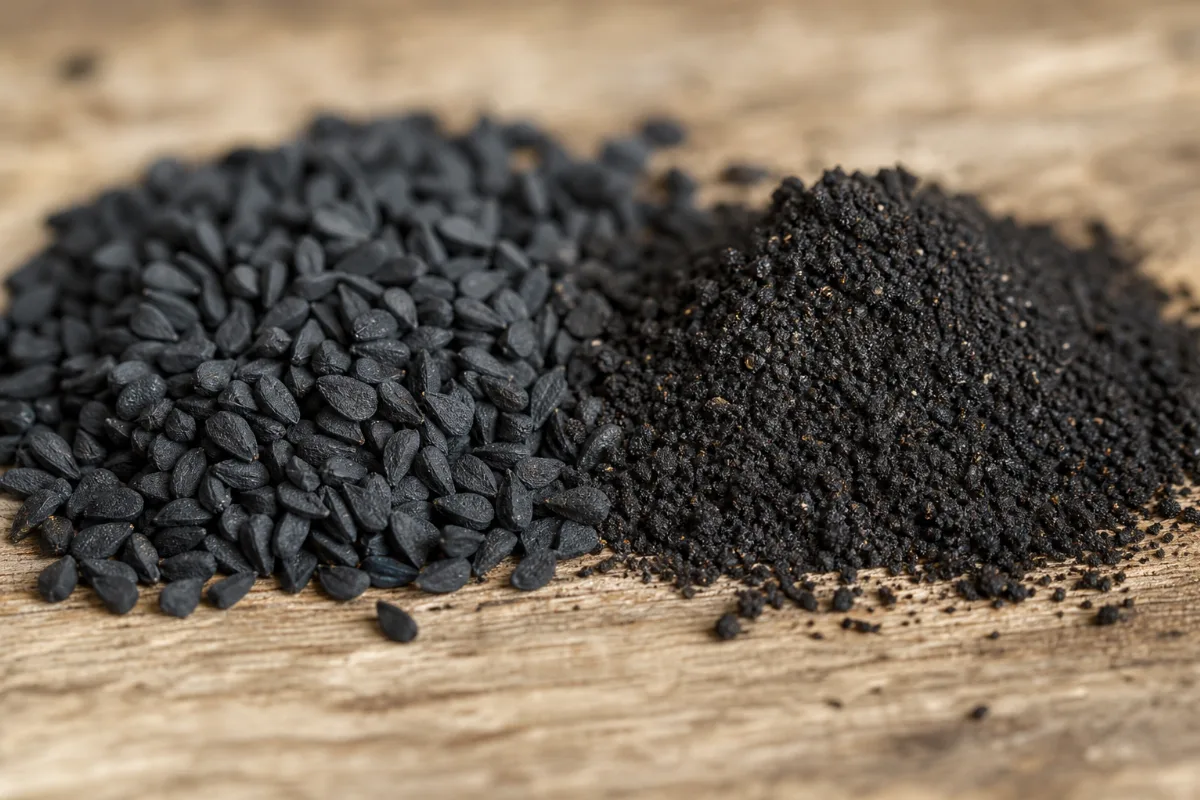
Black seed (nigella, kalonji) is peppery, bitter and a little onion-like, sprinkled on breads and tempered in oil for curries and pickles; blood pressure and blood sugar trials used supplements, and it may affect some medicines.
Aroma: Warm and lemony, with a hint of orange peel.
In the kitchen: curries, pickling, grilling and rubs, soups and stews, baking
Coriander seed tastes warm and lemony and is used in curries, pickles and spice blends; one small diabetes trial is the main human evidence, and allergy is the main caution.
Aroma: Warm, sharp and slightly sweet, a bit like anise.
In the kitchen: baking, soups and stews, vegetables, tea and drinks
Caraway is warm, gently sweet and a little like anise, and is used in rye bread, sauerkraut and stews; a peppermint-and-caraway oil capsule helped indigestion in trials, and people allergic to birch, mugwort or celery may react to it.
Aroma: Sweet and strongly licorice-like, a little like fennel.
In the kitchen: baking, desserts, tea and drinks, soups and stews
Anise (aniseed) is sweet with a clear licorice taste and is used in baking, sweets and drinks; research on digestion and IBS comes from small trials of anise oil, and it is not star anise.
Mild indigestion, bloating and gas (traditional tea use)
Aroma: Sweet and fresh, like anise or licorice but milder.
In the kitchen: curries, baking, tea and drinks
Fennel seed is sweet and anise-like and used in sausages, breads, curries and spice blends; infant colic trials look promising but limited, and EU regulators set estragole limits for children and pregnancy.
Aroma: Strong, green and celery-like, with a slightly citrusy edge.
In the kitchen: pickling, vegetables, soups and stews, grilling and rubs, tea and drinks
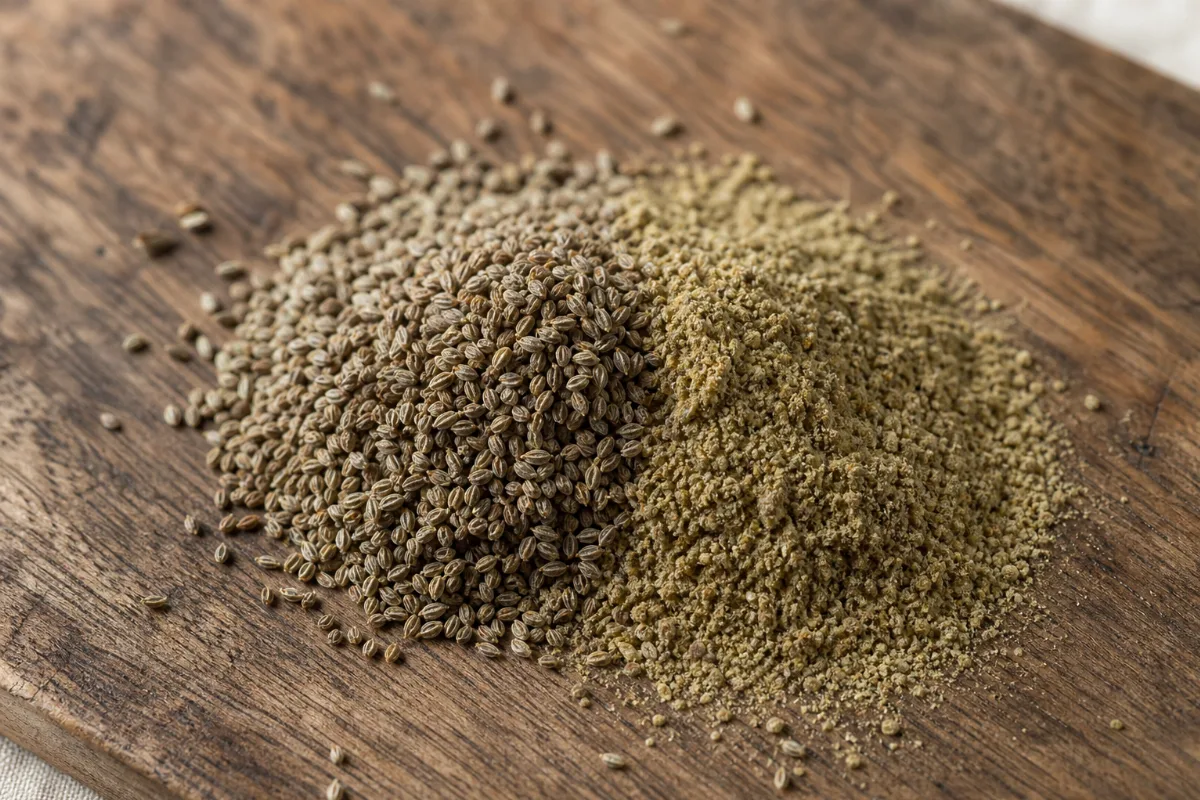
Celery seed is earthy and slightly bitter and used in pickles, slaws and celery salt; small trials suggest blood pressure effects from supplements, and celery allergy can be severe.
Aroma: Fresh, a little citrusy and like caraway, stronger than the leafy herb.
In the kitchen: pickling, baking, soups and stews, vegetables
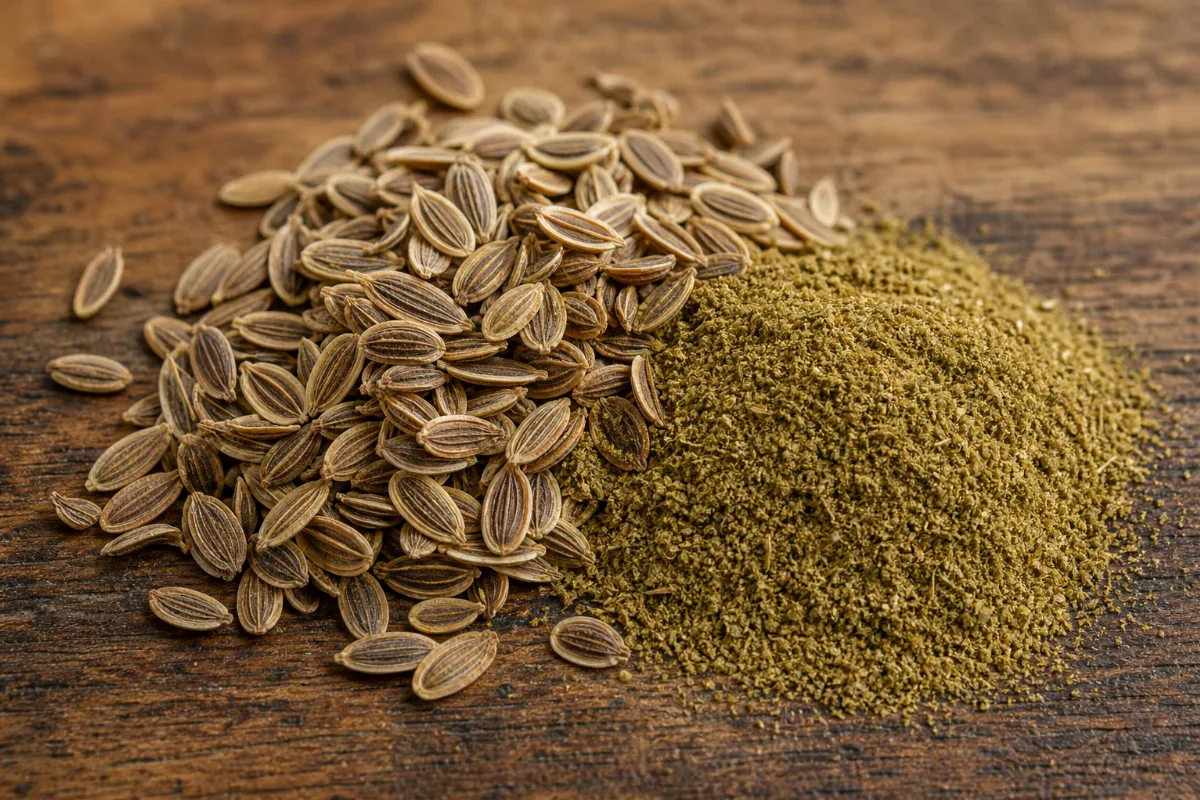
Dill seed tastes like a stronger, warmer cousin of caraway and is used in pickles and breads; small supplement trials on cholesterol are mixed, and food amounts have not been tested.
Aroma: Strongly thyme-like, with an oregano and anise edge.
In the kitchen: baking, curries, tea and drinks
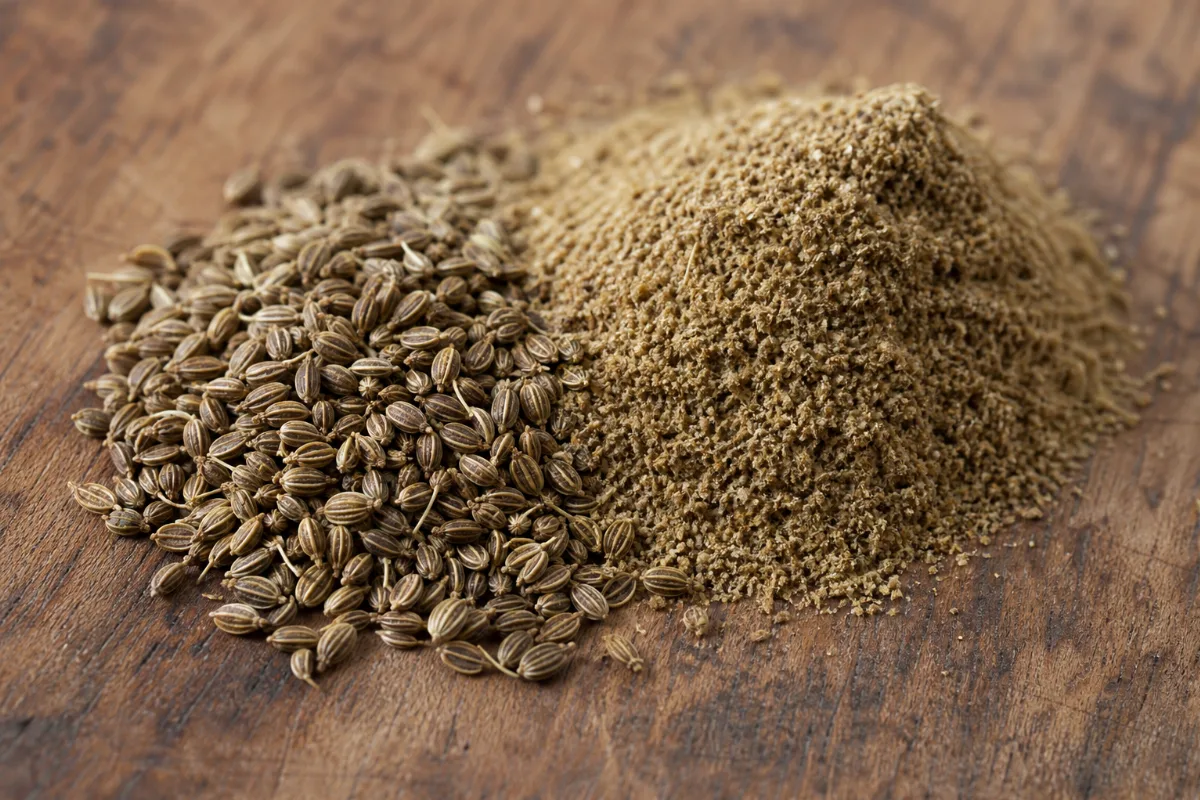
Ajwain (carom seed) is sharp, bitter and thyme-like and is fried in oil for breads and tarka; research is limited, and its oil is strong and not for swallowing.
Aroma: Hay-like and honeyed, floral, with a faint medicinal edge.
In the kitchen: rice and grains, soups and stews, desserts, tea and drinks, baking
Saffron is floral, honey-like and slightly bitter and gives rice and stews a golden color; trials of supplements suggest lower self-rated low mood, but cooking amounts are not studied and fakes are common.
Self-rated depression and anxiety scores
Compared with SSRI antidepressants
Blood sugar, blood pressure and cholesterol markers
Aroma: Sweet, resinous and perfumed, with a cool eucalyptus note.
In the kitchen: baking, desserts, tea and drinks, rice and grains, curries
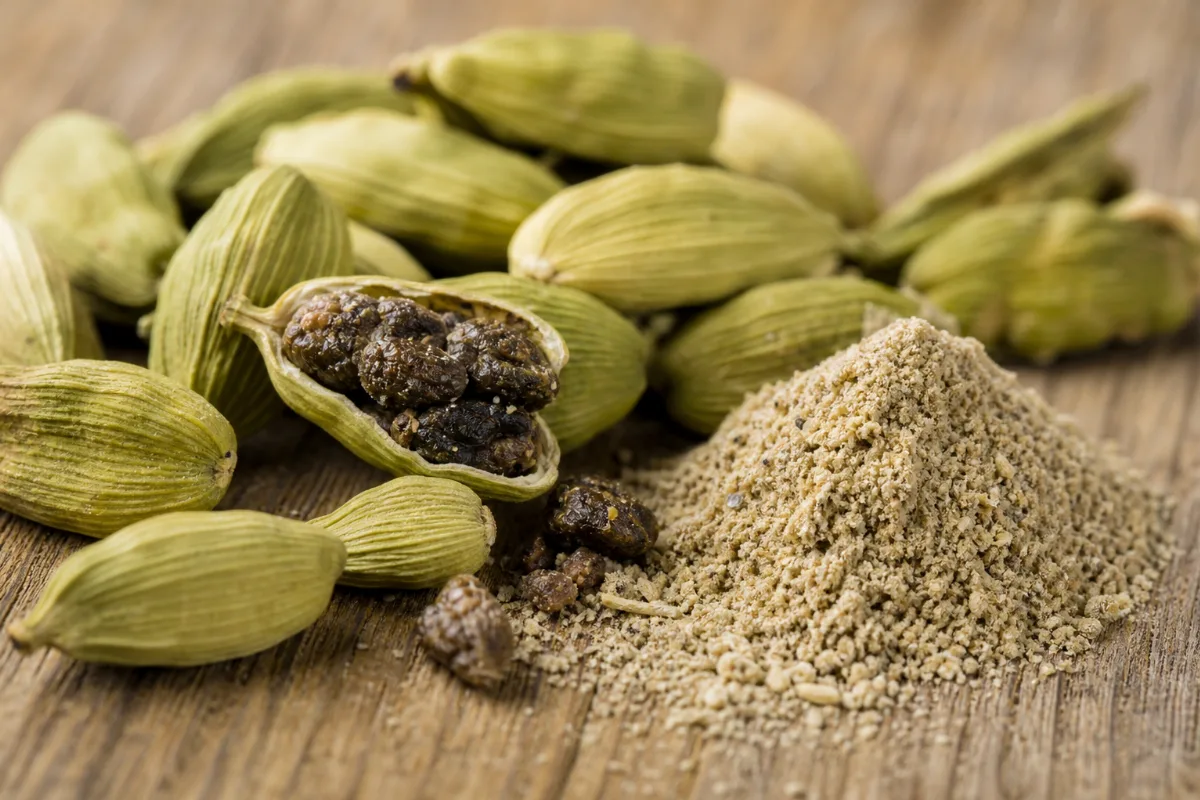
Cardamom is sweet, floral and a little cooling and used in chai, baking and rice; trials of supplements show small changes in blood fats, and people with gallstones should keep to food amounts.
In the kitchen: grilling and rubs, vegetables, rice and grains, tea and drinks
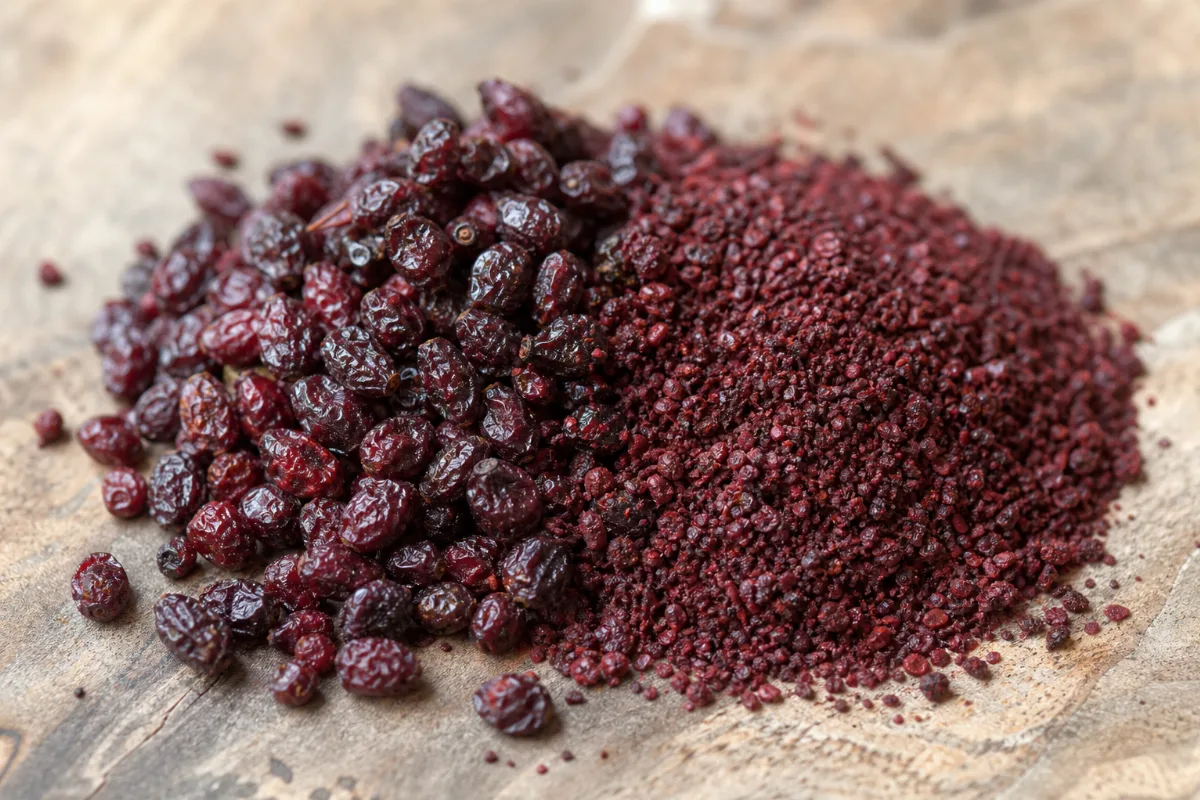
Sumac is a tart, lemony red spice sprinkled on salads, dips and grilled meat; trials on blood sugar are mixed, and people with a cashew allergy should check first.
In the kitchen: curries, soups and stews, tea and drinks, pickling, rice and grains
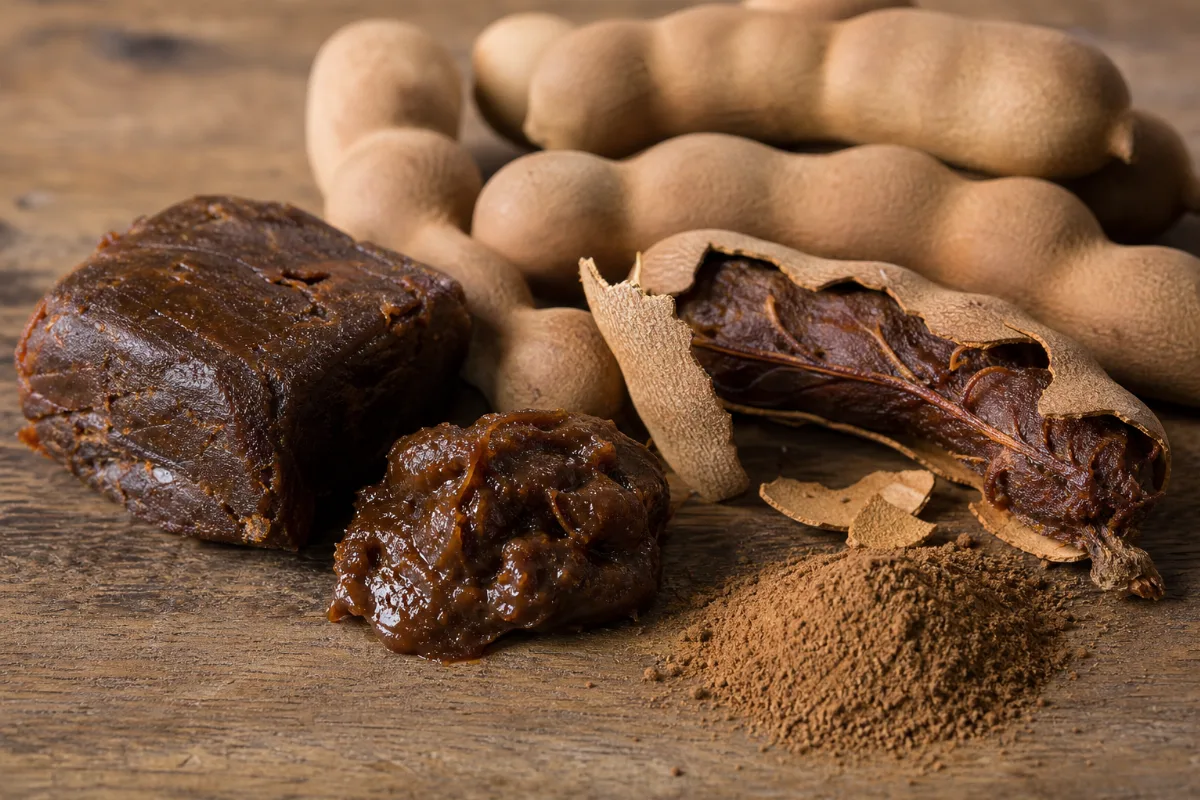
Tamarind is sweet and sour and is used in curries, chutneys, soups and drinks; the one trial we read found no effect on weight or blood sugar, and one small study found it raised aspirin absorption.
Weight, blood fats, blood sugar and blood pressure
Blood sugar in diabetes
Traditional laxative use
Other folk uses (fever, sore throat, dysentery, parasites)
Aroma: Fresh and resinous like pine needles, with a lift of citrus.
In the kitchen: soups and stews, grilling and rubs, pickling, tea and drinks
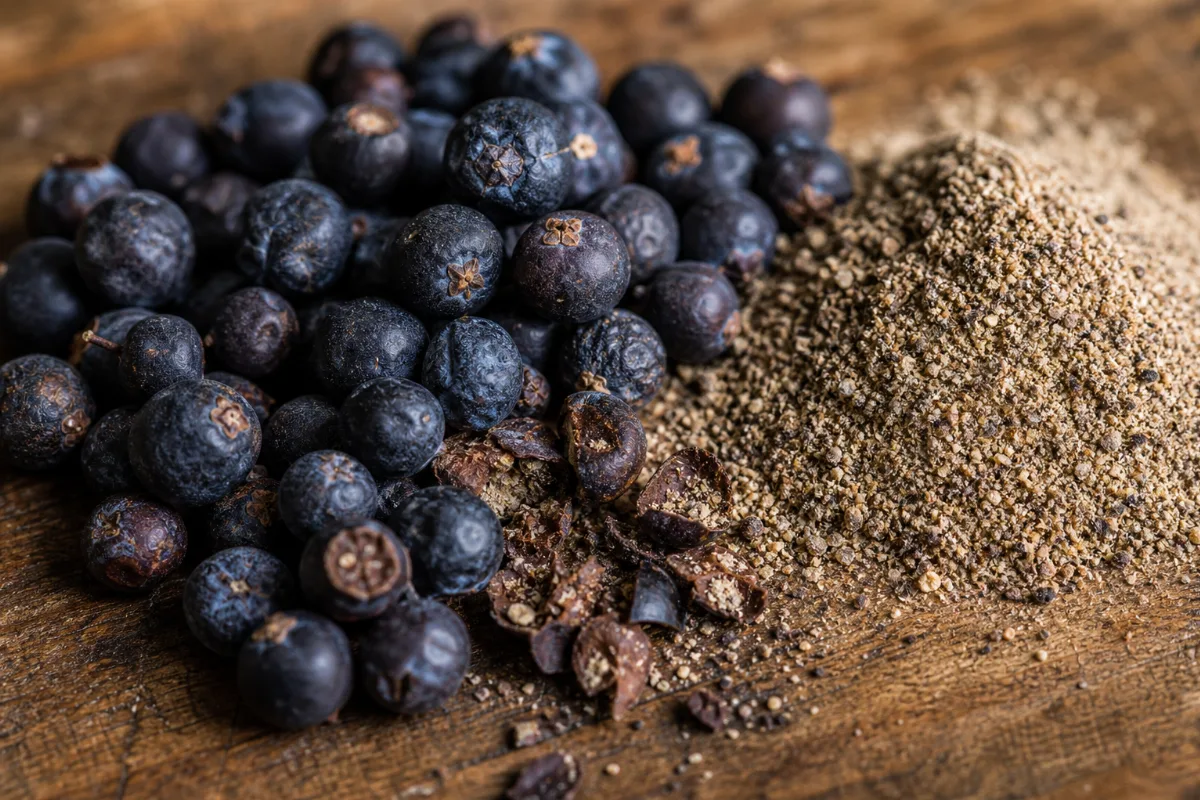
Juniper berry tastes piney and resinous with a citrus note and is used with game, pork and cabbage; the EU accepts it only for traditional use, and it is not advised in pregnancy or severe kidney disease.
Aroma: Mild and sweet, a little like dried red pepper; smoked types smell of wood smoke.
In the kitchen: soups and stews, grilling and rubs, rice and grains, vegetables
Paprika is a mild, sweet, red spice from dried peppers that colors and gently flavors stews, rice and rubs; research on it is thin, and some imported powders have had contamination problems.
Source of red carotenoid pigments (capsanthin)
Exercise efficiency and thinking tests (pigment extract)
Heart and vessel disease in spicy-food eaters
Colour additive intake and diabetes risk (association)
Aroma: Wood smoke over mild, sweet dried red pepper.
In the kitchen: soups and stews, rice and grains, grilling and rubs
Smoked paprika (pimentón) tastes of wood smoke with mild pepper sweetness and is used in stews, rice and rubs; smoking leaves PAH residues that vary a lot, and research on health benefits is very thin.
Blend of spices; no single species (typically includes Elettaria cardamomum, Cuminum cyminum, Coriandrum sativum, Cinnamomum spp., Syzygium aromaticum, Piper nigrum, Myristica fragrans)
Warm / woodySweetEarthyHot / pungent
Aroma: Warm and sweet, with floral cardamom, earthy cumin and a gentle peppery bite.
In the kitchen: curries, soups and stews, grilling and rubs, vegetables, rice and grains
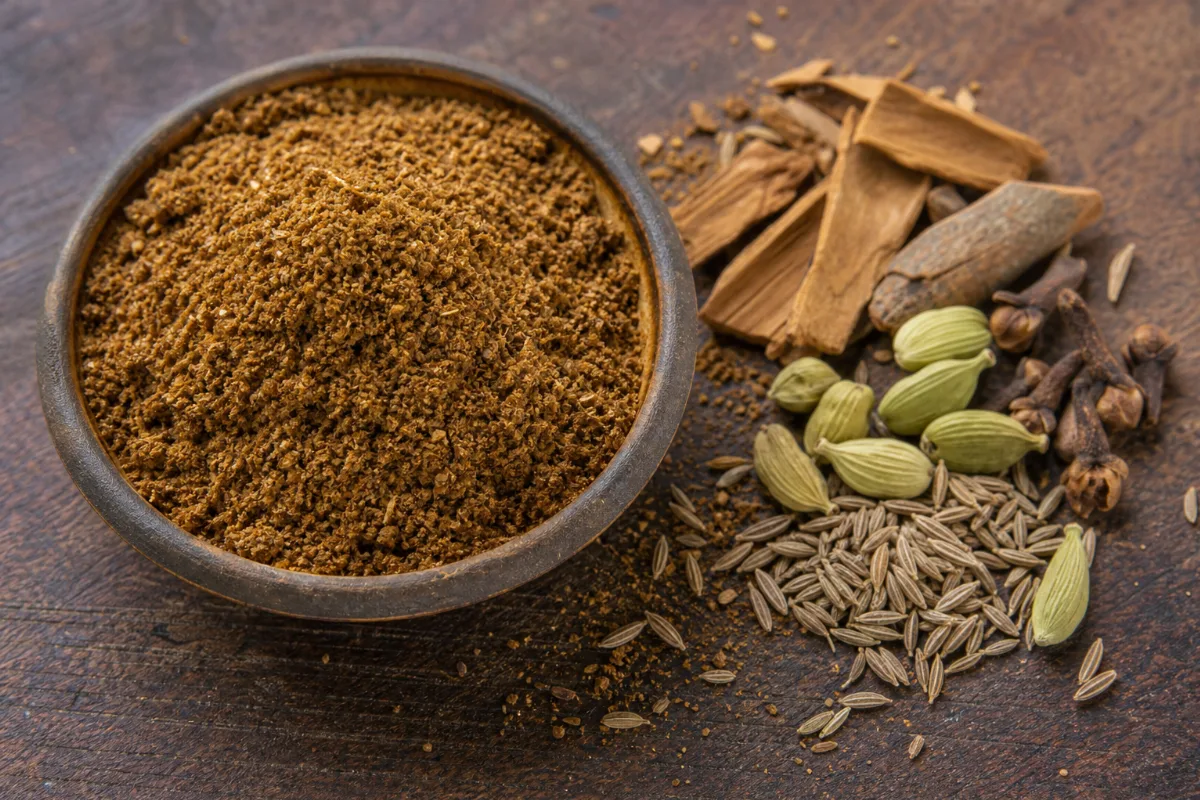
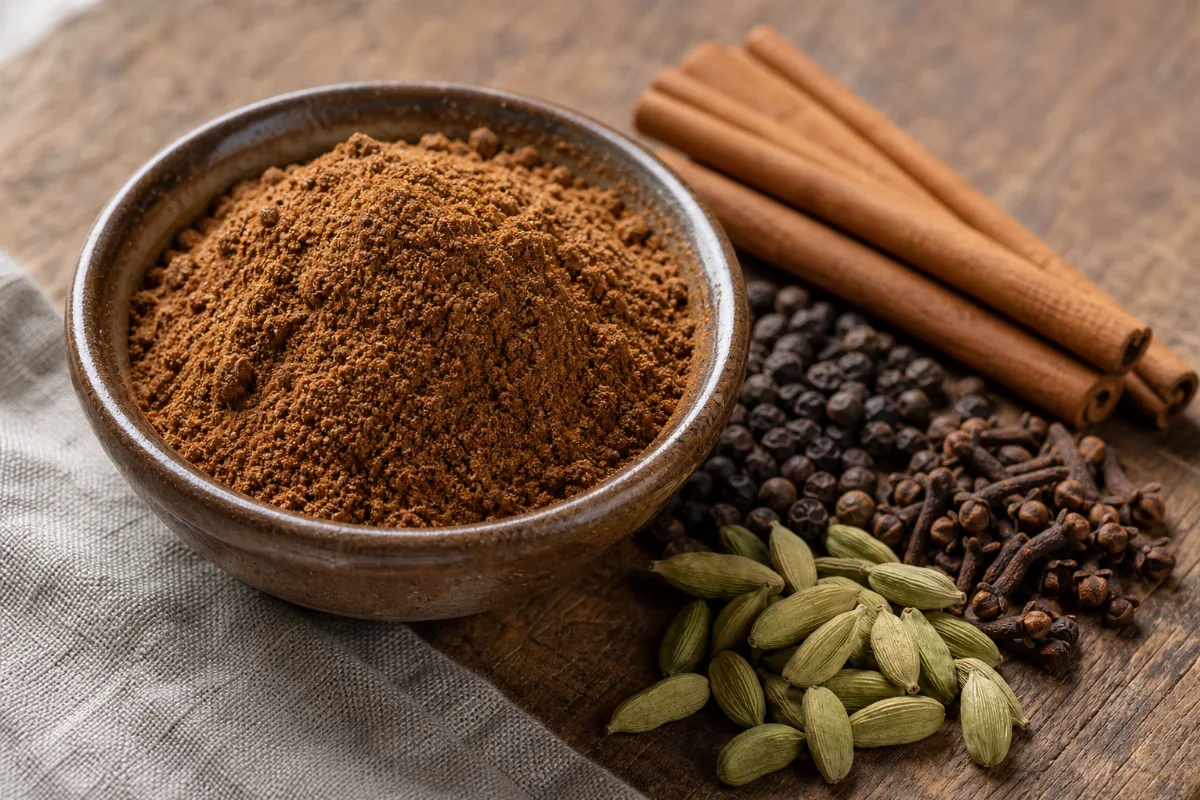
Garam masala is a warm, sweet and earthy Indian spice blend added late to curries and stews; it is rarely studied as a blend, and its health points come from the spices in it.
Aroma: Warm, earthy and savory, with a little heat.
In the kitchen: curries, soups and stews, rice and grains, vegetables
Curry powder is a warm, earthy, golden blend for curries and stews; blends are rarely studied as a whole, so check the label for salt and allergens such as mustard, celery or sesame.
Aroma: Herby and earthy like thyme and oregano, with a toasted, nutty note from sesame and a lemony hint.
In the kitchen: baking, grilling and rubs, vegetables, rice and grains
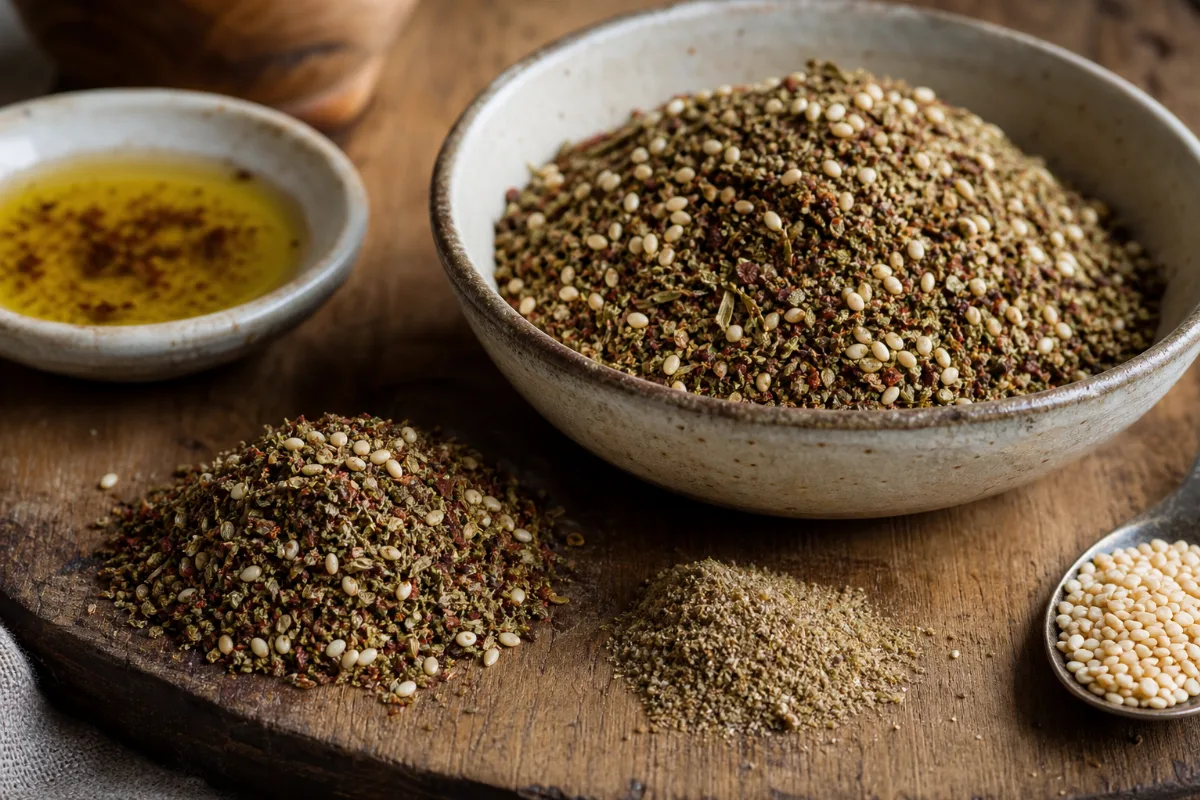
Za'atar is a tangy, herby, nutty Middle Eastern blend of thyme or oregano, sumac, sesame and salt; it is rarely studied as a blend, and sesame is a major allergen.
Thyme medicines for chesty cough (traditional use)
Antioxidant and antimicrobial activity of Origanum syriacum
Aroma: Sweet and warm, with a strong anise-licorice note and a little clove.
In the kitchen: grilling and rubs, soups and stews
Chinese five-spice is a sweet, warm, anise-scented blend used on duck, pork and in braises; it is rarely studied as a blend, and its cassia and star anise parts carry specific cautions.
Antioxidant capacity in a laboratory measure
Traditional use for indigestion and as an antiseptic
Aroma: Intensely fragrant, warm and complex, with sweet spice and a hint of flowers.
In the kitchen: soups and stews, grilling and rubs, rice and grains, desserts
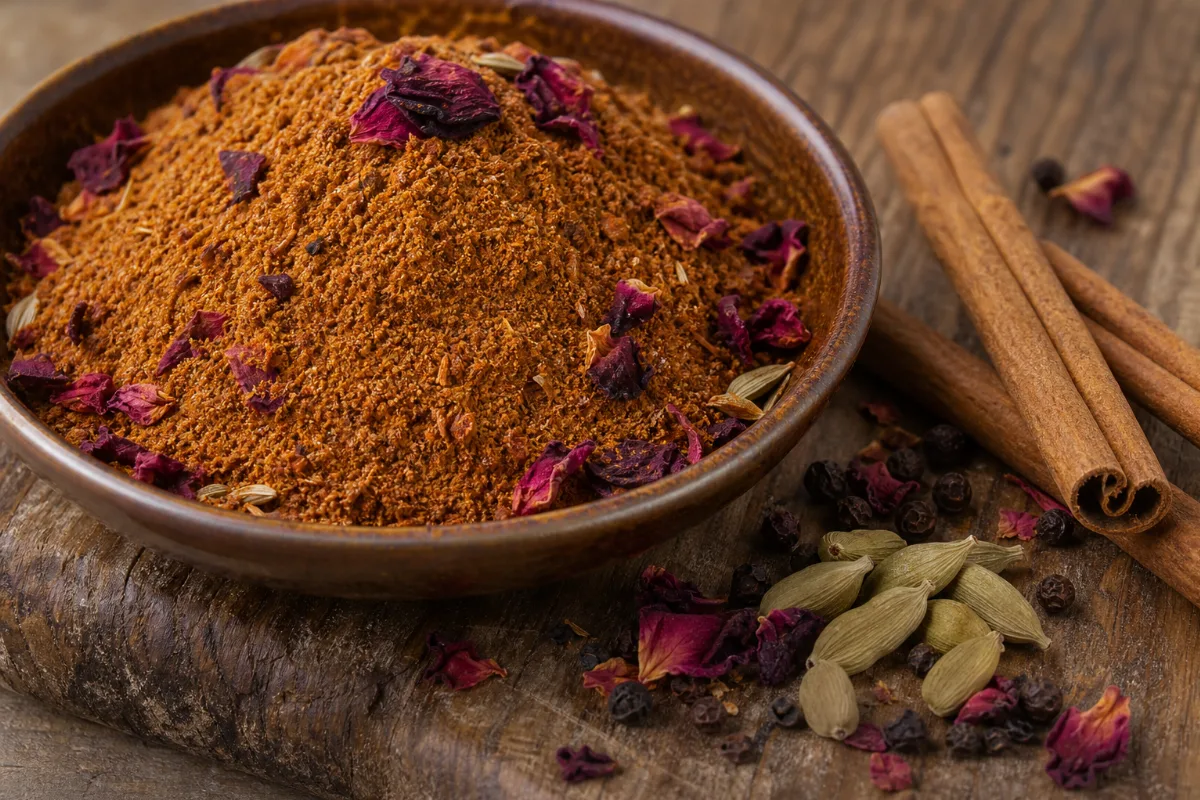
Ras el hanout is a warm, sweet and earthy North African blend of a dozen or more spices for stews, rubs and couscous; it is rarely studied as a blend, and labels are worth reading for allergens.
Blend of Thymus vulgaris, Satureja species, Salvia rosmarinus, Origanum vulgare and O. majorana; sometimes Lavandula angustifolia
EarthyWarm / woodyFloral
Aroma: Piney and herbal, with warm, resinous notes and sometimes a soft floral hint from lavender.
In the kitchen: grilling and rubs, vegetables, soups and stews
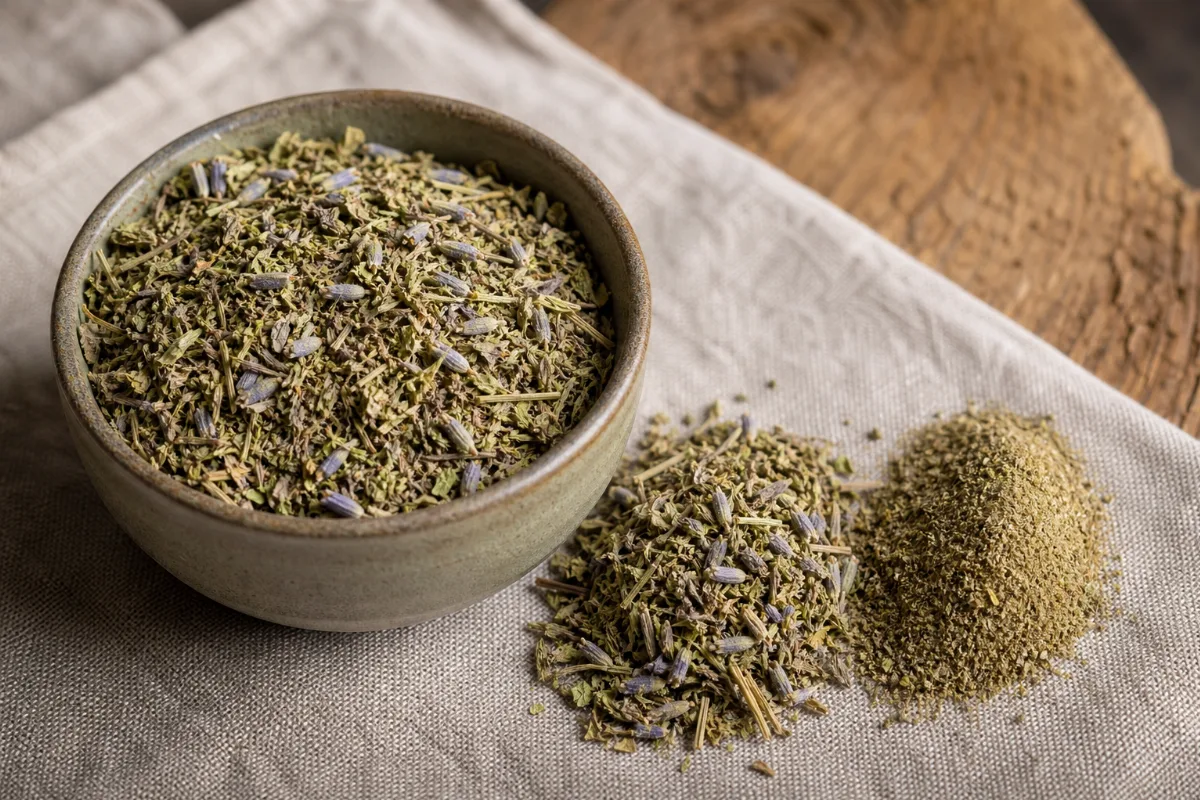
Herbes de Provence is an earthy, piney dried-herb blend for grilled meat, fish and vegetable stews; it is rarely studied as a blend, and the herbs in it carry mint-family allergy and medicine cautions at supplement level.
Thyme for chesty coughs with colds (traditional use)
Blend of spices; no single species (often Piper nigrum, Cinnamomum spp., Syzygium aromaticum, Pimenta dioica, Cuminum cyminum, Coriandrum sativum)
Warm / woodySweetHot / pungent
Aroma: Warm and sweet like cinnamon and cloves, with a peppery edge.
In the kitchen: grilling and rubs, soups and stews, vegetables
Baharat is a warm, sweet and peppery Middle Eastern spice blend for meat, soups and vegetables; it is rarely studied as a blend, so health facts come from its single spices.
Spice blend (no single species), Capsicum spp. (chili base), Trigonella foenum-graecum (fenugreek), Aframomum corrorima (korarima)
Hot / pungentWarm / woodyEarthy
Aroma: Fiery and warm, with sweet spice and a hint of maple from fenugreek.
In the kitchen: soups and stews, grilling and rubs, vegetables
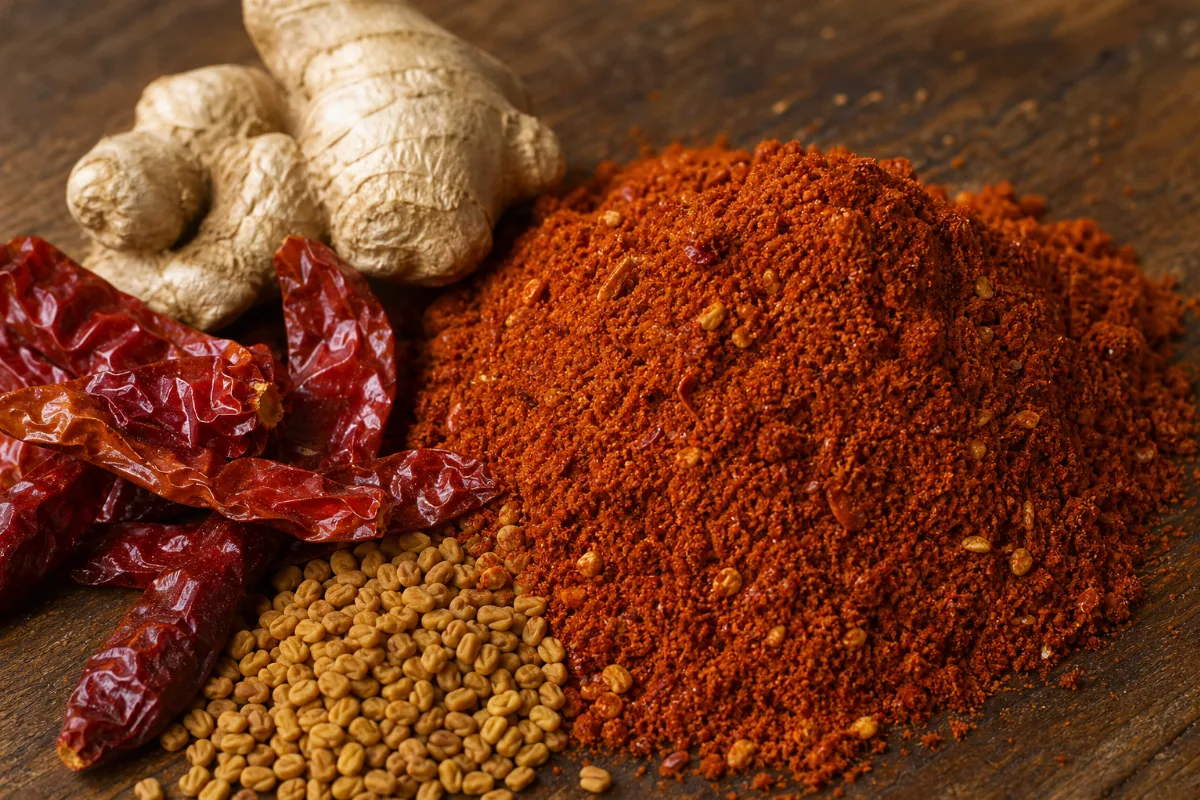
Berbere is a hot, warm and earthy Ethiopian and Eritrean chili blend used in stews and rubs; it has not been studied as a blend, and its fenugreek brings a legume-allergy and pregnancy caution.
Chili intake and health outcomes (main ingredient)
Blend of nuts, seeds and spices; no single species
EarthyWarm / woodyCitrusy
Aroma: Toasty and nutty, with earthy cumin and a light citrus note from coriander.
In the kitchen: vegetables, grilling and rubs, soups and stews
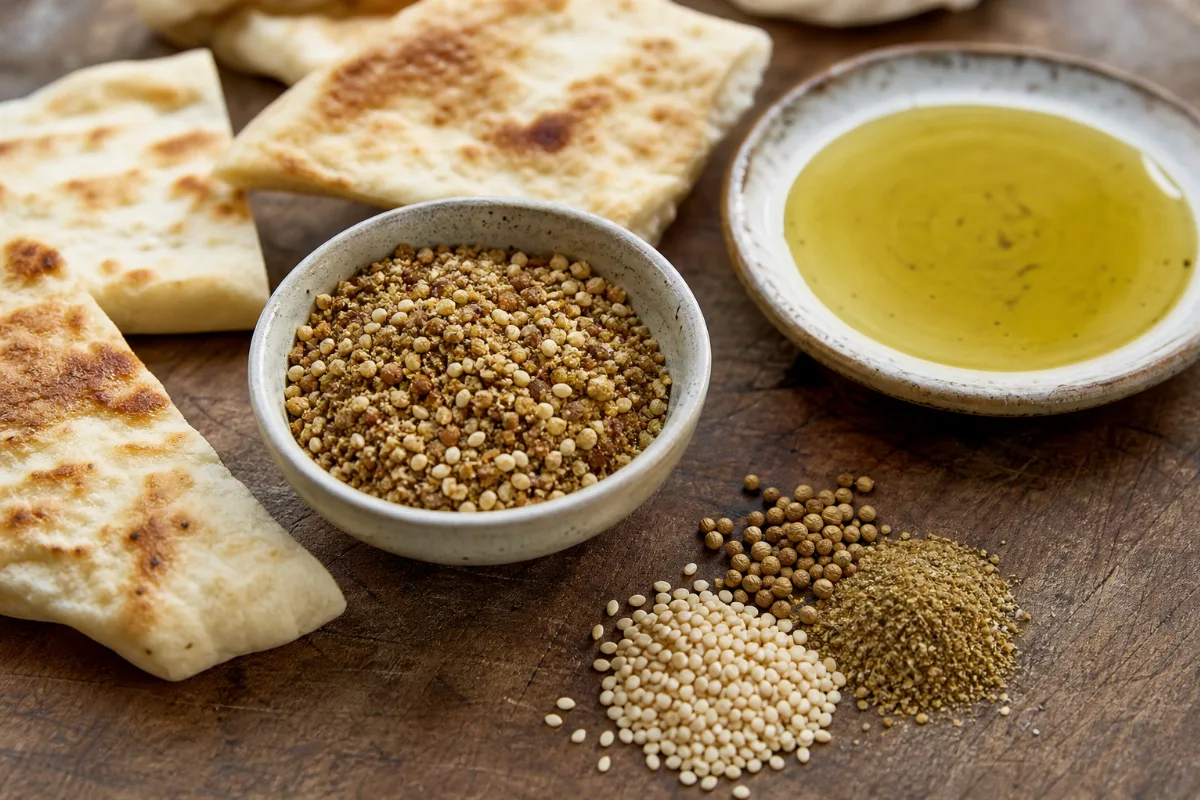
Dukkah is a crunchy, nutty, toasty Egyptian blend of nuts, sesame, cumin and coriander for dipping with bread and oil; it is rarely studied as a blend, and nuts and sesame make it an allergy food.
Spice blend (no single species); chile is Capsicum spp.
EarthyWarm / woodyHot / pungent
Aroma: Earthy and savory, with a garlic note and a little warmth from the chile.
In the kitchen: soups and stews, grilling and rubs, curries
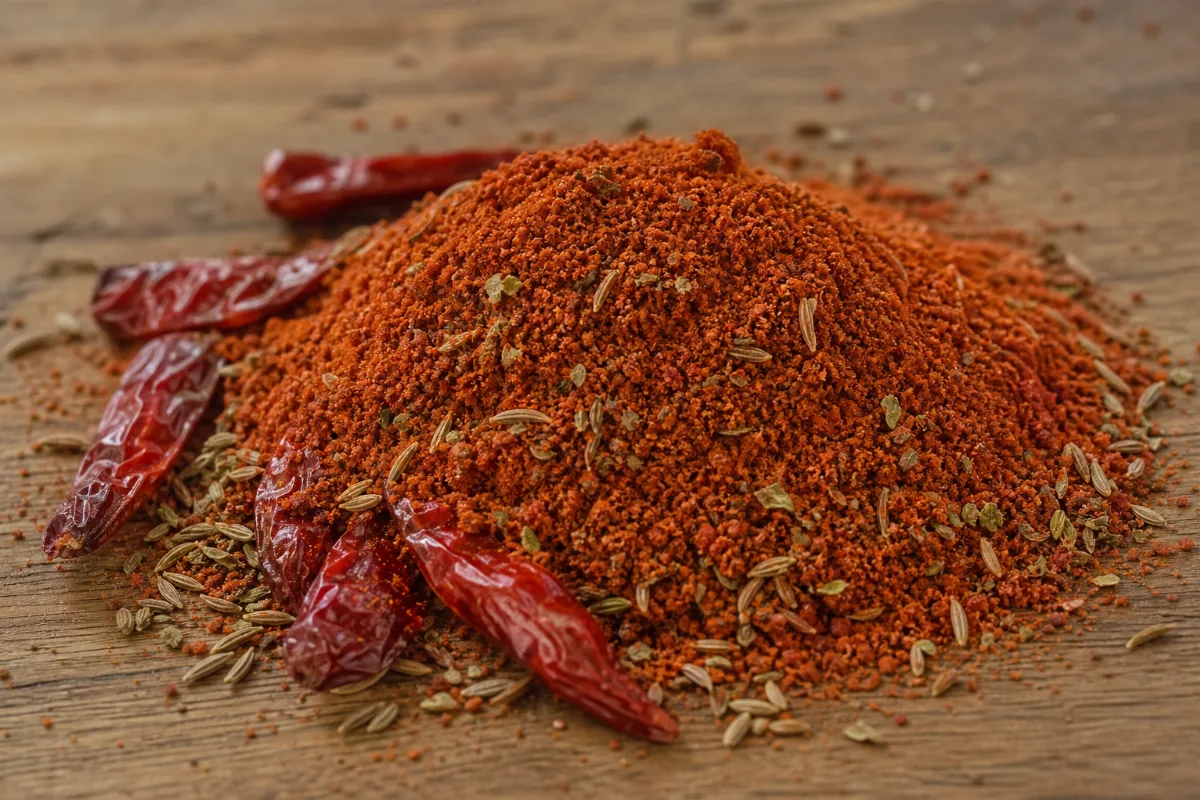
Chili powder is an earthy, savory, mildly hot blend for chili, tacos and rubs; the blend itself is not studied for health, but check the label for salt and allergens, and note that some ground chili has tested high in lead.
Aroma: Warm and sweet, led by cinnamon, with sharp clove and a soft nutty note from nutmeg.
In the kitchen: baking, desserts, tea and drinks
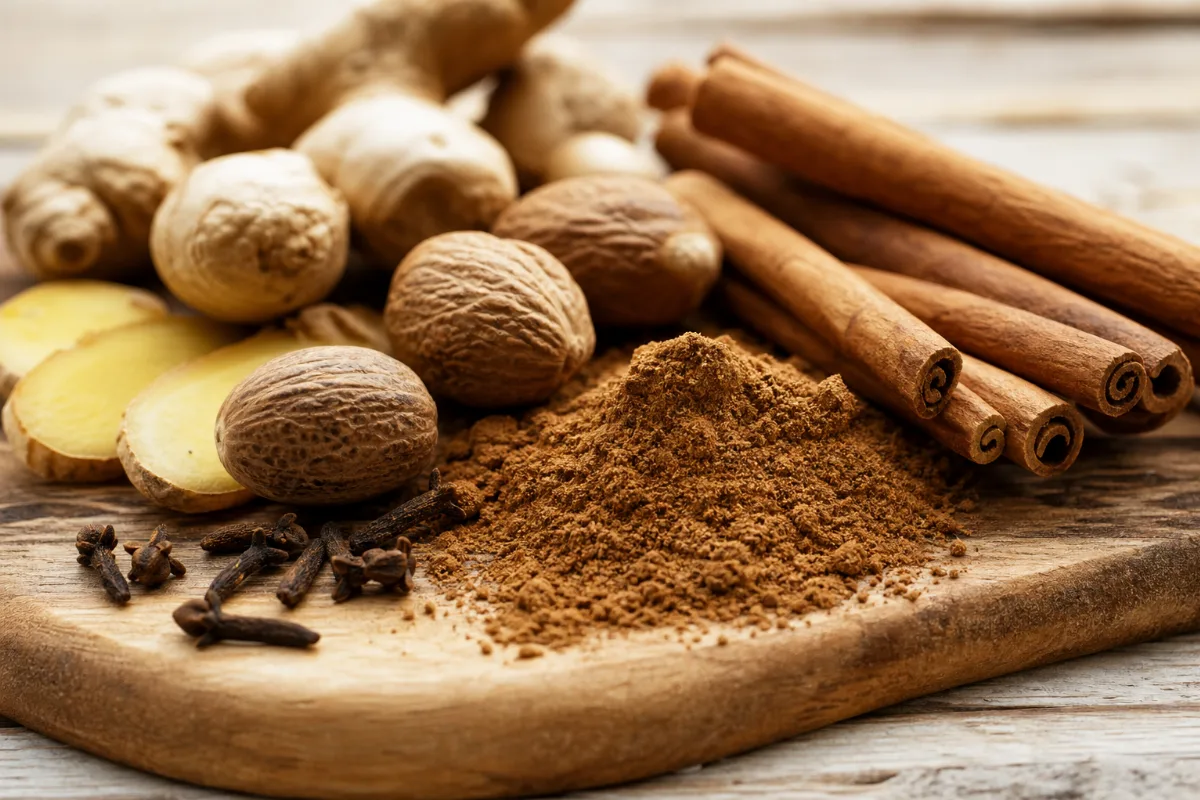
Pumpkin pie spice is a warm, sweet blend of cinnamon, ginger, nutmeg and cloves used in pies, baking and coffee drinks; it is not studied as a blend, and its cautions come from cassia coumarin, large amounts of nutmeg and lead in some ground spices.
Aroma: Savory and peppery, with garlic, paprika and a little heat.
In the kitchen: grilling and rubs, soups and stews, rice and grains, vegetables
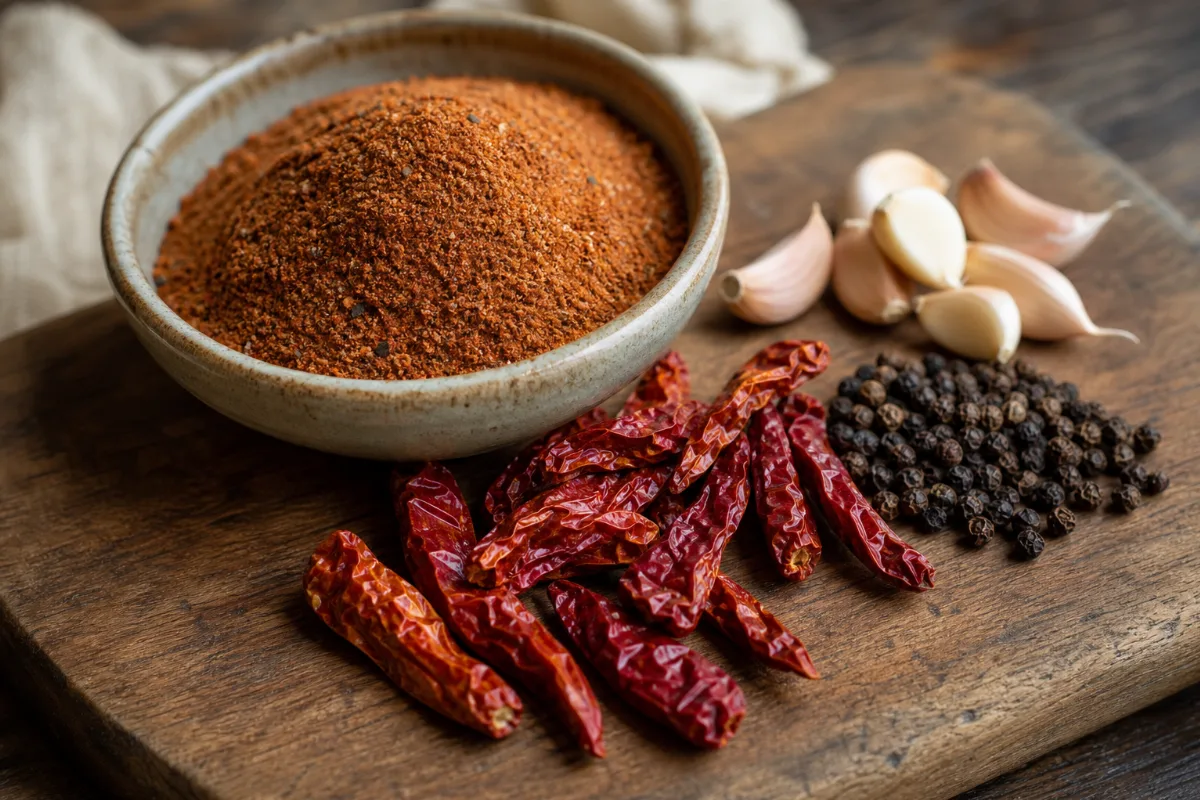
Cajun and Creole seasoning is a salty, peppery, garlicky blend with cayenne heat for meat, seafood and rice; the blend itself is not studied for health, and salt content varies widely by brand.
Aroma: Warm and spicy like allspice and thyme, with a fruity chili edge.
In the kitchen: grilling and rubs, vegetables
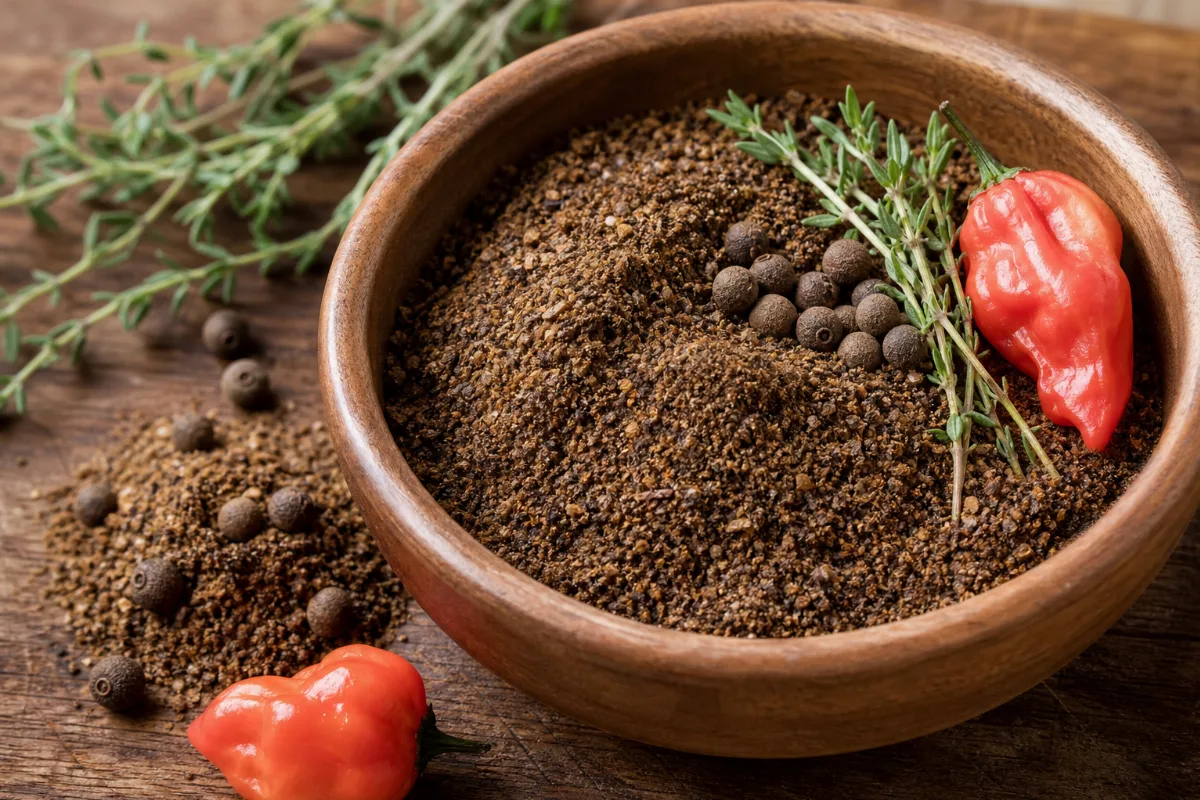
Jamaican jerk seasoning is hot, warm and sweet, built on allspice and scotch bonnet chili for grilled meat; the blend itself is not studied for health, so check the label for salt and allergens and handle the chilies with care.
Blend of five seeds, no single species (Trigonella foenum-graecum, Cuminum cyminum, Nigella sativa, Brassica nigra, Foeniculum vulgare)
EarthyBitterLicorice / anise
Aroma: A mixed seed smell that turns toasty and fragrant when the seeds sizzle in oil.
In the kitchen: curries, pickling, vegetables, soups and stews
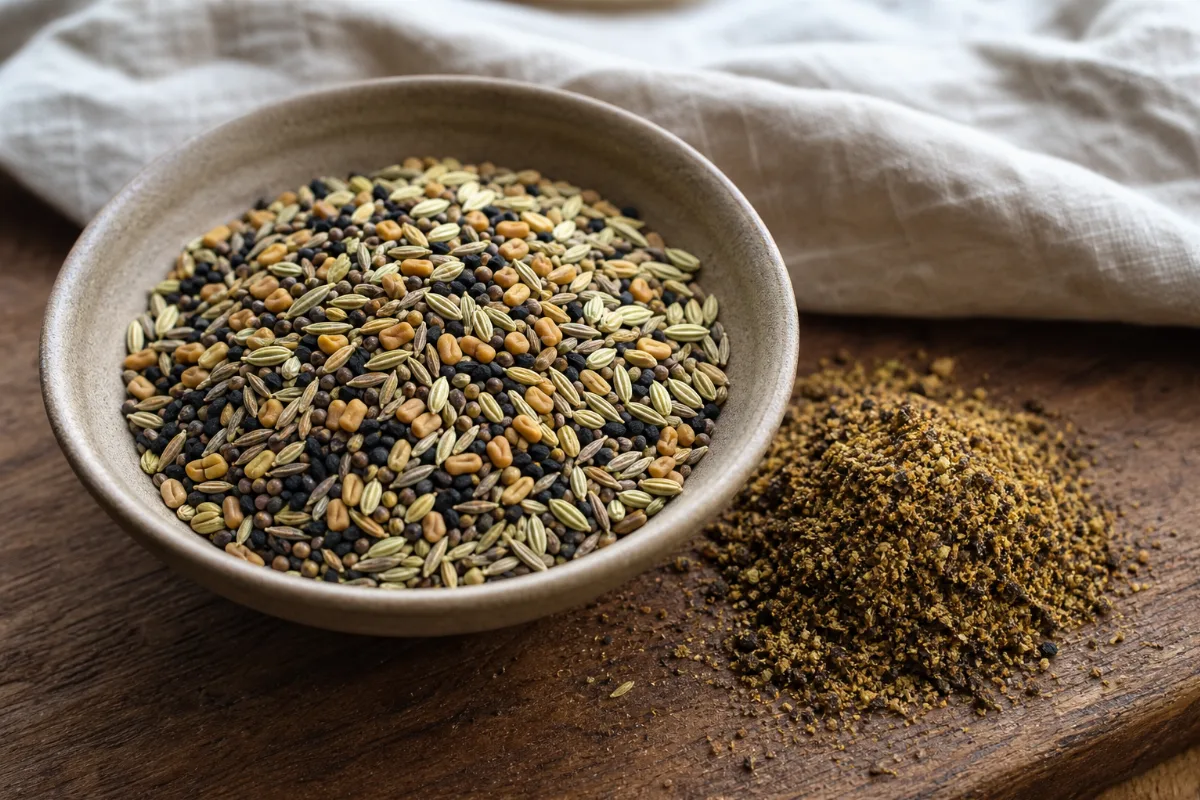
Panch phoron is a Bengali blend of five whole seeds, fried in hot oil at the start of a dish; it is not studied as a blend, so health facts come from its seeds, and mustard and fenugreek can cause allergy.
Blend: Mangifera indica (amchoor), Cuminum cyminum, Coriandrum sativum, Piper nigrum, Zingiber officinale, Ferula assa-foetida, plus salt
Sour / tangyEarthyHot / pungent
Aroma: Sharp and savory, with a sulfur note from black salt and a fruity tang from dried mango.
In the kitchen: vegetables, tea and drinks, rice and grains
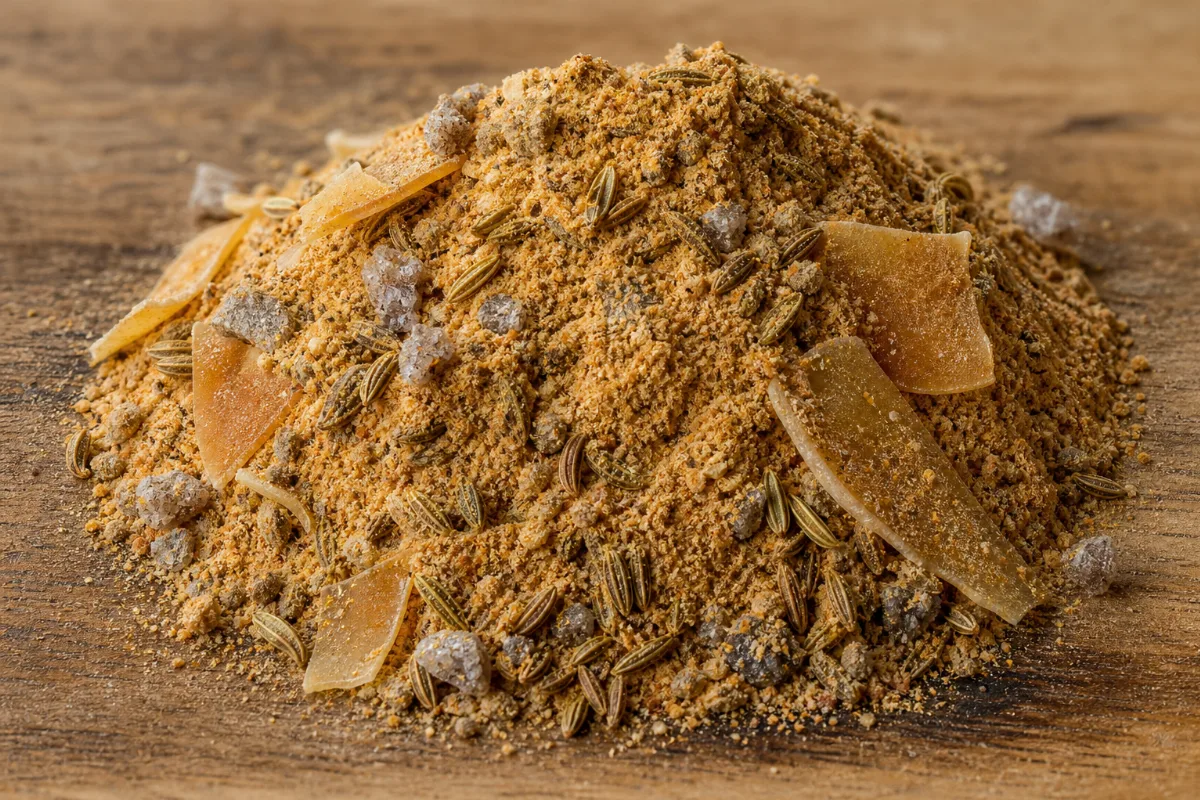
Chaat masala is a tangy, salty, savory blend sprinkled on street snacks, fruit and yogurt; it is rarely studied as a blend, and its main limits are the salt it contains and the allergens on the label.
Blend of spices; no single species (typically Capsicum annuum, Zanthoxylum piperitum, Sesamum indicum, Zingiber officinale)
Hot / pungentCitrusyEarthy
Aroma: Chili heat with a bright orange-peel note and a toasted, nutty background.
In the kitchen: soups and stews, rice and grains, grilling and rubs, vegetables
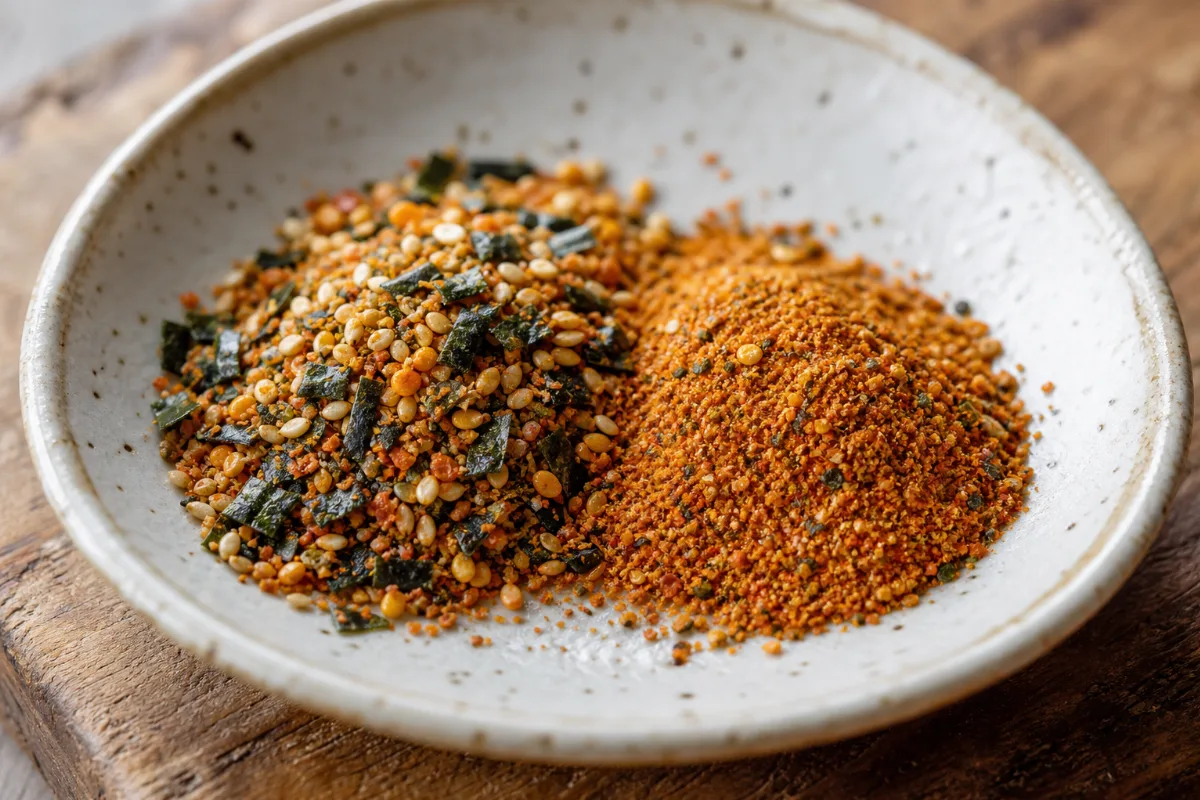
Shichimi togarashi is a Japanese chili blend that is hot, citrusy and nutty, sprinkled on noodles and rice at the table; it has not been studied as a blend, and it can contain sesame and poppy seed.
Aroma: Fruity and a little honey-like, with a sharp tang.
In the kitchen: curries, vegetables, soups and stews, grilling and rubs, pickling
Amchur is a tart, fruity powder from dried green mango used to sour curries and vegetables; there are no human trials on it, and mango allergy or sulfite sensitivity are the main cautions.
Aroma: Mainly sour and tangy; we found no source that describes its smell.
In the kitchen: curries, soups and stews, tea and drinks, rice and grains
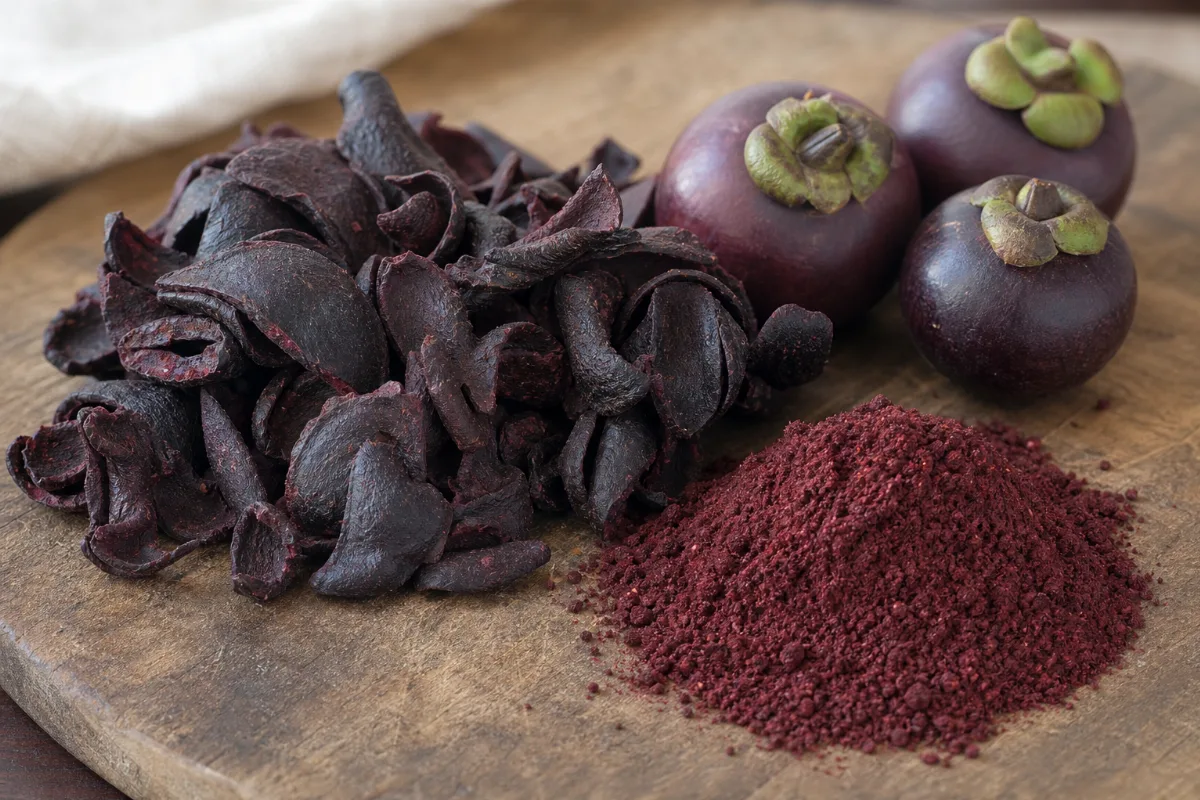
Kokum is a very sour dried fruit rind used in place of tamarind in Indian curries and drinks; nearly all health research is in labs and animals, and its cousin Garcinia cambogia supplements have liver-injury reports.
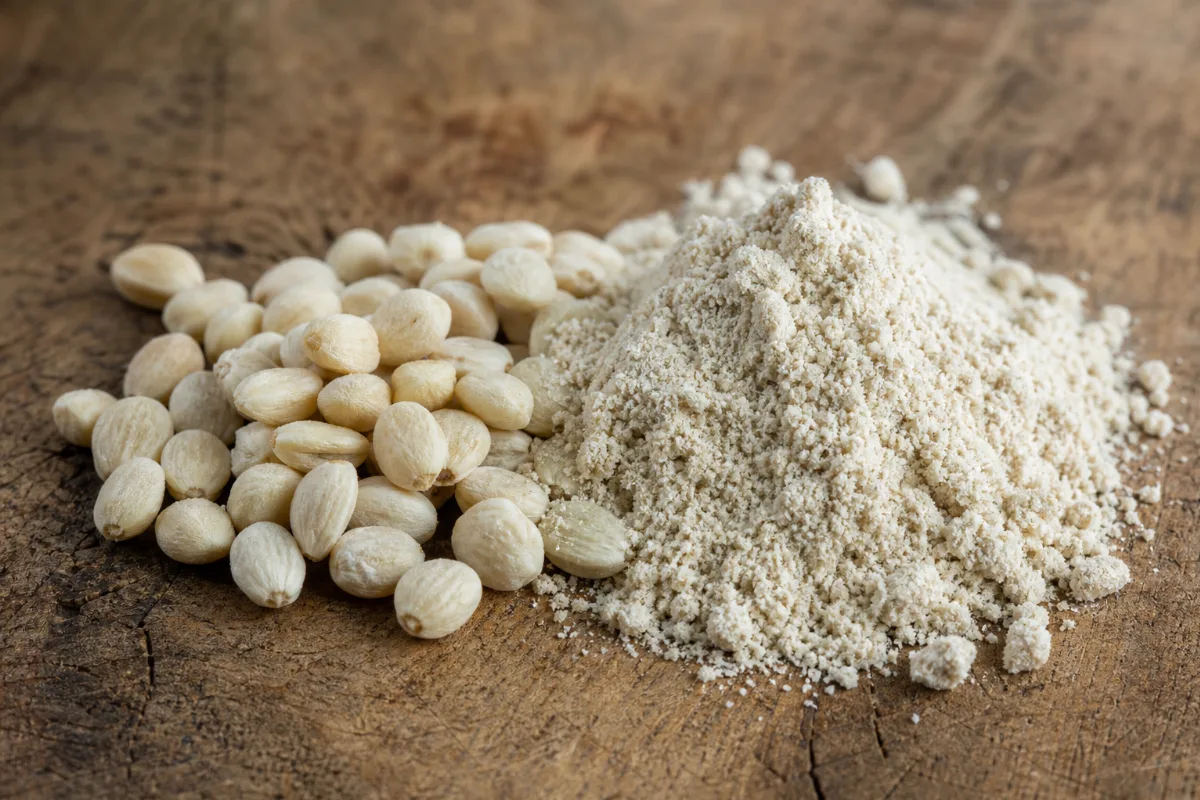
Mahlab is a cherry-stone spice that tastes of bitter almond and cherry and is used in sweet breads and pastries; it contains coumarin, and no study of it as a food or supplement was found.
No human trial found
Antioxidant and anti-inflammatory effects (reported, untested)
Other uses in people (pregnancy, medicines, allergy)
Aroma: Resinous and woody, often compared to cubeb pepper mixed with nutmeg, with a smoky note when dried over fire.
In the kitchen: soups and stews, grilling and rubs, tea and drinks, rice and grains
Grains of Selim are peppery, resinous and a little bitter and used in West African soups, sauces and coffee; we found no human studies, and rat studies hint at lower platelet counts with long, high use.
Aroma: Dried-fruit, raisin-like and a little tobacco-like when fresh; it fades as the pod ages.
In the kitchen: soups and stews, grilling and rubs
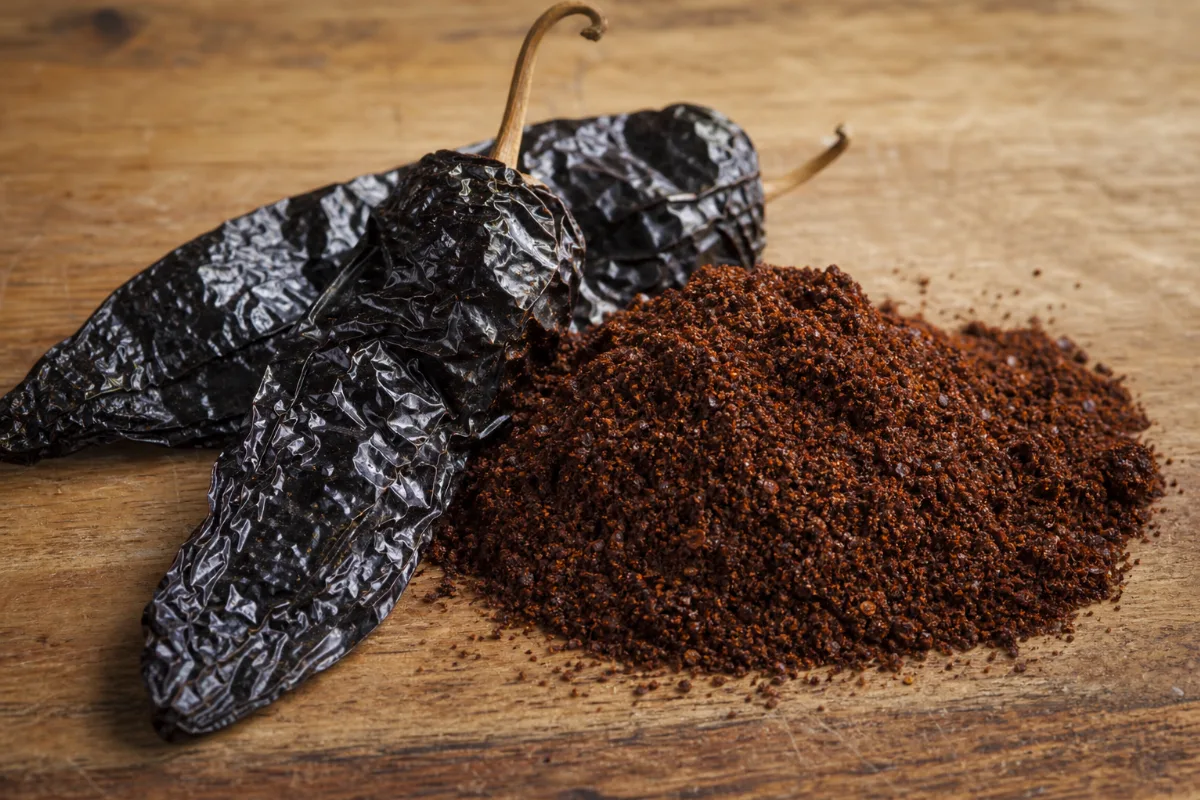
Ancho chile is mild, fruity and earthy and the base of many Mexican sauces; research on chili is mixed, and the evidence mostly covers hotter chilies and extracts.
Muscle pain (skin plaster or gel)
Heart and all-cause death in people who eat spicy food
Aroma: Smoky and woody, with an earthy depth behind the heat.
In the kitchen: grilling and rubs, soups and stews, vegetables, rice and grains
Chipotle is smoky, earthy and medium-hot and used in salsas, marinades and stews; research on chili food is mostly observational, and the heat can irritate the gut and skin.
Death from any cause and heart disease (spicy food)
Nerve pain (high-strength skin patch)
Stomach symptoms (dyspepsia, reflux, IBS)
Digestive-tract cancer risk (chili food, case-control)
Aroma: Fruity and raisin-like, with a faint cumin note.
In the kitchen: vegetables, soups and stews, grilling and rubs
Aleppo pepper is mildly hot, fruity and slightly salty and used as a flake in Turkish and Middle Eastern cooking; studies of chili eaters are observational, and chili can burn the gut, skin and eyes.
Aroma: Fruity and a little smoky, like a mild dried red pepper.
In the kitchen: curries, grilling and rubs, pickling
Kashmiri chili is a mild, fruity, deep-red chili used mostly for colour in Indian curries and tandoori dishes; research on chili in general is mixed, and cheap red powders are sometimes dyed.
Heart-related and all-cause death in spicy-food eaters
Nerve pain from the skin (prescription 8% capsaicin patch)
Overall health outcomes of spicy food
Blood sugar, appetite and blood pressure (capsaicin)
Aroma: Dry, woody and warm, with a camphor-like, peppery edge.
In the kitchen: curries, soups and stews, baking, tea and drinks
Cubeb pepper is pungent, warm and a little bitter and used in North African and Indonesian cooking; almost nothing is known about its health effects in people, and lab work hints at drug interactions.
Anti-inflammatory and antioxidant effects (cells and animals)
Aroma: Bright, floral and lemony, like perfumed lime.
In the kitchen: curries, soups and stews
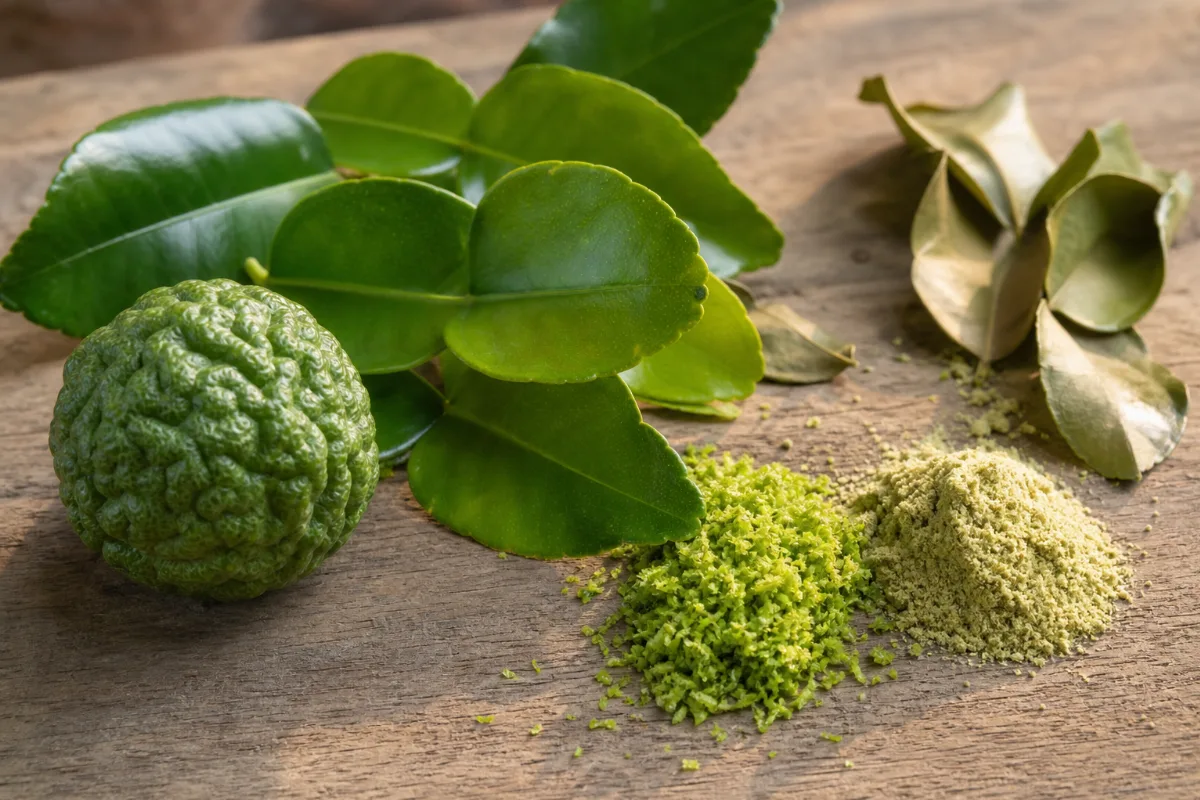
Makrut (kaffir) lime leaf is floral, lemony and fragrant and flavors Thai and Southeast Asian curries and soups; human health research on the leaf is missing, and the fruit's juice and peel can cause skin reactions in sunlight.
Aroma: Mild cinnamon-like and clove-like, warm, with a faint peppery note.
In the kitchen: curries, rice and grains, soups and stews
Indian bay leaf (tej patta) tastes like mild cinnamon with a clove-like edge and is used in North Indian and Mughal-style cooking; we found no human trials, so health claims rest on lab and animal work.
Aroma: Smoky and resinous, with a cool camphor note.
In the kitchen: curries, rice and grains, soups and stews
Black cardamom is smoky, camphor-like and earthy and used in rice, curries and stews; research on it is almost all lab or animal work, with no human trials found.
Stomach lining protection (rats)
Blood fats (animals)
Antioxidant, anti-inflammatory and germ-fighting effects (lab)
Aroma: Mild, earthy and musty when whole; ground seeds smell smoky and sweet.
In the kitchen: baking, desserts, curries, rice and grains
Poppy seed is nutty, earthy and slightly bitter and used in baking, fillings and curries; the seeds can carry traces of opium alkaloids, which matters for drug tests, poppy seed tea and young children.
Aroma: Mild and nutty when raw; toasting brings out a deeper, roasted smell.
In the kitchen: baking, desserts, rice and grains, vegetables
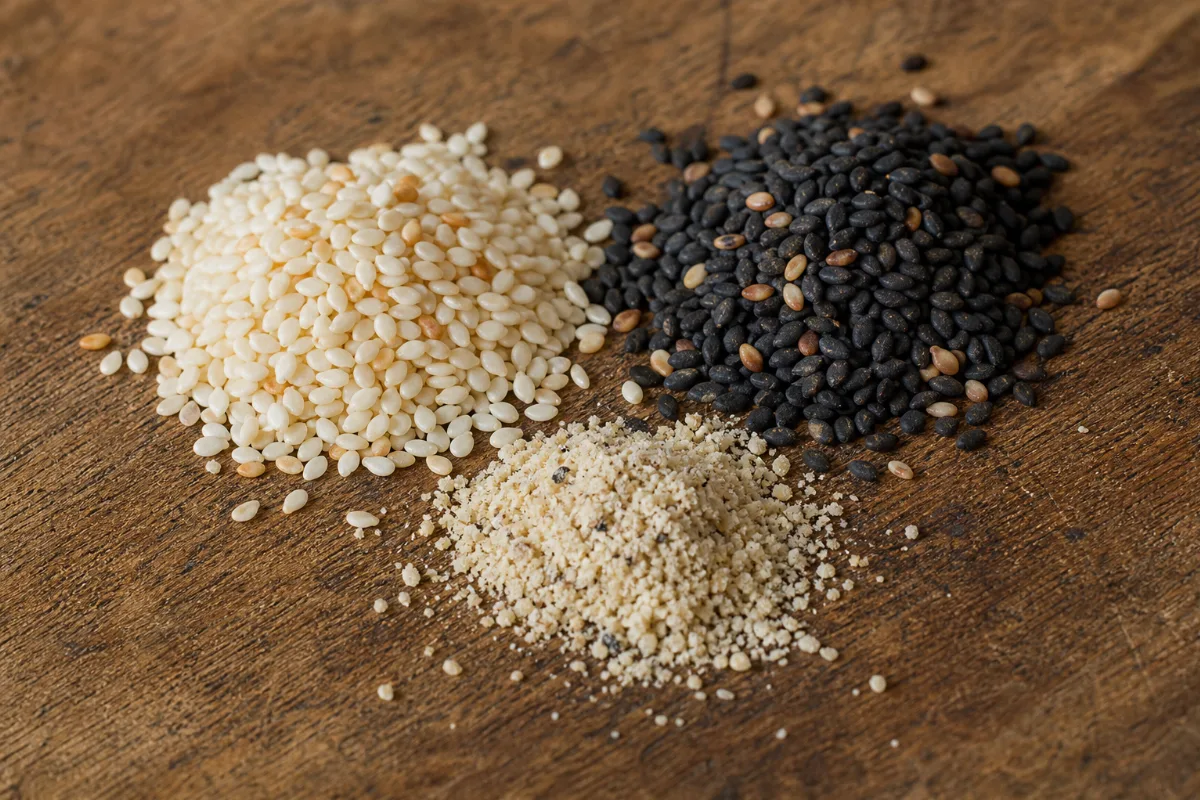
Sesame seed is nutty and rich, especially when toasted, and used in breads, sweets, tahini and stir-fries; it is a major allergen, and the small blood pressure and cholesterol trials are weak.
Aroma: Sharp lime scent with a dark, smoky, slightly fermented edge.
In the kitchen: soups and stews, rice and grains, tea and drinks
Dried black lime (loomi) is sour, earthy and smoky and used to sour stews, soups and rice; research is lab-only, and lime juice has a lab link to medicine-processing enzymes.
Antioxidant activity in the lab
Starch-digesting enzyme blocked in the lab
Traditional tea for upset stomach, nausea, diarrhea
Aroma: Strong and pungent in the jar, with a nutty, maple-like sweetness that softens in the pot.
In the kitchen: curries, soups and stews, baking, vegetables
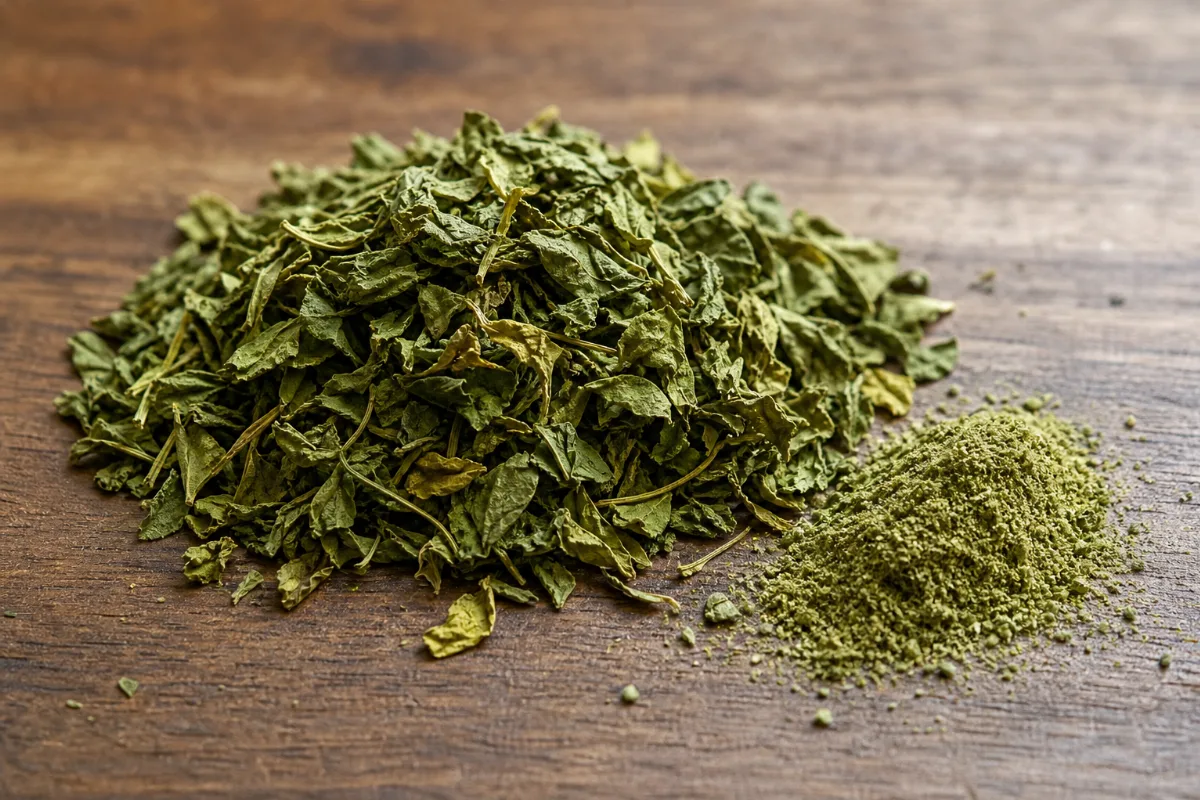
Dried fenugreek leaf (kasuri methi) tastes earthy, nutty and slightly bitter and finishes curries and breads; the research is mostly on the seed, and larger medicinal amounts are not advised in pregnancy.
Aroma: Savory and sulfury, like cooked garlic but flatter and drier.
In the kitchen: grilling and rubs, soups and stews, vegetables, rice and grains
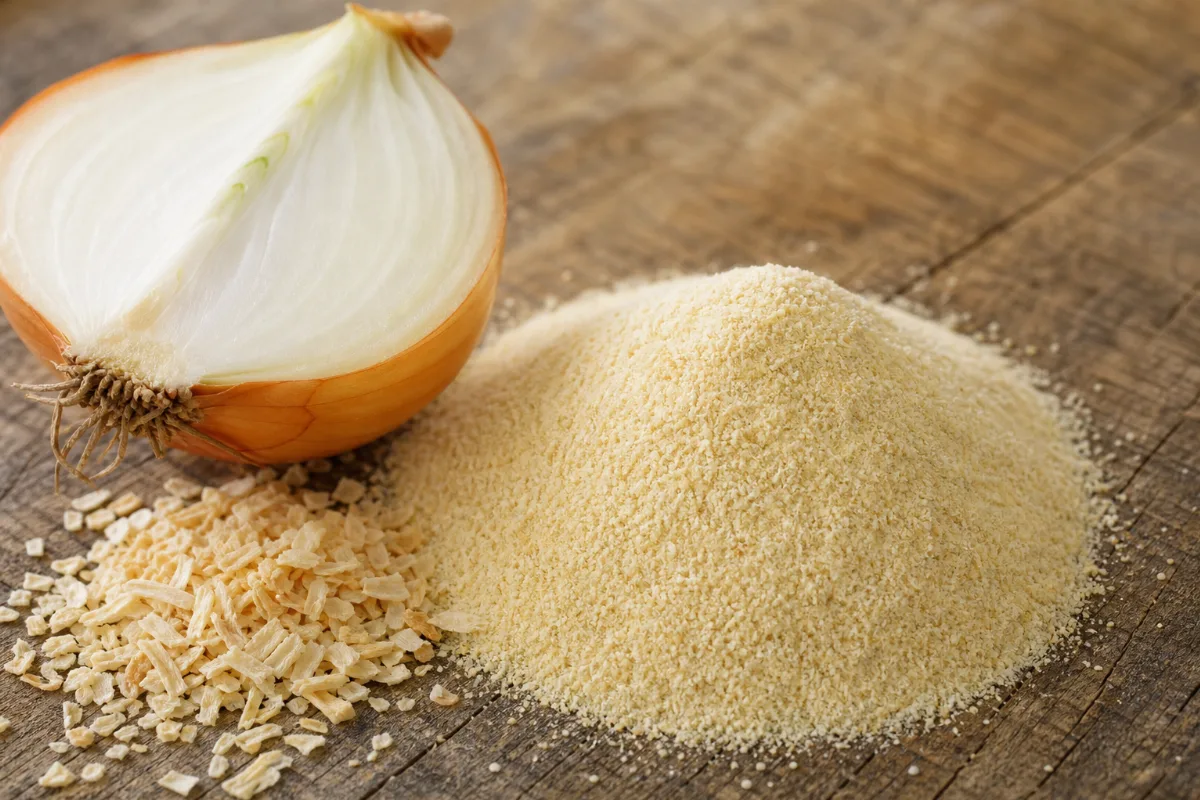
Garlic powder is savory, pungent and mellow and used in rubs, sauces and spice blends; research on cholesterol and blood pressure is for supplements, not for a pinch in food, and supplements may raise bleeding risk.
Aroma: Very little; the petals have almost no smell of their own.
In the kitchen: rice and grains, soups and stews, tea and drinks
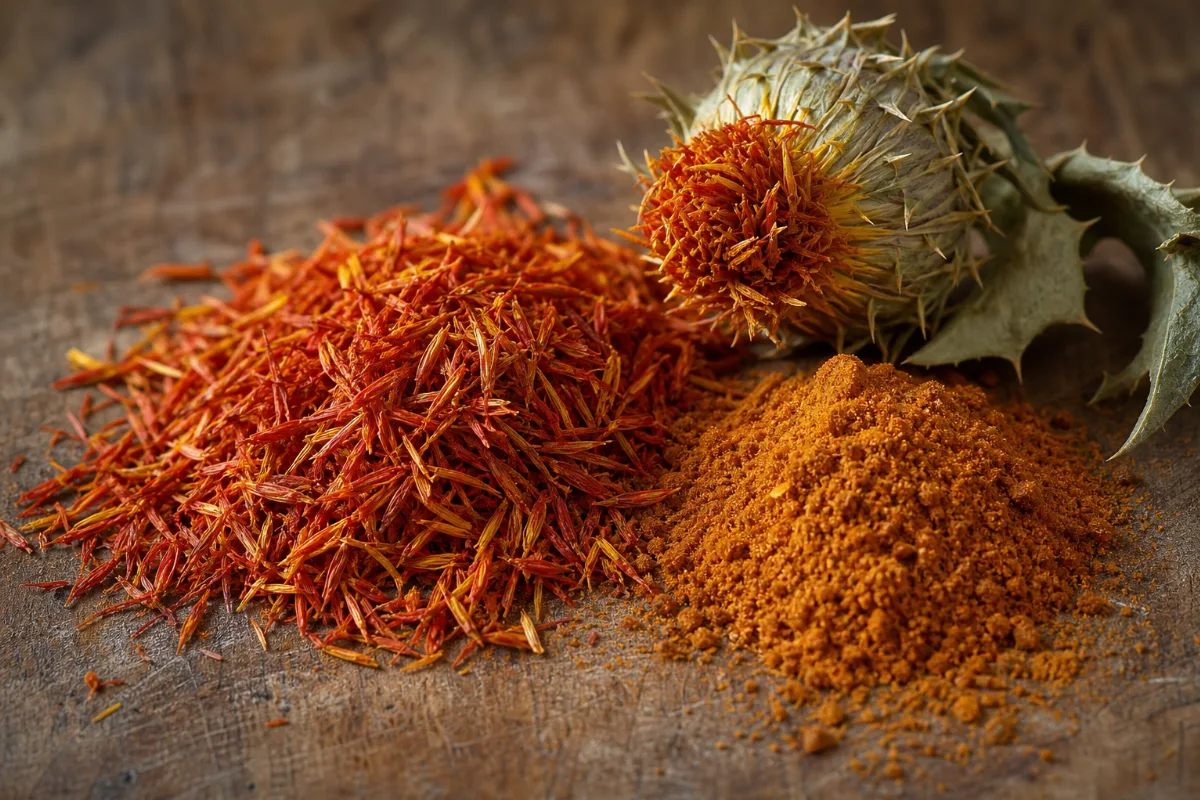
Safflower petals ("false saffron") give food a golden color but almost no saffron flavor; human research on the flower is thin, and bleeding, pregnancy and daisy-family allergy are the cautions.
Citrus sinensis, Citrus × aurantium, Citrus reticulata, Citrus limon
Berry / fruit
CitrusyBitterSweet
Aroma: Fresh and zesty like orange oil, turning deeper and richer in aged peel.
In the kitchen: baking, desserts, tea and drinks, soups and stews
Dried citrus peel is bright, aromatic and a little bitter and is used in baking, drinks, stews and teas; the peel itself is little studied, and Seville orange peel can affect some medicines like grapefruit does.
Blood fats and blood pressure (hesperidin)
Gut and metabolic health (orange peel ingredients)
Aroma: Sweet and hay-like, with notes of vanilla, almond, cherry and a little clove.
In the kitchen: desserts, baking, tea and drinks
Tonka bean is sweet, warm and vanilla-like and is grated into desserts; no health benefit has been shown, and in the US it is not allowed in food because of its coumarin.
Aroma: Fresh and resinous, like pine, with a woody, slightly musky and vanilla-like depth.
In the kitchen: desserts, baking, tea and drinks
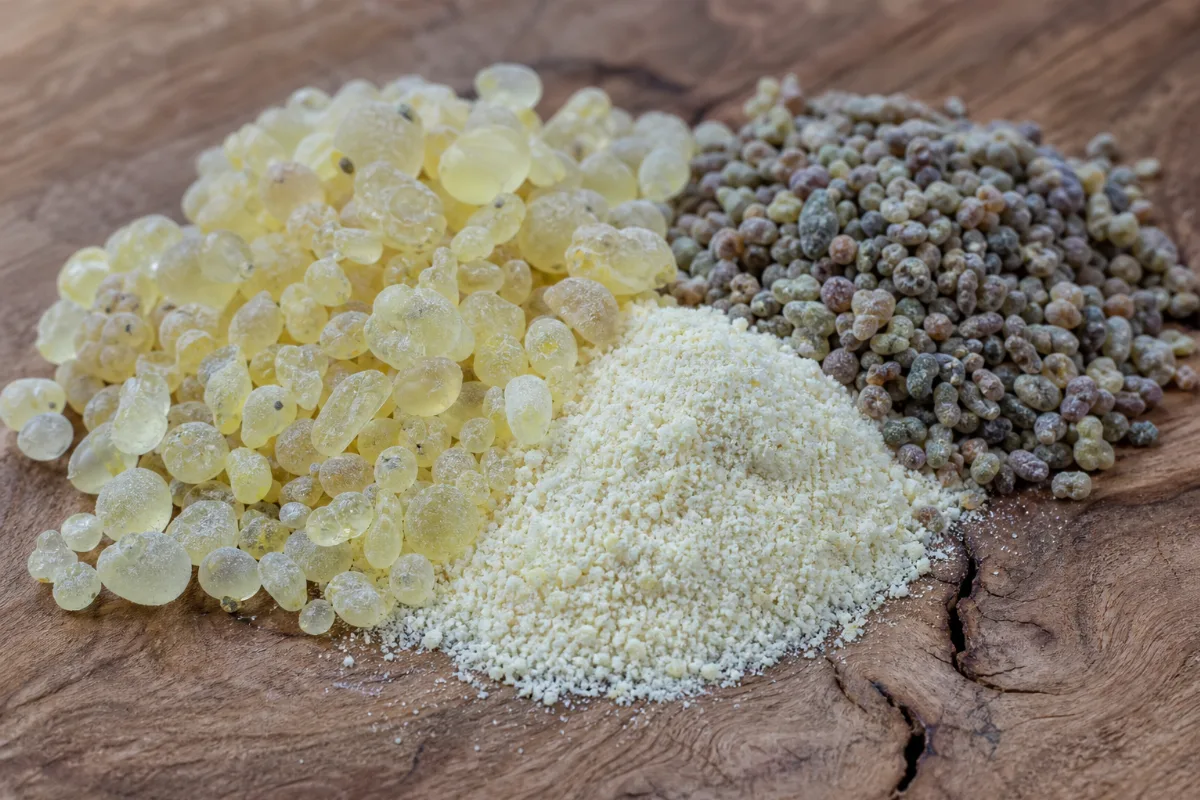
Mastic is a pine-like, slightly sweet resin used in Greek and Middle Eastern sweets, breads and drinks; small trials on indigestion are promising but limited, and it is not advised in pregnancy.
Indigestion without a known cause
H. pylori infection
Total cholesterol and fasting glucose markers
Traditional use for mild indigestion and minor skin problems
Aroma: Earthy and herbal, with a faint spicy note.
In the kitchen: soups and stews
Filé powder is earthy and slightly herbal and is stirred into gumbo at the end to thicken it; sassafras root and oil carry a safrole warning, and the one lab test we found found little or none in the leaves.
Aroma: Celery-like and herbal, with a faint anise note.
In the kitchen: pickling, soups and stews, vegetables
Lovage seed tastes like celery and parsley with a hint of anise and is used like fennel seed in pickles and breads; almost no research exists on the seed, and the root has sun-sensitivity and kidney cautions.
No spice matches all of these filters. Try removing one. Some topics (for example most herbs) are not spices and live elsewhere on the site.
A link between a spice and a topic means the body needs the spice for that job, or that low intake is linked to it. It does not mean extra supplements help if your intake is already adequate. See each page’s evidence label.
Browse by spice flavor family
Sweet and aromatic
Cinnamon, cloves, nutmeg, vanilla and relatives: the warm, sweet smells of baking, mulled drinks and festive dishes.
Garam masala, curry powder, za’atar, five-spice and more: mixes of several spices. Contents vary by maker, so health findings for one spice do not carry over to a blend.
A spice in normal cooking amounts is a food. Concentrated spice extracts and capsules are a different thing and can interact with medicines, for example blood thinners.
Some spices need extra care in pregnancy, with allergies (mustard, celery, sesame-family seeds) or with certain medicines. Each spice page lists what its sources say.
Tell your pharmacist or clinician about spice supplements, especially before surgery.
Understanding Spices(6)What spices are, how to read flavor and aroma, how to buy and store them, how blends work, and how food amounts differ from supplements.
A plain guide to what counts as a spice, how spices differ from herbs, seasonings, blends and supplements, and how the 40 spices on this site are grouped and explained.
How to buy spices, tell whether they are still fresh, store them, toast and grind them at home, and what to know about contamination and fake or unsafe additions.
A spice blend is several spices mixed for one style of cooking; makers and regions vary, and blends can add salt, allergens and contamination that single-spice studies d…
A spice in your cooking and a capsule, extract or oil made from the same plant are different products, with different amounts, different research and different rules.
Cloves are warm, pungent and a little sweet and are used whole in rice, braises and drinks and ground in baking; research is mostly on clove oil, and the oil can poison …
Nutmeg is warm, slightly sweet and used in baking, sauces and drinks; large amounts can poison people, and no trial supports a health benefit when eaten.
Mace is warm, sweet and a little peppery, used in baking, curries and pâtés; a pinch in food is normal, but large amounts of mace or nutmeg can poison.
Allspice is warm and sweet, like cinnamon, clove and nutmeg in one berry, and is used in jerk, pickling and baking; human research on health is lacking, and the main cau…
Vanilla is sweet, creamy and floral and is used in baking, desserts and drinks; research on health benefits is thin and mostly from labs, and some cheap "vanilla" has be…
Star anise tastes of licorice, warm and slightly sweet, and flavors soups, braises and baking; it must never be given to babies as tea, and one toxic look-alike has cont…
Mahlab is a cherry-stone spice that tastes of bitter almond and cherry and is used in sweet breads and pastries; it contains coumarin, and no study of it as a food or su…
Tonka bean is sweet, warm and vanilla-like and is grated into desserts; no health benefit has been shown, and in the US it is not allowed in food because of its coumarin.
Warming & Pungent Spices(8)Ginger, turmeric, galangal, grains of paradise, grains of Selim, black cardamom, mustard and horseradish: roots, pods and seeds with a warm bite.
Ginger is hot, sweet-spicy and fresh-smelling and used in curries, baking and drinks; research on nausea is promising in pregnancy but mixed elsewhere, and supplements h…
Turmeric is earthy, warm and slightly bitter and gives curries their yellow color; research on health uses is early, and concentrated curcumin products have been linked …
Grains of paradise taste peppery with citrus and a touch of cardamom and are used in stews, rubs and drinks; trials of extracts are small and mostly company-linked, and …
Mustard seed is mild whole and sharply hot once crushed with liquid, used in curries, pickles and condiments; it is a strong allergen, and human research on health uses …
Horseradish and wasabi are sharp, nose-clearing roots eaten fresh or as a paste; the heat fades fast, and the health research is thin, with one small memory trial on a w…
Grains of Selim are peppery, resinous and a little bitter and used in West African soups, sauces and coffee; we found no human studies, and rat studies hint at lower pla…
Black cardamom is smoky, camphor-like and earthy and used in rice, curries and stews; research on it is almost all lab or animal work, with no human trials found.
Hot Peppers & Peppercorns(7)Black, white, pink, long, cubeb and Sichuan pepper, plus cayenne and chili: from gentle to fiery.
Black pepper is hot, warm and citrusy and goes in almost any savory dish; pepper on food is not a concern in the sources we read, but isolated piperine in supplements ca…
White pepper is hot, earthy and a little musty, used where black specks would show; no good human trials exist for food amounts, and isolated piperine supplements can ch…
Pink peppercorn is mild, nearly sweet and resinous and used in sauces, desserts and drinks; it comes from the cashew family, so people with cashew or pistachio allergy s…
Long pepper is a peppery, slightly sweet spice used in pickles, lentil dishes and stews; its piperine can change how some medicines act, and there are no human trials of…
Sichuan pepper is citrusy and floral with a tingling, numbing feel and is used in Chinese cooking; human research on health is almost absent, and a few people are allerg…
Cayenne and chili pepper are hot and used in sauces, stews and curries; big studies of people who eat spicy food are observational, and chili can burn the gut, skin and …
Cubeb pepper is pungent, warm and a little bitter and used in North African and Indonesian cooking; almost nothing is known about its health effects in people, and lab w…
Earthy & Savory Spices(13)Cumin, fenugreek, asafoetida, annatto, curry leaf, bay leaf, black seed, garlic and onion powder and more: deep notes for curries, stews and beans.
Cumin is earthy and warm and a base of curries, chili and stews; trials of cumin supplements on blood sugar are mixed, and some people are allergic to it.
Fenugreek seed tastes bitter, earthy and a little like maple syrup and is used in curries, pickles and spice blends; it is not safe in pregnancy above food amounts, and …
Asafoetida (hing) smells strong and sulfurous in the jar but cooks into a mellow onion-and-garlic flavor; it is unsafe for infants and discouraged in pregnancy, and huma…
Annatto is mild, earthy and a little peppery and is used mostly to turn food orange-red; allergy to it is rare but documented, and there is no good evidence of a health …
Curry leaf is citrusy, slightly bitter and savory and is fried in oil at the start of South Indian dishes; human research on blood sugar is one small 1990 study, and the…
Bay leaf is herbal and slightly floral and simmered whole in soups, stews and curries, then removed; one small trial of capsules and one liver case report exist, so supp…
Black seed (nigella, kalonji) is peppery, bitter and a little onion-like, sprinkled on breads and tempered in oil for curries and pickles; blood pressure and blood sugar…
Indian bay leaf (tej patta) tastes like mild cinnamon with a clove-like edge and is used in North Indian and Mughal-style cooking; we found no human trials, so health cl…
Dried fenugreek leaf (kasuri methi) tastes earthy, nutty and slightly bitter and finishes curries and breads; the research is mostly on the seed, and larger medicinal am…
Garlic powder is savory, pungent and mellow and used in rubs, sauces and spice blends; research on cholesterol and blood pressure is for supplements, not for a pinch in …
Safflower petals ("false saffron") give food a golden color but almost no saffron flavor; human research on the flower is thin, and bleeding, pregnancy and daisy-family …
Filé powder is earthy and slightly herbal and is stirred into gumbo at the end to thicken it; sassafras root and oil carry a safrole warning, and the one lab test we fou…
Seed Spices(10)Coriander, caraway, anise, fennel, celery, dill, ajwain, poppy, sesame and lovage seed: small seeds with fresh, anise-like, nutty or citrusy aromas.
Coriander seed tastes warm and lemony and is used in curries, pickles and spice blends; one small diabetes trial is the main human evidence, and allergy is the main caut…
Caraway is warm, gently sweet and a little like anise, and is used in rye bread, sauerkraut and stews; a peppermint-and-caraway oil capsule helped indigestion in trials,…
Anise (aniseed) is sweet with a clear licorice taste and is used in baking, sweets and drinks; research on digestion and IBS comes from small trials of anise oil, and it…
Fennel seed is sweet and anise-like and used in sausages, breads, curries and spice blends; infant colic trials look promising but limited, and EU regulators set estrago…
Celery seed is earthy and slightly bitter and used in pickles, slaws and celery salt; small trials suggest blood pressure effects from supplements, and celery allergy ca…
Dill seed tastes like a stronger, warmer cousin of caraway and is used in pickles and breads; small supplement trials on cholesterol are mixed, and food amounts have not…
Ajwain (carom seed) is sharp, bitter and thyme-like and is fried in oil for breads and tarka; research is limited, and its oil is strong and not for swallowing.
Poppy seed is nutty, earthy and slightly bitter and used in baking, fillings and curries; the seeds can carry traces of opium alkaloids, which matters for drug tests, po…
Sesame seed is nutty and rich, especially when toasted, and used in breads, sweets, tahini and stir-fries; it is a major allergen, and the small blood pressure and chole…
Lovage seed tastes like celery and parsley with a hint of anise and is used like fennel seed in pickles and breads; almost no research exists on the seed, and the root h…
Saffron is floral, honey-like and slightly bitter and gives rice and stews a golden color; trials of supplements suggest lower self-rated low mood, but cooking amounts a…
Cardamom is sweet, floral and a little cooling and used in chai, baking and rice; trials of supplements show small changes in blood fats, and people with gallstones shou…
Sumac is a tart, lemony red spice sprinkled on salads, dips and grilled meat; trials on blood sugar are mixed, and people with a cashew allergy should check first.
Tamarind is sweet and sour and is used in curries, chutneys, soups and drinks; the one trial we read found no effect on weight or blood sugar, and one small study found …
Juniper berry tastes piney and resinous with a citrus note and is used with game, pork and cabbage; the EU accepts it only for traditional use, and it is not advised in …
Amchur is a tart, fruity powder from dried green mango used to sour curries and vegetables; there are no human trials on it, and mango allergy or sulfite sensitivity are…
Kokum is a very sour dried fruit rind used in place of tamarind in Indian curries and drinks; nearly all health research is in labs and animals, and its cousin Garcinia …
Makrut (kaffir) lime leaf is floral, lemony and fragrant and flavors Thai and Southeast Asian curries and soups; human health research on the leaf is missing, and the fr…
Dried black lime (loomi) is sour, earthy and smoky and used to sour stews, soups and rice; research is lab-only, and lime juice has a lab link to medicine-processing enz…
Dried citrus peel is bright, aromatic and a little bitter and is used in baking, drinks, stews and teas; the peel itself is little studied, and Seville orange peel can a…
Mastic is a pine-like, slightly sweet resin used in Greek and Middle Eastern sweets, breads and drinks; small trials on indigestion are promising but limited, and it is …
Paprika, Chili & Smoky Spices(6)Sweet, hot and smoked paprika, ancho, chipotle, Aleppo and Kashmiri chili: red peppers that color and flavor food.
Paprika is a mild, sweet, red spice from dried peppers that colors and gently flavors stews, rice and rubs; research on it is thin, and some imported powders have had co…
Smoked paprika (pimentón) tastes of wood smoke with mild pepper sweetness and is used in stews, rice and rubs; smoking leaves PAH residues that vary a lot, and research …
Ancho chile is mild, fruity and earthy and the base of many Mexican sauces; research on chili is mixed, and the evidence mostly covers hotter chilies and extracts.
Chipotle is smoky, earthy and medium-hot and used in salsas, marinades and stews; research on chili food is mostly observational, and the heat can irritate the gut and s…
Aleppo pepper is mildly hot, fruity and slightly salty and used as a flake in Turkish and Middle Eastern cooking; studies of chili eaters are observational, and chili ca…
Kashmiri chili is a mild, fruity, deep-red chili used mostly for colour in Indian curries and tandoori dishes; research on chili in general is mixed, and cheap red powde…
Spice Blends(16)Garam masala, curry powder, za'atar, five-spice, ras el hanout and other blends: what is usually in them, how they are used, and what a blend means for health.
Garam masala is a warm, sweet and earthy Indian spice blend added late to curries and stews; it is rarely studied as a blend, and its health points come from the spices …
Curry powder is a warm, earthy, golden blend for curries and stews; blends are rarely studied as a whole, so check the label for salt and allergens such as mustard, cele…
Za'atar is a tangy, herby, nutty Middle Eastern blend of thyme or oregano, sumac, sesame and salt; it is rarely studied as a blend, and sesame is a major allergen.
Chinese five-spice is a sweet, warm, anise-scented blend used on duck, pork and in braises; it is rarely studied as a blend, and its cassia and star anise parts carry sp…
Ras el hanout is a warm, sweet and earthy North African blend of a dozen or more spices for stews, rubs and couscous; it is rarely studied as a blend, and labels are wor…
Herbes de Provence is an earthy, piney dried-herb blend for grilled meat, fish and vegetable stews; it is rarely studied as a blend, and the herbs in it carry mint-famil…
Baharat is a warm, sweet and peppery Middle Eastern spice blend for meat, soups and vegetables; it is rarely studied as a blend, so health facts come from its single spi…
Berbere is a hot, warm and earthy Ethiopian and Eritrean chili blend used in stews and rubs; it has not been studied as a blend, and its fenugreek brings a legume-allerg…
Dukkah is a crunchy, nutty, toasty Egyptian blend of nuts, sesame, cumin and coriander for dipping with bread and oil; it is rarely studied as a blend, and nuts and sesa…
Chili powder is an earthy, savory, mildly hot blend for chili, tacos and rubs; the blend itself is not studied for health, but check the label for salt and allergens, an…
Pumpkin pie spice is a warm, sweet blend of cinnamon, ginger, nutmeg and cloves used in pies, baking and coffee drinks; it is not studied as a blend, and its cautions co…
Cajun and Creole seasoning is a salty, peppery, garlicky blend with cayenne heat for meat, seafood and rice; the blend itself is not studied for health, and salt content…
Jamaican jerk seasoning is hot, warm and sweet, built on allspice and scotch bonnet chili for grilled meat; the blend itself is not studied for health, so check the labe…
Panch phoron is a Bengali blend of five whole seeds, fried in hot oil at the start of a dish; it is not studied as a blend, so health facts come from its seeds, and must…
Chaat masala is a tangy, salty, savory blend sprinkled on street snacks, fruit and yogurt; it is rarely studied as a blend, and its main limits are the salt it contains …
Shichimi togarashi is a Japanese chili blend that is hot, citrusy and nutty, sprinkled on noodles and rice at the table; it has not been studied as a blend, and it can c…
Content last updated . This section has not been medically reviewed.
Education, not medical advice. This section is for general information. It does not diagnose or treat any condition and is not a substitute for care from a qualified health professional. Natural does not automatically mean safe.