Nutrients, Fiber, What Research Shows & What to Check.
Whole grains are food first. Explore each grain and whole-grain food: what is in it (measured by USDA), what research in people has and has not found for health goals, a normal serving, and what to check before you eat it: gluten and celiac disease, arsenic in rice, FODMAPs, and what a label really means.
Normal serving (USDA): 1 cup cooked with water, no salt (234 g)
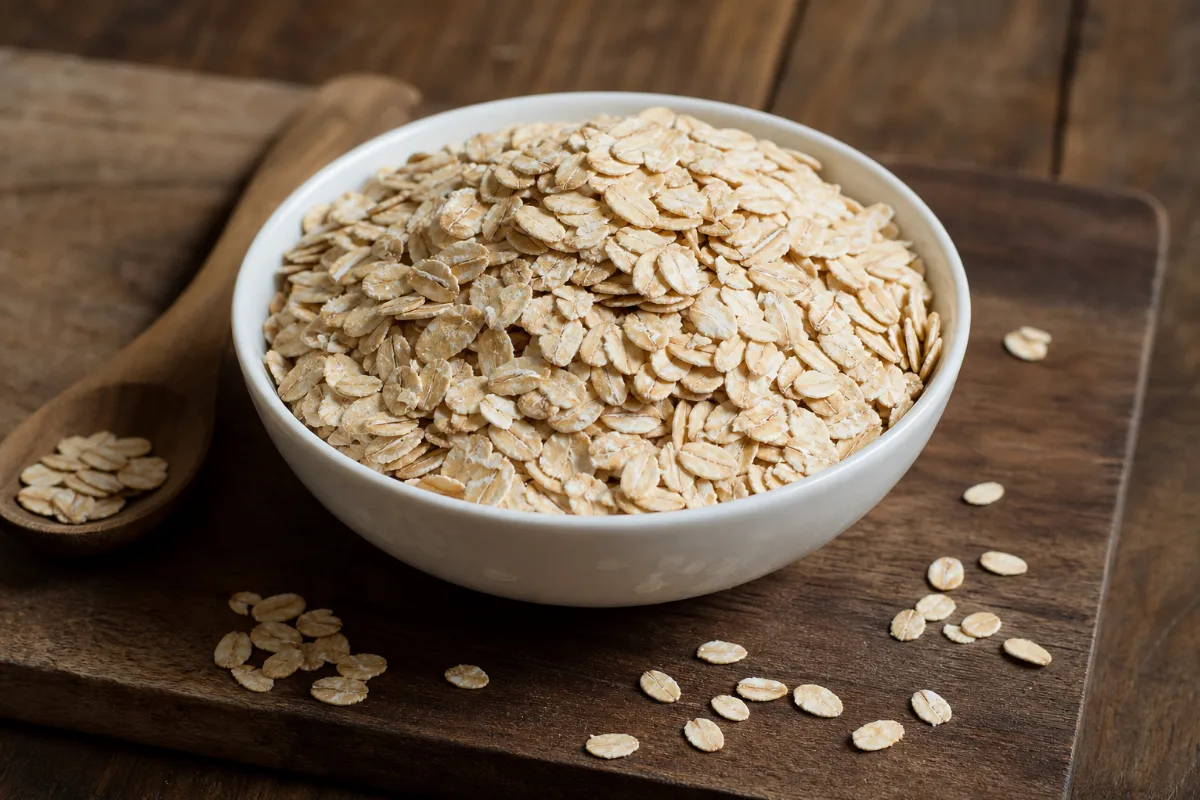
Oats as a food: what trials found for beta-glucan and LDL cholesterol, what the FDA heart-health claim says, and what to know about gluten and celiac disease.
Oat beta-glucan and LDL cholesterol
The FDA heart-health label claim for oats
Oats and blood sugar in type 2 diabetes
Oat intake, diabetes, heart disease and death (observational)
Normal serving (USDA): 1 cup cooked pearled barley (157 g)
Barley as a food: what trials and meta-analyses found for beta-glucan and cholesterol, how the FDA claim treats barley, and why barley contains gluten.
Barley beta-glucan and cholesterol
Barley and blood sugar after meals
Barley and appetite
Whole grains, heart disease and early death (observational)
Brown rice as a food: USDA nutrients, what studies found on diabetes, weight and heart health, why arsenic matters more than in white rice, and safe cooking and storage.
Brown rice and type 2 diabetes risk
Brown rice swapped for white rice and blood sugar
Brown rice, body weight and HDL cholesterol
Whole grains, heart disease and early death (observational)
Wild rice as a food: USDA nutrients, how it differs from ordinary rice, the thin human research, gluten, metals, cooked-grain storage and who should check with a clinician.
Wild rice and blood sugar after a meal
Antioxidant compounds in wild rice (lab)
Wild rice, gut bacteria and fatty liver in mice
Protein, zinc, copper and manganese from wild rice
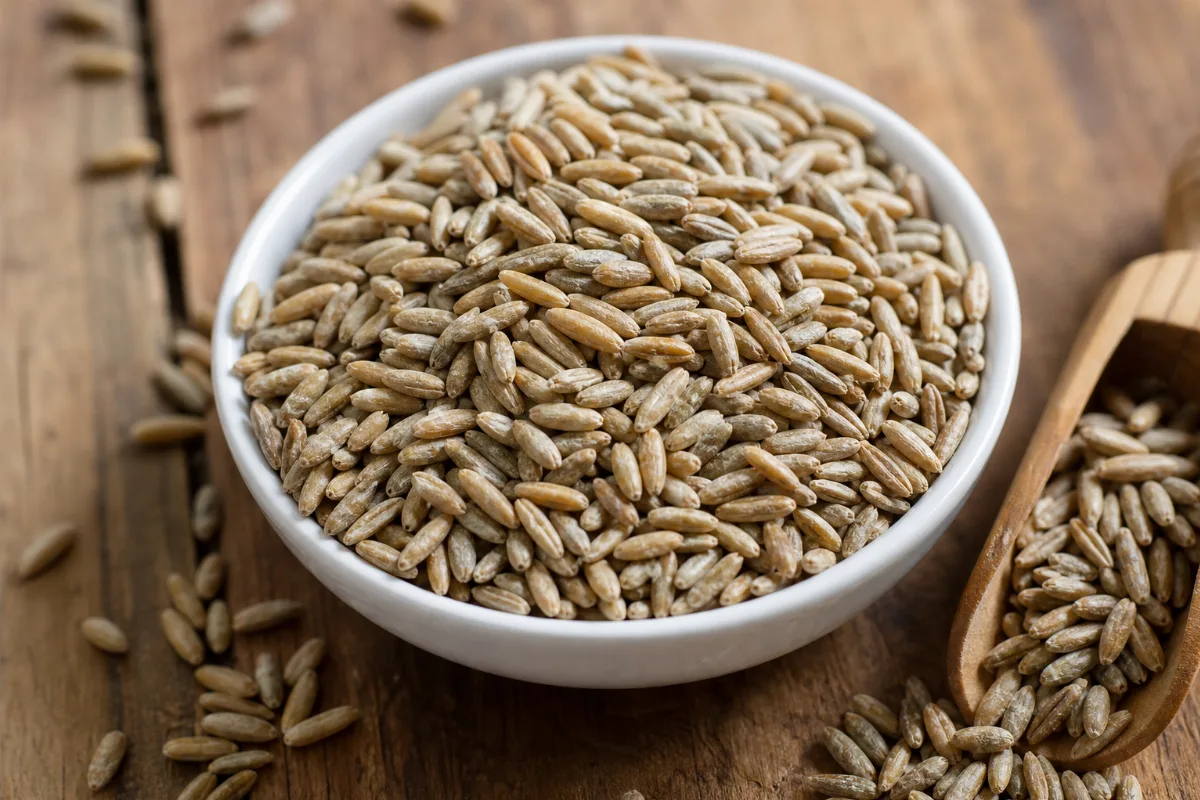
Rye as a food: USDA nutrients, what trials found on blood sugar, fullness and weight, why rye contains gluten, FODMAPs, and what to know about ergot and acrylamide.
Normal serving (USDA): 1 cup dry (192 g), USDA household portion
Whole wheat and wheat berries as a food: USDA nutrients, what pooled trials and cohort studies show, gluten and celiac disease, wheat allergy, raw flour and mold toxins.
Normal serving (USDA): 1 cup cooked (194 g), USDA household portion
Spelt as a food: cooked USDA nutrients, why it still contains gluten, what reviews say about ancient wheats, wheat allergy, celiac disease and cooked-grain safety.
Normal serving (USDA): No USDA household portion found for farro
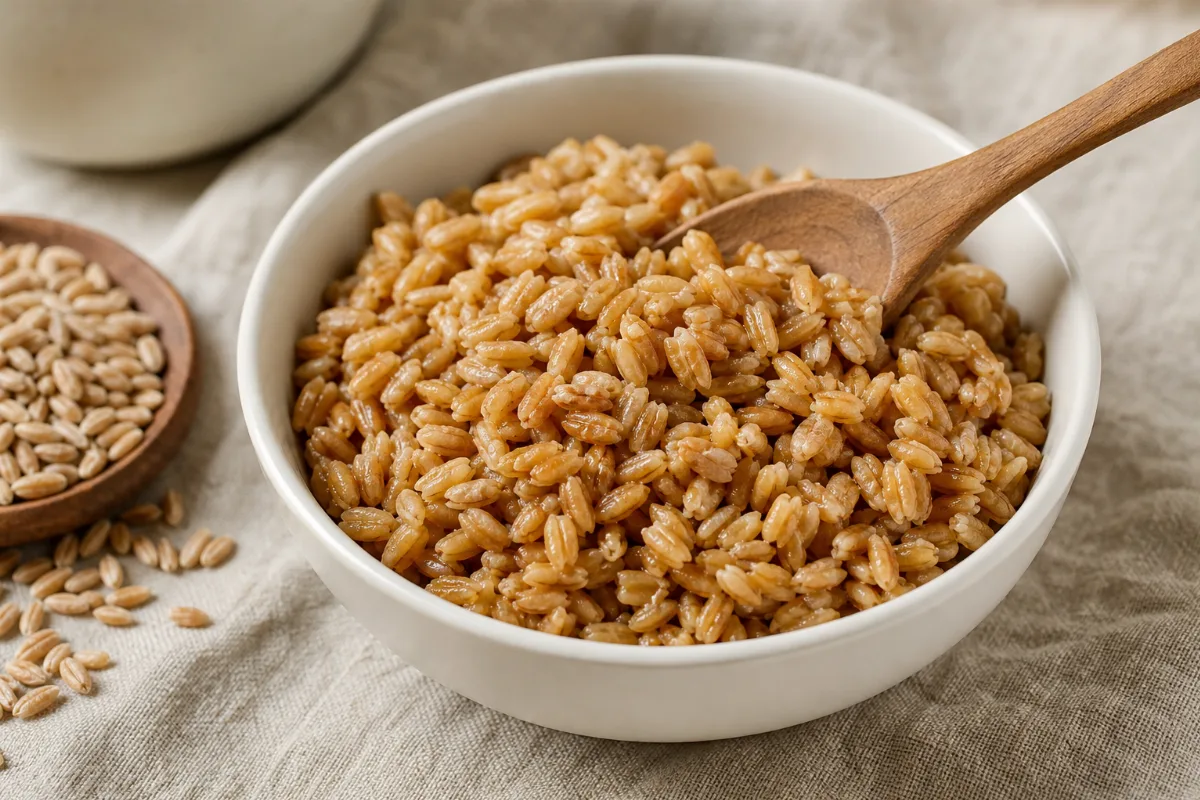
Farro (emmer wheat) as a food: why it still contains gluten, what reviews say about ancient wheats, wheat allergy, label checks, and why we show no nutrient table.
Normal serving (USDA): 1 cup cooked (172 g), USDA household portion
Khorasan wheat (Kamut) as a food: cooked USDA nutrients, small crossover trials on cholesterol and gut bacteria, and why it still has gluten and wheat allergy risk.
Khorasan wheat and cholesterol or heart risk markers
Normal serving (USDA): 1 cup cooked (182 g), USDA household portion
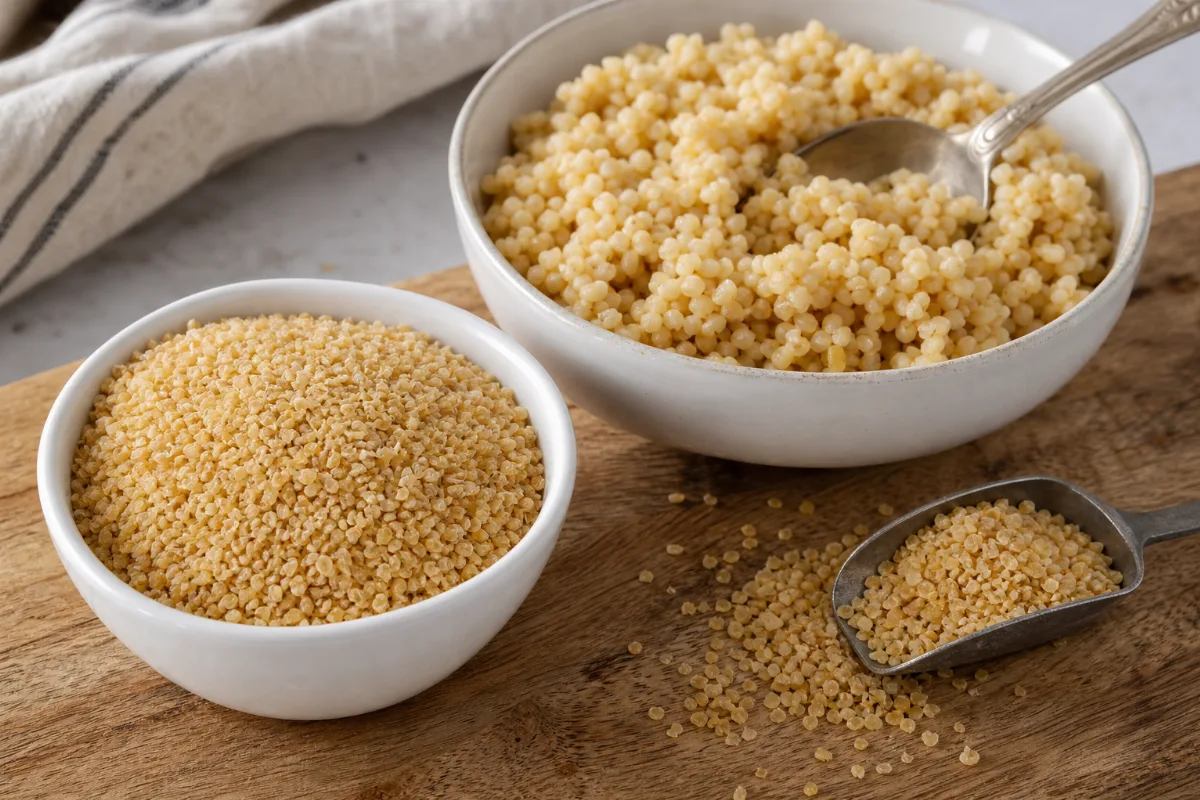
Bulgur as a food: cooked USDA nutrients, why it contains gluten, what a 4-week trial found, wheat allergy, cooked-grain safety and how to read the label.
Bulgur versus rice and other grains for cardiometabolic markers
Fiber content
Whole grains and heart disease or diabetes risk (general)
Normal serving (USDA): No USDA household portion found for freekeh
Freekeh (roasted green durum wheat) as a food: reported nutrient ranges because USDA has none, gluten, wheat allergy, a mycotoxin study and cooked-grain safety.
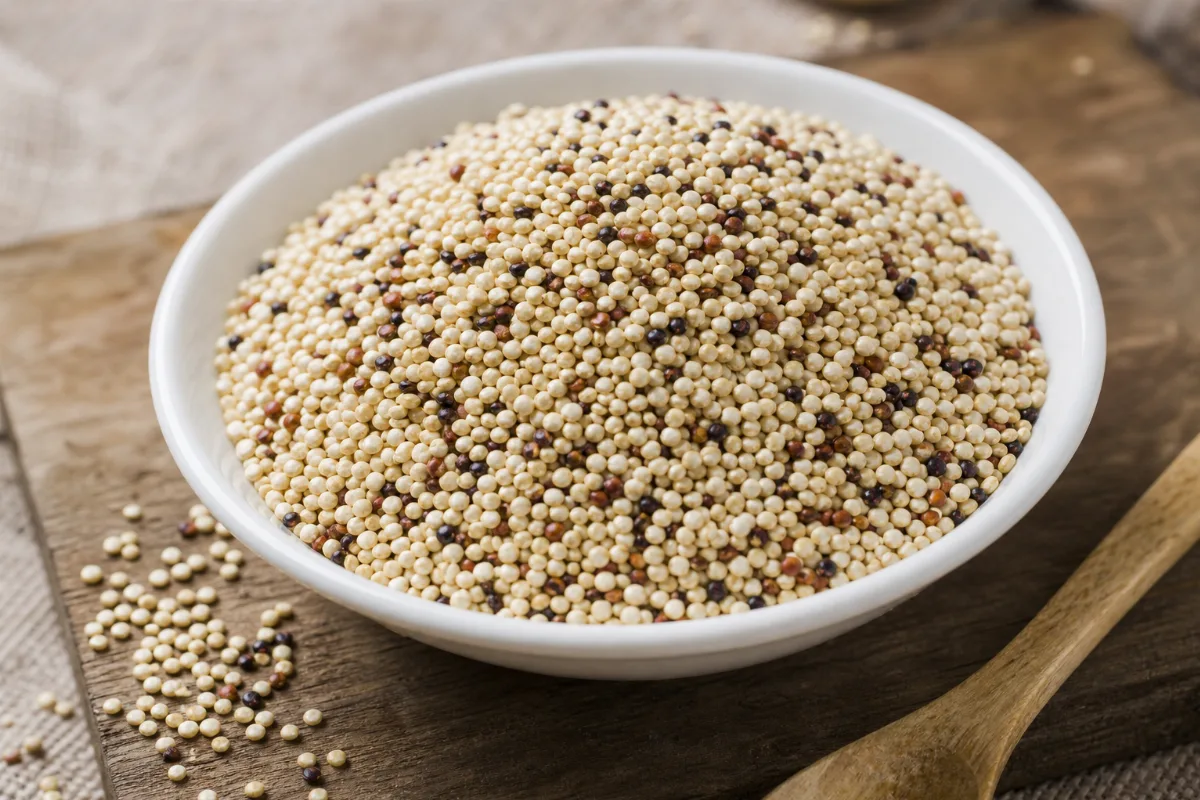
Quinoa as a food: USDA nutrient values, what trials found on blood sugar and cholesterol, why it is gluten-free, the bitter saponin coating and cross-contact.
Amaranth grain as a food: USDA nutrient values, the little human research there is, why it is gluten-free and what is not known about allergy and medicines.
Amaranth grain and body size in pregnancy
Amaranth protein isolate in children with overweight
Antioxidant and anti-inflammatory compounds in amaranth
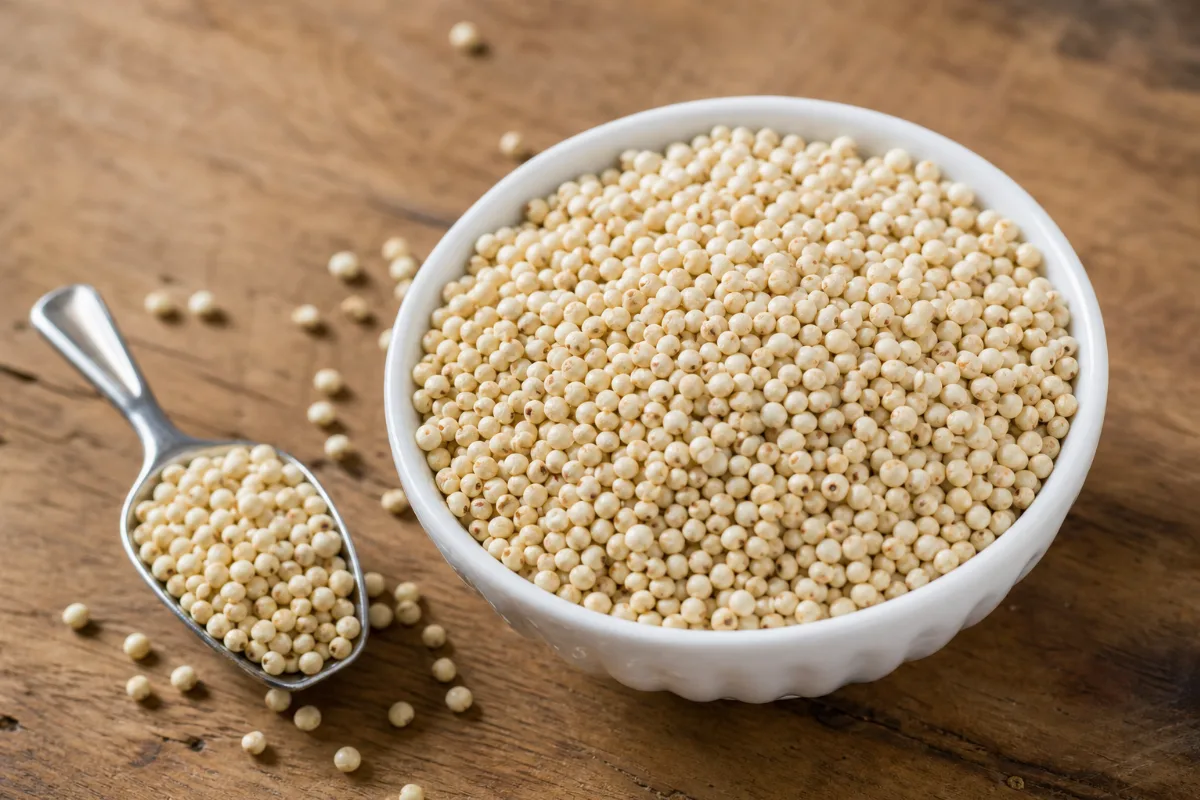
Millet as a food: USDA nutrient values, a pooled analysis on blood sugar, why it is gluten-free, and what a systematic review found on pearl millet and goiter.
Millet and blood sugar
Biofortified pearl millet and anemia in toddlers
Pearl millet diet in young athletes
Millet, cholesterol and gut health (review claims)
Teff as a food: USDA nutrient values, an honest look at the weak human evidence, why it is gluten-free, phytic acid and what is not known about allergy.
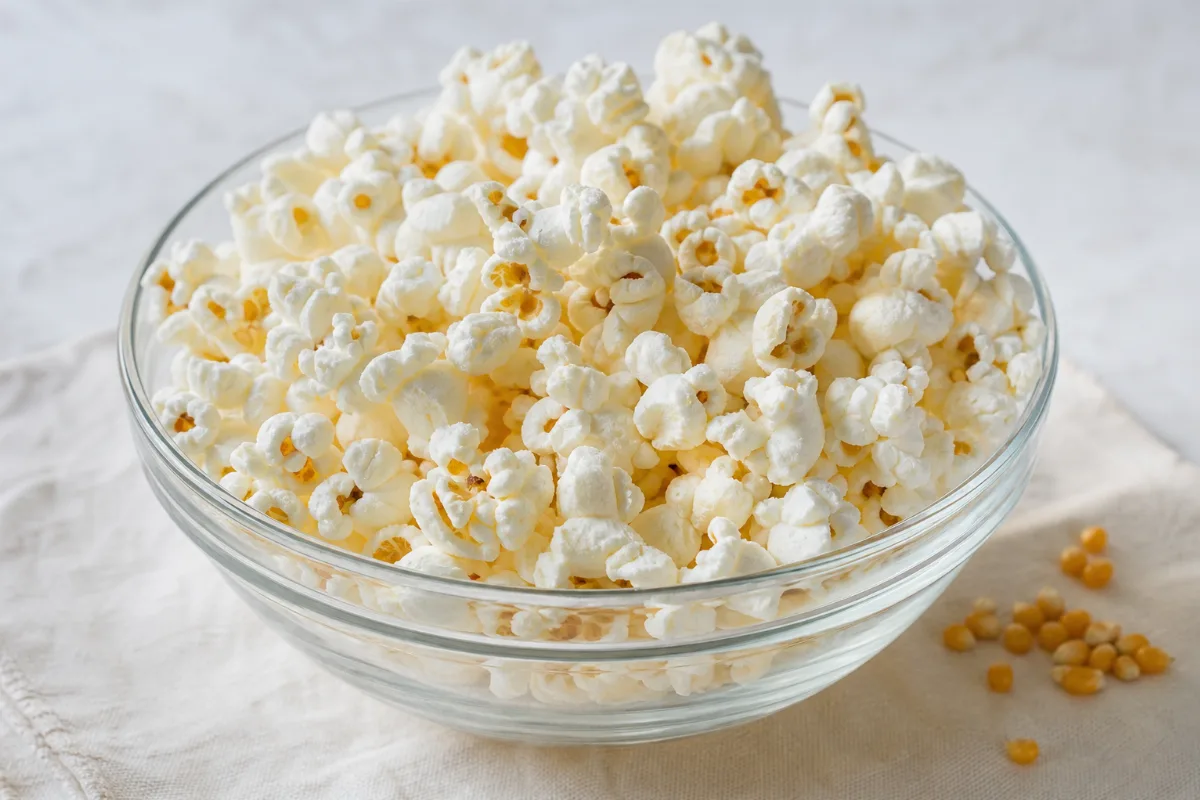
Normal serving (USDA): 1 ounce (28.35 g), about 3.5 cups air-popped
Popcorn as a whole-grain snack: USDA nutrient values, what studies show on whole grains, diverticulitis and blood sugar, and the choking risk for young children.
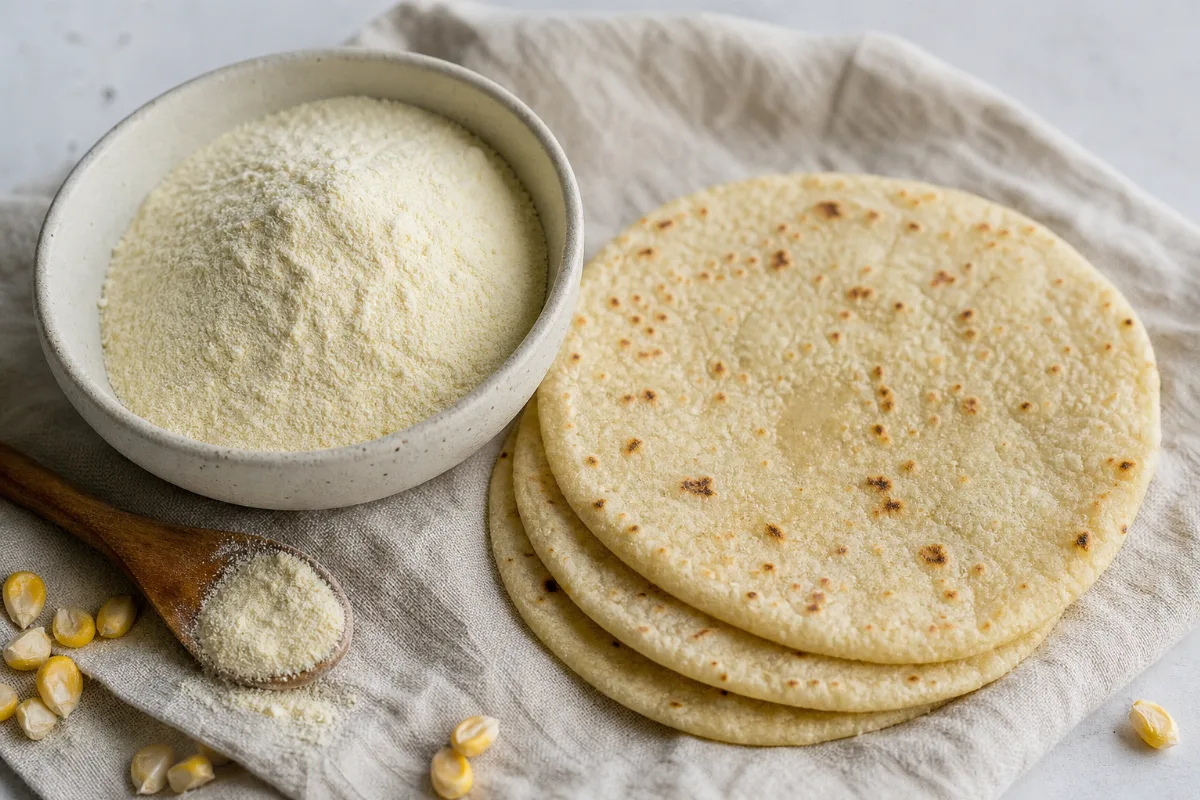
Normal serving (USDA): 1 cup dry masa flour (114 g)
Corn masa and corn tortillas: how lime-treated corn (nixtamalization) frees niacin, USDA values for masa flour, folic acid fortification, mold toxins and gluten label checks.
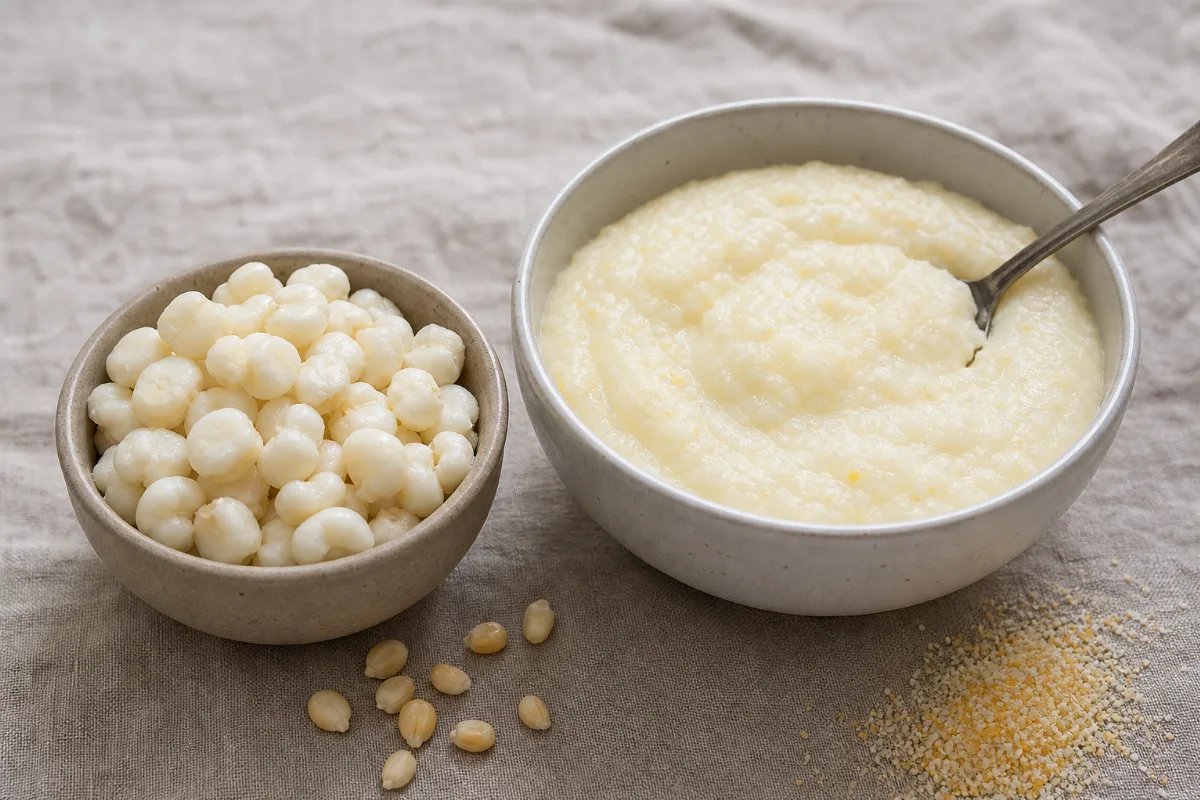
Normal serving (USDA): 1 cup canned white hominy (165 g)
Hominy and grits made from corn: USDA nutrient values, sodium in canned hominy, whole versus refined corn, gluten and allergy label checks, and mold toxins.
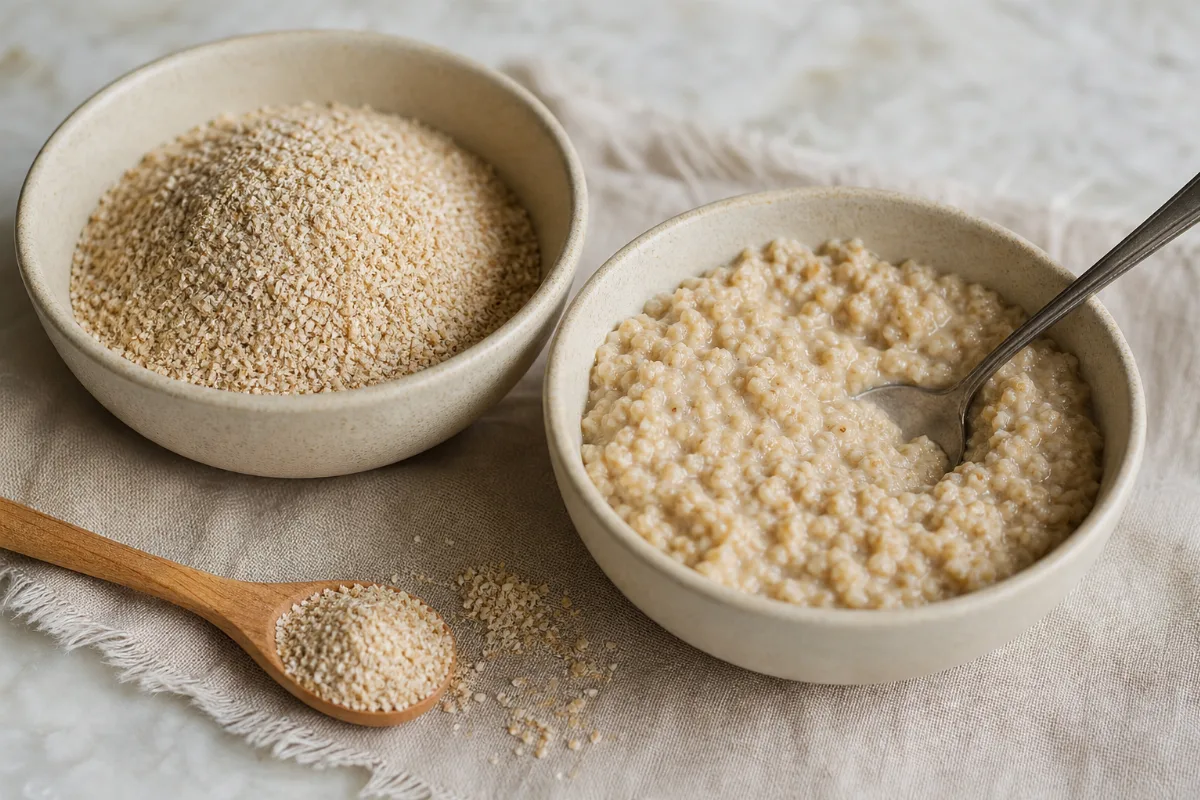
Normal serving (USDA): 1 cup cooked oat bran (219 g)
Oat bran as a food: USDA nutrient values, what pooled trials, the FDA and EFSA say about oat beta-glucan and LDL cholesterol, gluten cross-contact and fiber side effects.
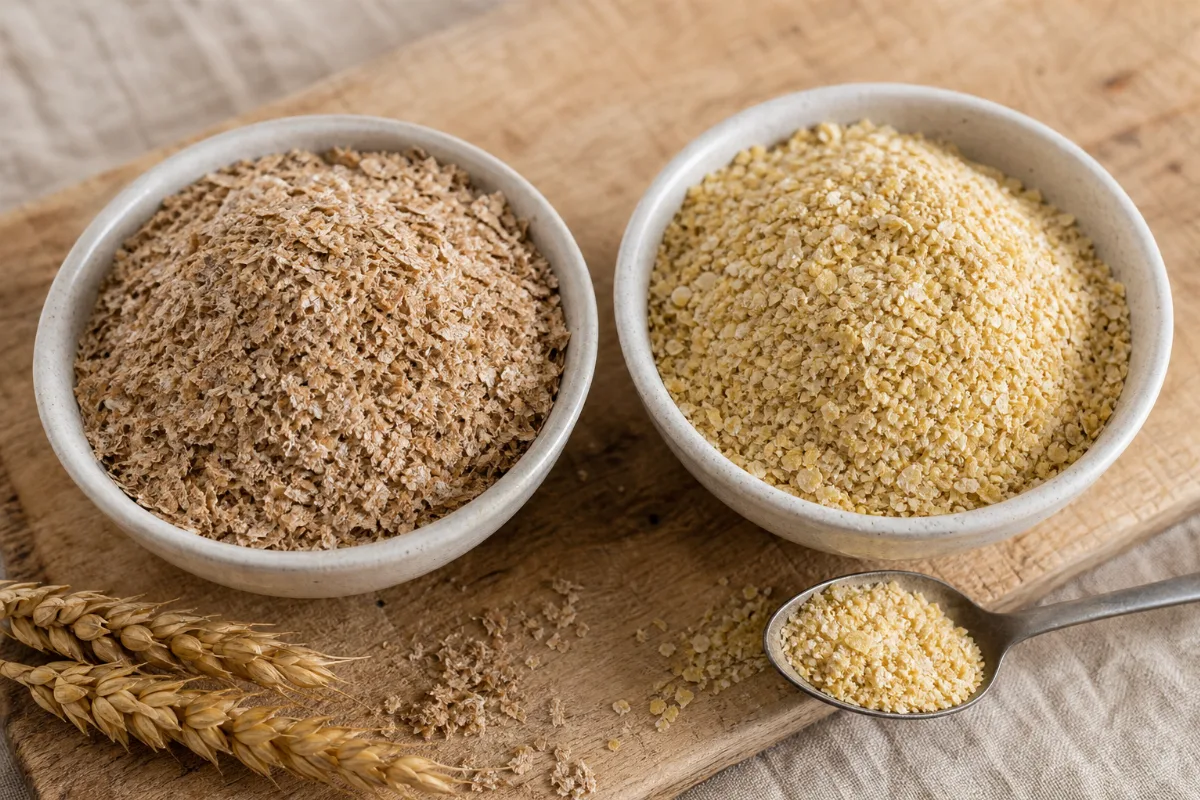
Normal serving (USDA): 1 ounce (28.35 g) wheat bran (stated weight; USDA portion is 1 cup, 58 g)
Wheat bran and wheat germ as foods: USDA nutrient values, what trials show on constipation, gluten and wheat allergy, oxalate and kidney limits, and rancidity of the germ.
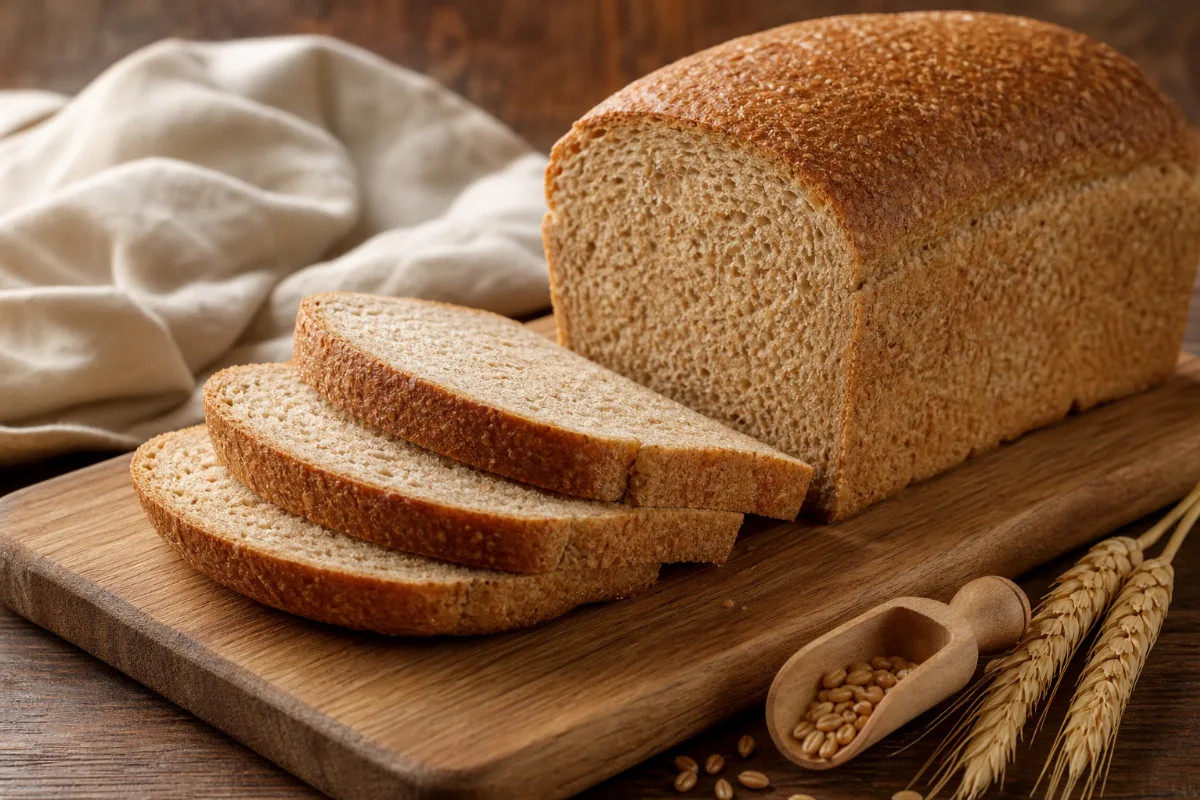
Whole-wheat bread as a food: USDA values per slice, what trials show on blood sugar and fullness, gluten and wheat allergy, sodium, toast acrylamide and label checks.
Whole-wheat bread and blood sugar after a sugar drink
Whole-wheat bread, blood sugar and fullness in healthy adults
Normal serving (USDA): 1 cup cooked spaghetti, not packed (117 g)
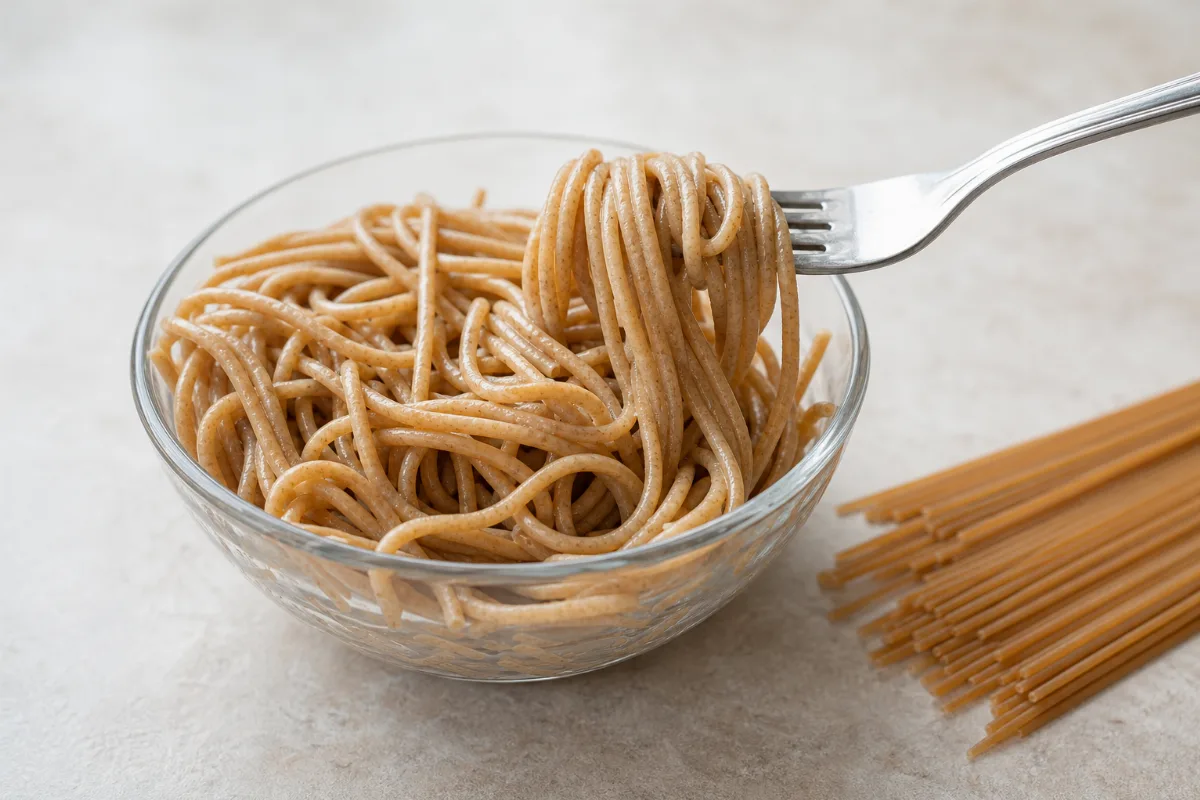
Whole-wheat pasta as a food: USDA values for dry and cooked pasta, what trials show on blood sugar and fullness, fiber, gluten and wheat allergy, and label checks.
Sweet corn (Zea mays): what is in it per USDA, what research says about lutein and eye health, fiber, starch, mycotoxins and corn allergy, with plain safety notes.
Lutein and zeaxanthin intake and eye health
Lutein supplements and macular degeneration
Fiber and digestion
Folate, magnesium, vitamin C and thiamin from the food
No grain matches all of these filters. Try removing one. Some topics (for example most herbs) are not grains and live elsewhere on the site.
A link between a grain and a topic means the body needs the grain for that job, or that low intake is linked to it. It does not mean extra supplements help if your intake is already adequate. See each page’s evidence label.
Browse by grain grain group
Common cereal grains
Oats, barley, brown and wild rice, rye, wheat, spelt, farro, khorasan wheat, bulgur and freekeh. Several of these contain gluten.
Gluten is in wheat, rye and barley (and in oats that touch them). If you have celiac disease, wheat allergy or gluten sensitivity, check every grain page.
Rice can contain inorganic arsenic. Varying grains is the official advice for infants and for people who eat a lot of rice.
Popcorn and whole kernels are a choking risk for children under 4. "Whole grain" on a label does not always mean 100% whole grain.
Brown rice as a food: USDA nutrients, what studies found on diabetes, weight and heart health, why arsenic matters more than in white rice, and safe cooking and storage.
Wild rice as a food: USDA nutrients, how it differs from ordinary rice, the thin human research, gluten, metals, cooked-grain storage and who should check with a clinici…
Rye as a food: USDA nutrients, what trials found on blood sugar, fullness and weight, why rye contains gluten, FODMAPs, and what to know about ergot and acrylamide.
Whole wheat and wheat berries as a food: USDA nutrients, what pooled trials and cohort studies show, gluten and celiac disease, wheat allergy, raw flour and mold toxins.
Spelt as a food: cooked USDA nutrients, why it still contains gluten, what reviews say about ancient wheats, wheat allergy, celiac disease and cooked-grain safety.
Farro (emmer wheat) as a food: why it still contains gluten, what reviews say about ancient wheats, wheat allergy, label checks, and why we show no nutrient table.
Khorasan wheat (Kamut) as a food: cooked USDA nutrients, small crossover trials on cholesterol and gut bacteria, and why it still has gluten and wheat allergy risk.
Bulgur as a food: cooked USDA nutrients, why it contains gluten, what a 4-week trial found, wheat allergy, cooked-grain safety and how to read the label.
Freekeh (roasted green durum wheat) as a food: reported nutrient ranges because USDA has none, gluten, wheat allergy, a mycotoxin study and cooked-grain safety.
Ancient & Seed Grains(6)Quinoa, buckwheat, amaranth, millet, teff and sorghum.
Quinoa as a food: USDA nutrient values, what trials found on blood sugar and cholesterol, why it is gluten-free, the bitter saponin coating and cross-contact.
Amaranth grain as a food: USDA nutrient values, the little human research there is, why it is gluten-free and what is not known about allergy and medicines.
Millet as a food: USDA nutrient values, a pooled analysis on blood sugar, why it is gluten-free, and what a systematic review found on pearl millet and goiter.
Teff as a food: USDA nutrient values, an honest look at the weak human evidence, why it is gluten-free, phytic acid and what is not known about allergy.
Popcorn as a whole-grain snack: USDA nutrient values, what studies show on whole grains, diverticulitis and blood sugar, and the choking risk for young children.
Corn masa and corn tortillas: how lime-treated corn (nixtamalization) frees niacin, USDA values for masa flour, folic acid fortification, mold toxins and gluten label ch…
Hominy and grits made from corn: USDA nutrient values, sodium in canned hominy, whole versus refined corn, gluten and allergy label checks, and mold toxins.
Oat bran as a food: USDA nutrient values, what pooled trials, the FDA and EFSA say about oat beta-glucan and LDL cholesterol, gluten cross-contact and fiber side effects.
Wheat bran and wheat germ as foods: USDA nutrient values, what trials show on constipation, gluten and wheat allergy, oxalate and kidney limits, and rancidity of the ger…
Whole-wheat bread as a food: USDA values per slice, what trials show on blood sugar and fullness, gluten and wheat allergy, sodium, toast acrylamide and label checks.
Whole-wheat pasta as a food: USDA values for dry and cooked pasta, what trials show on blood sugar and fullness, fiber, gluten and wheat allergy, and label checks.
Safety & Practical Guides(3)Gluten and celiac disease, arsenic in rice, and what phytates and lectins really do.
Gluten, celiac disease, non-celiac gluten sensitivity and wheat allergy explained: which grains contain gluten, how each is diagnosed, FDA 20 ppm labeling and why to tes…
Why rice carries more inorganic arsenic than most foods, brown vs white rice, infant rice cereal and rice milk, the FDA 100 ppb action level, and simple ways to lower ex…
Phytates and lectins in whole grains: what they are, what human studies show about iron and zinc absorption, what cooking, sourdough and sprouting change, and who should…
What counts as a whole grain, what cohort studies and trials found for whole grains, brown rice, quinoa and ancient wheats, and which grains contain gluten.
What "high fiber", "good source of fiber" and "whole grain" mean on U.S. food packages, how the Dietary Guidelines judge whole-grain content, and where the claims leave gaps.
What beta-glucan is, which foods contain it (oats, barley, mushrooms), what trials found for LDL cholesterol, and why cereal and mushroom beta-glucans are not interchangeable.
Safety points for raw kidney beans and raw sprouts as agencies state them, plus what reviews found about soaking, sprouting and fermenting beans and grains.
Official daily fiber amounts from US, UK and WHO sources, which foods supply fiber, what large reviews found, and why adding fiber too fast can cause gas and bloating.
There is no single number in the sources we read. The NHS says starchy foods should make up just over a third of what you eat and suggests choosing wholegrain or higher-fibre versions where you can. [1][2] The World Health Organization says whole grains should make up a significant share of carbohydrate intake, with examples such as oats, wheat, brown rice, millet and maize. [4] Each guide shows the USDA serving size, which is information, not a prescription.
Is gluten-free healthier?
Not for most people. Gluten is found in wheat, barley and rye, and it must be avoided by people with celiac disease, which affects about 1 percent of people worldwide. [5] Harvard's Nutrition Source says most people can eat gluten without problems and that little published research supports doubts about gluten in a healthy diet. [3] The NHS warns that cutting out a whole food group could mean missing nutrients you need. [1] In the US, "gluten-free" on a label means less than 20 parts per million of gluten. [6] See the gluten and celiac basics guide.
Is brown rice safe with arsenic in it?
The FDA says rice absorbs arsenic more readily than many crops, but it can still be part of a balanced diet. [7] The FDA advises eating a varied diet and, for babies, offering a range of grains instead of relying on rice cereal alone. [7] Cooking rice like pasta, in plenty of water that is then drained, can remove roughly 40 to 60 percent of inorganic arsenic, but it also cuts folate, iron, niacin and thiamin in enriched rice. [7] See the arsenic in rice guide.
Are lectins and phytates in grains a problem?
The strong lectin warning is about raw or undercooked beans, not grains: EFSA says properly prepared pulses carry no lectin-related risk. [8] The whole-grain sources we read (NHS, Harvard) recommend whole grains and do not raise phytates or lectins as a reason to avoid them. [1][3] Proper evidence on a measurable harm from these compounds in a normal mixed diet was not found in the sources we read. Our antinutrients guide goes into more detail.
What is the difference between whole and refined grains?
Milling removes the bran and germ and leaves mainly the starchy middle. Harvard says refining wheat removes over half of its B vitamins, about 90 percent of its vitamin E and almost all of its fiber, and fortification restores some nutrients but not plant compounds. [3] Harvard links whole grains to lower risk of heart disease and type 2 diabetes in observational research, with mixed results for cancer. [3]
Content last updated . This section has not been medically reviewed.
Education, not medical advice. This section is for general information. It does not diagnose or treat any condition and is not a substitute for care from a qualified health professional. Natural does not automatically mean safe.