Beans, Lentils, Peas & Soy: Nutrients, What Research Shows & Safety.
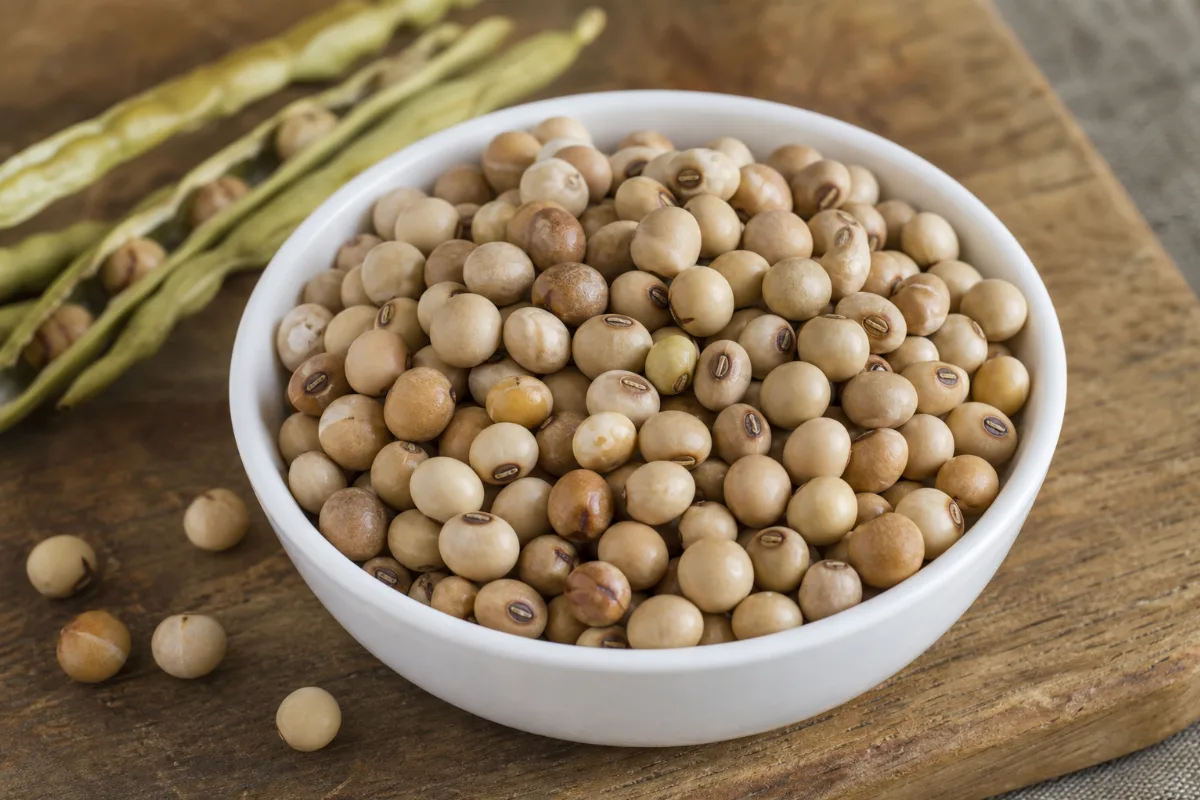
Beans, lentils, chickpeas, peas and soy are food first. Explore each one: what is in it (measured by USDA), what research in people has and has not found for health goals, a normal serving, and what to check before you eat it: cooking raw beans safely, digestion and gas, soy and allergy, fava beans and G6PD deficiency.
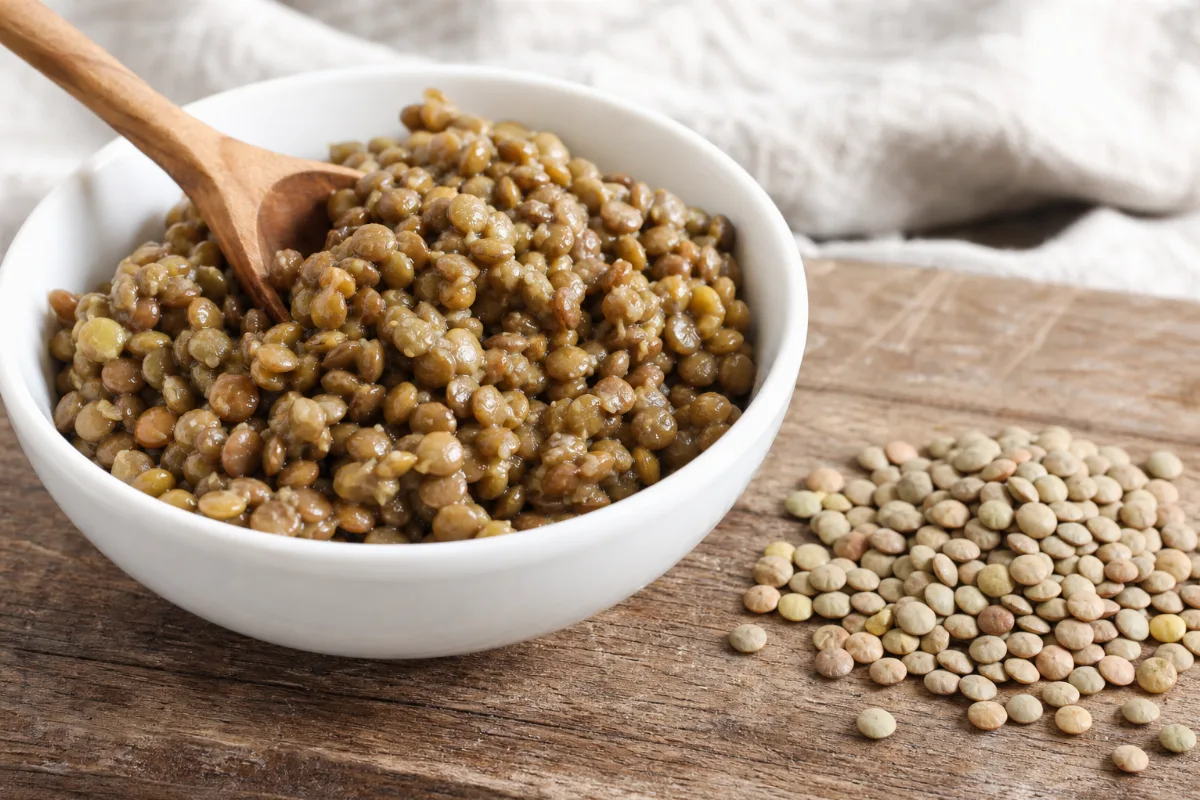
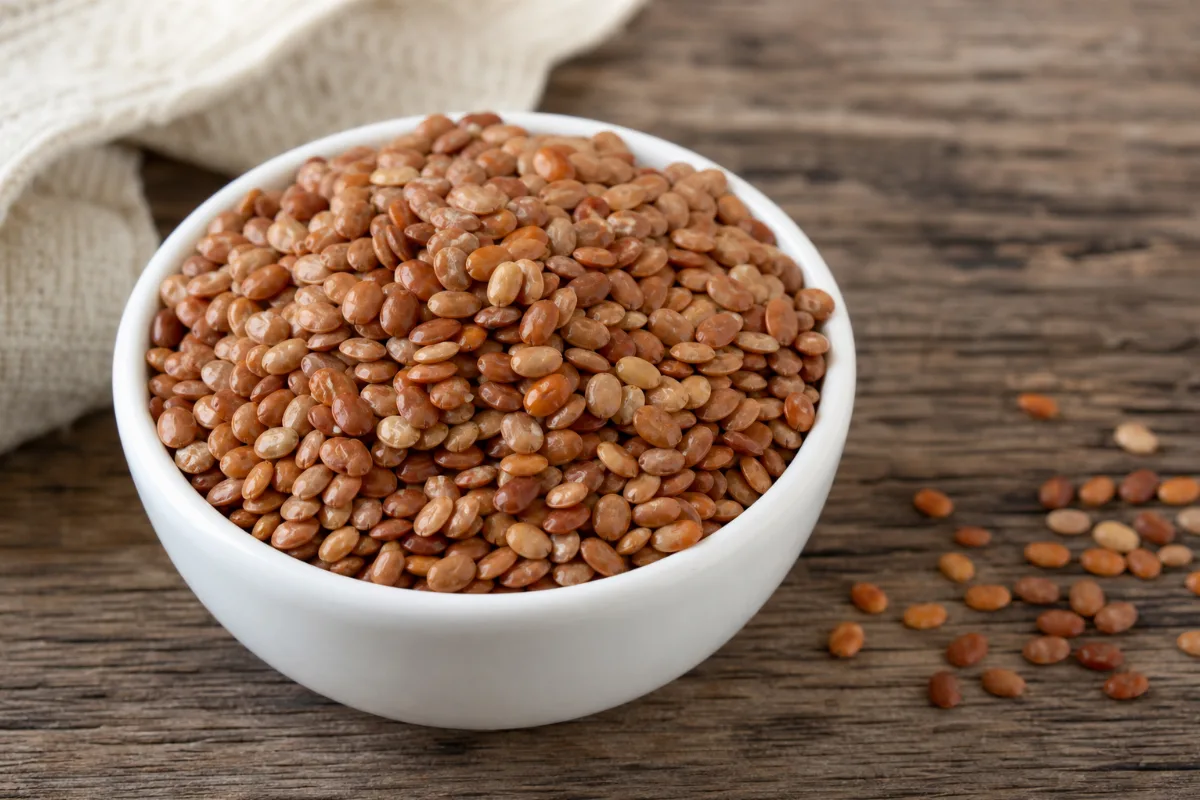
Lentils as a food: USDA values for cooked lentils, what trials found on LDL, blood sugar and weight, plus gas, allergy, lectins, kidney and pregnancy notes.
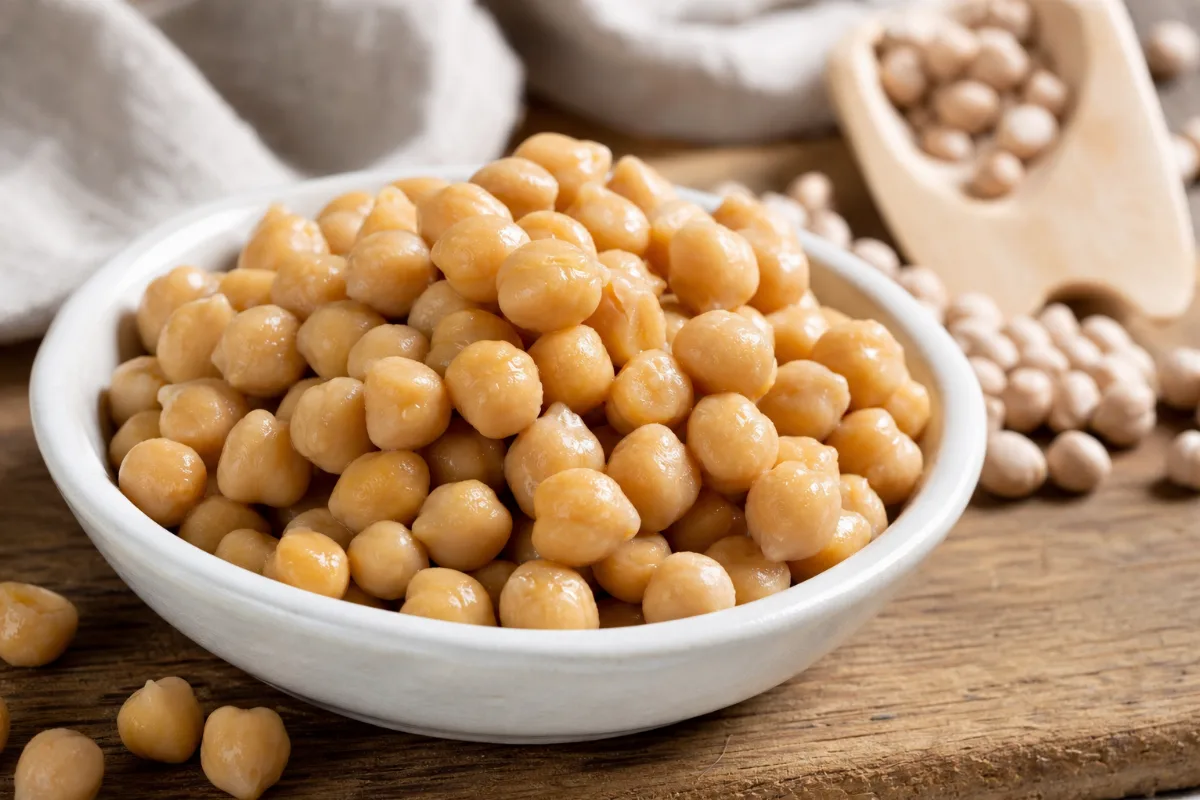
Chickpeas as a food: USDA values for cooked and canned chickpeas, what trials found on blood sugar and LDL, plus allergy, sodium, gas, kidney and pregnancy notes.
Chickpeas and blood sugar after a meal
Chickpeas as a source of fiber, folate and manganese
Split peas as a food: USDA values for cooked split peas, what trials found on LDL, blood sugar and fullness, plus pea allergy, gas, kidney and pregnancy notes.
Split peas as a source of fiber, protein and thiamin
Pigeon peas as a food: USDA values for cooked pigeon peas, what little human evidence exists, traditional use versus trials, plus gas, potassium and pregnancy notes.
Pigeon peas as a source of fiber, folate and potassium
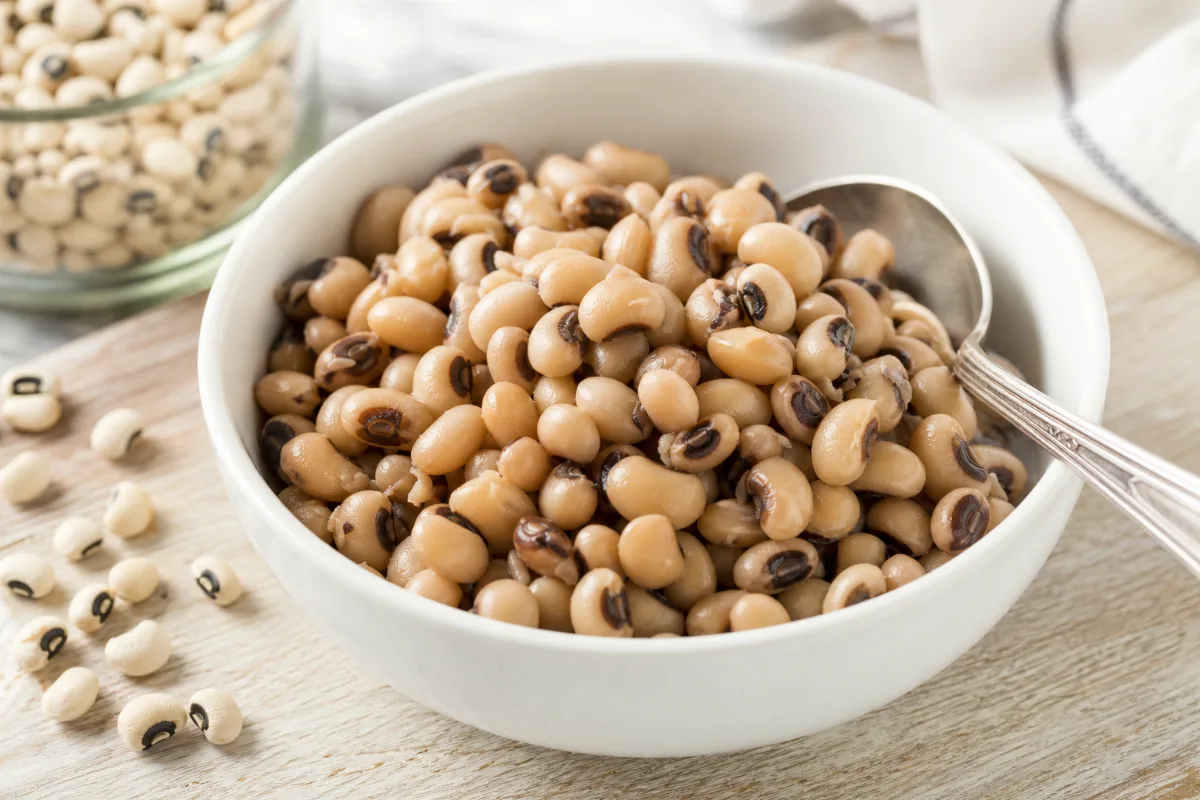
Black-eyed peas (cowpeas) as a food: USDA values for cooked peas, the few human studies, gas reports versus other beans, plus allergy, kidney and pregnancy notes.
Black-eyed peas as a source of folate, fiber and iron
Fava (broad) beans as a food: USDA nutrient values, favism and G6PD deficiency, what pooled trials found for pulses, levodopa claims checked, and cooking safety.
Lupini beans (lupins) as a food: USDA nutrient values, lupin allergy and its link to peanut allergy, bitter alkaloids and debittering, and what research shows.
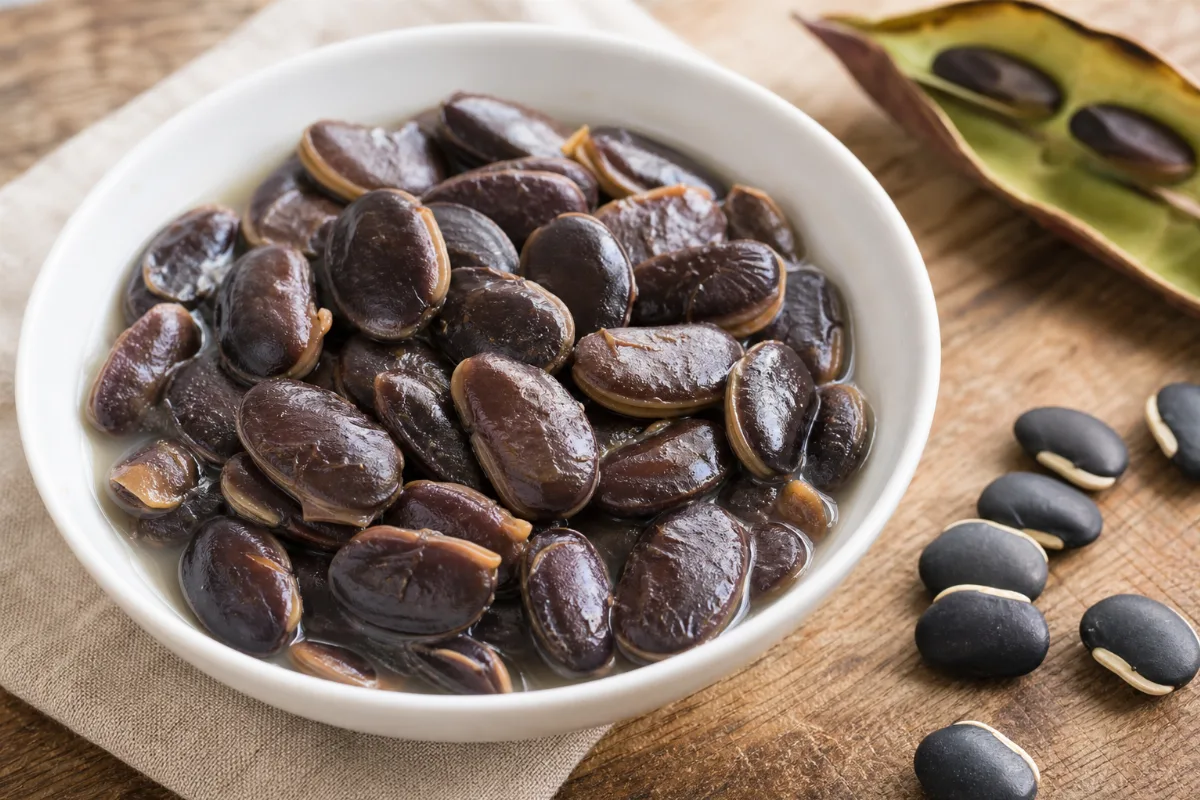
Black beans as a food: USDA nutrient values, what pooled trials found on cholesterol, blood sugar and weight, the dark seed-coat pigments, gas, and cooking safety.
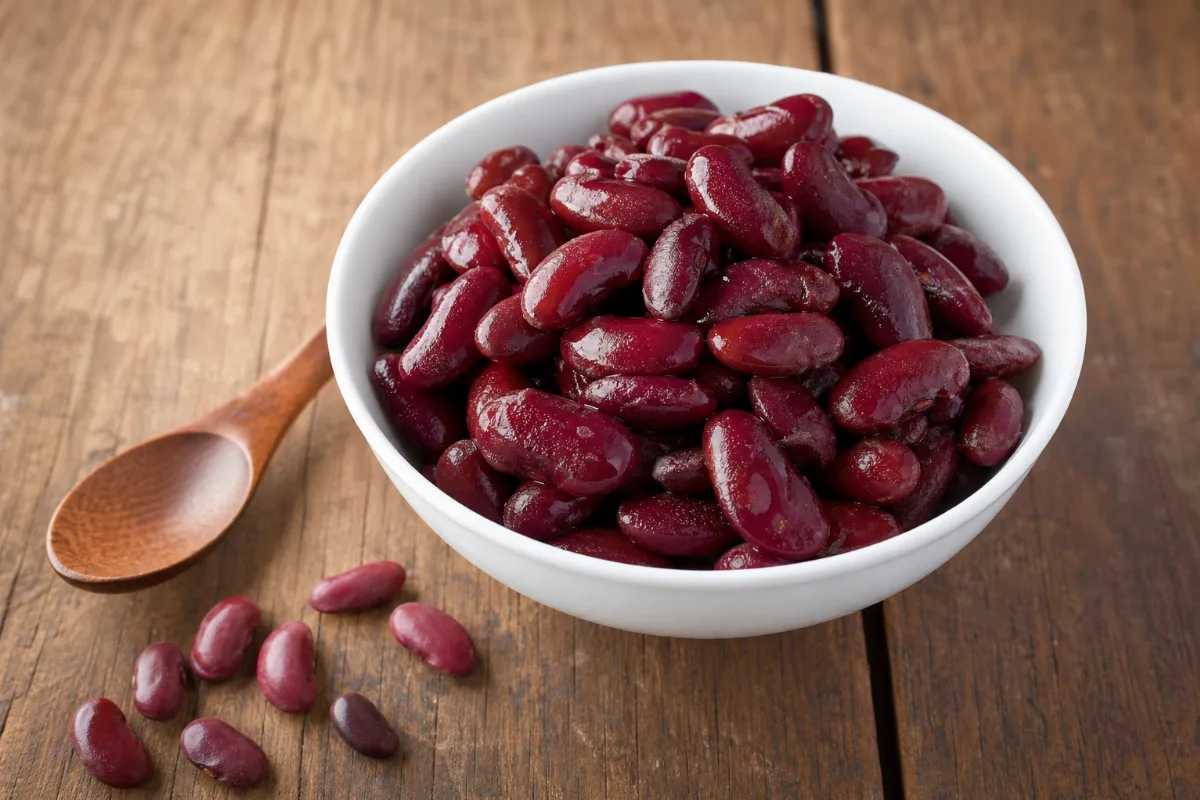
Kidney beans as a food: USDA nutrient values, why raw or undercooked red kidney beans can cause poisoning, safe cooking, what pooled trials found on cholesterol, gas.
Pinto beans as a food: USDA nutrient values, a small trial of half a cup a day and LDL cholesterol, pooled trials of pulses, gas in feeding studies, and cooking safety.
Navy beans as a food: USDA fiber, folate and protein values, what trials of pulses show for LDL and blood sugar, cooking safety, gas, kidney and allergy notes.
Pulses and LDL cholesterol (shown for pulses as a group)
White beans (cannellini and great northern) as a food: USDA values, what pulse trials show for LDL and blood sugar, safe cooking, gas, kidney and allergy notes.
Pulses and LDL cholesterol (shown for pulses as a group)
Lima beans as a food: USDA values, why they must be cooked (lectins and a natural cyanide compound), what pulse trials show, plus gas, kidney and allergy notes.
Pulses and LDL cholesterol (shown for pulses as a group)
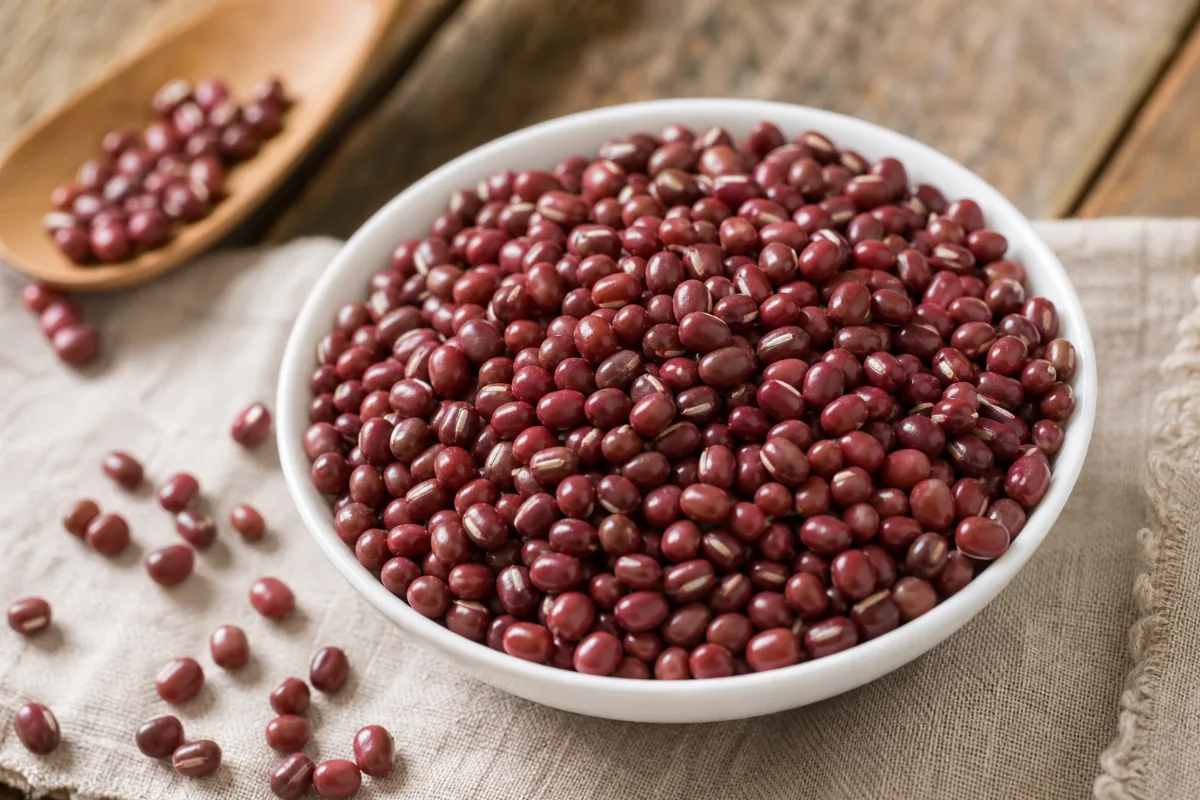
Adzuki beans as a food: USDA folate, zinc, fiber and protein values, what pulse trials show, mouse findings on their saponins, and gas, kidney and allergy notes.
Pulses and LDL cholesterol (shown for pulses as a group)
Normal serving (USDA): 1 cup cooked mature soybeans, boiled, without salt (172 g)
What trials and cohort studies found for soy foods and LDL cholesterol, heart disease, menopause symptoms and breast cancer, plus allergy, medicine and thyroid questions.
Soy protein and LDL cholesterol
Soy foods and cardiovascular disease (observational)
Soy isoflavones and coronary heart disease (cohorts)
Normal serving (USDA): 1 cup cooked, shelled green soybeans (180 g)
Edamame (green soybeans) as a food: USDA nutrient values, what trials say about soy protein and cholesterol, soy allergy, thyroid medicine, pregnancy and gas.
Edamame as a source of plant protein, fiber and folate
Normal serving (USDA): 0.5 cup raw regular tofu set with calcium sulfate (124 g)
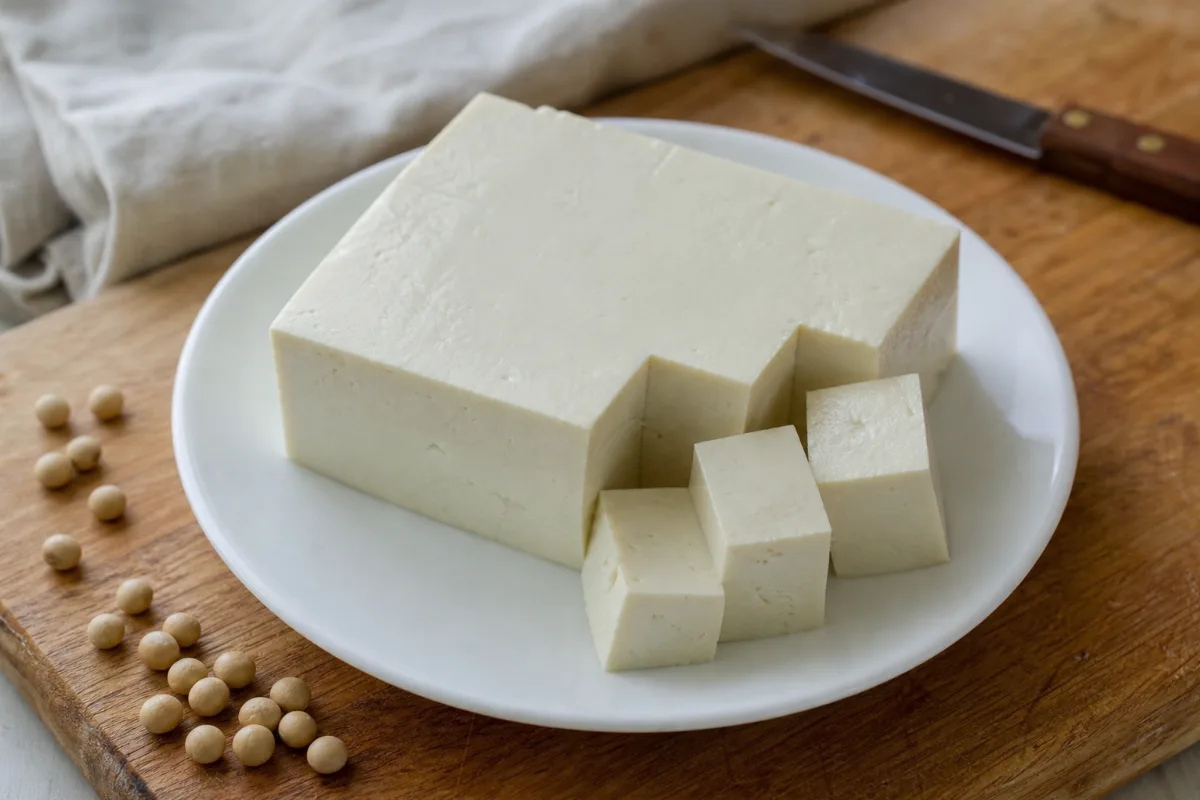
Tofu as a food: USDA calcium, protein and iron values, what research says about soy, cholesterol and heart health, plus soy allergy, MAOI and thyroid medicine cautions.
Tofu as a source of plant protein, calcium and iron
Soy protein and LDL cholesterol
Tofu and coronary heart disease (observational)
Plant protein in place of animal protein and blood lipids
Hummus (chickpeas with tahini) as a food: USDA fat, fiber and sodium values, what research does and does not show, sesame allergy, tahini outbreaks and gas.
Normal serving (USDA): 0.5 cup drained, rinsed canned chickpeas (76 g; half of the USDA 1 cup portion of 152 g)
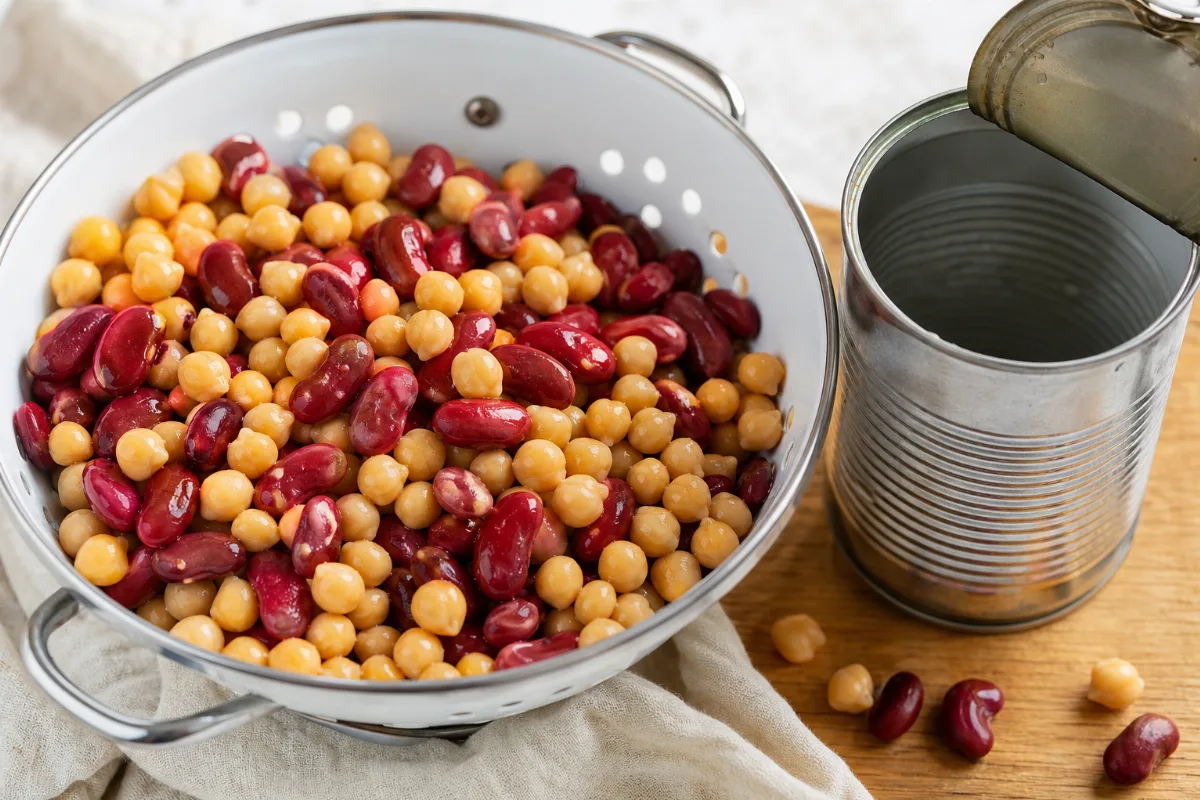
Canned beans (drained, rinsed) as a food: USDA fiber, protein and sodium values, what pulse trials show, why canned kidney beans are safe, BPA in cans and gas.
Canned beans as a source of fiber, protein and minerals
Normal serving (USDA): 2 ounces (56 g) dry pasta (illustration only, not an official portion)
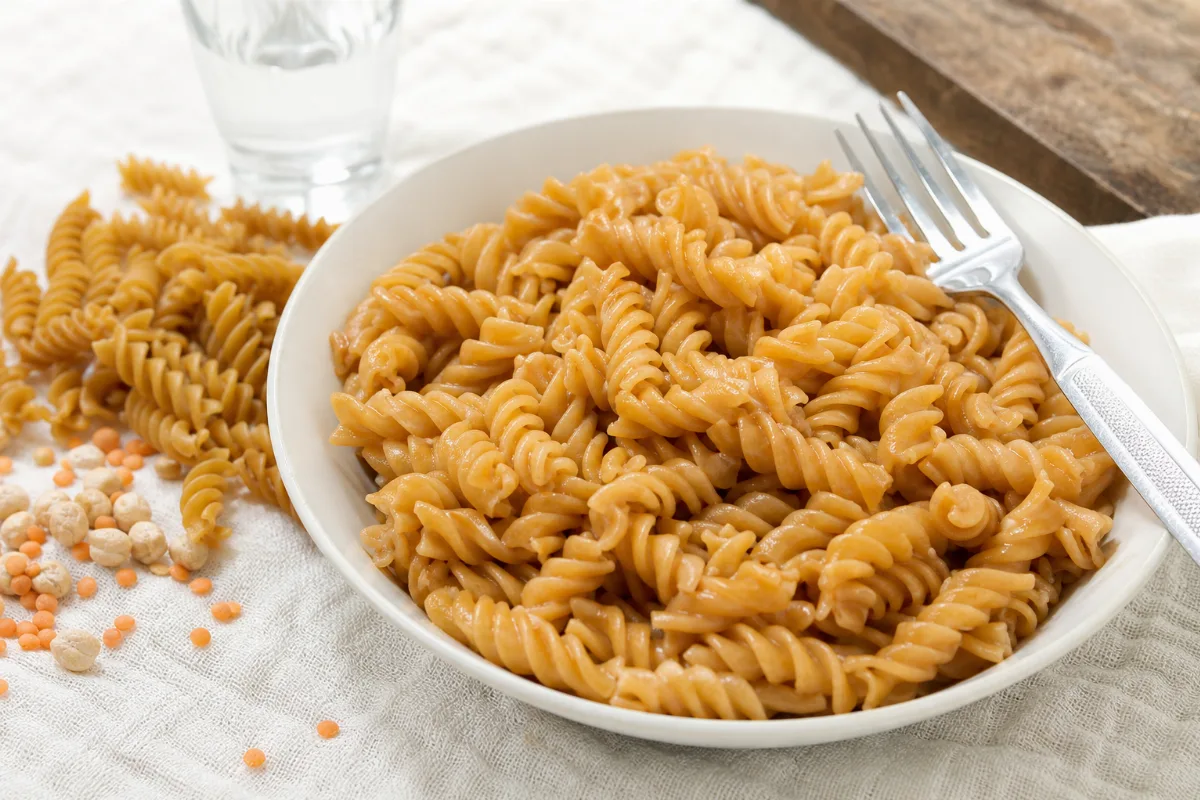
Pasta made from chickpea, lentil or bean flour: measured protein and fiber, what blood sugar studies found, gluten cross-contact, legume allergy and gas.
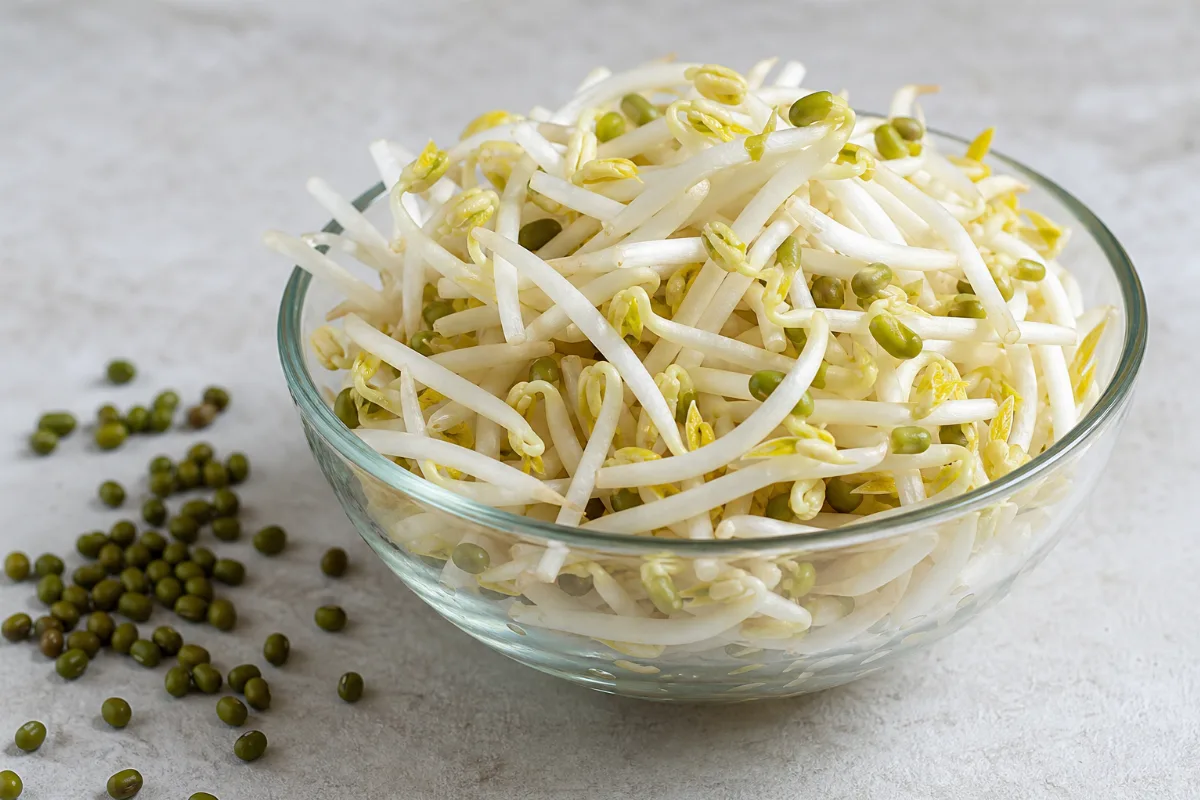
Normal serving (USDA): 1 cup (104 g) raw mung bean sprouts
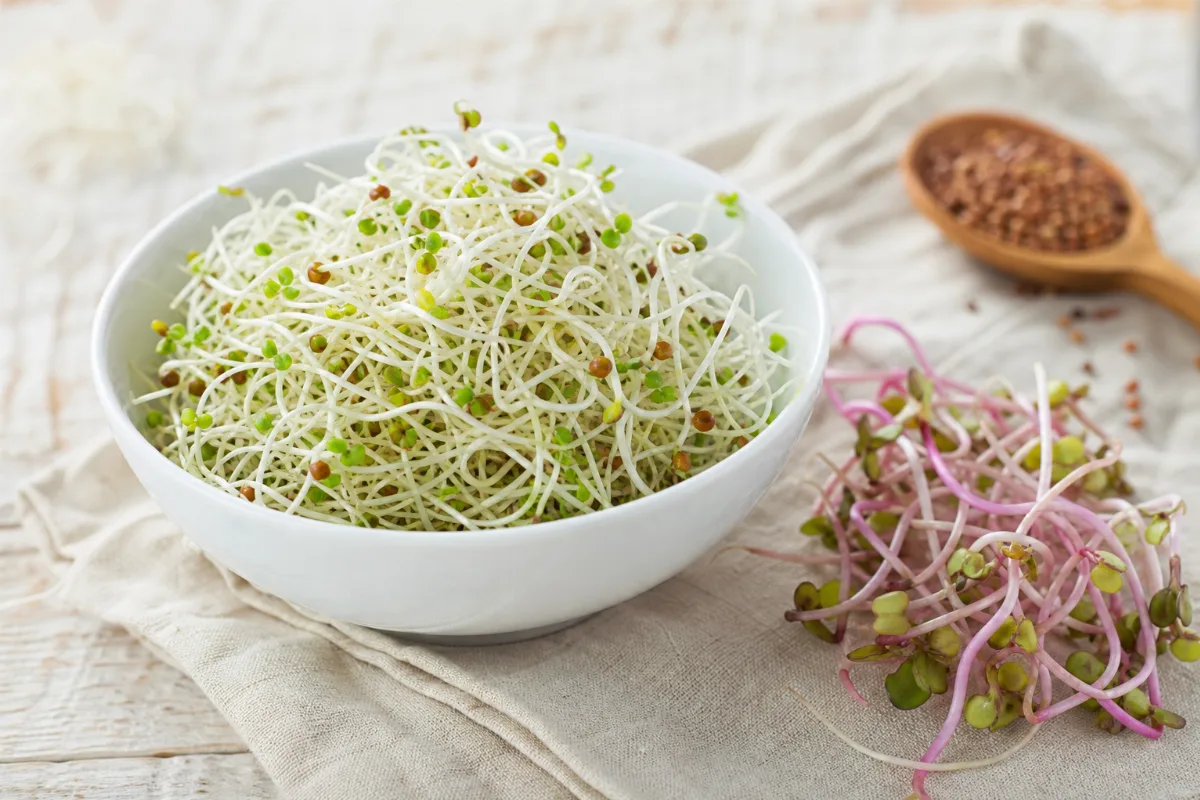
Mung and lentil sprouts as food: USDA nutrient values, what sprouting changes in the lab, the raw-sprout food poisoning warning, pregnancy, vitamin K and warfarin.
Folate, vitamin K, vitamin C and copper in sprouts
What sprouting changes in the seed (laboratory findings)
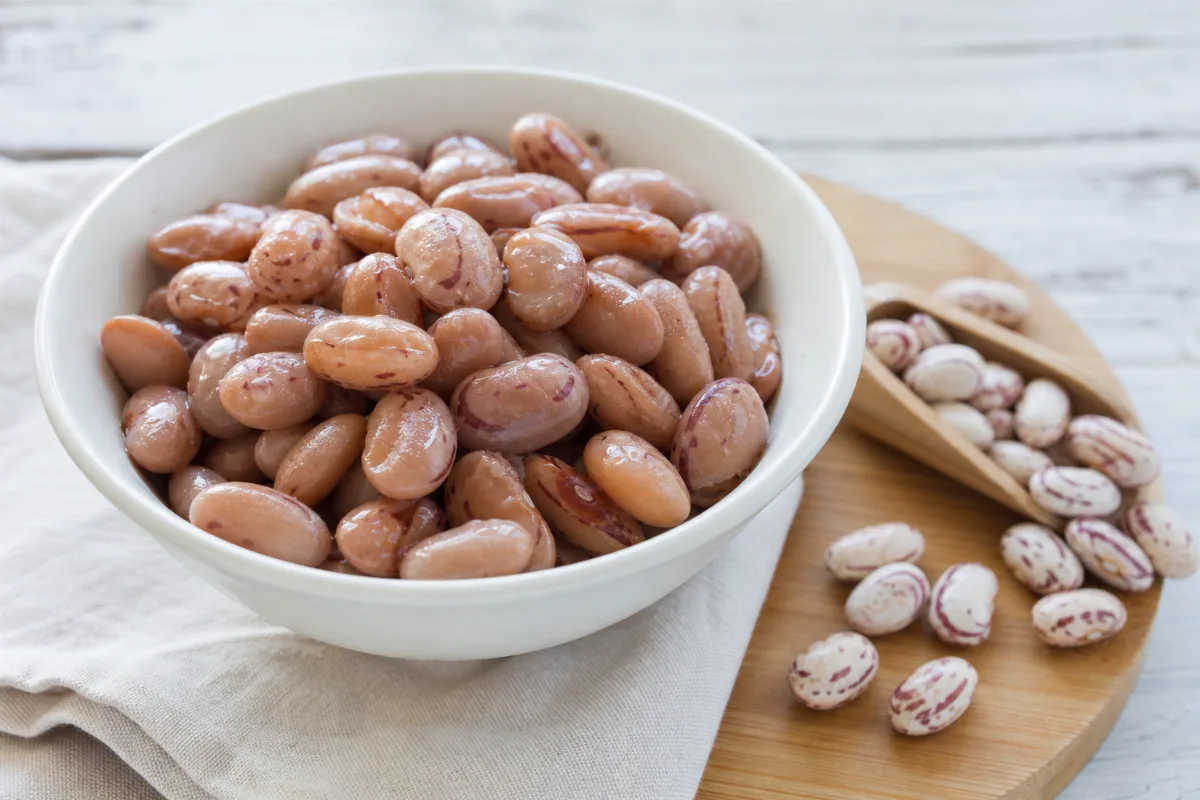
Cranberry (borlotti) beans as a food: USDA values, why raw beans need real cooking, what pooled bean trials found on cholesterol and blood sugar, gas, and allergy.
Cranberry beans as a source of fiber, folate and minerals
Cranberry beans and cholesterol, blood sugar or weight
Cranberry beans and blood pressure
Borlotti bean polyphenols and inflammation markers
Normal serving (USDA): No USDA household portion; NHS counts 80 g of beans and pulses as one portion
Tepary beans as a food: composition from peer-reviewed sources (USDA has no item), very high raw lectin activity, why they must be soaked and well cooked, and the limited research.
Tepary beans as a source of protein
Tepary beans and blood sugar after meals
tepary beans and cholesterol, blood sugar or weight
Normal serving (USDA): No USDA household portion; NHS counts 80 g of beans and pulses as one portion
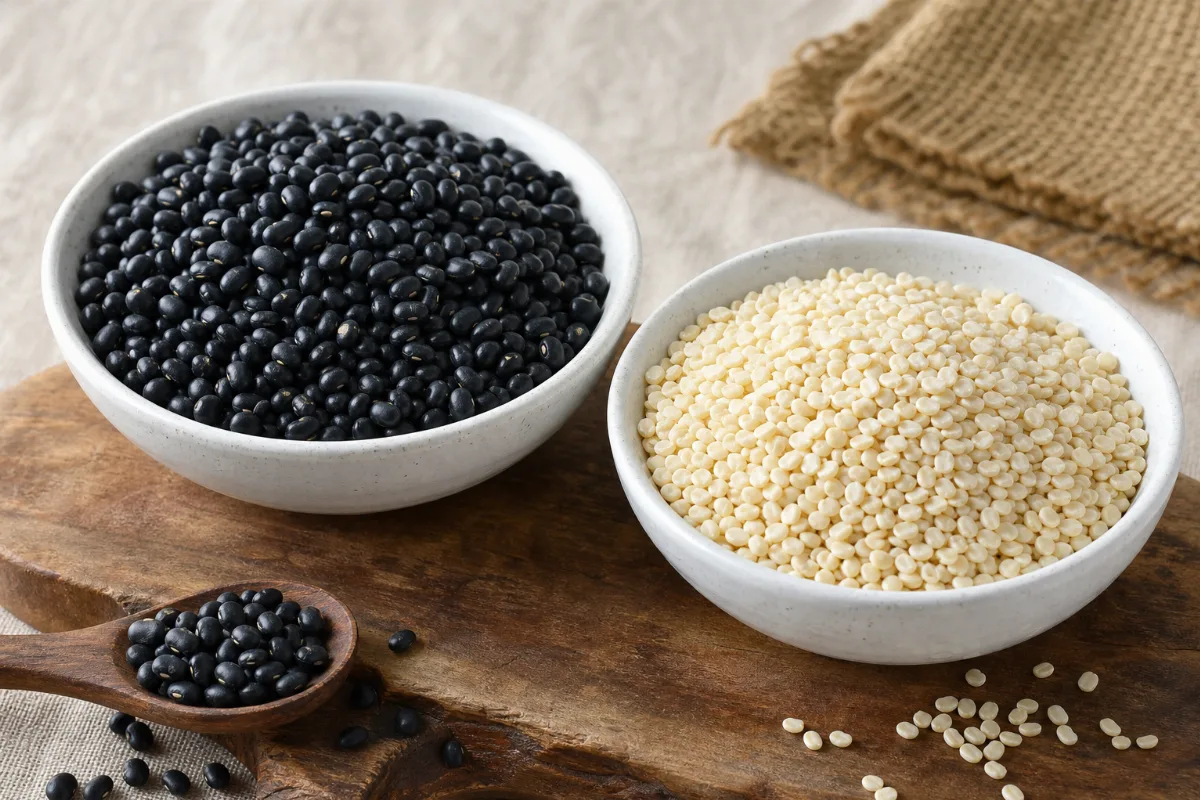
Urad dal (black gram) as a food: composition from peer-reviewed studies since USDA has no item, cooking and fermentation in idli and dosa, raw-bean cautions, and allergy cross-reactivity.
Black gram as a source of protein
Fermenting urad batter for idli and dosa
urad dal and cholesterol, blood sugar or weight
Lab fermentation and enzyme treatment of black gram
Moth beans (matki) as a food: USDA values, antinutrients that cooking and sprouting reduce, the food-poisoning risk of raw sprouts, and what research does and does not show.
Moth beans as a source of folate, magnesium, manganese and iron
Normal serving (USDA): No USDA portion; composition shown per 100 g dry seed
Horse gram (kulthi) as a food: published composition (USDA has none), natural compounds cooking reduces, and why kidney-stone and diabetes claims are unproven.
Kidney stones: traditional use, lab and rat findings only
Blood sugar: lab and rat findings only
Protein, calcium and iron in dry horse gram
Cooking, sprouting and fermenting lower natural antinutrients
Normal serving (USDA): No USDA portion; composition shown per 100 g dry seed
Bambara groundnut as a food: published composition (USDA has none), why the hard seeds need long cooking, antinutrients, peanut cross-reaction in lab tests, and limits.
Protein and iron in dry Bambara groundnut
Processing lowers antinutrients and raises digestibility (lab)
Blood sugar and weight claims for Bambara flour
Pulses and LDL cholesterol (shown for pulses as a group)
Hyacinth beans (lablab) as a food: USDA values, why mature seeds must be boiled well (natural cyanide compounds and lectins), what is known, and safety notes.
Protein, iron, zinc, copper and thiamin in cooked hyacinth beans
Pulses and LDL cholesterol (shown for pulses as a group)
Pulses and blood sugar (shown for pulses as a group)
Winged beans as a food: USDA values for cooked seeds, why raw seeds hold lectins and enzyme blockers that heat removes, how pods and tubers are eaten, and evidence limits.
Protein, copper, manganese, iron and thiamin in cooked winged beans
Tubers and pods eaten as vegetables
Pulses and LDL cholesterol (shown for pulses as a group)
Pulses and blood sugar (shown for pulses as a group)
Normal serving (USDA): No USDA portion and no suggested serving; composition shown per 100 g dry matter
Jack beans (Canavalia ensiformis): why the raw seeds are toxic, what the sources say about canavanine, lectin and detoxification, and why we give no home cooking method.
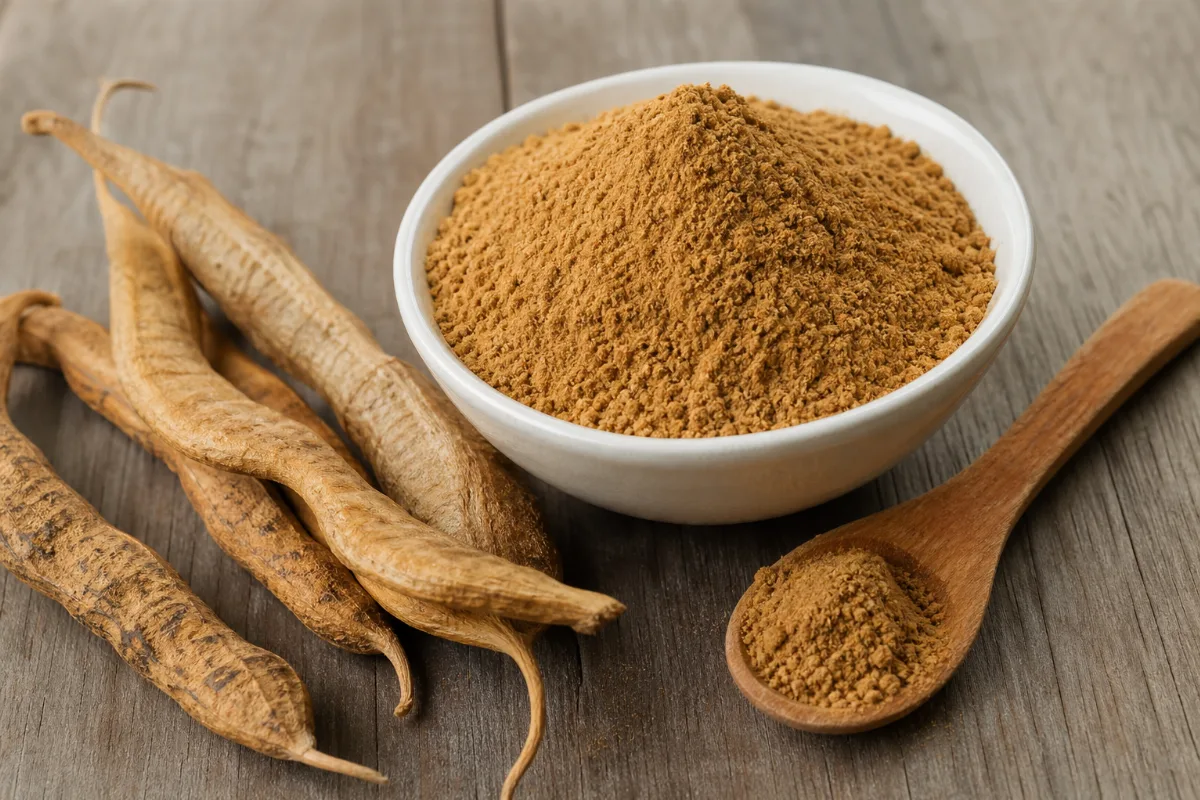
Carob powder as a food: USDA values, why it has no caffeine, small trials on cholesterol and blood sugar, and honest notes on allergy, infant thickener gum and sugar.
Normal serving (USDA): No USDA household portion; 30 g is a stated weight for comparison only
Mesquite pod flour as a food: no USDA entry, so composition from published studies, what is known and unknown about blood sugar, raw-pod antinutrients, and allergy.
Mesquite pod flour: fiber and natural sugar
Mesquite pod extracts and blood-sugar enzymes (lab)
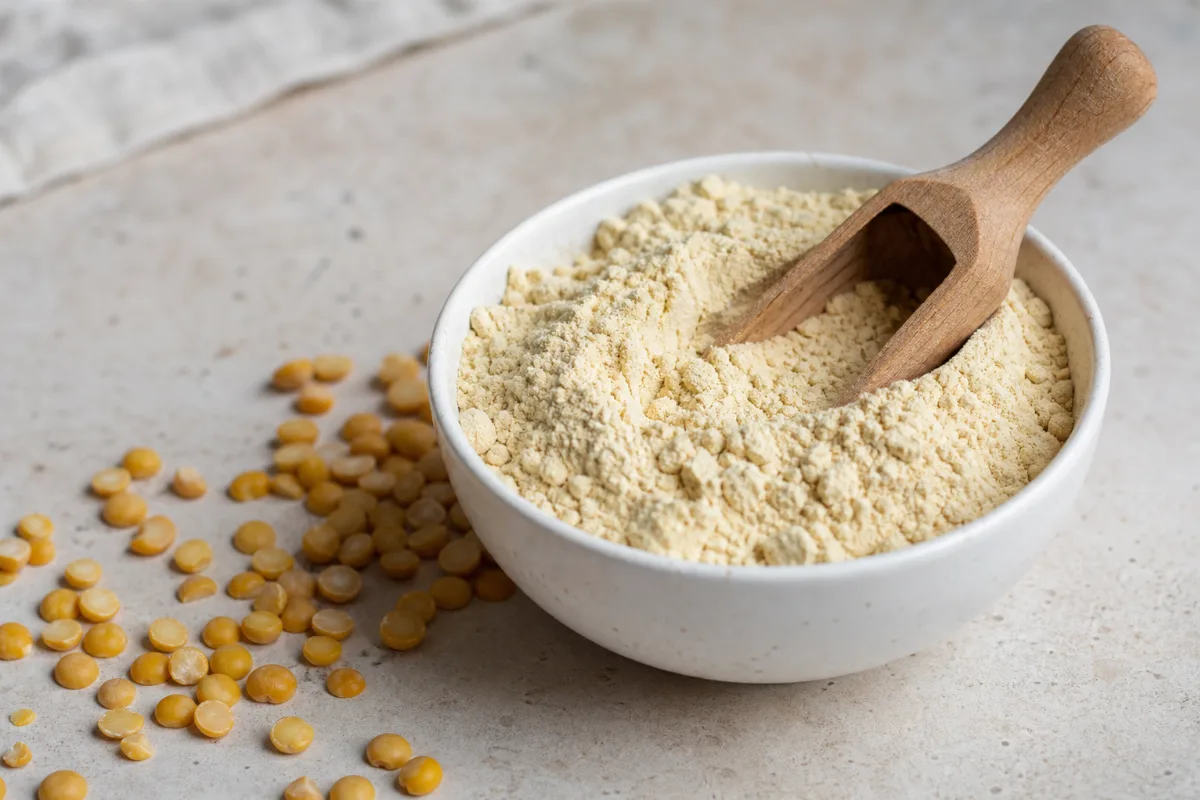
Chickpea flour (besan) as a food: USDA values, trials on blood sugar and fullness, why raw flour must be cooked, chickpea allergy, gluten-free labels and grass pea mix-ups.
Normal serving (USDA): 30 g (stated weight; USDA lists no flour portion; values are from dry whole lentils)
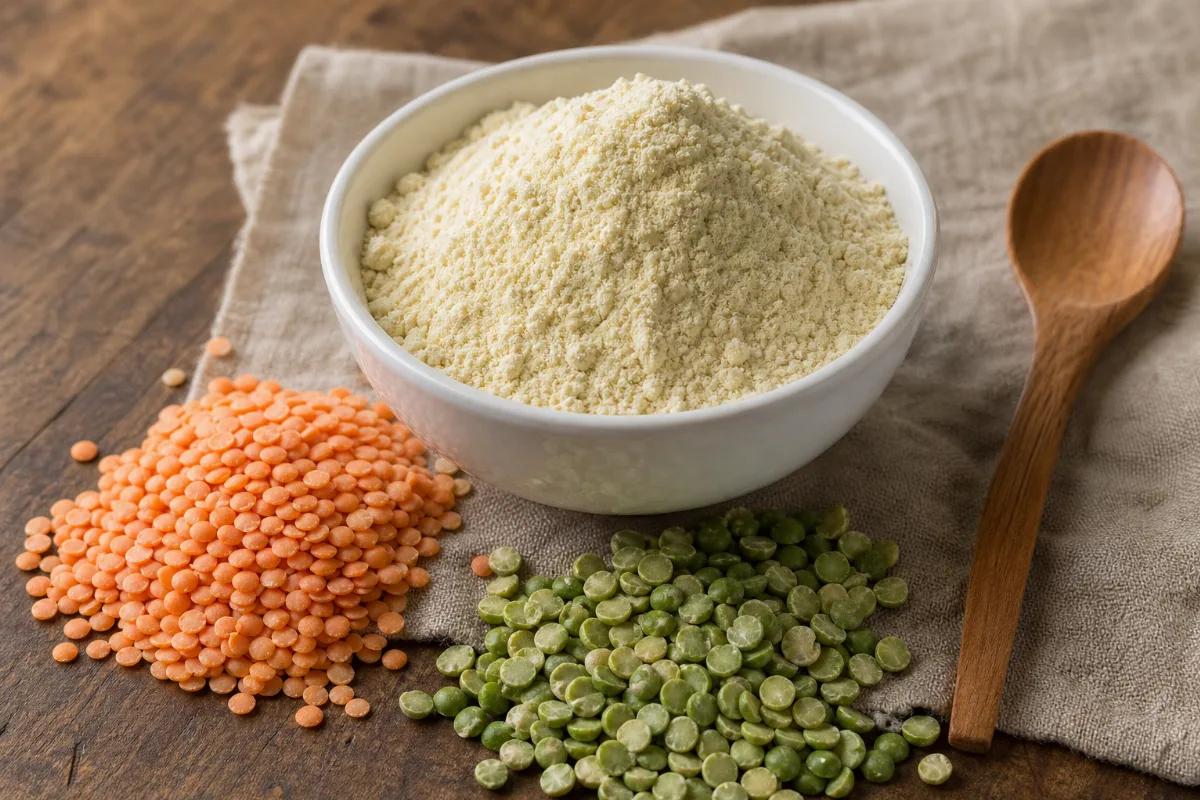
Lentil, pea and fava flours as food: values from the dry seeds (no USDA flour entry), a small blood sugar study, fava and G6PD deficiency, allergy and raw-flour safety.
Nutrients in pulse flours (values from the dry seeds)
Pea and lentil flours versus whole pulses and blood sugar
Legume-based baked goods and glycemic index
Fermentation, antinutrients and mineral absorption (lab)
Normal serving (USDA): 1 cup defatted soy flour (105 g)
Soy flour and textured soy protein as food: USDA values for three soy ingredients, what soy protein trials found on LDL cholesterol, soy allergy, thyroid medicine, pregnancy.
Normal serving (USDA): No USDA household portion; use the serving size on the product label
Pea protein as a food ingredient: composition ranges, trials on muscle gain and digestibility, pea and peanut allergy, labels, and how it differs from whole peas.
Pea protein and muscle thickness with strength training
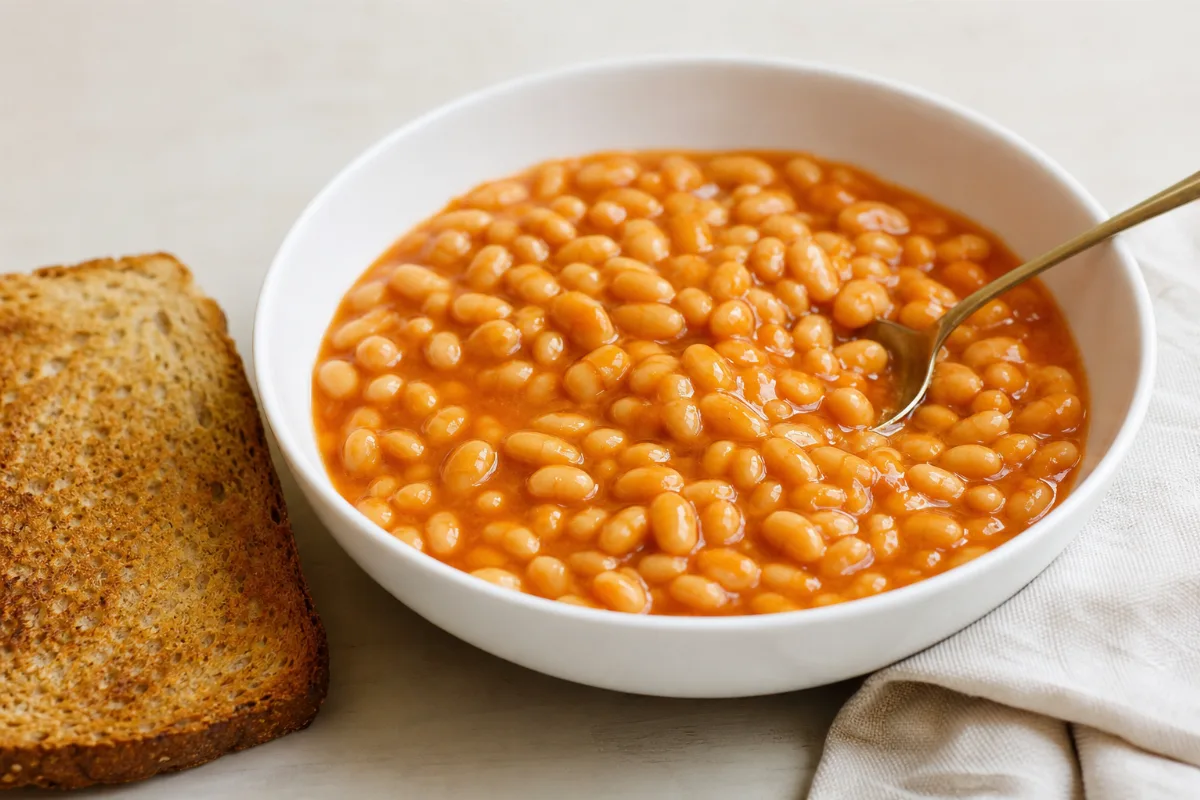
Normal serving (USDA): 1 cup canned baked beans with pork and tomato sauce (246 g)
Baked beans as a food: USDA values for home-prepared and canned, sodium and sugar in the sauce, what pooled bean trials found on LDL cholesterol, gas, and allergy.
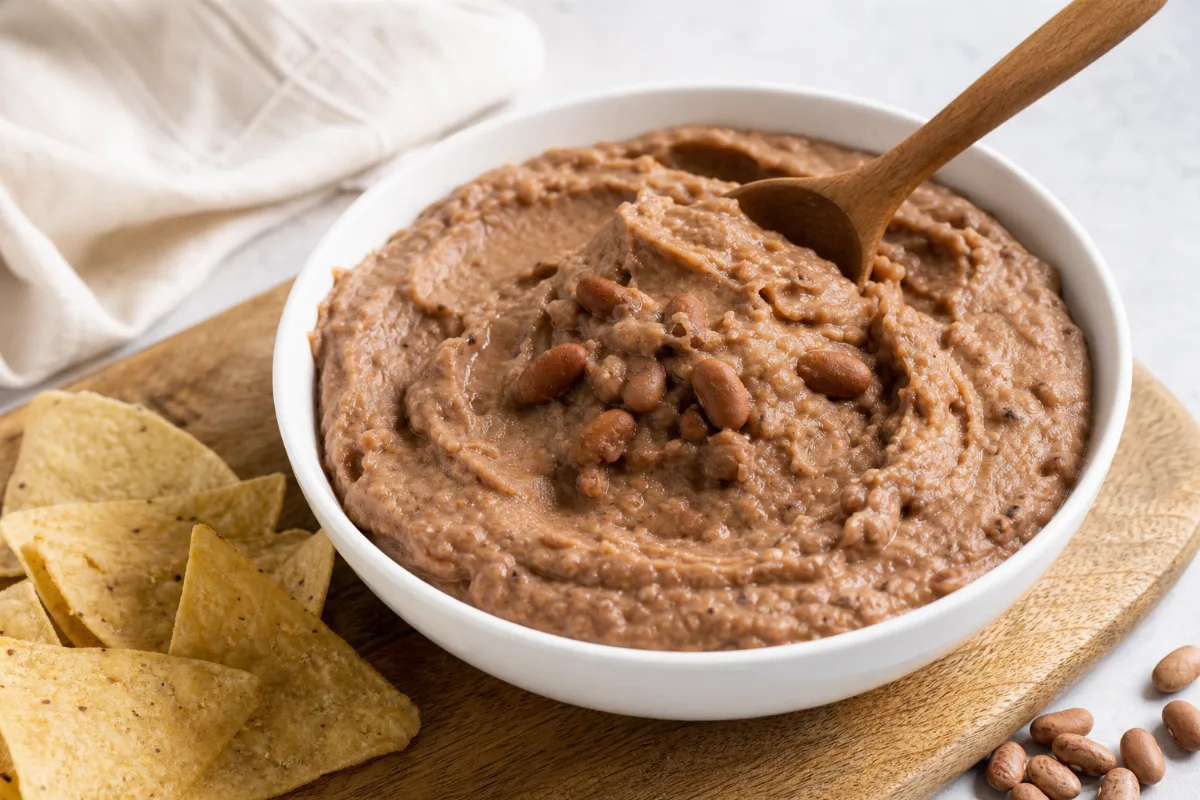
Normal serving (USDA): 1 cup canned traditional-style refried beans (238 g)
Refried beans as a food: USDA values for traditional and fat-free canned, sodium, fiber and fat, leftover safety for homemade, what pooled bean trials found on LDL cholesterol.
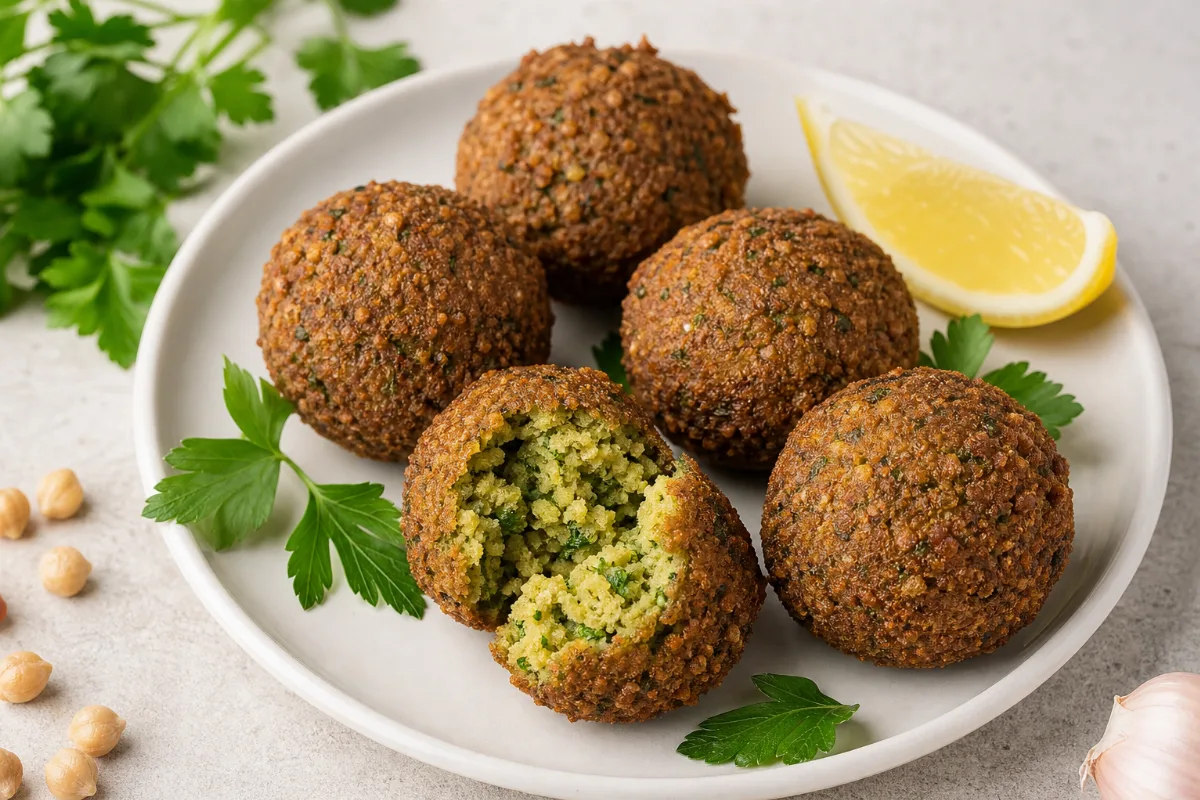
Normal serving (USDA): 1 patty, about 2-1/4 inch diameter (17 g)
Falafel as a food: USDA values for home-prepared fried patties, fat and calories, acrylamide and frying, who must check for fava beans (G6PD deficiency), allergy and sauces.
Normal serving (USDA): 1 cup alfalfa sprouts (33 g)
Alfalfa and clover sprouts as food: the outbreak history and who should avoid them raw, USDA values, lupus and canavanine cautions, warfarin, and what the lab shows.
Aroma: Warm and sweet like maple syrup or caramel, with a curry-like note when strong.
In the kitchen: curries, pickling, vegetables, soups and stews, rice and grains
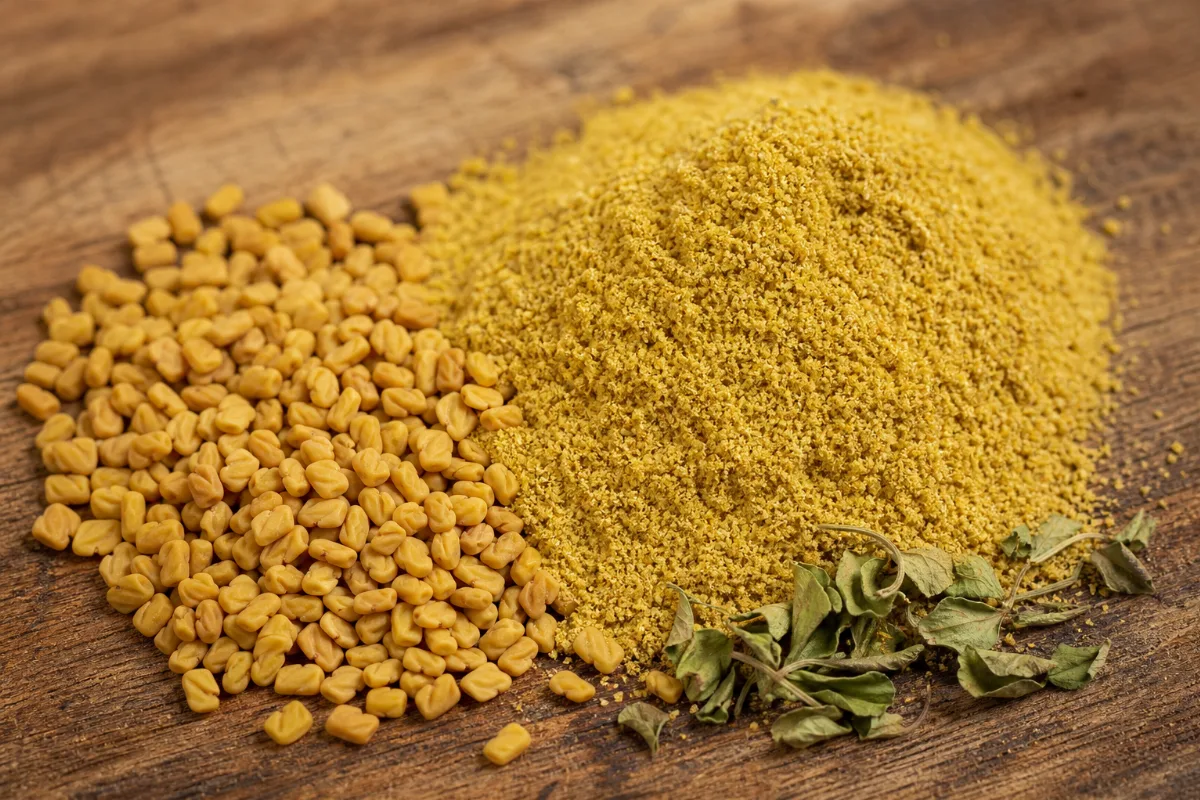
Fenugreek seed tastes bitter, earthy and a little like maple syrup and is used in curries, pickles and spice blends; it is not safe in pregnancy above food amounts, and blood sugar research is limited.
In the kitchen: curries, soups and stews, tea and drinks, pickling, rice and grains
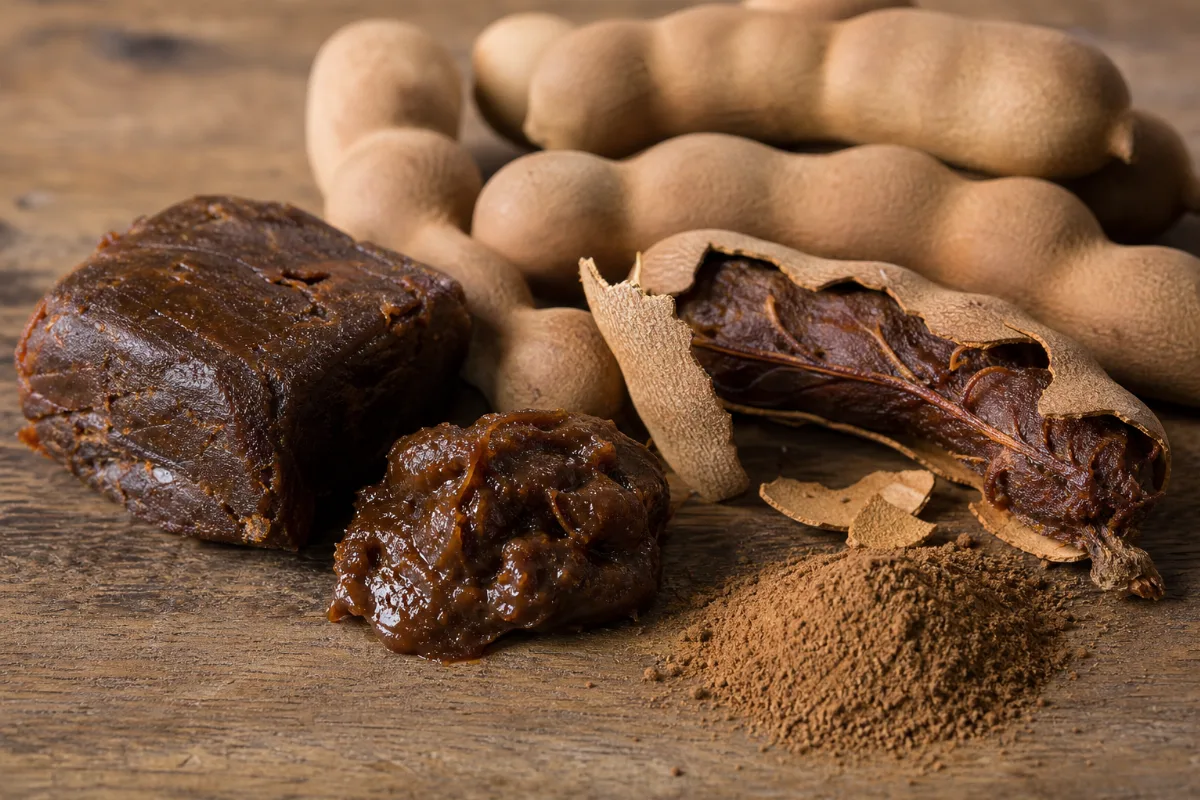
Tamarind is sweet and sour and is used in curries, chutneys, soups and drinks; the one trial we read found no effect on weight or blood sugar, and one small study found it raised aspirin absorption.
Weight, blood fats, blood sugar and blood pressure
Blood sugar in diabetes
Traditional laxative use
Other folk uses (fever, sore throat, dysentery, parasites)
What green peas (Pisum sativum) contain, what research says about fiber, heart health and digestion, and facts on vitamin K, FODMAPs, pea allergy and frozen peas.
Peanuts as a food: a legume eaten like a nut, peanut vs tree nut allergy, early introduction for babies, aflatoxin, boiled peanuts, heart evidence and calories.
Early peanut introduction and infant peanut allergy
Nut intake and heart disease or death (cohort studies)
Fermented soybean paste, Aspergillus oryzae koji, Glycine max
Miso is a salty fermented soybean paste. What reviews and cohort studies found, why sodium and soy allergy matter, and why miso is not automatically a probiotic food.
Miso soup, salt intake and upper digestive tract cancers
Miso-rich Japanese dietary pattern and fatty liver index
Fermented soy products and blood sugar, cholesterol and waist size
Fermented soybeans (Bacillus subtilis), Glycine max
Natto is a Japanese fermented soybean food rich in vitamin K2. Read the warfarin caution first, then what studies found on bone markers and mortality, and the soy allergy point.
Natto and vitamin K2 (MK-7) levels in blood
Natto and bone density or bone markers
Fermented soy (including natto) and death from any cause
Natto as a food source of protein, fiber and minerals
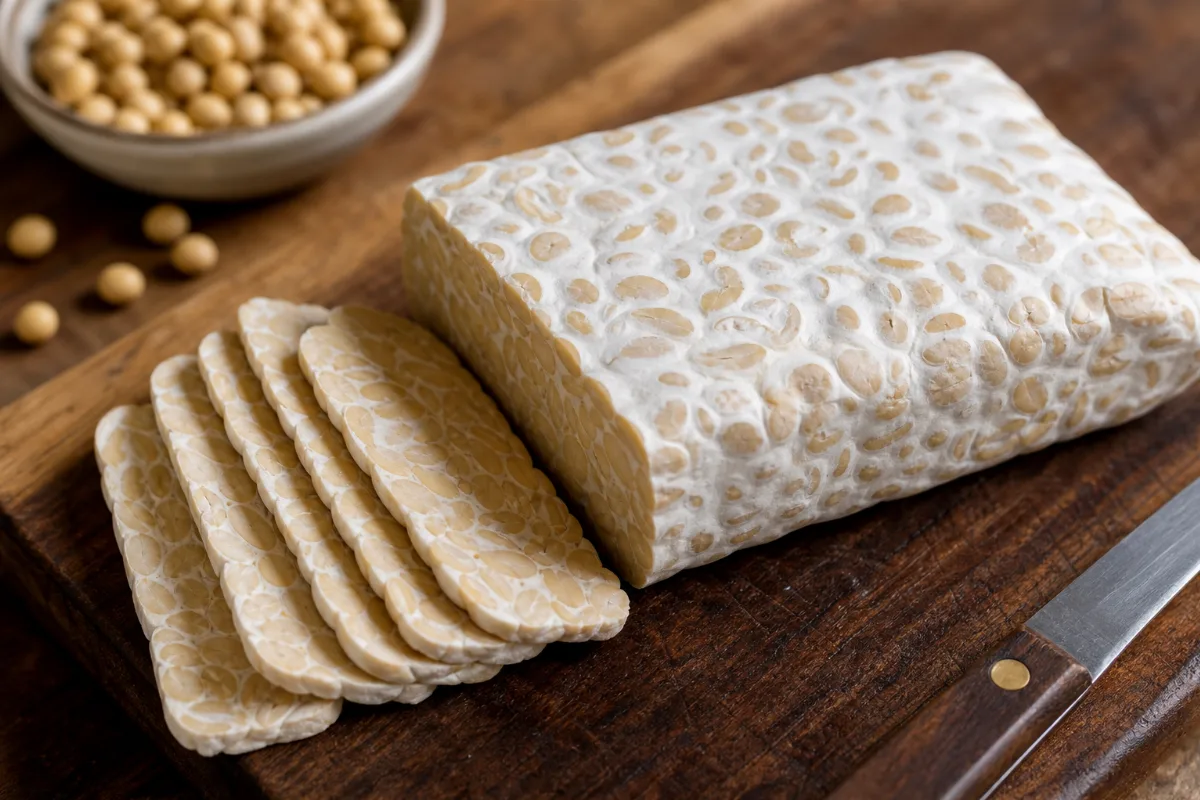
Tempeh is a firm fermented soybean cake from Indonesia. What reviews say, why human evidence is limited, and the allergy and fermentation-safety points to know.
Tempeh as a food source of protein and minerals
Human trials of tempeh for a health outcome
Tempeh and blood sugar (animal and lab studies)
Fermentation chemistry: peptides, amino acids and isoflavone aglycones
No legume matches all of these filters. Try removing one. Some topics (for example most herbs) are not legumes and live elsewhere on the site.
A link between a legume and a topic means the body needs the legume for that job, or that low intake is linked to it. It does not mean extra supplements help if your intake is already adequate. See each page’s evidence label.
Browse by legume legume group
Lentils, chickpeas and peas
Lentils, chickpeas, split peas, pigeon peas, black-eyed peas, fava and lupini beans: dried seeds of the legume family, rich in fiber and protein.
Hummus, canned and baked beans, falafel, bean pasta, legume flours, soy and pea protein, and sprouts: legumes in ready-to-eat forms. Raw sprouts carry a food-poisoning risk.
Moth beans, horse gram, urad dal, hyacinth and winged beans, bambara groundnut and jack beans: staple foods in parts of Asia and Africa. Some must be cooked carefully to be safe.
Carob and mesquite are legume-family trees whose pods are eaten. Tamarind is listed from Spices. They are not beans, and each has its own uses and cautions.
Lentils as a food: USDA values for cooked lentils, what trials found on LDL, blood sugar and weight, plus gas, allergy, lectins, kidney and pregnancy notes.
Chickpeas as a food: USDA values for cooked and canned chickpeas, what trials found on blood sugar and LDL, plus allergy, sodium, gas, kidney and pregnancy notes.
Split peas as a food: USDA values for cooked split peas, what trials found on LDL, blood sugar and fullness, plus pea allergy, gas, kidney and pregnancy notes.
Pigeon peas as a food: USDA values for cooked pigeon peas, what little human evidence exists, traditional use versus trials, plus gas, potassium and pregnancy notes.
Black-eyed peas (cowpeas) as a food: USDA values for cooked peas, the few human studies, gas reports versus other beans, plus allergy, kidney and pregnancy notes.
Fava (broad) beans as a food: USDA nutrient values, favism and G6PD deficiency, what pooled trials found for pulses, levodopa claims checked, and cooking safety.
Lupini beans (lupins) as a food: USDA nutrient values, lupin allergy and its link to peanut allergy, bitter alkaloids and debittering, and what research shows.
Beans(10)Black, kidney, pinto, navy, white, lima, mung and adzuki beans.
Black beans as a food: USDA nutrient values, what pooled trials found on cholesterol, blood sugar and weight, the dark seed-coat pigments, gas, and cooking safety.
Kidney beans as a food: USDA nutrient values, why raw or undercooked red kidney beans can cause poisoning, safe cooking, what pooled trials found on cholesterol, gas.
Pinto beans as a food: USDA nutrient values, a small trial of half a cup a day and LDL cholesterol, pooled trials of pulses, gas in feeding studies, and cooking safety.
Navy beans as a food: USDA fiber, folate and protein values, what trials of pulses show for LDL and blood sugar, cooking safety, gas, kidney and allergy notes.
White beans (cannellini and great northern) as a food: USDA values, what pulse trials show for LDL and blood sugar, safe cooking, gas, kidney and allergy notes.
Lima beans as a food: USDA values, why they must be cooked (lectins and a natural cyanide compound), what pulse trials show, plus gas, kidney and allergy notes.
Adzuki beans as a food: USDA folate, zinc, fiber and protein values, what pulse trials show, mouse findings on their saponins, and gas, kidney and allergy notes.
Cranberry (borlotti) beans as a food: USDA values, why raw beans need real cooking, what pooled bean trials found on cholesterol and blood sugar, gas, and allergy.
Tepary beans as a food: composition from peer-reviewed sources (USDA has no item), very high raw lectin activity, why they must be soaked and well cooked, and the limite…
Edamame (green soybeans) as a food: USDA nutrient values, what trials say about soy protein and cholesterol, soy allergy, thyroid medicine, pregnancy and gas.
Tofu as a food: USDA calcium, protein and iron values, what research says about soy, cholesterol and heart health, plus soy allergy, MAOI and thyroid medicine cautions.
Regional & Lesser-Known Legumes(7)Moth beans, horse gram, urad dal, hyacinth beans, winged beans, bambara groundnut and jack beans.
Urad dal (black gram) as a food: composition from peer-reviewed studies since USDA has no item, cooking and fermentation in idli and dosa, raw-bean cautions, and allergy…
Moth beans (matki) as a food: USDA values, antinutrients that cooking and sprouting reduce, the food-poisoning risk of raw sprouts, and what research does and does not s…
Horse gram (kulthi) as a food: published composition (USDA has none), natural compounds cooking reduces, and why kidney-stone and diabetes claims are unproven.
Bambara groundnut as a food: published composition (USDA has none), why the hard seeds need long cooking, antinutrients, peanut cross-reaction in lab tests, and limits.
Hyacinth beans (lablab) as a food: USDA values, why mature seeds must be boiled well (natural cyanide compounds and lectins), what is known, and safety notes.
Winged beans as a food: USDA values for cooked seeds, why raw seeds hold lectins and enzyme blockers that heat removes, how pods and tubers are eaten, and evidence limit…
Jack beans (Canavalia ensiformis): why the raw seeds are toxic, what the sources say about canavanine, lectin and detoxification, and why we give no home cooking method.
Legume Pods & Tree Legumes(2)Carob and mesquite pod flour. Tamarind and fenugreek are listed from Spices.
Carob powder as a food: USDA values, why it has no caffeine, small trials on cholesterol and blood sugar, and honest notes on allergy, infant thickener gum and sugar.
Mesquite pod flour as a food: no USDA entry, so composition from published studies, what is known and unknown about blood sugar, raw-pod antinutrients, and allergy.
Flours & Prepared Legume Foods(12)Hummus, canned, baked and refried beans, falafel, bean pasta, chickpea and other pulse flours, soy and pea protein, and sprouts.
Hummus (chickpeas with tahini) as a food: USDA fat, fiber and sodium values, what research does and does not show, sesame allergy, tahini outbreaks and gas.
Canned beans (drained, rinsed) as a food: USDA fiber, protein and sodium values, what pulse trials show, why canned kidney beans are safe, BPA in cans and gas.
Pasta made from chickpea, lentil or bean flour: measured protein and fiber, what blood sugar studies found, gluten cross-contact, legume allergy and gas.
Mung and lentil sprouts as food: USDA nutrient values, what sprouting changes in the lab, the raw-sprout food poisoning warning, pregnancy, vitamin K and warfarin.
Chickpea flour (besan) as a food: USDA values, trials on blood sugar and fullness, why raw flour must be cooked, chickpea allergy, gluten-free labels and grass pea mix-u…
Lentil, pea and fava flours as food: values from the dry seeds (no USDA flour entry), a small blood sugar study, fava and G6PD deficiency, allergy and raw-flour safety.
Soy flour and textured soy protein as food: USDA values for three soy ingredients, what soy protein trials found on LDL cholesterol, soy allergy, thyroid medicine, pregn…
Pea protein as a food ingredient: composition ranges, trials on muscle gain and digestibility, pea and peanut allergy, labels, and how it differs from whole peas.
Baked beans as a food: USDA values for home-prepared and canned, sodium and sugar in the sauce, what pooled bean trials found on LDL cholesterol, gas, and allergy.
Refried beans as a food: USDA values for traditional and fat-free canned, sodium, fiber and fat, leftover safety for homemade, what pooled bean trials found on LDL chole…
Falafel as a food: USDA values for home-prepared fried patties, fat and calories, acrylamide and frying, who must check for fava beans (G6PD deficiency), allergy and sau…
Alfalfa and clover sprouts as food: the outbreak history and who should avoid them raw, USDA values, lupus and canavanine cautions, warfarin, and what the lab shows.
Safety & Practical Guides(7)Lectins and safe cooking, soaking and cooking times, beans and digestion, dried versus canned beans, favism, protein combining and legume allergy.
What lectins in beans are, why raw or undercooked red kidney beans can cause poisoning, what agencies and studies say about soaking and boiling, and why canned beans are…
Why beans cause gas, what feeding studies found about adapting over weeks, what FODMAPs are, the low-FODMAP diet for irritable bowel syndrome, and sourced ways to ease d…
Dried and canned beans compared with USDA values for sodium, fiber and folate, what draining and rinsing do, what soaking changes, canned-bean safety and the BPA questio…
How to soak and cook dried beans and lentils: soak methods, stovetop and pressure times from university guides, the kidney bean slow-cooker warning, and salt and acid.
Favism and G6PD deficiency: fava beans are the known food trigger. What sources say about other legumes, warning signs, who is at risk, medicines and emergency care.
Must beans and rice be eaten together? What dietitian bodies, reviews and a 2026 meal-level study say about complete proteins, amino acids, DIAAS and plant protein.
Allergy to peanut, soy, lupin, chickpea, lentil and pea explained: how often legumes cross-react, what studies and allergy bodies say, labeling rules, and emergency sign…
Beans, lentils and chickpeas as foods: what trials and cohort studies found for LDL cholesterol, heart disease and blood sugar, plus the kidney bean cooking warning.
Safety points for raw kidney beans and raw sprouts as agencies state them, plus what reviews found about soaking, sprouting and fermenting beans and grains.
Why raw sprouts, raw (unpasteurized) milk, untreated juice and undercooked eggs carry higher risk for pregnancy, young children, older adults and weakened immunity.
What reviews of trials found for low glycemic eating, beans, nuts, resistant starch, vinegar and cinnamon on blood sugar, and why diabetes medicines call for care with diet changes.
They can. Harvard says gut bacteria ferment the resistant starches and sugars in legumes, which makes gas and can cause bloating and cramping in some people, and that soaking dried beans for at least three hours and cooking them may help. [1] See the gas, FODMAP and digestion guide.
Are canned beans as good as dried?
We did not find a source that compares them nutrient by nutrient, so we do not claim they are equal. What the FDA does say is practical: canned beans can carry a lot of sodium, so choose low-sodium or no-salt-added cans and rinse canned beans before eating to remove some sodium. [4] See dried versus canned beans.
Is soy safe to eat?
Harvard's Nutrition Source concludes that soy foods can safely be eaten several times a week, and says claims that soy causes breast cancer or thyroid problems have not been substantiated, while noting the effect on thyroid function needs more study. [6] NCCIH says soy is not safe for everyone: some people are allergic, and soy foods high in tyramine, such as tofu and soy sauce, can interact dangerously with MAOI antidepressants. [5] Isolated isoflavone supplements are a different product from tofu or edamame. [5][6]
Is it dangerous to eat raw kidney beans?
Yes. EFSA says undercooked beans containing the lectin phytohemagglutinin are a health concern for all age groups, causing nausea, vomiting, abdominal pain and diarrhea. [3] Its advice is to soak beans for 6 to 12 hours, discard the water, and boil for at least 30 minutes at 100 C, and it says steaming, microwaving and roasting are less effective. [3] EFSA does not name slow cookers in the page we read. Properly prepared pulses carry no lectin-related risk. [3] See the cooking dried beans safely guide.
Which legumes are common allergens?
The FDA lists peanuts and soybeans among the nine major food allergens, along with milk, eggs, fish, shellfish, tree nuts, wheat and sesame. [7] Peanuts are legumes, so see peanuts. Trouble breathing or swelling of the face or throat after eating is an emergency: call 911 or your local emergency number. [7]
References
Harvard T.H. Chan School of Public Health, The Nutrition Source. Legumes and pulses.
Content last updated . This section has not been medically reviewed.
Education, not medical advice. This section is for general information. It does not diagnose or treat any condition and is not a substitute for care from a qualified health professional. Natural does not automatically mean safe.