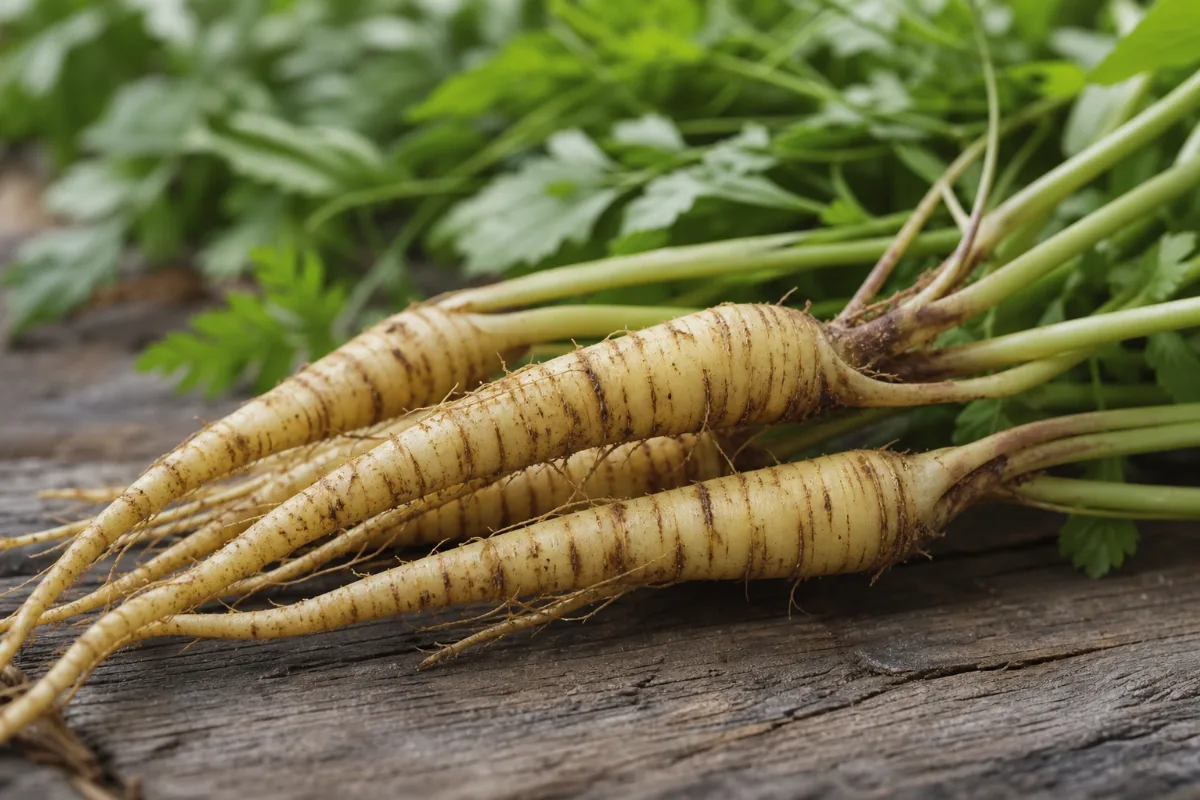
Herbs & Botanicals · Chinese herb for wind-cold aches
Notopterygium
Notopterygium incisum · also called Qiang huo, qianghuo, notopterygium root
Notopterygium (qiang huo) is a root and rhizome used in Chinese medicine for aching joints, colds with chills and headache. Two small trials tested multi-herb formulas that include it, but none tested the root on its own, so the evidence is weak. It contains furanocoumarins that may affect some medicines and, possibly, sun sensitivity. Avoid it in pregnancy and ask a doctor or pharmacist first.
General information, not medical advice. Last substantive update · Not medically reviewed. A named clinician has not signed off on this page. How this page is made
About Notopterygium
Notopterygium (qiang huo) is the dried root and rhizome of a high-altitude Chinese plant of the carrot family. It is used in Chinese medicine for aching joints from wind and damp, and for colds with chills and headache. Two small trials tested formulas that include it, with very low certainty, and no trial tested the root alone. It contains notopterol, a furanocoumarin that blocked a drug-clearing enzyme in a test tube. Avoid it in pregnancy and breastfeeding, and ask a doctor or pharmacist about blood thinners, other medicines and amounts.
What it is
Qiang huo is the dried rhizome and root of Notopterygium incisum and a close relative, N. franchetii. Both belong to the carrot family (Apiaceae) and grow on high ground in western China.
Botanists now file them under the genus Hansenia, so you may see different Latin names on labels. Two species are sold as qiang huo, and wild plants are being replaced by cultivated ones.
What makes it distinctive
More than 500 compounds have been found in the plant, mostly in the root. The best known are coumarins, especially the furanocoumarins notopterol and isoimperatorin.
Furanocoumarins are the same plant-chemical family that makes parsnip sap sensitise skin to sun, which is why sun sensitivity is a precaution here. Notopterol also blocked the drug-clearing enzyme CYP2D6 in a test tube.
Historical and current uses
Chinese medicine describes qiang huo as pungent, bitter and warm. It is used to disperse cold, ease wind-cold-damp joint pain, and relieve colds with chills and headache.
It is mostly used in formulas such as Jiuwei Qianghuo Decoction. Many pages group it with du huo (Angelica pubescens), fang feng (Saposhnikovia) and chuanxiong, which are used in similar patterns.
What the research shows
Two small Chinese trials tested multi-herb formulas that include qiang huo. One in 90 people with rheumatoid arthritis found a response similar to methotrexate. One in 50 people with spondyloarthritis found a better response when a 15-herb recipe was added to celecoxib. Neither could show what qiang huo does by itself.
The rest is lab and animal work: anti-inflammatory activity in zebrafish, a formula in flu-infected mice, and notopterol against liver cancer cells. This is not proof of benefit in people.
At a glance
Traditional uses history, not proof
- Wind-cold-damp aching joints (painful obstruction)
- Colds with chills and headache
- Used with other herbs in formulas, rarely alone
Studied for research
- Rheumatoid arthritis (in a formula): very low certainty
- Axial spondyloarthritis (add-on, 15-herb mix): very low certainty
- Inflammation and flu (lab and mice): insufficient
- Liver cancer cells (isolated notopterol, lab only): insufficient
Main compounds
- Notopterol and isoimperatorin, furanocoumarins found in the root
- Other coumarins, phenolic acids and volatile oil
Common forms
- Dried sliced root and rhizome
- Multi-herb formula
- Pills or powder
- Extract
- Essential oil
Research links: PubMed: Notopterygium · Review: ethnopharmacology of Notopterygium incisum (2017) · Notopterol and CYP2D6 (2020) · Research Library · Genes & Biomarkers Library
The plant and its history
- Accepted scientific name
- Hansenia weberbaueriana (GBIF accepted name for Notopterygium incisum); Hansenia forbesii (for N. franchetii)
- Naming authority
- (Fedde ex H.Wolff) Pimenov & Kljuykov; (H.Boissieu) Pimenov & Kljuykov
- Synonyms
- Notopterygium incisum K.C.Ting ex H.T.Chang; Notopterygium franchetii H.Boissieu
- Common names
- Qiang huo (Chinese (pinyin)); Qianghuo (Chinese (pinyin)); Notopterygium root (English); Notopterygii Rhizoma et Radix (Latin (drug name))
- Botanical family
- Apiaceae (carrot or parsley family)
- Classification
- Plantae > not checked > not checked > not checked > Apiaceae > Hansenia (Notopterygium in older usage) > Notopterygium incisum / N. franchetii
- Native range
- Endemic to China per the 2024 review (summary-only); N. incisum on high ground of the eastern Qinghai-Tibet Plateau per our summary. Not re-verified.
- Habitat
- High-altitude regions such as Gansu and Tibet (2017 review abstract).
- What the plant looks like
- Roots: Rhizome and root are the medicinal parts (2017 and 2024 reviews).; Stems: Not described in the sources read.; Leaves: Not described in the sources read.; Flowers: Not described in the sources read.; Fruit: Not described in the sources read.
- Cultivation
- Wild plants are being replaced by cultivated ones because wild resources are scarce (2025 study). Cultivated accessions showed higher genetic diversity in a 2025 DNA study.
- Harvest and processing
- Dried sliced root and rhizome is the traditional form. Details not covered.
- Look-alikes and adulterants
- Name: Notopterygium franchetii vs N. incisum; Note: Two species sold as qiang huo; DNA and chemistry differ.; Name: Angelica pubescens (du huo); Note: A different Apiaceae root often paired with qiang huo for joint pain in Chinese formulas. See our Angelica pubescens page.; Name: Saposhnikovia divaricata (fang feng); Note: Another Apiaceae root used for wind-cold conditions. See our Saposhnikovia page.
- Sustainability and conservation
- The 2025 DNA paper calls both species endangered medicinal species (Category III protected plants in China). Not checked against an official list.
Traditional use and history history, not clinical proof
| Tradition or era | Documented use | Source |
|---|---|---|
| Traditional Chinese medicine | Rhizome and root used to disperse cold and relieve wind-cold-damp painful obstruction, headache and colds with chills. Described as pungent, bitter and warm, associated with the kidney and bladder meridians. | p28336469 |
| Modern Chinese practice | Used mostly inside formulas such as Jiuwei Qianghuo Decoction and Shenshi Qianghuo Dihuang Decoction. Official pharmacopoeia and EMA/HMPC monographs were not read. | p20082756; p40925470 |
Traditional use shows how a plant was used. It does not show that a supplement works or is safe today.
What is inside, and how it may work
What the plant contains and how those compounds act in cells and animals. Laboratory and animal mechanisms are not proven effects in people.
Main compounds
| Compound | Family | Where it is concentrated | Activity studied | Level of evidence |
|---|---|---|---|---|
| Notopterol PubChem 5320227 | furanocoumarin | rhizome and root | Test-tube and mouse work: blocks CYP2D6 irreversibly, inhibits thrombin, slowed liver cancer cells and tumours. Called the principal furanocoumarin in the root by one group. No human data. 12 4 2 8 | In vitro / animal |
| Isoimperatorin PubChem 68081 | furanocoumarin | rhizome and root | Inhibited thrombin in a test tube. No human data. 13 2 | Laboratory research |
| Coumarins and phenolic acids (other) | coumarin / phenolic acid | rhizome | Most abundant secondary metabolites in N. incisum; the extract was anti-inflammatory in zebrafish. 11 | Animal research |
| Volatile (essential) oil | mixed terpenes and polyacetylenes | root | The 2024 review lists volatile oils, enynes and sesquiterpenes among more than 500 compounds. No safety source read for the oil. 14 | In vitro / animal |
Mechanisms, receptors and pathways
| Target or pathway | Gene or receptor | What was found | Level |
|---|---|---|---|
| Drug-metabolising enzyme | CYP2D6 | Notopterol inactivated human CYP2D6 irreversibly in a test tube; CYP3A4 mainly processes notopterol. 4 | Laboratory research |
| Clotting | thrombin | Notopterol and isoimperatorin inhibited thrombin in a test tube. 2 | Laboratory research |
| Inflammation | TNF-alpha / IFN-gamma, NF-kB | A qiang huo-containing formula lowered these signals in mouse lungs; furanocoumarins blocked macrophage death in cells. 16 | Animal research |
| Cancer-cell stress | ATF4, JAK2, GPX1, SOD1 | Notopterol raised oxidative stress and lowered stemness markers in liver cancer cells. 8 | In vitro / animal |
Absorption, metabolism and elimination
- Absorption
- Not described in the sources read.
- Distribution
- Not described.
- Metabolism
- CYP3A4 is the main enzyme that processes notopterol in human enzyme tests.
- Elimination
- Not described.
- Bioavailability
- Not described. The 2017 review says pharmacokinetics need more research.
Isolated compounds versus whole extracts
Most mechanism work uses isolated notopterol or isoimperatorin at test-tube or cell concentrations, and most clinical use is in multi-herb formulas. Neither tells you what the root alone does in a person.
Nutritional composition
Qiang huo is not a food or a nutrient. It supplies no known essential vitamin or mineral.
2 very low certainty6 not enough evidence
What is Notopterygium good for?
The uses and how strong the human evidence is for each. For qiang huo, "very-low" means a small trial of a mixed formula, and "insufficient" means tradition or lab work only. No trial tested the root alone.
Benefits, one by one
Each card is a research question, not a promise. Tap a goal to filter. Open a card to see the studies, doses and limits.
Rheumatoid arthritis (in a multi-herb formula)
Very low certaintyOne 24-week trial of a qiang huo-containing formula in 90 people with rheumatoid arthritis found it worked about as well as methotrexate, with fewer side effects reported. It is a formula, so qiang huo cannot be credited alone.
2 studiesNot assessed. Traditional preparations and formulas vary, and no amou…
Studies, doses and limits
What the trials found
One randomised trial (90 people, 24 weeks, Shanghai) of Shenshi Qianghuo Dihuang Decoction against methotrexate. Qiang huo is one named herb in the formula name; the abstract does not list the contents.
Results
Response rate (ACR20) was reported as 62.53% with the formula and 67.5% with methotrexate, with no statistical difference. Methotrexate was better for rest pain and joint tenderness. Adverse reactions were 9.75% (formula) vs 32.5% (methotrexate).
Effect sizes as reported
ACR20 62.53% vs 67.5% (P>0.05); adverse reactions 9.75% vs 32.5% (P<0.05)
Why this rating
Single-centre trial in Chinese, no placebo, formula not itemised, and the reported 62.53% does not match 24/41, so the numbers are shaky. Methotrexate was the comparator, not placebo.
Form and dose studied
Not assessed. Traditional preparations and formulas vary, and no amounts are given here.
Who was studied
Adults with rheumatoid arthritis in one Chinese hospital.
Limits
Cannot show what qiang huo alone does. No placebo. Odd arithmetic in the abstract.
Why researchers looked
Aching, stiff joints thought to come from wind and damp are the classic reason qiang huo is used in Chinese medicine.
Traditional use
Chinese medicine uses qiang huo for wind-cold-damp painful obstruction and rheumatoid arthritis (2017 review).
Proposed mechanism Animal / pharmacological theory
No mechanism is shown in people. Lab studies report anti-inflammatory and analgesic activity of its coumarins.
A proposed mechanism does not show that the effect happens in people.
Rheumatoid arthritis needs proper medical treatment. Do not replace prescribed medicines with a herb. See the safety tab for interactions.
Axial spondyloarthritis (add-on, in a 15-herb mix)
Very low certaintyIn a small 4-week trial, a 15-herb recipe that includes notopterygium, added to celecoxib, gave a higher response rate than celecoxib alone. Many herbs were mixed, so nothing can be credited to qiang huo.
1 studiesNot assessed. Traditional preparations and formulas vary, and no amou…
Studies, doses and limits
What the trials found
One small randomised trial (54 enrolled, 50 completed, 4 weeks) of Qiangji Recipe plus celecoxib vs celecoxib alone.
Results
ASAS20 response at week 4: 76.92% (20 of 26) with the recipe plus celecoxib vs 50.00% (12 of 24) with celecoxib alone. No obvious adverse reactions were reported in either group.
Effect sizes as reported
76.92% vs 50.00% (P<0.05)
Why this rating
Small, 4 weeks, open design, 15 herbs in one recipe, in Chinese, funding not stated.
Form and dose studied
Not assessed. Traditional preparations and formulas vary, and no amounts are given here.
Who was studied
Adults with axial undifferentiated spondyloarthritis (a Chinese-medicine pattern called kidney-deficiency, Du-channel cold).
Limits
Cannot credit qiang huo. Short follow-up.
Why researchers looked
Back and joint stiffness is another wind-cold-damp pattern that Chinese medicine treats with qiang huo-containing recipes.
Traditional use
Used in formulas for wind-cold-damp painful obstruction (2017 review).
Proposed mechanism Pharmacological theory
Not established.
A proposed mechanism does not show that the effect happens in people.
Celecoxib is a pain medicine with its own risks; ask a doctor or pharmacist before adding any herbal mix.
Joint and body aching (traditional use)
Not enough evidenceQiang huo root is a long-standing Chinese remedy for aching joints from wind and damp. Traditional teaching often links it to the upper body and neck; we could not confirm that detail in the abstracts we read. We found no trial of the root on its own.
3 studiesNot assessed. Traditional preparations and formulas vary, and no amou…
Studies, doses and limits
What the trials found
No trial of the root alone for joint pain was found. Human evidence is limited to the two formula trials above.
Results
Evidence is traditional use plus lab and animal findings.
Effect sizes as reported
None
Why this rating
Tradition and lab work only. The upper-body emphasis is not verified here.
Form and dose studied
Not assessed. Traditional preparations and formulas vary, and no amounts are given here.
Who was studied
Not studied as a single herb in people.
Limits
Formulas mix many herbs. The upper-body detail is not confirmed.
Why researchers looked
It is one of the standard herbs for wind-damp joint pain in Chinese medicine.
Traditional use
A 2025 study calls the dried rhizome a classic herb for wind-dampness arthralgia; a 2017 review lists headache, rheumatoid arthritis and colds among its uses.
Proposed mechanism In vitro / animal
Lab work on coumarins, mainly notopterol and isoimperatorin, suggests anti-inflammatory and pain-modifying actions.
A proposed mechanism does not show that the effect happens in people.
Furanocoumarin-containing herbs can interact with medicines and sun. See the safety tab.
Colds with chills, and headache (traditional use)
Not enough evidenceQiang huo is traditionally used to disperse cold and ease colds with chills and headache. We found no human trial of it for these uses.
2 studiesNot assessed. Traditional preparations and formulas vary, and no amou…
Studies, doses and limits
What the trials found
No human trial of qiang huo for colds or headache was found.
Results
Evidence is traditional use only.
Effect sizes as reported
None
Why this rating
Tradition only; the lab findings are not human evidence.
Form and dose studied
Not assessed. Traditional preparations and formulas vary, and no amounts are given here.
Who was studied
Not studied in people.
Limits
No human data.
Why researchers looked
Chinese medicine describes it as a herb that disperses cold from the outer body.
Traditional use
Used for wind-cold exterior syndrome, headache and as a sweat-inducing herb (2017 review).
Proposed mechanism Animal research
Reviews list antipyretic and analgesic effects in lab and animal work. See the other tab for a mouse flu study of a formula.
A proposed mechanism does not show that the effect happens in people.
A cold that does not improve, or fever with breathing trouble, needs a doctor.
Inflammation (zebrafish and lab work)
Not enough evidenceExtracts of the dried rhizome, rich in coumarins, calmed inflammation in zebrafish embryos. This is lab work only.
2 studiesNot assessed. Traditional preparations and formulas vary, and no amou…
Studies, doses and limits
What the trials found
No human study.
Results
Both wild and cultivated rhizome showed an anti-inflammatory effect in a zebrafish yolk-sac model.
Effect sizes as reported
No numbers in the abstract
Why this rating
Zebrafish embryos are far from people.
Form and dose studied
Not assessed. Traditional preparations and formulas vary, and no amounts are given here.
Who was studied
Not studied in people.
Limits
Wild and cultivated plants differ in chemistry. Lab model only.
Why researchers looked
Researchers want to explain the traditional use for painful, swollen joints.
Traditional use
Used for wind-dampness arthralgia.
Proposed mechanism Animal research
Coumarins and phenolic acids were the most abundant compounds; the extract changed inflammatory gene expression and neutrophil counts in zebrafish.
A proposed mechanism does not show that the effect happens in people.
Not a treatment.
Severe influenza (multi-herb formula in mice)
Not enough evidenceA formula containing qiang huo improved survival signals in mice with a lethal flu infection when started late. It was a mouse and cell study of a multi-herb mix.
1 studiesNot assessed. Traditional preparations and formulas vary, and no amou…
Studies, doses and limits
What the trials found
No treatment trial in people. Immune cells from patients with H1N1 were used only for a cell-death test.
Results
In mice, the formula was most effective when given 48 hours after infection and lowered inflammatory signals in the lungs.
Effect sizes as reported
No numbers in the abstract
Why this rating
Mouse and cell work of a two-formula combination.
Form and dose studied
Not assessed. Traditional preparations and formulas vary, and no amounts are given here.
Who was studied
Mice and cell cultures.
Limits
Cannot credit qiang huo alone. Does not show benefit for flu in people.
Why researchers looked
Researchers wanted to know how a clinically prescribed qiang huo-containing combination works against severe flu.
Traditional use
The combination is described as clinically prescribed to stop flu getting worse.
Proposed mechanism Animal research
Cell experiments pointed to furanocoumarins as blocking TNF-alpha and IFN-gamma triggered macrophage death.
A proposed mechanism does not show that the effect happens in people.
Flu is a serious illness. Use proven care and ask a doctor.
Liver cancer cells (isolated notopterol, lab only)
Not enough evidenceNotopterol, a compound from the root, slowed human liver cancer cells in a dish and tumour grafts in mice. This is not a treatment.
1 studiesNot applicable: isolated compound, not the herb.
Studies, doses and limits
What the trials found
No human study.
Results
Notopterol reduced viability and movement of two liver cancer cell lines. In mice it slowed tumour growth more than sorafenib, without weight loss.
Effect sizes as reported
No numbers in the abstract
Why this rating
Dish and mouse work with an isolated compound.
Form and dose studied
Not applicable: isolated compound, not the herb.
Who was studied
Not studied in people.
Limits
Eating or taking the root is not the same as this compound. No human safety or benefit is shown.
Why researchers looked
Notopterol is the best-known furanocoumarin in the root, so it is tested for other effects.
Traditional use
Not a traditional use.
Proposed mechanism In vitro / animal
The compound raised oxidative stress in cancer cells and lowered cancer-stem-cell markers.
A proposed mechanism does not show that the effect happens in people.
Do not use qiang huo to treat cancer.
Blood clotting enzyme (test tube only)
Not enough evidenceTwo compounds in the root, notopterol and isoimperatorin, blocked the clotting enzyme thrombin in a test tube. This is a lead, not a use. It is also a reason for caution with blood thinners.
2 studiesNot assessed. Traditional preparations and formulas vary, and no amou…
Studies, doses and limits
What the trials found
No human study.
Results
Notopterol and isoimperatorin inhibited thrombin in vitro.
Effect sizes as reported
IC50 59.35 and 107.8 micromolar
Why this rating
Test tube only.
Form and dose studied
Not assessed. Traditional preparations and formulas vary, and no amounts are given here.
Who was studied
Not studied in people.
Limits
No data on bleeding in people.
Why researchers looked
A 2024 review lists anticoagulant activity among reported effects, so researchers screened for the cause.
Traditional use
Not a traditional use.
Proposed mechanism Laboratory research
Both compounds inhibited thrombin in the test tube (IC50 59.35 and 107.8 micromolar).
A proposed mechanism does not show that the effect happens in people.
Possible interaction with blood thinners is unproven; see the safety tab.
Connections to the rest of health
How Notopterygium connects to the rest of our health knowledge graph. Every link says what kind of connection it is. A safety link (for example to the liver) is a warning, not a benefit. A study that merely mentions a topic never creates a benefit link.
Explore every connection: goals, body systems, organs, symptoms, genes
A. Wellness goals
| Connected to | Kind of connection | Evidence status | Context | Studies |
|---|---|---|---|---|
| Joint Support | Very low certainty | Rheumatoid arthritis (in a multi-herb formula): One 24-week trial of a qiang huo-containing formula in 90 people with rheumatoid arthritis found it worked about as well as methotrexate, with fewer side effects reported. It is a formula, so qiang huo cannot be credited alone. Axial spondyloarthritis (add-on, in a 15-herb mix): In a small 4-week trial, a 15-herb recipe that includes notopterygium, added to celecoxib, gave a higher response rate than celecoxib alone. Many herbs were mixed, so nothing can be credited to qiang huo. | 3 1 7 | |
| Inflammation Balance | Very low certainty | Rheumatoid arthritis (in a multi-herb formula): One 24-week trial of a qiang huo-containing formula in 90 people with rheumatoid arthritis found it worked about as well as methotrexate, with fewer side effects reported. It is a formula, so qiang huo cannot be credited alone. | 3 1 | |
| Mobility Support | Very low certainty | Axial spondyloarthritis (add-on, in a 15-herb mix): In a small 4-week trial, a 15-herb recipe that includes notopterygium, added to celecoxib, gave a higher response rate than celecoxib alone. Many herbs were mixed, so nothing can be credited to qiang huo. | 7 | |
| Joint Support | Traditional use | Not enough evidence | Joint and body aching (traditional use): Qiang huo root is a long-standing Chinese remedy for aching joints from wind and damp. Traditional teaching often links it to the upper body and neck; we could not confirm that detail in the abstracts we read. We found no trial of the root on its own. | 1 11 14 |
| Mobility Support | Traditional use | Not enough evidence | Joint and body aching (traditional use): Qiang huo root is a long-standing Chinese remedy for aching joints from wind and damp. Traditional teaching often links it to the upper body and neck; we could not confirm that detail in the abstracts we read. We found no trial of the root on its own. | 1 11 14 |
| Pain Relief | Traditional use | Not enough evidence | Joint and body aching (traditional use): Qiang huo root is a long-standing Chinese remedy for aching joints from wind and damp. Traditional teaching often links it to the upper body and neck; we could not confirm that detail in the abstracts we read. We found no trial of the root on its own. | 1 11 14 |
| Immune Support | Traditional use | Not enough evidence | Colds with chills, and headache (traditional use): Qiang huo is traditionally used to disperse cold and ease colds with chills and headache. We found no human trial of it for these uses. | 1 14 |
| Inflammation Balance | Not enough evidence | Inflammation (zebrafish and lab work): Extracts of the dried rhizome, rich in coumarins, calmed inflammation in zebrafish embryos. This is lab work only. Severe influenza (multi-herb formula in mice): A formula containing qiang huo improved survival signals in mice with a lethal flu infection when started late. It was a mouse and cell study of a multi-herb mix. | 11 14 16 8 2 | |
| Immune Support | Not enough evidence | Severe influenza (multi-herb formula in mice): A formula containing qiang huo improved survival signals in mice with a lethal flu infection when started late. It was a mouse and cell study of a multi-herb mix. | 16 |
B. Body systems
| Connected to | Kind of connection | Evidence status | Context | Studies |
|---|---|---|---|---|
| Bones Joints Muscles | Biological association | Very low certainty | Studied for: Rheumatoid arthritis (in a multi-herb formula) Studied for: Axial spondyloarthritis (add-on, in a 15-herb mix) | 3 1 7 11 14 |
| Pain Inflammation | Biological association | Not enough evidence | Studied for: Joint and body aching (traditional use) Studied for: Inflammation (zebrafish and lab work) | 1 11 14 8 2 |
| Respiratory Health | Biological association | Not enough evidence | Studied for: Colds with chills, and headache (traditional use) Studied for: Severe influenza (multi-herb formula in mice) | 1 14 16 |
D. Symptoms
| Connected to | Kind of connection | Evidence status | Context | Studies |
|---|---|---|---|---|
| Pregnancy | Contraindication | Not enough evidence | No safety data; avoid. No safety data found; avoid. Preparation or compound: Root |
1 |
| Photosensitivity | Not enough evidence | Plausible, not shown for qiang huo. Preparation or compound: Furanocoumarins |
8 10 | |
| Joint pain | Traditional use | Very low certainty | Formula trials only; none of the root alone. Preparation or compound: Root in formulas |
3 7 |
J. Genes, receptors and enzymes
| Connected to | Kind of connection | Evidence status | Context | Studies |
|---|---|---|---|---|
| CYP2D6 | Preliminary mechanism | In vitro | Irreversibly inactivated by notopterol in a test tube. | 4 |
| CYP3A4 | Preliminary mechanism | In vitro | Main enzyme that processes notopterol. | 4 |
| F2 (thrombin) | Preliminary mechanism | In vitro | Inhibited by notopterol and isoimperatorin in a test tube. | 2 |
L. Active compounds
| Connected to | Kind of connection | Evidence status | Context | Studies |
|---|---|---|---|---|
| Notopterol | Biological association | In vitro / animal | Test-tube and mouse work: blocks CYP2D6 irreversibly, inhibits thrombin, slowed liver cancer cells and tumours. Called the principal furanocoumarin in the root by one group. No human data. Preparation or compound: rhizome and root |
12 4 2 8 |
| Isoimperatorin | Biological association | In vitro | Inhibited thrombin in a test tube. No human data. Preparation or compound: rhizome and root |
13 2 |
| Coumarins and phenolic acids (other) | Biological association | Animal | Most abundant secondary metabolites in N. incisum; the extract was anti-inflammatory in zebrafish. Preparation or compound: rhizome |
11 |
| Volatile (essential) oil | Biological association | In vitro / animal | The 2024 review lists volatile oils, enynes and sesquiterpenes among more than 500 compounds. No safety source read for the oil. Preparation or compound: root |
14 |
Each connection is stored with the ingredient, the connected record, the kind of connection, the evidence status, the supporting studies, the preparation or compound involved, and a review date (last reviewed October 25, 2026).
The evidence
The research centre for Notopterygium. Every record here was checked against PubMed or the publisher's page; we never list a study we have not verified.
Evidence by outcome
Bars show how many studies we found for each outcome, not how well it works. People are added up across trials only (reviews are not added, to avoid double counting).
How we rate evidence
High certainty
Several well-run trials or reviews agree; further research is unlikely to change the picture much.
Moderate certainty
Good trials point the same way, but some doubt remains.
Low certainty
Small, short or inconsistent trials. The finding could change with better research.
Very low certainty
Very little or very weak human data. Treat as a possibility only.
Mixed findings
Trials or reviews disagree with each other.
Not enough evidence
Not enough human research to say either way.
Evidence against
Good research found no benefit, or found harm.
We take the reviewers' own risk-of-bias and GRADE statements where they exist, and otherwise judge from study size, design, consistency, directness and whether a product matches what is sold. Many publications do not make evidence high. Method note: We searched PubMed and looked for NIH NCCIH, LiverTox and regulator pages for Notopterygium. Most sources were abstracts only. Some details were carried over from an earlier summary and are marked. No study is cited that we could not verify.
Study library: every study we checked 16
| Study | Design | People | Product, dose, length | Result |
|---|---|---|---|---|
| Azietaku 2017 A review of the ethnopharmacology, phytochemistry and pharmacology of Notopterygium incisum Journal of Ethnopharmacology · PMID 28336469 · DOI |
Narrative review mixed |
Review of traditional use, chemistry and pharmacology of N. incisum | Notopterygium incisum rhizome and root rhizome and root not stated in the abstract not stated in the abstract |
Describes the herb as pungent, bitter and warm, used to disperse cold and treat wind-cold exterior syndrome and wind-cold-damp painful obstruction, headache, rheumatoid arthritis and colds. Says more research is needed on pharmacokinetics and toxicology. No effect size; narrative review Methods, limits and fundingOutcomes: Traditional use, chemistry, analgesic, anti-inflammatory, anticancer and antioxidant findings Limitations: Review of mostly lab and animal work; the abstract describes it as a systematic review but gives no search or quality-rating results. Funding and conflicts: No conflicts stated in the abstract Read: abstract |
| Chang 2024 Thrombin Immobilized on Magnetic Core-Shell Mesoporous Silica Nanoparticles for Screening of the Enzyme Inhibitors From Notopterygium Incisum Journal of Separation Science · PMID 39503434 · DOI |
Laboratory research in-vitro |
Test-tube screening of a plant extract | Notopterygium incisum extract; notopterol and isoimperatorin extract and isolated compounds not stated in the abstract not stated in the abstract |
Notopterol and isoimperatorin were pulled out of the extract by thrombin and each inhibited it in the test tube (IC50 59.35 and 107.8 micromolar). IC50 59.35 +/- 1.42 and 107.8 +/- 1.66 micromolar Methods, limits and fundingOutcomes: Thrombin inhibition Limitations: Test tube only. Thrombin is a clotting enzyme, so this is a lead for possible bleeding or anticoagulant interactions, not evidence of either in people. Funding and conflicts: Not stated in the abstract Read: abstract |
| Chen 2010 Efficacy of Shenshi Qianghuo Dihuang Decoction in rheumatoid arthritis: a randomized controlled trial Zhong Xi Yi Jie He Xue Bao (Journal of Chinese Integrative Medicine) · PMID 20082756 · DOI |
RCT |
90 Adults with rheumatoid arthritis, one hospital in Shanghai |
Shenshi Qianghuo Dihuang Decoction (multi-herb formula; contents not listed in the abstract) formula not stated in the abstract 24 weeks · vs Methotrexate |
ACR20 response was reported as 62.53% (24/41) with the formula and 67.5% (28/40) with methotrexate, with no statistical difference. Most measures improved in both groups. Methotrexate was better for rest pain and joint tenderness. Adverse reactions: 9.75% (4/41) with the formula vs 32.5% (13/40) with methotrexate. Response rates 62.53% vs 67.5% (P>0.05); adverse reactions 9.75% vs 32.5% (P<0.05) Methods, limits and fundingOutcomes: ACR20 response; tender and swollen joints; ESR, CRP, anti-CCP; adverse reactions Limitations: Multi-herb formula, so qiang huo cannot be credited alone. No placebo group, and blinding is not stated. 90 randomised but 41 and 40 analysed. The reported 62.53% does not match 24/41 (which is about 58.5%), so the numbers should be treated with caution. Published in Chinese, single centre. Funding and conflicts: Not stated in the abstract Read: abstract |
| Fu 2020 Mechanism-based inactivation of cytochrome P450 2D6 by Notopterol Chemico-Biological Interactions · PMID 32198085 · DOI |
Laboratory research in-vitro |
Human enzyme test (test tube) | Notopterol, isolated compound from Notopterygium rhizomes isolated compound not stated in the abstract 9-minute incubation at 10 micromolar |
Notopterol inhibited CYP2D6 in a time-, concentration- and NADPH-dependent way. About 92% of activity was lost after 9 minutes at 10 micromolar and was not restored by dialysis, so the block was irreversible. CYP3A4 was the main enzyme that processed notopterol. The authors say this may cause drug-drug interactions. KI 10.8 micromolar; kinact 0.62 per minute Methods, limits and fundingOutcomes: CYP2D6 activity Limitations: Test-tube study with an isolated compound; no human data. Real-world effect depends on blood levels, which are not known. Funding and conflicts: The authors declare no competing interests Read: abstract |
| GBIF Secretariat 2026 GBIF species match: Notopterygium incisum · Source |
Database n/a |
n/a | n/a n/a n/a n/a |
GBIF API (2026-10-25): Notopterygium incisum K.C.Ting ex H.T.Chang (key 3642396) is a SYNONYM of Hansenia weberbaueriana (Fedde ex H.Wolff) Pimenov & Kljuykov, key 5537964, ACCEPTED, family Apiaceae. Methods, limits and fundingOutcomes: n/a Limitations: GBIF is one database; most research papers and traditional-medicine pharmacopoeias still use the name Notopterygium. NCBI taxonomy was not checked. Read: full-text |
| GBIF Secretariat 2026 GBIF species match: Notopterygium franchetii · Source |
Database n/a |
n/a | n/a n/a n/a n/a |
GBIF API (2026-10-25): Notopterygium franchetii H.Boissieu (key 3642405) is a SYNONYM of Hansenia forbesii (H.Boissieu) Pimenov & Kljuykov, key 5537977, ACCEPTED, family Apiaceae. Methods, limits and fundingOutcomes: n/a Limitations: As above; the old name remains in wide use. NCBI taxonomy was not checked. Read: full-text |
| He 2015 Adjunctive treatment of axial undifferentiated spondyloarthritis by Qiangji Recipe: a clinical study Zhongguo Zhong Xi Yi Jie He Za Zhi · PMID 25790672 |
RCT |
54 Adults with axial undifferentiated spondyloarthritis (kidney-deficiency, Du-channel cold pattern); 50 completed |
Qiangji Recipe: a 15-herb mix that includes notopterygium plus celecoxib herb mix (root and rhizome is one of 15 ingredients) not given here 4 weeks · vs Celecoxib alone |
ASAS20 response at week 4 was 76.92% (20 of 26) with the herb mix plus celecoxib vs 50.00% (12 of 24) with celecoxib alone (P<0.05). Most indices were better in the add-on group except ESR and BASMI. No obvious adverse reaction occurred in either group. ASAS20 76.92% vs 50.00% (P<0.05) Methods, limits and fundingOutcomes: ASAS20 response; BASDAI, BASFI, ASQoL, pain, ESR, CRP Limitations: Fifteen-herb mix, so benefit cannot be credited to qiang huo. Four-week open study, no placebo. Published in Chinese. Small. Funding and conflicts: Not stated in the abstract Read: abstract |
| Huang 2023 Furanocoumarin Notopterol: Inhibition of Hepatocellular Carcinogenesis through Suppression of Cancer Stemness Signaling and Induction of Oxidative Stress-Associated Cell Death Nutrients · PMID 37299411 · DOI |
Animal research animal |
Two human liver cancer cell lines (HepJ5, Mahlavu) and tumour-bearing mice | Notopterol, isolated furanocoumarin from Notopterygium incisum isolated compound not stated in the abstract not stated in the abstract · vs Sorafenib and untreated controls |
Notopterol reduced cancer cell viability, migration and invasion and cancer-stem-cell features in the dish. In mouse tumour grafts it slowed tumour growth more than sorafenib without adverse changes in body weight. No numbers in the abstract Methods, limits and fundingOutcomes: Cancer cell viability, movement, stemness markers; tumour growth in mice Limitations: Lab and mouse study of an isolated compound. Not a treatment and not tested in people. Funding and conflicts: The authors declare no competing interests Read: abstract |
| Iwanaga 2012 Effects of furanocoumarins in Kampo extract-based medicines on rat intestinal absorption of CYP3A and P-glycoprotein substrate drugs in vivo Archives of Pharmacal Research · PMID 22870815 · DOI |
Animal research animal |
Rats given two marketed Kampo extract medicines with midazolam (CYP3A drug) or talinolol (P-gp drug) | Senkyu-cha-cho-san and Sokei-kakketsu-to (Kampo products that contain notopterol) multi-herb extract products not stated in the abstract not stated in the abstract · vs Drug alone |
Both products contain notopterol, a potent CYP3A4 inhibitor in test tubes, yet did not obviously change midazolam levels in rats. Both tended to lower talinolol levels, which the authors attribute to organic anion transporting peptides rather than P-gp. No numbers in the abstract Methods, limits and fundingOutcomes: Blood levels (Cmax, AUC) of midazolam and talinolol Limitations: Rats, and the products are multi-herb mixes, so the result cannot be credited to qiang huo alone. Human relevance unknown. Funding and conflicts: Not stated in the abstract Read: abstract |
| Kenari 2021 Review of Pharmacological Properties and Chemical Constituents of Pastinaca sativa Journal of Pharmacopuncture · PMID 33833896 · DOI |
Narrative review |
Review of parsnip (Pastinaca sativa), a different plant in the same family (Apiaceae) | Parsnip (Pastinaca sativa) - a different species, used here only as a family example plant not stated in the abstract not stated in the abstract |
Parsnip contains furanocoumarins, and the review names phototoxicity, usually after direct skin contact, as its main reported side effect. No effect size Methods, limits and fundingOutcomes: Pharmacology and side effects of a furanocoumarin-containing Apiaceae plant Limitations: A different species. It shows what furanocoumarin-containing plants in this family can do; it does not show that qiang huo does the same. Funding and conflicts: The authors declare no conflict of interest Read: abstract |
| Kong 2025 Comparative Analysis of Metabolites of Wild and Cultivated Notopterygium incisum from Different Origins and Evaluation of Their Anti-Inflammatory Activity Molecules · PMID 39942574 · DOI |
Animal research animal |
Dried rhizome samples (wild and cultivated; Sichuan, Gansu, Qinghai) and a zebrafish embryo inflammation model | Notopterygium incisum dried rhizome, wild vs cultivated rhizome not stated in the abstract not stated in the abstract · vs Wild vs cultivated samples |
195 metabolites were identified; coumarins and phenolic acids were the most abundant. Wild and cultivated rhizome differed in chemistry. Both showed an anti-inflammatory effect in a zebrafish yolk-sac model (inflammatory gene expression and neutrophil count). No numbers in the abstract Methods, limits and fundingOutcomes: Metabolite profile; inflammatory genes and neutrophil count in zebrafish Limitations: Zebrafish and chemistry only. Wild plants are being replaced by cultivated ones, so chemistry may differ between products. Funding and conflicts: The authors declare no conflicts of interest Read: abstract |
| PubChem 2026 PubChem compound: notopterol (CID 5320227) · Source |
Database n/a |
n/a | n/a n/a n/a n/a |
PubChem API (2026-10-25): CID 5320227, formula C21H22O5, molecular weight 354.4, a furanocoumarin (furo[3,2-g]chromen-7-one core). Methods, limits and fundingOutcomes: n/a Limitations: Database record only. Read: full-text |
| PubChem 2026 PubChem compound: isoimperatorin (CID 68081) · Source |
Database n/a |
n/a | n/a n/a n/a n/a |
PubChem API (2026-10-25): CID 68081, formula C16H14O4, molecular weight 270.28, a furanocoumarin (furo[3,2-g]chromen-7-one core). Methods, limits and fundingOutcomes: n/a Limitations: Database record only. Read: full-text |
| Tang 2024 Phytochemistry and Biological Profile of the Chinese Endemic Herb Genus Notopterygium Molecules · PMID 39064831 · DOI |
Narrative review mixed |
Review of two Notopterygium species (N. incisum and N. franchetii) | Notopterygium incisum and N. franchetii, mainly root root and rhizome not stated in the abstract not stated in the abstract |
More than 500 compounds have been found (volatile oils, coumarins, enynes, sesquiterpenes and others), mostly in the root. Reported effects in lab and animal work include antipyretic, analgesic, anti-inflammatory, antiarrhythmic, anticoagulant, antibacterial, antioxidant and anticancer activity. No effect size; narrative review Methods, limits and fundingOutcomes: Chemistry and pharmacology Limitations: The abstract does not report human trials; our earlier summary says the full text reports none (summary-only, full text not re-opened in this build). Funding and conflicts: The authors declare no conflict of interest Read: abstract |
| Yang 2025 Construction of a core collection of Notopterygii Rhizoma et Radix based on molecular phylogeography BMC Plant Biology · PMID 41310470 · DOI |
Laboratory n/a |
DNA study of wild and cultivated N. incisum and N. franchetii | Notopterygium incisum and N. franchetii (DNA markers) plant DNA not stated in the abstract not stated in the abstract |
The abstract calls both species endangered medicinal species (Category III protected plants in China). The two species were completely separated by chloroplast DNA. Cultivated plants showed higher haplotype diversity than wild ones. No effect size Methods, limits and fundingOutcomes: Genetic differences between species; conservation Limitations: Genetics only; no health outcomes. Protection status is quoted from the paper, not checked against an official list. Funding and conflicts: Authors state no conflicts; plant material was collected from non-protected public lands Read: abstract |
| Zhang 2026 Delayed administration of Jiuwei Qianghuo Decoction combined with Zhuye Shigao Decoction mitigates the severity of influenza A virus infection by inhibiting cell death and alleviating the subsequent cytokine storm response Journal of Ethnopharmacology · PMID 40925470 · DOI |
Animal research animal |
Mice lethally infected with H1N1 influenza, cell experiments, and immune cells from patients with H1N1 | Jiuwei Qianghuo Decoction plus Zhuye Shigao Decoction (multi-herb combination; qiang huo is one ingredient) multi-herb decoction not stated in the abstract Started 48 hours after infection |
The combination worked best in mice when given 48 hours after infection. It lowered inflammatory signals in the lung and reduced cell death. In cell experiments, furanocoumarins were the compounds that blocked TNF-alpha and IFN-gamma triggered macrophage death. No numbers in the abstract Methods, limits and fundingOutcomes: Survival and lung inflammation signals, cell death pathways Limitations: Multi-herb formula, so effects cannot be credited to qiang huo alone. Mouse and cell work; patient cells were used only for a cell-death test, not as a treatment trial. Funding and conflicts: The authors declare no competing interests Read: abstract |
What we do not know yet
- No trial of qiang huo on its own was found for any use.
- No human safety, liver, pregnancy or interaction study.
- Sun sensitivity, gut upset and the yin-deficiency caution are untested or unsourced for this herb.
- Only abstracts were read; the 2024 meta-analysis on cervical spondylosis has no abstract and was not used.
- EMA/HMPC, WHO, LiverTox and LactMed entries were not found or not read.
How new research is added
New studies are found by a saved PubMed search and are placed in a review queue. A person reads each one before it changes any evidence rating or safety wording.
Lab markers
What changed in blood or saliva tests during trials. A changed number is not the same as feeling or being healthier, and we give no "normal ranges".
Safety
What studies and official sources say about side effects, medicines and who should check first. Each point shows what kind of evidence it comes from.
Main points to know 4
- Almost no human safety data. We found no human safety study and no case report for qiang huo. A 2017 review says more research is needed on toxicology and on how the body handles the herb. Missing data is not proof of safety. Narrative review 1
- It may change how some medicines are cleared. In a test-tube study with human enzymes, notopterol blocked CYP2D6 for good. In rats, two Kampo products containing notopterol did not clearly change a CYP3A drug but tended to lower a transporter drug. No human study exists, so talk to a pharmacist about any medicine you take. Laboratory 4 9
- Sun sensitivity is unproven but possible. The root contains furanocoumarins, a plant-chemical family that includes sun-sensitising members in other plants such as parsnip. We found no study testing sun sensitivity for qiang huo. Treat it as a precaution, not a finding. Related species 8 10
- Possible effect on clotting. Two compounds from the root blocked the clotting enzyme thrombin in a test tube, and a review lists anticoagulant activity in lab work. We found no bleeding report in people. Ask a doctor or pharmacist if you take blood thinners. Laboratory 2 14
Side effects 4
| Effect | How often | Severity and recovery | Evidence |
|---|---|---|---|
| Sun sensitivity or skin reaction in sunlight Furanocoumarins are the group that can cause this in other plants (parsnip review). No qiang huo report found. | Not established | unknown unknown | Pharmacological theory 8 10 |
| Stomach or gut upset No source we read describes stomach upset from qiang huo. It is included only because strong, pungent herbs often irritate the gut; this is NOT verified for this herb. | Not established | unknown unknown | Not studied |
| Few reported side effects in formula trials In the rheumatoid arthritis trial, adverse reactions were 9.75% (4 of 41) with the formula versus 32.5% with methotrexate. The spondyloarthritis trial reported no obvious adverse reaction. Both trials tested multi-herb mixes and the abstracts do not say what the reactions were. | 9.75% in one formula trial | mild / not reported unknown | Human data 3 7 |
| Altered levels of other medicines See interactions. Based on test-tube and rat studies only. | Not established | unknown unknown | Laboratory 4 9 |
Liver
No human case report of liver injury from qiang huo was found, and no LiverTox entry for it was confirmed. Notopterol is processed by the liver enzyme CYP3A4. The liver cancer study used liver cells as a cancer model, not as a safety test. 4 8 1
How often. Unknown in people.
Monitoring. No agency advice was found. If you have liver disease or take liver-affecting medicines, ask a doctor first. Stop and seek care for yellow skin or eyes, dark urine or severe tiredness.
This is a safety connection. It is not evidence that Notopterygium supports liver health.
Medicines and supplements 5
| With | Why it matters | Importance | Evidence | What to do |
|---|---|---|---|---|
| Medicines cleared by CYP2D6 (for example some antidepressants, beta-blockers, codeine and tamoxifen) drug | Notopterol irreversibly inactivated human CYP2D6 in a test tube. | Could raise or lower blood levels of such medicines. Not shown in people. | Laboratory Very low certainty 4 | Ask a doctor or pharmacist before combining. |
| Medicines handled by CYP3A4 or transporters (P-gp, OATP) drug | Notopterol is a CYP3A4 substrate and a potent CYP3A4 inhibitor in test tubes; in rats two Kampo products containing it did not obviously change a CYP3A drug and tended to lower a transporter drug. | Unclear. Rat data are mixed and multi-herb. | Animal research Very low certainty 4 9 | Ask a doctor or pharmacist, especially for narrow-margin medicines. |
| Blood thinners and antiplatelet drugs (for example warfarin, clopidogrel, aspirin) drug | Notopterol and isoimperatorin inhibited thrombin in a test tube; a review lists anticoagulant activity. | Possible extra bleeding. Not shown in people. | Pharmacological theory Not enough evidence 2 14 | Avoid the combination unless a doctor agrees. |
| Methotrexate, celecoxib and other arthritis medicines drug | Both human trials used herb mixes with or against these medicines; no interaction test was done. | Unknown. | Human (no interaction data) Not enough evidence 3 7 | Do not stop or swap prescribed arthritis medicines without a doctor. |
| Sun, tanning beds and photosensitising medicines other | Furanocoumarins can sensitise skin to light in other plants (parsnip review). | Unknown for qiang huo. | Related species Not enough evidence 8 10 | Be cautious with strong sun and skin products; ask a pharmacist. |
Who should check first 7
| Situation | Advice | Evidence |
|---|---|---|
| Pregnancy and trying to conceive | Avoid. No safety data were found. | Insufficient data 1 |
| Breastfeeding | Avoid. No safety data were found. | Insufficient data 1 |
| Children | Avoid. No safety data were found. | Insufficient data 1 |
| Taking blood thinners, or bleeding disorders, or surgery coming up | Avoid unless a doctor agrees. Clotting effect is unproven but possible. | Laboratory 2 |
| Taking medicines cleared by CYP2D6 or CYP3A4 | Ask a doctor or pharmacist first. | Laboratory 4 |
| Traditional caution: yin deficiency or blood deficiency patterns | Traditional Chinese medicine teaching generally treats warm, pungent, dispersing herbs like this with caution in these patterns. NOT verified: we read no source that states this for qiang huo; the 2017 review only calls the herb pungent, bitter and warm. | Traditional use 1 |
| Strong sun exposure or photosensitivity disorders | Be cautious; sun sensitivity is a plausible but unproven risk. | Related species 10 |
Overdose, product quality and regulators
Summary. No human toxic amount and no animal LD50 for the root were found in the sources read. A 2017 review says toxicology needs more research.
Animal. No whole-root animal toxicity study was read. In mice, notopterol slowed tumour growth without adverse changes in body weight in one cancer study.
Human doses studied. No human safety study of the root alone was found.
High dose or long term signals. None found; this is absence of data, not safety.
Overdose response. Not described. Seek emergency help for any serious reaction.
Genotoxicity. Not assessed in the sources read.
Toxic plant parts. The root and rhizome are the medicinal part. Essential oil from the aerial parts was studied in the lab for antibacterial activity and cell toxicity (not read for this build).
Two related species are sold as qiang huo, wild plants are being replaced by cultivated ones, and wild and cultivated rhizomes differ in chemistry. So labels may not tell you what is in a product.
Two species and changing taxonomy. Notopterygium incisum and N. franchetii differ in DNA and chemistry. GBIF now treats them as synonyms of Hansenia weberbaueriana and H. forbesii, so labels may use different names. 15 5 6
Wild vs cultivated. A 2025 metabolomics study found 195 metabolites and differences in chemistry between wild and cultivated rhizome and between growing regions. 11
Endangered wild plants. The 2025 DNA paper calls both species endangered medicinal species (Category III protected plants in China). Buying wild-harvested root can add to that pressure. Not checked against an official list. 15
Heavy metals, pesticides, mix-ups with look-alike Apiaceae roots. No contamination test of retail qiang huo products was found in the sources read.
| Body | Action | Date |
|---|
When to get medical help
- Trouble breathing, swelling of the face or throat, or hives after taking it
- Blistering, burning or a severe rash on sun-exposed skin
- Unusual bruising, nosebleeds, blood in vomit or black stools, especially with blood thinners
- Yellow skin or eyes, dark urine, or very little urine
- Severe belly pain or repeated vomiting
Stop the supplement and contact a clinician or emergency service. In the US, Poison Control is 1-800-222-1222.
General information only, not medical advice. Ask a clinician or pharmacist before use, especially with medicines, in pregnancy or with a health condition. See the Natural Remedy Safety guide.
Frequently asked questions
What is qiang huo?
Does qiang huo help arthritis?
Only a formula that includes it has been tested. One 24-week trial in 90 people found a response similar to methotrexate, but the formula was not itemised and the numbers in the abstract do not add up cleanly. We rate it very low certainty.
Does it help colds or headache?
This is a traditional use only. We found no human trial.
Is qiang huo safe?
Can it make skin sensitive to the sun?
Does it interact with medicines?
Is it safe in pregnancy or breastfeeding?
No safety data were found, so avoid it.
Can it hurt the liver?
Is it the same as du huo (Angelica pubescens)?
No. They are different roots from the same plant family that are often used together in joint formulas. See our Angelica pubescens page.
Why do the Latin names differ?
Is the plant endangered?
A 2025 DNA paper calls both species endangered medicinal species protected in China. We did not check an official list. Ask sellers about cultivated sourcing.
Explore by health goal
Inflammation BalanceJoint SupportMobility SupportImmune SupportPain Relief
Editorial transparency
- Written by
- AlternativeMed editorial team. Research compiled with AI assistance, then checked against PubMed records.
- Medical review
- None. This page has not been reviewed by a physician or pharmacist.
- First published
- 2026-10-25
- Last substantive update
- 2026-10-25
- How we research
- We searched PubMed and looked for NIH NCCIH, LiverTox and regulator pages for Notopterygium. Most sources were abstracts only. Some details were carried over from an earlier summary and are marked. No study is cited that we could not verify.
- How we rate evidence
- See "How we rate evidence" in the Evidence tab.
- Independence
- No product is promoted on this page. No affiliate links are shown. If one is added later it will be labelled and kept apart from the evidence.
Sources 16
Each source was opened and checked. Where we read only the abstract, it says so. The small numbers in the text point here.
- Azietaku JT, Ma H, Yu XA, et al.. A review of the ethnopharmacology, phytochemistry and pharmacology of Notopterygium incisum. Journal of Ethnopharmacology. 2017. PMID 28336469. DOI 10.1016/j.jep.2017.03.022. (abstract)
- Chang Q, He K, Hu Y, et al.. Thrombin Immobilized on Magnetic Core-Shell Mesoporous Silica Nanoparticles for Screening of the Enzyme Inhibitors From Notopterygium Incisum. Journal of Separation Science. 2024. PMID 39503434. DOI 10.1002/jssc.70021. (abstract)
- Chen ZW, Sun J, Li YM, et al.. Efficacy of Shenshi Qianghuo Dihuang Decoction in rheumatoid arthritis: a randomized controlled trial. Zhong Xi Yi Jie He Xue Bao (Journal of Chinese Integrative Medicine). 2010. PMID 20082756. DOI 10.3736/jcim20100107. (abstract)
- Fu Y, Tian X, Han L, et al.. Mechanism-based inactivation of cytochrome P450 2D6 by Notopterol. Chemico-Biological Interactions. 2020. PMID 32198085. DOI 10.1016/j.cbi.2020.109053. (abstract)
- GBIF Secretariat. GBIF species match: Notopterygium incisum. . 2026. (full-text)
- GBIF Secretariat. GBIF species match: Notopterygium franchetii. . 2026. (full-text)
- He MY, Fan FY. Adjunctive treatment of axial undifferentiated spondyloarthritis by Qiangji Recipe: a clinical study. Zhongguo Zhong Xi Yi Jie He Za Zhi. 2015. PMID 25790672. (abstract)
- Huang TY, Yang CK, Chen MY, et al.. Furanocoumarin Notopterol: Inhibition of Hepatocellular Carcinogenesis through Suppression of Cancer Stemness Signaling and Induction of Oxidative Stress-Associated Cell Death. Nutrients. 2023. PMID 37299411. DOI 10.3390/nu15112447. (abstract)
- Iwanaga K, Arimune K, Miyazaki M, et al.. Effects of furanocoumarins in Kampo extract-based medicines on rat intestinal absorption of CYP3A and P-glycoprotein substrate drugs in vivo. Archives of Pharmacal Research. 2012. PMID 22870815. DOI 10.1007/s12272-012-0613-x. (abstract)
- Kenari HM, Kordafshari G, Moghimi M, et al.. Review of Pharmacological Properties and Chemical Constituents of Pastinaca sativa. Journal of Pharmacopuncture. 2021. PMID 33833896. DOI 10.3831/KPI.2021.24.1.14. (abstract)
- Kong F, Kou Y, Zhang X, et al.. Comparative Analysis of Metabolites of Wild and Cultivated Notopterygium incisum from Different Origins and Evaluation of Their Anti-Inflammatory Activity. Molecules. 2025. PMID 39942574. DOI 10.3390/molecules30030468. (abstract)
- PubChem. PubChem compound: notopterol (CID 5320227). . 2026. (full-text)
- PubChem. PubChem compound: isoimperatorin (CID 68081). . 2026. (full-text)
- Tang Z, Zheng R, Chen P, et al.. Phytochemistry and Biological Profile of the Chinese Endemic Herb Genus Notopterygium. Molecules. 2024. PMID 39064831. DOI 10.3390/molecules29143252. (abstract)
- Yang L, Li J, Li S. Construction of a core collection of Notopterygii Rhizoma et Radix based on molecular phylogeography. BMC Plant Biology. 2025. PMID 41310470. DOI 10.1186/s12870-025-07715-z. (abstract)
- Zhang S, Wu X, Huang X, et al.. Delayed administration of Jiuwei Qianghuo Decoction combined with Zhuye Shigao Decoction mitigates the severity of influenza A virus infection by inhibiting cell death and alleviating the subsequent cytokine storm response. Journal of Ethnopharmacology. 2026. PMID 40925470. DOI 10.1016/j.jep.2025.120572. (abstract)