Herbs & Botanicals · Herbs · West and Central African tree seed sold for weight loss, with very low certainty evidence
Irvingia (African Mango)
Irvingia gabonensis (Aubry-Lecomte ex O'Rorke) Baill. · also called African mango, bush mango, dika nut, wild mango; the branded seed extract is IGOB131.
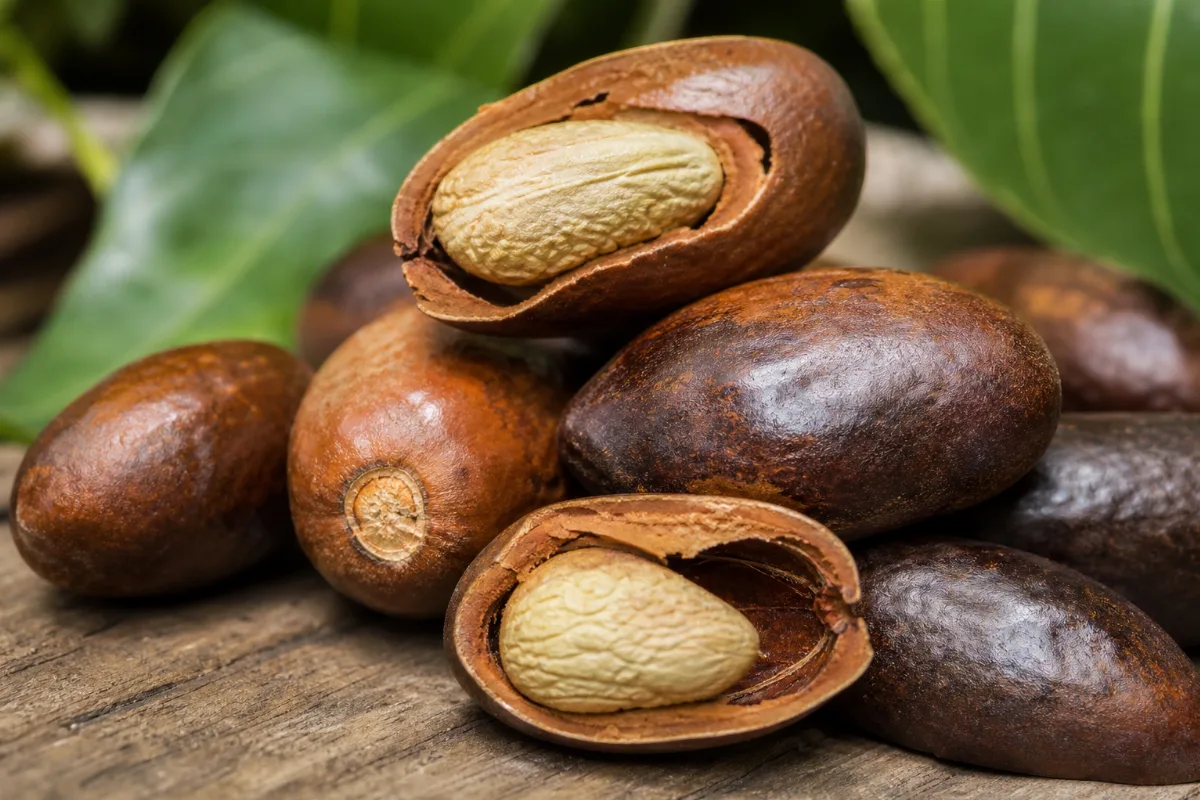
Irvingia gabonensis is a tree from West and Central Africa with a mango-like fruit. The kernel of its large seed, called dika nut, is a cooking ingredient, and a seed extract is sold as a weight-loss supplement. The seeds are rich in soluble fibre. A handful of small human trials, many from one research group in Cameroon using a branded extract, report weight, cholesterol and blood sugar benefits, but most were rated high risk of bias and the one low-risk trial found no significant difference. Reviewers conclude the evidence is limited. Reported side effects are mostly mild (gas, headache, sleep trouble), with one case of kidney failure of unknown cause.
General information, not medical advice. Last substantive update · Not medically reviewed. A named clinician has not signed off on this page. How this page is made
About Irvingia (African Mango)
Irvingia gabonensis (African mango, dika nut) is a West and Central African tree. The seed kernel is a food and a seed extract is sold for weight loss. Human evidence is a handful of small trials, many from one group in Cameroon, and every use is rated very low or insufficient. A 2020 meta-analysis leaned positive but 4 of 5 trials were high risk of bias and the low-risk trial found no significant difference. Side effects were mild in short trials, and cautions include diabetes medicines, a theory about reduced absorption of other medicines, pregnancy and one kidney failure case.
What it is
Irvingia gabonensis is a tree in the Irvingiaceae family, native to tropical Africa including Cameroon, Nigeria, Gabon and Equatorial Guinea. It is not a common mango. The seed kernel, called dika nut or bush mango seed, is ground and used to thicken soups.
The seed is rich in fibre and its oil is mostly myristic and lauric acids. A US government lab found ellagic acid compounds to be the main components of the seeds.
Traditional and current uses
According to a 2024 review, fruit, kernels, seeds, bark and leaves each have folk uses, including diarrhoea, dysentery, pain and diabetes. Seeds are also used in folk medicine for weight loss.
Today a seed extract is sold as a weight-loss supplement. We found no European monograph or NCCIH page.
What is in it and how it might work
The ideas are that the fibre slows stomach emptying and binds bile acids, and that the extract changes fat-cell genes. In mouse fat cells in a dish, one extract lowered PPAR gamma and leptin activity and raised adiponectin. None of this is shown to explain results in people.
What the research shows
The 2013 systematic review found 3 trials with poor reporting and called the effect unproven. The 2020 meta-analysis found 5 trials, 4 at high risk of bias; pooling favoured Irvingia, but the single low-risk trial was not significant. The Thai 2022 trial found mostly no differences.
Many positive trials come from the same Cameroonian group, and the 2009 trial was partly funded by the extract supplier. The Mexican and Thai trials came from other groups. Mostly abstracts were read.
At a glance
Traditional uses history, not proof
- West and Central Africa: kernels are a traded cooking ingredient and soup thickener; the 2024 review lists fruit pulp for diarrhoea and ulcers, bark for dysentery, colic and skin problems, and seeds for weight loss and as anti-diabetics.
- Today: the seed extract is promoted as a weight-loss supplement (Memorial Sloan Kettering). No European monograph was found.
Studied for research
- Weight, body fat and waist size, very low
- Cholesterol and blood fats, very low
- Blood sugar and metabolic syndrome, very low
- Fat-cell hormone and inflammation markers, very low
- Blood pressure, insufficient
Main compounds
- Ellagic acid compounds, the main components of the seeds in one lab study
- Myristic and lauric acids, the main seed fats
- Soluble fibre (mucilage)
Common forms
- Seed extract capsules or tablets
- Branded extract (IGOB131)
- Ground seed
- Kernels as food (dika nut)
- Mixed products, for example with Cissus
Research links: Memorial Sloan Kettering: Irvingia gabonensis · Meta-analysis, J Am Coll Nutr 2020 · Systematic review, J Diet Suppl 2013 · IGOB131 trial, Lipids Health Dis 2009 · Research Library · Genes & Biomarkers Library
The plant and its history
- Accepted scientific name
- Irvingia gabonensis (Aubry-Lecomte ex O'Rorke) Baill.
- Naming authority
- (Aubry-Lecomte ex O'Rorke) Baill., published in Traite de Botanique Medicale Phanerogamique 2: 841 (1884) (GBIF).
- Common names
- African mango (English); Bush mango (English); Dika nut (English); Wild mango (English); Ogbono (English (Nigeria))
- Botanical family
- Irvingiaceae, order Malpighiales (GBIF).
- Classification
- Plantae > Tracheophyta > Magnoliopsida > Malpighiales > Irvingiaceae > Irvingia > Irvingia gabonensis
- Native range
- A 2024 review says it is a tree native to tropical Africa, including Equatorial Guinea, Nigeria, Gabon and Cameroon (p38395180).
- Habitat
- Not described in the sources read.
- What the plant looks like
- Roots: Not described in the sources read.; Stems: Tree; bark used in folk medicine (p38395180).; Leaves: Not described in the sources read.; Flowers: Not described in the sources read.; Fruit: Mango-like fruit; the pulp is eaten and the large seed gives the kernel (dika nut) (p38395180, s-rxlist-irvingia).
- Cultivation
- Not read.
- Harvest and processing
- Kernels are widely traded and used in cooking; the mucilage of the seed is used to thicken soups (p22386809, p38395180).
- Look-alikes and adulterants
- Name: Irvingia wombolu (ogbono); Difference: A related West African tree whose seeds are used in the same way; GBIF lists the name as a synonym of Irvingia tenuinucleata. Supplement studies discussed here are on Irvingia gabonensis.; Source: s-gbif-irvingia-gabonensis; Name: Common mango (Mangifera indica); Difference: Unrelated to Irvingia despite the name; the supplement is from the seed kernel of African mango, not the common mango.; Source: s-mskcc-irvingia
- Sustainability and conservation
- Not looked up.
Traditional use and history history, not clinical proof
| Tradition or era | Documented use | Source |
|---|---|---|
| West and Central Africa (as summarised in a 2024 review) | The fruit pulp is eaten fresh or made into juice and wine and used for diarrhoea, diabetes and ulcers; kernels are a traded cooking ingredient; the seeds have folk use for weight loss and are popular as blood thinners and anti-diabetics; the bark is used for dysentery, colic, scabies, toothache and skin conditions. | p38395180 |
| Recent supplement market | A seed extract is sold as a weight-loss supplement (Memorial Sloan Kettering). | s-mskcc-irvingia |
| European regulatory history | No EMA/HMPC monograph found; not verified. | s-ema-irvingia |
Traditional use shows how a plant was used. It does not show that a supplement works or is safe today.
What is inside, and how it may work
What the plant contains and how those compounds act in cells and animals. Laboratory and animal mechanisms are not proven effects in people.
Main compounds
| Compound | Family | Where it is concentrated | Activity studied | Level of evidence |
|---|---|---|---|---|
| Ellagic acid and its methyl derivatives and glycosides PubChem 5281855 | polyphenol (ellagic acid class) | Seed, defatted kernel | Reported as the main components of the seeds by a US government lab (p22880691); proposed as quality markers. Activity in people not shown. 12 2 | Laboratory research |
| Myristic acid PubChem 11005 | saturated fatty acid | Seed oil | The seed oil is mainly myristic and lauric acids (p38395180). 2 | Laboratory research |
| Lauric acid PubChem 3893 | saturated fatty acid | Seed oil | As above. 2 | Laboratory research |
| Soluble fibre (mucilage) | fibre | Seed kernel | The seed is described as rich in fibre; thought to slow stomach emptying and bind bile acids (Memorial Sloan Kettering). The 2009 trial authors say the early effects could not be explained by fibre alone, but the full text sentence is about earlier work and was not checked further. 16 7 | Pharmacological theory |
Mechanisms, receptors and pathways
| Target or pathway | Gene or receptor | What was found | Level |
|---|---|---|---|
| Fat-cell formation: PPAR gamma, leptin, adiponectin | PPARG, LEP, ADIPOQ | In mouse 3T3-L1 fat cells IGOB131 lowered PPAR gamma and leptin gene activity and raised adiponectin (all p<0.05). 10 | Lab |
| Adiponectin in people | ADIPOQ | Serum adiponectin was higher than placebo at 3 weeks in a Thai trial; the 2009 Cameroon trial also reported better adiponectin. 8 7 | Human data |
| Fibre and bile-acid binding | Not applicable | Memorial Sloan Kettering says the extract is high in fibre and thought to lower cholesterol by binding bile acids; the seed may slow gastric emptying. Cited as an idea, not tested in the trials read. 16 | Pharmacological theory |
| Blood sugar-lowering | Not applicable | Rat studies cited by MSK suggest lowered blood glucose. 16 | Animal research |
Absorption, metabolism and elimination
- Absorption
- No human absorption data found.
- Distribution
- Not found.
- Metabolism
- Not found; no CYP data found.
- Elimination
- Not found.
- Bioavailability
- Not found. The main compounds (ellagic acid derivatives) have not been tracked in people in the sources read.
Isolated compounds versus whole extracts
Seed, kernel, branded extract (IGOB131), crude ground seed and combination products are all different. Most positive trials used the branded extract or a ground seed; the Thai trial used a kernel extract. A 2012 lab study says commercial extracts had never been analysed before and proposes marker compounds, so how well products match each other is unknown.
Nutritional composition
The kernel is a food in West and Central Africa; the pulp is rich in vitamin C, carbohydrates and proteins and the seed oil is mainly myristic and lauric acids (2024 review abstract). No food composition database entry was checked.
5 very low certainty2 not enough evidence
What is Irvingia (African Mango) good for?
The main proposed uses and how strong the human evidence is for each. "Very low" means a few small or flawed studies, and "insufficient" means too little to judge. These results come from specific extracts, mostly one branded seed extract, and may not apply to other products.
Benefits, one by one
Each card is a research question, not a promise. Tap a goal to filter. Open a card to see the studies, doses and limits.
Body weight, body fat and waist size in overweight adults
Very low certaintySmall trials, most from one research group in Cameroon, found people lost more weight and waist size on Irvingia seed extract than on placebo. The overall quality is poor, and the one trial rated low risk of bias found no clear difference.
8 studiesThese are results from specific extracts (mostly one branded seed ext…
Studies, doses and limits
What the trials found
A 2013 systematic review (sometimes called a meta-analysis, but its abstract describes no pooled calculation) found only 3 randomised trials, all with flaws in how methods were reported. All 3 reported larger drops in weight and waist than placebo. The authors concluded the effect is unproven and Irvingia cannot be recommended as a weight loss aid (p23419021). A 2020 meta-analysis found 5 trials; 4 were rated high risk of bias and 1 low risk. Pooling all 5 showed drops in weight, body fat and waist, but the one low-risk trial found no significant difference (p31855111). The key trials: a 2005 Cameroon trial of ground seed in 40 obese adults (28 vs 12) reported a 5.26% weight fall versus 1.32% on placebo over one month (p15916709); the 2009 Cameroon trial of the branded extract IGOB131 in 120 people (102 finished) reported 85.1 kg versus 95.7 kg at 10 weeks and a waist of 88.1 versus 101.1 cm (p19254366); a 2008 trial in 72 people used a Cissus plus Irvingia combination, and Cissus alone also worked, so Irvingia's own part is unknown (p18377661). A 2022 Thai 12-week placebo trial of a kernel extract reported no group differences in metabolism, inflammation or fitness (p36364907); its abstract does not give weight results.
Results
Positive in the small trials and in a pooled analysis of mostly high-risk-of-bias trials; no clear effect in the one low-risk trial.
Effect sizes as reported
IGOB131 trial: weight 85.1 vs 95.7 kg at week 10 (p<0.01); waist 88.1 vs 101.1 cm (p<0.05); body fat -6.3% vs -1.9% (p19254366). Ground-seed trial: -5.26% vs -1.32% (p<0.01) (p15916709). Pooled sizes are not in the 2020 abstract.
Why this rating
Few small trials, most rated high risk of bias, one low-risk trial without a clear effect, most from one Cameroonian group with a supplement company supplying the extract, and no large independent trial. The 2013 review judged the effect unproven.
Form and dose studied
These are results from specific extracts (mostly one branded seed extract, IGOB131, and one ground-seed product) and may not apply to other products.
Who was studied
Overweight or obese adults in Cameroon (most trials), Mexico and Thailand.
Limits
Small trials; shared authorship across the Cameroon trials; partial funding and extract supply from the extract's maker in the 2009 trial; the 2005 groups differed a lot in starting weight; unequal dropouts; weight loss in the longer Thai trial not reported in the abstract. Mostly abstracts read.
Why researchers looked
Irvingia seed extract is sold as a weight-loss supplement, and the seeds are rich in fibre.
Traditional use
The seed kernel (dika nut, also called ogbono or bush mango seed) is a cooking ingredient in West and Central Africa; a 2024 review says seeds also have folk use for weight loss.
Proposed mechanism Preliminary mechanism
Two ideas are offered. The seeds are high in fibre, which may slow stomach emptying (Memorial Sloan Kettering says 'thought to'). In mouse fat cells in a dish the extract lowered PPAR gamma and leptin gene activity and raised adiponectin. Neither idea is shown to explain weight loss in people.
A proposed mechanism does not show that the effect happens in people.
Flatulence, headache and sleep problems were reported at similar rates on placebo in the 2009 trial. See the safety file.
Cholesterol and blood fats
Very low certaintyThe same small trials reported lower total and LDL cholesterol and triglycerides on Irvingia. Pooling lifted the result, but the one low-risk trial showed only non-significant trends.
6 studiesThese are results from specific extracts (mostly one branded seed ext…
Studies, doses and limits
What the trials found
The 2020 meta-analysis reported better total, LDL and HDL cholesterol and triglycerides across 5 trials, but only the low-risk trial could be checked separately: its HDL rose a net 11.61% (95% CI -6.12% to 29.34%) and triglycerides fell a net 29% (95% CI -76% to 19%), both compatible with no change (p31855111). In the 2009 IGOB131 trial total cholesterol was 111.9 vs 142.5 mg/dl and LDL 59.77 vs 77.7 mg/dl on week 10 (p19254366). The 2005 ground-seed trial reported lower total cholesterol, LDL and triglycerides and higher HDL on Irvingia (p15916709). The 24-person Mexican trial found lower triglycerides and VLDL within the Irvingia group over 90 days (p29336718). The Thai trial found no metabolism differences between groups (p36364907).
Results
Mostly favourable in small trials; wide uncertainty in the low-risk trial; null in the Thai trial.
Effect sizes as reported
Low-risk trial: HDL +11.61% (-6.12% to 29.34%), triglycerides -29% (-76% to 19%) (p31855111).
Why this rating
Same trials and same bias problems as for weight; the only trial rated low risk shows non-significant trends.
Form and dose studied
These are results from specific extracts (mostly one branded seed extract, IGOB131, and one ground-seed product) and may not apply to other products.
Who was studied
Overweight and obese adults; people with metabolic syndrome (one trial).
Limits
Lipid values were secondary outcomes; baseline cholesterol was already fairly low in the 2009 trial; no heart-event outcomes.
Why researchers looked
Fibre-rich seeds were expected to lower cholesterol, and blood fats were measured in the weight-loss trials.
Traditional use
No traditional use for cholesterol is described in the sources read.
Proposed mechanism Pharmacological theory
Memorial Sloan Kettering says the extract is high in fibre and 'thought to' lower cholesterol by binding bile acids. This is an idea, not proven in people.
A proposed mechanism does not show that the effect happens in people.
See the safety file about the theory of interference with medicine absorption.
Blood sugar and metabolic syndrome
Very low certaintyOne small Mexican trial (24 people) found more people on Irvingia no longer met the definition of metabolic syndrome than on placebo, with lower blood sugar after a sugar drink. It is too small to rely on. A consumer reference rates the evidence for diabetes as insufficient.
5 studiesThese are results from specific extracts (mostly one branded seed ext…
Studies, doses and limits
What the trials found
In 24 adults with metabolic syndrome, 150 mg twice a day for 90 days led to remission in 7 of 12 (58.3%) versus 2 of 12 (16.7%) on placebo (p = .045), and in the Irvingia group glucose at 120 minutes of a sugar test fell from 8.8 to 7.6 mmol/L and glucose area under the curve from 694 to 629 (p29336718). The 2009 Cameroon trial also reported lower blood glucose than placebo in overweight people (p19254366). RxList (a consumer reference) says early research suggests lower blood sugar in type 2 diabetes but rates the evidence insufficient (s-rxlist-irvingia). No trial specifically in diabetes was read.
Results
Small positive signals; not tested properly in people with diabetes.
Effect sizes as reported
Remission of metabolic syndrome 58.3% vs 16.7% (p = .045) (p29336718).
Why this rating
One 24-person trial and a secondary result in a trial with other problems; no diabetes trial read.
Form and dose studied
These are results from specific extracts (mostly one branded seed extract, IGOB131, and one ground-seed product) and may not apply to other products.
Who was studied
Adults with metabolic syndrome (Mexico); overweight adults (Cameroon).
Limits
Tiny sample; many reported changes are within-group; no long-term follow-up.
Why researchers looked
Fibre can slow sugar absorption and rat studies suggested lower blood glucose.
Traditional use
A 2024 review says seeds are popular in folk use as anti-diabetics.
Proposed mechanism Animal research
Memorial Sloan Kettering says the fibre may slow stomach emptying and so the absorption of sugar. Rat studies are cited for a blood-glucose-lowering effect. Not proven in people.
A proposed mechanism does not show that the effect happens in people.
May add to diabetes medicines; see the safety file.
Fat-cell hormones, inflammation and antioxidant markers
Very low certaintySome trials measured adiponectin, leptin and C-reactive protein, and one measured vitamin C. Results are mixed and small.
3 studiesThese are results from specific extracts (mostly one branded seed ext…
Studies, doses and limits
What the trials found
The 2009 IGOB131 trial reported better adiponectin, leptin and C-reactive protein than placebo (p19254366). The 2022 Thai trial found higher adiponectin at 3 weeks and higher plasma vitamin C at 6 and 12 weeks versus placebo, but no group differences in inflammation, metabolism or aerobic capacity (p36364907).
Results
Mixed: positive in the Cameroon branded-extract trial, mostly null in the Thai trial.
Effect sizes as reported
Thai trial: vitamin C p<0.01 (6 weeks), p<0.05 (12 weeks); adiponectin p<0.05 (3 weeks) (p36364907).
Why this rating
Two trials with different products and populations, biomarkers rather than health outcomes.
Form and dose studied
These are results from specific extracts (mostly one branded seed extract, IGOB131, and one ground-seed product) and may not apply to other products.
Who was studied
Overweight adults.
Limits
Biomarker changes are not clinical benefit. Abstracts mostly read.
Why researchers looked
Researchers looked for a way the extract might act on fat tissue.
Traditional use
None described.
Proposed mechanism Laboratory research
In mouse fat cells in a dish IGOB131 lowered leptin and PPAR gamma gene activity and raised adiponectin.
A proposed mechanism does not show that the effect happens in people.
None specific.
Blood pressure
Not enough evidenceThe 2005 ground-seed trial reported lower systolic blood pressure on Irvingia, but the placebo group's pressure also fell and the trial was tiny.
1 studiesGround seed in one trial only.
Studies, doses and limits
What the trials found
In the 40-person 2005 trial, systolic pressure on Irvingia went from 136.4 to 132.8 mmHg over the month and was marked significant versus the start, but the placebo group's also fell (134 to 123.8) from a different starting point (full text of p15916709). No other trial read reports it.
Results
Unclear.
Effect sizes as reported
Systolic 136.41 to 132.83 mmHg on Irvingia (starred significant) (p15916709).
Why this rating
One tiny trial with unbalanced groups and a placebo fall.
Form and dose studied
Ground seed in one trial only.
Who was studied
Obese adults in Cameroon.
Limits
Tiny, unbalanced groups.
Why researchers looked
Measured as a secondary outcome.
Traditional use
None described.
Proposed mechanism Preliminary mechanism
Not explained in the sources read.
A proposed mechanism does not show that the effect happens in people.
None.
Diarrhoea, pain, infection and other folk uses
Not enough evidenceThe bark and fruit are used in folk medicine for stomach complaints, pain and infection. No human trials support these uses.
2 studiesBark, fruit and leaf preparations differ from the seed extract used i…
Studies, doses and limits
What the trials found
No human trial found. Memorial Sloan Kettering says data are lacking for these uses.
Results
No human results.
Effect sizes as reported
None.
Why this rating
Traditional use and lab work only.
Form and dose studied
Bark, fruit and leaf preparations differ from the seed extract used in weight trials.
Who was studied
Not applicable.
Limits
No trials.
Why researchers looked
Folk medicine in West and Central Africa.
Traditional use
A 2024 review lists fruit pulp for diarrhoea and ulcers, bark for dysentery, colic, scabies and toothache; Memorial Sloan Kettering says data are lacking for diarrhoea, colic, dysentery and pain.
Proposed mechanism Laboratory research
Lab studies suggest antimicrobial effects of bark extracts (Memorial Sloan Kettering); not studied in humans.
A proposed mechanism does not show that the effect happens in people.
Bark preparations are not covered by the seed extract's safety studies.
Combination with Cissus quadrangularis
Very low certaintyA 2008 trial tested a Cissus plus Irvingia product. Cissus alone also worked, so Irvingia's own part cannot be separated.
1 studiesCombination product only.
Studies, doses and limits
What the trials found
In 72 overweight adults over 10 weeks, both the Cissus-only and the Cissus plus Irvingia groups beat placebo on weight, fat, waist, total and LDL cholesterol and fasting glucose, with the combination doing better (p18377661).
Results
Positive for the combination; cannot be credited to Irvingia alone.
Effect sizes as reported
Not in the abstract.
Why this rating
Single trial of a combination, same group as the other Cameroon trials.
Form and dose studied
Combination product only.
Who was studied
Overweight adults in Cameroon.
Limits
Irvingia-only arm absent.
Why researchers looked
Products are often sold as mixtures.
Traditional use
None described.
Proposed mechanism Preliminary mechanism
Not established.
A proposed mechanism does not show that the effect happens in people.
None specific in abstract.
Connections to the rest of health
How Irvingia (African Mango) connects to the rest of our health knowledge graph. Every link says what kind of connection it is. A safety link (for example to the liver) is a warning, not a benefit. A study that merely mentions a topic never creates a benefit link.
Explore every connection: goals, body systems, organs, symptoms, genes
A. Wellness goals
| Connected to | Kind of connection | Evidence status | Context | Studies |
|---|---|---|---|---|
| Weight management | Potential benefit | Very low certainty | Small, mostly same-group trials; the one low-risk trial was null. Body weight, body fat and waist size in overweight adults: Small trials, most from one research group in Cameroon, found people lost more weight and waist size on Irvingia seed extract than on placebo. The overall quality is poor, and the one trial rated low risk of bias found no clear difference. Preparation or compound: Irvingia seed extract |
4 11 6 7 9 8 10 16 |
| Cholesterol balance | Potential benefit | Very low certainty | Lower cholesterol reported in small trials; low-risk trial not significant. Cholesterol and blood fats: The same small trials reported lower total and LDL cholesterol and triglycerides on Irvingia. Pooling lifted the result, but the one low-risk trial showed only non-significant trends. Preparation or compound: Irvingia seed extract |
4 7 6 5 8 16 |
| Heart Health | Potential benefit | Very low certainty | Cholesterol and blood fats: The same small trials reported lower total and LDL cholesterol and triglycerides on Irvingia. Pooling lifted the result, but the one low-risk trial showed only non-significant trends. | 4 7 6 5 8 16 |
| Blood Sugar Balance | Potential benefit | Very low certainty | Blood sugar and metabolic syndrome: One small Mexican trial (24 people) found more people on Irvingia no longer met the definition of metabolic syndrome than on placebo, with lower blood sugar after a sugar drink. It is too small to rely on. A consumer reference rates the evidence for diabetes as insufficient. | 5 7 18 16 2 |
| Metabolic Health | Potential benefit | Very low certainty | Blood sugar and metabolic syndrome: One small Mexican trial (24 people) found more people on Irvingia no longer met the definition of metabolic syndrome than on placebo, with lower blood sugar after a sugar drink. It is too small to rely on. A consumer reference rates the evidence for diabetes as insufficient. | 5 7 18 16 2 |
| Inflammation Balance | Preliminary mechanism | Very low certainty | Fat-cell hormones, inflammation and antioxidant markers: Some trials measured adiponectin, leptin and C-reactive protein, and one measured vitamin C. Results are mixed and small. | 7 8 10 |
| Metabolic Health | Preliminary mechanism | Very low certainty | Fat-cell hormones, inflammation and antioxidant markers: Some trials measured adiponectin, leptin and C-reactive protein, and one measured vitamin C. Results are mixed and small. | 7 8 10 |
| Blood Pressure Support | Potential benefit | Not enough evidence | Blood pressure: The 2005 ground-seed trial reported lower systolic blood pressure on Irvingia, but the placebo group's pressure also fell and the trial was tiny. | 6 |
| Digestive Support | Traditional use | Not enough evidence | Diarrhoea, pain, infection and other folk uses: The bark and fruit are used in folk medicine for stomach complaints, pain and infection. No human trials support these uses. | 2 16 |
B. Body systems
| Connected to | Kind of connection | Evidence status | Context | Studies |
|---|---|---|---|---|
| Endocrine system | Drug or supplement interaction | Low certainty | Possible added blood-sugar lowering with diabetes medicines; rat data and consumer references only. Possible added blood-sugar lowering with diabetes medicines. Preparation or compound: Irvingia seed extract |
16 18 |
| Urinary system | Adverse effect or risk | Very low certainty | One case of kidney failure; cause not established. Preparation or compound: African mango product |
19 |
| Metabolism Weight | Biological association | Very low certainty | Studied for: Body weight, body fat and waist size in overweight adults Studied for: Cholesterol and blood fats | 11 4 6 7 9 8 10 16 5 18 2 |
| Cardiovascular System | Biological association | Very low certainty | Studied for: Cholesterol and blood fats Studied for: Blood pressure | 4 7 6 5 8 16 |
| Endocrine System | Biological association | Very low certainty | Studied for: Blood sugar and metabolic syndrome | 5 7 18 16 2 |
| Immune System | Biological association | Very low certainty | Studied for: Fat-cell hormones, inflammation and antioxidant markers | 7 8 10 |
| Digestive System | Biological association | Not enough evidence | Studied for: Diarrhoea, pain, infection and other folk uses | 2 16 |
E. Health conditions
I. Biomarkers
| Connected to | Kind of connection | Evidence status | Context | Studies |
|---|---|---|---|---|
| Body weight | Biological association | Very low certainty | Measured in trials: lowered. A lab change is not the same as a health benefit. | 7 6 4 |
| Waist circumference | Biological association | Very low certainty | Measured in trials: lowered. A lab change is not the same as a health benefit. | 7 5 |
| LDL cholesterol | Biological association | Very low certainty | Measured in trials: lowered. A lab change is not the same as a health benefit. | 7 4 |
| Total cholesterol | Biological association | Very low certainty | Measured in trials: lowered. A lab change is not the same as a health benefit. | 7 6 |
| Triglycerides and HDL cholesterol | Biological association | Very low certainty | Measured in trials: mixed. A lab change is not the same as a health benefit. | 4 5 |
| Blood glucose | Biological association | Very low certainty | Measured in trials: lowered. A lab change is not the same as a health benefit. | 5 7 |
| Adiponectin | Biological association | Very low certainty | Measured in trials: raised. A lab change is not the same as a health benefit. | 8 7 |
| Leptin | Biological association | Very low certainty | Measured in trials: mixed. A lab change is not the same as a health benefit. | 7 8 |
| C-reactive protein | Biological association | Very low certainty | Measured in trials: mixed. A lab change is not the same as a health benefit. | 7 8 |
| Plasma vitamin C | Biological association | Very low certainty | Measured in trials: raised. A lab change is not the same as a health benefit. | 8 |
| Systolic blood pressure | Biological association | Not enough evidence | Measured in trials: mixed. A lab change is not the same as a health benefit. | 6 |
J. Genes, receptors and enzymes
| Connected to | Kind of connection | Evidence status | Context | Studies |
|---|---|---|---|---|
| PPARG (PPAR gamma) | Preliminary mechanism | Lab | Lowered activity in mouse fat cells. | 10 |
| ADIPOQ (adiponectin) | Preliminary mechanism | Lab | Raised in mouse cells and in one human trial. | 10 8 |
| LEP (leptin) | Preliminary mechanism | Lab | Lowered in mouse cells; human results mixed. | 10 8 |
L. Active compounds
| Connected to | Kind of connection | Evidence status | Context | Studies |
|---|---|---|---|---|
| Ellagic acid and its methyl derivatives and glycosides | Biological association | In vitro | Reported as the main components of the seeds by a US government lab (p22880691); proposed as quality markers. Activity in people not shown. Preparation or compound: Seed, defatted kernel |
12 2 |
| Myristic acid | Biological association | In vitro | The seed oil is mainly myristic and lauric acids (p38395180). Preparation or compound: Seed oil |
2 |
| Lauric acid | Biological association | In vitro | As above. Preparation or compound: Seed oil |
2 |
| Soluble fibre (mucilage) | Biological association | Pharmacological theory | The seed is described as rich in fibre; thought to slow stomach emptying and bind bile acids (Memorial Sloan Kettering). The 2009 trial authors say the early effects could not be explained by fibre alone, but the full text sentence is about earlier work and was not checked further. Preparation or compound: Seed kernel |
16 7 |
Each connection is stored with the ingredient, the connected record, the kind of connection, the evidence status, the supporting studies, the preparation or compound involved, and a review date (last reviewed October 25, 2026).
Evidence at a glance: what changed in 11 lab markers
Tap a number to show only those markers. Counts are markers, not people.
The evidence
The research centre for Irvingia (African Mango). Every record here was checked against PubMed or the publisher's page; we never list a study we have not verified.
Evidence by outcome
Bars show how many studies we found for each outcome, not how well it works. People are added up across trials only (reviews are not added, to avoid double counting).
How we rate evidence
High certainty
Several well-run trials or reviews agree; further research is unlikely to change the picture much.
Moderate certainty
Good trials point the same way, but some doubt remains.
Low certainty
Small, short or inconsistent trials. The finding could change with better research.
Very low certainty
Very little or very weak human data. Treat as a possibility only.
Mixed findings
Trials or reviews disagree with each other.
Not enough evidence
Not enough human research to say either way.
Evidence against
Good research found no benefit, or found harm.
We take the reviewers' own risk-of-bias and GRADE statements where they exist, and otherwise judge from study size, design, consistency, directness and whether a product matches what is sold. Many publications do not make evidence high. Method note: We searched PubMed, read the abstracts of the two reviews and the main trials, read the 2005 and 2009 trial full texts for numbers and funding, read the Memorial Sloan Kettering and RxList pages, and checked plant names in GBIF and compounds in PubChem. NCCIH and EMA pages for Irvingia were not found, and LiverTox and LactMed entries were not located. Certainty ratings are the compiler's own reading, using the reviewers' own risk-of-bias statements where given. No study is cited that we could not verify.
Study library: every study we checked 19
| Study | Design | People | Product, dose, length | Result |
|---|---|---|---|---|
| Ezekiel 2016 Mould and mycotoxin exposure assessment of melon and bush mango seeds, two common soup thickeners consumed in Nigeria. Int J Food Microbiol · PMID 27543818 · DOI |
Other |
Bush mango and melon seeds sold in Nigeria | Irvingia seeds as food (not supplements) seed not applicable not applicable · vs Not applicable |
Bush mango seeds carried moulds dominated by Aspergillus, 73% of Aspergillus flavus isolates from them could make aflatoxin, and mean aflatoxin B1 was 68.1 micrograms per kg. All bush mango seeds exceeded the 2 micrograms per kg aflatoxin B1 limit and 55% exceeded the 4 micrograms per kg total aflatoxin limit used in Nigeria. Discoloured seeds had more toxins. Aflatoxin B1 mean 68.1 ug/kg; 100% over 2 ug/kg limit Methods, limits and fundingOutcomes: Moulds and mould toxins Limitations: Food seeds from Nigerian markets, not capsules or extracts; says nothing about supplement products. Abstract only was read. Funding and conflicts: Not shown in the abstract. Read: abstract |
| Hassan 2024 Irvingia gabonensis baill. (African Mango): A comprehensive review of its ethnopharmacological significance, unveiling its long-standing history and therapeutic potential. J Ethnopharmacol · PMID 38395180 · DOI |
Narrative review |
Not applicable (literature review) | Irvingia gabonensis (all parts) fruit, kernel, seed, bark, leaf not applicable not applicable · vs Not applicable |
Describes the tree as native to Equatorial Guinea, Nigeria, Gabon and Cameroon; fruit pulp, kernels, seeds, bark and leaves have different folk uses; seeds are used in folk medicine for weight loss and are popular as 'blood thinners' and anti-diabetics. The oil is mainly myristic and lauric acids; defatted extracts hold flavonoid glycosides and ellagic acid derivatives. It says extracts are still poorly characterised and that toxicity studies show relative safety at the doses given. Not applicable Methods, limits and fundingOutcomes: Traditional uses, chemistry, lab and animal findings Limitations: Narrative review, not a systematic search; folk uses are not proof. Abstract only was read. Funding and conflicts: Authors declare no conflict of interest. Read: abstract |
| Kothari 2012 Subchronic toxicity and mutagenicity/genotoxicity studies of Irvingia gabonensis extract (IGOB131). Food Chem Toxicol · PMID 22386809 · DOI |
Animal research animal |
160 Sprague Dawley rats, 20 per sex per group (4 groups) |
IGOB131 seed extract kernel 100, 1000 and 2500 mg/kg body weight a day by gavage 90 days · vs Control rats |
No treatment-related changes in behaviour, weight, blood and urine tests, organ weights or tissue under the microscope. Gene-damage tests (Ames, chromosome tests, micronucleus) were negative. The authors set the no-observed-adverse-effect level at 2500 mg/kg a day or higher (the highest dose tested). NOAEL >= 2500 mg/kg/day in rats Methods, limits and fundingOutcomes: Clinical signs, blood and urine tests, organ weights, tissue examination, gene-damage tests Limitations: Rats, one extract. Number derived from 20 per sex per group x 4 groups. Abstract only was read. Funding and conflicts: The first author is at Gateway Health Alliance, the company that also supplied the extract for the 2009 trial; the abstract states no funding. Read: abstract |
| Lee 2020 The Effects of Irvingia gabonensis Seed Extract Supplementation on Anthropometric and Cardiovascular Outcomes: A Systematic Review and Meta-Analysis. J Am Coll Nutr · PMID 31855111 · DOI |
Meta-analysis |
5 Adults in 5 randomised trials (total number of people not given in the abstract) |
Irvingia gabonensis seed extract seed not given in abstract not given in abstract · vs Placebo |
Pooling all 5 trials showed drops in body weight, body fat and waist and better blood fats. Four of the 5 trials were rated high risk of bias and only one low risk; that low-risk trial found no significant difference. In the low-risk trial HDL rose by a net 11.61% (95% CI -6.12% to 29.34%) and triglycerides fell by a net 29% (95% CI -76% to 19%), neither clearly different from no change. Adverse events were minor. Pooled drops were significant for weight, body fat and waist (sizes not given in the abstract); low-risk trial not significant. (Low-risk trial: HDL net +11.61% (-6.12% to 29.34%); triglycerides net -29% (-76% to 19%)) Methods, limits and fundingOutcomes: Body weight, body fat, waist, total, LDL and HDL cholesterol, triglycerides; adverse events Limitations: The authors call the overall result positive but limited by poor method quality and incomplete reporting. The abstract says the search was run 'from January 2018', which may be a typing slip in the abstract, so newer trials may be missing. Abstract only was read. Funding and conflicts: Not shown in the abstract. Read: abstract |
| Méndez-Del Villar 2018 Effect of Irvingia gabonensis on Metabolic Syndrome, Insulin Sensitivity, and Insulin Secretion. J Med Food · PMID 29336718 · DOI |
Controlled trial |
24 Adults with metabolic syndrome in Guadalajara, Mexico |
Irvingia gabonensis (form not stated in abstract) not stated in abstract 150 mg twice a day 90 days · vs Placebo (12 vs 12) |
Remission of metabolic syndrome in 7 of 12 people (58.3%) on Irvingia versus 2 of 12 (16.7%) on placebo (p = .045). In the Irvingia group waist fell from 94.0 to 91.0 cm, glucose at 120 minutes from 8.8 to 7.6 mmol/L, triglycerides from 2.5 to 2.0 mmol/L and glucose area under the curve from 694 to 629. Remission 58.3% vs 16.7% (p = .045) Methods, limits and fundingOutcomes: Waist, glucose tolerance test, insulin, blood fats, liver enzymes Limitations: Only 24 people; many of the listed changes are before-and-after values within the Irvingia group, and the abstract does not say whether each was also better than placebo. Not from the Cameroon group. Abstract only was read. Funding and conflicts: Not shown in the abstract. Read: abstract |
| Ngondi 2005 The effect of Irvingia gabonensis seeds on body weight and blood lipids of obese subjects in Cameroon. Lipids Health Dis · PMID 15916709 · DOI |
Controlled trial |
40 Obese adults in Cameroon, mean age 42.4 |
Ground Irvingia gabonensis seed (crude, not a branded extract) seed 1.05 g three times a day 1 month · vs Placebo (12 people vs 28 on Irvingia) |
Weight fell 5.26% on Irvingia and 1.32% on placebo (difference p < 0.01), with lower total cholesterol, LDL and triglycerides and higher HDL on Irvingia and no lipid change on placebo (abstract). In the full text the average starting weight differed a lot (about 105 kg on Irvingia vs about 79 kg on placebo) and the weight loss is given as 5.6% in the text versus 5.26% in the abstract. Weight -5.26% vs -1.32% (p<0.01) Methods, limits and fundingOutcomes: Body weight, blood fats Limitations: Very small, unevenly split groups (28 vs 12), big difference in starting weight between groups, one month only. Numbers differ slightly between abstract and full text. Funding and conflicts: Funding not stated in the sections read. Authors Ngondi and Oben are on the later branded-extract trials as well. Read: full-text |
| Ngondi 2009 IGOB131, a novel seed extract of the West African plant Irvingia gabonensis, significantly reduces body weight and improves metabolic parameters in overweight humans in a randomized double-blind placebo controlled investigation. Lipids Health Dis · PMID 19254366 · DOI |
Controlled trial |
102 Overweight or obese volunteers in Cameroon (BMI 26 to 40); 120 randomised, 102 finished |
IGOB131, a branded Irvingia gabonensis seed extract seed 150 mg twice daily before lunch and dinner 10 weeks · vs Matching placebo |
At week 10 body weight was 85.1 kg on IGOB131 versus 95.7 kg on placebo (p < 0.01) and waist 88.1 versus 101.1 cm (p < 0.05). Body fat fell 6.3% versus 1.9%. Total cholesterol was 111.9 versus 142.5 mg/dl and LDL 59.77 versus 77.7 mg/dl. Blood glucose, C-reactive protein, adiponectin and leptin also improved versus placebo (abstract). Headache (5), sleep difficulty (6) and flatulence (6) were the commonest side effects and were similar in both groups. 18 people dropped out (12 placebo, 6 IGOB131). Weight 85.1 vs 95.7 kg (p<0.01); waist 88.1 vs 101.1 cm (p<0.05); LDL 59.77 vs 77.7 mg/dl (p<0.01); total cholesterol 111.9 vs 142.5 mg/dl (p<0.05) Methods, limits and fundingOutcomes: Weight, waist, body fat, cholesterol, blood glucose, C-reactive protein, adiponectin, leptin Limitations: Single site in Cameroon; more placebo than active people dropped out (12 vs 6), 10 of 18 dropouts said they were not losing weight quickly; weight and fat measured with a body-composition scale. Several figures come from the full text. Funding and conflicts: Part of the funding came from Gateway Health Alliances Inc., which also supplied the extract. The authors include Oben, who was also on the earlier cell-lab study of the same extract. Registration: ClinicalTrials.gov NCT00645775 Read: full-text |
| Nonsa-Ard 2022 Effects of Irvingia gabonensis Extract on Metabolism, Antioxidants, Adipocytokines, Telomere Length, and Aerobic Capacity in Overweight/Obese Individuals. Nutrients · PMID 36364907 · DOI |
Controlled trial |
Overweight or obese adults in Khon Kaen, Thailand (number of people not given in the abstract) | Irvingia gabonensis kernel extract kernel 300 mg once a day (one tablet) 12 weeks after a 12-week run-in · vs Placebo |
Versus placebo, Irvingia raised plasma vitamin C (weeks 6 and 12) and serum adiponectin (week 3 only). There were no differences between groups for metabolism, inflammation, telomere length or aerobic capacity. Vitamin C p<0.01 at 6 weeks, p<0.05 at 12 weeks; adiponectin p<0.05 at 3 weeks Methods, limits and fundingOutcomes: Metabolism, inflammation, vitamin C, adiponectin, leptin, telomere length, aerobic fitness Limitations: Mostly null on the main measures. The abstract does not report body weight results. Abstract only was read. Funding and conflicts: The sponsor, Blackmores Limited, is a supplement company; the paper says it had no role in design, analysis or publication. Not the Cameroon group. Read: abstract |
| Oben 2008 The use of a Cissus quadrangularis/Irvingia gabonensis combination in the management of weight loss: a double-blind placebo-controlled study. Lipids Health Dis · PMID 18377661 · DOI |
Controlled trial |
72 Overweight or obese adults in Cameroon, ages 21 to 44 |
Combination of Cissus quadrangularis and Irvingia gabonensis (and a Cissus-only arm) not stated in abstract not given in abstract 10 weeks · vs Placebo |
Both active groups beat placebo on all six measures at week 10; the Cissus plus Irvingia combination did better than Cissus alone. Because Cissus alone worked, the gain cannot be credited to Irvingia. Not given in the abstract Methods, limits and fundingOutcomes: Weight, body fat, waist, total and LDL cholesterol, fasting glucose Limitations: Combination product, so Irvingia's own share is unknown. Same research group as the other Cameroon trials. Abstract only was read. Funding and conflicts: Not shown in the abstract. Read: abstract |
| Oben 2008 Inhibition of Irvingia gabonensis seed extract (OB131) on adipogenesis as mediated via down regulation of the PPARgamma and leptin genes and up-regulation of the adiponectin gene. Lipids Health Dis · PMID 19014517 · DOI |
Laboratory research in-vitro |
Mouse 3T3-L1 fat cells in a dish | IGOB131 / OB131 seed extract seed 0 to 250 microM 12 and 24 hours · vs Untreated cells |
The extract lowered PPAR gamma and leptin gene activity and raised adiponectin in mouse fat cells (all p < 0.05) and reduced fat-cell formation. p<0.05 for each gene Methods, limits and fundingOutcomes: Gene activity for PPAR gamma, leptin and adiponectin Limitations: Cell-dish study; does not show the same happens in people. Same group as the later trials of the extract. Funding and conflicts: Not shown in the abstract. Read: abstract |
| Onakpoya 2013 The efficacy of Irvingia gabonensis supplementation in the management of overweight and obesity: a systematic review of randomized controlled trials. J Diet Suppl · PMID 23419021 · DOI |
Systematic review |
Overweight and obese adults in 3 randomised trials | Irvingia gabonensis products (details of each product not given in the abstract) seed (product details not in abstract) not given in abstract not given in abstract · vs Placebo |
All 3 trials reported significantly larger drops in body weight and waist circumference than placebo and positive effects on blood fats, but all had flaws in how their methods were reported. Adverse events were headache and sleep difficulty. The authors concluded the effect is unproven and Irvingia cannot be recommended as a weight loss aid. No pooled effect size in the abstract (it describes a systematic review, not a statistical pooling). Methods, limits and fundingOutcomes: Body weight, waist circumference, blood fats, adverse events Limitations: Only 3 small trials were available; reporting quality was poor. Abstract only was read. Which trials were included is not named in the abstract. Funding and conflicts: Not shown in the abstract. Read: abstract |
| Sun 2012 Ultra high-performance liquid chromatography with high-resolution mass spectrometry analysis of African mango (Irvingia gabonensis) seeds, extract, and related dietary supplements. J Agric Food Chem · PMID 22880691 · DOI |
Other in-vitro |
African mango seeds, a seed extract and commercial supplements (number of products not given in the abstract) | Irvingia gabonensis seeds, extract and supplements seed not applicable not applicable · vs Not applicable |
Ellagic acid, its methyl forms and their sugar compounds were the main components of the seeds. The authors say these could be used as markers to check the quality of extracts and supplements. The abstract does not report how many products matched. Not applicable Methods, limits and fundingOutcomes: Chemical make-up Limitations: Lab chemistry paper; the abstract does not say whether any product was adulterated. Abstract only was read. Funding and conflicts: Authors work at a US Department of Agriculture laboratory. Read: abstract |
| s-ema-irvingia EMA / HMPC herbal monograph for Irvingia gabonensis · Source |
Regulator document (not found) n/a |
Methods, limits and fundingRead: not-found | ||
| s-gbif-irvingia-gabonensis GBIF Backbone Taxonomy: Irvingia gabonensis (Aubry-Lecomte ex O'Rorke) Baill. (usageKey 5380976) · Source |
Reference database n/a |
Methods, limits and fundingRead: full-text | ||
| s-livertox-lactmed-irvingia NIH LiverTox and LactMed entries for Irvingia · Source |
Regulator or government page (not found) n/a |
Methods, limits and fundingRead: not-found | ||
| s-mskcc-irvingia Memorial Sloan Kettering Cancer Center: Irvingia gabonensis (African mango), About Herbs · Source |
Patient information page |
Methods, limits and fundingRead: full-text | ||
| s-nccih-irvingia NCCIH page on African mango / Irvingia · Source |
Regulator or government page (not found) n/a |
Methods, limits and fundingRead: not-found | ||
| s-rxlist-irvingia RxList: Irvingia Gabonensis (consumer supplement monograph, Natural Medicines content) · Source |
Consumer drug reference |
Methods, limits and fundingRead: full-text | ||
| Özkan 2015 A case of renal failure developing in association with African mango consumption. Int J Clin Exp Med · PMID 26131261 |
Case report |
1 One 42-year-old patient in Turkey |
African mango (product not described in the abstract) not stated not stated 2.5 months · vs Not applicable |
A 42-year-old became dialysis-dependent after rapid worsening of kidney function following about 2.5 months of African mango use. The authors say it is the first such case they know of. Not applicable Methods, limits and fundingOutcomes: Kidney function Limitations: One case; the abstract does not say what product was taken, what the person's other illnesses or medicines were, or whether other causes were ruled out. A single case cannot show Irvingia was the cause. Abstract only was read. Funding and conflicts: Not shown in the abstract. Read: abstract |
What we do not know yet
- What the evidence supports: small trials reporting weight, cholesterol and blood sugar changes, all rated very low certainty.
- What is uncertain: whether any benefit is real, since the low-risk trial was null and most trials share authors and an industry link.
- What is missing: large independent trials, long-term safety, diabetes trials, interaction studies, pregnancy data and CYP enzyme data.
- What could not be read: NCCIH page and EMA monograph were not found, LiverTox and LactMed were not located, and the kidney case report was read as an abstract only.
How new research is added
New studies are found by a saved PubMed search and are placed in a review queue. A person reads each one before it changes any evidence rating or safety wording. New publications never change ratings automatically.
Lab markers
What changed in blood or saliva tests during trials. A changed number is not the same as feeling or being healthier, and we give no "normal ranges".
Metabolic 5
Body weight
Lowered in trials
Weight on a scale, in kilograms.
Very low certaintyResults and what it means
Why it was measured
Main outcome in the Irvingia trials.
Statistical vs. clinical meaning
Statistically significant in several small trials; clinical meaning unclear because of the biases described.
Safety implication
None specific.
| Study | Result | People | Product |
|---|---|---|---|
| 7 | 85.1 kg vs 95.7 kg at week 10 (p<0.01) | 102 overweight adults, Cameroon | IGOB131 vs placebo, 10 weeks |
| 6 | -5.26% vs -1.32% (p<0.01 between groups) | 40 obese adults, Cameroon | Ground seed vs placebo, 1 month |
| 4 | Pooled decrease across 5 trials; the one low-risk trial was not significantly different | 5 trials | Seed extracts |
LDL cholesterol
Lowered in trials
'Bad' cholesterol carried in the blood.
Very low certaintyResults and what it means
Why it was measured
Heart risk marker.
Statistical vs. clinical meaning
A lab number; not shown to prevent heart disease.
Safety implication
Theory of reduced medicine absorption, see safety file.
Total cholesterol
Lowered in trials
All cholesterol carried in the blood.
Very low certaintyResults and what it means
Why it was measured
Heart risk marker.
Statistical vs. clinical meaning
Lab value only.
Safety implication
None specific.
Triglycerides and HDL cholesterol
Mixed results in trials
Blood fats; HDL is the 'good' cholesterol.
Very low certaintyResults and what it means
Why it was measured
Part of the lipid panel.
Statistical vs. clinical meaning
Intervals include no change in the low-risk trial.
Safety implication
None specific.
Blood glucose
Lowered in trials
Sugar in the blood, fasting or after a sugar drink.
Very low certaintyResults and what it means
Why it was measured
Blood sugar control.
Statistical vs. clinical meaning
Small, short studies in people without a diabetes trial.
Safety implication
Possible low blood sugar if combined with diabetes medicines (rat data and consumer references).
Inflammatory 1
C-reactive protein
Mixed results in trials
A blood marker of inflammation.
Very low certaintyOther 5
Waist circumference
Lowered in trials
Distance around the waist at the level between the lowest rib and the hip bone.
Very low certaintyResults and what it means
Why it was measured
Marker of belly fat.
Statistical vs. clinical meaning
Same limits as weight.
Safety implication
None specific.
Adiponectin
Raised in trials
A hormone from fat tissue linked to better insulin sensitivity.
Very low certaintyResults and what it means
Why it was measured
Proposed mechanism marker.
Statistical vs. clinical meaning
Marker only.
Safety implication
None.
Leptin
Mixed results in trials
A hormone from fat tissue linked to hunger signals.
Very low certaintyResults and what it means
Why it was measured
Proposed mechanism marker.
Statistical vs. clinical meaning
Conflicting.
Safety implication
None.
Plasma vitamin C
Raised in trials
Vitamin C in blood plasma.
Very low certaintySystolic blood pressure
Mixed results in trials
The top blood pressure number.
Not enough evidenceSafety
What studies and official sources say about side effects, medicines and who should check first. Each point shows what kind of evidence it comes from.
Main points to know 3
- Short-term studies of the seed extract found mostly mild effects, but safety over months or years is not known. In the 2009 trial of the branded extract IGOB131 the commonest side effects were sleep difficulty (6 people), flatulence (6) and headache (5), at similar rates in the placebo group (p19254366). The 2013 review lists headache and sleep difficulty and the 2020 meta-analysis calls adverse events minor (p23419021, p31855111). Memorial Sloan Kettering lists gas, headaches and difficulty sleeping and says limited data suggest the seed extract is well tolerated (s-mskcc-irvingia). The longest human trial read ran 90 days. Controlled trial 7 11 4 16
- One reported case of kidney failure; cause not established. A 42-year-old became dependent on dialysis after rapid worsening of kidney function following about 2.5 months of African mango use (p26131261). Memorial Sloan Kettering lists it as a case report. The abstract does not say what product was taken or rule out other causes. Anyone with kidney disease should ask their doctor before using it. Case report 19 16
- If you take diabetes medicines, ask first. Memorial Sloan Kettering says rat studies suggest African mango may lower blood sugar further when taken with diabetes drugs; clinical relevance is not known. RxList rates this interaction moderate and advises close blood sugar checks. No human interaction study was found. Animal research 16 18
Side effects 5
| Effect | How often | Severity and recovery | Evidence |
|---|---|---|---|
| Gas (flatulence) The seeds are high in fibre, which commonly causes gas, but the trial does not say so. | 6 people in the 2009 IGOB131 trial (102 completed); similar in the placebo group | mild Not reported; expected to stop after stopping | Controlled trial 7 16 |
| Headache Listed by the 2013 review and Memorial Sloan Kettering. | 5 people in the 2009 trial; similar in the placebo group | mild Not reported | Controlled trial 7 11 |
| Difficulty sleeping Listed by the 2013 review and Memorial Sloan Kettering. | 6 people in the 2009 trial; similar in the placebo group | mild Not reported | Controlled trial 7 11 |
| Dry mouth A reason for leaving the trial, not a listed side effect. | 3 of the 18 dropouts in the 2009 trial (group not specified in the text read) | mild Not reported | Controlled trial 7 |
| Kidney failure requiring dialysis (single case) Cause not established. | One case; no frequency found | severe Dialysis-dependent in the report | Case report 19 |
Liver
No LiverTox entry for Irvingia was found, so no LiverTox statement is reported. No human case of liver injury from Irvingia was found in the sources read. In the 90-day rat study of IGOB131 at up to 2500 mg/kg a day, blood chemistry, organ weights and tissue under the microscope showed no treatment-related changes (p22386809). The Mexican 90-day human trial measured liver enzymes, but its abstract lists no change in them among its significant findings (p29336718). 3 5 15
How often. No frequency of liver injury found.
Monitoring. No agency advice on liver monitoring was found. Stop and seek care for yellow skin or eyes, dark urine or severe tiredness.
This is a safety connection. It is not evidence that Irvingia (African Mango) supports liver health.
Medicines and supplements 6
| With | Why it matters | Importance | Evidence | What to do |
|---|---|---|---|---|
| Diabetes medicines (insulin, metformin, sulfonylureas, glitazones and others) prescription | Possible added blood-sugar lowering. Based on rat studies cited by Memorial Sloan Kettering and on small human trials in which blood sugar fell in the Irvingia group. | No human interaction study found. In 24 people with metabolic syndrome glucose at 120 minutes fell from 8.8 to 7.6 mmol/L on Irvingia (p29336718). RxList rates the interaction moderate. | Animal research Low certainty 16 18 5 | Ask your doctor or pharmacist and check blood sugar more often if you combine them; low blood sugar needs prompt attention. |
| Cholesterol-lowering medicines (for example statins, bile-acid binders) and other medicines taken by mouth prescription | Theory only. Memorial Sloan Kettering says the extract may interfere with the absorption of other medications and that its fibre is thought to bind bile acids. Bile-acid binding could in theory also reduce the absorption of other medicines. | No study of Irvingia with a statin or any other cholesterol medicine was found. The theory is not tested. | Pharmacological theory Not enough evidence 16 | Ask a pharmacist about timing relative to your medicines. Do not stop a prescribed medicine to use a supplement. |
| Drugs processed by liver enzymes (CYP enzymes) prescription | None of the sources read reports lab (in vitro) or human CYP testing for Irvingia. A web search found no study. This is a gap, not a finding of safety. | Unknown. | Laboratory research Not enough evidence 16 18 | Tell your pharmacist you take it, especially with narrow-margin drugs such as warfarin, some seizure medicines or transplant drugs. |
| Testosterone prescription | RxList says Irvingia might raise testosterone and advises against combining. The underlying evidence is not described there (its reference list includes guinea pig studies). | Appears only in this consumer reference; no human data found and not confirmed by a medical agency. | Authoritative guidance Not enough evidence 18 | Ask your doctor. |
| Blood thinners prescription | A 2024 review says seeds are 'popular as blood thinners' in folk use. No lab or human test of an effect on clotting was found. | Unknown. | Traditional use Not enough evidence 2 | Mention it to the prescriber, and see surgery note below. |
| Surgery (blood sugar control) procedure | RxList advises stopping at least 2 weeks before scheduled surgery because it can affect blood sugar. | Consumer-reference advice only. | Authoritative guidance Not enough evidence 18 | Tell the surgical team and follow their instructions. |
Who should check first 5
| Situation | Advice | Evidence |
|---|---|---|
| Pregnancy and breastfeeding | RxList says there is not enough reliable information and advises avoiding use. No EMA or LactMed statement was found. Food use of the kernel is a separate matter and was not assessed. | Authoritative guidance 18 15 |
| Children and teenagers | No studies in children were found. Not recommended for lack of data. | Authoritative guidance 16 |
| Diabetes treated with medicines | Ask first; blood sugar may fall further. | Animal research 16 18 |
| Kidney disease | A kidney failure case was reported; no safety data in kidney disease exist. | Case report 19 |
| Allergy | No case of allergy to Irvingia seed extract was found in the sources read. If you have reacted to the seed or related foods, avoid it; stop and get help for hives, swelling or breathing trouble. | Pharmacological theory 16 |
Overdose, product quality and regulators
Summary. The only formal toxicity work found is a rat study by authors linked to the extract's supplier: IGOB131 at up to 2500 mg/kg a day for 90 days caused no treatment-related changes, and gene-damage tests were negative. A 2024 review also says toxicity studies show relative safety. No long-term human safety study was found.
Animal. 20 rats per sex per group were given 0, 100, 1000 or 2500 mg/kg a day for 90 days with no treatment-related changes in behaviour, weight, blood and urine tests, organ weights or tissue. Ames, chromosome damage and micronucleus tests were negative. NOAEL 2500 mg/kg a day or more (p22386809).
Human doses studied. Human trials of the extract lasted up to 90 days.
High dose or long term signals. None found; no long-term human data.
Overdose response. No overdose reports found.
Genotoxicity. Negative in the tests above (p22386809), done on IGOB131 only.
Toxic plant parts. Seed or kernel is the part in supplements. The bark, leaf and fruit pulp are used in folk medicine and were not covered by the seed toxicity study; no toxicity data for them were read.
Irvingia seeds sold as food in Nigeria carried aflatoxins well above legal limits. No test of Irvingia capsules for moulds, metals or adulteration was found.
Aflatoxin and moulds in bush mango seeds. In Nigerian soup-thickener seeds, mean aflatoxin B1 was 68.1 micrograms per kg; all bush mango seeds exceeded the 2 micrograms per kg limit and 55% exceeded the 4 micrograms per kg total aflatoxin limit. 73% of Aspergillus flavus isolates from them could make aflatoxin. Discoloured seeds had more toxins (p27543818). This is about food seeds, not supplements. 1
Product make-up. A 2012 US Department of Agriculture lab study reported the chemistry of seeds, an extract and commercial supplements for the first time and proposed ellagic acid compounds as quality markers. Its abstract does not say whether any product was fake or off-label (p22880691). 12
Mixed products. Irvingia is often sold with other ingredients such as Cissus, so side effects and results cannot be assigned to Irvingia (p18377661). 9
| Body | Action | Date |
|---|---|---|
| Memorial Sloan Kettering Cancer Center (not a regulator) (United States) | Patient and clinician page: weight loss and cholesterol evidence limited; side effects gas, headache, sleep difficulty; kidney failure case; diabetes drug caution; may interfere with absorption of other medicines. source | 2022 |
When to get medical help
- Passing much less urine, swelling, or sudden severe tiredness (possible kidney problem)
- Shakiness, sweating, confusion or fainting if you take diabetes medicines (low blood sugar)
- Swelling of the face, lips or throat, hives or trouble breathing (allergy)
- Yellow skin or eyes or dark urine
Stop the supplement and contact a clinician or emergency service. In the US, Poison Control is 1-800-222-1222.
General information only, not medical advice. Ask a clinician or pharmacist before use, especially with medicines, in pregnancy or with a health condition. See the Natural Remedy Safety guide.
Frequently asked questions
Does African mango (Irvingia) help you lose weight?
Maybe a little, but the proof is weak. Small trials, most from one research group in Cameroon, reported more weight loss than placebo. A 2013 systematic review called the effect unproven, and a 2020 meta-analysis found that the one trial rated low risk of bias showed no significant difference. A Thai trial in 2022 found no differences in metabolism or fitness.
Is the research on Irvingia independent?
Mostly not. Several trials share authors in Cameroon and the 2009 trial was partly funded by, and used an extract supplied by, a supplement company, whose staff also wrote the rat safety study. The Mexican and Thai trials were by other groups; the Thai one was sponsored by another supplement company, which says it had no role in the study.
Was there a 2013 meta-analysis?
There was a 2013 systematic review of 3 trials by Onakpoya and colleagues. Its abstract describes no pooled calculation. It found all 3 trials reported weight and waist loss, but their methods were poorly reported, and it concluded the effect was unproven and that Irvingia cannot be recommended as a weight loss aid. The pooled meta-analysis came in 2020 with 5 trials.
Does Irvingia lower cholesterol?
Can it help with blood sugar or diabetes?
What are the side effects?
In the 2009 trial, sleep trouble, gas and headache were the commonest, at similar rates on placebo. Memorial Sloan Kettering lists the same three. One case of kidney failure needing dialysis was reported in a 42-year-old after about 2.5 months of African mango use, but the cause is not established.
Can I take it with diabetes or cholesterol medicines?
Ask a doctor or pharmacist first. For diabetes medicines the concern is added blood sugar lowering (rat data; RxList rates it moderate). For cholesterol medicines the concern is a theory: Memorial Sloan Kettering says it may interfere with the absorption of other medicines, but no study has tested it with statins. No lab (CYP enzyme) data were found.
Is Irvingia safe in pregnancy or breastfeeding?
Is it the same as dika nut or ogbono, and the same as mango?
Dika nut and bush mango are other names for the kernel of the same tree (Irvingia gabonensis). Ogbono is also used for the related Irvingia wombolu. It is not the common mango. Eating the kernel in food is not the same as taking a seed extract, and the food seeds in one Nigerian study carried aflatoxin well above limits.
Do any government health agencies recommend it?
Does it interact with testosterone or surgery?
RxList warns about testosterone and advises stopping at least 2 weeks before surgery, but we found these only there, with no human data. Tell your doctor or surgical team.
How much should I take?
Ask your doctor or pharmacist about amounts; products differ and trial products are not the same as shop products.
Explore by health goal
Weight ManagementMetabolic HealthCholesterol BalanceHeart HealthBlood Sugar BalanceInflammation BalanceBlood Pressure SupportDigestive Support
Editorial transparency
- Written by
- AlternativeMed editorial team. Research compiled with AI assistance, then checked against PubMed records.
- Medical review
- None. This page has not been reviewed by a physician or pharmacist.
- First published
- 2026-10-25
- Last substantive update
- 2026-10-25
- How we research
- We searched PubMed, read the abstracts of the two reviews and the main trials, read the 2005 and 2009 trial full texts for numbers and funding, read the Memorial Sloan Kettering and RxList pages, and checked plant names in GBIF and compounds in PubChem. NCCIH and EMA pages for Irvingia were not found, and LiverTox and LactMed entries were not located. Certainty ratings are the compiler's own reading, using the reviewers' own risk-of-bias statements where given. No study is cited that we could not verify.
- How we rate evidence
- See "How we rate evidence" in the Evidence tab.
- Independence
- No product is promoted on this page. No affiliate links are shown. If one is added later it will be labelled and kept apart from the evidence.
Sources 19
Each source was opened and checked. Where we read only the abstract, it says so. The small numbers in the text point here.
- Ezekiel CN, Sulyok M, Somorin Y, et al.. Mould and mycotoxin exposure assessment of melon and bush mango seeds, two common soup thickeners consumed in Nigeria.. Int J Food Microbiol. 2016. PMID 27543818. DOI 10.1016/j.ijfoodmicro.2016.08.019. (abstract)
- Hassan YR, El-Shiekh RA, El Hefnawy HM, et al.. Irvingia gabonensis baill. (African Mango): A comprehensive review of its ethnopharmacological significance, unveiling its long-standing history and therapeutic potential.. J Ethnopharmacol. 2024. PMID 38395180. DOI 10.1016/j.jep.2024.117942. (abstract)
- Kothari SC, Shivarudraiah P, Venkataramaiah SB, et al.. Subchronic toxicity and mutagenicity/genotoxicity studies of Irvingia gabonensis extract (IGOB131).. Food Chem Toxicol. 2012. PMID 22386809. DOI 10.1016/j.fct.2012.02.023. (abstract)
- Lee J, Chung M, Fu Z, et al.. The Effects of Irvingia gabonensis Seed Extract Supplementation on Anthropometric and Cardiovascular Outcomes: A Systematic Review and Meta-Analysis.. J Am Coll Nutr. 2020. PMID 31855111. DOI 10.1080/07315724.2019.1691956. (abstract)
- Méndez-Del Villar M, González-Ortiz M, Martínez-Abundis E, et al.. Effect of Irvingia gabonensis on Metabolic Syndrome, Insulin Sensitivity, and Insulin Secretion.. J Med Food. 2018. PMID 29336718. DOI 10.1089/jmf.2017.0092. (abstract)
- Ngondi JL, Oben JE, Minka SR. The effect of Irvingia gabonensis seeds on body weight and blood lipids of obese subjects in Cameroon.. Lipids Health Dis. 2005. PMID 15916709. DOI 10.1186/1476-511X-4-12. (full-text)
- Ngondi JL, Etoundi BC, Nyangono CB, et al.. IGOB131, a novel seed extract of the West African plant Irvingia gabonensis, significantly reduces body weight and improves metabolic parameters in overweight humans in a randomized double-blind placebo controlled investigation.. Lipids Health Dis. 2009. PMID 19254366. DOI 10.1186/1476-511X-8-7. (full-text)
- Nonsa-Ard R, Aneknan P, Tong-Un T, et al.. Effects of Irvingia gabonensis Extract on Metabolism, Antioxidants, Adipocytokines, Telomere Length, and Aerobic Capacity in Overweight/Obese Individuals.. Nutrients. 2022. PMID 36364907. DOI 10.3390/nu14214646. (abstract)
- Oben JE, Ngondi JL, Momo CN, et al.. The use of a Cissus quadrangularis/Irvingia gabonensis combination in the management of weight loss: a double-blind placebo-controlled study.. Lipids Health Dis. 2008. PMID 18377661. DOI 10.1186/1476-511X-7-12. (abstract)
- Oben JE, Ngondi JL, Blum K. Inhibition of Irvingia gabonensis seed extract (OB131) on adipogenesis as mediated via down regulation of the PPARgamma and leptin genes and up-regulation of the adiponectin gene.. Lipids Health Dis. 2008. PMID 19014517. DOI 10.1186/1476-511X-7-44. (abstract)
- Onakpoya I, Davies L, Posadzki P, et al.. The efficacy of Irvingia gabonensis supplementation in the management of overweight and obesity: a systematic review of randomized controlled trials.. J Diet Suppl. 2013. PMID 23419021. DOI 10.3109/19390211.2012.760508. (abstract)
- Sun J, Chen P. Ultra high-performance liquid chromatography with high-resolution mass spectrometry analysis of African mango (Irvingia gabonensis) seeds, extract, and related dietary supplements.. J Agric Food Chem. 2012. PMID 22880691. DOI 10.1021/jf302703u. (abstract)
- . EMA / HMPC herbal monograph for Irvingia gabonensis. . . (not-found)
- . GBIF Backbone Taxonomy: Irvingia gabonensis (Aubry-Lecomte ex O'Rorke) Baill. (usageKey 5380976). . . (full-text)
- . NIH LiverTox and LactMed entries for Irvingia. . . (not-found)
- . Memorial Sloan Kettering Cancer Center: Irvingia gabonensis (African mango), About Herbs. . . (full-text)
- . NCCIH page on African mango / Irvingia. . . (not-found)
- . RxList: Irvingia Gabonensis (consumer supplement monograph, Natural Medicines content). . . (full-text)
- Özkan G, Ulusoy Ş. A case of renal failure developing in association with African mango consumption.. Int J Clin Exp Med. 2015. PMID 26131261. (abstract)