Catnip (Herb for People) (Nepeta cataria): Uses, Evidence and Safety
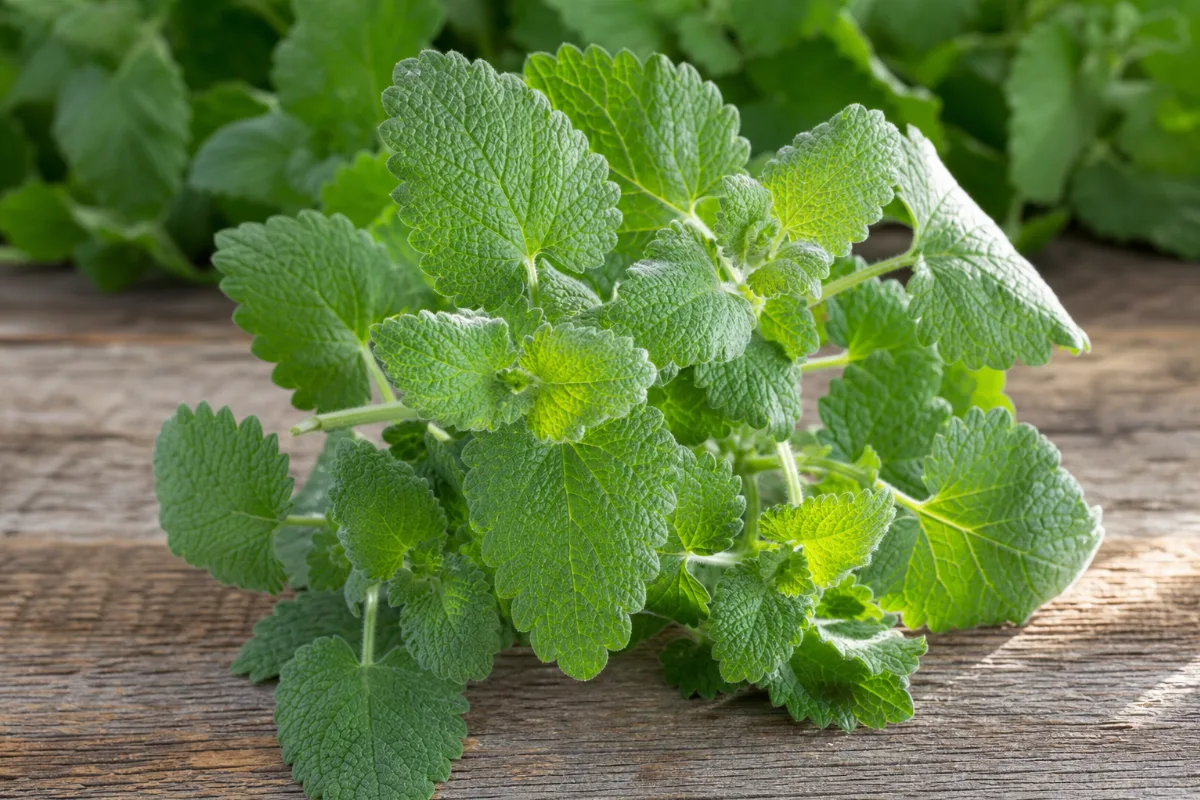
Catnip (Nepeta cataria) is a mint-family herb used as a tea for people. We looked for human trials on calm and sleep and report what we found and did not find.
Content last updated . This page has not been medically reviewed.
Safety first. Natural products can cause side effects and interact with medicines. Read herb safety and interactions before you use anything on this page.
What is Catnip (herb for people) good for?
What the body uses it for, and how strong the evidence is. A normal job in the body is not proof that extra supplements add benefit; each card says which.
Calming or sleep aid (traditional use)
Not enough evidenceCatnip tea is traditionally used as a relaxing herb for people. We found no human trial showing it calms or helps sleep.
Supplements: No good evidence of benefit in people.
Behaviour effects in mice
Lab or animal research onlyMice fed catnip moved and reared more and showed more repetitive behaviour. The authors suggested an amphetamine-like effect, not a calming one.
Supplements: Animal findings do not show benefit or safety in people.
Traditional use of the Nepeta genus
Not enough evidenceSpecies of Nepeta are used traditionally for colds, coughs, stomach disorders and more, mostly other species than catnip. Traditional use is not proof of effect.
Supplements: The review says proper clinical trials are still needed.
Lab activities reported for Nepeta species
Lab or animal research onlyThe genus review lists antioxidant, anti-inflammatory and antimicrobial activity in lab work. These results are not shown for catnip in people.
Supplements: Lab results do not show benefit in people.
Documented risks and interactions (2)
- Shorter sleep after a sedative (mice). In mice, catnip shortened sleeping time after a sedative drug and raised seizure susceptibility. This is a possible interaction signal, not confirmed in people.
- Safety in pregnancy, children and with medicines not described. The sources we read did not describe safety in pregnancy, breastfeeding, children or with medicines in people. Absence of information is not proof of safety.
Key points first
- Proper evidence not found for catnip helping people relax or sleep. We searched PubMed for Nepeta cataria and catnip with human, tea, sedative and sleep terms and found no human trial among the results. The animal study we read does not show a calming effect in people.
- A mouse study found catnip had stimulant-like effects, not calming ones. [1]
- Two reference databases (RxList and WebMD) advise avoiding catnip in pregnancy, warn about extra drowsiness with sedative medicines, and caution about use in children. [4][5] They summarise other sources and are not trials. Ask a pharmacist or clinician first.
Overview
Catnip, also called catmint, is described in a mouse study as a plant used extensively to treat human diseases and in toys for pets. [1] This page is about the leafy herb for people. It does not cover catnip essential oil used as an insect repellent, which is a different product and a different question.Names, parts and look-alikes
The accepted scientific name is Nepeta cataria L., in the family Lamiaceae, also called the mint family. [2][3] The sources we read did not specify which plant parts are used, so check any label. The genus Nepeta has many species, and studies of other species do not apply to N. cataria. A review of the genus describes many Nepeta species in traditional medicine, particularly in the Himalayan region of India, Pakistan, Nepal, China, Turkey and Iran. [3] Look for the full scientific name on any label.Traditional use (not proof of effect)
The genus review lists traditional uses of Nepeta species for conditions such as chicken pox, tuberculosis, malaria, pneumonia, influenza, stomach disorders, respiratory disorders, asthma, colds and coughs. [3] These are records of use in different regions, mostly for other species or the genus as a whole. They are not proof that catnip treats any condition. See traditional use versus research evidence.What research shows
| Use | What the source found | Strength of evidence | Population and form |
|---|---|---|---|
| Calming or sleep in people | Proper evidence not found (PubMed searches described above). | No good evidence found | None |
| Behavior in mice | Mice fed catnip as 10% of their diet for 1 or 7 days moved and reared more, and showed more repetitive behavior and more susceptibility to seizures. Catnip also shortened sleeping time after a sedative drug. The authors suggested an amphetamine-like effect. [1] | Preclinical (animals); not a measure of safety or benefit in people | Mice; plant mixed in food |
| Overall state of research | The genus review says more comprehensive clinical trials are needed. [3] | Insufficient evidence | Genus Nepeta |
The mouse result matters because many readers expect catnip to be calming. The animal study we read points the other way, and animal findings do not reliably predict effects in people.
Forms and why the form matters
Catnip is sold as dried herb for tea, tinctures and capsules. We found no regulator monograph or human study that compares forms, so we cannot say how any form compares. Teas, tinctures and capsules are explained in herbal teas, infusions and decoctions. This page gives no preparation instructions.Safety
- Medicines: RxList rates the interaction with sedatives (for example clonazepam, lorazepam, phenobarbital, zolpidem) as moderate because catnip may cause drowsiness, and rates lithium as moderate because catnip may act like a diuretic and raise lithium levels. [4] WebMD warns of extra drowsiness with sleep medicines and other sedatives, and lists anticonvulsants, barbiturates, benzodiazepines, tricyclic antidepressants and some cough and cold products containing diphenhydramine or doxylamine. [5] In mice, catnip shortened the sleeping time after a sedative drug, which is a reason to ask a pharmacist if you take sedatives. [1] See how interactions work.
- Pregnancy and breastfeeding: RxList rates catnip "likely unsafe" in pregnancy because it may stimulate the uterus and might cause a miscarriage, and advises avoiding it while breastfeeding because reliable information is lacking. [4] WebMD advises people who are pregnant to avoid it. [5] Please see pregnancy and breastfeeding and ask your clinician.
- Children: RxList rates oral use in children "possibly unsafe" and describes one case of stomach pain, irritability and sluggishness. [4] WebMD says larger amounts may cause vomiting in children and advises against catnip tea for colicky babies. [5] Never give a herbal product to a baby or young child without asking a clinician or pharmacist (see children and teens).
- Surgery, other conditions, allergy: RxList says to stop catnip at least two weeks before scheduled surgery and to avoid it with pelvic inflammatory disease or heavy periods. [4] WebMD lists drowsiness, upset stomach, vomiting and allergic reactions, mostly in people allergic to other mint-family plants. [5] Liver, kidney and older adults were not described in the sources we read. Tell your surgical team about any herb you use.
- Contamination and quality: not described for catnip in the sources we read; see quality testing and certifications.
Related
Herbs for sleep: what research shows and lemon balm, another mint-family herb.Frequently asked questions
Does catnip calm people?
We found no human trials, and a mouse study suggested stimulant-like effects. [1]
Is catnip tea safe?
Proper evidence from trials was not found. Reference databases rate cupful amounts as possibly safe for most adults but advise avoiding it in pregnancy and warn about sedatives. [4][5] Ask a pharmacist or clinician. See the catnip tea page.
Can catnip help me sleep?
Proper evidence not found. A mouse study found less sleeping time after a sedative drug, not more sleep. [1]
Is catnip the same as catmint?
The mouse study we read uses both names for Nepeta cataria. [1] The genus Nepeta has many species, so look for the full scientific name. [2][3]
Can I use catnip oil for the same purpose?
Catnip essential oil is a different product. This page covers the herb only. Essential oils are covered in the essential oils area.
References
- Massoco CO, et al. Behavioral effects of acute and long-term administration of catnip (Nepeta cataria) in mice. Vet Hum Toxicol 1995. PubMed. Read 2026-10-22.
- GBIF Backbone Taxonomy, species match: Nepeta cataria. Read 2026-10-22.
- Sharma A, Cooper R, Bhardwaj G, Cannoo DS. The genus Nepeta: traditional uses, phytochemicals and pharmacological properties. J Ethnopharmacol 2021. PubMed. Read 2026-10-22.
- RxList. Catnip. Reference database. Read 2026-10-24.
- WebMD. Catnip tea: uses, side effects, interactions. Medically reviewed 7 February 2025. Reference database. Read 2026-10-24.