Nori, Kelp, Dulse, Spirulina & More: What Research Shows & What to Check.
Seaweed and algae come first as food. Explore each sea vegetable, microalga, extract and seaweed product: what is in it (measured by USDA where USDA has a value), what research in people has and has not found, a normal serving, and what to check before you eat it: too much iodine and thyroid disease, arsenic and cadmium (hijiki), vitamin K and warfarin, microcystins in blue-green algae supplements, sodium, pregnancy and children.
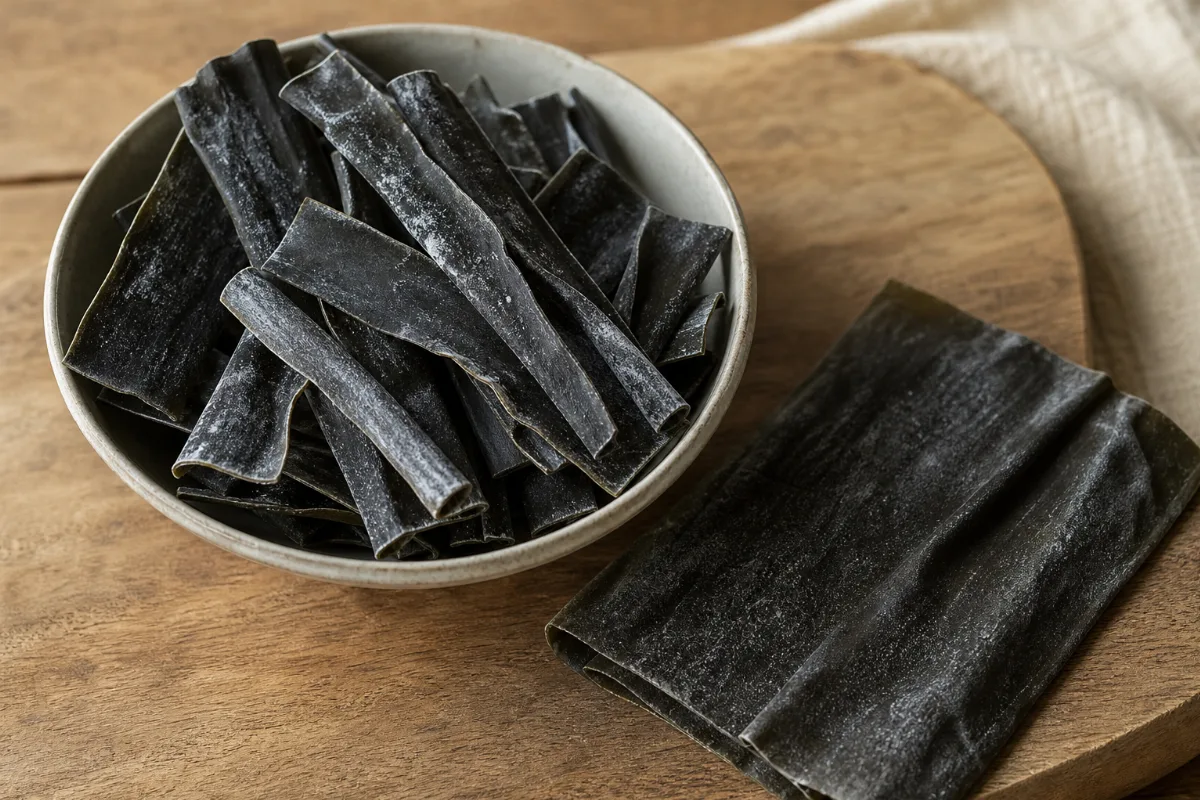
Normal serving (USDA): 2 tbsp (1/8 cup), 10 g raw kelp
Kombu (kelp) as a food: why iodine comes first, USDA values, what studies found on thyroid, body fat and blood pressure, arsenic and cadmium, and who should check with a clinician.
Kombu iodine and thyroid function in seaweed eaters
Kombu and thyroid hormones in a 12-week trial
Cooking and how much kombu iodine reaches the body
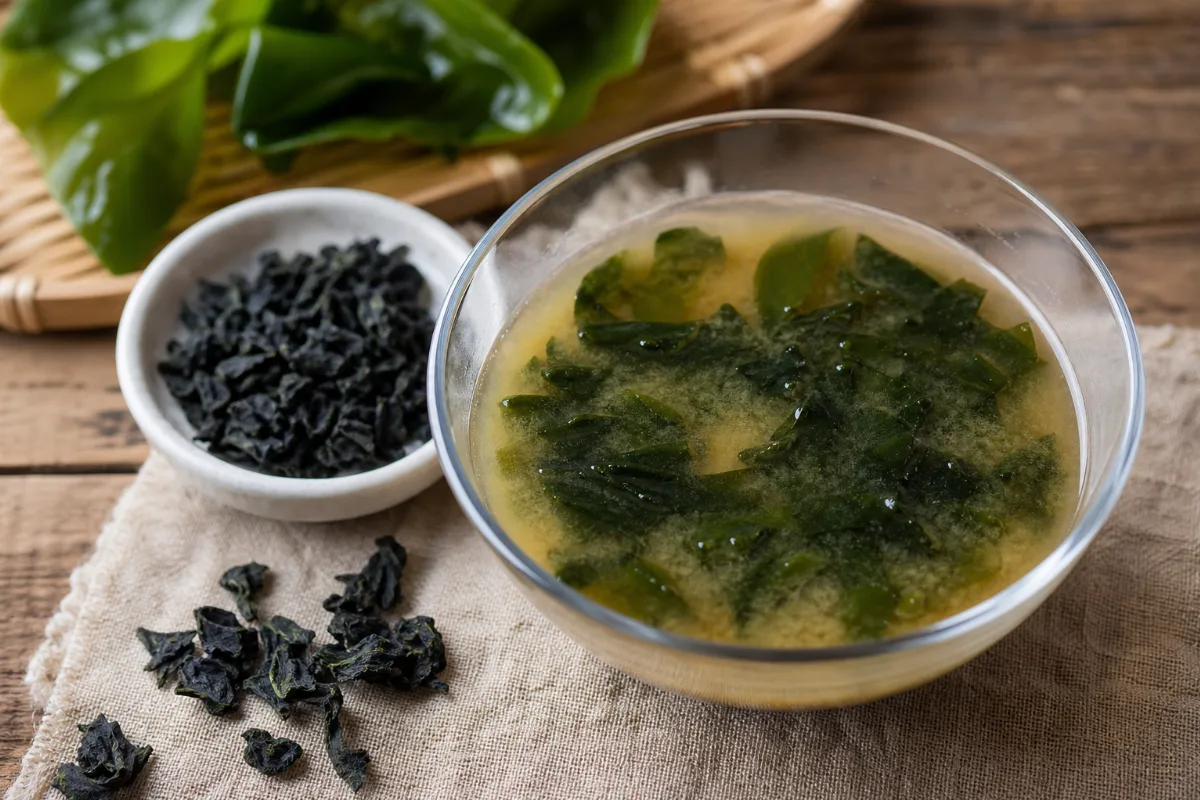
Normal serving (USDA): 2 tablespoons (1/8 cup), 10 g raw
Wakame as a food: iodine is the main safety point, USDA values for raw wakame, miso soup use, what research shows, arsenic and pregnancy notes, and the invasive-species background.
Wakame and iodine intake
Wakame in miso soup and cooking
Minerals in raw wakame
Wakame for heart disease, diabetes or weight: evidence
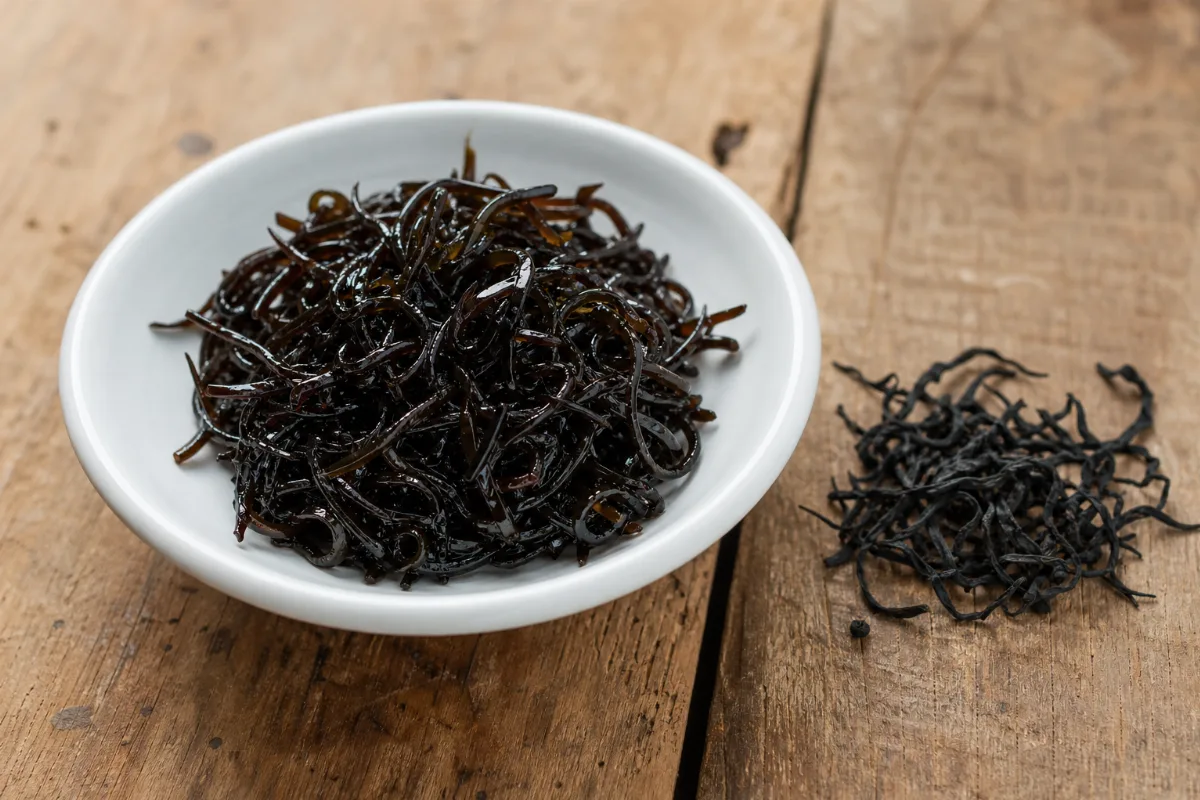
Normal serving (USDA): No official serving size found
Arame as a food: a mild brown seaweed from Japan. Its iodine, cadmium and arsenic as measured in a recent study, why it is not hijiki, and what research does and does not show.
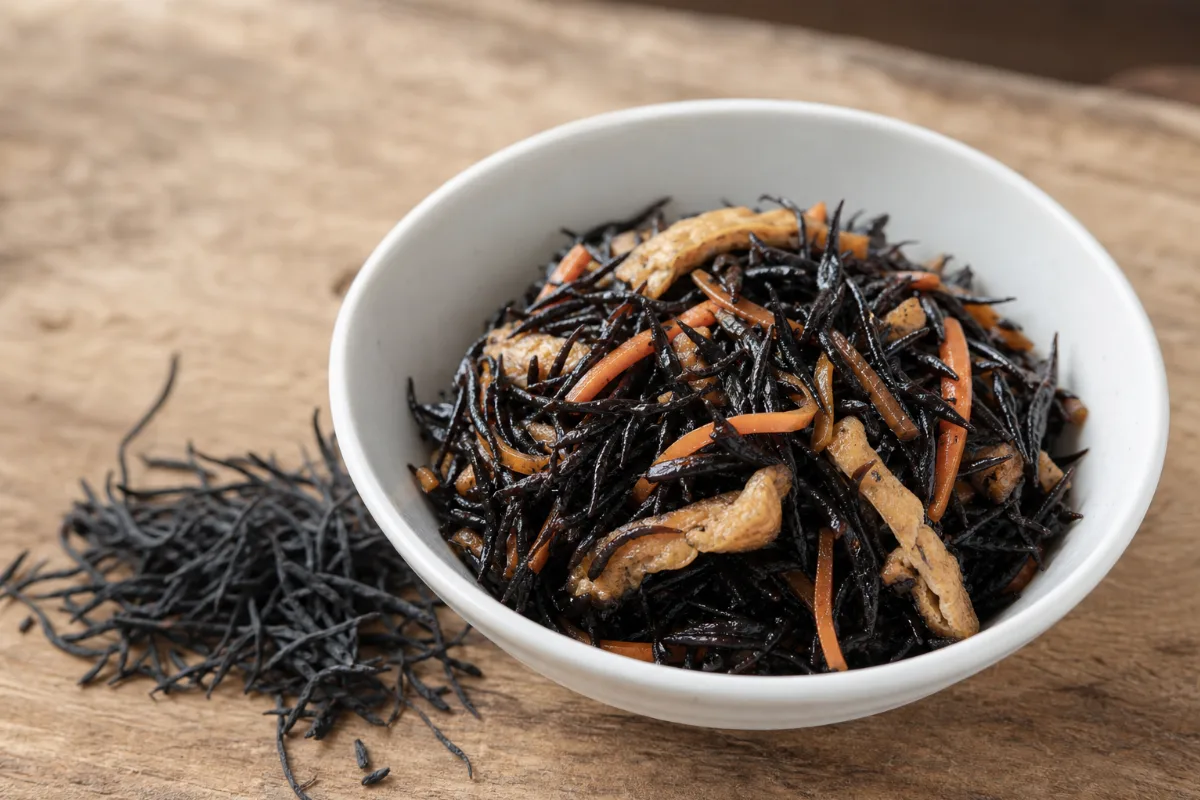
Normal serving (USDA): No official serving size found; Japanese study estimate for cooked hijiki about 6.5 g a day on average (information only)
Hijiki as a food: why government agencies disagree about its inorganic arsenic, what each one said, its high iodine, what research shows, and how it is cooked and chosen.
Mozuku (Okinawa mozuku, Cladosiphon okamuranus) as a food: the slimy brown seaweed, its fucoidan, what small trials found, and iodine, arsenic and medicine cautions.
Normal serving (USDA): 10 sheets (26 g), raw laver
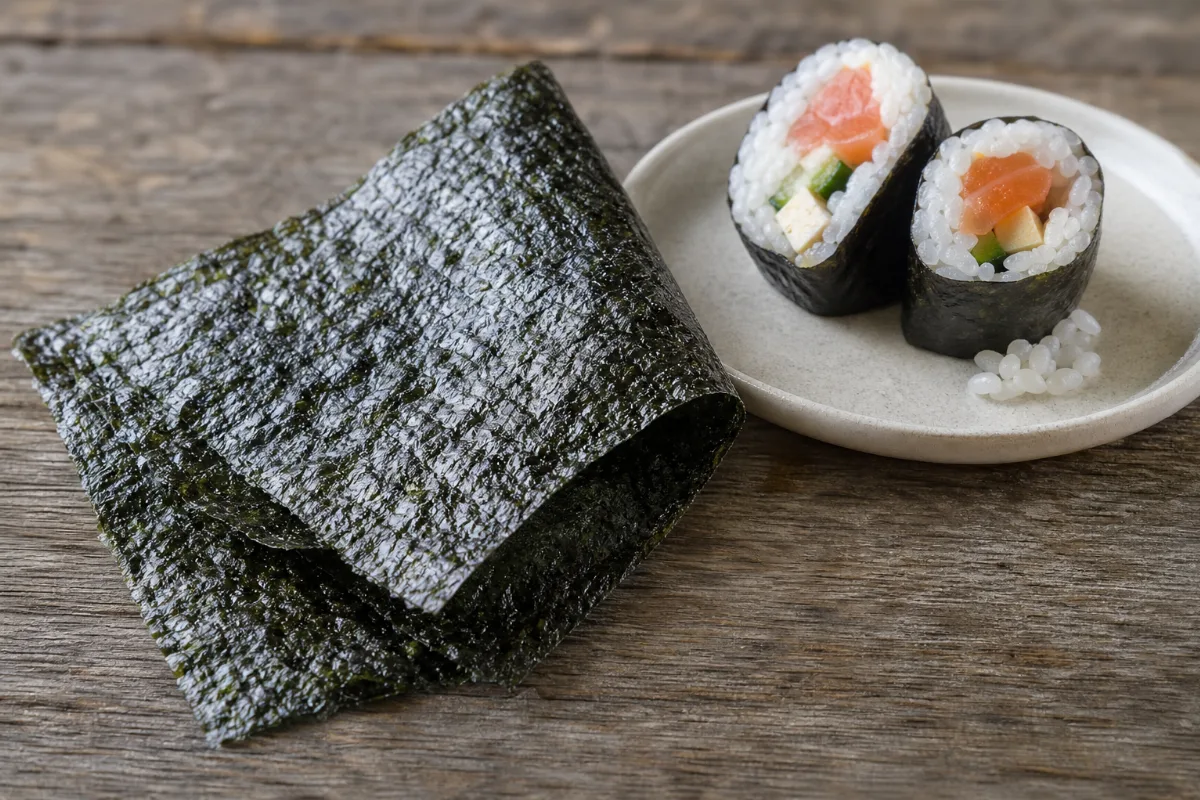
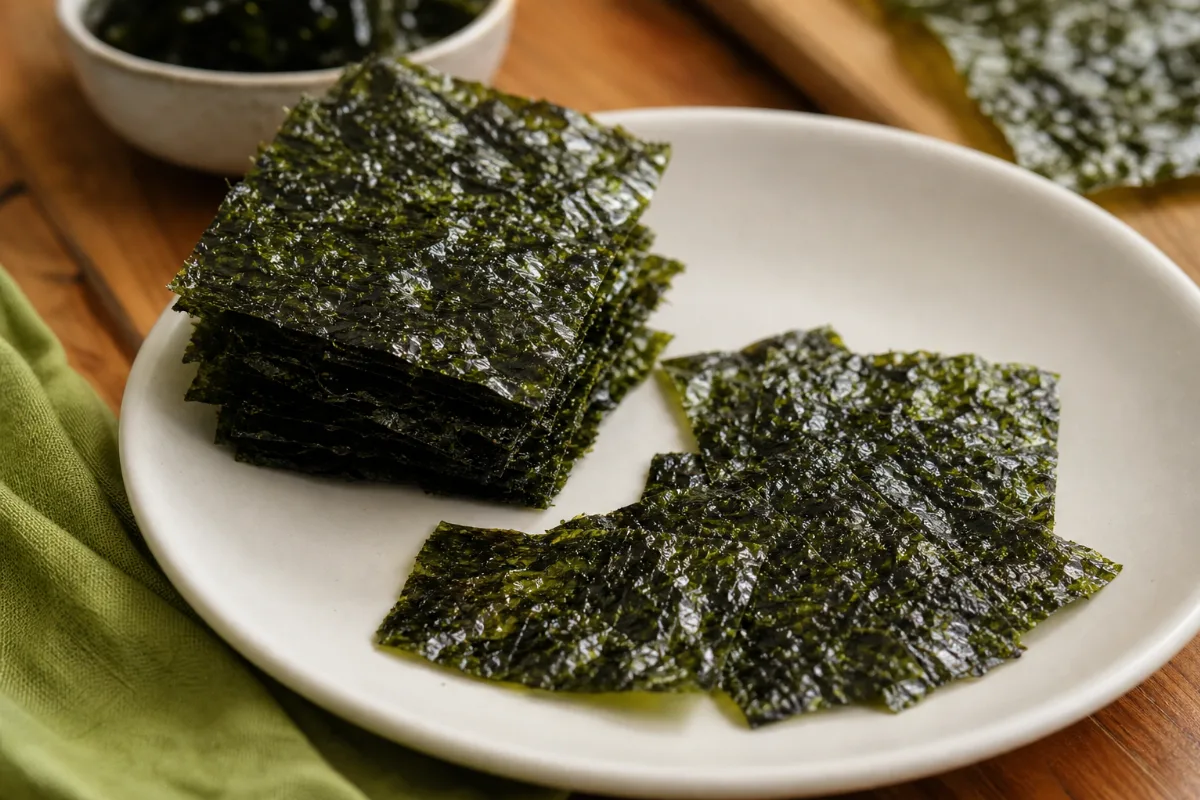
Nori (laver) as a food: iodine level, the vitamin B12 question (true versus inactive forms), USDA values for wet laver, snack sheet cautions, and what trials found.
Normal serving (USDA): No official serving found. The Arctic study authors calculated a maximum of 0.63 to 0.92 g dry weight a day for a 70 kg adult from iodine content
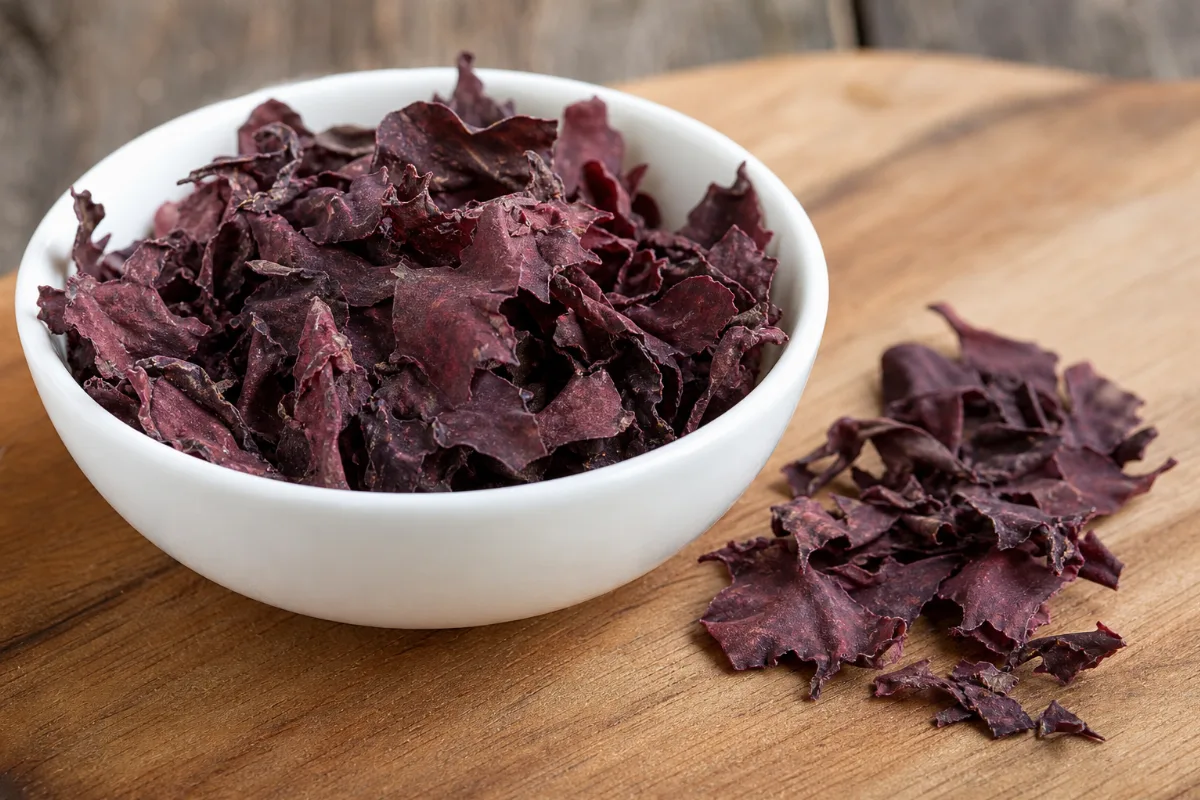
Dulse is a red seaweed from the North Atlantic. What research says about its iodine, protein and metals, who should be careful, and what is hype.
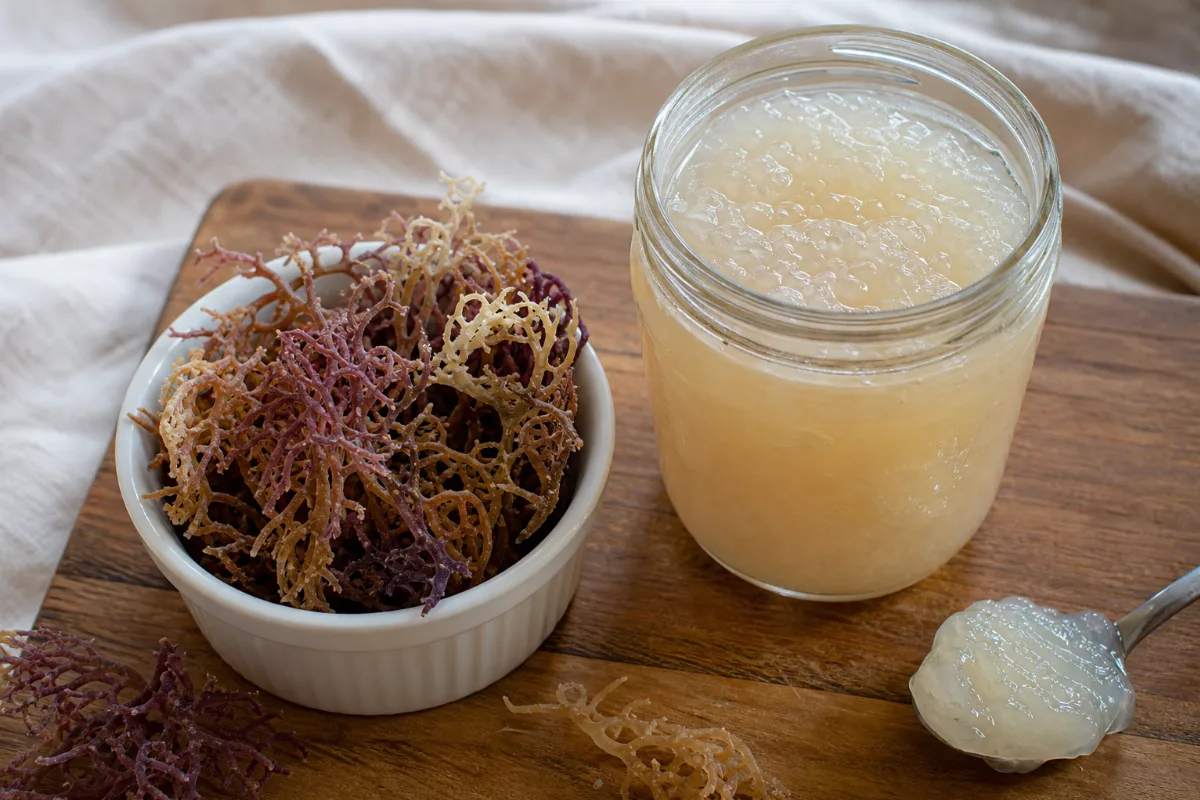
Sea moss (Eucheuma, Kappaphycus, Gracilaria) as a food: what the names mean, USDA values, iodine and metals first, and why "92 minerals" and other claims are not backed.
Sea moss as a source of fiber and minerals
Sea moss and the "92 minerals" claim
Sea moss and vitamin B12 claims
Sea moss for gut health, immunity, skin and weight loss
Normal serving (USDA): 1 g dried flakes (our arithmetic from per-100 g values; no official serving found)
Sea lettuce (Ulva) as a food: Japanese dried "aosa" nutrient values, high iodine per gram, pollutant questions, what small studies of extracts show, and who should be careful.
Nutrients listed for dried sea lettuce
Sea lettuce extract, antioxidant and inflammation markers
Sea lettuce in the lab and animals: liver and antioxidant studies
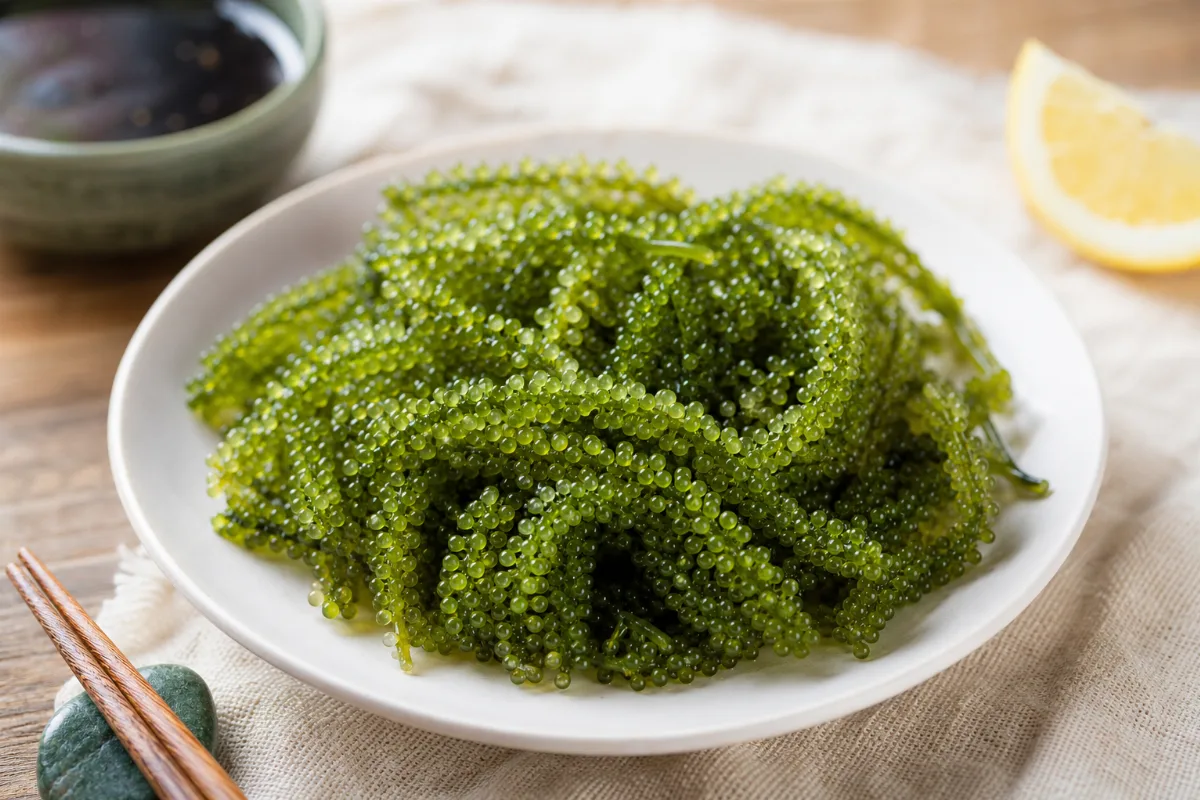
Sea grapes (umibudo, Caulerpa lentillifera) as a food: what farm analyses found, raw-food safety, salt and iodine gaps, and what lab and small human studies do and do not show.
Sea grapes as a food: nutrient content varies by farm
Sea grapes and blood sugar after a meal
Iodine, arsenic and metals in sea grapes: data gaps
Normal serving (USDA): 1 g dried flakes (our arithmetic from per-100 g values; no official serving found)
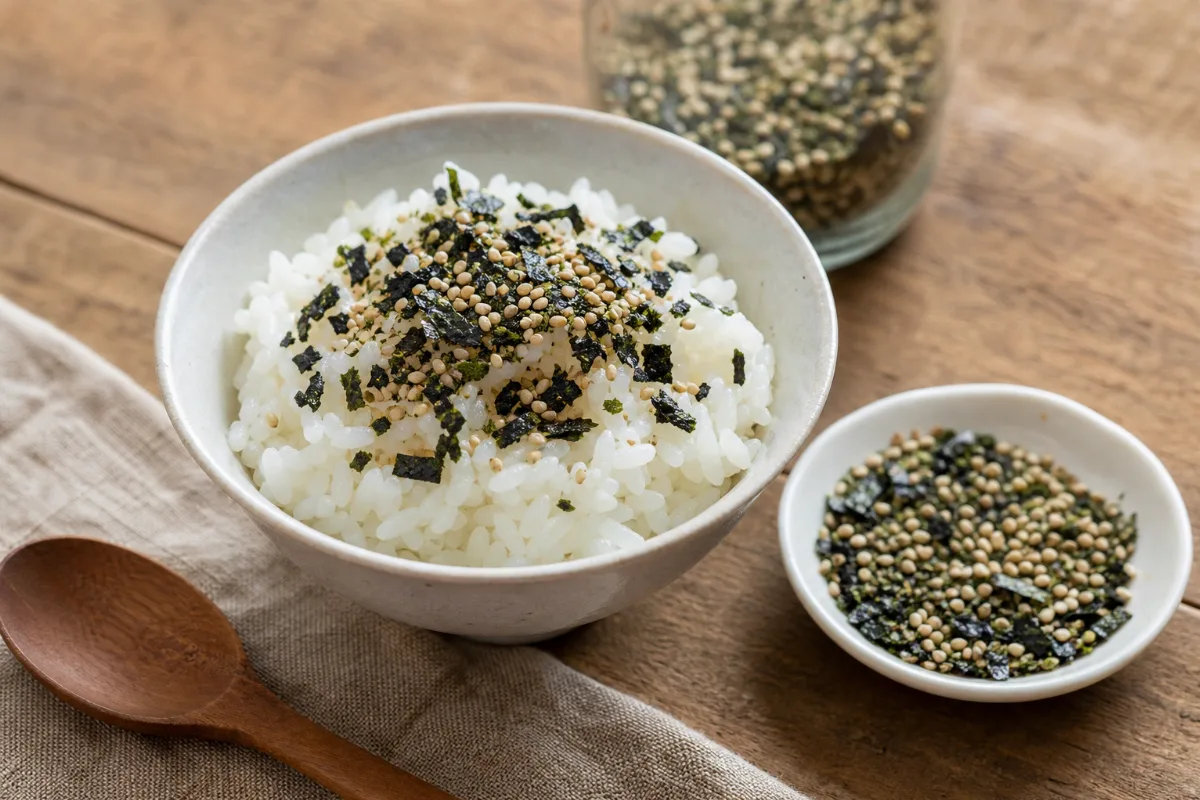
Ao-nori (green laver) as a food: Japanese dried flake nutrient values, iodine per gram, why it is not nori for B12, salt, naming mix-ups, and who should ask a clinician first.
Ao-nori and vitamin B12 claims
Minerals and vitamins listed for dried ao-nori
Fiber and protein in dried ao-nori
Aonori, aosa and hitoegusa: what the label may mean
Normal serving (USDA): No official serving; no USDA entry
Dunaliella, a microalga rich in natural beta-carotene: the smokers and lung cancer warning, what small trials found, and how regulators treat it as a color and supplement.
Dunaliella powder (9-cis beta-carotene) and retinitis pigmentosa
Dunaliella beta-carotene and exercise-induced asthma
Dunaliella: antioxidant, cholesterol and immune claims
Dunaliella as a food: composition and legal status
Normal serving (USDA): No official serving; no USDA entry
Euglena, a single-celled alga rich in paramylon beta-glucan: what Japanese and Korean trials found on colds and immunity, EU novel-food safety opinions, and how thin the human evidence is.
Normal serving (USDA): No official serving; no USDA entry
Nannochloropsis is a marine microalga rich in EPA omega-3. See which forms are sold, what the few human trials found, safety data, and its EU and US status.
Gelidium spp., Gracilaria spp., extract of red seaweeds
Normal serving (USDA): 2 tablespoons raw agar (about 10 g); no USDA portion for dried agar
Agar (agar-agar) from red seaweed: a vegetarian gelling agent. USDA values, what the EU safety review found, the dry-swallowing and bowel-blockage caution, and why diet claims lack trials.
Normal serving (USDA): No serving: food additive used in small amounts
Carrageenan (E407) from red seaweeds: food-grade versus degraded poligeenan, what EFSA, JECFA and FDA say, the Tobacman critiques, small human trials, and the 2016 organic board vote.
Carrageenan (E407) safety at current food use
Degraded carrageenan (poligeenan) versus food-grade carrageenan
The Tobacman critique: carrageenan and gut ulcers or tumors in animals
Laminaria spp., Macrocystis pyrifera, Ascophyllum nodosum, extract of brown seaweeds
Normal serving (USDA): No standard serving; alginate is used as an additive or medicine
Alginate from brown seaweed as a food additive, a Gaviscon-type reflux medicine and a diet supplement: what regulators and trials found, and what they did not show.
Fucoidan, the sulfated sugar from brown seaweeds, sold as capsules and powders: what human trials found, the blood-thinner caution, iodine and metal questions, and lab-only claims.
Fucoxanthin (carotenoid pigment of brown seaweeds and diatoms)
Normal serving (USDA): No official serving; no USDA entry
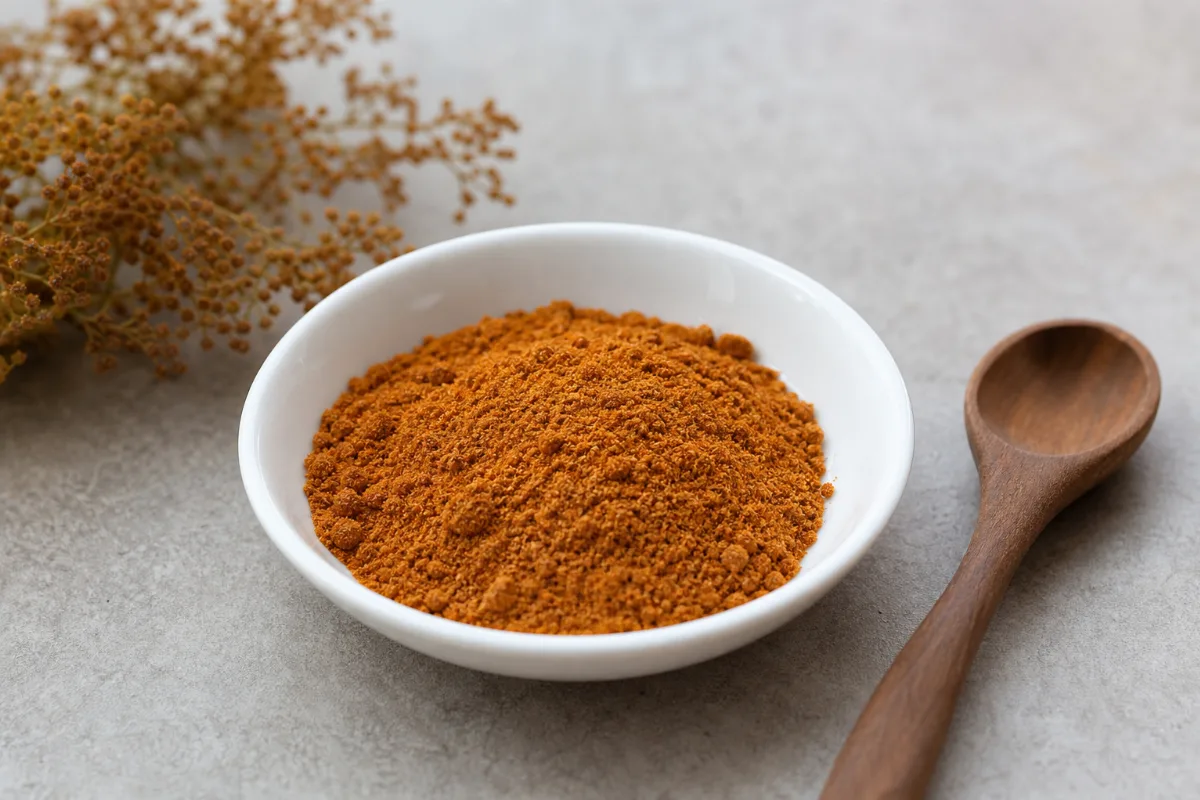
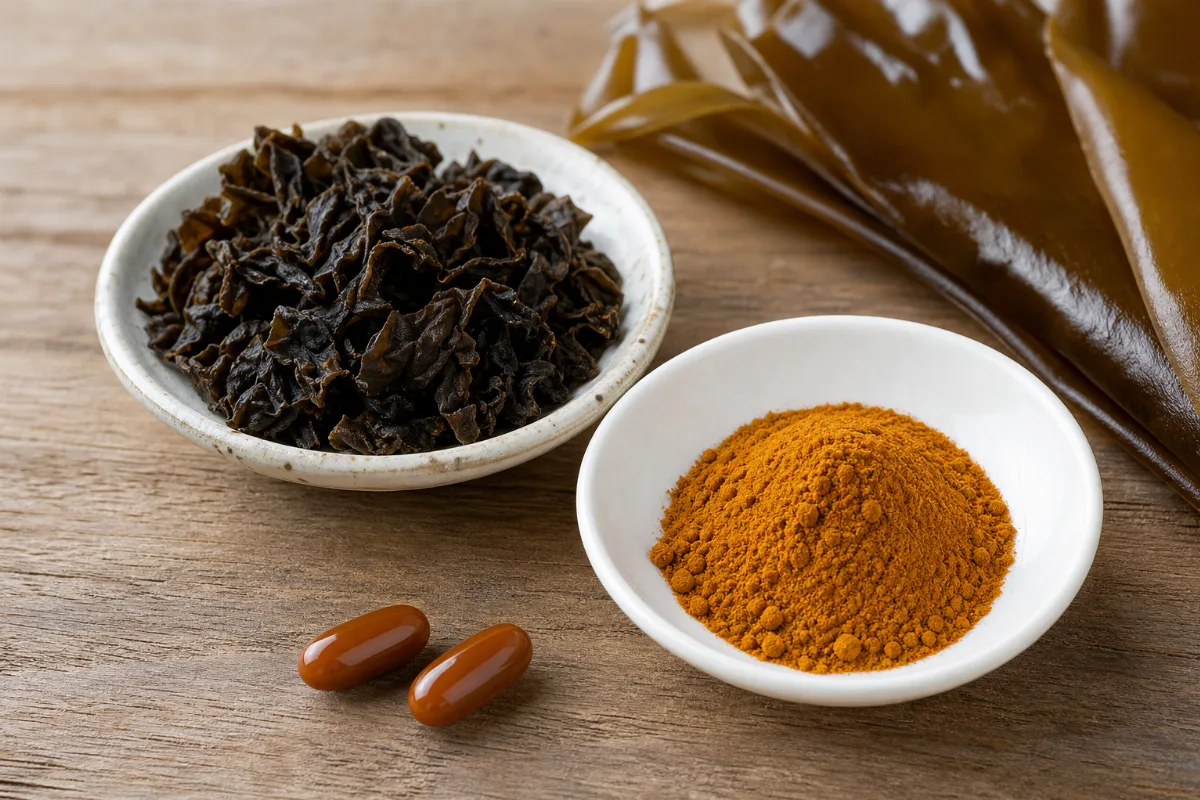
Fucoxanthin is an orange pigment of brown seaweeds sold for weight loss. See the human trials, absorption, safety data and the iodine and metal cautions.
Fucoxanthin and weight loss: what trials found
Xanthigen (fucoxanthin plus pomegranate oil) trial
Fucoxanthin, HbA1c and liver fat: lab versus people
Absorption of fucoxanthin and effect of dietary fat
Normal serving (USDA): No official serving; food color used at good manufacturing practice levels
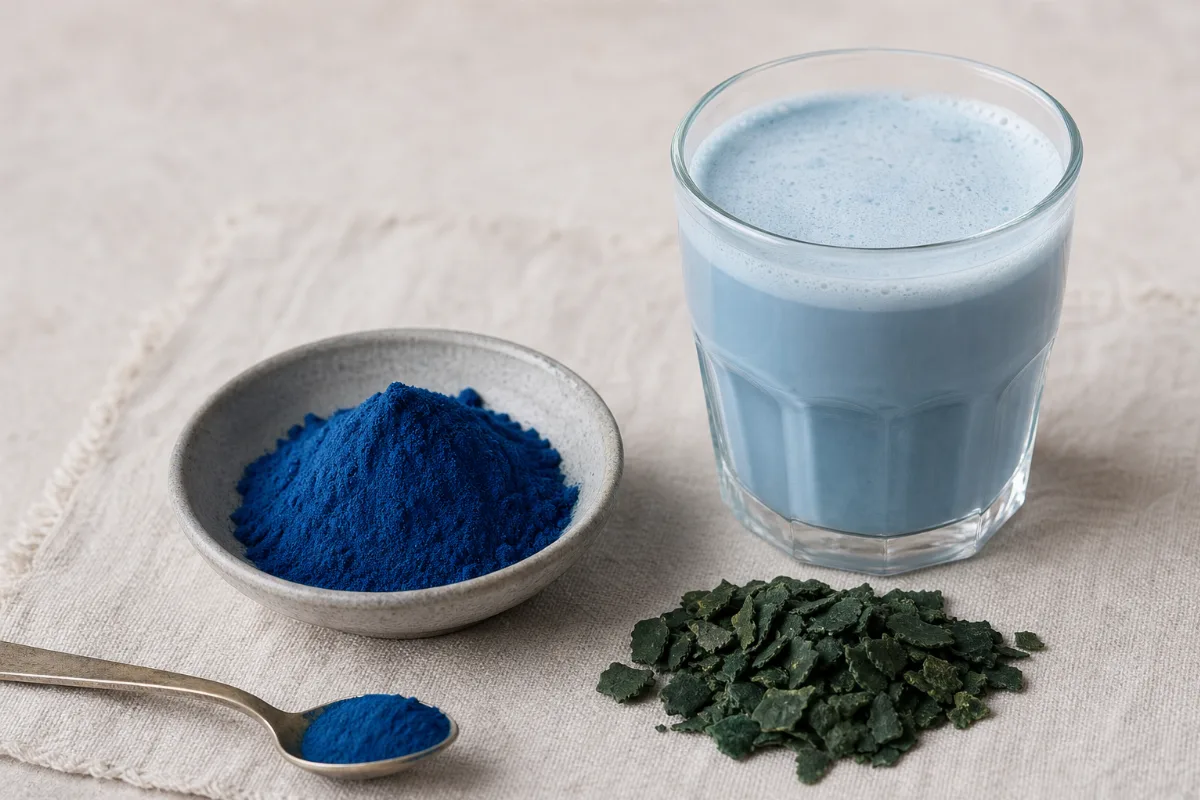
Phycocyanin, the blue pigment from spirulina used in drinks, candy and lattes: FDA color rules, thin human evidence, supplement form, allergy and color stability.
Blue spirulina as a food color (FDA listing)
Phycocyanin and human health: trial evidence
Phycocyanin as antioxidant and anti-inflammatory: lab findings
Noodles made from kelp (alginate) gel, Laminaria / Saccharina kelp with sodium alginate
Normal serving (USDA): 4 ounces (about 113 g) per the manufacturer label
Kelp noodles are clear, crunchy noodles made from kelp and alginate gel. What labels show, iodine and thyroid cautions, and what low-carb and weight claims can and cannot say.
Iodine in processed kelp: lab and animal findings
Kelp noodles as a low-calorie, low-carb pasta swap
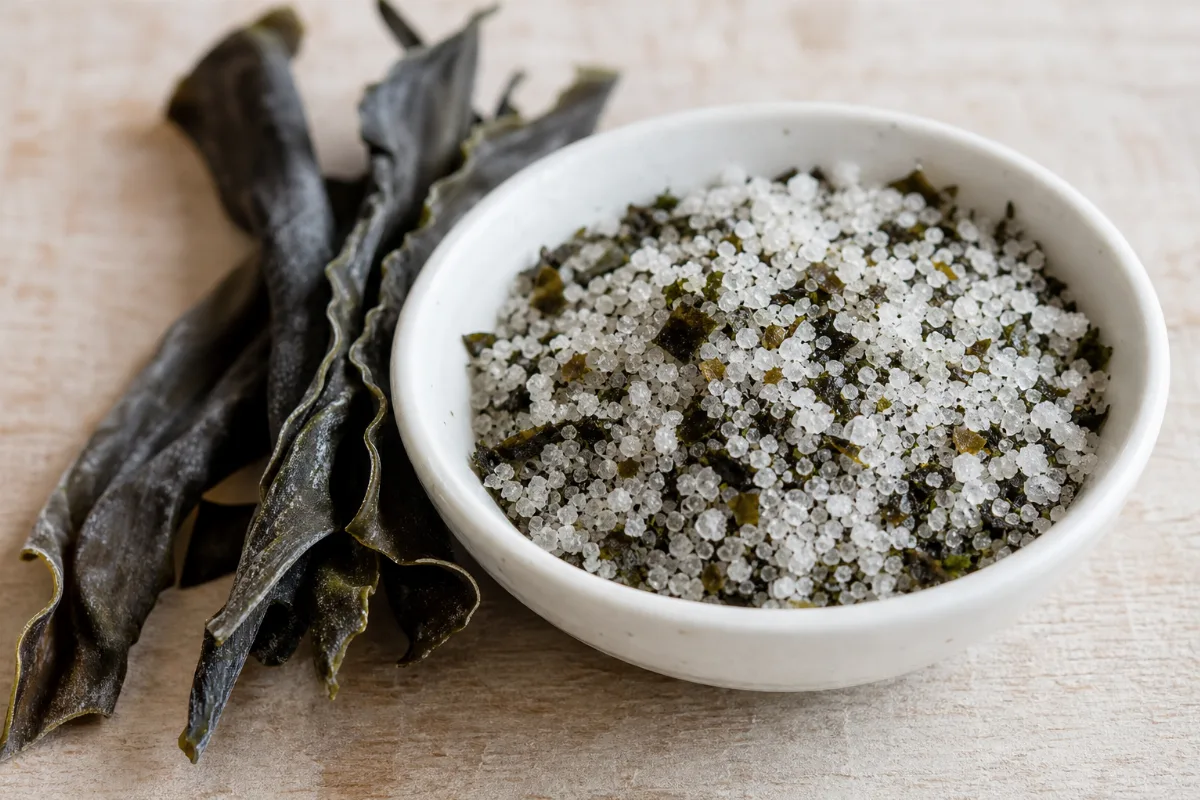
Seaweed salt explained: what the name can mean, why it is still salt, how kelp iodine makes labels matter, what sodium-cutting research exists, and what we could not find.
Normal serving (USDA): No official serving; packages set their own
Seaweed salad (chuka wakame) as sold in restaurants and stores: sodium, added sugar, colors, iodine, Listeria findings and what we could and could not verify.
Normal serving (USDA): No official serving found; USDA has no dashi entry
Dashi, the Japanese stock made from kombu: kombu-only vs kombu-and-bonito versions, how much iodine can end up in the stock, fish allergy, instant dashi labels and what is known.
Instant dashi, MSG and labels
Kelp dashi and taste in older adults
Umami and glutamate in kombu broth
Dashi and cooking effects on kombu iodine and arsenic
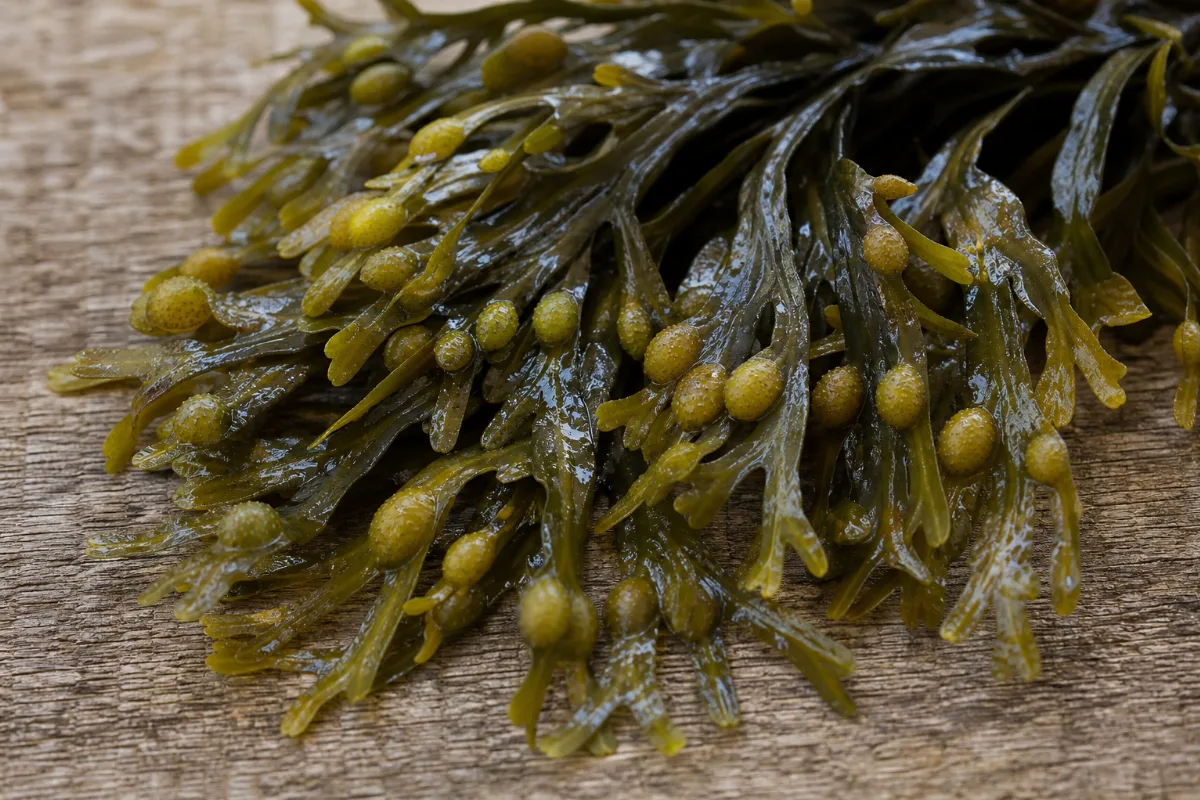
Bladderwrack (Fucus vesiculosus), a brown seaweed: why its iodine can disturb the thyroid, the arsenic and heavy-metal concern, and what EU regulators and trials say about weight-loss claims.
Weight loss as an add-on to a reduced-calorie diet
Underactive thyroid and goitre (traditional claim)
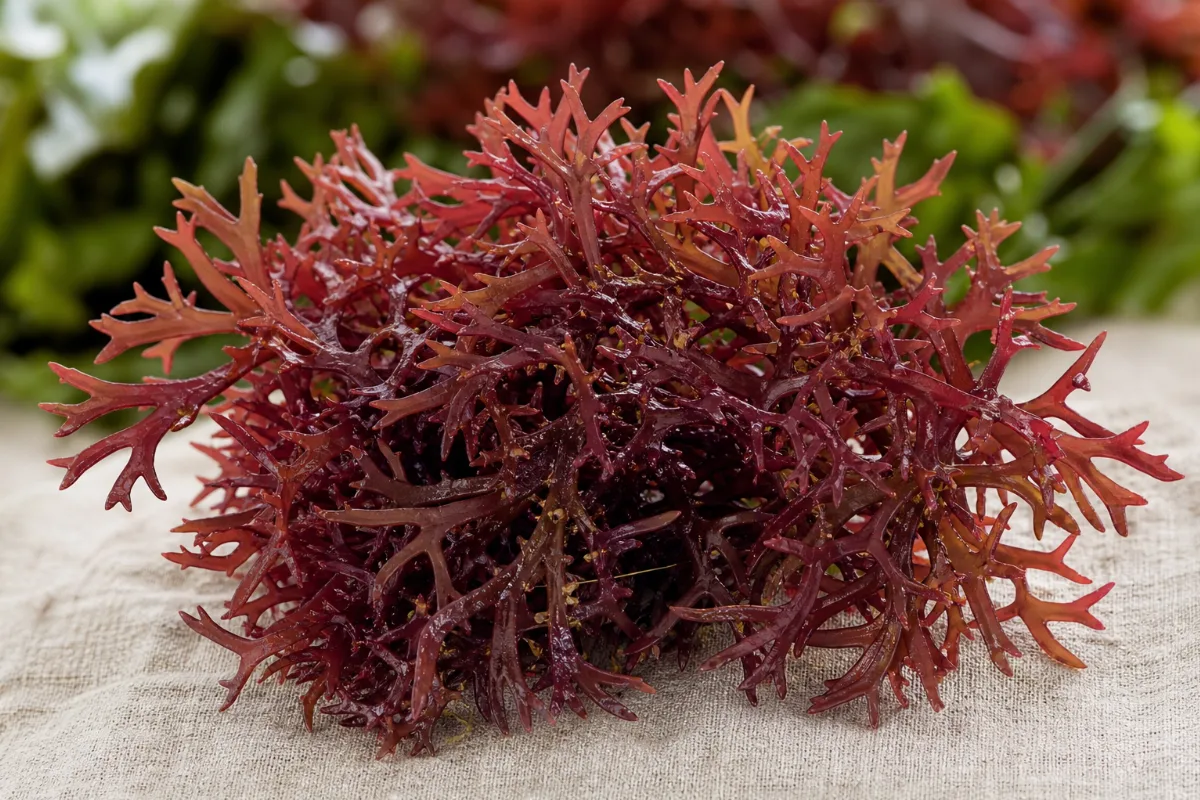
Irish moss or sea moss (Chondrus crispus): what we found on iodine, heavy metals, carrageenan and thyroid cautions, and why the popular sea moss gel claims are not backed by human trials.
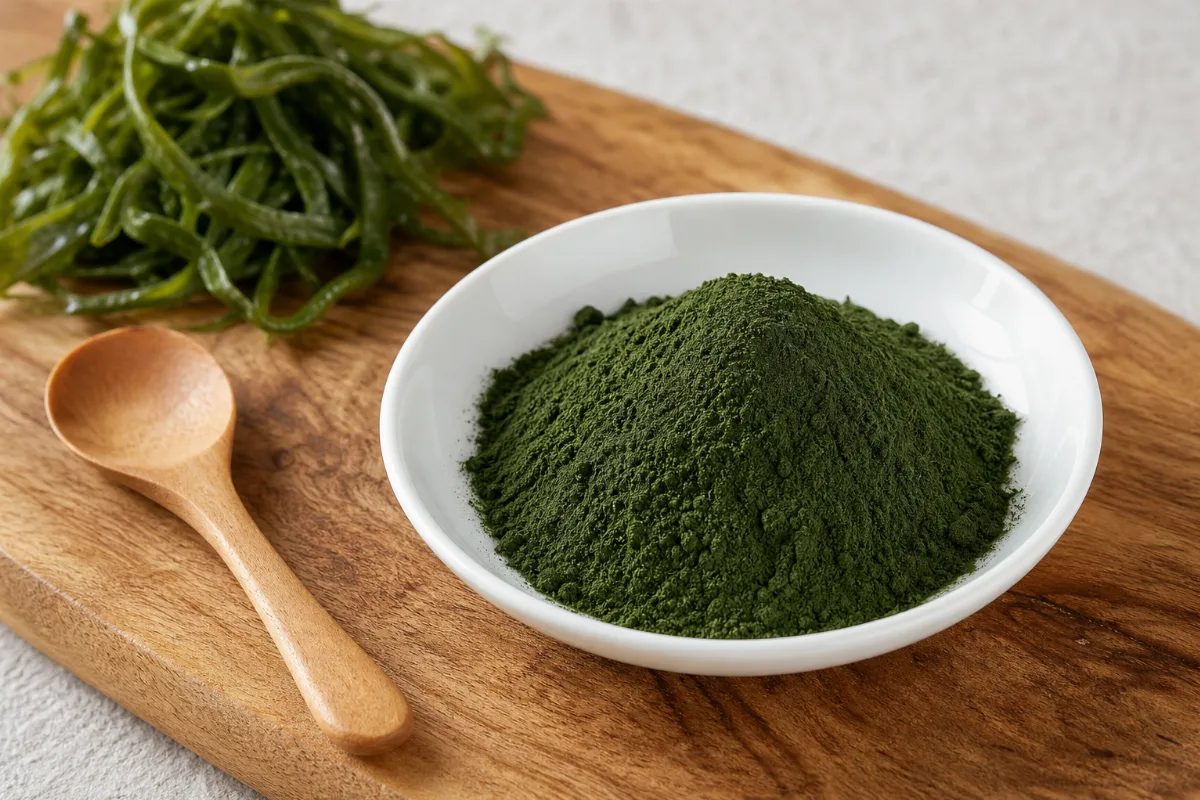
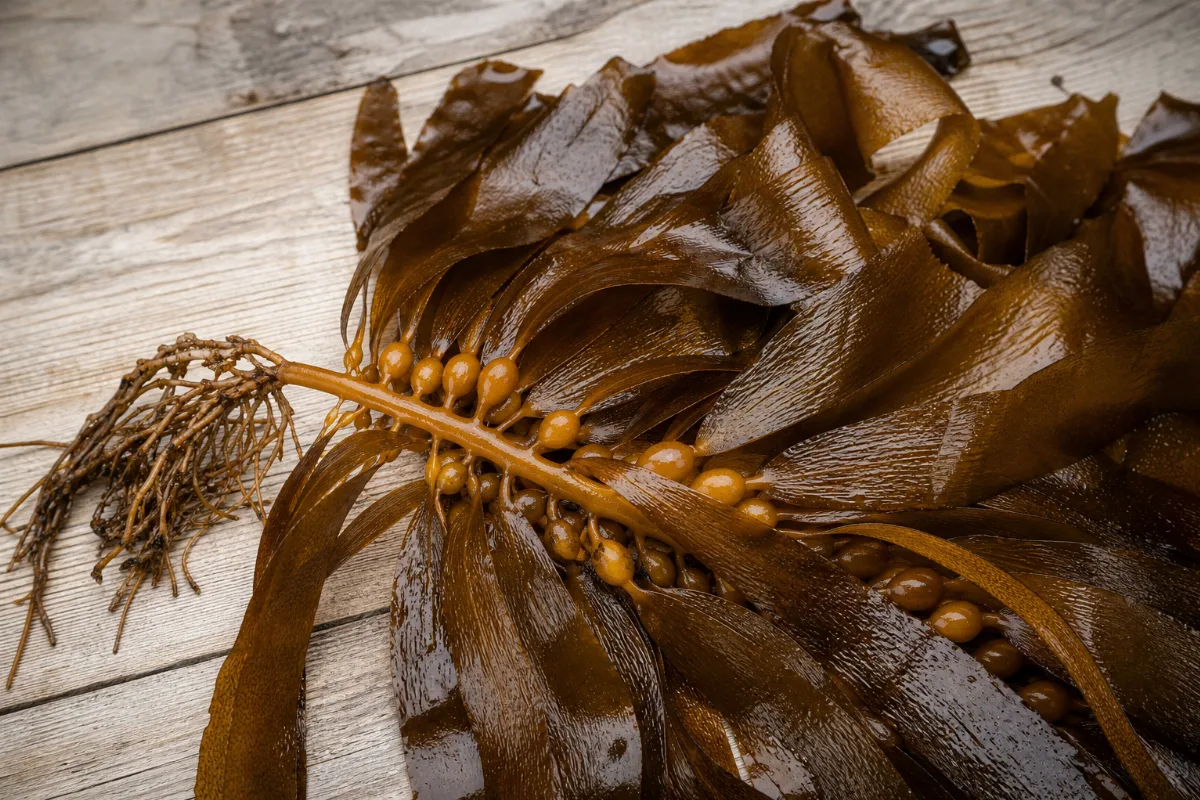
Kelp (Saccharina japonica, also Ascophyllum nodosum), a brown seaweed: why its iodine can upset the thyroid, the arsenic concern, and how little human evidence supports health claims.
Source of dietary iodine
General health benefits in people
Antioxidant and anti-inflammatory compounds (lab findings)
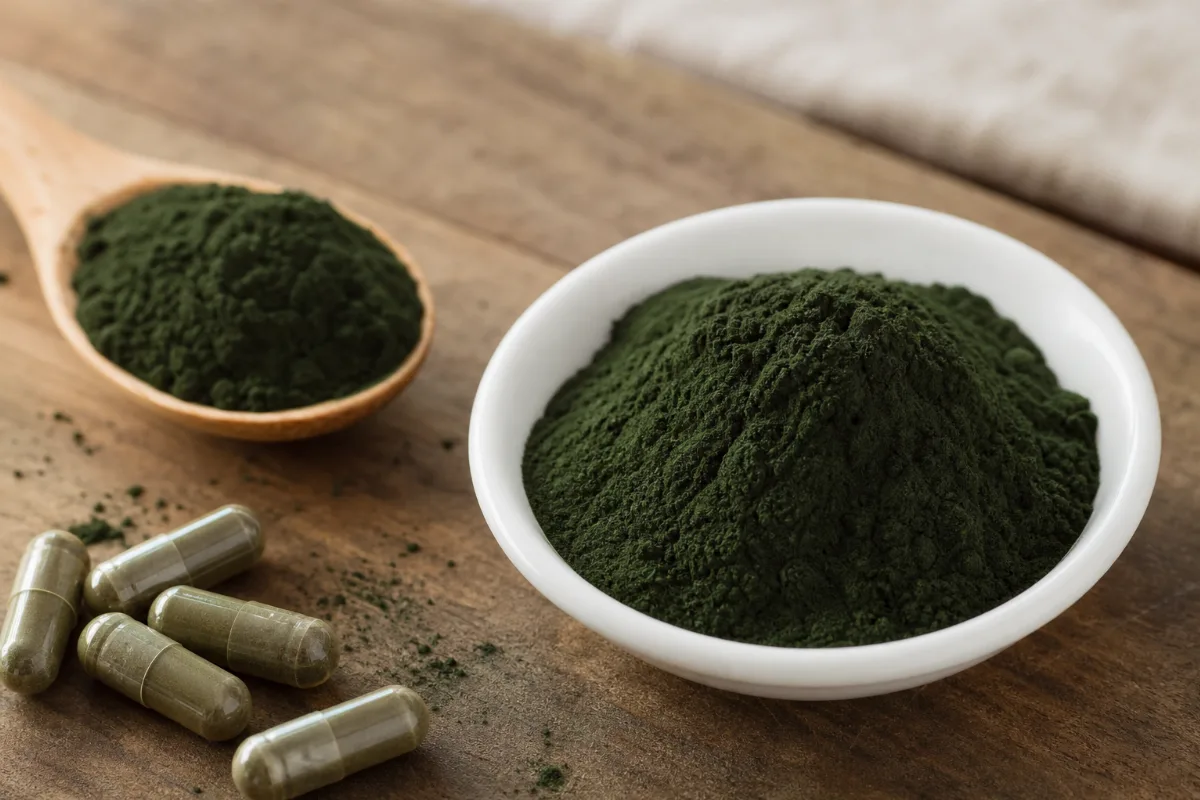
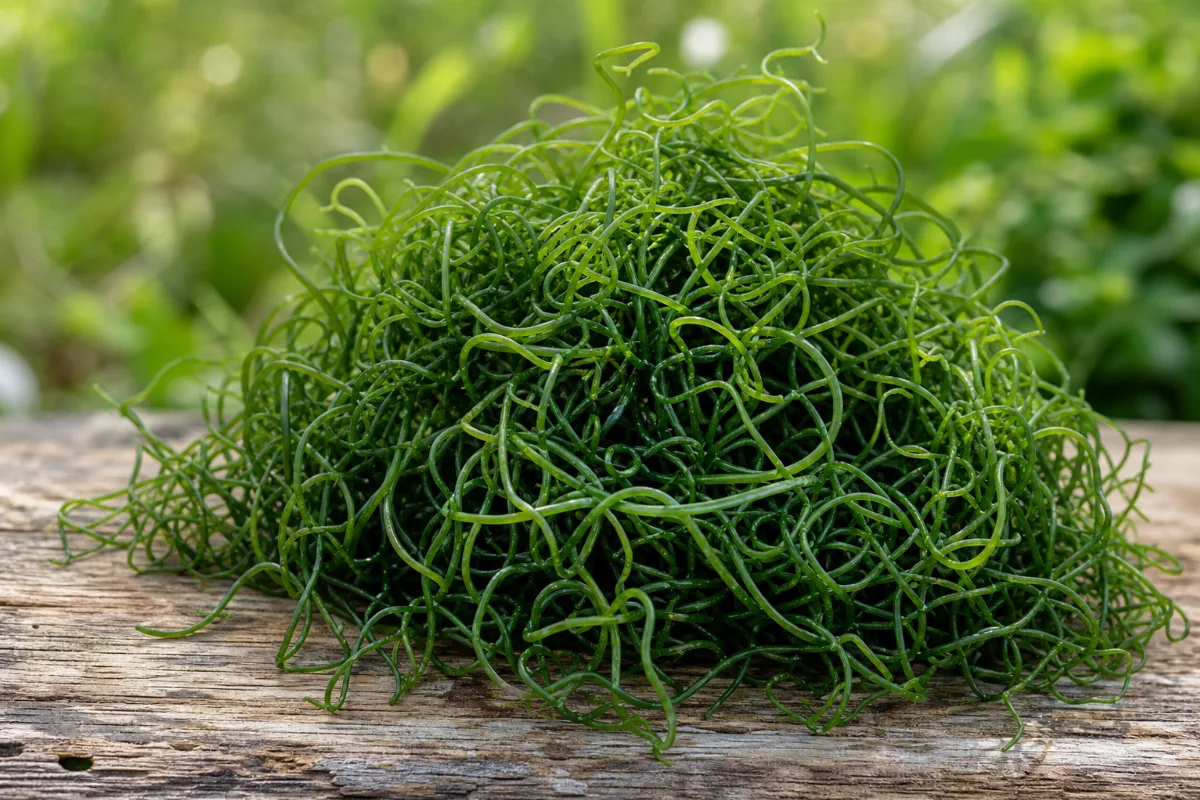
Spirulina (Arthrospira platensis), a blue-green alga sold as powder and tablets: what trials show for cholesterol and blood pressure, plus contamination, allergy and B12 cautions.
Chlorella (Chlorella vulgaris), a green microalga sold as tablets and powder: what trials found, plus vitamin K and warfarin, allergy, contamination and immune-condition cautions.
No seaweed or alga matches all of these filters. Try removing one. Some topics (for example most herbs) are not seaweeds and algae and live elsewhere on the site.
A link between a seaweed or alga and a topic means the body needs the seaweed or alga for that job, or that low intake is linked to it. It does not mean extra supplements help if your intake is already adequate. See each page’s evidence label.
Browse by seaweed or alga group
Brown seaweeds
Kombu, wakame, arame, hijiki, mozuku, kelp and bladderwrack: the big, leathery sea vegetables. Kelp and kombu can hold a lot of iodine; hijiki carries an arsenic advisory.
Agar, carrageenan, alginate, fucoidan, fucoxanthin and phycocyanin: gels, thickeners and concentrated compounds taken from seaweed. A result for an extract does not carry over to the whole seaweed.
Some seaweeds, kombu and other kelps above all, hold far more iodine than the body needs. Too much iodine can upset the thyroid; people with thyroid disease and pregnant people should check first.
Hijiki can contain inorganic arsenic, and several governments advise limiting or avoiding it. Kelp supplements and some blue-green algae products can carry metals or toxins.
Seaweed is a source of vitamin K (a point for warfarin) and sodium. Plant foods do not reliably supply vitamin B12: the B12 guide explains the claims.
Kombu (kelp) as a food: why iodine comes first, USDA values, what studies found on thyroid, body fat and blood pressure, arsenic and cadmium, and who should check with a…
Wakame as a food: iodine is the main safety point, USDA values for raw wakame, miso soup use, what research shows, arsenic and pregnancy notes, and the invasive-species …
Arame as a food: a mild brown seaweed from Japan. Its iodine, cadmium and arsenic as measured in a recent study, why it is not hijiki, and what research does and does no…
Hijiki as a food: why government agencies disagree about its inorganic arsenic, what each one said, its high iodine, what research shows, and how it is cooked and chosen.
Mozuku (Okinawa mozuku, Cladosiphon okamuranus) as a food: the slimy brown seaweed, its fucoidan, what small trials found, and iodine, arsenic and medicine cautions.
Red Seaweeds(3)Nori, dulse and sea moss. Irish moss is listed from Herbs & Botanicals.
Nori (laver) as a food: iodine level, the vitamin B12 question (true versus inactive forms), USDA values for wet laver, snack sheet cautions, and what trials found.
Sea moss (Eucheuma, Kappaphycus, Gracilaria) as a food: what the names mean, USDA values, iodine and metals first, and why "92 minerals" and other claims are not backed.
Green Seaweeds(3)Sea lettuce, sea grapes and ao-nori.
Sea lettuce (Ulva) as a food: Japanese dried "aosa" nutrient values, high iodine per gram, pollutant questions, what small studies of extracts show, and who should be ca…
Sea grapes (umibudo, Caulerpa lentillifera) as a food: what farm analyses found, raw-food safety, salt and iodine gaps, and what lab and small human studies do and do no…
Ao-nori (green laver) as a food: Japanese dried flake nutrient values, iodine per gram, why it is not nori for B12, salt, naming mix-ups, and who should ask a clinician …
Microalgae(4)Blue-green algae (AFA), dunaliella, euglena and nannochloropsis. Spirulina, chlorella, astaxanthin and algal oil are listed from their own sections.
Dunaliella, a microalga rich in natural beta-carotene: the smokers and lung cancer warning, what small trials found, and how regulators treat it as a color and supplemen…
Euglena, a single-celled alga rich in paramylon beta-glucan: what Japanese and Korean trials found on colds and immunity, EU novel-food safety opinions, and how thin the…
Nannochloropsis is a marine microalga rich in EPA omega-3. See which forms are sold, what the few human trials found, safety data, and its EU and US status.
Extracts, Additives & Supplements(6)Agar, carrageenan, alginate, fucoidan, fucoxanthin and phycocyanin.
Agar (agar-agar) from red seaweed: a vegetarian gelling agent. USDA values, what the EU safety review found, the dry-swallowing and bowel-blockage caution, and why diet …
Carrageenan (E407) from red seaweeds: food-grade versus degraded poligeenan, what EFSA, JECFA and FDA say, the Tobacman critiques, small human trials, and the 2016 organ…
Alginate from brown seaweed as a food additive, a Gaviscon-type reflux medicine and a diet supplement: what regulators and trials found, and what they did not show.
Fucoidan, the sulfated sugar from brown seaweeds, sold as capsules and powders: what human trials found, the blood-thinner caution, iodine and metal questions, and lab-o…
Fucoxanthin is an orange pigment of brown seaweeds sold for weight loss. See the human trials, absorption, safety data and the iodine and metal cautions.
Phycocyanin, the blue pigment from spirulina used in drinks, candy and lattes: FDA color rules, thin human evidence, supplement form, allergy and color stability.
Kelp noodles are clear, crunchy noodles made from kelp and alginate gel. What labels show, iodine and thyroid cautions, and what low-carb and weight claims can and canno…
Seaweed salt explained: what the name can mean, why it is still salt, how kelp iodine makes labels matter, what sodium-cutting research exists, and what we could not fin…
Seaweed salad (chuka wakame) as sold in restaurants and stores: sodium, added sugar, colors, iodine, Listeria findings and what we could and could not verify.
Dashi, the Japanese stock made from kombu: kombu-only vs kombu-and-bonito versions, how much iodine can end up in the stock, fish allergy, instant dashi labels and what …
Safety & Practical Guides(7)Iodine by seaweed type, heavy metals and hijiki, vitamin B12 claims, buying and storing, blue-green algae supplement safety, pregnancy, and medicines and health conditions.
Iodine in seaweed by type, from kombu to nori, wakame, hijiki, dulse and spirulina, compared with intake figures, plus what it can mean for your thyroid.
Why several countries advise against hijiki, how arsenic differs by type, what surveys found for cadmium, lead and mercury in seaweed and kelp tablets, and who should ta…
Does seaweed give you vitamin B12? Nori, spirulina, chlorella, AFA and kelp checked: true B12 versus look-alike analogues, what human studies measured, and the plain bot…
A practical guide to buying, reading labels, soaking, cooking and storing seaweed, with what official sources say about iodine, arsenic, allergens and who should ask a c…
Blue-green algae supplements (AFA, spirulina): what microcystins are, what testing found, the Oregon 1 mcg/g limit, who should ask first, and what to ask a seller.
What health agencies say about seaweed, kelp, hijiki and algae products in pregnancy and breastfeeding, and what Korean and other studies of high-seaweed diets found.
Seaweed and algae with warfarin, thyroid drugs, kidney disease, blood pressure medicines, PKU, allergy and swallowing problems: what official sources say, and who to ask.
Sea moss and sea moss gel checked against sources: iodine and thyroid first, then heavy metals, microbes, and what human research does and does not show for common claims.
Spirulina versus chlorella: how the two microalgae differ, what meta-analyses of trials found, shared contamination and allergy cautions, and why no ranking is possible.
Can seaweed affect your thyroid? How much iodine seaweed products contain, what official upper limits say, what studies found, and who should ask a clinician first.
Seaweed, sea moss and kelp explained plainly: why iodine content varies so widely, what is known about thyroid effects and arsenic, and what research does and does not show.
What research and thyroid and food-safety bodies say about kelp and seaweed supplements, including very variable iodine content, thyroid problems, arsenic in some seaweeds and who should ask first.
Which foods supply iodine, with amounts per serving from NIH and NHS sources, why seaweed and dairy vary so much, and where too much iodine can become a problem.
What research shows about EPA and DHA status in vegetarians and vegans, what algal oil studies found, which plant foods supply ALA, and what dietetic and official sources say.
Fish oil and algal oil compared for EPA and DHA: what blood-level trials show, which results come from company-linked studies, and why health outcomes have not been compared head to head.
Content last updated . This section has not been medically reviewed.
Education, not medical advice. This section is for general information. It does not diagnose or treat any condition and is not a substitute for care from a qualified health professional. Natural does not automatically mean safe.