Herbs & Botanicals · Herbs · Mint-family cough herb, with one small trial and a seizure warning for the essential oil
Hyssop
Hyssopus officinalis L. · also called Hyssop, garden hyssop, hisopo (Spanish), Hyssopi herba (the dried herb)
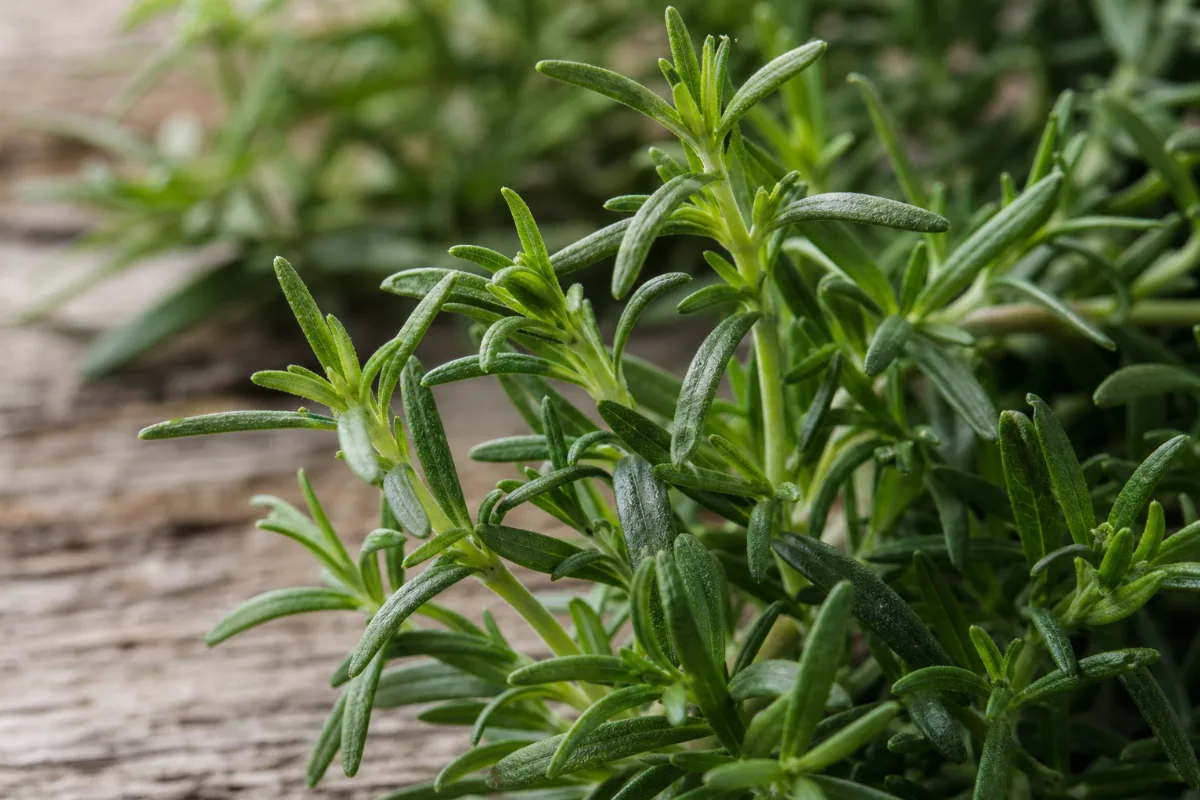
Hyssop is a mint-family herb whose leaves and flowering tops are used as a tea or extract for coughs and colds, and as a kitchen flavouring. Its essential oil is a different product: it is rich in pinocamphone and isopinocamphone and has been linked to seizures. Only one small human trial exists, of an extract syrup in asthma.
General information, not medical advice. Last substantive update · Not medically reviewed. A named clinician has not signed off on this page. How this page is made
About Hyssop
Hyssop (Hyssopus officinalis) is a mint-family herb. Its leaves and flowering tops are used for coughs and colds and as a flavouring. The essential oil is a separate, concentrated product with a documented seizure risk. Human research is limited to one small asthma trial, so every use is rated insufficient.
What it is
Hyssop (Hyssopus officinalis L.) is an accepted species in the mint family, Lamiaceae, according to GBIF. Seven Hyssopus species are recognised, and the chemistry of extracts depends on where the plant grows, the weather, the chemical type and how it is extracted.
The leaf and flowering tops contain flavonoids, phenolic acids and a small amount of essential oil. The oil is rich in pinocamphone and isopinocamphone in many types, but one subspecies studied in Montenegro had mostly 1,8-cineole.
Traditional and current uses
Reviews list hyssop for colds, cough, loss of appetite, fungal infection and spasms. Persian medicine texts recommend it for cough with thick mucus. The only trial tested an extract syrup in asthma.
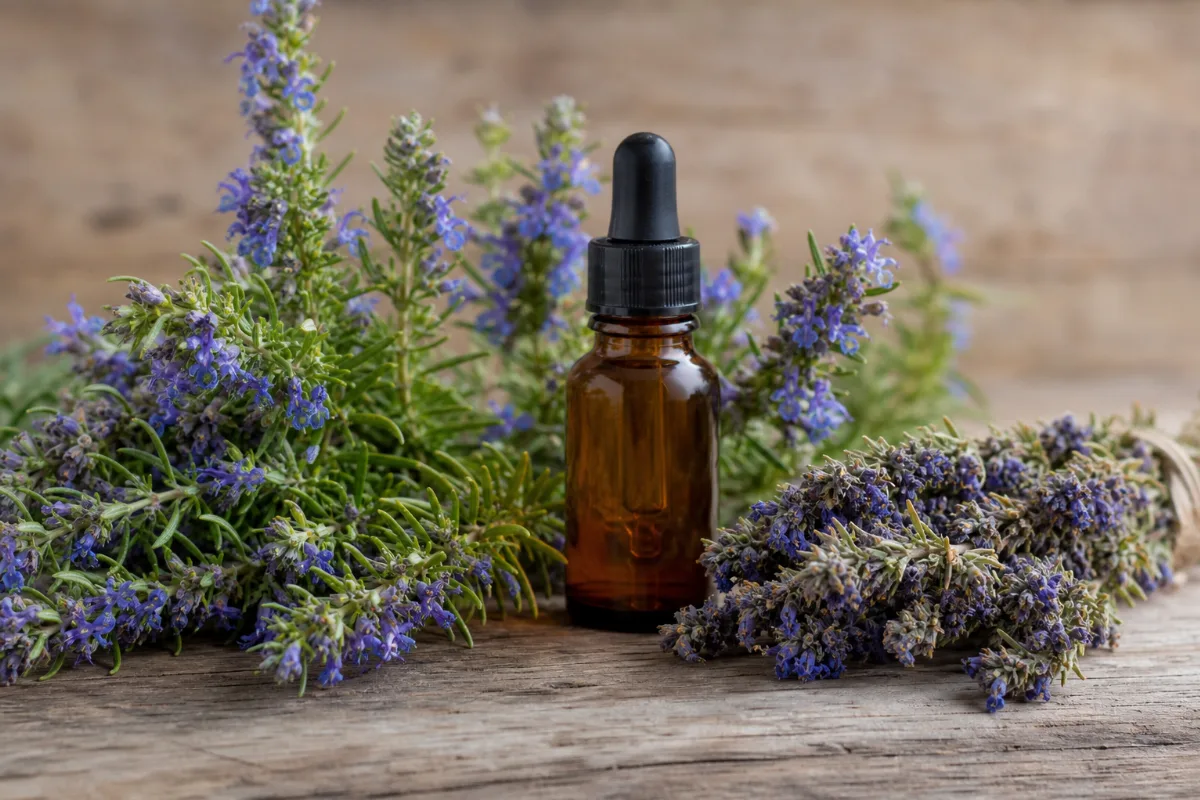
The essential oil is used in perfumes, drinks, food flavouring and cosmetics. That is a different product from leaf tea and should not be swallowed.
Leaf tea and essential oil are not the same
Moderate, occasional tea or extract is described by one breastfeeding database as having rare, mild side effects, and LiverTox says hyssop has not been linked to liver injury. These are weak sources, not safety trials.
The oil is neurotoxic. A 1981 paper reports eight human poisonings with commercial essences including hyssop, with convulsions as the main sign, and rat work shows hyssop oil is more powerful than sage oil.
At a glance
Traditional uses history, not proof
- Colds, cough and asthma, especially with thick mucus (European and Persian traditional medicine).
- Loss of appetite, indigestion, wind and spasms.
- Painful periods and high blood pressure (traditional use listed by a breastfeeding database).
- Wound cleaning, used on the skin.
Studied for research
- Asthma with productive cough (extract syrup), insufficient
- Seizures, extracts in rats only, insufficient
- Digestion and appetite, tradition only, insufficient
- Blood pressure, inhaled oil, no effect found
- Blood sugar after meals, animals only, insufficient
Main compounds
- Pinocamphone and isopinocamphone: ketones in the essential oil; linked to the oil's convulsant action.
- Flavonoids such as luteolin, apigenin and diosmin, and phenolic acids such as rosmarinic acid.
- Beta-pinene and, in some types, 1,8-cineole.
Common forms
- Leaf and flowering-top tea or infusion
- Extract or syrup
- Essential oil (not for swallowing)
- Fresh or dried herb in cooking
Research links: Hyssop syrup in mild to moderate asthma, randomized trial (Tanaffos) · Plant-induced seizures: reappearance of an old problem (J Neurol) · Hyssopus essential oil: phytochemistry, activities and safety (review) · Research Library · Genes & Biomarkers Library
The plant and its history
- Accepted scientific name
- Hyssopus officinalis L.
- Naming authority
- L., Sp. Pl.: 569 (1753) (GBIF)
- Common names
- Hyssop (English); Garden hyssop (English); Hisopo (Spanish); Hyssopi herba (Latin (herb name))
- Botanical family
- Lamiaceae (mint family), which also includes sage, thyme, rosemary and lavender.
- Classification
- Plantae > Tracheophyta > Magnoliopsida > Lamiales > Lamiaceae > Hyssopus > Hyssopus officinalis
- Native range
- Per e-lactancia, a herb of the Middle East and southern Europe; the 2022 review says the genus is widespread in central Asia, the East Mediterranean and Mongolia (not verified from a primary botanical source).
- Habitat
- Not verified.
- What the plant looks like
- Roots: Not described in the sources read.; Stems: Not described in the sources read.; Leaves: Not described in the sources read.; Flowers: Oil content is highest at full bloom (2026 review).; Fruit: Not described in the sources read.
- Cultivation
- Not verified.
- Harvest and processing
- Aerial parts (flowering tops) are used. Oil yield ranged from 0.22 to 4.4 percent across plant parts (2026 review).
- Look-alikes and adulterants
- Name: Other Hyssopus species and subspecies; Note: Seven species are recognised (2024 review). H. officinalis subsp. aristatus from Montenegro had oils with much 1,8-cineole and some methyl eugenol, unlike pinocamphone-rich oils.; Name: Biblical hyssop; Note: Not addressed: no source read. Do not assume the Bible's hyssop is this plant.
- Sustainability and conservation
- Not verified.
The plant and the parts used
Traditional use and history history, not clinical proof
| Tradition or era | Documented use | Source |
|---|---|---|
| Traditional European and Middle Eastern medicine | Respiratory (colds, asthma), digestive (loss of appetite, indigestion, wind), painful periods, high blood pressure and wound disinfection (topical), per e-lactancia. | s-elactancia-hyssop |
| Persian medicine | Recommended for productive cough and asthma with thick mucus. | p38628881 |
| Genus review | Colds, cough, loss of appetite, fungal infection and spasms. | p35069979 |
| Modern regulation | No EMA monograph or NCCIH page was found; German Commission E reportedly did not find claims proven (second-hand). | s-elactancia-hyssop |
Traditional use shows how a plant was used. It does not show that a supplement works or is safe today.
What is inside, and how it may work
What the plant contains and how those compounds act in cells and animals. Laboratory and animal mechanisms are not proven effects in people.
Main compounds
| Compound | Family | Where it is concentrated | Activity studied | Level of evidence |
|---|---|---|---|---|
| Pinocamphone PubChem 6427105 | monoterpene ketone (essential oil) | Essential oil (aerial parts) | Linked to the oil's convulsant action; blocks the GABA-A receptor in mouse brain membranes (with the cis and trans pinanones). 11 9 16 | Animal research |
| Isopinocamphone PubChem 84532 | monoterpene ketone (essential oil) | Essential oil | Co-main ketone of hyssop oil; its convulsant role is described together with pinocamphone. 11 18 16 | Animal research |
| Beta-pinene PubChem 14896 | monoterpene hydrocarbon | Essential oil | Named as a main oil component by the 2022 review; no separate activity is claimed here. 19 16 | Laboratory research |
| 1,8-Cineole PubChem 2758 | oxygenated monoterpene | Essential oil of some subspecies 38.19 to 67.1 percent in subsp. aristatus oils (Montenegro) | Dominant in a different chemotype. 14 16 | Laboratory research |
| Luteolin PubChem 5280445 | flavonoid | Aerial parts | Listed among genus flavonoids; no human activity shown. 19 16 | Laboratory research |
| Apigenin PubChem 5280443 | flavonoid | Aerial parts | Listed among genus flavonoids; no human activity shown. 19 16 | Laboratory research |
| Diosmin PubChem 5281613 | flavonoid glycoside | Aerial parts | Named by e-lactancia among hyssop flavonoids (with rutin and hesperidin); not independently verified. 21 16 | Laboratory research |
| Rosmarinic acid PubChem 5281792 | phenolic acid | Methanol extract of subsp. aristatus 3.53 to 17.98 mg/g (chlorogenic acid 23.35 to 33.46 mg/g) | Antioxidant in lab tests. 14 16 | Laboratory research |
Mechanisms, receptors and pathways
| Target or pathway | Gene or receptor | What was found | Level |
|---|---|---|---|
| GABA-A receptor (brain) | GABA-A receptor | Hyssop oil and its pinanone ketones block the receptor in mouse brain membranes and cause convulsions in mice relieved by diazepam (lab and mouse). A hydroalcoholic extract raised the seizure threshold in rats with a GABA-related action suggested. 9 6 | Animal research |
| Gut alpha-glucosidase | Leaf extracts slowed digestion of complex sugars in rat gut tissue and mice (lab and animal). 13 | Animal research | |
| Oxidative stress and DNA damage | Extracts reduced hydrogen-peroxide DNA damage in human blood cells in the lab. 14 | Laboratory research |
Absorption, metabolism and elimination
- Absorption
- No human absorption study of hyssop found.
- Distribution
- cis-3-pinanone and its metabolite were measured in mouse brain after injection.
- Metabolism
- Mouse and human liver microsomes and human CYP3A4 convert cis-3-pinanone mainly to 2-hydroxy-cis-3-pinanone, which is less toxic; trans-3-pinanone is metabolised more slowly.
- Elimination
- Conjugated metabolites appeared in mouse urine after oral cis-3-pinanone.
- Bioavailability
- Unknown in people.
Isolated compounds versus whole extracts
The seizure danger belongs to the essential oil's concentrated ketones, not to leaf tea; the rat anti-seizure studies used water or alcohol extracts. The one asthma trial used a leaf extract syrup. Do not carry findings from one form to another.
Nutritional composition
Hyssop is used as a flavouring herb and in drinks; the 2022 review calls it relatively safe at food levels but asks for more safety work. Not a nutrient source.
5 not enough evidence1 evidence against
What is Hyssop good for?
The main uses and how strong the evidence is. 'Insufficient' means there is not enough to judge. Hyssop has one small trial in total.
Benefits, one by one
Each card is a research question, not a promise. Tap a goal to filter. Open a card to see the studies, doses and limits.
Asthma and productive cough (leaf extract syrup)
Not enough evidenceOne small trial of an extract syrup found better breathing tests in people with a productive cough and worse ones in people with a dry cough. The split was made after the trial, so it needs confirming.
4 studiesNot applicable: no amounts are given here. Ask a doctor or pharmacist…
Studies, doses and limits
What the trials found
One randomized trial: 60 adults in Iran with mild to moderate asthma took hyssop extract syrup or plain sugar syrup for 4 weeks on top of their usual treatment. People with productive cough in the hyssop group improved on FEV1, Asthma Control Test (week 4), peak flow, MEF25-75 and wheezing; people with dry cough got worse. A review of Persian-medicine herbs for COPD and asthma lists hyssop as promising but calls for clinical research.
Results
Better in the productive-cough sub-group; worse in the dry-cough sub-group.
Effect sizes as reported
No numbers or confidence intervals in the abstract.
Why this rating
One small trial whose key finding comes from a sub-group split made after the results were known; no replication; abstract gives no numbers. Reviews rest on tradition and lab mechanisms.
Form and dose studied
Not applicable: no amounts are given here. Ask a doctor or pharmacist about amounts. This was a syrup of a leaf-and-flowering-top extract, not a tea and not the essential oil.
Who was studied
Adults with mild to moderate asthma who also used standard asthma treatment, in Iran.
Limits
Post-hoc sub-groups, one centre, 60 people, no adverse event data in the abstract, authors from a Persian medicine group that also wrote the supporting review. It does not replace asthma medicines.
Why researchers looked
Hyssop is a traditional cough and cold plant, and Persian medicine texts recommend it for breathing problems with thick mucus.
Traditional use
Traditional use for colds and coughs is listed in two reviews (2022, 2024). Persian medicine sources recommend it for productive cough.
Proposed mechanism Preliminary mechanism
Not known. Reviews suggest anti-inflammatory and antioxidant actions, from lab work.
A proposed mechanism does not show that the effect happens in people.
Worse results in people with a dry cough. Do not use instead of prescribed asthma treatment. Never swallow or inhale the essential oil for a cough (see Safety tab).
Seizures: traditional use and animal studies (extract, not oil)
Not enough evidenceIn rats, hyssop extracts delayed drug-induced seizures at certain doses. This is animal research only. The essential oil does the opposite and can cause seizures.
4 studiesNot applicable.
Studies, doses and limits
What the trials found
We found no human trial of any hyssop product for seizures. In rats, a water extract (one middle dose only) delayed severe seizure stages, and a 14-day alcohol-water extract raised the seizure threshold and cut deaths from the seizure drug. A 1981 toxicology paper and a 2002 lab paper show the essential oil's main compounds block the GABA-A receptor and cause convulsions in rodents, the opposite effect.
Results
Extracts delayed or reduced drug-induced seizures in rats at some doses; the oil's ketones caused convulsions in rodents.
Effect sizes as reported
None for people.
Why this rating
Animal studies only, small groups, opposing findings for oil versus extract, no human data.
Form and dose studied
Not applicable.
Who was studied
Rats and mice only.
Limits
Injected extracts in rats do not tell us what tea or capsules do in people. A low dose did nothing and the top dose led to many deaths in one rat study (from our earlier notes; the abstract read here does not state it).
Why researchers looked
Hyssop is described in traditional medicine as a plant used for seizures, so two rat studies tested extracts.
Traditional use
Traditional medicine in Iran is cited as using hyssop for seizures (rat study introduction).
Proposed mechanism Animal research
A GABA-related action is suggested: a GABA-blocking drug weakened the extract's effect and GABA receptor gene expression rose. Rat studies only.
A proposed mechanism does not show that the effect happens in people.
People with epilepsy should not treat this as a reason to use hyssop. The essential oil is linked to seizures.
Digestive complaints, loss of appetite and spasms (traditional)
Not enough evidenceHyssop is traditionally used for poor appetite, indigestion and cramps. We found no trial that tests this.
2 studiesNot applicable: no amounts are given here. Ask a doctor or pharmacist…
Studies, doses and limits
What the trials found
No human trial of hyssop for digestion or spasms was found in our searches. The reviews list it as traditional use.
Results
Not applicable.
Effect sizes as reported
None.
Why this rating
Tradition only; no controlled study.
Form and dose studied
Not applicable: no amounts are given here. Ask a doctor or pharmacist about amounts.
Who was studied
Not applicable.
Limits
Traditional use is not proof of benefit.
Why researchers looked
Folk medicine uses hyssop tea and preparations for stomach complaints.
Traditional use
Listed in a 2022 review (cold, cough, loss of appetite, spasmodic conditions) and by e-lactancia (anorexia, dyspepsia, flatulence, painful periods, high blood pressure).
Proposed mechanism Pharmacological theory
Not established.
A proposed mechanism does not show that the effect happens in people.
Ordinary leaf tea in moderate, occasional amounts is described by one breastfeeding database as having rare, mild side effects; the essential oil is not safe to swallow.
Blood pressure (inhaled essential oil)
Evidence againstIn one large trial of many inhaled essential oils, common hyssop oil did not lower blood pressure.
1 studiesNot applicable. Do not breathe in strong essential oil in a closed sp…
Studies, doses and limits
What the trials found
849 women aged 55 to 89 with high blood pressure inhaled the vapour of about two dozen essential oils during relaxation sessions. Common hyssop oil showed no blood-pressure-lowering action; others such as clary sage and bay laurel did.
Results
No effect found for hyssop oil.
Effect sizes as reported
None given in the abstract.
Why this rating
A null result for hyssop oil in this trial, but only one trial, in older women, abstract only, and the hyssop group size is not given.
Form and dose studied
Not applicable. Do not breathe in strong essential oil in a closed space or put it in the mouth.
Who was studied
Older women with hypertension, Russia.
Limits
Short single sessions; Russian-language paper; abstract only.
Why researchers looked
Some essential oils lower blood pressure when inhaled, so hyssop oil was included in a comparison.
Traditional use
Hyssop is listed for high blood pressure in traditional use by e-lactancia.
Proposed mechanism Pharmacological theory
Not applicable.
A proposed mechanism does not show that the effect happens in people.
The oil is neurotoxic when swallowed. This trial tested vapour only.
Blood sugar after meals (animal and tissue studies)
Not enough evidenceLeaf extracts slowed sugar digestion in gut tissue and lowered early blood sugar in mice. No human trial.
1 studiesNot applicable: no amounts are given here. Ask a doctor or pharmacist…
Studies, doses and limits
What the trials found
None in humans. A 2003 study used rat gut tissue and sugar-loaded mice.
Results
Early blood-sugar rise was reduced in mice after sucrose or maltose.
Effect sizes as reported
None for people.
Why this rating
One 2003 animal and tissue study; no human data.
Form and dose studied
Not applicable: no amounts are given here. Ask a doctor or pharmacist about amounts.
Who was studied
Rats and mice.
Limits
Animal work only.
Why researchers looked
Researchers found hyssop leaf compounds that block an enzyme that breaks down starches and sugars.
Traditional use
None.
Proposed mechanism Animal research
Blocking the gut enzyme alpha-glucosidase.
A proposed mechanism does not show that the effect happens in people.
Anyone on diabetes medicine should ask a doctor before using any herb for blood sugar.
Antiviral, antifungal and antioxidant activity (laboratory only)
Not enough evidenceIn test tubes, hyssop extracts and oil showed antiviral, antifungal and antioxidant effects. These results do not show benefit in people.
3 studiesNot applicable.
Studies, doses and limits
What the trials found
No human study. A 2022 review reports antiviral and antifungal activity from in vitro studies, and a 2021 lab study found extracts reduced DNA damage in human blood cells and killed HeLa cancer cells.
Results
Lab activity only.
Effect sizes as reported
None for people.
Why this rating
Test-tube and cell results routinely fail to carry over to people.
Form and dose studied
Not applicable.
Who was studied
Cells in the lab.
Limits
Cell studies; different subspecies and oil types were tested.
Why researchers looked
Hyssop is rich in flavonoids, phenolic acids and terpenes that act in lab tests.
Traditional use
Used for colds and fungal infections traditionally.
Proposed mechanism Laboratory research
Lab activity of plant chemicals.
A proposed mechanism does not show that the effect happens in people.
Not a reason to use hyssop for infection.
Connections to the rest of health
How Hyssop connects to the rest of our health knowledge graph. Every link says what kind of connection it is. A safety link (for example to the liver) is a warning, not a benefit. A study that merely mentions a topic never creates a benefit link.
Explore every connection: goals, body systems, organs, symptoms, genes
A. Wellness goals
| Connected to | Kind of connection | Evidence status | Context | Studies |
|---|---|---|---|---|
| Breathing Support | Traditional use | Not enough evidence | Asthma and productive cough (leaf extract syrup): One small trial of an extract syrup found better breathing tests in people with a productive cough and worse ones in people with a dry cough. The split was made after the trial, so it needs confirming. | 4 2 19 1 |
| Lung Support | Traditional use | Not enough evidence | Asthma and productive cough (leaf extract syrup): One small trial of an extract syrup found better breathing tests in people with a productive cough and worse ones in people with a dry cough. The split was made after the trial, so it needs confirming. | 4 2 19 1 |
| Seasonal Wellness | Traditional use | Not enough evidence | Asthma and productive cough (leaf extract syrup): One small trial of an extract syrup found better breathing tests in people with a productive cough and worse ones in people with a dry cough. The split was made after the trial, so it needs confirming. | 4 2 19 1 |
| Calm Relaxation | Preliminary mechanism | Not enough evidence | Seizures: traditional use and animal studies (extract, not oil): In rats, hyssop extracts delayed drug-induced seizures at certain doses. This is animal research only. The essential oil does the opposite and can cause seizures. | 8 6 9 12 |
| Brain Health | Preliminary mechanism | Not enough evidence | Seizures: traditional use and animal studies (extract, not oil): In rats, hyssop extracts delayed drug-induced seizures at certain doses. This is animal research only. The essential oil does the opposite and can cause seizures. | 8 6 9 12 |
| Digestive Support | Traditional use | Not enough evidence | Digestive complaints, loss of appetite and spasms (traditional): Hyssop is traditionally used for poor appetite, indigestion and cramps. We found no trial that tests this. | 19 21 |
| Blood Pressure Support | Biological association | Evidence against | Blood pressure (inhaled essential oil): In one large trial of many inhaled essential oils, common hyssop oil did not lower blood pressure. | 20 |
| Heart Health | Biological association | Evidence against | Blood pressure (inhaled essential oil): In one large trial of many inhaled essential oils, common hyssop oil did not lower blood pressure. | 20 |
| Blood Sugar Balance | Preliminary mechanism | Not enough evidence | Blood sugar after meals (animal and tissue studies): Leaf extracts slowed sugar digestion in gut tissue and lowered early blood sugar in mice. No human trial. | 13 |
| Metabolic Health | Preliminary mechanism | Not enough evidence | Blood sugar after meals (animal and tissue studies): Leaf extracts slowed sugar digestion in gut tissue and lowered early blood sugar in mice. No human trial. | 13 |
| Immune Support | Preliminary mechanism | Not enough evidence | Antiviral, antifungal and antioxidant activity (laboratory only): In test tubes, hyssop extracts and oil showed antiviral, antifungal and antioxidant effects. These results do not show benefit in people. | 19 14 1 |
B. Body systems
| Connected to | Kind of connection | Evidence status | Context | Studies |
|---|---|---|---|---|
| Respiratory System | Biological association | Not enough evidence | Studied for: Asthma and productive cough (leaf extract syrup) | 4 2 19 1 |
| Nervous System | Biological association | Not enough evidence | Studied for: Seizures: traditional use and animal studies (extract, not oil) | 8 6 9 12 |
| Digestive System | Biological association | Not enough evidence | Studied for: Digestive complaints, loss of appetite and spasms (traditional) | 19 21 |
| Cardiovascular System | Biological association | Evidence against | Studied for: Blood pressure (inhaled essential oil) | 20 |
| Metabolism Weight | Biological association | Not enough evidence | Studied for: Blood sugar after meals (animal and tissue studies) | 13 |
| Immune System | Biological association | Not enough evidence | Studied for: Antiviral, antifungal and antioxidant activity (laboratory only) | 19 14 1 |
C. Body parts and organs
| Connected to | Kind of connection | Evidence status | Context | Studies |
|---|---|---|---|---|
| Nervous system | Adverse effect or risk | Very low certainty | Case reports of seizures with plant essential oils and rodent studies; a safety relationship, not a benefit. Case reports and rodent studies of convulsions; a safety relationship, not a benefit. Preparation or compound: Hyssop essential oil (pinocamphone, isopinocamphone) |
12 3 9 |
| Lungs | Adverse effect or risk | Very low certainty | Worse breathing tests in a post-hoc subgroup of one small trial. Preparation or compound: Hyssop extract syrup in people with dry cough |
4 |
| Lungs | Traditional use | Not enough evidence | One small asthma trial, mixed result by cough type. Preparation or compound: Hyssop extract syrup |
4 |
I. Biomarkers
| Connected to | Kind of connection | Evidence status | Context | Studies |
|---|---|---|---|---|
| FEV1 and peak flow (breathing tests) | Biological association | Not enough evidence | Measured in trials: mixed. A lab change is not the same as a health benefit. | 4 |
| Blood pressure | Biological association | Evidence against | Measured in trials: no-change. A lab change is not the same as a health benefit. | 20 |
K. Biological pathways
| Connected to | Kind of connection | Evidence status | Context | Studies |
|---|---|---|---|---|
| Preliminary mechanism | Blocked in mouse brain membranes; linked to the convulsant effect of the oil. | 9 |
L. Active compounds
| Connected to | Kind of connection | Evidence status | Context | Studies |
|---|---|---|---|---|
| Pinocamphone | Biological association | Animal | Linked to the oil's convulsant action; blocks the GABA-A receptor in mouse brain membranes (with the cis and trans pinanones). Preparation or compound: Essential oil (aerial parts) |
11 9 16 |
| Isopinocamphone | Biological association | Animal | Co-main ketone of hyssop oil; its convulsant role is described together with pinocamphone. Preparation or compound: Essential oil |
11 18 16 |
| Beta-pinene | Biological association | In vitro | Named as a main oil component by the 2022 review; no separate activity is claimed here. Preparation or compound: Essential oil |
19 16 |
| 1,8-Cineole | Biological association | In vitro | Dominant in a different chemotype. Preparation or compound: Essential oil of some subspecies |
14 16 |
| Luteolin | Biological association | In vitro | Listed among genus flavonoids; no human activity shown. Preparation or compound: Aerial parts |
19 16 |
| Apigenin | Biological association | In vitro | Listed among genus flavonoids; no human activity shown. Preparation or compound: Aerial parts |
19 16 |
| Diosmin | Biological association | In vitro | Named by e-lactancia among hyssop flavonoids (with rutin and hesperidin); not independently verified. Preparation or compound: Aerial parts |
21 16 |
| Rosmarinic acid | Biological association | In vitro | Antioxidant in lab tests. Preparation or compound: Methanol extract of subsp. aristatus |
14 16 |
Each connection is stored with the ingredient, the connected record, the kind of connection, the evidence status, the supporting studies, the preparation or compound involved, and a review date (last reviewed October 25, 2026).
Evidence at a glance: what changed in 2 lab markers
Tap a number to show only those markers. Counts are markers, not people.
The evidence
The research centre for Hyssop. Every record here was checked against PubMed or the publisher's page; we never list a study we have not verified.
Evidence by outcome
Bars show how many studies we found for each outcome, not how well it works. People are added up across trials only (reviews are not added, to avoid double counting).
How we rate evidence
High certainty
Several well-run trials or reviews agree; further research is unlikely to change the picture much.
Moderate certainty
Good trials point the same way, but some doubt remains.
Low certainty
Small, short or inconsistent trials. The finding could change with better research.
Very low certainty
Very little or very weak human data. Treat as a possibility only.
Mixed findings
Trials or reviews disagree with each other.
Not enough evidence
Not enough human research to say either way.
Evidence against
Good research found no benefit, or found harm.
We take the reviewers' own risk-of-bias and GRADE statements where they exist, and otherwise judge from study size, design, consistency, directness and whether a product matches what is sold. Many publications do not make evidence high. Method note: We read the PubMed abstracts of the asthma trial, the seizure reports, animal and lab studies and the reviews, the LiverTox record via PubMed, and the e-lactancia page. EMA and NCCIH pages were not found.
Study library: every study we checked 21
| Study | Design | People | Product, dose, length | Result |
|---|---|---|---|---|
| Atazhanova 2024 The Genus Hyssopus: Traditional Use, Phytochemicals and Pharmacological Properties Plants (Basel) · PMID 38931115 · DOI |
Narrative review |
Review of the seven Hyssopus species | Hyssopus plant extracts and isolated compounds aerial parts Not applicable Not applicable · vs Not applicable |
Seven species are recognised. The chemical make-up of extracts depends on place of growth, weather, chemotype and extraction method. Mono- and sesquiterpenoids, flavonoids and alkaloids are discussed. Methods, limits and fundingOutcomes: Botany, chemistry, pharmacology Limitations: Narrative review; abstract read only. Read: abstract |
| Baniamerian 2023 Herbal Treatment of COPD and Asthma According to Persian Medicine: a Review of Current Evidence Tanaffos · PMID 38628881 |
Narrative review |
Review of Persian-medicine herbs for productive cough with thick mucus | Several herbs including Hyssopus officinalis mixed Not applicable Not applicable · vs Not applicable |
Lists hyssop with five other herbs as having beneficial effects on COPD, attributed to anti-inflammatory and antioxidant properties, and calls for more experimental and clinical research. Methods, limits and fundingOutcomes: Evidence for COPD and asthma Limitations: Narrative review; the benefit statement rests on mechanisms. Shares authors with the 2024 asthma trial. Read: abstract |
| Burkhard 1999 Plant-induced seizures: reappearance of an old problem J Neurol · PMID 10460442 · DOI |
Case series |
3 Three healthy people (two adults, one child) with seizures after taking several essential oils for therapeutic reasons (Switzerland) |
Several plant essential oils (the abstract does not name which oils the three patients took) essential oil Not stated in abstract Not stated · vs None |
Two adults had a single generalized tonic-clonic seizure; the child had a generalized tonic status and a less favourable course. No other cause was found. The authors say a literature survey shows the essential oils of 11 plants, hyssop among them, to be powerful convulsants because of reactive monoterpene ketones such as camphor, pinocamphone, thujone and pulegone. Methods, limits and fundingOutcomes: Seizures, outcome Limitations: Three cases, abstract only. The abstract does not say hyssop oil was one of the oils these three patients took. The hyssop link rests on the authors' literature survey. Read: abstract |
| Daneshfard 2024 Effect of Hyssop (Hyssopus officinalis) Syrup on Mild to Moderate Asthma: A Randomized Double-Blind Placebo-Controlled Trial Tanaffos · PMID 39959798 |
Controlled trial |
60 60 adults with mild to moderate asthma, taking their usual treatment (Iran) |
Hyssop syrup (extract of Hyssopus officinalis L.) versus plain sugar syrup not stated in abstract 5 ml twice daily, containing 6 g of extract (as reported) 4 weeks · vs Plain sugar syrup |
People with a productive cough in the hyssop group improved on FEV1, Asthma Control Test (week 4), peak flow, MEF25-75 and wheezing. People with a dry cough got worse on these measures. Methods, limits and fundingOutcomes: Asthma Control Test, lung function tests, EPR3 control rating, wheezing severity Limitations: The productive/dry cough split was made after the trial (the authors call it a posteriori subgrouping), so it is a hypothesis, not a proven result. The abstract calls the design both triple-blind and double-blind, gives no numbers, no adverse event data and no sub-group sizes. One small trial, one centre. Read: abstract |
| European Medicines Agency 2026 EMA/HMPC: no hyssop monograph found ema.europa.eu (checked 2026-10-25) · Source |
Database record |
Reference record | Hyssop aerial parts Not applicable Not applicable · vs Not applicable |
A web search and a guessed herbal page address found no EU herbal monograph or public statement for Hyssopi herba. Methods, limits and fundingOutcomes: Reference information Limitations: The EMA search tool needs a login and was not used; absence is not confirmed. Read: summary-only |
| Fatahinezhad 2022 Effects of Hyssopus Officinalis Hydroalcoholic Extract on Pentylenetetrazol-Induced Convulsive Seizures in Rat Neurochem Res · PMID 36287300 · DOI |
Animal research animal |
Rats with drug-induced seizures | Hydroalcoholic hyssop extract not stated in abstract 25, 50 and 100 mg/kg daily 14 days · vs Negative control |
The extract raised the tonic seizure threshold and lowered deaths from the seizure drug; a GABA-blocking drug reduced the effect. The authors suggest a GABA-related action. Methods, limits and fundingOutcomes: Seizure threshold, death rate, memory, brain markers, GABA receptor gene expression Limitations: Rats only. Opposite in direction to the case reports of seizures from the essential oil: this is an extract, not the oil. Read: abstract |
| GBIF Secretariat 2026 GBIF backbone: Hyssopus officinalis L. (key 5341387) GBIF API (read 2026-10-25) · Source |
Database record |
Reference record | Hyssop aerial parts Not applicable Not applicable · vs Not applicable |
Accepted species, authority L., Sp. Pl.: 569 (1753); family Lamiaceae, order Lamiales, genus Hyssopus. Methods, limits and fundingOutcomes: Reference information Limitations: Name record only. Read: full-text |
| Gholami 2020 Effects of aqueous extract of Hyssopus officinalis on seizures induced by pentylenetetrazole and hippocampus mRNA level of iNOS in rats Avicenna J Phytomed · PMID 32523876 |
Animal research animal |
33 Adult male Wistar rats given a seizure-causing drug |
Water extract of hyssop, injected into the abdomen not stated in abstract 50, 100 or 200 mg/kg, single injection Single dose · vs Saline |
Only the middle dose (100 mg/kg) delayed the most severe seizure stages; it also raised iNOS gene expression. The authors suggest this dose might be anticonvulsant. Methods, limits and fundingOutcomes: Seizure stages and brain iNOS gene expression Limitations: Rats, injected extract, small groups (5 to 10). Not tested in people. The summary held in our earlier notes says the top dose led to many deaths; that was from the full text and is not in the abstract read here. Read: abstract |
| Höld 2002 Metabolism and mode of action of cis- and trans-3-pinanones (the active ingredients of hyssop oil) Xenobiotica · PMID 12028660 · DOI |
Laboratory research in-vitro |
Mouse and human liver microsomes, human recombinant CYP3A4, mouse brain membranes, live mice | Pure cis- and trans-3-pinanones (pinocamphone and isopinocamphone) and hyssop oil compounds from essential oil Not applicable Not applicable · vs Not applicable |
Both compounds and hyssop oil blocked the GABA-A receptor in mouse brain membranes (IC50 35 to 64 micromolar) and caused convulsions in mice (intraperitoneal LD50 175 to over 250 mg/kg), which diazepam relieved. Liver enzymes including human CYP3A4 broke cis-pinanone down to less toxic products. Methods, limits and fundingOutcomes: Metabolism, receptor binding, convulsions in mice Limitations: Lab and mouse work. Human liver microsomes show the compounds are metabolised, not how much reaches the brain in people. Read: abstract |
| LiverTox 2018 Hyssop (LiverTox record) LiverTox: Clinical and Research Information on Drug-Induced Liver Injury · PMID 31643710 |
Database record |
Herb record | Hyssop leaves and flowers leaf, flower Not applicable Not applicable · vs Not applicable |
Says hyssop is widely used for symptoms of gastrointestinal and respiratory infections and the common cold, and has not been implicated in causing liver injury. Methods, limits and fundingOutcomes: Liver injury Limitations: Short record, dated 2018-03-30 in PubMed; the full Bookshelf page was blocked by a bot check and not read. Read: abstract |
| Millet 1979 Experimental study of the toxic convulsant properties of commercial preparations of essences of sage and hyssop Rev Electroencephalogr Neurophysiol Clin · PMID 493616 · DOI |
Animal research animal |
Unanaesthetised rats (article in French) | Commercial hyssop and sage essential oils essential oil See results (g/kg) Not stated · vs Sage oil |
Hyssop oil was more convulsant than sage oil. The authors tie its neurotoxicity to two terpene ketones, pinocamphone and isopinocamphone, the former having powerful convulsant properties. Methods, limits and fundingOutcomes: Convulsions Limitations: Rat study from 1979, abstract read in the English summary. Read: abstract |
| Millet 1981 Toxicity of some essential plant oils. Clinical and experimental study Clin Toxicol · PMID 7333081 · DOI |
Case series animal |
8 Eight human poisonings with commercial essential oils (sage, hyssop, thuja, cedar) plus rat experiments |
Commercial hyssop and sage essential oils essential oil Rat doses in g/kg (see results) Single and repeated doses in rats · vs Sage oil |
Eight human cases with tonic-clonic convulsions after commercial essences of sage, hyssop, thuja and cedar. In rats, hyssop oil was more potent than sage oil: brain-wave changes without visible signs up to 0.08 g/kg, convulsions above 0.13 g/kg, deaths above 1.25 g/kg. Repeated small doses had a cumulative effect. The authors link the toxicity of hyssop oil to pinocamphone. Methods, limits and fundingOutcomes: Convulsions, brain electrical recordings Limitations: The abstract does not say which oil caused which of the eight human cases. Rat doses cannot be turned into a safe human amount. Read: abstract |
| Miyazaki 2003 Inhibitory effects of hyssop (Hyssopus officinalis) extracts on intestinal alpha-glucosidase activity and postprandial hyperglycemia J Nutr Sci Vitaminol (Tokyo) · PMID 14703310 · DOI |
Animal research animal |
Rat gut tissue and mice given sugar loads | Hyssop leaf extracts dry leaf 100 or 300 mg/kg in mice Single dose · vs None stated |
Extract slowed digestion of sucrose and maltose in rat gut tissue and reduced the early blood-sugar rise in sugar-loaded mice. The authors suggest it might be a useful supplement food for high blood sugar. Methods, limits and fundingOutcomes: Sugar absorption, blood sugar Limitations: Animal and tissue study from 2003; no human trial. Read: abstract |
| Mićović 2021 Antioxidant, Antigenotoxic and Cytotoxic Activity of Essential Oils and Methanol Extracts of Hyssopus officinalis L. Subsp. aristatus Plants (Basel) · PMID 33916934 · DOI |
Laboratory research in-vitro |
Human blood cells and cell lines in the lab; oil and extracts of a Montenegrin subspecies | Essential oils and methanol extracts of H. officinalis subsp. aristatus aerial parts Not applicable Not applicable · vs Not applicable |
These oils were rich in 1,8-cineole (38.19 to 67.1 percent), limonene and methyl eugenol (0 to 28.33 percent), a very different mix from pinocamphone-rich oils. Extracts reduced DNA damage in human blood cells and killed HeLa cells in a dose- and time-dependent way. Methods, limits and fundingOutcomes: Chemistry, antioxidant tests, DNA damage and cell-kill assays Limitations: Lab only; one subspecies. Shows that oil chemistry varies a lot between types of hyssop. Read: abstract |
| NCBI 2026 NCBI Taxonomy: Hyssopus officinalis (taxid 39324) NCBI Taxonomy (esearch, read 2026-10-25) · Source |
Database record |
Reference record | Hyssop aerial parts Not applicable Not applicable · vs Not applicable |
Taxonomy ID 39324 returned for Hyssopus officinalis. Methods, limits and fundingOutcomes: Reference information Limitations: Only the identifier was checked, not the full lineage page. Read: summary-only |
| NCBI PubChem 2026 PubChem compound records: pinocamphone 6427105, isopinocamphone 84532, beta-pinene 14896, 1,8-cineole 2758, luteolin 5280445, apigenin 5280443, diosmin 5281613, rosmarinic acid 5281792 PubChem REST (read 2026-10-25) · Source |
Database record |
Reference record | Hyssop aerial parts Not applicable Not applicable · vs Not applicable |
Name lookups returned these compound IDs and formulas. Methods, limits and fundingOutcomes: Reference information Limitations: Identifier check only. Read: full-text |
| NCCIH 2026 NCCIH: no hyssop page found nccih.nih.gov (checked 2026-10-25) · Source |
Database record |
Reference record | Hyssop aerial parts Not applicable Not applicable · vs Not applicable |
The address nccih.nih.gov/health/hyssop returned 404. No NCCIH hyssop fact sheet was found. Methods, limits and fundingOutcomes: Reference information Limitations: Not found is not the same as no opinion. Read: summary-only |
| Nurzyńska-Wierdak 2026 Ontogenetic and Environmental Variability of Hyssop (Hyssopus officinalis L.) Essential Oil Composition and Activity Plants (Basel) · PMID 41681651 · DOI |
Narrative review |
Review of hyssop oil composition | Hyssop essential oil aerial parts Not applicable Not applicable · vs Not applicable |
Oil is rich in isopinocamphone and pinocamphone; yield ranged from 0.22 to 4.4 percent across plant parts; oil is highest in full bloom; genotype, year and growing conditions change the composition. The oil is used in cosmetics, perfumes, drinks and food additives. Methods, limits and fundingOutcomes: Oil composition Limitations: Narrative review, abstract read only. Read: abstract |
| Sharifi-Rad 2022 Hyssopus Essential Oil: An Update of Its Phytochemistry, Biological Activities, and Safety Profile Oxid Med Cell Longev · PMID 35069979 · DOI |
Narrative review |
Review of the genus Hyssopus (six main species) | Hyssopus essential oil and extracts aerial parts, essential oil Not applicable Not applicable · vs Not applicable |
Lists traditional use for colds, cough, loss of appetite, fungal infection and spasms. Main oil components: beta-pinene, pinocamphone and isopinocamphone. Flavonoids include luteolin, quercetin and apigenin. Antiviral and antifungal activity is reported from in vitro studies; sedative effects from in vivo work. The authors say the plant is believed to be relatively safe at levels used in foods but that more safety studies are needed. Methods, limits and fundingOutcomes: Chemistry, traditional use, lab activity, safety Limitations: Narrative review; abstract read only. The abstract gives no toxicity data. Read: abstract |
| Yarosh 2023 Impact of essential oil vapors inhalation on blood pressure in patients with hypertension Vopr Kurortol Fizioter Lech Fiz Kult · PMID 37141519 · DOI |
Controlled trial |
849 849 women aged 55 to 89 with hypertension, spread across many essential oils (Russia, Russian-language article) |
Inhaled vapour of common hyssop essential oil among about two dozen oils essential oil 1 mg/m3 in air for 10 or 20 minutes Single sessions · vs Psychorelaxation alone |
No blood-pressure-lowering action was found for common hyssop oil. Clary sage, bay laurel and some others did lower it. Methods, limits and fundingOutcomes: Blood pressure, heart rate Limitations: Abstract only (Russian paper, English abstract). The number of women in the hyssop group is not given. Read: abstract |
| e-lactancia (APILAM) 2024 Hyssop / Hisopo: breastfeeding safety record e-lactancia.org (page updated 15 Dec 2024; in Spanish) · Source |
Authoritative guidance |
Reference record | Hyssop aerial parts Not applicable Not applicable · vs Not applicable |
Rates hyssop "probably compatible" with breastfeeding. Finds no published data on transfer into breast milk. Says the plant is very little studied and that the German Commission E did not consider its claimed properties proven (Blumenthal 1998, as cited). Says the essential oil is neurotoxic and linked to seizures, and that topical use and moderate, non-continuous use as infusion or extract have rare, mild side effects. Moderate use in breastfeeding is possible but not necessary. Methods, limits and fundingOutcomes: Reference information Limitations: Secondary source (a safety database, not a regulator). The references behind each statement were listed but not opened. Read: full-text |
What we do not know yet
- What the evidence supports: nothing firmly. One small trial of an extract syrup in asthma with a post-hoc split; every use is rated insufficient.
- What is uncertain: whether tea works for cough, whether the asthma finding repeats, and what amounts of oil cause harm in people.
- Safety gaps: no pregnancy, children, drug-interaction or liver-enzyme studies; EMA, NCCIH, LactMed and Commission E texts could not be read.
How new research is added
New studies are found by a saved PubMed search and are placed in a review queue. A person reads each one before it changes any evidence rating.
Lab markers
What changed in blood or saliva tests during trials. A changed number is not the same as feeling or being healthier, and we give no "normal ranges".
Other 2
FEV1 and peak flow (breathing tests)
Mixed results in trials
How much air a person can blow out in one second (FEV1) and how fast at the peak (PEF).
Not enough evidenceResults and what it means
Why it was measured
Tracks how open the airways are in asthma.
Statistical vs. clinical meaning
Direction only; size of change not available. Breathing-test change is not the same as feeling better in daily life.
Safety implication
The dry-cough group got worse.
| Study | Result | People | Product |
|---|---|---|---|
| 4 | Improved in people with productive cough and got worse in people with dry cough (no numbers in the abstract). | 60 adults with mild to moderate asthma | Hyssop extract syrup versus sugar syrup, 4 weeks |
Blood pressure
No clear change in trials
The force of blood on artery walls.
Evidence againstResults and what it means
Why it was measured
High blood pressure raises heart and stroke risk.
Statistical vs. clinical meaning
No effect seen for hyssop oil in this one trial.
Safety implication
None reported.
| Study | Result | People | Product |
|---|---|---|---|
| 20 | No antihypertensive action for common hyssop oil vapour (no numbers in the abstract). | Women aged 55 to 89 with hypertension | Inhaled hyssop essential oil vapour during relaxation, single sessions |
Safety
What studies and official sources say about side effects, medicines and who should check first. Each point shows what kind of evidence it comes from.
Main points to know 3
- The essential oil is the main danger: it has caused seizures. Hyssop essential oil is rich in pinocamphone and isopinocamphone, two ketones that the sources link to convulsions. A 1981 paper reports eight human poisonings with commercial essences of sage, hyssop, thuja and cedar, with tonic-clonic convulsions as the main symptom. A 1999 neurology paper lists hyssop among 11 plant oils it calls powerful convulsants. In rodents the oil's main compounds block the brain's GABA-A receptor. Do not swallow the oil, and avoid it if you or a child have epilepsy or seizures. Case report 12 3 9 11
- Leaf tea and the oil are not the same thing. Moderate, occasional hyssop tea or extract is described by one breastfeeding database as causing rare, mild side effects, and the liver record found no liver injury linked to the herb. These are weak, secondary sources, not safety trials. No safe amount of the oil is known. Authoritative guidance 21 10
- Almost nothing is known about pregnancy, children and medicines. We found no study of hyssop in pregnancy, in children, or with medicines. Not finding data is not proof of safety. Authoritative guidance 21
Side effects 4
| Effect | How often | Severity and recovery | Evidence |
|---|---|---|---|
| Convulsions (tonic-clonic seizures) after essential oil The 1981 paper lists eight cases involving oils of sage, hyssop, thuja and cedar; the abstract does not split them by oil. The 1999 abstract does not say which oils its three patients took. No rate is known. | Not established | serious Not stated for the hyssop cases; in the 1999 series the two adults did well and the child did less well. | Case report 12 3 |
| Convulsions in rats at higher oil doses, deaths at the highest Repeated small doses in rats had a cumulative effect. Rat doses cannot be converted into a safe human amount. | Not established | serious Not applicable | Animal research 12 11 |
| Worse breathing in people with a dry cough Post-hoc subgroup of one small trial with an extract syrup; the abstract reports no other adverse events. | Not established | moderate Not reported | Controlled trial 4 |
| Rare, mild side effects from moderate, occasional tea or extract Statement from a breastfeeding safety database; the specific effects are not listed in the text read. | Not established | mild Not stated | Authoritative guidance 21 |
Liver
LiverTox says hyssop is widely used and has not been implicated in causing liver injury. We found no liver case reports. The full LiverTox page could not be opened (bot check); the one-line record was read via PubMed. 10
How often. No frequency known. Absence of reports is not proof of safety, and the essential oil was not covered separately.
Monitoring. No agency monitoring advice found. People with liver disease should ask a doctor or pharmacist first.
This is a safety connection. It is not evidence that Hyssop supports liver health.
Medicines and supplements 4
| With | Why it matters | Importance | Evidence | What to do |
|---|---|---|---|---|
| Seizure threshold medicines and anti-seizure medicines (for example benzodiazepines) prescription | The oil's ketones block the GABA-A receptor; diazepam relieved the convulsions in mice. | No human interaction report found. This is a theory from mouse and lab work. | Animal research Very low certainty 9 | People taking anti-seizure medicines should not use hyssop essential oil. |
| Medicines broken down by liver enzymes (CYP3A4) prescription | Human liver enzymes including CYP3A4 break down the oil's pinanone compounds in the lab. Whether hyssop changes how other drugs are broken down was not found. | Unknown. No study of hyssop's effect on drug metabolism was found. | Laboratory research Very low certainty 9 | Ask a pharmacist before combining with medicines that have narrow safety margins. |
| Diabetes medicines prescription | Theory only: an extract slowed sugar digestion in gut tissue and mice. | No human data. | Animal research Very low certainty 13 | Tell your doctor if you use hyssop and take diabetes medicines. |
| Documented human drug interactions general | None found. | Not found in the sources read. | Authoritative guidance Not enough evidence 21 | Not found is not the same as none exist. |
Who should check first 5
| Situation | Advice | Evidence |
|---|---|---|
| Epilepsy or any history of seizures | Avoid hyssop essential oil. Oil is linked to seizures in case reports and animal work. | Case report 12 3 21 |
| Pregnancy | No data found on any form. Avoid the essential oil; ask a clinician about leaf tea or extract. | Authoritative guidance 21 |
| Breastfeeding | e-lactancia: moderate use is probably compatible but not necessary; no data on transfer into milk; avoid the oil. | Authoritative guidance 21 |
| Children | Avoid the essential oil. The child in the 1999 series had the worst outcome after plant oils. No data on tea or extract in children were found. | Case report 3 |
| Dry cough or asthma without a doctor's advice | The only trial found worse breathing in people with dry cough. Do not replace asthma medicines. | Controlled trial 4 |
Overdose, product quality and regulators
Summary. The essential oil is the toxic form. In rats it caused brain-wave changes, convulsions and deaths at rising doses, and was more potent than sage oil. Its pinocamphone and isopinocamphone block the GABA-A receptor. No toxic amount for people is known.
Animal. Rats: brain-wave changes without visible signs up to 0.08 g/kg, convulsions above 0.13 g/kg, deaths above 1.25 g/kg, cumulative effect with repeated small doses. Mice: intraperitoneal LD50 about 175 to over 250 mg/kg for the pinanone compounds.
Human doses studied. No safe or toxic human amount is given in the sources read.
High dose or long term signals. Cumulative effect with repeated small oil doses in rats.
Overdose response. Diazepam relieved pinanone-induced convulsions in mice. For people, seek emergency care.
Genotoxicity. A 2021 lab study found extracts reduced DNA damage in human blood cells. No clear genotoxicity finding for hyssop oil was read. One subspecies' oil contained up to 28 percent methyl eugenol, a compound that needs separate safety attention (not assessed here).
Toxic plant parts. The essential oil (pinocamphone-rich types). Leaf and flowering tops are used as tea and in food.
Oil and extract chemistry varies a great deal by type, place and harvest time. One subspecies had oil with mostly 1,8-cineole and some methyl eugenol, very different from pinocamphone-rich oils. Strength and risk of a product therefore depend on its type.
Chemistry varies. Extract composition depends on growing place, weather, chemotype and extraction method; oil content is highest at full bloom. 1 18 14
| Body | Action | Date |
|---|---|---|
| LiverTox (NIDDK) (United States) | Record states hyssop has not been implicated in liver injury. source | 2018-03-30 |
When to get medical help
- A seizure, convulsions, or loss of consciousness after using or swallowing an essential oil: call emergency services now.
- Muscle jerking, confusion or unusual agitation after an essential oil: get urgent medical help.
- Breathing getting worse after any hyssop product: stop it and see a doctor.
Stop the supplement and contact a clinician or emergency service. In the US, Poison Control is 1-800-222-1222.
General information only, not medical advice. Ask a clinician or pharmacist before use, especially with medicines, in pregnancy or with a health condition. See the Natural Remedy Safety guide.
Frequently asked questions
Does hyssop work for cough or asthma?
Possibly for some people, but it is not proven. One small trial of an extract syrup found better breathing tests in people with a productive cough and worse ones in people with a dry cough. The split was decided after the results, and it needs confirming. It does not replace asthma medicines.
Is hyssop essential oil safe?
Can hyssop cause seizures?
Does hyssop help with epilepsy?
Is hyssop tea different from the oil?
Yes. Tea is a weak water extract of the leaves. The oil is concentrated. Tea has little safety research, but a breastfeeding database describes rare, mild side effects from moderate, occasional use.
Is hyssop safe in pregnancy?
We found no study of hyssop in pregnancy. Avoid the essential oil and ask a clinician before using any other form.
Is hyssop safe while breastfeeding?
The breastfeeding database e-lactancia rates moderate use as probably compatible but not necessary, found no data on transfer into milk, and advises avoiding the oil.
Is hyssop safe for children?
No data on tea or extract were found. A child in a 1999 report had seizures after plant essential oils and did less well than the adults, so keep oils away from children.
Does hyssop harm the liver?
LiverTox says hyssop is widely used and has not been linked to liver injury. We found no case reports. The oil was not covered separately.
Does hyssop interact with medicines?
No human interaction reports were found. In the lab, the oil's compounds block a brain receptor that anti-seizure medicines act on, and human liver enzymes break them down. These are theories, not documented problems. Ask a pharmacist.
Has any health agency approved hyssop?
Explore by health goal
Breathing SupportLung SupportSeasonal WellnessCalm RelaxationBrain HealthDigestive SupportBlood Pressure SupportHeart HealthBlood Sugar BalanceMetabolic HealthImmune Support
Editorial transparency
- Written by
- AlternativeMed editorial team. Research compiled with AI assistance, then checked against PubMed records.
- Medical review
- None. This page has not been reviewed by a physician or pharmacist.
- First published
- 2026-10-25
- Last substantive update
- 2026-10-25
- How we research
- We read the PubMed abstracts of the asthma trial, the seizure reports, animal and lab studies and the reviews, the LiverTox record via PubMed, and the e-lactancia page. EMA and NCCIH pages were not found.
- How we rate evidence
- See "How we rate evidence" in the Evidence tab.
- Independence
- No product is promoted on this page. No affiliate links are shown. If one is added later it will be labelled and kept apart from the evidence.
Sources 21
Each source was opened and checked. Where we read only the abstract, it says so. The small numbers in the text point here.
- Atazhanova G, Ishmuratova M, Levaya Y, et al.. The Genus Hyssopus: Traditional Use, Phytochemicals and Pharmacological Properties. Plants (Basel). 2024. PMID 38931115. DOI 10.3390/plants13121683. (abstract)
- Baniamerian R, Tahermohammadi H, Daneshfard B, et al.. Herbal Treatment of COPD and Asthma According to Persian Medicine: a Review of Current Evidence. Tanaffos. 2023. PMID 38628881. (abstract)
- Burkhard PR, Burkhardt K, Haenggeli CA, et al.. Plant-induced seizures: reappearance of an old problem. J Neurol. 1999. PMID 10460442. DOI 10.1007/s004150050429. (abstract)
- Daneshfard B, Amini F, Jaladat AM, et al.. Effect of Hyssop (Hyssopus officinalis) Syrup on Mild to Moderate Asthma: A Randomized Double-Blind Placebo-Controlled Trial. Tanaffos. 2024. PMID 39959798. (abstract)
- European Medicines Agency. EMA/HMPC: no hyssop monograph found. ema.europa.eu (checked 2026-10-25). 2026. (summary-only)
- Fatahinezhad N, Lorigooini Z, Arabi M, et al.. Effects of Hyssopus Officinalis Hydroalcoholic Extract on Pentylenetetrazol-Induced Convulsive Seizures in Rat. Neurochem Res. 2022. PMID 36287300. DOI 10.1007/s11064-022-03759-x. (abstract)
- GBIF Secretariat. GBIF backbone: Hyssopus officinalis L. (key 5341387). GBIF API (read 2026-10-25). 2026. (full-text)
- Gholami M, Jafari F, Baradaran Z, et al.. Effects of aqueous extract of Hyssopus officinalis on seizures induced by pentylenetetrazole and hippocampus mRNA level of iNOS in rats. Avicenna J Phytomed. 2020. PMID 32523876. (abstract)
- Höld KM, Sirisoma NS, Sparks SE, et al.. Metabolism and mode of action of cis- and trans-3-pinanones (the active ingredients of hyssop oil). Xenobiotica. 2002. PMID 12028660. DOI 10.1080/00498250110095745. (abstract)
- LiverTox, NIDDK. Hyssop (LiverTox record). LiverTox: Clinical and Research Information on Drug-Induced Liver Injury. 2018. PMID 31643710. (abstract)
- Millet Y, Tognetti P, Lavaire-Perlovisi M, et al.. Experimental study of the toxic convulsant properties of commercial preparations of essences of sage and hyssop. Rev Electroencephalogr Neurophysiol Clin. 1979. PMID 493616. DOI 10.1016/s0370-4475(79)80047-7. (abstract)
- Millet Y, Jouglard J, Steinmetz MD, et al.. Toxicity of some essential plant oils. Clinical and experimental study. Clin Toxicol. 1981. PMID 7333081. DOI 10.3109/15563658108990357. (abstract)
- Miyazaki H, Matsuura H, Yanagiya C, et al.. Inhibitory effects of hyssop (Hyssopus officinalis) extracts on intestinal alpha-glucosidase activity and postprandial hyperglycemia. J Nutr Sci Vitaminol (Tokyo). 2003. PMID 14703310. DOI 10.3177/jnsv.49.346. (abstract)
- Mićović T, Topalović D, Živković L, et al.. Antioxidant, Antigenotoxic and Cytotoxic Activity of Essential Oils and Methanol Extracts of Hyssopus officinalis L. Subsp. aristatus. Plants (Basel). 2021. PMID 33916934. DOI 10.3390/plants10040711. (abstract)
- NCBI. NCBI Taxonomy: Hyssopus officinalis (taxid 39324). NCBI Taxonomy (esearch, read 2026-10-25). 2026. (summary-only)
- NCBI PubChem. PubChem compound records: pinocamphone 6427105, isopinocamphone 84532, beta-pinene 14896, 1,8-cineole 2758, luteolin 5280445, apigenin 5280443, diosmin 5281613, rosmarinic acid 5281792. PubChem REST (read 2026-10-25). 2026. (full-text)
- NCCIH. NCCIH: no hyssop page found. nccih.nih.gov (checked 2026-10-25). 2026. (summary-only)
- Nurzyńska-Wierdak R. Ontogenetic and Environmental Variability of Hyssop (Hyssopus officinalis L.) Essential Oil Composition and Activity. Plants (Basel). 2026. PMID 41681651. DOI 10.3390/plants15030487. (abstract)
- Sharifi-Rad J, Quispe C, Kumar M, et al.. Hyssopus Essential Oil: An Update of Its Phytochemistry, Biological Activities, and Safety Profile. Oxid Med Cell Longev. 2022. PMID 35069979. DOI 10.1155/2022/8442734. (abstract)
- Yarosh AM, Tonkovtseva VV, Grigoriev PE, et al.. Impact of essential oil vapors inhalation on blood pressure in patients with hypertension. Vopr Kurortol Fizioter Lech Fiz Kult. 2023. PMID 37141519. DOI 10.17116/kurort202310002122. (abstract)
- e-lactancia (APILAM). Hyssop / Hisopo: breastfeeding safety record. e-lactancia.org (page updated 15 Dec 2024; in Spanish). 2024. (full-text)