Herbs & Botanicals · Chinese bleeding and burns herb
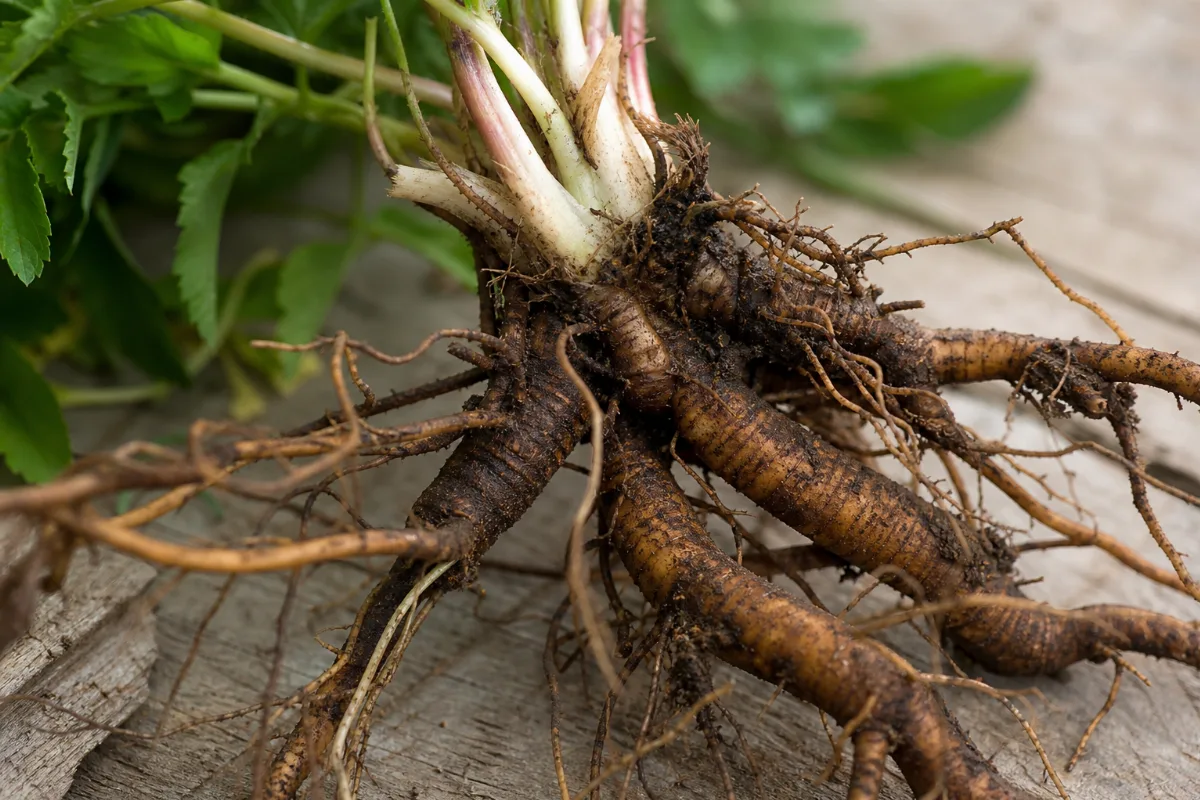
Burnet
Sanguisorba officinalis · also called Great burnet, greater burnet, di yu; salad burnet is a related plant
Burnet is a tannin-rich plant whose root (di yu) is used in Chinese medicine for bleeding and burns, and for diarrhoea. A Chinese tablet made from the root is used for low white blood cells after cancer treatment. Evidence is weak: the best human data are pooled Chinese trials of low quality. Do not self-treat serious bleeding, and ask a doctor if you take blood thinners.
General information, not medical advice. Last substantive update · Not medically reviewed. A named clinician has not signed off on this page. How this page is made
About Burnet
Burnet is an old Chinese hemostatic and burn herb with very little modern human research. The strongest data are Chinese trials of a white-cell tablet. The main cautions are about bleeding, blood thinners, cancer treatment and pregnancy.
What it is
Great burnet (Sanguisorba officinalis) is a plant in the rose family. The root, called di yu or Sanguisorbae Radix, is the medicinal part. It is rich in tannins and in saponins called ziyuglycosides.
Salad burnet (Sanguisorba minor) is a related plant whose leaves are eaten. Its name is listed in GBIF as a synonym of Poterium sanguisorba. It has almost no human research.
What the research shows
Our best human data are from China. A 2022 pooled analysis of 41 reports (3,793 cases) found a tablet made from root extract was linked to fewer cases of low white blood cells in cancer treatment (RR 0.74 for prevention). A wider 2015 review of 83 herbal trials found only 3 of good quality.
A Cochrane review found weak evidence for Chinese herb formulas for bleeding haemorrhoids, with burnet root as one ingredient among many. A small 21-woman trial tested a skin lotion with the extract. For bleeding, burns and diarrhoea we found no human trial; only traditional use, rat and mouse studies, and a test-tube blood test.
At a glance
Traditional uses history, not proof
- Root to stop bleeding in Chinese medicine, often charcoal-fried
- Burns and scalds in China, Korea and Japan
- Diarrhoea and intestinal infections
- Salad burnet leaves eaten as a salad herb in the Mediterranean
Studied for research
- Low white cells after cancer treatment (low)
- Bleeding haemorrhoids, in formulas (very low)
- Bleeding, burns and diarrhoea (insufficient)
- Skin elasticity, cosmetic lotion (low)
Main compounds
- Ziyuglycoside I (PubChem CID 71609288)
- Ziyuglycoside II (CID 71773126)
- Sanguiin H-6 (CID 16130897)
- Ellagic acid (CID 5281855)
Common forms
- Dried root, raw or charcoal-fried (traditional)
- Decoction in multi-herb formulas (traditional)
- Diyushengbai tablet (Chinese product)
- Topical cosmetic extract
Research links: Xu 2022: Diyushengbai tablet meta-analysis (PubMed) · Gan 2010: Cochrane review, haemorrhoid bleeding (PubMed) · Zhou 2021: Sanguisorba genus review (PubMed) · Yoshida 2019: skin lotion trial (PubMed) · Research Library · Genes & Biomarkers Library
The plant and its history
- Accepted scientific name
- Sanguisorba officinalis
- Naming authority
- L.
- Common names
- Great burnet (English); Greater burnet (English); Di yu (Chinese (pinyin)); Salad burnet (English (S. minor / Poterium sanguisorba))
- Botanical family
- Rosaceae (rose family)
- Classification
- Plantae > Rosaceae > Sanguisorba > Sanguisorba officinalis
- Native range
- The genus is spread across temperate and subtropical regions of the Northern Hemisphere (Zhou 2021).
- Habitat
- Not verified in the sources read.
- What the plant looks like
- Roots: Not verified in sources read; Stems: Not verified in sources read; Leaves: Not verified in sources read; Flowers: Not verified in sources read; Fruit: Not verified in sources read; Seeds: Not verified in sources read; Cultivation: Not verified in sources read
- Harvest and processing
- The root is used raw or charcoal-fried in Chinese pharmacy. Charring at 250 C for 14 minutes was optimised in a rat bleeding study.
- Look-alikes and adulterants
- Name: Sanguisorba minor / Poterium sanguisorba (salad burnet); Note: A related species eaten as a salad herb; leaf-rich; different chemistry and very little human research.; Name: Tormentil and cranesbill; Note: Other tannin-rich astringent herbs used for diarrhoea; not the same plant. See our tormentil and cranesbill pages.
- Sustainability and conservation
- Not verified in sources read.
Traditional use and history history, not clinical proof
| Tradition or era | Documented use | Source |
|---|---|---|
| Traditional Chinese medicine | Root (di yu) to stop bleeding, for burns and scalds, and for intestinal infection | Zhou 2021; Jang 2018 |
| Korea and Japan | Burns, vomiting blood, black stools, intestinal infections, dermatitis | Jang 2018 |
| Mediterranean diet | Young shoots and leaves of salad burnet eaten in salads | Zhou 2021 |
| Modern China | Diyushengbai tablet for low white blood cells after cancer treatment | Xu 2022; Zhu 2020 |
Traditional use shows how a plant was used. It does not show that a supplement works or is safe today.
What is inside, and how it may work
What the plant contains and how those compounds act in cells and animals. Laboratory and animal mechanisms are not proven effects in people.
Main compounds
| Compound | Family | Where it is concentrated | Activity studied | Level of evidence |
|---|---|---|---|---|
| Ziyuglycoside I PubChem 71609288 | Triterpenoid saponin | Root | Main saponin; raised collagen in skin cells; improved clot strength in a venom-model blood test; named as a main active ingredient of the Diyushengbai tablet. 1 7 15 20 13 | Laboratory research |
| Ziyuglycoside II PubChem 71773126 | Triterpenoid saponin | Root | Metabolite of ziyuglycoside I; raised white cells and neutrophils in mice after cyclophosphamide. 3 9 13 | Animal research |
| Sanguiin H-6 PubChem 16130897 | Ellagitannin | Root | Major tannin; astringent; studied in lab pharmacology reviews. 6 13 | Laboratory research |
| Ellagic acid PubChem 5281855 | Polyphenol / tannin breakdown product | Root (higher after charring) | Stayed high in charcoal-fried root, linked to the hemostatic effect in rats. 2 13 | Animal research |
| Pomolic acid PubChem 382831 | Triterpenoid (sapogenin) | Root | Starting material used to make ziyuglycoside derivatives. 1 13 | Laboratory research |
Mechanisms, receptors and pathways
| Target or pathway | Gene or receptor | What was found | Level |
|---|---|---|---|
| Blood-cell production in bone marrow | HSPC differentiation genes; SPI1 and C/EBP-epsilon | Ziyuglycoside II raised white cells and neutrophil recovery in cyclophosphamide mice. 3 9 | Animal research |
| Clotting | Not specified | Charred root shortened bleeding in rats; ziyuglycoside I improved clot strength in donor blood challenged with venom. 2 15 | Animal and in vitro |
| Hyaluronan breakdown in skin | HYBID (KIAA1199) | Root extract lowered HYBID and kept high-weight hyaluronan in skin cells. 17 | Laboratory research |
| Burn wound repair | IL-1 beta, VEGF, hydroxyproline | Oral root polysaccharide sped mouse burn healing. 18 | Animal research |
Absorption, metabolism and elimination
- Absorption
- Only rat data: ziyuglycoside I by mouth peaked within about an hour.
- Distribution
- No data found.
- Metabolism
- Ziyuglycoside I is described as converting to ziyuglycoside II (metabolite) in the 2026 review.
- Elimination
- In leukopenic rats the half-life was longer than in healthy rats (about 18.5 h vs 5.0 h at 20 mg/kg).
- Bioavailability
- No human data found.
Isolated compounds versus whole extracts
Lab and animal work often uses isolated ziyuglycosides, while the human leukopenia trials used a tablet made from root extract, and the skin trial used a whole root extract (the extract worked on hyaluronan breakdown but ziyuglycoside I alone did not). So the isolated compound is not interchangeable with the extract.
Nutritional composition
Great burnet is described as edible and as a rich source of tannins and fibre (6.5 g per 100 g fresh matter) and vitamin C (0.1 g per 100 g). Salad burnet leaves are a salad herb. This is not a recommendation to eat it for health.
2 low certainty2 very low certainty5 not enough evidence
What is Burnet good for?
The studied uses and how strong the evidence is. For burnet, only one use has pooled human trials and it is rated low.
Benefits, one by one
Each card is a research question, not a promise. Tap a goal to filter. Open a card to see the studies, doses and limits.
Low white blood cells after chemotherapy or radiotherapy (Diyushengbai tablet)
Low certaintyA Chinese tablet made from burnet root extract has been tested in cancer patients whose white blood cells fall during treatment. A 2022 pooled analysis found fewer cases of low white cells and higher counts than other oral white-cell drugs. The trials were mostly Chinese and quality is uncertain.
5 studiesA commercial tablet made from S. officinalis root extract, studied in…
Studies, doses and limits
What the trials found
Xu 2022 pooled 41 reports (3,793 cases) of the Diyushengbai tablet. For prevention, the rate of white-cell suppression was lower (RR 0.74, 95% CI 0.59 to 0.92). For treatment it was lower too (RR 0.61, 0.38 to 0.95). Ma 2015 pooled 83 trials of many Chinese herbal products and named the Diyu tablet among those with a benefit, but only 3 of 83 trials were rated good quality.
Results
Tablet use was linked to higher white-cell and neutrophil counts than other oral white-cell drugs, and less G-CSF use in two chemotherapy cycles. We did not read the individual trials.
Effect sizes as reported
Prevention: RR 0.74 (0.59 to 0.92). Treatment: RR 0.61 (0.38 to 0.95). Count differences 1.12 and 1.20 (units not stated in the abstract).
Why this rating
Pooled results point the same way, but the trials are mostly from China, the abstract gives no overall quality rating, the comparators were other oral drugs, and the wider herbal literature is rated mostly poor quality.
Form and dose studied
A commercial tablet made from S. officinalis root extract, studied in cancer patients; this is not the same as a kitchen tea or raw root. No amounts are discussed here.
Who was studied
Adults having chemotherapy or radiotherapy for tumours in China.
Limits
No placebo-controlled western trials found; tablet is a product, not the plain herb; interaction with chemotherapy not studied (Ma 2015 calls for such studies).
Why researchers looked
Chemotherapy often lowers white blood cells, which raises infection risk. In China the root is used in a standard tablet for this.
Traditional use
Great burnet root is a long-used Chinese medicine, mainly for bleeding; use for low white cells is a modern Chinese-medicine application.
Proposed mechanism Animal research
In mice, ziyuglycoside II, a root saponin, raised white cells and neutrophils and boosted bone-marrow stem and progenitor cells after cyclophosphamide. Not shown in people.
A proposed mechanism does not show that the effect happens in people.
Low white blood cells during cancer treatment can be dangerous. Do not treat it yourself with a herb; tell the cancer team before taking anything.
Stopping bleeding (traditional hemostatic use)
Not enough evidenceBurnet root is best known in Chinese medicine for stopping bleeding, often as charred root. Rat tests and a test-tube blood test support a clotting effect, but we found no trial in people using burnet alone.
4 studiesRaw and charcoal-fried root in rats; isolated compound in the blood t…
Studies, doses and limits
What the trials found
No trial of burnet alone for bleeding was found. Chinese formula trials for haemorrhoid bleeding are covered below.
Results
Animal and test-tube findings only.
Effect sizes as reported
Rats: shorter bleeding time than raw root (P below 0.05). No human effect size.
Why this rating
Evidence is traditional, rat and test tube. No human trial of the root alone.
Form and dose studied
Raw and charcoal-fried root in rats; isolated compound in the blood test.
Who was studied
Rats; donor blood in the lab.
Limits
Animal models of injury are not the same as human bleeding disorders.
Why researchers looked
Traditional use for vomiting blood, black stools and other bleeding.
Traditional use
Used for these in China, Korea and Japan; root is often charcoal-fried in Chinese pharmacy.
Proposed mechanism Animal research
The root is rich in tannins. In rats, charcoal-fried root shortened bleeding time more than raw root and more than tranexamic acid. In donor blood in a test tube, ziyuglycoside I improved clot strength in a snake-venom model.
A proposed mechanism does not show that the effect happens in people.
Heavy, black, or persistent bleeding needs a doctor, not a herb.
Bleeding haemorrhoids (in multi-herb formulas)
Very low certaintyA Cochrane review looked at Chinese herb formulas for bleeding piles. It found weak, low-quality evidence of short-term symptom relief from formulas that include burnet root, among others. It does not show burnet alone works.
1 studiesMulti-herb formulas compared with each other or with western medicine…
Studies, doses and limits
What the trials found
Gan 2010 (Cochrane): nine trials, 1,822 patients. Herbal products helped symptoms in six trials and blood in the stool in three. The authors named Radix Sanguisorbae among herbs in formulas that may ease symptoms, with limited, weak evidence.
Results
Short-term symptom relief with formulas; adverse effects scarce and not serious; trials mostly low quality.
Effect sizes as reported
Not pooled.
Why this rating
Low-quality trials, no pooling, formulas not burnet alone, and the abstract does not say which trial used burnet.
Form and dose studied
Multi-herb formulas compared with each other or with western medicines.
Who was studied
Adults with bleeding haemorrhoids in China.
Limits
Cannot separate the effect of burnet from the other herbs.
Why researchers looked
Burnet root is used for blood in the stool.
Traditional use
Chinese formulas for bleeding piles often include Radix Sanguisorbae.
Proposed mechanism Pharmacological theory
Probably a combination of tannin astringency and clotting effects; not tested in this setting.
A proposed mechanism does not show that the effect happens in people.
Blood in the stool can be a sign of bowel disease. See a doctor before treating it yourself.
Burns, scalds and wound healing
Not enough evidenceBurnet root is a traditional Chinese treatment for burns and scalds. We found no human trial. A mouse study of a purified root polysaccharide (given by mouth) sped healing.
3 studiesPurified polysaccharide by mouth in mice; no human product.
Studies, doses and limits
What the trials found
None found. Reviews list burnet as a traditional burn herb.
Results
Mouse burn wounds closed faster with oral polysaccharide.
Effect sizes as reported
Not given in the abstract.
Why this rating
Traditional use and mouse data only; no human burn trial found.
Form and dose studied
Purified polysaccharide by mouth in mice; no human product.
Who was studied
Mice.
Limits
Purified fraction, not the herb; oral route; mice.
Why researchers looked
Traditional use for scalds, burns and dermatitis.
Traditional use
Listed among herbs for burns in Chinese medicine reviews.
Proposed mechanism Animal research
In mice a root polysaccharide raised collagen marker (hydroxyproline), IL-1 beta and VEGF, linked to new skin and blood vessels.
A proposed mechanism does not show that the effect happens in people.
Serious or large burns need medical care. Do not put herbs on open burns without asking a doctor.
Diarrhoea and intestinal complaints
Not enough evidenceBurnet root and herb are traditionally used for diarrhoea and gut infections. The plant is very rich in tannins, which are astringent. No trial in people was found.
3 studiesNot studied in people.
Studies, doses and limits
What the trials found
None found.
Results
No human data; the 2025 chemical review calls burnet several times richer in tannins than berries.
Effect sizes as reported
None.
Why this rating
Traditional use and chemistry only.
Form and dose studied
Not studied in people.
Who was studied
None.
Limits
Tannin content does not prove a benefit.
Why researchers looked
Traditional anti-diarrhoeal use; high tannin content.
Traditional use
Used for intestinal infections in China, Korea and Japan; European herbal tradition uses related Rosaceae herbs for diarrhoea.
Proposed mechanism Laboratory research
Tannins bind proteins and tighten tissue (astringency). Burnet extracts (strongest for salad burnet leaf) also slowed some bacteria in test-tube tests.
A proposed mechanism does not show that the effect happens in people.
Diarrhoea with blood, fever, or lasting more than a few days, or in babies and older adults, needs a doctor.
Skin elasticity and fine lines (topical cosmetic extract)
Low certaintyA small placebo-controlled test on 21 Japanese women found a lotion with burnet root extract improved skin elasticity and wrinkle scores at the outer eye corner. A second, earlier study reported a cream with ziyuglycoside I beat placebo. Both are cosmetic studies.
2 studiesTopical lotion or cream with root extract; not taken by mouth.
Studies, doses and limits
What the trials found
Yoshida 2019: double-blind, randomised, split-face, 21 women, lotion vs placebo, significant gains in elasticity and wrinkle score. Kim 2008: a formulation with ziyuglycoside I differed from placebo (p below 0.05); the abstract gives no size or numbers.
Results
Small gains versus placebo on skin measures.
Effect sizes as reported
No numbers in either abstract.
Why this rating
One small randomised trial plus one thinly reported study, both cosmetic, short, and funding not stated.
Form and dose studied
Topical lotion or cream with root extract; not taken by mouth.
Who was studied
Healthy Japanese women (n=21 in the clearer trial).
Limits
Small, cosmetic, topical; no long-term or skin-irritation data in the abstracts.
Why researchers looked
The root extract blocks an enzyme (HYBID) that breaks down hyaluronan, a skin-moisture molecule, and ziyuglycoside I raises collagen in skin cells.
Traditional use
Not a traditional use; it grew out of modern cosmetic research.
Proposed mechanism Laboratory research
Lowers HYBID production in skin cells so more high-weight hyaluronan is kept; ziyuglycoside I raised type I collagen up to 71.3 percent at 50 micromolar in cells.
A proposed mechanism does not show that the effect happens in people.
Skin products can cause rashes. Test a small patch first.
Anti-inflammatory and anticancer lab findings
Not enough evidenceCell and animal studies of ziyuglycosides and root extracts report anti-inflammatory and anticancer effects. No human cancer treatment benefit has been shown.
3 studiesIsolated compounds and extracts in cells and animals.
Studies, doses and limits
What the trials found
None.
Results
Lab and animal results only.
Effect sizes as reported
None in people.
Why this rating
No human study.
Form and dose studied
Isolated compounds and extracts in cells and animals.
Who was studied
Cells and animals.
Limits
Cell results often fail in people.
Why researchers looked
Saponins and tannins in the root are active in cell tests.
Traditional use
Anti-inflammatory use for dermatitis and intestinal complaints.
Proposed mechanism In silico and in vitro
Many proposed targets, mostly from computer studies and cell lines; p38 MAPK signalling is named in one review.
A proposed mechanism does not show that the effect happens in people.
Do not use a herb in place of cancer treatment.
Blood sugar and blood fats (lab findings)
Not enough evidenceLab and animal reports suggest effects on blood sugar and cholesterol. A 2025 chemical review notes that tannin-rich plants like burnet may help blood fats, but no burnet trial in people was found.
2 studiesNot studied in people.
Studies, doses and limits
What the trials found
None.
Results
No human results.
Effect sizes as reported
None.
Why this rating
Review statements and lab work only.
Form and dose studied
Not studied in people.
Who was studied
None.
Limits
Speculative.
Why researchers looked
Traditional and lab claims of anti-diabetic and lipid-lowering effects.
Traditional use
Not a main traditional use.
Proposed mechanism Pharmacological theory
Polyphenol and ellagitannin effects suggested; not tested in people.
A proposed mechanism does not show that the effect happens in people.
People on diabetes medicines should not assume extra sugar-lowering is safe; ask a pharmacist.
Salad burnet (S. minor) antioxidant effects in rats
Very low certaintyA standardised salad burnet extract lowered oxidative stress markers in aged rat brain and liver. This is a different species and rats only.
2 studiesStandardised extract in rats.
Studies, doses and limits
What the trials found
None.
Results
Rat tissue markers improved.
Effect sizes as reported
None given in the abstract.
Why this rating
Single rat study, different species from the main medicinal herb.
Form and dose studied
Standardised extract in rats.
Who was studied
Aged rats.
Limits
Rats only.
Why researchers looked
Salad burnet is an edible herb with phenolic compounds.
Traditional use
Eaten as a salad herb in Mediterranean diets.
Proposed mechanism Animal research
Raised Nrf2 and HO-1 gene activity in rats.
A proposed mechanism does not show that the effect happens in people.
None specific.
Connections to the rest of health
How Burnet connects to the rest of our health knowledge graph. Every link says what kind of connection it is. A safety link (for example to the liver) is a warning, not a benefit. A study that merely mentions a topic never creates a benefit link.
Explore every connection: goals, body systems, organs, symptoms, genes
A. Wellness goals
| Connected to | Kind of connection | Evidence status | Context | Studies |
|---|---|---|---|---|
| Immune Support | Low certainty | Low white blood cells after chemotherapy or radiotherapy (Diyushengbai tablet): A Chinese tablet made from burnet root extract has been tested in cancer patients whose white blood cells fall during treatment. A 2022 pooled analysis found fewer cases of low white cells and higher counts than other oral white-cell drugs. The trials were mostly Chinese and quality is uncertain. | 16 11 3 9 20 | |
| Heart Health | Traditional use | Not enough evidence | Stopping bleeding (traditional hemostatic use): Burnet root is best known in Chinese medicine for stopping bleeding, often as charred root. Rat tests and a test-tube blood test support a clotting effect, but we found no trial in people using burnet alone. | 2 15 19 6 |
| Digestive Support | Very low certainty | Bleeding haemorrhoids (in multi-herb formulas): A Cochrane review looked at Chinese herb formulas for bleeding piles. It found weak, low-quality evidence of short-term symptom relief from formulas that include burnet root, among others. It does not show burnet alone works. | 5 | |
| Healthy Skin | Traditional use | Not enough evidence | Burns, scalds and wound healing: Burnet root is a traditional Chinese treatment for burns and scalds. We found no human trial. A mouse study of a purified root polysaccharide (given by mouth) sped healing. | 18 10 6 |
| Gut Health | Traditional use | Not enough evidence | Diarrhoea and intestinal complaints: Burnet root and herb are traditionally used for diarrhoea and gut infections. The plant is very rich in tannins, which are astringent. No trial in people was found. | 8 14 6 |
| Digestive Support | Traditional use | Not enough evidence | Diarrhoea and intestinal complaints: Burnet root and herb are traditionally used for diarrhoea and gut infections. The plant is very rich in tannins, which are astringent. No trial in people was found. | 8 14 6 |
| Healthy Skin | Low certainty | Skin elasticity and fine lines (topical cosmetic extract): A small placebo-controlled test on 21 Japanese women found a lotion with burnet root extract improved skin elasticity and wrinkle scores at the outer eye corner. A second, earlier study reported a cream with ziyuglycoside I beat placebo. Both are cosmetic studies. | 17 7 | |
| Healthy Aging | Low certainty | Skin elasticity and fine lines (topical cosmetic extract): A small placebo-controlled test on 21 Japanese women found a lotion with burnet root extract improved skin elasticity and wrinkle scores at the outer eye corner. A second, earlier study reported a cream with ziyuglycoside I beat placebo. Both are cosmetic studies. | 17 7 | |
| Inflammation Balance | Preliminary mechanism | Not enough evidence | Anti-inflammatory and anticancer lab findings: Cell and animal studies of ziyuglycosides and root extracts report anti-inflammatory and anticancer effects. No human cancer treatment benefit has been shown. | 1 6 19 |
| Blood Sugar Balance | Preliminary mechanism | Not enough evidence | Blood sugar and blood fats (lab findings): Lab and animal reports suggest effects on blood sugar and cholesterol. A 2025 chemical review notes that tannin-rich plants like burnet may help blood fats, but no burnet trial in people was found. | 8 19 |
| Cholesterol Balance | Preliminary mechanism | Not enough evidence | Blood sugar and blood fats (lab findings): Lab and animal reports suggest effects on blood sugar and cholesterol. A 2025 chemical review notes that tannin-rich plants like burnet may help blood fats, but no burnet trial in people was found. | 8 19 |
| Healthy Aging | Preliminary mechanism | Very low certainty | Salad burnet (S. minor) antioxidant effects in rats: A standardised salad burnet extract lowered oxidative stress markers in aged rat brain and liver. This is a different species and rats only. | 12 14 |
B. Body systems
| Connected to | Kind of connection | Evidence status | Context | Studies |
|---|---|---|---|---|
| Immune System | Biological association | Low certainty | Studied for: Low white blood cells after chemotherapy or radiotherapy (Diyushengbai tablet) Studied for: Anti-inflammatory and anticancer lab findings | 16 11 3 9 20 1 6 19 |
| Cardiovascular System | Biological association | Not enough evidence | Studied for: Stopping bleeding (traditional hemostatic use) | 2 15 19 6 |
| Digestive System | Biological association | Very low certainty | Studied for: Bleeding haemorrhoids (in multi-herb formulas) Studied for: Diarrhoea and intestinal complaints | 5 8 14 6 |
| Integumentary System | Biological association | Not enough evidence | Studied for: Burns, scalds and wound healing Studied for: Skin elasticity and fine lines (topical cosmetic extract) | 18 10 6 17 7 |
| Metabolism Weight | Biological association | Not enough evidence | Studied for: Blood sugar and blood fats (lab findings) | 8 19 |
| Nervous System | Biological association | Very low certainty | Studied for: Salad burnet (S. minor) antioxidant effects in rats | 12 14 |
I. Biomarkers
| Connected to | Kind of connection | Evidence status | Context | Studies |
|---|---|---|---|---|
| White blood cell count | Biological association | Low certainty | Measured in trials: increase. A lab change is not the same as a health benefit. | 16 11 |
| Rate of white-cell suppression (leukopenia) | Biological association | Low certainty | Measured in trials: decrease. A lab change is not the same as a health benefit. | 16 |
| Bleeding time (rat tests) | Biological association | Not enough evidence | Measured in trials: decrease. A lab change is not the same as a health benefit. | 2 15 |
| Skin elasticity | Biological association | Low certainty | Measured in trials: increase. A lab change is not the same as a health benefit. | 17 |
| Wrinkle score at the outer eye corner | Biological association | Low certainty | Measured in trials: decrease. A lab change is not the same as a health benefit. | 17 7 |
J. Genes, receptors and enzymes
| Connected to | Kind of connection | Evidence status | Context | Studies |
|---|---|---|---|---|
| HYBID (KIAA1199, CEMIP) | Preliminary mechanism | In vitro | Enzyme-like protein that breaks down skin hyaluronan; lowered by root extract in skin cells. | 17 |
| SPI1 and C/EBP-epsilon | Preliminary mechanism | Animal | Neutrophil development genes linked to ziyuglycoside II in mice. | 9 |
| Nrf2 / HO-1 | Preliminary mechanism | Animal | Antioxidant pathway raised by salad burnet extract in rats. | 12 |
L. Active compounds
| Connected to | Kind of connection | Evidence status | Context | Studies |
|---|---|---|---|---|
| Tannins (ellagitannins) | Theory only | Rich in ellagitannins; astringent; may irritate the gut or bind iron. Preparation or compound: Root |
8 | |
| Ziyuglycoside I | Biological association | In vitro | Main saponin; raised collagen in skin cells; improved clot strength in a venom-model blood test; named as a main active ingredient of the Diyushengbai tablet. Preparation or compound: Root |
1 7 15 20 13 |
| Ziyuglycoside II | Biological association | Animal | Metabolite of ziyuglycoside I; raised white cells and neutrophils in mice after cyclophosphamide. Preparation or compound: Root |
3 9 13 |
| Sanguiin H-6 | Biological association | In vitro | Major tannin; astringent; studied in lab pharmacology reviews. Preparation or compound: Root |
6 13 |
| Ellagic acid | Biological association | Animal | Stayed high in charcoal-fried root, linked to the hemostatic effect in rats. Preparation or compound: Root (higher after charring) |
2 13 |
| Pomolic acid | Biological association | In vitro | Starting material used to make ziyuglycoside derivatives. Preparation or compound: Root |
1 13 |
Each connection is stored with the ingredient, the connected record, the kind of connection, the evidence status, the supporting studies, the preparation or compound involved, and a review date (last reviewed October 25, 2026).
The evidence
The research centre for Burnet. Every record here was checked against PubMed or the publisher's page; we never list a study we have not verified.
Evidence by outcome
Bars show how many studies we found for each outcome, not how well it works. People are added up across trials only (reviews are not added, to avoid double counting).
How we rate evidence
High certainty
Several well-run trials or reviews agree; further research is unlikely to change the picture much.
Moderate certainty
Good trials point the same way, but some doubt remains.
Low certainty
Small, short or inconsistent trials. The finding could change with better research.
Very low certainty
Very little or very weak human data. Treat as a possibility only.
Mixed findings
Trials or reviews disagree with each other.
Not enough evidence
Not enough human research to say either way.
Evidence against
Good research found no benefit, or found harm.
We take the reviewers' own risk-of-bias and GRADE statements where they exist, and otherwise judge from study size, design, consistency, directness and whether a product matches what is sold. Many publications do not make evidence high. Method note: We started from our existing burnet summary and added about 20 PubMed lookups. Plant names were checked in GBIF and compound IDs in PubChem. Memorial Sloan Kettering returned not found; EMA, NCCIH, LiverTox and LactMed were not read.
Study library: every study we checked 20
| Study | Design | People | Product, dose, length | Result |
|---|---|---|---|---|
| Bailly 2026 Chemical and pharmacological interest of ziyuglycosides I-II: two triterpenoid saponins from Sanguisorba officinalis. Fitoterapia · PMID 42486283 · DOI |
Systematic review review (lab and computer work) |
Narrative review of two saponins | Ziyuglycoside I and II (isolated compounds) root |
Ziyuglycoside I is a bidesmosidic saponin; its metabolite ziyuglycoside II is a monodesmoside. Both come from the root. Reported actions include antitumour and anti-inflammatory effects, with about a dozen protein targets proposed mainly from computer (in silico) studies. Skin protection, antibacterial and antiviral effects are also mentioned. No human effect size Methods, limits and fundingOutcomes: Chemistry and pharmacology Limitations: Narrative review; targets mostly computer-predicted. Funding and conflicts: Not stated in abstract Read: abstract |
| Cheng 2024 [Charcoal-frying process and quality markers of Sanguisorbae Radix based on hemostatic effect]. Zhongguo Zhong Yao Za Zhi · PMID 38812171 · DOI |
Animal research rat |
Rat models of tail, liver and muscle bleeding; lab clotting tests | Raw and charcoal-fried Sanguisorbae Radix (root) root |
Root fried to charcoal at 250 C for 14 minutes shortened bleeding time in rat tail, liver and muscle injury models and beat raw root and tranexamic acid in those tests (P below 0.05). Tannins and gallic acid, the pharmacopoeia markers, fell on charring, while ellagitannin and ellagic acid stayed high. The abstract notes the Chinese Pharmacopoeia sets tannins and gallic acid as standard components. P below 0.05 vs raw root and vs tranexamic acid (rats) Methods, limits and fundingOutcomes: Bleeding time, clotting and blood-adsorbing tests Limitations: Rats only; not shown in people. Funding and conflicts: Not stated in abstract Read: abstract |
| Fang 2020 Ziyuglycoside II alleviates cyclophosphamide-induced leukopenia in mice via regulation of HSPC proliferation and differentiation. Biomed Pharmacother · PMID 33069969 · DOI |
Animal research mouse |
Mice given cyclophosphamide | Ziyuglycoside II (isolated compound) root |
The compound raised total white cells and neutrophils, increased nucleated bone-marrow cells and stem and progenitor cells, and shifted gene activity linked to blood-cell development. Not given in abstract Methods, limits and fundingOutcomes: White cells, bone-marrow stem and progenitor cells Limitations: Mice; single compound. Funding and conflicts: Not stated in abstract Read: abstract |
| GBIF Secretariat 2026 GBIF Backbone Taxonomy match: Sanguisorba officinalis L. (key 3029627); Sanguisorba minor Scop. (key 3029430) GBIF API (api.gbif.org), checked 2026-10-25 · Source |
Database record plant taxonomy |
unspecified |
Sanguisorba officinalis L. is an ACCEPTED species in Rosaceae (order Rosales). Sanguisorba minor Scop. is listed as a SYNONYM of Poterium sanguisorba (accepted usage key 7220805; speciesKey 5364245). Methods, limits and fundingOutcomes: Accepted names and families Limitations: One database; other databases (Plants of the World Online) not checked. Read: API record | |
| Gan 2010 Traditional Chinese Medicine herbs for stopping bleeding from haemorrhoids. Cochrane Database Syst Rev · PMID 20927750 · DOI |
Systematic review human trials (reviewed) |
1822 Adults with bleeding haemorrhoids (9 trials) |
Chinese herbal formulas; the conclusions name Radix Sanguisorbae among the herbs in formulas that may ease symptoms root (in formulas) |
Nine trials with 1,822 patients, mostly low quality, comparing one herbal product with another or with western medicines. Data could not be pooled. Herbal products did better on symptoms in six trials and on blood in the stool in three. Adverse effects were few and not serious. The authors found no strong evidence and said well-designed trials are needed. No pooled effect Methods, limits and fundingOutcomes: Bleeding, symptom grade, inflammation Limitations: Low-quality trials; formulas, not burnet alone; the abstract does not say which trial used burnet. Funding and conflicts: Not stated in abstract Read: abstract |
| Jang 2018 Phytotherapeutic Activities of Sanguisorba officinalis and its Chemical Constituents: A Review. Am J Chin Med · PMID 29433389 · DOI |
Systematic review review (mostly lab and animal work) |
Narrative review of S. officinalis | S. officinalis root and its constituents (ziyuglycoside I and II, sanguiin H-6) root |
Used in China, Korea and Japan for burns, vomiting blood, black stools, intestinal infections and dermatitis. The root contains triterpenoid saponins (ziyuglycosides) and tannins (sanguiin H-6). Reported lab effects include antioxidant, anti-inflammatory, antiviral, antifungal, hemostatic and anticancer activity. The authors describe review articles on the herb as scarce. No human effect size Methods, limits and fundingOutcomes: Pharmacology and chemistry Limitations: Narrative review; lab-based evidence. Funding and conflicts: Not stated in abstract Read: abstract |
| Kim 2008 Anti-wrinkle activity of ziyuglycoside I isolated from a Sanguisorba officinalis root extract and its application as a cosmeceutical ingredient. Biosci Biotechnol Biochem · PMID 18256460 · DOI |
Controlled trial human skin (cream) and cells |
Human skin cells in the lab; a clinical study of a cream (size not given in abstract) | Ziyuglycoside I from S. officinalis root extract, in a cosmetic formulation root |
Ziyuglycoside I raised type I collagen in skin cells by up to 71.3 percent at 50 micromolar. A clinical study of a formulation containing it showed a significant difference from placebo (p below 0.05) on visual and image analysis. The abstract gives no number of people and no effect size. p below 0.05 vs placebo; size not given Methods, limits and fundingOutcomes: Collagen in skin cells; visual and image analysis of skin Limitations: Study size and design not stated in abstract; likely cosmetic-industry work (not verified). Funding and conflicts: Not stated in abstract Read: abstract |
| Kosmala 2025 Ellagitannins and Other Polyphenols Along with Dietary Components of the Rosaceae Medicinal Plants. Molecules · PMID 41375170 · DOI |
Narrative review plant chemistry and review |
Chemical analysis and review of three Rosaceae herbs (great burnet, wood avens, agrimony) | S. officinalis herb (plant material) aerial and root material not specified in abstract |
Great burnet, wood avens and fragrant agrimony are several times richer in tannins (especially ellagitannins) than berries: 3.0 g per 100 g fresh matter of phenolics for burnet. They are used traditionally against intestinal infection, diarrhoea and inflammation. Fibre in burnet was 6.5 g per 100 g fresh matter. The authors suggest a possible benefit for blood fats, but this rests on phenolics in general, not a burnet trial. No human effect size Methods, limits and fundingOutcomes: Tannin, fibre and vitamin C content Limitations: Composition data and review; no trial in people; plant part not clear from the abstract. Funding and conflicts: Not stated in abstract Read: abstract |
| Li 2026 Ziyuglycoside II ameliorates chemotherapy-induced neutropenia by promoting neutrophil differentiation and functional recovery via SPI1 and C/EBP-epsilon transcriptional regulation. Front Immunol · PMID 41836381 · DOI |
Animal research mouse and cell line |
Mice with cyclophosphamide neutropenia; human NB4 leukaemia cell line | Ziyuglycoside II (isolated compound) root |
Ziyuglycoside II eased cyclophosphamide-induced neutropenia in mice and promoted neutrophil differentiation in a leukaemia cell line, without excessive bone-marrow mobilisation. Mechanism work was partly computer-based. Not given in abstract Methods, limits and fundingOutcomes: Neutrophil recovery and gene programs Limitations: Mice and cell line; single compound. Funding and conflicts: Not stated in abstract Read: abstract |
| Liu 2025 Advances in traditional Chinese medicine for burn treatment: mechanisms, therapeutic approaches, and innovative preparations. Front Pharmacol · PMID 41333017 · DOI |
Narrative review review |
Review of Chinese herbs for burns and wounds | Chinese herbs for burns, including Sanguisorba officinalis root |
Lists Sanguisorba officinalis among herbs with burn-treating capability in traditional Chinese medicine, next to Arnebia, rhubarb, Coptis and others. The main active ingredients the review highlights are other compounds (shikonin, emodin, berberine and others), not burnet constituents. No human effect size Methods, limits and fundingOutcomes: Herbs and preparations used for burns Limitations: Abstract names burnet only in a list; no trial of burnet for burns is described. Funding and conflicts: Not stated in abstract Read: abstract |
| Ma 2015 The prophylactic use of Chinese herbal medicine for chemotherapy-induced leucopenia in oncology patients: a systematic review and meta-analysis of randomized clinical trials. Support Care Cancer · PMID 25339619 · DOI |
Meta-analysis human trials pooled (cancer patients) |
8012 Cancer patients having chemotherapy (83 RCTs) |
Chinese herbal medicines; subgroup analysis named Diyu Shengbai Pian (tablet) among them root (for the Diyu tablet) |
Pooled across all herbal medicines, leucopenia was less frequent than with no treatment (odds ratio -0.23, as written in the abstract; NNT about 3.5). Subgroup analysis suggested a white-cell benefit for several products including Diyu Shengbai Pian. No serious adverse events were reported. Only 3 of 83 trials (4 percent) were rated adequate quality, and funnel plots were asymmetrical. Pooled across many herbs; not specific to burnet Methods, limits and fundingOutcomes: Incidence of leucopenia; white blood cell count Limitations: Only 4 percent of trials rated high quality; funnel plots asymmetrical; many different products pooled; authors call for studies of interactions with chemotherapy. Funding and conflicts: Not stated in abstract Read: abstract |
| Mirzavi 2022 Standardized extract of Sanguisorba minor attenuates injury in aging rat model via the Nrf2/HO-1 pathway. Acta Neurobiol Exp (Wars) · PMID 36748966 · DOI |
Animal research rat |
Rats aged with D-galactose | Standardised Sanguisorba minor extract not stated in abstract |
The extract reduced oxidative stress markers and tissue changes in brain and liver of the rats and raised Nrf2 and HO-1 gene activity. Not given in abstract Methods, limits and fundingOutcomes: Oxidative stress markers in brain and liver Limitations: Rats; salad burnet (a different species from great burnet). Funding and conflicts: Not stated in abstract Read: abstract |
| NCBI PubChem 2026 PubChem compound records: ziyuglycoside I (CID 71609288), ziyuglycoside II (CID 71773126), sanguiin H-6 (CID 16130897), ellagic acid (CID 5281855), pomolic acid (CID 382831) PubChem PUG REST, checked 2026-10-25 · Source |
Database record chemistry |
unspecified |
Name lookup returned the CIDs and formulas listed in the compounds section (C41H66O13, C35H56O8, C82H54O52, C14H6O8, C30H48O4). Methods, limits and fundingOutcomes: Compound identifiers and formulas Limitations: Identifier check only; says nothing about content in the plant. Read: API record | |
| Tocai Motoc 2022 Evaluation of Polyphenolic Composition and Antimicrobial Properties of Sanguisorba officinalis L. and Sanguisorba minor Scop. Plants (Basel) · PMID 36559673 · DOI |
Laboratory research lab |
Plant extracts tested on bacteria | Ethanol extracts of S. officinalis and S. minor (leaf, flower, root) root, flower and leaf |
Salad burnet leaf extract had the most phenols (about 161 mg/g dry weight) and the strongest antibacterial effect in the dish test, against Staphylococcus aureus. In great burnet the root was richest (about 127 mg/g). Lab only. Lab measures only Methods, limits and fundingOutcomes: Phenol content; bacterial growth Limitations: Lab study; no people. Funding and conflicts: Not stated in abstract Read: abstract |
| Tu 2026 Ziyuglycoside I attenuates coagulopathy induced by Deinagkistrodon acutus venom in human whole blood: a thromboelastography-based study. Toxicon · PMID 42595058 · DOI |
Laboratory research human blood in the lab |
Blood from healthy donors, challenged with snake venom in a test tube | Ziyuglycoside I (isolated compound) root |
In donor blood in a test tube, snake venom slowed clotting and weakened clots. Ziyuglycoside I improved clot formation speed and clot strength. A computer docking model predicted binding to a venom enzyme. This is the only human-blood clotting result we found, and it is a lab test. Improved clot strength (numbers not in abstract) Methods, limits and fundingOutcomes: Clot formation and strength on thromboelastography Limitations: Test tube only; isolated compound; venom model, not normal blood. Funding and conflicts: Not stated in abstract Read: abstract |
| Xu 2022 The Efficacy and Safety of Diyushengbai Tablet on Preventing and Treating Leukopenia Caused by Radiotherapy and Chemotherapy Against Tumor: A Systematic Review and Meta-Analysis. Front Pharmacol · PMID 35928272 · DOI |
Meta-analysis human trials pooled (cancer patients) |
3793 Cancer patients having radiotherapy or chemotherapy (41 reports, mostly Chinese databases) |
Diyushengbai tablet (a Chinese patent tablet made from Sanguisorba officinalis root extract) root |
Prevention: leukocyte suppression RR 0.74 (95% CI 0.59 to 0.92); white cell count mean difference 1.12 (0.95 to 1.29). Treatment: RR 0.61 (0.38 to 0.95); mean difference 1.20 (0.77 to 1.62). Added tablet use was linked to less G-CSF use. The abstract does not give units for the count difference. Prevention RR 0.74; treatment RR 0.61 Methods, limits and fundingOutcomes: White blood cell count, rate of white blood cell suppression, need for G-CSF Limitations: Abstract does not report an overall risk-of-bias rating or the number of high-quality trials; the tablet is a commercial product; comparators were other oral white-cell drugs, not placebo in most cases as far as the abstract shows; individual trials not read. Funding and conflicts: Not stated in abstract Read: abstract |
| Yoshida 2019 Inhibitory effects of Sanguisorba officinalis root extract on HYBID (KIAA1199)-mediated hyaluronan degradation and skin wrinkling. Int J Cosmet Sci · PMID 30485450 · DOI |
Controlled trial human (healthy women, topical) |
21 21 healthy Japanese women |
S. officinalis root extract in a topical lotion vs placebo lotion (split-face) root |
In a double-blind, randomised, placebo-controlled split-face study the lotion with burnet root extract significantly improved skin elasticity and reduced wrinkle scores at the outer eye corner compared with placebo. In cells the extract (not ziyuglycoside I alone) blocked a hyaluronan-degrading enzyme. Significant vs placebo (no numbers in abstract) Methods, limits and fundingOutcomes: Skin elasticity; wrinkle scores at the outer eye corner Limitations: Only 21 women; short, small cosmetic study; funding not stated in abstract (cosmetics research); topical use, not a health supplement. Funding and conflicts: Not stated in abstract Read: abstract |
| Zhang 2018 Burn wound healing potential of a polysaccharide from Sanguisorba officinalis L. in mice. Int J Biol Macromol · PMID 29425875 · DOI |
Animal research mouse |
Mice with burn wounds | Purified polysaccharide from S. officinalis root, given by mouth root |
A purified root polysaccharide given by mouth sped wound contraction and shortened the time to re-skin in mice, with more collagen marker (hydroxyproline), IL-1 beta and VEGF. Not a whole-herb cream and not tested in people. Not given in abstract Methods, limits and fundingOutcomes: Wound contraction, time to new skin, collagen marker Limitations: Mice only; purified fraction, not the herb; oral not topical. Funding and conflicts: Not stated in abstract Read: abstract |
| Zhou 2021 A Comprehensive Review of Genus Sanguisorba: Traditional Uses, Chemical Constituents and Medical Applications. Front Pharmacol · PMID 34616302 · DOI |
Systematic review review (mostly lab and animal work) |
Narrative review of the genus Sanguisorba (S. officinalis and S. minor) | Sanguisorba plant extracts and isolated compounds root; leaves for S. minor |
S. officinalis has long been used in China as a hemostatic (to stop bleeding) and to treat scalds. More than 270 compounds are known from the genus. The review lists anti-cancer, antiviral, anti-inflammatory, nerve-protective and liver-protective effects from lab and animal work, and uses in leukopenia from bone-marrow suppression. S. minor is an edible wild plant of the Mediterranean diet. Our summary notes (read earlier) record that human toxicity reports are limited; we did not re-open the full text. No human effect size Methods, limits and fundingOutcomes: Traditional uses, chemistry, pharmacology, toxicity Limitations: Narrative review; abstract only re-read for this page; most evidence is lab and animal. Funding and conflicts: Not stated in abstract Read: abstract |
| Zhu 2020 A rapid and sensitive UHPLC-MS/MS method for the determination of ziyuglycoside I and its application in a preliminary pharmacokinetic study in healthy and leukopenic rats. Biomed Pharmacother · PMID 31864212 · DOI |
Animal research rat |
Healthy and leukopenic rats | Ziyuglycoside I by mouth (isolated compound) root |
Ziyuglycoside I levels peaked sooner and lower, and cleared more slowly, in leukopenic rats than in healthy rats (half-life about 18.5 h vs 5.0 h at 20 mg/kg; Cmax 3.40 vs 7.96 ng/L, as written in the abstract). Describes ziyuglycoside I as a main active ingredient of Diyushengbai tablet. Rat pharmacokinetics only Methods, limits and fundingOutcomes: Blood levels over time Limitations: Rats; the only absorption data found; no human data. Funding and conflicts: Not stated in abstract Read: abstract |
What we do not know yet
- No placebo-controlled trial of burnet root alone for any use that we could read.
- Individual Diyushengbai tablet trials not read.
- No human data for bleeding, burns or diarrhoea.
- No pregnancy, breastfeeding or toxicology data.
- No interaction study with blood thinners or chemotherapy.
- EMA, NCCIH, LiverTox and LactMed not read.
How new research is added
New studies are found by a saved PubMed search and placed in a review queue. A person reads each one before it changes any rating or safety wording.
Lab markers
What changed in blood or saliva tests during trials. A changed number is not the same as feeling or being healthier, and we give no "normal ranges".
Organ function 1
White blood cell count
Increase in trials
The number of white blood cells, which fight infection.
Low certaintyResults and what it means
Why it was measured
The main outcome in trials of the burnet-root tablet for low white cells after chemotherapy.
Statistical vs. clinical meaning
Suggests a rise in counts, but trial quality is uncertain.
Safety implication
Count changes during cancer treatment need medical monitoring.
| Study | Result | People | Product |
|---|---|---|---|
| 16 | Higher white cell count with the Diyushengbai tablet than comparators (mean difference 1.12 for prevention, 1.20 for treatment; units not stated in the abstract) | Cancer patients after chemo or radiotherapy | Burnet-root-extract tablet |
Other 4
Rate of white-cell suppression (leukopenia)
Decrease in trials
How often white blood cells drop below normal during treatment.
Low certaintyResults and what it means
Why it was measured
Shows whether the herb helps prevent low counts.
Statistical vs. clinical meaning
Fewer cases of low white cells in pooled Chinese trials.
Safety implication
Does not replace standard care such as G-CSF.
| Study | Result | People | Product |
|---|---|---|---|
| 16 | Overall incidence lower: RR 0.74 (0.59 to 0.92) for prevention and RR 0.61 (0.38 to 0.95) for treatment | Cancer patients | Burnet-root-extract tablet |
Bleeding time (rat tests)
Decrease in trials
How long bleeding lasts after a small injury.
Not enough evidenceResults and what it means
Why it was measured
The test behind the traditional hemostatic claim.
Statistical vs. clinical meaning
Animal result only; not shown in people.
Safety implication
Raises a theoretical clash with blood thinners (see safety).
| Study | Result | People | Product |
|---|---|---|---|
| 2 | Charcoal-fried root shortened bleeding time in rat tail, liver and muscle injuries more than raw root and more than tranexamic acid (P below 0.05) | Rats | Raw and charcoal-fried root |
Skin elasticity
Increase in trials
How well skin springs back after being stretched.
Low certaintyResults and what it means
Why it was measured
Used in the cosmetic trial of the extract lotion.
Statistical vs. clinical meaning
Small cosmetic gain.
Safety implication
Skin irritation possible.
| Study | Result | People | Product |
|---|---|---|---|
| 17 | Significant improvement vs placebo (no numbers in abstract) | 21 healthy Japanese women | Topical S. officinalis root extract lotion |
Wrinkle score at the outer eye corner
Decrease in trials
A rating of the depth of crow's feet.
Low certaintyResults and what it means
Safety
What studies and official sources say about side effects, medicines and who should check first. Each point shows what kind of evidence it comes from.
Main points to know 3
- Very little human safety data. The 2021 genus review (read from our earlier summary; the abstract does not cover toxicity) and the pooled tablet trials report few adverse events, and Ma 2015 says no serious adverse events were reported. The trials are mostly low quality, so this is weak reassurance. Authoritative guidance 11 19
- Do not self-treat serious bleeding or cancer-treatment side effects. Heavy, black or persistent bleeding, and low white blood cells during cancer treatment, are medical problems. Burnet should not delay care. Authoritative guidance 5 11
- Possible clash with blood thinners (theory). Burnet root is used to stop bleeding, and rat tests and a donor-blood test tube study point to a clotting effect. It could in theory work against anticoagulants or antiplatelet drugs. No interaction study or case report was found. Pharmacological theory 2 15
Side effects 3
| Effect | How often | Severity and recovery | Evidence |
|---|---|---|---|
| Few mild adverse events in tablet trials Cochrane review of haemorrhoid formulas said adverse effects were scarce and not serious; Ma 2015 reported no serious events. Neither isolates burnet. | Not established | not serious as described unknown | Human trial review 5 11 |
| Stomach upset or constipation from tannins Tannin-rich plants can irritate the gut or constipate. No burnet-specific report was found in the sources read. | Not established | unknown unknown | Pharmacological theory 8 |
| Lower iron absorption from tannins Tannins can bind iron in food. Not verified for burnet in the sources read; relevant for people with anaemia. | Not established | unknown unknown | Pharmacological theory |
Liver
No liver injury cases for burnet were found in the sources read. LiverTox was not opened in this round, so we cannot say whether it has an entry. A salad burnet extract protected rat liver in an ageing model, which does not show safety in people. 19 12
How often. Not known.
Monitoring. No monitoring guidance exists. People with liver disease should ask a doctor first.
- .
This is a safety connection. It is not evidence that Burnet supports liver health.
Medicines and supplements 4
| With | Why it matters | Importance | Evidence | What to do |
|---|---|---|---|---|
| Blood thinners (warfarin, DOACs) and antiplatelets (aspirin, clopidogrel) drug | Hemostatic effect in rats and clot-strengthening in a donor-blood test tube study | Unknown; could in theory weaken blood thinners | Pharmacological theory Not enough evidence 2 15 | Ask your doctor or pharmacist before use. |
| Chemotherapy and radiotherapy drug | Not studied. Ma 2015 says herb-chemo interaction and pharmacokinetic studies are needed. | Unknown | Authoritative guidance Not enough evidence 11 | Tell the cancer team before taking any herb or tablet. |
| Diabetes medicines drug | Lab reports of blood-sugar effects only | Unknown | Animal research Not enough evidence 19 | Ask a pharmacist if you use diabetes medicines. |
| Iron supplements and iron-poor diets supplement | Tannins may bind iron | Unknown | Pharmacological theory Not enough evidence | Take iron separately and ask a doctor if you are anaemic. |
Who should check first 4
| Situation | Advice | Evidence |
|---|---|---|
| Pregnancy and breastfeeding | No human safety data. Best avoided. | Authoritative guidance |
| People on blood thinners or with bleeding or clotting disorders | Ask a doctor first. Theory only, but the herb is used to affect bleeding. | Pharmacological theory 2 |
| Serious or unexplained bleeding | Seek medical care; do not treat with a herb. | Authoritative guidance 5 |
| Children | No data. Avoid except as food under a doctor's advice. | Authoritative guidance |
Overdose, product quality and regulators
Summary. We found no human toxicity study and did not read an animal toxicology study for this round.
Animal. No acute or long-term animal toxicity data were read.
Human doses studied. No dose advice is given here.
High dose or long term signals. Not found.
Overdose response. Unknown.
Genotoxicity. Not found.
Toxic plant parts. Not established. The root is the medicinal part; young leaves of salad burnet (S. minor) are eaten as food.
No analysis of commercial burnet products for heavy metals, pesticides or substitution was found.
Two species. Great burnet (S. officinalis, root) and salad burnet (S. minor, leaves) differ in chemistry, and phenol levels differ by plant part. A label saying only 'burnet' does not tell you which. 14
Charred vs raw root. Charcoal-frying changes the tannin and ellagic-acid content, so processed and raw root are different products. 2
| Body | Action | Date |
|---|---|---|
| Chinese Pharmacopoeia (China) | Sets tannins and gallic acid as standard components of Sanguisorbae Radix |
When to get medical help
- Heavy bleeding, black stools or vomiting blood: get urgent medical help.
- Fever or chills during chemotherapy (possible low white cells): contact the cancer team at once.
- Severe or bloody diarrhoea, or signs of dehydration.
Stop the supplement and contact a clinician or emergency service. In the US, Poison Control is 1-800-222-1222.
General information only, not medical advice. Ask a clinician or pharmacist before use, especially with medicines, in pregnancy or with a health condition. See the Natural Remedy Safety guide.
Frequently asked questions
What is burnet?
What is burnet used for?
Does burnet stop bleeding?
Does burnet help with chemotherapy-related low white blood cells?
Is burnet good for burns?
Does burnet work for diarrhoea?
Does burnet help skin and wrinkles?
Is burnet safe?
Can I take burnet with blood thinners?
Is burnet safe in pregnancy or breastfeeding?
There are no human data, so it is best avoided. Ask a doctor or pharmacist.
What is the difference between great burnet and salad burnet?
Explore by health goal
Digestive SupportHealthy SkinHealthy AgingImmune SupportHeart HealthGut HealthInflammation BalanceBlood Sugar BalanceCholesterol Balance
Editorial transparency
- Written by
- AlternativeMed editorial team. Research compiled with AI assistance, then checked against PubMed records.
- Medical review
- None. This page has not been reviewed by a physician or pharmacist.
- First published
- 2026-10-25
- Last substantive update
- 2026-10-25
- How we research
- We started from our existing burnet summary and added about 20 PubMed lookups. Plant names were checked in GBIF and compound IDs in PubChem. Memorial Sloan Kettering returned not found; EMA, NCCIH, LiverTox and LactMed were not read.
- How we rate evidence
- See "How we rate evidence" in the Evidence tab.
- Independence
- No product is promoted on this page. No affiliate links are shown. Industry links are flagged where an abstract shows them.
Sources 20
Each source was opened and checked. Where we read only the abstract, it says so. The small numbers in the text point here.
- Bailly C. Chemical and pharmacological interest of ziyuglycosides I-II: two triterpenoid saponins from Sanguisorba officinalis.. Fitoterapia. 2026. PMID 42486283. DOI 10.1016/j.fitote.2026.107404. (abstract)
- Cheng XX, Zhou X, Hu X, et al.. [Charcoal-frying process and quality markers of Sanguisorbae Radix based on hemostatic effect].. Zhongguo Zhong Yao Za Zhi. 2024. PMID 38812171. DOI 10.19540/j.cnki.cjcmm.20240110.301. (abstract)
- Fang H, Xie Y, Liu Y, et al.. Ziyuglycoside II alleviates cyclophosphamide-induced leukopenia in mice via regulation of HSPC proliferation and differentiation.. Biomed Pharmacother. 2020. PMID 33069969. DOI 10.1016/j.biopha.2020.110862. (abstract)
- GBIF Secretariat. GBIF Backbone Taxonomy match: Sanguisorba officinalis L. (key 3029627); Sanguisorba minor Scop. (key 3029430). GBIF API (api.gbif.org), checked 2026-10-25. 2026. (API record)
- Gan T, Liu YD, Wang Y, Yang J. Traditional Chinese Medicine herbs for stopping bleeding from haemorrhoids.. Cochrane Database Syst Rev. 2010. PMID 20927750. DOI 10.1002/14651858.CD006791.pub2. (abstract)
- Jang E, Inn KS, Jang YP, et al.. Phytotherapeutic Activities of Sanguisorba officinalis and its Chemical Constituents: A Review.. Am J Chin Med. 2018. PMID 29433389. DOI 10.1142/S0192415X18500155. (abstract)
- Kim YH, Chung CB, Kim JG, et al.. Anti-wrinkle activity of ziyuglycoside I isolated from a Sanguisorba officinalis root extract and its application as a cosmeceutical ingredient.. Biosci Biotechnol Biochem. 2008. PMID 18256460. DOI 10.1271/bbb.70268. (abstract)
- Kosmala M, Milala J, Karlinska E, et al.. Ellagitannins and Other Polyphenols Along with Dietary Components of the Rosaceae Medicinal Plants.. Molecules. 2025. PMID 41375170. DOI 10.3390/molecules30234574. (abstract)
- Li L, Lei H, Chen L, et al.. Ziyuglycoside II ameliorates chemotherapy-induced neutropenia by promoting neutrophil differentiation and functional recovery via SPI1 and C/EBP-epsilon transcriptional regulation.. Front Immunol. 2026. PMID 41836381. DOI 10.3389/fimmu.2026.1771161. (abstract)
- Liu Y, Yu L, Dou Y, et al.. Advances in traditional Chinese medicine for burn treatment: mechanisms, therapeutic approaches, and innovative preparations.. Front Pharmacol. 2025. PMID 41333017. DOI 10.3389/fphar.2025.1651219. (abstract)
- Ma LX, Ai YQ, Li H, et al.. The prophylactic use of Chinese herbal medicine for chemotherapy-induced leucopenia in oncology patients: a systematic review and meta-analysis of randomized clinical trials.. Support Care Cancer. 2015. PMID 25339619. DOI 10.1007/s00520-014-2469-8. (abstract)
- Mirzavi F, Rajabian A, Boroumand-Noughabi S, et al.. Standardized extract of Sanguisorba minor attenuates injury in aging rat model via the Nrf2/HO-1 pathway.. Acta Neurobiol Exp (Wars). 2022. PMID 36748966. DOI 10.55782/ane-2022-041. (abstract)
- NCBI PubChem. PubChem compound records: ziyuglycoside I (CID 71609288), ziyuglycoside II (CID 71773126), sanguiin H-6 (CID 16130897), ellagic acid (CID 5281855), pomolic acid (CID 382831). PubChem PUG REST, checked 2026-10-25. 2026. (API record)
- Tocai Motoc AC, Ranga F, Teodorescu A, et al.. Evaluation of Polyphenolic Composition and Antimicrobial Properties of Sanguisorba officinalis L. and Sanguisorba minor Scop.. Plants (Basel). 2022. PMID 36559673. DOI 10.3390/plants11243561. (abstract)
- Tu M, Jiang N, Wu J, et al.. Ziyuglycoside I attenuates coagulopathy induced by Deinagkistrodon acutus venom in human whole blood: a thromboelastography-based study.. Toxicon. 2026. PMID 42595058. DOI 10.1016/j.toxicon.2026.109269. (abstract)
- Xu X, Li H, Hu X, et al.. The Efficacy and Safety of Diyushengbai Tablet on Preventing and Treating Leukopenia Caused by Radiotherapy and Chemotherapy Against Tumor: A Systematic Review and Meta-Analysis.. Front Pharmacol. 2022. PMID 35928272. DOI 10.3389/fphar.2022.827710. (abstract)
- Yoshida H, Yamazaki M, Komiya A, et al.. Inhibitory effects of Sanguisorba officinalis root extract on HYBID (KIAA1199)-mediated hyaluronan degradation and skin wrinkling.. Int J Cosmet Sci. 2019. PMID 30485450. DOI 10.1111/ics.12505. (abstract)
- Zhang H, Chen Q, Cen L, et al.. Burn wound healing potential of a polysaccharide from Sanguisorba officinalis L. in mice.. Int J Biol Macromol. 2018. PMID 29425875. DOI 10.1016/j.ijbiomac.2018.01.214. (abstract)
- Zhou P, Li J, Chen Q, et al.. A Comprehensive Review of Genus Sanguisorba: Traditional Uses, Chemical Constituents and Medical Applications.. Front Pharmacol. 2021. PMID 34616302. DOI 10.3389/fphar.2021.750165. (abstract)
- Zhu LJ, Chen X, Bai Y, et al.. A rapid and sensitive UHPLC-MS/MS method for the determination of ziyuglycoside I and its application in a preliminary pharmacokinetic study in healthy and leukopenic rats.. Biomed Pharmacother. 2020. PMID 31864212. DOI 10.1016/j.biopha.2019.109756. (abstract)