Peppermint
Peppermint (Mentha x piperita): what research shows for IBS and indigestion, how leaf and oil differ, and heartburn, gallstone, liver and child cautions from EU and NIH sources.
Content last updated . This page has not been medically reviewed.
Safety first. Supplements can cause side effects and interact with medicines. Read mushroom safety and interactions before you use any mushroom product.
What is Peppermint good for?
What the body uses it for, and how strong the evidence is. A normal job in the body is not proof that extra supplements add benefit; each card says which.
Relief of IBS symptoms (enteric-coated oil capsules)
Clinically supportedIn adults with irritable bowel syndrome, enteric-coated peppermint oil capsules did better than placebo for overall symptoms and belly pain, but caused more side effects. The certainty of the evidence is very low.
Supplements: Supported for IBS in adults using the studied capsule form only; evidence quality is very low and more side effects (mostly heartburn-type) occurred. Tea or essential-oil bottles were not the studied product.
Indigestion (peppermint-plus-caraway oil combinations)
Clinically supportedA Cochrane review found fixed peppermint and caraway oil combinations probably gave a large improvement in indigestion symptoms at four weeks (moderate certainty). Peppermint oil alone has not been shown to help.
Supplements: Applies to the specific combination products only, not to peppermint oil alone or to tea.
Gentle gut-spasm and gas relief in traditional and EU-registered use
Preliminary or mixedThe EU treats peppermint leaf for indigestion and gas as a traditional use, and the oil for minor gut spasms, gas and belly pain, especially in IBS. Traditional use rests on long history, not on trials.
Supplements: Traditional-use status is not proof of benefit; NCCIH says there is not enough evidence to say whether peppermint leaf helps any condition.
Functional abdominal pain in children
Preliminary or mixedA 2017 systematic review reported that peppermint oil reduced pain duration, frequency and severity in children with functional abdominal pain, from a small number of studies.
Supplements: Small number of studies; results need careful reading. Not read directly.
Nausea (chemotherapy-related; inhaled or oral oil)
Preliminary or mixedSome research suggests peppermint oil, inhaled or by mouth, may reduce nausea from chemotherapy; a 2024 review found inhalation especially helpful, according to NCCIH.
Supplements: Early evidence only; not a replacement for anti-nausea treatment prescribed by a care team.
Tension headache (topical oil)
Preliminary or mixedLimited evidence suggests peppermint oil applied to the skin may relieve tension headaches.
Supplements: Limited evidence for the topical form only.
Easing spasm during endoscopy or barium enema
Preliminary or mixedSmall studies suggest peppermint oil may reduce gut spasm during endoscopy or barium enema procedures.
Supplements: Small studies only.
Connected topics
Open a group to see how each topic connects and how strong the evidence is.
Health goals (2)
- Digestive SupportClinically supported
Used traditionally for indigestion and gas; peppermint-plus-caraway oil combinations probably improved indigestion in a Cochrane review. Peppermint oil alone has not been shown to help dyspepsia.
- Gut HealthClinically supported
Enteric-coated peppermint oil improved IBS symptoms versus placebo in trials, but evidence quality is very low and side effects were more frequent. It does not apply to tea or oil bottles.
Body systems (2)
- Digestive SystemClinically supported
Studied for IBS and, in combination with caraway oil, indigestion. Heartburn, gallstone and liver cautions also apply.
- Gut HealthClinically supported
Studied mainly for IBS symptoms with enteric-coated oil; very low certainty evidence.
Body parts (3)
- GutClinically supported
The best-studied use is for IBS symptoms in the gut using enteric-coated oil capsules.
- Small IntestineClinically supported
Enteric-coated capsules release oil in the intestine, where the IBS trials expect the effect; the exact site of action is not shown in the sources read.
- StomachDocumented risk
Peppermint can worsen heartburn and, taken alone as oil, may worsen indigestion in some people.
Functional actions (2)
- Digestive SupportClinically supported
The only action with trial or regulatory support: IBS symptoms (oil capsules) and indigestion (combination oils).
- Pain ReliefPreliminary or mixed
Oil reduced belly pain in IBS trials; limited evidence for topical use in tension headache. Not shown for general pain.
Root causes (1)
- Medication Side EffectsDocumented risk
Acid-reducing medicines may make the capsule coating dissolve too early. No other medicine interactions were described in the sources read.
Conditions & symptoms (9)
- Gastroesophageal Reflux DiseaseDocumented risk
The EU leaf monograph advises people with reflux to avoid peppermint leaf preparations because heartburn may increase (site page summary).
- HeartburnDocumented risk
Oral peppermint oil can cause heartburn, and people who already have heartburn are advised to avoid peppermint preparations.
- Irritable Bowel SyndromeClinically supported
Enteric-coated peppermint oil beat placebo for overall symptoms and belly pain in a 2022 meta-analysis, with more side effects and very low certainty evidence.
- Abdominal PainPreliminary or mixed
Oil reduced abdominal pain in IBS trials and, in a small 2017 review, functional abdominal pain in children (site page summary).
- CholangitisDocumented risk
The EU oil monograph lists inflamed bile ducts as a contraindication (site page summary).
- Cholesterol GallstonesDocumented risk
The EU oil monograph lists gallstones and other bile-duct disorders as contraindications (site page summary).
- Contact DermatitisDocumented risk
Topical peppermint oil can cause rash and irritation (NCCIH).
- DyspepsiaClinically supported
Only fixed peppermint-and-caraway oil combinations probably helped (Cochrane, moderate certainty). Peppermint oil alone has no evidence of benefit and may worsen indigestion in some people.
- FlatulencePreliminary or mixed
Traditional EU use of the leaf for gas rests on long use, not trials (site page summary).
Documented risks and interactions (6)
- Heartburn and reflux can get worse (documented risk). Peppermint oil by mouth can cause heartburn, and the EU monographs advise people with reflux or hiatal hernia to avoid peppermint preparations. Enteric coating is designed to lower this risk.
- Gallbladder, bile-duct and liver cautions for the oil (documented risk). The EU oil monograph lists liver disease, inflamed bile ducts, gallstones and other bile-duct disorders as reasons not to use peppermint oil.
- Breathing risk in infants and small children (menthol) (documented risk). Menthol should not be inhaled by, or applied to the face of, an infant or small child because it may affect breathing.
- Pregnancy and breastfeeding. Peppermint in food amounts is likely safe, but little is known about medicinal amounts in pregnancy or breastfeeding. The EU monographs do not recommend use.
- Capsule coating and acid-reducing medicines (documented interaction). Acid-reducing medicines (H2 blockers, proton pump inhibitors) may make enteric coatings dissolve too early, and capsules should be swallowed whole.
- Skin reactions and allergy (documented risk). Topical peppermint oil can cause skin rash and irritation, and allergic reactions to oral use are rare. The EU monographs list allergy to peppermint or menthol as a contraindication.
Overview
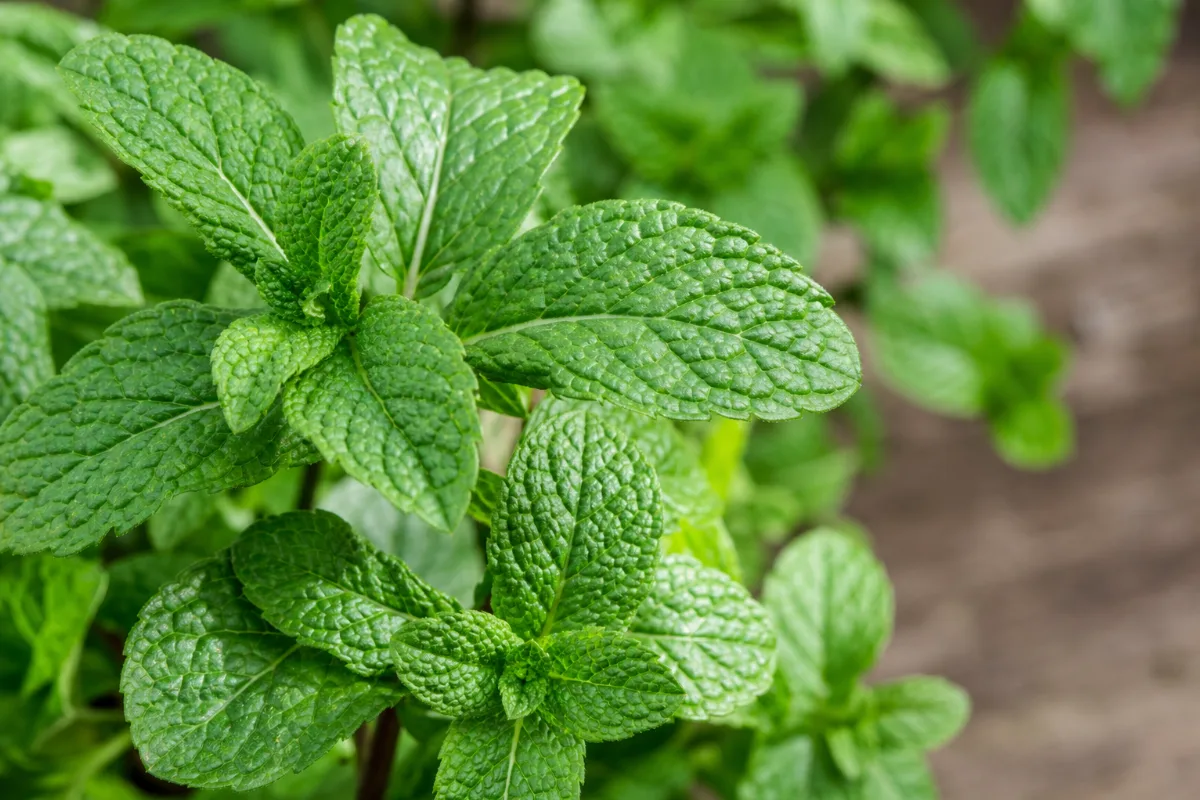
Peppermint is Mentha x piperita (family Lamiaceae); GBIF lists Mentha × piperita L. as the accepted name. [4] NCCIH describes it as a natural cross between water mint and spearmint. [3] Two parts are used: the leaf (often as tea) and the oil taken from the leaves and flowering parts. Their research is very different, so this page keeps them apart. Spearmint is a different mint; see peppermint vs spearmint. Peppermint essential oil used for aromatherapy and on the skin is covered at peppermint oil, and the tea as a drink at peppermint tea.Traditional use (not proof of benefit)
NCCIH says the medicinal use of mint plants for digestive disorders dates back to ancient Greece, Rome and Egypt. [3] The EU treats peppermint leaf for dyspepsia (indigestion) and gas as a "traditional" use, meaning it rests on long-standing use rather than on clinical trials. [1]What research shows
| Use | What the sources found | Strength of evidence | Form and population |
|---|---|---|---|
| Irritable bowel syndrome (IBS) | A 2022 meta-analysis of 10 trials (1030 patients) found peppermint oil better than placebo for overall symptoms and abdominal pain, but with more adverse events, and rated the evidence quality very low. [5] NCCIH says a 2021 American College of Gastroenterology guideline recommended it for overall IBS symptoms. [3] | Promising but limited | Enteric-coated oil capsules; adults |
| Indigestion (functional dyspepsia), oil alone | NCCIH: there isn't any evidence showing that peppermint oil alone helps, and taken alone it may worsen indigestion in some people. [3] | Insufficient evidence | Oil alone |
| Indigestion, fixed peppermint-and-caraway oil combinations | A Cochrane review found peppermint and caraway oil probably gave a large improvement in global dyspepsia symptoms at four weeks (moderate certainty). [6] | Promising (applies to those combination products only) | Combination oils; adults |
| Peppermint leaf (tea) for any condition | NCCIH: not enough evidence to determine whether peppermint leaf is useful for any health condition. [3] | Insufficient evidence | Leaf |
| Functional abdominal pain in children | A 2017 systematic review found evidence for peppermint oil in reducing pain duration, frequency and severity, and said the small number of studies means results must be read carefully. [7] | Promising but limited | Oil; children and adolescents |
Peppermint tea for heartburn or nausea: Proper evidence not found in the sources we read (we searched NCCIH, the EU monographs and PubMed reviews). For the IBS question in more depth see peppermint oil capsules for IBS and irritable bowel syndrome.
Forms and why the form matters
Evidence for IBS comes from oil in enteric-coated capsules. NCCIH says capsules are often enteric-coated to reduce the likelihood of heartburn. [3] The EU monograph says these capsules should be swallowed whole, not broken or chewed, because this would release the oil too early and could irritate the mouth and food pipe. [2] It also says that acid-reducing medicines such as histamine-2 blockers and proton pump inhibitors may cause the coating to dissolve too early. [2] Do not assume that tea, essential oil bottles or lozenges give the same result as the studied capsules. A bottle of essential oil is not the same as the studied capsules and should not be swallowed; see peppermint oil safety.Quality notes
The sources we read do not describe adulteration or contamination of peppermint products. For how to read labels see quality testing and certifications.Official statements
- EMA (EU), 2020: two HMPC monographs, one for peppermint leaf (traditional use for dyspepsia and gas) and one for peppermint oil (symptomatic relief of minor gut spasms, gas and abdominal pain, especially in IBS). [1][2]
- NCCIH (US): a small amount of research, mostly on IBS. [3]
Related pages
Frequently asked questions
Does peppermint oil help IBS?
A 2022 meta-analysis found it better than placebo for overall symptoms and abdominal pain, but with more adverse events and very low quality evidence. [5] Ask a clinician first, especially if you have heartburn.
Is peppermint tea good for heartburn?
The EU monograph advises people with reflux to avoid peppermint leaf preparations because heartburn may increase. [1]
Why are peppermint oil capsules enteric-coated?
NCCIH says they are often enteric-coated to reduce the likelihood of heartburn. [3]
Is peppermint safe for babies and young children?
Menthol should not be inhaled by, or applied to the face of, an infant or small child. [3] The EU oil monograph contraindicates use under 2 years. [2]
Can I take peppermint if I have gallstones or liver disease?
For the oil, the EU monograph lists these as contraindications, and for the leaf it advises caution with gallstones and other bile-duct disorders. [2][1] Ask your doctor.
More details: evidence, limits and cautions
The details behind this page: cautions, limits of the evidence and where sources disagree. Open any note to read it.
Safety first: heartburn, gallbladder or liver problems, and young children
Safety in more detail
- Side effects: NCCIH lists heartburn, nausea, abdominal pain and dry mouth for oil by mouth, and rarely allergic reactions. [3] The EU monograph says heartburn, perianal burning, blurred vision, dry mouth, nausea and vomiting were frequent in clinical trials. [2]
- Allergy: the EU monographs list hypersensitivity to peppermint or to menthol as a contraindication. [1]
- Medicines: the sources we read describe the acid-reducer issue above and say other peppermint-oil medicines should be avoided at the same time. [2] Other medicine interactions are not described in the sources we read. See how interactions work.
- Pregnancy and breastfeeding: NCCIH says oral peppermint in food amounts is likely safe, but little is known about medicinal amounts. [3] The EU monographs say safety has not been established and do not recommend use. [1][2] See pregnancy and breastfeeding safety.
- Children: the EU monograph for the oil capsules does not recommend use under 8 years. [2] For the leaf it does not recommend use under 4 years. [1]
- Long-term use: NCCIH says long-term safety of consuming large amounts of peppermint leaf is unknown. [3]
- Bleeding and surgery: not described in the sources we read; tell your surgical team about any supplement. See supplements before surgery.
References
- European Medicines Agency, HMPC. European Union herbal monograph on Mentha x piperita L., folium, adopted 15 January 2020. Read 2026-10-23.
- European Medicines Agency, HMPC. European Union herbal monograph on Mentha x piperita L., aetheroleum, adopted 15 January 2020. Read 2026-10-23.
- National Center for Complementary and Integrative Health (NIH). Peppermint Oil. Read 2026-10-23.
- GBIF Secretariat. GBIF Backbone Taxonomy species match. Names checked through the GBIF species match service. Read 2026-10-23.
- Systematic review and meta-analysis: efficacy of peppermint oil in irritable bowel syndrome. Alimentary Pharmacology & Therapeutics, 2022. PubMed record PMID 35942669. Read 2026-10-23.
- Non-Chinese herbal medicines for functional dyspepsia (Cochrane review). Cochrane Database of Systematic Reviews, 2023. PubMed record PMID 37323050. Read 2026-10-23.
- Herbal Medicines for Gastrointestinal Disorders in Children and Adolescents: A Systematic Review. Pediatrics, 2017. PubMed record PMID 28562281. Read 2026-10-23.