Nutrients, Plant Compounds, What Research Shows & Safety.
Vegetables are food first. Explore each one: what is in it (measured by USDA), what research in people has and has not found for health goals, a normal serving, and what to watch for with medicines, kidney stones, thyroid and digestion.
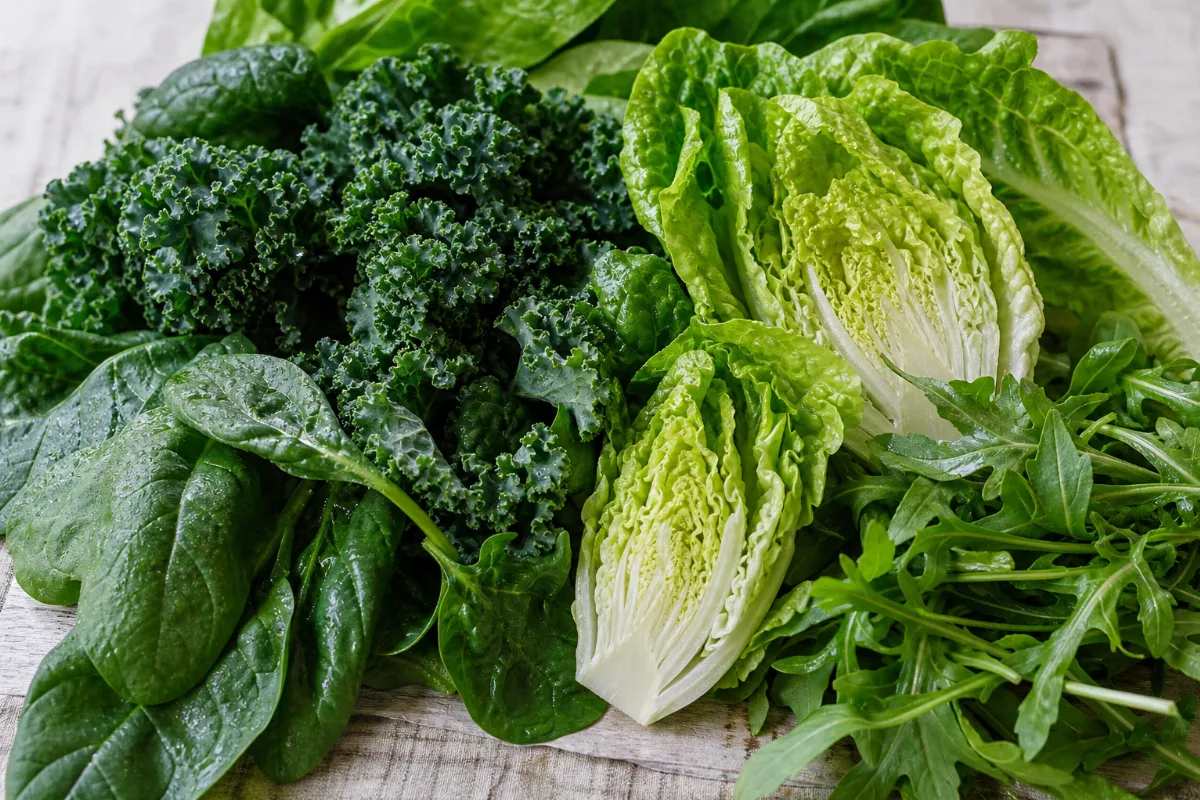
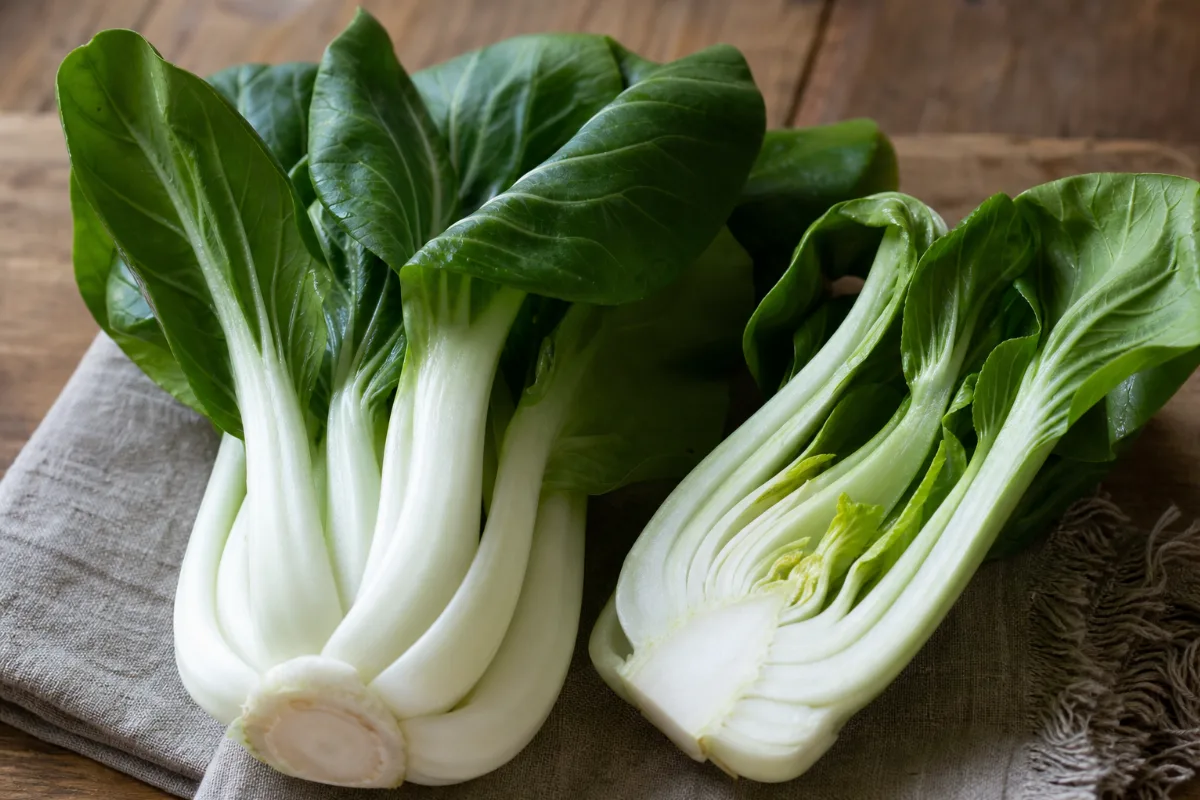
Spinach, kale, lettuce and other leafy greens: what cohort reviews found on heart disease, and the vitamin K advice for people taking warfarin, plus oxalate and food-safety notes.
What spinach (Spinacia oleracea) offers, what research shows on heart health and eyes, and the safety facts on warfarin, oxalate stones, nitrate and food safety.
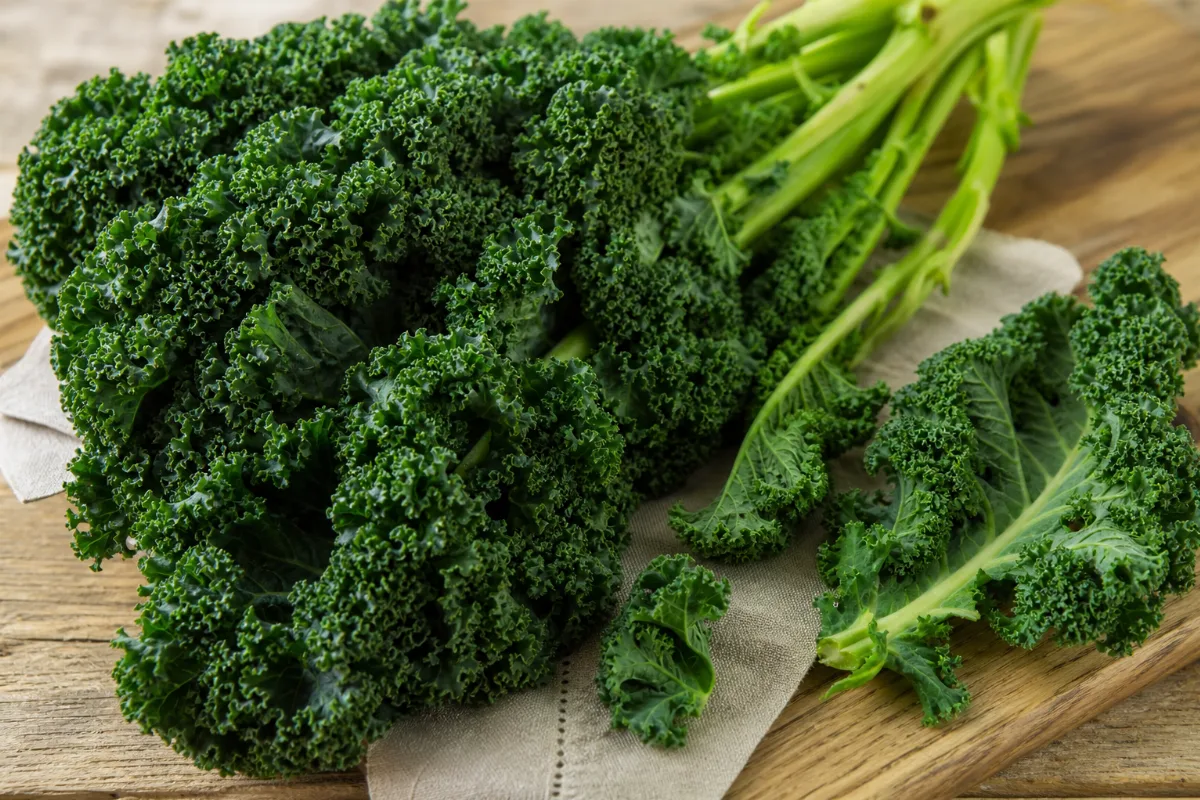
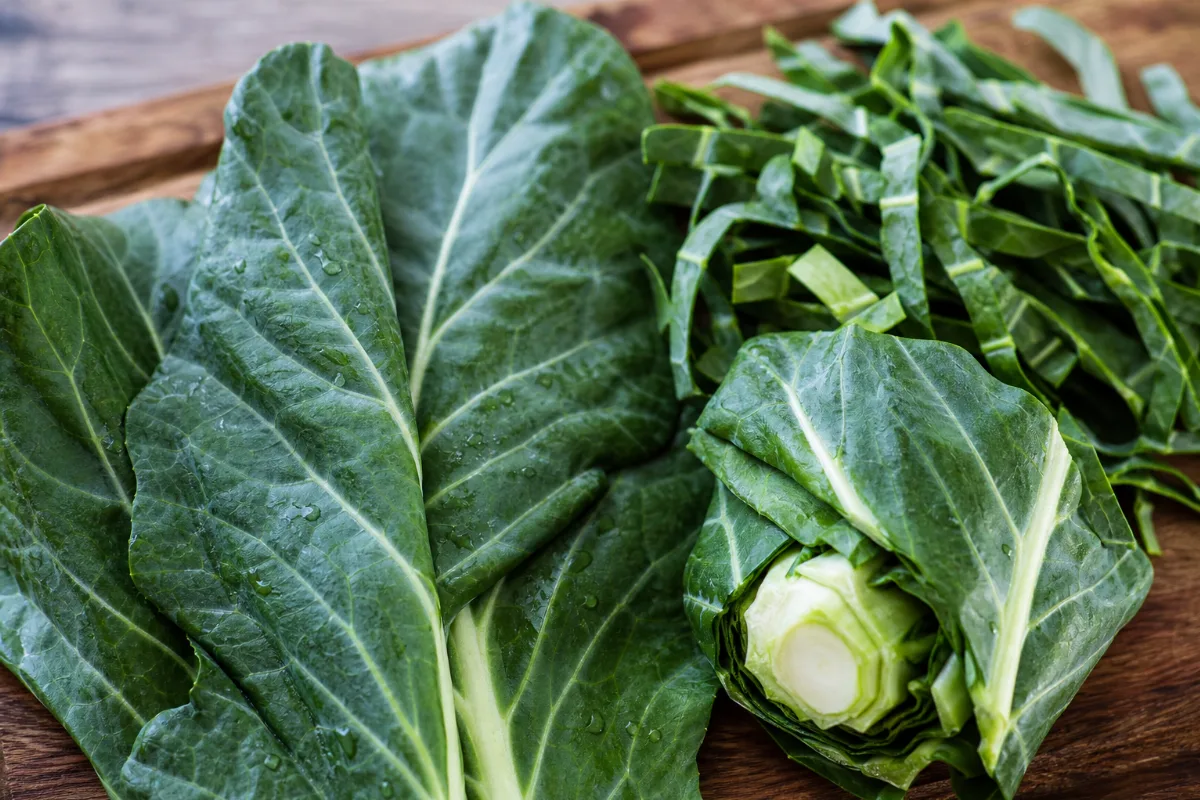
Kale as a food: USDA nutrient values, what studies found, and the safety notes that matter most, including vitamin K with warfarin and thyroid questions.
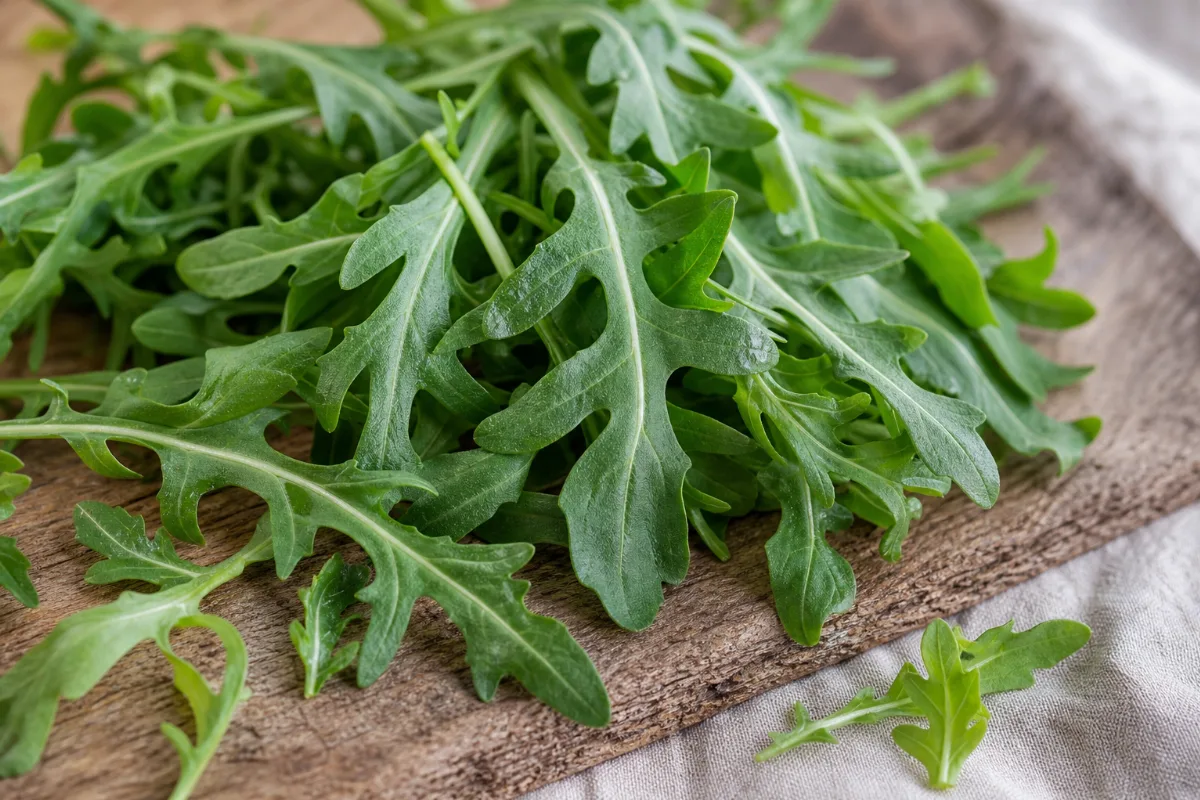
What the sources say about arugula (rocket): its vitamin K, nitrate and glucosinolates, the warfarin question, what trials do not show, and leafy-green food safety.
Normal serving (USDA): 1 cup, shredded romaine (47 g)
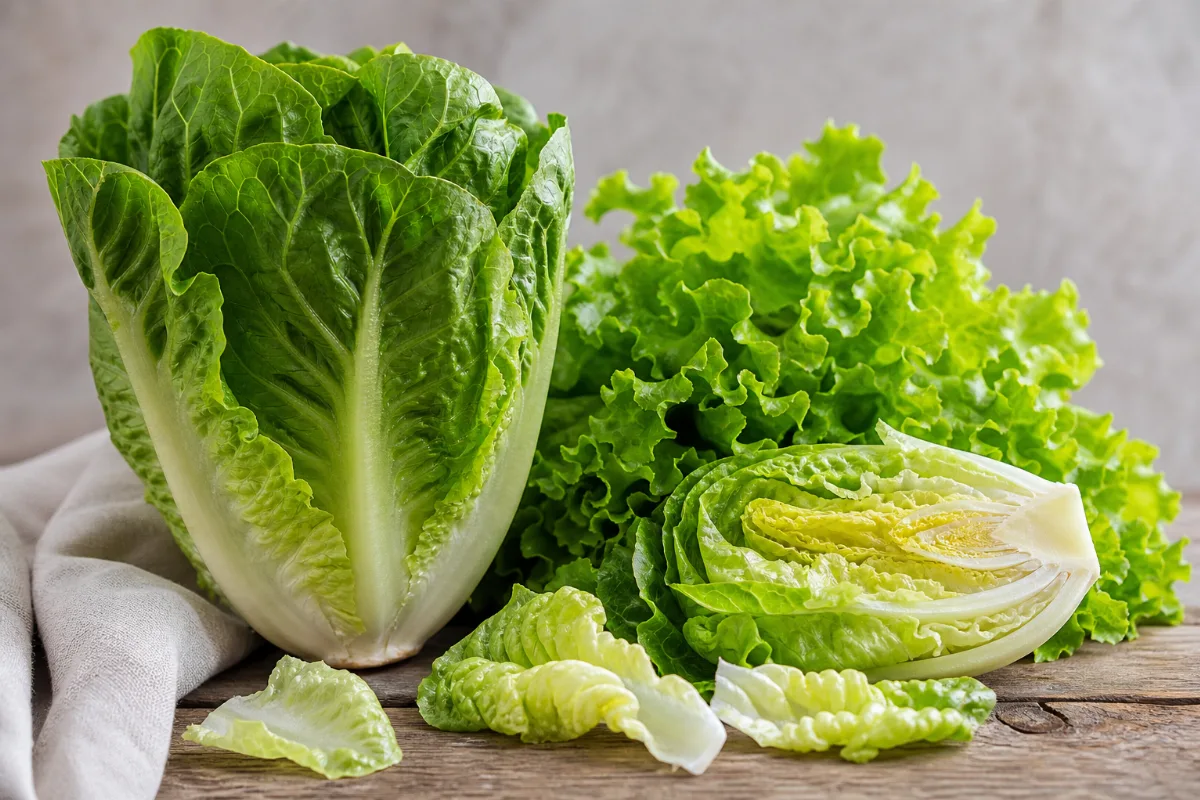
Romaine and green leaf lettuce as food: USDA nutrients, what research found on leafy greens, vitamin K and warfarin, E. coli outbreaks, and how it differs from wild lettuce.
Swiss chard as a food: USDA nutrients, what research says about leafy greens, and safety notes on vitamin K and warfarin, oxalate and kidney stones, and potassium.
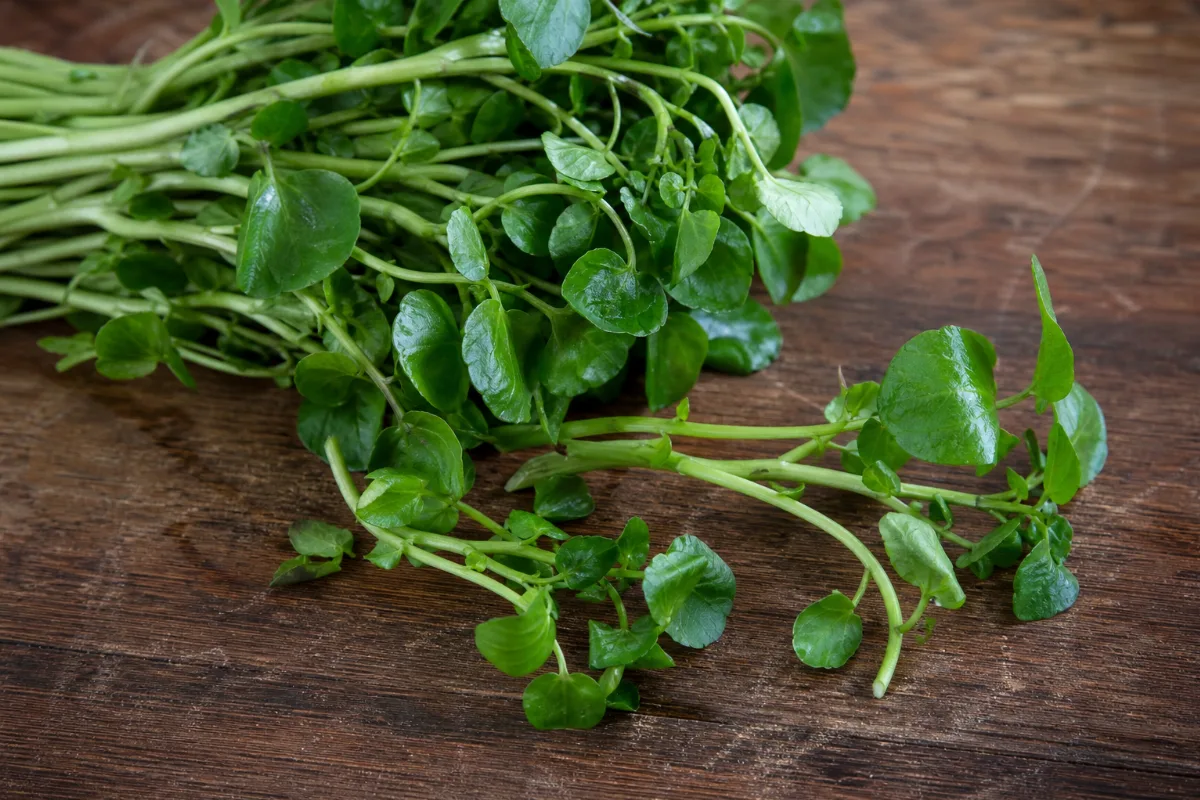
Watercress as a food: USDA nutrients, what small trials found, the 'most nutrient-dense' ranking explained, vitamin K and warfarin, and liver fluke risk from wild plants.
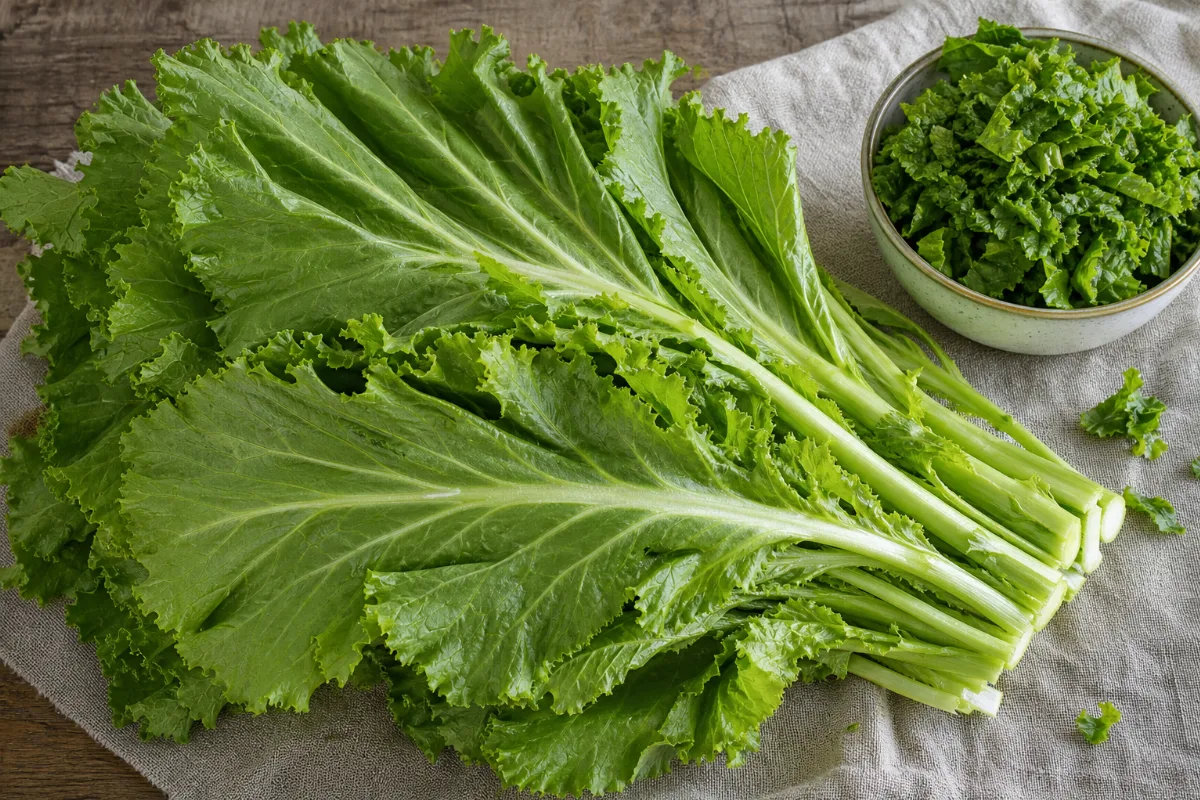
Mustard greens are a peppery leafy green rich in vitamin K and vitamin C. What the research says, plus warfarin, allergy, oxalate and thyroid safety notes.
Normal serving (USDA): 1 cup chopped raw broccoli (91 g)
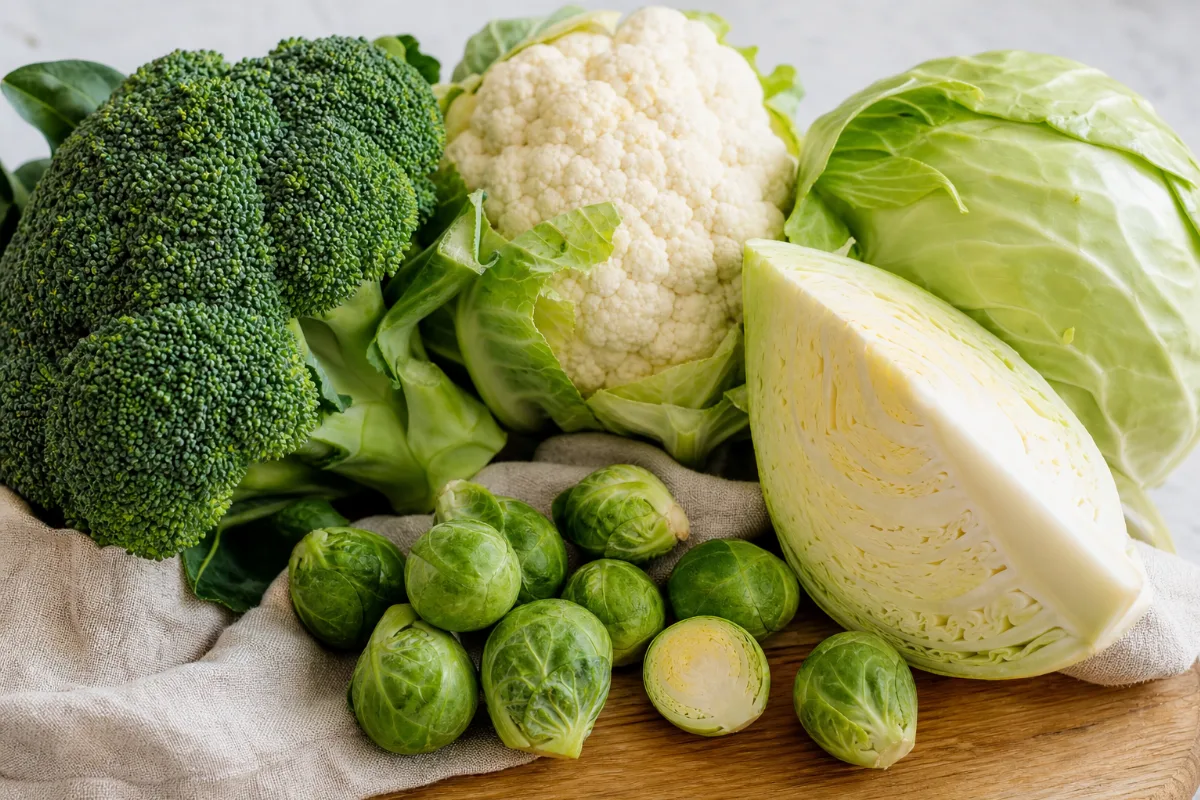
Broccoli, cabbage, kale and other cruciferous vegetables: what observational studies found on cancer and heart risk, thyroid questions, and vitamin K with warfarin.
Vitamin C, vitamin K and folate from the vegetable itself
Broccoli and cancer risk (observational)
Cruciferous vegetables and prostate cancer risk
Heart disease, cancer and death (all fruit and vegetables)
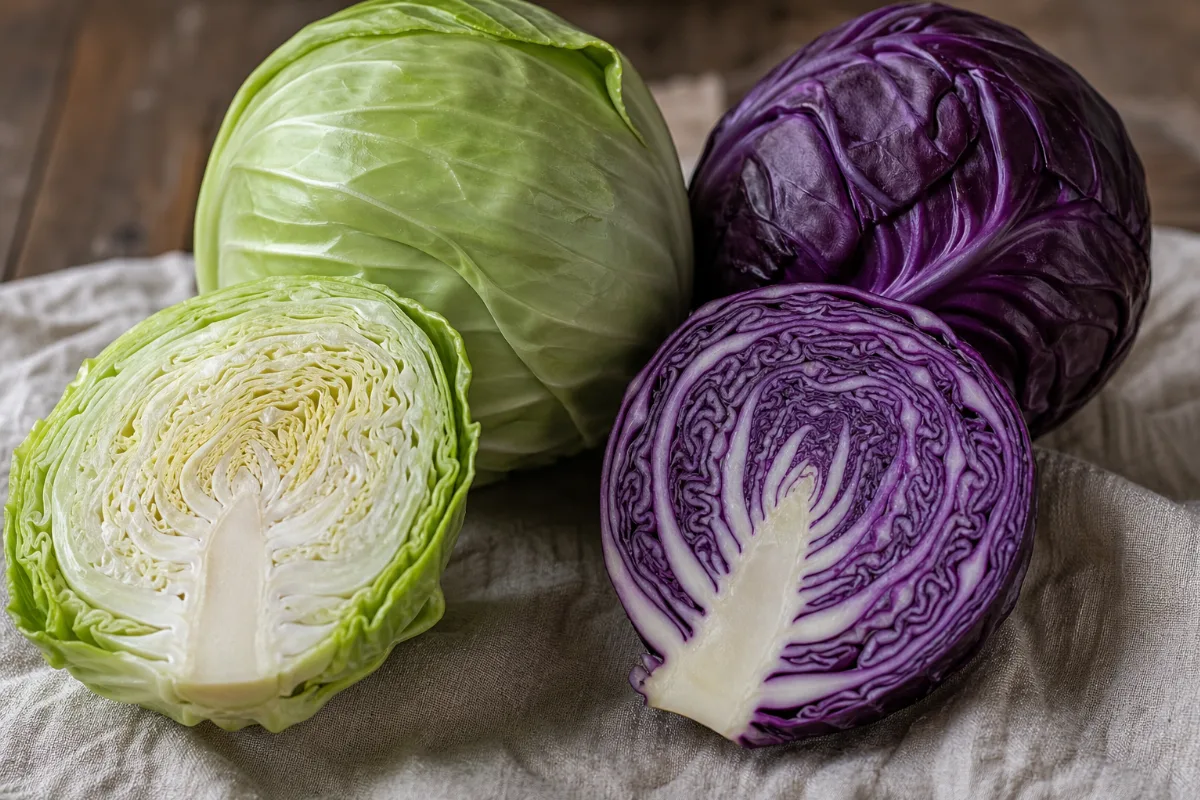
Cabbage, green and red: USDA nutrients, what research says about glucosinolates, red cabbage pigments and cabbage leaf wraps, plus vitamin K, thyroid and gas questions.
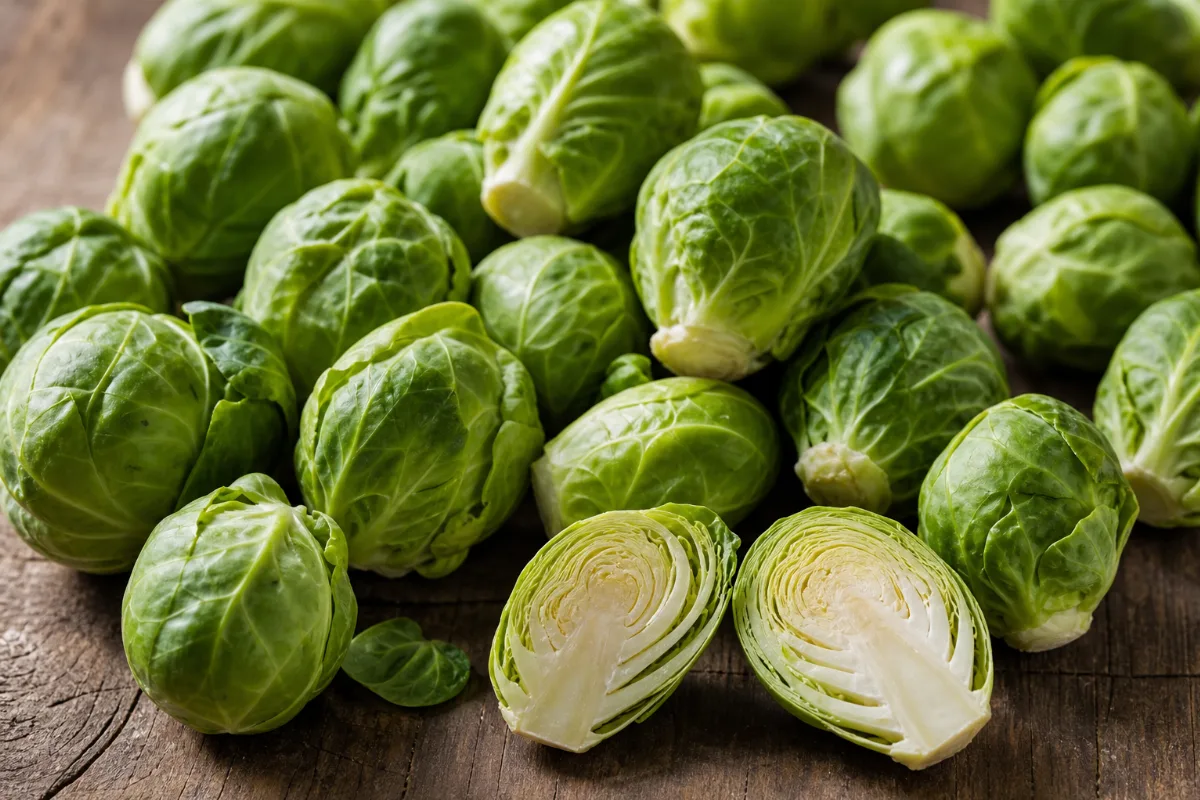
Brussels sprouts: USDA nutrients, what studies show on glucosinolates and health, vitamin K with warfarin, cooking effects, bloating and thyroid questions.
Vitamin C source and scurvy prevention
Vitamin K content
Cruciferous vegetable intake, cancer and heart disease
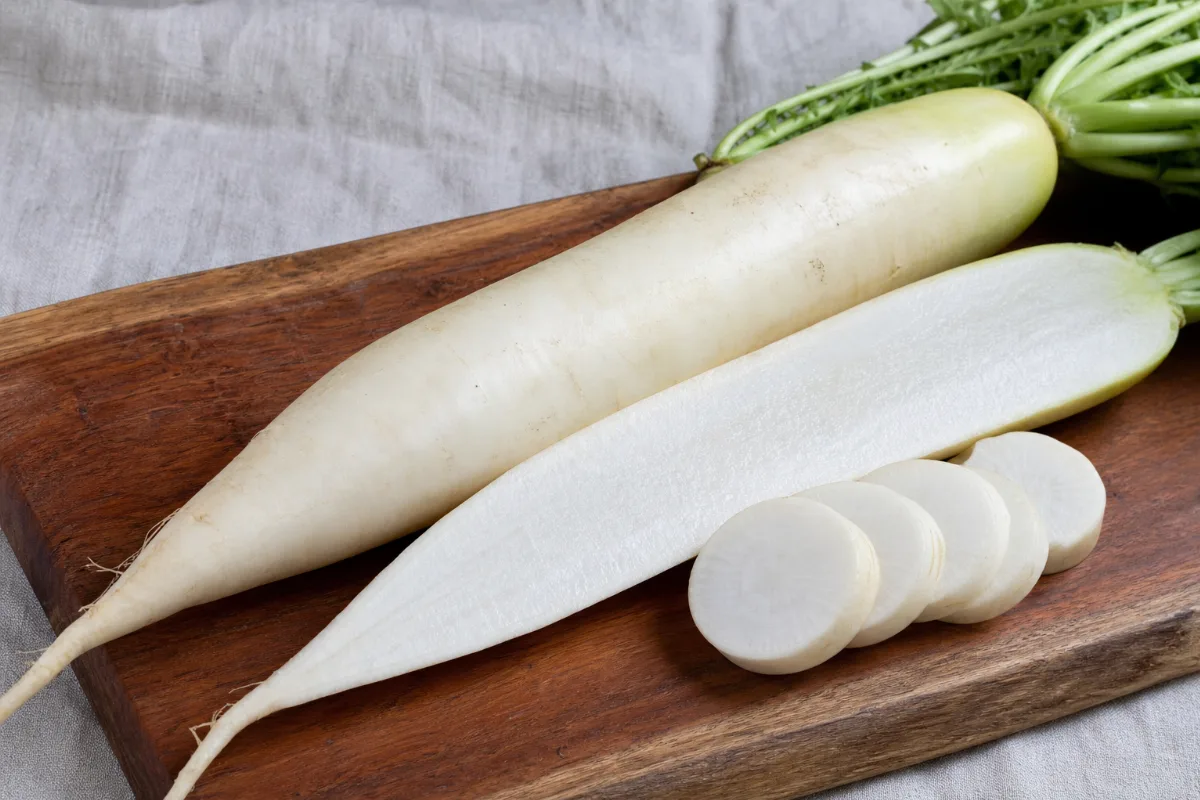
Turnips (Brassica rapa subsp. rapa): USDA nutrition, what research says about glucosinolates, vitamin C, goitrogens, turnip greens and warfarin, and safety notes.
Vitamin C intake and scurvy prevention
Counts toward 5 A DAY and 400 g a day
Vegetable intake, heart disease, cancer and early death
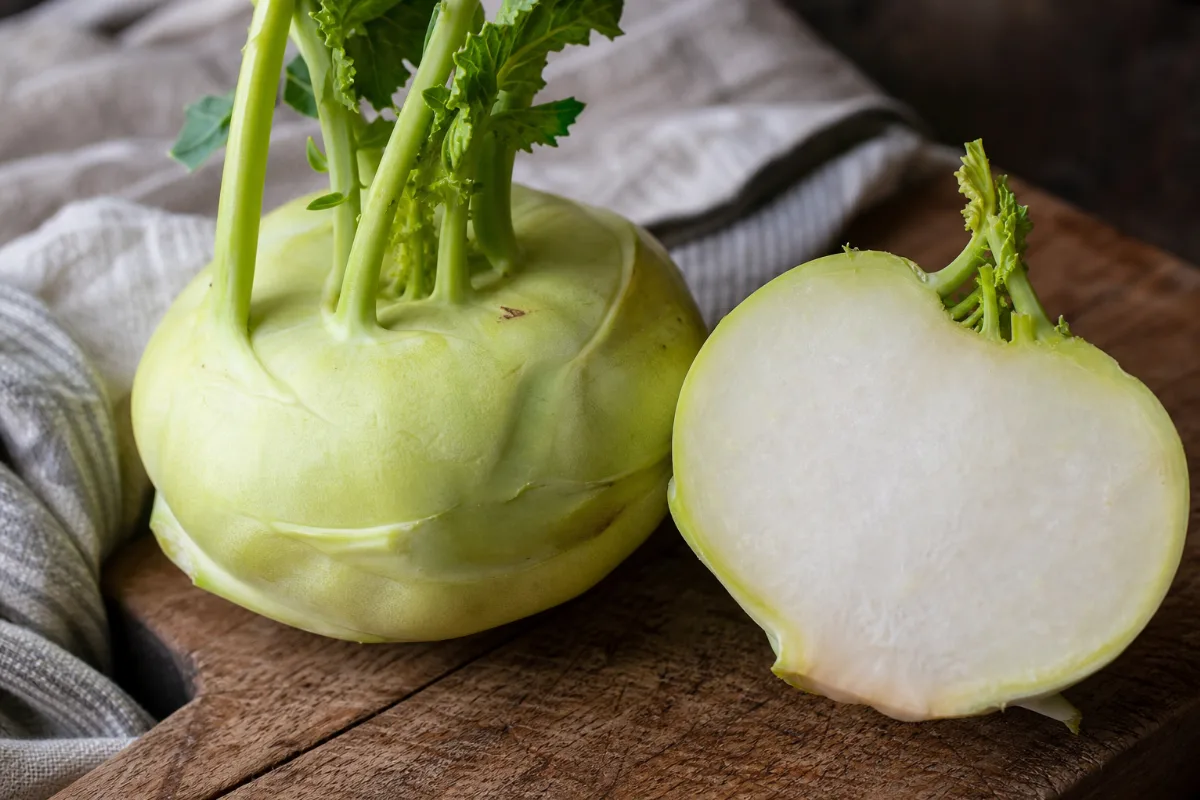
Kohlrabi is rich in vitamin C and fiber. What USDA data and cruciferous vegetable research show, what is not known about kohlrabi itself, and safety notes.
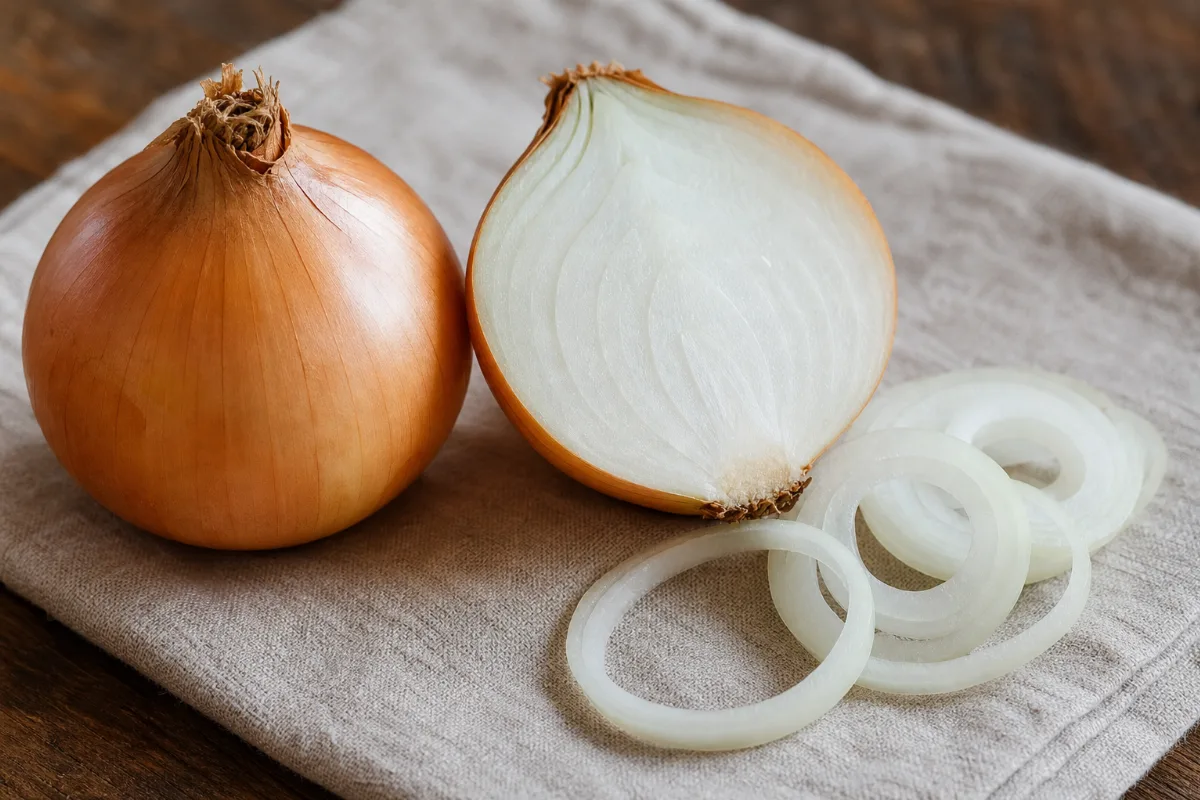
Normal serving (USDA): 1 cup, chopped onion (160 g)
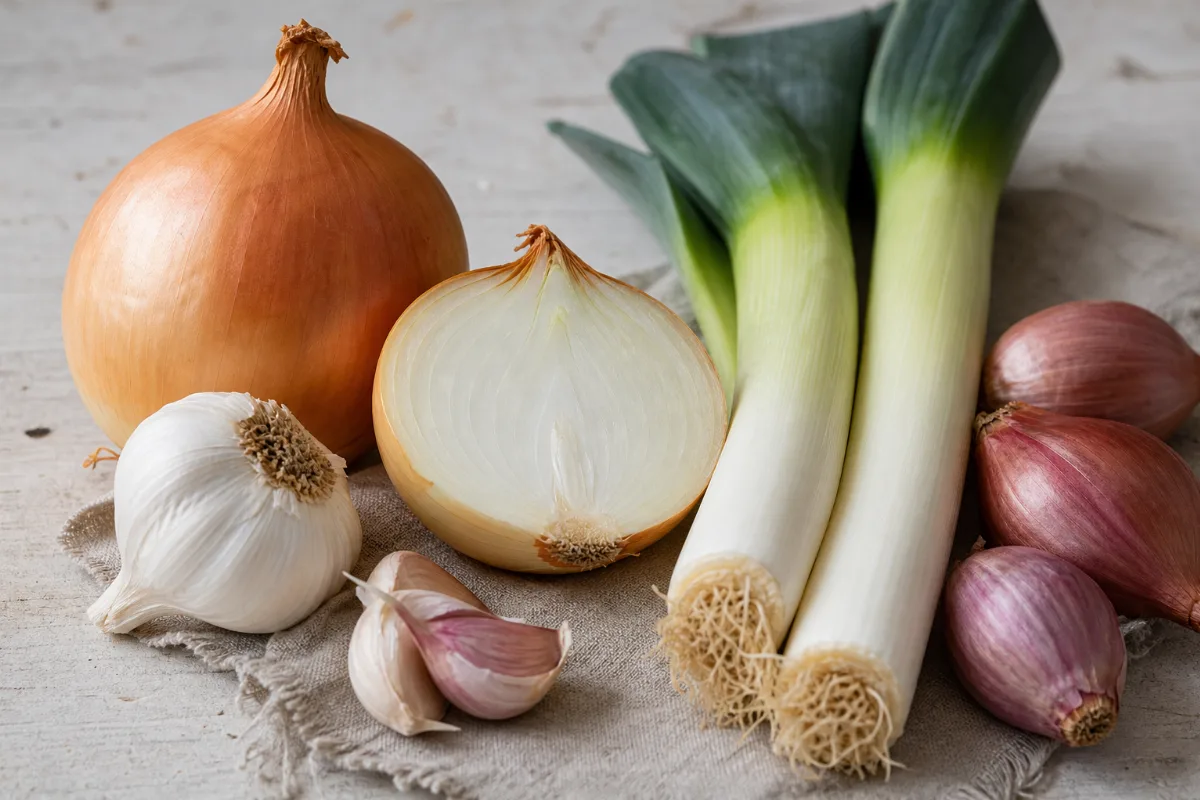
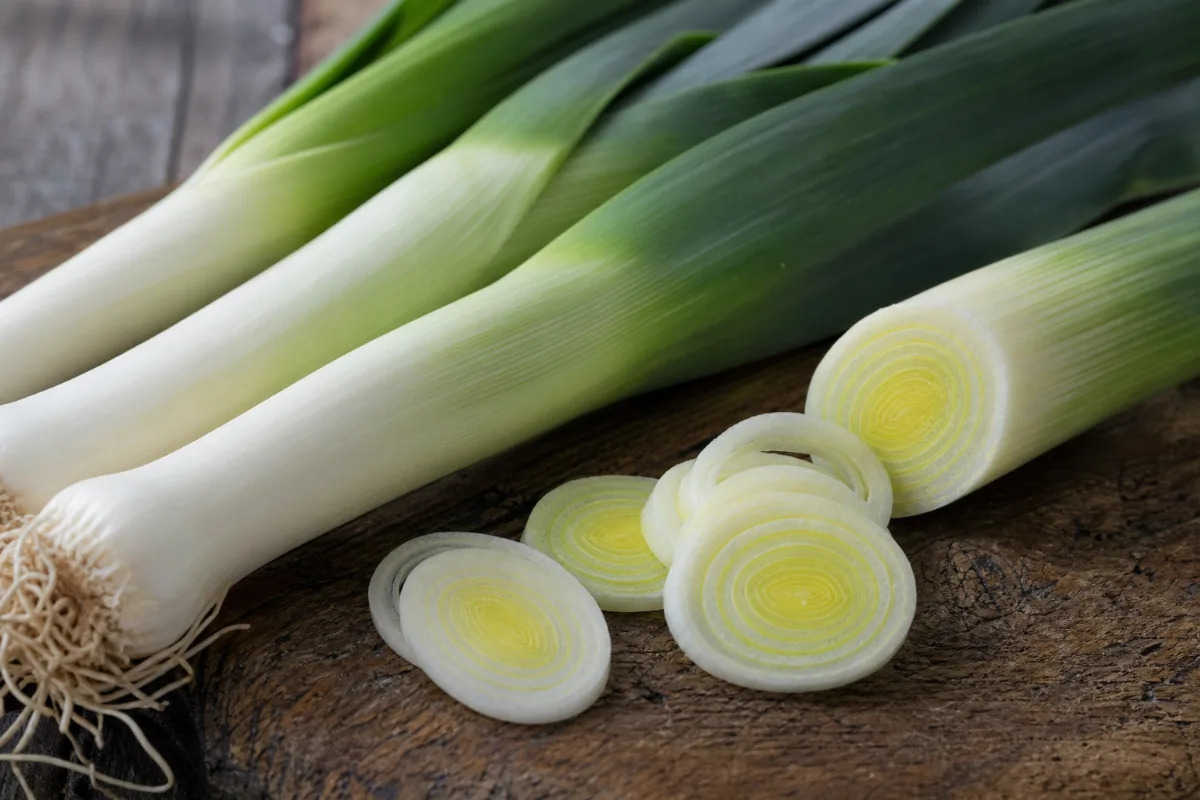
What research found on onions, garlic, leeks and other allium vegetables eaten as food, how food differs from garlic supplements, and the safety points to know.
Allium vegetables and stomach (gastric) cancer risk
Onions (Allium cepa) as food: USDA nutrients, what studies show on quercetin and blood pressure, blood sugar and IBS, plus onion allergy and a warning for pets.
Beetroot and beet juice: what meta-analyses found on dietary nitrate and blood pressure, why certainty is low, and cautions on medicines, kidney stones and red urine.
Beet juice and blood pressure in hypertension
Dietary nitrate and blood pressure in healthy adults
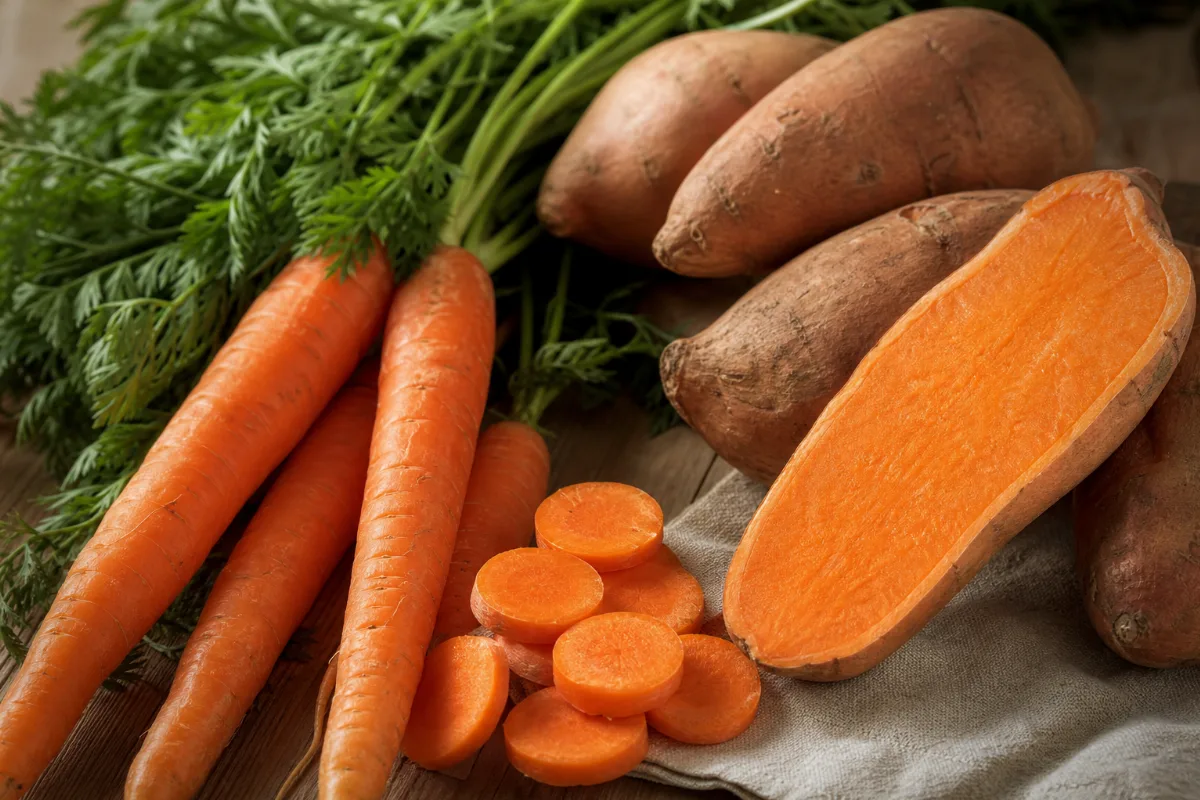
Normal serving (USDA): 1 sweetpotato, 5" long (130 g); or 1 medium carrot (61 g)
What sources say about sweet potatoes, carrots and other orange vegetables, beta-carotene in food versus supplements, and why the two should not be confused, especially for smokers.
Source of provitamin A (beta-carotene)
Orange-fleshed sweet potato and vitamin A status in children
Promoting orange-fleshed sweet potato to pregnant and breastfeeding women
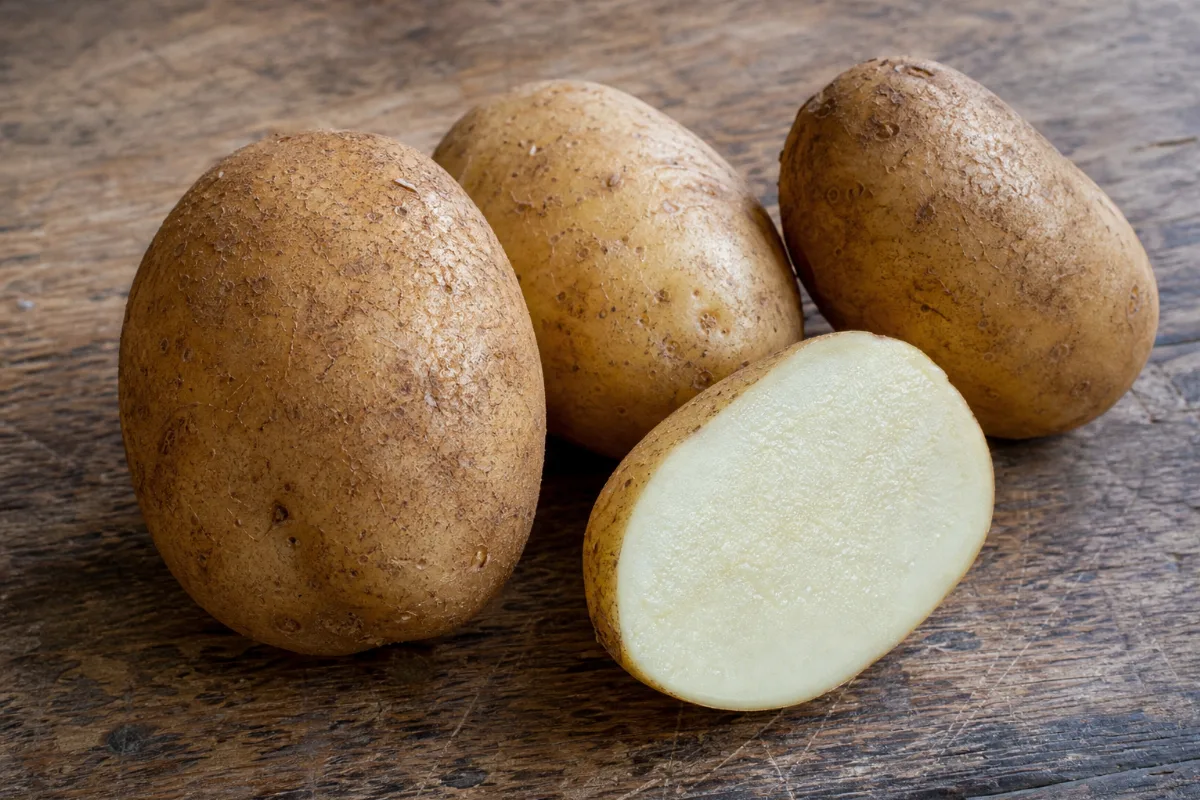
Normal serving (USDA): 1 medium potato (2-1/4" to 3-1/4" dia), raw (213 g)
Potatoes (Solanum tuberosum): USDA nutrition, potassium, what studies show on blood sugar, french fries and boiled potatoes, green potatoes and acrylamide.
Vitamin C intake and scurvy prevention
Potassium source
French fries versus baked, boiled or mashed potatoes and type 2 diabetes
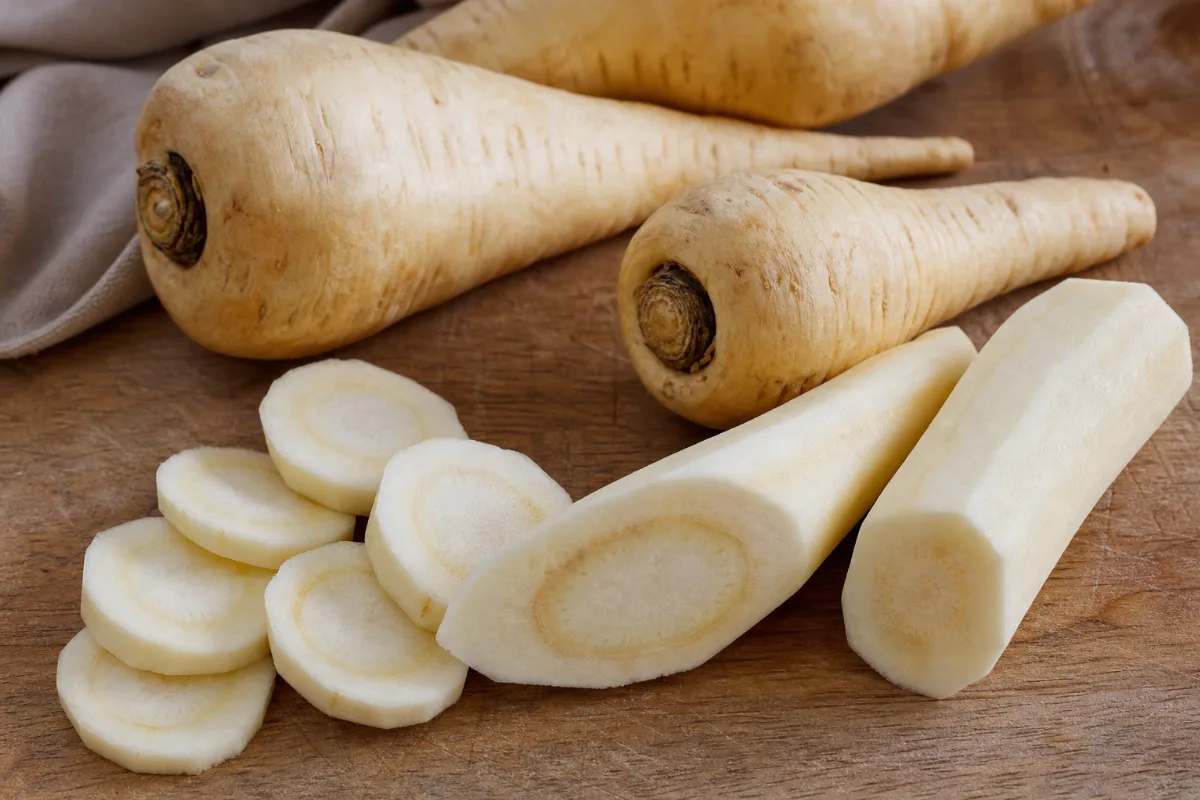
Parsnips (Pastinaca sativa): USDA nutrition, what research says about fiber, folate and potassium, the wild parsnip sap skin reaction, and safety notes.
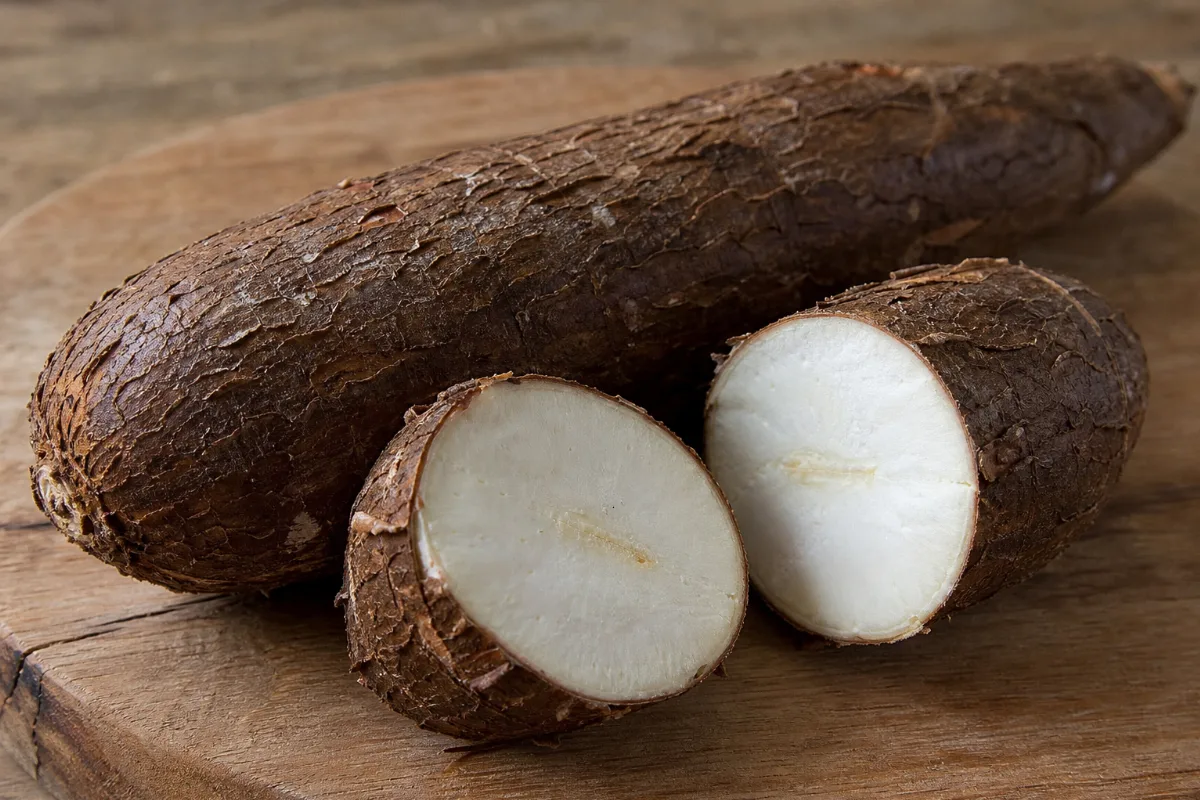
Cassava (yuca), a starchy root: USDA nutrition, the cyanide safety facts (raw cassava, konzo, flour), how processing works, and what research shows on tapioca and starch.
Starchy staple: energy, vitamin C, manganese and potassium
Glycemic index of cassava foods
Resistant starch and tapioca resistant maltodextrin
Yellow biofortified cassava and vitamin A status in children
Jicama (Pachyrhizus erosus): USDA nutrition, what research says about inulin fiber, vitamin C and blood sugar, the rotenone in seeds and leaves, and bloating.
Normal serving (USDA): 1 cup, chopped or sliced (180 g)
Tomatoes and lycopene: what cohort studies, meta-analyses and trials found on prostate cancer, heart risk markers and blood pressure, and how cooking and oil came into it.
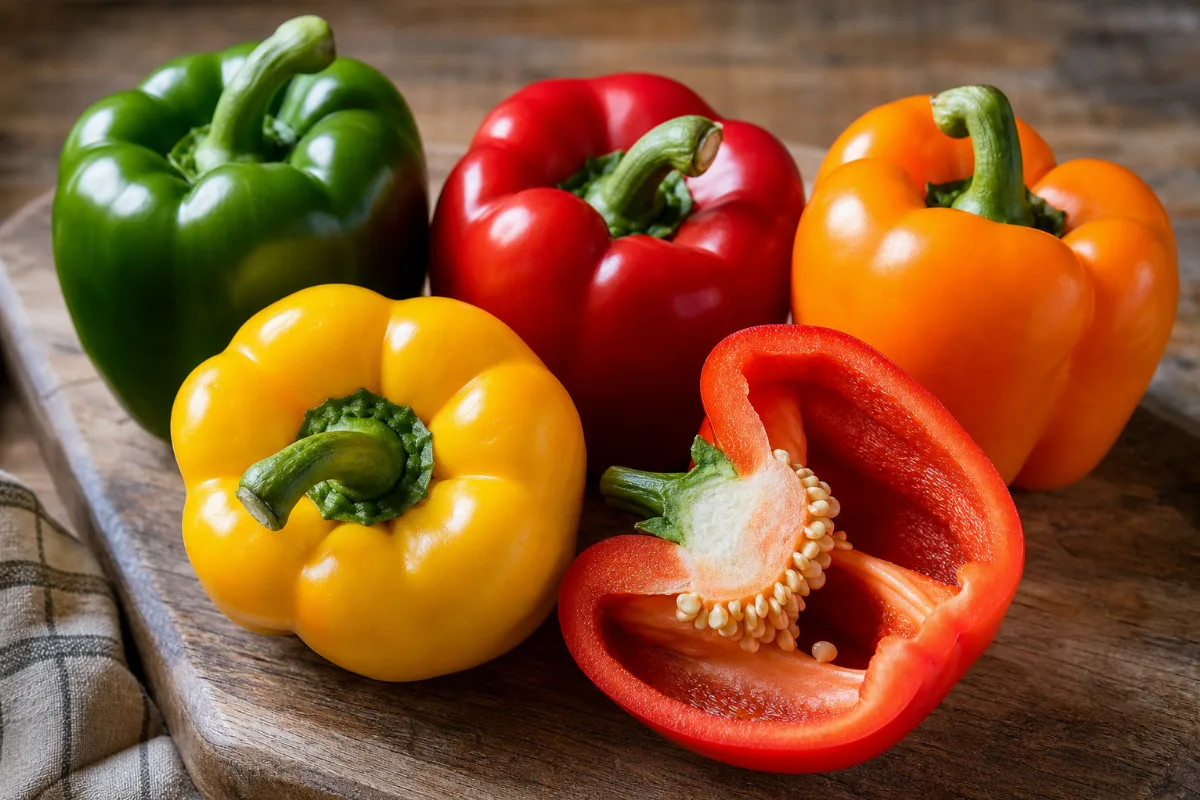
Bell peppers as food: USDA nutrients in red and green, vitamin C and carotenoids, nightshade-avoidance claims checked, and notes on allergy and latex links.
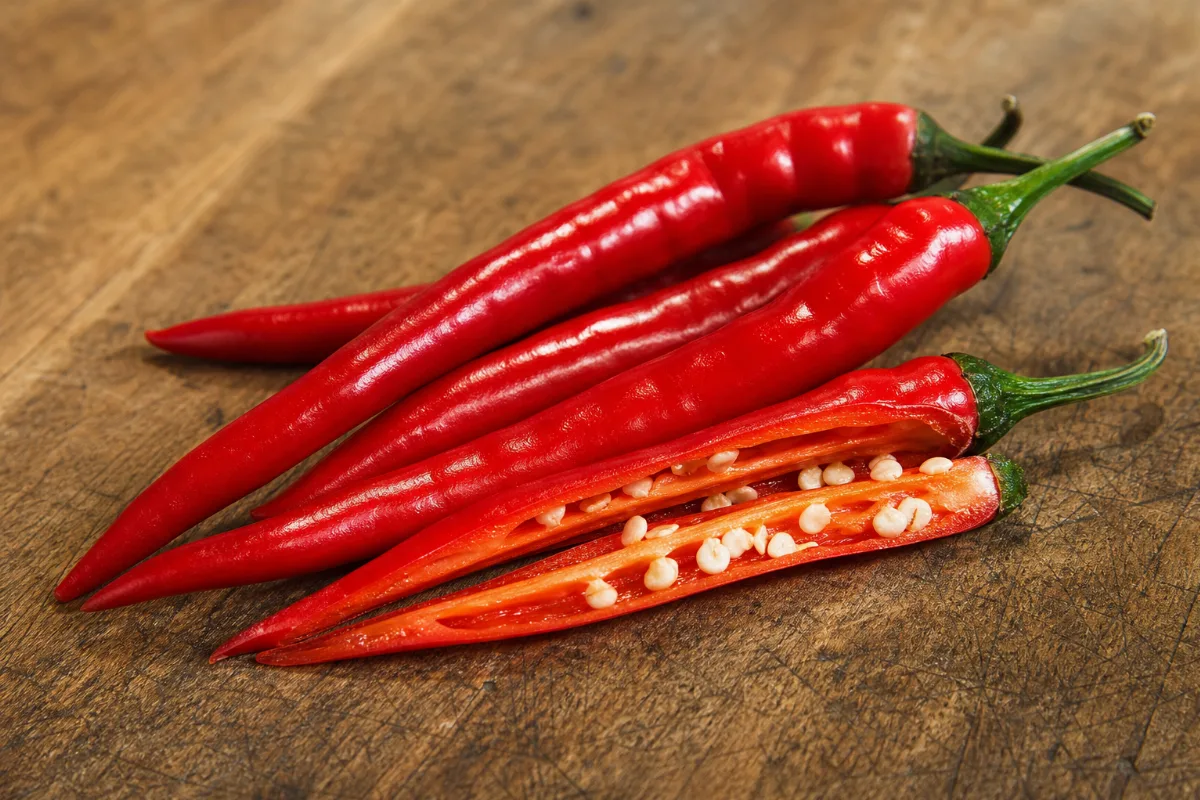
Chili peppers as food: USDA nutrients, what studies of spicy-food eaters found, heartburn, hot-pepper challenges, and how capsaicin creams are a separate medicine.
What eggplant (aubergine) offers, what lab and human research shows on its purple pigment, and the facts on nightshade claims, allergy, frying oil and nicotine.
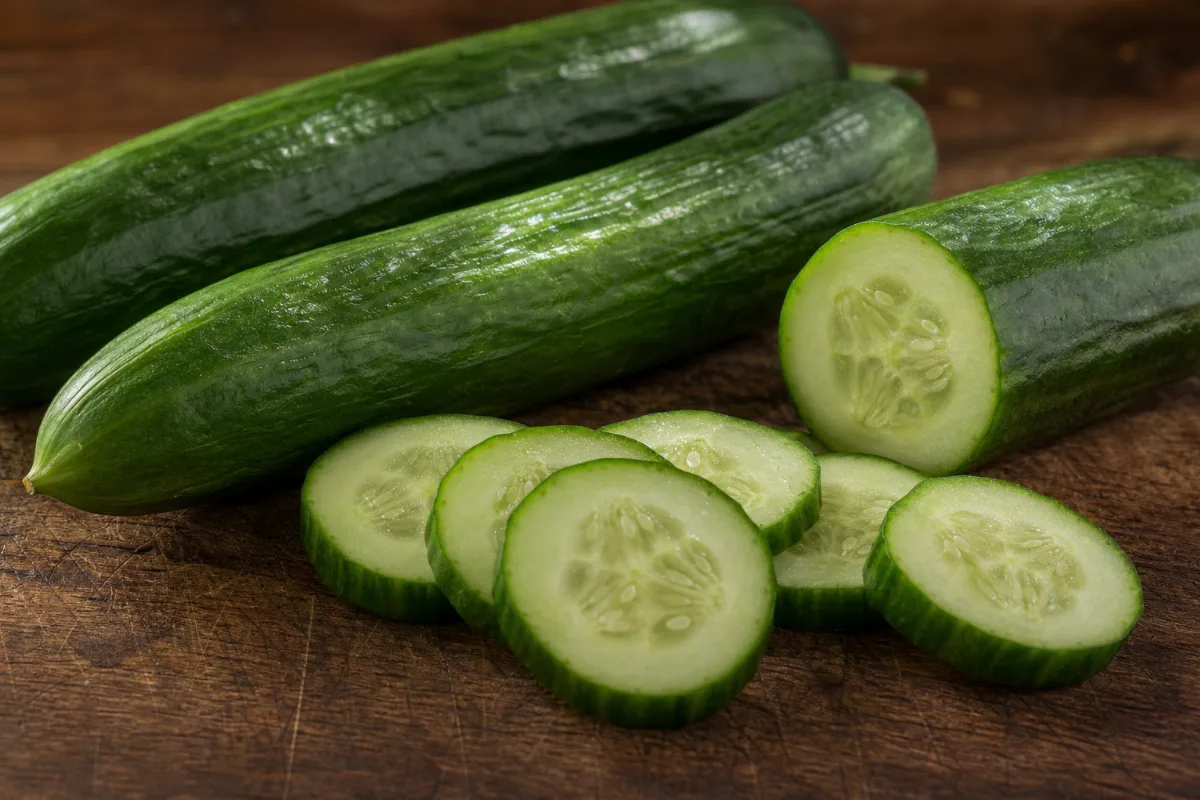
Cucumbers as food: USDA nutrients, water content, vitamin K and warfarin, peel and wax, Salmonella outbreaks, bitterness, and what research does and does not show.
Normal serving (USDA): 1 cup, 1-inch cubes (116 g)
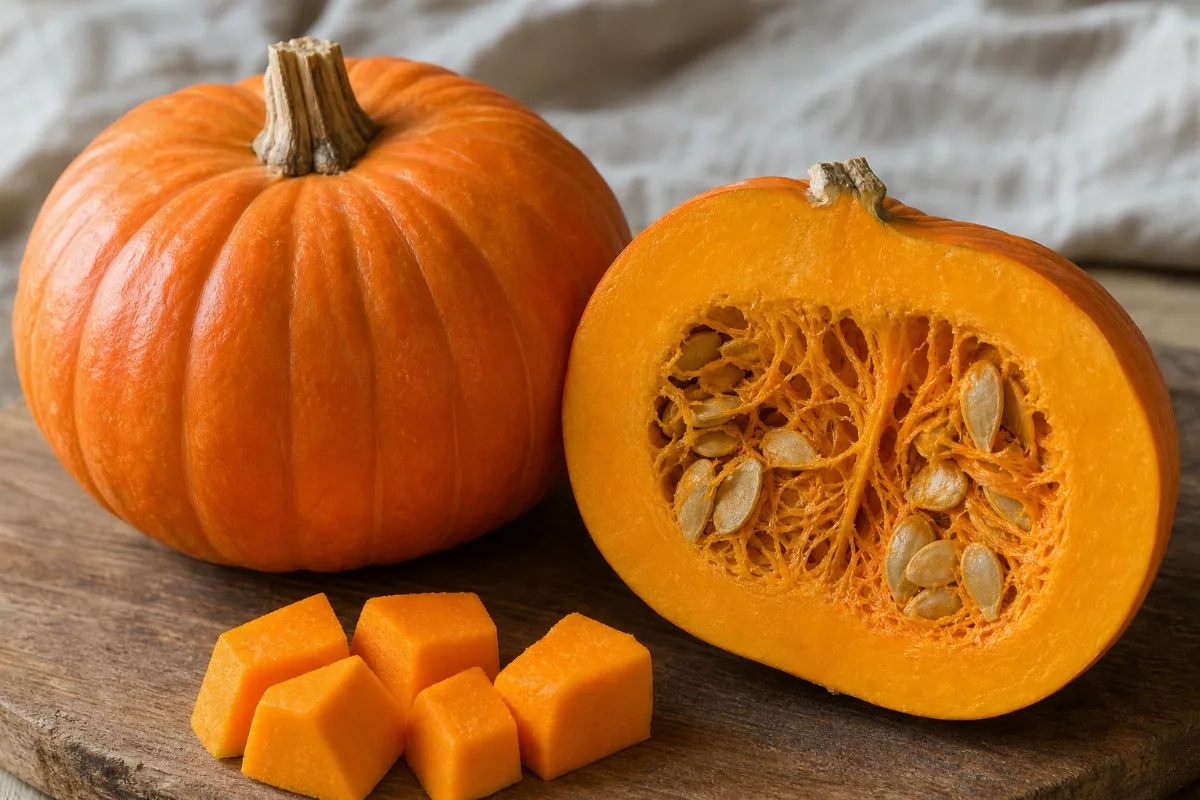
What pumpkin (Cucurbita pepo, C. maxima) offers, beta-carotene and vitamin A, canned pumpkin versus pie filling, fiber and potassium, and the safety facts that matter.
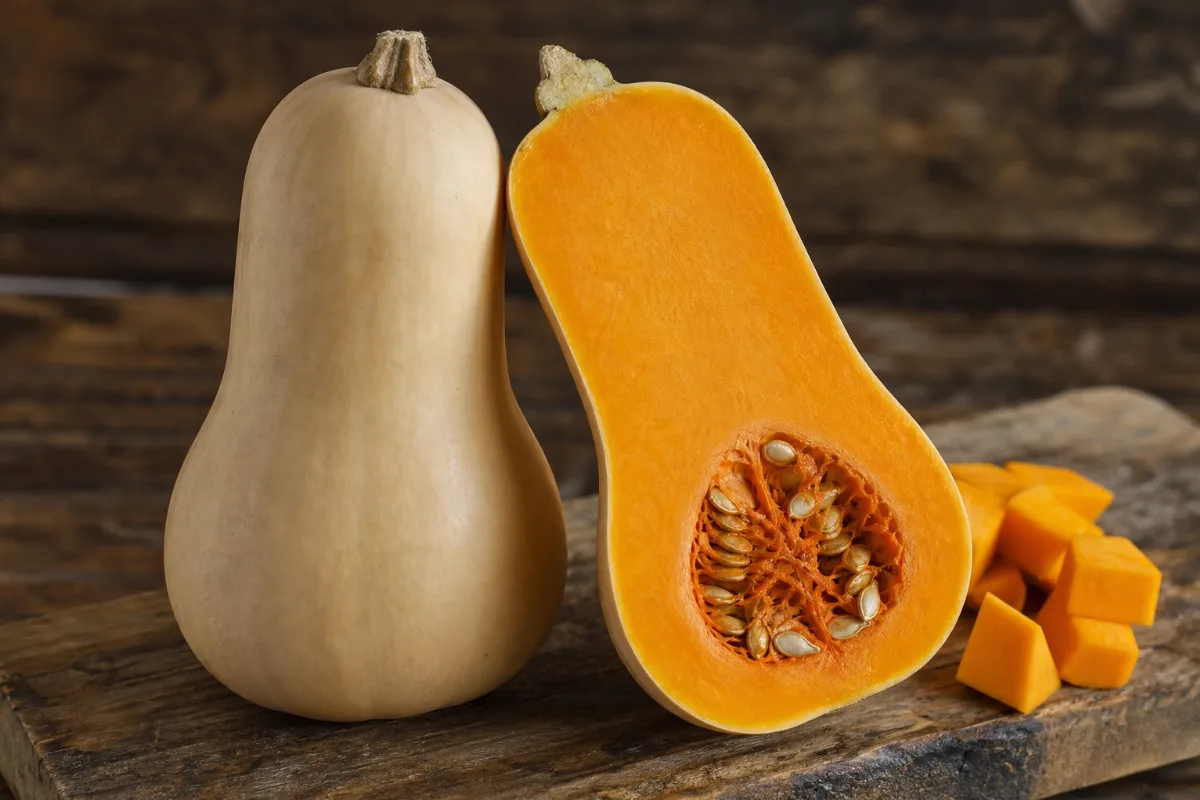
What butternut squash (Cucurbita moschata) offers, what research says on vitamin A, fiber and potassium, and the safety facts on kidneys, medicines and food safety.
Green beans as a food: USDA nutrient values, what research says about fiber, folate and vitamin K, and safety notes on warfarin, raw beans and canned sodium.
What green peas (Pisum sativum) contain, what research says about fiber, heart health and digestion, and facts on vitamin K, FODMAPs, pea allergy and frozen peas.
Okra as a food: USDA nutrient values, what trials say about blood sugar and cholesterol, and safety notes on vitamin K and warfarin, oxalate and allergy.
Blood sugar markers in type 2 diabetes and prediabetes
Sweet corn (Zea mays): what is in it per USDA, what research says about lutein and eye health, fiber, starch, mycotoxins and corn allergy, with plain safety notes.
Lutein and zeaxanthin intake and eye health
Lutein supplements and macular degeneration
Fiber and digestion
Folate, magnesium, vitamin C and thiamin from the food
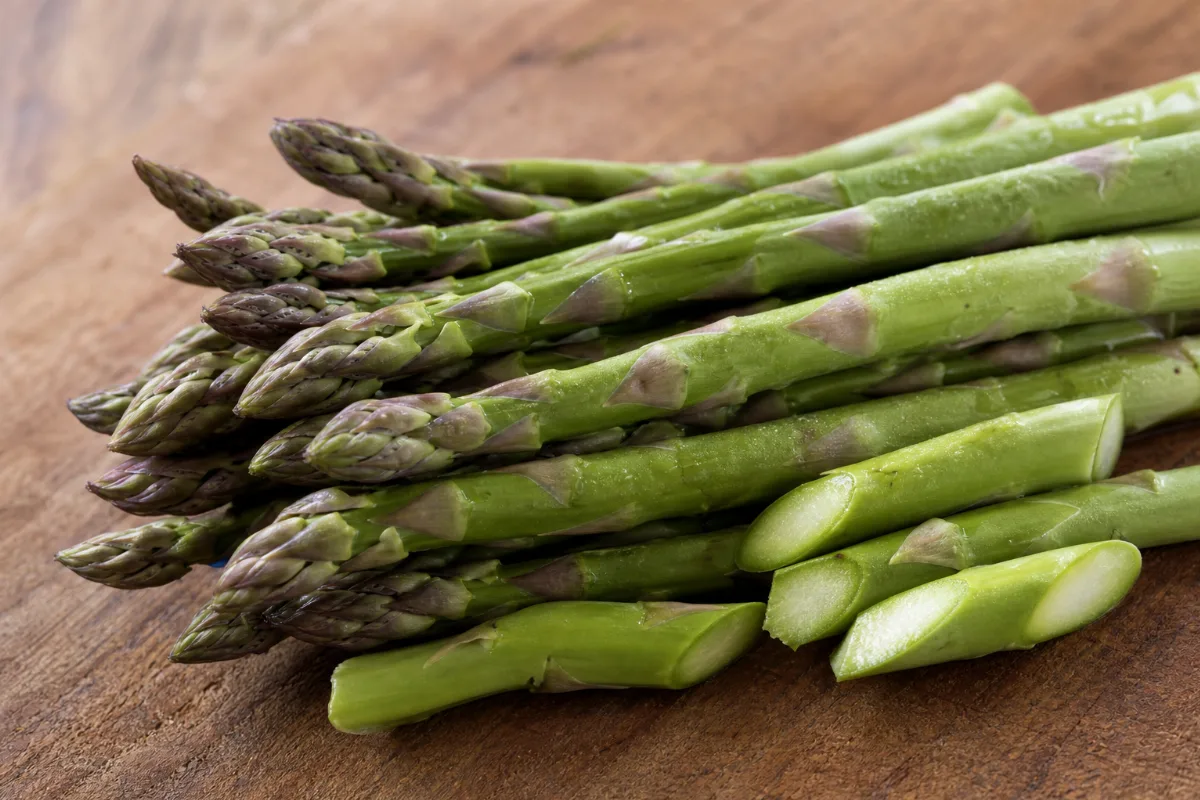
Asparagus as food: USDA nutrients, folate and pregnancy, vitamin K and warfarin, the urine smell, gout and purines, allergy, and what research does not show.
What celery (Apium graveolens) offers as a food, what research shows, and the safety facts on celery allergy, sun-triggered skin reactions, warfarin and juice claims.
Vitamin K intake from the diet
Celery juice trend claims
Blood pressure and blood sugar (celery preparations, mostly seed)
Normal serving (USDA): 1 artichoke, medium (128 g)
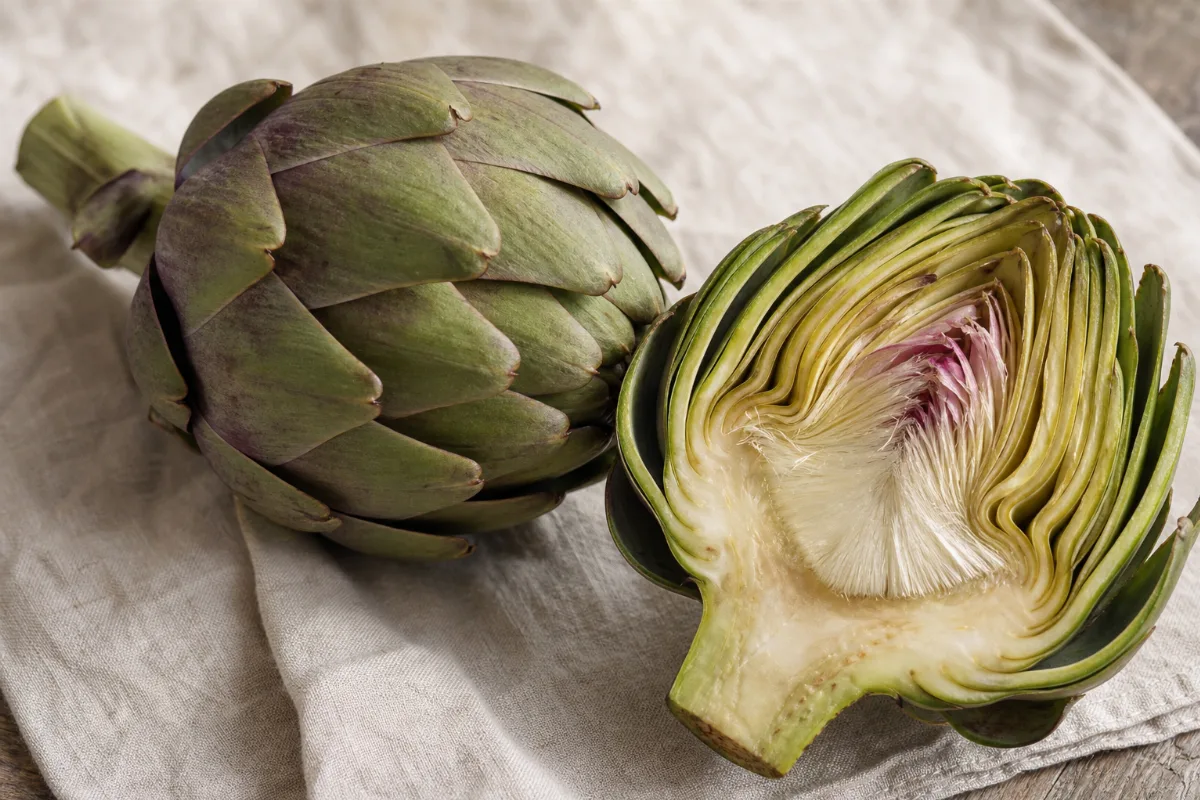
Globe artichokes as a food: USDA nutrients, fiber and inulin, folate and vitamin K, daisy-family allergy, and how this differs from artichoke leaf extract.
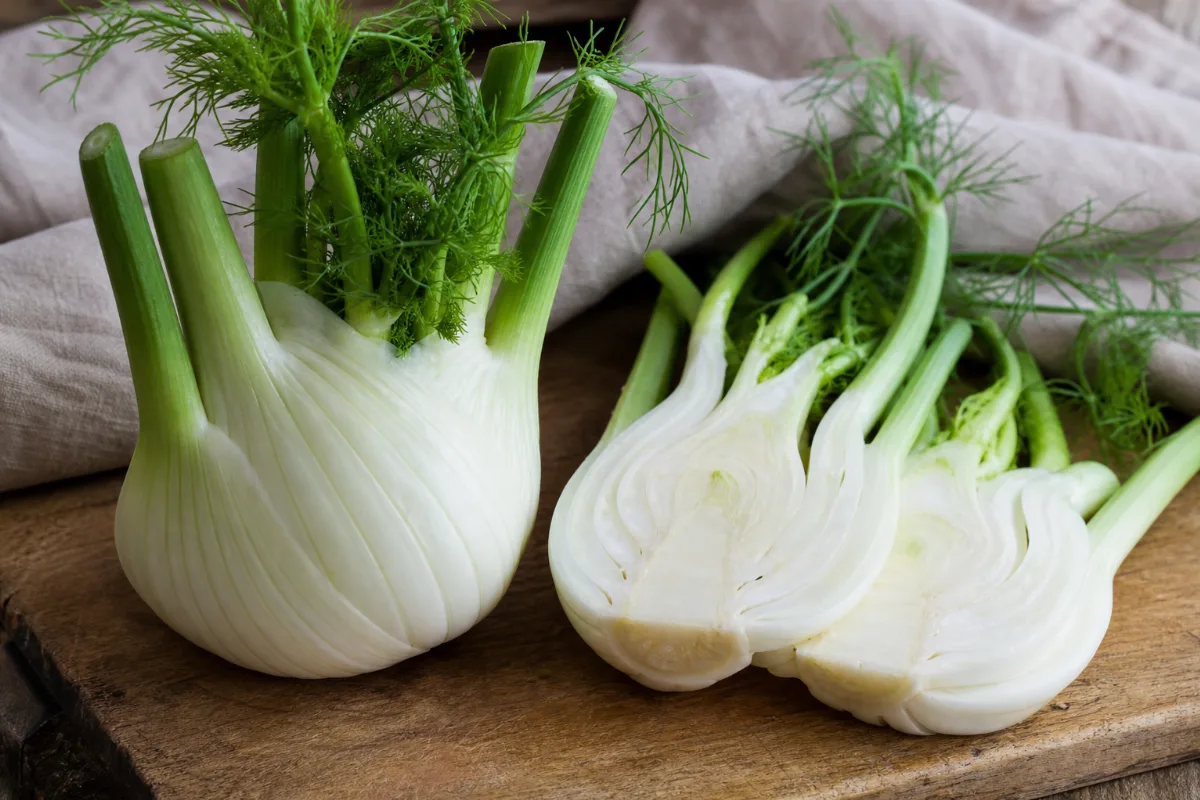
Fennel bulb (Foeniculum vulgare) as a vegetable: USDA nutrients, what research does and does not show, vitamin K, potassium, and celery-mugwort allergy.
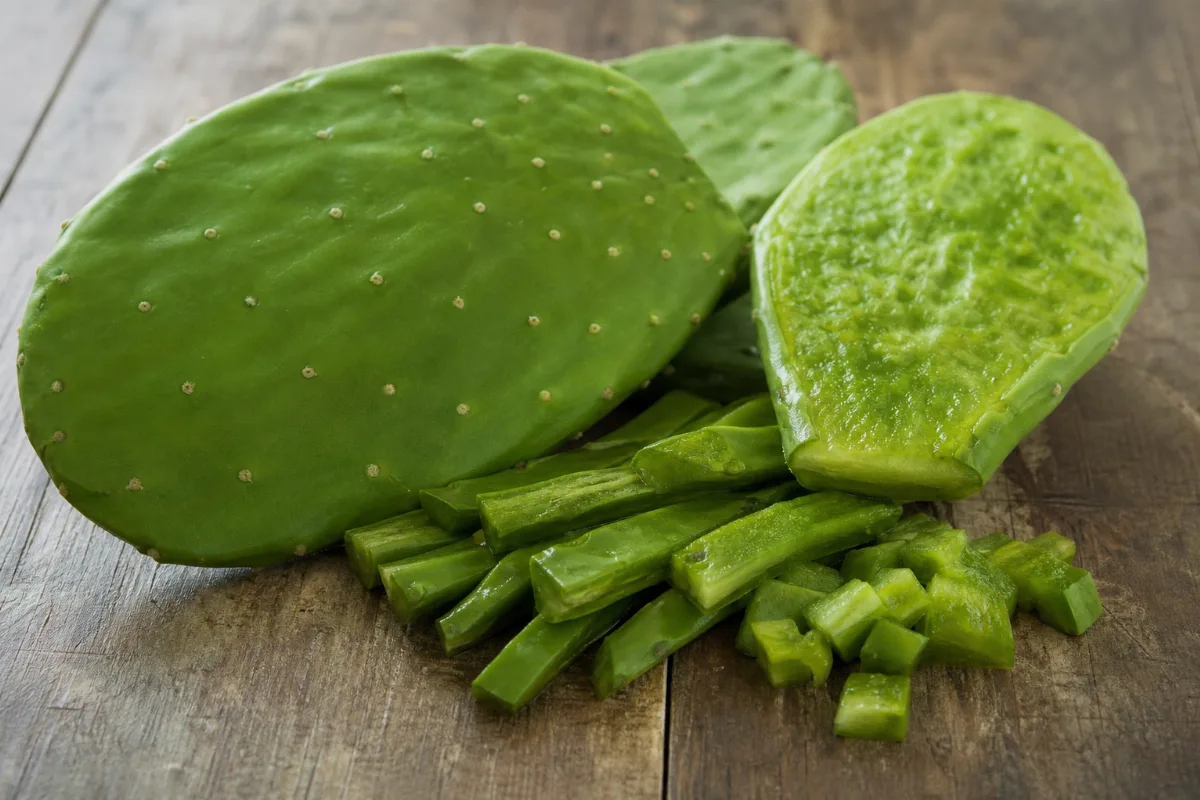
Nopales, the flat green pads of the prickly pear cactus: nutrients, what small studies found on blood sugar and fiber, and spine, canning and medicine cautions.
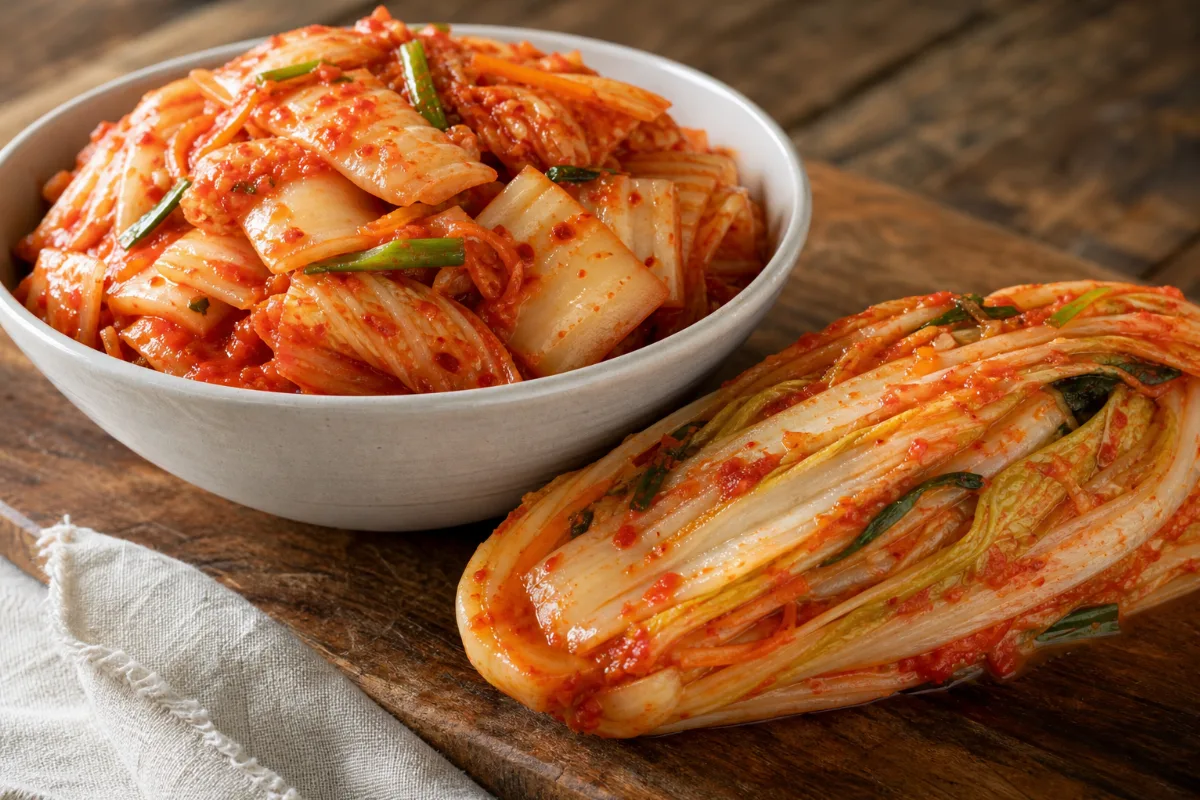
Kimchi, a traditional Korean fermented vegetable dish: what small human trials found, why a kimchi-derived probiotic is a different product, and sodium and biogenic amine cautions.
Blood sugar and insulin resistance in small trials
Normal serving (USDA): 1 cup (142 g), canned sauerkraut, solids and liquids
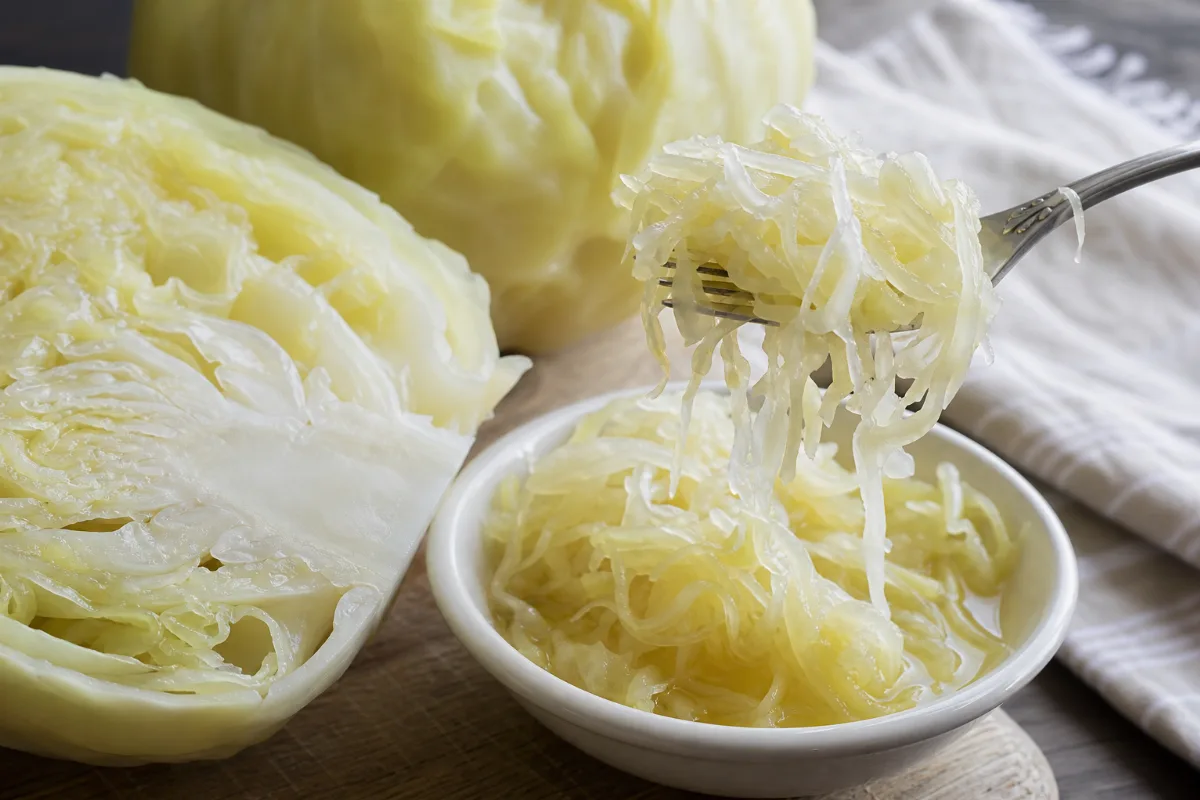
What an 87-person crossover trial found for fresh and pasteurized sauerkraut, why live cultures were not required for the changes seen, and sodium, biogenic amine and pregnancy cautions.
Gut bacteria and short-chain fatty acids (blood markers)
Overall gut microbiome stays stable
Live cultures were not required for the changes seen
No vegetable matches all of these filters. Try removing one. Some topics (for example most herbs) are not vegetables and live elsewhere on the site.
A link between a vegetable and a topic means the body needs the vegetable for that job, or that low intake is linked to it. It does not mean extra supplements help if your intake is already adequate. See each page’s evidence label.
Browse by vegetable vegetable group
Leafy greens
Spinach, kale, lettuce, chard and other leaves: low in calories, high in vitamin K.
Food allergy can be an emergency. Call 911 for trouble breathing or swelling of the face or throat.
Some foods affect medicines: grapefruit and relatives, vitamin K greens with warfarin, and potassium-rich foods with some blood pressure medicines or kidney disease.
Juices, powders and extracts are not the same as the whole food. Ask a pharmacist or clinician if you take medicines or have a medical condition.
What spinach (Spinacia oleracea) offers, what research shows on heart health and eyes, and the safety facts on warfarin, oxalate stones, nitrate and food safety.
Kale as a food: USDA nutrient values, what studies found, and the safety notes that matter most, including vitamin K with warfarin and thyroid questions.
What the sources say about arugula (rocket): its vitamin K, nitrate and glucosinolates, the warfarin question, what trials do not show, and leafy-green food safety.
Romaine and green leaf lettuce as food: USDA nutrients, what research found on leafy greens, vitamin K and warfarin, E. coli outbreaks, and how it differs from wild lett…
Swiss chard as a food: USDA nutrients, what research says about leafy greens, and safety notes on vitamin K and warfarin, oxalate and kidney stones, and potassium.
Watercress as a food: USDA nutrients, what small trials found, the 'most nutrient-dense' ranking explained, vitamin K and warfarin, and liver fluke risk from wild plants.
Mustard greens are a peppery leafy green rich in vitamin K and vitamin C. What the research says, plus warfarin, allergy, oxalate and thyroid safety notes.
Cabbage, green and red: USDA nutrients, what research says about glucosinolates, red cabbage pigments and cabbage leaf wraps, plus vitamin K, thyroid and gas questions.
Brussels sprouts: USDA nutrients, what studies show on glucosinolates and health, vitamin K with warfarin, cooking effects, bloating and thyroid questions.
Turnips (Brassica rapa subsp. rapa): USDA nutrition, what research says about glucosinolates, vitamin C, goitrogens, turnip greens and warfarin, and safety notes.
Kohlrabi is rich in vitamin C and fiber. What USDA data and cruciferous vegetable research show, what is not known about kohlrabi itself, and safety notes.
Onions (Allium cepa) as food: USDA nutrients, what studies show on quercetin and blood pressure, blood sugar and IBS, plus onion allergy and a warning for pets.
Potatoes (Solanum tuberosum): USDA nutrition, potassium, what studies show on blood sugar, french fries and boiled potatoes, green potatoes and acrylamide.
Parsnips (Pastinaca sativa): USDA nutrition, what research says about fiber, folate and potassium, the wild parsnip sap skin reaction, and safety notes.
Cassava (yuca), a starchy root: USDA nutrition, the cyanide safety facts (raw cassava, konzo, flour), how processing works, and what research shows on tapioca and starch.
Jicama (Pachyrhizus erosus): USDA nutrition, what research says about inulin fiber, vitamin C and blood sugar, the rotenone in seeds and leaves, and bloating.
Nightshades(3)Tomatoes, bell peppers, chili peppers and eggplant.
Bell peppers as food: USDA nutrients in red and green, vitamin C and carotenoids, nightshade-avoidance claims checked, and notes on allergy and latex links.
Chili peppers as food: USDA nutrients, what studies of spicy-food eaters found, heartburn, hot-pepper challenges, and how capsaicin creams are a separate medicine.
What eggplant (aubergine) offers, what lab and human research shows on its purple pigment, and the facts on nightshade claims, allergy, frying oil and nicotine.
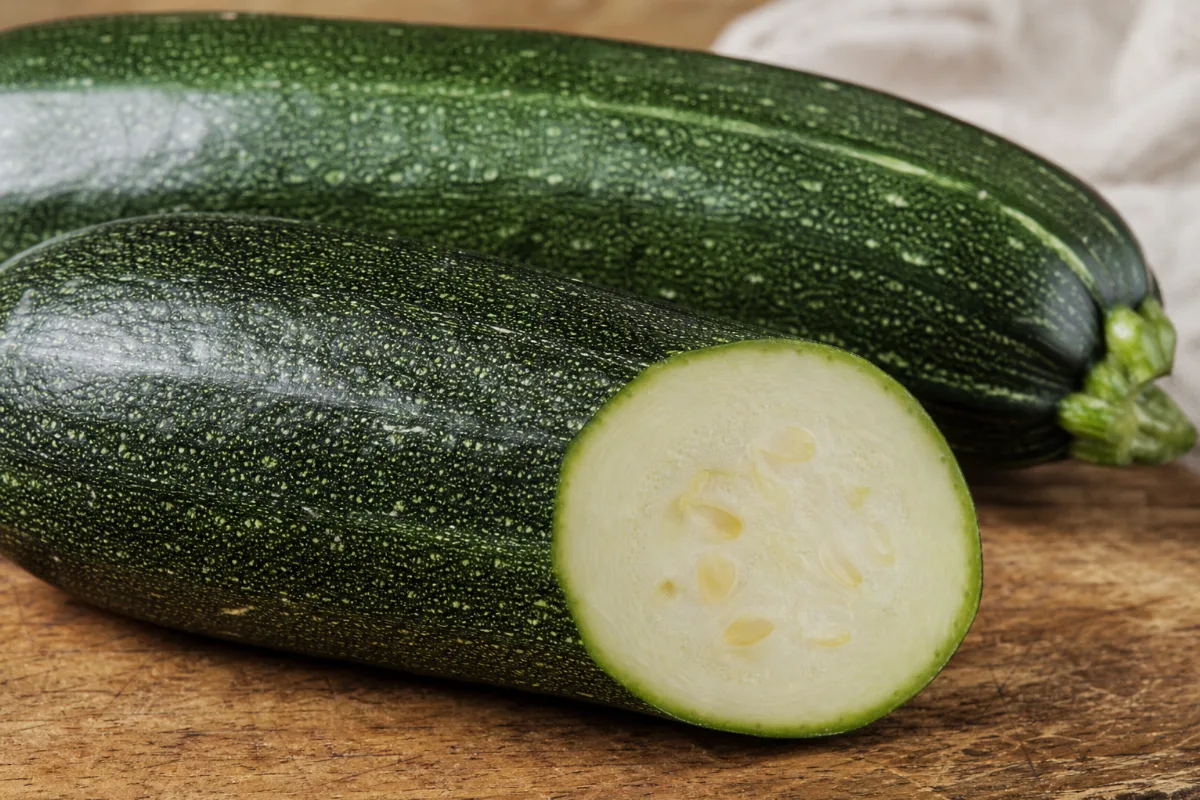
Squash & Cucumber Family(4)Cucumbers, zucchini, pumpkin and butternut squash.
Cucumbers as food: USDA nutrients, water content, vitamin K and warfarin, peel and wax, Salmonella outbreaks, bitterness, and what research does and does not show.
What pumpkin (Cucurbita pepo, C. maxima) offers, beta-carotene and vitamin A, canned pumpkin versus pie filling, fiber and potassium, and the safety facts that matter.
What butternut squash (Cucurbita moschata) offers, what research says on vitamin A, fiber and potassium, and the safety facts on kidneys, medicines and food safety.
Green beans as a food: USDA nutrient values, what research says about fiber, folate and vitamin K, and safety notes on warfarin, raw beans and canned sodium.
What green peas (Pisum sativum) contain, what research says about fiber, heart health and digestion, and facts on vitamin K, FODMAPs, pea allergy and frozen peas.
Okra as a food: USDA nutrient values, what trials say about blood sugar and cholesterol, and safety notes on vitamin K and warfarin, oxalate and allergy.
Sweet corn (Zea mays): what is in it per USDA, what research says about lutein and eye health, fiber, starch, mycotoxins and corn allergy, with plain safety notes.
Asparagus as food: USDA nutrients, folate and pregnancy, vitamin K and warfarin, the urine smell, gout and purines, allergy, and what research does not show.
What celery (Apium graveolens) offers as a food, what research shows, and the safety facts on celery allergy, sun-triggered skin reactions, warfarin and juice claims.
Globe artichokes as a food: USDA nutrients, fiber and inulin, folate and vitamin K, daisy-family allergy, and how this differs from artichoke leaf extract.
Fennel bulb (Foeniculum vulgare) as a vegetable: USDA nutrients, what research does and does not show, vitamin K, potassium, and celery-mugwort allergy.
Nopales, the flat green pads of the prickly pear cactus: nutrients, what small studies found on blood sugar and fiber, and spine, canning and medicine cautions.
Frequently asked questions
How many vegetables do health bodies advise?
The World Health Organization advises at least 400 g of fruit and vegetables a day for people older than 10. [1] The UK NHS counts 80 g of fresh, canned or frozen vegetables as one portion. [2]
Do potatoes count?
In the UK NHS 5 A DAY scheme potatoes do not count, because they are classed as starchy food, although they still supply energy, fiber and potassium. Sweet potatoes, parsnips and turnips do count. [2] See potatoes.
Can a vegetable treat or cure a condition?
No vegetable on this site is presented as a treatment. Eating more vegetables is a general dietary recommendation; individual pages say what trials found and how strong the evidence is.
Which vegetables matter with medicines?
Leafy greens contain vitamin K, which matters if you take warfarin; potassium-rich vegetables matter with some blood pressure medicines and kidney disease. See foods and medicine interactions and each vegetable's safety section.
References
World Health Organization. Healthy diet fact sheet. Date shown on the page: 26 January 2026. Read 2026-10-23.
Content last updated . This section has not been medically reviewed.
Education, not medical advice. This section is for general information. It does not diagnose or treat any condition and is not a substitute for care from a qualified health professional. Natural does not automatically mean safe.