Nuts and seeds are food first. Explore each one: what is in it (measured by USDA), what research in people has and has not found for health goals, a normal serving, and what to check before you eat it: allergy, selenium, medicines, oxalate and choking risk in young children.
Normal serving (USDA): 1 ounce (28 g), about 23 whole kernels
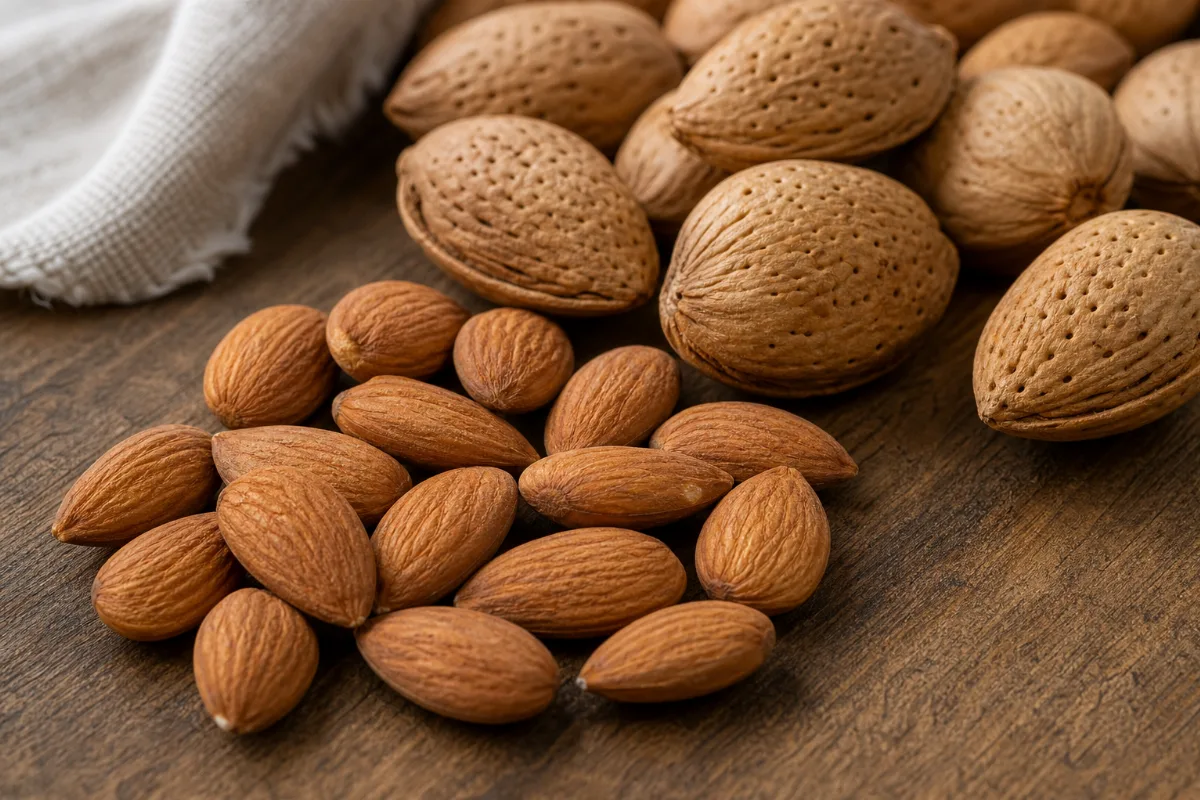
What meta-analyses of randomized trials found for almonds and cholesterol, blood pressure, body weight and inflammation markers, plus tree nut allergy and almond milk cautions.
Normal serving (USDA): 1 ounce (28 g), about 14 halves
What meta-analyses of randomized trials found for walnuts and blood cholesterol, triglycerides and blood pressure, what the FDA allows on labels, and tree nut allergy cautions.
Walnuts and blood lipids (LDL, total cholesterol, triglycerides)
Normal serving (USDA): 1 ounce (28 g), about 6 kernels
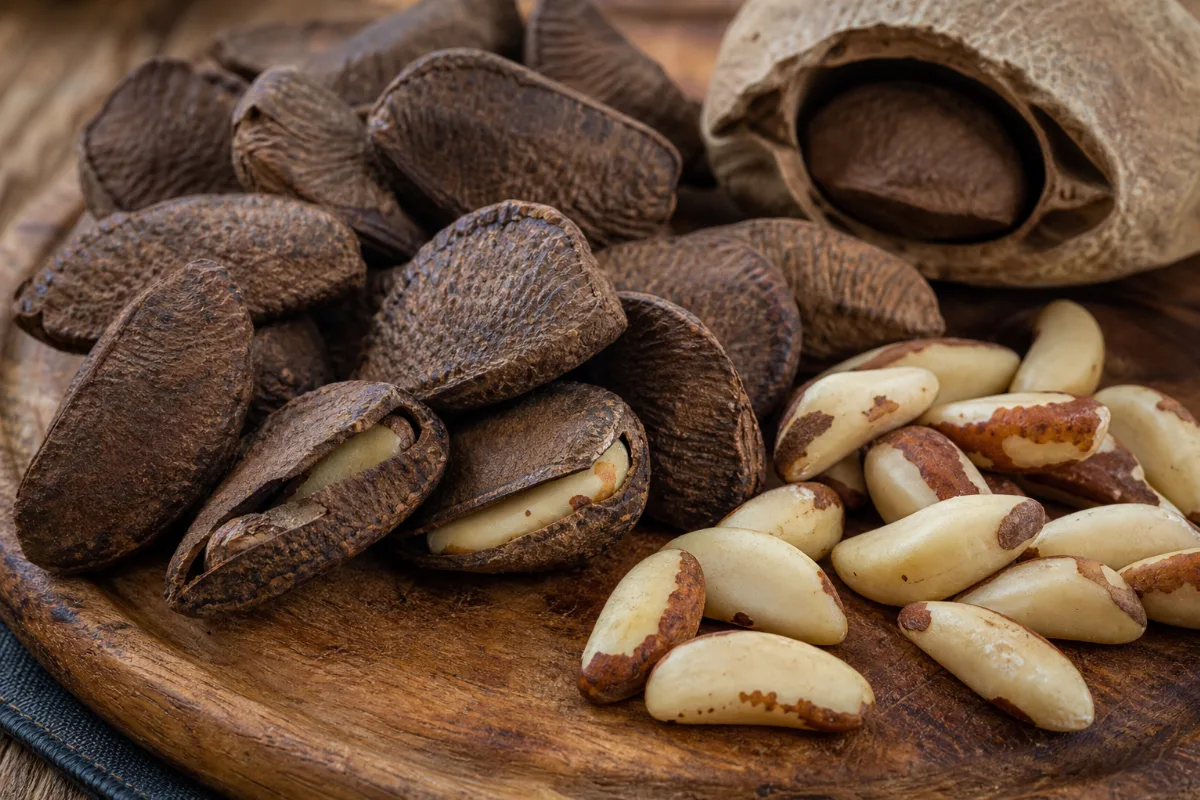
Brazil nuts as a food: why their selenium is the main safety point, USDA nutrient values, what trials found on selenium status and cholesterol, allergy, aflatoxin and choking.
Normal serving (USDA): 1 ounce (28 g), about 49 kernels
What meta-analyses of randomized trials found for pistachios and blood sugar, insulin, cholesterol ratios and blood pressure, with limits, tree nut allergy and salt cautions.
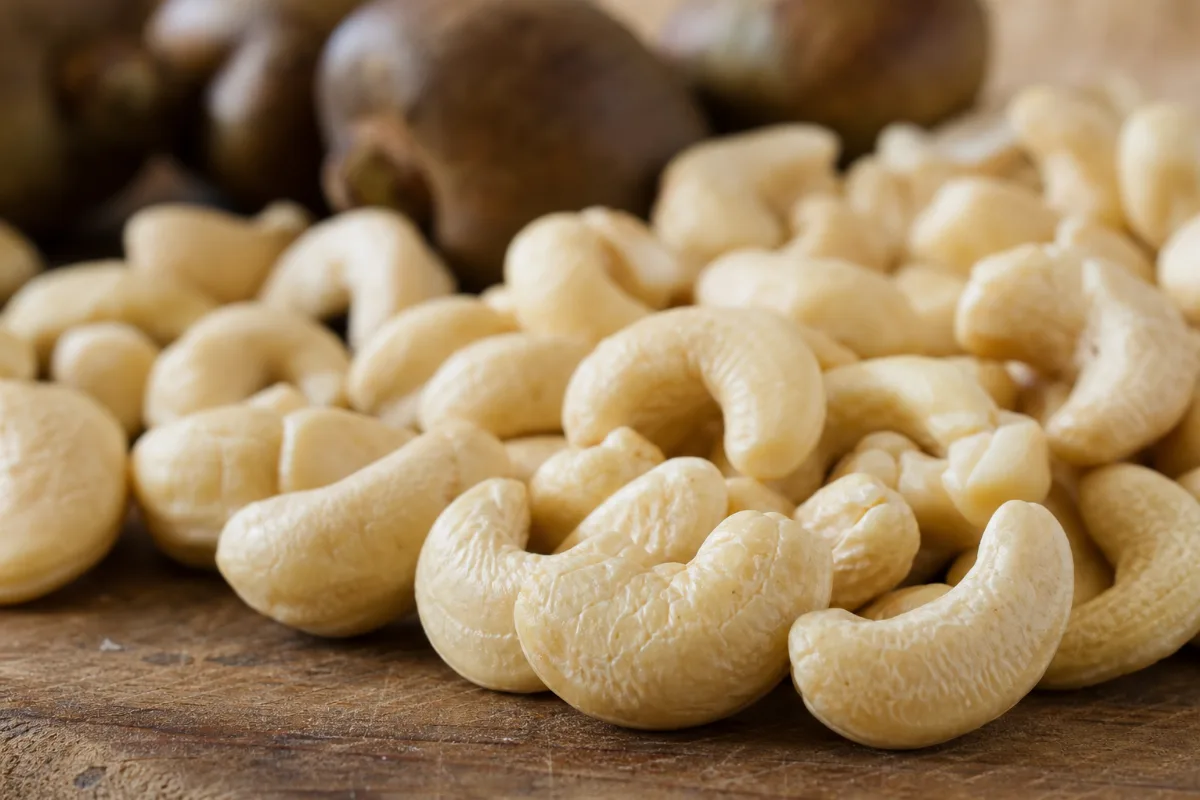
Cashews as a food: USDA nutrients, what trials found on cholesterol, blood pressure and diabetes, plus tree nut allergy, oxalate and choking safety facts.
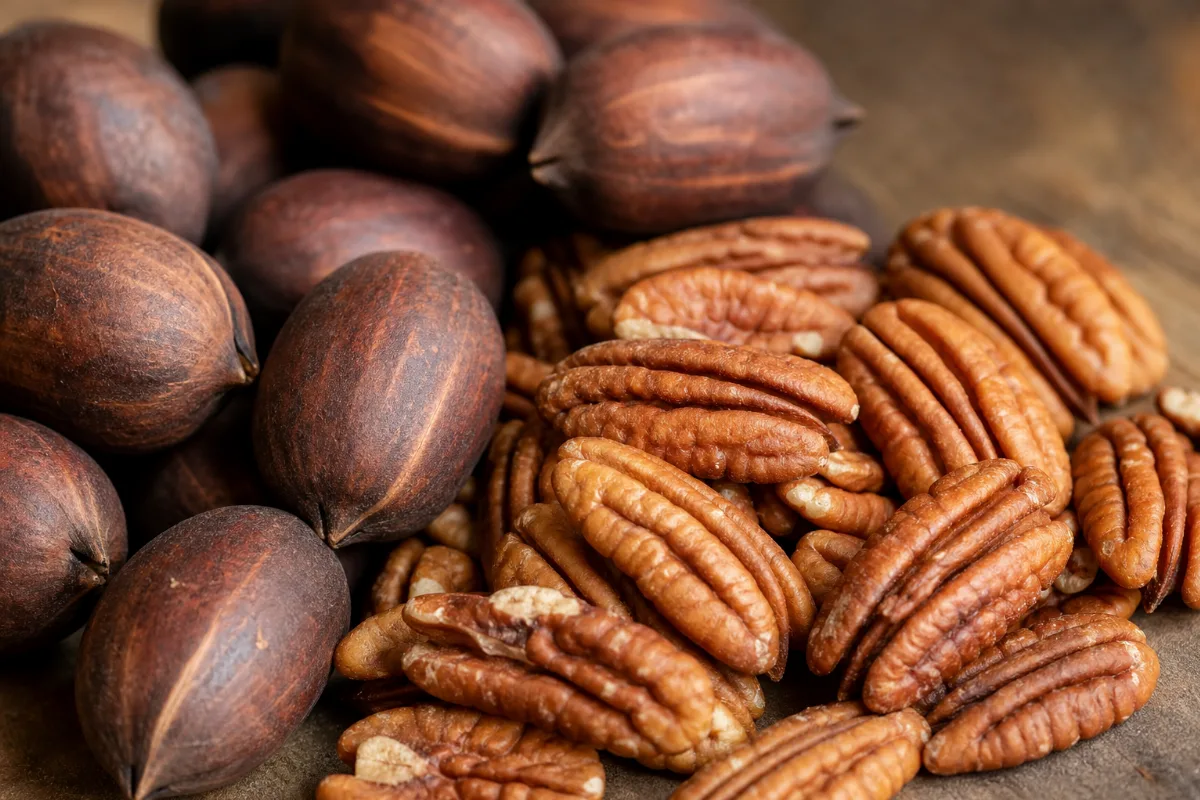
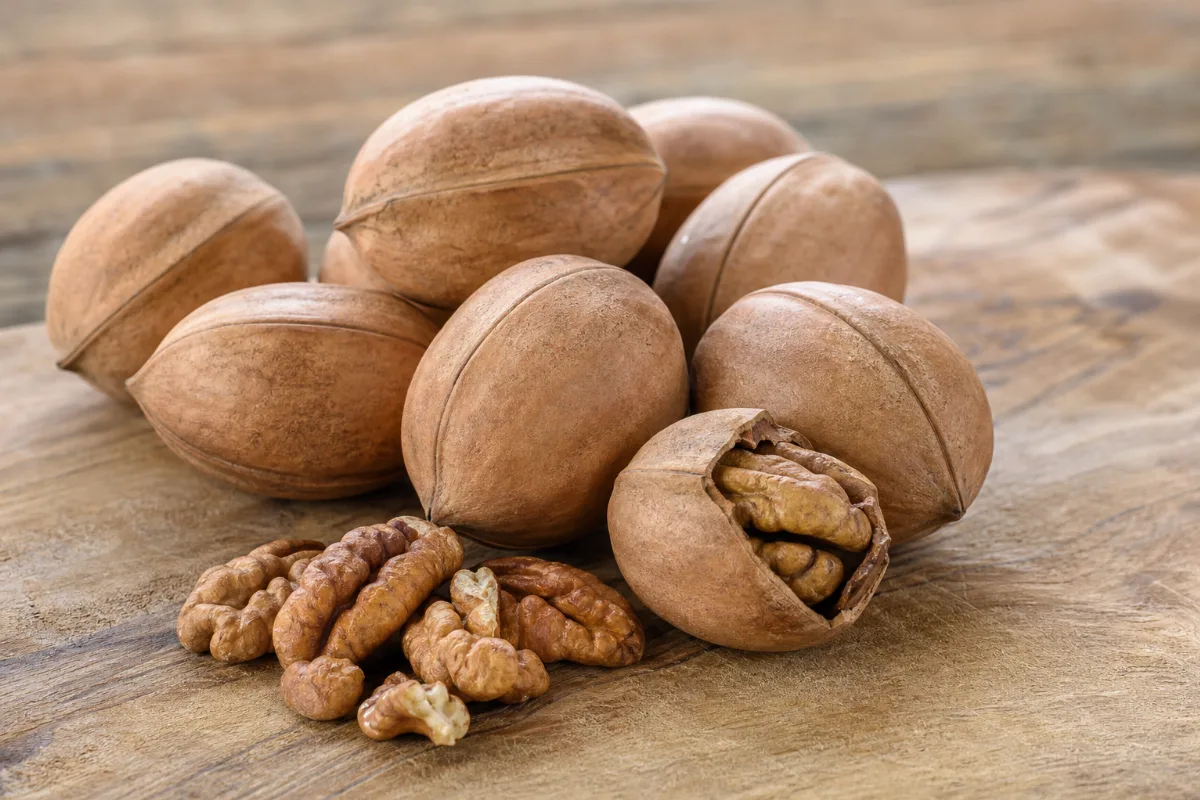
Pecans as a food: USDA nutrients, what trials found on cholesterol, blood sugar and weight, plus tree nut allergy, walnut cross-reactivity and choking safety.
Normal serving (USDA): 1 ounce (28.35 g), about 21 whole kernels
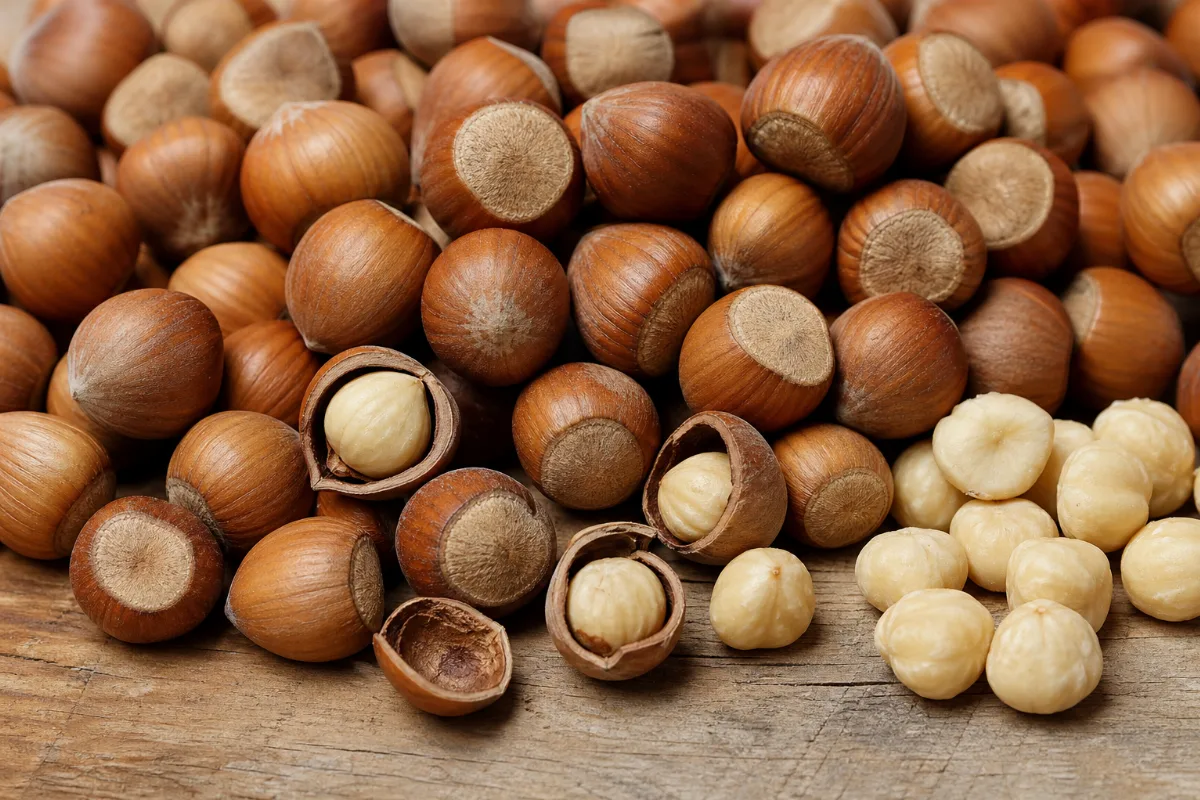
Hazelnuts (filberts) as a food: USDA nutrients, what trials found for LDL cholesterol and weight, tree nut and birch-pollen allergy, choking and storage.
Normal serving (USDA): 1 ounce (28.35 g), about 10-12 kernels
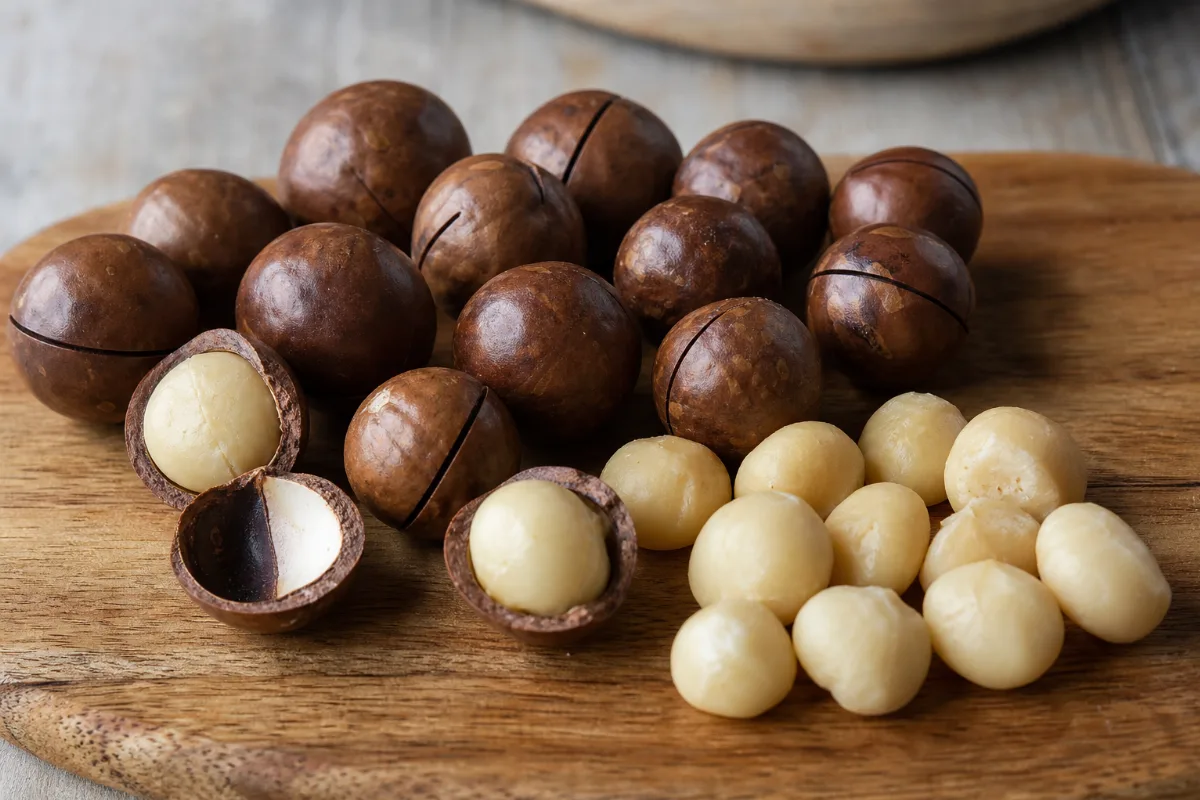
Macadamia nuts as a food: USDA nutrients, the FDA heart claim and what trials found, tree nut allergy, choking, why they are toxic to dogs, and storage.
Normal serving (USDA): 1 ounce (28.35 g), about 167 kernels
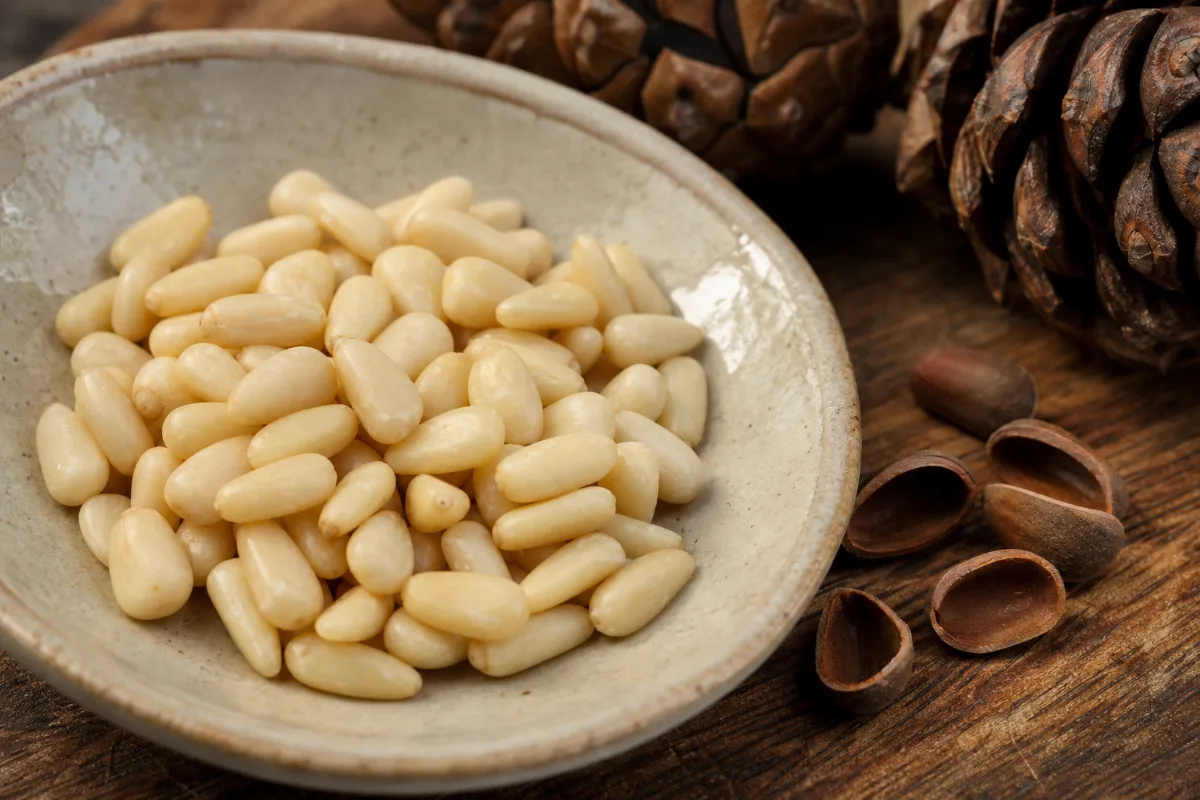
Pine nuts as a food: what USDA lists in them, the odd bitter-taste problem called pine mouth, allergy and choking cautions, and what research does and does not show.
Chestnuts as a food: low-fat and starchy with vitamin C, what research says, latex-fruit allergy links, and why poisonous horse chestnuts are a different plant.
Everyday nutrients: vitamin C, copper and starchy energy
Blood sugar after a meal (chestnut flour bread)
Plant compounds: phenolics and tannins (lab research)
Normal serving (USDA): 1 ounce (28.35 g), about 15 kernels
Pili nuts as a food: USDA nutrient values, how little human research exists, one reported US allergy case, saturated fat, choking cautions and honest limits of the evidence.
Peanuts as a food: a legume eaten like a nut, peanut vs tree nut allergy, early introduction for babies, aflatoxin, boiled peanuts, heart evidence and calories.
Early peanut introduction and infant peanut allergy
Nut intake and heart disease or death (cohort studies)
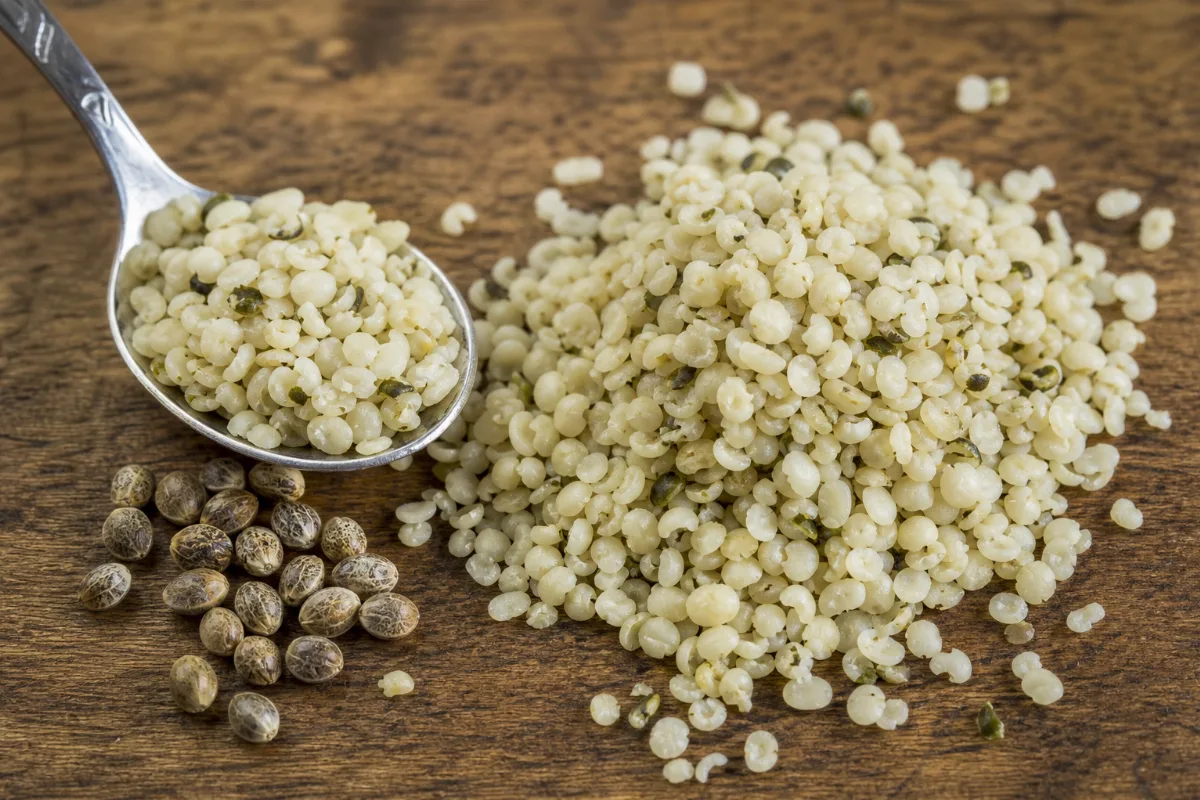
Hulled hemp seeds (hemp hearts) as a food: protein, omega-6 and omega-3 fats, minerals, trace THC, seed allergy, and what the research does and does not show.
Normal serving (USDA): 1 ounce (28 g) shelled kernels
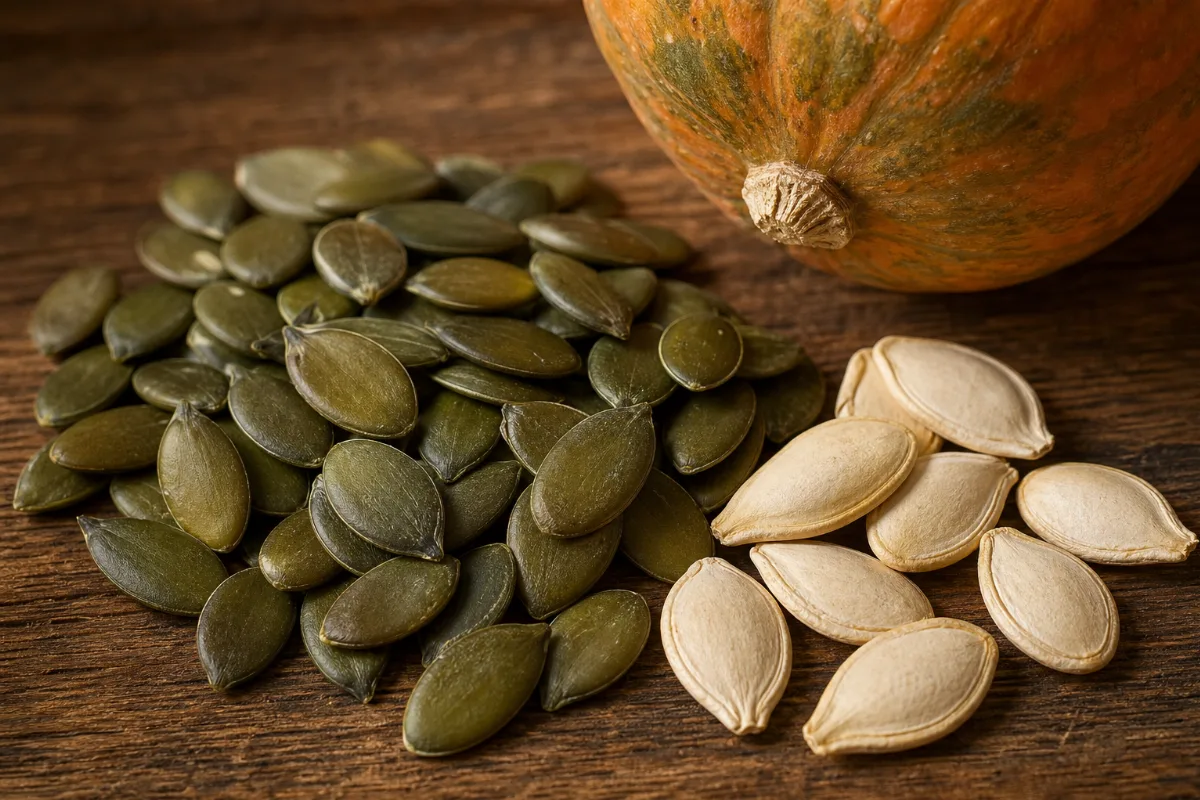
What the few human trials of pumpkin seeds as food found (one small meal study and one prostate trial), why seed oil and extract results differ, and seed cautions.
Pumpkin seeds and blood sugar after a meal
Pumpkin seed and prostate-related urinary symptoms
Normal serving (USDA): 1 ounce (28 g) of shelled kernels (computed from per-100-g values; USDA lists cup portions only)
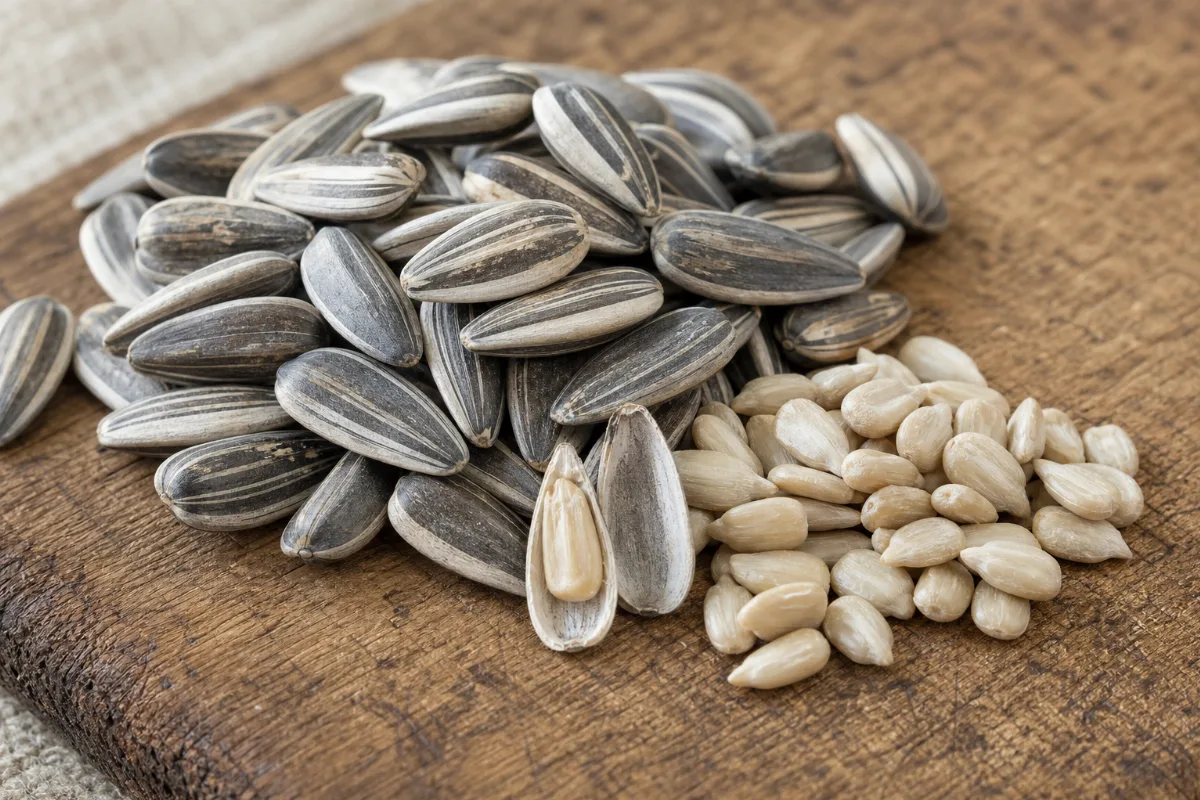
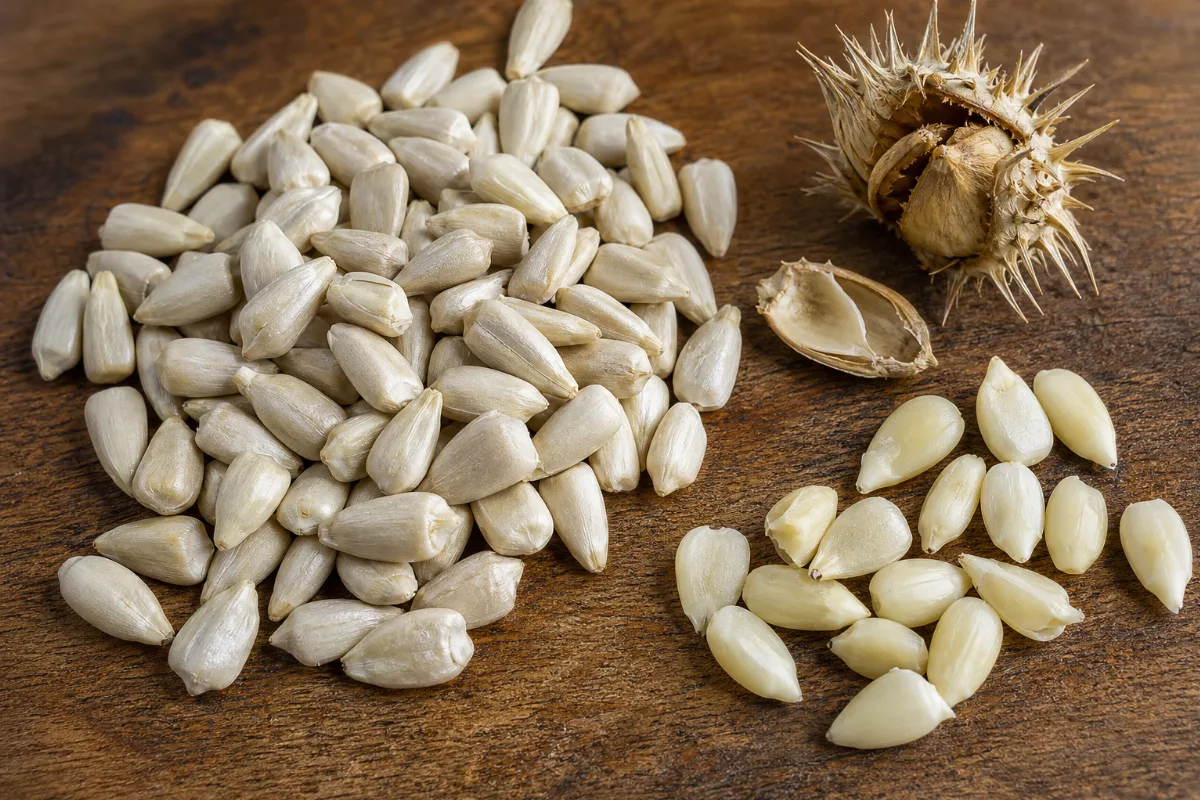
What sunflower seed kernels contain (USDA values), what research does and does not show, and the safety points: allergy, salty in-shell seeds, shells, cadmium and young children.
Normal serving (USDA): 1 tablespoon of whole seeds (9 g)
Sesame seeds and tahini as food: USDA nutrients, sesame allergy (a major US allergen since 2023), small blood pressure and cholesterol trials, and kidney stone cautions.
Blood pressure
Cholesterol and blood fats
Blood sugar (HbA1c) and inflammation markers
Everyday minerals: copper, manganese, magnesium and calcium
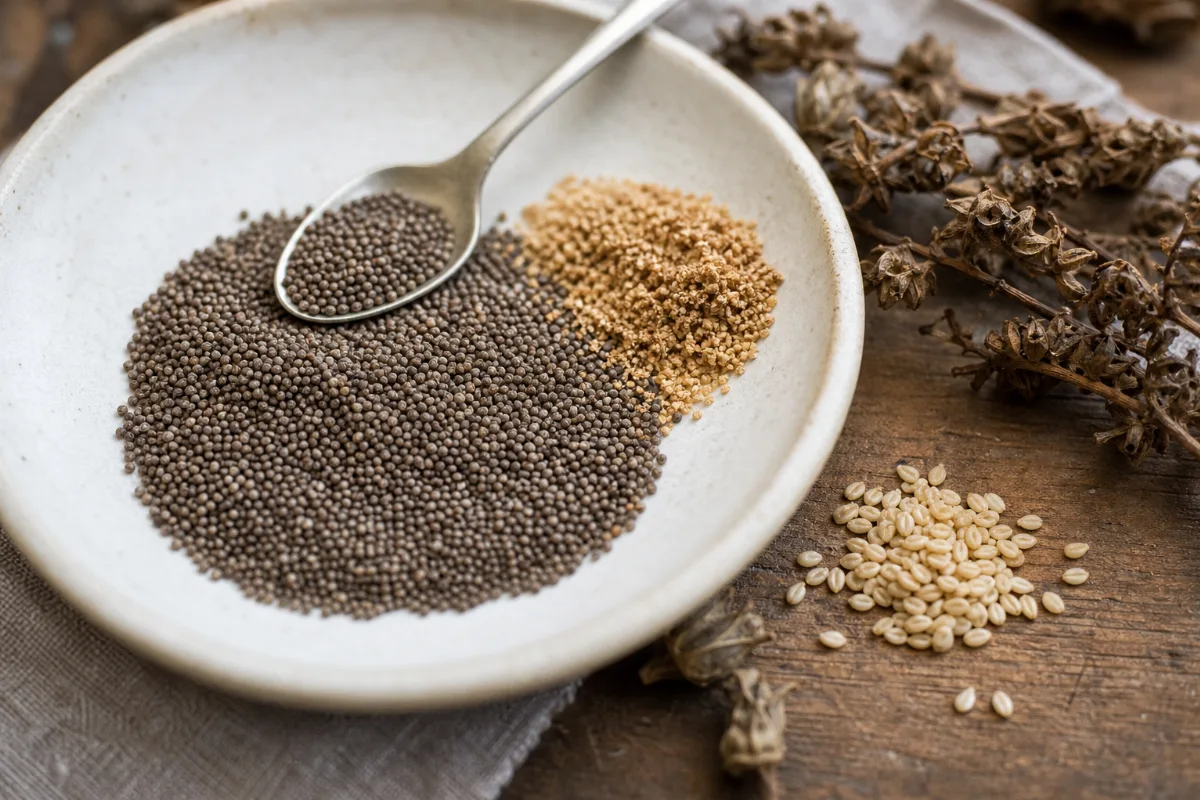
Poppy seeds as food: what is in them, what research does and does not show, and the safety facts on opium alkaloids, drug tests, poppy seed tea and allergy.
Normal serving (USDA): 1 ounce (28.35 g) of dried kernels
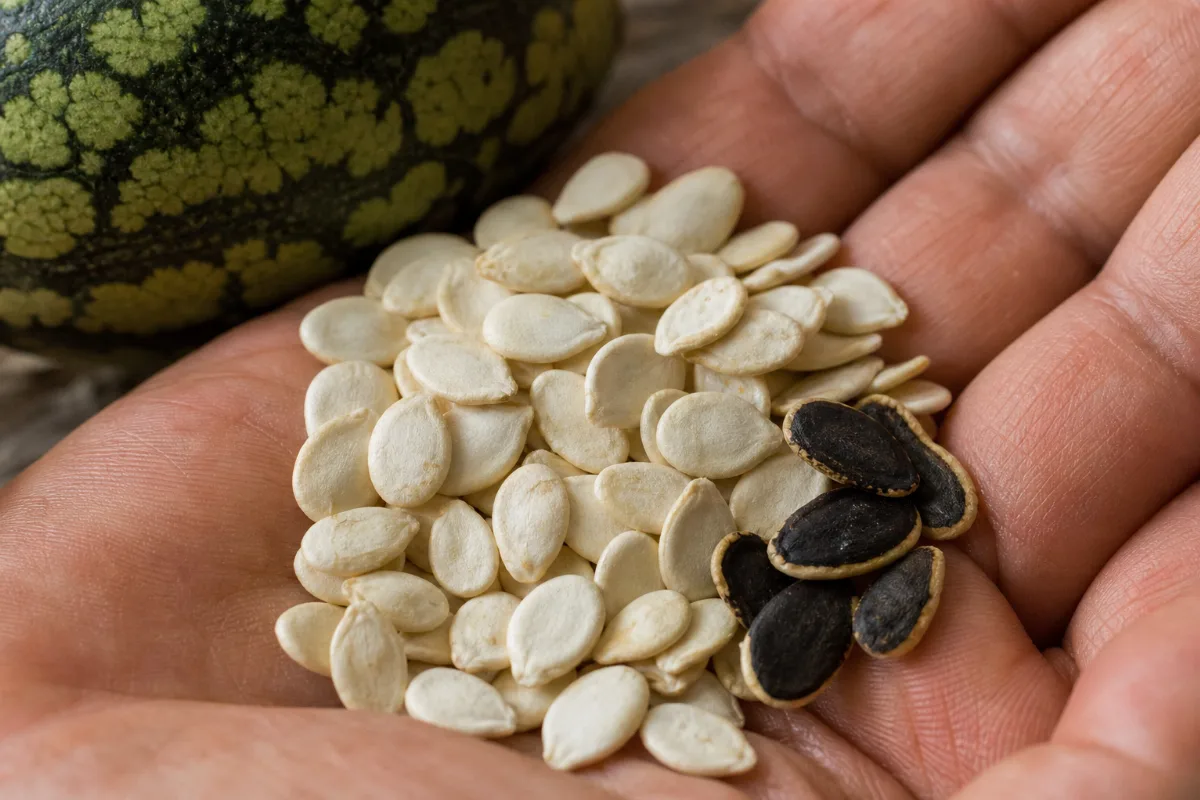
What dried watermelon seed kernels contain (USDA values), how little human research exists, and the safety points: allergy, choking, street-food hygiene and swallowed seeds.
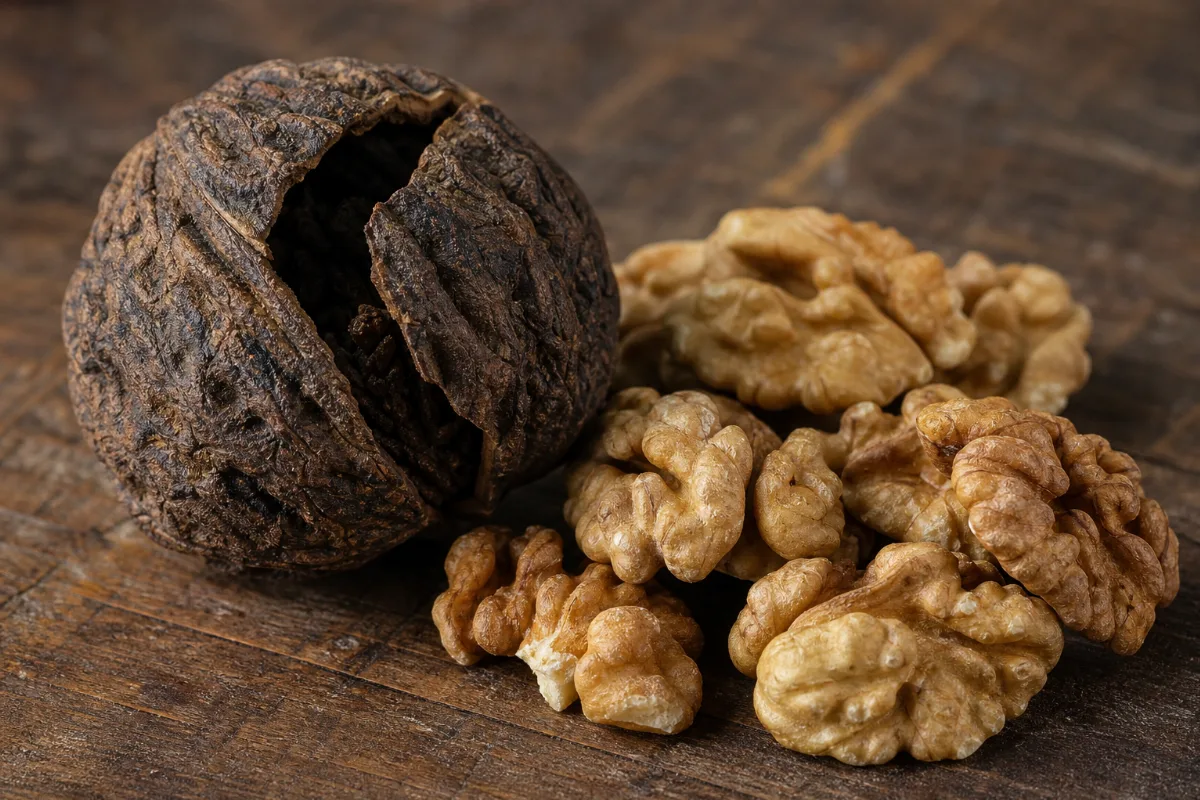
Black walnuts as a food: USDA nutrients, how they compare with English walnuts, tree nut allergy and walnut cross-reactivity, and what research has and has not tested.
Manganese, copper and magnesium
Protein and fat profile
Tree nuts and LDL cholesterol (not tested in black walnuts)
Normal serving (USDA): 1 ounce (28 g), about 9 nuts
Hickory nuts as a food: USDA nutrients, how they relate to pecans, tree nut allergy and choking safety, and an honest note that human research on them is very thin.
Manganese, thiamin and copper
Fat profile
Energy density
Tree nuts and LDL cholesterol (not tested in hickory nuts)
Ginkgo nuts as a food: the ginkgotoxin seizure risk (worst in children), allergy to ginkgo compounds, what USDA lists in them, and how seeds differ from leaf supplements.
Normal serving (USDA): 1 ounce (28 g), about 20 seeds; trials used about 20 g (about 15 seeds)
Baru nuts (Dipteryx alata), a Brazilian legume seed sold as a nut: composition from published analyses, small human trials, allergy questions and honest limits.
Normal serving (USDA): 1 ounce (28 g), roasted shelled seeds
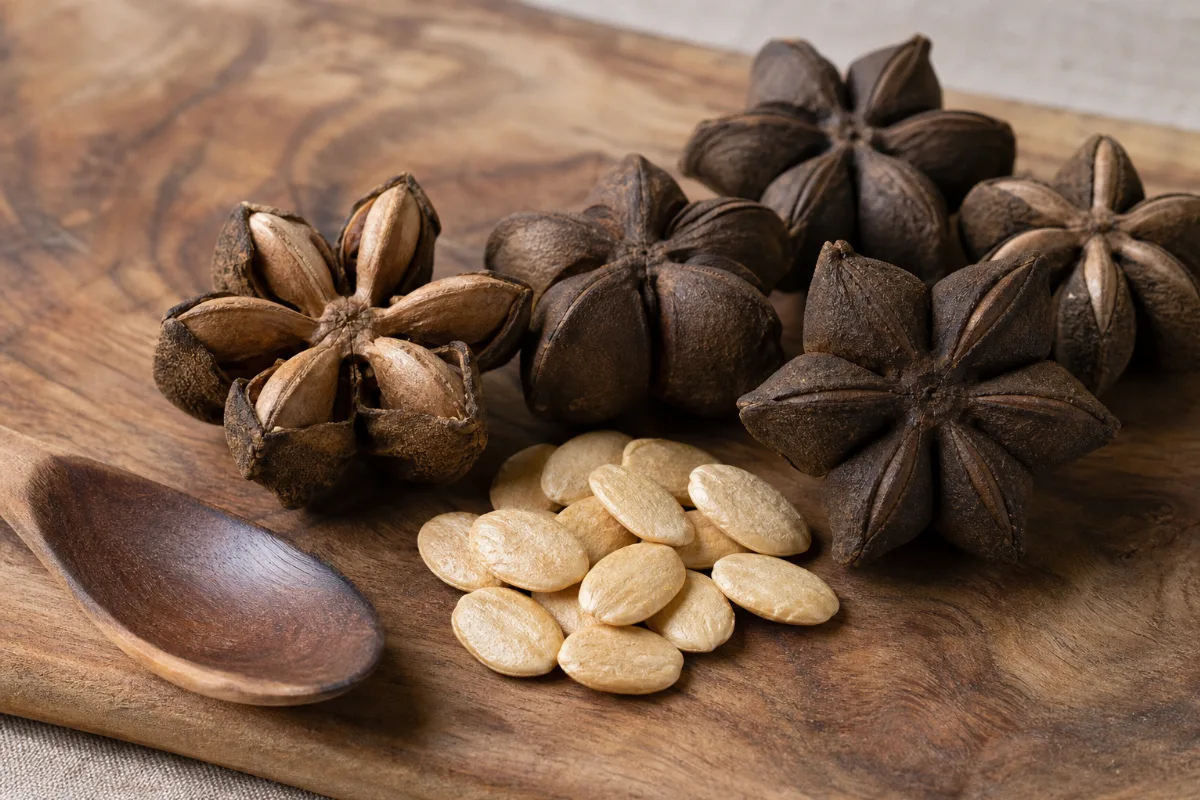
Sacha inchi (Inca peanut) seeds as a food: omega-3 ALA, protein, why raw seeds are roasted, EU status of the oil, small trials of the oil, and what is not known.
Normal serving (USDA): 1 ounce (28 g), about 3 tablespoons
Perilla seeds (deulkkae, egoma) as a food: omega-3 ALA, fiber and minerals, seed allergy reports from Korea, how the seed differs from shiso leaf, and what research shows.
Normal serving (USDA): 1 ounce (28.35 g) of dried kernels
What dried safflower seed kernels contain (USDA values), why the plant is known for its oil, what research does and does not show, and safety points: flower products, allergy and children.
Mineral and thiamin content of the kernels
Whole seed versus oil
Total cholesterol and omega-6 fats
Heart events and deaths with safflower oil and margarine
Normal serving (USDA): 1 ounce (28 g) of dried tubers (comparison size; no official serving)
Tigernuts (chufa), small sweet tubers that are not nuts: published composition, fiber and starch, horchata, rare allergy reports, mold toxins and honest limits.
Normal serving (USDA): No official serving (USDA has no entry)
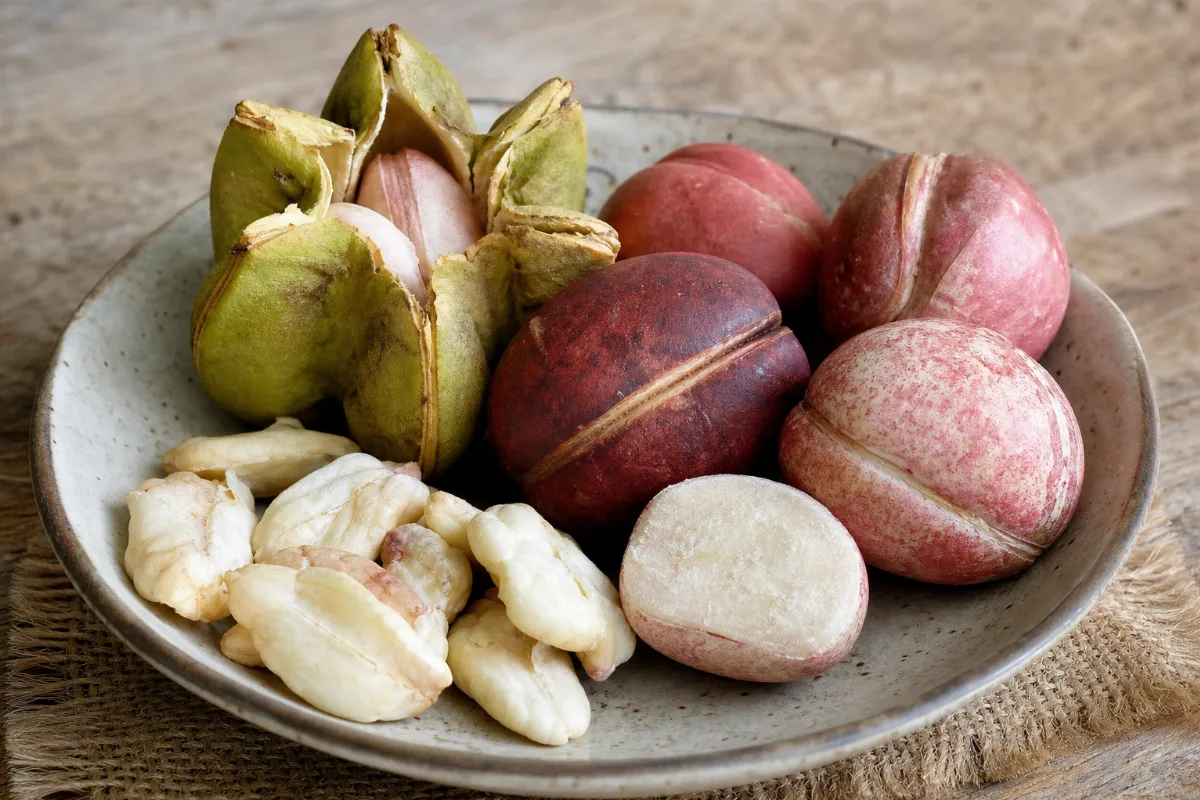
Kola nuts as a food: caffeine content, West African chewing customs, history in cola drinks, cautions for heart, pregnancy and medicines, and why USDA has no entry.
Normal serving (USDA): 1 ounce (28 g) of cacao nibs, our arithmetic from per-100-g values
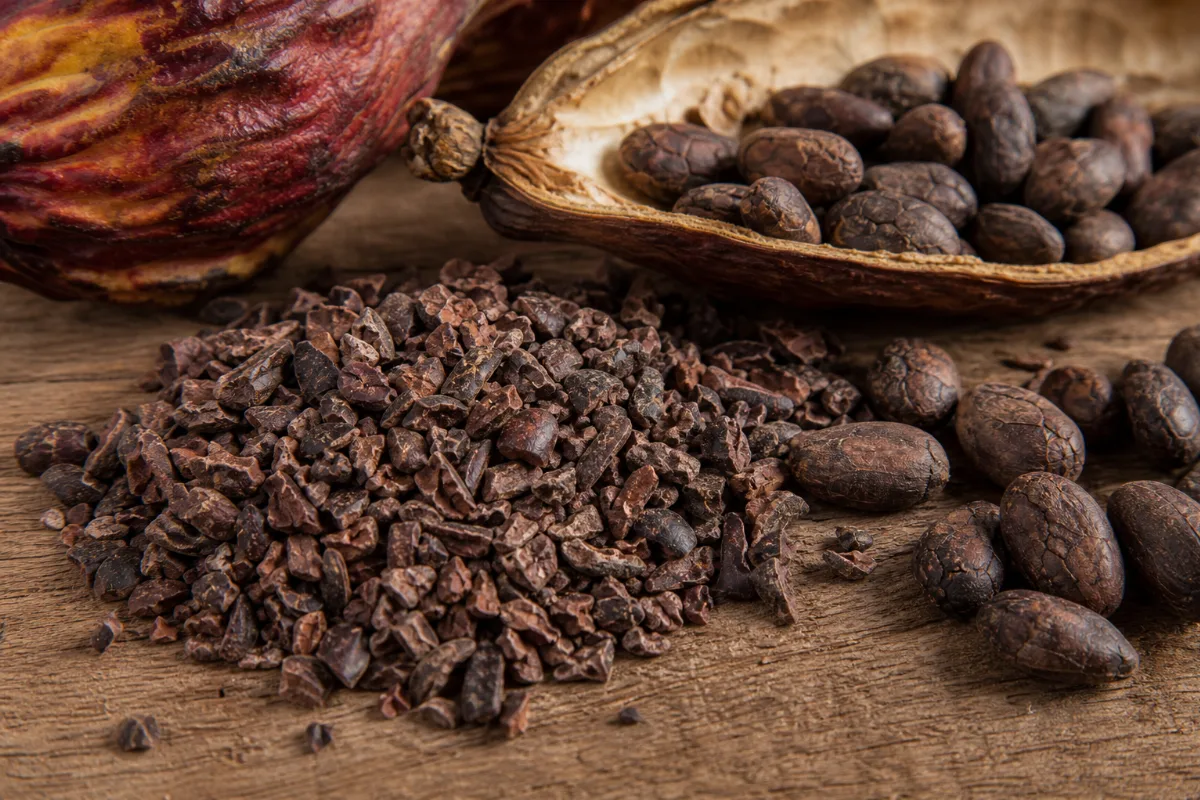
What cacao nibs are, nutrients from peer-reviewed analyses (USDA has no nibs entry), what cocoa research shows, and the cadmium, lead and caffeine points to know.
Normal serving (USDA): 1 cup (262 g, unsweetened shelf stable)
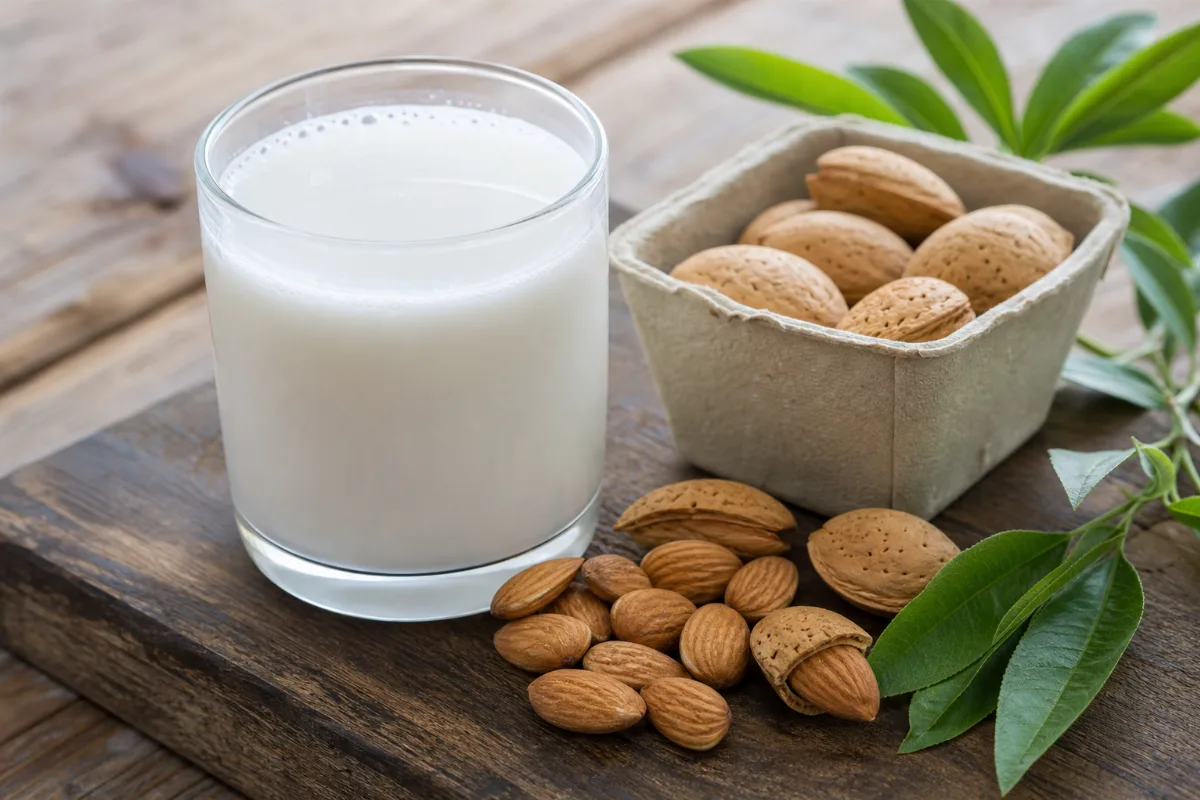
Almond, cashew and other nut milks: how little nut they contain, what fortification and added sugar add, USDA values, and cautions for allergy and for babies and toddlers.
Normal serving (USDA): 1 ounce (28 g) almond paste
Almond flour, almond paste and marzipan: USDA nutrients, how much sugar they hold, the cyanide question around bitter kernels, allergy, baking and gluten-free labels.
Almond paste versus marzipan: sugar share
Nutrients in almond paste
What 'almond flour' means: blanched, natural, press cake
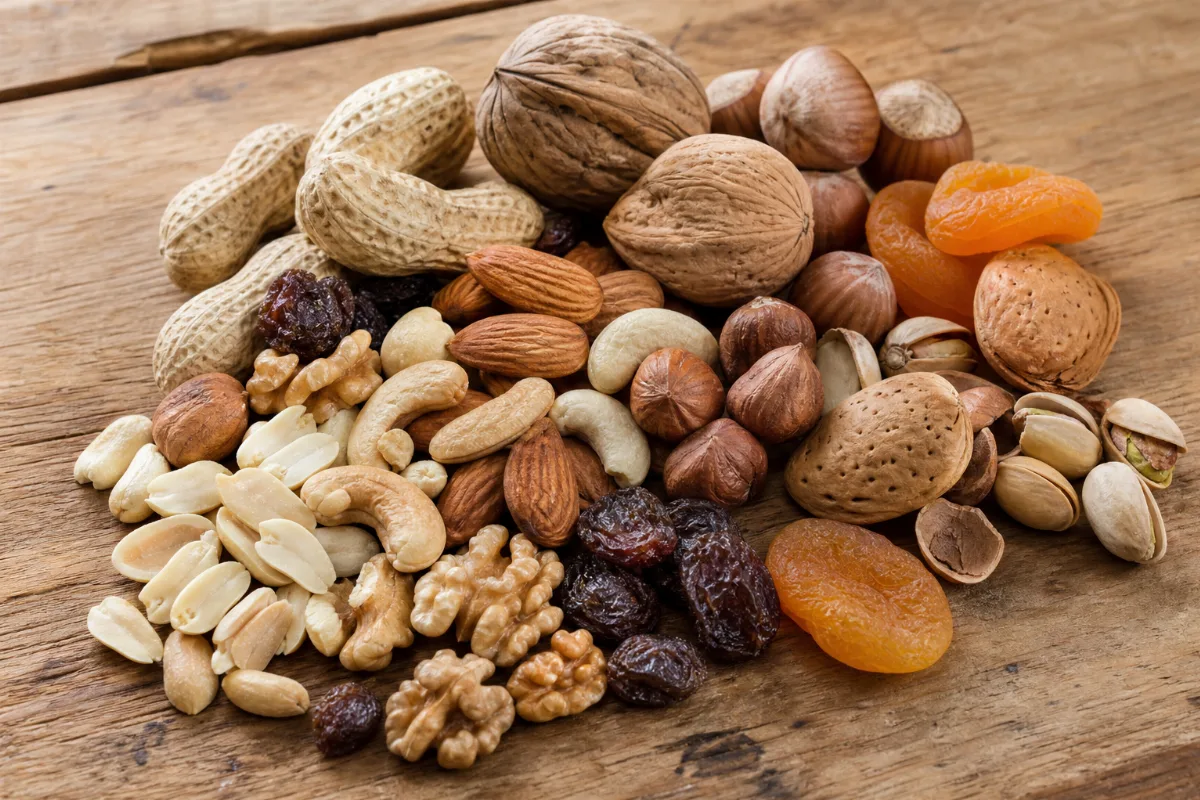
Mixed nuts and trail mix: USDA values, salt, dried fruit and candy, calories and portion creep, many allergens in one bag, choking, and what nut studies show.
No nut or seed matches all of these filters. Try removing one. Some topics (for example most herbs) are not nuts and seeds and live elsewhere on the site.
A link between a nut or seed and a topic means the body needs the nut or seed for that job, or that low intake is linked to it. It does not mean extra supplements help if your intake is already adequate. See each page’s evidence label.
Browse by nut or seed group
Tree nuts
Almonds, walnuts, cashews, pistachios, Brazil nuts and other nuts that grow on trees. Tree nuts are a common cause of serious food allergy.
Nut, peanut and sesame allergies can be severe. For trouble breathing or swelling of the face or throat, call 911 (or your local emergency number).
Whole nuts and large seeds are a choking risk for children under 5. Brazil nuts carry a lot of selenium, so the amount matters.
Some foods affect medicines, and oils, extracts and powders are not the same as the whole food. Ask a pharmacist or clinician if you take medicines or have a medical condition.
Tree Nuts(14)Almonds, walnuts, Brazil nuts, pistachios, cashews, pecans, hazelnuts, macadamias, pine nuts, chestnuts, pili nuts, baru, black walnuts, hickory nuts, beechnuts, acorns and ginkgo nuts.
Brazil nuts as a food: why their selenium is the main safety point, USDA nutrient values, what trials found on selenium status and cholesterol, allergy, aflatoxin and ch…
Cashews as a food: USDA nutrients, what trials found on cholesterol, blood pressure and diabetes, plus tree nut allergy, oxalate and choking safety facts.
Pecans as a food: USDA nutrients, what trials found on cholesterol, blood sugar and weight, plus tree nut allergy, walnut cross-reactivity and choking safety.
Hazelnuts (filberts) as a food: USDA nutrients, what trials found for LDL cholesterol and weight, tree nut and birch-pollen allergy, choking and storage.
Macadamia nuts as a food: USDA nutrients, the FDA heart claim and what trials found, tree nut allergy, choking, why they are toxic to dogs, and storage.
Pine nuts as a food: what USDA lists in them, the odd bitter-taste problem called pine mouth, allergy and choking cautions, and what research does and does not show.
Chestnuts as a food: low-fat and starchy with vitamin C, what research says, latex-fruit allergy links, and why poisonous horse chestnuts are a different plant.
Pili nuts as a food: USDA nutrient values, how little human research exists, one reported US allergy case, saturated fat, choking cautions and honest limits of the evide…
Black walnuts as a food: USDA nutrients, how they compare with English walnuts, tree nut allergy and walnut cross-reactivity, and what research has and has not tested.
Hickory nuts as a food: USDA nutrients, how they relate to pecans, tree nut allergy and choking safety, and an honest note that human research on them is very thin.
Ginkgo nuts as a food: the ginkgotoxin seizure risk (worst in children), allergy to ginkgo compounds, what USDA lists in them, and how seeds differ from leaf supplements.
Baru nuts (Dipteryx alata), a Brazilian legume seed sold as a nut: composition from published analyses, small human trials, allergy questions and honest limits.
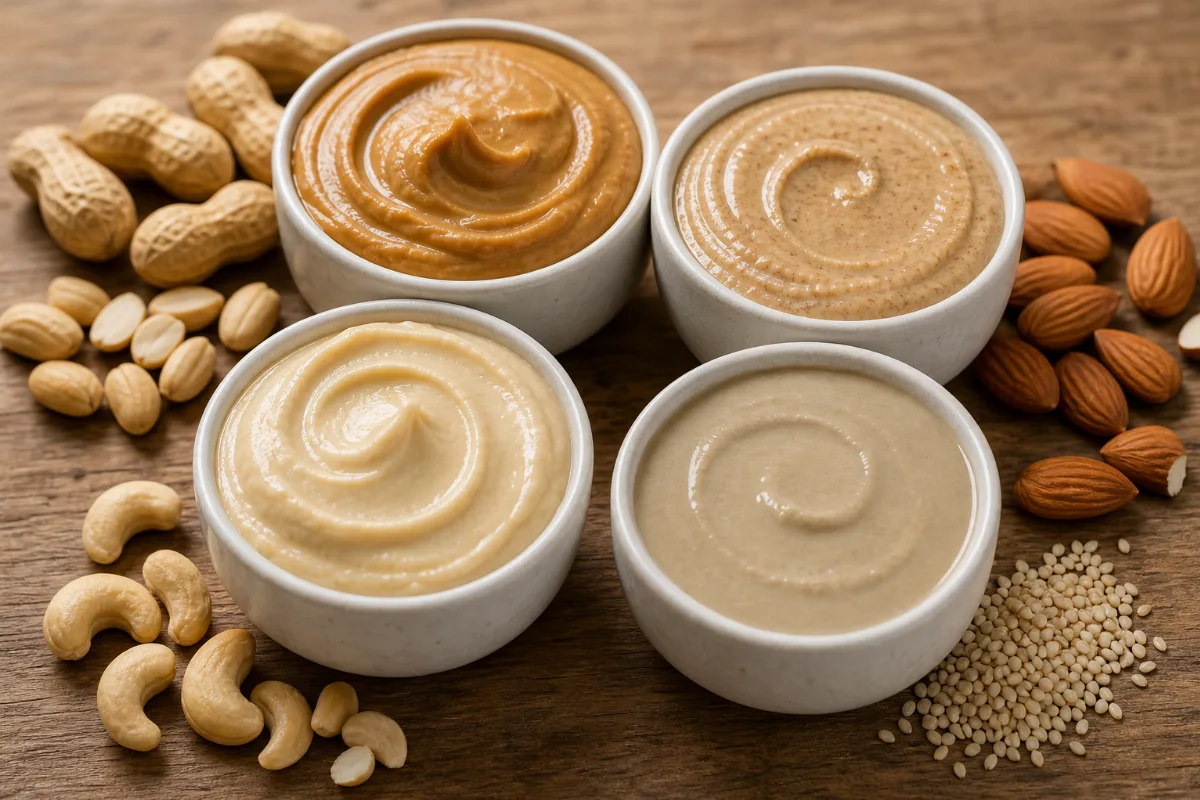
Peanuts & Nut Butters(2)Peanuts (a legume eaten like a nut) and how nut and seed butters compare.
Peanuts as a food: a legume eaten like a nut, peanut vs tree nut allergy, early introduction for babies, aflatoxin, boiled peanuts, heart evidence and calories.
Hulled hemp seeds (hemp hearts) as a food: protein, omega-6 and omega-3 fats, minerals, trace THC, seed allergy, and what the research does and does not show.
What sunflower seed kernels contain (USDA values), what research does and does not show, and the safety points: allergy, salty in-shell seeds, shells, cadmium and young …
Sesame seeds and tahini as food: USDA nutrients, sesame allergy (a major US allergen since 2023), small blood pressure and cholesterol trials, and kidney stone cautions.
Poppy seeds as food: what is in them, what research does and does not show, and the safety facts on opium alkaloids, drug tests, poppy seed tea and allergy.
What dried watermelon seed kernels contain (USDA values), how little human research exists, and the safety points: allergy, choking, street-food hygiene and swallowed se…
Sacha inchi (Inca peanut) seeds as a food: omega-3 ALA, protein, why raw seeds are roasted, EU status of the oil, small trials of the oil, and what is not known.
Perilla seeds (deulkkae, egoma) as a food: omega-3 ALA, fiber and minerals, seed allergy reports from Korea, how the seed differs from shiso leaf, and what research show…
What dried safflower seed kernels contain (USDA values), why the plant is known for its oil, what research does and does not show, and safety points: flower products, al…
Other Nuts, Seeds & Nut-Based Foods(6)Tigernuts, kola nuts, cacao nibs, nut milks, nut flours and marzipan, and mixed nuts and trail mix.
Tigernuts (chufa), small sweet tubers that are not nuts: published composition, fiber and starch, horchata, rare allergy reports, mold toxins and honest limits.
Kola nuts as a food: caffeine content, West African chewing customs, history in cola drinks, cautions for heart, pregnancy and medicines, and why USDA has no entry.
What cacao nibs are, nutrients from peer-reviewed analyses (USDA has no nibs entry), what cocoa research shows, and the cadmium, lead and caffeine points to know.
Almond, cashew and other nut milks: how little nut they contain, what fortification and added sugar add, USDA values, and cautions for allergy and for babies and toddler…
Almond flour, almond paste and marzipan: USDA nutrients, how much sugar they hold, the cyanide question around bitter kernels, allergy, baking and gluten-free labels.
Mixed nuts and trail mix: USDA values, salt, dried fruit and candy, calories and portion creep, many allergens in one bag, choking, and what nut studies show.
Safety & Practical Guides(3)Allergy basics, storing nuts and seeds safely, and what raw, roasted, soaked and sprouted really change.
Peanut, tree nut and sesame allergies are three different allergies. Learn what US labels cover, how cross-reactivity works, the emergency signs, and what testing needs.
What raw, roasted, soaked, sprouted and activated mean for nuts and seeds, and which claims have research behind them and which are mostly marketing.
Frequently asked questions
How much do health bodies say to eat?
There is no single official amount. The US FDA has allowed a qualified health claim saying that scientific evidence "suggests but does not prove" that eating 1.5 ounces a day of most nuts, as part of a diet low in saturated fat and cholesterol, may reduce the risk of heart disease. [1] This is information about a label claim, not a prescription for you. Each page also shows the USDA serving size.
Are peanuts nuts?
Botanically no: peanuts are legumes that grow underground, like beans and lentils. They are eaten like nuts, and peanut allergy is a separate allergy from tree nut allergy, although some people have both. See the allergy basics guide.
Can a nut or seed treat or cure a condition?
No nut or seed on this site is presented as a treatment. Pages say what trials found, what kind of study it was, and how strong the evidence is. Many studies are observational, and some were paid for by nut industry groups, which each page notes where it applies.
Which nuts and seeds need the most care?
Brazil nuts have so much selenium that the amount matters. Sesame, peanut and tree nuts are major food allergens. Whole nuts and large seeds are a choking risk for children under 5. See each page's safety section and the foods and medicine interactions page.
Content last updated . This section has not been medically reviewed.
Education, not medical advice. This section is for general information. It does not diagnose or treat any condition and is not a substitute for care from a qualified health professional. Natural does not automatically mean safe.