Herbs & Botanicals · Ayurvedic women's health bark
Lodhra
Symplocos racemosa · also called Lodh, lodha, lodhar, symplocos bark
Lodhra is the bark of an Indian tree, used in Ayurveda for heavy periods, discharge and other women's health problems. Research is thin: we found no human trial of lodhra alone, only multi-herb products and animal or lab studies. Avoid it in pregnancy and breastfeeding, and ask a doctor first if you have a hormone-sensitive condition.
General information, not medical advice. Last substantive update · Not medically reviewed. A named clinician has not signed off on this page. How this page is made
About Lodhra
Lodhra is the stem bark of Symplocos racemosa, an Ayurvedic astringent herb used mainly for heavy periods, discharge and other women's complaints. We found no controlled human trial of lodhra alone. Human reports are of multi-herb products without proper controls, and the rest is rat and lab work, with some hormone results pointing in different directions. Avoid it in pregnancy and breastfeeding, ask a doctor before using it with a hormone-sensitive condition, and note that its tannins may cause constipation or affect absorption of medicines. Do not confuse it with "Pathani lodhra", which may be another bark. Ask a doctor or pharmacist about amounts.
What it is
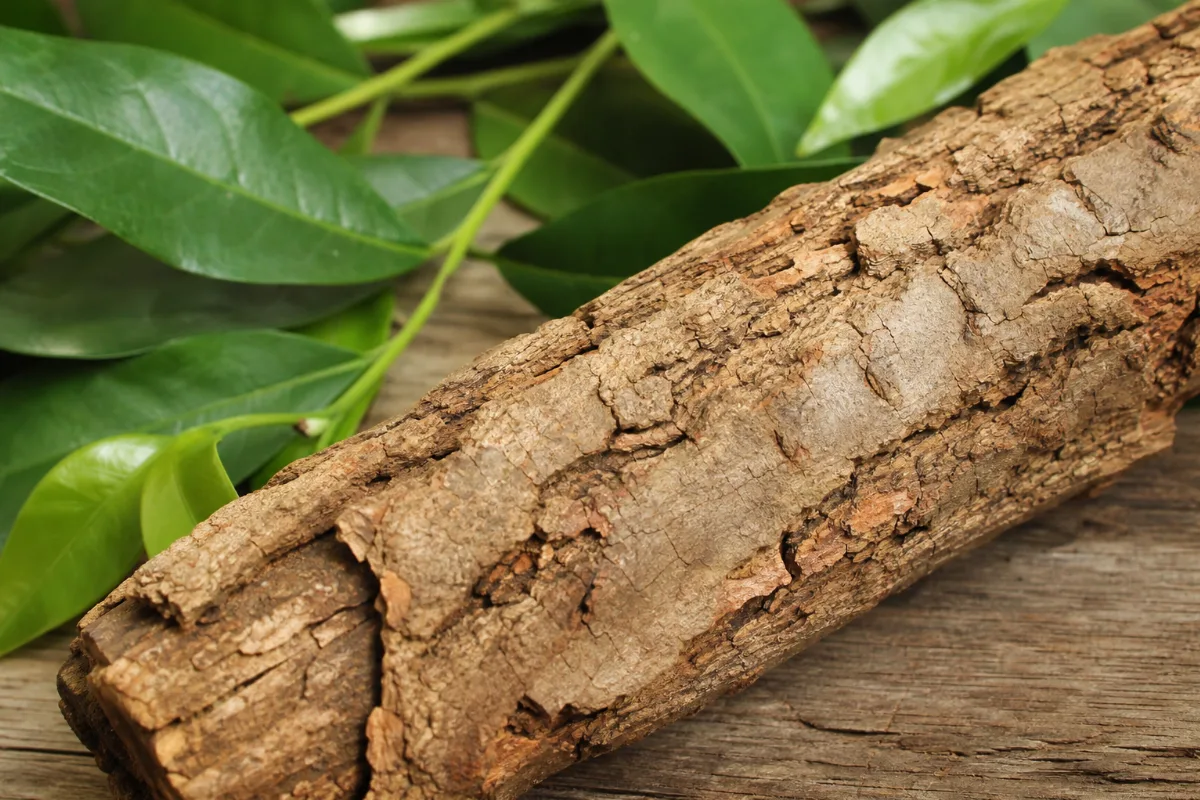
Lodhra is the stem bark of Symplocos racemosa, a medium-sized evergreen tree of South and Southeast Asian forests. It is an old Ayurvedic astringent herb, used mostly for women's health, and is also called lodh, lodha or symplocos bark.
Take care with names. Lodhra means Symplocos racemosa. "Pathani lodhra" is a trade name that may be another bark, possibly from a different Symplocos species or from a different plant family. We could not verify which, so results for lodhra should not be assumed for it.
What makes it distinctive
The bark is rich in tannins, plant compounds with a tightening, astringent feel, and also contains triterpenoids such as betulinic and oleanolic acid and flavonoids such as quercetin. That is why it is traditionally used for bleeding, discharge and loose tissues.
Wild trees are used for much of the trade, and the plant is listed as vulnerable on some lists, so source matters.
Historical and current uses
Ayurveda uses lodhra for heavy periods, white discharge, uterine complaints, liver problems, bleeding gums, wounds and skin conditions. A plant database lists many of the same uses. Reviews call it an important drug in Ayurvedic and herbal formulas.
Today it is mostly sold in multi-herb products for women's health. That tells us it is used, not that it works.
What the research shows
We found no controlled human trial of lodhra alone. Human reports are of multi-herb products: a syrup for heavy periods (no control group), a four-herb PCOS capsule described in a review, and a small fibroid pilot where lodhra was in both groups.
Most other work is in rats and in the lab: raised FSH and LH in young female rats, liver protection against a chemical, and activity against germs and cancer cell lines. Some hormone results conflict: no estrogen-like effect in rats, but an androgenic signal in a yeast test. Every use is therefore rated "not enough evidence".
At a glance
Traditional uses history, not proof
- Ayurveda: heavy periods, white discharge and uterine complaints
- Liver and bowel complaints
- Bleeding gums, wounds, acne and skin disorders
- Bark traded as lodh, lodha or lodhar; also in classical powders and fermented liquids
Studied for research
- Heavy menstrual bleeding: insufficient evidence (multi-herb syrup, no control group)
- PCOS and cycles: insufficient evidence (mixed formulas, animal studies)
- Fibroids: insufficient evidence (lodhra in both groups)
- Hormones and ovaries: animal findings only
- Liver, germ-fighting and cancer-cell effects: lab and animal only
Main compounds
- Tannins (astringent)
- Triterpenoids such as betulinic and oleanolic acid
- Flavonoids such as quercetin
- Phenolic glycosides such as symplocoside
Common forms
- Dried stem bark
- Bark powder
- Capsules or tablets (often multi-herb)
- Syrups and fermented liquids (asava)
Research links: PubMed: Symplocos racemosa · Review: S. racemosa uses, botany and pharmacology (J Ethnopharmacol 2016) · Heavy-period syrup study (Drugs Context 2026) · FRLHT plant database entry · Research Library · Genes & Biomarkers Library
The plant and its history
- Accepted scientific name
- Symplocos racemosa Roxb.
- Naming authority
- Roxb.
- Synonyms
- S. beddomei C.B.Clarke; S. candolleana Brand
- Common names
- lodhra (Sanskrit/English trade); lodh, lodha, lodhar (Hindi/regional); symplocos bark (English); Sabara lodhra (Ayurvedic trade name some texts use)
- Botanical family
- Symplocaceae (sweetleaf family); the 2016 review calls it a unigeneric family.
- Classification
- Plantae > Tracheophyta > Magnoliopsida > Ericales > Symplocaceae > Symplocos > Symplocos racemosa
- Native range
- South and Southeast Asia; western peninsular India and the north-eastern states (FRLHT).
- Habitat
- Semi-evergreen to shola forests, about 700 to 2200 m (FRLHT).
- What the plant looks like
- Roots: Not verified.; Stems: Medium tree, 10 to 15 m tall. The stem bark is the medicinal part.; Leaves: Alternate, elliptic-oblong, toothed (FRLHT).; Flowers: White with a pink tinge, fragrant, in racemes (FRLHT).; Fruit: Blue drupes, turning yellow when dry (FRLHT).
- Cultivation
- Propagated by seeds and stem cuttings (FRLHT).
- Harvest and processing
- Not verified. Bark is harvested from wild trees in much of its range (FRLHT trade note).
- Look-alikes and adulterants
- Name: Symplocos crataegoides / S. cochinchinensis subsp. laurina; Note: Bark used as a substitute for lodhra (FRLHT). S. crataegoides is treated as a synonym of S. paniculata in GBIF; S. paniculata is a separate accepted species (s-gbif-paniculata).; Name: "Pathani lodhra"; Note: A trade name for a different bark. Some sources say Lyonia ovalifolia (family Ericaceae, a different plant family). We could NOT verify which plant is meant, so treat results for lodhra (S. racemosa) as not applying to it.; Name: Lodhra vs lodh/Lodhar trade names; Note: Local trade names vary; check the Latin name on the label.
- Sustainability and conservation
- FRLHT lists the species as vulnerable on one list and data deficient or lower risk in other states. The 2016 review warns of extinction risk for the genus from restricted distribution. Avoid wild-collected bark if sourcing cannot be shown to be sustainable.
Traditional use and history history, not clinical proof
| Tradition or era | Documented use | Source |
|---|---|---|
| Ayurveda | Bark is an important Indian traditional drug in many Ayurvedic and herbal formulas for liver and uterine disorders and leucorrhea (white discharge). | p26851499 |
| Indian traditional medicine (database) | Stem bark for haemorrhage, acne, leucorrhea, wounds, menstrual disorders, menorrhagia, liver disease, bowel complaints, ulcers and bleeding gums. | s-frlht-racemosa |
| Ethnobotany | Eye, skin and ear diseases, tumours, asthma, fever, snake bite, gonorrhea and arthritis are also listed in the review. | p26851499 |
Traditional use shows how a plant was used. It does not show that a supplement works or is safe today.
What is inside, and how it may work
What the plant contains and how those compounds act in cells and animals. Laboratory and animal mechanisms are not proven effects in people.
Main compounds
| Compound | Family | Where it is concentrated | Activity studied | Level of evidence |
|---|---|---|---|---|
| Betulinic acid PubChem 64971 | triterpenoid | stem bark not reported | Named in the 2016 review as a bark triterpenoid; lab activity only. 1 17 | Laboratory research |
| Oleanolic acid PubChem 10494 | triterpenoid | stem bark not reported | Named in the review (with acetyl-oleanolic acid); lab activity only. 1 17 | Laboratory research |
| Quercetin PubChem 5280343 | flavonoid | stem bark not reported | Named in the review as a flavonoid; flavonoid fractions were the most potent antimicrobial group in a lab study. 1 10 17 | Laboratory research |
| Symplocoside and other phenolic glycosides | phenolic glycosides | stem bark not reported | Named in the 2016 review; no identifier checked. 1 | Laboratory research |
| Tannins and saponins | tannins, saponins, cardiac glycosides, phytosterols | bark not reported | Present as groups in bark extracts (lab study). Tannins are the likely source of the astringent feel; this is a general property, not measured here. 10 | Laboratory research |
| Loturine-type alkaloids | alkaloids | bark (per the request) not reported | Alkaloids such as loturine are commonly cited for lodhra, but none of the abstracts we read named them. NOT verified here. 1 | Unverified |
Mechanisms, receptors and pathways
| Target or pathway | Gene or receptor | What was found | Level |
|---|---|---|---|
| FSH and LH release; follicle growth | not studied | Water extract raised FSH and LH and follicle growth in immature rats. 3 | Animal research |
| Androgen receptor signalling | androgen receptor (yeast assay) | Extract showed androgenic activity in a yeast assay; the review elsewhere says anti-androgenic. Unresolved. 8 1 | Laboratory research |
| Liver antioxidant defences | not studied | Ethanol bark extract restored antioxidant levels and liver markers in damaged rats. 11 | Animal research |
| Biofilm and cancer cell growth | not studied | Flavonoid fractions blocked biofilms and killed cancer cell lines in dishes. 10 | Laboratory research |
Absorption, metabolism and elimination
- Absorption
- No human data found.
- Distribution
- No human data found.
- Metabolism
- No human data found.
- Elimination
- No human data found.
- Bioavailability
- Not established in people.
Isolated compounds versus whole extracts
Lab findings often come from isolated flavonoid fractions or alcohol/water extracts, not from whole bark powder or the multi-herb products sold. Results do not transfer between them.
Nutritional composition
A nutrient table is not meaningful for this medicinal bark.
8 not enough evidence
What is Lodhra good for?
The traditional uses and how strong the human evidence is for each. For lodhra, "insufficient" means we found no controlled human trial of lodhra alone, only tradition, multi-herb products and lab or animal work.
Benefits, one by one
Each card is a research question, not a promise. Tap a goal to filter. Open a card to see the studies, doses and limits.
Heavy menstrual bleeding
Not enough evidenceLodhra bark is a classic Ayurvedic astringent for heavy periods. One open-label study of a multi-herb syrup reported less blood loss over 90 days, but lodhra was only one of several herbs and no control group was used. No trial of lodhra alone was found.
2 studiesThe studied product was a multi-herb syrup. Lodhra alone (bark, powde…
Studies, doses and limits
What the trials found
A 2026 open-label study (p42741735) gave 228 women with heavy bleeding a multi-herb, Ashoka-based syrup for 90 days. Estimated blood loss fell 54% and chart scores fell 58%, with no clinically significant adverse events reported. The syrup is led by Ashoka; our earlier summary notes lodhra as one of six supporting herbs.
Results
Less bleeding with the whole syrup in an uncontrolled study. Nothing can be said about lodhra alone.
Effect sizes as reported
Blood loss down 54%; chart score down 58% (no comparison group).
Why this rating
There is no controlled trial of lodhra, and the one human study used a multi-herb syrup with no control group.
Form and dose studied
The studied product was a multi-herb syrup. Lodhra alone (bark, powder or capsule) has not been tested for this use.
Who was studied
228 non-pregnant women aged 18 to 45 with heavy periods in one study.
Limits
Open-label, multi-herb, likely maker-funded. Heavy bleeding can signal fibroids, thyroid or clotting problems and needs a doctor first.
Why researchers looked
Ayurvedic texts use the bark for excess bleeding and menstrual disorders, and its tannins are astringent.
Traditional use
Lodhra bark is used in Ayurveda for menorrhagia and white discharge; a plant database lists haemorrhage, menstrual disorders and menorrhagia among its uses.
Proposed mechanism Theory
Tannins can tighten tissues (an astringent action), which is the usual traditional explanation. This has not been shown to explain any effect on periods in women.
A proposed mechanism does not show that the effect happens in people.
See a doctor for heavy or new bleeding before trying any herb. Avoid in pregnancy unless a clinician advises otherwise.
PCOS and irregular cycles
Not enough evidenceLodhra appears inside multi-herb formulas studied for polycystic ovary syndrome (PCOS). Human data are limited to a multi-herb capsule reported in a review. Rat studies of mixes are not proof for women.
5 studiesMulti-herb capsules and extracts; lodhra alone not tested for PCOS.
Studies, doses and limits
What the trials found
Two 2023 and 2025 PCOS reviews (p37867816, p40783741) cover plant treatments in general; both conclude that evidence from lab to clinic is incomplete. Our earlier summary says the 2023 review describes a four-herb capsule that included lodhra and reported cycle and testosterone changes in 150 women, with few design details (summary-only; not re-checked). A rat study of a five-herb mix with lodhra (p30863446) lowered testosterone and cysts.
Results
No human trial of lodhra alone. A mixed formula was reported to help in one poorly detailed report; animal results are for mixes.
Effect sizes as reported
None available for lodhra alone.
Why this rating
Only mixed formulas have been reported, with few design details, plus animal and lab work that points in different directions.
Form and dose studied
Multi-herb capsules and extracts; lodhra alone not tested for PCOS.
Who was studied
150 women in one reported capsule study (not re-checked); otherwise rats.
Limits
We read the review abstracts, not the original capsule trial, which we could not find.
Why researchers looked
Ayurveda uses lodhra for female hormone-related complaints, and rat tests of mixes have shown hormone changes.
Traditional use
Used in Ayurvedic formulas for female disorders; not a stand-alone PCOS remedy.
Proposed mechanism Preliminary mechanism
A rat study of a five-herb mix that included lodhra reported lower testosterone and better glucose handling. A yeast test found androgenic activity for lodhra extract, which points the other way. Both are lab findings only.
A proposed mechanism does not show that the effect happens in people.
PCOS is a medical condition. Do not replace metformin, contraception or other prescribed care with lodhra.
Uterine fibroids
Not enough evidenceA 22-woman pilot gave Ayurvedic medicines to both groups, and the group with a medicated-oil uterine enema did better. Lodhra cannot explain that difference, so this is not evidence for lodhra.
1 studiesMixed Ayurvedic medicines; not lodhra alone.
Studies, doses and limits
What the trials found
A 2025 pilot (p41185715) with 11 women per group reported that fibroids shrank or resolved in most of the oil-enema group and not in the control group, but both groups took Ayurvedic medicines. Our earlier summary says the medicines included lodhra and a mercury-containing mineral preparation.
Results
The difference was the enema oil, not lodhra.
Effect sizes as reported
Two complete resolutions, one partial, five shrinkages in 11 (trial group).
Why this rating
Tiny pilot, and lodhra was in both groups.
Form and dose studied
Mixed Ayurvedic medicines; not lodhra alone.
Who was studied
22 women with fibroids in Varanasi, India.
Limits
Small, abstract-only, mixed treatments.
Why researchers looked
Lodhra is traditionally used in Ayurveda for uterine disorders.
Traditional use
Listed in classical uses for uterine problems.
Proposed mechanism Theory
No mechanism has been shown for fibroids.
A proposed mechanism does not show that the effect happens in people.
Mineral preparations containing mercury are a separate safety concern; avoid products that list mercury or other heavy metals.
Female hormones and ovaries (animal findings)
Not enough evidenceA water extract of the bark raised FSH and LH in young female rats and increased follicle growth. In another rat test lodhra alone showed no estrogen-like effect. Neither result tells us what lodhra does in women.
4 studiesLab water and alcohol extracts, not shop products.
Studies, doses and limits
What the trials found
No human study of hormone levels or fertility with lodhra was found.
Results
Rat data only: FSH and LH up (p15261983); no estrogen-like effect for lodhra alone (p26865741); androgenic signal in a yeast test (p25919204).
Effect sizes as reported
FSH P<0.016, LH P<0.001 in rats.
Why this rating
Animal and cell findings only; the three tests point in different directions.
Form and dose studied
Lab water and alcohol extracts, not shop products.
Who was studied
Immature female rats; yeast cells.
Limits
Immature rats react differently from adult women. Hormone effects could matter in hormone-sensitive conditions.
Why researchers looked
The bark is traditionally used for female complaints, so researchers tested its effect on reproductive hormones.
Traditional use
Used for female disorders in the Indian systems of medicine.
Proposed mechanism Animal study
Raised FSH and LH in immature rats. Lodhra alone did not mimic estrogen in a separate immature-rat test. A yeast assay suggested androgenic activity.
A proposed mechanism does not show that the effect happens in people.
If you have a hormone-sensitive condition, ask your doctor before using lodhra.
Liver protection (animal study)
Not enough evidenceAn alcohol extract of lodhra bark protected the liver of rats given a liver-damaging chemical. There is no human data.
2 studiesLab ethanol extract of bark; not a shop product.
Studies, doses and limits
What the trials found
No human study found.
Results
Liver markers improved in damaged rats at two extract amounts (p22022156).
Effect sizes as reported
Dose-dependent restoration of liver markers in rats.
Why this rating
A single small rat model; no human data.
Form and dose studied
Lab ethanol extract of bark; not a shop product.
Who was studied
Rats.
Limits
Protection against a chemical poison in rats does not show benefit in people with liver disease, and does not prove the herb is safe for the liver.
Why researchers looked
Ayurveda uses lodhra for liver complaints.
Traditional use
Liver disease is among the listed traditional uses.
Proposed mechanism Animal study
In rats, the extract restored liver enzymes, antioxidants and tissue appearance after carbon tetrachloride damage.
A proposed mechanism does not show that the effect happens in people.
Anyone with liver disease should ask a doctor before using any herb.
Germ-fighting and cancer-cell activity (lab only)
Not enough evidenceBark fractions, mainly flavonoids, acted against drug-resistant bacteria and three cancer cell lines in the lab, without harming normal cells in the same test. This is test-tube work only.
2 studiesLab extracts and fractions.
Studies, doses and limits
What the trials found
No human study found.
Results
Lab activity against E. coli, MRSA, Salmonella and cancer cell lines (p33203457).
Effect sizes as reported
None applicable.
Why this rating
Test-tube and mouse work only.
Form and dose studied
Lab extracts and fractions.
Who was studied
Cells and mice.
Limits
Most lab activity never becomes a treatment; no human data.
Why researchers looked
Traditional uses include skin infections, ulcers, fever and tumours.
Traditional use
Used for skin disease, wounds, ulcers, fever and tumours in traditional texts.
Proposed mechanism Preliminary mechanism
Flavonoid-rich fractions blocked biofilm formation and killed some cancer cells in dishes.
A proposed mechanism does not show that the effect happens in people.
Do not use bark preparations on infections or tumours instead of medical treatment.
Inflammation, wound healing and antioxidant effects (lab and animal)
Not enough evidenceA 2016 review lists anti-inflammatory, wound-healing, antioxidant and blood-sugar effects of the bark in lab and animal work. It also calls for safety assessment before clinical use.
1 studiesVarious lab extracts; traditional bark powders and decoctions.
Studies, doses and limits
What the trials found
No human study of these uses was found in our search.
Results
Review of non-human work only (p26851499).
Effect sizes as reported
None applicable.
Why this rating
Mostly lab and animal evidence summarised in one review abstract.
Form and dose studied
Various lab extracts; traditional bark powders and decoctions.
Who was studied
Cells and animals.
Limits
We read only the review abstract.
Why researchers looked
Traditional wound, skin and gum uses.
Traditional use
Bark is used for wounds, acne, ulcers, and to firm spongy and bleeding gums.
Proposed mechanism Preliminary mechanism
Phenolic glycosides, triterpenoids such as betulinic and oleanolic acid, and flavonoids such as quercetin are named as likely contributors.
A proposed mechanism does not show that the effect happens in people.
Do not use on open wounds or gums without checking with a clinician.
Gums, skin and bowel complaints (traditional use only)
Not enough evidenceAyurveda and other traditions use lodhra bark for bleeding gums, acne, ulcers and loose bowels. We found no human trial for any of these.
2 studiesDried bark, powder, decoction and mixed Ayurvedic formulas.
Studies, doses and limits
What the trials found
None found.
Results
Tradition only.
Effect sizes as reported
None available.
Why this rating
No human trials; only tradition and database listings.
Form and dose studied
Dried bark, powder, decoction and mixed Ayurvedic formulas.
Who was studied
None studied.
Limits
Database listing (FRLHT) is not clinical evidence.
Why researchers looked
Long traditional use; the bark is rich in tannins that have an astringent (tightening) feel.
Traditional use
A plant database lists haemorrhage, acne and pimples, leucorrhea, wounds, skin disorders, ascites, fever, liver disease, bowel complaints, ulcers and spongy or bleeding gums.
Proposed mechanism Theory
Traditional astringent action, not shown in people.
A proposed mechanism does not show that the effect happens in people.
Tannin-rich herbs can cause constipation and stomach upset in some people.
Connections to the rest of health
How Lodhra connects to the rest of our health knowledge graph. Every link says what kind of connection it is. A safety link (for example to the liver) is a warning, not a benefit. A study that merely mentions a topic never creates a benefit link.
Explore every connection: goals, body systems, organs, symptoms, genes
A. Wellness goals
| Connected to | Kind of connection | Evidence status | Context | Studies |
|---|---|---|---|---|
| Womens Wellness | Traditional use | Not enough evidence | Heavy menstrual bleeding: Lodhra bark is a classic Ayurvedic astringent for heavy periods. One open-label study of a multi-herb syrup reported less blood loss over 90 days, but lodhra was only one of several herbs and no control group was used. No trial of lodhra alone was found. Uterine fibroids: A 22-woman pilot gave Ayurvedic medicines to both groups, and the group with a medicated-oil uterine enema did better. Lodhra cannot explain that difference, so this is not evidence for lodhra. | 4 1 9 12 |
| Womens Wellness | Potential benefit | Not enough evidence | PCOS and irregular cycles: Lodhra appears inside multi-herb formulas studied for polycystic ovary syndrome (PCOS). Human data are limited to a multi-herb capsule reported in a review. Rat studies of mixes are not proof for women. | 5 7 2 8 1 |
| Hormone Balance | Potential benefit | Not enough evidence | PCOS and irregular cycles: Lodhra appears inside multi-herb formulas studied for polycystic ovary syndrome (PCOS). Human data are limited to a multi-herb capsule reported in a review. Rat studies of mixes are not proof for women. | 5 7 2 8 1 |
| Hormone Balance | Preliminary mechanism | Not enough evidence | Female hormones and ovaries (animal findings): A water extract of the bark raised FSH and LH in young female rats and increased follicle growth. In another rat test lodhra alone showed no estrogen-like effect. Neither result tells us what lodhra does in women. | 3 6 8 1 |
| Fertility Support | Preliminary mechanism | Not enough evidence | Female hormones and ovaries (animal findings): A water extract of the bark raised FSH and LH in young female rats and increased follicle growth. In another rat test lodhra alone showed no estrogen-like effect. Neither result tells us what lodhra does in women. | 3 6 8 1 |
| Liver Support | Preliminary mechanism | Not enough evidence | Liver protection (animal study): An alcohol extract of lodhra bark protected the liver of rats given a liver-damaging chemical. There is no human data. | 11 1 |
| Immune Support | Preliminary mechanism | Not enough evidence | Germ-fighting and cancer-cell activity (lab only): Bark fractions, mainly flavonoids, acted against drug-resistant bacteria and three cancer cell lines in the lab, without harming normal cells in the same test. This is test-tube work only. | 10 1 |
| Inflammation Balance | Preliminary mechanism | Not enough evidence | Inflammation, wound healing and antioxidant effects (lab and animal): A 2016 review lists anti-inflammatory, wound-healing, antioxidant and blood-sugar effects of the bark in lab and animal work. It also calls for safety assessment before clinical use. | 1 |
B. Body systems
| Connected to | Kind of connection | Evidence status | Context | Studies |
|---|---|---|---|---|
| Reproductive Health | Biological association | Not enough evidence | Studied for: Heavy menstrual bleeding Studied for: PCOS and irregular cycles | 4 1 5 7 2 8 9 3 6 |
| Hormone Health | Biological association | Not enough evidence | Studied for: PCOS and irregular cycles Studied for: Female hormones and ovaries (animal findings) | 5 7 2 8 1 3 6 |
| Liver Detox | Biological association | Not enough evidence | Studied for: Liver protection (animal study) | 11 1 |
| Immune System | Biological association | Not enough evidence | Studied for: Germ-fighting and cancer-cell activity (lab only) Studied for: Inflammation, wound healing and antioxidant effects (lab and animal) | 10 1 |
| Digestive System | Biological association | Not enough evidence | Studied for: Gums, skin and bowel complaints (traditional use only) | 12 1 |
D. Symptoms
| Connected to | Kind of connection | Evidence status | Context | Studies |
|---|---|---|---|---|
| Pregnancy | Contraindication | Not enough evidence | Ovary-stimulating effect in rats; no human data. Preparation or compound: Bark water extract (rat study) |
3 |
| Constipation | Adverse effect or risk | Not enough evidence | Theory based on tannin content; no lodhra-specific report. Preparation or compound: Tannin-rich bark |
13 10 |
| Hormone-sensitive conditions | Not enough evidence | Conflicting animal and lab hormone findings. Preparation or compound: Bark extracts |
8 6 | |
| Heavy menstrual bleeding | Potential benefit | Not enough evidence | Traditional use; one uncontrolled multi-herb study. Preparation or compound: Bark in a multi-herb syrup |
4 |
I. Biomarkers
| Connected to | Kind of connection | Evidence status | Context | Studies |
|---|---|---|---|---|
| Menstrual blood loss (Pictorial Blood Assessment Chart) | Biological association | Not enough evidence | Measured in trials: lowered. A lab change is not the same as a health benefit. | 4 |
K. Biological pathways
L. Active compounds
| Connected to | Kind of connection | Evidence status | Context | Studies |
|---|---|---|---|---|
| Betulinic acid | Biological association | In vitro | Named in the 2016 review as a bark triterpenoid; lab activity only. Preparation or compound: stem bark |
1 17 |
| Oleanolic acid | Biological association | In vitro | Named in the review (with acetyl-oleanolic acid); lab activity only. Preparation or compound: stem bark |
1 17 |
| Quercetin | Biological association | In vitro | Named in the review as a flavonoid; flavonoid fractions were the most potent antimicrobial group in a lab study. Preparation or compound: stem bark |
1 10 17 |
| Symplocoside and other phenolic glycosides | Biological association | In vitro | Named in the 2016 review; no identifier checked. Preparation or compound: stem bark |
1 |
| Tannins and saponins | Biological association | In vitro | Present as groups in bark extracts (lab study). Tannins are the likely source of the astringent feel; this is a general property, not measured here. Preparation or compound: bark |
10 |
| Loturine-type alkaloids | Biological association | Unverified | Alkaloids such as loturine are commonly cited for lodhra, but none of the abstracts we read named them. NOT verified here. Preparation or compound: bark (per the request) |
1 |
Each connection is stored with the ingredient, the connected record, the kind of connection, the evidence status, the supporting studies, the preparation or compound involved, and a review date (last reviewed October 25, 2026).
Evidence at a glance: what changed in 1 lab markers
Tap a number to show only those markers. Counts are markers, not people.
The evidence
The research centre for Lodhra. Every record here was checked against PubMed or the publisher's page; we never list a study we have not verified.
Evidence by outcome
Bars show how many studies we found for each outcome, not how well it works. People are added up across trials only (reviews are not added, to avoid double counting).
How we rate evidence
High certainty
Several well-run trials or reviews agree; further research is unlikely to change the picture much.
Moderate certainty
Good trials point the same way, but some doubt remains.
Low certainty
Small, short or inconsistent trials. The finding could change with better research.
Very low certainty
Very little or very weak human data. Treat as a possibility only.
Mixed findings
Trials or reviews disagree with each other.
Not enough evidence
Not enough human research to say either way.
Evidence against
Good research found no benefit, or found harm.
We take the reviewers' own risk-of-bias and GRADE statements where they exist, and otherwise judge from study size, design, consistency, directness and whether a product matches what is sold. Many publications do not make evidence high. Method note: We started from our earlier lodhra summary, then checked PubMed records and looked for LiverTox, LactMed and regulator pages. Most sources were abstracts only. Details carried over from the earlier summary and not re-opened are marked summary-only. No study is cited that we could not verify.
Study library: every study we checked 18
| Study | Design | People | Product, dose, length | Result |
|---|---|---|---|---|
| Acharya 2016 A comprehensive analysis on Symplocos racemosa Roxb.: Traditional uses, botany, phytochemistry and pharmacological activities J Ethnopharmacol · PMID 26851499 · DOI |
Narrative review mixed |
Symplocos racemosa stem bark: traditional, botanical, chemical and pharmacological literature | Stem bark and its extracts stem bark not extracted not extracted · vs none |
Says S. racemosa is an important Ayurvedic drug for liver and uterine disorders and leucorrhea (white discharge). Most reports are on stem bark: anti-cancer, liver-protective, antioxidant, anti-androgenic, anti-inflammatory, wound-healing and anti-diabetic effects in lab and animals. Names symplocoside, betulinic acid, oleanolic acid and quercetin. Calls for biomarker studies and safety assessment before clinical use, and notes extinction risk from restricted distribution. No effect sizes. (not reported in abstract) Methods, limits and fundingLimitations: Only the abstract was read this round; publisher full text was not opened. Mostly lab and animal work. Funding and conflicts: not read Read: abstract |
| Azeemuddin 2019 Effect of "DXB-2030," a Polyherbal Formulation, on Experimental Polycystic Ovary Syndrome Associated with Hyperandrogenism Adv Pharmacol Sci · PMID 30863446 · DOI |
Animal study animal |
Rats with testosterone-induced PCOS (30 animals) | "DXB-2030", a five-herb mix (fenugreek, aloe vera, Sphaeranthus, jatamansi and Symplocos racemosa extracts) mixed extracts not extracted not extracted · vs none |
The mix lowered testosterone, body weight, glucose curve and ovarian cysts and raised GLUT4 expression in the rat model. Combination effect in rats. (not reported in abstract) Methods, limits and fundingLimitations: Rat study of a five-herb mix. Lodhra cannot be credited. The study did not test lodhra alone. Funding and conflicts: not read Read: abstract |
| Bhutani 2004 Effect of Symplocos racemosa Roxb. on gonadotropin release in immature female rats and ovarian histology J Ethnopharmacol · PMID 15261983 · DOI |
Animal study animal |
Immature female Sprague-Dawley rats | Water extract of Symplocos racemosa, by mouth bark (per our summary) not extracted not extracted · vs none |
FSH rose (P<0.016) and LH rose (P<0.001). Ovaries showed more follicle growth, mature follicles and detached eggs, and ovary weight rose. FSH and LH up in young female rats. (not reported in abstract) Methods, limits and fundingLimitations: Rat study only; says nothing about benefit or safety in women. Abstract does not give the plant part; we rely on our earlier summary that it was bark. Funding and conflicts: not read Read: abstract |
| Dhiman 2026 Efficacy and safety of an Ayurvedic Menohelp syrup in the management of heavy menstrual bleeding (menorrhagia): an open-label clinical study Drugs Context · PMID 42741735 · DOI |
Open label trial |
228 228 non-pregnant women aged 18-45 with heavy menstrual bleeding |
Menohelp Syrup, a multi-herb Ashoka-based Ayurvedic syrup (lodhra is one of its herbs per our earlier summary) bark (Ashoka-based mixture) not extracted not extracted · vs none |
Estimated menstrual blood loss fell 54% and Pictorial Blood Assessment Chart scores fell 58% from the start to day 90. Haemoglobin improved modestly. No clinically significant adverse events were reported. Blood loss down 54%; chart score down 58% (no control group). (not reported in abstract) Methods, limits and fundingOutcomes: Menstrual blood loss, bleeding days, haemoglobin, endometrial thickness, quality of life Limitations: No control group and no blinding. Multi-herb syrup led by Ashoka, so any effect cannot be credited to lodhra. The abstract does not list the herbs; that lodhra is one of six supporting herbs comes from our earlier full-text reading (summary-only). Likely maker-funded (earlier note: Mankind Pharma). Funding and conflicts: Earlier summary: maker funding; authors declare no conflicts (not re-checked) Read: abstract |
| Jung 2023 Effects of natural products on polycystic ovary syndrome: From traditional medicine to modern drug discovery Heliyon · PMID 37867816 · DOI |
Narrative review mixed |
72 studies of plant products for polycystic ovary syndrome (mostly lab and animal) | Many plant extracts and compounds various not extracted not extracted · vs none |
A broad review of plant products for PCOS. The abstract does not name lodhra. Our earlier full-text reading found a four-herb capsule that included lodhra, reported in 150 women (summary-only; the original trial was not located). No effect sizes in the abstract. (not reported in abstract) Methods, limits and fundingLimitations: Only the abstract was read this round. The lodhra detail is from our earlier summary. The human report mixes several herbs and gives few design details. Funding and conflicts: not read Read: abstract |
| Kamat 2015 Evaluation of the estrogenic activity of Indian medicinal plants in immature rats Anc Sci Life · PMID 26865741 · DOI |
Animal study animal |
54 immature female rats (22 days old) | Symplocos racemosa alone (270 mg/kg) and with Saraca indica; compared with ethinyl estradiol not stated in abstract not extracted not extracted · vs none |
Symplocos racemosa alone did not change uterine weight, vaginal opening or uterine tissue, unlike ethinyl estradiol. The Saraca plus Symplocos mix caused a slight thickening of uterine lining cells (questionable estrogenic effect). No estrogen-like effect for lodhra alone in this rat model. (not reported in abstract) Methods, limits and fundingLimitations: Rat model; not a test in women. The authors call the combination result questionable and in need of further study. Funding and conflicts: not read Read: abstract |
| Lee 2025 Comparative advantage and efficacy of natural products for polycystic ovary syndrome J Ovarian Res · PMID 40783741 · DOI |
Narrative review mixed |
69 studies of natural products (herbs, formulas, acupuncture) for PCOS | Herbs, herbal formulas and acupuncture various not extracted not extracted · vs none |
Authors say there is no continuous line from lab work to clinical trials and that large, deeper studies are needed before natural products can be called PCOS treatments. None in abstract. (not reported in abstract) Methods, limits and fundingLimitations: Only the abstract was read; lodhra is not named in it. Cited for the overall state of PCOS plant research. Funding and conflicts: not read Read: abstract |
| Sandeep 2015 Anti-Androgenic Activity of Nardostachys jatamansi DC and Tribulus terrestris L. and Their Beneficial Effects on Polycystic Ovary Syndrome-Induced Rat Models Metab Syndr Relat Disord · PMID 25919204 · DOI |
Laboratory research in-vitro |
Yeast hormone-activity assay, then PCOS rat models for two other plants | Plant extracts including Symplocos racemosa not stated in abstract not extracted not extracted · vs none |
In a yeast test, Symplocos racemosa extract showed androgenic (male-hormone-like) activity, together with Withania and Helicteres. Nardostachys and Tribulus showed anti-androgenic activity and were the ones taken forward in rats. Androgenic signal in a yeast assay. (not reported in abstract) Methods, limits and fundingLimitations: Yeast cell assay; the only result for lodhra is this screening step. It conflicts in direction with the "anti-androgenic" claim in the 2016 review, so we do not state either as a fact for people. Funding and conflicts: not read Read: abstract |
| Singh 2025 A Comparative Pilot Study on the Treatment of Uterine Fibroids Using Traditional Medicines and Intrauterine Enema Therapy Cureus · PMID 41185715 · DOI |
Pilot controlled trial |
22 22 women with uterine fibroids in Varanasi, India (11 per group) |
Ayurvedic medicines plus a medicated-oil uterine enema (Uttar Basti) not stated in abstract not extracted not extracted · vs Same medicines plus sesame-oil enema |
After three months all trial-group patients reported relief; fibroids fully resolved in 2 patients, 1 fibroid resolved in another, 5 shrank and 1 grew. Control patients, who had the same medicines with plain sesame oil, got no relief. Small groups; no statistics in abstract. (not reported in abstract) Methods, limits and fundingOutcomes: Fibroid size and symptoms Limitations: Very small pilot. Both groups received Ayurvedic medicines (our earlier summary says these included lodhra), so lodhra cannot explain the difference between groups; the tested difference was the oil enema. Our earlier reading also noted a mercury-containing mineral preparation in the regimen. Funding and conflicts: not read Read: abstract |
| Sood 2020 Bioprospecting the antimicrobial, antibiofilm and antiproliferative activity of Symplocos racemosa Roxb. Bark phytoconstituents along with their biosafety evaluation and detection of antimicrobial components by GC-MS BMC Pharmacol Toxicol · PMID 33203457 · DOI |
Laboratory research mixed |
Microbes, three cancer cell lines and normal Vero cells; acute oral toxicity in mice | Bark extracts and fractions (flavonoids most active) bark not extracted not extracted · vs none |
Flavonoids were most active against drug-resistant E. coli, MRSA and Salmonella and killed cancer cell lines but not normal Vero cells. Ames and MTT tests were safe; the flavonoid fraction caused no abnormal signs, blood chemistry or organ changes in mice in a single-dose test. Other groups found: tannins, saponins, triterpenes, cardiac glycosides, phytosterols. Lab activity only. (not reported in abstract) Methods, limits and fundingLimitations: Lab and mouse work only; a single acute dose test in mice does not show long-term safety in people. Funding and conflicts: not read Read: abstract |
| Wakchaure 2011 Hepatoprotective activity of Symplocos racemosa bark on carbon tetrachloride-induced hepatic damage in rats J Ayurveda Integr Med · PMID 22022156 · DOI |
Animal study animal |
Rats with carbon-tetrachloride liver damage | Ethanol extract of Symplocos racemosa bark; silymarin as comparison bark not extracted not extracted · vs none |
The extract dose-dependently restored liver enzymes, bilirubin, albumin and antioxidant levels, and improved liver tissue appearance. Liver markers improved in damaged rats. (not reported in abstract) Methods, limits and fundingOutcomes: Liver enzymes, bilirubin, antioxidants, tissue Limitations: Single small animal model with a liver-damaging chemical; no human data. Extract is not a shop product. Funding and conflicts: not read Read: abstract |
| n/a 2006 Symplocos racemosa (Red Listed Plant List, FRLHT ENVIS Centre) n/a · Source |
Reference database n/a |
n/a | n/a n/a n/a n/a · vs none |
Lists traditional medicinal uses of the stem bark (haemorrhage, acne, leucorrhea, wounds, menstrual disorders, liver and bowel complaints, bleeding gums), distribution in South and Southeast Asia, threat status (vulnerable in one list, varying by state), and that bark of Symplocos crataegoides and S. cochinchinensis subsp. laurina is used as a substitute. Bark is also traded as Pathaani lodha. n/a (n/a) Methods, limits and fundingLimitations: Specialist database page read in full this round; it is a listing, not clinical evidence, and the date is not shown (a metadata date of 2006 appears). Funding and conflicts: n/a Read: full text |
| n/a 2026 General pharmacology of tannin-rich plants (no lodhra-specific source) n/a |
Theory n/a |
n/a | n/a n/a n/a n/a · vs none |
Tannins, which the bark contains (listed in p33203457), are known in general to bind minerals and some drugs in the gut and to be constipating. No study of lodhra tested this. n/a (n/a) Methods, limits and fundingLimitations: Theory only; labelled as such wherever used. Funding and conflicts: n/a Read: n/a |
| n/a 2026 Searches for official monographs (EMA/HMPC, NCCIH, LiverTox, LactMed, WHO, Commission E) n/a · Source |
Not found n/a |
n/a | n/a n/a n/a n/a · vs none |
A quick NCBI Bookshelf search for "Symplocos" returned two unrelated environmental-chapter hits and no LiverTox or LactMed entry. We did not open EMA, NCCIH, WHO or Commission E pages; no entry for lodhra is known to us. n/a (n/a) Methods, limits and fundingLimitations: Not a complete search. Absence of a page we found is not proof none exists. Funding and conflicts: n/a Read: search only |
| n/a 2026 GBIF Backbone: Lyonia ovalifolia (Wall.) Drude (usage key 7328514) n/a · Source |
Reference database n/a |
n/a | n/a n/a n/a n/a · vs none |
GBIF API match on 2026-10-25: exact, ACCEPTED, family Ericaceae (the heather family, not the Symplocos family). n/a (n/a) Methods, limits and fundingLimitations: Taxonomic record only. That "Pathani lodhra" is sometimes Lyonia ovalifolia is NOT verified in any source we read. Funding and conflicts: n/a Read: full text |
| n/a 2026 GBIF Backbone: Symplocos paniculata (Thunb.) Miq. (usage key 7157705) n/a · Source |
Reference database n/a |
n/a | n/a n/a n/a n/a · vs none |
GBIF API match on 2026-10-25: exact, ACCEPTED, family Symplocaceae. A different species in the same genus. n/a (n/a) Methods, limits and fundingLimitations: Taxonomic record only; its medicinal use was not researched. Funding and conflicts: n/a Read: full text |
| n/a 2026 PubChem compound records: betulinic acid (CID 64971), oleanolic acid (CID 10494), quercetin (CID 5280343) n/a · Source |
Reference database n/a |
n/a | n/a n/a n/a n/a · vs none |
PubChem name lookups on 2026-10-25 returned CID 64971 (C30H48O3), CID 10494 (C30H48O3) and CID 5280343 (C15H10O7). The 2016 review abstract names these compounds in the bark. n/a (n/a) Methods, limits and fundingLimitations: Identifiers only. Funding and conflicts: n/a Read: full text |
| n/a 2026 GBIF Backbone: Symplocos racemosa Roxb. (usage key 7902154) n/a · Source |
Reference database n/a |
n/a | n/a n/a n/a n/a · vs none |
GBIF API match on 2026-10-25: exact match, status ACCEPTED, family Symplocaceae, order Ericales, class Magnoliopsida, phylum Tracheophyta. n/a (n/a) Methods, limits and fundingLimitations: Taxonomic record only. Funding and conflicts: n/a Read: full text |
What we do not know yet
- No controlled human trial of lodhra alone for any use.
- Only abstracts were read this round; the herb list of the heavy-period syrup and the PCOS capsule details come from an earlier summary.
- Hormone findings conflict and are untested in people.
- No human safety, pregnancy or interaction data; tannin points are theory.
- The identity of "Pathani lodhra" was not verified.
- LiverTox, LactMed, EMA/HMPC, NCCIH and WHO entries were not found in a quick search.
How new research is added
New studies are found by a saved PubMed search and are placed in a review queue. A person reads each one before it changes any evidence rating or safety wording.
Lab markers
What changed in blood or saliva tests during trials. A changed number is not the same as feeling or being healthier, and we give no "normal ranges".
Other 1
Menstrual blood loss (Pictorial Blood Assessment Chart)
Lowered in trials
A score women fill in using pictures of pads and tampons and clots to estimate how heavy a period is. Lower means lighter bleeding.
Not enough evidenceResults and what it means
Why it was measured
The main outcome in the heavy-period syrup study.
Statistical vs. clinical meaning
A lower chart score with an uncontrolled multi-herb syrup. It cannot be credited to lodhra, and patient-reported charts can be affected by expectation.
| Study | Result | People | Product |
|---|---|---|---|
| 4 | Estimated blood loss down 54% and chart score down 58% from baseline to day 90 (no control group) | 228 women with heavy menstrual bleeding | Multi-herb Ashoka-based syrup (lodhra one of its herbs) |
Safety
What studies and official sources say about side effects, medicines and who should check first. Each point shows what kind of evidence it comes from.
Main points to know 4
- Pregnancy and breastfeeding: avoid unless a clinician advises. We found no human safety study of lodhra in pregnancy or breastfeeding and no LactMed entry. A water extract raised FSH and LH and stimulated the ovaries of young female rats. The bark is traditionally used to act on the womb and periods. Because its effect on pregnancy is unknown, avoiding it is the cautious choice. Animal study 3 1 14
- Hormone-sensitive conditions: ask a doctor first. Results conflict. A rat study found no estrogen-like effect for lodhra alone, a yeast test found androgenic (male-hormone-like) activity, and a 2016 review calls it anti-androgenic. None of this was tested in people. If you have a hormone-sensitive condition (certain breast, womb or ovarian conditions, PCOS or fibroids), do not start lodhra without medical advice. Preliminary mechanism 6 8 3 1
- Heavy or new bleeding needs a medical check first. The main modern use is for heavy periods. Heavy bleeding can come from fibroids, thyroid, clotting or other problems. Self-treating can delay a diagnosis. Expert opinion 4
- Little human safety data. No human safety study of lodhra alone was found. The only human reports used multi-herb products, and one pilot regimen also contained a mercury-containing mineral preparation. A single-dose mouse test of a flavonoid fraction showed no toxic signs, but that does not show long-term safety. Narrative review 1 10 9
Side effects 3
| Effect | How often | Severity and recovery | Evidence |
|---|---|---|---|
| No adverse events reported in the heavy-period syrup study Reported for the whole multi-herb syrup in 228 women with no control group; it cannot be credited to lodhra. | Not established | n/a n/a | Open label trial 4 |
| Constipation or stomach upset (possible) The bark contains tannins; tannin-rich plants are generally constipating and can irritate the stomach. No lodhra-specific report was found. | Not established | unknown unknown | Theory 13 10 |
| Hormone effects (possible) Raised FSH and LH in young rats; androgenic signal in yeast. Not shown in people. | Not established | unknown unknown | Animal study 3 8 |
Liver
No case report of liver injury from lodhra and no LiverTox entry were found. A rat study reports protection against a liver-damaging chemical, which is not proof that lodhra is safe for the human liver. 11 14
How often. Unknown.
Monitoring. No agency monitoring advice was found. Stop and get medical advice if you develop yellow skin or eyes, dark urine or severe tiredness.
This is a safety connection. It is not evidence that Lodhra supports liver health.
Medicines and supplements 4
| With | Why it matters | Importance | Evidence | What to do |
|---|---|---|---|---|
| Iron, other minerals and many oral medicines taken at the same time prescription and supplements | Theory: tannins can bind minerals and some drugs in the gut and reduce how much is absorbed. | Unknown; no study of lodhra. | Theory Not enough evidence 13 10 | Ask a pharmacist about timing if you take thyroid tablets, iron, antibiotics or any medicine where steady levels matter. |
| Hormonal medicines (contraceptives, hormone therapy, anti-hormone cancer treatments, fertility drugs) prescription | Theory: animal and yeast tests suggest effects on reproductive hormone signals. | Unknown. | Animal study Not enough evidence 3 8 6 | Check with your prescriber before combining. |
| Diabetes medicines prescription | Theory: the 2016 review lists blood-sugar-lowering effects in animals. | Unknown. | Narrative review Not enough evidence 1 | If you use diabetes medicines, watch your blood sugar and tell your clinician. |
| Liver-affecting medicines and alcohol prescription | No data; liver safety in people is unstudied. | Unknown. | Theory Not enough evidence 11 14 | Ask a pharmacist if you take medicines that affect the liver. |
Who should check first 5
| Situation | Advice | Evidence |
|---|---|---|
| Pregnancy or trying to conceive | Avoid unless a clinician advises. No human safety data; animal data show ovarian stimulation. | Animal study 3 14 |
| Breastfeeding | Avoid; no data on passage into milk or effects on infants (no LactMed entry found). | Insufficient data 14 |
| Hormone-sensitive conditions, including some cancers, fibroids and PCOS | Ask a doctor first; hormone effects are unresolved. | Preliminary mechanism 6 8 1 |
| Constipation, or taking medicines where absorption matters | Tannin-rich bark may worsen constipation (theory) and may affect absorption (theory). | Theory 13 |
| Children | No data; avoid unless a clinician recommends it. | Insufficient data 1 |
Overdose, product quality and regulators
Summary. No formal human toxicity data were found. A mouse test of a flavonoid fraction showed no obvious toxicity after a single oral dose, and lab tests (Ames, MTT) were negative.
Animal. Swiss albino mice given a flavonoid fraction of the bark once by mouth showed no change in weight, signs, blood chemistry or organs; Ames and MTT lab tests were safe (abstract).
Human doses studied. No human dose-safety study of lodhra alone.
High dose or long term signals. Unknown in people; single-dose animal test only.
Overdose response. No overdose case found.
Genotoxicity. Ames test negative for the preparations tested (abstract).
Toxic plant parts. The stem bark is the medicinal part. Another plant sold as "Pathani lodhra" may be different and its safety is not known to us.
No contamination survey of lodhra products was found, but bark substitution is documented.
Species confusion and substitutes. A specialist database says the bark of Symplocos crataegoides and S. cochinchinensis subsp. laurina is used as substitute, and the bark is also traded as "Pathaani lodha". Which plant is sold as Pathani lodhra varies and we did not verify it (some sources say Lyonia ovalifolia, a plant in a different family; this is NOT verified). 12 15 16
Mineral preparations in Ayurvedic regimens. The fibroid pilot regimen included a mercury-containing mineral preparation according to our earlier reading. Plant products themselves are not the same as mineral preparations, but check any Ayurvedic product for heavy metals. 9
| Body | Action | Date |
|---|
When to get medical help
- Vaginal bleeding that is heavy, soaks through pads within an hour, or happens in pregnancy
- Yellow skin or eyes, dark urine or severe tiredness
- Severe constipation or belly pain
- Swelling of the face or throat, or trouble breathing (allergic reaction)
Stop the supplement and contact a clinician or emergency service. In the US, Poison Control is 1-800-222-1222.
General information only, not medical advice. Ask a clinician or pharmacist before use, especially with medicines, in pregnancy or with a health condition. See the Natural Remedy Safety guide.
Frequently asked questions
Does lodhra help with heavy periods?
Unproven. One uncontrolled study of a multi-herb syrup with lodhra in it reported less bleeding, but lodhra alone has not been tested. See a doctor for heavy bleeding first.
Does lodhra help with PCOS?
Does lodhra shrink fibroids?
Not shown. A small pilot used Ayurvedic medicines in both groups, so lodhra cannot explain the result.
Is lodhra safe in pregnancy or breastfeeding?
Does lodhra affect hormones?
Is lodhra safe if I have a hormone-sensitive condition?
Can lodhra cause constipation?
Can lodhra affect how my medicines work?
Possibly. Tannins can bind minerals and some drugs in the gut. This was not tested for lodhra. Ask a pharmacist about timing.
What is the difference between lodhra and Pathani lodhra?
Is lodhra bad for the liver?
Are other barks sold as lodhra?
Yes. A plant database says the bark of Symplocos crataegoides and S. cochinchinensis subsp. laurina is used as a substitute.
Should I tell my doctor if I use lodhra?
Yes, especially if you are pregnant, planning pregnancy, take hormonal or diabetes medicines, or have heavy bleeding.
Explore by health goal
Womens WellnessHormone BalanceFertility SupportLiver SupportImmune SupportInflammation Balance
Editorial transparency
- Written by
- AlternativeMed editorial team. Research compiled with AI assistance, then checked against PubMed records.
- Medical review
- None. This page has not been reviewed by a physician or pharmacist.
- First published
- 2026-10-25
- Last substantive update
- 2026-10-25
- How we research
- We started from our earlier lodhra summary, then checked PubMed records and looked for LiverTox, LactMed and regulator pages. Most sources were abstracts only. Details carried over from the earlier summary and not re-opened are marked summary-only. No study is cited that we could not verify.
- How we rate evidence
- See "How we rate evidence" in the Evidence tab.
- Independence
- No product is promoted on this page. No affiliate links are shown. If one is added later it will be labelled and kept apart from the evidence.
Sources 18
Each source was opened and checked. Where we read only the abstract, it says so. The small numbers in the text point here.
- Acharya N, Acharya S, Shah U et al.. A comprehensive analysis on Symplocos racemosa Roxb.: Traditional uses, botany, phytochemistry and pharmacological activities. J Ethnopharmacol. 2016. PMID 26851499. DOI 10.1016/j.jep.2016.01.043. (abstract)
- Azeemuddin M, Anturlikar SD, Onkaramurthy M et al.. Effect of "DXB-2030," a Polyherbal Formulation, on Experimental Polycystic Ovary Syndrome Associated with Hyperandrogenism. Adv Pharmacol Sci. 2019. PMID 30863446. DOI 10.1155/2019/8272850. (abstract)
- Bhutani KK, Jadhav AN, Kalia V. Effect of Symplocos racemosa Roxb. on gonadotropin release in immature female rats and ovarian histology. J Ethnopharmacol. 2004. PMID 15261983. DOI 10.1016/j.jep.2004.04.022. (abstract)
- Dhiman K, Prajapati PK, Gopal D et al.. Efficacy and safety of an Ayurvedic Menohelp syrup in the management of heavy menstrual bleeding (menorrhagia): an open-label clinical study. Drugs Context. 2026. PMID 42741735. DOI 10.7573/dic.2026-3-1. (abstract)
- Jung W, Choi H, Kim J et al.. Effects of natural products on polycystic ovary syndrome: From traditional medicine to modern drug discovery. Heliyon. 2023. PMID 37867816. DOI 10.1016/j.heliyon.2023.e20889. (abstract)
- Kamat SK, Barde PJ, Raut SB. Evaluation of the estrogenic activity of Indian medicinal plants in immature rats. Anc Sci Life. 2015. PMID 26865741. DOI 10.4103/0257-7941.171669. (abstract)
- Lee J, An S, Kim YW et al.. Comparative advantage and efficacy of natural products for polycystic ovary syndrome. J Ovarian Res. 2025. PMID 40783741. DOI 10.1186/s13048-025-01756-6. (abstract)
- Sandeep PM, Bovee TF, Sreejith K. Anti-Androgenic Activity of Nardostachys jatamansi DC and Tribulus terrestris L. and Their Beneficial Effects on Polycystic Ovary Syndrome-Induced Rat Models. Metab Syndr Relat Disord. 2015. PMID 25919204. DOI 10.1089/met.2014.0136. (abstract)
- Singh S, Kavita, Garg N. A Comparative Pilot Study on the Treatment of Uterine Fibroids Using Traditional Medicines and Intrauterine Enema Therapy. Cureus. 2025. PMID 41185715. DOI 10.7759/cureus.91387. (abstract)
- Sood H, Kumar Y, Gupta VK et al.. Bioprospecting the antimicrobial, antibiofilm and antiproliferative activity of Symplocos racemosa Roxb. Bark phytoconstituents along with their biosafety evaluation and detection of antimicrobial components by GC-MS. BMC Pharmacol Toxicol. 2020. PMID 33203457. DOI 10.1186/s40360-020-00453-y. (abstract)
- Wakchaure D, Jain D, Singhai AK et al.. Hepatoprotective activity of Symplocos racemosa bark on carbon tetrachloride-induced hepatic damage in rats. J Ayurveda Integr Med. 2011. PMID 22022156. DOI 10.4103/0975-9476.85552. (abstract)
- n/a. Symplocos racemosa (Red Listed Plant List, FRLHT ENVIS Centre). n/a. 2006. (full text)
- n/a. General pharmacology of tannin-rich plants (no lodhra-specific source). n/a. 2026. (n/a)
- n/a. Searches for official monographs (EMA/HMPC, NCCIH, LiverTox, LactMed, WHO, Commission E). n/a. 2026. (search only)
- n/a. GBIF Backbone: Lyonia ovalifolia (Wall.) Drude (usage key 7328514). n/a. 2026. (full text)
- n/a. GBIF Backbone: Symplocos paniculata (Thunb.) Miq. (usage key 7157705). n/a. 2026. (full text)
- n/a. PubChem compound records: betulinic acid (CID 64971), oleanolic acid (CID 10494), quercetin (CID 5280343). n/a. 2026. (full text)
- n/a. GBIF Backbone: Symplocos racemosa Roxb. (usage key 7902154). n/a. 2026. (full text)