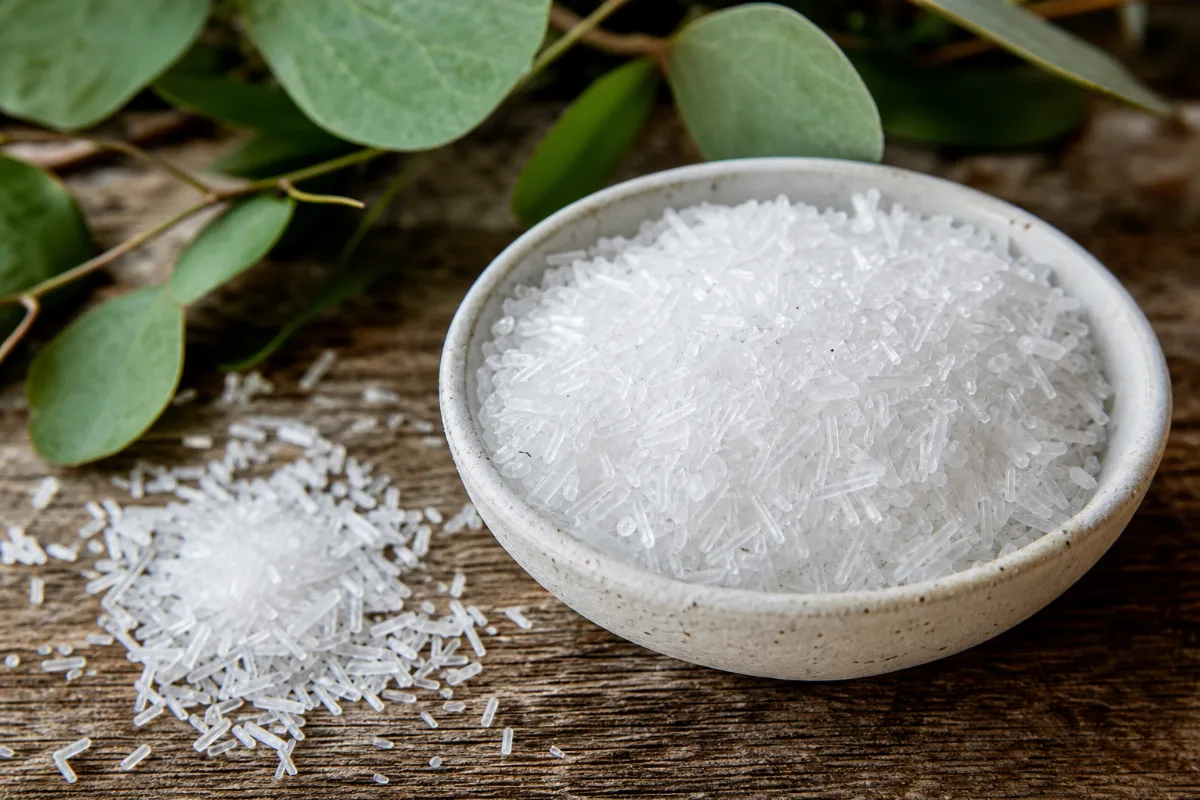
Natural mineral materials used on the body and in the home. Explore each salt, bath mineral, mineral water and household mineral: what it is, how it is used (in the bath, on skin, as a rinse or gargle, in food), what studies in people have and have not found (and what was only claimed), and what to check before you use it: swallowing, kidney disease, sodium, water safety and children. Dietary magnesium, calcium, iron and zinc as nutrients stay in Vitamins & Supplements, under Minerals.
Used: bath or soak, swallowed or eaten, medical or hospital use
Studied in people for: magnesium status, skin conditions (eczema, psoriasis)
Swallowing can be dangerousToo much magnesium (kidney disease, laxative use)
Epsom salt is magnesium sulfate. What reviews and trials say about baths and skin absorption, and why swallowing it as a laxative has caused serious magnesium overload.
Epsom salt baths and skin absorption of magnesium
Epsom salt for sore muscles, stress and sleep: claim check
Epsom salt foot baths and chemotherapy nerve symptoms (one trial)
Used: swallowed or eaten, bath or soak, household or cleaning
Studied in people for: blood pressure and sodium, skin conditions (eczema, psoriasis), iodine intake
Sodium: blood pressure, heart and kidney diseaseContaminants (metals, microplastics)Iodine and thyroid
Sea salt, Himalayan salt and Dead Sea salt checked: sodium and blood pressure, the tiny amount of trace minerals, iodine, one small Himalayan salt trial, and a Dead Sea bath study.
Sodium in specialty salts and blood pressure
Cutting sodium lowers blood pressure (general salt, not a specialty salt)
Himalayan salt versus table salt for blood pressure
Human evidence: Some human trials (small or short)
Used: household or cleaning, swallowed or eaten, medical or hospital use, in the mouth (toothpaste, rinse, gargle)
Studied in people for: gums and mouth
Swallowing can be dangerousSodium: blood pressure, heart and kidney diseaseMedicine interactionsBabies and children+2 more
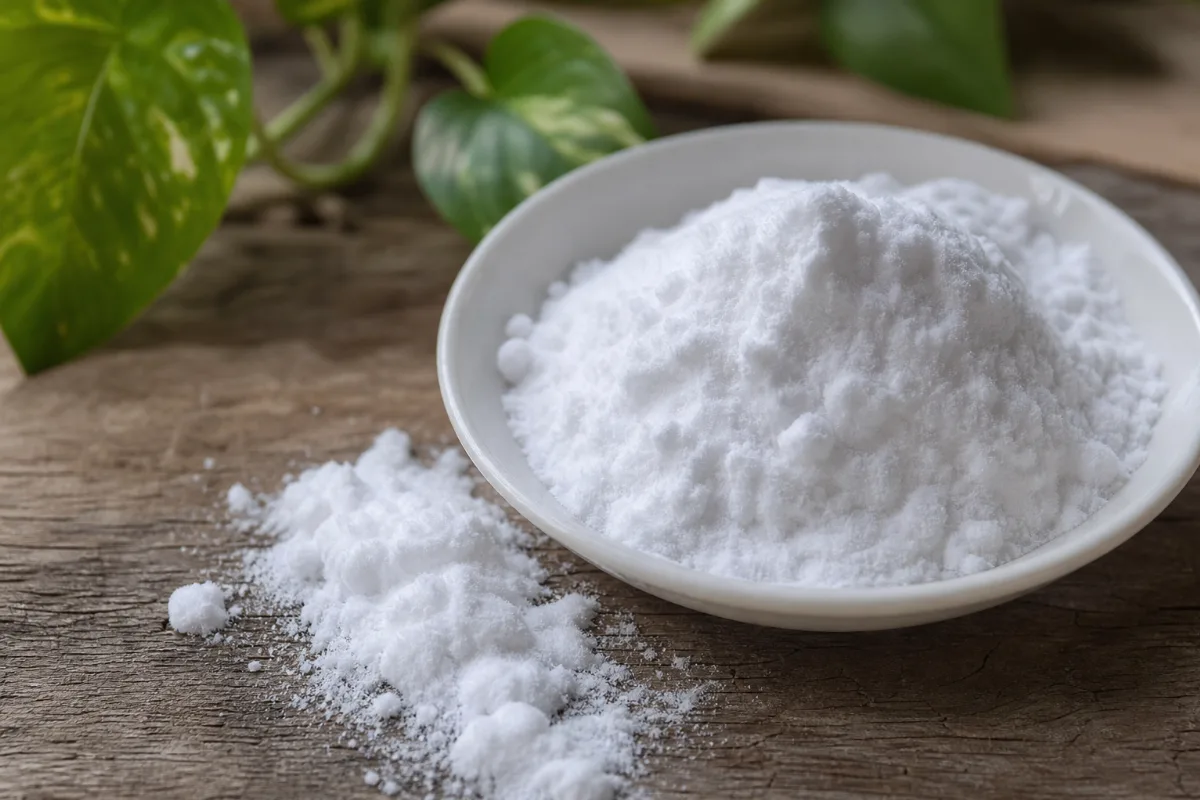
Baking soda (sodium bicarbonate) checked against sources: what it is, why swallowing it for heartburn or "alkalizing" carries real risks, and what trials found for teeth and kidney disease.
Antacid for heartburn (labelled medicine use)
'Alkalizing the body' and cancer: claim check
Sodium bicarbonate for acidosis in chronic kidney disease (clinical use)
Used: on the skin, bath or soak, swallowed or eaten
Studied in people for: magnesium status, skin conditions (eczema, psoriasis)
Too much magnesium (kidney disease, laxative use)Swallowing can be dangerous
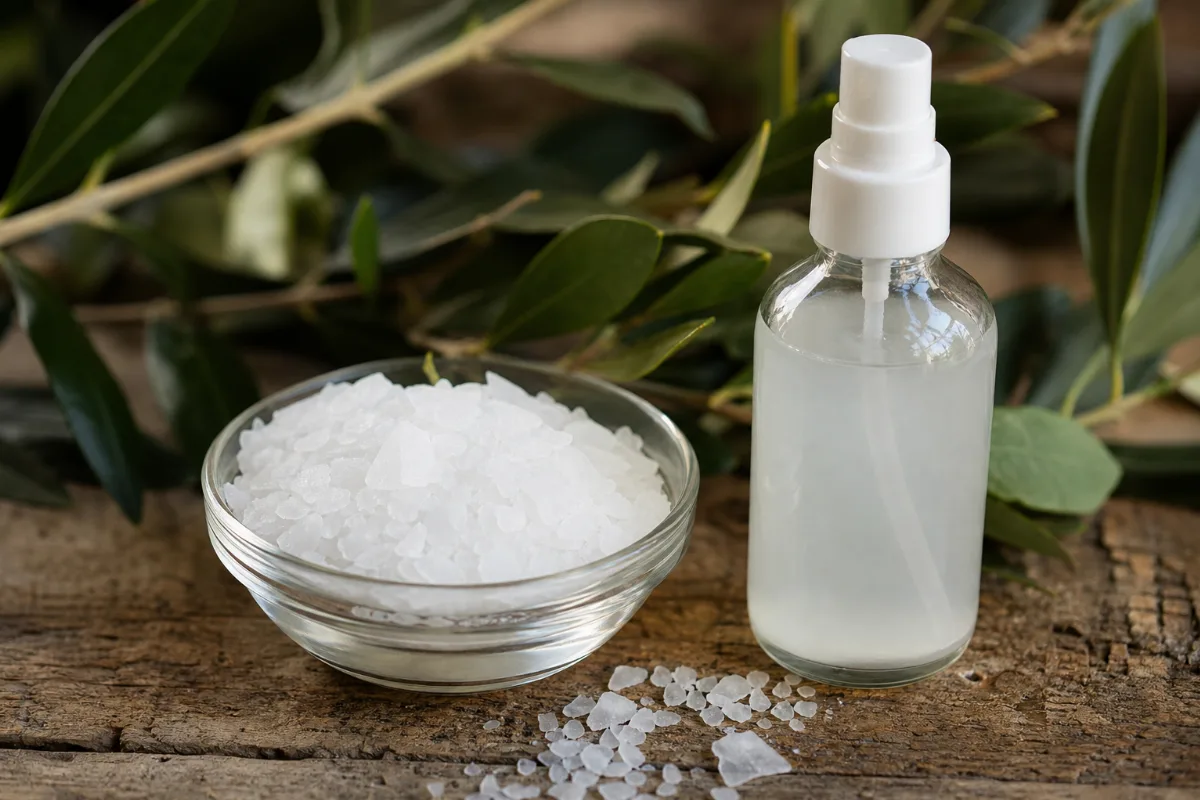
Do magnesium oil, sprays, lotions and Epsom salt baths raise magnesium through the skin? The claim, the small studies behind it, a 2017 review's verdict and safety points.
Does magnesium absorb through the skin? (review verdict)
Magnesium cream pilot trial
Magnesium chloride spray for nerve symptoms in kidney disease (open-label pilot)
Epsom salt and Dead Sea salt soaks as a magnesium source
Used: in the mouth (toothpaste, rinse, gargle), nose rinse
Studied in people for: nose and sinus rinse, sore throat (gargle)
Water safety (sterile water for nose rinses)Babies and children
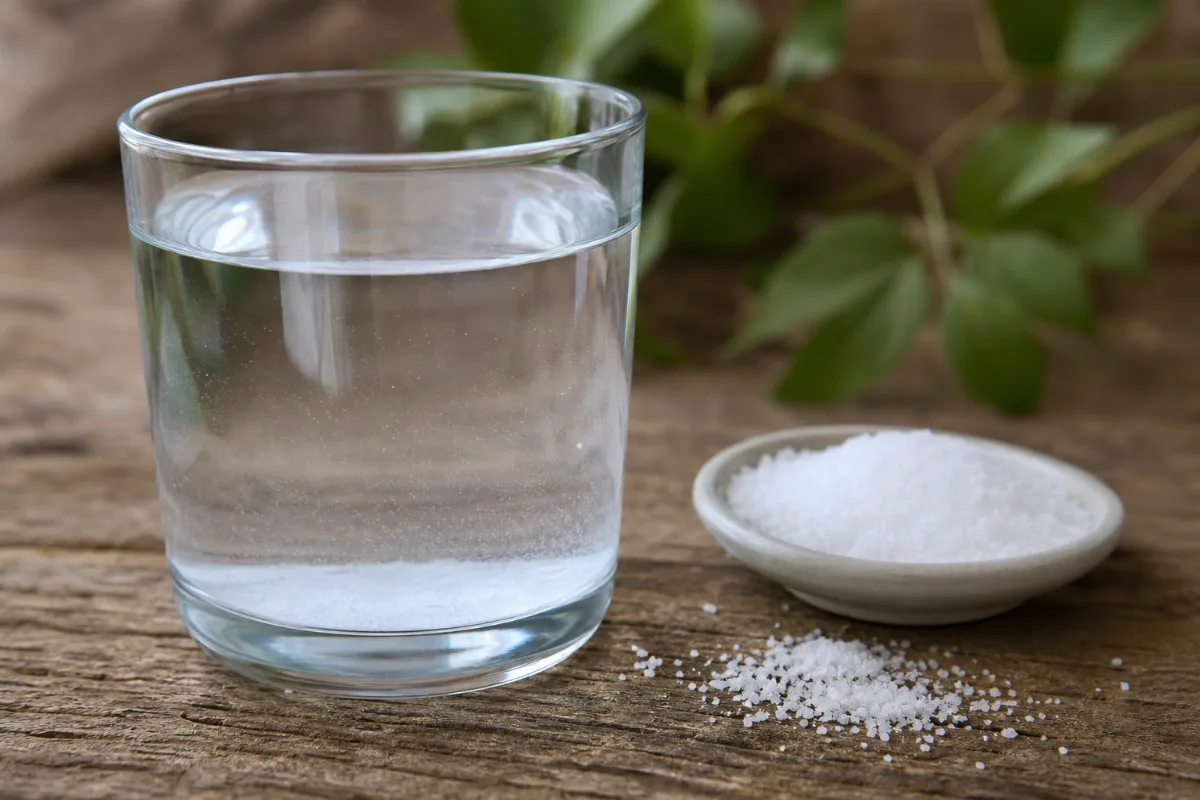
What sources say about salt water gargles and saline nasal rinses, and the water-safety rule from the FDA: distilled, sterile or boiled-and-cooled water, never straight tap water.
Saline nasal rinses for nose and sinus conditions
Isotonic versus stronger (hypertonic) saline
Salt water gargles and sore throat: mainstream advice
Gargling to prevent colds: the trial tested plain water, not salt water
What balneotherapy and spa therapy are, how European thermal programs work, and what Cochrane and other reviews found for arthritis, fibromyalgia, back pain and skin problems.
Swallowing can be dangerousSodium: blood pressure, heart and kidney diseaseBabies and childrenIodine and thyroid+1 more
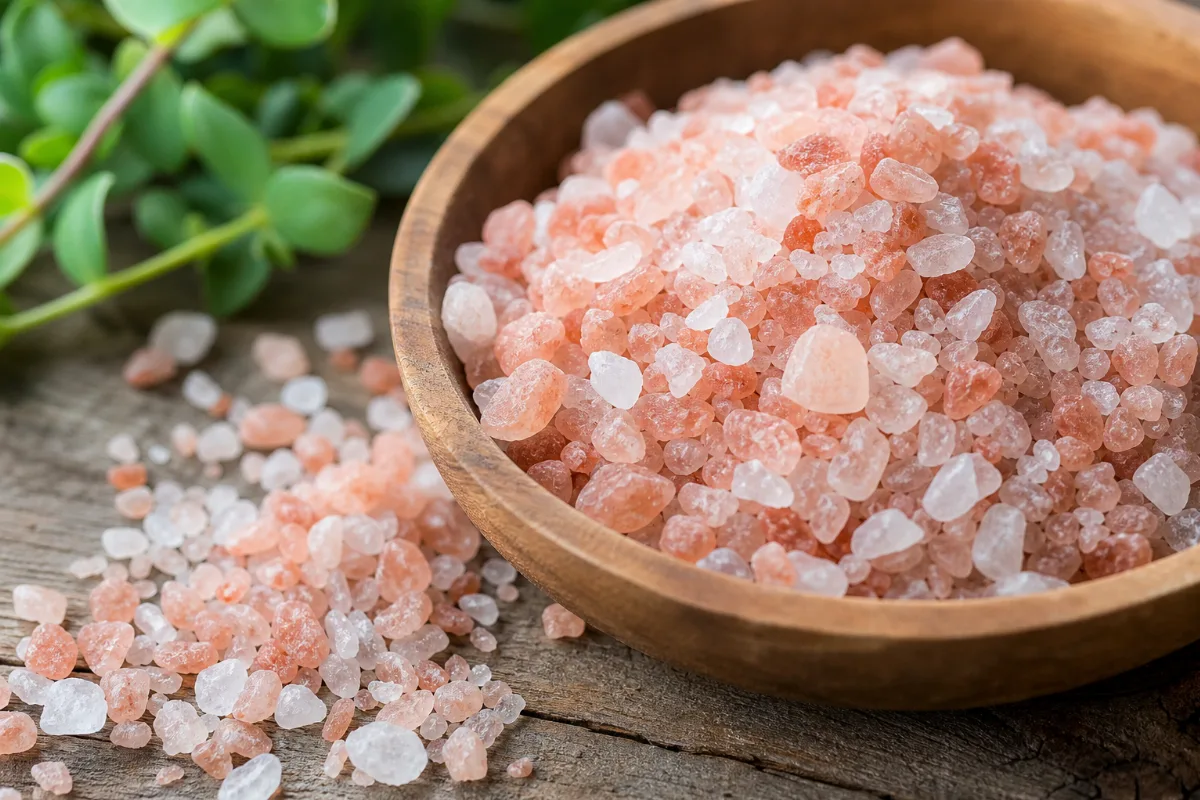
Himalayan pink salt is mostly sodium chloride; its color comes from iron oxide, its extra minerals are tiny, and one small trial found no blood pressure advantage over table salt.
Himalayan salt as a salt: sodium and blood pressure
Himalayan salt versus table salt for blood pressure (one small trial)
Studied in people for: skin conditions (eczema, psoriasis), joint and arthritis pain
Swallowing can be dangerousSodium: blood pressure, heart and kidney diseaseBabies and childrenSkin irritation or dryness
Dead Sea salt is sold for baths; one small study found soaking helped atopic dry skin, magnesium barely passes intact skin, and no source supports detox or swallowing it.
Soaking atopic dry skin in Dead Sea salt solution
Salt baths with UVB light for psoriasis
Dead Sea climatotherapy and seawater therapy (travel treatments)
Human evidence: Mostly traditional or marketing claims
Used: household or cleaning
Studied in people for: blood pressure and sodium
Swallowing can be dangerousSodium: blood pressure, heart and kidney diseaseBabies and childrenContaminants (metals, microplastics)+1 more
Celtic grey salt is sea salt, so it still carries sodium; lab tests found lead above EU limits in grey salts and some microplastics, and trace minerals add little.
Mineral content claims: 'rich in magnesium and 80+ trace minerals'
Human evidence: Mostly traditional or marketing claims
Used: household or cleaning
Studied in people for: blood pressure and sodium
Swallowing can be dangerousSodium: blood pressure, heart and kidney diseaseBabies and childrenIodine and thyroid
Kosher salt is plain coarse salt named for koshering meat; it is not lower in sodium by weight, usually has no iodine, and measuring by spoon gives different sodium.
Sodium chloride with added potassium iodate or potassium iodide, NaCl
Human evidence: Established for a specific medical use
Used: swallowed or eaten, household or cleaning
Studied in people for: iodine intake, blood pressure and sodium
Sodium: blood pressure, heart and kidney diseaseIodine and thyroidBabies and childrenSwallowing can be dangerous
Iodized table salt: the iodine added to prevent goiter, the sodium that still counts, what studies and WHO found, and the safety points for swallowing and for children.
Iodine for the thyroid: iodized salt as a public health tool
Sodium chloride with sodium sulfate, iron sulfide and other sulfur compounds, halite (rock salt)
Human evidence: Mostly traditional or marketing claims
Used: swallowed or eaten
Sodium: blood pressure, heart and kidney diseaseSwallowing can be dangerous
Black salt (kala namak): a sulfur-smelling South Asian condiment salt that is still mostly sodium chloride, what a German risk assessment and one lab study found, and what is unproven.
Cooking flavor: egg-like, sulfur taste
Traditional use: digestion, laxative, cooling (Ayurveda)
Human evidence: Established for a specific medical use
Used: household or cleaning
Studied in people for: blood pressure and sodium
Sodium: blood pressure, heart and kidney diseaseIodine and thyroidContaminants (metals, microplastics)Babies and children
Flaky finishing salt and smoked salt are still sodium chloride: what the sources say about sodium, trace minerals, microplastics, and why smoke adds no proven health benefit.
Sodium and blood pressure: flakes and smoke do not change it
Flaky salt: lower sodium per teaspoon is a spoon effect
Human evidence: Mostly traditional or marketing claims
Used: bath or soak, on the skin
Studied in people for: skin conditions (eczema, psoriasis), magnesium status
Swallowing can be dangerousToo much magnesium (kidney disease, laxative use)Skin irritation or drynessBabies and children
Magnesium chloride bath flakes checked: little proof that magnesium soaks through skin, one small bath study, and why swallowing magnesium salts can be dangerous.
Magnesium soaking through the skin: claim check
Magnesium-rich salt bath for dry, atopic skin
Magnesium cream and chloride spray: small pilot results
Sore muscles, sleep and stress from magnesium flakes
Used: bath or soak, on the skin, medical or hospital use
Studied in people for: skin conditions (eczema, psoriasis), joint and arthritis pain
Lungs and breathing in
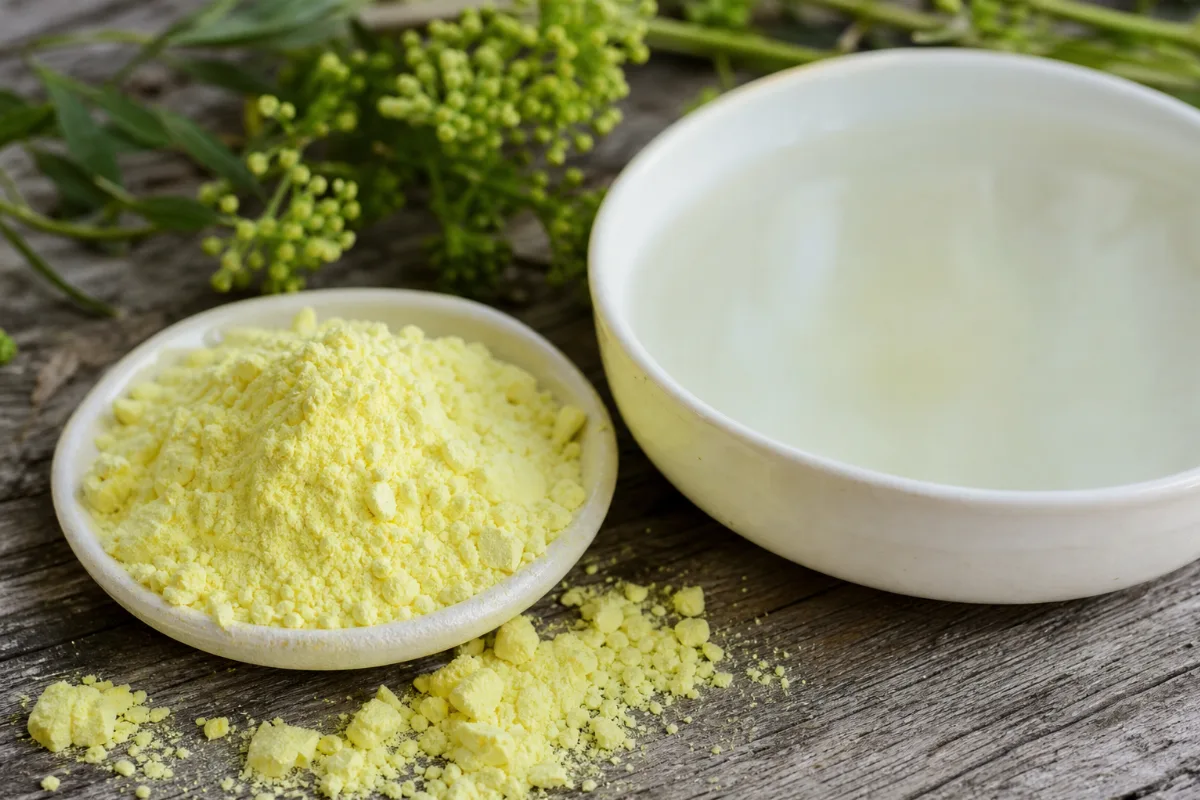
Sulfur (sulphur) baths and sulfur spa water: what trials found for arthritis and skin, why hydrogen sulfide gas is a real hazard, and why home sulfur powder is unproven.
Spa baths in sulfur or mineral water and osteoarthritis (supervised, natural spring water)
Spa baths and psoriasis or eczema (thermal mineral water, including sulfurous waters)
Sulfur in over-the-counter acne medicines (skin product, not a bath)
Human evidence: Mostly traditional or marketing claims
Used: household or cleaning, industrial, animal or pool use
Swallowing can be dangerousBabies and childrenFertility and pregnancy harm (borax)Skin irritation or dryness+2 more
Borax (sodium borate) is a laundry and cleaning mineral, not a food or supplement. What the sources say about poisoning, babies, fertility warnings and online health claims.
Borax as a health tonic or supplement: claim check
Human evidence: Mostly traditional or marketing claims
Used: on the skin, medical or hospital use, household or cleaning
Swallowing can be dangerousSkin irritation or drynessEyesBabies and children+2 more
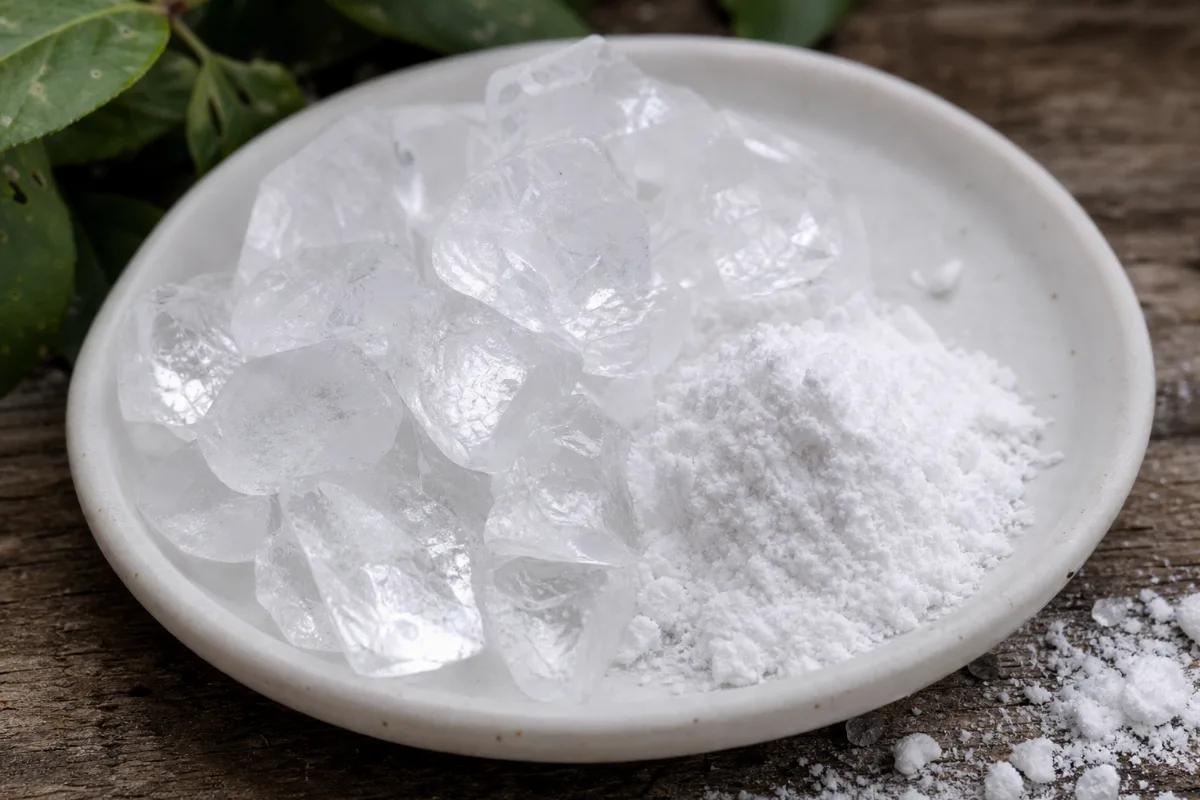
Potassium alum (alum stone, "crystal deodorant") is an aluminum salt: what lab and human sources say about deodorant and shaving-nick uses, and why swallowing it is dangerous.
Styptic pencils and shaving nicks (on the skin)
Crystal deodorant and underarm odor (claim check)
Skin absorption of aluminum from alum crystals (unknown)
Breast cancer and Alzheimer's worries about underarm aluminum
Natural mineral water, dissolved calcium, magnesium, sodium, bicarbonate and sulfate salts
Human evidence: Very few human studies
Used: swallowed or eaten
Sodium: blood pressure, heart and kidney diseaseBabies and children
Mineral water as a source of dissolved salts and minerals: what the US label rule means, how much calcium, magnesium and sodium it adds, and what small studies found.
Calcium and magnesium from bottled water
Calcium absorption from calcium-rich mineral water
Bones and blood pressure (calcium-rich waters)
Digestion and constipation (thermal water, large volume)
Lungs and breathing inContaminants (metals, microplastics)
Salt therapy (halotherapy) means breathing salty air in a salt room. Trials are small, there are no guidelines, and people with asthma or COPD should ask their doctor first.
Salt rooms and mild asthma in children (pilot trial)
Salt rooms and COPD
Natural salt caves (speleotherapy): not the same as a salt room
Human evidence: Some human trials (small or short)
Used: nose rinse
Studied in people for: nose and sinus rinse
Water safety (sterile water for nose rinses)Babies and childrenContaminants (metals, microplastics)
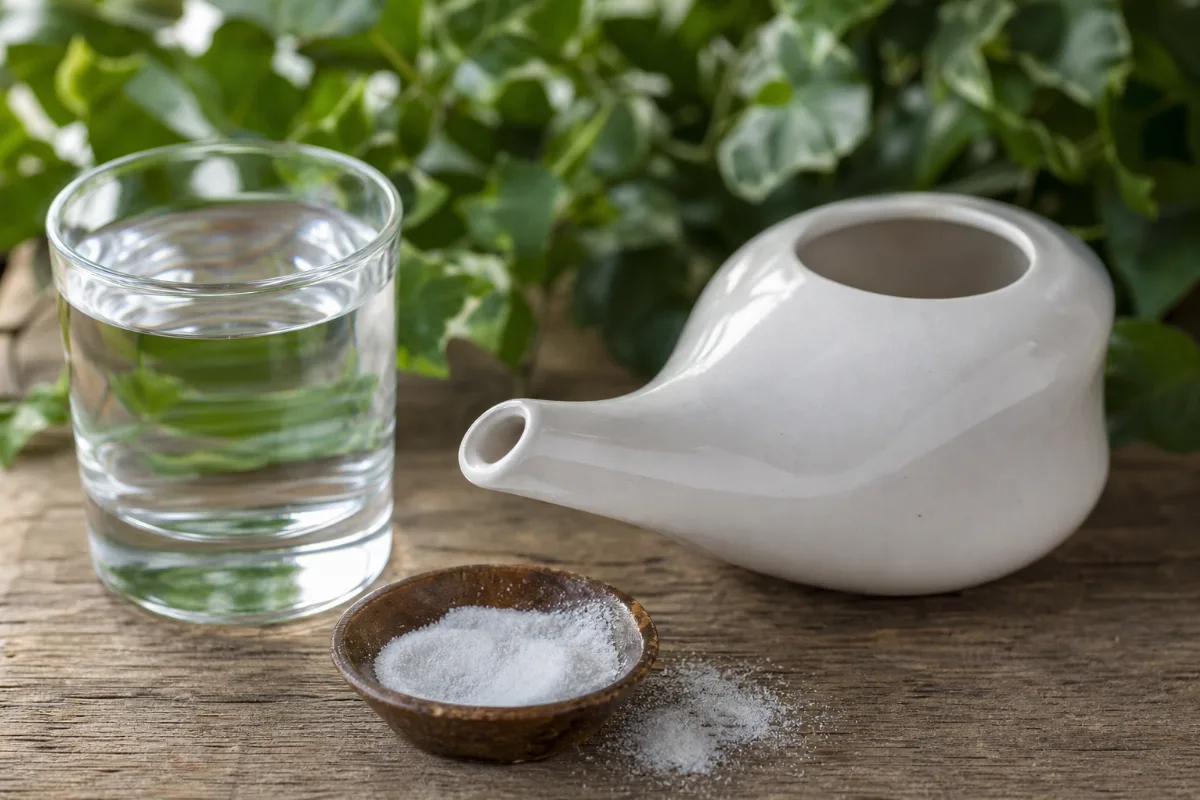
A neti pot or saline nose rinse may ease sinus symptoms, but tap water can carry a deadly amoeba. Use distilled, sterile or boiled-and-cooled water, and keep the device clean.
Salt-water rinses for long-lasting sinus symptoms
Rinses for colds and acute upper-airway infections
Sodium chloride, potassium chloride, trisodium citrate and glucose (typical packet mix; composition varies by product and was not verified in sources we read)
Human evidence: Established for a specific medical use
Used: medical or hospital use, swallowed or eaten
Studied in people for: rehydration (diarrhea)
Sodium: blood pressure, heart and kidney diseaseBabies and children
Oral rehydration salts are a medical salt-and-sugar mix for dehydration from diarrhea. What WHO and trials found, and the danger of mixing them wrongly.
Dehydration from diarrhea: oral rehydration (medical use)
Lower-strength ORS versus the older standard mix (children)
Human evidence: Some human trials (small or short)
Used: swallowed or eaten, household or cleaning
Studied in people for: blood pressure and sodium
High potassium (kidney disease, some medicines)Medicine interactions
Salt substitutes swap some sodium for potassium chloride. Trials show lower blood pressure, but kidney disease and some blood pressure medicines can make them risky.
Swapping some table salt for potassium-enriched salt: blood pressure
Stroke, heart events and death (SSaSS trial)
WHO suggests lower-sodium salt substitutes containing potassium
Human evidence: Established for a specific medical use
Used: on the skin, medical or hospital use, industrial, animal or pool use
Studied in people for: skin conditions (eczema, psoriasis), skin protection (sun, diaper rash)
Swallowing can be dangerousLungs and breathing inBabies and children
Zinc oxide on the skin and in the air: a regulated skin protectant and sunscreen ingredient, mixed diaper-rash trials, and the fume and spray inhalation risks.
Skin protectant ointments and creams (regulated over-the-counter use)
Mineral sunscreen filter
Diaper rash and barrier creams
Incontinence-related skin irritation in older adults
No salt or mineral matches all of these filters. Try removing one. Some topics (for example most herbs) are not salts and minerals and live elsewhere on the site.
"Studied for" means a study in people exists, not that the material works: many studies are small, short or tested a specific medical product, not the wellness product on a shelf. "Evidence in people" describes the overall picture, and "Mostly traditional or marketing claims" means we found no human trials for the popular claims. "Check before you use" lists cautions a source we read raised. It is not a complete list, so ask a pharmacist or clinician if you take medicines, are pregnant, or have a health condition.
A link between a salt or mineral and a topic means the body needs the salt or mineral for that job, or that low intake is linked to it. It does not mean extra supplements help if your intake is already adequate. See each page’s evidence label.
Browse by salt or mineral group
Cooking and table salts
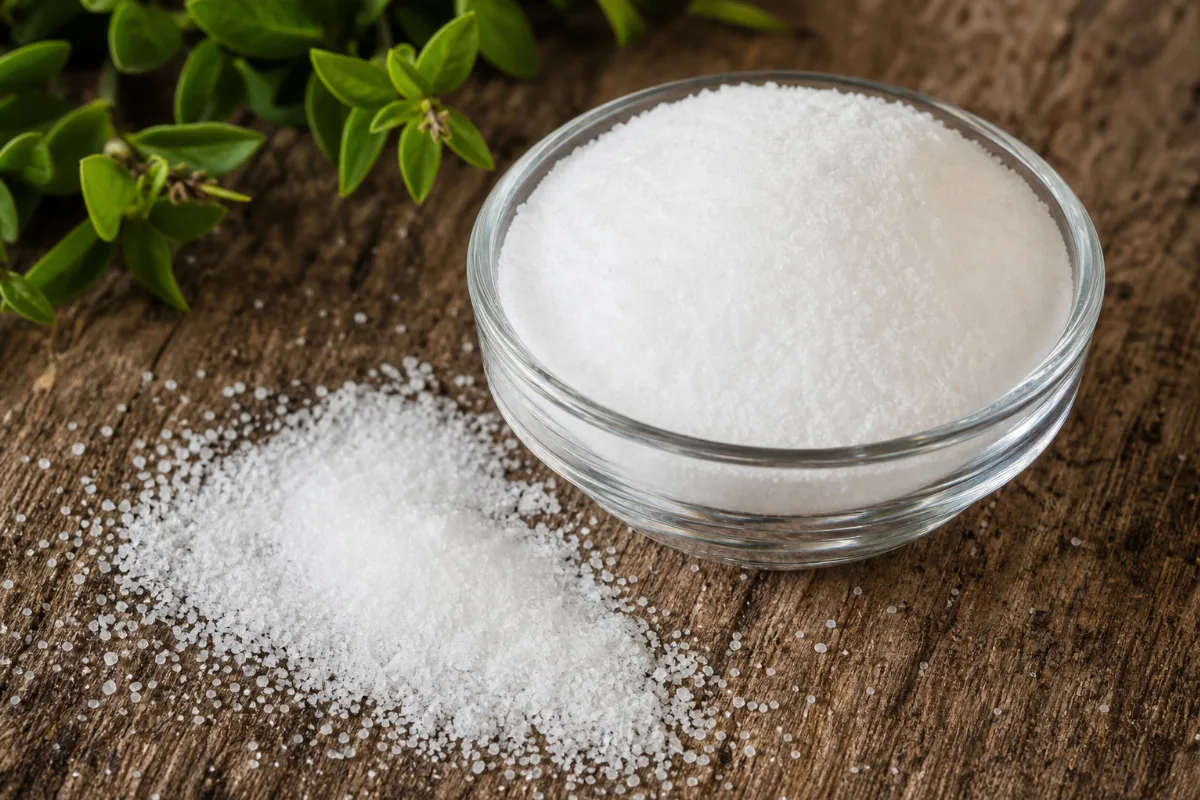
Sea, Himalayan, Celtic, kosher, iodized, black and flaked salts: what actually differs, and what sodium guidance says.
What research shows about Epsom salt baths for sore muscles and sleep: little evidence that magnesium soaks through skin, some evidence for warm water itself, and where oral magnesium studi…
Epsom salt baths versus magnesium supplements: what the sources say about absorption through skin, the swallowing risks of Epsom salt, and who should ask a clinician first.
Epsom salt (magnesium sulfate) taken by mouth as a laxative: how drug labels word the warnings, documented cases of dangerous magnesium levels, and who should ask a pharmacist or doctor fir…
What sources say about salt water gargles and saline nasal rinses, and the water-safety rule from the FDA: distilled, sterile or boiled-and-cooled water, never straight tap water.
Alkaline water and "pH diet" claims checked against reviews and trials: what the body does with acid, what research found on bone, cancer and hydration, and cautions for kidney disease.
Epsom salt baths, magnesium oil and magnesium for cramps are popular for sore muscles and joints. See what trials found, where evidence is missing, and the swallowing risks.
Himalayan pink salt is mostly sodium chloride; its color comes from iron oxide, its extra minerals are tiny, and one small trial found no blood pressure advantage over t…
Celtic grey salt is sea salt, so it still carries sodium; lab tests found lead above EU limits in grey salts and some microplastics, and trace minerals add little.
Kosher salt is plain coarse salt named for koshering meat; it is not lower in sodium by weight, usually has no iodine, and measuring by spoon gives different sodium.
Iodized table salt: the iodine added to prevent goiter, the sodium that still counts, what studies and WHO found, and the safety points for swallowing and for children.
Black salt (kala namak): a sulfur-smelling South Asian condiment salt that is still mostly sodium chloride, what a German risk assessment and one lab study found, and wh…
Flaky finishing salt and smoked salt are still sodium chloride: what the sources say about sodium, trace minerals, microplastics, and why smoke adds no proven health ben…
Dead Sea salt is sold for baths; one small study found soaking helped atopic dry skin, magnesium barely passes intact skin, and no source supports detox or swallowing it.
Magnesium chloride bath flakes checked: little proof that magnesium soaks through skin, one small bath study, and why swallowing magnesium salts can be dangerous.
Sulfur (sulphur) baths and sulfur spa water: what trials found for arthritis and skin, why hydrogen sulfide gas is a real hazard, and why home sulfur powder is unproven.
Borax & Alum(2)Two household minerals that are not for swallowing.
Borax (sodium borate) is a laundry and cleaning mineral, not a food or supplement. What the sources say about poisoning, babies, fertility warnings and online health cla…
Potassium alum (alum stone, "crystal deodorant") is an aluminum salt: what lab and human sources say about deodorant and shaving-nick uses, and why swallowing it is dang…
Waters, Springs & Salt Rooms(2)Mineral water and salt therapy (halotherapy).
Mineral water as a source of dissolved salts and minerals: what the US label rule means, how much calcium, magnesium and sodium it adds, and what small studies found.
Salt therapy (halotherapy) means breathing salty air in a salt room. Trials are small, there are no guidelines, and people with asthma or COPD should ask their doctor fi…
Rinses & Rehydration(2)Neti pots and nasal rinses, and oral rehydration salts.
A neti pot or saline nose rinse may ease sinus symptoms, but tap water can carry a deadly amoeba. Use distilled, sterile or boiled-and-cooled water, and keep the device …
Oral rehydration salts are a medical salt-and-sugar mix for dehydration from diarrhea. What WHO and trials found, and the danger of mixing them wrongly.
Other Mineral Materials(2)Salt substitutes (potassium chloride) and zinc oxide.
Salt substitutes swap some sodium for potassium chloride. Trials show lower blood pressure, but kidney disease and some blood pressure medicines can make them risky.
Zinc oxide on the skin and in the air: a regulated skin protectant and sunscreen ingredient, mixed diaper-rash trials, and the fume and spray inhalation risks.
Safety Guides & Claim Checks(3)Salt lamps, salt types compared, and safe bath-salt soaking.
Do Himalayan salt lamps release healthy negative ions or clean the air? What the sources found, what air-ion research really tested, and real risks: fire, shock and pets.
Sea, Himalayan, Celtic, kosher and iodized salt side by side: all mostly sodium chloride, with iodine the main documented difference and trace minerals too small to matt…
Bath salts and soaks: weak evidence for "absorbing minerals", plus hot-water, skin-reaction and swallowing risks, and who should check with a clinician first.
Does magnesium soak into the body from an Epsom salt bath?
A narrative review titled "Myth or Reality: Transdermal Magnesium?" found little evidence that it does; warm water itself may help sore muscles. [1]
Is it safe to swallow Epsom salt?
Swallowing Epsom salt (magnesium sulfate) as a laxative has caused dangerously high magnesium levels, including a case that needed dialysis. Ask a pharmacist or doctor first. [2]
Is Himalayan salt healthier than regular salt?
Sea and Himalayan salts contain only tiny amounts of trace minerals and still supply sodium, so general sodium advice applies. One small trial compared Himalayan and common salt in people with high blood pressure. [3]
Content last updated . This section has not been medically reviewed.
Education, not medical advice. This section is for general information. It does not diagnose or treat any condition and is not a substitute for care from a qualified health professional. Natural does not automatically mean safe.