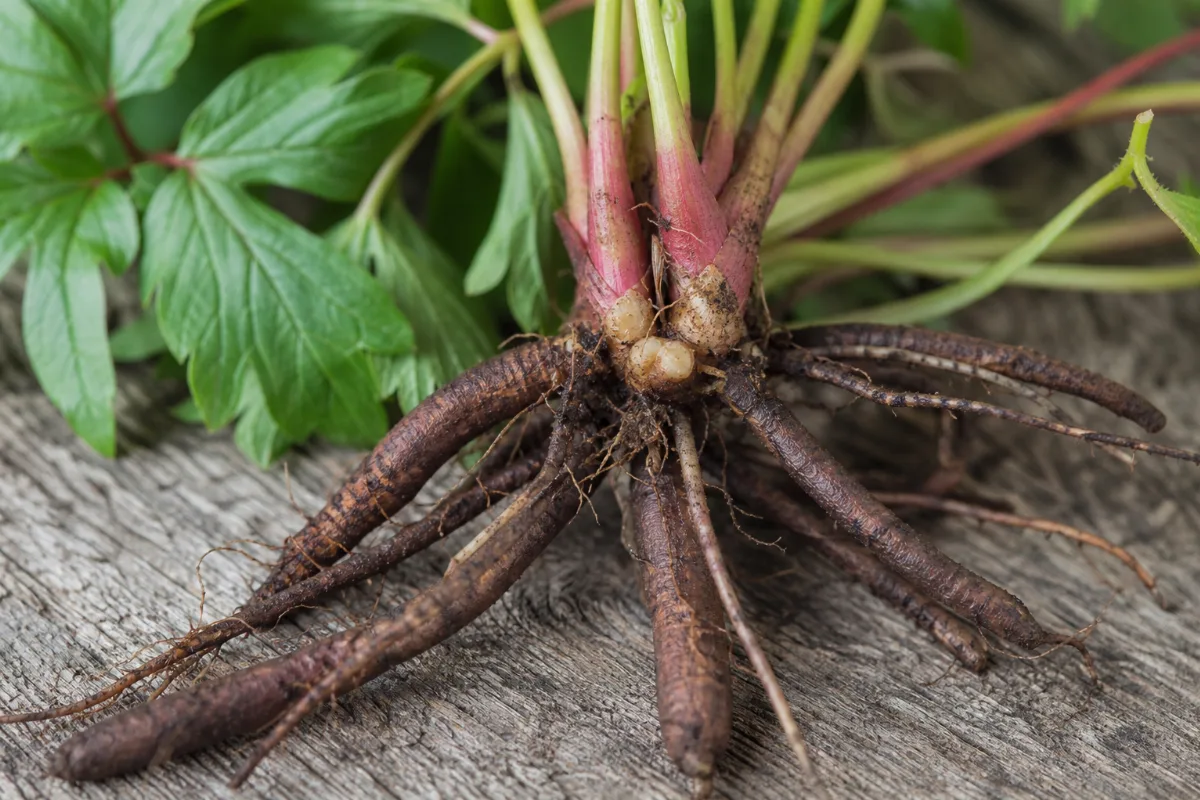
Herbs & Botanicals · Astringent root, little research
Cranesbill
Geranium maculatum · also called Wild geranium, spotted geranium, spotted cranesbill, alumroot
Cranesbill is a woodland plant of eastern North America. Its tannin-rich root has long been used as a home remedy for loose stools, mouth sores and small bleeds. We found no study in people, so its benefits are unproven. Never use it for a child's diarrhoea, and do not confuse it with Pelargonium or 'geranium' oil.
General information, not medical advice. Last substantive update · Not medically reviewed. A named clinician has not signed off on this page. How this page is made
About Cranesbill
Cranesbill (Geranium maculatum) is a woodland plant whose root is rich in tannins. It has long been a folk remedy for loose stools, mouth sores and small bleeds, but we found no clinical study of it. The main cautions are children's diarrhoea, pregnancy, iron absorption and mix-ups with other 'geranium' products.
What it is
Cranesbill is a perennial of eastern North America with palm-shaped leaves and light purple flowers. The part used is the thick, knobby root (rhizome). The name comes from the long, beak-like seed capsule.
The root has a strongly astringent, drying taste because it is full of tannins. An old analysis found about 10 to 28 per cent tannin in the dry root, rising to a peak in spring.
Not to be confused with
Pelargonium sidoides is a different plant whose root extract has real trials for coughs and colds. It has its own page, and its evidence does not apply to cranesbill.
Garden 'geraniums' are Pelargonium, and 'geranium essential oil' comes from them. Herb Robert (Geranium robertianum) is another species. Always check the full Latin name and the plant part.
Traditional uses
Old American medical texts used the root as a strong astringent: for long-lasting diarrhoea and dysentery, bleeding, mouth ulcers, throat gargles and piles. A consumer reference still lists skin wounds, diarrhoea and digestive complaints, and says there is no good scientific evidence for them.
These are traditional uses and are not proof of benefit.
What the research shows
Almost nothing. About 15 PubMed records mention Geranium maculatum; most are about plant biology or about garden-geranium oil used against insects. We found no trial in people. The one lab test we found, from 1994, saw no effect on cholera bacteria. A tannin-rich plant with a similar folk use is not proof for this one.
We did not use the evidence on Pelargonium sidoides, because it is a different plant.
At a glance
Traditional uses history, not proof
- Root infusion, powder or gargle for loose stools and dysentery in old American medicine.
- Mouth and throat rinse for ulcers and sore throat.
- Powder or wash on small bleeds, wounds and piles.
Studied for research
- Diarrhoea: no trial in people (insufficient).
- Cholera bacteria in a dish: no effect in one lab test.
- Mouth, bleeding and piles: no studies.
Main compounds
- Tannins, about 10 to 28 per cent of dry root depending on harvest month (historical figures).
- Gallic acid, formed as the tannin breaks down on drying.
- Ellagic acid is often named for tannin-rich plants but was not confirmed for this root.
Common forms
- Dried root (rhizome) powder.
- Infusion or decoction.
- Tincture or fluid extract; gargle or wash.
Research links: Consumer monograph: spotted geranium (Natural Medicines, via vital.ly) · Guidelines for acute diarrhoea in children, 2016 (PubMed) · 2021 trial of tea and iron absorption (PubMed) · Research Library · Genes & Biomarkers Library
The plant and its history
- Accepted scientific name
- Geranium maculatum L.
- Naming authority
- L.
- Common names
- Cranesbill (English); American cranesbill (English); Wild cranesbill (English); Wild geranium (English); Spotted geranium (English); Spotted cranesbill (English); Wood geranium (English); Alumroot (English)
- Botanical family
- Geraniaceae (the geranium or cranesbill family).
- Classification
- Plantae > Tracheophyta > Magnoliopsida > Geraniales > Geraniaceae > Geranium > Geranium maculatum
- Native range
- Eastern Canada and the northern, central and eastern United States (consumer reference). The 1898 text says it grows in low ground and open woods and flowers April to June.
- Habitat
- Low grounds and open woods (1898 text); not verified in a modern source.
- What the plant looks like
- Roots: A thick, knobby, horizontal rhizome with many small fibres; dark brown outside, reddish-brown inside; very astringent taste (1898 text).; Stems: Erect, grey-green, hairy, one to two feet tall.; Leaves: Hairy, palm-shaped, deeply cleft into 3 to 7 lobes.; Flowers: Large, usually light purple (pink-lilac), five petals, often in pairs.; Fruit: Five one-seeded capsules (the beak that gives 'cranesbill' its name).
- Cultivation
- Not verified from a source read.
- Harvest and processing
- The dried rhizome is the official part in the old US Pharmacopoeia. Spring-harvested root was reported richest in tannin (historical).
- Look-alikes and adulterants
- Name: Geranium robertianum (herb Robert); Note: A different species with a strong smell; a separate herb with its own, different uses and one report of contact allergy. Not interchangeable.; Name: Pelargonium sidoides; Note: A different genus whose root extract has real trials for cough and colds; see its own page. Its evidence cannot be borrowed for cranesbill.; Name: Pelargonium graveolens and other pelargoniums ('geranium' essential oil); Note: Garden 'geraniums' are really Pelargonium. Their essential oil is not cranesbill.
- Sustainability and conservation
- Not assessed here.
Traditional use and history history, not clinical proof
| Tradition or era | Documented use | Source |
|---|---|---|
| 19th-century American medicine | The dried rhizome was official in the US Pharmacopoeia and used as a strong astringent for chronic diarrhoea, dysentery, bleeding, mouth ulcers and discharges. | s-kings-1898-geranium |
| Current folk use | The whole plant and root are still used for skin wounds, diarrhoea and other digestive complaints, without good evidence. | s-natmed-spotted-geranium |
Traditional use shows how a plant was used. It does not show that a supplement works or is safe today.
What is inside, and how it may work
What the plant contains and how those compounds act in cells and animals. Laboratory and animal mechanisms are not proven effects in people.
Main compounds
| Compound | Family | Where it is concentrated | Activity studied | Level of evidence |
|---|---|---|---|---|
| Tannins (a gallotannin-type glucoside) | polyphenol | Rhizome About 10 to 28% of dry root by harvest month in a historical analysis; other old analyses 4 to 26%. | Astringent (binds proteins). Not tested for effects in people. 3 | Historical chemistry |
| Gallic acid PubChem 370 | phenolic acid | Dried rhizome Said to be absent in fresh root and formed as the tannin breaks down on drying (1898 text). | Breakdown product of gallotannin. 3 10 | Historical chemistry |
| Ellagic acid / ellagitannins PubChem 5281855 | polyphenol | Not confirmed Not confirmed for this species in a source we read (NOT verified). | In other foods, ellagitannins give ellagic acid and gut-bacteria products called urolithins. This is general chemistry, not shown for cranesbill. 10 6 | General review, not this plant |
Mechanisms, receptors and pathways
| Target or pathway | Gene or receptor | What was found | Level |
|---|---|---|---|
| Protein binding (astringency) | Not applicable | Tannins bind proteins and tighten tissue. This is the standard explanation for astringent herbs; it was not tested for cranesbill. 13 3 | Theory |
| Cholera bacteria in a dish | Not applicable | No effect of a Geranium maculatum decoction or infusion in a 1994 lab test. 7 | In vitro |
| Other actions listed by the consumer reference (antibacterial, antioxidant, antiviral and others) | Not specified | Listed only as actions; no results are given in the page text we read. We do not rely on them. 13 | Listed only |
Absorption, metabolism and elimination
- Absorption
- Not studied for cranesbill. For ellagitannins in general, little is absorbed intact; gut bacteria make urolithins (review, not this plant).
- Distribution
- Not found.
- Metabolism
- Not studied for cranesbill.
- Elimination
- Not found.
- Bioavailability
- Not measured.
Isolated compounds versus whole extracts
No isolated compound from cranesbill has been tested in people. Only the whole root has a (historical) use record.
Nutritional composition
Cranesbill is not a food or a nutrient source. Tannin-rich plants can reduce iron absorption (shown for tea, not cranesbill).
7 not enough evidence
What is Cranesbill good for?
Cranesbill has no proven health use. The rows below are the traditional uses people ask about, each rated for how strong the evidence is. None is a recommendation.
Benefits, one by one
Each card is a research question, not a promise. Tap a goal to filter. Open a card to see the studies, doses and limits.
Diarrhoea and dysentery (astringent use)
Not enough evidenceCranesbill root has long been used for loose stools because it is rich in tannins, which tighten and dry tissue. We found no trial in people. A consumer reference says there is no good scientific evidence for this use.
4 studiesNot given here and not advised. Historical forms were infusion, powde…
Studies, doses and limits
What the trials found
No clinical study of Geranium maculatum for diarrhoea in people was found among the PubMed records we looked through (about 15 hits for the plant name, mostly plant biology and insect studies). A 1889 case series exists but only its title is on PubMed.
Results
No human results to report.
Effect sizes as reported
None: no trial.
Why this rating
No controlled human study. The reference sources we read rate it as unproven.
Form and dose studied
Not given here and not advised. Historical forms were infusion, powder and fluid extract.
Who was studied
None studied. Historical texts mention infants; do not use that as a guide.
Limits
Traditional use and a historical text are not evidence of benefit. Tannin content varies a lot by harvest month, so any product strength is unpredictable.
Why researchers looked
The root is very high in tannins, and tannin-rich plants are an old folk remedy for diarrhoea.
Traditional use
Older American medical texts used an infusion or powder of the root, often with milk, for long-lasting diarrhoea and dysentery, and even for "cholera infantum" in babies. Those texts are history, not advice.
Proposed mechanism Theory
Tannins bind to proteins and are astringent in the test tube. Whether that helps real diarrhoea was not tested for this plant.
A proposed mechanism does not show that the effect happens in people.
Diarrhoea in babies and young children can become dangerous quickly through dehydration. See the Safety tab: children need medical advice and rehydration, not herbs.
Cholera and infectious diarrhoea (lab test only)
Not enough evidenceIn one old lab test, a cranesbill preparation did not stop cholera bacteria from growing. No study has tested it in people with infectious diarrhoea.
2 studiesNot applicable.
Studies, doses and limits
What the trials found
One 1994 test-tube study tested Geranium maculatum among 14 plants. It found no effect on the cholera bacterium; pomegranate peel worked best in that test.
Results
Geranium maculatum had no in-vitro effect against Vibrio cholerae O1.
Effect sizes as reported
No effect to quantify.
Why this rating
Test tube only, one study, and the result is null for this plant.
Form and dose studied
Not applicable.
Who was studied
Laboratory culture, no people.
Limits
A negative lab result does not show harm or benefit in a person. It does mean there is no lab support for an anti-cholera use.
Why researchers looked
Plants used for diarrhoea in Peru were tested against the cholera bacterium when cholera returned in the 1990s.
Traditional use
Cranesbill was one of many plants used in folk treatment of diarrhoea.
Proposed mechanism In vitro
Test tube only: decoction or infusion added to Vibrio cholerae O1 cultures.
A proposed mechanism does not show that the effect happens in people.
Cholera is a medical emergency. Never treat watery, rice-water or bloody diarrhoea at home with herbs.
Mouth sores, sore gums and sore throat (rinse or gargle)
Not enough evidenceCranesbill root tea was traditionally used as a mouth rinse or gargle for mouth ulcers, gum problems and a relaxed throat. No studies in people were found.
2 studiesNot given here and not advised. Traditional forms were a decoction us…
Studies, doses and limits
What the trials found
No clinical study of cranesbill for canker sores, gum disease or sore throat was found.
Results
No human results to report.
Effect sizes as reported
None: no trial.
Why this rating
No human studies; rests on tradition and a consumer reference.
Form and dose studied
Not given here and not advised. Traditional forms were a decoction used as a gargle.
Who was studied
None studied.
Limits
Mouth sores that last more than two weeks, and white or red patches that do not clear, need a dentist or doctor. Tannin-rich rinses can stain and dry the mouth.
Why researchers looked
Astringent plants are used on the lining of the mouth because they tighten tissue and may reduce weeping or soreness.
Traditional use
A 19th-century American text describes a root decoction as a gargle for a relaxed uvula, mouth ulcers (aphthous sores) and throat catarrh. A consumer reference lists canker sores and gum disease as uses without good evidence.
Proposed mechanism Theory
Tannins form a thin protein layer on the lining (astringent action). This was not tested for cranesbill.
A proposed mechanism does not show that the effect happens in people.
Do not swallow large amounts of gargle. Tannins can upset the stomach (see Safety tab).
Minor bleeding and skin wounds (powder or wash)
Not enough evidenceDried root powder or a strong tea was traditionally put on small cuts, bleeding gums and nosebleeds to help them stop. No studies in people were found.
2 studiesNot given here and not advised. Traditional forms were powder and was…
Studies, doses and limits
What the trials found
No clinical or animal study of cranesbill on bleeding or wound healing was found in our checks.
Results
No results to report.
Effect sizes as reported
None: no study.
Why this rating
No studies at all.
Form and dose studied
Not given here and not advised. Traditional forms were powder and wash.
Who was studied
None studied.
Limits
Bleeding that does not stop after 10 minutes of firm pressure, deep or dirty wounds and bites need medical care. Putting plant powder in an open wound can introduce germs.
Why researchers looked
Tannins tighten tissue and may make small bleeding points shrink, which is why astringent plants are used on bleeds.
Traditional use
A 19th-century text recommends the powder on nosebleeds, small wounds and after tooth removal. A consumer reference lists skin wounds and bleeding sores as uses with no good evidence.
Proposed mechanism Theory
Astringency (protein binding) in theory. Not tested for cranesbill.
A proposed mechanism does not show that the effect happens in people.
Not enough information to say whether skin use is safe (consumer reference).
Haemorrhoids (bleeding piles)
Not enough evidenceCranesbill was an old home remedy for piles, as a strong root decoction or ointment. There is no modern study.
3 studiesNot given here and not advised.
Studies, doses and limits
What the trials found
No clinical study was found.
Results
No results to report.
Effect sizes as reported
None.
Why this rating
No studies.
Form and dose studied
Not given here and not advised.
Who was studied
None studied.
Limits
Rectal bleeding can come from conditions other than piles, including bowel disease and cancer. It needs a doctor.
Why researchers looked
Astringent plants are used on piles to dry and shrink swollen tissue.
Traditional use
A 19th-century text describes a strong decoction injected into the rectum or the powder in an ointment. A consumer reference lists haemorrhoids as an unproven use.
Proposed mechanism Theory
Astringency in theory; not tested.
A proposed mechanism does not show that the effect happens in people.
Injecting a plant decoction into the rectum is not safe advice. Tannic acid enemas were studied for liver effects in the 1960s (see Safety tab).
Other traditional uses (vaginal discharge, thrush, heavy periods, kidney and bladder problems, diabetes)
Not enough evidenceOld texts and a consumer reference list many more uses for cranesbill. None has been tested in people, and several are for serious conditions where self-treating can do harm.
2 studiesNot given here and not advised.
Studies, doses and limits
What the trials found
No clinical study was found for any of them.
Results
No results to report.
Effect sizes as reported
None.
Why this rating
No studies.
Form and dose studied
Not given here and not advised.
Who was studied
None studied.
Limits
Old claims about diabetes or kidney disease are not supported by any modern evidence and should not guide treatment.
Why researchers looked
Folk medicine used astringent roots for any "excess discharge".
Traditional use
A 19th-century text lists discharges, heavy periods, bladder complaints and diabetes. A consumer reference lists vaginal discharge and fungal infection (thrush) as uses without good evidence.
Proposed mechanism Theory
No studied mechanism for these uses.
A proposed mechanism does not show that the effect happens in people.
Do not replace medical treatment for diabetes, kidney disease or infections with cranesbill.
Tannin-rich root (chemistry, not a health benefit)
Not enough evidenceCranesbill root is very rich in tannins, but how much varies a lot with the harvest month. This explains the astringent taste and why products will differ. It is not proof of any benefit.
3 studiesNot applicable.
Studies, doses and limits
What the trials found
No modern chemical analysis of the root was read. The figures come from a 19th-century textbook quoting older papers.
Results
Tannin about 10 to 28 per cent of dry root depending on season (historical figures).
Effect sizes as reported
Historical figures only.
Why this rating
Old methods, quoted second-hand.
Form and dose studied
Not applicable.
Who was studied
Not applicable.
Limits
Not a health outcome. The compounds named in some sources (gallic acid, ellagic acid) were not confirmed for this root in a modern source we read.
Why researchers looked
Tannin content is the basis for the traditional uses.
Traditional use
A two-year study from the 1890s found root tannin of about 12% in January, about 28% just before spring flowering and about 10% in October (dry weight), as reported in a historical text.
Proposed mechanism Lab/theory
Tannins are polyphenols that bind proteins and metals. Ellagitannins in other foods are broken into ellagic acid and then, by gut bacteria, into urolithins; this was not shown for cranesbill.
A proposed mechanism does not show that the effect happens in people.
High tannin content is also the reason for the stomach and iron-absorption cautions on the Safety tab.
Connections to the rest of health
How Cranesbill connects to the rest of our health knowledge graph. Every link says what kind of connection it is. A safety link (for example to the liver) is a warning, not a benefit. A study that merely mentions a topic never creates a benefit link.
Explore every connection: goals, body systems, organs, symptoms, genes
A. Wellness goals
| Connected to | Kind of connection | Evidence status | Context | Studies |
|---|---|---|---|---|
| Digestive Support | Traditional use | Not enough evidence | Diarrhoea and dysentery (astringent use): Cranesbill root has long been used for loose stools because it is rich in tannins, which tighten and dry tissue. We found no trial in people. A consumer reference says there is no good scientific evidence for this use. Haemorrhoids (bleeding piles): Cranesbill was an old home remedy for piles, as a strong root decoction or ointment. There is no modern study. | 13 3 11 9 12 |
| Gut Health | Traditional use | Not enough evidence | Diarrhoea and dysentery (astringent use): Cranesbill root has long been used for loose stools because it is rich in tannins, which tighten and dry tissue. We found no trial in people. A consumer reference says there is no good scientific evidence for this use. | 13 3 11 9 |
| Digestive Support | Not enough evidence | Cholera and infectious diarrhoea (lab test only): In one old lab test, a cranesbill preparation did not stop cholera bacteria from growing. No study has tested it in people with infectious diarrhoea. | 7 13 | |
| Immune Support | Not enough evidence | Cholera and infectious diarrhoea (lab test only): In one old lab test, a cranesbill preparation did not stop cholera bacteria from growing. No study has tested it in people with infectious diarrhoea. | 7 13 | |
| Immune Support | Traditional use | Not enough evidence | Mouth sores, sore gums and sore throat (rinse or gargle): Cranesbill root tea was traditionally used as a mouth rinse or gargle for mouth ulcers, gum problems and a relaxed throat. No studies in people were found. | 13 3 |
| Healthy Skin | Traditional use | Not enough evidence | Minor bleeding and skin wounds (powder or wash): Dried root powder or a strong tea was traditionally put on small cuts, bleeding gums and nosebleeds to help them stop. No studies in people were found. | 13 3 |
B. Body systems
| Connected to | Kind of connection | Evidence status | Context | Studies |
|---|---|---|---|---|
| Digestive system | Traditional use | Not enough evidence | Used for loose stools in tradition; no human trial found. Preparation or compound: Root tannins |
13 3 |
| Digestive System | Biological association | Not enough evidence | Studied for: Diarrhoea and dysentery (astringent use) Studied for: Cholera and infectious diarrhoea (lab test only) | 13 3 11 9 7 12 6 10 |
| Integumentary System | Biological association | Not enough evidence | Studied for: Minor bleeding and skin wounds (powder or wash) | 13 3 |
| Urinary System | Biological association | Not enough evidence | Studied for: Other traditional uses (vaginal discharge, thrush, heavy periods, kidney and bladder problems, diabetes) | 13 3 |
D. Symptoms
I. Biomarkers
| Connected to | Kind of connection | Evidence status | Context | Studies |
|---|---|---|---|---|
| Cholera bacteria growth (test tube) | Biological association | Not enough evidence | Measured in trials: no change. A lab change is not the same as a health benefit. | 7 |
| Tannin content of the dry root | Biological association | Low certainty | Measured in trials: varies. A lab change is not the same as a health benefit. | 3 |
L. Active compounds
| Connected to | Kind of connection | Evidence status | Context | Studies |
|---|---|---|---|---|
| Tannins (a gallotannin-type glucoside) | Biological association | Historical chemistry | Astringent (binds proteins). Not tested for effects in people. Preparation or compound: Rhizome |
3 |
| Gallic acid | Biological association | Historical chemistry | Breakdown product of gallotannin. Preparation or compound: Dried rhizome |
3 10 |
| Ellagic acid / ellagitannins | Biological association | General review, not this plant | In other foods, ellagitannins give ellagic acid and gut-bacteria products called urolithins. This is general chemistry, not shown for cranesbill. Preparation or compound: Not confirmed |
10 6 |
Each connection is stored with the ingredient, the connected record, the kind of connection, the evidence status, the supporting studies, the preparation or compound involved, and a review date (last reviewed October 25, 2026).
The evidence
The research centre for Cranesbill. Every record here was checked against PubMed or the publisher's page; we never list a study we have not verified.
Evidence by outcome
Bars show how many studies we found for each outcome, not how well it works. People are added up across trials only (reviews are not added, to avoid double counting).
How we rate evidence
High certainty
Several well-run trials or reviews agree; further research is unlikely to change the picture much.
Moderate certainty
Good trials point the same way, but some doubt remains.
Low certainty
Small, short or inconsistent trials. The finding could change with better research.
Very low certainty
Very little or very weak human data. Treat as a possibility only.
Mixed findings
Trials or reviews disagree with each other.
Not enough evidence
Not enough human research to say either way.
Evidence against
Good research found no benefit, or found harm.
We take the reviewers' own risk-of-bias and GRADE statements where they exist, and otherwise judge from study size, design, consistency, directness and whether a product matches what is sold. Many publications do not make evidence high. Method note: We searched PubMed, GBIF and PubChem, read a licensed consumer monograph and an 1898 textbook, and recorded each study's design and result. Four records have only a title on PubMed and are marked title-only. Not verified: EMA/HMPC (search blocked), NCCIH (page not found), LiverTox, LactMed, FDA, WHO. Ratings are the compiler's own reading, not formal grades.
Study library: every study we checked 13
| Study | Design | People | Product, dose, length | Result |
|---|---|---|---|---|
| Badaoui 2017 Contact dermatitis caused by Geranium robertianum with erythema multiforme-like reaction Contact Dermatitis · PMID 29164698 · DOI |
Case report |
1 One patient (per title) |
Geranium robertianum (herb Robert) plant contact (not G. maculatum) Not applicable Not applicable · vs Not applicable |
Only the title is on PubMed; there is no abstract. The title reports a skin allergy with a rash resembling erythema multiforme after contact with herb Robert, a different species. We cannot report details. Not applicable Methods, limits and fundingOutcomes: Skin reaction Limitations: Title-only; a different species from cranesbill. Funding and conflicts: Not stated. Read: title-only |
| Burhenne 1966 Liver function studies in patients receiving enemas containing tannic acid American Journal of Roentgenology, Radium Therapy and Nuclear Medicine · PMID 5908407 |
Clinical study (1960s) |
Patients given enemas containing tannic acid (per title) | Tannic acid enema Not applicable (pure tannic acid, not cranesbill) Not applicable Not applicable · vs Not applicable |
Only the title is on PubMed; there is no abstract. We cannot report what was found. Not applicable Methods, limits and fundingOutcomes: Liver function tests Limitations: Title-only 1966 record. Different compound, route and setting from cranesbill by mouth. Funding and conflicts: Not stated. Read: title-only |
| Felter 1898 King's American Dispensatory: Geranium (U.S.P.) - Geranium King's American Dispensatory (historical text, web copy at Henriette's Herbal) · Source |
Historical text |
Historical materia medica entry | Geranium maculatum rhizome root / rhizome Not applicable Not applicable · vs Not applicable |
Describes the rhizome as strongly astringent and "official" in the US Pharmacopoeia of its day. It quotes older chemical work: root tannin ranged from about 4 to 26 per cent in different analyses, and a two-year study (Trimble and Peacock, 1891) found 11.7 per cent in January, 27.9 per cent just before bloom in spring and 9.7 per cent in October, on dry weight. The tannin is related to gallotannic acid and breaks down to gallic acid, glucose and a red-brown pigment; gallic acid was said to be absent from the fresh root and to appear after drying. Traditional uses listed: late-stage diarrhoea and dysentery, bleeding, mouth ulcers, throat gargles, haemorrhoids, discharges. Mentions herb Robert (Geranium robertianum) as a related species. Not applicable Methods, limits and fundingOutcomes: Description, chemistry and traditional uses Limitations: A 19th-century textbook. Its claims of cure are anecdotal and are not evidence of benefit. Old chemistry methods. Read as a web copy. Funding and conflicts: Not applicable Read: full-text |
| GBIF Secretariat 2026 GBIF species match: Geranium maculatum GBIF API · Source |
Database record |
Taxonomy record | Not applicable Not applicable Not applicable Not applicable · vs Not applicable |
Geranium maculatum L., ACCEPTED, EXACT match, confidence 98, usage key 7808016. Family Geraniaceae, order Geraniales (checked 2026-10-25). Not applicable Methods, limits and fundingOutcomes: Accepted name and family Limitations: Database record only. NCBI Taxonomy id was not checked. Funding and conflicts: Not applicable Read: full-text |
| GBIF Secretariat 2026 GBIF species match: Geranium robertianum GBIF API · Source |
Database record |
Taxonomy record | Not applicable Not applicable Not applicable Not applicable · vs Not applicable |
Geranium robertianum L., ACCEPTED, EXACT match, usage key 2890668 (checked 2026-10-25). A separate species from G. maculatum. Not applicable Methods, limits and fundingOutcomes: Accepted name of the look-alike herb Robert Limitations: Database record only. Funding and conflicts: Not applicable Read: full-text |
| Garcia-Munoz 2014 Metabolic fate of ellagitannins: implications for health, and research perspectives for innovative functional foods Critical Reviews in Food Science and Nutrition · PMID 24580560 · DOI |
Narrative review mixed |
Review of dietary ellagitannins | Dietary ellagitannins and ellagic acid Various foods (not cranesbill) Not applicable Not applicable · vs Not applicable |
Ellagitannins are not absorbed as such. They are partly turned into ellagic acid in the upper gut, which is itself poorly absorbed, then gut bacteria make urolithins that stay in blood and urine for days. Person-to-person variation is large ("high and low urolithin producers"). Possible local effects in the gut; systemic effects more likely from urolithins. Not applicable Methods, limits and fundingOutcomes: What happens to ellagitannins in the body Limitations: About dietary ellagitannins in general, not Geranium maculatum. A narrative review, not a systematic one. Funding and conflicts: Not stated in the abstract. Read: abstract |
| Guevara 1994 [The in vitro action of plants on Vibrio cholerae] Revista de gastroenterologia del Peru · PMID 8018898 |
In vitro study in vitro |
Laboratory test, Vibrio cholerae O1 | Decoctions or infusions of 14 plants including Geranium maculatum not stated in abstract Not given in abstract Not applicable · vs Other plants in the same test |
Geranium maculatum showed no in-vitro effect against Vibrio cholerae O1, along with eight other plants. Pomegranate peel (Punica granatum) showed the best bactericidal effect. No effect for Geranium maculatum Methods, limits and fundingOutcomes: Whether each preparation killed cholera bacteria in the lab Limitations: Test tube only, one bacterium, abstract in English from a Spanish-language paper; not a trial in people. Funding and conflicts: Not stated in the abstract. Read: abstract |
| Lazrak 2021 Tea Consumption Reduces Iron Bioavailability from NaFeEDTA in Nonanemic Women and Women with Iron Deficiency Anemia: Stable Iron Isotope Studies in Morocco The Journal of Nutrition · PMID 34038558 · DOI |
Randomised crossover isotope study |
46 46 Moroccan women: 25 with iron deficiency anaemia, 21 without anaemia |
Green tea (about 492 mg polyphenols per serving) vs water with an iron-fortified wheat meal tea leaf (not cranesbill) 300 mL tea or water per test meal Two test meals, absorption measured after 14 days · vs Water |
Tea cut iron absorption by more than 85% in both groups. Median absorption in women with anaemia fell from 36.7% to 4.1%; in women without anaemia from 16.7% to 1.4% (both P<0.001). >85% lower iron absorption with tea Methods, limits and fundingOutcomes: Fraction of iron absorbed from the meal Limitations: This is green tea, not cranesbill, and one iron form (NaFeEDTA). It shows that tannin-type plant polyphenols can block iron absorption; it does not measure cranesbill. Funding and conflicts: Not stated in the abstract. Registration: NCT02175888 Read: abstract |
| Lo Vecchio 2016 Comparison of Recommendations in Clinical Practice Guidelines for Acute Gastroenteritis in Children Journal of Pediatric Gastroenterology and Nutrition · PMID 26835905 · DOI |
Systematic review of guidelines |
15 15 clinical practice guidelines on acute gastroenteritis in children |
Guideline recommendations Not applicable Not applicable Not applicable · vs Not applicable |
Oral rehydration solution is universally recognised as first-line treatment. Withdrawing food is discouraged by all guidelines; early refeeding is strongly recommended in 13 of 15. Zinc is recommended alongside rehydration by 10 of 15 guidelines; probiotics by 9 of 15. Routine antibiotics are discouraged. Guidelines list signs to judge dehydration, such as sunken eyes and poor general appearance. ORS first-line in all 15 guidelines Methods, limits and fundingOutcomes: What guidelines advise for children with acute diarrhoea and vomiting Limitations: Compares guidelines, not trials. Herbal astringents are not covered. Funding and conflicts: Not stated in the abstract. Read: abstract |
| NCBI PubChem 2026 PubChem: gallic acid (CID 370) and ellagic acid (CID 5281855) PubChem PUG REST · Source |
Database record |
Compound records | Gallic acid; ellagic acid Not applicable Not applicable Not applicable · vs Not applicable |
Gallic acid C7H6O5, CID 370. Ellagic acid C14H6O8, CID 5281855 (checked 2026-10-25). The records do not say whether either compound is in Geranium maculatum. Not applicable Methods, limits and fundingOutcomes: Identity of two compounds linked with tannin-rich plants Limitations: Database record only. Funding and conflicts: Not applicable Read: full-text |
| Shoemaker 1889 Ten Cases Illustrating the Value of Geranium Maculatum Atlanta Medical and Surgical Journal · PMID 35829450 |
Historical case series |
Ten patients (per title) | Geranium maculatum not stated Not applicable Not applicable · vs Not applicable |
Only the title is on PubMed; there is no abstract. We cannot report what the cases showed. Not applicable Methods, limits and fundingOutcomes: Not available Limitations: Title-only record from 1889. Not used as evidence. Funding and conflicts: Not stated. Read: title-only |
| Staab 1965 Serum glutamic oxaloacetic transaminase levels following tannic acid enemas Radiology · PMID 14296467 |
Clinical study (1960s) |
Patients given tannic acid enemas (per title) | Tannic acid enema Not applicable (pure tannic acid, not cranesbill) Not applicable Not applicable · vs Not applicable |
Only the title is on PubMed; there is no abstract. We cannot report what was found. The title shows that liver blood tests were checked after tannic acid enemas. Not applicable Methods, limits and fundingOutcomes: A liver blood test (SGOT) Limitations: Title-only 1965 record. Different compound, route and setting from cranesbill by mouth. Funding and conflicts: Not stated. Read: title-only |
| Therapeutic Research Center 2025 Spotted geranium (monograph licensed from Therapeutic Research Center, Natural Medicines) Natural Medicines monograph, vital.ly · Source |
Authoritative guidance |
Consumer reference monograph | Geranium maculatum whole plant and root Not applicable Not applicable · vs Not applicable |
The whole plant and the root are used for skin wounds, diarrhoea and other digestive problems, but "there is no good scientific evidence" for these uses. Not enough reliable information to know if it is safe by mouth or on the skin, or what side effects it may cause. Pregnancy and breastfeeding: not enough information, "stay on the safe side and avoid use". Not known whether it interacts with medicines; no known herb or food interactions. Contains tannins, which have a drying effect. Native to eastern Canada and the northern, central and eastern US. Last reviewed 18 July 2025 (page text). Not applicable Methods, limits and fundingOutcomes: Uses, safety, interactions Limitations: A consumer-level summary; it cites no trials in the text we read. Content is licensed, so we paraphrase and do not copy it. Funding and conflicts: Commercial reference publisher; page reached through a retailer (vital.ly). Read: full-text |
What we do not know yet
- No clinical study of Geranium maculatum for any use.
- No test of whether it helps diarrhoea, mouth sores or bleeding.
- No safety, liver, pregnancy or interaction data.
- No modern analysis of the root or of products.
How new research is added
New studies are found by a saved PubMed search and placed in a review queue. A person reads each one before it is added.
Lab markers
What changed in blood or saliva tests during trials. A changed number is not the same as feeling or being healthier, and we give no "normal ranges".
Other 2
Cholera bacteria growth (test tube)
No change in trials
Whether a plant preparation stops cholera bacteria growing in a lab dish.
Not enough evidenceResults and what it means
Why it was measured
A first, rough screen before any human work.
Statistical vs. clinical meaning
Lab screen only; says nothing about people.
Safety implication
None.
| Study | Result | People | Product |
|---|---|---|---|
| 7 | No in-vitro effect of Geranium maculatum on Vibrio cholerae O1. | Laboratory cultures (14 plants tested) | Decoction or infusion of Geranium maculatum (plant part not stated in the abstract) |
Tannin content of the dry root
Varies in trials
The share of the dried root that is tannin.
Low certaintyResults and what it means
Why it was measured
Tannin gives the astringent action and varies with harvest time.
Statistical vs. clinical meaning
Chemistry only; old methods quoted in a 1898 text.
Safety implication
Strength of any product is unpredictable.
| Study | Result | People | Product |
|---|---|---|---|
| 3 | About 11.7% in January, 27.9% before spring bloom, 9.7% in October (Trimble and Peacock 1891, quoted); other old analyses gave about 4 to 26%. | Root samples from 14 collections over two years | Geranium maculatum rhizome, chemical analysis |
Safety
What studies and official sources say about side effects, medicines and who should check first. Each point shows what kind of evidence it comes from.
Main points to know 3
- Almost nothing is known about safety. A consumer reference says there is not enough reliable information to know whether cranesbill is safe by mouth or on the skin, or what its side effects are. Unknown does not mean safe. Authoritative guidance 13
- Diarrhoea in babies and children needs medical care. In children, diarrhoea can cause dangerous dehydration quickly. Guidelines from 15 sources agree that oral rehydration solution is the first-line treatment. Herbal astringents are not part of those guidelines. Do not give cranesbill to a baby or child for diarrhoea. Seek medical care for blood in the stool, fever, repeated vomiting, sunken eyes, very dry mouth, no wet nappies or unusual sleepiness. (Old American texts used cranesbill for babies; that is history, not advice.) Guideline review 9 3
- Do not confuse it with other 'geranium' products. Cranesbill (Geranium maculatum) is not Pelargonium sidoides (the cough and cold root extract), not the garden pelargonium whose scented oil is sold as 'geranium essential oil', and not herb Robert (Geranium robertianum). Their evidence and safety are different and cannot be swapped. Identity 4 5
Side effects 3
| Effect | How often | Severity and recovery | Evidence |
|---|---|---|---|
| No side effects documented for Geranium maculatum in people Absence of reports is not proof of safety; there is almost no research. | Not established | unknown Not stated | Insufficient 13 |
| Constipation, dry mouth or stomach upset (possible, because of the high tannin content) Plausible for any strongly astringent root. We did not find a study that measured it for cranesbill. | Not established | mild to moderate (expected) Not stated | Pharmacological theory 3 13 |
| Skin allergy after contact (reported for the look-alike herb Robert, not cranesbill) One case report of contact dermatitis, title only. Different species. | Not established | unknown Not stated | Case report 1 |
Liver
We found no liver-injury report for Geranium maculatum and no entry for it in the NIH LiverTox database (a bookshelf search turned up nothing for this plant; not opened in full). Separately, in the 1960s doctors checked liver blood tests after tannic acid enemas, which suggests that large amounts of absorbed tannic acid were a liver concern; the abstracts are not on PubMed, so we cannot say what they found. That is a different compound, route and amount from cranesbill tea or powder. We list it only as a reason for caution with large, repeated amounts, not as proof. 12 2
How often. No frequency of liver injury is known for cranesbill.
Monitoring. No official monitoring advice exists. Anyone with yellow skin or eyes, dark urine, pale stools or pain in the upper right belly should stop it and see a doctor.
This is a safety connection. It is not evidence that Cranesbill supports liver health.
Medicines and supplements 4
| With | Why it matters | Importance | Evidence | What to do |
|---|---|---|---|---|
| Iron supplements and iron in food (and other minerals such as zinc) supplement and food | Tannin-type plant polyphenols can bind iron in the gut. In a trial of 46 women, green tea (not cranesbill) cut iron absorption by more than 85%. | Plausible for cranesbill because it is tannin-rich; not measured for it. Matters most for people with iron-deficiency anaemia. | Human trial different plant Not enough evidence 8 | If you take iron, ask a doctor or pharmacist about timing or avoiding tannin-rich herbs. |
| Medicines taken by mouth (general) prescription | Tannins can bind some drugs in the gut and reduce how much is absorbed. Not tested for cranesbill. | Unknown. A consumer reference says it is not known whether cranesbill interacts with medicines. | Pharmacological theory Not enough evidence 13 | Tell your doctor or pharmacist before using it with any medicine, especially ones where exact blood levels matter. |
| Other medicines or herbs that slow or stop the bowels prescription and herbal | Two constipating agents together could over-slow the gut. Theory only. | Unknown. | Pharmacological theory Not enough evidence 13 | Ask a pharmacist. |
| Other herbs and foods herb and food | None known. | The consumer reference lists no known herb or food interactions, which reflects lack of study. | Authoritative guidance Not enough evidence 13 | Not applicable. |
Who should check first 5
| Situation | Advice | Evidence |
|---|---|---|
| Pregnancy and breastfeeding | Avoid. There is not enough reliable information; a consumer reference advises staying on the safe side and avoiding it. We found no LactMed entry (not searched in full; verified:false). | Authoritative guidance 13 |
| Babies and children with diarrhoea | Use medical advice and oral rehydration. Do not use cranesbill. | Guideline review 9 |
| Constipation, bowel blockage or unexplained belly pain | An astringent could make constipation worse (theory). Get the cause checked by a doctor. | Pharmacological theory 3 |
| Iron-deficiency anaemia or low iron | Tannin-rich plants can reduce iron absorption; ask a doctor. | Human trial different plant 8 |
| Liver disease | No data. Be cautious and ask a doctor. | Insufficient 12 |
Overdose, product quality and regulators
Summary. No toxicity study of Geranium maculatum was found. All we can say is that the root is rich in tannins, which are irritating or constipating in large amounts.
Animal. No animal toxicity study read.
Human doses studied. None. No study of cranesbill in people was found, and this page gives no amounts.
High dose or long term signals. None reported. The liver concern comes from 1960s work on tannic acid enemas (titles only) and is not shown for cranesbill.
Overdose response. Unknown. Seek medical help for severe vomiting, belly pain, black stools or confusion after taking a lot.
Genotoxicity. Not studied for this plant.
Toxic plant parts. The rhizome (root) is the part used; the consumer reference says the whole plant and root are used. No toxic part has been identified in the sources read.
We found no product testing. Risks are wrong plant, wild-harvest quality and very uneven tannin strength.
Uneven strength. Root tannin was reported to swing from about 10% to about 28% depending on the month of harvest (historical figures). 3
Wrong plant. Several Geranium species look alike, and 'geranium' is also used for Pelargonium products. A 19th-century text says several varieties of G. maculatum were thought equivalent and mentions herb Robert as a related species. 3 5
| Body | Action | Date |
|---|---|---|
| Therapeutic Research Center (Natural Medicines), consumer reference (United States) | Rates safety and effectiveness as insufficient information; advises avoiding use in pregnancy and breastfeeding. Page text last reviewed 18 July 2025. source | 2025 |
When to get medical help
- A baby or child with diarrhoea: seek medical care, especially with fever, blood in the stool, repeated vomiting, sunken eyes, a very dry mouth, or no wet nappies for hours.
- Black, tarry or bloody stools, or severe belly pain.
- Yellow skin or eyes, dark urine or pale stools.
- Rash, swelling of the lips or face, or trouble breathing after contact or use.
- Bleeding that will not stop with firm pressure.
Stop the supplement and contact a clinician or emergency service. In the US, Poison Control is 1-800-222-1222.
General information only, not medical advice. Ask a clinician or pharmacist before use, especially with medicines, in pregnancy or with a health condition. See the Natural Remedy Safety guide.
Frequently asked questions
What is cranesbill?
What is it used for?
Does it work?
We do not know. We found no clinical study of the root. A consumer reference says there is no good scientific evidence for its uses.
How strong is the research?
Very thin. About 15 PubMed records mention the plant; none is a clinical trial. The only lab test we found, in 1994, showed no effect on cholera bacteria.
What makes it astringent?
Tannins. An old analysis found roughly 10 to 28 per cent tannin in the dry root, depending on harvest month.
Is it the same as Pelargonium sidoides?
No. Pelargonium sidoides is a different genus whose root extract has real trials for cough and colds, covered on its own page. Evidence for one cannot be applied to the other.
Is it the same as geranium essential oil?
What about herb Robert?
Is it safe?
Can I give it to my child for diarrhoea?
No. Diarrhoea in babies and children can cause dangerous dehydration. Guidelines advise oral rehydration solution and medical advice. Seek care for blood in the stool, fever, repeated vomiting or signs of dehydration.
Can I use it in pregnancy or while breastfeeding?
Avoid it. A consumer reference advises staying on the safe side because there is not enough information.
Explore by health goal
Editorial transparency
- Written by
- AlternativeMed editorial team. Research compiled with AI assistance, then checked against the sources cited.
- Medical review
- None. This page has not been reviewed by a physician or pharmacist.
- First published
- 2026-10-25
- Last substantive update
- 2026-10-25
- How we research
- We searched PubMed, GBIF and PubChem, read a licensed consumer monograph and an 1898 textbook, and recorded each study's design and result. Four records have only a title on PubMed and are marked title-only. Not verified: EMA/HMPC (search blocked), NCCIH (page not found), LiverTox, LactMed, FDA, WHO. Ratings are the compiler's own reading, not formal grades.
- How we rate evidence
- See "How we rate evidence" in the Evidence tab.
- Independence
- No product is promoted on this page. No affiliate links are shown. This is an information page, not advice to use cranesbill.
Sources 13
Each source was opened and checked. Where we read only the abstract, it says so. The small numbers in the text point here.
- Badaoui A, Pecquet C, Fargeas C, et al.. Contact dermatitis caused by Geranium robertianum with erythema multiforme-like reaction. Contact Dermatitis. 2017. PMID 29164698. DOI 10.1111/cod.12854. (title-only)
- Burhenne HJ, Vogelaar P, Arkoff RS. Liver function studies in patients receiving enemas containing tannic acid. American Journal of Roentgenology, Radium Therapy and Nuclear Medicine. 1966. PMID 5908407. (title-only)
- Felter HW, Lloyd JU. King's American Dispensatory: Geranium (U.S.P.) - Geranium. King's American Dispensatory (historical text, web copy at Henriette's Herbal). 1898. (full-text)
- GBIF Secretariat. GBIF species match: Geranium maculatum. GBIF API. 2026. (full-text)
- GBIF Secretariat. GBIF species match: Geranium robertianum. GBIF API. 2026. (full-text)
- Garcia-Munoz C, Vaillant F.. Metabolic fate of ellagitannins: implications for health, and research perspectives for innovative functional foods. Critical Reviews in Food Science and Nutrition. 2014. PMID 24580560. DOI 10.1080/10408398.2011.644643. (abstract)
- Guevara JM, Chumpitaz J, Valencia E. [The in vitro action of plants on Vibrio cholerae]. Revista de gastroenterologia del Peru. 1994. PMID 8018898. (abstract)
- Lazrak M, El Kari K, Stoffel NU, et al.. Tea Consumption Reduces Iron Bioavailability from NaFeEDTA in Nonanemic Women and Women with Iron Deficiency Anemia: Stable Iron Isotope Studies in Morocco. The Journal of Nutrition. 2021. PMID 34038558. DOI 10.1093/jn/nxab159. (abstract)
- Lo Vecchio A, Dias JA, Berkley JA, et al.. Comparison of Recommendations in Clinical Practice Guidelines for Acute Gastroenteritis in Children. Journal of Pediatric Gastroenterology and Nutrition. 2016. PMID 26835905. DOI 10.1097/MPG.0000000000001133. (abstract)
- NCBI PubChem. PubChem: gallic acid (CID 370) and ellagic acid (CID 5281855). PubChem PUG REST. 2026. (full-text)
- Shoemaker JV. Ten Cases Illustrating the Value of Geranium Maculatum. Atlanta Medical and Surgical Journal. 1889. PMID 35829450. (title-only)
- Staab EV, Vix VA. Serum glutamic oxaloacetic transaminase levels following tannic acid enemas. Radiology. 1965. PMID 14296467. (title-only)
- Therapeutic Research Center, LLC (read via vital.ly). Spotted geranium (monograph licensed from Therapeutic Research Center, Natural Medicines). Natural Medicines monograph, vital.ly. 2025. (full-text)