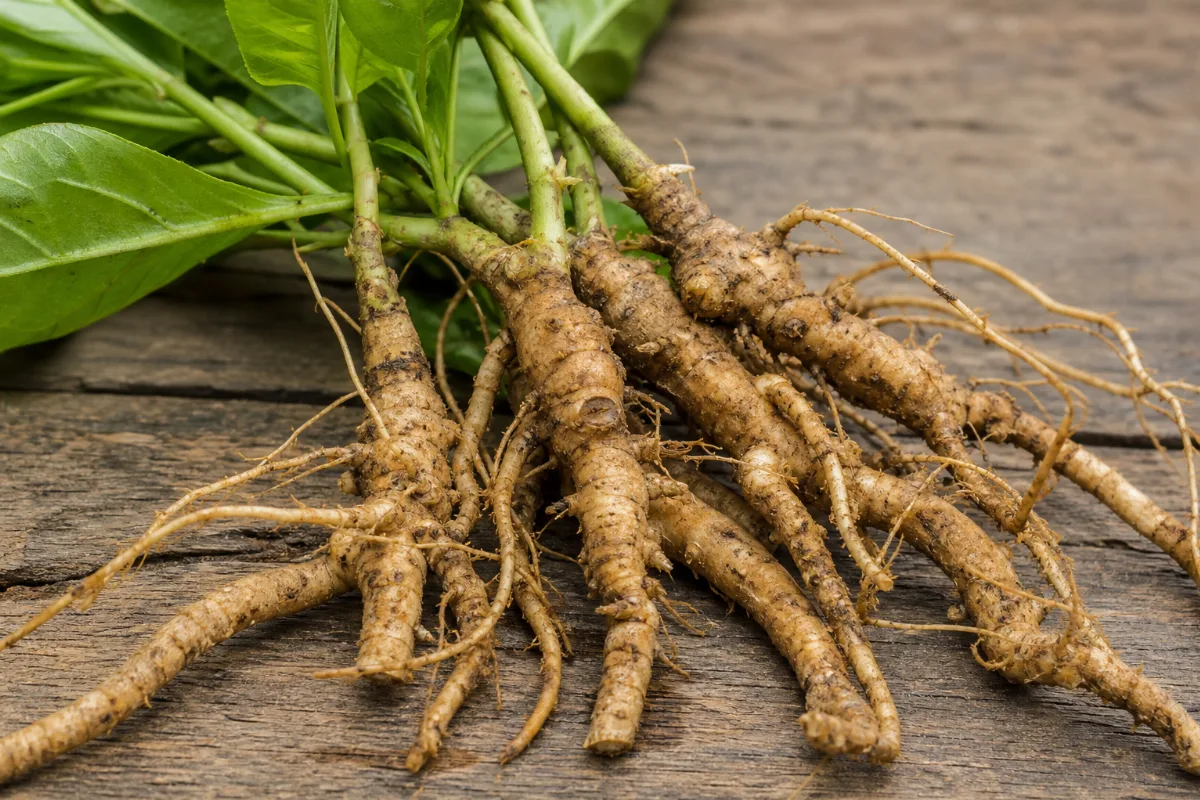
Herbs & Botanicals · Traditional Ayurvedic digestive root
Chitrak
Plumbago zeylanica · also called Chitraka, Ceylon leadwort, white leadwort
Chitrak is the root of Plumbago zeylanica, used in Ayurveda for digestion, piles and joint pain. We found no human trials, so none of these uses is proven. Its main chemical, plumbagin, irritates skin, is reported to blister it, and is toxic in animal studies. Do not use it in pregnancy, and talk to a doctor before any use.
General information, not medical advice. Last substantive update · Not medically reviewed. A named clinician has not signed off on this page. How this page is made
About Chitrak
Chitrak is the root of Plumbago zeylanica, an Ayurvedic digestive and joint herb. We found no human trial of it for any use, so benefit is unproven. Its main compound, plumbagin, is a reactive chemical that irritates skin, is reported to blister it, and is toxic to the liver and kidney in rat studies. Traditional use includes ending pregnancy, and a review mentions possible bleeding effects. Avoid it in pregnancy, breastfeeding and childhood, and keep it off skin. Ask a doctor or pharmacist about amounts.
What it is
Chitrak (chitraka) is the root of Plumbago zeylanica, called Ceylon leadwort or white leadwort. It belongs to the leadwort family, Plumbaginaceae.
Two close relatives, Plumbago indica and Plumbago auriculata, are different plants. A DNA study found P. zeylanica in commercial samples sold as P. indica, so mix-ups happen.
What makes it distinctive
The root contains plumbagin, a reactive compound that gives it both its traditional effects and its harms. The raw root is described as harsh, so Ayurveda purifies it with lime water first. In one study this purification did not remove plumbagin: measured levels rose from 0.29% to 0.98%.
So purified does not mean mild.
Historical and current uses
Ayurveda uses Chitrak for weak digestion, piles and loose stools, and for rheumatic pain. Ayurvedic fertility texts also list it among plants claimed to end pregnancy. In Ethiopia it has been used on skin diseases.
These are traditional uses. They show it is used, not that it works.
What the research shows
No human trial was found. Rat studies report reduced arthritis signs from a processed-root extract and less weight gain from a three-herb mix. Lab studies show plumbagin can kill cancer cells and resistant bacteria, but it dissolves poorly, is absorbed slowly and has a narrow safety margin, so it has not become a medicine.
The honest picture: a long tradition, interesting lab leads and real toxicity signals, with no human proof of benefit.
At a glance
Traditional uses history, not proof
- Ayurveda: root used for weak digestion, piles and loose stools
- Rheumatic pain and arthritis
- Traditionally used to end pregnancy, which is a warning, not a recommended use
- Traditionally purified with lime water before medicinal use because the raw root is described as harsh
Studied for research
- Digestion and appetite: insufficient evidence (tradition only)
- Arthritis: insufficient evidence (one rat study)
- Weight (in a three-herb mix): insufficient evidence (rats)
- Cancer and bacteria: lab studies of plumbagin only
Main compounds
- Plumbagin, a reactive naphthoquinone found in the root
Common forms
- Root powder
- Purified (processed) root
- Root extract
- Mixed Ayurvedic formulas
- Skin paste or oil (irritating; see safety)
Research links: PubMed: Plumbago zeylanica · Review: plumbagin derivatives, bioavailability and toxicity (2025) · Rat toxicity of root extracts (Ayu 2015) · Research Library · Genes & Biomarkers Library
The plant and its history
- Accepted scientific name
- Plumbago zeylanica
- Naming authority
- L.
- Common names
- Chitrak (Hindi); Chitraka (Sanskrit); Ceylon leadwort (English); White leadwort (English)
- Botanical family
- Plumbaginaceae (leadwort family)
- Classification
- Plantae > not checked > not checked > not checked > Plumbaginaceae > Plumbago > Plumbago zeylanica
- Native range
- Not verified in the sources read.
- Habitat
- Not verified in the sources read.
- What the plant looks like
- Roots: The root is the part used; roots contain plumbagin (review abstract).; Stems: Not described in the sources read.; Leaves: Not described in the sources read.; Flowers: Not described in the sources read.; Fruit: Not described in the sources read.
- Cultivation
- Not covered. A 2025 review says plants of this family are being uprooted for plumbagin extraction, damaging wild habitats.
- Harvest and processing
- Traditional Ayurvedic purification (shodhana) uses lime water; plumbagin remains in the processed root.
- Look-alikes and adulterants
- Name: Plumbago indica; Note: Closely related; the root used in Thai polyherbal products. Commercial samples sold as P. indica contained P. zeylanica in a DNA study.; Name: Plumbago auriculata; Note: Another closely related species the same DNA assay had to separate.
- Sustainability and conservation
- Not assessed. Over-harvesting of Plumbaginaceae roots for plumbagin is noted in a 2025 review.
Traditional use and history history, not clinical proof
| Tradition or era | Documented use | Source |
|---|---|---|
| Ayurveda | Chitraka root used for digestive complaints (dyspepsia, piles, diarrhoea), rheumatic pain and arthritis; considered harsh in the raw state and purified (shodhana) with lime water before medicinal use. | s-phytojournal-2023; p34908796; p40181022 |
| Ayurveda (fertility texts) | Listed among plants claimed to have contraceptive and abortifacient properties. | p34149405 |
| Ethiopian traditional medicine | Used for skin diseases. | p18339496 |
| Ayurvedic obesity formula | Root is one of three herbs in the formula Trimad. | p42762591 |
Traditional use shows how a plant was used. It does not show that a supplement works or is safe today.
What is inside, and how it may work
What the plant contains and how those compounds act in cells and animals. Laboratory and animal mechanisms are not proven effects in people.
Main compounds
| Compound | Family | Where it is concentrated | Activity studied | Level of evidence |
|---|---|---|---|---|
| Plumbagin PubChem 10205 | naphthoquinone | root 0.29% in one unpurified root powder and 0.98% in purified powder (HPTLC, one study) | Reactive compound. Lab and animal work reports anticancer, antibacterial and anti-inflammatory activity and also cell, organ and genetic toxicity. 18 2 11 5 | Animal / in vitro |
| Other root constituents | not specified | root not reported | An LC-MS/MS analysis of the processed root extract found several phytoconstituents, not named in the abstract. 3 | Animal research |
Mechanisms, receptors and pathways
| Target or pathway | Gene or receptor | What was found | Level |
|---|---|---|---|
| Cell stress (reactive quinone) | not specified | Reviews describe plumbagin as raising oxidative stress and damaging cells, which explains both anticancer lab results and toxicity. Lab and animal level. 11 5 | In vitro / animal |
| Inflammation signals | COX-2, TNF-alpha, IL-6 | In arthritic rats a processed-root extract lowered these. Animal only. 3 | Animal research |
| Bacterial resistance and biofilm genes | blaOXA-23, bfmR, csuA/B, ompA, bap (bacterial genes) | Plumbagin lowered their activity in resistant bacteria. Test tube only. 13 | Laboratory research |
| Drug-metabolising liver enzymes | CYP1A2, CYP3A11 | Pure plumbagin did not change them in mice, yet raised blood levels of another drug in rats. Findings disagree. Animal only. 8 7 | Animal research |
Absorption, metabolism and elimination
- Absorption
- In rats a single oral dose of plumbagin was absorbed slowly (median time to peak 9.63 h). Reviews say oral bioavailability is low because of poor solubility, metabolic instability and efflux.
- Distribution
- Not described in the abstracts read.
- Metabolism
- Reviews cite metabolic instability. Plumbagin raised blood levels of tazemetostat in rats, suggesting it can slow some drug metabolism (animal).
- Elimination
- Median elimination half-life 5.0 h in rats after a single oral dose.
- Bioavailability
- Low (reviews); no human data.
Isolated compounds versus whole extracts
Different extracts of the same root differed about ten-fold in rat toxicity, tracking plumbagin content. Traditional purification raised plumbagin content in one study. Results for pure plumbagin cannot be assumed for powdered root, and the reverse.
Nutritional composition
Chitrak is not a food or a nutrient. It supplies no known essential vitamin or mineral.
6 not enough evidence
What is Chitrak good for?
The traditional uses and how strong the human evidence is for each. For Chitrak, "insufficient" means we found no human trials, only tradition and lab or animal work. The root is also toxic, so a possible benefit has to be weighed against real harm.
Benefits, one by one
Each card is a research question, not a promise. Tap a goal to filter. Open a card to see the studies, doses and limits.
Digestion, appetite and piles (traditional use)
Not enough evidenceChitrak is best known in Ayurveda as a root for weak digestion, poor appetite, piles and loose stools. We found no human trial for any of these uses.
2 studiesNot assessed. Traditional preparations vary, and no doses are given h…
Studies, doses and limits
What the trials found
No human trial of Chitrak or plumbagin for digestion, appetite or piles was found.
Results
Evidence is traditional use only.
Effect sizes as reported
None
Why this rating
Tradition only. No trial of any kind was found for these uses.
Form and dose studied
Not assessed. Traditional preparations vary, and no doses are given here.
Who was studied
Not studied in people.
Limits
Everything rests on a 2023 review we only read in summary. No trial exists.
Why researchers looked
It is a classic Ayurvedic digestive root, so this is the main reason people look for it.
Traditional use
Ayurvedic texts describe it for dyspepsia, piles and diarrhoea (via a 2023 review, summary-only). The raw root is described as harsh and is traditionally processed before use.
Proposed mechanism Pharmacological theory
No mechanism has been shown for digestion. Reviews describe plumbagin as a reactive compound that affects many cell processes, which may also explain irritation.
A proposed mechanism does not show that the effect happens in people.
The same root that is used traditionally is irritating to skin and toxic in animals. See the safety tab.
Arthritis and rheumatic pain
Not enough evidenceChitrak is used in Ayurveda for rheumatic pain and joint inflammation. A 2025 rat study found a processed-root extract reduced arthritis signs. No human trial exists.
3 studiesA methanolic extract of processed root was tested in rats. Not applic…
Studies, doses and limits
What the trials found
No human trial found. One rat study with a methanolic extract of processed root.
Results
In rats with induced arthritis, treatment reduced paw swelling and joint diameter, improved walking and weight-bearing, lowered inflammatory markers, and reduced joint tissue damage.
Effect sizes as reported
No numbers in the abstract
Why this rating
Animal evidence only. Findings in rats cannot be assumed for people, and the root is toxic in other rat studies.
Form and dose studied
A methanolic extract of processed root was tested in rats. Not applicable to home preparations.
Who was studied
Rats with induced arthritis.
Limits
Single animal study; doses not given in the abstract; authors say long-term safety must be studied first.
Why researchers looked
Ayurveda advises processed Chitrak root for inflammatory and rheumatic conditions, and researchers wanted to test that.
Traditional use
Used for rheumatic pain and arthritis in Ayurveda; the 2025 review of plumbagin lists arthritis among traditional uses.
Proposed mechanism Preliminary mechanism
In the rat study the extract lowered inflammatory signals (TNF-alpha, IL-6, CRP, COX-2) and oxidative stress markers. The authors say the exact molecules and mechanisms are still unclear.
A proposed mechanism does not show that the effect happens in people.
Plumbagin damaged liver and kidney in other rat studies, so benefit and harm cannot be separated from this study.
Weight and metabolism (as part of a mix)
Not enough evidenceA 2026 rat study of a three-herb Ayurvedic mix that includes Chitrak root reduced weight gain on a high-fat diet. The effect cannot be credited to Chitrak, and no people were studied.
2 studiesMix extract at 50, 100 and 200 mg/kg for 48 days in rats; not applica…
Studies, doses and limits
What the trials found
No human trial found.
Results
Rats on a high-fat diet given the mix gained less weight and had better lipid, inflammation and fat-cell measures than untreated rats.
Effect sizes as reported
No numbers in the abstract
Why this rating
Combination product in animals only; effect cannot be assigned to Chitrak.
Form and dose studied
Mix extract at 50, 100 and 200 mg/kg for 48 days in rats; not applicable to people.
Who was studied
Male rats on a high-fat diet.
Limits
Three-herb mix; small groups (6 rats each); abstract-only reading.
Why researchers looked
Ayurveda recommends the mix called Trimad for obesity, and researchers tested it in rats.
Traditional use
Chitraka is one of three herbs in Trimad, an Ayurvedic obesity formula.
Proposed mechanism Preliminary mechanism
In the rat study the mix changed liver fat-handling genes and lowered inflammation and oxidative stress markers. These are animal findings for the whole mix.
A proposed mechanism does not show that the effect happens in people.
Chitrak root can harm liver and kidney in animal studies; a weight benefit would not outweigh that on current evidence.
Cancer-cell activity of plumbagin (lab only)
Not enough evidenceIn the lab, plumbagin kills or slows cancer cells. That is also why it is toxic. It has not become a medicine, and Chitrak root should never be used to treat cancer.
3 studiesIsolated plumbagin, not the root.
Studies, doses and limits
What the trials found
No clinical trial of plumbagin or Chitrak for cancer was found. Reviews note it has not reached the clinic, partly because it dissolves poorly in water and is toxic.
Results
Lab and animal findings only.
Effect sizes as reported
None
Why this rating
Lab and animal evidence only; the same cell toxicity harms healthy tissue.
Form and dose studied
Isolated plumbagin, not the root.
Who was studied
Cells and animals.
Limits
A 2025 review lists genotoxicity, organ toxicity and oxidative stress as limits.
Why researchers looked
Plumbagin is the most studied compound from the root, and cancer cell work dominates the research.
Traditional use
Not a traditional use of the root as described in our sources.
Proposed mechanism Laboratory research
Reviews describe plumbagin as a reactive naphthoquinone that stresses and kills cells, including cancer cells, in lab work.
A proposed mechanism does not show that the effect happens in people.
Cell toxicity and genetic-material damage are reported for plumbagin. See the safety tab.
Antibacterial activity of plumbagin (test tube only)
Not enough evidenceA 2026 lab study found plumbagin slowed and killed a drug-resistant hospital bacterium and weakened its biofilm. Nothing has been tested in people.
2 studiesIsolated plumbagin, not the root.
Studies, doses and limits
What the trials found
No animal or human infection study of plumbagin was found in our searches.
Results
Bacterial growth, killing and biofilm were reduced at low concentrations in the lab.
Effect sizes as reported
No numbers in the abstract
Why this rating
Test-tube evidence only.
Form and dose studied
Isolated plumbagin, not the root.
Who was studied
Carbapenem-resistant Acinetobacter baumannii in the lab.
Limits
Single in-vitro study.
Why researchers looked
Researchers look for new ways to attack resistant bacteria.
Traditional use
Not a traditional use as described in our sources.
Proposed mechanism Laboratory research
Plumbagin lowered activity of a resistance gene (blaOXA-23) and biofilm genes in the bacteria.
A proposed mechanism does not show that the effect happens in people.
Plumbagin is toxic to human cells in lab work, so it cannot be assumed safe as an antibacterial.
Effects on fertility (animal findings; a warning, not a benefit)
Not enough evidenceThe root is traditionally used to end pregnancy. Animal studies report abortion-like effects, birth defects in mice and reduced sperm. This is a safety warning, not a health benefit.
2 studiesNot applicable.
Studies, doses and limits
What the trials found
No human study was found. Animal findings reported in a 2021 review: anti-implantation and abortion-like effects, birth defects in mice, sperm-reducing and anti-androgen effects. The original animal studies were not opened.
Results
Animal and traditional-use data only.
Effect sizes as reported
None
Why this rating
Animal and traditional data only; direction of the findings is a clear warning.
Form and dose studied
Not applicable.
Who was studied
Rodents.
Limits
Specific numbers were not read from the original studies.
Why researchers looked
Ayurvedic texts list Chitraka among plants claimed to have contraceptive and abortifacient properties, so researchers tested it in animals.
Traditional use
Traditional abortifacient use (per a 2021 review).
Proposed mechanism Pharmacological theory
Not established. Plumbagin is a reactive compound that is toxic to cells.
A proposed mechanism does not show that the effect happens in people.
Avoid in pregnancy and when trying to conceive. See the safety tab.
Connections to the rest of health
How Chitrak connects to the rest of our health knowledge graph. Every link says what kind of connection it is. A safety link (for example to the liver) is a warning, not a benefit. A study that merely mentions a topic never creates a benefit link.
Explore every connection: goals, body systems, organs, symptoms, genes
A. Wellness goals
| Connected to | Kind of connection | Evidence status | Context | Studies |
|---|---|---|---|---|
| Digestive Support | Traditional use | Not enough evidence | Digestion, appetite and piles (traditional use): Chitrak is best known in Ayurveda as a root for weak digestion, poor appetite, piles and loose stools. We found no human trial for any of these uses. | 17 11 |
| Joint Support | Preliminary mechanism | Not enough evidence | Arthritis and rheumatic pain: Chitrak is used in Ayurveda for rheumatic pain and joint inflammation. A 2025 rat study found a processed-root extract reduced arthritis signs. No human trial exists. | 3 11 6 |
| Inflammation Balance | Preliminary mechanism | Not enough evidence | Arthritis and rheumatic pain: Chitrak is used in Ayurveda for rheumatic pain and joint inflammation. A 2025 rat study found a processed-root extract reduced arthritis signs. No human trial exists. | 3 11 6 |
| Weight Management | Preliminary mechanism | Not enough evidence | Weight and metabolism (as part of a mix): A 2026 rat study of a three-herb Ayurvedic mix that includes Chitrak root reduced weight gain on a high-fat diet. The effect cannot be credited to Chitrak, and no people were studied. | 4 6 |
| Metabolic Health | Preliminary mechanism | Not enough evidence | Weight and metabolism (as part of a mix): A 2026 rat study of a three-herb Ayurvedic mix that includes Chitrak root reduced weight gain on a high-fat diet. The effect cannot be credited to Chitrak, and no people were studied. | 4 6 |
| Healthy Aging | Preliminary mechanism | Not enough evidence | Cancer-cell activity of plumbagin (lab only): In the lab, plumbagin kills or slows cancer cells. That is also why it is toxic. It has not become a medicine, and Chitrak root should never be used to treat cancer. | 5 11 10 |
| Immune Support | Preliminary mechanism | Not enough evidence | Antibacterial activity of plumbagin (test tube only): A 2026 lab study found plumbagin slowed and killed a drug-resistant hospital bacterium and weakened its biofilm. Nothing has been tested in people. | 13 11 |
| Fertility Support | Traditional use | Not enough evidence | Effects on fertility (animal findings; a warning, not a benefit): The root is traditionally used to end pregnancy. Animal studies report abortion-like effects, birth defects in mice and reduced sperm. This is a safety warning, not a health benefit. | 1 11 |
B. Body systems
| Connected to | Kind of connection | Evidence status | Context | Studies |
|---|---|---|---|---|
| Digestive System | Biological association | Not enough evidence | Studied for: Digestion, appetite and piles (traditional use) | 17 11 |
| Musculoskeletal System | Biological association | Not enough evidence | Studied for: Arthritis and rheumatic pain | 3 11 6 |
| Immune System | Biological association | Not enough evidence | Studied for: Arthritis and rheumatic pain Studied for: Cancer-cell activity of plumbagin (lab only) | 3 11 6 5 10 13 |
| Metabolism Weight | Biological association | Not enough evidence | Studied for: Weight and metabolism (as part of a mix) | 4 6 |
| Reproductive System | Biological association | Not enough evidence | Studied for: Effects on fertility (animal findings; a warning, not a benefit) | 1 11 |
D. Symptoms
| Connected to | Kind of connection | Evidence status | Context | Studies |
|---|---|---|---|---|
| Pregnancy | Contraindication | Not enough evidence | Traditional abortifacient; animal anti-implantation and birth-defect findings; no human data. Traditional abortifacient; animal abortion-like and birth-defect findings; no human data. Preparation or compound: Root |
1 11 |
| Skin irritation | Adverse effect or risk | Not enough evidence | Moderate irritant in rabbits; blistering reported in reviews. Preparation or compound: Root extract |
9 11 |
| Indigestion | Traditional use | Not enough evidence | Ayurvedic use; no trial found. Preparation or compound: Root |
17 |
| Joint pain | Potential benefit | Not enough evidence | One rat study of a processed-root extract; no human trial. Preparation or compound: Processed root extract |
3 |
J. Genes, receptors and enzymes
L. Active compounds
| Connected to | Kind of connection | Evidence status | Context | Studies |
|---|---|---|---|---|
| Plumbagin | Biological association | Animal / in vitro | Reactive compound. Lab and animal work reports anticancer, antibacterial and anti-inflammatory activity and also cell, organ and genetic toxicity. Preparation or compound: root |
18 2 11 5 |
| Other root constituents | Biological association | Animal | An LC-MS/MS analysis of the processed root extract found several phytoconstituents, not named in the abstract. Preparation or compound: root |
3 |
Each connection is stored with the ingredient, the connected record, the kind of connection, the evidence status, the supporting studies, the preparation or compound involved, and a review date (last reviewed October 25, 2026).
The evidence
The research centre for Chitrak. Every record here was checked against PubMed or the publisher's page; we never list a study we have not verified.
Evidence by outcome
Bars show how many studies we found for each outcome, not how well it works. People are added up across trials only (reviews are not added, to avoid double counting).
How we rate evidence
High certainty
Several well-run trials or reviews agree; further research is unlikely to change the picture much.
Moderate certainty
Good trials point the same way, but some doubt remains.
Low certainty
Small, short or inconsistent trials. The finding could change with better research.
Very low certainty
Very little or very weak human data. Treat as a possibility only.
Mixed findings
Trials or reviews disagree with each other.
Not enough evidence
Not enough human research to say either way.
Evidence against
Good research found no benefit, or found harm.
We take the reviewers' own risk-of-bias and GRADE statements where they exist, and otherwise judge from study size, design, consistency, directness and whether a product matches what is sold. Many publications do not make evidence high. Method note: We searched PubMed and looked for NIH NCCIH, LiverTox and regulator pages for Chitrak. Most sources were abstracts only. Some details were carried over from an earlier summary and not re-opened; they are marked. No study is cited that we could not verify.
Study library: every study we checked 19
| Study | Design | People | Product, dose, length | Result |
|---|---|---|---|---|
| Bhatt 2021 A Critical Review and Scientific Prospective on Contraceptive Therapeutics from Ayurveda and Allied Ancient Knowledge Frontiers in Pharmacology · PMID 34149405 · DOI |
Narrative review animal |
Review of Ayurvedic texts and studies on fertility-limiting and abortifacient ingredients | Ayurvedic ingredients including Chitraka (Plumbago zeylanica) root root not stated in the abstract not stated in the abstract |
Abstract: classical texts describe plants and formulations with sterilising, contraceptive and abortifacient properties, and some are known to be toxic. Findings specific to Chitrak (animal anti-implantation, abortion-like effects, birth defects in mice, sperm-reducing and anti-androgen findings) come from tables in the full text as summarised in our earlier reading; the original animal studies were not opened. No effect size Methods, limits and fundingOutcomes: Contraceptive, abortifacient and toxicity properties of traditional ingredients Limitations: Narrative review of traditional claims and animal studies. Table details for Chitraka could not be re-confirmed. Funding and conflicts: Conflict statement says one author owns or directs a company (company name not read) Read: abstract |
| Bhinde 2020 Standard operating procedure of Purification of Chitraka (Plumbago zeylanica Linn.) along with pharmacognostical and analytical profiles of Plumbagin Ayu · PMID 34908796 · DOI |
Laboratory in-vitro |
Five batches of Chitraka root | Chitraka root purified with lime water (Churnodaka) root not stated in the abstract not stated in the abstract |
Average yield after purification was 98.07%. Plumbagin measured by HPTLC was 0.29% in unpurified powder and 0.98% in purified powder. Plumbagin 0.29% to 0.98% after lime-water purification Methods, limits and fundingOutcomes: Quality markers and plumbagin content before and after traditional purification Limitations: Quality-control study from an Ayurvedic university pharmacy; it does not test safety or effect in people. Funding and conflicts: No conflicts of interest declared Read: abstract |
| Das 2025 Preclinical assessment of anti-arthritic activity of methanolic extract from processed Plumbago zeylanica roots Scientific Reports · PMID 40181022 · DOI |
Animal research animal |
Rats with Freund's complete adjuvant arthritis | Methanolic extract of processed P. zeylanica root (PZME) root not stated in the abstract not stated in the abstract · vs Prednisolone and untreated arthritic rats |
In arthritic rats the extract reduced paw volume and joint diameter, improved gait and weight-bearing, lowered TNF-alpha, IL-6, RF, CRP, TBARS and COX-2, and reduced synovial thickening and cartilage erosion. The authors note long-term safety needs study before any clinical use. No numbers in the abstract Methods, limits and fundingOutcomes: Paw swelling, joint damage, inflammatory markers Limitations: Rat model only; doses not stated in the abstract. Funding and conflicts: Authors declare no competing interests Read: abstract |
| Joshi 2026 Pathophysiological modulations by Trimad, a polyherbal formulation, in a rat model of high-fat diet-induced obesity Journal of Ayurveda and Integrative Medicine · PMID 42762591 · DOI |
Animal research animal |
36 Male Wistar rats (6 per group) on a high-fat diet |
Trimad: Cyperus rotundus tubers, Embelia ribes fruits and Plumbago zeylanica roots (combination) root (in a 3-herb mix) 50, 100 and 200 mg/kg (mix extract) 48 days · vs Atorvastatin and untreated high-fat-diet rats |
Trimad extract at 50, 100 and 200 mg/kg for 48 days reduced weight gain and improved lipid, oxidative stress, inflammation and fat-cell measures in rats on a high-fat diet. No numbers in the abstract Methods, limits and fundingOutcomes: Weight gain, lipids, inflammation, liver fat Limitations: Three-herb mix, so nothing can be credited to Chitrak alone. Rats only. Funding and conflicts: Not stated in the abstract Read: abstract |
| Kavi Kishor 2025 The Occurrence, Uses, Biosynthetic Pathway, and Biotechnological Production of Plumbagin, a Potent Antitumor Naphthoquinone Molecules · PMID 40286222 · DOI |
Narrative review in-vitro |
Review of plumbagin sources and production | Plumbagin root not stated in the abstract not stated in the abstract |
Abstract: plumbagin is a naphthoquinone made mostly in the roots of Plumbaginaceae species, with potent anticancer properties in the lab. Plants are being uprooted for extraction, harming wild habitats, so cell and hairy-root cultures are explored. No effect size Methods, limits and fundingOutcomes: Where plumbagin is made and how it can be produced Limitations: Mostly about production. The anticancer statements are lab findings. Funding and conflicts: Not stated in the abstract Read: abstract |
| Kumar 2015 Comparative toxicity profiles of Plumbago zeylanica L. root petroleum ether, acetone and hydroalcoholic extracts in Wistar rats Ayu · PMID 27313422 · DOI |
Animal research animal |
Female Wistar rats | Petroleum ether (PZPE), acetone (PZAC) and hydroalcoholic (PZHY) extracts of P. zeylanica root root not stated in the abstract not stated in the abstract |
LD50 values were 93.45 mg/kg (petroleum ether), 928.4 mg/kg (acetone) and 928.4 mg/kg (hydroalcoholic extract). The petroleum ether extract was most toxic, matching its plumbagin content. Sub-acute dosing raised liver, adrenal and/or heart weights, raised serum AST and urea in all extracts, raised creatinine with the acetone extract, lowered haematocrit at the top petroleum ether dose and lowered white cells with acetone. Liver and kidney changes were seen in all extract groups. LD50 about ten-fold lower for the petroleum ether extract Methods, limits and fundingOutcomes: Acute (OECD 425) and sub-acute (OECD 407) toxicity Limitations: Rats, female only, single species; extracts are not the same as powdered root. Doses and durations for the sub-acute test are not in the abstract. Funding and conflicts: Not stated in the abstract Read: abstract |
| Li 2022 Pharmacokinetics of Herb-Drug Interactions of Plumbagin and Tazemetostat in Rats by UPLC-MS/MS Drug Design, Development and Therapy · PMID 36199632 · DOI |
Animal research animal |
12 Sprague-Dawley rats (6 per group) |
Plumbagin 100 mg/kg by gavage for 7 days, then tazemetostat 80 mg/kg root compound not stated in the abstract 7 days · vs Rats given vehicle only |
Tazemetostat peak level was 32.48% higher and total exposure (AUC) about 46% higher in plumbagin-treated rats; half-life rose from 10.56 h to 11.73 h. The authors conclude plumbagin can inhibit the drug's metabolism. AUC(0-t) +46.24%; Cmax +32.48% Methods, limits and fundingOutcomes: Blood levels of the cancer drug tazemetostat Limitations: Small rat study of one drug; not shown in people. Funding and conflicts: Authors declare no conflict of interest Read: abstract |
| Sumsakul 2016 Pharmacokinetics, toxicity, and cytochrome P450 modulatory activity of plumbagin BMC Pharmacology and Toxicology · PMID 27839515 · DOI |
Animal research animal |
Rats and mice | Plumbagin (isolated compound) root compound 100 mg/kg single oral dose for pharmacokinetics (rats) not stated in the abstract |
Maximum tolerated doses were 150 mg/kg (single oral dose) and 25 mg/kg daily for 28 days, which the authors call low toxicity. After 100 mg/kg by mouth, absorption was delayed (median time to peak 9.63 h) and the elimination half-life was 5.0 h. Plumbagin did not change the gene expression or activity of CYP1A2 and CYP3A11 in mouse liver. Tmax 9.63 h; half-life 5.0 h Methods, limits and fundingOutcomes: Pharmacokinetics, toxicity and liver enzyme (CYP1A2, CYP3A11) effects Limitations: Animal study of the pure compound, not the root. Its low-toxicity conclusion differs from reviews that call plumbagin poisonous, so the picture is mixed. Funding and conflicts: Not stated in the abstract Read: abstract |
| Teshome 2008 Toxicity studies on dermal application of plant extract of Plumbago zeylanica used in Ethiopian traditional medicine Journal of Ethnopharmacology · PMID 18339496 · DOI |
Animal research animal |
Rabbits, mice and rats | 80% methanol extract of Plumbago zeylanica root root Extract up to 1000 mg/kg in repeated-dose test Not stated in the abstract |
Rabbit skin test: moderate irritant (primary irritation index 2.00). Mouse ear test: not a sensitiser at 4-10 mg/ml. Acute dermal test in rats: no overt toxicity. Repeated-dose test: higher relative testis weight in both sexes at the highest dose (1000 mg/kg) with no support from tissue examination. Primary irritation index 2.00 (moderate irritant) Methods, limits and fundingOutcomes: Skin irritation, sensitisation, acute and repeated dermal toxicity Limitations: Animal study; one extract type; skin of rabbits is not the same as human skin. The authors conclude toxic effects may be limited to moderate irritation. Funding and conflicts: Not stated in the abstract Read: abstract |
| Thakor 2022 Plumbagin: A Potential Candidate for Future Research and Development Current Pharmaceutical Biotechnology · PMID 34967293 · DOI |
Systematic review animal |
Review of plumbagin research (lab, animal) | Plumbagin root not stated in the abstract not stated in the abstract |
Abstract: plumbagin has limited solubility and oral bioavailability and a narrow therapeutic window; the literature shows moderate toxicity in animals, but data are insufficient to prove it is unsafe for humans. No effect size Methods, limits and fundingOutcomes: Therapeutic actions, toxicity and formulation of plumbagin Limitations: Abstract only read. Mostly lab and animal evidence. Funding and conflicts: Not stated in the abstract Read: abstract |
| Thekkumkara 2025 Different Derivatives of Plumbagin Analogue: Bioavailability and Their Toxicity Studies Food Science & Nutrition · PMID 40842665 · DOI |
Narrative review animal |
Review of lab and animal work on plumbagin and its derivatives | Plumbagin (main compound of the Plumbago root) and derivatives root not stated in the abstract not stated in the abstract |
Abstract: plumbagin has low bioavailability (poor solubility, metabolic instability, efflux) and is described as poisonous, with cell toxicity, organ toxicity, oxidative stress and genotoxicity, which limit clinical use. The authors say more clinical studies are needed to guarantee human safety. Details such as pregnancy findings, skin blistering and vitamin K / bleeding come from our earlier reading of the full text and were not re-opened here. No effect size; narrative review Methods, limits and fundingOutcomes: Therapeutic potential, bioavailability and toxicity of plumbagin Limitations: Narrative review, no systematic method stated in the abstract. Most evidence is lab and animal. Funding and conflicts: Authors declare no conflicts of interest Read: abstract |
| Thongkhao 2025 Unveiling Adulteration in Herbal Markets: MassARRAY iPLEX Assay for Accurate Identification of Plumbago indica L. International Journal of Molecular Sciences · PMID 40806300 · DOI |
Laboratory in-vitro |
Commercial crude-drug samples in Thai herbal markets | Plumbago indica root and its look-alikes P. zeylanica and P. auriculata root not stated in the abstract not stated in the abstract |
A DNA assay separated P. indica from P. zeylanica and P. auriculata and found P. zeylanica in commercial crude-drug samples, which the authors say points to possible adulteration. It also detected P. indica in mixed samples. No effect size Methods, limits and fundingOutcomes: DNA test to tell the three species apart Limitations: Study of Thai P. indica products; it shows the mix-up risk between closely related Plumbago roots, not the share of products affected. Funding and conflicts: Authors declare no conflicts of interest Read: abstract |
| Youn 2026 Plumbagin Disrupts Biofilm Integrity and Resistance Gene Expression in Carbapenem-Resistant Acinetobacter baumannii Journal of Microbiology and Biotechnology · PMID 41814592 · DOI |
Laboratory research in-vitro |
Carbapenem-resistant Acinetobacter baumannii in the lab | Plumbagin (isolated compound from P. zeylanica) root compound not stated in the abstract not stated in the abstract |
Plumbagin slowed growth and killed the bacteria at low concentrations, prevented and broke down biofilms and lowered activity of the resistance gene blaOXA-23 and several biofilm genes. No numbers in the abstract Methods, limits and fundingOutcomes: Bacterial growth, biofilm and resistance gene expression Limitations: Test-tube study only; no animals or people. Funding and conflicts: Authors declare no financial conflicts Read: abstract |
| s-gbif-plumbago-zeylanica 2026 GBIF species match: Plumbago zeylanica L. · Source |
Database n/a |
n/a | n/a n/a n/a n/a |
GBIF API (2026-10-25) returned accepted name Plumbago zeylanica L., key 3082282, family Plumbaginaceae, exact match. Methods, limits and fundingOutcomes: n/a Limitations: GBIF API (2026-10-25) returned accepted name Plumbago zeylanica L., key 3082282, family Plumbaginaceae, exact match. Read: full-text |
| s-livertox-blocked 2026 LiverTox: no Plumbago entry confirmed (page blocked by reCAPTCHA) · Source |
Database n/a |
n/a | n/a n/a n/a n/a |
The LiverTox book page returned a reCAPTCHA check on 2026-10-25 and could not be read. No Plumbago entry was confirmed either way. Not retried. Methods, limits and fundingOutcomes: n/a Limitations: The LiverTox book page returned a reCAPTCHA check on 2026-10-25 and could not be read. No Plumbago entry was confirmed either way. Not retried. Read: summary-only |
| s-nccih-plumbago-notfound 2026 NIH NCCIH: no Plumbago / Chitrak page found · Source |
Database n/a |
n/a | n/a n/a n/a n/a |
Address returned 404 on 2026-10-25. No NCCIH monograph for Plumbago was found. Methods, limits and fundingOutcomes: n/a Limitations: Address returned 404 on 2026-10-25. No NCCIH monograph for Plumbago was found. Read: summary-only |
| s-phytojournal-2023 2026 A potential review of its traditional uses, phytochemistry, pharmacology, and toxicity of Plumbago zeylanica (J Pharmacogn Phytochem 2023) · Source |
Narrative review n/a |
n/a | n/a n/a n/a n/a |
Used only through our earlier summary (summary-only): traditional uses for dyspepsia, piles and diarrhoea. Not re-opened. Not indexed in PubMed. Methods, limits and fundingOutcomes: n/a Limitations: Used only through our earlier summary (summary-only): traditional uses for dyspepsia, piles and diarrhoea. Not re-opened. Not indexed in PubMed. Read: summary-only |
| s-pubchem-plumbagin 2026 PubChem: plumbagin (CID 10205) · Source |
Database n/a |
n/a | n/a n/a n/a n/a |
PubChem API (2026-10-25) returned CID 10205, formula C11H8O3, name 5-hydroxy-2-methylnaphthalene-1,4-dione. Methods, limits and fundingOutcomes: n/a Limitations: PubChem API (2026-10-25) returned CID 10205, formula C11H8O3, name 5-hydroxy-2-methylnaphthalene-1,4-dione. Read: full-text |
| s-researchsquare-2026 2026 Antiproliferative effects and genotoxicity of hydroethanolic extracts of Plumbago zeylanica (L.) (Research Square preprint, 2026) · Source |
Preprint n/a |
n/a | n/a n/a n/a n/a |
Preprint, NOT peer reviewed. Used only through our earlier summary (summary-only): reports genotoxicity in onion root and yeast models. Not re-opened. Methods, limits and fundingOutcomes: n/a Limitations: Preprint, NOT peer reviewed. Used only through our earlier summary (summary-only): reports genotoxicity in onion root and yeast models. Not re-opened. Read: summary-only |
What we do not know yet
- No human trial or case report on Chitrak was found.
- Only abstracts were read; the pregnancy, blistering and vitamin K statements come from reviews whose full text was not re-opened.
- No human pharmacokinetic or interaction data.
- NCCIH has no page; LiverTox was blocked; EMA/HMPC, WHO and LactMed were not searched in depth.
- Native range and plant description were not verified.
How new research is added
New studies are found by a saved PubMed search and are placed in a review queue. A person reads each one before it changes any evidence rating or safety wording.
Lab markers
What changed in blood or saliva tests during trials. A changed number is not the same as feeling or being healthier, and we give no "normal ranges".
Safety
What studies and official sources say about side effects, medicines and who should check first. Each point shows what kind of evidence it comes from.
Main points to know 4
- Plumbagin is toxic: the root is not a gentle herb. The main compound in Chitrak root, plumbagin, is called poisonous in a 2025 review, with cell toxicity, organ toxicity, oxidative stress and genetic-material damage. A 2022 review says it has a narrow margin between a useful and a harmful amount, and that data are not enough to prove it is unsafe for people. We found no human trial. Do not treat Chitrak as a casual supplement. Animal research 11 10
- Irritates skin and is reported to blister. A root extract was a moderate skin irritant in rabbits. Reviews and traditional texts describe the raw root as blistering (vesicant). Keep the root and extracts off skin, eyes and mouth. The sources we read did not directly test mouth or gut lining, but a reactive compound like plumbagin can be expected to irritate them (theory). Animal research 9 11
- Avoid in pregnancy and when trying to conceive. The root is traditionally used to end pregnancy. A 2021 review reports animal findings of anti-implantation and abortion-like effects, birth defects in mice, and reduced sperm. No human data exist. Do not use it if you are or might be pregnant. Traditional use 1 11
- Liver, kidney and possible bleeding concerns. In rats, liver and kidney were the main organs harmed by root extracts. A review also says plumbagin may interfere with vitamin K and clotting and cause bleeding with long-term use (summary-only, lab and animal basis). Anyone on blood thinners, or with liver, kidney or bleeding problems, should avoid it. Animal research 6 11
Side effects 5
| Effect | How often | Severity and recovery | Evidence |
|---|---|---|---|
| Skin irritation and possible blistering Moderate irritant in rabbits (index 2.00). Blistering is stated in reviews of traditional use; we did not find a human case report. | Not established | moderate to severe (blistering is an allegation) unknown | Animal research 9 11 |
| Liver and kidney damage Raised AST and urea and tissue changes in rats given root extracts. | Not established | unknown in people unknown | Animal research 6 |
| Bleeding tendency Review statement on vitamin K interference; not shown in people (summary-only). | Not established | unknown unknown | Pharmacological theory 11 |
| Pregnancy loss and birth defects Animal findings and traditional use; no human data. | Not established | serious not applicable | Animal research 1 |
| Cell and genetic toxicity Review lists genotoxicity; a not-yet-peer-reviewed preprint reports genotoxicity of extracts in onion root and yeast models. | Not established | unknown in people unknown | Laboratory research 11 19 |
Liver
No human case report of liver injury from Chitrak was found, and no LiverTox entry could be confirmed (the page was blocked). In rats, root extracts raised serum AST and caused liver and kidney changes, so the liver is a plausible target. 6 15
How often. Unknown in people.
Monitoring. No agency advice was found. Do not use if you have liver disease. Stop and seek care for yellow skin or eyes, dark urine or severe tiredness.
This is a safety connection. It is not evidence that Chitrak supports liver health.
Medicines and supplements 3
| With | Why it matters | Importance | Evidence | What to do |
|---|---|---|---|---|
| Blood thinners and antiplatelet drugs (for example warfarin) drug | A review says plumbagin may interfere with vitamin K and clotting. | Possible bleeding. Not shown in people. | Pharmacological theory Not enough evidence 11 | Avoid the combination and ask a doctor or pharmacist. |
| Cancer drug tazemetostat (and possibly other drugs cleared by the same liver enzymes) drug | In rats, plumbagin raised blood levels of tazemetostat by inhibiting its metabolism. A separate mouse study found no change in CYP1A2 or CYP3A11 activity, so animal findings disagree. | Unknown in people. | Animal research Very low certainty 7 8 | Tell your pharmacist about any use, especially with cancer or other narrow-margin medicines. |
| Other herbs or drugs that harm the liver or kidney herb/drug | Adds to possible organ strain seen in rat studies. | Unknown in people. | Pharmacological theory Not enough evidence 6 | Avoid combining. |
Who should check first 5
| Situation | Advice | Evidence |
|---|---|---|
| Pregnancy, or trying to conceive | Do not use. | Traditional use 1 11 |
| Breastfeeding | No data. Avoid. | Authoritative guidance 15 |
| Children | No safety data. Avoid. | Pharmacological theory 11 |
| Liver, kidney or bleeding disorders, or taking blood thinners | Avoid. | Animal research 6 11 |
| Broken, sensitive or inflamed skin; contact with eyes or mouth | Avoid contact with the root, powder or extracts. | Animal research 9 |
Overdose, product quality and regulators
Summary. Root extracts and plumbagin are toxic in animal studies, and the amount that is harmful varies a lot between extract types.
Animal. Root extracts in female rats: LD50 about 93 mg/kg for a petroleum ether extract versus about 928 mg/kg for acetone and hydroalcoholic extracts, with liver and kidney changes in repeated dosing. Pure plumbagin was called low in toxicity in another rat study (maximum tolerated 150 mg/kg once, 25 mg/kg daily for 28 days), so reports are mixed.
Human doses studied. No human study found, so no human toxic amount is known.
High dose or long term signals. Raised AST, urea and creatinine, organ weight changes, lower red and white cell measures in rats; a review lists possible bleeding with long-term use (summary-only).
Overdose response. Not described in the sources read. Seek emergency help for any serious reaction.
Genotoxicity. A 2025 review lists genotoxicity. A 2026 preprint (not peer reviewed, summary-only) reports it for extracts in plant and yeast models.
Toxic plant parts. The root is the part used and the richest in plumbagin. Leaves and stem also contain plumbagin according to a review abstract.
Species mix-ups and processing change what a product contains.
Look-alike species. A Thai DNA study found P. zeylanica in commercial samples sold as P. indica root, pointing to adulteration between closely related Plumbago species. 12
Traditional purification. Lime-water purification of Chitraka root did not remove plumbagin: measured plumbagin rose from 0.29% to 0.98% in one set of five batches. So 'purified' does not mean plumbagin-free. 2
Heavy metals, pesticides, adulterants. Not studied in the sources we read.
| Body | Action | Date |
|---|
When to get medical help
- Blisters, burns or a severe rash on skin that touched the root or an extract
- Pain or swelling in the mouth or throat, or repeated vomiting and severe belly pain after swallowing it
- Vaginal bleeding or cramping in pregnancy
- Unusual bruising, nosebleeds, blood in vomit, black stools or other bleeding
- Yellow skin or eyes, dark urine, or very little urine
Stop the supplement and contact a clinician or emergency service. In the US, Poison Control is 1-800-222-1222.
General information only, not medical advice. Ask a clinician or pharmacist before use, especially with medicines, in pregnancy or with a health condition. See the Natural Remedy Safety guide.
Frequently asked questions
What is Chitrak?
Does Chitrak help digestion?
It is a classic Ayurvedic digestive root, but we found no human trial. The evidence is tradition only.
Is Chitrak safe?
Can Chitrak burn or blister skin?
Is Chitrak safe in pregnancy?
Does Chitrak affect bleeding or blood thinners?
A review says plumbagin may interfere with vitamin K and cause bleeding. This comes from lab and animal work, not people. Avoid it with blood thinners and ask a pharmacist.
Does purification make Chitrak safe?
Not necessarily. In one study lime-water purification raised the measured plumbagin content rather than removing it.
Does Chitrak help arthritis?
A 2025 rat study found a processed-root extract reduced arthritis signs. No human trial exists.
Can Chitrak help with weight loss?
A three-herb mix containing it reduced weight gain in rats. That cannot be credited to Chitrak, and nothing is proven in people.
Does Chitrak treat cancer?
Is Chitrak the same as Plumbago indica?
No. They are closely related but different plants, and a DNA study found the two mixed up in commercial roots.
Explore by health goal
Digestive SupportJoint SupportInflammation BalanceWeight ManagementMetabolic HealthHealthy AgingImmune SupportFertility Support
Editorial transparency
- Written by
- AlternativeMed editorial team. Research compiled with AI assistance, then checked against PubMed records.
- Medical review
- None. This page has not been reviewed by a physician or pharmacist.
- First published
- 2026-10-25
- Last substantive update
- 2026-10-25
- How we research
- We searched PubMed and looked for NIH NCCIH, LiverTox and regulator pages for Chitrak. Most sources were abstracts only. Some details were carried over from an earlier summary and not re-opened; they are marked. No study is cited that we could not verify.
- How we rate evidence
- See "How we rate evidence" in the Evidence tab.
- Independence
- No product is promoted on this page. No affiliate links are shown. If one is added later it will be labelled and kept apart from the evidence.
Sources 19
Each source was opened and checked. Where we read only the abstract, it says so. The small numbers in the text point here.
- Bhatt N, Deshpande M. A Critical Review and Scientific Prospective on Contraceptive Therapeutics from Ayurveda and Allied Ancient Knowledge. Frontiers in Pharmacology. 2021. PMID 34149405. DOI 10.3389/fphar.2021.629591. (abstract)
- Bhinde SS, Ravi AK, Patgiri BJ, et al.. Standard operating procedure of Purification of Chitraka (Plumbago zeylanica Linn.) along with pharmacognostical and analytical profiles of Plumbagin. Ayu. 2020. PMID 34908796. DOI 10.4103/ayu.AYU_299_20. (abstract)
- Das T, Dey YN, Pal T, et al.. Preclinical assessment of anti-arthritic activity of methanolic extract from processed Plumbago zeylanica roots. Scientific Reports. 2025. PMID 40181022. DOI 10.1038/s41598-025-95744-x. (abstract)
- Joshi AA, Salunke MP, Khadke SP, et al.. Pathophysiological modulations by Trimad, a polyherbal formulation, in a rat model of high-fat diet-induced obesity. Journal of Ayurveda and Integrative Medicine. 2026. PMID 42762591. DOI 10.1016/j.jaim.2026.101400. (abstract)
- Kavi Kishor PB, Thaddi BN, Guddimalli R, et al.. The Occurrence, Uses, Biosynthetic Pathway, and Biotechnological Production of Plumbagin, a Potent Antitumor Naphthoquinone. Molecules. 2025. PMID 40286222. DOI 10.3390/molecules30071618. (abstract)
- Kumar D, Patil PA, Roy S, et al.. Comparative toxicity profiles of Plumbago zeylanica L. root petroleum ether, acetone and hydroalcoholic extracts in Wistar rats. Ayu. 2015. PMID 27313422. DOI 10.4103/0974-8520.182750. (abstract)
- Li H, Wang YJ, Geng XN, et al.. Pharmacokinetics of Herb-Drug Interactions of Plumbagin and Tazemetostat in Rats by UPLC-MS/MS. Drug Design, Development and Therapy. 2022. PMID 36199632. DOI 10.2147/DDDT.S384156. (abstract)
- Sumsakul W, Plengsuriyakarn T, Na-Bangchang K. Pharmacokinetics, toxicity, and cytochrome P450 modulatory activity of plumbagin. BMC Pharmacology and Toxicology. 2016. PMID 27839515. DOI 10.1186/s40360-016-0094-5. (abstract)
- Teshome K, Gebre-Mariam T, Asres K, et al.. Toxicity studies on dermal application of plant extract of Plumbago zeylanica used in Ethiopian traditional medicine. Journal of Ethnopharmacology. 2008. PMID 18339496. DOI 10.1016/j.jep.2008.01.036. (abstract)
- Thakor N, Janathia B. Plumbagin: A Potential Candidate for Future Research and Development. Current Pharmaceutical Biotechnology. 2022. PMID 34967293. DOI 10.2174/1389201023666211230113146. (abstract)
- Thekkumkara S, Longchar A, Venkidasamy B, et al.. Different Derivatives of Plumbagin Analogue: Bioavailability and Their Toxicity Studies. Food Science & Nutrition. 2025. PMID 40842665. DOI 10.1002/fsn3.70720. (abstract)
- Thongkhao K, Intharuksa A, Phrutivorapongkul A. Unveiling Adulteration in Herbal Markets: MassARRAY iPLEX Assay for Accurate Identification of Plumbago indica L.. International Journal of Molecular Sciences. 2025. PMID 40806300. DOI 10.3390/ijms26157168. (abstract)
- Youn MJ, Eom YB. Plumbagin Disrupts Biofilm Integrity and Resistance Gene Expression in Carbapenem-Resistant Acinetobacter baumannii. Journal of Microbiology and Biotechnology. 2026. PMID 41814592. DOI 10.4014/jmb.2601.01011. (abstract)
- . GBIF species match: Plumbago zeylanica L.. . 2026. (full-text)
- . LiverTox: no Plumbago entry confirmed (page blocked by reCAPTCHA). . 2026. (summary-only)
- . NIH NCCIH: no Plumbago / Chitrak page found. . 2026. (summary-only)
- . A potential review of its traditional uses, phytochemistry, pharmacology, and toxicity of Plumbago zeylanica (J Pharmacogn Phytochem 2023). . 2026. (summary-only)
- . PubChem: plumbagin (CID 10205). . 2026. (full-text)
- . Antiproliferative effects and genotoxicity of hydroethanolic extracts of Plumbago zeylanica (L.) (Research Square preprint, 2026). . 2026. (summary-only)