Oregano (Origanum vulgare): Uses, Evidence and Safety
Oregano (Origanum vulgare): food versus supplement amounts, what small studies found, a reported blood-thinner interaction, pregnancy and allergy cautions, and oil of oregano.
Content last updated . This page has not been medically reviewed.
Safety first. Supplements can cause side effects and interact with medicines. Read mushroom safety and interactions before you use any mushroom product.
What is Oregano good for?
What the body uses it for, and how strong the evidence is. A normal job in the body is not proof that extra supplements add benefit; each card says which.
Chronic sinus inflammation without polyps
Preliminary or mixedA network meta-analysis of 47 randomised trials of herbal medicines ranked Origanum vulgare as the most beneficial option for symptoms and quality of life in this group. Certainty was low.
Supplements: Promising but limited; the finding is low certainty and does not apply to other products or conditions.
Blood markers of muscle damage after hard exercise
Preliminary or mixedIn 24 healthy male soldiers, blood markers of muscle damage and oxidative stress differed from placebo after one 500 mg oregano capsule following a combat readiness test.
Supplements: Insufficient evidence of a real-world benefit; one small trial, one capsule, markers only.
Traditional use for breathing, digestion and as an antimicrobial
Not enough evidenceOregano leaves have been used in traditional medicine for respiratory and digestive complaints and as an antimicrobial. Algerian authors note use as a herbal tea for joint pain, respiratory and digestive problems.
Supplements: No benefit shown by the sources read for these uses.
Oil of oregano for nipple Candida infection
Not enough evidenceOregano oil has been promoted for breastfeeding-related Candida infection of the nipples, but no clinical studies have confirmed it is safe or works.
Supplements: No clinical studies confirm safety or effect.
Plant compounds with laboratory activity
Lab or animal research onlyLeaves and oil contain carvacrol, thymol, eugenol and rosmarinic acid. These compounds are studied in the laboratory.
Supplements: Laboratory findings do not show benefit in people.
Connected topics
Open a group to see how each topic connects and how strong the evidence is.
Body systems (2)
- Immune SystemDocumented risk
Oregano is a mint-family herb, and allergic reactions to herbs in this family are reported, in children too. Rarely, allergic skin reactions and stomach upset are reported.
- Reproductive SystemDocumented risk
Oregano has not been studied in human pregnancy, and a 2017 review advises not going above food amounts. LactMed says the same for breastfeeding because data are lacking.
Root causes (1)
- Medication Side EffectsDocumented risk
One case report describes a high clotting test (INR 6.42) in a woman on a blood thinner after about a week of daily oregano tea. One case cannot show how often this happens, but the authors say the interaction should be recognised and monitored.
Conditions & symptoms (1)
- Food AllergyDocumented risk
Oregano is among mint-family herbs reported to cause allergic reactions in children, some severe.
Documented risks and interactions (6)
- Interaction with vitamin K blood thinners. A case report describes a 77-year-old woman on acenocoumarol whose INR reached 6.42 after about a week of daily oregano tea (sometimes with verbena); it fell after the tea was stopped.
- Pregnancy caution. Oregano has not been studied in human pregnancy. A 2017 review placed it in a use-with-caution group and says not to go above amounts found in food.
- Breastfeeding caution. There are no data on oregano in nursing mothers or infants. LactMed says amounts above food flavouring should probably be avoided.
- Allergy, including cross-reactions within the mint family. Allergic reactions to herbs in the mint family, including oregano, are reported in children, from mild mouth symptoms to anaphylaxis. Rare allergic skin reactions are also reported.
- Mild side effects and food safety status. The US FDA lists oregano and oregano oil as generally recognised as safe food ingredients, and oregano is generally well tolerated. Stomach upset and allergic skin reactions are reported rarely.
- Product quality varies. LactMed notes that dietary supplements often differ from their labels in ingredients or amounts, so results from one product may not apply to another.
Safety first. The oregano on a spice shelf is a food. Oregano capsules, strong teas and oil of oregano are a different matter, and the sources we read describe three cautions. (1) A case report describes a blood-thinner patient whose clotting test rose sharply after a week of daily oregano tea (see Safety below). [1] (2) The US LactMed database says amounts above what is used to flavor food should probably be avoided while breastfeeding, because of a lack of data. [2] (3) Oregano belongs to the mint family, and allergic reactions to herbs in that family are reported. [3] Oil of oregano is an essential oil and is covered separately: see Oregano Oil. This page gives no instructions for swallowing essential oils.
What oregano is
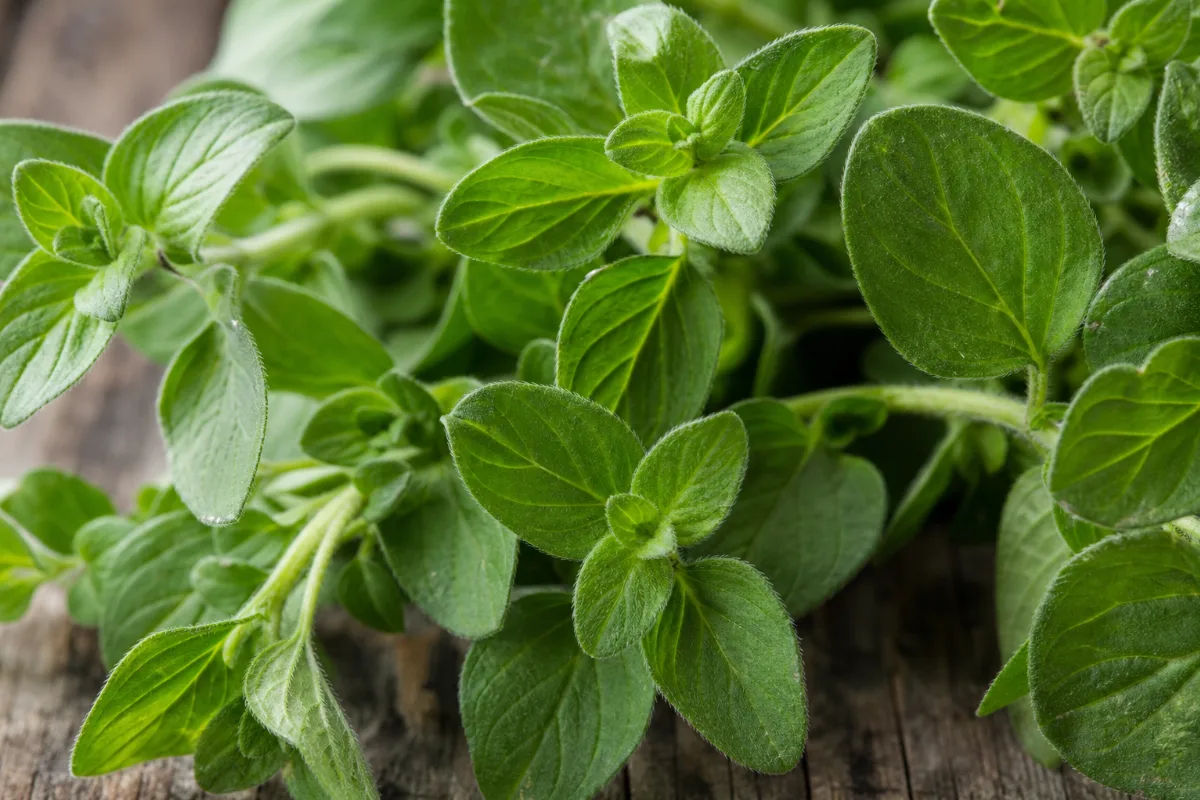
Oregano here means Origanum vulgare, and GBIF accepts the name Origanum vulgare L., family Lamiaceae (the mint family). [4] The parts used are the leaves, and an oil made from them. LactMed says the leaves and oil contain carvacrol, thymol, eugenol and rosmarinic acid. [2] The same record lists many other common names for this plant, including wild marjoram and Spanish thyme, which is why the Latin name matters when you compare products or studies. [2] See Plant Names and Botanical Nomenclature.Traditional use
This section describes tradition, not proof. LactMed says oregano has been used in medicinal doses for respiratory and gastrointestinal disorders and as an antimicrobial. [2] It also notes that oregano has been used to support milk supply in Türkiye. [2] The authors of a 2025 case report from Algeria call oregano a plant widely used there and say it is used in herbal tea for a wide range of diseases, including joint pain, respiratory conditions and digestive disorders. [1] The sources do not name particular peoples or practices, so we do not.What research shows
We looked for human studies of Origanum vulgare (PubMed, 2026-10-23, searching oregano with randomized, systematic review, clinical and supplement terms). Most hits were laboratory, animal or farming studies. The human findings we could read are small and specific.| Use | What the source found | Strength of evidence | Population and form studied |
|---|---|---|---|
| Chronic sinus inflammation without polyps | A network meta-analysis of 47 randomized trials of herbal medicines found Origanum vulgare the most beneficial option for symptoms and quality of life in this group, with low certainty. [5] | Promising but limited | People with rhinosinusitis; the abstract we read does not say which oregano product was used |
| Muscle soreness and oxidative stress after hard exercise | In a randomized trial, blood markers of muscle damage and oxidative stress differed after a capsule of Origanum vulgare compared with placebo. [6] | Insufficient evidence (blood markers, not how people felt or performed) | 24 healthy male soldiers; one 500 mg capsule after a combat readiness test |
| Candida infection of the nipples (oil) | LactMed reports that no clinical studies have confirmed the safety or efficacy of this use. [2] | Proper evidence not found | None identified |
| Colds, immune "support", gut infections, cancer | Proper evidence not found in the human studies we searched. | Marketing claim | None identified |
Results for one preparation do not carry over to another. A capsule used once in soldiers says nothing about tea, and neither says anything about the oil.
Food versus supplement amounts
LactMed notes that the US Food and Drug Administration lists oregano and oregano oil as "generally recognized as safe" food ingredients, and that oregano is generally well tolerated. [2] That statement is about food use. The same record says gastrointestinal upset and allergic skin reactions have been reported rarely. [2] For how food amounts differ from concentrated products, see Culinary Amounts vs Supplement Amounts. We give no amounts to take. A clinician or pharmacist decides what suits a person.Safety
- Blood thinners (reported, one case): a 2025 case report describes a 77-year-old woman who had taken the blood thinner acenocoumarol for 8 years. [1] After about a week of one cup of oregano tea a day (sometimes with verbena), her INR (a clotting test) was 6.42, and it came down once the tea stopped. [1] The authors suggest oregano's plant compounds may inhibit liver enzymes (CYP2C9 and CYP3A4) and that carvacrol and thymol may add to the anticoagulant effect. [1] One case cannot show how often this happens, but the authors conclude the interaction deserves to be recognized and monitored. [1] If you take warfarin or another anticoagulant, ask the prescriber or pharmacist before using oregano beyond cooking. See Herbs and Blood Thinners and How Interactions Work.
- Pregnancy: a 2017 systematic review of herbal use in pregnancy in Asian countries put oregano in its "use with caution" group, saying it has not been studied in human pregnancy and should not be used in doses higher than commonly found in food. [7] See Pregnancy and Breastfeeding.
- Breastfeeding: LactMed says there are no data on oregano in nursing mothers or infants, and that amounts above food flavoring should probably be avoided. [2]
- Allergy: a 2025 review lists oregano among the Lamiaceae herbs reported to cause allergic reactions in children, with some reactions severe. [3] See Herbal Allergy and Cross-Reactivity.
- Children, older adults, liver and kidney disease, surgery: not described in the sources we read for oregano. Tell the surgical team about any herbal product: Herbs Before and After Surgery.
- Quality: LactMed notes that differences are often found between labeled and actual ingredients or their amounts in dietary supplements. [2] See Quality Testing and Certifications.
If you think someone has swallowed too much of a concentrated oregano product, call Poison Help at 1-800-222-1222 (US). For severe allergic reactions, call 911.
Related pages
Thyme is another mint-family kitchen herb. For skin irritation from strong oils, see Strong Oils and Skin Reactions.Frequently asked questions
Is oregano good for you?
As a food, it is a common seasoning and LactMed describes it as generally well tolerated. [2] Proper evidence not found that oregano prevents or treats any illness; the human studies we read are small. [6]
Is oil of oregano the same as oregano?
No. Oil of oregano is a concentrated essential oil with its own safety questions, covered at Oregano Oil. Results from leaf, tea or capsule studies do not carry over to it. [2]
Can I use oregano if I take warfarin?
Cooking amounts are a different question from daily tea or capsules. One case report links a week of daily oregano tea to a high INR in a person on a blood thinner. [1] Ask the prescriber or pharmacist.
Is oregano safe in pregnancy or while breastfeeding?
A 2017 review advises not going above food amounts in pregnancy, and LactMed says the same for breastfeeding because data are lacking. [7][2]
Can you be allergic to oregano?
Yes. Allergic skin reactions have been reported rarely, and oregano is one of the mint-family herbs implicated in spice allergy. [2][3]
References
- Origanum vulgare and hemorrhagic risk, about a case. Annales de cardiologie et d'angeiologie, 2025 (case report, abstract read). Read 2026-10-23.
- US National Library of Medicine, Drugs and Lactation Database (LactMed), Oregano (record NBK501844, read through its PubMed entry). Read 2026-10-23.
- Spices, herbs and allergic reactions in children: myth or reality - a narrative review with scoping elements. Frontiers in Allergy, 2025 (abstract read). Read 2026-10-23.
- GBIF Backbone Taxonomy, Origanum vulgare match record. Read 2026-10-23.
- Herbal Medicines for Rhinosinusitis: A Systematic Review and Network Meta-analysis. Current Allergy and Asthma Reports, 2023 (abstract read). Read 2026-10-23.
- Oregano (Origanum vulgare) Consumption Reduces Oxidative Stress and Markers of Muscle Damage after Combat Readiness Tests in Soldiers. Nutrients, 2022 (randomized trial, abstract read). Read 2026-10-23.
- Ahmed M, Hwang JH, Choi S, Han D. Safety classification of herbal medicines used among pregnant women in Asian countries: a systematic review. BMC Complementary and Alternative Medicine, 2017. Read 2026-10-23.