Nutrients, Plant Compounds, What Research Shows & Safety.
Fruit is food first. Explore each fruit: what is in it (measured by USDA), what research in people has and has not found for health goals, a normal serving, and what to watch for with allergies, medicines and kidney conditions.
What randomized trials and reviews found for blueberries and blueberry powder, mainly on blood vessel function, what they did not show, and food-safety notes.
Blood vessel function (flow-mediated dilation)
Blood pressure
Memory in older adults with mild cognitive decline
Fragaria x ananassa, Rubus idaeus, Rubus fruticosus
Vitamin CManganeseFiber
Normal serving (USDA): 1 cup of strawberries, halves (152 g)
What human studies found for strawberries, raspberries and blackberries as foods, with the form studied, the strength of the evidence and what is still unknown.
Berries as part of the fruit group
Fiber, vitamin C and manganese in the fruit
Strawberries and blood vessel function and blood pressure (short term)
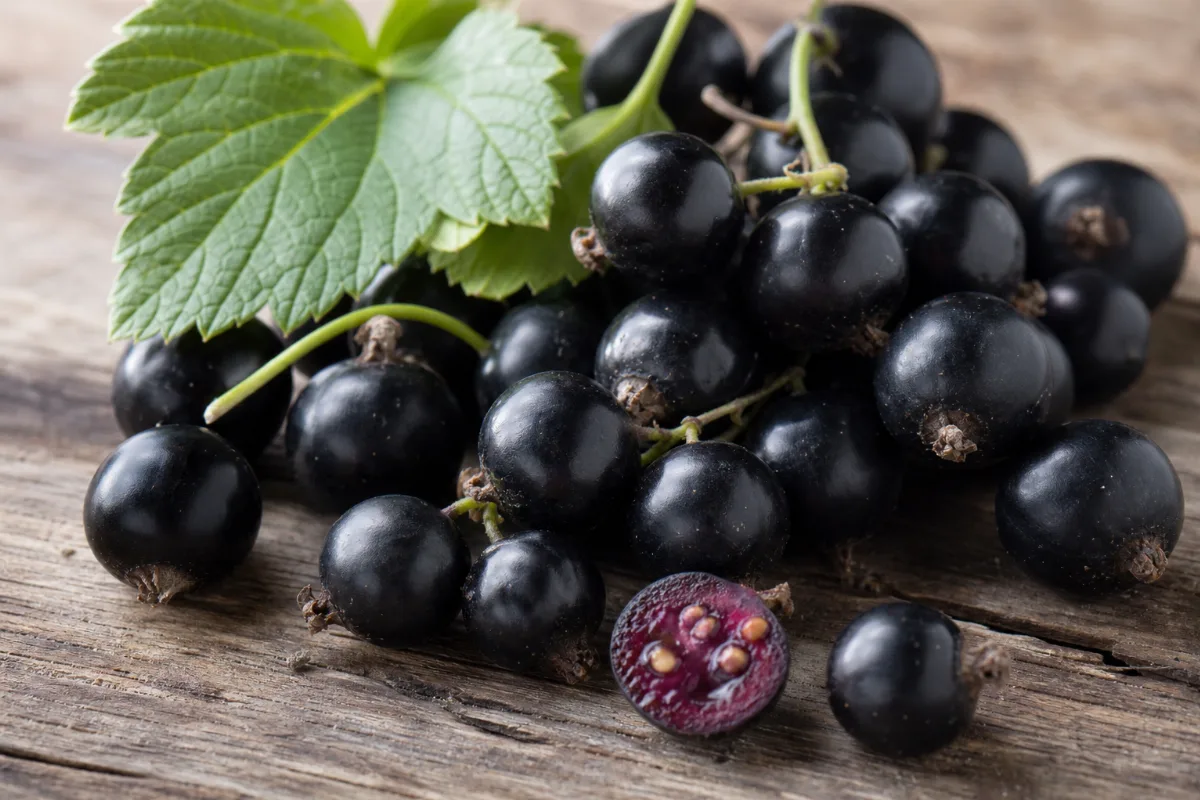
What blackcurrants contain (USDA values), what trials of the fruit, juice and extract found for blood vessels, thinking and exercise, and safety notes.
What mulberries contain, what research says about eating them, how they differ from mulberry leaf products, and the safety points: allergy, medicines and storage.
Vitamin C intake and scurvy prevention
Fruit and vegetable intake and long-term disease risk
Iron content
Mulberry fruit extract and blood sugar after a meal
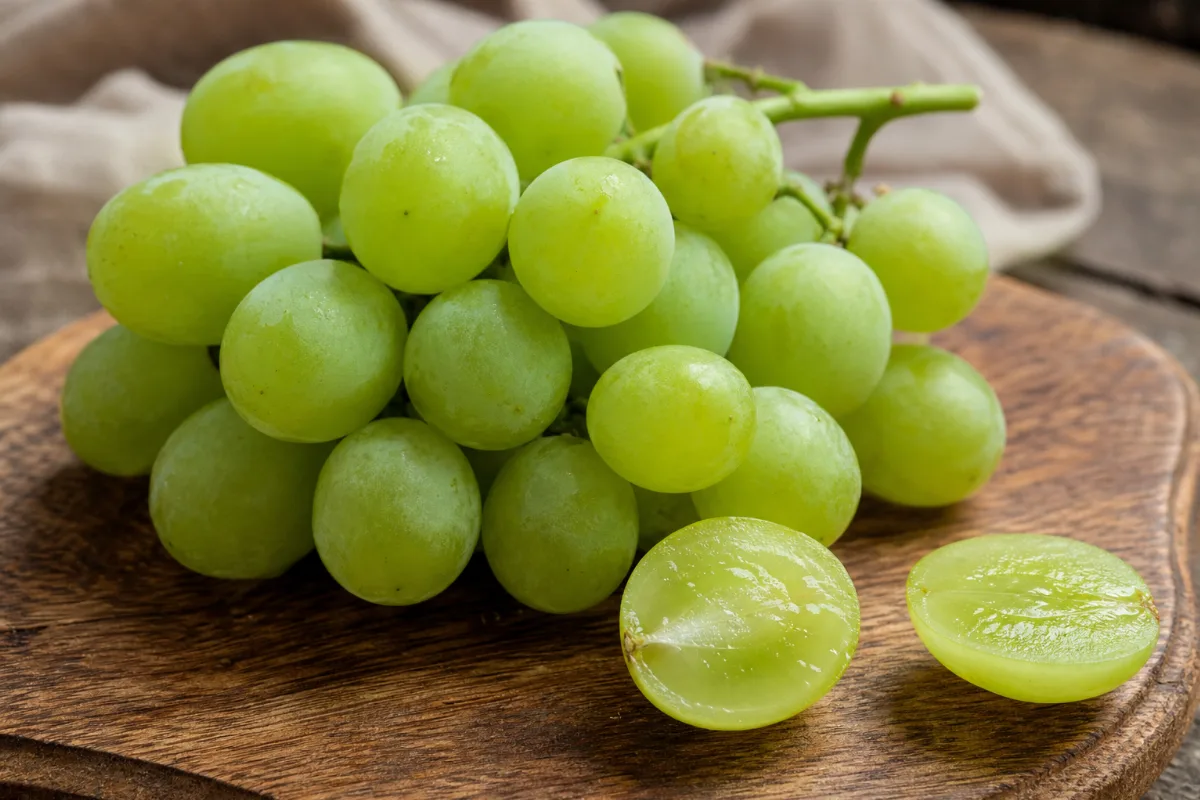
What grapes contain (USDA values), what trials and large cohort studies found, and the safety notes: allergy, choking in young children, medicines and sugar.
Normal serving (USDA): 1 cup, sections (180 g) of raw oranges
Oranges, orange juice and other citrus: what trials and cohort reviews found, why hesperidin supplement trials are a separate question, and grapefruit and medicines.
Vitamin C intake and scurvy prevention
Fiber and everyday nutrition
Heart disease and death (eating patterns)
Blood vessel function and blood pressure with orange juice
Normal serving (USDA): 1 fruit (2-1/8" dia) (58 g)
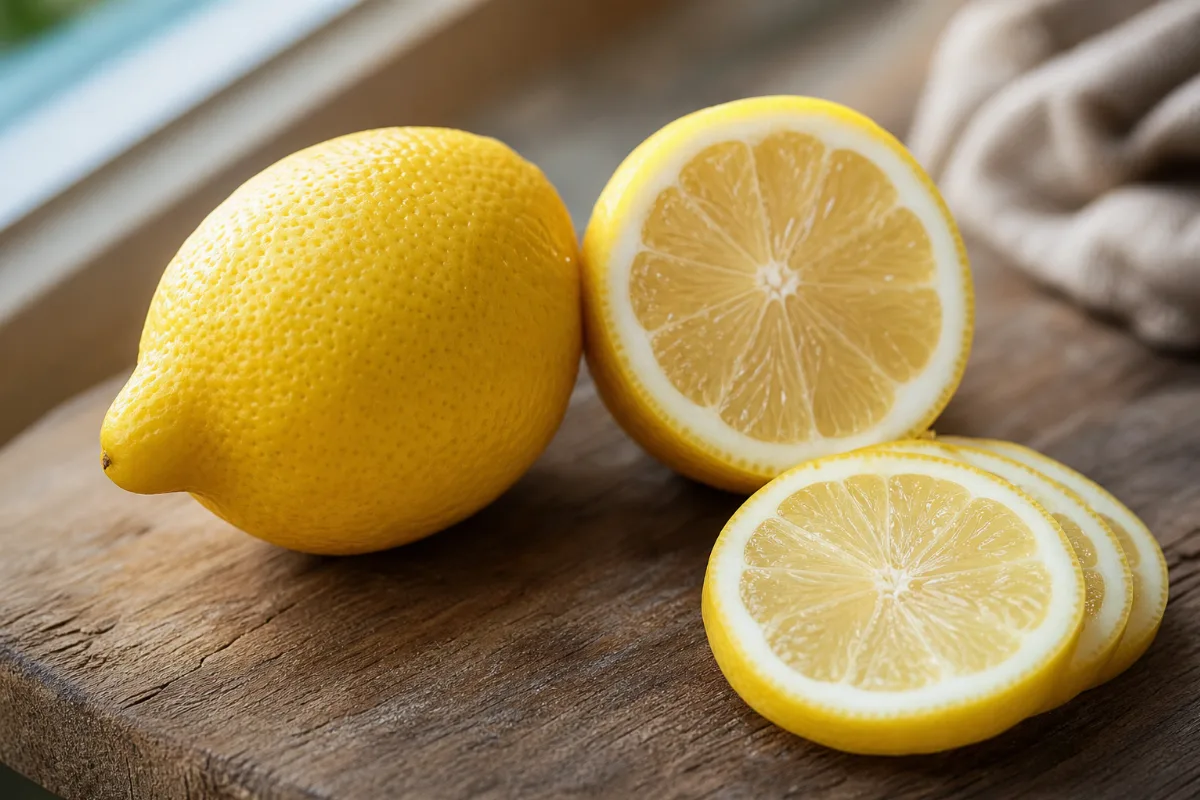
Lemons as a food: vitamin C and scurvy, what research says about colds and kidney stones, skin and tooth cautions, and how this differs from supplements.
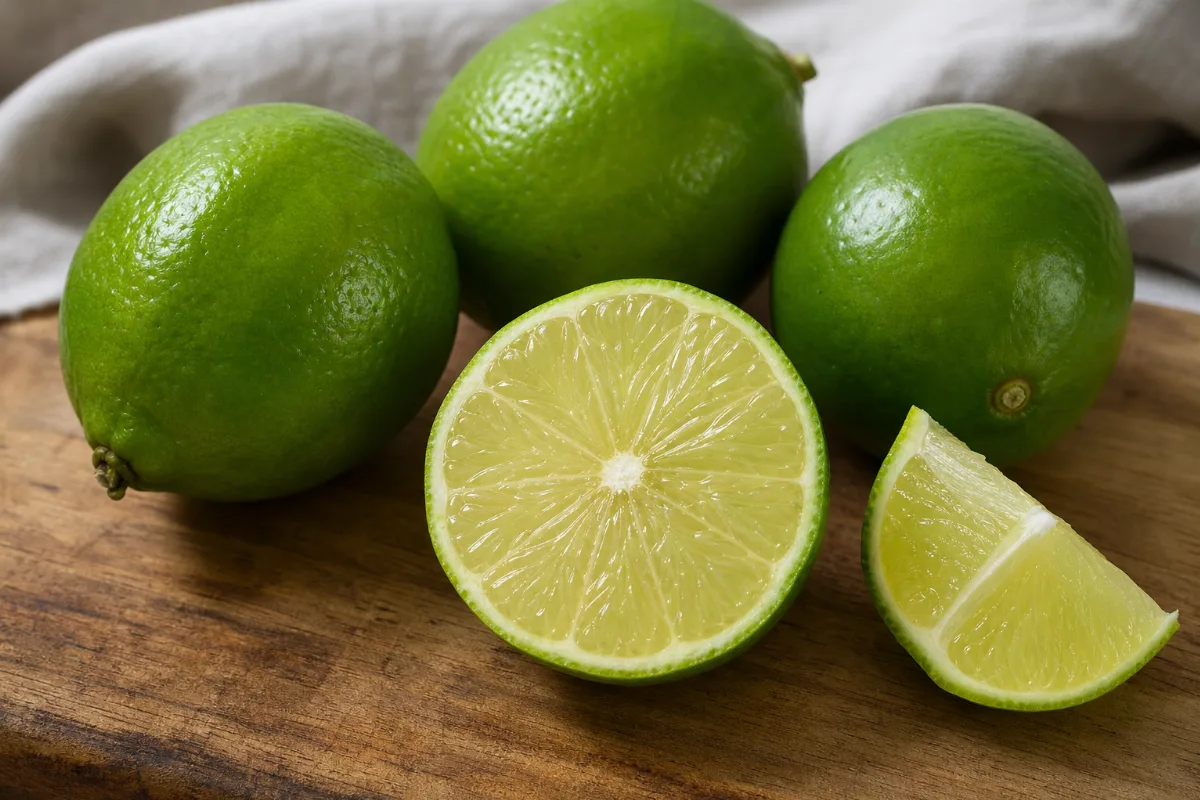
Limes as a food: USDA nutrition, vitamin C and scurvy, what the research does and does not show, and safety notes such as sun-sensitive skin reactions.
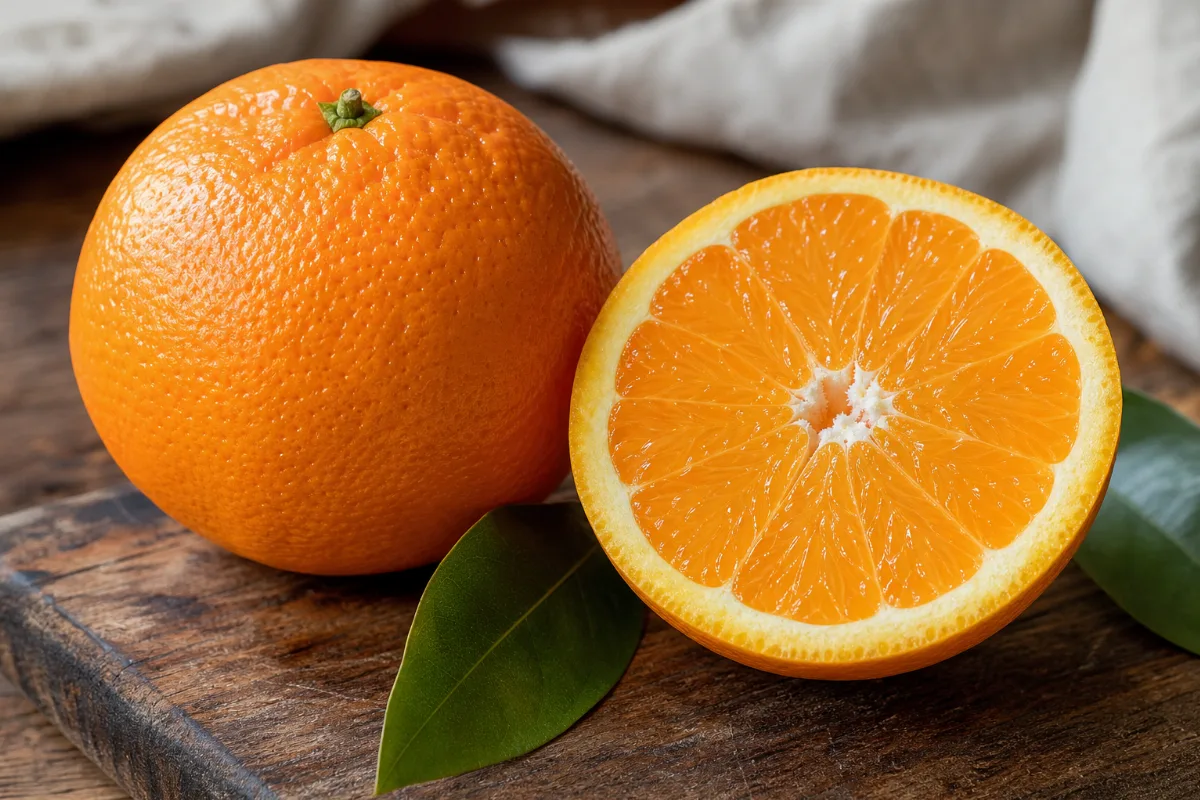
Oranges as a food: vitamin C and scurvy, what research says about juice, colds and heart health, medicine and potassium cautions, and how this differs from supplements.
Vitamin C intake and scurvy prevention
Vitamin C and iron absorption
Vitamin C, collagen and wound healing
Fruit and citrus intake patterns, heart disease and death
Normal serving (USDA): 1 cup sections, with juice (230 g)
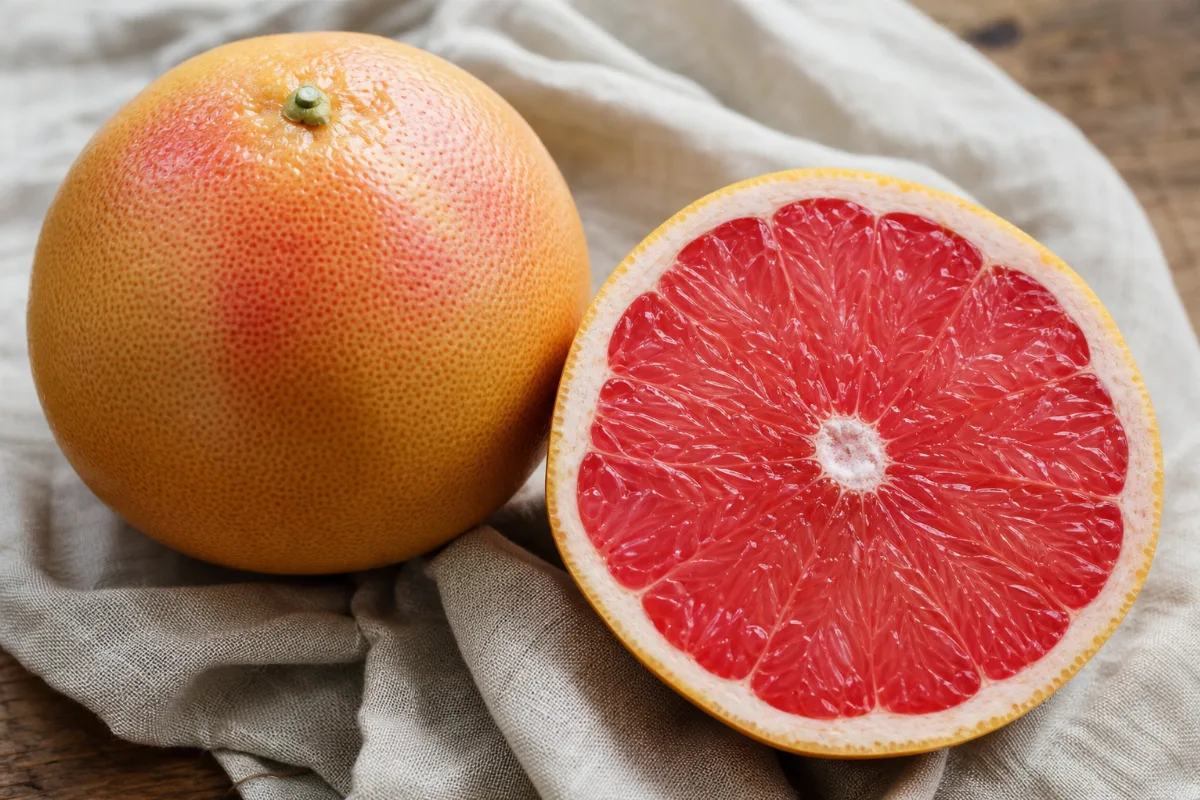
Grapefruit nutrition from USDA, what studies found on weight, blood pressure and cancer risk, and the well-documented way it can change how some medicines work.
Normal serving (USDA): 1 medium (2-1/2 inch dia) (88 g)
Mandarins and tangerines as food: USDA nutrients, what research does and does not show for vitamin C and carotenoids, allergy and medicine notes, and safe handling.
Vitamin C intake and scurvy prevention
Skin, blood vessels and wound healing (vitamin C role)
Colds and vitamin C
Fruit and vegetable intake and heart disease or early death
Normal serving (USDA): 1 cup, without pits (155 g)
What research found on tart cherries and tart cherry juice for sleep, gout and exercise recovery, with the form studied, strength of evidence, sugar and safety points.
Normal serving (USDA): 1 cup, without pits (154 g)
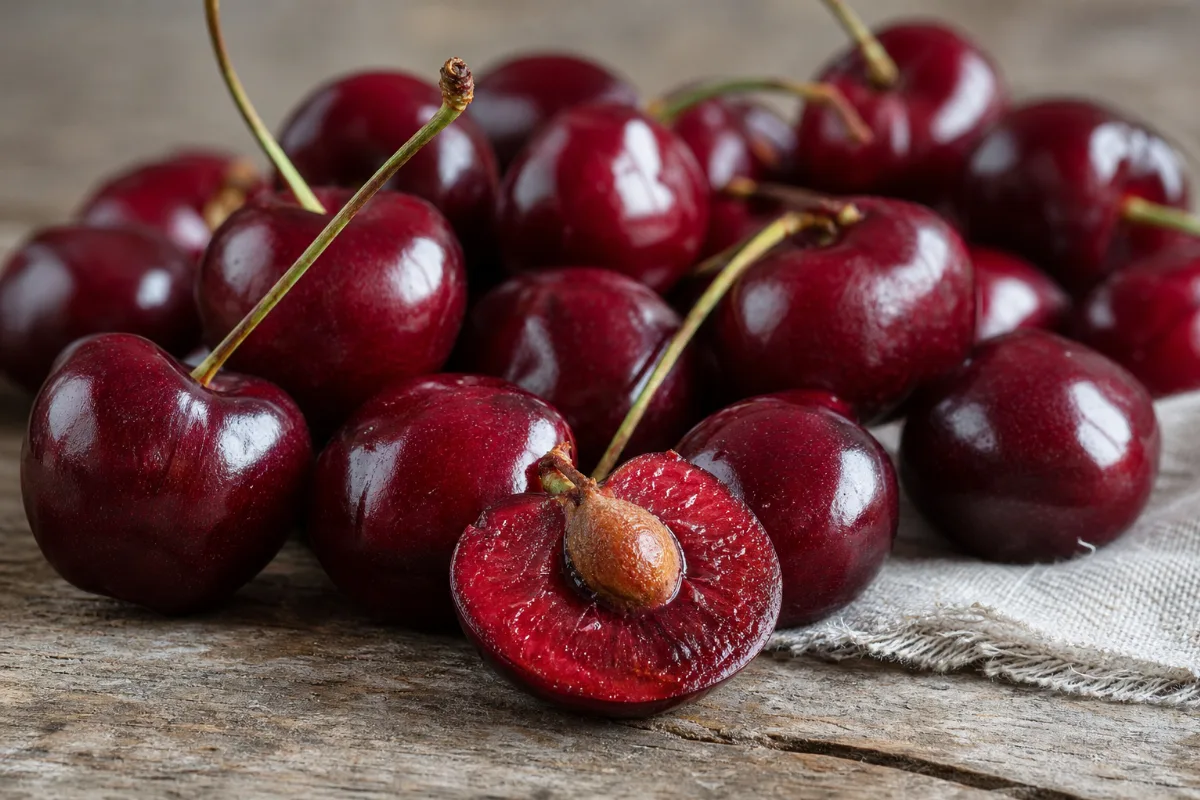
What is in sweet cherries (USDA values), what research does and does not show for eating them, and the main safety points: allergy, pits, sugar and washing.
Normal serving (USDA): 1 medium (2-1/2" dia) (142 g)
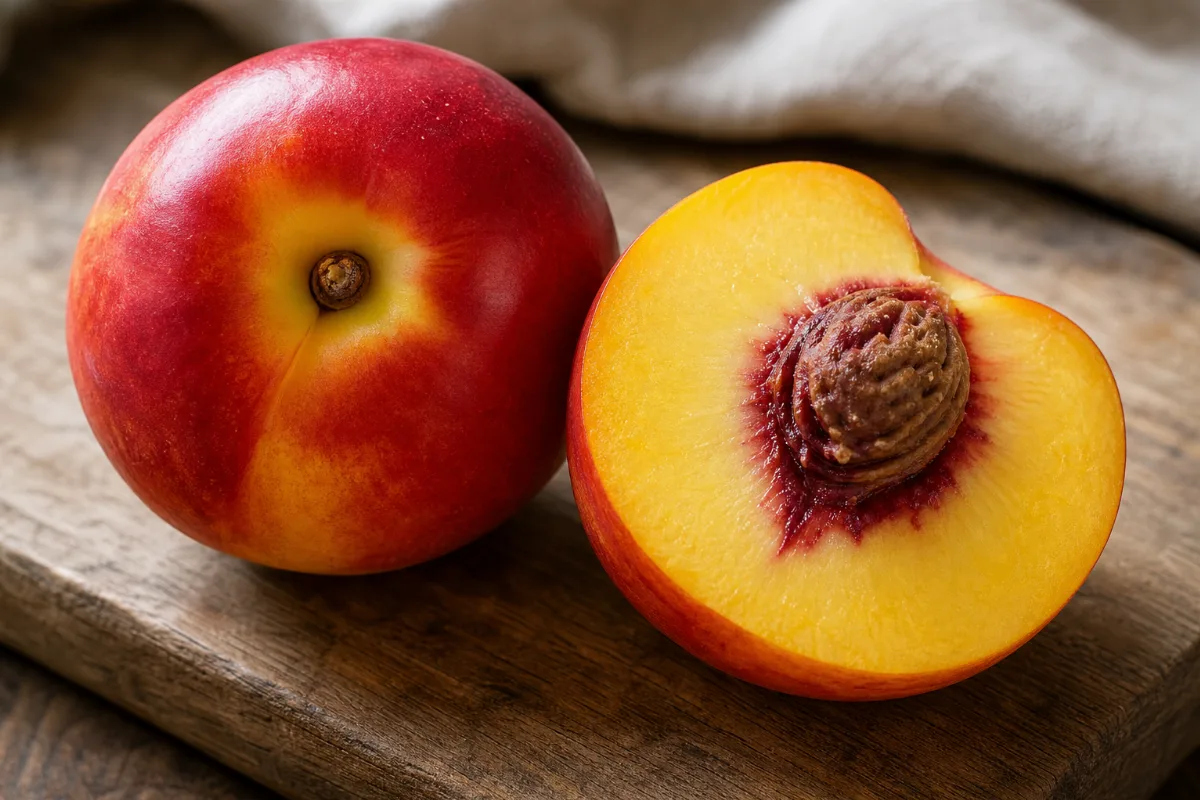
What is in a nectarine (USDA values), how it differs from a peach, what research does and does not show, and the main safety points such as allergy and washing.
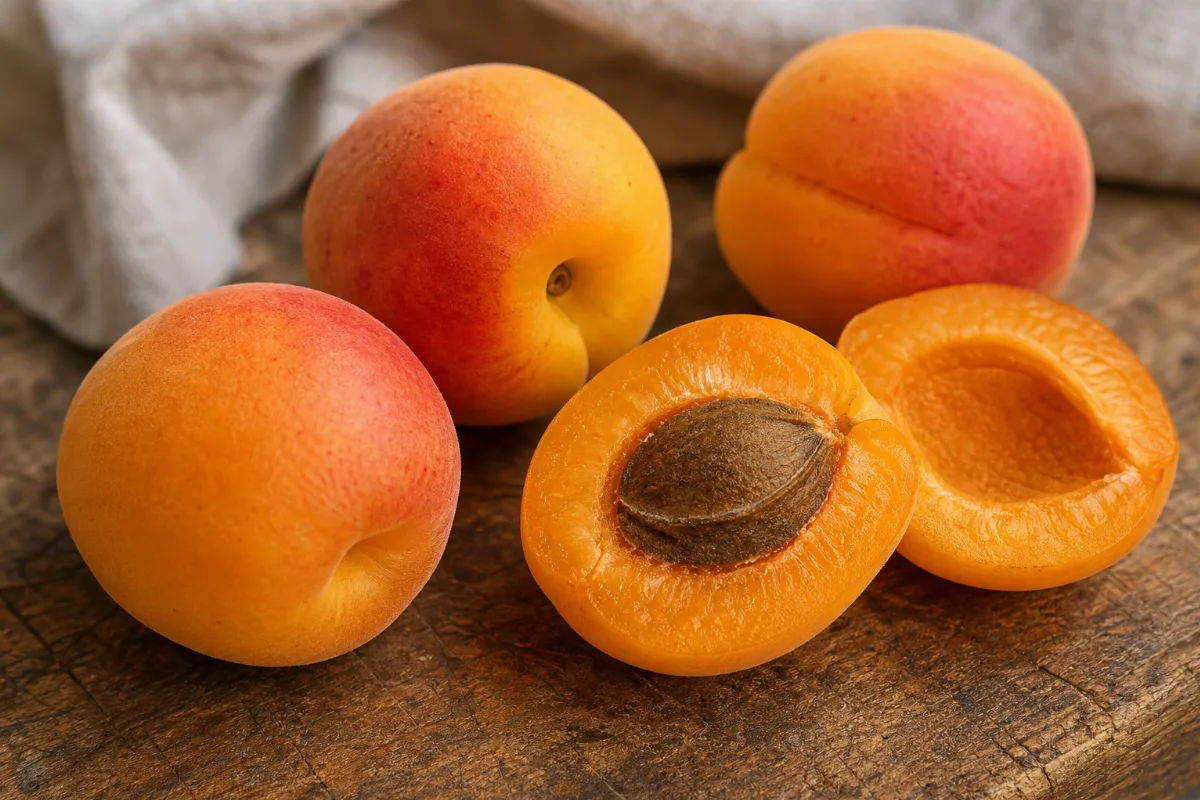
What apricots contain, what research says about eating them, and the real safety points: apricot kernels and cyanide, pollen-related allergy, and dried apricots.
Vitamin A and vitamin C intake
Fruit and vegetable pattern and long-term disease risk
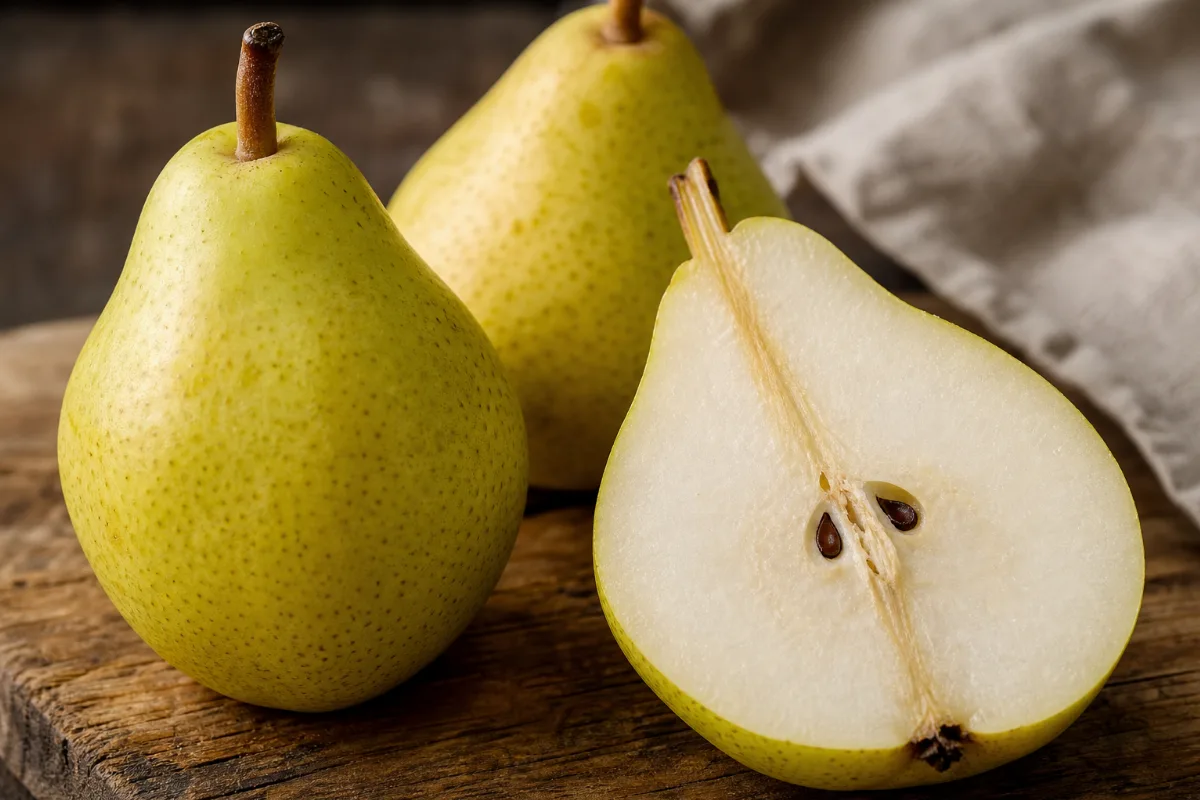
What the sources say about pears: fiber and nutrients from USDA, studies on diabetes risk and heart health, allergy and food-safety notes, and what is still unknown.
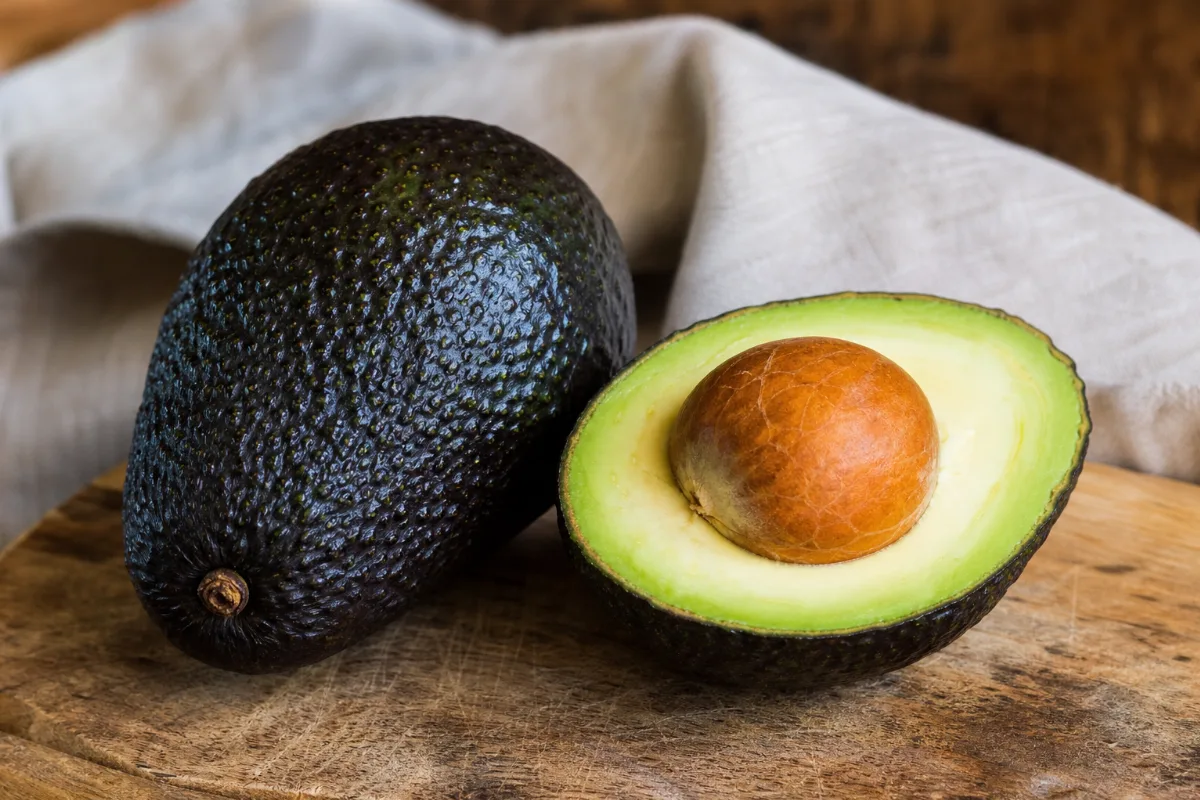
Avocado as a food: what small trials and reviews found on cholesterol, blood sugar and eye pigment, what they did not show, and latex-fruit allergy and warfarin cautions.
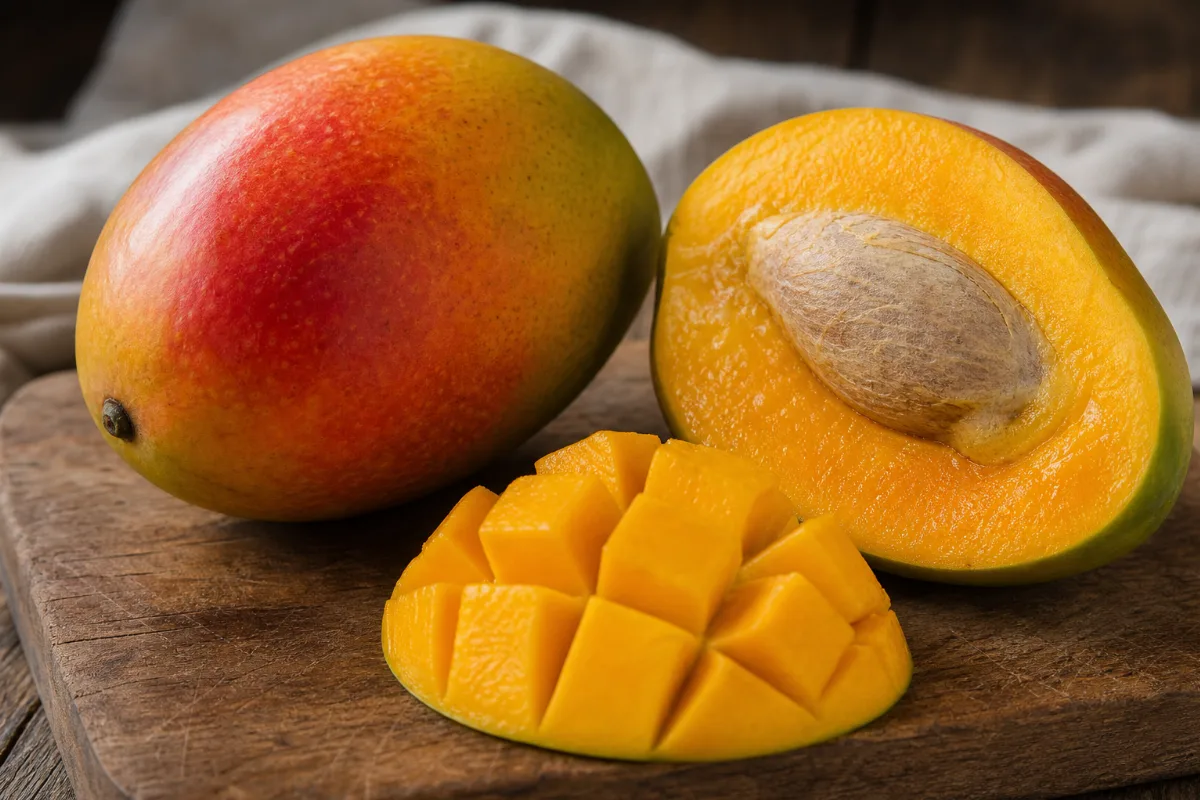
What the research shows for mango, a tropical fruit rich in vitamin C, plus USDA nutrient values, skin and allergy cautions, sugar content and food safety.
Normal serving (USDA): 1 cup, 1-inch pieces (145 g)
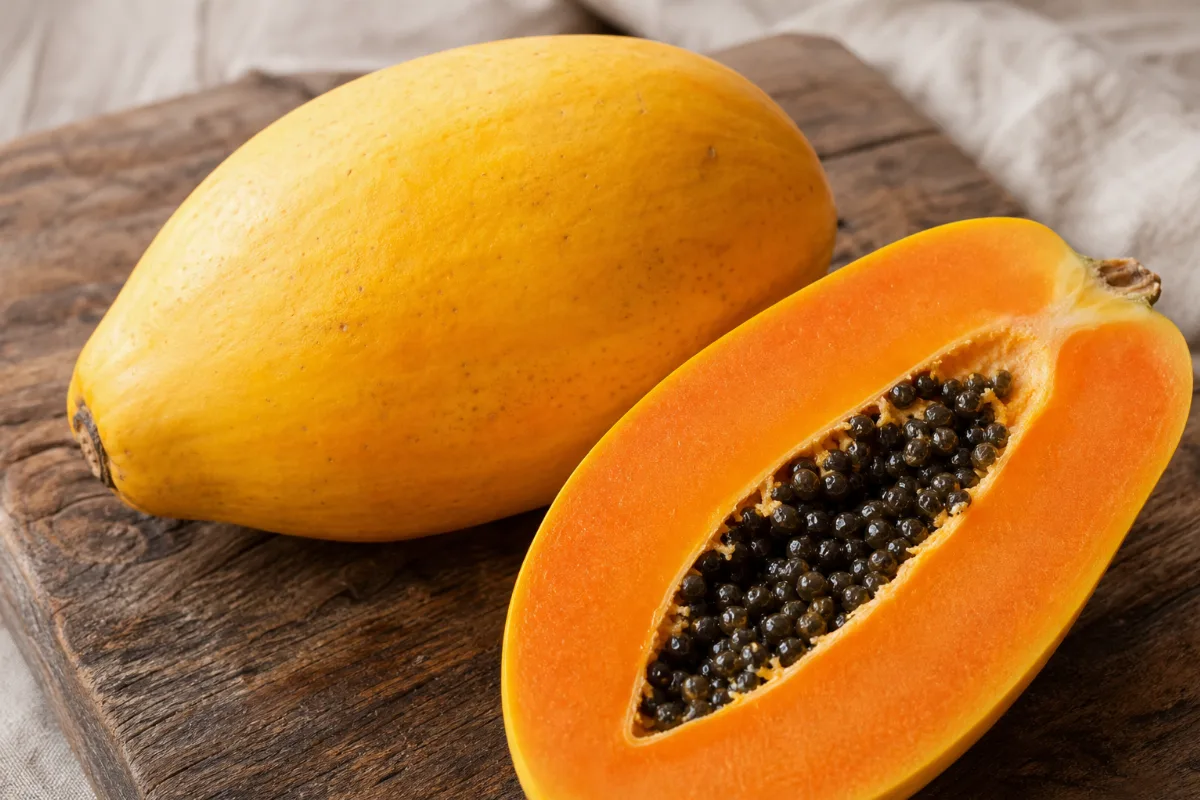
What papaya (Carica papaya) contains per USDA, what research shows for the fruit versus leaf or fermented products, and allergy, latex and food-safety notes.
Pineapple nutrition from USDA data, what research says about the fruit and about bromelain, and plain safety notes on allergy, medicines and food safety.
What research shows for guava, a tropical fruit very rich in vitamin C and fiber, with USDA nutrient values, trial results, safety notes and food-safety tips.
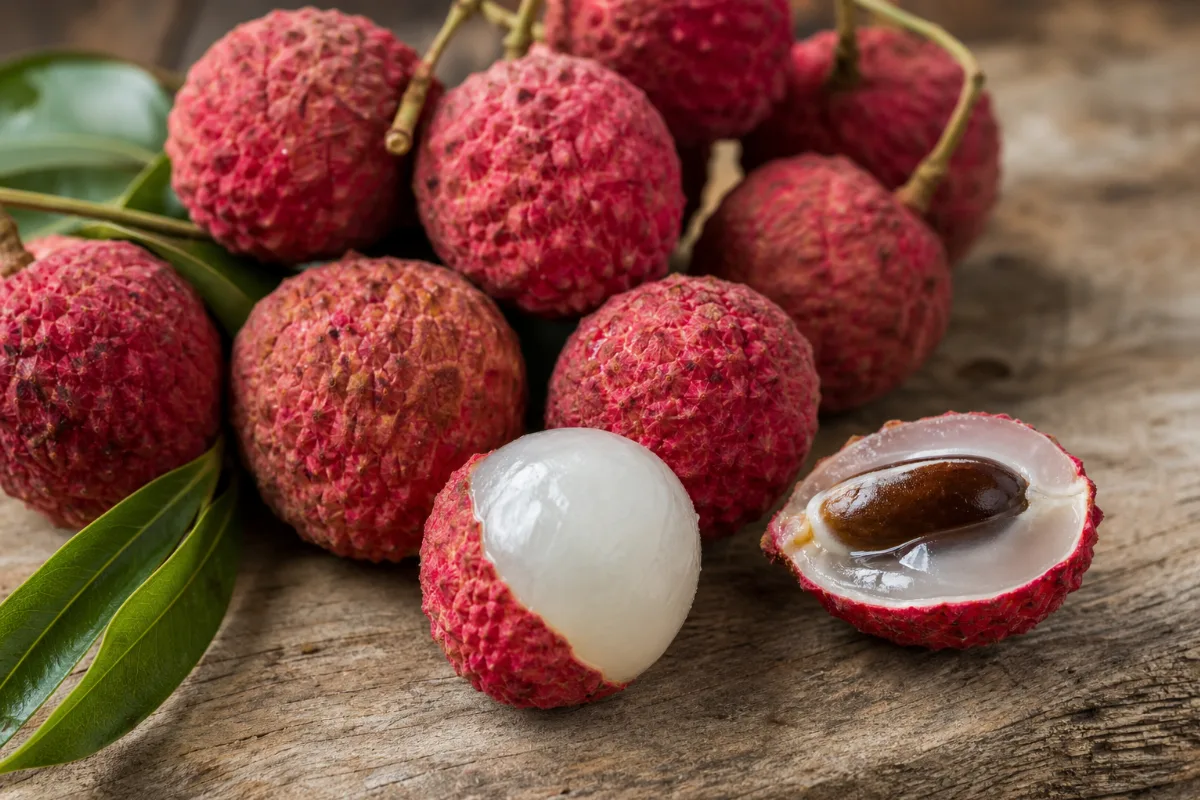
What the sources say about lychee, a juicy tropical fruit: vitamin C and copper, allergy, the link with low blood sugar in India, and what research does not show.
Normal serving (USDA): 1 cup, pulp with seeds (236 g)
What passion fruit contains (USDA values), what research says about the pulp and the peel extract, and the real safety points: latex-related allergy and natural cyanide compounds.
Normal serving (USDA): 1 fruit, 2-1/2 in diameter (168 g)
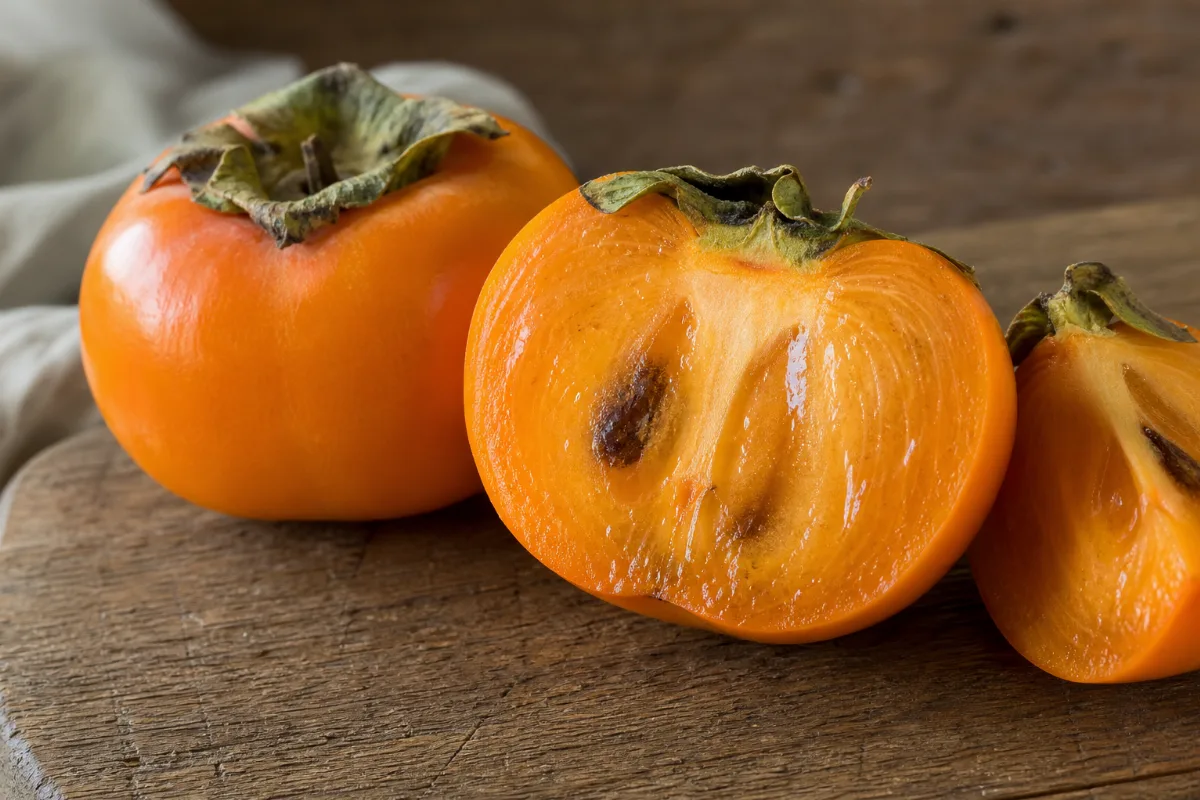
Persimmons (Diospyros kaki) as a food: USDA nutrients, what research does and does not show, and safety notes on tannin bezoars, warfarin, potassium and allergy.
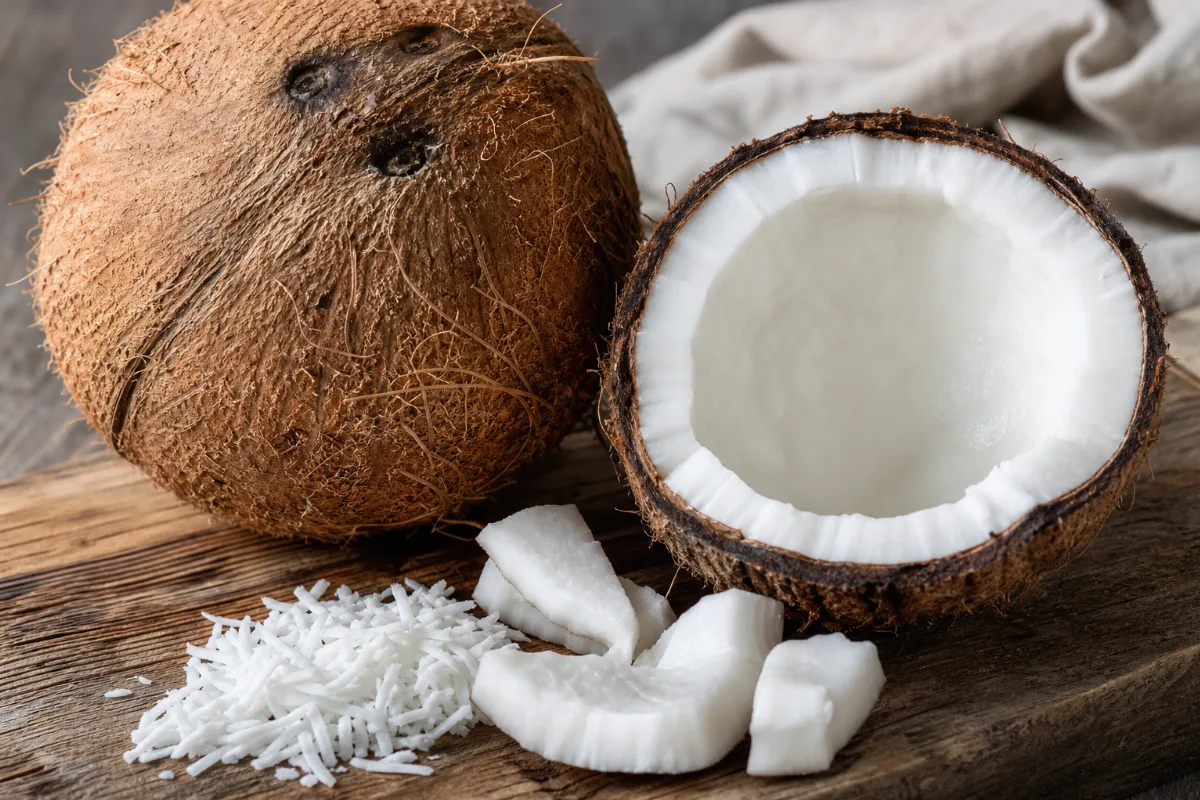
What the research shows for coconut meat, with USDA nutrient values, a clear look at its saturated fat, and short notes on coconut water, milk and oil, allergy and food safety.
What the evidence says about watermelon as a food: nutrients, lycopene and citrulline, blood pressure and exercise studies, allergy and food-safety notes.
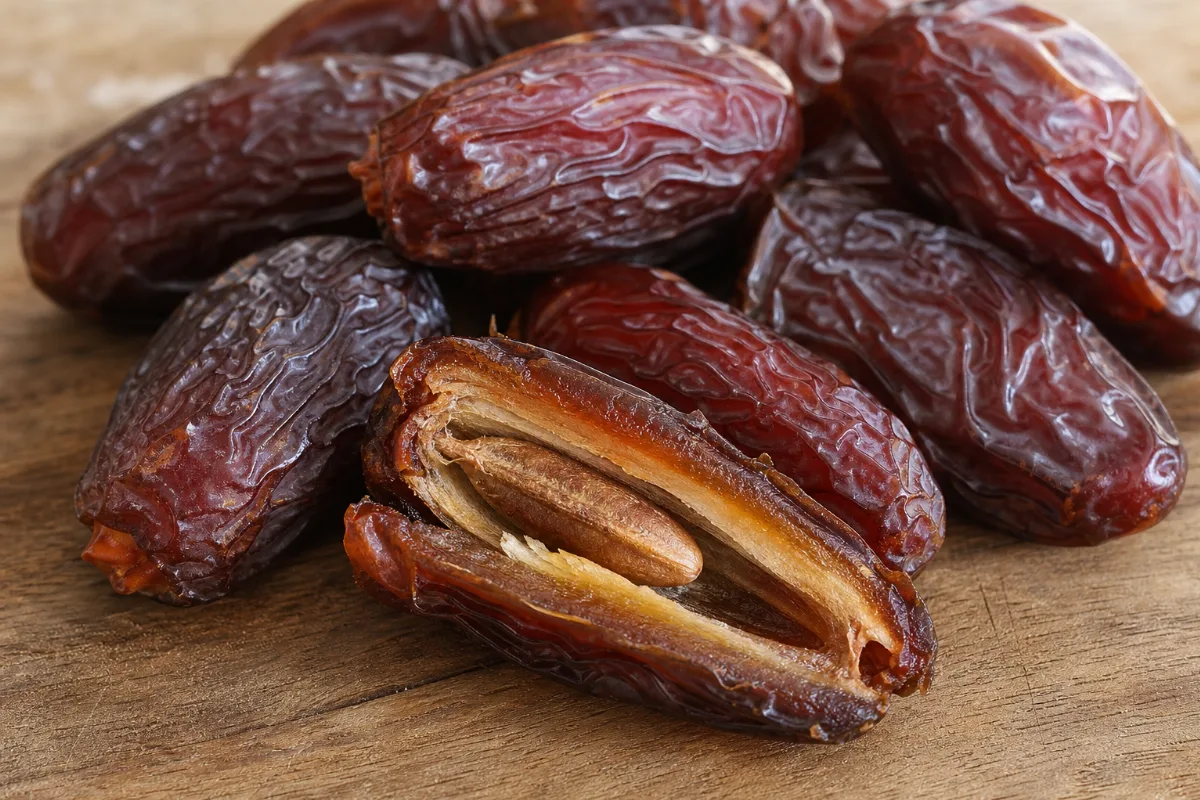
Normal serving (USDA): 1 cup, chopped (147 g), Deglet Noor
Dates (Phoenix dactylifera) as a food: USDA nutrients, what trials found on digestion, blood sugar and late pregnancy, and safety notes on sugar, potassium and sulphites.
Fiber and bowel regularity
Blood sugar in type 2 diabetes
Late pregnancy and labour
Potassium, magnesium, copper and manganese in the diet
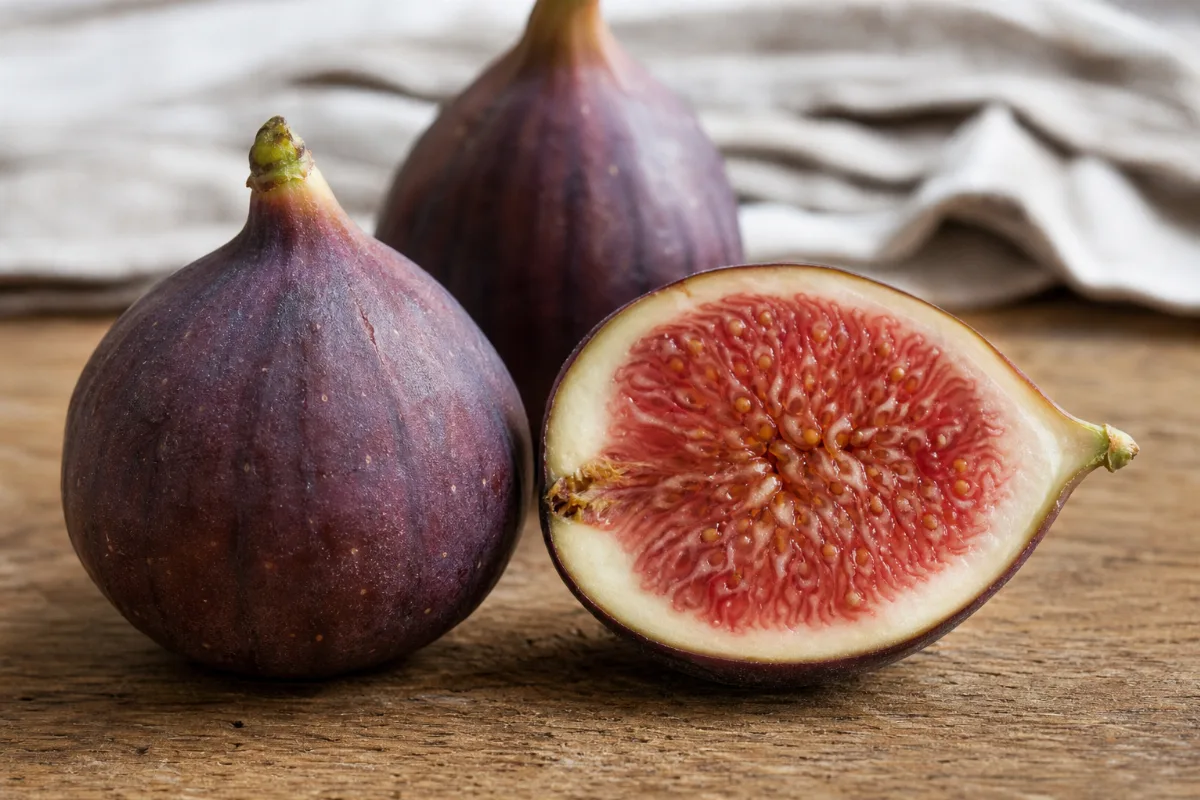
Normal serving (USDA): 1 large fig, 2-1/2 inch diameter (64 g)
Figs (Ficus carica) as a food: USDA nutrients, what trials found on constipation, plus allergy, skin-sap and potassium notes, with weak evidence called out.
What raisins contain (USDA values), what studies found on blood sugar and blood pressure, and the safety notes: sugar, sulfites, potassium, teeth and dogs.
Pomegranate fruit and juice: what meta-analyses of trials found on blood pressure and blood sugar, the thin evidence on memory, and cautions for people on medicines.
What plums (Prunus domestica) and dried plums (prunes) contain, what trials show for bowel regularity and bones, and allergy, medicine and food-safety notes.
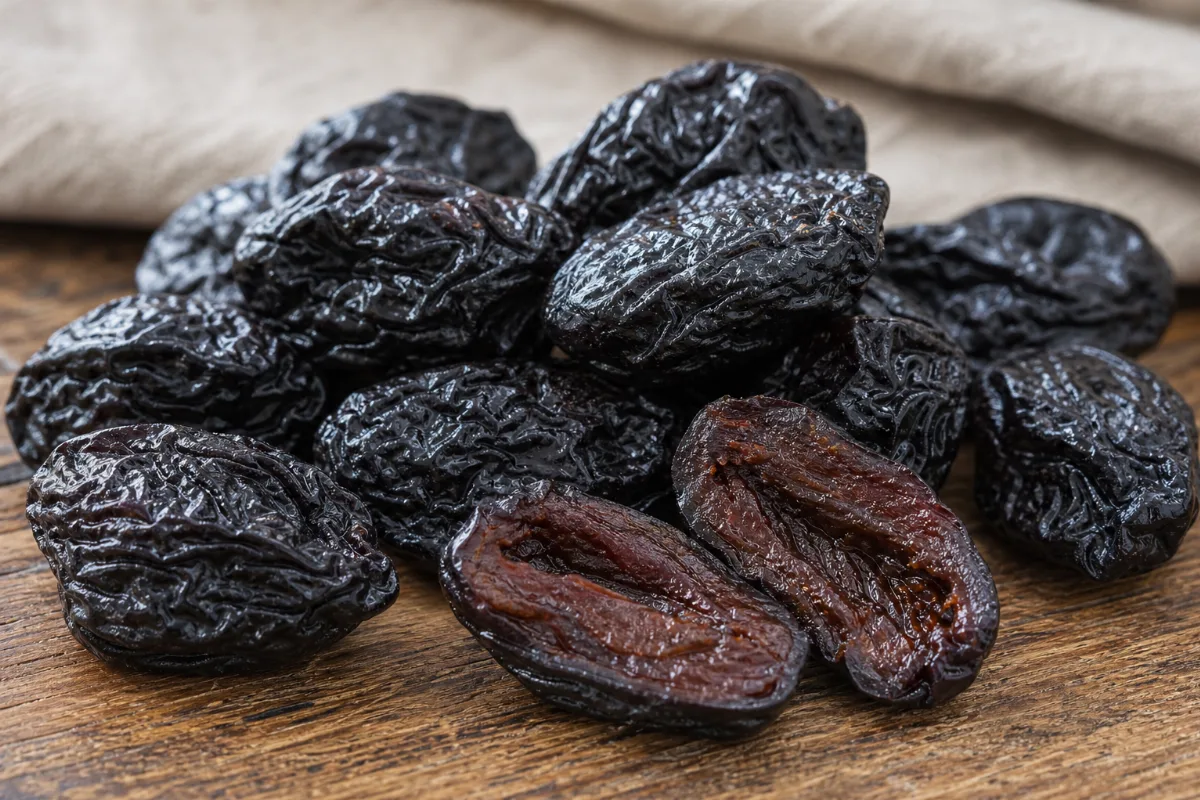
What prunes (dried plums) contain, what trials show for constipation and bone density, and the sugar, potassium, vitamin K and bowel-comfort points to know.
No fruit matches all of these filters. Try removing one. Some topics (for example most herbs) are not fruits and live elsewhere on the site.
A link between a fruit and a topic means the body needs the fruit for that job, or that low intake is linked to it. It does not mean extra supplements help if your intake is already adequate. See each page’s evidence label.
Browse by fruit fruit group
Berries and grapes
Blueberries, blackcurrants, mulberries, grapes and relatives: small, juicy, often deeply coloured fruit.
Food allergy can be an emergency. Call 911 for trouble breathing or swelling of the face or throat.
Some foods affect medicines: grapefruit and relatives, vitamin K greens with warfarin, and potassium-rich foods with some blood pressure medicines or kidney disease.
Juices, powders and extracts are not the same as the whole food. Ask a pharmacist or clinician if you take medicines or have a medical condition.
What blackcurrants contain (USDA values), what trials of the fruit, juice and extract found for blood vessels, thinking and exercise, and safety notes.
What mulberries contain, what research says about eating them, how they differ from mulberry leaf products, and the safety points: allergy, medicines and storage.
What grapes contain (USDA values), what trials and large cohort studies found, and the safety notes: allergy, choking in young children, medicines and sugar.
Citrus Fruits(5)Oranges, lemons, limes, grapefruit and mandarins, including the medicine cautions that go with the grapefruit family.
Lemons as a food: vitamin C and scurvy, what research says about colds and kidney stones, skin and tooth cautions, and how this differs from supplements.
Limes as a food: USDA nutrition, vitamin C and scurvy, what the research does and does not show, and safety notes such as sun-sensitive skin reactions.
Oranges as a food: vitamin C and scurvy, what research says about juice, colds and heart health, medicine and potassium cautions, and how this differs from supplements.
Grapefruit nutrition from USDA, what studies found on weight, blood pressure and cancer risk, and the well-documented way it can change how some medicines work.
Mandarins and tangerines as food: USDA nutrients, what research does and does not show for vitamin C and carotenoids, allergy and medicine notes, and safe handling.
Stone Fruit(5)Cherries, peaches, nectarines, plums and apricots.
What is in sweet cherries (USDA values), what research does and does not show for eating them, and the main safety points: allergy, pits, sugar and washing.
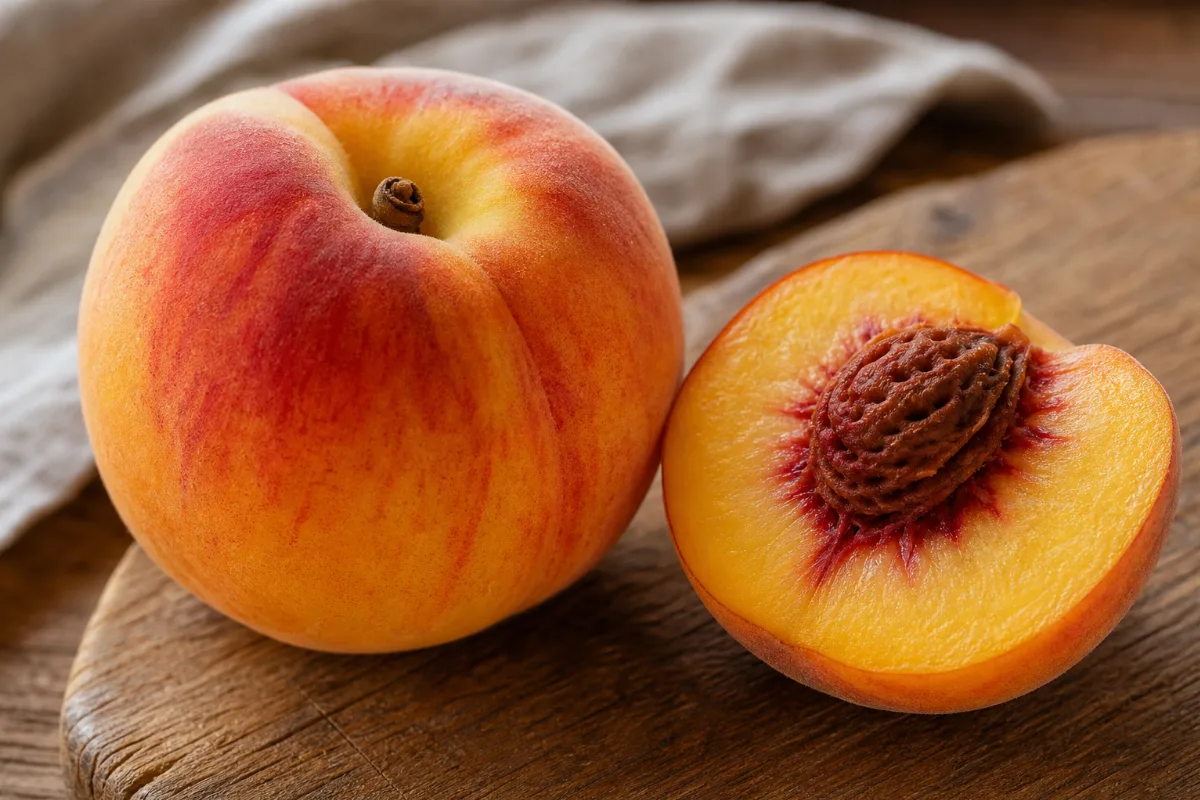
What is in a nectarine (USDA values), how it differs from a peach, what research does and does not show, and the main safety points such as allergy and washing.
What plums (Prunus domestica) and dried plums (prunes) contain, what trials show for bowel regularity and bones, and allergy, medicine and food-safety notes.
What apricots contain, what research says about eating them, and the real safety points: apricot kernels and cyanide, pollen-related allergy, and dried apricots.
What the sources say about pears: fiber and nutrients from USDA, studies on diabetes risk and heart health, allergy and food-safety notes, and what is still unknown.
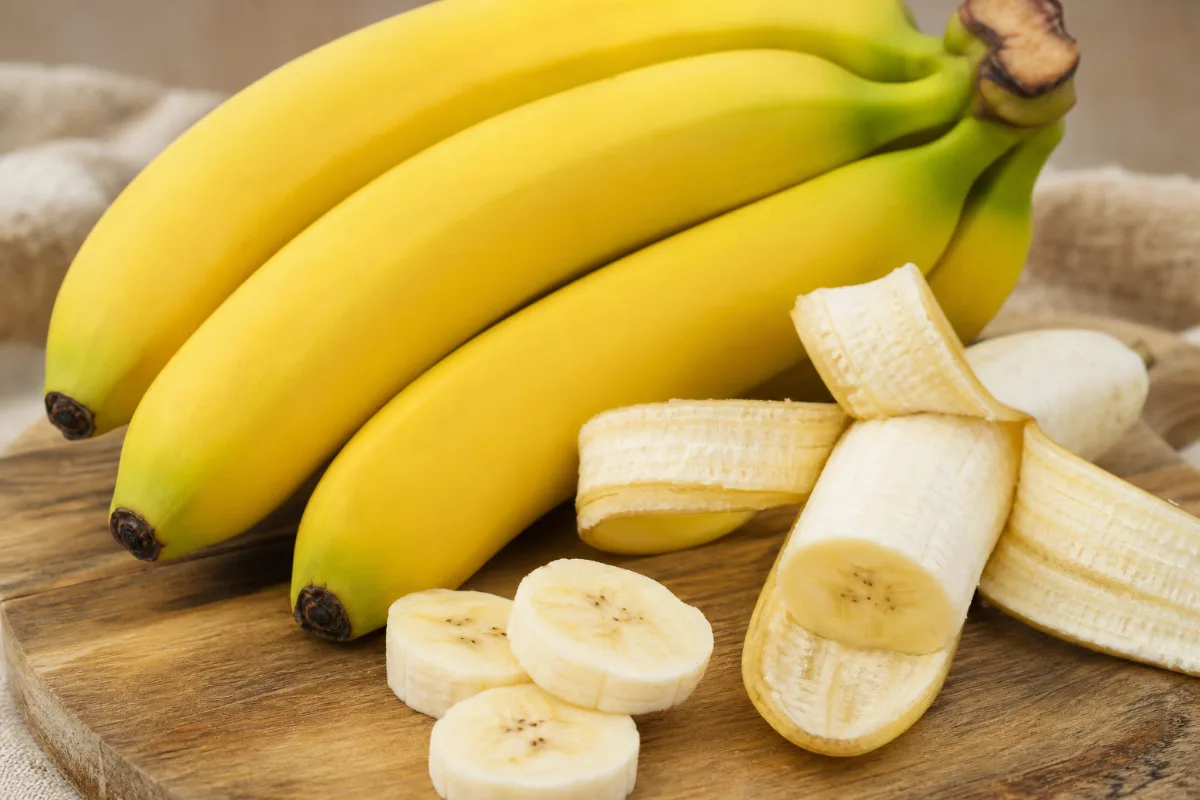
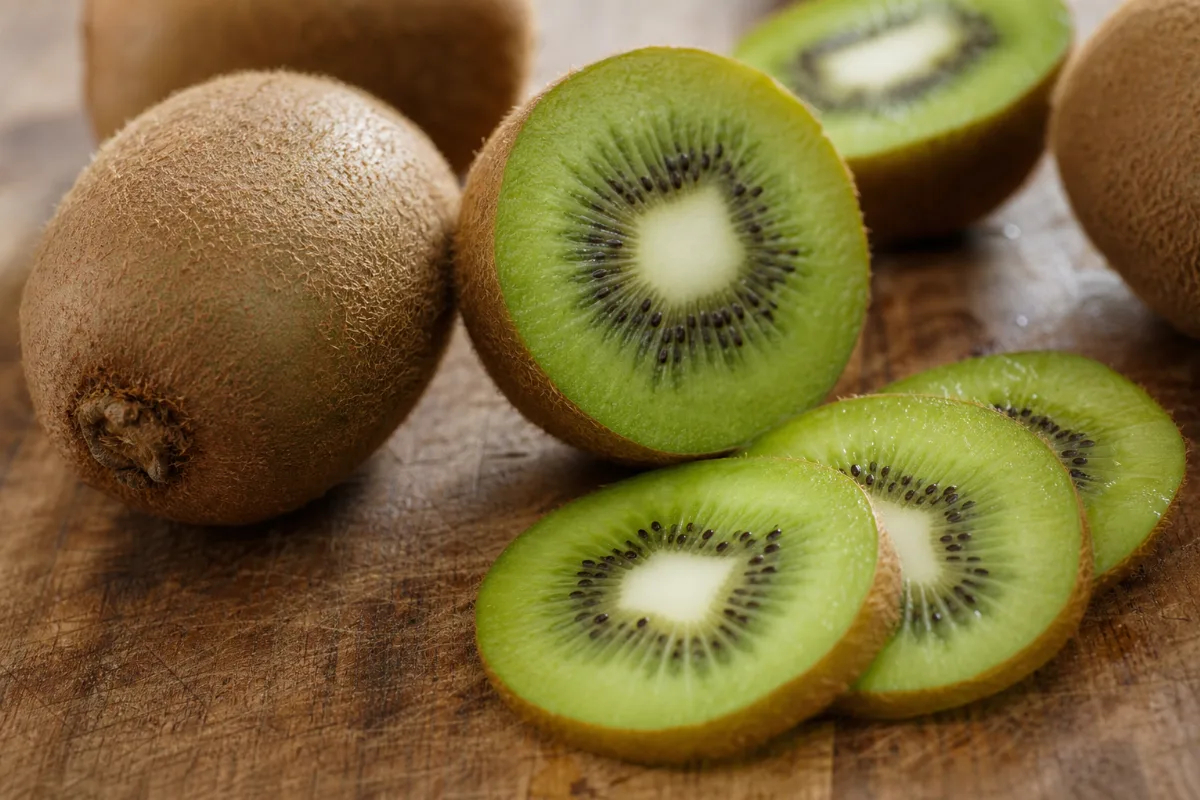
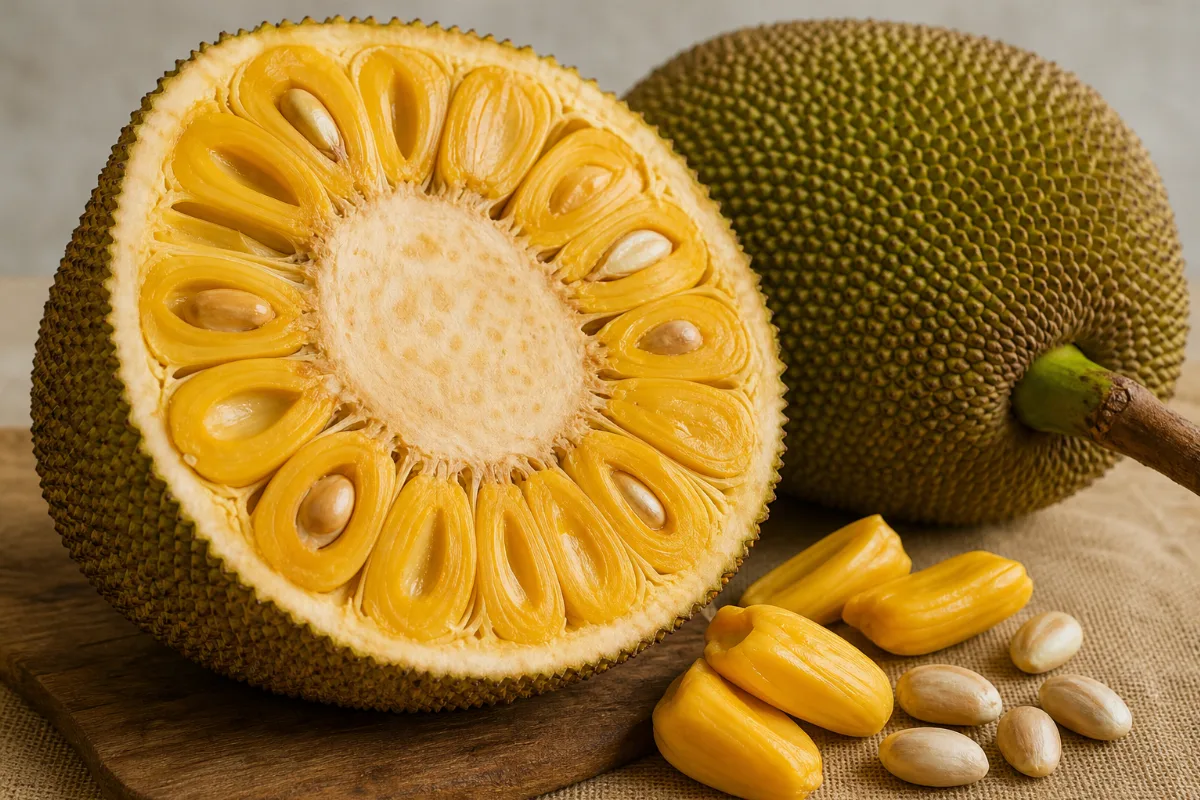
Tropical & Other Fresh Fruit(12)Banana, mango, papaya, pineapple, kiwifruit, guava, lychee, passion fruit, persimmon, jackfruit, star fruit and coconut.
What the research shows for mango, a tropical fruit rich in vitamin C, plus USDA nutrient values, skin and allergy cautions, sugar content and food safety.
What papaya (Carica papaya) contains per USDA, what research shows for the fruit versus leaf or fermented products, and allergy, latex and food-safety notes.
Pineapple nutrition from USDA data, what research says about the fruit and about bromelain, and plain safety notes on allergy, medicines and food safety.
What research shows for guava, a tropical fruit very rich in vitamin C and fiber, with USDA nutrient values, trial results, safety notes and food-safety tips.
What the sources say about lychee, a juicy tropical fruit: vitamin C and copper, allergy, the link with low blood sugar in India, and what research does not show.
What passion fruit contains (USDA values), what research says about the pulp and the peel extract, and the real safety points: latex-related allergy and natural cyanide …
Persimmons (Diospyros kaki) as a food: USDA nutrients, what research does and does not show, and safety notes on tannin bezoars, warfarin, potassium and allergy.
What the research shows for coconut meat, with USDA nutrient values, a clear look at its saturated fat, and short notes on coconut water, milk and oil, allergy and food …
What the evidence says about watermelon as a food: nutrients, lycopene and citrulline, blood pressure and exercise studies, allergy and food-safety notes.
Dates (Phoenix dactylifera) as a food: USDA nutrients, what trials found on digestion, blood sugar and late pregnancy, and safety notes on sugar, potassium and sulphites.
Figs (Ficus carica) as a food: USDA nutrients, what trials found on constipation, plus allergy, skin-sap and potassium notes, with weak evidence called out.
What raisins contain (USDA values), what studies found on blood sugar and blood pressure, and the safety notes: sugar, sulfites, potassium, teeth and dogs.
What prunes (dried plums) contain, what trials show for constipation and bone density, and the sugar, potassium, vitamin K and bowel-comfort points to know.
Table olives (Olea europaea) as a food: USDA nutrients, why brining makes them high in sodium, what research does and does not show, and safety notes.
Frequently asked questions
How much fruit and vegetables do health bodies advise?
The World Health Organization advises at least 400 g of fruit and vegetables a day for people older than 10. [1] The UK NHS counts 80 g of fresh, canned or frozen fruit as one portion, and 30 g of dried fruit as one portion. [2]
Does fruit juice count?
The NHS counts juice and smoothies as one portion at most, with a combined limit of 150 ml a day, ideally with meals to lower the risk of tooth decay. [2] See also fruit juice vs whole fruit.
Can a fruit treat or cure a condition?
No fruit on this site is presented as a treatment. Eating more fruit and vegetables is a general dietary recommendation; individual fruit pages say what trials found and how strong the evidence is.
Which fruits matter with medicines?
Grapefruit and its relatives can change how some medicines work, and potassium-rich foods matter with some blood pressure medicines and kidney disease. See foods and medicine interactions and each fruit's safety section.
References
World Health Organization. Healthy diet fact sheet. Date shown on the page: 26 January 2026. Read 2026-10-23.
Content last updated . This section has not been medically reviewed.
Education, not medical advice. This section is for general information. It does not diagnose or treat any condition and is not a substitute for care from a qualified health professional. Natural does not automatically mean safe.