Honey is a food first, and bee products can cause allergy. Explore each honey and hive product: what it is, how bees make it, what studies in people have and have not found (kept apart from lab findings and tradition), medical-grade honey versus jar honey, and what to check before you use it: babies under 12 months, allergy and asthma, diabetes, pregnancy, raw honey, adulteration and wounds.
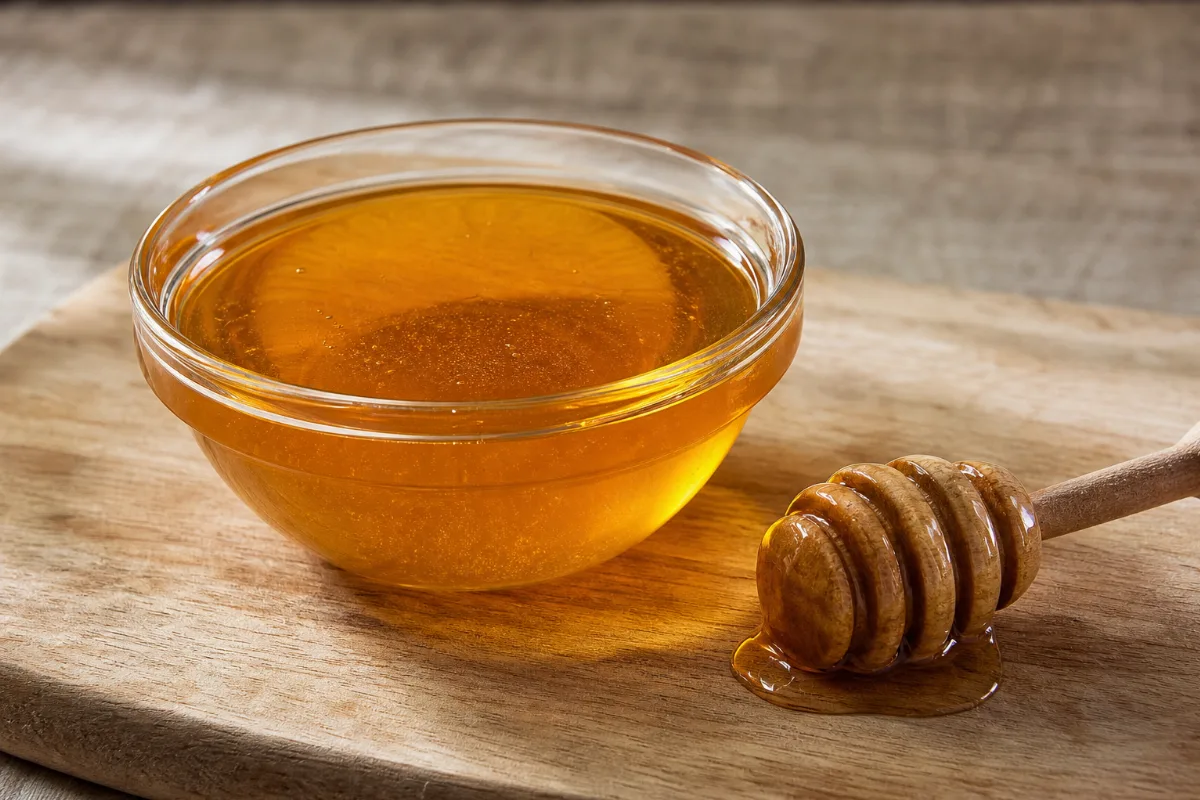
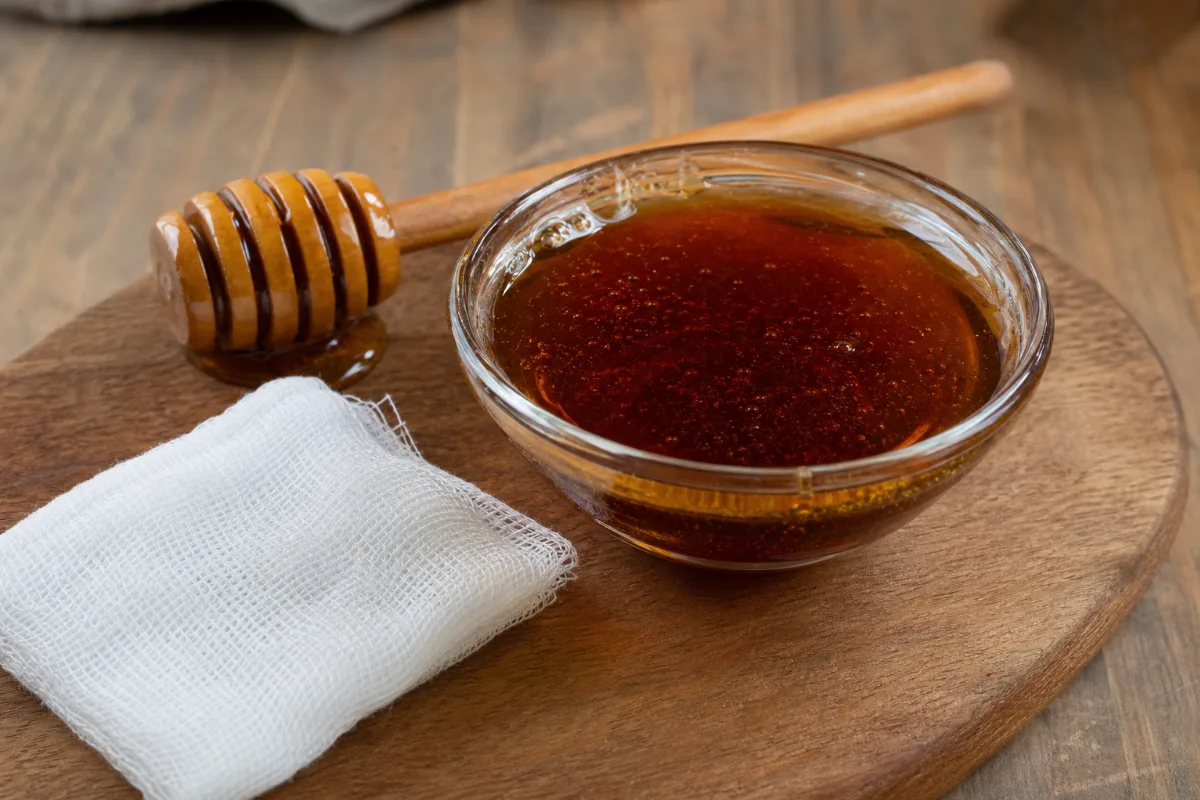
Honey made by honeybees (Apis mellifera) from flower nectar
Human evidence: Human trials with mixed results
Studied in people for: cough and sore throat, wounds and burns, blood sugar
Never for babies under 12 monthsAllergy, including anaphylaxisBlood sugar and diabetesRaw or unpasteurized+3 more
Honey: why it must never be given to babies under 12 months, what trials found for cough and for wound dressings, and why jar honey and medical honey are different products.
Honey and cough in children over 1 year
Honey and cold or upper respiratory infection symptoms
Honey dressings (medical-grade) for burns and some wounds
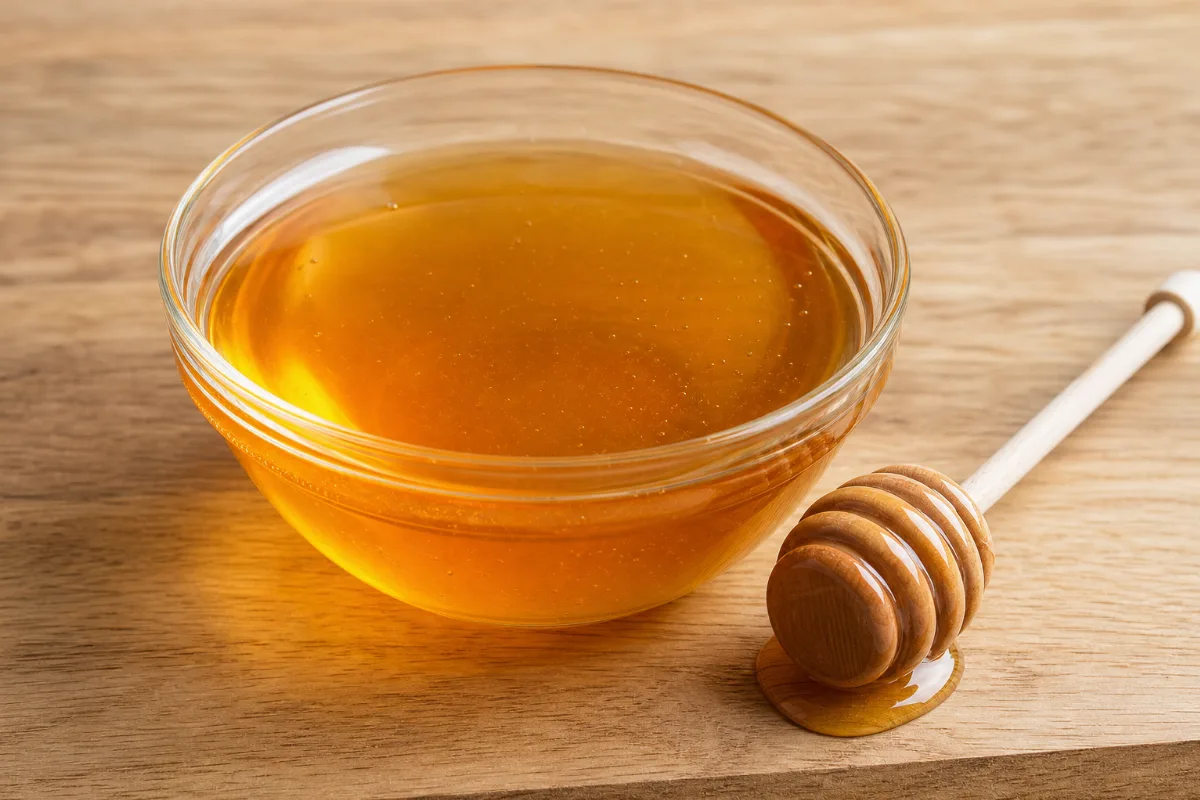
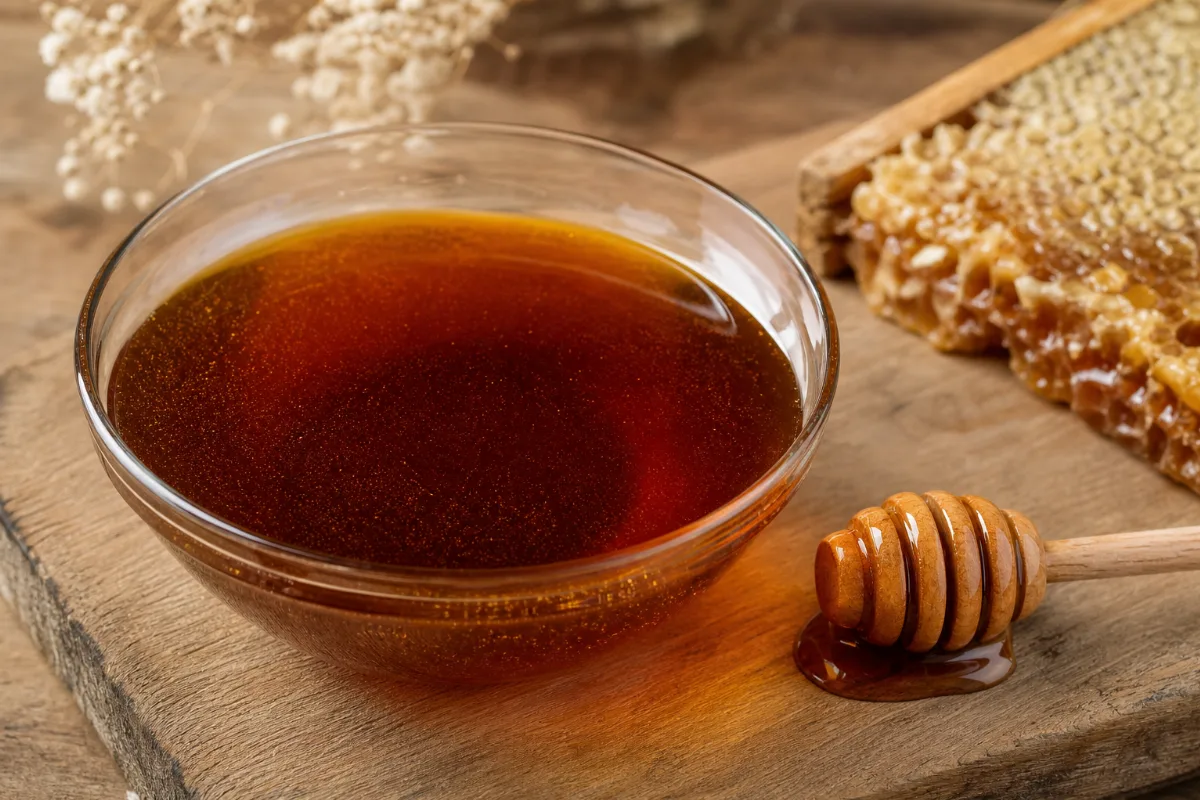
Honey made by honey bees (Apis mellifera) from flower nectar
Human evidence: Human trials with mixed results
Studied in people for: hay fever
Never for babies under 12 monthsAllergy, including anaphylaxisRaw or unpasteurizedAdulteration and label quality+1 more
What "raw" honey and regular honey may differ in (heat, filtering, pollen), what lab studies found, what is not shown in people, and why neither is safe for babies under 12 months.
Robinia pseudoacacia honey (honey made mainly from black locust nectar)
Human evidence: Very few human studies
Studied in people for: cough and sore throat
Never for babies under 12 monthsAllergy, including anaphylaxisAsthma and breathingBlood sugar and diabetes+3 more
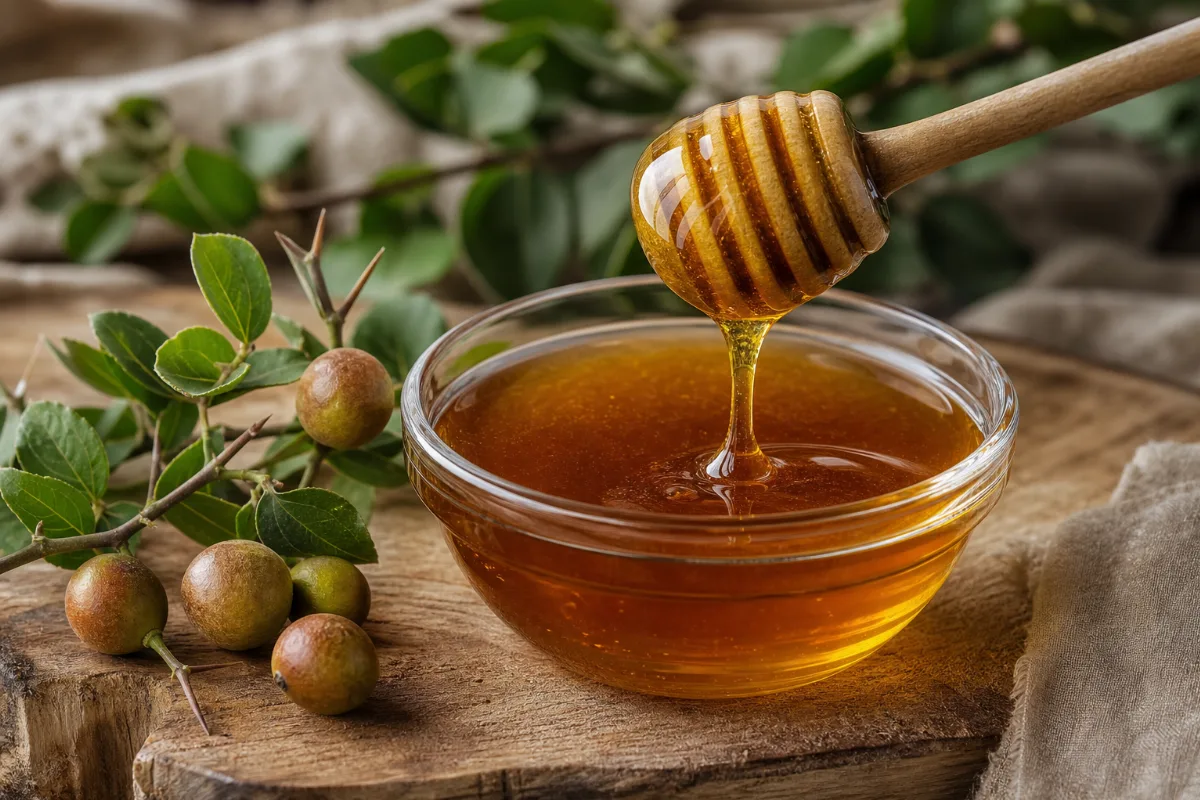
Acacia honey (from black locust, Robinia pseudoacacia) is a light food honey. What studies show, what they do not, label and fraud issues, and honey safety rules.
Acacia honey and cough in young children
Acacia honey and blood sugar
Acacia honey as a food: sweetness and staying liquid
Trifolium honey (honey from clover nectar, chiefly Trifolium repens and other Trifolium species)
Human evidence: Very few human studies
Studied in people for: cough and sore throat, blood sugar, heart and cholesterol
Never for babies under 12 monthsAllergy, including anaphylaxisBlood sugar and diabetesRaw or unpasteurized+2 more
Clover honey is the mild table honey made from clover nectar. What it is, what the sources say about cough, blood sugar and safety, and why babies under 1 must not have it.
Clover honey as an everyday food
Honey and cough in children
Clover honey and blood lipids versus sugar
Honey, blood sugar and cholesterol markers (pooled trials)
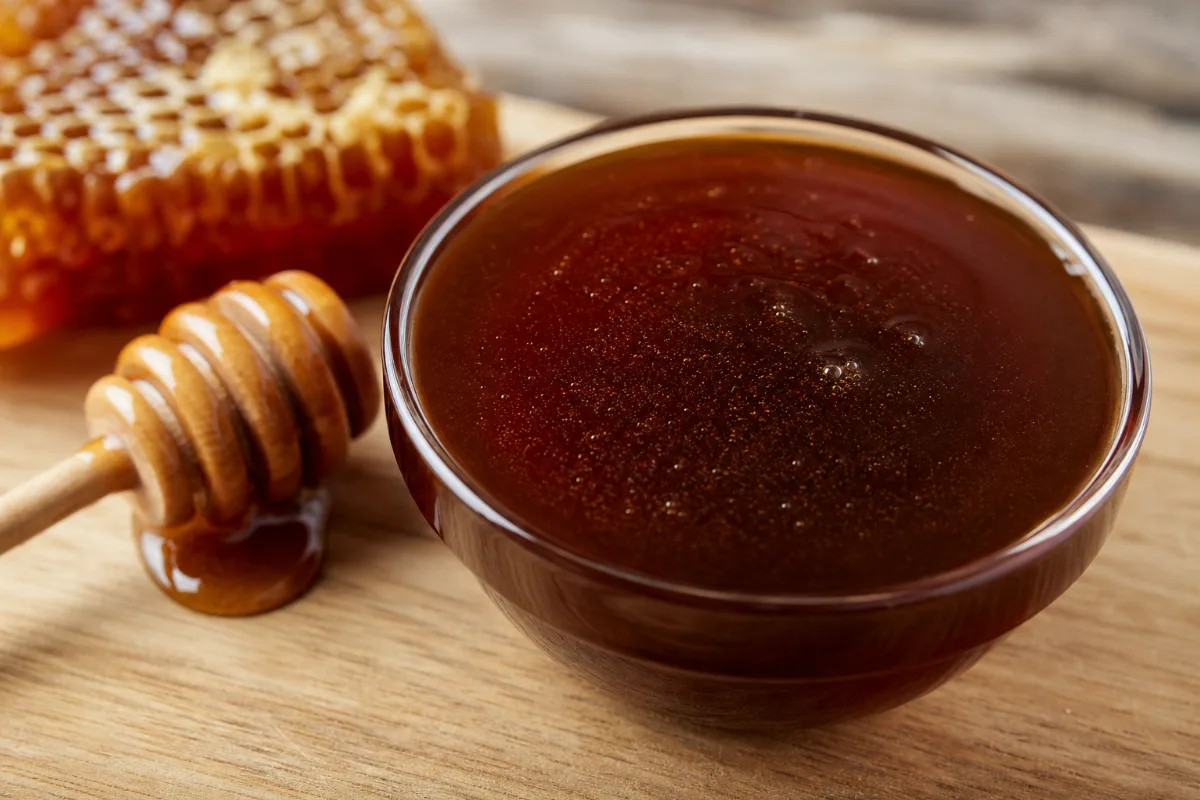
Honey from Fagopyrum esculentum (common buckwheat) nectar
Human evidence: Very few human studies
Studied in people for: cough and sore throat
Never for babies under 12 monthsAllergy, including anaphylaxisBlood sugar and diabetesRaw or unpasteurized+1 more
Buckwheat honey is a dark, strong honey from buckwheat flowers. Here is what the children's night cough trials found and where they fall short, plus allergy and safety notes.
Buckwheat honey and night cough in children
Buckwheat honey compared with cough medicine
Buckwheat honey and children's sleep during a cold
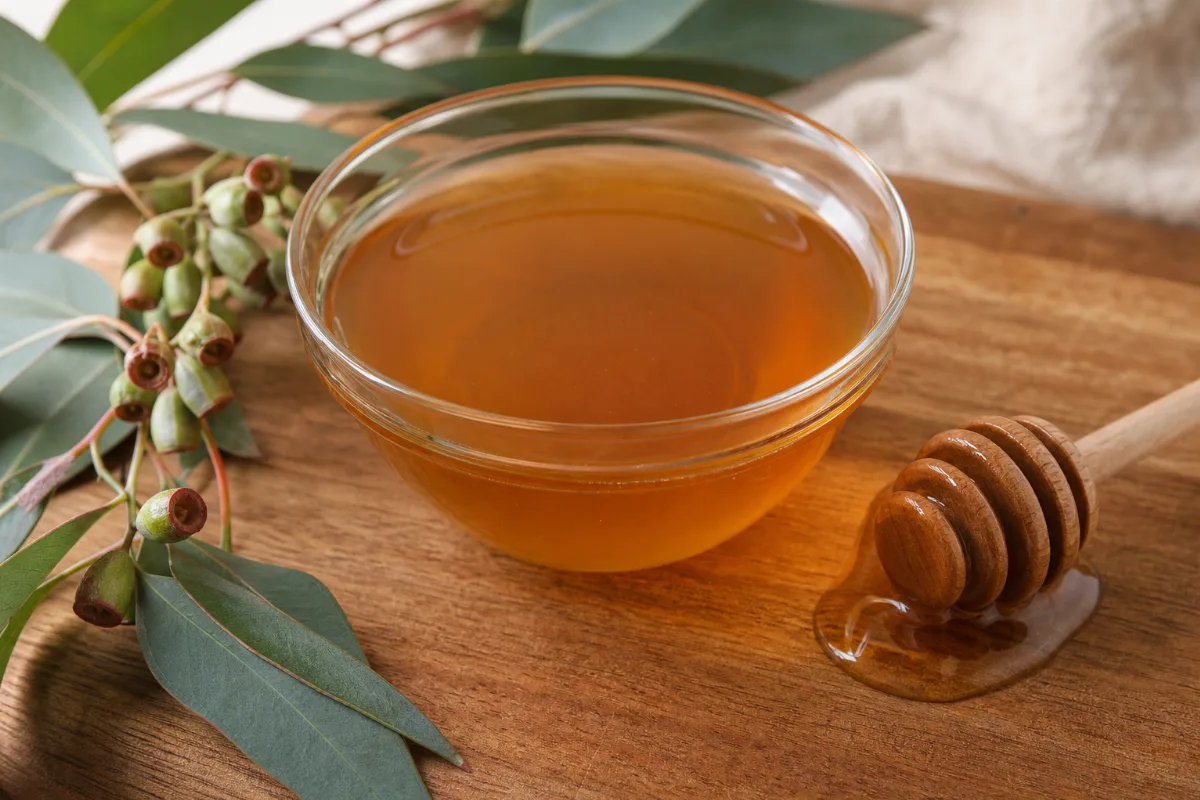
Honey from Eucalyptus nectar (e.g. Eucalyptus camaldulensis)
Human evidence: Mostly lab and animal research
Never for babies under 12 monthsAllergy, including anaphylaxisBlood sugar and diabetesAdulteration and label quality+2 more
Eucalyptus honey is a food honey made from eucalyptus nectar. See how it is identified, what research shows, what it does not show, and the safety rules for any honey.
Forest honeydew honey: honey made by Apis mellifera from excretions of sap-sucking insects (Hemiptera) and plant secretions
Human evidence: Mostly lab and animal research
Never for babies under 12 monthsAllergy, including anaphylaxisBlood sugar and diabetesAdulteration and label quality+1 more
Honeydew honey is made from the sweet excretions of sap-sucking insects, not flower nectar. How it differs, what the Codex says, what research shows, and safety.
What honeydew honey is versus nectar honey
Honeydew honey and human health
Honeydew honey and antioxidant or antibacterial lab findings
Honey and oxidative stress markers (honey type not stated)
Studied in people for: wounds and burns, mouth sores and gums
Never for babies under 12 monthsAllergy, including anaphylaxisBlood sugar and diabetesRaw or unpasteurized+3 more
Stingless bee honey (kelulut, sugarbag, pot-honey) is wetter, more sour and ferments faster than honeybee honey. What small trials show, and the safety rules that still apply.
Stingless bee honey in diabetic wound dressings
Stingless bee honey and cognition after stroke
Stingless bee honey mouth rinse and dental plaque
How stingless bee honey differs from honeybee honey
Honey made by honeybees (Apis mellifera) from Leptospermum scoparium nectar
Human evidence: Human trials with mixed results
Studied in people for: wounds and burns, mouth sores and gums, eyes
Never for babies under 12 monthsAllergy, including anaphylaxisBlood sugar and diabetesNot for wounds unless medical grade+1 more
Manuka honey: how medical wound products differ from jar honey, what reviews found for wounds and dry eye, what UMF and MGO grades are, and the infant botulism warning.
Manuka honey and wound care
Manuka honey and mouth sores from radiation (oral mucositis)
Manuka honey and gum disease or plaque
Manuka honey rinse and dry mouth, and tooth-extraction healing
Sterilised, standardised honey made by Apis mellifera; some products use Leptospermum (manuka) nectar honey
Human evidence: Human trials with mixed results
Studied in people for: wounds and burns
Never for babies under 12 monthsAllergy, including anaphylaxisAdulteration and label qualityNot for wounds unless medical grade
What the Cochrane review found for honey dressings on burns and wounds, how medical-grade honey differs from kitchen honey, and why food honey is not a substitute for wound care.
Medical-grade honey dressings and partial-thickness burns
Honey from Eucalyptus marginata nectar (Western Australia)
Human evidence: Mostly lab and animal research
Never for babies under 12 monthsAllergy, including anaphylaxisNot for wounds unless medical gradeAdulteration and label quality
Jarrah honey from Western Australia: lab studies on its germ-fighting activity, why no human trial was found, and how food honey differs from sterilized medical-grade honey.
Honey of the giant rock bee (Apis dorsata) from Tualang trees (Koompassia excelsa)
Human evidence: Very few human studies
Studied in people for: wounds and burns, blood sugar, heart and cholesterol
Never for babies under 12 monthsAllergy, including anaphylaxisBlood sugar and diabetesNot for wounds unless medical grade
Tualang honey is a wild rainforest honey from Malaysia. Here is what small Malaysian human trials found, what they did not show, and the safety rules for any honey.
Tualang honey and memory in postmenopausal women
Tualang honey and cognition in schizophrenia
Tualang honey and cancer-related fatigue
Tualang honey after tonsillectomy and sinus surgery
Never for babies under 12 monthsAllergy, including anaphylaxisAdulteration and label qualityNot for wounds unless medical grade
Sidr honey comes from the flowers of the sidr tree (Ziziphus spina-christi). What lab studies and a few small dental trials show, what they do not, and safety notes.
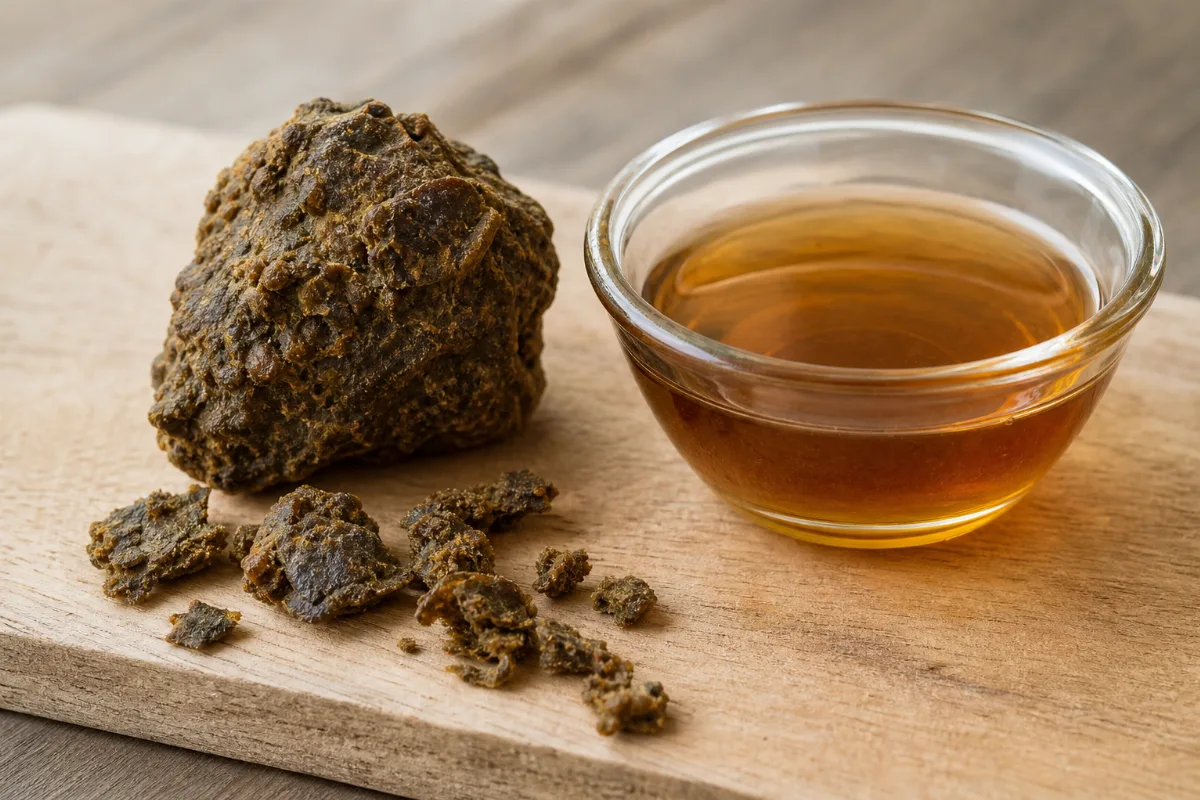
Resin collected by honeybees (Apis mellifera) from plant buds and sap
Human evidence: Human trials with mixed results
Studied in people for: mouth sores and gums, skin conditions, blood sugar
Allergy, including anaphylaxisAsthma and breathingAdulteration and label qualityContaminants and residues
Propolis, the resin bees make: a documented allergen with serious reactions reported, what reviews found for wounds, mouth care and inflammation markers, and who should ask first.
Propolis and oral mucositis (mouth sores from cancer treatment)
Propolis and cold sores or genital herpes ointments
Secretion of worker honeybees (Apis mellifera) that feeds larvae and the queen
Human evidence: Human trials with mixed results
Studied in people for: menopause symptoms, blood sugar, skin conditions, exercise
Allergy, including anaphylaxisAsthma and breathingMedicine interactionsAdulteration and label quality
Royal jelly, a honeybee secretion sold as a supplement: reports of asthma and anaphylaxis, what meta-analyses found for blood sugar, liver tests, weight and oxidative stress, and who should ask first.
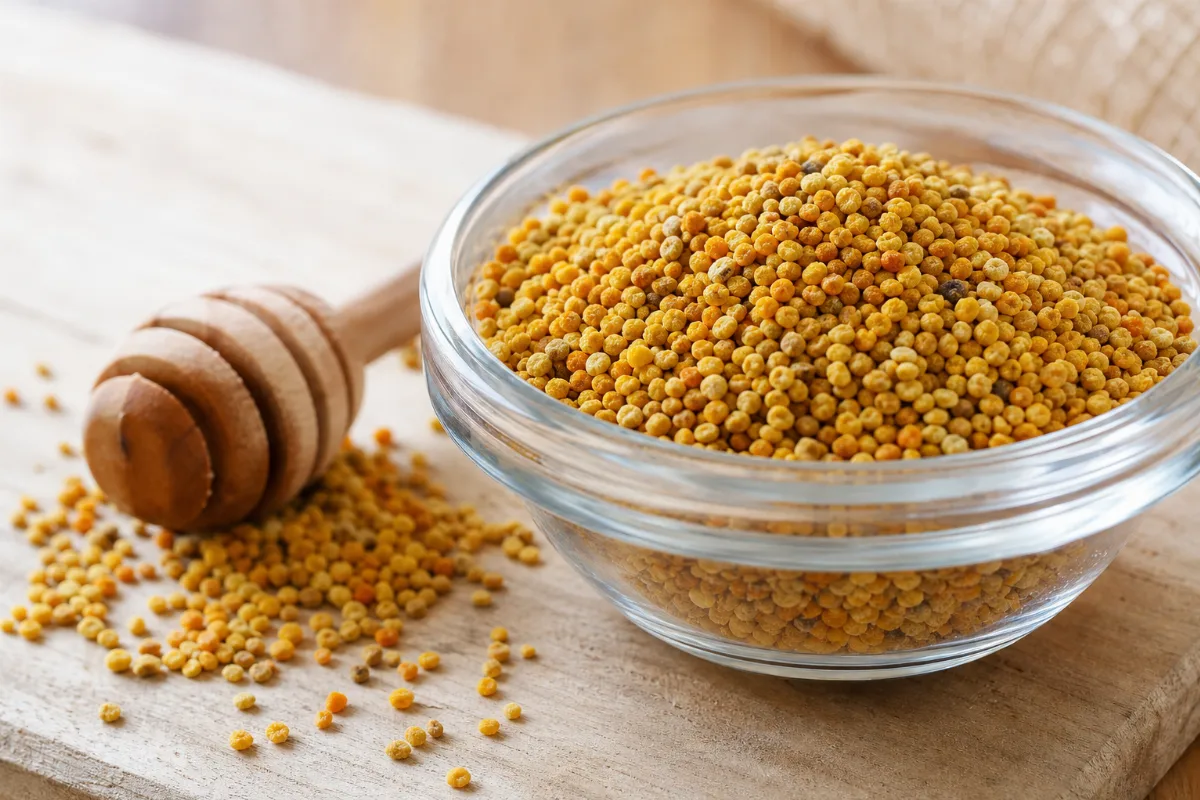
Pollen granules collected by honeybees (Apis mellifera), mixed with nectar and bee secretions
Human evidence: Mostly traditional use
Allergy, including anaphylaxisAsthma and breathingAdulteration and label qualityContaminants and residues
Bee pollen: reports of anaphylaxis and asthma, why pollen-allergic people are most at risk, FDA warnings about weight-loss products sold under the name, and what clinical trials have covered.
Perga: pollen packed in comb cells and fermented by lactic bacteria and yeasts
Human evidence: Very few human studies
Studied in people for: heart and cholesterol
Allergy, including anaphylaxisAdulteration and label qualityContaminants and residues
Bee bread (perga) is bee pollen fermented in honeycomb cells. What is known about its contents, the very thin human evidence, and allergy and residue cautions.
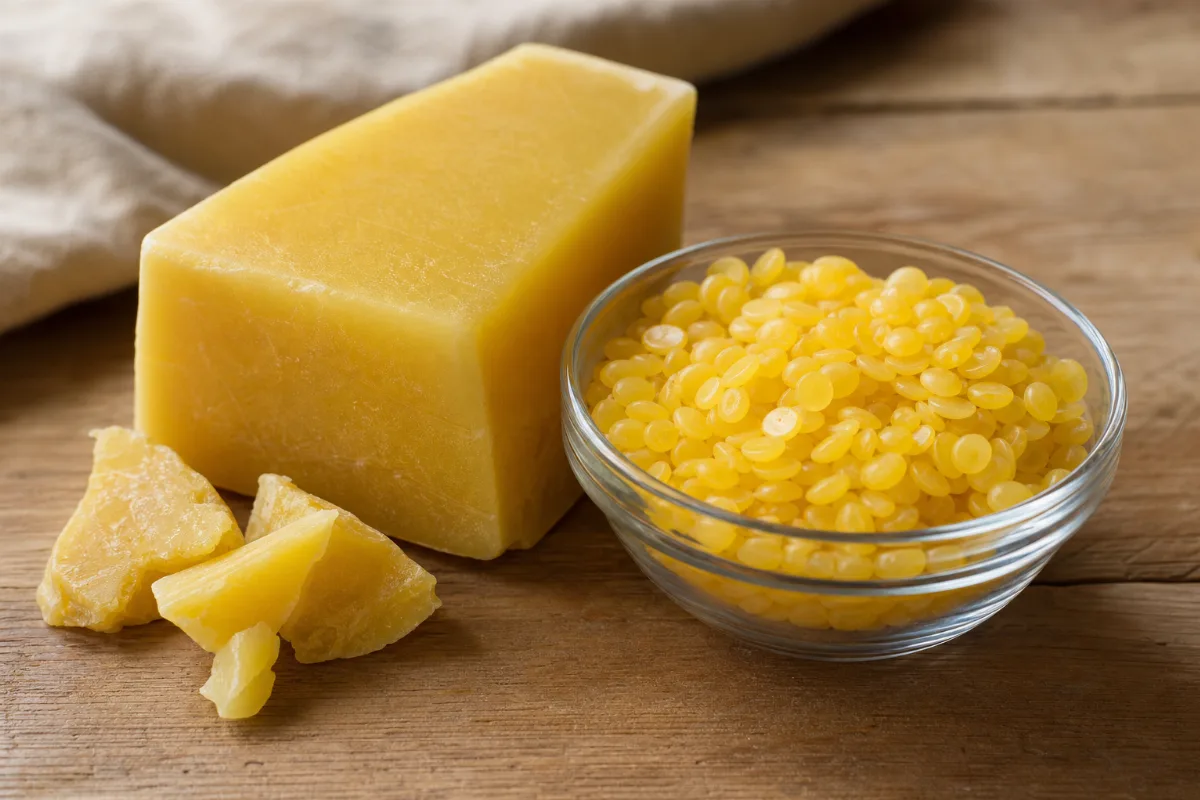
Cera alba (white beeswax), Cera flava (yellow beeswax), wax secreted by worker honey bees (Apis mellifera, Apis cerana)
Human evidence: Very few human studies
Studied in people for: skin conditions
Allergy, including anaphylaxisAdulteration and label quality
Beeswax in lip balms and ointments: how reviews describe its skin barrier role, how little human research exists, and the occasional contact allergy, especially in people allergic to propolis.
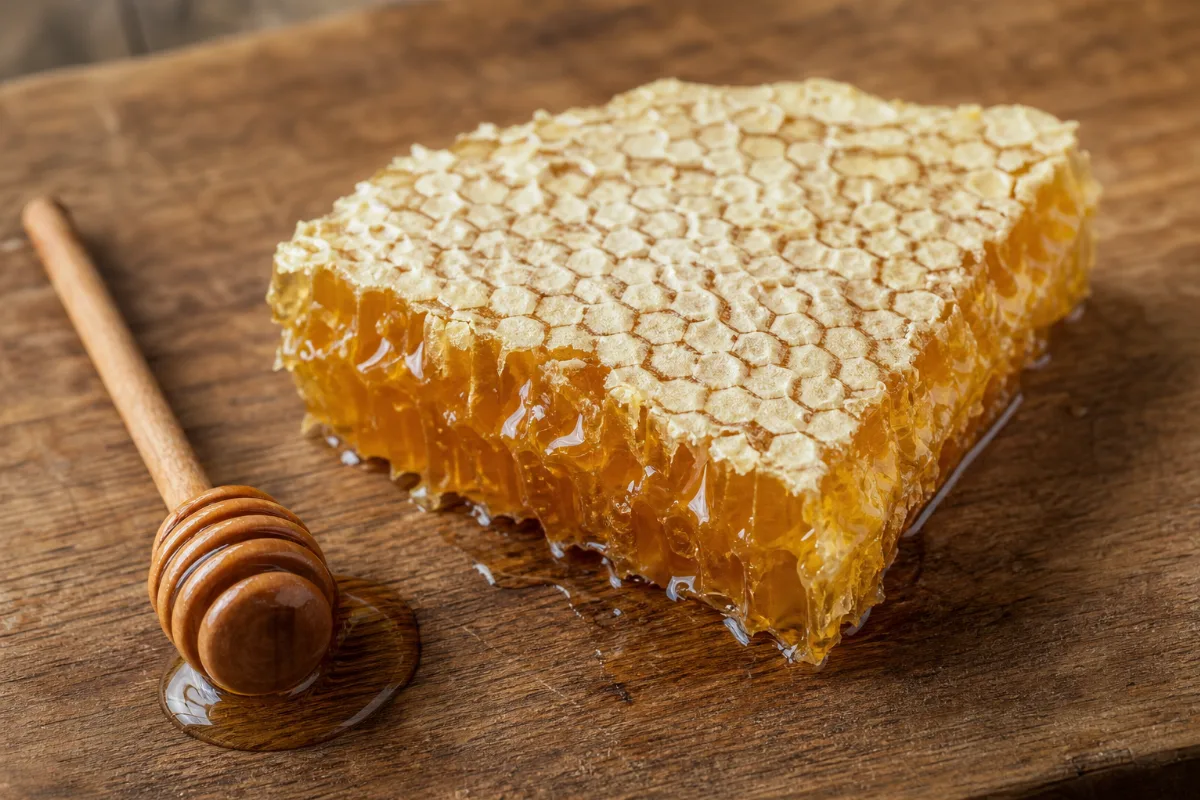
Comb honey: honey still in its beeswax comb, eaten whole (Apis mellifera)
Human evidence: Mostly traditional use
Never for babies under 12 monthsAllergy, including anaphylaxisBlood sugar and diabetesRaw or unpasteurized+1 more
Honeycomb is honey still in its beeswax comb, eaten whole. See what is in it, what sources say about the wax, safety for babies and allergy, and why no trials exist.
Bee venom (apitherapy) is sold as stings, injections and face creams. Read what trials found for MS and pain, the risk of anaphylaxis, and what to do after a sting.
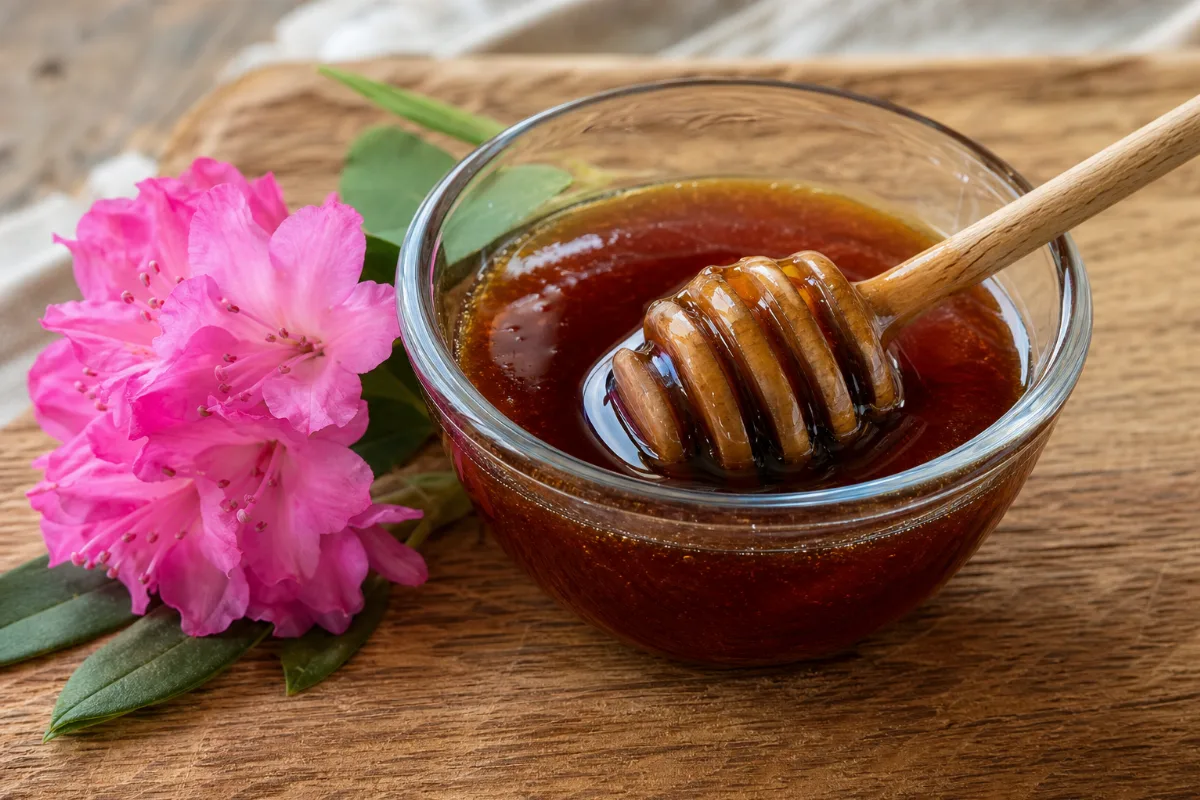
Honey from Rhododendron and other Ericaceae nectar containing grayanotoxins
Human evidence: Mostly traditional use
Natural toxinAdulteration and label quality
Mad honey (grayanotoxin honey) from rhododendron nectar can slow the heart and drop blood pressure. Here is what case reports show, who is at risk, and when to get help.
Mad honey for blood pressure, diabetes and stomach problems (traditional use)
No bee product matches all of these filters. Try removing one. Some topics (for example most herbs) are not bee products and live elsewhere on the site.
"Studied for" means a study in people exists, not that the product works, and a trial of one honey or one product does not carry over to another: jar honey is not medical-grade honey. "Check before you use" lists cautions a source we read raised. It is not a complete list, so ask a pharmacist or clinician if you take medicines, are pregnant, have allergy or asthma, or are caring for a baby. Never give honey to a baby under 12 months.
Browse by bee product group
Honey types
Everyday honeys and single-flower honeys: acacia, clover, buckwheat, eucalyptus, honeydew, stingless-bee honey and raw honey. Foods first; never for babies under 12 months.
Manuka, jarrah, tualang and sidr honey and sterilised medical-grade honey: the honeys studied for wounds, mouth care and other uses. Jar honey is not a wound dressing.
Propolis, royal jelly, bee pollen, bee bread, beeswax, honeycomb and bee venom: made by bees from resin, pollen, glands or wax. These can cause serious allergy.
Never give honey to a baby under 12 months. It can carry spores that cause infant botulism.
Bee pollen, royal jelly, propolis, honey and bee venom can cause allergic reactions, including anaphylaxis. People allergic to pollen or with asthma are at higher risk.
Jar honey and medical-grade honey wound dressings are different products. Food honey is not a substitute for wound care.
Honey is sugar: it counts for people managing diabetes. Some honeys are adulterated or wrongly labelled. "Mad honey" from some rhododendrons can poison.
In the US, Poison Help is 1-800-222-1222; call 911 for collapse, trouble breathing or swelling of the face or throat.
What trials and reviews found when honey was used for cough in children and adults, what is known about sore throat, and why honey is never for babies under 12 months.
What the Cochrane review found for honey dressings on burns and wounds, how medical-grade honey differs from kitchen honey, and why food honey is not a substitute for wound care.
What the UMF and MGO numbers on manuka honey are meant to measure, what lab research links them to, what they do not tell you, and how fraud and mislabeling are checked.
What "raw" honey and regular honey may differ in (heat, filtering, pollen), what lab studies found, what is not shown in people, and why neither is safe for babies under 12 months.
Honey versus manuka honey, answered from the sources we could read: what differs, what trials found, where no direct comparison exists, and the one safety rule both share.
Why honey is not given to babies under 12 months, what infant botulism is, the warning signs that need emergency care, and what the sources say about other risks.
How honey, bee pollen, royal jelly, propolis and beeswax can cause allergic reactions, which people are at higher risk, the warning signs of anaphylaxis, and when to call 911.
Honey, maple syrup, agave, molasses, stevia and monk fruit checked against health agency definitions and human research, with the infant honey warning and evidence gaps.
More Honey and Bee Product Profiles(13)Honey types, medical and traditional-medicine honeys, hive products and the one honey that can poison: one evidence-and-safety page each.
Acacia honey (from black locust, Robinia pseudoacacia) is a light food honey. What studies show, what they do not, label and fraud issues, and honey safety rules.
Clover honey is the mild table honey made from clover nectar. What it is, what the sources say about cough, blood sugar and safety, and why babies under 1 must not have …
Buckwheat honey is a dark, strong honey from buckwheat flowers. Here is what the children's night cough trials found and where they fall short, plus allergy and safety n…
Eucalyptus honey is a food honey made from eucalyptus nectar. See how it is identified, what research shows, what it does not show, and the safety rules for any honey.
Honeydew honey is made from the sweet excretions of sap-sucking insects, not flower nectar. How it differs, what the Codex says, what research shows, and safety.
Stingless bee honey (kelulut, sugarbag, pot-honey) is wetter, more sour and ferments faster than honeybee honey. What small trials show, and the safety rules that still …
Jarrah honey from Western Australia: lab studies on its germ-fighting activity, why no human trial was found, and how food honey differs from sterilized medical-grade ho…
Tualang honey is a wild rainforest honey from Malaysia. Here is what small Malaysian human trials found, what they did not show, and the safety rules for any honey.
Sidr honey comes from the flowers of the sidr tree (Ziziphus spina-christi). What lab studies and a few small dental trials show, what they do not, and safety notes.
Bee bread (perga) is bee pollen fermented in honeycomb cells. What is known about its contents, the very thin human evidence, and allergy and residue cautions.
Honeycomb is honey still in its beeswax comb, eaten whole. See what is in it, what sources say about the wax, safety for babies and allergy, and why no trials exist.
Bee venom (apitherapy) is sold as stings, injections and face creams. Read what trials found for MS and pain, the risk of anaphylaxis, and what to do after a sting.
Mad honey (grayanotoxin honey) from rhododendron nectar can slow the heart and drop blood pressure. Here is what case reports show, who is at risk, and when to get help.
Safety, Quality and Blood Sugar Guides(4)The situation-by-situation safety checklist behind the "Check before you use" filter, honey adulteration and labels, honey and diabetes, and apitherapy.
A situation-by-situation safety checklist for honey, pollen, royal jelly, propolis and bee venom: babies, allergy, diabetes, wounds, raw honey, mad honey. Not medical ad…
Honey fraud is documented. What EU and lab testing found, what US, EU and Codex rules say, what raw, pure and organic labels do not guarantee, and how to choose and stor…
Honey is mostly fructose and glucose and counts as a free sugar. Here is what glycemic index values, meta-analyses and diabetes groups say, and what they do not.
Apitherapy means using bee products as medicine. See what each product has and has not shown in human studies, what regulators say, and the allergy and venom safety rule…
No. Honey is not given to babies under 12 months because it can carry spores that cause infant botulism. [1]
Can bee products cause allergic reactions?
Yes. Honey, bee pollen, royal jelly, propolis and beeswax can all cause allergic reactions, and people allergic to pollen are most at risk with bee pollen. Anaphylaxis, a medical emergency, has been reported. [2][3]
Is medical honey the same as honey from a jar?
No. Medical-grade honey wound dressings and jar honey are different products, and food honey is not a substitute for wound care. See our guide to medical-grade honey and wound care.
References
MedlinePlus Medical Encyclopedia. Infant botulism. National Library of Medicine.
Content last updated . This section has not been medically reviewed.
Education, not medical advice. This section is for general information. It does not diagnose or treat any condition and is not a substitute for care from a qualified health professional. Natural does not automatically mean safe.