Adaptogens · Herbs & Botanicals · Ayurvedic root herb
Ashwagandha
Withania somnifera (L.) Dunal · also called Indian ginseng, winter cherry
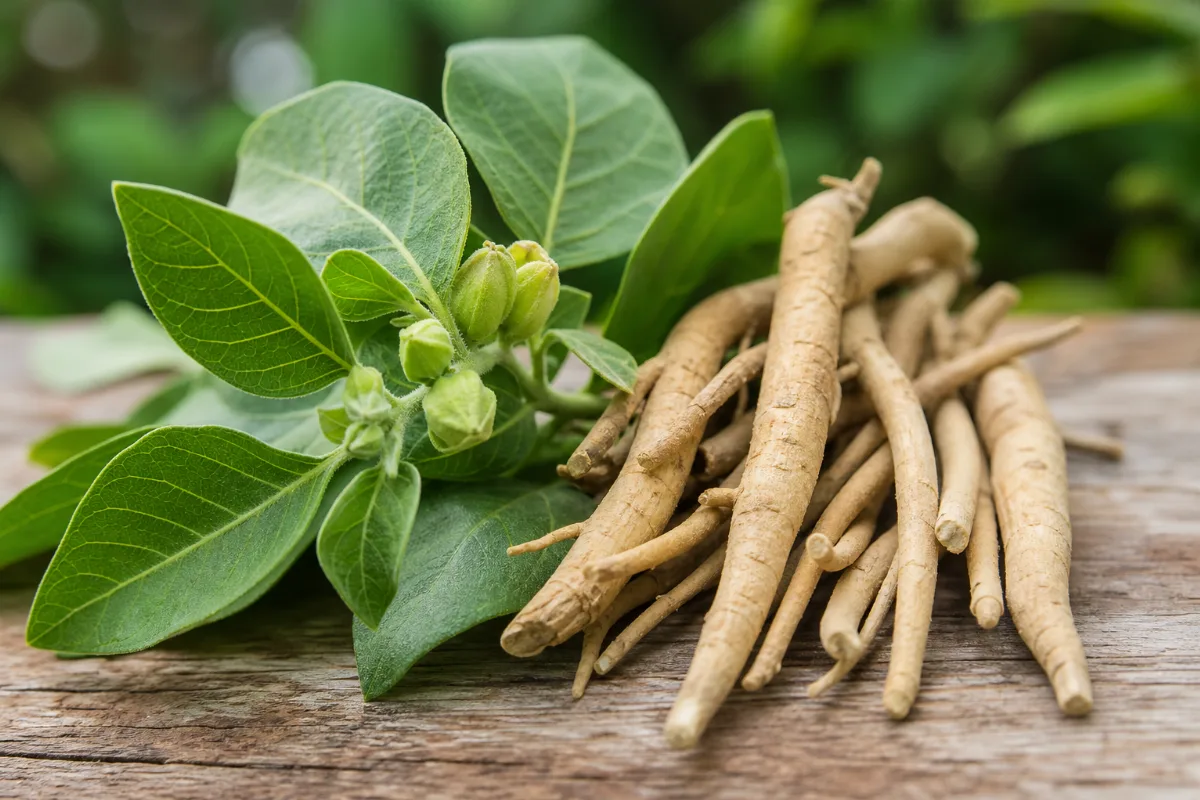
Ashwagandha is an evergreen shrub of the nightshade family. Its root, and sometimes its leaf, is taken as a powder, capsule or extract. It has been used in Ayurveda for thousands of years, according to NIH and is now studied for stress, sleep and hormones. Most human trials are small and short, and some people have had serious liver injury.
General information, not medical advice. Last substantive update · Not medically reviewed. A named clinician has not signed off on this page. How this page is made
About Ashwagandha
Ashwagandha (Withania somnifera) is a shrub whose root has been used in Ayurveda for thousands of years, according to NIH. Today it is sold as a supplement, mainly for stress and sleep. The best human evidence is a set of small, short, placebo-controlled trials. Most reviews call that evidence low certainty. It is not risk-free: liver injury, thyroid effects and pregnancy are the main concerns.
What it is
Ashwagandha is Withania somnifera, a woody shrub in the nightshade family (Solanaceae). It grows in dry parts of India, Africa and the Middle East. The name comes from Sanskrit and is often explained as the smell of a horse. It is sometimes called "Indian ginseng", but it is not related to true ginseng (Panax).
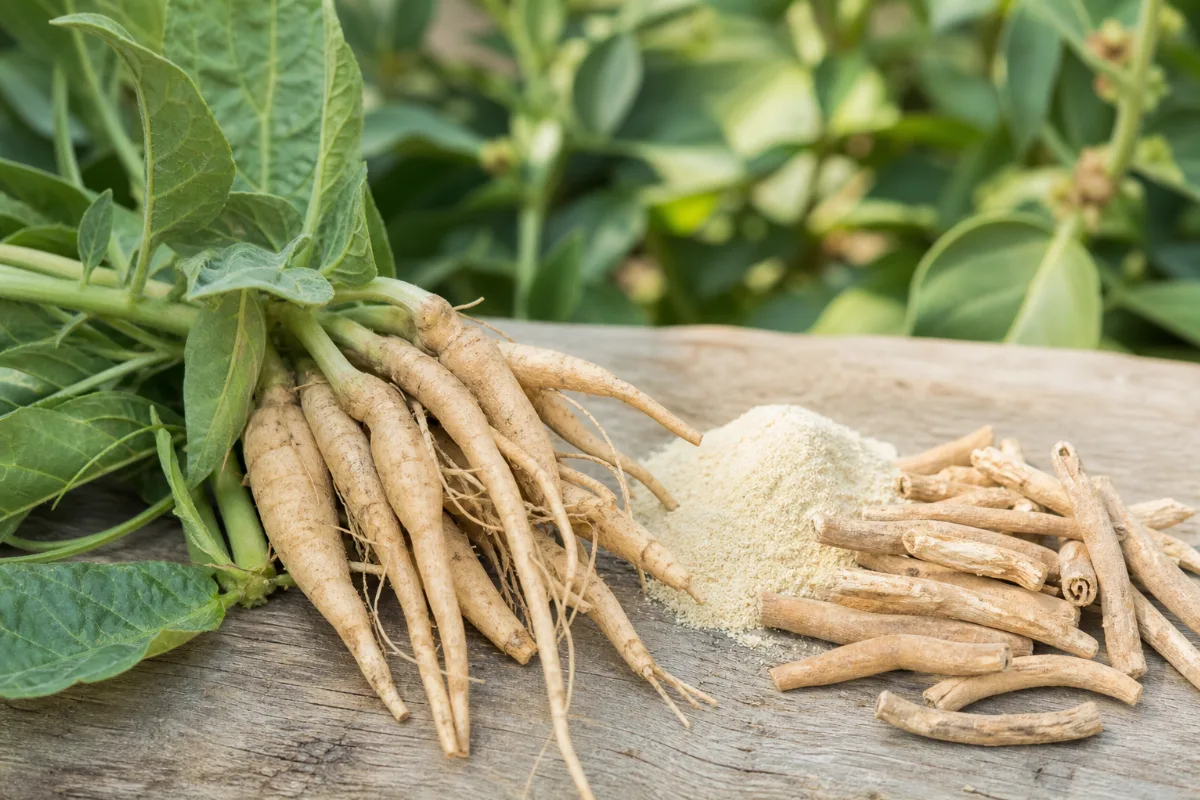
Supplements are made from the root, the leaf, or both. NIH notes that these are different products and results from one do not carry over to another.
National Center for Complementary and Integrative Health (NCCIH) 2023
What makes it distinctive
Its characteristic compounds are withanolides, a family of steroid-like molecules. Different parts of the plant and different extracts contain different amounts, so two products labelled "ashwagandha" can differ a lot.
It is classed as an "adaptogen", a term used for herbs said to help the body handle stress. That word is a marketing and traditional category, not a medical one, and no regulator defines it. See what adaptogens are.
Historical and current uses
In Ayurveda it is a rasayana, a rejuvenating tonic, used for weakness, thinness and sexual vigour. Today people mostly take it for stress, sleep and energy, and some athletes use it for strength. Traditional use shows how a plant was used; it does not show that a supplement works.
What the research shows
For perceived stress and sleep, several meta-analyses of placebo-controlled trials find lower scores with ashwagandha, but the trials are small, mostly from a few research groups, and many tested a branded extract. One 2025 meta-analysis found no clear effect on perceived stress. For testosterone, strength, menopause symptoms and sexual function, small trials point toward a benefit with low certainty. For blood sugar, immune function, heart health and aging, there is not enough human evidence.
Many lab and animal studies describe how withanolides act on cells. Those findings are leads for research and are not proof of an effect in people.
Chandrasekhar 2012 Pratte 2014 Choudhary 2017 Kaushik 2017 Lopresti 2019 Langade 2019 Salve 2019 Kelgane 2020 Deshpande 2020 Langade 2021 Speers 2021 Cheah 2021 Remenapp 2022 Baker 2022 O'Connor 2022 Akhgarjand 2022 Park 2023 Smith 2023 Majeed 2023 Pandit 2024 Fatima 2024 Pérez-Piñero 2024 Mishra 2024 Arumugam 2024 Albalawi 2025 Mahadevan 2025 Marchi 2025 Coope 2026 Alsanie 2026 McKinney 2026 Honnutagi 2026 West 2026 Thanawala 2026 Saxena 2026 Łuszczak 2026 Pakhale 2026 Movva 2026 Pattojoshi 2026 Baune 2026 Lopresti 2026 Kulkarni 2026 Obhrai 2026 Mastrofini 2026 Alyami 2026 National Center for Complementary and Integrative Health (NCCIH) 2023
Root, leaf, powder, extract: what is the difference?
Root extract
Concentrated extract of the root, often standardized to a percentage of withanolides.
The form used in most trials. Results do not automatically apply to other extracts.
Root powder
Dried, ground root in capsules or mixed into drinks.
Withanolide content is rarely stated and varies from batch to batch.
Leaf or root-and-leaf extract
Made from the leaf, or a mix of root and leaf.
Chemistry differs from root-only products (for example, more withaferin A in leaf in some reports). Safety and effects cannot be assumed to match root extracts.
Gummies, teas and tinctures
Convenience formats.
Amounts and plant part are often unclear. Few were studied.
At a glance
Traditional uses history, not proof
- A rasayana: a tonic for strength and general resilience in Ayurveda
- Used for weakness, thinness and tiredness, and for sexual vigour and fertility
- Taken as root powder with milk or ghee in Ayurvedic practice
Studied for research
- Perceived stress and anxiety
- Sleep quality and insomnia
- Testosterone and semen quality in men
- Muscle strength with resistance training
- Sexual function and menopause symptoms
- Thyroid hormones (also a safety signal)
Main compounds
- Withanolides (steroidal lactones), including withaferin A and withanolide A
- Withanosides and other withanolide glycosides
- Alkaloids and sitoindosides (less studied)
Common forms
- Root extract (the form most trials used)
- Root powder
- Root-and-leaf or leaf extract (different chemistry)
- Capsules and tablets, gummies, teas, tinctures
Research links: NIH NCCIH: Ashwagandha · LiverTox (NIH): Ashwagandha · PubMed: ashwagandha randomized trials · Research Library · Genes & Biomarkers Library
The plant and its history
- Accepted scientific name
- Withania somnifera (L.) Dunal
- Naming authority
- (L.) Dunal; basionym Physalis somnifera L.
- Synonyms
- Physalis somnifera L.; Physaloides somnifera (L.) Moench; Hypnoticum somniferum (L.) Rodati; Alicabon somniferum (L.) Raf.; Withania somnifera var. flexuosa (L.) Dunal; Withania somnifera var. communis (Nees) Dunal; Withania somnifera var. macrocalyx Chiov.; Withania kansuensis Kuang & A.M.Lu; Withania obtusifolia Tackh.; Withania sicula Lojac.; Physalis flexuosa L.; Physalis alpini J.Jacq.; Physalis arborescens Thunb.; Physalis tomentosa Thunb.; Physalis villosa Moench
- Common names
- Ashwagandha (Hindi / Sanskrit (transliterated)); Indian ginseng (English); Winter cherry (English); Poison gooseberry (English); Ginseng indien; Withania somnifere (French); Schlafbeere; Winterkirsche (German); Hierba del sueno (sleep herb); bufera (Spanish); Ginseng-indiano; jimsem-indiano (Portuguese); Witania ospala (Polish); Vitania opojna (Slovak); Geneesbossie; stuipbossie (Afrikaans); Ubuvimbha; ubuvuma (Zulu / Xhosa)
- Botanical family
- Solanaceae (nightshade family, which also holds tomato, potato, tobacco and belladonna)
- Classification
- Plantae > Tracheophyta > Magnoliopsida > Solanales > Solanaceae > Withania > Withania somnifera
- Native range
- Wide dry-region distribution from the Mediterranean and North Africa through tropical and southern Africa, the Middle East and Afghanistan to Pakistan, India, Nepal, Sri Lanka and China (Wikipedia, plus the open Bashir 2023 review). Treated as naturalised or a weed in parts of Australia. Kew POWO native-range data could not be retrieved (site blocked automated access).
- Habitat
- Dry, stony or sandy soils in sun to partial shade, in arid and semi-arid zones; also gardens and disturbed ground (Wikipedia, secondary).
- What the plant looks like
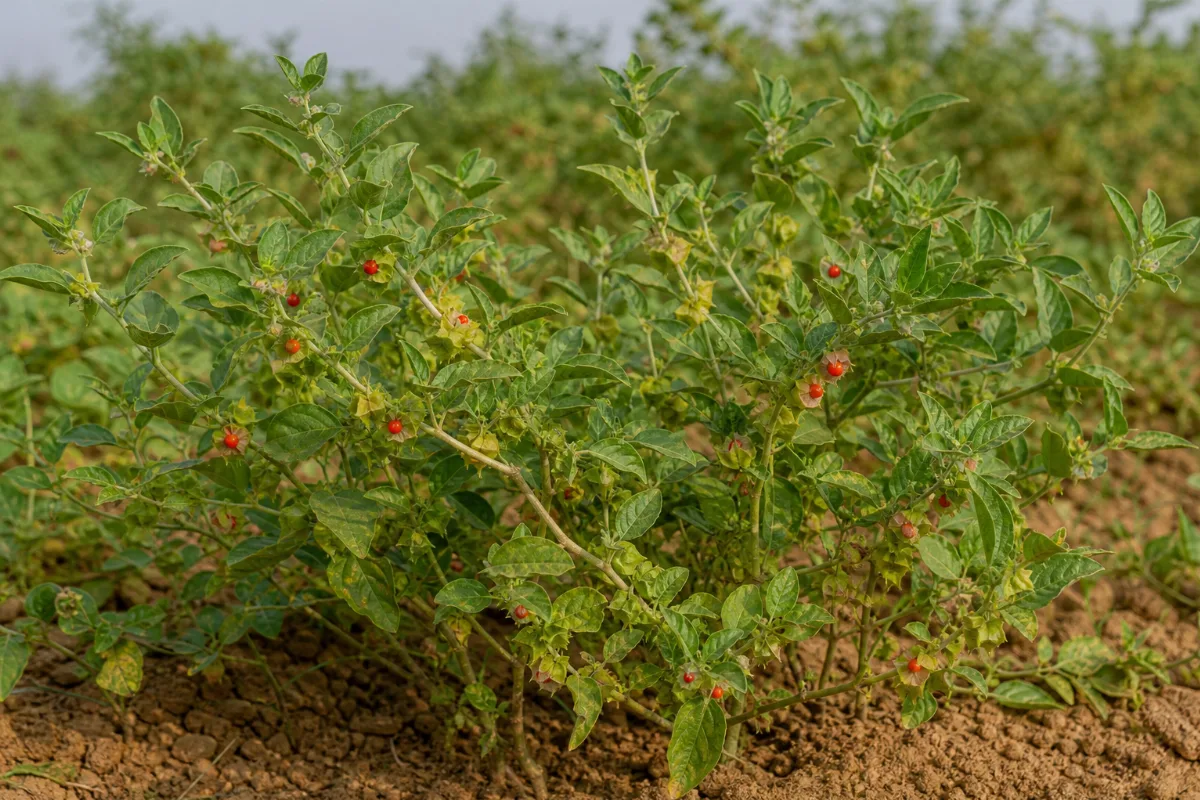
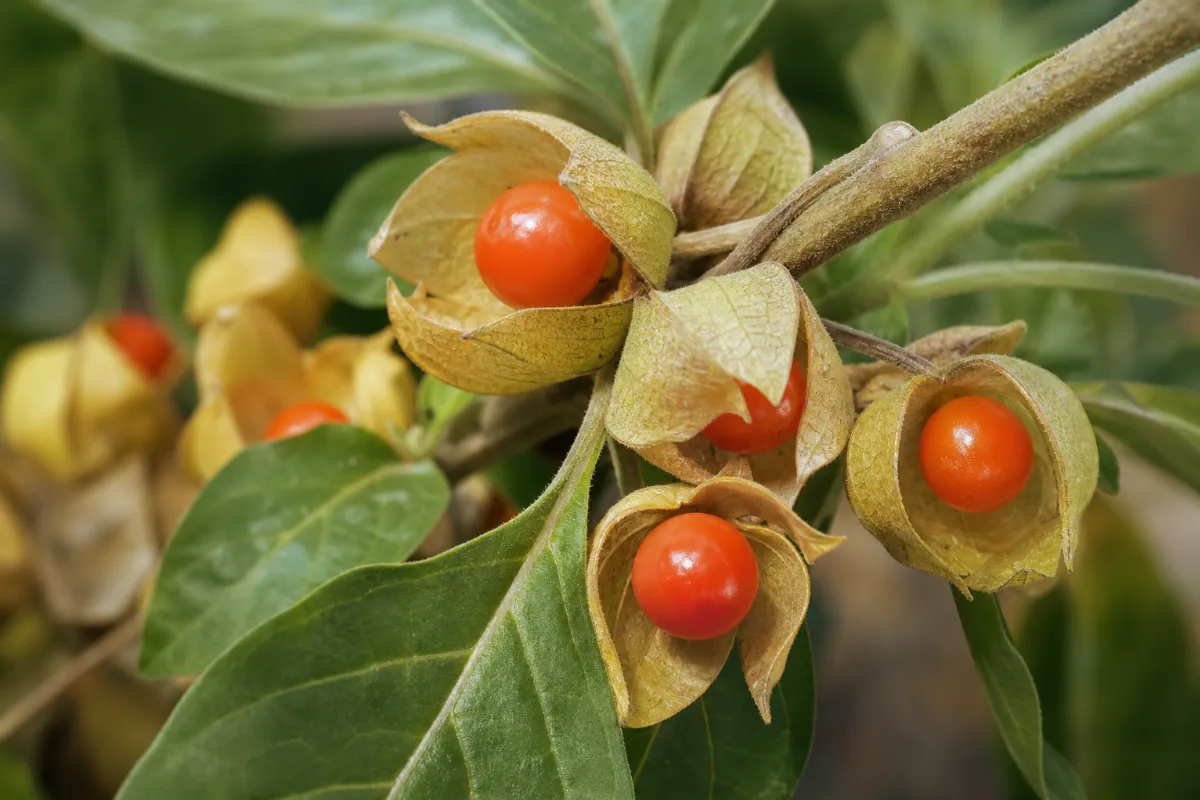
- Roots: Fleshy, tuberous taproot, the part used medicinally; has a strong, horse-like smell when fresh (secondary sources). Not detailed in the primary sources I could read.; Stems: Erect, much-branched, densely covered in fine hairs (tomentose); an evergreen woody shrub about 35-75 cm tall (Wikipedia).; Leaves: Dull green, elliptic, up to about 10-12 cm long (Wikipedia).; Flowers: Small, greenish, bell-shaped (Wikipedia).; Fruit: Round berry that ripens orange-red, enclosed in a papery inflated calyx like a Chinese lantern (the lantern detail is general knowledge for the genus, not verified from the sources read).
- Cultivation
- Grown commercially for the roots mainly in drier regions of India (Madhya Pradesh, Rajasthan, Gujarat, Maharashtra and others per Bashir 2023 and Wikipedia); propagated from seed in spring or by cuttings (Wikipedia). Detailed agronomy (sowing dates, spacing, yields) was not verified.
- Harvest and processing
- Not verified from the sources I could read. General practice (unverified here): roots are dug when the plant matures, washed, cut and dried, then powdered or extracted. Extraction method and plant part (root, leaf or both) strongly change chemistry (see compounds).
- Look-alikes and adulterants
- Name: Withania coagulans (Indian cheesemaker); Note: A related species that is sometimes used or sold alongside; has different chemistry (coagulins). Cited as a related species in the Bashir 2023 reference list and GBIF genus; quantitative adulteration rates not verified.; Name: Leaf and stem material mixed into 'root' products; Note: Analytical survey p41386716 found only 2 of 25 commercial products confirmed root-derived; the rest contained varying proportions of aerial parts. This is the best-documented adulteration issue.; Name: Other Solanaceae shrubs with orange berries (e.g. Physalis species); Note: Visual resemblance only; the plant was historically named Physalis somnifera (GBIF synonyms). Identification should be by a botanist or DNA/chemical test.
- Sustainability and conservation
- IUCN Red List: Least Concern, per Wikipedia (secondary); the IUCN page itself could not be retrieved. Wild harvest pressure is discussed in the literature but I did not verify any regional threatened status.
The plant and the parts used

Traditional use and history history, not clinical proof
| Tradition or era | Documented use | Source |
|---|---|---|
| Ayurveda - classical texts (Charaka Samhita, Susruta Samhita, Astanga Hridaya, nighantus) | Described as balya (strength-giving), brimhana/pustida (nourishing, weight-building), vajikarana (used for sexual vigour and fertility) and as a rasayana (rejuvenative tonic); used in emaciation and weakness, internally and externally. | p32783987; p38122911 (introduction) |
| Ayurveda - dosha theory | Traditionally described as balancing Vata (calming, grounding) and Kapha; warming. This is classical doctrine rather than measured physiology. Not found in the abstracts I read; stated from general Ayurvedic knowledge. | general Ayurvedic reference (not verified in a retrieved source) |
| Ayurveda - age of use | Reviews state use in Ayurvedic and Unani medicine for about 3,000 years. | p32783987; p37063285; s-pmc-bashir-2023 |
| Unani (Indian subcontinent) | Root regarded as a tonic, aphrodisiac and emmenagogue. | p38122911 (introduction) |
| Broader Indian traditional use | Listed uses include anti-stress, diuretic, anti-anaemia, aphrodisiac, constipation, worms, liver disease, inflammation, joint pain, nervous disorders and arthritis; also relief of abdominal swelling, mild purgative, treatment of swollen glands. | s-pmc-bashir-2023; p38122911 |
| African indigenous medicine | Used in traditional African medicine for various diseases including HIV/AIDS and tuberculosis (stated as the reason for a drug-interaction study); local names (Zulu ubuvimbha, Afrikaans geneesbossie) exist. | p33395575; s-gbif-withania-somnifera |
| Modern pharmacopoeial status | Described in the Ayurvedic Pharmacopoeia of India; also in British and US pharmacopoeial standards for supplements. Contents of WHO, EMA or Health Canada monographs were not retrieved in this pass. | p38122911; p41386716 |
| Important note | All items above describe tradition, not proof. Clinical benefit is judged only by trials (see the benefits section of the master profile). | n/a |
Traditional use shows how a plant was used. It does not show that a supplement works or is safe today.
What is inside, and how it may work
What the plant contains and how those compounds act in cells and animals. Laboratory and animal mechanisms are not proven effects in people.
Main compounds
| Compound | Family | Where it is concentrated | Activity studied | Level of evidence |
|---|---|---|---|---|
| Withaferin A PubChem 265237 | withanolide (steroidal lactone, ergostane type; reactive enone and epoxide) | Leaf richer; also present at lower level in root; quantity varies strongly by chemotype In Shoden (root+leaf) powder about 0.09 umol per mg (p42353009). In AgeVel root extract at 500 mg dose, plasma Cmax 2.8 ng/mL (p38122911). No reliable general percentage verified. | Binds protein cysteines (IKK beta Cys179, Keap1/Nrf2 pathway, vimentin and others); anti-inflammatory and cytotoxic in cells and animals; oral bioavailability 1.8% in mice; the focus of leaf-safety concern. Heyninck 2014 Bailly 2024 Logie 2020 Palliyaguru 2016 Gupta 2022 Speers 2026 Vaidya 2024 Dutta 2026 | Laboratory research |
| Withanolide A PubChem 11294368 | withanolide (steroidal lactone) | Root Plasma Cmax 2.9 ng/mL after 500 mg root extract (p38122911); content in extract not quantified in sources read. | Promoted axon outgrowth in cultured neurons; no direct glucocorticoid-receptor effect shown; docking-only AChE suggestions. Kuboyama 2002 Crane 2019 Vaidya 2024 | Laboratory research |
| Withanolide D PubChem 161671 | withanolide (steroidal lactone) | Root and leaf (sources differ) Not quantified in sources read. | Frequently named as a key active along with withaferin A in reviews; most evidence is cell-based. Bashir 2023 Dutta 2026 | Laboratory research |
| Withanoside IV PubChem 71312551 | withanolide glycoside (sugar-bound) | Root (withanosides reported exclusively in roots) In Shoden about 0.03 umol/mg (p42353009); plasma Cmax 0.64 ng/mL after 500 mg root extract (p38122911). | Dendrite outgrowth in cultured neurons; converted to sominone (aglycone) found in human urine; glycoside content linked to much higher bioavailability of the whole extract. Kuboyama 2002 Speers 2026 Kim 2023 Rathi 2025 Kumar 2023 | Laboratory research |
| Withanoside V PubChem 10700345 | withanolide glycoside | Root Detected in plasma but below quantification limit (p38122911). | Little activity data in sources read. Vaidya 2024 | Laboratory research |
| Withanoside VI PubChem 91827019 | withanolide glycoside | Root Not quantified in sources read. | Dendrite outgrowth in cultured neurons. Kuboyama 2002 | Laboratory research |
| Withanone PubChem 21679027 | withanolide (steroidal lactone) | Leaf (and fruit per one review table) Not quantified in sources read. | Metabolised by CYP3A4 and CYP1A2 in liver microsomes, highly protein bound (82-88%), no CYP inhibition in vitro. Singh 2021 Kumar 2023 | Laboratory research |
| 12-Deoxywithastramonolide PubChem 44576309 | withanolide (steroidal lactone) | Root Highest plasma Cmax of the four measured (5.5 ng/mL, p38122911). | Little pharmacology in sources read. Vaidya 2024 Sharma 2025 | Laboratory research |
| Withanolide B PubChem 14236711 | withanolide | Root Not quantified. | Measured in rodent pharmacokinetic work. Speers 2024 | Animal research |
| Withanolide E PubChem 301751 | withanolide | Leaf Not quantified. | Named in reviews; no data read. Bashir 2023 | Theory |
| Withastramonolide PubChem 21607602 | withanolide | Not stated Not quantified. | Parent name of 12-deoxy analogue; no data read. Bashir 2023 | Theory |
| 2,3-Dihydrowithaferin A PubChem 15411208 | withanolide (reduced withaferin A) | Not stated Tentatively identified by mass spectrometry in root extracts (p33395575). | Possible contributor to CYP2B6 inhibition (inferred by authors). Kumar 2021 | Laboratory research |
| Dihydrowithaferin A sulfate | withanolide sulfate | Leaf Not quantified; its co-elution caused underestimation of withanolide A in leaf samples (p41386716). | Used as a marker of leaf material in product testing. Avula 2026 | Laboratory research |
| Sitoindoside IX (sitoindosides VII-X) PubChem 189586 | acylsteryl glucoside / withanolide glycoside | Root Not quantified. | Reviews attribute antioxidant and 'adaptogenic' effects to sitoindosides; I found no human data. Bashir 2023 | Theory |
| Docosanyl ferulate (long-chain ferulic acid esters) | phenolic acid ester | Root Not quantified. | Potentiated GABA-A inhibitory currents (IC50 7.9 uM) in cells; the GABA-active principle found in a root extract was an ester, not a withanolide. Sonar 2019 | Laboratory research |
| Somniferine and other alkaloids (anaferine, isopelletierine) PubChem 14106342 | alkaloids | Root Not quantified. Anaferine PubChem CID 443143, isopelletierine CID 92987. | Isopelletierine tentatively detected by LC-MS in root extracts; no pharmacology read. Kumar 2021 Paul 2021 | Theory |
| Flavonoids and phenolic acids (e.g. salvigenin) | flavonoid / phenolic | Root and leaf Not quantified. | Tentatively identified by LC-MS; present among minor constituents. Kumar 2021 Mukherjee 2021 | Laboratory research |
Mechanisms, receptors and pathways
| Target or pathway | Gene or receptor | What was found | Level |
|---|---|---|---|
| GABA-A receptor | GABRA/GABRR1 subunits | A long-chain ferulic acid ester from root extract enhanced GABA-A currents in cells (IC50 7.9 uM). In rodents, root extracts raised brain GABA and GABA-A receptor expression and lengthened sleep. Not shown in humans. Sonar 2019 Park 2023 Murthy 2022 | Animal research |
| NF-kB signalling | IKK beta (IKBKB), Cys179 | Withaferin A covalently binds cysteine 179 and inhibits IKK beta activity in test-tube and cell assays; many other proposed sites. Heyninck 2014 Logie 2020 Bailly 2024 | Laboratory research |
| Nrf2 antioxidant response | NFE2L2 (Nrf2), KEAP1, PTEN/PI3K/AKT | Withaferin A induced Nrf2-dependent cytoprotective genes and protected mice from acetaminophen liver injury only when Nrf2 was intact; partly Keap1-independent. Effects depend on dose and context. Palliyaguru 2016 Logie 2020 | Animal research |
| Glucocorticoid receptor / cortisol axis | NR3C1 | Withanolide A pulled out glucocorticoid receptor as a possible target but did not interfere directly with receptor binding or activation. Human cortisol lowering is a trial finding handled in the biomarkers section; the molecular route (HPA axis) is a proposal from reviews, not demonstrated. Crane 2019 Such 2026 Wiciński 2023 | Laboratory research |
| Acetylcholinesterase and butyrylcholinesterase | ACHE, BCHE | Withanolides inhibited both enzymes in test tubes (IC50 20.5-49.2 uM AChE). Concentrations are far above human plasma levels (ng/mL range). Docking papers add more speculation. Choudhary 2005 Bashir 2023 | Laboratory research |
| GSK-3 beta and tau kinases | GSK3B, TTBK1 | Only computer simulation of binding (free energies -9 to -13 kcal/mol); no laboratory or human test read. J 2026 | Theory |
| Neurite outgrowth | neuronal structural proteins (NF-H, MAP2) | Withanolide A extended axons and withanosides IV/VI extended dendrites in cultured human and rat neurons. Kuboyama 2002 Crane 2019 | Laboratory research |
| Phosphodiesterase 4D | PDE4D | A 2026 narrative review states withanolides inhibit PDE4D; primary evidence not checked. Such 2026 | Laboratory research |
| Covalent cysteine modification (general) | multiple proteins (IKK beta, vimentin, Hsp90, tubulin, etc.) | Withanolides with a reactive enone bind protein thiols; explains many cell effects and also possible toxicity at high local concentration. Bailly 2024 | Laboratory research |
| Drug-metabolising enzymes (CYP) | CYP2B6, CYP3A4, CYP1A2, CYP2C9 | Root extracts inhibited CYP2B6 and moderately induced CYP3A4 in cells; another study found no CYP1A2/2C9 inhibition; withanone is itself metabolised by CYP3A4/1A2. No human interaction trial found. Kumar 2021 Savai 2015 Singh 2021 | Laboratory research |
| Thyroid axis (T3/T4/TSH) | TSHR axis (proposed) | A review reports changes in T3, T4 and TSH in some studies and proposes an HPT-axis route; mechanism not shown. Wiciński 2023 | Human data |
Absorption, metabolism and elimination
- Absorption
- Withanolides appear in human blood quickly: Tmax about 0.9-1.6 h for withaferin A, withanolide A, withanoside IV and 12-deoxywithastramonolide after 500 mg of a root extract (p38122911); 1.0-1.4 h after 400 mg of a 2.5% extract (p39963957). Blood levels are tiny (Cmax roughly 0.5-5.5 ng/mL at these doses; range 0.1-49.5 ng/mL across human studies in the p39599622 review). Pure withaferin A orally had 1.8% bioavailability in mice (p36518386) and was undetectable in blood in cancer patients on 72-216 mg per day (p30904387).
- Distribution
- Withanone is 82-88% bound to plasma protein in vitro (p33460762). Human tissue distribution of withanolides has not been measured in the sources I read.
- Metabolism
- Withanone is extensively metabolised by CYP3A4 and CYP1A2 in human liver microsomes (p33460762). In humans, withanoside IV is converted to its aglycone sominone, and an unidentified metabolite isomeric with 4-oxo-withaferin A appears in urine (p42353009). Glycosides probably lose their sugar before absorption, but this step is not directly shown in the abstracts read.
- Elimination
- Half-lives 1.7-4.4 h across four withanolides at 400 mg (p39963957). Only low amounts (<3% of dose) of withaferin A, sominone and viscosalactone B were recovered in 12-h urine after 240 or 480 mg Shoden (p42353009).
- Bioavailability
- Product-dependent. Extracts rich in withanolide glycosides (35%) gave far higher blood exposure per mg than 2.5-10% extracts (p38144272, p40792075, 118-280 times per gram in the manufacturers' analyses); a 1.5% low-dose formula beat 5% and 10% extracts (p40748423). Most trials come from extract makers. Blood level is not proof of clinical effect, and extract-to-extract results do not transfer.
Vaidya 2024 Kim 2023 Sharma 2025 Rathi 2025 Ramapalaniappan 2025 Speers 2024 Speers 2026 Gupta 2022 Pires 2020 Singh 2021
Isolated compounds versus whole extracts
Whole extracts and isolated compounds behave differently. Pure withaferin A is poorly absorbed (1.8% in mice) and was not detectable in blood in patients given up to 216 mg daily, yet withaferin A is measurable at about 2-3 ng/mL after a 500 mg root extract. Extract composition (glycoside share, plant part) changes blood exposure by orders of magnitude. Leaf-heavy extracts carry more withaferin A and related electrophilic withanolides; root extracts are dominated by withanolide A, D and glycosides. Because of this, results from one product (e.g. KSM-66 root, Sensoril root+leaf, Shoden root+leaf, Witholytin root) cannot be assumed for another. Cell-culture findings with pure withaferin A used concentrations well above what humans reach from supplements.
Nutritional composition
A nutritional composition table is not meaningfully applicable: ashwagandha is taken as a small-dose extract or a few grams of root powder, so it supplies negligible calories, vitamins or minerals; its relevance is phytochemical (withanolides), not nutrient content.
Products, quality and comparisons
Independent evidence comes first. Nothing in this section is a paid ranking. If a product link is added later, it will be marked clearly as an affiliate link and will never change what the research says.
Quality indicators
- Plant part stated (root, leaf or both) and extract or powder
- Marker compound named with percentage and test method (for example HPLC)
- Same extract and daily mg as a published trial, if you want to match research
- No proprietary blend hiding the ashwagandha amount
- Lot number and a certificate of analysis available on request
- Independent seal checked on the certifier's own website
Identity and authenticity
- A 2026 HPLC study of 25 commercial products found only 10 met both British and US pharmacopoeia standards and only 2 were confirmed as root-derived; the remainder had varying amounts of undisclosed aerial parts (the authors blame co-eluting dihydrowithaferin sulfate found mainly in leaf).
- A 2026 review says analytical surveys have documented root material adulterated with leaf and stem.
- These findings describe the products tested and cannot be applied to any single brand.
Standardization and extract strength
- Standardization states how much of a marker compound the extract contains, for example total withanolides (2.5%, 5%, 10%) or withanolide glycosides (10%, 35%).
- Percent depends on method: one trial reports 2.5% 'as per USP protocol'; another extract is described as at least 5% (site page).
- A single-dose crossover in 16 volunteers found an extract with 35% withanolide glycosides gave much higher plasma exposure than 10%, 5% and 2.5% extracts dosed to the same 185 mg total withanolides, and a 125 mg 1.5% product gave 2.1x the exposure of a 600 mg 5% product. These suggest the percentage on the bottle does not predict absorption; plasma levels are not proof of benefit.
- Serving size is NOT the same as withanolide content: mg of withanolides = serving mg x percent.
Third-party testing
- US supplements are not reviewed by FDA before sale; makers must follow GMP (identity, purity, strength, contaminant limits).
- Third-party programmes (USP, NSF, ConsumerLab and others) differ in what they test, and a seal is a statement about that programme, not a guarantee of effect.
- ConsumerLab-type reports are mostly behind paid access, so we cite none. We found no publicly readable independent test of ashwagandha products besides the 2026 academic study.
Contaminants and adulterants
- Heavy metals: surveys of Ayurvedic medicines in lead-poisoning investigations found lead in 65% of 252 samples (mercury 38%, arsenic 32%); in New York City investigations the highest levels were in metal-based rasa shastra preparations. These are not studies of ashwagandha root capsules, and we found no ashwagandha-specific contamination rate.
- The UK FSA asked industry for heavy metal and pesticide testing information in 2024 and has not published numbers.
- Microbial, pesticide and solvent residues were not covered by the sources we read.
Reading a product label
- Find the botanical name Withania somnifera and the plant part.
- Is it 'extract' or 'powder'? Note mg per serving and servings per day.
- Look for a named marker and percentage and the test method.
- Compare mg per day and extract type with a trial, not with another bottle.
- Check for proprietary blends and other herbs (for example black pepper/piperine, which one trial used).
- Check cautions (pregnancy, thyroid, autoimmune, medicines).
- Find the lot number and ask for a certificate of analysis.
- Check any seal on the certifier's own site.
Certifications and what they actually mean
| Certification | What it means | What it does not tell you |
|---|---|---|
| USP Verified | Run by US Pharmacopeia; NCCIH names it as an independent group whose label can help judge quality. | USP pages returned an error to our tools so we could not read the test list; verify the exact product on USP's site. |
| NSF Certified for Sport / NSF Contents Certified | NSF says it checks absence of banned substances, label match, contaminant limits and GMP audit. | Programme built around athlete banned-substance risk; description is the organisation's own. |
| ConsumerLab seal | ConsumerLab says its Quality Certification Program tests products and does not accept samples directly from the manufacturer. | Manufacturer pays a fee; for-profit; reports are membership-based so not verifiable here. |
| GMP statement (cGMP) | Maker says it follows good manufacturing practice, which US law requires. | Not a quality seal on its own and not an independent test of the product. |
| Organic | Farming and processing standard. | Says nothing about withanolide content, plant part or heavy metals unless tested. |
| Vegan, non-GMO, gluten-free | Ingredient and process claims. | Not quality or potency claims. |
Comparing price and servings
Do not compare bottle prices. Step 1: cost per serving = bottle price / servings per bottle. Step 2: servings per day needed to reach the studied extract daily mg (studied mg/day / mg of extract per serving). Step 3: cost per day = cost per serving x servings per day. If a withanolide percentage is stated, cost per 10 mg of withanolides = bottle price / (servings x mg per serving x percent / 10); use only products with the same extract type. Leave prices blank until a real current product is entered; no prices are included here.
Extract types compared
| Extract | Plant part | Standardization | Trials | Evidence note | Safety note | Limitations | Studies |
|---|---|---|---|---|---|---|---|
| KSM-66 (as described on the site's extract-types page) | root | Water-based, root only, at least 5% withanolides (site page, from the paper and maker supply statements) | Chandrasekhar 2012 (600 mg/day 60 days); Wankhede 2015 (600 mg/day 8 weeks); many more per the 2026 safety review | Abstracts we read do not name the brand; brand identification comes from the site's own page. | Root-only safety review: biomarkers normal in healthy adults | Maker-supplied extract; no head-to-head with other extracts. | Chandrasekhar 2012 Wankhede 2015 Coope 2026 alternativemed.com (internal) 2026 |
| Sensoril | root+leaf | Aqueous extract; one trial's label 'not less than 10% withanolide glycosides, not more than 0.5% withaferin A' (site page) | Ziegenfuss 2018 (500 mg/day 12 weeks); others per site page | Leaf contains withaferin A; toxicology report of the extract is maker-funded. | Rat 90-day NOAEL 4,000 mg/kg/day; in 3 bipolar patients thyroxine rose | Animal safety data; small human trials. | Ziegenfuss 2018 Summan 2026 Gannon 2014 |
| Shoden | root+leaf (per the 2026 urine study abstract) | 21 mg withanolide glycosides/day from beads in one trial; 120 to 480 mg doses elsewhere | Lopresti 2019 (240 mg); Deshpande 2020 (120 mg); Lopresti 2019 men (21 mg withanolide glycosides) | Several authors linked to the product's maker. | Not specifically assessed in the abstracts we read | Mixed results: hormones changed but fatigue and vigor did not differ from placebo in men. | Lopresti 2019 Deshpande 2020 Lopresti 2019 Speers 2026 |
| Witholytin | root | Not in abstract | Smith 2023 (400 mg/day 12 weeks) | Primary stress outcome did NOT beat placebo; fatigue and HRV did. | Not in abstract | One trial. | Smith 2023 |
| Full-spectrum or generic standardized root extracts (unbranded in abstracts) | root | Varies | Many 125-600 mg/day trials | Cannot be assumed equal to KSM-66 or Sensoril. | Healthy-adult review: no serious attributable events | Heterogeneity. | Coope 2026 Salve 2019 |
| Newer high-bioavailability or low-dose products (Zenroot 1.5%, LDA 30 mg, AshwaSR) | root or unspecified | 1.5% withanolides; >15% withanolides; sustained-release | Mahadevan 2025 (125 mg); Prajapati 2026 (30 mg); Thanawala 2026 (150/300 mg) | Each is a single maker-linked trial; absorption claims come from single-dose crossovers in 16-20 people. | Well tolerated in the short trials | Plasma exposure is not clinical benefit; no independent replication found. | Mahadevan 2025 Prajapati 2026 Thanawala 2026 Rathi 2025 Ramapalaniappan 2025 |
| Whole root powder | root | None | Mahdi 2011 (5 g/day); Mamidi 2011 (null) | Few, small, partly unblinded. | Little data | Not comparable with extracts. | Mahdi 2011 Mamidi 2011 |
| Leaf extract | leaf | Richer in withaferin A | None standalone found | Human data sparse and confounded. | Product-specific data needed | Not studied alone. | Dutta 2026 |
Compare Ashwagandha with another ingredient
Ashwagandha vs Rhodiola rosea
Both are called adaptogens, but no study compares them directly. Ashwagandha has more trials on stress and sleep; Rhodiola is studied more for fatigue. Evidence for each is weak to moderate at best, and results belong to the specific extract.
| Ashwagandha | Rhodiola rosea | |
|---|---|---|
| Benefits studied | Stress, anxiety, sleep, strength, cognition, thyroid and hormone markers | Physical and mental fatigue, exercise performance, stress (per reviews) |
| Evidence certainty | low (meta-analyses rated low certainty; very high heterogeneity) | low: a systematic review found contradictory results and every trial at high or unclear risk of bias |
| Typical studied dose | 125-600 mg/day extract for 8-12 weeks (range 30-1,000) | 290-1,500 mg/day in the trials reviewed |
| Head-to-head trial | None found | None found; one 2026 trial tested a Rhodiola, holy basil and schisandra blend and a full-spectrum ashwagandha, each against placebo only |
| Safety and interactions | See the site's safety pages (liver, thyroid, pregnancy, medicines) | See the site's Rhodiola page; not re-verified here |
| Forms | Capsule, extract, powder, tincture, tea, gummy | Capsule or tablet extracts mostly |
| Cost note | Use the price-per-day formula; no prices stored | Use the same formula |
Łuszczak 2026 Ishaque 2012 McKinney 2026 Read the full comparison
Ashwagandha vs Panax (Asian) ginseng
The two are often paired as 'stimulating' and 'calming' adaptogens in popular writing, but we found no trial comparing them and the reviews of ginseng for fatigue report small effects and poor methods.
| Ashwagandha | Panax (Asian) ginseng | |
|---|---|---|
| Benefits studied | Stress, anxiety, sleep, strength | Fatigue, sexual function, menopausal symptoms, metabolic markers (umbrella review) |
| Evidence certainty | low | low: meta-analysis found no significant overall fatigue reduction (SMD -0.36, CI -0.82 to 0.11) although subgroups did; umbrella review found 14 of 19 reviews critically low quality |
| Typical studied dose | 125-600 mg/day extract | Varies; not tabulated here |
| Head-to-head trial | None found | None found |
| Safety and interactions | See site pages | Umbrella review: gastrointestinal symptoms and potential bleeding; no serious adverse events reported |
| Forms | As above | Root powder, extracts, teas |
| Cost note | Formula only | Formula only |
Ashwagandha vs Holy basil (tulsi)
Holy basil has mainly small studies; ashwagandha has more randomized trials for stress. They have not been tested against each other.
| Ashwagandha | Holy basil (tulsi) | |
|---|---|---|
| Benefits studied | Stress, anxiety, sleep | Metabolic, cardiovascular, immune and neurocognitive outcomes; stress |
| Evidence certainty | low | low: 24 mostly small, varied human studies; authors say dosage and form need clarifying |
| Typical studied dose | 125-600 mg/day extract | 300 mg/day ethanolic leaf extract for 30 days in one small trial |
| Head-to-head trial | None found (2026 trial tested a blend containing holy basil versus placebo) | None found |
| Safety and interactions | See site pages | No significant adverse events in the review; interaction data not verified here |
| Forms | Capsule, powder, extract | Leaf extract, tea, capsules |
| Cost note | Formula | Formula |
Jamshidi 2017 Sampath 2015 McKinney 2026 Read the full comparison
Ashwagandha vs Magnesium
Magnesium is a mineral that can correct low intake; ashwagandha is a herbal extract. Evidence for both for sleep and anxiety is low certainty. No head-to-head trial was found.
| Ashwagandha | Magnesium | |
|---|---|---|
| Benefits studied | Stress, anxiety, sleep | Anxiety (in anxiety-prone groups), sleep, especially older adults |
| Evidence certainty | low | low to very low: meta-analysis in older adults with insomnia (3 RCTs, 151 people) found 17.36 minutes shorter sleep onset latency but low to very low certainty; a 2026 review rated certainty low to very low and findings inconsistent |
| Typical studied dose | 125-600 mg/day extract | Varied between trials; elemental dose differs by form |
| Head-to-head trial | None found | None found |
| Safety and interactions | See site pages | See the site's magnesium page; not re-verified here |
| Forms | Extract, powder | Citrate, glycinate, oxide and others, varying absorption (not compared here) |
| Cost note | Formula | Formula |
Mah 2021 Lopresti 2026 Boyle 2017 Rawji 2024 Akhgarjand 2022 Read the full comparison
Ashwagandha vs Melatonin
The only direct comparison we found is a single 2026 trial in 200 adults where each alone helped about equally and together helped most. It is one trial with abstract-only data.
| Ashwagandha | Melatonin | |
|---|---|---|
| Benefits studied | Sleep onset latency, sleep quality, anxiety | Sleep onset latency |
| Evidence certainty | low (sleep meta-analysis of 5 RCTs, 400 people; SMD -0.59) | low overall (umbrella review rated studies low quality); a meta-analysis found no significant effect in adults with non-comorbid chronic insomnia but possible effect in children and adolescents |
| Typical studied dose | 300 mg twice a day in the sleep trials | 3 mg/day in the one head-to-head trial |
| Head-to-head trial | Yes: Movva 2026, 200 adults, 8 weeks: ashwagandha 600 mg/day and melatonin 3 mg/day each reduced sleep onset latency with moderate, comparable benefit; combination best | Same trial |
| Safety and interactions | See site pages | Mild adverse events similar across groups in the trial |
| Forms | Capsule, extract | Tablet, gummy, liquid |
| Cost note | Formula | Formula |
Movva 2026 Cheah 2021 Choi 2022 Ell 2023 Read the full comparison
Ashwagandha vs L-theanine
L-theanine is a single amino acid studied for acute effects within an hour; ashwagandha is a multi-compound extract studied over weeks. They suit different questions and have not been compared directly.
| Ashwagandha | L-theanine | |
|---|---|---|
| Benefits studied | Stress, anxiety, sleep | Attention (single 200 mg dose), modest acute stress effect, sleep and anxiety scores in a small trial |
| Evidence certainty | low | low: the 31-RCT meta-analysis found the acute stress benefit modest (SMD 0.31) and driven by high-risk-of-bias studies, with inconsistent anxiety effects |
| Typical studied dose | 125-600 mg/day extract for weeks | 200 mg single dose or 200-400 mg/day |
| Head-to-head trial | None found | None found |
| Safety and interactions | See site pages | No serious adverse events in the meta-analysis |
| Forms | Capsule, extract | Capsule, tablet, tea (natural source) |
| Cost note | Formula | Formula |
Gerolymos 2026 Williams 2020 Hidese 2019 Zhang 2022 Read the full comparison
Other supplements people compare it with
- Rhodiola rosea (Fatigue, stress): Reviews call results contradictory with high risk of bias Evidence: low. Ishaque 2012
- Panax ginseng (Fatigue): Small effects in meta-analysis Evidence: low. Li 2023 Li 2023
- Holy basil (tulsi) (Stress, metabolic support): Small, varied trials Evidence: low. Jamshidi 2017
- Magnesium (Sleep, anxiety): Low to very low certainty; useful if intake is low Evidence: very-low. Mah 2021 Lopresti 2026
- Melatonin (Sleep onset): Direct comparison trial exists Evidence: low. Movva 2026 Ell 2023
- L-theanine (Calm, attention): Acute effects; modest Evidence: low. Gerolymos 2026
- Kava, Silexan (lavender oil), ginkgo (Anxiety): Appeared in a network meta-analysis of herbs for anxiety; kava has its own liver warnings per NCCIH (not re-read here) Evidence: low. Zhang 2022
Product links
No product links are shown yet. When a partner is connected, each listing will show the merchant, price, image, specifications, any real third-party testing and a clear affiliate disclosure, kept separate from the evidence on this page.
3 mixed findings16 low certainty16 very low certainty5 not enough evidence
What is Ashwagandha good for?
The main proposed benefits and how strong the human evidence is for each. "Low certainty" means small or inconsistent trials and a result that could change. Open any benefit for the studies, doses and limits.
Benefits, one by one
Each card is a research question, not a promise. Tap a goal to filter. Open a card to see the studies, doses and limits.
Perceived stress
Low certaintyMany small trials in stressed adults found lower stress scores than placebo after 4 to 12 weeks, but the two largest recent meta-analyses disagree on whether the average effect is real, and the quality of the evidence is low.
31 studiesRoot extracts at 120-1000 mg/day for 4-12 weeks were used. Akhgarjand…
Studies, doses and limits
What the trials found
Eleven or more placebo-controlled trials in stressed but otherwise healthy adults (mostly in India, mostly 8 weeks, 60 to 150 people) report lower scores on the Perceived Stress Scale (PSS) or similar scales. Meta-analyses: Akhgarjand 2022 (12 RCTs, n=1,002) pooled SMD -1.75 for stress and rated certainty LOW; Arumugam 2024 (9 RCTs, n=558) PSS mean difference -4.72; Marchi 2025 (people with mental disorders) stress SMD -0.95. In contrast Albalawi 2025 (6 RCTs, n=488) found NO significant effect on PSS (SMD -0.355, CI -1.188 to 0.47) even though cortisol fell. Individual null or partial results: Smith 2023 (Witholytin, 12 weeks, overweight adults aged 40-75) did not beat placebo on PSS (p=0.867); Remenapp 2022 saw all groups, including placebo, improve on stress scales; Lopresti 2026 (30 mg/day, 28 days) only reached significance in the full analysis set (p=0.046) and not in the per-protocol set; the O'Connor 2022 student trial found no stress difference at 30 days; Lopresti 2019 DASS-21 was near-significant only (p=0.096).
Results
Positive in most single trials and in three of four meta-analyses; null on perceived stress in one meta-analysis and in several individual trials.
Effect sizes as reported
SMD -1.75 (CI -2.29 to -1.22; I2 83%) Akhgarjand 2022; PSS MD -4.72 (CI -8.45 to -0.99) Arumugam 2024; SMD -0.355 (CI -1.188 to 0.47) Albalawi 2025 (null); stress SMD -0.95 (CI -1.46 to -0.43) Marchi 2025; SMD -5.88 (CI -8.15 to -3.60) Alsanie 2026 (implausibly large, see limitations).
Why this rating
The only meta-analysis that graded the evidence (Akhgarjand 2022) rated it low. Results are inconsistent between meta-analyses, heterogeneity is very high (I2 up to 98%), trials are small and short, and several outcomes were self-reported.
Form and dose studied
Root extracts at 120-1000 mg/day for 4-12 weeks were used. Akhgarjand's dose-response analysis suggested stress benefit at 300-600 mg/day. Low-dose branded extracts (30, 60, 120, 125 mg/day) were each tested in single small trials.
Who was studied
Mostly healthy adults aged 18-65 reporting mild-to-moderate stress; also hypertension patients (Pattojoshi 2026), athletes, students, and older adults. Few data in people over 65 or in those with clinical burnout; one 2026 review states no RCTs exist for burnout or PTSD.
Limits
High heterogeneity; mostly short (8 weeks); many extract brands; self-reported scales; unclear blinding quality in older trials; several meta-analyses mix stress and anxiety scales; possible publication bias not assessed in all reviews.
Why researchers looked
Ashwagandha is classed as an adaptogen, so stress is the main reason it is studied in people.
Traditional use
In Ayurveda the root is a rasayana (a tonic for general vitality and resilience) used for debility and exhaustion.
Proposed mechanism Preliminary mechanism
Ashwagandha is thought to dampen the body's stress-hormone (HPA) axis and to act on calming brain chemistry (GABA and serotonin pathways). Human trials measuring morning cortisol are consistent with the HPA idea, but the pathway itself is not proven in people.
A proposed mechanism does not show that the effect happens in people.
Mild adverse events (nausea, drowsiness) reported in 4 of 9 trials in Arumugam 2024. In a 1,002-person safety trial (Pakhale 2026) adverse events were 5.6% on ashwagandha vs 9.2% on placebo. Liver injury is a separate safety topic covered elsewhere.
Akhgarjand 2022 Arumugam 2024 Albalawi 2025 Marchi 2025 Alsanie 2026 Alyami 2026 Baune 2026 Łuszczak 2026 Pratte 2014 Chandrasekhar 2012 Salve 2019 Lopresti 2019 Majeed 2023 Smith 2023 Pandit 2024 Mishra 2024 Mahadevan 2025 Lopresti 2026 McKinney 2026 West 2026 Thanawala 2026 Pattojoshi 2026 Choudhary 2017 Remenapp 2022 O'Connor 2022 Baker 2022 Mastrofini 2026 Coope 2026 Pakhale 2026 Speers 2021 National Center for Complementary and Integrative Health (NCCIH) 2023
Anxiety symptoms (healthy and subclinical)
Low certaintyTrials in adults with everyday or moderate anxiety usually found lower anxiety scores than placebo. Pooled results are large but come from small, varied trials with very high heterogeneity.
19 studiesRoot extracts 240-1000 mg/day for 6-12 weeks; Shoden 60-240 mg/day; s…
Studies, doses and limits
What the trials found
Ten RCTs for anxiety were included in Alyami 2026. Akhgarjand 2022 (12 RCTs, n=1,002) found SMD -1.55; Arumugam 2024 found Hamilton Anxiety (HAM-A) mean difference -2.19; Fatima 2024 (5 RCTs, n=254) HAM-A MD -5.96 but I2 98%; Marchi 2025 anxiety outlier-corrected SMD -1.13. A network meta-analysis of anxiety herbs (Zhang 2022, 29 trials) ranked Withania somnifera as efficacious (HAM-A MD -4.90) but with a very wide interval and small trials. NCCIH (2023) says evidence for anxiety is unclear. Individual trials: Mishra 2024 HAM-A fell 59% vs 0.83% rise on placebo in GAD-criteria adults (60 and 120 mg Shoden), Lopresti 2019 HAM-A p=0.040, Langade 2019 and 2021 improved HAM-A within insomnia samples, and Majeed 2023 improved GAD-7. In the Zenroot trial, BAI improved but serum cortisol did not. The 2000 Andrade trial in ICD-10 anxiety disorders showed only trends at 2 and 6 weeks, with 88.2% vs 50% responders at 6 weeks.
Results
Mostly positive; pooled effect sizes very large and very heterogeneous; NCCIH calls evidence unclear.
Effect sizes as reported
SMD -1.55 (CI -2.37 to -0.74; I2 93.8%) Akhgarjand 2022; HAM-A MD -2.19 (CI -3.83 to -0.55) Arumugam 2024; HAM-A MD -5.96 (CI -10.34 to -1.59; I2 98%) Fatima 2024; HAM-A MD -4.90 (95% CrI -9.70 to -0.17) Zhang 2022.
Why this rating
Akhgarjand 2022 rated certainty low. Results come from small trials with extreme heterogeneity; NCCIH describes the evidence as unclear.
Form and dose studied
Root extracts 240-1000 mg/day for 6-12 weeks; Shoden 60-240 mg/day; standard 600 mg/day common.
Who was studied
Adults with mild-to-moderate anxiety or stress, a few with DSM-IV GAD; not enough data on severe anxiety disorders or on use instead of standard treatment.
Limits
I2 over 90% in several pooled analyses; small trials; anxiety scales often secondary outcomes; severe anxiety disorders not studied as stand-alone therapy.
Why researchers looked
Traditional use for nervousness and a long history of rodent studies showing calming effects.
Traditional use
Used in Ayurveda for restlessness and 'Vata' imbalance.
Proposed mechanism Animal research
Animal and test-tube work suggests withanolides and other constituents act on the GABA system (the brain's main calming signal) and the stress axis. This has not been confirmed in people.
A proposed mechanism does not show that the effect happens in people.
Reported adverse effects were mild. Ashwagandha should not replace prescribed treatment for an anxiety disorder; interaction with sedatives and thyroid medicines are covered in the safety sections.
Pages-García 2024 Akhgarjand 2022 Arumugam 2024 Fatima 2024 Marchi 2025 Alsanie 2026 Zhang 2022 Pratte 2014 Lopresti 2019 Majeed 2023 Mishra 2024 Langade 2019 Langade 2021 Andrade 2000 Mahadevan 2025 Baker 2022 McKinney 2026 Alyami 2026 National Center for Complementary and Integrative Health (NCCIH) 2023
Generalized anxiety disorder and OCD as add-on to standard drugs
Very low certaintyTwo small Iranian trials added ashwagandha to SSRIs in people with a diagnosed anxiety disorder or OCD and saw larger symptom drops than placebo. They are tiny and unreplicated.
5 studiesRoot extract 120 mg/day (OCD) and 1 g/day (GAD) as add-on for 6 weeks.
Studies, doses and limits
What the trials found
Fuladi 2021: 40 people with GAD already on SSRIs took 1 g/day or placebo for 6 weeks; HAM-A fell 14 vs 8 units (P<0.05). Jahanbakhsh 2016: 30 people with OCD on SSRIs took 120 mg/day or placebo for 6 weeks; Y-BOCS median change -8 vs -2 (P<0.001). Andrade 2000: 39 people with anxiety disorders took an ethanolic extract; statistical trends at 2 and 6 weeks, and 88.2% vs 50% responders at 6 weeks. The Cooley 2009 naturopathic-care trial (n=81) is not an ashwagandha-only test. Marchi 2025 meta-analysis of people with mental disorders (14 RCTs) found anxiety improvement.
Results
Positive in three very small trials; all needed replication.
Effect sizes as reported
HAM-A -14 vs -8 units (Fuladi); Y-BOCS median -8 vs -2 (Jahanbakhsh); responders 88.2% vs 50% (Andrade). No confidence intervals reported in the abstracts.
Why this rating
Three small trials (30-40 people each), short duration, no replication, risk of bias unclear.
Form and dose studied
Root extract 120 mg/day (OCD) and 1 g/day (GAD) as add-on for 6 weeks.
Who was studied
Adults on stable SSRI therapy with a DSM-IV diagnosis.
Limits
Tiny samples, single country, adjunct design, short follow-up, no long-term data.
Why researchers looked
Whether an add-on herb could strengthen an SSRI response, since SSRIs often give only partial relief.
Traditional use
No specific traditional use for OCD.
Proposed mechanism Pharmacological theory
Proposed to work through the GABA system and the stress axis; for OCD the authors suggest a serotonin link. This is theory, not shown in these trials.
A proposed mechanism does not show that the effect happens in people.
No adverse events were reported in either Iranian trial. Combining a herb with SSRIs needs a doctor's supervision because interactions are poorly studied.
Fuladi 2021 Jahanbakhsh 2016 Andrade 2000 Cooley 2009 Marchi 2025
Sleep quality
Low certaintyPooled trials show a small-to-moderate improvement in sleep quality, larger in people with insomnia, at 600 mg/day or more and for 8 weeks or longer. Most trials are small and several share investigators.
21 studiesRoot extract 120-600 mg/day, commonly 300 mg twice daily for 6-12 wee…
Studies, doses and limits
What the trials found
Cheah 2021 (5 RCTs, n=400): overall sleep SMD -0.59 (CI -0.75 to -0.42), more marked with insomnia, doses 600 mg/day or more and 8 weeks or longer; no effect on quality of life. Fatima 2024 (5 RCTs, n=254): PSQI and several actigraphy measures improved. Marchi 2025: sleep quality SMD -1.35. A node-resolved 2026 review pooled perceived stress and sleep quality but numbers are not in the abstract. NCCIH (2023) says some preparations may be effective for insomnia. Individual trials: Deshpande 2020 (Shoden 120 mg, 6 weeks, n=150, non-restorative sleep) 72% vs 29% self-reported sleep improvement; Kelgane 2020 (600 mg, 65-80 year olds) improved sleep quality; Obhrai 2026 (postmenopausal women) PSQI -5.2 vs -0.8; Zenroot (125 mg) improved PSQI; AshwaSR improved sleep; the enriched-milk trial found a visual sleep-quality gain but no significant PSQI difference. The 30-day student trial reported better final sleep only after covariate adjustment.
Results
Mostly positive; subjective sleep scales improve more consistently than objective measures; some null or conditional findings.
Effect sizes as reported
SMD -0.59 (CI -0.75 to -0.42; I2 62%) Cheah 2021; sleep quality SMD -1.35 (CI -1.79 to -0.91) Marchi 2025; PSQI change -5.2 vs -0.8 (P<0.001) Obhrai 2026.
Why this rating
Small number of trials, short duration, heterogeneous populations and extracts, mostly self-reported outcomes; no GRADE rating in the sleep meta-analysis abstract; consistent direction across trials supports 'low' rather than 'very low'.
Form and dose studied
Root extract 120-600 mg/day, commonly 300 mg twice daily for 6-12 weeks.
Who was studied
Healthy adults, adults with non-restorative sleep, adults with insomnia, older adults, postmenopausal women; children in one trial (parent-reported).
Limits
Several trials share investigators; subjective questionnaires; short follow-up; placebo groups often also improved.
Why researchers looked
The species name somnifera means 'sleep-inducing', and rodent studies point to sleep-promoting components.
Traditional use
Ashwagandha is used traditionally to promote sleep and to calm the nervous system.
Proposed mechanism Animal research
In rodents an amylase-treated root extract increased deep (NREM) sleep and raised GABA and GABA-A receptor expression; a leaf water extract rich in triethylene glycol (not the withanolides) also induced sleep. These are animal findings only.
A proposed mechanism does not show that the effect happens in people.
Drowsiness was reported by a few participants; additive sedation with sleep medicines is theoretical and not studied.
Cheah 2021 Fatima 2024 Marchi 2025 Baune 2026 Deshpande 2020 Kelgane 2020 Obhrai 2026 Mahadevan 2025 Thanawala 2026 Pérez-Piñero 2024 O'Connor 2022 McKinney 2026 Langade 2021 Langade 2019 Movva 2026 Saxena 2026 Kulkarni 2026 Park 2023 Kaushik 2017 National Center for Complementary and Integrative Health (NCCIH) 2023 Honnutagi 2026
Insomnia (diagnosed)
Low certaintyTwo trials in people diagnosed with insomnia showed faster sleep onset and better sleep efficiency than placebo with root extract. Evidence is limited to a few small trials.
7 studiesRoot extract 600 mg/day for 8-10 weeks.
Studies, doses and limits
What the trials found
Langade 2019 (n=60, 2:1 randomisation, 300 mg twice daily for 10 weeks) used actigraphy: sleep onset latency 29.00 vs 33.94 minutes (p=0.019), sleep efficiency 83.48 vs 79.68, sleep quality p=0.002. Langade 2021 (80 people: 40 healthy, 40 insomnia; 8 weeks) found larger gains in the insomnia arm for sleep onset latency (p=0.013), sleep efficiency, total sleep time and WASO. Movva 2026 (n=200, 8 weeks, actigraphy primary) found sleep onset latency fell with ashwagandha and melatonin separately and most with the combination. An open-label study in elderly men with primary insomnia (Atul 2020) is not placebo-controlled. A 2026 review of Ayurvedic insomnia treatments in older adults found only two elderly-targeted studies.
Results
Positive in 3 placebo-controlled trials; placebo groups also improved in the Langade trials.
Effect sizes as reported
SOL 29.00 vs 33.94 min (p=0.019) and sleep efficiency 83.48 vs 79.68 in Langade 2019; reported p-values only for Langade 2021 and Movva 2026.
Why this rating
Few small trials, several sharing investigators, partly unblinded or without effect sizes in abstracts; objective actigraphy results support it, but replication by independent groups is lacking.
Form and dose studied
Root extract 600 mg/day for 8-10 weeks.
Who was studied
Adults with clinically assessed insomnia; sparse data in the elderly.
Limits
Small samples, short term, actigraphy is a proxy for sleep (not polysomnography), few independent replications.
Why researchers looked
People with insomnia often seek herbal options because standard sleep drugs have side effects.
Traditional use
Used in Ayurvedic practice for insomnia, especially in older adults.
Proposed mechanism Animal research
Suggested GABA-related sedation and lower arousal from stress hormones; shown in animals, not confirmed in people.
A proposed mechanism does not show that the effect happens in people.
Mild adverse events only; interactions with sedatives are not studied.
Langade 2019 Langade 2021 Movva 2026 Atul 2020 Kulkarni 2026 Cheah 2021 Fatima 2024
Objective sleep measures (actigraphy)
Low certaintyWrist-worn actigraphy in four trials showed shorter time to fall asleep and better sleep efficiency with ashwagandha. No trial used full sleep-lab recordings, so changes in sleep stages are unknown in humans.
7 studies120 mg/day (Shoden) to 600 mg/day.
Studies, doses and limits
What the trials found
Deshpande 2020 (n=150): sleep efficiency p<0.01, total sleep time p<0.001, sleep latency p<0.01, WASO p<0.05 vs placebo at 6 weeks. Langade 2019: SOL 29.00 vs 33.94 min and sleep efficiency 83.48 vs 79.68 at 10 weeks. Langade 2021: SOL, SE, TST and WASO improved in healthy and insomnia groups. Movva 2026 used actigraphy SOL as primary outcome. Fatima 2024 pooled SOL, TST, SE and PSQI as improved but not WASO or time in bed. Mastrofini 2026 (multi-compound) used a wearable monitor; the abstract does not give the objective results.
Results
Positive for sleep latency, efficiency and total sleep time; WASO inconsistent.
Effect sizes as reported
Not reported as pooled SMDs for actigraphy alone in the abstracts; individual p-values as above.
Why this rating
Four small trials, several sharing investigators; actigraphy overestimates sleep; no polysomnography.
Form and dose studied
120 mg/day (Shoden) to 600 mg/day.
Who was studied
Healthy adults with poor sleep, insomnia patients.
Limits
No polysomnography, no sleep stage data, short duration, unclear actigraphy scoring settings.
Why researchers looked
Actigraphy gives a measure that is not just self-report.
Traditional use
Not applicable.
Proposed mechanism Animal research
Rodent EEG recordings with an amylase-treated root extract showed more delta waves and NREM sleep; there is no human sleep-staging data.
A proposed mechanism does not show that the effect happens in people.
No safety signal specific to sleep outcomes.
Deshpande 2020 Langade 2019 Langade 2021 Movva 2026 Fatima 2024 Mastrofini 2026 Park 2023
Memory, attention and executive function in healthy adults
Low certaintyMeta-analysis suggests modest gains in memory, attention and processing speed, but individual trials use many tests and small groups, and some stress-related improvements may reflect lower stress rather than a direct brain effect.
11 studiesRoot or root-and-leaf extracts, 225-600 mg/day; acute single doses of…
Studies, doses and limits
What the trials found
Zhu 2026 (20 RCTs, n=1,249) found memory SMD 0.52, attention and processing speed SMD 0.29, executive function SMD -0.42 (lower scores better), visuospatial ability SMD 0.39 only after excluding one heterogeneous study; only one study assessed global cognition. Trials: Gopukumar 2021 (n=130, 90 days) improved CANTAB recall memory; Majeed 2023 improved CANTAB multitasking, concentration and decision time; Kale 2026 (n=120, 600 mg, 8 weeks) improved episodic memory, working memory and attention accuracy; Remenapp 2022 saw group differences in cognitive flexibility, visual memory and reaction time; Leonard 2024 and Xing 2022 (acute dose, n=13) found improvements in some tasks but many outcomes were tested; Pingali 2014 (n=20 men) improved reaction times. NCCIH (2023) lists cognitive function among conditions with insufficient evidence. A 2020 systematic review (Ng) included only 5 trials in mixed populations.
Results
Positive for memory and attention in several trials and one meta-analysis; high number of outcomes per trial.
Effect sizes as reported
Memory SMD 0.52 (CI 0.27-0.78; I2 29.7%); attention/processing speed SMD 0.29 (CI 0.07-0.51; I2 0%); executive SMD -0.42 (CI -0.70 to -0.13; I2 37.5%).
Why this rating
Meta-analysis applied GRADE but certainty per outcome is not shown in the abstract; most individual trials are small, many outcomes, short follow-up. NCCIH (2023) considers evidence insufficient.
Form and dose studied
Root or root-and-leaf extracts, 225-600 mg/day; acute single doses of 225-400 mg tested.
Who was studied
Healthy and stressed adults aged 18-55; people with self-reported cognitive and energy complaints; healthy young adults.
Limits
Many cognitive outcomes tested per trial; short follow-up; different test batteries; healthy adults rarely show large cognitive gain; stress reduction may mediate effects.
Why researchers looked
Ashwagandha is a traditional 'medhya rasayana' (memory tonic).
Traditional use
Used in Ayurveda for memory, concentration and mental vitality.
Proposed mechanism Animal research
Rodent studies suggest effects on acetylcholine signalling, brain inflammation and nerve growth; none confirmed in human brain imaging.
A proposed mechanism does not show that the effect happens in people.
No cognition-specific safety signals.
Zhu 2026 Gopukumar 2021 Majeed 2023 Kale 2026 Remenapp 2022 Leonard 2024 Xing 2022 Pingali 2014 Ng 2020 Lorca 2023 National Center for Complementary and Integrative Health (NCCIH) 2023
Mild cognitive impairment
Very low certaintyTwo small trials in adults with mild cognitive impairment reported better memory and attention scores. They are pilot studies and need larger confirmation.
3 studiesRoot extract 600 mg/day; Sominone-standardised extract 250 mg/day.
Studies, doses and limits
What the trials found
Choudhary 2017 (n=50, 300 mg twice daily, 8 weeks): improved immediate and general memory on Wechsler Memory Scale III (e.g. logical memory I p=0.007) and executive function and attention (Flanker p=0.002). Rai 2025 (n=40, Somin-On 250 mg/day, 60 days): improved immediate, general, working memory and visuospatial processing; MoCA +14.77% and MMSE +19.21% from baseline at day 60. Ng 2020 systematic review found 5 trials in heterogeneous groups. No trial has tested progression to dementia.
Results
Positive in two pilot trials.
Effect sizes as reported
Mostly p-values and percentages; no effect sizes with CIs in abstracts.
Why this rating
Two pilot trials (40-50 people each), short duration, no confirmatory trial and no dementia outcomes.
Form and dose studied
Root extract 600 mg/day; Sominone-standardised extract 250 mg/day.
Who was studied
Adults with mild cognitive impairment.
Limits
Small samples, short duration, no biomarkers or conversion-to-dementia outcome.
Why researchers looked
Rodent models of Alzheimer's disease suggest protective effects.
Traditional use
Used traditionally for age-related forgetfulness.
Proposed mechanism Animal research
Animal studies suggest reduced amyloid and inflammation; no human biomarker data.
A proposed mechanism does not show that the effect happens in people.
No notable adverse events reported.
Cognition in bipolar disorder (adjunct)
Very low certaintyOne 8-week trial found small gains in working memory, reaction time and social cognition when ashwagandha was added to bipolar maintenance treatment.
3 studiesStandardised extract 500 mg/day added to maintenance medication.
Studies, doses and limits
What the trials found
Chengappa 2013 (n=60 euthymic patients, 500 mg/day, 8 weeks): better digit span backward (P=.035, d=0.51), Flanker neutral response time (P=.033) and social cognition (Penn Emotional Acuity, P=.045); other tasks not different; mood and anxiety stable. Yalin 2026 systematic review (16 studies, 13 agents) lists ashwagandha as showing cognitive benefit in a single study.
Results
Positive on 3 of many tasks in one trial.
Effect sizes as reported
Cohen d 0.51 (CI 0.25-0.77) for digit span backward.
Why this rating
One small trial; only three tasks differed; no replication.
Form and dose studied
Standardised extract 500 mg/day added to maintenance medication.
Who was studied
Euthymic adults with bipolar disorder.
Limits
n=60 (53 completed), multiple tests, no replication.
Why researchers looked
Cognitive problems persist between mood episodes and are poorly treated.
Traditional use
No specific traditional use.
Proposed mechanism Pharmacological theory
Suggested anti-inflammatory and stress-axis effects; not tested in this trial.
A proposed mechanism does not show that the effect happens in people.
Adverse events minor; interactions with lithium or other maintenance drugs not studied.
Schizophrenia symptoms, stress and mood (adjunct)
Very low certaintyOne 12-week trial added ashwagandha to antipsychotic medication during symptom flare-ups and found lower negative and general symptoms and lower stress. Larger meta-analyses of supplements in schizophrenia do not single ashwagandha out.
3 studiesStandardised extract 1,000 mg/day as adjunct for 12 weeks.
Studies, doses and limits
What the trials found
Chengappa 2018 (n=66, 1,000 mg/day, 12 weeks): PANSS negative, general and total symptoms fell (d 0.83, 0.76, 0.83) but not positive symptoms; PSS improved (d 0.58); CRP and S100B declined more but not significantly; somnolence, epigastric discomfort and loose stools were more common with the extract. Gannon 2019 secondary analysis: depression and anxiety-depression cluster d 0.68 (CI 0.16-1.21). The Fornaro 2025 network meta-analysis (50 studies) listed other nutraceuticals as outperforming placebo in its abstract; ashwagandha is not named there (full text not read). Agnihotri 2013 pilot letter exists but has no abstract.
Results
Positive for negative symptoms and stress in a single trial; inflammatory markers not significantly different.
Effect sizes as reported
PANSS total d=0.83; PSS d=0.58; depression item d=0.683 (CI 0.16-1.21).
Why this rating
One randomised trial of 66; no replication; network meta-analysis abstract does not highlight ashwagandha.
Form and dose studied
Standardised extract 1,000 mg/day as adjunct for 12 weeks.
Who was studied
Adults with schizophrenia/schizoaffective disorder in symptom exacerbation.
Limits
Small sample, single centre, adjunct design, only one trial.
Why researchers looked
Inflammation and stress are thought to worsen schizophrenia symptoms.
Traditional use
No specific traditional use.
Proposed mechanism Pharmacological theory
Authors point to anti-inflammatory and immune-modulating effects; CRP and S100B fell but not significantly more than placebo.
A proposed mechanism does not show that the effect happens in people.
Somnolence and GI discomfort more common with the extract. Interactions with antipsychotics are not well studied; use only under psychiatric supervision.
Mood and depressive symptoms
Very low certaintyPooled analyses suggest lower depression scores, but the effect disappeared in one Bayesian analysis and most trials were not designed for depression. Evidence is weak.
7 studiesRoot extract 500-600 mg/day, 60-90 days; with piperine in one trial.
Studies, doses and limits
What the trials found
Marchi 2025 (14 RCTs in people with mental disorders): depression SMD -1.28 (CI -2.40 to -0.16), but Bayesian analysis did not confirm it. Alsanie 2026 (22 studies) reported depression SMD -5.68 (CI -8.43 to -2.94), an implausibly large figure. Majeed 2024 (n=70, 500 mg + piperine, 90 days, mild-to-moderate depression and anxiety): HDRS, HARS, GSQS and QOL improved vs placebo (p<0.001) with a rise in serum serotonin. Gannon 2019 found medium effects in schizophrenia. Smith 2023 found no benefit on most self-report mood items.
Results
Mixed to weakly positive; no large trial in clinical depression.
Effect sizes as reported
Depression SMD -1.28 (CI -2.40 to -0.16) Marchi 2025; SMD -5.68 (CI -8.43 to -2.94) Alsanie 2026 (implausible).
Why this rating
Few trials with depression as primary outcome; Bayesian analysis not confirmatory; pooled effects too large to be credible.
Form and dose studied
Root extract 500-600 mg/day, 60-90 days; with piperine in one trial.
Who was studied
Adults with mild-to-moderate depression/anxiety; stressed adults; schizophrenia.
Limits
Depression often a secondary outcome; no trial in major depressive disorder; short term.
Why researchers looked
Stress and anxiety trials often also measured mood, and animal studies show antidepressant-like behaviour.
Traditional use
Used for low vitality and 'melancholy' in classical texts.
Proposed mechanism Preliminary mechanism
Animal studies propose monoamine, BDNF and anti-inflammatory pathways; one human trial reported higher serum serotonin with the extract.
A proposed mechanism does not show that the effect happens in people.
Not a replacement for antidepressants; do not stop prescribed medicines.
Marchi 2025 Alsanie 2026 Majeed 2024 Gannon 2019 Smith 2023 Łuszczak 2026 Speers 2021
Fatigue and energy
Very low certaintyA few trials report less fatigue and more vigour, including a 28-day low-dose trial and a 12-week trial in overweight adults, but results depend on the scale and many trials are small.
7 studiesRoot extract 30-600 mg/day, 4-12 weeks.
Studies, doses and limits
What the trials found
Smith 2023 (12 weeks, 400 mg/day): Chalder Fatigue Scale improved vs placebo (p=0.016) and HRV rose (p=0.003) although the primary stress outcome was null. Lopresti 2026 (30 mg, 28 days) measured Chalder fatigue; no significant secondary effect. Kale 2026 improved mental fatigue and mood in adults with energy complaints. Leonard 2024 lowered POMS fatigue and tension. Coope 2026: fatigue perception improved in female athletes. Biswal 2013 (non-randomised, breast cancer chemotherapy) found less fatigue.
Results
Mixed but trending positive on secondary scales.
Effect sizes as reported
Chalder p=0.016 (Smith 2023); Piper fatigue P<.001 (Biswal 2013, non-randomised).
Why this rating
Fatigue mostly a secondary outcome, several null secondaries, one non-randomised study.
Form and dose studied
Root extract 30-600 mg/day, 4-12 weeks.
Who was studied
Stressed, overweight, athletic and cancer patients.
Limits
Subjective scales; multi-outcome trials; non-randomised cancer study.
Why researchers looked
Fatigue is a common stress-related complaint and a traditional use.
Traditional use
Used as a tonic for exhaustion and weakness.
Proposed mechanism Preliminary mechanism
Proposed effects on autonomic balance (heart rate variability) and stress hormones; not proven.
A proposed mechanism does not show that the effect happens in people.
No fatigue-specific safety issues; high dose (2 g every 8 h) was used in the cancer study.
Smith 2023 Lopresti 2026 Kale 2026 Leonard 2024 Coope 2026 Biswal 2013 Saxena 2026
Quality of life and general well-being
Low certaintySeveral small trials, mostly in older adults and stressed adults, found better quality-of-life scores with ashwagandha, though one meta-analysis found no pooled quality-of-life effect.
8 studiesRoot extract 600 mg/day.
Studies, doses and limits
What the trials found
Kelgane 2020 (65-80 years, 600 mg, 12 weeks): WHOQOL-BREF 140.53 to 161.84. Honnutagi 2026 (60-85 years, 8 weeks): OPQOL p<0.0001 at week 8. Obhrai 2026: quality of life improved in postmenopausal women. Majeed 2023 and 2024: QOL scores improved. Cheah 2021 meta-analysis (5 RCTs) found no significant effect on quality of life. Salve 2026 (12-month uncontrolled): SF-12 improved.
Results
Positive in small trials; no pooled benefit.
Effect sizes as reported
Not pooled; WHOQOL-BREF mean change +21 points.
Why this rating
Consistent direction in small trials, several sharing investigators; pooled analysis null; self-reported.
Form and dose studied
Root extract 600 mg/day.
Who was studied
Older adults, stressed adults.
Limits
Subjective, short, mostly small single-site trials.
Why researchers looked
Quality of life summarises how people feel overall.
Traditional use
Rasayana tonic for vitality in older age.
Proposed mechanism Preliminary mechanism
No specific mechanism; likely follows improvements in stress, sleep and energy.
A proposed mechanism does not show that the effect happens in people.
Well tolerated in these trials.
Movva 2026 Kelgane 2020 Honnutagi 2026 Obhrai 2026 Majeed 2023 Majeed 2024 Cheah 2021 Salve 2026
Attention and sleep in children (ADHD concerns)
Very low certaintyTwo 2026 trials of ashwagandha gummies in children reported better attention and sleep, but they are small and new and need independent replication. Safety in children is not established.
2 studiesRoot extract gummies 300 mg/day for 8 weeks.
Studies, doses and limits
What the trials found
Saxena 2026 (n=85, ages 6-12, 150 mg twice daily gummies, 8 weeks): improved information processing speed (p=0.040) and Stroop, Corsi and choice RT accuracy (d 0.61-0.75); parent-reported sleep disturbance improved (p=0.035). Naik 2026 (n=58, mild ADHD, 8 weeks): lower ADHD-RS-IV total (P<0.001), better executive function and PROMIS sleep and anxiety.
Results
Positive in two small, recent trials.
Effect sizes as reported
d 0.59-0.75 on selected tasks (Saxena 2026).
Why this rating
Two small recent pediatric trials, parent-reported outcomes, no replication.
Form and dose studied
Root extract gummies 300 mg/day for 8 weeks.
Who was studied
Children 6-12 (Saxena) and children/adolescents with mild ADHD (Naik).
Limits
Small, short, no long-term safety data in children.
Why researchers looked
Parents seek non-drug options for attention problems.
Traditional use
Ashwagandha is traditionally given to children as a tonic in some Ayurvedic practices.
Proposed mechanism Pharmacological theory
No proposed mechanism in the abstracts.
A proposed mechanism does not show that the effect happens in people.
No significant adverse events were reported in the trials; paediatric safety is not established.
Stress-related eating and food cravings
Very low certaintyTrials in chronically stressed adults found lower food cravings with ashwagandha. This is a stress-behaviour outcome and weight loss findings need caution.
4 studiesRoot extract 300 mg twice daily.
Studies, doses and limits
What the trials found
Choudhary 2017 (n=52, 8 weeks): improved Food Cravings Questionnaire and body weight. Pakhale 2025 (n=100, 24 weeks): weight -8.46 kg vs -2.41 kg and lower craving scores. O'Connor 2022 students: lower food cravings at 30 days. A systematic review (Quinones 2025) concluded clinical studies indicate weight loss through reduced stress, cortisol and cravings.
Results
Positive in three small trials.
Effect sizes as reported
Weight -8.46 vs -2.41 kg (Pakhale 2025).
Why this rating
Three small trials; unusual size of weight change; weight is covered by another topic.
Form and dose studied
Root extract 300 mg twice daily.
Who was studied
Chronically stressed or overweight adults.
Limits
Small, short, few independent replications.
Why researchers looked
Stress raises cortisol and appetite.
Traditional use
Not applicable.
Proposed mechanism Preliminary mechanism
Linked in review to cortisol, dopamine and appetite hormones; mostly preclinical.
A proposed mechanism does not show that the effect happens in people.
No unique safety signals.
Acute (single-dose) cognitive effects
Very low certaintySingle-dose crossover studies in healthy volunteers suggest small short-term gains in attention and reaction time. They are tiny.
3 studies225-400 mg single dose.
Studies, doses and limits
What the trials found
Xing 2022 (n=13, 400 mg single dose, crossover): improved Sternberg working memory and sustained attention but not accuracy. Leonard 2024 (n=59, 225 mg, 60 min after dose): improved word recall, choice reaction time. Pingali 2014 (n=20, 14 days): faster reaction times.
Results
Small positive signals.
Effect sizes as reported
Not reported in abstracts.
Why this rating
Very small crossover studies, many outcomes tested.
Form and dose studied
225-400 mg single dose.
Who was studied
Healthy young adults.
Limits
Tiny samples; multiple testing; unclear real-world relevance.
Why researchers looked
Tests whether an effect appears quickly rather than needing weeks.
Traditional use
Not applicable.
Proposed mechanism Pharmacological theory
Unknown; possibly cholinergic or via reduced stress arousal.
A proposed mechanism does not show that the effect happens in people.
No adverse events reported.
Fatigue during cancer chemotherapy
Very low certaintyOne non-randomised study found less fatigue in breast cancer patients taking high-dose ashwagandha during chemotherapy. It needs randomised confirmation and interaction checks.
1 studies2 g root extract every 8 hours during chemotherapy.
Studies, doses and limits
What the trials found
Biswal 2013 (open-label, non-randomised, n=100): lower Piper Fatigue Scale and Schwartz fatigue scores (P<.001 and P<.003) and better EORTC QLQ-C30 symptom scales; 24-month survival 72% vs 56% not significant.
Results
Positive in one non-randomised study.
Effect sizes as reported
Fatigue scores P<.001; no CIs in abstract.
Why this rating
Non-randomised, open-label, one study.
Form and dose studied
2 g root extract every 8 hours during chemotherapy.
Who was studied
Breast cancer patients on chemotherapy.
Limits
Non-randomised, open-label; high dose; possible interactions with chemotherapy not assessed.
Why researchers looked
Chemotherapy-related fatigue is common and hard to treat.
Traditional use
Used as a tonic for weakness.
Proposed mechanism Pharmacological theory
Not tested.
A proposed mechanism does not show that the effect happens in people.
Interactions with chemotherapy and effects on blood counts are not established; consult oncologist.
Testosterone in men
Low certaintyIn several small trials, men taking ashwagandha root extract had higher testosterone than men taking placebo, and a 2026 pooled analysis found an average rise of about 57 ng/dl. The rise stayed inside normal ranges in the safety review, it is not seen in women, and a few trials found no difference from placebo. It is a lab change; higher testosterone has not been shown to make men healthier by itself.
12 studiesMostly root extracts 300 mg twice daily for 8 weeks (e.g. 600 mg per …
Studies, doses and limits
What the trials found
A 2026 meta-analysis of 23 placebo-controlled trials (1,706 adults) found testosterone higher in men (MD 57.43 ng/dl) but not in women (MD 5.09 ng/dl). A 2026 meta-analysis of 20 trials found a pooled SMD of 0.33. Individual trials: Shoden extract 8 weeks in overweight men aged 40-70 (14.7% greater rise than placebo, p=.010); 8 weeks of 300 mg twice daily in men with low desire (higher than placebo); 8 weeks in beginners doing resistance training (+96.2 vs +18.0 ng/dL). Null or mixed: the 60-day Shoden stress trial (male rise not significant versus placebo, p=.158) and the 90-day sustained-release trial (rise similar to placebo, p>0.05). The 2021 systematic review of herbs and testosterone found 9 of 32 studies significant overall and named ashwagandha among two herbs with positive effects. A 12-month observational study found testosterone rose (p<0.05) but had no control group. NCCIH says there is limited evidence that 2 to 4 months of use may increase testosterone.
Results
Higher testosterone than placebo in most but not all trials, mainly in men and mainly within normal ranges.
Effect sizes as reported
Men: MD 57.43 ng/dl (2026 MA); all-adults SMD 0.33 (95% CI 0.13-0.54); women MD 5.09 ng/dl; single trials +14.7% (Shoden salivary), +96.2 vs +18.0 ng/dL (strength trial).
Why this rating
Consistent direction across meta-analyses, but trials are small, many from single centres in India using different extracts, several found no difference from placebo, and no reviewer gave a high certainty rating. This rating is the compiler's, based on the reviewers' own statements of heterogeneity and limited data.
Form and dose studied
Mostly root extracts 300 mg twice daily for 8 weeks (e.g. 600 mg per day); Shoden 21 mg withanolide glycosides per day; Sensoril 500 mg per day (root and leaf).
Who was studied
Healthy and overweight men, men with low desire, men with infertility; effect not seen in women.
Limits
Hormone numbers vary by lab method (saliva versus blood); changes mostly small; no trial showed the rise improved health outcomes; free testosterone and SHBG results were not reported in most abstracts read.
Why researchers looked
Ashwagandha is marketed to men for vitality, strength and fertility; testosterone is the hormone people expect to move.
Traditional use
In Ayurveda ashwagandha is classed as a rasayana (rejuvenating tonic) and vajikarana (a herb for sexual vitality and fertility) (traditional use; Ayurvedic texts as summarised in the reviews cited).
Proposed mechanism Preliminary mechanism
A 2026 review of hormonal activities concludes the effects most likely come from changes in central (brain and pituitary) regulation rather than from ashwagandha binding to hormone receptors. This is a review-level interpretation, not proven in humans.
A proposed mechanism does not show that the effect happens in people.
NCCIH advises people with hormone-sensitive prostate cancer to avoid ashwagandha because it may raise testosterone (authoritative guidance; not a trial finding).
Fornalik 2026 Zhu 2026 Smith 2021 Lopresti 2019 Lopresti 2019 Chauhan 2022 Wankhede 2015 Thanawala 2026 Vaidya 2026 Salve 2026 Coope 2026 National Center for Complementary and Integrative Health (NCCIH) 2023
Semen quality and male infertility
Low certaintySmall trials in men with low sperm counts found more sperm, more semen and better movement after about 90 days, and two 2025-2026 trials in healthy men reported similar gains over 8 weeks. Very few studies were properly controlled, none measured babies born, and the authors of the main review call the data promising but too limited.
9 studiesRoot extract or root powder 675 mg per day to 5 g per day for 90 days…
Studies, doses and limits
What the trials found
A 2018 systematic review and meta-analysis found only one RCT among four trials; pooling before-and-after data gave sperm concentration +13.57 million/mL and motility +8.50 percentage points. In the one RCT (46 oligospermic men, 675 mg per day for 90 days), sperm count rose 167% from baseline while placebo changed little. Two studies without a placebo group by the same Lucknow research group (2010, 2013) also improved semen and hormones. 2025 and 2026 RCTs in healthy men (300 mg twice daily, 8 weeks; 76 and 100 men) reported better semen volume and sperm numbers and motility versus placebo. NCCIH says there is limited evidence that 2 to 4 months may increase sperm quality. No trial reported pregnancy or live birth as a controlled outcome; the meta-analysis reported a 14% pregnancy success rate in normozoospermic men in uncontrolled data.
Results
More sperm, volume and motility in small trials; clinical fertility outcomes not shown.
Effect sizes as reported
Pooled observational before-after: concentration MD 13.57 million/mL (11.12-16.01), motility MD 8.50% (7.36-9.63), volume MD 0.28 mL (0.12-0.43); RCT: sperm count +167%, volume +53%, motility +57% from baseline.
Why this rating
One small RCT in infertile men plus mostly uncontrolled work; the reviewers say data are too limited for robust conclusions. Compiler rating.
Form and dose studied
Root extract or root powder 675 mg per day to 5 g per day for 90 days; 600 mg per day for 8 weeks in healthy men.
Who was studied
Men with oligospermia or infertility; healthy men.
Limits
Few controlled trials, no live-birth data, several by the same research groups or sponsors; some animal studies reported reversible spermicidal effects at other doses (systematic review).
Why researchers looked
Male infertility is one of the main reasons ashwagandha is sold to men; oxidative damage to sperm and stress hormones are suspected contributors.
Traditional use
In Ayurveda ashwagandha is classed as a rasayana (rejuvenating tonic) and vajikarana (a herb for sexual vitality and fertility) (traditional use; Ayurvedic texts as summarised in the reviews cited).
Proposed mechanism Preliminary mechanism
Seminal fluid studies suggest lower oxidative stress and higher antioxidant vitamins after treatment; effects on LH, FSH and testosterone may also help sperm production. These are measurements in the same men, not proof of mechanism.
A proposed mechanism does not show that the effect happens in people.
Authoritative sources advise avoiding ashwagandha in pregnancy; see the safety records elsewhere in the master profile.
Durg 2018 Ambiye 2013 Ahmad 2010 Gupta 2013 Khanna 2026 Mutha 2025 Roy 2026 Nasimi Doost Azgomi 2018 National Center for Complementary and Integrative Health (NCCIH) 2023
Sexual function in men
Low certaintyTwo recent 8-week trials in healthy men and one in men with low desire reported better sexual desire and satisfaction than placebo, but one older trial in men with erectile dysfunction found no difference from placebo (both groups improved).
5 studies300 mg twice daily root extract for 8 weeks.
Studies, doses and limits
What the trials found
8-week RCT in 50 men with low sexual desire (300 mg twice daily): higher DISF-M and testosterone than placebo. 8-week RCTs in 76 and 100 healthy men aged 30-50: better desire, orgasm, satisfaction scores (p<0.05 to <=0.001). Null: 60-day RCT in 86 men with psychogenic erectile dysfunction, with similar improvement in ashwagandha (12.6%) and placebo (19.11%) groups. A 16-week crossover trial in overweight older men found sexual well-being scores did not differ from placebo.
Results
Improved desire and satisfaction scores in healthy men; no benefit shown for erectile dysfunction.
Effect sizes as reported
DISF-M mean difference -9.8 (as reported, CI -10.73 to -8.87); IIEF/SDI-2 improvements p<=0.001 in one 8-week trial; ED trial: no difference between groups.
Why this rating
Positive trials are small, short and mostly from the same region; the one trial in diagnosed erectile dysfunction was null.
Form and dose studied
300 mg twice daily root extract for 8 weeks.
Who was studied
Healthy men aged 30-50, men with low desire, men with psychogenic erectile dysfunction.
Limits
Self-reported scales; strong placebo response in the ED trial; not compared with approved drugs.
Why researchers looked
Ashwagandha is traditionally an aphrodisiac; stress and low desire are common complaints.
Traditional use
In Ayurveda ashwagandha is classed as a rasayana (rejuvenating tonic) and vajikarana (a herb for sexual vitality and fertility) (traditional use; Ayurvedic texts as summarised in the reviews cited).
Proposed mechanism Pharmacological theory
Lower stress hormones and higher testosterone may play a part. This is a theory; it has not been shown in men.
A proposed mechanism does not show that the effect happens in people.
No serious adverse events in these trials.
Chauhan 2022 Khanna 2026 Mutha 2025 Mamidi 2011 Lopresti 2019
Sexual function in women
Low certaintyTwo small 8-week trials in healthy women, one in women with low desire, found better sexual function scores and less distress than placebo.
2 studies300 mg twice daily root extract for 8 weeks.
Studies, doses and limits
What the trials found
2015 pilot RCT in 50 healthy women (300 mg twice daily, 8 weeks): higher FSFI total and every domain, less distress, more successful encounters (p<0.001 to 0.004). 2022 RCT in 80 women with hypoactive sexual desire: FSFI 22.62 vs 19.25 at week 8 (p<0.0001). Adverse events comparable.
Results
Higher female sexual function scores than placebo.
Effect sizes as reported
FSFI total 22.62 vs 19.25 (p<0.0001) at week 8 in the 2022 RCT; 2015 pilot FSFI total p<0.001.
Why this rating
Two small, short trials from related teams; self-report scales.
Form and dose studied
300 mg twice daily root extract for 8 weeks.
Who was studied
Healthy women aged 18-50, some with low desire.
Limits
Small; premenopausal women only; no follow-up after stopping.
Why researchers looked
Low desire and sexual distress are common; ashwagandha has a traditional reputation for female vitality.
Traditional use
Used in Ayurveda as a rasayana for both sexes (traditional use).
Proposed mechanism Pharmacological theory
Possible effects on stress hormones and mood; no established mechanism in women.
A proposed mechanism does not show that the effect happens in people.
No serious adverse events reported.
Menopause and perimenopause symptoms
Low certaintyFour recent small trials in perimenopausal and postmenopausal women found lower menopause symptom scores than placebo and shifts in female hormones, but NCCIH says there is not enough evidence to conclude ashwagandha helps menopause.
5 studies300 mg twice daily root extract (8 weeks); 600 mg per day (12 weeks);…
Studies, doses and limits
What the trials found
8-week RCT in 100 perimenopausal women (300 mg twice daily): Menopause Rating Scale fell more than placebo (p<0.0001), estradiol rose, FSH and LH fell, testosterone unchanged. 56-day RCT in 60 women aged 45-55: MRS, hot flashes and perceived stress improved; estradiol and progesterone rose; FSH and LH fell. 24-week six-arm RCT in postmenopausal women (ashwagandha, shatavari or both, aqueous extracts): dose-dependent improvements in MENQoL, vascular index and bone turnover markers. 12-week RCT in 66 postmenopausal women (600 mg per day): sleep, symptom score and body fat improved; bone density unchanged.
Results
Lower symptom scores than placebo in four small trials.
Effect sizes as reported
MRS total p<0.0001 in two RCTs; MRS change -8.1 vs -1.2 and PSQI -5.2 vs -0.8 in the 2026 RCT; no between-group bone density difference.
Why this rating
Consistent across four trials but all small, short and mostly from related Indian sites; NCCIH considers evidence insufficient for menopause.
Form and dose studied
300 mg twice daily root extract (8 weeks); 600 mg per day (12 weeks); aqueous extracts 250-500 mg (24 weeks).
Who was studied
Peri- and postmenopausal women aged 40-65.
Limits
Symptom scales are self-reported; hormone numbers not given in the abstracts; no long-term safety data in this group.
Why researchers looked
Hot flashes, mood and sleep changes are common; people look for alternatives to hormone therapy.
Traditional use
Ashwagandha is used in Ayurveda for women's vitality; formulas pair it with shatavari (traditional use).
Proposed mechanism Pharmacological theory
Authors suggest effects on the stress axis and possible effects on gonadotrophins; unproven.
A proposed mechanism does not show that the effect happens in people.
Avoid in pregnancy (authoritative guidance, covered elsewhere).
Gopal 2021 Vani 2025 Pingali 2025 Obhrai 2026 National Center for Complementary and Integrative Health (NCCIH) 2023
Female hormones and PCOS
Not enough evidenceNo human trial of ashwagandha in polycystic ovary syndrome was found. The idea rests on animal work and narrative reviews. In women the pooled analysis found no change in testosterone or estradiol, though menopause trials reported estradiol, FSH and LH shifts.
3 studiesNot established.
Studies, doses and limits
What the trials found
A 2026 narrative review of women's hormonal modulation covers PCOS and premenstrual symptoms and a 2026 systematic review covers sex-specific outcomes, but both rely largely on animal and non-PCOS human data. The 2026 meta-analysis found testosterone MD 5.09 ng/dl in women (no significant effect) and no estradiol change in either sex. NCCIH lists menopause and female infertility as areas without enough evidence.
Results
No PCOS trial identified.
Effect sizes as reported
None for PCOS.
Why this rating
No controlled human study in PCOS found in PubMed searches done for this profile.
Form and dose studied
Not established.
Who was studied
Not studied in PCOS.
Limits
Absence of trials; animal-to-human gap.
Why researchers looked
PCOS involves stress hormones, insulin and androgens, so reviewers have suggested ashwagandha might help.
Traditional use
Used traditionally for women's reproductive health (traditional use).
Proposed mechanism Pharmacological theory
Preclinical studies and narrative reviews propose effects on stress hormones and insulin resistance; none proved in PCOS patients.
A proposed mechanism does not show that the effect happens in people.
Avoid in pregnancy; relevant to women trying to conceive (authoritative guidance).
Fornalik 2026 Roy 2026 National Center for Complementary and Integrative Health (NCCIH) 2023
Thyroid hormones in low thyroid function (benefit signal)
Very low certaintyOne small 8-week trial in 50 people with mildly raised TSH reported improved TSH, T3 and T4 on ashwagandha. This is a pilot result, not a treatment, and it needs the matching safety caution in the next record.
5 studies600 mg per day root extract for 8 weeks.
Studies, doses and limits
What the trials found
2018 RCT of 50 adults with TSH 4.5-10 uIU/L (600 mg per day, 8 weeks): TSH, T3 and T4 improved versus placebo (p<0.001, 0.0031, 0.0096). A bipolar-trial secondary analysis saw T4 rise in 3 treated patients. The 2026 meta-analysis of 23 trials found no effect on TSH or T3 and a modest T4 rise (0.61 ug/dL, p=0.02) in mostly people with normal thyroid function. The 2026 review of hormonal activities said ashwagandha appears to raise thyroid hormones in hypothyroid contexts.
Results
TSH, T3 and T4 improved in one pilot trial in subclinical hypothyroidism.
Effect sizes as reported
p<0.001 (TSH), p=0.0031 (T3), p=0.0096 (T4) vs placebo; values not in abstract.
Why this rating
Single 50-person trial; the meta-analysis of mostly euthyroid people found no TSH or T3 effect.
Form and dose studied
600 mg per day root extract for 8 weeks.
Who was studied
Adults 18-50 with subclinical hypothyroidism.
Limits
Tiny trial, lab values only, no symptoms; thyroid disease should be managed by a doctor.
Why researchers looked
Animal studies showed ashwagandha raised thyroid hormones, so researchers tested it in subclinical hypothyroidism.
Traditional use
Ashwagandha is used in Ayurveda for general weakness and sometimes for thyroid complaints (traditional use).
Proposed mechanism Animal research
Rodent studies show higher thyroxine; the mechanism in humans is not established.
A proposed mechanism does not show that the effect happens in people.
NCCIH advises against use in thyroid disorders and says it may interact with thyroid hormone medicines.
Sharma 2018 Gannon 2014 Fornalik 2026 Vollmer 2026 National Center for Complementary and Integrative Health (NCCIH) 2023
Thyroid: overactive thyroid signal and thyroid-medicine interaction
Mixed findingsThree case reports describe overactive thyroid (thyrotoxicosis) after taking ashwagandha, which went away after stopping. Trials in healthy people mostly found no change in TSH or T3, but T4 edged up in a pooled analysis. No source gives how often this happens.
10 studiesDoses in cases not stated or about 600 mg per day; trials 300-2000 mg…
Studies, doses and limits
What the trials found
Case reports: a 73-year-old woman with supraventricular tachycardia and low TSH after 2 years (2022); a 47-year-old man with painless thyroiditis after 2 months (2024); a 32-year-old woman with thyrotoxicosis after raising the dose (2005, Dutch report). All resolved after stopping. 8-week RCT in 80 healthy adults: no change in thyroid profile. 2024 and 2026 safety studies: no thyroid harm or small within-range changes. 2026 meta-analysis: T4 up 0.61 ug/dL, TSH and T3 unchanged. The 2026 food-additive review concluded people with thyroid disorders are a risk group.
Results
Case reports of thyrotoxicosis; healthy-adult trials mostly show no thyroid harm.
Effect sizes as reported
T4 MD 0.61 ug/dL (p=0.02) in the 2026 meta-analysis; no TSH or T3 effect.
Why this rating
Case reports are a signal, not a rate; controlled trials in healthy people are reassuring but did not enrol thyroid patients and are short.
Form and dose studied
Doses in cases not stated or about 600 mg per day; trials 300-2000 mg per day.
Who was studied
Adults with or without thyroid disease; highest concern for people with thyroid conditions or on levothyroxine.
Limits
No incidence figures; case reports may involve other ingredients; thyroid-medicine interaction not tested in trials.
Why researchers looked
Because ashwagandha can raise thyroid hormones in animals and in some trials, clinicians worry about people with thyroid disease or on thyroid medicine.
Traditional use
Not part of traditional safety teaching in the sources reviewed.
Proposed mechanism Animal research
Animal studies reported higher thyroxine; one case report suggests thyroiditis; the mechanism in people is unknown.
A proposed mechanism does not show that the effect happens in people.
NCCIH recommends against use in people with thyroid disorders and warns of interaction with thyroid hormone medicines. Anyone with a thyroid condition should talk to their clinician first.
Kamal 2022 Hayashi 2024 van der Hooft 2005 Verma 2021 Vaidya 2024 Movva 2026 Fornalik 2026 Gannon 2014 Li 2026 National Center for Complementary and Integrative Health (NCCIH) 2023
Muscle strength and size with resistance training
Low certaintySeveral 8 to 12 week trials in young, mostly untrained people doing weight training found bigger strength gains with ashwagandha. A 2026 analysis of these trials said the effect was statistically fragile and of low certainty, and two other trials in trained athletes found no extra benefit.
12 studies300 mg twice daily or 500-600 mg per day of root extract; Sensoril 50…
Studies, doses and limits
What the trials found
2026 meta-analysis of 3 pooled trials (n=161): bench SMD 0.60, lower body 0.52, chest 0.86 but strength effects lost significance under a conservative statistical adjustment; GRADE low. 2026 three-level meta-analysis of 13 trials (599 people): overall g=0.47 with prediction interval crossing zero. 2026 meta-analysis of 20 trials: strength SMD 0.58, mainly in active people. Individual trials: bench press +46.0 vs +26.4 kg (8 weeks, beginners); squat +19.1 vs +10.0 kg (Sensoril, 12 weeks); 8-week trial in men and women showing greater strength and girth. Null: 8-week HIIT trials in healthy men and elite wrestlers found no extra benefit; female footballers improved recovery perception but not strength.
Results
Larger strength gains than placebo in beginners; no extra benefit in some athletes.
Effect sizes as reported
Resistance-training MA: bench SMD 0.60 (0.20-1.01), lower body 0.52 (0.19-0.86), chest 0.86 (0.41-1.31); overall exercise MA g=0.47 (0.25-0.69), PI -0.40 to 1.33; active-adult strength SMD 1.03.
Why this rating
Reviewers' own GRADE for resistance-training outcomes: Low (strength) and Very Low (chest size); results depend on one influential trial; null trials in athletes.
Form and dose studied
300 mg twice daily or 500-600 mg per day of root extract; Sensoril 500 mg per day (root and leaf); 8-12 weeks.
Who was studied
Healthy untrained or recreational men and women; trained athletes show less benefit.
Limits
Small trials, short duration, mostly the same few research groups; hypertrophy measured by girth rather than imaging.
Why researchers looked
Ashwagandha is widely sold as a sports supplement; early trials from the supplement makers reported large gains.
Traditional use
Traditionally taken for general strength and vitality (balavardhan, mamsavardhan) (traditional use).
Proposed mechanism Laboratory research
Possible effects through lower stress hormones, higher testosterone or muscle-cell signalling; lab studies on muscle cells exist. Not proven in humans.
A proposed mechanism does not show that the effect happens in people.
No serious adverse events reported in these trials.
Wankhede 2015 Ziegenfuss 2018 Verma 2023 Lee 2026 Li 2026 Zhu 2026 Bonilla 2021 Coope 2025 Ewa 2025 Charmas 2025 Gierczuk 2025 Thanawala 2026
Muscle recovery and exercise stress markers
Low certaintySome trials reported lower muscle-damage markers (creatine kinase) and better recovery scores with ashwagandha, but many recovery outcomes are self-rated and trials in athletes gave mixed results.
5 studies300-600 mg per day for 4-8 weeks; Ashwa.30 30 mg per day.
Studies, doses and limits
What the trials found
Beginners' 8-week trial: creatine kinase differed from placebo (p=0.03, wording unclear in abstract). 28-day trial in female footballers: perceived recovery (p=0.026) and sleep quality (p=0.038) better. 42-day trial in team athletes: salivary cortisol rose in placebo but not ashwagandha; soreness improved in women. Low-dose Ashwa.30 trial: lower CPK and lactate. Elite wrestlers: no benefit beyond training.
Results
Better perceived recovery in some athlete trials; marker changes inconsistent.
Effect sizes as reported
TQR interaction p=0.026; CK difference p=0.03; wrestler trial no difference.
Why this rating
Subjective scales dominate; several null or mixed trials.
Form and dose studied
300-600 mg per day for 4-8 weeks; Ashwa.30 30 mg per day.
Who was studied
Athletes and active adults.
Limits
Small subgroups; many outcomes tested.
Why researchers looked
Hard training raises muscle damage markers and stress hormones; supplements for recovery are popular.
Traditional use
Traditional use for restoring strength and vitality.
Proposed mechanism Pharmacological theory
Lower cortisol and antioxidant effects have been proposed; unproven.
A proposed mechanism does not show that the effect happens in people.
No serious adverse events reported.
Wankhede 2015 Coope 2025 Coope 2026 Prajapati 2026 Gierczuk 2025
Aerobic fitness and VO2max
Low certaintyA 2020 meta-analysis of four small trials found VO2max about 3 units higher with ashwagandha, with wide uncertainty; 2023 and 2026 reviews found stronger signals for aerobic endurance than for strength, while two HIIT trials found no extra benefit.
10 studies300 mg twice daily or 600 mg per day for 8-12 weeks.
Studies, doses and limits
What the trials found
2020 meta-analysis (4 RCTs, 142 people): VO2max MD 3.00 (0.18-5.82), high heterogeneity. Trials: KSM-66 in 50 athletic adults (+5.67 vs +1.86 at 12 weeks, shuttle-run estimate); 300 mg twice daily in 50 athletic adults (p=0.0074); 8-week resistance-training trial; sustained-release trial (reported VO2max change unusually large). 2026 three-level meta-analysis: aerobic endurance g=0.54 (0.22-0.85). Null: 8-week HIIT trial in healthy men, and elite wrestlers.
Results
Higher VO2max in several small trials; no extra benefit in two HIIT trials.
Effect sizes as reported
VO2max MD 3.00 (0.18-5.82) (unit not stated in abstract); aerobic endurance g=0.54 (0.22-0.85).
Why this rating
Reviewers flag few studies and high heterogeneity; field-test estimates of VO2max; null trials exist.
Form and dose studied
300 mg twice daily or 600 mg per day for 8-12 weeks.
Who was studied
Healthy adults and athletes.
Limits
Indirect VO2max methods; small trials; same research groups.
Why researchers looked
VO2max is a standard measure of fitness; athletes use ashwagandha to improve endurance.
Traditional use
Traditional use for stamina.
Proposed mechanism Pharmacological theory
Unknown; may relate to lower stress or effects on oxygen use.
A proposed mechanism does not show that the effect happens in people.
No serious adverse events reported.
Pérez-Gómez 2020 Li 2026 Choudhary 2015 Tiwari 2021 Verma 2023 Prajapati 2026 Thanawala 2026 Ewa 2025 Gierczuk 2025 Sandhu 2010
Body weight and body composition
Mixed findingsTwo trials in stressed or heavier adults reported weight loss with ashwagandha, one very large (about 8 kg over 24 weeks), but a 2026 meta-analysis of 20 trials and other trials found no effect on body weight or body fat.
6 studies300 mg twice daily root extract for 8-24 weeks.
Studies, doses and limits
What the trials found
24-week RCT (n=100): weight -8.46 kg vs -2.41 kg, BMI -3.31 vs -0.93 (P<0.0001). 8-week RCT in 52 stressed adults: weight and BMI improved (numbers not in abstract). Pilot RCT in adults with overweight (40 days): no change in weight, BMI or waist. Postmenopausal RCT: body fat -0.6% vs +0.03%. 8-week HIIT trial: no effect on body composition. 2026 meta-analysis: no effect on body weight or body fat percentage.
Results
Mixed: large loss in one trial, none in the pooled analysis.
Effect sizes as reported
Weight -8.46 vs -2.41 kg (single trial); meta-analysis: no significant effect on body weight or fat.
Why this rating
Pooled analysis null; positive trials small and from stressed groups; one outlier effect size.
Form and dose studied
300 mg twice daily root extract for 8-24 weeks.
Who was studied
Stressed adults, overweight adults, postmenopausal women.
Limits
Weight effects not replicated; diet not controlled in most.
Why researchers looked
Chronic stress is linked with weight gain and cravings; ashwagandha lowers stress scores.
Traditional use
Not a traditional weight-loss herb in the sources reviewed.
Proposed mechanism Pharmacological theory
Proposed via lower cortisol and fewer food cravings; unproven.
A proposed mechanism does not show that the effect happens in people.
No serious adverse events reported.
Pakhale 2025 Choudhary 2017 Ballesteros-Torres 2025 Obhrai 2026 Charmas 2025 Zhu 2026
Blood sugar and HbA1c
Very low certaintyA 2026 meta-analysis of 11 trials found fasting glucose about 3 mg/dL lower and no clear change in HbA1c, with very low certainty. Larger effects seen in diabetic animals do not carry over.
5 studiesVaried; no dose-response found.
Studies, doses and limits
What the trials found
2026 dose-response meta-analysis (11 trials, 667 people): FBG WMD -3.09 mg/dL (-5.61 to -0.58), HbA1c WMD -0.05% (-0.47 to 0.36); certainty very low. 2020 meta-analysis: strong glucose effects in animal data, clinical data limited. A 12-person trial in 2000 reported lower glucose. A 12-month observational study found glucose unchanged.
Results
Small fasting glucose effect, HbA1c inconclusive.
Effect sizes as reported
FBG -3.09 mg/dL; HbA1c -0.05%.
Why this rating
Reviewers' own GRADE: very low for both outcomes.
Form and dose studied
Varied; no dose-response found.
Who was studied
Mostly adults without diabetes in modern trials.
Limits
Not shown in people with diabetes; NCCIH warns of interaction with diabetes drugs.
Why researchers looked
Animal and small human studies suggested ashwagandha lowers glucose.
Traditional use
Used in traditional medicine for diabetes-like conditions (traditional use).
Proposed mechanism Animal research
Animal studies show lower glucose and better insulin signalling.
A proposed mechanism does not show that the effect happens in people.
Could add to glucose-lowering drugs (NCCIH lists diabetes medicines among possible interactions).
Farrin 2026 Durg 2020 Andallu 2000 Salve 2026 National Center for Complementary and Integrative Health (NCCIH) 2023
Blood fats: triglycerides and cholesterol
Very low certaintySmall trials reported lower triglycerides and in older studies lower cholesterol, but others found no lipid change; no pooled analysis exists.
6 studies500 mg per day to 1.25 g per day.
Studies, doses and limits
What the trials found
Pilot RCT in adults with overweight (500 mg for 40 days): triglycerides (p=0.0082) and VLDL (p=0.0321) fell. Hypertensive stress trial: triglycerides -13.00%, LDL favourable trend. Dose-escalation study in 18 volunteers: total and LDL cholesterol fell. 12-person older trial: cholesterol, TG, LDL fell. Null: 8-week HIIT trial lipids unchanged; 12-month observational study lipids unaffected.
Results
Mixed; small triglyceride signals.
Effect sizes as reported
TG p=0.0082 and VLDL p=0.0321 in a pilot trial; TG -13.00% in a hypertension trial.
Why this rating
Small uncontrolled or pilot studies, conflicting results.
Form and dose studied
500 mg per day to 1.25 g per day.
Who was studied
Adults with overweight, hypertension; healthy adults.
Limits
No meta-analysis of lipids; follow-up short.
Why researchers looked
Lipids are a key cardiovascular risk factor.
Traditional use
Used traditionally as a general tonic.
Proposed mechanism Animal research
Computer modelling and animal work suggest effects on lipid metabolism; not proven.
A proposed mechanism does not show that the effect happens in people.
No lipid harm reported.
Ballesteros-Torres 2025 Pattojoshi 2026 Raut 2012 Andallu 2000 Charmas 2025 Salve 2026
Inflammation: CRP, IL-6 and TNF-alpha
Very low certaintyA few trials reported lower CRP, IL-6 or TNF-alpha with ashwagandha, but results are mostly trends or secondary findings in small studies, and a lab study of the same markers was in cells, not people.
6 studies250-600 mg per day for 8-24 weeks.
Studies, doses and limits
What the trials found
60-day RCT in healthy volunteers: hs-CRP, IL-6, TNF-alpha showed a decreasing trend. 180-day pilot RCT: CRP fell 51.1% in the ashwagandha group. 24-week postmenopausal RCT: hs-CRP and MDA lower, glutathione and nitric oxide higher (P<0.0001). COVID trials of herbal combinations reported lower hs-CRP, IL-6 and TNF-alpha, but ashwagandha was only one ingredient.
Results
Lower CRP and cytokines in small trials, often as trends.
Effect sizes as reported
CRP -51.1% (group change, 40-person safety trial); postmenopausal trial p<0.0001; others trend only.
Why this rating
Small samples, inflammation not the primary outcome, mixed products.
Form and dose studied
250-600 mg per day for 8-24 weeks.
Who was studied
Healthy adults, postmenopausal women.
Limits
Lowering a blood marker is not proof of clinical benefit.
Why researchers looked
Withanolides have anti-inflammatory activity in lab studies; blood inflammation markers are easy to measure.
Traditional use
Used traditionally for inflammatory joint complaints.
Proposed mechanism Laboratory research
Cell studies show ashwagandha extract lowers TNF-alpha and IL-1 beta release.
A proposed mechanism does not show that the effect happens in people.
No safety signal in these trials.
Raut 2024 Vaidya 2026 Pingali 2025 Devpura 2021 Chitre 2023 KrishnaRaju 2023
Immune markers and immune function
Not enough evidenceImmune cell markers rose in tiny studies, and a 1,200-person vaccine trial found no clear boost to antibody levels or fewer infections. NCCIH advises avoiding ashwagandha with autoimmune disease and immune-suppressing medicines.
5 studies500 mg per day aqueous root extract in the large trial.
Studies, doses and limits
What the trials found
5-person study: CD4 on T cells and NK-cell activation increased at 96 hours. 180-day pilot RCT: slight CD3/CD4/CD8 improvements. TB add-on RCT: CD4 and CD8 counts rose. 1,200-person post-vaccine RCT (24 weeks): IgG higher but not significant; breakthrough infection 3.9% in both arms.
Results
Cell marker changes in small studies; no clinical benefit shown.
Effect sizes as reported
Breakthrough infection 3.9% (3.0-5.2%), no difference between arms.
Why this rating
Immune marker changes do not equal better protection; the one large trial showed no effect.
Form and dose studied
500 mg per day aqueous root extract in the large trial.
Who was studied
Healthy adults, TB patients.
Limits
No consistent immune endpoint; short or tiny trials.
Why researchers looked
Ashwagandha is promoted for immunity; its effect on immune cells is poorly characterised.
Traditional use
Used in Ayurveda as a general rejuvenating tonic.
Proposed mechanism Preliminary mechanism
Lab and animal data suggest immune cell activation.
A proposed mechanism does not show that the effect happens in people.
NCCIH: avoid with autoimmune disorders and immunosuppressant medicines.
Mikolai 2009 Chopra 2026 Vaidya 2026 Kumar 2018 National Center for Complementary and Integrative Health (NCCIH) 2023
COVID-19
Not enough evidenceNIH's NCCIH says there is not enough high-quality evidence to support using ashwagandha for COVID-19. Small trials combined it with other herbs, and a large vaccine trial showed it was safe but did not clearly boost immunity.
5 studies500 mg per day extracts in combos.
Studies, doses and limits
What the trials found
Open-label RCT in mild-moderate COVID-19 (48 analysed): ashwagandha plus ginger gave recovery in 6.9 vs 13.0 days (p<0.001) without a significant difference in viral clearance. Pilot RCT of a four-herb regime and a four-herb phase III trial reported faster recovery; ashwagandha cannot be separated from the other herbs. The 1,200-person post-vaccine RCT found breakthrough infection did not differ.
Results
Faster recovery in small herb-combination trials; no ashwagandha-alone evidence.
Effect sizes as reported
Recovery 6.9 vs 13.0 days (open-label, combined with ginger).
Why this rating
NCCIH: not enough high-quality evidence; trials open label, combined products.
Form and dose studied
500 mg per day extracts in combos.
Who was studied
COVID-19 patients, vaccinated adults.
Limits
Open label, multi-herb, small.
Why researchers looked
Ashwagandha was widely used in India during the pandemic.
Traditional use
Used in Ayurveda protocols for infectious illness.
Proposed mechanism Pharmacological theory
Computer-modelling (in-silico) papers have proposed antiviral binding; they were not reviewed here and are not clinical proof.
A proposed mechanism does not show that the effect happens in people.
Do not use as a substitute for medical care.
Singh 2023 Devpura 2021 Chitre 2023 Chopra 2026 National Center for Complementary and Integrative Health (NCCIH) 2023
Blood pressure and heart markers
Not enough evidenceNo trial in people with high blood pressure has clearly shown a blood-pressure lowering effect; most trials in healthy adults report no change, and NCCIH warns of interactions with blood-pressure drugs.
5 studies300 mg twice daily.
Studies, doses and limits
What the trials found
Hypertensive stress RCT (60 people, 60 days): blood pressure showed favourable trends, not stated as significant; cortisol -28.99%. Healthy adult safety trials: vital signs unchanged. A 180-day pilot trial: NT-proBNP fell 28.70% in the ashwagandha group. A small 8-week trial found arjuna, not ashwagandha, lowered systolic pressure.
Results
No confirmed blood-pressure effect.
Effect sizes as reported
BP trend only; NT-proBNP -28.7% (group change).
Why this rating
No adequately powered trial with blood pressure as the primary outcome.
Form and dose studied
300 mg twice daily.
Who was studied
Hypertensive adults (one trial), healthy adults.
Limits
Tiny samples.
Why researchers looked
Stress affects blood pressure; ashwagandha lowers stress scores.
Traditional use
Used traditionally as a heart tonic in some formulas.
Proposed mechanism Animal research
Some animal work has been described as heart-protective; not reviewed here and not shown in people.
A proposed mechanism does not show that the effect happens in people.
NCCIH lists blood-pressure medicines among possible interactions.
Pattojoshi 2026 Verma 2021 Vaidya 2026 Sandhu 2010 National Center for Complementary and Integrative Health (NCCIH) 2023
Joint pain, knee osteoarthritis and rheumatoid arthritis
Low certaintyOne 12-week trial of a root-and-leaf extract in 60 people with knee pain found less pain and swelling; a network analysis suggested lower stiffness. Rheumatoid arthritis data come from an uncontrolled study combined with a mercury-containing preparation. NCCIH does not list arthritis as supported.
4 studies125-250 mg twice daily root-and-leaf extract.
Studies, doses and limits
What the trials found
Knee RCT (60 people, root plus leaf, 125 or 250 mg twice daily, 12 weeks): WOMAC and swelling better than placebo (250 mg p<0.001). Network meta-analysis of 36 botanical RCTs: ashwagandha stiffness MD 4.16 (2.43-5.90) while other plants ranked higher for pain. Triple-blind knee OA RCT of a three-herb product (70 people): better pain and function. RA pilot (78 completed): ACR20 in 56.4% but used a mercury-containing preparation.
Results
Possible pain and stiffness benefit in knee osteoarthritis.
Effect sizes as reported
Stiffness MD 4.16 (2.43-5.90) in network meta-analysis.
Why this rating
One small RCT for ashwagandha alone plus a network analysis; remaining evidence mixes products.
Form and dose studied
125-250 mg twice daily root-and-leaf extract.
Who was studied
Adults with knee pain; RA patients in the pilot.
Limits
Combination products; no uncontrolled RA data can be attributed to ashwagandha.
Why researchers looked
Withanolides show anti-inflammatory and cartilage-protective effects in cells.
Traditional use
Traditionally used for joint complaints.
Proposed mechanism Laboratory research
Lab studies show anti-inflammatory and chondroprotective effects.
A proposed mechanism does not show that the effect happens in people.
The RA regime raised urinary mercury; ashwagandha alone not implicated.
Ramakanth 2016 Yan 2025 Yousefi-Mohammadabad 2026 Kumar 2015
Skin and hair
Very low certaintyTwo small trials reported better skin barrier and photoaged skin with an 8% ashwagandha lotion and better hair density with a 75-day oral extract, but both are small and cosmetic.
2 studies8% topical lotion twice daily or 300 mg twice daily oral.
Studies, doses and limits
What the trials found
60-day lotion RCT (53 analysed): physician score -74.69% vs -48.68%; hydration, TEWL and elasticity better; melanin unchanged. 75-day oral RCT in adults with hair loss or skin conditions: better TEWL, hair density, anagen/telogen ratio and quality of life (p<0.05).
Results
Small cosmetic benefits.
Effect sizes as reported
Physician score -74.69% vs -48.68%.
Why this rating
Two small trials, cosmetic outcomes, sample size not in one abstract.
Form and dose studied
8% topical lotion twice daily or 300 mg twice daily oral.
Who was studied
Healthy adults.
Limits
Short; small; lotion trial is topical.
Why researchers looked
Stress affects skin and hair; ashwagandha is added to cosmetics.
Traditional use
Traditional topical and oral use.
Proposed mechanism Laboratory research
Laboratory work on skin and hair cells has been reported but was not reviewed here; the mechanism in people is unknown.
A proposed mechanism does not show that the effect happens in people.
No adverse events reported.
Aging and biological-age markers
Not enough evidenceNo human trial has shown ashwagandha slows aging or changes biological-age markers. Reviews describe laboratory and animal evidence only, plus small trials of related markers.
2 studiesn/a
Studies, doses and limits
What the trials found
No trial reporting telomere length, epigenetic age or lifespan was found. Trials in adults 50-70 and older show tolerability and some hormone and inflammation changes only.
Results
None shown.
Effect sizes as reported
n/a
Why this rating
No relevant human trials.
Form and dose studied
n/a
Who was studied
n/a
Limits
Evidence gap.
Why researchers looked
Rasayana herbs are traditionally linked to longevity.
Traditional use
Classified as a rasayana.
Proposed mechanism Animal research
Reviews describe laboratory and animal work only (not reviewed in detail here).
A proposed mechanism does not show that the effect happens in people.
None specific.
Oxidative stress markers
Very low certaintySome trials reported better antioxidant markers; others found no difference.
4 studies300 mg twice daily.
Studies, doses and limits
What the trials found
Athlete RCT: antioxidant level higher (P<0.0001). Postmenopausal RCT: MDA lower, glutathione and nitric oxide higher. Stress trial: NO, glutathione and MDA not different. Infertile men: seminal oxidative markers fell in uncontrolled studies.
Results
Mixed.
Effect sizes as reported
P<0.0001 in two trials; null in one.
Why this rating
Mixed results, surrogate markers.
Form and dose studied
300 mg twice daily.
Who was studied
Athletes, postmenopausal women, infertile men.
Limits
Marker choice varies.
Why researchers looked
Withanolides act as antioxidants in the lab.
Traditional use
Rasayana.
Proposed mechanism Laboratory research
Lab antioxidant activity.
A proposed mechanism does not show that the effect happens in people.
None.
Cortisol lowering and a single adrenal suppression case report
Mixed findingsAshwagandha consistently lowers cortisol. One case report describes a woman taking about 950 mg per day for over a year who developed adrenal insufficiency. Systematic reviews note none of the trials tested adrenal function.
3 studiesAbout 950 mg per day in the case.
Studies, doses and limits
What the trials found
2026 meta-analysis: cortisol SMD -1.18. 2023 systematic review of 9 trials: cortisol decreased, adrenal function not evaluated. 2026 case report: low basal cortisol and weak ACTH response in a woman using about 950 mg for more than a year, unresolved at 3 months.
Results
Reliable lowering of cortisol; one adrenal insufficiency case.
Effect sizes as reported
SMD -1.18.
Why this rating
Cortisol drop is a lab change; the safety case is single.
Form and dose studied
About 950 mg per day in the case.
Who was studied
Stressed adults.
Limits
Adrenal function not measured in trials.
Why researchers looked
Cortisol lowering is the leading proposed mechanism for the stress benefit.
Traditional use
Adaptogen.
Proposed mechanism Preliminary mechanism
Lower HPA-axis activity.
A proposed mechanism does not show that the effect happens in people.
Clinicians should ask about ashwagandha when adrenal insufficiency is unexplained.
Connections to the rest of health
How Ashwagandha connects to the rest of our health knowledge graph. Every link says what kind of connection it is. A safety link (for example to the liver) is a warning, not a benefit. A study that merely mentions a topic never creates a benefit link.
Explore every connection: goals, body systems, organs, symptoms, genes
A. Wellness goals
| Connected to | Kind of connection | Evidence status | Context | Studies |
|---|---|---|---|---|
| Stress Reduction | Potential benefit | Low certainty | Perceived stress: Many small trials in stressed adults found lower stress scores than placebo after 4 to 12 weeks, but the two largest recent meta-analyses disagree on whether the average effect is real, and the quality of the evidence is low. Schizophrenia symptoms, stress and mood (adjunct): One 12-week trial added ashwagandha to antipsychotic medication during symptom flare-ups and found lower negative and general symptoms and lower stress. Larger meta-analyses of supplements in schizophrenia do not single ashwagandha out. | Akhgarjand 2022 Arumugam 2024 Albalawi 2025 Marchi 2025 Alsanie 2026 Alyami 2026 Baune 2026 Łuszczak 2026 Pratte 2014 Chandrasekhar 2012 Salve 2019 Lopresti 2019 Majeed 2023 Smith 2023 Pandit 2024 Mishra 2024 Mahadevan 2025 Lopresti 2026 McKinney 2026 West 2026 Thanawala 2026 Pattojoshi 2026 Choudhary 2017 Remenapp 2022 O'Connor 2022 Baker 2022 Mastrofini 2026 Coope 2026 Pakhale 2026 Speers 2021 National Center for Complementary and Integrative Health (NCCIH) 2023 Chengappa 2018 Gannon 2019 Fornaro 2025 Pakhale 2025 Quinones 2025 |
| Resilience Support | Potential benefit | Low certainty | Perceived stress: Many small trials in stressed adults found lower stress scores than placebo after 4 to 12 weeks, but the two largest recent meta-analyses disagree on whether the average effect is real, and the quality of the evidence is low. Quality of life and general well-being: Several small trials, mostly in older adults and stressed adults, found better quality-of-life scores with ashwagandha, though one meta-analysis found no pooled quality-of-life effect. | Akhgarjand 2022 Arumugam 2024 Albalawi 2025 Marchi 2025 Alsanie 2026 Alyami 2026 Baune 2026 Łuszczak 2026 Pratte 2014 Chandrasekhar 2012 Salve 2019 Lopresti 2019 Majeed 2023 Smith 2023 Pandit 2024 Mishra 2024 Mahadevan 2025 Lopresti 2026 McKinney 2026 West 2026 Thanawala 2026 Pattojoshi 2026 Choudhary 2017 Remenapp 2022 O'Connor 2022 Baker 2022 Mastrofini 2026 Coope 2026 Pakhale 2026 Speers 2021 National Center for Complementary and Integrative Health (NCCIH) 2023 Movva 2026 Kelgane 2020 Honnutagi 2026 Obhrai 2026 Majeed 2024 Cheah 2021 Salve 2026 |
| Burnout Recovery | Potential benefit | Low certainty | Perceived stress: Many small trials in stressed adults found lower stress scores than placebo after 4 to 12 weeks, but the two largest recent meta-analyses disagree on whether the average effect is real, and the quality of the evidence is low. | Akhgarjand 2022 Arumugam 2024 Albalawi 2025 Marchi 2025 Alsanie 2026 Alyami 2026 Baune 2026 Łuszczak 2026 Pratte 2014 Chandrasekhar 2012 Salve 2019 Lopresti 2019 Majeed 2023 Smith 2023 Pandit 2024 Mishra 2024 Mahadevan 2025 Lopresti 2026 McKinney 2026 West 2026 Thanawala 2026 Pattojoshi 2026 Choudhary 2017 Remenapp 2022 O'Connor 2022 Baker 2022 Mastrofini 2026 Coope 2026 Pakhale 2026 Speers 2021 National Center for Complementary and Integrative Health (NCCIH) 2023 |
| Anxiety Support | Potential benefit | Low certainty | Anxiety symptoms (healthy and subclinical): Trials in adults with everyday or moderate anxiety usually found lower anxiety scores than placebo. Pooled results are large but come from small, varied trials with very high heterogeneity. Generalized anxiety disorder and OCD as add-on to standard drugs: Two small Iranian trials added ashwagandha to SSRIs in people with a diagnosed anxiety disorder or OCD and saw larger symptom drops than placebo. They are tiny and unreplicated. | Pages-García 2024 Akhgarjand 2022 Arumugam 2024 Fatima 2024 Marchi 2025 Alsanie 2026 Zhang 2022 Pratte 2014 Lopresti 2019 Majeed 2023 Mishra 2024 Langade 2019 Langade 2021 Andrade 2000 Mahadevan 2025 Baker 2022 McKinney 2026 Alyami 2026 National Center for Complementary and Integrative Health (NCCIH) 2023 Fuladi 2021 Jahanbakhsh 2016 Cooley 2009 |
| Calm Relaxation | Potential benefit | Low certainty | Anxiety symptoms (healthy and subclinical): Trials in adults with everyday or moderate anxiety usually found lower anxiety scores than placebo. Pooled results are large but come from small, varied trials with very high heterogeneity. | Pages-García 2024 Akhgarjand 2022 Arumugam 2024 Fatima 2024 Marchi 2025 Alsanie 2026 Zhang 2022 Pratte 2014 Lopresti 2019 Majeed 2023 Mishra 2024 Langade 2019 Langade 2021 Andrade 2000 Mahadevan 2025 Baker 2022 McKinney 2026 Alyami 2026 National Center for Complementary and Integrative Health (NCCIH) 2023 |
| Mood Balance | Potential benefit | Very low certainty | Generalized anxiety disorder and OCD as add-on to standard drugs: Two small Iranian trials added ashwagandha to SSRIs in people with a diagnosed anxiety disorder or OCD and saw larger symptom drops than placebo. They are tiny and unreplicated. Schizophrenia symptoms, stress and mood (adjunct): One 12-week trial added ashwagandha to antipsychotic medication during symptom flare-ups and found lower negative and general symptoms and lower stress. Larger meta-analyses of supplements in schizophrenia do not single ashwagandha out. | Fuladi 2021 Jahanbakhsh 2016 Andrade 2000 Cooley 2009 Marchi 2025 Chengappa 2018 Gannon 2019 Fornaro 2025 Alsanie 2026 Majeed 2024 Smith 2023 Łuszczak 2026 Speers 2021 |
| Better Sleep | Potential benefit | Low certainty | Sleep quality: Pooled trials show a small-to-moderate improvement in sleep quality, larger in people with insomnia, at 600 mg/day or more and for 8 weeks or longer. Most trials are small and several share investigators. Insomnia (diagnosed): Two trials in people diagnosed with insomnia showed faster sleep onset and better sleep efficiency than placebo with root extract. Evidence is limited to a few small trials. | Cheah 2021 Fatima 2024 Marchi 2025 Baune 2026 Deshpande 2020 Kelgane 2020 Obhrai 2026 Mahadevan 2025 Thanawala 2026 Pérez-Piñero 2024 O'Connor 2022 McKinney 2026 Langade 2021 Langade 2019 Movva 2026 Saxena 2026 Kulkarni 2026 Park 2023 Kaushik 2017 National Center for Complementary and Integrative Health (NCCIH) 2023 Honnutagi 2026 Atul 2020 Mastrofini 2026 |
| Sleep Quality | Potential benefit | Low certainty | Sleep quality: Pooled trials show a small-to-moderate improvement in sleep quality, larger in people with insomnia, at 600 mg/day or more and for 8 weeks or longer. Most trials are small and several share investigators. Insomnia (diagnosed): Two trials in people diagnosed with insomnia showed faster sleep onset and better sleep efficiency than placebo with root extract. Evidence is limited to a few small trials. | Cheah 2021 Fatima 2024 Marchi 2025 Baune 2026 Deshpande 2020 Kelgane 2020 Obhrai 2026 Mahadevan 2025 Thanawala 2026 Pérez-Piñero 2024 O'Connor 2022 McKinney 2026 Langade 2021 Langade 2019 Movva 2026 Saxena 2026 Kulkarni 2026 Park 2023 Kaushik 2017 National Center for Complementary and Integrative Health (NCCIH) 2023 Honnutagi 2026 Atul 2020 Mastrofini 2026 Naik 2026 |
| Memory Support | Potential benefit | Low certainty | Memory, attention and executive function in healthy adults: Meta-analysis suggests modest gains in memory, attention and processing speed, but individual trials use many tests and small groups, and some stress-related improvements may reflect lower stress rather than a direct brain effect. Mild cognitive impairment: Two small trials in adults with mild cognitive impairment reported better memory and attention scores. They are pilot studies and need larger confirmation. | Zhu 2026 Gopukumar 2021 Majeed 2023 Kale 2026 Remenapp 2022 Leonard 2024 Xing 2022 Pingali 2014 Ng 2020 Lorca 2023 National Center for Complementary and Integrative Health (NCCIH) 2023 Choudhary 2017 Rai 2025 Chengappa 2013 Yalin 2026 |
| Cognitive Performance | Potential benefit | Low certainty | Memory, attention and executive function in healthy adults: Meta-analysis suggests modest gains in memory, attention and processing speed, but individual trials use many tests and small groups, and some stress-related improvements may reflect lower stress rather than a direct brain effect. Cognition in bipolar disorder (adjunct): One 8-week trial found small gains in working memory, reaction time and social cognition when ashwagandha was added to bipolar maintenance treatment. | Zhu 2026 Gopukumar 2021 Majeed 2023 Kale 2026 Remenapp 2022 Leonard 2024 Xing 2022 Pingali 2014 Ng 2020 Lorca 2023 National Center for Complementary and Integrative Health (NCCIH) 2023 Chengappa 2013 Yalin 2026 Saxena 2026 Naik 2026 |
| Mental Clarity | Potential benefit | Low certainty | Memory, attention and executive function in healthy adults: Meta-analysis suggests modest gains in memory, attention and processing speed, but individual trials use many tests and small groups, and some stress-related improvements may reflect lower stress rather than a direct brain effect. Acute (single-dose) cognitive effects: Single-dose crossover studies in healthy volunteers suggest small short-term gains in attention and reaction time. They are tiny. | Zhu 2026 Gopukumar 2021 Majeed 2023 Kale 2026 Remenapp 2022 Leonard 2024 Xing 2022 Pingali 2014 Ng 2020 Lorca 2023 National Center for Complementary and Integrative Health (NCCIH) 2023 |
| Better Focus | Potential benefit | Low certainty | Memory, attention and executive function in healthy adults: Meta-analysis suggests modest gains in memory, attention and processing speed, but individual trials use many tests and small groups, and some stress-related improvements may reflect lower stress rather than a direct brain effect. Attention and sleep in children (ADHD concerns): Two 2026 trials of ashwagandha gummies in children reported better attention and sleep, but they are small and new and need independent replication. Safety in children is not established. | Zhu 2026 Gopukumar 2021 Majeed 2023 Kale 2026 Remenapp 2022 Leonard 2024 Xing 2022 Pingali 2014 Ng 2020 Lorca 2023 National Center for Complementary and Integrative Health (NCCIH) 2023 Saxena 2026 Naik 2026 |
| Brain Health | Potential benefit | Very low certainty | Mild cognitive impairment: Two small trials in adults with mild cognitive impairment reported better memory and attention scores. They are pilot studies and need larger confirmation. | Choudhary 2017 Rai 2025 Ng 2020 |
| Healthy Aging | Potential benefit | Very low certainty | Mild cognitive impairment: Two small trials in adults with mild cognitive impairment reported better memory and attention scores. They are pilot studies and need larger confirmation. Quality of life and general well-being: Several small trials, mostly in older adults and stressed adults, found better quality-of-life scores with ashwagandha, though one meta-analysis found no pooled quality-of-life effect. | Choudhary 2017 Rai 2025 Ng 2020 Movva 2026 Kelgane 2020 Honnutagi 2026 Obhrai 2026 Majeed 2023 Majeed 2024 Cheah 2021 Salve 2026 |
| Reduce Fatigue | Potential benefit | Very low certainty | Fatigue and energy: A few trials report less fatigue and more vigour, including a 28-day low-dose trial and a 12-week trial in overweight adults, but results depend on the scale and many trials are small. Fatigue during cancer chemotherapy: One non-randomised study found less fatigue in breast cancer patients taking high-dose ashwagandha during chemotherapy. It needs randomised confirmation and interaction checks. | Smith 2023 Lopresti 2026 Kale 2026 Leonard 2024 Coope 2026 Biswal 2013 Saxena 2026 |
| Energy Boost | Potential benefit | Very low certainty | Fatigue and energy: A few trials report less fatigue and more vigour, including a 28-day low-dose trial and a 12-week trial in overweight adults, but results depend on the scale and many trials are small. | Smith 2023 Lopresti 2026 Kale 2026 Leonard 2024 Coope 2026 Biswal 2013 Saxena 2026 |
| Weight Management | Potential benefit | Very low certainty | Stress-related eating and food cravings: Trials in chronically stressed adults found lower food cravings with ashwagandha. This is a stress-behaviour outcome and weight loss findings need caution. Body weight and body composition: Two trials in stressed or heavier adults reported weight loss with ashwagandha, one very large (about 8 kg over 24 weeks), but a 2026 meta-analysis of 20 trials and other trials found no effect on body weight or body fat. | Choudhary 2017 Pakhale 2025 O'Connor 2022 Quinones 2025 Ballesteros-Torres 2025 Obhrai 2026 Charmas 2025 Zhu 2026 |
| Mens Vitality | Demonstrated clinical effect | Low certainty | Testosterone in men: In several small trials, men taking ashwagandha root extract had higher testosterone than men taking placebo, and a 2026 pooled analysis found an average rise of about 57 ng/dl. The rise stayed inside normal ranges in the safety review, it is not seen in women, and a few trials found no difference from placebo. It is a lab change; higher testosterone has not been shown to make men healthier by itself. | Fornalik 2026 Zhu 2026 Smith 2021 Lopresti 2019 Lopresti 2019 Chauhan 2022 Wankhede 2015 Thanawala 2026 Vaidya 2026 Salve 2026 Coope 2026 National Center for Complementary and Integrative Health (NCCIH) 2023 |
| Hormone Balance | Demonstrated clinical effect | Low certainty | Testosterone in men: In several small trials, men taking ashwagandha root extract had higher testosterone than men taking placebo, and a 2026 pooled analysis found an average rise of about 57 ng/dl. The rise stayed inside normal ranges in the safety review, it is not seen in women, and a few trials found no difference from placebo. It is a lab change; higher testosterone has not been shown to make men healthier by itself. | Fornalik 2026 Zhu 2026 Smith 2021 Lopresti 2019 Lopresti 2019 Chauhan 2022 Wankhede 2015 Thanawala 2026 Vaidya 2026 Salve 2026 Coope 2026 National Center for Complementary and Integrative Health (NCCIH) 2023 |
| Fertility Support | Potential benefit | Low certainty | Semen quality and male infertility: Small trials in men with low sperm counts found more sperm, more semen and better movement after about 90 days, and two 2025-2026 trials in healthy men reported similar gains over 8 weeks. Very few studies were properly controlled, none measured babies born, and the authors of the main review call the data promising but too limited. | Durg 2018 Ambiye 2013 Ahmad 2010 Gupta 2013 Khanna 2026 Mutha 2025 Roy 2026 Nasimi Doost Azgomi 2018 National Center for Complementary and Integrative Health (NCCIH) 2023 |
| Mens Vitality | Potential benefit | Low certainty | Semen quality and male infertility: Small trials in men with low sperm counts found more sperm, more semen and better movement after about 90 days, and two 2025-2026 trials in healthy men reported similar gains over 8 weeks. Very few studies were properly controlled, none measured babies born, and the authors of the main review call the data promising but too limited. Sexual function in men: Two recent 8-week trials in healthy men and one in men with low desire reported better sexual desire and satisfaction than placebo, but one older trial in men with erectile dysfunction found no difference from placebo (both groups improved). | Durg 2018 Ambiye 2013 Ahmad 2010 Gupta 2013 Khanna 2026 Mutha 2025 Roy 2026 Nasimi Doost Azgomi 2018 National Center for Complementary and Integrative Health (NCCIH) 2023 Chauhan 2022 Mamidi 2011 Lopresti 2019 |
| Libido Support | Potential benefit | Low certainty | Sexual function in men: Two recent 8-week trials in healthy men and one in men with low desire reported better sexual desire and satisfaction than placebo, but one older trial in men with erectile dysfunction found no difference from placebo (both groups improved). Sexual function in women: Two small 8-week trials in healthy women, one in women with low desire, found better sexual function scores and less distress than placebo. | Chauhan 2022 Khanna 2026 Mutha 2025 Mamidi 2011 Lopresti 2019 Dongre 2015 Ajgaonkar 2022 |
| Womens Wellness | Potential benefit | Low certainty | Sexual function in women: Two small 8-week trials in healthy women, one in women with low desire, found better sexual function scores and less distress than placebo. Menopause and perimenopause symptoms: Four recent small trials in perimenopausal and postmenopausal women found lower menopause symptom scores than placebo and shifts in female hormones, but NCCIH says there is not enough evidence to conclude ashwagandha helps menopause. | Dongre 2015 Ajgaonkar 2022 Gopal 2021 Vani 2025 Pingali 2025 Obhrai 2026 National Center for Complementary and Integrative Health (NCCIH) 2023 |
| Menopause Support | Potential benefit | Low certainty | Menopause and perimenopause symptoms: Four recent small trials in perimenopausal and postmenopausal women found lower menopause symptom scores than placebo and shifts in female hormones, but NCCIH says there is not enough evidence to conclude ashwagandha helps menopause. | Gopal 2021 Vani 2025 Pingali 2025 Obhrai 2026 National Center for Complementary and Integrative Health (NCCIH) 2023 |
| Hormone Balance | Potential benefit | Low certainty | Menopause and perimenopause symptoms: Four recent small trials in perimenopausal and postmenopausal women found lower menopause symptom scores than placebo and shifts in female hormones, but NCCIH says there is not enough evidence to conclude ashwagandha helps menopause. Thyroid hormones in low thyroid function (benefit signal): One small 8-week trial in 50 people with mildly raised TSH reported improved TSH, T3 and T4 on ashwagandha. This is a pilot result, not a treatment, and it needs the matching safety caution in the next record. | Gopal 2021 Vani 2025 Pingali 2025 Obhrai 2026 National Center for Complementary and Integrative Health (NCCIH) 2023 Sharma 2018 Gannon 2014 Fornalik 2026 Vollmer 2026 |
| Hormone Balance | Preliminary mechanism | Not enough evidence | Female hormones and PCOS: No human trial of ashwagandha in polycystic ovary syndrome was found. The idea rests on animal work and narrative reviews. In women the pooled analysis found no change in testosterone or estradiol, though menopause trials reported estradiol, FSH and LH shifts. | Fornalik 2026 Roy 2026 National Center for Complementary and Integrative Health (NCCIH) 2023 |
| Womens Wellness | Preliminary mechanism | Not enough evidence | Female hormones and PCOS: No human trial of ashwagandha in polycystic ovary syndrome was found. The idea rests on animal work and narrative reviews. In women the pooled analysis found no change in testosterone or estradiol, though menopause trials reported estradiol, FSH and LH shifts. | Fornalik 2026 Roy 2026 National Center for Complementary and Integrative Health (NCCIH) 2023 |
| Fertility Support | Preliminary mechanism | Not enough evidence | Female hormones and PCOS: No human trial of ashwagandha in polycystic ovary syndrome was found. The idea rests on animal work and narrative reviews. In women the pooled analysis found no change in testosterone or estradiol, though menopause trials reported estradiol, FSH and LH shifts. | Fornalik 2026 Roy 2026 National Center for Complementary and Integrative Health (NCCIH) 2023 |
| Thyroid Support | Potential benefit | Very low certainty | Thyroid hormones in low thyroid function (benefit signal): One small 8-week trial in 50 people with mildly raised TSH reported improved TSH, T3 and T4 on ashwagandha. This is a pilot result, not a treatment, and it needs the matching safety caution in the next record. | Sharma 2018 Gannon 2014 Fornalik 2026 Vollmer 2026 National Center for Complementary and Integrative Health (NCCIH) 2023 |
| Thyroid Support | Adverse effect or risk | Mixed findings | Thyroid: overactive thyroid signal and thyroid-medicine interaction: Three case reports describe overactive thyroid (thyrotoxicosis) after taking ashwagandha, which went away after stopping. Trials in healthy people mostly found no change in TSH or T3, but T4 edged up in a pooled analysis. No source gives how often this happens. | Kamal 2022 Hayashi 2024 van der Hooft 2005 Verma 2021 Vaidya 2024 Movva 2026 Fornalik 2026 Gannon 2014 Li 2026 National Center for Complementary and Integrative Health (NCCIH) 2023 |
| Peak Performance | Potential benefit | Low certainty | Muscle strength and size with resistance training: Several 8 to 12 week trials in young, mostly untrained people doing weight training found bigger strength gains with ashwagandha. A 2026 analysis of these trials said the effect was statistically fragile and of low certainty, and two other trials in trained athletes found no extra benefit. Muscle recovery and exercise stress markers: Some trials reported lower muscle-damage markers (creatine kinase) and better recovery scores with ashwagandha, but many recovery outcomes are self-rated and trials in athletes gave mixed results. | Wankhede 2015 Ziegenfuss 2018 Verma 2023 Lee 2026 Li 2026 Zhu 2026 Bonilla 2021 Coope 2025 Ewa 2025 Charmas 2025 Gierczuk 2025 Thanawala 2026 Coope 2026 Prajapati 2026 Pérez-Gómez 2020 Choudhary 2015 Tiwari 2021 Sandhu 2010 |
| Muscle Recovery | Potential benefit | Low certainty | Muscle strength and size with resistance training: Several 8 to 12 week trials in young, mostly untrained people doing weight training found bigger strength gains with ashwagandha. A 2026 analysis of these trials said the effect was statistically fragile and of low certainty, and two other trials in trained athletes found no extra benefit. Muscle recovery and exercise stress markers: Some trials reported lower muscle-damage markers (creatine kinase) and better recovery scores with ashwagandha, but many recovery outcomes are self-rated and trials in athletes gave mixed results. | Wankhede 2015 Ziegenfuss 2018 Verma 2023 Lee 2026 Li 2026 Zhu 2026 Bonilla 2021 Coope 2025 Ewa 2025 Charmas 2025 Gierczuk 2025 Thanawala 2026 Coope 2026 Prajapati 2026 |
| Physical Stamina | Potential benefit | Low certainty | Muscle strength and size with resistance training: Several 8 to 12 week trials in young, mostly untrained people doing weight training found bigger strength gains with ashwagandha. A 2026 analysis of these trials said the effect was statistically fragile and of low certainty, and two other trials in trained athletes found no extra benefit. Aerobic fitness and VO2max: A 2020 meta-analysis of four small trials found VO2max about 3 units higher with ashwagandha, with wide uncertainty; 2023 and 2026 reviews found stronger signals for aerobic endurance than for strength, while two HIIT trials found no extra benefit. | Wankhede 2015 Ziegenfuss 2018 Verma 2023 Lee 2026 Li 2026 Zhu 2026 Bonilla 2021 Coope 2025 Ewa 2025 Charmas 2025 Gierczuk 2025 Thanawala 2026 Pérez-Gómez 2020 Choudhary 2015 Tiwari 2021 Prajapati 2026 Sandhu 2010 |
| Endurance Support | Potential benefit | Low certainty | Aerobic fitness and VO2max: A 2020 meta-analysis of four small trials found VO2max about 3 units higher with ashwagandha, with wide uncertainty; 2023 and 2026 reviews found stronger signals for aerobic endurance than for strength, while two HIIT trials found no extra benefit. | Pérez-Gómez 2020 Li 2026 Choudhary 2015 Tiwari 2021 Verma 2023 Prajapati 2026 Thanawala 2026 Ewa 2025 Gierczuk 2025 Sandhu 2010 |
| Metabolic Health | Potential benefit | Mixed findings | Body weight and body composition: Two trials in stressed or heavier adults reported weight loss with ashwagandha, one very large (about 8 kg over 24 weeks), but a 2026 meta-analysis of 20 trials and other trials found no effect on body weight or body fat. Blood sugar and HbA1c: A 2026 meta-analysis of 11 trials found fasting glucose about 3 mg/dL lower and no clear change in HbA1c, with very low certainty. Larger effects seen in diabetic animals do not carry over. | Pakhale 2025 Choudhary 2017 Ballesteros-Torres 2025 Obhrai 2026 Charmas 2025 Zhu 2026 Farrin 2026 Durg 2020 Andallu 2000 Salve 2026 National Center for Complementary and Integrative Health (NCCIH) 2023 Pattojoshi 2026 Raut 2012 |
| Blood Sugar Balance | Potential benefit | Very low certainty | Blood sugar and HbA1c: A 2026 meta-analysis of 11 trials found fasting glucose about 3 mg/dL lower and no clear change in HbA1c, with very low certainty. Larger effects seen in diabetic animals do not carry over. | Farrin 2026 Durg 2020 Andallu 2000 Salve 2026 National Center for Complementary and Integrative Health (NCCIH) 2023 |
| Cholesterol Balance | Potential benefit | Very low certainty | Blood fats: triglycerides and cholesterol: Small trials reported lower triglycerides and in older studies lower cholesterol, but others found no lipid change; no pooled analysis exists. | Ballesteros-Torres 2025 Pattojoshi 2026 Raut 2012 Andallu 2000 Charmas 2025 Salve 2026 |
| Heart Health | Potential benefit | Very low certainty | Blood fats: triglycerides and cholesterol: Small trials reported lower triglycerides and in older studies lower cholesterol, but others found no lipid change; no pooled analysis exists. | Ballesteros-Torres 2025 Pattojoshi 2026 Raut 2012 Andallu 2000 Charmas 2025 Salve 2026 |
| Inflammation Balance | Preliminary mechanism | Very low certainty | Inflammation: CRP, IL-6 and TNF-alpha: A few trials reported lower CRP, IL-6 or TNF-alpha with ashwagandha, but results are mostly trends or secondary findings in small studies, and a lab study of the same markers was in cells, not people. | Raut 2024 Vaidya 2026 Pingali 2025 Devpura 2021 Chitre 2023 KrishnaRaju 2023 |
| Immune Support | Biological association | Not enough evidence | Immune markers and immune function: Immune cell markers rose in tiny studies, and a 1,200-person vaccine trial found no clear boost to antibody levels or fewer infections. NCCIH advises avoiding ashwagandha with autoimmune disease and immune-suppressing medicines. | Mikolai 2009 Chopra 2026 Vaidya 2026 Kumar 2018 National Center for Complementary and Integrative Health (NCCIH) 2023 |
| Immune Support | Potential benefit | Not enough evidence | COVID-19: NIH's NCCIH says there is not enough high-quality evidence to support using ashwagandha for COVID-19. Small trials combined it with other herbs, and a large vaccine trial showed it was safe but did not clearly boost immunity. | Singh 2023 Devpura 2021 Chitre 2023 Chopra 2026 National Center for Complementary and Integrative Health (NCCIH) 2023 |
| Blood Pressure Support | Biological association | Not enough evidence | Blood pressure and heart markers: No trial in people with high blood pressure has clearly shown a blood-pressure lowering effect; most trials in healthy adults report no change, and NCCIH warns of interactions with blood-pressure drugs. | Pattojoshi 2026 Verma 2021 Vaidya 2026 Sandhu 2010 National Center for Complementary and Integrative Health (NCCIH) 2023 |
| Heart Health | Biological association | Not enough evidence | Blood pressure and heart markers: No trial in people with high blood pressure has clearly shown a blood-pressure lowering effect; most trials in healthy adults report no change, and NCCIH warns of interactions with blood-pressure drugs. | Pattojoshi 2026 Verma 2021 Vaidya 2026 Sandhu 2010 National Center for Complementary and Integrative Health (NCCIH) 2023 |
| Joint Support | Potential benefit | Low certainty | Joint pain, knee osteoarthritis and rheumatoid arthritis: One 12-week trial of a root-and-leaf extract in 60 people with knee pain found less pain and swelling; a network analysis suggested lower stiffness. Rheumatoid arthritis data come from an uncontrolled study combined with a mercury-containing preparation. NCCIH does not list arthritis as supported. | Ramakanth 2016 Yan 2025 Yousefi-Mohammadabad 2026 Kumar 2015 |
| Inflammation Balance | Potential benefit | Low certainty | Joint pain, knee osteoarthritis and rheumatoid arthritis: One 12-week trial of a root-and-leaf extract in 60 people with knee pain found less pain and swelling; a network analysis suggested lower stiffness. Rheumatoid arthritis data come from an uncontrolled study combined with a mercury-containing preparation. NCCIH does not list arthritis as supported. | Ramakanth 2016 Yan 2025 Yousefi-Mohammadabad 2026 Kumar 2015 |
| Healthy Skin | Potential benefit | Very low certainty | Skin and hair: Two small trials reported better skin barrier and photoaged skin with an 8% ashwagandha lotion and better hair density with a 75-day oral extract, but both are small and cosmetic. | Narra 2023 Jillella 2026 |
| Hair Support | Potential benefit | Very low certainty | Skin and hair: Two small trials reported better skin barrier and photoaged skin with an 8% ashwagandha lotion and better hair density with a 75-day oral extract, but both are small and cosmetic. | Narra 2023 Jillella 2026 |
| Healthy Aging | Traditional use | Not enough evidence | Aging and biological-age markers: No human trial has shown ashwagandha slows aging or changes biological-age markers. Reviews describe laboratory and animal evidence only, plus small trials of related markers. | Vaidya 2026 Salve 2026 |
| Longevity | Traditional use | Not enough evidence | Aging and biological-age markers: No human trial has shown ashwagandha slows aging or changes biological-age markers. Reviews describe laboratory and animal evidence only, plus small trials of related markers. | Vaidya 2026 Salve 2026 |
| Healthy Aging | Biological association | Very low certainty | Oxidative stress markers: Some trials reported better antioxidant markers; others found no difference. | Tiwari 2021 Pingali 2025 Majeed 2023 Ahmad 2010 |
| Inflammation Balance | Biological association | Very low certainty | Oxidative stress markers: Some trials reported better antioxidant markers; others found no difference. | Tiwari 2021 Pingali 2025 Majeed 2023 Ahmad 2010 |
| Adrenal Support | Adverse effect or risk | Mixed findings | Cortisol lowering and a single adrenal suppression case report: Ashwagandha consistently lowers cortisol. One case report describes a woman taking about 950 mg per day for over a year who developed adrenal insufficiency. Systematic reviews note none of the trials tested adrenal function. | Fornalik 2026 Della Porta 2023 Javid 2026 |
| Stress Reduction | Adverse effect or risk | Mixed findings | Cortisol lowering and a single adrenal suppression case report: Ashwagandha consistently lowers cortisol. One case report describes a woman taking about 950 mg per day for over a year who developed adrenal insufficiency. Systematic reviews note none of the trials tested adrenal function. | Fornalik 2026 Della Porta 2023 Javid 2026 |
B. Body systems
C. Body parts and organs
| Connected to | Kind of connection | Evidence status | Context | Studies |
|---|---|---|---|---|
| Liver | Adverse effect or risk | Low certainty | Idiosyncratic cholestatic or mixed liver injury, jaundice and itching 2-12 weeks after starting; deaths in people with cirrhosis. Safety relationship, not a benefit. No frequency known. Preparation or compound: Root and unspecified extracts; mostly products where plant part was not stated |
Björnsson 2020 Philips 2023 McIntyre 2026 TGA (Australia) 2026 |
| Liver | Contraindication | Low certainty | People with existing liver disease should avoid it (TGA, scoping review). Preparation or compound: All forms |
Philips 2023 McIntyre 2026 TGA (Australia) 2026 |
| Thyroid | Adverse effect or risk | Low certainty | Raised T4 in a 23-trial meta-analysis; case reports of thyrotoxicosis and painless thyroiditis that resolved on stopping. Preparation or compound: Root extracts and unspecified |
Fornalik 2026 Hayashi 2024 van der Hooft 2005 Gannon 2014 |
| Thyroid | Drug or supplement interaction | Very low certainty | Possible additive effect with thyroid hormone medicines; no direct trial. Preparation or compound: Unspecified |
National Center for Complementary and Integrative Health (NCCIH) 2023 Memorial Sloan Kettering Cancer Center 2026 |
| Thyroid | Contraindication | Low certainty | NCCIH does not recommend it with thyroid disorders. Preparation or compound: All forms |
National Center for Complementary and Integrative Health (NCCIH) 2023 |
| Adrenal glands | Adverse effect or risk | Very low certainty | One case of HPA-axis suppression needing hydrocortisone. Preparation or compound: About 950 mg/day for over a year |
Javid 2026 |
| Nervous system | Adverse effect or risk | Low certainty | Drowsiness; single reports of dystonia and neurotoxicity; possible withdrawal-type symptoms. Preparation or compound: Unspecified |
National Center for Complementary and Integrative Health (NCCIH) 2023 Memorial Sloan Kettering Cancer Center 2026 Holzman 2025 |
| Nervous system | Drug or supplement interaction | Very low certainty | Possible additive sedation with benzodiazepines, barbiturates and anticonvulsants (lab and animal evidence). Preparation or compound: Unspecified |
Memorial Sloan Kettering Cancer Center 2026 |
| Gut | Adverse effect or risk | Moderate certainty | Nausea, stomach upset, diarrhea; rates similar to placebo in trials (nausea 2.0% vs 3.2%). Preparation or compound: Standardised root extract 125-600 mg/day |
Pakhale 2026 Coope 2026 National Center for Complementary and Integrative Health (NCCIH) 2023 |
| Kidneys | Contraindication | Very low certainty | Kidney dysfunction listed as a higher-risk group by a review; transplant rejection case. No kidney-disease trials. Preparation or compound: Unspecified |
Li 2026 Sriperumbuduri 2020 |
| Reproductive organs | Adverse effect or risk | Not enough evidence | Danish agency cites effects on sex hormones and reproduction; human trials in the reviews found none; animal studies show no reproductive toxicity at human-relevant doses. Preparation or compound: Root |
Patwardhan 2024 Tallon 2026 Kalaiselvan 2025 |
| Blood vessels | Drug or supplement interaction | Not enough evidence | NCCIH names blood pressure medicines; no data found. Preparation or compound: Unspecified |
National Center for Complementary and Integrative Health (NCCIH) 2023 |
D. Symptoms
E. Health conditions
| Connected to | Kind of connection | Evidence status | Context | Studies |
|---|---|---|---|---|
| Insomnia | Potential benefit | Low certainty | Two trials in people diagnosed with insomnia. A symptom study, not a proven treatment. | Langade 2019 Langade 2021 Cheah 2021 Atul 2020 Fatima 2024 Movva 2026 Kulkarni 2026 |
| Generalized anxiety disorder and OCD (add-on) | Potential benefit | Very low certainty | Two small trials added it to SSRIs. Not a substitute for treatment. | Cooley 2009 Andrade 2000 Jahanbakhsh 2016 Fuladi 2021 Marchi 2025 |
| Mild cognitive impairment | Potential benefit | Very low certainty | Two small pilot trials. | Choudhary 2017 Ng 2020 Rai 2025 |
| Male infertility (low sperm count) | Potential benefit | Low certainty | Small trials measured sperm count and movement, not pregnancies. | Ahmad 2010 Gupta 2013 Ambiye 2013 Nasimi Doost Azgomi 2018 Durg 2018 Mutha 2025 Roy 2026 Khanna 2026 National Center for Complementary and Integrative Health (NCCIH) 2023 |
| Subclinical hypothyroidism | Potential benefit | Very low certainty | One 50-person pilot trial. See thyroid safety. | Gannon 2014 Sharma 2018 Vollmer 2026 Fornalik 2026 National Center for Complementary and Integrative Health (NCCIH) 2023 |
| Hyperthyroidism (thyrotoxicosis) | Adverse effect or risk | Low certainty | Case reports of an overactive thyroid after use. A safety relationship. | van der Hooft 2005 Gannon 2014 Verma 2021 Kamal 2022 Vaidya 2024 Hayashi 2024 Li 2026 Fornalik 2026 Movva 2026 National Center for Complementary and Integrative Health (NCCIH) 2023 |
| Knee osteoarthritis and rheumatoid arthritis | Potential benefit | Low certainty | Small studies; not a replacement for treatment. | Kumar 2015 Ramakanth 2016 Yan 2025 Yousefi-Mohammadabad 2026 |
F. Functional actions
| Connected to | Kind of connection | Evidence status | Context | Studies |
|---|---|---|---|---|
| Adaptogenic (traditional and marketing term) | Traditional use | Not enough evidence | "Adaptogen" is not a regulated or clinical category. | |
| Sleep regulation | Preliminary mechanism | Very low certainty | Proposed via GABA pathways in animal and lab work. Not proven in people. |
G. Root causes and contributing factors
H. Lifestyle and habits
| Connected to | Kind of connection | Evidence status | Context | Studies |
|---|---|---|---|---|
| Resistance training | Potential benefit | Low certainty | Trials added ashwagandha to a weight-training programme. | Wankhede 2015 Ziegenfuss 2018 Bonilla 2021 Verma 2023 Coope 2025 Ewa 2025 Gierczuk 2025 Charmas 2025 Coope 2026 Prajapati 2026 Zhu 2026 Li 2026 Lee 2026 Thanawala 2026 |
I. Biomarkers
| Connected to | Kind of connection | Evidence status | Context | Studies |
|---|---|---|---|---|
| ALT | Adverse effect or risk | Low certainty | Raised ALT and bilirubin in injury cases (for example ALT peak 315 IU/L in one report); no differences vs placebo in an 8-week trial of 1,002 people. Preparation or compound: Unspecified |
Almuzghi 2024 Pakhale 2026 |
| AST | Adverse effect or risk | Low certainty | Raised in liver injury cases; stable in short trials. Preparation or compound: Unspecified |
Lubarska 2023 Pakhale 2026 |
| Cortisol | Adverse effect or risk | Very low certainty | Lowering is a measured trial effect; the safety concern is lasting suppression with long high-dose use (one case). Preparation or compound: Unspecified |
Javid 2026 Fornalik 2026 |
| TSH | Biological association | Mixed findings | No overall effect on TSH in a meta-analysis; improved in a small subclinical hypothyroidism trial; not a safety finding on its own. Preparation or compound: Unspecified |
Fornalik 2026 Sharma 2018 |
| Testosterone | Contraindication | Low certainty | Raised in men; reason to avoid with hormone-sensitive prostate cancer. Preparation or compound: Unspecified |
Fornalik 2026 National Center for Complementary and Integrative Health (NCCIH) 2023 Memorial Sloan Kettering Cancer Center 2026 |
| Blood glucose | Drug or supplement interaction | Very low certainty | Modest average fall in fasting glucose; possible additive effect with diabetes medicines. Preparation or compound: Unspecified |
Farrin 2026 National Center for Complementary and Integrative Health (NCCIH) 2023 |
| Cortisol | Biological association | Low certainty | Measured in trials: lowered. A lab change is not the same as a health benefit. | Chandrasekhar 2012 Lopresti 2019 Salve 2019 Lopresti 2022 Remenapp 2022 Gopukumar 2021 Majeed 2023 Della Porta 2023 Mishra 2024 Arumugam 2024 Albalawi 2025 Mahadevan 2025 Coope 2026 West 2026 Thanawala 2026 Pattojoshi 2026 Lopresti 2026 Alyami 2026 Fornalik 2026 Javid 2026 Lopresti 2019 |
| DHEA-sulphate (DHEA-S) | Biological association | Very low certainty | Measured in trials: lowered. A lab change is not the same as a health benefit. | Lopresti 2019 |
| Heart rate variability (HRV) | Biological association | Very low certainty | Measured in trials: mixed. A lab change is not the same as a health benefit. | Smith 2023 Mahadevan 2025 |
| Serotonin | Biological association | Very low certainty | Measured in trials: raised. A lab change is not the same as a health benefit. | Majeed 2023 Majeed 2024 |
| Brain-derived neurotrophic factor (BDNF) | Biological association | Not enough evidence | Measured in trials: no-change. A lab change is not the same as a health benefit. | Gopukumar 2021 |
| C-reactive protein (CRP) and S100B | Biological association | Very low certainty | Measured in trials: no-change. A lab change is not the same as a health benefit. | Chengappa 2018 |
| Salivary alpha-amylase and chromogranin A | Biological association | Low certainty | Measured in trials: no-change. A lab change is not the same as a health benefit. | Mahadevan 2025 Lopresti 2026 |
| Nitric oxide, glutathione and malondialdehyde | Biological association | Very low certainty | Measured in trials: no-change. A lab change is not the same as a health benefit. | Majeed 2023 |
| Testosterone (total, free, salivary) | Biological association | Low certainty | Measured in trials: raised. A lab change is not the same as a health benefit. | Fornalik 2026 Lopresti 2019 Chauhan 2022 Wankhede 2015 Lopresti 2019 Thanawala 2026 Vaidya 2026 Gopal 2021 Coope 2026 |
| Luteinizing hormone (LH) | Biological association | Low certainty | Measured in trials: mixed. A lab change is not the same as a health benefit. | Ahmad 2010 Durg 2018 Gopal 2021 Vani 2025 |
| Follicle-stimulating hormone (FSH) | Biological association | Low certainty | Measured in trials: lowered. A lab change is not the same as a health benefit. | Ahmad 2010 Gopal 2021 Vani 2025 |
| DHEA-S (dehydroepiandrosterone sulfate) | Biological association | Very low certainty | Measured in trials: mixed. A lab change is not the same as a health benefit. | Lopresti 2019 Lopresti 2019 |
| Prolactin | Biological association | Very low certainty | Measured in trials: no-change. A lab change is not the same as a health benefit. | Chauhan 2022 Ahmad 2010 |
| Estradiol | Biological association | Low certainty | Measured in trials: mixed. A lab change is not the same as a health benefit. | Gopal 2021 Vani 2025 Fornalik 2026 Lopresti 2019 |
| Progesterone | Biological association | Very low certainty | Measured in trials: raised. A lab change is not the same as a health benefit. | Vani 2025 |
| Sperm concentration / count | Biological association | Low certainty | Measured in trials: raised. A lab change is not the same as a health benefit. | Ambiye 2013 Durg 2018 Khanna 2026 Mutha 2025 |
| Semen volume | Biological association | Low certainty | Measured in trials: raised. A lab change is not the same as a health benefit. | Ambiye 2013 Khanna 2026 Mutha 2025 |
| Sperm motility | Biological association | Low certainty | Measured in trials: raised. A lab change is not the same as a health benefit. | Ambiye 2013 Durg 2018 Khanna 2026 |
| TSH (thyroid-stimulating hormone) | Biological association | Mixed findings | Measured in trials: mixed. A lab change is not the same as a health benefit. | Sharma 2018 Fornalik 2026 Verma 2021 Kamal 2022 Gannon 2014 |
| T3 (triiodothyronine) | Biological association | Low certainty | Measured in trials: no-change. A lab change is not the same as a health benefit. | Fornalik 2026 Sharma 2018 |
| T4 (thyroxine) | Biological association | Low certainty | Measured in trials: raised. A lab change is not the same as a health benefit. | Fornalik 2026 Sharma 2018 Gannon 2014 Movva 2026 |
| Creatine kinase (CK/CPK) | Biological association | Very low certainty | Measured in trials: mixed. A lab change is not the same as a health benefit. | Wankhede 2015 Prajapati 2026 |
| Maximal strength (1-RM bench and leg press) | Biological association | Low certainty | Measured in trials: raised. A lab change is not the same as a health benefit. | Wankhede 2015 Ziegenfuss 2018 Lee 2026 Ewa 2025 |
| VO2max | Biological association | Low certainty | Measured in trials: raised. A lab change is not the same as a health benefit. | Pérez-Gómez 2020 Choudhary 2015 Tiwari 2021 Ewa 2025 |
| Body weight and BMI | Biological association | Mixed findings | Measured in trials: mixed. A lab change is not the same as a health benefit. | Pakhale 2025 Ballesteros-Torres 2025 Zhu 2026 |
| Body fat percentage | Biological association | Mixed findings | Measured in trials: mixed. A lab change is not the same as a health benefit. | Wankhede 2015 Obhrai 2026 Lee 2026 Zhu 2026 |
| Fasting blood glucose | Biological association | Very low certainty | Measured in trials: lowered. A lab change is not the same as a health benefit. | Farrin 2026 Andallu 2000 Salve 2026 |
| HbA1c | Biological association | Very low certainty | Measured in trials: no-change. A lab change is not the same as a health benefit. | Farrin 2026 |
| Triglycerides (and VLDL) | Biological association | Very low certainty | Measured in trials: lowered. A lab change is not the same as a health benefit. | Ballesteros-Torres 2025 Pattojoshi 2026 Charmas 2025 |
| Total and LDL cholesterol | Biological association | Very low certainty | Measured in trials: mixed. A lab change is not the same as a health benefit. | Raut 2012 Andallu 2000 Charmas 2025 Pattojoshi 2026 |
| High-sensitivity C-reactive protein (hs-CRP) | Biological association | Very low certainty | Measured in trials: lowered. A lab change is not the same as a health benefit. | Vaidya 2026 Pingali 2025 Raut 2024 Devpura 2021 |
| Interleukin-6 (IL-6) | Biological association | Very low certainty | Measured in trials: lowered. A lab change is not the same as a health benefit. | Raut 2024 Chitre 2023 Devpura 2021 |
| TNF-alpha | Biological association | Very low certainty | Measured in trials: lowered. A lab change is not the same as a health benefit. | Raut 2024 Devpura 2021 KrishnaRaju 2023 |
| Lymphocyte markers (CD3, CD4, CD8, NK/CD56) | Biological association | Not enough evidence | Measured in trials: raised. A lab change is not the same as a health benefit. | Mikolai 2009 Vaidya 2026 Kumar 2018 |
| NT-proBNP and blood pressure | Biological association | Not enough evidence | Measured in trials: mixed. A lab change is not the same as a health benefit. | Vaidya 2026 Pattojoshi 2026 Verma 2021 |
| Bone turnover markers (CTX, bone ALP, RANKL, osteoprotegerin) | Biological association | Very low certainty | Measured in trials: lowered. A lab change is not the same as a health benefit. | Pingali 2025 Obhrai 2026 |
| Oxidative stress markers (MDA, glutathione, nitric oxide, antioxidant level) | Biological association | Very low certainty | Measured in trials: mixed. A lab change is not the same as a health benefit. | Pingali 2025 Tiwari 2021 Majeed 2023 Ahmad 2010 |
J. Genes, receptors and enzymes
| Connected to | Kind of connection | Evidence status | Context | Studies |
|---|---|---|---|---|
| IKBKB (IKK beta) | Preliminary mechanism | In vitro | Withaferin A binds Cys179 and inhibits NF-kB activation | Heyninck 2014 |
| GABA-A receptor | Preliminary mechanism | Animal | Potentiated by root-derived ferulate ester; receptor expression raised in rodents | Sonar 2019 Park 2023 Murthy 2022 |
| Histamine H3 receptor | Preliminary mechanism | In vitro | Expression raised by extract in rat glioma cells | Murthy 2022 |
| Glucocorticoid receptor (NR3C1) | Preliminary mechanism | In vitro | Identified as possible target of withanolide A, no direct binding shown | Crane 2019 |
| Acetylcholinesterase / butyrylcholinesterase | Preliminary mechanism | In vitro | Inhibited by withanolides in test tubes at micromolar levels | Choudhary 2005 |
| GSK-3 beta and TTBK1 | Preliminary mechanism | Theory | Computer-predicted binding only | J 2026 |
| CYP3A4 (metabolism; induction by extract in cells) | Preliminary mechanism | In vitro | Affects potential drug interactions | Singh 2021 Kumar 2021 |
| CYP2B6 (inhibition by extracts) | Preliminary mechanism | In vitro | Potential drug interaction signal | Kumar 2021 |
| CYP1A2 | Preliminary mechanism | In vitro | Metabolises withanone; no inhibition by Withania in one study | Singh 2021 Savai 2015 |
| PDE4D | Preliminary mechanism | In vitro | Reported inhibition by withanolides (review statement) | Such 2026 |
K. Biological pathways
| Connected to | Kind of connection | Evidence status | Context | Studies |
|---|---|---|---|---|
| NF-kB signalling | Preliminary mechanism | In vitro | Anti-inflammatory effects of withaferin A in cells and animal models | Logie 2020 Heyninck 2014 |
| Nrf2 / KEAP1 antioxidant response | Preliminary mechanism | Animal | Induction by withaferin A; protection against acetaminophen liver injury in mice | Palliyaguru 2016 Logie 2020 |
| PTEN/PI3K/AKT | Preliminary mechanism | Animal | Part of the Keap1-independent route to Nrf2 activation | Palliyaguru 2016 |
| HPA axis (cortisol) | Preliminary mechanism | Human | Proposed route for stress effects; cortisol outcomes come from human trials covered elsewhere | Such 2026 Wiciński 2023 |
| HPT axis (thyroid) | Preliminary mechanism | Human | T3/T4/TSH changes reported; mechanism proposed | Wiciński 2023 |
| Withanolide biosynthesis (sterol pathway; WsDWF5) | Preliminary mechanism | In vitro | Plant-side genes; silencing of sterol delta7-reductase affects the withanolide backbone | Gupta 2015 Narayanan 2024 |
L. Active compounds
| Connected to | Kind of connection | Evidence status | Context | Studies |
|---|---|---|---|---|
| Withaferin A | Biological association | In vitro | Binds protein cysteines (IKK beta Cys179, Keap1/Nrf2 pathway, vimentin and others); anti-inflammatory and cytotoxic in cells and animals; oral bioavailability 1.8% in mice; the focus of leaf-safety concern. Preparation or compound: Leaf richer; also present at lower level in root; quantity varies strongly by chemotype |
Heyninck 2014 Bailly 2024 Logie 2020 Palliyaguru 2016 Gupta 2022 Speers 2026 Vaidya 2024 Dutta 2026 |
| Withanolide A | Biological association | In vitro | Promoted axon outgrowth in cultured neurons; no direct glucocorticoid-receptor effect shown; docking-only AChE suggestions. Preparation or compound: Root |
Kuboyama 2002 Crane 2019 Vaidya 2024 |
| Withanolide D | Biological association | In vitro | Frequently named as a key active along with withaferin A in reviews; most evidence is cell-based. Preparation or compound: Root and leaf (sources differ) |
Bashir 2023 Dutta 2026 |
| Withanoside IV | Biological association | In vitro | Dendrite outgrowth in cultured neurons; converted to sominone (aglycone) found in human urine; glycoside content linked to much higher bioavailability of the whole extract. Preparation or compound: Root (withanosides reported exclusively in roots) |
Kuboyama 2002 Speers 2026 Kim 2023 Rathi 2025 Kumar 2023 |
| Withanoside V | Biological association | In vitro | Little activity data in sources read. Preparation or compound: Root |
Vaidya 2024 |
| Withanoside VI | Biological association | In vitro | Dendrite outgrowth in cultured neurons. Preparation or compound: Root |
Kuboyama 2002 |
| Withanone | Biological association | In vitro | Metabolised by CYP3A4 and CYP1A2 in liver microsomes, highly protein bound (82-88%), no CYP inhibition in vitro. Preparation or compound: Leaf (and fruit per one review table) |
Singh 2021 Kumar 2023 |
| 12-Deoxywithastramonolide | Biological association | In vitro | Little pharmacology in sources read. Preparation or compound: Root |
Vaidya 2024 Sharma 2025 |
| Withanolide B | Biological association | Animal | Measured in rodent pharmacokinetic work. Preparation or compound: Root |
Speers 2024 |
| Withanolide E | Biological association | Theory | Named in reviews; no data read. Preparation or compound: Leaf |
Bashir 2023 |
| Withastramonolide | Biological association | Theory | Parent name of 12-deoxy analogue; no data read. Preparation or compound: Not stated |
Bashir 2023 |
| 2,3-Dihydrowithaferin A | Biological association | In vitro | Possible contributor to CYP2B6 inhibition (inferred by authors). Preparation or compound: Not stated |
Kumar 2021 |
| Dihydrowithaferin A sulfate | Biological association | In vitro | Used as a marker of leaf material in product testing. Preparation or compound: Leaf |
Avula 2026 |
| Sitoindoside IX (sitoindosides VII-X) | Biological association | Theory | Reviews attribute antioxidant and 'adaptogenic' effects to sitoindosides; I found no human data. Preparation or compound: Root |
Bashir 2023 |
| Docosanyl ferulate (long-chain ferulic acid esters) | Biological association | In vitro | Potentiated GABA-A inhibitory currents (IC50 7.9 uM) in cells; the GABA-active principle found in a root extract was an ester, not a withanolide. Preparation or compound: Root |
Sonar 2019 |
| Somniferine and other alkaloids (anaferine, isopelletierine) | Biological association | Theory | Isopelletierine tentatively detected by LC-MS in root extracts; no pharmacology read. Preparation or compound: Root |
Kumar 2021 Paul 2021 |
| Flavonoids and phenolic acids (e.g. salvigenin) | Biological association | In vitro | Tentatively identified by LC-MS; present among minor constituents. Preparation or compound: Root and leaf |
Kumar 2021 Mukherjee 2021 |
Each connection is stored with the ingredient, the connected record, the kind of connection, the evidence status, the supporting studies, the preparation or compound involved, and a review date (last reviewed October 24, 2026).
Lab markers
What changed in blood or saliva tests during trials. A changed number is not the same as feeling or being healthier, and we give no "normal ranges".
Hormonal 13
Cortisol
Lowered in trials
The body's main stress hormone, made by the adrenal glands, highest in the morning. It can be measured in blood (serum), saliva, urine or hair.
Low certaintyResults and what it means
Why it was measured
Used as an objective marker of stress-axis (HPA) activity in stress trials.
Statistical vs. clinical meaning
Cortisol lowering is the most consistent biological finding, seen in multiple trials and meta-analyses. It is statistically clear but only about 1 to 3 ug/dL on average; whether that matters clinically is unknown, and several trials with lower cortisol found no change in perceived stress (Albalawi 2025). A few trials found no cortisol effect or lowering in placebo too. Reference ranges depend on lab and time of day and are not given here.
Safety implication
Lowering cortisol could matter for people with adrenal insufficiency or on steroid medicines; no study measured adrenal function (Della Porta 2023).
| Study | Result | People | Product |
|---|---|---|---|
| Chandrasekhar 2012 | Serum cortisol lower than placebo (P=0.0006) at day 60 | 64 adults with chronic stress | 300 mg root extract twice daily |
| Lopresti 2019 | Morning cortisol reduced vs placebo (P<0.001) | 60 stressed adults | Shoden 240 mg/day |
| Salve 2019 | Serum cortisol reduced vs placebo at both doses (P<0.05 and P<0.0001) | 60 stressed adults | Root extract 250 and 600 mg/day (as stated) |
| Majeed 2023 | Greater reduction in morning salivary cortisol vs placebo (value not in abstract) | 54 adults with mild-moderate stress | 500 mg with piperine |
| Mishra 2024 | Morning serum cortisol -66% (60 mg) and -67% (120 mg) vs -2.22% on placebo | 60 adults with GAD criteria and high cortisol | Shoden 60 or 120 mg/day |
| Gopukumar 2021 | Serum cortisol lower vs placebo (p=0.0443) | 130 stressed adults | Sustained-release root extract 300 mg/day |
| Pattojoshi 2026 | Cortisol fell 28.99% in the active group | 60 patients with stress, anxiety and hypertension | Ashwagen 600 mg/day |
| Lopresti 2026 | Salivary cortisol stable on ashwagandha vs rise on placebo during stress test (p=0.047) | 60 stressed adults | Ashwa.30 30 mg/day |
| Coope 2026 | Salivary cortisol rose significantly on placebo in females; stabilised on ashwagandha | 56 team-sport athletes | 600 mg/day |
| Thanawala 2026 | Serum cortisol significantly reduced at day 60 with 300 mg (P<.05); abstract does not say vs placebo | 135 stressed adults | AshwaSR 150 or 300 mg |
| Mahadevan 2025 | NO significant difference in serum cortisol or salivary alpha-amylase vs placebo | 90 adults with mild-moderate stress | Zenroot 125 mg/day |
| West 2026 | Serum cortisol fell significantly in all groups including placebo | 141 adults with moderate stress/anxiety | Root extract 600 mg/day or proprietary extract |
| Remenapp 2022 | Salivary cortisol fell over time in ashwagandha groups, significant only for 225 mg/day; no group effect | 60 stressed adults | NooGandha 225 or 400 mg/day |
| Arumugam 2024 | Pooled serum cortisol MD -2.58 (CI -4.99 to -0.16), units not stated in abstract | 9 RCTs | Various |
| Albalawi 2025 | Pooled cortisol -1.16 ug/dL (CI -1.64 to -0.69) | 7 RCTs | Various |
| Alyami 2026 | Pooled cortisol -3.27 ug/dL | Ashwagandha RCTs in review | 30-600 mg/day |
| Lopresti 2022 | Most consistent HPA finding across plants was a morning cortisol-lowering effect of ashwagandha | 52 RCTs of plants | Various |
| Della Porta 2023 | Reviewers: WS supplementation decreases cortisol; adrenal function not studied | 9 studies | Various |
Chandrasekhar 2012 Lopresti 2019 Salve 2019 Lopresti 2022 Remenapp 2022 Gopukumar 2021 Majeed 2023 Della Porta 2023 Mishra 2024 Arumugam 2024 Albalawi 2025 Mahadevan 2025 Coope 2026 West 2026 Thanawala 2026 Pattojoshi 2026 Lopresti 2026 Alyami 2026
DHEA-sulphate (DHEA-S)
Lowered in trials
A hormone made by the adrenal glands that is converted into sex hormones; levels fall with age and some stress states.
Very low certaintyResults and what it means
Why it was measured
Measured alongside cortisol to see how the adrenal stress response changes.
Statistical vs. clinical meaning
Only one placebo-controlled trial reports DHEA-S. DHEA-S fell with ashwagandha, the opposite of what some would expect from an 'anti-aging' supplement; its meaning is unknown.
Safety implication
Unknown; one trial only.
| Study | Result | People | Product |
|---|---|---|---|
| Lopresti 2019 | DHEA-S fell more than placebo (P=0.004) in 60 stressed adults; direction was a reduction | 60 stressed adults | Shoden 240 mg/day for 60 days |
Testosterone (total, free, salivary)
Raised in trials
The main male sex hormone; also present in lower amounts in women. Measured in blood or saliva.
Low certaintyResults and what it means
Why it was measured
Ashwagandha is marketed for male vitality and fertility.
Statistical vs. clinical meaning
Statistically significant rises in several trials and pooled analyses, but several trials show no difference from placebo; an increase within the normal range is a lab change, not a proven health benefit.
Safety implication
NCCIH advises people with hormone-sensitive prostate cancer to avoid ashwagandha because it may raise testosterone.
| Study | Result | People | Product |
|---|---|---|---|
| Fornalik 2026 | Men: MD 57.43 ng/dl higher than placebo; women MD 5.09 ng/dl, with a significant sex difference | Adults, 23 RCTs (1,706) | Oral ashwagandha vs placebo |
| Lopresti 2019 | Salivary testosterone 14.7% greater increase than placebo (p=.010) | Overweight men 40-70 | Shoden 21 mg withanolide glycosides/day, 8 weeks |
| Chauhan 2022 | Serum testosterone higher than placebo; difference -66.52 (CI -80.70 to -52.34) as reported | Men with low desire | 300 mg twice daily, 8 weeks |
| Wankhede 2015 | +96.2 vs +18.0 ng/dL (p=0.004) | Beginner weight-trainers, men | 300 mg twice daily, 8 weeks |
| Lopresti 2019 | Rose in males (p=.038) but not significantly different from placebo (p=.158); no change in females | Stressed adults | Shoden 240 mg/day, 60 days |
| Thanawala 2026 | Increased within ashwagandha group in men (+121.43 ng/dL, p=0.024) but similar to placebo (p>0.05) | Recreationally active adults | AshwaSR 300 mg/day, 90 days |
| Vaidya 2026 | +15.7% in men in the ashwagandha group | Healthy adults 50-70 | 200 mg twice daily, 180 days |
| Gopal 2021 | No between-group difference | Perimenopausal women | 300 mg twice daily, 8 weeks |
| Coope 2026 | Increases stayed within physiological ranges | Healthy adults, 23 studies | Standardised root extracts |
Fornalik 2026 Lopresti 2019 Chauhan 2022 Wankhede 2015 Lopresti 2019 Thanawala 2026 Vaidya 2026 Gopal 2021 Coope 2026
Luteinizing hormone (LH)
Mixed results in trials
A pituitary hormone that signals the testes to make testosterone and the ovaries to ovulate.
Low certaintyResults and what it means
Why it was measured
Used to understand whether hormone changes come from brain signals.
Statistical vs. clinical meaning
Direction differs by sex and state (raised in infertile men, lowered in menopausal women); small trials.
Safety implication
None identified.
| Study | Result | People | Product |
|---|---|---|---|
| Ahmad 2010 | LH increased after treatment | Infertile men | Withania somnifera root (no placebo group) |
| Durg 2018 | Serum LH +34% in the one RCT | Oligospermic men | 675 mg/day, 90 days |
| Gopal 2021 | LH lower than placebo (p<0.05) | Perimenopausal women | 300 mg twice daily, 8 weeks |
| Vani 2025 | LH lower than placebo (p<0.001) | Women 45-55 | 8 weeks |
Follicle-stimulating hormone (FSH)
Lowered in trials
A pituitary hormone that drives sperm production in men and egg follicle growth in women; rises after menopause.
Low certaintyResults and what it means
Why it was measured
A marker in menopause and male fertility.
Statistical vs. clinical meaning
Consistent direction in small trials.
Safety implication
None identified.
| Study | Result | People | Product |
|---|---|---|---|
| Ahmad 2010 | FSH reduced after treatment | Infertile men | Root (no placebo group) |
| Gopal 2021 | FSH lower than placebo (p<0.0001) | Perimenopausal women | 300 mg twice daily, 8 weeks |
| Vani 2025 | FSH lower than placebo (p<0.001) | Women 45-55 | 8 weeks |
DHEA-S (dehydroepiandrosterone sulfate)
Mixed results in trials
An adrenal hormone that is a building block for sex hormones.
Very low certaintyResults and what it means
Why it was measured
Linked to stress response and aging.
Statistical vs. clinical meaning
Opposite directions in two trials; unclear what drives it.
Safety implication
None identified.
| Study | Result | People | Product |
|---|---|---|---|
| Lopresti 2019 | DHEA-S rose 18% more than placebo (p=.005) | Overweight men 40-70 | Shoden, 8 weeks |
| Lopresti 2019 | DHEA-S fell more than placebo (p=.004) | Stressed adults | Shoden 240 mg/day, 60 days |
Prolactin
No clear change in trials
A pituitary hormone; high levels can lower sex drive and fertility.
Very low certaintyResults and what it means
Why it was measured
Related to male sexual function.
Statistical vs. clinical meaning
One null controlled trial, one uncontrolled decrease.
Safety implication
None identified.
| Study | Result | People | Product |
|---|---|---|---|
| Chauhan 2022 | No change in either group (difference -1.06, CI -2.78 to 0.66) | Men with low desire | 300 mg twice daily, 8 weeks |
| Ahmad 2010 | Prolactin reduced after treatment | Infertile men | Root (no placebo group) |
Estradiol
Mixed results in trials
The main estrogen.
Low certaintyResults and what it means
Why it was measured
Menopause and hormone balance.
Statistical vs. clinical meaning
Rose in two menopause trials but not in the pooled analysis across all trials.
Safety implication
Not assessed in hormone-sensitive cancers.
| Study | Result | People | Product |
|---|---|---|---|
| Gopal 2021 | Serum estradiol higher than placebo (p<0.0001) | Perimenopausal women | 300 mg twice daily, 8 weeks |
| Vani 2025 | Estradiol higher than placebo (p<0.001) | Women 45-55 | 8 weeks |
| Fornalik 2026 | No effect in either sex | Adults, 23 RCTs | Oral ashwagandha |
| Lopresti 2019 | No between-group difference | Overweight men | Shoden, 8 weeks |
Progesterone
Raised in trials
A female sex hormone, important after ovulation.
Very low certaintyTSH (thyroid-stimulating hormone)
Mixed results in trials
A pituitary hormone that tells the thyroid to work; high TSH suggests an underactive thyroid, very low TSH an overactive one.
Mixed findingsResults and what it means
Why it was measured
Used to screen for thyroid effects of ashwagandha.
Statistical vs. clinical meaning
No effect in healthy people; improvement in one pilot in subclinical hypothyroidism; low TSH in case reports.
Safety implication
People with thyroid disease or on thyroid medicine should consult a clinician (NCCIH).
| Study | Result | People | Product |
|---|---|---|---|
| Sharma 2018 | Improved vs placebo (p<0.001) | Subclinical hypothyroid adults (TSH 4.5-10) | 600 mg/day, 8 weeks |
| Fornalik 2026 | No effect | Adults, 23 RCTs | Oral ashwagandha |
| Verma 2021 | No significant change | Healthy adults | 300 mg twice daily, 8 weeks |
| Kamal 2022 | Significantly low TSH with thyrotoxicosis | 73-year-old woman | About 2 years of use |
| Gannon 2014 | One treated patient with subclinical hypothyroidism normalised; one placebo patient moved to subclinical hypothyroid | Bipolar trial subgroup | 8 weeks |
T3 (triiodothyronine)
No clear change in trials
The active thyroid hormone.
Low certaintyResults and what it means
Why it was measured
Thyroid safety screening.
Statistical vs. clinical meaning
Pooled no effect; single pilot positive.
Safety implication
See thyroid safety.
| Study | Result | People | Product |
|---|---|---|---|
| Fornalik 2026 | No effect | Adults, 23 RCTs | Oral ashwagandha |
| Sharma 2018 | Improved vs placebo (p=0.0031) | Subclinical hypothyroid adults | 600 mg/day, 8 weeks |
T4 (thyroxine)
Raised in trials
The main hormone made by the thyroid; converted to T3.
Low certaintyResults and what it means
Why it was measured
Thyroid safety screening.
Statistical vs. clinical meaning
Modest rise across analyses; clinical meaning unclear.
Safety implication
Rise may matter in people with hyperthyroid tendency or on levothyroxine.
| Study | Result | People | Product |
|---|---|---|---|
| Fornalik 2026 | MD 0.61 ug/dL higher (p=0.02) | Adults, 23 RCTs | Oral ashwagandha |
| Sharma 2018 | Improved vs placebo (p=0.0096) | Subclinical hypothyroid adults | 600 mg/day, 8 weeks |
| Gannon 2014 | T4 rose 7%, 12%, 24% in 3 treated patients; fell 4-23% in 6 of 7 on placebo | Bipolar trial subgroup | 8 weeks |
| Movva 2026 | Small changes in thyroid parameters within reference ranges | Healthy adults | 2000 mg/day, 12 weeks |
Cortisol
Lowered in trials
The main stress hormone made by the adrenal glands.
Low certaintyResults and what it means
Why it was measured
Cross-cutting marker for the stress mechanism and adrenal safety.
Statistical vs. clinical meaning
Reductions are consistent in stress trials but not all measures; clinical meaning of a lab drop is unclear.
Safety implication
Reports of adrenal suppression with prolonged use at high dose.
| Study | Result | People | Product |
|---|---|---|---|
| Fornalik 2026 | SMD -1.18 (p<0.04 as reported) | Adults, 23 RCTs | Oral ashwagandha |
| Della Porta 2023 | Decreased in 9 studies; adrenal function not evaluated | Stressed adults | Various |
| Javid 2026 | Low basal cortisol and weak ACTH response | Woman, ~950 mg/day for over 1 year | Case report |
| Lopresti 2019 | No difference vs placebo (salivary) | Overweight men | Shoden, 8 weeks |
Metabolic 5
Body weight and BMI
Mixed results in trials
Weight and weight relative to height.
Mixed findingsResults and what it means
Why it was measured
Weight management outcome.
Statistical vs. clinical meaning
Large effect in one trial not seen in meta-analysis.
Safety implication
None.
| Study | Result | People | Product |
|---|---|---|---|
| Pakhale 2025 | Weight -8.46 vs -2.41 kg; BMI -3.31 vs -0.93 | Adults, 24 weeks | 300 mg twice daily |
| Ballesteros-Torres 2025 | No significant change in weight, BMI or waist | Adults with overweight | 500 mg/day, 40 days |
| Zhu 2026 | No effect on body weight | 20 RCTs | Oral ashwagandha |
Fasting blood glucose
Lowered in trials
Blood sugar after fasting.
Very low certaintyResults and what it means
Why it was measured
Diabetes risk marker.
Statistical vs. clinical meaning
Reviewers' GRADE very low; small average change.
Safety implication
May add to diabetes medicines (NCCIH).
| Study | Result | People | Product |
|---|---|---|---|
| Farrin 2026 | WMD -3.09 mg/dL (-5.61 to -0.58); very low certainty | 11 RCTs (667) | Ashwagandha |
| Andallu 2000 | Reduced in 6 mild type 2 diabetic subjects (no placebo) | Mild diabetics | Root powder, 30 days |
| Salve 2026 | Plasma glucose unaffected | Healthy adults, 12 months | Standardised root extract |
HbA1c
No clear change in trials
Average blood sugar over about 3 months.
Very low certaintyResults and what it means
Why it was measured
Diabetes control marker.
Statistical vs. clinical meaning
Inconclusive.
Safety implication
None.
| Study | Result | People | Product |
|---|---|---|---|
| Farrin 2026 | WMD -0.05% (-0.47 to 0.36); imprecise | 3 trials | Ashwagandha |
Triglycerides (and VLDL)
Lowered in trials
A type of blood fat.
Very low certaintyResults and what it means
Why it was measured
Cardiometabolic risk marker.
Statistical vs. clinical meaning
Small, inconsistent.
Safety implication
None.
| Study | Result | People | Product |
|---|---|---|---|
| Ballesteros-Torres 2025 | TG p=0.0082; VLDL p=0.0321 reduced | Adults with overweight | 500 mg/day, 40 days |
| Pattojoshi 2026 | TG -13.00% | Stress and hypertension | 300 mg twice daily, 60 days |
| Charmas 2025 | No lipid change | Healthy men doing HIIT | 600 mg/day, 8 weeks |
Total and LDL cholesterol
Mixed results in trials
Blood cholesterol; LDL is the fraction linked to cardiovascular risk.
Very low certaintyResults and what it means
Why it was measured
Heart-risk marker.
Statistical vs. clinical meaning
Uncontrolled positives, controlled null.
Safety implication
None.
| Study | Result | People | Product |
|---|---|---|---|
| Raut 2012 | Total and LDL cholesterol fell | Healthy volunteers | 750-1250 mg/day, 30 days (no control) |
| Andallu 2000 | Cholesterol, TG, LDL, VLDL fell | 6 hypercholesterolemic | Root powder (no placebo) |
| Charmas 2025 | No lipid change | Healthy men doing HIIT | 600 mg/day, 8 weeks |
| Pattojoshi 2026 | LDL favourable trend | Stress and hypertension | 60 days |
Inflammatory 4
C-reactive protein (CRP) and S100B
No clear change in trials
CRP is a blood marker of general inflammation; S100B is a brain-injury and inflammation marker.
Very low certaintyResults and what it means
Why it was measured
Tested in schizophrenia as a marker of inflammation.
Statistical vs. clinical meaning
Not statistically different from placebo; no support yet for an anti-inflammatory mechanism in stress trials.
Safety implication
None.
| Study | Result | People | Product |
|---|---|---|---|
| Chengappa 2018 | CRP and S100B declined more with the extract but not significantly vs placebo | 66 patients with schizophrenia exacerbation | 1,000 mg/day, 12 weeks |
High-sensitivity C-reactive protein (hs-CRP)
Lowered in trials
A blood marker of inflammation.
Very low certaintyResults and what it means
Why it was measured
Inflammation marker.
Statistical vs. clinical meaning
Small trials, mixed products.
Safety implication
None.
| Study | Result | People | Product |
|---|---|---|---|
| Vaidya 2026 | CRP decreased 51.1% in ashwagandha group | Adults 50-70 | 200 mg twice daily, 180 days |
| Pingali 2025 | hs-CRP lower than placebo (P<0.0001) | Postmenopausal women | 24 weeks |
| Raut 2024 | Decreasing trend | Healthy volunteers | 250 mg twice daily, 60 days |
| Devpura 2021 | hs-CRP 12.4-fold lower than placebo at day 7 | COVID-19 patients | Four-herb regime |
Interleukin-6 (IL-6)
Lowered in trials
An inflammatory signalling protein.
Very low certaintyResults and what it means
Why it was measured
Inflammation marker.
Statistical vs. clinical meaning
Combination products, trends.
Safety implication
None.
| Study | Result | People | Product |
|---|---|---|---|
| Raut 2024 | Decreasing trend | Healthy volunteers | 60 days |
| Chitre 2023 | Significant only without remdesivir (p=0.042) | Moderate COVID-19 | BV-4051, 14 days |
| Devpura 2021 | 2.5-fold lower than placebo at day 7 | COVID-19 | Four-herb regime |
TNF-alpha
Lowered in trials
An inflammatory signalling protein.
Very low certaintyResults and what it means
Why it was measured
Inflammation marker.
Statistical vs. clinical meaning
Mostly trends and combinations; cell data separate.
Safety implication
None.
| Study | Result | People | Product |
|---|---|---|---|
| Raut 2024 | Decreasing trend | Healthy volunteers | 60 days |
| Devpura 2021 | 20-fold lower than placebo at day 7 | COVID-19 | Four-herb regime |
| KrishnaRaju 2023 | Ashwagandha sustained-release lowered TNF-alpha and IL-1 beta in cells (in vitro) | Human cell lines | AshwaSR in vitro |
Other 16
Heart rate variability (HRV)
Mixed results in trials
Beat-to-beat variation in heart rate, a marker of how the autonomic nervous system balances rest and stress.
Very low certaintyResults and what it means
Why it was measured
Lower HRV is linked to stress; used as an objective stress-physiology marker.
Statistical vs. clinical meaning
Two trials only; effects were small, early or secondary. The direction is encouraging but not established.
Safety implication
None reported.
| Study | Result | People | Product |
|---|---|---|---|
| Smith 2023 | HRV increased on ashwagandha (p=0.003) | Overweight adults 40-75 with stress and fatigue | Witholytin 400 mg/day, 12 weeks |
| Mahadevan 2025 | HRV RMSSD and SDNN improved vs placebo at day 14 only | 90 stressed adults | Zenroot 125 mg/day |
Serotonin
Raised in trials
A brain and body signalling chemical involved in mood and sleep; measured in blood or urine in these trials.
Very low certaintyResults and what it means
Why it was measured
Tested as a possible mechanism for mood and anxiety effects.
Statistical vs. clinical meaning
Both trials are from the same group of investigators, used a piperine combination, and peripheral serotonin does not reliably reflect brain serotonin.
Safety implication
Interaction with SSRIs or other serotonergic drugs is untested.
| Study | Result | People | Product |
|---|---|---|---|
| Majeed 2023 | Urinary serotonin increased vs placebo | 54 stressed adults | 500 mg with piperine, 60 days |
| Majeed 2024 | Serum serotonin rose with extract and fell on placebo (p<0.001) | 70 adults with mild-moderate depression/anxiety | 500 mg with piperine, 90 days |
Brain-derived neurotrophic factor (BDNF)
No clear change in trials
A protein that supports nerve cell growth and connections; blood levels are sometimes used as a marker of brain health.
Not enough evidenceResults and what it means
Why it was measured
Measured as a secondary outcome in one cognition trial.
Statistical vs. clinical meaning
No usable BDNF result can be verified from the abstract; direction recorded as 'no-change' only as a placeholder for not reported.
Safety implication
None.
| Study | Result | People | Product |
|---|---|---|---|
| Gopukumar 2021 | Serum BDNF was a secondary outcome; the abstract does not report the result | 130 stressed adults | Sustained-release root extract 300 mg/day, 90 days |
Salivary alpha-amylase and chromogranin A
No clear change in trials
Saliva markers of the sympathetic (fight-or-flight) nervous system.
Low certaintyResults and what it means
Why it was measured
Objective markers of acute stress reactivity.
Statistical vs. clinical meaning
Null results in two trials suggest effects are not on the sympathetic markers.
Safety implication
None.
| Study | Result | People | Product |
|---|---|---|---|
| Mahadevan 2025 | No significant difference in salivary alpha-amylase | 90 stressed adults | Zenroot 125 mg/day |
| Lopresti 2026 | Chromogranin A and other physiological measures: no significant between-group differences | 60 stressed adults | 30 mg/day |
Nitric oxide, glutathione and malondialdehyde
No clear change in trials
Blood markers of oxidative stress and antioxidant defences.
Very low certaintyResults and what it means
Why it was measured
Tested as part of an antioxidant mechanism hypothesis.
Statistical vs. clinical meaning
Null result in one small trial; does not support an antioxidant effect in this setting.
Safety implication
None.
| Study | Result | People | Product |
|---|---|---|---|
| Majeed 2023 | Serum NO, GSH and MDA not significantly different from placebo | 54 stressed adults | 500 mg with piperine, 60 days |
Sperm concentration / count
Raised in trials
Number of sperm per mL of semen (or total). Standard semen analysis.
Low certaintyResults and what it means
Why it was measured
The primary fertility lab measure.
Statistical vs. clinical meaning
Improvement in small trials; only one placebo-controlled trial in infertile men.
Safety implication
Some animal studies reported reversible spermicidal effects at other doses (systematic review).
| Study | Result | People | Product |
|---|---|---|---|
| Ambiye 2013 | 9.59 to 25.61 million/mL (+167%) vs minimal placebo change | Oligospermic men | 675 mg/day, 90 days |
| Durg 2018 | Observational pooling: MD 13.57 million/mL (11.12-16.01) | Infertile men | W. somnifera |
| Khanna 2026 | Total sperm count +38% (as reported) | Healthy men | 300 mg twice daily, 8 weeks |
| Mutha 2025 | Sperm number p=0.006 and concentration p=0.007 vs placebo | Healthy men | 300 mg twice daily, 8 weeks |
Semen volume
Raised in trials
The amount of fluid ejaculated.
Low certaintyResults and what it means
Why it was measured
Part of the semen analysis.
Statistical vs. clinical meaning
Consistent direction.
Safety implication
None identified.
| Study | Result | People | Product |
|---|---|---|---|
| Ambiye 2013 | 1.74 to 2.76 mL (+53%) | Oligospermic men | 675 mg/day, 90 days |
| Khanna 2026 | +36% (as reported) | Healthy men | 300 mg twice daily, 8 weeks |
| Mutha 2025 | p=0.005 vs placebo | Healthy men | 300 mg twice daily, 8 weeks |
Sperm motility
Raised in trials
Share of sperm that move; important for fertilisation.
Low certaintyResults and what it means
Why it was measured
Part of the semen analysis.
Statistical vs. clinical meaning
Improved in small trials.
Safety implication
None identified.
| Study | Result | People | Product |
|---|---|---|---|
| Ambiye 2013 | 18.62% to 29.19% (+57%) from baseline | Oligospermic men | 675 mg/day, 90 days |
| Durg 2018 | Observational pooling: MD 8.50 percentage points (7.36-9.63) | Infertile men | W. somnifera |
| Khanna 2026 | Total motility +87% (as reported) | Healthy men | 300 mg twice daily, 8 weeks |
Creatine kinase (CK/CPK)
Mixed results in trials
An enzyme released from muscle after hard exercise; higher levels indicate muscle damage.
Very low certaintyResults and what it means
Why it was measured
Recovery marker.
Statistical vs. clinical meaning
Two small trials.
Safety implication
None.
| Study | Result | People | Product |
|---|---|---|---|
| Wankhede 2015 | Difference vs placebo p=0.03 (wording hard to interpret) | Beginner weight-trainers | 300 mg twice daily, 8 weeks |
| Prajapati 2026 | CPK significantly reduced | Healthy adults | Ashwa.30 30 mg/day, 8 weeks |
Maximal strength (1-RM bench and leg press)
Raised in trials
The heaviest weight a person can lift once. A performance test, not a lab biomarker.
Low certaintyResults and what it means
Why it was measured
Strength outcome.
Statistical vs. clinical meaning
Positive in beginners; fragile in pooled analysis; null in athletes.
Safety implication
None.
| Study | Result | People | Product |
|---|---|---|---|
| Wankhede 2015 | Bench +46.0 vs +26.4 kg (p=0.001); leg extension +14.5 vs +9.8 kg (p=0.04) | Beginner men | 300 mg twice daily, 8 weeks |
| Ziegenfuss 2018 | Squat +19.1 vs +10.0 kg (p=0.009); bench +12.8 vs +8.0 (p=0.048) | Recreational men | Sensoril 500 mg/day, 12 weeks |
| Lee 2026 | Bench SMD 0.60; lower body 0.52; lost significance under HKSJ; GRADE low | 3 pooled RCTs | Standardised extract + resistance training |
| Ewa 2025 | No added benefit (HIIT) | Healthy men | 600 mg/day, 8 weeks |
VO2max
Raised in trials
The highest rate the body can use oxygen during exercise; measures aerobic fitness.
Low certaintyResults and what it means
Why it was measured
Endurance outcome.
Statistical vs. clinical meaning
Positive in small trials; null in HIIT trials.
Safety implication
None.
| Study | Result | People | Product |
|---|---|---|---|
| Pérez-Gómez 2020 | MD 3.00 (0.18-5.82), high heterogeneity | Healthy adults and athletes | Ashwagandha |
| Choudhary 2015 | +5.67 vs +1.86 at 12 weeks (unit not stated) | Athletic adults | KSM-66 |
| Tiwari 2021 | Greater than placebo (p=0.0074) | Athletic adults | 300 mg twice daily, 8 weeks |
| Ewa 2025 | No group difference | Healthy men doing HIIT | 600 mg/day, 8 weeks |
Body fat percentage
Mixed results in trials
Share of body weight that is fat.
Mixed findingsResults and what it means
Why it was measured
Body composition outcome.
Statistical vs. clinical meaning
Mixed.
Safety implication
None.
| Study | Result | People | Product |
|---|---|---|---|
| Wankhede 2015 | -3.5% vs -1.5% (p=0.03) | Beginner men | 8 weeks |
| Obhrai 2026 | -0.6% vs +0.03% (P<0.01) | Postmenopausal women | 600 mg/day, 12 weeks |
| Lee 2026 | Body fat SMD -0.32 (-0.72 to 0.08), not significant | 3 RCTs | Standardised extract |
| Zhu 2026 | No effect on body fat | 20 RCTs | Oral ashwagandha |
Lymphocyte markers (CD3, CD4, CD8, NK/CD56)
Raised in trials
Surface markers on immune cells counted by flow cytometry.
Not enough evidenceResults and what it means
Why it was measured
Immune activity marker.
Statistical vs. clinical meaning
Tiny or add-on studies; unclear meaning.
Safety implication
NCCIH advises caution with autoimmune disease and immunosuppressants.
| Study | Result | People | Product |
|---|---|---|---|
| Mikolai 2009 | CD4 on T cells and NK-cell CD69 increased at 96 hours | 5 participants | 6 mL root extract twice daily |
| Vaidya 2026 | Slight improvement in CD3, CD4, CD8 | Adults 50-70 | 180 days |
| Kumar 2018 | CD4 and CD8 rose | TB patients | 12 weeks |
NT-proBNP and blood pressure
Mixed results in trials
NT-proBNP is a blood marker of heart strain; blood pressure is measured in the arm.
Not enough evidenceResults and what it means
Why it was measured
Heart safety/benefit.
Statistical vs. clinical meaning
No confirmed effect.
Safety implication
NCCIH: possible interaction with blood-pressure medicines.
| Study | Result | People | Product |
|---|---|---|---|
| Vaidya 2026 | NT-proBNP decreased 28.70% in ashwagandha group | Adults 50-70 | 180 days |
| Pattojoshi 2026 | Blood pressure favourable trend | Hypertension with stress | 60 days |
| Verma 2021 | Vital signs unchanged | Healthy adults | 8 weeks |
Bone turnover markers (CTX, bone ALP, RANKL, osteoprotegerin)
Lowered in trials
Blood markers of bone breakdown and formation.
Very low certaintyResults and what it means
Why it was measured
Menopause bone health.
Statistical vs. clinical meaning
Marker change in one trial; no density change in another.
Safety implication
None.
| Study | Result | People | Product |
|---|---|---|---|
| Pingali 2025 | Lower CTX, bone ALP, RANKL and higher osteoprotegerin vs placebo (P<0.0001) | Postmenopausal women | Aqueous extracts, 24 weeks |
| Obhrai 2026 | No bone mineral density difference | Postmenopausal women | 600 mg/day, 12 weeks |
Oxidative stress markers (MDA, glutathione, nitric oxide, antioxidant level)
Mixed results in trials
Chemicals showing oxidative damage or antioxidant capacity.
Very low certaintyResults and what it means
Why it was measured
Oxidative stress.
Statistical vs. clinical meaning
Mixed.
Safety implication
None.
| Study | Result | People | Product |
|---|---|---|---|
| Pingali 2025 | MDA lower; GSH and NO higher (P<0.0001) | Postmenopausal women | 24 weeks |
| Tiwari 2021 | Antioxidant level higher (P<0.0001) | Athletes | 8 weeks |
| Majeed 2023 | NO, GSH, MDA not significantly different | Stressed adults | Standardised root extract, 60 days |
| Ahmad 2010 | Seminal oxidative markers fell | Infertile men | Root (no placebo) |
The evidence
The research centre for Ashwagandha. Every record here was checked against PubMed or the publisher's page; we never list a study we have not verified.
Evidence by outcome
Bars show how many studies we found for each outcome, not how well it works. People are added up across trials only (reviews are not added, to avoid double counting).
How we rate evidence
High certainty
Several well-run trials or reviews agree; further research is unlikely to change the picture much.
Moderate certainty
Good trials point the same way, but some doubt remains.
Low certainty
Small, short or inconsistent trials. The finding could change with better research.
Very low certainty
Very little or very weak human data. Treat as a possibility only.
Mixed findings
Trials or reviews disagree with each other.
Not enough evidence
Not enough human research to say either way.
Evidence against
Good research found no benefit, or found harm.
We take the reviewers' own risk-of-bias and GRADE statements where they exist, and otherwise judge from study size, design, consistency, directness and whether a product matches what is sold. Many publications do not make evidence high. Method note: We searched PubMed, NIH NCCIH, LiverTox and regulators' pages, opened each source and recorded the study design, people, product, dose and result as reported. Abstracts only for most studies; full texts for a few guidance pages. No study is cited that we could not verify.
Study library: every study we checked 232
| Study | Design | People | Product, dose, length | Result |
|---|---|---|---|---|
| Ahmad 2010 Withania somnifera improves semen quality by regulating reproductive hormone levels and oxidative stress in seminal plasma of infertile males Fertil Steril · PMID 19501822 · DOI |
Controlled clinical trial |
150 75 fertile men (controls) and 75 men undergoing infertility screening |
Withania somnifera root (preparation and dose not stated in abstract) root · vs Healthy fertile controls (not a placebo group) |
In treated infertile men, sperm count and motility improved, oxidative markers fell, antioxidant vitamins rose, and serum testosterone and LH rose while FSH and prolactin fell. Direction of change only; numbers not in abstract Methods, limits and fundingOutcomes: Seminal oxidative markers and antioxidant vitamins, sperm count and motility, serum testosterone, LH, FSH, prolactin Limitations: No placebo group for the treated men (controls were healthy fertile men); dose and duration not stated in the abstract Read: abstract |
| Ajgaonkar 2022 Efficacy and Safety of Ashwagandha (Withania somnifera) Root Extract for Improvement of Sexual Health in Healthy Women: A Prospective, Randomized, Placebo-Controlled Study Cureus · PMID 36447681 · DOI |
Controlled trial |
80 Women aged 18-50 with hypoactive sexual desire (FSFI under 26 or FSDS over 11) |
Standardised root extract root 300 mg twice daily 8 weeks · vs Identical placebo |
FSFI total rose from 14.20 to 22.62 with ashwagandha versus 14.17 to 19.25 with placebo (p<0.0001), improved in all domains; distress improved more (p<0.0001). Quality of life trend not significant (p=0.078). Adverse events were comparable between groups. FSFI 22.62 vs 19.25 at week 8 (p<0.0001) Methods, limits and fundingOutcomes: FSFI, FSDS, satisfying sexual encounters, GHQ-28, safety Limitations: Single trial; self-report scales; placebo group also improved by about 5 points Read: abstract |
| Ajgaonkar 2026 Efficacy and safety of Ashwagandha (Withania somnifera) root extract in pregnant women: a prospective, randomized, comparative, open-label, 12-week study. Front Glob Womens Health · PMID 41767760 · DOI |
Controlled trial |
70 Pregnant women in the second trimester (63 completed), India |
Ashwagandha root extract + standard hematinic therapy root 300 mg twice daily 12 weeks · vs Standard hematinic therapy alone (open-label) |
Haemoglobin rose 1.06 vs 0.78 g/dL (difference 0.28 g/dL, p=0.003). No adverse events or serious adverse events reported; no detrimental effect on liver, kidney or thyroid markers in the intention-to-treat safety analysis. Hb difference 0.28 g/dL Methods, limits and fundingOutcomes: Haemoglobin and red cell indices; stress; sleep; safety markers Limitations: Open-label, small, second trimester only, 12 weeks; cannot rule out rare pregnancy outcomes; birth outcomes not in abstract. Funding and conflicts: Authors declare no commercial conflicts Registration: CTRI/2025/01/079238 Read: abstract |
| Akhgarjand 2022 Does Ashwagandha supplementation have a beneficial effect on the management of anxiety and stress? A systematic review and meta-analysis of randomized controlled trials. Phytotherapy research : PTR · PMID 36017529 · DOI |
Meta-analysis |
1002 Adults aged 25-48 in 12 RCTs |
Ashwagandha extract (various) unspecified Dose-response modelled up to 12000 mg/day Varied · vs Placebo |
Pooled reduction in anxiety and stress vs placebo; dose-response suggested stress benefit at 300-600 mg/day. Reviewers rated certainty of evidence LOW for both outcomes. Anxiety SMD -1.55 (I2 93.8%); stress SMD -1.75 (I2 83.1%) (Anxiety -2.37 to -0.74; stress -2.29 to -1.22) Methods, limits and fundingOutcomes: Anxiety and stress scores Limitations: Very high heterogeneity; low certainty (reviewers' own rating); SMDs this large are unusual for a herbal supplement and likely reflect small, heterogeneous trials. Read: abstract |
| Albalawi 2025 Dual impact of Ashwagandha: Significant cortisol reduction but no effects on perceived stress - A systematic review and meta-analysis. Nutrition and health · PMID 40746175 · DOI |
Meta-analysis |
488 Adults in 7 cortisol and 6 perceived-stress RCTs (oral >=250 mg/day, >=2 weeks) |
Ashwagandha (various) unspecified >=250 mg/day >=2 weeks · vs Placebo |
Significant cortisol reduction but NO significant effect on perceived stress. Risk of bias generally moderate; no publication bias detected. Cortisol -1.16 ug/dL; PSS SMD -0.355 (I2 50.9%) (Cortisol -1.64 to -0.69; PSS -1.188 to 0.47) Methods, limits and fundingOutcomes: Cortisol; Perceived Stress Scale Limitations: Small number of trials; authors note disconnect between cortisol and PSS. Read: abstract |
| Almuzghi 2024 Ashwagandha-Induced Hepatic Injury: A Case Report. Cureus · PMID 39553154 · DOI |
Case report |
1 22-year-old healthy woman, Libya |
Ashwagandha capsules unspecified Symptoms after a latency of 30 hours · vs none |
Severe itching, fatigue, nausea, jaundice. ALT peak 315 IU/L, total bilirubin peak 12.85 mg/dl, ALP peak 150 IU/L; R ratio 5.4; RUCAM 7 (probable). Washout 60 days; symptoms relieved with ursodeoxycholic acid. Viral and autoimmune hepatitis tests negative. Methods, limits and fundingOutcomes: Liver tests, RUCAM, outcome Limitations: Single case; the 30-hour latency is unusual compared with the 2-12 weeks in the larger series. Funding and conflicts: No conflicts declared Read: abstract |
| Alsanie 2026 Effects of ashwagandha (Withania somnifera) on mental health in adults: A systematic review and dose-response meta-analysis of randomized controlled trials. Complementary therapies in medicine · PMID 41644067 · DOI |
Meta-analysis |
Adults in 22 RCTs | Ashwagandha (various) unspecified · vs Placebo |
Pooled improvement in stress, depression and anxiety; significant dose-response for stress. Stress SMD -5.88; depression SMD -5.68; anxiety SMD -6.87 (Stress -8.15 to -3.60; depression -8.43 to -2.94; anxiety -8.77 to -4.97) Methods, limits and fundingOutcomes: Stress, depression, anxiety (SMD); dose-response Limitations: SMDs of 5-7 are implausibly large (a very large effect is usually about 0.8-1.0), suggesting a calculation or heterogeneity problem; read from abstract only; treat magnitude with caution. Registration: PROSPERO CRD420251073134 Read: abstract |
| Alyami 2026 Efficacy and Safety of Saffron and Ashwagandha for Stress-Related Mental Health Outcomes: A Systematic Review of Randomized Controlled Trials. Journal of visualized experiments : JoVE · PMID 42858054 · DOI |
Systematic review |
Adults in 31 RCTs of saffron and ashwagandha (14 ashwagandha studies) | Ashwagandha, withanolide-standardised extracts unspecified 30-600 mg/day Varied · vs Placebo |
Ashwagandha showed efficacy for anxiety (10 RCTs), stress (8 RCTs) and sleep (3 RCTs); pooled cortisol reduction -3.27 ug/dL. GRADE certainty moderate at best; no RCTs exist for burnout or PTSD. Pooled cortisol -3.27 ug/dL (not reported in abstract) Methods, limits and fundingOutcomes: Anxiety, stress, sleep; cortisol Limitations: Abstract only; combined saffron and ashwagandha review; GRADE at best moderate; notes ashwagandha-associated hepatotoxicity needs liver enzyme monitoring. Registration: PROSPERO CRD420261385134 Read: abstract |
| Ambiye 2013 Clinical Evaluation of the Spermatogenic Activity of the Root Extract of Ashwagandha (Withania somnifera) in Oligospermic Males: A Pilot Study Evid Based Complement Alternat Med · PMID 24371462 · DOI |
Controlled trial |
46 Men with oligospermia (sperm count under 20 million/mL) |
Full-spectrum root extract root 675 mg per day in three doses 90 days · vs Placebo (n=25; treatment n=21) |
Sperm count rose 167% (9.59 to 25.61 million/mL), volume 53% (1.74 to 2.76 mL), motility 57% (18.62% to 29.19%) from baseline (all P<0.0001). Improvement was minimal with placebo. Greater hormone improvement than placebo. Sperm count +167%, volume +53%, motility +57% from baseline Methods, limits and fundingOutcomes: Semen volume, sperm count, motility, serum hormones Limitations: Pilot study; small groups; hormone values not given in the abstract; live births not measured Read: abstract |
| Andallu 2000 Hypoglycemic, diuretic and hypocholesterolemic effect of winter cherry (Withania somnifera, Dunal) root Indian J Exp Biol · PMID 11116534 |
Controlled clinical trial |
12 6 mild type 2 diabetics and 6 with mild hypercholesterolemia |
Root powder root Dose not stated in abstract 30 days · vs None (before-and-after) |
Blood glucose fell (authors say comparable to an oral hypoglycaemic drug); total cholesterol, triglycerides, LDL and VLDL fell; urine volume and sodium rose. Direction only Methods, limits and fundingOutcomes: Blood glucose, urine sodium and volume, cholesterol, triglycerides, LDL, VLDL Limitations: Twelve people; no placebo; year 2000 Read: abstract |
| Andrade 2000 A double-blind, placebo-controlled evaluation of the anxiolytic efficacy ff an ethanolic extract of withania somnifera. Indian journal of psychiatry · PMID 21407960 |
Controlled trial |
39 Patients with ICD-10 anxiety disorders |
Ethanolic Withania somnifera extract unspecified 6 weeks · vs Placebo |
Statistical trends favoured drug at 2 and 6 weeks; at 6 weeks 88.2% responded vs 50% on placebo. Responders 88.2% vs 50% Methods, limits and fundingOutcomes: Response criteria, anxiety scales Limitations: Small n=39; dose not stated in abstract. Read: abstract |
| Arumugam 2024 Effects of Ashwagandha (Withania Somnifera) on stress and anxiety: A systematic review and meta-analysis. Explore (New York, N.Y.) · PMID 39348746 · DOI |
Meta-analysis |
558 Adults in 9 RCTs (stress/anxiety) |
Ashwagandha formulations (various) unspecified · vs Placebo |
Significant reductions vs placebo in PSS, HAM-A and serum cortisol; 4 of the included studies reported mild to moderate adverse events. PSS MD -4.72; HAM-A MD -2.19; serum cortisol MD -2.58 (units not stated in abstract) (PSS -8.45 to -0.99; HAM-A -3.83 to -0.55; cortisol -4.99 to -0.16) Methods, limits and fundingOutcomes: Perceived Stress Scale, Hamilton Anxiety Scale, serum cortisol Limitations: Abstract only; search ended January 2022; certainty not graded in abstract; heterogeneity not given in abstract. Read: abstract |
| Atul 2020 Efficacy of Brimhana Nasya and Ashwagandha (Withania somnifera (L.) Dunal) root powder in primary insomnia in elderly male: A randomized open-label clinical study. Ayu · PMID 35370376 · DOI |
Controlled trial |
60 Elderly men with primary insomnia |
Ashwagandha root powder alone vs with Brimhana Nasya (nasal oil) root Not stated in abstract 30 days · vs Open-label comparison of two active treatments (no placebo) |
Combination gave larger improvements; ashwagandha powder alone gave ~37-40% improvement in sleep measures. Group B: 38.66% sleep efficiency, 37.05% subjective sleep quality Methods, limits and fundingOutcomes: PSQI components Limitations: Open-label, no placebo, comparison of two active regimens; cannot isolate ashwagandha effect. Read: abstract |
| Avula 2026 A Comparison of British and US Pharmacopoeia Standards for Quality of Ashwagandha Dietary Supplements in Commerce. Phytother Res · PMID 41386716 · DOI |
Chemical survey of commercial products in-vitro |
ashwagandha raw material and 25 supplements | Commercial products root, leaf, aerial parts n/a n/a · vs British Pharmacopoeia and USP standards |
Over 44% of products failed BP and 60% failed USP standards, attributed to co-eluting dihydrowithaferin sulfate (mainly in leaf samples); only 10 of 25 supplements met both, and only two were confirmed as root-derived. Methods, limits and fundingOutcomes: Withaferin A, withanolide A, withanoside IV by HPLC-PDA Limitations: Abstract only; product list and exact numbers per compound not captured. Read: abstract |
| Bailly 2024 Covalent binding of withanolides to cysteines of protein targets. Biochem Pharmacol · PMID 38969301 · DOI |
Narrative review in-vitro |
literature | Withanolides (withaferin A etc.) isolated compounds n/a n/a · vs none |
The alpha,beta-unsaturated carbonyl of withanolides reacts with protein cysteines, binding about 20 proteins including IKK beta, Nrf2 targets, vimentin and Hsp90. Methods, limits and fundingOutcomes: Covalent binding to cysteines Limitations: Mostly cell and test-tube evidence. Read: abstract |
| Baker 2022 The Perceived Impact of Ashwagandha on Stress, Sleep Quality, Energy, and Mental Clarity for College Students: Qualitative Analysis of a Double-Blind Randomized Control Trial. Journal of medicinal food · PMID 35984870 · DOI |
Controlled trial |
60 College students (qualitative analysis of RCT) |
Full-spectrum root extract root 700 mg/day 30 days · vs Placebo |
Participants described greater sustained energy, mental clarity and sleep quality. Qualitative (not applicable) Methods, limits and fundingOutcomes: Thematic analysis of energy, clarity, sleep, stress Limitations: Qualitative, self-perceived; not an efficacy measure. Registration: NCT05430685 Read: abstract |
| Ballesteros-Torres 2025 Impact of ashwagandha (Withania somnifera L.) supplementation on serum lipid concentrations and anthropometric parameters in adults with overweight and obesity: a double-blind, placebo-controlled pilot study Nutr Metab (Lond) · PMID 41204297 · DOI |
Rct pilot |
43 Mexican adults with overweight or obesity (17 control, 21 intervention as reported) |
Ashwagandha (extract form not stated) unspecified 500 mg once daily 40 days · vs Placebo |
No significant change in weight, BMI or waist; triglycerides (p=0.0082) and VLDL (p=0.0321) fell. In-silico modelling also reported. TG and VLDL reduced; anthropometrics unchanged Methods, limits and fundingOutcomes: Weight, BMI, waist, lipid profile Limitations: Pilot, 40 days, group numbers do not add to 43 in the abstract; computer modelling is not clinical evidence Read: abstract |
| Bashir 2023 An updated review on phytochemistry and molecular targets of Withania somnifera (L.) Dunal (Ashwagandha). Front Pharmacol · PMID 37063285 · DOI |
Narrative review in-vitro |
literature | Withania somnifera constituents mixed n/a n/a · vs none |
Describes about 300 withanolides; reports NF-kB inhibition, dopamine D2 activity, and computer-docking suggestions of AChE inhibition by withanolide A. Methods, limits and fundingOutcomes: Phytochemistry and molecular targets Limitations: Narrative; mixes in-silico, cell and animal findings. Read: abstract |
| Baune 2026 Ayurvedic Dravya-Based Herbal Products for Cognition, Stress, Sleep, and Psychiatric Symptoms: A Node-Resolved Systematic Review and Meta-Analysis. Journal of integrative and complementary medicine · PMID 42359794 · DOI |
Systematic review |
Controlled human studies on Ayurvedic herbal products (49 reports, 20 herbs); Withania prominent for stress and sleep | Withania somnifera vs placebo (meta-analysis strata: perceived stress, sleep quality) unspecified · vs Placebo |
Ashwagandha showed potentially beneficial signals for perceived stress and sleep quality; abstract states confidence in effect size is limited by heterogeneity, small-study effects and reporting quality. Numbers not given in the abstract. not reported in abstract (not reported in abstract) Methods, limits and fundingOutcomes: Perceived stress, sleep quality Limitations: Numbers not available from abstract; study frozen 30 January 2026. Read: abstract |
| BfR (Germany) Ashwagandha food supplements with potential health risks BfR opinion PDF · Source |
Authoritative guidance |
unspecified |
NOT READ (PDF text could not be extracted). A web-search summary says BfR advises children, pregnant women, breastfeeding mothers and people with liver disease to avoid such supplements. Treat as unverified. Methods, limits and fundingOutcomes: Risk assessment advice Limitations: Unverified; date and opinion number unknown. Read: summary-only | |
| Biswal 2013 Effect of Withania somnifera (Ashwagandha) on the development of chemotherapy-induced fatigue and quality of life in breast cancer patients. Integrative cancer therapies · PMID 23142798 · DOI |
Trial nonrandomized |
100 Breast cancer patients on chemotherapy |
Withania somnifera root extract root 2 g every 8 hours Throughout chemotherapy · vs Chemotherapy alone |
Less fatigue (P<.001 PFS; P<.003 SCFS-6) and better QoL scales with Withania; 24-month survival 72% vs 56% not significant. Fatigue P<.001 Methods, limits and fundingOutcomes: Piper Fatigue Scale, SCFS-6, EORTC QLQ-C30 Limitations: Open-label, non-randomized; very high dose; no placebo. Read: abstract |
| Björnsson 2020 Ashwagandha-induced liver injury: A case series from Iceland and the US Drug-Induced Liver Injury Network. Liver Int · PMID 31991029 · DOI |
Case series |
5 Adults with suspected ashwagandha liver injury: 3 from Iceland (2017-2018), 2 from the US DILIN (2016); 3 male; mean age 43 (range 21-62) |
Ashwagandha-containing dietary supplements (chemically analysed; ashwagandha confirmed, no other toxic compounds found) unspecified Latency 2-12 weeks before jaundice · vs none (case series) |
All five developed jaundice with nausea, lethargy, itching and abdominal discomfort after 2-12 weeks. Injury was cholestatic or mixed (R ratios 1.4-3.3). Itching and raised bilirubin were prolonged (5-20 weeks). No hepatic failure. Liver tests normalised within 1-5 months in four; one lost to follow-up. One biopsy: acute cholestatic hepatitis. Four were also using other supplements; in one, rhodiola was a possible co-cause. No hepatic failure in these five; self-limited course (R ratio 1.4-3.3 (cholestatic/mixed)) Methods, limits and fundingOutcomes: Clinical phenotype, liver test pattern (R ratio), outcome Limitations: Five cases only; no denominator, so no frequency can be drawn. Four patients used other supplements. Causality by structured expert opinion, not proof. Funding and conflicts: Authors report no conflicts of interest Read: abstract |
| Bokan 2023 Herb-Induced Liver Injury by Ayurvedic Ashwagandha as Assessed for Causality by the Updated RUCAM: An Emerging Cause. Pharmaceuticals (Basel) · PMID 37631044 · DOI |
Case series |
2 Two new cases from Bosnia and Herzegovina (36-year-old man; 30-year-old woman) plus a review of all published cases to 2023 |
Ashwagandha capsules 450 mg (man: three times daily for 6 months; woman: 450 mg for 45 days) unspecified 450 mg capsules; man 3x/day 6 months; 45 days · vs none |
Man: nausea, itching, dark urine; hepatocellular pattern (R 11.1). Woman: itching; mixed pattern (R 2.6). RUCAM score 7 (probable) in both. Clinical and liver tests improved after stopping. The review notes one reported case ended in liver transplantation. Both improved after stopping Methods, limits and fundingOutcomes: Causality by updated RUCAM, liver pattern, outcome Limitations: Two cases; no denominator; plant part not stated in abstract. Funding and conflicts: Authors declare no conflict of interest Read: abstract |
| Bonilla 2021 Effects of Ashwagandha (Withania somnifera) on Physical Performance: Systematic Review and Bayesian Meta-Analysis J Funct Morphol Kinesiol · PMID 33670194 · DOI |
Systematic review meta analysis |
Healthy men and women in 13 trials (12 analysed) up to 2020 | Ashwagandha (various) unspecified Varied Varied · vs Placebo |
Bayesian models suggested benefit over placebo on physical performance variables; low-to-moderate risk of bias; authors call for more comparable trials in athletes. Qualitative (Bayesian credible intervals; numbers not in abstract) Methods, limits and fundingOutcomes: Strength/power, cardiorespiratory fitness, fatigue/recovery Limitations: Numbers not in abstract; pre-2021 trials only Read: abstract |
| Boyle 2017 The Effects of Magnesium Supplementation on Subjective Anxiety and Stress-A Systematic Review. Nutrients · PMID 28445426 · DOI |
Systematic review |
18 studies in people vulnerable to anxiety | Magnesium not applicable Varied Varied · vs Varied |
Suggestive benefit in anxiety-prone samples; evidence quality poor. Methods, limits and fundingOutcomes: Subjective anxiety Limitations: Poor quality studies. Read: abstract |
| Brendler 2026 Ashwagandha: Is It Safe? Part 1: A Regulatory Review. Phytother Res · PMID 41420287 · DOI |
Narrative review |
Regulation of ashwagandha in major markets | Ashwagandha unspecified |
Abstract states EU regulators have increasingly scrutinised ashwagandha safety in food supplements, culminating in a recent recommendation for an Article 8 procedure under Regulation (EC) 1925/2006 that, once executed, could lead to a ban on its use as an ingredient in food supplements. Only the abstract was read. Methods, limits and fundingOutcomes: Regulatory status Limitations: Abstract only; country-by-country details not read. Funding and conflicts: No conflicts declared Read: abstract |
| Chandrasekhar 2012 A prospective, randomized double-blind, placebo-controlled study of safety and efficacy of a high-concentration full-spectrum extract of ashwagandha root in reducing stress and anxiety in adults. Indian journal of psychological medicine · PMID 23439798 · DOI |
Controlled trial |
64 Adults with history of chronic stress |
High-concentration full-spectrum root extract root 300 mg twice daily (600 mg/day) 60 days · vs Placebo |
Significant reduction in all stress-assessment scales vs placebo (P<0.0001) and in serum cortisol (P=0.0006); adverse effects mild and comparable to placebo. P<0.0001 stress scales; P=0.0006 cortisol (effect sizes not in abstract) Methods, limits and fundingOutcomes: Stress scales; serum cortisol Limitations: Single centre; telephone follow-up only at intermediate visits; abstract does not give effect sizes. Read: abstract |
| Charmas 2025 Ashwagandha Does Not Enhance the Effect of High-Intensity Interval Training on Selected Energy Metabolism Parameters in Young Healthy Men Nutrients · PMID 41156498 · DOI |
Controlled trial |
38 Healthy young men doing HIIT |
Ashwagandha extract unspecified 600 mg per day 8 weeks · vs Placebo (20 placebo, 18 ashwagandha) |
No effect of supplement or training on body composition or lipid profile; training changed adiponectin and irisin but ashwagandha did not affect any hormone measured. No effect of ashwagandha Methods, limits and fundingOutcomes: Body composition, lipid profile, adiponectin, asprosin, irisin Limitations: Null result; small; healthy young men Read: abstract |
| Chauhan 2022 Effect of standardized root extract of ashwagandha (Withania somnifera) on well-being and sexual performance in adult males: A randomized controlled trial Health Sci Rep · PMID 35873404 · DOI |
Controlled trial |
50 Adult men with lower sexual desire |
Standardised root extract (brand not stated in abstract) root 300 mg twice daily 8 weeks · vs Placebo capsules |
Total DISF-M score and serum testosterone were higher than placebo; prolactin did not change. DISF-M mean difference -9.8 (as reported; sign reflects how difference was calculated); testosterone difference -66.52 (as reported) (DISF-M -10.73 to -8.87; testosterone -80.70 to -52.34) Methods, limits and fundingOutcomes: Derogatis Interview for Sexual Functioning-Male (DISF-M), serum testosterone, serum prolactin, SF-36 Limitations: Small, single trial; registration not stated in abstract; very narrow confidence intervals for a n=50 trial are unusual and should be read with caution Read: abstract |
| Cheah 2021 Effect of Ashwagandha (Withania somnifera) extract on sleep: A systematic review and meta-analysis. PloS one · PMID 34559859 · DOI |
Meta-analysis |
400 Adults 18+ in 5 RCTs |
Ashwagandha extract unspecified · vs Placebo |
Small but significant overall sleep benefit, larger in adults diagnosed with insomnia, doses 600 mg/day or more, and 8 weeks or longer. Improved mental alertness on rising and anxiety; no significant effect on quality of life. Overall sleep SMD -0.59 (I2 62%) (-0.75 to -0.42) Methods, limits and fundingOutcomes: Overall sleep (primary), mental alertness on rising, anxiety, quality of life Limitations: Only 5 RCTs; long-term safety data limited (reviewers' own statement). Read: abstract |
| Chengappa 2013 Randomized placebo-controlled adjunctive study of an extract of withania somnifera for cognitive dysfunction in bipolar disorder. The Journal of clinical psychiatry · PMID 24330893 · DOI |
Controlled trial |
60 Euthymic bipolar disorder on maintenance medication (53 completed) |
Standardised Withania somnifera extract unspecified 500 mg/day 8 weeks · vs Placebo |
Better digit span backward (P=.035; d=0.51), Flanker neutral response time (P=.033) and Penn emotional acuity social cognition (P=.045); no difference on other tasks; mood and anxiety stable. Digit span backward d=0.51 (95% CI 0.25-0.77) Methods, limits and fundingOutcomes: Cognitive tasks Limitations: Small (n=60); only 3 tasks significant of many; adjunctive to medication. Registration: NCT00761761 Read: abstract |
| Chengappa 2018 Adjunctive Use of a Standardized Extract of Withania somnifera (Ashwagandha) to Treat Symptom Exacerbation in Schizophrenia: A Randomized, Double-Blind, Placebo-Controlled Study. The Journal of clinical psychiatry · PMID 29995356 · DOI |
Controlled trial |
66 Schizophrenia/schizoaffective disorder with symptom exacerbation |
Standardised extract (adjunct to antipsychotics) unspecified 1000 mg/day 12 weeks · vs Placebo |
Reduced PANSS negative, general and total symptoms (d 0.83, 0.76, 0.83) but not positive symptoms; PSS improved (d 0.58); CRP and S100B declined more but not significantly vs placebo; somnolence, epigastric discomfort, loose stools more common with extract. PANSS total d=0.83; PSS d=0.58 Methods, limits and fundingOutcomes: PANSS (primary), PSS, S100B, CRP Limitations: Small; adjunct; CRP and S100B differences not significant. Registration: NCT01793935 Read: abstract |
| Chitre 2023 Phase III randomized clinical trial of BV-4051, an Ayurvedic polyherbal formulation in moderate SARS-CoV-2 infections and its impact on inflammatory biomarkers Phytother Res · PMID 36419388 · DOI |
Controlled trial |
208 Hospitalised moderate COVID-19 (175 completed) |
BV-4051 polyherbal (ashwagandha, boswellia, ginger, turmeric) unspecified Not stated in abstract 14 days · vs Placebo plus standard care |
Shorter illness (p=0.036); IL-6 difference significant only in patients not on remdesivir (p=0.042). Illness duration p=0.036 Methods, limits and fundingOutcomes: Illness duration, symptoms, IL-6 Limitations: Four-herb product; ashwagandha effect cannot be isolated Read: abstract |
| Choi 2022 Efficacy of melatonin for chronic insomnia: Systematic reviews and meta-analyses. Sleep Med Rev · PMID 36179487 · DOI |
Meta-analysis |
Chronic insomnia; 24 RCTs | Melatonin not applicable Varied Varied · vs Placebo |
Not significantly effective in adults with non-comorbid insomnia; possibly effective in children and adolescents. Methods, limits and fundingOutcomes: Sleep onset latency, total sleep time Limitations: Heterogeneity. Read: abstract |
| Chopra 2026 Safe prolonged prophylactic use and tolerability of Ashwagandha following COVISHIELD™ vaccination over 24 weeks: a multicentre randomized double-blind placebo-controlled trial Front Med (Lausanne) · PMID 42694770 · DOI |
Controlled trial |
1200 Healthy adults aged 18-70 after COVISHIELD vaccination (1,032 completed) |
Aqueous root extract root 500 mg per day 24 weeks · vs Placebo |
Safety similar to placebo. IgG persistently higher with ashwagandha but not significant; breakthrough infection rate 3.9% overall with no difference between arms. Authors say an immune-boosting effect could not be shown. Breakthrough infection 3.9%, no difference (3.0 to 5.2 (overall rate)) Methods, limits and fundingOutcomes: Safety, SARS-CoV-2 IgG, breakthrough infection Limitations: About 70% already had prior infection antibodies, masking any effect Registration: CTRI/2021/06/034496 Read: abstract |
| Choudhary 2005 Withanolides, a new class of natural cholinesterase inhibitors with calcium antagonistic properties. Biochem Biophys Res Commun · PMID 16108094 · DOI |
In vitro and docking study in-vitro |
enzyme assays; rabbit jejunum | Withanolides from Withania somnifera and Ajuga bracteosa isolated compounds n/a n/a · vs none |
Withanolides inhibited AChE (IC50 20.5-49.2 uM) and BChE (29.0-85.2 uM) in a concentration-dependent way; also calcium-antagonistic effects. Methods, limits and fundingOutcomes: Acetylcholinesterase and butyrylcholinesterase inhibition Limitations: Enzyme assay; compounds 1-3 are from Ajuga, 4-5 from Withania. Read: abstract |
| Choudhary 2015 Efficacy of Ashwagandha (Withania somnifera [L.] Dunal) in improving cardiorespiratory endurance in healthy athletic adults Ayu · PMID 26730141 · DOI |
Controlled trial |
50 Healthy athletic adults (49 analysed) |
KSM-66 root extract root Dose not stated in abstract 12 weeks · vs Placebo |
VO2max rose 4.91 vs 1.42 at 8 weeks and 5.67 vs 1.86 at 12 weeks (P<0.0001 for greater increase with ashwagandha); quality of life improved more at 12 weeks. VO2max +5.67 vs +1.86 at 12 weeks (unit not stated in abstract) Methods, limits and fundingOutcomes: VO2max by 20 m shuttle run, WHO quality of life Limitations: Shuttle-run estimate of VO2max, not lab gas analysis; single trial Read: abstract |
| Choudhary 2017 Body Weight Management in Adults Under Chronic Stress Through Treatment With Ashwagandha Root Extract: A Double-Blind, Randomized, Placebo-Controlled Trial. Journal of evidence-based complementary & alternative medicine · PMID 27055824 · DOI |
Controlled trial |
52 Adults under chronic stress |
Standardised root extract root 300 mg twice daily 8 weeks · vs Placebo |
Significant improvements in primary and secondary measures including serum cortisol. Numeric effects not in abstract Methods, limits and fundingOutcomes: PSS, Food Cravings Questionnaire (primary), OHQ, TFEQ, cortisol, weight, BMI Limitations: Abstract has no effect sizes. Read: abstract |
| Choudhary 2017 Efficacy and Safety of Ashwagandha (Withania somnifera (L.) Dunal) Root Extract in Improving Memory and Cognitive Functions. Journal of dietary supplements · PMID 28471731 · DOI |
Controlled trial |
50 Adults with mild cognitive impairment |
Root extract root 300 mg twice daily 8 weeks · vs Placebo |
Better immediate and general memory (e.g. logical memory I p=0.007) and executive function/attention/speed (Flanker p=0.002) vs placebo. WMS-III logical memory I p=0.007 Methods, limits and fundingOutcomes: Wechsler Memory Scale III, Flanker, Wisconsin Card Sort, Trail-Making A, Mackworth Clock Limitations: Pilot trial n=50, 8 weeks; effect sizes not given in abstract. Read: abstract |
| Cooley 2009 Naturopathic care for anxiety: a randomized controlled trial ISRCTN78958974. PloS one · PMID 19718255 · DOI |
Controlled trial |
81 Employees with moderate-to-severe anxiety |
Naturopathic care package: diet advice, breathing, multivitamin and ashwagandha root 300 mg b.i.d. (1.5% withanolides) root 300 mg twice daily 12 weeks · vs Psychotherapy plus placebo |
BAI fell 56.5% vs 30.5% (p=0.003 between groups). BAI -56.5% vs -30.5% Methods, limits and fundingOutcomes: Beck Anxiety Inventory (primary), SF-36, FSI Limitations: Multi-component package; ashwagandha effect cannot be isolated. Registration: ISRCTN78958974 Read: abstract |
| Coope 2025 Effects of Root Extract of Ashwagandha (Withania somnifera) on Perception of Recovery and Muscle Strength in Female Athletes Eur J Sport Sci · PMID 39954269 · DOI |
Controlled trial |
30 Professional female footballers |
Root extract root 600 mg per day 28 days · vs Placebo |
Perceived recovery (TQR, p=0.026 interaction; p=0.039 at day 28) and perceived sleep quality (p=0.038) improved versus placebo. The abstract reports no significant strength benefit; carbohydrate intake influenced strength results. TQR p=0.026; sleep item p=0.038 Methods, limits and fundingOutcomes: Total Quality Recovery, Hooper Index, RPE, handgrip, medicine-ball throw, jump, power Limitations: Only 30 athletes; subjective recovery scales; strength not improved Registration: NCT06264986 Read: abstract |
| Coope 2026 Ashwagandha Root Extract Stabilises Physiological Stress Responses in Male and Female Team Sports Athletes During Pre-Season Training. Nutrients · PMID 41599843 · DOI |
Controlled trial |
56 Male and female team-sport athletes in pre-season training |
Ashwagandha root extract root 600 mg/day 42 days · vs Placebo |
Cortisol rose in placebo females but was stabilised in ashwagandha; recovery perception (Hooper, soreness, fatigue) improved in ashwagandha females; cortisone rose in placebo males. Females: placebo cortisol p=0.001; Hooper p=0.001; fatigue p=0.026 Methods, limits and fundingOutcomes: Salivary cortisol and cortisone, Hooper Index recovery, muscle strength, aerobic capacity Limitations: Athletes, sex-split analysis, small subgroups of 14. Registration: NCT07041853 Read: abstract |
| Coope 2026 Back to the Roots: Safety and Tolerability of Standardised Ashwagandha (Withania somnifera) Root Extract in Healthy Adults-A Systematic Review of Biomarkers and Adverse Events Pharmaceuticals (Basel) · PMID 42198398 · DOI |
Systematic review |
2317 Healthy adults in 23 studies (2010 to April 2026) |
Single-ingredient standardised root extracts root 125 to 600 mg per day Single dose to 180 days · vs Placebo or comparator |
Liver, kidney, blood, hormone and cardiovascular markers stayed in normal ranges; cortisol fell consistently; testosterone rose within physiological ranges; no serious adverse events attributed; mild gut upset, headache, drowsiness occurred in both groups. Little data beyond 180 days. No clinically meaningful harm in biomarkers at studied doses Methods, limits and fundingOutcomes: Safety biomarkers and adverse events Limitations: Healthy adults only; short durations; excludes multi-ingredient products where case reports concentrate Registration: PROSPERO CRD420261337116 Read: abstract |
| Crane 2019 Profiling withanolide A for therapeutic targets in neurodegenerative diseases. Bioorg Med Chem · PMID 30929949 · DOI |
In vitro chemical biology study in-vitro |
human neuroblastoma SH-SY5Y cells | Withanolide A isolated compound n/a n/a · vs dexamethasone |
Glucocorticoid receptor found as a potential target; withanolide A reversed dexamethasone-inhibited neurite outgrowth, but binding and transactivation assays found no direct interference with the receptor. Methods, limits and fundingOutcomes: Target identification Limitations: Cell work; no direct receptor effect shown. Read: abstract |
| Della Porta 2023 Effects of Withania somnifera on Cortisol Levels in Stressed Human Subjects: A Systematic Review. Nutrients · PMID 38140274 · DOI |
Systematic review |
Stressed human subjects in 9 studies | Withania somnifera (various) unspecified Varied 30-112 days · vs Placebo/various |
Reviewers concluded WS supplementation decreases cortisol secretion with no significant adverse effects; none of the studies assessed adrenal function impact or long-term effects. Qualitative (not applicable) Methods, limits and fundingOutcomes: Cortisol Limitations: Studies varied in design, formulation, dose; adrenal function and long-term effects not studied. Registration: PRISMA-guided (registration not stated in abstract) Read: abstract |
| Deshpande 2020 A randomized, double blind, placebo controlled study to evaluate the effects of ashwagandha (Withania somnifera) extract on sleep quality in healthy adults. Sleep medicine · PMID 32540634 · DOI |
Controlled trial |
150 Healthy adults with non-restorative sleep (144 completed) |
Shoden standardised extract unspecified 120 mg once daily 6 weeks · vs Placebo |
72% rise in self-reported sleep quality vs 29% on placebo (p<0.001); actigraphy improved SE (p<0.01), TST (p<0.001), sleep latency (p<0.01), WASO (p<0.05). RSQ +72% vs +29% Methods, limits and fundingOutcomes: Restorative Sleep Questionnaire, WHOQOL-BREF, actigraphy SOL, SE, TST, WASO Limitations: Healthy adults selected for non-restorative sleep, not clinical insomnia. Registration: CTRI/2017/02/007801 Read: abstract |
| Devpura 2021 Randomized placebo-controlled pilot clinical trial on the efficacy of ayurvedic treatment regime on COVID-19 positive patients Phytomedicine · PMID 33596494 · DOI |
Controlled trial |
Asymptomatic COVID-19 patients | Four-herb regime including ashwagandha 0.5 g plus giloy, herbo-mineral and tulsi unspecified 0.5 g ashwagandha twice daily within the regime 7 days · vs Placebo |
Faster recovery in treated group and lower hs-CRP, IL-6, TNF-alpha at day 7; ashwagandha is only one component. Marker fold changes reported by authors Methods, limits and fundingOutcomes: Viral load, hs-CRP, IL-6, TNF-alpha, recovery Limitations: Multi-herb regime; ashwagandha effect cannot be isolated; pilot Registration: CTRI/2020/05/025273 Read: abstract |
| Dongre 2015 Efficacy and Safety of Ashwagandha (Withania somnifera) Root Extract in Improving Sexual Function in Women: A Pilot Study Biomed Res Int · PMID 26504795 · DOI |
Controlled trial |
50 Healthy women |
High-concentration root extract (HCARE) root 300 mg twice daily 8 weeks · vs Starch placebo |
Greater improvement than placebo in FSFI total (p<0.001) and arousal, lubrication, satisfaction (p<0.001), orgasm (p=0.004), distress score (p<0.001) and successful encounters (p<0.001). FSFI total p<0.001 vs placebo Methods, limits and fundingOutcomes: Female Sexual Function Index (FSFI), Female Sexual Distress Scale (FSDS), number of successful encounters Limitations: Pilot; 50 women; healthy women rather than diagnosed disorder Registration: CTRI/2015/07/006045 Read: abstract |
| Durg 2018 Withania somnifera (Indian ginseng) in male infertility: An evidence-based systematic review and meta-analysis Phytomedicine · PMID 30466985 · DOI |
Meta-analysis |
Infertile men (4 clinical trials in 5 publications: 4 observational, 1 RCT) | Withania somnifera (various) unspecified Not pooled Up to 90 days in the RCT · vs Pre-treatment baseline (observational); placebo (1 RCT) |
Only one RCT, so RCTs were not pooled. In the RCT, sperm concentration +167%, volume +59%, motility +57%, testosterone +17%, LH +34%. Pooling observational before-and-after studies: volume MD 0.28 mL, concentration MD 13.57 million/mL, motility MD 8.50 percentage points. Authors call the data promising but too limited for robust conclusions. Concentration MD 13.57 million/mL; motility MD 8.50%; volume MD 0.28 mL (observational before-after pooling) (Concentration 11.12 to 16.01; motility 7.36 to 9.63; volume 0.12 to 0.43) Methods, limits and fundingOutcomes: Semen parameters, hormones, oxidative markers, pregnancy Limitations: Only one RCT; the pooled analysis compares before with after in uncontrolled studies Read: abstract |
| Durg 2020 Withania somnifera (Indian ginseng) in diabetes mellitus: A systematic review and meta-analysis of scientific evidence from experimental research to clinical application Phytother Res · PMID 31975514 · DOI |
Meta-analysis |
6 in-vitro, 13 preclinical and 5 clinical studies in diabetes | Withania somnifera (various) unspecified Varied Varied · vs Varied |
Large effects in experimental (animal) data on blood glucose (MD -196.27, CI -220.96 to -171.58), but authors say clinical data (5 studies) are not robust enough. Animal glucose MD -196.27 Methods, limits and fundingOutcomes: Blood glucose, HbA1c, insulin, lipids Limitations: Headline numbers are from animals; clinical data limited Read: abstract |
| Dutta 2026 Plant Part-Specific Differences in Ashwagandha (Withania somnifera): A Comparative Evaluation of Root and Leaf Evidence for Safety and Regulation. Food Sci Nutr · PMID 42835472 · DOI |
Narrative review |
Root vs leaf evidence, with regulatory focus (searches to 31 March 2026) | Ashwagandha root vs leaf vs whole plant root+leaf |
Root and leaf differ chemically (leaf richer in withaferin A). Trials and a 12-month study of standardised root extracts show generally favourable safety with no reproducible serious organ toxicity. Human leaf data are sparse and confounded. European risk opinions and the Danish ban did not consistently distinguish plant parts; analytical surveys document adulteration of root material with leaves and stems. Methods, limits and fundingOutcomes: Safety, quality and regulation by plant part Limitations: Narrative review; author affiliations include Indian government bodies (views stated as personal). Funding and conflicts: No conflicts declared Read: abstract |
| Eichner 2019 Essential Features of Third-Party Certification Programs for Dietary Supplements: A Consensus Statement. Curr Sports Med Rep · PMID 31082891 · DOI |
Consensus statement |
Third-party certification programmes | Programmes for dietary supplements not applicable Not applicable Not applicable · vs None |
FDA has no premarket quality review; programmes differ in testing. Methods, limits and fundingOutcomes: Programme features Limitations: Sport-focused authors. Read: abstract |
| Ell 2023 Complementary and alternative treatments for insomnia disorder: a systematic umbrella review. J Sleep Res · PMID 37527850 · DOI |
Umbrella review |
Insomnia disorder; 15 reviews | Alternative treatments including melatonin not applicable Varied Varied · vs Placebo or wait list |
Melatonin reduced self-reported and objective sleep onset latency; overall study quality low. Methods, limits and fundingOutcomes: Sleep Limitations: Umbrella review. Read: abstract |
| Ewa 2025 Effects of an 8-week high intensity interval training (HIIT) and ashwagandha supplementation on aerobic capacity, muscle oxygenation and haematological parameters in healthy men Biol Sport · PMID 40657001 · DOI |
Controlled trial |
33 Healthy male non-athletes doing HIIT |
Ashwagandha extract unspecified 600 mg per day 8 weeks · vs Placebo (16 placebo, 17 ashwagandha) |
No group or interaction effect on aerobic capacity or blood counts. Both groups improved greatly from training. Authors conclude no extra benefit over HIIT. No between-group difference Methods, limits and fundingOutcomes: Aerobic capacity, muscle oxygenation, blood counts Limitations: Null result; small Read: abstract |
| Farrin 2026 The effects of Ashwagandha (Withania somnifera) supplementation on fasting blood glucose and HbA1c: a systematic review and dose-response meta-analysis of randomized controlled trials Diabetes Res Clin Pract · PMID 42641800 · DOI |
Meta-analysis |
667 Adults in 11 RCTs |
Ashwagandha supplementation unspecified Varied; no dose-response found Varied · vs Placebo |
FBG WMD -3.09 mg/dL; HbA1c WMD -0.05% (inconclusive, 3 trials). GRADE certainty very low for both outcomes; authors say no clinical recommendations can be made. FBG -3.09 mg/dL; HbA1c -0.05% (FBG -5.61 to -0.58; HbA1c -0.47 to 0.36) Methods, limits and fundingOutcomes: Fasting blood glucose, HbA1c Limitations: Substantial heterogeneity; very low certainty Read: abstract |
| Fatima 2024 Safety and efficacy of Withania somnifera for anxiety and insomnia: Systematic review and meta-analysis. Human psychopharmacology · PMID 39083548 · DOI |
Meta-analysis |
254 Adults with anxiety and/or insomnia in 5 RCTs |
Withania somnifera extracts unspecified · vs Placebo |
Pooled HAM-A reduction; improved SOL, TST, PSQI and sleep efficiency; no significant effect on WASO or time in bed. HAM-A MD -5.96 (I2 98%) (-10.34 to -1.59) Methods, limits and fundingOutcomes: HAM-A, sleep onset latency, total sleep time, WASO, time in bed, sleep efficiency, PSQI Limitations: Only 5 RCTs; I2 98% for anxiety; Cochrane RoB 2 used but results not detailed in abstract. Read: abstract |
| Food Standards Agency (UK) 2026 Summary of responses to call for evidence on Ashwagandha GOV.UK (published 25 June 2026) · Source |
Authoritative guidance |
unspecified |
Call for evidence ran 8 July to 2 September 2024 to gather information on ashwagandha food supplements (including use by pregnant women and children). 19 responses (8 food businesses, 7 industry bodies, 3 public, 1 university team). Responses go to the independent Committee on Toxicity; a risk assessment will be conducted and published. The page contains no current consumer advice or ban. Methods, limits and fundingOutcomes: Regulatory process Limitations: Process document, not a safety conclusion. Read: full-text | |
| Food Standards Agency (UK) 2026 Summary of responses to call for evidence on Ashwagandha · Source |
Authoritative guidance |
unspecified |
Call asked about product types, plant sourcing, specifications, and contaminant levels such as heavy metals; 19 responses; no dose limit or numbers published on the page; FSA will pass responses to the Committee on Toxicity. Methods, limits and fundingRead: summary-only | |
| Fornalik 2026 Hormonal Modulation with Withania somnifera: Systematic Review and Meta-Analysis of Randomized-controlled Trials Planta Med · PMID 41740946 · DOI |
Meta-analysis |
1706 Adults in 23 randomised placebo-controlled trials |
Oral ashwagandha (various extracts) unspecified Varied; subgroup suggests dose-response by withanolide content Varied · vs Placebo |
Cortisol fell (SMD -1.18) and serotonin rose (MD 31.75 ng/ml). No effect on TSH or T3; T4 rose modestly (MD 0.61 ug/dL, p=0.02). Testosterone rose in men (MD 57.43 ng/dl) but not in women (MD 5.09 ng/dl); no effect on estradiol in either sex. Men testosterone MD 57.43 ng/dl; T4 MD 0.61 ug/dL; TSH and T3 no effect; cortisol SMD -1.18 Methods, limits and fundingOutcomes: Circulating hormones: cortisol, serotonin, TSH, T3, T4, testosterone, estradiol Limitations: Heterogeneity and limited data on some endpoints (authors); mixed extracts; registered PROSPERO CRD42024611576 Registration: PROSPERO CRD42024611576 Read: abstract |
| Fornaro 2025 Nutraceuticals and phytoceuticals in the treatment of schizophrenia: a systematic review and network meta-analysis "Nutra NMA SCZ". Molecular psychiatry · PMID 39026098 · DOI |
Meta-analysis |
2384 Schizophrenia/schizoaffective disorder (50 studies, 22 interventions) |
Nutraceuticals/phytoceuticals as augmentation unspecified · vs Placebo/TAU |
In the abstract, citicoline, L-lysine, N-acetylcysteine and sarcosine outperformed placebo; ashwagandha is not named among agents with significant total-symptom benefit in the abstract (full text not read). not reported for ashwagandha in abstract (not applicable) Methods, limits and fundingOutcomes: Total symptoms, negative symptoms, cognition, depression Limitations: Abstract only; ashwagandha-specific result not visible in the abstract. Read: abstract |
| Fuladi 2021 Assessment of the Efficacy of Withania somnifera Root Extract in Patients with Generalized Anxiety Disorder: A Randomized Double-blind Placebo- Controlled Trial. Current reviews in clinical and experimental pharmacology · PMID 32282308 · DOI |
Controlled trial |
40 Patients with generalized anxiety disorder on SSRIs |
Root extract root 1 g/day 6 weeks · vs Placebo |
HAM-A fell 14 vs 8 units (P<0.05); difference present at week 2 (P=0.04) and week 6 (P=0.02). HAM-A -14 vs -8 Methods, limits and fundingOutcomes: HAM-A Limitations: n=40; adjunct to SSRI; unbalanced arms (22 vs 18). Registration: IRCT20180615040105N1 Read: abstract |
| Gannon 2014 Subtle changes in thyroid indices during a placebo-controlled study of an extract of Withania somnifera in persons with bipolar disorder J Ayurveda Integr Med · PMID 25624699 · DOI |
Rct secondary analysis |
60 Adults with bipolar disorder in an 8-week trial (10 had abnormal thyroid tests; 3 ashwagandha, 7 placebo) |
Withania somnifera extract unspecified Not stated in abstract 8 weeks · vs Placebo |
Three ashwagandha patients had T4 rises of 7%, 12% and 24%; six of seven placebo patients had T4 falls. Authors say ashwagandha may raise thyroxine and advise vigilance for hyperthyroidism while noting possible use in subclinical hypothyroidism. T4 up 7-24% in 3 ashwagandha patients Methods, limits and fundingOutcomes: TSH, free T4, T3 (safety measures) Limitations: Thyroid tests were not the main goal; unequal tiny groups; no stratification Read: abstract |
| Gannon 2019 Effects of a standardized extract of Withania somnifera (Ashwagandha) on depression and anxiety symptoms in persons with schizophrenia participating in a randomized, placebo-controlled clinical trial. Annals of clinical psychiatry : official journal of the American Academy of Clinical Psychiatrists · PMID 31046033 |
Controlled trial |
66 Schizophrenia with positive-symptom exacerbation |
Standardised extract (adjunct) unspecified 1000 mg/day 12 weeks · vs Placebo |
Medium effect sizes favouring extract for depression single item and anxiety-depression cluster. d=0.683 and d=0.686 (0.16-1.21 for both) Methods, limits and fundingOutcomes: Single-item depression and anxiety-depression PANSS clusters Limitations: Secondary/exploratory analysis of subscale items, not mood scales. Registration: NCT01793935 (secondary analysis) Read: abstract |
| Gerolymos 2026 Cognitive and affective effects of L-Theanine: a systematic review and meta-analysis of 31 randomized trials. Mol Psychiatry · PMID 42410082 · DOI |
Meta-analysis |
1168 Healthy and clinical adults; 31 RCTs |
L-theanine not applicable Single 200 mg dose studied for attention; 400 mg/day for 8 weeks in one anxiety study Varied · vs Placebo |
Attention improved with single 200 mg dose (SMD 0.51); acute stress effect modest (SMD 0.31) and driven by high-risk-of-bias studies; anxiety effects inconsistent. Choice reaction time SMD 0.51 (0.25 to 0.77) Methods, limits and fundingOutcomes: Stress, attention, mood Read: abstract |
| Gierczuk 2025 Effects of Ashwagandha ( Withania somnifera ) Supplementation on Special Endurance and Response Time of Elite Wrestlers J Strength Cond Res · PMID 40845216 · DOI |
Controlled trial |
Elite national-team wrestlers | Ashwagandha extract unspecified 600 mg per day 8 weeks · vs Placebo |
Both groups improved with training; no group or interaction effect. Authors conclude no added benefit. No between-group difference Methods, limits and fundingOutcomes: Special endurance (dummy throws), choice reaction time Limitations: Null result; sample size not in abstract Read: abstract |
| Gopal 2021 Effect of an ashwagandha (Withania Somnifera) root extract on climacteric symptoms in women during perimenopause: A randomized, double-blind, placebo-controlled study J Obstet Gynaecol Res · PMID 34553463 · DOI |
Controlled trial |
100 Perimenopausal women with climacteric symptoms (91 completed) |
Standardised root extract root 300 mg twice daily 8 weeks · vs Placebo |
Total MRS fell more than with placebo (p<0.0001) including psychological, somato-vegetative and urogenital domains; MENQoL improved (p<0.0001); estradiol rose (p<0.0001) while FSH (p<0.0001) and LH (p<0.05) fell; testosterone did not differ. MRS total p<0.0001; estradiol up; FSH down; LH down; testosterone no difference Methods, limits and fundingOutcomes: Menopause Rating Scale (MRS), MENQoL, hot flash score, estradiol, FSH, LH, testosterone Limitations: Single-centre; 8 weeks; mild-to-moderate symptoms; hormone values not given in the abstract Read: abstract |
| Gopukumar 2021 Efficacy and Safety of Ashwagandha Root Extract on Cognitive Functions in Healthy, Stressed Adults: A Randomized, Double-Blind, Placebo-Controlled Study. Evidence-based complementary and alternative medicine : eCAM · PMID 34858513 · DOI |
Controlled trial |
130 Healthy stressed adults, PSS 14-24 (125 evaluated) |
Sustained-release root extract (Prolanza/Ashwagandha SR) root 300 mg once daily 90 days · vs Placebo |
Improved recall memory and fewer pattern-recall errors; PSS-10 13.0 vs 18.7 (p<0.0001); cortisol p=0.0443; PSQI p<0.0001. BDNF was a secondary outcome; its result is not stated in the abstract. PSS-10 13.0 +/- 5.0 vs 18.7 +/- 4.6 Methods, limits and fundingOutcomes: CANTAB cognition (primary); PSS-10, serum cortisol, OHQ, PSQI, serum BDNF Limitations: BDNF result not reported in abstract; cognition effect shown as small differences in first-attempt memory (12.9 vs 10.1). Registration: CTRI/2019/11/021990 Read: abstract |
| Gupta 2013 Efficacy of Withania somnifera on seminal plasma metabolites of infertile males: a proton NMR study at 800 MHz J Ethnopharmacol · PMID 23796876 · DOI |
Clinical trial uncontrolled |
230 180 infertile men treated; 50 healthy controls |
Root powder root 5 g per day 3 months · vs Healthy men as reference (no placebo) |
Treatment shifted several seminal metabolites (lactate, alanine, citrate, GPC, histidine, phenylalanine) and semen quality toward those of healthy men. Direction of change only Methods, limits and fundingOutcomes: Seminal plasma metabolites by NMR, sperm concentration, motility, lipid peroxide, hormones Limitations: No placebo group; same research group as the 2010 Fertility and Sterility study; mechanism study Read: abstract |
| Gupta 2015 Comparative transcriptome analysis of different chemotypes elucidates withanolide biosynthesis pathway from medicinal plant Withania somnifera. Sci Rep · PMID 26688389 · DOI |
Transcriptome study in-vitro |
leaf and root tissue of distinct chemotypes | Plant tissue leaf and root n/a n/a · vs none |
Leaf and root tissues of different chemotypes differ in content and/or nature of withanolides; many genes differentially expressed. Methods, limits and fundingOutcomes: Gene expression related to withanolide biosynthesis Limitations: Genomic study. Read: abstract |
| Gupta 2022 Safety, toxicity and pharmacokinetic assessment of oral Withaferin-A in mice. Toxicol Rep · PMID 36518386 · DOI |
Animal toxicology and pharmacokinetics animal |
mice | Pure withaferin A isolated compound oral 10, 70, 500 mg/kg daily for 28 days; IV 10 mg/kg vs oral 70 mg/kg for PK 28 days · vs dose groups |
No toxicity at up to 500 mg/kg for 28 days; oral bioavailability of withaferin A 1.8%. Methods, limits and fundingOutcomes: Toxicity and oral bioavailability Limitations: Mouse data; pure compound, not an extract. Read: abstract |
| Gómez Afonso 2023 Effects of Withania somnifera (Ashwagandha) on Hematological and Biochemical Markers, Hormonal Behavior, and Oxidant Response in Healthy Adults: A Systematic Review. Curr Nutr Rep · PMID 37428341 · DOI |
Systematic review |
Healthy adults; 10 studies (searched to March 2022) | Withania somnifera unspecified · vs Control or pre-post |
Most studies reported beneficial changes in oxidative stress, inflammation and hormones; no serious adverse events were reported. Methods, limits and fundingOutcomes: Haematological and biochemical markers, hormones, oxidant response Limitations: Small number of studies; mixed designs. Funding and conflicts: Authors declare no competing interests Read: abstract |
| Hayashi 2024 Painless Thyroiditis by Withania somnifera (Ashwagandha) Cureus · PMID 38559552 · DOI |
Case report |
1 47-year-old previously healthy Japanese man |
Ashwagandha supplement unspecified Not stated in abstract 2 months before presentation · vs None |
Thyrotoxicosis diagnosed as painless thyroiditis; improved after stopping. Single case Methods, limits and fundingOutcomes: Thyroid tests, ultrasound, scintigraphy Limitations: Single case; product contents not verified Read: abstract |
| Health Canada Natural Health Product: Ashwagandha (Withania somnifera) monograph Natural Health Products Ingredients Database · Source |
Authoritative guidance |
unspecified |
NOT READ DIRECTLY (site refused the connection). A web-search summary of the monograph says users should consult a health care practitioner before use if pregnant or breastfeeding and carries a drowsiness caution about driving or operating machinery; the summary says liver injury is not mentioned. Treat as unverified. Methods, limits and fundingOutcomes: Risk statements for licensed products Limitations: Unverified secondary summary; monograph date unknown. Read: summary-only | |
| Heyninck 2014 Withaferin A inhibits NF-kappaB activation by targeting cysteine 179 in IKKβ. Biochem Pharmacol · PMID 25159986 · DOI |
In vitro study in-vitro |
cell-free kinase assays and cells | Withaferin A isolated compound n/a n/a · vs none |
Withaferin A directly inhibits IKK beta by targeting cysteine 179 in its catalytic site. Methods, limits and fundingOutcomes: NF-kB signalling Limitations: In-vitro; concentrations used may exceed human blood levels. Read: abstract |
| Hidese 2019 Effects of L-Theanine Administration on Stress-Related Symptoms and Cognitive Functions in Healthy Adults: A Randomized Controlled Trial. Nutrients · PMID 31623400 · DOI |
Controlled trial |
30 Healthy adults, crossover |
L-theanine not applicable 200 mg/day 4 weeks · vs Placebo |
Sleep and anxiety-trait scores improved after L-theanine. Methods, limits and fundingOutcomes: Depression, anxiety, sleep scores, cognition Limitations: 30 people. Read: abstract |
| Holzman 2025 Unmasking Potential Withdrawal Effects of Ashwagandha: A Case Report and Review. Cureus · PMID 40476122 · DOI |
Case report |
1 20-year-old man |
Ashwagandha extract, abruptly stopped unspecified · vs none |
Tachycardia, insomnia and anxiety symptoms after abrupt discontinuation; routine bloods, liver and thyroid tests normal; treated with hydroxyzine. Authors suggest a possible withdrawal syndrome mediated by GABA activity; recurrence of underlying anxiety not excluded. Methods, limits and fundingOutcomes: Symptoms after stopping Limitations: Single case; mechanism speculative. Funding and conflicts: No conflicts declared Read: abstract |
| Honnutagi 2026 Ashwagandha ( Withania somnifera ) Root Extract Improves General Health in Elderly Men and Women: A Prospective, Randomized, Double-Blind, Placebo-Controlled, Efficacy and Safety Study. Phytotherapy research : PTR · PMID 41725116 · DOI |
Controlled trial |
50 Healthy adults aged 60-85 (46 analysed) |
Root extract root 300 mg twice daily 8 weeks · vs Placebo |
Greater OPQOL improvement vs placebo at week 4 (p=0.023) and week 8 (p<0.0001); ESS (p<0.001) and fitness sub-scales improved. OPQOL p<0.0001 at week 8 Methods, limits and fundingOutcomes: Older People's Quality of Life (primary), Epworth Sleepiness Scale, Senior Fitness Test Limitations: Small trial. Read: abstract |
| Hore 2022 Health Remedies as a Source of Lead, Mercury, and Arsenic Exposure, New York City, 2010-2019. Am J Public Health · PMID 36179284 · DOI |
Laboratory survey in-vitro |
584 Health remedies collected in NYC poisoning investigations |
Ayurvedic rasa shastra products and others not applicable Not applicable Not applicable · vs Lab analysis |
Rasa shastra Ayurvedic medicines can contain very high levels; blood lead higher in users. Methods, limits and fundingOutcomes: Lead, mercury, arsenic Limitations: Rasa shastra (metal-based) products are not herbal root supplements. Read: abstract |
| Ireland 2021 Drug-induced hepatocellular injury due to herbal supplement ashwagandha. J R Coll Physicians Edinb · PMID 34882134 · DOI |
Case report |
1 39-year-old woman |
Over-the-counter herbal supplement containing ashwagandha root extract root Jaundice and nausea for one week at presentation · vs none |
Hepatocellular enzyme pattern with jaundice; viral serology, autoantibodies and ultrasound unremarkable. Biopsy: acute cholestatic hepatitis with confluent necrosis, no chronicity. Treated with ursodeoxycholic acid. Methods, limits and fundingOutcomes: Liver enzymes, biopsy, treatment Limitations: Single case; product may have contained other ingredients ('containing ashwagandha root extract'). Read: abstract |
| Ishaque 2012 Rhodiola rosea for physical and mental fatigue: a systematic review. BMC Complement Altern Med · PMID 22643043 · DOI |
Systematic review |
11 studies on Rhodiola rosea | Rhodiola rosea not applicable Varied Varied · vs Varied |
Contradictory results; all trials high or unclear risk of bias. Methods, limits and fundingOutcomes: Physical and mental fatigue Limitations: Flawed methodology. Read: abstract |
| J 2026 Steered molecular dynamics and free-energy analysis of withanolide unbinding from tau kinases TTBK1 and GSK-3β. J Biomol Struct Dyn · PMID 42806777 · DOI |
Computational study in-vitro |
in silico | Sominone, withanolide A, withanolide D, withanone, withaferin A isolated compounds n/a n/a · vs none |
Computed binding free energies -9 to -13 kcal/mol; no laboratory or human test. Methods, limits and fundingOutcomes: Binding to TTBK1 and GSK-3 beta by molecular dynamics Limitations: Pure computer simulation. Read: abstract |
| Jagim 2023 Prevalence of adulteration in dietary supplements and recommendations for safe supplement practices in sport. Front Sports Act Living · PMID 37841887 · DOI |
Narrative review |
Athletes and supplements | Sport supplements not applicable Not applicable Not applicable · vs None |
Review of adulteration in sport supplements. Methods, limits and fundingOutcomes: Adulteration prevalence Limitations: Sport products only. Read: abstract |
| Jahanbakhsh 2016 Evaluation of the efficacy of Withania somnifera (Ashwagandha) root extract in patients with obsessive-compulsive disorder: A randomized double-blind placebo-controlled trial. Complementary therapies in medicine · PMID 27515872 · DOI |
Controlled trial |
30 OCD patients on SSRIs |
Root extract root 120 mg/day 6 weeks · vs Placebo |
Y-BOCS fell more with extract (median change -8 vs -2, P<0.001). Median change -8 vs -2 Methods, limits and fundingOutcomes: Y-BOCS Limitations: n=30; adjunct to SSRI; median/range reported. Read: abstract |
| Jamshidi 2017 The Clinical Efficacy and Safety of Tulsi in Humans: A Systematic Review of the Literature. Evid Based Complement Alternat Med · PMID 28400848 · DOI |
Systematic review |
Humans (24 studies on tulsi/holy basil) | Tulsi unspecified Dose and form unclear (authors ask for clarification) Varies · vs Varies |
All 24 studies reported favourable outcomes; no significant adverse events reported. Methods, limits and fundingOutcomes: Metabolic, cardiovascular, immune, neurocognitive outcomes Limitations: Many small, varied studies; authors say dosage and form need clarifying. Read: abstract |
| Javid 2026 From herbal hope to hormonal havoc: chronic ashwagandha use and HPA axis suppression Endocrinol Diabetes Metab Case Rep · PMID 41553875 · DOI |
Case report |
1 55-year-old postmenopausal woman with Cushingoid features |
Ashwagandha extract unspecified About 950 mg per day More than 1 year · vs None |
Low basal cortisol and weak ACTH-stimulation response (adrenal insufficiency); HPA suppression had not reversed at 3 months and hydrocortisone was needed. Single case Methods, limits and fundingOutcomes: Basal cortisol, ACTH stimulation test Limitations: Single case; causal link inferred by authors from literature Read: abstract |
| Jillella 2026 A Prospective, Randomized, Double-Blind, Placebo-Controlled Clinical Study of Efficacy and Safety of Ashwagandha Root Extract Capsule on Skin and Hair Health in Healthy Adults Phytother Res · PMID 41770039 · DOI |
Controlled trial |
Adults aged 18-60 with hair loss or skin conditions | Standardised root extract (oral) root 300 mg twice daily 75 days · vs Placebo |
Better TEWL and hair density, growth, anagen/telogen ratio and quality-of-life scores than placebo (p<0.05). Direction only Methods, limits and fundingOutcomes: TEWL, TrichoScan hair parameters, DLQI, Hair-specific Skindex-29 Limitations: Sample size not in abstract; cosmetic outcomes Read: abstract |
| Kalaiselvan 2025 Reproductive and developmental safety assessment of Ashwagandha (Withania somnifera) root extract in Wistar rats. Front Pharmacol · PMID 40606615 · DOI |
Animal research animal |
Wistar rats (OECD 421 reproduction/developmental screening) | Aqueous ashwagandha root extract root Up to 2000 mg/kg (NOAEL) 4 weeks · vs Control |
NOAEL in adult rats 2000 mg/kg; no differences in body weights, reproductive organ weights, T4 or TSH; no evidence of reproductive or developmental toxicity with this extract. NOAEL 2000 mg/kg (rat) Methods, limits and fundingOutcomes: Parental and pup body weight, reproductive organ weights, T4/TSH Limitations: Rat screening study; not proof of safety in human pregnancy. Funding and conflicts: No conflicts declared Read: abstract |
| Kale 2026 Safety and Efficacy of Ashwagandha Root Extract on Cognition, Energy and Mood Problems in Adults: Prospective, Randomized, Placebo-Controlled Study. Journal of psychoactive drugs · PMID 39498904 · DOI |
Controlled trial |
120 Adults aged 30-75 with self-reported cognitive and energy problems |
Root extract root 600 mg/day 8 weeks · vs Placebo |
Greater improvement in episodic memory, working memory and attention accuracy vs placebo (p<.05); mood, mental fatigue and executive function scores improved from baseline. COMPASS memory/attention p<.05 Methods, limits and fundingOutcomes: COMPASS cognition; POMS-A, Mental Fatigue Scale, BRIEF-A Limitations: Secondary outcomes described as improvements from baseline rather than vs placebo in the abstract. Read: abstract |
| Kamal 2022 Ashwagandha as a Unique Cause of Thyrotoxicosis Presenting With Supraventricular Tachycardia Cureus · PMID 35475098 · DOI |
Case report |
1 73-year-old woman self-treating hypothyroidism for two years |
Ashwagandha root extract root Not stated in abstract About 2 years · vs None |
Presented with supraventricular tachycardia, hyperthyroid symptoms and low TSH; symptoms and labs resolved after stopping. Single case Methods, limits and fundingOutcomes: TSH, symptoms, heart rhythm Limitations: Single case; causality inferred from timing and resolution Read: abstract |
| Kaushik 2017 Triethylene glycol, an active component of Ashwagandha (Withania somnifera) leaves, is responsible for sleep induction. PloS one · PMID 28207892 · DOI |
Animal research animal |
Mice | Leaf water extract; triethylene glycol leaf 10-30 mg/mouse (triethylene glycol) Acute · vs Control |
Water extract of leaf (rich in triethylene glycol) increased NREM sleep; alcoholic extract rich in withanolides did not. Animal data (not applicable) Methods, limits and fundingOutcomes: NREM and REM sleep Limitations: Mouse study; shows the sleep-inducing component may differ from the withanolides. Read: abstract |
| Kelgane 2020 Efficacy and Tolerability of Ashwagandha Root Extract in the Elderly for Improvement of General Well-being and Sleep: A Prospective, Randomized, Double-blind, Placebo-controlled Study. Cureus · PMID 32226684 · DOI |
Controlled trial |
50 Adults aged 65-80 |
Root extract root 600 mg/day 12 weeks · vs Placebo |
Improved WHOQOL-BREF total (140.53 to 161.84), sleep quality (P<0.0001) and mental alertness (P<0.034) vs placebo. WHOQOL-BREF 140.53 to 161.84 Methods, limits and fundingOutcomes: WHOQOL-BREF, sleep quality, mental alertness on rising Limitations: Small trial; lacks effect sizes with CI. Read: abstract |
| Khanna 2026 Efficacy and safety of ashwagandha root extract on sexual health in healthy Men: a prospective, randomized, double-blind, placebo-controlled study Front Reprod Health · PMID 41766918 · DOI |
Controlled trial |
76 Healthy men aged 30-50 |
Standardised root extract root 300 mg twice daily 8 weeks · vs Matched placebo |
Sexual desire and function scores improved versus placebo (p<=0.001). Reported semen changes: ejaculate volume +36%, total sperm count +38%, total sperm motility +87%. No adverse events reported. Volume +36%, total sperm count +38%, total motility +87% (abstract does not say whether versus baseline or placebo) Methods, limits and fundingOutcomes: Sexual Desire Inventory-2, satisfying sexual events, International Index of Erectile Function, WHO-standard semen analysis, SF-12 Limitations: Healthy men with no stated fertility problem; percentage changes not defined against baseline or placebo in the abstract Registration: CTRI/2022/11/047501 Read: abstract |
| Kim 2023 Pharmacokinetics and bioequivalence of Withania somnifera (Ashwagandha) extracts - A double blind, crossover study in healthy adults. Heliyon · PMID 38144272 · DOI |
Randomized double blind crossover |
16 healthy adults |
Two commercial root extracts: WS-35 (not less than 40% withanolides incl. not less than 35% glycosides) vs WS-2.5 (2.5% withanolides) unspecified (commercial extracts) dose normalised to 185 mg total withanolides each single dose, crossover · vs other extract |
Half-life, Cmax and mean residence time of total withanolides were 5.18, 5.62 and 4.13 times higher with WS-35; per mg of extract the AUC(0-inf) was 280.74 times higher for WS-35 than WS-2.5. Methods, limits and fundingOutcomes: Plasma PK of withanolide A, withanoside IV, withaferin A and total withanolides Limitations: Healthy volunteers, single dose, extract-maker authors; PK not clinical effect. Funding and conflicts: Last author has a patent pending with Arjuna Natural (extract maker) Registration: CTRI/2020/10/028397 Read: abstract |
| KrishnaRaju 2023 Efficacy and Anti-Inflammatory Activity of Ashwagandha Sustained-Release Formulation on Depression and Anxiety Induced by Chronic Unpredictable Stress: in vivo and in vitro Studies J Exp Pharmacol · PMID 37521489 · DOI |
In vitro and animal in-vitro |
Human THP-1 and HL-60 cell lines; rats under chronic unpredictable stress | AshwaSR sustained-release formulation unspecified In vitro dose range In vitro; rat study · vs Cells/rats untreated or escitalopram |
Dose-dependent inhibition of TNF-alpha, IL-1 beta and superoxide in cells; anxiolytic-type effects in rats. Dose-dependent in vitro inhibition Methods, limits and fundingOutcomes: TNF-alpha, IL-1 beta, superoxide in cells; behaviour in rats Limitations: Not human data Read: abstract |
| Kuboyama 2002 Axon- or dendrite-predominant outgrowth induced by constituents from Ashwagandha. Neuroreport · PMID 12395110 · DOI |
In vitro study in-vitro |
human neuroblastoma SH-SY5Y cells; rat cortical neurons | Compounds from root methanol extract root n/a n/a · vs vehicle |
Six of 18 compounds enhanced neurite outgrowth; withanolide A extended axons; withanosides IV and VI extended dendrites. Methods, limits and fundingOutcomes: Neurite outgrowth Limitations: Cell culture only. Read: abstract |
| Kulkarni 2026 Ayurvedic Interventions for Primary Insomnia in the Elderly: A Systematic Review of Clinical Evidence and Research Gaps. Global advances in integrative medicine and health · PMID 42694495 · DOI |
Systematic review |
Elderly primary insomnia, 11 studies of Ayurvedic treatments | Ashwagandha among several Ayurvedic interventions unspecified · vs Various |
Most studies reported benefit; only two targeted the elderly; small samples, no comparators, absent trial registration. Qualitative (not applicable) Methods, limits and fundingOutcomes: Insomnia Limitations: Ashwagandha contribution not separable in the abstract. Read: abstract |
| Kumar 2015 Efficacy & safety evaluation of Ayurvedic treatment (Ashwagandha powder & Sidh Makardhwaj) in rheumatoid arthritis patients: a pilot prospective study Indian J Med Res · PMID 25857501 · DOI |
Uncontrolled pilot |
86 Rheumatoid arthritis patients (78 completed) |
Ashwagandha powder plus Sidh Makardhwaj (herbo-mineral) root 5 g twice daily for 3 weeks, then Sidh Makardhwaj 100 mg daily for 4 weeks 7 weeks · vs None |
ACR20 response in 56.4%; improved joint counts, pain, ESR. Liver and kidney tests normal but urinary mercury rose after treatment. ACR20 56.4% (44/78) Methods, limits and fundingOutcomes: ACR20, DAS28, joint counts, ESR, liver and kidney tests, urine mercury Limitations: No control, not randomised; combined with a mercury-containing preparation so ashwagandha effect cannot be isolated Read: abstract |
| Kumar 2018 Comparative study of effect of Withania somnifera as an adjuvant to DOTS in patients of newly diagnosed sputum smear positive pulmonary tuberculosis Indian J Tuberc · PMID 29933868 · DOI |
Controlled trial |
Newly diagnosed sputum-positive tuberculosis on standard drugs | Root extract (add-on) root Not stated in abstract 12 weeks · vs Placebo |
Sputum conversion at 8 weeks 86.6% vs 76.6%; CD4 and CD8 counts rose significantly at 12 weeks in the ashwagandha group. CD4 and CD8 rose Methods, limits and fundingOutcomes: Sputum conversion, CD4/CD8, liver enzymes, uric acid, quality of life Limitations: Group size wording unclear in abstract; add-on to anti-TB drugs Read: abstract |
| Kumar 2021 Investigation of CYP2B6, 3A4 and β-esterase interactions of Withania somnifera (L.) dunal in human liver microsomes and HepG2 cells. J Ethnopharmacol · PMID 33395575 · DOI |
In vitro CYP interaction study in-vitro |
human liver microsomes and HepG2 cells | Root extracts (methanol, ethanol, water, ethyl acetate) root extract concentrations n/a · vs none |
Methanol and ethyl acetate extracts inhibited CYP2B6 (IC50 79.16 and 57.96 ug/mL); all extracts moderately induced CYP3A4; authors say herb-drug interactions are possible. Methods, limits and fundingOutcomes: CYP2B6 inhibition, CYP3A4 induction Limitations: Cell and microsome work with solvent extracts; concentrations may not reflect supplements. Read: abstract |
| Kumar 2023 A critical assessment of the whole plant-based phytotherapeutics from Withania somnifera (L.) Dunal with respect to safety and efficacy vis-a-vis leaf or root extract-based formulation. Toxicol Mech Methods · PMID 37533233 · DOI |
Narrative review in-vitro |
literature | Whole-plant vs leaf vs root extracts whole plant n/a n/a · vs none |
Withanosides found exclusively in roots; withanolides and withanones more abundant in leaves; reports conflict on where withaferin A is most concentrated. Methods, limits and fundingOutcomes: Distribution of withanolides, safety Limitations: Authors linked to the whole-plant extract industry (W-ferinAmax); read abstract only. Read: abstract |
| Kumar 2026 Potential Adverse Effects of Ashwagandha: A Critical Review of Preclinical and Clinical Evidence. Phytother Res · PMID 41502355 · DOI |
Narrative review |
Preclinical and clinical literature | Ashwagandha unspecified |
Review reports GI effects, immune hypersensitivity, liver toxicity and endocrine disruption with prolonged or excessive use; proposes that cytochrome P450 metabolism may form reactive intermediates (a hypothesis); links endocrine activity to thyrotoxicosis and adrenal suppression; calls for standardised dosing and long-term studies. Methods, limits and fundingOutcomes: Adverse effects overview Limitations: Narrative review; mechanisms hypothetical. Funding and conflicts: No conflicts declared Read: abstract |
| Langade 2019 Efficacy and Safety of Ashwagandha (Withania somnifera) Root Extract in Insomnia and Anxiety: A Double-blind, Randomized, Placebo-controlled Study. Cureus · PMID 31728244 · DOI |
Controlled trial |
60 Adults with insomnia and anxiety |
Highest-concentration full-spectrum root extract root 300 mg twice daily 10 weeks · vs Placebo (2:1) |
Sleep onset latency shorter than placebo (29.00 vs 33.94 min, p=0.019); sleep efficiency rose from 75.63 to 83.48 vs 75.14 to 79.68; sleep quality better (p=0.002); anxiety improved. SOL 29.00 vs 33.94 min; SE 83.48 vs 79.68 at week 10 Methods, limits and fundingOutcomes: Actigraphy SOL, TST, SE, WASO; PSQI; HAM-A Limitations: Randomised 2:1 (40 vs 20); placebo also improved SOL; 58 per-protocol. Read: abstract |
| Langade 2021 Clinical evaluation of the pharmacological impact of ashwagandha root extract on sleep in healthy volunteers and insomnia patients: A double-blind, randomized, parallel-group, placebo-controlled study. Journal of ethnopharmacology · PMID 32818573 · DOI |
Controlled trial |
80 40 healthy volunteers and 40 people with insomnia |
Root extract root 8 weeks · vs Placebo |
Significant sleep improvement in both groups, larger in insomnia; SOL (p=0.013), SE and TST most improved. SOL p=0.013; SE p<0.0001; TST p<0.002; WASO p=0.040 Methods, limits and fundingOutcomes: SOL, TST, WASO, time in bed, SE, PSQI, HAM-A, mental alertness Limitations: Dose not given in abstract; both groups improved from baseline. Read: abstract |
| Lee 2026 Adjunctive Ashwagandha (Withania somnifera) Supplementation and Resistance-Training Adaptations in Healthy Adults: A Systematic Review and Random-Effects Meta-Analysis of Muscular Strength, Chest Circumference, and Body Composition Nutrients · PMID 42738987 · DOI |
Meta-analysis |
161 Healthy adults doing structured resistance training (4 RCTs; 3 pooled) |
Standardised extract, root or root-and-leaf unspecified Varied Varied · vs Placebo |
Pooled SMD: bench 0.60, lower body 0.52, chest 0.86, body fat -0.32 (not significant). After a more conservative statistical adjustment (HKSJ) both strength effects lost significance. GRADE: low for strength and body fat, very low for chest. Authors conclude evidence does not establish that ashwagandha enhances resistance-training adaptations. Bench SMD 0.60; lower body 0.52; chest 0.86; body fat -0.32 (Bench 0.20-1.01; lower body 0.19-0.86; chest 0.41-1.31; fat -0.72 to 0.08) Methods, limits and fundingOutcomes: 1-RM bench press, lower-body 1-RM, chest circumference, body fat Limitations: Only 3 pooled trials, all with some risk-of-bias concerns; not registered; results depend on one influential trial Registration: Not registered Read: abstract |
| Leonard 2024 Acute and Repeated Ashwagandha Supplementation Improves Markers of Cognitive Function and Mood. Nutrients · PMID 38931168 · DOI |
Controlled trial |
59 Healthy adults mean age 22.7 |
Liposomal root and leaf extract root+leaf 225 mg acute then 225 mg/day Acute (60 min) and 30 days · vs Placebo (gum arabic) |
Improvements in word recall, choice reaction time, picture recognition, digit vigilance and Stroop; POMS tension and fatigue decreased. Not given in abstract (CIs reported in paper but not in abstract) Methods, limits and fundingOutcomes: COMPASS cognitive battery, POMS Limitations: Retrospectively registered; many outcomes tested; effects 'more consistently' in ashwagandha group but with multiple comparisons. Registration: ISRCTN58680760 (retrospective) Read: abstract |
| Li 2023 Ginseng and Ginseng Herbal Formulas for Symptomatic Management of Fatigue: A Systematic Review and Meta-Analysis. J Integr Complement Med · PMID 36730693 · DOI |
Meta-analysis |
19 RCTs of ginseng and ginseng formulas for fatigue | Ginseng not applicable Varied Varied · vs Controls |
Overall fatigue reduction not significant (SMD -0.36, CI -0.82 to 0.11); significant for general fatigue (SMD -0.48) and formulas; effect sizes small. SMD -0.36 (-0.82 to 0.11) Methods, limits and fundingOutcomes: Fatigue Read: abstract |
| Li 2023 Ginseng and health outcomes: an umbrella review. Front Pharmacol · PMID 37465522 · DOI |
Umbrella review |
19 meta-analyses of ginseng | Ginseng not applicable Varied Varied · vs Varied |
Beneficial for fatigue, sexual function, menopausal symptoms among others; methodological quality poor (14 critically low). Methods, limits and fundingOutcomes: Many outcomes Limitations: Critically low quality reviews. Read: abstract |
| Li 2026 Evaluating the Safety of Ashwagandha as a Food Additive: A Focus on Reproductive, Thyroid, and Immune System Effects Phytother Res · PMID 41454545 · DOI |
Narrative review |
Literature on reproductive, thyroid and immune effects | Ashwagandha as a food additive unspecified |
Authors conclude ashwagandha poses risks to pregnant women, people with thyroid disorders and people with liver or kidney dysfunction, and recommend stronger labels. Qualitative Methods, limits and fundingOutcomes: Safety Limitations: Review conclusions are stronger than what trials in healthy adults show; authors' recommendation, not a regulation Read: abstract |
| Li 2026 Effects of Withania somnifera (Ashwagandha) Supplementation on Exercise Performance: A Systematic Review and Three-Level Meta-Analysis Nutrients · PMID 42356302 · DOI |
Meta-analysis |
599 Adults in 13 RCTs (mostly young adults or athletes) |
Oral ashwagandha unspecified 500-600 mg/day best-supported range (hypothesis-generating) Varied · vs Placebo or control |
Overall Hedges g 0.47; strongest for aerobic endurance (g 0.54); strength positive but uncertain; 95% prediction interval -0.40 to 1.33 crossed zero. Overall g 0.47; aerobic endurance g 0.54 (Overall 0.25-0.69; aerobic 0.22-0.85) Methods, limits and fundingOutcomes: Objective exercise performance (aerobic, strength, power) Limitations: High heterogeneity (I2 60%); prediction interval crossed zero; sparse power data Read: abstract |
| Likhitsup 2024 Estimated Exposure to 6 Potentially Hepatotoxic Botanicals in US Adults. JAMA Netw Open · PMID 39102266 · DOI |
Cross sectional survey |
9685 US adults in NHANES 2017-March 2020, nationally representative |
Six potentially hepatotoxic botanicals including ashwagandha (28 ashwagandha users in the sample) unspecified Past 30 days use · vs none |
Overall use of any of the 6 botanicals was 4.7% (95% CI 3.9-5.7%), an estimated 15,584,599 US adults. Turmeric was most common (n=236), then green tea (n=92), ashwagandha (n=28). Exposure data only, no liver outcomes. 4.7% used at least one of the 6 botanicals Methods, limits and fundingOutcomes: Prevalence of use of 6 botanicals Limitations: Counts exposure, not injury; cannot give a liver-injury rate for ashwagandha. Read: abstract |
| LiverTox (NIDDK) 2012 Ashwagandha. · PMID 31643854 |
Authoritative guidance |
LiverTox clinical record (NIDDK/NLM) | Ashwagandha unspecified |
Record states ashwagandha 'has not been implicated in causing serum enzyme elevations during therapy but recently has been implicated in cases of clinically apparent liver injury' (record updated 3 Dec 2024). Only this opening statement was read; the likelihood score and case details were not available in the PubMed record. Methods, limits and fundingOutcomes: Hepatotoxicity classification Limitations: Only the introductory sentence was read. Read: abstract |
| Logie 2020 Tackling Chronic Inflammation with Withanolide Phytochemicals-A Withaferin a Perspective. Antioxidants (Basel) · PMID 33182809 · DOI |
Narrative review in-vitro |
in-vitro and animal literature | Withaferin A isolated compound n/a n/a · vs none |
Withaferin A acts on NF-kB and Nrf2 signalling in in-vitro and animal models of diabetes, obesity, neurodegeneration, cystic fibrosis, osteoarthritis. Methods, limits and fundingOutcomes: Anti-inflammatory mechanisms Limitations: No human data. Read: abstract |
| Lopresti 2019 An investigation into the stress-relieving and pharmacological actions of an ashwagandha (Withania somnifera) extract: A randomized, double-blind, placebo-controlled study. Medicine · PMID 31517876 · DOI |
Controlled trial |
60 Healthy adults with self-reported high stress |
Shoden standardised extract unspecified 240 mg once daily 60 days · vs Placebo |
HAM-A reduction vs placebo (P=0.040); DASS-21 near-significant (P=0.096); greater reductions in morning cortisol (P<0.001) and DHEA-S (P=0.004); testosterone rose in males but not significantly vs placebo (P=0.158). HAM-A P=0.040; cortisol P<0.001; DHEA-S P=0.004 Methods, limits and fundingOutcomes: HAM-A, DASS-21; morning cortisol, DHEA-S, testosterone Limitations: Small trial (n=60); DASS-21 primary-type stress measure did not reach significance. Registration: CTRI/2017/08/009449 Read: abstract |
| Lopresti 2019 A Randomized, Double-Blind, Placebo-Controlled, Crossover Study Examining the Hormonal and Vitality Effects of Ashwagandha ( Withania somnifera) in Aging, Overweight Males Am J Mens Health · PMID 30854916 · DOI |
Controlled trial |
57 Overweight men aged 40-70 with mild fatigue (50 completed first 8 weeks, 43 completed all 16) |
Shoden (standardised extract) root 21 mg withanolide glycosides per day 8 weeks per arm, 16-week crossover · vs Placebo |
DHEA-S rose 18% more (p=.005) and testosterone 14.7% more (p=.010) than with placebo. No between-group differences in cortisol, estradiol, fatigue, vigor or sexual well-being. Testosterone +14.7% vs placebo (salivary); DHEA-S +18% vs placebo Methods, limits and fundingOutcomes: Fatigue, vigor, aging-male symptoms, salivary DHEA-S, testosterone, cortisol, estradiol Limitations: Small sample; salivary hormones; clinical outcomes (fatigue, vigor, sexual well-being) did not differ from placebo Read: abstract |
| Lopresti 2022 Modulation of the hypothalamic-pituitary-adrenal (HPA) axis by plants and phytonutrients: a systematic review of human trials. Nutritional neuroscience · PMID 33650944 · DOI |
Systematic review |
52 RCTs of plants/phytonutrients on HPA-axis hormones (several plants) | Ashwagandha among 26 plants unspecified · vs Placebo/control |
For most plants HPA-axis effects were unclear; the most consistent finding was a morning cortisol-lowering effect from ashwagandha supplementation. Qualitative (not applicable) Methods, limits and fundingOutcomes: Cortisol, cortisone, CRH, ACTH Limitations: Wide variability in study designs across plants. Read: abstract |
| Lopresti 2026 An Examination into the Anti-stress and Anti-fatigue Effects of an Ashwagandha Extract (Ashwa.30™) in Stressed Adults: A Randomised, Double-Blind, Placebo-controlled Trial. Advances in therapy · PMID 42593642 · DOI |
Controlled trial |
60 Adults aged 18-65 with self-reported stress |
Ashwa.30 low-dose extract unspecified 30 mg/day 28 days · vs Placebo |
Lower self-reported stress in full analysis set (p=0.046) but not significant in per-protocol set; lower stress rating during test (p=0.044); salivary cortisol stable in ashwagandha group vs rise on placebo (p=0.047); no other physiological differences. Stress p=0.046 (FAS only); cortisol reactivity p=0.047 Methods, limits and fundingOutcomes: DASS stress (primary), daily mood, Chalder Fatigue, Socially Evaluated Cold-Pressor Test with salivary cortisol and chromogranin A Limitations: Primary result significant in full analysis set only; many secondary outcomes null; preliminary per authors. Registration: ACTRN12625000129482 Read: abstract |
| Lopresti 2026 Magnesium Supplementation for Sleep in Adults: A Systematic Review of Randomized Controlled Trials. J Diet Suppl · PMID 42661485 · DOI |
Systematic review |
Adults (12 RCTs in main synthesis) | Magnesium alone not applicable Varied Varied · vs Placebo |
Inconsistent findings; certainty low to very low. Methods, limits and fundingOutcomes: Sleep Limitations: Heterogeneous. Read: abstract |
| Lorca 2023 Plant-derived nootropics and human cognition: A systematic review. Critical reviews in food science and nutrition · PMID 34978226 · DOI |
Systematic review |
Human studies of plant-derived nootropics (256 papers) | Plant nootropics incl. Withania somnifera unspecified · vs Various |
Review states Withania somnifera modulates anxiety and social-related cognitions (abstract, no numbers). Qualitative (not applicable) Methods, limits and fundingOutcomes: Cognitive domains Limitations: Very broad review; ashwagandha-specific detail not in abstract. Read: abstract |
| Lubarska 2023 Liver Dangers of Herbal Products: A Case Report of Ashwagandha-Induced Liver Injury. Int J Environ Res Public Health · PMID 36900932 · DOI |
Case report |
1 Adult man, Poland, with jaundice |
Ashwagandha taken for about one year unspecified About 1 year · vs none |
Raised bilirubin, ALT, AST, GGT, ALP, cholesterol, triglycerides and ferritin; R-value indicated hepatocellular injury; 24-hour urine copper was above the upper limit twice. Improved after intensive treatment including four plasmapheresis sessions. Methods, limits and fundingOutcomes: Liver tests, urinary copper, treatment Limitations: Single case; severe course; cause of raised copper not established. Funding and conflicts: Authors declare no conflict of interest Read: abstract |
| Ma 2025 Dietary Supplement Adulteration: Laboratory Approaches to Risk Mitigation. J Nat Prod · PMID 40700739 · DOI |
Review |
Dietary supplement quality | GMP and adulteration controls not applicable Not applicable Not applicable · vs None |
US sellers must follow GMP including identity, purity, strength testing; certification and third-party testing are further tools. Methods, limits and fundingOutcomes: Risk mitigation Read: abstract |
| Mah 2021 Oral magnesium supplementation for insomnia in older adults: a Systematic Review & Meta-Analysis. BMC Complement Med Ther · PMID 33865376 · DOI |
Meta-analysis |
151 Older adults with insomnia (3 RCTs) |
Oral magnesium not applicable Varied Varied · vs Placebo |
17.36 minutes shorter sleep onset latency; low to very low certainty. MD -17.36 min (-27.27 to -7.44) Methods, limits and fundingOutcomes: Sleep onset latency Limitations: High risk of bias. Read: abstract |
| Mahadevan 2025 A New Ashwagandha Formulation (Zenroot™) Alleviates Stress and Anxiety Symptoms While Improving Mood and Sleep Quality: A Randomized, Double-Blind, Placebo-Controlled Clinical Study. Advances in therapy · PMID 40875185 · DOI |
Controlled trial |
90 Adults with non-chronic mild-to-moderate stress |
Zenroot (1.5% total withanolides) unspecified 125 mg/day 84 days · vs Placebo |
Significant improvements in PSS, BAI and PSQI at days 28, 56, 84; HRV improved at day 14 only; POMS improved days 56 and 84. NULL for serum cortisol and salivary alpha-amylase. p<0.05 for PSS/BAI/PSQI; cortisol and sAA not significant Methods, limits and fundingOutcomes: PSS (primary), skin conductance, HRV (RMSSD, SDNN), BAI, POMS, PSQI, serum cortisol, salivary alpha-amylase Limitations: Cortisol and sAA did not differ; HRV effect early only; healthy mildly stressed adults. Registration: CTRI/2024/03/063786 Read: abstract |
| Mahdi 2011 Withania somnifera Improves Semen Quality in Stress-Related Male Fertility. Evid Based Complement Alternat Med · PMID 19789214 · DOI |
Uncontrolled trial |
60 Infertile men (plus 60 fertile controls) |
Root powder root 5 g/day 3 months · vs None for the treated men |
Stress down, antioxidants up, semen quality improved in many; 14% pregnancies. Methods, limits and fundingOutcomes: Stress markers, semen quality Limitations: No placebo arm; grams, not comparable with extract milligrams. Read: abstract |
| Majeed 2023 A standardized Ashwagandha root extract alleviates stress, anxiety, and improves quality of life in healthy adults by modulating stress hormones: Results from a randomized, double-blind, placebo-controlled study. Medicine · PMID 37832082 · DOI |
Controlled trial |
54 Healthy adults with mild-to-moderate stress and anxiety (COVID-19 era) |
Ashwagandha root extract 2.5% withanolides with 5 mg piperine root 500 mg once daily at night (12.5 mg withanolides) 60 days · vs Placebo |
54 randomized, 50 completed. Improved PSS, GAD-7, QOL and CANTAB multitasking, concentration and decision time vs placebo; greater fall in morning salivary cortisol and rise in urinary serotonin; NO, GSH and MDA did not differ. See results; numeric effects not in abstract Methods, limits and fundingOutcomes: PSS, GAD-7, QOL, CANTAB cognition, salivary cortisol, urinary serotonin and dopamine, NO, GSH, MDA Limitations: Small trial; extract includes piperine, which may affect absorption of other substances; two centres. Read: abstract |
| Majeed 2024 A Standardized Withania somnifera (Linn.) Root Extract with Piperine Alleviates the Symptoms of Anxiety and Depression by Increasing Serotonin Levels: A Double-Blind, Randomized, Placebo-Controlled Study. Journal of integrative and complementary medicine · PMID 37878284 · DOI |
Controlled trial |
70 Adults with mild-to-moderate depression and anxiety |
Root extract 2.5% withanolides with 5 mg piperine root 500 mg once daily 90 days · vs Placebo |
HARS, HDRS, GSQS and QOL improved more than placebo at days 30, 60, 90 (p<0.001); serum serotonin rose with extract and fell on placebo (p<0.001). p<0.001 for HDRS/HARS/GSQS; serotonin p<0.001 Methods, limits and fundingOutcomes: HDRS, HARS, Groningen Sleep Quality Scale, QOL, serum serotonin Limitations: Piperine co-administered; both groups improved on scales; mechanism claim (serotonin) is correlational. Registration: CTRI/2022/05/042640 Read: abstract |
| Mamidi 2011 Efficacy of Ashwagandha (Withania somnifera Dunal. Linn.) in the management of psychogenic erectile dysfunction Ayu · PMID 22529644 · DOI |
Controlled trial |
95 Men with psychogenic erectile dysfunction (86 completed) |
Root powder root Dose not stated in abstract 60 days · vs Wheat-powder placebo |
Both groups improved (12.6% ashwagandha, 19.11% placebo) with no significant difference between groups (P>0.05). Neither group reached the 25% improvement the authors used as relief. No difference between groups Methods, limits and fundingOutcomes: International Index of Erectile Function (IIEF) Limitations: Null result for erectile dysfunction; short; unspecified dose Read: abstract |
| Marchi 2025 The effect of Withania somnifera (Ashwagandha) on mental health symptoms in individuals with mental disorders: systematic review and meta-analysis. BJPsych open · PMID 41140145 · DOI |
Meta-analysis |
713 People with mental disorders (mostly anxiety disorders) in 14 RCTs; 360 treated, 353 controls |
Withania somnifera, oral in 13 trials (median 600 mg/day) unspecified Median 600 mg/day Median 8 weeks · vs Any comparator |
Improved anxiety, depression, stress and sleep quality; Bayesian model confirmed anxiety but NOT depression. No significant difference in safety/tolerability vs comparators. Anxiety outlier-corrected SMD -1.13; pooled SMD -1.962; depression SMD -1.28; stress SMD -0.95; sleep quality SMD -1.35 (Anxiety -1.65 to -0.60 (outlier-corrected); pooled -2.66 to -0.57; depression -2.40 to -0.16; stress -1.46 to -0.43; sleep -1.79 to -0.91) Methods, limits and fundingOutcomes: Anxiety, depression, stress, sleep quality; tolerability Limitations: Authors cite small number of studies, substantial heterogeneity and outlier effects. Registration: PROSPERO CRD42023467959 Read: abstract |
| Mastrofini 2026 Modulating stress and sleep through a multi-compound dietary supplement: a randomized, double-blind, placebo-controlled trial. Journal of the International Society of Sports Nutrition · PMID 42829807 · DOI |
Controlled trial |
103 Healthy physically active adults |
Ashwagandha 600 mg + Rhodiola 300 mg (morning) with/without evening magnesium/L-theanine/apigenin unspecified 600 mg ashwagandha plus 300 mg rhodiola 2 weeks supplement within 4-week study · vs Placebo |
Morning ashwagandha/Rhodiola group lowered weekly perceived stress (p=0.034, eta-sq 0.020) with no change in daily stress. Weekly stress p=0.034; eta2 0.020 Methods, limits and fundingOutcomes: Weekly perceived stress, affect, PROMIS sleep, PSQI, wearable sleep Limitations: Multi-compound; short 2-week supplementation; small effect size. Read: abstract |
| McIntyre 2026 Ashwagandha (Withania somnifera)-Associated Liver Injury: A Scoping Review of Clinical Characteristics and Safety Considerations. Cureus · PMID 42367407 · DOI |
Systematic review |
25 13 publications (case reports and series) covering 25 patients worldwide, searched to December 2025 |
Single-ingredient and multi-ingredient ashwagandha products unspecified Injury typically develops after weeks of use · vs none |
Cholestatic or mixed injury predominated, usually with jaundice and itching; purely hepatocellular injury less frequent. Causality assessments generally 'probable' or 'likely'. Most recovered after stopping, usually over weeks to months. Severe outcomes: one acute liver failure needing transplant and three deaths among patients with pre-existing cirrhosis who decompensated. Authors conclude there is a reproducible idiosyncratic syndrome and that people with advanced chronic liver disease should be counselled to avoid ashwagandha. 25 patients (Scoping review (no pooled estimate)) Methods, limits and fundingOutcomes: Clinical pattern, causality, outcomes Limitations: Scoping review of case reports only; publication bias towards unusual cases; no frequency data; non-English papers excluded. Funding and conflicts: Authors report no financial support Read: abstract |
| McKinney 2026 Effects of multi-herb and ashwagandha root formulas on stress modulation: a randomized, double-blind, placebo-controlled clinical study. Trials · PMID 41656269 · DOI |
Controlled trial |
186 Adults 18-65, BMI 18-29.9, high stress |
Full-spectrum ashwagandha (VL-G-E12) and a Rhodiola/holy basil/Schisandra blend (VL-G-A57) unspecified 60 days · vs Placebo |
Both arms reduced PSS vs placebo (p<0.0001), improved PSQI and restorative sleep, anxiety; no difference in mental alertness. PSS p<0.0001; PSQI VL-G-E12 p<0.0001 Methods, limits and fundingOutcomes: PSS (primary), PSQI, restorative sleep, fatigue, mood, anxiety Limitations: Dose not given in abstract; the multi-herb arm is not ashwagandha alone. Read: abstract |
| Memorial Sloan Kettering Cancer Center 2026 Ashwagandha (About Herbs, Botanicals & Other Products) MSK website (page last updated 28 July 2026) · Source |
Authoritative guidance |
unspecified |
Common: mild-to-moderate temporary drowsiness, upper GI discomfort, loose stools. Less common: giddiness, vertigo, nasal congestion, decreased appetite, nausea, constipation, dry mouth, weight gain. Case reports: thyrotoxicosis (resolved on stopping); ventricular tachycardia in 2 cases with herbomineral products; kidney transplant rejection (69-year-old); HPA-axis suppression; liver injury; acute dystonia and neurotoxicity (each in a 40-year-old man); reversible cerebral vasoconstriction in a woman also using SNRIs and cannabis; hemolytic anemia with abdominal pain after ashwagandha/mucuna pills with high lead content. Interactions: additive sedative/GABAergic effects with anticonvulsants, barbiturates, benzodiazepines (clinical relevance not determined); CYP2B6 inhibited in vitro; CYP3A4 moderate inducer in vitro but no significant CYP3A4/2D6 interaction in human liver microsomes in another study; may increase thyroxine; may cause false elevation in digoxin immunoassay. Avoid in hormone-sensitive prostate cancer and in pregnancy (higher doses may increase miscarriage risk); may trigger or worsen autoimmune disease. Methods, limits and fundingOutcomes: Adverse reactions, drug and lab interactions, contraindications Limitations: Secondary summary of case reports; underlying reference papers for digoxin assay, lead case, dystonia were not located or read individually. Read: summary-only | |
| Mikolai 2009 In vivo effects of Ashwagandha (Withania somnifera) extract on the activation of lymphocytes J Altern Complement Med · PMID 19388865 · DOI |
Clinical trial uncontrolled |
5 Five participants |
Root extract root 6 mL twice daily with whole milk 96 hours · vs None (pre-post) |
CD4 on T cells rose and CD56 natural killer cells showed activation (CD69) at 96 hours; authors call for further study. Receptor expression up at 96 h Methods, limits and fundingOutcomes: CD4, CD8, CD19, CD56 and CD69 on blood cells (flow cytometry) Limitations: Five people; no control; 4 days Read: abstract |
| Mikulski 2017 Toxic metals in ayurvedic preparations from a public health lead poisoning cluster investigation. Int J Occup Environ Health · PMID 29528276 · DOI |
Laboratory survey in-vitro |
252 Ayurvedic medicine samples from a lead-poisoning investigation |
Ayurvedic products (not ashwagandha-specific) not applicable Not applicable Not applicable · vs EPA methods |
Lead in 65% of 252 samples; mercury 38%; arsenic 32%. Methods, limits and fundingOutcomes: Lead, mercury, arsenic Limitations: Samples came from a poisoning investigation, so not representative; many were mineral/metal preparations; not specific to ashwagandha. Read: abstract |
| Mishra 2024 Shoden promotes Relief from stress and anxiety: A randomized, double-blind, placebo-controlled study on healthy subjects with high stress levels. Heliyon · PMID 39286132 · DOI |
Controlled trial |
60 Adults meeting DSM-IV GAD criteria, HAM-A >20 and morning cortisol >25 ug/dL; no depression |
Shoden root and leaf extract (35% withanolide glycosides) root+leaf 60 mg or 120 mg/day 60 days · vs Placebo |
HAM-A fell 59% in both active arms vs 0.83% rise on placebo; morning cortisol fell 66-67% vs 2.22% change on placebo; PSS fell 53-62%. HAM-A -59% vs +0.83% (p<0.0001); cortisol -66%/-67% vs -2.22% Methods, limits and fundingOutcomes: HAM-A (primary), morning serum cortisol, testosterone, PSS, CGI, PGIC Limitations: Very large percentage changes that are unusual for supplement trials; small n; single reported sponsor not verified. Registration: CTRI/2022/04/042133 Read: abstract |
| Movva 2026 Comparative Evaluation of Ashwagandha (Withania somnifera) Root Extract and Melatonin for Improving Sleep Quality in Adults: A Prospective, Randomized, Double-Blind, Placebo-Controlled Study. Clocks & sleep · PMID 42029558 · DOI |
Controlled trial |
200 Adults aged 18-50 |
Root extract, alone and with melatonin root 600 mg/day (300 mg twice daily); melatonin 3 mg 8 weeks · vs Placebo and melatonin |
SOL reduced across treatment groups with the combination best; ashwagandha and melatonin alone gave moderate, comparable benefit. Combination p<0.0001 for SOL, TST, WASO, SE Methods, limits and fundingOutcomes: Actigraphy SOL (primary), TST, WASO, SE, PSQI, HAM-A Limitations: Abstract does not give mean differences; p-values within-group vs between-group not specified. Read: abstract |
| Movva 2026 Safety and tolerability of Ashwagandha (Withania somnifera) root extract in healthy adults: a prospective, non-comparative study. Frontiers in nutrition · PMID 42253745 · DOI |
Trial single arm |
145 Healthy adults |
Root extract root 2000 mg/day 12 weeks · vs None |
Well tolerated; SF-36 domains improved; lab changes within reference ranges. Uncontrolled Methods, limits and fundingOutcomes: Safety labs, SF-36 Limitations: Single-arm; safety focus. Read: abstract |
| Mukherjee 2021 Withania somnifera (L.) Dunal - Modern perspectives of an ancient Rasayana from Ayurveda. J Ethnopharmacol · PMID 32783987 · DOI |
Narrative review in-vitro |
Ayurvedic texts and modern literature | Withania somnifera mixed n/a n/a · vs none |
States use in Ayurveda for over 3000 years; Charaka Samhita, Susruta Samhita, Astanga Hridaya and nighantus describe it as balya (strength-giving), vajikarana, pustida (nourishing). Methods, limits and fundingOutcomes: Traditional use, botany, phytochemistry Limitations: Narrative review; conclusion 'proven non-toxic' is stronger than the evidence. Read: abstract |
| Murthy 2022 Hydroalcoholic Extract of Ashwagandha Improves Sleep by Modulating GABA/Histamine Receptors and EEG Slow-Wave Pattern in In Vitro - In Vivo Experimental Models. Prev Nutr Food Sci · PMID 35465115 · DOI |
In vitro plus animal study animal |
rat C6 glioma cells, mice, rats | Shoden extract (35% withanolide glycosides) root+leaf 10-50 mg/kg in mice; 15-30 ug/mL in cells not stated · vs control |
Receptor gene expression rose 1.38 and 1.94 fold (GABA-A rho1) at 15 and 30 ug/mL; at 50 mg/kg sleep onset fell 34% and sleep duration rose 47% in mice. Methods, limits and fundingOutcomes: GABA-A rho1 and histamine H3 receptor expression, sleep onset and duration, EEG Limitations: Animal and cell data; extract-maker linked. Read: abstract |
| Mutha 2025 Efficacy and safety of eight-week therapy with Ashwagandha root extract in improvement of sexual health in healthy men: Findings of a prospective, randomized, double-blind, placebo-controlled study J Ayurveda Integr Med · PMID 40582043 · DOI |
Controlled trial |
100 Healthy men aged 30-50 (93 analysed per protocol) |
Standardised root extract root 300 mg twice daily 8 weeks · vs Identical placebo |
Better semen volume (p=0.005), sperm number (p=0.006), concentration (p=0.007) and morphology (p=0.007); better desire, orgasm and satisfaction scores. No adverse events and no change in liver or kidney blood tests. Semen volume, sperm number, concentration, morphology all p<0.01 vs placebo (values not in abstract) Methods, limits and fundingOutcomes: Satisfying sexual events, SDI-2, IIEF, semen parameters, SF-12, blood liver and kidney tests Limitations: Healthy men, not infertile men; numeric values not given in the abstract Read: abstract |
| NCCIH (NIH) Know the Science: Tips on reading supplement labels · Source |
Authoritative guidance |
unspecified |
Cited via the site's quality page; not re-read for this file. Methods, limits and fundingRead: summary-only | |
| Naik 2026 Efficacy and safety of ashwagandha root extract in children and adolescents with mild attention-deficit/hyperactivity disorder: a randomized, double-blind, placebo-controlled trial. Journal of medicine and life · PMID 42602386 · DOI |
Controlled trial |
58 Children and adolescents with mild ADHD |
Root extract gummies root 150 mg twice daily 56 days · vs Placebo |
Lower ADHD-RS-IV inattention, hyperactivity and total scores; sleep disturbance and anxiety improved vs placebo (P<0.001). P<0.001 Methods, limits and fundingOutcomes: ADHD-RS-IV, BRIEF-2, PROMIS sleep disturbance and anxiety Limitations: Small n=58; children; very small p-values with small sample. Read: abstract |
| Narayanan 2024 Biosynthesis of the triterpenoid withanolides in Withaniasomnifera. Curr Opin Plant Biol · PMID 38878523 · DOI |
Narrative review in-vitro |
literature | Withanolide biosynthesis n/a n/a n/a · vs none |
Withanolides are thought to arise from the sterol pathway with hydroxylation, oxidation, cyclization and glycosylation; the pathway is poorly understood. Methods, limits and fundingOutcomes: Biosynthetic pathway Limitations: Pathway not fully known. Read: abstract |
| Narra 2023 A Study of Efficacy and Safety of Ashwagandha (Withania somnifera) Lotion on Facial Skin in Photoaged Healthy Adults Cureus · PMID 36937128 · DOI |
Controlled trial |
56 Healthy adults with photoaged facial skin (53 analysed) |
Topical lotion with 8% standardised root extract root Applied to face (lotion) 60 days · vs Identical placebo lotion |
Physician score improved 74.69% vs 48.68% with placebo (p<0.0001); better water loss, hydration, elasticity; melanin index same in both groups. Score -74.69% vs -48.68% Methods, limits and fundingOutcomes: Physician assessment of wrinkles, pores, hydration, tone, pigmentation; TEWL; elasticity Limitations: Applied to skin, not swallowed; small Read: abstract |
| Nasimi Doost Azgomi 2018 Effects of Withania somnifera on Reproductive System: A Systematic Review of the Available Evidence Biomed Res Int · PMID 29670898 · DOI |
Systematic review |
Animal and human studies of the reproductive system | Withania somnifera (various) unspecified |
Review concludes the herb enhanced sperm indices in men and sexual behaviour in females; some animal studies reported reversible spermicidal effects, so extract type and dose need study. Qualitative Methods, limits and fundingOutcomes: Semen quality, hormones, sexual behaviour Limitations: Mixes animal and human data; no pooled estimates Read: abstract |
| National Center for Complementary and Integrative Health (NCCIH) 2023 Ashwagandha: Usefulness and Safety NCCIH Herbs at a Glance (last updated March 2023) · Source |
Authoritative guidance |
General public | Ashwagandha root, leaf or root/leaf extracts unspecified |
States that some ashwagandha preparations may be effective for insomnia and stress, that evidence is unclear for anxiety, and that there is not enough evidence to determine usefulness for cognitive function, among other conditions. Methods, limits and fundingOutcomes: Summary of evidence for use Limitations: Page last updated March 2023; predates the 2024-2026 meta-analyses. Read: full-text |
| Ng 2020 A systematic review of the clinical use of Withania somnifera (Ashwagandha) to ameliorate cognitive dysfunction. Phytotherapy research : PTR · PMID 31742775 · DOI |
Systematic review |
Older adults with MCI; adults with schizophrenia, schizoaffective or bipolar disorder (5 RCTs) | Withania somnifera extract unspecified · vs Placebo |
Early evidence in randomized double-blind trials supporting cognitive benefits; extract improved performance on cognitive tasks, executive function, attention and reaction time in most instances; well tolerated. Qualitative (not applicable) Methods, limits and fundingOutcomes: Cognitive tasks, executive function, attention, reaction time Limitations: Only five studies in heterogeneous populations (MCI, schizophrenia, bipolar). Read: abstract |
| O'Connor 2022 The Impact of Ashwagandha on Stress, Sleep Quality, and Food Cravings in College Students: Quantitative Analysis of a Double-Blind Randomized Control Trial. Journal of medicinal food · PMID 35984871 · DOI |
Controlled trial |
60 Healthy college students |
Full-spectrum root extract root 700 mg/day 30 days · vs Placebo |
Group x time MANOVA for sleep and stress was NOT significant; follow-up MANCOVA showed better final sleep (58.4 vs 48.2, p<.05); stress differences were not seen at 30 days; food cravings lower. Final sleep 58.4 +/- 12.4 vs 48.2 +/- 15.0 Methods, limits and fundingOutcomes: Restorative sleep, perceived stress, food cravings Limitations: Main omnibus test non-significant; short 30-day duration; follow-up tests used. Registration: NCT05430685 Read: abstract |
| Obhrai 2026 Effects of Withania somnifera root extract on sleep quality, body composition, and menopausal symptoms in postmenopausal women: a randomized, double-blind, placebo-controlled trial. Menopause (New York, N.Y.) · PMID 42742071 · DOI |
Controlled trial |
66 Postmenopausal women aged 45-65 (63 completed) |
Root extract root 600 mg/day 12 weeks · vs Placebo |
PSQI change -5.2 vs -0.8 (P<0.001); menopause symptoms -8.1 vs -1.2 (P<0.001); body fat -0.6% vs +0.03% (P<0.01); no bone density difference. PSQI -5.2 vs -0.8 Methods, limits and fundingOutcomes: PSQI, DXA body composition, Menopause Rating Scale Limitations: Single centre, small. Read: abstract |
| Pages-García 2024 Effectiveness of a Saffron and Withania Supplement on Mood in Women With Mild-to-Moderate Anxiety During the COVID-19 Lockdown. Depression and anxiety · PMID 40226680 · DOI |
Trial open label |
46 Women with mild-to-moderate anxiety during COVID-19 lockdown |
Combination supplement (saffron, ashwagandha, tryptophan, vitamin B6) unspecified 2 tablets daily (ashwagandha amount not stated) 12 weeks · vs None (open-label single arm) |
HARS fell 7.5 units from baseline (p<0.0001); lockdown period confounded. HARS -7.5 Methods, limits and fundingOutcomes: HARS, HRQoL Limitations: Open-label, no control, multi-ingredient: cannot attribute to ashwagandha. Read: abstract |
| Pakhale 2025 Efficacy and safety of Ashwagandha (Withania somnifera) root extract on stress and weight management in adults: a prospective, randomized, double-blind, placebo-controlled study. Journal of medicine and life · PMID 41635453 · DOI |
Controlled trial |
100 Adults aged 19-65 with excess body weight and stress |
Root extract root 300 mg twice daily 24 weeks · vs Placebo |
Weight and BMI fell more than placebo; PSS, SF-12 and food-craving scores improved vs placebo (P<0.05). Weight -8.46 vs -2.41 kg Methods, limits and fundingOutcomes: Body weight/BMI (primary), PSS, SF-12 QoL, food cravings Limitations: Primary outcome was weight; large weight loss unusual; 91 analysed. Read: abstract |
| Pakhale 2026 Safety of 8-Week Administration With Ashwagandha (Withania somnifera) Root Extract in Adults With Stress and Anxiety: Findings From a Prospective, Randomized, Multi-Center, Double-Blinded, Placebo-Controlled Study. Phytotherapy research : PTR · PMID 41943502 · DOI |
Controlled trial |
1002 Adults 18-65 with reported stress and anxiety (multinational) |
Root extract root 600 mg/day 8 weeks · vs Placebo |
Safety study: no serious adverse events; AEs 5.6% ashwagandha vs 9.2% placebo; no significant changes in liver, kidney or blood tests. Not an efficacy trial. AEs 28/498 vs 46/504 Methods, limits and fundingOutcomes: Safety: adverse events and labs; tolerability Limitations: Primary outcome was safety, not stress; used here only for tolerability. Read: abstract |
| Palliyaguru 2016 Withaferin A induces Nrf2-dependent protection against liver injury: Role of Keap1-independent mechanisms. Free Radic Biol Med · PMID 27717869 · DOI |
Animal and cell study animal |
mice and cells | Withaferin A; root extract isolated compound n/a n/a · vs Nrf2-knockout mice |
Withaferin A protected wild-type but not Nrf2-disrupted mice from acetaminophen liver toxicity and induced Nrf2 in part through a Keap1-independent, Pten/Pi3k/Akt-dependent route. Methods, limits and fundingOutcomes: Nrf2 induction and protection from acetaminophen liver injury Limitations: Mouse study; dose and hepatic relevance for supplements unclear. Read: abstract |
| Pandit 2024 Effects of Withania somnifera Extract in Chronically Stressed Adults: A Randomized Controlled Trial. Nutrients · PMID 38732539 · DOI |
Controlled trial |
131 Adults with self-reported high stress (98 in final analysis) |
Aqueous root and leaf extract root+leaf 125, 250 and 500 mg/day (three arms) 8 weeks · vs Placebo |
Reduced mild-to-moderate chronic stress at all three doses vs placebo, in a dose-dependent manner; authors attribute to HPA-axis modulation. Numeric effects not in abstract Methods, limits and fundingOutcomes: PSS-14 and biochemical stress parameters Limitations: Only 98 of 131 enrolled analysed; numbers not in abstract. Registration: CTRI/2019/11/022100 Read: abstract |
| Park 2023 Sleep-promoting activity of amylase-treated Ashwagandha (Withania somnifera L. Dunal) root extract via GABA receptors. Journal of food and drug analysis · PMID 37335157 · DOI |
Animal research animal |
Rodent models | Amylase-treated root extract root Acute · vs Control |
Extract dose-dependently lengthened sleep, increased delta-wave and NREM sleep, relieved caffeine-induced insomnia, and raised brain GABA and GABAA/GABAB1/serotonin receptor expression. Animal data (not applicable) Methods, limits and fundingOutcomes: Pentobarbital sleep test, EEG, GABA receptor expression Limitations: Animal study; cannot be assumed to apply to people. Read: abstract |
| Pattojoshi 2026 Safety and efficacy of ashwagen (a standardized withania somnifera extract) in stress and anxiety with hypertension and associated cardiometabolic risk factors: a randomized, placebo-controlled trial. Stress (Amsterdam, Netherlands) · PMID 42105298 · DOI |
Controlled trial |
60 Patients with stress, anxiety and pre-existing hypertension |
Ashwagen extract unspecified 300 mg twice daily 60 days · vs Placebo |
Reductions of 26.94% (HAM-A), 50.77% (GAD-7), 30.47% (PSS) and 28.99% in cortisol in the Ashwagen group; triglycerides -13.00%. HAM-A -26.94%, GAD-7 -50.77%, PSS -30.47%, cortisol -28.99% Methods, limits and fundingOutcomes: HAM-A, GAD-7, PSS, CGI-I, Epworth, FSS, serum cortisol, lipids, BP Limitations: Small; percentages reported for the active group; between-group differences not detailed in abstract. Read: abstract |
| Patwardhan 2024 Danish ban on Ashwagandha: Truth, evidence, ethics, and regulations. J Ayurveda Integr Med · PMID 38969606 · DOI |
Other |
Editorial on Danish ban | Ashwagandha root root |
Editorial states the Danish Veterinary and Food Administration banned ashwagandha based on a 2020 DTU report, quotes the agency website ('Do not eat Ashwagandha or supplements containing Ashwagandha'; root has negative effects on sex hormones and reproduction), and argues the report lacked systematic evidence synthesis and was not peer reviewed. Read in PMC full text. Methods, limits and fundingOutcomes: Critique of the DTU risk assessment Limitations: Opinion piece by authors, several involved in ashwagandha research; the Danish agency page was not retrieved. Funding and conflicts: Some authors disclose involvement in ashwagandha research Read: full-text |
| Paul 2021 Withania somnifera (L.) Dunal (Ashwagandha): A comprehensive review on ethnopharmacology, pharmacotherapeutics, biomedicinal and toxicological aspects. Biomed Pharmacother · PMID 34649336 · DOI |
Narrative review in-vitro |
literature | Withania somnifera mixed n/a n/a · vs none |
Traditional Rasayana herb; reviews pharmacological activities and states in-depth clinical and toxicological studies are needed. Methods, limits and fundingOutcomes: Ethnopharmacology, pharmacology, toxicology Limitations: Narrative; strong claims are mostly from preclinical work. Read: abstract |
| Philips 2023 Ashwagandha-induced liver injury-A case series from India and literature review. Hepatol Commun · PMID 37756041 · DOI |
Case series |
8 Patients at Indian centres, Jan 2019-Dec 2022: 23 with ashwagandha liver injury, 8 with single-ingredient products analysed; male-predominant; 5 had underlying chronic liver disease |
Single-ingredient ashwagandha formulations (retrieved and chemically analysed where possible) unspecified · vs none (case series) |
Cholestatic hepatitis was the commonest presentation. Of 5 with chronic liver disease, 3 presented with acute-on-chronic liver failure and all 3 died on follow-up. In the others injury was prolonged but self-limiting; one progressed to chronic injury. Biopsy: cholestasis with hepatocellular necrosis and lymphocyte/eosinophil-rich portal inflammation. Chemical analysis showed only natural phytochemicals, no adulteration or contamination. 3 deaths among 5 patients with pre-existing liver disease Methods, limits and fundingOutcomes: Presentation, outcome, mortality, product chemistry Limitations: Retrospective, small, single-ingredient subset of a larger 23-patient group; no denominator of users. Funding and conflicts: Authors report no conflicts Read: abstract |
| Pingali 2014 Effect of standardized aqueous extract of Withania somnifera on tests of cognitive and psychomotor performance in healthy human participants. Pharmacognosy research · PMID 24497737 · DOI |
Controlled trial |
20 Healthy males (crossover) |
Aqueous extract of roots and leaves root+leaf 250 mg x 2 capsules twice daily 14 days per arm, 14-day washout · vs Placebo |
Faster simple reaction, choice discrimination, digit-symbol substitution, digit vigilance and card sorting; no effect on finger tapping. Significant (values not in abstract) Methods, limits and fundingOutcomes: Computerized psychometric tests (reaction times) Limitations: 20 men, short, reaction-time outcomes. Read: abstract |
| Pingali 2025 Ashwagandha and Shatavari Extracts Dose-Dependently Reduce Menopause Symptoms, Vascular Dysfunction, and Bone Resorption in Postmenopausal Women: A Randomized, Double-Blind, Placebo-Controlled Study J Menopausal Med · PMID 40347163 · DOI |
Controlled trial |
Postmenopausal women aged 40-55 | Standardised aqueous extracts of ashwagandha, shatavari, or both unspecified Ws 250 mg or 500 mg; Ar 250 mg or 500 mg; combination 250 + 250 mg 24 weeks · vs Placebo (six arms) |
Dose-dependent fall in MENQoL and reflection index versus placebo (P<0.0001); lower bone-breakdown markers (CTX, bone ALP, RANKL) and higher osteoprotegerin; lower hs-CRP and MDA, higher glutathione and nitric oxide (P<0.0001). All primary outcomes P<0.0001 vs placebo Methods, limits and fundingOutcomes: MENQoL, bone turnover markers, reflection index (vascular), hs-CRP, malondialdehyde, glutathione, nitric oxide Limitations: Group sizes not in the abstract; very uniform P values; mixed with shatavari arms; bone mineral density result not stated Read: abstract |
| Pires 2020 Safety and pharmacokinetics of Withaferin-A in advanced stage high grade osteosarcoma: A phase I trial. J Ayurveda Integr Med · PMID 30904387 · DOI |
Phase I dose escalation trial |
adults with advanced high-grade osteosarcoma | Withaferin A formulation isolated compound 72-216 mg per day in 2-4 divided doses until progression · vs none |
11 adverse events of grade 1-2; liver enzyme elevation in 5 of 11 events and rash in 2 of 11; no detectable withaferin A in circulation; authors conclude low oral bioavailability. Methods, limits and fundingOutcomes: Safety and plasma pharmacokinetics Limitations: Cancer patients, pure compound at doses far above supplements; participant count not stated in abstract I read. Read: abstract |
| Prajapati 2026 Efficacy and Safety of Low-Dose Ashwagandha Supplementation on Exercise Endurance: A Randomized, Placebo-Controlled, Double-Blind, Clinical Trial Phytother Res · PMID 41846233 · DOI |
Controlled trial |
Healthy adults | Ashwa.30 low-dose root-only extract (over 15% withanolides) root 30 mg per day 8 weeks · vs Placebo |
Authors report better VO2max and maximal heart rate, lower lactic acid and CPK, lower RPE and fatigue; no treatment-related adverse events. Direction only; numbers not in abstract Methods, limits and fundingOutcomes: VO2max (modified Bruce treadmill test), lactic acid, creatine phosphokinase, RPE, fatigue Limitations: Sample size and numbers not in abstract; indirect VO2max method; product-specific Read: abstract |
| Pratte 2014 An alternative treatment for anxiety: a systematic review of human trial results reported for the Ayurvedic herb ashwagandha (Withania somnifera). Journal of alternative and complementary medicine (New York, N.Y.) · PMID 25405876 · DOI |
Systematic review |
Adults with anxiety or stress in 5 human trials | Withania somnifera (various regimens) unspecified · vs Placebo or psychotherapy |
All five trials favoured Withania over comparator on anxiety or stress scales (significantly in most). No meta-analysis possible. All studies at unclear or high risk of bias. Qualitative; e.g. PSS fell 44.0% vs 5.5% in one trial (not applicable) Methods, limits and fundingOutcomes: Hamilton Anxiety Scale, Beck Anxiety Inventory, Perceived Stress Scale Limitations: Reviewers: all studies unclear/high risk of bias, heterogeneous design; one trial compared a multi-component naturopathic package vs psychotherapy. Read: abstract |
| Pusec 2022 A Case of Supplement-Induced Hepatitis. Cureus · PMID 36407193 · DOI |
Case report |
1 Adult with acute steatohepatitis |
Chronic high-dose ashwagandha plus other herbal supplements, alcohol and a multi-medication regimen unspecified 'high doses' (not specified) Chronic · vs none |
Case of acute steatohepatitis in a person taking high-dose ashwagandha with other herbs, alcohol and several medicines. Methods, limits and fundingOutcomes: Acute steatohepatitis Limitations: Heavily confounded (alcohol, other herbs, medicines): cannot separate ashwagandha's contribution. Read: abstract |
| Pérez Pérez 2026 Ashwagandha-Induced Herb-Induced Liver Injury Assessed With the Updated 2016 RUCAM. Case Reports Hepatol · PMID 42529606 · DOI |
Case report |
1 27-year-old previously healthy woman, Colombia |
Ashwagandha (consumed for three days) unspecified 3 days · vs none |
Jaundice and generalised itching after 3 days; infectious, autoimmune and metabolic causes excluded; MRI normal; biopsy classic cholestatic pattern, no fibrosis; RUCAM 7 (probable). Treated with corticosteroids and azathioprine with progressive improvement. Methods, limits and fundingOutcomes: RUCAM causality, biopsy, treatment Limitations: Single case; 3-day onset; steroids and azathioprine used, so natural recovery cannot be separated. Funding and conflicts: No conflicts declared Read: abstract |
| Pérez-Gómez 2020 Effects of Ashwagandha (Withania somnifera) on VO2max: A Systematic Review and Meta-Analysis Nutrients · PMID 32316411 · DOI |
Meta-analysis |
142 Healthy adults and athletes (5 RCTs, 162 participants; 4 pooled, 142 participants) |
Ashwagandha (various) unspecified Varied Varied · vs Placebo |
VO2max improved (mean difference 3.00; abstract gives no unit), p=0.04, with high heterogeneity. VO2max MD 3.00 (0.18 to 5.82) Methods, limits and fundingOutcomes: VO2max Limitations: Few trials; high heterogeneity; wide interval close to zero Read: abstract |
| Pérez-Piñero 2024 Effectiveness of Enriched Milk with Ashwagandha Extract and Tryptophan for Improving Subjective Sleep Quality in Adults with Sleep Problems: A Randomized Double-Blind Controlled Trial. Clocks & sleep · PMID 39189195 · DOI |
Controlled trial |
52 Adults with sleep problems |
Ashwagandha-enriched lactose-free milk, with or without tryptophan unspecified 250 mg, 250 mg + tryptophan 175 mg, or 600 mg in 250 mL milk 90 days · vs Non-enriched milk |
VAS sleep quality better in all three active groups (p=0.014); PSQI subscale differences not significant; insomnia severity fell more in active groups; no change in anxiety. VAS p=0.014 Methods, limits and fundingOutcomes: VAS sleep quality, PSQI subscales, insomnia severity, daytime somnolence Limitations: Only 13 per arm; PSQI between-group null; not a pure ashwagandha capsule. Read: abstract |
| Quinones 2025 Investigating the Impact of Ashwagandha and Meditation on Stress Induced Obesogenic Eating Behaviours. Journal of the American Nutrition Association · PMID 39254702 · DOI |
Systematic review |
Adults and animal studies in 51 studies on stress, ashwagandha and meditation | Ashwagandha (clinical and preclinical studies) and meditation unspecified · vs Various |
Review concluded clinical studies indicate ashwagandha supports weight loss through reduced stress, cortisol and food cravings; preclinical data suggest effects on leptin, insulin sensitivity and dopamine. Qualitative (not applicable) Methods, limits and fundingOutcomes: Stress response, cortisol, food cravings, weight Limitations: Narrative review mixing animal and human studies; critical appraisal tools differ by study type. Read: abstract |
| RIVM (Netherlands National Institute for Public Health and the Environment) 2024 RIVM advises against using products containing the herbs Huperzia serrata, Tabernanthe iboga or Ashwagandha RIVM news item, 8 March 2024 · Source |
Authoritative guidance |
unspecified |
RIVM advises against food supplements containing ashwagandha (same advice assumed for tea). Reasons given: physicians in the Netherlands and elsewhere reported poisonings including harmful effects on the liver, which can be serious and occur at the instructed dose; ashwagandha has been used in some countries to induce abortion (not studied), so pregnant women are especially advised against it. The linked report is 'Risk assessment of herbal preparations containing Withania somnifera' (RIVM 2024-0029); the PDF text could not be extracted, so the report's own figures are not used here. Methods, limits and fundingOutcomes: Consumer advice on food supplements Limitations: Report PDF unreadable in this session. Read: full-text | |
| Rai 2025 Effect of ashwagandha (Withania somnifera) extract with Sominone (Somin-On™) to improve memory in adults with mild cognitive impairment: A randomized, double-blind, placebo-controlled study. Journal of psychopharmacology (Oxford, England) · PMID 40099725 · DOI |
Controlled trial |
40 Adults with mild cognitive impairment |
Extract standardised with Sominone (Somin-On) unspecified 250 mg/day 60 days · vs Placebo |
Better immediate, general and working memory and visuospatial processing; MoCA +14.77% and MMSE +19.21% from baseline at day 60 vs placebo. MoCA +14.77%; MMSE +19.21% (from baseline) Methods, limits and fundingOutcomes: MoCA, MMSE, WMS-III, Shepard mental rotation Limitations: Pilot n=40; percentages are change from baseline. Read: abstract |
| Raichura 2025 Evaluation of reversible cytochrome P450 inhibition by Withania somnifera leaf and root extracts. Drug Metab Dispos · PMID 40023576 · DOI |
Laboratory research in-vitro |
Recombinant human CYP enzymes (7-in-1 cocktail assay) | Four ashwagandha extracts (root and leaf) root+leaf |
No reversible inhibition detected at IC50 above 100 ug/mL of extract. Methods, limits and fundingOutcomes: Reversible inhibition of CYP1A2, 2A6, 2B6, 2C8, 2C9, 2D6, 3A4/5 Limitations: Test-tube study; does not test enzyme induction, time-dependent inhibition, or P-glycoprotein. Funding and conflicts: Not stated in abstract Read: abstract |
| Ramakanth 2016 A randomized, double blind placebo controlled study of efficacy and tolerability of Withaina somnifera extracts in knee joint pain J Ayurveda Integr Med · PMID 27647541 · DOI |
Controlled trial |
60 Patients with knee joint pain and discomfort |
Aqueous extract of roots plus leaves root+leaf 250 mg or 125 mg twice daily 12 weeks · vs Placebo |
Both doses reduced WOMAC and swelling versus placebo (250 mg p<0.001; 125 mg p<0.05); 250 mg worked earliest (week 4). WOMAC p<0.001 (250 mg) Methods, limits and fundingOutcomes: Modified WOMAC, Knee Swelling Index, pain VAS Limitations: 60 people split across three arms; root-and-leaf extract; not specified which knee condition Read: abstract |
| Ramapalaniappan 2025 Superior Bioavailability of a Novel 1.5% Ashwagandha Formulation (Zenroot™): A Randomized, Double-Blind, Single-Dose, Comparative, Oral Bioavailability Study in Healthy Adults. Adv Ther · PMID 40748423 · DOI |
Randomized double blind crossover |
20 healthy adults, fasting |
Zenroot 1.5% extract 125 mg vs 5% extract 600 mg vs 10% extract 500 mg unspecified 125 / 600 / 500 mg single dose single dose per period · vs two reference extracts |
125 mg Zenroot gave 2.1-fold higher total withanolide bioavailability than 600 mg of the 5% product and 1.3-fold higher than 500 mg of the 10% product; Cmax and AUC0-t significantly higher. Methods, limits and fundingOutcomes: Plasma total withanolides (withanoside IV, withanolide A, 12-deoxywithastramonolide, withaferin A) Limitations: Healthy volunteers, single dose; two authors employed by the sponsor. Funding and conflicts: Three authors are employees of OmniActive Health Technologies (maker of the test product) Registration: CTRI/2022/11/047039 Read: abstract |
| Rao 2011 Detection of toxic heavy metals and pesticide residue in herbal plants which are commonly used in the herbal formulations. Environ Monit Assess · PMID 21210215 · DOI |
Other |
4 Four market samples of single herbs (including Withania somnifera), India |
Withania somnifera crude drug unspecified |
Heavy metals and pesticide residues were below detection limits in all four samples. Methods, limits and fundingOutcomes: Arsenic, cadmium, lead, mercury; pesticide residues Limitations: One Withania sample (2011); cannot represent today's global supplement market. Read: abstract |
| Rathi 2025 Randomized, Double-Blind, Crossover Study Comparing the Bioavailability of 4 Ashwagandha (Withania somnifera (L.) Dunal) Extracts in Healthy Adults Under Fasting Condition. Curr Ther Res Clin Exp · PMID 40792075 · DOI |
Randomized double blind 4 way crossover |
16 healthy adults, fasting |
Four commercial extracts: WS-35 (35% withanolide glycosides), WS-10 (10% glycosides), WS-5 (5% withanolides), WS-2.5 (2.5% withanolides) unspecified each dosed to 185 mg total withanolides single dose per period · vs other extracts |
AUC0-t for total withanolides per gram of WS-35 was 118.28, 226.11 and 267.83 times that of WS-10, WS-5 and WS-2.5; WS-35 had higher Cmax, longer half-life, lower clearance. Methods, limits and fundingOutcomes: Plasma levels of withanolide A, withanoside IV, withaferin A, total withanolides over 24 h Limitations: Healthy volunteers, single dose; extract-maker authors (same registration as p38144272); PK not clinical effect. Registration: CTRI/2020/10/028397 Read: abstract |
| Ratnasekhar 2025 Machine learning-guided Orbitrap-HRAMS-based metabolomic fingerprinting for geographical origin, variety and tissue specific authentication, and adulteration detection of turmeric and ashwagandha. Food Chem · PMID 40187315 · DOI |
Other |
Authentic and adulterated market samples | Ashwagandha (root, leaf, variety samples) root+leaf |
A mass-spectrometry plus machine-learning method distinguished tissue and variety of ashwagandha, including adulterated market samples, with 98% specificity and accuracy. The abstract does not give how many market samples were adulterated. Methods, limits and fundingOutcomes: Metabolomic authentication, adulteration detection Limitations: Method paper; no prevalence of adulteration reported in the abstract. Funding and conflicts: No competing interests declared Read: abstract |
| Raut 2012 Exploratory study to evaluate tolerability, safety, and activity of Ashwagandha (Withania somnifera) in healthy volunteers J Ayurveda Integr Med · PMID 23125505 · DOI |
Open label dose escalation |
18 Healthy volunteers aged 18-30 |
Aqueous root extract (8:1) root 750, then 1000, then 1250 mg per day, 10 days each 30 days · vs None |
One volunteer withdrawn (increased appetite, libido, hallucinogenic effects and vertigo at lowest dose). Total and LDL cholesterol fell significantly and muscle strength rose; body fat showed a reduction trend. Organ function stayed normal. Total and LDL cholesterol down; strength up (values not in abstract) Methods, limits and fundingOutcomes: Tolerability, organ function tests, grip, quadriceps and back strength, cycle ergometry, skin-fold body fat, lipids Limitations: Uncontrolled, 18 people, 30 days Read: abstract |
| Raut 2024 Evaluation of Withania somnifera (L.) Dunal (Ashwagandha) on Physical Performance, Biomarkers of Inflammation, and Muscle Status in Healthy Volunteers: A Randomized, Double-Blind, Placebo-Controlled Study Cureus · PMID 39381480 · DOI |
Controlled trial |
Healthy volunteers | Ashwagandha extract tablets unspecified 250 mg twice daily 60 days · vs Placebo |
Distance 2.85 vs 2.16 km and speed 25.6 vs 22.2 km/h (p<0.05). hs-CRP, IL-6, TNF-alpha and myostatin showed a decreasing trend in the ashwagandha group. Distance 2.85 km vs 2.16 km; inflammatory markers: trend only Methods, limits and fundingOutcomes: Cycle ergometer distance and speed, hs-CRP, IL-6, TNF-alpha, myostatin, body composition Limitations: Inflammation results reported as trends, not tested differences; sample size not in abstract Read: abstract |
| Rawji 2024 Examining the Effects of Supplemental Magnesium on Self-Reported Anxiety and Sleep Quality: A Systematic Review. Cureus · PMID 38817505 · DOI |
Systematic review |
15 interventional trials | Magnesium not applicable Dose varied Varied · vs Varied |
Most studies improved at least one parameter. Methods, limits and fundingOutcomes: Anxiety and sleep Limitations: Heterogeneous. Read: abstract |
| Remenapp 2022 Efficacy of Withania somnifera supplementation on adult's cognition and mood. Journal of Ayurveda and integrative medicine · PMID 34838432 · DOI |
Controlled trial |
60 Healthy adults with perceived stress |
NooGandha root and leaf extract root+leaf 400 mg or 225 mg/day 30 days · vs Placebo |
Self-report scales improved over time in all groups with NO group or interaction effect (null vs placebo); cognitive flexibility, visual memory, reaction time, psychomotor speed and executive function differed significantly with ashwagandha groups often better; cortisol fell over time in the 225 mg group only. Self-report interactions non-significant Methods, limits and fundingOutcomes: Salivary cortisol, CNS Vital Signs cognition, TAI, DASS, PSS, FCQ-15 Limitations: Placebo also improved on self-reports; no between-group effect on stress/anxiety scales; short 30 days. Read: abstract |
| Rodríguez Rodríguez 2026 Modulation of cytochrome P450 and P-glycoprotein by Ashwagandha (Withania somnifera): implications for CDK4/6 inhibitor therapy. Eur J Hosp Pharm · PMID 42236145 · DOI |
Other |
Pharmacy article (article type not stated in the record) | Ashwagandha unspecified |
Only the title was read: 'Modulation of cytochrome P450 and P-glycoprotein by Ashwagandha (Withania somnifera): implications for CDK4/6 inhibitor therapy'. No findings are quoted here. Methods, limits and fundingOutcomes: CYP and P-glycoprotein modulation, CDK4/6 inhibitor therapy Limitations: No abstract available. Read: summary-only |
| Roy 2026 Effects of Ashwagandha on Reproductive Health: A Systematic Review of Sex-Specific Hormonal and Fertility Outcomes Phytother Res · PMID 41249015 · DOI |
Systematic review |
Preclinical and clinical studies, both sexes | Ashwagandha (various) unspecified |
Authors conclude ashwagandha has potential to improve sexual health and some reproductive disorders; more study needed on long-term effects and dosing. Narrative synthesis. Qualitative Methods, limits and fundingOutcomes: Reproductive hormones, fertility and sexual function Limitations: Mixes animal and human work; no pooled estimate in abstract Read: abstract |
| Salve 2019 Adaptogenic and Anxiolytic Effects of Ashwagandha Root Extract in Healthy Adults: A Double-blind, Randomized, Placebo-controlled Clinical Study. Cureus · PMID 32021735 · DOI |
Controlled trial |
60 Healthy adults with PSS >20 (58 completed) |
Ashwagandha root aqueous extract root Reported as 125 mg or 300 mg twice daily (abstract also states 250 and 600 mg/day) 8 weeks · vs Placebo |
Significant PSS reduction (P<0.05 at 250 mg/day; P<0.001 at 600 mg/day), serum cortisol reductions at both doses (P<0.05, P<0.0001) and better sleep quality vs placebo. PSS P<0.001 (600 mg/d); cortisol P<0.0001 (600 mg/d) Methods, limits and fundingOutcomes: PSS, HAM-A, serum cortisol, 7-point sleep scale Limitations: Abstract is internally inconsistent about the dose labelling; small. Read: abstract |
| Salve 2026 Safety of 12-Months Administration of Ashwagandha ( Withania somnifera ) Standardized Root Extract in Healthy Adults: A Prospective, Observational Study. Phytotherapy research : PTR · PMID 41063394 · DOI |
Observational |
191 Healthy adults 18-65 |
Standardised root extract root 12 months · vs None (uncontrolled) |
Mild adverse events only; cortisol fell (p<0.001); SF-12 improved; CGI-I improved in 68.7%. Cortisol p<0.001 (uncontrolled) Methods, limits and fundingOutcomes: Safety; CGI-I; SF-12; cortisol Limitations: Uncontrolled observational; no placebo. Read: abstract |
| Sampath 2015 Holy basil (Ocimum sanctum Linn.) leaf extract enhances specific cognitive parameters in healthy adult volunteers: A placebo controlled study. Indian J Physiol Pharmacol · PMID 26571987 |
Controlled trial |
Healthy adults | Holy basil (Ocimum sanctum) ethanolic leaf extract leaf 300 mg/day 30 days · vs Placebo |
Some cognitive measures improved versus placebo; salivary cortisol and anxiety changed over time only in the extract group. Methods, limits and fundingOutcomes: Cognitive tests, cortisol, anxiety Limitations: Small; n not in abstract. Read: abstract |
| Sandhu 2010 Effects of Withania somnifera (Ashwagandha) and Terminalia arjuna (Arjuna) on physical performance and cardiorespiratory endurance in healthy young adults Int J Ayurveda Res · PMID 21170205 · DOI |
Controlled trial small |
40 Healthy young adults (mean age 20.6) |
Standardised root extract (and Terminalia arjuna) root 500 mg per day 8 weeks · vs Placebo flour capsules (10 per group) |
Ashwagandha alone increased velocity, power and VO2max; arjuna lowered resting systolic pressure. Ashwagandha alone is not reported to lower blood pressure. Direction only Methods, limits and fundingOutcomes: Velocity, power, VO2max, balance, blood pressure Limitations: Only 10 per group; older study Read: abstract |
| Savai 2015 In vitro assessment of CYP1A2 and 2C9 inhibition potential of Withania somnifera and Centella asiatica in human liver microsomes. Drug Metab Pers Ther · PMID 25938222 · DOI |
In vitro CYP inhibition study in-vitro |
human liver microsomes | Withania somnifera crude extracts and principal constituents unspecified n/a n/a · vs Centella asiatica |
Withania somnifera showed no significant interaction with either enzyme. Methods, limits and fundingOutcomes: CYP1A2 and CYP2C9 inhibition Limitations: Lab study; two enzymes only. Read: abstract |
| Saxena 2026 A clinical assessment of the therapeutic effects of Ashwagandha root extract on cognitive performance, sleep, and fatigue in children aged 6-12 years. Frontiers in nutrition · PMID 41889719 · DOI |
Controlled trial |
85 Children aged 6-12 with parent-reported attention/concentration/memory concerns (73 completed) |
Root extract gummies root 150 mg twice daily 8 weeks · vs Placebo |
Better speed of information processing (p=0.040), delayed word recall (d=0.59), Stroop accuracy (d=0.61), Corsi span (d=0.66), choice RT accuracy (d=0.75); parent-reported sleep improved (p=0.035). d 0.59-0.75 Methods, limits and fundingOutcomes: COMPASS attention/memory/executive function; SDQ, BRIEF2, SDSC sleep, PROMIS fatigue Limitations: Children; 12 dropouts; many outcomes; sleep by parent report. Registration: CTRI/2021/10/037126; ACTRN12621000656831 Read: abstract |
| Sharma 2018 Efficacy and Safety of Ashwagandha Root Extract in Subclinical Hypothyroid Patients: A Double-Blind, Randomized Placebo-Controlled Trial J Altern Complement Med · PMID 28829155 · DOI |
Controlled trial |
50 Adults aged 18-50 with subclinical hypothyroidism (TSH 4.5-10 uIU/L) |
Root extract root 600 mg per day 8 weeks · vs Starch placebo |
TSH (p<0.001), T3 (p=0.0031) and T4 (p=0.0096) improved versus placebo; authors say indices normalised. 4 mild temporary adverse effects (1 ashwagandha, 3 placebo). TSH, T3, T4 all improved vs placebo (values not in abstract) Methods, limits and fundingOutcomes: Serum TSH, T3, T4 Limitations: Pilot, 50 people, 8 weeks, single centre; no symptoms or long-term outcomes; not enough to guide treatment Read: abstract |
| Sharma 2025 An open-label, single dose, safety and pharmacokinetic study of Withania somnifera root extract in healthy volunteers. Drug Metab Pers Ther · PMID 39963957 · DOI |
Open label single dose pharmacokinetic study |
healthy male and female volunteers | Root extract, 2.5% total withanolides, capsules root 2 x 200 mg = 400 mg single dose single dose · vs none |
Cmax range 0.472-4.468 ng/mL, Tmax 1.000-1.416 h, half-life 1.696-4.377 h across the four compounds; no abnormalities in safety measures. Methods, limits and fundingOutcomes: PK of withanoside IV, withaferin A, 12-deoxy-withastramonolide, withanolide A; safety Limitations: Participant number not stated in the abstract I read; single dose; no control. Read: abstract |
| Singh 2021 Elucidation of plasma protein binding, blood partitioning, permeability, CYP phenotyping and CYP inhibition studies of Withanone using validated UPLC method: An active constituent of neuroprotective herb Ashwagandha. J Ethnopharmacol · PMID 33460762 · DOI |
In vitro ADME study in-vitro |
rat and human liver microsomes, PAMPA, plasma | Withanone (pure) isolated compound n/a n/a · vs none |
Stable in simulated gastric and intestinal fluid; high passive permeability; plasma protein binding 82-88%; metabolised extensively by CYP3A4 and CYP1A2; no CYP isoenzyme was potentially inhibited. Methods, limits and fundingOutcomes: Stability, permeability, protein binding, CYP phenotyping and inhibition Limitations: Lab study of one compound. Read: abstract |
| Singh 2023 Ashwagandha (Withania somnifera) and Shunthi (Zingiber officinale) in mild and moderate COVID-19: An open-label randomized controlled exploratory trial Complement Ther Med · PMID 37482107 · DOI |
Rct open label |
60 Mild or moderate COVID-19 (48 analysed) |
Ashwagandha tablets plus ginger (Shunthi) capsules unspecified Ashwagandha 500 mg + Shunthi 1000 mg twice daily 15 days · vs Standard care |
Recovery 6.9 vs 13.0 days (p<0.001); viral clearance 76.0% vs 60.8% (not significant); inflammatory markers, IgG and CT were comparable. Recovery time 6.9 vs 13.0 days; viral clearance RR 1.24 (RR 0.841-1.851) Methods, limits and fundingOutcomes: Clinical recovery time, viral clearance, inflammatory markers, IgG, CT findings Limitations: Open label; 12 of 60 not analysed; combined with ginger so ashwagandha alone not tested Registration: CTRI/2020/08/027224 Read: abstract |
| Smith 2021 Examining the Effects of Herbs on Testosterone Concentrations in Men: A Systematic Review Adv Nutr · PMID 33150931 · DOI |
Systematic review |
Men aged 18 and over in 32 RCTs of 13 herbs | Single herbal extracts; ashwagandha root and root/leaf root+leaf Varied Varied · vs Placebo |
Fenugreek seed extract and ashwagandha root and root/leaf extracts showed positive effects on testosterone. Overall 9 of 32 studies showed significant increases; 6 of 32 judged low risk of bias; half enrolled men under 40. 9 of 32 studies significant overall Methods, limits and fundingOutcomes: Testosterone concentrations Limitations: Small samples, varied doses and extracts, mostly young non-clinical men (authors) Registration: PROSPERO CRD42020173623 Read: abstract |
| Smith 2023 Exploring the efficacy and safety of a novel standardized ashwagandha (Withania somnifera) root extract (Witholytin®) in adults experiencing high stress and fatigue in a randomized, double-blind, placebo-controlled trial. Journal of psychopharmacology (Oxford, England) · PMID 37740662 · DOI |
Controlled trial |
Overweight or mildly obese adults aged 40-75 with self-reported stress and fatigue | Witholytin root extract root 200 mg twice daily (400 mg/day) 12 weeks · vs Placebo |
NULL on primary: PSS reduction was NOT significantly different from placebo (p=0.867). Fatigue (Chalder) improved vs placebo (p=0.016) and HRV rose (p=0.003); free testosterone and LH rose in men. PSS between-group p=0.867; Chalder p=0.016; HRV p=0.003 Methods, limits and fundingOutcomes: PSS (primary), Chalder Fatigue Scale, heart rate variability, sex hormones Limitations: Primary outcome (stress) was not met; fatigue and HRV were secondary outcomes; n not given in abstract. Read: abstract |
| Sonar 2019 Ferulic Acid Esters and Withanolides: In Search of Withania somnifera GABA(A) Receptor Modulators. J Nat Prod · PMID 30998355 · DOI |
In vitro bioassay guided isolation in-vitro |
GABA-A receptor currents in cells | Root methanol extract fractions and isolated compounds root n/a n/a · vs none |
Nine compounds isolated; docosanyl ferulate enhanced GABA-A inhibitory postsynaptic currents with IC50 7.9 uM; the activity came from ferulic acid esters, with new withanolides also isolated. Methods, limits and fundingOutcomes: GABA-A inhibitory currents Limitations: Isolated compounds in cells; human relevance unknown. Read: abstract |
| Speers 2021 Effects of Withania somnifera (Ashwagandha) on Stress and the Stress- Related Neuropsychiatric Disorders Anxiety, Depression, and Insomnia. Current neuropharmacology · PMID 34254920 · DOI |
Systematic review |
Preclinical and clinical studies of WS on stress, anxiety, depression, insomnia | Withania somnifera root and leaf extracts root and leaf · vs Various |
Review reports anti-stress and anti-anxiety activity in animal and human studies, and improved depression and insomnia in fewer studies; variability prevents consensus on best preparation or dose. Qualitative (not applicable) Methods, limits and fundingOutcomes: Stress, anxiety, depression, insomnia Limitations: Narrative review; mixes animal and human work. Read: abstract |
| Speers 2024 Quantifying Withanolides in Plasma: Pharmacokinetic Studies and Analytical Methods. Nutrients · PMID 39599622 · DOI |
Systematic review of pharmacokinetic studies |
20 studies (16 animal, 4 human) | Isolated withanolides or withanolide-containing products mixed varies varies · vs none |
Rodent Cmax range 5.6-8410 ng/mL; human Cmax range 0.1-49.5 ng/mL for withaferin A, withanolide A, 12-deoxywithastramonolide, withanoside IV. Methods, limits and fundingOutcomes: Plasma pharmacokinetics of withanolides and the analytical methods used Limitations: Small number of human studies; concentrations vary by product, dose, route. Funding and conflicts: No conflicts declared Read: abstract |
| Speers 2026 Withanolides Are Detected in Human Urine Following Oral Administration of a Withania somnifera Product. Int J Mol Sci · PMID 42353009 · DOI |
Single dose human urinary excretion study |
healthy older adults | Shoden extract (roots and leaves) root+leaf 240 mg or 480 mg single dose, urine collected 12 h · vs none |
Withaferin A, sominone (aglycone of withanoside IV), 3R-viscosalactone B and an unidentified metabolite isomeric with 4-oxo withaferin A were found in urine; recovery of the first three generally below 3% of the amount in the product. Methods, limits and fundingOutcomes: Urinary withanolides measured by LC-MRM-MS Limitations: Participant number not stated in the abstract I read; urine only. Funding and conflicts: No conflicts declared Read: abstract |
| Sriperumbuduri 2020 Ashwagandha and Kidney Transplant Rejection. Kidney Int Rep · PMID 33305135 · DOI |
Case report |
1 69-year-old kidney transplant recipient (age per MSK summary) |
Ashwagandha unspecified · vs none |
Only the title and journal record were read ('Ashwagandha and Kidney Transplant Rejection', Kidney Int Rep 2020). MSK's summary says rejection occurred in a 69-year-old requiring graft nephrectomy and maintenance dialysis. Methods, limits and fundingOutcomes: Kidney transplant rejection Limitations: No abstract; details taken from MSK summary, not the paper. Read: summary-only |
| Such 2026 System-Level, Molecular and Cellular Mechanisms of Selected Plant Adaptogens-A Review. Nutrients · PMID 41901106 · DOI |
Narrative review in-vitro |
preclinical and clinical literature (2010-2025) | Seven adaptogens including Withania somnifera mixed n/a n/a · vs none |
Reports regulation of the HPA axis, Hsp70, JNK/FOXO/NF-kB; withanolides inhibiting PDE4D; clinical cortisol reductions 14-30% across adaptogens in general. Methods, limits and fundingOutcomes: Molecular mechanisms of adaptogens Limitations: Narrative review across several herbs; cortisol figure not specific to ashwagandha. Read: abstract |
| Summan 2026 Safety Evaluation of an Aqueous Root and Leaf Extract of Ashwagandha ( Withania somnifera ). Phytother Res · PMID 41987003 · DOI |
Animal research animal |
Rats and bacterial/cell assays (OECD guideline studies) | Sensoril (aqueous root + leaf extract) root+leaf 1000, 2000, 4000 mg/kg/day in rats 90 days · vs Control |
Not mutagenic or genotoxic. 90-day rat study: no mortality, adverse clinical signs, or test-item-related changes in body weight, food intake, haematology, biochemistry, thyroid or sex hormones, or microscopic pathology. NOAEL 4000 mg/kg/day. NOAEL 4000 mg/kg/day (rat) Methods, limits and fundingOutcomes: Ames, micronucleus, chromosome aberration, 90-day toxicity Limitations: Animal data; manufacturer's own product; liver injury in people was not predicted by such tests (see Williamson & Brendler). Funding and conflicts: Funded by Natreon/Kerry Group; authors include company employee Read: abstract |
| Suryawanshi 2023 Ashwagandha-Associated Acute Liver Failure Requiring Liver Transplantation. Am J Ther · PMID 36321995 · DOI |
Case report |
1 Adult with acute liver failure requiring liver transplantation (details not in the record we could read) |
Ashwagandha supplement (details not available) unspecified · vs none |
Only the title and journal record were read: 'Ashwagandha-Associated Acute Liver Failure Requiring Liver Transplantation'. No clinical details are quoted here. Methods, limits and fundingOutcomes: Acute liver failure outcome Limitations: No abstract available; clinical details not read. Read: summary-only |
| TGA (Australia) 2026 Withania somnifera (Ashwagandha) and very rare risk of liver injury TGA website, 7 July 2026 · Source |
Authoritative guidance |
unspecified |
Per the TGA text quoted by three secondary reports (search result for the TGA page, NutraIngredients 20 July 2026, Medical Republic 23 July 2026; the TGA page itself timed out when fetched): 11 possible ashwagandha-related liver injury reports in total, 4 new since the 2024 advisory; 6 of 11 had no other likely contributing ingredient; no deaths or liver transplants in Australian consumers; at least 4 published international reports of liver failure including one transplant, and 3 deaths in patients with acute-on-chronic liver failure in an Indian series. Advice: consider complementary medicines when assessing liver injury; stop and seek medical attention for yellow skin/eyes or dark urine; people with current or past liver problems should avoid products containing W. somnifera. TGA calls the risk 'very rare' and keeps assessing. Earlier advisory: 2024. Methods, limits and fundingOutcomes: Liver-injury reports and advice Limitations: Primary page not read directly; wording taken from secondary quotations. Read: summary-only | |
| Tallon 2026 A Systematic and Ethnobotanical Review of Ashwagandha's ( Withania Somnifera ) Teratogenic and Abortifacient Potentials. Phytother Res · PMID 40887707 · DOI |
Systematic review |
Literature on teratogenic and abortifacient potential (PRISMA) | Ashwagandha unspecified |
Historical ethnobotanical reports suggest abortifacient effects but the authors describe citation distortion and lack of primary-source validation. Animal studies show high tolerability with no significant reproductive toxicity at human-relevant doses. Authors conclude evidence for significant teratogenic or abortifacient activity is inconclusive and call for controlled studies. Methods, limits and fundingOutcomes: Teratogenic and abortifacient evidence Limitations: Authors argue regulatory action should rest on data, not history; the abstract cites no controlled human pregnancy-outcome studies. Funding and conflicts: No conflicts declared Read: abstract |
| Thanawala 2026 Efficacy and safety of Ashwagandha root extract sustained-release (AshwaSR) capsules in healthy adult, stressed subjects: A randomized, double-blind, placebo-controlled, parallel-group, 3-arm clinical trial. Medicine · PMID 41824889 · DOI |
Controlled trial |
135 Healthy adults with PSS 14-26 (126 completed) |
AshwaSR sustained-release root extract root 150 mg or 300 mg/day 60 days · vs Placebo |
PSS fell 38.6% (150 mg) and 41.6% (300 mg) from baseline; sleep, well-being and eating behaviour improved vs placebo; cortisol fell significantly in the 300 mg group. PSS change -38.6%/-41.6% (P<.001) Methods, limits and fundingOutcomes: PSS, sleep quality, well-being, eating behaviour, serum cortisol Limitations: Cortisol result stated for 300 mg group only. Read: abstract |
| Thanawala 2026 Efficacy and safety of a sustained release ashwagandha root extract capsules on muscle strength and cardiorespiratory endurance in recreationally active individuals: a randomized, double-blind, placebo-controlled trial Front Nutr · PMID 42780946 · DOI |
Controlled trial |
84 Recreationally active healthy adults aged 25-50 (83 completed) |
AshwaSR sustained-release root extract root 300 mg once daily 90 days · vs Placebo |
1-RM +15.31 vs +7.33 kg and VO2max +30.56 vs +18.14 mL/kg/min at day 91 (p<0.001; values as reported). Testosterone rose within the ashwagandha group in men (+121.43 ng/dL, p=0.024) but the change was similar to placebo (p>0.05). 1-RM +15.31 vs +7.33 kg; testosterone not different from placebo Methods, limits and fundingOutcomes: 1-RM bench press, VO2max, total testosterone, creatine kinase, LDH, SF-12 Limitations: Reported VO2max changes are unusually large (as printed in the abstract); product-specific Registration: CTRI/2025/04/084383 Read: abstract |
| Tiwari 2021 A double-blind, randomized, placebo-controlled trial on the effect of Ashwagandha (Withania somnifera dunal.) root extract in improving cardiorespiratory endurance and recovery in healthy athletic adults J Ethnopharmacol · PMID 33600918 · DOI |
Controlled trial |
50 Healthy athletic adults |
Standardised root extract root 300 mg twice daily 8 weeks · vs Placebo |
VO2max rose more than with placebo (p=0.0074); recovery scores and antioxidant level improved (p<0.0001). No adverse events. VO2max p=0.0074 vs placebo Methods, limits and fundingOutcomes: VO2max, Total Quality Recovery score, RESTQ, DALDA, antioxidant level Limitations: Small; measurement method for VO2max not stated in abstract Read: abstract |
| Tóth 2023 Ashwagandha-induced acute liver injury: A case report. Clin Case Rep · PMID 36937644 · DOI |
Case report |
1 Adult patient (Heidelberg, Germany) |
Ashwagandha (product not specified in abstract) unspecified Jaundice 2 weeks after starting · vs none |
Jaundice developed 2 weeks after starting; recovered within 5 months after withdrawal without specific treatment. Methods, limits and fundingOutcomes: Course after withdrawal Limitations: Single case; abstract gives no dose or product details. Funding and conflicts: None declared Read: abstract |
| Vaidya 2024 Clinical safety and tolerability evaluation of Withania somnifera (L.) Dunal (Ashwagandha) root extract in healthy human volunteers J Ayurveda Integr Med · PMID 38154316 · DOI |
Non randomised open label |
18 Healthy men aged 18-60 |
Standardised root extract (AgeVel/Witholytin) root 500 mg twice daily (1000 mg/day) 4 weeks · vs None |
No significant changes in liver, kidney or thyroid function; no adverse events. No thyroid change Methods, limits and fundingOutcomes: Vital signs, organ function tests including thyroid, ECG, endurance Limitations: Tiny, short, uncontrolled Read: abstract |
| Vaidya 2024 Clinical pharmacokinetic evaluation of Withania somnifera (L.) Dunal root extract in healthy human volunteers: A non-randomized, single dose study utilizing UHPLC-MS/MS analysis. J Ethnopharmacol · PMID 38122911 · DOI |
Non randomized single dose pharmacokinetic study |
18 healthy male volunteers aged 18-45 |
Root extract (AgeVel/Witholytin), capsules root 500 mg single dose (not less than 7.5 mg total withanolides), fasting single dose, plasma sampling · vs none (single arm) |
Cmax (mean +/- SD) 0.639 +/- 0.211 (withanoside IV), 2.926 +/- 1.317 (withanolide A), 2.833 +/- 0.981 (withaferin A), 5.498 +/- 1.986 (12-deoxy-withastramonolide) ng/mL; Tmax about 0.9 to 1.6 h; withanoside V detected but below the lower limit of quantification. Methods, limits and fundingOutcomes: Plasma levels of withanoside IV, withanoside V, withanolide A, withaferin A, 12-deoxy-withastramonolide Limitations: Single dose, men only, no control; authors' claim of 'high oral bioavailability' is not supported by an absolute-bioavailability comparison. Authors from the extract manufacturer's analytical lab. Funding and conflicts: Authors affiliated with Pharmanza Herbal (extract maker); declared no competing interests Read: abstract |
| Vaidya 2026 Safety and Tolerability of Withania somnifera Root Extract in Healthy Male Participants: A Pilot Randomized, Double-Blind, Placebo-Controlled Clinical Trial Food Sci Nutr · PMID 41458530 · DOI |
Controlled trial |
40 Healthy adults aged 50-70 |
Standardised root extract (at least 5 mg withanolides per capsule) root 200 mg twice daily 180 days · vs Placebo |
Testosterone rose 15.7% in men in the ashwagandha group. Thyroid hormones showed no adverse changes. CRP fell 51.1% and NT-proBNP 28.70% in the ashwagandha group; CD3, CD4 and CD8 slightly improved. Liver, kidney and blood counts stayed in normal ranges. Testosterone +15.7% (men); CRP -51.1%; NT-proBNP -28.7% (group changes, as reported) Methods, limits and fundingOutcomes: Safety labs, hormones, CRP, NT-proBNP, immune cell markers Limitations: Pilot safety trial of only 40 people; men and women pooled for several markers; between-group statistics not shown in the abstract Registration: CTRI/2023/11/059395 Read: abstract |
| Vani 2025 A prospective, randomized, double-blind, placebo-controlled study on efficacy and safety of Ashwagandha root extract (Withania somnifera) for managing menopausal symptoms in women Front Reprod Health · PMID 41561822 · DOI |
Controlled trial |
60 Women aged 45-55 with menopausal symptoms |
Root extract (brand and dose not stated in abstract) root 56 days · vs Placebo |
Total MRS fell more than placebo (p<0.0001) in all domains; estradiol and progesterone rose and FSH and LH fell (p<0.001); fewer hot flashes and lower perceived stress (p<0.001). MRS p<0.0001; hormones p<0.001 vs placebo Methods, limits and fundingOutcomes: MRS, estradiol, progesterone, LH, FSH, hot flash events, SF-12, Perceived Stress Scale Limitations: Small; 8 weeks; dose not in abstract Registration: CTRI/2022/02/040551 Read: abstract |
| Vazirani 2023 Supplements Are Not a Synonym for Safe: Suspected Liver Injury From Ashwagandha. Fed Pract · PMID 38562158 · DOI |
Case report |
1 48-year-old man with severe alcohol use disorder |
Testosterone-boosting supplement containing ashwagandha, plus alcohol unspecified · vs none |
Cholestatic pattern of liver injury in the setting of alcohol and a testosterone-boosting ashwagandha-containing supplement. Methods, limits and fundingOutcomes: Pattern of liver injury Limitations: Confounded by heavy alcohol use and a multi-ingredient product. Funding and conflicts: Authors report no conflicts Read: abstract |
| Verma 2021 Safety of Ashwagandha Root Extract: A Randomized, Placebo-Controlled, study in Healthy Volunteers Complement Ther Med · PMID 33338583 · DOI |
Controlled trial |
80 Healthy adults (40 men, 40 women) |
Standardised root extract root 300 mg twice daily 8 weeks · vs Placebo |
No statistically significant change or abnormality in any measured parameter, including the thyroid hormone profile, in either group. No adverse events reported. No change in thyroid profile Methods, limits and fundingOutcomes: Blood counts, liver and kidney chemistry, thyroid profile, vital signs Limitations: Healthy people with normal thyroid function; 8 weeks only Read: abstract |
| Verma 2023 Effects of Ashwagandha ( Withania somnifera) standardized root extract on physical endurance and VO 2max in healthy adults performing resistance training: An eight-week, prospective, randomized, double-blind, placebo-controlled study F1000Res · PMID 38988644 · DOI |
Controlled trial |
80 Healthy adults aged 18-45 doing resistance training (73 analysed) |
Standardised root extract (over 5% withanolides) root 300 mg twice daily 8 weeks · vs Identical placebo |
Greater improvement than placebo in bench press, leg press and endurance (VO2max) in both men and women (p<0.05 to <0.0001) and in arm, chest and thigh girth. No adverse events. All reported p-values favoured ashwagandha (values not in abstract) Methods, limits and fundingOutcomes: 1-RM bench press and leg press, muscle girth, VO2max Limitations: Raw values not in abstract; 8 weeks Read: abstract |
| Vollmer 2026 Evaluation of Potential Hormonal Activities of Ashwagandha (Withania somnifera) Phytother Res · PMID 41454558 · DOI |
Narrative review |
Preclinical, clinical and case evidence on thyroid, HPA and gonadal axes | Ashwagandha unspecified |
Ashwagandha appears to raise thyroid hormones in hypothyroid contexts, consistently lowers cortisol, and may raise testosterone in men and affect estrogen and gonadotrophins in women, probably via central regulation not receptor binding. Qualitative Methods, limits and fundingOutcomes: Hormonal effects Limitations: High doses in animals; small human trials (authors) Read: abstract |
| Wankhede 2015 Examining the effect of Withania somnifera supplementation on muscle strength and recovery: a randomized controlled trial J Int Soc Sports Nutr · PMID 26609282 · DOI |
Controlled trial |
57 Healthy men aged 18-50 with little resistance-training experience |
Root extract (brand not stated in abstract) root 300 mg twice daily 8 weeks with resistance training · vs Starch placebo |
Greater gains than placebo: bench press +46.0 vs +26.4 kg (p=0.001); leg extension +14.5 vs +9.8 kg (p=0.04); arm size +8.6 vs +5.3 cm2 (p=0.01); chest +3.3 vs +1.4 cm (p<0.001); testosterone +96.2 vs +18.0 ng/dL (p=0.004); body fat -3.5% vs -1.5% (p=0.03). Creatine kinase (muscle damage marker) differed (p=0.03); the abstract's wording is hard to interpret. Bench press +46.0 kg vs +26.4 kg; testosterone +96.2 ng/dL vs +18.0 ng/dL (Bench press: placebo 19.5-33.3, ashwagandha 36.6-55.5 kg) Methods, limits and fundingOutcomes: 1-RM bench press and leg extension, arm and chest size, body fat, serum testosterone, creatine kinase Limitations: Beginners, 8 weeks, men only; gains in untrained men are large for both groups Read: abstract |
| West 2026 A proprietary herbal extract of ashwagandha root for stress and anxiety in healthy adults: a randomized, double-blind, three-arm, placebo-controlled efficacy and safety study. Journal of medicine and life · PMID 41815853 · DOI |
Controlled trial |
141 Adults 18-65 with moderate stress and anxiety |
Proprietary root extract (APB) vs standard root extract (ARE) root 300 mg twice daily 8 weeks · vs Placebo |
All groups, including placebo, showed significant reductions in serum cortisol and improved PSS, HAM-A and POMS; APB differed significantly from ARE and placebo on PSS, HAM-A, OHQ, POMS. P<0.0001 within-group changes; APB vs placebo p<0.05 Methods, limits and fundingOutcomes: Serum cortisol (primary), PSS, HAM-A, POMS, Oxford Happiness Limitations: Placebo group also improved on cortisol and scales; abstract does not give between-group cortisol difference. Read: abstract |
| Wiciński 2023 Can Ashwagandha Benefit the Endocrine System?-A Review. Int J Mol Sci · PMID 38003702 · DOI |
Narrative review |
literature 2010-2023 | Ashwagandha root extract root n/a n/a · vs none |
Reports lower cortisol and rises in LH/FSH in men and changes in T3/T4/TSH; proposes HPA and HPT axis involvement. Methods, limits and fundingOutcomes: Endocrine effects Limitations: Narrative review; mechanism inferred. Read: abstract |
| Williams 2020 The Effects of Green Tea Amino Acid L-Theanine Consumption on the Ability to Manage Stress and Anxiety Levels: a Systematic Review. Plant Foods Hum Nutr · PMID 31758301 · DOI |
Systematic review |
9 RCTs | L-theanine not applicable 200-400 mg/day Varied · vs Control |
200-400 mg/day may help in people exposed to stress; larger longer trials needed. Methods, limits and fundingOutcomes: Stress and anxiety Read: abstract |
| Williamson 2026 Ashwagandha: Is It Safe? Part 2: A Preclinical Evidence Review. Phytother Res · PMID 40968393 · DOI |
Narrative review animal |
Preclinical safety literature (animal, in vitro) | Ashwagandha extracts and constituents unspecified |
Most studies conclude ashwagandha is very safe in animals, but liver toxicity (mainly reversible cholestasis, severe jaundice and itching) has been reported in people without being predicted by preclinical evidence. No genotoxicity or mutagenicity in standard tests. A folkloric reputation for causing abortion or sterility is not borne out by preclinical experiments; rare cardiotoxicity reports could not be substantiated. Methods, limits and fundingOutcomes: General toxicity, genotoxicity, reproductive, liver Limitations: Preclinical only; constituents responsible for liver injury unknown. Funding and conflicts: No conflicts declared Read: abstract |
| Xing 2022 Effects of Acute Ashwagandha Ingestion on Cognitive Function. International journal of environmental research and public health · PMID 36231152 · DOI |
Controlled trial |
13 Healthy volunteers (crossover) |
NooGandha extract unspecified 400 mg single dose 6 hours, 4-day washout · vs Placebo |
Selected improvements in working memory (Sternberg), sustained attention and Go/No-Go response times; accuracy not improved. Not in abstract Methods, limits and fundingOutcomes: Berg-Wisconsin Card Sorting, Go/No-Go, Sternberg, psychomotor vigilance Limitations: n=13 crossover; acute only; no accuracy gain. Read: abstract |
| Yalin 2026 Improving Cognition in Bipolar Disorder: A Systematic Review of Current Pharmacological and Nutraceutical Approaches. Neuropsychobiology · PMID 41843701 · DOI |
Systematic review |
Euthymic or partially remitted bipolar disorder, ages 18-65 (16 studies, 13 agents) | Withania somnifera among 13 agents unspecified · vs Placebo/various |
Withania somnifera (ashwagandha) demonstrated cognitive benefits in a single study; NIH quality tools used; study quality good to poor. Qualitative (not applicable) Methods, limits and fundingOutcomes: Cognitive functioning in bipolar disorder Limitations: Ashwagandha supported by a single study. Registration: PROSPERO CRD42024618397 Read: abstract |
| Yan 2025 Efficacy of botanical extracts for knee osteoarthritis: a network meta-analysis of randomized controlled trials Front Pharmacol · PMID 41126953 · DOI |
Network meta analysis |
3285 Knee osteoarthritis, 36 RCTs of botanical extracts |
Botanical extracts incl. ashwagandha unspecified Varied Varied · vs Placebo or standard care |
Ashwagandha extract reduced stiffness scores (MD 4.16); another plant (cucumber extract) ranked best. Authors call results exploratory. Ashwagandha stiffness MD 4.16 (2.43 to 5.90) Methods, limits and fundingOutcomes: WOMAC, VAS, KOOS and others Limitations: Few ashwagandha trials in network; exploratory Registration: PROSPERO CRD42024617459 Read: abstract |
| Yousefi-Mohammadabad 2026 The effect of a multi-herbal product, C. autumnale, W. somnifera, and P. lentiscus, on knee osteoarthritis: a triple-blind randomized clinical trial Res Pharm Sci · PMID 41607420 · DOI |
Controlled trial |
70 Knee osteoarthritis patients |
Multi-herb product: Colchicum autumnale, Withania somnifera root, Pistacia lentiscus gum root Not stated in abstract 6 weeks · vs Placebo |
Better WOMAC pain, stiffness and function at 3 and 6 weeks and lower pain. WOMAC improved vs placebo Methods, limits and fundingOutcomes: WOMAC, pain VAS Limitations: Three-ingredient product (includes colchicine-containing plant); ashwagandha effect cannot be isolated Read: abstract |
| Zhang 2022 Medicinal herbs for the treatment of anxiety: A systematic review and network meta-analysis. Pharmacological research · PMID 35378276 · DOI |
Meta-analysis |
Adults with diagnosed or subthreshold anxiety (29 trials, 12 herbs) | Withania somnifera among 12 herbs unspecified · vs Placebo/standard treatments |
Withania somnifera was efficacious on HAM-A in the network analysis but trials were limited by small sample sizes. Withania somnifera MD -4.90 on HAM-A (95% credible interval -9.70 to -0.17) Methods, limits and fundingOutcomes: HAM-A scores Limitations: Wide credible interval; small trials. Read: abstract |
| Zhu 2026 Effects of Withania somnifera (L.) Dunal (Ashwagandha) on cognitive and physical function in adults: a systematic review and meta-analysis. Frontiers in pharmacology · PMID 42199854 · DOI |
Meta-analysis |
1249 Adults in 20 RCTs |
Withania somnifera (various) unspecified · vs Placebo |
Improved memory, attention and processing speed, executive function; visuospatial ability improved only after excluding one heterogeneous study; only one study assessed global cognition. GRADE and RoB 2 applied (certainty per outcome not shown in abstract). Memory SMD 0.52 (I2 29.7%); attention/processing speed SMD 0.29 (I2 0%); executive function SMD -0.42 (I2 37.5%, lower score = better on those tests); visuospatial SMD 0.39 after exclusion (Memory 0.27-0.78; attention 0.07-0.51; executive -0.70 to -0.13; visuospatial 0.08-0.70) Methods, limits and fundingOutcomes: Memory, attention/processing speed, executive function, visuospatial ability, global cognition; testosterone, muscle strength Limitations: Abstract only; mixed healthy and clinical populations; single study for global cognition; certainty grades not reported in abstract. Registration: PROSPERO CRD420261292996 Read: abstract |
| Ziegenfuss 2018 Effects of an Aqueous Extract of Withania somnifera on Strength Training Adaptations and Recovery: The STAR Trial Nutrients · PMID 30463324 · DOI |
Controlled trial |
38 Recreationally active men (mean age 26.5) |
Sensoril aqueous extract root+leaf 500 mg per day 12 weeks with progressive resistance training · vs Placebo |
Squat 1-RM +19.1 vs +10.0 kg (p=0.009); bench +12.8 vs +8.0 kg (p=0.048); android/gynoid ratio favoured Sensoril (p=0.03); no other body composition differences. Only the Sensoril group improved significantly in squat power, peak bench power, time trial and perceived recovery. Squat +9.1 kg and bench +4.8 kg more than placebo (derived from reported gains) Methods, limits and fundingOutcomes: 1-RM squat and bench, power, 7.5 km time trial, DEXA body composition, clinical chemistry Limitations: Small; recreational men; root-and-leaf extract (differs from root-only) Read: abstract |
| alternativemed.com (internal) 2026 Site page: Quality testing and certifications · Source |
Authoritative guidance |
unspecified |
Internal page: NSF Certified for Sport and ConsumerLab describe their own programmes; USP pages could not be read (HTTP 403); NCCIH says 'standardized', 'verified' or 'certified' does not necessarily guarantee quality. Methods, limits and fundingRead: summary-only | |
| alternativemed.com (internal) 2026 Site page: Ashwagandha KSM-66, Sensoril and generic root powder compared · Source |
Authoritative guidance |
unspecified |
Internal page that identifies KSM-66 as a root-only water-based extract standardized to at least 5% withanolides, Sensoril as a root and leaf water extract, and which trials used which, based on full papers read by the site team. Methods, limits and fundingRead: summary-only | |
| van der Hooft 2005 [Thyrotoxicosis following the use of ashwagandha] Ned Tijdschr Geneeskd · PMID 16355578 |
Case report |
1 32-year-old healthy woman taking capsules for chronic fatigue |
Ashwagandha extract capsules unspecified Dose raised during use; amount not in abstract Weeks · vs None |
Thyrotoxicosis symptoms and labs after increasing the dose; resolved spontaneously after stopping. Single case Methods, limits and fundingOutcomes: Thyroid tests, symptoms Limitations: Single case (Dutch-language report) Read: abstract |
| Łuszczak 2026 Clinical evidence for the adaptogenic effects of Withania somnifera and Rhodiola rosea - A systematic review with molecular interpretation of psychometric outcomes. Annals of agricultural and environmental medicine : AAEM · PMID 41906501 · DOI |
Systematic review |
Adults 18-75 in 24 RCTs (19 Withania, 5 Rhodiola) | Standardised extracts unspecified 120-1000 mg/day (Withania) 3-16 weeks · vs Placebo |
Reviewers report reduction of stress and anxiety, alleviated depressive symptoms, improved sleep quality and cognitive functions; limitations: heterogeneity, short duration, small samples. Qualitative (not applicable) Methods, limits and fundingOutcomes: Stress, anxiety, depressive symptoms, sleep, cognition, hormones Limitations: Narrative synthesis with no pooled estimate; abstract only. Read: abstract |
What we do not know yet
- What the evidence supports: small, short trials suggest lower perceived stress and better sleep scores for some root extracts, and higher testosterone in some men.
- What is uncertain: the size of the stress effect (reviews disagree), whether lab changes (cortisol, testosterone, thyroid hormones) translate into better health, and which dose is best.
- Not studied: any controlled trial longer than about 6 months; trials in pregnancy, breastfeeding or children with strong designs; trials pairing ashwagandha with a named medicine; polycystic ovary syndrome; real sleep-lab recording.
- Do trials match what is sold? Many positive trials used branded, standardized extracts. Many shelf products have no trial behind them, and a 2026 lab study found only 10 of 25 products met both pharmacopoeia standards.
- Where results conflict: perceived stress (one 2025 meta-analysis found no effect), body weight, and exercise performance.
- Clinical outcomes: most trials measure questionnaires or lab markers, not diagnoses, injuries avoided or time to recovery.
- Source limits: for this page we read PubMed abstracts, not every full text, so funding, conflicts of interest and risk of bias are not assessed for most trials. Several pooled effect sizes look implausibly large and should be treated with caution.
How new research is added
New studies are found by a saved PubMed search and are placed in a review queue. A person reads each one before it changes any evidence rating, safety wording or dose information. New publications never change ratings automatically.
Dosage and forms
What researchers actually gave people in trials. These are study numbers, not advice for you.
Study doses are not advice and may not suit you. Ask a clinician or pharmacist.
How to read these numbers: four different kinds of dose
There are four different kinds of numbers and they must not be mixed. (1) Studied doses are what volunteers took in trials: mostly 125 to 600 mg a day of a specific extract for 8 to 12 weeks, with outliers from 30 mg a day (a very concentrated proprietary extract) to about 1,000 mg a day, and grams a day for whole root powder. A review of 23 trials of root extract in healthy adults reports 125 to 600 mg a day and durations from a single dose to 180 days. Pooled analyses suggest a link between dose and effect (one found the stress effect at 300 to 600 mg a day; a sleep review found larger effects at 600 mg a day or more and 8 weeks or more), but these are cross-trial comparisons of different products, so they do not prove one dose is best. (2) Label serving sizes are what a company prints on a bottle. They are set by the maker, may be a whole-plant powder, a root extract, a leaf extract or a blend, and are not required to match any trial. The same milligrams of two products can contain very different withanolide amounts. (3) Official recommendations: we found no dose recommendation from NCCIH (its page gives no dose), no dose limit in the UK Food Standards Agency call-for-evidence summary, and could not verify any EFSA, Health Canada or Danish figure. Secondary press reports say Danish authorities (via a DTU assessment) found evidence too thin to set a safe intake limit and banned it; we did not read those documents. (4) Traditional amounts come from Ayurvedic practice, usually whole root powder taken with milk, and we could not verify authoritative figures. None of these four is a prescription. People with thyroid conditions, pregnancy, autoimmune disease or on medicines should ask a clinician.
Doses used in studies 30
300 mg twice a day · 60 days
Stress, anxiety, cortisol. Adults with chronic stress, 64 people (vs Placebo)
High-concentration full-spectrum root extract (site page: KSM-66) · root · Withanolide % not in abstract (site page: KSM-66 at least 5%)
Result
Significant reduction on all stress scales and in serum cortisol versus placebo; adverse effects mild and similar in both groups.
300 mg twice a day · 8 weeks
Strength, recovery. Young men, resistance training, 57 people (vs Placebo)
Root extract (site page: KSM-66) · root · Not in abstract
Result
Greater bench-press and leg-extension gains, arm and chest size, and testosterone rise versus placebo.
125 mg twice a day · 8 weeks
Stress, cortisol. Healthy stressed adults, 60 people (vs Placebo)
High-concentration root extract (aqueous) · root · Not in abstract
Result
Both doses reduced PSS and cortisol versus placebo (250 mg/day P<0.05; 600 mg/day P<0.001 for PSS). Authors call it a dose-response look at a high-concentration root extract.
300 mg twice a day · 8 weeks
Stress, cortisol. Healthy stressed adults, 60 people (vs Placebo)
High-concentration root extract (aqueous) · root · Not in abstract
Result
Both doses reduced PSS and cortisol versus placebo (250 mg/day P<0.05; 600 mg/day P<0.001 for PSS). Authors call it a dose-response look at a high-concentration root extract.
300 mg twice a day · 10 weeks
Sleep, anxiety. Adults with insomnia and anxiety, 60 people (vs Placebo)
Highest-concentration full-spectrum root extract · root · Not in abstract
Result
Sleep onset latency about 29 vs 34 min at 10 weeks (p=0.019); sleep efficiency and sleep quality improved versus placebo.
300 mg twice a day · 8 weeks
Memory, attention. Adults with mild cognitive impairment, 50 people (vs Placebo)
Root extract · root · Not in abstract
Result
Better memory and attention test scores versus placebo.
300 mg twice a day · 8 weeks
Stress, food cravings, weight. Adults under chronic stress, 52 people (vs Placebo)
Standardized root extract · root · Not in abstract
Result
Significant improvements in primary and secondary measures.
Daily (split not stated) · 8 weeks
TSH, T3, T4. Adults with subclinical hypothyroidism, 50 people (vs Starch placebo)
Root extract · root · Not in abstract
Result
TSH, T3 and T4 improved versus placebo (p<0.001, 0.0031, 0.0096).
300 mg twice a day · 8 weeks
Menopausal symptoms. Perimenopausal women, 100 people (vs Placebo)
Root extract · root · Not in abstract
Result
Total MRS score lower vs placebo (p<0.0001); estradiol higher, FSH and LH lower.
Daily (split not stated) · 12 weeks
Well-being, sleep. Adults aged 65-80, 50 people (vs Placebo)
Root extract · root · Not in abstract
Result
Quality-of-life and sleep quality scores improved versus placebo.
Two divided doses · 8 weeks
Safety. Adults with stress and anxiety (n=1002), 1002 people (vs Placebo)
Root extract (ARE) · root · Not in abstract
Result
No serious adverse events; adverse events 7.4% overall (5.6% ARE vs 9.2% placebo).
Once daily at night · 60 days
Stress, anxiety, cortisol. Healthy adults, mild-moderate stress, 54 people (vs Placebo)
Root extract 2.5% withanolides + 5 mg piperine · root · 2.5% withanolides (USP HPLC); 12.5 mg withanolides/day
Result
PSS, GAD-7 and QOL improved vs placebo; morning salivary cortisol lower; urinary serotonin higher.
Per day · 8 weeks
Stress (PSS). Adults with high stress, 131 people (vs Placebo)
Aqueous root and leaf extract · root+leaf · Not in abstract
Result
Stress reduced at all three doses; authors support 125 mg/day as the lowest validated dose.
Per day · 8 weeks
Stress (PSS). Adults with high stress, 131 people (vs Placebo)
Aqueous root and leaf extract · root+leaf · Not in abstract
Result
Stress reduced at all three doses; authors support 125 mg/day as the lowest validated dose.
Per day · 8 weeks
Stress (PSS). Adults with high stress, 131 people (vs Placebo)
Aqueous root and leaf extract · root+leaf · Not in abstract
Result
Stress reduced at all three doses; authors support 125 mg/day as the lowest validated dose.
Per day · 12 weeks
Strength. Men doing resistance training, 38 people (vs Placebo)
Sensoril (aqueous root and leaf) · root+leaf · Not in abstract (site page cites at least 10% withanolide glycosides on label in one trial)
Result
Squat gain 19.1 vs 10.0 kg (p=0.009); bench press gain 12.8 vs 8.0 kg (p=0.048).
125 mg twice a day · 12 weeks
Joint pain. Adults with knee pain, 60 people (vs Placebo)
Standardized aqueous root and leaf extract · root+leaf · Not in abstract
Result
Both doses improved pain and swelling versus placebo; 250 mg twice a day better.
250 mg twice a day · 12 weeks
Joint pain. Adults with knee pain, 60 people (vs Placebo)
Standardized aqueous root and leaf extract · root+leaf · Not in abstract
Result
Both doses improved pain and swelling versus placebo; 250 mg twice a day better.
2 x 250 mg capsules twice a day · 14 days per period
Cognitive speed. Healthy men, 20 people (vs Placebo)
Standardized aqueous root and leaf extract · root+leaf · Not in abstract
Result
Faster reaction times on several tests.
Per day · 12 weeks
Symptoms. People with schizophrenia, on antipsychotics, 66 people (vs Placebo)
Standardized extract (WSE) · unspecified · Not in abstract
Result
Negative, general and total PANSS improved (Cohen d about 0.8); positive symptoms not.
Once daily · 60 days
Anxiety, cortisol. Stressed adults, 60 people (vs Placebo)
Shoden · unspecified · Not in abstract
Result
HAM-A reduced vs placebo (P=0.040); DASS-21 near-significant (P=0.096); morning cortisol lower (P<0.001).
Once daily · 6 weeks
Sleep quality. Adults with non-restorative sleep, 150 people (vs Placebo)
Shoden · unspecified · Not in abstract
Result
Self-reported sleep quality +72% vs +29% on placebo (p<0.001); actigraphy sleep efficiency and total sleep time improved.
200 mg twice a day · 12 weeks
Stress, fatigue. Overweight adults 40-75 with stress and fatigue (vs Placebo)
Witholytin · root · Not in abstract
Result
Primary outcome (PSS) NOT different from placebo (p=0.867); fatigue and HRV improved; free testosterone and LH higher in men.
Per day · 30 days
Cognition, mood. Healthy young adults, 59 people (vs Placebo)
Liposomal root and leaf extract · root+leaf · Not in abstract
Result
Some word-recall, reaction-time and mood (tension, fatigue) measures improved.
Once daily · 60 days
Stress. Healthy stressed adults, 135 people (vs Placebo)
AshwaSR sustained-release root extract · root · Not in abstract
Result
PSS fell 38.6% (150 mg) and 41.6% (300 mg); cortisol lower only at 300 mg.
Once daily · 60 days
Stress. Healthy stressed adults, 135 people (vs Placebo)
AshwaSR sustained-release root extract · root · Not in abstract
Result
PSS fell 38.6% (150 mg) and 41.6% (300 mg); cortisol lower only at 300 mg.
Per day · 84 days
Stress. Adults with mild-moderate stress, 90 people (vs Placebo)
Zenroot (1.5% withanolides) · unspecified · 1.5% total withanolides
Result
PSS, BAI and PSQI improved versus placebo; no significant difference in serum cortisol.
Per day · 8 weeks
VO2max. Healthy adults (vs Placebo)
LDA / Ashwa.30 root-only · root · Withanolides above 15%, ATP-active fraction above 15%
Result
VO2max and fatigue scores improved versus placebo.
300 mg twice a day · 8 weeks
Sleep onset latency. Adults 18-50, sleep, 200 people (vs Placebo and melatonin 3 mg/day)
Root extract (ARE) · root · Not in abstract
Result
All active arms cut sleep onset latency; ARE and melatonin alone gave moderate, comparable benefits; combination best.
Per day · 3 months
Semen quality, stress. Infertile men, 60 people (vs None)
Root powder · root · None (whole powder)
Result
Stress down, antioxidants up, semen quality improved in many; 14% pregnancies.
Traditional preparations tradition, not clinical dosing
Root powder (churna) taken with milk
Ayurveda
Amount not verified. A retail label for one Indian-brand churna lists a single maximum dose of 2.5 g twice a day with milk; that is a product label, not the pharmacopoeia. The Ayurvedic Pharmacopoeia of India figure (often quoted as a few grams a day) could not be verified, so no number is given.
Milk decoction (ksheerapaka)
Ayurveda
Amount not verified. Named as a classical preparation in Ayurvedic texts but we could not retrieve an authoritative dose; left null.
Root powder in a modern trial
Research use of the traditional form
5 g/day for 3 months. One uncontrolled study in infertile men used 5 g/day of root powder. This is a studied dose of whole powder, not an official recommendation.
Traditional role
Ayurveda (rasayana tonic)
Amount not verified. Authors describe the herb as an Ayurvedic rasayana traditionally used from the root; a 2026 review says traditional use is root-based.
Forms and preparations
Root extract capsule or tablet
Concentrated extract of the root, usually standardized to a withanolide percentage.
Studied for, and limits
Studied for
Stress, anxiety, sleep, strength, thyroid markers, menopausal symptoms, cognition
Can results be compared?
Most trials of a single standardized root extract are not interchangeable with other extracts because withanolide content and method differ.
Limits
Many trials are 8 to 12 weeks, maker-linked and small; long-term data beyond 12 months are scarce (one 12-month observational study of 191 adults).
Root powder
Ground dried root, taken in capsules or stirred into milk or water.
Studied for, and limits
Studied for
Male fertility (uncontrolled), erectile dysfunction (null), insomnia (open-label combined therapy)
Can results be compared?
Grams versus milligrams: 5 g/day powder cannot be compared with 600 mg/day extract.
Limits
Few small trials, two without a placebo or blinding; one placebo-controlled trial found no benefit for erectile dysfunction.
Root and leaf extract
Aqueous extracts of both parts (for example Sensoril and Shoden according to the sources).
Studied for, and limits
Studied for
Stress, strength, knee pain, cognition, sleep
Can results be compared?
Leaf adds compounds such as withaferin A; results from root-only products do not transfer.
Limits
Human data for leaf are sparse and confounded in the 2026 review; safety work is product-specific.
Pandit 2024 Ziegenfuss 2018 Ramakanth 2016 Dutta 2026 Summan 2026
Leaf-only extract
Extract of the leaf alone.
Studied for, and limits
Studied for
No standalone human trial found in our searches
Can results be compared?
Not comparable with root products.
Limits
Not studied alone in the trials we read; a 2026 quality study found undisclosed aerial parts in most commercial products tested.
Sustained-release or liposomal capsule
Engineered delivery of the extract (AshwaSR; a liposomal root and leaf product).
Studied for, and limits
Studied for
Stress (150 and 300 mg once daily for 60 days); cognition (225 mg for 30 days)
Can results be compared?
Engineered release changes absorption, so doses do not map to plain capsules.
Limits
Single trials; maker-linked likely.
Tincture or liquid extract
Alcohol or glycerin extract.
Studied for, and limits
Studied for
No placebo-controlled trial found in our searches
Can results be compared?
Strength depends on the ratio on the label; cannot be matched to trial milligrams.
Limits
No trial data found; label ratios vary.
Tea
Dried root or leaf steeped in water.
Studied for, and limits
Studied for
No trial found
Can results be compared?
Amount of active compounds extracted into tea is unknown.
Limits
No data; may be root, leaf or both.
Gummy
Chewable with ashwagandha extract plus sweeteners and often other ingredients.
Studied for, and limits
Studied for
No gummy-specific placebo-controlled trial found in our searches
Can results be compared?
Serving often delivers less extract than trial doses and may blend ingredients.
Limits
No data; check Supplement Facts.
Topical
Creams or oils.
Studied for, and limits
Studied for
No human trial found in our searches
Can results be compared?
Not comparable with oral products.
Limits
No data found.
Safety
What studies and official sources say about side effects, medicines and who should check first. Each point shows what kind of evidence it comes from.
Main points to know 8
- Liver injury has been reported, and it can be serious. Case reports from Iceland, the US, India, Europe and elsewhere describe jaundice (yellow skin or eyes), itching, nausea, tiredness and belly discomfort starting about 2 to 12 weeks after beginning ashwagandha. In the best-described series, liver tests returned to normal within 1 to 5 months in four of five patients, but one liver-failure case needed a transplant. No source we read gives a reliable rate. NCCIH calls it rare and Australia's TGA calls it 'very rare', but neither number comes from a measured denominator. Stop the product and seek medical care if you notice the warning signs. Case series Björnsson 2020 Philips 2023 McIntyre 2026 National Center for Complementary and Integrative Health (NCCIH) 2023 TGA (Australia) 2026
- People with existing liver disease should not use it. In an Indian series, three of five people with underlying chronic liver disease who developed ashwagandha-linked injury went into acute-on-chronic liver failure and all three died. A 2026 scoping review of 25 patients also reports three deaths in people with cirrhosis and advises counselling people with advanced chronic liver disease to avoid it. Australia's TGA says people with current or past liver problems should avoid products containing it. Case series Philips 2023 McIntyre 2026 TGA (Australia) 2026
- Pregnancy and breastfeeding: avoid it. NCCIH says to avoid ashwagandha in pregnancy and not to use it while breastfeeding; Memorial Sloan Kettering says higher doses may raise miscarriage risk; the Dutch RIVM advises pregnant women especially to avoid it. These are precautions based on traditional abortifacient use and limited data, not on proven harm: a 2026 systematic review calls the evidence for teratogenic or abortifacient activity inconclusive, and one small open-label trial in 63 second-trimester women reported no adverse events. With no reliable data on birth outcomes, the cautious advice stands. Authoritative guidance National Center for Complementary and Integrative Health (NCCIH) 2023 Memorial Sloan Kettering Cancer Center 2026 RIVM (Netherlands National Institute for Public Health and the Environment) 2024 Tallon 2026 Ajgaonkar 2026 Williamson 2026
- It can change thyroid hormone levels. A meta-analysis of 23 randomised trials found thyroxine (T4) rose modestly (about 0.61 ug/dL) with no clear change in TSH or T3. Separate case reports describe thyrotoxicosis (an overactive-thyroid state) that cleared after stopping. NCCIH advises against use with thyroid disorders and lists thyroid-hormone medicines as a possible interaction. If you have thyroid disease or take thyroid medicine, speak to your prescriber first and ask for thyroid tests. Meta-analysis Fornalik 2026 Hayashi 2024 van der Hooft 2005 Gannon 2014 National Center for Complementary and Integrative Health (NCCIH) 2023
- It may add to the effect of sedatives and sleep or seizure medicines. Drowsiness is a listed effect of ashwagandha. Memorial Sloan Kettering says patients taking benzodiazepines, anticonvulsants or barbiturates should likely avoid it because the sedative and GABA-related effects may be additive, and says the clinical relevance is not yet determined. This rests on lab and animal work, not on a trial pairing ashwagandha with these drugs. Pharmacological theory Memorial Sloan Kettering Cancer Center 2026 National Center for Complementary and Integrative Health (NCCIH) 2023
- Immune system: avoid with autoimmune disease or an organ transplant. NCCIH does not recommend ashwagandha for people with autoimmune disorders and names immunosuppressant medicines as a possible interaction. Memorial Sloan Kettering lists a kidney transplant rejection in a 69-year-old patient who used ashwagandha. One case cannot prove cause, and no mechanism is established. Case report National Center for Complementary and Integrative Health (NCCIH) 2023 Memorial Sloan Kettering Cancer Center 2026 Sriperumbuduri 2020
- Hormone-sensitive cancers: avoid unless your cancer team agrees. A meta-analysis found testosterone rose in men (about 57 ng/dl on average) but not in women, and estradiol did not change. NCCIH and Memorial Sloan Kettering say to avoid ashwagandha with hormone-sensitive prostate cancer because it may raise testosterone. We found no trial in people with hormone-sensitive cancers. Meta-analysis Fornalik 2026 National Center for Complementary and Integrative Health (NCCIH) 2023 Memorial Sloan Kettering Cancer Center 2026
- Short-term studies look reassuring; long-term safety is unknown. In a review of 23 randomised trials (2,317 healthy adults) with standardised root extract at 125 to 600 mg/day for up to 180 days, no serious adverse events were attributed to the extract and mild effects occurred in both treatment and placebo groups. In a 1,002-person trial adverse events were 5.6% on ashwagandha vs 9.2% on placebo. But trials are short, mostly manufacturer-linked and exclude people most at risk, so they cannot rule out rare reactions. NCCIH says it may be safe up to 3 months and long-term safety is not established. Do not exceed studied doses: one case reports adrenal suppression after about 950 mg/day for over a year. Systematic review Coope 2026 Pakhale 2026 Verma 2021 Gómez Afonso 2023 National Center for Complementary and Integrative Health (NCCIH) 2023 Javid 2026
Side effects 17
| Effect | How often | Severity and recovery | Evidence |
|---|---|---|---|
| Drowsiness or sleepiness Listed by NCCIH and MSK. A review of 23 trials describes transient drowsiness as infrequent and seen in both treatment and comparator groups. No pooled percentage was in the sources we read. | Not established | mild Reversible (transient in trials) | Controlled trial Coope 2026 National Center for Complementary and Integrative Health (NCCIH) 2023 Memorial Sloan Kettering Cancer Center 2026 |
| Nausea Rates differ by study design; the higher-dose study had no placebo group. | 2.0% ashwagandha vs 3.2% placebo (600 mg/day, 8 weeks, n=1,002); 5.5% in a single-arm 2,000 mg/day study (n=145) | mild Reversible | Controlled trial Pakhale 2026 Movva 2026 |
| Stomach upset, diarrhea, loose stools, vomiting Named by NCCIH and MSK. A trial review lists gastrointestinal discomfort among mild events that occurred in both groups. | Not established | mild Reversible | Authoritative guidance National Center for Complementary and Integrative Health (NCCIH) 2023 Memorial Sloan Kettering Cancer Center 2026 Coope 2026 |
| Headache Headache was more common on placebo in that trial. | 0.2% ashwagandha vs 2.2% placebo (n=1,002) | mild Reversible | Controlled trial Pakhale 2026 Coope 2026 |
| Dry mouth | 1.4% in both groups (n=1,002) | mild Reversible | Controlled trial Pakhale 2026 |
| Dizziness (giddiness, vertigo), nasal congestion, reduced appetite, constipation, weight gain MSK lists these as less common; the underlying studies were not individually checked. | Not established | mild Presumed reversible | Authoritative guidance Memorial Sloan Kettering Cancer Center 2026 |
| Liver injury (jaundice, itching, dark urine, raised liver enzymes) Typically cholestatic or mixed, starting about 2-12 weeks after starting. No source we read gives a measured rate. NCCIH: rare; TGA: very rare. Not predicted by animal studies. | Not established | serious Usually recovers over weeks to months after stopping; some cases prolonged, one chronic, one transplant, deaths in people with cirrhosis | Case series Björnsson 2020 Philips 2023 McIntyre 2026 Bokan 2023 TGA (Australia) 2026 National Center for Complementary and Integrative Health (NCCIH) 2023 |
| Overactive thyroid (thyrotoxicosis) and raised thyroxine Meta-analysis: T4 up about 0.61 ug/dL, TSH and T3 unchanged. Case reports of symptomatic thyrotoxicosis: fatigue, weight loss, diarrhea, headache. | Not established | moderate Resolved after stopping in the case reports | Case report Hayashi 2024 van der Hooft 2005 Gannon 2014 Fornalik 2026 |
| Low cortisol / adrenal (HPA axis) suppression One case after about 950 mg/day for over a year. Lowering cortisol is also a measured trial effect (SMD -1.18), so the issue is long-term, high-dose use and people on steroid replacement. | Not established | serious Not recovered at 3 months in the one case | Case report Javid 2026 Fornalik 2026 |
| Raised testosterone (men) A laboratory change, not itself harmful; matters for hormone-sensitive cancers and in people undergoing hormone testing. | Mean difference about 57 ng/dl in men; not significant in women | mild Not studied after stopping | Meta-analysis Fornalik 2026 Vaidya 2026 |
| Immune effects: possible worsening of autoimmune disease; kidney transplant rejection Single transplant case and a review statement of 'immune hypersensitivity'; no systematic data. | Not established | serious Graft lost in the one reported case | Case report Memorial Sloan Kettering Cancer Center 2026 National Center for Complementary and Integrative Health (NCCIH) 2023 Sriperumbuduri 2020 Kumar 2026 |
| Heart rhythm problems (ventricular tachycardia) MSK lists 2 cases possibly linked to herbomineral products containing ashwagandha; a 2026 preclinical review says rare cardiotoxicity reports could not be substantiated. | Not established | serious Not stated | Case report Memorial Sloan Kettering Cancer Center 2026 Williamson 2026 |
| Nervous-system events (acute dystonia, neurotoxicity, reversible cerebral vasoconstriction) Single cases listed by MSK; the vasoconstriction case also involved SNRIs and cannabis. Original papers not read. | Not established | serious Not stated | Case report Memorial Sloan Kettering Cancer Center 2026 |
| Withdrawal-type symptoms after abrupt stopping (rapid heartbeat, insomnia, anxiety) One case; recurrence of underlying anxiety not excluded. | Not established | moderate Treated supportively | Case report Holzman 2025 |
| Blood sugar lowering Small average effect; relevant mainly with diabetes medicines. We found no reports of hypoglycemia. | Fasting glucose -3.09 mg/dL on average (95% CI -5.61 to -0.58); certainty very low | mild Not studied | Meta-analysis Farrin 2026 National Center for Complementary and Integrative Health (NCCIH) 2023 |
| Allergic or hypersensitivity reactions A review lists immune hypersensitivity among reported effects but we found no specific case report. Ashwagandha belongs to the nightshade family (Solanaceae). | Not established | unknown Not stated | Pharmacological theory Kumar 2026 |
| Blood pressure change Named by NCCIH as a medicine-interaction area. We found no meta-analysis or reported episodes of low blood pressure. | Not established | unknown Not stated | Pharmacological theory National Center for Complementary and Integrative Health (NCCIH) 2023 |
Liver
Ashwagandha is now an established, if uncommon, cause of herb-induced liver injury. The first systematic description was a 2020 case series of five patients from Iceland and the US DILIN: all had jaundice with nausea, lethargy, itching and belly discomfort after 2 to 12 weeks, the injury was cholestatic or mixed (bile-flow type), and liver tests normalised within 1 to 5 months in four. A 2023 Indian multi-centre series of eight single-ingredient cases showed the severe end: three of the five patients with underlying chronic liver disease developed acute-on-chronic liver failure and all three died, while others had prolonged but self-limiting courses and one progressed to chronic injury. Biopsies showed cholestasis with necrosis and lymphocyte/eosinophil-rich inflammation. Analysis of the implicated products found natural phytochemicals only, no adulteration. A 2026 scoping review of 13 publications and 25 patients found most recover after stopping, but reports include one liver transplant and three deaths in people with cirrhosis. Some cases are hepatocellular rather than cholestatic. NIH's LiverTox records that ashwagandha had not been linked to enzyme rises during therapy but has recently been linked to clinically apparent liver injury. Several authors argue that products in case reports may have been multi-ingredient, but the Indian series excluded multi-herb products and Björnsson's chemical analysis found no other toxic compounds, so the signal cannot be dismissed as contamination alone. The mechanism is unknown, and standard animal toxicology did not predict it. How often it happens is not known: we found no study measuring injury per user. The only exposure figure we read is that 28 of 9,685 NHANES adults reported ashwagandha use in the past 30 days, a count with no liver outcomes. Short trials in healthy adults (for example 1,002 people for 8 weeks) show no liver-test differences from placebo, which is reassuring for common use but cannot exclude a rare idiosyncratic reaction. Hy's law (a rule that jaundice with a hepatocellular enzyme rise signals a risk of liver failure) is not mentioned in any abstract we read, so we do not state which cases meet it. Practical points: avoid with existing liver disease; avoid combining with alcohol or other liver-risky supplements; stop and seek care for jaundice, dark urine or itching. Björnsson 2020 Philips 2023 Bokan 2023 Suryawanshi 2023 Ireland 2021 Tóth 2023 Lubarska 2023 Pusec 2022 Almuzghi 2024 Pérez Pérez 2026 Vazirani 2023 McIntyre 2026 LiverTox (NIDDK) 2012 Likhitsup 2024 Pakhale 2026 Coope 2026 Williamson 2026 TGA (Australia) 2026 National Center for Complementary and Integrative Health (NCCIH) 2023
How often. No source we read gives the number of injuries per user. Do not quote a percentage. 'Rare' (NCCIH) and 'very rare' (TGA) are the agencies' wording. TGA counted 11 possible reports in Australia, with 91 ashwagandha products on the ARTG per a trade-press report; this is a report count, not a rate.
Monitoring. Authors of the scoping review recommend asking about herbal supplement use in any unexplained hepatitis or cholestasis. Whether routine liver tests for ordinary users help is not established; we found no guideline.
- Björnsson 2020 (5 patients). Mean age 43 (21-62), 3 male. Latency 2-12 weeks. Cholestatic or mixed (R 1.4-3.3). Jaundice with prolonged itching and bilirubin (5-20 weeks). No liver failure. Normal in 1-5 months in 4; one lost to follow-up. Other possible causes: 4 of 5 used other supplements; rhodiola a possible co-cause in one Björnsson 2020
- Philips 2023 (8 patients). Single-ingredient products, 8 of 23 ashwagandha liver-injury patients. Male-predominant, cholestatic hepatitis commonest. 5 had underlying chronic liver disease; 3 had acute-on-chronic liver failure. Other possible causes: Multi-herb and other hepatotoxic exposures were excluded; analysis found no adulteration Philips 2023
- Bokan 2023 (2 patients). 36-year-old man, 450 mg three times daily for 6 months, hepatocellular (R 11.1); 30-year-old woman, 450 mg for 45 days, mixed (R 2.6). RUCAM 7 (probable) in both. Other possible causes: not reported in abstract Bokan 2023
- Suryawanshi 2023 (1 patients). Acute liver failure requiring liver transplantation (title only; details not read). Other possible causes: unknown Suryawanshi 2023
- Ireland 2021 (1 patients). 39-year-old woman, one week of jaundice and nausea; hepatocellular enzyme pattern; biopsy acute cholestatic hepatitis with confluent necrosis. Other possible causes: product 'containing ashwagandha root extract' Ireland 2021
- Tóth 2023 (1 patients). Jaundice 2 weeks after starting. Other possible causes: not stated Tóth 2023
- Lubarska 2023 (1 patients). Man, ashwagandha for about a year; hepatocellular; raised urinary copper. Other possible causes: copper finding unexplained Lubarska 2023
- Pusec 2022 (1 patients). Acute steatohepatitis in a patient on chronic high-dose ashwagandha with other herbal supplements. Other possible causes: alcohol, multiple medicines, other herbs Pusec 2022
- Almuzghi 2024 (1 patients). 22-year-old woman; symptoms after 30 hours; hepatocellular (R 5.4); ALT peak 315 IU/L, bilirubin 12.85 mg/dl; RUCAM 7. Other possible causes: viral and autoimmune hepatitis tests negative Almuzghi 2024
- Pérez Pérez 2026 (1 patients). 27-year-old woman, jaundice and itching after 3 days of use; cholestatic on biopsy; RUCAM 7. Other possible causes: infectious, autoimmune, metabolic causes excluded Pérez Pérez 2026
- Vazirani 2023 (1 patients). 48-year-old man with severe alcohol use disorder; cholestatic injury. Other possible causes: alcohol; multi-ingredient testosterone-boosting supplement Vazirani 2023
- McIntyre 2026 (scoping review) (25 patients). 13 publications; cholestatic or mixed predominant; causality usually probable/likely. Other possible causes: mix of single- and multi-ingredient products McIntyre 2026
This is a safety connection. It is not evidence that Ashwagandha supports liver health.
Medicines and supplements 16
| With | Why it matters | Importance | Evidence | What to do |
|---|---|---|---|---|
| Thyroid hormone medicines (levothyroxine, liothyronine) prescription | Ashwagandha may raise thyroxine (T4): about +0.61 ug/dL across trials, with no effect on TSH or T3, and case reports of thyrotoxicosis. Taken with thyroid medicine, the combined effect could over-replace hormone. | NCCIH lists thyroid hormone medicines as a possible interaction. We found no trial of ashwagandha with levothyroxine. | Meta-analysis Low certainty Fornalik 2026 Hayashi 2024 van der Hooft 2005 Gannon 2014 National Center for Complementary and Integrative Health (NCCIH) 2023 Memorial Sloan Kettering Cancer Center 2026 | Do not combine without your prescriber knowing. If you do, ask for thyroid blood tests (TSH and free T4) at the start and after a few weeks. Report palpitations, tremor, heat intolerance or weight loss. |
| Benzodiazepines (for example diazepam, lorazepam, alprazolam) and sleeping pills prescription | Sedative and GABA-related effects in lab and animal work may add to the drug's effect (additive sedation). | MSK: clinical relevance not determined; patients on these drugs should likely avoid it. No human interaction study found. | Pharmacological theory Very low certainty Memorial Sloan Kettering Cancer Center 2026 National Center for Complementary and Integrative Health (NCCIH) 2023 | Avoid unless the prescriber agrees. Do not drive if drowsy. Never stop a prescribed sedative on your own. |
| Barbiturates prescription | Additive sedative and GABA-related effects (as above). | MSK advises likely avoidance; no human data found. | Pharmacological theory Very low certainty Memorial Sloan Kettering Cancer Center 2026 | Avoid unless your doctor agrees. |
| Anti-seizure medicines (anticonvulsants) prescription | Possible additive CNS depression; no data on seizure threshold in the sources read. | Named by NCCIH and MSK; relevance not determined. | Pharmacological theory Very low certainty Memorial Sloan Kettering Cancer Center 2026 National Center for Complementary and Integrative Health (NCCIH) 2023 | Ask the neurologist before use; do not stop anti-seizure medicine on your own. |
| Antidepressants (SSRIs, SNRIs) and other psychiatric medicines prescription | No pharmacokinetic or trial interaction found. One reported reversible cerebral vasoconstriction case occurred in a woman who also used SNRIs and cannabis. | Cannot separate ashwagandha's role in that case. NCCIH does not list antidepressants specifically. | Case report Not enough evidence Memorial Sloan Kettering Cancer Center 2026 | Tell the prescriber; watch for unusual headache, mood change or sleepiness. |
| Diabetes medicines (insulin, metformin, sulfonylureas and others) prescription | Ashwagandha modestly lowers fasting glucose on average (-3.09 mg/dL; 95% CI -5.61 to -0.58; very low certainty), so it could add to a glucose-lowering drug. | NCCIH lists diabetes medicines as a possible interaction. No hypoglycemia reports found; no trial pairing it with a named drug. | Meta-analysis Very low certainty Farrin 2026 National Center for Complementary and Integrative Health (NCCIH) 2023 | Check glucose more often when starting; tell the diabetes team. |
| Blood pressure medicines prescription | Theoretical additive lowering of blood pressure; the sources do not describe a mechanism. | NCCIH names the group; we found no trial or case data. | Authoritative guidance Not enough evidence National Center for Complementary and Integrative Health (NCCIH) 2023 | Check blood pressure at home when starting; tell the prescriber. |
| Immunosuppressants (tacrolimus, ciclosporin, mycophenolate, corticosteroids for transplant or autoimmune disease) prescription | Ashwagandha has immune-modulating activity in lab studies and MSK says it may trigger or worsen autoimmune disease; a kidney transplant rejection has been reported. Mechanism unproven. | Rejection or disease flare would be serious but the evidence is one case plus agency caution. | Case report Very low certainty National Center for Complementary and Integrative Health (NCCIH) 2023 Memorial Sloan Kettering Cancer Center 2026 Sriperumbuduri 2020 Kumar 2026 | Do not use if you have a transplant or take immunosuppressants unless the transplant or specialist team approves. |
| Digoxin blood test (assay) prescription | MSK states ashwagandha may cause a false elevation in a digoxin immunoassay (a lab measurement artefact, not a change in the real drug level). The original study was not located. | A falsely high result could lead to wrong dose changes. | Authoritative guidance Very low certainty Memorial Sloan Kettering Cancer Center 2026 | If you take digoxin, tell the clinician and lab that you use ashwagandha before levels are checked. |
| Drugs processed by liver enzymes (CYP3A4, CYP2B6, CYP2D6) and drug transporters (P-glycoprotein) prescription | MSK: CYP2B6 inhibited and CYP3A4 moderately induced in vitro; another study in human liver microsomes found no significant CYP3A4 or CYP2D6 interaction. A 2025 test with four root and leaf extracts found no reversible inhibition of 7 CYP enzymes at IC50 above 100 ug/mL. A 2026 hospital-pharmacy article addresses CYP/P-gp modulation and CDK4/6 inhibitor cancer drugs (title only read). | Conflicting lab results; clinical relevance unknown. No P-glycoprotein human data read. | Laboratory research Very low certainty Memorial Sloan Kettering Cancer Center 2026 Raichura 2025 Rodríguez Rodríguez 2026 | Ask a pharmacist, especially for narrow-margin or cancer drugs (for example CDK4/6 inhibitors). |
| Cancer treatment, especially hormone-sensitive prostate cancer therapy prescription | Ashwagandha may raise testosterone (mean difference about 57 ng/dl in men) and could interfere with hormone-lowering treatment. | NCCIH and MSK advise avoiding it in hormone-sensitive prostate cancer. No trial in cancer patients on hormone therapy found. | Meta-analysis Low certainty Fornalik 2026 National Center for Complementary and Integrative Health (NCCIH) 2023 Memorial Sloan Kettering Cancer Center 2026 | Do not use during cancer treatment without the oncology team's agreement. |
| Corticosteroid replacement (hydrocortisone) and steroid-induced adrenal suppression prescription | Ashwagandha lowers cortisol in trials (SMD -1.18) and one case reports lasting HPA suppression; combined effects with steroid therapy are unstudied. | Speculative; no interaction data. | Case report Not enough evidence Fornalik 2026 Javid 2026 | Tell your endocrinologist if you take ashwagandha. |
| Anticoagulants, antiplatelets and anaesthesia (bleeding and surgery) prescription | NCCIH does not recommend ashwagandha before surgery without giving a mechanism; possible additive sedation with anaesthetics is theory. We found no bleeding reports. | Evidence insufficient; caution is precautionary. | Authoritative guidance Not enough evidence National Center for Complementary and Integrative Health (NCCIH) 2023 | Tell the surgeon and anaesthetist; ask when to stop (commonly planned ahead of surgery). |
| Alcohol and over-the-counter painkillers (ibuprofen, paracetamol) otc | Liver cases described people also using alcohol and ibuprofen; ashwagandha's contribution could not be separated. Alcohol and drugs that stress the liver might add to risk (inference, not proven). | Confounded case reports only. | Case report Not enough evidence Memorial Sloan Kettering Cancer Center 2026 Vazirani 2023 Pusec 2022 | Avoid heavy alcohol; do not combine with other liver-risky products without advice. |
| Other supplements and herbs that can injure the liver (for example rhodiola, green tea extract, turmeric, Garcinia, black cohosh) supplement | Stacking products can multiply liver risk and makes the culprit hard to identify. In Björnsson's series 4 of 5 used other supplements; rhodiola was a possible co-cause in one. These botanicals are among those most often reported for liver injury. | Observational only. | Case series Low certainty Björnsson 2020 Likhitsup 2024 | Avoid taking several liver-risky supplements together; show your pharmacist every label. |
| Other sedating supplements and herbs (melatonin, valerian, kava, L-theanine, magnesium) herb | Possible additive sleepiness; no study of these combinations was found. | Unstudied. | Pharmacological theory Not enough evidence Memorial Sloan Kettering Cancer Center 2026 | Start one at a time at the lowest dose; avoid driving until you know how you react. |
Who should check first 15
| Situation | Advice | Evidence |
|---|---|---|
| Pregnancy | Avoid. Precaution from NCCIH, MSK and RIVM. Evidence for harm is inconclusive, but there are no reliable human pregnancy-outcome data. One 12-week open-label trial in 63 second-trimester women reported no adverse events and no change in liver, kidney or thyroid markers; it is too small and short to settle safety. | Authoritative guidance National Center for Complementary and Integrative Health (NCCIH) 2023 Memorial Sloan Kettering Cancer Center 2026 RIVM (Netherlands National Institute for Public Health and the Environment) 2024 Tallon 2026 Ajgaonkar 2026 Kalaiselvan 2025 |
| Breastfeeding | Do not use (NCCIH). We found no study measuring transfer into breast milk or infant effects. | Authoritative guidance National Center for Complementary and Integrative Health (NCCIH) 2023 |
| Children | Not recommended without a paediatrician. One 8-week trial in 85 children aged 6 to 12 (150 mg twice daily gummies) reported no significant adverse events but relied on self-reported events and cannot establish safety. A German BfR statement said to advise children against it, but we could not read that document. | Controlled trial Saxena 2026 BfR (Germany) |
| Older adults, especially those on several medicines | Trials of 600 mg/day for 12 weeks in 50 adults aged 65 to 80 and 200 mg twice daily for 180 days in adults 50 to 70 reported good tolerability, but numbers are small. More medicines means more interaction risk (sedatives, blood pressure, thyroid); sedation can raise fall risk. | Controlled trial Kelgane 2020 Vaidya 2026 |
| Existing liver disease or unexplained abnormal liver tests | Avoid. Deaths in cirrhosis; TGA and a 2026 scoping review advise avoidance. | Case series Philips 2023 McIntyre 2026 TGA (Australia) 2026 |
| Kidney disease | Ask a clinician. A review lists kidney dysfunction as a higher-risk group; a 12-week trial of 2,000 mg/day in healthy adults found creatinine and urea within reference ranges. No data in people with kidney disease. | Systematic review Li 2026 Movva 2026 |
| Thyroid disease (overactive, underactive, or on thyroid medicine) | NCCIH does not recommend use. If a clinician agrees, monitor thyroid blood tests. Hyperthyroidism or a history of thyroiditis is the clearest reason to avoid. | Meta-analysis Fornalik 2026 National Center for Complementary and Integrative Health (NCCIH) 2023 Hayashi 2024 van der Hooft 2005 |
| Autoimmune disease | Avoid (NCCIH). MSK says it may trigger or worsen autoimmune disease; evidence is review-level and case-level. | Authoritative guidance National Center for Complementary and Integrative Health (NCCIH) 2023 Memorial Sloan Kettering Cancer Center 2026 |
| Organ transplant or taking immunosuppressants | Avoid unless the transplant team agrees. One kidney transplant rejection has been reported. | Case report Sriperumbuduri 2020 Memorial Sloan Kettering Cancer Center 2026 |
| Hormone-sensitive prostate cancer (and other hormone-sensitive cancers) | Avoid prostate cancer use (NCCIH, MSK) because it may raise testosterone. For breast or other hormone-sensitive cancers we found no study of effects; discuss with the oncology team. | Authoritative guidance National Center for Complementary and Integrative Health (NCCIH) 2023 Memorial Sloan Kettering Cancer Center 2026 Fornalik 2026 |
| Planned surgery | NCCIH does not recommend it before surgery. Tell the surgical and anaesthesia team and ask when to stop. We found no study of bleeding or anaesthesia effects. | Authoritative guidance National Center for Complementary and Integrative Health (NCCIH) 2023 |
| Taking sedatives, sleeping pills, benzodiazepines, barbiturates or anti-seizure drugs | Avoid unless the prescriber agrees (MSK). | Pharmacological theory Memorial Sloan Kettering Cancer Center 2026 National Center for Complementary and Integrative Health (NCCIH) 2023 |
| Nightshade (Solanaceae) allergy | No ashwagandha allergy case reports were found. Ashwagandha is in the nightshade family, so someone with a documented allergy to nightshades or to the plant should be cautious; this is theoretical, not an established cross-reaction. | Pharmacological theory Kumar 2026 |
| Adrenal insufficiency or taking steroid replacement | Ask your endocrinologist; ashwagandha lowers cortisol in trials and one case of lasting HPA suppression is reported. | Case report Javid 2026 Fornalik 2026 |
| Men trying to conceive or women with hormone-related conditions | The Danish authority advised against it for effects on sex hormones and reproduction (as quoted in an editorial), but a 2026 review found no adverse effects on hormonal balance or reproduction in human studies. Uncertain; ask a clinician. | Authoritative guidance Patwardhan 2024 Tallon 2026 Fornalik 2026 |
Overdose, product quality and regulators
Summary. No human overdose or lethal-dose data were found. Animal and lab studies give wide safety margins, but severe liver, thyroid and adrenal effects in people have occurred without being predicted by them.
Animal. Aqueous root-and-leaf extract (Sensoril) in rats at 1000, 2000 and 4000 mg/kg/day for 90 days: no mortality, clinical signs or treatment-related changes in blood, chemistry, thyroid or sex hormones, or tissue; NOAEL 4000 mg/kg/day; not mutagenic or genotoxic. Aqueous root extract in a rat reproduction screen: NOAEL 2000 mg/kg, no differences in pup or organ weights, T4 or TSH. A 2026 preclinical review calls ashwagandha 'a remarkably safe herb' in most animal studies yet notes that liver toxicity in people was not predicted.
Human doses studied. Up to 2,000 mg/day of root extract for 12 weeks in 145 healthy adults (85.5% no adverse events); 1,000 mg/day for 4 weeks in 18 men; 600 mg/day for 8 weeks in 1,002 people; 400 mg/day for 180 days in 40 adults. The 23-trial review covered 125 to 600 mg/day and up to 180 days.
High dose or long term signals. One case of adrenal (HPA) suppression after about 950 mg/day for over a year. A 2023 case report used 450 mg three times daily for 6 months before liver injury.
Overdose response. No overdose data found. Poison-control advice: call your local poison centre (US 1-800-222-1222) after a large amount or any child ingestion.
Genotoxicity. None in standard tests (Sensoril package; preclinical review).
The liver-injury series do not blame contamination: chemical analysis of products in the Icelandic/US and Indian series found ashwagandha and no adulterant or toxic compounds. Quality problems elsewhere are documented but not well quantified.
Heavy metals. MSK lists a case of haemolytic anaemia and abdominal pain after ashwagandha/mucuna pills with high lead content (resolved with standard treatment); the original paper was not read. A 2011 Indian lab test found arsenic, cadmium, lead, mercury and pesticide residues below detection in the single Withania sample it tested. No large survey of ashwagandha supplements was found. Memorial Sloan Kettering Cancer Center 2026 Rao 2011
Plant-part adulteration (leaf or stem sold as root). A 2026 review says analytical surveys document adulteration of root material with leaves and stems; leaf is richer in withaferin A and has less safety data. A 2025 metabolomics method can detect tissue-specific adulteration in market samples, though the abstract gives no prevalence. Dutta 2026 Ratnasekhar 2025
Mislabelled or variable potency. Not quantified in the sources we read. Trial products are standardised to withanolide content (for example 5 mg or 7.5 mg per capsule) but retail products vary. Vaidya 2024 Vaidya 2026
Multi-ingredient products. Many liver cases involved blends or additional supplements, which complicates attribution; Indian series authors excluded multi-ingredient products and still found injury. Björnsson 2020 Philips 2023
Standardisation and plant-part labelling. Safety conclusions in trials apply to specific standardised root extracts. Leaf and whole-plant extracts have sparse human safety data. Dutta 2026 Coope 2026
| Body | Action | Date |
|---|---|---|
| RIVM (Dutch National Institute for Public Health) (Netherlands) | Advises against food supplements containing ashwagandha, especially in pregnancy, because of reported poisonings with harmful liver effects and traditional abortifacient use. Advice, not a legal ban. source | 2024-03-08 |
| Food Standards Agency and Committee on Toxicity (United Kingdom) | Call for evidence on ashwagandha food supplements (19 responses); expert Committee on Toxicity is reviewing; risk assessment to be published. No ban or consumer warning on the page read. source | Call for evidence 2024-07-08 to 2024-09-02; summary published 2026-06-25 |
| U.S. Food and Drug Administration / NCCIH (United States) | No FDA ban or warning found in sources read. Sold as a dietary supplement. NCCIH advises short-term use only (up to 3 months), avoidance in pregnancy and breastfeeding, and caution with surgery, autoimmune and thyroid disorders; liver injury rare. source | NCCIH page updated March 2023 |
| NIH LiverTox (United States) | Entry records ashwagandha as recently implicated in clinically apparent liver injury (record updated 3 Dec 2024). Likelihood score not read. source | 2024-12-03 |
When to get medical help
- Yellow skin or eyes (jaundice), dark urine or pale stools: stop ashwagandha and get medical care the same day.
- Severe itching with nausea, vomiting, tiredness or pain in the upper right belly: stop and see a doctor promptly.
- Very fast or pounding heartbeat, tremor, heat intolerance, sudden weight loss or sweating (possible thyroid overactivity): stop and contact a doctor.
- Extreme drowsiness, confusion or trouble staying awake, especially if you also take sedatives or drink alcohol: do not drive; seek care if severe.
- Swelling of the lips or face, hives or trouble breathing: call emergency services (US 911).
- Severe weakness, dizziness, vomiting or fainting during or after long use (possible low cortisol), or shaking and sweating if you take diabetes medicines (low blood sugar): seek care.
- Pregnancy: any vaginal bleeding or cramping while taking it, call your doctor.
- Transplant recipients: new fever, pain or falling urine output near the graft, contact your transplant team at once.
- If a child or anyone has swallowed a large amount: call poison control (US 1-800-222-1222) or emergency services.
Stop the supplement and contact a clinician or emergency service. In the US, Poison Control is 1-800-222-1222.
General information only, not medical advice. Ask a clinician or pharmacist before use, especially with medicines, in pregnancy or with a health condition. See the Natural Remedy Safety guide.
Frequently asked questions
What is ashwagandha good for?
It is mainly studied for stress, anxiety and sleep. Small trials often find lower scores than placebo, but most reviews rate the evidence as low certainty. Some small trials also report higher testosterone in men and more strength with weight training. Evidence for other uses, such as blood sugar, immunity or anti-aging, is weak or missing.
Chandrasekhar 2012 Pratte 2014 Choudhary 2017 Kaushik 2017 Lopresti 2019 Langade 2019 Salve 2019 Kelgane 2020 Deshpande 2020 Langade 2021 Speers 2021 Cheah 2021 Remenapp 2022 Baker 2022 O'Connor 2022 Akhgarjand 2022 Park 2023 Smith 2023 Majeed 2023 Pandit 2024 Fatima 2024 Pérez-Piñero 2024 Mishra 2024 Arumugam 2024 Albalawi 2025 Mahadevan 2025 Marchi 2025 Coope 2026 Alsanie 2026 McKinney 2026 Honnutagi 2026 West 2026 Thanawala 2026 Saxena 2026 Łuszczak 2026 Pakhale 2026 Movva 2026 Pattojoshi 2026 Baune 2026 Lopresti 2026 Kulkarni 2026 Obhrai 2026 Mastrofini 2026 Alyami 2026 National Center for Complementary and Integrative Health (NCCIH) 2023
Is ashwagandha safe?
It may be safe for many healthy adults in the short term, but it is not risk-free. Cases of liver injury, including severe ones in people with existing liver disease, have been reported. It can affect thyroid hormone and add to sedatives. NIH advises against it in pregnancy and breastfeeding. Long-term safety is unknown.
National Center for Complementary and Integrative Health (NCCIH) 2023 Björnsson 2020 Philips 2023
Can ashwagandha damage the liver?
Yes, liver injury linked to ashwagandha has been described in published case series, with jaundice, itching and nausea usually starting 2 to 12 weeks after starting. Most people recovered after stopping, but some people with liver disease died. No study gives how often it happens, so we do not call it common or rare. Stop it and get care if you notice yellow skin or eyes, dark urine or severe itching.
Does ashwagandha lower cortisol?
Several trials measured lower cortisol than placebo. Cortisol is a lab marker. A lower number does not by itself mean you feel or function better, and one case report describes adrenal insufficiency in a woman taking it for over a year.
Chandrasekhar 2012 Lopresti 2019 Salve 2019 Lopresti 2022 Remenapp 2022 Gopukumar 2021
Does ashwagandha raise testosterone?
Several small trials in men found higher testosterone than with placebo, and a 2026 pooled analysis found an average rise. Researchers do not know whether this improves health. NIH advises that people with hormone-sensitive prostate cancer avoid it.
Wankhede 2015 Lopresti 2019 Lopresti 2019 Smith 2021 Chauhan 2022 Salve 2026 Vaidya 2026 Fornalik 2026 Coope 2026 Zhu 2026 Thanawala 2026 National Center for Complementary and Integrative Health (NCCIH) 2023
Is ashwagandha good for sleep?
A pooled analysis of trials found a small to moderate improvement in sleep quality, larger in people with insomnia, mostly with root extract at 600 mg/day or more for 8 weeks or longer. Certainty is low and most trials used questionnaires.
Kaushik 2017 Langade 2019 Kelgane 2020 Deshpande 2020 Langade 2021 Cheah 2021 Atul 2020 O'Connor 2022 Park 2023 Fatima 2024 Pérez-Piñero 2024 Mahadevan 2025 Marchi 2025 McKinney 2026 Honnutagi 2026 Thanawala 2026 Saxena 2026 Movva 2026 Baune 2026 Kulkarni 2026 Obhrai 2026 National Center for Complementary and Integrative Health (NCCIH) 2023
Can ashwagandha affect the thyroid?
It may raise thyroid hormone (T4) and there are case reports of an overactive thyroid after use. Talk to your prescriber before using it if you have a thyroid condition or take thyroid medicine.
van der Hooft 2005 Gannon 2014 Verma 2021 Kamal 2022 Vaidya 2024 Hayashi 2024 Li 2026 Fornalik 2026 Movva 2026 National Center for Complementary and Integrative Health (NCCIH) 2023
How much ashwagandha is used in studies?
Trials used from 30 to 1,000 mg a day of extract, typically 125 to 600 mg a day for 8 to 12 weeks. That is what researchers tested, not a recommendation. Products differ in strength, so the same dose of two products is not equal. See the Dosage tab.
What are the side effects?
Reported effects include drowsiness, stomach upset, diarrhea and nausea. Serious effects reported in case reports include liver injury and an overactive thyroid. See the Safety tab for how often each was reported and the type of evidence.
National Center for Complementary and Integrative Health (NCCIH) 2023
Who should not take ashwagandha?
NIH says to avoid it in pregnancy and breastfeeding. It is also not recommended before surgery, with autoimmune or thyroid disorders, in people with liver disease, or in hormone-sensitive prostate cancer, unless a clinician agrees.
National Center for Complementary and Integrative Health (NCCIH) 2023
Is root or leaf extract better?
The root is the traditional part, and most trials used root extracts. Leaf and root-and-leaf extracts have different chemistry and have been studied less. No trial shows one is better, and safety cannot be assumed to be the same.
Is ashwagandha an adaptogen?
It is commonly called one. "Adaptogen" is a traditional and marketing term, not a medical category. It does not mean proven to help the body adapt to stress.
Is ashwagandha banned anywhere?
Denmark does not allow it in food, based on a risk assessment of the root. Some other countries have issued warnings or limits. See the regulatory table on the Safety tab.
Explore by health goal
Stress ReductionSleep QualityHealthy AgingHormone BalanceMood BalanceBetter SleepMemory SupportCognitive PerformanceBetter FocusMens VitalityWomens WellnessPeak PerformanceMetabolic HealthInflammation BalanceResilience SupportAnxiety SupportMental ClarityReduce FatigueWeight ManagementFertility SupportLibido SupportThyroid SupportMuscle RecoveryPhysical StaminaHeart HealthImmune SupportBurnout RecoveryCalm RelaxationBrain HealthEnergy BoostMenopause SupportEndurance SupportBlood Sugar BalanceCholesterol BalanceBlood Pressure SupportJoint SupportHealthy SkinHair SupportLongevityAdrenal Support
Editorial transparency
- Written by
- AlternativeMed editorial team. Research compiled with AI assistance, then checked against PubMed records.
- Medical review
- None. This page has not been reviewed by a physician or pharmacist.
- First published
- 2026-10-22
- Last substantive update
- 2026-10-24
- How we research
- We searched PubMed, NIH NCCIH, LiverTox and regulators' pages, opened each source and recorded the study design, people, product, dose and result as reported. Abstracts only for most studies; full texts for a few guidance pages. No study is cited that we could not verify.
- How we rate evidence
- See "How we rate evidence" in the Evidence tab.
- Independence
- No product is promoted on this page. No affiliate links are shown. If one is added later it will be labelled and kept apart from the evidence.
References (232)
Each source was opened and checked. Where we read only the abstract, it says so.
- Ahmad MK, Mahdi AA, Shukla KK, et al. Withania somnifera improves semen quality by regulating reproductive hormone levels and oxidative stress in seminal plasma of infertile males. Fertil Steril. 2010. PMID 19501822. DOI 10.1016/j.fertnstert.2009.04.046. (abstract)
- Ajgaonkar A, Jain M, Debnath K. Efficacy and Safety of Ashwagandha (Withania somnifera) Root Extract for Improvement of Sexual Health in Healthy Women: A Prospective, Randomized, Placebo-Controlled Study. Cureus. 2022. PMID 36447681. DOI 10.7759/cureus.30787. (abstract)
- Ajgaonkar A, Tayade H, Nayak A. Efficacy and safety of Ashwagandha (Withania somnifera) root extract in pregnant women: a prospective, randomized, comparative, open-label, 12-week study.. Front Glob Womens Health. 2026. PMID 41767760. DOI 10.3389/fgwh.2026.1767865. (abstract)
- Akhgarjand C, Asoudeh F, Bagheri A, et al.. Does Ashwagandha supplementation have a beneficial effect on the management of anxiety and stress? A systematic review and meta-analysis of randomized controlled trials.. Phytotherapy research : PTR. 2022. PMID 36017529. DOI 10.1002/ptr.7598. (abstract)
- Albalawi AA. Dual impact of Ashwagandha: Significant cortisol reduction but no effects on perceived stress - A systematic review and meta-analysis.. Nutrition and health. 2025. PMID 40746175. DOI 10.1177/02601060251363647. (abstract)
- Almuzghi F, Abdelmalik A, Abuhlaiga M. Ashwagandha-Induced Hepatic Injury: A Case Report.. Cureus. 2024. PMID 39553154. DOI 10.7759/cureus.71576. (abstract)
- Alsanie SA, Alhodieb FS, Askarpour M. Effects of ashwagandha (Withania somnifera) on mental health in adults: A systematic review and dose-response meta-analysis of randomized controlled trials.. Complementary therapies in medicine. 2026. PMID 41644067. DOI 10.1016/j.ctim.2026.103325. (abstract)
- Alyami H. Efficacy and Safety of Saffron and Ashwagandha for Stress-Related Mental Health Outcomes: A Systematic Review of Randomized Controlled Trials.. Journal of visualized experiments : JoVE. 2026. PMID 42858054. DOI 10.3791/73092. (abstract)
- Ambiye VR, Langade D, Dongre S, et al. Clinical Evaluation of the Spermatogenic Activity of the Root Extract of Ashwagandha (Withania somnifera) in Oligospermic Males: A Pilot Study. Evid Based Complement Alternat Med. 2013. PMID 24371462. DOI 10.1155/2013/571420. (abstract)
- Andallu B, Radhika B. Hypoglycemic, diuretic and hypocholesterolemic effect of winter cherry (Withania somnifera, Dunal) root. Indian J Exp Biol. 2000. PMID 11116534. (abstract)
- Andrade C, Aswath A, Chaturvedi SK, et al.. A double-blind, placebo-controlled evaluation of the anxiolytic efficacy ff an ethanolic extract of withania somnifera.. Indian journal of psychiatry. 2000. PMID 21407960. (abstract)
- Arumugam V, Vijayakumar V, Balakrishnan A, et al.. Effects of Ashwagandha (Withania Somnifera) on stress and anxiety: A systematic review and meta-analysis.. Explore (New York, N.Y.). 2024. PMID 39348746. DOI 10.1016/j.explore.2024.103062. (abstract)
- Atul U, Charu B, Umesh S. Efficacy of Brimhana Nasya and Ashwagandha (Withania somnifera (L.) Dunal) root powder in primary insomnia in elderly male: A randomized open-label clinical study.. Ayu. 2020. PMID 35370376. DOI 10.4103/ayu.AYU_177_19. (abstract)
- Avula B, Katragunta K, Tatapudi KK et al.. A Comparison of British and US Pharmacopoeia Standards for Quality of Ashwagandha Dietary Supplements in Commerce.. Phytother Res. 2026. PMID 41386716. DOI 10.1002/ptr.70148. (abstract)
- Bailly C. Covalent binding of withanolides to cysteines of protein targets.. Biochem Pharmacol. 2024. PMID 38969301. DOI 10.1016/j.bcp.2024.116405. (abstract)
- Baker C, Kirby JB, O'Connor J, et al.. The Perceived Impact of Ashwagandha on Stress, Sleep Quality, Energy, and Mental Clarity for College Students: Qualitative Analysis of a Double-Blind Randomized Control Trial.. Journal of medicinal food. 2022. PMID 35984870. DOI 10.1089/jmf.2022.0042. (abstract)
- Ballesteros-Torres JM, Vázquez-Aguilar A, Luzardo-Ocampo I, et al. Impact of ashwagandha (Withania somnifera L.) supplementation on serum lipid concentrations and anthropometric parameters in adults with overweight and obesity: a double-blind, placebo-controlled pilot study. Nutr Metab (Lond). 2025. PMID 41204297. DOI 10.1186/s12986-025-01028-6. (abstract)
- Bashir A, Nabi M, Tabassum N et al.. An updated review on phytochemistry and molecular targets of Withania somnifera (L.) Dunal (Ashwagandha).. Front Pharmacol. 2023. PMID 37063285. DOI 10.3389/fphar.2023.1049334. (abstract)
- Baune BT, Patel MM, Patel MV, et al.. Ayurvedic Dravya-Based Herbal Products for Cognition, Stress, Sleep, and Psychiatric Symptoms: A Node-Resolved Systematic Review and Meta-Analysis.. Journal of integrative and complementary medicine. 2026. PMID 42359794. DOI 10.1177/27683605261461431. (abstract)
- BfR (Germany). Ashwagandha food supplements with potential health risks. BfR opinion PDF. . (summary-only)
- Biswal BM, Sulaiman SA, Ismail HC, et al.. Effect of Withania somnifera (Ashwagandha) on the development of chemotherapy-induced fatigue and quality of life in breast cancer patients.. Integrative cancer therapies. 2013. PMID 23142798. DOI 10.1177/1534735412464551. (abstract)
- Björnsson HK, Björnsson ES, Avula B, et al.. Ashwagandha-induced liver injury: A case series from Iceland and the US Drug-Induced Liver Injury Network.. Liver Int. 2020. PMID 31991029. DOI 10.1111/liv.14393. (abstract)
- Bokan G, Glamočanin T, Mavija Z, et al.. Herb-Induced Liver Injury by Ayurvedic Ashwagandha as Assessed for Causality by the Updated RUCAM: An Emerging Cause.. Pharmaceuticals (Basel). 2023. PMID 37631044. DOI 10.3390/ph16081129. (abstract)
- Bonilla DA, Moreno Y, Gho C, et al. Effects of Ashwagandha (Withania somnifera) on Physical Performance: Systematic Review and Bayesian Meta-Analysis. J Funct Morphol Kinesiol. 2021. PMID 33670194. DOI 10.3390/jfmk6010020. (abstract)
- Boyle NB, Lawton C, Dye L et al.. The Effects of Magnesium Supplementation on Subjective Anxiety and Stress-A Systematic Review.. Nutrients. 2017. PMID 28445426. DOI 10.3390/nu9050429. (abstract)
- Brendler T, Al-Mondhiry R, Lang L, et al.. Ashwagandha: Is It Safe? Part 1: A Regulatory Review.. Phytother Res. 2026. PMID 41420287. DOI 10.1002/ptr.70151. (abstract)
- Chandrasekhar K, Kapoor J, Anishetty S. A prospective, randomized double-blind, placebo-controlled study of safety and efficacy of a high-concentration full-spectrum extract of ashwagandha root in reducing stress and anxiety in adults.. Indian journal of psychological medicine. 2012. PMID 23439798. DOI 10.4103/0253-7176.106022. (abstract)
- Charmas M, Jówko E, Długołęcka B, et al. Ashwagandha Does Not Enhance the Effect of High-Intensity Interval Training on Selected Energy Metabolism Parameters in Young Healthy Men. Nutrients. 2025. PMID 41156498. DOI 10.3390/nu17203245. (abstract)
- Chauhan S, Srivastava MK, Pathak AK. Effect of standardized root extract of ashwagandha (Withania somnifera) on well-being and sexual performance in adult males: A randomized controlled trial. Health Sci Rep. 2022. PMID 35873404. DOI 10.1002/hsr2.741. (abstract)
- Cheah KL, Norhayati MN, Husniati Yaacob L, et al.. Effect of Ashwagandha (Withania somnifera) extract on sleep: A systematic review and meta-analysis.. PloS one. 2021. PMID 34559859. DOI 10.1371/journal.pone.0257843. (abstract)
- Chengappa KN, Bowie CR, Schlicht PJ, et al.. Randomized placebo-controlled adjunctive study of an extract of withania somnifera for cognitive dysfunction in bipolar disorder.. The Journal of clinical psychiatry. 2013. PMID 24330893. DOI 10.4088/JCP.13m08413. (abstract)
- Chengappa KNR, Brar JS, Gannon JM, et al.. Adjunctive Use of a Standardized Extract of Withania somnifera (Ashwagandha) to Treat Symptom Exacerbation in Schizophrenia: A Randomized, Double-Blind, Placebo-Controlled Study.. The Journal of clinical psychiatry. 2018. PMID 29995356. DOI 10.4088/JCP.17m11826. (abstract)
- Chitre D, Nadkarni S, Jagtap N, et al. Phase III randomized clinical trial of BV-4051, an Ayurvedic polyherbal formulation in moderate SARS-CoV-2 infections and its impact on inflammatory biomarkers. Phytother Res. 2023. PMID 36419388. DOI 10.1002/ptr.7683. (abstract)
- Choi K, Lee YJ, Park S et al.. Efficacy of melatonin for chronic insomnia: Systematic reviews and meta-analyses.. Sleep Med Rev. 2022. PMID 36179487. DOI 10.1016/j.smrv.2022.101692. (abstract)
- Chopra A, Chaudhuri S, Gundeti MS, et al. Safe prolonged prophylactic use and tolerability of Ashwagandha following COVISHIELD™ vaccination over 24 weeks: a multicentre randomized double-blind placebo-controlled trial. Front Med (Lausanne). 2026. PMID 42694770. DOI 10.3389/fmed.2026.1852954. (abstract)
- Choudhary MI, Nawaz SA, ul-Haq Z et al.. Withanolides, a new class of natural cholinesterase inhibitors with calcium antagonistic properties.. Biochem Biophys Res Commun. 2005. PMID 16108094. DOI 10.1016/j.bbrc.2005.06.086. (abstract)
- Choudhary B, Shetty A, Langade DG. Efficacy of Ashwagandha (Withania somnifera [L.] Dunal) in improving cardiorespiratory endurance in healthy athletic adults. Ayu. 2015. PMID 26730141. DOI 10.4103/0974-8520.169002. (abstract)
- Choudhary D, Bhattacharyya S, Joshi K. Body Weight Management in Adults Under Chronic Stress Through Treatment With Ashwagandha Root Extract: A Double-Blind, Randomized, Placebo-Controlled Trial.. Journal of evidence-based complementary & alternative medicine. 2017. PMID 27055824. DOI 10.1177/2156587216641830. (abstract)
- Choudhary D, Bhattacharyya S, Bose S. Efficacy and Safety of Ashwagandha (Withania somnifera (L.) Dunal) Root Extract in Improving Memory and Cognitive Functions.. Journal of dietary supplements. 2017. PMID 28471731. DOI 10.1080/19390211.2017.1284970. (abstract)
- Cooley K, Szczurko O, Perri D, et al.. Naturopathic care for anxiety: a randomized controlled trial ISRCTN78958974.. PloS one. 2009. PMID 19718255. DOI 10.1371/journal.pone.0006628. (abstract)
- Coope OC, Reales Salguero A, Spurr T, et al. Effects of Root Extract of Ashwagandha (Withania somnifera) on Perception of Recovery and Muscle Strength in Female Athletes. Eur J Sport Sci. 2025. PMID 39954269. DOI 10.1002/ejsc.12265. (abstract)
- Coope OC, Otaegui E, Suárez M, et al.. Ashwagandha Root Extract Stabilises Physiological Stress Responses in Male and Female Team Sports Athletes During Pre-Season Training.. Nutrients. 2026. PMID 41599843. DOI 10.3390/nu18020230. (abstract)
- Coope OC, Willems MET, Levington A, et al. Back to the Roots: Safety and Tolerability of Standardised Ashwagandha (Withania somnifera) Root Extract in Healthy Adults-A Systematic Review of Biomarkers and Adverse Events. Pharmaceuticals (Basel). 2026. PMID 42198398. DOI 10.3390/ph19050725. (abstract)
- Crane EA, Heydenreuter W, Beck KR et al.. Profiling withanolide A for therapeutic targets in neurodegenerative diseases.. Bioorg Med Chem. 2019. PMID 30929949. DOI 10.1016/j.bmc.2019.03.022. (abstract)
- Della Porta M, Maier JA, Cazzola R. Effects of Withania somnifera on Cortisol Levels in Stressed Human Subjects: A Systematic Review.. Nutrients. 2023. PMID 38140274. DOI 10.3390/nu15245015. (abstract)
- Deshpande A, Irani N, Balkrishnan R, et al.. A randomized, double blind, placebo controlled study to evaluate the effects of ashwagandha (Withania somnifera) extract on sleep quality in healthy adults.. Sleep medicine. 2020. PMID 32540634. DOI 10.1016/j.sleep.2020.03.012. (abstract)
- Devpura G, Tomar BS, Nathiya D, et al. Randomized placebo-controlled pilot clinical trial on the efficacy of ayurvedic treatment regime on COVID-19 positive patients. Phytomedicine. 2021. PMID 33596494. DOI 10.1016/j.phymed.2021.153494. (abstract)
- Dongre S, Langade D, Bhattacharyya S. Efficacy and Safety of Ashwagandha (Withania somnifera) Root Extract in Improving Sexual Function in Women: A Pilot Study. Biomed Res Int. 2015. PMID 26504795. DOI 10.1155/2015/284154. (abstract)
- Durg S, Shivaram SB, Bavage S. Withania somnifera (Indian ginseng) in male infertility: An evidence-based systematic review and meta-analysis. Phytomedicine. 2018. PMID 30466985. DOI 10.1016/j.phymed.2017.11.011. (abstract)
- Durg S, Bavage S, Shivaram SB. Withania somnifera (Indian ginseng) in diabetes mellitus: A systematic review and meta-analysis of scientific evidence from experimental research to clinical application. Phytother Res. 2020. PMID 31975514. DOI 10.1002/ptr.6589. (abstract)
- Dutta A, Gupta JB. Plant Part-Specific Differences in Ashwagandha (Withania somnifera): A Comparative Evaluation of Root and Leaf Evidence for Safety and Regulation.. Food Sci Nutr. 2026. PMID 42835472. DOI 10.1002/fsn3.72364. (abstract)
- Eichner AK, Coyles J, Fedoruk M et al.. Essential Features of Third-Party Certification Programs for Dietary Supplements: A Consensus Statement.. Curr Sports Med Rep. 2019. PMID 31082891. DOI 10.1249/JSR.0000000000000595. (abstract)
- Ell J, Schmid SR, Benz F et al.. Complementary and alternative treatments for insomnia disorder: a systematic umbrella review.. J Sleep Res. 2023. PMID 37527850. DOI 10.1111/jsr.13979. (abstract)
- Ewa J, Klusiewicz A, Rębiś K, et al. Effects of an 8-week high intensity interval training (HIIT) and ashwagandha supplementation on aerobic capacity, muscle oxygenation and haematological parameters in healthy men. Biol Sport. 2025. PMID 40657001. DOI 10.5114/biolsport.2025.147453. (abstract)
- Farrin N, Nikparast A, Yadegari M, et al. The effects of Ashwagandha (Withania somnifera) supplementation on fasting blood glucose and HbA1c: a systematic review and dose-response meta-analysis of randomized controlled trials. Diabetes Res Clin Pract. 2026. PMID 42641800. DOI 10.1016/j.diabres.2026.113529. (abstract)
- Fatima K, Malik J, Muskan F, et al.. Safety and efficacy of Withania somnifera for anxiety and insomnia: Systematic review and meta-analysis.. Human psychopharmacology. 2024. PMID 39083548. DOI 10.1002/hup.2911. (abstract)
- Food Standards Agency (UK). Summary of responses to call for evidence on Ashwagandha. GOV.UK (published 25 June 2026). 2026. (full-text)
- Food Standards Agency (UK). Summary of responses to call for evidence on Ashwagandha. . 2026. (summary-only)
- Fornalik M, Malkiewicz A, Adamczak D, et al. Hormonal Modulation with Withania somnifera: Systematic Review and Meta-Analysis of Randomized-controlled Trials. Planta Med. 2026. PMID 41740946. DOI 10.1055/a-2802-8363. (abstract)
- Fornaro M, Caiazza C, Billeci M, et al.. Nutraceuticals and phytoceuticals in the treatment of schizophrenia: a systematic review and network meta-analysis "Nutra NMA SCZ".. Molecular psychiatry. 2025. PMID 39026098. DOI 10.1038/s41380-024-02645-y. (abstract)
- Fuladi S, Emami SA, Mohammadpour AH, et al.. Assessment of the Efficacy of Withania somnifera Root Extract in Patients with Generalized Anxiety Disorder: A Randomized Double-blind Placebo- Controlled Trial.. Current reviews in clinical and experimental pharmacology. 2021. PMID 32282308. DOI 10.2174/1574884715666200413120413. (abstract)
- Gannon JM, Forrest PE, Roy Chengappa KN. Subtle changes in thyroid indices during a placebo-controlled study of an extract of Withania somnifera in persons with bipolar disorder. J Ayurveda Integr Med. 2014. PMID 25624699. DOI 10.4103/0975-9476.146566. (abstract)
- Gannon JM, Brar J, Rai A, et al.. Effects of a standardized extract of Withania somnifera (Ashwagandha) on depression and anxiety symptoms in persons with schizophrenia participating in a randomized, placebo-controlled clinical trial.. Annals of clinical psychiatry : official journal of the American Academy of Clinical Psychiatrists. 2019. PMID 31046033. (abstract)
- Gerolymos C, Saddier E, Boyer L et al.. Cognitive and affective effects of L-Theanine: a systematic review and meta-analysis of 31 randomized trials.. Mol Psychiatry. 2026. PMID 42410082. DOI 10.1038/s41380-026-03727-9. (abstract)
- Gierczuk D, Jówko E, Zawadzki W, et al. Effects of Ashwagandha ( Withania somnifera ) Supplementation on Special Endurance and Response Time of Elite Wrestlers. J Strength Cond Res. 2025. PMID 40845216. DOI 10.1519/JSC.0000000000005234. (abstract)
- Gopal S, Ajgaonkar A, Kanchi P, et al. Effect of an ashwagandha (Withania Somnifera) root extract on climacteric symptoms in women during perimenopause: A randomized, double-blind, placebo-controlled study. J Obstet Gynaecol Res. 2021. PMID 34553463. DOI 10.1111/jog.15030. (abstract)
- Gopukumar K, Thanawala S, Somepalli V, et al.. Efficacy and Safety of Ashwagandha Root Extract on Cognitive Functions in Healthy, Stressed Adults: A Randomized, Double-Blind, Placebo-Controlled Study.. Evidence-based complementary and alternative medicine : eCAM. 2021. PMID 34858513. DOI 10.1155/2021/8254344. (abstract)
- Gupta A, Mahdi AA, Shukla KK, et al. Efficacy of Withania somnifera on seminal plasma metabolites of infertile males: a proton NMR study at 800 MHz. J Ethnopharmacol. 2013. PMID 23796876. DOI 10.1016/j.jep.2013.06.024. (abstract)
- Gupta P, Goel R, Agarwal AV et al.. Comparative transcriptome analysis of different chemotypes elucidates withanolide biosynthesis pathway from medicinal plant Withania somnifera.. Sci Rep. 2015. PMID 26688389. DOI 10.1038/srep18611. (abstract)
- Gupta SK, Jadhav S, Gohil D et al.. Safety, toxicity and pharmacokinetic assessment of oral Withaferin-A in mice.. Toxicol Rep. 2022. PMID 36518386. DOI 10.1016/j.toxrep.2022.05.012. (abstract)
- Gómez Afonso A, Fernandez-Lazaro D, Adams DP, et al.. Effects of Withania somnifera (Ashwagandha) on Hematological and Biochemical Markers, Hormonal Behavior, and Oxidant Response in Healthy Adults: A Systematic Review.. Curr Nutr Rep. 2023. PMID 37428341. DOI 10.1007/s13668-023-00481-0. (abstract)
- Hayashi M, Hamada H, Azuma SI, et al. Painless Thyroiditis by Withania somnifera (Ashwagandha). Cureus. 2024. PMID 38559552. DOI 10.7759/cureus.55352. (abstract)
- Health Canada. Natural Health Product: Ashwagandha (Withania somnifera) monograph. Natural Health Products Ingredients Database. . (summary-only)
- Heyninck K, Lahtela-Kakkonen M, Van der Veken P et al.. Withaferin A inhibits NF-kappaB activation by targeting cysteine 179 in IKKβ.. Biochem Pharmacol. 2014. PMID 25159986. DOI 10.1016/j.bcp.2014.08.004. (abstract)
- Hidese S, Ogawa S, Ota M et al.. Effects of L-Theanine Administration on Stress-Related Symptoms and Cognitive Functions in Healthy Adults: A Randomized Controlled Trial.. Nutrients. 2019. PMID 31623400. DOI 10.3390/nu11102362. (abstract)
- Holzman A, Brown AE, Kelley J, et al.. Unmasking Potential Withdrawal Effects of Ashwagandha: A Case Report and Review.. Cureus. 2025. PMID 40476122. DOI 10.7759/cureus.83577. (abstract)
- Honnutagi R, Ingale A, Naikawdi A. Ashwagandha ( Withania somnifera ) Root Extract Improves General Health in Elderly Men and Women: A Prospective, Randomized, Double-Blind, Placebo-Controlled, Efficacy and Safety Study.. Phytotherapy research : PTR. 2026. PMID 41725116. DOI 10.1002/ptr.70125. (abstract)
- Hore P, Alex-Oni K, Sedlar S et al.. Health Remedies as a Source of Lead, Mercury, and Arsenic Exposure, New York City, 2010-2019.. Am J Public Health. 2022. PMID 36179284. DOI 10.2105/AJPH.2022.306906. (abstract)
- Ireland PJ, Hardy T, Burt AD, et al.. Drug-induced hepatocellular injury due to herbal supplement ashwagandha.. J R Coll Physicians Edinb. 2021. PMID 34882134. DOI 10.4997/JRCPE.2021.409. (abstract)
- Ishaque S, Shamseer L, Bukutu C et al.. Rhodiola rosea for physical and mental fatigue: a systematic review.. BMC Complement Altern Med. 2012. PMID 22643043. DOI 10.1186/1472-6882-12-70. (abstract)
- J K, K S S, M G et al.. Steered molecular dynamics and free-energy analysis of withanolide unbinding from tau kinases TTBK1 and GSK-3β.. J Biomol Struct Dyn. 2026. PMID 42806777. DOI 10.1080/07391102.2026.2736169. (abstract)
- Jagim AR, Harty PS, Erickson JL et al.. Prevalence of adulteration in dietary supplements and recommendations for safe supplement practices in sport.. Front Sports Act Living. 2023. PMID 37841887. DOI 10.3389/fspor.2023.1239121. (abstract)
- Jahanbakhsh SP, Manteghi AA, Emami SA, et al.. Evaluation of the efficacy of Withania somnifera (Ashwagandha) root extract in patients with obsessive-compulsive disorder: A randomized double-blind placebo-controlled trial.. Complementary therapies in medicine. 2016. PMID 27515872. DOI 10.1016/j.ctim.2016.03.018. (abstract)
- Jamshidi N, Cohen MM et al.. The Clinical Efficacy and Safety of Tulsi in Humans: A Systematic Review of the Literature.. Evid Based Complement Alternat Med. 2017. PMID 28400848. DOI 10.1155/2017/9217567. (abstract)
- Javid J, Kunnuru SR, Anne B, et al. From herbal hope to hormonal havoc: chronic ashwagandha use and HPA axis suppression. Endocrinol Diabetes Metab Case Rep. 2026. PMID 41553875. DOI 10.1530/EDM-25-0076. (abstract)
- Jillella A, Keerthi N, Venkateswar Reddy J. A Prospective, Randomized, Double-Blind, Placebo-Controlled Clinical Study of Efficacy and Safety of Ashwagandha Root Extract Capsule on Skin and Hair Health in Healthy Adults. Phytother Res. 2026. PMID 41770039. DOI 10.1002/ptr.70199. (abstract)
- Kalaiselvan K, Sweatha V, Gayathri V, et al.. Reproductive and developmental safety assessment of Ashwagandha (Withania somnifera) root extract in Wistar rats.. Front Pharmacol. 2025. PMID 40606615. DOI 10.3389/fphar.2025.1572025. (abstract)
- Kale S, Lopresti A, Suri R, et al.. Safety and Efficacy of Ashwagandha Root Extract on Cognition, Energy and Mood Problems in Adults: Prospective, Randomized, Placebo-Controlled Study.. Journal of psychoactive drugs. 2026. PMID 39498904. DOI 10.1080/02791072.2024.2424279. (abstract)
- Kamal HI, Patel K, Brdak A, et al. Ashwagandha as a Unique Cause of Thyrotoxicosis Presenting With Supraventricular Tachycardia. Cureus. 2022. PMID 35475098. DOI 10.7759/cureus.23494. (abstract)
- Kaushik MK, Kaul SC, Wadhwa R, et al.. Triethylene glycol, an active component of Ashwagandha (Withania somnifera) leaves, is responsible for sleep induction.. PloS one. 2017. PMID 28207892. DOI 10.1371/journal.pone.0172508. (abstract)
- Kelgane SB, Salve J, Sampara P, et al.. Efficacy and Tolerability of Ashwagandha Root Extract in the Elderly for Improvement of General Well-being and Sleep: A Prospective, Randomized, Double-blind, Placebo-controlled Study.. Cureus. 2020. PMID 32226684. DOI 10.7759/cureus.7083. (abstract)
- Khanna A, Khanna M, Panchal P. Efficacy and safety of ashwagandha root extract on sexual health in healthy Men: a prospective, randomized, double-blind, placebo-controlled study. Front Reprod Health. 2026. PMID 41766918. DOI 10.3389/frph.2026.1774098. (abstract)
- Kim SK, Venkatesan J, Rathi P et al.. Pharmacokinetics and bioequivalence of Withania somnifera (Ashwagandha) extracts - A double blind, crossover study in healthy adults.. Heliyon. 2023. PMID 38144272. DOI 10.1016/j.heliyon.2023.e22843. (abstract)
- KrishnaRaju AV, Somepalli V, Thanawala S, et al. Efficacy and Anti-Inflammatory Activity of Ashwagandha Sustained-Release Formulation on Depression and Anxiety Induced by Chronic Unpredictable Stress: in vivo and in vitro Studies. J Exp Pharmacol. 2023. PMID 37521489. DOI 10.2147/JEP.S407906. (abstract)
- Kuboyama T, Tohda C, Zhao J et al.. Axon- or dendrite-predominant outgrowth induced by constituents from Ashwagandha.. Neuroreport. 2002. PMID 12395110. DOI 10.1097/00001756-200210070-00005. (abstract)
- Kulkarni SP, Parwe S, Kulkarni PS, et al.. Ayurvedic Interventions for Primary Insomnia in the Elderly: A Systematic Review of Clinical Evidence and Research Gaps.. Global advances in integrative medicine and health. 2026. PMID 42694495. DOI 10.1177/27536130261440317. (abstract)
- Kumar G, Srivastava A, Sharma SK, et al. Efficacy & safety evaluation of Ayurvedic treatment (Ashwagandha powder & Sidh Makardhwaj) in rheumatoid arthritis patients: a pilot prospective study. Indian J Med Res. 2015. PMID 25857501. DOI 10.4103/0971-5916.154510. (abstract)
- Kumar R, Rai J, Kajal NC, et al. Comparative study of effect of Withania somnifera as an adjuvant to DOTS in patients of newly diagnosed sputum smear positive pulmonary tuberculosis. Indian J Tuberc. 2018. PMID 29933868. DOI 10.1016/j.ijtb.2017.05.005. (abstract)
- Kumar S, Bouic PJ, Rosenkranz B. Investigation of CYP2B6, 3A4 and β-esterase interactions of Withania somnifera (L.) dunal in human liver microsomes and HepG2 cells.. J Ethnopharmacol. 2021. PMID 33395575. DOI 10.1016/j.jep.2020.113766. (abstract)
- Kumar P, Banik SP, Goel A et al.. A critical assessment of the whole plant-based phytotherapeutics from Withania somnifera (L.) Dunal with respect to safety and efficacy vis-a-vis leaf or root extract-based formulation.. Toxicol Mech Methods. 2023. PMID 37533233. DOI 10.1080/15376516.2023.2242933. (abstract)
- Kumar A, Sah BK, Ahmad F, et al.. Potential Adverse Effects of Ashwagandha: A Critical Review of Preclinical and Clinical Evidence.. Phytother Res. 2026. PMID 41502355. DOI 10.1002/ptr.70158. (abstract)
- Langade D, Kanchi S, Salve J, et al.. Efficacy and Safety of Ashwagandha (Withania somnifera) Root Extract in Insomnia and Anxiety: A Double-blind, Randomized, Placebo-controlled Study.. Cureus. 2019. PMID 31728244. DOI 10.7759/cureus.5797. (abstract)
- Langade D, Thakare V, Kanchi S, et al.. Clinical evaluation of the pharmacological impact of ashwagandha root extract on sleep in healthy volunteers and insomnia patients: A double-blind, randomized, parallel-group, placebo-controlled study.. Journal of ethnopharmacology. 2021. PMID 32818573. DOI 10.1016/j.jep.2020.113276. (abstract)
- Lee JC, Heo AS. Adjunctive Ashwagandha (Withania somnifera) Supplementation and Resistance-Training Adaptations in Healthy Adults: A Systematic Review and Random-Effects Meta-Analysis of Muscular Strength, Chest Circumference, and Body Composition. Nutrients. 2026. PMID 42738987. DOI 10.3390/nu18172815. (abstract)
- Leonard M, Dickerson B, Estes L, et al.. Acute and Repeated Ashwagandha Supplementation Improves Markers of Cognitive Function and Mood.. Nutrients. 2024. PMID 38931168. DOI 10.3390/nu16121813. (abstract)
- Li X, Yang M, Zhang YL et al.. Ginseng and Ginseng Herbal Formulas for Symptomatic Management of Fatigue: A Systematic Review and Meta-Analysis.. J Integr Complement Med. 2023. PMID 36730693. DOI 10.1089/jicm.2022.0532. (abstract)
- Li Z, Wang Y, Xu Q et al.. Ginseng and health outcomes: an umbrella review.. Front Pharmacol. 2023. PMID 37465522. DOI 10.3389/fphar.2023.1069268. (abstract)
- Li L, Zhang X, Hao J, et al. Evaluating the Safety of Ashwagandha as a Food Additive: A Focus on Reproductive, Thyroid, and Immune System Effects. Phytother Res. 2026. PMID 41454545. DOI 10.1002/ptr.70157. (abstract)
- Li X, Li H, Yao S, et al. Effects of Withania somnifera (Ashwagandha) Supplementation on Exercise Performance: A Systematic Review and Three-Level Meta-Analysis. Nutrients. 2026. PMID 42356302. DOI 10.3390/nu18121915. (abstract)
- Likhitsup A, Chen VL, Fontana RJ. Estimated Exposure to 6 Potentially Hepatotoxic Botanicals in US Adults.. JAMA Netw Open. 2024. PMID 39102266. DOI 10.1001/jamanetworkopen.2024.25822. (abstract)
- LiverTox (NIDDK). Ashwagandha.. . 2012. PMID 31643854. (abstract)
- Logie E, Vanden Berghe W. Tackling Chronic Inflammation with Withanolide Phytochemicals-A Withaferin a Perspective.. Antioxidants (Basel). 2020. PMID 33182809. DOI 10.3390/antiox9111107. (abstract)
- Lopresti AL, Smith SJ, Malvi H, et al.. An investigation into the stress-relieving and pharmacological actions of an ashwagandha (Withania somnifera) extract: A randomized, double-blind, placebo-controlled study.. Medicine. 2019. PMID 31517876. DOI 10.1097/MD.0000000000017186. (abstract)
- Lopresti AL, Drummond PD, Smith SJ. A Randomized, Double-Blind, Placebo-Controlled, Crossover Study Examining the Hormonal and Vitality Effects of Ashwagandha ( Withania somnifera) in Aging, Overweight Males. Am J Mens Health. 2019. PMID 30854916. DOI 10.1177/1557988319835985. (abstract)
- Lopresti AL, Smith SJ, Drummond PD. Modulation of the hypothalamic-pituitary-adrenal (HPA) axis by plants and phytonutrients: a systematic review of human trials.. Nutritional neuroscience. 2022. PMID 33650944. DOI 10.1080/1028415X.2021.1892253. (abstract)
- Lopresti AL, Smith SJ, Bethapudi B, et al.. An Examination into the Anti-stress and Anti-fatigue Effects of an Ashwagandha Extract (Ashwa.30™) in Stressed Adults: A Randomised, Double-Blind, Placebo-controlled Trial.. Advances in therapy. 2026. PMID 42593642. DOI 10.1007/s12325-026-03740-y. (abstract)
- Lopresti AL, Smith SJ, Drummond PD et al.. Magnesium Supplementation for Sleep in Adults: A Systematic Review of Randomized Controlled Trials.. J Diet Suppl. 2026. PMID 42661485. DOI 10.1080/19390211.2026.2719670. (abstract)
- Lorca C, Mulet M, Arévalo-Caro C, et al.. Plant-derived nootropics and human cognition: A systematic review.. Critical reviews in food science and nutrition. 2023. PMID 34978226. DOI 10.1080/10408398.2021.2021137. (abstract)
- Lubarska M, Hałasiński P, Hryhorowicz S, et al.. Liver Dangers of Herbal Products: A Case Report of Ashwagandha-Induced Liver Injury.. Int J Environ Res Public Health. 2023. PMID 36900932. DOI 10.3390/ijerph20053921. (abstract)
- Ma C, Monagas M, Bronstein L et al.. Dietary Supplement Adulteration: Laboratory Approaches to Risk Mitigation.. J Nat Prod. 2025. PMID 40700739. DOI 10.1021/acs.jnatprod.5c00456. (abstract)
- Mah J, Pitre T et al.. Oral magnesium supplementation for insomnia in older adults: a Systematic Review & Meta-Analysis.. BMC Complement Med Ther. 2021. PMID 33865376. DOI 10.1186/s12906-021-03297-z. (abstract)
- Mahadevan M, Gopukumar K, Gupta R, et al.. A New Ashwagandha Formulation (Zenroot™) Alleviates Stress and Anxiety Symptoms While Improving Mood and Sleep Quality: A Randomized, Double-Blind, Placebo-Controlled Clinical Study.. Advances in therapy. 2025. PMID 40875185. DOI 10.1007/s12325-025-03327-z. (abstract)
- Mahdi AA, Shukla KK, Ahmad MK et al.. Withania somnifera Improves Semen Quality in Stress-Related Male Fertility.. Evid Based Complement Alternat Med. 2011. PMID 19789214. DOI 10.1093/ecam/nep138. (abstract)
- Majeed M, Nagabhushanam K, Mundkur L. A standardized Ashwagandha root extract alleviates stress, anxiety, and improves quality of life in healthy adults by modulating stress hormones: Results from a randomized, double-blind, placebo-controlled study.. Medicine. 2023. PMID 37832082. DOI 10.1097/MD.0000000000035521. (abstract)
- Majeed M, Nagabhushanam K, Murali A, et al.. A Standardized Withania somnifera (Linn.) Root Extract with Piperine Alleviates the Symptoms of Anxiety and Depression by Increasing Serotonin Levels: A Double-Blind, Randomized, Placebo-Controlled Study.. Journal of integrative and complementary medicine. 2024. PMID 37878284. DOI 10.1089/jicm.2023.0279. (abstract)
- Mamidi P, Thakar AB. Efficacy of Ashwagandha (Withania somnifera Dunal. Linn.) in the management of psychogenic erectile dysfunction. Ayu. 2011. PMID 22529644. DOI 10.4103/0974-8520.93907. (abstract)
- Marchi M, Grenzi P, Travascio A, et al.. The effect of Withania somnifera (Ashwagandha) on mental health symptoms in individuals with mental disorders: systematic review and meta-analysis.. BJPsych open. 2025. PMID 41140145. DOI 10.1192/bjo.2025.10885. (abstract)
- Mastrofini GF, Romersi RF, Lombardi MG, et al.. Modulating stress and sleep through a multi-compound dietary supplement: a randomized, double-blind, placebo-controlled trial.. Journal of the International Society of Sports Nutrition. 2026. PMID 42829807. DOI 10.1080/15502783.2026.2740227. (abstract)
- McIntyre D, Nguyen P, Kim Y, et al.. Ashwagandha (Withania somnifera)-Associated Liver Injury: A Scoping Review of Clinical Characteristics and Safety Considerations.. Cureus. 2026. PMID 42367407. DOI 10.7759/cureus.109764. (abstract)
- McKinney E, Stewart J, Kewalramani R, et al.. Effects of multi-herb and ashwagandha root formulas on stress modulation: a randomized, double-blind, placebo-controlled clinical study.. Trials. 2026. PMID 41656269. DOI 10.1186/s13063-026-09495-9. (abstract)
- Memorial Sloan Kettering Cancer Center. Ashwagandha (About Herbs, Botanicals & Other Products). MSK website (page last updated 28 July 2026). 2026. (summary-only)
- Mikolai J, Erlandsen A, Murison A, et al. In vivo effects of Ashwagandha (Withania somnifera) extract on the activation of lymphocytes. J Altern Complement Med. 2009. PMID 19388865. DOI 10.1089/acm.2008.0215. (abstract)
- Mikulski MA, Wichman MD, Simmons DL et al.. Toxic metals in ayurvedic preparations from a public health lead poisoning cluster investigation.. Int J Occup Environ Health. 2017. PMID 29528276. DOI 10.1080/10773525.2018.1447880. (abstract)
- Mishra DN, Kumar M. Shoden promotes Relief from stress and anxiety: A randomized, double-blind, placebo-controlled study on healthy subjects with high stress levels.. Heliyon. 2024. PMID 39286132. DOI 10.1016/j.heliyon.2024.e36885. (abstract)
- Movva N, Salve J, Wankhede K, et al.. Comparative Evaluation of Ashwagandha (Withania somnifera) Root Extract and Melatonin for Improving Sleep Quality in Adults: A Prospective, Randomized, Double-Blind, Placebo-Controlled Study.. Clocks & sleep. 2026. PMID 42029558. DOI 10.3390/clockssleep8020015. (abstract)
- Movva N, Salve J, Debnath K, et al.. Safety and tolerability of Ashwagandha (Withania somnifera) root extract in healthy adults: a prospective, non-comparative study.. Frontiers in nutrition. 2026. PMID 42253745. DOI 10.3389/fnut.2026.1823678. (abstract)
- Mukherjee PK, Banerjee S, Biswas S et al.. Withania somnifera (L.) Dunal - Modern perspectives of an ancient Rasayana from Ayurveda.. J Ethnopharmacol. 2021. PMID 32783987. DOI 10.1016/j.jep.2020.113157. (abstract)
- Murthy SV, Fathima SN, Mote R. Hydroalcoholic Extract of Ashwagandha Improves Sleep by Modulating GABA/Histamine Receptors and EEG Slow-Wave Pattern in In Vitro - In Vivo Experimental Models.. Prev Nutr Food Sci. 2022. PMID 35465115. DOI 10.3746/pnf.2022.27.1.108. (abstract)
- Mutha AS, Mutha SA, Tejuja AH, et al. Efficacy and safety of eight-week therapy with Ashwagandha root extract in improvement of sexual health in healthy men: Findings of a prospective, randomized, double-blind, placebo-controlled study. J Ayurveda Integr Med. 2025. PMID 40582043. DOI 10.1016/j.jaim.2025.101155. (abstract)
- NCCIH (NIH). Know the Science: Tips on reading supplement labels. . . (summary-only)
- Naik S, Muralidhar G, Rao BS, et al.. Efficacy and safety of ashwagandha root extract in children and adolescents with mild attention-deficit/hyperactivity disorder: a randomized, double-blind, placebo-controlled trial.. Journal of medicine and life. 2026. PMID 42602386. DOI 10.25122/jml-2026-0025. (abstract)
- Narayanan AK, Nagegowda DA. Biosynthesis of the triterpenoid withanolides in Withaniasomnifera.. Curr Opin Plant Biol. 2024. PMID 38878523. DOI 10.1016/j.pbi.2024.102576. (abstract)
- Narra K, Naik SK, Ghatge AS. A Study of Efficacy and Safety of Ashwagandha (Withania somnifera) Lotion on Facial Skin in Photoaged Healthy Adults. Cureus. 2023. PMID 36937128. DOI 10.7759/cureus.36168. (abstract)
- Nasimi Doost Azgomi R, Zomorrodi A, Nazemyieh H, et al. Effects of Withania somnifera on Reproductive System: A Systematic Review of the Available Evidence. Biomed Res Int. 2018. PMID 29670898. DOI 10.1155/2018/4076430. (abstract)
- National Center for Complementary and Integrative Health (NCCIH). Ashwagandha: Usefulness and Safety. NCCIH Herbs at a Glance (last updated March 2023). 2023. (full-text)
- Ng QX, Loke W, Foo NX, et al.. A systematic review of the clinical use of Withania somnifera (Ashwagandha) to ameliorate cognitive dysfunction.. Phytotherapy research : PTR. 2020. PMID 31742775. DOI 10.1002/ptr.6552. (abstract)
- O'Connor J, Lindsay K, Baker C, et al.. The Impact of Ashwagandha on Stress, Sleep Quality, and Food Cravings in College Students: Quantitative Analysis of a Double-Blind Randomized Control Trial.. Journal of medicinal food. 2022. PMID 35984871. DOI 10.1089/jmf.2022.0040. (abstract)
- Obhrai S, Shenoy S, Arora M. Effects of Withania somnifera root extract on sleep quality, body composition, and menopausal symptoms in postmenopausal women: a randomized, double-blind, placebo-controlled trial.. Menopause (New York, N.Y.). 2026. PMID 42742071. DOI 10.1097/GME.0000000000002894. (abstract)
- Pages-García C, De Almagro MC, Ruiz-Moreno J, et al.. Effectiveness of a Saffron and Withania Supplement on Mood in Women With Mild-to-Moderate Anxiety During the COVID-19 Lockdown.. Depression and anxiety. 2024. PMID 40226680. DOI 10.1155/2024/3661412. (abstract)
- Pakhale K, Pakhale R, Srivathsan M, et al.. Efficacy and safety of Ashwagandha (Withania somnifera) root extract on stress and weight management in adults: a prospective, randomized, double-blind, placebo-controlled study.. Journal of medicine and life. 2025. PMID 41635453. DOI 10.25122/jml-2025-0147. (abstract)
- Pakhale K, Salve J, Ademola J, et al.. Safety of 8-Week Administration With Ashwagandha (Withania somnifera) Root Extract in Adults With Stress and Anxiety: Findings From a Prospective, Randomized, Multi-Center, Double-Blinded, Placebo-Controlled Study.. Phytotherapy research : PTR. 2026. PMID 41943502. DOI 10.1002/ptr.70315. (abstract)
- Palliyaguru DL, Chartoumpekis DV, Wakabayashi N et al.. Withaferin A induces Nrf2-dependent protection against liver injury: Role of Keap1-independent mechanisms.. Free Radic Biol Med. 2016. PMID 27717869. DOI 10.1016/j.freeradbiomed.2016.10.003. (abstract)
- Pandit S, Srivastav AK, Sur TK, et al.. Effects of Withania somnifera Extract in Chronically Stressed Adults: A Randomized Controlled Trial.. Nutrients. 2024. PMID 38732539. DOI 10.3390/nu16091293. (abstract)
- Park CW, Hong KB, Suh HJ, et al.. Sleep-promoting activity of amylase-treated Ashwagandha (Withania somnifera L. Dunal) root extract via GABA receptors.. Journal of food and drug analysis. 2023. PMID 37335157. DOI 10.38212/2224-6614.3456. (abstract)
- Pattojoshi A, Kumar Patra S, Idrees SA, et al.. Safety and efficacy of ashwagen (a standardized withania somnifera extract) in stress and anxiety with hypertension and associated cardiometabolic risk factors: a randomized, placebo-controlled trial.. Stress (Amsterdam, Netherlands). 2026. PMID 42105298. DOI 10.1080/10253890.2026.2669544. (abstract)
- Patwardhan B, et al.. Danish ban on Ashwagandha: Truth, evidence, ethics, and regulations.. J Ayurveda Integr Med. 2024. PMID 38969606. DOI 10.1016/j.jaim.2024.101028. (full-text)
- Paul S, Chakraborty S, Anand U et al.. Withania somnifera (L.) Dunal (Ashwagandha): A comprehensive review on ethnopharmacology, pharmacotherapeutics, biomedicinal and toxicological aspects.. Biomed Pharmacother. 2021. PMID 34649336. DOI 10.1016/j.biopha.2021.112175. (abstract)
- Philips CA, Valsan A, Theruvath AH, et al.. Ashwagandha-induced liver injury-A case series from India and literature review.. Hepatol Commun. 2023. PMID 37756041. DOI 10.1097/HC9.0000000000000270. (abstract)
- Pingali U, Pilli R, Fatima N. Effect of standardized aqueous extract of Withania somnifera on tests of cognitive and psychomotor performance in healthy human participants.. Pharmacognosy research. 2014. PMID 24497737. DOI 10.4103/0974-8490.122912. (abstract)
- Pingali U, Nutalapati C, Wang Y. Ashwagandha and Shatavari Extracts Dose-Dependently Reduce Menopause Symptoms, Vascular Dysfunction, and Bone Resorption in Postmenopausal Women: A Randomized, Double-Blind, Placebo-Controlled Study. J Menopausal Med. 2025. PMID 40347163. DOI 10.6118/jmm.24025. (abstract)
- Pires N, Gota V, Gulia A et al.. Safety and pharmacokinetics of Withaferin-A in advanced stage high grade osteosarcoma: A phase I trial.. J Ayurveda Integr Med. 2020. PMID 30904387. DOI 10.1016/j.jaim.2018.12.008. (abstract)
- Prajapati H, Satia M, Shah D, et al. Efficacy and Safety of Low-Dose Ashwagandha Supplementation on Exercise Endurance: A Randomized, Placebo-Controlled, Double-Blind, Clinical Trial. Phytother Res. 2026. PMID 41846233. DOI 10.1002/ptr.70178. (abstract)
- Pratte MA, Nanavati KB, Young V, et al.. An alternative treatment for anxiety: a systematic review of human trial results reported for the Ayurvedic herb ashwagandha (Withania somnifera).. Journal of alternative and complementary medicine (New York, N.Y.). 2014. PMID 25405876. DOI 10.1089/acm.2014.0177. (abstract)
- Pusec CM, Wolsky R, Llerena C, et al.. A Case of Supplement-Induced Hepatitis.. Cureus. 2022. PMID 36407193. DOI 10.7759/cureus.30433. (abstract)
- Pérez Pérez S, Zumaqué-Valverde E, Saavedra Chacón MF, et al.. Ashwagandha-Induced Herb-Induced Liver Injury Assessed With the Updated 2016 RUCAM.. Case Reports Hepatol. 2026. PMID 42529606. DOI 10.1155/crhe/8417352. (abstract)
- Pérez-Gómez J, Villafaina S, Adsuar JC, et al. Effects of Ashwagandha (Withania somnifera) on VO2max: A Systematic Review and Meta-Analysis. Nutrients. 2020. PMID 32316411. DOI 10.3390/nu12041119. (abstract)
- Pérez-Piñero S, Muñoz-Carrillo JC, Echepare-Taberna J, et al.. Effectiveness of Enriched Milk with Ashwagandha Extract and Tryptophan for Improving Subjective Sleep Quality in Adults with Sleep Problems: A Randomized Double-Blind Controlled Trial.. Clocks & sleep. 2024. PMID 39189195. DOI 10.3390/clockssleep6030028. (abstract)
- Quinones D, Barrow M, Seidler K. Investigating the Impact of Ashwagandha and Meditation on Stress Induced Obesogenic Eating Behaviours.. Journal of the American Nutrition Association. 2025. PMID 39254702. DOI 10.1080/27697061.2024.2401054. (abstract)
- RIVM (Netherlands National Institute for Public Health and the Environment). RIVM advises against using products containing the herbs Huperzia serrata, Tabernanthe iboga or Ashwagandha. RIVM news item, 8 March 2024. 2024. (full-text)
- Rai HP, Mishra DN. Effect of ashwagandha (Withania somnifera) extract with Sominone (Somin-On™) to improve memory in adults with mild cognitive impairment: A randomized, double-blind, placebo-controlled study.. Journal of psychopharmacology (Oxford, England). 2025. PMID 40099725. DOI 10.1177/02698811251324377. (abstract)
- Raichura Z, Heck K, Choi J, et al.. Evaluation of reversible cytochrome P450 inhibition by Withania somnifera leaf and root extracts.. Drug Metab Dispos. 2025. PMID 40023576. DOI 10.1016/j.dmd.2024.100024. (abstract)
- Ramakanth GS, Uday Kumar C, Kishan PV, et al. A randomized, double blind placebo controlled study of efficacy and tolerability of Withaina somnifera extracts in knee joint pain. J Ayurveda Integr Med. 2016. PMID 27647541. DOI 10.1016/j.jaim.2016.05.003. (abstract)
- Ramapalaniappan A, Loganathan V, Morde A et al.. Superior Bioavailability of a Novel 1.5% Ashwagandha Formulation (Zenroot™): A Randomized, Double-Blind, Single-Dose, Comparative, Oral Bioavailability Study in Healthy Adults.. Adv Ther. 2025. PMID 40748423. DOI 10.1007/s12325-025-03292-7. (abstract)
- Rao MM, Kumarmeena A, Galib. Detection of toxic heavy metals and pesticide residue in herbal plants which are commonly used in the herbal formulations.. Environ Monit Assess. 2011. PMID 21210215. DOI 10.1007/s10661-010-1828-2. (abstract)
- Rathi P, Kim SK. Randomized, Double-Blind, Crossover Study Comparing the Bioavailability of 4 Ashwagandha (Withania somnifera (L.) Dunal) Extracts in Healthy Adults Under Fasting Condition.. Curr Ther Res Clin Exp. 2025. PMID 40792075. DOI 10.1016/j.curtheres.2025.100805. (abstract)
- Ratnasekhar CH, Rai AK, Rakwal P, et al.. Machine learning-guided Orbitrap-HRAMS-based metabolomic fingerprinting for geographical origin, variety and tissue specific authentication, and adulteration detection of turmeric and ashwagandha.. Food Chem. 2025. PMID 40187315. DOI 10.1016/j.foodchem.2025.144078. (abstract)
- Raut AA, Rege NN, Tadvi FM, et al. Exploratory study to evaluate tolerability, safety, and activity of Ashwagandha (Withania somnifera) in healthy volunteers. J Ayurveda Integr Med. 2012. PMID 23125505. DOI 10.4103/0975-9476.100168. (abstract)
- Raut A, Tripathi R, Marathe PA, et al. Evaluation of Withania somnifera (L.) Dunal (Ashwagandha) on Physical Performance, Biomarkers of Inflammation, and Muscle Status in Healthy Volunteers: A Randomized, Double-Blind, Placebo-Controlled Study. Cureus. 2024. PMID 39381480. DOI 10.7759/cureus.68940. (abstract)
- Rawji A, Peltier MR, Mourtzanakis K et al.. Examining the Effects of Supplemental Magnesium on Self-Reported Anxiety and Sleep Quality: A Systematic Review.. Cureus. 2024. PMID 38817505. DOI 10.7759/cureus.59317. (abstract)
- Remenapp A, Coyle K, Orange T, et al.. Efficacy of Withania somnifera supplementation on adult's cognition and mood.. Journal of Ayurveda and integrative medicine. 2022. PMID 34838432. DOI 10.1016/j.jaim.2021.08.003. (abstract)
- Rodríguez Rodríguez A, Caíña López S, González Fernández T, et al.. Modulation of cytochrome P450 and P-glycoprotein by Ashwagandha (Withania somnifera): implications for CDK4/6 inhibitor therapy.. Eur J Hosp Pharm. 2026. PMID 42236145. DOI 10.1136/ejhpharm-2026-005157. (summary-only)
- Roy D, Ghosh M, Roy D, et al. Effects of Ashwagandha on Reproductive Health: A Systematic Review of Sex-Specific Hormonal and Fertility Outcomes. Phytother Res. 2026. PMID 41249015. DOI 10.1002/ptr.70128. (abstract)
- Salve J, Pate S, Debnath K, et al.. Adaptogenic and Anxiolytic Effects of Ashwagandha Root Extract in Healthy Adults: A Double-blind, Randomized, Placebo-controlled Clinical Study.. Cureus. 2019. PMID 32021735. DOI 10.7759/cureus.6466. (abstract)
- Salve J, Kale S, Prajapati BL, et al.. Safety of 12-Months Administration of Ashwagandha ( Withania somnifera ) Standardized Root Extract in Healthy Adults: A Prospective, Observational Study.. Phytotherapy research : PTR. 2026. PMID 41063394. DOI 10.1002/ptr.70096. (abstract)
- Sampath S, Mahapatra SC, Padhi MM et al.. Holy basil (Ocimum sanctum Linn.) leaf extract enhances specific cognitive parameters in healthy adult volunteers: A placebo controlled study.. Indian J Physiol Pharmacol. 2015. PMID 26571987. (abstract)
- Sandhu JS, Shah B, Shenoy S, et al. Effects of Withania somnifera (Ashwagandha) and Terminalia arjuna (Arjuna) on physical performance and cardiorespiratory endurance in healthy young adults. Int J Ayurveda Res. 2010. PMID 21170205. DOI 10.4103/0974-7788.72485. (abstract)
- Savai J, Varghese A, Pandita N et al.. In vitro assessment of CYP1A2 and 2C9 inhibition potential of Withania somnifera and Centella asiatica in human liver microsomes.. Drug Metab Pers Ther. 2015. PMID 25938222. DOI 10.1515/dmdi-2014-0035. (abstract)
- Saxena A, Lopresti A, Sharif M, et al.. A clinical assessment of the therapeutic effects of Ashwagandha root extract on cognitive performance, sleep, and fatigue in children aged 6-12 years.. Frontiers in nutrition. 2026. PMID 41889719. DOI 10.3389/fnut.2026.1742138. (abstract)
- Sharma AK, Basu I, Singh S. Efficacy and Safety of Ashwagandha Root Extract in Subclinical Hypothyroid Patients: A Double-Blind, Randomized Placebo-Controlled Trial. J Altern Complement Med. 2018. PMID 28829155. DOI 10.1089/acm.2017.0183. (abstract)
- Sharma E, Ganu G, Kshirsagar K et al.. An open-label, single dose, safety and pharmacokinetic study of Withania somnifera root extract in healthy volunteers.. Drug Metab Pers Ther. 2025. PMID 39963957. DOI 10.1515/dmpt-2024-0089. (abstract)
- Singh SK, Valicherla GR, Bikkasani AK et al.. Elucidation of plasma protein binding, blood partitioning, permeability, CYP phenotyping and CYP inhibition studies of Withanone using validated UPLC method: An active constituent of neuroprotective herb Ashwagandha.. J Ethnopharmacol. 2021. PMID 33460762. DOI 10.1016/j.jep.2021.113819. (abstract)
- Singh H, Yadav B, Rai AK, et al. Ashwagandha (Withania somnifera) and Shunthi (Zingiber officinale) in mild and moderate COVID-19: An open-label randomized controlled exploratory trial. Complement Ther Med. 2023. PMID 37482107. DOI 10.1016/j.ctim.2023.102966. (abstract)
- Smith SJ, Lopresti AL, Teo SYM, et al. Examining the Effects of Herbs on Testosterone Concentrations in Men: A Systematic Review. Adv Nutr. 2021. PMID 33150931. DOI 10.1093/advances/nmaa134. (abstract)
- Smith SJ, Lopresti AL, Fairchild TJ. Exploring the efficacy and safety of a novel standardized ashwagandha (Withania somnifera) root extract (Witholytin®) in adults experiencing high stress and fatigue in a randomized, double-blind, placebo-controlled trial.. Journal of psychopharmacology (Oxford, England). 2023. PMID 37740662. DOI 10.1177/02698811231200023. (abstract)
- Sonar VP, Fois B, Distinto S et al.. Ferulic Acid Esters and Withanolides: In Search of Withania somnifera GABA(A) Receptor Modulators.. J Nat Prod. 2019. PMID 30998355. DOI 10.1021/acs.jnatprod.8b01023. (abstract)
- Speers AB, Cabey KA, Soumyanath A, et al.. Effects of Withania somnifera (Ashwagandha) on Stress and the Stress- Related Neuropsychiatric Disorders Anxiety, Depression, and Insomnia.. Current neuropharmacology. 2021. PMID 34254920. DOI 10.2174/1570159X19666210712151556. (abstract)
- Speers AB, Lozano-Ortiz A, Soumyanath A. Quantifying Withanolides in Plasma: Pharmacokinetic Studies and Analytical Methods.. Nutrients. 2024. PMID 39599622. DOI 10.3390/nu16223836. (abstract)
- Speers AB, Limoico ED, Lozano-Ortiz A et al.. Withanolides Are Detected in Human Urine Following Oral Administration of a Withania somnifera Product.. Int J Mol Sci. 2026. PMID 42353009. DOI 10.3390/ijms27125289. (abstract)
- Sriperumbuduri S, Umar MS, Lajoie-Starkell G, et al.. Ashwagandha and Kidney Transplant Rejection.. Kidney Int Rep. 2020. PMID 33305135. DOI 10.1016/j.ekir.2020.09.024. (summary-only)
- Such S, Puchalski C, Kogut Ł et al.. System-Level, Molecular and Cellular Mechanisms of Selected Plant Adaptogens-A Review.. Nutrients. 2026. PMID 41901106. DOI 10.3390/nu18060931. (abstract)
- Summan M, Doepker CL, Brorby GP. Safety Evaluation of an Aqueous Root and Leaf Extract of Ashwagandha ( Withania somnifera ).. Phytother Res. 2026. PMID 41987003. DOI 10.1002/ptr.70314. (abstract)
- Suryawanshi G, Abdallah M, Thomson M, et al.. Ashwagandha-Associated Acute Liver Failure Requiring Liver Transplantation.. Am J Ther. 2023. PMID 36321995. DOI 10.1097/MJT.0000000000001466. (summary-only)
- TGA (Australia), Medicine Safety Update. Withania somnifera (Ashwagandha) and very rare risk of liver injury. TGA website, 7 July 2026. 2026. (summary-only)
- Tallon MJ, Koturbash I, Blum JL. A Systematic and Ethnobotanical Review of Ashwagandha's ( Withania Somnifera ) Teratogenic and Abortifacient Potentials.. Phytother Res. 2026. PMID 40887707. DOI 10.1002/ptr.70079. (abstract)
- Thanawala S, Shah R, Alluri KV, et al.. Efficacy and safety of Ashwagandha root extract sustained-release (AshwaSR) capsules in healthy adult, stressed subjects: A randomized, double-blind, placebo-controlled, parallel-group, 3-arm clinical trial.. Medicine. 2026. PMID 41824889. DOI 10.1097/MD.0000000000047990. (abstract)
- Thanawala S, Shah R, Lopes A, et al. Efficacy and safety of a sustained release ashwagandha root extract capsules on muscle strength and cardiorespiratory endurance in recreationally active individuals: a randomized, double-blind, placebo-controlled trial. Front Nutr. 2026. PMID 42780946. DOI 10.3389/fnut.2026.1919322. (abstract)
- Tiwari S, Gupta SK, Pathak AK. A double-blind, randomized, placebo-controlled trial on the effect of Ashwagandha (Withania somnifera dunal.) root extract in improving cardiorespiratory endurance and recovery in healthy athletic adults. J Ethnopharmacol. 2021. PMID 33600918. DOI 10.1016/j.jep.2021.113929. (abstract)
- Tóth M, Benedek AE, Longerich T, et al.. Ashwagandha-induced acute liver injury: A case report.. Clin Case Rep. 2023. PMID 36937644. DOI 10.1002/ccr3.7078. (abstract)
- Vaidya VG, Gothwad A, Ganu G, et al. Clinical safety and tolerability evaluation of Withania somnifera (L.) Dunal (Ashwagandha) root extract in healthy human volunteers. J Ayurveda Integr Med. 2024. PMID 38154316. DOI 10.1016/j.jaim.2023.100859. (abstract)
- Vaidya VG, Naik NN, Ganu G et al.. Clinical pharmacokinetic evaluation of Withania somnifera (L.) Dunal root extract in healthy human volunteers: A non-randomized, single dose study utilizing UHPLC-MS/MS analysis.. J Ethnopharmacol. 2024. PMID 38122911. DOI 10.1016/j.jep.2023.117603. (abstract)
- Vaidya N, Agarwal R, Kshirsagar P, et al. Safety and Tolerability of Withania somnifera Root Extract in Healthy Male Participants: A Pilot Randomized, Double-Blind, Placebo-Controlled Clinical Trial. Food Sci Nutr. 2026. PMID 41458530. DOI 10.1002/fsn3.71388. (abstract)
- Vani I, Muralidhar G, Rao BS. A prospective, randomized, double-blind, placebo-controlled study on efficacy and safety of Ashwagandha root extract (Withania somnifera) for managing menopausal symptoms in women. Front Reprod Health. 2025. PMID 41561822. DOI 10.3389/frph.2025.1647721. (abstract)
- Vazirani S, Kothari A, Fujimoto J, et al.. Supplements Are Not a Synonym for Safe: Suspected Liver Injury From Ashwagandha.. Fed Pract. 2023. PMID 38562158. DOI 10.12788/fp.0409. (abstract)
- Verma N, Gupta SK, Tiwari S, et al. Safety of Ashwagandha Root Extract: A Randomized, Placebo-Controlled, study in Healthy Volunteers. Complement Ther Med. 2021. PMID 33338583. DOI 10.1016/j.ctim.2020.102642. (abstract)
- Verma N, Gupta SK, Patil S, et al. Effects of Ashwagandha ( Withania somnifera) standardized root extract on physical endurance and VO 2max in healthy adults performing resistance training: An eight-week, prospective, randomized, double-blind, placebo-controlled study. F1000Res. 2023. PMID 38988644. DOI 10.12688/f1000research.130932.2. (abstract)
- Vollmer G, Brendler T. Evaluation of Potential Hormonal Activities of Ashwagandha (Withania somnifera). Phytother Res. 2026. PMID 41454558. DOI 10.1002/ptr.70155. (abstract)
- Wankhede S, Langade D, Joshi K, et al. Examining the effect of Withania somnifera supplementation on muscle strength and recovery: a randomized controlled trial. J Int Soc Sports Nutr. 2015. PMID 26609282. DOI 10.1186/s12970-015-0104-9. (abstract)
- West RE, Biswas A, Rao R, et al.. A proprietary herbal extract of ashwagandha root for stress and anxiety in healthy adults: a randomized, double-blind, three-arm, placebo-controlled efficacy and safety study.. Journal of medicine and life. 2026. PMID 41815853. DOI 10.25122/jml-2025-0172. (abstract)
- Wiciński M, Fajkiel-Madajczyk A, Kurant Z et al.. Can Ashwagandha Benefit the Endocrine System?-A Review.. Int J Mol Sci. 2023. PMID 38003702. DOI 10.3390/ijms242216513. (abstract)
- Williams JL, Everett JM, D'Cunha NM et al.. The Effects of Green Tea Amino Acid L-Theanine Consumption on the Ability to Manage Stress and Anxiety Levels: a Systematic Review.. Plant Foods Hum Nutr. 2020. PMID 31758301. DOI 10.1007/s11130-019-00771-5. (abstract)
- Williamson EM, Brendler T. Ashwagandha: Is It Safe? Part 2: A Preclinical Evidence Review.. Phytother Res. 2026. PMID 40968393. DOI 10.1002/ptr.70090. (abstract)
- Xing D, Yoo C, Gonzalez D, et al.. Effects of Acute Ashwagandha Ingestion on Cognitive Function.. International journal of environmental research and public health. 2022. PMID 36231152. DOI 10.3390/ijerph191911852. (abstract)
- Yalin N, Yildiz A. Improving Cognition in Bipolar Disorder: A Systematic Review of Current Pharmacological and Nutraceutical Approaches.. Neuropsychobiology. 2026. PMID 41843701. DOI 10.1159/000551232. (abstract)
- Yan C, Du X, Liu Y, et al. Efficacy of botanical extracts for knee osteoarthritis: a network meta-analysis of randomized controlled trials. Front Pharmacol. 2025. PMID 41126953. DOI 10.3389/fphar.2025.1619589. (abstract)
- Yousefi-Mohammadabad H, Abbasifard M, Haji-Maghsoudi S, et al. The effect of a multi-herbal product, C. autumnale, W. somnifera, and P. lentiscus, on knee osteoarthritis: a triple-blind randomized clinical trial. Res Pharm Sci. 2026. PMID 41607420. DOI 10.4103/RPS.RPS_2_25. (abstract)
- Zhang W, Yan Y, Wu Y, et al.. Medicinal herbs for the treatment of anxiety: A systematic review and network meta-analysis.. Pharmacological research. 2022. PMID 35378276. DOI 10.1016/j.phrs.2022.106204. (abstract)
- Zhu X, Zeng Q, Lei Y, et al.. Effects of Withania somnifera (L.) Dunal (Ashwagandha) on cognitive and physical function in adults: a systematic review and meta-analysis.. Frontiers in pharmacology. 2026. PMID 42199854. DOI 10.3389/fphar.2026.1799467. (abstract)
- Ziegenfuss TN, Kedia AW, Sandrock JE, et al. Effects of an Aqueous Extract of Withania somnifera on Strength Training Adaptations and Recovery: The STAR Trial. Nutrients. 2018. PMID 30463324. DOI 10.3390/nu10111807. (abstract)
- alternativemed.com (internal). Site page: Quality testing and certifications. . 2026. (summary-only)
- alternativemed.com (internal). Site page: Ashwagandha KSM-66, Sensoril and generic root powder compared. . 2026. (summary-only)
- van der Hooft CS, Hoekstra A, Winter A, et al. [Thyrotoxicosis following the use of ashwagandha]. Ned Tijdschr Geneeskd. 2005. PMID 16355578. (abstract)
- Łuszczak J, Kocki J. Clinical evidence for the adaptogenic effects of Withania somnifera and Rhodiola rosea - A systematic review with molecular interpretation of psychometric outcomes.. Annals of agricultural and environmental medicine : AAEM. 2026. PMID 41906501. DOI 10.26444/aaem/213417. (abstract)