Herbs & Botanicals · Traditional vein and urinary herb
Stone root
Collinsonia canadensis · also called Knob root, richweed, collinsonia
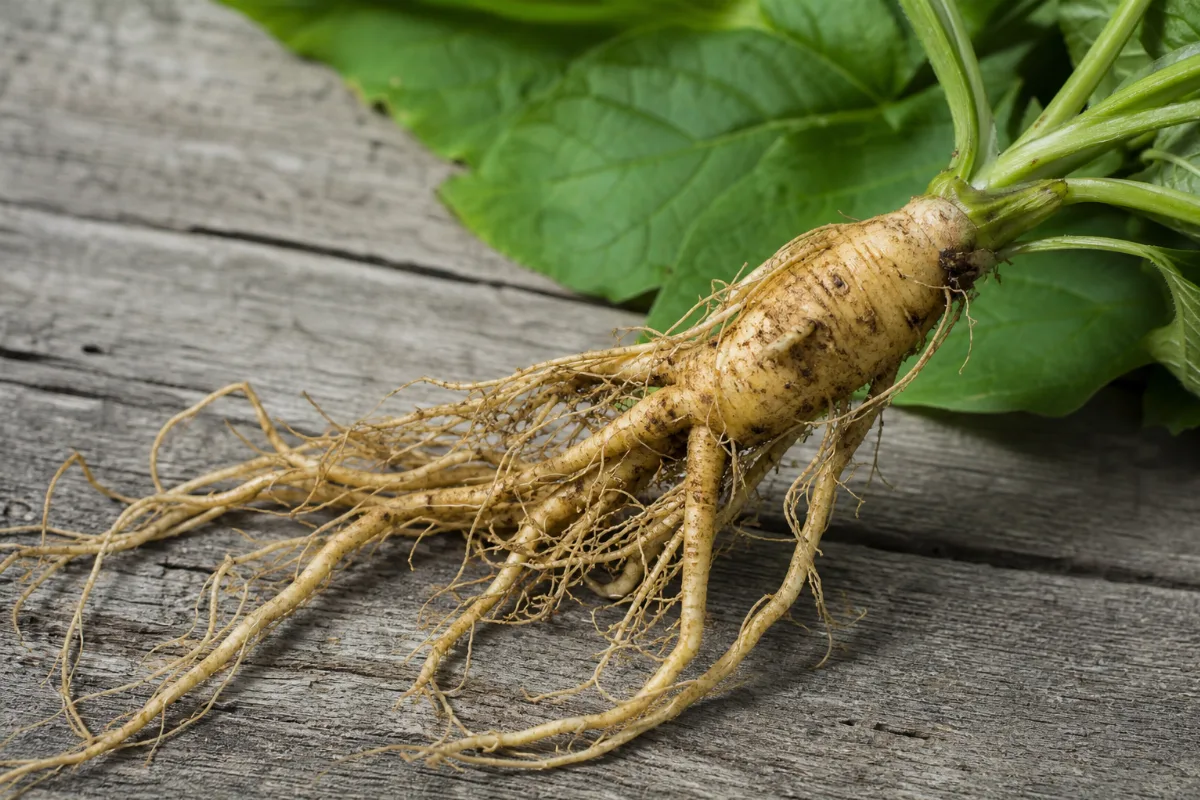
Stone root is a North American woodland herb whose root has been used in folk medicine for hemorrhoids, varicose veins and kidney stones. We found no human trials, so none of these uses is shown to work. Larger amounts are reported to cause stomach upset and vomiting. Bleeding from the rectum and kidney stone pain need a clinician, not a herb.
General information, not medical advice. Last substantive update · Not medically reviewed. A named clinician has not signed off on this page. How this page is made
About Stone root
Stone root is an old folk remedy with almost no modern research. Anything that sounds like a benefit here is tradition, not a tested result.
Safety first
Rectal bleeding must be checked by a clinician. It can come from piles, but also from more serious bowel conditions. Do not treat it yourself with a herb.
Kidney stone pain, blood in the urine, fever or trouble passing urine need medical care. Stone root has not been shown to help, and delay can be dangerous.
Larger amounts are reported to cause heavy sweating, nausea and repeated vomiting. These reports are very old or from non-agency pages, not measured studies.
Avoid in pregnancy, breastfeeding and childhood: safety has not been established. If you take blood thinners, blood pressure medicines or water pills, ask a pharmacist or doctor first.
What it is
Stone root is Collinsonia canadensis, a perennial in the mint family native to eastern North America. The root and rhizome are the parts used. Herbal sources report saponins, tannins and a volatile oil; researchers have also isolated several flavonoids from the leaf and stem. We found no source measuring rosmarinic acid in the plant, though it is common in other mints.
What the research shows
We searched PubMed and Europe PMC and found no clinical trial, cohort study or case report of stone root. The papers that exist are two journal notes from 1887 and 1888 (content not readable), a plant-chemistry paper, and one lab screen on breast cancer cells.
Support for hemorrhoids and vein problems rests on a 1919 textbook and on herbalist pages. One herbalist page says 'preliminary studies' exist, but names none, and carries a note that it was generated by ChatGPT and edited by the herbalist.
Regulatory status
We found no herbal monograph or safety review from the EMA, NCCIH, Memorial Sloan Kettering, LiverTox or LactMed. Some addresses returned 'not found' and the EMA site blocked automated access, so these are not verified.
At a glance
Traditional uses history, not proof
- Hemorrhoids (piles)
- Varicose veins
- Kidney stones and gravel
- Indigestion and colic
- Sore or strained throat
Studied for research
- Hemorrhoids: insufficient (traditional only)
- Varicose veins: insufficient (traditional only)
- Kidney stones: insufficient (traditional only)
- Digestion and throat: insufficient
- Breast cancer cells in a dish: lab only
Main compounds
- Saponins (reported)
- Flavonoids
- Tannins and volatile oil (reported)
Common forms
- Dried root
- Tincture
- Tea
- Capsule
Research links: Mazzio 2014: lab screen of 897 extracts (PubMed) · Stevens 1999: flavonoids from the plant (PubMed) · Healthline: Collinsonia root · Ellingwood 1919: Collinsonia · Research Library · Genes & Biomarkers Library
The plant and its history
- Accepted scientific name
- Collinsonia canadensis L.
- Naming authority
- GBIF species match API, read 2026-10-25: ACCEPTED, key 2926628, family Lamiaceae. NCBI Taxonomy lookup was not completed (the quick suggest call returned unrelated animals).
- Common names
- Stone root, knob root, richweed (English)
- Botanical family
- Lamiaceae (mint family)
- Classification
- Plantae > Lamiaceae > Collinsonia > Collinsonia canadensis
- Native range
- Eastern North America (Healthline).
- Habitat
- Woodland herb; seed biology papers exist but were not read.
- What the plant looks like
- Roots: Hard rhizomes (Hobbs).; Stems: Perennial herb (Hobbs).; Leaves: Long, serrated, lemon-scented leaves (Hobbs).; Flowers: Not covered.; Fruit: Not covered.
- Cultivation
- Not covered.
- Harvest and processing
- Not covered. Ellingwood (1919) wrote that preparations should be made from the green plant.
- Look-alikes and adulterants
- Name: Other plants sharing a common name; Note: Common names are shared between plants. Only the Latin name Collinsonia canadensis identifies this one.
- Sustainability and conservation
- Not covered.
Traditional use and history history, not clinical proof
| Tradition or era | Documented use | Source |
|---|---|---|
| Native American and early settler use (eastern North America) | Kidney stones and urinary discomfort, indigestion and colic, hemorrhoids and varicose veins, sore throat. | s-hobbs-stone-root |
| Eclectic medicine (US, 1800s-early 1900s) | Hemorrhoids, stomach tonic, 'heart tonic'. | s-ellingwood-collinsonia |
| British and US medical journals, 1887-1888 | Short notes on Collinsonia canadensis; content not read. | p20752052 |
Traditional use shows how a plant was used. It does not show that a supplement works or is safe today.
What is inside, and how it may work
What the plant contains and how those compounds act in cells and animals. Laboratory and animal mechanisms are not proven effects in people.
Main compounds
| Compound | Family | Where it is concentrated | Activity studied | Level of evidence |
|---|---|---|---|---|
| Saponins | saponins | Root (per Hobbs and Healthline) | Suggested by herbal sources to support vein tone. Not measured in a source we read. 4 2 | Pharmacological theory |
| Rosmarinic acid PubChem 5281792 | phenolic acid | Not verified | Common in mint-family plants. We found no source measuring it in stone root, so its presence here is NOT verified. 8 | Pharmacological theory |
| Tectochrysin PubChem 5281954 | flavone | Leaf and stem exudates | Isolated from the plant; no health effect tested. 10 8 | Laboratory research |
| 2,5-Dihydroxy-6,7-dimethoxyflavanone, baicalein-6,7-dimethyl ether, norwogenin-7,8-dimethyl ether | flavonoids | Leaf and stem exudates | Isolated and named; no health effect tested. 10 | Laboratory research |
| Volatile oil, resin, tannins, mucilage | mixed | Root | Listed by Ellingwood (1919) and Hobbs without measurements. 5 4 | Traditional use |
Mechanisms, receptors and pathways
| Target or pathway | Gene or receptor | What was found | Level |
|---|---|---|---|
| Vein tone / hemorrhoids | Not identified | Suggested by herbal sources; not tested in lab, animals or people. 4 2 | Pharmacological theory |
| Cell division | Not identified | Water extract slowed breast cancer cell division in a dish. 7 | Laboratory research |
Absorption, metabolism and elimination
- Absorption
- Not studied.
- Distribution
- Not studied.
- Metabolism
- Not studied.
- Elimination
- Not studied.
- Bioavailability
- Not studied.
Isolated compounds versus whole extracts
Only whole-root traditional preparations are described. The few isolated compounds were not tested for health effects.
Nutritional composition
Not a nutrient and not a food.
6 not enough evidence
What is Stone root good for?
The traditional uses and how strong the evidence is. None has been tested in people.
Benefits, one by one
Each card is a research question, not a promise. Tap a goal to filter. Open a card to see the studies, doses and limits.
Hemorrhoids (traditional use)
Not enough evidenceStone root is best known as a folk remedy for hemorrhoids (piles). We found no trial in people. Bleeding from the rectum needs a clinician's check; do not treat it yourself.
4 studiesNot applicable.
Studies, doses and limits
What the trials found
No trial of any kind was found. Only opinion pieces, a 1919 textbook and herbalist and consumer pages.
Results
None.
Effect sizes as reported
None.
Why this rating
Traditional use only. Authors of the sources say modern evidence is limited.
Form and dose studied
Not applicable.
Who was studied
Not applicable.
Limits
Old reports have no controls or numbers. A herbalist page says 'preliminary studies' exist but names none.
Why researchers looked
Folk and 1800s-1900s medical writing named it for piles.
Traditional use
A 1919 physician called it a specific remedy for hemorrhoids and used it also in pregnancy; modern sources say to avoid it in pregnancy.
Proposed mechanism Pharmacological theory
Saponins and flavonoids are suggested as the reason (Healthline); this is a suggestion, not a tested result.
A proposed mechanism does not show that the effect happens in people.
Stone root has no human trials. Larger amounts are reported to cause stomach upset. See the Safety tab first.
Varicose veins and weak veins (traditional use)
Not enough evidenceStone root is described as a 'vein tonic' in old and modern herbal sources. No trial tested this in people.
3 studiesNot applicable.
Studies, doses and limits
What the trials found
No human study found.
Results
None.
Effect sizes as reported
None.
Why this rating
Traditional use only.
Form and dose studied
Not applicable.
Who was studied
Not applicable.
Limits
Historical and herbalist descriptions.
Why researchers looked
Traditional herbal teaching.
Traditional use
Ellingwood (1919) described it acting on 'relaxed' vein walls.
Proposed mechanism Pharmacological theory
Said to act through saponins; not tested in people.
A proposed mechanism does not show that the effect happens in people.
Stone root has no human trials. Larger amounts are reported to cause stomach upset. See the Safety tab first.
Kidney stones and urinary discomfort (traditional use)
Not enough evidenceThe root is named for kidney stones and 'gravel', and this is where it gets its name. No trial in people shows it helps. Kidney stone pain, blood in urine or fever needs medical care.
2 studiesNot applicable.
Studies, doses and limits
What the trials found
No human study found.
Results
None.
Effect sizes as reported
None.
Why this rating
Traditional use only.
Form and dose studied
Not applicable.
Who was studied
Not applicable.
Limits
Over 100 years old; stones can block the kidney or cause infection, so delay is risky.
Why researchers looked
Folk use by Native Americans and early settlers (Hobbs).
Traditional use
Healthline: reports over 100 years old; said to relax the ureters and increase urine flow.
Proposed mechanism Pharmacological theory
A possible diuretic or muscle-relaxing effect is suggested; not tested.
A proposed mechanism does not show that the effect happens in people.
Stone root has no human trials. Larger amounts are reported to cause stomach upset. See the Safety tab first.
Indigestion, colic and sore or strained throat (traditional use)
Not enough evidenceOld herbal texts list stomach and throat complaints. No human trial was found.
2 studiesNot applicable.
Studies, doses and limits
What the trials found
No human study found.
Results
None.
Effect sizes as reported
None.
Why this rating
Traditional use only.
Form and dose studied
Not applicable.
Who was studied
Not applicable.
Limits
Historical and herbalist descriptions.
Why researchers looked
Herbalist and historical use.
Traditional use
1919 textbook: used as a stomach tonic. Hobbs: used for hoarseness and laryngitis.
Proposed mechanism Pharmacological theory
Bitter and astringent taste is the suggested reason (Hobbs); not tested.
A proposed mechanism does not show that the effect happens in people.
Stone root has no human trials. Larger amounts are reported to cause stomach upset. See the Safety tab first.
Painful periods, heart tonic and other old uses (traditional)
Not enough evidenceHerbal texts also list painful periods, a heart-strengthening effect and lower back pain. None has been tested in people.
2 studiesNot applicable.
Studies, doses and limits
What the trials found
No human study found.
Results
None.
Effect sizes as reported
None.
Why this rating
Traditional use only; do not use for heart problems in place of care.
Form and dose studied
Not applicable.
Who was studied
Not applicable.
Limits
Opinion and historical statements; no data.
Why researchers looked
Traditional herbal writing.
Traditional use
Hobbs: long history for painful periods (dysmenorrhea). Ellingwood (1919) called it a heart tonic.
Proposed mechanism Pharmacological theory
Not tested.
A proposed mechanism does not show that the effect happens in people.
Stone root has no human trials. Larger amounts are reported to cause stomach upset. See the Safety tab first.
Effects on breast cancer cells in dishes
Not enough evidenceIn a lab screen of 897 plant extracts, a water extract of stone root was among those that slowed breast cancer cell division in a dish. Nothing is known about people.
1 studiesNot applicable.
Studies, doses and limits
What the trials found
Nothing in animals or people.
Results
Stone root named among potent extracts; no separate figure in the abstract.
Effect sizes as reported
None.
Why this rating
Cell culture result only.
Form and dose studied
Not applicable.
Who was studied
Not applicable.
Limits
Dish results usually do not carry over to people. Not a basis for use.
Why researchers looked
Cell screens look for plant compounds that block cell division.
Traditional use
Not a traditional use.
Proposed mechanism Laboratory research
Reported as anti-mitotic (blocks cell division) in cultured cells; the mechanism was not worked out for stone root.
A proposed mechanism does not show that the effect happens in people.
Stone root has no human trials. Larger amounts are reported to cause stomach upset. See the Safety tab first.
Connections to the rest of health
How Stone root connects to the rest of our health knowledge graph. Every link says what kind of connection it is. A safety link (for example to the liver) is a warning, not a benefit. A study that merely mentions a topic never creates a benefit link.
Explore every connection: goals, body systems, organs, symptoms, genes
A. Wellness goals
| Connected to | Kind of connection | Evidence status | Context | Studies |
|---|---|---|---|---|
| Healthy Circulation | Traditional use | Not enough evidence | Hemorrhoids (traditional use): Stone root is best known as a folk remedy for hemorrhoids (piles). We found no trial in people. Bleeding from the rectum needs a clinician's check; do not treat it yourself. Varicose veins and weak veins (traditional use): Stone root is described as a 'vein tonic' in old and modern herbal sources. No trial tested this in people. | 5 4 2 9 |
| Digestive Support | Traditional use | Not enough evidence | Indigestion, colic and sore or strained throat (traditional use): Old herbal texts list stomach and throat complaints. No human trial was found. | 4 5 |
| Womens Wellness | Traditional use | Not enough evidence | Painful periods, heart tonic and other old uses (traditional): Herbal texts also list painful periods, a heart-strengthening effect and lower back pain. None has been tested in people. | 4 5 |
B. Body systems
| Connected to | Kind of connection | Evidence status | Context | Studies |
|---|---|---|---|---|
| Digestive System | Biological association | Not enough evidence | Studied for: Hemorrhoids (traditional use) Studied for: Indigestion, colic and sore or strained throat (traditional use) | 5 4 2 9 |
| Cardiovascular System | Biological association | Not enough evidence | Studied for: Varicose veins and weak veins (traditional use) | 2 4 5 |
| Urinary System | Biological association | Not enough evidence | Studied for: Kidney stones and urinary discomfort (traditional use) | 2 4 |
| Reproductive System | Biological association | Not enough evidence | Studied for: Painful periods, heart tonic and other old uses (traditional) | 4 5 |
| Immune System | Biological association | Not enough evidence | Studied for: Effects on breast cancer cells in dishes | 7 |
C. Body parts and organs
| Connected to | Kind of connection | Evidence status | Context | Studies |
|---|---|---|---|---|
| Kidneys | Traditional use | Not enough evidence | Traditional use for stones; not tested. Preparation or compound: Root |
2 4 |
| Blood vessels | Traditional use | Not enough evidence | Traditional vein tonic; not tested. Preparation or compound: Root |
4 5 |
| Gut | Adverse effect or risk | Reported | Nausea, vomiting and stomach upset reported in old and herbalist sources. Preparation or compound: Larger amounts |
2 4 |
L. Active compounds
| Connected to | Kind of connection | Evidence status | Context | Studies |
|---|---|---|---|---|
| Saponins | Biological association | Pharmacological theory | Suggested by herbal sources to support vein tone. Not measured in a source we read. Preparation or compound: Root (per Hobbs and Healthline) |
4 2 |
| Rosmarinic acid | Biological association | Pharmacological theory | Common in mint-family plants. We found no source measuring it in stone root, so its presence here is NOT verified. Preparation or compound: Not verified |
8 |
| Tectochrysin | Biological association | In vitro | Isolated from the plant; no health effect tested. Preparation or compound: Leaf and stem exudates |
10 8 |
| 2,5-Dihydroxy-6,7-dimethoxyflavanone, baicalein-6,7-dimethyl ether, norwogenin-7,8-dimethyl ether | Biological association | In vitro | Isolated and named; no health effect tested. Preparation or compound: Leaf and stem exudates |
10 |
| Volatile oil, resin, tannins, mucilage | Biological association | Traditional use | Listed by Ellingwood (1919) and Hobbs without measurements. Preparation or compound: Root |
5 4 |
Each connection is stored with the ingredient, the connected record, the kind of connection, the evidence status, the supporting studies, the preparation or compound involved, and a review date (last reviewed October 25, 2026).
The evidence
The research centre for Stone root. Every record here was checked against PubMed or the publisher's page; we never list a study we have not verified.
Evidence by outcome
Bars show how many studies we found for each outcome, not how well it works. People are added up across trials only (reviews are not added, to avoid double counting).
How we rate evidence
High certainty
Several well-run trials or reviews agree; further research is unlikely to change the picture much.
Moderate certainty
Good trials point the same way, but some doubt remains.
Low certainty
Small, short or inconsistent trials. The finding could change with better research.
Very low certainty
Very little or very weak human data. Treat as a possibility only.
Mixed findings
Trials or reviews disagree with each other.
Not enough evidence
Not enough human research to say either way.
Evidence against
Good research found no benefit, or found harm.
We take the reviewers' own risk-of-bias and GRADE statements where they exist, and otherwise judge from study size, design, consistency, directness and whether a product matches what is sold. Many publications do not make evidence high. Method note: We read our existing herb summary, searched PubMed and Europe PMC, read the abstracts of the PubMed papers cited, read the consumer, herbalist and 1919 textbook pages, and checked the name in GBIF. Two 1880s journal notes could be listed only by title. Regulator pages that could not be opened are marked not verified.
Study library: every study we checked 10
| Study | Design | People | Product, dose, length | Result |
|---|---|---|---|---|
| (no author listed) 1888 Collinsonia Canadensis South Med Rec · PMID 36022907 |
Historical note n/a |
Collinsonia canadensis root Not given here |
1888 note in a US medical journal. No abstract; content not read. Methods, limits and fundingLimitations: Title only. Read: title-only | |
| Alina Petre (medically reviewed) 2020 Collinsonia root: benefits, dosage, and side effects Healthline · Source |
Consumer article n/a |
Collinsonia canadensis root Not given here |
Says collinsonia root is touted for hemorrhoids, kidney stones and digestive problems but has very little scientific support; most case reports are over 100 years old. Says larger amounts may cause sweating, nausea or repeated vomiting (it cites an 1887 BMJ note for this). Advises infants, children and people who are pregnant or breastfeeding to avoid it, and notes a possible diuretic effect (dehydration, medicine interactions). Methods, limits and fundingLimitations: Consumer health article, not an agency review. Its claim about Alzheimer's disease and thymol/carvacrol was not checked and is not repeated here. Funding and conflicts: Commercial publisher Read: full-text | |
| AlternativeMed editorial 2026 Our nutrient-graph summary: herb-stone-root internal · Source |
Internal summary n/a |
Collinsonia canadensis root Not given here |
Our earlier summary of stone root: identity, forms, traditional uses, and safety notes, citing the Hobbs and Healthline pages, Ellingwood 1919, and the two PubMed papers above. No human trial found. Methods, limits and fundingLimitations: Summary-only; its sources were re-read where marked. Read: summary-only | |
| Christopher Hobbs 2026 Stone root, Herbal Therapeutics Database christopherhobbs.com · Source |
Herbalist website n/a |
Collinsonia canadensis root Not given here |
Lists traditional uses (hemorrhoids, varicose veins, kidney gravel, laryngitis, painful periods). States few modern clinical trials exist and most evidence is anecdotal or traditional. Cautions: nausea, vomiting or stomach upset in large amounts; not for pregnancy or breastfeeding or severe kidney or liver disease; may interact with blood thinners or blood pressure medicines. Methods, limits and fundingLimitations: The page carries the note 'Generated by ChatGPT; edited by Christopher Hobbs'. Its statements about 'preliminary studies' name no study. Treated as traditional-use description only. Funding and conflicts: Herbalist who sells education and books Read: full-text | |
| Finley Ellingwood 1919 Collinsonia (Ellingwood, American Materia Medica, 1919) Henriette's Herbal Homepage (reprint) · Source |
Historical text n/a |
Collinsonia canadensis root Not given here |
A physician of the Eclectic school (1919) wrote that stone root is a 'specific remedy for hemorrhoids', also useful for stomach complaints and as a 'heart tonic', and for hemorrhoids in pregnancy. These are personal clinical impressions, not trials. Methods, limits and fundingLimitations: Over 100 years old; no controls, numbers or safety follow-up. His pregnancy advice should not be followed; modern sources say to avoid it. Read: full-text | |
| GBIF 2026 GBIF species match: Collinsonia canadensis GBIF API · Source |
Database n/a |
Collinsonia canadensis root Not given here |
Read 2026-10-25: Collinsonia canadensis L. is ACCEPTED, family Lamiaceae (mint family), key 2926628. Methods, limits and fundingLimitations: Name check only. Read: full-text | |
| Mazzio 2014 High throughput screening of natural products for anti-mitotic effects in MDA-MB-231 human breast carcinoma cells Phytother Res · PMID 24105850 · DOI |
Laboratory research in-vitro |
Human breast cancer cell line MDA-MB-231 | Aqueous extract of stone root (plant part not stated in abstract) unspecified Not given here |
In a screen of 897 water extracts on breast cancer cells in dishes, stone root (Collinsonia canadensis) was named among extracts with strong anti-mitotic (cell-division-blocking) activity independent of toxicity. The abstract does not give a separate number for stone root. Methods, limits and fundingOutcomes: Cell proliferation Limitations: Cell culture only. Mazzio and colleagues name stone root without separate figures in the abstract; nothing was tested in animals or people. Read: abstract |
| NCBI PubChem 2026 PubChem compound records (rosmarinic acid, tectochrysin) NCBI PubChem · Source |
Database n/a |
Collinsonia canadensis root Not given here |
CIDs matched by name through the PubChem API on 2026-10-25: rosmarinic acid 5281792, tectochrysin 5281954. Methods, limits and fundingLimitations: Matched by name. We found no source showing rosmarinic acid content in stone root; it is common in other mint-family plants. Read: full-text | |
| Shoemaker 1887 Collinsonia Canadensis Br Med J · PMID 20752052 · DOI |
Historical note n/a |
Collinsonia canadensis root Not given here |
Short 1887 note in the British Medical Journal. Only the scanned page exists online and we could not read its content; we know it only because Healthline cites it. Methods, limits and fundingLimitations: Content not read. Read: title-only | |
| Stevens 1999 A novel 2-hydroxyflavanone from Collinsonia canadensis J Nat Prod · PMID 10075799 · DOI |
Chemistry n/a |
Collinsonia canadensis leaf and stem exudate Not given here |
Isolated a new flavanone (2,5-dihydroxy-6,7-dimethoxyflavanone) and three known flavones (baicalein-6,7-dimethyl ether, norwogenin-7,8-dimethyl ether, tectochrysin) from leaf and stem exudates. Methods, limits and fundingLimitations: Chemistry only; no health effect tested; leaf and stem exudates, not the root. Read: abstract |
What we do not know yet
- No human trial of any kind.
- No safety study or case report.
- Saponin and rosmarinic acid content not measured in sources read.
- EMA, NCCIH, LiverTox and LactMed positions not verified.
How new research is added
New studies are found by a saved PubMed search and placed in a review queue. A person reads each one before it changes any rating or safety wording.
Lab markers
What changed in blood or saliva tests during trials. A changed number is not the same as feeling or being healthier, and we give no "normal ranges".
Safety
What studies and official sources say about side effects, medicines and who should check first. Each point shows what kind of evidence it comes from.
Main points to know 4
- Almost no safety research exists. We found no human safety study, no case report in PubMed and no agency review of stone root. What is said about side effects comes from a consumer article, a herbalist page and an 1887 journal note that we could not read. Safe amounts have not been set. Authoritative guidance 2 4
- Stomach upset and vomiting reported with larger amounts. Healthline says small amounts give a warm feeling in the stomach, while larger amounts may cause heavy sweating, nausea or repeated vomiting. Hobbs also lists nausea, vomiting or stomach upset in large amounts. Both are traditional-source statements, not measured data. Traditional use 2 4 9
- Avoid in pregnancy and breastfeeding, and in children. Both modern sources advise avoiding stone root in pregnancy, breastfeeding, infants and children because safety is not established. A 1919 textbook recommended it for piles in pregnancy; that is not safety evidence. Authoritative guidance 2 4 5
- Do not self-treat bleeding from the rectum, kidney stone pain or urinary problems. Rectal bleeding can come from piles but also from more serious bowel conditions, so a clinician should check it. Kidney stone pain, blood in the urine, fever or being unable to pass urine need medical care. Stone root has not been shown to help any of these. Authoritative guidance 2
Side effects 3
| Effect | How often | Severity and recovery | Evidence |
|---|---|---|---|
| Warm feeling in the stomach (small amounts), then sweating, nausea or repeated vomiting (larger amounts) Healthline gives an 1887 BMJ note as its source. We could not read that note, so we cannot confirm what it said or how it was measured. No numbers or doses are given here. | Not established | mild to moderate Not stated | Traditional use 2 9 |
| Nausea, vomiting or stomach upset in large amounts Herbalist page, drafted with ChatGPT and edited by the herbalist; no data. | Not established | mild to moderate Not stated | Traditional use 4 |
| Dehydration (possible, because of a suggested diuretic effect) Theory only; no report found. | Not established | unknown Not stated | Pharmacological theory 2 |
Liver
No case of liver injury from stone root was found. Hobbs advises against use in severe liver or kidney disease without giving a reason. LiverTox: no stone root entry found (NOT verified). 4
How often. No data.
Monitoring. No monitoring advice found.
This is a safety connection. It is not evidence that Stone root supports liver health.
Medicines and supplements 3
| With | Why it matters | Importance | Evidence | What to do |
|---|---|---|---|---|
| Blood thinners (anticoagulants) prescription | Not explained by the source. | Hobbs says it may interact. No interaction study or case report was found. | Authoritative guidance Not enough evidence 4 | Ask a pharmacist or doctor before use if you take a blood thinner. |
| Blood pressure medicines prescription | Not explained by the source; a diuretic or vein effect is only suggested. | Hobbs says it may interact. No study or case found. | Authoritative guidance Not enough evidence 4 | Ask a pharmacist or doctor before use if you take blood pressure medicine. |
| Water pills (diuretics) and medicines affecting fluid balance prescription | Healthline says a possible diuretic effect may lead to dehydration or medicine interactions. Not tested. | Theory only. | Pharmacological theory Not enough evidence 2 | Ask a pharmacist or doctor. |
Who should check first 6
| Situation | Advice | Evidence |
|---|---|---|
| Pregnancy | Avoid. Safety not established. | Authoritative guidance 2 4 |
| Breastfeeding | Avoid. No data; LactMed entry not found (NOT verified). | Authoritative guidance 2 4 |
| Infants and children | Avoid. Safety not established. | Authoritative guidance 2 |
| Severe kidney or liver disease | Avoid unless a doctor agrees (herbalist advice; no data). | Authoritative guidance 4 |
| Kidney stones, blood in urine, urinary problems | See a clinician. Do not rely on stone root. | Authoritative guidance 2 |
| Rectal bleeding or a change in bowel habit | Have it checked by a clinician; do not self-treat with a herb. | Authoritative guidance |
Overdose, product quality and regulators
Summary. No toxicity study found in animals or people.
Animal. None found.
Human doses studied. No safe amount has been set. We do not give amounts.
High dose or long term signals. Vomiting and sweating with large amounts, per old reports.
Overdose response. If you have repeated vomiting, severe sweating or feel very unwell after taking it, stop and seek medical help or call a poison centre (US: 1-800-222-1222).
Genotoxicity. Not studied.
Toxic plant parts. Not studied. The root and rhizome are the part used.
We found no tests of stone root products for contamination or adulteration.
| Body | Action | Date |
|---|
When to get medical help
- Rectal bleeding, black stools, or piles that do not settle: see a clinician; do not self-treat.
- Severe flank or belly pain, blood in the urine, fever or chills, or being unable to pass urine: seek urgent care. These can be kidney stones or infection.
- Repeated vomiting, heavy sweating, dizziness or signs of dehydration after taking it: stop and seek medical help.
- If you are pregnant or breastfeeding and have taken it: tell your doctor or midwife.
Stop the supplement and contact a clinician or emergency service. In the US, Poison Control is 1-800-222-1222.
General information only, not medical advice. Ask a clinician or pharmacist before use, especially with medicines, in pregnancy or with a health condition. See the Natural Remedy Safety guide.
Frequently asked questions
What is stone root?
Does stone root work for hemorrhoids?
Should I use stone root for rectal bleeding?
No. Rectal bleeding should be checked by a clinician because it can have causes other than piles. Do not self-treat.
Does it help varicose veins?
Can stone root dissolve or pass kidney stones?
What side effects are reported?
Is stone root safe in pregnancy or breastfeeding?
Does it interact with medicines?
Is there any lab research?
One screen of 897 plant extracts found a stone root water extract slowed breast cancer cell division in a dish. That says nothing about people.
What is in the root?
Is a homeopathic Collinsonia product the same?
No. Homeopathic products are extremely dilute and are not the herb; they were not assessed here.
Explore by health goal
Editorial transparency
- Written by
- AlternativeMed editorial team. Research compiled with AI assistance, then checked against PubMed records.
- Medical review
- None. This page has not been reviewed by a physician or pharmacist.
- First published
- 2026-10-25
- Last substantive update
- 2026-10-25
- How we research
- We read our existing herb summary, searched PubMed and Europe PMC, read the abstracts of the PubMed papers cited, read the consumer, herbalist and 1919 textbook pages, and checked the name in GBIF. Two 1880s journal notes could be listed only by title. Regulator pages that could not be opened are marked not verified.
- How we rate evidence
- See "How we rate evidence" in the Evidence tab.
- Independence
- No product is promoted on this page. No affiliate links are shown.
Sources 10
Each source was opened and checked. Where we read only the abstract, it says so. The small numbers in the text point here.
- (no author listed). Collinsonia Canadensis. South Med Rec. 1888. PMID 36022907. (title-only)
- Alina Petre (medically reviewed). Collinsonia root: benefits, dosage, and side effects. Healthline. 2020. (full-text)
- AlternativeMed editorial. Our nutrient-graph summary: herb-stone-root. internal. 2026. (summary-only)
- Christopher Hobbs. Stone root, Herbal Therapeutics Database. christopherhobbs.com. 2026. (full-text)
- Finley Ellingwood. Collinsonia (Ellingwood, American Materia Medica, 1919). Henriette's Herbal Homepage (reprint). 1919. (full-text)
- GBIF. GBIF species match: Collinsonia canadensis. GBIF API. 2026. (full-text)
- Mazzio E, Badisa R, Mack N, et al.. High throughput screening of natural products for anti-mitotic effects in MDA-MB-231 human breast carcinoma cells. Phytother Res. 2014. PMID 24105850. DOI 10.1002/ptr.5065. (abstract)
- NCBI PubChem. PubChem compound records (rosmarinic acid, tectochrysin). NCBI PubChem. 2026. (full-text)
- Shoemaker JV. Collinsonia Canadensis. Br Med J. 1887. PMID 20752052. DOI 10.1136/bmj.2.1396.712. (title-only)
- Stevens JF, Ivancic M, Deinzer ML, Wollenweber E.. A novel 2-hydroxyflavanone from Collinsonia canadensis. J Nat Prod. 1999. PMID 10075799. DOI 10.1021/np980421i. (abstract)