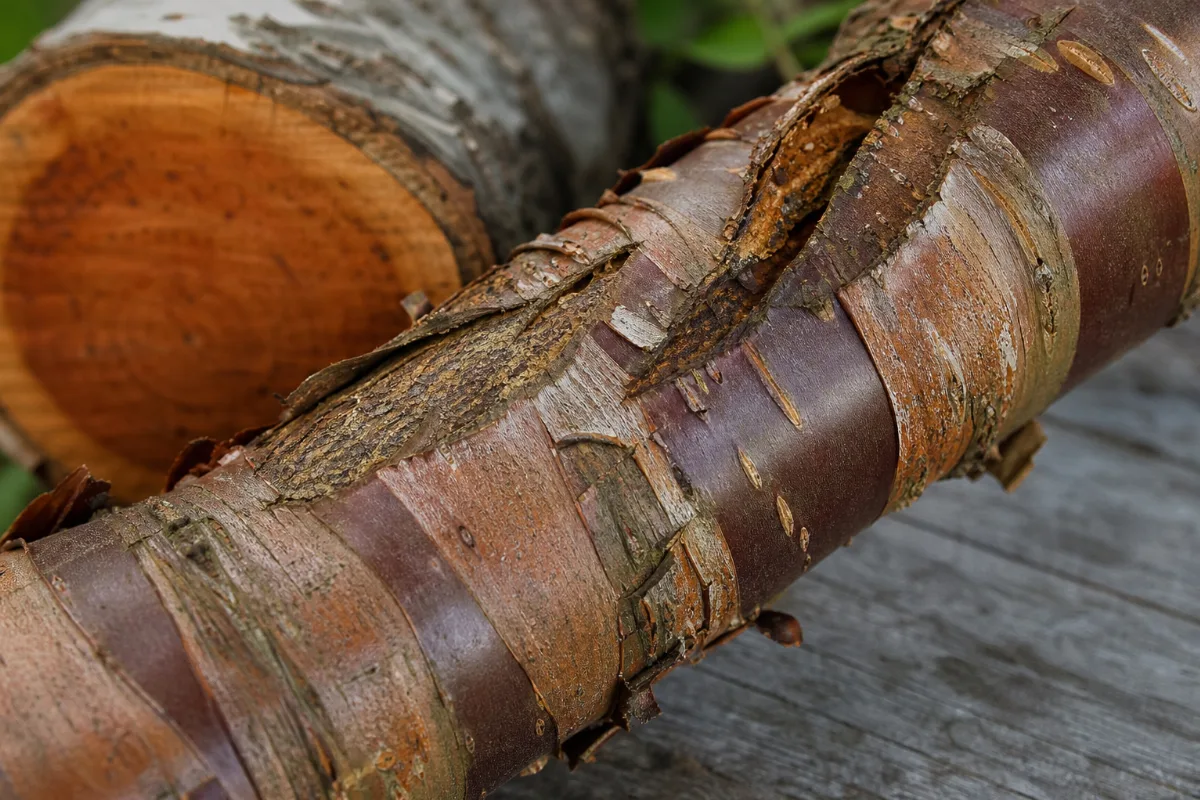
Herbs & Botanicals · Traditional cough syrup bark
Wild cherry bark
Prunus serotina · also called Wild cherry, black cherry, wild black cherry, Virginian prune bark
Wild cherry bark comes from the black cherry tree of North America and is a traditional ingredient in cough syrups and lozenges. It is used for dry, irritating coughs, but we found no human trial showing that it works. The bark holds a compound that can release cyanide, so it should never be used raw or in large amounts, and it is not advised for children or in pregnancy.
General information, not medical advice. Last substantive update · Not medically reviewed. A named clinician has not signed off on this page. How this page is made
About Wild cherry bark
Wild cherry bark is an old cough-syrup ingredient with no human trials behind it and a real safety catch: the bark can release cyanide. It is best treated as a product to ask a pharmacist about, not a home remedy to make.
What it is
Wild cherry (Prunus serotina) is a tree of North America also called black cherry. The bark is made into syrups, lozenges, tinctures, teas and capsules, and it has been used for generations mainly for dry, irritating coughs.
Sellers describe it as calming, drying and cough-suppressing. These are traditional descriptions. The only human-level sources we found are consumer references, and they say the benefit is not well defined.
Safety first: cyanide-forming compounds
The bark contains prunasin. When bark is crushed, chewed or digested, enzymes break prunasin down and release hydrogen cyanide. In small amounts this is thought to quiet the cough reflex. In larger amounts it is poisonous.
WebMD says raw or unprocessed bark, seeds, pits and leaves can cause cyanide poisoning, and that symptoms can start an hour or more after swallowing. A university page on the tree names wilting leaves as the most dangerous part, with green leaves, twigs, bark and seeds also toxic; the amounts given are for cattle and sheep. Do not make tea, syrup or tincture from fresh or home-picked leaves, seeds or bark.
Warning signs are headache, dizziness, confusion, nausea, fast breathing, fast heartbeat, bluish lips or skin, severe weakness and seizures. Call emergency services or poison control at once. We found no source that says how much cyanide a commercial syrup or capsule releases.
Children, pregnancy and breastfeeding
Children are much more sensitive to cyanide than adults, and WebMD says wild cherry should not be given to infants or children unless a health provider recommends it. A young child nearly died of cyanide poisoning from amygdalin and apricot kernels, a different plant with the same type of compound; he recovered with emergency treatment.
Experts generally advise against wild cherry in pregnancy and breastfeeding. RxList rates it likely unsafe in pregnancy and says prunasin can cause birth defects, though we found no study behind that statement.
Medicines and other products
RxList lists a moderate interaction with medicines broken down by the liver enzyme CYP3A4, such as some statins, antifungals and sedatives. WebMD says research on drug interactions is incomplete. We found no human study, so this is a caution rather than a proven effect.
Wild cherry is described as having sedative and cough-suppressing effects. Whether it adds to other cough suppressants or sedating cold and sleep medicines was not studied, so check with a pharmacist before combining. Tinctures usually contain alcohol.
At a glance
Traditional uses history, not proof
- North American and later European herbal tradition: the bark was made into syrups, lozenges, teas and tinctures for coughs and irritated airways (WebMD, RxList).
- Also used traditionally for colds, bronchitis, whooping cough, diarrhea and upset stomach (RxList, WebMD). This is a summary of consumer references, not checked against old texts, and no EU monograph was found.
Studied for research
- Dry, irritated cough, insufficient evidence (no human trial found)
- Bronchitis, colds and whooping cough, insufficient
- Diarrhea and upset stomach, insufficient
- Antioxidant, cancer-cell and tapeworm-cyst effects, lab and animal only
Main compounds
- Prunasin and amygdalin, cyanogenic glycosides that release hydrogen cyanide when broken down
- Naringenin and other polyphenols, studied in the lab
Common forms
- Cough syrups and lozenges
- Tinctures (alcohol-based liquid) and teas
- Capsules and dried bark (WebMD advises against raw, unprocessed bark)
Research links: WebMD: Wild cherry · RxList: Wild cherry · Purdue University: Black cherry (toxic plants) · Review of plant cyanogenic glycosides (abstract) · Research Library · Genes & Biomarkers Library
The plant and its history
- Accepted scientific name
- Prunus serotina Ehrh.
- Naming authority
- Ehrh. (Ehrhart); accepted species in the GBIF backbone (key 3021850)
- Synonyms
- Cerasus serotina (Ehrh.) Loisel.; Cerasus capollin Ser. ex DC.; Cerasus serotina var. asplenifolia G.Kirchn.
- Common names
- Wild cherry (English); Black cherry (English); Wild black cherry (English); Virginian prune bark (English); Capulin (Mexican subspecies name; not verified here) (Spanish)
- Botanical family
- Rosaceae (rose family).
- Classification
- Plantae > Rosales > Rosaceae > Prunus > Prunus serotina
- Native range
- WebMD: a tree of North America, Mexico and parts of Central and South America. Pimenta 2014 abstract: native to North America and invasive in Europe since the 17th century.
- Habitat
- Pasture edges and shady areas (Purdue).
- What the plant looks like
- Leaves: Leathery, finely toothed, alternate (Purdue).; Flowers: White (Purdue).; Bark: Smooth in young trees; thin, with long narrow cracks and scaly in larger trunks (Purdue).
- Cultivation
- Not covered in the sources read.
- Harvest and processing
- Not covered; WebMD says content varies with area, weather, harvest time and processing.
- Look-alikes and adulterants
- Name: Other Prunus species (choke cherry, bird cherry Prunus padus, cherry laurel); Note: Several are also cyanogenic; a Cochrane-style identity check was not possible. Bird cherry is mixed with wild cherry in some lab reviews, so findings may not transfer.
- Sustainability and conservation
- Not assessed here; widespread and invasive in parts of Europe.
Traditional use and history history, not clinical proof
| Tradition or era | Documented use | Source |
|---|---|---|
| North American and later European herbal tradition | Bark used in cough syrups, lozenges, teas and tinctures, mostly for coughs and irritated airways; also for digestive upset and diarrhea. | s-webmd-wild-cherry |
Traditional use shows how a plant was used. It does not show that a supplement works or is safe today.
What is inside, and how it may work
What the plant contains and how those compounds act in cells and animals. Laboratory and animal mechanisms are not proven effects in people.
Main compounds
| Compound | Family | Where it is concentrated | Activity studied | Level of evidence |
|---|---|---|---|---|
| Prunasin PubChem 119033 | cyanogenic glycoside | Bark and leaves | Releases hydrogen cyanide when broken down by plant or gut enzymes; thought to dampen the cough reflex in tiny amounts (WebMD). 16 7 3 | Authoritative guidance |
| Amygdalin PubChem 656516 | cyanogenic glycoside | Leaves (measured), seeds | Also releases hydrogen cyanide; measured with prunasin in P. serotina leaves. 12 8 4 | Chemical analysis |
| Naringenin PubChem 439246 | flavanone | Bark | Main active compound against tapeworm cysts in a dish and in mice. 6 5 | In vitro and animal |
| Polyphenols (tannins, flavonoids) | phenolic compounds | Bark | Antioxidant activity in laboratory tests. 15 16 | Laboratory research |
Mechanisms, receptors and pathways
| Target or pathway | Gene or receptor | What was found | Level |
|---|---|---|---|
| Cough reflex | WebMD proposes that small amounts of cyanide released from prunasin mildly calm the cough reflex. Not tested in people. 16 | Authoritative guidance | |
| Colon cancer cell signalling (beta-catenin, cyclin D1, NAG-1) | CCND1; NAG-1 (GDF15) | Bark extract suppressed beta-catenin signalling and raised NAG-1 in human colon cancer cell lines. Lab only. 17 | Laboratory research |
| Parasite cysts | Bark extract and naringenin killed Taenia crassiceps cysts in dishes and in infected mice. Lab and animal only. 6 | Animal research |
Absorption, metabolism and elimination
- Absorption
- Not found for wild cherry bark in people.
- Distribution
- Not found.
- Metabolism
- Cyanogenic glycosides are split by plant or gut enzymes to release cyanide (WebMD, review p40822726). Human gut handling of prunasin from bark was not found.
- Elimination
- Not found.
- Bioavailability
- Not found.
Isolated compounds versus whole extracts
The cyanide risk comes from prunasin and related compounds present in the whole plant, and the lab findings come from extracts or isolated naringenin. Neither tells us how a bark syrup behaves in a person.
Nutritional composition
Not a nutrient. Taken in small amounts as a flavouring and medicinal bark; no meaningful vitamin or mineral contribution is documented.
3 very low certainty3 not enough evidence
What is Wild cherry bark good for?
The main traditional uses and how strong the human evidence is. "Insufficient" means no human study was found, so no judgement of benefit can be made. "Very-low" means lab or animal results only. Nothing about wild cherry bark is rated higher.
Benefits, one by one
Each card is a research question, not a promise. Tap a goal to filter. Open a card to see the studies, doses and limits.
Dry, irritated cough
Not enough evidenceWild cherry bark is mainly taken in syrups and lozenges to calm a dry, irritating cough. This rests on long tradition. No human trial of wild cherry bark for cough was found.
3 studiesSyrups, lozenges, tinctures, teas and capsules made from the bark are…
Studies, doses and limits
What the trials found
No randomised trial or other human study of wild cherry bark for cough was found in PubMed or in the two consumer references read. For comparison, a 2014 Cochrane review of 29 trials of over-the-counter cough medicines (not including wild cherry bark) concluded there is no good evidence for or against them.
Results
Insufficient. Natural Medicines (via RxList) rates the evidence for cough as insufficient to rate. WebMD says the benefit is not well defined.
Effect sizes as reported
None (no human data).
Why this rating
No human trials of wild cherry bark were found, so no judgement of benefit is possible. The general cough-medicine review shows how weak the evidence is even for common products.
Form and dose studied
Syrups, lozenges, tinctures, teas and capsules made from the bark are sold. No dose range is established (RxList); follow the label and ask a doctor or pharmacist about amounts.
Who was studied
Adults with a short-lived dry cough are the traditional users. Children are advised against it (see Safety).
Limits
Evidence is tradition plus the opinion of consumer references. Products differ in how much bark and prunasin they hold, and the amount is not usually stated.
Why researchers looked
Cough syrups made from the bark have been used for generations, and the bark's cyanide-releasing compound is thought to dampen the cough reflex a little.
Traditional use
WebMD: a long history of traditional use, mostly for coughs.
Proposed mechanism Proposed mechanism not tested
WebMD says the bark enzymes break prunasin down and release small amounts of hydrogen cyanide, thought to have a mild calming effect on the cough reflex. RxList describes sedative, drying and cough-suppressing effects. Both are statements by consumer references, not tested in a trial we found.
A proposed mechanism does not show that the effect happens in people.
Cyanide-forming compounds are the main safety issue; see the Safety tab.
Bronchitis, colds and whooping cough
Not enough evidenceWild cherry bark has been used for colds, bronchitis and whooping cough. No human trial was found. A cough that lasts or brings up blood needs a doctor.
2 studiesSyrups, lozenges, tinctures, teas and capsules made from the bark are…
Studies, doses and limits
What the trials found
None found for wild cherry bark.
Results
Insufficient. RxList (Natural Medicines) rates colds and bronchitis as insufficient evidence to rate.
Effect sizes as reported
None.
Why this rating
No human studies found.
Form and dose studied
Syrups, lozenges, tinctures, teas and capsules made from the bark are sold. No dose range is established (RxList); follow the label and ask a doctor or pharmacist about amounts.
Who was studied
Not established.
Limits
Tradition only. Whooping cough and severe bronchitis are conditions for medical care, not self-treatment.
Why researchers looked
Traditional lung and throat remedy.
Traditional use
RxList: used for colds, whooping cough, bronchitis and other lung problems.
Proposed mechanism Proposed mechanism not tested
RxList says the bark may reduce swelling and have an astringent (drying) effect on tissues. This is a description, not a tested mechanism.
A proposed mechanism does not show that the effect happens in people.
Cyanide-forming compounds are the main safety issue; see the Safety tab.
Upset stomach and diarrhea
Not enough evidenceThe bark is also used traditionally for diarrhea and digestive upset. No human trial was found.
2 studiesSyrups, lozenges, tinctures, teas and capsules made from the bark are…
Studies, doses and limits
What the trials found
None found.
Results
Insufficient (RxList/Natural Medicines: insufficient evidence to rate for diarrhea).
Effect sizes as reported
None.
Why this rating
No human studies.
Form and dose studied
Syrups, lozenges, tinctures, teas and capsules made from the bark are sold. No dose range is established (RxList); follow the label and ask a doctor or pharmacist about amounts.
Who was studied
Not established.
Limits
Tradition only. Long or severe diarrhea needs medical care.
Why researchers looked
Traditional astringent use.
Traditional use
RxList and WebMD list diarrhea and digestive complaints.
Proposed mechanism Proposed mechanism not tested
RxList describes an astringent (drying) action on tissues; not tested.
A proposed mechanism does not show that the effect happens in people.
Cyanide-forming compounds are the main safety issue; see the Safety tab.
Antioxidant and anti-inflammatory activity (lab and animal only)
Very low certaintyLab and animal studies find antioxidant and anti-inflammatory compounds (polyphenols) in the plant. This has not been shown to help people.
2 studiesSyrups, lozenges, tinctures, teas and capsules made from the bark are…
Studies, doses and limits
What the trials found
No human study. A 2020 review and a 2025 review collect lab and animal findings only.
Results
Lab and animal only. No human result.
Effect sizes as reported
None.
Why this rating
Test-tube and animal work does not tell us what happens in people taking bark syrup.
Form and dose studied
Syrups, lozenges, tinctures, teas and capsules made from the bark are sold. No dose range is established (RxList); follow the label and ask a doctor or pharmacist about amounts.
Who was studied
None studied.
Limits
Lab research; mixes leaf, bark, fruit and a different species (bird cherry).
Why researchers looked
The bark contains polyphenols that act as antioxidants in test tubes.
Traditional use
Not a traditional claim; a lab finding.
Proposed mechanism In vitro and animal
Review of in vitro and animal studies of P. serotina and P. padus finds antioxidant, anti-inflammatory, antibacterial and antidiabetic activity.
A proposed mechanism does not show that the effect happens in people.
Cyanide-forming compounds are the main safety issue; see the Safety tab.
Slowing of cancer cells in a dish (lab only)
Very low certaintyWild cherry bark extract slowed the growth of human colon cancer cells in a dish. It has not been tested in people and is not a cancer treatment.
2 studiesNo product form studied.
Studies, doses and limits
What the trials found
No human or animal cancer study found.
Results
Lab only. Growth slowed and cells died in a dish.
Effect sizes as reported
None.
Why this rating
Cells in a dish; no human data.
Form and dose studied
No product form studied.
Who was studied
None.
Limits
Does not show any effect of taking the bark.
Why researchers looked
Researchers tested a traditional anti-inflammatory bark on cancer cell lines.
Traditional use
Not a traditional claim.
Proposed mechanism Laboratory research
In two colon cancer cell lines, the extract lowered cyclin D1, raised NAG-1 and reduced beta-catenin signalling.
A proposed mechanism does not show that the effect happens in people.
Cyanide-forming compounds are the main safety issue; see the Safety tab.
Killing tapeworm cysts (lab and mouse only)
Very low certaintyBark extract killed tapeworm cysts in a dish and in infected mice. This is early lab work and not a treatment for people.
1 studiesNo human product form studied.
Studies, doses and limits
What the trials found
No human study.
Results
Lab and mouse only; the methanol extract worked about as well as albendazole at the doses given.
Effect sizes as reported
Extract at 300 mg/kg in mice.
Why this rating
Animal model; not a home product.
Form and dose studied
No human product form studied.
Who was studied
None.
Limits
Methanol extract in mice; not applicable to syrup or tea.
Why researchers looked
Researchers looked for new drugs against neurocysticercosis (brain tapeworm cysts).
Traditional use
Not a traditional claim.
Proposed mechanism In vitro and animal
The flavanone naringenin was the main active compound.
A proposed mechanism does not show that the effect happens in people.
Cyanide-forming compounds are the main safety issue; see the Safety tab.
Connections to the rest of health
How Wild cherry bark connects to the rest of our health knowledge graph. Every link says what kind of connection it is. A safety link (for example to the liver) is a warning, not a benefit. A study that merely mentions a topic never creates a benefit link.
Explore every connection: goals, body systems, organs, symptoms, genes
A. Wellness goals
| Connected to | Kind of connection | Evidence status | Context | Studies |
|---|---|---|---|---|
| Lung Support | Traditional use | Not enough evidence | Dry, irritated cough: Wild cherry bark is mainly taken in syrups and lozenges to calm a dry, irritating cough. This rests on long tradition. No human trial of wild cherry bark for cough was found. Bronchitis, colds and whooping cough: Wild cherry bark has been used for colds, bronchitis and whooping cough. No human trial was found. A cough that lasts or brings up blood needs a doctor. | 16 11 14 |
| Breathing Support | Traditional use | Not enough evidence | Dry, irritated cough: Wild cherry bark is mainly taken in syrups and lozenges to calm a dry, irritating cough. This rests on long tradition. No human trial of wild cherry bark for cough was found. | 16 11 14 |
| Immune Support | Traditional use | Not enough evidence | Bronchitis, colds and whooping cough: Wild cherry bark has been used for colds, bronchitis and whooping cough. No human trial was found. A cough that lasts or brings up blood needs a doctor. Killing tapeworm cysts (lab and mouse only): Bark extract killed tapeworm cysts in a dish and in infected mice. This is early lab work and not a treatment for people. | 11 16 6 |
| Digestive Support | Traditional use | Not enough evidence | Upset stomach and diarrhea: The bark is also used traditionally for diarrhea and digestive upset. No human trial was found. | 11 16 |
| Gut Health | Traditional use | Not enough evidence | Upset stomach and diarrhea: The bark is also used traditionally for diarrhea and digestive upset. No human trial was found. | 11 16 |
| Cellular Protection | Traditional use | Very low certainty | Antioxidant and anti-inflammatory activity (lab and animal only): Lab and animal studies find antioxidant and anti-inflammatory compounds (polyphenols) in the plant. This has not been shown to help people. Slowing of cancer cells in a dish (lab only): Wild cherry bark extract slowed the growth of human colon cancer cells in a dish. It has not been tested in people and is not a cancer treatment. | 15 10 17 16 |
| Inflammation Balance | Traditional use | Very low certainty | Antioxidant and anti-inflammatory activity (lab and animal only): Lab and animal studies find antioxidant and anti-inflammatory compounds (polyphenols) in the plant. This has not been shown to help people. | 15 10 |
B. Body systems
| Connected to | Kind of connection | Evidence status | Context | Studies |
|---|---|---|---|---|
| Respiratory | Biological association | Not enough evidence | Studied for: Dry, irritated cough Studied for: Bronchitis, colds and whooping cough | 16 11 14 |
| Digestive | Biological association | Not enough evidence | Studied for: Upset stomach and diarrhea | 11 16 |
| Whole Body | Biological association | Very low certainty | Studied for: Antioxidant and anti-inflammatory activity (lab and animal only) Studied for: Slowing of cancer cells in a dish (lab only) | 15 10 17 16 |
| Immune | Biological association | Very low certainty | Studied for: Killing tapeworm cysts (lab and mouse only) | 6 |
D. Symptoms
K. Biological pathways
| Connected to | Kind of connection | Evidence status | Context | Studies |
|---|---|---|---|---|
| Beta-catenin / cyclin D1 signalling | Preliminary mechanism | In vitro | Suppressed by bark extract in colon cancer cells in a dish. | 17 |
L. Active compounds
| Connected to | Kind of connection | Evidence status | Context | Studies |
|---|---|---|---|---|
| Prunasin (cyanogenic glycoside) | Adverse effect or risk | Documented risk | Releases hydrogen cyanide when bark is crushed or digested. Preparation or compound: Prunus serotina bark |
16 7 |
| Prunasin | Adverse effect or risk | Documented risk | Releases hydrogen cyanide; poisoning risk with raw or excess material. Preparation or compound: Bark |
16 7 |
| Prunasin | Biological association | Authoritative guidance | Releases hydrogen cyanide when broken down by plant or gut enzymes; thought to dampen the cough reflex in tiny amounts (WebMD). Preparation or compound: Bark and leaves |
16 7 3 |
| Amygdalin | Biological association | Chemical analysis | Also releases hydrogen cyanide; measured with prunasin in P. serotina leaves. Preparation or compound: Leaves (measured), seeds |
12 8 4 |
| Naringenin | Biological association | In vitro and animal | Main active compound against tapeworm cysts in a dish and in mice. Preparation or compound: Bark |
6 5 |
| Polyphenols (tannins, flavonoids) | Biological association | In vitro | Antioxidant activity in laboratory tests. Preparation or compound: Bark |
15 16 |
Each connection is stored with the ingredient, the connected record, the kind of connection, the evidence status, the supporting studies, the preparation or compound involved, and a review date (last reviewed October 25, 2026).
The evidence
The research centre for Wild cherry bark. Every record here was checked against PubMed or the publisher's page; we never list a study we have not verified.
Evidence by outcome
Bars show how many studies we found for each outcome, not how well it works. People are added up across trials only (reviews are not added, to avoid double counting).
How we rate evidence
High certainty
Several well-run trials or reviews agree; further research is unlikely to change the picture much.
Moderate certainty
Good trials point the same way, but some doubt remains.
Low certainty
Small, short or inconsistent trials. The finding could change with better research.
Very low certainty
Very little or very weak human data. Treat as a possibility only.
Mixed findings
Trials or reviews disagree with each other.
Not enough evidence
Not enough human research to say either way.
Evidence against
Good research found no benefit, or found harm.
We take the reviewers' own risk-of-bias and GRADE statements where they exist, and otherwise judge from study size, design, consistency, directness and whether a product matches what is sold. Many publications do not make evidence high. Method note: We started from our existing wild cherry bark summary, re-read the WebMD, RxList and Purdue pages, read PubMed abstracts for each cited paper, and checked plant names in GBIF and compounds in PubChem. Not verified: the claim that prunasin causes birth defects and the CYP3A4 interaction (both from RxList only), the traditional-use history (consumer references only), and EMA, NCCIH, LiverTox and LactMed status (searched, nothing found). Certainty ratings are the compiler's own reading, not formal grades. No study is cited that we could not verify.
Study library: every study we checked 17
| Study | Design | People | Product, dose, length | Result |
|---|---|---|---|---|
| EFSA Panel on Contaminants in the Food Chain (CONTAM): Schrenk 2019 Evaluation of the health risks related to the presence of cyanogenic glycosides in foods other than raw apricot kernels EFSA J · PMID 32626287 · DOI |
Regulator opinion human/regulator |
European food safety risk assessment of dietary cyanide from cyanogenic glycosides | Cyanogenic glycosides in foods (not supplements) various |
EFSA applies an acute reference dose of 20 micrograms of cyanide per kg body weight to any dietary source. Typical diets stayed below it on average, but children and adolescents at the high end of eating could exceed it up to about 2.5-fold; the panel judged adverse effects unlikely. Data were too limited for a long-term safe level for cyanide. Methods, limits and fundingOutcomes: Acute dietary cyanide exposure vs an acute reference dose Limitations: Covers foods, not herbal bark supplements or syrups. Gives no figure for wild cherry bark products. Shown only as context for why cyanide intake from plants is regulated. Read: abstract |
| EMA; NCCIH 2026 EMA/HMPC and NCCIH pages for wild cherry · Source |
Search note |
Wild cherry (Prunus serotina) bark products n/a |
Direct page guesses for an EMA/HMPC herbal monograph and an NCCIH page on wild cherry returned HTTP 404 on 2026-10-25. No monograph or fact sheet was found for Prunus serotina bark. Not a statement that none exists. Methods, limits and fundingOutcomes: Safety and use summary Limitations: Search only; LiverTox and LactMed were also searched (NCBI Bookshelf query returned nothing) and not read. Read: not-found | |
| NCBI PubChem 2026 PubChem: prunasin (CID 119033) · Source |
Database record |
Wild cherry (Prunus serotina) bark products n/a |
CID 119033, formula C14H17NO6, queried by name through the API on 2026-10-25. Methods, limits and fundingOutcomes: Safety and use summary Limitations: Identity only; no activity data read. Read: full-text | |
| NCBI PubChem 2026 PubChem: amygdalin (CID 656516) · Source |
Database record |
Wild cherry (Prunus serotina) bark products n/a |
CID 656516, formula C20H27NO11, queried by name through the API on 2026-10-25. Methods, limits and fundingOutcomes: Safety and use summary Limitations: Identity only. Read: full-text | |
| NCBI PubChem 2026 PubChem: naringenin (CID 439246) · Source |
Database record |
Wild cherry (Prunus serotina) bark products n/a |
CID 439246, formula C15H12O5, queried by name through the API on 2026-10-25. Methods, limits and fundingOutcomes: Safety and use summary Limitations: Identity only. Read: full-text | |
| Palomares-Alonso 2017 In vitro and in vivo cysticidal activity of extracts and isolated flavanone from the bark of Prunus serotina: A bio-guided study Acta Trop · PMID 28216368 · DOI |
In vitro and animal study animal/in-vitro |
Taenia crassiceps cysts in a dish and in infected mice | Prunus serotina bark extracts and the flavanone naringenin bark |
All bark extracts killed cysts in a dish; the methanol extract was most active and, in mice, worked about as well as albendazole at the dose given. Naringenin was the main active compound. Methods, limits and fundingOutcomes: Parasite cyst killing Limitations: Parasite model in dishes and mice. Methanol extract at a high animal dose is not a home product. Not tested in people. Read: abstract |
| Piršelová 2025 Plant cyanogenic glycosides: from structure to properties and potential applications Front Plant Sci · PMID 40822726 · DOI |
Narrative review review |
Review of plant cyanogenic glycosides (structure, distribution, toxicity) | Cyanogenic glycosides (including prunasin and amygdalin) various |
Cyanogenic glycosides release hydrogen cyanide when broken down by enzymes. The review covers their toxicity and wide distribution in plants and notes that data on amounts in plants are heterogeneous and scattered. Methods, limits and fundingOutcomes: Chemistry, toxicity, distribution in plants Limitations: Abstract read only. General plant review, not specific to wild cherry bark products or to people taking them. Read: abstract |
| Purdue University Black Cherry (toxic plants of Indiana pastures) · Source |
Extension guidance |
Wild cherry (Prunus serotina) bark products whole plant |
Read in full on 2026-10-25. Prunus serotina contains the cyanogenic glycosides prunasin and amygdalin. Wilting leaves are the most dangerous part, but green leaves, twigs, bark and seeds also contain toxic compounds. The amounts that sicken or kill are given for cattle and sheep only (livestock). Signs in animals: slobbering, fast breathing, weak pulse, convulsions, wide pupils. Methods, limits and fundingOutcomes: Safety and use summary Limitations: Describes livestock, not people, and wilted leaves, not dried bark products. No human numbers. Read: full-text | |
| Radi 2004 Prunus spp. intoxication in ruminants: a case in a goat and diagnosis by identification of leaf fragments in rumen contents J Vet Diagn Invest · PMID 15586581 |
Animal case report animal |
One goat | Black cherry (Prunus serotina) leaves leaf |
A goat died with weakness, depression and seizure-like activity; black cherry poisoning was diagnosed from leaf fragments in the stomach. Natural cases in goats in the US had not been reported before. Methods, limits and fundingOutcomes: Poisoning Limitations: Animal, leaves. Not about dried bark in human products. Read: abstract |
| Roșcan 2025 Exploring the Therapeutic Value of Some Vegetative Parts of Rubus and Prunus: A Literature Review on Bioactive Profiles and Their Pharmaceutical and Cosmetic Interest Molecules · PMID 40807318 · DOI |
Narrative review in-vitro/animal |
Review of pruning waste (leaves, twigs) of raspberry and Prunus species including P. serotina | P. serotina vegetative parts leaf, twig |
Lists flavonoids, tannins, cyanogenic glycosides and phenolic acids in these plant parts and reports lab-level activity. The authors stress that use depends on the safety and bioavailability of the final products. Methods, limits and fundingOutcomes: Chemical composition and lab pharmacology (antimicrobial, antioxidant, anti-inflammatory, antitumoral) Limitations: Abstract read only. Lab-level, not about bark cough products or human use. Read: abstract |
| RxList (consumer drug reference Wild Cherry: Health Benefits, Side Effects, Uses, Dose and Precautions · Source |
Consumer reference |
Wild cherry (Prunus serotina) bark products bark |
Read in full on 2026-10-25. Lists wild cherry bark as used for colds, whooping cough, bronchitis, other lung problems, diarrhea, gout, digestive disorders, pain and cancer, and in cough syrups for sedative, expectorant, drying and cough-suppressing effects. Natural Medicines rating: insufficient evidence to rate for cough, colds, bronchitis, diarrhea and other conditions. Possibly safe by mouth in small amounts short term; long-term or large amounts possibly unsafe and might cause deadly poisonings. Likely unsafe in pregnancy (says the chemical prunasin can cause birth defects); not enough known for breastfeeding. Moderate interaction rating with medicines changed by liver enzyme CYP3A4 (says wild cherry might slow their breakdown). No dose range established. Methods, limits and fundingOutcomes: Safety and use summary Limitations: Consumer reference; the birth-defect and CYP3A4 statements are not backed by a study in the text read and were not independently verified. Page date not shown. Read: full-text | |
| Santos Pimenta 2014 Quantitative analysis of amygdalin and prunasin in Prunus serotina Ehrh. using 1H-NMR spectroscopy Phytochem Anal · PMID 24115144 |
Chemical analysis chemical analysis |
22 samples of Prunus serotina dried leaves | Prunus serotina leaf extracts leaf |
Describes a fast NMR method and measures prunasin and amygdalin in 22 leaf samples. Confirms that P. serotina contains both cyanogenic glycosides. Methods, limits and fundingOutcomes: Prunasin and amygdalin content Limitations: Leaves only; the abstract read does not give the bark values. Method paper. Read: abstract |
| Sauer 2015 Severe cyanide poisoning from an alternative medicine treatment with amygdalin and apricot kernels in a 4-year-old child Wien Med Wochenschr · PMID 25605411 · DOI |
Case report |
1 One 4-year-old boy with metastatic ependymoma |
Amygdalin ("vitamin B17") by mouth and by vein, plus oral apricot kernels (a different plant than wild cherry) seed (kernel) |
The child arrived unresponsive with severe acidosis and a very high serum cyanide. After sodium thiosulfate he recovered fully without intensive care. The authors warn that cyanogenic-glycoside products can cause severe poisoning in children. Methods, limits and fundingOutcomes: Cyanide poisoning Limitations: Apricot kernels and purified amygdalin, not wild cherry bark; one child. Shows the type of danger from the same family of compounds, not a wild cherry case. Read: abstract |
| Smith 2014 Over-the-counter (OTC) medications for acute cough in children and adults in community settings Cochrane Database Syst Rev · PMID 25420096 · DOI |
Systematic review |
4835 29 placebo-controlled trials of oral over-the-counter cough medicines (19 adult, 10 child) in people with acute cough from upper respiratory infection |
Over-the-counter cough medicines (antitussives, expectorants, antihistamines, combinations, honey); wild cherry bark not examined n/a |
No good evidence for or against over-the-counter cough medicines. Results were mixed and not pooled. Antitussives, antihistamines and decongestant combinations were no better than placebo in children. One trial found honey better than placebo. More side effects with antihistamine and dextromethorphan products. Not pooled (authors judged pooling inappropriate) Methods, limits and fundingOutcomes: Cough symptoms; adverse effects Limitations: Does not include wild cherry bark or any herb-only syrup as a separate group; used here only as background that cough products in general have weak evidence. Many trials poorly reported. Read: abstract |
| Telichowska 2020 Phytopharmacological Possibilities of Bird Cherry Prunus padus L. and Prunus serotina L. Species and Their Bioactive Phytochemicals Nutrients · PMID 32630652 · DOI |
Narrative review in-vitro/animal |
Review of laboratory and animal studies of Prunus padus and Prunus serotina leaves, bark and fruit | Prunus serotina leaf, bark and fruit extracts and compounds bark, leaf, fruit |
Collects in vitro and animal findings and the chemical content (polyphenols, terpenes, tocopherols, cyanogenic glycosides) of the leaves, bark and fruit. Authors state the plant parts could be raw material for food, pharmaceutical and cosmetic uses. No human trials are reviewed in the abstract. Methods, limits and fundingOutcomes: Antioxidant, anti-inflammatory, antibacterial and antidiabetic activity (in vitro and in vivo); phytochemical content Limitations: Abstract read only. Lab and animal evidence, not human. Mixes bird cherry (P. padus) and wild cherry (P. serotina); fruit and leaf findings do not apply to bark syrups. Read: abstract |
| WebMD (consumer health reference) 2026 Wild Cherry: Overview, Uses, Side Effects, Precautions, Interactions, Dosing and Reviews · Source |
Consumer reference |
Wild cherry (Prunus serotina) bark products bark |
Read in full on 2026-10-25. Says wild cherry (Prunus serotina) bark is made into syrups, tinctures, teas, lozenges and capsules, mostly used as a cough remedy, but the benefit is not well defined and human evidence is limited. The bark holds cyanogenic glycosides (mainly prunasin); crushing, chewing or digesting releases small amounts of hydrogen cyanide, which is thought to calm the cough reflex. Too much, or raw or unprocessed bark, seeds, pits or leaves, may cause cyanide poisoning, with symptoms that can be delayed an hour or more. Children are much more sensitive and should not be given it unless a health provider recommends it. Experts generally advise against use in pregnancy and breastfeeding. Drug interactions are not fully understood. No known food interactions. Cough lasting long, severe or with blood or mucus needs medical care. Lab work on bark extract slowed some cancer cells, not shown in people. Methods, limits and fundingOutcomes: Safety and use summary Limitations: Consumer reference with no study citations in the text read; no amounts of cyanide per product are given. Statements are the publisher's, not primary research. Read: full-text | |
| Yamaguchi 2006 Anti-proliferative effect of horehound leaf and wild cherry bark extracts on human colorectal cancer cells Oncol Rep · PMID 16328068 |
In vitro study in-vitro |
Human colorectal cancer cell lines (HCT-116, SW480) | Wild cherry (Prunus serotina) bark extract bark |
Wild cherry bark extract slowed cell growth and triggered apoptosis in the cell lines, with lower cyclin D1 and higher NAG-1, and less beta-catenin signalling. Methods, limits and fundingOutcomes: Cell growth, programmed cell death, cyclin D1, NAG-1, beta-catenin signalling Limitations: Cells in a dish only. No animal or human data. Does not show that eating or taking wild cherry bark affects any cancer. Read: abstract |
What we do not know yet
- What is missing: any human trial of wild cherry bark for cough, and any measure of how much cyanide commercial products release.
- Not found: EMA/HMPC monograph, NCCIH page, LiverTox entry and LactMed entry.
- Lab and animal findings (antioxidant, cancer cells, tapeworm cysts) have not been tested in people.
How new research is added
New studies are found by a saved PubMed search and are placed in a review queue. A person reads each one before it changes any evidence rating or safety wording. New publications never change ratings automatically.
Lab markers
What changed in blood or saliva tests during trials. A changed number is not the same as feeling or being healthier, and we give no "normal ranges".
Safety
What studies and official sources say about side effects, medicines and who should check first. Each point shows what kind of evidence it comes from.
Main points to know 6
- Cyanide-forming compounds are the main safety issue. Wild cherry bark holds prunasin, a compound that releases hydrogen cyanide when the bark is crushed, chewed or digested. WebMD says too much, or raw or unprocessed bark, seeds, pits or leaves, can cause cyanide poisoning, with symptoms that can be delayed an hour or more. The amount of cyanide in finished syrups is not stated in any source we read. Authoritative guidance 16 7 8
- Leaves (especially wilted), twigs and seeds are more hazardous than processed bark products. A Purdue extension page names wilting leaves as the most toxic part, with green leaves, twigs, bark and seeds also toxic; amounts that kill are given for cattle and sheep only. WebMD tells people not to use raw bark, seeds, pits or leaves. Never make tea or syrup from fresh or home-picked plant parts. Authoritative guidance 8 16 9
- Children are more sensitive. WebMD says children are much more sensitive to cyanide than adults and should not be given wild cherry unless a health provider recommends it. A case of severe poisoning in a 4-year-old from amygdalin and apricot kernels (a different plant, same family of compounds) shows how serious it can be; he recovered with sodium thiosulfate. Case report 16 13
- Pregnancy and breastfeeding: avoid. WebMD says experts generally advise against use in pregnancy and breastfeeding, and whether it passes into breast milk is unknown. RxList rates it likely unsafe in pregnancy and says prunasin can cause birth defects; we did not find a study behind that statement. Authoritative guidance 16 11
- Possible slowing of CYP3A4 drug breakdown (unproven). RxList rates a moderate interaction with medicines broken down by the liver enzyme CYP3A4. WebMD says drug interaction research is incomplete. We found no human study. Authoritative guidance 11 16
- No regulator monograph or liver-injury data found. We found no EMA/HMPC monograph, NCCIH page, LiverTox entry or LactMed entry for wild cherry bark. Quality and cyanide content of products are not checked by the FDA. Search note 2 16
Side effects 3
| Effect | How often | Severity and recovery | Evidence |
|---|---|---|---|
| Cyanide poisoning (headache, dizziness, confusion, nausea, fast breathing, fast heartbeat, bluish skin or lips, weakness, seizures) WebMD: symptoms can be delayed an hour or more. No case of poisoning from a commercial wild cherry bark syrup was found. | Not established | severe, can be life-threatening Depends on speed of treatment; case report shows full recovery with sodium thiosulfate | Authoritative guidance 16 13 |
| Severe allergic reaction (breathing trouble, swelling of face or throat, hives, fainting) Listed by WebMD for allergy to wild cherry bark. | Not established | severe Not stated | Authoritative guidance 16 |
| Common side effects at small short-term amounts WebMD says it seems well tolerated in small amounts for a short time but there is not enough research to know the common side effects. | Not established | unknown Not stated | Authoritative guidance 16 |
Liver
No LiverTox entry and no case report of liver injury from wild cherry bark was found. WebMD asks people with liver or kidney problems to tell their provider before use. Absence of reports is not proof of safety. 16 2
How often. Not known.
Monitoring. No guideline found.
This is a safety connection. It is not evidence that Wild cherry bark supports liver health.
Medicines and supplements 4
| With | Why it matters | Importance | Evidence | What to do |
|---|---|---|---|---|
| Medicines cleared by CYP3A4 (examples named by RxList: lovastatin, ketoconazole, itraconazole, fexofenadine, triazolam) prescription | RxList says wild cherry might slow their breakdown in the liver. | Rated moderate by RxList; no human or lab study seen. | Authoritative guidance Very low certainty 11 16 | Ask a pharmacist before combining. |
| Other cough suppressants, sedating cold medicines and sleep or sedative medicines otc | RxList describes sedative and cough-suppressing effects for wild cherry. Whether this adds to other medicines was not studied. | Theoretical; no interaction study or report found. | Theoretical Not enough evidence 11 | Do not stack cough products without asking a pharmacist, especially products that make you drowsy. |
| Alcohol (tinctures) otc | WebMD notes tinctures and liquid extracts usually contain alcohol themselves; effects of drinking alcohol with wild cherry are unknown. | Unknown. | Authoritative guidance Not enough evidence 16 | Check the label if you avoid alcohol. |
| Foods and drinks food | None known. | WebMD: no known food or drink interactions. | Authoritative guidance Not enough evidence 16 | None. |
Who should check first 5
| Situation | Advice | Evidence |
|---|---|---|
| Allergy to wild cherry, black cherry or any product ingredient | Do not use. | Authoritative guidance 16 |
| Pregnancy and breastfeeding, newborns | Avoid unless a health provider says otherwise. | Authoritative guidance 16 11 |
| Infants and children | Do not give unless a health provider recommends it; children are much more sensitive to cyanide. | Authoritative guidance 16 |
| Breathing or lung problems, liver or kidney problems | Tell your provider before use (WebMD). | Authoritative guidance 16 |
| Cough that is severe, long-lasting or brings up mucus or blood | See a doctor; a cough can be a sign of a health problem. | Authoritative guidance 16 |
Overdose, product quality and regulators
Summary. Prunasin and amygdalin in Prunus serotina release hydrogen cyanide when broken down. Wilted leaves are the most dangerous part for animals; bark, twigs and seeds also contain them.
Animal. Livestock: Purdue gives leaf amounts that sicken or kill cattle and sheep. A goat died of black cherry leaf poisoning with seizure-like activity.
Human doses studied. None; no human study of wild cherry bark.
High dose or long term signals. RxList: long-term or large amounts possibly unsafe and might cause deadly poisonings.
Overdose response. WebMD: get medical help right away, call emergency services or poison control.
Genotoxicity. Not found.
Regulatory context. EFSA applies an acute reference dose for cyanide from foods; it does not cover bark supplements.
WebMD says the FDA does not test wild cherry products for label accuracy and that the amounts of chemicals vary by growing area, season and processing. No adulteration study was found.
Variable chemical content. Chemical content changes with area, weather, harvest time and processing (WebMD). 16
| Body | Action | Date |
|---|---|---|
| EFSA (European Union) | Acute reference dose for cyanide from foods; context only. source | 2019 |
When to get medical help
- Headache, dizziness or confusion, nausea or vomiting after taking it
- Fast breathing, trouble breathing or fast heartbeat
- Bluish skin or lips, severe weakness, fainting or seizures: call emergency services or poison control
- Swelling of face or throat, hives or wheezing (allergy)
- Any child or pregnant person who swallowed raw bark, seeds, pits or leaves
Stop the supplement and contact a clinician or emergency service. In the US, Poison Control is 1-800-222-1222.
General information only, not medical advice. Ask a clinician or pharmacist before use, especially with medicines, in pregnancy or with a health condition. See the Natural Remedy Safety guide.
Frequently asked questions
What is wild cherry bark used for?
Does wild cherry bark work for cough?
Can wild cherry bark cause cyanide poisoning?
Is the leaf or seed safer than the bark?
Is wild cherry bark safe for children?
Is it safe in pregnancy or while breastfeeding?
Does it interact with medicines?
Can it be mixed with other cough or sedating medicines?
This was not studied. Because wild cherry is described as sedative and cough-suppressing, a pharmacist should check any combination.
Does wild cherry bark fight cancer?
Can it harm the liver?
No case of liver injury was found, and no LiverTox entry exists that we could find. WebMD asks people with liver or kidney problems to tell their provider first.
How much should I take?
Who should see a doctor instead?
Anyone with a cough that is severe, lasts a long time, or brings up mucus or blood, and anyone with breathing, liver or kidney problems.
Explore by health goal
Lung SupportImmune SupportCellular ProtectionBreathing SupportDigestive SupportGut HealthInflammation Balance
Editorial transparency
- Written by
- AlternativeMed editorial team. Research compiled with AI assistance, then checked against PubMed records.
- Medical review
- None. This page has not been reviewed by a physician or pharmacist.
- First published
- 2026-10-25
- Last substantive update
- 2026-10-25
- How we research
- We started from our existing wild cherry bark summary, re-read the WebMD, RxList and Purdue pages, read PubMed abstracts for each cited paper, and checked plant names in GBIF and compounds in PubChem. Not verified: the claim that prunasin causes birth defects and the CYP3A4 interaction (both from RxList only), the traditional-use history (consumer references only), and EMA, NCCIH, LiverTox and LactMed status (searched, nothing found). Certainty ratings are the compiler's own reading, not formal grades. No study is cited that we could not verify.
- How we rate evidence
- See "How we rate evidence" in the Evidence tab.
- Independence
- No product is promoted on this page. No affiliate links are shown. If one is added later it will be labelled and kept apart from the evidence.
Sources 17
Each source was opened and checked. Where we read only the abstract, it says so. The small numbers in the text point here.
- EFSA Panel on Contaminants in the Food Chain (CONTAM): Schrenk D, Bignami M, Bodin L et al.. Evaluation of the health risks related to the presence of cyanogenic glycosides in foods other than raw apricot kernels. EFSA J. 2019. PMID 32626287. DOI 10.2903/j.efsa.2019.5662. (abstract)
- EMA; NCCIH. EMA/HMPC and NCCIH pages for wild cherry. . 2026. (not-found)
- NCBI PubChem. PubChem: prunasin (CID 119033). . 2026. (full-text)
- NCBI PubChem. PubChem: amygdalin (CID 656516). . 2026. (full-text)
- NCBI PubChem. PubChem: naringenin (CID 439246). . 2026. (full-text)
- Palomares-Alonso F, Rojas-Tomé IS, Palencia Hernández G et al.. In vitro and in vivo cysticidal activity of extracts and isolated flavanone from the bark of Prunus serotina: A bio-guided study. Acta Trop. 2017. PMID 28216368. DOI 10.1016/j.actatropica.2017.02.023. (abstract)
- Piršelová B, Jakubčinová J. Plant cyanogenic glycosides: from structure to properties and potential applications. Front Plant Sci. 2025. PMID 40822726. DOI 10.3389/fpls.2025.1612132. (abstract)
- Purdue University, Agronomy / Animal Sciences extension. Black Cherry (toxic plants of Indiana pastures). . . (full-text)
- Radi ZA, Styer EL, Thompson LJ. Prunus spp. intoxication in ruminants: a case in a goat and diagnosis by identification of leaf fragments in rumen contents. J Vet Diagn Invest. 2004. PMID 15586581. (abstract)
- Roșcan AG, Ifrim IL, Patriciu OI, Fînaru AL. Exploring the Therapeutic Value of Some Vegetative Parts of Rubus and Prunus: A Literature Review on Bioactive Profiles and Their Pharmaceutical and Cosmetic Interest. Molecules. 2025. PMID 40807318. DOI 10.3390/molecules30153144. (abstract)
- RxList (consumer drug reference, Natural Medicines ratings). Wild Cherry: Health Benefits, Side Effects, Uses, Dose and Precautions. . . (full-text)
- Santos Pimenta LP, Schilthuizen M, Verpoorte R, Choi YH. Quantitative analysis of amygdalin and prunasin in Prunus serotina Ehrh. using 1H-NMR spectroscopy. Phytochem Anal. 2014. PMID 24115144. (abstract)
- Sauer H, Wollny C, Oster I, Tutdibi E. Severe cyanide poisoning from an alternative medicine treatment with amygdalin and apricot kernels in a 4-year-old child. Wien Med Wochenschr. 2015. PMID 25605411. DOI 10.1007/s10354-014-0340-7. (abstract)
- Smith SM, Schroeder K, Fahey T. Over-the-counter (OTC) medications for acute cough in children and adults in community settings. Cochrane Database Syst Rev. 2014. PMID 25420096. DOI 10.1002/14651858.CD001831.pub5. (abstract)
- Telichowska A, Kobus-Cisowska J, Szulc P. Phytopharmacological Possibilities of Bird Cherry Prunus padus L. and Prunus serotina L. Species and Their Bioactive Phytochemicals. Nutrients. 2020. PMID 32630652. DOI 10.3390/nu12071966. (abstract)
- WebMD (consumer health reference). Wild Cherry: Overview, Uses, Side Effects, Precautions, Interactions, Dosing and Reviews. . 2026. (full-text)
- Yamaguchi K, Liggett JL, Kim NC, Baek SJ. Anti-proliferative effect of horehound leaf and wild cherry bark extracts on human colorectal cancer cells. Oncol Rep. 2006. PMID 16328068. (abstract)