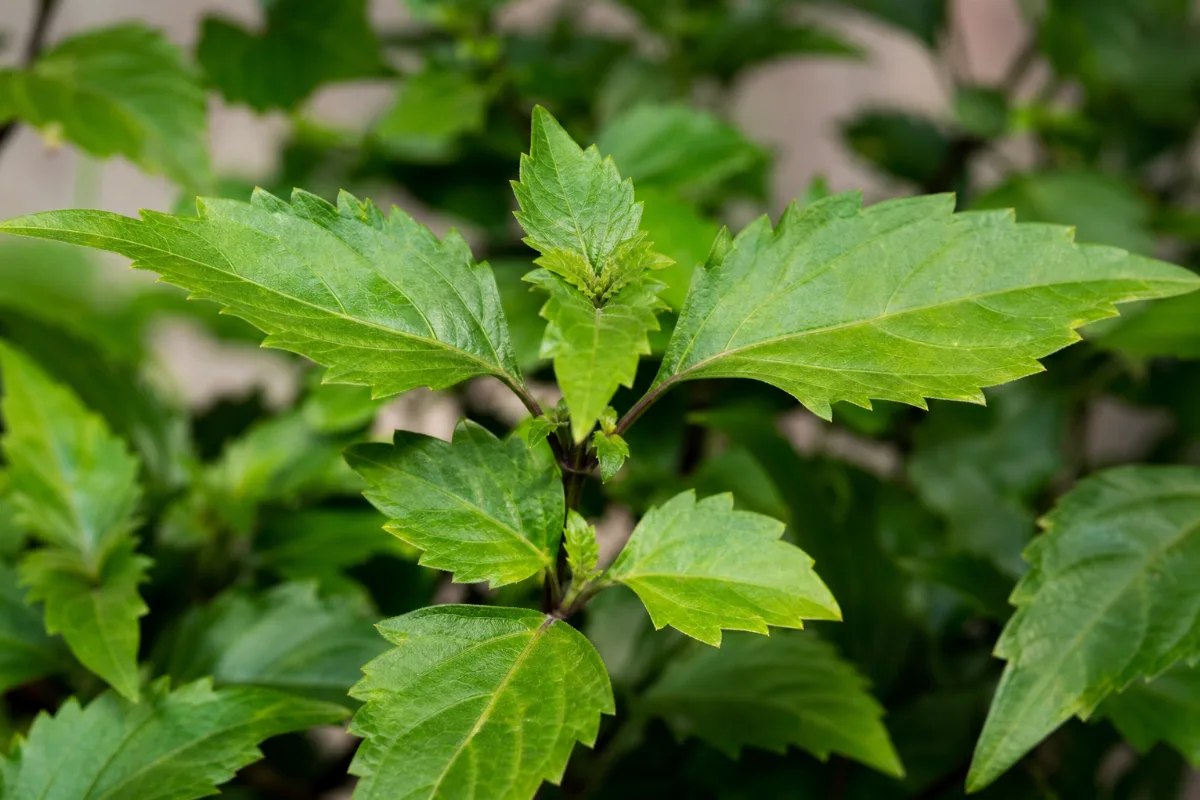
Herbs & Botanicals · Traditional diuretic herb tea
Java tea
Orthosiphon aristatus · also called Cat's whiskers, Orthosiphon, Orthosiphonis folium, Kattensnor
Java tea is a leaf tea from Southeast Asia, used to increase urine and flush the urinary tract. The EU allows it only as a traditional remedy, and the few human trials do not agree that it works. Do not use it if you must limit fluids, for example with severe heart or kidney disease. Ask a doctor or pharmacist first if you take water pills, blood pressure or diabetes medicines, or if you are pregnant.
General information, not medical advice. Last substantive update · Not medically reviewed. A named clinician has not signed off on this page. How this page is made
About Java tea
Java tea is the leaf of Orthosiphon aristatus, a mint-family plant from tropical Asia, also called cat's whiskers. It is a traditional kidney and bladder tea. EU regulators accept it only as a traditional medicine to increase urine and flush the urinary tract in minor complaints, because the clinical data are not strong enough for more. The few controlled studies found no clear benefit. The EU says not to use it where fluids must be limited, such as severe heart or kidney disease, and does not recommend it in pregnancy, breastfeeding or under 18. Interactions with water pills, lithium, blood pressure, diabetes and potassium-raising medicines have not been studied, and lab work suggests it can block some drug-processing enzymes. Ask a doctor or pharmacist before using it.
What it is
Java tea is the leaf, with stem tips, of Orthosiphon aristatus (an older name is Orthosiphon stamineus). It belongs to the mint family. The leaf holds flavonoids such as sinensetin and eupatorin, rosmarinic acid and about 3% potassium.
The name cat's whiskers comes from the long stamens of the flower. The pharmacy name is Orthosiphonis folium.
Traditional and current uses
In Java and Southeast Asia it has been used for bladder and kidney complaints, high blood pressure, diabetes, gout and rheumatism. European interest began in the 1880s, and the Dutch Pharmacopoeia listed the leaf in 1926.
Today the EU lists it as a traditional herbal medicine for increasing urine as a helper for minor urinary complaints.
What the research shows
EU reviewers found only two human studies. An older open study in 67 people reported about 15% more urine at 12 weeks, but its quality could not be judged. A placebo-controlled study in 76 people with kidney stones found no difference from placebo. A separate 1992 placebo-controlled crossover trial of an Orthosiphon remedy found no change in urine output or sodium loss.
For blood pressure, a small 4-week trial of 30 people used a six-ingredient combination. Everything else is rat and test-tube work. We read abstracts and summaries, not all full papers.
At a glance
Traditional uses history, not proof
- Java and Southeast Asia: bladder and kidney complaints, high blood pressure, diabetes, gout and rheumatism
- Europe since the 1880s: kidney and bladder tea; in the Dutch Pharmacopoeia from 1926
Studied for research
- Urine flow: mixed (one uncontrolled increase, placebo-controlled studies with no effect)
- Kidney stones: insufficient evidence (one placebo-controlled study with no difference)
- Blood pressure: very low certainty (one small combination trial)
- Blood sugar and inflammation: lab and animal work only
Main compounds
- Sinensetin and eupatorin (flavonoids)
- Rosmarinic acid (phenolic acid)
- Potassium salts (about 3% of the leaf)
Common forms
- Cut leaf (herbal tea)
- Powdered leaf
- Liquid extract (alcohol)
- Dry extract
Research links: Review of uses, chemistry and toxicology (2012) · Placebo-controlled diuretic trial (1992) · Enzyme (CYP) study (2011) · Blood pressure trial in a combination (2012) · Research Library · Genes & Biomarkers Library
The plant and its history
- Accepted scientific name
- Orthosiphon aristatus (Blume) Miq.
- Naming authority
- (Blume) Miq.
- Synonyms
- Orthosiphon stamineus Benth. (older name used in earlier EU monograph and ESCOP; GBIF lists it as a synonym)
- Common names
- Java tea (English); Cat's whiskers (English (from our summary; not in the EU sources read)); Orthosiphonis folium (Latin (pharmacopoeia name)); Kattensnor (Dutch)
- Botanical family
- Lamiaceae (the mint family).
- Classification
- Plantae > Tracheophyta > Magnoliopsida > Lamiales > Lamiaceae > Orthosiphon > Orthosiphon aristatus
- Native range
- Tropical Asia to tropical Australia (EU assessment report description, second-hand).
- Habitat
- Not verified.
- What the plant looks like
- Roots: Not verified.; Stems: The leaf with stem tips is the part used; plant is a herb 40 to 80 cm tall (EU report, second-hand).; Leaves: Leaf is the herbal part.; Flowers: Long protruding stamens give the 'cat's whiskers' name (our summary; not checked).; Fruit: Not verified.
- Cultivation
- Not verified.
- Harvest and processing
- Studied leaf was microwave-dried, the common method for tea sachets (2015 toxicity paper).
- Look-alikes and adulterants
- Name: Other Orthosiphon species; Note: Some Orthosiphon species have similar names; the EU monograph covers O. aristatus var. aristatus only. No adulteration survey was found.
- Sustainability and conservation
- Not assessed.
Traditional use and history history, not clinical proof
| Tradition or era | Documented use | Source |
|---|---|---|
| Java and Southeast Asia | High blood pressure, diabetes, bladder and kidney complaints, gout and rheumatism (folk medicine). | s-ema-assessment |
| Europe, 1880s onward | European interest began in the 1880s; the leaf entered the Dutch Pharmacopoeia in 1926. | s-ema-assessment |
| EU today (HMPC, 2021) | Traditional herbal medicine to increase urine and flush the urinary tract in minor complaints. | s-ema-monograph |
Traditional use shows how a plant was used. It does not show that a supplement works or is safe today.
What is inside, and how it may work
What the plant contains and how those compounds act in cells and animals. Laboratory and animal mechanisms are not proven effects in people.
Main compounds
| Compound | Family | Where it is concentrated | Activity studied | Level of evidence |
|---|---|---|---|---|
| Sinensetin PubChem 145659 | polymethoxylated flavone | leaf Not reported in sources read | Vessel relaxation and anti-inflammatory activity in lab and animal studies. 10 18 12 | In vitro and animal |
| Eupatorin PubChem 97214 | polymethoxylated flavone | leaf Not reported | Vessel relaxation in rats; strongly blocks CYP3A4 and CYP2D6 in the test tube. 18 14 12 | In vitro and animal |
| Rosmarinic acid PubChem 5281792 | phenolic acid | leaf Described as the most dominant active compound (review); amount not given | Anti-inflammatory and antioxidant in lab and animal models. 11 12 | In vitro and animal |
| Potassium salts | mineral | leaf About 3% potassium (EU report, second-hand) | Linked to the urine-increasing action in theory; rat studies show more potassium in urine. 6 | Animal research |
Mechanisms, receptors and pathways
| Target or pathway | Gene or receptor | What was found | Level |
|---|---|---|---|
| Urine volume and potassium excretion | not established | Rat studies show increased urine potassium in several experiments; human trials do not agree on any urine increase. 6 3 | Animal research |
| Vessel relaxation (nitric oxide, potassium and calcium channels) | NO/sGC/cGMP, K and Ca channels (rat aorta) | A mix of eupatorin, sinensetin and a related flavonoid relaxed rat vessels and lowered blood pressure in hypertensive rats. 18 | Animal research |
| Drug-processing enzymes | CYP3A4, CYP2D6 | Eupatorin inhibited both in the test tube. 14 | Laboratory research |
| Inflammation (NF-kB, Nrf2) | NFKB, NFE2L2 | Rosmarinic acid acts on these in lab and animal studies. 11 | Laboratory research |
Absorption, metabolism and elimination
- Absorption
- In rats, nine leaf compounds including rosmarinic acid, sinensetin and eupatorin appeared in blood after an oral extract. No human data.
- Distribution
- No data.
- Metabolism
- Test-tube data only: eupatorin inhibits CYP3A4 and CYP2D6.
- Elimination
- Increased urine and potassium excretion in rats; no human data.
- Bioavailability
- Not established in people.
Isolated compounds versus whole extracts
Most mechanism work uses isolated compounds (sinensetin, eupatorin, rosmarinic acid). The EU report notes extracts of different composition gave different results, so findings for one preparation cannot be assumed for tea or another extract.
Nutritional composition
The leaf contains about 3% potassium (EU report), but it is a medicinal herb and not a meaningful dietary source; a nutrient table is not meaningful.
1 mixed findings1 very low certainty4 not enough evidence
What is Java tea good for?
What Java tea has been used for and how strong the human evidence is. "Insufficient" means too little human research to judge. Nothing here is proven to work.
Benefits, one by one
Each card is a research question, not a promise. Tap a goal to filter. Open a card to see the studies, doses and limits.
Increasing urine to flush the urinary tract (traditional use)
Mixed findingsJava tea leaf is approved in the EU only as a traditional medicine to increase urine and help flush the urinary tract in minor complaints. Human trials are few and do not agree: one small uncontrolled study saw more urine, but a placebo-controlled crossover trial found no change.
5 studiesCut leaf tea, powdered leaf, liquid and dry extracts are sold; produc…
Studies, doses and limits
What the trials found
EU reviewers found only two human studies. An older open study in 67 people reported about 15% more urine at 12 weeks (horsetail tea 24%); the second, placebo-controlled, found no clear difference. A separate 1992 double-blind placebo crossover trial of a Vietnamese Orthosiphon remedy found no change in 12- or 24-hour urine or sodium loss.
Results
Mixed: one uncontrolled increase (about 15%, second-hand), two placebo-controlled reports with no effect.
Effect sizes as reported
About 15% more urine in the uncontrolled study; no difference from placebo in the controlled studies.
Why this rating
One uncontrolled positive study against placebo-controlled null findings; all small or second-hand.
Form and dose studied
Cut leaf tea, powdered leaf, liquid and dry extracts are sold; products differ in composition. No tested product or amount is recommended here.
Who was studied
Adults; one study in people with a uric-acid tendency, another in volunteers.
Limits
Details of the two EU-cited trials come from the EMA report, not the papers. The 1992 abstract gives no sample size.
Why researchers looked
This is the herb's best-known use and the only one regulators recognise.
Traditional use
Used in Java and Southeast Asia for bladder and kidney complaints; entered the Dutch Pharmacopoeia in 1926 according to the EU assessment report.
Proposed mechanism Animal research
Rat studies suggest the leaf raises urine and potassium output, but how it works in people has not been shown. The leaf contains flavonoids such as sinensetin and eupatorin, rosmarinic acid and potassium salts.
A proposed mechanism does not show that the effect happens in people.
Enough fluid is needed with it. Do not use it where fluids must be limited (severe heart or kidney disease). Ask a doctor or pharmacist before combining with water pills.
Kidney stones (insufficient evidence)
Not enough evidenceThe only placebo-controlled study found that stone symptoms improved just as much with placebo as with Java tea extract. EU reviewers found no valid clinical study for stone gravel. Rat studies are encouraging but do not show benefit in people.
3 studiesCut leaf tea, powdered leaf, liquid and dry extracts are sold; produc…
Studies, doses and limits
What the trials found
One placebo-controlled study (76 people, 14 days; described in the EU assessment report) found symptom scores fell equally with extract and placebo.
Results
No difference from placebo.
Effect sizes as reported
No significant difference versus placebo.
Why this rating
One null placebo-controlled trial known second-hand; the rest is rat and lab work.
Form and dose studied
Cut leaf tea, powdered leaf, liquid and dry extracts are sold; products differ in composition. No tested product or amount is recommended here.
Who was studied
Adults with kidney stones.
Limits
Trial seen only through the EMA report. Rat results come from a fraction, not a tea.
Why researchers looked
Folk medicine in Southeast Asia and Europe uses it for stones and gravel.
Traditional use
Folk use for kidney and bladder stones; ESCOP lists irrigation of the urinary tract, especially with inflammation and kidney stones.
Proposed mechanism Animal research
In rats given a stone-forming diet, a polysaccharide fraction of the leaf protected kidney markers and slowed calcium oxalate crystal formation in the test tube. This is animal and lab evidence only.
A proposed mechanism does not show that the effect happens in people.
See a doctor for stone pain, fever or blood in the urine. Do not delay care for tea.
Making urine less acidic (insufficient evidence)
Not enough evidenceIn one older uncontrolled study of 67 people, Java tea made urine more alkaline. EU reviewers said this was not enough to recommend it for stones.
1 studiesCut leaf tea, powdered leaf, liquid and dry extracts are sold; produc…
Studies, doses and limits
What the trials found
One open study in 67 people with a uric-acid tendency, as reported in the EU assessment report.
Results
Urine became more alkaline; numbers not in our sources.
Effect sizes as reported
Not stated.
Why this rating
Single uncontrolled study, quality unclear, second-hand.
Form and dose studied
Cut leaf tea, powdered leaf, liquid and dry extracts are sold; products differ in composition. No tested product or amount is recommended here.
Who was studied
People with a uric-acid tendency.
Limits
No control group; original paper not read.
Why researchers looked
Urine acidity matters for uric-acid stones.
Traditional use
None described.
Proposed mechanism Pharmacological theory
Not established.
A proposed mechanism does not show that the effect happens in people.
Changing urine acidity can matter in some kidney conditions. Ask a doctor first.
Blood pressure (very limited human data)
Very low certaintyOne small 4-week trial found blood pressure fell when Java tea extract was part of a six-ingredient combination, but not without it. Everything else is rat and test-tube work. Java tea alone has not been proven to lower blood pressure.
4 studiesCut leaf tea, powdered leaf, liquid and dry extracts are sold; produc…
Studies, doses and limits
What the trials found
A 30-person trial (4 weeks) gave a nutraceutical combination with or without Orthosiphon stamineus. Only the Orthosiphon arm had a significant fall in 24-hour blood pressure from baseline. A second randomised combination trial (Cicero 2012) exists but PubMed holds no abstract, so we read no result.
Results
Significant fall from baseline in the Orthosiphon combination arm; numbers not in the abstract.
Effect sizes as reported
Not extracted.
Why this rating
Tiny, short, combination product, compared with own baseline; animal data are not proof in people.
Form and dose studied
Cut leaf tea, powdered leaf, liquid and dry extracts are sold; products differ in composition. No tested product or amount is recommended here.
Who was studied
Adults with grade 1 high blood pressure.
Limits
Cannot assign the effect to Orthosiphon alone. Industry links not read.
Why researchers looked
Used in Java for high blood pressure; its flavonoids relax blood vessels in the lab.
Traditional use
Used traditionally in Java for high blood pressure (EU assessment report).
Proposed mechanism Animal research
In rat aortic rings, a mixture of eupatorin, sinensetin and a related flavonoid relaxed vessels via nitric oxide and potassium and calcium channels, and lowered blood pressure in hypertensive rats over 21 days.
A proposed mechanism does not show that the effect happens in people.
Do not use it in place of blood pressure medicine. Because it can affect fluids and possibly blood pressure, ask a doctor or pharmacist if you take blood pressure drugs, especially ACE inhibitors or diuretics.
Blood sugar (lab and animal evidence only)
Not enough evidenceRat and test-tube studies suggest Java tea compounds slow starch digestion and may help blood sugar. We found no adequate human trial. Rat results are mixed.
3 studiesCut leaf tea, powdered leaf, liquid and dry extracts are sold; produc…
Studies, doses and limits
What the trials found
No human blood-sugar trial was found in our searches or described in the sources read.
Results
No human results.
Effect sizes as reported
None for people.
Why this rating
Lab and animal evidence only; mixed animal findings.
Form and dose studied
Cut leaf tea, powdered leaf, liquid and dry extracts are sold; products differ in composition. No tested product or amount is recommended here.
Who was studied
None studied.
Limits
Review abstract does not say how many included studies were in people; no GRADE.
Why researchers looked
Used in Southeast Asia for diabetes.
Traditional use
Traditional use for diabetes in southern China, Malaysia and Thailand, per a 2022 review.
Proposed mechanism In vitro and animal
A 2022 systematic review of 31 articles lists enzyme blocking (alpha-amylase, alpha-glucosidase), antioxidant effects and insulin-related mechanisms, mainly lab and animal work. One rat study in the EU report found higher blood glucose with a leaf extract.
A proposed mechanism does not show that the effect happens in people.
Tell your doctor or pharmacist if you take diabetes medicines; any herb that lowers blood sugar could add to them, but this has not been tested for Java tea.
Inflammation and antioxidant activity (test tube only)
Not enough evidenceRosmarinic acid and flavonoids from the leaf calm inflammation signals in the lab. This has not been shown to help any condition in people.
3 studiesCut leaf tea, powdered leaf, liquid and dry extracts are sold; produc…
Studies, doses and limits
What the trials found
No human study.
Results
No human results.
Effect sizes as reported
None.
Why this rating
Lab only.
Form and dose studied
Cut leaf tea, powdered leaf, liquid and dry extracts are sold; products differ in composition. No tested product or amount is recommended here.
Who was studied
None.
Limits
Reviews mostly cover isolated compounds, not the leaf or tea. Abstracts only.
Why researchers looked
Rosmarinic acid is the main active compound.
Traditional use
None described.
Proposed mechanism Laboratory research
Reviews describe rosmarinic acid acting on NF-kB, Nrf2 and other pathways in cells and animals, and sinensetin showing anti-inflammatory activity in the lab.
A proposed mechanism does not show that the effect happens in people.
Do not use it for inflammatory disease in place of treatment.
Connections to the rest of health
How Java tea connects to the rest of our health knowledge graph. Every link says what kind of connection it is. A safety link (for example to the liver) is a warning, not a benefit. A study that merely mentions a topic never creates a benefit link.
Explore every connection: goals, body systems, organs, symptoms, genes
A. Wellness goals
| Connected to | Kind of connection | Evidence status | Context | Studies |
|---|---|---|---|---|
| Blood Pressure Support | Preliminary mechanism | Very low certainty | Blood pressure (very limited human data): One small 4-week trial found blood pressure fell when Java tea extract was part of a six-ingredient combination, but not without it. Everything else is rat and test-tube work. Java tea alone has not been proven to lower blood pressure. | 16 2 18 1 |
| Blood Sugar Balance | Not enough evidence | Blood sugar (lab and animal evidence only): Rat and test-tube studies suggest Java tea compounds slow starch digestion and may help blood sugar. We found no adequate human trial. Rat results are mixed. | 17 1 6 | |
| Inflammation Balance | Preliminary mechanism | Not enough evidence | Inflammation and antioxidant activity (test tube only): Rosmarinic acid and flavonoids from the leaf calm inflammation signals in the lab. This has not been shown to help any condition in people. | 11 10 1 |
B. Body systems
| Connected to | Kind of connection | Evidence status | Context | Studies |
|---|---|---|---|---|
| Kidney Urinary | Biological association | Mixed findings | Studied for: Increasing urine to flush the urinary tract (traditional use) Studied for: Kidney stones (insufficient evidence) | 5 6 3 1 4 19 |
| Urinary System | Biological association | Mixed findings | Studied for: Increasing urine to flush the urinary tract (traditional use) Studied for: Kidney stones (insufficient evidence) | 5 6 3 1 4 19 |
| Cardiovascular System | Biological association | Very low certainty | Studied for: Blood pressure (very limited human data) | 16 2 18 1 |
| Heart Circulation | Biological association | Very low certainty | Studied for: Blood pressure (very limited human data) | 16 2 18 1 |
| Endocrine System | Biological association | Not enough evidence | Studied for: Blood sugar (lab and animal evidence only) | 17 1 6 |
| Blood Sugar Support | Biological association | Not enough evidence | Studied for: Blood sugar (lab and animal evidence only) | 17 1 6 |
| Immune System | Biological association | Not enough evidence | Studied for: Inflammation and antioxidant activity (test tube only) | 11 10 1 |
E. Health conditions
| Connected to | Kind of connection | Evidence status | Context | Studies |
|---|---|---|---|---|
| Heart or kidney failure with oedema | Contraindication | Authoritative guidance | Do not use where fluid intake must be limited. Preparation or compound: Leaf tea and extracts |
5 6 |
| Pregnancy and breastfeeding | Contraindication | Authoritative guidance | Safety not established; use not recommended. Preparation or compound: Leaf |
5 |
J. Genes, receptors and enzymes
| Connected to | Kind of connection | Evidence status | Context | Studies |
|---|---|---|---|---|
| Preliminary mechanism | 14 |
L. Active compounds
| Connected to | Kind of connection | Evidence status | Context | Studies |
|---|---|---|---|---|
| Sinensetin | Biological association | In vitro and animal | Vessel relaxation and anti-inflammatory activity in lab and animal studies. Preparation or compound: leaf |
10 18 12 |
| Eupatorin | Biological association | In vitro and animal | Vessel relaxation in rats; strongly blocks CYP3A4 and CYP2D6 in the test tube. Preparation or compound: leaf |
18 14 12 |
| Rosmarinic acid | Biological association | In vitro and animal | Anti-inflammatory and antioxidant in lab and animal models. Preparation or compound: leaf |
11 12 |
| Potassium salts | Biological association | Animal | Linked to the urine-increasing action in theory; rat studies show more potassium in urine. Preparation or compound: leaf |
6 |
Each connection is stored with the ingredient, the connected record, the kind of connection, the evidence status, the supporting studies, the preparation or compound involved, and a review date (last reviewed October 25, 2026).
The evidence
The research centre for Java tea. Every record here was checked against PubMed or the publisher's page; we never list a study we have not verified.
Evidence by outcome
Bars show how many studies we found for each outcome, not how well it works. People are added up across trials only (reviews are not added, to avoid double counting).
How we rate evidence
High certainty
Several well-run trials or reviews agree; further research is unlikely to change the picture much.
Moderate certainty
Good trials point the same way, but some doubt remains.
Low certainty
Small, short or inconsistent trials. The finding could change with better research.
Very low certainty
Very little or very weak human data. Treat as a possibility only.
Mixed findings
Trials or reviews disagree with each other.
Not enough evidence
Not enough human research to say either way.
Evidence against
Good research found no benefit, or found harm.
We take the reviewers' own risk-of-bias and GRADE statements where they exist, and otherwise judge from study size, design, consistency, directness and whether a product matches what is sold. Many publications do not make evidence high. Method note: We started from our existing summary of this herb, then checked every cited paper in PubMed and the accepted name in GBIF. EU regulator documents were taken from that summary and not re-opened. No study is cited that we could not verify.
Study library: every study we checked 20
| Study | Design | People | Product, dose, length | Result |
|---|---|---|---|---|
| Ameer 2012 Orthosiphon stamineus: traditional uses, phytochemistry, pharmacology, and toxicology. J Med Food · PMID 22846075 · DOI |
Narrative review in-vitro |
Review of lab, animal and traditional-use literature; no trial population | Orthosiphon aristatus (O. stamineus) leaf (as O. stamineus) leaf not extracted not extracted · vs see results |
Review lists diuretic, uric-acid-lowering, kidney-protective, antioxidant, anti-inflammatory, liver-protective, stomach-protective, blood-pressure-lowering, blood-sugar-lowering, blood-fat-lowering, antimicrobial and appetite-reducing activity in lab and animal models. It says the plant is an attractive subject for further experimental and clinical investigation. Narrative review; no pooled effect. (not applicable) Methods, limits and fundingOutcomes: Traditional uses, chemistry, pharmacology, toxicology Limitations: Abstract only. Narrative review; the activities listed are mostly lab and animal findings and are not proof of benefit in people. Funding and conflicts: not read Read: abstract |
| Cicero 2012 Effect of a combined nutraceutical containing Orthosiphon stamineus effect on blood pressure and metabolic syndrome components in hypertensive dyslipidaemic patients: a randomized clinical trial. Complement Ther Clin Pract · PMID 22789797 · DOI |
Controlled trial |
Adults with high blood pressure and abnormal blood fats (per the title) | Nutraceutical combination containing Orthosiphon stamineus leaf extract leaf extract (in a combination) not extracted not extracted · vs see results |
PubMed holds no abstract for this record, so no result was read. Its title says it is a randomised clinical trial of a combined nutraceutical containing Orthosiphon. Not read. (not applicable) Methods, limits and fundingOutcomes: Blood pressure and metabolic syndrome components Limitations: Title only; no abstract available in PubMed. Not used for any result on this site. Funding and conflicts: not read Read: title-only |
| Doan 1992 Studies on the individual and combined diuretic effects of four Vietnamese traditional herbal remedies (Zea mays, Imperata cylindrica, Plantago major and Orthosiphon stamineus). J Ethnopharmacol · PMID 1434681 · DOI |
Controlled trial |
Volunteers (number and health status not given in the abstract) | Traditional Vietnamese remedy from Orthosiphon stamineus, alone and in combination with three other herbs not stated in abstract not extracted not extracted · vs placebo (crossover) |
In a placebo-controlled, double-blind crossover model, no influence was recorded on 12- and 24-hour urine output or on sodium excretion for any of the four remedies. The authors say traditional recommendations for plant diuretics need critical review. No effect versus placebo on urine output or sodium excretion. (not applicable) Methods, limits and fundingOutcomes: 12- and 24-hour urine output; sodium excretion Limitations: Abstract only. Sample size, dose and the exact Orthosiphon preparation are not in the abstract. Health status of volunteers not stated; may not be people with a urinary complaint. 1992 study. Funding and conflicts: not read Read: abstract |
| ESCOP 2026 Java tea (Orthosiphon stamineus leaf), ESCOP monograph summary page ESCOP · Source |
Herbal industry monograph summary not applicable |
Adults | Orthosiphon aristatus (O. stamineus) leaf leaf not extracted not extracted · vs see results |
Names irrigation of the urinary tract, especially with inflammation and kidney stones, as the use; says minor side effects were seen in one clinical study. Summary page only. (not applicable) Methods, limits and fundingOutcomes: Stated use and side effects Limitations: Summary-only: reached through our existing summary of this herb; not re-opened for this page. The full monograph is paywalled and was not read. Funding and conflicts: not read Read: summary-only |
| European Medicines Agency 2021 EU herbal monograph on Orthosiphon aristatus (Blume) Miq. var. aristatus, folium (Final, Revision 1), EMA/HMPC/486551/2020 EMA · Source |
Regulator monograph not applicable |
Adults | Orthosiphon aristatus (O. stamineus) leaf leaf not extracted not extracted · vs see results |
Traditional herbal medicine to increase the amount of urine to help flush the urinary tract in minor urinary complaints, based on long use only. Not to be used where reduced fluid intake is recommended (for example severe heart or kidney disease); adequate fluid is needed. Hypersensitivity is a contraindication. Not recommended in pregnancy, breastfeeding or under 18 (safety not established). No interactions reported; adequate genotoxicity tests not done. Regulator classification: traditional use. (not applicable) Methods, limits and fundingOutcomes: Traditional use, contraindications, warnings, pregnancy, interactions Limitations: Summary-only: reached through our existing summary of this herb; not re-opened for this page. Read on a previous round (2026-10-23) according to our summary. Funding and conflicts: not read Read: summary-only |
| European Medicines Agency 2021 Assessment report on Orthosiphon aristatus (Blume) Miq. var. aristatus, folium (Final, Revision 1), EMA/HMPC/486549/2020 EMA · Source |
Regulator assessment report not applicable |
Adults | Orthosiphon aristatus (O. stamineus) leaf leaf not extracted not extracted · vs see results |
EU reviewers found only two human studies. An older open study in 67 people with a uric-acid tendency reported a 15% rise in urine output at 12 weeks (horsetail tea 24%) and more alkaline urine; its quality could not be judged. A placebo-controlled study in 76 people with kidney stones (14 days) found symptoms improved equally with Java tea extract and placebo. Clinical data do not reach well-established use. Leaf contains about 3% potassium; rat studies showed more potassium in urine in several experiments and one dog study with an injected extract reported higher blood potassium. Interactions: no data. Fertility, reproductive toxicity and cancer-risk tests not done. A 2004 hepatitis case (green tea plus Orthosiphon) was thought doubtful but not excluded; no other liver cases found. Older German Commission E and ESCOP texts warned against use in oedema from weak heart or kidney function. Regulator review; no pooled effect. (not applicable) Methods, limits and fundingOutcomes: Clinical data review, safety, interactions, liver case Limitations: Summary-only: reached through our existing summary of this herb; not re-opened for this page. The two human trials (Tiktinsky 1983; Premgamone 2009) are described only second-hand from this report; the original papers were not read. Funding and conflicts: not read Read: summary-only |
| GBIF 2026 GBIF species match: Orthosiphon aristatus (Blume) Miq. and O. stamineus Benth. GBIF · Source |
Database record not applicable |
Orthosiphon aristatus (O. stamineus) leaf whole plant not extracted not extracted · vs see results |
API checked 2026-10-25. Orthosiphon aristatus (Blume) Miq. matched exactly as ACCEPTED (key 7308026), family Lamiaceae, order Lamiales. Orthosiphon stamineus Benth. matched exactly as a SYNONYM pointing to accepted key 7308027 (a different key from the aristatus match; we did not resolve why). See results (not applicable) Methods, limits and fundingOutcomes: Accepted name, synonym, family Limitations: Taxonomic record, not a trial. The two keys differ, so the exact linking was not confirmed. Funding and conflicts: not read Read: full-text | |
| Garcia-Moran 2004 [Acute hepatitis associated with Camellia thea and Orthosiphon stamineus ingestion]. Gastroenterol Hepatol · PMID 15544745 · DOI |
Case report |
1 One woman (details from the EMA assessment report) |
Capsules of green tea (Camellia thea) and Orthosiphon stamineus taken together not stated not extracted not extracted · vs see results |
PubMed holds only the title and no abstract. Per the EMA assessment report, as summarised in our existing notes, a 25-year-old woman took green tea and Orthosiphon capsules together for two months, developed hepatitis and recovered after stopping both; EMA reviewers thought Orthosiphon's role doubtful but not excluded. Single case. (not applicable) Methods, limits and fundingOutcomes: Liver injury Limitations: Title read on PubMed; the case details are second-hand from the EMA summary. Two products taken together, so the cause cannot be assigned to Orthosiphon. Funding and conflicts: not read Read: title-only |
| Guo 2019 Simultaneous Quantification and Pharmacokinetic Study of Nine Bioactive Components of Orthosiphon stamineus Benth. Extract in Rat Plasma by UHPLC-MS/MS. Molecules · PMID 31443519 · DOI |
Animal research animal |
Rats | Orthosiphon stamineus extract leaf not extracted not extracted · vs see results |
Nine compounds from the extract (including rosmarinic acid, caffeic acid, sinensetin and eupatorin) were measured in rat blood after oral dosing, showing that they are absorbed to some extent. Numbers are not in the abstract. Detection in rat plasma; no human data. (not applicable) Methods, limits and fundingOutcomes: Nine compounds in blood plasma after an oral dose Limitations: Abstract only. Rats; no human absorption data. Funding and conflicts: not read Read: abstract |
| Han Jie 2020 Sinensetin: An Insight on Its Pharmacological Activities, Mechanisms of Action and Toxicity. Front Pharmacol · PMID 33628166 · DOI |
Narrative review in-vitro |
Review of lab and animal studies | Sinensetin (a flavonoid found in Orthosiphon aristatus var. aristatus and citrus fruit) leaf (source of the compound) not extracted not extracted · vs see results |
Review says lab and animal studies show anticancer, anti-inflammatory, antioxidant, antimicrobial, anti-obesity and vessel-relaxing activity with minimal toxicity, and that more animal toxicity, pharmacokinetic and bioavailability studies are needed before human studies. Narrative review; no pooled effect. (not applicable) Methods, limits and fundingOutcomes: Pharmacological activities and toxicity of sinensetin Limitations: Abstract only. About one isolated compound, not the leaf or any tea. No human data. Funding and conflicts: not read Read: abstract |
| Mohmad Saberi 2023 Potential of rosmarinic acid from Orthosiphon aristatus extract for inflammatory induced diseases and its mechanisms of action. Life Sci · PMID 37827234 · DOI |
Narrative review in-vitro |
Review of lab and animal studies | Rosmarinic acid, the most dominant bioactive compound of Orthosiphon aristatus leaf (source of the compound) not extracted not extracted · vs see results |
Review says rosmarinic acid is the most dominant active compound in the herb and describes anti-inflammatory pathways (for example NF-kB and Nrf2/HO-1) mostly in lab and animal models. It notes there are fewer studies on rosmarinic acid from Orthosiphon extracts specifically. Narrative review; no pooled effect. (not applicable) Methods, limits and fundingOutcomes: Anti-inflammatory mechanisms of rosmarinic acid Limitations: Abstract only. Mostly isolated rosmarinic acid, not the herb; no human trial. Funding and conflicts: not read Read: abstract |
| NCBI PubChem 2026 PubChem records: sinensetin, eupatorin, rosmarinic acid PubChem · Source |
Database record not applicable |
Sinensetin, eupatorin, rosmarinic acid leaf (source) not extracted not extracted · vs see results |
API checked 2026-10-25: sinensetin CID 145659 (C20H20O7); eupatorin CID 97214 (C18H16O7); rosmarinic acid CID 5281792 (C18H16O8). See results (not applicable) Methods, limits and fundingOutcomes: Compound identifiers Limitations: Identifiers only. Funding and conflicts: not read Read: full-text | |
| NIH LiverTox 2026 NIH LiverTox record for Java tea / Orthosiphon NIH LiverTox · Source |
Regulator lookup not applicable |
Orthosiphon aristatus (O. stamineus) leaf leaf not extracted not extracted · vs see results |
A search of NCBI Bookshelf for Orthosiphon with LiverTox returned a single unspecified hit that we did not open; no Orthosiphon LiverTox record was confirmed. See results (not applicable) Methods, limits and fundingOutcomes: No record found Limitations: Not read; absence of a record is not confirmed. Funding and conflicts: not read Read: not found | |
| Pan 2011 In vitro effects of active constituents and extracts of Orthosiphon stamineus on the activities of three major human cDNA-expressed cytochrome P450 enzymes. Chem Biol Interact · PMID 21276781 · DOI |
Laboratory research in-vitro |
Lab enzymes (no people) | Four Orthosiphon stamineus extracts and three constituents (sinensetin, eupatorin, rosmarinic acid) leaf not extracted not extracted · vs see results |
No significant inhibition of CYP2C9. Eupatorin strongly inhibited CYP2D6 (Ki 10.2 micromolar) and CYP3A4 (Ki 9.3 micromolar). Two extracts moderately inhibited CYP3A4. The authors say products high in eupatorin may cause herb-drug interactions through CYP inhibition. Enzyme inhibition in test tubes. (not applicable) Methods, limits and fundingOutcomes: Effect on CYP2C9, CYP2D6 and CYP3A4 activity Limitations: Abstract only. Test tube only; no human interaction study exists. Levels reached in the body are not known. Funding and conflicts: not read Read: abstract |
| Pariyani 2015 Phytochemical Screening and Acute Oral Toxicity Study of Java Tea Leaf Extracts. Biomed Res Int · PMID 26819955 · DOI |
Animal research animal |
Sprague-Dawley rats of both sexes | Aqueous, 50% ethanol and ethanol extracts of microwave-dried Orthosiphon stamineus leaf leaf not extracted 14 days · vs see results |
A single very large oral amount in rats caused no deaths or toxic effects and no abnormal blood, kidney or liver findings. The authors estimate the lethal amount is far above that level. No acute toxicity in rats. (not applicable) Methods, limits and fundingOutcomes: Death, behaviour, body weight, blood tests, kidney and liver tissue over 14 days Limitations: Abstract only. Rats, single large exposure, 14 days; says little about long-term use in people. Funding and conflicts: not read Read: abstract |
| Trimarco 2012 Nutraceuticals for blood pressure control in patients with high-normal or grade 1 hypertension. High Blood Press Cardiovasc Prev · PMID 22994579 · DOI |
Clinical trial |
30 30 adults with grade 1 hypertension and low cardiovascular risk |
Nutraceutical combination (policosanol, red yeast rice extract, berberine, folic acid, coenzyme Q10) with or without Orthosiphon stamineus leaf extract leaf extract (in a combination) not extracted 4 weeks · vs see results |
With the Orthosiphon-containing combination, mean 24-hour systolic and diastolic blood pressure fell significantly from baseline; with the same combination without Orthosiphon, the change was not significant. The authors call the 24-hour control surprisingly effective. Significant fall from baseline with the Orthosiphon combination only; numbers not in the abstract. (not applicable) Methods, limits and fundingOutcomes: 24-hour ambulatory blood pressure after 4 weeks Limitations: Abstract only. 30 people, short (4 weeks), a combination of six ingredients, so the effect cannot be given to Orthosiphon alone. Comparison was with each arm's own baseline, not a placebo. Industry links not read. Funding and conflicts: not read Read: abstract |
| Wang 2022 A Systematic Review of Orthosiphon stamineus Benth. in the Treatment of Diabetes and Its Complications. Molecules · PMID 35056765 · DOI |
Systematic review mixed |
31 articles (lab, animal and others) on the plant and diabetes | Orthosiphon stamineus extracts and constituents leaf (mostly) not extracted not extracted · vs see results |
Thirty-one articles were included (PRISMA). Reported mechanisms include blocking the starch-digesting enzymes alpha-amylase and alpha-glucosidase, antioxidant and anti-inflammatory activity, and effects on insulin and fat metabolism. The authors conclude it could be an antidiabetic agent but that more study of the active substances and mechanisms is needed. No pooled effect in the abstract. (not applicable) Methods, limits and fundingOutcomes: Mechanisms and effects relevant to diabetes Limitations: Abstract only. The abstract does not say how many included studies were in people; the findings it lists are mechanisms, not proven blood-sugar results in patients. No GRADE rating given. Funding and conflicts: not read Read: abstract |
| Yam 2025 Mechanistic insights into the synergistic vasodilatory actions of eupatorin, sinensetin, and 3'-hydroxy-5,6,7,4'-tetramethoxyflavone in ex vivo aortic ring model and their antihypertensive efficacy in in vivo rat model. Hypertens Res · PMID 40968158 · DOI |
Animal research animal |
Rat aortic rings and spontaneously hypertensive rats | Mixture of three Orthosiphon stamineus flavonoids (eupatorin, sinensetin, TMF), formulation G28 leaf (source of the compounds) not extracted 21 days · vs see results |
The mixture relaxed rat blood vessels, apparently through nitric oxide pathways and potassium and calcium channels, and over 21 days of oral dosing it lowered blood pressure in spontaneously hypertensive rats. Rat findings only. (not applicable) Methods, limits and fundingOutcomes: Vessel relaxation and blood pressure Limitations: Abstract only. Isolated compound mixture in rats; no human data. Funding and conflicts: not read Read: abstract |
| Zhong 2012 Prophylactic effects of Orthosiphon stamineus Benth. extracts on experimental induction of calcium oxalate nephrolithiasis in rats. J Ethnopharmacol · PMID 23123267 · DOI |
Animal research animal |
Rats given ethylene glycol and ammonium chloride to induce calcium oxalate kidney stones | Total flavonoids, total phenolics and polysaccharides from Orthosiphon stamineus aerial parts / leaf (not stated in abstract) not extracted 7 days · vs see results |
The polysaccharide fraction had the strongest protective effect: it improved kidney markers (BUN and creatinine), reduced tissue changes and slowed calcium oxalate crystal formation in the test tube. Flavonoids and phenolics were less effective. Rat findings only. (not applicable) Methods, limits and fundingOutcomes: Kidney markers, tissue damage, crystal formation Limitations: Abstract only. Rats and one fraction, not a tea; says nothing about kidney stones in people. Funding and conflicts: not read Read: abstract |
| alternativemed.com 2026 Herbs and kidney disease (page on alternativemed.com, summarising a National Kidney Foundation list) alternativemed.com · Source |
Site page not applicable |
Orthosiphon aristatus (O. stamineus) leaf leaf not extracted not extracted · vs see results |
Our page lists Java tea leaf among herbs a National Kidney Foundation list says to avoid with kidney disease. Second-hand. (not applicable) Methods, limits and fundingOutcomes: Kidney disease caution Limitations: Summary-only: reached through our existing summary of this herb; not re-opened for this page. The National Kidney Foundation page itself was not read. Funding and conflicts: not read Read: summary-only |
What we do not know yet
- No adequately sized placebo-controlled trial of Java tea leaf for urine flow or kidney stones.
- The two EU-cited trials were not read in the original.
- No interaction studies with diuretics, lithium, ACE inhibitors, blood pressure or diabetes medicines.
- No human potassium or kidney-function data with regular use.
- No pregnancy, breastfeeding or genotoxicity data; LiverTox and LactMed not read.
- Blood pressure data are from one small combination trial.
How new research is added
New studies are found by a saved PubMed search and are placed in a review queue. A person reads each one before it changes any evidence rating or safety wording.
Lab markers
What changed in blood or saliva tests during trials. A changed number is not the same as feeling or being healthier, and we give no "normal ranges".
Safety
What studies and official sources say about side effects, medicines and who should check first. Each point shows what kind of evidence it comes from.
Main points to know 3
- Do not use where fluids must be limited. Java tea is used to increase urine and is meant to be taken with plenty of fluid. The EU monograph says not to use it where reduced fluid intake is recommended, such as severe heart or kidney disease. Older German and ESCOP texts also warned against flushing therapy in swelling caused by weak heart or kidney function. Authoritative guidance 5 6
- Not recommended in pregnancy, breastfeeding or under 18. The EU says safety has not been established, so use is not recommended. Fertility, reproductive toxicity and cancer-risk tests were not performed. Authoritative guidance 5
- Medicine interactions are untested. The EU says no interactions are reported, but the assessment report says there are no data. Lab work suggests a compound in the leaf (eupatorin) can block liver enzymes (CYP3A4, CYP2D6) that process many medicines. Ask a doctor or pharmacist about water pills, lithium, ACE inhibitors, blood pressure and diabetes medicines. Authoritative guidance 6 14
Side effects 3
| Effect | How often | Severity and recovery | Evidence |
|---|---|---|---|
| No side effects listed in the EU monograph The EU monograph lists no known side effects, and no overdose case. A 2019 EU database search found 7 reports, with a link to Java tea not confirmed (per the assessment report, second-hand). | Not established | none reported Not applicable | Authoritative guidance 5 |
| Minor complaints (fatigue, back pain, stomach upset, headache) in a 14-day stone trial Reported in the trial but not linked to Java tea; ESCOP says minor side effects were seen in one clinical study. | Not established | mild Not stated | Authoritative guidance 6 4 |
| Possible loss of fluid and salts (an expected effect of any diuretic) Not documented for Java tea in our sources. A controlled 1992 trial in volunteers found no change in urine output or sodium, so the real effect in people is unclear. | Not established | unknown unknown | Pharmacological theory 5 |
Liver
One 2004 case report (a letter) described acute hepatitis in a 25-year-old woman who took green tea and Orthosiphon capsules together for two months; she recovered after stopping both. EU reviewers thought Orthosiphon's role doubtful but not excluded and found no other cases. We read only the PubMed title; case details are second-hand from the EMA report. No NIH LiverTox record was confirmed. 8 6 13
How often. Unknown; one doubtful case in the literature reviewed by EMA.
Monitoring. No agency monitoring advice exists. Stop and see a doctor if you get yellow skin or eyes, dark urine or severe tiredness.
- .
This is a safety connection. It is not evidence that Java tea supports liver health.
Medicines and supplements 5
| With | Why it matters | Importance | Evidence | What to do |
|---|---|---|---|---|
| Water pills (diuretics) and lithium prescription | Java tea may increase urine output. Adding to a diuretic could theoretically increase loss of fluid and salts. Lithium levels depend on kidney salt and fluid handling, so any change in fluid balance could matter. | Unknown. No interaction study. | Pharmacological theory Not enough evidence 6 5 | Ask your doctor or pharmacist before combining, and do not change lithium or diuretic use on your own. |
| ACE inhibitors, ARBs, potassium-sparing diuretics and potassium supplements prescription | The leaf contains about 3% potassium and rat studies show it changes potassium handling. These medicines can raise blood potassium, especially with kidney disease. | Unknown in people; the EU report found rat urine-potassium rises and one dog study (injected extract) with higher blood potassium. | Animal research Not enough evidence 6 | Ask your doctor or pharmacist, and have potassium checked if you have kidney disease or take these medicines. |
| Blood pressure medicines prescription | Lab and rat studies show vessel-relaxing effects; one small combination trial saw lower pressure. An added effect is theoretical. | Unknown. | Pharmacological theory Not enough evidence 18 16 | Check your blood pressure and ask your doctor or pharmacist before combining. |
| Diabetes medicines prescription | Lab and animal studies suggest it may lower blood sugar (rat findings mixed). An added effect is theoretical. | Unknown. | Pharmacological theory Not enough evidence 17 6 | Check blood sugar more often if you start it and tell your doctor or pharmacist. |
| Medicines processed by CYP3A4 or CYP2D6 prescription | Eupatorin strongly blocked CYP3A4 and CYP2D6 enzymes in the test tube; CYP2C9 was not significantly blocked. Some extracts moderately blocked CYP3A4. | Unknown. No human interaction study; real-world levels not known. | Laboratory research Not enough evidence 14 | Ask your pharmacist if you take medicines with a narrow safety margin. |
Who should check first 5
| Situation | Advice | Evidence |
|---|---|---|
| Severe heart or kidney disease, or any condition where fluid intake must be limited | Do not use. The EU says Java tea is not for conditions where reduced fluid intake is recommended; older texts warned against it in oedema from weak heart or kidney function. | Authoritative guidance 5 6 |
| Kidney disease generally | A US kidney foundation list, as summarised on our page about herbs and kidney disease, names Java tea leaf among herbs to avoid. Ask your kidney doctor first. | Authoritative guidance 20 |
| Allergy to Java tea or other mint-family plants | The EU lists hypersensitivity to the leaf as a reason not to use it. | Authoritative guidance 5 |
| Pregnancy, breastfeeding | Not recommended. Safety has not been established; no fertility, reproductive toxicity or cancer-risk tests. No LactMed record found. | Authoritative guidance 5 |
| Children and teenagers under 18 | Not recommended because of lack of data. | Authoritative guidance 5 |
Overdose, product quality and regulators
Summary. A single very large oral amount of leaf extracts caused no deaths or organ changes in rats over 14 days. The EU says adequate genotoxicity tests have not been performed. Long-term human toxicity has not been studied.
Animal. Rats: no acute toxicity in aqueous, 50% ethanol and ethanol leaf extracts (2015).
Human doses studied. Not given here. No safe amount has been established by us.
High dose or long term signals. None described in the sources read. The EU found no overdose case.
Overdose response. Not described. If you have heavy fluid loss, dizziness, palpitations or weakness, seek medical help.
Genotoxicity. Adequate tests not performed (EU monograph).
Toxic plant parts. The leaf (with stem tips) is the part used. Other parts not described in the sources read.
The sources read do not discuss adulteration, pesticides or heavy metals in Java tea products. Liquid extracts that contain alcohol must carry an alcohol warning on the label in the EU.
Quality and contamination data. None found in our sources. Products differ in composition, and rat studies in the EU report found different results for different extracts. 6 5
| Body | Action | Date |
|---|
When to get medical help
- Fever, painful urination, muscle spasms or blood in the urine (the EU says see a doctor).
- Swollen legs or sudden weight gain, shortness of breath, or very little urine if you have heart or kidney disease.
- Yellow skin or eyes, dark urine or severe tiredness.
- Dizziness, fainting, heart palpitations or muscle weakness (possible fluid or potassium problems).
Stop the supplement and contact a clinician or emergency service. In the US, Poison Control is 1-800-222-1222.
General information only, not medical advice. Ask a clinician or pharmacist before use, especially with medicines, in pregnancy or with a health condition. See the Natural Remedy Safety guide.
Frequently asked questions
What is Java tea used for?
Does Java tea work as a diuretic?
Does Java tea help kidney stones?
In the one placebo-controlled study, symptoms improved equally with Java tea and placebo. See a doctor for stone pain, fever or blood in the urine.
Who should not use Java tea?
Can I take Java tea with water pills?
This has not been studied. Because it increases urine, adding it to a diuretic could in theory add to fluid and salt loss. Ask your doctor or pharmacist first.
Does Java tea interact with lithium or ACE inhibitors?
No interaction study exists. Lithium depends on fluid and salt balance, and the leaf contains potassium, which matters with ACE inhibitors and kidney disease. Ask your doctor or pharmacist.
Does Java tea contain potassium?
Yes, about 3% of the leaf according to the EU assessment report. Rat studies showed more potassium in urine. What this means for people with kidney disease or on potassium-raising medicines is unknown.
Can Java tea affect blood pressure or blood sugar medicines?
Can it affect how my medicines work?
In the test tube, eupatorin from the leaf blocked CYP3A4 and CYP2D6 enzymes, which process many medicines. No human study confirms this.
Is Java tea safe for the liver?
Is it safe in pregnancy or breastfeeding?
The EU does not recommend it because safety has not been established, and fertility and reproductive toxicity tests were not done.
Is Java tea the same as cat's whiskers?
Yes. Cat's whiskers is a common name for the same plant, Orthosiphon aristatus (older name Orthosiphon stamineus).
Explore by health goal
Blood Pressure SupportBlood Sugar BalanceInflammation Balance
Editorial transparency
- Written by
- AlternativeMed editorial team. Research compiled with AI assistance, then checked against PubMed records.
- Medical review
- None. This page has not been reviewed by a physician or pharmacist.
- First published
- 2026-10-25
- Last substantive update
- 2026-10-25
- How we research
- We started from our existing summary of this herb, then checked every cited paper in PubMed and the accepted name in GBIF. EU regulator documents were taken from that summary and not re-opened. No study is cited that we could not verify.
- How we rate evidence
- See "How we rate evidence" in the Evidence tab.
- Independence
- No product is promoted on this page. No affiliate links are shown. If one is added later it will be labelled and kept apart from the evidence.
Sources 20
Each source was opened and checked. Where we read only the abstract, it says so. The small numbers in the text point here.
- Ameer OZ, Salman IM, Asmawi MZ, et al.. Orthosiphon stamineus: traditional uses, phytochemistry, pharmacology, and toxicology.. J Med Food. 2012. PMID 22846075. DOI 10.1089/jmf.2011.1973. (abstract)
- Cicero AF, De Sando V, Izzo R, et al.. Effect of a combined nutraceutical containing Orthosiphon stamineus effect on blood pressure and metabolic syndrome components in hypertensive dyslipidaemic patients: a randomized clinical trial.. Complement Ther Clin Pract. 2012. PMID 22789797. DOI 10.1016/j.ctcp.2012.02.002. (title-only)
- Doan DD, Nguyen NH, Doan HK, et al.. Studies on the individual and combined diuretic effects of four Vietnamese traditional herbal remedies (Zea mays, Imperata cylindrica, Plantago major and Orthosiphon stamineus).. J Ethnopharmacol. 1992. PMID 1434681. DOI 10.1016/0378-8741(92)90048-v. (abstract)
- ESCOP. Java tea (Orthosiphon stamineus leaf), ESCOP monograph summary page. ESCOP. 2026. (summary-only)
- European Medicines Agency, HMPC. EU herbal monograph on Orthosiphon aristatus (Blume) Miq. var. aristatus, folium (Final, Revision 1), EMA/HMPC/486551/2020. EMA. 2021. (summary-only)
- European Medicines Agency, HMPC. Assessment report on Orthosiphon aristatus (Blume) Miq. var. aristatus, folium (Final, Revision 1), EMA/HMPC/486549/2020. EMA. 2021. (summary-only)
- GBIF. GBIF species match: Orthosiphon aristatus (Blume) Miq. and O. stamineus Benth.. GBIF. 2026. (full-text)
- Garcia-Moran S, Saez-Royuela F, Gento E, et al.. [Acute hepatitis associated with Camellia thea and Orthosiphon stamineus ingestion].. Gastroenterol Hepatol. 2004. PMID 15544745. DOI 10.1016/s0210-5705(03)70527-5. (title-only)
- Guo Z, Li B, Gu J, et al.. Simultaneous Quantification and Pharmacokinetic Study of Nine Bioactive Components of Orthosiphon stamineus Benth. Extract in Rat Plasma by UHPLC-MS/MS.. Molecules. 2019. PMID 31443519. DOI 10.3390/molecules24173057. (abstract)
- Han Jie L, Jantan I, Yusoff SD, et al.. Sinensetin: An Insight on Its Pharmacological Activities, Mechanisms of Action and Toxicity.. Front Pharmacol. 2020. PMID 33628166. DOI 10.3389/fphar.2020.553404. (abstract)
- Mohmad Saberi SE, Chua LS. Potential of rosmarinic acid from Orthosiphon aristatus extract for inflammatory induced diseases and its mechanisms of action.. Life Sci. 2023. PMID 37827234. DOI 10.1016/j.lfs.2023.122170. (abstract)
- NCBI PubChem. PubChem records: sinensetin, eupatorin, rosmarinic acid. PubChem. 2026. (full-text)
- NIH LiverTox. NIH LiverTox record for Java tea / Orthosiphon. NIH LiverTox. 2026. (not found)
- Pan Y, Abd-Rashid BA, Ismail Z, et al.. In vitro effects of active constituents and extracts of Orthosiphon stamineus on the activities of three major human cDNA-expressed cytochrome P450 enzymes.. Chem Biol Interact. 2011. PMID 21276781. DOI 10.1016/j.cbi.2011.01.022. (abstract)
- Pariyani R, Ismail IS, Azam AA, et al.. Phytochemical Screening and Acute Oral Toxicity Study of Java Tea Leaf Extracts.. Biomed Res Int. 2015. PMID 26819955. DOI 10.1155/2015/742420. (abstract)
- Trimarco V, Cimmino CS, Santoro M, et al.. Nutraceuticals for blood pressure control in patients with high-normal or grade 1 hypertension.. High Blood Press Cardiovasc Prev. 2012. PMID 22994579. DOI 10.1007/BF03262460. (abstract)
- Wang Q, Wang J, Li N, et al.. A Systematic Review of Orthosiphon stamineus Benth. in the Treatment of Diabetes and Its Complications.. Molecules. 2022. PMID 35056765. DOI 10.3390/molecules27020444. (abstract)
- Yam MF, Tew WY, Tan CS, et al.. Mechanistic insights into the synergistic vasodilatory actions of eupatorin, sinensetin, and 3'-hydroxy-5,6,7,4'-tetramethoxyflavone in ex vivo aortic ring model and their antihypertensive efficacy in in vivo rat model.. Hypertens Res. 2025. PMID 40968158. DOI 10.1038/s41440-025-02298-6. (abstract)
- Zhong YS, Yu CH, Ying HZ, et al.. Prophylactic effects of Orthosiphon stamineus Benth. extracts on experimental induction of calcium oxalate nephrolithiasis in rats.. J Ethnopharmacol. 2012. PMID 23123267. DOI 10.1016/j.jep.2012.09.052. (abstract)
- alternativemed.com. Herbs and kidney disease (page on alternativemed.com, summarising a National Kidney Foundation list). alternativemed.com. 2026. (summary-only)