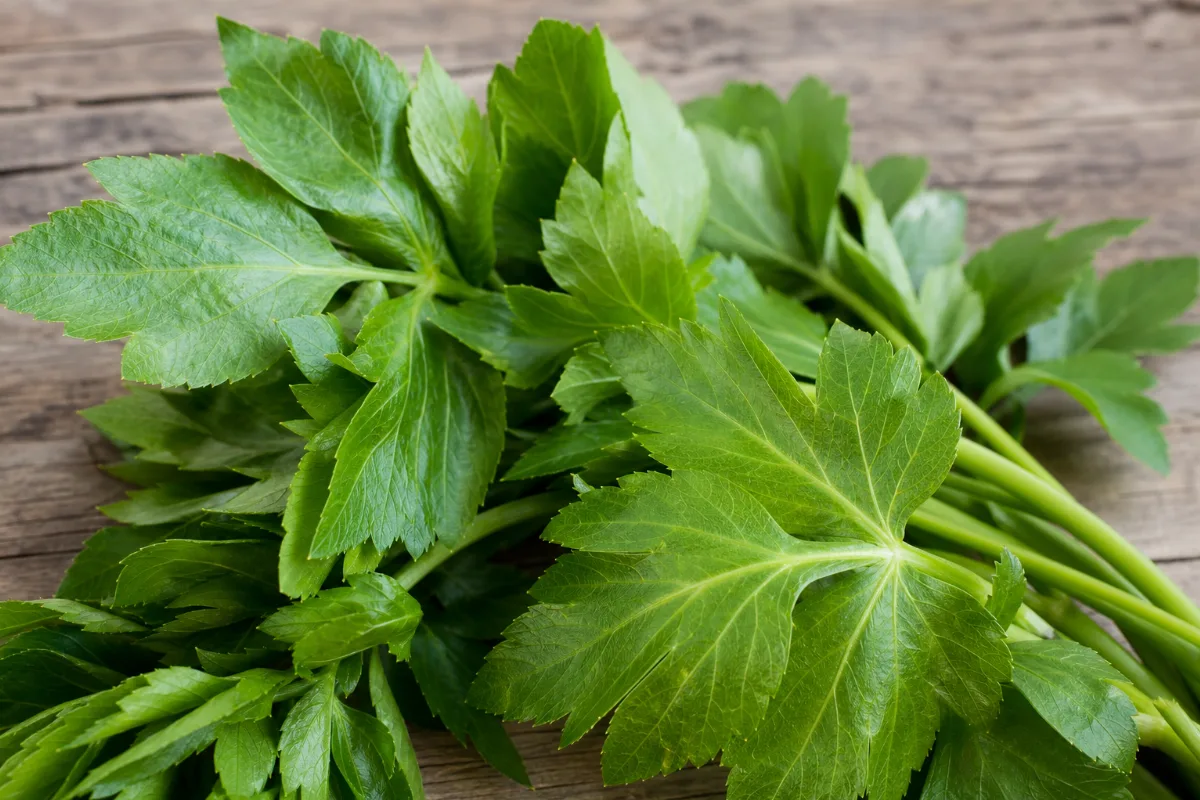
Herbs & Botanicals · Japanese leafy green and supplement
Ashitaba
Angelica keiskei · also called Ashitaba, Japanese celery
Ashitaba is a Japanese leafy plant in the carrot family. People eat the leaves, and supplements often use the yellow sap from the stem, which holds compounds called chalcones. The research is small: one 12-week trial in 42 overweight adults found less belly fat, and other findings are mixed or from the lab. The most important caution is for people who take blood thinners or have bleeding problems, because rat studies of the sap showed slower clotting.
General information, not medical advice. Last substantive update · Not medically reviewed. A named clinician has not signed off on this page. How this page is made
About Ashitaba
Ashitaba (Angelica keiskei) is a Japanese leafy plant in the carrot family. The leaves are eaten as a vegetable and the stem makes a yellow sap rich in chalcones. A few small trials suggest possible effects on belly fat and liver tests, but the evidence is thin, and the safety questions about clotting, sun sensitivity and medicines are open.
What it is
Ashitaba is a large perennial plant native to the Pacific coast of Japan. It belongs to the carrot family (Apiaceae), the same family as celery, parsley and dong quai.
People eat the leaf as a vegetable. The stems release a yellow sap that is dried into powder for supplements.
What makes it distinctive
The yellow sap is rich in two chalcones, xanthoangelol and 4-hydroxyderricin. These are the compounds most research is about, and they are mainly studied in the lab.
Like other Angelica plants, it also holds small amounts of furanocoumarins, including psoralens. Scientists detected two psoralens in blood after people ate ashitaba.
Historical and current uses
Ashitaba is a long-eaten vegetable in Japan and is now sold as a health food, green-juice ingredient and supplement across Asia. Reviews call it a popular botanical medicine in Japan. We found no EU or US regulator document that recognises a traditional medical use.
The European food safety agency (EFSA) assessed the sap in 2024 only as a food-supplement ingredient for adults.
What the research shows
The best human study is a 12-week, double-blind trial of 42 overweight adults. A chalcone capsule was linked to less belly fat on CT scans and a smaller waist than placebo. Authors are tied to the product maker, and weight loss was not clearly shown.
A 12-week trial in 82 drinkers found lower GGT in the heavy drinkers only. Blood sugar results from two tiny studies were mixed, and the blood antioxidant study had 10 people and no placebo.
Everything else is lab or animal work. A 2024 review calls ashitaba safe because few side effects were reported, but those studies were short and small.
At a glance
Traditional uses history, not proof
- Eaten as a leafy vegetable in Japan; reviews call it a popular botanical medicine there, although we found no regulator document on traditional medical use.
- Used in green-juice (aojiru) drinks and as a health food or supplement in Asia.
Studied for research
- Belly fat and waist size in overweight adults, low certainty (one small trial of a stem-sap chalcone capsule).
- Liver blood tests in heavy drinkers, very low certainty (one trial; only one marker improved, in a subgroup).
- Blood sugar and antioxidant levels, very low certainty (tiny studies, mixed results).
- Blood clotting, insufficient evidence (lab and rat studies only).
Main compounds
- Chalcones xanthoangelol and 4-hydroxyderricin, the main compounds of the yellow stem sap.
- Small amounts of furanocoumarins such as psoralen (xanthotoxin) and bergapten.
- Leaf flavonoids and carotenoids such as quercetin and lutein.
Common forms
- Fresh leaf eaten as a vegetable.
- Green juice and leaf-and-stem powders.
- Stem-sap powder and standardised chalcone capsules (the form used in the belly-fat trial).
Research links: EFSA scientific opinion: Safety of ashitaba sap as a novel food (2024) · 2024 trial of ashitaba chalcone on belly fat (PubMed) · 2024 review of ashitaba pharmacology and human studies (Heliyon) · Research Library · Genes & Biomarkers Library
The plant and its history
- Accepted scientific name
- Angelica keiskei (Miq.) Koidz.
- Naming authority
- (Miq.) Koidz.
- Synonyms
- Not listed here; the GBIF species match returned the accepted name directly. Older Japanese literature also uses 'Angelica keiskei Koidzumi'.
- Common names
- Ashitaba (Japanese / English); Japanese celery (a review keyword) (English)
- Botanical family
- Apiaceae (carrot or parsley family, order Apiales), the same family as celery, parsley and dong quai.
- Classification
- Plantae > Tracheophyta > Magnoliopsida > Apiales > Apiaceae > Angelica > Angelica keiskei
- Native range
- Native to the Pacific coast of Japan, according to the 2018 Pharmazie overview abstract.
- Habitat
- Not verified in a source read.
- What the plant looks like
- Roots: Not described in sources read; underground parts of Angelica plants can hold coumarins (EFSA).; Stems: Stems exude a yellow sap rich in chalcones (EFSA: sap collected from harvested stems).; Leaves: Leaves are eaten as a green vegetable; the abstract describes 'a large perennial herb'.; Flowers: Not described in sources read.; Fruit: Not described in sources read.
- Cultivation
- Not verified from a source read.
- Harvest and processing
- Sap is collected from harvested stems and made into powder (EFSA). Leaf and stem are also dried into powders.
- Look-alikes and adulterants
- Name: Angelica archangelica (garden angelica); Note: A different species; our earlier summary noted an EU sun-sensitivity warning for it (not re-checked here). Do not treat evidence or safety for it as applying to ashitaba. See the angelica page.; Name: Angelica sinensis (dong quai); Note: A different species with separate evidence and warnings. See the dong quai page.; Name: Angelica pubescens (Du Huo); Note: Different species used as a root; the evidence and warnings are separate. See the Angelica pubescens page.
- Sustainability and conservation
- Not assessed here.
Traditional use and history history, not clinical proof
| Tradition or era | Documented use | Source |
|---|---|---|
| Japan, traditional vegetable and modern health food | Ashitaba is a Japanese leafy vegetable and has recently become popular as an herbal medicine, dietary supplement and health food in Asian countries (Pharmazie overview). Caesar and Cech (2016) call it a popular botanical medicine in Japan. We found no regulator monograph describing traditional medical use. Claims about its name and Edo-period use were not verified. | p29880082 |
| Modern: green juice (aojiru) and supplements | Ashitaba appears in aojiru green-juice products with kale, mulberry leaf and barley grass, and as a stem-sap chalcone supplement. | p16729670 |
Traditional use shows how a plant was used. It does not show that a supplement works or is safe today.
What is inside, and how it may work
What the plant contains and how those compounds act in cells and animals. Laboratory and animal mechanisms are not proven effects in people.
Main compounds
| Compound | Family | Where it is concentrated | Activity studied | Level of evidence |
|---|---|---|---|---|
| Xanthoangelol PubChem 643007 | prenylated chalcone | Stem yellow sap Chalcones total 1% to 2.25% of the sap in EFSA's specification; 8.45% in the sap powder used in rat studies (xanthoangelol and 4-hydroxyderricin together). | Reviews describe antioxidant, anti-platelet and other activity, mostly in the lab. 15 3 | Laboratory research |
| 4-Hydroxyderricin PubChem 6438503 | prenylated chalcone | Stem yellow sap See above (one of the two main chalcones). | Lab studies report glucose uptake and antioxidant effects; not shown in people. 15 11 | Laboratory research |
| Xanthotoxin (8-methoxypsoralen) PubChem 4114 | furanocoumarin (linear) | Sap (trace) EFSA: furanocoumarins under 0.01% of the sap; xanthotoxin under 1 to 4.67 mg/kg in sap batches. | Psoralens can make skin sensitive to light in other contexts; detected in human plasma after ashitaba intake. 3 7 15 | Human data |
| Bergapten (5-methoxypsoralen) PubChem 2355 | furanocoumarin (linear) | Sap (trace) EFSA: 1.15 to 7.47 mg/kg in sap batches. | Same class as xanthotoxin. 3 7 15 | Human data |
| Quercetin and lutein (flavonoid and carotenoid) | flavonoid; carotenoid | Leaf The review lists 5 g of herbal powder as containing 2.07 mg lutein, 1.08 mg beta-carotene, 5.75 mg quercetin and 2.57 mg catechin (as reported, not re-measured). | Rose in blood after a single dose of leaf powder in 10 older adults. 2 11 | Human data |
Mechanisms, receptors and pathways
| Target or pathway | Gene or receptor | What was found | Level |
|---|---|---|---|
| Platelet aggregation and thromboxane | Not specified | EFSA cites lab work showing chalcones inhibit thromboxane formation and platelet aggregation, and that xanthoangelol had antiplatelet activity in vivo. 3 8 | Laboratory research |
| Glucose uptake | GLUT4 | In 3T3-L1 fat cells, 4-hydroxyderricin and xanthoangelol raised glucose uptake and GLUT4 (as reported in the review). 11 | Laboratory research |
| Oxidative stress | Not specified | Chalcones act as antioxidants in lab and cell studies; human relevance not shown. 11 1 | Laboratory research |
| Bile acid and lipid metabolites | Not specified | Plasma bile acids, fatty acids and phospholipids changed after intake; the authors suggest the plant compounds may lower bile acids and fatty acids. 7 | Human data |
Absorption, metabolism and elimination
- Absorption
- After a single dose of 5 g leaf powder, plasma quercetin and lutein rose (10 older adults).
- Distribution
- Not found.
- Metabolism
- Not found for the chalcones.
- Elimination
- Not found.
- Bioavailability
- Chalcone bioavailability in people was not found in the sources read. Quercetin and lutein from the leaf powder were absorbed; the metabolomics study detected 5-methoxypsoralen, 8-methoxypsoralen, 4-hydroxyderricin and xanthoangelol B and F in human plasma.
Isolated compounds versus whole extracts
Trials of belly fat used a standardised chalcone from stem sap; trials of leaf powder looked at absorption and blood glucose. The results of one form cannot be assumed for another. Leaf and sap also contain different amounts of furanocoumarins.
Nutritional composition
Ashitaba leaf is a green leafy vegetable. A nutrient table was not read for ashitaba alone. A Japanese survey found vitamin K1 in green-juice products that include it, but the amount for ashitaba alone was not found.
1 low certainty4 very low certainty2 not enough evidence
What is Ashitaba good for?
The main studied uses are belly fat, liver tests, blood sugar and antioxidant levels. Every rating is low or lower, and most of the evidence is from small studies of different ashitaba products. The clotting row is lab and animal evidence and is mostly a caution.
Benefits, one by one
Each card is a research question, not a promise. Tap a goal to filter. Open a card to see the studies, doses and limits.
Belly (visceral) fat and waist size in overweight adults
Low certaintyIn one small placebo-controlled trial, an ashitaba chalcone capsule was linked to less belly fat on CT scans and a smaller waist after 12 weeks. The result comes from a product made from the yellow stem sap, not from eating the leaf, and weight loss itself was not shown.
2 studiesA standardised chalcone capsule made from stem sap (not fresh leaf, j…
Studies, doses and limits
What the trials found
Watanabe 2024 randomised 42 overweight adults (BMI 25 to under 30) to a chalcone capsule or placebo for 12 weeks. Belly fat area on CT was lower than placebo at 12 weeks and waist circumference was lower at weeks 8 and 12. The 2024 Heliyon review lists two more small chalcone-capsule studies (60 adults; 41 adults over 8 weeks) reporting lower belly fat, but we only saw these through the review. Several of the studies involve people linked to the product maker.
Results
Belly fat area on CT: lower than placebo at 12 weeks (p<0.05). Waist: lower at week 8 (p<0.05) and week 12 (p<0.01).
Effect sizes as reported
The abstract reports p-values only; the size of the change was not in the abstract we read. The review lists falls of about 8% to 9% in belly fat in men or overall, which we could not check against the original papers.
Why this rating
One small randomised trial of 42 people, 12 weeks, product-maker-linked authors, abstract-level reading, plus small supporting studies seen only in a review. Nothing about long-term results.
Form and dose studied
A standardised chalcone capsule made from stem sap (not fresh leaf, juice or leaf powder). Ask a doctor or pharmacist about amounts.
Who was studied
Overweight adults (BMI 25 to under 30) in Japan.
Limits
Small and short; belly fat is a measured change, not proof of better health; weight loss was not clearly shown; a different product from the leaf or juice people usually buy.
Why researchers looked
The yellow sap is rich in two chalcones, 4-hydroxyderricin and xanthoangelol, which are the compounds the product makers standardise.
Traditional use
Ashitaba is eaten as a leafy vegetable in Japan and is also sold as a health food and supplement. The reviews we read describe it as a popular botanical medicine in Japan, but we did not find a regulator document describing a traditional medical use.
Proposed mechanism Preliminary mechanism
Lab and animal work suggests the chalcones may affect fat cell activity and lipid handling. This is not proven in people.
A proposed mechanism does not show that the effect happens in people.
Sap products contain small amounts of furanocoumarins; see safety. Rats given high sap doses had changes in blood clotting and blood fats.
Liver blood tests in heavy drinkers
Very low certaintyA 12-week trial of an ashitaba extract in people who drank a lot of alcohol found a lower liver enzyme (GGT) in the heavy-drinker subgroup. Other liver tests did not differ from placebo, and it does not show liver protection.
2 studiesAngelica keiskei extract capsules (plant part not stated in the abstr…
Studies, doses and limits
What the trials found
Noh 2015 randomised 82 habitual drinkers with abnormal liver tests to an Angelica keiskei extract or placebo for 12 weeks. In the 43 heavy drinkers (over 35 units a week), GGT fell in the extract group and differed from placebo (P=.046). AST and ALT did not differ from placebo. The 2024 Heliyon review's table says ALT fell by 13.4%, which conflicts with the original abstract; we trust the abstract.
Results
Heavy-drinker subgroup: GGT change 21.16 +/- 37.63 (P=.016 within the extract group); versus placebo P=.046. AST and ALT: no significant differences.
Effect sizes as reported
Group means with standard deviation given for the extract group only.
Why this rating
Single trial, a subgroup result, no clinical liver outcome, abstract-level reading, and a review that contradicts the original on ALT. Rats showed liver-cell vacuolation at high sap doses (see safety).
Form and dose studied
Angelica keiskei extract capsules (plant part not stated in the abstract). Ask a doctor about suitable use if you have liver disease.
Who was studied
Adults 20 to 75 who drank above set limits and had abnormal liver tests (Korea).
Limits
Subgroup finding; alcohol intake continued; no placebo-controlled comparison in non-drinkers; not a treatment for alcohol-related liver disease.
Why researchers looked
Ashitaba chalcones are antioxidants in the lab, so researchers tested whether the extract changes liver markers in people who drink heavily.
Traditional use
Ashitaba is eaten as a leafy vegetable in Japan and is also sold as a health food and supplement. The reviews we read describe it as a popular botanical medicine in Japan, but we did not find a regulator document describing a traditional medical use.
Proposed mechanism Laboratory research
Lab studies show chalcone-rich extracts protect liver cells from acetaminophen damage in dishes. Human relevance is unknown.
A proposed mechanism does not show that the effect happens in people.
People with liver disease should not use ashitaba to treat it. Heavy drinkers should talk to a doctor.
Blood sugar
Very low certaintyTwo tiny short studies reported in a review gave mixed results: no glucose-lowering effect in people with type 2 diabetes, and a lower glucose in another small group. There is no reliable evidence that ashitaba helps blood sugar.
1 studiesCapsules (diabetes study) and leaf-and-stem powder (second study), pe…
Studies, doses and limits
What the trials found
As summarised in the 2024 Heliyon review, a 2-week add-on study in 10 adults with type 2 diabetes found no glucose-lowering effect and a rise in systolic blood pressure; a 7-day study in 18 adults reported lower blood glucose but not lower cholesterol. We did not read the original papers.
Results
No glucose-lowering effect in the diabetes group (2 weeks, n=10); glucose reported lower in n=18 over 7 days (review table).
Effect sizes as reported
The review reports systolic blood pressure about 10.5% higher in the diabetes group (p=0.014 stated in its text).
Why this rating
Two tiny, short studies seen only through a narrative review that is internally inconsistent in places.
Form and dose studied
Capsules (diabetes study) and leaf-and-stem powder (second study), per the review.
Who was studied
Adults with type 2 diabetes; adults with raised glucose and cholesterol.
Limits
Review only; no original paper read; very short; blood pressure rise is a signal worth noting.
Why researchers looked
Lab studies suggest chalcones increase glucose uptake into fat cells in dishes.
Traditional use
Ashitaba is eaten as a leafy vegetable in Japan and is also sold as a health food and supplement. The reviews we read describe it as a popular botanical medicine in Japan, but we did not find a regulator document describing a traditional medical use.
Proposed mechanism Laboratory research
In fat-cell dishes, 4-hydroxyderricin and xanthoangelol raised the glucose transporter GLUT4. Not shown in people.
A proposed mechanism does not show that the effect happens in people.
If you take diabetes medicines, ask a pharmacist before adding ashitaba; no interaction study was found.
Antioxidant levels in the blood
Very low certaintyA single dose of ashitaba leaf powder raised some antioxidant compounds in the blood of ten older adults. This shows the body absorbs some plant compounds, not that anyone is healthier.
2 studiesDry leaf powder in capsules, single dose.
Studies, doses and limits
What the trials found
Correa 2014 gave 5 g dry ashitaba powder once to 5 healthy older adults and 5 adults with metabolic syndrome and sampled blood for 8 hours. Plasma quercetin and lutein rose and total antioxidant performance increased compared with baseline (P<0.05). There was no placebo group.
Results
Plasma quercetin, lutein and total antioxidant performance increased from baseline (P<0.05).
Effect sizes as reported
The review's table shows falls in some individual antioxidant values, which does not match the abstract; we rely on the abstract.
Why this rating
Ten people, one dose, no control, blood marker only.
Form and dose studied
Dry leaf powder in capsules, single dose.
Who was studied
Adults over 60: healthy or with metabolic syndrome.
Limits
No placebo group, tiny, single dose, antioxidant markers are not clinical outcomes.
Why researchers looked
Ashitaba leaf is rich in flavonoids and carotenoids such as quercetin and lutein.
Traditional use
Ashitaba is eaten as a leafy vegetable in Japan and is also sold as a health food and supplement. The reviews we read describe it as a popular botanical medicine in Japan, but we did not find a regulator document describing a traditional medical use.
Proposed mechanism Preliminary mechanism
Plant pigments such as quercetin and lutein raise measured antioxidant capacity in blood; whether that helps health is not shown.
A proposed mechanism does not show that the effect happens in people.
None specific beyond the general ashitaba cautions.
Blood clotting and platelets (lab and animal evidence only)
Not enough evidenceLab and rat studies suggest ashitaba chalcones and coumarins slow blood clotting. This is not a proven benefit for people, but it is a reason for caution with blood thinners.
3 studiesStem sap powder in rat studies.
Studies, doses and limits
What the trials found
A 2018 short overview proposes that eating ashitaba might help prevent clots, but it gives no human trial. In 90-day rat studies reviewed by EFSA, high doses lowered platelets and lengthened prothrombin time and APTT.
Results
No human trial of clotting or bleeding was found.
Effect sizes as reported
Rat prothrombin time was longer at 300 and 1000 mg/kg/day; APTT longer in high-dose males (EFSA).
Why this rating
Animal and lab data only; no human trial measured clotting.
Form and dose studied
Stem sap powder in rat studies.
Who was studied
Rats; cell and lab models.
Limits
Animal findings at doses much higher than people take do not translate directly.
Why researchers looked
Chalcones inhibit platelet clumping in lab tests, and coumarins can affect clotting.
Traditional use
Ashitaba is eaten as a leafy vegetable in Japan and is also sold as a health food and supplement. The reviews we read describe it as a popular botanical medicine in Japan, but we did not find a regulator document describing a traditional medical use.
Proposed mechanism Laboratory research
EFSA cites lab work showing chalcones can reduce thromboxane formation and platelet aggregation, and says xanthoangelol had antiplatelet activity in vivo.
A proposed mechanism does not show that the effect happens in people.
Possible bleeding risk with blood thinners or before surgery; see safety.
Blood fats and metabolite changes
Very low certaintyOne small human study found 14 blood metabolites changed after eating ashitaba, mainly bile acids, fats and amino acids. Researchers call this interesting but it is not a health outcome.
2 studiesAshitaba intake, product not specified in the abstract.
Studies, doses and limits
What the trials found
Oh 2019 analysed plasma from 20 people after ashitaba intake. Fourteen metabolites changed, including bile acids, amino acids, glycerophospholipids and fatty acids. The authors linked these changes to possible prevention of liver disease, diabetes and other conditions, which is their interpretation, not a finding. A separate 18-adult study in the review did not lower cholesterol.
Results
Fourteen plasma metabolites changed; direction by metabolite not in the abstract.
Effect sizes as reported
Not reported in the abstract.
Why this rating
Marker-only study, 20 people, abstract-level reading, no clinical outcome.
Form and dose studied
Ashitaba intake, product not specified in the abstract.
Who was studied
20 human subjects.
Limits
No outcome beyond blood markers; link to disease prevention is speculative.
Why researchers looked
Metabolomics looks at many blood compounds at once to see what a food changes.
Traditional use
Ashitaba is eaten as a leafy vegetable in Japan and is also sold as a health food and supplement. The reviews we read describe it as a popular botanical medicine in Japan, but we did not find a regulator document describing a traditional medical use.
Proposed mechanism Preliminary mechanism
Plant compounds detected in blood (4-hydroxyderricin, xanthoangelol B and F, and two psoralens) were linked by the authors to lower bile acids and fatty acids.
A proposed mechanism does not show that the effect happens in people.
The same study detected two psoralens in plasma; see safety.
Cancer, ageing, virus and other lab and animal research
Not enough evidenceMany lab and animal studies test the chalcones xanthoangelol and 4-hydroxyderricin against cancer cells, inflammation and other targets. None of this shows a benefit in people.
1 studiesIsolated chalcones in cell dishes.
Studies, doses and limits
What the trials found
The 2016 Planta Medica review concluded that in-vivo efficacy and clinical relevance still need confirming for most claimed activities. No human studies on these topics were found.
Results
None in people.
Effect sizes as reported
n/a
Why this rating
Lab and animal work only; one search result on xanthoangelol was a retracted paper and was not used.
Form and dose studied
Isolated chalcones in cell dishes.
Who was studied
Cells and animals.
Limits
Not evidence for any benefit in people.
Why researchers looked
Cells and animals respond to concentrated chalcones in ways researchers want to understand.
Traditional use
Ashitaba is eaten as a leafy vegetable in Japan and is also sold as a health food and supplement. The reviews we read describe it as a popular botanical medicine in Japan, but we did not find a regulator document describing a traditional medical use.
Proposed mechanism Laboratory research
Reviews list cytotoxic, antidiabetic, antioxidant, anti-inflammatory, antihypertensive and antimicrobial effects in cells and animals.
A proposed mechanism does not show that the effect happens in people.
None specific.
Connections to the rest of health
How Ashitaba connects to the rest of our health knowledge graph. Every link says what kind of connection it is. A safety link (for example to the liver) is a warning, not a benefit. A study that merely mentions a topic never creates a benefit link.
Explore every connection: goals, body systems, organs, symptoms, genes
A. Wellness goals
| Connected to | Kind of connection | Evidence status | Context | Studies |
|---|---|---|---|---|
| Weight Management | Potential benefit | Low certainty | Belly (visceral) fat and waist size in overweight adults: In one small placebo-controlled trial, an ashitaba chalcone capsule was linked to less belly fat on CT scans and a smaller waist after 12 weeks. The result comes from a product made from the yellow stem sap, not from eating the leaf, and weight loss itself was not shown. | 12 11 |
| Metabolic Health | Potential benefit | Low certainty | Belly (visceral) fat and waist size in overweight adults: In one small placebo-controlled trial, an ashitaba chalcone capsule was linked to less belly fat on CT scans and a smaller waist after 12 weeks. The result comes from a product made from the yellow stem sap, not from eating the leaf, and weight loss itself was not shown. | 12 11 |
| Liver Support | Potential benefit | Very low certainty | Liver blood tests in heavy drinkers: A 12-week trial of an ashitaba extract in people who drank a lot of alcohol found a lower liver enzyme (GGT) in the heavy-drinker subgroup. Other liver tests did not differ from placebo, and it does not show liver protection. | 6 11 |
| Blood Sugar Balance | Potential benefit | Very low certainty | Blood sugar: Two tiny short studies reported in a review gave mixed results: no glucose-lowering effect in people with type 2 diabetes, and a lower glucose in another small group. There is no reliable evidence that ashitaba helps blood sugar. | 11 |
| Healthy Aging | Preliminary mechanism | Very low certainty | Antioxidant levels in the blood: A single dose of ashitaba leaf powder raised some antioxidant compounds in the blood of ten older adults. This shows the body absorbs some plant compounds, not that anyone is healthier. Cancer, ageing, virus and other lab and animal research: Many lab and animal studies test the chalcones xanthoangelol and 4-hydroxyderricin against cancer cells, inflammation and other targets. None of this shows a benefit in people. | 2 11 1 |
| Heart Health | Preliminary mechanism | Not enough evidence | Blood clotting and platelets (lab and animal evidence only): Lab and rat studies suggest ashitaba chalcones and coumarins slow blood clotting. This is not a proven benefit for people, but it is a reason for caution with blood thinners. | 8 3 5 |
| Metabolic Health | Biological association | Very low certainty | Blood fats and metabolite changes: One small human study found 14 blood metabolites changed after eating ashitaba, mainly bile acids, fats and amino acids. Researchers call this interesting but it is not a health outcome. | 7 11 |
B. Body systems
| Connected to | Kind of connection | Evidence status | Context | Studies |
|---|---|---|---|---|
| Blood and clotting | Drug or supplement interaction | Not enough evidence | Longer clotting times and fewer platelets in high-dose rat studies; no human data. Preparation or compound: Stem sap powder (rat studies) |
3 |
| Metabolism Weight | Biological association | Low certainty | Studied for: Belly (visceral) fat and waist size in overweight adults Studied for: Blood fats and metabolite changes | 12 11 7 |
| Hepatic System | Biological association | Very low certainty | Studied for: Liver blood tests in heavy drinkers | 6 11 |
| Endocrine System | Biological association | Very low certainty | Studied for: Blood sugar | 11 |
| Cardiovascular System | Biological association | Very low certainty | Studied for: Antioxidant levels in the blood Studied for: Blood clotting and platelets (lab and animal evidence only) | 2 11 8 3 5 |
| Immune System | Biological association | Not enough evidence | Studied for: Cancer, ageing, virus and other lab and animal research | 1 |
C. Body parts and organs
| Connected to | Kind of connection | Evidence status | Context | Studies |
|---|---|---|---|---|
| Liver | Biological association | Not enough evidence | Liver-cell vacuolation in male rats at 100 mg/kg/day; one human trial showed lower GGT in heavy drinkers. Preparation or compound: Sap powder (rats); extract (one human trial) |
3 6 |
| Skin | Adverse effect or risk | Not enough evidence | Psoralens detected in sap and in blood; no human sun-sensitivity report found. Preparation or compound: Furanocoumarins (psoralens) in sap |
3 7 4 |
D. Symptoms
| Connected to | Kind of connection | Evidence status | Context | Studies |
|---|---|---|---|---|
| Overweight and belly fat | Potential benefit | Low certainty | One small 12-week trial of a stem-sap chalcone capsule reported less belly fat than placebo. Preparation or compound: Ashitaba chalcone capsule (stem sap) |
12 |
| Bleeding risk with blood thinners | Drug or supplement interaction | Not enough evidence | Rat studies of sap showed slower clotting; no human interaction study. Preparation or compound: Ashitaba sap powder |
3 |
I. Biomarkers
| Connected to | Kind of connection | Evidence status | Context | Studies |
|---|---|---|---|---|
| Visceral fat area (CT scan) | Biological association | Low certainty | Measured in trials: lowered. A lab change is not the same as a health benefit. | 12 |
| Waist circumference | Biological association | Low certainty | Measured in trials: lowered. A lab change is not the same as a health benefit. | 12 |
| GGT (gamma-glutamyl transferase) | Biological association | Very low certainty | Measured in trials: lowered. A lab change is not the same as a health benefit. | 6 |
| ALT and AST (liver enzymes) | Biological association | Very low certainty | Measured in trials: no-change. A lab change is not the same as a health benefit. | 6 |
| Blood glucose | Biological association | Very low certainty | Measured in trials: mixed. A lab change is not the same as a health benefit. | 11 |
| Plasma antioxidant performance | Biological association | Very low certainty | Measured in trials: raised. A lab change is not the same as a health benefit. | 2 |
| Platelet count and clotting time (rats) | Biological association | Not enough evidence | Measured in trials: mixed. A lab change is not the same as a health benefit. | 3 5 |
| Plasma metabolites (bile acids, fats, amino acids) | Biological association | Very low certainty | Measured in trials: mixed. A lab change is not the same as a health benefit. | 7 |
J. Genes, receptors and enzymes
| Connected to | Kind of connection | Evidence status | Context | Studies |
|---|---|---|---|---|
| SLC2A4 (GLUT4, glucose transporter 4) | Preliminary mechanism | In vitro | Raised in fat-cell dishes by 4-hydroxyderricin and xanthoangelol; not shown in people. | 11 |
L. Active compounds
| Connected to | Kind of connection | Evidence status | Context | Studies |
|---|---|---|---|---|
| Xanthoangelol | Biological association | In vitro | Reviews describe antioxidant, anti-platelet and other activity, mostly in the lab. Preparation or compound: Stem yellow sap |
15 3 |
| 4-Hydroxyderricin | Biological association | In vitro | Lab studies report glucose uptake and antioxidant effects; not shown in people. Preparation or compound: Stem yellow sap |
15 11 |
| Xanthotoxin (8-methoxypsoralen) | Biological association | Human | Psoralens can make skin sensitive to light in other contexts; detected in human plasma after ashitaba intake. Preparation or compound: Sap (trace) |
3 7 15 |
| Bergapten (5-methoxypsoralen) | Biological association | Human | Same class as xanthotoxin. Preparation or compound: Sap (trace) |
3 7 15 |
| Quercetin and lutein (flavonoid and carotenoid) | Biological association | Human | Rose in blood after a single dose of leaf powder in 10 older adults. Preparation or compound: Leaf |
2 11 |
Each connection is stored with the ingredient, the connected record, the kind of connection, the evidence status, the supporting studies, the preparation or compound involved, and a review date (last reviewed October 25, 2026).
Evidence at a glance: what changed in 8 lab markers
Tap a number to show only those markers. Counts are markers, not people.
The evidence
The research centre for Ashitaba. Every record here was checked against PubMed or the publisher's page; we never list a study we have not verified.
Evidence by outcome
Bars show how many studies we found for each outcome, not how well it works. People are added up across trials only (reviews are not added, to avoid double counting).
How we rate evidence
High certainty
Several well-run trials or reviews agree; further research is unlikely to change the picture much.
Moderate certainty
Good trials point the same way, but some doubt remains.
Low certainty
Small, short or inconsistent trials. The finding could change with better research.
Very low certainty
Very little or very weak human data. Treat as a possibility only.
Mixed findings
Trials or reviews disagree with each other.
Not enough evidence
Not enough human research to say either way.
Evidence against
Good research found no benefit, or found harm.
We take the reviewers' own risk-of-bias and GRADE statements where they exist, and otherwise judge from study size, design, consistency, directness and whether a product matches what is sold. Many publications do not make evidence high. Method note: We searched PubMed, the EFSA opinion on ashitaba sap, GBIF and PubChem, and recorded each study's design, people, product and result as reported. Most studies were read at abstract level; the EFSA opinion and the 2024 Heliyon review were read as text. NIH NCCIH, LiverTox, LactMed and EU herbal monograph pages for ashitaba were not found or not read and are marked not verified. Certainty ratings are the compiler's own reading, not formal grades. No study is cited that we could not verify.
Study library: every study we checked 15
| Study | Design | People | Product, dose, length | Result |
|---|---|---|---|---|
| Caesar 2016 A Review of the Medicinal Uses and Pharmacology of Ashitaba Planta Medica · PMID 27399234 · DOI |
Narrative review in-vitro |
Review of chemistry and pharmacology | Angelica keiskei (ashitaba) whole plant n/a n/a · vs n/a |
Lists prenylated chalcones, linear and angular coumarins and flavanones. Reports many in-vitro studies and says in-vivo efficacy and clinical relevance still need confirming for most claimed activities. n/a Methods, limits and fundingOutcomes: Chemistry and biological activity Limitations: Abstract only; narrative review. Funding and conflicts: Not stated in the abstract. Read: abstract |
| Correa 2014 Bioavailability of plant pigment phytochemicals in Angelica keiskei in older adults: A pilot absorption kinetic study Nutrition Research and Practice · PMID 25324936 · DOI |
Pilot study |
10 5 healthy adults over 60 and 5 adults with metabolic syndrome |
Dry Angelica keiskei powder in gelatin capsules, taken once with a low-flavonoid meal herb powder (plant part not stated) 5 g once 8 hours of blood sampling · vs Own baseline (no placebo group) |
Plasma quercetin and lutein rose after the dose and total antioxidant performance increased versus baseline (P<0.05). Increases versus baseline only; no placebo arm. Methods, limits and fundingOutcomes: Plasma quercetin, lutein and total antioxidant performance Limitations: Ten people, one dose, no control group; blood antioxidant changes do not show any health benefit. Funding and conflicts: Not stated in the abstract. Read: abstract |
| EFSA Panel on Nutrition 2024 Safety of ashitaba sap as a Novel food pursuant to Regulation (EU) 2015/2283 EFSA Journal 22(3):e8645 · PMID 38469361 · DOI |
Authoritative guidance animal |
Target population: adults, excluding pregnant and lactating women | Ashitaba sap powder (30% sap powder, 70% cyclodextrin) as a food supplement stem sap Opinion sets a regulatory safe level for adults; not a recommendation 90-day rat studies · vs n/a |
The sap contains chalcones (1% to 2.25%) and furanocoumarins (under 0.01%). No genotoxicity concern. In 90-day rat studies, high doses lengthened clotting times (prothrombin time at 300 and 1000 mg/kg/day, APTT in high-dose males), lowered platelet counts, raised cholesterol and triglycerides, and caused liver cell vacuolation from 100 mg/kg/day in males; the Panel took 100 mg/kg/day as the NOAEL. EFSA concluded the sap is safe for adults only up to a safe level that is lower than the applicant's proposed use level. Pregnant and lactating women were outside the target population. Human data (small trials) were not designed to assess safety. Allergy risk was judged unknown but expected to be low (Apiaceae family). The Panel noted chalcones and coumarins could affect coagulation. n/a Methods, limits and fundingOutcomes: Safety assessment of composition, genotoxicity, toxicity, allergenicity Limitations: Based mainly on unpublished 90-day rat studies submitted by the applicant. About 100,000 of 118,981 characters were read earlier and the full opinion text was searched for key terms in this round. The text we searched did not discuss photosensitivity, drug interactions, children or vitamin K. Funding and conflicts: Applicant is the product maker (Japan Bio Science Laboratory-USA); EFSA assessed independently. Registration: Application NF 2019/1247 (Japan Bio Science Laboratory-USA) Read: full-text |
| Lee 2013 Evaluation of acute skin irritation and phototoxicity by aqueous and ethanol fractions of Angelica keiskei Experimental and Therapeutic Medicine · PMID 23251240 · DOI |
Animal study animal |
Rabbits (irritation) and guinea pigs (phototoxicity) | Aqueous and ethanol fractions of Angelica keiskei not stated 100 mg per dose applied to skin Acute test · vs Not stated in the abstract |
The fractions did not cause significant skin irritation or phototoxicity in the animals. No irritation or phototoxicity seen in animals. Methods, limits and fundingOutcomes: Skin damage and phototoxicity Limitations: Animal skin test of two lab fractions applied to skin, not eaten products and not people. Abstract only. Funding and conflicts: Not stated in the abstract. Read: abstract |
| Maronpot 2015 Toxicological assessment of Ashitaba Chalcone Food and Chemical Toxicology · PMID 25576957 · DOI |
Animal study animal |
Bacterial and cell assays; Sprague Dawley rats (90-day gavage) | Ashitaba yellow sap powder containing 8.45% chalcones stem sap Up to 1000 mg/kg/day in rats (animal study) 90 days · vs Control rats |
Tests for genotoxicity were negative. At 300 and 1000 mg/kg/day rats showed effects on coagulation parameters and plasma lipids; male-rat-specific kidney changes appeared from 100 mg/kg/day; jejunal changes at 1000 mg/kg/day. The author stated a NOAEL of 300 mg/kg in rats. Animal NOAEL as stated by the author; EFSA later used a lower NOAEL of 100 mg/kg/day. Methods, limits and fundingOutcomes: Genotoxicity; coagulation, plasma lipids, organ pathology Limitations: Animal data; the author is an independent consultant but the work concerns a commercial ashitaba chalcone powder, funding not read. EFSA used a more cautious NOAEL. Funding and conflicts: Funding not stated in the abstract; industry-linked product. Read: abstract |
| Noh 2015 Angelica keiskei Koidzumi extracts improve some markers of liver function in habitual alcohol drinkers: a randomized double-blind clinical trial Journal of Medicinal Food · PMID 25531033 · DOI |
Controlled trial |
82 Habitual alcohol drinkers (men over 14 units a week, women over 7) with abnormal liver blood tests; 65% (n=43) were heavy drinkers (over 35 units a week) |
Angelica keiskei extract (AKE) herb extract (plant part not stated in the abstract) Not stated in the abstract (the review by Wahyuni 2024 lists 500 mg of extract twice daily) 12 weeks · vs Placebo |
In heavy drinkers, GGT fell in the extract group (19 people; change 21.16 +/- 37.63, P=.016) and differed from placebo (24 people; P=.046). No significant differences in AST or ALT between extract and placebo. GGT lower than placebo in the heavy-drinker subgroup only; AST and ALT no different. Methods, limits and fundingOutcomes: Liver blood tests (GGT, AST, ALT) Limitations: Positive result is in a subgroup (heavy drinkers), not the whole group. Only the abstract was read. Alcohol intake was not stopped, so the trial does not show liver protection. One trial only. Funding and conflicts: Industry link not stated in the abstract; not read. Read: abstract |
| Oh 2019 Analysis of plasma metabolic profiling and evaluation of the effect of the intake of Angelica keiskei using metabolomics and lipidomics Journal of Ethnopharmacology · PMID 31283957 · DOI |
Controlled trial |
20 20 human subjects (details not in the abstract) |
Angelica keiskei (product not specified in the abstract) not stated Not stated in the abstract Not stated in the abstract · vs Not stated in the abstract |
14 plasma metabolites changed (including bile acids, amino acids, glycerophospholipids and fatty acids). Five plant compounds were detected in plasma: 5-methoxypsoralen, 8-methoxypsoralen, 4-hydroxyderricin, xanthoangelol B and xanthoangelol F. Metabolite changes only; no clinical outcome. Methods, limits and fundingOutcomes: Plasma metabolites and plant compounds found in plasma Limitations: Lab-marker study. Only the abstract was read. Link from metabolite changes to disease prevention is the authors' interpretation, not a clinical finding. Funding and conflicts: Not stated in the abstract. Read: abstract |
| Ohkura 2018 Possible antithrombotic effects of Angelica keiskei (Ashitaba) Pharmazie · PMID 29880082 · DOI |
Narrative review in-vitro |
Short overview; no new trial | Angelica keiskei (ashitaba) whole plant n/a n/a · vs n/a |
The authors say a recent study showed actions that lead to prevention of thrombosis and propose that eating ashitaba could help prevent clotting diseases. The abstract gives no human data. n/a Methods, limits and fundingOutcomes: Possible effect on thrombosis Limitations: Opinion-style overview; the abstract gives no trial data. Authors also work on commercial ashitaba chalcone research (Ohkura is a co-author of the 2024 trial). Funding and conflicts: Not stated in the abstract. Read: abstract |
| Sakamaki 2006 Determination of vitamin K in aojiru (green juice) products by HPLC (Japanese) Shokuhin Eiseigaku Zasshi · PMID 16729670 · DOI |
Laboratory survey |
51 41 aojiru products and 10 vegetable juices bought in Tokyo markets |
Aojiru green juice made from green vegetables such as kale, ashitaba, mulberry leaf and barley grass mixed leafy products n/a n/a · vs n/a |
Vitamin K1 was 90-190 ug per 100 g in frozen products, 410-3,300 in powders and 640-3,100 in tablets. The authors said patients prescribed warfarin should take care about vitamin K from aojiru products. n/a Methods, limits and fundingOutcomes: Vitamin K1 content Limitations: Mixed green-juice products, not ashitaba alone; vitamin K content of ashitaba alone was not found. Funding and conflicts: Not stated in the abstract. Read: abstract |
| Utsunomiya 2019 Dietary supplement product composed of natural ingredients as a suspected cause of erythema multiforme: A case report and identification for the confident false positivity of lymphocyte transformation test Journal of Dermatology · PMID 30623481 · DOI |
Case report |
1 Elderly Japanese man with a skin eruption (erythema multiforme) |
Multi-ingredient supplement containing Euglena, Angelica keiskei, barley grass and chlorella mixed Not stated in the abstract Not stated in the abstract · vs n/a |
A man developed erythema multiforme after a mixed supplement; his lymphocyte transformation test was positive, but 21 of 22 people tested for Euglena-containing products and 7 healthy non-users also tested positive, so the authors concluded the test is unreliable for pinning blame on an ingredient. n/a Methods, limits and fundingOutcomes: Skin reaction and blood-cell test (LTT) reliability Limitations: Mixed product; ashitaba cannot be named as the cause, and the authors say the test cannot identify the culprit. Funding and conflicts: Not stated in the abstract. Read: abstract |
| Wahyuni 2024 The pharmacology activities of Angelica keiskei Koidzumi and its efficacy and safety in humans Heliyon · PMID 38357325 · DOI |
Narrative review |
Review of 55 selected articles; human studies in its Table 2 | Angelica keiskei (leaf, stem, stem sap, herb; juice, capsules, powder) various Various Various · vs Various |
Reviewers state the efficacy was confirmed for anti-obesity, liver, diabetes and plasma antioxidants in metabolic syndrome, and that only mild or no adverse events were reported. Its Table 2 lists small human studies: 60 adults on a chalcone capsule (visceral fat lower in men, ghrelin lower in both sexes, no adverse events); 41 people in an 8-week chalcone study; 10 adults with type 2 diabetes for 2 weeks (no glucose-lowering effect, systolic blood pressure up 10.5%); 18 adults for 7 days (blood glucose reported lower, cholesterol not lowered); 10 adults over 60 given 5 g powder once (plasma antioxidants up). Narrative review; no pooled effect sizes. Methods, limits and fundingOutcomes: Anti-obesity, liver, diabetes and antioxidant outcomes; safety Limitations: Narrative review of 55 chosen articles, not a systematic search; claims of 'confirmed' efficacy are stronger than the small underlying trials support; its text and Table 2 disagree in places (for example the alcohol-drinker trial's ALT result). Only safety in 4 articles. Full text was read to about two-thirds. Funding and conflicts: The authors report no competing interests. Read: full-text |
| Watanabe 2024 Randomised, double-blind, parallel group comparison of Ashitaba (Angelica Keiskei) chalcone effects on visceral fat areas and waist circumference of overweight persons International Journal of Food Sciences and Nutrition · PMID 38557440 · DOI |
Controlled trial |
42 17 men and 25 women with BMI 25 to under 30 |
Encapsulated ashitaba chalcone (4-hydroxyderricin and xanthoangelol) stem sap chalcone extract 16 mg chalcones a day (10.1 mg 4-hydroxyderricin, 5.9 mg xanthoangelol), as stated in the abstract 12 weeks · vs Placebo capsule |
Visceral fat area was lower than placebo at 12 weeks (p<0.05). Waist circumference was lower than placebo at week 8 (p<0.05) and week 12 (p<0.01). Group differences reported as p-values only in the abstract; sizes of the change not given in the abstract. Methods, limits and fundingOutcomes: Visceral fat area on CT (primary); waist circumference (secondary) Limitations: Small trial; only the abstract was read, so effect sizes, dropouts and funding statement were not seen. Authors are affiliated with companies connected to the chalcone product (Japan Bio Science Laboratory; Yakujihou Marketing Jimusho). Weight loss itself was not reported in the abstract. Funding and conflicts: Industry-linked: author affiliations include the product maker; funding statement not read. Read: abstract |
| s-gbif-angelica-keiskei GBIF Backbone: Angelica keiskei (Miq.) Koidz. (species match, usageKey 6026372) · Source |
Reference database n/a |
Methods, limits and fundingRead: full-text | ||
| s-nccih-ashitaba-not-found NIH NCCIH page for ashitaba (not found) · Source |
Authoritative guidance n/a |
Methods, limits and fundingRead: summary-only | ||
| s-pubchem-ashitaba-compounds PubChem records: xanthoangelol (CID 643007), 4-hydroxyderricin (CID 6438503), xanthotoxin (CID 4114), bergapten (CID 2355) · Source |
Reference database n/a |
Methods, limits and fundingRead: full-text |
What we do not know yet
- What the evidence supports: a small, low-certainty reduction in belly fat from one trial of a stem-sap chalcone capsule.
- What is uncertain: liver, blood sugar and antioxidant findings come from tiny or subgroup results, partly seen only through a review.
- What is not studied: sun sensitivity in people, effects on liver enzymes that break down medicines, interactions with blood thinners and diabetes medicines, pregnancy, breastfeeding, children and long-term safety.
- Independent trials, and trials of fresh leaf or juice, are missing.
How new research is added
New studies are found by a saved PubMed search and are placed in a review queue. A person reads each one before it changes any evidence rating or safety wording. New publications never change ratings automatically.
Lab markers
What changed in blood or saliva tests during trials. A changed number is not the same as feeling or being healthier, and we give no "normal ranges".
Metabolic 1
Blood glucose
Mixed results in trials
Sugar in the blood, measured fasting or at other times.
Very low certaintyResults and what it means
Why it was measured
Tested in tiny studies in people with diabetes or raised glucose.
Statistical vs. clinical meaning
Too small and short to conclude; seen only through a review.
Safety implication
If you use glucose-lowering medicine, ask a pharmacist.
| Study | Result | People | Product |
|---|---|---|---|
| 11 | No glucose-lowering effect in 10 adults with type 2 diabetes over 2 weeks; glucose reported lower in 18 adults over 7 days (as summarised in the review). | Adults with type 2 diabetes or raised glucose | Ashitaba capsules; leaf-and-stem powder |
Organ function 1
GGT (gamma-glutamyl transferase)
Lowered in trials
A liver enzyme that often rises with heavy alcohol use.
Very low certaintyResults and what it means
Why it was measured
Used to judge alcohol-related liver strain.
Statistical vs. clinical meaning
A subgroup result; GGT is a marker, not a measure of liver damage or survival.
Safety implication
None specific; the markers AST and ALT did not differ from placebo.
| Study | Result | People | Product |
|---|---|---|---|
| 6 | In heavy drinkers, GGT fell in the extract group (P=.016) and differed from placebo (P=.046). | 43 heavy drinkers (subgroup) | Angelica keiskei extract vs placebo, 12 weeks |
Other 6
Visceral fat area (CT scan)
Lowered in trials
The area of fat deep in the belly around the organs, measured on a CT slice.
Low certaintyResults and what it means
Why it was measured
The main outcome of the ashitaba chalcone trials.
Statistical vs. clinical meaning
A statistically lower fat area is a measured change; the clinical value is unclear.
Safety implication
None specific.
| Study | Result | People | Product |
|---|---|---|---|
| 12 | Lower than placebo at 12 weeks (p<0.05). Size of change not in the abstract. | Overweight adults, BMI 25 to under 30 | Ashitaba chalcone capsule vs placebo, 12 weeks |
Waist circumference
Lowered in trials
The distance around the waist, a simple measure of belly size.
Low certaintyResults and what it means
Why it was measured
Secondary outcome in the 2024 trial.
Statistical vs. clinical meaning
Small trial; effect size not in the abstract.
Safety implication
None specific.
| Study | Result | People | Product |
|---|---|---|---|
| 12 | Lower than placebo at week 8 (p<0.05) and week 12 (p<0.01). | Overweight adults | Ashitaba chalcone capsule vs placebo |
ALT and AST (liver enzymes)
No clear change in trials
Enzymes released from liver cells when the liver is irritated or damaged.
Very low certaintyResults and what it means
Why it was measured
Standard liver safety and function tests.
Statistical vs. clinical meaning
The trial did not show an ALT or AST benefit.
Safety implication
Liver blood tests are worth watching if you take ashitaba and have liver disease.
| Study | Result | People | Product |
|---|---|---|---|
| 6 | No significant difference between extract and placebo for AST and ALT. | Habitual alcohol drinkers | Angelica keiskei extract vs placebo, 12 weeks |
Plasma antioxidant performance
Raised in trials
A lab test of how well blood plasma resists oxidation, plus levels of quercetin and lutein.
Very low certaintyResults and what it means
Why it was measured
Used in the absorption pilot study.
Statistical vs. clinical meaning
Blood marker only; no clinical benefit shown.
Safety implication
None specific.
| Study | Result | People | Product |
|---|---|---|---|
| 2 | Plasma quercetin, lutein and total antioxidant performance rose from baseline (P<0.05). | 10 older adults | 5 g ashitaba powder, single dose |
Platelet count and clotting time (rats)
Mixed results in trials
Platelets are blood cells that help clots form; prothrombin time and APTT measure how fast blood clots.
Not enough evidenceResults and what it means
Why it was measured
Changes seen in rat toxicity studies of ashitaba sap.
Statistical vs. clinical meaning
Animal safety signal, not a human finding.
Safety implication
Possible bleeding caution; see safety.
| Study | Result | People | Product |
|---|---|---|---|
| 3 | 90-day rat studies: lower platelet counts and longer prothrombin time (300 and 1000 mg/kg/day) and APTT (high-dose males). Animal data only. | Sprague Dawley rats | Ashitaba sap powder product, 90 days |
Plasma metabolites (bile acids, fats, amino acids)
Mixed results in trials
A broad blood profile of small molecules that shifts with diet.
Very low certaintyResults and what it means
Why it was measured
Used to explore what eating ashitaba changes in the body.
Statistical vs. clinical meaning
Exploratory; no clinical meaning established.
Safety implication
Two psoralens were detected in plasma; see safety.
| Study | Result | People | Product |
|---|---|---|---|
| 7 | Fourteen plasma metabolites changed after intake; direction not stated for each in the abstract. | 20 human subjects | Angelica keiskei intake |
Safety
What studies and official sources say about side effects, medicines and who should check first. Each point shows what kind of evidence it comes from.
Main points to know 4
- Stem sap products contain furanocoumarins; sun sensitivity in people is not studied. EFSA found small amounts of furanocoumarins (under 0.01%) in ashitaba sap, including psoralen (xanthotoxin), bergapten and isopimpinellin. In another human study, two psoralens (5-methoxypsoralen and 8-methoxypsoralen) were detected in blood after intake. Psoralens are the type of compound that can make skin more sensitive to sun in some plants. We found no human study or case report of sun sensitivity from ashitaba, and the EFSA text we searched did not discuss it. An animal skin test of two lab fractions found no phototoxicity, but that does not cover eaten products. Until more is known, take the usual care in strong sun if you use concentrated ashitaba products. Authoritative guidance 3 7 4
- Possible effect on blood clotting. In rats given high doses of ashitaba sap for 90 days, platelet counts fell and clotting times became longer. EFSA noted that chalcones and coumarins could affect clotting. No human study has tested bleeding risk or medicine interactions. If you take warfarin or other blood thinners, or have surgery planned, ask a pharmacist or doctor first. Animal research 3 5
- Not assessed for pregnancy, breastfeeding or children. EFSA's safety opinion on the sap covers adults only and excludes pregnant and breastfeeding women. We found no human data for pregnancy, breastfeeding or children. Authoritative guidance 3
- The EU safe level for the sap supplement is low. EFSA judged the sap safe for adults only up to a level that is lower than the use level the company asked for. This is a regulatory limit based mainly on rat studies, not advice for any individual. Ask a doctor or pharmacist about amounts. Authoritative guidance 3
Side effects 4
| Effect | How often | Severity and recovery | Evidence |
|---|---|---|---|
| Raised systolic blood pressure A 2-week add-on study in 10 adults with type 2 diabetes reported a systolic blood pressure rise (the review gives 10.5% and p=0.014 in its text). We saw it only through the review. A single tiny study; no other trial reported it. | Not established | unknown Not stated | Systematic review 11 |
| Skin reaction (erythema multiforme) after a mixed supplement One man reacted to a supplement containing Euglena, ashitaba, barley grass and chlorella. The authors showed the blood test they used cannot pinpoint a cause, so ashitaba cannot be named. | Not established | moderate Not stated in the abstract | Case report 10 |
| Allergy (carrot-family plant) EFSA rated allergy risk as unknown but expected low, noted ashitaba belongs to the Apiaceae family (which includes celery, parsley, cumin and aniseed) and said no cross-reaction studies were done. | Not established | unknown Not stated | Authoritative guidance 3 |
| No or mild side effects in small trials The 2024 review reports only mild or no adverse events in the four human studies that mentioned safety. The trials were short and small and were not designed to find rare harm. | Not established | mild Not stated | Systematic review 11 |
Liver
We found no human case report of liver injury from ashitaba. The small 82-person alcohol-drinker trial did not report liver harm in its abstract. In rats, high doses of ashitaba sap changed blood fats and caused liver-cell vacuolation (clear spaces in liver cells) from 100 mg/kg/day in males, with no matching rise in liver enzymes at the lowest dose; EFSA used this for its low safe level. LiverTox has no page we could find for ashitaba. 3 6
How often. No frequency of human liver injury was found.
Monitoring. No agency monitoring advice was found. If you have liver disease or drink heavily, ask a doctor before using ashitaba.
This is a safety connection. It is not evidence that Ashitaba supports liver health.
Medicines and supplements 5
| With | Why it matters | Importance | Evidence | What to do |
|---|---|---|---|---|
| Warfarin and other blood thinners; antiplatelet drugs (such as aspirin) prescription | Theory and animal data: chalcones can reduce platelet clumping in the lab and coumarins can affect clotting; rats given high sap doses had lower platelets and longer clotting times. | No human interaction study. Bleeding risk is plausible but unproven. | Animal research Not enough evidence 3 5 | Ask your doctor or pharmacist before combining, and before surgery. |
| Warfarin: vitamin K in green leafy products prescription | Ashitaba is a green leafy vegetable. A Japanese survey of 41 aojiru green-juice products (kale, ashitaba and others) found high vitamin K1 in powders and tablets, and the authors advised warfarin patients to take care. Those products were mixed; the vitamin K in ashitaba alone was not found. | Vitamin K can weaken warfarin. Not tested for ashitaba alone. | Authoritative guidance Not enough evidence 9 | If you take warfarin, keep green-vegetable and green-juice intake steady and tell your clinic. |
| Diabetes medicines prescription | Theory only: lab studies show chalcones increase glucose uptake into cells; small human studies were mixed. | No interaction study. A 2-week add-on study in people with type 2 diabetes showed no glucose lowering. | Pharmacological theory Not enough evidence 11 | Ask a pharmacist before adding ashitaba if you use glucose-lowering medicine. |
| Medicines broken down by liver enzymes (CYP enzymes) prescription | Theory only: furanocoumarins in some other plants (grapefruit is the best known) can change how liver enzymes break down medicines. Ashitaba sap contains small amounts of furanocoumarins, but we found no study testing CYP or transporter effects of ashitaba. | Unknown; no human or lab study found in our searches. | Pharmacological theory Not enough evidence 3 | If you take a medicine with a narrow safety margin, ask a pharmacist. |
| Photosensitising medicines or sun-sensitising treatments (for example some antibiotics, and psoralen light therapy) prescription | Theory only: psoralens were found in ashitaba sap and in human blood after intake; they can make skin more sensitive to light in other contexts. | No human photosensitivity report for ashitaba found. | Pharmacological theory Not enough evidence 3 7 | Tell your doctor if you are on light therapy. |
Who should check first 4
| Situation | Advice | Evidence |
|---|---|---|
| Pregnancy and breastfeeding | Avoid concentrated ashitaba products; EFSA excluded these groups and no human data exist. | Authoritative guidance 3 |
| Bleeding disorders, blood-thinning medicine, or planned surgery | Ask a doctor first. Animal data show effects on clotting. | Animal research 3 |
| Allergy to celery, parsley or other carrot-family plants | Be careful; cross-reaction was not studied. | Authoritative guidance 3 |
| Children | No data. Do not give concentrated products. | Authoritative guidance 3 |
Overdose, product quality and regulators
Summary. Rats given ashitaba sap powder for 90 days showed changes in clotting, blood fats, liver cells and gut lining at high doses. Genotoxicity tests were negative. Human trials were short and small.
Animal. EFSA used a no-effect level of 100 mg/kg/day in rats (liver-cell vacuolation from 100 mg/kg/day in males; clotting and lipid changes at higher doses). A consulting toxicologist reported a NOAEL of 300 mg/kg and male-rat-specific kidney changes from 100 mg/kg/day.
Human doses studied. Trials of chalcone capsules ran 8 to 12 weeks; the listed adverse events were mild or none. Not designed to assess safety.
High dose or long term signals. Rat studies show lipid and clotting changes at high doses. Long-term human safety is unknown.
Overdose response. No human overdose case found.
Genotoxicity. Negative in bacterial, chromosome and micronucleus tests of the chalcone powder (EFSA; Maronpot 2015).
Toxic plant parts. No toxic part is documented for the leaf eaten as a vegetable. The yellow sap contains the chalcones and trace furanocoumarins; roots and underground parts of Angelica plants may hold more furanocoumarins (EFSA).
We found no ashitaba-specific contamination or adulteration report. The practical issue is naming and mixing: products called Angelica can be a different species, and green-juice blends hide the amount of ashitaba.
Different Angelica species under similar names. Angelica archangelica, dong quai (Angelica sinensis) and Angelica pubescens are different plants with their own evidence and warnings. Check the Latin name on the label (Angelica keiskei). 13
Mixed green-juice products. Vitamin K1 varied widely between aojiru products made of kale, ashitaba and other greens, so the content of one product cannot be assumed for another. 9
| Body | Action | Date |
|---|---|---|
| European Food Safety Authority (EFSA) (European Union) | Scientific opinion that ashitaba sap powder is safe as a food-supplement novel food for adults only up to a stated level, excluding pregnant and breastfeeding women. source | 2024-03-11 |
When to get medical help
- Unusual bleeding, black stools or blood in urine or vomit.
- Severe rash, blisters or peeling, or a rash that follows sun exposure.
- Swelling of the lips or face, wheeze or trouble breathing (allergy).
- Yellow skin or eyes, dark urine or severe stomach pain (possible liver problem).
Stop the supplement and contact a clinician or emergency service. In the US, Poison Control is 1-800-222-1222.
General information only, not medical advice. Ask a clinician or pharmacist before use, especially with medicines, in pregnancy or with a health condition. See the Natural Remedy Safety guide.
Frequently asked questions
What is ashitaba?
Does ashitaba help you lose belly fat?
Maybe a little, but the evidence is low certainty. One 12-week trial in 42 overweight adults found a chalcone capsule linked to less belly fat on CT scans and a smaller waist than placebo. It was a small trial of a sap product with authors tied to the maker. It did not test fresh leaf or juice.
Does ashitaba protect the liver?
Can ashitaba lower blood sugar?
There is no reliable evidence. A 2-week study in 10 adults with type 2 diabetes found no glucose lowering. If you use diabetes medicine, ask a pharmacist before adding it.
Does ashitaba thin the blood?
Can ashitaba make skin sensitive to the sun?
We do not know. The sap contains small amounts of furanocoumarins, including psoralen, and two psoralens were found in people's blood after intake. We found no human report of sun sensitivity, and an animal skin test of two lab fractions found no phototoxicity. Be careful in strong sun if you use concentrated products.
Does ashitaba interact with medicines?
Does ashitaba contain vitamin K, and does that matter on warfarin?
It is a green leafy vegetable, and a Japanese survey found a lot of vitamin K1 in green-juice powders and tablets made from kale, ashitaba and other greens. We did not find the vitamin K of ashitaba alone. If you take warfarin, keep green-juice intake steady and tell your clinic.
Is ashitaba safe in pregnancy or while breastfeeding?
It has not been shown to be safe. EFSA's safety opinion excluded pregnant and breastfeeding women, and we found no human data. Avoid concentrated products.
Is ashitaba the same as angelica or dong quai?
No. They are different species in the same genus, with their own evidence and warnings. Compare with the angelica, Angelica pubescens and dong quai pages, and check the Latin name Angelica keiskei on the label.
Is eating the leaf the same as taking a supplement?
Explore by health goal
Metabolic HealthHealthy AgingWeight ManagementLiver SupportBlood Sugar BalanceHeart Health
Editorial transparency
- Written by
- AlternativeMed editorial team. Research compiled with AI assistance, then checked against the sources cited.
- Medical review
- None. This page has not been reviewed by a physician or pharmacist.
- First published
- 2026-10-25
- Last substantive update
- 2026-10-25
- How we research
- We searched PubMed, the EFSA opinion on ashitaba sap, GBIF and PubChem, and recorded each study's design, people, product and result as reported. Most studies were read at abstract level; the EFSA opinion and the 2024 Heliyon review were read as text. NIH NCCIH, LiverTox, LactMed and EU herbal monograph pages for ashitaba were not found or not read and are marked not verified. Certainty ratings are the compiler's own reading, not formal grades. No study is cited that we could not verify.
- How we rate evidence
- See "How we rate evidence" in the Evidence tab.
- Independence
- No product is promoted on this page. No affiliate links are shown. If one is added later it will be labelled and kept apart from the evidence.
Sources 15
Each source was opened and checked. Where we read only the abstract, it says so. The small numbers in the text point here.
- Caesar LK, Cech NB. A Review of the Medicinal Uses and Pharmacology of Ashitaba. Planta Medica. 2016. PMID 27399234. DOI 10.1055/s-0042-110496. (abstract)
- Correa CR, Chen CY, Aldini G, et al.. Bioavailability of plant pigment phytochemicals in Angelica keiskei in older adults: A pilot absorption kinetic study. Nutrition Research and Practice. 2014. PMID 25324936. DOI 10.4162/nrp.2014.8.5.550. (abstract)
- EFSA Panel on Nutrition, Novel Foods and Food Allergens (NDA): Turck D, Bohn T, Castenmiller J, et al.. Safety of ashitaba sap as a Novel food pursuant to Regulation (EU) 2015/2283. EFSA Journal 22(3):e8645. 2024. PMID 38469361. DOI 10.2903/j.efsa.2024.8645. (full-text)
- Lee SH. Evaluation of acute skin irritation and phototoxicity by aqueous and ethanol fractions of Angelica keiskei. Experimental and Therapeutic Medicine. 2013. PMID 23251240. DOI 10.3892/etm.2012.782. (abstract)
- Maronpot RR. Toxicological assessment of Ashitaba Chalcone. Food and Chemical Toxicology. 2015. PMID 25576957. DOI 10.1016/j.fct.2014.12.021. (abstract)
- Noh HM, Ahn EM, Yun JM, et al.. Angelica keiskei Koidzumi extracts improve some markers of liver function in habitual alcohol drinkers: a randomized double-blind clinical trial. Journal of Medicinal Food. 2015. PMID 25531033. DOI 10.1089/jmf.2014.3222. (abstract)
- Oh HA, Lee H, Park SY, et al.. Analysis of plasma metabolic profiling and evaluation of the effect of the intake of Angelica keiskei using metabolomics and lipidomics. Journal of Ethnopharmacology. 2019. PMID 31283957. DOI 10.1016/j.jep.2019.112058. (abstract)
- Ohkura N, Atsumi G, Ohnishi K, et al.. Possible antithrombotic effects of Angelica keiskei (Ashitaba). Pharmazie. 2018. PMID 29880082. DOI 10.1691/ph.2018.8370. (abstract)
- Sakamaki N, Nakazato M, Matsumoto H, et al.. Determination of vitamin K in aojiru (green juice) products by HPLC (Japanese). Shokuhin Eiseigaku Zasshi. 2006. PMID 16729670. DOI 10.3358/shokueishi.47.85. (abstract)
- Utsunomiya N, Oyama N, Chino T, et al.. Dietary supplement product composed of natural ingredients as a suspected cause of erythema multiforme: A case report and identification for the confident false positivity of lymphocyte transformation test. Journal of Dermatology. 2019. PMID 30623481. DOI 10.1111/1346-8138.14739. (abstract)
- Wahyuni I, Aulifa DL, Rosdianto AM, et al.. The pharmacology activities of Angelica keiskei Koidzumi and its efficacy and safety in humans. Heliyon. 2024. PMID 38357325. DOI 10.1016/j.heliyon.2024.e24119. (full-text)
- Watanabe N, Inoue K, Hara H, et al.. Randomised, double-blind, parallel group comparison of Ashitaba (Angelica Keiskei) chalcone effects on visceral fat areas and waist circumference of overweight persons. International Journal of Food Sciences and Nutrition. 2024. PMID 38557440. DOI 10.1080/09637486.2024.2334070. (abstract)
- . GBIF Backbone: Angelica keiskei (Miq.) Koidz. (species match, usageKey 6026372). . . (full-text)
- . NIH NCCIH page for ashitaba (not found). . . (summary-only)
- . PubChem records: xanthoangelol (CID 643007), 4-hydroxyderricin (CID 6438503), xanthotoxin (CID 4114), bergapten (CID 2355). . . (full-text)