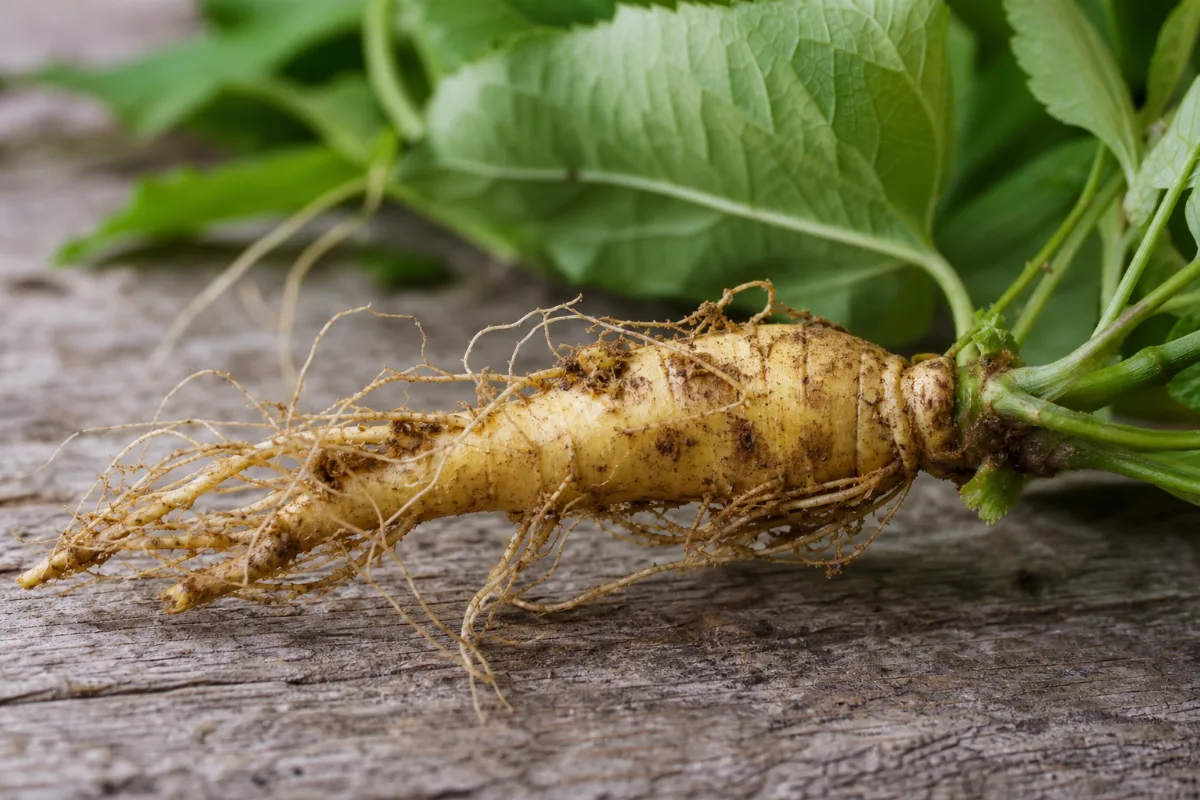
Herbs & Botanicals · Ayurvedic herb with stimulant alkaloids
Bala (Country Mallow)
Sida cordifolia · also called Country mallow, heart-leaf sida
Bala is an Ayurvedic herb whose root and seed are used for pain, nerves and strength. The US FDA names it as a source of ephedrine-type stimulants, the kind banned from US supplements in 2004. Almost all the research is in animals and labs, and no human benefit has been confirmed. The key caution is the heart: it can raise heart rate and blood pressure, and the amount in any product is unknown.
General information, not medical advice. Last substantive update · Not medically reviewed. A named clinician has not signed off on this page. How this page is made
About Bala (Country Mallow)
Bala is a traditional Ayurvedic herb that can contain ephedrine-type stimulants. Human evidence of benefit is missing. The main cautions are the heart and blood pressure, other stimulants, pregnancy, and unknown strength.
What it is
Bala, or country mallow, is Sida cordifolia, a plant of the mallow family. Its root and seed are used in Ayurveda for strength, nerves, pain and rheumatic problems, and its leaf has been used for malaria in Ghana.
The name is a problem. In a DNA study of market samples sold as Sida cordifolia, none were the real plant. Most were other Sida species, and one of them, Sida acuta, was said to have about six times more ephedrine in its roots. What you buy may not be what the label says.
How it may work
The best-documented ingredient is ephedrine, a stimulant. The FDA names Sida cordifolia as a plant source of ephedrine alkaloids, and a 2022 lab study found ephedrine in extracts of the above-ground parts of the plant. Reviews list many other compounds, including flavonoids and coumarins, linked to anti-inflammatory and sedative effects in animals.
In worms and cells, one extract reduced a type of protein stress linked to Huntington's disease. None of this has been shown to work the same way in people.
What the research shows
We found no human trial of bala that we could read. A 2025 review says arthritis trials exist, but it gives no results and we have not read them. A 2015 review said no clinical study had been reported for Sida plants.
The rest is lab and animal work: pain and inflammation reviews, a mouse malaria study using leaf extract, and worm and cell models of Huntington's disease. For weight loss and sport, the evidence is about ephedra and ephedrine, not bala. A 2003 meta-analysis found about 0.9 kg a month more weight loss than placebo, insufficient evidence for sports performance, and more palpitations and other symptoms.
At a glance
Traditional uses history, not proof
- Ayurvedic tonic for strength, nerves, pain and rheumatic problems
- Folk remedy for malaria (leaf, in Ghana), inflammation and childbirth problems
Studied for research
- Arthritis (trials mentioned in a review, not read), insufficient
- Inflammation and pain (animal and lab), insufficient
- Huntington's disease models in worms and cells, insufficient
- Malaria in mice (leaf extract), insufficient
- Weight loss and sport (ephedra evidence only, not bala), insufficient
Main compounds
- Ephedrine (PubChem CID 9294), the main safety concern
- Other phenethylamine and quinazoline alkaloids
- Flavonoids, coumarins and phytosterols
Common forms
- Root powder
- Seed and root in capsules or extracts
- Ingredient in multi-herb products
- Traditional water decoction
Research links: US FDA: ephedrine alkaloid supplements rule (names Sida cordifolia) · NCCIH: Ephedra, usefulness and safety · Cheng 2022: heart-leaf sida and atrial tachycardia, case report (PubMed) · Vassou 2015: DNA barcoding of market Sida cordifolia (PubMed) · Research Library · Genes & Biomarkers Library
The plant and its history
- Accepted scientific name
- Sida cordifolia L. (GBIF ACCEPTED, exact match, confidence 97)
- Naming authority
- L. (Linnaeus)
- Common names
- Bala (Sanskrit / Hindi (Ayurveda)); Country mallow (English); Heart-leaf sida (English)
- Botanical family
- Malvaceae (mallow family)
- Classification
- Plantae > Not pulled > Not pulled > Malvales > Malvaceae > Sida > Sida cordifolia
- Native range
- Not covered in the sources read.
- Habitat
- Not covered in the sources read.
- What the plant looks like
- Roots: The root is the main traditional part (and the part the earlier summary named). Root ephedrine content is only compared with a look-alike in the DNA paper.; Stems: Not described in sources read.; Leaves: Leaves were used in the Ghana malaria study; the plant is called heart-leaf sida.; Flowers: Not described in sources read.; Fruit: Not described in sources read.; Seeds: Seed is listed with root as a traditional part; its ephedrine content was not found.; Cultivation: Not covered in the sources read.
- Harvest and processing
- Not covered in the sources read.
- Look-alikes and adulterants
- Name: Sida acuta; Note: Most common substitute in the DNA study (36% of samples). The paper says its roots hold about six times more ephedrine than S. cordifolia roots.; Name: Sida spinosa, S. alnifolia, S. scabrida, S. ravii; Note: Other Sida species found in market samples (20%, 12%, 4%, 4%).; Name: Sida rhombifolia; Note: Also contains ephedrine in a lab analysis of above-ground parts; used as a substitute for Ephedra in that paper's view.; Name: Abutilon, Ixonanthes, Terminalia, Fagonia, Tephrosia; Note: Other genera found in 24% of market samples sold as bala.
- Sustainability and conservation
- Not covered in the sources read.
Traditional use and history history, not clinical proof
| Tradition or era | Documented use | Source |
|---|---|---|
| Ayurveda, Unani, Siddha and other folk medicine | Used for inflammation, pain, nervousness, rheumatic problems, malaria, childbirth and miscarriage problems, and respiratory and heart complaints, among other uses. | p26497766 |
| Ghana folk medicine | Leaf used against malaria. | p38161788 |
| Modern supplements (US) | After the 2004 ban on ephedra supplements, ephedrine-containing plants such as Sida cordifolia were named by the FDA as other sources of the same alkaloids. | s-fda-ephedrine-2004 |
Traditional use shows how a plant was used. It does not show that a supplement works or is safe today.
What is inside, and how it may work
What the plant contains and how those compounds act in cells and animals. Laboratory and animal mechanisms are not proven effects in people.
Main compounds
| Compound | Family | Where it is concentrated | Activity studied | Level of evidence |
|---|---|---|---|---|
| Ephedrine PubChem 9294 | Phenethylamine alkaloid (stimulant) | Aerial parts (lab analysis); root (compared in DNA paper) | A heart and nervous-system stimulant. The FDA names Sida cordifolia as a plant source of ephedrine alkaloids. Amounts in bala products were not found. 11 5 14 | Human (pharmacology of ephedrine, not bala) |
| Pseudoephedrine PubChem 7028 | Phenethylamine alkaloid | Not found | CID verified. Whether bala holds pseudoephedrine was not confirmed in the sources read; the abstracts say 'ephedrine alkaloids' and 'phenethylamine alkaloids'. 14 7 | Not shown |
| Quinazoline alkaloids | Alkaloids (group) | Various | Listed with phenethylamine alkaloids among more than 50 compounds reported in the plant. 7 | Lab |
| Flavonoids, coumarins, phytosterols, fatty acids, ecdysteroids | Mixed groups | Various | Reviews link antioxidant, anti-inflammatory, analgesic and sedative effects in preclinical work to alkaloids, flavonoids and coumarins. 6 7 4 | Lab |
Mechanisms, receptors and pathways
| Target or pathway | Gene or receptor | What was found | Level |
|---|---|---|---|
| Adrenergic (stimulant) effects of ephedrine alkaloids | Not detailed in the sources read | Ephedrine-type alkaloids raise heart rate and blood pressure; the case report proposes a pro-arrhythmic effect. 2 12 | Human (case report and guidance for ephedrine) |
| ER (protein-folding) stress | Mutant huntingtin in worm and cell models | The extract appeared to reduce ER stress and improved movement and lifespan in worms. 9 | Lab and animal |
| Inflammation and pain pathways | Not specified | Reviews describe anti-inflammatory and analgesic effects in preclinical studies. 7 6 | Lab and animal |
| Malaria parasite | Plasmodium berghei in mice | A leaf extract reduced parasite counts. 1 | Animal research |
Absorption, metabolism and elimination
- Absorption
- Not found for bala.
- Distribution
- Not found.
- Metabolism
- Not found.
- Elimination
- Not found.
- Bioavailability
- No human blood-level study of bala or its alkaloids was found.
Isolated compounds versus whole extracts
The stimulant ephedrine is one compound; a whole root or seed contains many others and varies by species and batch. Whether the other compounds soften or change ephedrine's effects in people was not found.
Nutritional composition
Bala is not a food nutrient. No vitamin or mineral role was found.
6 not enough evidence
What is Bala (Country Mallow) good for?
The studied uses and how strong the human evidence is for each. For bala itself, none is established, and the stimulant content is a real safety concern.
Benefits, one by one
Each card is a research question, not a promise. Tap a goal to filter. Open a card to see the studies, doses and limits.
Nerve and brain protection (worm and cell models only)
Not enough evidenceIn a 2025 lab study, a bala extract helped worms and cells that model Huntington's disease. There is no study in people.
1 studiesThe abstract does not say which plant part or extract was used.
Studies, doses and limits
What the trials found
No human trial for any brain or nerve use was found. The study used a transgenic roundworm and cultured cells.
Results
The extract improved movement and lifespan in the worms and reduced cell stress in the cells.
Effect sizes as reported
Numbers are not in the abstract.
Why this rating
Worm and cell findings only. They do not show a benefit in people.
Form and dose studied
The abstract does not say which plant part or extract was used.
Who was studied
Not tested in people.
Limits
Lab model of a rare inherited brain disease; extract type unknown; one study.
Why researchers looked
Bala is a common ingredient in Ayurvedic formulas for nerve problems and nerve pain, but how it might work was unclear.
Traditional use
Used in Ayurvedic formulas for nerve disorders and neuropathic pain (per the 2025 paper's introduction).
Proposed mechanism Animal research
In the models the extract appeared to calm the cell's protein-folding stress (the ER stress pathway).
A proposed mechanism does not show that the effect happens in people.
Bala can contain ephedrine-type stimulants. See the Safety tab before any use.
Calming and sedative effects (traditional and animal reports)
Not enough evidenceReviews say bala and related Sida plants calmed animals in tests and are traditionally used for nervousness. No human sleep or anxiety trial was found.
2 studiesNot applicable.
Studies, doses and limits
What the trials found
No human trial was found. Reviews describe sedative properties in preclinical (animal and lab) studies of Sida species in general.
Results
Preclinical sedative effects reported for the genus; no human results.
Effect sizes as reported
None.
Why this rating
Reviews only; the studies behind the sedative claim are animal or lab work and not specific to the root of bala.
Form and dose studied
Not applicable.
Who was studied
Not tested in people.
Limits
The review covers 17 Sida species together, not bala alone.
Why researchers looked
Sida species are traditionally used for nervousness and nerve problems.
Traditional use
Folk medicine in several countries uses Sida plants for nervousness, pain and inflammation (2025 review).
Proposed mechanism Preliminary mechanism
Reviews link the effects to alkaloids, flavonoids and coumarins, but this is not shown for bala in people.
A proposed mechanism does not show that the effect happens in people.
Ephedrine-type stimulants in the plant act the opposite way to a sedative. Bala can contain ephedrine-type stimulants. See the Safety tab before any use.
Arthritis and joint pain (clinical trials mentioned in a review, not read)
Not enough evidenceA 2025 review says bala is the only Sida plant with clinical trials in arthritis patients. We could not read those trials, so we cannot say if it works.
3 studiesUnknown.
Studies, doses and limits
What the trials found
The 2025 review abstract states that clinical trials in arthritis patients exist for S. cordifolia. It gives no trial sizes, products or results, and we did not read the trials.
Results
Unknown.
Effect sizes as reported
None available.
Why this rating
Human trials are only mentioned, not read. Lab and animal reports do not show benefit in people.
Form and dose studied
Unknown.
Who was studied
Arthritis patients (details not read).
Limits
We could not check trial quality, products or whether any contained other herbs.
Why researchers looked
Bala is traditionally used for rheumatic pain and inflammation.
Traditional use
Used in Ayurveda and other folk medicine for rheumatic conditions, pain and inflammation.
Proposed mechanism Animal research
Animal studies report anti-inflammatory and pain-relieving effects; the mechanism in people is unknown.
A proposed mechanism does not show that the effect happens in people.
Bala can contain ephedrine-type stimulants. See the Safety tab before any use. Ephedrine-type stimulants can raise blood pressure, which matters for people with arthritis who also take pain medicines.
Inflammation and pain (lab and animal studies only)
Not enough evidenceReviews list anti-inflammatory and pain-relieving effects of bala in lab and animal studies. This has not been shown in people.
2 studiesVarious extracts and plant parts.
Studies, doses and limits
What the trials found
No human trial of this use was found beyond the arthritis mention above.
Results
Anti-inflammatory and analgesic effects reported in lab and animal work (review statements, not individual results).
Effect sizes as reported
None extracted.
Why this rating
Review summaries of preclinical studies.
Form and dose studied
Various extracts and plant parts.
Who was studied
Animals and cells.
Limits
Narrative reviews; no pooled numbers.
Why researchers looked
Traditional use for swelling and pain led researchers to test extracts in animals.
Traditional use
Traditional use for pain and inflammation.
Proposed mechanism Animal research
Reviews attribute the effects to alkaloids, flavonoids and related compounds, without a proven pathway in people.
A proposed mechanism does not show that the effect happens in people.
Bala can contain ephedrine-type stimulants. See the Safety tab before any use.
Malaria (mouse study of a leaf extract)
Not enough evidenceA water extract of bala leaf lowered malaria parasites in mice and caused no toxicity in an acute rat test. It has not been tested in people.
1 studiesAqueous leaf extract (not root).
Studies, doses and limits
What the trials found
No human trial. Mouse study of Plasmodium berghei, a rodent malaria.
Results
Best parasite suppression 76.90% (suppressive test) and 61.50% (curative test); survival prolonged.
Effect sizes as reported
ED50 117.49 mg/kg (suppressive) and 144.84 mg/kg (curative) in mice.
Why this rating
One mouse study; rodent malaria is not human malaria.
Form and dose studied
Aqueous leaf extract (not root).
Who was studied
Mice, rats.
Limits
Leaf, not root; animals only; acute toxicity only. Do not use bala in place of proven malaria treatment.
Why researchers looked
Bala is used traditionally against malaria in Ghana, with no previous scientific check.
Traditional use
Traditional malaria remedy in Ghana.
Proposed mechanism Animal research
Not studied.
A proposed mechanism does not show that the effect happens in people.
Bala can contain ephedrine-type stimulants. See the Safety tab before any use.
Weight loss and sports performance (evidence is for ephedra and ephedrine, not bala)
Not enough evidenceBala holds ephedrine-type stimulants, and ephedrine plus caffeine is known to cause modest short-term weight loss. This does not show that bala works, and the same stimulants cause real side effects.
4 studiesUnknown ephedrine content; look-alike Sida species are common in the …
Studies, doses and limits
What the trials found
A 2003 JAMA meta-analysis of ephedra or ephedrine (with or without caffeine) found about 0.9 kg a month more weight loss than placebo; evidence for athletic performance was insufficient; side effects were more likely. A 2024 meta-analysis of 16 trials of ephedra-containing medicines found a BMI fall of 1.5 kg/m2 and no overall difference in adverse effects, mostly in supervised traditional-medicine settings. No trial of bala was found.
Results
Ephedra and ephedrine: modest short-term weight loss; no proven sport benefit. Bala: no data.
Effect sizes as reported
JAMA 2003: about 0.9 kg per month more than placebo; odds of psychiatric, autonomic or gastrointestinal symptoms and palpitations 2.2 to 3.6 times higher. 2024: BMI 1.5 kg/m2 lower (95% CI -2.46 to -0.54); adverse effects RR 0.99 (0.80 to 1.21).
Why this rating
For bala itself there is no evidence. The ephedra evidence cannot be carried over, because the ephedrine content of bala products is unknown.
Form and dose studied
Unknown ephedrine content; look-alike Sida species are common in the market.
Who was studied
Adults in ephedra trials.
Limits
Ephedra is not bala. Pooled benefit is small and short-term. NCCIH says the weight-loss benefit was considered too small to outweigh the serious risks.
Why researchers looked
After ephedra left the US market in 2004, other plants with ephedrine-type compounds were promoted for weight loss and energy.
Traditional use
Traditional Ayurvedic strength tonic; the weight-loss link is a modern marketing use.
Proposed mechanism Pharmacological theory
Ephedrine-type alkaloids stimulate the nervous and cardiovascular systems.
A proposed mechanism does not show that the effect happens in people.
Bala can contain ephedrine-type stimulants. See the Safety tab before any use. Athletes: ephedrine is a controlled stimulant in sport. We could not read the current WADA list, so check it with your sport's anti-doping body before using bala.
Connections to the rest of health
How Bala (Country Mallow) connects to the rest of our health knowledge graph. Every link says what kind of connection it is. A safety link (for example to the liver) is a warning, not a benefit. A study that merely mentions a topic never creates a benefit link.
Explore every connection: goals, body systems, organs, symptoms, genes
A. Wellness goals
| Connected to | Kind of connection | Evidence status | Context | Studies |
|---|---|---|---|---|
| Brain Health | Preliminary mechanism | Not enough evidence | Nerve and brain protection (worm and cell models only): In a 2025 lab study, a bala extract helped worms and cells that model Huntington's disease. There is no study in people. | 9 |
| Calm Relaxation | Traditional use | Not enough evidence | Calming and sedative effects (traditional and animal reports): Reviews say bala and related Sida plants calmed animals in tests and are traditionally used for nervousness. No human sleep or anxiety trial was found. | 6 7 |
| Anxiety Support | Traditional use | Not enough evidence | Calming and sedative effects (traditional and animal reports): Reviews say bala and related Sida plants calmed animals in tests and are traditionally used for nervousness. No human sleep or anxiety trial was found. | 6 7 |
| Joint Support | Traditional use | Not enough evidence | Arthritis and joint pain (clinical trials mentioned in a review, not read): A 2025 review says bala is the only Sida plant with clinical trials in arthritis patients. We could not read those trials, so we cannot say if it works. | 6 7 4 |
| Inflammation Balance | Traditional use | Not enough evidence | Arthritis and joint pain (clinical trials mentioned in a review, not read): A 2025 review says bala is the only Sida plant with clinical trials in arthritis patients. We could not read those trials, so we cannot say if it works. | 6 7 4 |
| Inflammation Balance | Preliminary mechanism | Not enough evidence | Inflammation and pain (lab and animal studies only): Reviews list anti-inflammatory and pain-relieving effects of bala in lab and animal studies. This has not been shown in people. | 7 6 |
| Weight Management | Biological association | Not enough evidence | Weight loss and sports performance (evidence is for ephedra and ephedrine, not bala): Bala holds ephedrine-type stimulants, and ephedrine plus caffeine is known to cause modest short-term weight loss. This does not show that bala works, and the same stimulants cause real side effects. | 8 3 12 11 |
| Peak Performance | Biological association | Not enough evidence | Weight loss and sports performance (evidence is for ephedra and ephedrine, not bala): Bala holds ephedrine-type stimulants, and ephedrine plus caffeine is known to cause modest short-term weight loss. This does not show that bala works, and the same stimulants cause real side effects. | 8 3 12 11 |
B. Body systems
| Connected to | Kind of connection | Evidence status | Context | Studies |
|---|---|---|---|---|
| Nervous System | Biological association | Not enough evidence | Studied for: Nerve and brain protection (worm and cell models only) Studied for: Calming and sedative effects (traditional and animal reports) | 9 6 7 |
| Musculoskeletal System | Biological association | Not enough evidence | Studied for: Arthritis and joint pain (clinical trials mentioned in a review, not read) Studied for: Inflammation and pain (lab and animal studies only) | 6 7 4 |
| Immune System | Biological association | Not enough evidence | Studied for: Inflammation and pain (lab and animal studies only) Studied for: Malaria (mouse study of a leaf extract) | 7 6 1 |
| Metabolism Weight | Biological association | Not enough evidence | Studied for: Weight loss and sports performance (evidence is for ephedra and ephedrine, not bala) | 8 3 12 11 |
| Cardiovascular System | Biological association | Not enough evidence | Studied for: Weight loss and sports performance (evidence is for ephedra and ephedrine, not bala) | 8 3 12 11 |
E. Health conditions
| Connected to | Kind of connection | Evidence status | Context | Studies |
|---|---|---|---|---|
| Atrial tachycardia (fast heart rhythm) | Adverse effect or risk | Case report | One case report; cause not proven. Preparation or compound: Supplement containing heart-leaf sida |
2 |
| High blood pressure | Contraindication | Authoritative guidance | NCCIH links ephedra to high blood pressure and stroke. Preparation or compound: Ephedrine alkaloids |
12 |
| Arthritis | Traditional use | Not enough evidence | Trials mentioned in a 2025 review; not read. Preparation or compound: Sida cordifolia |
6 |
I. Biomarkers
| Connected to | Kind of connection | Evidence status | Context | Studies |
|---|---|---|---|---|
| Parasite count in the blood of infected mice (parasitaemia) | Biological association | Not enough evidence | Measured in trials: lowered. A lab change is not the same as a health benefit. | 1 |
K. Biological pathways
| Connected to | Kind of connection | Evidence status | Context | Studies |
|---|---|---|---|---|
| ER stress response | Preliminary mechanism | Lab and animal | Reduced in worm and cell models of Huntington's disease. | 9 |
| Ephedrine (PubChem CID 9294) | Preliminary mechanism | Authoritative guidance | Main safety-relevant compound; also in ephedra. | 11 14 |
L. Active compounds
| Connected to | Kind of connection | Evidence status | Context | Studies |
|---|---|---|---|---|
| Ephedrine | Biological association | Human (pharmacology of ephedrine, not bala) | A heart and nervous-system stimulant. The FDA names Sida cordifolia as a plant source of ephedrine alkaloids. Amounts in bala products were not found. Preparation or compound: Aerial parts (lab analysis); root (compared in DNA paper) |
11 5 14 |
| Pseudoephedrine | Biological association | Not shown | CID verified. Whether bala holds pseudoephedrine was not confirmed in the sources read; the abstracts say 'ephedrine alkaloids' and 'phenethylamine alkaloids'. Preparation or compound: Not found |
14 7 |
| Quinazoline alkaloids | Biological association | Lab | Listed with phenethylamine alkaloids among more than 50 compounds reported in the plant. Preparation or compound: Various |
7 |
| Flavonoids, coumarins, phytosterols, fatty acids, ecdysteroids | Biological association | Lab | Reviews link antioxidant, anti-inflammatory, analgesic and sedative effects in preclinical work to alkaloids, flavonoids and coumarins. Preparation or compound: Various |
6 7 4 |
Each connection is stored with the ingredient, the connected record, the kind of connection, the evidence status, the supporting studies, the preparation or compound involved, and a review date (last reviewed October 25, 2026).
Evidence at a glance: what changed in 1 lab markers
Tap a number to show only those markers. Counts are markers, not people.
The evidence
The research centre for Bala (Country Mallow). Every record here was checked against PubMed or the publisher's page; we never list a study we have not verified.
Evidence by outcome
Bars show how many studies we found for each outcome, not how well it works. People are added up across trials only (reviews are not added, to avoid double counting).
How we rate evidence
High certainty
Several well-run trials or reviews agree; further research is unlikely to change the picture much.
Moderate certainty
Good trials point the same way, but some doubt remains.
Low certainty
Small, short or inconsistent trials. The finding could change with better research.
Very low certainty
Very little or very weak human data. Treat as a possibility only.
Mixed findings
Trials or reviews disagree with each other.
Not enough evidence
Not enough human research to say either way.
Evidence against
Good research found no benefit, or found harm.
We take the reviewers' own risk-of-bias and GRADE statements where they exist, and otherwise judge from study size, design, consistency, directness and whether a product matches what is sold. Many publications do not make evidence high. Method note: We started from our existing bala summary, re-checked every PubMed item it cited, and read the FDA rule text and the NCCIH ephedra page. We added ephedra meta-analyses and a review. Plant names were checked in GBIF and NCBI Taxonomy and compound IDs in PubChem. LiverTox could not be read and no EMA/HMPC record was found.
Study library: every study we checked 15
| Study | Design | People | Product, dose, length | Result |
|---|---|---|---|---|
| Ansong 2023 Antimalarial Properties of Sida cordifolia L. Leaf Extract in Mice: Survivability Depends Less on Parasitaemia Suppression Evidence-Based Complementary and Alternative Medicine · PMID 38161788 · DOI |
Animal research animal |
Mice infected with Plasmodium berghei (a rodent malaria); acute toxicity in rats | Aqueous (water) leaf extract of Sida cordifolia leaf Doses from the abstract: ED50 117.49 and 144.84 mg/kg (suppressive and curative tests) Not stated in the abstract · vs Untreated infected mice |
The extract lowered parasites (best suppression 76.9% in the suppressive test and 61.5% in the curative test), prolonged survival, and showed no toxicity in rats in an acute test. ED50 117.49 +/- 15.22 mg/kg (suppressive), 144.84 +/- 18.17 mg/kg (curative) Methods, limits and fundingOutcomes: Parasite counts, survival, acute toxicity Limitations: Mice and rats only; leaf extract, not root; acute toxicity only. Funding and conflicts: No conflicts declared Read: abstract |
| Cheng 2022 Taken to heart-arrhythmic potential of heart-leaf sida, a banned ephedrine alkaloid: a case report European Heart Journal - Case Reports · PMID 35106447 · DOI |
Case report |
1 65-year-old man with a single right lung transplant, admitted with dizziness and a fast resting heart rate |
Herbal supplement said to contain heart-leaf sida (Sida cordifolia); exact product and amount not in the abstract unspecified Not stated in the abstract Not stated · vs None |
The workup suggested an arrhythmia linked to the supplement. After it was stopped, the heart rate dropped abruptly with no other treatment and the rhythm returned to normal. The doctors diagnosed an atrial tachycardia near the donor pulmonary vein. Temporal link only; one patient Methods, limits and fundingOutcomes: Heart rhythm after stopping the supplement Limitations: Single case; the patient had a lung transplant, which the authors say made the heart more prone to this rhythm. The abstract does not list every ingredient, so the cause cannot be pinned on one plant. Funding and conflicts: Not stated in the abstract Read: abstract |
| Cho 2024 Efficacy and safety of ephedra-containing oral medications: a systematic review, meta-analysis, and exploratory dose-response analysis for weight reduction Frontiers in Pharmacology · PMID 39539620 · DOI |
Meta-analysis |
16 randomized trials of ephedra-containing oral medicines | Ephedra-containing oral medicines (not Sida cordifolia) n/a Various Various · vs Control groups |
Body mass index fell by 1.5 kg/m2 (95% CI -2.46 to -0.54). No significant difference in overall adverse effects versus control (RR 0.99, 95% CI 0.80 to 1.21). The authors call for more research because of few studies and inconsistent results. BMI mean difference 1.5 kg/m2 lower (95% CI -2.46 to -0.54); adverse effects RR 0.99 (0.80 to 1.21) Methods, limits and fundingOutcomes: BMI, body weight, waist, adverse effects Limitations: Mostly traditional-medicine formulas under clinical supervision, so not comparable to unlabelled supplements; not bala. Funding and conflicts: No conflicts declared; PROSPERO CRD42023387895 Read: abstract |
| Dinda 2015 The genus Sida L. - A traditional medicine: Its ethnopharmacological, phytochemical and pharmacological data for commercial exploitation in herbal drugs industry Journal of Ethnopharmacology · PMID 26497766 · DOI |
Narrative review review |
Review of Sida species 1933 to 2015 | Sida species various n/a n/a · vs n/a |
Traditional uses include childbirth and miscarriage problems, and extracts showed abortifacient effects in preclinical work. Only three Sida species had been checked for toxicity and were found safe for oral use in rats. The authors state that no clinical study had been reported. Not applicable Methods, limits and fundingOutcomes: Traditional use, chemistry, pharmacology, toxicology Limitations: Narrative review from 2015; the abstract does not name which three species were tested for toxicity. Funding and conflicts: Not stated in the abstract Read: abstract |
| Imran 2022 Quality by design-based optimization of Soxhlet extraction and identification of ephedrine by a HPTLC method for Sida rhombifolia and Sida Cordifolia Biomedical Chromatography · PMID 35961325 · DOI |
Laboratory analysis lab |
Plant extracts (lab chemistry) | Hydro-alcoholic extract of the aerial (above-ground) parts of Sida rhombifolia and Sida cordifolia aerial parts n/a n/a · vs Ephedrine standard |
Ephedrine was identified in the aerial-part extracts of both species by a thin-layer chromatography method. The authors suggest both species could substitute for Ephedra gerardiana based on the chemical profile. Ephedrine detected (amounts not in the abstract) Methods, limits and fundingOutcomes: Whether ephedrine could be detected Limitations: Lab chemistry on above-ground parts; no amounts in the abstract, and nothing on the root, which is the part this page covers. Funding and conflicts: Not stated in the abstract Read: abstract |
| Jimenez-Ferrer 2025 Sida L.: Ethnobotany, Pharmacology, and Phytochemistry: A Review Plants (Basel) · PMID 41095255 · DOI |
Narrative review review |
Review of 17 Sida species | Sida species (mainly preclinical) various n/a n/a · vs n/a |
Preclinical studies report antioxidant, anti-inflammatory, analgesic and sedative properties. The authors say only S. cordifolia has had clinical trials, in arthritis patients; the abstract gives no results or quality for them. Not applicable Methods, limits and fundingOutcomes: Ethnomedical use, chemistry and pharmacology Limitations: Narrative review; the arthritis trials it mentions were not read here, so their size, design and results are unknown. Funding and conflicts: No conflicts declared Read: abstract |
| Kumar 2024 Sida cordifolia L.: Ethnobotany, Phytochemistry, Phytonanotechnology, and Commercial Application Current Pharmaceutical Biotechnology · PMID 37861013 · DOI |
Narrative review review |
Review of the literature 1930 to July 2023 | Sida cordifolia (various parts) various n/a n/a · vs n/a |
More than 50 compounds reported, including quinazoline and phenethylamine alkaloids. Lab and animal studies are said to support anti-inflammatory, antibacterial, antifungal, antiprotozoal, anthelmintic, anticancer, antiulcer, cardioprotective and blood-sugar-lowering uses. No human trials are described in the abstract. Not applicable Methods, limits and fundingOutcomes: Traditional use, chemistry, pharmacology Limitations: Narrative review of mostly in vitro and animal work; the abstract does not say how studies were chosen or rated. Funding and conflicts: Not stated in the abstract Read: abstract |
| Shekelle 2003 Efficacy and safety of ephedra and ephedrine for weight loss and athletic performance: a meta-analysis JAMA · PMID 12672771 · DOI |
Meta-analysis |
Adults in controlled trials of ephedra or ephedrine (52 controlled trials and 65 case reports in the adverse-event analysis) | Ephedra or ephedrine, with or without caffeine (not Sida cordifolia) n/a Various Under 6 months for weight-loss trials · vs Placebo |
Ephedrine and ephedra gave modest short-term weight loss (about 0.9 kg a month more than placebo). Evidence for athletic performance was insufficient. Use was linked to 2.2 to 3.6 times higher odds of psychiatric, autonomic or stomach and gut symptoms and heart palpitations. About 0.9 kg/month more weight loss than placebo; odds of side effects 2.2 to 3.6 times higher Methods, limits and fundingOutcomes: Weight loss, athletic performance, adverse events Limitations: Covers ephedra and pure ephedrine, not bala. It shows what ephedrine-type stimulants do; it does not measure bala products. Data cannot rule out rarer events (below 1 in 1,000). Funding and conflicts: US government research funding (P.H.S.) Read: abstract |
| Simha 2025 Sida cordifolia is efficacious in models of Huntington's disease by reducing ER stress Frontiers in Molecular Biosciences · PMID 40177520 · DOI |
Animal and lab animal |
Roundworm (C. elegans) and cell models of Huntington's disease | Sida cordifolia extract (type and plant part not given in the abstract) unspecified Not stated in the abstract Not stated in the abstract · vs Untreated models |
In the worm model the extract improved movement and lifespan. In cells it reduced the stress caused by the mutant huntingtin protein, partly through the ER-stress pathway. Not stated in the abstract Methods, limits and fundingOutcomes: Movement, lifespan, cell stress Limitations: Worm and cell models only; nothing is known about people. Funding and conflicts: No conflicts declared Read: abstract |
| Vassou 2015 DNA barcoding for species identification from dried and powdered plant parts: a case study with authentication of the raw drug market samples of Sida cordifolia Gene · PMID 25596347 · DOI |
Market authentication study lab |
Raw-drug market samples sold as Sida cordifolia in India (sample number not in the abstract) | DNA barcoding of dried and powdered market material unspecified n/a n/a · vs Reference library of 13 Sida species |
None of the market samples were the real Sida cordifolia. 76% were other Sida species (Sida acuta 36%, S. spinosa 20%, S. alnifolia 12%, S. scabrida 4%, S. ravii 4%). The other 24% were other genera (Abutilon 8%; Ixonanthes, Terminalia, Fagonia, Tephrosia 4% each). The authors note Sida acuta has about six times more ephedrine than Sida cordifolia roots. 0 of the market samples authentic Methods, limits and fundingOutcomes: Which species the market samples really were Limitations: Samples from one study and one country; ephedrine content was not measured in the samples (the six-fold figure is the authors' statement about the species). Funding and conflicts: Not stated in the abstract Read: abstract |
| n/a 2004 Final Rule Declaring Dietary Supplements Containing Ephedrine Alkaloids Adulterated Because They Present an Unreasonable Risk US FDA, Federal Register (published 11 Feb 2004; effective 12 Apr 2004) · Source |
Database or regulator record n/a |
n/a | n/a n/a n/a n/a · vs n/a |
The rule treats dietary supplements containing ephedrine alkaloids as adulterated. The text names Ephedra species as sources and says other plant sources that contain ephedrine alkaloids include Sida cordifolia L. and Pinellia ternata. n/a Methods, limits and fundingOutcomes: Identity or regulatory status Limitations: Text read on 2026-10-25 (XML). It names the plant as a source but does not give how much ephedrine bala contains. Funding and conflicts: n/a Read: full-text |
| n/a 2026 Ephedra: Usefulness and Safety NCCIH (US National Institutes of Health) · Source |
Database or regulator record n/a |
n/a | n/a n/a n/a n/a · vs n/a |
Ephedra has been linked, even at relatively low doses and short-term use, to high blood pressure, heart attack, seizure, stroke and psychosis. It may interact with other stimulants like caffeine. People with cardiovascular disease are considered at higher risk. Use in pregnancy or while breastfeeding is called unsafe, and it is unsafe for children. Ephedrine alkaloids were banned in US supplements in 2004. n/a Methods, limits and fundingOutcomes: Identity or regulatory status Limitations: The page is about ephedra and does not mention Sida cordifolia; it is the closest authoritative guidance for ephedrine-type stimulants. Page read 2026-10-25. Funding and conflicts: n/a Read: full-text |
| n/a 2026 Regulator and database records for Sida cordifolia not found or not read LiverTox, EMA/HMPC, LactMed, WADA (checked 2026-10-25) · Source |
Database or regulator record n/a |
n/a | n/a n/a n/a n/a · vs n/a |
LiverTox returned a human-check page and could not be read. No EMA/HMPC monograph for Sida cordifolia was found in the earlier search behind our summary. LactMed and the WADA Prohibited List were not read for this build. n/a Methods, limits and fundingOutcomes: Identity or regulatory status Limitations: Absence of a record here is not evidence of safety. These records need a manual check. Funding and conflicts: n/a Read: summary-only |
| n/a 2026 PubChem: ephedrine and pseudoephedrine PubChem PUG REST (checked 2026-10-25) · Source |
Database or regulator record n/a |
n/a | n/a n/a n/a n/a · vs n/a |
Ephedrine is CID 9294 (C10H15NO, (1R,2S)-2-(methylamino)-1-phenylpropan-1-ol). Pseudoephedrine is CID 7028 (same formula, different 3-D shape). n/a Methods, limits and fundingOutcomes: Identity or regulatory status Limitations: Identity only. Which of these alkaloids bala holds, and how much, was not found in the sources read. Funding and conflicts: n/a Read: full-text |
| n/a 2026 GBIF Backbone Taxonomy species match: Sida cordifolia GBIF API (checked 2026-10-25) · Source |
Database or regulator record n/a |
n/a | n/a n/a n/a n/a · vs n/a |
Sida cordifolia L. returned ACCEPTED, exact match, confidence 97, family Malvaceae, order Malvales, GBIF key 5406755. n/a Methods, limits and fundingOutcomes: Identity or regulatory status Limitations: Taxonomy only; says nothing about medicinal identity or safety. Funding and conflicts: n/a Read: full-text |
What we do not know yet
- No human trial of bala that we could read; the arthritis trials in a 2025 review were not read.
- No measurement of ephedrine in bala root or seed products on sale.
- No pregnancy, breastfeeding, child or interaction data for bala itself.
- LiverTox, LactMed, the WADA list, Commission E and WHO records were not read; no EMA/HMPC monograph found.
How new research is added
New studies are found by a saved PubMed search and placed in a review queue. A person reads each one before it changes any rating or safety wording.
Lab markers
What changed in blood or saliva tests during trials. A changed number is not the same as feeling or being healthier, and we give no "normal ranges".
Other 1
Parasite count in the blood of infected mice (parasitaemia)
Lowered in trials
The share of red blood cells carrying malaria parasites.
Not enough evidenceResults and what it means
Why it was measured
It shows whether an extract slows the infection in an animal model.
Statistical vs. clinical meaning
Animal result only; rodent malaria is not human malaria and survival was only loosely related to parasite counts.
Safety implication
No toxicity in an acute rat test; this says little about long-term or human safety.
| Study | Result | People | Product |
|---|---|---|---|
| 1 | Highest suppression 76.90% (suppressive test) and 61.50% (curative test) | P. berghei-infected mice | Aqueous leaf extract of S. cordifolia |
Safety
What studies and official sources say about side effects, medicines and who should check first. Each point shows what kind of evidence it comes from.
Main points to know 6
- Bala can contain ephedrine-type stimulants. The US FDA names Sida cordifolia as a plant source of ephedrine alkaloids, the stimulants it banned from US dietary supplements in 2004. A 2022 lab paper found ephedrine in extracts of the above-ground parts of the plant. How much is in a root, seed, powder or capsule is not known, and labels do not say. Authoritative guidance 11 5
- Heart rhythm, blood pressure and nervous-system risks. NCCIH links ephedra to high blood pressure, heart attack, seizure, stroke and psychosis, even at relatively low doses and short-term use, and calls people with heart disease higher risk. NCCIH does not name Sida. One case report describes a man who had a fast heart rhythm (atrial tachycardia) while taking a supplement containing heart-leaf sida; it stopped abruptly after he stopped the supplement. He had a lung transplant, and the cause is not proven. Authoritative guidance 12 2
- Stimulant combinations are the main interaction worry. NCCIH says ephedra may interact with other stimulants such as caffeine. A 2003 meta-analysis found ephedra or ephedrine with caffeine linked to more heart palpitations and psychiatric, autonomic and stomach symptoms. These are findings for ephedra, not bala. Meta-analysis 12 8
- Athletes and drug testing. Ephedrine is a stimulant that anti-doping bodies control. We could not read the current World Anti-Doping Agency list, so we cannot say how bala is treated. A 2003 meta-analysis found insufficient evidence that ephedra helps athletic performance. Athletes who are tested should check with their anti-doping body first. Gap 13 8
- Pregnancy, breastfeeding and children. NCCIH calls ephedra unsafe in pregnancy, while breastfeeding and for children. No bala-specific safety data were found. A 2015 review lists childbirth and miscarriage problems among traditional Sida uses and reports abortifacient effects in preclinical work. Authoritative guidance 12 4
- You cannot tell what is in the bottle. In a DNA study, none of the market samples sold as Sida cordifolia were the real species. Most were other Sida species, and one substitute (Sida acuta) was said to have about six times more ephedrine in its roots. A product can therefore be weaker or stronger than expected. Lab 10
Side effects 4
| Effect | How often | Severity and recovery | Evidence |
|---|---|---|---|
| Fast or irregular heartbeat, palpitations One case with bala; the palpitation finding is from ephedra and ephedrine trials. | Not established | Can be serious Stopped within hours to days after the supplement was stopped in the one case report | Case report 2 8 |
| High blood pressure, heart attack, stroke Guidance for ephedra. Not shown for bala itself. | Not established | Can be life-threatening or disabling (NCCIH, for ephedra) Not stated | Authoritative guidance 12 |
| Anxiety, insomnia, irritability, dizziness, headache, nausea, dry mouth Odds of psychiatric, autonomic or gastrointestinal symptoms were 2.2 to 3.6 times higher with ephedra or ephedrine in the 2003 meta-analysis. | Not established | Not rated Not stated | Authoritative guidance 12 8 |
| Seizure and psychosis Listed by NCCIH for ephedra. | Not established | Serious Not stated | Authoritative guidance 12 |
Liver
No liver injury from bala was found in the sources read. The NIH LiverTox site returned a human-check page and could not be read, so its record (if any) was not checked. Only three Sida species had been tested for oral toxicity in rats, found safe in a 2015 review; the abstract does not say which three. 13 4
How often. No frequency of liver injury is available.
Monitoring. No monitoring advice was found. Stop and seek care for yellow skin or eyes, dark urine, or severe stomach pain.
- .
This is a safety connection. It is not evidence that Bala (Country Mallow) supports liver health.
Medicines and supplements 6
| With | Why it matters | Importance | Evidence | What to do |
|---|---|---|---|---|
| Other stimulants (caffeine, energy drinks, decongestants such as pseudoephedrine, ADHD stimulants, other fat-burner herbs) over-the-counter and prescription | Ephedrine-type alkaloids stimulate the heart and nervous system; stimulants could add together. | Could raise heart rate and blood pressure further. No interaction study with bala exists. | Authoritative guidance Low certainty 12 8 | Do not combine without a doctor or pharmacist; avoid stacking stimulants. |
| Blood pressure and heart rhythm medicines (beta blockers, calcium-channel blockers, ACE inhibitors, digoxin, antiarrhythmics) prescription | Stimulant effects on blood pressure and heart rate may work against these medicines. | Unknown; no study with bala. NCCIH lists cardiovascular disease as higher risk for ephedra. | Pharmacological theory Not enough evidence 12 2 | Tell your doctor or pharmacist before using it. Do not stop prescribed heart medicines. |
| Antidepressants (MAO inhibitors, SSRIs and others) and other medicines that act on the nervous system prescription | Stimulants may add to nerve-system effects of these medicines. | Unknown; no bala-specific data. Psychiatric symptoms were more frequent with ephedra in trials. | Pharmacological theory Not enough evidence 8 12 | Ask a pharmacist before combining. |
| Thyroid medicines and drugs for an overactive thyroid prescription | Both can raise heart rate, so effects could add together. | No study; included as a precaution because of the stimulant content. | Pharmacological theory Not enough evidence 12 | Mention it to the doctor managing your thyroid. |
| Diabetes medicines prescription | Reviews report blood-sugar-lowering effects in animals. | Unknown; no human data. | Animal research Not enough evidence 7 | Tell your doctor or pharmacist; do not change medicines. |
| Alcohol, sedatives and sleep medicines over-the-counter and prescription | Reviews report sedative effects in animals; the stimulant content may mask or fight them. | Unknown. | Animal research Not enough evidence 6 | Avoid combining unless a clinician agrees. |
Who should check first 6
| Situation | Advice | Evidence |
|---|---|---|
| Heart disease, abnormal heart rhythm, high blood pressure, stroke history | Avoid. NCCIH counts people with cardiovascular disease as higher risk from ephedra-type stimulants. | Authoritative guidance 12 2 |
| Pregnancy and breastfeeding | Avoid. NCCIH calls ephedra unsafe in pregnancy and while breastfeeding, and no bala-specific data exist. | Authoritative guidance 12 13 |
| Children | Avoid. NCCIH calls ephedra unsafe for children. | Authoritative guidance 12 |
| Anxiety, panic, insomnia, seizure disorders or psychosis | Avoid; ephedra has been linked to anxiety, insomnia, seizure and psychosis. | Authoritative guidance 12 |
| Athletes in tested sports | Check the current prohibited-substances list first; we could not read it. | Gap 13 |
| Before surgery | Tell the surgical team; stimulants can affect heart rate and blood pressure. No bala-specific guidance was found. | Pharmacological theory 12 |
Overdose, product quality and regulators
Summary. No formal human toxicity assessment of bala was found. The safety concern is the ephedrine-type alkaloid content, which varies and is not on labels.
Animal. A leaf extract showed no toxicity in an acute rat test (OECD 425). A 2015 review says three Sida species were found safe orally in rats.
Human doses studied. None found for bala.
High dose or long term signals. None studied. Ephedrine-type harms are reported at low doses and short-term use (NCCIH, for ephedra).
Overdose response. Not found.
Genotoxicity. Not found.
Toxic plant parts. Seed and root are the parts of interest here. Ephedrine content in market root material was not measured. A 2015 DNA study said the roots of the look-alike Sida acuta hold about six times more ephedrine than S. cordifolia roots. A 2022 lab method found ephedrine in above-ground parts of both S. cordifolia and S. rhombifolia. The ephedrine content of seed was not found.
Identity is the main quality problem: most market samples were not the named species, and stimulant content cannot be judged from a label.
Species substitution. A DNA study found that none of the raw-drug market samples sold as Sida cordifolia were authentic; 76% were other Sida species (Sida acuta 36%) and 24% were other genera. 10
Hidden or banned stimulant. A 2022 case report says ephedrine alkaloids continue to appear in over-the-counter herbal supplements and may go unnoticed by consumers. 2
Heavy metals, pesticides, microbes. Not found for bala in the sources read. 13
| Body | Action | Date |
|---|---|---|
| US Food and Drug Administration (United States) | Final rule (published 11 Feb 2004, effective 12 Apr 2004): dietary supplements containing ephedrine alkaloids are adulterated. The text names Sida cordifolia as another plant source of ephedrine alkaloids. source | 2004-02-11 |
| NCCIH (US National Center for Complementary and Integrative Health) (United States) | Ephedra page: banned from US supplements in 2004; linked to high blood pressure, heart attack, seizure, stroke and psychosis; unsafe in pregnancy, while breastfeeding and for children. Does not name Sida cordifolia. source | 2026-10-25 |
When to get medical help
- Chest pain, pressure or tightness, or a racing, pounding or irregular heartbeat
- Fainting, severe dizziness or shortness of breath
- Sudden severe headache, confusion, weakness on one side, trouble speaking or seeing (possible stroke)
- Seizure, severe agitation, hallucinations or paranoia
- Yellow skin or eyes, or dark urine
Stop the supplement and contact a clinician or emergency service. In the US, Poison Control is 1-800-222-1222.
General information only, not medical advice. Ask a clinician or pharmacist before use, especially with medicines, in pregnancy or with a health condition. See the Natural Remedy Safety guide.
Frequently asked questions
What is bala?
Does bala contain ephedrine?
Is bala safe for the heart?
Is bala legal?
Can athletes take bala?
Can I take bala while pregnant or breastfeeding?
What medicines does bala interact with?
Does bala help arthritis?
Does bala help with weight loss?
Can bala treat malaria?
No. A water extract of bala leaf reduced parasites in mice, but that is not evidence for people. Malaria needs proven medical treatment.
Is the product I buy really bala?
Often not. In a DNA study of market samples sold as Sida cordifolia, none were the authentic species. Most were other Sida species, and the ephedrine content of look-alikes can differ a lot.
Explore by health goal
Inflammation BalanceBrain HealthCalm RelaxationAnxiety SupportJoint SupportWeight ManagementPeak Performance
Editorial transparency
- Written by
- AlternativeMed editorial team. Research compiled with AI assistance, then checked against PubMed records.
- Medical review
- None. This page has not been reviewed by a physician or pharmacist.
- First published
- 2026-10-25
- Last substantive update
- 2026-10-25
- How we research
- We started from our existing bala summary, re-checked every PubMed item it cited, and read the FDA rule text and the NCCIH ephedra page. We added ephedra meta-analyses and a review. Plant names were checked in GBIF and NCBI Taxonomy and compound IDs in PubChem. LiverTox could not be read and no EMA/HMPC record was found.
- How we rate evidence
- See "How we rate evidence" in the Evidence tab.
- Independence
- No product is promoted on this page. No affiliate links are shown. Industry funding is flagged where an abstract shows it.
Sources 15
Each source was opened and checked. Where we read only the abstract, it says so. The small numbers in the text point here.
- Ansong S, Nkrumah D, Nketia RI, et al.. Antimalarial Properties of Sida cordifolia L. Leaf Extract in Mice: Survivability Depends Less on Parasitaemia Suppression. Evidence-Based Complementary and Alternative Medicine. 2023. PMID 38161788. DOI 10.1155/2023/5560711. (abstract)
- Cheng E, Hsiao R, Feliciano Z, et al.. Taken to heart-arrhythmic potential of heart-leaf sida, a banned ephedrine alkaloid: a case report. European Heart Journal - Case Reports. 2022. PMID 35106447. DOI 10.1093/ehjcr/ytac023. (abstract)
- Cho H, Oh J, Chu H, et al.. Efficacy and safety of ephedra-containing oral medications: a systematic review, meta-analysis, and exploratory dose-response analysis for weight reduction. Frontiers in Pharmacology. 2024. PMID 39539620. DOI 10.3389/fphar.2024.1397247. (abstract)
- Dinda B, Das N, Dinda S, et al.. The genus Sida L. - A traditional medicine: Its ethnopharmacological, phytochemical and pharmacological data for commercial exploitation in herbal drugs industry. Journal of Ethnopharmacology. 2015. PMID 26497766. DOI 10.1016/j.jep.2015.10.027. (abstract)
- Imran M, Patil SP, Abourehab MAS, et al.. Quality by design-based optimization of Soxhlet extraction and identification of ephedrine by a HPTLC method for Sida rhombifolia and Sida Cordifolia. Biomedical Chromatography. 2022. PMID 35961325. DOI 10.1002/bmc.5479. (abstract)
- Jimenez-Ferrer E, Herrera-Ruiz M, Campos-Vidal Y, et al.. Sida L.: Ethnobotany, Pharmacology, and Phytochemistry: A Review. Plants (Basel). 2025. PMID 41095255. DOI 10.3390/plants14193115. (abstract)
- Kumar S, Kumar S, Vishnoi VK, et al.. Sida cordifolia L.: Ethnobotany, Phytochemistry, Phytonanotechnology, and Commercial Application. Current Pharmaceutical Biotechnology. 2024. PMID 37861013. DOI 10.2174/0113892010262937230919100024. (abstract)
- Shekelle PG, Hardy ML, Morton SC, et al.. Efficacy and safety of ephedra and ephedrine for weight loss and athletic performance: a meta-analysis. JAMA. 2003. PMID 12672771. DOI 10.1001/jama.289.12.1537. (abstract)
- Simha PK, Mukherjee C, Kumar Gupta V, et al.. Sida cordifolia is efficacious in models of Huntington's disease by reducing ER stress. Frontiers in Molecular Biosciences. 2025. PMID 40177520. DOI 10.3389/fmolb.2025.1567932. (abstract)
- Vassou SL, Kusuma G, Parani M. DNA barcoding for species identification from dried and powdered plant parts: a case study with authentication of the raw drug market samples of Sida cordifolia. Gene. 2015. PMID 25596347. DOI 10.1016/j.gene.2015.01.025. (abstract)
- n/a. Final Rule Declaring Dietary Supplements Containing Ephedrine Alkaloids Adulterated Because They Present an Unreasonable Risk. US FDA, Federal Register (published 11 Feb 2004; effective 12 Apr 2004). 2004. (full-text)
- n/a. Ephedra: Usefulness and Safety. NCCIH (US National Institutes of Health). 2026. (full-text)
- n/a. Regulator and database records for Sida cordifolia not found or not read. LiverTox, EMA/HMPC, LactMed, WADA (checked 2026-10-25). 2026. (summary-only)
- n/a. PubChem: ephedrine and pseudoephedrine. PubChem PUG REST (checked 2026-10-25). 2026. (full-text)
- n/a. GBIF Backbone Taxonomy species match: Sida cordifolia. GBIF API (checked 2026-10-25). 2026. (full-text)