Herbs & Botanicals · Traditional memory and calming root
Polygala
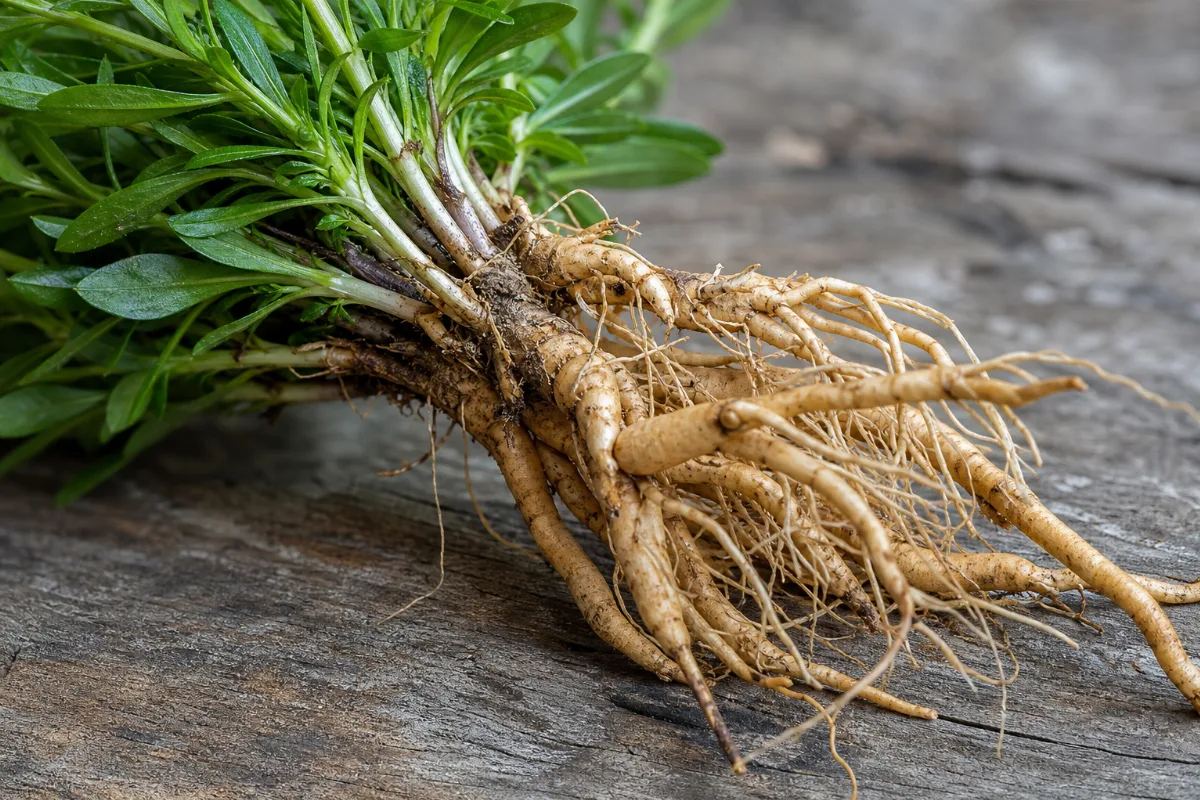
Polygala tenuifolia Willd. · also called Yuan zhi, thinleaf milkwort, Polygalae Radix
Polygala (yuan zhi) is the root of a small Chinese plant, used in traditional medicine to calm the mind and support memory. Two small trials of one extract and some Chinese formula trials point to a memory benefit, but the evidence is weak and mostly cannot be pinned on polygala itself. Sleep, anxiety and mood effects are shown only in animals. The main caution is irritation of the throat and stomach, so take care in pregnancy and with ulcers.
General information, not medical advice. Last substantive update · Not medically reviewed. A named clinician has not signed off on this page. How this page is made
About Polygala
Polygala (Polygala tenuifolia, yuan zhi) is a root used in traditional Chinese medicine to calm the mind and support memory. Small trials and formula trials hint at a memory benefit with very low certainty. Sleep and mood effects are animal findings. The root can irritate the throat and stomach; be careful in pregnancy and with ulcers.
What it is
Polygala tenuifolia Willd. is a small plant of the milkwort family (Polygalaceae). The dried root is called yuan zhi in Chinese medicine and Polygalae Radix in Latin. Two 2024 reviews say that the official drug can also come from a second species, Polygala sibirica.
It is a different plant from seneca snakeroot (Polygala senega) and common milkwort (Polygala vulgaris). It is also not the same as formulas that contain it, such as Kai Xin San, Ding Zhi Xiao Wan or Gui Pi Tang.
What the research shows
The best-known human trials use BT-11, a standardised root extract. In healthy adults it improved word recall and working memory versus placebo over 4 weeks, and in a small trial of older adults it raised a test score total. Neither has been repeated that we found, and the extract's makers are linked to the research.
Reviews of Chinese formula trials report higher memory-test scores in Alzheimer's disease and mild cognitive impairment. The reviewers rate the evidence very low to low or give a rating for formulas as a group. We cannot tell what polygala contributes.
For sleep, anxiety and mood we found no polygala-only human trial. The animal and lab results are interesting but do not show benefit in people.
How it might work, and why that is uncertain
In the lab, polygala compounds block an enzyme that breaks down acetylcholine, change GABA, serotonin and glutamate levels in rats, and raise the brain protein BDNF in mice. These are not proven in people.
Very little of the main compounds is absorbed by mouth in rats (roughly 1 to 3% for most, under 1% for tenuifolin). Whether enough reaches the brain after taking a root product is not known.
Rules and regulators
We found no European herbal monograph and no NCCIH page for polygala, and no LactMed entry. LiverTox, FDA, German Commission E and WHO were not fully checked. Not finding a document is not an approval or a safety rating.
At a glance
Traditional uses history, not proof
- Traditional Chinese medicine: dried root used to improve memory, calm the mind and support sleep (2024 reviews)
- Phlegm that is hard to cough up (practitioner education page)
- Korean researchers describe centuries of use for its sedative effect, for insomnia, depression and forgetfulness
- Root processed with licorice or fried with honey to reduce throat and stomach irritation
Studied for research
- Memory in healthy adults: one trial of one extract, very-low
- Thinking scores in older adults: one small trial of the same extract, very-low
- Alzheimer's disease: formulas added to drugs, very-low
- Mild cognitive impairment: formulas as a group, insufficient for polygala itself
- Sleep, anxiety and mood: animals and formula trials, insufficient
- Cough and phlegm: traditional use only, insufficient
Main compounds
- Saponins such as tenuifolin (the likely cause of throat and stomach irritation)
- Oligosaccharide esters such as 3,6'-disinapoyl sucrose, tenuifoliside A and sibiricose A5/A6
- Xanthones such as polygalaxanthone III
- More than 320 compounds have been isolated from the root
Common forms
- Dried root (raw or processed)
- Root fried with honey or boiled with licorice (traditional processing)
- BT-11, a standardised root extract used in the trials
- Multi-herb formulas that contain polygala (Kai Xin San, Ding Zhi Xiao Wan, Gui Pi Tang)
Research links: Meta-analysis: polygala and acorus formulas in Alzheimer's disease (2024) · Review of metabolites, pharmacology and toxicology of Polygalae Radix (2024) · Review of botany, toxicity and processing of Polygalae Radix (2024) · Safety trial of the BT-11 extract in people aged 9 to 19 (2019) · Research Library · Genes & Biomarkers Library
The plant and its history
- Accepted scientific name
- Polygala tenuifolia Willd.
- Naming authority
- Willd. (Willdenow); ACCEPTED species in the GBIF backbone (key 7593997, exact match, family Polygalaceae).
- Synonyms
- Not listed here. GBIF synonyms were not read in full.
- Common names
- Polygala (English); Yuan zhi (Yuanzhi) (Chinese (pinyin)); Thinleaf milkwort (English); Radix Polygalae / Polygalae Radix (Latin drug name)
- Botanical family
- Polygalaceae (milkwort family)
- Classification
- Plantae > Tracheophyta > Fabales > Polygalaceae > Polygala > Polygala tenuifolia
- Native range
- Not verified in the sources read. The reviews place its medicinal use in China.
- Habitat
- Not verified in the sources read.
- What the plant looks like
- Roots: The root (root bark in trade) is the medicinal part.; Stems: Not verified.; Leaves: Narrow leaves are implied by the species name 'tenuifolia' (thin-leaved); not verified from a botanical source.; Flowers: Not verified.; Fruit: Not verified.
- Cultivation
- Not verified in the sources read.
- Harvest and processing
- The root is used raw, or processed by simmering with licorice or stir-frying with honey to reduce irritation (rat study p32956609; reviews p38873413, p39359244).
- Look-alikes and adulterants
- Name: Polygala sibirica L.; Note: A second official source plant for Polygalae Radix, per the 2024 reviews. GBIF key 7293626, accepted species. Treated together with P. tenuifolia in the drug, but most studies here name P. tenuifolia.; Name: Seneca snakeroot, Polygala senega L.; Note: A North American species with its own traditional uses (GBIF key 3191367). A different plant; evidence and safety in this file do not apply to it.; Name: Common milkwort, Polygala vulgaris L.; Note: A European wildflower (GBIF key 3191374). A different plant; kept separate.; Name: Formulas such as Kai Xin San, Ding Zhi Xiao Wan, Gui Pi Tang and Guipi Decoction; Note: Multi-herb formulas that include polygala root. Results from formulas cannot be assigned to polygala alone.
- Sustainability and conservation
- Not assessed in the sources read.
Traditional use and history history, not clinical proof
| Tradition or era | Documented use | Source |
|---|---|---|
| Traditional Chinese medicine | Dried root used to improve memory and cognitive function, calm the mind and support sleep; the 2024 Kuang review calls it the 'key medicine for nourishing life'. | p38873413 |
| Traditional Chinese medicine (phlegm) | A practitioner education page lists clearing phlegm that is hard to cough up as a traditional use, and external use for abscesses and sores. | s-asante-yuan-zhi |
| Traditional use described by Korean researchers | A 2009 trial paper says the root has been used in humans for centuries because of its sedative effects. | p19699261 |
| Traditional use described by Korean researchers (2014) | A 2014 animal-safety paper says the root has been used for insomnia, depression and amnesia. | p25431613 |
| Processing tradition | The root is traditionally simmered with licorice or fried with honey to reduce irritation of the throat and gut; rat data support lower toxicity after processing. | p32956609 |
| Modern regulation | No EU herbal monograph (EMA/HMPC) and no NCCIH page were found (searches were not exhaustive). Chinese pharmacopoeia status was not read. |
Traditional use shows how a plant was used. It does not show that a supplement works or is safe today.
What is inside, and how it may work
What the plant contains and how those compounds act in cells and animals. Laboratory and animal mechanisms are not proven effects in people.
Main compounds
| Compound | Family | Where it is concentrated | Activity studied | Level of evidence |
|---|---|---|---|---|
| Tenuifolin PubChem 21588226 | triterpenoid saponin / sapogenin | Root | Saponins are named as the main irritant and toxic component; tenuifolin itself crosses into the brain after injection in rats but is very poorly absorbed by mouth (0.83%). 10 8 | Animal research |
| Polygalasaponins (a group; for example onjisaponins) | triterpenoid saponins | Root | The saponin group blamed for gut and throat irritation. 8 4 | Traditional use |
| 3,6'-Disinapoyl sucrose (DISS) PubChem 11968389 | oligosaccharide ester | Root | In Alzheimer-model mice it improved memory and raised CREB/BDNF. Oral bioavailability in rats about 2.4%. 17 19 11 | Animal research |
| Tenuifoliside A PubChem 46933844 | oligosaccharide ester | Root | One of five components tracked in rat blood; absolute bioavailability about 1.2%. 19 11 | Animal research |
| Sibiricose A5 and A6 | oligosaccharide esters | Root | Tracked in rat blood; bioavailability about 3.3% (A5) and 3.0% (A6); levels higher after processing. 19 | Animal research |
| 3,4,5-Trimethoxycinnamic acid | phenolic acid | Root | The best-absorbed of five tracked components in rats (about 43%). 19 | Animal research |
| Polygalaxanthone III and other xanthones | xanthones | Root | Polygalaxanthone III and four oligosaccharide esters inhibited the liver enzyme CYP2E1 in human liver microsomes. 6 | Laboratory research |
Mechanisms, receptors and pathways
| Target or pathway | Gene or receptor | What was found | Level |
|---|---|---|---|
| Acetylcholinesterase inhibition | ACHE | The 2009 trial authors say BT-11 blocked acetylcholinesterase in earlier work, and also raised glucose use in rat brain. Not measured in the trials. 5 15 | Laboratory research |
| GABA, serotonin and glutamate balance | GABA signalling, 5-HT | In aged insomnia rats polygala raised 5-HT and GABA, lowered glutamate in the hippocampus and lengthened pentobarbital sleep. 13 | Animal research |
| CREB/BDNF and anti-apoptosis | CREB, BDNF, BAX/BCL2 | Purified DISS improved memory in Alzheimer-model mice, reduced neuron death and raised CREB/BDNF. 17 | Animal research |
| CYP2E1 inhibition | CYP2E1 | Five isolated compounds inhibited CYP2E1 (IC50 38.7 to 62.2 micromol/L) in human liver microsomes; no effect on seven other CYP enzymes tested. 6 | Laboratory research |
Absorption, metabolism and elimination
- Absorption
- In rats, pure tenuifolin reached only 0.83% absolute oral bioavailability. Of five tracked components, 3,4,5-trimethoxycinnamic acid was highest (42.9%); sibiricose A5/A6, DSS and tenuifoliside A were about 1 to 3%. No human pharmacokinetic study was found.
- Distribution
- After injection in rats, tenuifolin was highest in liver, kidney and heart, and a small amount reached the brain within 5 minutes.
- Metabolism
- Not studied in people. Isolated compounds inhibit CYP2E1 in the test tube.
- Elimination
- Not studied.
- Bioavailability
- Low for the main components in rats. Honey-baked and licorice-boiled extracts gave higher blood exposure to sibiricose A5/A6 and DSS than raw root extract.
Isolated compounds versus whole extracts
The studies mix very different things: BT-11 (a standardised commercial root extract), unspecified root extracts in rats, purified single compounds (DISS, tenuifolin), and multi-herb formulas. Results from one do not transfer to the others. Raw, licorice-boiled and honey-baked roots also behave differently in rats.
Nutritional composition
Polygala root is a medicinal herb, not a food, and has no nutritional role.
3 very low certainty6 not enough evidence
What is Polygala good for?
The studied uses and how strong the evidence is. 'Very-low' means the studies are few, small or poorly controlled. 'Insufficient' means there is not enough to judge, for example because only animals or whole formulas were tested. None of this replaces advice from your own doctor.
Benefits, one by one
Each card is a research question, not a promise. Tap a goal to filter. Open a card to see the studies, doses and limits.
Memory in healthy adults (one extract, BT-11)
Very low certaintyOne small trial tested a root extract called BT-11 in healthy adults for 4 weeks. Immediate word recall rose more than with placebo and working-memory errors fell. It is one trial of one product.
2 studiesBT-11 root extract in capsules. Results do not carry over to plain ro…
Studies, doses and limits
What the trials found
One randomized, double-blind, placebo-controlled trial (4 weeks, capsules 3 times a day). The number of people was not in the abstract we read.
Results
Immediate recall on the K-CVLT rose more with BT-11 than with placebo. Most subtests rose in both groups. The recognition subtest rose with BT-11 only. Errors on the working-memory test (SOPT) fell with BT-11 only.
Effect sizes as reported
No numbers in the abstract.
Why this rating
One trial, unknown size, short, a specific commercial extract, and both groups improved on most tests.
Form and dose studied
BT-11 root extract in capsules. Results do not carry over to plain root, teas or other extracts.
Who was studied
Healthy adults (ages not given in the abstract).
Limits
No second trial found in healthy adults. Practice effects may explain part of the gain. Product-linked research group not ruled out.
Why researchers looked
Polygala root has a long traditional name as a memory herb, and BT-11 improved memory in rats before it was tried in people.
Traditional use
Used in traditional Chinese medicine to calm the mind and support memory.
Proposed mechanism Animal research
The researchers report that BT-11 blocked the enzyme acetylcholinesterase and increased glucose use in rat brain (the earlier work they cite). Not tested in this trial.
A proposed mechanism does not show that the effect happens in people.
See the Safety tab. Stomach irritation is the main reported concern with the root.
Thinking scores in older adults (BT-11)
Very low certaintyA second small trial of BT-11 in older adults found higher total scores on a standard memory and thinking test battery than placebo. It is a short report and the abstract leaves out key details.
1 studiesBT-11 root extract only.
Studies, doses and limits
What the trials found
One randomized, double-blind, placebo-controlled trial: BT-11 n=28 versus placebo n=25.
Results
Total CERAD score rose more with BT-11. Word-list recognition, constructional recall and praxis, and a modified Boston naming test were better with BT-11. The abstract does not report the MMSE result, duration or amount.
Effect sizes as reported
Group sizes only (28 and 25). No effect size or confidence interval in the abstract.
Why this rating
Small trial, missing details, one extract, from the group that developed it, never repeated in what we found.
Form and dose studied
BT-11 root extract only.
Who was studied
Older adults. The abstract does not say whether they had memory problems.
Limits
No confidence intervals, duration or dose in the abstract. We found no independent repeat.
Why researchers looked
Follow-up from the healthy-adult trial, in an age group where memory decline is common.
Traditional use
Polygala root has been used for centuries as a calming, memory-supporting herb.
Proposed mechanism Laboratory research
BT-11 inhibited acetylcholinesterase in test-tube work cited by the authors. Not measured in this trial.
A proposed mechanism does not show that the effect happens in people.
See the Safety tab. One trial in people aged 9 to 19 found no clear harm over 12 weeks.
Alzheimer's disease (as part of herbal formulas added to drugs)
Very low certaintyChinese trials combined polygala with acorus in herbal formulas and added them to usual Alzheimer's drugs. Scores on memory tests were higher than with drugs alone, but the evidence is weak and the effect cannot be given to polygala alone.
1 studiesMulti-herb formulas that differ from trial to trial. Not the herb alo…
Studies, doses and limits
What the trials found
A 2024 meta-analysis of 16 randomized trials (1,103 people) of the polygala plus acorus pair. Most added the formula to usual drugs.
Results
Plus drugs versus drugs alone: MMSE 2.57 points higher (very inconsistent between trials), ADL score 3.19 better, ADAS-cog 2.09 points better (lower is better), clinical effectiveness RR 1.27. Adverse events were not higher (RR 0.65, not significant). The herb pair alone was comparable to drugs alone.
Effect sizes as reported
MMSE MD 2.57 (95% CI 1.44 to 3.69, I2 86%); ADL MD -3.19 (-4.29 to -2.09); ADAS-cog MD -2.09 (-3.07 to -1.10); effectiveness RR 1.27 (1.12 to 1.44).
Why this rating
The reviewers rate the quality of the evidence very low to low. Results vary a lot between trials and cannot be split from the other herbs in each formula.
Form and dose studied
Multi-herb formulas that differ from trial to trial. Not the herb alone.
Who was studied
People with Alzheimer's disease, mostly in China.
Limits
Many formulas, low-quality trials, mostly one country. No result for polygala alone.
Why researchers looked
Polygala and acorus are the most common herb pair in Chinese Alzheimer's formulas (Kai Xin San is a classic example of a formula that includes polygala).
Traditional use
Used in formulas that calm the mind and support memory.
Proposed mechanism Animal research
Not shown for the formulas. Lab and animal work suggests nerve-protective and anti-inflammatory actions of root compounds.
A proposed mechanism does not show that the effect happens in people.
Do not replace prescribed treatment. Tell the prescriber about any herb.
Mild cognitive impairment (as part of herbal formulas)
Not enough evidenceA review of placebo-controlled trials found Chinese herbal formulas as a group raised memory-test scores in mild cognitive impairment. Polygala is named as one of the commonly used herbs, but no result is given for it alone.
1 studiesMany different formulas.
Studies, doses and limits
What the trials found
A 2024 meta-analysis of 13 placebo-controlled trials (1,043 people) of oral Chinese herbal formulas.
Results
Formulas beat placebo on MMSE (+1.90) and MoCA (+2.88). The reviewers' GRADE was moderate for MMSE and low for MoCA, for the formulas as a group. Stomach and gut symptoms were the most common side effects. Overall side effects did not differ from placebo.
Effect sizes as reported
MMSE MD 1.90 (1.22 to 2.58), I2 87%; MoCA MD 2.88 (1.69 to 4.06), I2 81%.
Why this rating
The GRADE applies to many different formulas together. Nothing shows what polygala itself contributed.
Form and dose studied
Many different formulas.
Who was studied
People with mild cognitive impairment.
Limits
Very inconsistent results (I2 above 80%); 10 of 13 studies had some concerns about bias; polygala not separated out.
Why researchers looked
Few treatments exist for mild cognitive impairment, and formulas that include polygala are common in China.
Traditional use
Polygala is a standard herb in formulas for forgetfulness.
Proposed mechanism Preliminary mechanism
The reviewers list antioxidant, anti-apoptotic and anti-inflammatory actions for the commonly used herbs. This is not shown in people.
A proposed mechanism does not show that the effect happens in people.
Stomach and gut symptoms were the most commonly reported side effects in these trials.
Sleep and insomnia
Not enough evidencePolygala is a traditional sleep and calming herb. We found no human trial of polygala alone for sleep. A rat study found longer drug-induced sleep. One review of a classic formula for insomnia was planned but has no results in the record we read.
2 studiesRats were given polygala by stomach tube.
Studies, doses and limits
What the trials found
No human sleep trial of polygala alone was found. A protocol for a review of Guipi decoction (a formula that includes polygala in its classic form, not confirmed from the abstract) for insomnia was published without results.
Results
Rats: polygala lengthened pentobarbital-induced sleep and improved maze memory versus untreated insomnia rats. No human results.
Effect sizes as reported
None read.
Why this rating
Animal data and a protocol only; no human result for polygala.
Form and dose studied
Rats were given polygala by stomach tube.
Who was studied
Aged insomnia rats.
Limits
A pentobarbital sleep test is not a sleep study. Formula trials cannot isolate polygala.
Why researchers looked
Traditional use for restless sleep and a calmed mind.
Traditional use
Used to calm the mind and help sleep in traditional Chinese medicine.
Proposed mechanism Animal research
In aged insomnia rats, polygala raised 5-HT and GABA and lowered glutamate in the hippocampus, and the authors link the effect to GABA signalling.
A proposed mechanism does not show that the effect happens in people.
Any sedative effect could add to sleep medicines and alcohol (theory); see the Safety tab.
Anxiety, depression and mood (formula trials and lab work)
Not enough evidenceNo trial of polygala alone for anxiety or mood was found. A review of a classic formula added to antidepressants found better depression scores, but the evidence was low quality and does not show what polygala contributes. Lab work on root compounds suggests antidepressant-type effects in animals.
2 studiesFormula (Guipi Decoction) or purified compound in mice.
Studies, doses and limits
What the trials found
A 2017 meta-analysis of 9 trials (620 patients) of Guipi Decoction added to an antidepressant. The abstract does not list the formula's herbs; polygala is a traditional ingredient but is not confirmed from the abstract.
Results
Formula plus antidepressant did better than antidepressant alone: score difference -3.09 points, effectiveness OR 4.75, recovery OR 1.73. Adverse effects were not significant. The reviewers call the evidence low quality.
Effect sizes as reported
WMD -3.09 (95% CI -4.11 to -2.07); effectiveness OR 4.75 (2.66 to 8.51); recovery OR 1.73 (1.17 to 2.56).
Why this rating
Low-quality formula trials with unconfirmed polygala content, plus animal data. No polygala-only human trial.
Form and dose studied
Formula (Guipi Decoction) or purified compound in mice.
Who was studied
People with depression taking antidepressants; mice.
Limits
Search ended February 2013. Polygala's share of any effect is unknown. No anxiety trial found.
Why researchers looked
Polygala is traditionally used to calm the mind and appears in formulas for low mood.
Traditional use
Used to calm the mind in traditional Chinese medicine.
Proposed mechanism Animal research
A purified root compound, 3,6'-disinapoyl sucrose, is described as having antidepressant and antioxidant activity; in Alzheimer-model mice it lowered inflammation markers and raised CREB/BDNF.
A proposed mechanism does not show that the effect happens in people.
Do not stop or swap an antidepressant. Possible interaction in theory; see the Safety tab.
Nerve protection (lab and animal findings only)
Not enough evidenceReviews describe nerve-protective, antioxidant and anti-epileptic effects of polygala root compounds in cells and animals. This has not been shown in people.
3 studiesPurified compound in mice; whole root extracts in reviews.
Studies, doses and limits
What the trials found
None for this use.
Results
Mice: better learning and spatial memory, less neuronal apoptosis, lower IL-2, TNF-alpha, IL-1 beta and IL-6.
Effect sizes as reported
None read.
Why this rating
Animal and cell work only.
Form and dose studied
Purified compound in mice; whole root extracts in reviews.
Who was studied
Mice and cell models.
Limits
One purified compound is not the whole root; absorbed amounts are very low in rats (see the Science tab).
Why researchers looked
Many root compounds (saponins, oligosaccharide esters, xanthones) show nerve-protective effects in the lab.
Traditional use
Reputation as a mind-calming, memory-supporting root.
Proposed mechanism Animal research
In Alzheimer-model mice the purified compound 3,6'-disinapoyl sucrose improved memory, reduced neuron death and raised CREB and BDNF.
A proposed mechanism does not show that the effect happens in people.
None specific to this use.
Cough and phlegm (traditional use only)
Not enough evidenceThe root is traditionally used to clear phlegm and ease cough. We found no human trial. The saponins that may loosen phlegm are also the likely cause of stomach and throat irritation.
2 studiesNot studied.
Studies, doses and limits
What the trials found
No human trial of polygala for cough was found.
Results
No trial results. A review of lab work lists protective effects on the respiratory system.
Effect sizes as reported
None.
Why this rating
Traditional use and lab reports only.
Form and dose studied
Not studied.
Who was studied
None tested.
Limits
Nothing to weigh in people.
Why researchers looked
A long traditional use for sticky, hard-to-cough-up phlegm.
Traditional use
A practitioner education page lists clearing phlegm as a traditional use. A review of lab work lists protective effects on the airways.
Proposed mechanism Pharmacological theory
Not worked out for polygala. Saponins can irritate the throat and stomach lining; whether that is related to the phlegm effect is not shown.
A proposed mechanism does not show that the effect happens in people.
The root irritates the throat, according to a toxicology review.
Antioxidant, anti-inflammatory and other lab findings
Not enough evidenceReviews list antioxidant, anti-inflammatory, immune, heart, anti-tumour and anti-microbe effects of polygala root compounds in cells and animals. None of this has been shown in people.
2 studiesIsolated compounds and extracts in the lab.
Studies, doses and limits
What the trials found
None for these uses.
Results
Lab and animal effects are listed in two 2024 narrative reviews; we read the abstracts only.
Effect sizes as reported
None.
Why this rating
Cell and animal work only, summarised in narrative reviews.
Form and dose studied
Isolated compounds and extracts in the lab.
Who was studied
Cells and animals.
Limits
Lab results rarely carry over to people. The reviews call for more clinical and safety work.
Why researchers looked
More than 320 compounds have been isolated from the root, so many lab screens exist.
Traditional use
None specific.
Proposed mechanism Laboratory research
Many compounds act in cell models. The reviews say that testing only a few markers does not reflect the whole root.
A proposed mechanism does not show that the effect happens in people.
None specific.
Connections to the rest of health
How Polygala connects to the rest of our health knowledge graph. Every link says what kind of connection it is. A safety link (for example to the liver) is a warning, not a benefit. A study that merely mentions a topic never creates a benefit link.
Explore every connection: goals, body systems, organs, symptoms, genes
A. Wellness goals
| Connected to | Kind of connection | Evidence status | Context | Studies |
|---|---|---|---|---|
| Memory Support | Potential benefit | Very low certainty | Memory in healthy adults (one extract, BT-11): One small trial tested a root extract called BT-11 in healthy adults for 4 weeks. Immediate word recall rose more than with placebo and working-memory errors fell. It is one trial of one product. Thinking scores in older adults (BT-11): A second small trial of BT-11 in older adults found higher total scores on a standard memory and thinking test battery than placebo. It is a short report and the abstract leaves out key details. | 5 8 15 18 9 |
| Cognitive Performance | Potential benefit | Very low certainty | Memory in healthy adults (one extract, BT-11): One small trial tested a root extract called BT-11 in healthy adults for 4 weeks. Immediate word recall rose more than with placebo and working-memory errors fell. It is one trial of one product. Thinking scores in older adults (BT-11): A second small trial of BT-11 in older adults found higher total scores on a standard memory and thinking test battery than placebo. It is a short report and the abstract leaves out key details. | 5 8 15 9 |
| Healthy Aging | Potential benefit | Very low certainty | Thinking scores in older adults (BT-11): A second small trial of BT-11 in older adults found higher total scores on a standard memory and thinking test battery than placebo. It is a short report and the abstract leaves out key details. | 15 |
| Brain Health | Potential benefit | Very low certainty | Alzheimer's disease (as part of herbal formulas added to drugs): Chinese trials combined polygala with acorus in herbal formulas and added them to usual Alzheimer's drugs. Scores on memory tests were higher than with drugs alone, but the evidence is weak and the effect cannot be given to polygala alone. Mild cognitive impairment (as part of herbal formulas): A review of placebo-controlled trials found Chinese herbal formulas as a group raised memory-test scores in mild cognitive impairment. Polygala is named as one of the commonly used herbs, but no result is given for it alone. | 18 9 |
| Better Sleep | Traditional use | Not enough evidence | Sleep and insomnia: Polygala is a traditional sleep and calming herb. We found no human trial of polygala alone for sleep. A rat study found longer drug-induced sleep. One review of a classic formula for insomnia was planned but has no results in the record we read. | 13 7 |
| Sleep Quality | Traditional use | Not enough evidence | Sleep and insomnia: Polygala is a traditional sleep and calming herb. We found no human trial of polygala alone for sleep. A rat study found longer drug-induced sleep. One review of a classic formula for insomnia was planned but has no results in the record we read. | 13 7 |
| Anxiety Support | Traditional use | Not enough evidence | Anxiety, depression and mood (formula trials and lab work): No trial of polygala alone for anxiety or mood was found. A review of a classic formula added to antidepressants found better depression scores, but the evidence was low quality and does not show what polygala contributes. Lab work on root compounds suggests antidepressant-type effects in animals. | 14 17 |
| Mood Balance | Traditional use | Not enough evidence | Anxiety, depression and mood (formula trials and lab work): No trial of polygala alone for anxiety or mood was found. A review of a classic formula added to antidepressants found better depression scores, but the evidence was low quality and does not show what polygala contributes. Lab work on root compounds suggests antidepressant-type effects in animals. | 14 17 |
| Calm Relaxation | Traditional use | Not enough evidence | Anxiety, depression and mood (formula trials and lab work): No trial of polygala alone for anxiety or mood was found. A review of a classic formula added to antidepressants found better depression scores, but the evidence was low quality and does not show what polygala contributes. Lab work on root compounds suggests antidepressant-type effects in animals. | 14 17 |
| Brain Health | Preliminary mechanism | Not enough evidence | Nerve protection (lab and animal findings only): Reviews describe nerve-protective, antioxidant and anti-epileptic effects of polygala root compounds in cells and animals. This has not been shown in people. | 17 8 4 |
| Memory Support | Preliminary mechanism | Not enough evidence | Nerve protection (lab and animal findings only): Reviews describe nerve-protective, antioxidant and anti-epileptic effects of polygala root compounds in cells and animals. This has not been shown in people. | 17 8 4 |
| Immune Support | Traditional use | Not enough evidence | Cough and phlegm (traditional use only): The root is traditionally used to clear phlegm and ease cough. We found no human trial. The saponins that may loosen phlegm are also the likely cause of stomach and throat irritation. | 8 1 |
| Inflammation Balance | Preliminary mechanism | Not enough evidence | Antioxidant, anti-inflammatory and other lab findings: Reviews list antioxidant, anti-inflammatory, immune, heart, anti-tumour and anti-microbe effects of polygala root compounds in cells and animals. None of this has been shown in people. | 4 8 |
| Immune Support | Preliminary mechanism | Not enough evidence | Antioxidant, anti-inflammatory and other lab findings: Reviews list antioxidant, anti-inflammatory, immune, heart, anti-tumour and anti-microbe effects of polygala root compounds in cells and animals. None of this has been shown in people. | 4 8 |
B. Body systems
| Connected to | Kind of connection | Evidence status | Context | Studies |
|---|---|---|---|---|
| Digestive system | Adverse effect or risk | Low certainty | Throat and gut irritation with large or long-term use; raw root more toxic than processed in rats. Throat and gut irritation with large or long-term use. Preparation or compound: Saponins in raw root |
8 4 19 |
| Nervous system | Drug or supplement interaction | Very low certainty | Possible added sedation and effect on serotonin in rats; theory only in people. Preparation or compound: Root extract |
13 |
| Nervous System | Biological association | Very low certainty | Studied for: Memory in healthy adults (one extract, BT-11) Studied for: Thinking scores in older adults (BT-11) | 5 8 15 18 9 13 7 14 17 4 |
| Sleep Recovery | Biological association | Not enough evidence | Studied for: Sleep and insomnia | 13 7 |
| Stress Mood | Biological association | Not enough evidence | Studied for: Anxiety, depression and mood (formula trials and lab work) | 14 17 |
| Respiratory System | Biological association | Not enough evidence | Studied for: Cough and phlegm (traditional use only) | 8 1 |
| Immune System | Biological association | Not enough evidence | Studied for: Antioxidant, anti-inflammatory and other lab findings | 4 8 |
| Cardiovascular System | Biological association | Not enough evidence | Studied for: Antioxidant, anti-inflammatory and other lab findings | 4 8 |
I. Biomarkers
| Connected to | Kind of connection | Evidence status | Context | Studies |
|---|---|---|---|---|
| Immediate word recall (K-CVLT) | Biological association | Very low certainty | Measured in trials: raised. A lab change is not the same as a health benefit. | 5 |
| Total CERAD battery score | Biological association | Very low certainty | Measured in trials: raised. A lab change is not the same as a health benefit. | 15 |
| Mini-Mental State Examination (MMSE) | Biological association | Not enough evidence | Measured in trials: raised. A lab change is not the same as a health benefit. | 18 9 |
| ADAS-cog (Alzheimer's thinking scale) | Biological association | Very low certainty | Measured in trials: lowered. A lab change is not the same as a health benefit. | 18 |
| Sleep time and brain chemicals in insomnia rats | Biological association | Not enough evidence | Measured in trials: mixed. A lab change is not the same as a health benefit. | 13 |
| CREB and BDNF in mouse brain | Biological association | Not enough evidence | Measured in trials: raised. A lab change is not the same as a health benefit. | 17 |
| Safety blood tests and ECG in young people (BT-11) | Biological association | Low certainty | Measured in trials: no-change. A lab change is not the same as a health benefit. | 12 |
J. Genes, receptors and enzymes
| Connected to | Kind of connection | Evidence status | Context | Studies |
|---|---|---|---|---|
| CYP2E1 | Drug or supplement interaction | Very low certainty | Inhibited in human liver microsomes; relevance in people unknown. Preparation or compound: Tenuifolosides, telephioses, polygalaxanthone III |
6 |
| CYP2E1 | Preliminary mechanism | In vitro | Inhibited by five isolated polygala compounds in human liver microsomes. | 6 |
| BDNF / CREB | Preliminary mechanism | Animal | Raised by purified DISS in Alzheimer-model mice. | 17 |
| ACHE (acetylcholinesterase) | Preliminary mechanism | In vitro | Blocked by BT-11 in earlier lab work cited by the trial authors. | 5 |
K. Biological pathways
| Connected to | Kind of connection | Evidence status | Context | Studies |
|---|---|---|---|---|
| GABAergic signalling | Preliminary mechanism | Animal | Linked to the sedative-hypnotic effect in insomnia rats. | 13 |
L. Active compounds
| Connected to | Kind of connection | Evidence status | Context | Studies |
|---|---|---|---|---|
| Tenuifolin | Biological association | Animal | Saponins are named as the main irritant and toxic component; tenuifolin itself crosses into the brain after injection in rats but is very poorly absorbed by mouth (0.83%). Preparation or compound: Root |
10 8 |
| Polygalasaponins (a group; for example onjisaponins) | Biological association | Traditional use | The saponin group blamed for gut and throat irritation. Preparation or compound: Root |
8 4 |
| 3,6'-Disinapoyl sucrose (DISS) | Biological association | Animal | In Alzheimer-model mice it improved memory and raised CREB/BDNF. Oral bioavailability in rats about 2.4%. Preparation or compound: Root |
17 19 11 |
| Tenuifoliside A | Biological association | Animal | One of five components tracked in rat blood; absolute bioavailability about 1.2%. Preparation or compound: Root |
19 11 |
| Sibiricose A5 and A6 | Biological association | Animal | Tracked in rat blood; bioavailability about 3.3% (A5) and 3.0% (A6); levels higher after processing. Preparation or compound: Root |
19 |
| 3,4,5-Trimethoxycinnamic acid | Biological association | Animal | The best-absorbed of five tracked components in rats (about 43%). Preparation or compound: Root |
19 |
| Polygalaxanthone III and other xanthones | Biological association | In vitro | Polygalaxanthone III and four oligosaccharide esters inhibited the liver enzyme CYP2E1 in human liver microsomes. Preparation or compound: Root |
6 |
Each connection is stored with the ingredient, the connected record, the kind of connection, the evidence status, the supporting studies, the preparation or compound involved, and a review date (last reviewed October 25, 2026).
Evidence at a glance: what changed in 7 lab markers
Tap a number to show only those markers. Counts are markers, not people.
The evidence
The research centre for Polygala. Every record here was checked against PubMed or the publisher's page; we never list a study we have not verified.
Evidence by outcome
Bars show how many studies we found for each outcome, not how well it works. People are added up across trials only (reviews are not added, to avoid double counting).
How we rate evidence
High certainty
Several well-run trials or reviews agree; further research is unlikely to change the picture much.
Moderate certainty
Good trials point the same way, but some doubt remains.
Low certainty
Small, short or inconsistent trials. The finding could change with better research.
Very low certainty
Very little or very weak human data. Treat as a possibility only.
Mixed findings
Trials or reviews disagree with each other.
Not enough evidence
Not enough human research to say either way.
Evidence against
Good research found no benefit, or found harm.
We take the reviewers' own risk-of-bias and GRADE statements where they exist, and otherwise judge from study size, design, consistency, directness and whether a product matches what is sold. Many publications do not make evidence high. Method note: We started from our internal summary of polygala, then read the PubMed abstracts of the trials, reviews and animal studies cited here, checked plant names in GBIF and NCBI, and compounds in PubChem. We looked for NCCIH, EMA, LiverTox and LactMed entries and found none (the EMA and LiverTox searches were not exhaustive). Only abstracts were read. The pregnancy and ulcer cautions come from one practitioner education page. Certainty ratings are the compiler's own reading unless the reviewers' own GRADE is quoted. No study is cited that we could not verify.
Study library: every study we checked 19
| Study | Design | People | Product, dose, length | Result |
|---|---|---|---|---|
| Asante Academy of Chinese Medicine 2022 Yuan Zhi (Radix Polygalae), Asante Academy encyclopedia asante-academy.com · Source |
Practitioner education page (non regulator) not applicable |
Not applicable | Radix Polygalae root Page lists a traditional range (not reproduced here) Not applicable · vs Not applicable |
Page states the herb is used with caution in people with ulcers and gastritis, and with caution during pregnancy. Traditional uses listed include calming the mind, supporting memory and clearing phlegm. Traditional-use caution statements (Not applicable) Methods, limits and fundingOutcomes: Traditional uses and cautions Limitations: A school's education page, not a regulator or a trial. No sources given for its cautions. Page dated 2022-02-18. Funding and conflicts: A training school that also sells herbal products; independent review not done. Read: full-text |
| GBIF Secretariat 2026 GBIF backbone record: Polygala tenuifolia Willd. GBIF species API · Source |
Database record not applicable |
Not applicable | Not applicable Not applicable Not applicable Not applicable · vs Not applicable |
Polygala tenuifolia Willd., ACCEPTED species, family Polygalaceae, order Fabales, GBIF key 7593997 (exact match, read by API 2026-10-25). Name is accepted (Not applicable) Methods, limits and fundingOutcomes: Accepted name, rank and family Limitations: Database record; synonym list not read in full. Funding and conflicts: Not applicable Read: full-text |
| GBIF Secretariat 2026 GBIF backbone records: Polygala sibirica L. (7293626), Polygala senega L. (3191367), Polygala vulgaris L. (3191374) GBIF species API · Source |
Database record not applicable |
Not applicable | Not applicable Not applicable Not applicable Not applicable · vs Not applicable |
All three are ACCEPTED species in family Polygalaceae: P. sibirica (key 7293626), P. senega, seneca snakeroot (key 3191367), P. vulgaris, common milkwort (key 3191374). Exact matches read by API 2026-10-25. Three distinct species (Not applicable) Methods, limits and fundingOutcomes: Accepted names of related Polygala species Limitations: Database records. Funding and conflicts: Not applicable Read: full-text |
| Kuang 2024 A review of the botany, metabolites, pharmacology, toxicity, industrial applications, and processing of Polygalae Radix: the "key medicine for nourishing life". Front Pharmacol · PMID 39359244 · DOI |
Narrative review human and animal (review) |
Review of laboratory, animal and traditional-use literature | Polygalae Radix (root of Polygala tenuifolia Willd. or Polygala sibirica L.) root Not applicable Not applicable · vs Not applicable |
Reports over 320 metabolites (saponins, xanthones, oligosaccharide esters). Pharmacology mainly nerve-system disease, plus antioxidant, anti-inflammatory, anti-tumour and anti-microbial findings. Says gastrointestinal irritation from the saponins limits use, and can be reduced by controlling the amount, combining with other herbs or processing. Says the lack of safety and clinical studies limits its application. Mostly lab and animal findings; clear statement that clinical and safety data are lacking (Not applicable) Methods, limits and fundingOutcomes: Botany, chemistry, pharmacology, toxicity, processing Limitations: A narrative review. An erratum was published (Front Pharmacol 2024;15:1515658, PMID 39555092); what it changed was not read. Funding and conflicts: Authors report no conflict of interest. Read: abstract |
| Lee 2009 Effects of BT-11 on memory in healthy humans. Neurosci Lett · PMID 19429065 · DOI |
Randomized double blind placebo controlled parallel group trial |
Healthy adults (number and ages not given in the abstract) | BT-11, a root extract of Polygala tenuifolia (capsules, 3 times daily) root Amount per capsule not given in the abstract 4 weeks · vs Placebo |
The BT-11 group had a larger rise in immediate recall on the K-CVLT than placebo. Most K-CVLT subtests rose in both groups. The recognition subtest rose with BT-11 but not with placebo. BT-11 reduced SOPT errors; placebo did not. Better immediate recall and fewer working-memory errors than placebo after 4 weeks (Not given in the abstract) Methods, limits and fundingOutcomes: Verbal memory (Korean California Verbal Learning Test, K-CVLT) and working memory (Self-Ordered Pointing Test, SOPT) Limitations: Number of participants not read. Both groups improved on most subtests (practice effect likely). One trial of one specific extract; may not apply to plain root or other products. Funding and conflicts: Not stated in the abstract. BT-11 is a commercial extract; later safety papers on it come from companies that sell or develop it. Read: abstract |
| Li 2014 Effect of oligosaccharide esters and polygalaxanthone III from Polygala tenuifolia Willd towards cytochrome P450. Zhongguo Zhong Yao Za Zhi · PMID 25850285 |
Laboratory study (human liver microsomes) in-vitro |
Human liver microsomes | Five isolated compounds (tenuifoliside C and D, telephiose A and C, polygalaxanthone III) isolated compounds Test-tube concentrations In vitro · vs Control incubations |
All five compounds inhibited CYP2E1 (IC50 38.73 to 62.22 micromol/L). No effect on CYP1A2, 2A6, 2C8, 2C9, 2C19, 2D6 or 3A. Inhibited CYP2E1 in the test tube only (Not applicable) Methods, limits and fundingOutcomes: Effects on 8 liver enzymes (CYP1A2, 2A6, 2C8, 2C9, 2C19, 2D6, 2E1, 3A) Limitations: Abstract in English from a Chinese-language paper. Isolated compounds in a dish; no human study, and no check of whether blood levels from a root product would reach these concentrations (their absorption is low per p32956609). Funding and conflicts: Not stated in the abstract. Read: abstract |
| Li 2020 Guipi decoction for insomnia: Systematic review and meta-analysis. Medicine (Baltimore) · PMID 32629727 · DOI |
Systematic review protocol (no results) |
Planned: randomized trials of Guipi decoction for insomnia | Guipi decoction mixed formula Not applicable Not applicable · vs Not applicable |
This is a protocol. The abstract has no results. No result to report (Not applicable) Methods, limits and fundingOutcomes: Planned outcomes: Pittsburgh Sleep Quality Index, clinical effective rate, adverse events Limitations: Protocol only. It shows that the question has been planned, not answered. There is an erratum (Medicine 2020;99(33):e21984) whose content was not read. Funding and conflicts: Authors report no conflict of interest. Registration: PROSPERO CRD42020164911 Read: abstract |
| Liu 2024 Polygalae Radix: review of metabolites, pharmacological activities and toxicology. Front Pharmacol · PMID 38873413 · DOI |
Narrative review human and animal (review) |
Review of laboratory, animal and traditional-use literature | Polygalae Radix (root of Polygala tenuifolia Willd. or Polygala sibirica L.) root Not applicable Not applicable · vs Not applicable |
Reports over 160 metabolites (triterpenoid saponins, xanthones, oligosaccharide esters). Lists nerve, immune, heart-and-vessel and airway protective effects plus antioxidant and antiepileptic effects in vitro and in vivo. States that TCM clinical practice shows the root irritates the throat, that large or long-term use stimulates the digestive tract, and that saponins are the main toxic metabolite. Says the root should be processed or combined with other herbs to cut irritation. Mostly lab and animal findings; irritation caution from clinical practice (Not applicable) Methods, limits and fundingOutcomes: Metabolites, pharmacology, toxicology Limitations: A narrative review, not a systematic one. No human trial results. The irritation statement is attributed to TCM clinical practice, with no trial or case series cited in the abstract. Funding and conflicts: Authors report no conflict of interest. Read: abstract |
| Liu 2024 The efficacy and safety of Chinese herbal medicine for mild cognitive impairment: a systematic review and meta-analysis of randomized placebo-controlled trials. Front Pharmacol · PMID 38425647 · DOI |
Systematic review and meta analysis (GRADE used) |
1043 13 placebo-controlled trials in mild cognitive impairment (1,043 participants) |
Oral Chinese herbal medicine formulas (commonly including ginseng, acorus and Polygala tenuifolia) mixed formulas Varied Varied · vs Placebo |
CHM beat placebo on MMSE (MD 1.90, 11 studies) and MoCA (MD 2.88, 3 studies). GRADE: moderate for MMSE, low for MoCA. Most common adverse events were gastrointestinal; overall adverse events did not differ from placebo (RR 1.31). Polygala is named as one of the commonly used herbs; the abstract does not give a polygala-only result. Formulas as a group did better than placebo on cognitive scores (MMSE MD 1.90 (1.22 to 2.58), I2 87%; MoCA MD 2.88 (1.69 to 4.06), I2 81%; adverse events RR 1.31 (0.92 to 1.87)) Methods, limits and fundingOutcomes: MMSE, MoCA, adverse events Limitations: High inconsistency (I2 above 80%). 10 of 13 studies had 'some concerns' on bias. Many different formulas; nothing about polygala alone. Some trials gave little adverse event detail. Funding and conflicts: Authors report no conflict of interest. Registration: PROSPERO CRD42023400292 Read: abstract |
| Ma 2014 Quantitative analysis of tenuifolin concentrations in rat plasma and tissue using LC-MS/MS: application to pharmacokinetic and tissue distribution study. J Pharm Biomed Anal · PMID 24055855 · DOI |
Rat pharmacokinetic study animal |
Rats | Pure tenuifolin (isolated saponin metabolite) isolated compound Not read Single dose · vs Oral versus intravenous |
Absolute oral bioavailability of tenuifolin was low (0.83% +/- 0.28%). After injection it was found in liver, kidney and heart, and a small amount reached the brain within 5 minutes. Very low absorption by mouth in rats; crosses into brain after injection (Not applicable) Methods, limits and fundingOutcomes: Tenuifolin in plasma and tissues; absolute bioavailability Limitations: Pure compound in rats; not the whole root, not people. Funding and conflicts: Not stated in the abstract. Read: abstract |
| NCBI 2026 NCBI Taxonomy (ID 355332) and PubChem compound records for tenuifolin, tenuifoliside A and disinapoyl sucrose NCBI Taxonomy and PubChem APIs · Source |
Database record not applicable |
Not applicable | Not applicable Not applicable Not applicable Not applicable · vs Not applicable |
NCBI Taxonomy search for Polygala tenuifolia returned ID 355332 (rank not separately read). PubChem: tenuifolin CID 21588226 (C36H56O12), tenuifoliside A CID 46933844 (C31H38O17), disinapoyl sucrose CID 11968389 (titled 3',6-disinapoylsucrose; a second CID, 131752949, shares the formula, so the exact CID for 3,6'-disinapoyl sucrose is not confirmed). IDs read (Not applicable) Methods, limits and fundingOutcomes: Taxonomy ID and compound IDs Limitations: Database records. No PubChem CID was found by name for polygalaxanthone III. Funding and conflicts: Not applicable Read: full-text |
| Park 2019 Study on the safety of Polygala tenuifolia Willdenow root extract powder (BT-11) in young person aged from 9 to 19 years old. J Ethnopharmacol · PMID 30576772 · DOI |
Randomized placebo controlled safety trial |
121 Young people aged 9 to 19 years (BT-11 n=61, placebo n=60) |
BT-11 root extract powder of Polygala tenuifolia root 300 mg daily (as reported) 12 weeks · vs Matching placebo |
11 adverse reactions in 10 people on BT-11 and 7 in 6 on placebo, no statistical difference. Serious events (acute appendicitis and acute viral gastroenteritis, one in each group per the abstract) were judged not related to the product. The other events resolved without treatment. No group difference in lab tests, vital signs or ECG. No apparent adverse reactions related to BT-11 in this trial (Not given in the abstract) Methods, limits and fundingOutcomes: Adverse reactions; blood counts and chemistry, urine, vital signs, weight, ECG Limitations: One extract, 12 weeks, young people only. A trial this size cannot rule out rare problems. The abstract wording on which group had which serious event is unclear. Funding and conflicts: Authors are from GDFI Braincell Laboratory (a company) and a hospital; industry-linked. Read: abstract |
| Ren 2020 Sedative and Hypnotic Effects and Transcriptome Analysis of Polygala tenuifolia in Aged Insomnia Rats. Chin J Integr Med · PMID 32240473 · DOI |
Rat study animal |
60 Aged male Sprague-Dawley rats made insomniac with two injections (6 groups of 10) |
Polygala tenuifolia (given by stomach tube) not stated in the abstract 0.0875, 0.175 and 0.35 g/kg (rats) 7 days · vs Diazepam, model group and control group |
Polygala raised body weight, improved maze memory and lengthened pentobarbital sleep time versus untreated insomnia rats. The medium dose raised 5-HT and GABA and lowered glutamate in the hippocampus. The authors link the effect to the GABA signalling pathway. Longer drug-induced sleep in insomnia rats (Not given in the abstract) Methods, limits and fundingOutcomes: Sleep time after pentobarbital, maze memory, brain 5-HT, GABA and glutamate, gene expression Limitations: Rats, one week, a pentobarbital test is not a sleep study. No human data from this paper. Funding and conflicts: Not stated in the abstract. Read: abstract |
| Sheng 2017 Is the Chinese medicinal formula Guipi Decoction effective as an adjunctive treatment for depression? A meta-analysis of randomized controlled trials. Chin J Integr Med · PMID 26453561 · DOI |
Meta analysis of randomized trials |
620 9 trials in people with depression (620 patients) |
Guipi Decoction plus an antidepressant (the abstract does not list the formula's herbs) mixed formula Varied Varied · vs Antidepressant alone |
Formula plus antidepressant did better than antidepressant alone: score difference WMD -3.09, effectiveness OR 4.75, recovery OR 1.73. Adverse effects of the formula were not significant. The authors call the evidence low quality. Better depression scores when the formula was added to an antidepressant (WMD -3.09 (-4.11 to -2.07); effectiveness OR 4.75 (2.66 to 8.51); recovery OR 1.73 (1.17 to 2.56)) Methods, limits and fundingOutcomes: Depression symptom scores; effectiveness and recovery rates; adverse effects Limitations: Low quality evidence per authors. Search ended February 2013. The abstract does not say Polygala is in the tested formula versions; any effect cannot be assigned to polygala. Funding and conflicts: Not stated in the abstract. Read: abstract |
| Shin 2009 BT-11 is effective for enhancing cognitive functions in the elderly humans. Neurosci Lett · PMID 19699261 · DOI |
Randomized double blind placebo controlled trial |
53 Elderly adults (BT-11 n=28, placebo n=25); whether they had memory problems is not stated in the abstract |
BT-11, a root extract of Polygala tenuifolia root Not given in the abstract Not given in the abstract · vs Placebo |
Total CERAD score rose more in the BT-11 group than in the placebo group. Word-list recognition, constructional recall and praxis, and a modified Boston naming test were markedly better with BT-11. The abstract gives no MMSE result. Higher total CERAD scores than placebo (Not given in the abstract) Methods, limits and fundingOutcomes: CERAD neuropsychological battery and the Mini-Mental State Examination (MMSE) Limitations: Small trial, duration and dose not in the abstract, no confidence intervals read, MMSE result not stated. One specific extract. Authors are from the university group that developed BT-11. Funding and conflicts: Not stated in the abstract. Industry link likely (BT-11 is a commercial extract); not confirmed here. Read: abstract |
| Shin 2014 Preclinical Safety of the Root Extract of Polygala tenuifolia Willdenow in Sprague-Dawley Rats and Beagle Dogs. Evid Based Complement Alternat Med · PMID 25431613 · DOI |
Animal toxicity study animal |
Sprague-Dawley rats and beagle dogs | Root extract of Polygala tenuifolia root Up to 2 g/kg (acute, rats) and 1,000 mg/kg/day (subchronic, rats) Single dose; subchronic in rats · vs Untreated animals |
Acute: one female rat at 2 g/kg died, with no treatment-related findings; no treatment-related deaths in dogs, though vomiting, discoloration or haemorrhage was seen in some dogs without serious abnormalities. Subchronic: two female rats at 1,000 mg/kg/day were found dead with no abnormal findings linked to the product; no adverse effects on signs, weight, blood or chemistry. The authors conclude the extract may not be toxic to rats and dogs. No clear toxicity signal in rats and dogs (Not applicable) Methods, limits and fundingOutcomes: Deaths, clinical signs, body weight, blood and chemistry Limitations: Animal data. Deaths occurred in a few animals and were judged unrelated by the authors. Dog vomiting is noted. Does not set a safe human level. Funding and conflicts: Authors are from Braintropia Co. Ltd., the company behind BT-11; industry-linked. Read: abstract |
| Yuan 2023 3,6'-Disinapoyl sucrose alleviates cognitive deficits in APP/PS1 transgenic mice. J Neurophysiol · PMID 37702542 · DOI |
Mouse study animal |
APP/PS1 transgenic (Alzheimer-model) mice | 3,6'-disinapoyl sucrose (DISS), an isolated compound found in polygala root isolated compound Low and high gavage doses (amounts not read) 1 month · vs Untreated model mice |
DISS improved learning and spatial memory, reduced neuron loss and apoptosis (Bax/Bcl-2 ratio), restored inflammatory factors (IL-2, TNF-alpha, IL-1 beta, IL-6) and, at the high dose, raised CREB/BDNF. Better memory scores in Alzheimer-model mice (Not applicable) Methods, limits and fundingOutcomes: Memory tests, hippocampal neuron loss and apoptosis, inflammatory markers, CREB and BDNF Limitations: One purified compound in mice, not whole root. The abstract does not say it is found in P. tenuifolia; that link comes from the PK paper (p32956609). Funding and conflicts: Not stated in the abstract. Read: abstract |
| Zhang 2024 Polygala tenuifolia and Acorus tatarinowii in the treatment of Alzheimer's disease: a systematic review and meta-analysis. Front Pharmacol · PMID 38283842 · DOI |
Systematic review and meta analysis |
1103 16 randomized trials in people with Alzheimer's disease (1,103 participants), mostly in China |
Herbal formulas pairing Polygala tenuifolia with Acorus tatarinowii, added to usual Alzheimer's drugs root (polygala) plus rhizome (acorus), per formula Varied by formula Varied · vs Usual Alzheimer's drugs alone |
Plus drugs vs drugs alone: MMSE +2.57 points (I2 86%), ADL -3.19, ADAS-cog -2.09, clinical effectiveness RR 1.27, adverse events RR 0.65 (not significant). The herb pair alone was comparable to drugs alone on MMSE, ADL and ADAS-cog. The authors say the quality of evidence was very low to low. Higher MMSE and better ADAS-cog and ADL when the formula was added to drugs (MMSE MD 2.57 (1.44 to 3.69); ADL MD -3.19 (-4.29 to -2.09); ADAS-cog MD -2.09 (-3.07 to -1.10); effectiveness RR 1.27 (1.12 to 1.44); adverse events RR 0.65 (0.35 to 1.19)) Methods, limits and fundingOutcomes: MMSE, activities of daily living (ADL), ADAS-cog; clinical effectiveness; adverse events Limitations: Very low to low certainty by the authors. High inconsistency for MMSE (I2 86%). The effect cannot be separated from the other herbs in each formula. Whether the included trials were blinded is not stated in the abstract. Funding and conflicts: Authors report no conflict of interest. Registration: PROSPERO CRD42023444156 Read: abstract |
| Zhao 2020 UHPLC-MS/MS method for pharmacokinetic and bioavailability determination of five bioactive components in raw and various processed products of Polygala tenuifolia in rat plasma. Pharm Biol · PMID 32956609 · DOI |
Rat pharmacokinetic study animal |
6 Sprague-Dawley rats (n=6 per group) |
Raw, liquorice-boiled and honey-stir-baked P. tenuifolia root extracts root Extract equal to 1.9 g/kg raw root (rats) Single dose · vs 0.5% CMC-Na vehicle |
Rat LD50 of the raw, liquorice-boiled and honey-baked extracts was 7.79, 14.55 and 15.99 g/kg. Blood exposure (AUC) of sibiricose A5, A6 and DSS was higher after the processed extracts than after raw. Absolute oral bioavailability: A5 3.25%, A6 2.95%, DSS 2.36%, TFSA 1.17%, TMCA 42.91%. Processing made the extract less acutely toxic in rats and raised blood levels of some components (Not applicable) Methods, limits and fundingOutcomes: Blood levels (AUC) of sibiricose A5 and A6, 3,6'-disinapoyl sucrose, tenuifoliside A and 3,4,5-trimethoxycinnamic acid; absolute bioavailability; LD50 Limitations: Rats only. The LD50 figures are extracts in rats, not a human toxic level. Funding and conflicts: Authors report no conflict of interest. Read: abstract |
What we do not know yet
- What the evidence supports: two small trials of one extract (very low certainty) and low-quality formula trials; nothing solid for polygala root itself.
- What is uncertain: whether polygala contributes to formula results, whether the BT-11 findings repeat, and any effect on sleep, anxiety or mood in people.
- Not verified: EU monograph (search incomplete), LiverTox, FDA, Commission E, WHO and the Chinese pharmacopoeia; the pregnancy and ulcer cautions come from one practitioner page; the composition of the Guipi formulas in the cited reviews.
How new research is added
New studies are found by a saved PubMed search and are placed in a review queue. A person reads each one before it changes any evidence rating or safety wording.
Lab markers
What changed in blood or saliva tests during trials. A changed number is not the same as feeling or being healthier, and we give no "normal ranges".
Other 7
Immediate word recall (K-CVLT)
Raised in trials
A verbal memory test in which people are read a word list and asked to recall it straight away.
Very low certaintyResults and what it means
Why it was measured
A standard way to test learning and short-term verbal memory.
Statistical vs. clinical meaning
A test score, not a day-to-day memory benefit.
Safety implication
None for the marker.
| Study | Result | People | Product |
|---|---|---|---|
| 5 | Larger rise in immediate recall with BT-11 than with placebo (numbers not in the abstract) | Healthy adults | BT-11 root extract, 4 weeks |
Total CERAD battery score
Raised in trials
A set of memory and thinking tests used in Alzheimer's research.
Very low certaintyResults and what it means
Why it was measured
Used to see whether memory and thinking differ between groups.
Statistical vs. clinical meaning
A score difference in a small trial; no proof of a change in daily function.
Safety implication
None for the marker.
| Study | Result | People | Product |
|---|---|---|---|
| 15 | Total CERAD score rose more with BT-11 (n=28) than with placebo (n=25); numbers not in the abstract | Older adults | BT-11 root extract |
Mini-Mental State Examination (MMSE)
Raised in trials
A 30-point screening test of thinking, memory and orientation.
Not enough evidenceResults and what it means
Why it was measured
The most common outcome in the formula trials for Alzheimer's disease and mild cognitive impairment.
Statistical vs. clinical meaning
A few MMSE points can matter, but the results vary a lot between trials and are not specific to polygala.
Safety implication
None for the marker.
| Study | Result | People | Product |
|---|---|---|---|
| 18 | Polygala plus acorus formulas added to drugs: +2.57 points (95% CI 1.44 to 3.69; I2 86%) versus drugs alone | People with Alzheimer's disease | Polygala and acorus formulas plus usual drugs |
| 9 | Chinese herbal formulas versus placebo: +1.90 points (1.22 to 2.58; I2 87%); GRADE moderate for formulas as a group | People with mild cognitive impairment | Oral Chinese herbal formulas that often include polygala |
ADAS-cog (Alzheimer's thinking scale)
Lowered in trials
A longer test of memory, language and thinking in Alzheimer's disease. Lower scores are better.
Very low certaintyResults and what it means
Why it was measured
A standard outcome in Alzheimer's drug trials.
Statistical vs. clinical meaning
The reviewers rate the evidence very low to low.
Safety implication
None for the marker.
| Study | Result | People | Product |
|---|---|---|---|
| 18 | Score 2.09 points lower (better) with polygala and acorus formulas added to drugs (95% CI -3.07 to -1.10; I2 0%) | People with Alzheimer's disease | Polygala and acorus formulas plus usual drugs |
Sleep time and brain chemicals in insomnia rats
Mixed results in trials
Pentobarbital sleep time (how long a sedative sleep lasts) and levels of 5-HT, GABA and glutamate in the rat hippocampus.
Not enough evidenceResults and what it means
Why it was measured
A first screen for sedative and sleep-supporting action.
Statistical vs. clinical meaning
Animal results are not a sleep result in people.
Safety implication
A sedative action could add to sleep medicines and alcohol (theory).
| Study | Result | People | Product |
|---|---|---|---|
| 13 | Longer pentobarbital sleep; medium dose raised 5-HT and GABA and lowered glutamate | Aged insomnia rats | Polygala tenuifolia by stomach tube, 7 days |
CREB and BDNF in mouse brain
Raised in trials
CREB and BDNF are proteins linked with nerve cell survival and memory formation.
Not enough evidenceResults and what it means
Why it was measured
Proposed as the way the compound protects memory in mice.
Statistical vs. clinical meaning
Mouse result for one compound.
Safety implication
None for the marker.
| Study | Result | People | Product |
|---|---|---|---|
| 17 | High-dose 3,6'-disinapoyl sucrose raised CREB phosphorylation and BDNF in the hippocampus | Alzheimer-model mice | Purified 3,6'-disinapoyl sucrose, 1 month |
Safety blood tests and ECG in young people (BT-11)
No clear change in trials
Routine blood counts, blood chemistry, urine tests, vital signs and heart tracings used to check whether a product causes harm.
Low certaintyResults and what it means
Why it was measured
A safety check, not a benefit.
Statistical vs. clinical meaning
Reassuring for one extract in this age group over 12 weeks; a trial this size cannot rule out rare problems, and the trial was run by a company linked to the extract.
Safety implication
This is a safety marker. It does not apply to plain root or other products.
| Study | Result | People | Product |
|---|---|---|---|
| 12 | No statistical difference between BT-11 and placebo in lab tests, vital signs or ECG over 12 weeks | 61 on BT-11 and 60 on placebo, aged 9 to 19 | BT-11 root extract powder, 12 weeks |
Safety
What studies and official sources say about side effects, medicines and who should check first. Each point shows what kind of evidence it comes from.
Main points to know 6
- The main known problem is irritation of the throat and digestive tract. A 2024 toxicology review says traditional Chinese clinical practice shows polygala root irritates the throat, and that large or long-term use stimulates the digestive tract. It names the saponins as the main toxic components. A second 2024 review says saponin irritation of the gut limits use, and that it can be reduced by controlling the amount, combining the root with other herbs or processing it (for example simmering with licorice or frying with honey). Both are reviews of traditional practice and lab work; they cite no trial or case series in the abstracts we read. Traditional use 8 4
- Processing makes the root gentler in animals. In rats, the lethal dose of an extract of raw root was lower (7.79 g/kg) than of licorice-boiled (14.55 g/kg) or honey-baked root (15.99 g/kg). This matches the traditional reason for processing. It is a rat result and does not give a safe human amount. Animal research 19
- Human safety data are thin. One randomized trial of the BT-11 extract in 121 young people (aged 9 to 19) for 12 weeks found no clear difference in side effects, blood tests, vital signs or ECG from placebo. It was run by a company linked to the extract. In the formula trials, side effects were not higher overall; stomach and gut symptoms were the most common. A review states that the lack of safety and clinical studies limits use. Nothing has been shown for plain root, long-term use, pregnancy or breastfeeding. Controlled trial 12 9 18 4
- Be careful in pregnancy, breastfeeding and with stomach ulcers. A practitioner education page says the herb is used with caution in people with ulcers and gastritis, and with caution during pregnancy. No regulator document and no human study on pregnancy or breastfeeding was found. Because gut irritation is the main known problem and nothing shows safety, avoiding it in pregnancy and breastfeeding is the sensible reading unless a clinician advises otherwise. Traditional use 1 8
- Interactions are theoretical. No interaction study in people was found. By theory polygala could add to sedatives and alcohol (GABA effect in rats), interact with antidepressants (serotonin changes in rats; antidepressant-type activity of one compound), and overlap with memory drugs (acetylcholinesterase blocking in the lab). See the interactions list for the evidence type of each. Pharmacological theory 13 5 17
- Do not mix it up with other Polygala plants or with formulas. Polygala tenuifolia (yuan zhi) is not the same as seneca snakeroot (Polygala senega) or common milkwort (Polygala vulgaris), and a trial of a formula such as Kai Xin San or Ding Zhi Xiao Wan tells us nothing certain about the root alone. Safety information on this page applies to Polygala tenuifolia and, where stated, the second official source plant Polygala sibirica. Authoritative guidance 2 3 8
Side effects 4
| Effect | How often | Severity and recovery | Evidence |
|---|---|---|---|
| Throat irritation Stated by the 2024 toxicology review as an observation from traditional clinical practice. Frequency not given. | Not established | mild Not stated in the sources read. | Traditional use 8 |
| Stomach and gut irritation, nausea, vomiting, bloating Large or long-term use. The mild cognitive impairment review lists gut symptoms as the most commonly reported side effects of Chinese herbal formulas as a group. In rats, raw root was more toxic than processed root (p32956609). In the dog study, vomiting occurred in some dogs (p25431613). | Not established | mild to moderate Not stated in the sources read. | Traditional use 8 4 9 |
| Adverse reactions in a 12-week trial in young people Industry-linked trial of one extract. Types of reactions are not listed in the abstract. | 11 reactions in 10 of 61 people on BT-11 versus 7 in 6 of 60 on placebo; not statistically different | mild (serious events judged unrelated by the authors) Resolved without special treatment, per the abstract. | Controlled trial 12 |
| Possible sedation or drowsiness Inference from a rat study where polygala lengthened pentobarbital sleep and from the traditional use as a calming herb. No human report in the sources read. | Not established | unknown Not applicable | Animal research 13 |
Liver
No LiverTox entry for polygala was found, so there is no standard rating of liver-injury likelihood. In rats and dogs, a root extract (BT-11) caused no treatment-related changes in blood chemistry over a subchronic study, and the 12-week trial in young people found no group difference in blood chemistry. We found no human case report of liver injury linked to polygala in PubMed searches, but not finding reports is not proof of safety. Some tissues, including liver, kidney and heart, took up pure tenuifolin in rats. 16 12 10
How often. No frequency data. Absence of case reports is not proof of safety.
Monitoring. No agency monitoring advice was found. Anyone with liver disease should ask a doctor before using any herb.
This is a safety connection. It is not evidence that Polygala supports liver health.
Medicines and supplements 6
| With | Why it matters | Importance | Evidence | What to do |
|---|---|---|---|---|
| Sedatives, sleep medicines, anti-anxiety drugs and alcohol drug | Polygala lengthened drug-induced sleep and changed GABA, 5-HT and glutamate levels in rats. | Possible added drowsiness. No human interaction study. | Animal research Very low certainty 13 | Do not combine without asking a pharmacist or doctor. Avoid driving if drowsy. |
| Antidepressants (including serotonin-acting drugs) drug | Serotonin (5-HT) levels rose in aged insomnia rats given polygala, and one isolated compound is described as antidepressant-type. Whether root products change serotonin in people is not known. | Unknown. Formula trials added to antidepressants did not report significant adverse effects, but evidence was low quality and polygala content unconfirmed. | Pharmacological theory Very low certainty 13 17 14 | Do not stop or swap an antidepressant. Tell the prescriber about any herb. |
| Memory medicines (cholinesterase blockers such as donepezil) drug | BT-11 blocked acetylcholinesterase in test-tube work cited by the 2009 trial authors, which is how this drug class works. | Unknown. In Alzheimer's formula trials, adding polygala plus acorus to usual drugs did not significantly raise side effects (RR 0.65, 95% CI 0.35 to 1.19; very low to low quality). | Laboratory research Very low certainty 5 18 | Tell the prescriber about any herb used with memory medicines. |
| Medicines cleared by the liver enzyme CYP2E1 (for example chlorzoxazone, used in the test) drug | Five isolated polygala compounds inhibited CYP2E1 in human liver microsomes (IC50 38.7 to 62.2 micromol/L) and did not affect CYP1A2, 2A6, 2C8, 2C9, 2C19, 2D6 or 3A. | Unknown. Absorption of these compounds is low in rats, so blood levels may be too low to matter. | Laboratory research Very low certainty 6 19 | No action beyond telling a pharmacist about any herb. |
| Anti-seizure medicines drug | Reviews list antiepileptic activity in the lab; effect on seizure control in people is unknown. | Unknown. No human data. | Animal research Very low certainty 8 | Do not change seizure treatment; ask the prescriber. |
| Other herbs in formulas (licorice, honey-processing, acorus, ginseng and others) herb | Traditional practice combines or processes polygala to cut irritation. Licorice has its own safety concerns. | Combination effects cannot be separated in formula trials. | Traditional use Not enough evidence 4 19 | Read the safety section of each herb in a formula. |
Who should check first 6
| Situation | Advice | Evidence |
|---|---|---|
| Pregnancy | Avoid unless a clinician who knows the herb advises otherwise. One practitioner page says to use with caution; no human safety data exist. | Traditional use 1 4 |
| Breastfeeding | No data. No LactMed entry was found. Avoid unless a clinician advises otherwise. | Authoritative guidance |
| Stomach ulcer, gastritis or a sensitive stomach | Use with caution or avoid; a practitioner page says to use with caution with ulcers and gastritis, and the reviews describe digestive-tract irritation. | Traditional use 1 8 4 |
| Children | One 12-week trial of a specific extract in people aged 9 to 19 found no clear harm. This does not cover plain root, other extracts or younger children. Ask a doctor. | Controlled trial 12 |
| Taking sedatives, antidepressants or memory medicines | Ask a pharmacist first; see the interactions list. | Pharmacological theory 13 |
| Liver or kidney disease | No data. Ask a doctor before using any herb. | Authoritative guidance |
Overdose, product quality and regulators
Summary. The main concern is irritation of the throat and stomach from saponins. Animal testing of one extract found a low acute toxicity signal. No human toxic amount is known.
Animal. Rats: one female at 2 g/kg died after a single dose of BT-11 with no treatment-related findings; two female rats at 1,000 mg/kg/day died in a subchronic study with no findings linked to the extract. Dogs: some vomiting, discoloration or haemorrhage without serious abnormalities. Separate rat tests gave an LD50 of 7.79 g/kg for raw-root extract, 14.55 for licorice-boiled and 15.99 for honey-baked.
Human doses studied. Not given here. Trial amounts are not recommendations.
High dose or long term signals. A toxicology review says large or long-term use stimulates the digestive tract.
Overdose response. Not covered in the sources read. For severe or repeated vomiting, call a doctor or poison control.
Genotoxicity. Not assessed in the sources read.
Toxic plant parts. The root (root bark) is the medicinal part. The reviews name saponins as the main toxic metabolite. A narrower claim naming tenuigenin was in an earlier summary and was not confirmed from the abstracts read.
No contamination study of polygala products was found. Quality and identity problems are possible because several Polygala species look similar and many products are mixtures.
Wrong species. Polygala tenuifolia and Polygala sibirica are both official source plants for Polygalae Radix in the reviews. Seneca snakeroot (Polygala senega) and common milkwort (Polygala vulgaris) are different species; safety data in this file do not apply to them. 8 3
Processing differences. Raw, licorice-boiled and honey-baked roots differ in toxicity and in blood levels of key components in rats, so products that do not state processing are not comparable. 19
Standardisation. A review says that using only a few compounds as the quality index does not reflect the root's full pharmacology and toxicology. 4
When to get medical help
- Severe or repeated vomiting, severe stomach pain, or black or bloody stools after taking polygala: stop it and get medical care.
- Swelling of the face or lips, hives or trouble breathing (allergy): call emergency services.
- Pregnancy bleeding or cramping after taking any herb: contact a doctor straight away.
- A child who has swallowed a large amount of any herb: call poison control.
Stop the supplement and contact a clinician or emergency service. In the US, Poison Control is 1-800-222-1222.
General information only, not medical advice. Ask a clinician or pharmacist before use, especially with medicines, in pregnancy or with a health condition. See the Natural Remedy Safety guide.
Frequently asked questions
What is polygala?
Does polygala improve memory?
Possibly, but the evidence is weak. Two small trials of the extract BT-11 reported better memory-test scores than placebo, in healthy adults and in older adults. They are from the group behind the extract and have not been repeated that we found. Results do not carry over to plain root or other products.
Does it help Alzheimer's disease?
Not shown for polygala alone. A review of 16 Chinese trials found higher memory-test scores when polygala-plus-acorus formulas were added to usual drugs, but the reviewers rate the evidence very low to low. Do not replace prescribed treatment.
Does polygala help with sleep or insomnia?
Does it help anxiety or depression?
Is polygala safe?
The main known problem is irritation of the throat and stomach, especially with large or long-term use. One trial of the BT-11 extract in people aged 9 to 19 found no clear extra side effects over 12 weeks, but human safety data are limited. Ask a doctor or pharmacist about your own situation.
Why is polygala honey-fried or boiled with licorice?
Can I use it in pregnancy or while breastfeeding?
There are no human safety data. A practitioner page advises caution in pregnancy, and no LactMed entry exists. The sensible reading is to avoid it unless a clinician who knows the herb advises otherwise.
Should people with ulcers or gastritis avoid it?
Does polygala interact with medicines?
No human interaction study exists. In theory it could add to sedatives and alcohol (rat GABA data), interact with antidepressants (rat serotonin data) and overlap with memory drugs (lab enzyme data). Isolated compounds blocked the liver enzyme CYP2E1 in the test tube. Tell your pharmacist about any herb.
Is it the same as seneca snakeroot or milkwort?
Explore by health goal
Memory SupportCognitive PerformanceBrain HealthImmune SupportHealthy AgingBetter SleepSleep QualityAnxiety SupportMood BalanceCalm RelaxationInflammation Balance
Editorial transparency
- Written by
- AlternativeMed editorial team. Research compiled with AI assistance, then checked against PubMed records.
- Medical review
- None. This page has not been reviewed by a physician or pharmacist.
- First published
- 2026-10-25
- Last substantive update
- 2026-10-25
- How we research
- We started from our internal summary of polygala, then read the PubMed abstracts of the trials, reviews and animal studies cited here, checked plant names in GBIF and NCBI, and compounds in PubChem. We looked for NCCIH, EMA, LiverTox and LactMed entries and found none (the EMA and LiverTox searches were not exhaustive). Only abstracts were read. The pregnancy and ulcer cautions come from one practitioner education page. Certainty ratings are the compiler's own reading unless the reviewers' own GRADE is quoted. No study is cited that we could not verify.
- How we rate evidence
- See "How we rate evidence" in the Evidence tab.
- Independence
- No product is promoted on this page. No affiliate links are shown. If one is added later it will be labelled and kept apart from the evidence.
Sources 19
Each source was opened and checked. Where we read only the abstract, it says so. The small numbers in the text point here.
- Asante Academy of Chinese Medicine. Yuan Zhi (Radix Polygalae), Asante Academy encyclopedia. asante-academy.com. 2022. (full-text)
- GBIF Secretariat. GBIF backbone record: Polygala tenuifolia Willd.. GBIF species API. 2026. (full-text)
- GBIF Secretariat. GBIF backbone records: Polygala sibirica L. (7293626), Polygala senega L. (3191367), Polygala vulgaris L. (3191374). GBIF species API. 2026. (full-text)
- Kuang H, Kong L, Hou A, et al.. A review of the botany, metabolites, pharmacology, toxicity, industrial applications, and processing of Polygalae Radix: the "key medicine for nourishing life".. Front Pharmacol. 2024. PMID 39359244. DOI 10.3389/fphar.2024.1450733. (abstract)
- Lee JY, Kim KY, Shin KY, et al.. Effects of BT-11 on memory in healthy humans.. Neurosci Lett. 2009. PMID 19429065. DOI 10.1016/j.neulet.2009.03.024. (abstract)
- Li ZL, Dong XZ, Wang DX, et al.. Effect of oligosaccharide esters and polygalaxanthone III from Polygala tenuifolia Willd towards cytochrome P450.. Zhongguo Zhong Yao Za Zhi. 2014. PMID 25850285. (abstract)
- Li M, Lan R, Wen Y, et al.. Guipi decoction for insomnia: Systematic review and meta-analysis.. Medicine (Baltimore). 2020. PMID 32629727. DOI 10.1097/MD.0000000000021031. (abstract)
- Liu M, Wang X, Gao D. Polygalae Radix: review of metabolites, pharmacological activities and toxicology.. Front Pharmacol. 2024. PMID 38873413. DOI 10.3389/fphar.2024.1420853. (abstract)
- Liu L, Zhang CS, Zhang AL, et al.. The efficacy and safety of Chinese herbal medicine for mild cognitive impairment: a systematic review and meta-analysis of randomized placebo-controlled trials.. Front Pharmacol. 2024. PMID 38425647. DOI 10.3389/fphar.2024.1341074. (abstract)
- Ma B, Li X, Li J, et al.. Quantitative analysis of tenuifolin concentrations in rat plasma and tissue using LC-MS/MS: application to pharmacokinetic and tissue distribution study.. J Pharm Biomed Anal. 2014. PMID 24055855. DOI 10.1016/j.jpba.2013.07.012. (abstract)
- NCBI. NCBI Taxonomy (ID 355332) and PubChem compound records for tenuifolin, tenuifoliside A and disinapoyl sucrose. NCBI Taxonomy and PubChem APIs. 2026. (full-text)
- Park CH, Yang PS, Yoon YS, et al.. Study on the safety of Polygala tenuifolia Willdenow root extract powder (BT-11) in young person aged from 9 to 19 years old.. J Ethnopharmacol. 2019. PMID 30576772. DOI 10.1016/j.jep.2018.12.031. (abstract)
- Ren XJ, Wang GY, Zhang XP, et al.. Sedative and Hypnotic Effects and Transcriptome Analysis of Polygala tenuifolia in Aged Insomnia Rats.. Chin J Integr Med. 2020. PMID 32240473. DOI 10.1007/s11655-020-3087-6. (abstract)
- Sheng CX, Chen ZQ, Cui HJ, et al.. Is the Chinese medicinal formula Guipi Decoction effective as an adjunctive treatment for depression? A meta-analysis of randomized controlled trials.. Chin J Integr Med. 2017. PMID 26453561. DOI 10.1007/s11655-015-2287-y. (abstract)
- Shin KY, Lee JY, Won BY, et al.. BT-11 is effective for enhancing cognitive functions in the elderly humans.. Neurosci Lett. 2009. PMID 19699261. DOI 10.1016/j.neulet.2009.08.033. (abstract)
- Shin KY, Won BY, Ha HJ, et al.. Preclinical Safety of the Root Extract of Polygala tenuifolia Willdenow in Sprague-Dawley Rats and Beagle Dogs.. Evid Based Complement Alternat Med. 2014. PMID 25431613. DOI 10.1155/2014/570134. (abstract)
- Yuan J, He M, Dai X, et al.. 3,6'-Disinapoyl sucrose alleviates cognitive deficits in APP/PS1 transgenic mice.. J Neurophysiol. 2023. PMID 37702542. DOI 10.1152/jn.00067.2023. (abstract)
- Zhang Y, Tian J, Ni J, et al.. Polygala tenuifolia and Acorus tatarinowii in the treatment of Alzheimer's disease: a systematic review and meta-analysis.. Front Pharmacol. 2024. PMID 38283842. DOI 10.3389/fphar.2023.1268000. (abstract)
- Zhao X, Xu B, Wu P, et al.. UHPLC-MS/MS method for pharmacokinetic and bioavailability determination of five bioactive components in raw and various processed products of Polygala tenuifolia in rat plasma.. Pharm Biol. 2020. PMID 32956609. DOI 10.1080/13880209.2020.1818790. (abstract)