Cooking Oils, Butter & More: What Research Shows & Safety.
Dietary fats first. Explore each cooking oil and fat as food: its fatty-acid makeup (measured by USDA), what research in people has and has not found for heart health and other goals, how it handles heat, a normal serving, and what to check: calories, saturated and trans fat, rancidity, allergy. These are food oils; external and traditional uses of oils are in Natural Oils & Butters.
What cohort studies, a major Mediterranean-diet trial and reviews of trials found about olive oil as a food, where results are mixed, and why it is not proven alone.
Olive oil in a Mediterranean-style diet and heart events
Olive oil intake and cardiovascular disease and death (cohorts)
Olive oil and type 2 diabetes risk (cohorts)
Extra virgin olive oil and cholesterol or blood pressure in trials
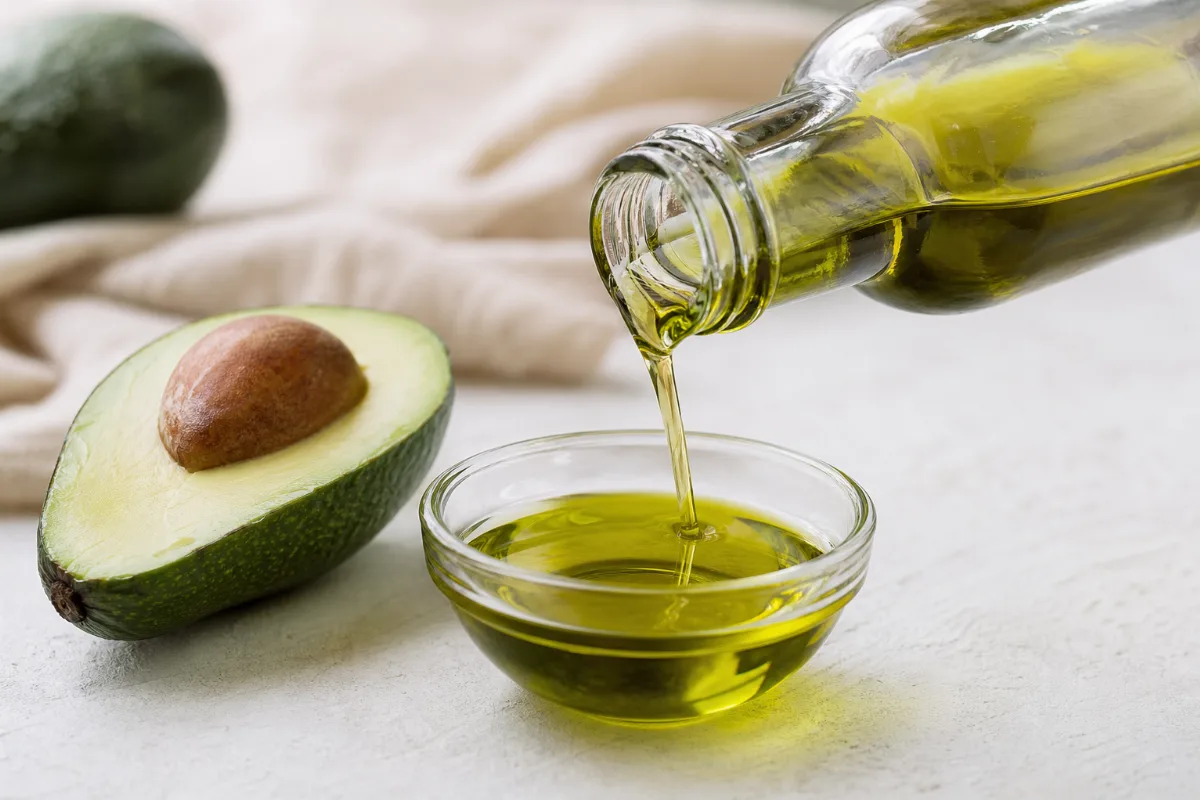
Avocado oil as a food: USDA fat profile, what reviews and lab studies found, why labels are hard to trust, heating, calories, and latex-fruit allergy notes.
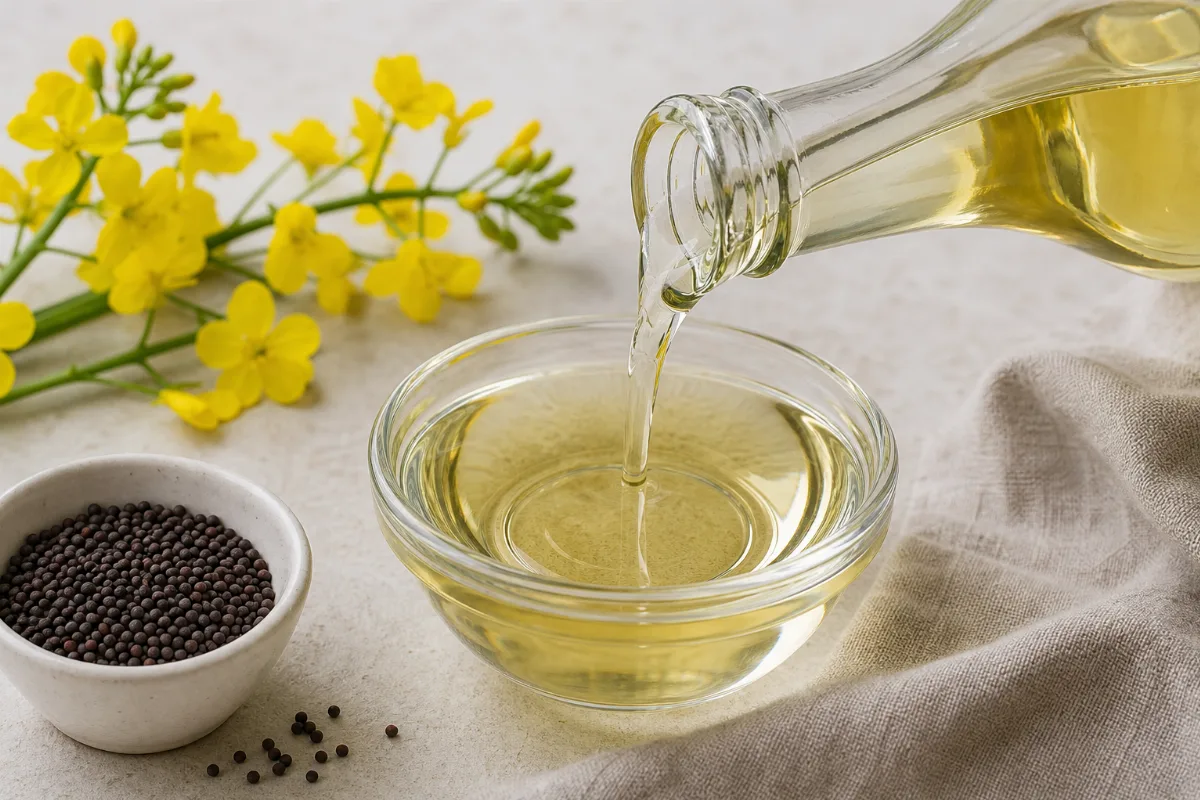
Canola oil as a food: USDA fat profile, what pooled trials found on cholesterol and weight, the FDA qualified claim, erucic acid, and honest answers to the seed-oil worries.
Canola oil and LDL cholesterol
Canola oil compared with olive oil for LDL
Canola oil and coronary heart disease (FDA qualified claim)
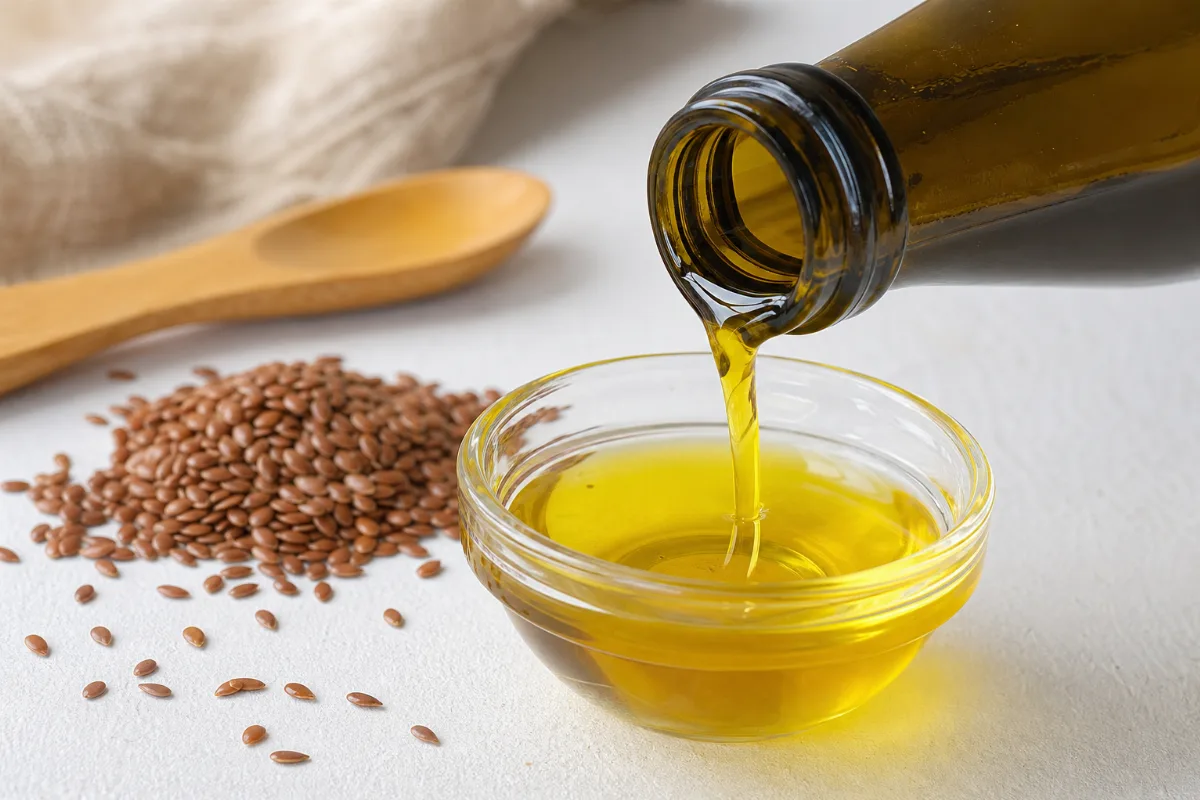
Flaxseed oil as a food: its very high plant omega-3 (ALA) content by USDA values, what trials and cohorts found, conversion to fish omega-3s, and cautions.
Plant omega-3 (ALA) intake from flaxseed oil
Conversion of ALA to EPA and DHA
ALA and heart disease events (Cochrane)
Plant ALA, blood fats and inflammation in overweight adults
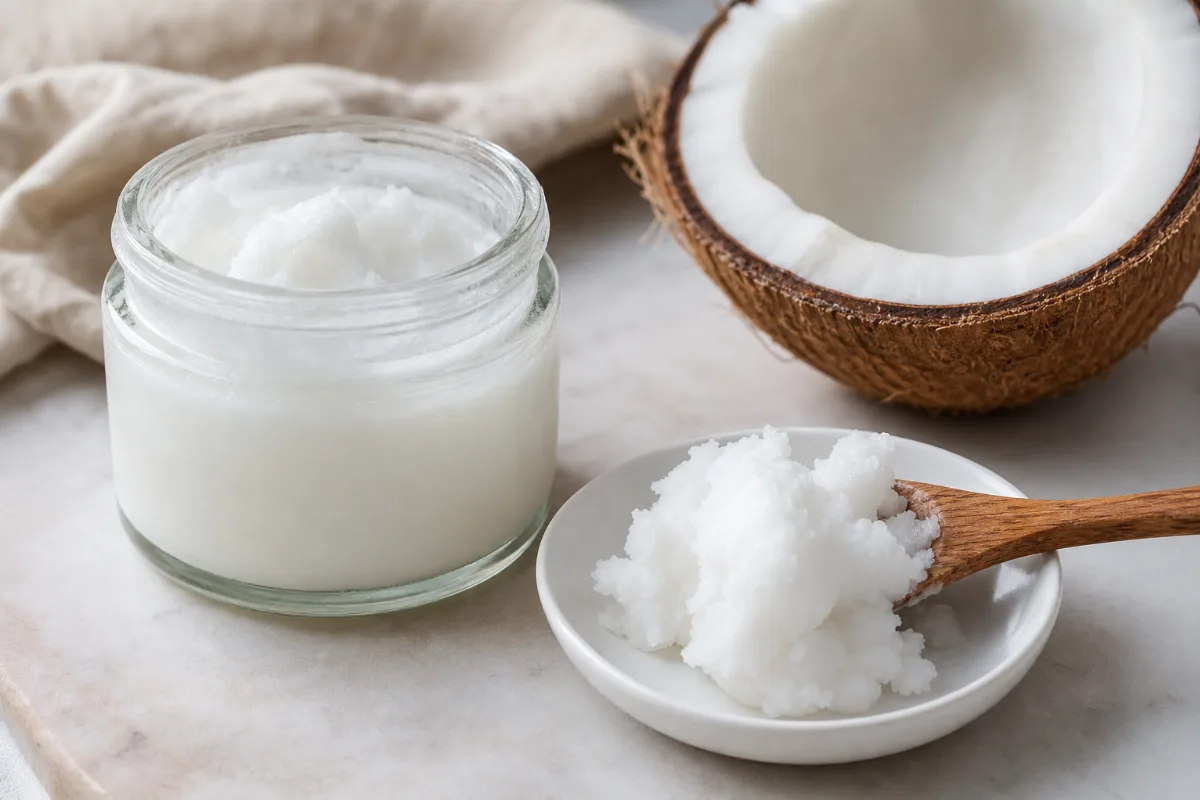
Coconut oil as a food: USDA fat profile (about 82% saturated), pooled trials on LDL and HDL cholesterol, health claims checked, allergy and official fat limits.
Sunflower oil as a food: USDA fat and vitamin E values, linoleic vs oleic types, what trials found on cholesterol and inflammation, allergy, heating and safety.
Sunflower oil in place of saturated fat and LDL cholesterol
Sunflower oil and heart disease events
Oleic acid oils and the FDA qualified claim
Sunflower oil vs coconut oil as cooking oil in coronary disease
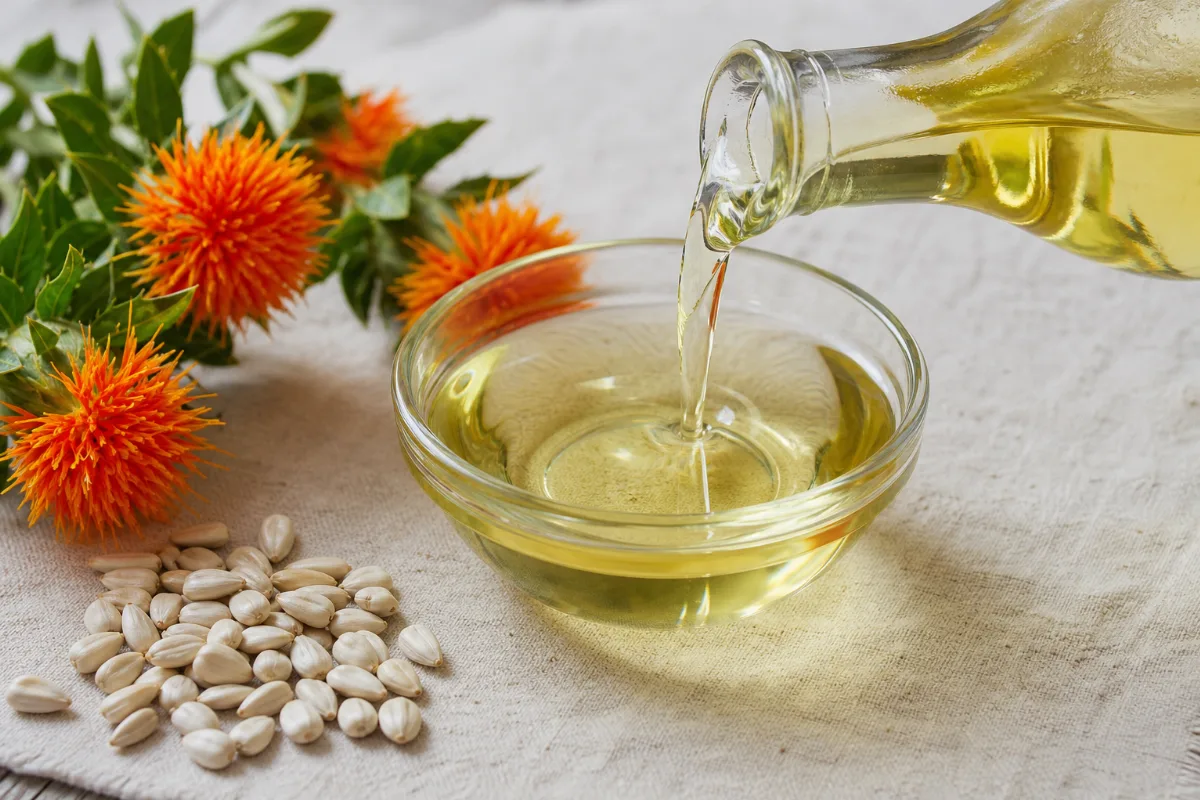
Safflower oil as a food: high-oleic vs linoleic types, USDA fat and vitamin E values, what small trials found on cholesterol and blood sugar, allergy and safety.
Safflower oil in place of saturated fat and LDL cholesterol
High-oleic safflower oil and the FDA qualified claim
Safflower oil and blood sugar in women with type 2 diabetes
High-oleic safflower oil and cholesterol compared with coconut oil
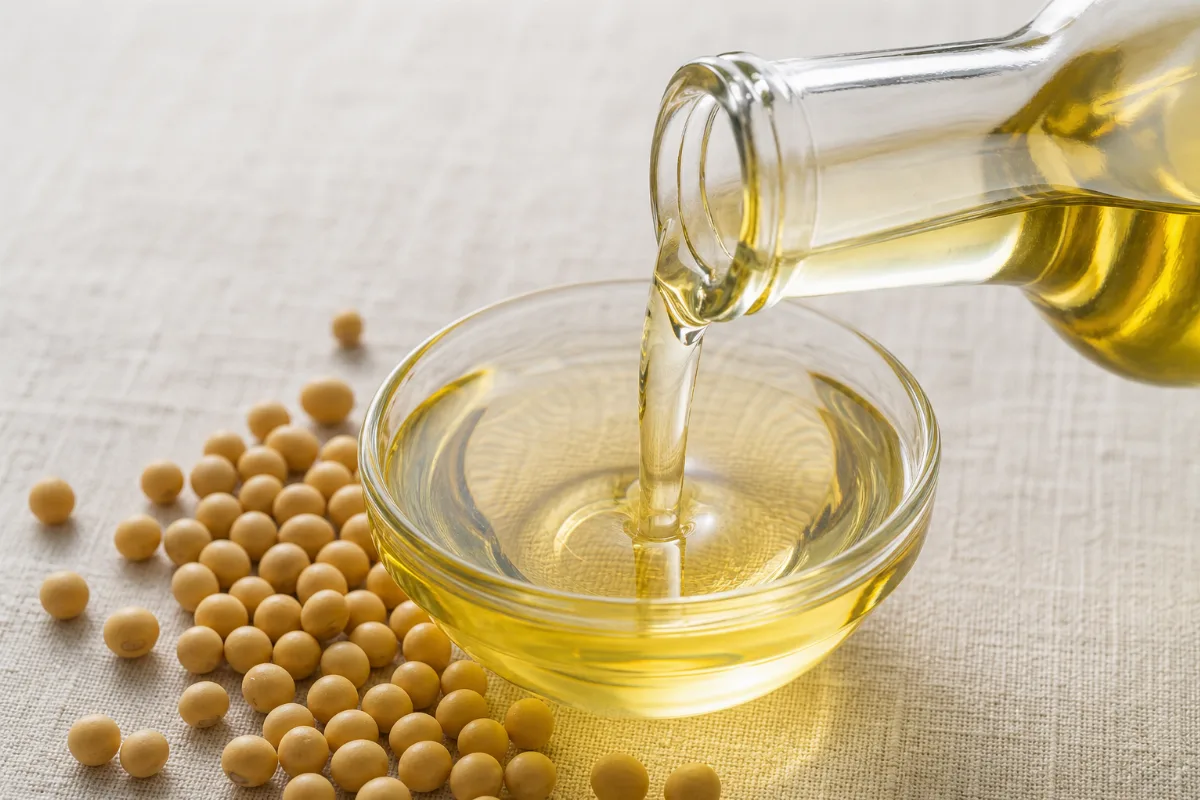
Soybean and vegetable oil as a food: USDA fat, ALA and vitamin K values, what trials found on cholesterol and inflammation, soy allergy, warfarin and heating.
Soybean oil in place of saturated fat and LDL cholesterol
Corn oil as a food: USDA fat and vitamin E values, what trials found on LDL cholesterol versus olive oil, the Minnesota Coronary Experiment, allergy and safety.
Corn oil and LDL cholesterol compared with olive oil
Corn oil in place of saturated fat and heart events
Minnesota Coronary Experiment: corn oil, cholesterol and deaths
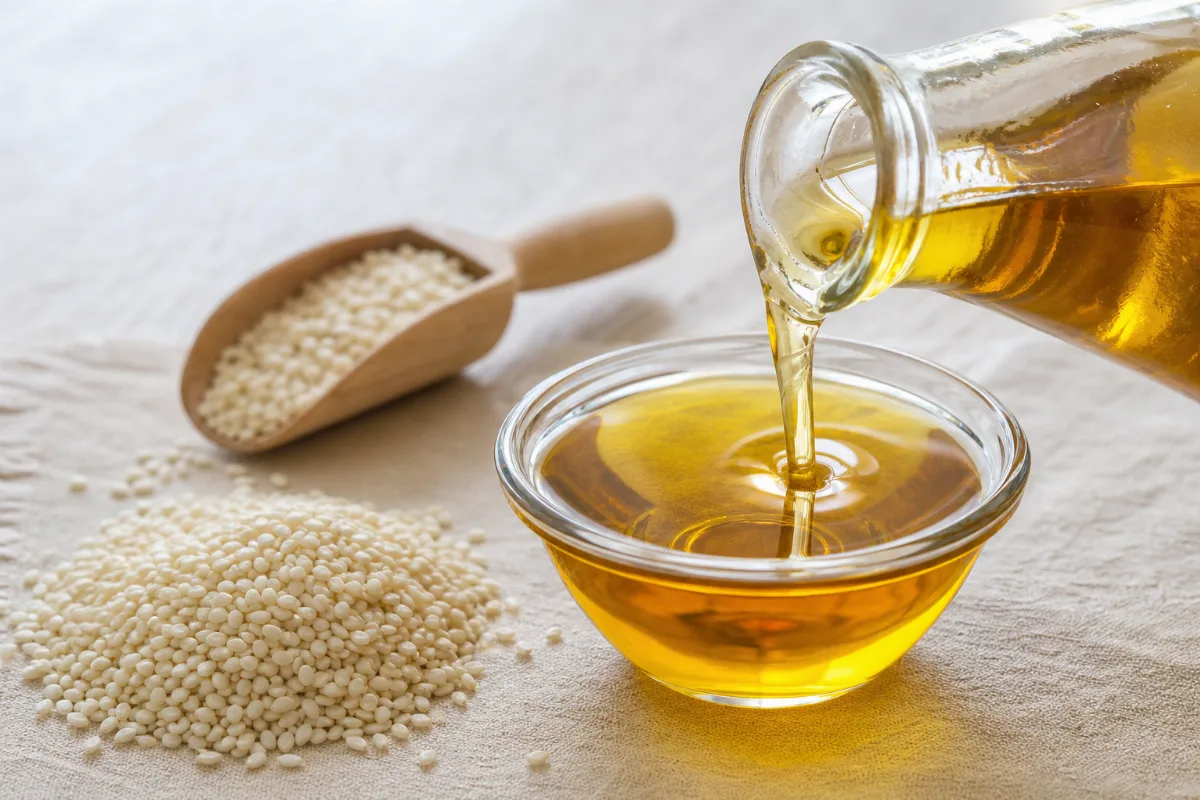
Sesame oil as a food: USDA fat values, sesame allergy and labeling, small trials on blood pressure and blood sugar, medicine cautions and what we could not verify.
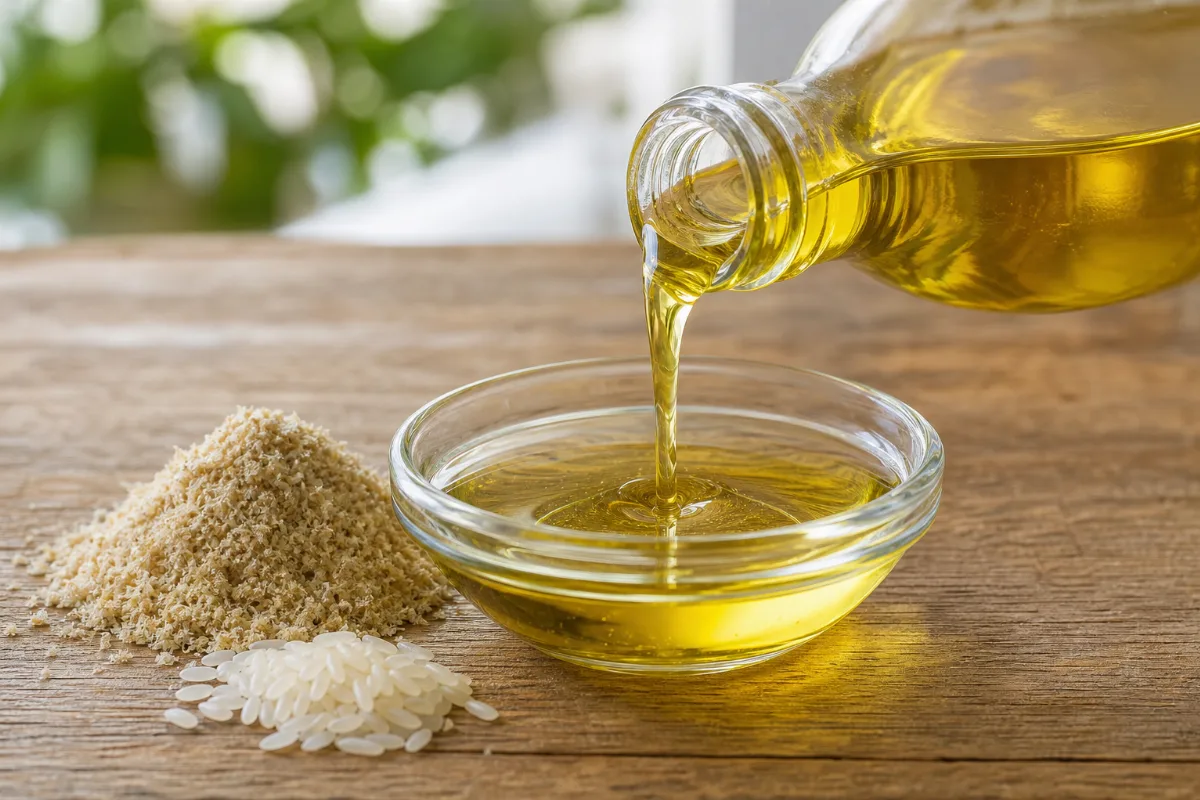
Rice bran oil as a food: USDA fat and vitamin E values, what pooled trials found on LDL cholesterol, heating and storage limits, and which safety questions have no answer yet.
Grapeseed oil as a food: USDA fat and vitamin E values, one small trial on inflammation markers, heating and contaminant questions, and how it differs from grape seed extract.
Grapeseed oil, inflammation markers and insulin resistance
Unsaturated oil in place of saturated fat
Vitamin E (alpha-tocopherol) from the oil
Anti-inflammatory and other claims for grapeseed oil
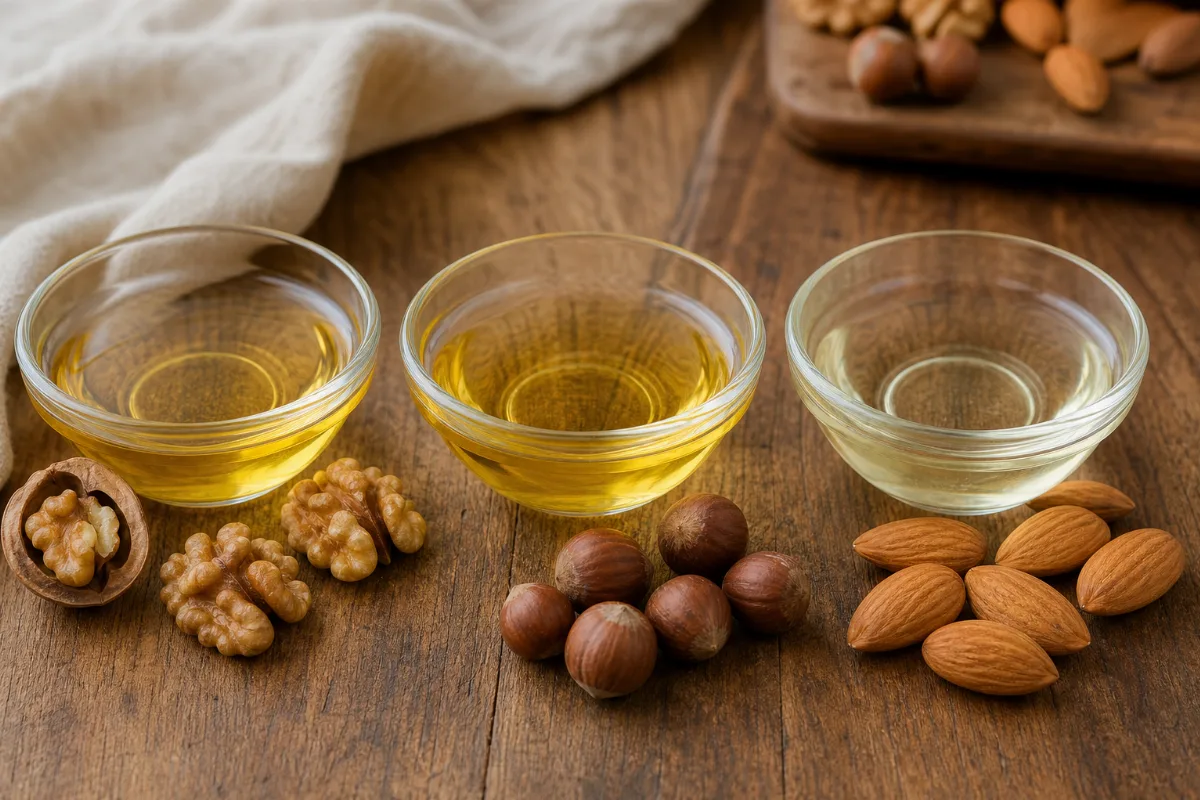
Walnut, hazelnut and almond oils as foods: USDA values, small trials on cholesterol and blood sugar, tree nut allergy and refined versus cold-pressed oils, and storage.
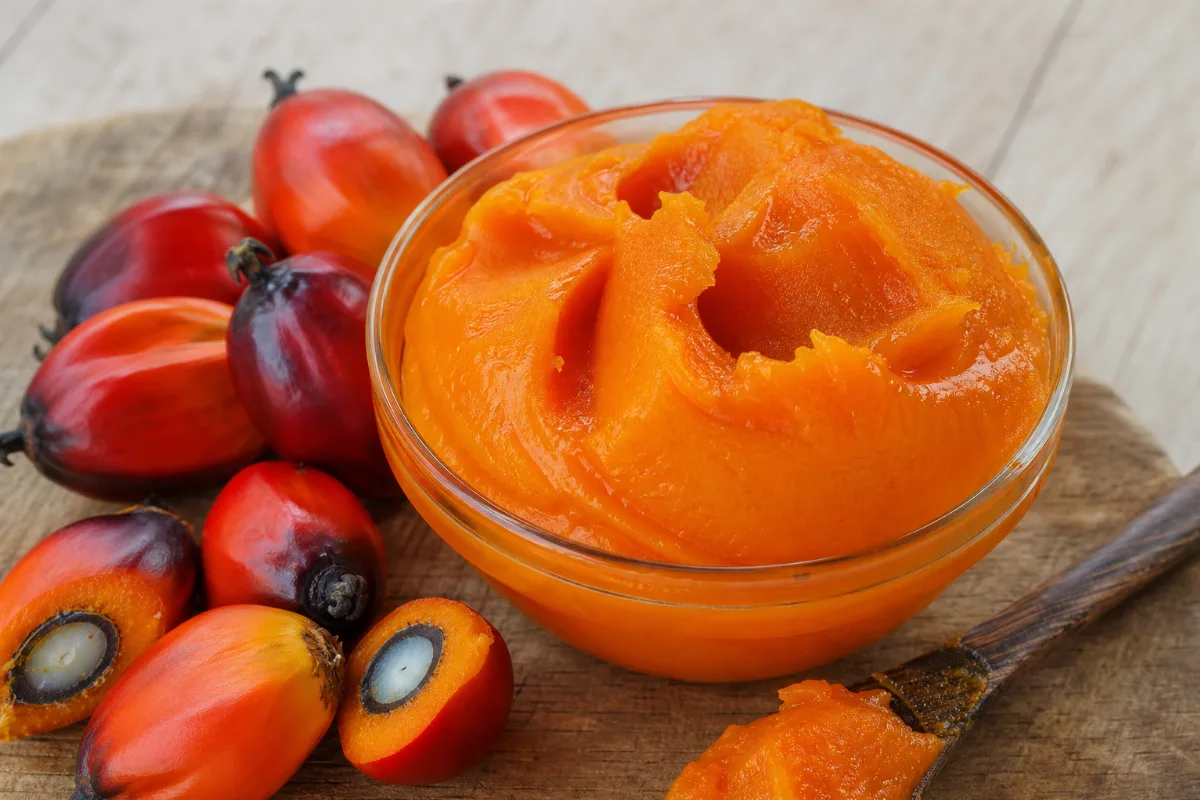
Palm oil as a food: USDA saturated fat values, a pooled finding that it raises LDL cholesterol versus low-saturated oils, industry-funded views, and contaminants.
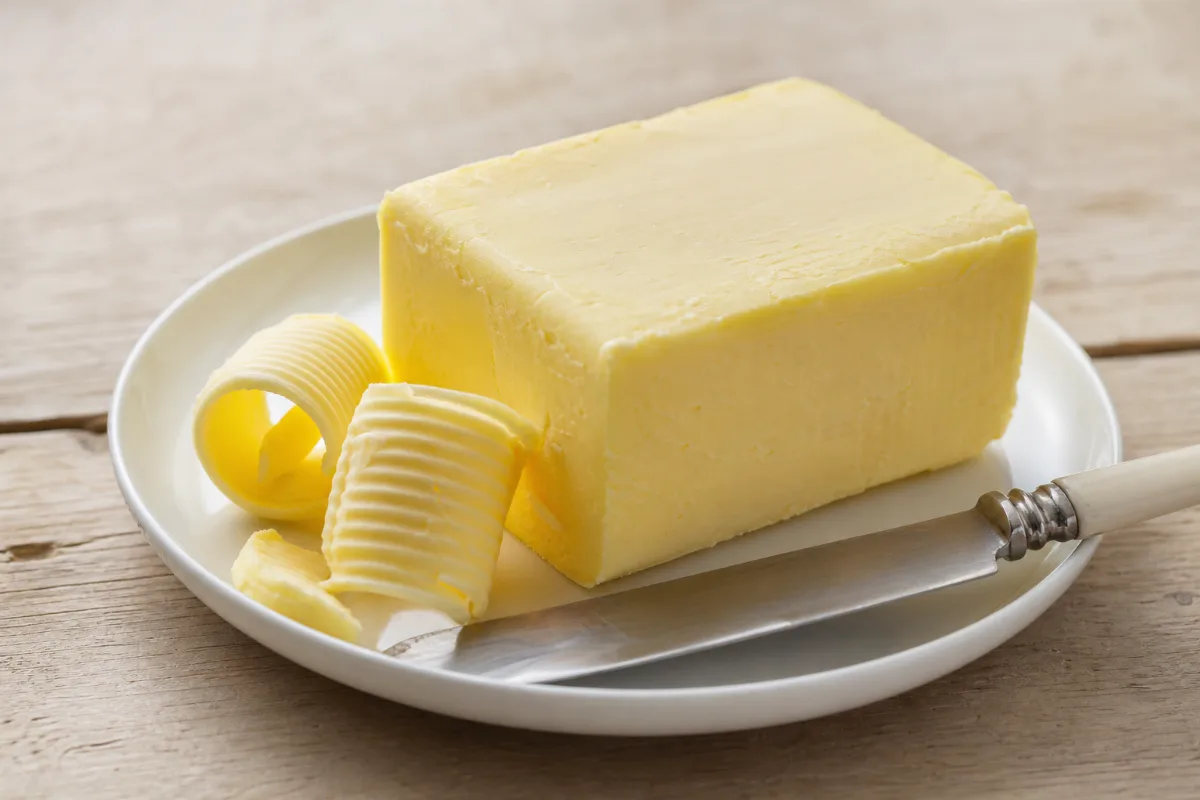
Butter as a food: USDA values, saturated fat and LDL cholesterol, what large reviews found on heart disease and diabetes, milk allergy, raw-milk butter and storage.
Saturated fat limits and replacing butter-type fats
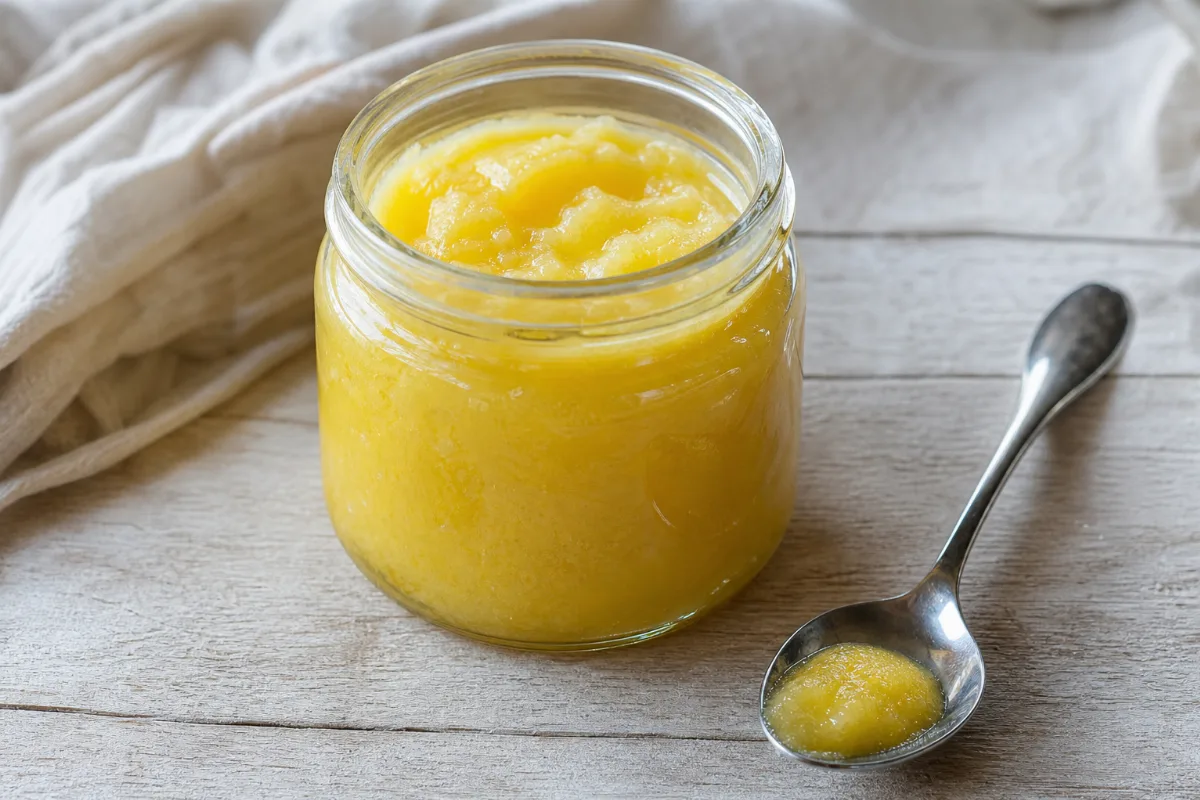
Ghee (clarified butter) as a food: USDA values, saturated fat, what small studies and a 2025 meta-analysis found on cholesterol and heart risk, milk allergy and storage.
Lard and beef tallow as foods: USDA values, saturated fat versus other fats, what trials found on LDL cholesterol, alpha-gal allergy to mammal products, and honest limits of the evidence.
Gallus gallus domesticus, Anser anser domesticus, Anas platyrhynchos domesticus
Normal serving (USDA): 1 tablespoon (12.8 g)
Duck, goose and chicken fat as foods: USDA values for chicken and goose fat, how their fat mix differs from butter, what research shows (little), and safety notes.
Medium-chain triglycerides (from coconut or palm kernel)
Normal serving (USDA): No USDA household portion; label serving varies
MCT oil explained: what medium-chain triglycerides are, small trial effects on weight, ketones and cholesterol, stomach upset, and medicine and coconut allergy cautions.
Gadus morhua (cod liver oil), Salmo salar (salmon oil)
Vitamin A
Normal serving (USDA): 1 tablespoon (13.6 g)
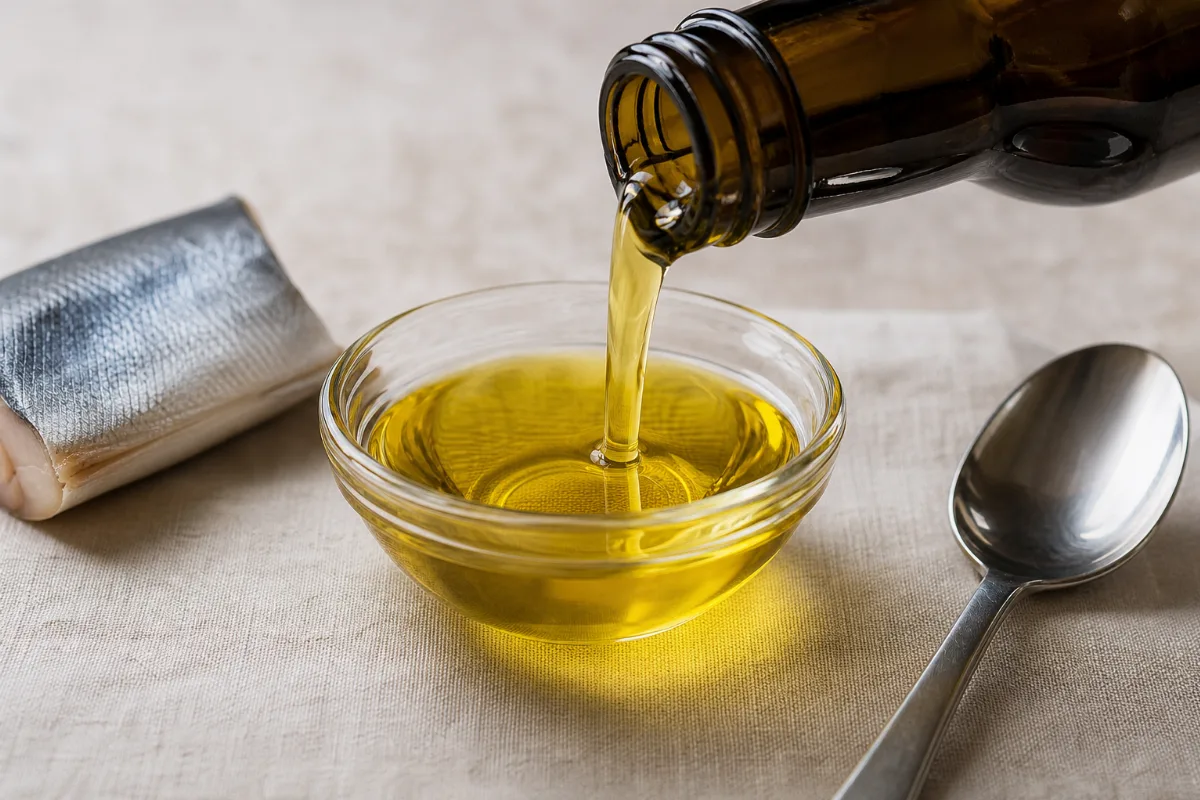
Cod liver oil and fish oil as foods: USDA fat and vitamin A values, what trials found on triglycerides, heart events and infections, plus pregnancy and allergy cautions.
Normal serving (USDA): 1 tablespoon (14 g) of tub spread
Margarine and plant-oil spreads as foods: USDA values, trans fat and the FDA ruling on partially hydrogenated oils, plant sterol spreads and LDL, allergy and label tips.
Replacing saturated fat with unsaturated fat
Plant sterol and stanol spreads and LDL cholesterol
Mayonnaise as a food: USDA calories and fat profile, vitamin K and warfarin, egg allergy, raw-egg Salmonella risk in homemade versions, and what research shows.
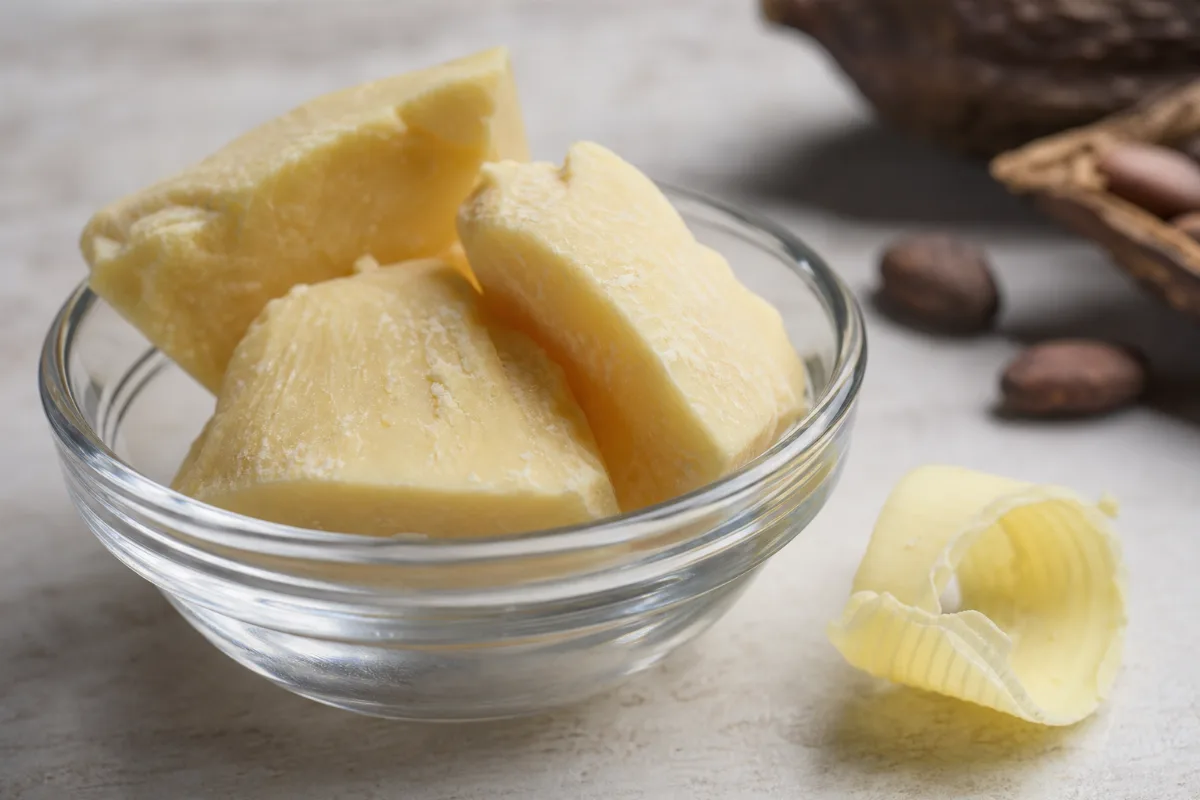
Cocoa butter as a food fat: USDA values, stearic acid versus other saturated fats, what small trials found on cholesterol, white chocolate, allergy and cautions.
Stearic acid and LDL cholesterol
Cocoa butter diets compared with olive and soybean oil
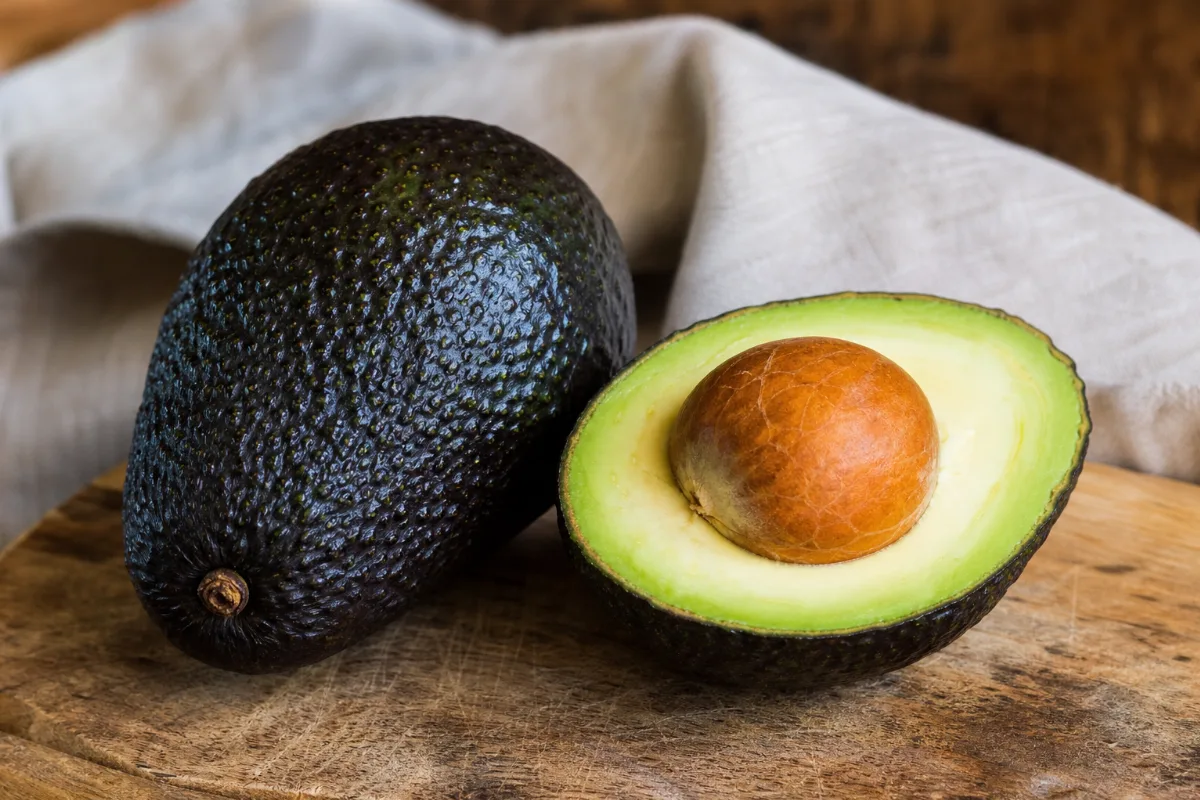
Avocado as a food: what small trials and reviews found on cholesterol, blood sugar and eye pigment, what they did not show, and latex-fruit allergy and warfarin cautions.
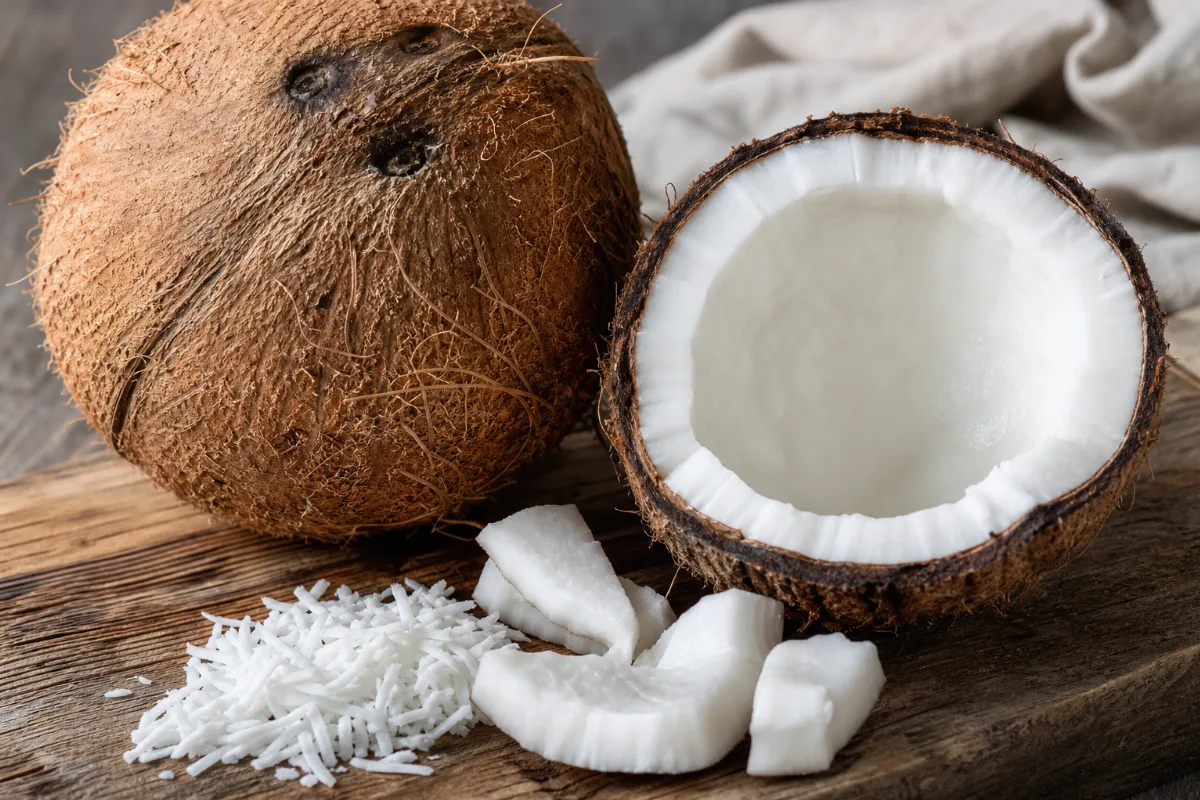
What the research shows for coconut meat, with USDA nutrient values, a clear look at its saturated fat, and short notes on coconut water, milk and oil, allergy and food safety.
No oil or fat matches all of these filters. Try removing one. Some topics (for example most herbs) are not oils and fats and live elsewhere on the site.
A link between a oil or fat and a topic means the body needs the oil or fat for that job, or that low intake is linked to it. It does not mean extra supplements help if your intake is already adequate. See each page’s evidence label.
Browse by oil or fat fat group
Plant oils
Olive, avocado, canola, flaxseed, coconut, sunflower, soybean and other oils pressed from fruits, seeds and nuts.
Avocado oil as a food: USDA fat profile, what reviews and lab studies found, why labels are hard to trust, heating, calories, and latex-fruit allergy notes.
Canola oil as a food: USDA fat profile, what pooled trials found on cholesterol and weight, the FDA qualified claim, erucic acid, and honest answers to the seed-oil worr…
Flaxseed oil as a food: its very high plant omega-3 (ALA) content by USDA values, what trials and cohorts found, conversion to fish omega-3s, and cautions.
Coconut oil as a food: USDA fat profile (about 82% saturated), pooled trials on LDL and HDL cholesterol, health claims checked, allergy and official fat limits.
Sunflower oil as a food: USDA fat and vitamin E values, linoleic vs oleic types, what trials found on cholesterol and inflammation, allergy, heating and safety.
Safflower oil as a food: high-oleic vs linoleic types, USDA fat and vitamin E values, what small trials found on cholesterol and blood sugar, allergy and safety.
Soybean and vegetable oil as a food: USDA fat, ALA and vitamin K values, what trials found on cholesterol and inflammation, soy allergy, warfarin and heating.
Corn oil as a food: USDA fat and vitamin E values, what trials found on LDL cholesterol versus olive oil, the Minnesota Coronary Experiment, allergy and safety.
Sesame oil as a food: USDA fat values, sesame allergy and labeling, small trials on blood pressure and blood sugar, medicine cautions and what we could not verify.
Rice bran oil as a food: USDA fat and vitamin E values, what pooled trials found on LDL cholesterol, heating and storage limits, and which safety questions have no answe…
Grapeseed oil as a food: USDA fat and vitamin E values, one small trial on inflammation markers, heating and contaminant questions, and how it differs from grape seed ex…
Walnut, hazelnut and almond oils as foods: USDA values, small trials on cholesterol and blood sugar, tree nut allergy and refined versus cold-pressed oils, and storage.
Palm oil as a food: USDA saturated fat values, a pooled finding that it raises LDL cholesterol versus low-saturated oils, industry-funded views, and contaminants.
Butter & Animal Fats(4)Butter, ghee, lard, tallow and poultry fats.
Butter as a food: USDA values, saturated fat and LDL cholesterol, what large reviews found on heart disease and diabetes, milk allergy, raw-milk butter and storage.
Ghee (clarified butter) as a food: USDA values, saturated fat, what small studies and a 2025 meta-analysis found on cholesterol and heart risk, milk allergy and storage.
Lard and beef tallow as foods: USDA values, saturated fat versus other fats, what trials found on LDL cholesterol, alpha-gal allergy to mammal products, and honest limit…
Duck, goose and chicken fat as foods: USDA values for chicken and goose fat, how their fat mix differs from butter, what research shows (little), and safety notes.
Special Fats & Spreads(5)MCT oil, cod liver oil, margarine and spreads, mayonnaise and cocoa butter.
MCT oil explained: what medium-chain triglycerides are, small trial effects on weight, ketones and cholesterol, stomach upset, and medicine and coconut allergy cautions.
Cod liver oil and fish oil as foods: USDA fat and vitamin A values, what trials found on triglycerides, heart events and infections, plus pregnancy and allergy cautions.
Margarine and plant-oil spreads as foods: USDA values, trans fat and the FDA ruling on partially hydrogenated oils, plant sterol spreads and LDL, allergy and label tips.
Mayonnaise as a food: USDA calories and fat profile, vitamin K and warfarin, egg allergy, raw-egg Salmonella risk in homemade versions, and what research shows.
Cocoa butter as a food fat: USDA values, stearic acid versus other saturated fats, what small trials found on cholesterol, white chocolate, allergy and cautions.
Safety & Practical Guides(4)Saturated, unsaturated and trans fats explained; smoke points; and which fat to choose.
What saturated, unsaturated and trans fats are, which oils and spreads contain how much (USDA values), and what health bodies and trials say about swapping one for anoth…
Where trans fat comes from, how the FDA's 2015 ruling and 2018 deadline changed US food, how to read the 0 g label rule, and what pooled studies say about health.
What a smoke point is, why it is not the whole story, what lab studies found when oils were heated or deep-fried, and practical kitchen points, with evidence limits.
Olive oil, canola, butter, coconut, palm or tallow? What the Dietary Guidelines, WHO, NHS and pooled studies say about each cooking fat, and where the evidence is still …
Do seed oils such as sunflower, soybean and canola cause inflammation? What randomized trials, large cohort data, the AHA and the 2025 to 2030 US dietary guidelines say, and where they differ.
Where omega-3 fatty acids occur in foods (fish, walnuts, flax, chia), how plant ALA differs from fish EPA and DHA, and what fish-eating studies found, kept apart from supplements.
What research and official guidance say about eating oily fish such as salmon and sardines, including heart studies, portion advice, mercury, fried fish and allergy.
What plant sterols and stanols are, how they appear in fortified spreads and foods, what trials show for LDL cholesterol, FDA claim levels and limits in the sources read.
How added sugars, sodium and saturated fat appear on a food label, what official limits say, and what terms like "low sodium" and "no added sugar" are defined to mean in U.S. rules.
What trials and official bodies found for oats, soy, nuts, beans, tea, cocoa and plant sterols on LDL cholesterol, and why foods do not replace cholesterol medicines.
Which oil is the healthiest according to health bodies?
There is no single winner. The NHS names olive, rapeseed, sunflower and corn oils as the main options and lists palm and coconut oil among foods to cut down on. [1] Harvard recommends healthy oils such as olive and canola oil for cooking and lists sunflower, soy and corn oils as unsaturated sources. [3] The WHO prefers unsaturated fats over saturated fats and says no more than 10 percent of energy should come from saturated fat. [2] See which cooking fat to choose.
Is coconut oil healthy?
Health bodies advise using it sparingly because it is high in saturated fat. [1][3] In one 4-week randomized trial of 91 adults aged 50 to 75 eating 50 g a day, butter raised LDL cholesterol more than coconut oil or olive oil, and coconut oil and olive oil did not differ; the BBC helped fund recruitment and testing. [5] One small trial does not settle long-term heart outcomes. See coconut oil.
Are seed oils toxic?
Randomized trials do not show that. A 2023 pooled analysis of 40 trials (2,175 people, none longer than 24 weeks, no outside funding) found that linoleic acid, the main fat in many seed oils, lowered LDL cholesterol slightly, by 3.26 mg/dL on average, and more when it replaced saturated fat. [6] Lab work is a separate question: a single-author narrative review argues that polyunsaturated oils form more aldehydes when heated to frying temperature, but it relies largely on lab and animal findings. [7] Harvard still lists sunflower, soy and corn oils as healthier unsaturated choices. [3]
Is trans fat still a concern?
Yes, but it is much reduced. The FDA says trans fat raises LDL cholesterol and that in 2015 it ruled partially hydrogenated oils no longer generally recognized as safe, with most uses ending by June 2018 and a final compliance date of January 1, 2021. [4] Small amounts occur naturally in milk, butter, cheese and meat. [4] The WHO says to keep all trans fats under 1 percent of energy, [2] and the NHS gives about 5 g a day as the adult maximum. [1] See trans fats explained.
Does smoke point matter?
It is one factor, not the whole story. The only heating evidence we read was lab-based: polyunsaturated-rich oils formed more aldehydes in frying experiments than monounsaturated-rich or saturated oils, according to that narrative review. [7] We did not find a health body source giving smoke point numbers, so we do not list any here. See smoke points and cooking with oil.
Content last updated . This section has not been medically reviewed.
Education, not medical advice. This section is for general information. It does not diagnose or treat any condition and is not a substitute for care from a qualified health professional. Natural does not automatically mean safe.