Herbs & Botanicals · Chinese digestive herb and food
Tangerine peel
Citrus reticulata · also called Chen pi, mandarin peel
Tangerine peel, or chen pi, is the dried and often aged rind of the mandarin. It is used in Chinese medicine and cooking for stomach and digestive complaints. Human evidence is thin and mostly comes from formulas or from its flavonoid hesperidin. The key caution is medicines: peel flavonoids can affect liver enzymes in lab work, so ask a pharmacist if your medicine has a grapefruit warning.
General information, not medical advice. Last substantive update · Not medically reviewed. A named clinician has not signed off on this page. How this page is made
About Tangerine peel
Tangerine peel (chen pi) is a Chinese digestive herb and food. Human evidence for the peel itself is thin. Medicine interactions, citrus allergy, and mold or pesticide in aged peel are the main cautions.
What it is
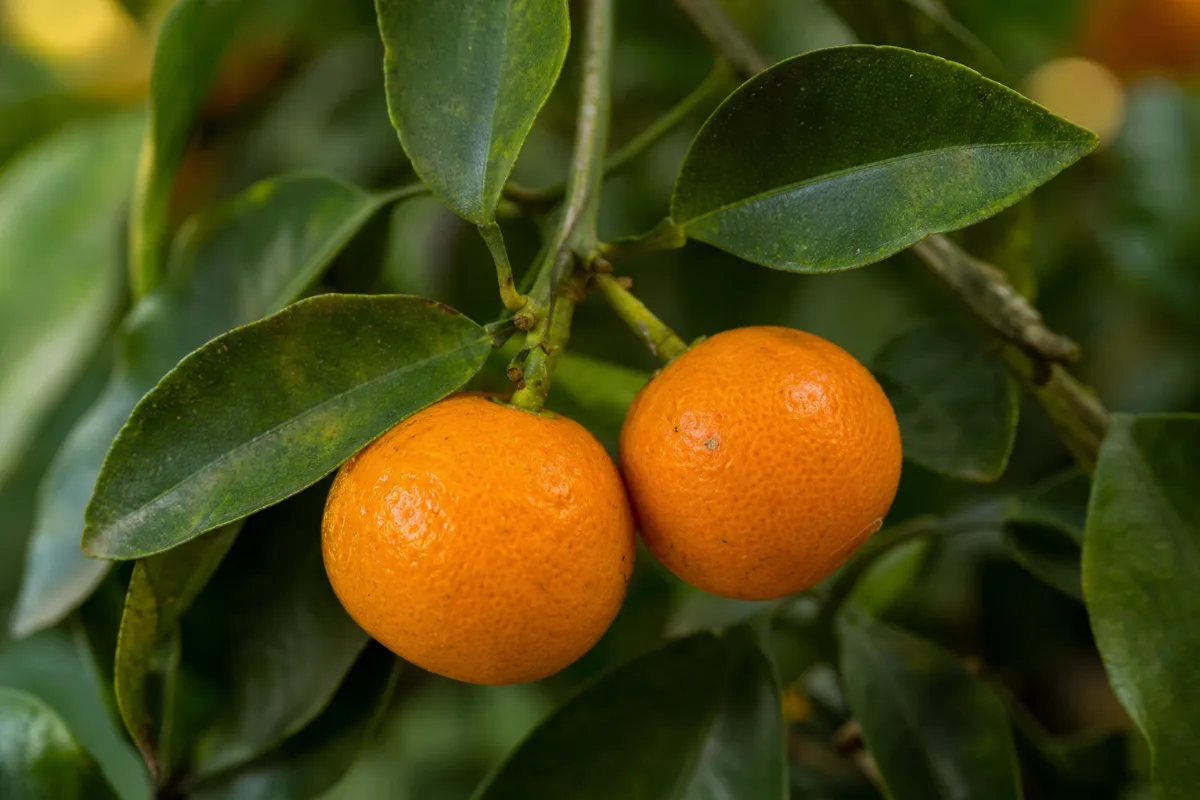
Tangerine peel, or chen pi, is the dried rind of the mandarin (Citrus reticulata). In Chinese medicine it is the most commonly used herb for regulating qi, mainly for the stomach, nausea, cough and phlegm. The best chen pi is aged for years.
Its chemistry includes the flavonoids hesperidin, nobiletin and tangeretin and volatile oils such as limonene. The mix changes with origin, harvest time and age. It is not bitter orange, which is a different species.
How it may work
In cells and animals, peel flavonoids show antioxidant and anti-inflammatory effects and affect gut bacteria and liver enzymes. Rat studies show nobiletin is absorbed far better than tangeretin.
None of this has been shown to work in people.
What the research shows
A pooled analysis of 20 trials (2,246 people) found Chinese herbal formulas beat acid-reducing drugs for reflux, but chen pi was only one herb inside some of them. One older dyspepsia trial is cited by a review but we could not read it.
Trials of hesperidin, one peel flavonoid, show a small CRP drop but no clear blood sugar benefit. One small trial of a mandarin powder with perilla oil found higher thinking scores in older adults. Certainty for every use is low, very low or insufficient.
At a glance
Traditional uses history, not proof
- Stomach and digestive complaints, bloating
- Nausea and vomiting
- Cough and chest phlegm
- Food in teas, porridges and braises
Studied for research
- Indigestion, one older trial seen second-hand, insufficient
- Acid reflux (in multi-herb formulas), very low certainty
- Thinking in older adults (mandarin powder with perilla oil), very low certainty
- Blood sugar (hesperidin), low certainty, not supported
- Inflammation marker CRP (hesperidin), low certainty
- Antioxidant, liver and anti-cancer effects (lab and animal only), insufficient
Main compounds
- Hesperidin (PubChem CID 10621)
- Nobiletin (PubChem CID 72344)
- Tangeretin (PubChem CID 68077)
- Limonene (PubChem CID 22311)
Common forms
- Dried aged peel (chen pi)
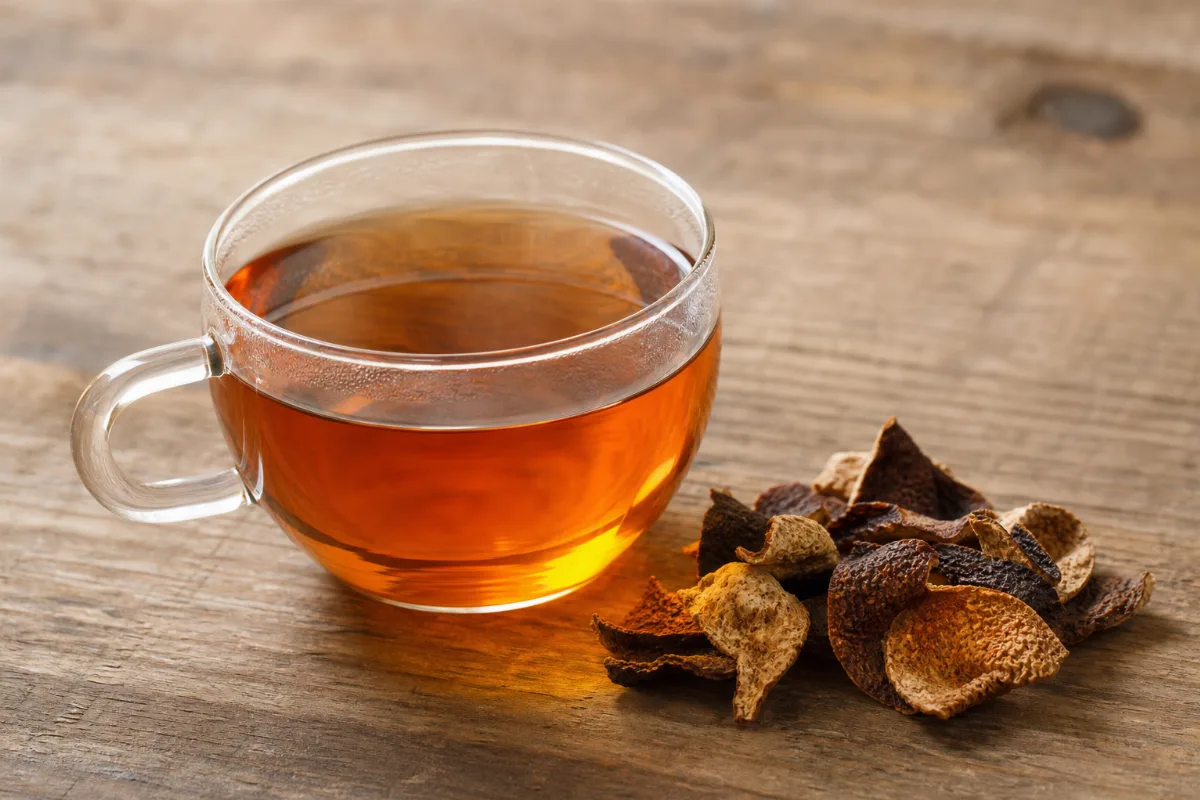
- Tea or decoction
- Powder or capsule
- Multi-herb formula
Research links: Zhang 2024: Citri Reticulatae Pericarpium systematic review (PubMed) · Chen 2026: Chinese herbal medicine in GERD, network meta-analysis (PubMed) · Zhang 2022: chen pi and omeprazole in rats (PubMed) · Xu 2015: furanocoumarins in citrus varieties (PubMed) · Research Library · Genes & Biomarkers Library
The plant and its history
- Accepted scientific name
- Citrus reticulata Blanco (GBIF ACCEPTED, exact match, confidence 99, key 3190172)
- Naming authority
- Blanco
- Common names
- Chen pi (Chinese (pinyin)); Tangerine peel (English); Mandarin peel (English); Citri Reticulatae Pericarpium (Pharmacopoeia Latin); Guangchenpi (Xinhui peel) (Chinese (pinyin))
- Botanical family
- Rutaceae (citrus family)
- Classification
- Plantae > Not pulled > Not pulled > Not pulled > Rutaceae > Citrus > Citrus reticulata
- Native range
- Mainly grown in Guangdong, Sichuan, Fujian and Zhejiang for chen pi, per the 2024 systematic review.
- Habitat
- Not covered in the sources read.
- What the plant looks like
- Roots: Not described in sources read.; Stems: Not described in sources read.; Leaves: Not described in sources read.; Flowers: Not described in sources read.; Fruit: Mandarin or tangerine fruit; the dried rind is the herb.; Seeds: Not the part used.; Cultivation: Peel is dried and aged; the 2024 review says aging for over three years, and the 2026 review says chemistry changes with origin, storage time, aging and harvest.
- Harvest and processing
- Peel is removed from ripe fruit and dried, then stored for years. Damp storage can grow molds.
- Look-alikes and adulterants
- Name: Bitter orange (Citrus aurantium); Note: A separate accepted species containing synephrine; a different herbal product.; Name: Young green tangerine peel (qing pi); Note: Peel of unripe fruit; chemically different from ripe peel according to a review.; Name: Sweet orange peel (Citrus sinensis); Note: Related peel with its own studies; not the same product.
- Sustainability and conservation
- Not covered in the sources read.
The plant and the parts used
Traditional use and history history, not clinical proof
| Tradition or era | Documented use | Source |
|---|---|---|
| Chinese medicine | Described as the most commonly used qi-regulating medicine, used for thousands of years for nausea, vomiting, cough and phlegm; also eaten as a food in tea, porridge and braises. | p38942157 |
| Modern food and supplement use | Used in teas, porridges and health supplements. | p38998484 |
Traditional use shows how a plant was used. It does not show that a supplement works or is safe today.
What is inside, and how it may work
What the plant contains and how those compounds act in cells and animals. Laboratory and animal mechanisms are not proven effects in people.
Main compounds
| Compound | Family | Where it is concentrated | Activity studied | Level of evidence |
|---|---|---|---|---|
| Hesperidin PubChem 10621 | Flavanone glycoside | Peel | Main peel flavonoid; human trials of the isolated compound are meta-analysed for blood sugar and inflammation markers. 25 | Human (isolated compound) and lab |
| Nobiletin PubChem 72344 | Polymethoxylated flavone | Peel | Cell and animal work on brain, metabolism and inflammation; one human trial tested a nobiletin-rich mandarin powder with perilla oil. Inhibits CYP enzymes in vitro. 29 | Lab, animal, one small human trial |
| Tangeretin PubChem 68077 | Polymethoxylated flavone | Peel | Lab activity on cells; in vitro it can inhibit CYP3A4 and CYP1A2 and raise CYP3A4 gene activity. 30 | Lab |
| Limonene PubChem 22311 | Monoterpene | Peel | A main volatile oil in citrus peel; allergen in citrus peel dermatitis for most reported cases. 31 | Lab and case reports |
| Synephrine PubChem 7172 | Protoalkaloid | Peel | Stimulant-type compound best known from bitter orange; amounts in tangerine peel were not read. 24 | Summary only |
Mechanisms, receptors and pathways
| Target or pathway | Gene or receptor | What was found | Level |
|---|---|---|---|
| Liver drug-metabolising enzymes (CYP3A4, CYP1A2) | CYP3A4, CYP1A2 | In vitro, clementine flavonoids nobiletin, sinensetin and tangeretin inhibit these enzymes; tangeretin can also raise CYP3A4 gene activity. A rat study found higher omeprazole exposure after chen pi decoction. 17 20 | Lab and animal |
| Inflammation markers | CRP, TNF-alpha, VCAM-1 | Hesperidin trials in overweight and obese adults show a small CRP fall (human), plus very-low-certainty changes in TNF-alpha and VCAM-1. 22 | Human (isolated hesperidin) |
| Gut and metabolism | Not specified | Reviews describe gut bacteria and barrier effects in animals; human data limited. 16 15 | Lab and animal |
Absorption, metabolism and elimination
- Absorption
- In rats, about 10 times more nobiletin than tangeretin was absorbed from the same oral amount.
- Distribution
- Low levels of both were still detectable in rat blood at 24 hours.
- Metabolism
- Both are converted into glucuronides and other metabolites in rats. They also affect CYP enzymes (see Safety).
- Elimination
- Not found for people.
- Bioavailability
- No human blood-level study of chen pi was read. The 2024 review says pharmacokinetic work needs deepening.
Isolated compounds versus whole extracts
Most human data are on isolated hesperidin, not the peel, and they show small, mixed effects. Chen pi's chemistry changes with age and origin, so a study of one batch may not apply to another.
Nutritional composition
Dried tangerine peel is used as a flavouring and herbal medicine in small amounts, not as a vitamin or mineral source. Fruit peel also carries fibre; no nutrient values were read.
2 low certainty2 very low certainty4 not enough evidence
What is Tangerine peel good for?
The studied uses and how strong the human evidence is for each. For tangerine peel, no use is well established.
Benefits, one by one
Each card is a research question, not a promise. Tap a goal to filter. Open a card to see the studies, doses and limits.
Indigestion and stomach upset (functional dyspepsia)
Not enough evidenceChen pi is a classic Chinese remedy for a full, bloated or upset stomach. We found no modern trial of the peel that we could read. One older trial is mentioned in a review, and the rest is lab and animal work.
3 studiesAged peel (chen pi) in the trial as described by the review. Amounts …
Studies, doses and limits
What the trials found
One 2011 randomised trial of aged Xinhui peel in functional dyspepsia is cited by a 2026 review (response rates of about 90% and 94% are quoted there). We could not read the trial or see its comparison group.
Results
Our only source for the human result is a review's summary. The review abstract itself describes the chemistry and aging, not a trial result.
Effect sizes as reported
Response rates of about 90% and 94% as quoted second-hand; no confidence interval seen.
Why this rating
One trial seen only through a review; no placebo comparison confirmed; the rest is lab and animal research.
Form and dose studied
Aged peel (chen pi) in the trial as described by the review. Amounts not read.
Who was studied
People with functional dyspepsia (as described by the review).
Limits
Second-hand trial detail, no independent replication found, products vary widely between batches and ages.
Why researchers looked
Chen pi is the most commonly used qi-regulating herb in Chinese medicine, mainly for the stomach and digestion.
Traditional use
Used for thousands of years for nausea, vomiting, bloating, cough and phlegm, as a single herb and inside many formulas.
Proposed mechanism Lab and animal
Peel flavonoids and volatile oils are reported in animals and cells to affect gut movement and inflammation. This is not shown in people.
A proposed mechanism does not show that the effect happens in people.
See the Safety tab: mold in damp-stored peel, pesticide residues, and medicine interactions.
Acid reflux (GERD), as one herb in formulas
Very low certaintyIn a large 2026 pooled analysis, Chinese herbal formulas did better than acid-reducing drugs for reflux. Chen pi was one of many herbs in some formulas, so its own effect cannot be separated out.
2 studiesDifferent multi-herb formulas; the peel dose is not isolated.
Studies, doses and limits
What the trials found
One systematic review and network meta-analysis of 20 randomised trials (2,246 patients) of Chinese herbal formulas against proton pump inhibitors.
Results
Formulas gave better clinical efficacy than PPIs (OR 4.13, 95% CI 2.73 to 6.25) and symptom relief (SMD 0.71, 0.49 to 0.94), with fewer relapses and similar safety. The abstract names Pinelliae rhizoma, not chen pi, as the highly connected herb. Our earlier summary says chen pi had the largest coefficient in the component analysis, which the authors attribute to the formulas, not chen pi alone.
Effect sizes as reported
Efficacy OR 4.13 (2.73 to 6.25); symptom SMD 0.71 (0.49 to 0.94), for formulas.
Why this rating
The result is for whole formulas compared with drugs, not placebo, and chen pi cannot be separated from the other herbs.
Form and dose studied
Different multi-herb formulas; the peel dose is not isolated.
Who was studied
Adults with GERD.
Limits
Formulas vary; comparison was with PPIs, not placebo; chen pi's own share is unknown. Citrus fruit is also a reported reflux trigger for some people (see Safety).
Why researchers looked
Chen pi is a common ingredient in Chinese formulas for belching, regurgitation and fullness.
Traditional use
Combined with herbs such as Pinellia rhizome in classic stomach formulas.
Proposed mechanism Not established
Not established for chen pi in people.
A proposed mechanism does not show that the effect happens in people.
People on reflux medicine should not stop it without their doctor.
Nausea, vomiting, cough and phlegm (traditional uses)
Not enough evidenceChen pi is traditionally used for nausea, cough and chest phlegm. We found no modern human trial of the peel for these.
1 studiesDried peel (chen pi), in decoctions and formulas.
Studies, doses and limits
What the trials found
None found in the sources read.
Results
The systematic review lists these as traditional uses and does not give a human trial for them.
Effect sizes as reported
No numbers.
Why this rating
Tradition only.
Form and dose studied
Dried peel (chen pi), in decoctions and formulas.
Who was studied
Not applicable.
Limits
No human trials found for these uses.
Why researchers looked
These are the classic uses listed in the 2024 systematic review.
Traditional use
Used to regulate qi and dry dampness, which in Chinese medicine covers nausea, vomiting, cough and phlegm.
Proposed mechanism None read
Not tested for these uses in the sources read.
A proposed mechanism does not show that the effect happens in people.
Persistent cough, coughing blood or breathlessness needs a doctor.
Thinking and memory in older adults (nobiletin-rich mandarin powder with perilla oil)
Very low certaintyA small 12-month trial gave older adults capsules with perilla oil plus a nobiletin-rich mandarin powder. Scores on a thinking test were higher than with perilla oil alone. The powder is from immature fruit, not aged chen pi, and was combined with the oil.
1 studiesAir-dried immature ponkan (Citrus reticulata) powder in capsules with…
Studies, doses and limits
What the trials found
One randomised, double-blind, 12-month trial of 49 healthy older Japanese adults (UMIN000040863).
Results
The group with ponkan powder (2.91 mg nobiletin a day within the capsules) had higher cognitive index scores than the perilla-oil-only group, plus higher serum BDNF and antioxidant potential and higher omega-3 in red blood cells. The abstract gives no score numbers.
Effect sizes as reported
Not given in the abstract.
Why this rating
One small trial of a combination product; the effect of the mandarin powder is not separated from the oil's.
Form and dose studied
Air-dried immature ponkan (Citrus reticulata) powder in capsules with perilla seed oil.
Who was studied
Healthy older adults in Japan.
Limits
Small, combination, immature fruit rather than aged peel, one trial only.
Why researchers looked
Nobiletin, a flavonoid concentrated in mandarin peel, is studied for brain effects in animals.
Traditional use
Not a traditional use of chen pi.
Proposed mechanism Lab, animal and human biomarkers
Animal and cell work links nobiletin to brain-protective pathways; the trial measured blood BDNF and antioxidant potential.
A proposed mechanism does not show that the effect happens in people.
No safety numbers in the abstract.
Blood sugar and insulin resistance (hesperidin, a main peel flavonoid)
Low certaintyHesperidin is the main flavonoid in tangerine peel. A pooled analysis of 16 trials concluded it does not reliably improve insulin resistance or blood sugar. These were not trials of the peel.
1 studiesMostly purified hesperidin supplements.
Studies, doses and limits
What the trials found
Meta-analysis of 16 randomised trials, 845 adults, using hesperidin supplements.
Results
Insulin resistance score HOMA-IR fell slightly (WMD -0.43, 95% CI -0.82 to -0.03) and an insulin sensitivity index rose, but fasting insulin, fasting glucose and HbA1c did not change, and a trial sequential analysis showed no reliable HOMA-IR gain. The authors conclude the evidence does not support hesperidin for blood sugar control.
Effect sizes as reported
HOMA-IR WMD -0.43 (-0.82 to -0.03).
Why this rating
The pooled trials were small and mixed; the authors' own conclusion is that benefit is not supported. Purified hesperidin, not peel.
Form and dose studied
Mostly purified hesperidin supplements.
Who was studied
Adults, including some with metabolic disorders and obesity.
Limits
Not tangerine peel; mixed results; subgroups only hint at benefit.
Why researchers looked
Hesperidin is a major peel compound, so its trials are the nearest human data.
Traditional use
Not a traditional use of chen pi.
Proposed mechanism Lab and human
Lab work suggests flavonoids affect glucose handling; the human data do not confirm it.
A proposed mechanism does not show that the effect happens in people.
None reported in the abstract.
Inflammation markers such as CRP (hesperidin products)
Low certaintyIn overweight and obese adults, hesperidin-based products lowered CRP, a blood marker of inflammation, by a small amount. This was not tangerine peel itself.
1 studiesHesperidin and hesperidin-containing citrus products.
Studies, doses and limits
What the trials found
Meta-analysis of 16 randomised trials (845 overweight or obese adults).
Results
CRP/hsCRP fell (MD -0.43 mg/L, 95% CI -0.68 to -0.17; GRADE moderate). TNF-alpha (MD -2.84 pg/mL) and VCAM-1 (MD -27.16 ng/mL) also fell but at very low GRADE. IL-6, antioxidant capacity and ICAM-1 did not change. The authors call the CRP change modest and say products differed too much to give dose-specific advice.
Effect sizes as reported
CRP MD -0.43 mg/L (-0.68 to -0.17).
Why this rating
GRADE moderate for CRP in hesperidin trials, lowered here because hesperidin products are not the peel and the people studied were overweight or obese.
Form and dose studied
Hesperidin and hesperidin-containing citrus products.
Who was studied
Overweight or obese adults.
Limits
Not tangerine peel; marker changes, not disease outcomes.
Why researchers looked
Tangerine peel flavonoids are described as anti-inflammatory in lab work.
Traditional use
Not a traditional use.
Proposed mechanism Lab and human biomarkers
Cell and animal work describes lower inflammatory signals; the meta-analysis tested markers in people.
A proposed mechanism does not show that the effect happens in people.
None reported in the abstract.
Gut and heart-metabolic health (orange peel ingredients)
Not enough evidenceA 2026 review of orange peel flavonoids, fibre and oils found promise for blood sugar, lipids, blood pressure and gut markers, but mostly in lab and animal work. It is about orange, not tangerine.
1 studiesOrange peel flavonoid and fibre extracts.
Studies, doses and limits
What the trials found
Scoping review of 84 studies and 14 completed clinical trials.
Results
Clinical studies, mostly of hesperidin-rich and fibre-rich extracts, report improvements in after-meal blood sugar, lipids, blood pressure and some gut markers; the authors say clinical data are limited and varied.
Effect sizes as reported
No pooled numbers.
Why this rating
A scoping review does not rate quality, and the plant is sweet orange.
Form and dose studied
Orange peel flavonoid and fibre extracts.
Who was studied
Mixed adult groups.
Limits
Different fruit; no pooling.
Why researchers looked
Orange peel is the nearest well-reviewed citrus peel with human data.
Traditional use
Not a traditional use of chen pi.
Proposed mechanism Lab and animal
Gut bacteria changes and short-chain fatty acids in animals.
A proposed mechanism does not show that the effect happens in people.
None reported in the abstract.
Antioxidant, liver-protective and anti-cancer findings (lab and animal only)
Not enough evidenceReviews list many effects of tangerine peel and its flavonoids in cells and animals, including antioxidant, liver-protective and anti-tumour effects. None of this shows a benefit in people.
2 studiesPeel extracts and isolated flavonoids.
Studies, doses and limits
What the trials found
No human trial found for these effects.
Results
Reviews report anticancer, cardiovascular-protecting, gut, antioxidant, anti-inflammatory and neuroprotective properties, and say the structure-effect link and the pharmacokinetics still need work.
Effect sizes as reported
None.
Why this rating
Lab and animal only.
Form and dose studied
Peel extracts and isolated flavonoids.
Who was studied
Not applicable.
Limits
No human evidence.
Why researchers looked
Peel flavonoids (hesperidin, nobiletin, tangeretin) are active in test-tube systems.
Traditional use
Not a traditional claim.
Proposed mechanism Lab and animal
Antioxidant and anti-inflammatory activity in cells and animals.
A proposed mechanism does not show that the effect happens in people.
See Safety for what is known about amounts and toxicity in animals.
Connections to the rest of health
How Tangerine peel connects to the rest of our health knowledge graph. Every link says what kind of connection it is. A safety link (for example to the liver) is a warning, not a benefit. A study that merely mentions a topic never creates a benefit link.
Explore every connection: goals, body systems, organs, symptoms, genes
A. Wellness goals
| Connected to | Kind of connection | Evidence status | Context | Studies |
|---|---|---|---|---|
| Digestive Support | Not enough evidence | Indigestion and stomach upset (functional dyspepsia): Chen pi is a classic Chinese remedy for a full, bloated or upset stomach. We found no modern trial of the peel that we could read. One older trial is mentioned in a review, and the rest is lab and animal work. | 2 21 15 | |
| Digestive Support | Very low certainty | Acid reflux (GERD), as one herb in formulas: In a large 2026 pooled analysis, Chinese herbal formulas did better than acid-reducing drugs for reflux. Chen pi was one of many herbs in some formulas, so its own effect cannot be separated out. | 5 2 | |
| Digestive Support | Not enough evidence | Nausea, vomiting, cough and phlegm (traditional uses): Chen pi is traditionally used for nausea, cough and chest phlegm. We found no modern human trial of the peel for these. | 21 | |
| Respiratory Wellness | Not enough evidence | Nausea, vomiting, cough and phlegm (traditional uses): Chen pi is traditionally used for nausea, cough and chest phlegm. We found no modern human trial of the peel for these. | 21 | |
| Cognitive Support | Very low certainty | Thinking and memory in older adults (nobiletin-rich mandarin powder with perilla oil): A small 12-month trial gave older adults capsules with perilla oil plus a nobiletin-rich mandarin powder. Scores on a thinking test were higher than with perilla oil alone. The powder is from immature fruit, not aged chen pi, and was combined with the oil. | 9 | |
| Healthy Ageing | Very low certainty | Thinking and memory in older adults (nobiletin-rich mandarin powder with perilla oil): A small 12-month trial gave older adults capsules with perilla oil plus a nobiletin-rich mandarin powder. Scores on a thinking test were higher than with perilla oil alone. The powder is from immature fruit, not aged chen pi, and was combined with the oil. | 9 | |
| Blood Sugar Balance | Low certainty | Blood sugar and insulin resistance (hesperidin, a main peel flavonoid): Hesperidin is the main flavonoid in tangerine peel. A pooled analysis of 16 trials concluded it does not reliably improve insulin resistance or blood sugar. These were not trials of the peel. | 11 | |
| Inflammation Balance | Low certainty | Inflammation markers such as CRP (hesperidin products): In overweight and obese adults, hesperidin-based products lowered CRP, a blood marker of inflammation, by a small amount. This was not tangerine peel itself. | 22 | |
| Heart Health | Low certainty | Inflammation markers such as CRP (hesperidin products): In overweight and obese adults, hesperidin-based products lowered CRP, a blood marker of inflammation, by a small amount. This was not tangerine peel itself. | 22 | |
| Gut Health | Not enough evidence | Gut and heart-metabolic health (orange peel ingredients): A 2026 review of orange peel flavonoids, fibre and oils found promise for blood sugar, lipids, blood pressure and gut markers, but mostly in lab and animal work. It is about orange, not tangerine. | 16 | |
| Heart Health | Not enough evidence | Gut and heart-metabolic health (orange peel ingredients): A 2026 review of orange peel flavonoids, fibre and oils found promise for blood sugar, lipids, blood pressure and gut markers, but mostly in lab and animal work. It is about orange, not tangerine. | 16 | |
| Antioxidant Support | Not enough evidence | Antioxidant, liver-protective and anti-cancer findings (lab and animal only): Reviews list many effects of tangerine peel and its flavonoids in cells and animals, including antioxidant, liver-protective and anti-tumour effects. None of this shows a benefit in people. | 15 21 |
B. Body systems
| Connected to | Kind of connection | Evidence status | Context | Studies |
|---|---|---|---|---|
| Digestive System | Biological association | Not enough evidence | Studied for: Indigestion and stomach upset (functional dyspepsia) Studied for: Acid reflux (GERD), as one herb in formulas | 2 21 15 5 16 |
| Respiratory System | Biological association | Not enough evidence | Studied for: Nausea, vomiting, cough and phlegm (traditional uses) | 21 |
| Nervous System | Biological association | Very low certainty | Studied for: Thinking and memory in older adults (nobiletin-rich mandarin powder with perilla oil) | 9 |
| Endocrine System | Biological association | Low certainty | Studied for: Blood sugar and insulin resistance (hesperidin, a main peel flavonoid) | 11 |
| Cardiovascular System | Biological association | Low certainty | Studied for: Inflammation markers such as CRP (hesperidin products) Studied for: Gut and heart-metabolic health (orange peel ingredients) | 22 16 |
| Immune System | Biological association | Not enough evidence | Studied for: Antioxidant, liver-protective and anti-cancer findings (lab and animal only) | 15 21 |
I. Biomarkers
| Connected to | Kind of connection | Evidence status | Context | Studies |
|---|---|---|---|---|
| Reflux symptom relief | Biological association | Very low certainty | Measured in trials: improved. A lab change is not the same as a health benefit. | 5 |
| Cognitive index score | Biological association | Very low certainty | Measured in trials: raised. A lab change is not the same as a health benefit. | 9 |
| Serum BDNF | Biological association | Very low certainty | Measured in trials: raised. A lab change is not the same as a health benefit. | 9 |
| C-reactive protein (CRP) | Biological association | Low certainty | Measured in trials: lowered. A lab change is not the same as a health benefit. | 22 |
| TNF-alpha | Biological association | Very low certainty | Measured in trials: lowered. A lab change is not the same as a health benefit. | 22 |
| VCAM-1 | Biological association | Very low certainty | Measured in trials: lowered. A lab change is not the same as a health benefit. | 22 |
| HOMA-IR (insulin resistance index) | Biological association | Low certainty | Measured in trials: lowered slightly. A lab change is not the same as a health benefit. | 11 |
| Fasting glucose and HbA1c | Biological association | Low certainty | Measured in trials: no clear change. A lab change is not the same as a health benefit. | 11 |
J. Genes, receptors and enzymes
| Connected to | Kind of connection | Evidence status | Context | Studies |
|---|---|---|---|---|
| CYP3A4 and CYP1A2 | Preliminary mechanism | Lab | Drug-metabolising enzymes affected by peel flavonoids in the test tube. | 17 |
L. Active compounds
| Connected to | Kind of connection | Evidence status | Context | Studies |
|---|---|---|---|---|
| Hesperidin | Human trials of isolated compound | Main peel flavonoid with meta-analyses of its own. Preparation or compound: Hesperidin (CID 10621) |
25 22 | |
| Hesperidin | Biological association | Human (isolated compound) and lab | Main peel flavonoid; human trials of the isolated compound are meta-analysed for blood sugar and inflammation markers. Preparation or compound: Peel |
25 |
| Nobiletin | Biological association | Lab, animal, one small human trial | Cell and animal work on brain, metabolism and inflammation; one human trial tested a nobiletin-rich mandarin powder with perilla oil. Inhibits CYP enzymes in vitro. Preparation or compound: Peel |
29 |
| Tangeretin | Biological association | Lab | Lab activity on cells; in vitro it can inhibit CYP3A4 and CYP1A2 and raise CYP3A4 gene activity. Preparation or compound: Peel |
30 |
| Limonene | Biological association | Lab and case reports | A main volatile oil in citrus peel; allergen in citrus peel dermatitis for most reported cases. Preparation or compound: Peel |
31 |
| Synephrine | Biological association | Summary only | Stimulant-type compound best known from bitter orange; amounts in tangerine peel were not read. Preparation or compound: Peel |
24 |
Each connection is stored with the ingredient, the connected record, the kind of connection, the evidence status, the supporting studies, the preparation or compound involved, and a review date (last reviewed October 25, 2026).
Evidence at a glance: what changed in 5 lab markers
Tap a number to show only those markers. Counts are markers, not people.
The evidence
The research centre for Tangerine peel. Every record here was checked against PubMed or the publisher's page; we never list a study we have not verified.
Evidence by outcome
Bars show how many studies we found for each outcome, not how well it works. People are added up across trials only (reviews are not added, to avoid double counting).
How we rate evidence
High certainty
Several well-run trials or reviews agree; further research is unlikely to change the picture much.
Moderate certainty
Good trials point the same way, but some doubt remains.
Low certainty
Small, short or inconsistent trials. The finding could change with better research.
Very low certainty
Very little or very weak human data. Treat as a possibility only.
Mixed findings
Trials or reviews disagree with each other.
Not enough evidence
Not enough human research to say either way.
Evidence against
Good research found no benefit, or found harm.
We take the reviewers' own risk-of-bias and GRADE statements where they exist, and otherwise judge from study size, design, consistency, directness and whether a product matches what is sold. Many publications do not make evidence high. Method note: We started from our existing tangerine peel summary, then read PubMed abstracts for reviews, trials, lab, animal and case-report papers. Names were checked in GBIF and compounds in PubChem. LiverTox, LactMed and EMA records were not found.
Study library: every study we checked 31
| Study | Design | People | Product, dose, length | Result |
|---|---|---|---|---|
| Berteina-Raboin 2025 Flavonoids and Furanocoumarins Involved in Drug Interactions Molecules · PMID 40333661 · DOI |
Narrative review human, lab |
Fruit juices incl. citrus | Citrus, apple and red-fruit juices Juice Not stated in the abstract Not stated · vs Not stated |
Grapefruit is well documented to interact with medicines through cytochrome P450, P-glycoprotein and OATP, and other citrus juices may too. The chemicals behind these effects are flavonoids and furanocoumarins. Not stated (n/a) Methods, limits and fundingOutcomes: See results Limitations: Juice review, not peel. Funding and conflicts: Not stated in the abstract Read: abstract |
| Cai 2026 Biological dynamics and application prospects of Citri Reticulatae Pericarpium (CRP): a medicine and food perspective review Front Pharmacol · PMID 42038318 · DOI |
Narrative review human (reports), lab, animal |
Published studies on the peel's chemistry, aging, safety and products | Citri Reticulatae Pericarpium (dried tangerine peel) and its compounds Peel Not stated in the abstract Not stated · vs Not stated |
The abstract says chemistry changes with place of origin, storage time, aging and harvest time, and covers the safety of Aspergillus molds that grow during aging. Details on one 2011 dyspepsia trial, mold toxin limits and synephrine come from our earlier summary of the full text and were not re-opened. Not stated (n/a) Methods, limits and fundingOutcomes: See results Limitations: Narrative review; trial details are second-hand. Funding and conflicts: Not stated in the abstract Read: abstract (full text read earlier: summary-only) |
| Calvaruso 2020 Residues of 165 pesticides in citrus fruits using LC-MS/MS: a study of the pesticides distribution from the peel to the pulp Nat Prod Res · PMID 30661389 · DOI |
Laboratory analysis chemical analysis |
50 50 citrus fruit samples from Sicily |
Whole citrus fruit Peel, albedo, pulp Not stated in the abstract Not stated · vs Not stated |
Fungicide residues were found in more than 95% of samples, with the highest levels in the peel (up to 4468 ug/kg) and significantly lower levels in the pulp. Not stated (n/a) Methods, limits and fundingOutcomes: See results Limitations: Fresh fruit from one region, not dried chen pi. Funding and conflicts: Not stated in the abstract Read: abstract |
| Cardullo 1989 Allergic contact dermatitis resulting from sensitivity to citrus peel, geraniol, and citral J Am Acad Dermatol · PMID 2526827 · DOI |
Case report |
1 One bartender with hand dermatitis |
Lemon, lime and orange peel Peel skin and oil Not stated in the abstract Not stated · vs Not stated |
Allergic contact sensitivity to the skin of lemon, lime and orange but not their juices. Most reported citrus peel allergy is due to d-limonene; in this patient it was geraniol and citral. Not stated (n/a) Methods, limits and fundingOutcomes: See results Limitations: Single case; not tangerine. Funding and conflicts: Not stated in the abstract Read: abstract |
| Chen 2026 Treatment effects and safety of Chinese herbal medicine in gastroesophageal reflux disease: a systematic review of randomized controlled trials and a network meta-analysis with component analysis Front Pharmacol · PMID 42851651 · DOI |
Systematic review meta analysis |
2246 People with gastroesophageal reflux disease (GERD) |
Chinese herbal medicine formulas (many different herbs) versus proton pump inhibitors Formulas; chen pi is one herb inside some Not stated in the abstract Not stated · vs Proton pump inhibitors |
Twenty trials, 2,246 patients. Herbal formulas beat PPIs for clinical efficacy (OR 4.13, 95% CI 2.73 to 6.25) and symptom relief (SMD 0.71, 0.49 to 0.94), with lower relapse and equal safety. The abstract names Pinelliae rhizoma, not chen pi, as the highly connected herb. Our earlier summary of the full text says chen pi had the largest coefficient in the component analysis, but the authors say that reflects the formulas, not chen pi alone. Efficacy OR 4.13; symptom SMD 0.71 (OR 2.73 to 6.25; SMD 0.49 to 0.94) Methods, limits and fundingOutcomes: See results Limitations: Formulas differ; chen pi cannot be separated from the other herbs; trials were compared with drugs, not placebo. Funding and conflicts: Not stated in the abstract Read: abstract (component detail: summary-only) |
| Ebo 2007 Anaphylaxis from mandarin (Citrus reticulata): identification of potential responsible allergens Int Arch Allergy Immunol · PMID 17496425 · DOI |
Case report |
1 One patient |
Mandarin fruit Fruit Not stated in the abstract Not stated · vs Not stated |
Report of IgE-mediated anaphylaxis to mandarin, with sensitisation to lipid transfer protein (Cit r 3) and a germin-like allergen. The authors note it is not widely appreciated that citrus, particularly mandarin, can cause anaphylaxis. Not stated (n/a) Methods, limits and fundingOutcomes: See results Limitations: Single case; fruit, not peel. Funding and conflicts: Not stated in the abstract Read: abstract |
| Fox 2023 Dietary factors involved in GERD management Best Pract Res Clin Gastroenterol · PMID 37094911 · DOI |
Narrative review |
People with GERD | Diet Foods Not stated in the abstract Not stated · vs Not stated |
Citrus is among foods often reported to worsen reflux, though hard evidence linking these foods to objective reflux is lacking. Big meals, lying down soon after eating and weight have better evidence. Not stated (n/a) Methods, limits and fundingOutcomes: See results Limitations: Review; citrus fruit, not dried peel. Funding and conflicts: Not stated in the abstract Read: abstract |
| Fujita 2008 Comparative evaluation of 12 immature citrus fruit extracts for the inhibition of cytochrome P450 isoform activities Biol Pharm Bull · PMID 18451520 · DOI |
Laboratory lab |
Human liver microsomes | Extracts of immature fruit from 12 citrus species Immature whole fruit Not stated in the abstract Not stated · vs Not stated |
Grapefruit extract inhibited CYP enzymes the most. Satsuma mandarin (C. unshiu) extract had relatively weak inhibition. Extracts that inhibited CYP3A4 more tended to contain more naringin, bergamottin and 6',7'-dihydroxybergamottin. Not stated (n/a) Methods, limits and fundingOutcomes: See results Limitations: Test tube; immature whole fruit, not aged chen pi. Funding and conflicts: Not stated in the abstract Read: abstract |
| Hashimoto 2022 Perilla seed oil in combination with nobiletin-rich ponkan powder enhances cognitive function in healthy elderly Japanese individuals: a possible supplement for brain health in the elderly Food Funct · PMID 35171190 · DOI |
Randomized controlled trial |
49 Healthy elderly Japanese adults |
Perilla seed oil plus air-dried immature ponkan (a mandarin, C. reticulata) powder with 2.91 mg nobiletin a day Immature whole ponkan fruit powder (not aged peel) 1.12 g ponkan powder (2.91 mg nobiletin) daily in capsules, as reported by the trial 12 months · vs Perilla seed oil alone |
In 12 months the perilla oil plus ponkan group had higher cognitive index scores than the perilla oil alone group, with higher serum BDNF and antioxidant potential. Numbers for the score were not in the abstract. Not stated (n/a) Methods, limits and fundingOutcomes: See results Limitations: Small trial; ponkan was combined with perilla oil, so the ponkan effect is not isolated; the product is immature whole fruit, not chen pi. Funding and conflicts: Not stated in the abstract Read: abstract |
| Li 2020 [Screening and confirmation of pesticide residues in substitutional tea such as orange peel, lotus leaf, pueraria lobata and Pangdahai] Wei Sheng Yan Jiu · PMID 33070829 · DOI |
Laboratory analysis chemical analysis |
Orange peel and other herbal teas | Orange peel used as a tea Dried orange peel Not stated in the abstract Not stated · vs Not stated |
In a method study of four herbal teas, pesticide residues were mostly found in the orange peel samples, with several kinds of residues. Not stated (n/a) Methods, limits and fundingOutcomes: See results Limitations: Method paper; sample numbers and residue amounts not given in the abstract; orange peel, not specifically chen pi. Funding and conflicts: Not stated in the abstract Read: abstract |
| Li 2025 The effects of hesperidin supplementation on insulin resistance and sensitivity in adults: a systematic review and meta-analysis of randomized controlled trials Front Nutr · PMID 41586243 · DOI |
Systematic review meta analysis |
845 Adults in 16 randomized trials |
Hesperidin supplements (mostly purified) Isolated flavonoid, not peel Not stated in the abstract Not stated · vs Not stated |
HOMA-IR fell (WMD -0.43, 95% CI -0.82 to -0.03) and insulin sensitivity index rose (WMD 0.05), but insulin, fasting glucose and HbA1c did not change, and trial sequential analysis showed no reliable improvement in HOMA-IR. The authors conclude the evidence does not support hesperidin for insulin resistance or blood sugar control. HOMA-IR WMD -0.43 (-0.82 to -0.03) Methods, limits and fundingOutcomes: See results Limitations: Purified hesperidin, not tangerine peel; mixed results. Funding and conflicts: Not stated in the abstract Read: abstract |
| Manthey 2011 Pharmacokinetic study of nobiletin and tangeretin in rat serum by high-performance liquid chromatography-electrospray ionization-mass spectrometry J Agric Food Chem · PMID 21133365 · DOI |
Animal study animal |
Rats | Nobiletin and tangeretin by mouth or injection Purified compounds Not stated in the abstract Not stated · vs Not stated |
With identical oral amounts, nearly 10 times more nobiletin was absorbed than tangeretin. Both were turned into glucuronide and other metabolites, and low levels were still detectable after 24 hours. Not stated (n/a) Methods, limits and fundingOutcomes: See results Limitations: Rats; purified compounds. Funding and conflicts: Not stated in the abstract Read: abstract |
| Nakajima 2020 An evaluation of the genotoxicity and subchronic toxicity of the peel extract of Ponkan cultivar 'Ohta ponkan' (Citrus reticulata Blanco) that is rich in nobiletin and tangeretin with anti-dementia activity Regul Toxicol Pharmacol · PMID 32371103 · DOI |
Animal and lab toxicology animal, lab |
Bacteria, cells and rats | Ponkan peel extract rich in nobiletin and tangeretin Peel extract Not stated in the abstract 90 days · vs Not stated |
No mutations in the bacterial test; chromosome changes in a test-tube cell test; no genotoxicity in a living-animal test. In a 90-day rat study, kidney changes specific to adult male rats (hyaline droplet nephropathy) appeared at the highest amount; no other adverse effects were seen. Not stated (n/a) Methods, limits and fundingOutcomes: See results Limitations: Rat and lab tests of a concentrated extract; the male-rat kidney finding is not thought to apply to people in the usual way, but the abstract does not say so. Funding and conflicts: Not stated in the abstract Read: abstract |
| Ostman 2026 Severe rise in tacrolimus levels following blood orange and grapefruit juice intake in a kidney transplant recipient: a case report J Med Case Rep · PMID 42706579 · DOI |
Case report |
1 One kidney transplant recipient |
About 1 L blood orange juice then 250 mL grapefruit juice Juice Not stated in the abstract Not stated · vs Not stated |
Tacrolimus level rose about sixfold (from about 4.5 to 30 ug/L) the morning after, with kidney biopsy showing eosinophil infiltration. Tacrolimus was paused and restarted; the patient was discharged on day 12. The authors suggest a synergy via CYP3A4, CYP3A5 and/or P-glycoprotein but say causality is unconfirmed and that blood orange has not been documented to do this alone. Not stated (n/a) Methods, limits and fundingOutcomes: See results Limitations: Single case; blood orange plus grapefruit, not tangerine or peel. Funding and conflicts: Not stated in the abstract Read: abstract |
| Shi 2024 Recent Advances in the Health Benefits and Application of Tangerine Peel (Citri Reticulatae Pericarpium): A Review Foods · PMID 38998484 · DOI |
Narrative review human, animal, cell |
Published studies on tangerine peel | Tangerine peel (Citrus reticulata cultivars, aged more than three years) Peel Not stated in the abstract Not stated · vs Not stated |
The review lists anticancer, heart-protective, gut, antioxidant, anti-inflammatory and brain-protective properties and says more research is needed. Most of what it covers is cell and animal work. Not stated (n/a) Methods, limits and fundingOutcomes: See results Limitations: Narrative review; not a systematic search. Funding and conflicts: Not stated in the abstract Read: abstract |
| Vilas-Boas 2026 Upcycled Orange Peel Ingredients for Gastrointestinal and Cardiometabolic Health: A Scoping Review and Market Perspectives Nutrients · PMID 41978175 · DOI |
Scoping review mostly lab and animal; limited human |
84 studies and 14 completed clinical trials on orange peel ingredients | Orange (not tangerine) peel flavonoids, fibre and oils Orange peel Not stated in the abstract Not stated · vs Not stated |
Clinical studies, mostly of hesperidin-rich and fibre-rich extracts, report improvements in after-meal blood sugar, lipids, blood pressure and some gut markers, but the evidence is mainly cell and animal work and the human data are limited and varied. Not stated (n/a) Methods, limits and fundingOutcomes: See results Limitations: Sweet orange, not tangerine; scoping review without quality rating. Funding and conflicts: Not stated in the abstract Read: abstract |
| Weiss 2020 Nobiletin, sinensetin, and tangeretin are the main perpetrators in clementines provoking food-drug interactions in vitro Food Chem · PMID 32187570 · DOI |
Laboratory lab |
Cell and enzyme assays | Clementine juice flavonoid fraction Juice Not stated in the abstract Not stated · vs Not stated |
The flavonoid fraction of clementine juice inhibited CYP3A4 and CYP1A2 in vitro, matching whole juice. Nobiletin, sinensetin and tangeretin were likely behind the CYP1A2 effects. Tangeretin alone raised CYP3A4 activity genes while inhibition came from several compounds together. Not stated (n/a) Methods, limits and fundingOutcomes: See results Limitations: In vitro only; juice, not peel. Funding and conflicts: Not stated in the abstract Read: abstract |
| Xu 2015 Content evaluation of 4 furanocoumarin monomers in various citrus germplasms Food Chem · PMID 25977000 · DOI |
Laboratory analysis chemical analysis |
73 73 citrus varieties (juice sacs) |
Citrus fruit juice sacs Juice sacs (not peel) Not stated in the abstract Not stated · vs Not stated |
Furanocoumarin levels were high in grapefruits and some pomelos, and low or below detection in sweet oranges, mandarins, lemons and trifoliate oranges. Not stated (n/a) Methods, limits and fundingOutcomes: See results Limitations: Measured the juice sacs, not the peel; peel can carry different amounts. Funding and conflicts: Not stated in the abstract Read: abstract |
| Yang 2025 Research Progress and Management Strategies for the Common Mycotoxin Contamination of Traditional Chinese Medicines J Fungi · PMID 40558923 · DOI |
Narrative review n/a |
Traditional Chinese medicines in general | Traditional Chinese medicines (not specific to chen pi) Various Not stated in the abstract Not stated · vs Not stated |
Says Chinese medicines can pick up mold toxins during growth, processing, storage and transport, and reviews detection and control. Chen pi-specific limits come from our earlier summary of the 2026 peel review and were not re-opened. Not stated (n/a) Methods, limits and fundingOutcomes: See results Limitations: General review; does not test tangerine peel. Funding and conflicts: Not stated in the abstract Read: abstract |
| Zhang 2022 Effects of Citri Reticulatae Pericarpium and grapefruit juice on the pharmacokinetics of omeprazole in rats J Food Biochem · PMID 34080214 · DOI |
Animal study animal |
Sprague-Dawley rats | Chen pi (CRP) decoction for 28 days, or grapefruit juice, then one dose of omeprazole Peel decoction Not stated in the abstract 28 days · vs Grapefruit juice; control |
Rats given CRP decoction had a significantly larger omeprazole AUC (more drug exposure). Grapefruit juice also raised exposure and lowered clearance. The authors suggest liver CYP inhibition and say exposure should be monitored when CRP and grapefruit juice are taken with omeprazole. Not stated (n/a) Methods, limits and fundingOutcomes: See results Limitations: Rat study; not shown in people. Funding and conflicts: Not stated in the abstract Read: abstract |
| Zhang 2024 Phytochemistry, pharmacological properties and pharmacokinetics of Citri Reticulatae Pericarpium: A systematic review J Ethnopharmacol · PMID 38942157 · DOI |
Systematic review mostly lab and animal |
Published studies on the peel (CNKI, Web of Science, PubMed and others) | Citri Reticulatae Pericarpium (chen pi) and its compounds Peel Not stated in the abstract Not stated · vs Not stated |
Chen pi is described as the most commonly used qi-regulating medicine in China, used for nausea, vomiting, cough and phlegm. Terpenes, flavonoids and alkaloids are the main compounds. Listed activities (anti-tumour, anti-inflammatory, liver-protective, antioxidant and others) rest mainly on lab work. The authors say how structure relates to effect, and the pharmacokinetics, still need study. Not stated (n/a) Methods, limits and fundingOutcomes: See results Limitations: Review of mostly preclinical work. Funding and conflicts: Not stated in the abstract Read: abstract |
| Zhu 2026 Effects of hesperidin supplementation on inflammation and oxidative stress in overweight or obese individuals: a systematic review and meta-analysis of randomized controlled trials Front Nutr · PMID 42434414 · DOI |
Systematic review meta analysis |
845 Overweight or obese adults, 16 randomized trials |
Hesperidin and hesperidin-containing citrus interventions Mostly isolated flavonoid or citrus products, not chen pi Not stated in the abstract Not stated · vs Not stated |
CRP/hsCRP fell (MD -0.43 mg/L, 95% CI -0.68 to -0.17; GRADE moderate). TNF-alpha (MD -2.84 pg/mL, very low GRADE) and VCAM-1 (MD -27.16 ng/mL, very low GRADE) also fell. IL-6, antioxidant capacity and ICAM-1 did not change. The authors call the CRP drop modest. CRP MD -0.43 mg/L (-0.68 to -0.17) Methods, limits and fundingOutcomes: See results Limitations: Overweight and obese adults only; products differ; not tangerine peel. Our earlier summary called the CRP result low certainty; the abstract says moderate, and the abstract is used here. Funding and conflicts: Not stated in the abstract Read: abstract |
| n/a 2026 GBIF Backbone Taxonomy species match: Citrus aurantium Database record (checked 2026-10-25) · Source |
Database or regulator record n/a |
n/a | n/a n/a n/a n/a · vs n/a |
Citrus x aurantium L. (bitter orange) returned ACCEPTED, confidence 97, family Rutaceae, GBIF key 8077391. A separate accepted taxon from C. reticulata. n/a Methods, limits and fundingOutcomes: Identity or regulatory status Limitations: Record only; says nothing about any single product. Funding and conflicts: n/a Read: full-text |
| n/a 2026 PubChem compound record: synephrine Database record (checked 2026-10-25) · Source |
Database or regulator record n/a |
n/a | n/a n/a n/a n/a · vs n/a |
PubChem CID 7172 confirmed by API for synephrine (formula C9H13NO2). n/a Methods, limits and fundingOutcomes: Identity or regulatory status Limitations: Record only; says nothing about any single product. Funding and conflicts: n/a Read: full-text |
| n/a 2026 PubChem compound record: hesperidin Database record (checked 2026-10-25) · Source |
Database or regulator record n/a |
n/a | n/a n/a n/a n/a · vs n/a |
PubChem CID 10621 confirmed by API for hesperidin (formula C28H34O15). n/a Methods, limits and fundingOutcomes: Identity or regulatory status Limitations: Record only; says nothing about any single product. Funding and conflicts: n/a Read: full-text |
| n/a 2026 NIH LiverTox: no tangerine peel or chen pi record found Database record (checked 2026-10-25) · Source |
Database or regulator record n/a |
n/a | n/a n/a n/a n/a · vs n/a |
No LiverTox record for tangerine peel or chen pi was located, so no likelihood score was obtained. Not read. n/a Methods, limits and fundingOutcomes: Identity or regulatory status Limitations: Record only; says nothing about any single product. Funding and conflicts: n/a Read: full-text |
| n/a 2026 GBIF Backbone Taxonomy species match: Citrus reticulata Database record (checked 2026-10-25) · Source |
Database or regulator record n/a |
n/a | n/a n/a n/a n/a · vs n/a |
Citrus reticulata Blanco returned ACCEPTED, exact match, confidence 99, family Rutaceae, GBIF key 3190172. n/a Methods, limits and fundingOutcomes: Identity or regulatory status Limitations: Record only; says nothing about any single product. Funding and conflicts: n/a Read: full-text |
| n/a 2026 EMA/HMPC: no monograph for tangerine peel found Database record (checked 2026-10-25) · Source |
Database or regulator record n/a |
n/a | n/a n/a n/a n/a · vs n/a |
No HMPC monograph for Citrus reticulata peel was found in this build. This is NOT verified by a search of the EMA site. (An HMPC monograph exists for bitter orange peel, a different product.) n/a Methods, limits and fundingOutcomes: Identity or regulatory status Limitations: Record only; says nothing about any single product. Funding and conflicts: n/a Read: full-text |
| n/a 2026 PubChem compound record: nobiletin Database record (checked 2026-10-25) · Source |
Database or regulator record n/a |
n/a | n/a n/a n/a n/a · vs n/a |
PubChem CID 72344 confirmed by API for nobiletin (formula C21H22O8). n/a Methods, limits and fundingOutcomes: Identity or regulatory status Limitations: Record only; says nothing about any single product. Funding and conflicts: n/a Read: full-text |
| n/a 2026 PubChem compound record: tangeretin Database record (checked 2026-10-25) · Source |
Database or regulator record n/a |
n/a | n/a n/a n/a n/a · vs n/a |
PubChem CID 68077 confirmed by API for tangeretin (formula C20H20O7). n/a Methods, limits and fundingOutcomes: Identity or regulatory status Limitations: Record only; says nothing about any single product. Funding and conflicts: n/a Read: full-text |
| n/a 2026 PubChem compound record: limonene Database record (checked 2026-10-25) · Source |
Database or regulator record n/a |
n/a | n/a n/a n/a n/a · vs n/a |
PubChem CID 22311 confirmed by API for limonene (formula C10H16). n/a Methods, limits and fundingOutcomes: Identity or regulatory status Limitations: Record only; says nothing about any single product. Funding and conflicts: n/a Read: full-text |
What we do not know yet
- No readable trial of the peel alone for indigestion, reflux, nausea or cough.
- No human medicine-interaction study of chen pi.
- No LiverTox, LactMed or EMA record found.
- Furanocoumarin levels in dried peel were not found.
How new research is added
New studies are found by a saved PubMed search and placed in a review queue. A person reads each one before it changes any rating or safety wording.
Lab markers
What changed in blood or saliva tests during trials. A changed number is not the same as feeling or being healthier, and we give no "normal ranges".
Inflammatory 2
C-reactive protein (CRP)
Lowered in trials
A blood marker that rises with inflammation.
Low certaintyResults and what it means
Why it was measured
Used to estimate general inflammation.
Statistical vs. clinical meaning
A small lab-marker change, not a disease outcome, from hesperidin rather than peel.
Safety implication
None reported.
| Study | Result | People | Product |
|---|---|---|---|
| 22 | MD -0.43 mg/L (95% CI -0.68 to -0.17), GRADE moderate | 845 overweight or obese adults, 16 trials | Hesperidin and hesperidin-containing citrus products |
TNF-alpha
Lowered in trials
An inflammation signal protein.
Very low certaintyOther 6
Reflux symptom relief
Improved in trials
How much reflux symptoms such as heartburn and regurgitation ease.
Very low certaintyResults and what it means
Why it was measured
The outcome patients notice.
Statistical vs. clinical meaning
It is a formula result; it does not show chen pi works alone.
Safety implication
Equivalent safety to PPIs in the pooled trials per the abstract.
| Study | Result | People | Product |
|---|---|---|---|
| 5 | SMD 0.71 (95% CI 0.49 to 0.94) in favour of herbal formulas over PPIs | People with GERD in 20 trials | Multi-herb Chinese formulas (chen pi inside some) |
Cognitive index score
Raised in trials
A combined score from thinking and memory tests.
Very low certaintyResults and what it means
Why it was measured
Used to track age-related decline.
Statistical vs. clinical meaning
Small trial of a combination; unclear how large the change is.
Safety implication
No safety numbers in the abstract.
| Study | Result | People | Product |
|---|---|---|---|
| 9 | Higher in the perilla oil plus ponkan group than perilla oil alone after 12 months (numbers not in the abstract) | 49 healthy older adults | Perilla oil plus ponkan powder |
Serum BDNF
Raised in trials
A blood protein linked to nerve cell health.
Very low certaintyResults and what it means
VCAM-1
Lowered in trials
A marker of blood vessel lining activation.
Very low certaintyHOMA-IR (insulin resistance index)
Lowered slightly in trials
A calculated score of insulin resistance.
Low certaintyResults and what it means
Why it was measured
Used to judge insulin resistance.
Statistical vs. clinical meaning
The authors say evidence does not support benefit.
Safety implication
None reported.
| Study | Result | People | Product |
|---|---|---|---|
| 11 | WMD -0.43 (-0.82 to -0.03), but trial sequential analysis found no reliable improvement | 845 adults, 16 trials | Hesperidin supplements |
Fasting glucose and HbA1c
No clear change in trials
Blood sugar now and over about 3 months.
Low certaintyResults and what it means
Safety
What studies and official sources say about side effects, medicines and who should check first. Each point shows what kind of evidence it comes from.
Main points to know 3
- Medicine interactions: not like grapefruit on the fruit evidence, but not cleared for the peel. Grapefruit is the citrus that clearly interacts with many medicines through furanocoumarins such as bergamottin. A 73-variety analysis found furanocoumarins low or undetectable in mandarin juice sacs, and an immature satsuma mandarin extract blocked liver enzymes only weakly in the test tube. But those tests were on fruit, not on the dried peel. Peel is rich in nobiletin and tangeretin, which block or change CYP3A4 and CYP1A2 in test-tube work, and a rat study found that a chen pi decoction raised the exposure to omeprazole. No human interaction study of chen pi was found. If a medicine carries a grapefruit warning, or has a narrow safe range (for example transplant medicines), ask a pharmacist before using the peel as a supplement. Lab, animal and case report 18 8 17 20 14
- Citrus allergy and reflux. Mandarin can cause severe allergic reactions in people sensitised to citrus proteins, and citrus peel can cause allergic skin reactions. Citrus is a reported trigger for heartburn in some people, though proof is lacking. Case reports and review 6 4 7
- Aged peel can grow mold; peel carries pesticide residues. Damp storage lets Aspergillus and Penicillium grow on aged peel, and some molds make aflatoxins. Citrus peel also holds the highest fungicide levels in a fruit. Choose tested, dry, clean peel and discard anything that smells musty or looks mouldy. Review and chemical analysis 2 19 3 10
Side effects 3
| Effect | How often | Severity and recovery | Evidence |
|---|---|---|---|
| Heartburn or stomach upset in people who react to citrus The review says citrus is among foods often reported to worsen reflux but hard evidence is lacking. Not measured for chen pi. | Not established | Mild to moderate Usually settles when stopped | Review of diet and reflux (citrus fruit, not dried peel) 7 |
| Allergic reaction to mandarin, including anaphylaxis (rare) One patient with proven IgE-mediated anaphylaxis to mandarin. Peel was not the tested material. | Not established | Can be severe Needs emergency care if severe | Case report (fruit) 6 |
| Allergic contact dermatitis from citrus peel Not reported for tangerine peel in what we read; shown because the same peel compounds are shared across citrus. | Not established | Mild to moderate skin reaction Settles after avoiding contact | Case report (lemon, lime, orange peel) 4 |
Liver
No human case of liver injury from tangerine peel or chen pi was found, and no NIH LiverTox record for it was located, so no likelihood score is available. In rats, a 90-day study of a nobiletin-rich ponkan peel extract showed no liver finding in its abstract; kidney changes specific to adult male rats appeared at the highest amount. 13 26
How often. No human rate is known.
Monitoring. No monitoring advice was found. Anyone with liver disease or on liver-affecting medicines should check with a doctor first.
This is a safety connection. It is not evidence that Tangerine peel supports liver health.
Medicines and supplements 4
| With | Why it matters | Importance | Evidence | What to do |
|---|---|---|---|---|
| Medicines with a grapefruit warning (some statins, calcium-channel blockers and others) prescription | Grapefruit blocks intestinal CYP3A4 through furanocoumarins. Mandarin fruit has low furanocoumarins, but peel flavonoids (nobiletin, tangeretin) inhibit CYP3A4 and CYP1A2 in the test tube, and tangeretin can also raise CYP3A4 gene activity. | Unknown in people. Could matter for medicines with a narrow safe range. | In vitro and animal; no human study Very low certainty 17 8 18 1 | Ask a pharmacist before using the peel as a supplement if a medicine carries a grapefruit warning. |
| Omeprazole (a proton pump inhibitor, also CYP-processed) prescription | In rats given chen pi decoction for 28 days, omeprazole exposure (AUC) was significantly higher, probably from liver CYP inhibition, as with grapefruit juice. | Possible higher drug exposure; not shown in people. | Animal research Very low certainty 20 | Tell a doctor or pharmacist if you take both; chen pi is often used with reflux medicine in traditional care. |
| Tacrolimus and other narrow-range transplant medicines prescription | A transplant patient's tacrolimus level rose sixfold after blood orange and grapefruit juice; the authors say causality is unconfirmed and the grapefruit is the known inhibitor. | Shows why citrus intake is checked in transplant care. Not a report about tangerine or peel. | Case report (blood orange plus grapefruit) Very low certainty 14 | Transplant patients should ask their team before using any citrus peel product. |
| Bitter orange (Citrus aurantium) and stimulant products supplement | Bitter orange contains synephrine, a stimulant. Tangerine peel is a different product; our earlier summary of a review describes only trace synephrine with minimal adverse effects, amounts not read. | Do not assume tangerine peel and bitter orange act the same. | Summary only Not enough evidence 2 24 23 | See the separate bitter orange page for its heart and blood pressure cautions. |
Who should check first 3
| Situation | Advice | Evidence |
|---|---|---|
| Known citrus allergy, or allergic reaction to mandarin or orange | Avoid. | Case report 6 |
| Mouldy, musty or unlabelled aged peel | Do not use. | Review 2 19 |
| Pregnancy or breastfeeding in medicinal or concentrated amounts | Ask a doctor; no human safety data on concentrated peel. | Gap (no human data) |
Overdose, product quality and regulators
Summary. No acute human toxicity was found in the sources read. A nobiletin-rich ponkan peel extract showed no mutations in bacteria and no genotoxicity in a living-animal test, but did cause chromosome changes in a test-tube cell test. Kidney changes appeared in male rats at the highest 90-day amount.
Animal. Rats, 90-day study of a concentrated ponkan peel extract; hyaline droplet nephropathy in males at the top amount.
Human doses studied. Tangerine peel is eaten and brewed as a food and medicine; the human trials read here tested products or hesperidin, not peel safety.
High dose or long term signals. Male rat kidney finding at the top amount; not clearly relevant to people.
Overdose response. Not found.
Genotoxicity. Mixed: negative in bacteria and in a living-animal test, positive for chromosome changes in a cell-culture test.
Toxic plant parts. The peel is the part used. Seeds and leaves were not assessed.
Aged peel is stored for years, so damp storage can grow Aspergillus and Penicillium molds, and some can make aflatoxins. Peel also holds the most fungicide of any part of the fruit.
Mold and aflatoxin. A 2026 peel review says Aspergillus and Penicillium can grow during storage and cites Chinese Pharmacopoeia limits for aflatoxins; a 2025 review lists mycotoxins as a general quality risk in Chinese medicines. Limit numbers are summary-only. 2 19
Pesticide residues. In 50 citrus samples from Sicily, fungicide residues were found in more than 95%, with the highest level in the peel (up to 4468 ug/kg). In a method study of herbal teas, residues were mostly in orange peel. 3 10
Different products with similar names. Tangerine peel is Citrus reticulata. Bitter orange (Citrus aurantium) is a separate accepted species with a stimulant compound; mandarin essential oil is a separate oil product. 27 23
| Body | Action | Date |
|---|
When to get medical help
- Swelling of lips, face or throat, wheeze or trouble breathing after eating citrus or peel: emergency care.
- Yellow skin or eyes, dark urine or pale stools: stop and see a doctor.
- Sudden dizziness, unusual drug side effects, or a changed blood test on a narrow-range medicine after starting peel products: contact your prescriber.
Stop the supplement and contact a clinician or emergency service. In the US, Poison Control is 1-800-222-1222.
General information only, not medical advice. Ask a clinician or pharmacist before use, especially with medicines, in pregnancy or with a health condition. See the Natural Remedy Safety guide.
Frequently asked questions
What is tangerine peel (chen pi)?
What is in it?
Does it help with indigestion?
Does it help with acid reflux?
Does tangerine peel lower blood sugar or inflammation?
Does it interact with medicines like grapefruit does?
Grapefruit is the citrus with strong, well-known interactions. Mandarin fruit has low or undetectable furanocoumarins in the juice sacs, and one immature mandarin extract blocked liver enzymes only weakly in the test tube. But peel flavonoids can affect the same enzymes in the lab, and a rat study found a chen pi decoction raised omeprazole exposure. No human study exists, so ask a pharmacist if your medicine has a grapefruit warning.
Can citrus allergy be a problem?
Is it the same as bitter orange?
Is it safe in pregnancy or while breastfeeding?
We found no human safety data for concentrated peel in pregnancy or breastfeeding. Ask a doctor before using it as a supplement.
Can aged peel be contaminated?
Can it harm the liver or kidneys?
We found no human case of liver injury from the peel, and no LiverTox record. In rats, a concentrated ponkan peel extract caused a kidney change specific to adult males at the highest 90-day amount. This is not shown in people.
How much should I take?
This page does not give amounts. Ask a doctor or pharmacist what suits you, especially if you take medicines.
Explore by health goal
Digestive SupportHeart HealthRespiratory WellnessCognitive SupportHealthy AgeingBlood Sugar BalanceInflammation BalanceGut HealthAntioxidant Support
Editorial transparency
- Written by
- AlternativeMed editorial team. Research compiled with AI assistance, then checked against PubMed records.
- Medical review
- None. This page has not been reviewed by a physician or pharmacist.
- First published
- 2026-10-25
- Last substantive update
- 2026-10-25
- How we research
- We started from our existing tangerine peel summary, then read PubMed abstracts for reviews, trials, lab, animal and case-report papers. Names were checked in GBIF and compounds in PubChem. LiverTox, LactMed and EMA records were not found.
- How we rate evidence
- See "How we rate evidence" in the Evidence tab.
- Independence
- No product is promoted on this page. No affiliate links are shown. Industry funding is flagged where an abstract shows it.
Sources 31
Each source was opened and checked. Where we read only the abstract, it says so. The small numbers in the text point here.
- Berteina-Raboin S. Flavonoids and Furanocoumarins Involved in Drug Interactions. Molecules. 2025. PMID 40333661. DOI 10.3390/molecules30081676. (abstract)
- Cai A, Diao N, Zhang X, et al.. Biological dynamics and application prospects of Citri Reticulatae Pericarpium (CRP): a medicine and food perspective review. Front Pharmacol. 2026. PMID 42038318. DOI 10.3389/fphar.2026.1793560. (abstract (full text read earlier: summary-only))
- Calvaruso E, Cammilleri G, Pulvirenti A, et al.. Residues of 165 pesticides in citrus fruits using LC-MS/MS: a study of the pesticides distribution from the peel to the pulp. Nat Prod Res. 2020. PMID 30661389. DOI 10.1080/14786419.2018.1561682. (abstract)
- Cardullo AC, Ruszkowski AM, DeLeo VA. Allergic contact dermatitis resulting from sensitivity to citrus peel, geraniol, and citral. J Am Acad Dermatol. 1989. PMID 2526827. DOI 10.1016/s0190-9622(89)80043-x. (abstract)
- Chen YT, Tai YH, Huang PY, et al.. Treatment effects and safety of Chinese herbal medicine in gastroesophageal reflux disease: a systematic review of randomized controlled trials and a network meta-analysis with component analysis. Front Pharmacol. 2026. PMID 42851651. DOI 10.3389/fphar.2026.1920738. (abstract (component detail: summary-only))
- Ebo DG, Ahrazem O, Lopez-Torrejon G, et al.. Anaphylaxis from mandarin (Citrus reticulata): identification of potential responsible allergens. Int Arch Allergy Immunol. 2007. PMID 17496425. DOI 10.1159/000102612. (abstract)
- Fox M, Gyawali CP. Dietary factors involved in GERD management. Best Pract Res Clin Gastroenterol. 2023. PMID 37094911. DOI 10.1016/j.bpg.2023.101826. (abstract)
- Fujita T, Kawase A, Niwa T, et al.. Comparative evaluation of 12 immature citrus fruit extracts for the inhibition of cytochrome P450 isoform activities. Biol Pharm Bull. 2008. PMID 18451520. DOI 10.1248/bpb.31.925. (abstract)
- Hashimoto M, Matsuzaki K, Maruyama K, et al.. Perilla seed oil in combination with nobiletin-rich ponkan powder enhances cognitive function in healthy elderly Japanese individuals: a possible supplement for brain health in the elderly. Food Funct. 2022. PMID 35171190. DOI 10.1039/d1fo03508h. (abstract)
- Li Y, Wang W, Guo A, et al.. [Screening and confirmation of pesticide residues in substitutional tea such as orange peel, lotus leaf, pueraria lobata and Pangdahai]. Wei Sheng Yan Jiu. 2020. PMID 33070829. DOI 10.19813/j.cnki.weishengyanjiu.2020.05.021. (abstract)
- Li W, Liu Y, Zhu K, et al.. The effects of hesperidin supplementation on insulin resistance and sensitivity in adults: a systematic review and meta-analysis of randomized controlled trials. Front Nutr. 2025. PMID 41586243. DOI 10.3389/fnut.2025.1724786. (abstract)
- Manthey JA, Cesar TB, Jackson E, et al.. Pharmacokinetic study of nobiletin and tangeretin in rat serum by high-performance liquid chromatography-electrospray ionization-mass spectrometry. J Agric Food Chem. 2011. PMID 21133365. DOI 10.1021/jf1033224. (abstract)
- Nakajima A, Nemoto K, Ohizumi Y. An evaluation of the genotoxicity and subchronic toxicity of the peel extract of Ponkan cultivar 'Ohta ponkan' (Citrus reticulata Blanco) that is rich in nobiletin and tangeretin with anti-dementia activity. Regul Toxicol Pharmacol. 2020. PMID 32371103. DOI 10.1016/j.yrtph.2020.104670. (abstract)
- Ostman V, Hamberg AK, Yamamoto S, et al.. Severe rise in tacrolimus levels following blood orange and grapefruit juice intake in a kidney transplant recipient: a case report. J Med Case Rep. 2026. PMID 42706579. DOI 10.1186/s13256-026-06514-w. (abstract)
- Shi M, Guo Q, Xiao Z, et al.. Recent Advances in the Health Benefits and Application of Tangerine Peel (Citri Reticulatae Pericarpium): A Review. Foods. 2024. PMID 38998484. DOI 10.3390/foods13131978. (abstract)
- Vilas-Boas AA, Correia M, Campos DA, et al.. Upcycled Orange Peel Ingredients for Gastrointestinal and Cardiometabolic Health: A Scoping Review and Market Perspectives. Nutrients. 2026. PMID 41978175. DOI 10.3390/nu18071126. (abstract)
- Weiss J, Gattuso G, Barreca D, et al.. Nobiletin, sinensetin, and tangeretin are the main perpetrators in clementines provoking food-drug interactions in vitro. Food Chem. 2020. PMID 32187570. DOI 10.1016/j.foodchem.2020.126578. (abstract)
- Xu J, Ma L, Jiang D, et al.. Content evaluation of 4 furanocoumarin monomers in various citrus germplasms. Food Chem. 2015. PMID 25977000. DOI 10.1016/j.foodchem.2015.04.007. (abstract)
- Yang Z, Xue H, Han Y, et al.. Research Progress and Management Strategies for the Common Mycotoxin Contamination of Traditional Chinese Medicines. J Fungi. 2025. PMID 40558923. DOI 10.3390/jof11060411. (abstract)
- Zhang Y, Yu Y, Li H, et al.. Effects of Citri Reticulatae Pericarpium and grapefruit juice on the pharmacokinetics of omeprazole in rats. J Food Biochem. 2022. PMID 34080214. DOI 10.1111/jfbc.13804. (abstract)
- Zhang X, Jiang Y, Zeng J, et al.. Phytochemistry, pharmacological properties and pharmacokinetics of Citri Reticulatae Pericarpium: A systematic review. J Ethnopharmacol. 2024. PMID 38942157. DOI 10.1016/j.jep.2024.118503. (abstract)
- Zhu K, Li W, Liao T, et al.. Effects of hesperidin supplementation on inflammation and oxidative stress in overweight or obese individuals: a systematic review and meta-analysis of randomized controlled trials. Front Nutr. 2026. PMID 42434414. DOI 10.3389/fnut.2026.1871474. (abstract)
- n/a. GBIF Backbone Taxonomy species match: Citrus aurantium. Database record (checked 2026-10-25). 2026. (full-text)
- n/a. PubChem compound record: synephrine. Database record (checked 2026-10-25). 2026. (full-text)
- n/a. PubChem compound record: hesperidin. Database record (checked 2026-10-25). 2026. (full-text)
- n/a. NIH LiverTox: no tangerine peel or chen pi record found. Database record (checked 2026-10-25). 2026. (full-text)
- n/a. GBIF Backbone Taxonomy species match: Citrus reticulata. Database record (checked 2026-10-25). 2026. (full-text)
- n/a. EMA/HMPC: no monograph for tangerine peel found. Database record (checked 2026-10-25). 2026. (full-text)
- n/a. PubChem compound record: nobiletin. Database record (checked 2026-10-25). 2026. (full-text)
- n/a. PubChem compound record: tangeretin. Database record (checked 2026-10-25). 2026. (full-text)
- n/a. PubChem compound record: limonene. Database record (checked 2026-10-25). 2026. (full-text)