Herbs & Botanicals · Herbs and botanicals · A purified plant compound, not a whole herb; low-certainty evidence for blood sugar and cholesterol
Berberine
Berberine (PubChem CID 2353; berberine chloride CID 12456) · also called Berberine, berberine HCl, berberine chloride, berberina (Spanish), huanglian su (Chinese)
Berberine is a yellow plant chemical (an alkaloid) found in barberry, Coptis (huanglian), goldenseal and Oregon grape. It is sold as a pure supplement, usually as berberine hydrochloride or chloride. This is a purified compound, not a whole herb, so it is not the same as the barberry, goldenseal or Oregon grape herbs. The best-studied uses are type 2 diabetes (blood sugar), cholesterol and weight, all rated low because trials are mostly small, short and from China. Fatty liver is mixed; PCOS is very low because a 2026 review doubted the trials; diarrhoea, H. pylori add-on treatment and inflammation are low; blood pressure is insufficient. Berberine should be avoided in pregnancy, breastfeeding and newborns, raises cyclosporine levels, and may interact with other medicines.
General information, not medical advice. Last substantive update · Not medically reviewed. A named clinician has not signed off on this page. How this page is made
About Berberine
Berberine is a purified yellow alkaloid from barberry, Coptis, goldenseal and related plants, sold as a supplement. It is a compound, not a whole herb. Trials suggest it lowers blood sugar, cholesterol and triglycerides a little, but the evidence is rated low and none shows fewer heart attacks or complications. The safety picture matters most: avoid it in pregnancy, breastfeeding and newborns; it raises cyclosporine levels; and stomach and bowel effects are common.
What it is
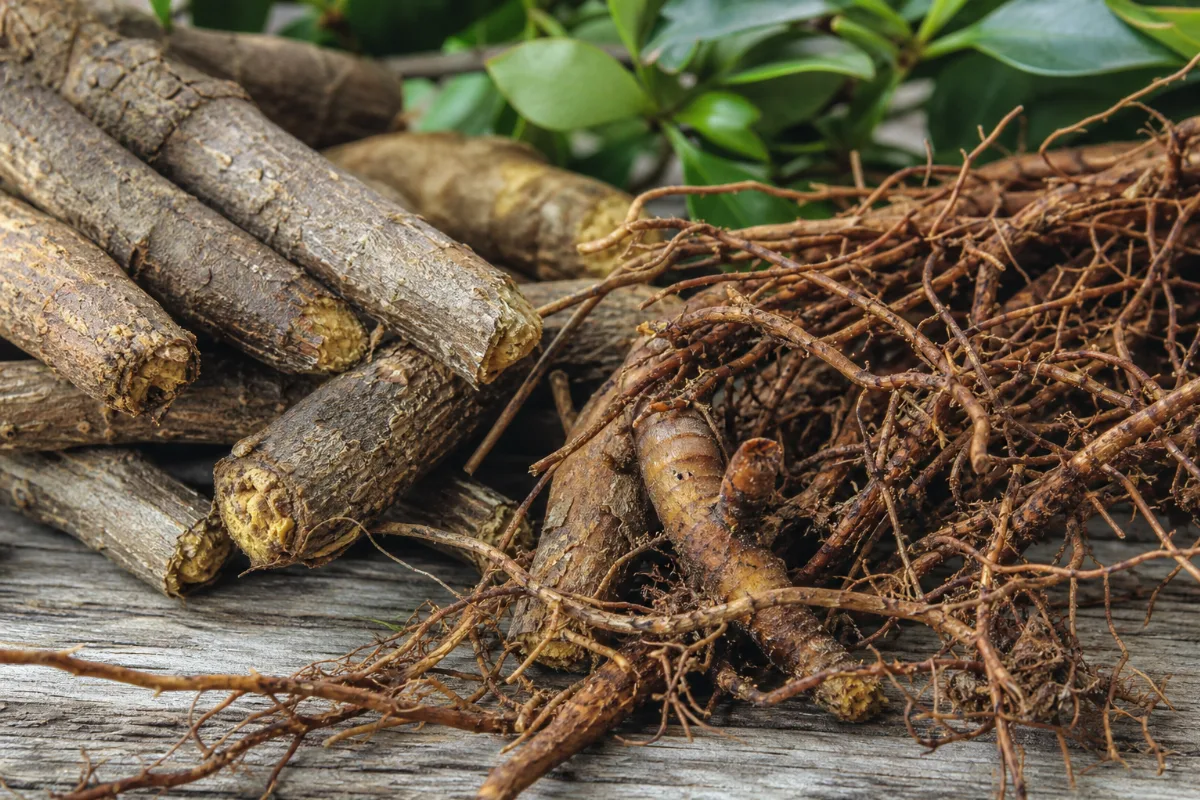
Berberine is a bright yellow alkaloid made by several plants, including barberry (Berberis vulgaris), Coptis chinensis (huanglian), goldenseal (Hydrastis canadensis), Oregon grape (Mahonia aquifolium) and the Amur cork tree (Phellodendron amurense). Supplements usually contain purified berberine hydrochloride or chloride.
This page is about the purified compound. It is not the same as the whole herbs, which contain other substances and are described on their own pages (barberry, goldenseal, Oregon grape). Results for one cannot be assumed for the other.
What it is used for
Berberine is taken for type 2 diabetes, high cholesterol, weight, fatty liver, PCOS, diarrhoea and, in China, as an add-on in H. pylori treatment. Trials are mostly small and from China.
The best-supported uses (blood sugar, cholesterol and triglycerides) are still rated low: pooled results agree in direction, but the trials are short, small and of limited quality, and none follows complications such as heart attacks.
How it differs from whole herbs
Almost all trials used purified berberine, usually hydrochloride or chloride. One recent drug trial used a different salt, berberine ursodeoxycholate, which is not an ordinary supplement. Combination herbal products in blood-pressure trials could not be credited to berberine.
Very little berberine reaches the blood after swallowing. Reviews describe extremely low blood levels, yet it still affects the liver enzyme CYP2D6 and raised cyclosporine levels in transplant patients.
How good is the research
A 2025 overview of 54 systematic reviews found only one was high quality and 45 were very low quality. A 2026 review judged all four PCOS trials it could include at high risk of compromised integrity. One well-run 2026 trial (337 people) found no effect on belly or liver fat.
Industry links: the 2025 berberine ursodeoxycholate trial involved authors with stock options in the maker.
At a glance
Traditional uses history, not proof
- The plants that contain berberine (such as Coptis) have long traditional use in Chinese medicine; a review describes Rhizoma Coptidis as a frequently used herb. This is use of the herb, not of the purified compound.
- Modern use: supplements for blood sugar, cholesterol and weight, and as an antibiotic-type drug for diarrhoea in China.
Studied for research
- Type 2 diabetes blood sugar, high cholesterol and triglycerides, weight and metabolic syndrome, low
- Fatty liver, mixed; PCOS, very low
- Diarrhoea and IBS with diarrhoea, H. pylori add-on to antibiotics, inflammation marker CRP, low
- Blood pressure, insufficient
Main compounds
- Berberine, a yellow isoquinoline alkaloid (PubChem CID 2353)
- Berberine chloride, a salt used in supplements (PubChem CID 12456)
- Breakdown products made in the body, such as berberrubine and demethyleneberberine
Common forms
- Berberine capsules or tablets (usually hydrochloride or chloride)
- Berberine ursodeoxycholate, a berberine salt tested as a drug (not a supplement)
- Whole-herb products (barberry, goldenseal, Oregon grape, Coptis) contain berberine with other compounds and have their own pages
Research links: MotherToBaby: Berberine in pregnancy and breastfeeding · Berberine and health outcomes: overview of 54 systematic reviews (abstract) · Glucose-lowering effect of berberine: meta-analysis of 37 trials (abstract) · Berberine raised cyclosporine levels in kidney transplant recipients (abstract) · Integrity-based review of berberine trials in PCOS (abstract) · Research Library · Genes & Biomarkers Library
The plant and its history
- Accepted scientific name
- Berberine (a purified plant alkaloid, not a plant)
- Naming authority
- PubChem CID 2353 (berberine cation); CID 12456 (berberine chloride)
- Common names
- Berberine (English); Berberina (Spanish)
- Botanical family
- Isoquinoline alkaloid (protoberberine type). Found in plants of the barberry family (Berberidaceae), buttercup family (Ranunculaceae) and rue family (Rutaceae).
- Classification
- not applicable (compound)
- Native range
- Not applicable to the compound.
- Habitat
- Not applicable.
- What the plant looks like
- Roots: Berberine is concentrated in roots and rhizomes of several source plants (not verified from a primary botanical source for this file).; Stems: Stem bark of barberry and cork tree is also used traditionally (not verified).; Leaves: Not applicable.; Flowers: Not applicable.; Fruit: Not applicable.
- Cultivation
- Not applicable. Commercial berberine may come from plant extraction or from chemical synthesis; the source of supplements was not verified.
- Harvest and processing
- Not verified.
- Look-alikes and adulterants
- Name: Whole-herb products (barberry, goldenseal, Oregon grape, Coptis); Note: They contain berberine plus other alkaloids and are not interchangeable with purified berberine. Related herbs have their own pages.; Name: Berberine ursodeoxycholate (HTD1801); Note: A salt of berberine with ursodeoxycholic acid in a drug trial; not the same as berberine chloride supplements.
- Sustainability and conservation
- Not verified. Goldenseal is a wild-harvested plant of conservation concern in some regions, but no source was read for this file.
Traditional use and history history, not clinical proof
| Tradition or era | Documented use | Source |
|---|---|---|
| Traditional Chinese medicine | Rhizoma Coptidis (huanglian) is a frequently used herb in Chinese medicine, with properties described as clearing damp-heat and counteracting poison; berberine is its main alkaloid. | p25610485 |
| Singapore, 1978 onward | Rhizoma Coptidis and berberine were banned after being implicated in newborn jaundice and kernicterus in G6PD-deficient infants; the ban was later reviewed and lifted. | p25610485 |
| Early modern trials, 2000s | Berberine was used as an antibiotic-type drug for diarrhoea in China; its glucose-lowering effect was noticed when used in diabetic patients with diarrhoea, which led to the first diabetes trials. | p18397984 |
Traditional use shows how a plant was used. It does not show that a supplement works or is safe today.
What is inside, and how it may work
What the plant contains and how those compounds act in cells and animals. Laboratory and animal mechanisms are not proven effects in people.
Main compounds
| Compound | Family | Where it is concentrated | Activity studied | Level of evidence |
|---|---|---|---|---|
| Berberine PubChem 2353 | protoberberine isoquinoline alkaloid | Roots, rhizomes and bark of source plants (not verified) | Raises insulin release at high glucose in mice and healthy men (KCNH6 channel); blocks CYP2D6; raises the gut pump P-gp in cells; displaces bilirubin from albumin in the lab and rats. 34 15 13 3 | Human (insulin), in vitro, animal |
| Berberine chloride (hydrochloride-type salt used in supplements) PubChem 12456 | salt of berberine | Not applicable (purified) | Common supplement form; the trials mostly used hydrochloride or chloride. 29 4 | Human data |
| Berberine metabolites (berberrubine, thalifendine, demethyleneberberine, columbamine) | berberine breakdown products | Formed in the body | Some metabolites show activities similar to berberine in lab studies; thalifendine also shows metabolism-dependent CYP2D6 inhibition. 26 15 | Laboratory research |
Mechanisms, receptors and pathways
| Target or pathway | Gene or receptor | What was found | Level |
|---|---|---|---|
| Glucose-dependent insulin release via KCNH6 potassium channel | KCNH6 | In mice and 15 healthy men, berberine raised insulin and C-peptide only under high glucose, not at baseline; knockout mice lost the effect. 34 | Animal and human (small) |
| CYP2D6 enzyme inhibition | CYP2D6 | Berberine inactivates CYP2D6 in human liver microsomes (kinact 0.025 per min, KI 4.29 micromolar) and reduced nebivolol clearance in the lab. 15 | Laboratory research |
| CYP3A4 inhibition (proposed from cyclosporine data) | CYP3A4 | Authors of the cyclosporine studies propose inhibition of CYP3A4 in liver and gut as the reason cyclosporine levels rose; this was not tested directly in the abstracts read. 27 30 | Human (indirect) |
| P-glycoprotein and Nrf2 | ABCB1 (MDR1), NFE2L2 (Nrf2) | Berberine increased MDR1/P-gp in human Caco-2 gut cells and in rat colitis through Nrf2. 13 | In vitro and animal |
| Bilirubin displacement from albumin | ALB | Berberine displaced bilirubin from albumin about tenfold more strongly than phenylbutazone in the lab, and raised unbound bilirubin in adult rats. 3 | In vitro and animal |
Absorption, metabolism and elimination
- Absorption
- Very low blood levels after swallowing. A 2026 review reports oral bioavailability of 0.68% in rats and low ng/mL plasma levels in people.
- Distribution
- Not established in people. High concentrations in gut and liver are proposed.
- Metabolism
- Extensive. Main routes are demethylation, demethylenation, reduction, hydroxylation and conjugation; active metabolites include columbamine, berberrubine and demethyleneberberine. In human liver microsomes it was metabolised to thalifendine and others with a half-life of 35.4 min.
- Elimination
- Not established in the sources read.
- Bioavailability
- Low. Different salts, phospholipid forms and other products may change exposure but were not compared here.
Isolated compounds versus whole extracts
This profile is about berberine alone, the purified compound. The plants it comes from (barberry, Coptis, goldenseal, Oregon grape) contain berberine alongside other alkaloids, and their effects, safety and quality cannot be assumed to match purified berberine. Almost all trials here used purified berberine (usually hydrochloride or chloride); one used a different salt (berberine ursodeoxycholate), and combination herbal products in blood-pressure trials could not be credited to berberine.
Nutritional composition
Not a nutrient. Berberine is not an essential food component; a nutrient table does not apply.
1 mixed findings6 low certainty1 very low certainty1 not enough evidence
What is Berberine good for?
The main studied uses and how strong the human evidence is for each. "Low" means the studies lean one way but are small, short or of limited quality; "very low" means the evidence is unreliable. All the evidence is for purified berberine, not for whole herbs.
Benefits, one by one
Each card is a research question, not a promise. Tap a goal to filter. Open a card to see the studies, doses and limits.
Type 2 diabetes: blood sugar and HbA1c
Low certaintyIn people with type 2 diabetes, trials (mostly in China) found berberine lowers blood sugar and HbA1c. The drop looks real, but the trials are mostly small, short and of limited quality.
6 studiesBerberine taken by mouth, mostly as berberine hydrochloride or chlori…
Studies, doses and limits
What the trials found
A 2022 meta-analysis of 37 randomized trials (3,048 adults, English and Chinese databases) found lower fasting glucose, HbA1c and 2-hour glucose. Two early Chinese trials (2008) reported HbA1c drops of about 1 point; one compared berberine with metformin and found a similar effect. A 12-week trial of a different product, berberine ursodeoxycholate (HTD1801, n = 113), also lowered HbA1c versus placebo. An overview of 54 systematic reviews found 25 of 27 type 2 diabetes outcomes improved, but only one review was high quality.
Results
Consistent direction across reviews and trials. Hypoglycaemia was not significantly more common (RR 0.48, 95% CI 0.21 to 1.08), but the interval is wide.
Effect sizes as reported
Fasting glucose -0.82 mmol/L (95% CI -0.95 to -0.70); HbA1c -0.63% (-0.72 to -0.53); 2-hour glucose -1.16 mmol/L (-1.36 to -0.96) (Xie 2022). HTD1801: HbA1c -0.4% (500 mg twice daily) and -0.7% (1000 mg twice daily) vs placebo.
Why this rating
Pooled results agree in direction, but the trials are mostly from China, mostly small and short (about 3 months), with unclear blinding and risk of bias. The 2025 overview rated 45 of 54 berberine reviews very low quality. No trial looked at kidney, eye, heart or death outcomes.
Form and dose studied
Berberine taken by mouth, mostly as berberine hydrochloride or chloride, a purified compound (not a whole herb). Amounts and schedules differed between trials and are not compared here; ask a doctor or pharmacist about amounts. The best-controlled recent trial (HTD1801) used a different salt, not ordinary berberine chloride.
Who was studied
Adults with type 2 diabetes, mostly in China; some trials were add-on to diabetes drugs.
Limits
A HbA1c change is not the same as fewer complications. The effect was larger when starting glucose was higher. The HTD1801 trial is industry-linked (authors held stock options in the maker).
Why researchers looked
Berberine was noticed to lower glucose when it was used for diarrhoea in people with diabetes, which led to trials.
Traditional use
Berberine is the main active alkaloid of several traditional herbs (such as Coptis, barberry and goldenseal), but the human trials here tested the purified compound, not the herb. The traditional use of the herbs is not evidence for the compound.
Proposed mechanism Preliminary mechanism
In mice and 15 healthy men, berberine raised insulin release only when blood glucose was high, through a potassium channel called KCNH6. Other proposed effects on how the body handles sugar were not read for this file.
A proposed mechanism does not show that the effect happens in people.
Taking berberine with diabetes drugs can add to blood-sugar lowering; do not stop or change diabetes medicine without a doctor. Safety is covered in the safety section. Main points: avoid in pregnancy, breastfeeding and newborns; raises cyclosporine levels; stomach and bowel effects are common.
High cholesterol and triglycerides
Low certaintyBerberine modestly lowers LDL cholesterol, total cholesterol and triglycerides in trials. The drops are small and based on lab numbers, not on fewer heart attacks.
5 studiesBerberine taken by mouth, mostly as berberine hydrochloride or chlori…
Studies, doses and limits
What the trials found
A 2023 meta-analysis of 18 placebo-controlled trials (1,788 adults, 83% in China or Hong Kong) found small falls in LDL, total cholesterol, triglycerides and apolipoprotein B, and a slight HDL rise that differed by sex. A 2018 meta-analysis of 16 trials (2,147 adults) found similar results but the authors rated many trials as high risk of bias. The 2008 diabetes trial and a 2026 placebo-controlled trial in fatty liver (n = 337) also showed lower LDL.
Results
Small and fairly consistent lowering of LDL and triglycerides.
Effect sizes as reported
Blais 2023: LDL -0.46 mmol/L (95% CI -0.62 to -0.30), total cholesterol -0.48, triglycerides -0.34 (-0.46 to -0.23), HDL +0.06 (0.00 to 0.11). Ju 2018: LDL -0.38 mmol/L (-0.53 to -0.22), triglycerides -0.28. Lei 2026: LDL -7.72 mg/dL (-13.13 to -1.93).
Why this rating
Direction is consistent, but most trials are short, Chinese, small and of limited quality (Ju 2018: high heterogeneity and bias). No trial measured heart attacks or strokes.
Form and dose studied
Berberine taken by mouth, mostly as berberine hydrochloride or chloride, a purified compound (not a whole herb). Amounts and schedules differed between trials and are not compared here; ask a doctor or pharmacist about amounts.
Who was studied
Adults with high blood fats, type 2 diabetes, metabolic syndrome or fatty liver.
Limits
Lab numbers only. No head-to-head comparison with statins was read, and no heart-event data exist for berberine.
Why researchers looked
Berberine appeared in diabetes trials that also measured blood fats, and its effect on lipids was then tested directly.
Traditional use
Berberine is the main active alkaloid of several traditional herbs (such as Coptis, barberry and goldenseal), but the human trials here tested the purified compound, not the herb. The traditional use of the herbs is not evidence for the compound.
Proposed mechanism Preliminary mechanism
Proposed effects on how the liver handles cholesterol are lab and animal findings that were not read for this file.
A proposed mechanism does not show that the effect happens in people.
Stomach and bowel effects tended to be more common than with placebo (2 to 23% vs 2 to 15%). Safety is covered in the safety section. Main points: avoid in pregnancy, breastfeeding and newborns; raises cyclosporine levels; stomach and bowel effects are common.
Weight, waist and metabolic syndrome
Low certaintyBerberine was linked to small losses in weight and waist size and some metabolic improvement in pooled trials. The average weight change is small.
3 studiesBerberine taken by mouth, mostly as berberine hydrochloride or chlori…
Studies, doses and limits
What the trials found
A 2020 meta-analysis of 12 trials found body weight fell by about 2 kg versus controls, with small falls in BMI, waist and CRP. A 2025 meta-analysis of placebo-controlled trials in metabolic syndrome found lower triglycerides, fasting glucose and waist size but no significant change in HDL or blood pressure. A 2026 six-month placebo-controlled trial (n = 337) in adults with obesity and fatty liver found NO reduction in belly (visceral) fat or liver fat.
Results
Small pooled benefit in weight and waist, but the best recent single trial of fat loss was null.
Effect sizes as reported
Asbaghi 2020: weight -2.07 kg (95% CI -3.09 to -1.05), BMI -0.47, waist -1.08 cm. Liu 2025: waist -3.27 cm (-4.82 to -1.72), BMI -0.435 (-0.856 to -0.013). Lei 2026: visceral fat difference +1.4% (97.5% CI -2.4 to 5.2).
Why this rating
Small pooled effects, a null best-quality trial, and trial quality concerns.
Form and dose studied
Berberine taken by mouth, mostly as berberine hydrochloride or chloride, a purified compound (not a whole herb). Amounts and schedules differed between trials and are not compared here; ask a doctor or pharmacist about amounts.
Who was studied
Adults with obesity, metabolic syndrome, diabetes or fatty liver.
Limits
Pooled effects may not apply to healthy people. Duration mostly 3 to 6 months.
Why researchers looked
Berberine is sold as a weight and metabolic-health supplement because of its effects on sugar and fats.
Traditional use
Berberine is the main active alkaloid of several traditional herbs (such as Coptis, barberry and goldenseal), but the human trials here tested the purified compound, not the herb. The traditional use of the herbs is not evidence for the compound.
Proposed mechanism Preliminary mechanism
Not read for this file.
A proposed mechanism does not show that the effect happens in people.
Safety is covered in the safety section. Main points: avoid in pregnancy, breastfeeding and newborns; raises cyclosporine levels; stomach and bowel effects are common.
Fatty liver disease (NAFLD / MASLD)
Mixed findingsPooled trials suggest berberine lowers liver enzymes, but the best large trial found it did not reduce liver fat.
3 studiesBerberine taken by mouth, mostly as berberine hydrochloride or chlori…
Studies, doses and limits
What the trials found
A 2024 meta-analysis of 10 trials (811 adults) found lower ALT, AST, GGT, fats, insulin resistance and BMI. A 2026 placebo-controlled trial of 337 adults with obesity and fatty liver (6 months) found no change in liver fat or belly fat compared with placebo, though LDL, apolipoprotein B and hs-CRP fell slightly. A separate 2020 meta-analysis (12 trials) found no change in ALT or AST.
Results
Mixed: enzymes lower in one pooled analysis, not in another; liver fat itself unchanged in the best trial.
Effect sizes as reported
Nie 2024: ALT SMD -0.72 (95% CI -1.01 to -0.44); AST -0.79 (-1.17 to -0.40). Lei 2026: liver fat difference 0.9 percentage points (97.5% CI -0.4 to 2.1). Asbaghi 2020: ALT -1.66 IU/L (-3.98 to 0.65).
Why this rating
Pooled liver-enzyme changes disagree between reviews, and the strongest trial (liver fat on CT, placebo-controlled) was null.
Form and dose studied
Berberine taken by mouth, mostly as berberine hydrochloride or chloride, a purified compound (not a whole herb). Amounts and schedules differed between trials and are not compared here; ask a doctor or pharmacist about amounts.
Who was studied
Adults with fatty liver, or obesity with fatty liver, in China.
Limits
Liver enzymes are not the same as less liver damage. Liver fat was not improved in the best trial.
Why researchers looked
Fatty liver goes with diabetes and high blood fats, so berberine trials were extended to it.
Traditional use
Berberine is the main active alkaloid of several traditional herbs (such as Coptis, barberry and goldenseal), but the human trials here tested the purified compound, not the herb. The traditional use of the herbs is not evidence for the compound.
Proposed mechanism Preliminary mechanism
Not read for this file.
A proposed mechanism does not show that the effect happens in people.
Liver is also a safety topic: see the safety section. Safety is covered in the safety section. Main points: avoid in pregnancy, breastfeeding and newborns; raises cyclosporine levels; stomach and bowel effects are common.
Polycystic ovary syndrome (PCOS)
Very low certaintySmall Chinese trials reported better insulin resistance and hormones, but a 2026 review found all four trials it could include had serious integrity concerns. Reliable conclusions cannot be drawn.
2 studiesBerberine taken by mouth, mostly as berberine hydrochloride or chlori…
Studies, doses and limits
What the trials found
A 2019 review of 12 trials found no solid evidence that berberine improves live birth (similar to placebo or metformin, lower than letrozole). Testosterone and the LH/FSH ratio fell versus placebo or no treatment, and berberine beat metformin on cholesterol and waist in a few trials. A 2026 integrity-based review found that all four eligible trials (n = 452) were rated high risk for compromised integrity (no registration, implausible recruitment timelines, possible duplicated data), and trial teams did not reply.
Results
No reliable evidence of benefit.
Effect sizes as reported
Live birth vs letrozole RR 0.61 (95% CI 0.44 to 0.82); total testosterone MD -0.34 (-0.47 to -0.20; 8 trials, 577 women). The 2026 review pooled nothing.
Why this rating
The only pooled data come from trials that a 2026 integrity review judged unreliable.
Form and dose studied
Berberine taken by mouth, mostly as berberine hydrochloride or chloride, a purified compound (not a whole herb). Amounts and schedules differed between trials and are not compared here; ask a doctor or pharmacist about amounts.
Who was studied
Women with PCOS, mostly in China.
Limits
Berberine is not advised in pregnancy (see safety), which matters for women trying to conceive.
Why researchers looked
PCOS involves insulin resistance, so berberine was compared with metformin.
Traditional use
Berberine is the main active alkaloid of several traditional herbs (such as Coptis, barberry and goldenseal), but the human trials here tested the purified compound, not the herb. The traditional use of the herbs is not evidence for the compound.
Proposed mechanism Preliminary mechanism
Not read for this file.
A proposed mechanism does not show that the effect happens in people.
Not for use if pregnant or trying to conceive without medical advice. Safety is covered in the safety section. Main points: avoid in pregnancy, breastfeeding and newborns; raises cyclosporine levels; stomach and bowel effects are common.
Diarrhoea and IBS with diarrhoea
Low certaintyReviews and one placebo-controlled trial found berberine helped diarrhoea, but the evidence is low quality and many trials gave it as an enema to children.
3 studiesBerberine taken by mouth, mostly as berberine hydrochloride or chlori…
Studies, doses and limits
What the trials found
A 2020 meta-analysis of 38 trials (3,948 people; 27 trials in children) found better cure rates and shorter diarrhoea, especially for berberine added to antibiotics. Evidence quality was moderate to very low, and 22 of 27 children's trials used enemas. A 2015 randomized trial of 132 adults with IBS with diarrhoea (400 mg a day for 8 weeks versus placebo) found fewer diarrhoea, pain and urgency episodes, with only a trend on mood scores.
Results
Modestly positive but low-quality.
Effect sizes as reported
Direction favours berberine; the abstracts give no effect sizes. IBS trial: diarrhoea frequency P = 0.032, pain and urgency P < 0.01.
Why this rating
Low GRADE, enema use in children, one IBS trial of 132 people.
Form and dose studied
Berberine taken by mouth, mostly as berberine hydrochloride or chloride, a purified compound (not a whole herb). Amounts and schedules differed between trials and are not compared here; ask a doctor or pharmacist about amounts. Enema use in children is a medical treatment, not a supplement.
Who was studied
Children and adults with acute or persistent diarrhoea in China; adults with IBS-D.
Limits
Does not replace oral rehydration or medical care for dehydration.
Why researchers looked
Berberine has been used as a gut remedy for infections.
Traditional use
Berberine is the main active alkaloid of several traditional herbs (such as Coptis, barberry and goldenseal), but the human trials here tested the purified compound, not the herb. The traditional use of the herbs is not evidence for the compound.
Proposed mechanism Preliminary mechanism
Not read for this file.
A proposed mechanism does not show that the effect happens in people.
Constipation and diarrhoea are also listed as common side effects. Safety is covered in the safety section. Main points: avoid in pregnancy, breastfeeding and newborns; raises cyclosporine levels; stomach and bowel effects are common.
Helicobacter pylori add-on treatment
Low certaintyAdding berberine to standard triple therapy raised cure rates in Chinese trials. Berberine was an add-on to antibiotics, not a replacement.
2 studiesBerberine taken by mouth, mostly as berberine hydrochloride or chlori…
Studies, doses and limits
What the trials found
A 2020 meta-analysis of 13 articles from China found that adding berberine to triple therapy raised the eradication rate, ulcer healing and symptom relief, with fewer side events reported. Blinding and risk of bias were not stated in the abstract.
Results
Positive but limited to one country.
Effect sizes as reported
Eradication RR 1.22 (95% CI 1.16 to 1.27); ulcer healing RR 1.15 (1.10 to 1.19); symptom relief RR 1.11 (1.06 to 1.17); adverse events RR 0.65 (0.53 to 0.80).
Why this rating
One country, possibly different antibiotic resistance; little detail on trial quality.
Form and dose studied
Berberine taken by mouth, mostly as berberine hydrochloride or chloride, a purified compound (not a whole herb). Amounts and schedules differed between trials and are not compared here; ask a doctor or pharmacist about amounts.
Who was studied
People with H. pylori infection in China.
Limits
Berberine here was an add-on to antibiotics.
Why researchers looked
Berberine has antibacterial properties and was added to eradication regimens in China.
Traditional use
Berberine is the main active alkaloid of several traditional herbs (such as Coptis, barberry and goldenseal), but the human trials here tested the purified compound, not the herb. The traditional use of the herbs is not evidence for the compound.
Proposed mechanism Preliminary mechanism
Not read for this file.
A proposed mechanism does not show that the effect happens in people.
Interactions with the antibiotics and acid reducers were not reviewed. Safety is covered in the safety section. Main points: avoid in pregnancy, breastfeeding and newborns; raises cyclosporine levels; stomach and bowel effects are common.
Blood pressure
Not enough evidenceEvidence is limited and inconclusive: a systematic review of 7 trials could not pool results, and placebo-controlled trials in metabolic syndrome showed no significant change in blood pressure.
2 studiesBerberine taken by mouth, mostly as berberine hydrochloride or chlori…
Studies, doses and limits
What the trials found
A 2021 systematic review (5 randomized and 2 non-randomized trials, 614 people) found berberine plus amlodipine was no better than amlodipine alone, berberine beat metformin on systolic pressure in one comparison, and combination products helped but could not be credited to berberine. A 2025 meta-analysis of placebo-controlled trials found no significant change in systolic or diastolic pressure.
Results
Inconclusive.
Effect sizes as reported
Versus metformin systolic -11.87 mmHg (95% CI -16.64 to -7.10). Placebo-controlled pooled: not significant.
Why this rating
Heterogeneous, low-quality trials; no heart events measured.
Form and dose studied
Berberine taken by mouth, mostly as berberine hydrochloride or chloride, a purified compound (not a whole herb). Amounts and schedules differed between trials and are not compared here; ask a doctor or pharmacist about amounts.
Who was studied
Adults with high blood pressure or metabolic syndrome.
Limits
No trial of berberine alone against placebo in people with high blood pressure was found.
Why researchers looked
Blood pressure often goes with metabolic syndrome.
Traditional use
Berberine is the main active alkaloid of several traditional herbs (such as Coptis, barberry and goldenseal), but the human trials here tested the purified compound, not the herb. The traditional use of the herbs is not evidence for the compound.
Proposed mechanism Preliminary mechanism
Not read for this file.
A proposed mechanism does not show that the effect happens in people.
Possible added blood-pressure lowering with drugs (theory). Safety is covered in the safety section. Main points: avoid in pregnancy, breastfeeding and newborns; raises cyclosporine levels; stomach and bowel effects are common.
Inflammation marker (CRP)
Low certaintyPooled trials found a small fall in CRP, a blood marker of inflammation. This is a lab number only.
2 studiesBerberine taken by mouth, mostly as berberine hydrochloride or chlori…
Studies, doses and limits
What the trials found
A 2020 meta-analysis found CRP fell by about 0.42 mg/L. A 2026 trial in fatty liver found hs-CRP fell slightly more with berberine than placebo (secondary outcome).
Results
Small, lab-only change.
Effect sizes as reported
CRP WMD -0.42 mg/L (95% CI -0.82 to -0.03); hs-CRP -0.072 mg/dL (-0.140 to -0.004).
Why this rating
Small changes, secondary outcomes.
Form and dose studied
Berberine taken by mouth, mostly as berberine hydrochloride or chloride, a purified compound (not a whole herb). Amounts and schedules differed between trials and are not compared here; ask a doctor or pharmacist about amounts.
Who was studied
Adults with metabolic disease.
Limits
CRP change does not prove clinical benefit.
Why researchers looked
CRP is often high in obesity and metabolic disease.
Traditional use
Berberine is the main active alkaloid of several traditional herbs (such as Coptis, barberry and goldenseal), but the human trials here tested the purified compound, not the herb. The traditional use of the herbs is not evidence for the compound.
Proposed mechanism Preliminary mechanism
Not read for this file.
A proposed mechanism does not show that the effect happens in people.
Safety is covered in the safety section. Main points: avoid in pregnancy, breastfeeding and newborns; raises cyclosporine levels; stomach and bowel effects are common.
Connections to the rest of health
How Berberine connects to the rest of our health knowledge graph. Every link says what kind of connection it is. A safety link (for example to the liver) is a warning, not a benefit. A study that merely mentions a topic never creates a benefit link.
Explore every connection: goals, body systems, organs, symptoms, genes
A. Wellness goals
| Connected to | Kind of connection | Evidence status | Context | Studies |
|---|---|---|---|---|
| Blood Sugar Balance | Potential benefit | Low certainty | Type 2 diabetes: blood sugar and HbA1c: In people with type 2 diabetes, trials (mostly in China) found berberine lowers blood sugar and HbA1c. The drop looks real, but the trials are mostly small, short and of limited quality. | 29 33 31 12 24 34 |
| Metabolic Health | Potential benefit | Low certainty | Type 2 diabetes: blood sugar and HbA1c: In people with type 2 diabetes, trials (mostly in China) found berberine lowers blood sugar and HbA1c. The drop looks real, but the trials are mostly small, short and of limited quality. Weight, waist and metabolic syndrome: Berberine was linked to small losses in weight and waist size and some metabolic improvement in pooled trials. The average weight change is small. | 29 33 31 12 24 34 1 18 16 21 |
| Cholesterol Balance | Potential benefit | Low certainty | High cholesterol and triglycerides: Berberine modestly lowers LDL cholesterol, total cholesterol and triglycerides in trials. The drops are small and based on lab numbers, not on fewer heart attacks. | 2 14 33 16 18 |
| Heart Health | Potential benefit | Low certainty | High cholesterol and triglycerides: Berberine modestly lowers LDL cholesterol, total cholesterol and triglycerides in trials. The drops are small and based on lab numbers, not on fewer heart attacks. Blood pressure: Evidence is limited and inconclusive: a systematic review of 7 trials could not pool results, and placebo-controlled trials in metabolic syndrome showed no significant change in blood pressure. | 2 14 33 16 18 25 |
| Weight Management | Potential benefit | Low certainty | Weight, waist and metabolic syndrome: Berberine was linked to small losses in weight and waist size and some metabolic improvement in pooled trials. The average weight change is small. | 1 18 16 |
| Liver Support | Potential benefit | Mixed findings | Fatty liver disease (NAFLD / MASLD): Pooled trials suggest berberine lowers liver enzymes, but the best large trial found it did not reduce liver fat. | 21 16 1 |
| Womens Wellness | Potential benefit | Very low certainty | Polycystic ovary syndrome (PCOS): Small Chinese trials reported better insulin resistance and hormones, but a 2026 review found all four trials it could include had serious integrity concerns. Reliable conclusions cannot be drawn. | 28 22 |
| Hormone Balance | Potential benefit | Very low certainty | Polycystic ovary syndrome (PCOS): Small Chinese trials reported better insulin resistance and hormones, but a 2026 review found all four trials it could include had serious integrity concerns. Reliable conclusions cannot be drawn. | 28 22 |
| Fertility Support | Potential benefit | Very low certainty | Polycystic ovary syndrome (PCOS): Small Chinese trials reported better insulin resistance and hormones, but a 2026 review found all four trials it could include had serious integrity concerns. Reliable conclusions cannot be drawn. | 28 22 |
| Digestive Support | Potential benefit | Low certainty | Diarrhoea and IBS with diarrhoea: Reviews and one placebo-controlled trial found berberine helped diarrhoea, but the evidence is low quality and many trials gave it as an enema to children. Helicobacter pylori add-on treatment: Adding berberine to standard triple therapy raised cure rates in Chinese trials. Berberine was an add-on to antibiotics, not a replacement. | 32 4 17 11 |
| Gut Health | Potential benefit | Low certainty | Diarrhoea and IBS with diarrhoea: Reviews and one placebo-controlled trial found berberine helped diarrhoea, but the evidence is low quality and many trials gave it as an enema to children. Helicobacter pylori add-on treatment: Adding berberine to standard triple therapy raised cure rates in Chinese trials. Berberine was an add-on to antibiotics, not a replacement. | 32 4 17 11 |
| Blood Pressure Support | Potential benefit | Not enough evidence | Blood pressure: Evidence is limited and inconclusive: a systematic review of 7 trials could not pool results, and placebo-controlled trials in metabolic syndrome showed no significant change in blood pressure. | 25 18 |
| Inflammation Balance | Potential benefit | Low certainty | Inflammation marker (CRP): Pooled trials found a small fall in CRP, a blood marker of inflammation. This is a lab number only. | 1 16 |
B. Body systems
| Connected to | Kind of connection | Evidence status | Context | Studies |
|---|---|---|---|---|
| Hepatic system | Adverse effect or risk | Not enough evidence | No clinically apparent liver injury cases were found in the reading; EFSA draft raises concern (not verified at source). Preparation or compound: Berberine |
19 7 |
| Digestive system | Adverse effect or risk | Low certainty | Constipation and diarrhoea are the most common side effects. Preparation or compound: Berberine |
2 17 |
| Reproductive system | Contraindication | Very low certainty | Avoid in pregnancy and breastfeeding; bilirubin displacement concern. Preparation or compound: Berberine |
3 20 |
| Immune system | Drug or supplement interaction | Moderate certainty | Raises cyclosporine blood levels in transplant recipients. Raised cyclosporine levels in kidney transplant recipients. Preparation or compound: Berberine with cyclosporine |
27 30 |
| Endocrine system | Drug or supplement interaction | Low certainty | May add to blood-sugar lowering. Preparation or compound: Berberine with diabetes drugs |
29 |
| Endocrine system | Potential benefit | Low certainty | Lowers HbA1c and fasting glucose in type 2 diabetes trials. Preparation or compound: Berberine |
29 33 |
| Cardiovascular system | Potential benefit | Low certainty | Small falls in LDL cholesterol and triglycerides; no heart-event data. Preparation or compound: Berberine |
2 14 |
| Endocrine System | Biological association | Low certainty | Studied for: Type 2 diabetes: blood sugar and HbA1c Studied for: Weight, waist and metabolic syndrome | 29 33 31 12 24 34 1 18 16 28 22 |
| Metabolism Weight | Biological association | Low certainty | Studied for: Type 2 diabetes: blood sugar and HbA1c Studied for: High cholesterol and triglycerides | 29 33 31 12 24 34 2 14 16 18 1 21 |
| Cardiovascular System | Biological association | Low certainty | Studied for: High cholesterol and triglycerides Studied for: Blood pressure | 2 14 33 16 18 25 |
| Hepatic System | Biological association | Mixed findings | Studied for: Fatty liver disease (NAFLD / MASLD) | 21 16 1 |
| Reproductive System | Biological association | Very low certainty | Studied for: Polycystic ovary syndrome (PCOS) | 28 22 |
| Digestive System | Biological association | Low certainty | Studied for: Diarrhoea and IBS with diarrhoea Studied for: Helicobacter pylori add-on treatment | 32 4 17 11 |
| Immune System | Biological association | Low certainty | Studied for: Inflammation marker (CRP) | 1 16 |
I. Biomarkers
| Connected to | Kind of connection | Evidence status | Context | Studies |
|---|---|---|---|---|
| HbA1c (average blood sugar over about 3 months) | Biological association | Low certainty | Measured in trials: lowered. A lab change is not the same as a health benefit. | 29 33 12 |
| Fasting and 2-hour blood glucose | Biological association | Low certainty | Measured in trials: lowered. A lab change is not the same as a health benefit. | 29 18 |
| LDL cholesterol | Biological association | Low certainty | Measured in trials: lowered. A lab change is not the same as a health benefit. | 2 14 16 |
| Triglycerides | Biological association | Low certainty | Measured in trials: lowered. A lab change is not the same as a health benefit. | 2 18 |
| HDL cholesterol | Biological association | Mixed findings | Measured in trials: mixed. A lab change is not the same as a health benefit. | 2 18 |
| Body weight and waist size | Biological association | Low certainty | Measured in trials: lowered. A lab change is not the same as a health benefit. | 1 16 |
| ALT and AST (liver enzymes) | Biological association | Mixed findings | Measured in trials: mixed. A lab change is not the same as a health benefit. | 21 1 27 |
| Liver fat and belly (visceral) fat on CT | Biological association | Low certainty | Measured in trials: no-change. A lab change is not the same as a health benefit. | 16 |
| Total testosterone (in PCOS) | Biological association | Very low certainty | Measured in trials: lowered. A lab change is not the same as a health benefit. | 28 22 |
| C-reactive protein (CRP) | Biological association | Low certainty | Measured in trials: lowered. A lab change is not the same as a health benefit. | 1 16 |
| H. pylori eradication rate | Biological association | Low certainty | Measured in trials: raised. A lab change is not the same as a health benefit. | 11 |
| Blood pressure | Biological association | Not enough evidence | Measured in trials: mixed. A lab change is not the same as a health benefit. | 25 18 |
J. Genes, receptors and enzymes
| Connected to | Kind of connection | Evidence status | Context | Studies |
|---|---|---|---|---|
| KCNH6 (potassium channel) | Preliminary mechanism | Animal and human (small) | Binding by berberine closes the channel and raises glucose-dependent insulin secretion (mouse and small human study). | 34 |
| CYP2D6 | Preliminary mechanism | In vitro | Quasi-irreversibly inhibited by berberine in human liver microsomes. | 15 |
| CYP3A4 | Preliminary mechanism | Human (indirect) | Proposed site of the cyclosporine interaction. | 27 |
| ABCB1 (P-glycoprotein) and NFE2L2 (Nrf2) | Preliminary mechanism | In vitro and animal | Upregulated by berberine in Caco-2 cells and in rats. | 13 |
L. Active compounds
| Connected to | Kind of connection | Evidence status | Context | Studies |
|---|---|---|---|---|
| Berberine | Biological association | Human (insulin), in vitro, animal | Raises insulin release at high glucose in mice and healthy men (KCNH6 channel); blocks CYP2D6; raises the gut pump P-gp in cells; displaces bilirubin from albumin in the lab and rats. Preparation or compound: Roots, rhizomes and bark of source plants (not verified) |
34 15 13 3 |
| Berberine chloride (hydrochloride-type salt used in supplements) | Biological association | Human | Common supplement form; the trials mostly used hydrochloride or chloride. Preparation or compound: Not applicable (purified) |
29 4 |
| Berberine metabolites (berberrubine, thalifendine, demethyleneberberine, columbamine) | Biological association | In vitro | Some metabolites show activities similar to berberine in lab studies; thalifendine also shows metabolism-dependent CYP2D6 inhibition. Preparation or compound: Formed in the body |
26 15 |
Each connection is stored with the ingredient, the connected record, the kind of connection, the evidence status, the supporting studies, the preparation or compound involved, and a review date (last reviewed October 25, 2026).
Evidence at a glance: what changed in 12 lab markers
Tap a number to show only those markers. Counts are markers, not people.
The evidence
The research centre for Berberine. Every record here was checked against PubMed or the publisher's page; we never list a study we have not verified.
Evidence by outcome
Bars show how many studies we found for each outcome, not how well it works. People are added up across trials only (reviews are not added, to avoid double counting).
How we rate evidence
High certainty
Several well-run trials or reviews agree; further research is unlikely to change the picture much.
Moderate certainty
Good trials point the same way, but some doubt remains.
Low certainty
Small, short or inconsistent trials. The finding could change with better research.
Very low certainty
Very little or very weak human data. Treat as a possibility only.
Mixed findings
Trials or reviews disagree with each other.
Not enough evidence
Not enough human research to say either way.
Evidence against
Good research found no benefit, or found harm.
We take the reviewers' own risk-of-bias and GRADE statements where they exist, and otherwise judge from study size, design, consistency, directness and whether a product matches what is sold. Many publications do not make evidence high. Method note: We searched PubMed for systematic reviews, meta-analyses and the best randomized trials, read the abstracts, and checked compound identifiers in PubChem and source-plant names in GBIF. Only abstracts were read for nearly all studies. Web pages for MotherToBaby, the EFSA draft opinion (through a trade-press report) and LiverTox (through a search summary) were read only in summary form and are marked as not verified at the source. No FDA, NCCIH or EMA document on purified berberine was found. Certainty ratings are the compiler's own reading, not formal grades. No study is cited that we could not verify.
Study library: every study we checked 34
| Study | Design | People | Product, dose, length | Result |
|---|---|---|---|---|
| Asbaghi 2020 The effect of berberine supplementation on obesity parameters, inflammation and liver function enzymes: A systematic review and meta-analysis of randomized controlled trials. Clin Nutr ESPEN · PMID 32690176 · DOI |
Meta-analysis |
Adults (12 trials) | Berberine (purified alkaloid, mostly berberine hydrochloride/chloride as taken by mouth) not applicable (purified compound) not pooled not stated · vs Control groups |
Moderate falls in weight, BMI, waist and CRP. No effect on ALT or AST. Weight WMD -2.07 kg (-3.09 to -1.05); BMI -0.47 kg/m2 (-0.70 to -0.23); waist -1.08 cm (-1.97 to -0.19); CRP -0.42 mg/L (-0.82 to -0.03); ALT -1.66 IU/L (-3.98 to 0.65); AST -0.87 (-2.56 to 0.82). Methods, limits and fundingOutcomes: Body weight, BMI, waist, CRP, ALT, AST Limitations: Total participant number not in the abstract. Small average weight change. Risk of bias not in the abstract. Funding and conflicts: Authors declared no conflicts. Read: abstract |
| Blais 2023 Overall and Sex-Specific Effect of Berberine for the Treatment of Dyslipidemia in Adults: A Systematic Review and Meta-Analysis of Randomized Placebo-Controlled Trials. Drugs · PMID 36941490 · DOI |
Meta-analysis |
1788 Adults with high blood fats (18 placebo-controlled trials, 83% from mainland China and Hong Kong) |
Berberine (purified alkaloid, mostly berberine hydrochloride/chloride as taken by mouth) not applicable (purified compound) not pooled 4 to 24 weeks · vs Placebo |
Small falls in LDL, total cholesterol, triglycerides and apolipoprotein B; HDL rose slightly, with a difference by sex. No serious adverse events; stomach and bowel effects tended to be more common with berberine. LDL -0.46 mmol/L (-0.62 to -0.30); total cholesterol -0.48 (-0.63 to -0.33); triglycerides -0.34 (-0.46 to -0.23); apoB -0.25 g/L (-0.40 to -0.11; 2 studies); HDL +0.06 (0.00 to 0.11). GI adverse events 2-23% with berberine vs 2-15% with placebo. Methods, limits and fundingOutcomes: LDL, total cholesterol, triglycerides, HDL, apolipoprotein B, gastrointestinal and muscle adverse events Limitations: The authors call for large trials with clinical outcomes (heart attacks, strokes); lipids are a stand-in measure only. Risk-of-bias results are not given in the abstract. Funding and conflicts: Not stated in the abstract. Registration: PROSPERO CRD42021293218 Read: abstract |
| Chan 1993 Displacement of bilirubin from albumin by berberine. Biol Neonate · PMID 8513024 · DOI |
In vitro and animal in-vitro |
Lab blood-protein tests and adult rats | Berberine not applicable (purified compound) 10 and 20 microgram/g by injection (rats) 1 week (rats) · vs Untreated |
In the lab berberine pushed bilirubin off its carrier protein about ten times more strongly than phenylbutazone. In adult rats it lowered bilirubin binding and raised unbound and total bilirubin. The author advises avoiding berberine-rich herbs in jaundiced newborns and pregnant women. Roughly tenfold stronger displacement than phenylbutazone (molar basis). Methods, limits and fundingOutcomes: Bilirubin binding to albumin; unbound and total bilirubin in rats Limitations: Lab and adult-rat study; not done in newborns. Newborn harm from berberine in people was reported in clinical settings but is not proven by this paper. Read: abstract |
| Chen 2015 A Randomized Clinical Trial of Berberine Hydrochloride in Patients with Diarrhea-Predominant Irritable Bowel Syndrome. Phytother Res · PMID 26400188 · DOI |
Controlled trial |
132 Adults in China with IBS with diarrhoea (196 recruited, 132 randomized) |
Berberine hydrochloride not applicable 400 mg a day (200 mg twice daily) 8 weeks plus 4 weeks washout · vs Placebo |
Diarrhoea, abdominal pain and urgency were less frequent with berberine than placebo. IBS score, depression and anxiety scores improved only as a trend. Well tolerated. Diarrhoea frequency P = 0.032; abdominal pain P < 0.01; urgency P < 0.01. No effect sizes in the abstract. Methods, limits and fundingOutcomes: Diarrhoea, pain and urgency frequency; IBS score; mood; quality of life Limitations: One trial, one country, 8 weeks. No effect sizes in the abstract. Funding and conflicts: Not stated in the abstract. Read: abstract |
| Drugs and Lactation Database (LactMed) 2025 Goldenseal. LactMed, NICHD (updated 2025 May 15) · PMID 30000926 |
Authoritative guidance |
Breastfeeding mothers and infants (goldenseal root, which contains berberine) | Goldenseal root (contains berberine) not applicable (purified compound) not applicable not applicable · vs not applicable |
No data exist on goldenseal components in breast milk. Berberine can displace bilirubin from serum albumin, so most sources advise avoiding exposure of newborns through breastfeeding or otherwise. Not applicable. Methods, limits and fundingOutcomes: Safety in breastfeeding Limitations: About goldenseal, not purified berberine; the bilirubin concern is the same compound. Read: abstract |
| Dumitru 2026 Berberine-Drug Interactions: Mechanisms, Clinical Relevance and Risk Stratification-A Narrative Review. Pharmaceuticals (Basel) · PMID 42653808 · DOI |
Narrative review |
Review of human and lab evidence | Berberine (purified alkaloid, mostly berberine hydrochloride/chloride as taken by mouth) not applicable (purified compound) not applicable not applicable · vs not applicable |
Berberine has very low blood levels yet can interact via CYP3A4, CYP2D6 and CYP2C9, transporters (P-gp, OCT1/2, MATE1), and added effects on blood sugar, blood pressure and heart rhythm. Documented in people for only a few drug pairs; the clinical anchor is cyclosporine. Oral bioavailability 0.68% in rats; low ng/mL plasma levels in humans; cyclosporine AUC +34.5% and trough 29.3% above control in kidney transplant recipients. Methods, limits and fundingOutcomes: Interaction mechanisms and human data Limitations: Narrative review (structured per SANRA), not a systematic one. Most pairs are mechanistic, not proven in people. Noted that EU national limits differ by more than ten-fold. Funding and conflicts: No conflicts declared. Read: abstract |
| EFSA NDA Panel (draft endorsed 29 January 2026); article in NutraIngredients 2026 EFSA draft scientific opinion on the safety of plant preparations containing berberine (reported by NutraIngredients, 10 March 2026) EFSA draft opinion; news report · Source |
Authoritative guidance |
General population; berberine and berberine-containing plants | Berberine not applicable not applicable not applicable · vs not applicable |
Draft opinion (not final) says no safe intake level can currently be established for several berberine-containing plants (including Berberis, Chelidonium majus, Hydrastis canadensis, Phellodendron amurense). Concerns listed: in vitro genotoxicity signals (gene mutation and chromosome damage) needing in vivo confirmation, carcinogenic activity in rodent studies (linked in the article to goldenseal animal studies), and idiosyncratic herb-induced liver injury. A stakeholder consultation ran to May 2026. If berberine goes into Part A of Annex III of Regulation (EC) 1925/2006 it would be prohibited; Part C would give four years to submit studies. Methods, limits and fundingOutcomes: Safety statements Limitations: Read only as a trade-press report and search summaries. The EFSA draft itself was not opened, and no final opinion or Commission decision was found in October 2026. Read: summary-only |
| GBIF; PubChem 2026 GBIF species match and PubChem compound records for berberine and source plants GBIF API; PubChem PUG REST · Source |
Database lookup |
General population; berberine and berberine-containing plants | Berberine not applicable not applicable not applicable · vs not applicable |
PubChem CID 2353 = berberine (C20H18NO4+, 336.4); CID 12456 = berberine chloride (C20H18ClNO4, 371.8). GBIF accepted names: Berberis vulgaris 3033894 (Berberidaceae); Berberis aristata 3982087; Mahonia aquifolium 3033865; Coptis chinensis 7277323 and Hydrastis canadensis 3033110 (Ranunculaceae); Phellodendron amurense 3190154 (Rutaceae). Methods, limits and fundingOutcomes: Safety statements Limitations: Identifiers only, looked up 2026-10-25. Read: full-text |
| Ho 1996 Traditional Chinese medicine and treatment of neonatal jaundice. Singapore Med J · PMID 9104069 |
Narrative review |
Chinese reports (20, from 1973 to 1989) of herbs for newborn jaundice | Huang-lian (Coptis) containing berberine, among other herbs not applicable (purified compound) not applicable not applicable · vs not applicable |
Huang-lian (Coptis) was used in 4 of 20 centres for newborn jaundice. The review states that berberine can cause severe acute hemolysis (red cell breakdown) in babies with G6PD deficiency, a statement the abstract does not source further. Huang-lian used in 20% of the centres. Methods, limits and fundingOutcomes: Which herbs were used and their known effects Limitations: Secondary review. The hemolysis claim is not backed by case data in the abstract. Read: abstract |
| Ho 2014 From prejudice to evidence: the case of rhizoma coptidis in singapore. Evid Based Complement Alternat Med · PMID 25610485 · DOI |
Narrative review |
Regulatory and safety history of Rhizoma Coptidis (huanglian) and berberine in Singapore | Rhizoma Coptidis and berberine not applicable (purified compound) not applicable not applicable · vs not applicable |
In 1978 Rhizoma Coptidis was implicated in newborn jaundice and kernicterus in G6PD-deficient infants, and Singapore banned the herb and berberine. After later studies pointing to safety for the general public and better understanding of G6PD deficiency, the Health Sciences Authority reviewed and lifted the ban. Ban 1978; lifted after review (year not in the abstract). Methods, limits and fundingOutcomes: Safety review and regulatory history Limitations: Abstract only. The abstract does not give the details of the studies that led to lifting the ban. Read: abstract |
| Hu 2020 The Efficacy of Berberine-Containing Quadruple Therapy on Helicobacter Pylori Eradication in China: A Systematic Review and Meta-Analysis of Randomized Clinical Trials. Front Pharmacol · PMID 32116685 · DOI |
Meta-analysis |
People with H. pylori infection in China (13 articles) | Berberine added to standard triple therapy (acid reducer plus two antibiotics) not applicable (purified compound) not pooled not stated · vs Standard triple therapy |
Adding berberine to standard triple therapy raised the eradication rate, ulcer healing and symptom relief, and was linked to fewer side events. Eradication RR 1.22 (1.16 to 1.27); ulcer healing RR 1.15 (1.10 to 1.19); symptom relief RR 1.11 (1.06 to 1.17); adverse events RR 0.65 (0.53 to 0.80). Methods, limits and fundingOutcomes: H. pylori eradication, ulcer healing, symptom relief, adverse events Limitations: All trials in China, where standard antibiotic resistance patterns may differ. Risk of bias and blinding not given in the abstract. Berberine was an add-on, not a replacement for antibiotics. Funding and conflicts: Not stated in the abstract. Read: abstract |
| Ji 2025 Berberine Ursodeoxycholate for the Treatment of Type 2 Diabetes: A Randomized Clinical Trial. JAMA Netw Open · PMID 40029660 · DOI |
Controlled trial |
113 Adults in China with type 2 diabetes not controlled by diet and exercise (HbA1c 7.0 to 10.5%) |
HTD1801 (berberine ursodeoxycholate, a salt of berberine with ursodeoxycholic acid; NOT ordinary berberine chloride) not applicable (purified compound) 500 mg or 1000 mg twice daily 12 weeks · vs Placebo |
Both doses lowered HbA1c more than placebo, with a larger effect at the higher dose. Side events were mostly mild; one serious event (retinal bleeding) was judged unlikely related. HbA1c vs placebo: -0.4% (-0.79 to -0.03; P = .04) for 500 mg; -0.7% (-1.10 to -0.35; P < .001) for 1000 mg. Adverse events in 52.2% overall. Methods, limits and fundingOutcomes: HbA1c change; glucose; blood fats; liver markers; safety Limitations: A different product from supplement berberine. Phase 2, 12 weeks, 113 people. Funding and conflicts: Industry-linked: three authors reported stock options in Shenzhen HighTide Biopharmaceutical, the developer of HTD1801. Registration: ClinicalTrials.gov NCT06411275 Read: abstract |
| Jing 2018 Berberine Upregulates P-Glycoprotein in Human Caco-2 Cells and in an Experimental Model of Colitis in the Rat via Activation of Nrf2-Dependent Mechanisms. J Pharmacol Exp Ther · PMID 29891588 · DOI |
Laboratory research in-vitro |
Human gut-lining cells (Caco-2) and rats with induced colitis | Berberine not applicable (purified compound) lab / animal doses not applicable · vs Untreated cells and animals |
Berberine increased the gut pump P-glycoprotein in cells and rats through the Nrf2 switch. Nrf2 reporter activity 2-fold at 2.5 micromolar in Caco-2 cells. Methods, limits and fundingOutcomes: P-glycoprotein (P-gp) expression; colitis markers Limitations: Cells and rats only. Increasing the pump could in theory lower levels of drugs it removes; this was not tested in people here. Read: abstract |
| Ju 2018 Efficacy and safety of berberine for dyslipidaemias: A systematic review and meta-analysis of randomized clinical trials. Phytomedicine · PMID 30466986 · DOI |
Meta-analysis |
2147 Adults with high blood fats (16 trials) |
Berberine (purified alkaloid, mostly berberine hydrochloride/chloride as taken by mouth) not applicable (purified compound) not pooled not stated · vs Control groups |
Berberine lowered total cholesterol, LDL and triglycerides and raised HDL when used alone. No more adverse events and no severe adverse effects. Total cholesterol MD -0.47 mmol/L (-0.64 to -0.31); LDL MD -0.38 (-0.53 to -0.22); triglycerides MD -0.28 (-0.46 to -0.10); HDL MD +0.08 (0.03 to 0.12); adverse events RR 0.64 (0.31 to 1.30). Methods, limits and fundingOutcomes: Total cholesterol, LDL, HDL, triglycerides, adverse events Limitations: The authors state the trials had high clinical heterogeneity and mostly low methodological quality (random sequence, allocation concealment, blinding, missing data), so bias is possible. Funding and conflicts: Not stated in the abstract. Read: abstract |
| Kim 2020 Quasi-Irreversible Inhibition of CYP2D6 by Berberine. Pharmaceutics · PMID 32987920 · DOI |
Laboratory research in-vitro |
Pooled human liver microsomes (lab test, no people) | Berberine and its metabolites not applicable (purified compound) lab concentrations not applicable · vs Control incubations |
Berberine blocked CYP2D6, the liver enzyme that clears many drugs, in a long-lasting (quasi-irreversible) way. Clearance of nebivolol, a CYP2D6 drug, was reduced in the lab. kinact 0.025 per min; KI 4.29 micromolar. Methods, limits and fundingOutcomes: CYP2D6 inhibition kinetics; nebivolol clearance Limitations: Lab study only; human relevance was not tested. The authors say further clinical evaluation is warranted. Funding and conflicts: No conflicts declared. Read: abstract |
| Lei 2026 Berberine and Adiposity in Diabetes-Free Individuals With Obesity and MASLD: A Randomized Clinical Trial. JAMA Netw Open · PMID 41543854 · DOI |
Controlled trial |
337 Adults in China without diabetes, with obesity and fatty liver (MASLD), 11 hospitals |
Berberine (purified alkaloid, mostly berberine hydrochloride/chloride as taken by mouth) not applicable (purified compound) 1 g per day 6 months · vs Matching placebo |
Berberine did NOT reduce belly fat or liver fat compared with placebo. LDL cholesterol, apolipoprotein B and hs-CRP fell slightly more with berberine. Adverse events were similar between groups. Visceral fat area difference 1.4% (97.5% CI -2.4 to 5.2); liver fat difference 0.9 percentage points (-0.4 to 2.1); LDL -7.72 mg/dL (-13.13 to -1.93); apoB -3.42 mg/dL; hs-CRP -0.072 mg/dL. Methods, limits and fundingOutcomes: Belly (visceral) fat area and liver fat by CT; glucose, blood fats, inflammation Limitations: The LDL, apoB and hs-CRP findings were secondary outcomes. One country, 6 months. Funding and conflicts: No conflicts reported. Registration: ClinicalTrials.gov NCT05647915 Read: abstract |
| Li 2023 Berberine and health outcomes: An umbrella review. Phytother Res · PMID 36999891 · DOI |
Systematic review |
11 meta-analyses of randomized trials (2013 to 2022) | Berberine (purified alkaloid, mostly berberine hydrochloride/chloride as taken by mouth) not applicable (purified compound) not applicable not applicable · vs Controls in the underlying reviews |
Berberine improved glucose, insulin resistance, blood fats, body measures, inflammation markers, colorectal adenomas and H. pylori infection compared with controls. Common side effects were constipation and diarrhoea. No numbers pooled in the abstract. Methods, limits and fundingOutcomes: Glucose, insulin resistance, blood fats, body measures, inflammation, colorectal adenomas, H. pylori; side effects Limitations: The authors say the methodological quality of the meta-analyses needs improvement and effects should be confirmed in high-quality trials. Funding and conflicts: Not stated in the abstract. Read: abstract |
| Liu 2025 Efficacy and safety of berberine on the components of metabolic syndrome: a systematic review and meta-analysis of randomized placebo-controlled trials. Front Pharmacol · PMID 40740996 · DOI |
Meta-analysis |
Adults with metabolic syndrome features (placebo-controlled trials) | Berberine (purified alkaloid, mostly berberine hydrochloride/chloride as taken by mouth) not applicable (purified compound) not pooled short-term (90 days or less) vs longer compared · vs Placebo |
Berberine lowered triglycerides, fasting glucose and waist size versus placebo, and also LDL, total cholesterol, BMI and 2-hour glucose. HDL and blood pressure did not change significantly. No safety difference from placebo. Triglycerides WMD -0.367 mmol/L (-0.560 to -0.175); fasting glucose -0.515 mmol/L (-0.847 to -0.183); waist -3.270 cm (-4.818 to -1.722); LDL -0.495 (-0.714 to -0.276); BMI -0.435 (-0.856 to -0.013). Systolic and diastolic blood pressure: not significant. Methods, limits and fundingOutcomes: Triglycerides, fasting glucose, waist, HDL, blood pressure, LDL, total cholesterol, BMI, safety Limitations: The authors ask for better-designed trials. Number of trials and people not in the abstract. Funding and conflicts: Authors declared no commercial or financial relationships. Registration: PROSPERO CRD42024588614 Read: abstract |
| LiverTox LiverTox: Berberine (NCBI Bookshelf NBK564659) LiverTox · Source |
Authoritative guidance |
General population; berberine and berberine-containing plants | Berberine not applicable not applicable not applicable · vs not applicable |
According to a search summary, LiverTox gives berberine a likelihood score of E (unlikely cause of clinically apparent liver injury) and says no published cases of clinically apparent liver injury were linked to it. Methods, limits and fundingOutcomes: Safety statements Limitations: NOT VERIFIED: the LiverTox page itself could not be opened (the site showed a browser check). The score comes from a secondary search summary. Read: summary-only |
| MotherToBaby / Organization of Teratology Information Specialists (OTIS) 2025 Berberine (fact sheet on pregnancy and breastfeeding) MotherToBaby fact sheet (May 2025) · Source |
Authoritative guidance |
General population; berberine and berberine-containing plants | Berberine not applicable not applicable not applicable · vs not applicable |
Fact sheet says it is not known whether berberine causes birth defects; one report of 218 pregnancies exposed to huang lian (which contains berberine) is cited, with 3 babies with nervous system defects and 3 with genital defects. Berberine can affect how bilirubin binds to blood protein and may lead to bilirubin building up in a baby's brain. It may pass into breast milk, and as a supplement it is not recommended while breastfeeding unless a provider prescribes it. Methods, limits and fundingOutcomes: Safety statements Limitations: Read through a web page summary tool, not the full page directly, so wording is paraphrased; the number of pregnancies and defects should be checked against the page. The cited report concerns a herb mixture, not purified berberine. Read: summary-only |
| Nie 2024 The clinical efficacy and safety of berberine in the treatment of non-alcoholic fatty liver disease: a meta-analysis and systematic review. J Transl Med · PMID 38429794 · DOI |
Meta-analysis |
811 Adults with fatty liver disease (10 randomized trials) |
Berberine (purified alkaloid, mostly berberine hydrochloride/chloride as taken by mouth) not applicable (purified compound) not pooled not stated · vs Control groups |
Berberine lowered liver enzymes, blood fats, insulin resistance and BMI. Only mild stomach and bowel side effects were reported. ALT SMD -0.72 (-1.01 to -0.44); AST -0.79 (-1.17 to -0.40); GGT -0.62 (-0.95 to -0.29); triglycerides -0.59; total cholesterol -0.74; LDL -0.53; HOMA-IR -1.56 (-2.54 to -0.58); BMI -0.58. HDL change was not significant (P = 0.11). Methods, limits and fundingOutcomes: Liver enzymes, blood fats, insulin resistance (HOMA-IR), BMI Limitations: Effects are given as standardised units, which are hard to translate. The abstract gives no risk-of-bias rating. Liver fat itself was not the outcome. Funding and conflicts: Authors declared no competing interests. Registration: PROSPERO CRD42023462338 Read: abstract |
| Perera 2026 Questionable Evidence for Berberine in Polyendocrine Metabolic Ovarian Syndrome: An Integrity-Based Reappraisal. Adv Ther · PMID 42836929 · DOI |
Systematic review |
452 Women with PCOS (called PMOS in the paper); 4 eligible randomized trials |
Berberine (purified alkaloid, mostly berberine hydrochloride/chloride as taken by mouth) not applicable (purified compound) not stated not stated · vs Various |
All four trials were rated high risk for compromised integrity (no registration, implausible recruitment timelines, possible duplicated data). The authors say reliable conclusions about berberine in PCOS cannot be drawn. No pooled effect. The trials had reported better insulin resistance, blood fats and androgens, but the authors say those results cannot be considered reliable. Methods, limits and fundingOutcomes: Metabolic, hormonal and body measures; trial integrity checks (RIGID and TRACT) Limitations: Online-ahead-of-print at the time of reading (October 2026). Authors contacted trial teams without reply. Funding and conflicts: No conflicts of interest (one author is a journal editorial board member, not involved in the decision). Registration: Stated as prospectively registered (ID not in the abstract) Read: abstract |
| Rad 2017 Toxicology effects of Berberis vulgaris (barberry) and its active constituent, berberine: a review. Iran J Basic Med Sci · PMID 28656087 · DOI |
Narrative review mixed |
Animal, cell and clinical toxicity reports | Barberry (Berberis vulgaris) and berberine not applicable (purified compound) not applicable not applicable · vs not applicable |
Toxicity depends on route and duration. Reported effects at higher doses include stomach upset and ulceration, immune, nerve, heart and light-related toxicity and jaundice. Use with caution in pregnancy, newborns and G6PD deficiency, and with CYP-metabolised drugs. Dose-dependent toxicity described; no frequency numbers in the abstract. Methods, limits and fundingOutcomes: Toxicity by dose, route and duration Limitations: Mostly animal and cell evidence. Read: abstract |
| Shi 2025 Berberine and health outcomes: an overview of systematic reviews. BMC Complement Med Ther · PMID 40269802 · DOI |
Systematic review |
54 systematic reviews of berberine across 9 diseases | Berberine (purified alkaloid, mostly berberine hydrochloride/chloride as taken by mouth) not applicable (purified compound) not applicable not applicable · vs Controls in the underlying reviews |
Most reviewed outcomes favoured berberine, but the quality of the reviews was poor: 1 high quality, 8 low and 45 very low on AMSTAR-2. For evidence: 8 outcomes high, 22 moderate and 110 low quality on GRADE. Improved outcomes: 25 of 27 type 2 diabetes, 6 of 6 dyslipidaemia, 13 of 18 PCOS, 13 of 15 NAFLD, 4 of 7 obesity outcomes. The authors urge caution because of review quality. Methods, limits and fundingOutcomes: Review quality (AMSTAR-2) and evidence quality (GRADE) Limitations: Many reviews overlap in the same primary trials (PCOS, NAFLD, obesity), so counts overstate independent evidence. Funding and conflicts: Authors declared no competing interests. Read: abstract |
| Suadoni 2021 Berberine for the treatment of hypertension: A systematic review. Complement Ther Clin Pract · PMID 33461163 · DOI |
Systematic review |
614 Adults with high blood pressure (5 randomized and 2 non-randomized trials) |
Berberine alone or in combination products not applicable (purified compound) not pooled varied · vs Amlodipine, metformin, placebo, dietary advice or no treatment |
Too varied to pool. Berberine plus amlodipine was not better than amlodipine alone. Berberine beat metformin on systolic pressure in one comparison. Combination products helped but the effect could not be credited to berberine. No trial measured heart events. Versus metformin systolic -11.87 mmHg (-16.64 to -7.10). Berberine plus amlodipine versus amlodipine alone: not significantly better. The authors call the overall evidence limited, low quality and inconclusive. Methods, limits and fundingOutcomes: Blood pressure; heart events; long-term safety Limitations: Quality of evidence low, with outcome reporting bias. Pooled placebo-controlled trials in a later review (p40740996) found no significant blood pressure change. Funding and conflicts: Not stated in the abstract. Read: abstract |
| Wang 2017 The metabolism of berberine and its contribution to the pharmacological effects. Drug Metab Rev · PMID 28290706 · DOI |
Narrative review mixed |
Metabolism studies | Berberine and metabolites not applicable (purified compound) not applicable not applicable · vs not applicable |
After swallowing, berberine is heavily metabolised, which leads to extremely low blood levels. Active metabolites (columbamine, berberrubine, demethyleneberberine) may carry some of the effect. Not applicable. Methods, limits and fundingOutcomes: Metabolic pathways Limitations: Review; no human numbers in the abstract. Read: abstract |
| Wu 2005 Effects of berberine on the blood concentration of cyclosporin A in renal transplanted recipients: clinical and pharmacokinetic study. Eur J Clin Pharmacol · PMID 16133554 · DOI |
Controlled trial |
104 Kidney transplant recipients taking cyclosporine (52 vs 52; 6 in a pharmacokinetic sub-study) |
Berberine with cyclosporine A not applicable (purified compound) 0.2 g three times daily 3 months (trial); 12 days (PK sub-study) · vs Cyclosporine without berberine |
Berberine raised cyclosporine levels. Final trough levels were 29.3% higher than in the berberine-free group. In the six-patient sub-study cyclosporine AUC rose 34.5% and clearance fell 40.4%. No effect on liver or kidney tests. Trough +88.9% vs baseline with berberine, +64.5% without; final level 29.3% higher with berberine (P < 0.05); AUC +34.5%; Cmin +88.3%; CL/F -40.4%. Methods, limits and fundingOutcomes: Cyclosporine trough level and concentration/dose ratio; liver and kidney tests Limitations: Cyclosporine is a narrow-margin drug where small rises can matter. The authors suggest the combination may allow a lower cyclosporine dose, which is a decision only for the transplant team. Read: abstract |
| Xie 2019 The Effect of Berberine on Reproduction and Metabolism in Women with Polycystic Ovary Syndrome: A Systematic Review and Meta-Analysis of Randomized Control Trials. Evid Based Complement Alternat Med · PMID 31915452 · DOI |
Meta-analysis |
Women with PCOS (12 randomized trials, English and Chinese databases) | Berberine (purified alkaloid, mostly berberine hydrochloride/chloride as taken by mouth) not applicable (purified compound) not pooled not stated · vs Placebo, no treatment, metformin or letrozole |
No solid evidence that berberine improves live birth. Live birth was similar to placebo or metformin and lower than with letrozole. Testosterone and the LH/FSH ratio fell versus placebo or no treatment. No more stomach side effects than placebo. Live birth vs letrozole RR 0.61 (0.44 to 0.82); total testosterone MD -0.34 (-0.47 to -0.20; 8 trials, 577 women); LH/FSH ratio MD -0.44 (-0.68 to -0.21; 3 trials); GI adverse events RR 1.01 (0.76 to 1.35). Methods, limits and fundingOutcomes: Live birth, hormones, blood fats, waist, stomach side effects Limitations: Small, mostly Chinese trials; this review's conclusion is that clinical outcomes are not shown. A 2026 review (p42836929) rated all four trials it found as high integrity risk. Funding and conflicts: Authors declared no conflicts. Read: abstract |
| Xie 2022 Glucose-lowering effect of berberine on type 2 diabetes: A systematic review and meta-analysis. Front Pharmacol · PMID 36467075 · DOI |
Meta-analysis |
3048 Adults with type 2 diabetes (37 randomized trials, searched to Nov 2021, English and Chinese databases) |
Berberine (purified alkaloid, mostly berberine hydrochloride/chloride as taken by mouth), alone or with diabetes pills not applicable (purified compound) not pooled in the abstract not stated in the abstract · vs Control groups (placebo, usual care or other diabetes drugs) |
Berberine lowered all three glucose measures. Total adverse events and hypoglycaemia were not higher with berberine. Fasting glucose WMD -0.82 mmol/L (95% CI -0.95 to -0.70); HbA1c WMD -0.63% (-0.72 to -0.53); 2-hour glucose WMD -1.16 mmol/L (-1.36 to -0.96). Adverse events RR 0.73 (0.55 to 0.97); hypoglycaemia RR 0.48 (0.21 to 1.08, not significant). Methods, limits and fundingOutcomes: Fasting glucose, HbA1c, 2-hour glucose, adverse events, hypoglycaemia Limitations: Abstract does not report risk-of-bias or GRADE ratings. Effect was larger when starting glucose/HbA1c was higher. Most trials come from China. Pooled berberine alone and with other diabetes drugs. Funding and conflicts: Authors declared no conflicts. Registration: PROSPERO CRD42021292975 Read: abstract |
| Xin 2006 The effects of berberine on the pharmacokinetics of cyclosporin A in healthy volunteers. Methods Find Exp Clin Pharmacol · PMID 16541194 · DOI |
Pharmacokinetic study |
12 12 healthy men in China (two groups of 6) |
Berberine with cyclosporine A not applicable (purified compound) 0.3 g twice daily for 10 days (6 mg/kg cyclosporine group); single 0.3 g (3 mg/kg group) 10 days / single dose · vs Each person's own cyclosporine levels before berberine |
With the 6 mg/kg cyclosporine dose berberine caused no significant change. With the 3 mg/kg dose, cyclosporine exposure (AUC) rose 19.2% and the 12-hour level rose from 104 to 123 microgram/L. AUC +19.2% (P < 0.05); C12 104 to 123 microgram/L (P < 0.05). Methods, limits and fundingOutcomes: Cyclosporine blood levels (AUC, C12) Limitations: Very small. Mechanism (CYP3A4 and slower stomach emptying) is the authors' speculation. Read: abstract |
| Yin 2008 Efficacy of berberine in patients with type 2 diabetes mellitus. Metabolism · PMID 18442638 · DOI |
Controlled trial |
84 Adults in China with type 2 diabetes (study A: 36 newly diagnosed, berberine vs metformin; study B: 48 poorly controlled, berberine added) |
Berberine (purified alkaloid, mostly berberine hydrochloride/chloride as taken by mouth) not applicable (purified compound) 0.5 g three times a day (study A) 3 months · vs Metformin (study A); none (study B, single group) |
Study A: berberine lowered HbA1c about as much as metformin. Study B: HbA1c fell when berberine was added. Transient stomach and bowel effects in 20 of 58 berberine-treated patients (34.5%). No liver or kidney damage seen. Study A HbA1c 9.5% to 7.5%; study B HbA1c 8.1% to 7.3% (P < .001). Methods, limits and fundingOutcomes: HbA1c, glucose, lipids, adverse effects Limitations: Called a pilot study by the authors. Small, 3 months, study B had no control group. Read: abstract |
| Yu 2020 Berberine for diarrhea in children and adults: a systematic review and meta-analysis. Ther Adv Gastroenterol · PMID 33149763 · DOI |
Meta-analysis |
3948 Children (27 trials, 2702 children) and adults with diarrhoea (38 randomized trials) |
Berberine alone or with other treatment (22 of 27 children's trials gave it as an enema) not applicable (purified compound) not pooled not stated · vs Antibiotics, other drugs or no berberine |
Berberine raised cure rates and shortened diarrhoea. Berberine plus antibiotics did better than antibiotics alone. No deaths or serious adverse events reported. Direction of effect favoured berberine; the abstract gives no pooled numbers for the main outcomes. Methods, limits and fundingOutcomes: Clinical cure, days of diarrhoea, hospital stay, adverse events Limitations: Evidence quality was moderate, low or very low (GRADE). Most children's trials used berberine as an enema, which is not how supplements are taken. Funding and conflicts: Not stated in the abstract. Registration: PROSPERO CRD42020151001 Read: abstract |
| Zhang 2008 Treatment of type 2 diabetes and dyslipidemia with the natural plant alkaloid berberine. J Clin Endocrinol Metab · PMID 18397984 · DOI |
Controlled trial |
116 Adults in China with type 2 diabetes and high blood fats |
Berberine (purified alkaloid, mostly berberine hydrochloride/chloride as taken by mouth) not applicable (purified compound) 1.0 g per day 3 months · vs Placebo |
Glucose, HbA1c, triglycerides, total and LDL cholesterol fell more than with placebo. Insulin sensitivity rose within the berberine group but not significantly versus placebo. Mild to moderate constipation in 5 people on berberine. HbA1c 7.5% to 6.6%; fasting glucose 7.0 to 5.6 mmol/L; LDL 3.23 to 2.55 mmol/L; all differences from placebo P < 0.0001 or P = 0.001 (total cholesterol). Methods, limits and fundingOutcomes: Glucose, HbA1c, blood fats, insulin sensitivity (clamp) Limitations: Single-centre style Chinese trial, 3 months only; the abstract gives no registration or funding. Read: abstract |
| Zhao 2021 Berberine is an insulin secretagogue targeting the KCNH6 potassium channel. Nat Commun · PMID 34556670 · DOI |
Mixed (mouse and small human trial) mixed |
15 Mice, plus 15 healthy men in a placebo-controlled crossover with a glucose clamp |
Berberine (single dose) not applicable (purified compound) single dose single dose; 14-day follow-up · vs Placebo |
In mice and in 15 healthy men, berberine raised insulin release only when glucose was high, not at baseline. No side effects over 14 days in the men. Primary outcome: higher insulin and C-peptide than placebo under hyperglycaemia. Methods, limits and fundingOutcomes: Insulin and C-peptide during a high-glucose clamp Limitations: 15 healthy men, single dose; shows a mechanism, not a treatment effect. Funding and conflicts: No competing interests declared. Read: abstract |
What we do not know yet
- No long-term trials of complications (heart attacks, strokes, kidney or eye disease).
- No reliable PCOS trials; integrity concerns in the available ones.
- No human data on breast-milk levels or safety in pregnancy.
- Human interaction studies exist for cyclosporine only; most other interactions are lab or theory.
- Primary documents for the EFSA draft, LiverTox and national measures were not read directly.
- No human research on mood, sleep or memory was read.
How new research is added
New studies are found by a saved PubMed search and are placed in a review queue. A person reads each one before it changes any evidence rating or safety wording. New publications never change ratings automatically.
Lab markers
What changed in blood or saliva tests during trials. A changed number is not the same as feeling or being healthier, and we give no "normal ranges".
Hormonal 1
Total testosterone (in PCOS)
Lowered in trials
A hormone that is often raised in women with PCOS.
Very low certaintyResults and what it means
Why it was measured
A marker of high androgen levels in PCOS.
Statistical vs. clinical meaning
Reported by trials that a later review judged unreliable.
Safety implication
Not a measure of benefit without live birth or symptom data.
| Study | Result | People | Product |
|---|---|---|---|
| 28 | MD -0.34 (-0.47 to -0.20); 8 trials, 577 women | Women with PCOS | Berberine vs placebo or no treatment |
Metabolic 5
HbA1c (average blood sugar over about 3 months)
Lowered in trials
A blood test reflecting average blood sugar over the past two to three months.
Low certaintyResults and what it means
Why it was measured
The main yardstick for diabetes control.
Statistical vs. clinical meaning
The drop is statistically clear, but trial quality is limited and the HTD1801 result concerns a different product.
Safety implication
Lower HbA1c with other diabetes drugs may add to blood-sugar lowering.
| Study | Result | People | Product |
|---|---|---|---|
| 29 | -0.63% (95% CI -0.72 to -0.53) pooled | Type 2 diabetes, 37 trials | Berberine alone or with other diabetes drugs |
| 33 | 7.5% to 6.6%; different from placebo, P < 0.0001 | Type 2 diabetes with high blood fats, n = 116 | Berberine 1.0 g/day for 3 months |
| 12 | -0.4% and -0.7% vs placebo (500 mg and 1000 mg twice daily) | Type 2 diabetes, n = 113 | HTD1801, berberine ursodeoxycholate, 12 weeks |
Fasting and 2-hour blood glucose
Lowered in trials
Sugar in the blood after fasting and two hours after a glucose drink or meal.
Low certaintyResults and what it means
Why it was measured
A direct measure of sugar control.
Statistical vs. clinical meaning
Consistent direction across two pooled analyses; trials are mostly Chinese and of limited quality.
Safety implication
Hypoglycaemia was not significantly more common in the largest review, but the range was wide.
LDL cholesterol
Lowered in trials
The cholesterol carried in LDL particles; high levels raise heart-disease risk.
Low certaintyResults and what it means
Why it was measured
Used to judge heart-disease risk.
Statistical vs. clinical meaning
Small but fairly consistent.
Safety implication
A lower LDL on a blood test is not proven to mean fewer heart attacks for berberine.
Triglycerides
Lowered in trials
Fats in the blood; high levels go with metabolic syndrome and fatty liver.
Low certaintyResults and what it means
Why it was measured
Part of the metabolic syndrome picture.
Statistical vs. clinical meaning
Fairly consistent in pooled trials.
Safety implication
None identified from this measure.
HDL cholesterol
Mixed results in trials
The cholesterol carried in HDL particles, often called the 'good' cholesterol.
Mixed findingsResults and what it means
Why it was measured
Part of the blood-fat profile.
Statistical vs. clinical meaning
Tiny or no change; the sex difference is unconfirmed.
Safety implication
None identified from this measure.
Inflammatory 1
C-reactive protein (CRP)
Lowered in trials
A blood marker that rises with inflammation.
Low certaintyResults and what it means
Why it was measured
A common inflammation marker.
Statistical vs. clinical meaning
Small, borderline statistics.
Safety implication
None identified from this measure.
Organ function 1
ALT and AST (liver enzymes)
Mixed results in trials
Blood tests that rise when liver cells are irritated or damaged.
Mixed findingsResults and what it means
Why it was measured
Used to check liver health and as a safety signal.
Statistical vs. clinical meaning
Reviews disagree. In trials these enzymes are also a safety measure; none of the trials read here reported liver harm.
Safety implication
Rare unpredictable liver injury is a concern raised in a 2026 EFSA draft (not verified at source).
| Study | Result | People | Product |
|---|---|---|---|
| 21 | ALT SMD -0.72 (-1.01 to -0.44); AST -0.79 (-1.17 to -0.40) | Fatty liver, 10 trials | Berberine |
| 1 | ALT -1.66 IU/L (-3.98 to 0.65); AST -0.87 (-2.56 to 0.82), not significant | Adults, 12 trials | Berberine |
| 27 | No significant effect on liver or kidney function | Kidney transplant recipients taking cyclosporine | Berberine 0.2 g three times daily for 3 months |
Other 4
Body weight and waist size
Lowered in trials
Kilograms and centimetres around the waist.
Low certaintyResults and what it means
Why it was measured
Simple measures of weight and belly fat.
Statistical vs. clinical meaning
Small pooled effects; the best recent single trial found no change in belly fat.
Safety implication
None identified from this measure.
Liver fat and belly (visceral) fat on CT
No clear change in trials
The amount of fat in the liver and around the organs, measured by CT scan.
Low certaintyResults and what it means
Why it was measured
A direct measure of fatty liver.
Statistical vs. clinical meaning
One well-run, placebo-controlled trial found no benefit.
Safety implication
None identified from this measure.
| Study | Result | People | Product |
|---|---|---|---|
| 16 | Liver fat +0.9 percentage points vs placebo (97.5% CI -0.4 to 2.1); visceral fat +1.4% (-2.4 to 5.2) | Obesity with fatty liver, n = 337 | Berberine 1 g/day, 6 months |
H. pylori eradication rate
Raised in trials
The share of people in whom the infection is cleared after treatment.
Low certaintyResults and what it means
Why it was measured
The main goal of treating H. pylori.
Statistical vs. clinical meaning
Meta-analysis of Chinese trials with unclear quality.
Safety implication
Berberine was an add-on to antibiotics.
| Study | Result | People | Product |
|---|---|---|---|
| 11 | RR 1.22 (1.16 to 1.27) with berberine added to triple therapy | H. pylori in China, 13 articles | Berberine plus triple therapy |
Blood pressure
Mixed results in trials
Pressure in the arteries (top number systolic, bottom diastolic).
Not enough evidenceResults and what it means
Why it was measured
High pressure raises heart and stroke risk.
Statistical vs. clinical meaning
Heterogeneous low-quality data.
Safety implication
Combination with blood pressure medicine could add to the effect.
Safety
What studies and official sources say about side effects, medicines and who should check first. Each point shows what kind of evidence it comes from.
Main points to know 5
- Do not use berberine in pregnancy, while breastfeeding, or in newborns. Berberine can push bilirubin (the yellow pigment behind newborn jaundice) off the blood protein that carries it. In theory this lets bilirubin build up in a baby's brain (kernicterus). The evidence is lab and animal work, a report that a berberine herb was linked to jaundice and kernicterus in G6PD-deficient babies in Singapore in 1978 (which led to a ban that was later lifted), and cautions in LactMed and MotherToBaby. Safe use in pregnancy has not been shown. Authoritative guidance 3 10 5 20 23
- Berberine raises cyclosporine levels. In kidney transplant recipients berberine raised blood levels of cyclosporine (final trough 29.3% higher than in people not taking it; AUC +34.5% in six patients). A transplant team must manage this; do not add berberine on your own. Controlled trial 27 30 6
- It can interfere with many other medicines. In the lab berberine blocks the liver enzyme CYP2D6 for a long time and, in a human study, probably CYP3A4. It also affects the gut pump P-gp. Human data exist for very few drugs, so most of the list is cautious theory. Laboratory research 15 13 6
- Stomach and bowel side effects are the most common problem. Constipation and diarrhoea are the usual complaints. In one pilot trial 20 of 58 people had transient stomach or bowel effects; in a 2023 review these effects tended to be more common than with placebo. Meta-analysis 2 31 17
- Regulators in the EU are reviewing berberine supplements. A 2026 draft EFSA opinion says no safe intake level can currently be established for several berberine plants, citing lab genotoxicity signals, rodent carcinogenicity and rare unpredictable liver injury. It is a draft; the details were read only through a news report. Authoritative guidance 7
Side effects 5
| Effect | How often | Severity and recovery | Evidence |
|---|---|---|---|
| Constipation, diarrhoea and other stomach and bowel effects In 12 placebo-controlled trials GI events were reported in 2-23% with berberine and 2-15% with placebo. 5 people in one 116-person trial had mild to moderate constipation. Whether it is dose-related was not established here. | Not established | mild to moderate Reported as transient in the trials read | Meta-analysis 2 17 31 33 |
| Low blood sugar (hypoglycaemia) Not significantly more common in a 37-trial review (RR 0.48, 95% CI 0.21 to 1.08), and berberine raised insulin only when glucose was high in 15 healthy men. A wide range still leaves room for risk when added to diabetes drugs; the 2026 interaction review lists additive hypoglycaemia as a mechanism. | Not established | not stated Not stated | Meta-analysis 29 34 6 |
| Bilirubin build-up and jaundice in newborns (kernicterus risk); red cell breakdown in G6PD deficiency Lab and rat evidence plus historical reports; the review statement that berberine can cause severe haemolysis in G6PD-deficient babies is secondary and not supported by case data in the abstract. | Not established | serious in theory Not applicable | Laboratory research 3 9 10 23 |
| Rise in cyclosporine blood levels See interactions. | Not established | can be serious (narrow-margin drug) Not stated | Controlled trial 27 30 |
| Reported high-dose toxicities in animals (stomach ulceration, jaundice, effects on immune, nerve, heart) From a toxicology review; dose-dependent and mostly animal or cell data. | Not established | not applicable to usual use Not stated | Animal research 23 |
Liver
No trial read here reported liver harm: kidney transplant recipients taking berberine with cyclosporine had no change in liver or kidney tests, and pooled trials found no rise in ALT or AST. LiverTox is reported to rate berberine E (unlikely cause of clinically apparent liver injury), but that was not verified at the source. A 2026 draft EFSA opinion lists unpredictable herb-induced liver injury among its concerns for berberine-containing plants (reported through news; not verified). In fatty liver, liver enzymes fell in one review and did not in another, and liver fat did not fall in the best trial. 27 1 21 19 7
How often. No frequency of liver injury was found. Not finding reports is not proof of safety.
Monitoring. No agency monitoring advice was found. Anyone with liver disease should talk to a doctor first, and stop berberine and seek care for dark urine, yellow skin or eyes, or severe tiredness.
This is a safety connection. It is not evidence that Berberine supports liver health.
Medicines and supplements 8
| With | Why it matters | Importance | Evidence | What to do |
|---|---|---|---|---|
| Cyclosporine (and possibly tacrolimus and other transplant drugs) prescription | Berberine appears to slow the breakdown of cyclosporine (CYP3A4 in liver and gut), raising blood levels. | Documented in people: trough 29.3% higher than in people without berberine in 52 vs 52 kidney recipients; AUC +34.5% in six patients; a smaller rise (+19.2% AUC) in healthy men at one dose and none at another. For tacrolimus no human data were read. | Controlled trial Moderate certainty 27 30 6 | Do not combine unless the transplant team has chosen to and is monitoring blood levels. |
| Drugs cleared by CYP2D6 (for example some beta-blockers such as nebivolol, many antidepressants and pain medicines) prescription | Quasi-irreversible block of CYP2D6 in human liver microsomes; nebivolol clearance was reduced in the lab. | Lab data only; no human interaction study was read. | Laboratory research Very low certainty 15 6 | Tell the pharmacist you take berberine before starting or changing such medicines. |
| Drugs cleared by CYP3A4 or CYP2C9 prescription | Inhibition shown for CYP3A4 (cyclosporine data) and described for CYP2C9 in a narrative review; berberine may also raise CYP3A4 by gene activation. | Human data are limited to cyclosporine. | Pharmacological theory Very low certainty 6 27 | Treat as possible with narrow-margin drugs (for example warfarin, some seizure medicines); ask a pharmacist. |
| Drugs moved by the gut pump P-glycoprotein or by OCT1/OCT2/MATE1 (for example digoxin, metformin) prescription | Berberine increased P-gp in human gut-lining cells and rats; transporter effects are described in a narrative review. | No human study read. Direction of effect on drug levels not established. | Laboratory research Very low certainty 13 6 | Ask a pharmacist, especially for digoxin and other narrow-margin drugs. |
| Diabetes medicines (insulin, sulfonylureas, metformin and others) prescription | Adds to blood-sugar lowering. | In trials berberine was added to diabetes drugs without significantly more hypoglycaemia (RR 0.48, 0.21 to 1.08), but intervals are wide and many were short. | Meta-analysis Low certainty 29 6 | Check blood sugar closely and tell your diabetes team; never stop or change diabetes medicine on your own. |
| Blood-pressure medicines prescription | Possible added lowering of blood pressure (theory); in one trial berberine added to amlodipine gave no extra benefit. | No harm shown, but evidence is thin. | Pharmacological theory Very low certainty 25 6 | Monitor blood pressure if you start berberine. |
| Medicines that lengthen the QT interval prescription | Possible additive heart-rhythm effect, listed as a mechanism in the 2026 narrative review. | No clinical case data were read. | Pharmacological theory Very low certainty 6 | Ask a doctor or pharmacist if you take QT-prolonging medicines. |
| Other berberine-containing herbs (barberry, goldenseal, Oregon grape, Coptis, Phellodendron) supplement | Same compound; stacking products adds up berberine. | Amounts in whole-herb products vary and are not comparable. | Pharmacological theory Low certainty 6 | Do not combine them; count them as one exposure. |
Who should check first 6
| Situation | Advice | Evidence |
|---|---|---|
| Pregnancy or trying to conceive without medical supervision | Avoid. Safety in pregnancy has not been shown and bilirubin displacement is a concern; MotherToBaby suggests avoiding berberine herbs in pregnancy. (PCOS trials did not find extra serious pregnancy events, but those trials are unreliable.) | Authoritative guidance 3 20 28 22 |
| Breastfeeding | Avoid unless a prescriber advises it. Berberine's passage into breast milk is unknown; LactMed (for goldenseal) advises avoiding newborn exposure. | Authoritative guidance 5 20 |
| Newborns and young infants (including jaundice) | Do not give. Bilirubin displacement can raise kernicterus risk, especially in G6PD deficiency. | Laboratory research 3 9 10 |
| G6PD deficiency | Use caution; red cell breakdown is reported in the review literature for berberine-containing herbs. Data are thin. | Authoritative guidance 9 23 |
| Taking cyclosporine or other narrow-margin medicines | Do not add berberine without the prescriber. | Controlled trial 27 6 |
| Allergy to berberine or plants it comes from | Do not use. (No allergy reports were read; this is general caution.) | Pharmacological theory |
Overdose, product quality and regulators
Summary. Berberine has low blood levels after swallowing, but a 2026 draft EFSA opinion could not set a safe intake level for berberine-containing plants because of in vitro genotoxicity signals, rodent carcinogenicity and herb-induced liver injury concerns. A toxicology review describes dose-dependent stomach ulceration, jaundice and effects on immune, nerve and heart tissue in animals or cells.
Animal. A toxicology review reports dose-dependent toxicity in animal and cell studies; carcinogenic activity in rodent studies is cited in the EFSA draft (reported through news).
Human doses studied. Trial amounts varied (for example 0.3 to 1 g per day in trials read). Not compared here; not a recommendation.
High dose or long term signals. Most trials were 3 to 6 months. No long-term safety data were found.
Overdose response. Not found.
Genotoxicity. Gene mutation and chromosome damage signals in vitro, needing in vivo confirmation (EFSA draft, reported through news).
Toxic plant parts. Not applicable to the purified compound. Berberine-rich plants (barberry root bark, goldenseal root, Coptis rhizome) vary in alkaloid content.
Supplement quality is a recognised modifier of exposure: unstandardised products and different national limits in Europe widen uncertainty about the amount actually taken. No product analysis study of berberine supplements was read for this file.
Product quality and national limits. A 2026 narrative review notes unstandardised product quality and an unsettled European regulatory framework, with national limits differing by more than ten-fold. 6
| Body | Action | Date |
|---|---|---|
| LactMed (NICHD) (United States) | Goldenseal entry (a berberine-containing herb): no data on breast-milk excretion; most sources advise avoiding newborn exposure because of bilirubin displacement. A separate berberine entry was not found. source | 2025-05-15 |
| Health Sciences Authority (Singapore) | Berberine and Rhizoma Coptidis were banned in 1978 over newborn jaundice and kernicterus in G6PD-deficient infants; the prohibition was later reviewed and lifted. source | 1978 (ban); lifting year not in the abstract |
When to get medical help
- Yellow skin or eyes, dark urine or severe tiredness (possible liver trouble)
- Jaundice in a newborn who has been exposed to berberine
- Shakes, sweating, confusion or fainting if you also take diabetes medicine (low blood sugar)
- Signs of transplant rejection or cyclosporine toxicity if you take berberine after a transplant
- Severe diarrhoea with dehydration
Stop the supplement and contact a clinician or emergency service. In the US, Poison Control is 1-800-222-1222.
General information only, not medical advice. Ask a clinician or pharmacist before use, especially with medicines, in pregnancy or with a health condition. See the Natural Remedy Safety guide.
Frequently asked questions
Is berberine the same as barberry or goldenseal?
Does berberine lower blood sugar?
Probably yes, a little, in people with type 2 diabetes. A pooled analysis of 37 trials found HbA1c fell by about 0.6 points on average. The evidence is rated low because trials are mostly small, short and from China. Ask your diabetes team before using it, especially if you take diabetes medicine.
Does berberine lower cholesterol?
Is berberine really 'nature's Ozempic' for weight loss?
Does it help fatty liver or PCOS?
Is berberine safe in pregnancy, while breastfeeding, or for babies?
No. Berberine can push bilirubin off its blood carrier protein, which in theory can raise the risk of bilirubin building up in a newborn's brain. Singapore banned berberine and a berberine herb in 1978 over newborn jaundice, and later lifted the ban. LactMed and MotherToBaby advise avoiding it in pregnancy and breastfeeding and for newborns.
Does berberine interact with medicines?
Yes. In kidney transplant recipients it raised cyclosporine levels (trough 29.3% higher; exposure +34.5% in a small study). In the lab it blocks the liver enzyme CYP2D6 and boosts a gut pump called P-gp, and it may add to blood-sugar-lowering drugs. Human data exist for very few drugs. Tell your pharmacist before combining.
What are the side effects?
Can berberine harm the liver?
Trials read here did not report liver harm, and LiverTox is reported to rate it E (unlikely cause of liver injury), though that was not verified at the source. A 2026 draft EU opinion lists rare unpredictable liver injury as a concern. Stop and seek care if you have dark urine, yellow skin or eyes.
Is berberine legal to sell as a supplement?
In the United States and many countries it is sold as a supplement. In the EU, a 2026 draft opinion by EFSA says no safe intake level can currently be established, and a decision on possible restrictions was not found. We did not find FDA, NCCIH or EMA statements on purified berberine.
Why is the research hard to trust?
Most trials are from China, small and short. A 2025 overview of 54 systematic reviews found only one was high quality and 45 were very low quality, and a 2026 review found integrity problems in all PCOS trials it could include. One drug-trial of a berberine salt was linked to the company that makes it.
Where can I ask about amounts?
Ask a doctor or pharmacist how much, if any, is right for you. Trial amounts and products differed, and we do not compare them here.
Explore by health goal
Metabolic HealthHeart HealthDigestive SupportGut HealthBlood Sugar BalanceCholesterol BalanceWeight ManagementLiver SupportWomens WellnessHormone BalanceFertility SupportBlood Pressure SupportInflammation Balance
Editorial transparency
- Written by
- AlternativeMed editorial team. Research compiled with AI assistance, then checked against PubMed records.
- Medical review
- None. This page has not been reviewed by a physician or pharmacist.
- First published
- 2026-10-25
- Last substantive update
- 2026-10-25
- How we research
- We searched PubMed for systematic reviews, meta-analyses and the best randomized trials, read the abstracts, and checked compound identifiers in PubChem and source-plant names in GBIF. Only abstracts were read for nearly all studies. Web pages for MotherToBaby, the EFSA draft opinion (through a trade-press report) and LiverTox (through a search summary) were read only in summary form and are marked as not verified at the source. No FDA, NCCIH or EMA document on purified berberine was found. Certainty ratings are the compiler's own reading, not formal grades. No study is cited that we could not verify.
- How we rate evidence
- See "How we rate evidence" in the Evidence tab.
- Independence
- No product is promoted on this page. No affiliate links are shown. If one is added later it will be labelled and kept apart from the evidence.
Sources 34
Each source was opened and checked. Where we read only the abstract, it says so. The small numbers in the text point here.
- Asbaghi O, Ghanbari N, Shekari M, et al.. The effect of berberine supplementation on obesity parameters, inflammation and liver function enzymes: A systematic review and meta-analysis of randomized controlled trials.. Clin Nutr ESPEN. 2020. PMID 32690176. DOI 10.1016/j.clnesp.2020.04.010. (abstract)
- Blais JE, Huang X, Zhao JV. Overall and Sex-Specific Effect of Berberine for the Treatment of Dyslipidemia in Adults: A Systematic Review and Meta-Analysis of Randomized Placebo-Controlled Trials.. Drugs. 2023. PMID 36941490. DOI 10.1007/s40265-023-01841-4. (abstract)
- Chan E. Displacement of bilirubin from albumin by berberine.. Biol Neonate. 1993. PMID 8513024. DOI 10.1159/000243932. (abstract)
- Chen C, Tao C, Liu Z, et al.. A Randomized Clinical Trial of Berberine Hydrochloride in Patients with Diarrhea-Predominant Irritable Bowel Syndrome.. Phytother Res. 2015. PMID 26400188. DOI 10.1002/ptr.5475. (abstract)
- Drugs and Lactation Database (LactMed). Goldenseal.. LactMed, NICHD (updated 2025 May 15). 2025. PMID 30000926. (abstract)
- Dumitru CN, Marcu T, Dumitru AO, et al.. Berberine-Drug Interactions: Mechanisms, Clinical Relevance and Risk Stratification-A Narrative Review.. Pharmaceuticals (Basel). 2026. PMID 42653808. DOI 10.3390/ph19081313. (abstract)
- EFSA NDA Panel (draft endorsed 29 January 2026); article in NutraIngredients. EFSA draft scientific opinion on the safety of plant preparations containing berberine (reported by NutraIngredients, 10 March 2026). EFSA draft opinion; news report. 2026. (summary-only)
- GBIF; PubChem. GBIF species match and PubChem compound records for berberine and source plants. GBIF API; PubChem PUG REST. 2026. (full-text)
- Ho NK. Traditional Chinese medicine and treatment of neonatal jaundice.. Singapore Med J. 1996. PMID 9104069. (abstract)
- Ho CE, Goh YL, Zhang C. From prejudice to evidence: the case of rhizoma coptidis in singapore.. Evid Based Complement Alternat Med. 2014. PMID 25610485. DOI 10.1155/2014/871720. (abstract)
- Hu Q, Peng Z, Li L, et al.. The Efficacy of Berberine-Containing Quadruple Therapy on Helicobacter Pylori Eradication in China: A Systematic Review and Meta-Analysis of Randomized Clinical Trials.. Front Pharmacol. 2020. PMID 32116685. DOI 10.3389/fphar.2019.01694. (abstract)
- Ji L, Ma J, Ma Y, et al.. Berberine Ursodeoxycholate for the Treatment of Type 2 Diabetes: A Randomized Clinical Trial.. JAMA Netw Open. 2025. PMID 40029660. DOI 10.1001/jamanetworkopen.2024.62185. (abstract)
- Jing W, Safarpour Y, Zhang T, et al.. Berberine Upregulates P-Glycoprotein in Human Caco-2 Cells and in an Experimental Model of Colitis in the Rat via Activation of Nrf2-Dependent Mechanisms.. J Pharmacol Exp Ther. 2018. PMID 29891588. DOI 10.1124/jpet.118.249615. (abstract)
- Ju J, Li J, Lin Q, et al.. Efficacy and safety of berberine for dyslipidaemias: A systematic review and meta-analysis of randomized clinical trials.. Phytomedicine. 2018. PMID 30466986. DOI 10.1016/j.phymed.2018.09.212. (abstract)
- Kim HG, Lee HS, Jeon JS, et al.. Quasi-Irreversible Inhibition of CYP2D6 by Berberine.. Pharmaceutics. 2020. PMID 32987920. DOI 10.3390/pharmaceutics12100916. (abstract)
- Lei L, Wang B, Zhao L, et al.. Berberine and Adiposity in Diabetes-Free Individuals With Obesity and MASLD: A Randomized Clinical Trial.. JAMA Netw Open. 2026. PMID 41543854. DOI 10.1001/jamanetworkopen.2025.54152. (abstract)
- Li Z, Wang Y, Xu Q, et al.. Berberine and health outcomes: An umbrella review.. Phytother Res. 2023. PMID 36999891. DOI 10.1002/ptr.7806. (abstract)
- Liu D, Zhao H, Zhang Y, et al.. Efficacy and safety of berberine on the components of metabolic syndrome: a systematic review and meta-analysis of randomized placebo-controlled trials.. Front Pharmacol. 2025. PMID 40740996. DOI 10.3389/fphar.2025.1572197. (abstract)
- LiverTox, National Institute of Diabetes and Digestive and Kidney Diseases. LiverTox: Berberine (NCBI Bookshelf NBK564659). LiverTox. . (summary-only)
- MotherToBaby / Organization of Teratology Information Specialists (OTIS). Berberine (fact sheet on pregnancy and breastfeeding). MotherToBaby fact sheet (May 2025). 2025. (summary-only)
- Nie Q, Li M, Huang C, et al.. The clinical efficacy and safety of berberine in the treatment of non-alcoholic fatty liver disease: a meta-analysis and systematic review.. J Transl Med. 2024. PMID 38429794. DOI 10.1186/s12967-024-05011-2. (abstract)
- Perera E, Mantzioris E, Moran L, et al.. Questionable Evidence for Berberine in Polyendocrine Metabolic Ovarian Syndrome: An Integrity-Based Reappraisal.. Adv Ther. 2026. PMID 42836929. DOI 10.1007/s12325-026-03799-7. (abstract)
- Rad SZK, Rameshrad M, Hosseinzadeh H. Toxicology effects of Berberis vulgaris (barberry) and its active constituent, berberine: a review.. Iran J Basic Med Sci. 2017. PMID 28656087. DOI 10.22038/IJBMS.2017.8676. (abstract)
- Shi L, Wang W, Jing C, et al.. Berberine and health outcomes: an overview of systematic reviews.. BMC Complement Med Ther. 2025. PMID 40269802. DOI 10.1186/s12906-025-04872-4. (abstract)
- Suadoni MT, Atherton I. Berberine for the treatment of hypertension: A systematic review.. Complement Ther Clin Pract. 2021. PMID 33461163. DOI 10.1016/j.ctcp.2020.101287. (abstract)
- Wang K, Feng X, Chai L, et al.. The metabolism of berberine and its contribution to the pharmacological effects.. Drug Metab Rev. 2017. PMID 28290706. DOI 10.1080/03602532.2017.1306544. (abstract)
- Wu X, Li Q, Xin H, et al.. Effects of berberine on the blood concentration of cyclosporin A in renal transplanted recipients: clinical and pharmacokinetic study.. Eur J Clin Pharmacol. 2005. PMID 16133554. DOI 10.1007/s00228-005-0952-3. (abstract)
- Xie L, Zhang D, Ma H, et al.. The Effect of Berberine on Reproduction and Metabolism in Women with Polycystic Ovary Syndrome: A Systematic Review and Meta-Analysis of Randomized Control Trials.. Evid Based Complement Alternat Med. 2019. PMID 31915452. DOI 10.1155/2019/7918631. (abstract)
- Xie W, Su F, Wang G, et al.. Glucose-lowering effect of berberine on type 2 diabetes: A systematic review and meta-analysis.. Front Pharmacol. 2022. PMID 36467075. DOI 10.3389/fphar.2022.1015045. (abstract)
- Xin HW, Wu XC, Li Q, et al.. The effects of berberine on the pharmacokinetics of cyclosporin A in healthy volunteers.. Methods Find Exp Clin Pharmacol. 2006. PMID 16541194. DOI 10.1358/mf.2006.28.1.962774. (abstract)
- Yin J, Xing H, Ye J.. Efficacy of berberine in patients with type 2 diabetes mellitus.. Metabolism. 2008. PMID 18442638. DOI 10.1016/j.metabol.2008.01.013. (abstract)
- Yu M, Jin X, Liang C, et al.. Berberine for diarrhea in children and adults: a systematic review and meta-analysis.. Ther Adv Gastroenterol. 2020. PMID 33149763. DOI 10.1177/1756284820961299. (abstract)
- Zhang Y, Li X, Zou D, et al.. Treatment of type 2 diabetes and dyslipidemia with the natural plant alkaloid berberine.. J Clin Endocrinol Metab. 2008. PMID 18397984. DOI 10.1210/jc.2007-2404. (abstract)
- Zhao MM, Lu J, Li S, et al.. Berberine is an insulin secretagogue targeting the KCNH6 potassium channel.. Nat Commun. 2021. PMID 34556670. DOI 10.1038/s41467-021-25952-2. (abstract)