Apricot Kernel Oil: Evidence and Safety
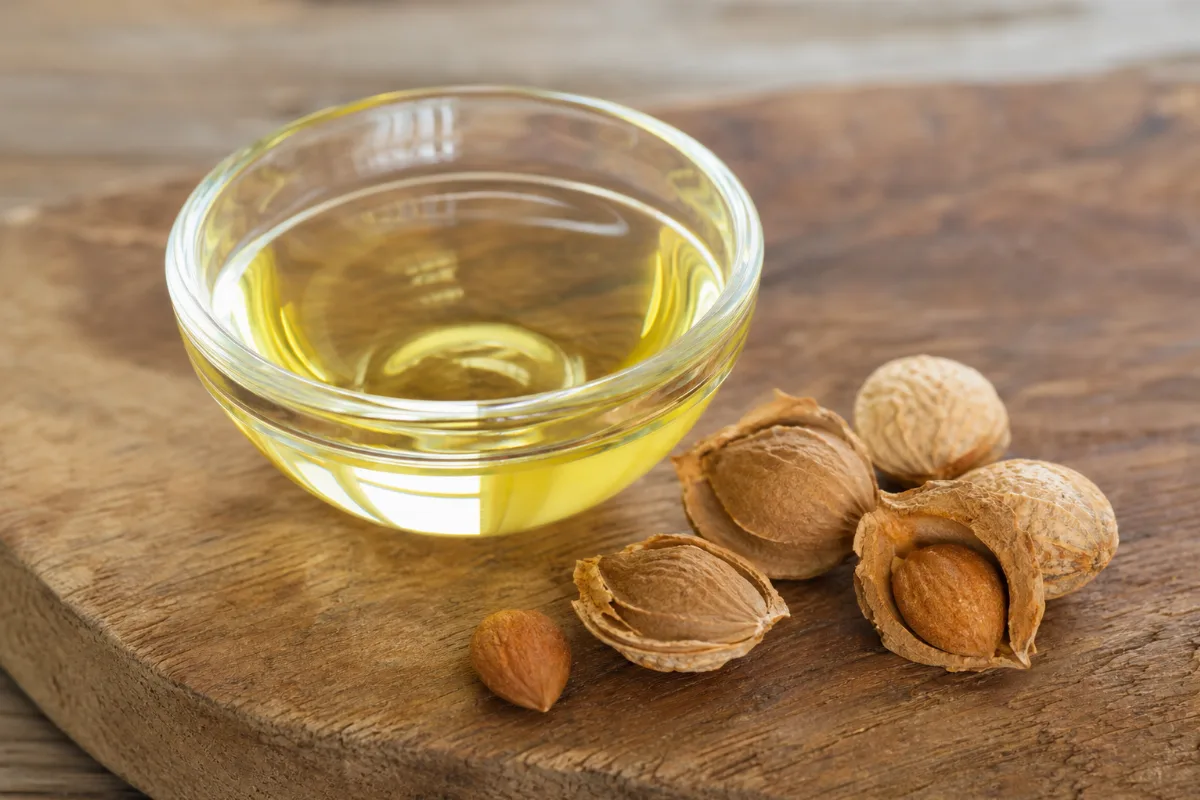
Apricot kernel oil (Prunus armeniaca) is a light plant oil used for massage and skin. No human trials were found; here is the evidence, and why raw kernels are a separate poisoning risk.
Content last updated . This page has not been medically reviewed.
Quick safety points
- Raw apricot kernels are not the same thing as the pressed skin oil, and they are dangerous. Kernels contain amygdalin, which the body turns into cyanide. The European Food Safety Authority (EFSA) says even a few small raw kernels can pass the safe limit for an adult, and one small kernel can for a toddler. [1] The US FDA warned in 2024 about bitter apricot seeds with high amygdalin. [2] "Vitamin B17" and laetrile are marketing and drug names for amygdalin, not vitamins. [3] See the kernel page: apricot kernel.
- What the oil contains is not settled in the sources we read. One 2025 study of cold-pressed apricot kernel oils, including commercial samples, found cyanogenic glycosides undetectable or only in trace amounts. [5] A 2023 review says mechanically pressed oil can contain hydrogen cyanide and solvent-extracted oil is reported to be free of it. [4] The reviews and studies we read do not tell a buyer which products are which. Do not swallow cosmetic apricot kernel oil.
- No human trial of apricot kernel oil on skin was found in our searches. The "benefits" for skin are mostly traditional use, composition data and rat or lab work. [4][6][7][9]
- Allergy and patch test: the sources we read do not report how often apricot kernel oil causes skin reactions or whether it reacts with tree-nut or stone-fruit allergy. Because that is unknown, a small patch test first is a sensible habit. See patch testing natural oils and butters.
- Pregnancy, babies, pets and medicines: not described for this oil in the sources we read.
What apricot kernel oil is
It is a fixed (fatty) oil pressed from the kernel, the seed inside the apricot stone, of Prunus armeniaca. It is not an essential oil. [4] Bitter kernels can hold up to about 54% oil, and reported yields in studies range from roughly 28% to 61% depending on the kernel and method. [4] The fats are mostly oleic acid (about 58 to 68% in the review) and linoleic acid (about 23 to 30%), with small amounts of palmitic and stearic acid, plus vitamin E type compounds. [4] A Moroccan study of bitter kernel oil reported oleic acid 62.5% and linoleic acid 24.8%. [6] In plain words: it is a mostly "monounsaturated" oil, close in make-up to sweet almond oil. Kernels used for oil are often the bitter type, while sweet kernels are generally eaten. [4] How it feels on skin is mostly described by sellers as light and quickly absorbed; we did not find a study that measured this.How it is used
- Massage oil and body oil: the review lists massage oil and cream, hair oil, lip balm, moisturizing cream, soaps and scrubs, and use as a base oil for aromatherapy. [4][10]
- Carrier for essential oils. See carrier oils explained. Do not use essential-oil dilution rules for fixed oils or the reverse; see diluting essential oils.
- Food: some studies treat the oil as a food ingredient. [5] We do not give eating advice here. The dietary view lives in oils and fats.
How it differs from sweet almond oil
Both come from kernels of Prunus trees (sweet almond is Prunus dulcis, apricot is Prunus armeniaca) and both are oleic-rich. [4] Sweet almond oil has small skin trials, mostly mixed; see sweet almond oil. We found no head-to-head study of the two oils, so claims that one is "lighter" or "better for sensitive skin" are not backed by sources we read. The big practical difference is that the apricot seed has a documented kernel poisoning issue (below), and almonds are a well-known tree-nut allergen.Traditional use (not proof)
Papers describe apricot kernel oil as a folk remedy, especially for skin health and skin infections. [8] The kernel itself is used in traditional Chinese medicine, see apricot kernel. A long history of use does not show that the oil works.What research shows
Human studies of apricot kernel oil on skin, hair or in massage: Proper evidence not found in the sources we read. We searched Europe PMC for apricot kernel oil together with massage, trials, patients, dermatitis, allergy and patch tests and found no trial or case series of the oil used on people. Results that did appear were about food chemistry, lab tests and animals.| Question | What the source found | Strength | Who or what was studied |
|---|---|---|---|
| Skin moisturizing, massage | No human study found | None | Not studied in people in the sources we read |
| Wounds and burns | Daily topical bitter apricot kernel oil improved healing in a rat burn model. [7] | Animal only | Rats |
| Inflammation and pain | Same study: less paw swelling and fewer writhing responses in rodents. [7] An oral oil reduced nerve-pain behaviour and inflammatory markers in rats. [9] | Animal only | Rats; one study swallowed, which is not a skin route |
| Germ-killing | Extracts of bitter kernel oil stopped growth of several bacteria and fungi in lab dishes. [8][11] | Lab only | Petri dish tests |
| Antioxidant activity | Measured in lab tests; the antioxidant level varied widely between studies. [8][11] | Lab only | Chemistry assays |
Animal and lab findings do not show that a cosmetic oil heals skin or fights infection in people.
Claims checked
- "Apricot kernel oil heals wounds, burns or eczema." The only wound data we read are from rats. [7] No human trial found.
- "It is rich in vitamin E and nourishes skin." The review says the oil contains vitamin E type compounds and fatty acids. [4] That describes what is in the bottle, not a result in skin.
- "It is non-comedogenic (will not clog pores)." Ratings online come from seller sites and old ranking lists; see comedogenic ratings checked. The sources we read give no test in people for this oil.
- "Apricot kernel oil is the same as laetrile or vitamin B17." No. Laetrile is a purified or modified form of amygdalin; "vitamin B17" is not an approved vitamin name and there is no evidence the body needs it. [3] The cosmetic oil is a different product from kernels or laetrile.
- "Cold-pressed oil has no cyanide at all." One study found undetectable or trace cyanogenic glycosides in the cold-pressed and commercial oils it tested. [5] Another source says mechanically pressed oil can contain hydrogen cyanide. [4] We could not read a regulator's statement on oil, so we make no promise either way.
Forms, grades and why they matter
- Cold-pressed (unrefined): mechanically pressed, keeps its natural scent. In one study, benzaldehyde, an almond-like smell compound, varied widely from 0.010 to 16.370 mg/kg between samples. [5]
- Refined: oil that has been processed further. We did not find a source comparing allergy or safety of refined and unrefined apricot oil.
- Solvent-extracted: used in industry, reported by the review to be free of hydrogen cyanide. [4] It is not usually what a skin-oil buyer chooses.
- Cosmetic versus food grade: same plant, different testing and rules; see cosmetic grade vs food grade oils and butters.
- Blends: many "apricot oil" body oils contain other oils or fragrance. Read the ingredient list; the Latin name on cosmetic labels is Prunus armeniaca kernel oil.
Safety and cautions
- Kernels, not oil: raw kernels release cyanide when chewed or digested. EFSA set a one-off safe limit of 20 micrograms per kg of body weight and estimated an adult could exceed it with a few small kernels. [1] FDA's 2024 alert lists symptoms from trouble breathing and lightheadedness to seizures and collapse, and says to seek care if kernels or seeds were eaten. [2] If someone has swallowed kernels and has symptoms, call emergency services or a poison centre.
- Oral use is the key hazard. NCI says oral laetrile carries much higher risk than injection because gut bacteria release cyanide. [3] Do not take apricot kernel oil by mouth as a remedy.
- Patch test and skin reactions: not described for this oil in the sources we read. See check before you use natural oils and butters.
- Nut and stone-fruit allergy: not described in the sources we read. Ask an allergist if you have a tree-nut or stone-fruit allergy.
- Babies, pregnancy, breastfeeding, pets, medicines: Proper evidence not found in the sources we read. See natural oils for baby skin and massage and natural oils and pets.
Quality and storage
Oils high in unsaturated fats can go rancid. A 2025 study found acrolein, a marker of lipid spoilage, only in commercial samples and not in the cold-pressed non-commercial ones. [5] Another reported a peroxide value of 0.98 meq O2/kg in a Moroccan oil sample. [11] The sources we read give no shelf-life figure for apricot kernel oil. General advice is on rancidity, shelf life and storage of natural oils.Related pages
Uses studied and safety checks for Apricot Kernel Oil
Read the safety checks first. Each card says whether a finding comes from people, from the lab or from tradition, which product and way of use was tested, and how strong the evidence is. A finding for one product or one way of using it does not carry over to another.
Check before you use (5)
- Raw apricot kernels and cyanide (kernel, not the pressed oil). Raw kernels contain amygdalin, which the body turns into cyanide; EFSA says a few small kernels can pass an adult's safe limit and one small kernel a toddler's. Cosmetic oil is a different product.
- Amygdalin and cyanide in the oil itself. One study found cyanogenic glycosides undetectable or trace in cold-pressed and commercial oils; a review says mechanically pressed oil can contain hydrogen cyanide. Sources differ.
- 'Vitamin B17' and laetrile claims. Laetrile is a purified or modified amygdalin; 'vitamin B17' is not an approved vitamin and no need for it is shown. Oral use carries much higher cyanide risk than injection.
- Rancidity and product quality. Spoilage marker acrolein appeared only in commercial oil samples in one study; no shelf-life figure was found.
- Allergy, babies, pregnancy, pets and medicines. Skin reaction rates, nut or stone-fruit cross-allergy, babies, pregnancy, pets and medicine interactions are not described for this oil in the sources read.
Apricot kernel oil and dry skin or massage
Not enough evidenceUsed as a massage and body oil. No human trial of the oil on skin or in massage was found in the sources read.
Supplements: Proper evidence not found in the sources we read.
Apricot kernel oil and wound or burn healing
Lab or animal research onlyDaily topical bitter apricot kernel oil improved healing in a rat burn model.
Supplements: None shown for people.
Apricot kernel oil and inflammation or pain (animals)
Lab or animal research onlyLess paw swelling and writhing in rodents; swallowed oil reduced nerve-pain behaviour in rats.
Supplements: None shown for people.
Germ-killing and antioxidant lab tests
Lab or animal research onlyOil from bitter kernels slowed bacteria and fungi in lab dishes and showed antioxidant activity in chemistry assays, with large differences between studies.
Supplements: None shown for people.
Traditional use of apricot kernel oil
Not enough evidenceDescribed as a folk remedy for skin health and skin infections. Long use is not evidence.
Supplements: Traditional use is not evidence of an effect.
Frequently asked questions
Is apricot kernel oil safe to put on skin?
The sources we read do not report skin harm, but they also do not test it in people. We found no human skin trial. A patch test first is sensible.
Can apricot kernel oil cause cyanide poisoning?
The documented poisoning risk is from eating raw kernels. [1][2] Studies of the pressed oil found undetectable or trace cyanogenic glycosides in one case, while a review says mechanically pressed oil can contain hydrogen cyanide. [5][4] Do not swallow the cosmetic oil.
Is apricot kernel oil the same as vitamin B17?
No. "Vitamin B17" is a marketing name for amygdalin and laetrile, found in kernels, and it is not a recognized vitamin. [3]
How is it different from sweet almond oil?
Both are oleic-rich kernel oils from Prunus trees. [4] We found no direct comparison in people. See sweet almond oil.
Does apricot kernel oil heal scars, eczema or wrinkles?
Proper evidence not found in the sources we read. Wound-healing results exist only in rats. [7]
References
- European Food Safety Authority. Raw apricot kernels could pose a risk to consumers because of cyanide. News story, 27 April 2016. Read 2026-10-24.
- US Food and Drug Administration. FDA issues warning about toxic amygdalin found in apricot seeds. Safety alert, 24 May 2024. Read 2026-10-24.
- National Cancer Institute. Laetrile/Amygdalin (PDQ), health professional version. We read most of the page, not the last part. Read 2026-10-24.
- Pawar KR, Nema PK. Apricot kernel characterization, oil extraction, and its utilization: a review. Food Science and Biotechnology, 2023. Read 2026-10-24.
- Carrà F et al. A comparative study of bioactive and volatile components in cold-pressed apricot and peach kernel oils. Food Bioscience, 2025 (abstract page only). Read 2026-10-24.
- El Hajjaji MA et al. Pharmacological evaluation of bitter apricot kernels oil: anti-inflammatory, analgesic, and wound-healing effects. Journal of Ethnopharmacology, 2026 (abstract). Read 2026-10-24.
- Same study as [6], rat burn, paw-swelling and writhing results. Read 2026-10-24.
- Hamid Z et al. Unlocking the therapeutic and antimicrobial potential of Prunus armeniaca L. seed kernel oil. International Journal of Food Science, 2024 (first part of full text; lab study). Read 2026-10-24.
- Akaberi M et al. Analgesic effect of apricot kernel oil on neuropathic pain in rats. Heliyon, 2024 (abstract). Read 2026-10-24.
- Akhone MA et al. Apricot kernel: bioactivity, characterization, applications, and health attributes. Foods, 2022 (abstract, cosmetic use listed). Read 2026-10-24.
- El Hajjaji MA et al. Mineral composition, physicochemical characteristics, and antioxidant and antibacterial properties of oil extracted from Moroccan bitter apricot kernels. Scientifica, 2026 (abstract). Read 2026-10-24.